2020 has been an difficult year for all of us as Covid 19 turned lives upside-down. Here at Writing to be Read and WordCrafter, we saw some great accomplishments, in spite of the fact that my genre theme schedule fell apart half-way through the year on the blog and content was a little more sporadic. I had to figure out how to adjust to my own “new normal”, which life changes brought my way, but they also led me to remember who I am. Now, I’ve analyzed and regrouped, and I’m ready to head into the new year with new ideas and projects.
WordCrafter’s 2020 Virtual Writing Conference
One of the biggest things for WordCrafter was the 2020 Stay in Place Virtual Writing Conference back in April. We ended up with twenty-two distinguished authors, offering live stream and video lectures, and interactive workshops and discussion panels, with free content for the Facebook event and a Zoom platform for the interactive stuff. We had a good turn-out with only a few glitches, and we’re preparing to do it again in 2021.
WordCrafter Press releases in 2020:
Ask the Authors
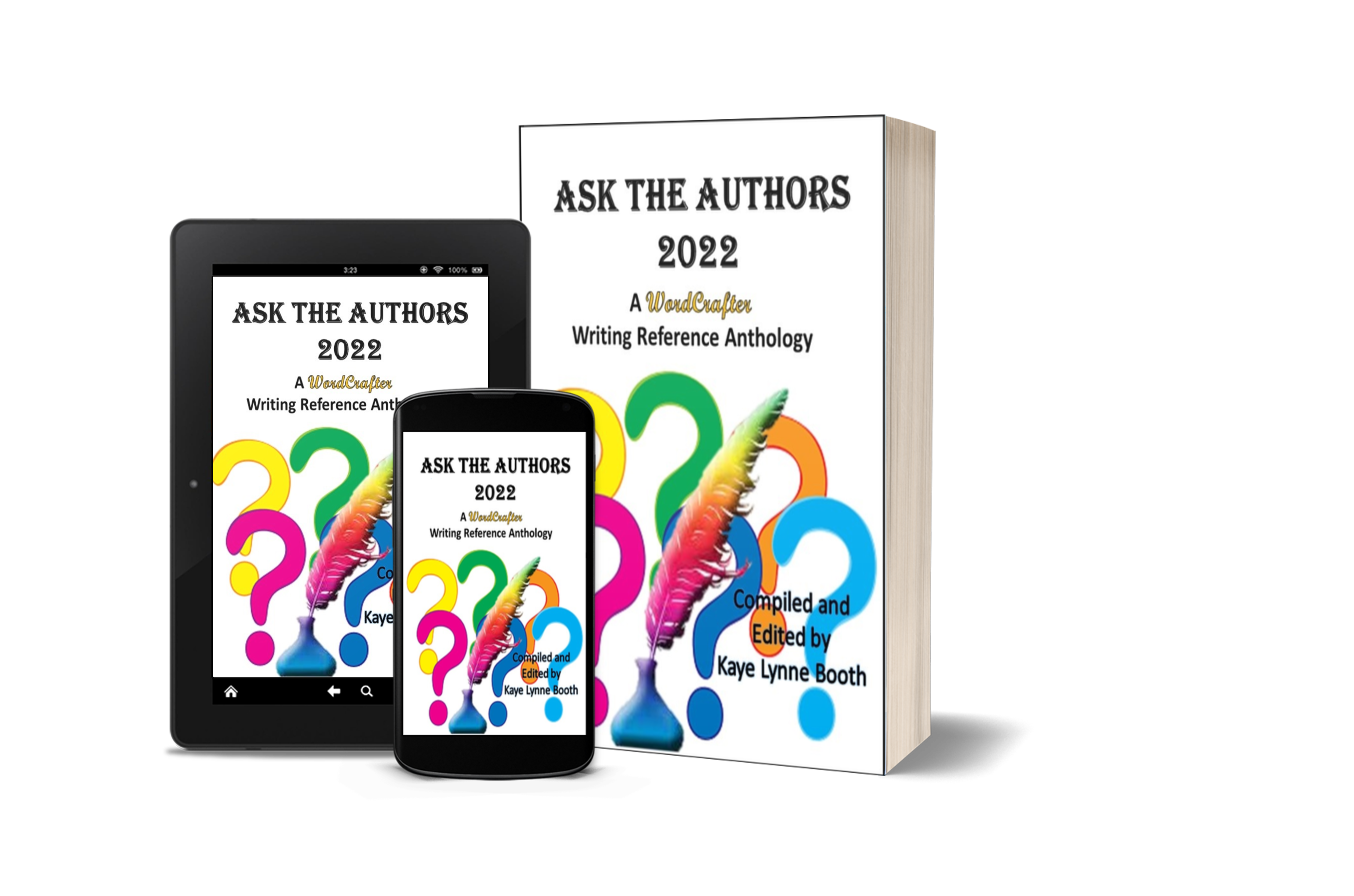
In April, the Ask the Authorswriting anthology was released after two years of compilation. This book is an ultimate writer’s reference with tips and advice from twenty-two authors, and it started right here, from a 2018 blog series of the same name. In November, the print edition of this book, (and all WordCrafter Press books), became available, as well.
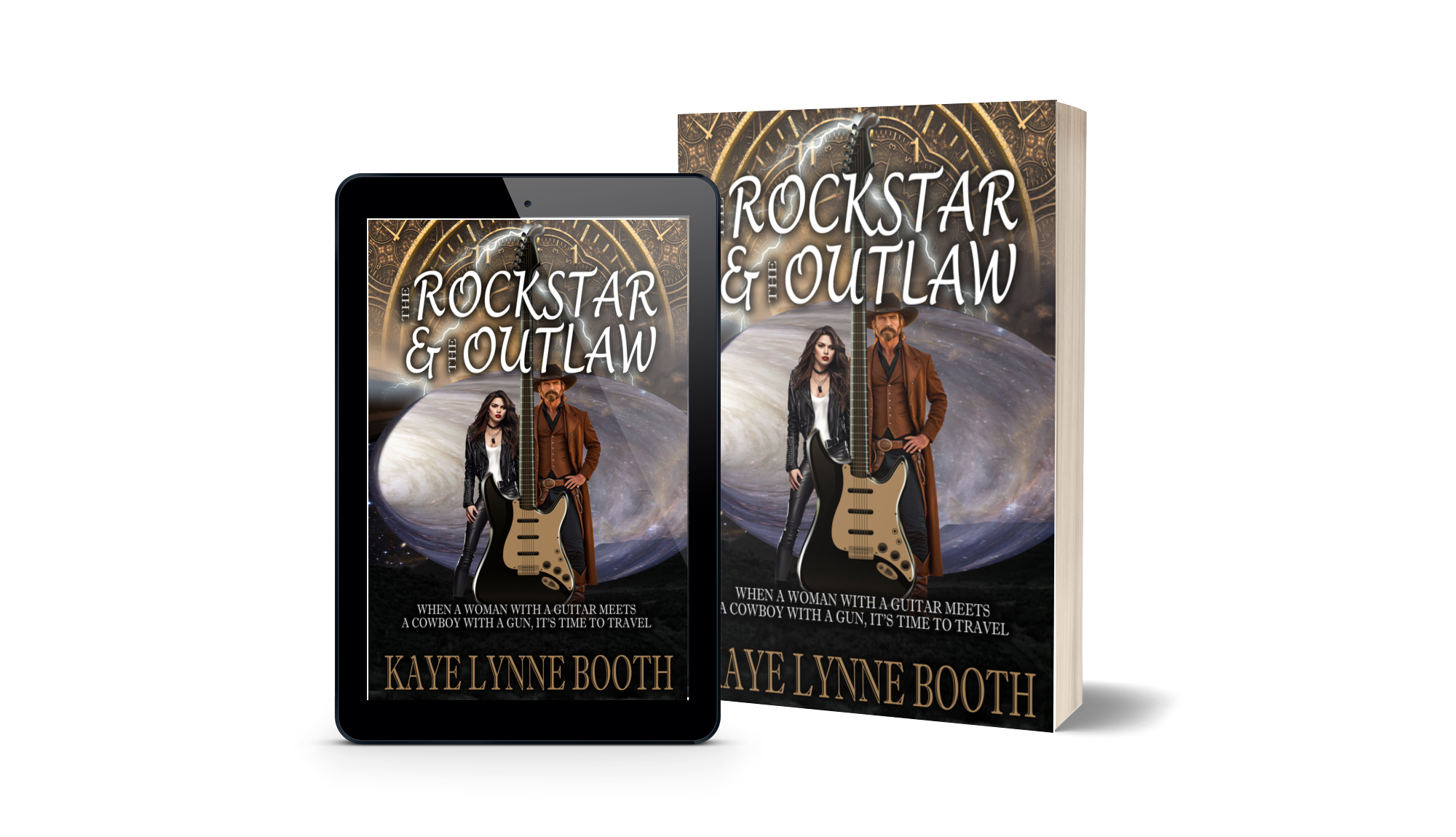
Two of my own books were also released. Last Call and Other Short Fiction is a collection of my short stories, and my paranormal mystery novella, Hidden Secrets, is now available in print on Amazon, but the digital edition can be purchased through other retailers. In the coming year, I will have a story in the Where Spirits Linger anthology, and I’m working on a new book, The Outlaw and the Rockstar which I hope will be ready to release before the end of 2021.
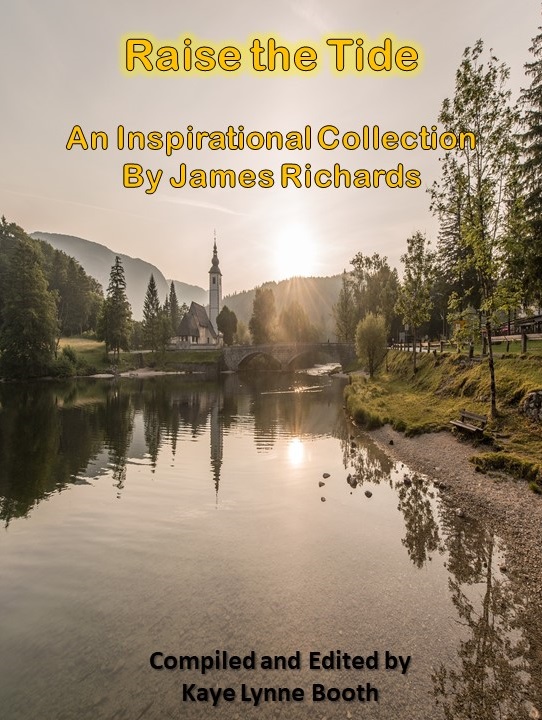
Raise the Tide
WordCrafter Press‘ first stand alone author’s book was released in December, Raise the Tide, a devotional book by James Richards. We also look forward in anticipation to adding the January release of a massive poetry collection by Arthur Rosch, Feral Tenderness, to this list.
Feral Tenderness
Writing to be Read 2020:
We had some great guests on Writing to be Read. On “Chatting with the Pros”, my author guests featured Diana Raab, Amy Cecil, Cherokee Parks, L. Deni Colter, and Kevin J. Anderson. I’m hoping to transform this blog series into a podcast, which can be accessed through the blog, in the coming year, and I hope you all will join me there. Other authors interviewed in 2020 included Mark & Kym Todd, Jade C. Jamison, and Alan Dean Foster. The most viewed interview was with erotic romance author Nicky F. Grant. Interviews fell by the wayside along with the genre themes, but I’m planning to bring back author interviews for 2021, and I’m working on a new blog segment, “The Authors’ Covid Coffee Clache”, which will address issues of the pandemic specific to authors.
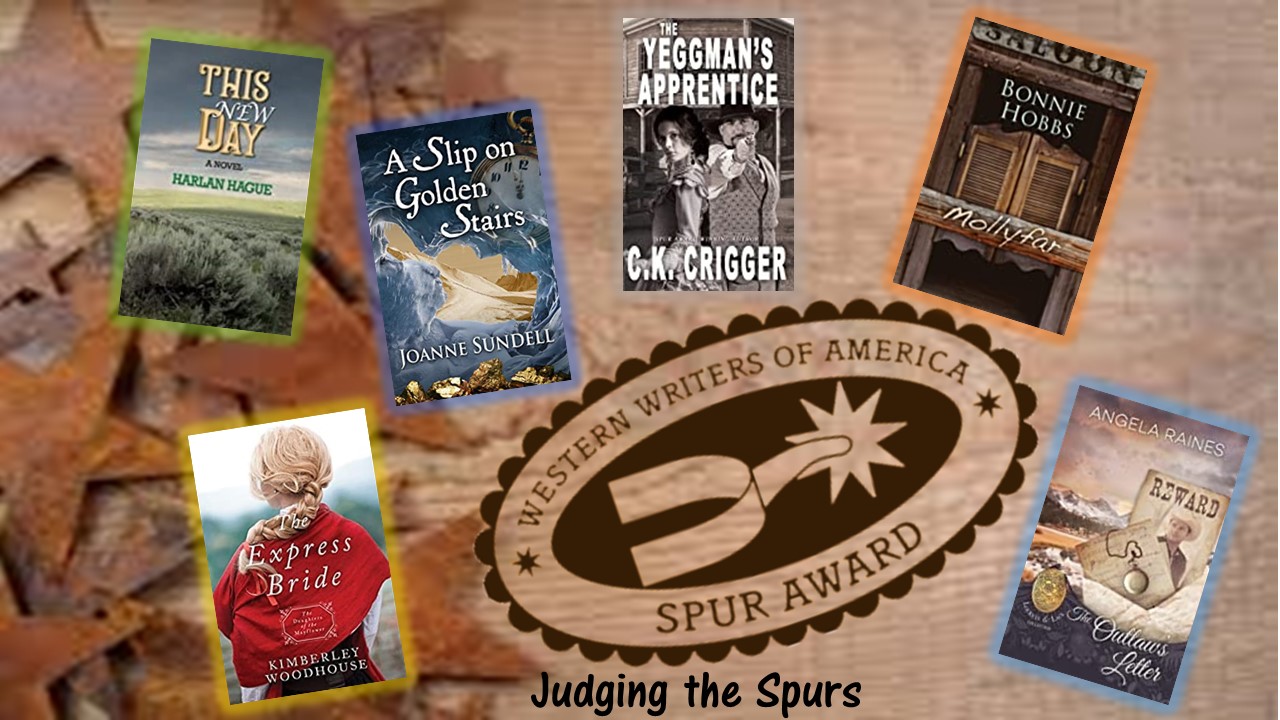
I was also honored to be a judge for the Writers of America’s Spur Awards and I reviewed my top six picks, and the winner of the western romance category, The Yeggman’s Apprentice, by C.K. Crigger. These were the best of the best, and I was honored to be given the opportunity to read and review them.
WordCrafter Book Blog Tours
Also, in 2021 Writing to be Read will be a host for the WordCrafter Book Blog Tours, so we’ll be keeping you up to date on several new releases as they come out. Robbie Cheadle will bring us a new blog series on nursery rhymes and fairytales, “Dark Origins”, and I plan to bring in a new series, “Writer at Work”, which will talk about different issues that writers face. Subscribe to this blog with one of the buttons in the upper right-hand corner to be sure not to miss this great new content or the tried and true content of continuing series on Writing to be Read in the coming year.
Like this post? Let me know in the comments. You can be sure not to miss any of Writing to be Read’s great content by subscribe to e-mail or following on WordPress. If you found this content helpful or entertaining, please share.
Trevor Joyce made sure that the two hundred foot extension cord was securely fastened too the outlet in his garage. Carefully he measured out the length to the swimming pool. He walked with the plastic reel, paying out the line, around his Ferrari, past his Bentley, and when he came to the last of his car collection, the Silver Ghost Rolls Royce, he kicked the cord firmly under its rear tire so that it wedged there. Backing up the driveway, he tugged at the line, ensuring that it was firmly seated under the tire and would not come loose.
The driveway angled steeply upward under a line of cypress trees. From the top, Trevor could see the ocean and a big chunk of Malibu Canyon with its winding roads and private gated houses. He stopped and scratched at one of the tattoos on his right arm: it was the band tattoo, the famous one-eyed cat that rock fans instantly associate with the heavy metal group, Fish Store.
For eighteen years, Trevor had been the lead guitarist with Fish Store. As of last week, some snaggly little kid named Keewee Bonior was the lead guitarist with Fish Store. One by one, the old members were being squeezed out. Trevor had seen it coming; first it was the keyboard player, Pierce Holling. Okay, Pierce had lost three fingers in a car crash. But that was just a bullshit pretext for booting him out of the band. Pierce didn’t need ten fingers to play rock and roll. It was really the paunch and the wrinkles, that’s what it was all about. He just wasn’t fucking cute anymore.
The extension cord reached all the way to the hedge at the far end of the pool. Plenty of length for Trevor’s purposes. He wound it in long loops between his thumb and his elbow and returned to the garage, laying the cord carefully on the trunk of the Rolls Royce.
He went upstairs and got his favorite guitar and his little amplifier, the Boogie, the one he used for rehearsals, “the little screamer”, as he called it. The guitar was the pearl-inlaid Flying Vee, once owned by the late guitar legend Claxton Wanko. It had played many immortal rock hits in Claxton’s band. It had played “Eat My Heart Out”, “Work Me To The Bone”, it had played “Tough Love Tonight” and “Willng Pussy”. Trevor had bought it at auction for six thousand dollars in nineteen eighty five.
He gave it a little wipe with a polishing chamois, flipped it around on its strap button, inspected it from the top tuning peg to the green serial number etched into its bifurcated body. He hefted the guitar in one hand, the amp in the other, and returned to the garage. Trevor placed the guitar and amp carefully on the work bench that ran the length of the left hand side of the cavernous chamber. He returned to the interior of the house, walked up the soft purple carpet, past the billiard room and the theatre room to the master bedroom.
He went into Lynda’s bathroom; Lynda had been gone for weeks. She wasn’t coming back. There was nothing to indicate her eight years of residence in the house, but a hairbrush with a few wisps of blonde hair, a chunk of glycerine soap and a bottle of Jack Daniels, half empty. Trevor took a swig from the bottle, wiped his lips, then looked at his reflection in the mirror.
“The fuck,” he said, mumbling to himself. He splayed his fingers and ran them through his long, lanky, thinning black hair. “Kick me out of my own band ‘cause I’m going bald. I’m not going bald.” He could not, of course, see the round circle of flesh at the very top of his head, like a monk’s tonsure, from which his flowing locks seemed to emerge as if they were rivers running off some invisible glacial lake.
He took another swig from the bottle of whiskey and went across the bedroom to his own bathroom on the other side. He opened the medicine cabinet and took out a little sealed glass bottle shaped like a bell. Morphine Sulfate, Two Hundred Milligrams.
“That should do it,” he said, tapping the bottle with his fingernail. From one of the drawers he withdrew a rubber tourniquet and a twenty two gauge insulin syringe. He took these items back into the garage, and set them carefully next to his guitar and amp. He then got the end of the extension cord from atop the trunk of the Rolls and unwound enough of it to reach the work bench.
From the far corner of the double-doored garage, he pulled a blue plastic tarpaulin off his gleaming Harley Custom. The motorcycle stood there like a science fiction insect about to ingest some screaming prey. Its headlight was like the eye of a cyclops. Purple swirling paint swept in flames down to the One Eyed Cat logo painted on each side of the silver gas tank.
Trevor pushed it off its stand and wheeled it around his cars to the tool bench. There, he put it back on its stand and straddled its bulk. He reached for a roll of duct tape and pried a few inches from the fat cylinder and hung the sticky part from the bar of the motorcycle. Then he placed the amplifier in his lap, settling it as comfortably as possible, dividing its weight between the bike’s saddle and his thighs. Methodically, he began taping the amplifier to his chest. Holding it with his left arm, he wound the tape around the amp, then switched off to his right hand and continued winding around his back, over and over again, until he had the electronic device reasonably secured to his torso.
He picked up the guitar and used a patch cord to connect it to the amp. Cumbersome, he decided, but certainly do-able. He put on his shades. He tied a bandana around his head. He was already dressed in leather pants and a sleeveless leather vest that showed all his obscene tattoos.
He plugged the amp’s power cord into the long extension cord. He turned on the amp. The light glowed green. Clumsily, he strummed a C Chord. Thwong! It echoed hugely in the garage.
“Yeahhh,” Trevor drawled. “Ready ready ready.”
He kicked the motorcyle into life. Its engine roared and he throttled it so the noise of the bike and the noise of the amp blended into a single savagely gleeful thunder.
Then he took the vial of morphine and filled the syringe with its contents. He had forgotten to tie off with the rubber tourniquet, so he used the guitar’s patch cord to raise one of his few remaining useful veins. He had collapsed the big one inside his elbow and the big one that ran down the side of his arm, and most of the medium sized veins, lower down near his wrist. But there was still the inch-long minor vein about two inches down from his elbow; he had been getting hits there for the last couple weeks, he knew he could hit it, even with all this stuff strapped around him. It took a few jabs, a few misses, but finally he found the blood and mainlined that huge hit of pharmaceutical dope right into his bloodstream. It took only a few seconds to feel its soft blanket spreading from his innards to the periphery of the nerve endings at his fingertips.
“This is it,” he thought. “The perfect rock and roll suicide!”
He gunned the motorcyle. He turned the amplifier all the way up and thwanged a huge chord. He was going to accelerate into the swimming pool, electrocute, overdose and drown himself all at the same time. Someone would find his corpse in the next couple weeks, sitting there at the bottom of the pool on his Harley, with his Claxton Wanko guitar strapped around his shoulder, his Boogie Amp short-circuited, his blood full of dope.
“Yeehaaaa!” he yelled, strumming the guitar. He managed to roll the bike out of the garage, extension cord trailing behind him. He went to the very bottom of the sloped driveway, just inside the swinging metal gate, gunned the engine, twanged the guitar, turned the motorcyle around and roared up the drive towards the swimming pool.
He strummed as he ascended. B flat Chord, A flat Chord, F Chord, the famous intro to Fish Store’s biggest hit, “Slam Me, Ma’am”. He fought to keep his balance. He got to ten miles an hour, fifteen, twenty. He got to the very top of the drive and the extension chord snagged on a bit of outthrust pavement and whipped loose. The sound of the guitar suddenly died. The lip of the drive acted as a ramp and Trevor flew over the pool like a stunt rider, landed in the hedge, passed through it, tore through his downhill neighbor’s fence and wound up on Malibu Drive, stoned out of his mind, but not dead, carrying his guitar and his amplifier on his Custom Harley.
“Aw fuck,” he said aloud, as he swerved across the dividing line on the serpentine road.
A Mountain Springs water truck honked at him and managed not to squash him.
Unable to control the motorcycle any longer, he gunned the throttle, closed his eyes and simply let fate carry him. He hit a curb, went over some rocks, crashed through rhododenron bushes, flew into the air and finally landed with a gigantic splash in someone else’s swimming pool.
He was still alive. Hands came to the bottom of the pool, pulled at the amp, pulled at his armpits, hauled him from the pool. A dozen teenagers avidly surrounded his stunned form.
“That was fuckin’ great, dude!” One of the youngsters said. “Awesome! Did my mom set this up? Fucking great…..hey. Aren’t you Trevor Joyce? Aren’t you, like, Fish Store, dude?”
The kid did a naïve imitation of Trevor’s duck-walking stage style, mocking the chords to “Slam Me, Ma’am”, playing air guitar with his tongue hanging out.
Trevor handed the Claxton guitar to one of his young admirers. He took the bandana from his head and wrung it out.
Not today, he thought. Not today. I’ve still got fans.
A Midwesterner by birth, Arthur Rosch migrated to the West Coast just in time to be a hippie but discovered that he was more connected to the Beatnik generation. He harkened back to an Old School world of jazz, poetry, painting and photography. In the Eighties he received Playboy Magazine’s Best Short Story Award for a comic view of a planet where there are six genders. The timing was not good. His life was falling apart as he struggled with addiction and depression. He experienced the reality of the streets for more than a decade. Putting himself back together was the defining experience of his life. It wasn’t easy. It did, however, nurture his literary soul. He has a passion for astronomy, photography, history, psychology and the weird puzzle of human experience. He is currently a certified Seniors Peer Counselor in Sonoma County, California. Come visit his blogs and photo sites. www.artrosch.com and http://bit.ly/2uyxZbv.
Arthur’s books include The Road Has Eyes, The Gods of the Gift, and Confessions of an Honest Man. His lifetime collection of poetry and photography, Feral Tenderness, is soon to be released by WordCrafter Press.
Want to be sure not to miss any of Art’s “Mind Fields” segments? Subscribe to Writing to be Read for e-mail notifications whenever new content is posted or follow WtbR on WordPress. If you find it interesting or just entertaining, please share.
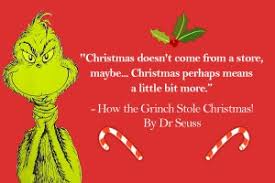
This is my final Treasuring Poetry post for 2020 and I am sharing my favourite Christmas poem, an extract from How the Grinch Stole Christmas by Dr Seuss. I love this piece of his lovely Christmas story because it really illustrates what Christmas is all about. I love how the Grinch was unable to stop Christmas from coming because Christmas is in our hearts and souls and its not about the gifts, the food, the Christmas tree or even our families. It is about us, as individuals, and our own personal relationships, beliefs, and aspirations.
From Dr Seuss Christmas Quotes: The Grinch quotes
…So he paused. And the Grinch put his hand to his ear. And he did hear a sound rising over the snow. It started in low. Then it started to grow. But the sound wasn’t sad! Why, this sound sounded merry! It couldn’t be so! But it WAS merry! VERY! He stared down at Whoville! The Grinch popped his eyes! Then he shook! What he saw was a shocking surprise! Every Who down in Whoville, the tall and the small, Was singing! Without any presents at all! He HADN’T stopped Christmas from coming! IT CAME! Somehow or other, it came just the same! And the Grinch, with his grinch-feet ice-cold in the snow, Stood puzzling and puzzling: “How could it be so?” “It came with out ribbons! It came without tags!” “It came without packages, boxes or bags!” And he puzzled three hours, till his puzzler was sore. Then the Grinch thought of something he hadn’t before! “Maybe Christmas,” he thought, “doesn’t come from a store.” “Maybe Christmas…perhaps…means a little bit more!”…
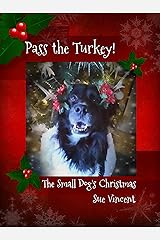
Ani, the small dog, and her two legs, Sue Vincent, know all about Christmas and making the best of it. Ani, with the help of Sue, has written a number of lovely rhyming poetry books, one of which is Pass the Turkey: The Small Dog’s Christmas. This is one of my favourite poems from this book:
Pondering
Dear Santa, I’m a little dog who doesn’t do religion. I’d rather chase a tennis ball or terrorise a pigeon Than argue over who is wrong or maybe who is right… It seems a silly way to me to get into a fight.
I know the Christmas story, ’cause she told me long ago, About Joseph and Mary when they had nowhere to go, And that’s the bit that got to me, ’cause someone found a place, Although they slept with beasts and not with others of their race.
According to the tale we’re told, they slept beneath a star And shepherds brought their lambs to see and kings came from afar. They gathered where the Baby lay, beside the ox and ass, While angels sang above, they knelt in wonder on the grass.
Now, that’s a lovely story that the world will celebrate… And then go back to living in their prejudice and hate. They look askance at strangers if they wear a different skin… I wonder if the Babe returned, if they would let Him in?
You know, I have to wonder, if there’s any point at all, In putting presents on the tree or trimming up the hall Unless they feel the Christmas spirit bringing love and peace And know that it is in their hearts hostilities must cease.
I know, I’m just a small dog and my voice will not be heard, I’m only good for cuddles and to chase a ball or bird. But maybe when you visit you could tell them while they sleep And give them just a bit of your compassion they could keep.
It would be nice to think it could be Christmas every day (Without the preparations and the bills they have to pay) But being gentle with each other, giving Love a place Within their hearts and in the smiles they’d wear upon their face.
My review of Pass the Turkey: The Small Dog’s Christmas
Pass the Turkey: The Small Dog’s Christmas is a delightful book full of Christmas cheer. Ani, the small dog, is reflecting on Christmas’ past, present and future through a combination of letters to Santa and poems. The perplexities of ‘fake’ Santas, the ‘theft’ of a favourite sofa, and gifts of tennis balls and a chicken flavoured biscuit, all require Ani’s consideration. Her naughty secrets are also revealed such as the time she ate all the left over turkey and salmon and fell through the ice in the pond [it was shallow]. The indignities of baths and having to wear reindeer antlers are also shared.
Join Ani and her two legs, Sue Vincent, for a glorious romp through advent and Christmas Day.
A few of my favourite verses: “I’ve tried to help with household chores, I’ve laundered all my balls, I’ve chased the pigeons form the shed And spiders from the walls.” from Request
“She’s like a puppy when it snows We just go out to play… And if she wraps up warm enough We might stay out all day.” from Wishing for the White Stuff
“The windows are all closed at night The keyhole seems to small To wriggle through with turkey And a brand new tennis ball.” from Chimneys.
You can purchase Pass the Turkey: The Small Dog’s Christmas here:
Sue Vincent is a Yorkshire born writer currently living in the south of England, largely due to an unfortunate incident with a map, a pin and a blindfold. Raised in a spiritually eclectic family she has always had an unorthodox view on life, particularly the inner life, which is often reflected in her writing, poetry and paintings.
She maintains a popular blog, https://scvincent.com and is currently owned by Ani, the inimitable Small Dog, who also writes.
Sue lived in France for several years, sharing a Bohemian lifestyle and writing songs before returning to England where the youngest of her two sons was born. She began writing and teaching online several years ago, and was invited to collaborate with Dr G. Michael Vasey on their book, “The Mystical Hexagram: The Seven Inner Stars of Power”.
Since then she has published a number of books, beginning with “Swords of Destiny”, a magical tale set in the ancient landscape of Yorkshire. Her retelling of the Egyptian myths, “The Osiriad”, came shortly afterwards along with her collaboration with Stuart France. Together they have written the Triad of Albion, the Doomsday trilogy and the first books in the Lands of Exiles series.
These books tell a true adventure in a fictional manner. They are at once a journey into the ancient and sacred landscape of Albion and the story of a growing and rather oddball friendship.
The Triad of Albion was followed by the Doomsday trilogy and France and Vincent are now working on the three books in the Lands of Exile series, where the adventures of Don and Wen stray down the paths of fiction.
They have also published a number of graphic works together exploring folklore and legend, as well as writing independently. https://franceandvincent.com/
Sue, along with Steve Tanham and Stuart France, is a Director of the Silent Eye School of Consciousness, an international modern Mystery School that seeks to allow its students to find the inherent magic in living and being. https://thesilenteye.co.uk
About Robbie Cheadle
Robbie Cheadle has published nine books for children and one poetry book. She has branched into writing for adults and young adults and, in order to clearly separate her children’s books from her adult books, is writing for older readers under the name Roberta Eaton Cheadle.
Robbie Cheadle’s Sir Chocolate children’s picture books are written in sweet, short rhymes which are easy for young children to follow and are illustrated with pictures of delicious cakes and cake decorations. Each book also includes simple recipes or biscuit art directions which children can make under adult supervision. Her books for older children also incorporate recipes that are relevant to the storylines.
Roberta Eaton Cheadle’s supernatural stories combine fabulous paranormal elements with fascinating historical facts.
Children’s picture books – available as a square book and an A5 book (co-authored with Michael Cheadle): Sir Chocolate and the strawberry cream story and cookbook Sir Chocolate and the baby cookie monster story and cookbook Sir Chocolate and the sugar dough bees story and cookbook Sir Chocolate and the Condensed Milk River story and cookbook Sir Chocolate and the Sugar Crystal Caves story and cookbook Sir Chocolate and the Fondant Five story and cookbook Sir Chocolate and the Ice Cream Rainbow Fairies story and cookbook
Middle school books: Silly Willy Goes to Cape Town (includes five fun party cake ideas) While the Bombs Fell (co-authored with Elsie Hancy Eaton)
Poetry book: Open a new door (co-authored with Kim Blades)
Supernatural fantasy YA novel: Through the Nethergate
Horror Anthologies (edited by Dan Alatorre): Spellbound Nightmareland Dark Visions
Paranormal Anthologies (edited by Kaye Lynne Booth): Spirits of the West Whispers of the Past
Murder mystery Anthology (edited by Stephen Bentley) Death Among Us
Want to be sure not to miss any of Robbie’s “Treasuring Poetry” segments? Subscribe to Writing to be Read for e-mail notifications whenever new content is posted or follow WtbR on WordPress. If you found it interesting or entertaining, please share.
I want to start by telling you that I have been a very good girl this past year. I’ve done everything I was supposed to. I always wear a mask in public and I try to stay at least six feet away from anyone around me. That’s not always easy to do when you’re in a store with people shopping up and down the aisles, but I have done my best, ordering many things online and only going into public when absoloutly necessary. And I sanitize my hands, my wallet, any cards that I used and anything I purchased, after every place that I go.
I’ve tried to give back, through the2020 WordCrafter Stay in Place Virtual Writing Conference, which WordCrafter hosted in April, when Covid 19 first began to spread and we were all ordered to stay in our homes and we were all still trying to figure out and adjust to the “new normal”. It was a great event, with twenty-two authors offering instruction and advice in live lectures, interactive workshops and panel discussions, and we had a pretty good virtual turn-out, and it provided an opportunity for all of my fellow authors to interact, learn and socialize virtually, as they would have had all in-person events not been cancelled, so I feel like I may have done a good turn for my profession.
Also in April, WordCrafter Press released the Ask the Authors anthology. This anthology is a great writing reference, where authors and potential authors can turn to find writing advice from seventeen different authors, because we don’t all write in the same way. Thank goodness. In October, we had another release, Spirits of the West, which is the anthology resulting from the 2020 WordCrafter Short Fiction Contest. More recently, these anthologies and all WordCrafter Press books are now available in print, which not only helps me, but all the other contributing authors with increased chance of sale.
In addition to publishing my short story collection, Last Call and Other Short Fiction, and my paranormal mystery novella, Hidden Secrets, WordCrafter also aided two new authors to bring their work into fruition. Pastor James Richards of the Christian Cable Ministries television program, Raise the Tide, just released his new devotional collection, Raise the Tide, and author Arthur Rosch will be releasing his massive volume of poetry and photgraphy, Feral Tenderness, in early January. I’ve got some great things cooking for next year, too, like the WordCrafter Book Blog Tours or The 2021 WordCrafter Short Fiction Contest, but I guess it’s too early to count those as good deeds, since I haven’t done them yet.
In years past, I’ve asked you for many things, mostly tools which I can use in my writing. This past year, I’ve been collecting the equipment needed to move into the audio and video realms, and I’m hoping to create a podcast with paid subscriber content, to enhance the Writing to be Read blog, so this year you may be expecting me to ask for a new video camera, or the extra money I need to put the podcast together, but that’s not what I’m going to ask for.
The past year has been a rough one for me, I’ll admit. Due to various life circumstances, I found myself unable to complete my B.S. in Marketing, which would have been completed in the spring of this coming year. But, as I look around me, I see local business owners shutting down their doors, people out of work and homeless, people grieving at the loss of their loved ones, and I realize that this damn virous hasn’t really been kind to anyone. Although I’ve had to make many adaptions to function while governments strive to get it under control, it has effected many others more harshly than it has effected me. I still have my home, my business and my health, and I am thankful for that, but there are so many out there this year who don’t. There are many out there whose needs make my own feel small and trivial. Between the virous and all the wild fires and riots of 2020, there are many out there who have lost everything and are attempting to start to build again.
So, this year, Santa, I’m asking that you deliver to those folks whatever it is they need to fill this Christmas with hope and make things a little easier for them. I know that in the end, I’ll be okay. So, this year, take care of those less fortunate than I. I’m a survivor. I’ve got a plan. 😉
Merry Christmas, Santa!
Your Friend,
Kaye Lynne Booth, M.F.A.
P.S. I will still leave the regular milk and cookies out, if you just want to stop in for a bite on Christmas eve. That sleigh travel can be hungry work. I’ll leave a few ears of corn on the roof for the reindeer, too. 😉
Like this post? Let me know in the comments. You can be sure not to miss any of Writing to be Read’s great content by subscribe to e-mail or following on WordPress. If you found this content helpful or entertaining, please share.
As authors and bloggers, we hear that we need to grow a following, or an author platform, and this is the digital measure of success. So, we write blog posts and posts promos in the hopes that readers will be drawn to our blogs and fall in love with them, and subscribe to them. Then we start counting “like” or other reactions on all of our social media sites, and when they start accruing, we tell ourselves, “Look! It’s working! Lots of people “like” my promos. My following is growing!”
But, I would argue that the number of “likes” we get on social is not a true and accurate measure of success, or even popularity, and it certainly isn’t any indication that we are moving any closer to increasing book sales, or blog visits. Think about it. Just because several people “liked” a promo on social media, doesn’t mean that any of those people clicked through to actually read the blog post or buy the book. In fact, I’d venture that the majority of “likes” on social media do not click through. They may be “liking” the promo, but they aren’t reading your work. They are probably a more accurate measure of promotional success, than they are the size of the reader following.
Of course, this isn’t the case with “likes” that appear on the blog site itself. Watching those numbers increase is a big deal, because they are an indication that people are reading your work. When the number of subscribers increase, that’s when you know that those folks who “liked” your posts, are truly finding your content of interest enough to come back and visit again. This is what bloggers strive for when trying to grow a following. (But alas, many of those followers may have subscribed may become inactive over time, letting email notifications go unopened.) Even with a large following, we are still challenged to keep readers engaged and entertained or informed. Growing a reader following is an unending process and you have to keep at it over time with quality content to maintain it.
So, why do we even bother with “likes” on social media? They may make us feel good, but do they have some other value? Are we all just striving to go viral because that’s the current measure of success on social media? The answer is that they do, indeed, have value, because they are a form of engagement with existing and potential readers. And engagement is the key to growing a solid following, with members who enjoy reading your writing and want to hear what you have to say, or the story that you have to tell.
Engagement is one of the major objectives that social media marketing is aimed at. Readers whom you engage with in some manner are more likely to subscribe to your blog or buy a book. Readers who do have engagement of some sort with a book’s author are also more likely to leave a review for that book. Favorable reviews increase the chances that someone else, previously unfamiliar with you or your work, will also buy your book.
So, as an author, don’t totally dismiss all those “likes” as unimportant, thinking that they don’t mean the ‘liker’ really likes you or your work, but instead make use of them as a chance to engage with the ‘liker’, even it is just to say thanks for “liking” my promo post. Encourage readers to click through and actually read the blog post, or buy the book in the promos, and be thankful for any engagement received.
And for heaven’s sake, be sure to reply back. Even giving a quick emoji is a form of response, and considered engagement, so take the time to reply or reach out to those people who “like” promos, engage with them, even if it’s obvious they haven’t clicked through. They will remember the next time they see one of your promos, so you’ve increased recognition and awareness, and maybe, just maybe they’ll subscribe to your blog or even buy a book.
And as readers and social media hounds, please click through and read the actual blog posts and leave a comment to clue the author in to the fact that you did. If you do buy a book, please take the time to leave a brief review to show support for the author. Being an author and getting our work out there is not easy, especially in the trying times we live in, so let’s lift each other up and support one another. Every author can’t be your favorite, but engagement and reviews are easy ways to support the ones who are.
Like this post? Let me know in the comments. You can be sure not to miss any of Writing to be Read’s content by subscribing to e-mail or following on WordPress. If you found this content helpful or entertaining, please share.
Discernment is the ability to obtain sharp perceptions or to judge well. That’s from Webster’s dictionary. I bring it to your attention because if this nation is suffering from a widespread psychological disorder it is this: a lack of discernment. It is the inability to judge well from the information that’s available. There are millions of casualties to this disease which is more sinister than Covid 19. It is something that has no name. I call it The Plebny or Recalcitrant Flux. Any force, power or person who spreads this disease is committing crimes against our planet. In this turbulent time we NEED discernment to pick our way through the fields of ignorance and bad information.
Listen to me: bad information. There’s no such thing as bad information. I refer to distorted content, warped propaganda, mendacity in the service of ego and power. We’re afflicted by people in power who lie automatically, without internal scanning or external censorship. Damage is being done! Without discernment we are easily manipulated, like cattle being led by nose rings.
Further, these people without discernment are unaware of their lack. It is impossible to engage in dialogue with people who can’t perceive with precision and conscience. I am willing to consider other points of view. I’m not stuck. It takes a little effort to discern things. It takes honesty, most of all.
With whom are we honest? We must be honest with ourselves most of all because human beings have a tendency towards various mental impediments to honesty. These obstacles have names, like Denial, Shame, Depression, Grandiosity, Narcissism, Sociopathy, Psychopathy, Crushed Affect, Sleepwalkers Syndrome, Intentional Psychomyopathy and Heartbane.
There are so many wacked out people in the world that the earth is saturated with their craziness. It is possible to ask, “What behavior is not crazy and how can I do it?” If you conjure an answer to that question, which is a deeply personal one, you’ve found the first gate to discernment.
A Midwesterner by birth, Arthur Rosch migrated to the West Coast just in time to be a hippie but discovered that he was more connected to the Beatnik generation. He harkened back to an Old School world of jazz, poetry, painting and photography. In the Eighties he received Playboy Magazine’s Best Short Story Award for a comic view of a planet where there are six genders. The timing was not good. His life was falling apart as he struggled with addiction and depression. He experienced the reality of the streets for more than a decade. Putting himself back together was the defining experience of his life. It wasn’t easy. It did, however, nurture his literary soul. He has a passion for astronomy, photography, history, psychology and the weird puzzle of human experience. He is currently a certified Seniors Peer Counselor in Sonoma County, California. Come visit his blogs and photo sites. www.artrosch.com and http://bit.ly/2uyxZbv.
Arthur’s books include The Road Has Eyes, The Gods of the Gift, and Confessions of an Honest Man. His lifetime collection of poetry and photography, Feral Tenderness, is soon to be released by WordCrafter Press.
Want to be sure not to miss any of Art’s “Mind Fields” segments? Subscribe to Writing to be Read for e-mail notifications whenever new content is posted or follow WtbR on WordPress. If you find it interesting or just entertaining, please share.
Each month, writer Jeff Bowles offers practical tips for improving, sharpening, and selling your writing. Welcome to your monthly discussion on Craft and Practice.
Everything old is new again.
Trunk novels. Everyone’s heard of them. Heck, odds are some of you have one or two lying around. Personally, I’ve got three. Three and a half, if you count a couple false starts from back when I was in my late teens and early twenties. I recently dug one out and started reading and editing it a bit, just to see if there’s a viable release opportunity for me in it.
I’m kind of a modernist when it comes to publishing. My background is in lots of short story publications, but when it’s come to book-length work, I’ve always gone the direct route and published things myself. The good news this year is that I’m already ahead of schedule on the next book I’m writing, which means I’ve got more than enough time to try and polish this older book, see if I can turn it into something presentable. It’ll take some time. Let’s face it, there’s not much in writing that can’t be improved or sharpened in some fashion. And it’s a trunk novel, which means I chose to hide it away for a reason.
That term, trunk novel, it’s got a slightly negative connotation, hasn’t it? It would seem to imply that if a book were any good, it would’ve gotten published rather than collected dust in some old trunk, either in reality or in the newfangled digital sense. This book I’m looking at, I wrote it about thirteen years ago. That’s kind if astounding, really. I also happen to have written it at a time my writing gifts were still in the soft-boiled state.
Although I do find the material worthwhile to pursue after a fashion, I just wasn’t a very good writer back then. That’s par for the course, if you ask me. So what are you to do if you’ve got some old book you’d like to resurrect, but the writing isn’t up to your present standards?
Well, I say do the hard work and chip away at it, bit by bit, until it looks a little better. Grab the opinions of a few beta readers, and then chip away at it again. The focus for me has been in shortening and cutting. Lots and lots and lots of cutting. I was a pretty verbose writer, so I expect to cut something like 30,000 to 40,000 words from a manuscript originally in the 120,000 word range. But you might have a very different task. Maybe you’ve got to make additions, or perhaps you’ll have to rewrite whole sections of it.
The truth is, if you really still believe in the story, you should be willing to do just about anything to give it a fair shot. And look, you have so many more publication options in the year 2021 than you had in decades past. The traditional route continues to be the preferred option for just about everybody out there, but it doesn’t necessarily need to be the case. Reviving an old work, hiring an editor, a book designer and cover illustrator, or doing your best with some or all of these duties yourself, it can be a very gratifying way of letting the world see something that likely would have never come up for air otherwise.
I’ve always thought hidden art is the worst kind. An alternative to publishing a more polished version of old material outright, of course, would be cannibalizing it for spare parts. This can be a really effective tool for future story development. Maybe the trunk novel has a second life in it. Is it possible it contains ideas or even entire passages or chapters you could lift out and use somewhere else? Sometimes being a writer under the gun is the same thing as being a Frankenstein-like doctor, assembling narrative monsters from bits here and bobs there.
Or, and let’s be perfectly frank about this possibility, maybe you’ll find the trunk novel needs to stay in the trunk. No problem with this. Perhaps it was meant to be. At least you know for sure now. The time I’ve taken to look at my thirteen-year-old manuscript has been well spent. So far, I haven’t seen anything too objectionable, nothing that can’t be fixed. Is it possible this kind of retreading takes more effort than simply drafting up a new story from scratch? Potentially, but again, it comes down to how much you like the work and how much you think it deserves to be seen.
That’s it for this month’s craft and practice, everyone. Until next month.
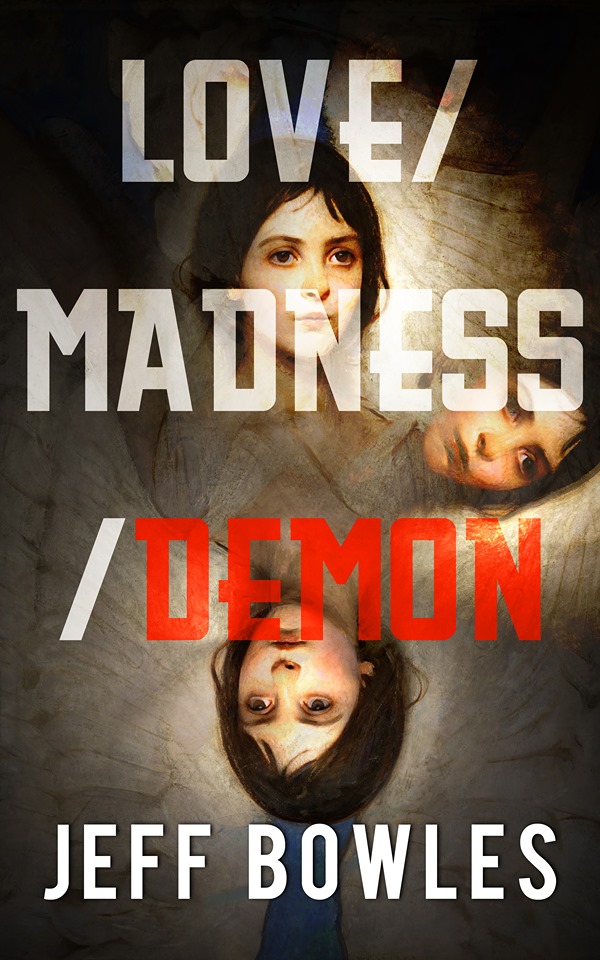
Jeff Bowles is a science fiction and horror writer from the mountains of Colorado. The best of his outrageous and imaginative work can be found in God’s Body: Book One – The Fall, Godling and Other Paint Stories, Fear and Loathing in Las Cruces, and Brave New Multiverse. He has published work in magazines and anthologies like PodCastle, Tales from the Canyons of the Damned, the Threepenny Review, and Dark Moon Digest. Jeff earned his Master of Fine Arts degree in creative writing at Western State Colorado University. He currently lives in the high-altitude Pikes Peak region, where he dreams strange dreams and spends far too much time under the stars. Jeff’s new novel, Love/Madness/Demon, is available on Amazon now!
Check out Jeff Bowles Central on YouTube – Movies – Video Games – Music – So Much More!
Want to be sure not to miss any of Craft and Practice with Jeff Bowles segments? Subscribe to Writing to be Read for e-mail notifications whenever new content is posted or follow WtbR on WordPress
Greetings fellow bloggers, authors and readers. I have exciting news to share with you. In 2021, WordCrafter will be offering affordable book blog tours to help create buzz for your books. During times when in person events can be hazardous to your health, book blog tours are a great way to get the news of your release out there, create reader awarenesss, and an opportunity to stir up reader engagement, all from the safety of your own home. WordCrafter Book Blog Tours will offer custom tour packages including combinations of author interviews, book reviews or author provided guest posts at reasonable rates that will make WordCrafter Book Blog Tours affordable, even for struggling authors.
I want the blogs on which tour posts are featured on to make WordCrafter Book Blog Tours something special. That’s why I’m reaching out to my fellow bloggers today, in search of those who would like to become tour hosts. Becoming a WordCrafter Book Blog Tour host is a great way to provide blog content for your blogs. The host bloggers will have access to the WCBBT schedule, and opportunity to sign up for the book tours of their choice, and also choose the type of content they want to post for their tour stop. If an author interview is selected, hosts will be responsible for providing interview questions. For book reviews and ARC copy will be provided and host will be responsible for reading and posting a review. Guest posts will be provided by WordCrafter, and all they need to do is post it. I still have openings for WCBBT hosts, so if you’re one of those special bloggers and you think your blog can give personality to WordCrafter Book Blog Tours, then I’d like you to become a part of the WCBBT team. Contact me at kayebooth@yahoo.com.
And I want to assure all Writing to be Read‘s loyal readers that the coming of WordCrafter Book Blog Tours will not interfere with the great content and regular blog series that you’ve all come to know and love. We’ll still continue to offer “Words to Live By”, “Growing Bookworms”, “Craft and Practice”, “Treasuring Poetry”, “Jeff’s Movie Reviews”, and “Mind Fields”. In fact, although it is too early to announce the changes for 2021, I can tell you that even more new blog series and exciting new content is in store. There are two ways that you can follow Writing to be Read: via email or via the WordPress Reader. Click the button of your choice in the top right corner, under the WordCrafter logo, to subscribe and keep updated on the great blog content to come.
Like this post? Let me know in the comments. You can be sure not to miss any of Writing to be Read’s great content by subscribe to e-mail or following on WordPress. If you found this content helpful or entertaining, please share.
There are few more legendary films than The Godfather and at least one of its two sequels. The American Film Institute named Part I the third most important movie of all time, coming in behind only Casablanca and Citizen Kane. The Godfather Part II is held up by many as a true cinematic masterpiece, superior to the first in every way, with a richness and depth rarely found in Hollywood films.
And then there’s The Godfather Part III, largely considered the weakest in the series, if not one of the weakest closing chapters of any film franchise, period. It suffered from a jumbled and imprecise development cycle, very nearly crumbling under the weight of its own narrative legacy. Originally released in 1990, The Godfather Part III was overly operatic, self-reverential, far too dependent on its own aging formula. Some casting missteps didn’t help matters either, nor did a story that had little of the depth or urgency of the previous two films.
Now, thirty years later, director and co-writer Francis Ford Coppola has resurrected The Godfather Part III with a new title and a new cut that is leaner, more focused, slightly (very slightly) different in tone and subtext, and essentially, not all that much better than it was three decades ago.
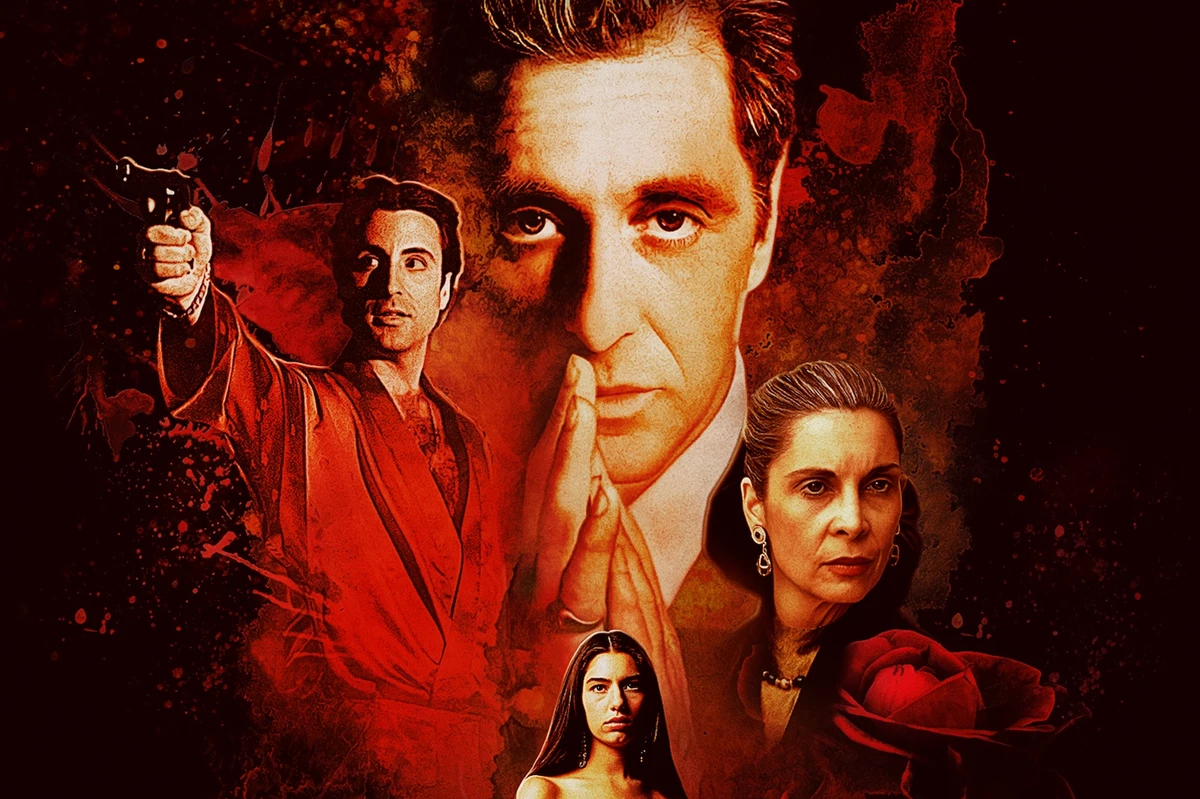
Mario Puzo’sThe Godfather, Coda: The Death of Michael Corleone (as it’s now known) may have an insanely verbose title, but let’s face it, the original cut was an odd duck anyway. Admittedly, it’s not such a bad movie to revisit. Michael Corleone and his supporting cast are some of the best drawn and most acutely emotional film characters of all time. And yet, shifting a few elements around and cutting a bit of bulk does not storytelling redemption make. The movie looks fantastic due to a new remaster and a simultaneous limited theatrical release alongside blu-ray and home streaming options. And yes, the deeper themes explored by the series as a whole stand in slightly starker and clearer relief than they did previously. But only if you’re seriously paying attention, because really, this is basically the same movie with a longer title.
Al Pacino’s Michael Corleone is a different man than the angry, murderous mafia don who ordered the death of his own brother in Part II. The truth is, Michael thinks he can buy his way into Heaven. Good deeds, charitable works, liquidating all non-legitimate assets and operations, cozying up to the church, becoming a better father. Family and the breakdown of familial bonds is one of the key themes of the entire series, and Michael’s family has been broken for years. His ex-wife, Kaye (played by the always wonderful Diane Keaton) dreads him and the bad memories that still plague her, and his two adult children love but barely trust him. Don Corleone wants out, but as his famous line of dialogue goes, just when you think you’re out … well, you know the rest.
The film benefits from increased contextual musculature and sinew, and the “new’ beginning and end aren’t so much new as better placed and/or better executed. Is it reason enough to watch all three in marathon fashion? Sure, why not? In the age of pandemic lockdowns, who’s to say what movie night can look like. As far as Coppola is concerned, The Godfather Part III was poorly named anyway. A coda, in musical terms, is a concluding passage that summarizes main themes and very often offers a sort of flourishing resolution. The Godfather, Coda does that in a way, but again, if you haven’t seen the original cut in years, it’s doubtful you’ll notice much difference.
Even still, time has a way of making old things shine. The first two films have aged remarkably well, and the series simply wouldn’t feel the same without an ambitious but clunky concluding chapter.
When it comes to The Godfather, Coda, you may want to leave the gun and take the cannoli, if you don’t mind the dumb Clemenza reference, but if you’re at all interested in what this new version brings to the table, there’s certainly worse mob stories to binge at home on a Saturday afternoon. I mean seriously. Netflix again, dear?
Jeff’s Movie Reviews gives The Godfather, Coda: The Death of Michael Corleone a Seven out of Ten.
Look at how they massacred my boy!
Jeff Bowles is a science fiction and horror writer from the mountains of Colorado. The best of his outrageous and imaginative work can be found in God’s Body: Book One – The Fall, Godling and Other Paint Stories, Fear and Loathing in Las Cruces, and Brave New Multiverse. He has published work in magazines and anthologies like PodCastle, Tales from the Canyons of the Damned, the Threepenny Review, and Dark Moon Digest. Jeff earned his Master of Fine Arts degree in creative writing at Western State Colorado University. He currently lives in the high-altitude Pikes Peak region, where he dreams strange dreams and spends far too much time under the stars. Jeff’s new novel, Love/Madness/Demon, is available on Amazon now!
Check out Jeff Bowles Central on YouTube – Movies – Video Games – Music – So Much More!
Want to be sure not to miss any of Jeff’s Movie Reviews? Subscribe to Writing to be Read for e-mail notifications whenever new content is posted or follow WtbR on WordPress



























Wow! You Must Really “Like” Me
Posted: December 21, 2020 | Author: kayelynnebooth | Filed under: Blog Content, book marketing, Book Promotion, Branding, Commentary, Promotion, Reader Platform, Social Media Promotion, Writing | Tags: Blog Content, Blog Promotion, Book Promotion, Social Media Promotion, Writing to be Read | 12 CommentsAs authors and bloggers, we hear that we need to grow a following, or an author platform, and this is the digital measure of success. So, we write blog posts and posts promos in the hopes that readers will be drawn to our blogs and fall in love with them, and subscribe to them. Then we start counting “like” or other reactions on all of our social media sites, and when they start accruing, we tell ourselves, “Look! It’s working! Lots of people “like” my promos. My following is growing!”
But, I would argue that the number of “likes” we get on social is not a true and accurate measure of success, or even popularity, and it certainly isn’t any indication that we are moving any closer to increasing book sales, or blog visits. Think about it. Just because several people “liked” a promo on social media, doesn’t mean that any of those people clicked through to actually read the blog post or buy the book. In fact, I’d venture that the majority of “likes” on social media do not click through. They may be “liking” the promo, but they aren’t reading your work. They are probably a more accurate measure of promotional success, than they are the size of the reader following.
Of course, this isn’t the case with “likes” that appear on the blog site itself. Watching those numbers increase is a big deal, because they are an indication that people are reading your work. When the number of subscribers increase, that’s when you know that those folks who “liked” your posts, are truly finding your content of interest enough to come back and visit again. This is what bloggers strive for when trying to grow a following. (But alas, many of those followers may have subscribed may become inactive over time, letting email notifications go unopened.) Even with a large following, we are still challenged to keep readers engaged and entertained or informed. Growing a reader following is an unending process and you have to keep at it over time with quality content to maintain it.
So, why do we even bother with “likes” on social media? They may make us feel good, but do they have some other value? Are we all just striving to go viral because that’s the current measure of success on social media? The answer is that they do, indeed, have value, because they are a form of engagement with existing and potential readers. And engagement is the key to growing a solid following, with members who enjoy reading your writing and want to hear what you have to say, or the story that you have to tell.
Engagement is one of the major objectives that social media marketing is aimed at. Readers whom you engage with in some manner are more likely to subscribe to your blog or buy a book. Readers who do have engagement of some sort with a book’s author are also more likely to leave a review for that book. Favorable reviews increase the chances that someone else, previously unfamiliar with you or your work, will also buy your book.
So, as an author, don’t totally dismiss all those “likes” as unimportant, thinking that they don’t mean the ‘liker’ really likes you or your work, but instead make use of them as a chance to engage with the ‘liker’, even it is just to say thanks for “liking” my promo post. Encourage readers to click through and actually read the blog post, or buy the book in the promos, and be thankful for any engagement received.
And for heaven’s sake, be sure to reply back. Even giving a quick emoji is a form of response, and considered engagement, so take the time to reply or reach out to those people who “like” promos, engage with them, even if it’s obvious they haven’t clicked through. They will remember the next time they see one of your promos, so you’ve increased recognition and awareness, and maybe, just maybe they’ll subscribe to your blog or even buy a book.
And as readers and social media hounds, please click through and read the actual blog posts and leave a comment to clue the author in to the fact that you did. If you do buy a book, please take the time to leave a brief review to show support for the author. Being an author and getting our work out there is not easy, especially in the trying times we live in, so let’s lift each other up and support one another. Every author can’t be your favorite, but engagement and reviews are easy ways to support the ones who are.
_________________________________________________________________________________________________________________
Like this post? Let me know in the comments. You can be sure not to miss any of Writing to be Read’s content by subscribing to e-mail or following on WordPress. If you found this content helpful or entertaining, please share.
Share this: