Treasuring Poetry – Meet fantasy author and poet, Diana Peach and read my review of Sunwielder: An Epic Time Travel Adventure
Posted: January 23, 2021 Filed under: Author Profile, Book Review, Books, Interview, Poetry, Review, Treasuring Poetry | Tags: Diana Peach, Poetry, Robbie Cheadle, Sunweilder: An Epic Time Travel Adventure, Treasuring Poetry, Writing to be Read 193 CommentsWelcome to the first Treasury Poetry post of 2021.
Today, I am delighted to welcome fantasy author and poet, Diana Peach, who is sharing one of her own poems and discussing poetry.

Which of your own poems is your favourite?
Thanks so much for the invitation to participate in your Treasuring Poetry series, Robbie. I’m honored. I think of myself as a writer of prose and a dabbler otherwise, but I love poetry and believe no creative effort is ever wasted.
This is a super hard question! I have poems that I think are well-crafted, poems that evoke personal feelings or memories, and poems that reflect a particular time in my life. Since “I don’t know” isn’t an acceptable answer, I’ll go with this one:
Flight of faith
When I was a child, I could fly
you and I hopped in dirt-road afternoons
faithful
and the dust-wind flung us over seas of wheat
scuffed shoes skimming the feathered awns
we whipped around the corners of the barn
in a home-sewn world of farm-hewn hands
our secret futures soared
***
In the veins of my hands
the blue brooks of time stream by
Somewhere on the way, I unlearned how to fly
and trod worn paths through autumn’s lea
snapped night’s brittle ice
shards of fractured faith
glinting in my wake
***
Today’s morning purls in plumrose
cast on a withering season’s stark debris
spangled with winter’s gilded rime
a new path of violet ice wends to the horizon
fragile, fissured, a wish yet unbroken
my secret future soars
faithful
and I wonder if I might
fly one last time
What inspired you to write this particular poem?
In my twenties, I used to have flying dreams rather frequently. They were the most vivid dreams of my life. I was truly flying. I could feel the wind on my face as if I was awake and standing outside on a breezy day. The sensory experience was exhilarating.
This poem is based on one of those dreams. In the dream, I was about 10 years old, an unremarkable child of the dusty American plains. Every day, the school bus would drop my friend and me off at the side of the dirt road, and as soon as the bus drove away, we would hop a few steps, then pick up our feet and soar over the fields, our brown shoes skimming the wheat. Despite our ordinary lives and pervasive poverty, we were extraordinary. Life was full of magic and promise, and nothing could hold us down.
Then I stopped having flying dreams and haven’t had one in nearly 35 years. This poem is about that amazing childhood belief that anything is possible, about its loss, and about the yearning to fly again.
Which genre of poetry do you enjoy writing the most and why?
I enjoy Colleen Chesebro’s weekly syllabic poetry challenges. The poetic forms provide structure, and for me, they’re like puzzles as I search for the words that conform to the syllable count, structure, prompts, and personal meaning. But my favorites among the poems I’ve written are all free form. They’re harder
for me to craft, but they feel more organic, untouched by stylistic constraints. They’re pure gut, emotion, and inspiration.
Which genre of poetry do you enjoy reading the most?
Probably free form poetry, though any kind of poetry has the potential to make me gasp at its beauty. I love vivid imagery and poignant emotion, poems that illuminate the human condition in a way that pierces my heart. I like poems that stir something personal, or that draw me in and grab hold so that when I finish reading, I feel like I’ve stepped outside myself into someone else’s experience.
Do you think your poetry compliments your other writing or do you see it as an undertaking that stands alone?
Complements, definitely!
I love poetic prose, and when I’m reading fiction, I’m prone to highlighting passages in books where the word choice, imagery, metaphors, or phrases make me swoon. Poetry emphasizes beautifully crafted language, including its sounds and rhythms. It requires a writer to capture and convey the core essence of a story. I think poetry fosters an underlying sensitivity to those aspects of writing in general, and prose benefits from the same attention.
Thanks again, Robbie, for the invite and for allowing me to share my thoughts and muse over this lovely artform. Happy Writing to all the poets out there.
Thank you, Diana, for being my Treasuring Poetry guest. I really enjoyed your poem and insights into your poetry writing.
Sunwielder: An Epic Time Travel Adventure
What Amazon says
In a land on the brink of war, Gryff Worden discovers his family slaughtered, his farm in ruin.
Mortally wounded, he stumbles upon a timekeeper, an old woman of the northern forests, one who tracks the infinite paths of each life. She offers him a sunwield, a medallion promising to return him to the pivotal choices that swayed his life’s journey. Her only condition—he must wear the bronze charm until the end.
Now his story remakes itself, casting him backward in time to moments of decision and death. His old life gone, he no longer remembers the purpose of the medallion burning his chest. As he uncovers the sunwield’s power, new choices lead him on an epic adventure through war, death, friendship, life, and love.
My review
I do not read a lot of fantasy books, but I make an exception for D. Wallace Peach as her books are extraordinary and unique.
Gryff Worden is an ordinary man who just wants to help his uncle and aunt raise horses on their farm while raising his own family. Gryff adores his wife and two children, but there is bad blood between Gryff and the son of the Earl who rules his area. The hostility is emanates from Brant Loden’s side only, but it changes the course of Gryff’s life.
Gryff’s country is attacked by an aggressive nation who want to enslave his people and he is eventually morally wounded and his family murdered by enemy soldiers. At the time of his death he is visited by an elderly prophet who offers him another chance at life if he accepts the sunwielder, a bronze medallion which allows him to go back in time and revise decisions he made thereby changing his life’s path. I thought this concept was clever and unique. I have read other books where the hero can go back in time, but this particular method and the limited number of life choices offered by the sunwielder was something quite different and fascinating.
Gryff is a wonderful character, he is a good man and tries to do the right thing in all situations but he is human and, therefore, susceptible to various human failings like anger and resentment. It was most interesting to experience his going back in time and having to try an alternative approach when his previous choice failed. As Gryff moved further along his path, his choices improved and his self control and discipline increased allowing him to make better choices earlier and without constant intervention.
There is a love story thread that runs through the book and this is intriguing as the reader doesn’t know how his relationships with his wife and with his lover are going to turn out – his destiny in this regard is unclear for most of the book.
There are a number of characters in this book and it provides great insight into the frailties of men and how arrogance, greed, and hunger for power can destroy individuals and the people around them. Good leadership is a strong theme in this book and the importance of strategy and leadership in war and battles is highlighted.
The author writes the most beautiful and powerful prose and even without the incredible story, this book would have been worth reading just to experience the skillful writing. I highly recommend this book to lovers of fantasy and those who enjoy excellent writing.
Purchase Sunwielder: An Epic Time Travel Adventure
![Sunwielder: An Epic Time Travel Adventure by [D. Wallace Peach]](https://m.media-amazon.com/images/I/51rVMDEjdaL._SY346_.jpg)
About Diana Peach
D. Wallace Peach started writing later in life after the kids were grown and a move left her with hours to fill. Years of working in business surrendered to a full-time indulgence in the imaginative world of books, and when she started writing, she was instantly hooked. Diana lives in a log cabin amongst the tall evergreens and emerald moss of Oregon’s rainforest with her husband, two dogs, bats, owls, and the occasional family of coyotes.

Contact and purchase links
Website/Blog: http://mythsofthemirror.com
Website/Books: http://dwallacepeachbooks.com
Amazon Author’s Page: https://www.amazon.com/D.-Wallace-Peach/e/B00CLKLXP8
Facebook: https://www.facebook.com/pages/Myths-of-the-Mirror/187264861398982
Twitter: @dwallacepeach
About Robbie Cheadle

Robbie Cheadle has published nine books for children and one poetry book. She has branched into writing for adults and young adults and, in order to clearly separate her children’s books from her adult books, is writing for older readers under the name Roberta Eaton Cheadle.
Robbie Cheadle’s Sir Chocolate children’s picture books are written in sweet, short rhymes which are easy for young children to follow and are illustrated with pictures of delicious cakes and cake decorations. Each book also includes simple recipes or biscuit art directions which children can make under adult supervision. Her books for older children also incorporate recipes that are relevant to the storylines.
Roberta Eaton Cheadle’s supernatural stories combine fabulous paranormal elements with fascinating historical facts.
Children’s picture books – available as a square book and an A5 book (co-authored with Michael Cheadle):
Sir Chocolate and the strawberry cream story and cookbook
Sir Chocolate and the baby cookie monster story and cookbook
Sir Chocolate and the sugar dough bees story and cookbook
Sir Chocolate and the Condensed Milk River story and cookbook
Sir Chocolate and the Sugar Crystal Caves story and cookbook
Sir Chocolate and the Fondant Five story and cookbook
Sir Chocolate and the Ice Cream Rainbow Fairies story and cookbook
Middle school books:
Silly Willy Goes to Cape Town (includes five fun party cake ideas)
While the Bombs Fell (co-authored with Elsie Hancy Eaton)
Poetry book:
Open a new door (co-authored with Kim Blades)
Supernatural fantasy YA novel:
Through the Nethergate
Horror Anthologies (edited by Dan Alatorre):
Spellbound
Nightmareland
Dark Visions
Paranormal Anthologies (edited by Kaye Lynne Booth):
Spirits of the West
Whispers of the Past
Murder mystery Anthology (edited by Stephen Bentley)
Death Among Us
Find Robbie Cheadle
Blog: https://bakeandwrite.co.za/
Blog: robbiesinspiration.wordpress.com
Twitter: BakeandWrite
Instagram: Robbie Cheadle – Instagram
Facebook: Sir Chocolate Books
Want to be sure not to miss any of Robbie’s “Treasuring Poetry” segments? Subscribe to Writing to be Read for e-mail notifications whenever new content is posted or follow WtbR on WordPress.
Share this:

Jeff’s Game Reviews – Hitman 3
Posted: January 22, 2021 Filed under: Jeff's Game Reviews, Review, Video Games | Tags: Jeff Bowles, Jeff's Game Reviews, Video Games, Writing to be Read 1 Comment
Reviewed on Xbox Series X – Also available on PS5, PS4, Xbox One, and PC
The thrill of the kill is everything in the Hitman series. Are you a master craftsman of death or just a sociopath for hire? Who cares? Finding almost limitless possibilities to achieve your objectives and wipe your targets off the map is every bit as fun now as it was when the original game debuted way back in 2000. A sharp reboot in 2016 and a great follow up two years later bring us up to this little gem of a next-gen title, Hitman 3. This series about creative and covert assassinations has been around a long time. So what’s changed?
Well, certainly not the production values, which are often glorious to behold. Played on the new Xbox Series X in stunning 4K HDR, the game’s graphical achievements are evident at almost every turn. Lighting effects are brilliant, environments are large and incredibly detailed, and character models are just advanced enough to ensure players the new gaming generation is off to a good start. Even the music is fantastic. Fully orchestrated and grand, just like a prime entertainment experience ought to be.
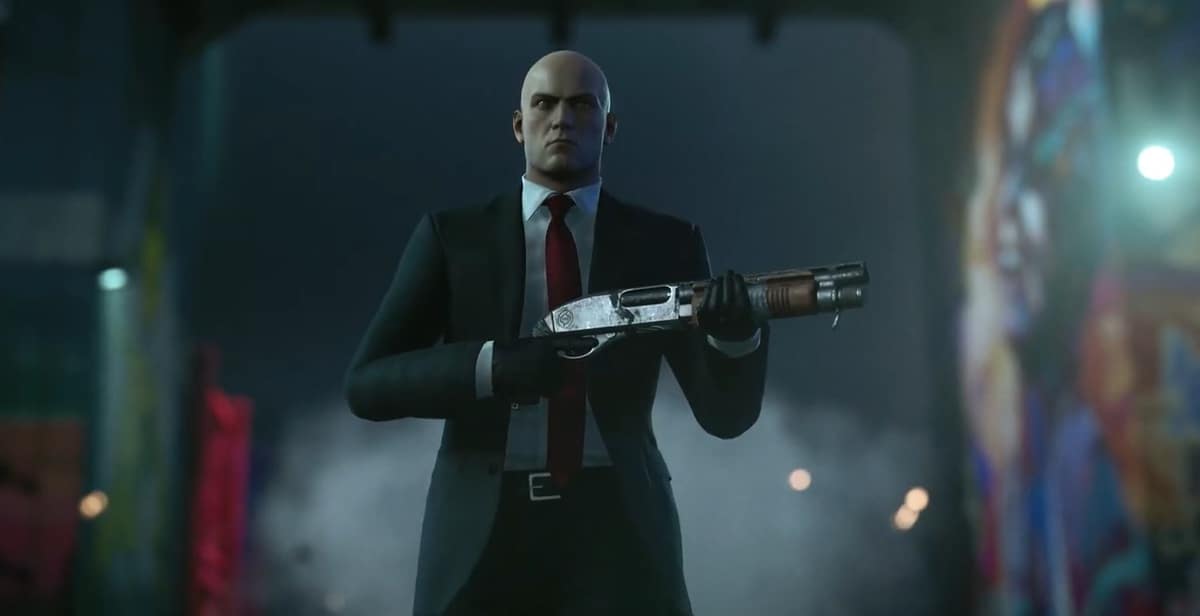
Your mission, should you choose to accept it, is to bring down the super-secret apparatus our bald-headed, barcoded protag, Agent 47, has spent an entire bloody career killing in the name of. It’s not crucial to have played the previous two entries in the series, but the campaign is well-written and well-acted, so you may want to go back and give the others a shot once you’ve cleared this one. Gameplay is essentially stealth-based, punctuated by moments of tense action, not unlike a good Bond or Bourne movie. Show up at a location, infiltrate, assassinate, get out. But the myriad ways to go about your grim work provide an impressive array of opportunities for fun and creativity. Sure, you can slink your way around, steal a disguise here, set up a killer trap there. Or you can be a bull in a China shop and bludgeon and murder your way to your targets. The choice as always is yours, but rest assured, you’ll never want for options.
Hitman 3 is a bit on the short side, with only six maps and therefore six overarching missions. But the replayability of the game is and should be a factor in your purchasing decision. Are you the sort to want to play huge missions again and again to get all the bloody nuance? Or is once and done enough for you? Developer IO Interactive is now working on a hotly anticipated 007 game, so you might want to get in your covert murder and espionage practice while you can.
The most accurate thing to say about Hitman 3 in relation to its predecessors is that its scope and scale are a tad more robust. Yes, only six maps, but those six maps are gorgeous, huge, and contain so many fun secrets and hidden nooks and crannies you’re crazy if you’re not at least a little bit interested in diving back in after you’ve finished the campaign. Sometimes boneheaded AI and the intense and frequent need to save your game make it feel old-fashioned, but the more time you spend with Hitman 3 the more you realize just how sophisticated it is.
It’s not what you do, it’s the way you do it, your ability to bring down mega-baddies with style and finesse. The game rewards you for not being seen, setting up kills in advance, clearing stages quickly, and so on. Very rarely does Hitman 3 hold your hand. Its main interest is in providing you a worthy sandbox, and it does so with flash and ingenuity.
I must admit that after early experiences with the Hitman franchise when I was a young adult, I haven’t been all that excited to play a new one in quite some time. I’m terrible when it comes to stealth gameplay. Really, just awful at it. Give me a machine gun and an open field to mow down any day. But Hitman 3 has made me rethink its prominence in the popular gaming imagination. It can be so rewarding to sit on top of a target for five or ten minutes, shadowing them like a pro, waiting for the perfect time to strike. Similarly, discovering alternate paths to my objectives, appropriating disguises and equipment, scaling walls and being an unseen agent of chaos, it all makes for an engrossing ride, one for which I’m glad I paid full admission.
This is a game for the meticulous, the completionists among us, and it’s incredibly rewarding on those levels. New players may find it tricky and challenging at first, but patience is a virtue. And so is a good garrot wire. Can’t leave that behind.
Jeff’s Game Reviews gives it an Eight out of Ten.
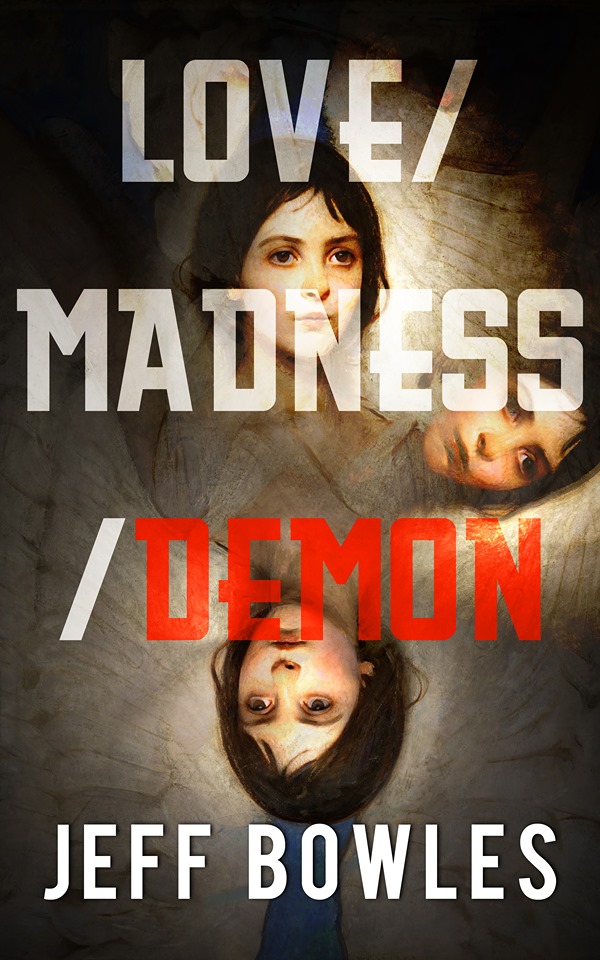
Jeff Bowles is a science fiction and horror writer from the mountains of Colorado. The best of his outrageous and imaginative work can be found in God’s Body: Book One – The Fall, Godling and Other Paint Stories, Fear and Loathing in Las Cruces, and Brave New Multiverse. He has published work in magazines and anthologies like PodCastle, Tales from the Canyons of the Damned, the Threepenny Review, and Dark Moon Digest. Jeff earned his Master of Fine Arts degree in creative writing at Western State Colorado University. He currently lives in the high-altitude Pikes Peak region, where he dreams strange dreams and spends far too much time under the stars. Jeff’s new novel, Love/Madness/Demon, is available on Amazon now!
Check out Jeff Bowles Central on YouTube – Movies – Video Games – Music – So Much More!
Share this:

“The Stand”: A Visual Media Review
Posted: January 18, 2021 Filed under: Apocalyptic, Character Development, Post-Apocalyptic, Story Telling Methods, Television review, Visual Media | Tags: Apocalyptic, Stephen King, Television review, The Stand, The Stand 20-21 mini-series, Whoopi Golderg, Writing to be Read 6 Comments
I’ve been a Stephen King fan since I was thirteen and read Carrie, but I didn’t realize it until a year later when I read The Shinning one night when I was babysitting. I picked it up after my charges were asleep and I was looking for something to read, and I couldn’t put it down. I called my mom and woke her up at four in the morning, because I was too scared to read more, but I didn’t want to put the book down. I finished it the next day, and after that, I soaked up anything by Stephen King that I could get my hands on. I’ve read The Stand through three times, including the “Special Edition” version with all the cut chapters and scenes. I’ve seen the original mini-series twice, so it was in great anticipation that I awaited the coming of the new mini-series on CBS All Access. I woke up analyzing this s new version of an old favorite, so I knew I had to write this review.
Let me begin by saying that I think they made a huge mistake by starting this mini-series after Captain Tripps has devoured humanity and placed the survivors into the two camps in Boulder and New Vegas, and only allowing us glimpses of the pre-Captain Tripps world, instead of letting us get to know the characters as the story unfolds, as in the book and the original mini-series. By eliminating what was basically the first half of the book and reducing it to flashbacks, we miss out on vital character development, not to mention many of the very intense scenes that occur there.
Now, I know we shouldn’t judge this version by those that have come before, and I’ve tried not to, but in my defense, I know this story inside and out, and it is very difficult not to draw on previous knowledge. But, I’m on episode 5 and I still don’t feel connected to any of the characters. That connection, the feeling of knowing and relating to the characters, is one of the big appeals of this story. Without it, I doubt anyone would keep turning the pages of this massive novel or continue watching, because without that feeling of connection, readers or viewers have no reason to care. And I have to admit, I’m hard-pressed to keep viewing the 20-21 version for this very reason.
But the method of storytelling is only one problem. I have difficulty buying-in to this new cast. There’s already been controversy over the Randall Flagg of the first mini-series and this one, portrayed by Alexander Skarsgard, who doesn’t come off as being evil enough in my opinion, but this could go back to the lack of character developement. Although I could get used to Jovan Adepo as Larry Underwood and Gabreille Rose as Judge Harris, who are opposites of their original counterparts, I feel Whoopi Goldberg misses the mark totally with the character of Mother Abigail.
While I like Whoopi as Guynan on Star Trek Generations, and I loved her as Oda Mea Brown in Ghost, she is not the right actress for this part. Mother Abigail is old and frail and determined to carry out the Lord’s work as long as she is able, and everyone loves her and is devoted to her. Whoopi is none of these things. Goldberg is not old enough, and she’s not frail in any way. In previous versions, Mother Abigail’s strength was established through her determination while she was still alone at Hemmingford Home, (which is now in Boulder instead of Nebraska), which we only see a glimpse of in this version. We don’t see her frailty, or her failing health in the Goldberg character, and it is difficult to buy-in to the character, when I don’t feel as if I know who she is or where she came from in the story.
Overall, I am disappointed in this recent rendition of one of my favorite apocalypse tales. I know Stephen King has writing credits for at least nine episodes, but cutting out half the original story was not a good storytelling decision. Flashbacks don’t offer enough to get to know and connect with the characters. There were also several questionable casting decisions, at least in my mind, which prevent relatabilty of the characters. I honestly don’t know how much more I will watch, because they haven’t made me care about this cast of characters in any meaniful way. I will say that Captain Tripps bears some scary resemblences to the Covid pandemic we’re all living through now, but I don’t know if that is enough to attract viewers, especially without many of the most powerful scenes, such as the journey through the tunnel out of New York, Nick’s time as jailer, and Lloyd’s rat problem, which is alluded to in flashback, but just didn’t carry the same impact. My continued viewing is doubtful. If you don’t already know this apocalyptic story, I recommend the original mini-series, or better yet, get the book.
Share this:

Mind Fields – My Suicide Note
Posted: January 15, 2021 Filed under: Commentary, Mind Fields | Tags: Arthur Rosch, Depression, Life, Mind Fields, Suicide, Writing to be Read 2 Comments
December 15, 2020
I was a mess. I could smile, say hello, pretend to be okay. I wasn’t okay. I was being squeezed by a depression so ferocious that I seriously began to consider ending my life. However… I had a problem. Every time I tried to compose a suicide note I ran into a wall when I asked myself: What if my suicide note sucks?
This is a daunting challenge for a writer. First I have to ask the question: why the note? Why are suicide notes such an institution? They seem de rigeur in the traditions of suicide. Gotta have a note. You can’t leave people wondering what happened to you. This colossal egotism is rampant: we all think we’re so important. The truth is that hardly anyone cares what happens to you. I suppose the note is for loved ones; but often enough in the case of suicide, there ARE no loved ones. Or there are loved ones who didn’t behave in the desired way.
We get attached to our lives. They’re like the suits in which we live and sometimes they get threadbare. Still, they’re OUR lives. It’s no easy thing to toss aside an entire life, the whole story of how you got to this point. A note is the least one can do to summarize the effort of living for X number of years. Of surviving. It takes toughness to survive. Clearly I wasn’t tough enough to make the grade. So, it’s goodbye to friends and relatives. Such as they are.
The effort of being conscious can be arduous. The problem is that Consciousness is hard to escape. The suicide is taking an awful chance. What if things don’t end with the bang of a gun or the sting of a razor? There might be something else in the market/bazaar of consciousness waiting on the other side of that decision. Wouldn’t that be ironic?
I spend many hours each day in a state of oblivion called sleep. Isn’t death much like sleep? Isn’t it just….oblivion? I have a hard time believing in oblivion as a paradigm. It is clearly not one of the dominant features of the universe. And, if it IS: who knows or cares? That was a sly joke. I hope someone gets it. Consciousness, on the other hand, is bound to pop up again. I will experience “I-ness” or “selfness” or some form of individual awareness. I might be reborn as a sea slug. Who knows what sea slugs think and feel? It would be boorish to dismiss them as unthinking automata. Life isn’t really like that. Consciousness is all over the place. This is why I refrained from killing myself. I’m pretty sure I’ll pop up somewhere else.
The note satisfied an urge to continue being myself in spite of the intention to stop being myself. I was so depressed that I thought I couldn’t endure it. Deep down, I didn’t believe I was capable of going through with suicide. I have too much ingrained optimism. I’ve always felt that problems might have solutions, if I just wait long enough.
Every time I began to write a note in my head I would say to myself, “You’re writing a suicide note in your head. Stop it!” I would stop. The urge would arise again during the day, and again, I would tell myself to stop. I had a problem, i.e. every suicide note that I authored was utterly terrible as literature. My notes were awful! They were filled with self pity, which I have never found to be attractive. Instead of murdering myself I decided to try an anti-depressant, Lexapro. Within a week my depression had lifted. It was amazing! The horrors simply vanished. Quickly.
I’m glad I didn’t commit suicide. Life has greatly improved. I dabble with the idea of stopping the Lexapro. But…. I don’t think so. I don’t EVER want to be visited by such black depression. I’m not naïve. These thoughts and feelings are still inside me, somewhere. There is TRUTH in depression. Living is complex and the world we are given is often intolerable. It’s possible that when I hide from things, they wind up at the top of my emotional in-basket. Do I need to test the limits of my courage? I’m not brave. I shrink from the worst case. I will let these sleeping dogs stay asleep.
In spite of my Inner Wuss I have survived and even come to thrive, lo, these many years. I’m just beginning to have fun. It’s about time. If my depression is like a hibernating bear I will squirt it with some drugs to keep it asleep.
__________________________________________________________________________________________________

A Midwesterner by birth, Arthur Rosch migrated to the West Coast just in time to be a hippie but discovered that he was more connected to the Beatnik generation. He harkened back to an Old School world of jazz, poetry, painting and photography. In the Eighties he received Playboy Magazine’s Best Short Story Award for a comic view of a planet where there are six genders. The timing was not good. His life was falling apart as he struggled with addiction and depression. He experienced the reality of the streets for more than a decade. Putting himself back together was the defining experience of his life. It wasn’t easy. It did, however, nurture his literary soul. He has a passion for astronomy, photography, history, psychology and the weird puzzle of human experience. He is currently a certified Seniors Peer Counselor in Sonoma County, California. Come visit his blogs and photo sites. www.artrosch.com and http://bit.ly/2uyxZbv.
Arthur’s books include The Road Has Eyes, The Gods of the Gift, and Confessions of an Honest Man. His lifetime collection of poetry and photography, Feral Tenderness, is soon to be released by WordCrafter Press
___________________________________________________________________________________________________
Want to be sure not to miss any of Art’s “Mind Fields” segments? Subscribe to Writing to be Read for e-mail notifications whenever new content is posted or follow WtbR on WordPress. If you find it interesting or just entertaining, please share.
Share this:

Growing Bookworms – Teaching your child to count and read numbers
Posted: January 13, 2021 Filed under: Children's Books, Growing Bookworms, Literacy, Parenting, Reading | Tags: Growing Bookworms, Literacy, Numbers, Reading, Robbie Cheadle, Writing to be Read 39 Comments
The festive period has drawn to a close and children are back at school and parents back at work. Many of us are starting off the year with on-line learning and this can be quite challenging, especially for young learners.
Learning to read letters and numbers are vitally important as these form the basis of a learner’s future reading and numeracy skills.
There are lots of fun ways to incorporate teaching children to recognise numbers into daily tasks and family leisure activities.
One of the numbers activities my boys liked the best was singing counting songs such as One, Two, Buckle My Shoe or 1, 2, 3, 4, 5 Once I Caught A Fish Alive. You can download a poster which illustrates the words and read or sing them with your child. You can also clap your hands or stamp your feet as you sing to reinforce the quantities.

Alternatively, you can download a video which sings the song and displays the numbers.
Another activity my children loved was playing Snakes and Ladders. This game comes in various forms including the traditional 2D board, dice and markers and a 3D version where the snakes swallow the counters and they slide down to the end of the snake.
According to Wikepedia the object of the game of Snakes and Ladders is to navigate one’s game piece, according to die rolls, from the start (bottom square) to the finish (top square), helped by climbing ladders but hindered by falling down snakes. The game is a simple race based on sheer luck, and it is popular with young children.
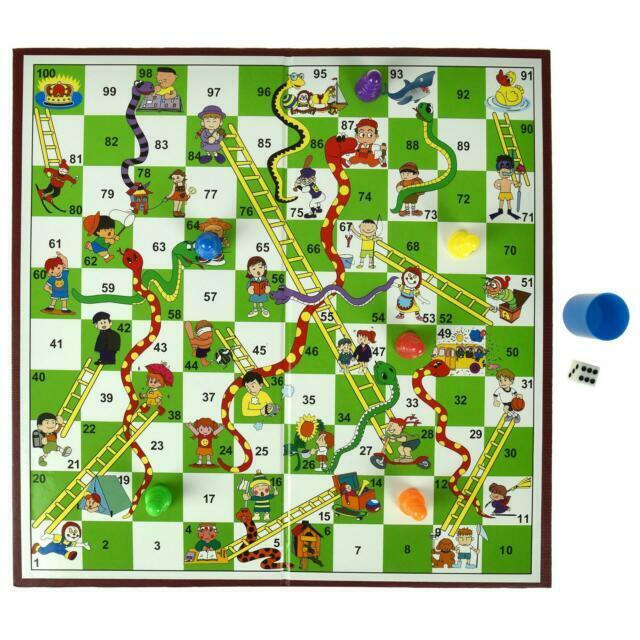
This game exposes children to the concepts of addition and subtraction. Each square on the board is numbered from 1 to 100 and each player needs to roll the dice and move their counter the number of spaces reflected on the dice. This is a wonderful way of teaching number recognition and counting, for example, if your child’s counter is on 6 and s/he rolls a 5, you can help them count 7, 8, 9, 10 and 11. You can reinforce the concept by saying if you’re on 6 and you add another 5 spaces, you will end on 11.
Some other benefits to playing board games are as follows:
They boost language skills;
The sharpen your child’s focus;
They teach teamwork;
They help to soothe anxiety; and
They teach children to be good losers.
Another great way to teach children how to count and recongise numbers are join-the-numbers pictures. These are available from simple pictures to complex ones.
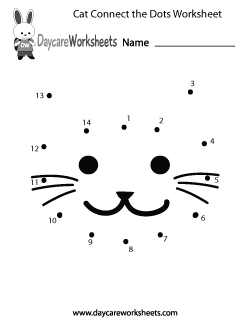
You can find more join-the-numbers worksheets here: https://www.daycareworksheets.com/preschool-connect-the-dots-worksheets/.
Have you used any of these methods to teach children to count and read numbers? Which one was their favourite method? Tell me in the comments.
About Robbie Cheadle
Robbie Cheadle has published nine books for children and one poetry book. She has branched into writing for adults and young adults and, in order to clearly separate her children’s books from her adult books, is writing for older readers under the name Roberta Eaton Cheadle.
Robbie Cheadle’s Sir Chocolate children’s picture books are written in sweet, short rhymes which are easy for young children to follow and are illustrated with pictures of delicious cakes and cake decorations. Each book also includes simple recipes or biscuit art directions which children can make under adult supervision. Her books for older children also incorporate recipes that are relevant to the storylines.
Roberta Eaton Cheadle’s supernatural stories combine fabulous paranormal elements with fascinating historical facts.
Children’s picture books – available as a square book and an A5 book (co-authored with Michael Cheadle):
Sir Chocolate and the strawberry cream story and cookbook
Sir Chocolate and the baby cookie monster story and cookbook
Sir Chocolate and the sugar dough bees story and cookbook
Sir Chocolate and the Condensed Milk River story and cookbook
Sir Chocolate and the Sugar Crystal Caves story and cookbook
Sir Chocolate and the Fondant Five story and cookbook
Sir Chocolate and the Ice Cream Rainbow Fairies story and cookbook
Middle school books:
Silly Willy Goes to Cape Town (includes five fun party cake ideas)
While the Bombs Fell (co-authored with Elsie Hancy Eaton)
Poetry book:
Open a new door (co-authored with Kim Blades)
Supernatural fantasy YA novel:
Through the Nethergate
Horror Anthologies (edited by Dan Alatorre):
Spellbound
Nightmareland
Dark Visions
Paranormal Anthologies (edited by Kaye Lynne Booth):
Spirits of the West
Whispers of the Past
Murder mystery Anthology (edited by Stephen Bentley)
Death Among Us
Find Robbie Cheadle
Blog: https://bakeandwrite.co.za/
Blog: robbiesinspiration.wordpress.com
Twitter: BakeandWrite
Instagram: Robbie Cheadle – Instagram
Facebook: Sir Chocolate Books
Want to be sure not to miss any of Robbie’s “Growing Bookworms” segments? Subscribe to Writing to be Read for e-mail notifications whenever new content is posted or follow WtbR on WordPress.
Share this:

5 Positive Benefits of the Pandemic
Posted: January 11, 2021 Filed under: Commentary, Writing | Tags: COVID, COVID 19, Pandemic, Writing, Writing to be Read 2 Comments
We’ve all been limited by the pandemic and the resulting restrictions. The restrictions vary for different areas of the globe, but we’ve all been affected to some degree. I was out of work at my day job as a caregiver for a little under a month, so the financial hardships were minimal, but I’ve had to follow mask and social distancing guidelines to protect myself and others. I live in a very rural mountain area, so I’ve tried to combine tasks and order what I can online, in order to limit my trips into town. I carry hand sanitizer and disinfect anything I bring in. I use my card at the pump when available, and I disinfect my credit card or driver’s liscense, if I have to hand them to a clerk or secretary. But honestly, I count myself lucky, because my life hasn’t changed in many ways which I hear others claiming.
It seems I’ve become an introvert in my old age. I’d rather stay home and write, than go shopping or attend a party. I prefer to watch movies in my living room, where I can pause to take a bathroom break when needed, or even pick up where I left off the next day, instead of going to a theater. But overall, for me, adjusting to the ‘new normal’ didn’t involve any major changes, just small ones. I like to look at things from a positive perspective, so I’ve listed the advantages I see as the world changes around me.
- Big Savings: The thing I think I miss most is eating out, not because it’s not available, but because it’s an unnecessary chance of exposure that I don’t need. (Truth be told, I have broken down a few times and picked up a carry-out order when I have to be in town anyway). On the positive side, I’ve saved a lot of money and calories by eating in. Less driving also means less gas going into the tank, and for me that adds up to quite a chunk of change.
- Don’t Have to Smile: I don’t know about all of you, but I’ve always hated it when I see someone I know in the store when I’m in a hurry, concentrating on what ever I need to get with the look of a woman on a mission, and they say, “Where’s your smile?” or something to that effect. Sometimes I just don’t feel like smiling, and the mask lends me the freedom to not have to. Now, when donning my mask in public, no one can tell what kind of mood I’m in. I can even stick out my tongue without their knowing, but I don’t recommend this, especially with disposable masks.
- Stay Home Guilt Free: As mentioned above, I’m an introvert, so this pandemic has given me an excuse to do what I want to do anyway, without anyone telling me that I need to get out more, or that staying couped up isn’t healthy. Now, folks just write it up to being cautious or doing my civic duty by complying with Covid restrictions.
- Increased Productivity: All this time at home allows for increased productivity in writing endeavors. Looking back, as we do this time of year 2020 was a very productive year for WordCrafter Press and for myself, with two of my own books republished, along with two anthologies and a devotional book for WordCrafter Press‘ first official client. And, all of these books are now available in print, which is no small accomplishment. Add to that WordCrafter‘s first virtual writing conference coming off with minimal glitches, and you’ll see what I mean.
- Families Brought Together: Although this one doesn’t really apply to me, (I’ve gone without seeing my son for months at a time), I believe this may be one of the most important benefit that this blasted pandemic has brought us. Hopefully, keeping us all at home together has renewed and strengthened the nuclear family, reawakening lost family values and appreciation for the many blessings that we have, including our children and other loved ones.
Well, that’s the top five benefits I see from this pandemic, but I’m sure there are others if you look for them. What positive effects do you see?
___________________________________________________________________________________________
Like this post? Let me know in the comments. You can be sure not to miss any of Writing to be Read’s great content by subscribe to e-mail or following on WordPress. If you found this content helpful or entertaining, please share.
Share this:

Jeff’s Movie Reviews – Wonder Woman 1984
Posted: January 8, 2021 Filed under: Action/Adventure, Comic books, Comic Hero, Jeff's Movie Reviews, Movie Review, Movies, Review, Super Hero, Super Villains | Tags: Comic Book Heros, DC Comics, Jeff Bowles, Jeff's Movie Reviews, Wonder Woman, Wonder Woman 1984, Writing to be Read 2 Comments
A Little Less Wonderful
by Jeff Bowles
When the first Wonder Woman film hit theaters three years ago, it was met with substantial fanfare. The Greek goddess superheroine is more than just a cultural phenomenon, she’s a feminist icon, a symbol of strength and nobility for millions of people all over the world. Her first major foray onto the big screen meant more to some people than anything else DC Comics has ever produced, so yeah, its sequel has quite a bit to live up to.
Wonder Woman 1984 is, if nothing else, an interesting product of its time, 2020, a year in which it was supposed to have been released in theaters in July. Coronavirus forced Warner Bros. to push the film until December, and the studio chose to do so by mixing a theatrical release with a special limited release on the home video streaming platform, HBO Max. So you can watch this movie right now at home for a small membership fee, kind of a remarkable thing in the history of cinema. New movies always used to be, you know, out at the movies. But now, who knows?
Subsequently, the flick has been met with much less fanfare than its predecessor enjoyed. Wonder Woman 1984 has been a success of sorts, but it’s doubtful to make much of an impact beyond that. The reasons for this aren’t merely limited to its precarious release schedule. The story makes some choices that keep it from being quite as wonderful as it deserves to be.

For one, Wonder Woman 1984 revolves around a somewhat ridiculous McGuffin that allows for wishes to come true. This is a comic book movie, of course, which I have to admit I’m a huge fan of, even when they’re loud and dumb. But it’s almost as if the entirety of the plot was constructed on a simple and somewhat lazy notion to resurrect one key dead character. That would be Chris Pine’s Steve Trevor, Wonder Woman’s traditional love interest. The movie works best when the two share screen time. Their chemistry is relatable and infectious, so it’s no surprise writer/director Patty Jenkins wanted to pull him back into the fold.
Also returning is Gal Gadot as the titular hero, and she’s still great. More comfortable this time around, perhaps, but then, she’s played the character a total of four times now. SNL alum Kristen Wiig joins the cast as a relatable if slightly goofy foil/villain whose wish to be just like Wonder Woman goes wrong in all the right ways. The Mandalorian’s Pedro Pascal plays Maxwell Lord, a DC bad guy who first appeared in a 1987 Justice League comic and who has now been given the 1984 self-help guru treatment. Pascal gives the guy a lot of juice. A lot of juice. Perhaps its best not to say too much more about it than that.
One of the problems with the movie is that it doesn’t seem to feel the need to indulge in 80s-themed nostalgia in any major way, not like other recent shows and movies set in the decade have done. Odd, considering they wanted me to know the year it takes place months and months before it ever came out. Oh, there’s some paltry lip service to the year 1984 scattered here and there. An early action set-piece takes place in a mall, for instance. But again, no 80s tunes or anything? No Simple Minds? No New Coke references? What gives, dudes?
Wonder Woman 1984 comes together all right in the end, but really, it’s just another example of a DC Comics adaptation that’s barely handled well enough to justify its own existence. I’m a pretty big comics fan when it comes down to it. Gosh, it’s getting harder and harder to compete in that space. They’ve already announced Wonder Woman 3. Let’s hope Patty Jenkins and Warner Bros. bring a bit more punch to the superhero party next time.
Jeff’s Movie Reviews gives Wonder Woman 1984 a Six out of Ten.
Jeff Bowles is a science fiction and horror writer from the mountains of Colorado. The best of his outrageous and imaginative work can be found in God’s Body: Book One – The Fall, Godling and Other Paint Stories, Fear and Loathing in Las Cruces, and Brave New Multiverse. He has published work in magazines and anthologies like PodCastle, Tales from the Canyons of the Damned, the Threepenny Review, and Dark Moon Digest. Jeff earned his Master of Fine Arts degree in creative writing at Western State Colorado University. He currently lives in the high-altitude Pikes Peak region, where he dreams strange dreams and spends far too much time under the stars. Jeff’s new novel, Love/Madness/Demon, is available on Amazon now!
Check out Jeff Bowles Central on YouTube – Movies – Video Games – Music – So Much More!
Want to be sure not to miss any of Jeff’s Movie Reviews? Subscribe to Writing to be Read for e-mail notifications whenever new content is posted or follow WtbR on WordPress
Share this:

Words to Live By – Creativity, Mourning, and the Year 2021
Posted: January 6, 2021 Filed under: Commentary, Creativity, Mental Health, Writing, Writing Life, Writing Tips | Tags: Creativity, Grief, Jeff Bowles, Mental Health, Words to Live By, Writing Life, Writing to be Read 1 Comment
The first Wednesday of every month, writer Jeff Bowles muses on life, creativity, and our collective destinies as makers of cool stuff. You’re a writer, but have you ever thought about how or why? Here are some words to live by.
Creativity, Mourning, and the Year 2021
2020 was a rough year for all of us. To varying degrees, it was tense, stressful, tragic, contentious, and perhaps most surprisingly of all, dangerous. I had been hoping the new year would bring better tidings, but my 2021 thus far has been a doozy as well.
On January 2nd, one of my poor kitties passed away. It was very sudden, very sad. He was only two years old, and a sweeter animal you’ve never met. Then, just a couple days later, my father called to tell me a relative had died from complications related to Coronavirus and a recent injury. Needless to say, it feels like tragedy and sadness are still everywhere I look.
I’m not a pessimist or a cynic, and I almost always believe the future can be better. This month’s Words to Live By is about creative struggle. What do you do as a writer or a musician, an artist or photographer, when it seems like you’re surrounded by tragedy? How do you stay productive when you’re feeling down or scared or just plain fed up with life? Should you stay productive at all, or is it more appropriate to take some time for yourself?
As I’ve mentioned in other articles, my method of writing fiction is minimalist. I only write 400 words per day, and I typically don’t do it every day of the year. It’s low-commitment, and it keeps me on the ball over the weeks and months it takes to generate a new novel. Having a low workload has been enormously helpful over the past few days. By the same token, there’s been a lot of grief in my household, and I don’t mind admitting that having some kind of daily work process—any kind of process—has helped get my mind off things when it’s all become just a bit too much.
I’m also a musician, an independent singer songwriter, and I’ve got an entertainment channel on YouTube. This is a solution some people choose, work through the pain. It isn’t for everyone. Sometimes it can even develop into something we modern people have termed workaholism. And let’s be honest, there are times in life working through the pain isn’t an option. I’m a creator, and if I’m not creating, I tend to struggle. But we all know how grief goes. Yes, sometimes it can be a good idea to distract yourself, stay busy, keep your chin up, but then again, when we deny our own turbulent emotions too long, they can fester and become something much, much worse.
If you’re going through tough times at the moment, or if you’re just a bit shell-shocked from the surprises and pitfalls of 2020, you may want to take extra care of yourself and the people closest to you. Yes, most of us have become very good at looking after the health of our bodies, but what about the health of our hearts and minds?
About five years ago, my life was in shambles. Mental health issues, stress, and exhaustion got the better of me. At that time, I was forced to place all my creative drives and impulses on the backburner. Things were so chaotic for a while, I couldn’t possibly have written a single word, and the thought of picking up a guitar only filled me with dread. It was appropriate for me to quit at that time. Just up and quit. And what’s more, I wasn’t sure I’d ever pick any of it up again. I should’ve known I could trust myself to do what was right for me. In general, I should’ve known it was better to trust, to have faith, and to give myself the time and space I needed to recover. No guilt, just allow and help myself get well again.
Sometimes when we feel like giving up, it isn’t because we’re weak or because we lack longevity. Sometimes it’s because we do in fact have the right to give up. At least for a while. I’m here to tell you, when the deluge of life begins, and it doesn’t show any sign of stopping, it’s incredibly important to lay down what you need to lay down, take with you only what you require, and face the storm with all the confidence you can muster. The real question is whether or not you can recognize, as I failed to, that the work of life resides in the heart, in the soul, and that patience and self-compassion are incredibly important, crucial in fact.
Having modified my schedule some time ago has been beneficial. I can weather fiercer storms, but I’m always conscious of the fact that I don’t have to do it if it gets too challenging. I won’t work myself to the bone just because I think I have to, not anymore. I miss my dear relative, and truth be told, I miss my poor kitty. I suppose, like many of you, I’m also grieving the world as I once knew it.
Nothing lasts forever. All things pass away in time. That’s especially true of people, places, and eras. Like I said, I’m not a pessimist or a cynic. I believe the future can and will be better. If you’re experiencing similar thoughts and feelings, I urge you to consider your own needs. You may feel better working through it. Then again, you may not. Look at yourself, your strengths, and while you’re at it, look at your weaknesses in equal measure. And don’t be afraid to ask for help. I believe you’ll know what to do; as with most everything else we encounter, it’s all a matter of instinct and timing.
There’s no use denying it: sometimes life can be hard. But that doesn’t mean you have to suffer alone, suffer in silence, suffer instead of choosing to do what’s right for you and for the people you care about most. Take care of yourselves out there, everybody. I’ll talk to you again next month in Words to Live By.
Jeff Bowles is a science fiction and horror writer from the mountains of Colorado. The best of his outrageous and imaginative work can be found in God’s Body: Book One – The Fall, Godling and Other Paint Stories, Fear and Loathing in Las Cruces, and Brave New Multiverse. He has published work in magazines and anthologies like PodCastle, Tales from the Canyons of the Damned, the Threepenny Review, and Dark Moon Digest. Jeff earned his Master of Fine Arts degree in creative writing at Western State Colorado University. He currently lives in the high-altitude Pikes Peak region, where he dreams strange dreams and spends far too much time under the stars. Jeff’s new novel, Love/Madness/Demon, is available on Amazon now!
Check out Jeff Bowles Central on YouTube – Movies – Video Games – Music – So Much More!
Want to be sure not to miss any of Jeff’s “Words to Live By” segments? Subscribe to Writing to be Read for e-mail notifications whenever new content is posted or follow WtbR on WordPress. If you found this useful or just entertaining, please share.
Share this:

“The Wolf Leader”: An origins story of sorts
Posted: January 4, 2021 Filed under: Book Review, Books, Classics, Fiction, Review, Speculative Fiction | Tags: Alexandre Duma, Book Review, The Wolf Leader, werewolves, Writing to be Read Leave a comment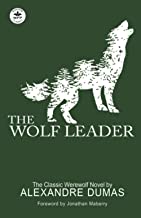
The classics were written in another era and literature was viewed differently than it is in modern times. The language, although often lavish and eloquent, can also be pretentious and difficult to decifer. There are some sixteenth century words that are just plain confuddling to my twentieth century brain. Over the past year, I’ve tried a few times to read the classic authors. After all, their works survive them over centuries, and set the historical standards of contemporary literature. But I couldn’t get through The Call of Cthulhu by H. P. Lovecraft due to all the pretentious purple prose, and although I finished the first story in The Mysteries of Edgar Allen Poe, I had to put it down or risk dying from sheer boredom. While clearly a predecessor to murder mystries which came later, such as Sherlock Holmes, I found Poe’s style too dry to be considered entertaining.
With The Wolf Leader, by Alexandre Dumas, I did not find this to be the case. In spite of a few words which required defining, I had no trouble following the flow of the Dumas’ story. Alfred Allison did a fine job of translating this classic novel and Jonathon Maberry does the literary world a service by bringing it back into print. Dumas’ style is more along the lines of a Don Quixote, silly but entertaining type of story, than the borishness of Poe’s Detective Dupin, or presumptious fluff and verbage of LoveCraft’s Chtulhu Mythos.
The Wolf Leader is a Faust meets The Wolfman story. Contempory werewolves have grown well beyond what Dumas envisioned, but in his work, one can see the origins from which they sprang. Thibauld is a peasant shoemaker, angry at the injustices he feels he has suffered under the hands of French burgious land owners, who makes a deal with the devil, or in this case, the black wolf, to have all of his wishes granted, for the price of one hair per wish. Each time he wishes for something, one hair on his head turns fiery red, and his wishes seldom turn out as he intended. Instead of being rich and loved, as he had desired… well, you can see where this is headed.
The reason we can foresee what’s to come in the tale described above is that we are familiar with the story of Faust, so we might read it and think it a bit tropish with the ‘deal with the devil’ thing. There are no silver bullets or full moons in this tale, but Thibauld does eventually take the form of the black wolf and there is a lot of howling, so it may even be the first werewolf story ever penned, as Jonathon Maberry points out in his introduction. As such, it could could be the trope setter for an entire genre.
How many quills do I give to a classic work of literature? I’m not sure I’m qualified to rate this work which has survived the centuries. The very fact that is has survived speaks volumes more than any opinion I could ever give.
________________________________________________________________________________________________________
Like this post? Let me know in the comments. You can be sure not to miss any of Writing to be Read’s great content by subscribe to e-mail or following on WordPress. If you found this content helpful or entertaining, please share.











Craft and Practice with Jeff Bowles – A Matter of Time
Posted: January 20, 2021 | Author: Jeff Bowles | Filed under: Commentary, Craft and Practice, Writing, Writing Life, Writing Tips | Tags: Craft and Practice, Jeff Bowles, Writing, writing advice, Writing Life, Writing Tips, Writing to be Read | Leave a commentEach month, writer Jeff Bowles offers practical tips for improving, sharpening, and selling your writing. Welcome to your monthly discussion on Craft and Practice.
I’d like to tell you there’s a magic bullet for the writer’s life, that one tip or trick or another will make you successful, skilled, well-known, or whatever else you’re looking for on your individual journey. If that were the case, we’d all be bestsellers and poet laureates, and yet somewhat mystifyingly so…
Why do some people strike out while others hit it big? Why does it seem like so many have to struggle more, or fail more, or publish less? I wish I knew. Then again, I wish it weren’t such a big deal. After all, personal dreams are a wonderful thing, but they don’t often hold up against cold hard reality. That the two sometimes become the same thing is an obvious miracle, but let’s not belabor the point. If you were here for mysticism instead of writing advice, I’d tell you to buy a good quartz crystal and an all-seeing eye pendant. The trick this month, the tip I’m offering, is simply to say that in most scenarios you’ll encounter in your creative career, patience will be a virtue. Because time is always the overriding factor. Always. And time can be a fickle thing.
Sometimes it looks like the long wait from a submission to an acceptance. Or even a rejection to a rewrite. It can also appear as years of struggle to produce a single wonderful piece of writing. If you’ve ever read an advice column that promised the moon, you know how disappointing and damaging unrealistic expectations can be. No matter what your goals are, sometimes accomplishment boils down to luck. That’s simply the nature of the beast. And luck doesn’t often spread evenly, as I’m sure you’ve discovered in your own life.
Then again, sometimes it’s all about the hard work, the sleepless nights. There are very, very few overnight sensations. I’ve seen individual writing dreams come true, up close and personal, and it only ever seems to occur after years and years of battling it out in the trenches. You can look at it in terms of struggle and strife, or you can adopt a more holistic point of view. What I’m suggesting here today is that the prime factor of your eventual success is a matter of time. That’s all.
Time.
Because no amount of talent, drive, dedication, or luck will ever disqualify or surmount one very important point: you have to get from here to there, from A to B. I think it’s important to have goals, especially when you’re just starting out, but you may realize at some point you don’t have as much control of the universe as you thought you did.
There will be periods of droughts and downpours, of veritable writing gluts and creative starvation. And what can you do about it? If you make enough professional allies and friends, you’ll most likely notice that some of them succeed more readily than others. Most people don’t have such fragile egos they can’t stand to see contemporaries and comrades doing better than them. Then again, we writers can be a sensitive and touchy bunch, and truly, it can hurt to watch other people get the things we want. I guess the real question is how much pleasure can we derive from work that doesn’t seem to be getting us anywhere. Placing no focus whatsoever on its perceived relative quality. How much do we enjoy doing what we do?
Because I urge you to enjoy it more. Perhaps easier said than done, but there’s great pleasure to be found in the moment-to-moment, the day-to-day. I want you to write like only you can write because only you can write that way. Make sense? I want to hear your individual voice, and I want you to recognize it deserves to be heard.
Time can be your friend as easily as it can be your enemy. I suppose what I’d really like to do is walk up to the next struggling, frustrated writer I see and tap them on the head, ask her or him what the big deal is. Don’t you know your success is only a matter of time? Because that’s the truth, isn’t it? Don’t worry so much about what will or won’t happen. Worry about this scene you’re writing, that sentence you’re tweaking. In other words, focus on what you can control and disregard the rest. Don’t sweat it, because honestly, what’s there to sweat?
The simplicity of my message might offend this writer, because how can I say their success is a matter of time when nothing good or great has happened for them yet? How can I be so casual about the fact they haven’t proved themselves? Writers love to prove themselves. I might direct them to the precepts of Quantum Law, which stipulate that while there is only one you in the here and now, the future holds limitless possibilities for who you’ll become and what you’ll do next. Playing with pretty big odds, actually. Forces quite beyond your ken. Keep your nose to the grindstone, work when you can work, play when it feels right to play, and try to develop a little bit of trust, a little faith in the process and in your ability to do what’s right for you, to be at the right place when and only when it’s the right time.
Cliché and sound advice seem like the same thing sometimes, so don’t fret when I indulge in a certain truism: it’s not about the destination, it’s about the journey. Fact is fact, my friends. It’s all just a matter of time. I’ll see you next month in Craft and Practice.
Jeff Bowles is a science fiction and horror writer from the mountains of Colorado. The best of his outrageous and imaginative work can be found in God’s Body: Book One – The Fall, Godling and Other Paint Stories, Fear and Loathing in Las Cruces, and Brave New Multiverse. He has published work in magazines and anthologies like PodCastle, Tales from the Canyons of the Damned, the Threepenny Review, and Dark Moon Digest. Jeff earned his Master of Fine Arts degree in creative writing at Western State Colorado University. He currently lives in the high-altitude Pikes Peak region, where he dreams strange dreams and spends far too much time under the stars. Jeff’s new novel, Love/Madness/Demon, is available on Amazon now!
Check out Jeff Bowles Central on YouTube – Movies – Video Games – Music – So Much More!
Want to be sure not to miss any of Craft and Practice with Jeff Bowles segments? Subscribe to Writing to be Read for e-mail notifications whenever new content is posted or follow WtbR on WordPress
Share this: