Undawntech: Balancing Technological Freedom and Oppression in 2025
Posted: January 3, 2025 Filed under: AI Technology, Undawntech | Tags: ai, AI Technology, artificial-intelligence, Books, DL Mullan, Fiction, Undawntech, Writing, Writing to be Read Leave a comment
Greetings, Undawntechs!
A new year is upon us. Have you made your New Year’s Resolutions yet?
Do you want to publish a book: write, edit, and research? Are you fascinated
by technology in the arts?
Welcome to 2025, the year technology becomes important as a means
of creation, experience of freedom and oppression, simultaneously. Fret not,
Undawntech will help creators navigate this exciting and frightening journey.
Did you know that Artificial Intelligence (AI) will affect you in each
step of creation? Many writers research the content of their plot lines
before embarking on the writing process. AI can help writers with
their source material like many people already use ChatGPT, GROK, and
others. These programs also fact-check. As editing software, writers
can clean up their writing and create better, more understandable
products with the use of AI. AI is like having a beta reader at your
disposal. As stories are written, writers can employ AI to give them
word and phrase prompts, as well as maintain verb tenses and
continuity within a work. More writers are opting for the independent
publishing route these days. Formatting and distributing a manuscript
with AI assistance, indie creators are able to bypass stuffy publishing houses
for a direct line to their audience.
However, creators of all types, including writers, need to weigh the
advantages with the disadvantages of using AI. Yes, Artificial
Intelligence helps writers in many awesome ways: creating content,
editing for clarity, and designing book covers. What AI does not give
writers are original plots and characters, authentic voices, real
information over “fact-checking” mis-/dis- information, and other
errors. Some creators have already stepped into the public arena by
rejecting AI meddling in their content while others embrace it.
As an artist, editor, musician, producer/publisher, filmmaker, and
writer, Artificial Intelligence has opened up the expanse of
creativity and imagination for me. I design book cover art with and
without the use of AI (Undawnted/Author Central). I use spell check
and grammatical software to correct errors in my typing/writings. With
my musical background in orchestra, band, chorus/singing, lyrics,
poetry, and arrangement, this new technology has given me the ability
to write my own songs (Quantum Time), as soundtrack singles and albums
for my written work (Undawnted/Yuletide Celebration). AI allows me to
publish my content as an Indie writer and publisher. Shorts, poetry
slams, and music videos are assisted by the use of AI, including
uploading to video sites (Undawnted on YouTube). Writing, no matter
the author, can be uplifted by the use of technology.
Conversely, if you do not know who you are, what your
authoritative/authentic voice is, or what you believe in, then the use
of technology will put your deficits on display, instead of hiding
them. Terrible writers will use AI to become mediocre writers. Just as
vivid and imaginative visions can become cookie-cutter dribble with
the use of AI. The problem with making writing easier with technology
is that writers become complacent, allowing AI to do their thinking
and creating for them. To combat the challenges of technology,
creators must be a seasoned expert in their craft. The better creators
know themselves; the better creators can use technology to improve
their art, music, filmmaking, and writing.
Just like tech companies, multinational corporations and governments will
promote Term of Service vigilante justice, or lawfare, over protecting basic
human rights of freedom of speech and expression. In this brave new world,
humanity must stay vigilant and refuse to succumb to the radical agenda of
the Dark Enlightenment. It is a new philosophy by tech oligarchs and their
puppet politicians to usurp our nations’ Constitutions and insert corporate
autocracy in the wake of power vacuums left by weak leadership.
2025 is the start of a new era in technology and the human race. If
you are a creator of any type, technology will test you in ways you
haven’t quite imagined yet. If it is maintaining your voice/integrity,
rejecting corporate vigilantism (using AI Terms of Service enforcement
through censorship (e.g., lawfare) governance, etc. on social media), or competing
with artistry sanitized of voice and wisdom, the best and worst of
Artificial Intelligence is yet to come.
Are you ready to take a joyride with me?
–~o0o~—

DL Mullan holds a Master of Arts in Teaching and Learning with Technology. Her lecture, Spacescapes: Where Photography Ends; Imagination Begins, debuted at the Phoenix Astronomy Society, which then led to her Sally Ride Festival lecture invitations. Her presentation, Bridging the Gap between Technology and Women, won her accolades at a community college’s Student Success Conference. As Editor-in-Chief of her local newspaper for a decade, the Villa de Paz Gazette, Ms. Mullan earned accolades for her investigative journalism, in depth research, dot-connecting articles, and fact-based op-eds, which effected national politics, saved industries, and thus lives. She has been a panelist at speculative fiction, science fiction, and other regional conventions. Her digital exhibition pieces have won awards at convention art shows, as well as garnered her Second Premium at the Arizona State Fair. Currently, Ms. Mullan’s artistic renditions are seen on book covers, blog sites, video presentations, and various merchandise. As an independent publisher, she uses her technical background to innovate the creative arts.
As a writer, DL Mullan loves to stretch her imagination and the elasticity of genres. She writes complex multi-genre stories in digestible and entertaining forms, be it poetry, short fiction, or novels. Her science, history, mythology, and paranormal research backgrounds are woven into her writings, especially in Undawnted’s Legacy Universe. Ms. Mullan’s creative endeavors are available in digital and print collections, from academia to commercial anthologies. She is also an award-winning poet and is now using her lyrical talents creating music.
Be sure to subscribe to her newsletters and follow her on social media. For further information, visit her at www.undawnted.com.
________________________________
Did you know you can sponsor your favorite blog series or even a single post with an advertisement for your book? Stop by the WtbR Sponsor Page and let me advertise your book, or you can make a donation to Writing to be Read for as little as a cup of coffee, If you’d like to show your support for this author and WordCrafter Press.
__________________________________
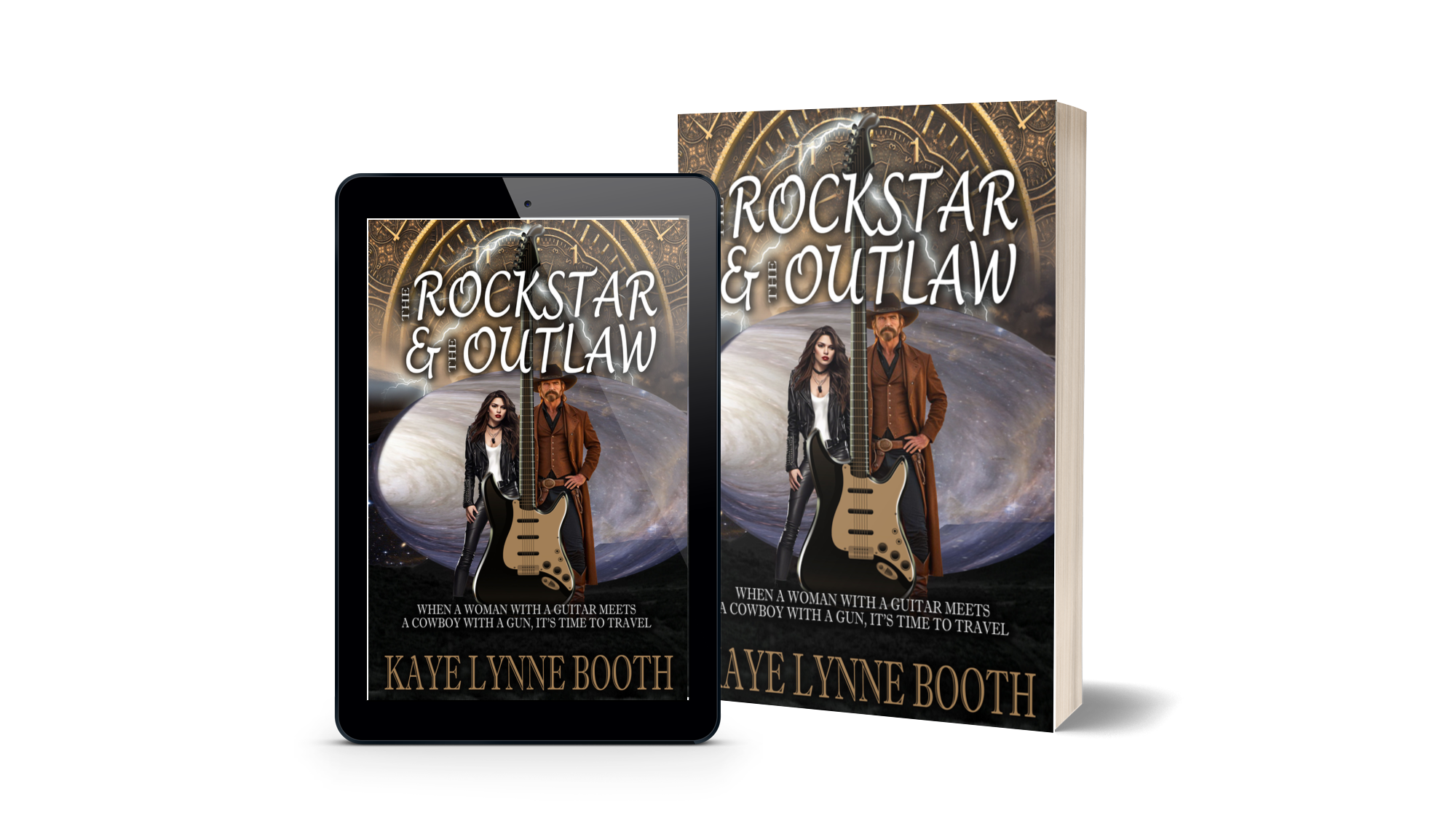
This segment of “Writer’s Corner” is sponsored by The Rock Star & The Outlaw and WordCrafter Press.

A time-traveler oversteps his boundaries in 1887. Things get out of hand quickly, and he is hanged, setting in motion a series of events from which there’s no turning back.
In 1887, LeRoy McAllister is a reluctant outlaw running from a posse with nowhere to go except to the future.
In 2025, Amaryllis Sanchez is a thrill-seeking rock star on the fast track, who killed her dealing boyfriend to save herself. Now, she’s running from the law and his drug stealing flunkies, and nowhere is safe.
LeRoy falls hard for the rock star, thinking he can save her by taking her back with him. But when they arrive in 1887, things turn crazy fast, and soon they’re running from both the outlaws and the posse, in peril once more.
They can’t go back to the future, so it looks like they’re stuck in the past. But either when, they must face forces that would either lock them up or see them dead.
Purchase Link: https://books2read.com/RockStarOutlaw
Share this:

Book Review: “Unbowed”
Posted: December 13, 2024 Filed under: Book Review, Books, Fiction, Mystery, Review | Tags: Book Review, Book Reviews, Books, Fiction, M.G. da Mota, mystery, Unbowed, Writing to be Read 2 Comments
About Unbowed
Only six months. But six tumultuous months.
Months that would have a profound and lasting effect on Alexia Jewel.
A multi-talented musical prodigy, Alexia’s scholarship to London’s prestigious Royal College of Music at the age of 15 came with controversy and difficulty. Girls at that time weren’t welcome in the professional ranks of classical music, let alone one with her sights set on becoming a conductor. But as she approaches her 50th birthday all that has changed. She has overcome all obstacles to become one of the world’s foremost classical music conductors, celebrated for her artistry and talent. Lured back to London from her life in Munich where she is chief conductor of the Bavarian Radio Symphony Orchestra and music director of the Munich Opera House, Alexia is preparing to conduct a series of concerts with the London Symphony Orchestra to mark her birthday. While in London she begins to put her late parents’ estate into order and discovers an antique diamond ring that she learns had belonged to her great-grandmother. Agreeing to appear on the BBC’s Who do you think you are programme Alexia gives them the double mystery of her barely-known great-grandmother and the ring to investigate.

Four men, all who desire her, enter her life in these six months. As does a stalker, who threatens her safety, serenity and life.
My Review of Unbowed
I received a digital copy of Unbowed, by M.G. da Mota to review through Sandra’s Book Club. All opinions stated here are my own.
This book had a slow start, with a lot of backstory and character introductions, and no real action until well into the book. A single figure in the shadows is intended to hold reader interest for too long before the mystery finally begins to unravel. While this story has the potential to be a good mystery, the author takes so long getting into it, that I almost put the book down.
A mystery unfolds as the facts are uncovered about Alexia’s diamond and her great-grandmother’s life, all while a stalker lurks in the shadows. Four different men proclaim their love and need for her, and any one could be the dark man who is terrorizing her. But the mystery of the diamond takes precedence, the only obstacles in the way are the tracks that have been covered by time. But the evidence is all there, conveniently left for those who take time and effort to investigate, while the stalker makes random appearances and doesn’t feel as threatening as it should.
While all the pieces are there, the ones that should count don’t seem to have enough weight to carry the story. I give Unbowed three quills.

____________________________________________
Kaye Lynne Booth does honest book reviews on Writing to be Read in exchange for ARCs. Have a book you’d like reviewed? You can request a review on the Book Review tab above.
_____________________________
This post is sponsored by WordCrafter Press with a reminder that all WordCrafter Press books are currently 50% off in the SmashWords End of Year Ebook Sale, only in the SmashWords store: https://www.smashwords.com/shelves/promos/

Share this:

My Backyard Friends – Available for Pre-Order Now!
Posted: June 11, 2024 Filed under: Advertising, Books, Children's Books, Fiction, Illustrations, WordCrafter Press | Tags: Books, Charlie Chickadee Finds a NEw Home, Children's Books, Fiction, Heather Hummingbird Makes a NEw Friend, Kaye Lynne Booth, Kid's Series, My Backyard Friends series, Picture Books, Timothy Turtle Discovers JEllybeans, WordCrafter Press 7 Comments
The first three books in the My Backyard Friends kid’s book series are available for pre-order in digital format now!
Don’t miss these fantastic new kid’s books inspired by the birds and animals which visit me at my mountain home, and brought to life in the vivid illustrations of Robbie Cheadle.
Meet Heather Hummingbird
Heather Hummingbird Makes a New Friend is a picture book with a message of friendship and cooperation. (Ages 3-5)

Heather Hummingbird and Ethan Eagle are two unlikely friends who discover that it is good to accept help from others and that is what friends are for.
Pre-Order Now: https://books2read.com/u/471vzj
Meet Timothy Turtle
Timothy Turtle Discovers Jellybeans is a picture book with a moral message from a young turtle’s perspective. (Ages 3-5)

Meet Timothy Turtle, who has a sweet tooth. He eats too many jelly beans and finds himself in a pickle. His friends Katy Cat and Betsy Beaver try to help, and Timothy learns that you can get too much of a good thing.
Pre-Order Now: https://books2read.com/u/3LL5K7
Meet Charlie Chickadee
Charlie Chickadee Gets a New Home is a story of survival from a young bird’s perspective. (Ages 6-8)

Charlie Chickadee is happy with his family in their cozy nest. But whem the violet-green swallows thake the nest for their own, Charlie finds himself alone, seperated from his parents and on his own to face the dangers of the forest. His new friend Nicholas Nuthatch shows him the ropes and teaches him about the other birds and the woman who puts out food each day, and by a stroke of luck, Charlie discovers the perfect spot and builds a new nest that he can be proud of.
Pre-Order Now: https://books2read.com/u/md2YLO
Share this:

Exciting News! The Rock Star & The Outlaw in Audiobook
Posted: February 11, 2024 Filed under: Action/Adventure, AI Technology, Audio Books, Book Promotion, Books, Fiction, Science Fiction, Time travel, Western, WordCrafter Press | Tags: AI Audiobook, Audiobook, Book Review, Book Reviews, Books, Fiction, Kaye Lynne Booth, Science Fiction, The Rock Star & the Outlaw, Time travel, Western, WordCrafter Press 7 Comments
It’s here! If you’ve been waiting for The Rock Star & The Outlaw to come out in audio, it’s finally here!
I’m so excited! The Rock Star & the Outlaw is now available in AI Narrated Audio through Apple Books for only 7.99.
https://books.apple.com/us/audiobook/the-rock-star-the-outlaw/id1722934411
The audio book is AI narrated, but don’t let that deter you without giving it a chance. The female voiced narration is actually pretty good. And there’s a button where you can listen to a sample on the book’s page at Apple Books, so you can check it out before you buy. Above is the direct link, but it’s also listed on the book’s Books2Read page with all the other distributors where it’s available, so you can get it in digital or print, if you prefer.
https://books2read.com/RockStarOutlaw
If you don’t have your copy yet, what are you waiting for?
Reviews
Still need convincing? Check out these reviews.
Selma: https://selmamartin.com/a-book-review-the-rock-star-and-the-outlaw-by-kaye-lynne-booth/
Book Trailer
Or you can check out the book trailer here:
__________________________________________
Want exclusive content? Join Kaye Lynne Booth & WordCrafter Press Readers’ Group for WordCrafter Press book & event news, including the awesome releases of author Kaye Lynne Booth. She won’t flood your inbox, she NEVER sells her list, and you might get a freebie occasionally. Get a free digital copy of her short story collection, Last Call and Other Short Fiction, just for joining.
Share this:

WordCrafter Holiday Extravaganza Sale
Posted: December 12, 2023 Filed under: Anthology, Book Sales, Books, Collection, Dark Fantasy, Dark fiction, Fairy Tales, Fantasy, Fiction, Ghost Stories, Horror, Nonfiction, Paranormal, Photography, Poetry, Science Fiction, Short Fiction, Speculative Fiction, Stories, Western Paranormal, WordCrafter Press | Tags: 2023 Holiday Extravaganza, Book Sale, Books, Fantasy, Fiction, horror, Paranormal, Science Fiction, Speculative Fiction, Western Paranormal, WordCrafter Press Leave a comment
The WordCrafter Sale of the Year
Did you know that WordCrafter is having a Holiday Extravaganza Sale that includes every book in the entire WordCrafter Press backlist?
That’s right.
And books make great holiday gifts. Treat someone you know or treat yourself this holiday season.
December 1 – 22 every book in the WordCrafter Press back list is at a discounted price. Check it out.
Writing References

Ask The Authors – Only .99 cents
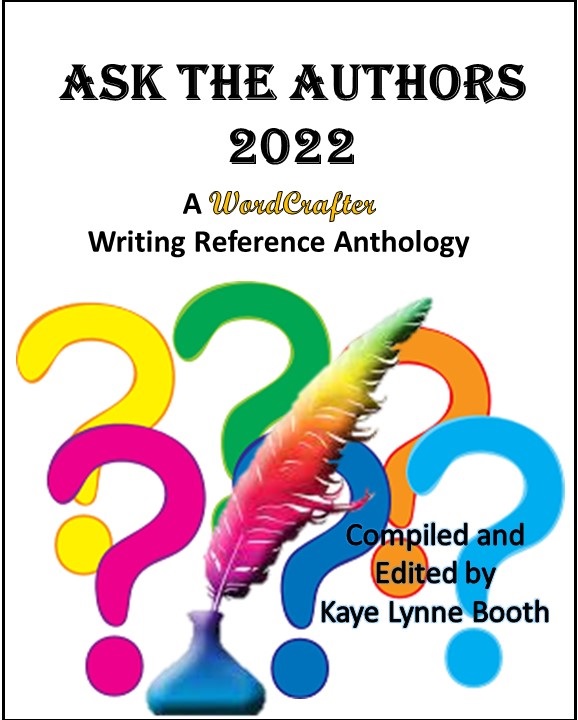
Ask The Authors 2022 – Only $2.99
Fantasy/Science Fiction/Paranormal/Horror Anthologies


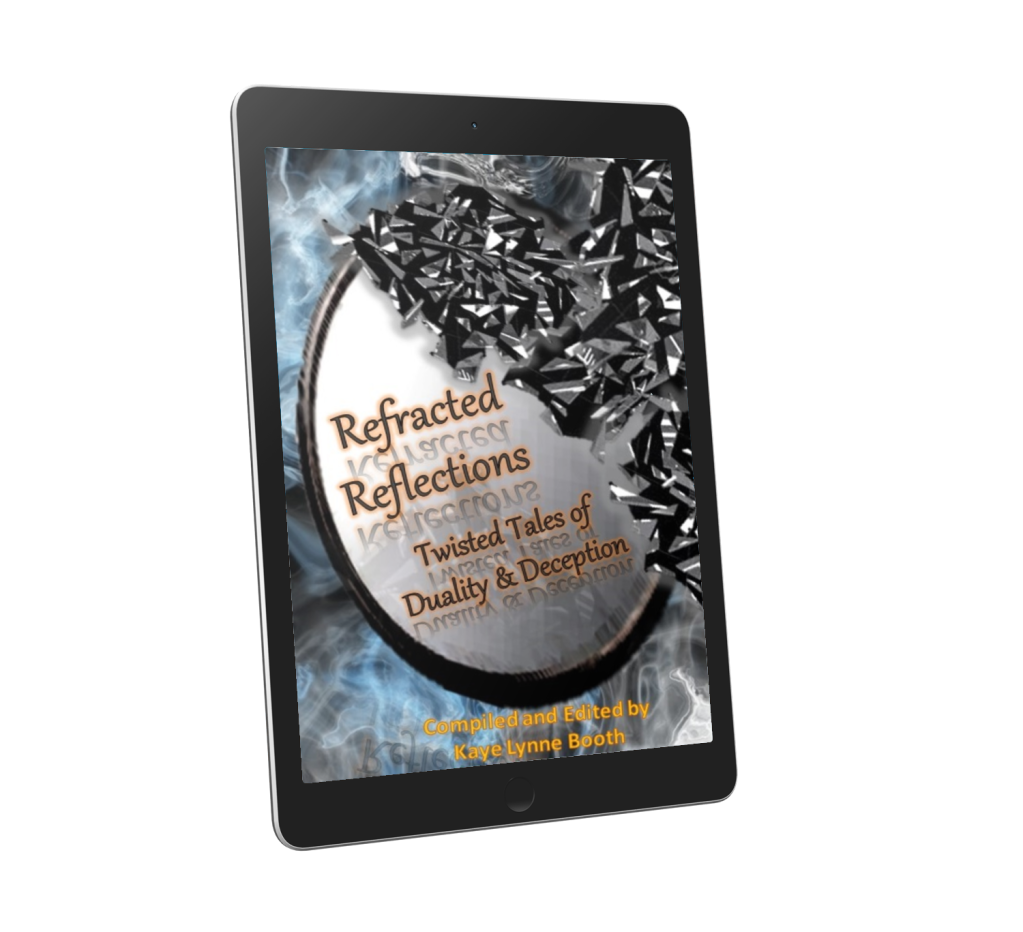
Refracted Reflections:
Twisted Tales of Duality & Deception
Only $2.50

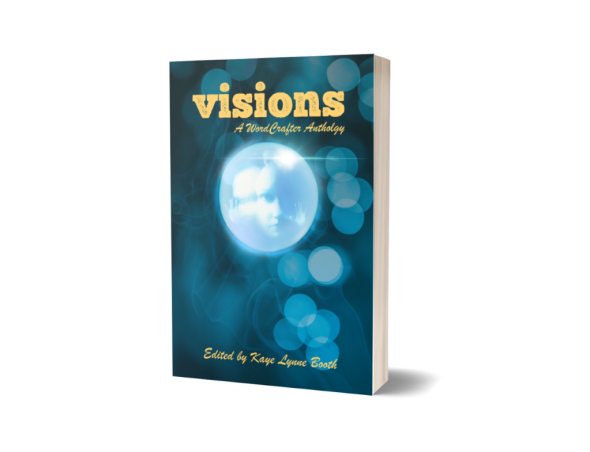
Visions – Only $2.99
Poetry Anthologies & Collections

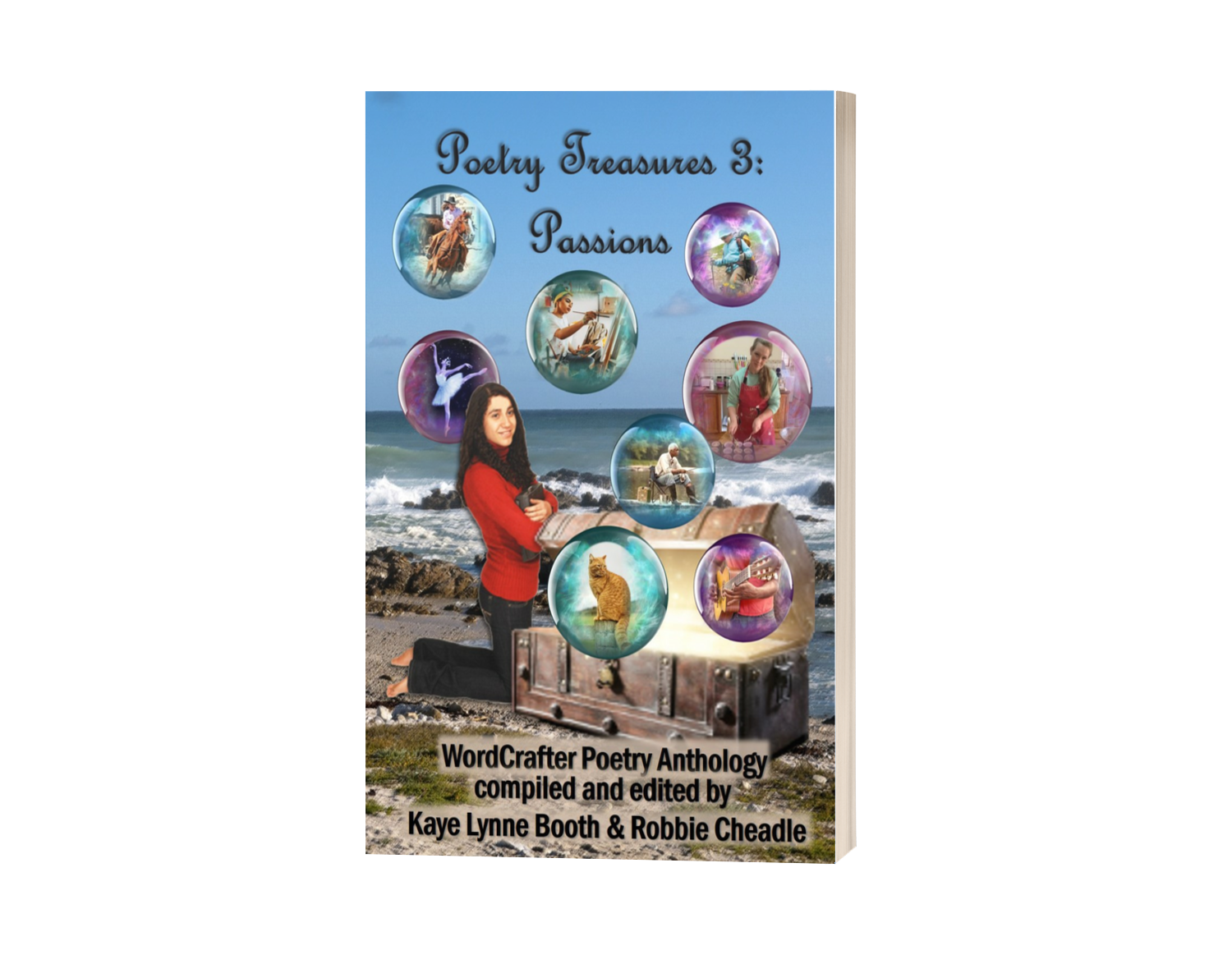
Poetry Treasures – Only $2.99


Behind Closed Doors:
a collection of unusual poems
by Robbie Cheadle
Only $2.99

Books By Kaye Lynne Booth

Last Call
And Other Short Fiction
by Kaye Lynne Booth
Only .99 cents
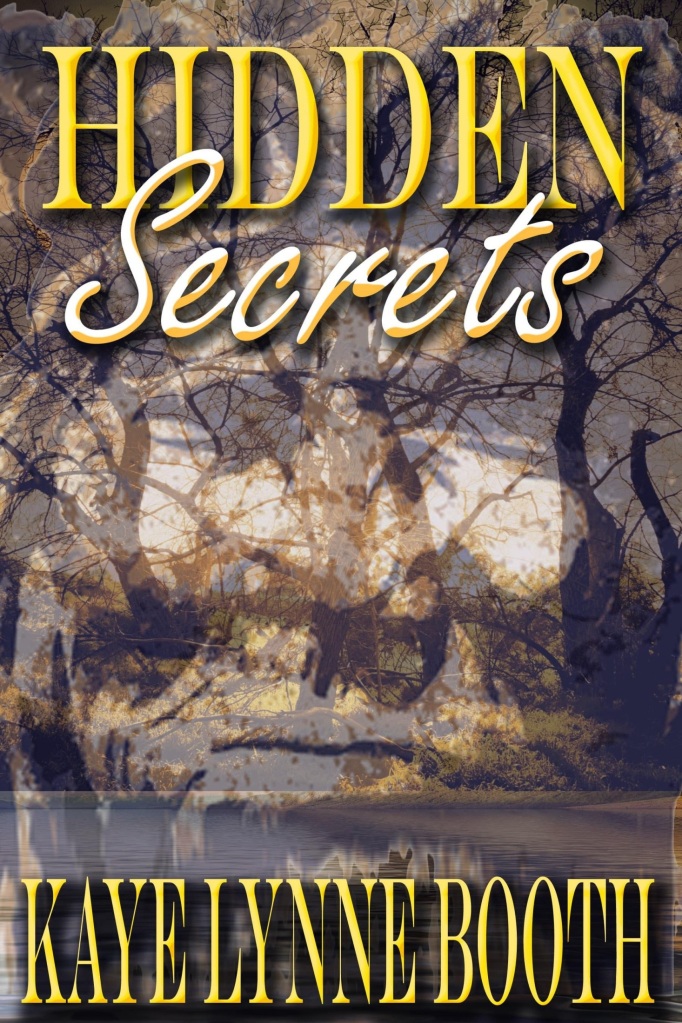
Hidden Secrets
Paranormal Mystery Novella
by Kaye Lynne Booth
Only $1.99
Daily Devotionals

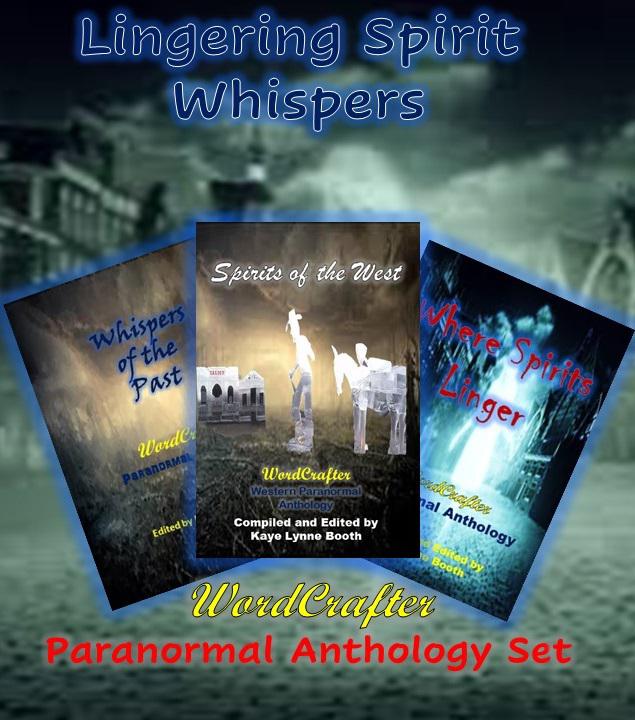
Paranormal Anthologies


Share this:

Writer’s Corner: Creating characters with depth
Posted: September 4, 2023 Filed under: Character Development, Fiction, Writer's Corner, Writing | Tags: Character Development, Fiction, Writer's Corner, Writing to be Read 7 Comments
Character Development
Masterclass Articles offers eight tips for character development: establish motivation and goals, choose a voice, do a slow reveal, create conflict, create backstory for important characters, give characters believeable traits, create a visual image of characters, and give supporting characters conflicting traits. While these are all useful tips in character development, and they all kind of mesh in together, although the reveal, the visual image, and the supporting characters have more to do with the presentation of your character to readers once you have a fully developed character. You can read the full article here: https://www.masterclass.com/articles/how-to-develop-fictional-characters#4Zt0GK2DaQjsNILtGsWJYO
There are many ways to grow and discover your characters. We will talk about two methods of character development here. One method I use are character triangles, which give characters motivation and goals. And Shadow Theory is useful in creating a history and backstory for your characters, and are useful in determining what the points on your character triangle are. Determining your characters fears or flaws attributes them with believable and relatable traits.
Character Triangles
It is important that a writer creates unique and interesting characters by giving them a history, and both internal and external conflicts that are similar and relate to the theme. No one wants characters which are flat and two-dimensional. In order to write characters with depth you must know what their motivations are, and for that, characters must have a good idea of their background or where they’ve come from, and where they are going, or what their dreams are, in order to understand who they are in your story.
Let’s take a look at one of my characters from a horror screenplay that I wrote. During the writing, I found that the characters in this piece lacked depth, and I will take you through the process I used to make them more complex and well rounded. The screenplay now sits in a virtual trunk somewhere and will likely never see the light of day, but for the purposes of demonstrating how more depth might be revealed in a character, it serves my purpose well. This is the format we use introduce a character in a screenplay, but I find it helpful to use in my fiction writing, enabling me to see how fleshed out my characters are. The words in parenthesis indicate the function a trait serves (want, need, or fear/flaw) on the character triangle, which I use to determine character motivation.
My protagonist, Justine Avery is a young journalism student who goes to stay at a purported haunted house on a dare.
This was my origianl introduction for the protagonist: JUSTINE AVERY – 24, naive, fresh out of college with a degree in video/cinematography, she thinks the chance to work on Kaylee’s documentary might be her big break (want), so she wants this gig more than anything, bad enough to take it even though she’s scared to death of what might happen (fear). She needs to keep her integrity, so she can look at herself in the mirror every morning.
Now here’s the rewrite I did to try and deepen Justine’s character: JUSTINE AVERY – 24, naive, fresh out of college with a degree in video/cinematography, she thinks the chance to work on Kaylee’s documentary could lead to her big break into the business (want), so she wants this gig more than anything, bad enough to take it even though she’s scared of blowing it (fear), because of her low self-esteem and an inability to believe in herself and her abilities (flaw). She needs to learn to believe in herself and have confidence in her talent and skill.
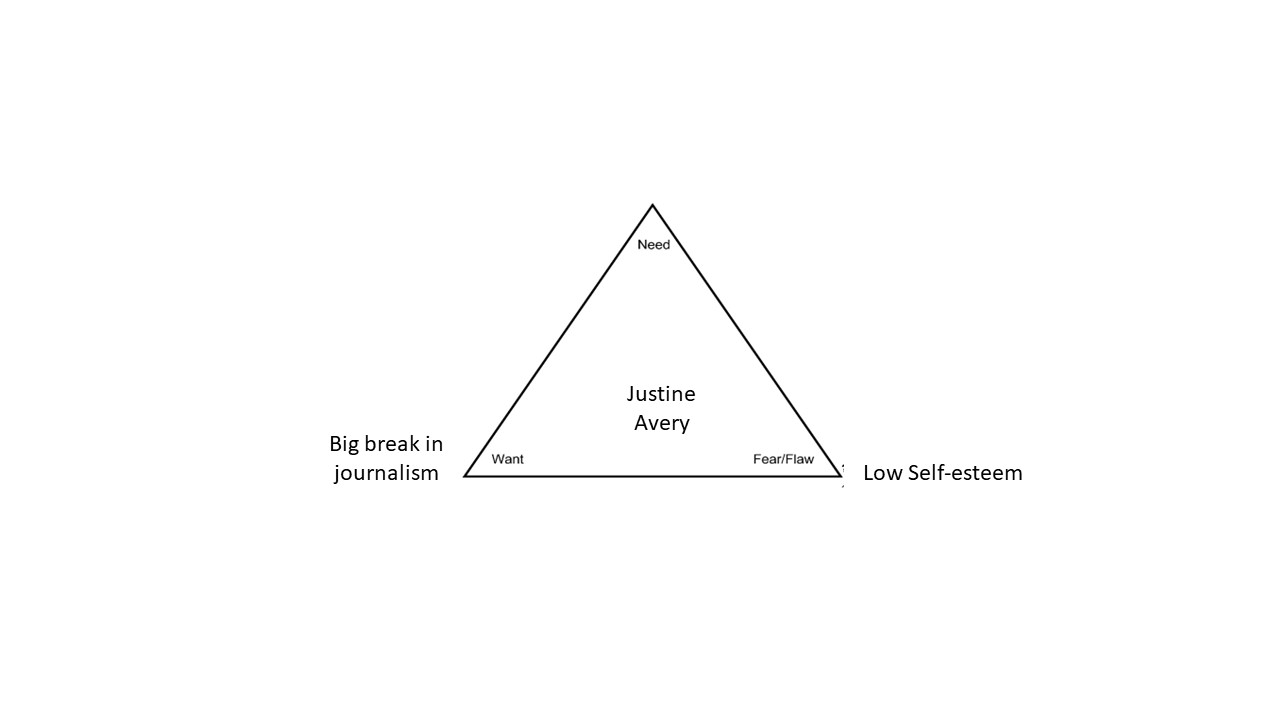
I think this version is a little better. I changed her fear and I gave her a fatal flaw which could be her downfall unless she can triumph over it. (And the fear is directly connected with her flaw, which ties in with my theme: Self-Reliance. This offers her the potential for the needed transformation in the scene where her boyfriend, Mitch, forbids her to go on the gig and she chooses to walk away.)
It shouldn’t take much to also work in the details of her added backstory, which isn’t in my original bio for her: Raised by controlling, overbearing parents, she learned early in life that it is easier to go with the flow than to risk tipping the boat over with resistance. Currently in a relationship with Mitch, an overbearing, controlling guy who managed to turn their first overnight date into his moving in party so smoothly, Justine still isn’t sure how it happened. Mitch is verbally and emotionally abusive to her, but he derides her so much, she has come to believe the things he says about her and she harbors huge doubts about her own self-worth.
Justine is beginning to seem more like a character with some depth and we can get some idea of what motivates her actions. Allowing her a flaw of low self-esteem not only turned her into an imperfect human, but it offers her the choice of staying in a stagnant relationship and continuing to employ behaviors which are no longer effective, or transforming into the self-reliant woman hinted at in that early scene with Mitch. It is much clearer now what her arc will be, and it’s all tied in with the theme.
The character triangle which I use represents this transformation loosely, depicting the character’s want and need, which are not the same, although the character may believe that they are, and their fear or flaw, which is an obstacle to be overcome in order to achieve the character’s want. The want is the concious desire that motivates the character, while the need may not be so obvious, because their need is subconcious and the character may not realize that their need exists. The need is what the character ends up with, and is often in opposition to what the character desires.
Shadow Theory
Another method that seems to work well in creating in-depth or complex characters is the shadow theory of character building, which is the idea which delves into the hidden or repressed aspects of a character, and these traits usually play a part in the character tranformation which must occur for the character to complete their arc. I’ve been experimenting with incorporating this method into my own character developemnet.
This theory claims that traits that are apparent on the outside, have an exact opposite trait residing on a subconcious level, and the two opposites may be in conflict-kind of like the two little guys sitting on the character’s shoulders, telling him what to do. This type of depth is often revealed through subtext, because the dialog is what the character says, but it may conflict with what they are actually thinking.
K.M. Weiland explains it this way – “I call this trick shadow theory, and it’s simply this: whatever is visible in a person’s external personality is an indication that the exact opposite resides in the shadow.” You can learn more about the shadow theory, which stems from the theories of human behaviors developed by Carl Jung and how to use shadow theory to create deeper and more complex characters here: “How to Create Insanely Complex Characters Using “Shadow Theory”“
Both of these methods can be used to delve into your characters and give them depth and complexity. I have used just the character triangle to shape my characters
In next month’s segment of “Writer’s Corner”, we’ll talk about the visceral portrayal of your characters , which will cover the Matips we didn’t hit on here, so be sure to drop by.
________________________________________________________

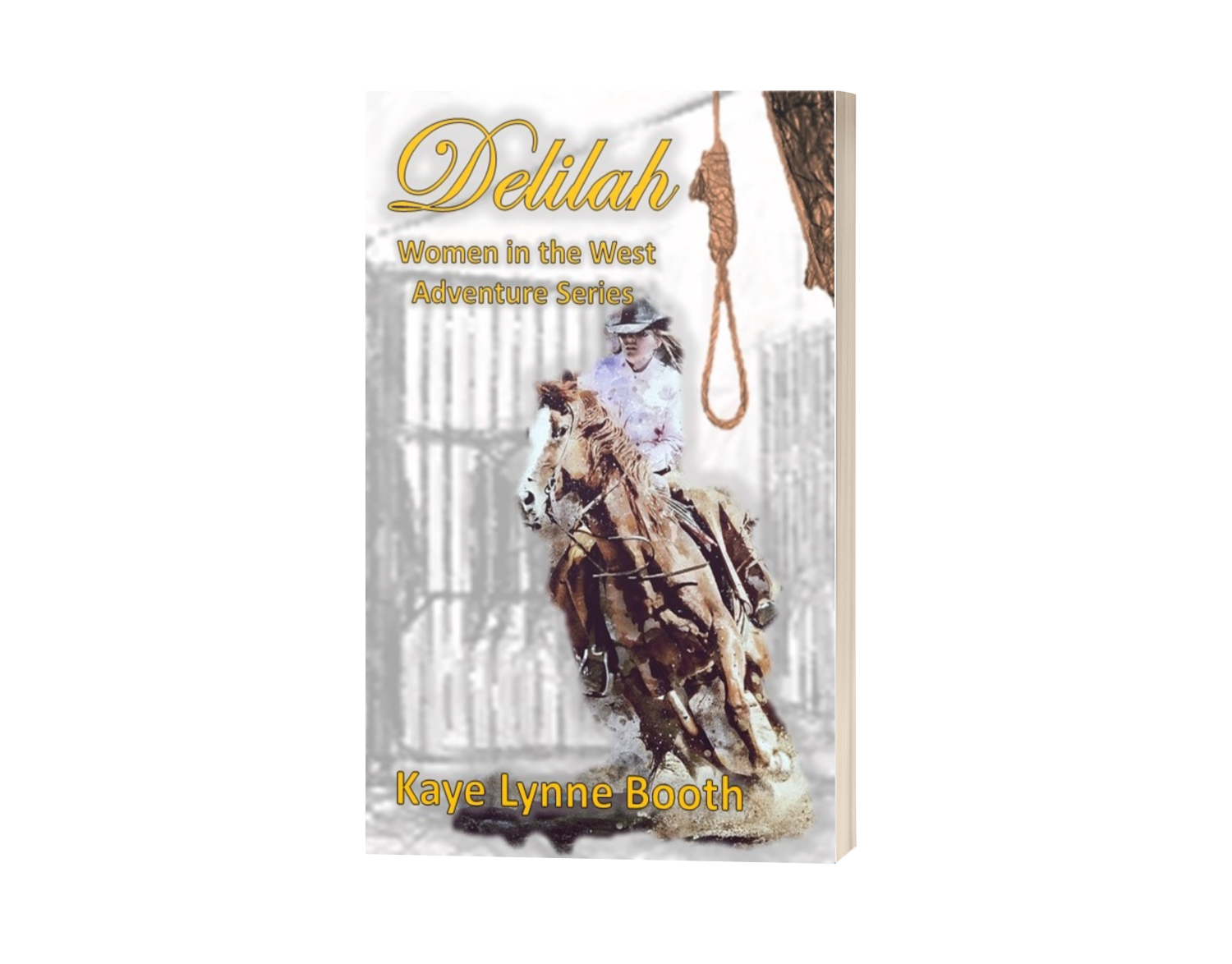
For Kaye Lynne Booth, writing is a passion. Kaye Lynne is an author with published short fiction and poetry, both online and in print, including her short story collection, Last Call and Other Short Fiction; and her paranormal mystery novella, Hidden Secrets; and book 1 of her Women in the West adventure series, Delilah. Kaye holds a dual M.F.A. degree in Creative Writing with emphasis in genre fiction and screenwriting, and an M.A. in publishing. Kaye Lynne is the founder of WordCrafter Quality Writing & Author Services and WordCrafter Press. She also maintains an authors’ blog and website, Writing to be Read, where she publishes content of interest in the literary world.
___________________________________________________
Want exclusive content? Join Kaye Lynne Booth & WordCrafter Press Readers’ Group for WordCrafter Press book & event news, including the awesome releases of author Kaye Lynne Booth. She won’t flood your inbox, she NEVER sells her list, and you might get a freebie occasionally. Get a free digital copy of her short story collection, Last Call and Other Short Fiction, just for joining.
Share this:

Ahead in 2022 on Writing to be Read, WordCrafter and author Kaye Lynne Booth
Posted: January 10, 2022 Filed under: Anthology, Books, Dark Fantasy, Editing, Fairy Tales, Fantasy, Fiction, Nonfiction, Short Fiction, Stories, Treasuring Poetry, Western, WordCrafter, WordCrafter Press, Writing Contest, Writing Reference, Writing to be Read | Tags: 2022 Ask the Authors, 2022 Poetry Treasures, 2022 WordCrafter Short Fiction Contest, Books, Delilah, Fiction, Kaye Lynne Booth, Once Upon an Ever After, Playground for the Gods, Poetry, Slivered Reflections, Visions, WordCrafter Press, Writing to be Read 8 CommentsWell, we’ve all made it through another year and now have a whole new year ahead of us. I’m not into making resolutions that will just be broken, probably before the month of January has come to a close, but it seems like this time of year always brings about changes, so I thought I might share with you the changes planned for 2022, some of which are already in process.

Writing to be Read
On Writing to be Read, we have a few changes to the line-up. Jeff Bowles will only be doing one blog series, “Words to Live By”, on the first Wednesday of every month. Art Rosch will be doing “Mind Fields” and “The Many Faces of Poetry” bi-monthly, alternating every other Friday. Robbie Cheadle will still be offering all three of her monthly blog series. While “Growing Bookworms” and “Dark Origins” will keep their spots on the second and fourth Wednesday of each month, but “Treasuring Poetry” will be moving from it’s Saturday spot to the third Wednesday of each month.
My new series, “Writer’s Corner” will appear once a month on Mondays, as will my reviews, including any “Review in Practice” posts. I was considering making my monthly “Chatting with the Pros” series into a podcast, but I think that will have to wait, since I have so much on my plate already for 2022. So, what I’m wondering now, is does anyone miss this series and would like to see me bring it back on the blog? If you do, or you would, I’d love to hear about it in the comments. It will help me to decide whether or not this series is worth reviving.
Author Kaye Lynne Booth
Back in May, for the 2021 WordCrafter New Beginnings Virtual Writing Conference, Anthony Dobranski, author of Business Class Tarot, did a workshop on the use of the cards he created. We didn’t have a great turn-out in 2021 and there were numerous set-backs, including my loss of internet causing me to miss out on a full day of the conference I was hosting, so when no one showed up for this wonderful workshop, Anthony was kind enough to do a reading for me. It was a lot of fun and I was surprised at how accurate to my own life his reading was. One of the things that was revealed was that I was trying to do too much and I needed to enlist others to take a part of the load on me, because I have always tried to be a one woman show and do all the various tasks involved in being an independent author and publisher. (You can see the video of the full reading here.)
Acting on the revelations from that reading, as I ramp up to transition into a full time writing career, with several releases planned for 2022, I realized I needed beta-readers and reviewers, and others to just help spread the word on social media, and so the Kaye Lynne Booth & WordCrafter Press Street Team group was born. It’s a great group with members who support my writing endeavors and want to be a part of the process. Members have exclusive access to behind the scenes information, opportunities to weigh in on scene and cover creation, and early access to new releases and book events, in exchange for their support as beta-readers and reviewers, or their help in spreading the word through their social media channels.
I’m also reviving my newsletter after letting it fall by the wayside for over a year. Newsletter recipients will receive early notice of new releases and book events, and sometime news of works by other authors bi-monthly. You can sign up for my newsletter here.
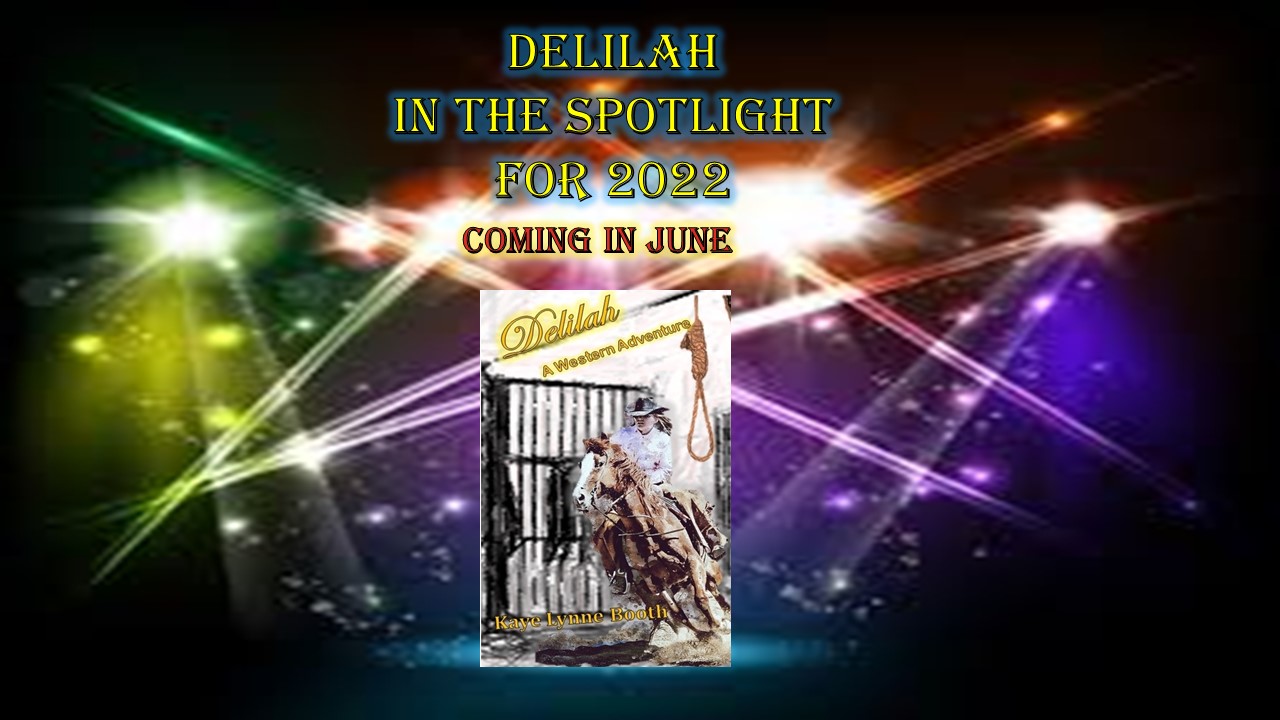
My first release for 2022 is scheduled for June, with the re-release of Delilah, in an edition that is the story I originally intended to tell. (You can find out more about the decision for this change here.) The current edition of Delilah will come down from the Amazon shelves sometime in April, and the new edition will be released wide, so it will be found not only on Amazon, but on Kobo, Barnes & Noble, Apple, Baker & Taylor, Bibliotheca, Borrow Box, Overdrive, Scribd, and other selected digital book outlets because WordCrafter Press publishes through D2D. (I’m a member of their affiliate program. Sign up for your own D2D account here.)
In the past, I told you about my science fantasy series, Playground for the Gods. The first book in that series was my thesis project when I was earning my M.F.A. at Western State Colorado University, back in 2016, so the it has been finished since then, yet you’ve never seen the implied promise of publication come to fruition. In 2022, I plan to release not just Book 1: The Great Primordial Battle, but also Book 2: In the Beginning, and Book 3: Inanna’s Song sometime toward the end of the year, but release dates for these haven’t been set yet.
WordCrafter Press & Author Services
WordCrafter Press has some great releases coming in 2022 as well. An updated version of the writing reference, 2022 Ask the Authors, is scheduled to be released in March. The original Ask the Authors, was taken from a Q&A blog series I ran in 2018. While the much of the advice offered from the 17 different authors who participated in that project is still valid today, this edition will address the changes in the publishing industry since the original edition was published and will feature an anthology of essays on craft and publishing in addition to the Q&A advice. This edition will feature advice from 13 authors, including Bobby Nash, Mark Leslie Lefebvre, Roberta Eaton Cheadle, Nancy Oswald, Christopher Barili, Mario Acevedo, L. Jagi Lamplighter Wright, Kevin Killany, Paul Kane, Jeff Bowles, Enid Holden, Christa Planko, and myself, Kaye Lynne Booth.

The call for submissions for the 2022 WordCrafter Short Fiction Contest posted on January 3rd. However, in 2022, WordCrafter Press will be putting out not just this one anthology, but a total of three short fiction anthologies. In addition to the Visions anthology, which contest submissions may be included in, that will be released in August, there will be two by invitation only anthologies: Slivered Reflections, which will be released in September, and Once Upon an Ever After, which will be released in November.
In 2021, we released the first edition of Poetry Treasures poetry anthology, featuring the works of Robbie Cheadle’s 2020 “Treasuring Poetry” poet guests on Writing to be Read, and we’ve decided to do it again. 2022 Poetry Treasures will feature the works of the 2021 “Treasuring Poetry” guests for a spectacularly unique poetry anthology, and will be released April to celebrate National Poetry Month.

Last, but not least, Write It Right Quality Editing Services is open to new editing clients in 2022. If you’re looking for affordable quality editing, Write It Right could be the editing service you’ve been looking for. A part of WordCrafter Quality Writing & Author Services.
I’m looking forward to 2022. I hope you’ll all join me in the coming year, as it promises to be a good one.
____________________________________________
Like this post? Let me know in the comments. You can be sure not to miss any of Writing to be Read’s great content by subscribing to e-mail or following on WordPress. If you found this content helpful or entertaining, please share.
Share this:

Fish Store
Posted: December 30, 2020 Filed under: Fiction, Mind Fields, Stories | Tags: Arthur Rosch, Fiction, Mind Fields, Rock N' Roll, Writing to be Read 1 Comment
Trevor Joyce made sure that the two hundred foot extension cord was securely fastened too the outlet in his garage. Carefully he measured out the length to the swimming pool. He walked with the plastic reel, paying out the line, around his Ferrari, past his Bentley, and when he came to the last of his car collection, the Silver Ghost Rolls Royce, he kicked the cord firmly under its rear tire so that it wedged there. Backing up the driveway, he tugged at the line, ensuring that it was firmly seated under the tire and would not come loose.
The driveway angled steeply upward under a line of cypress trees. From the top, Trevor could see the ocean and a big chunk of Malibu Canyon with its winding roads and private gated houses. He stopped and scratched at one of the tattoos on his right arm: it was the band tattoo, the famous one-eyed cat that rock fans instantly associate with the heavy metal group, Fish Store.
For eighteen years, Trevor had been the lead guitarist with Fish Store. As of last week, some snaggly little kid named Keewee Bonior was the lead guitarist with Fish Store. One by one, the old members were being squeezed out. Trevor had seen it coming; first it was the keyboard player, Pierce Holling. Okay, Pierce had lost three fingers in a car crash. But that was just a bullshit pretext for booting him out of the band. Pierce didn’t need ten fingers to play rock and roll. It was really the paunch and the wrinkles, that’s what it was all about. He just wasn’t fucking cute anymore.
The extension cord reached all the way to the hedge at the far end of the pool. Plenty of length for Trevor’s purposes. He wound it in long loops between his thumb and his elbow and returned to the garage, laying the cord carefully on the trunk of the Rolls Royce.
He went upstairs and got his favorite guitar and his little amplifier, the Boogie, the one he used for rehearsals, “the little screamer”, as he called it. The guitar was the pearl-inlaid Flying Vee, once owned by the late guitar legend Claxton Wanko. It had played many immortal rock hits in Claxton’s band. It had played “Eat My Heart Out”, “Work Me To The Bone”, it had played “Tough Love Tonight” and “Willng Pussy”. Trevor had bought it at auction for six thousand dollars in nineteen eighty five.
He gave it a little wipe with a polishing chamois, flipped it around on its strap button, inspected it from the top tuning peg to the green serial number etched into its bifurcated body. He hefted the guitar in one hand, the amp in the other, and returned to the garage. Trevor placed the guitar and amp carefully on the work bench that ran the length of the left hand side of the cavernous chamber. He returned to the interior of the house, walked up the soft purple carpet, past the billiard room and the theatre room to the master bedroom.
He went into Lynda’s bathroom; Lynda had been gone for weeks. She wasn’t coming back. There was nothing to indicate her eight years of residence in the house, but a hairbrush with a few wisps of blonde hair, a chunk of glycerine soap and a bottle of Jack Daniels, half empty. Trevor took a swig from the bottle, wiped his lips, then looked at his reflection in the mirror.
“The fuck,” he said, mumbling to himself. He splayed his fingers and ran them through his long, lanky, thinning black hair. “Kick me out of my own band ‘cause I’m going bald. I’m not going bald.” He could not, of course, see the round circle of flesh at the very top of his head, like a monk’s tonsure, from which his flowing locks seemed to emerge as if they were rivers running off some invisible glacial lake.
He took another swig from the bottle of whiskey and went across the bedroom to his own bathroom on the other side. He opened the medicine cabinet and took out a little sealed glass bottle shaped like a bell. Morphine Sulfate, Two Hundred Milligrams.
“That should do it,” he said, tapping the bottle with his fingernail. From one of the drawers he withdrew a rubber tourniquet and a twenty two gauge insulin syringe. He took these items back into the garage, and set them carefully next to his guitar and amp. He then got the end of the extension cord from atop the trunk of the Rolls and unwound enough of it to reach the work bench.
From the far corner of the double-doored garage, he pulled a blue plastic tarpaulin off his gleaming Harley Custom. The motorcycle stood there like a science fiction insect about to ingest some screaming prey. Its headlight was like the eye of a cyclops. Purple swirling paint swept in flames down to the One Eyed Cat logo painted on each side of the silver gas tank.
Trevor pushed it off its stand and wheeled it around his cars to the tool bench. There, he put it back on its stand and straddled its bulk. He reached for a roll of duct tape and pried a few inches from the fat cylinder and hung the sticky part from the bar of the motorcycle. Then he placed the amplifier in his lap, settling it as comfortably as possible, dividing its weight between the bike’s saddle and his thighs. Methodically, he began taping the amplifier to his chest. Holding it with his left arm, he wound the tape around the amp, then switched off to his right hand and continued winding around his back, over and over again, until he had the electronic device reasonably secured to his torso.
He picked up the guitar and used a patch cord to connect it to the amp. Cumbersome, he decided, but certainly do-able. He put on his shades. He tied a bandana around his head. He was already dressed in leather pants and a sleeveless leather vest that showed all his obscene tattoos.
He plugged the amp’s power cord into the long extension cord. He turned on the amp. The light glowed green. Clumsily, he strummed a C Chord. Thwong! It echoed hugely in the garage.
“Yeahhh,” Trevor drawled. “Ready ready ready.”
He kicked the motorcyle into life. Its engine roared and he throttled it so the noise of the bike and the noise of the amp blended into a single savagely gleeful thunder.
Then he took the vial of morphine and filled the syringe with its contents. He had forgotten to tie off with the rubber tourniquet, so he used the guitar’s patch cord to raise one of his few remaining useful veins. He had collapsed the big one inside his elbow and the big one that ran down the side of his arm, and most of the medium sized veins, lower down near his wrist. But there was still the inch-long minor vein about two inches down from his elbow; he had been getting hits there for the last couple weeks, he knew he could hit it, even with all this stuff strapped around him. It took a few jabs, a few misses, but finally he found the blood and mainlined that huge hit of pharmaceutical dope right into his bloodstream. It took only a few seconds to feel its soft blanket spreading from his innards to the periphery of the nerve endings at his fingertips.
“This is it,” he thought. “The perfect rock and roll suicide!”
He gunned the motorcyle. He turned the amplifier all the way up and thwanged a huge chord. He was going to accelerate into the swimming pool, electrocute, overdose and drown himself all at the same time. Someone would find his corpse in the next couple weeks, sitting there at the bottom of the pool on his Harley, with his Claxton Wanko guitar strapped around his shoulder, his Boogie Amp short-circuited, his blood full of dope.
“Yeehaaaa!” he yelled, strumming the guitar. He managed to roll the bike out of the garage, extension cord trailing behind him. He went to the very bottom of the sloped driveway, just inside the swinging metal gate, gunned the engine, twanged the guitar, turned the motorcyle around and roared up the drive towards the swimming pool.
He strummed as he ascended. B flat Chord, A flat Chord, F Chord, the famous intro to Fish Store’s biggest hit, “Slam Me, Ma’am”. He fought to keep his balance. He got to ten miles an hour, fifteen, twenty. He got to the very top of the drive and the extension chord snagged on a bit of outthrust pavement and whipped loose. The sound of the guitar suddenly died. The lip of the drive acted as a ramp and Trevor flew over the pool like a stunt rider, landed in the hedge, passed through it, tore through his downhill neighbor’s fence and wound up on Malibu Drive, stoned out of his mind, but not dead, carrying his guitar and his amplifier on his Custom Harley.
“Aw fuck,” he said aloud, as he swerved across the dividing line on the serpentine road.
A Mountain Springs water truck honked at him and managed not to squash him.
Unable to control the motorcycle any longer, he gunned the throttle, closed his eyes and simply let fate carry him. He hit a curb, went over some rocks, crashed through rhododenron bushes, flew into the air and finally landed with a gigantic splash in someone else’s swimming pool.
He was still alive. Hands came to the bottom of the pool, pulled at the amp, pulled at his armpits, hauled him from the pool. A dozen teenagers avidly surrounded his stunned form.
“That was fuckin’ great, dude!” One of the youngsters said. “Awesome! Did my mom set this up? Fucking great…..hey. Aren’t you Trevor Joyce? Aren’t you, like, Fish Store, dude?”
The kid did a naïve imitation of Trevor’s duck-walking stage style, mocking the chords to “Slam Me, Ma’am”, playing air guitar with his tongue hanging out.
Trevor handed the Claxton guitar to one of his young admirers. He took the bandana from his head and wrung it out.
Not today, he thought. Not today. I’ve still got fans.
_______________________________________________________________________________________________________________
A Midwesterner by birth, Arthur Rosch migrated to the West Coast just in time to be a hippie but discovered that he was more connected to the Beatnik generation. He harkened back to an Old School world of jazz, poetry, painting and photography. In the Eighties he received Playboy Magazine’s Best Short Story Award for a comic view of a planet where there are six genders. The timing was not good. His life was falling apart as he struggled with addiction and depression. He experienced the reality of the streets for more than a decade. Putting himself back together was the defining experience of his life. It wasn’t easy. It did, however, nurture his literary soul. He has a passion for astronomy, photography, history, psychology and the weird puzzle of human experience. He is currently a certified Seniors Peer Counselor in Sonoma County, California. Come visit his blogs and photo sites. www.artrosch.com and http://bit.ly/2uyxZbv.
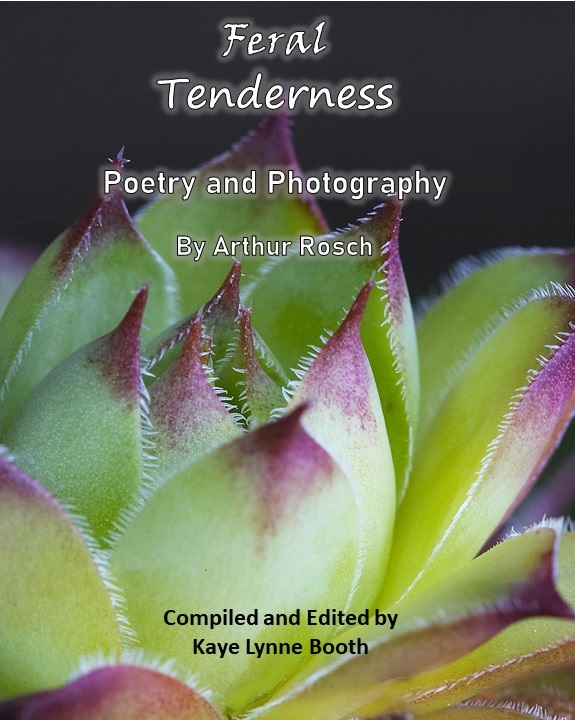
Arthur’s books include The Road Has Eyes, The Gods of the Gift, and Confessions of an Honest Man. His lifetime collection of poetry and photography, Feral Tenderness, is soon to be released by WordCrafter Press.
__________________________________________________________________________________________________________________
Want to be sure not to miss any of Art’s “Mind Fields” segments? Subscribe to Writing to be Read for e-mail notifications whenever new content is posted or follow WtbR on WordPress. If you find it interesting or just entertaining, please share.
Share this:

Craft and Practice with Jeff Bowles – Story Synthesis: The Ultimate Tool in the Toolkit
Posted: August 24, 2020 Filed under: Craft and Practice, Fiction, Writing | Tags: Craft and Practice, Fiction, Jeff Bowles, Story synthesis, Writing, Writing to be Read 3 Comments
Each month, writer Jeff Bowles offers practical tips for improving, sharpening, and selling your writing. Welcome to your monthly discussion on Craft and Practice.
The Ultimate Tool in the Toolkit
Remember when you were a kid and you had to lie to your parents? Maybe you trashed the house while they were away, dented the passenger-side door of their new car, or perhaps you can go back even farther with me and you remember drawing with crayons on the wall or stealing the last cookie from the cookie jar.
Whatever you did, I’ll bet you had to tell one heck of a story to get out of trouble. Maybe it worked, maybe it didn’t. Odds are, if you told a real whopper, they grounded you for a week. Too many details, or maybe too few. Too many working components you couldn’t keep track of, or maybe you introduced logic gaps and they picked the damn thing apart on you, literary-critic-style. The key all along would’ve been balance, believability mixed with a healthy dose of surprise. And boy were they surprised. What lovely colors you added to their wall.
As storytellers, we often do something similar, draw all over the walls and then spin an incredible yarn about it. Although, if you feel the need to call us liars, remember that the preferred technical term is “professional liars”. Story synthesis relies on your reasoning skills, ability to drive a narrative in fun and creative ways, and your talent for convincing your readers everything happened just like you said.
Story synthesis applies to every level of the storytelling process, from brainstorming and outlining to drafting and revisions. It applies to character histories, plot details, scene details, dialogue choices, and you must believe me when I tell you this, if you can’t synthesize spare parts on the fly in an organic, natural, and logical manner, you’ll leave your readers cold, and no one wants cold readers, now do they? In very real terms, story synthesis is the most important tool in the toolkit, one not every author has developed to its full potential.
It’s a bit of a magic act, a spell you’ve got to cast on yourself. It happens while you’re writing, which of course means it must be at least somewhat subliminal and unconscious. What we’re really talking about here, though, is completion and resonance. Do all the different parts of your story add up? Do they make sense in context? Does anything come out of left field? Or conversely, is your story just too milk toast?
Story synthesis isn’t hard as such, because your brain synthesizes concepts from disparate elements all day long anyway. It does, however, require a bit of practice to do well, especially if you’re writing a long-form story, like a novel. Much as a spider would, your job as an author is to take all the loose threads you’ve spun and collect them together into a coherent web. This is why it’s usually a bad idea to abandon a project and then pick it up again later. Those threads might be lost on you. The process by which you were synthesizing the narrative died an untimely death, and now you can’t pick your way through and reassemble it, at least not in the same manner.
Story emerges from character, unless you’re outlining too heavily, in which case story emerges from, well, an outline. What’s the difference? In one scenario, it appears to the reader that your characters are making their own choices. In the other, it’s clear you’ve rigged the deck, and that the whole experience is artificial. In my experience, people who rely too heavily on outlines doubt their ability to synthesize story in a natural way. Either that or they think outlining will save them time and effort. As Stephen King once said, “Outlines are the last resource of bad fiction writers who wish to God they were writing masters’ theses.”
At any one moment in the process, ask yourself what your characters want and how, reasonably so, they can go about getting it. The rest will flow from that, though not effortlessly, so don’t get it twisted. Maybe you’ve written yourself into a corner. A common enough situation. And though you’ve had a general plan all along, something ended up rushed and malformed. You may need to go off the rails to land back on your feet. So to speak. I say blow the whole thing to pieces. Do something to really shake yourself loose. You’ve got to navigate your own twisting waterways with grace, or put another way, all those balls you’ve tossed into the air? They’d better be in your hands and not on the floor by the end of your routine.
Don’t be afraid. Some of the best writing you’ll ever produce will be wholly unexpected. Be the trapeze artist, the reed in the wind. Be willing to exert a little nonchalant flexibility when you feel most worried all your herculean efforts have gone up in smoke. The synthesis of your tale into something readable and engaging begins when you relinquish a little control and trust your creativity and rational mind. Because really, it requires both.
Synthesis in this context applies most especially to story climaxes, the worst of the worst, the hardest to pull off. Sure, beginnings are tricky, and middles are a tough nut to crack, but the endings, oh, the endings. I’d like you to imagine a pot of boiling stew. Now imagine your readers watched you cook this amazing stew from start to finish. They watched you cut up the veggies and meat, saw you season everything and stand at the stove for hours, stirring and tweaking. They’re even aware you’ve been taste testing, which is important because it means they trust that you at least find the flavor remarkable.
But let’s say that stew wasn’t synthesized properly. Maybe you were working off a recipe and failed to notice it needed certain improvements, or maybe it just came to you and you rushed the chopping and cutting. Potato pieces the size of peas. Celery stocks that may as well be whole. If dinner doesn’t go well, it hardly matters what you think you did or how well you think you did it. I mean just look. You left a whole pile of carrots sitting on the cutting board. Why didn’t you throw those in? And that beef broth you only used half of? It probably explains why your stew tastes like wet cardboard.
You see? Good story synthesis means combining all of your disparate and seemingly unconnected ingredients together creatively, confidently, logically. In fact, if you do find yourself in no man’s land over a piece of fiction, get excited, because it means you’ve got the opportunity to pull off something truly magical. As you’re writing, keep track of everything you still have to pay off. You know what a payoff is, right? If someone mentions a mountain in Chapter One and we never see its summit, not even by Chapter Forty, that’s not a good payoff. You might even keep a list running so you miss not a single opportunity to pull one more good thread together.
Like the man said, “Not all who wander are lost.” I urge you to get lost in your writing this month. Check and see that this particular superpower is performing at peak levels. And remember, good story synthesis isn’t about shock and awe, not necessarily. It’s about balance, inevitability, structural harmony. Plus tons of shock and awe. You wouldn’t want people to get bored, now would you? I’ll be back in September with more Craft and Practice. Good hunting, everybody.
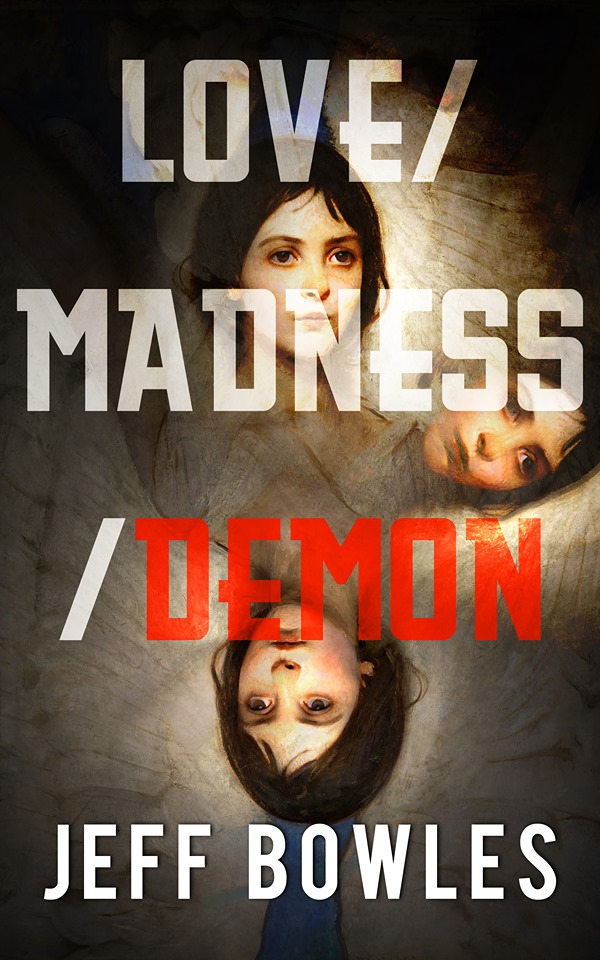
Check out Jeff Bowles Central on YouTube – Movies – Video Games – Music – So Much More!
Want to be sure not to miss any of Craft and Practice with Jeff bowles segments? Subscribe to Writing to be Read for e-mail notifications whenever new content is posted or follow WtbR on WordPress
Share this:

Announcing the WordCrafter 2020 Stay in Place Virtual Writing Conference
Posted: April 13, 2020 Filed under: Action Scenes, Book Covers, book marketing, Books, Character Development, Comic Hero, Fantasy, Fiction, Horror, Media Tie-Ins, Pacing, Poetry, Pulp Fiction, Science Fiction, Setting, Speculative Fiction, Stories, Super Hero, Teaching Writing, Thriller, WordCrafter, World Building, Writing, Writing Event, Writing Workshops, Young Adult | Tags: 2020 Stay in Place Virtual Writing Conference, Alexi Vandenberg, Anthony Dobranski, Art Rosch, Bobby Nash, book marketing, Book Promotion, Chris Barili, Dan Alatorre, Dave Wolverton, Ellie Raine, Fiction, Guy Anthony DeMarco, J.R.H. Lawless, Jason Henderson, Jody Lynne Nye, Jonathan Maberry, Keith R.A. Candido, Kevin J. Anderson, Kevin Killiany, L. Jagi LAmplighter, L.D. Colter, Mario Acevedo, Media Tie-In, Rick Wilber, Rosemerry Wahtola Trommer, Sean Taylor, Short Fiction, WordCrafter, World Building, Writing, Writing to be Read 19 Comments
We’re all tired of staying at home during this recent crisis. It seems like everyone has been affected in different ways, but no one has gone unscathed. Our world has changed in recent times. We, as authors and lovers of the written word had many of our in-person writing events – conferences, conventions, and book fairs – cancelled due to the appearance of COVID 19. To to emulate all those events we look forward to each year and are missing out on now, and to chase away some of the boredom of social distancing and isolation, WordCrafter presents the 2020 Stay in Place Virtual Writing Conference on Tuesday, April 28 from 8 am to 8 pm.
This is a unique event, the first of its kind, and one you won’t want to miss. Free presentations and author takeovers will be occurring on the Facebook event page, and interactive workshops and panel discussions will be offered for a minimal fee on the Zoom platform. Interactive panel discussions and workshop session can be accessed individually for $5, or an all access pass to all interactive sessions can be purchased for $50. Tickets can be purchased on the Facebook event page. Watch for your Facebook event invite from me or one of the many wonderful authors involved with this conference. Send me a message through my WordCrafter page or through the event page if you have further questions, or if you would like a half an hour author takeover spot to promote your own work.
This has been a huge undertaking to organize and set up an event such as this one, but I haven’t done it alone. Without my 22 talented presenters, this event couldn’t happen. We have a great line-up, with international bestselling science fiction and fantasy author Kevin J. Anderson presenting the keynote on the interactive platform.
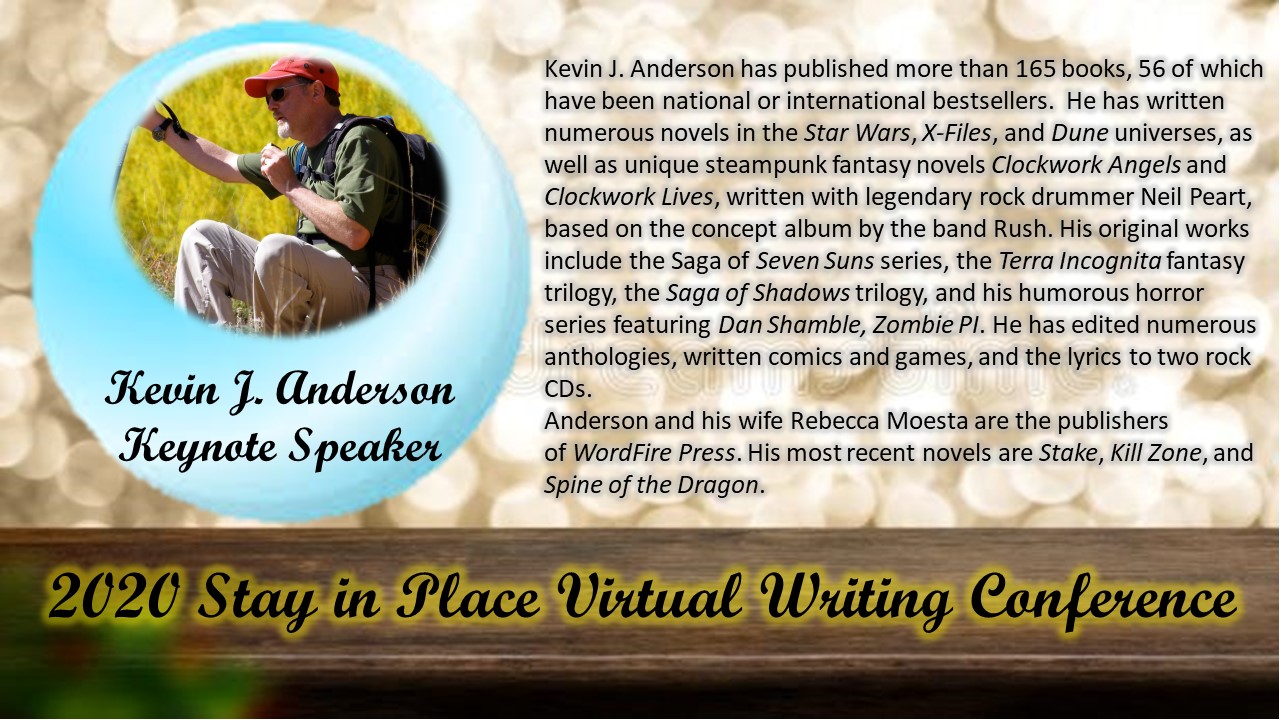
And that’s just the beginning. Take a look at the talent that has lined up for presentations, workshops and panel discussions.

Award winning and national bestselling speculative fiction author Mario Acevedo will be offering a presentation – “The Power of Motivation: What Your Characters Do and Why”
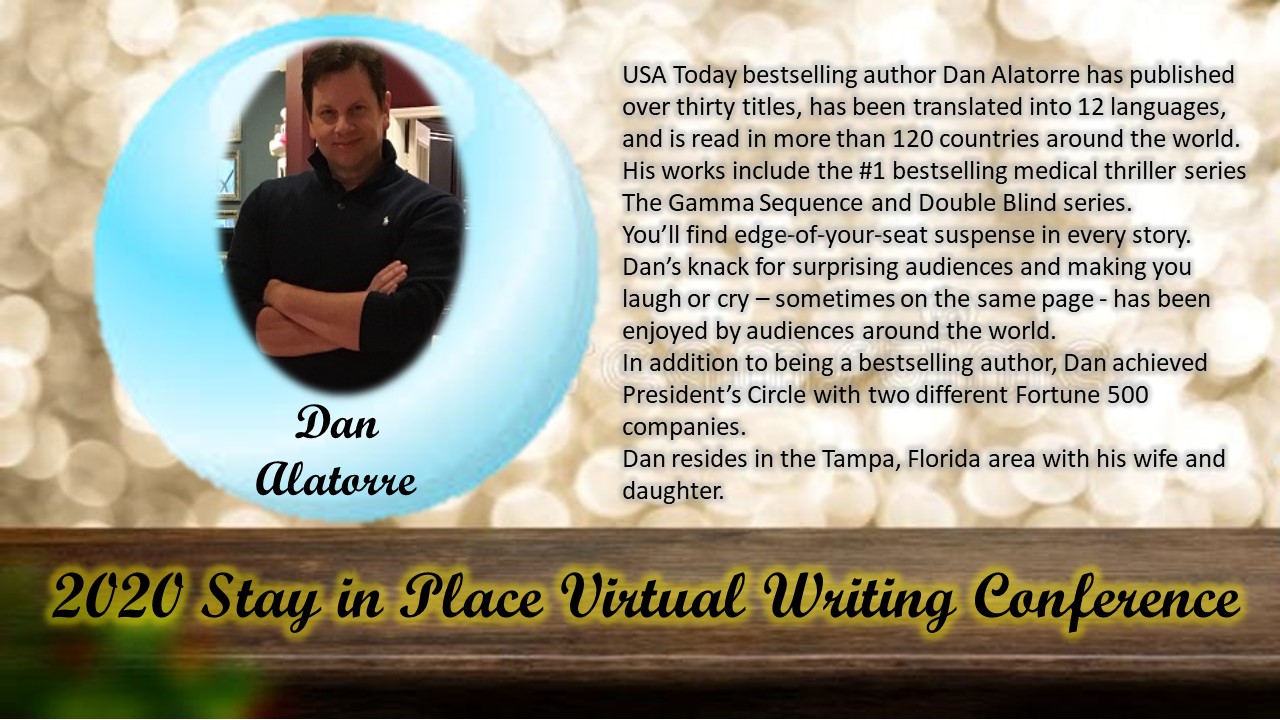
USA Today bestselling multi-genre author Dan Alatorre will be a member of the interactive book marketing panel discussion.
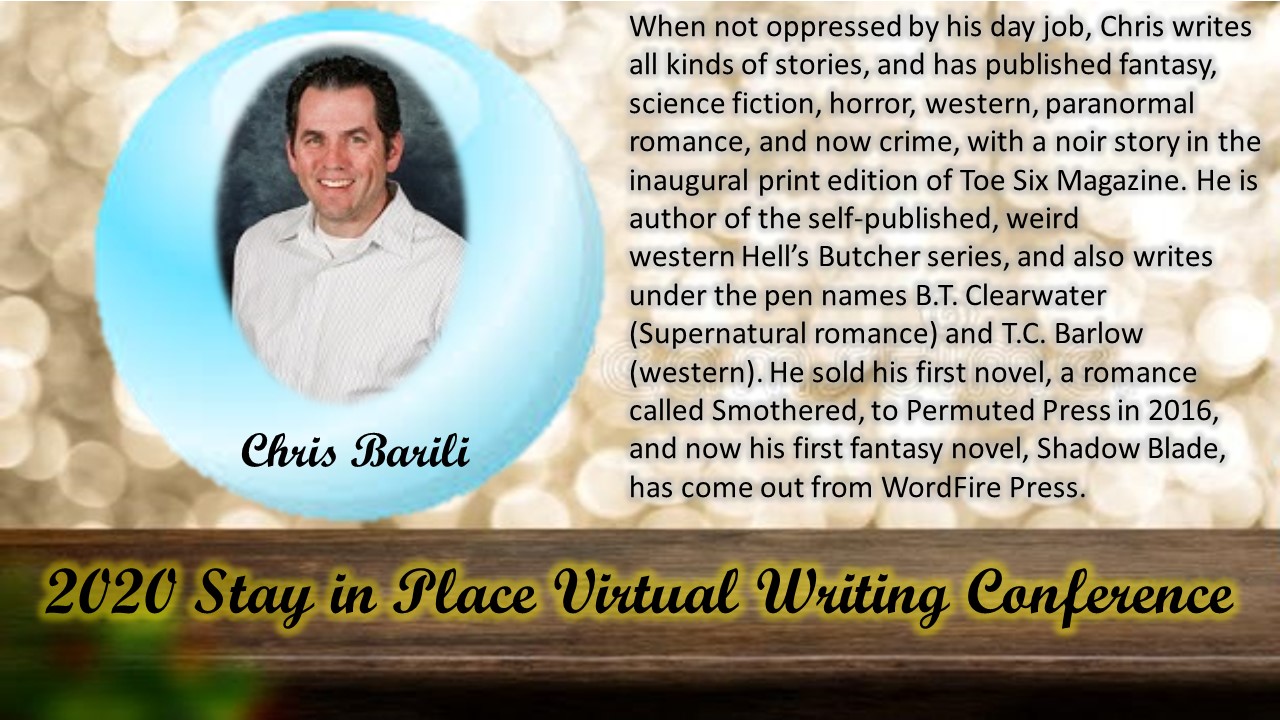
Multi-genre author Chris Barili will be presenting “Writing in the Face of Adversity” and giving an interactive workshop on “Writing Across Genres”.
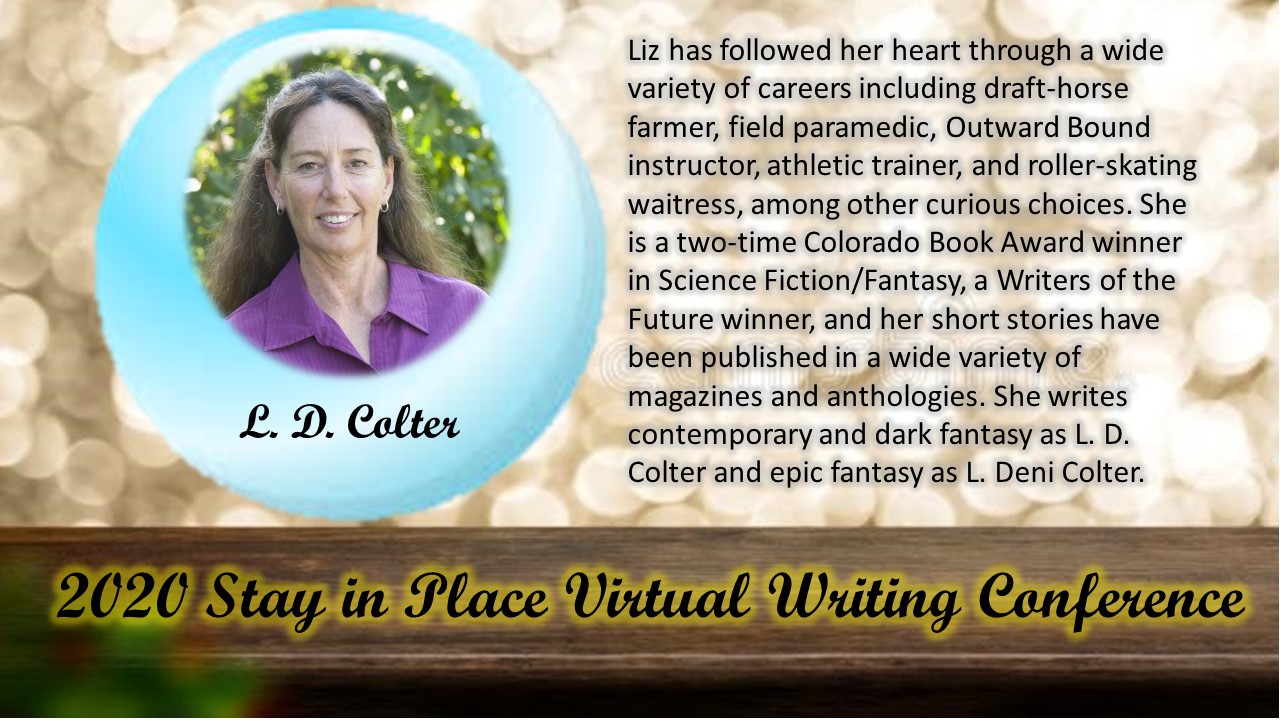
Award winning fantasy author L.D. Colter will be offering a presentation on “Short Fiction”.

World builder and speculative fiction author Kieth R.A. DeCandido will be offering an interactive workshop on “The Business of Writing” and he is the moderator for the media tie-in interactive panel discussion.
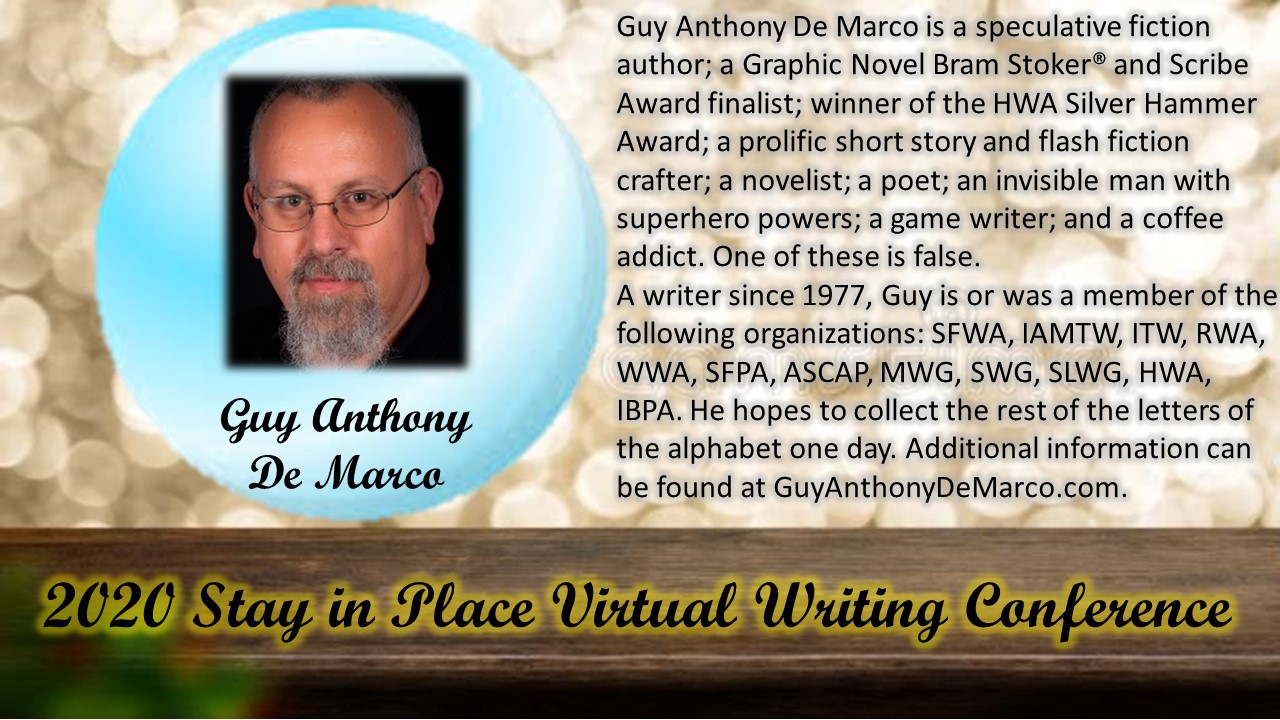
Award winning novelist Guy Anthony De Marco will be a member on both the short fiction and world building interactive panel discussions.

Fantasy and science fiction author Anthony Dobranski will offer two presentaions, “How to Swim Upstream: Not being in the mainstream of your market/genre” and “Working with Others: How to direct others in a project”. In addition, he will offer two interactive workshops. “Business Class Tarot” and “The Savage Horror of Writing Back Cover Copy”.

Author for young readers, Jason Henderson will be presenting “Story Ideas and the Choices You Make” and moderating the interactive book marketing panel discussion.

Media tie-in author Kevin Killiany will be a member on the interactive world building, media tie-in, and short fiction panel discussions.

Award winning young adult fantasy author L. Jagi Lamplighter will be on the interactive panel on world building, and moderate the interactive short fiction interactive panel discussion.

Award-winning science fiction author J.R.H. Lawless will be a member of the book marketing interactive panel discussion.

Award winning and New York Times bestselling multi-genre author Jonathan Maberry will be a member on three interactive panel discussions: short fiction, world building and media tie-ins.

Award winning multi-genre author Bobby Nash will deliver a presentation on “The Importance of Promotion”, as well as being a member of both the media tie-in and book promotion panel discussions.

Science fiction and fantasy author Jody Lynn Nye will offer a presentation on using humor in science fiction and fantasy writing, “Bringing the Funny: how to apply humor to your writing” and she will be a member of the world building interactive panel discussion.

Award winning fantasy author Ellie Raine will sit on both the short fiction and world building interactive panel discussions.

Award winning multi-genre author Art Rosch will offer a presentation on “Creating Villains We Love to Hate”.

Award winning multi-genre author Sean Taylor will offer a presentation on “Visceral Story Beginnings”.
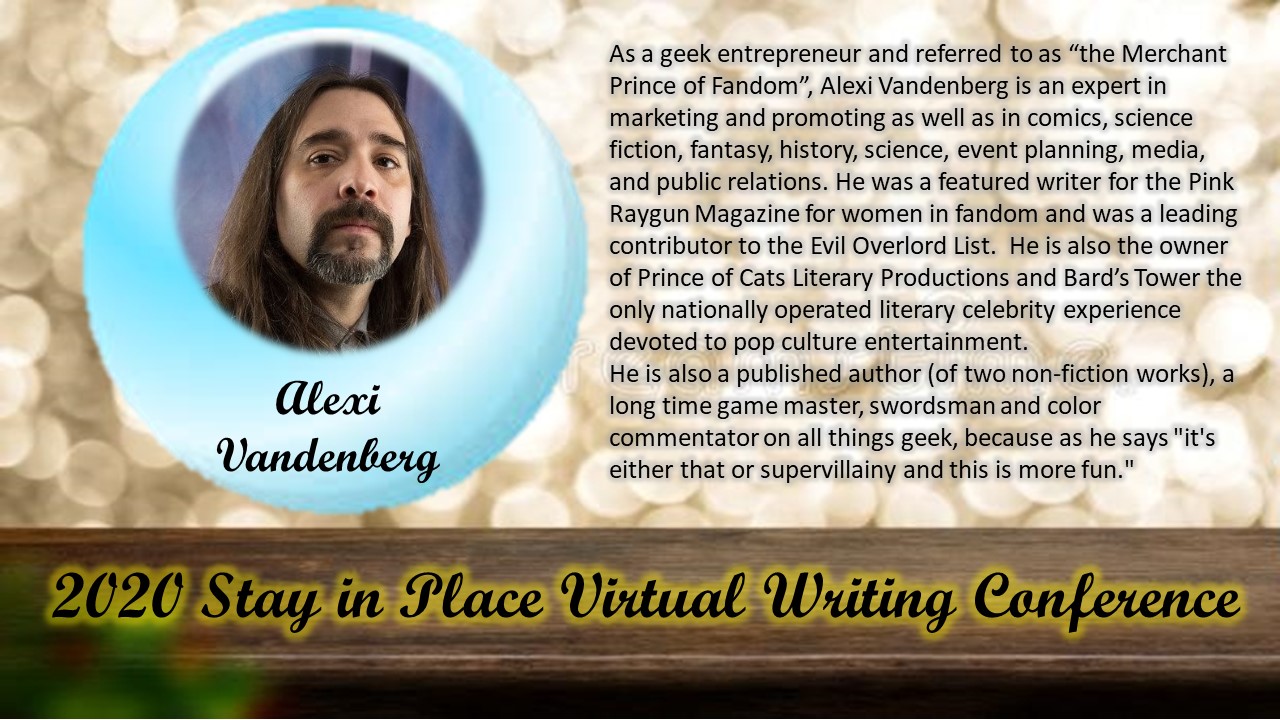
Science fiction author and marketing expert Alexi Vandenberg will be joining the book marketing panel.
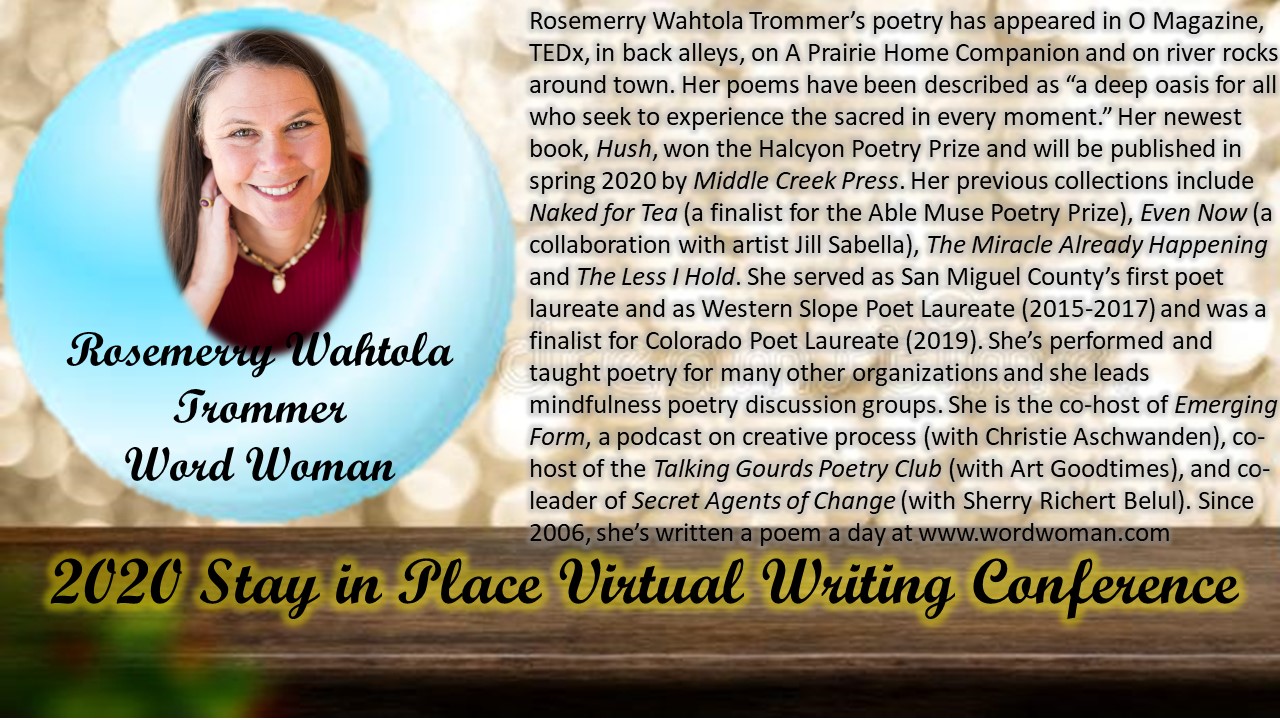
Award winning poet and author Rosemerry Wahtola Trommer offers a livestream presentation “The Gateway to the Unknown: A Poetry Thought Shop”.
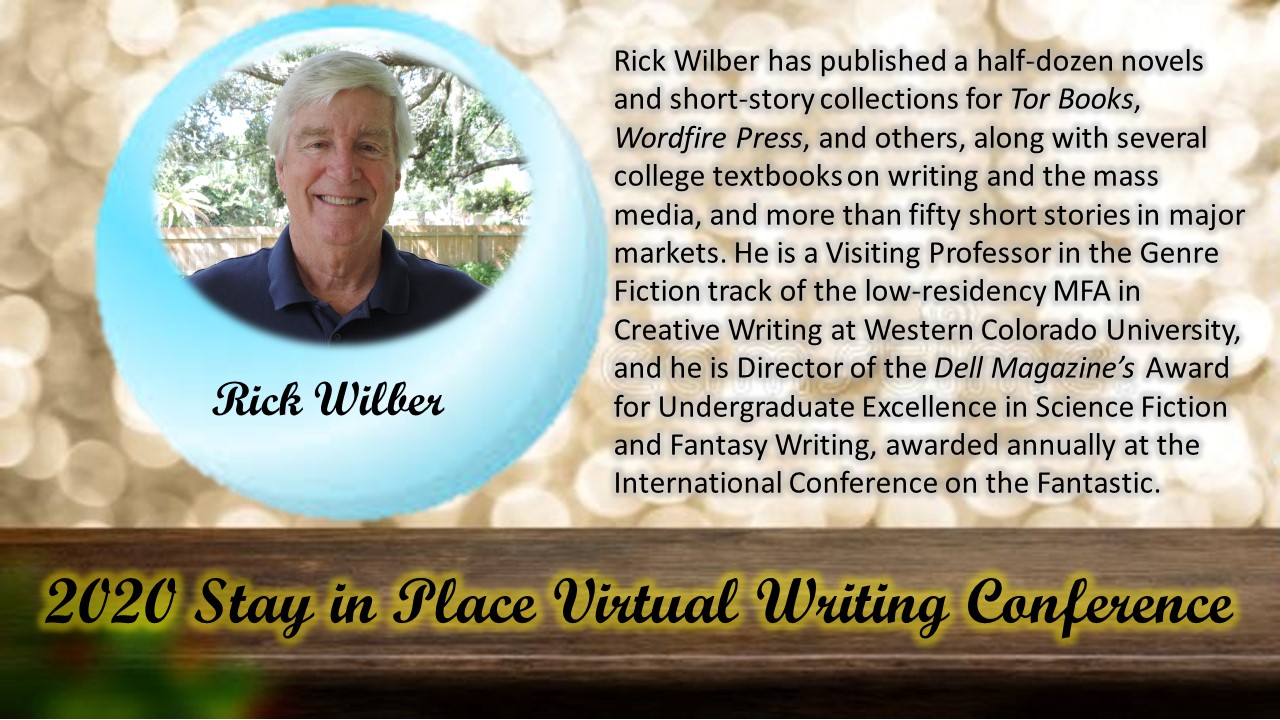
Author and educator Rick Wilber will be a member of the short fiction interactive panel discussion.
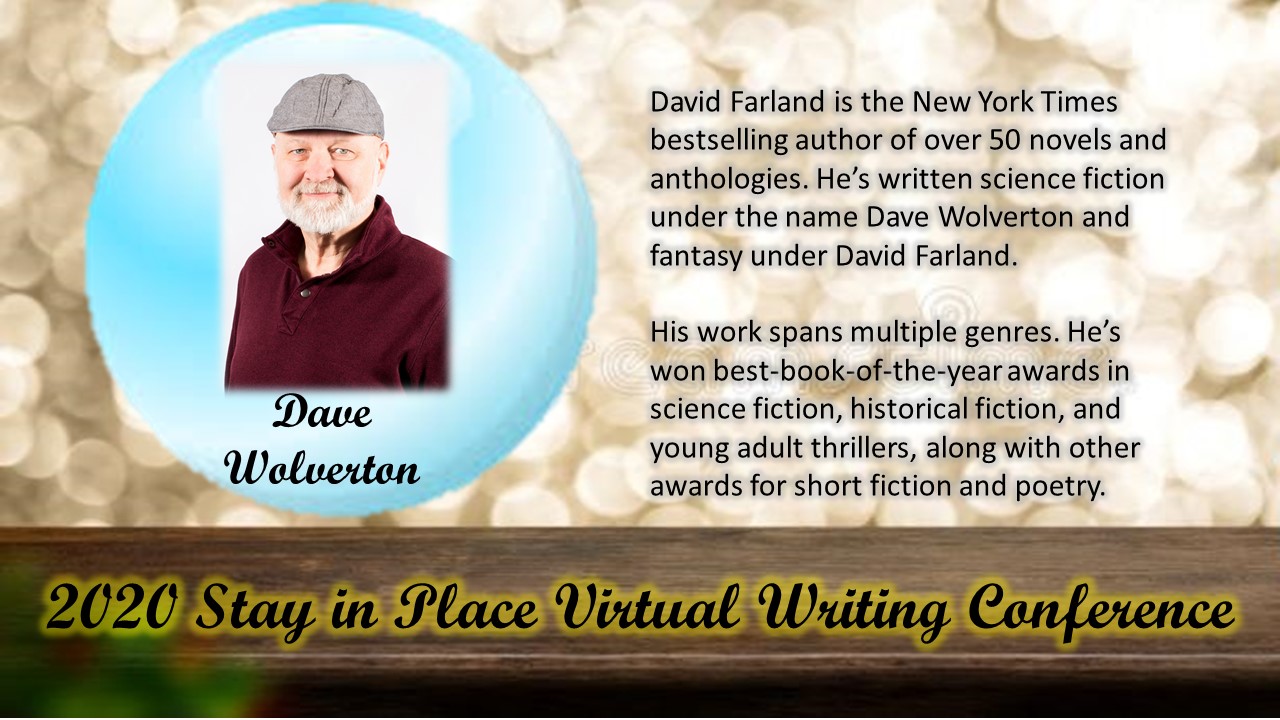
Award winning and New York Times bestselling science fiction and fantasy author Dave Wolverton/David Farland offers a”Promoting Your Book BIG” and he is a member of the interactive book marketing panel discussion.
You can find a full schedule here. I do hope all of you will join us for this unique writing event. It’s the first of its kind and we could be making history. You can be a part of it, too. Join us.
Like this post? Let me know in the comments. You can be sure not to miss any of Writing to be Read’s great content by subscribe to e-mail or following on WordPress. If you found this content helpful or entertaining, please share.