Writer’s Corner: The AI Controversy
Posted: October 5, 2026 Filed under: AI Technology, Writer's Corner, Writing | Tags: AI Technology, book marketing, Kaye Lynne Booth, Writer's Corner, Writing, Writing to be Read 10 Comments
I’ve always been one to stand on the middle ground in most things. “All things in moderation” is one of my mottos. And that’s how I was when it came to AI. I saw the value in some AI tools and I admittedly experimented with both AI and Generative AI tools a bit. I would use AI editing tools to polish each of my manuscripts. The AI tools often caught mistakes and errors that my familiar eyes might have otherwise missed. And I played with generative AI to stimulate my own imagination on my descriptions, occasionally. I also have four of my own books which I published in audiobook form with AI narration, but I don’t think I’ve sold even one audiobook, so I’m not sure how valuable that AI turned out to be. I have always been transparent about my use of AI, when I did use it, and I didn’t see the harm.
But now, it seems AI is being shoved down my throat. You may have heard this rant from me before, but it is true. (You can read that rant here: https://writingtoberead.com/2026/06/08/writers-corner-the-ai-delimma/)When I open an app, or email, I’m prompted to let copilot, or some other AI device, write it for me. And especially on my phone, I don’t seem to be able to get rid of it. The little box appears in my email suggesting I ‘polish’, and it won’t let me type myself as long as it is up. Now, I am a writer, and frankly, I find it insulting to think that I would need help from an AI tool to write an email, or anything else.
I know. There are people out there who want to let AI write the whole damned book for them, probably because they really can’t write themselves at all. And it’s true they are tarnishing the good names of those of us who can write, and making things more difficult, and more expensive, in the publishing world.
The AI Controversy
The controversy over AI has heated up in recent years, and at times seems to be out of hand. There are several different issues, including those mentioned above, which come up in author discussions about AI, and often get lumped together in the controversial category. Other issues include, but are in no way limited to, careers being damaged by the admitted use, or the championing of AI technology, copyrights being infringed upon by Generative AI’s unauthorized use of creative works and tying authors up in lengthy legal battles. These are all real concerns that should be taken into account as authors navigate the world of publishing.
What AI Can Do To An Author’s Career
Serepha Giron and the AI Witch Hunt
Horror author Serepha Giron, was recently outed from the Horror Writer’s Association just for speaking out in favor of the use of AI in some instances, calling the publishing industry’s over the top response to the use of AI in creative endeavors a witch hunt.
HWA Cancels Their Member Sèphera Girón After Pro-AI Newsletter Column Sparks Backlash
Chuck Wendig’s Response to the HWA’s Response
Regarding The Pro-AI Tantrum In The HWA Newsletter – Chuck Wendig: Terribleminds
Generative AI
Now, the other side of this debate involves a different matter involving generative AI specifically. There’s been quite a ruckus caused by the way generative AI is being trained using the words of talented authors without obtaining the proper permissions to do so. I know several authors whose works have been used for this purpose, and they are now tied up in a maze of legal battles over copyright and compensation. Authors on this side of the debate aren’t talking though. After the fiasco with the HWA and Seraph Giron, none of them would touch my invitation to guest post or comment here with a twenty-foot pole.
The most reasonable discussion I’ve found regarding this issue comes from Laura Hemling, The Guerrilla Publisher. She explains how generative AI works when used to write with the assistance of an AI tool, why not all generative AI training is not theft, or piracy, and why using AI tools to help write YOUR book doesn’t take away from YOUR authorship.
Just for the sake of transparency, let me go on record as stating that I use the MS Editor which is built into my MS Word program to locate possible problem spots, but then, I decide how to correct them, if I think they need correcting. Since AI is often wrong, I find it often doesn’t need fixed, or I have a better fix for it than the AI suggests. I no longer use Pro-Writing Aid, as its suggestions are mostly total rewording, which I don’t need, and neither do my authors.
I am going to have to rethink how I want to present my stance on AI, when it comes to collaborative works, because I don’t ask my authors about their AI use, so I can’t claim the WordCrafter Press books don’t use AI because I don’t really know. My feeling is to each his own, but I don’t want to make any false claims. I don’t want to be one of the publishers who tries to control their authors use of AI, as mentioned in the video, so perhaps just requesting them to notify me if AI was used so I can represent the work honestly would be the best way to go.
I would love to hear your thoughts on this. Do you use AI to assist in your writing? Use it just for editing? And if you do, are you forthcoming about it, or avoid mention of the topic? Let me know in the comments and let’s stir up a conversation.
___________________________
Now, be aware, the use of AI tools is not cut and dried. There are many different types of AI tools, and using an AI editor is not the same as using generative AI to write a book for you. And that is different than using generative AI to create a cover. And those are all different than the AI that helps us write or improve ads.
Other Uses for AI as an Author
AI is here to stay. It’s not going to go away, no matter what direction the controversy takes. It infiltrates almost every aspect of our lives today. We have it tied into our home systems, it’s at our fingertips on our phones, and now, it’s changing the way we find things on the internet. It’s writing books, narrating audiobooks, creating art and illustrations, and answering our queries.
It is embedded into the technology we’re already using. I didn’t want AI to summarize my emails, because I prefer to read them myself, and I don’t need it to write my emails for me. I find that insulting. So, I turned off the smart features in my gmail, as per Google instructions. To my chagrin, it didn’t just disable those two features, but also the sorting feature that divides my inbox into Primary, Updates, Social and other categories, making it easier to sort through. So, when I opened my inbox, instead of seeing my primary messages which I need to give attention, as usual, every message was bunched together in one big inbox, making them impossible to sort through. I had no idea that this was a smart feature, but apparently, if I want it, I’m stuck putting up with the features which I find so insulting.
I’m a writer. So, again, I would not use an AI tool to help me put words to page, (or write my emails). That’s what I do, so I think I will retain my creativity, although I may still use the editor which comes with MS Word.
But, I am not a cover designer or a marketer, so I might consider using AI tools to help me to complete such tasks. I see the value in using AI to carry out tasks that I don’t have the talent or the knowledge for. Is that wrong? I don’t think so. But I do think an author needs to be cautious in these tumultuous times, when any kind of association with AI could tarnish a good reputation, or even result in a death sentence. And if you are going to use AI, you need to be very transparent about it. You may lose some readers, but probably not as many as if you were not transparent and then get called out on it. I firmly believe it is better to state it up front.

We need to be aware though of what AI technology in these capacities entails. Using AI to create illustrations or book covers is truly an AI assist, because the technology creates the image according to what we, the humans feed it. We tell it we want an image of a girl, standing in a river and that’s what it gives us. Then, we tweak it to our own specifications. i.e. “a girl with red hair dressed in Native American attire”, etc… In fact, we are still the creators, because without our instruction, the AI can do nothing on it’s own. And I believe you can even provide the base image yourself and use AI to enhance it. It may take several attempts to get it right, because AI gets it wrong a lot, especially if you don’t know the right way to phrase your instructions so that AI understands.
Book Covers and Illustrations
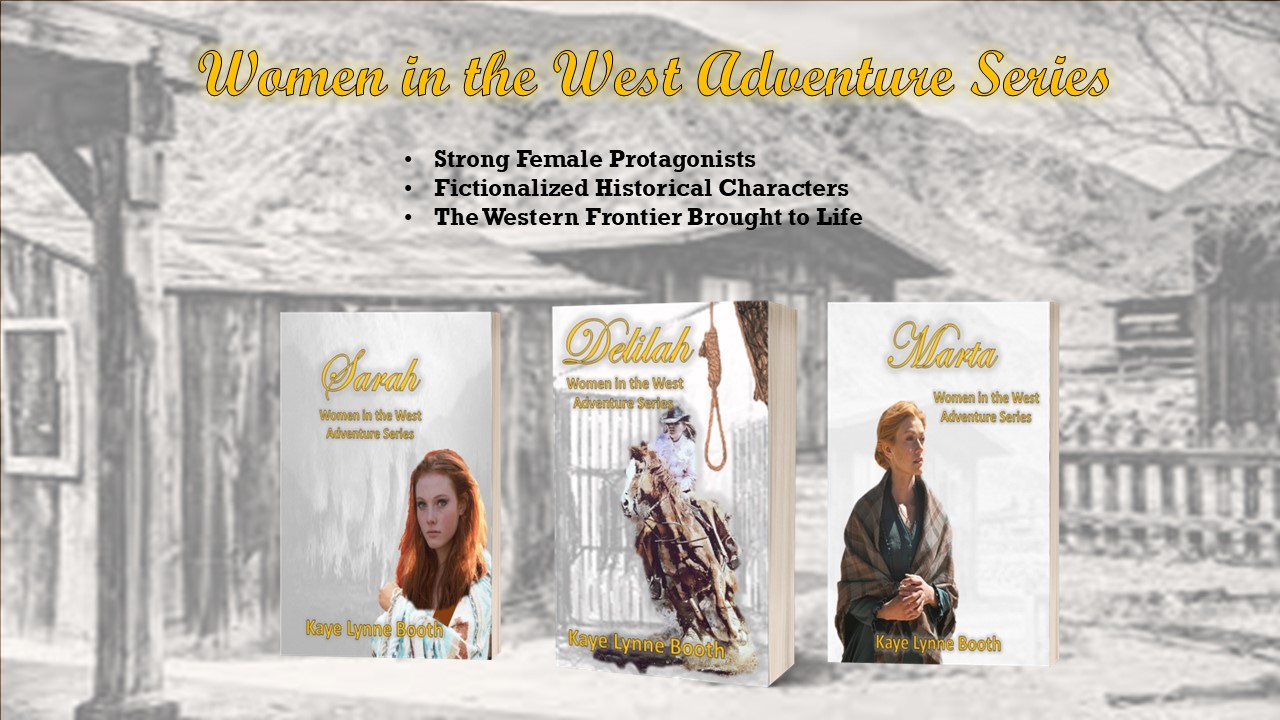
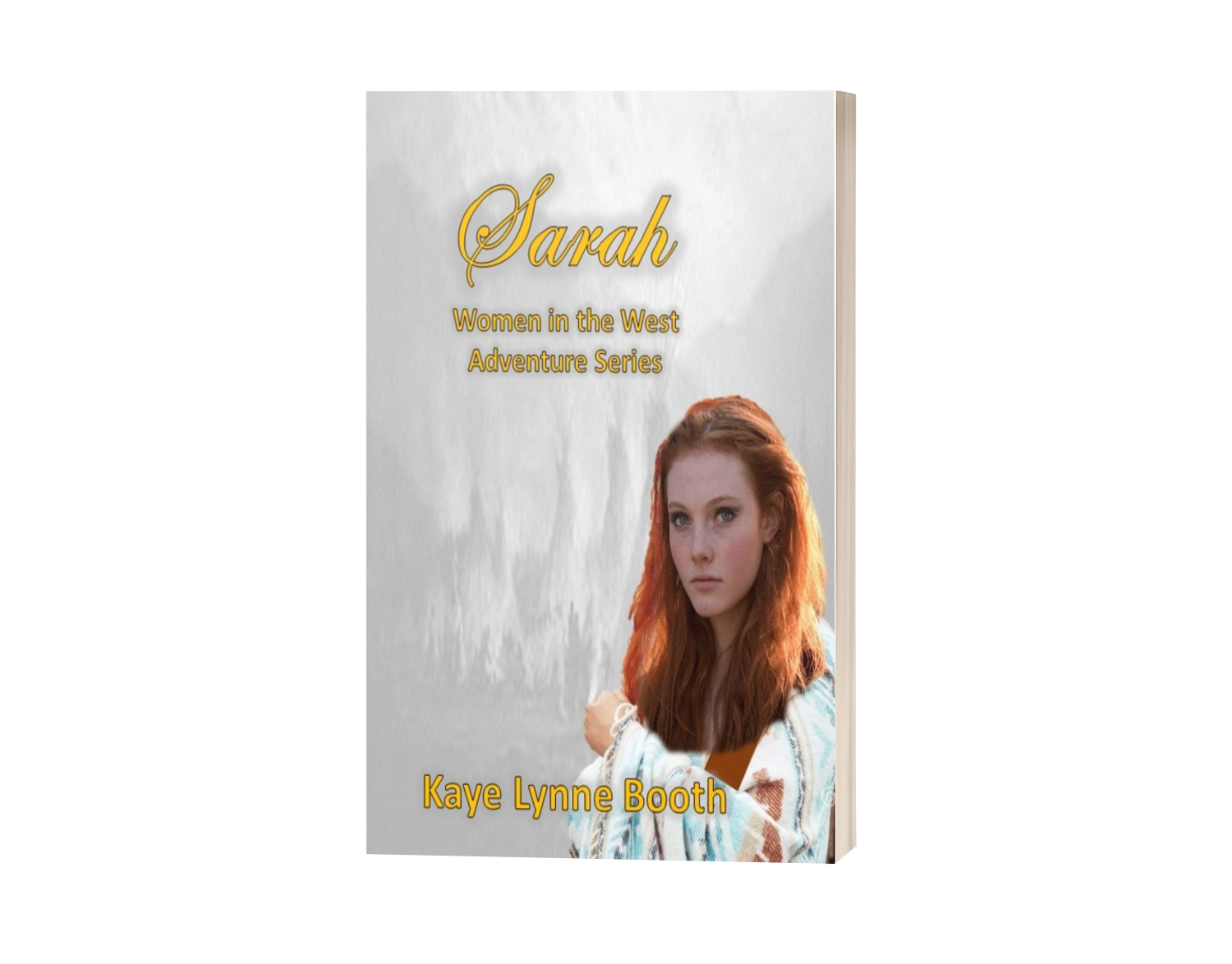
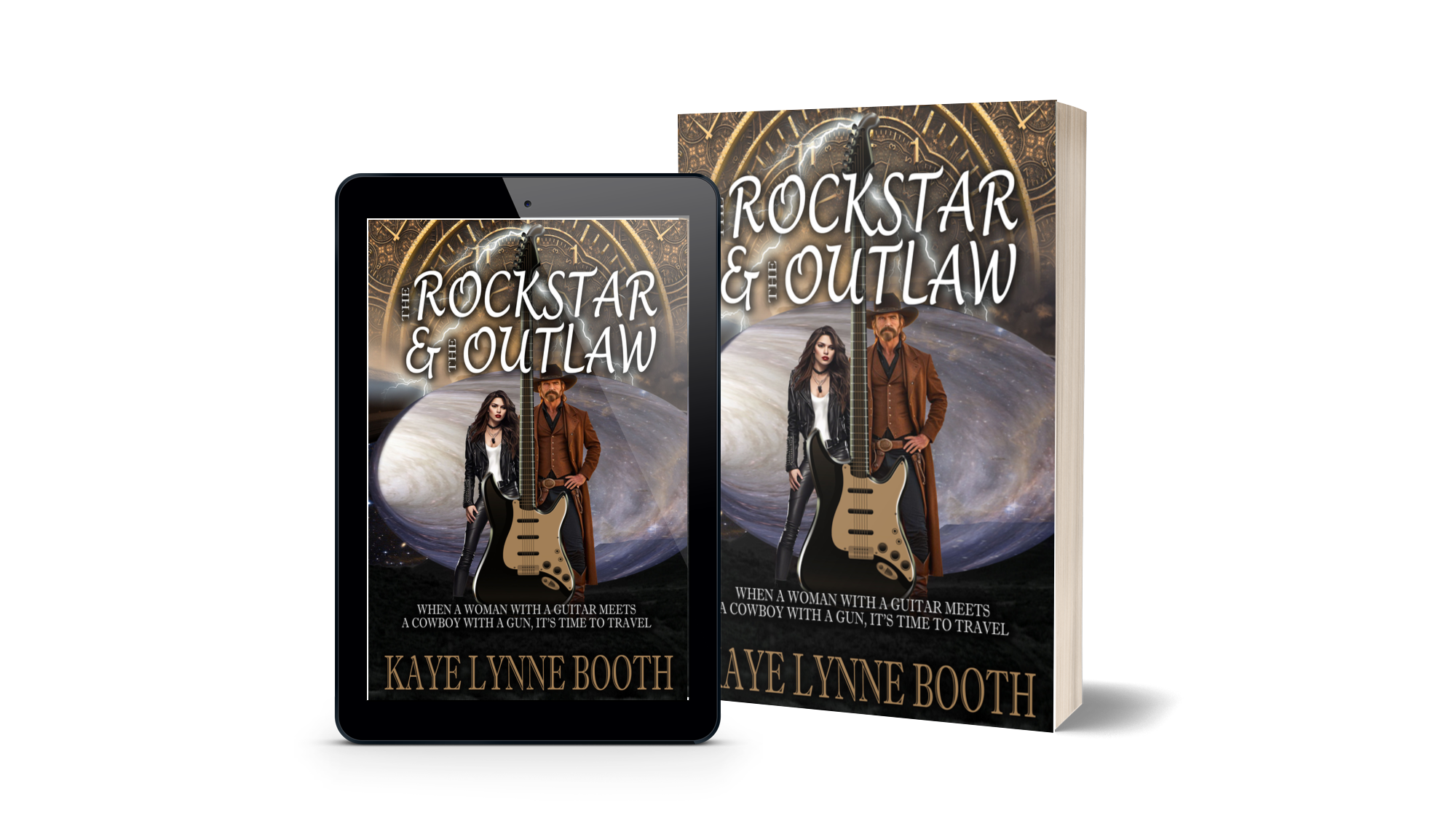
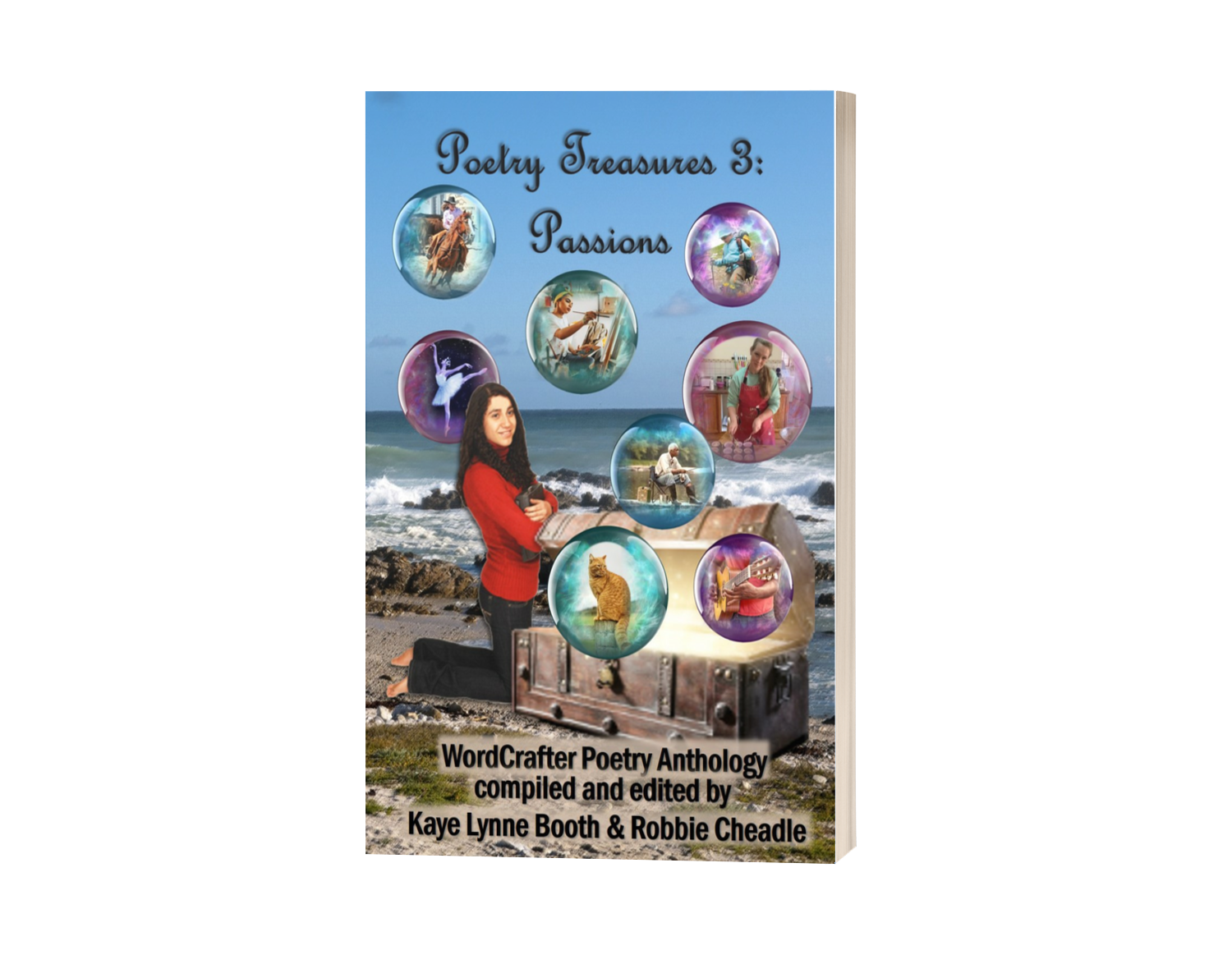
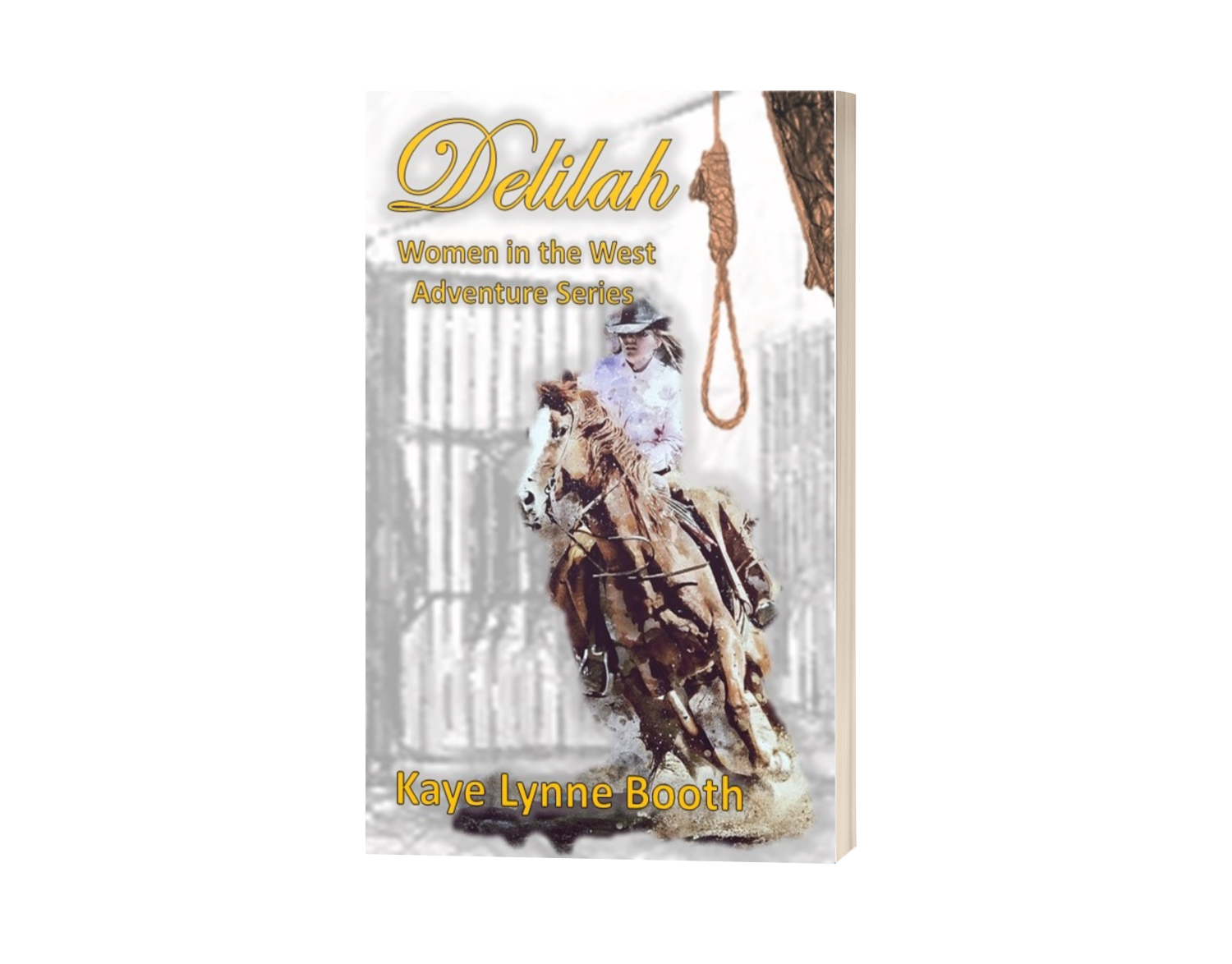
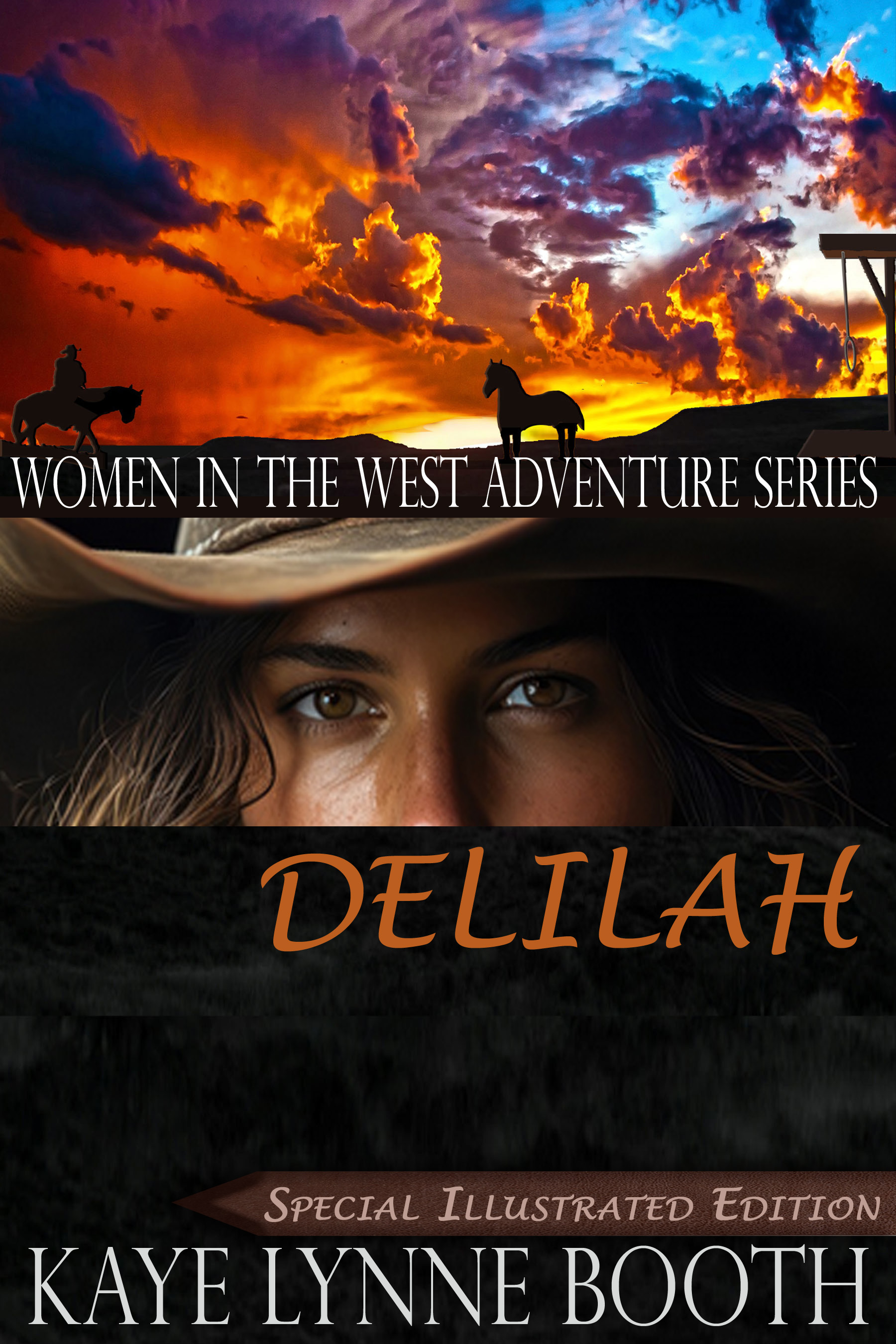
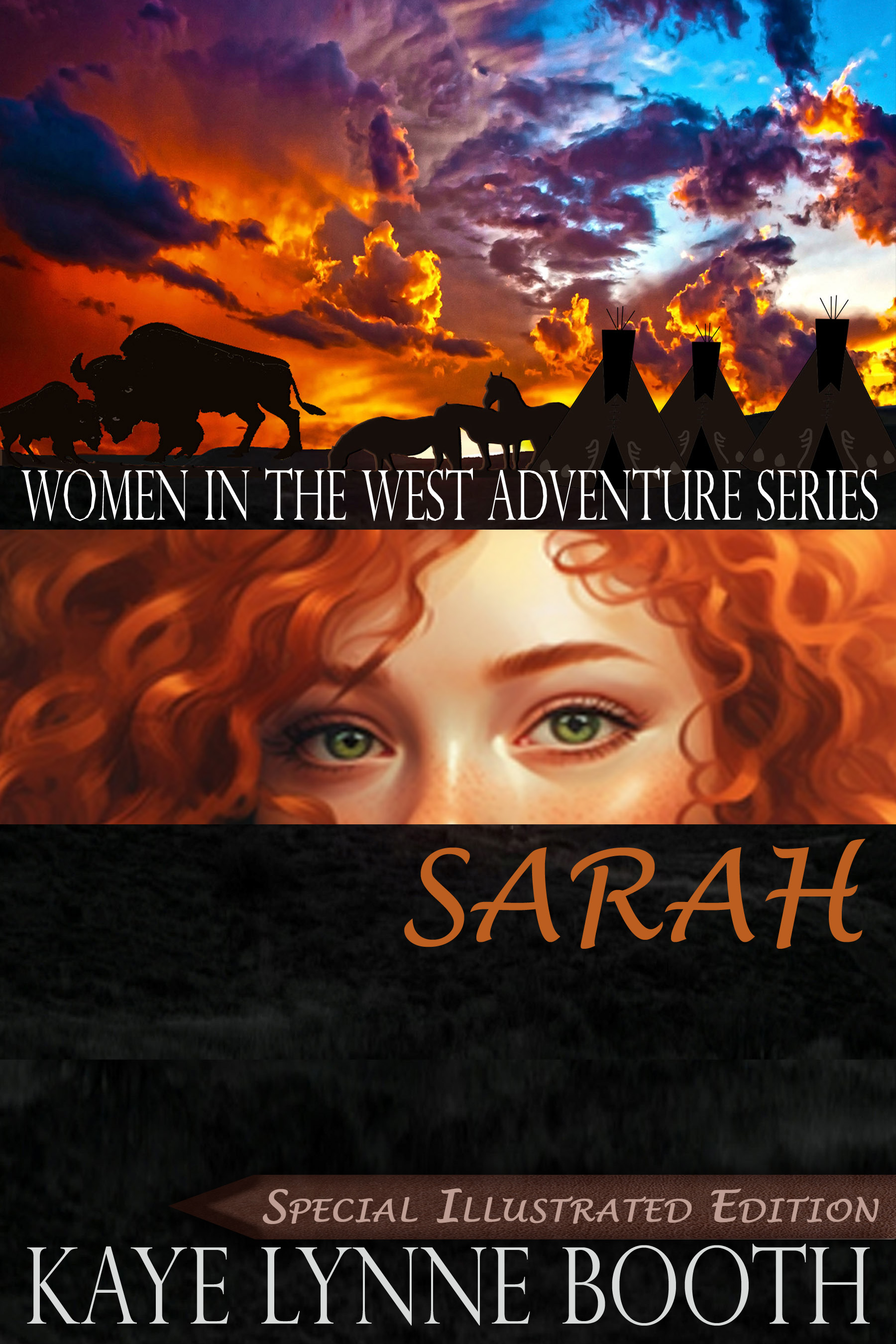
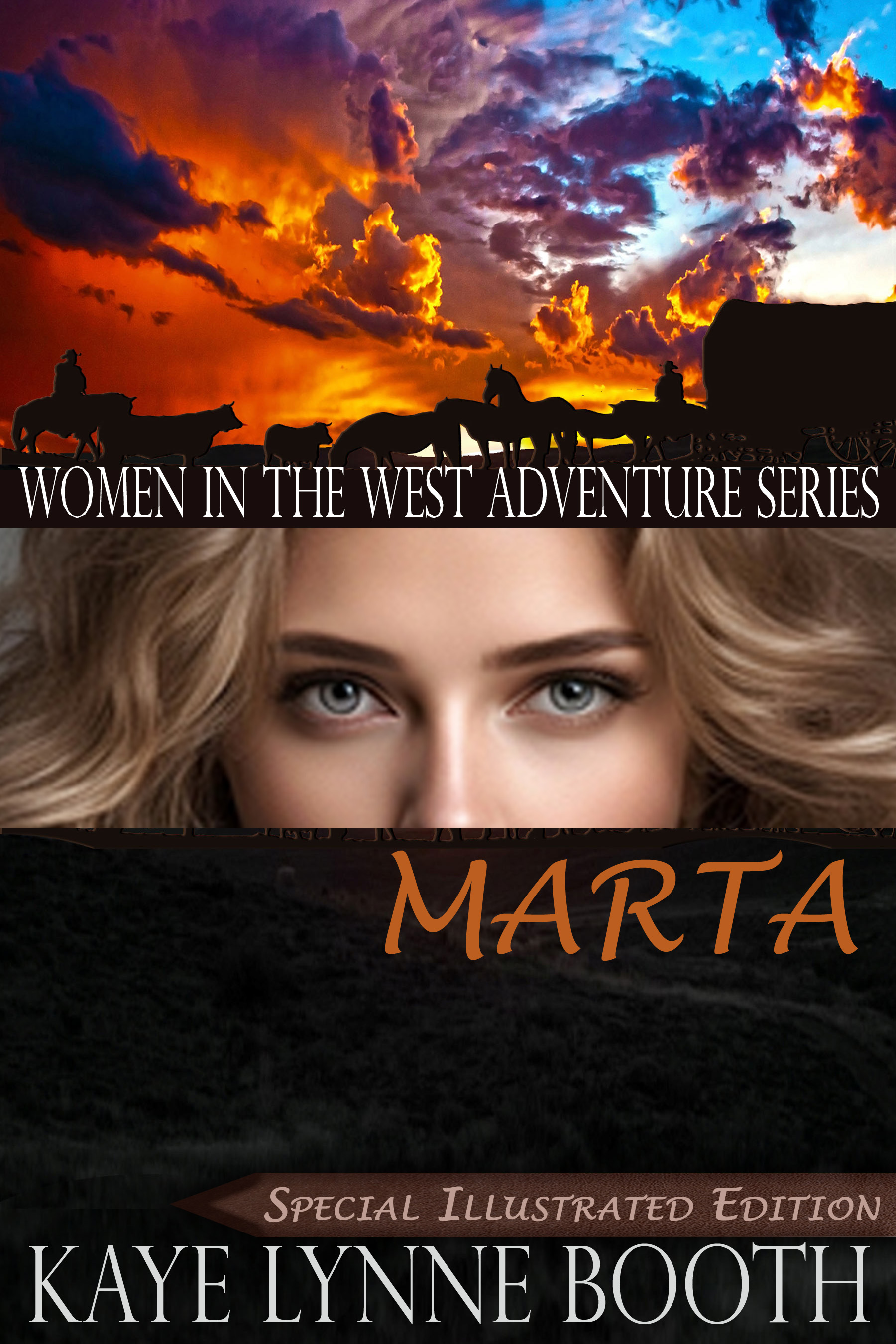
I don’t use AI for the book covers I design, such as the ones shown above, but at times, I use a cover designer who does. DL Mullan of Undawnted, creates many of the WordCrafter Press book covers. Next March, when the third book in my Women in the West Adventure Series, Marta, is released through my Kickstarter campaign, I’m planning to offer special illustrated editions of all three books in the series, which Miss Mullan has created special covers for and she also is creating some spectacular illustrations, such as the girl in the water used in the example above, from Sarah, book 2.
Audiobook Narration
A few years ago, there was controversy about AI narration taking jobs away from human narrators. For me the point was mute, because I didn’t have the finances to afford a human narrator, I tried AI narration out on three of my books. The Rock Star & The Outlaw, Delilah and Hidden Secrets are all available in AI narrated audiobooks on Google Play Books, and another edition of The Rock Star & The Outlaw is also available on Apple Books. I put them all out there, although I admit I didn’t really know what I was doing, and I thought the quality of the AI narrations were fair. (I recently had the opportunity to review an AI narrated audiobook, Magnolia Bay Mystery: The Tainted Taffy, by Fiona Grace, (see my review here), and I would not have been able to tell the narrator was not human, had I not known.) But to be honest, that is as far as it went. I haven’t, to date, sold one copy. I don’t think I’ll be using AI narration any more in the future, as it just isn’t worth the effort.
If you are interested, you can check them out at the Google Play Books links below.
The Rock Star & The Outlaw: The Rock Star & The Outlaw: Time-Travel Adventure by Kaye Lynne Booth – Audiobooks on Google Play
Delilah: Delilah by Kaye Lynne Booth – Audiobooks on Google Play
Hidden Secrets: Hidden Secrets: Paranormal Mystery by Kaye Lynne Booth – Audiobooks on Google Play
(On a more exciting note, at least for me, I now may actually have a human narrator for both books in my Time Travel Adventure Series, The Rock Star & The Outlaw and Double Visions, and that tickles me purple. If all works out, those may be available as early nas 2028.)
Book Marketing
LinkedIn recently came out with a “New Guide: How to Dominate the AI Search on LinkedIn“, which may be aimed at B2B marketers, but the concept of writing to the AI Search might be useful in book marketing, as well, because AI Search is the new way readers are finding books.
The fact is, AI is changing the way our books are being discovered. The technology marches on, whether we jump into the procession or not. As things shift from browser to AI search, SEO is no longer the golden key which unlocks the door for readers to find our books. We may be writing books for our ideal readers, but it looks like we should be writing our book descriptions for AI recommendations, according to this article, “Make Your Books More AI Visible #Marketing”, by author and blogger Deborah Jay: https://deborahjayauthor.com/2026/08/17/make-your-books-more-ai-visible-marketing/
One Last Thought
One doesn’t have to be an author to worry about AI. If you want to ponder something that should scare the bejeesus out of you, check out Kim Kamando’s article, “Will AI be the End of the Human Race?“. This is some scary stuff, if you think about it.
About Kaye Lynne Booth
For Kaye Lynne Booth, writing is a passion. Kaye Lynne is an author with published short fiction and poetry, both online and in print, including her short story collection, Last Call and Other Short Fiction; and her paranormal mystery novella, Hidden Secrets; as well as her poetry collection, Small Wonders. Her novels include Books 1 & 2 of her Women in the West adventure series, Delilah and Sarah, and Books 1 & 2 in her Time-Travel Adventure series, The Rock Star & The Outlaw, and Double Visions.
Kaye holds a dual M.F.A. degree in Creative Writing with emphasis in genre fiction and screenwriting, and an M.A. in publishing. Kaye Lynne is the founder of WordCrafter Quality Writing & Author Services and WordCrafter Press, where she edits and publishes two short fiction anthologies and one poetry anthology every year amidst her many writing projects. She also maintains an authors’ blog and website, Writing to be Read, where she publishes content of interest in the literary world.
___________________________________________
Did you know you can sponsor your favorite blog series or even a single post with an advertisement for your book? Stop by the WtbR Sponsor Page and let me advertise your book, or you can make a donation to Writing to be Read for as little as a cup of coffee, If you’d like to show your support for this author and WordCrafter Press.
_____________________________________________
This segment of “Writer’s Corner” is sponsored by Undawnted.
Step Into the Undawnted Universe
Some authors write in one lane. DL Mullan builds worlds — and then dares you to walk into every single one of them.
Welcome to Undawnted, where imagination is fearless. Whether you’re craving a slow-burn paranormal romance, a bone-chilling horror story, a mind-bending sci-fi thriller, or songs/lyrical poetry that lingers long after the last line- there’s a feeling here waiting to pull you in.
Fall for the forbidden. In Nocturnal Redemption trilogy, mythology professor Ryan Blackburn has spent her life studying the legend of humanity’s protectors — never expecting to meet a pack of werewolves and a vampire on his nightly rounds. Her family’s myths weren’t myths at all. As she’s drawn into the vampire’s hidden world, one thing becomes clear: no one is as they appear.
Fear what’s waiting in the woods. Kurst asks a simple, terrifying question: what could go wrong when you inherit a cabin in the woods? The answer involves a sasquatch, skinwalker, and medicine man — and readers have called it a masterclass in horror with “a good dark secret” at its heart. It’s part of the acclaimed Midnight Garden anthology, a dark fiction collection praised for delivering “the printed version of jump scares.”
Chase the multigenerational curse. Fans of atmospheric enigmas will want to dive into the Salt Pines Mystery series, where a family curse spans generations and secrets refuse to stay buried.
Go beyond the ordinary. In the sci-fi novelette The Reality Hackers, reality itself isn’t as constant as you think. And for readers who want an ongoing saga, DL Mullan’s multi-book Legacy Universe — a supernatural superhero series — is currently in the works, promising an expanding mythology for readers who like to get lost in a world for the long haul.
Need something lighter? The Town Santa Forgot brings warmth and holiday charm for readers who want romance with a side of magic, while DL Mullan’s poetry collections — including The Descent, Impetus, Effloresce, and Phantastic — offer a darker, Poe-and-Dickinson-inspired verse for poetry lovers who like their beauty a little haunted.
Why readers keep coming back: DL Mullan isn’t just a writer — she’s a classically trained musician, award-winning digital artist, and lifelong storyteller who designs her own book covers and builds entire creative universes around each release. That range shows: every story carries the fingerprints of someone who thinks in full sensory perception, not just plots.
Your next favorite book is waiting. Whether you want to be swept into romance, spooked by horror, hooked by mystery, or moved by poetry, Undawnted has a story with your name on it. New releases, exclusive updates, and giveaways are just a subscription away.
Visit www.undawnted.comto explore the growing library, read excerpts, listen to soundtracks, and find your next obsession.
SIgn up for the Undawntable Newsletter.
Like/Comment/Subscribe to Undawnted’s YouTube channel.
Undawnted: Read. Feel. Discover.
Share this:

Writer’s Corner: Love it or Hate it, AI is here to stay
Posted: November 3, 2025 Filed under: AI Technology, book marketing, Book Promotion, Book Sales, Publishing, Writer's Corner, Writing | Tags: AI Technology, book marketing, Genereative AI Search, Kaye Lynne Booth, Publishing, Writer's Corner, Writing, Writing to be Read 4 Comments
I’m not one to trust technology. I’m leery of devices such as Alexa, or Seri, or Google Assistant. Call me paranoid, but in the words of Rockwell, “I always feel like somebody’s watching me.” 👀But, seriously, how do these AI devices hear the trigger word and respond unless they are listening to us all the time. I know my Google Assistant on my phone responds to words spoken in casual conversation with someone, and often it responds to words spoken by the other person. It’s not even my voice and the trigger words were never spoken. Scary, I say.
But like it or not, AI isn’t going anywhere, and in fact, it is infiltrating more and more aspects of authors’ lives, slowly and quietly, or sometimes, not so slowly. We can have whole conversations with generative AI; it can write stories for us, create cover illustrations, and even narrate audiobooks. I’m smart enough to see that AI is here to stay, and so, I’ve done my best to adapt and find ways that AI can be used to my advantage as an author.
I have most of my own books available on Google Play Books as AI Narrated audiobooks. I’ve heard both sides of the argument for and against AI narration, so I’m aware, but I thought I’d give it a try. Those who are against it may not have so much to worry about as far as AI taking jobs from human narrators, since I haven’t sold even one, and they are free!
I’ve also used generative chat, specifically, Chat GPT, to help me visualize scenes I’m trying to write in places where I’ve never visited personally, or places I have visited, but not in the time period I’m writing about. And I’ve used covers that were created with the assistance of AI, (not by me, I’m not that artistic), and I hope to publish a special edition collection of my Women in the West series, with color illustrations created with AI assistance next year, when I’m finally ready to release the third book in the series, Marta. My stand on the issue is that it is fine, as long as I am transparent about it, as the author.
According to Ricardo Fayette, over at Reedsy, the next wave of generative AI technology is about to flow in, or rather, it’s already here. We’re talking about AI search, which is about to upheaval the way searches are conducted, and in specific, the way folks search for books.
It May Not All Be in the Metadata Anymore
By now, we all know how a keyword search works, and publishers, both traditional and independent, try to play to those searches, hoping to choose the right keywords in the metadata that will help readers to find our books. But, Ricardo Fayette claims that with the rise of AI search, that is all about to change. Instead of searching for keywords, AI search looks for a string of words which are related to those you search for, words that the AI search connects based on what’s been entered in your search, combined with what the AI knows about the reader. Already, we have advertisements pop up in our inbox related to earlier searches, (which is kind of scary, in itself), but AI search will combine all the information it has about the searcher, such as previous purchases, and combine it with words from the search box and others connected to those words, and search through all the available books which fit to give us more accurate search results in a fraction of the time it would take to do it manually.
If that’s confusing to you, you aren’t alone. That’s the best way I could describe it, but I’m not technologically inclined at all. Ricardo Fayette did a whole series of newsletters explaining all this. He claims generative AI searches are based on three things and he wrote a newsletter covering each one.
You can bet I’m going to be watching those Reedsy newsletters in the near future to see if he explains how to apply this knowledge to ensure our books have maximum visibility, but the way I’m understanding it, because of the personalization factor, two people could run the exact same search and come up with completely different results because each person has a different history, so I’m not sure where that leaves us. As it stands, it always feels like I’m playing catch-up when trying to get my books out there, so you can be sure I’m going to do everything I can to find out and then, jump on before it takes off without me.
About Kaye Lynne Booth

For Kaye Lynne Booth, writing is a passion. Kaye Lynne is an author with published short fiction and poetry, both online and in print, including her short story collection, Last Call and Other Short Fiction; and her paranormal mystery novella, Hidden Secrets; Books 1 & 2 of her Women in the West adventure series, Delilah and Sarah, and book 1 in her Time-Travel Adventure series, The Rock Star & The Outlaw, as well as her poetry collection, Small Wonders and The D.I.Y. Author writing resource.
Kaye holds a dual M.F.A. degree in Creative Writing with emphasis in genre fiction and screenwriting, and an M.A. in publishing. Kaye Lynne is the founder of WordCrafter Quality Writing & Author Services and WordCrafter Press, where she edits and publishes two short fiction anthologies and one poetry anthology every year amidst her many writing projects. She also maintains an authors’ blog and website, Writing to be Read, where she publishes content of interest in the literary world.
_________________________________
Did you know you can sponsor your favorite blog series or even a single post with an advertisement for your book? Stop by the WtbR Sponsor Page and let me advertise your book, or you can make a donation to Writing to be Read for as little as a cup of coffee, If you’d like to show your support for this author and WordCrafter Press.
__________________________________
This segment of “Writer’s Corner” is sponsored by the Robbie’s Inspiration blog site, where you can find ideas on writing and baking with hostess, Robbie Cheadle.
Share this:

Review in Practice: “Get Your Book Selling Wide”
Posted: May 19, 2025 Filed under: book marketing, Book Review, Books, Indie Publishing, marketing, Nonfiction, Publishing, Review in Practice, Writing Resource | Tags: book marketing, Book Reveiw, Get Your Book Selling Wide, Monica Leonelle, Review in Practice, Writing to be Read 3 CommentsAbout Get Your Book Selling Wide

In this book, you’ll find:
- The five main strategies for going wide in ebook and how authors decide
- All the places you can go wide across multiple formats—print, ebook, audiobook, and more—and the benefits and downsides of each
- The general strategies authors use to make money while having their books wide (and why they work or don’t work on various platforms)
This book also covers the book industry as a whole from the perspective of an independent author. It answers questions like:
- What are the market factors that matter amongst some of the biggest players in the industry?
- What devices are important to pay attention to and how do those affect the ebook, print, and audiobook markets?
- How does global ecommerce play a role in shaping the future of the book industry?
This book is meant to be a detailed overview of what going wide really means as an independent career author.
Purchase Link: https://www.amazon.com/Get-Your-Book-Selling-Wide-ebook/dp/B0917BYZPV/
I received a copy of Get Your Book Selling Wide through an offer in author Monica Leonelle’s Newsletter. All opinions stated here are my own. One of the best things about this book though, is the fact that it is always permafree, which means you too can get a free copy at the purchase link above.
You can read my review of
I’ve often mentioned that I am a wide author, which means I publish WordCrafter Press books on as many platforms as possible, and in as many formats as I can. I’m not a fan of exclusivity. It doesn’t make much sense to me to put all my eggs in one basket. So, it will come as no surprise to most of you that this book would be of interest to me.
Monica Leonelle has put together a comprehensive volume that explains what it means to be a wide author, and goes over several of the marketing platforms, and the different formats in which your books can be offered, as well as different types of marketing strategies for the different formats.
I be looking particularly at the pricing and marketing strategies for my print books, which are areas where I feel I have been lacking. The book industry is changing quickly and for an author to survive and be noticed above the competition, the author mindset must adjust to those changes. Digital and print books are two different beasts when it comes to marketing, with different target audiences. It only makes sense that you must reach out to those audiences in different ways.
I was also interested to learn that the pricing strategy for traditionally published books does not work so well for independent authors. Leonelle claims that independently published print books need to be priced slightly higher than traditionally published books in order for authors to make a decent profit.
I found the information on pre-orders and the discussion about their durations to be useful. I’ll be taking Leonelle’s advice under consideration in the future. The timing of pre-orders is an area I have struggled with in the past. My release of Poetry Treasures 5: Simple Pleasures missed the pre-order altogether and was released early. Obviously, an area where I can hone my skills as I continue to try and get it right.
About Kaye Lynne Booth
For Kaye Lynne Booth, writing is a passion. Kaye Lynne is an author with published short fiction and poetry, both online and in print, including her short story collection, Last Call and Other Short Fiction; and her paranormal mystery novella, Hidden Secrets; Books 1 & 2 of her Women in the West adventure series, Delilah and Sarah, and her Time-Travel Adventure novel, The Rock Star & The Outlaw,as well as her poetry collection, Small Wonders and The D.I.Y. Author writing resource. Kaye holds a dual M.F.A. degree in Creative Writing with emphasis in genre fiction and screenwriting, and an M.A. in publishing. Kaye Lynne is the founder of WordCrafter Quality Writing & Author Services and WordCrafter Press. She also maintains an authors’ blog and website, Writing to be Read, where she publishes content of interest in the literary world.
___________________
Did you know you can sponsor your favorite blog series or even a single post with an advertisement for your book? Stop by the WtbR Sponsor Page and let me advertise your book, or you can make a donation to Writing to be Read for as little as a cup of coffee, If you’d like to show your support for this author and WordCrafter Press.
___________________
This segment of “Review in Practice” is sponsored by the Time Travel Adventure Series and WordCrafter Press.

When a Girl with a Guitar Meets a Man with a Gun, It’s Time to Travel
The Rock Star & The Outlaw: https://www.amazon.com/Rock-Star-Outlaw-Time-Travel-Adventure-ebook/dp/B0CJBRRCN1/
The Rock Star & The Outlaw 2: Seeing Doubles: Coming in June, 2025
Share this:

Writer’s Corner: Using Story Bundle to Sell Books
Posted: October 21, 2024 Filed under: Book Sales, Nonfiction, Story Bundle, Writer's Corner, Writing, Writing Business, writing craft, Writing Life, Writing Resource | Tags: 2024 Novel Writing Story Bundle, book marketing, Book Sales, Books, Self-Publishing, Story Bundle, The D.I. Y. Author, Writer's Corner, Writing 9 CommentsAs many of you may know, if you follow Writing to be Read, The D.I.Y. Author is included in the Novel Writing Story Bundle, organized by Kevin J. Anderson. But what you may not know is how useful Story Bundle is as a marketing tool. The fact is, it’s a great way to sell books.
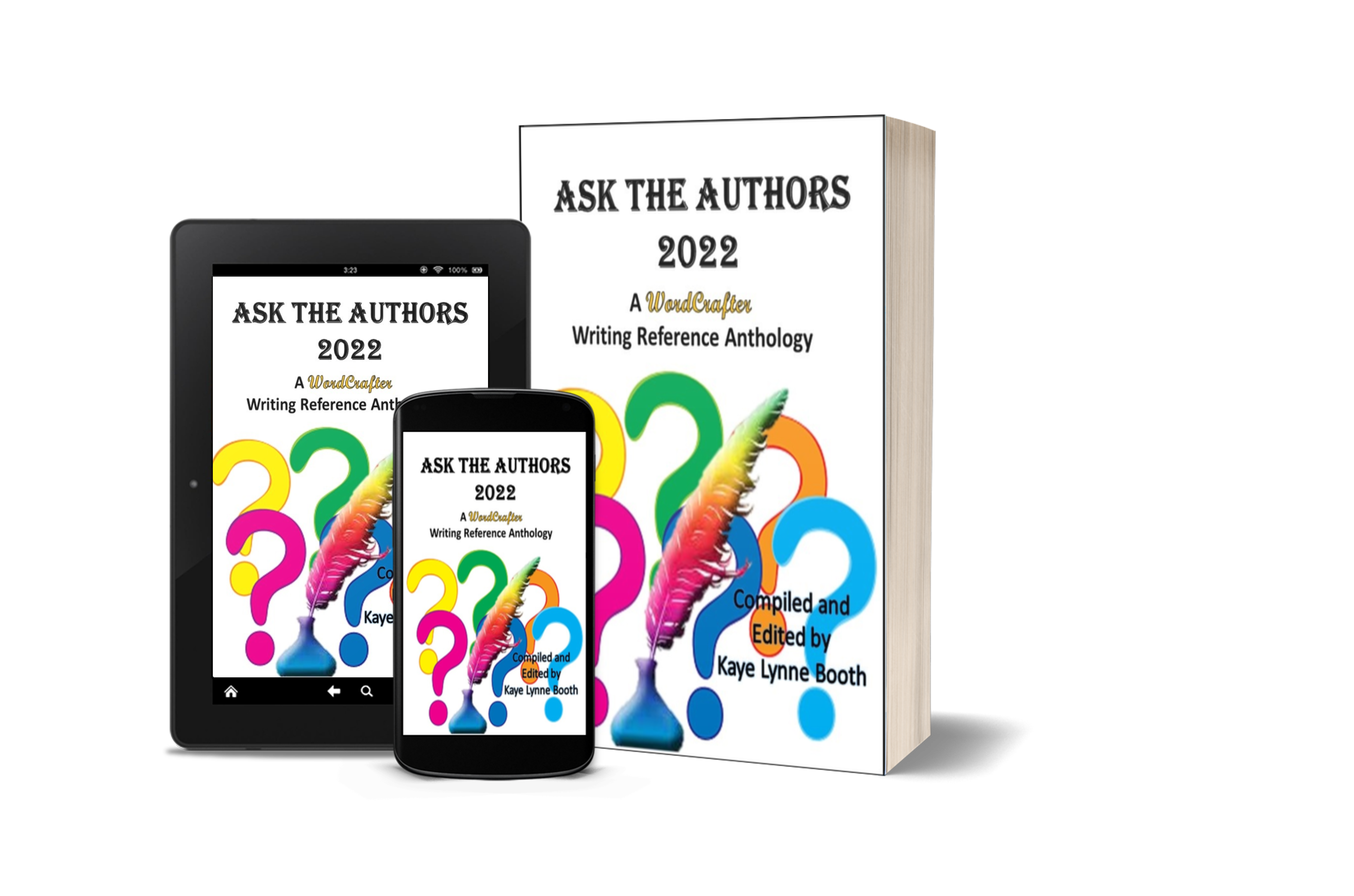
This is the second Story Bundle in which I have had a book included. Back in 2022, Ask the Authors 2022 was included in the Writer’s Toolkit Story Bundle, also organized by KJA. That bundle sold quite well and WordCrafter and the contributing authors made a little bit of money from it. This year, the Novel Writing Story Bundle promises to do just as well, if not better, so I highly recommend it.
What is Story Bundle?
What Story Bundle is, is a platform that gathers together several authors with books in the bundle category, whether it is writing references, such as the two I’ve had books in, fantasy books, science fiction books, or romances, etc…, and they all get together virtually and cooperatively market and promote the whole bundle. This extend’s the reach of single authors immensely, and I can testify to the fact that their efforts are effective. By using the power of the masses, promotions are found on all of the social media sites, not just those of any one single author, and it gets your book in front of the readers of every author in the bundle. But I’m just an author with a couple of books in a couple of Story Bundles, and I’m still learning, too. So to give you all the details, I chatted with Story Bundle founder, Jason Chen, to let him tell you what Story Bundle is, how it works, and what the advantages are.
Interview with Jason Chen
Kaye: What inspired the idea for Story Bundle?
Jason: I started StoryBundle all the way back in 2012 because back then, the concept of bundling similar books in one package hadn’t been done yet! Selfishly, I wanted somebody to make bundles of similar books—if you like this book/author, then you’ll like all THESE—and because nobody had, then I saw the need for it. Also, in 2012, the indie authors were lacking for a place to reach more readers, which made it a perfect fit for letting folks discover authors they would have a hard time finding otherwise.
Kaye: Story Bundle uses the power of numbers, gathering many authors together and offering their books as a group, rather than individually. Could you explain the advantages of having a book included in a Story Bundle?
Jason: Not only does being part of a StoryBundle get you in front of the StoryBundle fans, but the core concept is that it gets you readers from other authors who write in similar genres as you. Because all our bundles are curated, the books in them make sense together, which means that if you like one author in it, you’re more than likely to like another. So getting awareness of your books out to fans who already like the genre is a big plus.
Kaye: What determines whether a book is included in the original bundle for the minimum amount , or as a bonus book for a larger donation?
Jason: There’s no secret to the sauce. The curator and I work together to make sure both the regular bundle and the bonus bundle are balanced for the amount that they cost. Sometimes an author will be in the bonus bundle and if they’re in another bundle, they’ll be in the regular bundle. It depends on what makes sense for that particular bundle.
Kaye: The Novel Writing Story Bundle is the second Story Bundle which I’ve been a part of, mainly because I am fortunate enough to know Kevin J. Anderson, who organizes the ones I’ve participated in. I know other big authors like Dean Wesley Smith and Kristine Katheryn Rusch organize them, too. But how do you get into a Story Bundle if you don’t know someone organizing one? Can you create your own?
Jason: Yes! The only caveat we have is that (99% of the time) the bundles are curated by someone who’s been in a bundle before. Once you’ve been in a bundle, you understand what the bundle is about and what makes for a good bundle and what works for participating in a bundle. This way you know which authors to look for when you’re assembling one. You work with us to figure out a genre that you want, and we refine the idea and can help you get in touch with some other publishers if you need to.
Kaye: Both Story Bundles I’ve had books in are writing resource bundles. Can you make a story bundle of any genre?
Jason: Yes, any genre is fine, but to get a little inside baseball, there are a couple of genres that don’t do well on StoryBundle. The biggest one is romance, which for whatever reason doesn’t appeal to StoryBundle readers. But even more of a surprise is that romance authors’ own fans don’t really enjoy the bundling concept—at least on StoryBundle. We’ve tried all types of romance bundles in all varieties of flavors, but none of them ever have good uptake.
Kaye: Is there a cost to organize your own Story Bundle?
Jason: There’s no cost to curating a bundle!
Kaye: Now I know why as an author, I might want to have my books in a story bundle. But why would readers wnat to buy books through Story Bundle? What are the benefits to readers in purchasing a Story Bundle?
Jason: As a reader, there are a few benefits. First, there’s just the core concept of vetting—we choose our books carefully with our curators, and they have to meet a certain bar of quality to get in. Of course, it’s impossible to guarantee that you’ll like all the books in the bundle, but if you already like one or two of the authors in it, you’re likely to enjoy the rest.
There are other tangible benefits, such as getting DRM-free copies of books that you can load on any ereader, tablet or phone without having to worry about compatibility. You’ll also support indie authors and be able to donate to a worthy cause!
Kaye: Does every Story Bundle donate to charity?
Jason: Every bundle has a charity donation, but it’s up to each person if they want to donate part of their purchase to charity. If they don’t, that’s perfectly fine!
Kaye: What types of charities does Story Bundle support?
Jason: We have a long list of charities that we’ve supported before, from literacy charities, animal charities, science and gaming charities, to health and medicine and worldwide refugee focused charities, so there’s no real limit to what can be a charity target for StoryBundle. If there’s a specific one that a curator would like to have in their bundle, we can make it work!
Would you like your book to be in a Story Bundle?
Now that I know what it takes to currate a Story Bundle, I’m thinking of trying one of my own, because I know that they sell books. Since I’m a multi-genre author, I could do western, women’s fiction, paranormal, science fiction, dark fiction, or children’s books. If you’re interested let me know and tell me what genre(s) you write in. Either let me know in the comments, or email me at KLBWordCrafter@gmail.com. Let’s see if we can get together and sell some books.
About the Novel Writing Story Bundle

The Novel Writing Story Bundle features writing references on writing craft, writing business, and the writing life, which should be on every author’s bookshelf. In addition to my own The D.I. Y. Author, which is a bonus book, there are also featured Dollar by Dollar and Word by Word, by Kerrie Flanagan; Romance Character Tropes, by Jessica Barber and Tara G. Ericson; Booking the Library, by Jessica Brawner; Kevin J. Anderson’s On Being a Dictator; Steps to Self-Editing, by Jana S. Brown; A Writer’s Guide to Branding Success, by Mark Leslie Lefabvre; Mood & Atmosphere, by Joshua Essoe; From Page to Platform, by Matty Dalrymple and M.L. Ronn; Wit & Wisdom, by Craig Martelle; Wulf Moon’s Illustrated Super Secrets of Writing, volume 1; Falling to Fly, by Todd Fahnestock; and a year’s subscription to Indie Author Magazine. That’s 13 writing references plus the magazine subscription. What a deal!
A note on the designated charity for this StoryBundle, the Neil Peart Brain Cancer Research Fund from Cedars Sinai. In 2020 we lost Neil Peart, legendary drummer and lyricist for the rock band Rush, to glioblastoma. He was my mentor, friend, and collaborator on numerous books, and his loss affected me deeply. Neil’s friends and colleagues and fans worldwide have contributed to this glioblastoma research fund in Neil’s name, and we are proud to add our efforts on this Novel Writing StoryBundle as well. – Kevin J. Anderson
You can get in on this great Story Bundle here: https://storybundle.com/writing
About Author Kaye Lynne Booth

For Kaye Lynne Booth, writing is a passion. Kaye Lynne is an author with published short fiction and poetry, both online and in print, including her short story collection, Last Call and Other Short Fiction; and her paranormal mystery novella, Hidden Secrets; Books 1 & 2 of her Women in the West adventure series, Delilah and Sarah, and her Time-Travel Adventure novel, The Rock Star & The Outlaw. Kaye holds a dual M.F.A. degree in Creative Writing with emphasis in genre fiction and screenwriting, and an M.A. in publishing. Kaye Lynne is the founder of WordCrafter Quality Writing & Author Services and WordCrafter Press. She also maintains an authors’ blog and website, Writing to be Read, where she publishes content of interest in the literary world.
______________________________________________
This post is sponsored by The D.I.Y. Author and WordCrafter Press.
Being an author today is more than just writing the book. Authors in this digital age have more opportunities than ever before. Whether you pursue independent or traditional publishing models, or a combination of the two, being an author involves not only writing, but often, the publishing and marketing of the book.
In this writer’s reference guide, multi-genre author and independent publisher, Kaye Lynne Booth shares her knowledge and experiences and the tools, books, references and sites to help you learn the business of being an author.
Topics Include:
Becoming Prolific
Writing Tools
Outlining
Making Quality a Priority
Publishing Models & Trends
Marketing Your Book
Book Covers & Blurbs
Book Events—In Person & Virtual
And more…

Purchase your copy today: https://books2read.com/The-DIY-Author
Share this:

Welcome to the D.I.Y. Author Release Party!
Posted: June 4, 2024 Filed under: Book Covers, Book Event, book marketing, Book Promotion, Book Release, Book Sales, Books, Indie Publishing, Nonfiction, Publishing, Self-Publishing, WordCrafter Press, Writing, writing advice, Writing Business, Writing Resource, Writing Tips, Writing to be Read | Tags: Author Business, book marketing, independent publishing, Kaye Lynne Booth, Publishing, Release Party, The D.I.Y. Author, WordCrafter Press, Writing Reference, Writing to be Read 12 Comments
About the Book
Being an author today is more than just writing the book. Authors in this digital age have more opportunities than ever before. Whether you pursue independent or traditional publishing models, or a combination of the two but being an author involves not only writing, but often, the publishing and marketing of the book.
In this writer’s reference guide, multi-genre author and independent publisher, Kaye Lynne Booth shares her knowledge and experiences and the tools, books, references and sites to help you learn the business of being an author.
Topics Include:
- Becoming Prolific
- Writing Tools
- Outlining
- Making Quality a Priority
- Publishing Models & Trends
- Marketing Your Book
- Book Covers & Blurbs
- Book Events—In Person & Virtual
- And more…
Meet the Author

Greetings! Thank you so much for dropping by to help us celebrate the release of The D.I.Y. Author. You all know me as author Kaye Lynne Booth, but with the release of this book, I hope to be known as the D.I.Y. author. This is the book that only I could write, where I share knowledge and experience as I build my author business. This is not a book on craft, but a reference for authors and aspiring authors who wish to expand and grow their author business on a limited budget. Learn the tips and tricks, sites and tools, which took me over a decade, and three masters degrees to amass.
I’ve always been a do it yourself kind of gal. I’ve built my author business up around this blog, finding ways around obstacles which stood in my way, learning new skill sets because outsourcing was more than I could afford. My first novel was published by a small independent publisher. But as the five-year contract ran out, I felt I could do better through my own small independent publishing house, WordCrafter Press, so I re-published it as the first book in my Women in the West adventure series last year, and I sold more copies than that other publisher had over a five year stretch. I just released the second book in the series this month. When Covid struck, I organized and hosted two virtual writing conferences, because writers are tribal bunch, and we need contact with like minded people. Networking is a huge part of building an author business. I use that networking to build not only my author business, but my own author tribe. I’ve published my own books, and collaborative anthologies, as well as publishing books for others. And I’ve built a winning blog team here on Writing to be Read with Robbie Cheadle, Jeff Bowles, Arthur Rorsch, and DL Mullan.
No one else has shared in these exact same experiences that I have, and that’s why only I could write The D.I.Y. Author, and why I can hold that title. But enough about me. The D.I.Y. Author is a great reference packed full of links to sites and tools and tips for increasing productivity, publishing choices, and marketing your books.
We have a great release party ahead to send this book off right. We’ve got exclusive offers running this week only. After Saturday, the whole D.I.Y. store will disappear, so take advantage of them now. By buying direct, you are supporting this author and her works more than when you purchase from retailers.
My D.I.Y. Video
On with the party!
Thanks for dropping by for The D.I.Y. Author virtual release party. We’ve got some great things planned, including a giveaway for all attendees, so be sure to leave a comment, so I’ll know you were here. I’ll be monitoring the comments throughout the day and will answer any questions you might want to post there. While you’re here you can peruse the D.I. Y. store below, for exclusive and discounted offers that you won’t find anywhere else. The store will come down at the end of the week. After that you’ll have to pay full price through retailers, and signed copies will no longer be available.
And if you are already a bestselling author and you don’t need this book or the WordCrafter services offered here, you can still offer your support for the author and this project by using the ‘buy me a soda’ button below.

Buy me a soda
Show your support for author Kaye Lynne Booth and her many endeavors through WordCrafter Press & Writing to be Read.
$1.00
You can get a sample of the topics in the book in my post,”Writer’s Corner: What it means to be an Indie Author”


Thanks for joining me today for The D.I.Y. Author Release Party. I hope you found a few useful tidbits here. For more tips and advice, you’ve got to buy the book. If you miss the window for the D.I.Y. Store, you can still purchase this useful writer’s reference here: https://books2read.com/The-DIY-Author
Share this:

Writer’s Corner: Direct Selling on the Kickstarter Platform
Posted: August 15, 2022 Filed under: book marketing, Book Promotion, Kickstarter, Writer's Corner | Tags: book marketing, Direct Sales, Kaye Lynne Booth, Kickstarter, Writer's Corner, Writing to be Read 1 CommentKickstarter seems to be the latest platform for direct sales of your books. They aren’t new to the scene, but they have changed considerably since they first made their appearance. (Look here if you’d like to see a 2012 guest post about Kickstarter by author Tim Baker when they were first starting up.) Up until recently, Kickstarter has been looked upon like a platform where you would go ask for money from people, similar to Go Fund Me, but with , the spectacularly successful campaign that Bryan Sanderson did recently, which everyone seems to be talking about, it looks like that impression may be changing.
Platforms like Kickstarter and Patreon form what Joanna Penn refers to as the “creator economy”, which is similar to what artists did during the Renaissance to survive. (You can listen to Joanna’s interview with Bryan Cohen, author of the Sell More Books Show podcast, on the subjects of Kickstarter and multiple streams of income on The Creative Penn, here.) Renaissance patrons would fund artists and support them so that they could survive while creating their art. Likewise, authors today cannot be expected to survive on just their book income. Most of us would truly starve if we tried to do that. According to Joanna, there are readers out there who are not only willing, but eager, to support your work, you just have to find them.
No. Today’s creators must have multiple streams of income, and many have day jobs to support them, only indulging their craft on a part time basis. Kickstarter provides a platform designed for creatives, including authors, where we can sell our creations directly to our reading audience without the middlemen distributors, such as Amazon, and by selling direct, we receive more than our 70%, allowed by Amazon, or whatever percentage we get from other distributors, but there are a few things we need to prepare for a successful Kickstarter campaign.
Make no mistake. Kickstarter is not a platform where you beg for money, as some may believe. It’s method of direct selling, and when you run a Kickstarter campaign, you have to put in the work for your money. I learned this by following the Kickstarter campaign of Kevin J. Anderson from the operations side of things.
As his student, I was allowed an inside look into the workings of a Kickstarter campaign, and a quite successful one, at that. KJA ran a Kickstarter to fund his latest Dan Shamble Zombie Detective novel, Double Booked. He showed us how to set up the project overview, set your overall campaign goal, set up with Stripe and attach to your bank account so you can get paid, create a video to tell people about your project, set up incentives for the different tiers and stretch goals, etc… Let me tell you, there is a lot of work involved.
Kevin also gave the whole Dan Shamble series eye-catching new covers, which are absolutely fabulous. Then, once the Kickstarter campaign had run its course, the author must make good on their promises and provide the deliverables. For Kevin’s campaign, that involved doing print runs and signing each print copy of the book and mailing them out to his supporters at the appropriate level, (he actually ended up hiring someone to mail them all out, there were so many), as well as following up to be sure each supporter fills out and returns their Kickstarter survey.
KJA’s overall goal was $2,000, which he exceeded. He started at the $5 level, which provided a digital copy of Double Booked. This was the lowest tier of support, so anyone who subscribed to the campaign, at any level, received this. The tiers went all the way up to the $10,000 crazy super fan level, where Kevin promises to narrate an audio book, which he did anyway, then offered as a $25 add on during the campaign. I don’t know how likely it would be for him to actually get a $10,000 crazy super fan to jump on the campaign bandwagon, but either way he narrates his own audio book, and either way he makes money. (You can see just how well KJA did with this Kickstarter here.)
Advice from the hosts of the Six Figure Author podcast (https://6figureauthors.com/ Episode 048 – July 23, 2020) was to never do a Kickstarter for something which you can’t fund on your own, in case you don’t meet your goal. Kevin had Double Booked written before he began the Kickstarter. He knew he could deliver all the rewards promised at every tier. Doing this assures that none of your supporters go away disappointed. Satisfied readers are what is important here, because satisfied readers come back for more. They also suggest setting a lower goal at first, as low as $500, so you’ll be more likely to be able to meet the goal, then raising the bar for subsequent campaigns, building gradually.
Kevin’s campaign was not as crazy successful as Bryan Sanderson’s, which ran right around the same time, but both are examples of how an author can use Kickstarter to sell their work directly to their readers and make decent money. (You can see how crazy successful Bryan Sanderson’s Kickstarter really was here.) Granted, not all authors are Kevin J. Anderson or Bryan Sanderson. While some followers come from the Kickstarter community, it does help to have an existing following, people who already love and admire your work. I think it also helps if you are an established author with a decent backlist, otherwise you would have to make all the rewards new works, which would be even more work for the author.
U.S.A. Today bestselling authors Russell P. Nohelty and Monica Leonelle coauthored Get Your Book Selling on Kickstarter, which talks about reasons to sell direct through Kickstarter, how to sell books on Kickstarter, how to budget and market your Kickstarter project, and more. This book takes you step by step through setting up your Kickstarter campaign, and even though I watched KJA do it, I must admit I was intimidated by the sheer number of steps which must be taken and the things which should be included, and of course, it helps to illustrate everything visually, which adds even more to do. It is really a bit overwhelming. This book reinforces the idea that while Kickstarter does have a community of followers who are looking for campaigns of interest to support, your chances of success will be much improved if you already have a flowing to bring with you to to the platform.
From the author side, there’s a lot involved, but from the supporter side, it’s pretty cool because you get all kinds of goodies. For my support, I received a digital copy of Double Booked, plus a new short story in the series, “Bump in the Night”. As well as stretch goal rewards of digital copies of Kevin J. Anderson’s Selected Stories: Fantasy; from his most popular epic space opera series, Saga of the Seven Suns: Two Short Novels; and a government mystery thriller which he coauthored with Doug Beason, PhD, Virtual Destruction. I’ll be posting reviews for all of these down the road, but there were so many that it’s going to take me a while to get through them. (For now, you can read my review of his Selected Stories: Science Fiction here: https://writingtoberead.com/2019/03/01/kevin-j-andersons-selected-stories-science-fiction-volume-2-a-must-read-for-science-fiction-fans/)
______________________________________________________

For Kaye Lynne Booth, writing is a passion. Kaye Lynne is an author with published short fiction and poetry, both online and in print, including her short story collection, Last Call and Other Short Fiction; and her paranormal mystery novella, Hidden Secrets. Kaye holds a dual M.F.A. degree in Creative Writing with emphasis in genre fiction and screenwriting, and an M.A. in publishing. Kaye Lynne is the founder of WordCrafter Quality Writing & Author Services and WordCrafter Press. She also maintains an authors’ blog and website, Writing to be Read, where she publishes content of interest in the literary world.
____________________________________________________________
Join Kaye Lynne Booth & WordCrafter Press Readers’ Group for WordCrafter Press book & event news, including the awesome releases of author Kaye Lynne Booth. Get a free digital copy of her short story collection, Last Call and Other Short Fiction, as a sampling of her works just for joining.
Share this:

Announcing the WordCrafter 2020 Stay in Place Virtual Writing Conference
Posted: April 13, 2020 Filed under: Action Scenes, Book Covers, book marketing, Books, Character Development, Comic Hero, Fantasy, Fiction, Horror, Media Tie-Ins, Pacing, Poetry, Pulp Fiction, Science Fiction, Setting, Speculative Fiction, Stories, Super Hero, Teaching Writing, Thriller, WordCrafter, World Building, Writing, Writing Event, Writing Workshops, Young Adult | Tags: 2020 Stay in Place Virtual Writing Conference, Alexi Vandenberg, Anthony Dobranski, Art Rosch, Bobby Nash, book marketing, Book Promotion, Chris Barili, Dan Alatorre, Dave Wolverton, Ellie Raine, Fiction, Guy Anthony DeMarco, J.R.H. Lawless, Jason Henderson, Jody Lynne Nye, Jonathan Maberry, Keith R.A. Candido, Kevin J. Anderson, Kevin Killiany, L. Jagi LAmplighter, L.D. Colter, Mario Acevedo, Media Tie-In, Rick Wilber, Rosemerry Wahtola Trommer, Sean Taylor, Short Fiction, WordCrafter, World Building, Writing, Writing to be Read 19 Comments
We’re all tired of staying at home during this recent crisis. It seems like everyone has been affected in different ways, but no one has gone unscathed. Our world has changed in recent times. We, as authors and lovers of the written word had many of our in-person writing events – conferences, conventions, and book fairs – cancelled due to the appearance of COVID 19. To to emulate all those events we look forward to each year and are missing out on now, and to chase away some of the boredom of social distancing and isolation, WordCrafter presents the 2020 Stay in Place Virtual Writing Conference on Tuesday, April 28 from 8 am to 8 pm.
This is a unique event, the first of its kind, and one you won’t want to miss. Free presentations and author takeovers will be occurring on the Facebook event page, and interactive workshops and panel discussions will be offered for a minimal fee on the Zoom platform. Interactive panel discussions and workshop session can be accessed individually for $5, or an all access pass to all interactive sessions can be purchased for $50. Tickets can be purchased on the Facebook event page. Watch for your Facebook event invite from me or one of the many wonderful authors involved with this conference. Send me a message through my WordCrafter page or through the event page if you have further questions, or if you would like a half an hour author takeover spot to promote your own work.
This has been a huge undertaking to organize and set up an event such as this one, but I haven’t done it alone. Without my 22 talented presenters, this event couldn’t happen. We have a great line-up, with international bestselling science fiction and fantasy author Kevin J. Anderson presenting the keynote on the interactive platform.
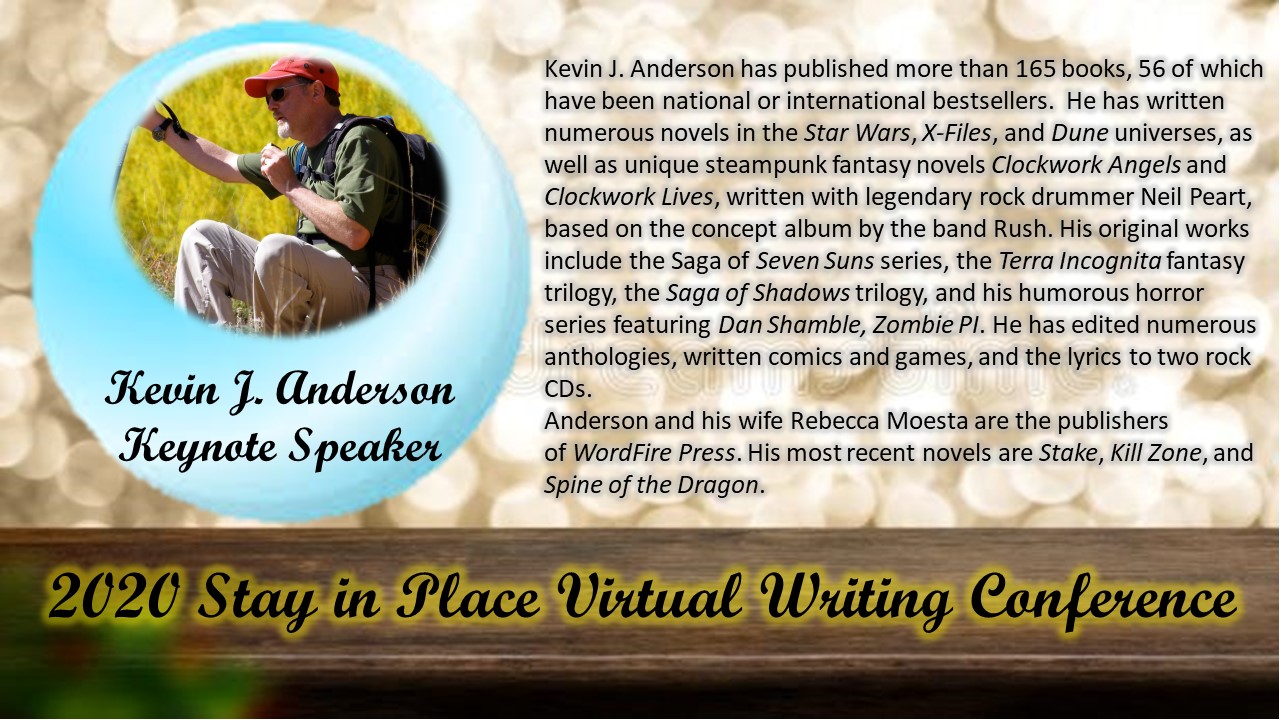
And that’s just the beginning. Take a look at the talent that has lined up for presentations, workshops and panel discussions.

Award winning and national bestselling speculative fiction author Mario Acevedo will be offering a presentation – “The Power of Motivation: What Your Characters Do and Why”
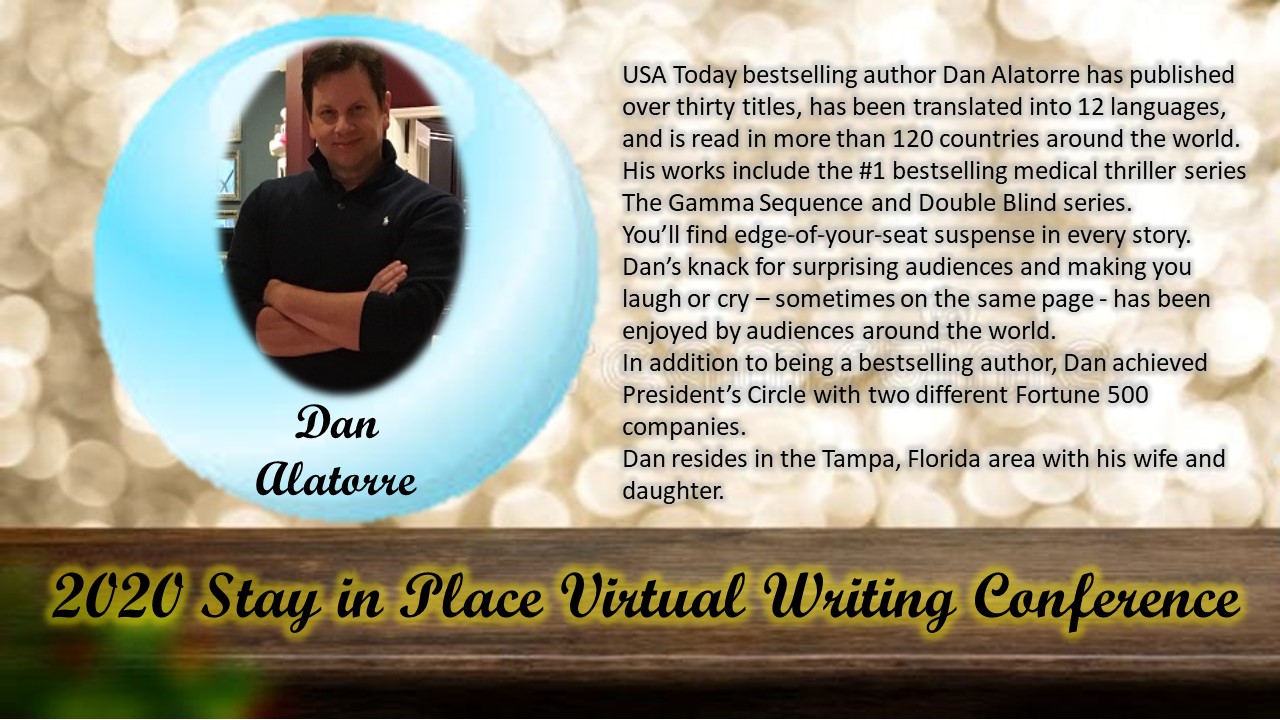
USA Today bestselling multi-genre author Dan Alatorre will be a member of the interactive book marketing panel discussion.
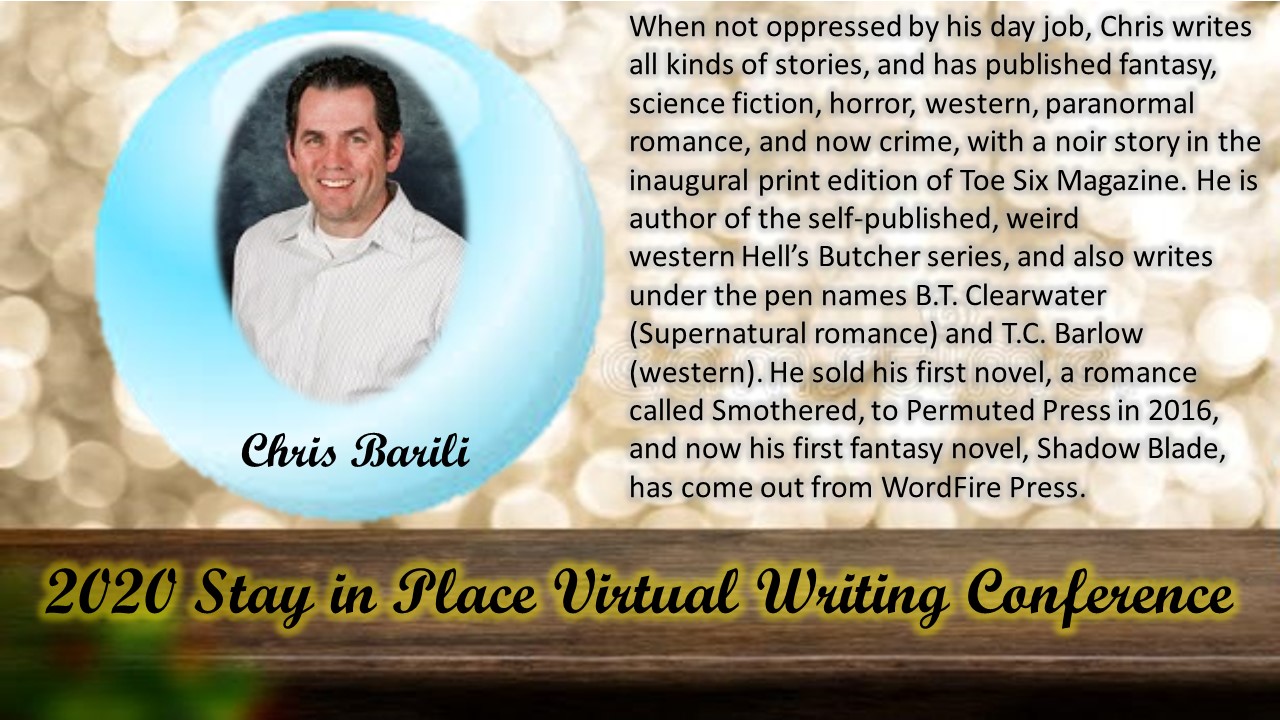
Multi-genre author Chris Barili will be presenting “Writing in the Face of Adversity” and giving an interactive workshop on “Writing Across Genres”.
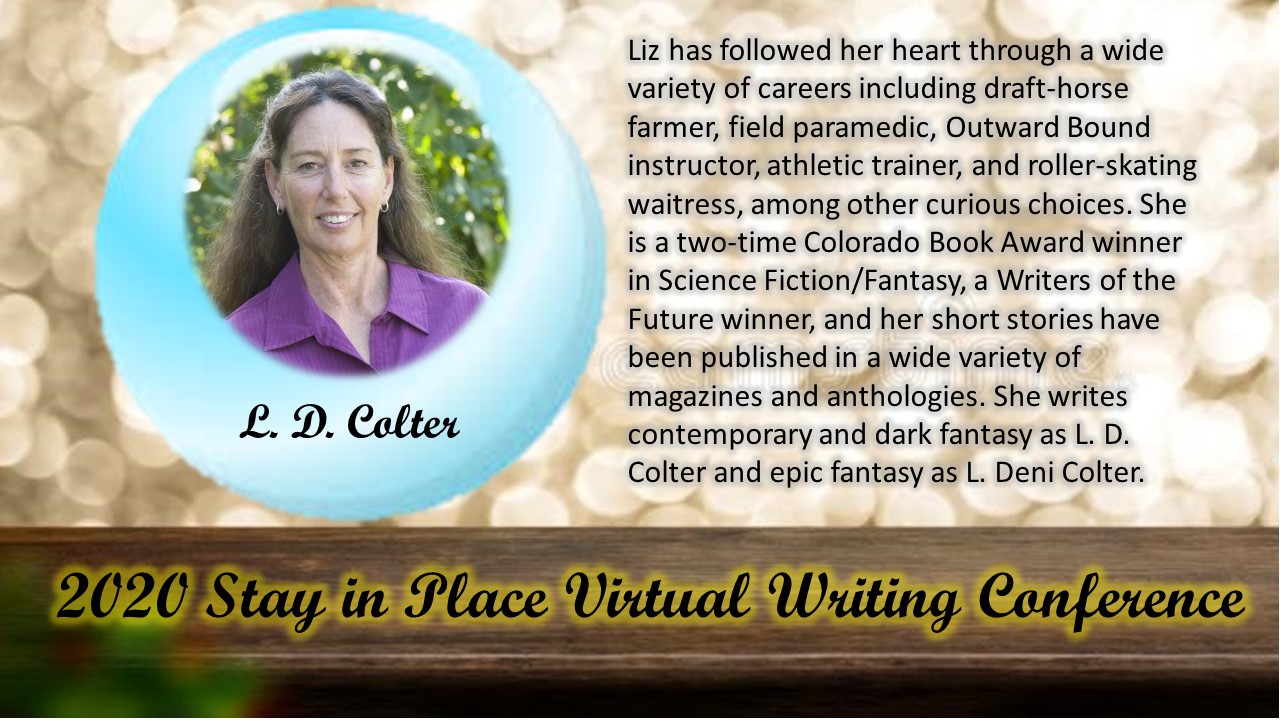
Award winning fantasy author L.D. Colter will be offering a presentation on “Short Fiction”.

World builder and speculative fiction author Kieth R.A. DeCandido will be offering an interactive workshop on “The Business of Writing” and he is the moderator for the media tie-in interactive panel discussion.
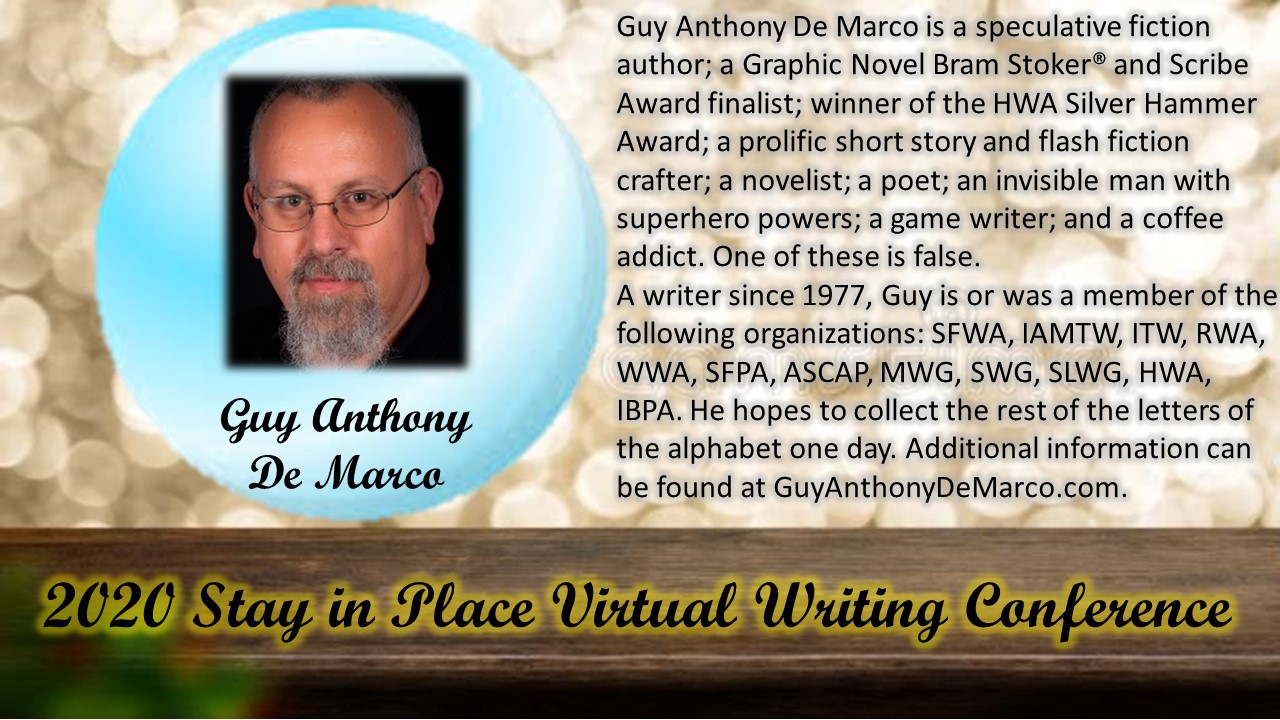
Award winning novelist Guy Anthony De Marco will be a member on both the short fiction and world building interactive panel discussions.

Fantasy and science fiction author Anthony Dobranski will offer two presentaions, “How to Swim Upstream: Not being in the mainstream of your market/genre” and “Working with Others: How to direct others in a project”. In addition, he will offer two interactive workshops. “Business Class Tarot” and “The Savage Horror of Writing Back Cover Copy”.

Author for young readers, Jason Henderson will be presenting “Story Ideas and the Choices You Make” and moderating the interactive book marketing panel discussion.

Media tie-in author Kevin Killiany will be a member on the interactive world building, media tie-in, and short fiction panel discussions.

Award winning young adult fantasy author L. Jagi Lamplighter will be on the interactive panel on world building, and moderate the interactive short fiction interactive panel discussion.

Award-winning science fiction author J.R.H. Lawless will be a member of the book marketing interactive panel discussion.

Award winning and New York Times bestselling multi-genre author Jonathan Maberry will be a member on three interactive panel discussions: short fiction, world building and media tie-ins.

Award winning multi-genre author Bobby Nash will deliver a presentation on “The Importance of Promotion”, as well as being a member of both the media tie-in and book promotion panel discussions.

Science fiction and fantasy author Jody Lynn Nye will offer a presentation on using humor in science fiction and fantasy writing, “Bringing the Funny: how to apply humor to your writing” and she will be a member of the world building interactive panel discussion.

Award winning fantasy author Ellie Raine will sit on both the short fiction and world building interactive panel discussions.

Award winning multi-genre author Art Rosch will offer a presentation on “Creating Villains We Love to Hate”.

Award winning multi-genre author Sean Taylor will offer a presentation on “Visceral Story Beginnings”.
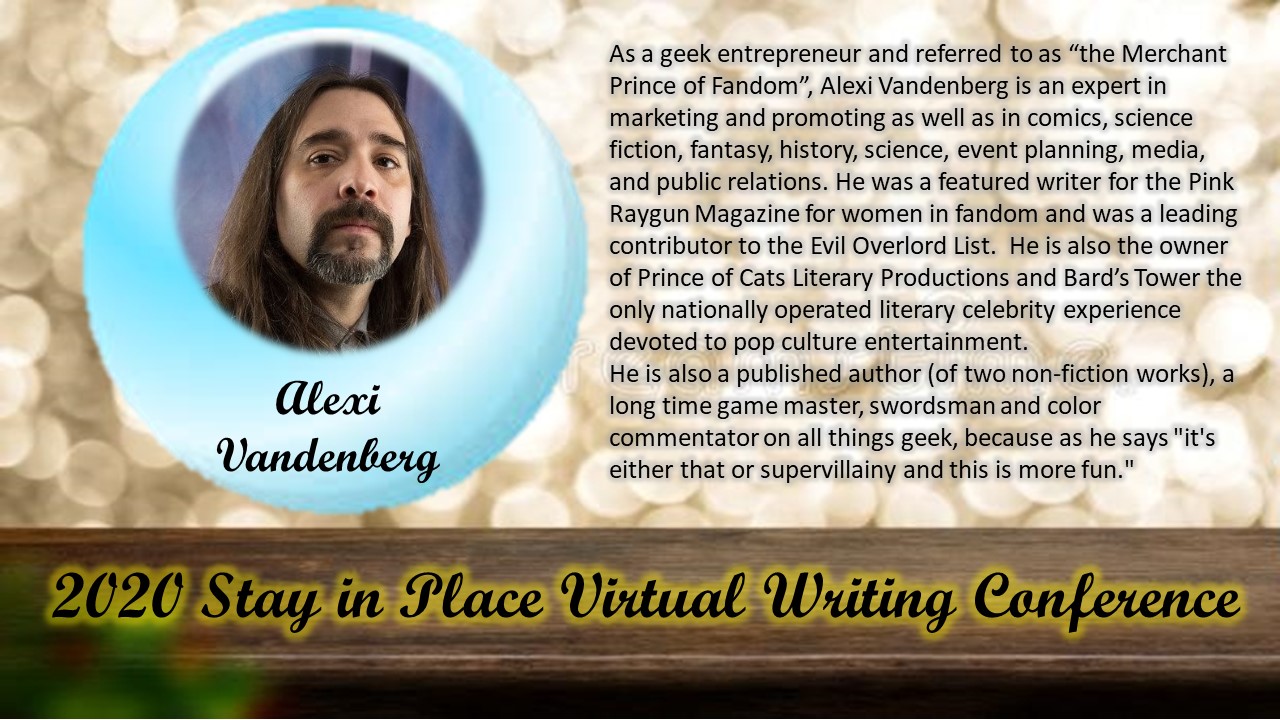
Science fiction author and marketing expert Alexi Vandenberg will be joining the book marketing panel.
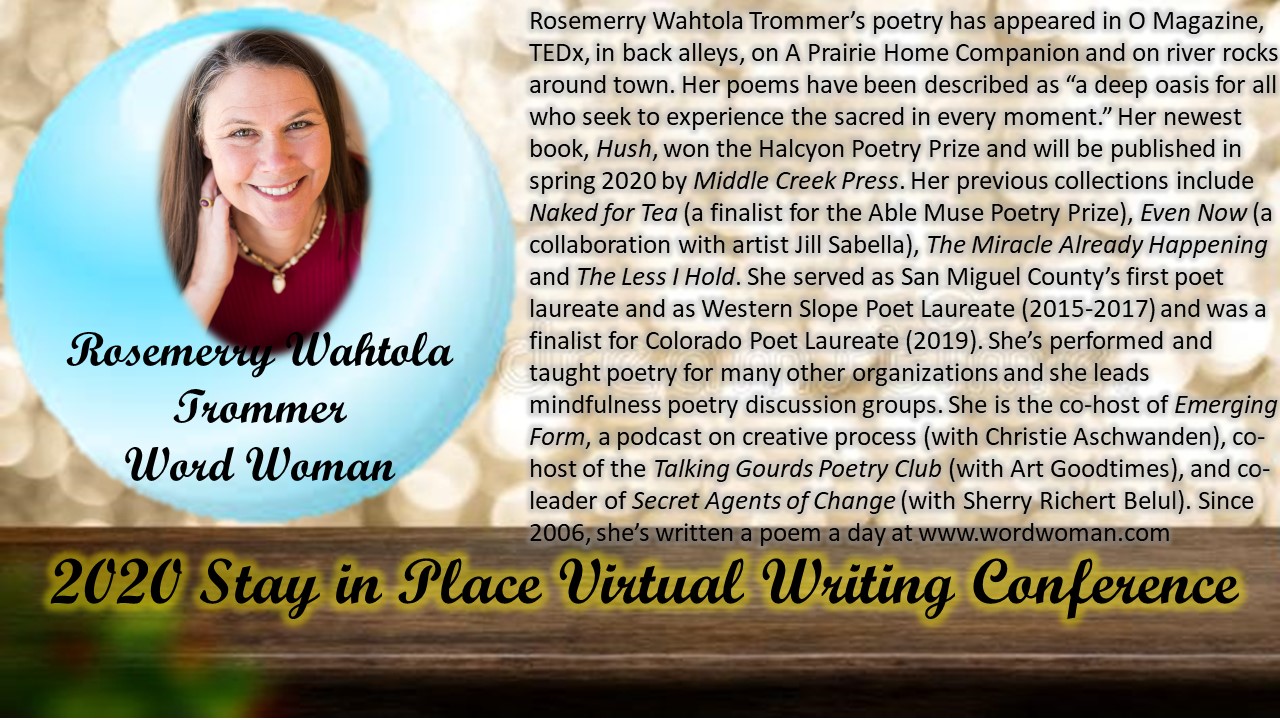
Award winning poet and author Rosemerry Wahtola Trommer offers a livestream presentation “The Gateway to the Unknown: A Poetry Thought Shop”.
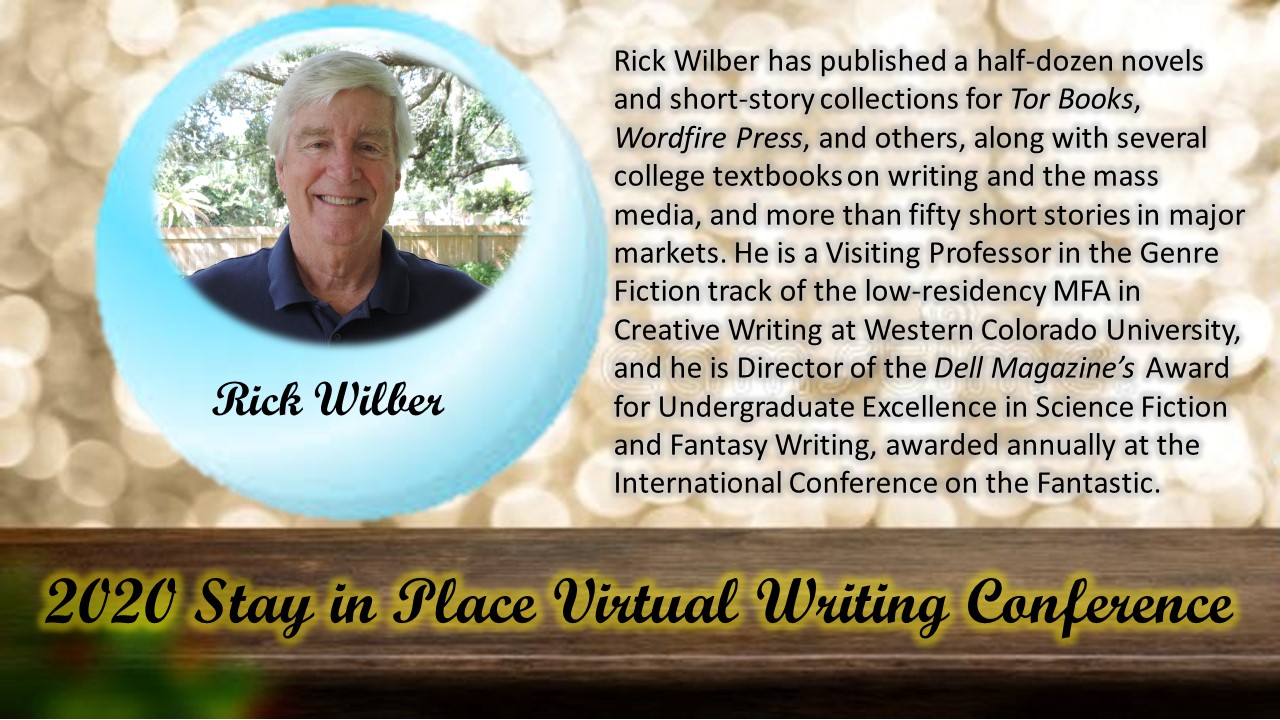
Author and educator Rick Wilber will be a member of the short fiction interactive panel discussion.
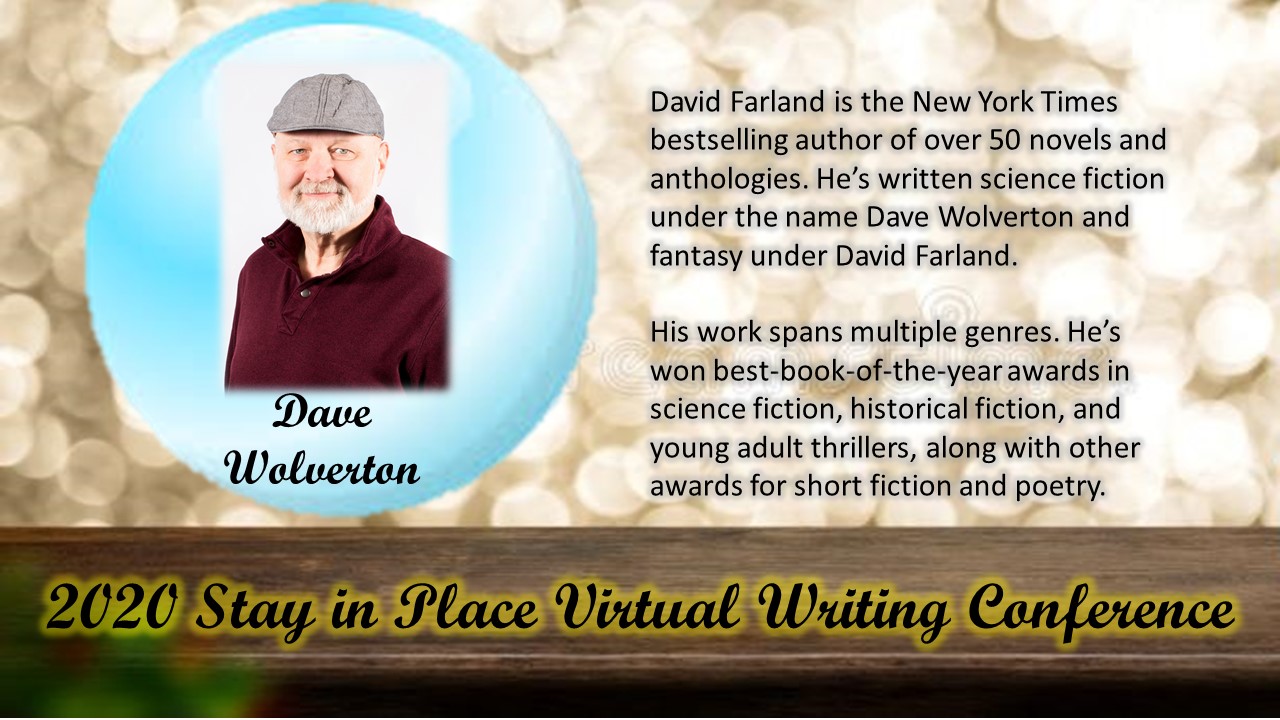
Award winning and New York Times bestselling science fiction and fantasy author Dave Wolverton/David Farland offers a”Promoting Your Book BIG” and he is a member of the interactive book marketing panel discussion.
You can find a full schedule here. I do hope all of you will join us for this unique writing event. It’s the first of its kind and we could be making history. You can be a part of it, too. Join us.
Like this post? Let me know in the comments. You can be sure not to miss any of Writing to be Read’s great content by subscribe to e-mail or following on WordPress. If you found this content helpful or entertaining, please share.
Share this:

Writing for a YA Audience: Say Cheese
Posted: January 16, 2019 Filed under: Books, marketing, Promotion, Writing, Writing for a YA Audience, Writing Tips, Young Adult | Tags: book marketing, Book Promotion, Instagram, Jordan Elizabeth, Social media, Social Media Marketing, Social Media Promotion, Writing for a YA Audience, Young Adult Fiction 1 Comment
“Go on Instagram,” said my publisher. “That’s where the teens are. Post pictures of your books. They’ll eat it up.”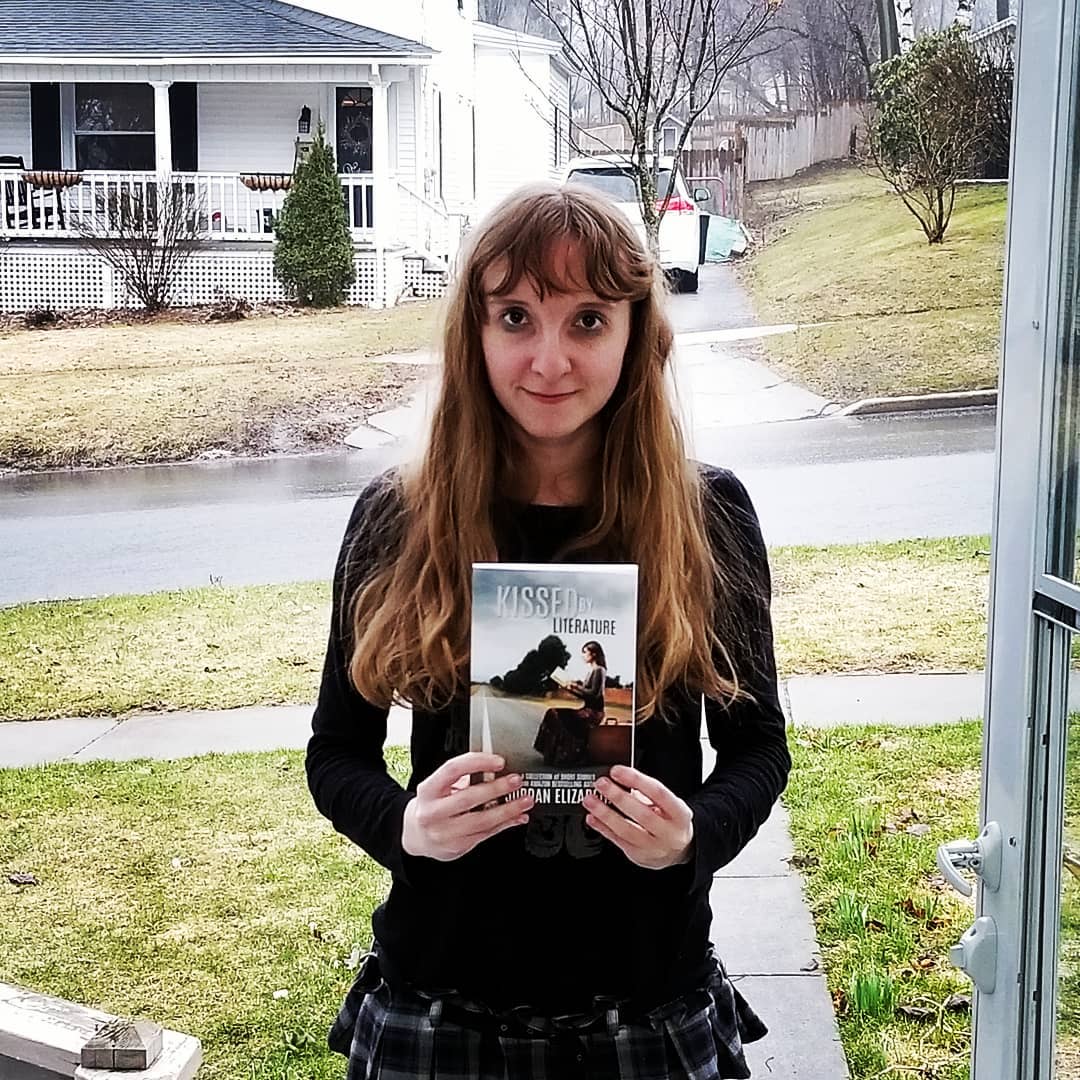
I was new to Instagram, but I called up the website on my computer and attempted to join, only to find out you have to post using the app on your cell phone. That put a damper on things – I don’t have a smart phone. My phone flips up, costs $100 a year, and it does everything I need it to (as in, it sometimes sends texts and usually makes a phone call). My husband has a smart phone, so I download the app onto his device, put on a smile, and snapped a picture holding my book. I didn’t look all that great. I snapped a few more, and ended up just taking a picture of the book cover. It got a few likes. They were from people who already knew me on Facebook.
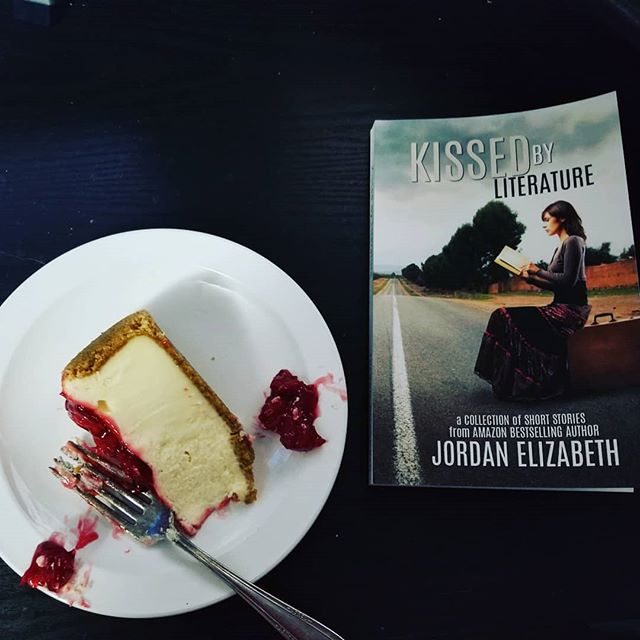
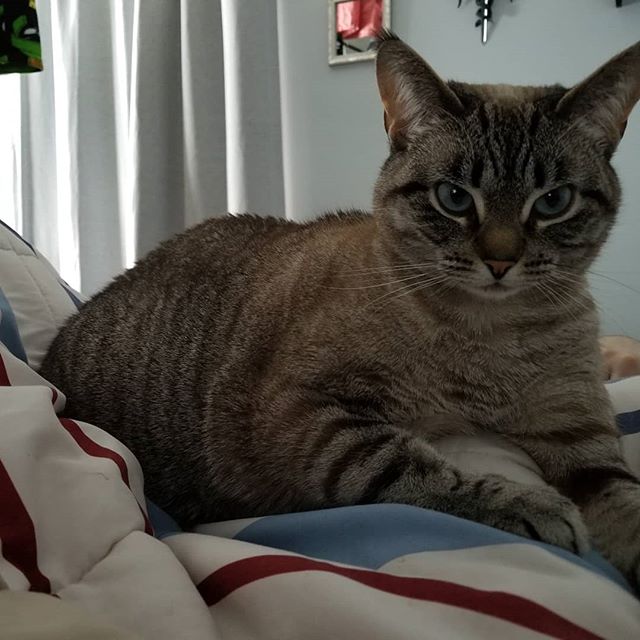
I posted a few more covers and the likes trickled in, still from people who were already my friend. It seemed I needed a new strategy. I needed to attract people who didn’t already know me. I took some pictures of just me doing cute poses or wearing cute outfits. The same thing happened – the same people “liked” my pictures. Next, I tried posting pictures of my cat. That earned me more likes, and a couple new people. While she is adorable, my goal for Instagram was to get my book out there.
I reached out to author friends for advice. Based on their feedback, I started posting inspirational quotes and setting up my books in gorgeous spots. I propped my book up on the porch. I set the book in a bed of flowers. I put the book on my actual bed.
I like to think I’ve gotten better at posing my book in different way. The books are models and I’m their photographer. A very poor photographer. Likes and hearts trickle in, and now they’re coming from people I don’t know. I’m getting there!
Jordan Elizabeth is a young adult fantasy author. If you would like to follow her on Instagram, she goes by JayliaDarkness. The username is a shout-out to the YA fantasy series she’s currently writing.
You can connect with Jordan via her website, JordanElizabethBooks.com.
Want to be sure not to miss any of Jordan’s Writing for a YA Audience segments? Subscribe to Writing to be Read for e-mail notifications whenever new content is posted or follow WtbR on WordPress.
Share this:

Social Media is for Making Connections
Posted: December 17, 2018 Filed under: Advertising, Copywriting, marketing, Promotion, Western | Tags: book marketing, Book Promotion, Social media, Social Media Events, Social Media Marketing, Social Media Promotion 4 Comments
My husband always accused me of spending too much time ‘playing’ on Facebook, and although I do spend a lot of time on social media, what I’m really doing is promoting my writing and interacting with other authors and potential readers. The truth is, social media can be a valuable tool for authors, if they go about it with the right expectations.
Although I hear paid Facebook ads can drum up a few sales, but if we don’t want to spend a lot of money, we shouldn’t expect to sell a lot of books through social media. I know it doesn’t sound like it’s really very beneficial when you look at it from a sales perspective. But social media can be benificial if we use it to connect. Social media connects me with other authors and potential readers via several channels.
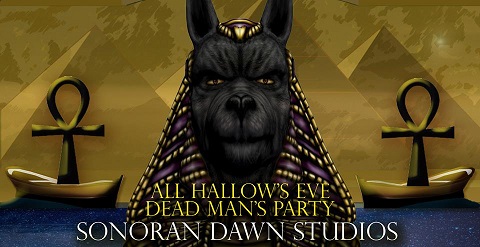
On Halloween, I co-hosted the Dead Man’s Party event, together with DL Mullen of Sonoran Dawn Studios. Though I had participated in several such events, this was my first experience with the organization of one. It was also the first audio event I had ever heard of. We mixed things up a bit by having the participating authors provided readings of their works of paranormal and horror, intermixed with the regular promotional posts, silly party games and giveaways. I had recently reviewed Dark Visions, a horror anthology compiled and edited by Dan Alatorre, which had just been released, and with his help, I was able to recruit many of the authors of the stories from the anthology. It was a learning experience, as many of these authors had never published anything before, or done an event such as this. I did many of the recordings and put together one video reading, as well as creating promotional posts for many of them. The whole thing was a lot of fun, drawing in over 1000 visitors I’m told. Overall, it was a success and a lot of fun, and I made many new friends and followers.
But, it was also a lot of work. The recordings took a lot of time to get them right, their were a few audio problems with the video presentation, and I made their promos like I do for my own work, with loving care. However, it was worth it all to get the experience and improve on my promotional skills, as well as in watching my number of followers grow. And one of my new author friends from the event will be joining the WtbR team as a contributing blogger to start the new year. The work I did also gave me some much needed samples of my promotional work, which I used to start my new Copywriting and PA Services page.
So you can see how this event benefited me greatly. Although I didn’t sell a single book, (the ones I gave away don’t count here), I did prosper from the event in many other ways. The message here is to social media to your advantage, but use it in the right ways and for the right reasons in order to avoid having your expectations left unfulfilled. But that’s how you have to approach social media promotion. The first word in social media is ‘social’. It’s there to make connections. That’s what we can expect to get from promotions on social media platforms. Promotion on social media can bring you authors to network with, or readers to build your platform. Any real book sales that you do get are just a nice bonus, but they cannot be expected.


I also gain followers through my Facebook pages. I currently have four pages. The primary page is my Kaye Lynne Booth – Author and Screenwriter page. I also have a page for Delilah – Kaye Lynne Booth, for news concerning both my published western and for book 2, Delilah the Homecoming which is still in the draft stages, as well as pages for two WIPs: my scince fantasy series, Playground for the Gods – Kaye Lynne Booth, and my memoir, His Name Was Michael – Kaye Lynne Booth. Through these pages I hope to gain followers who are interested in my writings. By building my platform, I hopefully gain readers who will buy my book.
I’m a member of a large number of author and book groups that allow promotional posts, as well as discussions. We should realize that most of the participants in these events like the one I spoke about above are other authors and the ‘book sales’ you get will be from giveaways. I use this to my advantage by making these connections my goal, instead of going about it with expectations of increased book sales. I spend my time on social media sharing promotions for my blog posts, responding to comments on my posts, sending out friend requests, and interacting. Through the new author friends that I make at these events, I’m able to find authors in need of interviews or book reviews for Writing to be Read, and my followers are growing through my efforts, as well.
So, I say that social media can be a useful tool if we set the right expectations and use social media the way it is meant to be used. Connections can be valuable to an author, especially a new author. We just have to see it’s value and find ways to use it to our benefit.
Like this post? Subscribe to Writing to be Read for e-mail notifications whenever new content is posted or follow WtbR on WordPress.
Share this:

“How I Sold 80,000 Books”: Advice Every Author Should Know
Posted: November 2, 2018 Filed under: Books, marketing, Nonfiction, Promotion, Writing, Writing Tips | Tags: Alinka Rudowska, book marketing, Book Promotion, Book Review, How I Sold 80000 Books, marketing 1 Comment
How I Sold 80,000 Books: Book Marketing for Authors (Self Publishing Through Amazon and Other Retailers), by Alinka Rutkowska offers authors valuable marketing tips coming from the business end of writing. Coming from a marketing background, Rutkowska shares tips on the art of successful book marketing, which might be applied to increase book sales and push the author’s name up on the bestseller’s listings.
Although the advice in How I Sold 80,000 Books is aimed mostly toward nonfiction works, Rutkowska claims it can easily be applied to works of fiction, too. The book takes readers through the author’s step-by-step marketing system, which she uses to sell her own books. She shares her secrets for producing a quality product that sells, talks about the best outlets through which to offer your books, discusses how to put the best price on your books, and effective ways to promote your books. Although every step may not be applicable by every author, they are all good, solid book marketing advice.
The valuable book marketing advice contained within may be why this book was a Readers’ Favorite Book Award winner, and why every author should add How I Sold 80,000 Books to their must read list. I will use much of the advice received from this book and I give it five quills.
Kaye Lynne Booth does honest book reviews on Writing to be Read in exchange for ARCs. Have a book you’d like reviewed? Contact Kaye at kayebooth(at)yahoo(dot)com.