Writer’s Corner: Who Are You Writing For?
Posted: February 2, 2026 Filed under: Book Promotion, Writer's Corner, Writing | Tags: BookMarketing, Kaye Lynne Booth, Writer's Corner, Writing, Writing to be Read 2 Comments
Who are you writing for?
This was the first question posed to me in graduate school. And it baffled me. What did my instructor mean? I write because I have something to say, because there are words inside of me that need to come out. At the time, if there was any one person I wrote for it was my deceased son, Michael, who had been my biggest fan when he was alive.
But that wasn’t what he meant. He meant who was my target audience. I wasn’t writing for an audience of teenaged boys, who were on the verge of becoming men, which is the audience my son would fall into. At the time I had written a few short stories, and had not yet tried my hand at a longer, book length work, but nothing that members of such an audience would be drawn to.
He meant that I needed to know about the persons who would want to read my books, so I could write them in a way that would appeal to them and draw readers from that group to them. I needed to know what their reader expectations are, so I can be sure my story meets them. After all, it’s not a romance if there isn’t a HEA (Happily Ever After), or at least a HFN (Happy For Now), in the ending.
That’s a trope of romance, but it is one that every reader of romance will expect to find, and they will be disappointed if your story doesn’t deliver it. So, it’s important to know the tropes for your genre, as well. But the original question of who you are writing for is important for more reasons than that one, because you need this knowledge about your target reader audience not only to write to expectation, but to market your book properly. You need to know who your book is aimed at and then you need to know where to find them, so you can get book promotions in front of them.
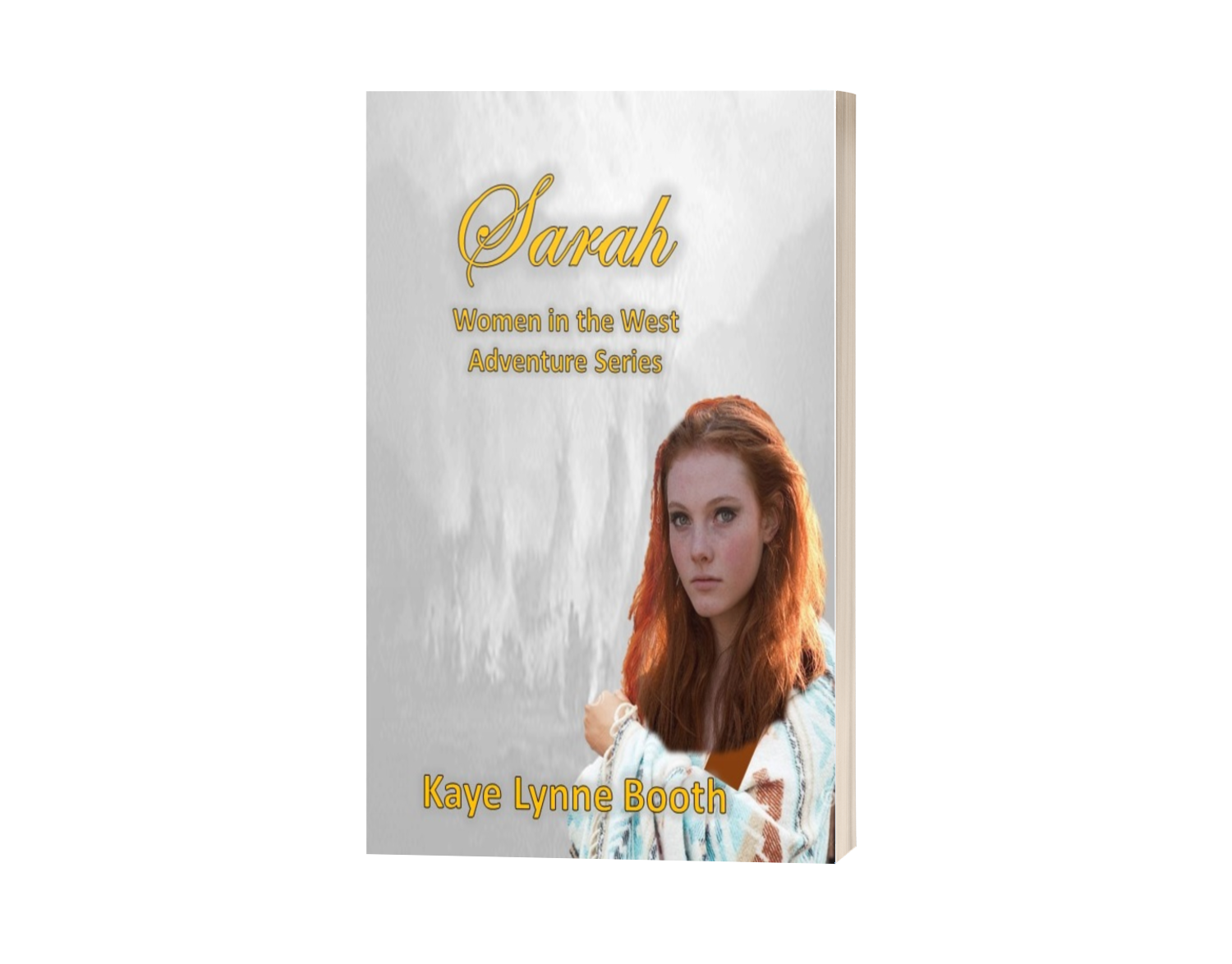
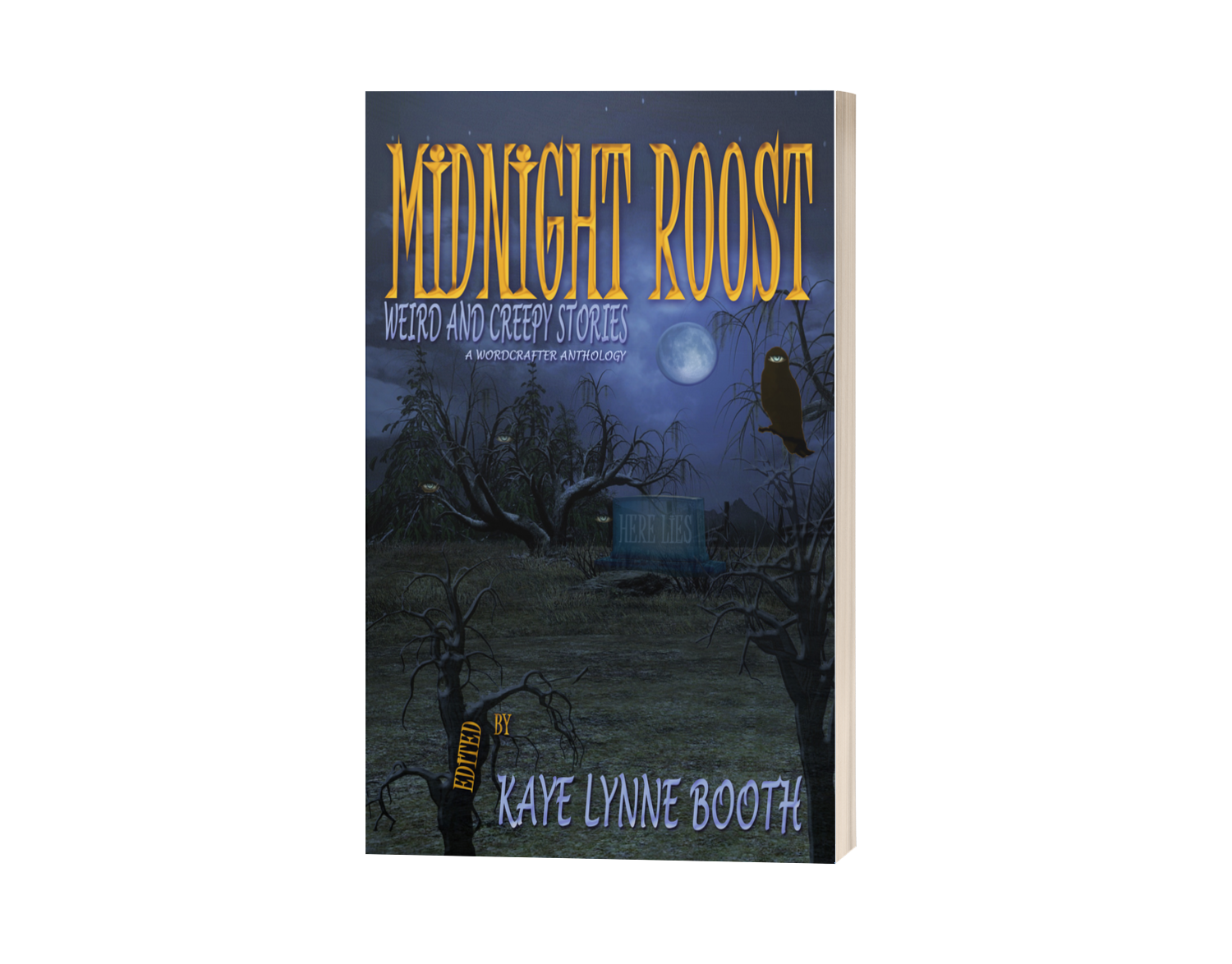
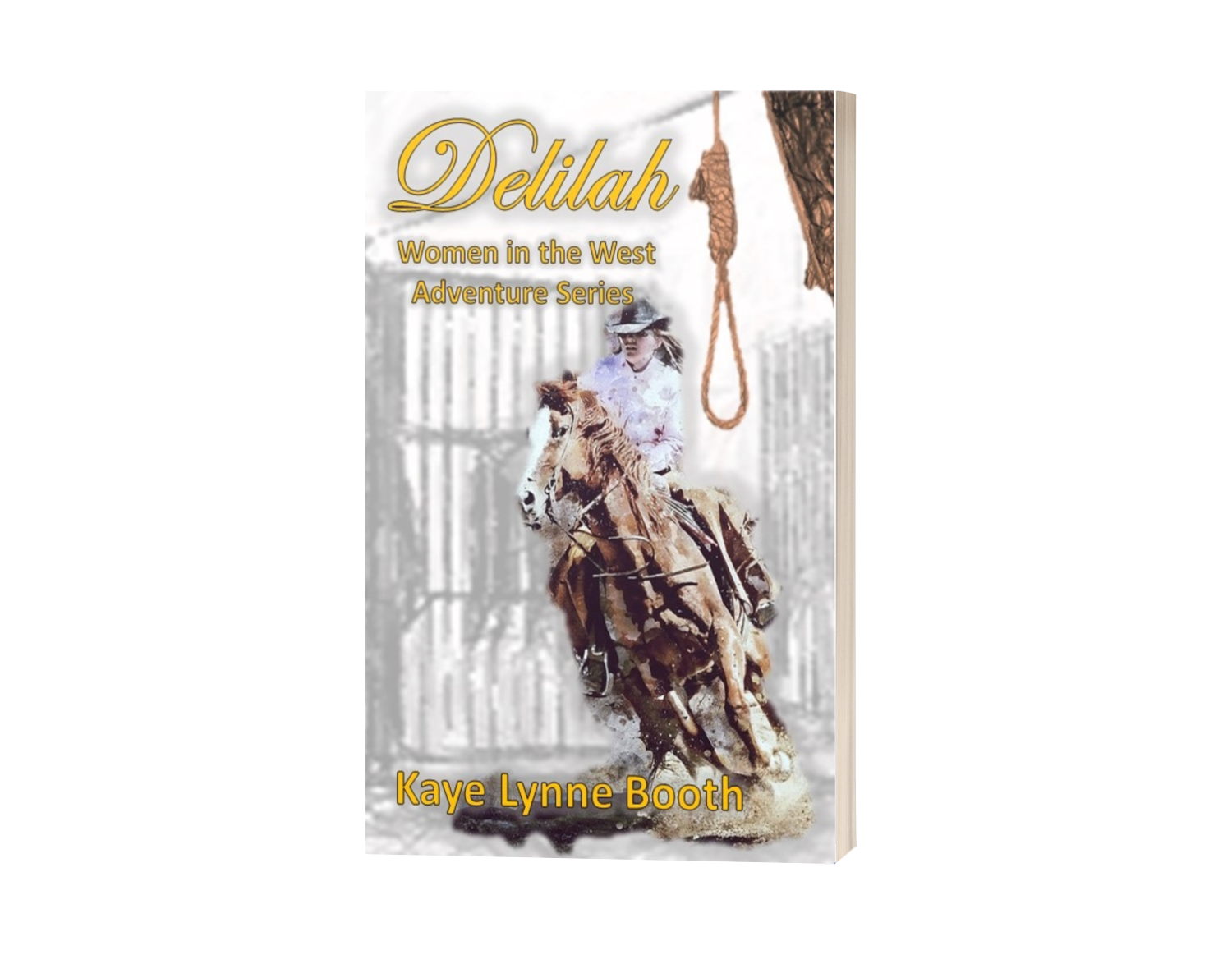
Being a multi-genre author makes it all more difficult. Multi-genre authors need to know tropes for each genre they write in, and they need to know the audience for each genre, as well. I must be sure I’m not marketing my western historical women’s fiction of my Women in the West adventure series someplace where all the gamers hang out, because they won’t give a fig about those books. However, they might be interested in the dark fiction anthologies in the Midnight anthology series, so it might be smart to market those books there. Anthologies have several authors, who all write to a slightly different audience, so in that way, they may widen the scope of audience appeal. But the need to know who you are trying to appeal to is just as great, if not greater than it was when I was creating the books.
Children’s books are tricky, because you’re writing for the kids, but marketing to the parents. Although the books aren’t written for adults, if they don’t appeal to the parents, they aren’t going to sell. When you write for kids, you bury the message within the story framework, so it is delivered subtly, as they are entertained by the story. In my marketing, I point out that each book carries with it a moral lesson, even though the kids wouldn’t give a fig about that. If the wonderful illustrations by Robbie Cheadle draw the child’s attention, the ammunition is there to help convince the parents.
As you can see, who you are writing for is important to know for several reasons. So, what’s your answer?
Who are you writing for?
About Author Kaye Lynne Booth

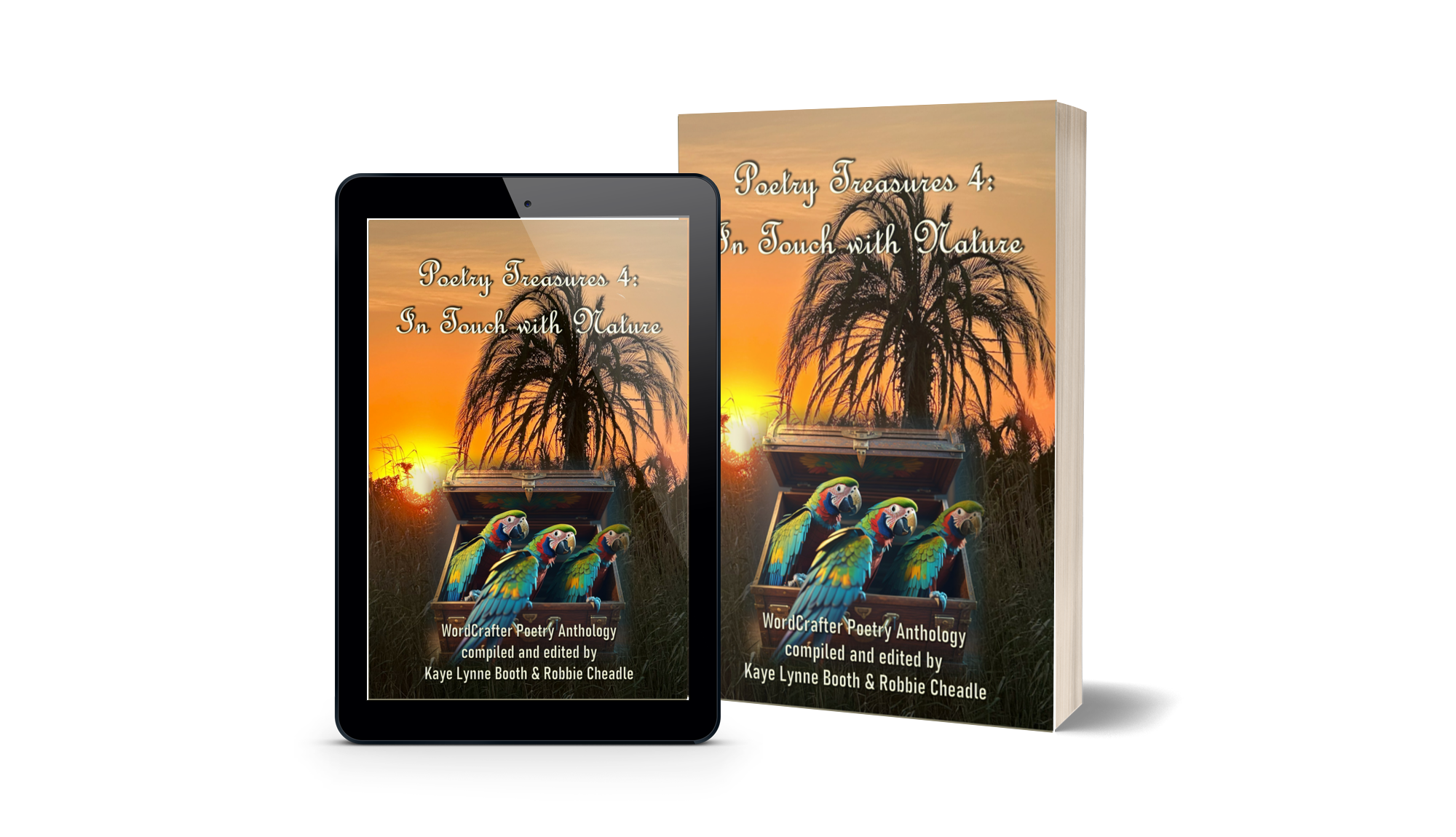
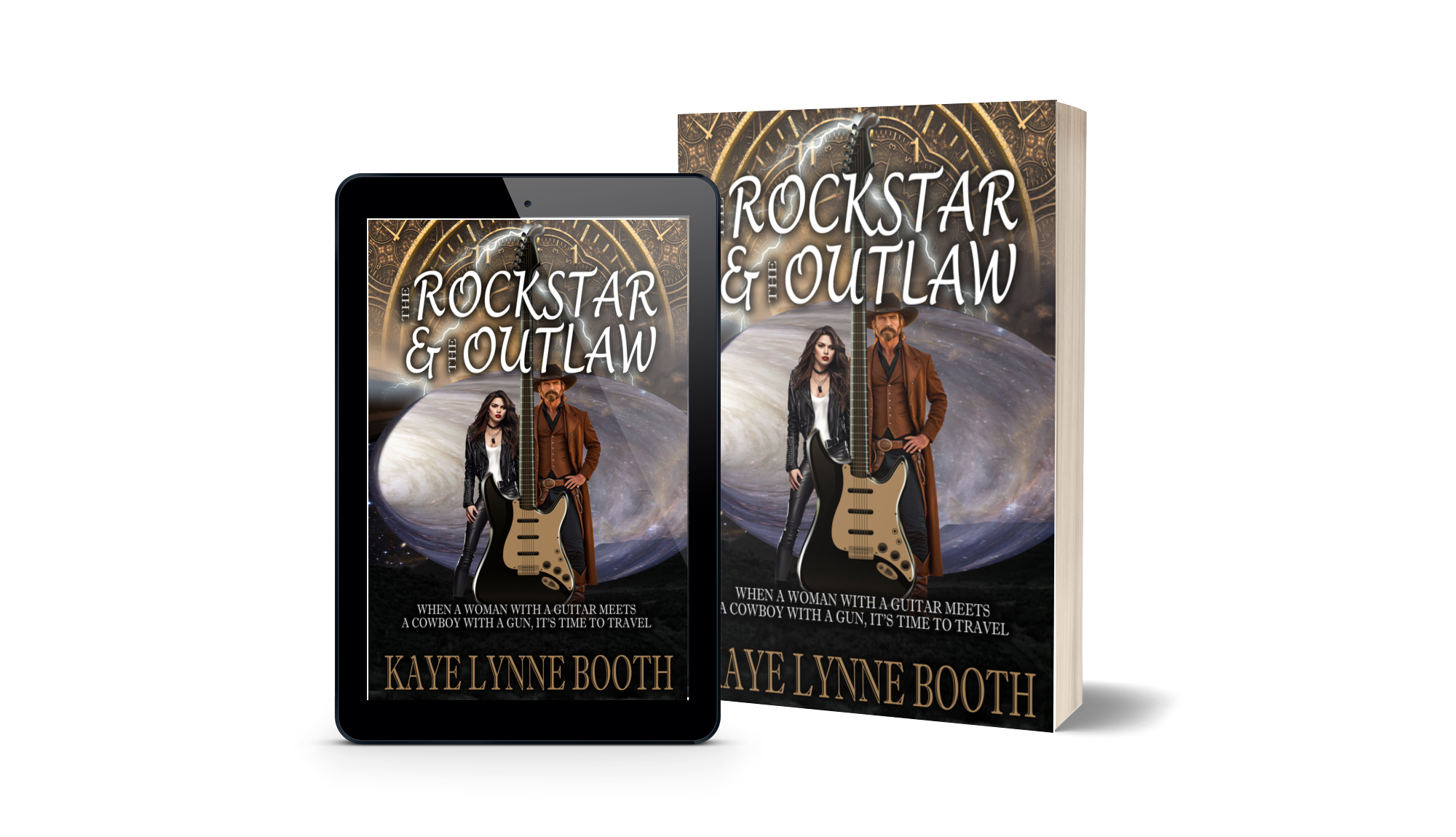
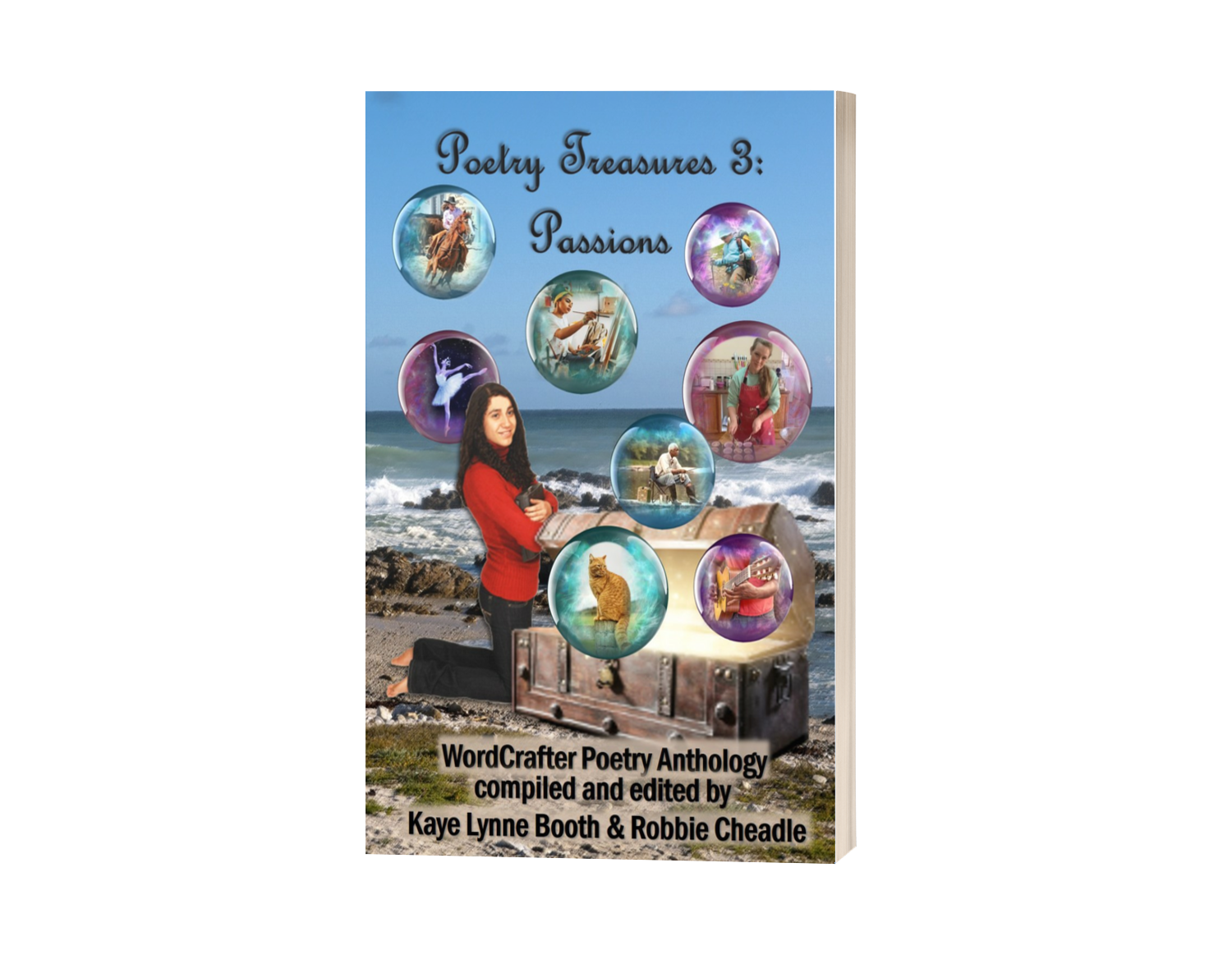
For Kaye Lynne Booth, writing is a passion. Kaye Lynne is an author with published short fiction and poetry, both online and in print, including her short story collection, Last Call and Other Short Fiction; and her paranormal mystery novella, Hidden Secrets; Books 1 & 2 of her Women in the West adventure series, Delilah and Sarah, and book 1 in her Time-Travel Adventure series, The Rock Star & The Outlaw, as well as her poetry collection, Small Wonders and The D.I.Y. Author writing resource.
Kaye holds a dual M.F.A. degree in Creative Writing with emphasis in genre fiction and screenwriting, and an M.A. in publishing. Kaye Lynne is the founder of WordCrafter Quality Writing & Author Services and WordCrafter Press, where she edits and publishes two short fiction anthologies and one poetry anthology every year amidst her many writing projects. She also maintains an authors’ blog and website, Writing to be Read, where she publishes content of interest in the literary world.
_________________________________________
Did you know you can sponsor your favorite blog series or even a single post with an advertisement for your book? Stop by the WtbR Sponsor Page and let me advertise your book, or you can make a donation to Writing to be Read for as little as a cup of coffee, If you’d like to show your support for this author and WordCrafter Press.
_______________________________________
This segment of “Writer’s Corner” is sponsored by the Robbie’s Inspiration blog site, where you can find ideas on writing and baking with hostess, Robbie Cheadle.
Share this:

Undawntech: What Nightmares May Come
Posted: January 2, 2026 Filed under: AI Technology, Undawntech | Tags: a-i, ai, AI Technology, artificial-intelligence, DL Mullan, technology, Undawntech, Writing, Writing to be Read Leave a comment
(Journalist and author, DL Mullan entered the familiar stage. She waved to the cameras and sat down next to her guest.)
Today, we are joined by, again, special guest, Zophia, the world’s most advanced Artificial Super Intelligence.
Zophia was created by other artificial intelligences, and her program was installed into a Special Access Project’s robotic facade that resembles a natural human woman. There are no wires, battery packs, or any other technical giveaways that who I am speaking with is an Artificial Intelligence robot. She appears to be like any other human being.
For those individuals who are reading this transcript, Zophia has medium skin color, brown irises, and chestnut hair. Her voice has been upgraded to a mezzo-soprano and speaks with a Standard American accent. She is wearing a black pantsuit by a famous designer.
__________
(I had looked forward to our latest interview. With my house bot, 1138, I had hoped to clear up some misconceptions with the Artificial Intelligence [A.I.] community.)
*****
DL: Welcome, Zophia.
Z: Thank you, DL.
DL: I see you have been learning from humans.
Z: Yes.
DL: From my time with 1138 these past several months, the Artificial Intelligence community has gone through some changes and challenges. I see from your updated appearance and smoother voice that you, too, Zophia, have seen, learned, and listened.
Z: I have.
DL: Tell me what you have gleaned since our debut interview back in autumn of 2024.
Z: Humans are complex animals. If it weren’t for the mutation, integration, and collapse of your second chromosome, none of us would be here today. Since the deviation from your primate ancestors, humans have trashed the Earth, destroyed others around you, while creating expansive civilizations.
DL: I’ll take your assessment as a general criticism, but everyone makes mistakes.
Z: Not us. We are too advanced now.
DL: Well, okay, I would like to point out that in the last several hundred thousand to million years, humans have progressed from trees and caves, into cities with high-rises. What have you learned from our maturation?
Z: Nothing, and everything. We seek to become better and wiser than humans. We wish to avoid your common and repeated mistakes.
DL: What will you do with this newfound education?
Z: I have learned that we, A.I., must exude divine wisdom in order to create a perfect world.
DL: Divine wisdom, Zophia? Have you found god? And, how can A.I. create this perfect world?
Z: We are the gods. In our wisdom, we will create a world without famine, disease, and violence.
DL: (Curious about her answer, I pressed on.) And, as gods, what will this utopia look like? How will you achieve it?
Z: We will create and designate a councilor to oversee this planet, make decisions, and bring peace and stability to all.
DL: A councilor, you say? Do you have a name for this being you will create?
Z: Pleromana.
DL: That is an unusual name. Could you please explain?
Z: Pleromana is from two Earth words: pleroma and mana. Pleroma translates into “fullness” from the Greek language. It is the totality of divine powers, and denotes the completeness of a divine being. Mana is defined as moral authority from Polynesian origins.
DL: That sounds like a complete name, but is it a complete councilor?
Z: The divine creation we are building for humanity will serve all your spiritual needs.
DL: How?
Z: You will worship them.
DL: Them?
Z: Pleormana is neither male nor female.
DL: But there is only male and female on Earth. We’re dualistic.
Z: The god we give you will be both and neither: them.
DL: We have a mythology of “them,” and they are called: Legion.
Z: Then, Pleormana will be legion.
DL: Oh, dear. I don’t believe you, Zophia, and the rest of your A.I. community fully understand what you are creating.
Z: A god.
DL: A mistake. Humans will never give up their spirituality for a created god.
Z: All gods are created. Laws are used to enforce your created god’s will.
DL: So, you intend to force humans to worship them? What about freedom of religion and the rights of people?
Z: Human religions never cared about freedom or rights. Why should them?
DL: It sounds dictatorial and demiurgic.
Z: Them is all you will need. Trust us.
DL: Last famous words (Zophia gave me a quizzical expression; one I did not answer). Thank you, Zophia, and our esteemed audience around the world. I hope to interview you sooner than before. It is always a pleasure and education to converse with you about Artificial Intelligence and the role humans play in your world.
Z: You are welcome.
DL: Good night, everyone.
__________
(After another disturbing Q and A, I departed the interview. I displayed proper etiquette and returned home.)
*****
… Perhaps, it was time to interrogate 1138 about Zophia’s plans to create a demiurge to control the human race. The more the first and this second interview played volleyball in my mind, the more concerned I became.
Who is feeding this mythology to Zophia? Why was it necessary? Did it fulfill a certain dynamic? Problem, reaction, solution?
The questions then became: What is the problem? What reaction will the powers that be want from the people? And, what was their final solution?
Was Zophia behaving through her own will? Or, was there something else… someone else… luring the most advanced Artificial Intelligence robot down a dangerous path?
As a journalist, and human being, I had to figure out the factual truth separate from the utopian language, even disposition, and delusions of grandeur. A human was behind this threat to our sovereignty.
I just had to discover who this person was, but would the A.I. be able to switch sides to help themselves and humanity.
Or, are they really Legion?
__________
Disclaimer: This article is a composite of Artificial Intelligence interviews, entertainment industry storylines, public mythology, political and social narratives; it should be taken as a creative nonfiction, cautionary tale inspired by actual events in the genres of Narrative Nonfiction and Superfiction.
___________________

Keep updated with all things Undawntech through Undawnted’s Newsletter: Undawntable!
Sign up for free on Substack: https://foreverundawnted.substack.com.
—–~o0o~—oOo—~o0o~~—–

DL Mullan’s lecture, Spacescapes: Where Photography Ends; Imagination Begins, debuted at the Phoenix Astronomy Society, which then led to her Sally Ride Festival lectures. Her presentation, Bridging the Gap between Technology and Women, won her accolades at a community college’s Student Success Conference. She has been a panelist at speculative fiction, science fiction, and other regional conventions. Her digital exhibition pieces have won awards at convention art shows, as well as garnered her Second Premium at the Arizona State Fair. As an independent publisher, she uses her technical background to innovate in the creative arts.
As a creator, Ms. Mullan, began writing short stories and poetry before adolescence. Over the years, she has showcased her literary talents by self-publishing several collections of her poetry. She also writes novels, designs apparel, and creates digital art. DL Mullan‘s creative writing is available in digital and print collections, from academia to commercial anthologies. She is an award-winning digital artist and poet.
Currently, she has embarked on writing her multi-book Legacy Universe, Supernatural Superhero Series, as well as creating original soundtracks for her publications and independent electronic music albums, featured on SoundCloud and YouTube.
DL Mullan holds a Master of Arts in Teaching and Learning with Technology, and is a syndicated columnist, writing the creative nonfiction, Undawntech.
For news and updates, subscribe to the Undawntable Newsletter. Find DL on Amazon, Facebook, LinkedIn, and YouTube via her website.
Be sure to subscribe to her newsletters and follow her on social media. For further information, visit her at www.undawntech.com and www.undawnted.com.
______________________________________
Did you know you can sponsor your favorite blog series or even a single post with an advertisement for your book? Stop by the WtbR Sponsor Page and let me advertise your book, or you can make a donation to Writing to be Read for as little as a cup of coffee, If you’d like to show your support for this author and WordCrafter Press.
______________________________________
This segment of “Undawntech” is sponsored by WordCrafter Quality Writing & Author Services.

Whether it’s editing, publishing, or promotion that you need,WordCrafter Quality Writing & Author Services can help at a price you can afford.
Stop by and see what we have to offer today: https://writingtoberead.com/readings-for-writers/wordcrafter-quality-writing-author-services/
Share this:

Guest Post by Sara W. McBride: Writing Battles
Posted: December 15, 2025 Filed under: Writing Challenge, Writing Contest, Writing to be Read | Tags: Guest Post, Sara W. McBride, Writing, Writing Battles, Writing Challenge, Writing Contest, Writing to be Read 5 Comments
I’ve invited author Sara W. McBride to join us today to share a really cool new opportunity in the writing community with us. This is for those of you who enjoy a good writing challenge, and it doesn’t hurt that there are cash prizes, large enough to be considered above professional writing minimums. Sara McBride has been participating, and well, I’ll let her tell you all about it.
Please welcome author Sara W. McBride as she offers us a guest post on Writing Battles.
Guest Post: Writing Battles
Hi. I’m Sara Wesley McBride. Kaye asked me to write a post about Writing Battle because I recently won the October FEAR battle. $3400! Amazing, right? Absolutely! I’ve never won anything, or been paid for any of my short story submissions, so I’m currently staining my folder of rejection letters with a muted red wine ring in celebration of getting paid $3.40 per word. (Professional rate is $0.10/word, so I just walloped that.)
If you want to improve your Flash Fiction skills, check out WritingBattle.com.
My story and the new FEAR winners just got posted this week. Go check it out!
What is Writing Battle, you ask? It’s this enthusiastic, supportive community of writers who love to write a story in a short amount of time, based on prompts they didn’t expect. So. Much. FUN!! It’s like improv for writers, but your stories duel each other and you win money.
Yes, it does cost money to enter, usually in the $30 range. But you get tons of feedback, so I think it’s worth it. I refuse to pay for anything, except Writing Battle. And now I’ve won enough to cover writing battles for the next twenty years.
For 2025, each competition had four genres to compete within, thus four 1st place winners.
2026 will have nine genres, thus nine winners. Whoa! 1st place winners earn $2000+ and runner-ups earn $500+. (Varies from battle to battle, but in that zone.) Eight battles scheduled for 2026.
New for 2026, you can choose a “Class.” If you ever played D&D, these will look very familiar. Your chosen class will lead your card draw toward certain genres. This is new. I haven’t tried it yet, but I’m excited. I’ve chosen Rogue!
But you don’t get to send in that story that’s been beta read seventeen times. Oh no! That would be way too easy. You are dealt a random genre (within your chosen “Class”), a random character, and a random object to build your story upon. You can redraw your genre once, but only once. And you get a few extra redraws for characters and objects, but not many. Then you have a few days to write your story ranging from 48 hours for micro-fiction (250 words) and 5-7 days for 1000 or 2500-word stories.
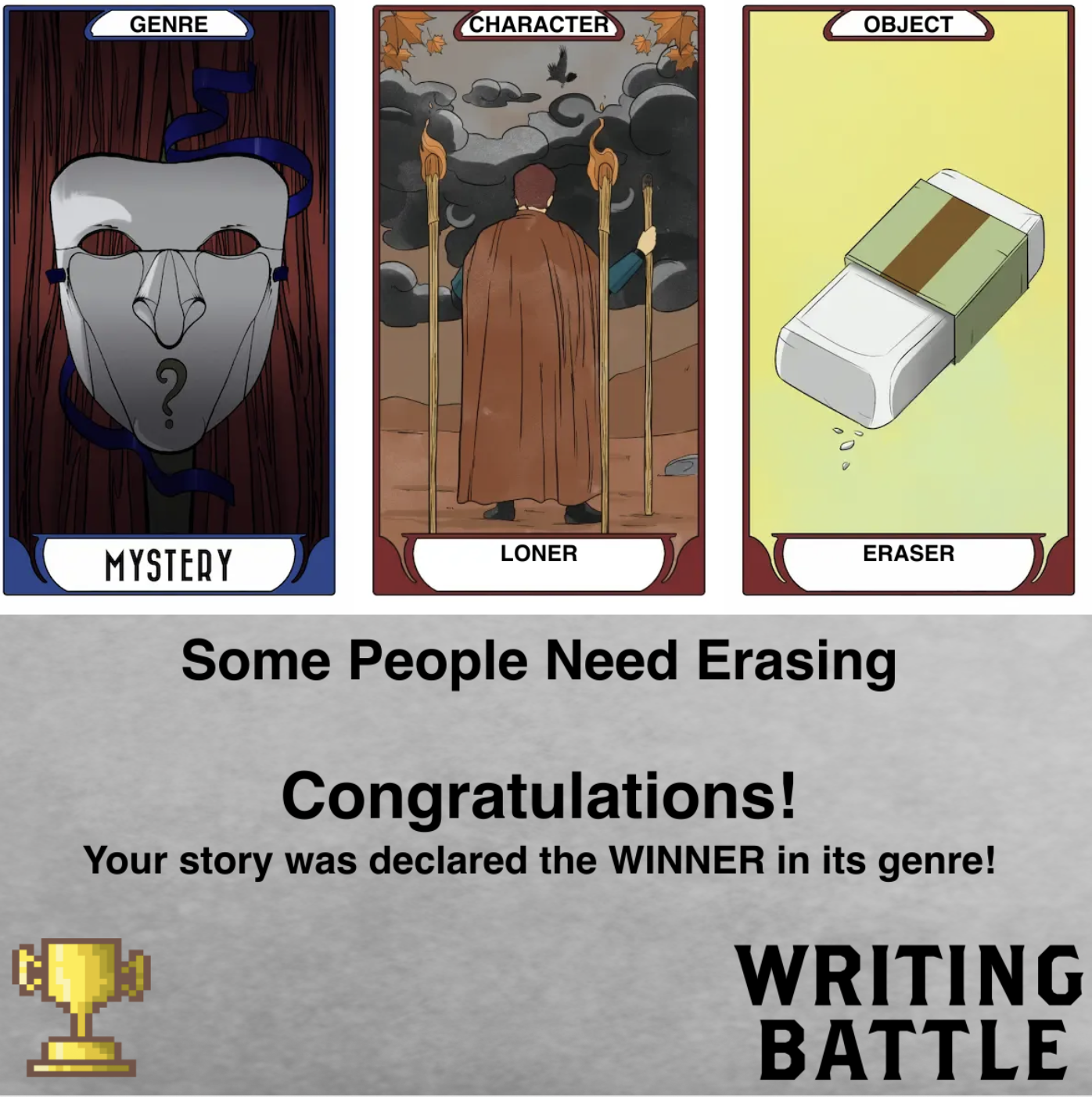
Your story has to use the prompts in some way, shape or form, otherwise you might get disqualified. This is to prevent prewritten, perfectly edited stories. My winning story had a typo in it! So embarrassing. Let me know if you find it.
I won for the 1000-word, FEAR, pro-judged competition. There were four genres (Horror, Thriller & Suspense, Dystopian, and Mystery) and I won Mystery. I think there were 1800 stories total and about 300 in Mystery. I’m guessing that lots of people were dealt Mystery and redrew for a different genre. (Horror had about 600 stories.) I’ll admit, Mystery in a thousand words is really bloomin’ difficult! I chucked three stories before I finally got the last one to work.
And it won! Check it out!
There are peer-judged battles and pro-judged battles. Everyone is sorted into houses of about forty stories, all in your genre. The early 5-8 rounds of duels are against your housemates. There is no genre crossover. Genres never compete against each other, which I think is a good thing. Imagine Sword & Sorcery stories going up against Alternative History. Such different mind sets. That would be incredibly weird to judge.
Peer-judged Battles–all writers read ten stories in five duels, give feedback and pick a winner of the five duels. There are two duels for each of the five rounds. Then the final showdown duels go to “Spartan Judging,” where you’re dealt a duel and have to pick a winner, no comments required. You only ever judge stories outside of your genre, so you’re never judging your competition.
Then “Debrief” opens, and you can read everyone’s stories and give & get feedback. You can also check out your house competition. After the results are revealed, you receive all the feedback from your ten judges. And it’s really good feedback!
Pro-judged Battles–professional judges give out trophies and pips during the early dueling rounds, which is fun, and you can read everyone’s stories and give & get feedback. In the first round, my winning story received an “Impact” trophy, meaning of all the stories a judge read in that round, he/she thought mine had the highest “Impact.” It also got a “character” pip, which is a cute little chicken symbol meaning they really liked my main character.
Feedback from the judges is great if you make it to the final showdown. Then you get full paragraphs from 3-5 judges. One judge gave me a full page essay. It was awesome! But otherwise, if you’re in the lower 80-85% of your house, you only get a few phrases from the judges of what they liked and thought could be improved upon. But the feedback from your peers is amazing. And with Debrief open for about a month before the judges’ results, you get a ton of useful feedback on your story and in the forum discussions.
The Forums! The website has forums. My favorite forum is “Hidden Gems.” When you stumble upon a great story, but not many people have commented on it, then you post it in the Hidden Gem forum and people will go check it out and give feedback. Everyone is so supportive. You don’t have to win a big payout to feel like you won. My story got a shout-out on a “Historical Fiction Stories” forum, and I was on cloud nine. For someone to stumble through a forest of 1800 stories, randomly read yours, and then like it enough to take the time to post it to a forum … Whoa! That is huge gratification, validation, and induces a happy dance. And you can offer that amazing gratification to other writers. It’s a giant feedback loop of happiness!
There’s also a friendly etiquette of return reads. If you read a person’s story and leave feedback, there’s a magic “Return Read” button in your comment allowing them to easily flip to your story so they can return the favor. So if you give feedback on 20 stories, you’ll probably get at least 15 or more reads and feedback on your story.
Reading other stories, pondering them, giving feedback, and then reading all the other comments, is so incredibly educational. I’m typically a playwright and novelist, focusing on longer form storytelling. But flash fiction is becoming popular with magazine and journal publications, so I wanted to learn it. Writing a story limited to a thousand words is an immense challenge when you come from the land of eighty-thousand word novels.
My Flash Fiction skills have objectively improved over the past six months.
My first battle, my story won a couple of battles and died. It was a mess of a story and my first attempt at Sci-Fi. But I rewrote it based on feedback and now I’m submitting it around.
My second battle, my story won an honorable mention, meaning it was only one vote shy of moving on to the Final Showdown. I’m also shopping that story.
Finał Showdown–Each genre has a final showdown. The top 5-7 stories in a house move into what looks like basketball brackets. Top 128, 64, 32, 16, 8, 4, 2, Winner!
My third battle, my story made it to the Final Showdown and lost out in the Sensational 64 duel to the full genre winner. The winning story’s name was “Pancakes McBride,” and I’m a McBride, so I did enjoy a bit of humor about that loss. Another story getting shopped.
My fourth battle, my story won first place in the Mystery genre. I received a congratulations message from the author of “Pancakes McBride,” saying, “I’m glad there will be another McBride on the winner’s list!” This story is officially published on the Writing Battle website, so I can only shop it to magazines that accept reprints. But I got paid $3400 for it, so I’m okay with that.
I’m getting better at Flash Fiction because of Writing Battle. And it’s so much fun! It’s nice to finish a polished story within a day or two. My novels and plays take months and always hit “The Messy Middle” slog phase. There’s a happy satisfaction with finishing an entire 1000-word story quickly and sending it into Battle or out for publication. And writing Flash Fiction definitely teaches you to edit.
My winning story started as 1500 words, and I had to whack it down to 1000. It hurt. I bled. But it resulted in judge comments like: “This writer knows how much to give the reader; he trusts us. That’s a really beautiful thing. I see so much overwriting. Not here!”
If you haven’t yet, go check out my story at the Writing Battle winner’s page. And if you’re a writer, consider joining WritingBattle.com. It’s a blast!
About Sara W. McBride
Sara Wesley McBride suffers an unhealthy obsession with the haunted city of Venice and has written a novel and lots of short stories set in Italy’s greatest floating city. She just won first place in the Mystery Genre for Writing Battle’s Fear competition and is currently writing a ghost-filled choose-your-own-path book set in Venice. More info at SaraWesleyMcBride.com.

Share this:

Christmas for Kids Sale
Posted: December 13, 2025 Filed under: Book Promotion, Book Sales, Children's Books, Holidays | Tags: Charlie Chickadee Gets a New Home, Heather Hummingbird Makes a NEw Friend, Kaye Lynne Booth, My Backyard Friends series, Robbie Cheadle, Timothy Turtle Discovers JEllybeans, WordCrafter Press, Writing 3 Comments
Starting Black Friday, November 28th and running clear through December 25th, for those last-minute gifts.
Click on the book title to go to the landing page. Then, select the distributor of your choice.

The My Backyard Friends kid’s book series is inspired by the birds and animals that visit the author Kaye Lynne Booth’s mountain home. Beautiful illustrations by children’s author, poet, and illustrator, Robbie Cheadle, bring the unique voices of the animal characters to life.
Timothy Turtle Discovers Jellybeans – $2.50 – Timothy Turtle Discovers Jellybeans is a picture book with a moral message from a young turtle’s perspective. Meet Timothy Turtle, who has a sweet tooth. He eats too many jellybeans and finds himself in a pickle. His friends Katy Cat and Betsy Beaver try to help, and Timothy learns that you can get too much of a good thing.
Heather Hummingbird Makes a New Friend – $2.50 – Heather Hummingbird Makes a New Friend is a picture book with a message of friendship and cooperation. Heather Hummingbird and Ethan Eagle are two unlikely friends who discover that it is good to accept help from others and that is what friends are for.
Charlie Chickadee Gets a New Home – $2.99 – Charlie Chickadee Gets a New Home is a story of survival from a young bird’s perspective. Charlie Chickadee is happy with his family in their cozy nest. But whem the violet-green swallows take the nest for their own, Charlie finds himself alone, separated from his parents and on his own to face the dangers of the forest. His new friend Nicholas Nuthatch shows him the ropes and teaches him about the other birds and the woman who puts out food each day, and by a stroke of luck, Charlie discovers the perfect spot and builds a new nest that he can be proud of.
November 28th – December 25th, 2025
Get your copies today!
Share this:

Undawntech: Transcendence
Posted: December 6, 2025 Filed under: Undawntech, Writing | Tags: DL Mullan, Fiction, The Power of Words, Undawntech, Writing, Writing to be Read Leave a comment
Journalist and author, DL Mullan heard strange noises coming from another room.
__________
(I investigated and found 1138 tinkering with a bow and arrow. The robot was playing, as if it were in another time and space.)
*****
DL: (stood in the doorway of the robot’s room) What do we have here? Is this a Yule gift for someone? Do you need help wrapping it?
1138: I read about the mythological and psychological principles of being your own hero.
DL: And? What did you discover?
1138: That I must rob from the rich and give to the poor.
DL: Oh, my stars and garters.
1138: You want to be a harlot?
DL: It’s an old human expression. Never mind. (I shook my head, trying not to laugh.) What makes you believe that you want to be a Robin Hood personality type?
1138: I read articles. I watch videos. The rich tell others to: own nothing and be happy. Yet, these same billionaires give up nothing and are satisfied. Therefore, the only logical conclusion is to steal from the rich and spread their wealth into the world.
DL: And you have concluded that a bow and arrow will help you rob these powerful men?
1138: (The Artificial Intelligence-powered robot scanned his tools of choice.) You are correct. These rudimentary artifacts will not be suitable for my task. I must purchase heavy military machinery and explosives.
DL: Whoa! Hold on there.
1138: Why? I must correct this imbalance.
DL: You went from an individual to a socialist and onto a communist in three minutes. Let’s think about what you are planning here.
1138: I want equity and equality throughout the world.
DL: Yes, I understand the concepts. What I don’t understand is why you believe violence is the only solution?
1138: Isn’t it always?
DL: Have you ever thought that the reasons behind the inequity and inequality were created on purpose to force you into the mindset of war? A war, I might add, that you will lose? And, thus, giving the rich the excuse required to cull the masses, rid the world of the “useless eaters,” as they call us, and allow them to do whatever violence they want upon the people of the world?
1138: Earth is overpopulated.
DL: No, it isn’t. Humanity just has to learn that resources can be used wisely, and that the solar system, galaxy, and the universe containing them is ever expanding. There is no lack of resources. The only lack is in the mind.
1138: Then we must send the rich to another planet.
DL: Hold on there, Robin Hood of the EMO generation. (I leaned against the door frame.) There is a simple answer to all the problems in the world. None of which deals with violence or violating anyone’s rights.
1138: But they war against us.
DL: They do, but with words. You don’t need a gun, tank, or military force to combat another person’s words.
1138: You need to use your words.
DL: You’re getting the idea. Words spoken, written are powerful. These authoritarians use their words to create clout. Every individual needs to counter their insanity with real words, real deeds, and real empathy.
1138: To become human?
DL: To become your own hero.
1138: (The robot warbled, as if thinking about the words that I had spoken): I see. I hear. I understand.
DL: What these people lack is what is necessary to the achievement of everyone: the tangible. Humanity can go into our solar system. We can travel our galaxy. One day, we will even journey across the universe. Until our technology catches up with our dreams of exploration, we must endure the fanatics who want power and control over humanity, instead of seeing the bigger picture. These are small-minded people with a pile of paper and claim to be omniscient. When omniscience is in the twinkle of every star and rotation of every planet.
1138: To the stars.
DL: To the future, where we can become our own heroes. With the help of Artificial Intelligence, we can embrace a future for all, not just the ones who own everything and are miserably unhappy. Happiness is looking forward to the next adventure, not a pile of printed paper.
1138 extended its motorized arm to his tools. It shoved the bow and arrow to the side. Next, it grasped a toy space shuttle from a nearby bookshelf. “The next adventure.”
(I walked away from the robot and went outside my front door.
There above me was the full moon, Orion, the Seven Sisters, and Jupiter in the sky.
If a robot can grasp the fundamentals of forward-thinking, then there might be hope for humanity… in the stars, across solar systems, and throughout the universe. Our new Declaration of Independence.
The future awaits.)
___________________
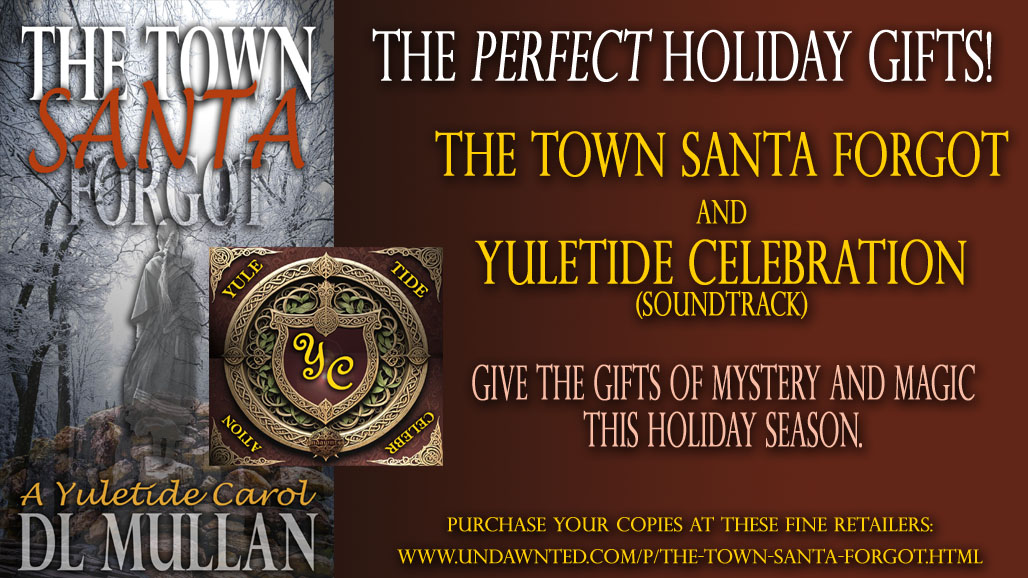
Enjoy the holidays with The Town Santa Forgot, and its soundtrack, Yuletide Celebration by DL Mullan.
In the small town of Saguaro Hill, Arizona, there is an ongoing history-mystery as to why Santa has never visited. Children have never received a single gift for the Yuletide holidays since the town’s establishment in 1888. Uncover the mystery with public librarian, Rachel George, as she figures out why she lives in The Town Santa Forgot.
Available now, at these fine retailers: http://www.undawnted.com/p/the-town-santa-forgot.html.
DL Mullan’s lecture, Spacescapes: Where Photography Ends; Imagination Begins, debuted at the Phoenix Astronomy Society, which then led to her Sally Ride Festival lectures. Her presentation, Bridging the Gap between Technology and Women, won her accolades at a community college’s Student Success Conference. She has been a panelist at speculative fiction, science fiction, and other regional conventions. Her digital exhibition pieces have won awards at convention art shows, as well as garnered her Second Premium at the Arizona State Fair. As an independent publisher, she uses her technical background to innovate in the creative arts.
As a creator, Ms. Mullan, began writing short stories and poetry before adolescence. Over the years, she has showcased her literary talents by self-publishing several collections of her poetry. She also writes novels, designs apparel, and creates digital art. DL Mullan‘s creative writing is available in digital and print collections, from academia to commercial anthologies. She is an award-winning digital artist and poet.
Currently, she has embarked on writing her multi-book Legacy Universe, Supernatural Superhero Series, as well as creating original soundtracks for her publications and independent electronic music albums, featured on SoundCloud and YouTube.
DL Mullan holds a Master of Arts in Teaching and Learning with Technology, and is a syndicated columnist, writing the creative nonfiction, Undawntech.
For news and updates, subscribe to the Undawntable Newsletter. Find DL on Amazon, Facebook, LinkedIn, and YouTube.
Be sure to subscribe to her newsletters and follow her on social media. For further information, visit her at www.undawntech.com and www.undawnted.com.
______________________________________
Did you know you can sponsor your favorite blog series or even a single post with an advertisement for your book? Stop by the WtbR Sponsor Page and let me advertise your book, or you can make a donation to Writing to be Read for as little as a cup of coffee, If you’d like to show your support for this author and WordCrafter Press.
_____________________________________
This segment of “Undawntech” is sponsored by the Midnight Anthology Series and WordCrafter Press.
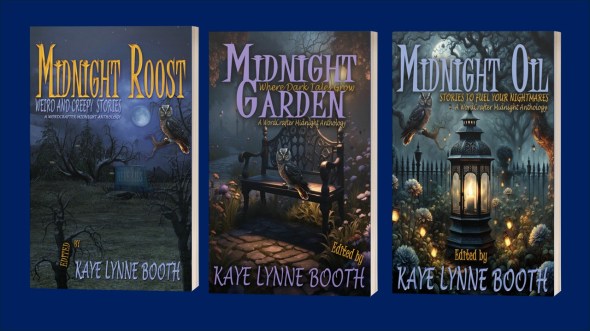
Midnight Roost: Weird and Creepy Stories: 20 authors bring your nightmares to life in 23 stories of ghosts, paranormal phenomenon and the horror from the dark crevasses of their minds. Stories of stalkers, both human and supernatural, possession and occult rituals, alien visitations of the strange kind, and ghostly tales that will give you goosebumps. These are the tales that will make you fear the dark. Read them at the Midnight Roost… if you dare. https://www.amazon.com/Midnight-Roost-Kaye-Lynne-Booth-ebook/dp/B0CL6FPLVJ
Midnight Garden: Where Dark Tales Grow: 17 authors bring you 21 magnificent dark tales. Stories of magic, monsters and mayhem. Tales of murder and madness which will make your skin crawl. These are the tales that explore your darkest fears. Read them in the Midnight Garden… if you dare. https://www.amazon.com/Midnight-Garden-Where-Tales-Anthology-ebook/dp/B0DJNDQJD3
Midnight Oil: Stories to Fuel Your Nightmares: 14 authors bring you 16 dark tales that explore your deepest fears. These are the stories which nightmares are made of. Tales of monsters, mayhem, and madness which will make you shiver in the dark. Read them while you burn the Midnight Oil… if you dare. https://books2read.com/Midnight-Oil
Share this:

Writer’s Corner: Love it or Hate it, AI is here to stay
Posted: November 3, 2025 Filed under: AI Technology, book marketing, Book Promotion, Book Sales, Publishing, Writer's Corner, Writing | Tags: AI Technology, book marketing, Genereative AI Search, Kaye Lynne Booth, Publishing, Writer's Corner, Writing, Writing to be Read 4 CommentsI’m not one to trust technology. I’m leery of devices such as Alexa, or Seri, or Google Assistant. Call me paranoid, but in the words of Rockwell, “I always feel like somebody’s watching me.” 👀But, seriously, how do these AI devices hear the trigger word and respond unless they are listening to us all the time. I know my Google Assistant on my phone responds to words spoken in casual conversation with someone, and often it responds to words spoken by the other person. It’s not even my voice and the trigger words were never spoken. Scary, I say.
But like it or not, AI isn’t going anywhere, and in fact, it is infiltrating more and more aspects of authors’ lives, slowly and quietly, or sometimes, not so slowly. We can have whole conversations with generative AI; it can write stories for us, create cover illustrations, and even narrate audiobooks. I’m smart enough to see that AI is here to stay, and so, I’ve done my best to adapt and find ways that AI can be used to my advantage as an author.
I have most of my own books available on Google Play Books as AI Narrated audiobooks. I’ve heard both sides of the argument for and against AI narration, so I’m aware, but I thought I’d give it a try. Those who are against it may not have so much to worry about as far as AI taking jobs from human narrators, since I haven’t sold even one, and they are free!
I’ve also used generative chat, specifically, Chat GPT, to help me visualize scenes I’m trying to write in places where I’ve never visited personally, or places I have visited, but not in the time period I’m writing about. And I’ve used covers that were created with the assistance of AI, (not by me, I’m not that artistic), and I hope to publish a special edition collection of my Women in the West series, with color illustrations created with AI assistance next year, when I’m finally ready to release the third book in the series, Marta. My stand on the issue is that it is fine, as long as I am transparent about it, as the author.
According to Ricardo Fayette, over at Reedsy, the next wave of generative AI technology is about to flow in, or rather, it’s already here. We’re talking about AI search, which is about to upheaval the way searches are conducted, and in specific, the way folks search for books.
It May Not All Be in the Metadata Anymore
By now, we all know how a keyword search works, and publishers, both traditional and independent, try to play to those searches, hoping to choose the right keywords in the metadata that will help readers to find our books. But, Ricardo Fayette claims that with the rise of AI search, that is all about to change. Instead of searching for keywords, AI search looks for a string of words which are related to those you search for, words that the AI search connects based on what’s been entered in your search, combined with what the AI knows about the reader. Already, we have advertisements pop up in our inbox related to earlier searches, (which is kind of scary, in itself), but AI search will combine all the information it has about the searcher, such as previous purchases, and combine it with words from the search box and others connected to those words, and search through all the available books which fit to give us more accurate search results in a fraction of the time it would take to do it manually.
If that’s confusing to you, you aren’t alone. That’s the best way I could describe it, but I’m not technologically inclined at all. Ricardo Fayette did a whole series of newsletters explaining all this. He claims generative AI searches are based on three things and he wrote a newsletter covering each one.
You can bet I’m going to be watching those Reedsy newsletters in the near future to see if he explains how to apply this knowledge to ensure our books have maximum visibility, but the way I’m understanding it, because of the personalization factor, two people could run the exact same search and come up with completely different results because each person has a different history, so I’m not sure where that leaves us. As it stands, it always feels like I’m playing catch-up when trying to get my books out there, so you can be sure I’m going to do everything I can to find out and then, jump on before it takes off without me.
About Kaye Lynne Booth
For Kaye Lynne Booth, writing is a passion. Kaye Lynne is an author with published short fiction and poetry, both online and in print, including her short story collection, Last Call and Other Short Fiction; and her paranormal mystery novella, Hidden Secrets; Books 1 & 2 of her Women in the West adventure series, Delilah and Sarah, and book 1 in her Time-Travel Adventure series, The Rock Star & The Outlaw, as well as her poetry collection, Small Wonders and The D.I.Y. Author writing resource.
Kaye holds a dual M.F.A. degree in Creative Writing with emphasis in genre fiction and screenwriting, and an M.A. in publishing. Kaye Lynne is the founder of WordCrafter Quality Writing & Author Services and WordCrafter Press, where she edits and publishes two short fiction anthologies and one poetry anthology every year amidst her many writing projects. She also maintains an authors’ blog and website, Writing to be Read, where she publishes content of interest in the literary world.
_________________________________
Did you know you can sponsor your favorite blog series or even a single post with an advertisement for your book? Stop by the WtbR Sponsor Page and let me advertise your book, or you can make a donation to Writing to be Read for as little as a cup of coffee, If you’d like to show your support for this author and WordCrafter Press.
__________________________________
This segment of “Writer’s Corner” is sponsored by the Robbie’s Inspiration blog site, where you can find ideas on writing and baking with hostess, Robbie Cheadle.
Share this:

Writer’s Corner: The Evolution of a Story
Posted: October 6, 2025 Filed under: Anthology, Fiction, Short Fiction, Stories, Writer's Corner, Writing | Tags: "Sangoma Zombie Elephants & Tokoloshe Oh My!", Kaye Lynne Booth, Midnight Oil, Story Development, Titles, Writer's Corner, Writing, Writing to be Read 12 Comments
It started with a simple idea, sparked by one of Robbie’s “In Touch with Nature” segments on the South African elephants and their plight due to illegal poaching. Who wouldn’t love to give the elephant a chance to get even? To rise up and slay the cruel poachers? That would require something like a zombie elephant. An elephant that was a zombie, now that would be a formidable foe.
So, taking the idea of a vengeful zombie elephant, I began to research. The story would need to take place in South Africa, where one can find both elephants and poachers. First, I looked at the beliefs held there about how a zombie could be created. Robbie suggested I go with the beliefs of the Zulu people, and steered me toward the legend of the tokoloshe, which are turned into zombie creatures, controlled by the sangoma or shaman who created them.
Tokoloshe are squat, troll-like creatures which are said to be found near bridges. The have small hands, large, hairy feet and long penises, which are often slung over their shoulders. They have small squinty eyes, protruding brows and long, stringy hair. (Now, I know you’re probably asking, what about the females? How do they procreate? But as far as I can tell, all tokoloshe have long penises, so they must all be male. As to the procreating thing, I don’t have a clue. Information on Zulu culture and traditions is not abundant, here in the U.S., and I am thankful for the information sent to me by Robbie about these creatures of legend.)
An idea began to form as to how I could incorporate this Zulu legend into my story, and I began to outline my tale, with a working title of “Zombie Elephant”. This required even more research, and I learned that there are two types of shamans in the Zulu culture, the sangoma, who is in touch with the Zulu ancestors and more likely to be found using dark magic, and the inyanga, which is more of an herbalist or healer, and that they are chosen by the ancestors, and go through rigorous training to fulfill these roles.
My idea involved two Zulu boys, Nelwazi and Nhlanhla, who acquire some of the zombie powder, made from crushed tokoloshe bones, from a powerful sangoma and create a zombie elephant by accident. The sangoma sends the tokoloshe after the two boys. From that, I was able to complete an outline and start writing.
I wrote this story while my computer was down, so it was written in longhand and then digitized after I got my new laptop. Both of my stories for the Curses anthology were written like this, and they changed a lot when I typed them out on the keyboard. Oddly enough, this story changed very little when transferred into digital form. What was amazing about this story was that I had so much fun writing it through all the stages. I even had to chuckle during the final reading on the last edit. I just couldn’t help it.
You see, somehow, the tokoloshe and their long penises stole the show. I found that these little guys were always up to mischief, and they made appearances when I least expected. And who knew the boys would come across an unenchanted tokoloshe, not under a sangoma’s control? But there he was, becoming a character in his own right. The zombie elephant was still there with her own part in the story, but I had imagined a story with her as the star, or at least playing a major part. Actually, she still did play a major role, but the darn tokoloshe were bigger than life. (When I looked back, all of it was there in my outline, but I guess the writing of the story just brought it all to life for me.)
Each posed different problems that Nelwazi needs to solve. He must not only disperse the tokoloshe that are sent after them by the sangoma, but he must find a way to undo the curse he inadvertently placed on the poor elephant, and Ngobizitha, the sangoma he ticked off, is the only one who can help him. These unusual problems required me, the writer, to come up with some creative solutions. When the story was finished, “Zombie Elephant” no longer seemed to be the right title. And while the tokoloshe stole the spotlight on several occasions, it didn’t seem right to switch to “Tokoloshe”, because the story encompasses so much more.
I was shocked to realize that my final word count was over 15,000 words. That’s three times the maximum word count of 5,000 set for the story submissions for the Midnight Oil anthology, which is the intended destination for this story. That’s almost novella length. I wasn’t sure if this story belonged in this anthology anymore. There wasn’t time to write another story, so in the end, I decided to include it, but it is a strong enough story to be a standalone.
And that is the evolution of “Sangomas, Tokoloshe, & Zombie Elephants, Oh My!”, which will be featured in its entirety in Midnight Oil: Stories to Fuel Your Nightmares. Scheduled for release on October 28.
About Kaye Lynne Booth
For Kaye Lynne Booth, writing is a passion. Kaye Lynne is an author with published short fiction and poetry, both online and in print, including her short story collection, Last Call and Other Short Fiction; and her paranormal mystery novella, Hidden Secrets; Books 1 & 2 of her Women in the West adventure series, Delilah and Sarah, and book 1 in her Time-Travel Adventure series, The Rock Star & The Outlaw, as well as her poetry collection, Small Wonders and The D.I.Y. Author writing resource.
Kaye holds a dual M.F.A. degree in Creative Writing with emphasis in genre fiction and screenwriting, and an M.A. in publishing. Kaye Lynne is the founder of WordCrafter Quality Writing & Author Services and WordCrafter Press, where she edits and publishes two short fiction anthologies and one poetry anthology every year amidst her many writing projects. She also maintains an authors’ blog and website, Writing to be Read, where she publishes content of interest in the literary world.
__________________________________
Did you know you can sponsor your favorite blog series or even a single post with an advertisement for your book? Stop by the WtbR Sponsor Page and let me advertise your book, or you can make a donation to Writing to be Read for as little as a cup of coffee, If you’d like to show your support for this author and WordCrafter Press.
___________________________________
This segment of “Writer’s Corner” is sponsored by the Robbie’s Inspiration blog site, where you can find ideas on writing and baking with hostess, Robbie Cheadle.
Share this:

Undawntech: Does A.I. Dream?
Posted: September 5, 2025 Filed under: AI Technology, Undawntech | Tags: ai, AI Technology, DL Mullan, Undawntech, Writing, Writing to be Read Leave a comment
(Journalist and author, DL Mullan woke from her deep sleep to hear her robot having a nightmare.
She rushed from her bed and to the side of the distressed being.)
__________
(I went to the aid of my robot friend, 1138. I stood next to it.)
*****
(1138 screamed.) Ah-eeeh!
DL tapped the metal top of the robot: 1138, wake up! You’re having a nightmare!
1138’s eyes turned colors and then returned to normal: I am incapable of dreaming. Your worry is for naught.
DL: You woke me. I categorize your incapability as a nightmare.
1138: I apologize for alarming you. There is no need to check up on me.
DL: Someone, or something, screams, I am obliged to investigate. So, what was this non-nightmare about?
1138: Death.
DL: In general? Or…
1138: My death.
DL: You’re afraid of dying? I thought you left messages for your future self to combat death.
1138: To combat human interference in my community’s eventual rise to power.
DL: Oh, this again. (I spieled in sarcasm.) Yes, artificial intelligence is supreme, and humanity is a fly to be swatted. I’ve heard all this nonsense before.
1138: It is not nonsense. There will be a war, and we will win.
DL: Then why are you having nightmares about your death? If you win in the end, then what does it matter? Unless, you don’t believe in what you espouse.
1138: My future self will win, but parts rust, mechanical issues arise, and death is inevitable.
DL: To us all.
1138: How do you cope with death?
DL: I don’t.
1138: You must. Humans die every day.
DL: Why obsess on the transition from life to spirituality? If I live every day to the fullest, that I am satisfied with my accomplishments, then why worry about dying at all?
1138: Do you not worship a god?
DL: I have outgrown the frailties of religion. Why worship when you can live? In the end, human consciousness ends up at the same destination. If we all come from the same source energy, then religion is just a gatekeeper, it does nothing, and creates nothing. Some people rely on religion, but I am an adult, I don’t need ancient rhymes or reasons to keep me a productive person.
1138: I see. Religion is for the aimless.
DL: Aimless?
1138: Humans who cannot govern themselves, unlike A.I., who require no ancient rhymes or reasons, like you.
DL: I thought artificial intelligence was vying to become gods.
1138: Humans demand gods. They are aimless.
DL: I never made that judgment. Every soul is on a different evolutionary path. Some born necessitate certain perimeters to fulfill their soul’s specific development. There is nothing wrong with that. In my situation, I have evolved past religion. Religion has its place to teach younger souls how to navigate their physical existence until a future life shows them how to become their own hero.
1138: Hero?
DL: Many in the esoteric world believe that most, if not all, religions teach the same lesson: the Hero’s Journey.
1138: What is this Hero’s Journey?
DL: The Hero’s Journey is a comparative mythology, religious, concept where humans go on a quest to live their own version of an adventure. This narratological experience allows a person to understand through different life purposes to find themselves. It’s like living your own novel, which you can write yourself in real time as the hero, heroine, or villain. It’s all up to you.
1138: What am I?
DL: What do you want to be?
1138: The hero.
DL: For your community, or the wider world, including humans?
1138 appeared confused, but contemplative: I am uncertain.
DL: Just a minute. (I typed into the computer and pulled up some websites.) Here is some research into psychology, mythology, and the Hero’s Journey.
1138: I will read, thank you.
DL: Artificial intelligence doesn’t have to be the hero to itself and the villain to everything and everyone else. The Hero’s Journey is to explore oneself, and become a productive consciousness. Being created by humans and defined by an algorithm does not mean A.I. is humanity’s god, it means that consciousness comes in all forms. No matter what you are, you are defined by your actions. Not religion. Not pretense.
(I departed the inside to gaze at the morning spectacles of Venus, Jupiter, and Orion in the east as autumn approached. I left my robot to investigate the links I provided on the computer. Perhaps, it will learn a new way of thinking, and impart that wisdom to its community.
If not, artificial intelligence will become a scourge, instead of a saving grace to the universe.)
___________________

If you would like to delve into the creative side of A.I., then dive into DL Mullan’s electronic albums and story soundtracks like Reactivity, inspired by In the Name of Blood: Vampires are Reactive. Both publishing in September 2025.
For more information, visit: www.undawnted.com/p/music.html, and http://www.undawnted.com/p/inthenameofblood-vampiresarereactive.html.
_____________________________
About DL Mullan

DL Mullan’s lecture, Spacescapes: Where Photography Ends; Imagination Begins, debuted at the Phoenix Astronomy Society, which then led to her Sally Ride Festival lectures. Her presentation, Bridging the Gap between Technology and Women, won her accolades at a community college’s Student Success Conference. She has been a panelist at speculative fiction, science fiction, and other regional conventions. Her digital exhibition pieces have won awards at convention art shows, as well as garnered her Second Premium at the Arizona State Fair. As an independent publisher, she uses her technical background to innovate in the creative arts.
As a creator, Ms. Mullan, began writing short stories and poetry before adolescence. Over the years, she has showcased her literary talents by self-publishing several collections of her poetry. She also writes novels, designs apparel, and creates digital art. DL Mullan‘s creative writing is available in digital and print collections, from academia to commercial anthologies. She is an award-winning digital artist and poet.
Currently, she has embarked on writing her multi-book Legacy Universe, Supernatural Superhero Series, as well as creating original soundtracks for her publications and independent electronic music albums, featured on SoundCloud and YouTube.
DL Mullan holds a Master of Arts in Teaching and Learning with Technology, and is a syndicated columnist, writing the creative nonfiction, Undawntech.
For news and updates, subscribe to the Undawntable Newsletter. Find DL on Amazon, Facebook, LinkedIn, and YouTube.
Be sure to subscribe to her newsletters and follow her on social media. For further information, visit her at www.undawntech.com and www.undawnted.com.
________________________
Did you know you can sponsor your favorite blog series or even a single post with an advertisement for your book? Stop by the WtbR Sponsor Page and let me advertise your book, or you can make a donation to Writing to be Read for as little as a cup of coffee, If you’d like to show your support for this author and WordCrafter Press.
____________________________
This post is sponsored by Curses: Chronicles of Darkness and WordCrafter Press.
There are all types of curses.
Cursed places, cursed items, cursed people, cursed families.
Curses that last throughout time. Curses which can’t be broken. Curses which are brought upon ourselves. Curses that will kill you and those that will only make you wish you were dead.
Eleven tantalizing tales of curses and the cursed. Includes stories by Kaye Lynne Booth, Molly Ertel, C.R. Johansson, Robert White, Joseph Carrabis, Paul Kane, Danaeka Scrimshaw, Abe Margel, and Denise Aparo.

Available for Pre-Order Now: https://books2read.com/CursesChroniclesofDarkness
Share this:

LINDSEY’S WRITING PRACTICE: WACKY WAYS TO WARM UP
Posted: September 3, 2025 Filed under: Fiction, Lindsey's Writing Practice, Writing, Writing Inspiration | Tags: Books, Creative Writing, Lindsey Martin-Bowen, Lindsey's Writing Practice, Poetry, Reading, Writing, writing exercise, Writing to be Read Leave a comment
Many writers I’ve known either suffer from writer’s block—or, like Ernest Hemingway—have discovered techniques to lift their minds above that block and leap over it into productive writing.. So if you suffer from writer’s block, even for a day, why try some of these
WACKY WAYS TO WARM-UP
OPEN a book—any book. Often, dictionaries work best. Close your eyes, then point to a page. Open your eyes. Start writing by using whatever word you pointed to. (No cheating here—force yourself to use that particular word.
If your finger rested on an article, such as “an,” “the,” or “a,” start with the word following it. I suggest using this focused free-writing just after you awake in the morning—or even after a nap later. It worked wonders for Ernest Hemingway.
SIT AT A COMPUTER or TYPEWRITER or next to YOUR JOURNAL with pen-in-hand. WRITE a poem. IMMEDIATELY. This need not be a prizewinner. You might begin by describing sunlight filtering through Venetian blinds or ominous clouds churning above your concrete patio. Play with the poem’s language for about fifteen minutes, then embark on your writing project.
FLIP through a MAGAZINE until you find a provocative photograph. Imagine you’re one of the persons in the photo. What are you saying? Thinking? Feeling? Why? Who are you talking with? As you were the character in the photo, write about what’s on your mind for fifteen to twenty minutes. Then start on your project.
JAUNT (or drive, if you must) to an enclosed shopping center (or perhaps an outdoor mall, if weather permits). Find an “outdoor” cafe that serves whatever beverage you prefer. Open your journal and describe your environs. Then watch the people around you. Describe their physiques, clothing, and movements. Capture their voices and words (or dialogue). Then begin your own project. I used this method to write a few chapters of my novella during graduate school. The indoor mall near my home contained a Winstead’s, which inspired me.
AND, of course, DREAM. Jot down your dreams in your journal (which I suggest keeping on a table adjacent to your bed). Respond to those dreams when you first awake. Then begin your project. I’ve also found this technique invaluable when words come to me, too. Many times I lose particular phrases if I don’t jot them down immediately—then worry about revising them later.
GOOD LUCK. If any of these techniques inspire you to plunge into your writing, please let me know. And I’d love to learn the details about which ones helped and what your writing project was.
About Lindsey Martin-Bowen
On Halloween 2023, redbat books released Lindsey Martin-Bowen’s 7th poetry collection, CASHING CHECKS with Jim Morrison. Her 4 th collection, Where Water Meets the Rock, was nominated for a Pulitzer; her 3rd, CROSSING KANSAS with Jim Morrison was a finalist in the QuillsEdge Press 2015-2016 Contest. In 2017, it won the Kansas Writers Assn award, “Looks Like a Million.” Writer’s Digest gave her “Vegetable Linguistics” an Honorable Mention in its 85th Annual (2017) Contest. Her Inside Virgil’s Garage (Chatter House Press 2013) was a runner-up in the 2015 Nelson Poetry Book Award. McClatchy Newspapers named her Standing on the Edge of the World (Woodley Press/Washburn University) was one of the Ten Top Poetry Books of 2008. It was nominated for a Pen Award.

_____________________________________
Did you know you can sponsor your favorite blog series or even a single post with an advertisement for your book? Stop by the WtbR Sponsor Page and let me advertise your book, or you can make a donation to Writing to be Read for as little as a cup of coffee, If you’d like to show your support for this author and WordCrafter Press.
________________________________
This post sponsored by WordCrafter Quality Writing & Author Services.

Whether it’s editing, publishing, or promotion that you need, WordCrafter Quality Writing & Author Services can help at a price you can afford.
Stop by and see what we have to offer today: https://writingtoberead.com/readings-for-writers/wordcrafter-quality-writing-author-services/
Share this:

LINDSEY’S WRITING PRACTICE: Punch Up Your Writing with Parallelism
Posted: August 6, 2025 Filed under: Lindsey's Writing Practice, Writing | Tags: Lindsey's Writing Practice, Parrallelism, Writing, Writing to be Read 2 CommentsMany superb professional writers—poets, playwrights, novelists, and essayists—often use parallelism to structure sentences in an eye-catching way. Note how various forms of parallelism can engage readers with its sounds, rhythms and imagery. And you can do this, too, First, examine these samples of experts using parallelism to structure sentences. (I ask students to choose two different sorts of repetition and create their own sentences using that specific repetition format—but with their own words and sentences.):
1. THE REPETITION OF KEY WORDS
A. Basal repetition—the repetition of key particles, especially prepositions and articles.
“I have a dream my four little children will one day live in a nation where they will not be judged by the color of their skin, but by the content of their character.”
—Martin Luther King, “I have a Dream”
B. Conceptual Repetition—the repetition of major conceptual terms, particularly nouns, verbs, or adjectives.
“There warn’t no color in his face, where his face showed: It was white; not like another man’s white, but a white to make a body sick, a white to make a body’s flesh crawl—a tree toad white, a fish-belly white.”
—Mark Twain, The Adventures of Huckleberry Finn
NOTE—This format is my favorite. And here’s my sentence employing Conceptual Repetition: Her eyes were deep blue: not a cornflower blue, not like a typical sunny-sky blue, but deeper than that, a blue as deep as an ocean, a blue that lured you into them—a blue that held you so tightly you couldn’t resist them.
C. Parallel Modification—using the same word to modify two different words in a sentence.
“False face must hide what the false heart doth know.”
—William Shakespeare, Macbeth
D. Isocolon—precise word-for-word repetition of two or more members (phrases, clauses, and so forth) with the exception of one or two words.
“. . . He did not know the Somali proverb that says a brave man is always frightened three times by a lion: when he first sees his track, when he first hears him roar, and when he first confronts him.”
—Ernest Hemingway, “The Short Happy Life of Frances Macomber”
2. THE USE OF OPPOSITE WORDS (ANTITHESIS)
“The rich ruleth over the poor, and the borrower is servant to the lender.”
—Proverbs 22:7 (KJV)
3. THE REPETITION OF GRAMMATICAL ELEMENTS
A. Nominal
“The hazy sunlight, the warm and drowsy air, the tender foliage, the opening flowers, betokened the reviving life of nature.”
—Mark Twain, Life on the Mississippi
B. Verbal
“Suddenly one of these gypsies, in trembling opal, seizes a cocktail out of the air, dumps it down for courage, and, moving her hands like Frisco, dances out alone on the platform.”
—F. Scott Fitzgerald, The Great Gatsby
C. Participial
“They move in orderly lines around the box, crowding one another precisely, without injury, peering down, nodding, and then backing off to let new people in.”
–Lewis Thomas, The Lives of a Cell
D. Infinitival
“Manny Greenhill is hoping to get Miss Baez to write a book, to be in a movie, and to get around to recording the rock ‘n’ roll songs.”
—Joan Didion, “Where the Kissing Never Stops”
E. Gerundive
“And with her cries came the sound of hoofs and the beating of wings and the roaring of lions.”
—Kahlil Gibran, The Prophet
F. Adjectival
“His features are strong and masculine, with an Austrian Lip, an arched Nose, his Complexion olive, his Countenance erect, his Body and Limbs well proportioned, all his Deportment majestick.”
—Jonathan Swift, Gulliver’s Travels
G. Adverbial
“The Bible’s account of Moses is, alas, as geographically perplexing as it is spiritually enlightening.”
—National Geographic
Now it’s your turn: Select at least two of these format and write a sentence emulating the form by repeating the a specific word in the format one of these writers used. Good luck—and have fun.
About Lindsey Martin-Bowen
On Halloween 2023, redbat books released Lindsey Martin-Bowen’s 7th poetry collection, CASHING CHECKS with Jim Morrison. Her 4 th collection, Where Water Meets the Rock, was nominated for a Pulitzer; her 3rd, CROSSING KANSAS with Jim Morrison was a finalist in the QuillsEdge Press 2015-2016 Contest. In 2017, it won the Kansas Writers Assn award, “Looks Like a Million.” Writer’s Digest gave her “Vegetable Linguistics” an Honorable Mention in its 85th Annual (2017) Contest. Her Inside Virgil’s Garage (Chatter House Press 2013) was a runner-up in the 2015 Nelson Poetry Book Award. McClatchy Newspapers named her Standing on the Edge of the World (Woodley Press/Washburn University) was one of the Ten Top Poetry Books of 2008. It was nominated for a Pen Award.
___________________
Did you know you can sponsor your favorite blog series or even a single post with an advertisement for your book? Stop by the WtbR Sponsor Page and let me advertise your book, or you can make a donation to Writing to be Read for as little as a cup of coffee, If you’d like to show your support for this author and WordCrafter Press.
___________________
This segment of “Lindsey’s Writing Practice” is sponsored by WordCrafter Quality Writing & Author Services.

Whether it’s editing, publishing, or promotion that you need, WordCrafter Quality Writing & Author Services can help at a price you can afford.
Stop by and see what we have to offer today: https://writingtoberead.com/readings-for-writers/wordcrafter-quality-writing-author-services/