Writer’s Corner: Who Are You Writing For?
Posted: February 2, 2026 Filed under: Book Promotion, Writer's Corner, Writing | Tags: BookMarketing, Kaye Lynne Booth, Writer's Corner, Writing, Writing to be Read 2 Comments
Who are you writing for?
This was the first question posed to me in graduate school. And it baffled me. What did my instructor mean? I write because I have something to say, because there are words inside of me that need to come out. At the time, if there was any one person I wrote for it was my deceased son, Michael, who had been my biggest fan when he was alive.
But that wasn’t what he meant. He meant who was my target audience. I wasn’t writing for an audience of teenaged boys, who were on the verge of becoming men, which is the audience my son would fall into. At the time I had written a few short stories, and had not yet tried my hand at a longer, book length work, but nothing that members of such an audience would be drawn to.
He meant that I needed to know about the persons who would want to read my books, so I could write them in a way that would appeal to them and draw readers from that group to them. I needed to know what their reader expectations are, so I can be sure my story meets them. After all, it’s not a romance if there isn’t a HEA (Happily Ever After), or at least a HFN (Happy For Now), in the ending.
That’s a trope of romance, but it is one that every reader of romance will expect to find, and they will be disappointed if your story doesn’t deliver it. So, it’s important to know the tropes for your genre, as well. But the original question of who you are writing for is important for more reasons than that one, because you need this knowledge about your target reader audience not only to write to expectation, but to market your book properly. You need to know who your book is aimed at and then you need to know where to find them, so you can get book promotions in front of them.
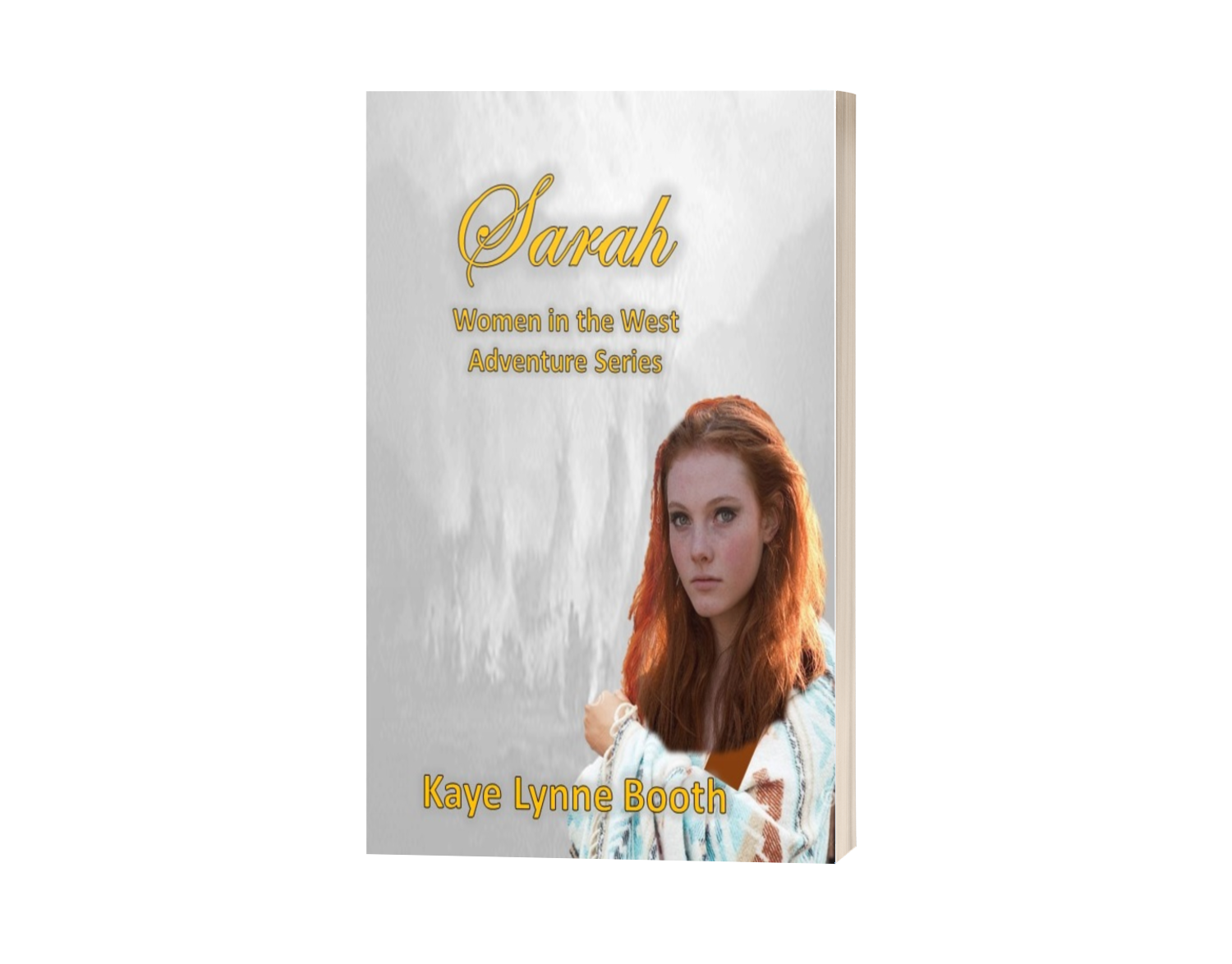
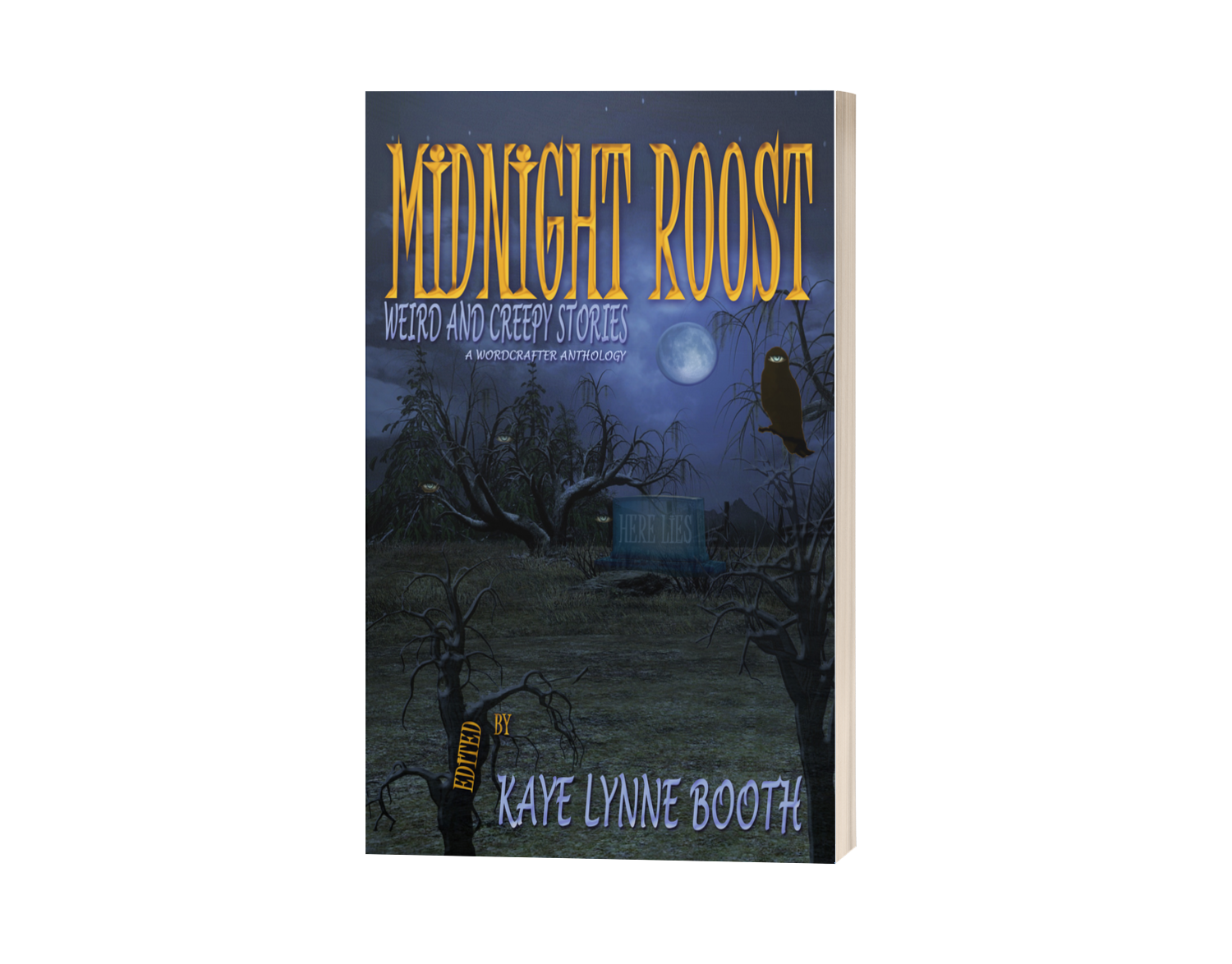
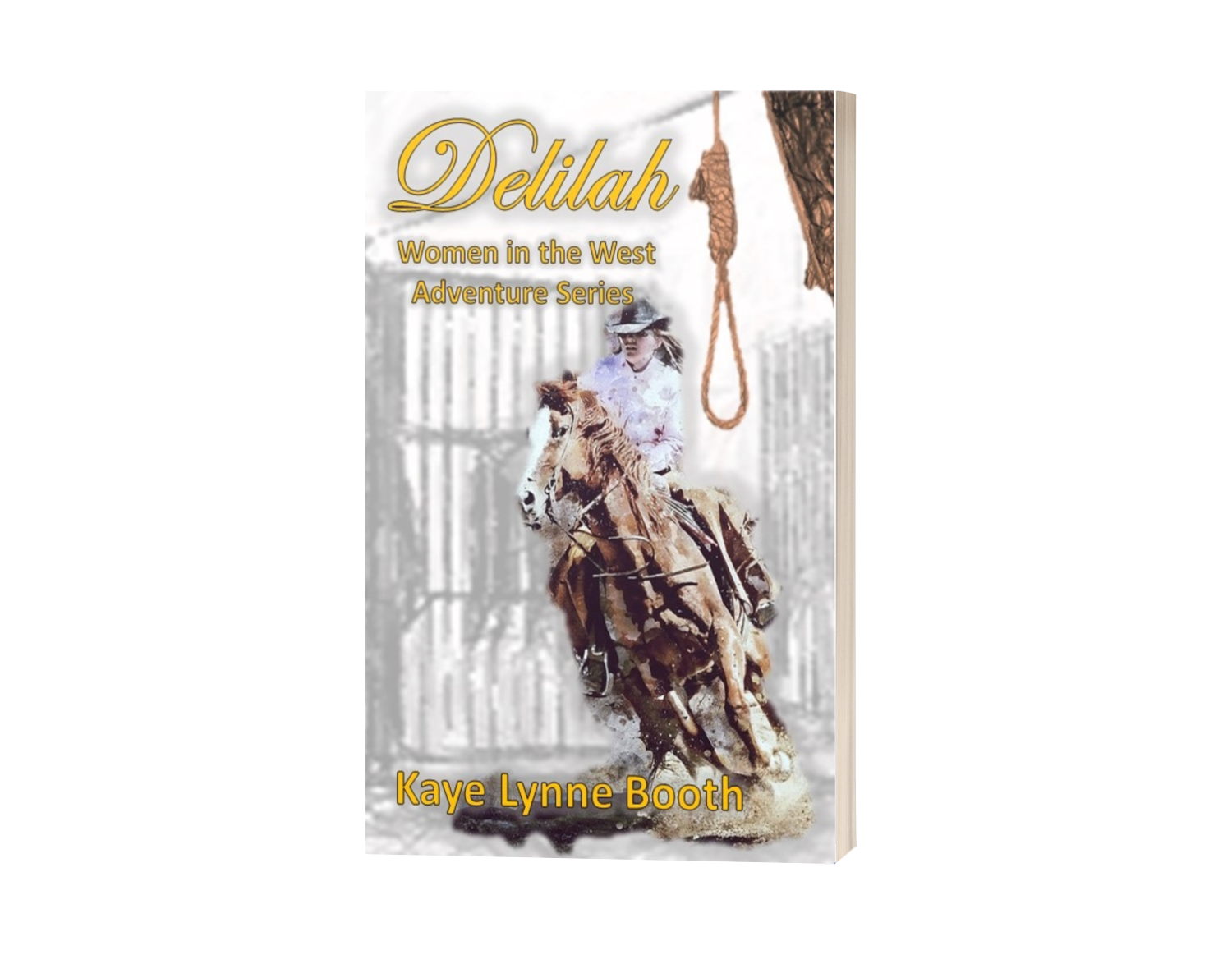
Being a multi-genre author makes it all more difficult. Multi-genre authors need to know tropes for each genre they write in, and they need to know the audience for each genre, as well. I must be sure I’m not marketing my western historical women’s fiction of my Women in the West adventure series someplace where all the gamers hang out, because they won’t give a fig about those books. However, they might be interested in the dark fiction anthologies in the Midnight anthology series, so it might be smart to market those books there. Anthologies have several authors, who all write to a slightly different audience, so in that way, they may widen the scope of audience appeal. But the need to know who you are trying to appeal to is just as great, if not greater than it was when I was creating the books.
Children’s books are tricky, because you’re writing for the kids, but marketing to the parents. Although the books aren’t written for adults, if they don’t appeal to the parents, they aren’t going to sell. When you write for kids, you bury the message within the story framework, so it is delivered subtly, as they are entertained by the story. In my marketing, I point out that each book carries with it a moral lesson, even though the kids wouldn’t give a fig about that. If the wonderful illustrations by Robbie Cheadle draw the child’s attention, the ammunition is there to help convince the parents.
As you can see, who you are writing for is important to know for several reasons. So, what’s your answer?
Who are you writing for?
About Author Kaye Lynne Booth

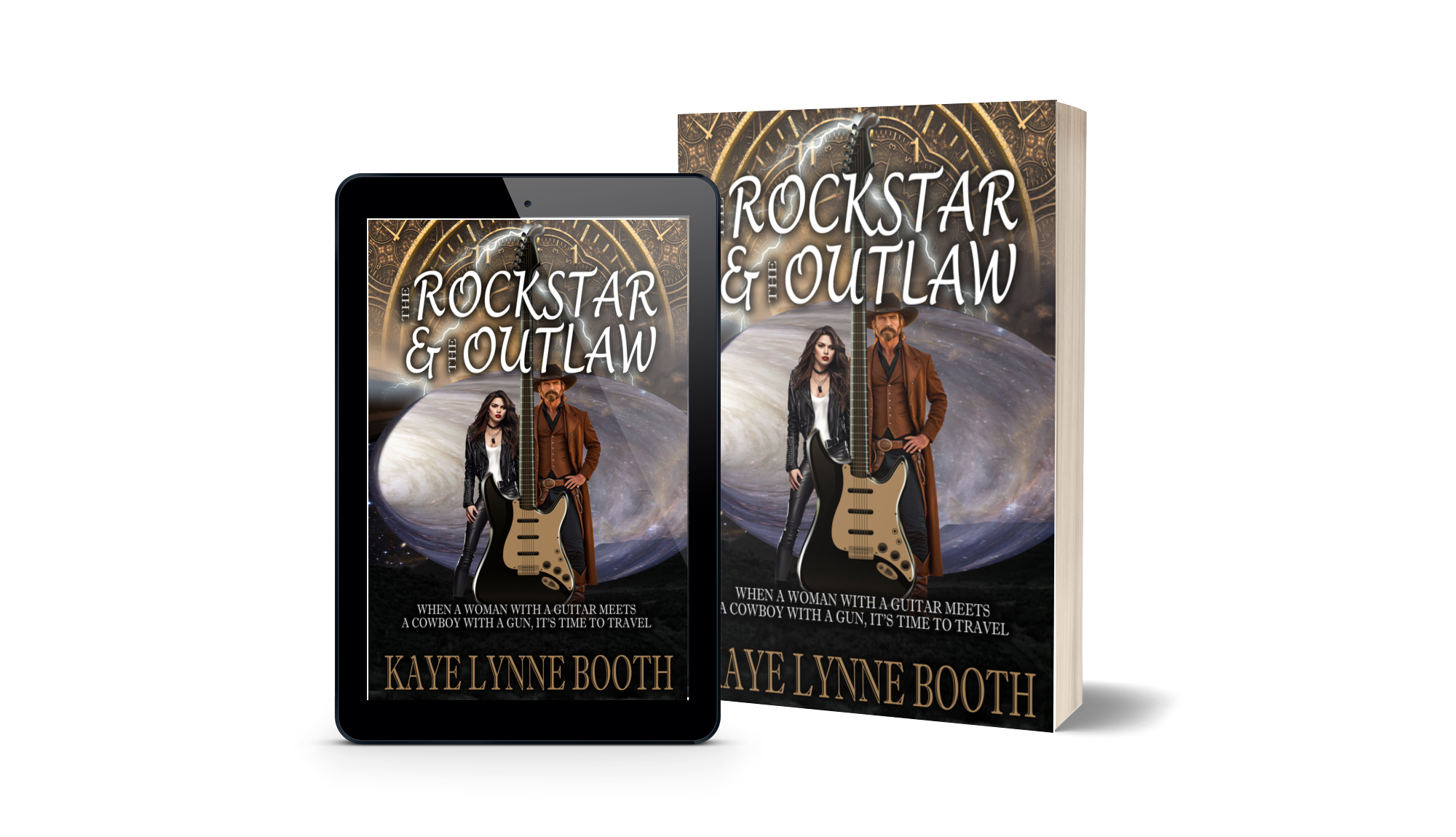
For Kaye Lynne Booth, writing is a passion. Kaye Lynne is an author with published short fiction and poetry, both online and in print, including her short story collection, Last Call and Other Short Fiction; and her paranormal mystery novella, Hidden Secrets; Books 1 & 2 of her Women in the West adventure series, Delilah and Sarah, and book 1 in her Time-Travel Adventure series, The Rock Star & The Outlaw, as well as her poetry collection, Small Wonders and The D.I.Y. Author writing resource.
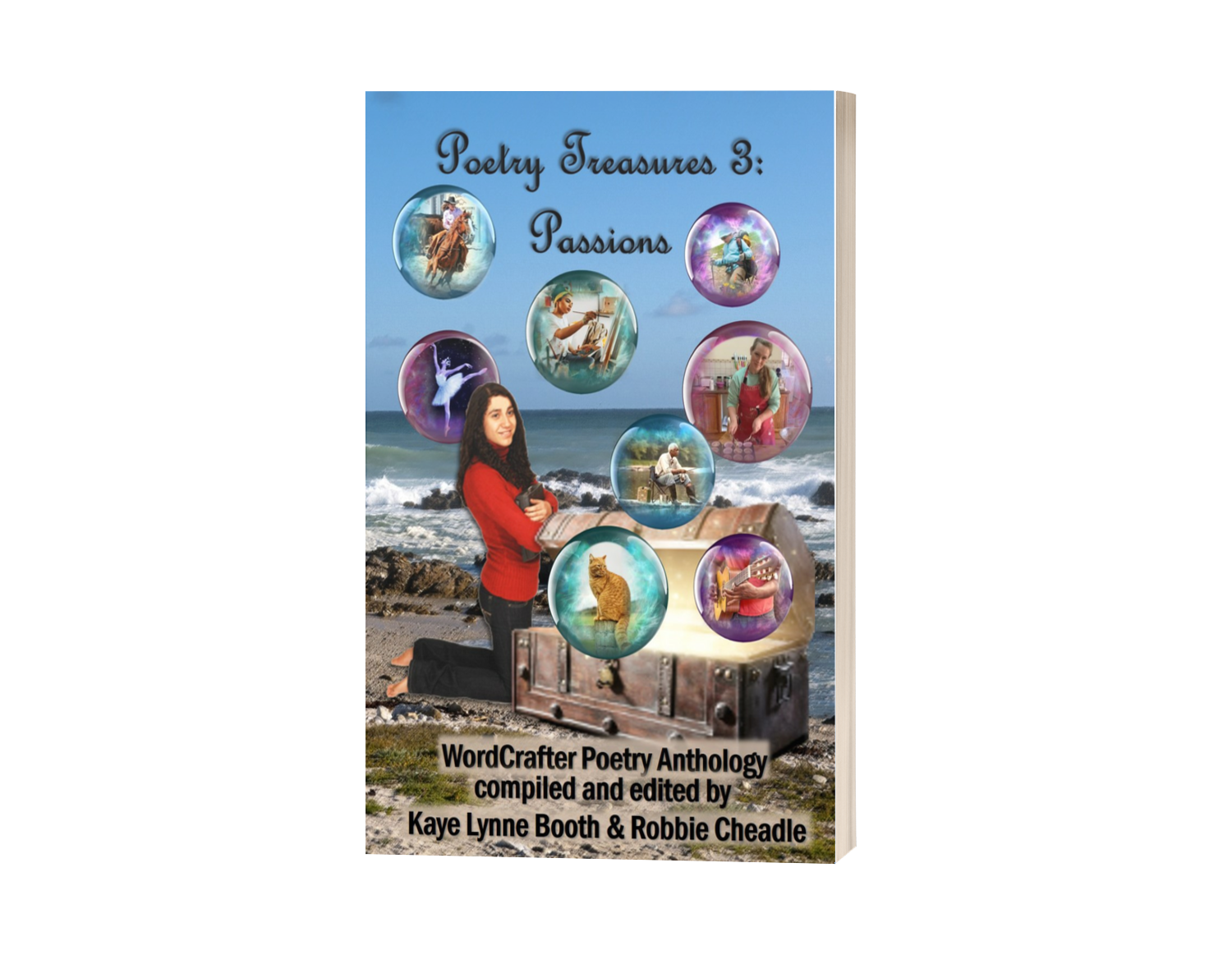
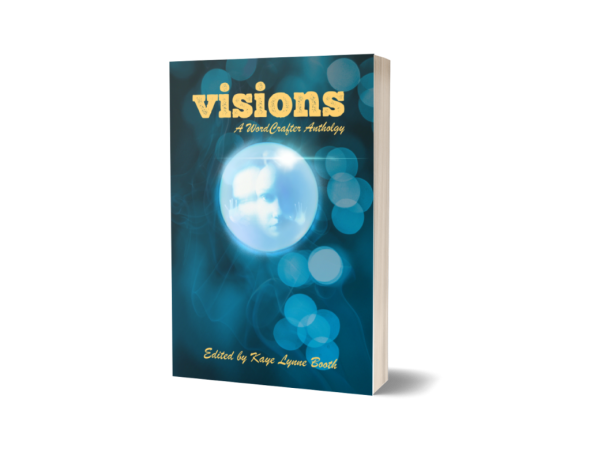
Kaye holds a dual M.F.A. degree in Creative Writing with emphasis in genre fiction and screenwriting, and an M.A. in publishing. Kaye Lynne is the founder of WordCrafter Quality Writing & Author Services and WordCrafter Press, where she edits and publishes two short fiction anthologies and one poetry anthology every year amidst her many writing projects. She also maintains an authors’ blog and website, Writing to be Read, where she publishes content of interest in the literary world.
_________________________________________
Did you know you can sponsor your favorite blog series or even a single post with an advertisement for your book? Stop by the WtbR Sponsor Page and let me advertise your book, or you can make a donation to Writing to be Read for as little as a cup of coffee, If you’d like to show your support for this author and WordCrafter Press.
_______________________________________
This segment of “Writer’s Corner” is sponsored by the Robbie’s Inspiration blog site, where you can find ideas on writing and baking with hostess, Robbie Cheadle.
Discover more from Writing to be Read
Subscribe to get the latest posts sent to your email.









This is yet another great article, Kaye, and on a topic that ought to be close to the heart of any author who intends to see financial reward.
I may be different to a lot of authors in the respect that although my titles sell, and I earn considerably more on Kindle Unlimited, my first concern isn’t the financial reward. I’ve been producing books for long enough now to understand what is popular to those who read my work, but I’ve never actively investigated a readership.
Stephen King suggests that we should write for ourselves in the first instance, so that we can enjoy the process and the result, and only if it satisfies us, should we dig deep, and edit the hell out of a manuscript so that it’s ready for our readership.
I enjoy my writing, and feel no pressure because I write because I love taking an idea and producing a cohesive story … or in some cases, several stories. For me, there is no massive marketing campaign or related stresses. I word hard at the writing, and the editing, and then I take on board all the feedback from my beta readers before the book hits the virtual shelves, and then I format the paperback for those who buy them … and there are many.
And so, to answer the question in your excellent article, I write for me, and any readers who come across my work.
LikeLiked by 1 person
Thank you for your detailed reply, Tom. 🙂
And I agree. I write because I have something to say, a story to tell which must come out. At times, it is almost an obsession. That being said, I’ve spent so much time and money on my writing, that I really feel the need to make it pay off. That’s the reason I went back and got the third M.A. in publishing, because I feel the need to sell what I create. I wish I could just put it out and have readers find it organically, but the reality is that unless I find ways to get it in front of them, readers will not discover them.
Kudos to you for selling without the frills of marketing. Unfortunately, that doesn’t work for all of us. Somewhere along the line I must figure out who is reading what I write, and since I write in multiple genres, that is not always easy.
LikeLike