Writer’s Corner: My Self-Editing Processes
Posted: February 3, 2025 Filed under: Editing, Writer's Corner, Writing, Writing Tips | Tags: Editing, Kaye Lynne Booth, Writer's Corner, Writing to be Read 6 Comments
Editors can be expensive. WordCrafter offers editing services at low prices, but even then, the words add up and I wouldn’t say it’s cheap. As an independent author, it’s not always easy to come up with the money to hire an editor, but it is imperative to have another set of eyes go over every word of my manuscript, so I can publish a quality product. As The D.I.Y. Author, I’ve come up with a few methods of accomplishing this without straining my pocketbook too much.
Novel Length Works
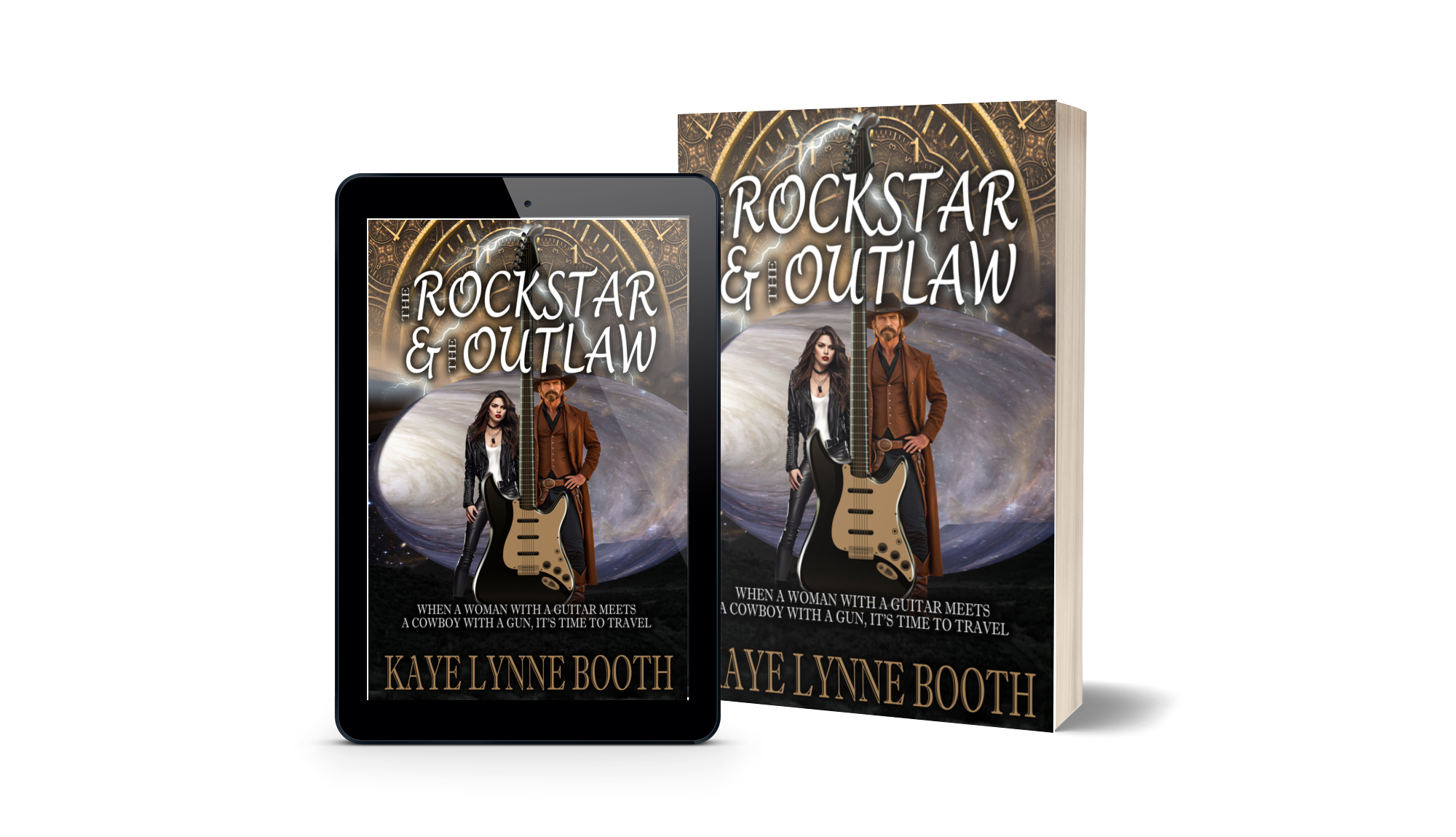
For novel length works, once I finish the first draft, I do one pass over of self-editing when the manuscript has sat for a day or two. I’ve heard that it’s important to let it sit for a while, so I do, but I limit the time it sits, keeping the story fresh in my mind. This is where I find the weak spots which need enhancing, embellishing my descriptions and extending or cutting dialog. In The Rock Star & The Outlaw 2: Seeing Doubles, I also used this opportunity to plant little easter eggs which connect back to the first book, for those who have read it.
When that is done, and the necessary edits have been made, I do another run through, reading it aloud. When you read aloud, you catch errors that a silent reader might skim over. Sometimes I can find a beta-listener to help me with this. This is where I do my developmental edit, looking at things like if the storyline flows smoothly, and if my characters are staying true to who they are. My beta-listener doesn’t have to be versed in the craft of writing, because their job is to offer an opinion from the listener’s, or reader’s, perspective.
Only when this is completed is the manuscript ready for a second set of eyes. Editing is a difficult job, and I think it’s important to send your editor or beta-reader as clean a manuscriptas possible. It saves making major changes at the end, too. If I can’t afford to pay an editor, I seek out a beta-reader to do the job. I have a few other authors who I exchange services with who can be called upon for this task.
To finalize, I do a final proof read before I publish, making sure all the ‘t’s are crossed and ‘i’s dotted. During this part of the process I use the editing tool which come with MS Word and ProWriting Aid Everywhere, which are both free and help me spot places which could be worded better and possible misspellings. Both of editing programs are AI powered, but they don’t always agree on corrections, or agree on things which should be changed. And they don’t have the final say. I still reserve the privilage of acceptance or rejection of all AI suggestions.
This system is not fullproof, and I use a professional editor whenever I can. When writing The Rock Star & The Outlaw 2: Seeing Doubles, I referred back to the first book a lot, and found many errors that all of these processes had missed. I’m now in the process of revising and correcting those errors, so I can republish the first book, before releasing the second.
Short Fiction
For short fiction, I follow the same basic processes as novel length works, but because they are collaborative works, it is much easier to get a second, and sometimes even a third set of eyes on each story. When putting together an anthology, I read story individually and request the desired edits from the authors. For my own stories, I recruit a beta-reader to go over it while I’m editing everyone elses. (This is after I’ve read it through twice; once aloud.)
After I receive the revised stories, I put the manuscript together, and give it yet, another read through, checking for any errors which may have been missed. Once it is formatted and ready to publish, I send the entire manuscript out to each of the authors, requesting that they proof read their story and one or two others, so that each story has at least two or three sets of eyes, other than my own, scrutinizing it. This collaborative form of editing ensures a quality product and it doesn’t cost me or any of the contributors anything but our time and keen eyes.
Author’s Note: You can find these editing tips and more writing tips for writing and publishing yourself in The D.I.Y. Author.
_________________________________

For Kaye Lynne Booth, writing is a passion. Kaye Lynne is an author with published short fiction and poetry, both online and in print, including her short story collection, Last Call and Other Short Fiction; and her paranormal mystery novella, Hidden Secrets; Books 1 & 2 of her Women in the West adventure series, Delilah and Sarah, and her Time-Travel Adventure novel, The Rock Star & The Outlaw, her the first three books in her kid’s book series, My Backyard Friends, her poetry collection, Small Wonders, and her writer’s resource, The D.I.Y. Author. Kaye holds a dual M.F.A. degree in Creative Writing with emphasis in genre fiction and screenwriting, and an M.A. in publishing. Kaye Lynne is the founder of WordCrafter Quality Writing & Author Services and WordCrafter Press. She also maintains an authors’ blog and website, Writing to be Read, where she publishes content of interest in the literary world.
________________________________
Did you know you can sponsor your favorite blog series or even a single post with an advertisement for your book? Stop by the WtbR Sponsor Page and let me advertise your book, or you can make a donation to Writing to be Read for as little as a cup of coffee, If you’d like to show your support for this author and WordCrafter Press.
________________________________
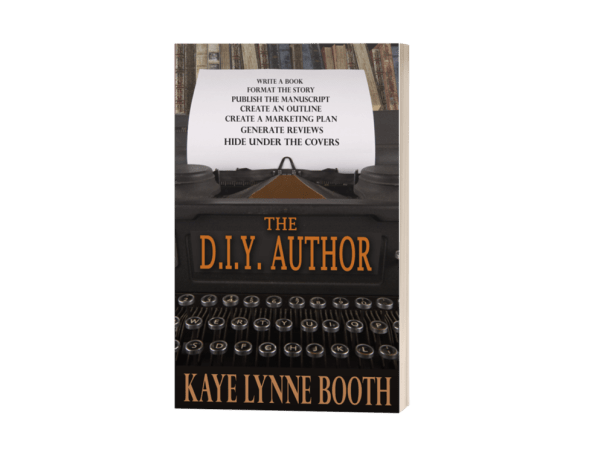
This segment of “Writer’s Corner” is sponsored by The D.I.Y. Author and WordCrafter Press.
Being an author today is more than just writing the book. Authors in this digital age have more opportunities than ever before. Whether you pursue independent or traditional publishing models, or a combination of the two, being an author involves not only writing, but often, the publishing and marketing of the book.
In this writer’s reference guide, multi-genre author and independent publisher, Kaye Lynne Booth shares her knowledge and experiences and the tools, books, references and sites to help you learn the business of being an author.
Topics Include:
Becoming Prolific
Writing Tools
Outlining
Making Quality a Priority
Publishing Models & Trends
Marketing Your Book
Book Covers & Blurbs
Book Events—In Person & Virtual
And more…

Purchase your copy today: https://books2read.com/The-DIY-Author
Share this:

Writer’s Corner: Writing in Multiples
Posted: January 6, 2025 Filed under: Books, Character Development, Fiction, Science Fiction, Time travel, Writer's Corner, Writing | Tags: Kaye Lynne Booth, The Rock Star & The Outlaw 2: Seeing Doubles, Writer's Corner, Writing, Writing to be Read 1 Comment
In December, I finished writing the first draft of The Rock Star & The Outlaw 2: Seeing Doubles. This book will be the second book in my Time Travel Adventure Series, and I have to say I have been having so much fun writing it. Time travel is cool to write about, because it is pure fiction, so you have a lot of lee-way in your story, although there are still some scientific parameters that should be kept in mind.
In The Rock Star & The Outlaw, my protagonists created some time-loops, which crossed. In The Rock Star & The Outlaw 2: Seeing Double, they create a few more , intersecting with the time-loops created in the first book. What that means, is there is multiple versions of some characters, and the story is dealing with multiple time lines. While the first book dealt with two alternating P.O.V.s, those of the two protagonists, the second book also deals with multiple P.O.V.s from several different characters.
Multiple character P.O.V.s
This will be the first book I’ve written and published with so many different P.O.V.s. Because I have multiple versions of some characters, I had to differentiate which version’s eyes we were seeing things through. Thus, I ended up with ten different P.O.V.s and I must admit, it was challenging keeping track of which P.O.V. I was in, as well as which time line. My hope is that I did a good enough job with all this to not confuse my readers.
I chose to follow the method used by George R.R. Martin in his epic fantasy series, Game of Thrones. Each chapter has the name of the character whose P.O.V. readers will see the story unfold through. I don’t believe Mr. Martin used anything but the name of the character, but my chapters will also have chapter titles that are, in line with the first book, song titles. And, each chapter has to have a time designated so that readers won’t get confused about what time they are in, as well.
Multiple Time Lines
Writing about time travel, and thinking about time travel, and trying to reason out how things would work if time travel were real, can be enough to give an author a migraine. I admit there were times when I had to set the writing aside because it almost hurt to try and wrap my brain around the implications. But, mostly, it was just fun trying to figure out what would be possible and what wouldn’t.
When I first started writing this second book, I thought the first book was written and done. But by crossing time-lines and changing things in previous time lines, I realized my characters changed what happened in the first book. Each thing they change in the time line from the first book, changes things that happened in that story, and I found that it changed the way the first story comes out. So, I ended up rewriting the first story with an alternate ending.
Multiple Versions of Characters
This was where writing the second book got really confusing. With two Amaryllis and three LeRoys, all running around in different timelines, things get crazy. As mentioned above, each version of the character is designated with a different moniker. The characters from this second story are Amaryllis and LeRoy, while the characters from the first story timeline are “Rock Star” and “Cowboy”, and the very first LeRoy even makes an appearance as “Original LeRoy”. And there are two Moniques, (one designated “Shaman Woman”), although they never cross paths. I even have a duplicate horse, Blaze, who gets aggitated when her other self is in the vicinity.
Each of these characters were the same but different than their duplicates. In the first book, Amaryllis is a rock star, living in the fast lane, an adreneline junkie who gets off on facing danger. That Amaryllis is “Rock Star” in this story and the Amaryllis character is one who was changed by her time travel experiences and the lessons they taught her. But one thing is certain, they are both in love with their own version of LeRoy.
It did get confusing at times, but it was a lot of fun to write. The first chapters had to be rewritten halfway through because I realized that the time jumps I had initially planned wouldn’t work, but the new beginning works much better. I’m bad about editing as I write, but it is a part of my writing process. Writing about time travel, I found it to be necessary, especially when things were changed in the story, so earlier chapters had to be edited or revised to keep the storylines consistant.
Even though I edited as I wrote, I consider the completed manuscript a first draft. Now, it must go through a first and second edit by me and be passed through at least one very thorough beta-reader. The beta-reader for this story has done research and written in the time-travel genre, so I’m expecting her to be tough in her commentary. As you can see, I’ve still got a ways to go before doing the final revisions and publishing, but every step brings me closer.
______________________________________
About Kaye Lynne Booth

For Kaye Lynne Booth, writing is a passion. Kaye Lynne is an author with published short fiction and poetry, both online and in print, including her short story collection, Last Call and Other Short Fiction; and her paranormal mystery novella, Hidden Secrets; Books 1 & 2 of her Women in the West adventure series, Delilah and Sarah, and her Time-Travel Adventure novel, The Rock Star & The Outlaw,as well as her poetry collection, Small Wonders and The D.I.Y. Author writing resource. Kaye holds a dual M.F.A. degree in Creative Writing with emphasis in genre fiction and screenwriting, and an M.A. in publishing. Kaye Lynne is the founder of WordCrafter Quality Writing & Author Services and WordCrafter Press. She also maintains an authors’ blog and website, Writing to be Read, where she publishes content of interest in the literary world.
______________________________________
Did you know you can sponsor your favorite blog series or even a single post with an advertisement for your book? Stop by the WtbR Sponsor Page and let me advertise your book, or you can make a donation to Writing to be Read for as little as a cup of coffee, If you’d like to show your support for this author and WordCrafter Press.
______________________________________
This segment of “Writer’s Corner” is sponsored by The Rock Star & The Outlaw and WordCrafter Press.

A time-traveler oversteps his boundaries in 1887. Things get out of hand quickly, and he is hanged, setting in motion a series of events from which there’s no turning back.
In 1887, LeRoy McAllister is a reluctant outlaw running from a posse with nowhere to go except to the future.
In 2025, Amaryllis Sanchez is a thrill-seeking rock star on the fast track, who killed her dealing boyfriend to save herself. Now, she’s running from the law and his drug stealing flunkies, and nowhere is safe.
LeRoy falls hard for the rock star, thinking he can save her by taking her back with him. But when they arrive in 1887, things turn crazy fast, and soon they’re running from both the outlaws and the posse, in peril once more.
They can’t go back to the future, so it looks like they’re stuck in the past. But either when, they must face forces that would either lock them up or see them dead.
Purchase Link: https://books2read.com/RockStarOutlaw
Share this:

Writer’s Corner: Using Story Bundle to Sell Books
Posted: October 21, 2024 Filed under: Book Sales, Nonfiction, Story Bundle, Writer's Corner, Writing, Writing Business, writing craft, Writing Life, Writing Resource | Tags: 2024 Novel Writing Story Bundle, book marketing, Book Sales, Books, Self-Publishing, Story Bundle, The D.I. Y. Author, Writer's Corner, Writing 9 CommentsAs many of you may know, if you follow Writing to be Read, The D.I.Y. Author is included in the Novel Writing Story Bundle, organized by Kevin J. Anderson. But what you may not know is how useful Story Bundle is as a marketing tool. The fact is, it’s a great way to sell books.
This is the second Story Bundle in which I have had a book included. Back in 2022, Ask the Authors 2022 was included in the Writer’s Toolkit Story Bundle, also organized by KJA. That bundle sold quite well and WordCrafter and the contributing authors made a little bit of money from it. This year, the Novel Writing Story Bundle promises to do just as well, if not better, so I highly recommend it.
What is Story Bundle?
What Story Bundle is, is a platform that gathers together several authors with books in the bundle category, whether it is writing references, such as the two I’ve had books in, fantasy books, science fiction books, or romances, etc…, and they all get together virtually and cooperatively market and promote the whole bundle. This extend’s the reach of single authors immensely, and I can testify to the fact that their efforts are effective. By using the power of the masses, promotions are found on all of the social media sites, not just those of any one single author, and it gets your book in front of the readers of every author in the bundle. But I’m just an author with a couple of books in a couple of Story Bundles, and I’m still learning, too. So to give you all the details, I chatted with Story Bundle founder, Jason Chen, to let him tell you what Story Bundle is, how it works, and what the advantages are.
Interview with Jason Chen
Kaye: What inspired the idea for Story Bundle?
Jason: I started StoryBundle all the way back in 2012 because back then, the concept of bundling similar books in one package hadn’t been done yet! Selfishly, I wanted somebody to make bundles of similar books—if you like this book/author, then you’ll like all THESE—and because nobody had, then I saw the need for it. Also, in 2012, the indie authors were lacking for a place to reach more readers, which made it a perfect fit for letting folks discover authors they would have a hard time finding otherwise.
Kaye: Story Bundle uses the power of numbers, gathering many authors together and offering their books as a group, rather than individually. Could you explain the advantages of having a book included in a Story Bundle?
Jason: Not only does being part of a StoryBundle get you in front of the StoryBundle fans, but the core concept is that it gets you readers from other authors who write in similar genres as you. Because all our bundles are curated, the books in them make sense together, which means that if you like one author in it, you’re more than likely to like another. So getting awareness of your books out to fans who already like the genre is a big plus.
Kaye: What determines whether a book is included in the original bundle for the minimum amount , or as a bonus book for a larger donation?
Jason: There’s no secret to the sauce. The curator and I work together to make sure both the regular bundle and the bonus bundle are balanced for the amount that they cost. Sometimes an author will be in the bonus bundle and if they’re in another bundle, they’ll be in the regular bundle. It depends on what makes sense for that particular bundle.
Kaye: The Novel Writing Story Bundle is the second Story Bundle which I’ve been a part of, mainly because I am fortunate enough to know Kevin J. Anderson, who organizes the ones I’ve participated in. I know other big authors like Dean Wesley Smith and Kristine Katheryn Rusch organize them, too. But how do you get into a Story Bundle if you don’t know someone organizing one? Can you create your own?
Jason: Yes! The only caveat we have is that (99% of the time) the bundles are curated by someone who’s been in a bundle before. Once you’ve been in a bundle, you understand what the bundle is about and what makes for a good bundle and what works for participating in a bundle. This way you know which authors to look for when you’re assembling one. You work with us to figure out a genre that you want, and we refine the idea and can help you get in touch with some other publishers if you need to.
Kaye: Both Story Bundles I’ve had books in are writing resource bundles. Can you make a story bundle of any genre?
Jason: Yes, any genre is fine, but to get a little inside baseball, there are a couple of genres that don’t do well on StoryBundle. The biggest one is romance, which for whatever reason doesn’t appeal to StoryBundle readers. But even more of a surprise is that romance authors’ own fans don’t really enjoy the bundling concept—at least on StoryBundle. We’ve tried all types of romance bundles in all varieties of flavors, but none of them ever have good uptake.
Kaye: Is there a cost to organize your own Story Bundle?
Jason: There’s no cost to curating a bundle!
Kaye: Now I know why as an author, I might want to have my books in a story bundle. But why would readers wnat to buy books through Story Bundle? What are the benefits to readers in purchasing a Story Bundle?
Jason: As a reader, there are a few benefits. First, there’s just the core concept of vetting—we choose our books carefully with our curators, and they have to meet a certain bar of quality to get in. Of course, it’s impossible to guarantee that you’ll like all the books in the bundle, but if you already like one or two of the authors in it, you’re likely to enjoy the rest.
There are other tangible benefits, such as getting DRM-free copies of books that you can load on any ereader, tablet or phone without having to worry about compatibility. You’ll also support indie authors and be able to donate to a worthy cause!
Kaye: Does every Story Bundle donate to charity?
Jason: Every bundle has a charity donation, but it’s up to each person if they want to donate part of their purchase to charity. If they don’t, that’s perfectly fine!
Kaye: What types of charities does Story Bundle support?
Jason: We have a long list of charities that we’ve supported before, from literacy charities, animal charities, science and gaming charities, to health and medicine and worldwide refugee focused charities, so there’s no real limit to what can be a charity target for StoryBundle. If there’s a specific one that a curator would like to have in their bundle, we can make it work!
Would you like your book to be in a Story Bundle?
Now that I know what it takes to currate a Story Bundle, I’m thinking of trying one of my own, because I know that they sell books. Since I’m a multi-genre author, I could do western, women’s fiction, paranormal, science fiction, dark fiction, or children’s books. If you’re interested let me know and tell me what genre(s) you write in. Either let me know in the comments, or email me at KLBWordCrafter@gmail.com. Let’s see if we can get together and sell some books.
About the Novel Writing Story Bundle

The Novel Writing Story Bundle features writing references on writing craft, writing business, and the writing life, which should be on every author’s bookshelf. In addition to my own The D.I. Y. Author, which is a bonus book, there are also featured Dollar by Dollar and Word by Word, by Kerrie Flanagan; Romance Character Tropes, by Jessica Barber and Tara G. Ericson; Booking the Library, by Jessica Brawner; Kevin J. Anderson’s On Being a Dictator; Steps to Self-Editing, by Jana S. Brown; A Writer’s Guide to Branding Success, by Mark Leslie Lefabvre; Mood & Atmosphere, by Joshua Essoe; From Page to Platform, by Matty Dalrymple and M.L. Ronn; Wit & Wisdom, by Craig Martelle; Wulf Moon’s Illustrated Super Secrets of Writing, volume 1; Falling to Fly, by Todd Fahnestock; and a year’s subscription to Indie Author Magazine. That’s 13 writing references plus the magazine subscription. What a deal!
A note on the designated charity for this StoryBundle, the Neil Peart Brain Cancer Research Fund from Cedars Sinai. In 2020 we lost Neil Peart, legendary drummer and lyricist for the rock band Rush, to glioblastoma. He was my mentor, friend, and collaborator on numerous books, and his loss affected me deeply. Neil’s friends and colleagues and fans worldwide have contributed to this glioblastoma research fund in Neil’s name, and we are proud to add our efforts on this Novel Writing StoryBundle as well. – Kevin J. Anderson
You can get in on this great Story Bundle here: https://storybundle.com/writing
About Author Kaye Lynne Booth

For Kaye Lynne Booth, writing is a passion. Kaye Lynne is an author with published short fiction and poetry, both online and in print, including her short story collection, Last Call and Other Short Fiction; and her paranormal mystery novella, Hidden Secrets; Books 1 & 2 of her Women in the West adventure series, Delilah and Sarah, and her Time-Travel Adventure novel, The Rock Star & The Outlaw. Kaye holds a dual M.F.A. degree in Creative Writing with emphasis in genre fiction and screenwriting, and an M.A. in publishing. Kaye Lynne is the founder of WordCrafter Quality Writing & Author Services and WordCrafter Press. She also maintains an authors’ blog and website, Writing to be Read, where she publishes content of interest in the literary world.
______________________________________________
This post is sponsored by The D.I.Y. Author and WordCrafter Press.
Being an author today is more than just writing the book. Authors in this digital age have more opportunities than ever before. Whether you pursue independent or traditional publishing models, or a combination of the two, being an author involves not only writing, but often, the publishing and marketing of the book.
In this writer’s reference guide, multi-genre author and independent publisher, Kaye Lynne Booth shares her knowledge and experiences and the tools, books, references and sites to help you learn the business of being an author.
Topics Include:
Becoming Prolific
Writing Tools
Outlining
Making Quality a Priority
Publishing Models & Trends
Marketing Your Book
Book Covers & Blurbs
Book Events—In Person & Virtual
And more…

Purchase your copy today: https://books2read.com/The-DIY-Author
Share this:

Writer’s Corner: Writing Short Fiction
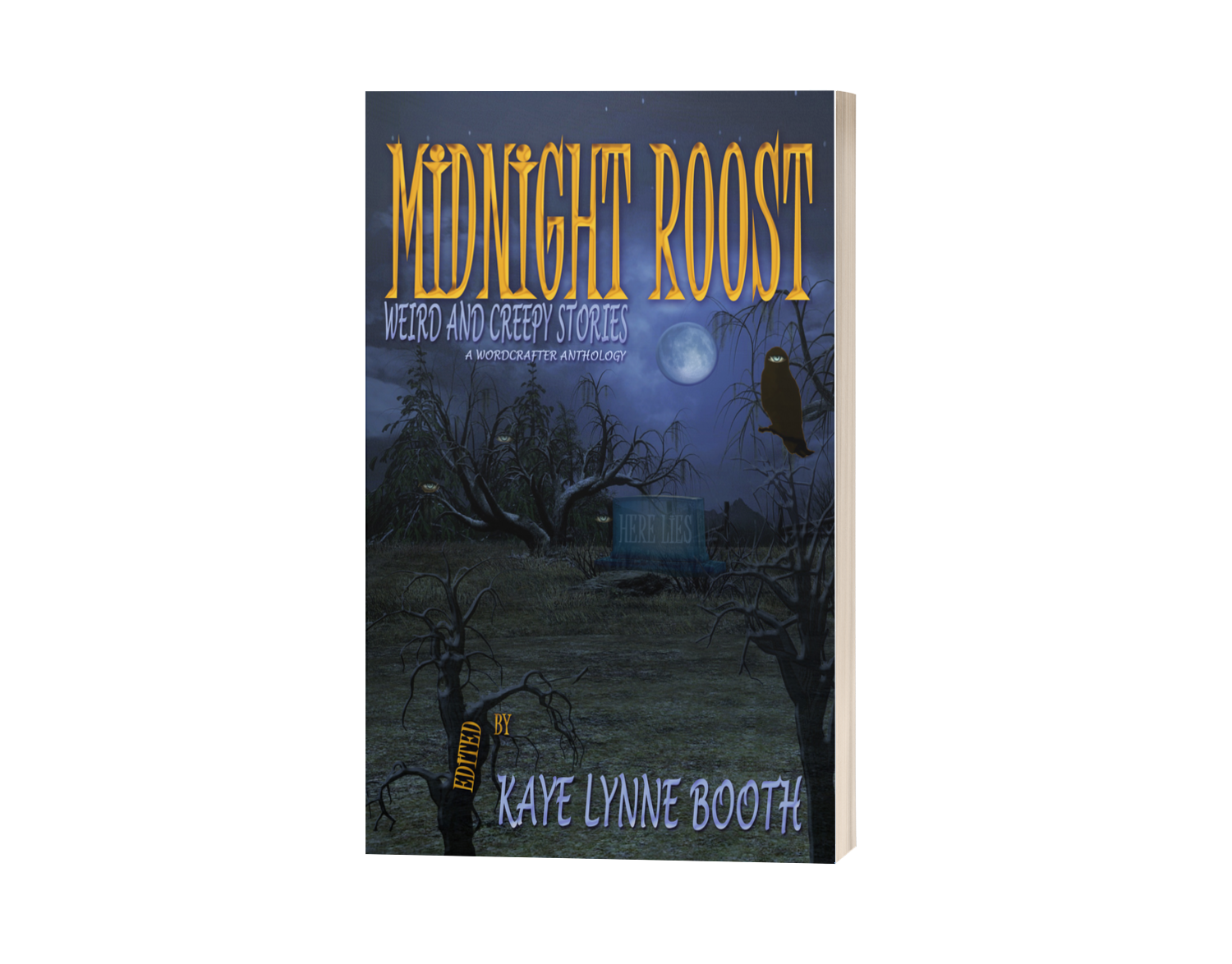
Posted: September 2, 2024 Filed under: Anthology, Books, Short Fiction, Stories, WordCrafter, WordCrafter Press, Writer's Corner, Writing | Tags: Anthologies, Kaye Lynne Booth, Short Fiction, Writer's Corner, Writing Tips, Writing to be Read Leave a commentWordCrafter Press runs an annual short fiction contest and publishes a resulting anthology. It began back in 2019, with a short fiction contest which resulted in the Whispers of the Past paranormal anthology. That anthology ended up with nine stories, by seven different authors for a total of 107 pages. Last year’s (2023) dark fiction anthology, Midnight Roost: Weird and Creepy Stories, was a combination of contest entries and submissions by invitation, included twenty-three stories, by twenty different authors for a total of 403 pages. So, the annual anthology has grown in both scope and quality over the years.
To date, WordCrafter Press has a paranormal and a multi-genre (fantasy, science fiction, paranormal,and horror) anthology trilogy, (which is made up of both contest entries and submissions by invitation), and I’m currently building a dark fiction triology, as well.


This year’s dark fiction anthology, Midnight Gardens, will be spectacular as Book 2 of the WordCrafter Midnight Anthology Series, partnering up with last year’s Midnight Roost.


Writing short fiction is different than writing novel length works in many ways. Although short stories still require most of the same story elements as longer tales do, writers of short fiction must deal with them in a condensed format. There is no room for wasted or unnecessary words.
Likenesses with Short and Long Fiction
Like longer fiction, many of the story elements are still required to make a good story. Both formats need:
- A good hook to draw the reader into the story: For longer fiction, this can be accomplished in the first few paragraphs, or maybe even the first page, but for short fiction, it must be accomplished quickly, within the first paragraph, or even with the first sentence.
- An inciting incident: The inciting incident occurs at the beginning of the story and usually involves the main character making a choice which propells him into the tale and gets things moving. This is usually what makes the reader care about the character and what will happen next, making them keep reading.
- Well developed and interesting characters: With short fiction, this can be tricky because you don’t have a lot of time in which to build character. I make my short fiction characters dynamic and colorful to make them stand out from the page and bring them to life for my readers quickly. No matter the length of the work, the author should always know way more about the character than they will ever use in the story. A character which is alive in the author’s mind first and foremost, making it easier to bring them to life for the reader. (I discuss several methods of character development in my “Writer’s Corner” post from September 2023, “Developing Characters with Depth”.)
- Meaningful dialog: In short fiction, every word must count, so there is no room for everyday chit-chat. Every piece of dialog must serve a purpose. It is possible to let the reader see every nuance of your characters through the dialog consisting of both outer and inner dialog, as well as subtext, or unspoken body language, which can be used to emphasize or contradict spoken dialog. (I talk more about the use of subtext in my April 2024 “Writer’s Corner” post, “Visceral Character Portrayal”.)
- Descriptive details: Use one or more senses to describe the setting and set the scene for readers, allowing them to experience the setting or location through the character’s eyes, ears, nose, mouth and skin.
- Conflict and tension: Conflict can be either internal or external, or ideally, both, but it must force the character to make a choice and take action. Tension is created by events which involve opposing forces within the character (internal), between the character and opposing characters or forces beyond the character’s control (external). Obstacles are often placed in the way of resolving the conflict, making it even harder and increasing the tension even more.
- A satisfying resolution: All conflicts should be resolved at the end of the story in a manner that will satisfy readers and not leave them feeling cheated. This can happen in any number of ways, but the conflicts that we’ve spent the last few pages building up to must be resolved in a manner that is logical and believable for the reader. Things don’t have to be all fixed, but we at least need an inkling that things have changed and are now headed in the right direction.
Differences with Short and Long Fiction
- The right point of view and tense for the story: Many longer tales are told in the third person, past tense, which serves them well. Because we want to move through a short story rather quickly, we may need the story to move along at a faster clip. Often, this can be accomplished in short fiction by using a first person, present tense, giving the tale an intensified sense of immediacy, making short fiction better suited to this approach than for longer fiction.
- Quick build up to climax or turning point in the story: This is what the reader has been waiting for, the climatic moment that will change everything from this point out. It could be an epiphany where the character realizes what must be done, or maybe he knew it all along and this is the moment when he decides to do it, but it should bring about some sort of resolution. In short fiction, you don’t have the luxury of a slow build, making it necessary to ratchet up the tension quickly and get to this point directly.
- Descriptive dialog tags: For longer fiction, I was taught to stick to basic dialog tags, such as “said”, “asked”, “replied”, and maybe, “cried”, and then, use descriptors to illustrate the mood and tone, and raise emotion in and connect with readers. However, I have found that more descriptive dialog tags such as “smirked”, or “bellowed” are quite acceptable and even preferable for setting the scene with a minimal amount of words. I’m also beginning to see the value in leaving out the dialog tags all together where it is clear who the speaker is, to help keep the word count down by cutting out unnecessary words.
My Tips for Writing Short Fiction
- Begin close to the end. The beginning of the story illustrates what was and the ending illustrates how things have changed or at least, the direction in which they are now headed. A trick used in screenwriting is to mirror the ending at the beginning, and then go back in time to show how we got to that point. So the first and last scenes act like bookends to your story. By mirroring your first and last paragraphs, this technique can also work well with short fiction, where there is limited space in which to tell your tale.
- Each character should get their own paragraph containing dialog and subtext to show how the dialog is being delivered and making it clear to readers who is saying and doing what. When you switch characters, you switch to a new paragraph, (but not to a new point of view).
- Include enough setting description to let readers get a visual image in their minds, but only include those details that will add to the story or help progress the plot, moving the story forward.
- Choose a single point of view and stick with it. In short fiction, there isn’t enough room to develop multiple characters, so put us into one character’s head and leave us there.
- From an editor’s perspective, (one who reads through and edits a lot of short fiction), please format your manuscript in standard manuscript format, with title and author name centered at the top of page, in a legible 12 pt. font, double spaced. And most importantly, follow submission guidelines!
Advantages of Anthologies
So, why do I go to all the trouble of reading through all these submissions, compiling and editing, formatting and publishing all these anthologies?
I’ll tell you. It takes a lot less time to write a short story than it does a novel, so publishing two or more per year allows me to get my name out there on more books each year. And it’s mutually beneficial to all contributors, as they are able to claim the book for their own author pages, so they are getting more books out there, too. It’s a win-win.
Plus, if all the contributors help with promotion, broadcasting to their readers about the book, you get the results of a much wider reach with your marketing, which means we sell more books. WordCrafter antholgies pay out with a royalty split, so the more books we sell, the more we all make. Again, win-win.
If you’d like to get a story into a WordCrafter anthology, watch for the call for submissions for next year’s contest in October, after the release of Midnight Garden on October 8. I’m putting it out early this year, (I usually do it right at the beginning of each year), and may be changing the submission deadline, so even if you have submitted to past contests, be sure to keep an eye out for the call. I will also be announcing the title for next year’ s anthology and cover reveal. (For now, I can tell you that it will be the third volume in the Midnight Anthology Trilogy, so it will be more dark fiction).
About Kaye Lynne Booth
For Kaye Lynne Booth, writing is a passion. Kaye Lynne is an author with published short fiction and poetry, both online and in print, including her short story collection, Last Call and Other Short Fiction; and her paranormal mystery novella, Hidden Secrets; Books 1 & 2 of her Women in the West adventure series, Delilah and Sarah, and her Time-Travel Adventure novel, The Rock Star & The Outlaw. Kaye holds a dual M.F.A. degree in Creative Writing with emphasis in genre fiction and screenwriting, and an M.A. in publishing. Kaye Lynne is the founder of WordCrafter Quality Writing & Author Services and WordCrafter Press. She also maintains an authors’ blog and website, Writing to be Read, where she publishes content of interest in the literary world.

________________________________
Want to be sure not to miss any of Kaye’s “Writer’s Corner” segments? Subscribe to Writing to be Read for e-mail notifications whenever new content is posted or follow WtbR on WordPress. If you find it useful, interesting, or just entertaining, please share.
________________________________
This post is sponsored by The D.I.Y. Author and WordCrafter Press.
Being an author today is more than just writing the book. Authors in this digital age have more opportunities than ever before. Whether you pursue independent or traditional publishing models, or a combination of the two, being an author involves not only writing, but often, the publishing and marketing of the book.
In this writer’s reference guide, multi-genre author and independent publisher, Kaye Lynne Booth shares her knowledge and experiences and the tools, books, references and sites to help you learn the business of being an author.
Topics Include:
Becoming Prolific
Writing Tools
Outlining
Making Quality a Priority
Publishing Models & Trends
Marketing Your Book
Book Covers & Blurbs
Book Events—In Person & Virtual
And more…
Purchase your copy today: https://books2read.com/The-DIY-Author
Share this:

Writer’s Corner: Being Prolific
Posted: July 9, 2024 Filed under: Books, WordCrafter Press, Writer's Corner, Writing, Writing Life, Writing Resource | Tags: Author, Becoming Prolific, Books, Kaye Lynne Booth, Publishing, The D.I.Y. Author, WordCrafter Press, Writing 2 CommentsWhen I hear the word prolific, I think of Kevin J.Anderson, who puts out between 7-9 books per year. He’s one of the most prolific writers that I know of, although veteran bestselling authors, Dean Wesley Smith and Kathryn Christine Rusch, may rival, or even surpass him. But we cannot all be that prolific. But we can learn from authors like these, who have spent their lifetimes writing professionally, and making a decent living at it.
For many years, I did not know how to be prolific. Delilah took me three years to write, and then I worked almost another year revising it to re-release as the first book in the Women in the West Adventure Series. I even wrote a post in about accepting the fact that “We Can’t All be Prolific” because of how not-prolific I was back in 2022. It was something which I didn’t know could be changed or how to go about changing it.
Since then, I’ve learned a few things that have helped me to become more prolific, and I’m now publishing between 5 – 8 books per year. That’s why the first section of The D.I.Y. Author is dedicated to the methods I’ve used to increase my productivity and become a more prolific author; because I wanted to share some of the methods I’ve used to increase my writing productivity. By becoming prolific, I’ve been able to get my name out there where it can be recognized and having more products, in this case, books, to sell. When you publish 5 books per year, that’s 5 different chances to reach new readers, but its also five chances to remind current readers that you’re still around and active.
The following, are tips that I’ve accumulated, from The D.I.Y. Author.
Becoming Prolific
- Outlining: Creating at least a working outline to help guide the direction of your story. If you have an idea of where you are going before you start, you can get words on the page faster.
- Doubling Down on Research and Promotional Materials: Research is something that needs to be done for every book, regardless of genre. If you can find other uses for this same research, you can essentially make it do double duty. For example, during the historic research I did for the Women in the West Adventure Series, I uncovered many interesting facts that may or may not have been used in the story, and could also be used to make interesting blog posts for the tours for their releases, thus becoming a marketing tool, as well as a good story inspiration. Or you can use the same inspiration for a second story in some cases.
- Write the Damned Book: Just sit down and write. It’s a simple piece of advice, but one many authors, or would-be authors, fail to recognize. In The D.I.Y. Author, I offer a couple of methods of achieving the desired results, including Binge Writing, which isn’t always for everyone, and Persistant Determination, which is plugging away at it every chance you get.
- NaNoWriMo: The principle is to set aside the month of November to work exclusively on your novel at every opportunity and setting a daily wordcount which will allow you to reach a goal of 50,000 words within that timeframe. But you don’t need to wait until Novemeber to do this. Just set aside a 30 day period and dedicate to writing your story. I use NANoWriMo to get a start on one of the two novel length works I write and publish each year. In the book, I offer a couple of strategies for making the most of your time, including Time Blocking, and Tracking Your Word Count.
- Dictation: This is a strategy for becoming prolific that isn’t right for everyone, but works well for those who are comfortable with it.
- Networking and Collaborations: It takes longer to write a novel length work than it does to write a short story or two to include in an anthology, and it’s a great way to add more titles to your author pages. Through WordCrafter Press, I publish at least two anthologies per year, and sometimes more.
- Maximizing Your IP: Intellectual Property are the rights to your creative endeavors, or copyright, and an author needs to understand their copyrights, and take care not to sign away more than absolutely necessary when entering into a contract with a publisher. It is also important to understand when your rights will be returned, because when you hold the copyright, you can use that work in any way which you deem fit, allowing your writings to do double, or even triple duty.
- Optimizing Your Backlist: Many authors don’t put a lot into their backlist, but there are things you can do to keep your backlist items in front of readers’ eyes and on their minds, such as creating multiple formats, special editions, and price promotions.
- Taking Care of Mind, Body & Spirit: Keeping yourself healthy is also condusive to being prolific, as we all write better when our minds are sharp and alert, out bodies are well rested and healthy, and we have a place of our own, dedicated to writing.
- Outsourcing: When there is too much for one person to do it all, and believe me there will be, outsourcing certain tasks can be of great advantage, even to the D.I.Y. author.
Why Become Prolific?
To put it simply, the more prolific you are, the more books you have to sell. The bigger your library of books, the more opportunities for readers to discover you and your writing.
I’ve offered a basic list of the methods I’ve used to become more prolific. Some have worked better than others for me and I talk about them in more depth in The D.I.Y. Author. To learn more, you can get your copy from your favorite retailer here: https://books2read.com/The-DIY-Author.
____________________________________
About Kaye Lynne Booth

For Kaye Lynne Booth, writing is a passion. Kaye Lynne is an author with published short fiction and poetry, both online and in print, including her short story collection, Last Call and Other Short Fiction; and her paranormal mystery novella, Hidden Secrets; Books 1 & 2 of her Women in the West adventure series, Delilah and Sarah, and her Time-Travel Adventure novel, The Rock Star & The Outlaw. Kaye holds a dual M.F.A. degree in Creative Writing with emphasis in genre fiction and screenwriting, and an M.A. in publishing. Kaye Lynne is the founder of WordCrafter Quality Writing & Author Services and WordCrafter Press. She also maintains an authors’ blog and website, Writing to be Read, where she publishes content of interest in the literary world.
____________________
This post is sponsored by The D.I.Y. Author and WordCrafter Press.
Being an author today is more than just writing the book. Authors in this digital age have more opportunities than ever before. Whether you pursue independent or traditional publishing models, or a combination of the two, being an author involves not only writing, but often, the publishing and marketing of the book.
In this writer’s reference guide, multi-genre author and independent publisher, Kaye Lynne Booth shares her knowledge and experiences and the tools, books, references and sites to help you learn the business of being an author.

Topics Include:
And more…
Becoming Prolific
Writing Tools
Outlining
Making Quality a Priority
Publishing Models & Trends
Marketing Your Book
Book Covers & Blurbs
Book Events—In Person & Virtual
Purchase your copy today: https://books2read.com/The-DIY-Author
Share this:

Writer’s Corner: Visceral Character Portrayal
Posted: April 22, 2024 Filed under: Character Development, Writer's Corner, Writing | Tags: Character Development, Kaye Lynne Booth, Writer's Corner, Writing, Writing to be Read 4 CommentsThis post has been a long time in coming. It was promised back when I posted “Writer’s Corner: Creating Characters with Depth” back in September. I finally got back around to tackling this subject, so let’s delve in.
While our characters need to be deep, they also need to be characters which readers can relate to and feel like they know, so that readers will care about what happens in our story enough to keep reading. A good part of this work is done at the beginning of the story, where we first introduce our characters. There are several methods we can use to make our characters feel more real to readers.
Save the Cat
All characters are flawed, just as all people are flawed, but they must also have redeeming qualities if readers are going to care about what happens to them. This method of redeeming our characters comes from Blake Snyder and his screenwriting book of the same name, Save the Cat. The idea is to reveal the good qualities of your protagonist through a good deed, like saving a cat in an opening scene.
Not all protagonists start out a story as the good guy or hero. In fact, in a story which follows the hero’s journey, the protagonist is usually reluctant to take on the role which he or she has been given. Bilbo Baggins comes to mind from J.R.R. Tolkien’s The Hobbit, where the character has no desire to leave his cozy hobbit hole and go on the adventure he’s been called on to take.
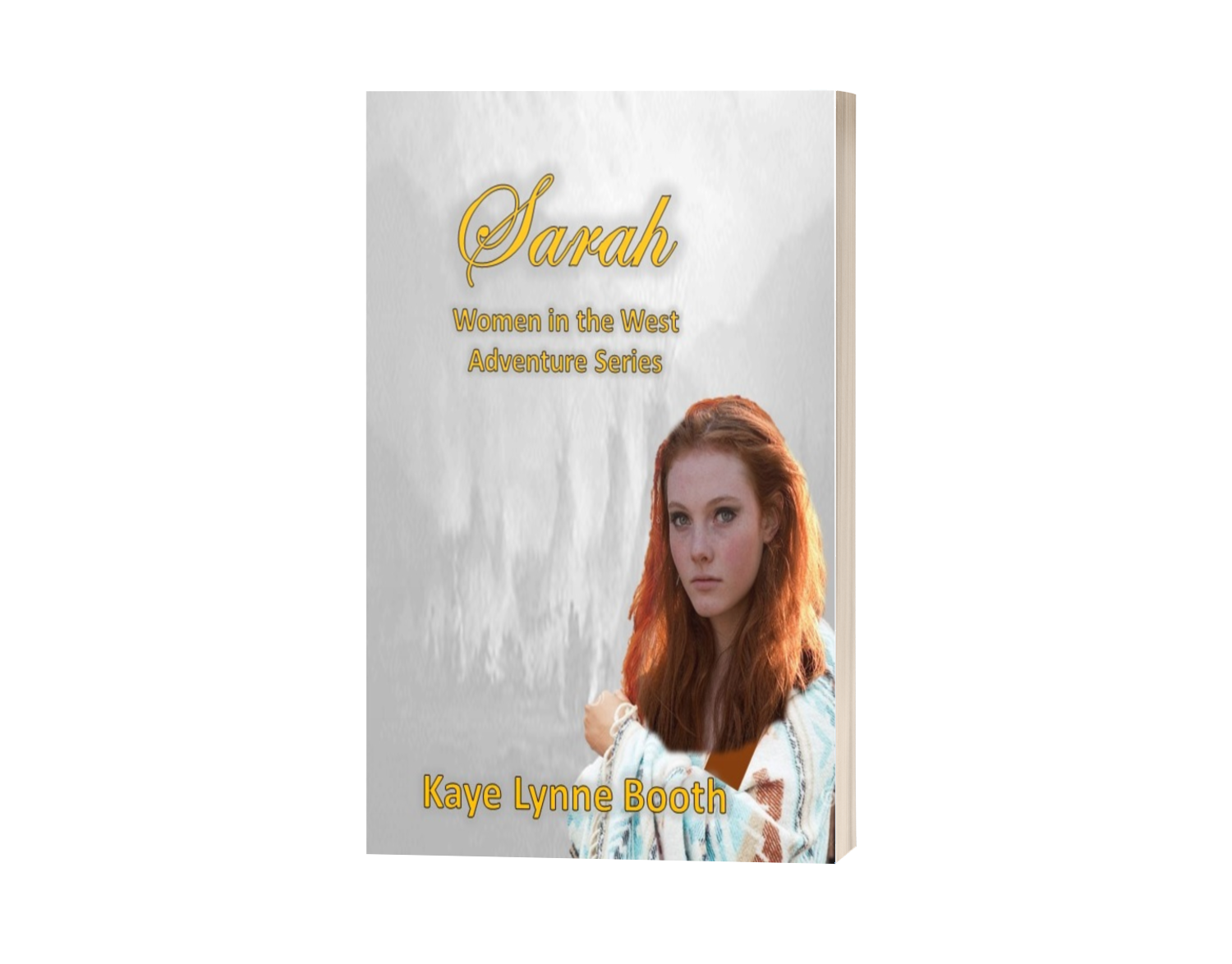
In Sarah, which will be released next month, I have a scene where we see Sarah, who goes by Hair of Fire in her Ute family, sits at the bedside of a sick child, administering healing medicines and showing concern for the child. Sarah is a nice character and this small act is enough to show reveal her caring qualities. Her hero’s journey begins when she is snatched away from her tribe and has no choice but to embark upon her journey.
Often our characters are not nice people to start out with, and developing redeeming qualities may be a part of their character arc, so the changes won’t be seen until fiurther along in the story. But they must have some redeeming qualities or the readers may not like them enough to route for them.
The worse a character is, the bigger the redeeming deed must be. So if you have a character like Dexter, a serial killer who kills serial killers you must try harder to show the softer, caring side, by showing how he supports his sister and can really be a nice guy. I would think it could be really rough getting readers, or viewers, to relate to someone who goes out and brutally kills people, even if they might deserve it. Dexter’s save the cat event comes when he saves the next victim of the serial killers who become his victims, a tricky ploy to pull off for the writers. Redeeming a character like Dexter could be quite a challenge.
Heart’s Desire
I was listening to Wulf Moon on the Stark Reflections podcast, episode 341. Wulf is a writer who found success at a young age and winner of the Writers of the Future contest, who turned his own success into a way to help his fellow writers to learn about the essentials of writing a good story. He claims readers must see & feel what is important to the character, what drives them to action and propels the story forward in order to care about the character and carry them through the story or series. Wulf calls this the “Heart’s Desire” and he claims that he’s found that one of the mistakes beginning writers make often is to not tap into the heart’s desire and let your readers see this aspect of your character.
I discussed this a bit in that previous blog blog post, (linked above), on giving your characters depth using the character triangle to identifying the character’s flaws, their need, and their “want”, but “Heart’s Desire” is stronger and more applicable term for the motivating factor for your character. No matter what you call it, by revealing what matters to your character, and what makes them take action, and their flaws, readers get a glimpse into what makes your character human.
Subtext and Inner Dialog
In The Rock Star & The Outlaw, Amaryllis is an adrenaline junkie who thrives on taking risks with her life through drugs, alcohol, and dangerous behaviors. Not a very savory character to start with at the beginning of the story, she winds up killing her boyfriend in self-defense and running from his cronnies and the law. In order to make readers care about her, I had to reveal things about her past, and show her vulnerablities through her relationship with Monique, her interactions with LeRoy, and her determination to stay by his side when she could have run and saved herself. To be sure my readers didn’t overlook the hints as to her motivations, I revealed them through inner dialog and subtext, putting her thoughts out there so there would be no misunderstandings about her motivations.
Subtext is found in body language and tone of voice. It is the feelings which lie just below the surface and may indicate things are quite different from what they appear. You can check out my archive post from 2017, “Dialog: Talking in Subtext” to get a deeper discussion on how to use subtext to make your characters feel more real.
Inner dialog can be used anywhere it is needed to clarify character motivations and help readers see where the character is coming from or understand the direction in which they are going, helping readers to relate to them. When Dexter’s inner thoughts are revealed, and they use this a lot in that series, viewers come away feeling that his actions are, if not justified, then at least understandable, making Dexter seem like maybe not such a bad guy, if misguided by his background. If readers, or viewers, can see the character’s point of view, they understand the character better, even if they don’t agree with it.
_______________________________________

For Kaye Lynne Booth, writing is a passion. Kaye Lynne is an author with published short fiction and poetry, both online and in print, including her short story collection, Last Call and Other Short Fiction; and her paranormal mystery novella, Hidden Secrets; Book 1 of her Women in the West adventure series, Delilah, and her Time-Travel Adventure novel, The Rock Star & The Outlaw. Kaye holds a dual M.F.A. degree in Creative Writing with emphasis in genre fiction and screenwriting, and an M.A. in publishing. Kaye Lynne is the founder of WordCrafter Quality Writing & Author Services and WordCrafter Press. She also maintains an authors’ blog and website, Writing to be Read, where she publishes content of interest in the literary world.
_____________________________________________
If you’d like to show your support for this author, you can make a donation to Writing to be Read for as little as a cup of coffee. All support is appreciated.
Share this:

Writer’s Corner: A Bump on the Road to Writing Success
Posted: February 19, 2024 Filed under: book marketing, Book Promotion, Book Release, Book Sales, Books, Children's Books, Fiction, Historical Fiction, Kickstarter, Publishing, Western, Women in History, Women's Fiction, WordCrafter Press, Writer's Corner, Writing | Tags: Kaye Lynne Booth, Kickstarter, Sarah, Women in the West, WordCrafter Press 5 CommentsWhat went wrong?
I have to admit I was more than a little disappointed when my last Kickstarter campiagn for Sarah didn’t fund. I only run Kickstarters for books that I’m going to publish anyway, and Sarah is no exception, so the book will still go out to distributors, it just won’t have that extra boost the funding from the campaign would have offered. As an avenue for direct selling, I make more than when my books sell through direct sales, so I like to run the Kickstarter campaign first.
For those who did try to back the campaign and were looking forward to reading Sarah, it will be released in May, instead of March. I was behind on my production schedule, and rushing to have the book finished, so as not to delay reward fulfillment. Since I don’t have any rewards to fulfill, I thought I’d slow down the process and leave ample time for editing, so I bumped the release date back to a May release. I’ll send it off with the usual fanfare and book blog tour, so you’ll be sure not to miss it. I do hope you’ll all join us for that.
I’m not letting the failure to fund discourage me from doing other Kickstarters, but instead, I’m evaluating the campaign in an attempt to figure out what went wrong. There are a number of factors to be looked at to determine where the problem might lie. Here are a few.
Duration
In the past, I’ve run 30 day campaigns which were successful. For Sarah, I only ran a 21 day campaign, which Russel Nohelty recommended as the optimal length for a campaign in an interview on The Creative Penn podcast. 30 day campaigns involve a lot of promotion, and I already feel like a pest as I push to get backing for my campaign and sell books, so the thought of doing a shorter campaign felt like a good one. Could an extra week have made a difference? Possibly. I know of at least one backer who didn’t get a chance to check it out before it ended, so maybe, but I was almost $200 short of my goal, so perhaps not.
Rewards
With my first Kickstarter, for Delilah, I offered a higher reward level, in which backers at that level got to name a character in the second book in the series, Sarah. This was limited reward, meaning only two of these rewards were offered, and both were taken. So, I did that again with Sarah, offering two character naming rights in the third book in the series, Marta, and again had both rewards taken, so I’m guessing that it was a sound decision to offer that again.
The Rock Star & The Outlaw campaign offered merchandise, including a poster and a tote bag, which were popular, but also more difficult to deliver. Merchandise is also a bigger expense for the author, which is why I didn’t do anything like that for my last camapign for Sarah. Merchandise reward levels are higher, due to necessity, but the author must consider their cost into the overall funding goal before offering to be sure it is worthwhile. On a small $500 funding goal, there’s not a lot of room for extras without cutting into the profits.
The campaign for Sarah offered rewards of Special Illustrated Editions of both books, which I thought would be a big hit, but they tanked. To my surprise, not one backer pledged at the Special Edition levels. I offered these as exclusive rewards, only available to Kickstarter backers, planning to put them out through distributors at a later date, probably after the third book was out, so I could offer all three as a set, or bundle. Again, I will still publish these through distributors, because the illustrations, done by DL Mullan of Sonoran Dawn Studios, are really, really cool, as are the Special Edition covers, also done by Mullan. But I really want to figure out why these books didn’t draw more interest as rewards, so I’ll be looking at these closer. I even dropped the price on their reward levels, and added an add-on of digital copies, both books for $5, which is a great deal.
Promotions
With my first Kickstarter campaign, for Delilah, I chanced across a promoter who made some ads for me and ran them on their channels for $15. Did they help? I don’t know, but I can tell you that the campaign was successful. However the campaign for The Rock Star & The Outlaw was just as successful, and it had no paid promotions. In fact it even did a little better than the first, so who is to say.
One thing about running a Kickstarter is, you expect your inbox to fill up with messages from people you don’t know, telling you how impressed they are with your campaign, and how they can help you make it a success. It goes with the territory. When it started to look like my campaign was faltering, I checked out some of these cold call messages, thinking maybe I could pay a little for a boost. Unfortunately, the cheapest one I found was $150. For a campaign with a $500 funding goal, that’s a lot. Especially when I’m not sure the one campaign I did paid promos with really benefited all that much from it.
Conclusions
In conclusion, I think I will go back to running my campaigns a full 30 days, as that seems to be a better fit for me and my books. But I will continue with Kickstarter as a part of my marketing plans. I may also take another look at merchandise for rewards for my next campaign, but I don’t think I’ll be looking seriously at using paid promotions, especially not at such inflated prices. I will continue to promote my own campaigns, just as I do my blog and my books.

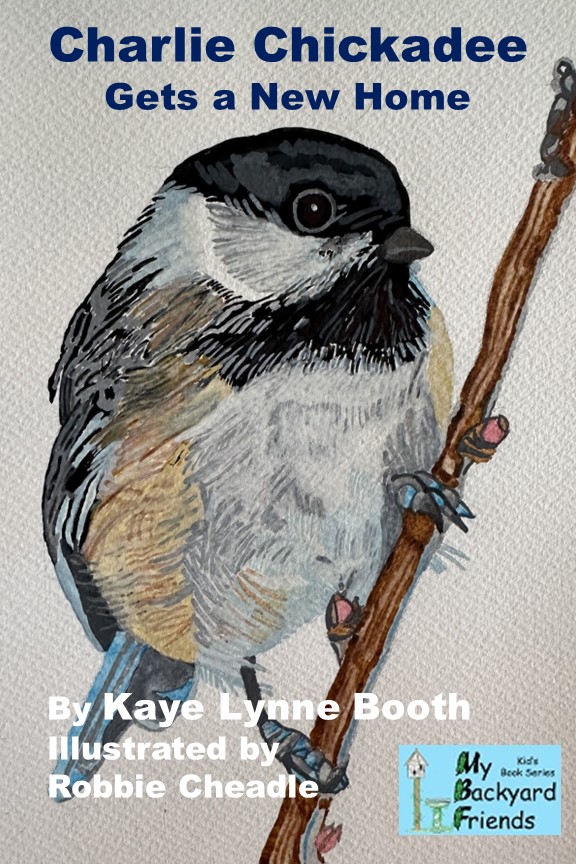

My next campaign is scheduled for July for the first three books in the My Backyard Friends series; a project I’ve been working on for many years, but unable to publish for lack of an illustrator. I’ll be launching these three books; Heather Hummingbird Makes a New Friend, Charlie Chickadee Gets a New Home, and Timothy Turtle Discovers Jellybeans with wonderful illustrations by our own Robbie Cheadle. I’m looking forward to finally getting these books out there, so I hope you will all watch for the July campaign, and back the project or share to help promote it. All support is appreciated, even when the campaign doesn’t fund. I always appreciate my supporters.
About Kaye Lynne Booth
For Kaye Lynne Booth, writing is a passion. Kaye Lynne is an author with published short fiction and poetry, both online and in print, including her short story collection, Last Call and Other Short Fiction; and her paranormal mystery novella, Hidden Secrets; Book 1 of her Women in the West adventure series, Delilah, and her Time-Travel Adventure novel, The Rock Star & The Outlaw. Kaye holds a dual M.F.A. degree in Creative Writing with emphasis in genre fiction and screenwriting, and an M.A. in publishing. Kaye Lynne is the founder of WordCrafter Quality Writing & Author Services and WordCrafter Press. She also maintains an authors’ blog and website, Writing to be Read, where she publishes content of interest in the literary world.
_________________________________________________
Want exclusive content? Join Kaye Lynne Booth & WordCrafter Press Readers’ Group for WordCrafter Press book & event news, including the awesome releases of author Kaye Lynne Booth. She won’t flood your inbox, she NEVER sells her list, and you might get a freebie occasionally. Get a free digital copy of her short story collection, Last Call and Other Short Fiction, just for joining.
Share this:

Writer’s Corner: Why I changed my Twitter(X) handle
Posted: February 12, 2024 Filed under: Book Promotion, Books, Branding, Nonfiction, Social Media Promotion, Writer's Corner, Writing | Tags: Book Promotion, Kaye Lynne Booth, Nonfiction, Social Media Promotion, The D.I. Y. Author, WordCrafter Press, Writing 7 CommentsBranding is Important
I recently changed my Twitter handle, or X handle, or whatever it is we call it now. I can’t say that I like all the new changes to the platform, but honestly, although I’ve been on Twitter since 2010 as @GodsAngel1, I’ve not used it a lot, so many of the changes may have slipped my notice. Back in 2022, when I graduated, my cohorts pointed out that my Twitter handle was different than all my author social media call names, which either associated me as an author, or as a publisher with WordCrafter Press. I said that I had been @GodsAngel1 for so long that to change, well, no one would be able to find me.
But the thought of changing my Twitter handle never left me, and I knew they were right. @GodsAngel1 was a personal handle used when Twitter first came out, and you were limited to so few characters, that I couldn’t post a tweet with what I wanted to say. It didn’t really fit in with my author and publisher branding. Since 2022, I’ve been using Twitter, now known as X, more, and the idea of changing my handle kept popping into my head when using the platform. I don’t know why I kept dragging my feet on the issue, but I did until recently when a friend of mine wanted to help me out with promotions, and ask me if I could change my handle to something less personal, more professional. I decided that I couldn’t fight it any more, especially when I knew how important consistant branding is, so I gave in and changed it.
Making the Change
First, I had to figure out how to change my Twitter handle, but with some solid guidance from one of my cohorts, I found the proper channel in the app. I erased my previous handle and entered WordCrafterPress, and ws informed it was too long, as was AuthorKayeLynneBooth. So, I tried just putting in WordCrafter, and was informed that name was already in use by someone else. So much for branding.
Then, it occured to me that with the new nonfiction book on the process of becoming an independently published author, and doing it all yourself will add a new deminsion to my branding, and I could use this change to strengthen that connection, as the D.I.Y. Author. That’s what I am, and it’s what the book is about: becoming a D.I.Y. author as inexpensively as possible and still get results. So, you can now reach me on Twitter, or X, using my new handle @DIY_Author.
I hope you’ll look me up, like and follow because I need all the peeps I can get. Or does that have a new name, too? What are followers on X called? And when we post is it still a tweet? I can’t keep up with all the changes, and I’m still learning the ropes, so to speak, so please be patient with me.
Coming in 2024

How to work through the stages of the writing process on your own. The D.I.Y. Author shares the expertise I’ve spent years to acquire in one volume that will save new and aspiring authors both time and money, and inexpensive, but successful strategies for marketing and promotion.
___________________________________
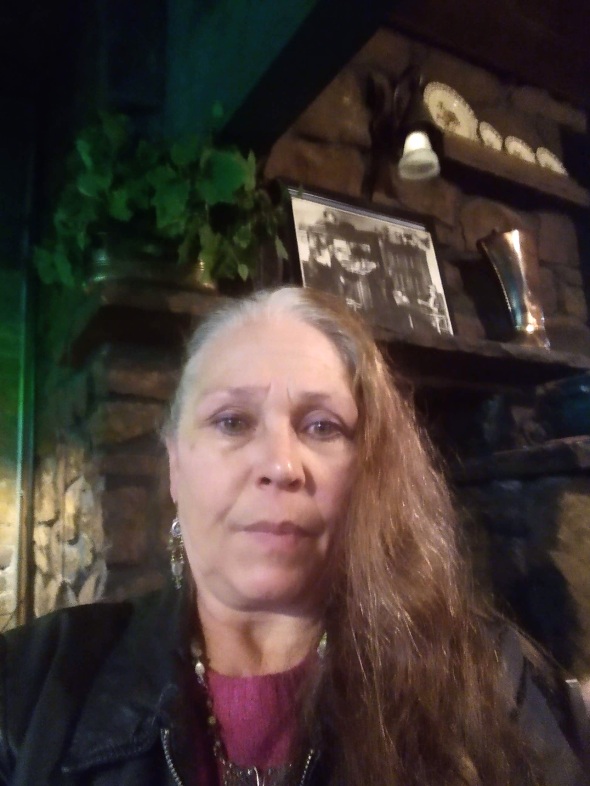
For Kaye Lynne Booth, writing is a passion. Kaye Lynne is an author with published short fiction and poetry, both online and in print, including her short story collection, Last Call and Other Short Fiction; and her paranormal mystery novella, Hidden Secrets; Book 1 of her Women in the West adventure series, Delilah, and her Time-Travel Adventure novel, The Rock Star & The Outlaw. Kaye holds a dual M.F.A. degree in Creative Writing with emphasis in genre fiction and screenwriting, and an M.A. in publishing. Kaye Lynne is the founder of WordCrafter Quality Writing & Author Services and WordCrafter Press. She also maintains an authors’ blog and website, Writing to be Read, where she publishes content of interest in the literary world.
___________________________________________
Want exclusive content? Join Kaye Lynne Booth & WordCrafter Press Readers’ Group for WordCrafter Press book & event news, including the awesome releases of author Kaye Lynne Booth. She won’t flood your inbox, she NEVER sells her list, and you might get a freebie occasionally. Get a free digital copy of her short story collection, Last Call and Other Short Fiction, just for joining.
Share this:

Writer’s Corner: Publishing with Draft2Digital
Posted: January 15, 2024 Filed under: AI Technology, Audio Books, Books, Drat2Digital, Publishing, WordCrafter Press, Writer's Corner | Tags: AI Technology, Audiobooks, Draft2Digital, Publishing, WordCrafter Press, Writer's Corner, Writing to be Read 14 CommentsI’ve posted on the value of publishing wide with Draft2Digital and Books2Read links. You can see my previous article here. I am in no way compensated for sharing information about D2D, but I am a big fan of publishing with them.
As an author and publisher who uses Draft2Digital to publish wide, distributing my books globally, including subscription services and libraries, I’m a huge advocate of their services. But I recently caught episode 333 of the Stark Reflections podcast with Mark Leslie Lefabvre titled, “10 Things You Likely Didn’t Know About Draft2Digital”. In this episode, Mark shares a replay of a presentation he gave at 20BooksVegas in early November of 2023, and I was pleasantly surprised to find that there were several cool things about publishing with D2D which I didn’t know.
I’ve used D2D to publish since 2018, and I was already aware of many of the great tools and services that they offer, such as royalty payment splitting for collaborations, which I use with WordCrafter anthologies. And of course, I knew about using Books2Read links, so potential readers can find your book through most of the major distributors in one place, and in any format in which your book is available.
The ability to publish through most of the publish on some subscription services and get your books onto the major library distributors was one of the reasons that I chose to go with D2D in the first place. What I didn’t know, was that some authors even use D2D’s free tools to create their book files, probably because it is easy and doesn’t require you to have Vellum or a Mac, and then publish direct onto other platforms without using D2D’s aggregating services, and they are okay with that. I use these tools to create my files for my ARC copies, but I prefer to let D2D do all the heavy lifting for me. Publishing direct to all the distributors that I use through D2D would be an outrageous amount of work.
I was also aware of D2D’s “Refer a Friend” program, which provides you an affliliate link you can share for folks to sign up. Any author who signs up to D2D with your affilliate link earns you a percentage of money earned by D2D from any books they sell over the next two years. Any D2D user can get an affiliate link. If you read this and decide to give Draft2Digital a try, you can sign up through my affilliate link, below, and it doesn’t cost you anything. My affilliate link is paid outof D2D’s cut of any works you sell using D2D as an aggregator. Here is my affilliate link: https://www.draft2digital.com/WordCrafter
There are some promo services which I was not aware of. I knew you could create your own independent promos. In fact, I used this feature to set up the WordCrafter Holiday Book Extravaganza in December, discounting the entire WordCrafter Press backlist. In episode 333, I learned how I can also get my book into D2D promotions, which is really pretty cool when you think about it.
I also learned that D2D now offers free AI narration of audio books through Apple Books. Now this is something that interests me, as audio books have previously been out of reach for me due to the expense of narration. You can see my post and discussion on the use of AI here.I knew they had this coming, but it was in the beta stage the last I had heard. Apparently they have rolled it out, and I will be looking into this further in the near future.
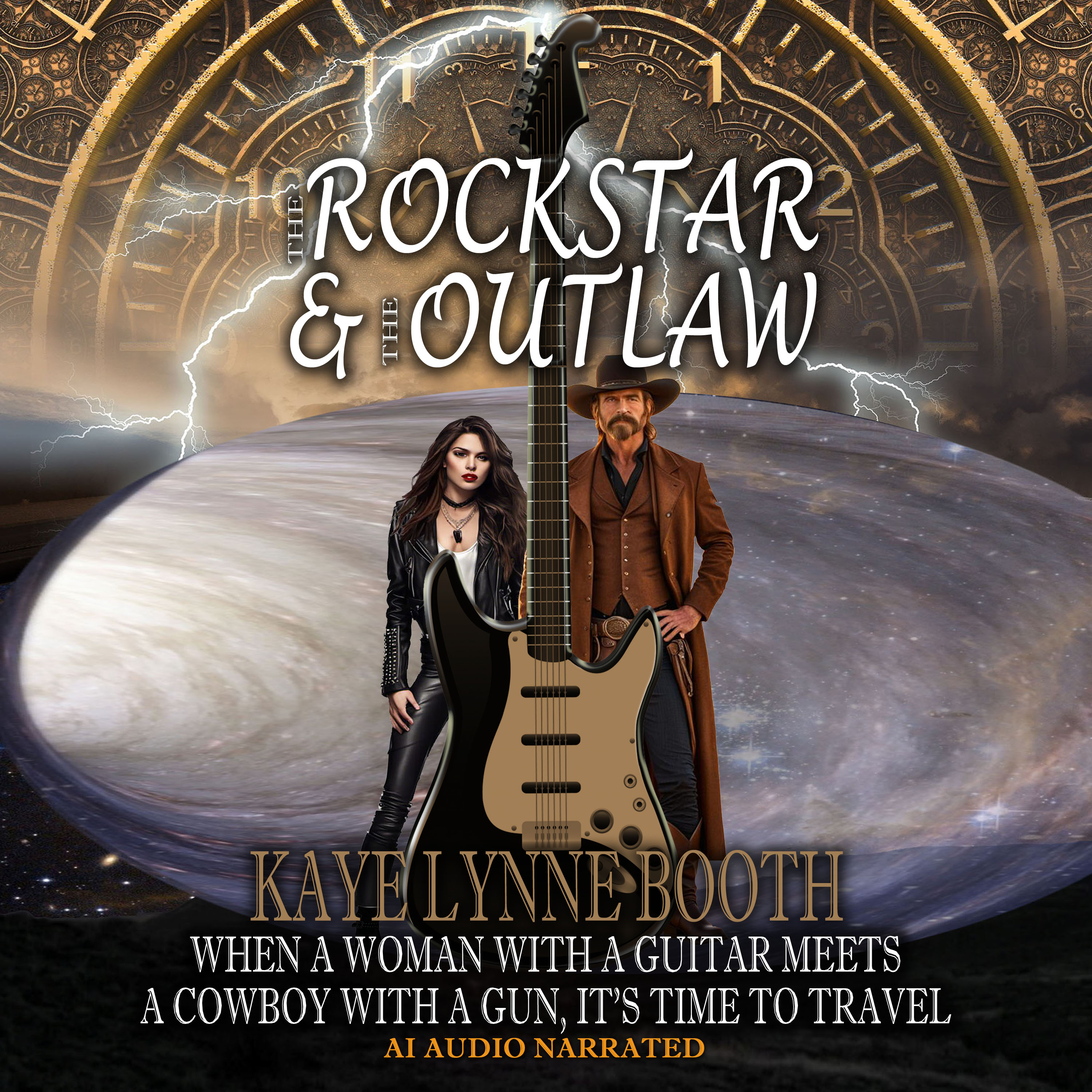
I was so excited to learn about this feature of D2D that I just couldn’t wait to check it out.I’m happy to announce that the AI narrated audiobook of The Rock Star & The Outlaw will be available through Apple Books soon.
Mark Leslie Lefabvre is an expert in the publishing industry, having worked for Kobo before coming to D2D, in addition to being a succesful hybrid author. Honestly, he says it all better than I do, and he knows a lot more about the inner workings of D2D. So if you want to know more about what D2D has to offer, listen to episode 333 here: https://starkreflections.ca/2023/11/17/episode-333-10-things-you-likely-didnt-know-about-draft2digital/
______________________________________________________
For Kaye Lynne Booth, writing is a passion. Kaye Lynne is an author with published short fiction and poetry, both online and in print, including her short story collection, Last Call and Other Short Fiction; and her paranormal mystery novella, Hidden Secrets; Book 1 of her Women in the West adventure series, Delilah, and her Time-Travel Adventure novel, The Rock Star & The Outlaw. Kaye holds a dual M.F.A. degree in Creative Writing with emphasis in genre fiction and screenwriting, and an M.A. in publishing. Kaye Lynne is the founder of WordCrafter Quality Writing & Author Services and WordCrafter Press. She also maintains an authors’ blog and website, Writing to be Read, where she publishes content of interest in the literary world.
_________________________________________________________
Want exclusive content? Join Kaye Lynne Booth & WordCrafter Press Readers’ Group for WordCrafter Press book & event news, including the awesome releases of author Kaye Lynne Booth. She won’t flood your inbox, she NEVER sells her list, and you might get a freebie occasionally. Get a free digital copy of her short story collection, Last Call and Other Short Fiction, just for joining.
Share this:

Writer’s Corner: Using the NaNoWriMo challenge to get the book done
Posted: December 18, 2023 Filed under: Fiction, NaNoWriMo, Western, Writer's Corner, Writing, Writing Challenge, Writing Process, Writing to be Read | Tags: Historic Fiction, NaNoWriMo, Sarah, Western, Women in History, Women in the West adventure series, Writer's Corner, Writing to be Read 2 CommentsNaNoWriMo 2023 – Writing a novel in 30 Days
This year, for NaNoWriMo, I chose to work on the second book in my Women in the West series, Sarah. In 2022, I chose a book that I had already been working on, so even though I completed the 50,000 word goal, I wasn’t truly a winner. So this year, I had to ask myself, “Can I truly meet the NaNoWriMo challenge?” I began with nothing but an outline and a partial opening chapter, just to see if I could do it.
NaNoWriMo isn’t designed to help you write fast, not well. That part is up to you. The idea isn’t to emerge after thirty days with a perfect novel, but with a rough draft, a place to start and build from.
Week One
During the first week, I met my writing goal of 1,667 words every single day and the writing was coming along fine. I stuck to my outline, for the most part. A couple of times I had to push to get those words out, but they were out there on the page.
In 2022, I tried to use methods suggested in Booked to the Gills, by Aisley Oliphant, such as time blocking. This was only one of the tips offered to get in 1,667 words per day to culminate into 50,000 words in 30 days. (You can read my review of Booked to the Gills here.)
Time blocking is an excellent strategy for getting words to page, if you can stick to it. I couldn’t. I found that, for me, time blocking only worked when events in my life were going smoothly. Too often things came up that prevented me from writing at my scheduled times, including working unscheduled shifts or other emergencies that just can’t wait.
This year my life is not structured enough to make time blocking feasible for me. I’m not working, but that leads to other situations that must be dealt with, things that can’t be scheduled around. But, I knew they would come and so I decided instead to move ahead with my natural stubborn bullheadedness, and endeavor to persevere. I simply sat at my laptop and wrote every chance I had.
Week Two
The second week was filled with those immediate distractions, things which couldn’t be ignored, and I’m sad to say, I had the first day that I didn’t meet my daily goal. On Tuesday of that week, I only got in about 160 words. But the good part is that I exceeded my daily goal enough in the previous week, that it didn’t take much to catch back up, and I finished off the week being right where I should be or maybe even a little better.
Most of my writing sessions were in shorter time blocks, with longer stretches once or twice a day. I was willing to take what I could get, and I seemed to be getting enough time in to meet my daily goal most of the time.
Week Three
I had two days in a row during the third week where I didn’t quite meet my daily goal, but came close. One extra good day with over 2000 words, and a couple where I made it over my daily goal by smaller amounts kept me floating right about where I should be in the overall word count, at over 35000 words. So overall, I was fairly pleased with my results.
I continued with my write every chance you get strategy, and it seemed to be producing the results I needed. I used modified time blocking by taking advantage of extended time blocks of several hours at a time, breaking them into 15, 20, 30, or 45 minute segments as life demanded.
During longer blocks of time, I often found myself stopping to research the details for certain scenes. Since this book is historical western fiction, I needed to be historically correct to the best of my abilities. I had to watch myself, and on few occasions, found myself falling down a research rabbit hole. Research is a necessary part of the writing process, so I didn’t fault myself for these excursions. At first I tried putting disputed facts in brackets, but leaving whole setting descriptions blank wasn’t helping my word count, and my word count wasn’t suffering for it, so I continued in that manner.
Week Four
I got a bad start to week four. My laptop has seen better days, and on Tuesday the 21st, I was unable to back up my work, because it quit registering my USB drive, and then I lost my screen image. Let me tell you you can’t write, or do anything else, on a blank screen with no curser. This was a set back that could, and in fact did, end my chances for a successful NaNoWriMo.
It was quite a disappointment. I had gone into town to shop for Thanksgiving dinner, and on the way back, I had worked out what would happen in the final scenes of Sarah. I was at over 35,000 words, closing in on the end of the challenge goal of 50,000. I knew what needed to happen, so I was ready to pound it out into the page. And suddenly, I was at a dead stop.
Alas, I have a guardian angel, in the flesh. My oldest and dearest friend has always watched out for me. When she heard I needed a computer, she sent me one. It doesn’t have the storage space my old one did, so I’m still trying to figure out how to access all my files, but it will do in a pinch, until I can afford to get a new one. It didn’t arrive in time for me to meet the NaNoWriMo goal, but it is allowing me to finish the book, and that is what is important.
I made the 50,000 word goal on December 10th, ten days after the NaNoWriMo deadline, so I might have made the goal for the challenge had I had a functioning computer. I’m happy to say that Sarah is back pretty much on schedule and should be ready for editing in January, as planned.
What I Learned
Even though I wasn’t able to finish the challenge and declare myself a “winner”, I now have a story with over 50,000 words completed, which is a darn good start, and I still learned a lot about my writing process from the experience.
- I used to be a binge writer. I could focus on my story and tap away at the keys, blocking out everything around me. I learned that I don’t write like that anymore. As I’ve gotten older, I find I need those fifteen minute breaks every so often. This helped me to get the other things in life that I needed to tend to done, as well. Daily tasks and obligations are good excuses to put the writing down and take care of business.
- Along with that, I learned that grabbing shorter time segments whenever I can works well for me. Even if it’s only 15 minutes, it gets a few words on the page, and those 15 and 30 minute segments add up when you look at the word count.
- I also learned, not for the first time, that the best advice for me as an author is, “Butt in chair, write the damn book.” Those short segments did add up. I made the daily word count this way all but one day, prior to my computer quitting on me.
Conclusions
I am using the NaNoWriMo challenge to help me become a more prolific writer. I found the whole month of November to be a learning experience, because writing processes change. I learned that the way I used to write doesn’t work for me anymore, and I developed a few writing strategies that seemed to be more successful for me. Overall, I enjoyed doing the NaNoWriMo challenge, grew as a writer, and would recommend it to anyone who wants to test themselves or improve their writing process through trying out new strategies.
______________________________________
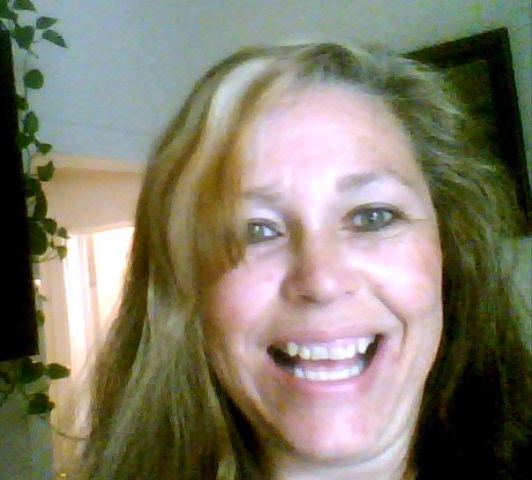
For Kaye Lynne Booth, writing is a passion. Kaye Lynne is an author with published short fiction and poetry, both online and in print, including her short story collection, Last Call and Other Short Fiction; and her paranormal mystery novella, Hidden Secrets; and book 1 of her Women in the West adventure series, Delilah. Kaye holds a dual M.F.A. degree in Creative Writing with emphasis in genre fiction and screenwriting, and an M.A. in publishing. Kaye Lynne is the founder of WordCrafter Quality Writing & Author Services and WordCrafter Press. She also maintains an authors’ blog and website, Writing to be Read, where she publishes content of interest in the literary world.
_______________________________________________________________
Want exclusive content? Join Kaye Lynne Booth & WordCrafter Press Readers’ Group for WordCrafter Press book & event news, including the awesome releases of author Kaye Lynne Booth. She won’t flood your inbox, she NEVER sells her list, and you might get a freebie occasionally. Get a free digital copy of her short story collection, Last Call and Other Short Fiction, just for joining.