WordCrafter News: August Release – “Legends: Monsters that go Bump in the Night”, Winners for the GEM Tour Giveaway & a Question about P.O.V.
Posted: July 27, 2026 Filed under: Anthology, Blog Tour, Book Release, Books, Dark fiction, Fiction, Giveaways, Mythology and Legend, Nonfiction, Point of View, WordCrafter Book Blog Tours, WordCrafter News, WordCrafter Press | Tags: A GEM for your Pre- or Type 2 Diabetes, Anthology, Books, Daniel J. Cox, Giveaways, Legends: Monsters the go Bump in the Night, New release, WordCamp US 2026, WordCrafter Book Blog Tours, WordCrafter Press Leave a comment
Winners for the WordCrafter GEM Book Blog Tour Giveaway
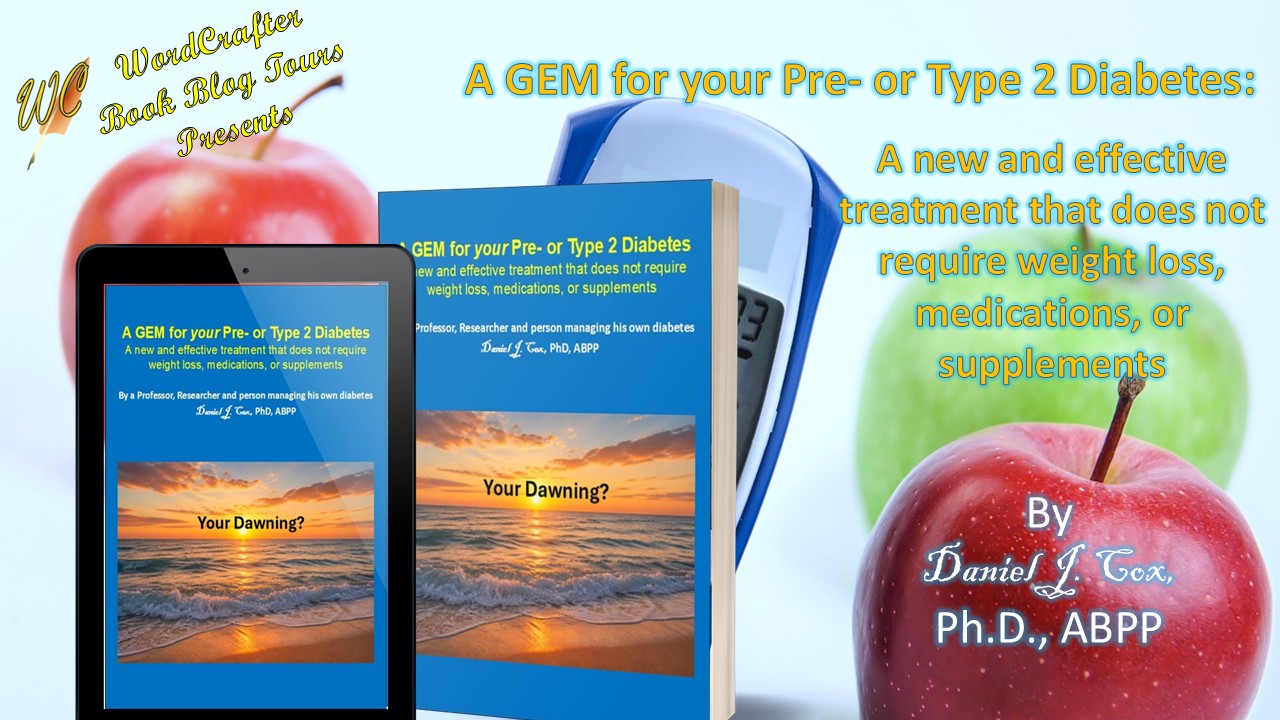
We had a great tour last week and a successful. Launch of this groundbreaking method of empowerment for those with pre- and type 2 diabetes. If you followed the tour, by now, you’ve been thoroughly educated about Dr. Daniel J. Cox’s GEM method for managing diabetes and, if you have pre- or Type 2 diabetes, you may be ready to grab a copy of the book and get started. As promised, we’re giving away four signed print copies of A GEM for your Pre- or Type 2 Diabetes (non-U.S. residents, digital copies only), and now, it’s time to announce who the lucky winners are in the GEM Tour Giveaway.
And the Winners Are:
(Drumroll Please)
- PVCann (Roberta Writes)
- Liz Gauffreau (Roberta Writes)
- Kymber (Roberta Writes)
- Beth (Poetry by Mich)
Congratulations to the winners! If you haven’t heard from me yet, please contact me at KLBWordCrafter@gmail.com to claim your prize. (If you don’t think you need this book, prizes are transferable to someone who does.)
August Release: Legends: Monsters That Go Bump In The Night
I’m so excited to tell you about this themed anthology, Legends: Monsters That Go Bump In The Night, which is scheduled to release August 18, 2026. Wendigos, succubus, chupacabras, the angel of death, the phoenix, Trooper 666, killer Jack O’Lanterns, Gilgul and urban legends of the babysitter, and the ghost girl of Cleveland; this anthology has it all. Contributing authors include: Kaye Lynne Booth, Abe Margel, Chris Barili, Joseph Carrabis, Sara W. McBride, C.R. Johansson, Robb T. White, Rebecca M. Senese, Daneaka Scrimshaw. Filled with tales shaped by diverse legends of haunting monsters that will keep you awake at night, in this thought provoking collection of stories. And the best part is, this exciting new themed anthology is already available for pre-order: https://books2read.com/LegendsMonsters, so you can reserve your copy today!
WordCrafter Legends Book Blog Tour
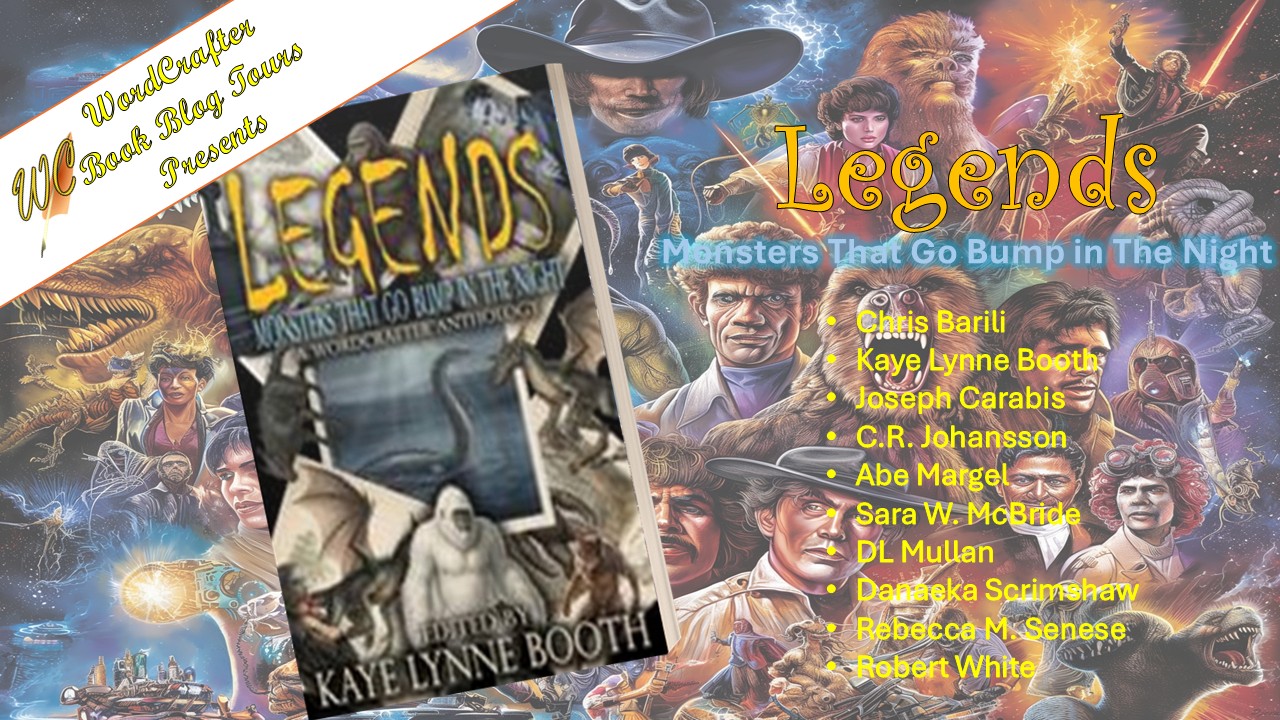
The WordCrafter Legends Book Blog Tour will run August 17 – 21, 2026. I’m excited about this tour because besides meeting some of the contributors through guest posts and readings, and some really fun stuff. Contributing author Chris Barili is offering his own fun photo game and giveaway connected to his story, “The Legend of Trooper 666”. He’ll be featured at the first tour stop and you’ll have all week to send us your photos, so you’ll want to be sure and catch that first stop for that. The winner will receive a print copy of Legends: Monsters that go Bump in the Night signed by Chris.
Then, you’ll want to follow the rest of the tour to get in on the cool new giveaway, where you get to put a puzzle together by naming the legend that each story is associated with. Winners will be chosen from the players with the most puzzle pieces at the end of the tour and they will receive one of three digital copies that we’re giving away. It’s going to be a lot of fun and hope you all will join us as we launch this originally themed anthology.
A Question About P.O.V.
Okay. So, July was supposed to be a writing month, so I could work on revising Marta. Mainly, I’m changing some of the characters to make the story more colorful. But, here’s the thing. Both of the first two books in the Women in the West adventure series, Delilah and Sarah, were written in a single p.o.v., but with Marta, for certain things which I need to happen, there almost has to be multiple p.o.v.s for the story to unfold smoothly.
So, what do you think? Each book is about a single woman, and the first two books are in single p.o.v., which makes sense to me. Will readers expect this third book to also be in p.o.v.? Can I fulfill the promise of the premise of a book titled for the main character if I use multilple p.o.v.s? Would multiple p.o.v.s make the book less of a fit in the series? Let me know in the comments. I will greatly appreciate hearing your thoughts.
Want to be notified when I have a new release?
Here’s a link where you can subscribe to get a notification from Books2Read whenever I have a new release out. If you’d like to be notified of my new releases, sign up here: https://books2read.com/author/kaye-lynne-booth/subscribe/1/112381/
WordCamp US 2026 Reminder
WordCamp US 2026 is the flagship North American event for the WordPress community, bringing together developers, designers, agency owners, bloggers, and builders for four days of sessions, workshops, networking, and contributor collaboration. This year, WordCamp US will be held at the Pheonix Convention Center in Phoenix, Arizona, August 16–19, and since I am an affiliate, they are offering my audience a great deal. The new Sunday–Wednesday schedule means the weekend before is free to explore the Phoenix area and the Pheonix Convention Center is fully air conditioned for cool comfort to enjoy WordCamp 2026.
The $100 general admission ticket covers four full days of sessions, workshops, and meals, and you can meet and chat with the representatives from WordPress.com, WooCommerce, Jetpack, and Pressable, who sponsor WordCamp US 2026. Even better, as members of my audience, you can get $20 off a general admission ticket by using the code AF26 at us.wordcamp.org/2026/tickets/, so your admission will only cost you $80. But the offer is only good through the end of July, so if you plan to go and wish to use the affiliate discount, get your tickets now.
__________________________________________
Did you know you can sponsor your favorite blog series or even a single post with an advertisement for your book? Stop by the WtbR Sponsor Page and let me advertise your book, or you can make a donation to Writing to be Read for as little as a cup of coffee, If you’d like to show your support for this author and WordCrafter Press.
__________________________________________
This segment of “WordCrafter News” is sponsored by WordCrafter Quality Writing & Author Services.

Whether it’s editing, publishing, or promotion that you need, WordCrafter Quality Writing & Author Services can help at a price you can afford.
Stop by and see what we have to offer today: https://writingtoberead.com/readings-for-writers/wordcrafter-quality-writing-author-services/
Share this:

Writer’s Corner: Person & Tense
Posted: April 6, 2026 Filed under: Fiction, Point of View, Tense, Writer's Corner, Writing | Tags: Kaye Lynne Booth, Point of View, Tense, Writer's Corner, Writing, Writing to be Read 14 Comments
I recently wrote a short story for the upcoming Legends anthology. I wrote it in third person, present tense to give the tale a sense of immediacy. My beta reader sent back comments, saying that, while the story was a good one, the present tense put her off, as she does not care for stories in present tense. Who would have known?
I had a similar reaction when I first read The Hunger Games, which was written in first person, present tense. It really was a bit off-putting, particularly in the dialog tags when reading aloud. But as I got into the story, I became more accustomed to the style and by the end of the book, I hardly noticed it anymore. First person, present tense is difficult to write, because it must be done well, or it doesn’t work. I’m not that brave.
But, I have been playing around with third person, present tense, which I find a little easier to pull off. I like using present tense because it makes the story feel more immediate, pulling the reader into the story and helping to build suspense. I’ve been using third person, present tense in writing Marta, the third book in my Women in the West Adventure Series, although the first two books were written in third person, past tense. I felt using the present tense in Marta helped to build tension and move the story along.
After the comments from my beta reader, I am wondering if I should rethink that. Readers are put off by different things, and I realize I can’t please all of the people all of the time. But, if this is off-putting to one reader, how many others may feel similarly? If I do change it, that means going back and rewriting the three quarters of the story that is already written, roughly 55,500 words, but if it will turn away readers, perhaps it is worth the effort to go the other way.
So, I’m asking you. Please tell me how you feel about the passage below. Is first person, past tense off-putting to you? Would it be better in third person, past tense?
It’s a passage from chapter one of Marta, just a few paragraphs:
“Excuse me. Is this seat taken?” a man’s voice draws her attention away once more. She turns to see a man, fancily dressed, standing in the aisle and addressing her, indicating the seat next to hers. She had met the infamous Doc Holliday once during his stay in Leadville. This man is like him. She’d seen plenty of his type in Leadville. They dress like a dandy, and come to gamble, but they aren’t particular about how they come by their money and aren’t above working on the other side of the law, and they all carry guns on their hips.
The man is staring at her, expectantly, waiting for a response to his question. He had been polite enough to ask, and the seat wasn’t taken. How could she say no? “No sir, it is not,” she admits. She doesn’t own the train seat and can’t stop him from sitting there, but she doesn’t have to trust him. A woman traveling alone can’t be too careful.
She reaches down by her feet to be sure her carpet bag is still there. Not only does it contain all her money, but also the thirty-two caliber pistol which she purchased in Leadville. Before sitting up straight in her seat once more, she brushes her fingers over the top of her boot to check that her knife is still there, as well. That knife had saved her life with Franz, the dirty traitor, and it gives her comfort to know it was within reach.
He gives her a smile that doesn’t quite reach his eyes as he slides into the seat. “Why, thank you, Ma’am,” he says. “William Barnesby is the name, but my friends call me Bill.”
She plasters her best smile across her face and says, “I’m Marta Olmstead, and this young woman is Rose… uh… Dunbar, is it?” she says, looking toward the young woman.
“Yes, Ma’am,” she says, nodding her head and quickly averting her eyes from the gentleman, toward the window. Obviously, the man’s presence made Mrs. Dunbar uncomfortable, as well. But what could she do? The seat didn’t belong to her, and Mr. Barnesby had purchased a ticket just like everyone else on the train.
About Kaye Lynne Booth
For Kaye Lynne Booth, writing is a passion. Kaye Lynne is an author with published short fiction and poetry, both online and in print, including her short story collection, Last Call and Other Short Fiction; and her paranormal mystery novella, Hidden Secrets; Books 1 & 2 of her Women in the West adventure series, Delilah and Sarah, and Book 1 in her Time-Travel Adventure series, The Rock Star & The Outlaw, as well as her poetry collection, Small Wonders.
Kaye holds a dual M.F.A. degree in Creative Writing with emphasis in genre fiction and screenwriting, and an M.A. in publishing. Kaye Lynne is the founder of WordCrafter Quality Writing & Author Services and WordCrafter Press, where she edits and publishes two short fiction anthologies and one poetry anthology every year amidst her many writing projects. She also maintains an authors’ blog and website, Writing to be Read, where she publishes content of interest in the literary world.
_____________________________________________
Did you know you can sponsor your favorite blog series or even a single post with an advertisement for your book? Stop by the WtbR Sponsor Page and let me advertise your book, or you can make a donation to Writing to be Read for as little as a cup of coffee, If you’d like to show your support for this author and WordCrafter Press.
_____________________________________________
This segment of “Writer’s Corner” with Kaye Lynne Booth sponsored by WordCrafter Quality Writing & Author Services.

Whether it’s editing, publishing, or promotion that you need, WordCrafter Quality Writing & Author Services can help at a price you can afford.
Stop by and see what we have to offer today: https://writingtoberead.com/readings-for-writers/wordcrafter-quality-writing-author-services/
Share this:

Writer’s Corner: Word Choices
Posted: July 1, 2024 Filed under: AI Technology, Books, Character Development, Dialogue, Fiction, Setting, The Human Condition, Time travel, Voice, Western, WordCrafter Press | Tags: AI Technology, Dialogue, Editing, Speech, Voice, Word Choices, Writer's Corner, Writing to be Read 17 CommentsI don’t need MS Word to tell me that my language might be offensive. That’s me. I use offensive language, usually on purpose, for effect because I want to be offensive, or just because it is what my character would say. Of course, I’m not writing for a YA or younger audience. I would want curse words to be pointed out and questioned, if that were the case.
I cuss. Most of the people I know cuss. Even religious folk have been known to issue a curse or two. If I feel the reaction to a situation would be an issued expletive, then my character will issue it. That doesn’t mean that all my characters are potty mouths, but when a curse is in order, they throw it out there, and I believe it is appropriate in certain situations, and also more realistic.
Even if my protagonist isn’t a curser, like Delilah, who uses expletives such as dagnabbit, the people around her do, so my books do contain some cursing. I don’t feel like a story set on the western frontier, would be true to the period or the frontier culture.
Likewise, the modern day Las Vegas culture in the music circles involves drugs, sex, and rock-and-roll, so naturally my character, Amaryllis, in The Rock Star & The Outlaw is involved in all of that and more, and her language often isn’t ladylike. Even so, I try not to let her get carried away with the curse words. And Sarah deals with the issues of prejudice and sexism, and the language in the story reflects the prejudices of the times, whether the AI editor in MS Word likes it or not.
But my villains often have mouths so dirty even their own mothers wouldn’t kiss them. Respect for women or lack thereof is often indicated in the way a man refers to women. If a character lacks respect for women, which many male villians do, then their language when referring to them may be less than flattering. After all, the way a character speaks is one of the things readers use to clue them in to what a character is like, and then decide if they are a character they should like, or not.
Another speech trait which I use often is the improper use of the English language. In the old west, many people were not educated and used words such as ‘ain’t’ or they cut off the ‘g’ in ‘ing’ words. In Delilah, one of things she strived for was to speak more properly after meeting the Mormon woman, Marta, who was a natural born school teacher and corrected Delilah’s speech automatically out of habit. Many of the less savory characters in the Women in the West adventure series, clue readers into their ignorance by the way they speak. I reckon that’s what I do it fer. These are purposeful misspellin’s that drive my AI spell-check crazy.
Many of my western characters are representitive of the many immigrants who made the U.S. into the melting pot that it is known to be. They speak in different dialects to differentiate them from other characters, which gives them colorful speech that is recogizable without adding dialog tags. In Sarah, Lillian Alura Bennett is one such character, who happens to be an Irish madam at a bordello in Glenwood Springs. And in The Rock Star & The Outlaw, the Mexican dialect of Juan Montoya leaves no question when he is speaking.
In Delilah, I had the opposite problem as the character of Dancing Falcon was a young Indian boy, who had been taught to speak English at the Indian agency with a strict teacher, so his speech is almost too proper, which made his speech sound very formal in places. One of the comments from a beta reader was that no one talks like that, so I went back when revising and added in a place where he talks about his time on the reservation and his schooling experience, to explain why he spoke that way to readers. The point being that a characters speech should reveal something about them, as well as making them identifiable.
It was really fun to create the characters in the My Backyard Friends kid’s book series, which is based on the birds and animals which visit my yard in the Colorado mountains. Katy Cat is a bit of a diva, kind of stuck up, and thinks she’s better than everyone else. She’s willing to help out Timothy Turtle as long as it doesn’t inconvenience her too much. I relayed this information in the way she swishes her tail, (body language), and in the way she talks with a bit of attitude. Heather Hummingbird has a lot of energy, so she talks really fast and rarely perches for more than a few seconds at a time. Charlie Chickadee is a young bird on his own for the first time, so I made him a bit niave. The things he says reveals this more than the way that he says it.
Other reasons an author might make the character’s or even the narrator’s voice a bit quirky is because it is the author’s voice coming through. (You know the voice English teachers are telling you to find? Yep. That one.) To an extent, this is true for me. My own speech is usually rather blunt and to the point, and so are my characters’. I don’t use a lot of colorful purple prose, instead calling it like I see it. Many of my protagonists are the same way. Delilah says what’s on her mind and she doesn’t beat around the bush. Sarah, too, tends to speak before she considers the way her words will be taken.
AI editors don’t understand this, and so variants in speech are often marked as needing correction, when in fact, they are purposeful. This is why, just running through your story with an AI editor is never enough. But there are times when human editors don’t get it either. Kevin J. Anderson tells a story about submitting a book to a traditional publisher who turned it over to a novice editor who corrected all the little quirks that revealed his voice and marked his manuscript up until it looked like nothing but red scribbles. That’s when you know that an editor isn’t a good match for you. Kevin politely refused to work with that editor and they assigned him another one. That’s why it’s important to have an editor that gets you and your voice, and understands the nuances of your character’s dialog.
Finding the right editor isn’t always easy, especially if funds are tight. Many editors will offer a free edit of the first ten pages, or even the first chapter so you can fell them out and find out if they are right for you and your story. I wouldn’t go with any editor who doesn’t offer this, and of course, I offer it through Write it Right Quality Editing Services. Any editor worth their salt will understand that they must be able to differentiate between mistakes and purposful word choices.
___________________________________________
About Kaye Lynne Booth

For Kaye Lynne Booth, writing is a passion. Kaye Lynne is an author with published short fiction and poetry, both online and in print, including her short story collection, Last Call and Other Short Fiction; and her paranormal mystery novella, Hidden Secrets; Books 1 & 2 of her Women in the West adventure series, Delilah and Sarah, and her Time-Travel Adventure novel, The Rock Star & The Outlaw. Kaye holds a dual M.F.A. degree in Creative Writing with emphasis in genre fiction and screenwriting, and an M.A. in publishing. Kaye Lynne is the founder of WordCrafter Quality Writing & Author Services and WordCrafter Press. She also maintains an authors’ blog and website, Writing to be Read, where she publishes content of interest in the literary world.
____________________
This segment of “Writer’s Corner” is sponsored by The D.I.Y. Author and WordCrafter Press.
Being an author today is more than just writing the book. Authors in this digital age have more opportunities than ever before. Whether you pursue independent or traditional publishing models, or a combination of the two, being an author involves not only writing, but often, the publishing and marketing of the book.
In this writer’s reference guide, multi-genre author and independent publisher, Kaye Lynne Booth shares her knowledge and experiences and the tools, books, references and sites to help you learn the business of being an author.
Topics Include:
Becoming Prolific
Writing Tools
Outlining
Making Quality a Priority
Publishing Models & Trends
Marketing Your Book
Book Covers & Blurbs
Book Events—In Person & Virtual
And more…

Pre-Order your copy today: https://books2read.com/The-DIY-Author
Share this:

Ask the Authors 2022 Book & Blog Series: Tone – Voice, Person, Tense & POV
Posted: June 11, 2022 Filed under: Anthology, Ask the Authors, Book Release, Books, Fiction, Interview, Point of View, Tense, Tone, Voice, WordCrafter Press, Writing, Writing Reference, Writing Tips | Tags: Anthology, Ask the Authors 2022, Bobby Nash, Chris Barili, Jeff Bowles, Kaye Lynne Booth, Kevin Killiany, L. Jagi LAmplighter, Mario Acevedo, Mark Leslie Lebefvre, Nancy Oswald, Paul Kane, Roberta Eaton Cheadle, WordCrafter Press, writing advice, Writing Reference, Writing Tips 7 Comments
Welcome back to the “Ask the Authors 2022” blog series, where we celebrate the release of this unique writing reference anthology and share some of the wonderful content featured. In each segment of this Saturday series, you’ll meet one of the contributing authors, and share in a section of the Q & A from the book. This week’s contributing author is Nancy Oswald, who shares a delightful accounting of her own publishing journey in the book, “From Slush Pile to Slushy”, and the Q & A topic is setting the tone for your story.
If you missed any of the previous segments, you can catch them here:
Segment 1: Introductions for Kaye Lynne Booth & Kevin Killiany/Writing Life Q & A session
Segment 2: Introduction for Bobby Nash/Pre-writing Rituals Q & A session
Segment 3: Introduction for Roberta Eaton Cheadle/Plot & Storyline Q & A session
Segment 4: Introduction for Paul Kane/Character Development Q & A session.
Segment 5: Mario Acevedo & Action, Pacing, and Dialog
And for today’s post:
Meet Nancy Oswald

Nancy Oswald loves researching and writing historical fiction books for young readers. She has, however, written in a variety of genres including personal interest pieces, children’s plays, poetry, educational research, biography, and nonfiction articles. Oswald spent her growing up years in Denver but has lived as an adult in rural Colorado and the outback of British Columbia where she taught in a one and a two-room school. She taught for 20 years in rural Colorado and is now retired. Nancy’s books have won the Spur Award, CIPA Evvy Award, Willa Literary Award, Will Rogers Award, Colorado Author’s League Writing Award, and have had multiple finalist recognitions. Nancy currently lives with her husband and their dogs, cats, cows, chickens, and one nearly human donkey who makes mischief at home and on the pages of the Ruby and Maude Adventures.
And now for the Q & A
Tone: Voice, Person, Tense & POV
Which POV do you prefer: First, second, third limited or third omniscient? Why?
Mario Acevedo: Most of my stories are first POV because I tend to write using the structure of a mystery, meaning the protagonist has to sleuth out the truth at the same pace as the reader.
Paul Kane: I tend to write a lot of my fiction in the third person, simply because you can move between places or characters and tell a more well-rounded story that way. You might be with one character in one chapter, then across town with a completely different character in the next. It allows for a certain amount of flexibility. But I also do like first person POV for certain stories. It works well for psychological tales, for example, or if you’re telling a story through letters or diary extracts. I’ve just written a story that way, actually, but it was because I wanted it to be solely through the eyes of my main character who’s being help captive. It creates a more claustrophobic feel. I also write about my PI Jackie Trent – from the novelette The Scarred – in the first person, because it fits in with that tradition of the noir-ish detective investigating a crime. As with a lot of this advice, which way you choose depends on the kind of story you’re telling and what you want to gain from it.
Chris Barili: I enjoy both first- and third-person. First person is more intimate and allows the reader access to more of the character’s inner self, but third person is safer, easier to write, and more accepted. My story “Outcast” has both.
Bobby Nash: Third omniscient. I like to bounce between characters and scenes, have different POVs in different chapters. It works for me.
Robbie Cheadle: My two current work-in-progress novels are written in a mixture of the third limited and first, depending on the style of the chapter. Both novels make use of journals, letters, and other methods of correspondence and these parts lend themselves to first. The rest of the story is told in third limited because it is my preferred point of view. It’s similar to first, but more interesting.
Jeff Bowles: When I was first learning to write and tell stories, I’d often experiment and try all sorts of things, including creative POV choices. Sometimes they worked, sometimes not. Now that I’ve been doing this a while, I tend to stick with a pretty standard third-person past perspective, mostly because all that trickery can be an impediment for readers. The project I’m working on currently has three first-person narrators, so I guess I’m still playing around with form here and there. If it serves the story, I’ll do it. To be perfectly truthful, however, my favorite POV type will always be first person. I like the idea that a character can narrate a story in their own voice, with all those idiosyncrasies I love to toss in. I like it when characters speak to me. It may be the single most enjoyable thing about writing fiction.
Nancy Oswald: Have used both first and third- and first-person present tense for one of my books. Third is my preference for the age group I write for. As a reader I prefer third, also. I think “I” books can sometimes have a tendency to go overboard and sound too much like me, me, me….
Kevin Killiany: First is often my first choice, but I’m equally comfortable with close or limited third. First is good for getting inside the person’s head to explore motivation and perception. First is almost always an unreliable narrator, and their misinterpretations, omissions, and projections can reveal volumes. Limited third can be almost as revealing as first—sometimes more so because it provides opportunity to reveal a character as others see them. Omniscient is too far removed for my liking—it’s a landscape when a portrait would better serve. I have never been comfortable writing in the second person, the only practical application I can imagine for it would be a “choose your own adventure” puzzle story that presents the reader with choices.
Have you ever done a rewrite of a story using a different POV? Did it improve your story? Why or why not?
Paul Kane: Once or twice, but usually I’ve worked all that out before I even start writing as mentioned in the previous answer. What I have done quite a few times is write something in the past tense which needs to be in the present, to give it more immediacy. The killings in The Gemini Factor – which are being seen by Jack as they happen – had to be told in the present tense for instance. He’s being ‘shown’ the murders, so it made sense for them to be depicted that way, slipping from past to present tense to give that effect.
Chris Barili: Yes, and fortunately my very good editor caught all the areas I screwed it up.
Bobby Nash: Sometimes I will go back and try a different POV. Sometimes, a different POV helps.
Nancy Oswald: Yes, I started one book in third and it wasn’t working. As soon as I switched to first person, it clicked. (First example above is the one where I switched.) This is all it took for the book to become more immediate for me.
How do you determine what POV to use?
Paul Kane: Whether it’s first person or third, it’s usually the person who’s central to that story or chapter whose POV we’re in. So, you work out who that is before starting… No point telling a chapter from the point of view of a waiter in a restaurant who might be leaving the scene before everything kicks off, or you’ll miss the action.
Chris Barili: I take an initial stab at a certain POV based on how close I think the reader should be to the main character and change it if it doesn’t sound right.
Bobby Nash: As with so much of what I do, it’s a gut feeling.
Robbie Cheadle: A Ghost and His Gold was written from the point of view of three of the main characters: Michelle, a modern young woman; Pieter, the spirit of a Boer; and Robert, the spirit of a British soldier. Each of these three characters told sections of the story from their points of view. Each section was presented as a chapter or series of chapters. I have learned not to ‘head hop’ and to keep different points of view together in this manner.
Do you prefer to use single or multiple POVs in a story? Why?
Paul Kane: Again, it depends on what you want to show. In The Family Lie, the most recent PL Kane thriller, I was only really going to tell the story through the eyes of Mitch Prescott, but my editor suggested I tell a parallel tale of what was happening to his sister, Bella, at the same time. Then you could dovetail the two together for the finale… And she was absolutely right. Not only did it stop the story from getting dull, it allowed me to write from a male and female POV, alternating between them as I went. I found the whole thing really satisfying and from the feedback I’ve got readers really enjoyed reading about what Bella was going through; a few even preferred her to Mitch, so I might make her the focus of a story of her own at some point down the line.
Chris Barili: Depends on the story. More complex books with more complicated plots and large worlds usually require multiple POV characters.
Bobby Nash: Multiple all the way. I want to follow more than one character. Multiple POVs allow me to do that and get insight into more than one character.
Robbie Cheadle: I prefer to use more than one point of view as I think it makes the story more varied and interesting. I like each main character to have their own chapters which progress parts of the story.
Nancy Oswald: For my age group, always single. As an adult reader, it has to be done well, or you risk losing the reader with too much switching or poor transitions.
Kevin Killiany: It depends on the needs of the story. Certainly if there are major subplots each would require its own POV.
When employing multiple POVs does each character get equal page time?
Paul Kane: Bella and Mitch more or less did in The Family Lie, though perhaps Mitch got slightly more as he was closer to the mystery than she was. But again, it depends. You might want to just drop in on a character to shake things up, if you’ve been with another one for a while and things are getting stale. Every now and again in Her Last Secret I’d have a chapter from the wife Julie’s perspective, or the policeman Mathew Newcomb, although for the majority of that novel we’re in the head of Jake: the bereaved father. It was just to make sure things weren’t getting too same-y, but also give us a taster of what some of the other characters were going through during the course of the tale.
Chris Barili: Nope. Only as much as they need to tell their story.
Bobby Nash: I play it by ear. I mean, obviously, the main character is the main character so that character can’t be sidelined too long. I just play it by ear to best serve the story.
Robbie Cheadle: The different characters don’t necessarily get the same page time. It depends on how the story goes, how long each character lives, and whether that character becomes a ghost.
Kevin Killiany: No. Each character gets the time and space they need to tell their story—so far that has never resulted in every story being the same size.
Do you switch POVs within a chapter or do you wait for the chapter break? How do you indicate to readers that a POV switch has occurred?
Paul Kane: I tend to do it chapter by chapter, unless I’m trying to make a point. In Her Husband’s Grave I have a chapter that’s mainly told from psychologist Robyn Adams’ perspective where she’s interviewing someone and isn’t quite sure whether they’re good or bad. Then, right at the very end, we switch to that person’s POV and are left with absolutely no doubt about their intentions. I did this on purpose to give the reader a bit more information than Robyn has, which creates suspense and tension. But, mostly, I do it chapter by chapter because there’s no confusion that way.
Chris Barili: If I switch at a point other than a chapter break, I show that break with asterisks.
Bobby Nash: I use a chapter break.
Robbie Cheadle: Initially, I used section breaks within a chapter for different points of view. Now I use chapters for different points of view and section breaks for changes in setting or time.
Kevin Killiany: The Dirt and Stars novels are epistolary; each chapter is an entry from a different character’s personal account—they almost always see the same events differently or focus on different details. Mara has been instructed to keep a journal of her time on Earth; Beth keeps a diary; Jael is making a meticulous record of her efforts to break the Space Service color barrier; Fatima, who has a social communication disorder, records personal interactions to review with her therapist; Lije, confident he will accomplish much in business or politics, is keeping cross-referenced notes to facilitate writing his memoirs; and Thom, a denizen of Brahe Station who will be introduced in volume 4, is another diarist.
When I shift POV in a short story, I simply insert a blank line and make sure the first sentence after tells the reader exactly where we are. (Some publishers insert centered asterisks or plus signs in the blank line.
Do you prefer to write in past or present tense? Why?
Mario Acevedo: I prefer to write in the past tense since that is more familiar to the reader.
Chris Barili: Past. Present tense is difficult to maintain for longer works, and hard to read no matter what.
Bobby Nash: Past tense. Every publisher I’ve worked for has requested it so it’s just what I’ve always done.
Robbie Cheadle: I like to write in present tense, but usually write in past tense because readers favour it. Some readers won’t read books written in present tense.
Kevin Killiany: Past. That’s how we tell stories—have told them since stories were first recorded. Present tense story telling is a recent affectation that makes structural sense only in second person stories, wherein the character is speaking directly to the reader or to a second, unvoiced character.
___________________
That’s all for this week. Be sure to drop in next Saturday, when we’ll have an introduction for contributing author Chris Barili, who contributed an essay on character development, “Character Blueprint”, & a Q & A on setting & world building.

“Ask the Authors is an up-to-date and broad-based compendium of advice from today’s working writers, to help you with understanding your own writing career. Great information!”
—Kevin J. Anderson, New York Times bestselling author of Spine of the Dragon
You can delve into the wisdom of all ten contributing authors in Ask the Authors 2022. It’s the writing reference no author should be without. Get your copy at your favorite book distributor at our special send-off price, for the duration of the blog series, through the Books2Read UBL: https://books2read.com/u/3LnK8e
_____________________
Join Kaye Lynne Booth & WordCrafter Press Readers’ Group for WordCrafter Press book & event news, including the awesome releases of author Kaye Lynne Booth. Get a free digital copy of her short story collection, Last Call and Other Short Fiction, as a sampling of her works just for joining.
Share this:

Ask the Authors 2022 is here!
Posted: April 22, 2022 Filed under: Ask the Authors, book marketing, Book Promotion, Book Release, Books, Character Development, Dialogue, Editing, Fiction, Nonfiction, Plot, Point of View, Publishing, Story Telling Methods, Teaching Writing, Tense, Tone, Voice, WordCrafter Press, World Building, Writing, Writing Life, Writing Process, Writing Reference, Writing Tips | Tags: Ask the Authors 2022, Bobby Nash, Chris Barili, Jeff Bowles, Kaye Lynne Booth, L. Jagi LAmplighter, Mario Acevedo, Mark Leslie Lebefvre, Nancy Oswald, Paul Kane, Roberta Eaton Cheadle, WordCrafter Press, Writing Reference, Writing to be Read 19 CommentsThat’s right. The writing reference you’ve all been waiting for has arrived. Ten talented authors and industry experts have gathered together with me to share their writing tips and advice in essay and Q&A, creating a writing reference anthology like no other.
Where can you find publishing industry experts willing to share their secrets?
Ask the Authors 2022 is the ultimate writer’s reference, with tips and advice on craft, publishing and marketing. Eleven experienced and successful authors share what works for them and offer their keys to success in traditional publishing, hybrid, and indie. You’ll learn industry wisdom from Mark Leslie Lefebvre, Kevin Killiany, L. Jagi Lamplighter, Bobby Nash, Paul Kane, Nancy Oswald, Chris Barili, Jeff Bowles, Roberta Eaton Cheadle, Mario Acevedo and Kaye Lynne Booth.
This book offers up-to-date and tried-and-true ways to improve your craft, explores current publishing and book marketing worlds. Take a peek inside and find out what works for you.
Praise for Ask the Authors 2022
“Ask the Authors is an up-to-date and broad-based compendium of advice from today’s working writers, to help you with understanding your own writing career. Great information!”
—Kevin J. Anderson, New York Times bestselling author of Spine of the Dragon

Ask the Authors 2022 is available in both digital and print. You can get your copy from your favorite book retailer through the Books2Read universal book link (UBL) here: https://books2read.com/u/3LnK8e
______________________________________________________________________________
Sign up for the Kaye Lynne Booth & WordCrafter Press Newsletter for and book event news for WordCrafter Press books, including the awesome releases of author Kaye Lynne Booth. Get a free digital copy of Kaye Lynne Booth’s paranormal mystery novella, Hidden Secrets, just for subscribing.
Share this:

Craft and Practice with Jeff Bowles – Narrators of a Different Color
Posted: May 19, 2021 Filed under: Character Development, Craft and Practice, Dialogue, Fiction, Point of View, Story Telling Methods, Tense, Voice, Writing | Tags: Craft and Practice, Dialogue, Jeff Bowles, narration, Point of View, writing advice, Writing Tips, Writing to be Read Leave a comment
Each month, writer Jeff Bowles offers practical tips for improving, sharpening, and selling your writing. Welcome to your monthly discussion on Craft and Practice.
There’s an entire school of thought behind the use of standard third-person perspective in narrative fiction. Often enough, beginning writers are encouraged to see it as their go-to, which isn’t horrible advice. Let’s do a quick POV lesson, in case your memory is hazy.
First-person: I walked to the lake.
Second-person: You walked to the lake.
Third-Person: He walked to the lake.
Conventional wisdom says most readers stomach lucky number three best. I think that might be a load of hogwash, but let’s assume it’s 100% correct. What would be the benefit of writing fiction—or creative nonfiction, for that matter—from a quote, unquote “nontraditional” perspective? Your own edification, right? And maybe something else.
Third-person is the norm because it provides helpful breathing room between us and our readers. It’s easy to tell a story this way, natural. We’re used to it, having read it a million times before. By the same token, I have noticed it’s become increasingly more common for storytellers to dabble in other modes. First or second-person, past or present tense, limited omniscience or full-blown mind-of-God territory. First-person present tense, by the way, is notoriously apt to cause chaos.
“I write on the blog post for a bit, and then I check my email. It occurs to me I’ve never met a sultan of Saudi Arabia, so it’s possible these diet pills are phony. Oh well. I chuck them in the trash and head outside to clear my mind. It smells like a forest fire out here. Hey, what gives?”
This is stream of consciousness stuff, easy to write but difficult and unwieldy to beat into proper shape. All the verbiage points to me, me, me, now, now, now. It can get same-same after a while, difficult to chew through. Not always, but often enough.

I’ll give you the benefit of the doubt and assume your new forest fire/phony diet pill story is perfectly well written, thank you very much. You did the job, tale told effectively, end of discussion. In that case, one crucial question comes to mind. Is your narrator any fun to read?
What do you mean, what do I mean? What’s a fun narrator supposed to sound like? Well, I guess they can be any of the following: idiosyncratic, faulty, confident, psychotic, mentally sound, likable, unlikable, funny, unfunny, jaded, naïve, a super focal lens, an individual with something to say, a personality worth delving into.
Maybe you’ve never considered it this way, but in my humble estimation, narration of this kind is a blank check. Most things worth achieving sound unlikely at first. Think of it like speed dating. You known instantly upon sitting across from someone whether or not you’d enjoy their company. Is your speed-dater worth engaging in conversation? Are they fun to listen to?
Gut check time. How well do you write dialogue? I only ask because I’ve realized throughout the years not everyone is as keen on it as I am. Sharp and amusing with zero fat left to trim, that’s my favorite kind. But what’s yours? Informative but not dull? Wacky and a bit irredeemable? More importantly, do you think you could extend a few lines of it to encompass an entire story? I’m willing to bet you can.
The simple truth is most writers create bland characters by default. Not you, of course. Perish the thought. Mentors and teachers might encourage us to pre-fill character sheets or go to public places and write down snatches of conversation we hear. I’m not saying that’s bad advice, but I can confidently tell you it’s more efficient and effective to let characters tell us who they are rather than to impose our sizable wills upon them. Don’t bloat yourself up with too much preparation. On the fly, hit the page and let your creations speak to you. A little honest individuality is enough to distinguish your work from the work of others, and that’s a good thing.
Rule makers have tried to enter this arena, but I don’t think they’ve done a great job setting any concrete prescriptive measures. Is addressing your reader directly breaking the fourth wall? No, not really. If you think about it, first-person narration divorced from context is unnatural anyway. It was much more common in centuries past for authors to speak to their readers through narration. As we discussed earlier, stability is easy to achieve by providing a little breathing room. This is a blank check, remember? Anything and everything is achievable, provided you’ve got the skills to stick the landing. That’s the thing about experts. If they tell you something can be done, they’re most certainly right. If they tell you it can’t, they’re most certainly wrong.
Style remains essential in this domain. My final advice is this: If you’re currently working on something you’ve written in first-person, try playing with your style a little, write it like you’d write some nice extended dialogue, just as far as you’re comfortable, nothing too crazy—unless you like crazy. You might just surprise yourself. Scratch that. Your narrator might surprise you.
Don’t be stiff or formal. Get into the nitty gritty and pour a serious helping of personality gravy on those otherwise boring and bland mashed ‘taters.
On that note…
See you next time, everyone. Have an awesome May, will you?
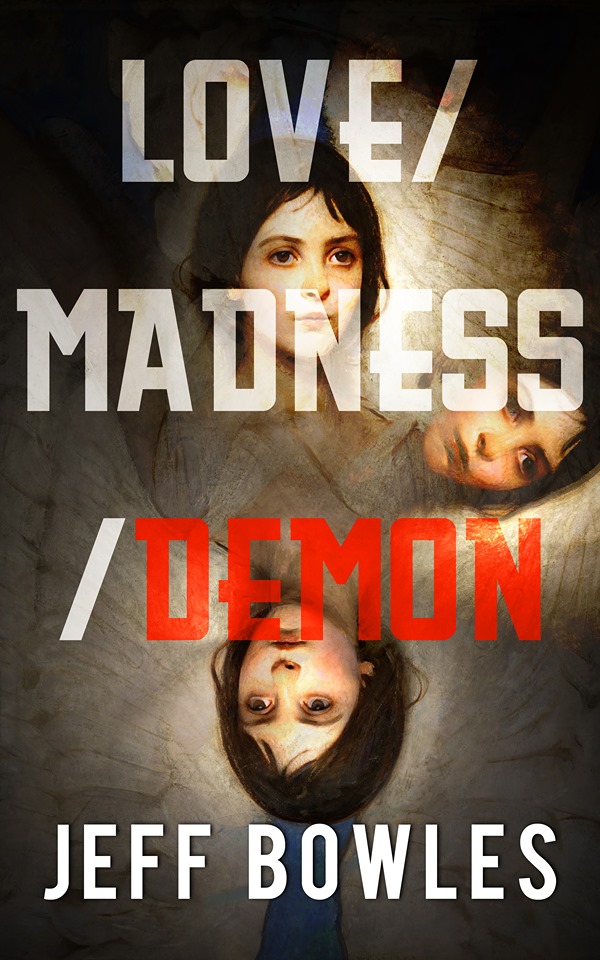
Jeff Bowles is a science fiction and horror writer from the mountains of Colorado. The best of his outrageous and imaginative work can be found in God’s Body: Book One – The Fall, Godling and Other Paint Stories, Fear and Loathing in Las Cruces, and Brave New Multiverse. He has published work in magazines and anthologies like PodCastle, Tales from the Canyons of the Damned, the Threepenny Review, and Dark Moon Digest. Jeff earned his Master of Fine Arts degree in creative writing at Western State Colorado University. He currently lives in the high-altitude Pikes Peak region, where he dreams strange dreams and spends far too much time under the stars. Jeff’s new novel, Love/Madness/Demon, is available on Amazon now!
Check out Jeff Bowles Central on YouTube – Movies – Video Games – Music – So Much More!
Want to be sure not to miss any of Craft and Practice with Jeff Bowles segments? Subscribe to Writing to be Read for e-mail notifications whenever new content is posted or follow WtbR on WordPress
Share this:

Should there be messages/morals in children’s books?
Posted: September 11, 2019 Filed under: Books, Character Development, Children's Books, Fairy Tales, Fiction, Showing vs. Telling, Voice, Writing | Tags: Children's Books, Children's Stories, Children's Writing, Growing Bookworms, Robbie Cheadle, Writing to be Read 46 Comments
The idea that children’s picture books should contain a strong moral or message seems to be very popular among authors of books for young people. This notion probably emanates from parents and caregivers who are of the view that books are a tool for instructing their young, especially in our modern world of so many more risks to the welfare our children than ever before.
This idea does, however, always bring to my mind the lyrics of the song, A British Nanny sung by David Tomlinson, from the original movie of Mary Poppins:
“A British nanny must be a general!
The future empire lies within her hands
And so the person that we need to mold the breed
Is a nanny who can give commands!
Mr Banks: Are you getting this Winifred?
Mrs Banks: Oh yes dear, every word
A British bank is run with precision
A British home requires nothing less!
Tradition, discipline, and rules must be the tools
Without them – disorder!
Catastrophe!
Anarchy – In short you have a ghastly mess!”
This is an amusing song and you can listen to it here:
The idea of a story or picture book containing a message is not a bad one. It is very much about how the message is presented in the story that will decide whether the book appeals to children or not. After all, children’s writers want to write books that children want to read again and again, not books that their parents think they should read.
My own children have taught me that children run a mile when they think that a book contains an overt moral or message. With this in mind, how then can a parent or caregiver select a book that both teaches and entertains?
Firstly, what the reader will takeaway from the story should be considered. It is not necessary to write out a moral at the end of a tale in the manner of Aesop’s Fables, the message can be subtle, for example, a polluted river that poisons a river or lake and results in all the fish and water creatures dying and the resolution of that predicament by cleaning up the river and preventing future contamination of the water. Children will understand the message without it being spelled out for them.
Some other tips for choosing books that will entertain as well as teach children are as follows:
- Make sure that the book is character driven with memorable characters that make the reader care about them. For example in Heidi by Johanna Spyri, the author makes the reader really care about Heidi, Clara and even Grandfather as he changes from a grumpy old man into a tender caregiver. I can remember crying when Heidi goes away from Grandfather to live with Clara in the city;
- The language and voice of the story should be suitable for a child and should be interesting and fun. The idea of family members all helping each other and their parents is strongly conveyed in Enid Blyton’s Faraway Tree series of books through the expectations of the parents and the behavior of, and awareness of their family dynamics by, the children;
- Showing and not telling is another essential ingredient to a good children’s story. I think Roald Dahl is a master and demonstrating exactly where unkind and selfish behavior gets you in life, think of the fate of the two aunts in James and the Giant Peach or the Twits from the book of the same name.
What do you think about children’s books that contain messages? Should they be subtle or overt? Let me know in the comments.
About Robbie Cheadle

Hello, my name is Robbie, short for Roberta. I am an author with six published children’s picture books in the Sir Chocolate books series for children aged 2 to 9 years old (co-authored with my son, Michael Cheadle), one published middle grade book in the Silly Willy series and one published preteen/young adult fictionalised biography about my mother’s life as a young girl growing up in an English town in Suffolk during World War II called While the Bombs Fell (co-authored with my mother, Elsie Hancy Eaton). All of my children’s book are written under Robbie Cheadle and are published by TSL Publications.
I have recently branched into adult and young adult horror and supernatural writing and, in order to clearly differential my children’s books from my adult writing, I plan to publish these books under Roberta Eaton Cheadle. My first supernatural book published in that name, Through the Nethergate, is now available.
I have two short stories in the horror/supernatural genre included in Dark Visions, a collection of 34 short stories by 27 different authors and edited by award winning author, Dan Alatorre. I also have three short stories in Death Among Us, a collection of short murder mystery stories by 10 different authors and edited by Stephen Bentley. These short stories are all published under Robbie Cheadle.
I have recently published a book of poetry called Open a new door, with fellow South African poet, Kim Blades.
Find Robbie Cheadle
Blog: https://bakeandwrite.co.za/
Blog: robbiesinspiration.wordpress.com
Goodreads: Robbie Cheadle – Goodreads
Twitter: BakeandWrite
Instagram: Robbie Cheadle – Instagram
Facebook: Sir Chocolate Books
Want to be sure not to miss any of Robbie’s Growing Bookworms segments? Subscribe to Writing to be Read for e-mail notifications whenever new content is posted or follow WtbR on WordPress.



















