Interview with independent author Dan Alatorre
Posted: May 8, 2017 Filed under: Author Profile, Books, Fiction, Interview, Publishing, Self-Publishing, Super Hero, Writing | Tags: Books, Dan Alatorre, Humor, Inspiration, Interview, marketing, Poggibonsi, promotion, The Navigators, Writing 8 Comments
Today, I have have a real treat for you on Writing to be Read. My interview today is with a very funny guy, who is a successful independent author. He’s a family man, with a background in business, so book marketing and promotion is just another part of the job for him. He’s got two books which have both been recently released, Poggibonsi: An Italian Misadventure? and The Navigators, which we will learn more about right here.
Dan has so much to share with us that I’m going to structure this interview a bit differently than I have on interviews in the past. The first part will allow us to get to know Dan a little as a person. The second part will delve into his marketing knowledge, followed up with the last section which will probe into his writing techniques, what writing means to him and questions on craft. So, without further ado, let me introduce to you, independent author Dan Alatorre.
Kaye: You are a family man, Dan. What are your secrets for juggling writing with family?
Dan: I think if you are a writer you need to prepare yourself for the inevitable “you spend too much time on the computer” conversation/argument.
That’s just how it works.
So, my recommendation is, give work its proper due and give family its proper due and give writing its proper due. How you balance that is, you have to decide whether or not spending time with your young children is important or not. (Answer: IT IS.)
When my daughter goes to her dance class or a Girl Scout Daisies Troop meeting, that’s writing time for me. When she’s going to one of her little girlfriends’ birthday parties, that’s writing time for me. However, I make pizza from scratch every Friday afternoon for my family and that’s family time. I don’t write then. When she was younger, I would write after she went to bed at 8 PM, but often that is time that should be spent with the spouse. Adult time.
Me, I get up at 4:30 in the morning to write for a few hours. That’s how I manage it. I also watch very few TV shows, and the ones I watch are all recorded so I can skip all the commercials. In other words, I utilize a lot of time saving devices but I am also thinking about my stories pretty much all the time, so when I sit down to write I’m ready to let loose. If we are at Busch Gardens and I get a good idea, I will excuse myself for a moment and tell the idea into my phone – and then get right back to the family. So they lose me for a minute or two but I got my idea captured.
And I’m not talking about being there half-hearted – you need to be there 100% for your kids especially when they’re young. But there’s always two minutes here and there if you have a great story idea. Nobody’s going to complain about that. What they complain about is when you take all that family time for your writing and then keep doing things like excusing yourself at Busch Gardens. That’s not gonna fly.
Now, with all that said, every spouse of a writer is going to understand occasionally you are in the zone and you just have to keep going. Whether that is getting up early or working late or whatever for a few days or a week, they get it. They can see it on your face and every time you talk to them you are excited about it. I’m just saying, if you are willing to give them what they need, they will give you what you need. Be generous with them and then be very selfish when you need to be. That also works.
Kaye: A lot of your stories come from your own experience as a parent, things you learned from your daughter, Savvy, and they make us laugh. Do you have a knack for finding the humorous side of things to use in your stories, or is it something you have to work at?
Dan: Both. (I hate when you offer somebody a choice and they choose both things, but in this case it’s really true.) I’m a funny guy. I have a knack for finding the funny things in life, and that’s rampant in certain characters in my stories. Sam in Poggibonsi is a scream – she steals the show. In Savvy stories, my daughter does.
I’ve always had a good sense of humor and I have always been able to make people laugh. When I was a child – I have six brothers and sisters – so around the dinner table it was tough to compete for mom and dad’s attention. Cracking a joke or being able to slip in a funny comment was a way to bring the house down and get a little recognition. I was not a class clown in school, though! Okay, maybe a little. But I was the guy who would do a stand-up routine at the variety show or write stuff for the newspaper.
Before I started writing a blog, I was putting stories on Facebook for my wife’s friends and my friends. I would put a post up at five in the morning and by dinner time there would be 100 comments saying how I made everybody cry before they went to work! Other times they would be a bunch of comments saying how hilarious that story was and that I should write a book. Eventually I listened to them.
But the subject matter of those early stories was my daughter – and anybody who spends five minutes around little kids either decides they’re a pain in the ass or they are amazing and brilliant and hilarious. I fit into that second category. My daughter cracks me up and now that she knows she can, she has her routines that she does that bust me up every single time. So she inherited a funny bone from me and from her mother. My wife is very funny, too.
Kaye: What is the one thing you hope to teach your children?
Dan: It’s a little early to try to teach them this particular lesson, but I have been fortunate enough to come from a large family so my nieces and nephews have gone through college and are making their way in the world. The advice I give to them as young adults is: pursue your passion. Whatever gives you joy in life, do that for a living. Don’t worry about the money, because if you hate your job you will be spending your money on being happy. If you do what you love, you can get by and a lot less money.
Nobody listens, but that’s the advice I give.
At her young age, my daughter enjoys ideas of being a fashion designer and a singer and a writer. Right now she can keep all those thoughts in her head. When it gets closer to the time when she actually has to decide, I hope I am able to be behind her 100% in whatever she chooses. And I hope she chooses with her heart as much as with her head. I work with too many new authors who are 35 and 45 and 55 finally started writing, when they wanted to do it their whole lives. I think we need to follow our passions much earlier in life. I’m not sure Americans foster that in our children.
Kaye: How would you describe yourself in three words?
Dan: Hmmm… only three?
Intense. Hilarious. Smart.
But I think not in that order. I think if you asked three or four people who have read my stories, like three or four of my critique partners that I use all the time, they would say smart and then funny and then prolific or something. I don’t know if they would go with intense.
Kaye: What did your road to publication look like?
Dan: Bumpy.
I found an agent through a friend and the agent kind of started doing things along the traditional path of publication, which is known to move at a glacially slow pace. I came from the business world of Fortune 500 companies, and business moves fast. If you say you’re going to read something in six weeks, I need to be able to call you at six weeks plus one day and get your thoughts on it.
Traditional publishing doesn’t work that way. They they say six weeks, and then you call after six weeks and they say they need another six weeks. That’s why books take two years to come out. I’m not saying my way is better, I’m just saying after being exposed to that type of a slow process, I realized it was not for me. I have no problem working on a project for two years and polishing it, I just have zero patience for giving someone your finished product, a book that is ready to go – and letting them sit on it for two years.
So the agent and I parted ways and I have not really considered going traditional since then, but I am not adverse to it. It is good for certain stories and it is not good for really unique or groundbreaking stories. That may change, but right now that’s the case and that’s been the case for a few years. I don’t really see it changing, but I do see the role of traditional publisher changing. In my mind, they have to get quicker. To Kill A Mockingbird doesn’t come across their desk every day, but then again maybe it does. There sludge piles are so big they’d never know. They’re never getting to a lot of the good stuff, and since the majority of trad books don’t earn back their advance, I’d say their selection process sucks and their competency level is questionable at best.
Kaye: With your background in business, it seems like promotion and marketing are pretty second nature for you. In fact, we found each other because you were looking for authors to swap interviews with, because you know that interviews are good marketing tools. What was the most fun interview you’ve ever done? Why?
Dan: I did an interview with Kathleen Townsend that was just hilarious. That was probably my best written interview prior to this one, but it was done for a different reason. I was just trying to make her laugh and her readers laugh. In this interview, I’m trying to cull a little more in depth because your readership skews different from hers. I hope authors understand interviews are certainly done to sell books, but sometimes they’re done to educate and sometimes they’re done to entertain. The best ones are a combination of all those things.
Anyway, one of the best interviews I ever did was when Jenny and Allison interviewed me for the release of The Navigators. We set up a three-way video call that we recorded. That was really a lot of fun.
The interview that hands-down was the funniest interview I ever did was interviewing the author of the bestseller The Fourth Descendant for a trilogy she was releasing called Project Renovatio. We probably spent two hours doing the interview and we probably laughed hysterically for one hour and 50 minutes of it. The 10 minutes when we weren’t laughing is most of what we used for the interview. The other 90% was just a hilarious good time. We became great friends – we were good friends before that interview but we were great friends after that interview. It was just nonstop laughter. Completely unusable, and it wasn’t outtakes, it was just making jokes and laughing.
One of my great joys in life is I can go to that interview if I’m having a crappy day and I can look at the outtakes and within 10 minutes I’m laughing my butt off. There’s a snippet of it on YouTube. Most of the time she (the interviewee) is laughing and wiping her mascara out of her eyes because she’s laughing her so hard she’s crying. Great interview.
Kaye: What’s your favorite social media site for promotion?
Dan: Specifically for promotion? Probably Facebook, and in that, Facebook ads. It depends on what you’re trying to do. New authors need to build an author platform, and Facebook is really good for helping do that, but there are a million ways to waste your money when you are trying to pay for advertising.
Probably for every good add source I paid for, I have paid for 10 bad ones. My advice to people is this: track everything. Look at your reports every day and when you run an ad try to the best of your ability to only run one ad with one promoter at a time. If you run five ads on Mother’s Day and do well, how do you know which one sold all the books? You don’t. If you run your ads one at a time and track your results, you will. Then you can replicate your success, if it’s replicate-able.
That’s not always possible, but to the extent that it’s possible please try to track your results. Quit giving to the people who don’t give you results.
Kaye: What do you do for cover art? DIY, or hired out, or cookie cutter prefab?
Dan: I had the great pleasure of working with Perry Elizabeth for many of my early book covers. Perry designed a number one bestseller for me, as well as designing a number one bestseller for a friend’s debut novel. She designed maybe six of my first seven book covers. She’s brilliant. She has a gift.
Like many things (I came from a business background having gone to the president circle with two different Fortune 500 companies) and in that world the saying “If it’s not broken, don’t fix it,” doesn’t apply. They would say, “If it’s not broke, fix it so it’s even better.” Something like that. Maybe I should’ve paid more attention in all those meetings.
Anyway, when you have good success you have to look if you can make bigger success. Sometimes the answer is yes and sometimes the answer is no. In the case with Perry, she is very devout in her religion, and I knew some of the risqué subject matters in my stories would not be something she would appreciate her name being associated with. So I had to take it upon myself to find other people to work with for those. I can’t put one of my partners in that position, you know? So I had to put other titles with other artists – and I am very fortunate they’ve done a terrific job, too! Look at how eye catching The Navigators cover is. That’s all part of it, making your book stand out. I’ve been very fortunate to work with so many skilled people.
Now, I have on occasion tried to design my own book cover or to buy an image and work with that, and I have had some decent success with it. But here’s a tip for new authors: even if I know exactly what I want the cover to look like, I still roll it out on my fans.
How did I find cover designers? I joined author groups and asked everybody for referrals. I looked at books I liked and saw who did the covers. I shopped. You can spend hundreds of dollars (and occasionally under a hundred) on covers that look as good as ones that cost thousands, and usually for new authors money is in short supply.
For example, The Navigators I bid it out. I didn’t really know what the cover should look like, so I gave a brief synopsis to three or four cover artists, and then I posted their mock-up results on my Facebook page so my friends could vote. One cover jumped to the front, hands down – and that’s the one I went with. And it was very successful.
With Poggibonsi, I pretty much knew what I wanted from the get go. I wanted to portray sex and humor in a single image that could potentially be iconic. If you ever saw the poster for the movie M*A*S*H, or Jaws, or The Godfather, we know that when something is a hit it tends to own that image. And with Poggibonsi, I knew that the cover would convey very simply and easily a large portion of what the story was about. Additionally, like the name Arnold Schwarzenegger, Poggibonsi is not easy to say or read or pronounce. My thinking was what Arnold said: it’s hard to say but once people hear it they can’t forget it. And I think that’s the case with this title, too.
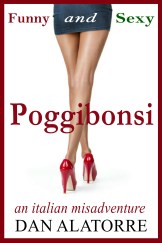
Kaye: Poggibonsi: An Italian Misadventure just came out last month. What can you tell us about it?
Dan: Poggi jumped into the cold cruel world on April 20, and it’s burning up the charts! I’m so happy. Poggibonsi is without a doubt my funniest book I have ever written. It’s going to do amazing because it’s just knock-down drag-out funny as hell.
In the story, I take on so many things that are just absolutely not funny! Infidelity, death, getting fired, you name it. And in the process I make you laugh at every single step. Some of the characters are the funniest people you’re ever going to meet, and one in particular absolutely steals the show. On the other side, it is in insanely romantic romance story! And it’s hard to make a romance that’s really romantic while also being funny, but I think I threaded the needle pretty well on this one.
Kaye: What is the strangest inspiration for a story you’ve ever had?
Dan: Hmm. Strangest.
Hmmm…
I was talking to an author friend of mine the other day and I was explaining to her that she was very creative in setting up a new world or a situation that is different from our current existence. I, on the other hand, have taken things that we are all very familiar with and looked at them from a very, very different view point. I’ve never tried to create a fantasy world like she has. So my complement to her was how creative she is at that, and she’s great storyteller in addition. My complement to myself was that I can take things that everybody knows and all of a sudden they are questioning everything about it and laughing their butts off or crying their eyes out or being scared to death of these things that they already knew.
Now, as far as the strangest places I’ve drawn inspiration, if you start with the premise that I have pretty much dealt with the world as we know it, then the inspiration has been unique insights on things that are common place.
So, my inspiration has come from everywhere, which doesn’t help anybody who’s reading this to figure out what inspires me, but I am inspired by the same things that I find humor in. The common situation or as Alfred Hitchcock used to do to Cary Grant, taking an ordinary man and putting him in extraordinary circumstances. Having an ordinary situation with ordinary people become somehow extraordinary. Taking your life as you know it and turning it on its head and giving you a roller coaster ride but doing it in such a way that you like the characters and you’re rooting for people to succeed – and at the same time, with my stories nothing is what it seems. All of a sudden you have skated out over the thin ice and there are there you are being blindsided by things you didn’t know were coming.
In Poggibonsi, you think a certain situation can’t get any worse, and it gets so, so, so much worse, and people are sending me emails saying, “I did not see that coming!” They love the roller coaster ride. I try to give them a good one every time.
Kaye: Did you always want to be a writer?
Dan: I think so, yes. My direction in life was to create a career and then do the writing in your spare time. That’s probably how most people do it and that’s what I would recommend, too. As long as you make time for everything, you’ll be okay. If you don’t make time for everything, you’ll be very frustrated that you’re not doing your writing – so make time for everything!
But like I said, I went to work in business before I started writing in earnest, and once I started writing in earnest I didn’t want to do anything else.
Kaye: Are you a plotter or a pantser?
Dan: I am absolutely a plotter, but let me explain.
Before I really start writing a story, I will percolate on it for a while to get some ideas going. Before I start writing in earnest, I am throwing ideas into a folder. Once I sit down I have a beginning, a middle, and an end. The that’s my outline – sometimes nothing more than that.
But just because I have AN ending does not mean that is the way the story ends. It simply means that that’s the direction I’m heading in; that’s the way I intend to go. If I get a better ending, I am absolutely taking the story there, but if I don’t come up with something better, this is the destination I’m going to end up at.
That gives you the best of both worlds. You can be as free and crazy as you want and you still have a path to get you back on track. Or, if you really find some new destination, you go there.
But it’s been my experience that probably 75% of the books that never gets finished by the writers don’t get finished because they got excited, they started writing, they had a couple of good ideas – and then they ran out of steam. Jim Patterson – yes I call James Patterson “Jim” – said it’s better to spend an extra month on the outline then it is to start the story not know where you’re going with it.
Having a goal and having a destination, that will help you finish your story. I think 90% of writers block and unfinished stories happens because of the lack of an outline.
But again, it is not locking you in a cage, it is simply directing your creativity. Having an outline does not stifle your creativity, it directs it.
Kaye: What’s the best piece of advice you were ever given?
Dan: I wrote a blog post once where I put like 20 memes in it and then I explained what each of them had meant to me at different periods. One of them was Hemingway saying write every day. Every day, get up and bite the nail. That’s so important because the more you work at something the better you get at it, so don’t stop.
The other was something along lines of, “Every great story is this: nothing is as it seems.”
I thought the simplicity of that second one was overstated. Like almost like it’s too simple so it’s stupid. And then all the sudden I read it like a second or third time and I was like oh my God it’s brilliant.
So those two are good. The best one is: the reader is your willing accomplice. On that one, if you set a realistic world and you work hard to make a good story, the reader will go along with you. As long as you do a good job, you can do whatever you want. And once you do it well, you can play the reader like a piano. You have the power and they want to go on the ride. Willing accomplice.

Kaye: The Navigators also came out recently. Would you like to tell us a little about that one?
Dan: Gosh, I’m so proud of Navs. The Navigators is a great story involving time travel. Five graduate students in paleontology accidentally discover a strange machine, and right off the bat they have to figure out what it is they discovered. As they conclude it’s a time machine, each of them has a different idea of how they should use it – so there’s immediate conflict. There is a lot going on with the characters in the story. Pretty much nothing is what it seems, so there is intrigue at multiple levels, plus it’s a real page turner. People who start reading this book have reported back that they are just unable to put it down. I’m very proud of that. It’s a real home run.
Kaye: How do you decide the titles for your books? Where does the title come in the process for you?
Dan: Man, titles are hard! They shouldn’t be, but they are.
Originally, Poggi was going to be called something like “My Italian Assistant”, but that all had too much of a schlocky 80s sex romp feel. This is not that. This is a story that goes deep in everything it pursues. The humor is outrageously funny. The romance is deeply passionate. You will laugh and you will cry and your heart will break. As a result, it deserves its own unique word.
Now, I’m not a fool. I gave it a pretty simple subtitle to explain what was going on. But most of my critique partners said I couldn’t call it that. Well, after they got used to reading a few chapters and calling it by its name, they were cool with it – and they wanted me to keep the tile as Poggibonsi.
So you have a unique title and a unique cover for a unique story. That’s either going to be a home run or a complete strike out. Right now if I can convince people to start reading it at all, they end up loving it. There are so many toys twists in surprises and absolutely hysterical moments, really some unforgettable stuff and some unforgettable characters, it’s a rare treat that readers around the world are loving.
With Savvy stories, I kicked around a lot of ideas and I was told many times not to use that title. To me, it was a double entendre. Savvy stories are stories about Savvy, which is the nickname of my daughter Savannah. I also gush about how smart and amazing children are, so savvy stories also means stories about people who are street smart. Which is probably the wrong way to describe infants and toddlers, but you get the idea.
The Navigators really required a different formula. I was writing the story and I was calling it The Fantastic Five as its working title – which is just awful – and everybody who saw it kept saying, “You can’t call it that! Find something else.”
The reason it was the “fantastic five” was because they were five characters and each did something kinda fantastic. I knew that would never be the final title but I just couldn’t think of anything good. I was just stumped. It happens.
Anyway, I was in the middle of a scene and the characters were debating about flying the time machine somewhere, and one of the characters said they were thinking about it all wrong. He said, “We’re not really driving it, we just are setting the destinations and the times.”
So the first character said, “Oh, so we are the navigators?”
Again, there is a double meaning to that.
The time machine is something they really haven’t figured out when they start testing it so they are putting in longitude and latitude and a time, and letting the device take them on an adventure. It also refers to the young lady in the story who is kind of drifting along doing the things that people probably wanted her to be doing as opposed to choosing her own life. So she too is also not a pilot yet. She’s not making the decisions yet. In the story, she ends up becoming the main character and really growing into a leadership role.
That was important because I have a young daughter, and it’s kind of a projection of her where she might be 15 years in the future.
Many of my stories are written on multiple levels. I had one beta reader asked me if a certain scene was a metaphor for the guy’s marriage. It was. Other scenes were reflections of other things, too. There’s only a little bit of that (and a little goes a long way) but when somebody discovers it, it’s like a brilliant flash of joyful light to me.
The Water Castle and An Angel On Her Shoulder came about in similar fashion. The water castle is the way a young child refers to a landmark that the story kind of takes place around. And “an angel on her shoulder” is a remark that a doctor says about the child who got diagnosed with a rare but potentially fatal heart condition in my paranormal thriller.
So, I guess when I need to come up with a title, I have my characters express it in dialogue! There you go. That’s my secret. Have a character open your mouth and hope a title pops out.
Kaye: What is the single most important quality in a novel for you?
Dan: I have to care about the characters. There are a lot of different ways to achieve that, but readers are kind of generous. They will give you a little while to make them care about a character, but you have to make them care. If you don’t, nothing else matters.
In The Navigators, I thought about starting the book at the landslide where one of the characters almost gets killed. Aside from it being some obvious action, I knew in my heart that we just wouldn’t care if somebody got killed because the readers hadn’t gotten to know anybody yet.
By contrast, in An Angel On Her Shoulder, it starts with an action scene where the wife is beginning to wonder if her husband and child have been accidentally killed, and the chapter ends with her being frantic – asking that question – but we don’t know.
Because I have the wife being concerned about her young daughter, and because I have her emotions jumping from she doesn’t know what’s going on to “Oh my god what’s going on?” – and all the people around her are saying “Oh my god look at all the blood, there’s no way somebody could survive that,” she is getting more and more frantic…
The reader cares because the character cares. She is really getting frantic and she is really nervous and we can’t help but be empathetic and then therefore we care also.
Then I’m really mean. I jump into a flashback that took place several decades before, and you have to float through that for a few chapters – so that you kind of forget about the frantic scene – and then we end up right back in that opening scene a few minutes before it happens. I know flashbacks are persona non grata, but I got to tell you, this is an amazing roller coaster ride that readers love! The way I played it, it was a stroke of genius if I do say so myself. I love that story.
Kaye: Which author, dead or alive, would you love to have lunch with?
Dan: Mark Twain, because he was very, very funny and very, very smart and apparently liked to drink. I just think sitting down and having lunch with him would involve lots of drinks and lots of laughs, and I’m not sure there’s a better lunch than that.
Hopefully one day some kid will say they want to have lunch with me, and I will fly to where they live and we will go get hammered and have the most awesome lunch ever.
Kaye: Have you ever had places that you travel to end up in your books?
Dan: Kind of. When I was going to Italy for a vacation I kept telling myself I knew I’d find a story there. And I loved Venice and I loved Rome – I loved everywhere we went in Italy. Gelato is amazing, the pizza is amazing, the women are amazing, the art and the architecture is amazing. Italy is amazing.
And I was really trying to force it. I was really saying okay, is this story? Is that a story?
It doesn’t work that way. On the plane ride home I got the idea of a man going on a business trip to Italy so I could explain a lot of the things I saw through his eyes, and then I wanted it to be a romance but I wanted it to be a comedy, too. There’s lots of things to find funny about traveling, but the romance was going to be an unconventional one, and from that little spark, I said there’s the story.
Many of the people who read it have told me I made the country of Italy into a great character in the story, and that is very high praise. I have an Italian translator who I have worked with translating my other books and she read it and she love the way I depicted her country, so I am absolutely satisfied with how that story came out. It’s an absolute home run on every level.
Kaye: What is the hardest part of being a writer?
Dan: Many people, most in fact, struggle with being able to finish their first story. They want to fine-tune it forever and they are afraid of publishing it. Whatever it is, they struggle to get the first one done. Once they get the first one born, they realize what a huge weight has been lifted off of them and they become much more at ease with writing and everything else. Unfortunately, just as many people suffer from the opposite affliction, which is thinking something is a masterpiece. What it really needs a lot of work, and they publish it too soon.
That’s not a very helpful answer, is it? But it explains this: the hardest part is knowing when the story is ready. The people who release it too soon don’t know when it’s ready, and the people who polish it forever don’t know when it’s ready.
How do you figure it out? You write what needs to be said, you give it to trusted critique partners who will tell you the things you said that did not need to be said, and then you trim out the stuff that doesn’t need to be there – and release it.
Then start writing your next one. After you do this a few times you will not be afraid to release a story and you won’t be afraid to take input from people who have your best interest at heart. You’ll have a thicker skin and a bunch of other things. That’s when you – most of you – will become really good writers. A few people do it on the first shot; most don’t.
If I could give you one thing, it would be not just confidence but enough confidence. Tell your story and don’t be afraid to be passionate and to be emotional and to really put your soul on the page. Expose yourself. Writing is the equivalent of standing naked on a stage, prepared to be laughed at and humiliated – and doing it anyway.
Write from your heart and don’t hold anything back. Not the pain, not the love, not the fear, not anything. When you put it on the page from your heart, the reader get it. They connect. The more personal you make it to yourself, the more universally understood it is. That’s where too many authors make their mistake. They don’t open up and let it pour. They write the words but they don’t write the heart. They tell a good story when they have a great one within them. They hold back because they’re afraid of what people might say or might think, or that their mom right read it or that their friend might hate it or whatever. When you can let go of that and stand naked on the stage, that is where the great stuff comes from. You may fail miserably, but you will have given it your all. That’s confidence. I wish I could give you enough of that to make you put your soul on the page. When you do, you will be greatly rewarded for it.
I want to thank Dan for joining us today and sharing his knowledge and experience with us. I couldn’t help but chuckle as I went over your answers. It’s been a lot of fun. To learn more about Dan and his books, drop by his blog.
Like this post? Subscribe to Writing to be Read for e-mail notifications whenever new content is posted.
Share this:

A Published Author At Last – Now It’s In My Readers’ Hands
Posted: April 24, 2017 Filed under: Book Review, Books, Fiction, marketing, Promotion, Publishing, Western, Writing | Tags: Books, Colorado, Delilah, Fiction, Kaye Lynne Booth, marketing, Novels, promotion, Review, Reviews, Western, Writing 2 Comments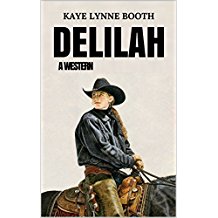
The exciting news this week is, Delilah is now available in digital format! It’s something I’ve been waiting for for quite a while, so of course, I am ecstatic. But, something many aspiring authors may not realize is that publication isn’t the end of the road. No, it’s actually just the beginning of a new chapter in the book of writing, this one titled Sell that Book.
For those of you who aren’t familiar with my road to publication, I started Delilah back in 2012, when I entered the M.F.A. in Creative Writing program at Western State Colorado University. The assignment given by my instructor, Russell Davis, was to write an excerpt in a genre outside our comfort zone. I was assigned to write in western genre, and low and behold, I found not only am I good at it, but I like writing western. Four years later, that small excerpt, grew into a 60,000 word western novel which I’ve been trying to find a publisher for over the past year.
You see, writing the book, while a great accomplishment unto itself, is only half the battle. It doesn’t do any good to write a story, if no one ever reads it. In order for that to happen, the book must be published, and while I could self-publish, (I had considered it), I held out hope of finding a publisher, and in the end my persistence paid off.
So, now that I got Delilah published, with the help of Dusty Saddles Publishing, I must get the word out through marketing and promotion. I must get people to read, and maybe more important, write reviews.
Reviews are where it’s at these days. According to Amazon, reviews are how you get your book promoted, and I just read somewhere that Amazon has recently increased the number of reviews needed for them to promote your book, from thirty-five to fifty or one hundred.
The question is, where do I get reviews from? Although I do honest reviews here, on Writing to be Read, I don’t know many other bloggers who do. So, it comes down to appealing to you, my readers, to buy Delilah, read it and then go onto Amazon and Goodreads, (Delilah will be listed there soon -another thing I still need to do), and leave a review.
If you are willing to go to the trouble of doing all that, I thank you, but I also ask that you leave a review that is honest. While I would love you to leave a review which sings Delilah’s praises, I want it only if it is heartfelt. If you see problems with my story, I need to know what they are, in order to improve my writing of future books, so I am asking for honest criticism, if you are kind enough to leave a review at all.
In the end, it’s up to you, the reader, how successful Delilah, or any book, will be. So, buy the books you want to read, (which I hope includes my debut novel), and be kind. Leave an honest review.
Kaye Lynne Booth does honest book reviews on Writing to be Read in exchange for ARCs at no charge. Have a book you’d like reviewed? Contact Kaye at kayebooth(at)yahoo(dot)com.
Like this post? Subscribe to Writing to be Read for e-mail notifications whenever new content is posted.
Share this:

Interview with author DeAnna Knippling
Posted: April 17, 2017 Filed under: Author Profile, Books, Fantasy, Fiction, Horror, Publishing, Science Fiction, Self-Publishing, Speculative Fiction, Writing | Tags: Author, DeAnna Knippling, Interview, Profile, Publishing, Self-Publishing, Writing 1 Comment
This week, I’m interviewing Colorado freelance writer, editor, author and book designer, DeAnna Knippling. I first met DeAnna through the Pike’s Peak Writers when I was still serving as the Southern Colorado Literature Examiner. What struck me about her was her enthusiasm and willingness to help where ever she can. She treats her writing as a business and goes at it with a high degree of professionalism, yet she is personable and willing to share what she’s learned from her own writing experiences.
DeAnna Knippling writes science fiction, fantasy, horror, crime, and mystery for adults under her own name; adventurous and weird fiction for middle-grade (8-12 year old) kids under the pseudonym De Kenyon; and various thriller and suspense fiction for her ghostwriting clients under various and non-disclosable names. Her latest book, Alice’s Adventures in Underland: The Queen of Stilled Hearts, combines two of her favorite topics–zombies and Lewis Carroll. It’s the story of a tame zombie who told a little girl named Alice a story that got them both in more trouble than they could handle. Her short fiction has appeared in Black Static, Penumbra, Crossed Genres, Three-Lobed Burning Eye, and more.
Kaye: You created Wonderland Press to get your books out there. What all is involved in creating a press for your work and what are the advantages of doing so? I mean, why would an author do this rather than just throwing their book out on Amazon or Smashwords?
DeAnna: This isn’t one of the fun answers. It’s stupid easy to make a “press.” It involves no special equipment. You look online, make sure nobody else has one of that name in your state, register a business name with your state or county (look up, “How to register a business name in [name of state]”), and Bob’s your uncle. You might want to get more complex with an LLC or something–but I recommend leaving that for later, unless you already have experience doing that. I am, of course not a lawyer and can’t give legal advice. When you want to start looking at an LLC or corporation, I believe, is when you start having to worry about taxes and tax brackets.
DeAnna: Just keep working. Everybody’s in a hurry to succeed. Success! Millions! Riches! Fame! But, in the end, it comes back to the basics. Did you read? Did you write? Did you learn something? Did you talk to other people in the writing community?
Like this post? Subscribe to Writing to be Read for e-mail notifications whenever new content is posted.
Share this:

How Do You Measure Success?
Posted: April 10, 2017 Filed under: Books, Fiction, Publishing, Western, Writing | Tags: Books, Delilah, Dusty Saddles, Kaye Lynne Booth, Publishing, Success, Western 13 Comments
There are many measures of success, especially in writing. Readers may look at whether or not an author has made any of the best seller lists. Authors may look at the number of books published, or number of sales, or even positive reviews. For rising authors, who are trying to get a foot in the door, like me, finding a publisher willing to publish even one of your books may be all that is required to consider yourself a successful. That’s where I’m at right now, as I just signed a contract for my western novel Delilah. But the point is, that success is subjective and there are many different levels involved.
You can see what I mean. My little contract for Delilah wouldn’t be a big deal for someone like Stephen King or Anne Rice, who sell books faster than they can write them, but for little old me, it’s a very big deal, even though it isn’t with one of the big five major publishers and there is no advance that comes with it. Although those things would be nice, signing with my small independent publisher, Dusty Saddles, makes me feel plenty successful.
What’s great too, is that it doesn’t end there, because of those different levels I was talking about. Sure, I feel successful now, with book contract in hand. But, I also have a feeling of success when I check my blog stats and discover that my readers are increasing. I feel it every time one of my poems, or short stories is published. I felt it when I earned my M.F.A. in Creative Writing. I’ve no doubt I’ll feel it again if Delilah starts selling copies and I find people are reading it, or when the next book contract comes along, or if I sell a screenplay.
Success is what we, as writers, all strive for, although your definition of success may be just finishing the book. That was my definition while I was earning my M.F.A. in Creative Writing, but after completing two novels, working on both simultaneously, I know I can finish a book, so I’ve moved on to the next challenge. Selling the book, and now it looks like I have achieved that success, as well.
But we have to be careful not to want that success so bad that we allow ourselves to be taken. There are a lot of scammers out there, who will try to steal your book right out from under you. Although I was excited about being offered a contract, I didn’t just jump into heart first, but used my head and went over it with a magnifying glass, being on the look out for all the fine print. I questioned different clauses and negotiated on any that didn’t serve my best interests, until the publisher and I came to an agreement that was fair and served both our interests. Although having a knowledgeable attorney or agent look over all contracts is always recommended, as a striving artist, I had no access to that type of professionals, but I did have someone knowledgeable in the business look it over. He confirmed that I was reading it correctly and helped my identify a couple of problems with it. Fortunately, none of them were deal breakers and the publisher was willing to be flexible.
Now, I’m ready to embark on a new publishing adventure and looking forward to in anticipation. Signing the contract holds a certain level of success for me, but the next level of success may be just over the hill, so I must press forward. My readers can help by buying the book, because the ultimate goal for me is for people to read what I write, (and the money from the book sales will be nice, too). Of course, I’ll keep you updated as to when it will be out. After all, I strive to create Writing to be Read.
How do you measure your success?
Want to know more about Delilah? Visit my Delilah Facebook Page
Like this post? Subscribe to Writing to be Read for e-mail notifications whenever new content is posted.
Share this:

Jeff’s God Complex
Posted: March 29, 2017 Filed under: Articles, God Complex, Opinion, Pep Talk, Publishing, Self-Help 5 Comments
Writer’s Block vs. The God Complex
by Jeff Bowles
Traditionally, I’ve never been a fan of taking breaks from my writing. I’ve advocated others not break from theirs either, telling myself and the entire writing world to keep pushing no matter what the circumstances. I’m having to alter that perception somewhat. You see, life can and does get in the way at times, and I don’t think there’s any use denying it. Staying driven and defiant in the face of adversity is all well and good. But what about personal tragedy, financial setbacks, lingering doubts, bouts of depression?
In my life as a writer I’ve received well over 600 rejection slips. Trust me, I’ve counted them recently. That’s never been enough to put the nail in the coffin of my work ethic, but somehow when it comes to my life in disarray, a hard fight is just about the only kind I know. Sometimes existence is smooth and sometimes it’s bumpy, and after all, that which you leave behind is paramount. So working your butt off no matter what, creating stories, filling your hard drive with new material, it’s got to be a saving grace of some sort, hasn’t it?
Only I’m not a machine, and neither are you. If you prick us, do we not bleed? Here on Writing to be Read, we hand out a lot of pro tips and offer words of wisdom for writers just starting out. I’d like to give you your concept of the morning: forgiveness. As in self-forgiveness, the only kind no one ever wants to grant. It’s so very easy to pretend your problems don’t exist. Sometimes we don’t have a choice in the matter, and when life catches up to us, there can be a letdown in creativity.
Writing is a hard business to pursue day in and day out. Rather than being purely creative, it’s startlingly cerebral, which means those lovely brains of ours need to be in tip top shape if we’re going to create brilliant prose (which is always the goal, right?). The mind gets tired sometimes. What’s more, it’s far easier to produce another story when a deadline or paycheck is in play. But how do we put up with the work load when all guarantees of future success are null and void?
The answer is passion, I suppose, and a healthy dose of resolve. Discipline will get you to the finish line with startling regularity, but everyone gets burned-out sometimes, right? I would submit that what most people refer to as burnout is more attributable to depression. You’ve got to take care of yourself. Don’t ignore what your mind and body are screaming at you to acknowledge.
How do we refresh ourselves when we’re not in the mood to write? Creatively speaking—and this is just an example from my own experience—it’s always a good idea to have some kind of hobby or art project on the side. For instance, let’s say that 120,000 novel is really starting to drag you down ‘round about the 90,000 word mark. Why not go outside with a camera and begin a fun photography project? Or maybe pick up some paints and toss them at a canvas? Reading is also good, the kinds of stories you’ve always enjoyed most. Take a breather if you have to, though if I were you I’d narrow your daily word limits rather than abandoning your manuscript completely.
To be perfectly fair, I have never been great at refreshing myself in the middle of a long-haul project. The one thing that usually seems to work is finding escape in my words. Instead of viewing my writing as a crucible, I try to envision it as a form of therapy that allows me to escape my troubles and heal that which is damaged or broken. I don’t think this is easy for everyone to do, because the longer you’re at this thing, and the more life is stressing you out, the harder it is to view your writing in a positive light.
I know there will be plenty of writers out there who do not share my experience. After all, talent and depression don’t always go hand in hand, nor do they need to. But sometimes people go through bad months, bad years, and unless I miss my guess, during those times even the most productive writers find the work difficult. On social media the other day, a fellow author asserted writer’s block is just an excuse. I actually agree with the sentiment, though not by his same reasoning.
You see, calling a slump writer’s block allows us to focus on the results of our output rather than the cause. It’s like 17th century Salem assaulted by tragic events, blaming the whole thing on witchcraft. Writer’s block is a nothing phrase, a catch-all that doesn’t describe anything pertinent. Does it exist? Certainly, but not as an end itself. To me, writer’s block is and always will be a symptom of some form of depressed thinking.
When writers slow down, it’s important to consider life circumstances. Maybe the bills aren’t getting paid. Or perhaps there’s too much to do at the office. We humans are extraordinarily skilled at ignoring our troubles. Remember, everyone has bad days, months, years. It does no good to pretend we don’t. In fact, it only serves to make our writing woes that much harder to overcome.
Are you a writer who’s having trouble maintaining a steady workflow? Don’t get angry and do not criticize yourself. Call it writer’s block if you have to, but realize there’s a genuine cause that you can in fact address. Do a little soul searching, reacquaint yourself with your situation and get honest about what’s causing you difficulty. You understand best how talented you are. You are irreplaceable as a voice and as an individual, so get introspective and really try to parse out this downturn.
Consider a little self-nurturing. It’s not a sin to pause your work. It’s just not. Besides which, many of us consider writing a calling and a passion, no matter how successful or productive we are. You’ve come this far. If we can purge the negativity and bad emotion, the self-destructive tendencies and malaise, writer’s block is no longer such an issue. I’d rather work in a mind space free from all that crap. Wouldn’t you?
Most of the time writing is a damn thankless job. Let’s all be honest about that. It isolates us even at the best of times, so why’s it so hard to believe we sometimes need a little mental and emotional care? Be kind to yourself and respect your ability to produce. If you’re not feeling this right now, no worries, take a breather and work on yourself a bit. Until next time, everybody!
Interested in my writing? Check out my latest collection, Fear and Loathing in Las Cruces: Short Stories — https://www.amazon.com/Fear-Loathing-Las-Cruces-Stories-ebook/dp/B06XH2774F
Twitter: @JeffBowlesLives
Facebook: http://www.facebook.com/jeffryanbowles
Tumblr: http://authorjeffbowles.tumblr.com
Amazon Author Page: https://www.amazon.com/Jeff-Bowles/e/B01L7GXCU0/ref=sr_ntt_srch_lnk_1?qid=14794534940
Share this:

Ah! Sweet Rejection
Posted: February 27, 2017 Filed under: Books, Publishing, Western, Writing | Tags: Colorado Frontier, Delilah, Kaye Lynne Booth, Publishing, Rejection, Rejections, Western 2 Comments
Last week, I received a rejection letter for Delilah from a publishing house I submitted to back in October. Although I know it sounds odd, I was elated. “Why?” you may be asking, and with good reason. Rejections are not something writers are usually pleased about. In fact, just the opposite. But I was pleased with this rejection letter for one reason. It was not a form letter. In fact, the editor took the time not only to read the sample I submitted, but to give me constructive criticism and suggestions as to how the manuscript might be improved.
As a graduate student, my professors drilled the idea into our heads that a personal rejection letter, means your manuscript made it past the slush pile and actually received some attention from the editor. It was good enough that they actually read what you sent. And a rejection letter with personal feedback is even better, because then you don’t have to wonder why they rejected your work, and you can strive to fix anything that needs fixing before sending it out again.


My rejection letter was personal, rather than form, and it offered feedback. How sweet is that? I mean, I’m not happy the book was rejected, but I am happy that somebody read at least part of it, in this case, the first fifty pages. My reaction to this rejection is to study the personal feedback and then really look at the manuscript to determine the validity of the comments. Then revise and resubmit to the next publisher on my list for Delilah.
For those not familiar with me or my writing, Delilah is my 60,000 word western novel about a strong willed young woman, who served two years in the Colorado Territorial Prison, in the late 1880s. Delilah thought that time had hardened her against the cruelties of the world, but she wasn’t prepared for the trip back home and the hardships of the Colorado frontier. She heads to her home in San Luis, with sixteen year old, Sarah. An encounter with two outlaws, who take the girl captive, sets Delilah on a journey into the high country of Colorado mining towns. Along the way she faces wild animals, outlaws and Indians, makes colorful friends, and learns to love again. Delilah is a novel with the true flavor of the Colorado frontier.
A while back, I also had a hybrid publisher, who expressed interest, but wanted me to provide other western authors that would be interested in publishing with them. (To get a better idea of what I’m talking about when I say hybrid publishing, see my article, Hybrid Publishers – What are they all about?). I posted in a few places on Facebook, but did not come up with any other interested authors.
So, this is actually the second personal, (non-form) letter that I’ve received on Delilah. Of course, it would have been better if I had received an acceptance letter, but I believe in myself, I believe in my writing, and I know that one day, that acceptance letter will come. And, if not, I am not beyond the idea of publishing her myself, because I know she is that good.
To learn more about and read updates on Delilah, go to my Delilah Facebook page.
Like this post? Subscribe to Writing to be Read for e-mail notifications whenever new content is posted.
Share this:

What’s a Reviewer to Do?
Posted: February 13, 2017 Filed under: Book Review, Books, Commentary, Fiction, Opinion, Promotion, Self-Publishing, Writing | Tags: Book Reviews, Feedback, Honest Book Reviews 4 Comments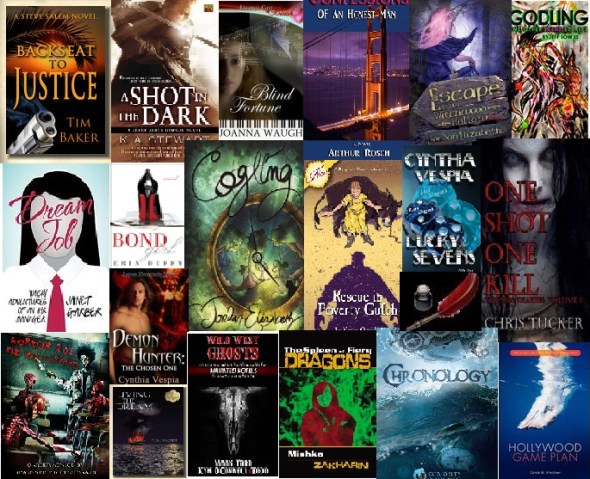
I started Writing to be Read to promote my own writing and to help other authors, through writing reflections and reviews. We’re all in the same situation. Marketing and promotion are a big part of writing these days, and authors are expected to self-promote to some extent, even if they are traditionally published. The way that books are being rated now, in many places, including Amazon, by the reviews they receive. I post partial reviews on both Amazon and Goodreads for this reason, and have even taken the time to post on Smashwords and Barnes and Nobles upon request from the author.
But, what is a reviewer to do when a book she’s reviewing falls short of all expect a film, like my review of Angel Falls Texas on Friday? Every review I publish has an end note at the bottom which reads like this:
“Kaye Lynne Booth does honest book reviews on Writing to be Read in exchange for ARCs at no charge. Have a book you’d like reviewed? Contact Kaye at kayebooth(at)yahoo(dot)com.”
I don’t believe in charging for a review because I don’t believe in paying for a review. And I don’t believe in that because I don’t think you can get an honest review when it is paid for. And I do believe a review should be honest. While I amin favor of promoting other authors with my reviews, I don’t believe in hyping up a work when it is not deserved.
Too many authors get their books on the best sellers list simply by having great reviews posted by those who love the author, but don’t honestly reflect the quality of their book. It’s sad but true. (To learn more about what that best seller label really means, check out this article by Brent Underwood.)
As I shared my post for my review of Angel Falls Texas last Friday, I reacted with a sad on each one, because I hated having to publish such a negative review. It’s certainly not going to help the author sell books, which is usually my goal. In this case, to post a review to encourage sales would have made me feel dishonest to my own readers.
I do both solicited and unsolicited reviews. Those that are unsolicited are from books I purchased on my own and I use them as fill in posts when I don’t have any solicited reviews to publish. With reviews that have been solicited by the author or I have requested an ARC from the author, which don’t rate at least three quills, I usually contact the author, tell them my assessment, and offer them the chance to not have the review published. Most authors, like my author friend Chris Tucker, opt to publish the review and take their licks, but there have been a few who have requested that I hold off publication. These authors, hopefully, then go and make revisions to improve their book and then have me give it another chance. I’d rather do that than post a review that may hurt sales.
I try to be fair in my reviews. If a book is one of a genre that is not one of my favorites, I will state that in the review, being upfront about anything that may have influenced the my opinion. But honestly, as authors who are putting their work out there, we all take the chance that someone out there will not like our work, for whatever reason, and will post an unfavorable review. After all, we are only human, and we are never going to please everyone.
As a reviewer, I know I’m not going to love every book that I review. There will be times when my reviews will be less than shining, but I have to be true to myself and to you, my readers, and publish how I honestly feel. All I can do is try and be specific about what I didn’t like in the hope that the author will take it like a critique and find something useful from my feedback to help to improve their writing or the value of the product they put out.
I think the number one thing we, as writers, can do is remember what one of my Creative Writing professors, Russell Davis, said when talking about receiving critiques from our cohorts,
“Remember, it’s not about you. It’s not personal. It’s all about the writing.”
Like this post? Subscribe to Writing to be Read for e-mail notifications whenever new content is posted.
Share this:

“Horror 101: The Way Forward” Offers Good Advice for Authors and Screenwriters
Posted: February 3, 2017 Filed under: Book Review, Books, Children's Books, Comic Hero, Dialogue, Fantasy, Fiction, Horror, marketing, Paranormal, Promotion, Publishing, Revision, Science Fiction, Screenwriting, Self-Publishing, Speculative Fiction, Stories, Writing, Writing Tips | Tags: Books, Fiction, horror, marketing, Poetry, promotion, Reviews, Stories, Story, Writing 1 Comment
This is the longest book review I have ever written. This book was so packed full of useful information for rising authors and screenwriters that I felt I needed to cover it all. If you are an upcoming horror author or screenwriter, trying to figure out how to get a foot in the door or where to start in the matter of launching your career, Horror 101: The Way Forward offers “career advice by seasoned professionals”. Different writers will find different essays useful, so I’m giving you a rundown on all the informative essays included.
Compiled by Crystal Lake Publishing, this collection of essays has something for every writer. The anthology features quotes from the masters such as Stephen King, Ray Bradbury, Isaac Asimov, J.R.R. Tolkien, Jack London, Clive Barker, H.P.Lovecraft, Edgar Allen Poe and many others. Advice from professional writers and editors covers all aspects of the horror writing business, and the business of writing, in general. From submitting your work, to marketing and promotion, to self-publishing and building your writing business, to crafting your work and the writing process.
The answers to many questions on the topic of submissions and all other aspects of writing as a business are found within its pages. Not getting positive response from your queries? First read Rejection Letters – How to Write and Respond to Them by award winning author Jason Bark, which offers an attempt to write a rejection letter that doesn’t sting, (at least, not so much). Then, flip to Seven Signs that Make Agents and Editors say “Yes!” to learn what agents and editors look for. Buttoning Up Before Dinner by horror author Gary Fry also offers advice to put you in the good graces of publishers and editors and create well-written stories.
Unsure how to submit your work? Submitting Your Work: Read the F*****g Guidelines by freelance writer and editor John Kenny offers tips for making a professional submission from an editor’s perspective. And What a Short Story Editor Does by horror, fantasy and science fiction editor Ellen Dallow explains the responsibilities of short story editor.
Looking for sound career advice? Be the Writer You Want to Be by television writer and novelist, Steven Savile recycles the best writing advice the author was ever given. The Five Laws of Arzen by award winning dark fiction author Michael A. Arzen offers hints to help you survive a writing career. How to Fail as an Artist in Ten Easy Steps: A Rough List Off the Top of My Head, by Confirmed Failure… by horror author John Palisano provides a reverse list of things you should do to be a successful writer.
Wondering if you need an agent to get your work in front of editors and publishers? Do You Need an Agent? by author Eric S. Brown is a discussion about the need, (or not), for an agent and relates the personal experience of how the author became successful without one. Also included are essays on building your writing business in Balancing Art and Commerce by author and screenwriter Taylor Grant , offering a look at various mediums one can write in and earn a living & advice in the business of writing. There are even essays offered on the lucrative business of ghostwriting, with a personal experience as a ghostwriter shared by dark fiction author Blaze McRob, and Ghostwriting: You Can’t Write it if You Can’t See It by award winning author Thomas Smith instructs on how to step into the author’s shoes and write like them.
If you are hoping to find some help muddling through the vast world of marketing and promotion, The Year After Publication by horror & thriller novelist Rena Mason offers an account of what to expect once you publish your first book and a walk through the exhaustive process of book marketing. How to be Your Own Agent, Whether You Have One or Not by horror writer, editor and publisher Joe Mynhardt offers tips for marketing your stories and yourself. Reviewing by founder of Ginger Nuts of Horror, (one of the most viewed resources in horror fiction), Jim McLeod discusses getting your book in the review pile & what the writer should do while awaiting publication of the review.
If you’ve not attended a conference or convention before, Pitch to Impress: How to Stand Out From the Convention Crowd by editor R.J. Cavender provides a guide to making a pitch that will snag agents’ and publishers’ attention. Tips for networking at conferences are offered by dark fiction author Tim Waggoner in You Better (Net)Work, and Networking at Conventions by Bram Stoker Award winning author Lucy A. Synder offers a look at the benefits conventions have to offer and a breakdown on some of the major ones for horror writers.
There is a plethora of advice offered on publishing, including a comparison of traditional publishing vs. digital publishing in Weighing Up Traditional Publishing and Ebook Publishing by award winning author Robert W. Walker; Publishing by editor and publisher Simon Marshall-Jones compares publishing in the digital arena with the way it was done in the past & how to become an independent publisher; and Glenn Rolle Toes the Line with Samhain Horror Head Hancho, Don D. Auria by Glenn Rolle with Interview that maps Auria’s rise to the top.
The arena of self-publishing is also explored in Make Your Own Dreams by horror and suspense novelist Iain Rob Wright. Besides being a plug for self-publishing’s evening of the playing table. It relates personal experience and advice for self-publishing, walking us through the self-publishing process. Self-Publishing: Thumb on the Button by author Kenneth W. Cain gives a list of things to think about before you choose to self-publish.
Also included are essays on the different mediums for horror: Poetry and Horror by Blaze McRob, and Horror for Kids: Not Child’s Play by novelist Francois Bloemhof offers guidelines for writing horror for youth. Several essays on comics and screenwriting, (one of the biggest outlets of horror today), are also included.
Horror Comics – How to Write Gory Scripts for Gruesome Artists by novelist Jasper Bark discusses the craft of writing horror comics and the relationship between writer and artist. Some Thoughts on My Meandering Within the World of Dark and Horror Art by artist Niall Parkinson offers thoughts on creating dark and horror art. So You Want to Write Comic Books… by novelist C.E.L. Welsh discusses what goes into the making of a comic book.
From Pros to Scripts by author and screenwriter Shane McKenzie talks about the many challenges of screenwriting. Writing about Films and For Film by award winning writer, editor and screenwriter Paul Kane gives the story of the author’s rise to success and tips for learning the lingo of the business. Screamplays! Writing the Horror Film by award winning author and screenwriter Lisa Morton offers the basics of screenwriting, description and dialog, and tips for getting your screenplay made into a movie. Screenplay Writing: The First Cut is the Deepest by author, director and editor Dean M. Dinkel recaps of the author’s experience at the Cannes Film Festival.
Essays on writing a digital world include Running a Webserial, or How to Lose Your Mind, One Week at a Time by Southern author Tonia Brown, providing a brief history of serials and a rundown of what goes into running one on the web; Friendship, Writing, and the Internet by Bram Stoker Award winning novelist Weston Ochse with reflections on online connections with like-minded writers, and Audiobooks: Your Words to Their Ears by horror novelist Chet Williamson discusses what it takes to create and audiobook and what to expect from the effort.
Of course, there is also plenty of advice on crafting a quality story. What is Horror? by author and novelist Graham Masterson offers general writing advice which could be applied to any genre and instructs on how to push your writing to the edge. The Journey of “Rudy Jenkins Buries His Fears” by author Richard Thomas takes us on a walk through of the writing, editing and submissions process of a story. Writing Short Fiction by horror and thriller novelist Joan De La Haye offers tips to tighten your writing and move the story forward, and discusses where to look to sell your story and how to choose where to submit. Ten Short Story Endings to Avoid by Scottish horror novelist William Meikle supplies a valuable list, if you want to avoid having readers feel cheated. From Reader to Writer: Finding Inspiration by publishing and editing consultant Emma Audsley offers advise for attacking the blank page. Writing Exercises by horror writer Ben Eads provides exercises in description and dialogue. Writer’s Block by short fiction writer and novelist Mark West discusses how to keep the creative juices flowing. Editing and revision are covered with Editing and Proofreading by author and editor Diane Parking presents good reasons not to send out a first draft, and How to Dismember Your Darlings – Editing Your Own Work by Jasper Bark gives a brief guide on how to self-edit.
A few essays outline the needs of a writer and suggestions on how to meet them. Filthy Habits – Writing and Routine by Jasper Bark offers a look at the benefits of creating a daily writing routine. A Room of One’s Own – the Lonely Path of a Writer by horror and fantasy writer V. H. Leslie discusses the need for solitude and space to write in. Writing Aloud by screenwriter and author Lawrence Santoro outlines the benefits of reading aloud as a part of the writing process.
Also included are Partners in the Fantastic: The Pros and Cons of Collaborations by novelist Michael McCarty, which looks at the views of various authors on collaborations, and Writing the Series by series author Armand Rosamilia, which explains why Rosamilia writes series.
Several essays offer advice specific to writing in the horror genre. Making Contact by award winning novelist Jack Ketchum discusses how to turn what you know into a horror show. Bitten by the Horror Bug by horror author and screenwriter Edward Lee looks at what motivates us to write horror. Reader Beware by author Siobhan McKinney explores the role fear plays in horror. Bringing the Zombie to Life by author Harry Shannon maps out four components of a good zombie story. The Horror Writers’ Association – The Genres Essential Ingredient by author and President of the Horror Writers’ Association (HWA), Rocky Wood gives a rundown on the HWA.
What’s the Matter With Splatter? by horror writer and Vice-President of the AHWA, Daniel I. Russell discusses the use of blood, gore and splatter in horror fiction or screenwriting, gives tips on how to use it to gain the desired effect, and discusses why some gore doesn’t get a second thought. Avoiding What’s Been Done to Death by British horror writer Ramsay Campbell defines good horror fiction & emphasizes originality. The (Extremely) Short Guide to Writing Horror by dark fiction author Tim Waggoner offers an introduction to writing horror, including techniques and brief definitions, and a list of good resources for horror writers. Growing Ideas by horror writer Gary McMahon offers a look into the author’s writing process. Writing Horror: 12 Tips on Making a Career of It by horror novelist Steve Rasnic Tem instructs on building your own writer’s toolbox and advice for entering the profession of writing horror. The Cheesy Trunk of Horror by international best selling author Scott Nicholson provides a look at both writer and reader perspectives on horror and dark fiction. Class: Vaginas in Horror by science fiction, urban fantasy and horror novelist Theresa Derwin offers an overview of women in the horror industry. And the afterward by Crystal Lake Publishing’s editor, Joe Mynhardt, includes his own advice for writing horror.
Horror 101: The Way Forward is based on the sound advice of seasoned professionals that is useful to horror writers in any stage of their careers. I recommend it with four quills for anyone who wants to write horror in either fiction or screenwriting.

Kaye Lynne Booth does honest book reviews on Writing to be Read in exchange for ARCs at no charge. Have a book you’d like reviewed? Contact Kaye at kayebooth(at)yahoo(dot)com.
Share this:

Looking Back Over 2016
Posted: December 26, 2016 Filed under: Articles, Book Review, Books, Children's Books, Commentary, Fiction, Film Review, Horror, Movies, Nonfiction, Poetry, Promotion, Publishing, Screenwriting, Self-Publishing, Steampunk, Stories, Weekly Writing Memo, Western, Writing, Writing Event, Writing Tips, Young Adult | Tags: 2016, Book Reviews, Books, Fiction, marketing, Movies, Novel, Novels, Poetry, Review, Reviews, Writing, Writing to be Read 4 Comments
This will be the last reflective post of the year. Next Monday’s post will find us in 2017. For my writing career it has been a slow take off, but I’ve seen progress. In July, I completed my Master of Fine Arts degree in creative writing. With emphasis in both genre fiction and screenwriting, and two completed novels, Delilah and Playground for the Gods Book 1: In the Beginning, two full feature film scripts and one comedy series pilot script in hand, I eagerly jumped right in to get my feet wet in either the publishing and/or screenwriting industry. I began submitting my work to agents, publishers, and competitions like crazy. I received mostly rejections, as expected, and although I still haven’t found a home for either novels or scripts, I did manage to find a home for two poems and two short stories. Not too bad. While the poems, Aspen Tree and Yucca! Yucca! Yucca!, appeared in print, (in Colorado Life (Sept.-Oct. 2016) and Manifest West Anthology #5 – Serenity and Severity, respectively), my short story, I Had to Do It was published on Zetetic: A Record of Unusual Inquiry, and my not so short, short story, Hidden Secrets was published on Across the Margin.
2016 has been a pretty good year for Writing to be Read. The revamping of the blog site was completed in March, I’ve managed post things on a fairly regular basis, we were honored with guest posts by my friend Robin Conley, and my visits and page views have risen, with almost 2000 visitors and over 2,500 page views. Looking at this, makes me feel pretty good about the blog, as a whole. Another good change is the addition of screenwriting content, which I believe has drawn a larger audience by widening the scope of the content.
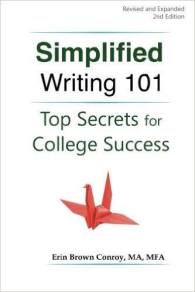 The top post of 2016 was my book review of Simplified Writing 101, by Erin Brown Conroy, which is an excellent tutorial on academic writing, including writing advice that every writing student should know. After that, the reflective post Writing Horror is Scary Business would be second in line. Other popular posts include my four part Making of a Screenplay series,( Part 1, Part 2, Part 3, and Part 4), my Tribute to My Son, and What Amazon’s New Review Policies Mean for Writing to be Read. More recently, my ten part series on publishing, Pros and Cons of Traditional vs. Independent vs. Self-Publishing gave me the opportunity to interview some awesome names in the publishing industry: self-published authors, Jeff Bowels, Tim Baker and Art Rosch; traditionally published authors Stacia Deutsch and Mark Shaw; independently published author Jordan Elizabeth; and children’s author Nancy Oswald, who has published under all three models; as well as Caleb Seeling, owner of Conundrum Press and Curiosity Quills Press – with the final installment summarizing the conclusions made from those interviews.
Many of my posts were reflections of my own writing experience. These included: Why Writing is a Labor of Love; Fear is a Writer’s Best Friend; I’ve Come A Long Way, Baby; Writing the Way That Works For You; Creating Story Equals Problem Solving; What’s A Nice Girl Like Me Doing Writing in a Genre Like This?; Acceptance or Rejection – Which Do You Prefer?; A Writer’s Life is No Bowel of Cherries; Write What You Know; Discouragement or Motivation?; What Ever Happened to Heather Hummingbird?; How You Can Help Build a Writer’s Platform; and Why Fiction is Better Than Fact.
 Sadly, I only attended two events that were reported on, on Writing to be Read in 2016 – the 2016 Ice Festival in Cripple Creek, and the 2016 Writing the Rockies Conference in Gunnison, Colorado. What can I say? I’m a starving writer. This is something I hope to improve on in 2017 by attending more events to report on. One possible addition to the 2017 list that I’m very excited to think about is the Crested Butte Film Festival. The details are not ironed out yet, but I’m keeping my fingers crossed.
Screenwriting content included this past year seemed to be popular. In addition to my Making of a Screenplay series and Writing Horror is Scary Business, Writing to be Read also featured Writing Comedy for Screen is a Risky Proposition, and a book review for Hollywood Game Plan, by Carole Kirshner, which I can’t recommend highly enough for anyone desiring to break into the screenwriting trade. Robin’s Weekly Writing Memo also included several writing tips that could be applied equally to literature or screenwriting.
Another project I’m particularly proud of is my ten part series on publishing, Pros and Cons of Traditional vs. Independent vs. Self-Publishing, which I just finished up last week. In this series I interviewed nine professionals from within the industry to get the low down on the three different publishing models. My interviews included self-published authors Jeff Bowels, Tim Baker and Art Rosch, traditionally published authors Stacia Deutsch (children’s books) and Mark Shaw (nonfiction), and independently published YA author Jordan Elizabeth. To balance things out a bit, I also interviewed children’s author Nancy Oswald, who has published with all three models, Clare Dugmore of Curiosity Quills Press and Caleb Seeling, owner and publisher at Conundrum Press.
 One of the great things about doing book reviews is that you get to read a lot of great books, in with the okay and not so great ones. In addition Simplified Writing 101, my five quill reviews in 2016 included Jordan Elizabeth’s Runners & Riders, Mark Shaw’s The Reporter Who Knew Too Much, Nancy Oswald’s Trouble Returns, Carol Riggs’ Bottled, Jeff Bowles’ Godling and Other Paint Stories, Janet Garber’s Dream Job, Art Rosch’s Confessions of an Honest Man, and Mark Todd and Kim Todd O’Connell’s Wild West Ghosts. I don’t give out five quills lightly and every one of these books are totally worthwhile reads.
 Of course, not all books get a five quill rating. Other books I reviewed that I recommended with three quills or more include three short story anthologies: Chronology, Under a Brass Moon, and Cast No Shadows; two poetry collections: Suicide Hotline Hold Music by Jessy Randall and Walks Along the Ditch by Bill Trembley; Escape From Witchwood Hollow, Cogling, Treasure Darkly, The Goat Children, and Victorian by Jordan Elizabeth; Dark Places by Linda Ladd; Chosen to Die by Lisa Jackson; Wrinkles by Mian Mohsin Zia; Full Circle by Tim Baker; The 5820 Diaries by Chris Tucker; The Road Has Eyes: An RV, a Relationship, and a Wild Ride by Art Rosch; Hollywood Game Plan by Carol Kirschner; Keepers of the Forest by James McNally; 100 Ghost Soup by , and A Shot in the Dark by K.A. Stewart. I also did two movie reviews: Dead Pool and Point Break.
I feel very fortunate to have had Robin Conley join us with her Weekly Writing Memo and her guest movie reviews. The useful writing tips in her Weekly Writing Memos covered a wide range of topics including critiquing, using feedback, ways to increase tension, Relatability or Likeability?, 3 Types of Plot, story research, what to write, making your audience care, world building, handling feedback, writing relationships, establishing tone, editing, word choice, How to Start Writing, endings, queries, Parts of a Scene, making emotional connections, the influence of setting, Building a Story, Inciting Your Story, movement and dialog, Writing Truth, time, Overcoming the Blank Page, Networking, character names, theme, set up, cliches, parentheticals in screenwriting, horror inspiration, and Learning to Write. Robin’s guest post movie reviews included Pride and Prejudice and Zombies, Batman vs. Superman, Miss Perigrin’s Home for Peculiar Children, and The Neon Demon. 
I am thankful for Robin’s valuable content and am glad that she will still be contributing Memos on a monthly, rather than a weekly basis. Although I was sad to lose her weekly content, I am happy for her as she moves forward in her own writing career and I wish her well in her writing endeavors. For those of you who looked forward to her weekly posts, you can catch more of her content on her own blog, Author the World.
2016 was a great year for Writing to be Read, even if it was kind of rough for the author behind the blog. You readers helped to make it a good year and I thank you. Now it’s time to look ahead and see what’s in store for 2017 Writing to be Read. I mentioned some of the things I hope to achieve above: more posts pertaining to the screenwriting industry, and coverage of more events throughout the year are two of the goals I have set for my blog. I also plan to add some author, and hopefully, screenwriter profiles into the mix. I had good luck with author profiles during my Examiner days, and I think they will be well received here, as well.
I also hope to bring in some guests posts by various authors or bloggers, or maybe screenwriters, just to give you all a break from listening to me all the time. I believe Robin plans to continue with Monthly Writing Memos, which will be great, too.
I look forward to all the great books that I know are coming my way in 2017, too. The first reviews you have to look forward to are a short memoir, Banker Without Portfolio by Phillip Gbormittah, a YA paranormal romance, Don’t Wake Me Up by M.E.Rhines, a Rock Star romance, Bullet by Jade C. Jamison and a short story, How Smoke Got out of the Chimneys by DeAnna Knippling.

I hope all of you will join me here in the coming year. Follow me on WordPress, or subscribe to e-mail for notifications of new posts delivered to your inbox. Have a great 2017 and HAPPY WRITING!






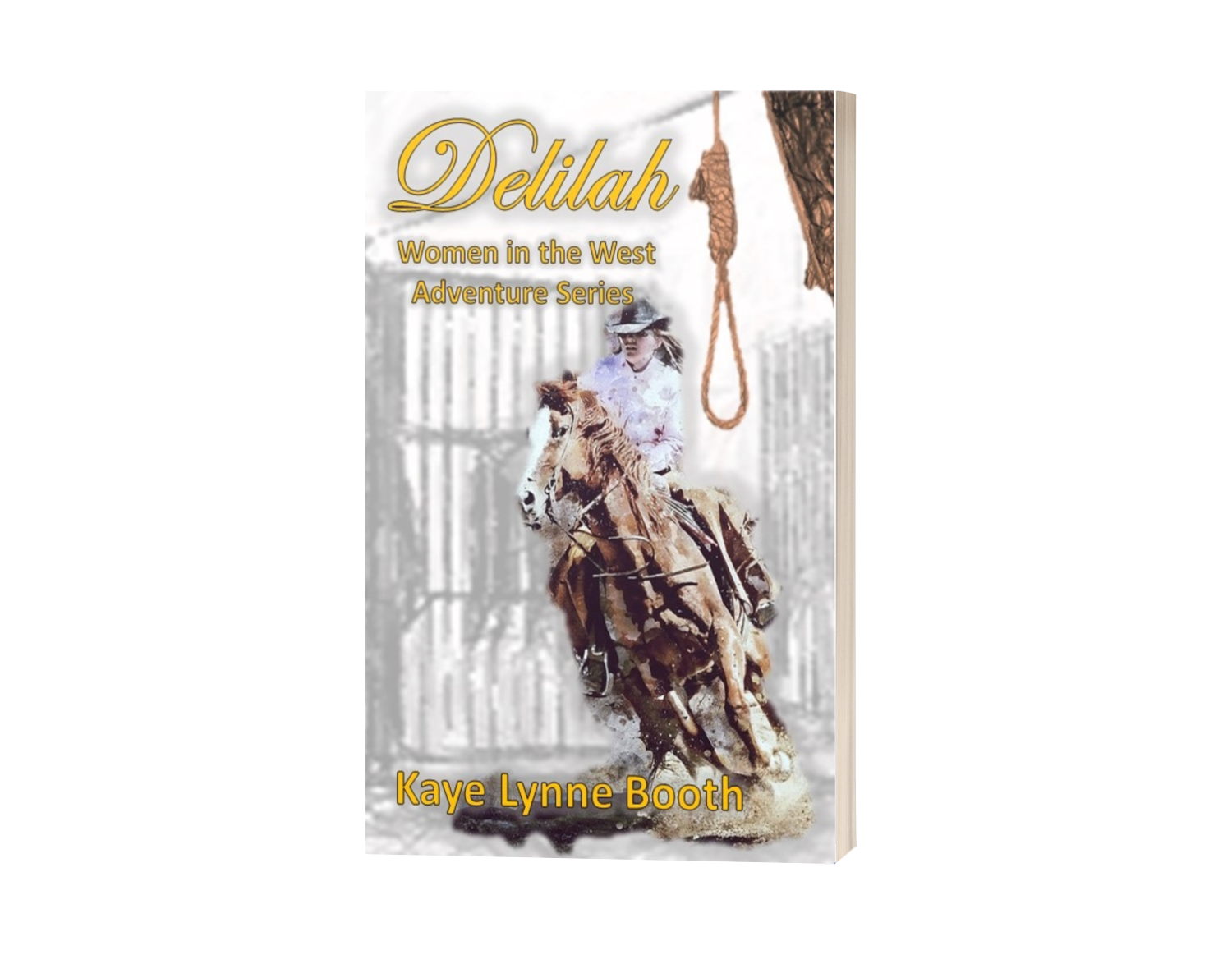




Welcome to the Pep Talk
Posted: March 1, 2017 | Author: Jeff Bowles | Filed under: Articles, Commentary, Publishing, Writing | 3 CommentsEvery month in this space, author Jeff Bowles offers advice for young and struggling writers. No one ever said becoming a world-famous storyteller is easy. This is the Pep Talk.
First an admission. It’s much easier for me to be upbeat about the writing careers of others than my own. It is a damn hard slog going from obscurity to success story. Most upstarts never make it, and even when they do, they often find it a double-edged sword. This game of ours, this writing thing, it’s full of ups and downs, zigs and zags, bad decisions and tribulations that’d make most normal people run and hide. Except we aren’t normal people, are we? We’re the ones who risk everything and spend long sleepless nights worried about fictional people and places that will never exist. What drives us to do it? What drives you?
Here’s a little bit of math a mentor once imparted to me: a billion people in the world want to become writers. Of that billion, a million make it past their first story and a thousand actually get something published. A hundred in that thousand make a career of it, and only ten become best-sellers. Are these odds in any way accurate? Probably not, but they are illustrative, don’t you think? When it comes down to it, becoming a successful writer is a marathon, not a sprint. You’ve got to outlast the next guy (or gal), work your tail off until your competitors are little black specks in the rear-view. May take ten years, may take you fifty, and hell, you may not make it at all. But you’ve got to have goals, direction, purpose. You must see yourself as that bestseller, because if you can’t travel there in the mind, you’ll never travel there in the body.
Practice makes perfect, but perfection, talent, natural ability, they only account for a fraction of what it takes to get what you really want. Aim high. Start small but think big. Dreams are absolutely free, and the only people who’ll try to take them away from you will be those who doubt your ability. Prove them wrong. Don’t delay. It’s a long road, so you’d better start now. It’s been said by much better writers than I that in effect, one needs two of three of the following to succeed: luck, talent, and hard work. Luck and hard work will get you there, but so too will talent and persistence. Never discount the old Edison standby: one part inspiration to nine parts perspiration. It never fails. Those who start from nothing—and honestly, we all do—but never stop pushing often become the strongest and most adept.
You don’t need an expensive education or writing workshops and seminars to get started, though certainly those things can help. Pick a book, any book. Read it cover to cover and then sit down and write something better. You know you’re capable, and so do I. What the hell have they got that you haven’t? Most common answers? Luck, patience, and/or years of experience. It’s easy to feel jealousy when stacked against the ones who’ve already achieved. Believe me, I know. But you’ve got to hand it to those folks. They went after what they really wanted and fate smiled upon them. No mess, no fuss, they achieved, which is exactly what you want to do.
So here’s the thing. I don’t care who you are or where you come from, if you’re looking for the quick cash-in you WILL be disappointed. Like you, I began writing my own stories with the notion it wouldn’t be long until I was earning enough I could quit my job and in earnest, begin my ascent up the bestsellers’ list. I’ve been doing this for a decade now, and I can honestly say the most frustrating part has been in accepting the world hasn’t been waiting to throw critical and commercial laurels at my feet. I’m just a poor schlub like you. And like you, I’ve got places to go, people to see, but no damn money for a cab or in the very least, a cheap cross-town Uber.
But I don’t quit. I can’t. If I ever did, it’d be the biggest mistake of my life. It’s common knowledge, or maybe it’s some kind of hominid genetic heritage, that the longer we chase after something, the harder it is for us to give it up. When we think about a goal all day long, choose to pursue it, become it, to sometimes ignore all other obligations, we are in fact daring fate to send it our way. Sooner or later, it dawns on us the end goal is not nearly so engrossing as the work required to reach it. In other words, may I humbly suggest it makes no difference whatsoever if you become a millionaire bestseller or not. The reason you’ll keep going is passion, love, desire. Even on the days you hate this gig—especially on the days you hate it. There’s no shame in breaking down sometimes and allowing yourself a bit of remorse. Disappointment and rejection sting 100% of the time. Trust me on this.
Only don’t despair too long. If there is one universal truth to our existence it is this: thoughts become things. Consider yourself a failure with a bit too much intent and deliberation, and you may just find yourself failing every time. But if you can see past the downturns, those times you’d like nothing better than to torch your manuscripts and run screaming back to reality, know this: you cannot chart a path to joy in one hour, one night, or one year. Never underestimate the value of a positive mental attitude. If there’s only a single difference between you and every other upstart, let it be your mindset. In my experience, you’ll burn most of your frustrating years right at the outset. As you struggle to learn your craft, yours will seem like the stupidest, least worthy goal in existence. But it’s not. And as the years go by, you’ll start to realize that desire and predestination look the same in hindsight.
Here’s what I want from you until we hook up for another Pep Talk, reader. I want you to write your butt off and take no prisoners. Yes, it’s a long haul, and yes, it will not come easily. But there’s one truth to all of this most people won’t count on. Happiness today engenders happiness tomorrow. Engage with your writing like it’s an old friend, a family member you’ve not seen in years or a new love you’re eager to spend every waking moment with. The passion comes through, and so does the bright spark of your soul. Don’t give an inch and never look back. You keep focused on the road ahead, and when the time comes to pull over and take a pit stop, open your eyes, view the scenery, and then get back in the car and apply pedal to metal. It isn’t the worst thing in the world. You are a writer. Say it again for me. You ARE a writer. Now get back to work, my friends, and show us all what you’ve got.
Interested in Jeff’s writing? Check out his latest short story collection, Godling and Other Paint Stories: https://www.amazon.com/Godling-Other-Paint-Stories-Bowles-ebook/dp/B01LDUJYHU
Twitter: @JeffBowlesLives
Facebook: http://www.facebook.com/jeffryanbowles
Tumblr: http://authorjeffbowles.tumblr.com
Amazon Author Page: https://www.amazon.com/JeffBowles/e/B01L7GXCU0/ref=sr_ntt_srch_lnk_1?qid=1479453494
YouTube’s Jeff Bowles Central: https://www.youtube.com/channel/UC6uMxedp3VxxUCS4zn3ulgQ
Share this: