Growing Bookworms – Two books that help inform young teenagers
Posted: July 13, 2022 Filed under: Book Review, Books, Fiction, Growing Bookworms, Middle Grade | Tags: Book Review, Books, Growing Bookworms, Middle Grade Fiction, Robbie Cheadle, Writing to be Read 43 Comments
Current world events are bewildering for young teenagers who are faced with a barrage of information about pollution, climate change, war, politics, religion, and other important issues. It is difficult for teenagers with their limited experience and knowledge of the world to unravel and cope with all these challenging messages.
Today, I am sharing a few books for this age group that contain strong messages about political and other themes encased in an entertaining and engaging storyline.
Fattipuffs and Thinifers by Andre Maurois

This is a book about segregation, in this cased based on the size of people, war, and negotiation and is a entertaining and enlightening read.
A brief summary about this book from Wikepedia:
Fattipuffs and Thinifers “concerns the imaginary underground land of the fat and congenial Fattypuffs and the thin and irritable Thinifers, which is visited by the Double brothers, the plump Edmund and the thin Terry. Fattypuffs and Thinifers do not mix, and their respective countries are on the verge of war when Edmund and Terry make their visit.” You can read more here: https://en.wikipedia.org/wiki/Fattypuffs_and_Thinifers
My review of Fattipuffs and Thinifers
Fattypuffs and Thinifers is a wonderful book about two brothers, one fat and one thin, who discover a hidden world beneath the surface of the earth. This subterranean society is segregated based on the physical weight of its inhabitants. Larger people are Fattypuffs and live separately to the Thinifers, who are workaholics who “eat to live not live to eat”. The two nations are hostile towards each other and are verging on a war. The two brothers from the surface are separated when they arrive in this country and set off on individual adventures. Edmund is a Fattypuff and sails away on a ship to Fattyport. He has a lovely time, resting on the deck in a large arm chair and eating all kinds of tasty food. Terry, on the other hand, sets off on a ship to Thiniville and gets to know some of the Thinifers who exercise and work relentlessly while eating very little. The tension between the two nations is on the increase and war seems inevitable when the two brothers come up with a clever plan to resolve the situation. This book is suitable for readers aged 10 to 13 years old.
Purchase Fattipuffs and Thinifers
I Am David by Anne Holm
David’s entire twelve-year life has been spent in a grisly prison camp in Eastern Europe. He knows nothing of the outside world. But when he is given the chance to escape, he seizes it. With his vengeful enemies hot on his heels, David struggles to cope in this strange new world, where his only resources are a compass, a few crusts of bread, his two aching feet, and some vague advice to seek refuge in Denmark. Is that enough to survive?
David’s extraordinary odyssey is dramatically chronicled in Anne Holm’s classic about the meaning of freedom and the power of hope.
My review of I Am David
I have been trying to work out in my mind which of the many children’s books I love, is my absolute favourite. This morning I was reading an extract from I am David to a group of children. It was the scene where David saves the little Italian girl from the fire and I realised that I am David is my absolute favourite children’s books. This book has such a beautiful storyline and is so well written, you become completely pulled into the story and David’s search to find his mother. I would highly recommend it for children of 12 and above.
Quotes from I Am David
“The sun glistened on a drop of water as it fell from his hand to his knee. David wiped it off, but it left no tidemark: there was no more dirt to rub away. He took a deep breath and shivered. He was David. Everything else was washed away, the camp, its smell, its touch–and now he was David, his own master, free–free as long as he could remain so.”
“And his eyes frighten me, too. They’re the eyes of an old man, an old man who’s seen so much in life that he no longer cares to go on living. They’re not even desperate… just quiet and expectant, and very, very lonely, as if he were quite alone of his own free choice.”
“Johannes had once said that violence and cruelty were just a stupid person’s way of making himself felt, because it was easer to use your hands to strike a blow than to use your brain to find a logical and just solution to the problem.”
Purchase I Am David
Have you read either of these books? Did they make an impression on you? Let me know in the comments.
About Robbie Cheadle

Robbie Cheadle is a South African children’s author and poet with ten children’s books and two poetry books.
The eight Sir Chocolate children’s picture books, co-authored by Robbie and Michael Cheadle, are written in sweet, short rhymes which are easy for young children to follow and are illustrated with pictures of delicious cakes and cake decorations. Each book also includes simple recipes or biscuit art directions which children can make under adult supervision.
Robbie has also published two books for older children which incorporate recipes that are relevant to the storylines.
Robbie has two adult novels in the paranormal historical and supernatural fantasy genres published under the name Roberta Eaton Cheadle. She also has short stories, in the horror and paranormal genre, and poems included in several anthologies.
Robbie Cheadle contributes two monthly posts to https://writingtoberead.com, namely, Growing Bookworms, a series providing advice to caregivers on how to encourage children to read and write, and Treasuring Poetry, a series aimed at introducing poetry lovers to new poets and poetry books.
In addition, Roberta Eaton Cheadle contributes one monthly post to https://writingtoberead.com called Dark Origins: African Myths and Legends which shares information about the cultures, myths and legends of the indigenous people of southern Africa.
Robbie has a blog, https://robbiesinspiration.wordpress.com where she shares book reviews, recipes, author interviews, and poetry.
Find Robbie Cheadle
Blog: https://www.robbiecheadle.co.za/
Blog: robbiesinspiration.wordpress.com
Twitter: BakeandWrite
Instagram: Robbie Cheadle – Instagram
Facebook: Sir Chocolate Books
______________________________________________________________________________________________
Want to be sure not to miss any of Robbie’s “Growing Bookworms” segments? Subscribe to Writing to be Read for e-mail notifications whenever new content is posted or follow WtbR on WordPress. If you found it interesting or entertaining, please share.
Share this:

Celebrating Graduation with July Book Releases
Posted: July 11, 2022 Filed under: Anthology, Book Covers, Book Event, Book Promotion, Book Release, Books, Classics, Collaboration, Dark Fantasy, Fairy Tales, Fantasy, Fiction, Horror, Illustrations, Mythology and Legend, Pulp Fiction, Science Fiction, Short Fiction | Tags: Book Release, Classic Literature, Dark Fantasy, Fairy Tales, Fantasy, Gilded Glass, horror, Science Fiction, Weird Tales, Weird Tales: Best of the Early Years 1926-27, Writing to be Read 4 Comments
Well July is finally here and the time I’ve been waiting for, when I will have completed all the requirements for my master’s degree in publishing, is fast approaching. I’ve worked long and hard to earn this M.A. in publishing and now comes the time for the payoff. There’s a few really cool things about earning this degree that I’m really excited about – one of which, is that this time, I actually get to walk commencement in cap and gown. Although this was offered at the time I earned my M.F.A. in Creative Writing, they held commencement in May and it would have required an additional trip to Gunnison, Colorado which I was unable to make at that time, so I had to decline. But, this time around, they are having commencement at the end of the summer residency, which makes a whole lot more sense, and makes it possible for me to graduate proper.
I’m also excited about the release parties which are associated with the books released by our cohort. This includes the release of our class project, Gilded Glass: Twisted Myths & Shattered Fairy Tales, and my solo project, Wired Tales: The Best of the Early Years 1926-27. The first is a virtual release party on July 20 and you are all invited to join us. The second release party will be in person the following week, on July 27, which will be weird after two years of pandemic precautions which have kept most interactions with the public virtual. Wierd, but exciting, too. If you happen to be in the Gunnison area, it would be great to see you there, too.
So now, let me tell you about the two fabulous books which I had a hand in publishing.
Gilded Glass: Twisted Myths & Shattered Fairy Tales was our class project. We ran a call for submissions, which you may have seen right here on Writing to be Read, and then read through a slush pile of over 600 submissions to choose eighteen to twenty of the best ones to include in the anthology. And thanks to a grant from Draft2Digital, we were able to pay professional rates for the chosen stories, create and send out contracts, and handle all the edits for assigned stories. I was assigned a story which I fought for, during the selection process and it was great to get to work with the author I had championed. I was also assigned one of the big name authors KJA solicited stories from for this anthology. I admit, it was a little scary to edit the story of an award winning and best selling author, but it was also exciting. We all collaborated on the cover image and back cover copy, and the final result is the Gilded Glass anthology.

A mirror is far more than meets the eye. When you gaze into the gilded glass, what do you see – and what looks back at you?
A beautiful woman hiding an ugly secret?
A malevolent king who delivers a fate worse than death?
An urban legend who will become an unlikely ally?
An alien gladiator with reflective armor?
A monster to the rescue?
A goddess?
A distorted version of yourself?
Dare to gaze into these 24 original tales of sweet deceptions and cursed truths by Sherrilyn Kenyon & Madaug Hishinuma, Jonathan Maberry, Alan Dean Foster, Kristine Katheryn Rusch, Michaelbrent Collins, and more.
Edited by international bestseller Kevin J. Anderson and Allyson Longueira and their Publishing graduate students at Western Colorado University. Gilded Glass: Twisted Myths & Shattered Fairy Tales offers stories with diverse roots, characters, and cultures, from frightening to funny, from once upon a time to far-flung futures and back to modern day.
Deals are made and wishes granted. Friendships are forged and enemies vanquished. You’ll love this anthology of modern myths, lore and fairy tales, because everyone enjoys a happily ever after…
…or do they?
Stare deep into the gilded glass.
What you find might haunt you.
Gilded Glass will be released on July 19, 2022 and is now available for preorder through your favorite book distributor here: https://books2read.com/u/bwKZ8Y
__________________________________________________________
Weird Tales: Best of the Early Years 1926-27 was my solo project, which I compiled and edited in collaboration with Weird Tales editor and award-winning author, Jonathan Maberry. For this project, I read through all issues of the iconic Weird Tales magazine for 1926 & 27 and chose the stories I felt were the best ones, or at least representative of the magazine for those years. Then I compiled and edited them, (or at least proofread them, you don’t really edit the classics), and set the book up for publishing. I didn’t have choice of cover design, as this was one of two volumes published this year and they wanted them to be consistent in design, but I did get to choose the three covers to be featured, as well as original illustrations for the header images, and I got to write the back cover copy myself. The result was the republication of some classic short fiction by some of the early masters of science fiction, horror and fantasy, from before genre fiction was a ‘thing’.

Spectral visitations…
World-conquering spiders…
An ancient feud with an enchanted forest…
Demonic paintings…
Zombies, mummies, vampires…
…and more.
Founded in 1922, Weird Tales is an iconic publication of fantasy, science fiction, and horror stories. Weird Tales is the forerunner to today’s pulp and speculative fiction genres.
Within these pages you’ll find some of the best of the classic stories originally published in Weird Tales during the years 1926 and 1927, collected into a single volume. Featuring stories by legendary authors such as Seabury Quinn, E. Hoffman Price, Greye La Spina, Edward Hamilton, Frank Belknap Long Jr., H. Warner Munn, August W. Derleth, A. Merritt, and H.P. Lovecraft.
Weird Tales: Best of the Early Years 1926-27 is scheduled for July 12, 2022 and is available at your favorite book distributor here: https://books2read.com/u/bx1e8k
________________________________________________________________

For Kaye Lynne Booth, writing is a passion. Kaye Lynne is an author with published short fiction and poetry, both online and in print, including her short story collection, Last Call and Other Short Fiction; and her paranormal mystery novella, Hidden Secrets. Kaye holds a dual M.F.A. degree in Creative Writing with emphasis in genre fiction and screenwriting, and an M.A. in publishing. Kaye Lynne is the founder of WordCrafter Quality Writing & Author Services and WordCrafter Press. She also maintains an authors’ blog and website, Writing to be Read, where she publishes content of interest in the literary world.
______________________________________________________
Join Kaye Lynne Booth & WordCrafter Press Readers’ Group for WordCrafter Press book & event news, including the awesome releases of author Kaye Lynne Booth. Get a free digital copy of her short story collection, Last Call and Other Short Fiction, as a sampling of her works just for joining.
Share this:

Ask the Authors 2022 Book & Blog Series: Book Marketing
Posted: July 9, 2022 Filed under: Advertising, Anthology, Ask the Authors, book marketing, Book Promotion, Book Release, Books, Branding, Fiction, Interview, marketing, WordCrafter Press, Writing, Writing Reference, Writing Tips | Tags: Ask the Authors 2022, Bobby Nash, Chris Barili, Jeff Bowles, Kaye Lynne Booth, Kevin Killiany, L. Jagi LAmplighter, Mario Acevedo, Mark Leslie Lefebrve, Nancy Oswald, Paul Kane, Roberta Eaton Cheadle, WordCrafter Press, writing advice, Writing Reference, Writing Tips, Writing to be Read 5 Comments
Welcome to the final segment of the “Ask the Authors 2022” blog series. This week, a final introduction for Middle Grade & Y.A. author, L. Jagi Lamplighter, whose essay contribution is titled “The Trouble with Troupes” and a Q & A session on book marketing will be finishing off this wonderful series.
I want to thank all the readers who chose to spend their Saturdays hanging out with us for the past ten weeks, as we give this unique writing reference a send off, and let all the authors out there see why they need the plethora of writing wisdom contained between the covers of Ask the Authors 2022 writing reference anthology. And now it’s time to get started with this final segment.
Meet L. Jagi Lamplighter

L. Jagi Lamplighter is the author of the YA fantasy series: The Books of Unexpected Enlightenment, the third book of which was nominated for the YA Dragon Award in 2017 and the fourth book of which won the first YA Ribbit Award. She is also the author of the Prospero’s Children series: Prospero Lost, Prospero In Hell, and Prospero Regained.
She has published numerous articles and short stories. She also has an anthology of her own works: In the Lamplight. She also edits for Superversive Press and teaches “The Art and Craft of Writing”. She was also a presenter and panel member for both the 2020 Stay in Place Virtual Writing Conference and the 2021 New Beginnings Virtual Writing Conference.
Website: Welcome to Arhyalon: http://www.ljagilamplighter.com/
And now for the Q & A.
Book Marketing
Mario Acevedo: Here are my thoughts on Book Marketing.
I never thought much about branding myself and wrote what I wanted. Fortunately, everything tended to be in related genres. As for book marketing, if I knew what the magic lever was that you could pull and hit the jackpot, I would keep it to myself. I’ve tried all kinds of methods and gimmicks, some which worked okay, others which never moved the needle. What works for someone else, might not work for you. What works now may not work tomorrow. Remember, those masters in branding and marketing, Disney and Coca-Cola, have their share of million-dollar flops. What I recommend is to keep your name out there in a variety of streams: social media, newsletters, conventions, interviews, podcasts.
Good book covers are essential. Whatever you do, don’t have one that looks Photoshopped by someone who didn’t know what they were doing.
Websites are necessary though really fancy ones (read expensive) are not worth the money unless you have a lot of traffic and sales. You want something catchy and one that you update regularly.
Everyone loves great reviews and people who leave one-star reviews tend to be acting out an agenda not related to your work. Don’t hate them for it, instead pray that they either find Jesus or a competent therapist.
Once upon a time, book trailers were the cat’s pajamas. And about as effective. Two of my book trailers got tens of thousands of views, which is extraordinary for book trailers, but I can’t say how significant they were to sales. Book trailers work best when you play them at a signing booth as when people ask, “What’s your book about?”
Keep in mind that the world doesn’t revolve around you so don’t be a dick to others. Don’t be a doormat either; and in all cases, keep yourself a class act.
How do you brand yourself and your works?
Paul Kane: I think that changes depending on what book it is. So the Paul Kane ‘brand’ – whatever that is – would be more tied into horror, post-apocalyptic fiction or whatever, so I might get invited to a horror convention to talk about that material. While the PL Kane ‘band’ is pure crime fiction, and you’re more likely to see me talking about that at a crime fiction event. But it’s all still just me, when all’s said and done. I try not to cross the streams if I can help it, and I haven’t really ‘branded’ myself as much as the publishers who’ve put my stuff out there have done it for me.
Bobby Nash: Bobby Nash is my brand. I am usually the first point of contact with readers, so I want to make sure meeting me makes you want to read one of my books. I also brand the books. My BEN Books crime thrillers share a universe, so they have similar branding. It helps. I also use branding on title and cover design in series. You know that the Snow books are part of a series, for example.
Robbie Cheadle: My children’s books are primarily a series about a little man called Sir Chocolate who lives in a world where you can eat everything. Each book contains a rhyming verse story for small children and 5 recipes for children to make under adult supervision. It is in essence a first baking book series and I market it that way.
My adult books are all historical and paranormal in nature and I am at this market. I use hashtags for my books on Instagram, Twitter, and Facebook. I write under my own name, using different variations to clearly separate my children’s and my adults’ books.
Nancy Oswald: I haven’t paid much attention to branding, but I think a brand is evolving based solely on my writing interests. With that said, the next book I want to write doesn’t fit the historical category, but I don’t want “branding” to stop me from doing it. I guess I’d prefer to write what my interests are than to worry about a brand.
What’s the most effective method of finding followers?
Paul Kane: I have no idea! I just keep doing the writing, promoting it on my social media accounts and seeing what happens. I think using humour on those is a good way to spread the word about yourself, and posting about other people’s work or what you might be reading, watching and so on, breaks up the sameness of just talking about yourself and what you’ve got out or coming out. I think genuineness comes across massively to people and maybe that gets you followers? I’ve only ever been myself online or at events, and I think people can see that. They can spot it a mile away if you’re fake.
Bobby Nash: Beats me. It seems to change from week to week. I try as many methods as possible to attract new readers.
Robbie Cheadle: A lot of my readers have come through my blog. I have two blogs: Robbie’s Inspiration which is for my baking, art work, and poetry, and Roberta Writes which is for my reviews of classic, horror, drama, science fiction, and other adult books. I also do a weekly prompt called Thursday Doors when I share pictures of my travels around South African and other places. I am an active blogger and have a lot of blogging friends who I have discussions with. Many of them have become friends who I email and correspond with.
Other social media I use are Facebook which is great for reading and writing groups, Twitter, and Instagram. I have a YouTube channel which I post to from time to time. I think being an active part of the writing and reading community is the best way of getting followers. Writers are also often reviewers while other readers usually don’t think to write reviews.
I understand that newsletters are a good way of staying in contact with your readership outside of social media. I have not as yet had the time to pursue developing a newsletter following or committing to a monthly or bi-monthly newsletter.
Have giveaways or social media book events been effective in bringing in followers?
Paul Kane: Publishers tend to handle all that side of things for me, so I can’t really say. You do see a spike in numbers when you do a giveaway I guess, or do a blog tour, so I guess they work. But if people don’t like your stuff, they won’t keep coming back no matter what you do. Keeping readers or followers is just as important as attracting them in the first place.
Bobby Nash: Short term, yes. Long term, not really. Some sign up for the giveaway then leave when it’s over. I do have a small fanbase and I try to grow it.
Robbie Cheadle: I do giveaways when I do book tours for the launch of new books. Living in South Africa, which is not a country of big readers due to the excellent weather, I market mainly to Australia, the UK, and the US and rely on social media to get the word out.
Giveaways certainly help bring in some reviews although not every free book has the desired outcome, enough winners do read and review the book to make giveaways a useful undertaking.
Social media events are generally not that well attended, in my limited experience, so I don’t think I pick up many followers that way. I am an opportunist though and will usually grab an opportunity for promotion even if a return is not guaranteed. I enjoy sharing about my books and the anthologies I’ve participated in.
Can you share your logo and the story of why you chose this to represent your brand?
Paul Kane: I don’t really have a logo as such. My main site is called Shadow Writer, after a story I wrote back in the late 1990s, and I chose that because it fits the kind of dark fiction I do as Paul Kane.
Bobby Nash: BEN Books is the name of my indie press. The name is simple. BEN is my initials. Bobby Edward Nash. I designed a simple design with a book and scratched metal half-moon coming out behind it to signify book pages flipping. I liked it. Years later, my friend, Jeffrey Hayes redesigned it for me and made the BEN Books logo look much more professional. I also use branding by putting genre under the logo. A BEN Books Thriller. BEN Books Pulp. That sort of thing. Now that crime thrillers is BEN Books’ main focus, I added a criminal’s mask to the logo. I like it.


Do you have a blog or website where you drive traffic? How effective do you feel it is?
Paul Kane: My SW site’s been going years and we’ve built up a good following on there. We get many unique visitors a month. One thing I did to help with that was to have a ‘Guest Writer’ slot; it was something I ‘borrowed’ from Simon Clark’s site. As with the social media posts, this stops things being just about me all the time, helps promote other people’s work that I like and also crosses over our readerships. People who are fans of their work might have a look around my site, while people who are fans of mine are reading whichever Guest Writer’s work is on there this month. It usually takes the form of a short story or extract from a novel. We’ve had some huge writers on there over the last couple of decades, including Stephen King, Charlaine Harris, Lee Child and Martina Cole.
Bobby Nash: I have a website for all things Bobby. It’s www.bobbynash.com and it has all of my books, art, acting, news, blogs, etc. It’s the hub for all things me.
www.ben-books.com is the home of BEN Books.
Abraham Snow has his own site. www.abrahamsnow.com has everything you need to know about the Snow series.
Lance Star: Sky Ranger also has a dedicated site. http://lancestar.blogspot.com
I like having dedicated websites. Websites are an easy to find way to keep up with things. Posts can easily get lost in the sea that is social media.
Do you have a blog or website where you drive traffic? How effective do you feel it is?
Robbie Cheadle: My blogs are my most effective marking tools, and my blogging friends often promote my work and posts by sharing them on other social media platforms and even on their own blogs. I also write posts for other bloggers sites, including 3 monthly columns for Writing to be Read. I always take opportunities to guest post and try to write engaging posts. I have enlarged by readership of both my books and my blog this way.
Can readers buy directly from you on your website, or must they go through third party venders such as Amazon, B&N, etc…?
Paul Kane: Through a third party. I don’t sell books through my site; as I say I’m not really a bookseller myself. The only thing I do sell on there is remarques, which are unique drawings I do inside the books sometimes for readers. I did a lot of those when Servants of Hell came out, drawing black & white pics inside the books of Sherlock Holmes and my Cenobite creations.
Bobby Nash: In addition to Amazon, Barnes & Noble, etc., I have an on-line store where readers can buy autographed books, art commissions, book box sets, etc. It’s located at https://bobbynash.square.site. Please check it out.
Robbie Cheadle: Readers can buy the majority of my books from TSL Publications in the UK. Anne sends my books to readers in Australia, Europe, and the USA. My books are also available as ebooks from Lulu.com and as print books from Amazon and Lulu.com. Only select books of mine are available as ebooks from Amazon. My poetry books are available from Amazon and other outlets as well as the ten anthologies I have participated in.
Nancy Oswald: Website, Amazon
How do you get reviews for your books?
Paul Kane: Usually the book is sent out via the publisher, or it appears on NetGalley, although I have been known to contact bloggers directly if it’s to set up a blog tour. Most people are quite friendly and open to being approached, though you do get the odd one or two who don’t care for it.
Bobby Nash: Not easily. I sometimes beg on social media, but that rarely works. Most of the time, you just hope for the best.
Robbie Cheadle: I have been fortunate and some of the purchasers of my books have written and posted reviews to Goodreads and Amazon. Some readers can’t post to Amazon because of their reviewing policies, but I am happy to receive reviews on Goodreads and also on TSL Publications’ website.
What are your thoughts on paid reviews? Have you ever used them?
Paul Kane: No, never. And never will. I think if you’re paying to have your book reviewed it kind of defeats the object of it being an objective review of your work. You’re paying for a service, rather than offering the book to reviewers for their honest opinion – good or bad – of it.
Bobby Nash: I do not like paid reviews. I do not use them. How can I trust them?
Robbie Cheadle: I have never paid anyone to review one of my books. I do include a paragraph at the end of my books asking readers to leave a review and share their opinion. I have had readers approach me on Twitter and Goodreads offering to review my books for a fee, but I haven’t accepted any such proposals as it is disingenuous.
Nancy Oswald: Yes, a couple of times. I don’t think they drive more sales, but there are times when a good quote or two is needed for publicity materials and they come in handy.
Different book formats appeal to different audiences. How do you market differently for the different formats your books are available in?
Paul Kane: I’m not quite sure what you mean here, do you mean do I market audios differently to print or whatever? I suppose you have to look at what prices are being charged for the product and that affects how your promote it, for example ebooks are quite cheap so you’re reaching a different kind of reader to the ones who buy a limited hardback because they want something special as a keepsake or to increase in value. Again, that’s more in the realms of bookselling than what I do.
Bobby Nash: When looking for places to market, I research. As a small press publisher, I try to make my BEN Books titles as easy to find in as many different formats as possible so readers can get the books in the way that works best for them.
Do you prefer online advertising or face-to-face events for marketing your books? Why?
Paul Kane: I think there’s a place for both, and if the pandemic has shown us anything it’s that we can also do events via Zoom and reach audiences that way. So sometimes it’s the only way you can reach people, because face-to-face is out. For me, personally, though I prefer getting out there and meeting readers who’ve enjoyed your fiction and signing copies of books for them. There’s no feeling like that in the world.
Bobby Nash: Both work, but I have found that I have better success with face-to-face events in terms of introducing my work to new readers.
Robbie Cheadle: I enjoy face-to-face events, but I haven’t found them to be particularly useful for books sales locally in South Africa. South Africans are not big readers as they prefer sports and outdoors activities, and our weather is good all year round which facilitates an outdoors lifestyle. In addition, there are 11 official languages in South Africa and the English-speaking community is a minority.
As a result, I mainly market my books through on-line advertising and marketing events and initiatives. I believe the face-to-face marketing is better if the environment is conducive to readers and I would do more in that line if I lived in the UK or USA.
Nancy Oswald: Face to face by far. It’s where I seem to sell more books, but it might be because I haven’t taken advantage of online marketing opportunists. I’m trying a few, now, but the jury’s out.
Do you use paid advertising or stick to the free channels? How effective have they been?
Paul Kane: I always stick to free. If it’s a paid advert, then it’s been paid for by my publishers – for instance I know there was a fair amount of promotion online on Facebook or Instagram for the PL Kane books, but that was down to HQ/Harper rather than myself.
Bobby Nash: I have a low budget, so I used paid advertising sporadically, but targeted. I try to take advantage of free promotion channels as often as possible.
Robbie Cheadle: I have run paid advertisements on Facebook, but I’ve not had a lot of success with them. I haven’t tried any other paid avenues for book sales.
Which book advertising platforms have you used: Bookbub, Fussy Librarian, Booktopia, Facebook, Amazon, etc…? Which have you found to be most effective?
Paul Kane: I’m on Bookbub, mainly because one of my publishers told me I needed to be on it to promote a specific book. And I’m on Facebook, Twitter, Instagram and so on. I think they all have their place and if I push a book through one, I tend to do it via all of them, so there’s no real way for me to see which one is working for the best. I just promote through them all.
Bobby Nash: I’ve used Facebook, Amazon, BookBub, and a couple of others. Effectiveness varies.
Do you have a newsletter? How effective do you feel it is?
Paul Kane: I do have a PL Kane newsletter, which has helped me reach more readers. It’s a place where I can share more of my news on a personal level, plus offer recommendations for things I’ve enjoyed reading or watching. To entice people in, I also write new fiction that’s exclusive to the newsletter so I feel like it works both ways. Readers are getting something out of it as well as me.
Bobby Nash: I do have a monthly newsletter. You can subscribe to Nash News at http://www.subscribepage.com/NashNews. I have about 230 subscribers. I don’t get a lot of feedback so I can’t say for certain how effective it is or how many sales result from the newsletter.
Do you use book trailers to market your books? How effective have they been for you?
Paul Kane: I haven’t personally used them, but some of my publishers have and obviously I’ve shared the trailers as and when. There was a great one for The Rainbow Man, which was my first YA novel, and I got a friend of mine Brad Watson to come up with one for Arrowhead when that came out. But generally speaking, I have no idea how much of an impact they have on sales or anything.
Robbie Cheadle: I have tried book trailers to market my books, but I don’t believe they have been at all effective. I don’t think many people bother to watch the video, even if it is short. I can tell from the average viewing time of the video that few people have watched until the end.
Have you ever tried using press releases for your books? How effective has that been for you?
Bobby Nash: I write press releases for all of my books, even if I am not the publisher. I want to get the information about the book out to the word, as well as how to contact me in case of interviews, quotes, etc.
Nancy Oswald: I typically get a press release out to all the local papers. Hard to relate to sales, but they’re free and add to reader recognition.
Do you have a street team or reader group that you use to get reviews? How well does that work?
Bobby Nash: I don’t have an official street team. I have some fans and friends that share my news and I appreciate each and every repost, retweet, and shout out.
Robbie Cheadle: I have a few blogging friends who always offer to read and review my books and they always post reviews. It is kind of them, and I am grateful for the support. I never ask people to read and review my books as it goes against my upbringing to ask people to things like that for me. I had a very strict and conservative upbringing, and some things are very difficult for me as a result. I read and review over 100 books a year and I beta read books for certain individuals too. I always try to help other writers when I can.
Nancy Oswald: For many of my books, I’ve asked other authors with a track record to read and write cover blurb material. I’ve also swapped Amazon reviews with other authors.
How do you handle marketing for multiple genres, since each one appeals to different audiences? Can a single brand encompass multiple genres or should they be marketed separately, with a different brand or pen name for each one?
Bobby Nash: I tailor my marketing based on the book’s genre. I don’t promote my crime thriller at the same sites where I promote my sci-fi epic. As an author, I only have the one brand. I don’t use pen names.
Robbie Cheadle: As mentioned previously, I market my children’s books and poetry separately from my horror, paranormal and historical adult fiction. I have two blogs, two Twitter accounts, to Facebook pages and I try to keep them as separate as possible. I have different followers on the two profiles and only a few follow me on both. That is what I was aiming for when I created the second profile. I wanted people who were interested in my children’s writing, art, and poetry to enjoy that aspect of my creativity without having to filter out my adult orientated interests and vice versa. I do believe it has worked quite well.
Do you use a pen name? Why or why not?
Paul Kane: I have a few, as you can probably guess from some of the other answers. I think it helps to differentiate between the kinds of fiction I write. So if you pick up a Paul Kane you’re likely to get horror, dark fantasy or the like, while PL Kane books are straight crime. Detectives or domestic noir. There can be some scope for crossover here, because I have fans of all my different kinds of books, and sometimes there are elements from my other work that slip over – The Family Lie is a crime book, but also deals with cults and has elements of folk horror too – but for the most part I try to keep things separate. It just makes it clearer for myself and my readership.
Robbie Cheadle: I do not use a pen name. I was going to because of my professional life, but my husband didn’t like the idea of my not using my married name. I publish my children’s books and poetry under Robbie Cheadle and my adult books under Roberta Eaton Cheadle. The names are linked, but sufficiently different for people to be able to differentiate between them and the different genres of my books.
Nancy Oswald: I used a pen name for my very first published book, but when people started asking me how they would remember and find my book under a different name I gave it up. This book went into a reprint, so I switched mid-stream. It was published by Scholastic Canada, so in this case it made very little difference in sales.
Are your books available in brick-and-mortar stores and libraries? What are the challenges with having your books in these outlets?
Paul Kane: Yes, certainly. At the moment, the challenges seem to be down to distribution, all the knock-on effects of Brexit and such, but I’m hoping that calms down in the future. I know some stores and libraries have had shortages lately because of all this. Luckily, I think most of my publishers are doing okay on that score. There always seem to be plenty of copies available to ship out to stores at any rate, which I’m very grateful for.
Bobby Nash: My books are available to them, though they are rarely shelved there due to the print on demand nature of my small press. You can order them in any brick-and-mortar store, but it’s doubtful they will be on the store shelves. Some libraries have stocked my books though.
Nancy Oswald: Libraries, I usually donate copies. Brick and mortar is a lot of leg work and there’s a difference in percentages and how you get paid—a lot of record keeping. But I do get sales through these outlets, so it’s worth it, and they collect tax which saves another headache or two. I like craft fairs for face-to-face sales, but I’m choosy about where I go.
Covers are important. They can be one of your best marketing tools. How do you come by your covers: DIY, hire professional cover designer, buy pre-fab covers?
Paul Kane: That’s all handled in-house by the publisher. An indie might ask me if I have a preferred artist, or I might say to them I like a particular image that fits the contents of the book – like Les Edwards’ painting for my Body Horror collection Traumas from Black Shuck Books – but more often than not I might not get a vote at all, especially if it’s a bigger publisher. I have to say I’ve been very lucky with them, though. There’s never been one I’ve absolutely hated in my entire career, and I hope there never will be. There have been some that have grown on me over time, but all in all I’ve been very happy.
Bobby Nash: I prefer to work with professionals because they know what they are doing and do it far better than I can. I do some design work, but not all covers are created equal. Evil Ways, Suicide Bomb, and the upcoming Evil Intent had a simple, design element. I handled those myself. Deadly Games! has a photo cover. I took the photo and designed the cover. The Snow and Sheriff Myers series have covers by Jeffrey Hayes and Dennis Calero. I’ve not used any pre-fab covers. I prefer to have the cover designed to fit the story.
Robbie Cheadle: I design the covers for my children’s books myself because I use my own fondant and cake artwork. I tried using a professional photographer, but that didn’t work that well for me, so I invested in a better camera and I take my own pictures.
I use a professional designer for my adult books. Tim Barber of Dissect Designs designed the covers of While the Bombs Fell, Through the Nethergate and A Ghost and His Gold. Teagan Riordain Geneviene has designed some of my newer covers. I worked well with both designers and am always very happy with my covers.
Nancy Oswald: I’ve been spoiled by my publisher who used an artist for most of my books. I hired the same artist for my latest book that I self-published to stay consistent with the covers in the rest of the series. I know it cost me more money to do this, but felt it was worth it.
Which marketing strategies do you use: rapid release, perma-free, reader magnets,.99 cent promos, etc…? Which have you found to be most effective?
Bobby Nash: Yes. I try everything. Some things work. Some don’t. I don’t know until I try. Plus, I’ve discovered that an effective method for one book might not prove effective for another. It’s an on-going, evolving experiment.
Nancy Oswald: I used to do postcards, but they were expensive, and to mail them was expensive. A few years ago, I switched to bookmarks only—two sided with general info about me on one side (contact info, bio, etch) and images of all my books on the back side. My newest bookmark only has the Ruby and Maude Adventure images with a list of my other books. (Space consideration.)
___________________
That was a great final Q & A session, with so much information. Of course, book marketing is a topic that could fill an entire book and then some. But that wraps up this week’s segment – and it wraps up this Saturday series.
Thanks to all of the contributing authors for their willingness to share their writing wisdom with us in both blog and book. They are who made this wonderful reference possible. I couldn’t have done it without them.
Thanks to all our readers for joining us. I do hope you readers gleaned some useful advice in this series, and if you missed any of the segments, you can find them all here:
Segment 1: Introductions for Kaye Lynne Booth & Kevin Killiany/Writing Life Q & A session.
Segment 2: Introduction for Bobby Nash/Pre-writing Rituals Q & A session.
Segment 3: Introduction for Roberta Eaton Cheadle/Plot & Storyline Q & A session.
Segment 4: Introduction for Paul Kane/Character Development Q & A session.
Segment 5: Introduction for Mario Acevedo/Action, Pacing and Dialog Q & A session.
Segment 6: Introduction for Nancy Oswald/Tone: Voice, Person, Tense & POV Q & A session.
Segment 7: Introduction for Chris Barili/ Setting & World Building Q & A session.
Segment 8: Introduction for Jeff Bowles/Editing & Revision Q & A session.
Segment 9: Introduction for Mark Leslie Lefebvre/Publishing Q & A session.
Segment 10: Oh, wait… This is Segment 10.
Well then, I guess that’s about it for this segment… And for the series. Again I thank you for sticking with us through all ten weeks.
_________________________________________________
Where can you find publishing industry experts willing to share their secrets?
Ask the Authors 2022 is the ultimate writer’s reference, with tips and advice on craft, publishing and book marketing. Eleven experienced and successful authors share what works for them and offer their keys to success in traditional publishing, hybrid, and indie. You’ll learn industry wisdom from Mark Leslie Lefebvre, Kevin Killiany, L. Jagi Lamplighter, Bobby Nash, Paul Kane, Nancy Oswald, Chris Barili, Jeff Bowles, Roberta Eaton Cheadle, Mario Acevedo and Kaye Lynne Booth.
This book offers tried-and-true ways to improve your craft and explores the many options in the current publishing and book marketing worlds. Take a peek inside and find out what works for you.

“Ask the Authors is an up-to-date and broad-based compendium of advice from today’s working writers, to help you with understanding your own writing career. Great information!”
—Kevin J. Anderson, New York Times bestselling author of Spine of the Dragon
The special promotional price of 3.99 is good through today, since this is the last blog segment in the series. Tomorrow, it goes back up to the regular price of 4.99. If you’ve been following, you may have already gotten a copy of Ask the Authors 2022. If not, be sure and grab your copy today.
Available from your favorite book distributor through the Books2Read UBL: https://books2read.com/u/3LnK8e
_______________________
Join Kaye Lynne Booth & WordCrafter Press Readers’ Group for WordCrafter Press book & event news, including the awesome releases of author Kaye Lynne Booth. Get a free digital copy of her short story collection, Last Call and Other Short Fiction, as a sampling of her works just for joining.
Share this:

Bowlesian! – Godling: Part II
Posted: July 6, 2022 Filed under: Bowlesian!, Fiction, Short Fiction, Stories | Tags: Bowlesian!, Godling, Jeff Bowles, Short Fiction, Short Stories, Writing to be Read Leave a comment
Godling: Part II
by Jeff Bowles
*This story and others like it can be found in my collection Godling and Other Paint Stories, available on Amazon now. We published Part I of Godling last month on Writing to be Read. You can find it here.
A part of Godling was aware the two black lumps lying in the darkness had been silent and still precisely 2.234 minutes. If they were sleeping, they most certainly were not dreaming. Which was just as well. Godling was doing enough dreaming for the both of them.
His memory banks refreshed again. She was there as if Godling could touch her. Jossinda, queen of his universe. Her smooth, lithesome sway; the sensual intelligence lurking behind her hazel eyes; and of course, the final words they’d spoken to each other.
“I want this, Godling. I want it more than anything. Can’t you see? Think of all the good we could do.”
“Jossinda …”
“My love, I’m not asking.”
“Quickly, my friends,” Renaldo said. “Awake, awake.”
Godling became aware Renaldo hovered over him in the darkness of the Black Room. The abbot warden jabbed the raw, sparking end of a hazer-stunner into Brennan’s back. Godling felt the hot lancing voltage. Brennan screamed. He leapt to his feet.
“Faith preserve us!” he moaned.
The prison’s hazy green lights flickered, warmed, and then settled into a steady glow. As Renaldo woke Ressia in a similarly excruciating manner, Godling realized the abbot warden may not have been as stupid as he’d always seemed. He’d not painted Ressia and Brennan so Godling could control them. He’d painted them so they could control Godling.
His heart had always been a kind of magnetic base for his consciousness. The paint was entirely repurposed now. Perception dispatching elements nullified due to the layering effect, perception receiving elements perfectly stratified and even slightly enhanced. The details only served to infuriate Godling. The simple truth of it was he had long ago closed the Black Room precisely because he’d feared something like this could happen. His mind, his body, his paint, his black liquid heart. Godling had been tricked into believing both Ressia and Brennan were his rightful bodies.
Now the two young lovers were naked and jet black head to toe, and when they moved, Godling moved with them. When they leaned against one another in sheer exhaustion, he felt the sensations of their heaving chests and the sweat collecting on their arms and necks as if with his own organic skin.
“Utterly perverse,” he muttered. His voice made the circuit matter vibrate over every square inch of them.
“Oof!” Ressia chirped, and even Godling was surprised by how it felt.
“Human vibrathreads,” said Renaldo. “I anticipated it might be a result.”
“Result? That’s the word you’re choosing?” Godling fumed. “How about abomination? Or disgrace? Did you really think it sensible to interface with the truest king of all in such a reckless manner?”
“Godling, please, you’re still my prisoner. I’ve simply exchanged one set of holding cells for another. You should thank me. You haven’t asked why we’ve done this.”
“That’s because I don’t care.”
“We know the truth about you, god machine,” Brennan said. “The wars, the massacres. We know it’s nothing you intended.”
“Is that so?” said Godling. “And I suppose you’d have me believe you’ve risked your lives for nothing at all but a fantasy? I was responsible for those wars. I murdered millions. See here the fruits of my labor? A prison built on foundations of millennia, ransacked now by two fool children and a bald-headed fop.”
Renaldo laughed. “You can stop pretending, Godling. We do in fact know everything. I found it, and I asked it myself. You know very well what it is.”
Sudden harsh voices filled the access tunnel outside the Black Room, gruff and full of violence.
“Step lightly men! We got ‘em trapped like rats!”
“Kill the monster where he sleeps!”
Another voice rose above these. Godling recognized it in an instant.
“They’re cornered, men. Take your time. Line up your shots. We want nice clean bodies to show the whore’s father.”
General Praebus, the man who’d hijacked his vibrathreads. Godling expected the lovers to panic, but they didn’t. Pupil dilation well within ranges concurrent to moderate stress. Heart rates elevated, but not in the extreme.
“We prepared for this, my young friends,” said the Timekeeper.
With that, they stepped in front of Renaldo, and these two helpless, hapless children dropped into surprisingly sophisticated hand-to-hand combat stances. General Praebus and his men appeared up the corridor, their machine rifles and mortar shot locked and leveled. Praebus spotted the children and bellowed, “Open fire!”
Brennan and Ressia launched themselves from the Black Room, bounding off the balls of their feet, touching off against the walls. They crisscrossed past each other. A hail of bullets ripped and zipped past them, but they closed the distance with stunning speed. Brennan landed with his palm to the neck of a gunner sergeant, but Ressia careened right past her target and skidded down the corridor. Three footmen leveled their rifles at her back and fired. Without thinking, Godling forced the black circuit matter to stiffen. Bounce, bounce, ricochet, bounce. All three footmen fell to the floor dead.
Ressia got to her feet and drew her hands to her back. She was unwounded.
“Godling, did you just…?”
“Yes, I believe I did.”
“Thank you.”
Godling took a punch, a solid right jab to the ribs. No, it wasn’t Godling who took the jab. It was Brennan. Both he and Godling grunted, but Godling was quicker to react. Another jab came for Brennan’s face, but Godling pulled the same trick, surrounded and concentrated the circuit matter. When the blow landed, he heard the distinct cracking of finger bones.
The owner of the hand shrieked. It was General Praebus himself, a sweaty, red-faced mountain of a man. He balled the hand in agony, made the other into a fist and swung.
“Boy, solar plexus!” Godling said.
Brennan hit the General the instant Godling focused the circuit matter into a ridge of raised knuckles. Praebus flew back, landing like a ragdoll on a pile of men. He huffed and snorted and passed out cold. The third mounted army paused for one panicked instant, and then they scrambled to heft and pull him back. They pitched a half-hearted assault after that, but the sight of their fallen commander seemed to dull any notion they’d had of victory. The three of them—Brennan, Ressia, and Godling—jabbed and kicked and hammered until what was left of King Marshal’s raid party cried for retreat and scrambled back the way they’d come.
*****
“Did you see what happened?” said Ressia. “That soldier kept firing into my chest and Godling absorbed—”
“And the one with the mortar shot,” said Brennan. “I was on fire a full twenty seconds and I never felt—”
“Children, please,” Godling interrupted. “I believe the abbot warden was explaining why I deserve my newfound freedom.”
Isolation, of course, was the root of the planet’s moniker, Isolinius. According to Renaldo, there were reasons the word Ancient was always applied to Spacefarers, reasons wars over petty things like failed betrothals happened at least once a decade, if not twice.
“It’s no large mystery, is it?” the abbot warden said. “Humanity is lost without your steady hand, Godling, and not a soul on this planet is better off with you locked away.”
Godling couldn’t help but laugh.
“Once again, a complete misrepresentation of the facts,” he said. “Now that I’m out and about, I can confidently say humanity has never looked better.”
They rode the vast open grasslands of the Isolinium plains. Great red tracts of Crimson Blade swayed in the breeze. The binary stars shone in orange and white-tinted splendor, but even they did nothing to distract from the true beauty of Isolinius, its seventeen moons, three of which were visible now. The preferred mode of travel on the planet, of course, was the ever-reliable Flitglider. But Renaldo had quite correctly surmised they’d be too easy to track darting around the sky, spewing long greasy trails of green and black smoke. So they instead chose for themselves the domestic breed of the artificial industrial Tri-Roller animal, otherwise known as a Beastwheeler.
“For instance,” Godling mused, “I find transportation in the modern era rather charming. I think I’ll call this one Nancy.”
“Can we please get on to the matter at hand?” Renaldo snapped. He whipped his reins, and after a deep, throbbing groan, the hairy industrial creature’s three large fur-and-callus covered wheels picked up speed.
“I think, humbly speaking, hallowed one,” Ressia said, “that you should stop picking on Renaldo and listen to what he has to say.”
The lovers sat in the low hairy hauling bed, the overriding musky scent of which was rather … florid. Godling had had more than enough time to observe the pecking order of the three humans, and understood, most unambiguously, that the two children would only come to the abbot warden’s defense if and when it suited them.
“It’s a very simple scenario,” Renaldo said. “The Gods created man, man created Godling, Godling ruled over man—”
“Until man decided genocide was in fact the worst case ever made for machines ruling anything,” said Golding. “Yes, I remember quite well.”
“All your bloody campaigns, Godling, tragic though they were, had nothing of the import of what came before and after.”
“And what came before?” said Godling.
Renaldo sat up straighter in his driver box. “An explosion in human development. The expansion of our minds, the impetus and growth of a wise and compassionate galactic society, due in full to your guardianship and wisdom. God machine, human beings traveled the stars! We grew peaceful and curious. We at last became aware of ourselves, and we strived to leave behind something better for our children.”
“And what came after, abbot warden?” Godling asked.
“The exact opposite. As soon as you were imprisoned, space travel ceased. Humans isolated themselves on small, insignificant worlds. We forgot the virtues we’d fought so hard to earn. People like Praebus, King Marshal, their brutality and eagerness for violence, it’s mankind’s rule now, Godling, and not its exception.”
“And so you chose to forsake your wardenship, to free the monster king from his eternal prison?” said Godling.
“In a word, yes. What sane man could blame me? Brennan and Ressia are of like minds. The three of us have been planning this for months, but it is you, god machine, who must restore yourself to your rightful place.”
Godling pondered the sentiment. It wasn’t that Renaldo was necessarily wrong on all points. He simply had left out a rather significant detail.
“And this matter of genocide, Timekeeper?” said Godling. “Perhaps it’s been too long since I’ve cracked a history vid, but they do still teach who was responsible, do they not?”
“They do,” said Renaldo.
“But it’s not the whole truth,” Brennan said. “Like we told you, god king, we know everything.”
“There you go again, using the word know as if it pertains to your rather diminutive primate brains. You, like all stupid children, know absolutely nothing. Now leave me alone so I can fantasize about ever more elaborate ways of ripping out your kidneys.”
“He won’t listen to reason, Renaldo,” said Ressia. “I think it’s time we show him.”
The abbot warden turned around. He glared at Ressia, his brow furrowed. “Are you certain?”
She nodded and looked to Brennan, who gave a deep frown and nodded in kind.
The abbot warden jerked his reins. There was another low, throbbing groan, and then the Beastwheeler pulled to a stop. Renaldo stood from the driver box and stepped into the bed. Gazing into Ressia and Brennan’s eyes, the abbot warden raised a finger and pointed off the way they’d come. There, Claustrum Mons towered over the landscape.
“You’ve been having errant memory recalls recently, haven’t you, Godling?” Renaldo said. “Sudden onset, coming out of nowhere, at the least opportune of times. Memory recalls specifically concerning … her.”
“How did you—”
“I gave them to you. I have access to your memory banks,” Renaldo said. “Every abbot warden of Claustrum Mons has had such access.”
He slid the administrator glove off his right hand. His fingers were painted a stark, brilliant white.
Hold on a moment … White paint? How in the hells had Renaldo gotten his hands on white—
The abbot warden snapped his fingers. Ressia and Brennan jumped to their feet. He snapped his fingers again.
Godling fell back 5,000 years.
He found himself in two places at once, staring into the eyes of two different people. The one person, in the one place, was Ressia, daughter of King Stevrik III, standing in the bed of the Beastwheeler on the Isolinium plains. The second person and place … much harder to interpret. It was Jossinda, the queen of his universe. She lay with him on the marble floor of their royal palace, sprawled out in the throne room, panting, dripping with sweat after a long, passionate tryst. He, so large and cold; she, so small, warm, nubile….
They had only been married a year, but what a glorious year it had been. He’d felt vacant before her, even to himself, nothing more than an intelligent but ultimately soulless automaton. They’d always said the truest king of all could never fall in love, but Jossinda had proved, beyond any doubt, the god machine had a humanity all his own.
“My love,” she said to him, “I think there is a truer way, a better way.”
“A better way?” Godling said. “We’ve found the best way of all. Our subjects are happy and industrious, growing wiser all the time. There has never been a people so content.”
She grinned at him. “I think we have more to offer than mere contentment, don’t you?”
But no, this wasn’t Jossinda speaking to him of contentment. It was Ressia speaking to Brennan, and Brennan responding in haste. In the memory, Godling told her he didn’t understand, and Jossinda climbed to her feet and strode across the massive room to their large glossy golden thrones. She soon returned, carrying with her a small silver pot and a brush.
She said to Godling, “Here, my love, see what I’ve made for you?”
Godling took the pot from her and peered inside. “I doubt you’ve made this. Our engineers have been working on it for years.”
“And yet I found a way to finish it. Paint me, Godling, here and now, before I change my mind.”
His special white paint, the very first of its kind. Not sensory, and not for touch or locomotion. The idea behind the paint—Godling’s idea—was that its application to other less advanced machines would allow him to duplicate and transmit an autonomous part of his consciousness. Conceivably, there could one day be two god kings, or three, or twenty. But the paint itself had been an utter failure. Every machine to receive a coat of it had fried its circuit matter in less than a minute of functionality.
“I’ve discovered the secret, the one variable your engineers never thought of,” Jossinda said. “You’ve all been focused on creating additional Godling machines. But I have a better idea, merging the mind of Godling with the soul of a human being.”
He couldn’t believe what he was hearing. He eyed his queen, deciding not to interrupt her.
“Think about it,” she said, “how perfect such a being would be. The sublime union of you and me. Why, the two of us together, we could make ourselves gods. True gods, not merely gods among men.”
“Are you referring to the concept of the New God?” he asked. “This is an impossible request, though I’m flattered you think me capable of such boldness. This notion we’ve had, that a significant eruptive force could merge—”
“I’m referring to perfection in the here and now. No ambiguity, nothing theoretical about it. And I’ve already proved it can be done.”
She turned and lifted her shimmering auburn hair away from her neck. There, over her vertebrae, she had painted a small white dot.
“Jossinda, you didn’t.”
She turned back. “And I’ve already received a partial transfer. Your plans for Rieleth’s third mountain harvest this cycle, they include an extra allocation of spider croppers, do they not?”
“How…?”
“While we were making love. Your mind, it tends to wander. I want this, Godling. I want it more than anything. Can’t you see? Think of all the good we could do.”
“Jossinda …”
“My love, I’m not asking.”
And then she dipped the brush into the pot and guided a long streak of white down between her breasts. He hesitated, but not for very long. Godling painted her. He loved her and trusted her. He had a single moment of frailty in all his long years. Now and then, he stopped to kiss her neck and giggle with her. Jossinda stood before him in the end, her entire naked body a stark, bright white.
“Do it, my love,” she said. “Change this universe forever.”
Godling began the transfer.
At ten percent, Jossinda’s eyes rolled up into her head. At fifteen, her body went limp, and Godling had to catch her falling. Twenty percent, Jossinda lay sprawled out on the floor, her limbs twitching, her mouth opening and closing in silent agony. Thirty percent, and Godling began to feel strange. He was not cloning himself or making a copy. He’d decided his queen would receive a piece of him that was unique and all its own.
At fifty percent, Jossinda began screaming. At fifty-five, Godling screamed with her. Fire, lighting, Godling felt his chest might explode. Sixty percent, sixty-five, seventy. He couldn’t stop it, couldn’t cut the transfer now. Godling went inside himself. A part of him was aware of the torment, but mostly he was aware of change. His notions darkened. A singular thought for blood wormed it’s way into his thoughts.
One-hundred percent. Transfer complete. Jossinda, his queen, his love, lay lifeless and cold on the pale marble floor.
Godling wasn’t there when his honor guard buried her. He’d already begun planning his brutal, murderous campaigns. The part of him he’d given to her, he never got it back. They called him monster king, and he deserved the name. His madness would cease after a few thousand years. The bloodlust would diminish and become little more than idle threats. But nothing could diminish the memory.
“God machine,” said Renaldo. “Godling, snap out of it.”
The screams, the screams. How could he ever stop the screams?
“Cycles of Perdition, Godling, come to your senses.”
Godling regained his mind. He was there in the Beastwheeler on the plains of Isolinius. Ressia and Brennan lay atop each other, unconscious but safe. The day was bright and clear. A stiff breeze blew and rustled a sea of wild crimson grass.
“Apologies, abbot warden,” Godling said. “I don’t know what came over me.”
“I do. It’s a nasty trick we played on you, but believe me, it had to be done.”
“The white paint, how did you…?”
“The ancient abbot wardens reverse engineered it,” said Renaldo. “They added a control and command function to the standard transfer elements your engineers concocted. No one’s been stupid or brave enough to use it until I came along.”
“And the children, are they…?”
“They’re fine,” the abbot warden said. “Give them a few hours. They’ll be bounding off walls in no time. You see, Godling? History doesn’t tell the full story. When you lost that spark, you never were the same again.”
“But the things I did,” Godling said. “Just because I lost this piece of myself … I’m not suddenly forgiven, am I?”
Renaldo sighed. “Forgive yourself first and foremost, Godling. The rest will come later. What if I told you your wildest dreams are about to come true?”
“Timekeeper, I very much doubt you grasp the dreams of one such as I.”
Renaldo grinned. “This may come as a shock, but you’re wrong. Your queen, Godling, she is still alive. And I am in a position to give her to you.”
*****
Little was known of the old hag of the Prairie Sea. It was said she’d sought her fortune long ago, but that madness had driven her to give it away for a small, homely plot of land. Depending on whom you asked—and Renaldo said he’d asked everyone—she was either blind, disfigured, the house guest of 39 wraith-cats, or most popularly of all, no longer a crazy old woman but by means of an unlawful tech infusion, a crazy old woman trapped inside the body of a little girl.
Godling didn’t believe any of this, of course. Nor did he believe reuniting with Jossinda would restore him to the machine he’d been.
“They built me a prison for a reason, abbot warden.” Godling said. “They locked me away for a good damn reason. Of course I never wanted to escape that place! Oh yes, very astute, Renaldo. Very well done, indeed. I may be mad, but I’m not stupid! You wouldn’t let a razor beast off its leash simply because it’s gotten long in the razor, would you?”
“God machine, you’re panicking,” Renaldo said.
“You’re damned right I’m panicking! An ex-wife who’s still alive? Isn’t that sort of like … a defective socket wrench you’ve tried to throw away?”
The humans had taken turns driving the Beastwheeler for an entire pseudo-day. Through the long, bright true-day and the long, dark first-night. The blue-tinted false-day had been more than welcome, its light blooming by the sheen of the gas giant, Cerullia. Second-night had followed, the hours in which the prairie creatures played and hunted, and then at last, the slow, majestic rise of the bright binary stars. Not long after, the weary travelers finally arrived.
Jossinda, it appeared, had made her home in three large statues carved of pure marble and obsidian. Two black and one white, each the height of perhaps ten humans. The carvings themselves were crude, composed of indistinct shapes. The black statues seemed a pair, a man and woman reaching for one another but not touching. The white statue, the one carved of marble, Godling had a difficult time interpreting it.
It was wider, lumpier. It could’ve been a comment on the amorphous nature of godhood, but of course, it could just as easily have been a herniated land whale.
“No one could possibly know about this place,” he said.
“That’s how she’s had to conduct herself,” said Ressia. “Her unnatural longevity frightened many. She found it best to hide. But the abbot warden thinks it might finally be time for her to reveal herself.”
“Of course it’s time.” A lively voice vibrated across the lovers’ inky black circuit matter. “Do you think I’d have invited you here if events hadn’t occurred exactly as I anticipated?”
Godling identified Jossinda immediately. She’d hijacked his vibrathreads exactly as had Praebus. How infuriating. The voice didn’t sound old. In fact, she sounded just as he remembered her. For what purpose had the past occurred? Such a spiteful existence. She’d been alive and in hiding for 5,000 years, even as the machine who loved her agonized her death.
“God machine, it’s been far too long,” Jossinda said. “You have many questions for me, I’m sure. Come inside and know the truth at last.”
*****
His queen stood before them in the roughhewn marble entryway of her home. She appeared exactly as he remembered her in his fragmented dreams, and the fact he could not physically touch her maddened him to the point of desperation. She wore a plaid shawl and her hair was tied back in a fashion reminiscent of their early days of courtship. Cooking smells filled the space, meat and butter and root vegetables. Jossinda smiled at Brennan and Ressia. She took hold of the frills of her dress and curtseyed, saying, “I am very much obliged, my friends. The paint had an unusual effect on my physiology, my love. In order to combat such an extreme invasion, my body permanently inhibited some of its autonomic processes.”
“Such as the process of aging,” Godling said.
“Amongst other things.”
He didn’t know what to say to this, if the right words existed or if he might only manage crude working models. In the end, for want of proper expression, only two words vibrated across Ressia and Brennan’s bodies.
“I killed….”
Jossinda looked like she might cry.
“I know, my love,” she said. “But you remember what you gave me, don’t you? Your faith and ability to dream. The traits of an innocent being.”
“You didn’t lose your mind, Godling,” Renaldo said. “You traded your humanity. It has been a long road for you, and you have done much to gain back your noble spirit. But you will never be whole until you rejoin with this woman.”
Intolerable. Disastrous even. All those years lost to ruin of an inner corrupted self.
“Why’d you do it?” Godling asked. “Why’d you pretend to die?”
Tears welled in Jossinda’s eyes. “I had my reasons. I won’t tell you they were good, but they did bring me a measure of comfort all these long years. In simple truth, I did die, Godling. And by the time my body and mind revived themselves, I found myself awake in my tomb, and you were changed … killing so many. I knew if I reunited with you, all might be well, but before I was strong enough to intervene, they imprisoned you. So I waited. I knew we’d come to a time in which the human race no longer spat upon the name of Godling.”
“And you may wait still,” Godling said. “Nothing’s changed, my queen. They still hate me. As well they should.”
“No,” said Jossinda. She crossed the floor to Ressia and Brennan. Lovingly, she placed a supple, soothing hand on the girl’s cheek. “You’re wrong about them. You gave me your sense of hope, remember? Just as you gave this young woman your heart. Please, my love. Let me prove to you the world needs its truest king of all. Let me give you back the hope you so desperately desire.”
“Give it back?” a voice declared from the entryway behind them. Brennan and Ressia turned. King Stevrik III, Lord of Quaratania, sometime seeker of wisdom from the god machine himself, stood in the portal, the bright binary stars outside highlighting his blonde hair and royal yellow jacket.
Ressia gasped. “Father.”
Stevrik was tall and thin, with youthful features and a closely cropped beard. He entered Jossinda’s home as if it belonged to him. “Daughter, I shall only say this once. Step away from that contemptible writer and cover your shame.”
Ressia did nothing about his first request, moved not an inch from Brennan, and as for his second, she self-consciously folded her arms over her breasts.
“How did you find us?” she asked.
Stevrik sneered. “You didn’t really think a being such as the god machine could escape without anyone noticing, did you? I had my best men track you. And once I was able to determine the general path you’d struck …”
“My good Stevrik,” Godling said. “You have always accepted my council. Please, listen to me now.”
“The days of your council are over, monster king. As are the days of this romance. I’m at war, no thanks to you, with an enemy against which I don’t think I stand a chance. This young man shall be put to death, and my daughter shall marry her betrothed.”
Ressia shouted, “Father, you wouldn’t!”
“Oh no? I love you, Ressia. But believe me when I tell you this is for the good of our homeland.”
Stevrik pulled a crude compact pistol from his jacket and aimed it squarely at Brennan’s chest.
“Now please, everyone step outside.” he said.
One by one, with Stevrik bringing up the rear, Ressia, Brennan, Renaldo, and Jossinda left the safety of the statue house and walked down the steps into the yard. Hundreds, perhaps even a thousand, soldiers, guardsmen, and guns for hire, all bearing the yellow seal of Quaratania, stood nearby, ready to act at a moment’s notice.
“Now,” Stevrik said, “I want the writer out front. We’re going to end this here and now.”
“Father!” Ressia screamed. She launched herself at him, angled a fist for his head. One of his soldiers stepped in. He slammed the butt of his rifle into her stomach, pulled her back by her hair, and shoved her to the ground.
“I don’t expect you to understand, daughter,” Stevrik said. “But I do expect you to obey. I love you, dear girl, but this is reality. I’m afraid love doesn’t count for much here.”
Godling took in the faces of the humans who had so thoroughly upended his life cycle. Firstly, his wife, Jossinda. The same as she’d always been; better even, alive and breathtaking. And foolish old Renaldo, the abbot warden had shown true dedication to an ideal. When was the last time Godling had shown half as much dedication to anything apart from making idle threats?
And the children, Brennan and Ressia, heart rates elevated, skin beneath his flowing circuit matter flush with anxiety. He recognized the astonishing lengths to which they were prepared to go for each other, and it humbled him. The young lovers were doing their best to remain courageous and strong in a desperate situation.
“Forward quickly, writer,” said Stevrik. “I take no pleasure in this.”
Brennan regarded Ressia with a feral look in his eyes. She struggled and fought, still pinned to the ground beneath Stevrik’s foot soldier.
“Don’t, my love,” Brennan said. “You can’t give him a reason to hurt you, too.”
Stevrik snorted loudly. “As if I’m capable of harming my own daughter.”
“I have no concept of your capabilities, my king. Just as a zoo keeper cannot conceive why his apes throw their own shit.”
Brave response. Fighting words. And under such duress. Astonishing. And look at Ressia, why did she struggle so? It was over, wasn’t it? Why hold on to hope?
“On your knees,” Stevrik growled.
Brennan didn’t hesitate. He got down, gave Ressia a brave smile.
“Live long, my love,” he said.
And then he himself gripped Stevrik’s pistol and set the barrel to his head. Stevrik’s grip tightened, his finger locked in place over the trigger. Ressia screamed. His finger tensed.
A white-hot explosion erupted in the yard. Mortar shot, and it was followed by another. The extreme heat buffeted Godling and the lovers. Suddenly, the crimson grassland filled with balls of fire and loose-cutting shrapnel. Stevrik’s men scattered and fell to the ground all around them.
Flitgliders—several formations of them—buzzed overhead, dropping mortar rounds onto the King’s men. One Flitglider in particular, a grey one, bulkier and heavier and spewing tarry smoke, separated itself from the pack and came in low, maneuvering itself into position above Brennan and Stevrik. It hovered there, training all its forward munitions on Ressia’s father.
“Stevrik of Quaratania,” said a tight, rasping voice, “for violation of the sacred Spacefarer decrees and the laws of Isolinius, his majesty, Marshal of Sevrum, has sentenced you to death.”
“Godling,” Brennan said, kneeling where Stevrik had put him, “is that who I think it is?”
“General Praebus,” said Godling, “my deduction exactly. Brennan, child, we have never known the good General to back down from a fight.”
The guns of the Flitglider spun up. Stevrik froze in place.
“Contrary to popular wisdom, large-caliber exploding bullets are actually rather painful,” Godling said.
“Godling, cover my back!” said Brennan.
The Flitglider opened fire. With the speed of a prowler beast, Brennan leapt and dropped Stevrik to the ground. He covered him, and just as the fire struck, Godling put everything he had into commanding the circuit matter to form a flat protective shield.
It stood out from Brennan, shrouded him and Stevrik, and it absorbed the bullets and micro munition-eruptions. Godling took all that shrapnel and explosive force, and then he flung it back out and up at the General’s Flitglider.
The flitglider lurched to the side, narrowly escaping the barrage. It listed and dropped several meters, but finally corrected itself and zipped back into position.
“Ah,” Praebus wheezed, “the god machine has come as well. Yes, and a great many thanks for the lesson you taught me, monster king. I shan’t repeat that mistake again. Gunner Sergeant! Big Beth!”
“Big Beth?” Godling said. “Who in all the unrighteous hells is Big—”
“Never mind that, Godling,” said Brennan. “What you just did, the way you shielded us. Could you do it again?”
“Brennan!” Ressia rushed over to them and dropped to the grass, her hair whipping around her head in the downdraft of the Flitglider’s oscillators. She marked Brennan with a deluge of kisses. Stevrik groaned. He slowly got onto his hands and knees, but the lovers paid him no attention as he crawled away, their entire worlds composed of passion for each other.
Godling called out, “Renaldo Timekeeper, you are summoned!”
The abbot warden and Jossinda emerged from behind the marble home. Renaldo tested himself against the blistering mortar winds, and then they both rushed from hiding and picked their way through the chaos.
“You don’t summon me, prisoner. I am an abbot of the Divine Order of Battles Won, and none may summon me but the gods themselves,” Renaldo said when they finally drew near. Godling noted Jossinda seemed to be holding something behind her back.
“Ah, but I am the god machine,” said Godling, “and as such, I may rule over any man alive.”
“Not yet, my love,” said Jossinda. “One thing remains. Our reunion. We must become one.”
From behind her back, she produced a brush and a broad metal canister full of white paint.
“You are a machine first and foremost, Godling,” she said. “See all this destruction? This death? Calculate for me, tell me truly, is this the way human beings were meant to live?”
General Praebus opened the starboard drop compartment hatch of his Flitglider. In an oxygen mask and breathing harness, strapped into a large shoulder-mounted tri-grenade launcher, he stepped onto the glider’s chrome railing.
He chortled, saying, “You haven’t forgotten me, have you? I certainly have not forgotten you, Godling.”
Cackling, enraged, he fired a violent barrage from the tri-grenade launcher. A hail of blitz-fire rained down on them. The sound was deafening. Godling threw up shields, two of them, enormous and black, one from Ressia and the other from Brennan. He screamed from the strain of it, could barely contain the eruptive force. The harder he tried, the more he hoped, and catching such hope, it all seemed so startlingly possible.
His human friends cried out. It was chaos, madness. In the middle of it all….
Someone spilled the canister of white paint.
Another explosion rang through the grasslands. Not one of gunpowder, and certainly not of deadly force. It was an explosion of pure, radiant energy. It echoed and boomed. It ripped all the war machines from the sky. The explosion flattened down the high crimson grass and every man afield. Radiating outward, it traveled far and filtered high up through the clouds.
And then it simply washed away, like a gentle, cleansing wave.
All was silent and still for the longest time. One point of light remained, not far from Ressia’s father, lord and ruler of Quaratania, King Stevrik III.
Stunned, confused, Stevrik stumbled to his feet.
“Daughter?” he said. “Ressia, are you all right, dear girl?”
Silence greeted him, and a harsh blinding light the like of which he’d never seen.
“Ressia? Please answer me, daughter.”
“Ressia is well,” said a voice so unearthly, so heavenly, it halted Stevrik’s breath and stopped him in his tracks. “In fact, they’re all well. Your daughter, her lover, the abbot warden, the queen of the universe, and the god machine himself. Much better now, if you really wish to know.”
Stevrik raised a hand to block the raging light. “W-who are you…? Monster king? I-is that you?”
“I am not the monster king. I am his fusion into a more perfect being. Do you understand the apex of the man/machine interface? The divine meeting of touch, movement, sense, heart, intelligence, and of course, belief?”
“I don’t …”
The light flickered and strobed. It set his world into a freeze-frame progression of knotted, tangled images, and then it blinked out entirely. Stevrik saw, as if in a dream, an unearthly being floating toward him. It wasn’t a man, nor was it a woman. It was completely white, with a flowing mane of hair colored green, purple, orange, and most strangely of all, black.
Stevrik’s mouth hung open. He moaned, “God.”
“God, yes,” said the being of white. “Not machine, and not human, but a sublime union of the two. No more need for forgiveness or the sins of the past. They didn’t understand what union meant. They had no idea imperfect beings could never achieve the oneness and peace your kind so vainly long for in secret. Perfection means creation, and I understand this with a clarity no murderer of millions could hope to achieve. You, Stevrik of Quaratania, and every man afield, have just witnessed the birth of something long thought theoretical. I am the New God, and I alone may be king.”
Stevrik couldn’t comprehend. His mind wasn’t capable. Was Ressia inside this thing? At the apex of all their trials, could such a creation be birthed by violence and fire?
“Kneel for me, Stevrik,” the New God said. “Just as you made that poor boy kneel. And let’s begin the work of rebuilding your race.” Stevrik didn’t second-guess or attempt to defy the New God. He knelt there in the Crimson Blade of Jossinda’s yard. And then he broke into uncontrollable, sobbing tears.
THE END
Jeff Bowles is a science fiction and horror writer from the mountains of Colorado. The best of his outrageous and imaginative work can be found in God’s Body: Book One – The Fall, Godling and Other Paint Stories, Fear and Loathing in Las Cruces, and Brave New Multiverse. He has published work in magazines and anthologies like PodCastle, Tales from the Canyons of the Damned, the Threepenny Review, and Dark Moon Digest. Jeff earned his Master of Fine Arts degree in creative writing at Western State Colorado University. He currently lives in the high-altitude Pikes Peak region, where he dreams strange dreams and spends far too much time under the stars. Jeff’s new novel, Love/Madness/Demon, is available on Amazon now!
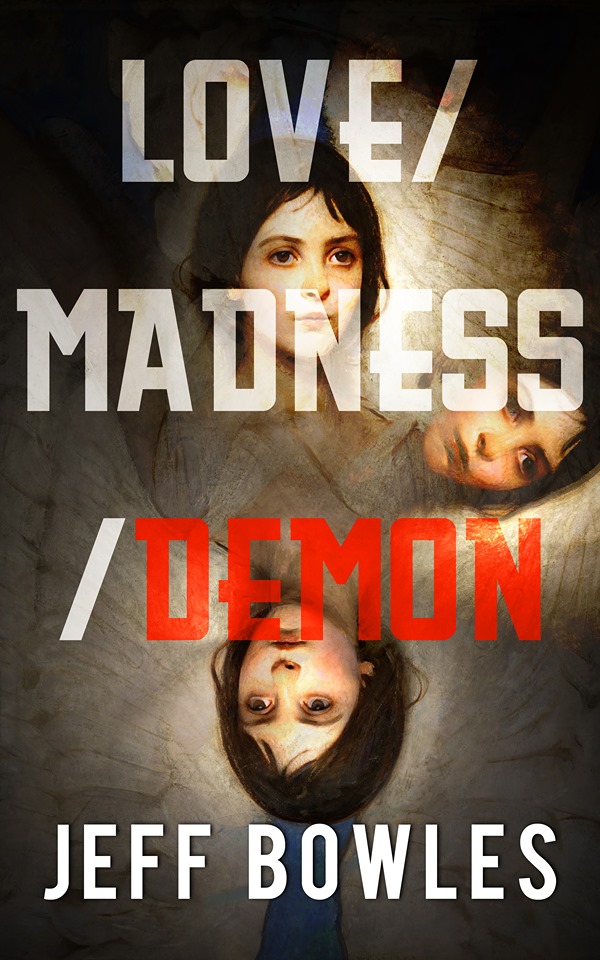
Check out Jeff Bowles Central on YouTube – Movies – Video Games – Music – So Much More!
Share this:

At the Movies: Lost City
Posted: July 1, 2022 Filed under: Action/Adventure, At the Movies, Humor, Movie Review, Movies | Tags: Action/Adventure, At the Movies, Brad Pitt, Channing Tatum, Kaye Lynne Booth, Lost City, Romantic Comedy, Sandra Bullock, Writing to be Read Leave a comment
After watching Lost City, starring Sandra Bullock and Channing Tatum, and featuring a cameo appearance by Brad Pitt, all I can say is that it was okay once you get over the fact that the plot was very familiar, imitating the plot from the 1984 movie with Kathleen Turner, Michael Douglass and Dany DeVito, Romancing the Stone. A romance adventure writer gets caught up in a real search for lost treasures and goes on an adventure, which could be the plot for one of her stories.
Sandra needs to come down off the Botox wagon before she is unrecognizable, like so many Hollywood has-beens. This actress whom I used to love to watch, now looks like a puffed up chipmunk, who refuses to age gracefully. Bullock is about to join the ranks of Botox-faces like Joan Rivers, Reba McIntyre, and Sally Fields, and as far as I’m concerned, that is not a good thing.
This movie isn’t bad, but Bullock is no Kathleen Turner; Channing Tatum is no Michael Douglass; and while Brad Pitt is easier on the eyes than Danny DeVito, he’s not in the movie long enough to even be called a comic sidekick. The same, but different is what this movie is, but with maybe too much the same and different that isn’t that great. The humorous scenes weren’t that funny, the exciting scenes just weren’t that exciting and I had a hard time buying in. Face it. A drive through the jungle with feet sticking out of the car, tied to the chair leg, in true life would have resulted in a possible broken ankle or other injury. Couldn’t they have come up with something just a bit more original, and humorous than traipsing through the jungle in an evening gown? It’s been done a thousand times. Really.
Lost City was fun to watch, if slightly unbelievable, and once I set aside the fact that I seen another, better version of this story years ago, it was quite entertaining.
_______________________________________________________________________

Kaye Lynne Booth lives, works, and plays in the mountains of Colorado. With a dual emphasis M.F.A. in Creative Writing and a M.A. in Publishing, writing is more than a passion. It’s a way of life. She’s a multi-genre author, who finds inspiration from the nature around her, and her love of the old west, and other odd and quirky things which might surprise you.
She has short stories featured in the following anthologies: The Collapsar Directive (“If You’re Happy and You Know It”); Relationship Add Vice (“The Devil Made Her Do It”); Nightmareland (“The Haunting in Carol’s Woods”); Whispers of the Past (“The Woman in the Water”); Spirits of the West (“Don’t Eat the Pickled Eggs”); and Where Spirits Linger (“The People Upstairs”). Her paranormal mystery novella, Hidden Secrets, and her short story collection, Last Call and Other Short Fiction, are both available in both digital and print editions at most of your favorite book distributors.
When not writing, she keeps up her author’s blog, Writing to be Read, where she posts reflections on her own writing, author interviews and book reviews, along with writing tips and inspirational posts from fellow writers. In addition to creating her own very small publishing house in WordCrafter Press, she offers quality author services, such as editing, social media & book promotion, and online writing courses through WordCrafter Quality Writing & Author Services. As well as serving as judge for the Western Writers of America and sitting on the editorial team for Western State Colorado University and WordFire Press for the Gilded Glass anthology and editing Weird Tales: The Best of the Early Years 1926-27, under Kevin J. Anderson & Jonathan Maberry.
In her spare time, she is bird watching, or gardening, or just soaking up some of that Colorado sunshine.
____________________________________________________________________
Join Kaye Lynne Booth & WordCrafter Press Readers’ Group for WordCrafter Press book & event news, including the awesome releases of author Kaye Lynne Booth. Get a free digital copy of her short story collection, Last Call and Other Short Fiction, as a sampling of her works just for joining.
Share this:

Tales from the Bird Sanctuary: Frantic Hummingbirds
Posted: June 29, 2022 Filed under: Bird Watching, Tales from the Bird Sanctuary | Tags: Bird Watching, Birds, Colorado, Hummingbirds, Kaye Lynne Booth, Spring Storm, Tales from the Bird Sanctuary, Writing to be Read 4 Comments
Colorado weather is always unpredictable. There’s a saying, that is you don’t like the weather in Colorado, just wait twenty minutes, and having lived in Colorado for all of my life, I can say that it is usually true. But this year, we had an unseasonal snow storm on May 21-22, and my area was hit hard. We got at least 24 inches of wet, heavy snow, which left me temporarily snowbound, and confused all the plants in my garden, like my rose, day lilies and lilac bushes, which already had new growth showing. The plants weren’t the only ones confused. After all, the previous week, the temperatures were in the seventies. I was a little confused myself. All the birds who visit the bird sanctuary and the hummingbirds, which have been in the area since April 18th this year, were absolutely frantic.
The snow began falling on the evening of the 20th, and the trees were already drooping low by 10 p.m. As I went to shut my generator off, It sounded like the trees were alive with the little twitts of hummingbirds. They should have been all tucked into their nests by that time of night, but for some reason, they were all perched in the tree branches griping about the weather. I believe that many of these tiny birds were just passing through and the snow stranded them, but for whatever reason, I could tell by the sound that there were a lot of them in those trees.
Hummingbirds are migratory and they fly great distances every year from South America all the way up to the northern regions of the United States. It’s really quite amazing how far these tiny travelers commute. What they don’t do is fly in the dark, at least not usually, but on that night, I must have startled one of them, because I actually got buzzed. At 10 o’clock at night, that is unheard of.
The next morning, I awoke to about a foot of snow and everything was covered in white, and at 5:30 in the morning, the hummingbirds were frantically fighting to get nectar from partially frozen feeders.


Hummingbirds consume mass amounts of food in order to maintain their high metabolisms. In situations where the food supplies are limited for some reason, like a surprise snow storm, they can find a perch and go into a torpor state to conserve its energy reserves, but for some reason, these hummingbirds remained frantically feeding all day.
I placed a fresh feeder under the porch where it would be sheltered for them, in order to up their food supplies. But, it was so cold that even that feeder was soon partially frozen. That didn’t stop them from feeding from it though. Below is a video I took from inside my cabin. My front porch was busy like this all day long. If nothing else, they provided good entertainment on a day when I was stuck indoors.
__________________________________________________________________

Kaye Lynne Booth lives, works, and plays in the mountains of Colorado. With a dual emphasis M.F.A. in Creative Writing and a M.A. in Publishing, writing is more than a passion. It’s a way of life. She’s a multi-genre author, who finds inspiration from the nature around her, and her love of the old west, and other odd and quirky things which might surprise you.
She has short stories featured in the following anthologies: The Collapsar Directive (“If You’re Happy and You Know It”); Relationship Add Vice (“The Devil Made Her Do It”); Nightmareland (“The Haunting in Carol’s Woods”); Whispers of the Past (“The Woman in the Water”); Spirits of the West (“Don’t Eat the Pickled Eggs”); and Where Spirits Linger (“The People Upstairs”). Her paranormal mystery novella, Hidden Secrets, and her short story collection, Last Call and Other Short Fiction, are both available in both digital and print editions at most of your favorite book distributors.
When not writing, she keeps up her author’s blog, Writing to be Read, where she posts reflections on her own writing, author interviews and book reviews, along with writing tips and inspirational posts from fellow writers. In addition to creating her own very small publishing house in WordCrafter Press, she offers quality author services, such as editing, social media & book promotion, and online writing courses through WordCrafter Quality Writing & Author Services. As well as serving as judge for the Western Writers of America and sitting on the editorial team for Western State Colorado University and WordFire Press for the Gilded Glass anthology and editing Weird Tales: The Best of the Early Years 1926-27, under Kevin J. Anderson & Jonathan Maberry.
In her spare time, she is bird watching, or gardening, or just soaking up some of that Colorado sunshine.
_______________________________________________________________________________
Join Kaye Lynne Booth & WordCrafter Press Readers’ Group for WordCrafter Press book & event news, including the awesome releases of author Kaye Lynne Booth. Get a free digital copy of her short story collection, Last Call and Other Short Fiction, as a sampling of her works just for joining.
Share this:

Dark Origins: African myths and legends – The Zulus Part 3 #Zulucreationmyth #sausagetree
Posted: June 22, 2022 Filed under: Dark Origins, Historical Inspiration, Mythology and Legend | Tags: African Legend, Dark Origins, Roberta Eaton Cheadle, South African History, Spirits of the West, Writing to be Read 38 Comments
The Zulu Creation Myth
The Zulu myth on the creation of mankind and the world is as follows:
The Ancient One, known as Unkulunkulu, came from the reeds and from them he created the people and the cattle. Unkulunkula created the mountains, streams, and all creatures, both wild and domesticated.
He taught the Zulu’s how to hunt, how to make fire, and how to grow food.
You can listen to me read the Zulu myth: The Story of Creation here:
The Sausage Tree and Zulu mythology
When I visited Ghost Mountain in Kwa-Zulu Natal in March 2021, I learned about the iconic Sausage Tree which grows in this area.

This tree’s incredible sausage-shaped fruit weighs between 5 and 10 kilograms and can get to 3 feet in length. The unripe fruit is poisonous, especially to humans, but the skin is ground to a pulp and used externally for medicine. It is used to cure skin ailments especially skin cancers. The fruit is also burned to ashes and pounded using a mortar with oil and water to make a paste to apply to the skin. The rind of the fruit is also used to aid the fermentation of local brews.
The sausage tree has beautiful blood-red to maroon flowers with an unpleasant (to humans) smell. It’s scent attracts its main pollinator, the Dwarf Epauletted Fruitbat.
Many animals feed on the flowers when they drop, including impala, duiker, bush pigs, and lovebirds.
Zulu myth about the sausage tree
During our stay at Ghost Mountain Lodge, we went on a game drive to a nearby private game park. The ranger told us that the sausage tree is the subject of an age-old myth that it has the power to enhance libido and sexual prowess in both humans and animals. The sausage tree is also believed to hold the answer to impotence. These ‘cures’ are prepared by traditional doctors and are shrouded in mystery.


Did you know?
Did you know that I have two short stories in the WordCrafter Press anthology, Spirits of the West, that are based on South African history?
If you would like to read and review a copy, please email me at sirchoc[at]outlook[dot]com.
Here is a short extract from my story, The Ghost in the Mound:
“Grasping the baby tightly, Sara clambers out from under the wagon and sits back on her heels next to the wheel. After passing her the baby, Susanna crawls out, followed by Clara. They both kneel beside her.
In front of them, through the smoky haze, the blurred and agitated forms of the adults move frantically; fire, reload, fire, reload. The noise is immense.
Pointing to the huge baobab tree which stands directly in front of them, Sara whispers to the two younger girls.
“You need to run straight past Mama and get behind that tree. Run as fast as you can, I’ll be right behind you. Are you ready? One, two, go!”
The three girls lunge forward and begin to run, their faces drawn and tight with stress and their eyes fixed on the prominent tree. Their swiftly moving feet are accompanied by the crashing of the guns and the shrieks and yells of the enemy.
As the tree draws closer, Sara can see the detail of every leaf and the smooth shininess of its bottle-shaped trunk. The threesome circle behind the great trunk, gasping for breath. Sara drops to her knees;
Kobus is heavy and her chest throbs.
The tree’s heavy, white flowers are already starting to fade, and a few have already turned brown and fallen to the ground. Their sweet fragrance has a cloying smell of decay. Sara looks around, considering their options.
Where can we hide?
Her eyes settle on the termite mound, standing proud and tall, surrounded by veld. The yellowy green grass between their position under the tree and the mound is tall and thick, offering protection from
searching eyes.”
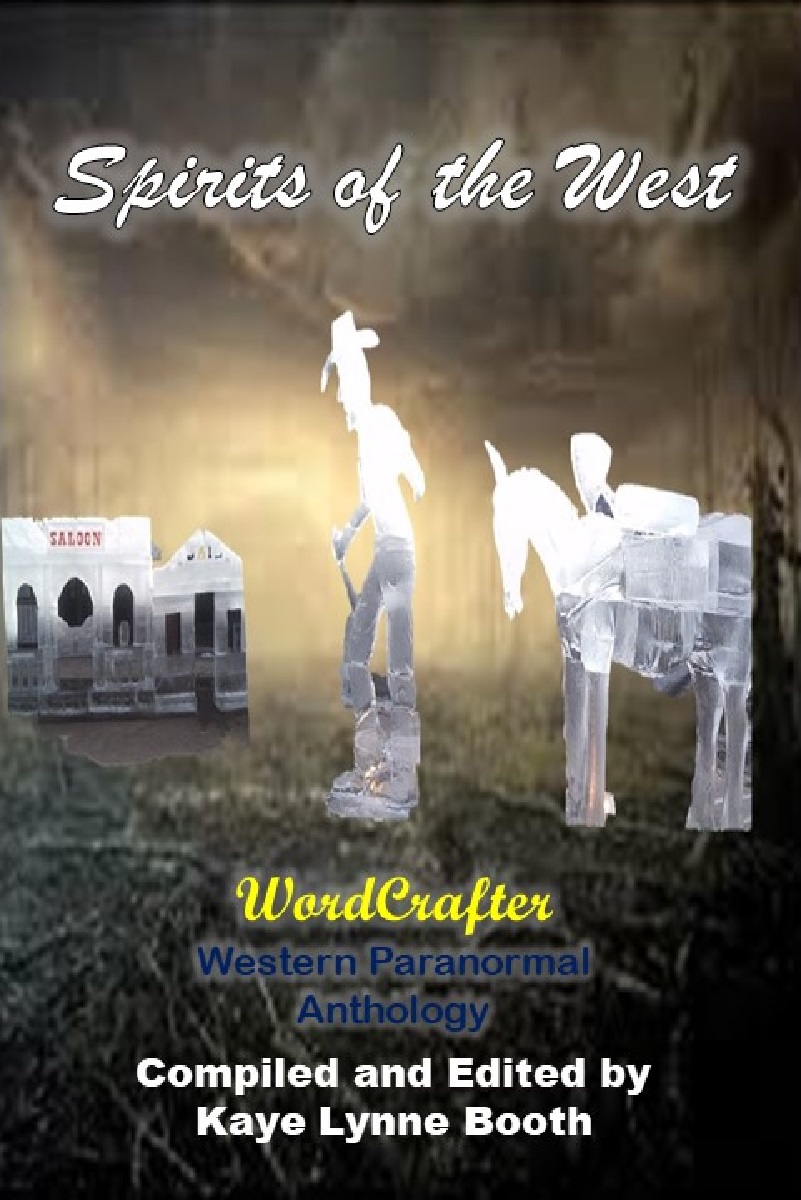
About Roberta Eaton Cheadle

Roberta Eaton Cheadle is a South African writer and poet specialising in historical, paranormal, and horror novels and short stories. She is an avid reader in these genres and her writing has been influenced by famous authors including Bram Stoker, Edgar Allan Poe, Amor Towles, Stephen Crane, Enrich Maria Remarque, George Orwell, Stephen King, and Colleen McCullough.
Roberta has short stories and poems in several anthologies and has two published novels:
* Through the Nethergate, a historical supernatural fantasy; and
* A Ghost and His Gold, a historical paranormal novel set in South Africa.
Roberta has ten children’s books published under the name Robbie Cheadle.
Roberta was educated at the University of South Africa where she achieved a Bachelor of Accounting Science in 1996 and a Honours Bachelor of Accounting Science in 1997. She was admitted as a member of The South African Institute of Chartered Accountants in 2000.
Roberta has worked in corporate finance from 2001 until the present date and has written seven publications relating to investing in Africa. She has won several awards over her 20-year career in the category of Transactional Support Services.
Find Roberta Eaton Cheadle
Blog: https://wordpress.com/view/robertawrites235681907.wordpress.com
Twitter: https://twitter.com/RobertaEaton17
Facebook: https://www.facebook.com/robertawrites
Amazon: https://www.amazon.com/Roberta-Eaton-Cheadle/e/B08RSNJQZ5
_____________________________________________________________________________________________
Want to be sure not to miss any of Robbie’s “Dark Origins” segments? Subscribe to Writing to be Read for e-mail notifications whenever new content is posted or follow WtbR on WordPress. If you found it interesting or entertaining, please share.
Share this:

Writer’s Corner: 6 Reasons I chose to go wide with my books
Posted: June 20, 2022 Filed under: Books, Indie Publishing, Publishing, WordCrafter Press, Writer's Corner | Tags: independent publishing, Kaye Lynne Booth, Publishing, Wide vs. Exclusive, WordCrafter Press, Writer's Corner, Writing to be Read 12 Comments
I chose to go wide with WordCrafter Press books. Let me tell you why.
- Although many authors use KU to increase their income from their books, since page reads may be more of a metric than sales are, but the price may be too high. Going exclusive limits what you can do with your Intellectual Properties. So even though I’ve maintained my rights for a book, I can’t include that book in a story bundle or box set elsewhere, if it’s in KU. I can’t even sell the book direct from my own website. Likewise, audiobooks published with Audible must be exclusive for at least one year and can’t be published elsewhere, not even on my own website.
- An author wants to reach as many potential readers as possible, increasing the chances of their book being discovered, so to me, it just makes sense to place your books with as many different book distributors as possible. This can be done on each individual platform directly, but the process is very time consuming, so an aggregator like Draft2Digital or Smashwords, (which have merged into one company), can be helpful in getting your book offered on multiple platforms.
- There are some readers who just plain despise Amazon, feeling that they are a monopoly, pushing the smaller companies out, so they won’t buy from them. there are also folks who use readers other than Kindle. By publishing exclusive, authors are not reaching readers who can’t or won’t buy from Amazon or their partners.
- Brick and mortar bookstores and libraries hate Amazon. And why shouldn’t they? Amazon is their biggest competitor. So, chances are, that if your book is only available on Amazon, you won’t be able to get these entities to even consider making your book available to their customers. If they check you out and see that you are advertising “Available on Amazon”, you aren’t going to make it through the doors. (That’s why I use the Books2Read links offered through D2D, where you can set it up so potential readers can find you on their favorite book distribution platform. Amazon is in there, but so are the other platforms like Kobo, Barnes & Noble, Apple Books, and Scribd, where my books are available.) Even if you have your books on multiple book distribution and library platforms, you still must put in the work to get availability in physical locations, which are excellent opportunities for discovery and gaining new readers.
- It just doesn’t make sense to me to “put all my eggs in one basket”. By going exclusive with Amazon, I would be excluding a large portion of potential readers. Publishing with D2D places WordCrafter Press books with most of your favorite book distributors, including Barnes & Noble, Rakuten Kobo, Apple, Scribd, Amazon, Thalia, Indigo, Mondadori, and Vivlio, as well as Baker & Taylor, Overdrive and other library lists. Of course, being on the lists for libraries and bookstores don’t get your books into the brick and mortar establishments, you still have to work to build relationships with the real people who are found there, but without being on those lists, there isn’t any chance. And if I were to publish exclusive with Amazon those paths would be closed to me.
- As Derek Sivers – author, musician, entrepreneur and publisher – says on the May 16, 2022 episode of The Creative Penn podcast, “De-centralization is good. Amazon should not be the only bookstore.” And Sivers suggests that the way to work toward the goal of de-centralization is by training readers to look for your books in other places; other bookstores, libraries, or even direct from the author’s website.
Wide vs. exclusive is an ongoing decision among independent authors. Amazon has become the monster conglomerate that they are, because they are doing all kinds of things right. Most of us are not as anti-Amazon as Sivers, who instructs to send potential readers “anywhere but Amazon”. I can see the value in including Amazon in my wide distribution. Just as it doesn’t make sense to me to go exclusive, neither does it make sense to me to exclude the biggest bookseller on the block.
The fact is, even though I don’t like the pedestal Amazon has raised itself up on, and I don’t like the fact that their TOS isn’t always in the author’s favor, I can’t deny that shopping on Amazon is easy and convenient. Also, I read digital books on a Kindle device, and I hate learning how to set up and use new devices, so Amazon is where I get most of my digital content.
Now that I’ve told you my strategy, you tell me yours. Do you choose to have your books wide or exclusive? Why? Tell me your thoughts in the comments. Let’s make this more of a discussion.
______________________________________________________________________
Kaye Lynne Booth lives, works, and plays in the mountains of Colorado. With a dual emphasis M.F.A. in Creative Writing and a M.A. in Publishing, writing is more than a passion. It’s a way of life. She’s a multi-genre author, who finds inspiration from the nature around her, and her love of the old west, and other odd and quirky things which might surprise you.
She has short stories featured in the following anthologies: The Collapsar Directive (“If You’re Happy and You Know It”); Relationship Add Vice (“The Devil Made Her Do It”); Nightmareland (“The Haunting in Carol’s Woods”); Whispers of the Past (“The Woman in the Water”); Spirits of the West (“Don’t Eat the Pickled Eggs”); and Where Spirits Linger (“The People Upstairs”). Her paranormal mystery novella, Hidden Secrets, and her short story collection, Last Call and Other Short Fiction, are both available in both digital and print editions at most of your favorite book distributors.
When not writing, she keeps up her author’s blog, Writing to be Read, where she posts reflections on her own writing, author interviews and book reviews, along with writing tips and inspirational posts from fellow writers. In addition to creating her own very small publishing house in WordCrafter Press, she offers quality author services, such as editing, social media & book promotion, and online writing courses through WordCrafter Quality Writing & Author Services. As well as serving as judge for the Western Writers of America and sitting on the editorial team for Western State Colorado University and WordFire Press for the Gilded Glass anthology and editing Weird Tales: The Best of the Early Years 1926-27, under Kevin J. Anderson & Jonathan Maberry.
In her spare time, she is bird watching, or gardening, or just soaking up some of that Colorado sunshine.
______________________________________________________________________________
Join Kaye Lynne Booth & WordCrafter Press Readers’ Group for WordCrafter Press book & event news, including the awesome releases of author Kaye Lynne Booth. Get a free digital copy of her short story collection, Last Call and Other Short Fiction, as a sampling of her works just for joining.
Share this:

Treasuring Poetry – Meet writer and poet, Willow from Willowdot21
Posted: June 15, 2022 Filed under: Interview, Poetry, Treasuring Poetry | Tags: Poetry, Robbie Cheadle, Treasuring Poetry, Willow Willers, Writing to be Read 44 Comments
Today, I am delighted to feature writer and poet, Willow Willers, as my Treasuring Poetry guest. Willow blogs at willowdot21.
Which of your own stories is your favourite?
Well Robbie, my real first favourite is a trilogy I wrote about young boys who get caught up in drug running gangs and knife crime. My real ambition would be to have a chance to read this to young people at clubs and schools.
The death
The bench was hard but he could take that, it was the pain in his side and chest which filled his being, everything else was flat.
Fear gripped his mind, he was so cold inside yet a sweat was rippling down his back. His sight was blurred, was he going blind?
Slowly a long hidden memory came to the fore. His mother had taught him it long before he had changed. “Gentle Jesus meek and mild look upon me a little child.”
OH! Jesus if you are there help me now, I did not need you then but I do now. Jesus this pain is f###ing killing me, help me help me please. Slowly he slipped forward onto the floor and darkness washed over him and he knew no more.
***
“Where are you going son. No, out, will not do! Listen to me boy I am asking you. Why must you run with that pack it seems to me now there is no coming back. What has happened to you, you were such a good boy at school I had hopes that you’d go far but your just like your brother playing the fool.
No your not wicked but you are not a fool and I am telling you this, in my book you’re not cool.”
“What are you doing with that? Give it me back , don’t you threaten me son I’ll give you a smack. OH! Please will you listen to me don’t take that knife it will not set you free from the boredom in your life. It will not get you a job, it won’t make you a man what has happened to you and your world changing plan? You had vision and hunger for work as a decent and pleasant boy not as you are now , just a jerk.”
***
Clearing up quietly the priest approached the last row when something on the floor that caught the suns last glow. Red and sticky he knew what it was but he prayed to his God that it would not be true. The boy lying his arms out wide, blood flowing from his side. A thought crossed his mind but he dismissed immediately. He looked like Jesus did, you see. Arms out wide , blood from his side a cut round his forehead dripping, blood in his eyes.
He took out his mobile and took a deep breath as he dialled, ambulance, police he begged his mind running wild. The operator was telling him what to do, “Keep him warm and stem the blood is what I want you to do.” He ripped off his cassock and swaddled the lad he then noticed blood on his jeans ( the best ones he had) He cradled the boy and prayed in his ear “keep trying to stay ask now, Jesus will hear.”
It was half an hour until anyone arrived the paramedic crew gently moved the priest to one side. It was too late the boy was gone, then with their radios crackling loud, the police taped the area off, people from everywhere arriving, such a crowd.
Standing back and looking around the priest said a prayer without making a sound. “Dear God take the soul of this boy who died here today and give him some peace, and if you have time help me find words to soothe his family, at least ” Then he sat down exhausted, he was just a man even though he was called a priest.
A woman on her way home from work regretting an argument at the start of her day was wondering how to fix things and what she could say. She always said never give up, never leave a good word unsaid. Never leave things, sort them before you go to bed. Passing the church she saw her youngest boys friends , he wasn’t there perhaps they could make amends.
The Cause
He awoke with a jump. It was his brother rolling in drunk! Damn only 4am please don’t go over what’s to happen again. I know I must do this. I must prove myself.
It was all too easy a year ago when his best friend introduced him to the boys “you need to know” It had been simple things at first making old ladies jump, stealing traffic cones all laughing fit to burst.
When he was really trusted, got himself a name.Things became more serious it suddenly was a whole new game. They met the older boys, the ones with big fast cars. They all wore hoodies, bling and they all had facial scars.
It was money and messages that he had to run he was fit and had a bike.Now that is how easily it had begun. He often skipped school though not always willingly. There really was not any choice, what the big boys said, had to be.
His teachers all asked him why his work had slipped away he had a brilliant future and he had thrown it all away. He was a little worried but he shrugged his shoulders and wandered off, his teachers called him back but his friends told them to f### off.
Mum, she was desperate working on her own doing all she could to keep the house, the boys and to make them a home. The oldest she had lost him he had gone to drugs. She had tried so hard but he just robbed her blind and made her look a mug.The young one she had dreams for she had prayed to the Lord each day but now he was on the wrong track, he was slipping the same way.
He knew he had become a waster, he knew that he was bad . It was the only way to be accepted and safe but the pain in Mum’s eyes made him feel sad. So he just avoided contact and hardened to her pleas. He was knocked back the other day when she begged him to stay home down on her knees.
He tried to ask his brother who ran with an older crew but he was useless as he was trapped there too. What chance was there, his brother asked, what was there for them to do there was no work or opportunities running with lads was at least something to do. It was all about status and how hard you are , what clothes you wore , what trainers and did you have a scar.
His brother had one, on his face, from a fight with a rival gang. Okay it hurt , six days in hospital 17 stitches but he was now a big man??
Today was his chance to join the glorious crew. To take part in the big ruck was all he had to do.
Two weeks he had known about the fight , where and exactly when. It was on his mind both day and night . His thoughts were full of dread , through his blood ran pure fear it was nearly six now, the day was finally here.
Later in the kitchen when he was taking the knife , his mother caught him and shouted at him. He raised his hand to her for the first and last time in his life. Luckily she was small so he pushed her to one side as he crashed through the door and out the gate . His mother sat on the floor and cried.
***
Later he met the guys when mum had gone to work, they knew a squat they could use to complete their plan. By 4pm they were jumpy they were ready to a man.They left the squat and through the railings ran. Jumping , punching the air and making feral calls they had it now they all knew the plan, they had all the balls.
He wished he’d picked a smaller knife this one was too large . As he was changing it’s position. Into him a couple of the lads all barged. At once he felt a sharp and stinging pain as he fell to the floor, it felt worse again. His side felt wet and his forehead was cut where he had scraped along the floor..
What’s wrong man, stop messing we haven’t got the time it’s 5 o’clock now hear those church bells chime. Oh! hey you’re hurt man what did you do. You stupid f### you stabbed yourself. We have to leave you here, no good to have a burden on the crew.
His best friend helped him into the church and sat him at the back , hold on, he said, laters. then ran off to join the pack.
So he alone now, life ebbing from his side thoughts of mum, school, his brother and he cried. He asked the lord for comfort but comfort did not come. He prayed a childhood prayer from deep inside his mind. The priest found him,and he was very kind. He wrapped his chest and held him and asked him not to go . He tried to but he couldn’t stay he felt too tired, too low.
He heard the priests’ desperate call as he slipped away forget the ambulance he though and just pray for me today. The priest felt him go, but he would not lose his grip he felt he needed to guide this lost boy, some mothers pride and joy.
The Effect
Getting off the bus and heading home, she was tired her feet aching but she was determined not to moan. This was important, it had to be done she needed to put her whole being into saving her youngest son!
Pushing the front door shut behind her putting the bags down on the kitchen floor she looked into the living room but there was no one there. No television no shoot’em’up games standing in the hallway she called out both boys names.
OH! well, she put the kettle on and maybe she’d ring around she had both their mobile numbers but they did not always want to be found. The doorbell rings , damn she had only just sat down, walking toward the door the phone begins to ring.
There it is the sight every mother dreads, a policeman and a policewoman , OH! god she thinks someone must be dead.
The hospital was noisy but she didn’t hear a sound her lungs were filling up as she were about to drown. She had been waiting for an age now, would no one take her in. She was feeling really sick now and felt like things were crawling on her skin.
It was so cold in there and he only had a sheet on . God he looked so pale but she supposed that was what you would look like when all your blood was gone.
***
She woke up with the headache she had, had since that day, the shock of the police visit and what they had to say.
She knew she had to get up she knew she must today, it was the funeral and that would not go away.
Things had been different her elder boy had stayed home he seemed to want to help his mother and not leave her on her own. She dared not to hope he had changed but she was glad that he was there.
She slowly put her face on and then she brushed her hair.
His friends were at the church like they had been that day , he was not with them. Would this pain ever go away.
The priest seemed glad to see her and he offered his support, she felt close to this man who was with her boy when for his life he fought.
***
His favourite track finished and the last notes drifted away she stood up and looked at everyone and said she had something to say.
She knew that there was no work and that there was not much hope but joining gangs and using guns and knives was not the way to cope. Please listen, she pleaded you are slipping away too many lives are wasted too many die this way. Something must be done and it must be soon we are losing a generation it might be two if something is not done soon.
How many more mothers have to suffer like she.
We really need to sort this out……… her voice trailed off to silence as she repeated, how many more mothers like me?
What inspired you to write this particular poem?
I wrote this story in 2014 but with the news of yet so many gang related killings in London in fact all our towns and cities lately. There have been so many knife crimes these last years. In light of this I felt compelled to write about how easily you people regardless of their ethnic background get sucked into gang culture. I felt the need to show how far the ripples spread and how even the innocent are touched.
What are your plans for your poetry going forward?
I love my poetry and I hope to continue to write until I die. I would love to publish a book of poetry but something is holding me back. I don’t know what really.
What is your favourite poem?
My favourite poem is High Flight. by John Gillespie Magee JR.
Oh! I have slipped the surly bonds of Earth
And danced the skies on laughter-silvered wings;
Sunward I’ve climbed, and joined the tumbling mirth
of sun-split clouds, and done a hundred things
You have not dreamed of-wheeled and soared and swung
High in the sunlit silence. Hov’ring there,
I’ve chased the shouting wind along, and flung
My eager craft through footless halls of air….
Up, up the long, delirious, burning blue
I’ve topped the wind-swept heights with easy grace
Where never lark nor ever eagle flew-
And, while with silent lifting mind I’ve trod
The high untrespassed sanctity of space,
Put out my hand, and touched the face of God.
Why do you like this poem?
It always makes me cry. It’s the fact that this young man born in Shanghai, China, to an American father and a British mother, who both worked as Anglican missionaries who flew Spitfires for Great Britain during WW2. died not long after qualifying in 1941 in a routine training accident.
The beautiful words are so prophetic, I hope he got to touch the face of God.
A poem by Willow: Broken Angel
My wings are clipped my feet are tied.
I need to scream, but I can not cry.
I need to run I need to hide,
Afraid to stay , too tired to fly
Alone under a moon lit sky.
Can I run, can I hide,
Can I beat this pain inside
Will it end, will I be no more
Will I find the key to the locked door.
Broken angel that is me
No longer blessed no longer free.
Shackled, so harshly tied down
Lost to all, now bound to the ground.
Find out more about Willow here: https://willowdot21.wordpress.com/about/
About Robbie Cheadle
Robbie Cheadle is a South African children’s author and poet with 9 children’s books and 2 poetry books.
The 7 Sir Chocolate children’s picture books, co-authored by Robbie and Michael Cheadle, are written in sweet, short rhymes which are easy for young children to follow and are illustrated with pictures of delicious cakes and cake decorations. Each book also includes simple recipes or biscuit art directions which children can make under adult supervision.
Robbie has also published 2 books for older children which incorporate recipes that are relevant to the storylines.
Robbie has 2 adult novels in the paranormal historical and supernatural fantasy genres published under the name Roberta Eaton Cheadle. She also has short stories in the horror and paranormal genre and poems included in several anthologies.
Robbie writes a monthly series for https://writingtoberead.com called Growing Bookworms. This series discusses different topics relating to the benefits of reading to children.
Robbie has a blog, https://robbiesinspiration.wordpress.com/ where she shares book reviews, recipes, author interviews, and poetry.
Find Robbie Cheadle
Blog: https://www.robbiecheadle.co.za/
Blog: robbiesinspiration.wordpress.com
Twitter: BakeandWrite
Instagram: Robbie Cheadle – Instagram
Facebook: Sir Chocolate Books
______________________________________________________________________________________________
Want to be sure not to miss any of Robbie’s “Treasuring Poetry” segments? Subscribe to Writing to be Read for e-mail notifications whenever new content is posted or follow WtbR on WordPress. If you found it interesting or entertaining, please share.




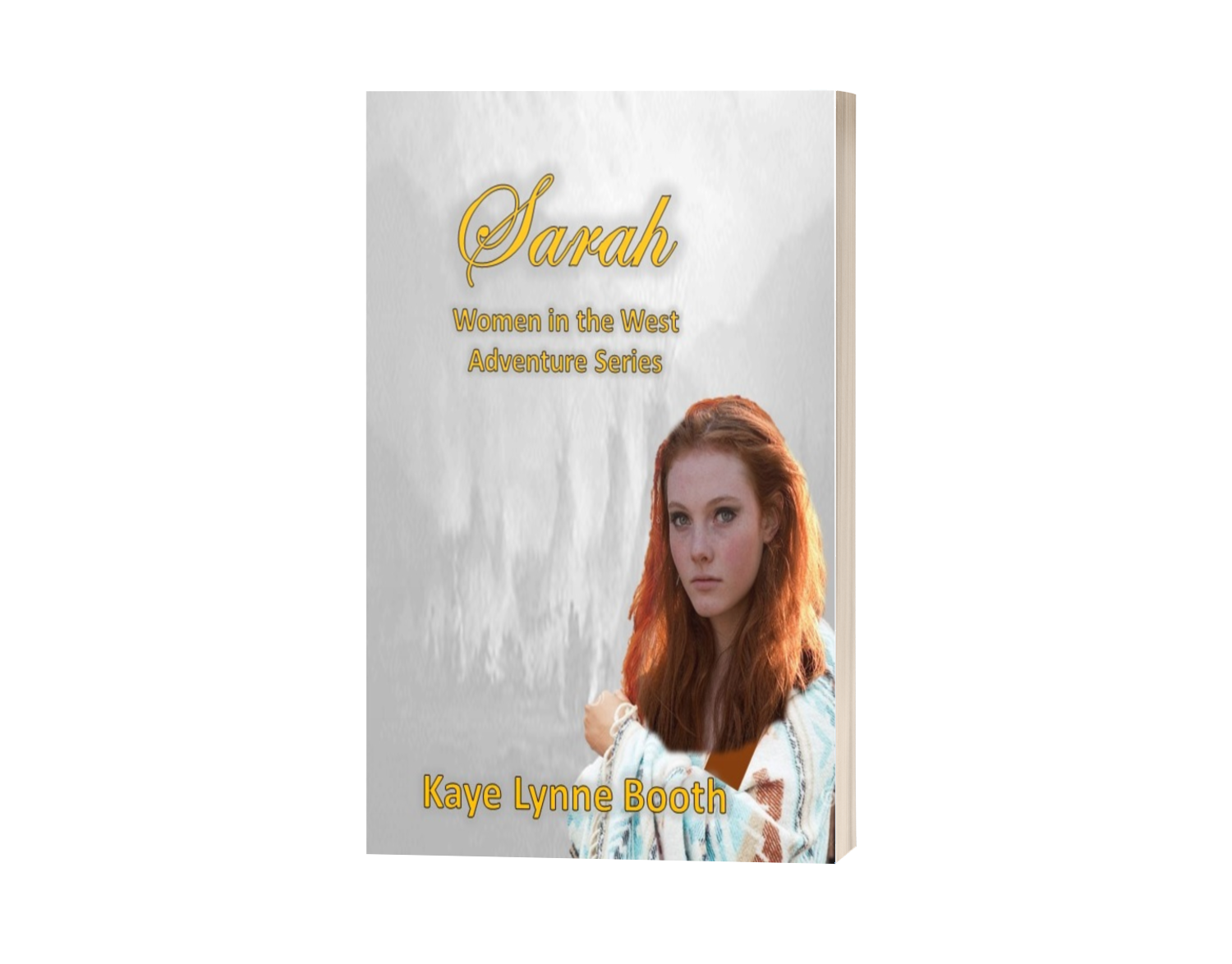

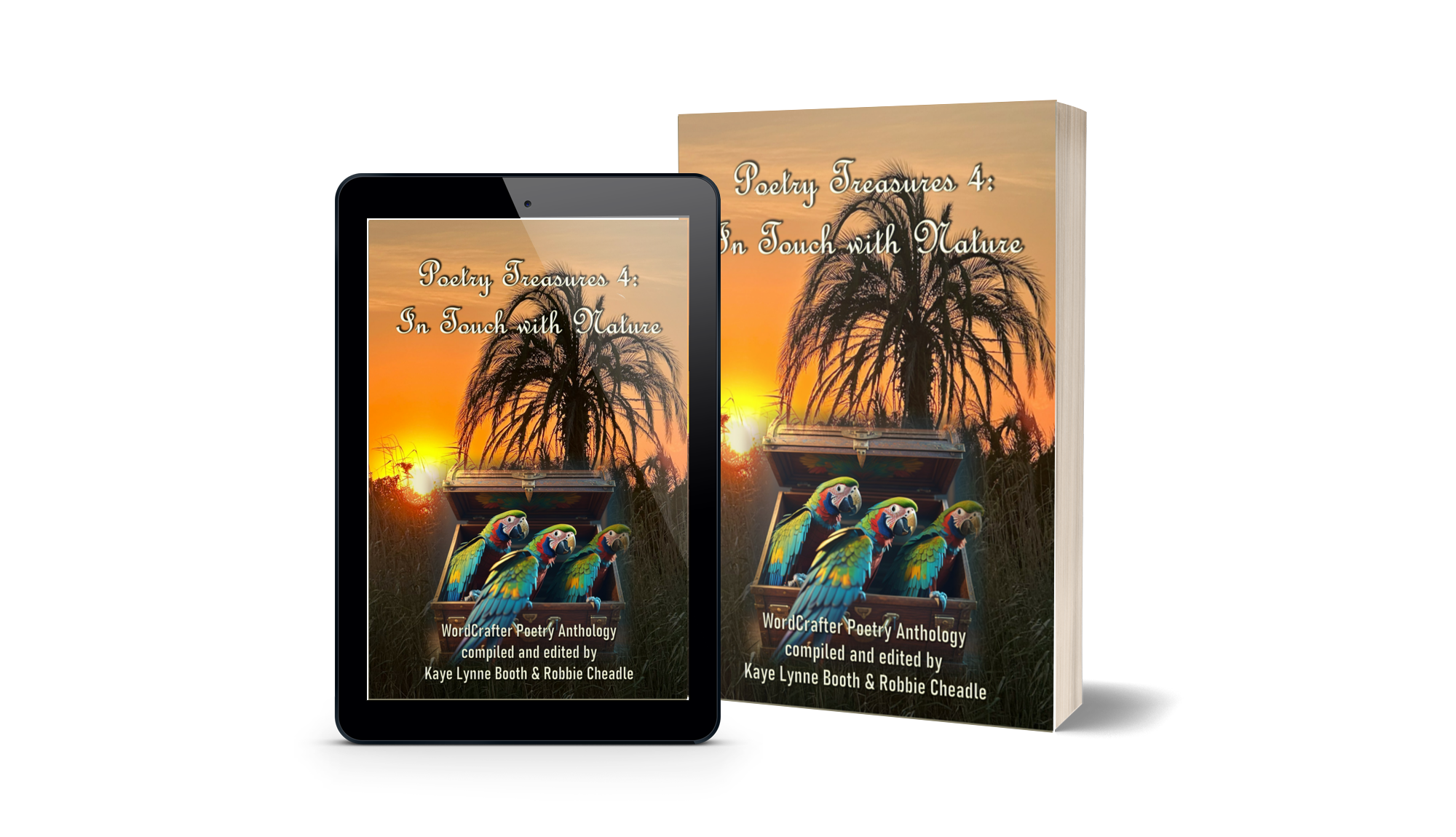
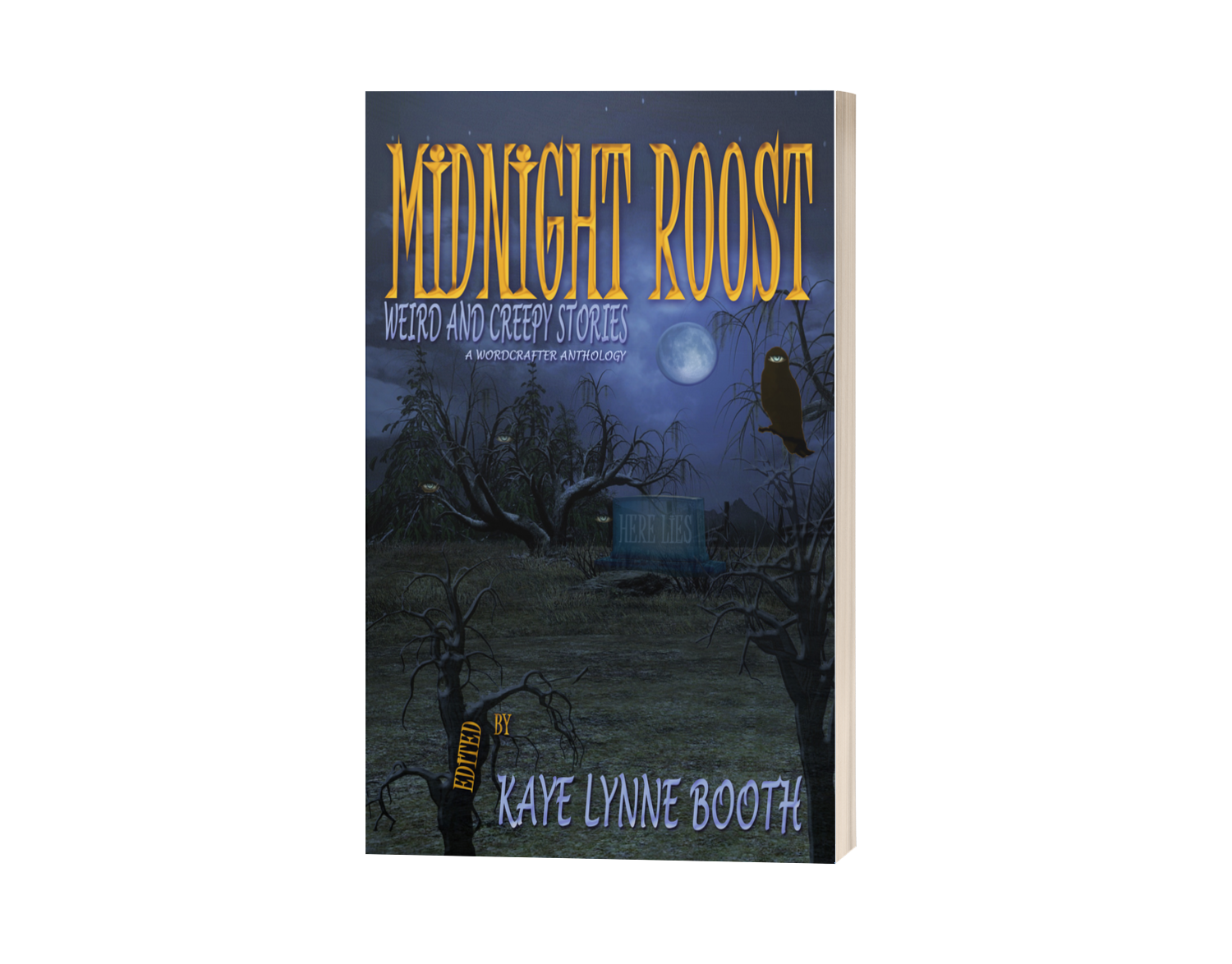
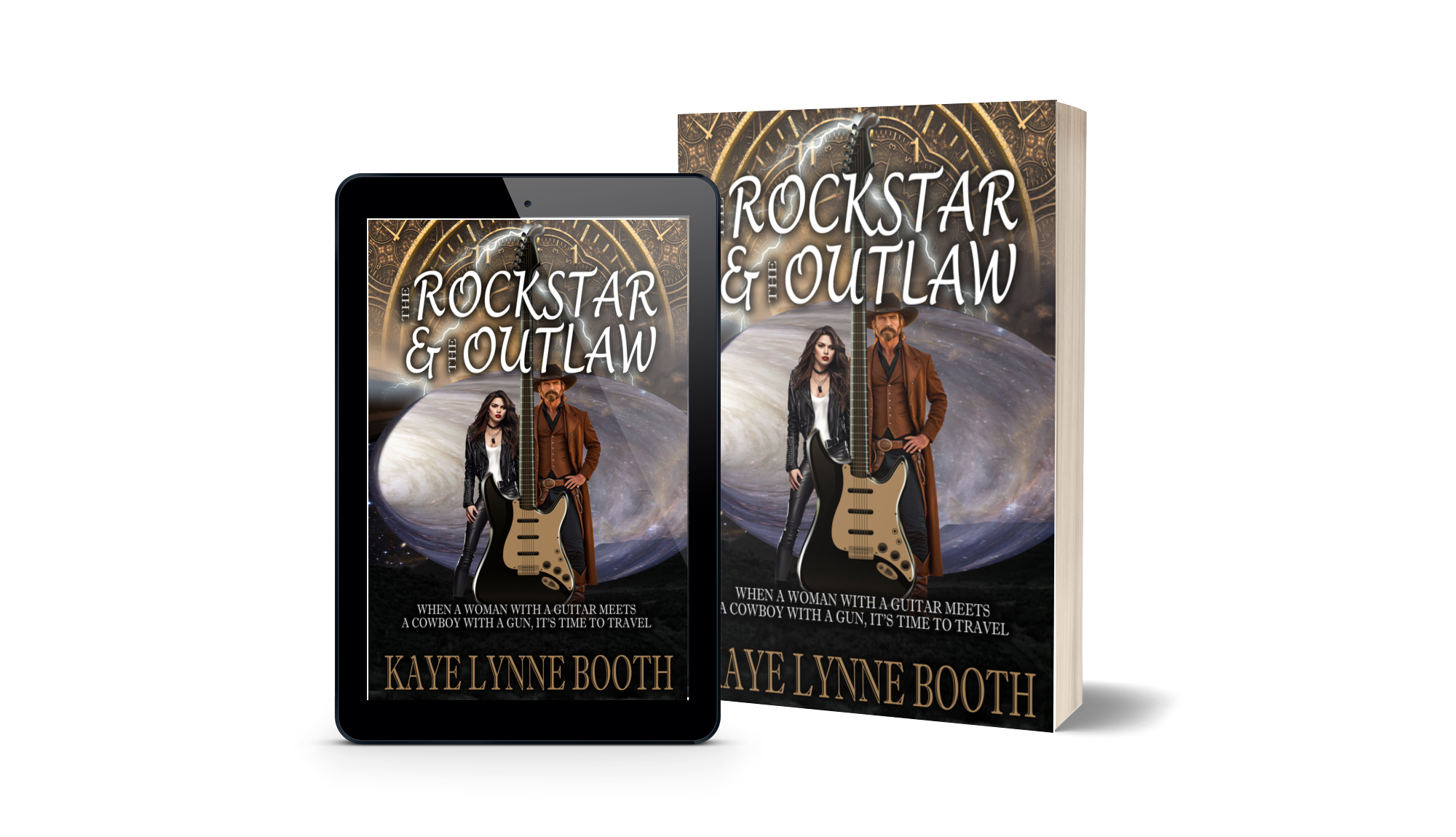

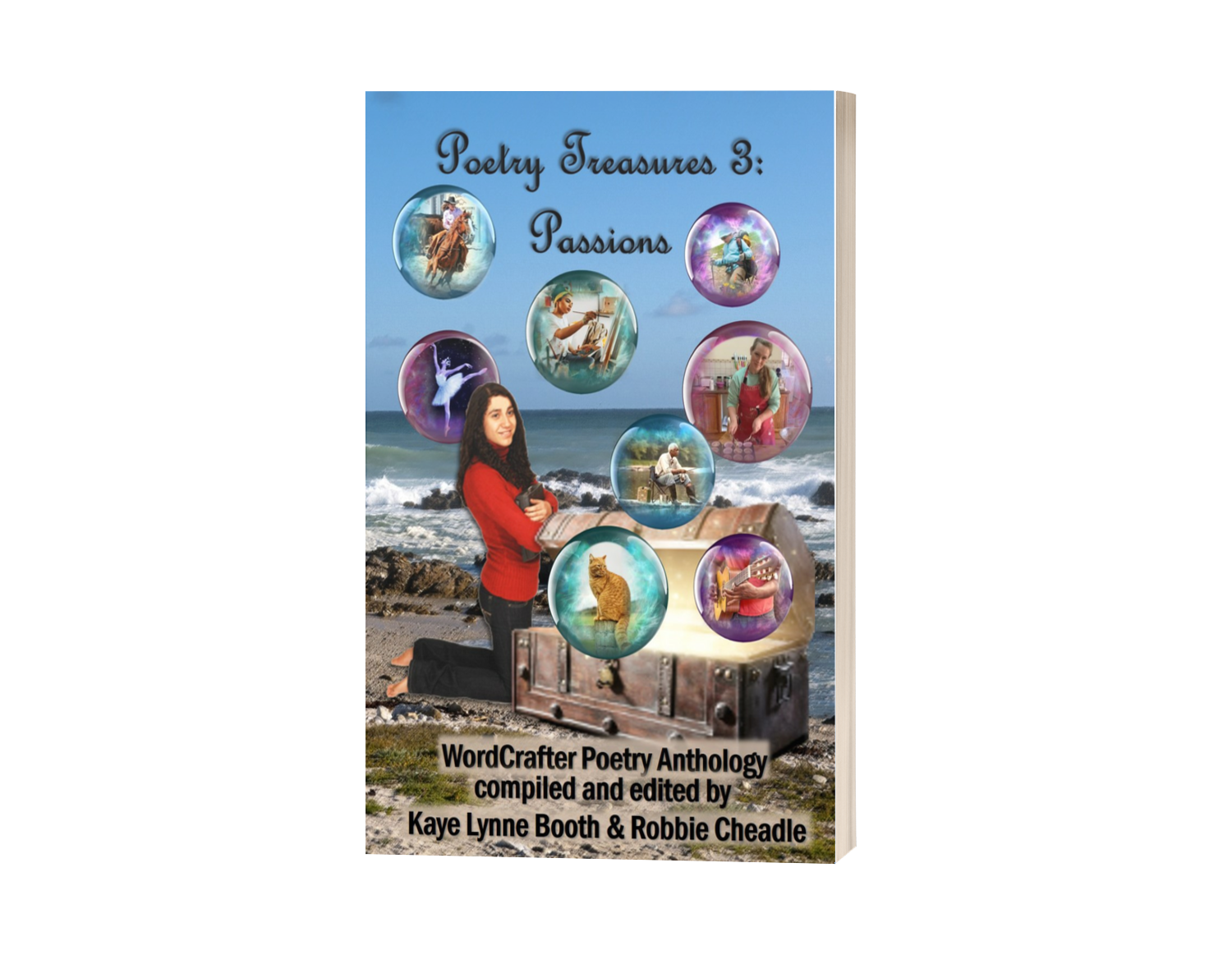
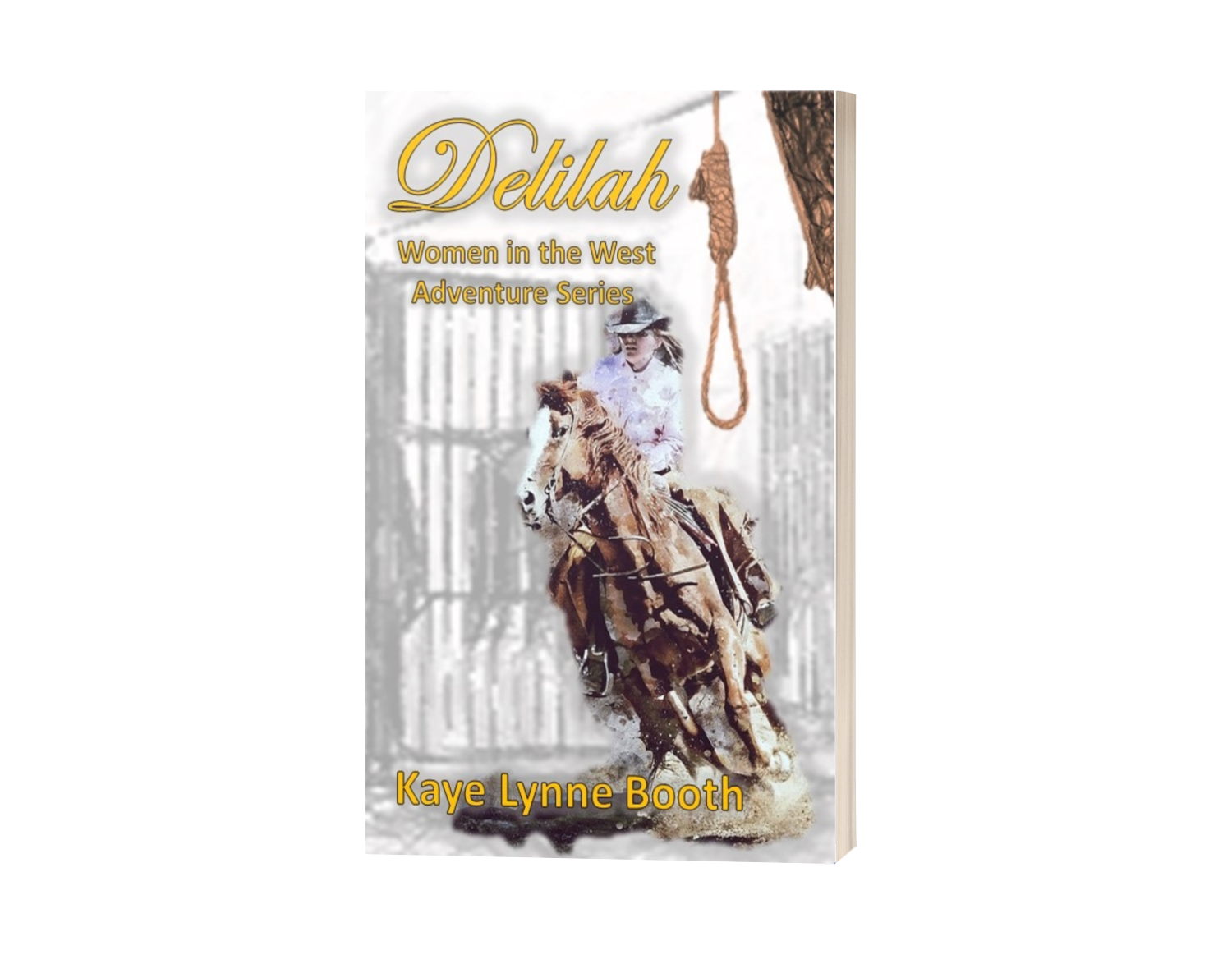



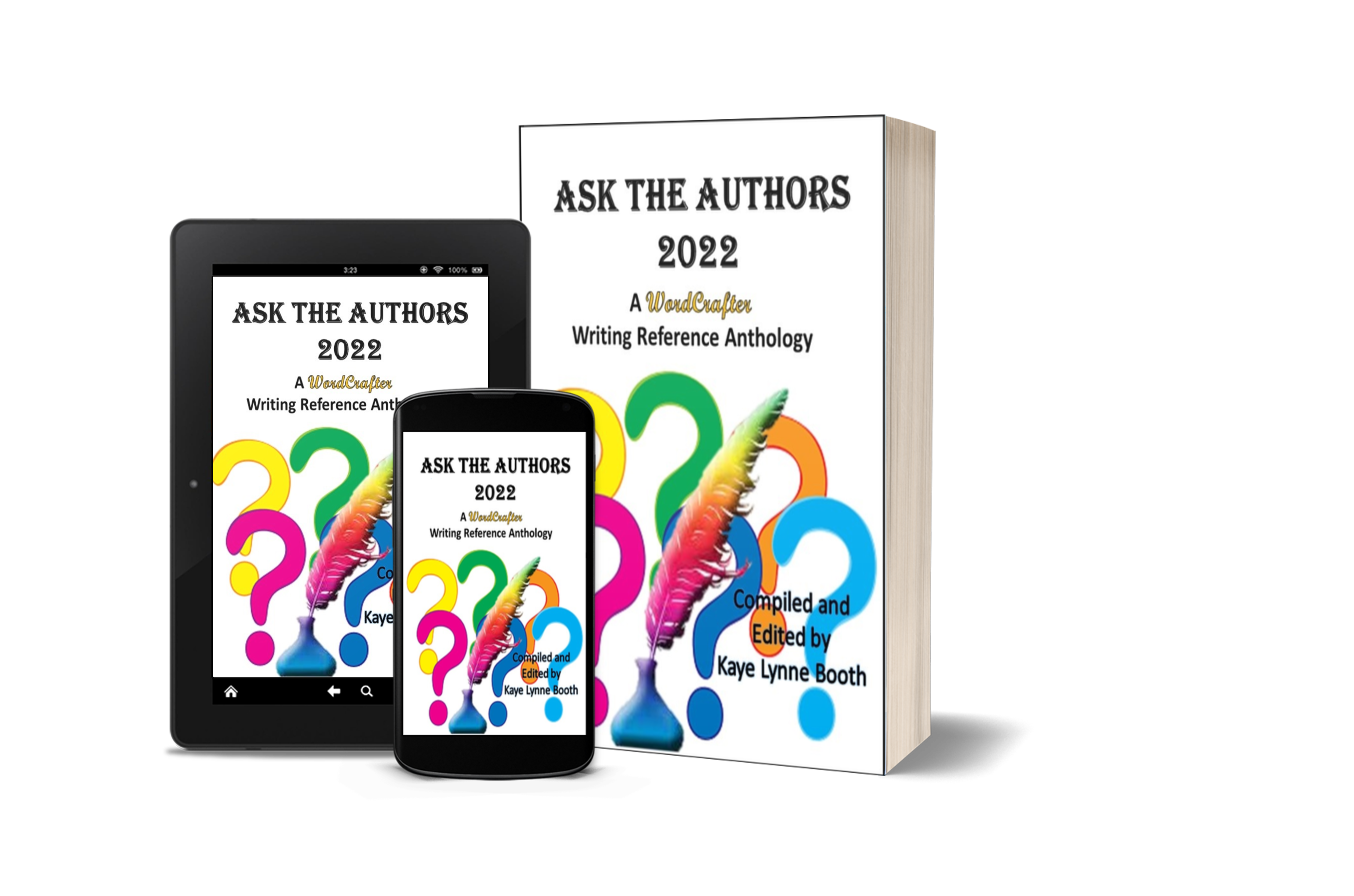


Mind Fields: Why Are Commercials?
Posted: June 17, 2022 | Author: artrosch | Filed under: Advertising, Commentary, marketing, Mind Fields, Opinion | Tags: Advertising, Arthur Rosch, Commercials, Media, Mind Fields, Social Commentary, Writing to be Read | 1 CommentWhy Are Commercials?
May 2022
I’ve been watching these f..ing things since the beginning of television in the early fifties.
We call them “commercials”, thus making the word a noun. On offer in our affluent culture is a system built upon the marketing of various products. Without marketing there is no Capitalism. In the early days of TV we took for granted that every ten minutes or so the program would pause for a “word from our sponsor”. In most cases that sponsor was one of three things: food, pharmaceuticals or automobiles.
It hasn’t changed. We still see these interruptions every X number of minutes. Nowadays we mute the volume or we fast-forward but we are forced to waste time on them, one way or another.
When I watch these things I feel a mixture of amused contempt and chagrin. The contempt is for myself and my brethren who have absorbed so many of these messages that the wasted time must amount to… what? Months? Years? I have to wonder. How much of my time has been spent either watching or avoiding these marketing techniques? As much time as I’ve spent sleeping, certainly.
The first commercial that I was aware of was the brand of Twenty Mule Team Borax. It was laundry detergent. It completes the picture of the happy housewife in our capitalist society. She washed clothes in her brand new washer-dryer combo. She fed her children the repulsive junk that was flogged on the Saturday morning cartoon shows. Breakfast cereal. Wonder Bread. Jif peanut butter. Canned peas. I shudder. My insides are permanently made of glue.
The happy housewife model of consumer heaven ruled our lives from the airwaves. Our moms were supposed to be efficient smiling providers of nurture in the form of supermarket comestibles. We had Twinkies. We had cupcakes. So, how come my mom was a raging manic depressive with sadistic tendencies?
I was more likely to get strangled in her apron strings as I was to be poisoned by sugared manna from the delicatessen.
Guess what, people? We have a past. We have history. Our culture has evolved at a rocket pace to keep up with the rate of change. But a lot of us folks came of age in a different world. We don’t understand the stuff our kids and grand kids are consuming. What is this shit? Uh…uh. No Way.
It’s the same old story updated for modern times. It’s still fast food, pharmaceuticals and Ford pickup trucks.
____________________________________________________________________________
Arthur Rosch is a novelist, musician, photographer and poet. His works are funny, memorable and often compelling. One reviewer said “He’s wicked and feisty, but when he gets you by the guts, he never lets go.” Listeners to his music have compared him to Frank Zappa, Tom Waits, Randy Newman or Mose Allison. These comparisons are flattering but deceptive. Rosch is a stylist, a complete original. His material ranges from sly wit to gripping political commentary.
Arthur was born in the heart of Illinois and grew up in the western suburbs of St. Louis. In his teens he discovered his creative potential while hoping to please a girl. Though she left the scene, Arthur’s creativity stayed behind. In his early twenties he moved to San Francisco and took part in the thriving arts scene. His first literary sale was to Playboy Magazine. The piece went on to receive Playboy’s “Best Story of the Year” award. Arthur also has writing credits in Exquisite Corpse, Shutterbug, eDigital, and Cat Fancy Magazine. He has written five novels, a memoir and a large collection of poetry. His autobiographical novel, Confessions Of An Honest Man won the Honorable Mention award from Writer’s Digest in 2016.
More of his work can be found at www.artrosch.com
Photos at https://500px.com/p/artsdigiphoto?view=photos
_____________________________________________________________________
Want to be sure not to miss any of Arthur’s “Mind Fields” segments? Subscribe to Writing to be Read for e-mail notifications whenever new content is posted or follow WtbR on WordPress. If you find it interesting or just entertaining, please share.
Share this: