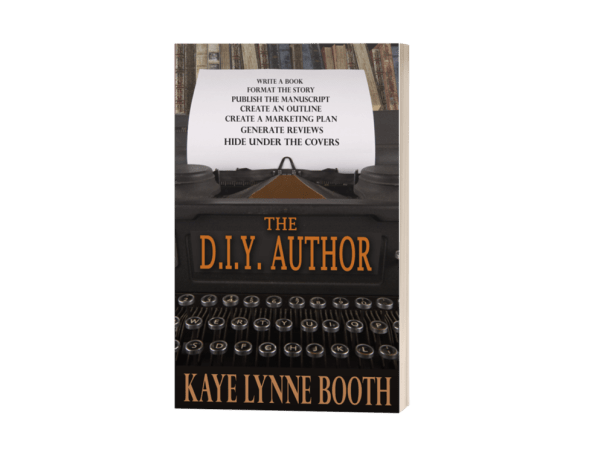
As many of you may know, if you follow Writing to be Read, The D.I.Y. Author is included in the Novel Writing Story Bundle, organized by Kevin J. Anderson. But what you may not know is how useful Story Bundle is as a marketing tool. The fact is, it’s a great way to sell books.
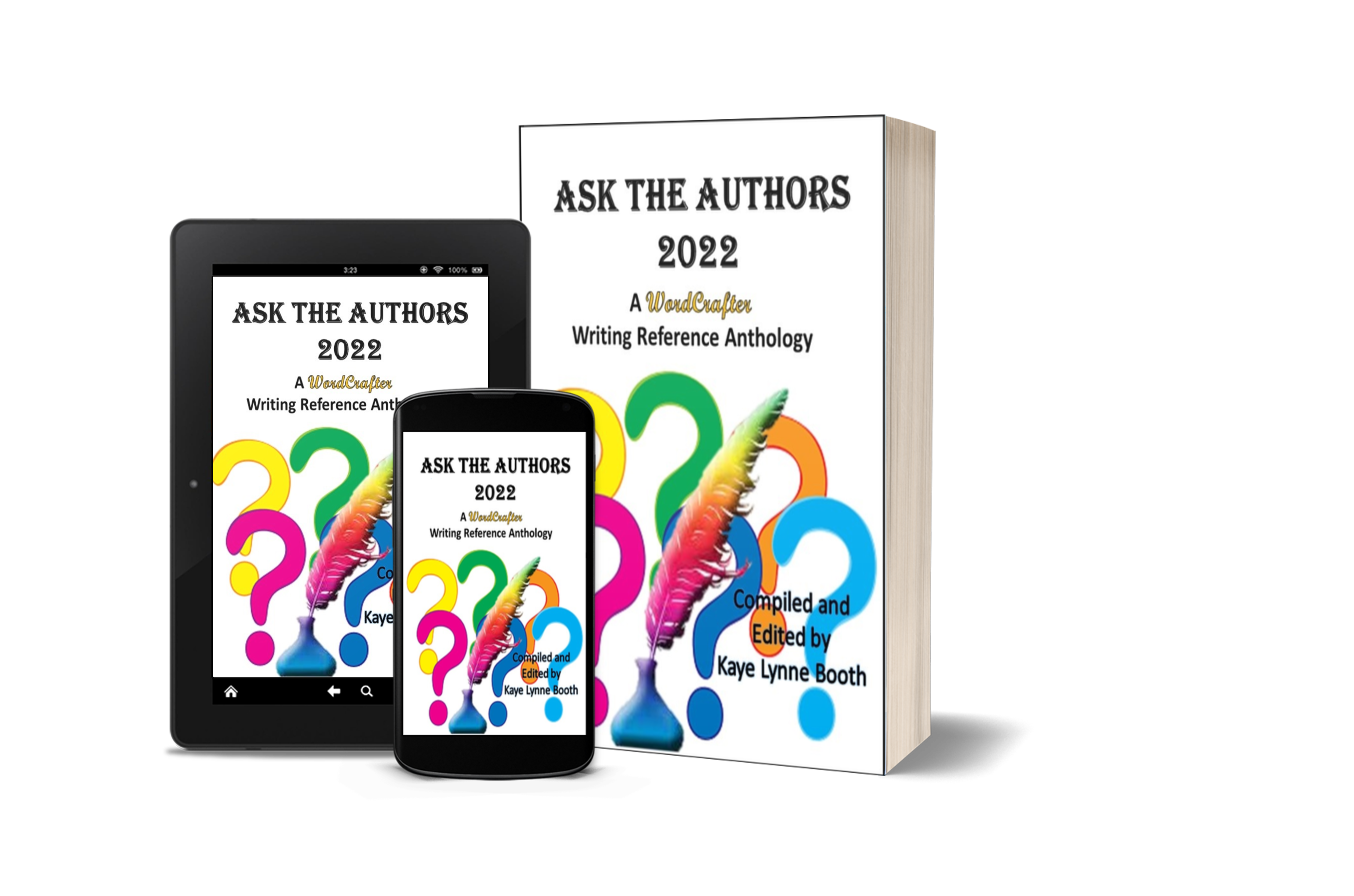
This is the second Story Bundle in which I have had a book included. Back in 2022, Ask the Authors 2022 was included in the Writer’s Toolkit Story Bundle, also organized by KJA. That bundle sold quite well and WordCrafter and the contributing authors made a little bit of money from it. This year, the Novel Writing Story Bundle promises to do just as well, if not better, so I highly recommend it.
What is Story Bundle?
What Story Bundle is, is a platform that gathers together several authors with books in the bundle category, whether it is writing references, such as the two I’ve had books in, fantasy books, science fiction books, or romances, etc…, and they all get together virtually and cooperatively market and promote the whole bundle. This extend’s the reach of single authors immensely, and I can testify to the fact that their efforts are effective. By using the power of the masses, promotions are found on all of the social media sites, not just those of any one single author, and it gets your book in front of the readers of every author in the bundle. But I’m just an author with a couple of books in a couple of Story Bundles, and I’m still learning, too. So to give you all the details, I chatted with Story Bundle founder, Jason Chen, to let him tell you what Story Bundle is, how it works, and what the advantages are.
Interview with Jason Chen
Kaye: What inspired the idea for Story Bundle?
Jason: I started StoryBundle all the way back in 2012 because back then, the concept of bundling similar books in one package hadn’t been done yet! Selfishly, I wanted somebody to make bundles of similar books—if you like this book/author, then you’ll like all THESE—and because nobody had, then I saw the need for it. Also, in 2012, the indie authors were lacking for a place to reach more readers, which made it a perfect fit for letting folks discover authors they would have a hard time finding otherwise.
Kaye: Story Bundle uses the power of numbers, gathering many authors together and offering their books as a group, rather than individually. Could you explain the advantages of having a book included in a Story Bundle?
Jason: Not only does being part of a StoryBundle get you in front of the StoryBundle fans, but the core concept is that it gets you readers from other authors who write in similar genres as you. Because all our bundles are curated, the books in them make sense together, which means that if you like one author in it, you’re more than likely to like another. So getting awareness of your books out to fans who already like the genre is a big plus.
Kaye: What determines whether a book is included in the original bundle for the minimum amount , or as a bonus book for a larger donation?
Jason: There’s no secret to the sauce. The curator and I work together to make sure both the regular bundle and the bonus bundle are balanced for the amount that they cost. Sometimes an author will be in the bonus bundle and if they’re in another bundle, they’ll be in the regular bundle. It depends on what makes sense for that particular bundle.
Kaye: The Novel Writing Story Bundle is the second Story Bundle which I’ve been a part of, mainly because I am fortunate enough to know Kevin J. Anderson, who organizes the ones I’ve participated in. I know other big authors like Dean Wesley Smith and Kristine Katheryn Rusch organize them, too. But how do you get into a Story Bundle if you don’t know someone organizing one? Can you create your own?
Jason: Yes! The only caveat we have is that (99% of the time) the bundles are curated by someone who’s been in a bundle before. Once you’ve been in a bundle, you understand what the bundle is about and what makes for a good bundle and what works for participating in a bundle. This way you know which authors to look for when you’re assembling one. You work with us to figure out a genre that you want, and we refine the idea and can help you get in touch with some other publishers if you need to.
Kaye: Both Story Bundles I’ve had books in are writing resource bundles. Can you make a story bundle of any genre?
Jason: Yes, any genre is fine, but to get a little inside baseball, there are a couple of genres that don’t do well on StoryBundle. The biggest one is romance, which for whatever reason doesn’t appeal to StoryBundle readers. But even more of a surprise is that romance authors’ own fans don’t really enjoy the bundling concept—at least on StoryBundle. We’ve tried all types of romance bundles in all varieties of flavors, but none of them ever have good uptake.
Kaye: Is there a cost to organize your own Story Bundle?
Jason: There’s no cost to curating a bundle!
Kaye: Now I know why as an author, I might want to have my books in a story bundle. But why would readers wnat to buy books through Story Bundle? What are the benefits to readers in purchasing a Story Bundle?
Jason: As a reader, there are a few benefits. First, there’s just the core concept of vetting—we choose our books carefully with our curators, and they have to meet a certain bar of quality to get in. Of course, it’s impossible to guarantee that you’ll like all the books in the bundle, but if you already like one or two of the authors in it, you’re likely to enjoy the rest.
There are other tangible benefits, such as getting DRM-free copies of books that you can load on any ereader, tablet or phone without having to worry about compatibility. You’ll also support indie authors and be able to donate to a worthy cause!
Kaye: Does every Story Bundle donate to charity?
Jason: Every bundle has a charity donation, but it’s up to each person if they want to donate part of their purchase to charity. If they don’t, that’s perfectly fine!
Kaye: What types of charities does Story Bundle support?
Jason: We have a long list of charities that we’ve supported before, from literacy charities, animal charities, science and gaming charities, to health and medicine and worldwide refugee focused charities, so there’s no real limit to what can be a charity target for StoryBundle. If there’s a specific one that a curator would like to have in their bundle, we can make it work!
Would you like your book to be in a Story Bundle?
Now that I know what it takes to currate a Story Bundle, I’m thinking of trying one of my own, because I know that they sell books. Since I’m a multi-genre author, I could do western, women’s fiction, paranormal, science fiction, dark fiction, or children’s books. If you’re interested let me know and tell me what genre(s) you write in. Either let me know in the comments, or email me at KLBWordCrafter@gmail.com. Let’s see if we can get together and sell some books.
About the Novel Writing Story Bundle
The Novel Writing Story Bundle features writing references on writing craft, writing business, and the writing life, which should be on every author’s bookshelf. In addition to my own The D.I. Y. Author, which is a bonus book, there are also featured Dollar by Dollar and Word by Word, by Kerrie Flanagan; Romance Character Tropes, by Jessica Barber and Tara G. Ericson; Booking the Library, by Jessica Brawner; Kevin J. Anderson’s On Being a Dictator; Steps to Self-Editing, by Jana S. Brown; A Writer’s Guide to Branding Success, by Mark Leslie Lefabvre; Mood & Atmosphere, by Joshua Essoe; From Page to Platform, by Matty Dalrymple and M.L. Ronn; Wit & Wisdom, by Craig Martelle; Wulf Moon’s Illustrated Super Secrets of Writing, volume 1; Falling to Fly, by Todd Fahnestock; and a year’s subscription to Indie Author Magazine. That’s 13 writing references plus the magazine subscription. What a deal!
A note on the designated charity for this StoryBundle, the Neil Peart Brain Cancer Research Fund from Cedars Sinai. In 2020 we lost Neil Peart, legendary drummer and lyricist for the rock band Rush, to glioblastoma. He was my mentor, friend, and collaborator on numerous books, and his loss affected me deeply. Neil’s friends and colleagues and fans worldwide have contributed to this glioblastoma research fund in Neil’s name, and we are proud to add our efforts on this Novel Writing StoryBundle as well. – Kevin J. Anderson
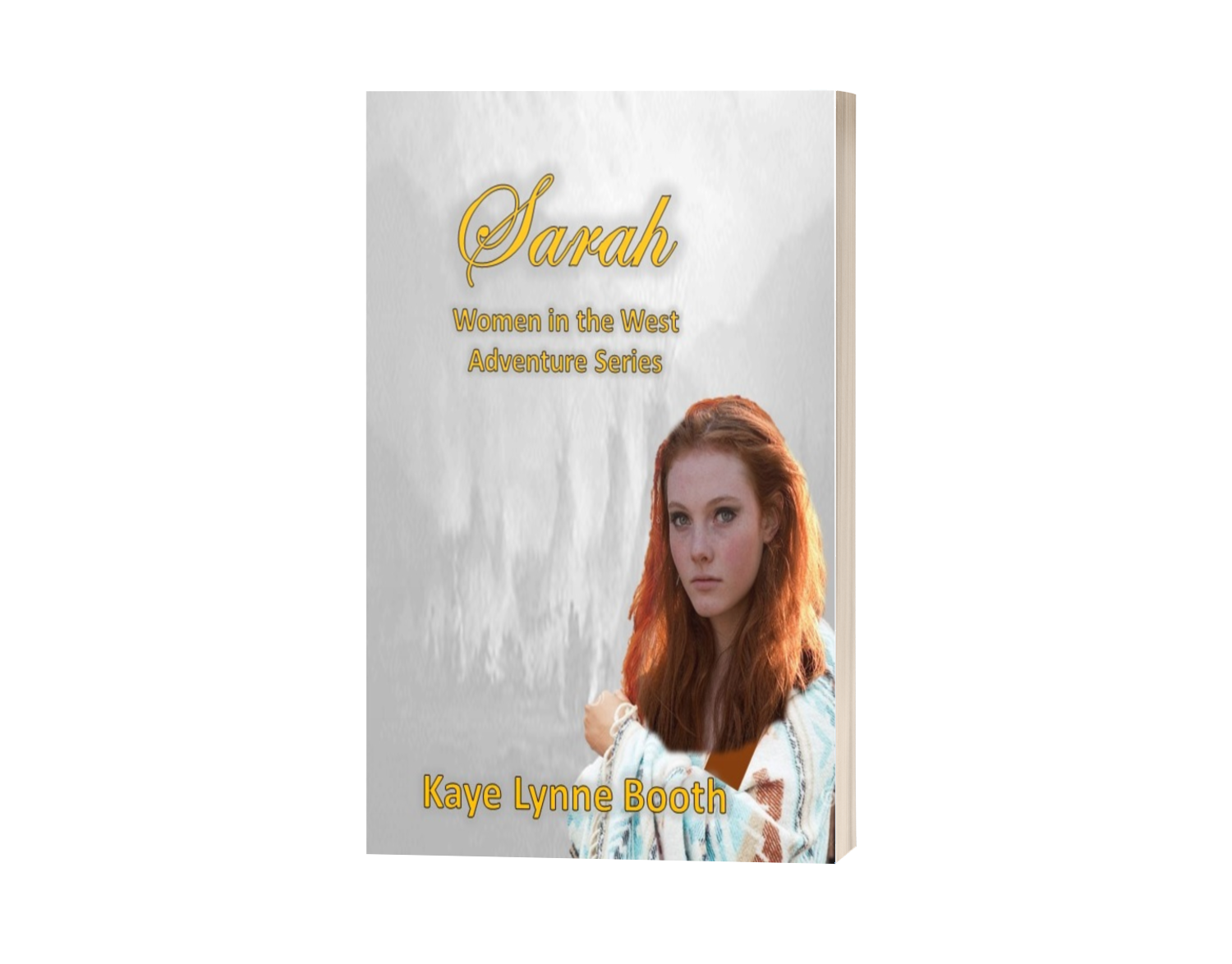
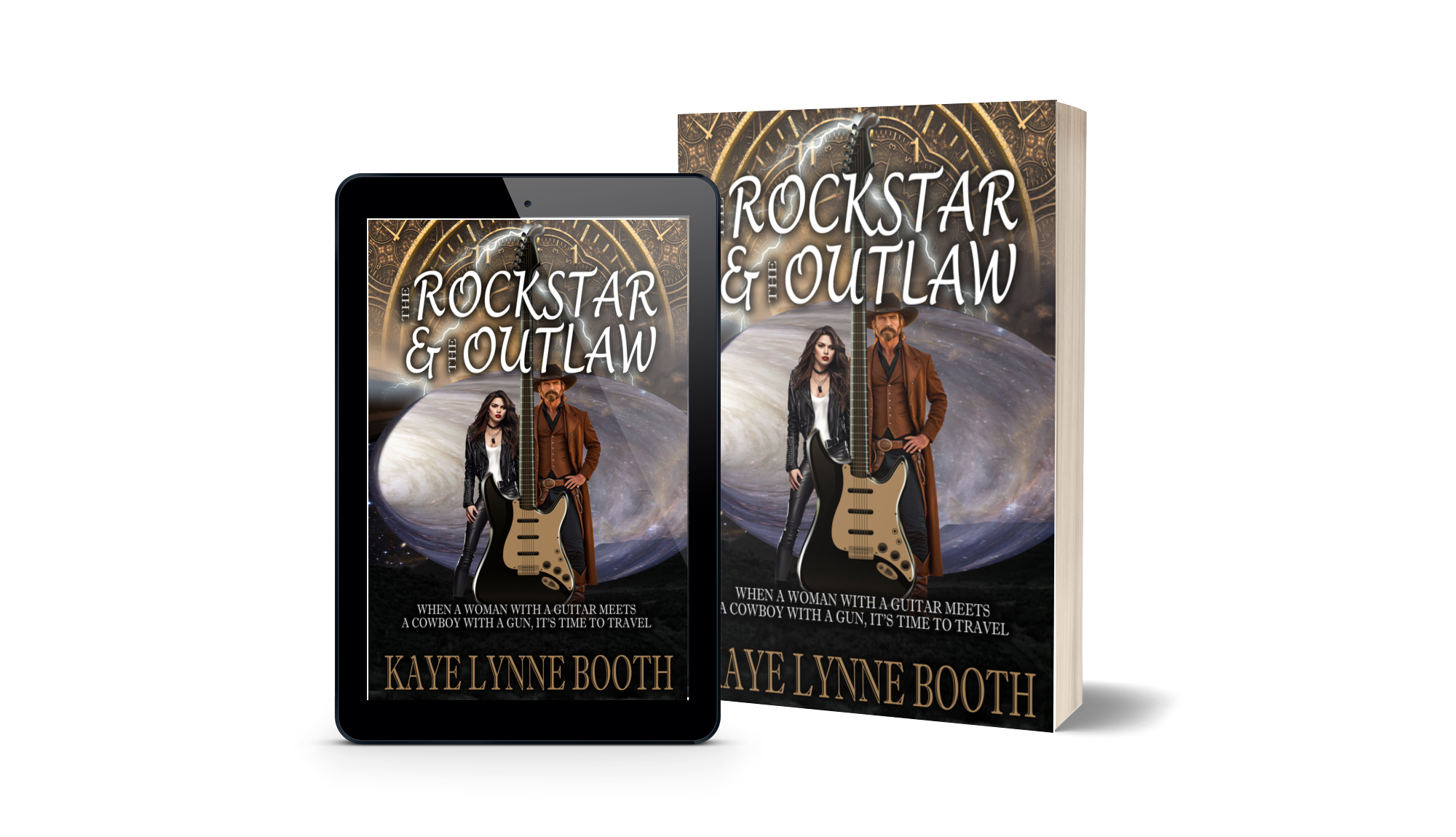
For Kaye Lynne Booth, writing is a passion. Kaye Lynne is an author with published short fiction and poetry, both online and in print, including her short story collection, Last Call and Other Short Fiction; and her paranormal mystery novella, Hidden Secrets; Books 1 & 2 of her Women in the West adventure series, Delilah and Sarah, and her Time-Travel Adventure novel, The Rock Star & The Outlaw. Kaye holds a dual M.F.A. degree in Creative Writing with emphasis in genre fiction and screenwriting, and an M.A. in publishing. Kaye Lynne is the founder of WordCrafter Quality Writing & Author Services and WordCrafter Press. She also maintains an authors’ blog and website, Writing to be Read, where she publishes content of interest in the literary world.
______________________________________________
This post is sponsored by The D.I.Y. Author and WordCrafter Press.
Being an author today is more than just writing the book. Authors in this digital age have more opportunities than ever before. Whether you pursue independent or traditional publishing models, or a combination of the two, being an author involves not only writing, but often, the publishing and marketing of the book.
In this writer’s reference guide, multi-genre author and independent publisher, Kaye Lynne Booth shares her knowledge and experiences and the tools, books, references and sites to help you learn the business of being an author.
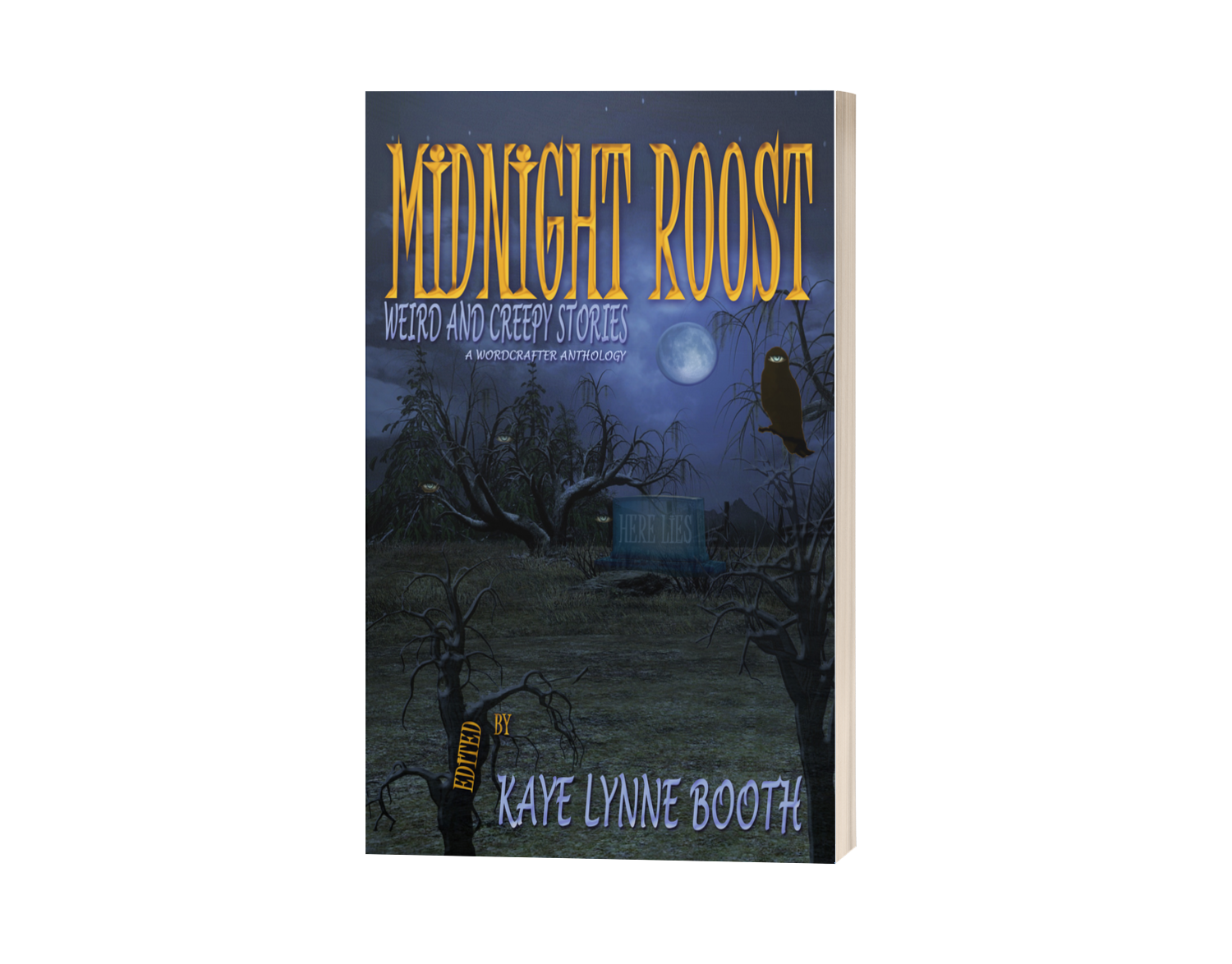
WordCrafter Press runs an annual short fiction contest and publishes a resulting anthology. It began back in 2019, with a short fiction contest which resulted in the Whispers of the Past paranormal anthology. That anthology ended up with nine stories, by seven different authors for a total of 107 pages. Last year’s (2023) dark fiction anthology, Midnight Roost: Weird and Creepy Stories, was a combination of contest entries and submissions by invitation, included twenty-three stories, by twenty different authors for a total of 403 pages. So, the annual anthology has grown in both scope and quality over the years.
To date, WordCrafter Press has a paranormal and a multi-genre (fantasy, science fiction, paranormal,and horror) anthology trilogy, (which is made up of both contest entries and submissions by invitation), and I’m currently building a dark fiction triology, as well.
This year’s dark fiction anthology, Midnight Gardens, will be spectacular as Book 2 of the WordCrafter Midnight Anthology Series, partnering up with last year’s Midnight Roost.
Midnight Roost: https://books2read.com/MidnightRoostMidnight Garden: Coming in October 2024Books 1 & 2 of the WordCrafter Midnight Dark Fiction Anthology Trilogy
Writing short fiction is different than writing novel length works in many ways. Although short stories still require most of the same story elements as longer tales do, writers of short fiction must deal with them in a condensed format. There is no room for wasted or unnecessary words.
Likenesses with Short and Long Fiction
Like longer fiction, many of the story elements are still required to make a good story. Both formats need:
A good hook to draw the reader into the story: For longer fiction, this can be accomplished in the first few paragraphs, or maybe even the first page, but for short fiction, it must be accomplished quickly, within the first paragraph, or even with the first sentence.
An inciting incident: The inciting incident occurs at the beginning of the story and usually involves the main character making a choice which propells him into the tale and gets things moving. This is usually what makes the reader care about the character and what will happen next, making them keep reading.
Well developed and interesting characters: With short fiction, this can be tricky because you don’t have a lot of time in which to build character. I make my short fiction characters dynamic and colorful to make them stand out from the page and bring them to life for my readers quickly. No matter the length of the work, the author should always know way more about the character than they will ever use in the story. A character which is alive in the author’s mind first and foremost, making it easier to bring them to life for the reader. (I discuss several methods of character development in my “Writer’s Corner” post from September 2023, “Developing Characters with Depth”.)
Meaningful dialog: In short fiction, every word must count, so there is no room for everyday chit-chat. Every piece of dialog must serve a purpose. It is possible to let the reader see every nuance of your characters through the dialog consisting of both outer and inner dialog, as well as subtext, or unspoken body language, which can be used to emphasize or contradict spoken dialog. (I talk more about the use of subtext in my April 2024 “Writer’s Corner” post, “Visceral Character Portrayal”.)
Descriptive details: Use one or more senses to describe the setting and set the scene for readers, allowing them to experience the setting or location through the character’s eyes, ears, nose, mouth and skin.
Conflict and tension: Conflict can be either internal or external, or ideally, both, but it must force the character to make a choice and take action. Tension is created by events which involve opposing forces within the character (internal), between the character and opposing characters or forces beyond the character’s control (external). Obstacles are often placed in the way of resolving the conflict, making it even harder and increasing the tension even more.
A satisfying resolution: All conflicts should be resolved at the end of the story in a manner that will satisfy readers and not leave them feeling cheated. This can happen in any number of ways, but the conflicts that we’ve spent the last few pages building up to must be resolved in a manner that is logical and believable for the reader. Things don’t have to be all fixed, but we at least need an inkling that things have changed and are now headed in the right direction.
Differences with Short and Long Fiction
The right point of view and tense for the story: Many longer tales are told in the third person, past tense, which serves them well. Because we want to move through a short story rather quickly, we may need the story to move along at a faster clip. Often, this can be accomplished in short fiction by using a first person, present tense, giving the tale an intensified sense of immediacy, making short fiction better suited to this approach than for longer fiction.
Quick build up to climax or turning point in the story: This is what the reader has been waiting for, the climatic moment that will change everything from this point out. It could be an epiphany where the character realizes what must be done, or maybe he knew it all along and this is the moment when he decides to do it, but it should bring about some sort of resolution. In short fiction, you don’t have the luxury of a slow build, making it necessary to ratchet up the tension quickly and get to this point directly.
Descriptive dialog tags: For longer fiction, I was taught to stick to basic dialog tags, such as “said”, “asked”, “replied”, and maybe, “cried”, and then, use descriptors to illustrate the mood and tone, and raise emotion in and connect with readers. However, I have found that more descriptive dialog tags such as “smirked”, or “bellowed” are quite acceptable and even preferable for setting the scene with a minimal amount of words. I’m also beginning to see the value in leaving out the dialog tags all together where it is clear who the speaker is, to help keep the word count down by cutting out unnecessary words.
My Tips for Writing Short Fiction
Begin close to the end. The beginning of the story illustrates what was and the ending illustrates how things have changed or at least, the direction in which they are now headed. A trick used in screenwriting is to mirror the ending at the beginning, and then go back in time to show how we got to that point. So the first and last scenes act like bookends to your story. By mirroring your first and last paragraphs, this technique can also work well with short fiction, where there is limited space in which to tell your tale.
Each character should get their own paragraph containing dialog and subtext to show how the dialog is being delivered and making it clear to readers who is saying and doing what. When you switch characters, you switch to a new paragraph, (but not to a new point of view).
Include enough setting description to let readers get a visual image in their minds, but only include those details that will add to the story or help progress the plot, moving the story forward.
Choose a single point of view and stick with it. In short fiction, there isn’t enough room to develop multiple characters, so put us into one character’s head and leave us there.
From an editor’s perspective, (one who reads through and edits a lot of short fiction), please format your manuscript in standard manuscript format, with title and author name centered at the top of page, in a legible 12 pt. font, double spaced. And most importantly, follow submission guidelines!
Advantages of Anthologies
So, why do I go to all the trouble of reading through all these submissions, compiling and editing, formatting and publishing all these anthologies?
I’ll tell you. It takes a lot less time to write a short story than it does a novel, so publishing two or more per year allows me to get my name out there on more books each year. And it’s mutually beneficial to all contributors, as they are able to claim the book for their own author pages, so they are getting more books out there, too. It’s a win-win.
Plus, if all the contributors help with promotion, broadcasting to their readers about the book, you get the results of a much wider reach with your marketing, which means we sell more books. WordCrafter antholgies pay out with a royalty split, so the more books we sell, the more we all make. Again, win-win.
If you’d like to get a story into a WordCrafter anthology, watch for the call for submissions for next year’s contest in October, after the release of Midnight Garden on October 8. I’m putting it out early this year, (I usually do it right at the beginning of each year), and may be changing the submission deadline, so even if you have submitted to past contests, be sure to keep an eye out for the call. I will also be announcing the title for next year’ s anthology and cover reveal. (For now, I can tell you that it will be the third volume in the Midnight Anthology Trilogy, so it will be more dark fiction).
About Kaye Lynne Booth
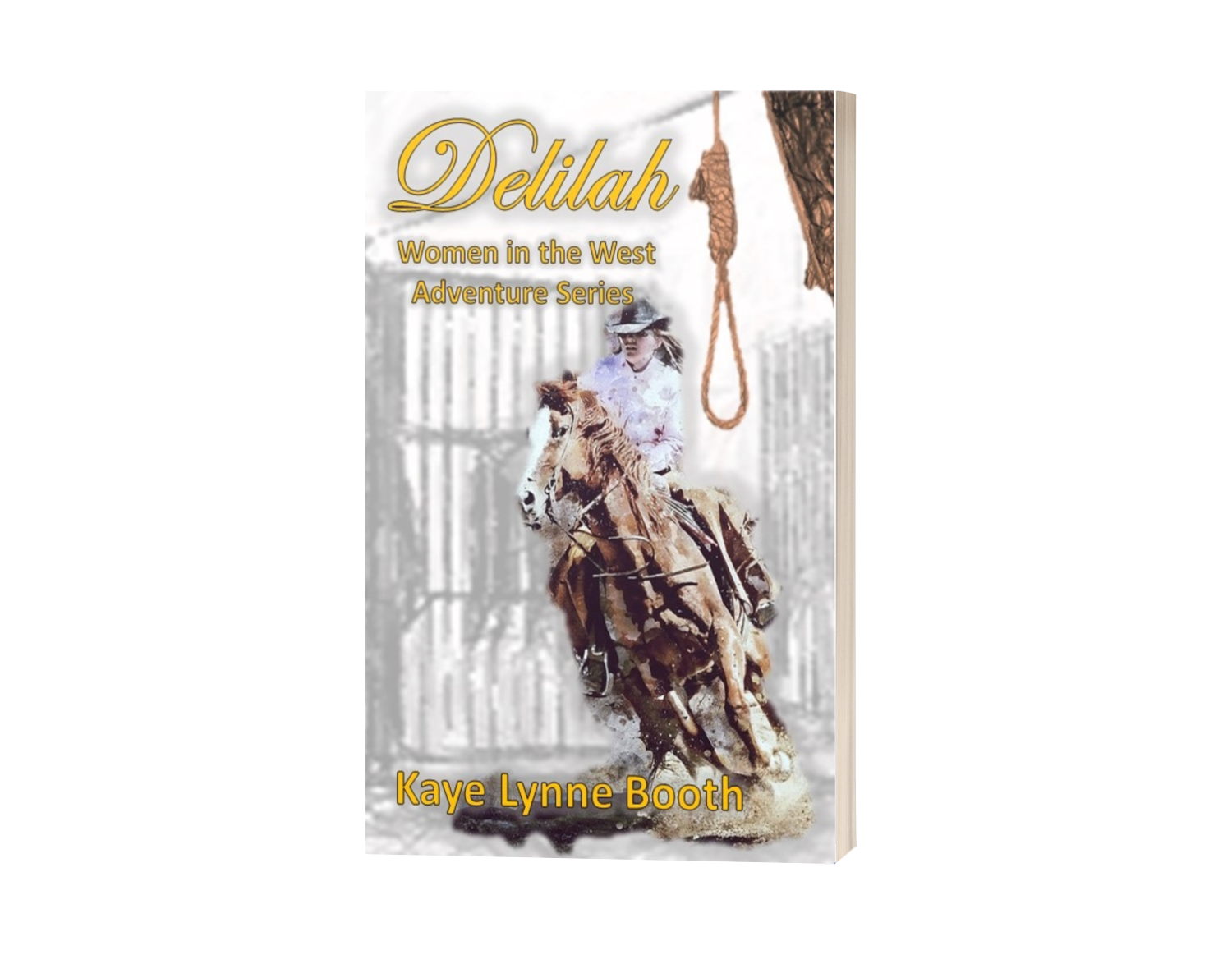
For Kaye Lynne Booth, writing is a passion. Kaye Lynne is an author with published short fiction and poetry, both online and in print, including her short story collection, Last Call and Other Short Fiction; and her paranormal mystery novella, Hidden Secrets; Books 1 & 2 of her Women in the West adventure series, Delilah and Sarah, and her Time-Travel Adventure novel, The Rock Star & The Outlaw. Kaye holds a dual M.F.A. degree in Creative Writing with emphasis in genre fiction and screenwriting, and an M.A. in publishing. Kaye Lynne is the founder of WordCrafter Quality Writing & Author Services and WordCrafter Press. She also maintains an authors’ blog and website, Writing to be Read, where she publishes content of interest in the literary world.
________________________________
Want to be sure not to miss any of Kaye’s “Writer’s Corner” segments? Subscribe to Writing to be Read for e-mail notifications whenever new content is posted or follow WtbR on WordPress. If you find it useful, interesting, or just entertaining, please share.
________________________________
This post is sponsored by The D.I.Y. Author and WordCrafter Press.
Being an author today is more than just writing the book. Authors in this digital age have more opportunities than ever before. Whether you pursue independent or traditional publishing models, or a combination of the two, being an author involves not only writing, but often, the publishing and marketing of the book.
In this writer’s reference guide, multi-genre author and independent publisher, Kaye Lynne Booth shares her knowledge and experiences and the tools, books, references and sites to help you learn the business of being an author.
“Alone we can do so little. Together we can do so much.” – Helen Keller
I love collaborations.
They offer me the opportunity to meet and work with many wonderful authors. Collaborations are mutually beneficial to all participants involved, and there are many types of collaborations to choose from.
Co-Authors
There are different ways to handle this type of collaboration.
Some co-authors handle different character’s POV, like Mark Leslie did with his co-author, Julie Strauss with his Canadian Werewolf series book, Lover’s Moon. Mark wrote the chapters that were in the POV of the protagonist, Michael Andrews, while Julie wrote the chapters which were in girlfriend, Gail’s POV. They also narrated the audiobook in the same matter, which worked quite well.
Other co-authors just alternate chapters, or even sections of the book, passing it back and forth, each author beginning writing where the other author left off. I’m sure they begin with some type of outline, so everyone has a general idea of where the story is going.
I’ve never co-written a book in this manner, but I think it would be fun to get several authors together and improvise a story without an outline, with unexpected twists and turns galore, so none of the authors know where the story is going ahead of time. My most recent collaboration of this nature was an author/illustrator collaboration, with my children’s book series, My Backyard Friends. In this type of collaboration, I wrote the stories and Robbie Cheadle did the illustrations. The ways that you can collaborate on a book are endless.
Anthologies
I publish one or more anthologies each year, and they really are a lot of fun, in spite of all the hard work that goes into them. Anthologies are great because they multiply the promotional power of each book and offer extra editing power. They also offer opportunities to work with several talented authors, who also happen to be some pretty cool people.
During the editing process, after I’ve gone over each story, the authors have revised them and they’ve been compiled and edited as a whole, I send the manuscript out to all the authors to get a second, and even a third set of eyes on every story. I have them go over their own story, as well as the story of one or two others, instead of tying up their time editing the whole thing, because we all know authors are busy people.
Anthologies multiply promotional power, too. Each contributing author brings their own fan base with them, increasing the number of potential readers for the work as a whole. How many more readers will see a book promoted by twenty different authors than one promoted by a single author? The reach of the book is increased expotentially.
Blogs and Other Publications
That’s right. I collaborate with my wonderful blog team members, because each one brings something different to the table to help Writing to be Read offer some really great content which I couldn’t produce on my own, making it something of interest which draws traffic and brings in readers. Each one of them brings their own following with them, and over time, some of their readers have become fans of my works as well. Without my team, there would be no “Mind Fields”, “Undawntech”, “Growing Bookworms”, “In Touch with Nature” or “Treasuring Poetry” series, which currently make up the blog’s content.
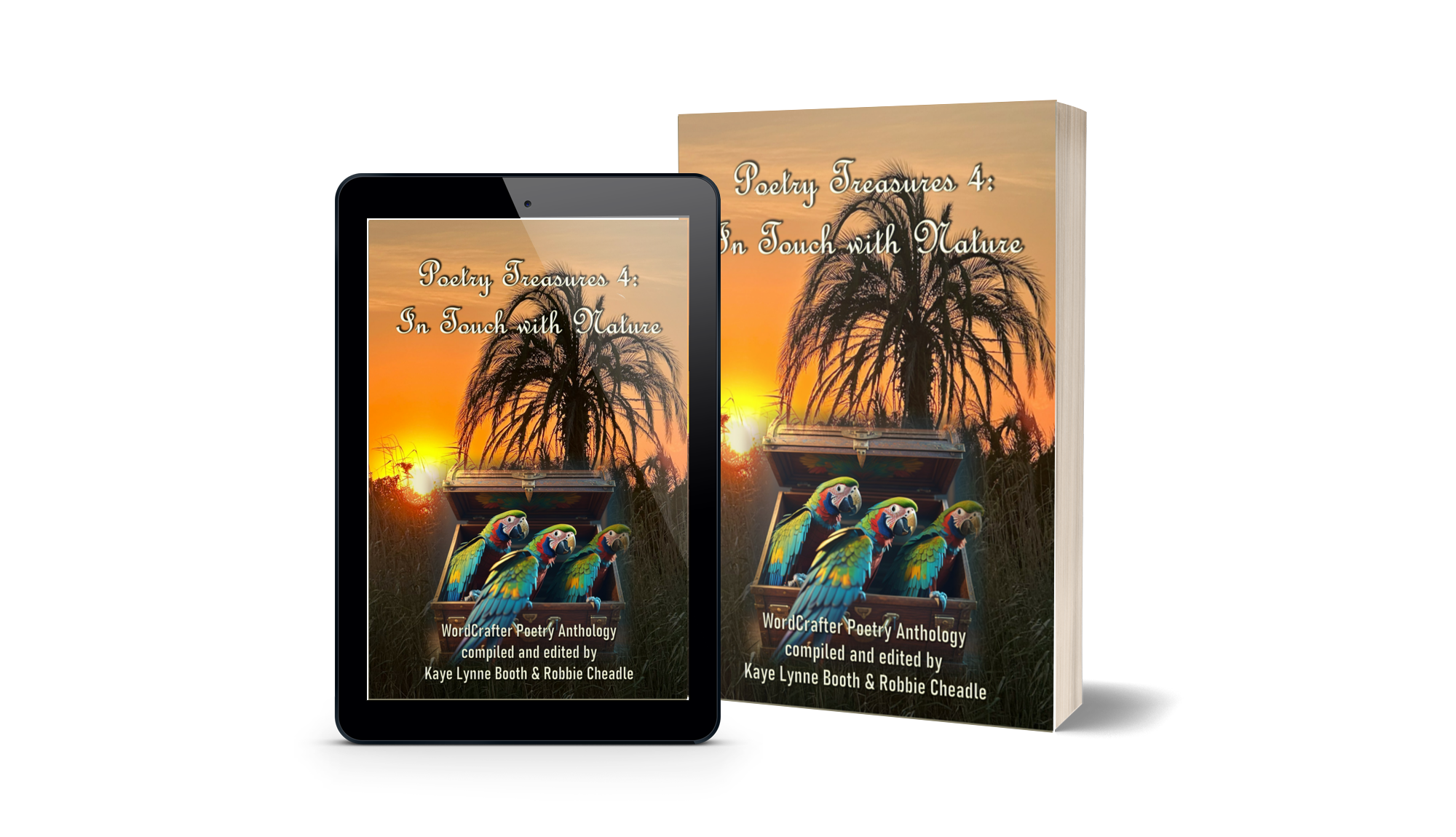
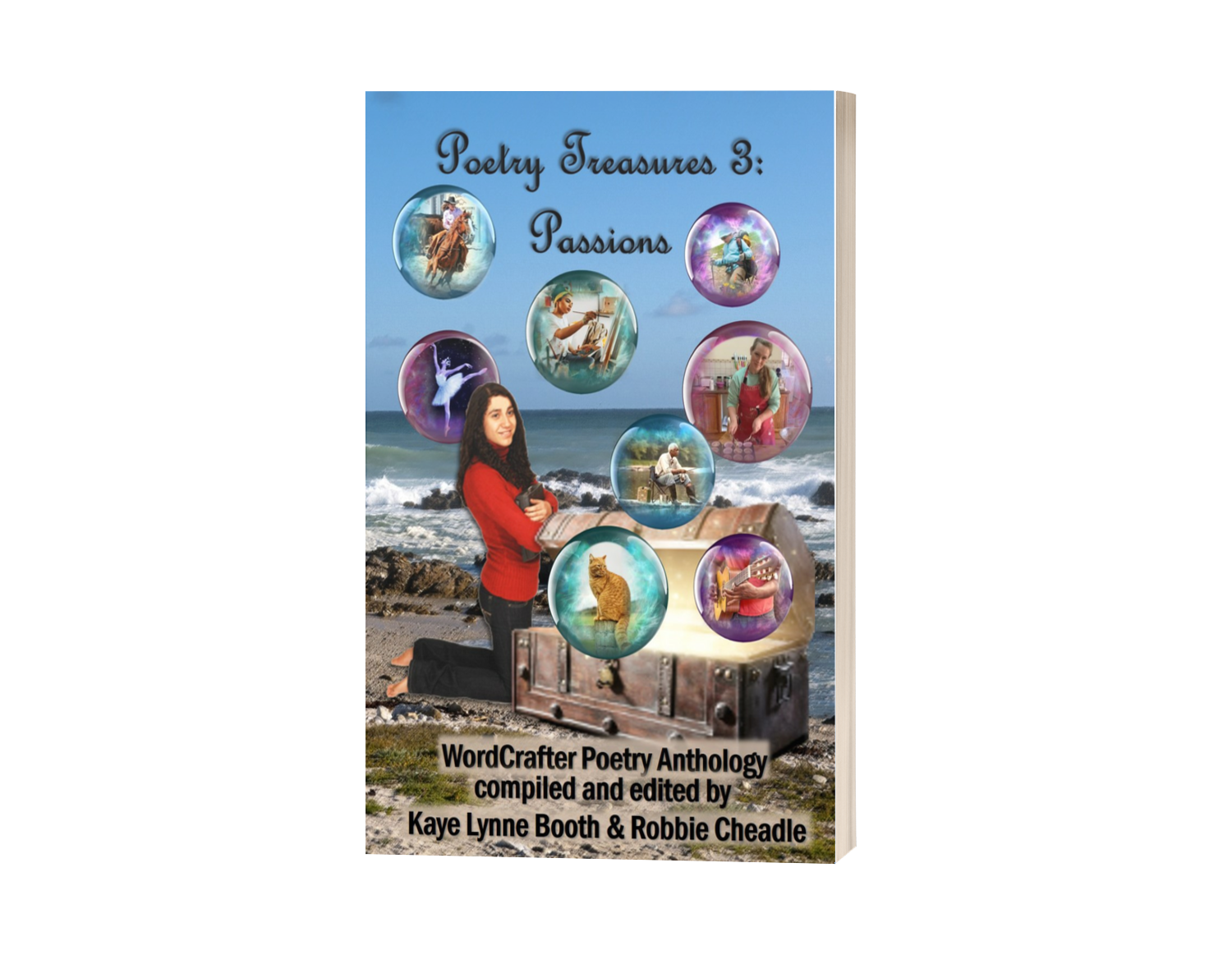
“Treasuring Poetry” offers antoher collaboration opportunity in the annual themed poetry anthology in the Poetry Treasures series, which Robbie and I co-edit, working with the poets who have been guests on the blog series from the previous year. 2025 will be our fifth year for the anthology. Through this endeavor, I’ve been privaleged to work with so many talented and creative poets.
Other Types of Collaboration
Online magazines, ezines and other publications, podcasts or online talk shows or other interviews, or even online courses are collaborative and mutually beneficial to all collaborators. I’m sure there are others, but these are the ones that come to my mind.
Some types of collaboration benefit many, such as participation in writing events, either online or in person. As a graduate student and intern, I participated in a large public book signing with multiple authors, and WordCrafter hosted and organized two online virtual writing conferences, in 2020 and 2021. It was a lot of work, but it was an opportunity to work with many talented writers when setting up workshops and panel discussions, as well as promotional efforts. It also offered attendees opportunities to learn and make connections.
I’m thinking about doing another conference in 2025, and would welcome feedback from anyone who would be interested, either in attending, (I promise, tickets would be affordable), or collaborating on the program end.
About Kaye Lynne Booth
For Kaye Lynne Booth, writing is a passion. Kaye Lynne is an author with published short fiction and poetry, both online and in print, including her short story collection, Last Call and Other Short Fiction; and her paranormal mystery novella, Hidden Secrets; Books 1 & 2 of her Women in the West adventure series, Delilah and Sarah, and her Time-Travel Adventure novel, The Rock Star & The Outlaw. Kaye holds a dual M.F.A. degree in Creative Writing with emphasis in genre fiction and screenwriting, and an M.A. in publishing. Kaye Lynne is the founder of WordCrafter Quality Writing & Author Services and WordCrafter Press. She also maintains an authors’ blog and website, Writing to be Read, where she publishes content of interest in the literary world.
____________________
This post is sponsored by The D.I.Y. Author and WordCrafter Press.
Being an author today is more than just writing the book. Authors in this digital age have more opportunities than ever before. Whether you pursue independent or traditional publishing models, or a combination of the two, being an author involves not only writing, but often, the publishing and marketing of the book.
In this writer’s reference guide, multi-genre author and independent publisher, Kaye Lynne Booth shares her knowledge and experiences and the tools, books, references and sites to help you learn the business of being an author.
I don’t need MS Word to tell me that my language might be offensive. That’s me. I use offensive language, usually on purpose, for effect because I want to be offensive, or just because it is what my character would say. Of course, I’m not writing for a YA or younger audience. I would want curse words to be pointed out and questioned, if that were the case.
I cuss. Most of the people I know cuss. Even religious folk have been known to issue a curse or two. If I feel the reaction to a situation would be an issued expletive, then my character will issue it. That doesn’t mean that all my characters are potty mouths, but when a curse is in order, they throw it out there, and I believe it is appropriate in certain situations, and also more realistic.
Even if my protagonist isn’t a curser, like Delilah, who uses expletives such as dagnabbit, the people around her do, so my books do contain some cursing. I don’t feel like a story set on the western frontier, would be true to the period or the frontier culture.
Likewise, the modern day Las Vegas culture in the music circles involves drugs, sex, and rock-and-roll, so naturally my character, Amaryllis, in The Rock Star & The Outlaw is involved in all of that and more, and her language often isn’t ladylike. Even so, I try not to let her get carried away with the curse words. And Sarah deals with the issues of prejudice and sexism, and the language in the story reflects the prejudices of the times, whether the AI editor in MS Word likes it or not.
But my villains often have mouths so dirty even their own mothers wouldn’t kiss them. Respect for women or lack thereof is often indicated in the way a man refers to women. If a character lacks respect for women, which many male villians do, then their language when referring to them may be less than flattering. After all, the way a character speaks is one of the things readers use to clue them in to what a character is like, and then decide if they are a character they should like, or not.
Another speech trait which I use often is the improper use of the English language. In the old west, many people were not educated and used words such as ‘ain’t’ or they cut off the ‘g’ in ‘ing’ words. In Delilah, one of things she strived for was to speak more properly after meeting the Mormon woman, Marta, who was a natural born school teacher and corrected Delilah’s speech automatically out of habit. Many of the less savory characters in the Women in the West adventure series, clue readers into their ignorance by the way they speak. I reckon that’s what I do it fer. These are purposeful misspellin’s that drive my AI spell-check crazy.
Many of my western characters are representitive of the many immigrants who made the U.S. into the melting pot that it is known to be. They speak in different dialects to differentiate them from other characters, which gives them colorful speech that is recogizable without adding dialog tags. In Sarah, Lillian Alura Bennett is one such character, who happens to be an Irish madam at a bordello in Glenwood Springs. And in The Rock Star & The Outlaw, the Mexican dialect of Juan Montoya leaves no question when he is speaking.
In Delilah, I had the opposite problem as the character of Dancing Falcon was a young Indian boy, who had been taught to speak English at the Indian agency with a strict teacher, so his speech is almost too proper, which made his speech sound very formal in places. One of the comments from a beta reader was that no one talks like that, so I went back when revising and added in a place where he talks about his time on the reservation and his schooling experience, to explain why he spoke that way to readers. The point being that a characters speech should reveal something about them, as well as making them identifiable.
It was really fun to create the characters in the My Backyard Friends kid’s book series, which is based on the birds and animals which visit my yard in the Colorado mountains. Katy Cat is a bit of a diva, kind of stuck up, and thinks she’s better than everyone else. She’s willing to help out Timothy Turtle as long as it doesn’t inconvenience her too much. I relayed this information in the way she swishes her tail, (body language), and in the way she talks with a bit of attitude. Heather Hummingbird has a lot of energy, so she talks really fast and rarely perches for more than a few seconds at a time. Charlie Chickadee is a young bird on his own for the first time, so I made him a bit niave. The things he says reveals this more than the way that he says it.
Other reasons an author might make the character’s or even the narrator’s voice a bit quirky is because it is the author’s voice coming through. (You know the voice English teachers are telling you to find? Yep. That one.) To an extent, this is true for me. My own speech is usually rather blunt and to the point, and so are my characters’. I don’t use a lot of colorful purple prose, instead calling it like I see it. Many of my protagonists are the same way. Delilah says what’s on her mind and she doesn’t beat around the bush. Sarah, too, tends to speak before she considers the way her words will be taken.
AI editors don’t understand this, and so variants in speech are often marked as needing correction, when in fact, they are purposeful. This is why, just running through your story with an AI editor is never enough. But there are times when human editors don’t get it either. Kevin J. Anderson tells a story about submitting a book to a traditional publisher who turned it over to a novice editor who corrected all the little quirks that revealed his voice and marked his manuscript up until it looked like nothing but red scribbles. That’s when you know that an editor isn’t a good match for you. Kevin politely refused to work with that editor and they assigned him another one. That’s why it’s important to have an editor that gets you and your voice, and understands the nuances of your character’s dialog.
Finding the right editor isn’t always easy, especially if funds are tight. Many editors will offer a free edit of the first ten pages, or even the first chapter so you can fell them out and find out if they are right for you and your story. I wouldn’t go with any editor who doesn’t offer this, and of course, I offer it through Write it Right Quality Editing Services. Any editor worth their salt will understand that they must be able to differentiate between mistakes and purposful word choices.
___________________________________________
About Kaye Lynne Booth
For Kaye Lynne Booth, writing is a passion. Kaye Lynne is an author with published short fiction and poetry, both online and in print, including her short story collection, Last Call and Other Short Fiction; and her paranormal mystery novella, Hidden Secrets; Books 1 & 2 of her Women in the West adventure series, Delilah and Sarah, and her Time-Travel Adventure novel, The Rock Star & The Outlaw. Kaye holds a dual M.F.A. degree in Creative Writing with emphasis in genre fiction and screenwriting, and an M.A. in publishing. Kaye Lynne is the founder of WordCrafter Quality Writing & Author Services and WordCrafter Press. She also maintains an authors’ blog and website, Writing to be Read, where she publishes content of interest in the literary world.
____________________
This segment of “Writer’s Corner” is sponsored by The D.I.Y. Author and WordCrafter Press.
Being an author today is more than just writing the book. Authors in this digital age have more opportunities than ever before. Whether you pursue independent or traditional publishing models, or a combination of the two, being an author involves not only writing, but often, the publishing and marketing of the book.
In this writer’s reference guide, multi-genre author and independent publisher, Kaye Lynne Booth shares her knowledge and experiences and the tools, books, references and sites to help you learn the business of being an author.
I’ve been meeting and greeting within author communities for sixteen years. First, as the Southern Colorado Literature Examiner for six years, and then, right here, on Writing to be Read . The payoff for these wasn’t in money, but in the opportunities they offered. I’ve met so many authors and was introduced to the writing world through those two things. And then, while working for my M.F.A., I met even more authors; traditionally published authors who were making a living from their writing, and I learned from them. When I went back to get my masters in publishing, I was privilaged to study under a true master, international and national bestselling author, Kevin J. Anderson and through the masters program and KJA, I met several industry experts, including Jonathan Maberry and Mark Leslie Lefebvre, and I learned from even more who were gracious enough to speak to my cohort, either in person or on Zoom. I’ve also met authors through various WordCrafter projects, such as the two virtual writing conferences which WordCrafter hosted in 2020 and 2021; great people who answered the call when I put it out, and ran workshops and sat on discussion panels and helped me to make those two events happen.
Tribes
And I have to say, there’s something special about authors. They seem to gravitate toward these tightnit communities where you can be a member due to only a shared love of craft. Most call themselves author communities, KJA calls them his tribe. I like that. It has a feeling of kinship to it. By giving me instruction in the publishing industry, he welcomed me into his tribe, and by being a part of my blog team, or collaborating with me on an anthology or other projects, or even by participating in discussions and being a regular visitor and name I recognized, you are welcomed into my tribe.
Authors aren’t the only people who do this kind of thing. It’s human nature for people to gravitate toward others who are like minded. There are Corvette clubs and antique car clubs, bridge clubs, and fan clubs for people who enjoy the same musical artists. But the thing is, none of the people in those clubs really know each other and they aren’t likely to go out of their way to lend a hand to someone else when the only thing they have in common is a love for one particular thing. But authors do. Authors are the most generous group of people, willing to share their knowledge with one antoher, willing to donate their time and energies to projects, willing to lift one antoher up. It is amazing to me.
Networking
In Hollywood, it is said that it is all about who you know, but this is true in a sense, for writing and publishing. Networking with fellow authors can open doors that would otherwise be closed to us. Through other authors we learn of opportunities that we might not be aware of otherwise, and we meet people who are like minded, who may endorse your book, or perhaps review it. We meet folks who are interested in the craft of writing, just like we are, and many are willing to trade off services, which can make outsourcing that would be quite costly, suddenly become something that is in reach.
Collaborations
I’ve met many authors through collaborations. The virtual writing conferences mentioned above is only one type of collaboration. There are many others. I also mentioned anthologies. I 💜 anthologies. Wordcrafter Press puts out one poetry anthology, and at least one short fiction anthology per year. These are collaborations of from six to twenty different authors per book.
The great thing about anthologies is, you have a bunch of different authors who each have their own following and the potential to broadcast and promote to that following, allowing you to reach a much wider audience of potential readers, and therefore purchasers of your book. The same works for other collaborative projects, too. I have capitalized on this for the virtual writing conferences which WordCrafter Press hosted, as well.
Paying it Forward
The philosophy of paying it forward is predominate through the author communities that I find myself a part of . KJA is one of the busiest people I know, yet he didn’t balk at all when I invited him to be my first guest as I revive the “Chatting with the Pros” blog series, and he was willing to take the time to do an author interview with me. That segment will be coming up later this month.
This is only one example of the good-heartedness found in memebers of the author community. I’ve been granted review and interview requests, blurbs or endorsements of my books, and booked speakers and workshop presenters with authors willing to donate their time. And all I had to do was ask.
I have done this by doing book reviews for authors I know who haven’t requested it, by editing all anthology submissions whether I invite them to be in the anthology or not, by doing a proofread or beta read at no charge for certain authors who have requested them, by donating my time to judge the Spur awards, and by reblogging or reposting the promos and reviews of my fellow authors.
Authors are generally good people. And just as I am proud to be a member of KJA’s tribe, I’m equally as proud to call each one of you as memebers of mine.
_________________________________
About Kaye Lynne Booth
For Kaye Lynne Booth, writing is a passion. Kaye Lynne is an author with published short fiction and poetry, both online and in print, including her short story collection, Last Call and Other Short Fiction; and her paranormal mystery novella, Hidden Secrets; Books 1 & 2 of her Women in the West adventure series, Delilah and Sarah, and her Time-Travel Adventure novel, The Rock Star & The Outlaw. Kaye holds a dual M.F.A. degree in Creative Writing with emphasis in genre fiction and screenwriting, and an M.A. in publishing. Kaye Lynne is the founder of WordCrafter Quality Writing & Author Services and WordCrafter Press. She also maintains an authors’ blog and website, Writing to be Read, where she publishes content of interest in the literary world.
____________________
This post is sponsored by The D.I.Y. Author and WordCrafter Press.
Being an author today is more than just writing the book. Authors in this digital age have more opportunities than ever before. Whether you pursue independent or traditional publishing models, or a combination of the two, being an author involves not only writing, but often, the publishing and marketing of the book.
In this writer’s reference guide, multi-genre author and independent publisher, Kaye Lynne Booth shares her knowledge and experiences and the tools, books, references and sites to help you learn the business of being an author.
You like to write, and maybe you’re good at it. You might even have written a book and published it. Now what?
What many people don’t realize, is that when you become an indie author, you are also an author business, and there’s more to it than just publishing a book. Hopefully, you have enough pride in your writing to want it to be , so you put your manuscript in front of an editor, or at least another set of eyes, then polished it to make it shine before you hit publish. But it’s after you hit that publish button that the real work starts.
Why? Because books don’t sell themselves. No one will buy your book if they never see it. You have to do something, or a lot of somethings, to get your book in front of readers’ eyes.
Isn’t that what Amazon is for? The answer is yes and no. Amazon’s marketing is based on several algorithms, and when although many things are still guesswork concerning those algorithms, one thing is for sure. The books they pick up on for promotion are books that are already doing well. Also, you have better chances of making some of the lists which get promotion if you are a KU author and your book is exclusive on Amazon.
So what does that mean for you? Well, it means that you have to do the heavy lifting of marketing and promotion to get your book selling before Amazon, (or other retailers), are going to see it as a book worth promoting. You need to draw in readers and stack up reviews, and we’re talking lots of them, so you can make those algorithms sit up and pay attention.
How do we do that? There are many avenues of promotion for your book, so that really depends on the route or routes that work best for you and your book. We’ll get back to the promotion in a bit.
Getting Reviews
But getting reviews requires research into book reviewers who are out there and what type of books they like to review, and making a list of those that read your genre. In my case, I’m a multi-genre author, so I have several lists. Then you write-up a press release to act as your official review request. Then you send that press release out to every reviewer on the list who might be interested in reviewing your list. There are a lot of reviewers out there, so your list may be a long one. I send out between 50 and 100 review requests for every book I publish, and from that, I may get four or five reviews, if I’m lucky.
You can also try making connections in the blogging community and asking blogger friends to review in exchange for an ARC or join a review group, like Sandra’s Book Club, where you list your book for a month in exchange for giving a review of someone else’s book. During your month you could potentially recieve two or three reviews.
You might also try building a street team of reviewers, who agree to review your book in exchange for an ARC copy of your book, and post it on or around release day. But this is more work, because it is your job to follow through and make sure they actually post their reviews.
Promoting Your Book
There are many avaneues of promotion. If you want paid promotions, which are always recommended, but not always affordable, there are Amazon Ads, Facebook Ads, BookBubs, The Fussy Libraian, King Sumo, Bargain Booksie, Free Booksie, and the list goes on. I don’t use paid ads, but I know they are available if I want them.
Social media promotion is the most easily accessible avenue for promoting your book. It is as easy as creating a post that tells us something about the book to make us want to buy it, has a call to action, and a purchase link, then promoting it to groups whose members are in your target audience and might be interested in your book.
My main tool for promotion is this blog. Most of my promotions start off here and then I promote the blog post on social media channels. A blog post is more permanant than a social media post, which easily gets lost in the scroll. I have people reacting or commenting on posts a week after I post it, but when it is a blog post, it is still there no matter when someone clicks on the link.
Conclusion
The point to all of this is that indie authors have to be able to do more than just write books. You are actually an author business and you are totally responsible for the success, (or failure), of your books. Getting reviews and promoting the book are only part of it. What are you doing about book covers? What about the back cover copy? Are you creating your own ads, or paying someone else to do it? These are things an indie author has to think about. You need an overall business plan and a marketing plan for each book. That’s why I wrote The D.I.Y. Author.
The D.I.Y. Author
Now you can learn from my experiences with a writing reference for building an author business.
About the Book
Being an author today is more than just writing the book. Authors in this digital age have more opportunities than ever before. Whether you pursue independent or traditional publishing models, or a combination of the two but being an author involves not only writing, but often, the publishing and marketing of the book.
In this writer’s reference guide, multi-genre author and independent publisher, Kaye Lynne Booth shares her knowledge and experiences and the tools, books, references and sites to help you learn the business of being an author.
For Kaye Lynne Booth, writing is a passion. Kaye Lynne is an author with published short fiction and poetry, both online and in print, including her short story collection, Last Call and Other Short Fiction; and her paranormal mystery novella, Hidden Secrets; Books 1 & 2 of her Women in the West adventure series, Delilah and Sarah, and her Time-Travel Adventure novel, The Rock Star & The Outlaw. Kaye holds a dual M.F.A. degree in Creative Writing with emphasis in genre fiction and screenwriting, and an M.A. in publishing. Kaye Lynne is the founder of WordCrafter Quality Writing & Author Services and WordCrafter Press. She also maintains an authors’ blog and website, Writing to be Read, where she publishes content of interest in the literary world.
_______________________________________
Want exclusive content? Join Kaye Lynne Booth & WordCrafter Press Readers’ Group for WordCrafter Press book & event news, including the awesome releases of author Kaye Lynne Booth. She won’t flood your inbox, she NEVER sells her list, and you might get a freebie occasionally. Get a free digital copy of her short story collection, Last Call and Other Short Fiction, just for joining.
This post has been a long time in coming. It was promised back when I posted “Writer’s Corner: Creating Characters with Depth” back in September. I finally got back around to tackling this subject, so let’s delve in.
While our characters need to be deep, they also need to be characters which readers can relate to and feel like they know, so that readers will care about what happens in our story enough to keep reading. A good part of this work is done at the beginning of the story, where we first introduce our characters. There are several methods we can use to make our characters feel more real to readers.
Save the Cat
All characters are flawed, just as all people are flawed, but they must also have redeeming qualities if readers are going to care about what happens to them. This method of redeeming our characters comes from Blake Snyder and his screenwriting book of the same name, Save the Cat. The idea is to reveal the good qualities of your protagonist through a good deed, like saving a cat in an opening scene.
Not all protagonists start out a story as the good guy or hero. In fact, in a story which follows the hero’s journey, the protagonist is usually reluctant to take on the role which he or she has been given. Bilbo Baggins comes to mind from J.R.R. Tolkien’s The Hobbit, where the character has no desire to leave his cozy hobbit hole and go on the adventure he’s been called on to take.
In Sarah, which will be released next month, I have a scene where we see Sarah, who goes by Hair of Fire in her Ute family, sits at the bedside of a sick child, administering healing medicines and showing concern for the child. Sarah is a nice character and this small act is enough to show reveal her caring qualities. Her hero’s journey begins when she is snatched away from her tribe and has no choice but to embark upon her journey.
Often our characters are not nice people to start out with, and developing redeeming qualities may be a part of their character arc, so the changes won’t be seen until fiurther along in the story. But they must have some redeeming qualities or the readers may not like them enough to route for them.
The worse a character is, the bigger the redeeming deed must be. So if you have a character like Dexter, a serial killer who kills serial killers you must try harder to show the softer, caring side, by showing how he supports his sister and can really be a nice guy. I would think it could be really rough getting readers, or viewers, to relate to someone who goes out and brutally kills people, even if they might deserve it. Dexter’s save the cat event comes when he saves the next victim of the serial killers who become his victims, a tricky ploy to pull off for the writers. Redeeming a character like Dexter could be quite a challenge.
Heart’s Desire
I was listening to Wulf Moon on the Stark Reflections podcast, episode 341. Wulf is a writer who found success at a young age and winner of the Writers of the Future contest, who turned his own success into a way to help his fellow writers to learn about the essentials of writing a good story. He claims readers must see & feel what is important to the character, what drives them to action and propels the story forward in order to care about the character and carry them through the story or series. Wulf calls this the “Heart’s Desire” and he claims that he’s found that one of the mistakes beginning writers make often is to not tap into the heart’s desire and let your readers see this aspect of your character.
I discussed this a bit in that previous blog blog post, (linked above), on giving your characters depth using the character triangle to identifying the character’s flaws, their need, and their “want”, but “Heart’s Desire” is stronger and more applicable term for the motivating factor for your character. No matter what you call it, by revealing what matters to your character, and what makes them take action, and their flaws, readers get a glimpse into what makes your character human.
Subtext and Inner Dialog
In The Rock Star & The Outlaw, Amaryllis is an adrenaline junkie who thrives on taking risks with her life through drugs, alcohol, and dangerous behaviors. Not a very savory character to start with at the beginning of the story, she winds up killing her boyfriend in self-defense and running from his cronnies and the law. In order to make readers care about her, I had to reveal things about her past, and show her vulnerablities through her relationship with Monique, her interactions with LeRoy, and her determination to stay by his side when she could have run and saved herself. To be sure my readers didn’t overlook the hints as to her motivations, I revealed them through inner dialog and subtext, putting her thoughts out there so there would be no misunderstandings about her motivations.
Subtext is found in body language and tone of voice. It is the feelings which lie just below the surface and may indicate things are quite different from what they appear. You can check out my archive post from 2017, “Dialog: Talking in Subtext” to get a deeper discussion on how to use subtext to make your characters feel more real.
Inner dialog can be used anywhere it is needed to clarify character motivations and help readers see where the character is coming from or understand the direction in which they are going, helping readers to relate to them. When Dexter’s inner thoughts are revealed, and they use this a lot in that series, viewers come away feeling that his actions are, if not justified, then at least understandable, making Dexter seem like maybe not such a bad guy, if misguided by his background. If readers, or viewers, can see the character’s point of view, they understand the character better, even if they don’t agree with it.
_______________________________________
For Kaye Lynne Booth, writing is a passion. Kaye Lynne is an author with published short fiction and poetry, both online and in print, including her short story collection, Last Call and Other Short Fiction; and her paranormal mystery novella, Hidden Secrets; Book 1 of her Women in the West adventure series, Delilah, and her Time-Travel Adventure novel, The Rock Star & The Outlaw. Kaye holds a dual M.F.A. degree in Creative Writing with emphasis in genre fiction and screenwriting, and an M.A. in publishing. Kaye Lynne is the founder of WordCrafter Quality Writing & Author Services and WordCrafter Press. She also maintains an authors’ blog and website, Writing to be Read, where she publishes content of interest in the literary world.
_____________________________________________
If you’d like to show your support for this author, you can make a donation to Writing to be Read for as little as a cup of coffee. All support is appreciated.
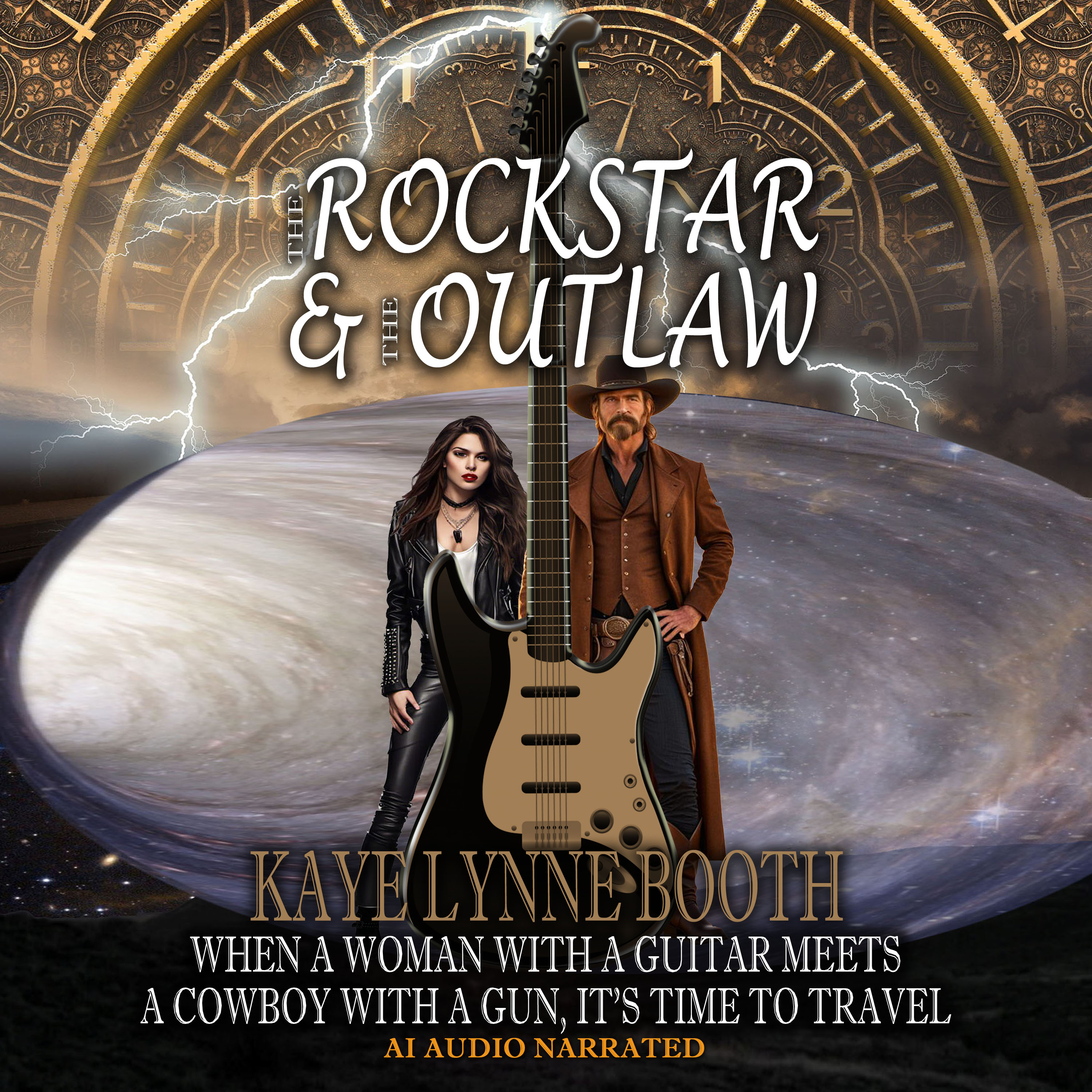
Three of my books are now available in AI narrated audiobooks: The Rock Star & The Outlaw, Delilah and Hidden Secrets. I’ve been wanting to get into audiobooks for some time now, but narrators are expensive. Their time is worth it and I don’t begrudge them that, but the hourly rates for narration are high enough to keep audiobooks out of reach for me. But the rapid rise and availability of AI narration has made having my books available in audio a possibility, and I’m really excited about it.
I’ve heard the argument that AI narration is taking work away from human narrators, but in this case, it just isn’t true. I would not have hired a human narrator instead, so I don’t see the harm in utilizing these tools which are now available to me.
I’d love to hear what you think about these AI narrated audiobooks or your thoughts on AI narration, in general. I’ve included my summaries of both experiences here and you can click on the links to hear a preview of each one. If you are feeling generous, you can buy a book while you are there.
Apple Books
I uploaded The Rock Star & The Outlaw to Apple Books through D2D, using the manuscript I uploaded for ebook. They offered four or five narrative voices to choose from. The quality of the narration is acceptable, but they offered no way to preview the content, and did not provide an audio file that could be used on other sites. It also took almost two weeks from the time of upload to publication. Keep in mind that I am not publishing direct through Apple Books, but going through D2D. Perhaps publishing direct, the process might be faster and preview might be available through their author dashboard.
Google Play
I uploadedThe Rock Star & The Outlaw, Delilah and Hidden Secrets on Google Play using the same digital epub files uploaded for ebooks. They have a wide selection of narrative voices to choose from. Through Google Play, I was offered a chance to preview the recordings and their dashboard offers the opportunity to edit the text if necessary without changing the digital ebook file. They took a few days from upload to publication, but I was also going through the account approval process at the same time, which may have slowed the process.
_________________________________________
About Kaye Lynne Booth
For Kaye Lynne Booth, writing is a passion. Kaye Lynne is an author with published short fiction and poetry, both online and in print, including her short story collection, Last Call and Other Short Fiction; and her paranormal mystery novella, Hidden Secrets; Book 1 of her Women in the West adventure series, Delilah, and her Time-Travel Adventure novel, The Rock Star & The Outlaw. Kaye holds a dual M.F.A. degree in Creative Writing with emphasis in genre fiction and screenwriting, and an M.A. in publishing. Kaye Lynne is the founder of WordCrafter Quality Writing & Author Services and WordCrafter Press. She also maintains an authors’ blog and website, Writing to be Read, where she publishes content of interest in the literary world.
__________________________________________
Want exclusive content? Join Kaye Lynne Booth & WordCrafter Press Readers’ Group for WordCrafter Press book & event news, including the awesome releases of author Kaye Lynne Booth. She won’t flood your inbox, she NEVER sells her list, and you might get a freebie occasionally. Get a free digital copy of her short story collection, Last Call and Other Short Fiction, just for joining.
When I was a little girl, I used to love going to the library. Sometimes, my mom would take me for story hour, where one of the kindly librarians would read a story aloud to a group of children. As I grew older and my reading abilities improved, I would visit the library on my own, and carry home stacks of books, because there were soooo many books that I just had to read. I might have to renew my checkout on some, but I was a voracious reader. (Still am.)
As an adult, I relished in taking my own children to the library, and practicing using their ‘library voices’. We would make a day of it, going to the park first, which was right down the street, and stopping at the drug store for a soda on the way home. The kids would each have two or three books which they had chosen, and I got to renew my book stack, as well.
With the rise of the internet and digital books, there were rumors that libraries would fade out of the picture and no longer be necessary when you could buy a book with the click of a button. But not everyone can afford to click that button, especially not with the sheer volume of books that are available today. Thank goodness libraries have learned to shift with the times and seem to still be thriving.
For me, with the feelings I have associated with libraries, it only makes sense that I would want to get my books into libraries. But not all authors feel that way. Many authors look at having their books in libraries as being detrimental to sales or that authors loose money by having their books in libraries.
Myths About Having Your Books In Libraries
Myth 1:If someone can walk into a library and read my book for free, then why would they go buy it?That’s like giving your work away.
Not true. In fact, many readers go to libraries to discover new authors. Once they find one they like, they may buy more books by the same author. I think this may be especially true for genres where whale readers are typical, like romance. When you read a lot of books, it might be smart to be sure you’re going to like their stuff before dropping a lot of coinage on an author.
Myth 2:If a library buys my ebook, it’s a once-and-done type deal. Then they can check it out as many times as they want, so I lose money.
There are two pricing models through library services which list the ebooks available to libraries.
The first, is the One Copy, One User model. This model is the one used most by library services. The library pays a set price for your ebook, higher than the price paid through retailers for each copy of your book . In the other model, they pay a certain price for each checkout made. In this model, you make money from the initial purchase, whether anyone checks out your book or not. With the second, the amount you make is in direct relation to the number of people who are reading your book.
The second model is the Cost Per Checkout model. In this model you get paid a small amount, under a dollar, everytime someone checks out your ebook. With this model, the amount of money you make is in direct relation to how many library patrons are reading your book.
Either method used, having your book in libraries offers exposure which could lead to recommendations by word of mouth, or maybe even a review. And that is gold for authors.
How To Get Your Books Into Libraries
There are two things required to get your books into libraries.
Access
Demand
Access
If you want to get your books into libraries, librarians must first have access to them. Librarians do not purchase books from Amazon or any of the other major retail distributors, but there are outlets which serve libraries specifically,including Overdrive, Bibliotheca, Odilo, Baker & Taylor, Hoopla, Borrow Box, and Palace Marketplace. These services provide lists of books which they have available to libraries, and that’s the main route librarians use to find and order books.
Mark Leslie Lefebvre wrote a book called HowtoGetYourBooksIntoBookstores&Libraries (Purchase link at the end of this article). You can see my review of this book here.
In it, he talks about building relationships with local bookstores and libraries. They can’t support your books if they don’t know that they exist. Librarians are in contact with many readers every day. They are more likely to recommend the book of a local author they know and can put a face with the name. They are also more likely to purchase your book for their library if they know you, so here the underlying motivator is developing a relationship with your local librarian, by getting to know them and making yourself available for readings and/or author talks at their facility.
Library patrons coming in and requesting your books increases the chances phenomenally that they will order and carry your book. With the help of readers, who are also library patrons, it is often as simple as having them ask their acquisitions librarian to carry the book. So, it pays to encourage readers to request your books at their local libraries.
Getting your book listed on Overdrive and the other library services provides the access, and if people are requesting your book it demonstrates demand. But you can tell everyone over and over to walk into their local library and request your books, but there’s no way to assure they will follow through. And if they do, that’s great! Your books may now be carried in local libraries wherever it has been requested. But what about local libraies in your area, or in the area where your book is set?
This is the part that requires work on the author’s part. Just like books don’t sell themselves, they also don’t magically appear in libraries.
The library is a great place to discover local authors, and many folks are really into that. If your book is available in your local library, the folks who are into local authors may just discover your book, and go on to buy other books written by you. And if you write with settings in local areas, those libraries are likely to have folks interested in a book set near their homes. For example, my Women in the West series is set on the Colorado frontier, with stops in towns such as Leadville (Delilah) and Glenwood Springs (Sarah), and since they are historical fiction, they feature events and people from the local histories for those areas, so people who live there could be interested in those stories. The Leadville and Gunnison libraries are likely places where I’d like to see my books carried.
Local libraries are the easiest to build a relationship with, because it’s likely that you are already a patron, and a familiar face there. But you can’t just walk in and say, “Hey, I’m a local author, so you should carry my books.” That would be too much like a cold call, unless your face is very familiar there. But it also takes research to build the right relationships. Chances are, there are several librarians working in your local library, and while it doesn’t hurt to be familiar with all of them, the acquisitions librarian is the the one who offers the most benefit, because they are the person who decides which books to purchase for the library. If you can build a solid relationship with the acquisitions librarian, you might even get them to carry your print books, too.
I know one local author who just walked into the library and asked if they would display and sell her book there. They were quite agreeable to this, and she left a stack of print books, which they kept stacked on a corner of the checkout desk, where library patrons would see them, as they prepared to depart. Her book wasn’t even carried on the library shelves, but library patrons found her book there. She had her foot in the door, but didn’t build on the relationship. It’s too bad she didn’t take that next step and ask the library to purchase a copy, or even offered to donate a book for their shelves.
So, how do you build a relationship with your local librarians? You might start by introducing yourself, and letting them know what it is you have to offer. I’m not just talking about your books. Offer to do readings or to speak on a topic of your expertise. Libraries are always on the lookout for guest speakers, and often host local authors for readings. These are events that will draw patrons into their library, and they like that. Once you’ve done a reading of one of your books, the library is much more likely to carry on their shelves.
_____________________________________
For Kaye Lynne Booth, writing is a passion. Kaye Lynne is an author with published short fiction and poetry, both online and in print, including her short story collection, Last Call and Other Short Fiction; and her paranormal mystery novella, Hidden Secrets; Book 1 of her Women in the West adventure series, Delilah, and her Time-Travel Adventure novel, The Rock Star & The Outlaw. Kaye holds a dual M.F.A. degree in Creative Writing with emphasis in genre fiction and screenwriting, and an M.A. in publishing. Kaye Lynne is the founder of WordCrafter Quality Writing & Author Services and WordCrafter Press. She also maintains an authors’ blog and website, Writing to be Read, where she publishes content of interest in the literary world.
Want exclusive content? Join Kaye Lynne Booth & WordCrafter Press Readers’ Group for WordCrafter Press book & event news, including the awesome releases of author Kaye Lynne Booth. She won’t flood your inbox, she NEVER sells her list, and you might get a freebie occasionally. Get a free digital copy of her short story collection, Last Call and Other Short Fiction, just for joining.
I’ve posted on the value of publishing wide with Draft2Digital and Books2Read links. You can see my previous article here. I am in no way compensated for sharing information about D2D, but I am a big fan of publishing with them.
As an author and publisher who uses Draft2Digital to publish wide, distributing my books globally, including subscription services and libraries, I’m a huge advocate of their services. But I recently caught episode 333 of the Stark Reflections podcast with Mark Leslie Lefabvre titled, “10 Things You Likely Didn’t Know About Draft2Digital”. In this episode, Mark shares a replay of a presentation he gave at 20BooksVegas in early November of 2023, and I was pleasantly surprised to find that there were several cool things about publishing with D2D which I didn’t know.
I’ve used D2D to publish since 2018, and I was already aware of many of the great tools and services that they offer, such as royalty payment splitting for collaborations, which I use with WordCrafter anthologies. And of course, I knew about using Books2Read links, so potential readers can find your book through most of the major distributors in one place, and in any format in which your book is available.
The ability to publish through most of the publish on some subscription services and get your books onto the major library distributors was one of the reasons that I chose to go with D2D in the first place. What I didn’t know, was that some authors even use D2D’s free tools to create their book files, probably because it is easy and doesn’t require you to have Vellum or a Mac, and then publish direct onto other platforms without using D2D’s aggregating services, and they are okay with that. I use these tools to create my files for my ARC copies, but I prefer to let D2D do all the heavy lifting for me. Publishing direct to all the distributors that I use through D2D would be an outrageous amount of work.
I was also aware of D2D’s “Refer a Friend” program, which provides you an affliliate link you can share for folks to sign up. Any author who signs up to D2D with your affilliate link earns you a percentage of money earned by D2D from any books they sell over the next two years. Any D2D user can get an affiliate link. If you read this and decide to give Draft2Digital a try, you can sign up through my affilliate link, below, and it doesn’t cost you anything. My affilliate link is paid outof D2D’s cut of any works you sell using D2D as an aggregator. Here is my affilliate link: https://www.draft2digital.com/WordCrafter
There are some promo services which I was not aware of. I knew you could create your own independent promos. In fact, I used this feature to set up the WordCrafter Holiday Book Extravaganza in December, discounting the entire WordCrafter Press backlist. In episode 333, I learned how I can also get my book into D2D promotions, which is really pretty cool when you think about it.
I also learned that D2D now offers free AI narration of audio books through Apple Books. Now this is something that interests me, as audio books have previously been out of reach for me due to the expense of narration. You can see my post and discussion on the use of AI here.I knew they had this coming, but it was in the beta stage the last I had heard. Apparently they have rolled it out, and I will be looking into this further in the near future.
I was so excited to learn about this feature of D2D that I just couldn’t wait to check it out.I’m happy to announce that the AI narrated audiobook of The Rock Star & The Outlaw will be available through Apple Books soon.
Mark Leslie Lefabvre is an expert in the publishing industry, having worked for Kobo before coming to D2D, in addition to being a succesful hybrid author. Honestly, he says it all better than I do, and he knows a lot more about the inner workings of D2D. So if you want to know more about what D2D has to offer, listen to episode 333 here: https://starkreflections.ca/2023/11/17/episode-333-10-things-you-likely-didnt-know-about-draft2digital/
For Kaye Lynne Booth, writing is a passion. Kaye Lynne is an author with published short fiction and poetry, both online and in print, including her short story collection, Last Call and Other Short Fiction; and her paranormal mystery novella, Hidden Secrets; Book 1 of her Women in the West adventure series, Delilah, and her Time-Travel Adventure novel, The Rock Star & The Outlaw. Kaye holds a dual M.F.A. degree in Creative Writing with emphasis in genre fiction and screenwriting, and an M.A. in publishing. Kaye Lynne is the founder of WordCrafter Quality Writing & Author Services and WordCrafter Press. She also maintains an authors’ blog and website, Writing to be Read, where she publishes content of interest in the literary world.
Want exclusive content? Join Kaye Lynne Booth & WordCrafter Press Readers’ Group for WordCrafter Press book & event news, including the awesome releases of author Kaye Lynne Booth. She won’t flood your inbox, she NEVER sells her list, and you might get a freebie occasionally. Get a free digital copy of her short story collection, Last Call and Other Short Fiction, just for joining.