When I was a little girl, I used to love going to the library. Sometimes, my mom would take me for story hour, where one of the kindly librarians would read a story aloud to a group of children. As I grew older and my reading abilities improved, I would visit the library on my own, and carry home stacks of books, because there were soooo many books that I just had to read. I might have to renew my checkout on some, but I was a voracious reader. (Still am.)
As an adult, I relished in taking my own children to the library, and practicing using their ‘library voices’. We would make a day of it, going to the park first, which was right down the street, and stopping at the drug store for a soda on the way home. The kids would each have two or three books which they had chosen, and I got to renew my book stack, as well.
With the rise of the internet and digital books, there were rumors that libraries would fade out of the picture and no longer be necessary when you could buy a book with the click of a button. But not everyone can afford to click that button, especially not with the sheer volume of books that are available today. Thank goodness libraries have learned to shift with the times and seem to still be thriving.
For me, with the feelings I have associated with libraries, it only makes sense that I would want to get my books into libraries. But not all authors feel that way. Many authors look at having their books in libraries as being detrimental to sales or that authors loose money by having their books in libraries.
Myths About Having Your Books In Libraries
Myth 1:If someone can walk into a library and read my book for free, then why would they go buy it?That’s like giving your work away.
Not true. In fact, many readers go to libraries to discover new authors. Once they find one they like, they may buy more books by the same author. I think this may be especially true for genres where whale readers are typical, like romance. When you read a lot of books, it might be smart to be sure you’re going to like their stuff before dropping a lot of coinage on an author.
Myth 2:If a library buys my ebook, it’s a once-and-done type deal. Then they can check it out as many times as they want, so I lose money.
There are two pricing models through library services which list the ebooks available to libraries.
The first, is the One Copy, One User model. This model is the one used most by library services. The library pays a set price for your ebook, higher than the price paid through retailers for each copy of your book . In the other model, they pay a certain price for each checkout made. In this model, you make money from the initial purchase, whether anyone checks out your book or not. With the second, the amount you make is in direct relation to the number of people who are reading your book.
The second model is the Cost Per Checkout model. In this model you get paid a small amount, under a dollar, everytime someone checks out your ebook. With this model, the amount of money you make is in direct relation to how many library patrons are reading your book.
Either method used, having your book in libraries offers exposure which could lead to recommendations by word of mouth, or maybe even a review. And that is gold for authors.
How To Get Your Books Into Libraries
There are two things required to get your books into libraries.
Access
Demand
Access
If you want to get your books into libraries, librarians must first have access to them. Librarians do not purchase books from Amazon or any of the other major retail distributors, but there are outlets which serve libraries specifically,including Overdrive, Bibliotheca, Odilo, Baker & Taylor, Hoopla, Borrow Box, and Palace Marketplace. These services provide lists of books which they have available to libraries, and that’s the main route librarians use to find and order books.
Mark Leslie Lefebvre wrote a book called HowtoGetYourBooksIntoBookstores&Libraries (Purchase link at the end of this article). You can see my review of this book here.
In it, he talks about building relationships with local bookstores and libraries. They can’t support your books if they don’t know that they exist. Librarians are in contact with many readers every day. They are more likely to recommend the book of a local author they know and can put a face with the name. They are also more likely to purchase your book for their library if they know you, so here the underlying motivator is developing a relationship with your local librarian, by getting to know them and making yourself available for readings and/or author talks at their facility.
Library patrons coming in and requesting your books increases the chances phenomenally that they will order and carry your book. With the help of readers, who are also library patrons, it is often as simple as having them ask their acquisitions librarian to carry the book. So, it pays to encourage readers to request your books at their local libraries.
Getting your book listed on Overdrive and the other library services provides the access, and if people are requesting your book it demonstrates demand. But you can tell everyone over and over to walk into their local library and request your books, but there’s no way to assure they will follow through. And if they do, that’s great! Your books may now be carried in local libraries wherever it has been requested. But what about local libraies in your area, or in the area where your book is set?
This is the part that requires work on the author’s part. Just like books don’t sell themselves, they also don’t magically appear in libraries.
The library is a great place to discover local authors, and many folks are really into that. If your book is available in your local library, the folks who are into local authors may just discover your book, and go on to buy other books written by you. And if you write with settings in local areas, those libraries are likely to have folks interested in a book set near their homes. For example, my Women in the West series is set on the Colorado frontier, with stops in towns such as Leadville (Delilah) and Glenwood Springs (Sarah), and since they are historical fiction, they feature events and people from the local histories for those areas, so people who live there could be interested in those stories. The Leadville and Gunnison libraries are likely places where I’d like to see my books carried.
Local libraries are the easiest to build a relationship with, because it’s likely that you are already a patron, and a familiar face there. But you can’t just walk in and say, “Hey, I’m a local author, so you should carry my books.” That would be too much like a cold call, unless your face is very familiar there. But it also takes research to build the right relationships. Chances are, there are several librarians working in your local library, and while it doesn’t hurt to be familiar with all of them, the acquisitions librarian is the the one who offers the most benefit, because they are the person who decides which books to purchase for the library. If you can build a solid relationship with the acquisitions librarian, you might even get them to carry your print books, too.
I know one local author who just walked into the library and asked if they would display and sell her book there. They were quite agreeable to this, and she left a stack of print books, which they kept stacked on a corner of the checkout desk, where library patrons would see them, as they prepared to depart. Her book wasn’t even carried on the library shelves, but library patrons found her book there. She had her foot in the door, but didn’t build on the relationship. It’s too bad she didn’t take that next step and ask the library to purchase a copy, or even offered to donate a book for their shelves.
So, how do you build a relationship with your local librarians? You might start by introducing yourself, and letting them know what it is you have to offer. I’m not just talking about your books. Offer to do readings or to speak on a topic of your expertise. Libraries are always on the lookout for guest speakers, and often host local authors for readings. These are events that will draw patrons into their library, and they like that. Once you’ve done a reading of one of your books, the library is much more likely to carry on their shelves.
_____________________________________
For Kaye Lynne Booth, writing is a passion. Kaye Lynne is an author with published short fiction and poetry, both online and in print, including her short story collection, Last Call and Other Short Fiction; and her paranormal mystery novella, Hidden Secrets; Book 1 of her Women in the West adventure series, Delilah, and her Time-Travel Adventure novel, The Rock Star & The Outlaw. Kaye holds a dual M.F.A. degree in Creative Writing with emphasis in genre fiction and screenwriting, and an M.A. in publishing. Kaye Lynne is the founder of WordCrafter Quality Writing & Author Services and WordCrafter Press. She also maintains an authors’ blog and website, Writing to be Read, where she publishes content of interest in the literary world.
Want exclusive content? Join Kaye Lynne Booth & WordCrafter Press Readers’ Group for WordCrafter Press book & event news, including the awesome releases of author Kaye Lynne Booth. She won’t flood your inbox, she NEVER sells her list, and you might get a freebie occasionally. Get a free digital copy of her short story collection, Last Call and Other Short Fiction, just for joining.
I’ve posted on the value of publishing wide with Draft2Digital and Books2Read links. You can see my previous article here. I am in no way compensated for sharing information about D2D, but I am a big fan of publishing with them.
As an author and publisher who uses Draft2Digital to publish wide, distributing my books globally, including subscription services and libraries, I’m a huge advocate of their services. But I recently caught episode 333 of the Stark Reflections podcast with Mark Leslie Lefabvre titled, “10 Things You Likely Didn’t Know About Draft2Digital”. In this episode, Mark shares a replay of a presentation he gave at 20BooksVegas in early November of 2023, and I was pleasantly surprised to find that there were several cool things about publishing with D2D which I didn’t know.
I’ve used D2D to publish since 2018, and I was already aware of many of the great tools and services that they offer, such as royalty payment splitting for collaborations, which I use with WordCrafter anthologies. And of course, I knew about using Books2Read links, so potential readers can find your book through most of the major distributors in one place, and in any format in which your book is available.
The ability to publish through most of the publish on some subscription services and get your books onto the major library distributors was one of the reasons that I chose to go with D2D in the first place. What I didn’t know, was that some authors even use D2D’s free tools to create their book files, probably because it is easy and doesn’t require you to have Vellum or a Mac, and then publish direct onto other platforms without using D2D’s aggregating services, and they are okay with that. I use these tools to create my files for my ARC copies, but I prefer to let D2D do all the heavy lifting for me. Publishing direct to all the distributors that I use through D2D would be an outrageous amount of work.
I was also aware of D2D’s “Refer a Friend” program, which provides you an affliliate link you can share for folks to sign up. Any author who signs up to D2D with your affilliate link earns you a percentage of money earned by D2D from any books they sell over the next two years. Any D2D user can get an affiliate link. If you read this and decide to give Draft2Digital a try, you can sign up through my affilliate link, below, and it doesn’t cost you anything. My affilliate link is paid outof D2D’s cut of any works you sell using D2D as an aggregator. Here is my affilliate link: https://www.draft2digital.com/WordCrafter
There are some promo services which I was not aware of. I knew you could create your own independent promos. In fact, I used this feature to set up the WordCrafter Holiday Book Extravaganza in December, discounting the entire WordCrafter Press backlist. In episode 333, I learned how I can also get my book into D2D promotions, which is really pretty cool when you think about it.
I also learned that D2D now offers free AI narration of audio books through Apple Books. Now this is something that interests me, as audio books have previously been out of reach for me due to the expense of narration. You can see my post and discussion on the use of AI here.I knew they had this coming, but it was in the beta stage the last I had heard. Apparently they have rolled it out, and I will be looking into this further in the near future.
I was so excited to learn about this feature of D2D that I just couldn’t wait to check it out.I’m happy to announce that the AI narrated audiobook of The Rock Star & The Outlaw will be available through Apple Books soon.
Mark Leslie Lefabvre is an expert in the publishing industry, having worked for Kobo before coming to D2D, in addition to being a succesful hybrid author. Honestly, he says it all better than I do, and he knows a lot more about the inner workings of D2D. So if you want to know more about what D2D has to offer, listen to episode 333 here: https://starkreflections.ca/2023/11/17/episode-333-10-things-you-likely-didnt-know-about-draft2digital/
For Kaye Lynne Booth, writing is a passion. Kaye Lynne is an author with published short fiction and poetry, both online and in print, including her short story collection, Last Call and Other Short Fiction; and her paranormal mystery novella, Hidden Secrets; Book 1 of her Women in the West adventure series, Delilah, and her Time-Travel Adventure novel, The Rock Star & The Outlaw. Kaye holds a dual M.F.A. degree in Creative Writing with emphasis in genre fiction and screenwriting, and an M.A. in publishing. Kaye Lynne is the founder of WordCrafter Quality Writing & Author Services and WordCrafter Press. She also maintains an authors’ blog and website, Writing to be Read, where she publishes content of interest in the literary world.
Want exclusive content? Join Kaye Lynne Booth & WordCrafter Press Readers’ Group for WordCrafter Press book & event news, including the awesome releases of author Kaye Lynne Booth. She won’t flood your inbox, she NEVER sells her list, and you might get a freebie occasionally. Get a free digital copy of her short story collection, Last Call and Other Short Fiction, just for joining.
This year, for NaNoWriMo, I chose to work on the second book in my Women in the West series, Sarah. In 2022, I chose a book that I had already been working on, so even though I completed the 50,000 word goal, I wasn’t truly a winner. So this year, I had to ask myself, “Can I truly meet the NaNoWriMo challenge?” I began with nothing but an outline and a partial opening chapter, just to see if I could do it.
NaNoWriMo isn’t designed to help you write fast, not well. That part is up to you. The idea isn’t to emerge after thirty days with a perfect novel, but with a rough draft, a place to start and build from.
Week One
During the first week, I met my writing goal of 1,667 words every single day and the writing was coming along fine. I stuck to my outline, for the most part. A couple of times I had to push to get those words out, but they were out there on the page.
In 2022, I tried to use methods suggested in Booked to the Gills, by Aisley Oliphant, such as time blocking. This was only one of the tips offered to get in 1,667 words per day to culminate into 50,000 words in 30 days. (You can read my review of Booked to the Gills here.)
Timeblocking is an excellent strategy for getting words to page, if you can stick to it. I couldn’t. I found that, for me, time blocking only worked when events in my life were going smoothly. Too often things came up that prevented me from writing at my scheduled times, including working unscheduled shifts or other emergencies that just can’t wait.
This year my life is not structured enough to make time blocking feasible for me. I’m not working, but that leads to other situations that must be dealt with, things that can’t be scheduled around. But, I knew they would come and so I decided instead to move ahead with my natural stubborn bullheadedness, and endeavor to persevere. I simply sat at my laptop and wrote every chance I had.
Week Two
The second week was filled with those immediate distractions, things which couldn’t be ignored, and I’m sad to say, I had the first day that I didn’t meet my daily goal. On Tuesday of that week, I only got in about 160 words. But the good part is that I exceeded my daily goal enough in the previous week, that it didn’t take much to catch back up, and I finished off the week being right where I should be or maybe even a little better.
Most of my writing sessions were in shorter time blocks, with longer stretches once or twice a day. I was willing to take what I could get, and I seemed to be getting enough time in to meet my daily goal most of the time.
Week Three
I had two days in a row during the third week where I didn’t quite meet my daily goal, but came close. One extra good day with over 2000 words, and a couple where I made it over my daily goal by smaller amounts kept me floating right about where I should be in the overall word count, at over 35000 words. So overall, I was fairly pleased with my results.
I continued with my write every chance you get strategy, and it seemed to be producing the results I needed. I used modified time blocking by taking advantage of extended time blocks of several hours at a time, breaking them into 15, 20, 30, or 45 minute segments as life demanded.
During longer blocks of time, I often found myself stopping to research the details for certain scenes. Since this book is historical western fiction, I needed to be historically correct to the best of my abilities. I had to watch myself, and on few occasions, found myself falling down a research rabbit hole. Research is a necessary part of the writing process, so I didn’t fault myself for these excursions. At first I tried putting disputed facts in brackets, but leaving whole setting descriptions blank wasn’t helping my word count, and my word count wasn’t suffering for it, so I continued in that manner.
Week Four
I got a bad start to week four. My laptop has seen better days, and on Tuesday the 21st, I was unable to back up my work, because it quit registering my USB drive, and then I lost my screen image. Let me tell you you can’t write, or do anything else, on a blank screen with no curser. This was a set back that could, and in fact did, end my chances for a successful NaNoWriMo.
It was quite a disappointment. I had gone into town to shop for Thanksgiving dinner, and on the way back, I had worked out what would happen in the final scenes of Sarah. I was at over 35,000 words, closing in on the end of the challenge goal of 50,000. I knew what needed to happen, so I was ready to pound it out into the page. And suddenly, I was at a dead stop.
Alas, I have a guardian angel, in the flesh. My oldest and dearest friend has always watched out for me. When she heard I needed a computer, she sent me one. It doesn’t have the storage space my old one did, so I’m still trying to figure out how to access all my files, but it will do in a pinch, until I can afford to get a new one. It didn’t arrive in time for me to meet the NaNoWriMo goal, but it is allowing me to finish the book, and that is what is important.
I made the 50,000 word goal on December 10th, ten days after the NaNoWriMo deadline, so I might have made the goal for the challenge had I had a functioning computer. I’m happy to say that Sarah is back pretty much on schedule and should be ready for editing in January, as planned.
What I Learned
Even though I wasn’t able to finish the challenge and declare myself a “winner”, I now have a story with over 50,000 words completed, which is a darn good start, and I still learned a lot about my writing process from the experience.
I used to be a binge writer. I could focus on my story and tap away at the keys, blocking out everything around me. I learned that I don’t write like that anymore. As I’ve gotten older, I find I need those fifteen minute breaks every so often. This helped me to get the other things in life that I needed to tend to done, as well. Daily tasks and obligations are good excuses to put the writing down and take care of business.
Along with that, I learned that grabbing shorter time segments whenever I can works well for me. Even if it’s only 15 minutes, it gets a few words on the page, and those 15 and 30 minute segments add up when you look at the word count.
I also learned, not for the first time, that the best advice for me as an author is, “Butt in chair, write the damn book.” Those short segments did add up. I made the daily word count this way all but one day, prior to my computer quitting on me.
Conclusions
I am using the NaNoWriMo challenge to help me become a more prolific writer. I found the whole month of November to be a learning experience, because writing processes change. I learned that the way I used to write doesn’t work for me anymore, and I developed a few writing strategies that seemed to be more successful for me. Overall, I enjoyed doing the NaNoWriMo challenge, grew as a writer, and would recommend it to anyone who wants to test themselves or improve their writing process through trying out new strategies.
______________________________________
For Kaye Lynne Booth, writing is a passion. Kaye Lynne is an author with published short fiction and poetry, both online and in print, including her short story collection, Last Call and Other Short Fiction; and her paranormal mystery novella, Hidden Secrets; and book 1 of her Women in the West adventure series, Delilah. Kaye holds a dual M.F.A. degree in Creative Writing with emphasis in genre fiction and screenwriting, and an M.A. in publishing. Kaye Lynne is the founder of WordCrafter Quality Writing & Author Services and WordCrafter Press. She also maintains an authors’ blog and website, Writing to be Read, where she publishes content of interest in the literary world.
Want exclusive content? Join Kaye Lynne Booth & WordCrafter Press Readers’ Group for WordCrafter Press book & event news, including the awesome releases of author Kaye Lynne Booth. She won’t flood your inbox, she NEVER sells her list, and you might get a freebie occasionally. Get a free digital copy of her short story collection, Last Call and Other Short Fiction, just for joining.
In my graduate publishing classes, Kevin J. Anderson talked about how traditional publishers have tried to cut corners by providing minimal editing, and how they won’t even look at a manuscript that will require heavy editing, unless you are a big name author. Then he told the story of how Stephen King submitted something to a publisher who didn’t thinkm his work needed editing because he is a bestselling author, and Stephen King said something like, “What? No, wait. Part of the reason I’m a bestselling author is because I have fantastic editors to make me look good.”
Even bestselling authors need editors to help them make their writing the best that it can be. They don’t whip out stories that are grammatically correct and properly spelled right off the cuff. They work at it, and they have others input to help them improve their writing, and together, they turn out well written novels which then, become bestsellers.
For me, KJA’s story drove home a point. I’m an unknown author, and writing is a learning process which never stops. So, if bestselling author Stephen King believes he needs editors then, what makes me think that I don’t? Of course I do. I don’t claim to write as well as King, not by a long shot, so of course I need to have someone knowledgeable in all things writing to take a look at my works before I share them with the world.
Advantages of Having Your Work Edited
You’ll produce a better quality work that you can be proud of.
Readers will appreciate not having to struggle through poorly spelled, or poorly structured sentences and paragraphs, just to follow the plot of the story.
So, What Does an Editor Do That I Can’t?
There are many types of editing, but for the sake of this discussion, we’ll talk about line editing, or copyediting in the world of advertising and content marketing. For our purposes, we’ll use line editing.
A line editor sits down in front of your manuscript and goes through it line by line, marking misspellings, inconsistancies and grammar errors. If you’ve got a good repore with them they may also point out plot holes, but that really falls under the deep dive of developmental editing. And about now, you’re saying, “Well, I can do all of that.” And you can, but the thing is, they are not as close to your work as you are. And because you are so close to it, (if you’re anything like me, your stories are like your babies, so you’re biased toward your own writing), they may see things that you don’t, even though it’s right there in front of your eyes.
A Second, (and Maybe a Third or a Fourth), Set of Eyes
Editors are expensive, because editing takes a lot of time, when it’s done right. And I realize that not all authors can afford to hire an editor, especially when you are just starting out, and sometimes even years down the road, when you’re still trying to gain traction. I know because I’m one. I don’t make enough from my writing yet to give up my day job, as much as I would like to. Of course, I want my work to be its absolute best before publishing, so what is an author to do?
I’m a DIY author, but I believe that you really do need that second set of eyes that are distanced from your writing to get an objective opinion, but you don’t always need to pay a professional editor to get that. I don’t mean have Aunty Em give it a look, but someone who is knowledgeable about grammer and spelling, perhaps another author like yourself. I’ve found in the indie author and blogging worlds that there are many authors willing to trade services, or even pay things forward, if you just reach out and ask. The worst that can happen is they’ll say, “No.” If they do, try someone else.
You can try to find an editor on Fivver, but I would caution that you may get what you pay for there. Editors on Reedsy don’t usually come cheap either. But these are two options that are available to authors where you might find an affordable editor.
I utilize several of my author friends as a second set of eyes to beta read or edit my stories. When I can get them, I employ both. I know authors are busy people, so in turn, I must be willing to do the same for them, and I’ve also done a good share of paying forward. I’ve had some author friends turn me down because they were too busy at the time. I get that. Most of the authors I know have a lot going on. I happily move on, although I may come back to them latter.
Self-Editing Tools for Writers
I came across this great blog site, KD Did It Edits, which offers free editing tools for authors who can’t afford an editor, or those who just like to make their writing their absolute best before sending it to their editor, or second set of eyes. The whole site is filled with editing tips and tools, so drop in and browse around. I use many of the resources and tools that she has listed in my own work, including the Perdue Owl, and several of the style guides.
I also use Pro-Writing Aide in my final proof, before I upload my manuscript for publishing, which is basically an AI editor, similar to the one that catches my mistakes in MS Word. These AI tools catch errors which I may have overlooked on the first passover and point them out, so I can decide if they need correction, and how any corrections should be made. So, the AI tools are not writing for me, but they do assist me in catching as many errors as I can. I use them with my own writing and when I’m editing for others. I know I am human and can make mistakes or miss things, and they help me to make all my work the best that it can be. These tools are not a substitute for another set of human eyes on my own work, and I still use beta readers or my fellow authors to see other things that I might not have noticed. For the work of others, it goes back to the author with my comments and the author decides which corrections will be made, and which will be discarded.
Speaking as an Editor
As I mentioned, I do editing for others in a professional capacity through my Write it Right Quality Editing Services. Of course, I want writer’s to employ my editing services, but like I’ve said, I understand that many can’t afford an editor. I’ve always tried to offer my services at affordable prices, but today, I find my services offered at right around the going rate. I do offer discounted rates and special deals, at times. And of course, if you publish through WordCrafter Press, my line editing comes as a part of the publshing package, which is a 50/50 royalty split.
I do offer developmental editing services, but I don’t advertise it on my site and charge for them on an individual case-by-case basis, depending on how much work is needed. You can reach out to me for a quote on the contact form on my site through the link above, or at KLBWordCrafter@gmail.com.
Conclusion
In my opinion, any author that is human will make mistakes, so every author needs an editor, or someone else knowledgable in writing, to go over their manuscript or story. I hope that authors will find my site and chose to employ my services, but I understand when they don’t. As a reader who enjoys good writing, I hope that they are striving for perfection in their work, and will find someone else to do it, so that whatever they put out into the world will be the absolute best that it can be.
Do you agree? Disagree? Let me know your thoughts in the comments.
_________________________________________________
For Kaye Lynne Booth, writing is a passion. Kaye Lynne is an author with published short fiction and poetry, both online and in print, including her short story collection, Last Call and Other Short Fiction; and her paranormal mystery novella, Hidden Secrets; Book 1 of her Women in the West adventure series, Delilah, and her Time-Travel Adventure novel, The Rock Star & The Outlaw. Kaye holds a dual M.F.A. degree in Creative Writing with emphasis in genre fiction and screenwriting, and an M.A. in publishing. Kaye Lynne is the founder of WordCrafter Quality Writing & Author Services and WordCrafter Press. She also maintains an authors’ blog and website, Writing to be Read, where she publishes content of interest in the literary world.
_______________________________________________
Want exclusive content? Join Kaye Lynne Booth & WordCrafter Press Readers’ Group for WordCrafter Press book & event news, including the awesome releases of author Kaye Lynne Booth. She won’t flood your inbox, she NEVER sells her list, and you might get a freebie occasionally. Get a free digital copy of her short story collection, Last Call and Other Short Fiction, just for joining.
With $300,000 in fundraising across 20+ Kickstarter projects, Russell Nohelty knows a thing or two about running publishing campaigns for novels, nonfiction, anthologies, comics, audio dramas, and more. He tested his system with 70+ authors with great results, and is now generously sharing everything he knows about the platform for authors with an audience of zero as well as those with a fanbase.
In this book you’ll find:
Why using crowdfunding is an important avenue for authors and how authors are currently using it
Choosing the right project for Kickstarter and designing your campaign
Budgeting your campaign for profitability (and why it’s critical for your success!)
The types of messages you should send to your audience vs. cold traffic
Delivering your rewards for your Kickstarter project
Keeping momentum going after Kickstarter
Hailed as one of the most comprehensive books on Kickstarter for Publishing projects, this book is a must-have if you’re Kickstarter-curious or planning your campaign.
I’m not a big name author, and when I first started hearing talk of using Kickstarter to sell books in 2022, I scoffed, thinking it was just another way to beg for money in an official capacity. Then Bryan Sanderson came along and ran a campaign that funded and made $4 million on the opening day, making authors everywhere sit up and take notice. You can find out more about how Sanderson’s campaign helped to pave the way for authors in this article by Dean Wesley Smith: https://deanwesleysmith.com/brandon-sanderson-kickstarter/.
Even after watching Sanderson’s success, I was skeptical. Just because it worked for him, he’s a big name author, and that doesn’t mean it will work for me. Then Kevin J. Anderson took his publishing students through a campaign set-up step-by-step, showing us how to do one properly, with his Dragon Business campaign. When his campaign funded on the first day, and by the end had raised $42,000, I decided this was a method of direct selling that I wanted to employ.
Getting Your Book Selling With Kickstarter, by Russell P. Nohelty and Monica Leonelle is a helpful book if you are thinking about using Kickstarter as a method of direct selling for your author business. This book helped me to decide on my projects, figure out my budget for the campaigns, choose my rewards, and set my funding goals. As a successful campaigner, Nohelty offers ideas for rewards, backer perks, stretch goals and add-ons, taking into consideration ease of production, ease of delivery, storage and tracking, and appeal to your audience. He offers advice on how to set reward tiers, adding digital items to physical ones to add value and build excitement in your backers. Plus so much more. He shares his proven system for running a successful Kickstarter campaign.
To date, I have done two campaigns for my own books, and I have two more planned for 2024. I’m practicing a business model similar to that of author Joanna Penn, although I don’t have my own store yet. Her model is to offer books direhctly first, through Kickstarter, and then through her own store on her site. Eventually, she makes her books available through distributors, but authors gets to keep more of their royalties when they sell direct, so going the direct route first makes sense. (You can learn more about Joanna Penn’s business model in her interview with Mark Leslie Lefabvre on the Stark Reflections podcast, episode #327: https://starkreflections.ca/2023/10/10/episode-writing-the-shadow-with-joanna-penn/
I’m an unknown author with a small independent press, so I needed to start small. My first campaign for Delilah and the Women in the West adventure series offered mostly digital rewards. The only physical item offered was the signed print copy of the book. For my top tier, I offered my backers a chance to name a character in book two, which I thought was pretty cool. At least two backers thought it was pretty cool, too.
Nohelty mentions steps in preparation for a campaign which hadn’t crossed my mind, such as promoting through my email list, which is a great idea. He suggests breaking down email lists so you can reach out to the readers in your target audience specifically. This is important, because once you send out all of your intensive promotions for your Kickstarter campaign, people may be tired of hearing from you. You don’t want folks to get annoyed and unsubcribe because you’ve been annoying in your promotions. The idea is to tailor your promotions to different specific lists, so no one is totally bombarded. Nohelty also suggests reposting all of your email content on social media, as well. Also, probably a good idea if strategically placed. But, I have to tell you-one of the really cool thing about Kickstarter is the built in email list, which keeps the lines open and goes out to all of the backers of the campaign, even long after the campaign has ended, so you have an open line of communication with all of your Kickstarter fans.
Emailings are something that I haven’t worked a whole lot with. That may change as my own mailing list grows. My marketing has always gone through this blog, Writing to be Read, which I then broadcast across my social media channels. This works fairly well, but I realized that I wasn’t targeting my specific audiences in this way. This made me realize that Nohelty’s email marketing might be more effective for more specific targeting. As I prepare for my third Kickstarter campaign, for Sarah, Book 2 in the Women in the West Adventure series, I may look closer at ways in which I might utilize email marketing to my advantage. I’m still a little hesitant though, as Nohelty recommends send frequent emails, (more than one a day). That really seems a bit much to me, but Nohelty stands behind his system.
I set the goal at $500 for both campaigns, because I felt it was a reasonable reach for little old me, who is not a bestselling, or even a known author. Nohelty backs up the advice given on the Six Figure Authors podcast, episode #048 (https://www.youtube.com/watch?v=5SvQ5hJ1i0Q). They recommended that you set a goal that is reachable and still brings in enough to cover your expenses and see the project through. A good point made in the podcast was that if you set your goal too high and you don’t fund, then you walk away with nothing, so a lower goal may be better than no money at all. They also pointed out that once your campaign funds, anything else you bring in above and beyond that is just icing on the cake. Kevin J. Anderson’s goal for his Dragon Business Kickstarter campaign was $10,000, because that is a reasonable goal for a bestselling author to shoot for, but he brought in $42,000. Nohelty recommends consideration for the size of your mailing list when setting funding goals.I think $500 is a reasonable goal since my email list is still pretty short and I’m an unknown author.
When I ran my second campaign for The Rock Star & The Outlaw offered more physical rewards because I hadn’t finished writing the book at the time that I set it up, and I didn’t realize there would be potential for a second book. (Yes, the ending surprised me, too.) So, for the top tier on this one, I offered a goodie bag with the WordCrafter logo with a poster and a signed print copy of the book, as well as the early digital copy which all backers above the $5 received.
Nohelty recommends using more digital rewards, because they are easy and cost you less to fulfill. The physical rewards surely made the cost of the second campaign higher. And if you do offer physical rewards, be sure you figure the shipping costs in to the cost of fulfillment. Since I set the same goal for both campaigns, I didn’t make as much from the second one. Definitely something to think about.
He also offers advice on setting your tier levels. He recommends $1, $10, $25, $50, and $250 tiers. I’ve backed a few campaigns now, and from what I’ve seen, each one handles setting the tier levels differently. Mine each had three tier levels, the first two being $5 and $25. For my first campaign, the top tier was $50. For my second campaign, I raised the top tier to $75, because it was mostly physical rewards which would need to be delivered via snail mail.
Another good piece of advice Nohelty offers involves offering merchandise for rewards. Physical items require you to calculate shipping into the overall cost for the fulfillment of each reward. Print books can be shipped media mail, which is less expensive, but as soon as you add any type of merchandise, that is no longer an option. So, when deciding on rewards, add-ons, stretch and flash goals, the cost of shipping must be figured in so you don’t overextend yourself and cut deeply into your profits.
Nohelty explains early bird perks-setting rewards to be available only to early backers with a point at which it is no longer available. I haven’t done this yet, but this strategy appeals to me and has me thinking about what I could offer as incentive to jump into the campaign on Day 1. This idea might be helpful, since I am an unknown author and my campaigns so far haven’t funded until near the end. It looks like Nohelty offers perks for backers and perks for Week 1 backers, so if you back on Day 1, you would receive both rewards, which is pretty cool. In fact, Nohelty offers different perks every week, which means that you can get extras if you back his campaign at any point. He suggests a perk for backing in the first 48 hours, and a perk a week for the duration of the campaign.
Stretch goals are offered when you hit a certain level of funding to keep the money climbing, and I’ve seen the bigger authors use them. They are usually added after funding, and since my campaigns didn’t fund until near the end, there wasn’t really a chance for me to use them. The second campaign funded three days before the end of the campaign, so I offered a stretch goal reward if we reached an additional $100, bringing our total to total $600. We didn’t make it, and thus ended my brief experience with stretch goals.
Flash goals were something I had heard of, but didn’t really understand what they are. According to Nohelty, they are perks given to ‘recharge momentum’ on the campaign. They are brief opportunities, i.e. “Anyone who backs the campaign in the next twenty-four hours gets a bonus.” They are designed to intice those following your campaign into taking the plunge and becoming a backer, thus keeping your totals rising toward your goal, or if fortune is with you, past it and even higher.
I have to say, Russel Nohelty’s Get Your Book Selling on Kickstarter has been extremely helpful as I look forward to future campaigns. In addition to that discussed above, he offers advice on how to set-up your Kickstarter and appeal to your audience, some of the challenges you might run into, how to keep your campaign’s momentum going, and more.
For Kaye Lynne Booth, writing is a passion. Kaye Lynne is an author with published short fiction and poetry, both online and in print, including her short story collection, Last Call and Other Short Fiction; and her paranormal mystery novella, Hidden Secrets; Book 1 of her Women in the West adventure series, Delilah, and her Time-Travel Adventure novel, The Rock Star & The Outlaw. Kaye holds a dual M.F.A. degree in Creative Writing with emphasis in genre fiction and screenwriting, and an M.A. in publishing. Kaye Lynne is the founder of WordCrafter Quality Writing & Author Services and WordCrafter Press. She also maintains an authors’ blog and website, Writing to be Read, where she publishes content of interest in the literary world.
Want exclusive content? Join Kaye Lynne Booth & WordCrafter Press Readers’ Group for WordCrafter Press book & event news, including the awesome releases of author Kaye Lynne Booth. She won’t flood your inbox, she NEVER sells her list, and you might get a freebie occasionally. Get a free digital copy of her short story collection, Last Call and Other Short Fiction, just for joining.
We’ve all heard of Amazon. They are the single largest book distributors out there, but they aren’t just a book distributor, but they require exclusivity and they make authors jump through hoops for them to give us a second glance. Now, I admit, I have a problem with going exclusive with Amazon KU, although I know there are may authors out there who do quite well. But Amazon also has a habit of cancelling author accounts for percieved infractions to their Terms of Service. So, just stop and think for a moment what would happen if Amazon were to decide that something you do violates their TOS and cancels your account. You can appeal the decision, and you might even win, but in the meantime, your books are not available anywhere and you’re loosing money, or at least the potential for money.
Most of us have heard of Barnes & Noble, Smashwords, Apple Books, and Rakutan Kobo. These are the larger book distributors, and books are what they do, so authors can get a little loving care when dealing with these guys, but with the exception of Smashwords, you may have to be an author with a bigger name to get noticed. But here’s the thing. Publishing on each of these platforms is possible, (with the exception of KU, which requires exclusivity, but Amazon will let you publish without being in KU), but it would be very time-consuming. Any time that I spend publishing, is time that I’m not writing, so for me, publishing once to D2D and letting them take care of the rest is appealing.
Some distributors are only available in certain countries outside the U.S. Others are subscription services, or like Overdrive, sell only to libraries. My books are available on all of them and I only have to hit publish twice: once for the digital format and once for the print book. To me extending my reach in this way just makes good sense.
Why Use Books2Read Links?
I work with a lot of authors doing WordCrafter anthologies, and I ask them all to use Books2Read links in their promotions. I’ve had several people feeling the need for an Amazon link, because that is what they’ve become accustomed to. I had to explain that the Amazon link shows up under the Books2Read link, along with links for Barnes & Noble, Apple Books, Rakutan Kobo, Scribd, Smashwords, Baker & Taylor, Overdrive, Tolino, Bibliotheca, Odilo, Borrow Box, Palace Marketplace, Gardners, Vivlio, and others. Google Play is the only one I know of that D2D does not work with. If you haven’t heard of some of the above distributors, don’t be surprised. I hadn’t either until I started publishing through Draft2Digital.
Every book I publish through D2D gets a Books2Read link, so with one click readers can find links for all the distributors carrying my book and select their favorite distributor in order to make their purchase. This makes my books available on all devices, not just Kindle. Above is a screenshot of my Books2Read landing page for The Rock Star & The Outlaw. You can see the distributors where my books are available. There may be others where print is available, but print links must be added manually, so I’ve only added the two largest ones. I’ll add others down the road when I find time. There are enough distributor choices here to reach readers on any device in many different countries.
For Kaye Lynne Booth, writing is a passion. Kaye Lynne is an author with published short fiction and poetry, both online and in print, including her short story collection, Last Call and Other Short Fiction; and her paranormal mystery novella, Hidden Secrets; Book 1 of her Women in the West adventure series, Delilah, and her Time-Travel Adventure novel, The Rock Star & The Outlaw. Kaye holds a dual M.F.A. degree in Creative Writing with emphasis in genre fiction and screenwriting, and an M.A. in publishing. Kaye Lynne is the founder of WordCrafter Quality Writing & Author Services and WordCrafter Press. She also maintains an authors’ blog and website, Writing to be Read, where she publishes content of interest in the literary world.
Want exclusive content? Join Kaye Lynne Booth & WordCrafter Press Readers’ Group for WordCrafter Press book & event news, including the awesome releases of author Kaye Lynne Booth. She won’t flood your inbox, she NEVER sells her list, and you might get a freebie occasionally. Get a free digital copy of her short story collection, Last Call and Other Short Fiction, just for joining.
Note: “The Viscareal Character Portrayal” segment of “Writer’s Corner” promised last month has been postponed, but will be featured soon.
Why sell direct?
Many of you may be aware of my use of the Kickstarter platform to sell my books direct, before they are released through distributors. My business model utilizes both direct selling and offering my books wife through distributors and libraries. But, ‘why bother?’ you might ask. By my own admission in previous posts, Kickstarter campaigns are a lot of work, create a certain amount of tension as I wait to see if they will fund, since Kickstarter is an all or nothing deal, and since I am not Bryan Sanderson, Kevin J. Anderson, or Joanna Penn, have produced only a small amount of money, just barely funding each time.
But, did you know that authors who sell direct make more money from their books by cutting out the percentage that distributors take, so they get to keep more of their royalties. I would make even more if I sold direct from my site, but I’m not set up to do that yet.
So, by buying direct from an author’s site or through a Kickstarter campaign, you are supporting that author more than you do by purchasing through a distributor. I’m all for anything that makes me more money from my books and gives less to Amazon. While I do have to give a cut of the money I make on each campaign to Kickstarter, it’s only 5%, which is much less than the 30 – 70% that have to give distributors.
Why Kickstarter?
Traditionally, authors would submit their work to publishers, and if they were lucky enough to have their book catch a publishers eye, they would get a contract and an advance on their earnings, and their book would be published eventually. But that advance was basically what most authors would make on their book unless it hit the best seller lists, because you had to earn out the advance before any more royalties would be distributed. With the rise of indie authors, traditional publishing, publishers began offering less and less for advanced, and doing less and less marketing, until I hear now, that in many traditional publishing deals today, authors are lucky to get any kind of advance at all, and they are expected to do most of the marketing, as well.
I look at Kickstarter as the indie authors advance for their books, and the best part is, you don’t have to earn that out before receiving more royalties from distributors. So, while $500 isn’t a lot of money, that’s where I set my funding goals for now, because it’s low enough to offer me a chance to reach it, since I don’t have a big reach… yet. I figure that’s a pretty good advance, and it gives me more funding to keep my writing business operating for a while longer.
Not all crowd funding is equal. I understand that other crowd funding platforms charge a lot more to host, are more general in their uses, and feel a bit like begging. But Kickstarter is set up to accommodate creative projects, and they have formed their own inner eco-system, so you can reach out to a whole new audience. Backers from earlier campaigns are automatically notified when you launch a new campaign, and they have internal messaging set up, so you can engage directly with your backers and develop more of a relationship. And I’m not begging. I’m offering real value to my backers in exchange for their support. The going may be slow, but this is one way to find those 100 true fans that will read everything I ever wrote, just because I’m me.
How Does It Work?
Why you might want to back a Kickstarter?
There are several reasons for backing Kickstarter campaigns. You might know or be familiar with the author and want to show your support. I support Kickstarter campaigns of authors I know, and they, in turn, back my campaigns, as well. That’s one thing I love about most author communities – we support one another.
But, there is another reason which can be even more motivating – the value offered through the Kickstarter system. Of course, the higher pledge levels offer more value through bigger and better rewards.
Plus there are add-ons, which you can get for an additional pledge. Since international shipping is beyond my reach at this time, I offer plenty of digital goodies for my add-ons. I tried offering an interview with the author, but as a still relatively unknown author, I didn’t have any takers on that one. Hopefully, that will change soon.
But there’s more. Once the funding goal is reached, stretch goals can be added, which offer bonus goods if a new goal is reached, as I touched on above. For example, you might receive a bonus book for everyone who backed the project at the $5 level or higher for hitting a certain amount of pledges, or bringing in a certain number of new backers by a given deadline. The more goals reached, the more rewards backers get. And it’s not just books. Kevin J. Anderson offers audiobooks. Dean Wesley Smith and Kristine Kathryn Rush offer workshops valued at $150. Other authors offer artwork, interviews, in-person hang outs or Zoom calls, or consultations. Backing a Kickstarter at the $5 level can return some great value.
My campaigns offer an early digital copy of the book, before its release through distributors at the $5 level, and a signed print copy for U.S. backers at the $25 level. For Rock Star, my highest level offered a goodie bag with all the rewards from the lower levels and more. For Delilah, backers at the highest level got to name a character in the second book. I’ve had a lot of fun developing the characters of Lillian Alura Bennett and Owoz Crebo for Sarah.
Things to be aware of
Kickstarters are a lot of work. Seriously. And you must keep in mind that Kickstarter is an all or nothing deal, so if you don’t reach your funding goal, you get nothing, and neither do your backers.
On the other hand, it’s a great way to engage with readers, as Kickstarter provides internal messaging which allows you to interact directly with your backers. Backers for one campaign are automatically notified when you run the next one, so it helps to build your following. Because it is a form of direct sales, you profit more than you would selling through distributors.
A look at my past Kickstarters
I have done two Kickstarter campaigns, and both successfully funded. The first was in January, for Delilah and the Women in the West adventure series. You can learn more about that campaign here: . I’m planning another series Kickstarter in January 2024 for Sarah, book two of the series.
The second campaign was in July of this past year for The Rock Star and The Outlaw, my new time-travel adventure. Although I am not a big author, with a big reach, this campaign also funded, and it did so a little faster than the first, leaving me three whole days of campaign to offer a stretch goal. Stretch goals are extra added goodies, which can be offered to try and gain more pledges, thus making more money once you’ve reached your goal. I added a stretch goal for reaching an additional $100, but didn’t quite make it. Still it was excited to have the opportunity to offer it to my backers. I like being able to offer cool things to my supporters. It felt good to be able to offer an extra value. Maybe next time, we will make it.
Looking forward
I have two Kickstarter campaigns planned for 2024. The first is the January Kickstarter for Sarah, mentioned above. I’m really looking forward to sending off the second book in this wonderful western series, with its strong female protagonists and historic female characters. Big Nose Kate will make an appearance in the second book, along with young Sarah, the fiery youth who was kidnapped and sold to the Utes in the first book.
The second campaign will be in July, for the first three books in the My Backyard Friends children’s series. I almost had this one published back in 2015, but problems with the illustrator prevented it from coming to fruition. You can learn more about the difficulties encountered here: . This series is inhabited by characters based on birds and wildlife which visit me at my Colorado mountain home. Each book is stand alone, so they need not be read in order, and I will be launching the first three from the Kickstarter platform Heather Hummingbird Makes a New Friend,Timothy Turtle Discovers Jellybeans, and one other story to be determined.
I finally found a wonderful illustrator for these books, and she was right under my nose. I’m happy to announce that this series will be illustrated by our very own, multi-talented Robbie Cheadle! I am thrilled to have Robbie doing the illustrations, and can’t wait to present the first three books on the Kickstarter platform.
In conclusion
I hope this post has given you a better idea of what Kickstarter is all about, and how it might be useful to you, as an author. I also hope it has encouraged you to check out my Kickstarter campaigns, and maybe even throw your support behind me. I’ll keep an eye out for you next January and July.
To learn more about Kickstarters
Here are a few places where you can learn more about Kickstarter and get tips on what to do when launching your own campaign.
For Kaye Lynne Booth, writing is a passion. Kaye Lynne is an author with published short fiction and poetry, both online and in print, including her short story collection, Last Call and Other Short Fiction; and her paranormal mystery novella, Hidden Secrets; and book 1 of her Women in the West adventure series, Delilah. Kaye holds a dual M.F.A. degree in Creative Writing with emphasis in genre fiction and screenwriting, and an M.A. in publishing. Kaye Lynne is the founder of WordCrafter Quality Writing & Author Services and WordCrafter Press. She also maintains an authors’ blog and website, Writing to be Read, where she publishes content of interest in the literary world.
_______________________________________________
Want exclusive content? Join Kaye Lynne Booth & WordCrafter Press Readers’ Group for WordCrafter Press book & event news, including the awesome releases of author Kaye Lynne Booth. She won’t flood your inbox, she NEVER sells her list, and you might get a freebie occasionally. Get a free digital copy of her short story collection, Last Call and Other Short Fiction, just for joining.
Masterclass Articles offers eight tips for character development: establish motivation and goals, choose a voice, do a slow reveal, create conflict, create backstory for important characters, give characters believeable traits, create a visual image of characters, and give supporting characters conflicting traits. While these are all useful tips in character development, and they all kind of mesh in together, although the reveal, the visual image, and the supporting characters have more to do with the presentation of your character to readers once you have a fully developed character. You can read the full article here: https://www.masterclass.com/articles/how-to-develop-fictional-characters#4Zt0GK2DaQjsNILtGsWJYO
There are many ways to grow and discover your characters. We will talk about two methods of character development here. One method I use are character triangles, which give characters motivation and goals. And Shadow Theory is useful in creating a history and backstory for your characters, and are useful in determining what the points on your character triangle are. Determining your characters fears or flaws attributes them with believable and relatable traits.
Character Triangles
It is important that a writer creates unique and interesting characters by giving them a history, and both internal and external conflicts that are similar and relate to the theme. No one wants characters which are flat and two-dimensional. In order to write characters with depth you must know what their motivations are, and for that, characters must have a good idea of their background or where they’ve come from, and where they are going, or what their dreams are, in order to understand who they are in your story.
Let’s take a look at one of my characters from a horror screenplay that I wrote. During the writing, I found that the characters in this piece lacked depth, and I will take you through the process I used to make them more complex and well rounded. The screenplay now sits in a virtual trunk somewhere and will likely never see the light of day, but for the purposes of demonstrating how more depth might be revealed in a character, it serves my purpose well. This is the format we use introduce a character in a screenplay, but I find it helpful to use in my fiction writing, enabling me to see how fleshed out my characters are. The words in parenthesis indicate the function a trait serves (want, need, or fear/flaw) on the character triangle, which I use to determine character motivation.
My protagonist, Justine Avery is a young journalism student who goes to stay at a purported haunted house on a dare.
This was my origianl introduction for the protagonist: JUSTINE AVERY – 24, naive, fresh out of college with a degree in video/cinematography, she thinks the chance to work on Kaylee’s documentary might be her big break (want), so she wants this gig more than anything, bad enough to take it even though she’s scared to death of what might happen (fear). She needs to keep her integrity, so she can look at herself in the mirror every morning.
Now here’s the rewrite I did to try and deepen Justine’s character: JUSTINE AVERY – 24, naive, fresh out of college with a degree in video/cinematography, she thinks the chance to work on Kaylee’s documentary could lead to her big break into the business (want), so she wants this gig more than anything, bad enough to take it even though she’s scared of blowing it (fear), because of her low self-esteem and an inability to believe in herself and her abilities (flaw). She needs to learn to believe in herself and have confidence in her talent and skill.
I think this version is a little better. I changed her fear and I gave her a fatal flaw which could be her downfall unless she can triumph over it. (And the fear is directly connected with her flaw, which ties in with my theme: Self-Reliance. This offers her the potential for the needed transformation in the scene where her boyfriend, Mitch, forbids her to go on the gig and she chooses to walk away.)
It shouldn’t take much to also work in the details of her added backstory, which isn’t in my original bio for her: Raised by controlling, overbearing parents, she learned early in life that it is easier to go with the flow than to risk tipping the boat over with resistance. Currently in a relationship with Mitch, an overbearing, controlling guy who managed to turn their first overnight date into his moving in party so smoothly, Justine still isn’t sure how it happened. Mitch is verbally and emotionally abusive to her, but he derides her so much, she has come to believe the things he says about her and she harbors huge doubts about her own self-worth.
Justine is beginning to seem more like a character with some depth and we can get some idea of what motivates her actions. Allowing her a flaw of low self-esteem not only turned her into an imperfect human, but it offers her the choice of staying in a stagnant relationship and continuing to employ behaviors which are no longer effective, or transforming into the self-reliant woman hinted at in that early scene with Mitch. It is much clearer now what her arc will be, and it’s all tied in with the theme.
The character triangle which I use represents this transformation loosely, depicting the character’s want and need, which are not the same, although the character may believe that they are, and their fear or flaw, which is an obstacle to be overcome in order to achieve the character’s want. The want is the concious desire that motivates the character, while the need may not be so obvious, because their need is subconcious and the character may not realize that their need exists. The need is what the character ends up with, and is often in opposition to what the character desires.
Shadow Theory
Another method that seems to work well in creating in-depth or complex characters is the shadow theory of character building, which is the idea which delves into the hidden or repressed aspects of a character, and these traits usually play a part in the character tranformation which must occur for the character to complete their arc. I’ve been experimenting with incorporating this method into my own character developemnet.
This theory claims that traits that are apparent on the outside, have an exact opposite trait residing on a subconcious level, and the two opposites may be in conflict-kind of like the two little guys sitting on the character’s shoulders, telling him what to do. This type of depth is often revealed through subtext, because the dialog is what the character says, but it may conflict with what they are actually thinking.
K.M. Weiland explains it this way – “I call this trick shadow theory, and it’s simply this: whatever is visible in a person’s external personality is an indication that the exact opposite resides in the shadow.” You can learn more about the shadow theory, which stems from the theories of human behaviors developed by Carl Jung and how to use shadow theory to create deeper and more complex characters here: “How to Create Insanely Complex Characters Using “Shadow Theory”“
Both of these methods can be used to delve into your characters and give them depth and complexity. I have used just the character triangle to shape my characters
In next month’s segment of “Writer’s Corner”, we’ll talk about the visceral portrayal of your characters , which will cover the Matips we didn’t hit on here, so be sure to drop by.
For Kaye Lynne Booth, writing is a passion. Kaye Lynne is an author with published short fiction and poetry, both online and in print, including her short story collection, Last Call and Other Short Fiction; and her paranormal mystery novella, Hidden Secrets; and book 1 of her Women in the West adventure series, Delilah. Kaye holds a dual M.F.A. degree in Creative Writing with emphasis in genre fiction and screenwriting, and an M.A. in publishing. Kaye Lynne is the founder of WordCrafter Quality Writing & Author Services and WordCrafter Press. She also maintains an authors’ blog and website, Writing to be Read, where she publishes content of interest in the literary world.
Want exclusive content? Join Kaye Lynne Booth & WordCrafter Press Readers’ Group for WordCrafter Press book & event news, including the awesome releases of author Kaye Lynne Booth. She won’t flood your inbox, she NEVER sells her list, and you might get a freebie occasionally. Get a free digital copy of her short story collection, Last Call and Other Short Fiction, just for joining.
I usually try to avoid letting loose here when something angers me, but I’ve encountered a situation which I feel deserves a good rant, and so I’m going to tell you what urks me, because I can. You don’t have to listen, or continue reading. If I get too caried away, you can just stop, click out of this blog, and go on to read or view something else, but I’m hoping that you will stick with me. If you are an author on Amazon, it concerns you, and maybe even if you are a reader who makes purchases from Amazon, so that’s just about everyone.
As most of you know, I released Delilah through distributors last month. Now, Amazon always drags their feet when I submit for publication, pre-order and distribution, and they are always the last distributor to accept books for pre-order and sale. The print book comes up early, but the Kindle edition is never accepted until the release day. The same happened with Poetry Treasures 3: Passions, and I had folks chomping at the bit to find the pre-order on Amazon, for their Kindle readers. I’m of the opinion that this is their way to express disapproval of my use of a third party aggregator, instead of publishing direct and exclusive to Amazon, and I expect it. This is obviously detrimental to my pre-orders, but what’s an author to do?
Delilah didn’t show up as available on Amazon until the day of release, but then I noticed that the price they had listed for print was listed as much higher than the price that I had set for the book, and down below, where they show third party vendors, it showed that there were at least four copies that were new or like new, at lower prices, with three supposedly used copies available at the price point I had set. I asked myself, how could there exist all these copies of my book, when it just released and hasn’t even sold that many copies yet? And how can they put a $21.81 price tag, (which is a ridiculous pricing strategy anyway), when the price I set, and the price with all the other distributors, is $16.99? What happened to price matching? I mean, seriously. I put a lot of time in to setting that price. Print books are always overpriced anyway, because of the cost of materials, but I was hoping to find a few readers out there willing to pay $17 for a book by a relatively unknown author, did they really think people would pay almost $23? No wonder I wasn’t selling any books. And if someone did buy a book at that price, I wouldn’t get additional royalties for it, it’s all pure profit for Amazon. How is that fair? Since it is my product, shouldn’t I have control of what price is set?
I directed my questions to Draft2Digital, whose support team is excellent at getting back to you and doing whatever they can to solve any issues their authors and publishers my have. The response I got, was the same reponse that they recieved when they inquired at Amazon – a copy of the Amazon ToS, with the section pertaining to third party vendors highlighted. I signed it, I have to abide by it. D2D support claims this is occuring even with traditionally published authors, whose books are still on pre-order, and third party venders claiming that they have used or like new copies before the first copy has been shipped, and Amazon claims, “We see this practice as a no harm, no foul, just some free (if odd) advertising for the book.”
As consumers, we’ve all seen those little third party vendor boxes, claiming to have copies available for cheaper. I’ve even taken advantage of the lower price for the used copy when I needed the book and my pockets were near empty. I didn’t realize that this might really be false advertising which undermines the authors and publishers of the book. What they are doing is not illegal. The customer does recieve a book for the advertised price. They are saying that these books are being offered by third party venders, but I have my doubts when I know those books aren’t even out there yet. The way I figure it, it has to be Amazon, because there is no way a third party vendor could order a book before it is even released, and get it out to the coustomer in a resonable amount of time, but Amazon can meet the demand and make it appear third party.
As authors, there is only so much much we can do, and the effects of what we can do are very limited. We either sign the Amazon ToC, or we don’t sell on Amazon. As a proponant of going wide, that doesn’t sound so bad, to eliminate Amazon distribution, which you have to jump through extra hoops to get anyway. But I think I need to really evaluate where my book sales are coming from, but I’m guessing that a majority of my book sales come from Amazon, because that’s where most readers go when looking for a book. I know I get some through Barnes & Noble, Apple Books, and Kobo, but I’ll bet the sales from all of those channels don’t equal the sales I get from Amazon, regardless of their slightly shady sales tactics.
So, it looks like Amazon has authors right where they want them. They don’t even have to price match anymore. They can set whatever price they want for your book, claim third party vendors, (who may or may not truly exist), have copies which they couldn’t possibly have, regardless that their shady marketing strategies may be sabotaging our book sales. What they are doing is no accident. No. It is purposeful. They are aware of what they are doing, and they covered their butts by writing it into their ToC. Basically, we are helpless to do anything about it. I really am going to take a close look at my numbers, but I doubt I will find that Amazon isn’t as big a part of my sales as I think they are. It would be nice if I could drop Amazon to show them I won’t put up with dishonesty surrounding my product, but the truth is, authors need them, bacause they have become this big conglomerate monster who is the biggest global book distributor, for better or for worse.
I can shout from my blog site, alerting my readers that they can purchase from other distributors and not pay the extorted Amazon price, and I feel I need to, because what Amazon is doing may be legal, but it still feels dishonest, and they are doing it with my product and misrepresenting my brand. I can encourage readers to purchase from other distributors, but I can’t change the reality that most of them will buy through Amazon. I can cancel my Prime subscription, which I did, but I doubt Amazon will loose much sleep over that.
But there may be some hope in sight. Angela, over at Writer’s Weekly, talks about this same problem for other authors, explaining what Amazon has been doing, but not why, and offers some hope that these practices may change soon. It seems backm in 2011, Amazon purchased Book Depository, and they’ve been making them the main buy button on some books, with a higher price and no free shipping. I think the higher prices would be detrimental to sales, and certainly having to pay for shipping would be, especially to Prime memebers who already payfor that benefit in their monthly subscriptions, but apparently Amazon felt they could make more monhey that way? What happened to their price matching strategy? They can’t even match the price the author set for the book, let alone match a discounted price for a book. The good news is it seems like this problem may be ending, as they are getting rid of Book Depository, but I brace myself to see what Amazon will do next to put the screws to authors.
We are not totally helpless. As a publisher, (and if you self-publish, you are a publisher, too), we can publish wide, and offer readers a choice of book distributors. Many may still choose to purchase through Amazon because of ease, because they pay for Prime, because they read digital books on a Kindle device, or just because that’s what they are used to, but at least this way, they have a choice. And to make it easier still for readers, we can use a linking service, such as Books2Read, which gathers all available distributors into one link and visually shows readers that they have a choice. It’s much easier than posting links for each distributor with each promotion, even if you copy/paste. You get Books2Read links automatically when you publish through D2D, but I think it’s free to create an independent account. I’m not sure on that last point, because I have mine through D2D, but I believe it to be true. Let me show you one of WordCrafter Press‘ Books2Read links. When they click on the purchase link for the book in your promo, this is what potential readers see. Then they can choose the distributor of their choice to make a purchase.
Screenshot: Books2Read landing page for Visions
This works for authors who choose to hybrid publish, too. Say you want to publish to most distributors through D2D, but you wish to publish direct to Amazon, because they get better service that way, and you want to publish your book in hard cover, which D2D doesn’t do. Books2Read allows you add those other distributor links, so everything is found in one place. WordCrafter doesn’t do this, but I’ll show you what Mark Leslie’s Books2Read landing page looks like for his latest release, Hex in the City, because I know that he is a hybrid publisher, meaning he has some books published traditionally, and others that he’s published himself. I don’t see anyway to purchase direct from his site. That may still be down the road a ways. Publishing wide and using Books2Read to give readers a choice of distributors is one small way that authors can encourage readers to use distributors other than Amazon, distributors that won’t deal with your book in a shady manor or try to screw authors just because they can and get away with it. It probably won’t bring about any drastic changes, but it’s something.
Screenshot: Books2Read landing page for Hex in the City
Again, according to Writere’s Weekly, I’m not the only one unhappy with Amazon. Even their own KDP authors appear to be grumbling about the way they treat their own authors by falsely marking books “In Stock”, a determination which apparently effects the costs for shipping authors pay. It’s not exactly the problem which I ran into, but similar. If you think I’m upset, you should check out this story. Some authors are having to fight for their royalties due, it seems, because they spoke out against the big A. Now this is scary. Just think about being an exclusive KDP author and having Amazon decide they don’t like you for whatever reason. If you are exclusive, that’s all of your book sales income. By going wide, you couls at least fall back on the income from other distributors. Even if it isn’t much, it would be better than just loosing everything. You can read more about that here:
It seems like, whether we publish direct through Amazon, or through a third party aggregator, authors are all in the same boat, and Amazon is going to do whatever they want. They aren’t going to change their pricing practices, or their shipping processes, for anyone. They have us over a barrel, because they are the biggest global book distributor. Most book sales come from Amazon, because most consumers chose the ease of shopping and satisfying customer experience which Amazon offers and the other book distributors cannot compete. We could all pull our books and only sell through the other book distributors, but that might be like cutting off our noses to spite opur faces. Let’s face it, for an author, not having your books available on Amazon would be like commiting writing career suicide. Publishing wide and offering readers a choice of distributors sounds like a much better option to me no matter how much Amazon peeves me.
For Kaye Lynne Booth, writing is a passion. Kaye Lynne is an author with published short fiction and poetry, both online and in print, including her short story collection, Last Call and Other Short Fiction; and her paranormal mystery novella, Hidden Secrets. Kaye holds a dual M.F.A. degree in Creative Writing with emphasis in genre fiction and screenwriting, and an M.A. in publishing. Kaye Lynne is the founder of WordCrafter Quality Writing & Author Services and WordCrafter Press. She also maintains an authors’ blog and website, Writing to be Read, where she publishes content of interest in the literary world.
Want exclusive content? Join Kaye Lynne Booth & WordCrafter Press Readers’ Group for WordCrafter Press book & event news, including the awesome releases of author Kaye Lynne Booth. She won’t flood your inbox, she NEVER sells her list, and you might get a freebie occasionally. Get a free digital copy of her short story collection, Last Call and Other Short Fiction, just for joining.
Did you know that there is a large audience of readers, which many authors are overlooking with their books? It’s true. Visually impaired and those with other disabilities are limited in the availability of reading materials which they can access, and authors are limiting themselves if they exclude this vast potential audience.
As a publisher, I have worked with several print disabled authors, who have helped to educate me on the why making my content accessible is important and how to better reach the members of this very large community of potential readers. Patty Fletcher is a visually impaired author who works hard to make her blog content and books accessible to the visually impaired community of readers, and she advocates to educate her fellow authors on this important subject. She points out that the size of this potential audience is immense, “with millions of impaired or disabled readers, who would read if they could access the content.” (Patty Fletcher, email March 24, 2023).
As an author, I want to get my books in front of as many potential readers as possible. That’s why I publish wide and offer my works in as many different formats that I can. But here, right under my nose, is this huge group of potential readers that I was overlooking. And I know that many of my fellow authors do, too. As authors, it makes good sense to be concious of this large group of potential readers, and do what we can to make our own online content and books accessible to them. What a great way to extend your author reach and grow your reader platform.
In order to reach out to this audience of potential readers, we must have some understanding of what visual impairment and other types of print disabilities are like and how they affect the lives of those who must deal with these issues every day. Ann Chiapetta is visually impaired due to retinal disease, which she acquired later in life. In her article, “The Print Barrier“, she talks about how she has adapted to her visual impairment, and how it has changed the way others percieve her, and the frustration of trying to work with people who just don’t get it. Being visually impaired doesn’t mean no longer “doing”, but it does mean adapting so that “doing” is possible.
My grandmother was blind from diabetes, so her disability also came to her later in life. I’m told that when I was born, she could see me as a shadow, but whether she could see me or not, she helped to raise me. She took care of me during the day when I was little, while my mother, who was a single parent, was at work. When I started school, she was who got me off each day. I wore a side-ponytail long before it came into fashion because my grandmother was who fixed my hair. Some of the kids teased me about it, but I always thought it made me special and unique. I’ve never been one to do what everyone else is doing. My grandfather was a doctor, so my grandmother ran the household. She could move through the house alone, with the aide of a cane; she cooked by feel, and she got her entertainment from television, radio, and talking books. I often wonder what she would think of the internet and modern adaptive technology.
This is not a difficult thing to do, but it does take time. This is a work in progress for me here on Writing to be Read, because the site is very image heavy, but the recent release of Poetry Treasures 3: Passions had alternate text added to all of the images in that book. It was the first WordCrafter Press book to have alt text, and I was pleased to accomplish the feat. I feel strongly that it was worth the time it took, to not exclude those who access content differently from the way that I access it, visually.
While your book and your site should be accessible to all, including those with disabilities, it can’t stop there. We live in a world where much of our communications with the world, including advertising and promoting your brand and your book, is done through social media. If a potential reader can’t access the promotion to receive your message, they won’t be a potential reader for long. Patty Fletcher’s “Life of a Blind Girl: Your A-Z Guide to socail media accessibility“, touches all the important points on accessiblity. This article lays out ways to make content accesible that every author should be thinking about, and areas where we can do this that might be overlooked if you are not aware of readers or potential readers with disabilities. I’ve been focused on creating proper headings and adding alt text to my images. After reading Patty’s article, it seems my next step will be learning how to add captions to videos, so that I can reach hearing impared individuals.
It’s a lot to learn and can’t all be done overnight. My site is a work in progress on this front, but I’ll keep at it, because I believe it is important to make muy content accessible to all. I will also continue to work on making my books and social media content more accessible as I go. If you would like to learn more about making online content accessible to visually impaired and print disabled individuals, beyond the aboove articles, Content for Everyone, by Jeff Adams and Michele Lucchini, is a good book of reference. They discuss not only why accessible content is necessary, but ways that you can make your content more accessible for many types of visual disabilities. You can read my “Review in Practice” for this book here.
It’s a large potential audience, which could turn into readers of your work. How far will you go to make sure they can all access your content?
For Kaye Lynne Booth, writing is a passion. Kaye Lynne is an author with published short fiction and poetry, both online and in print, including her short story collection, Last Call and Other Short Fiction; and her paranormal mystery novella, Hidden Secrets. Kaye holds a dual M.F.A. degree in Creative Writing with emphasis in genre fiction and screenwriting, and an M.A. in publishing. Kaye Lynne is the founder of WordCrafter Quality Writing & Author Services and WordCrafter Press. She also maintains an authors’ blog and website, Writing to be Read, where she publishes content of interest in the literary world.
Want exclusive content? Join Kaye Lynne Booth & WordCrafter Press Readers’ Group for WordCrafter Press book & event news, including the awesome releases of author Kaye Lynne Booth. She won’t flood your inbox, she NEVER sells her list, and you might get a freebie occasionally. Get a free digital copy of her short story collection, Last Call and Other Short Fiction, just for joining.


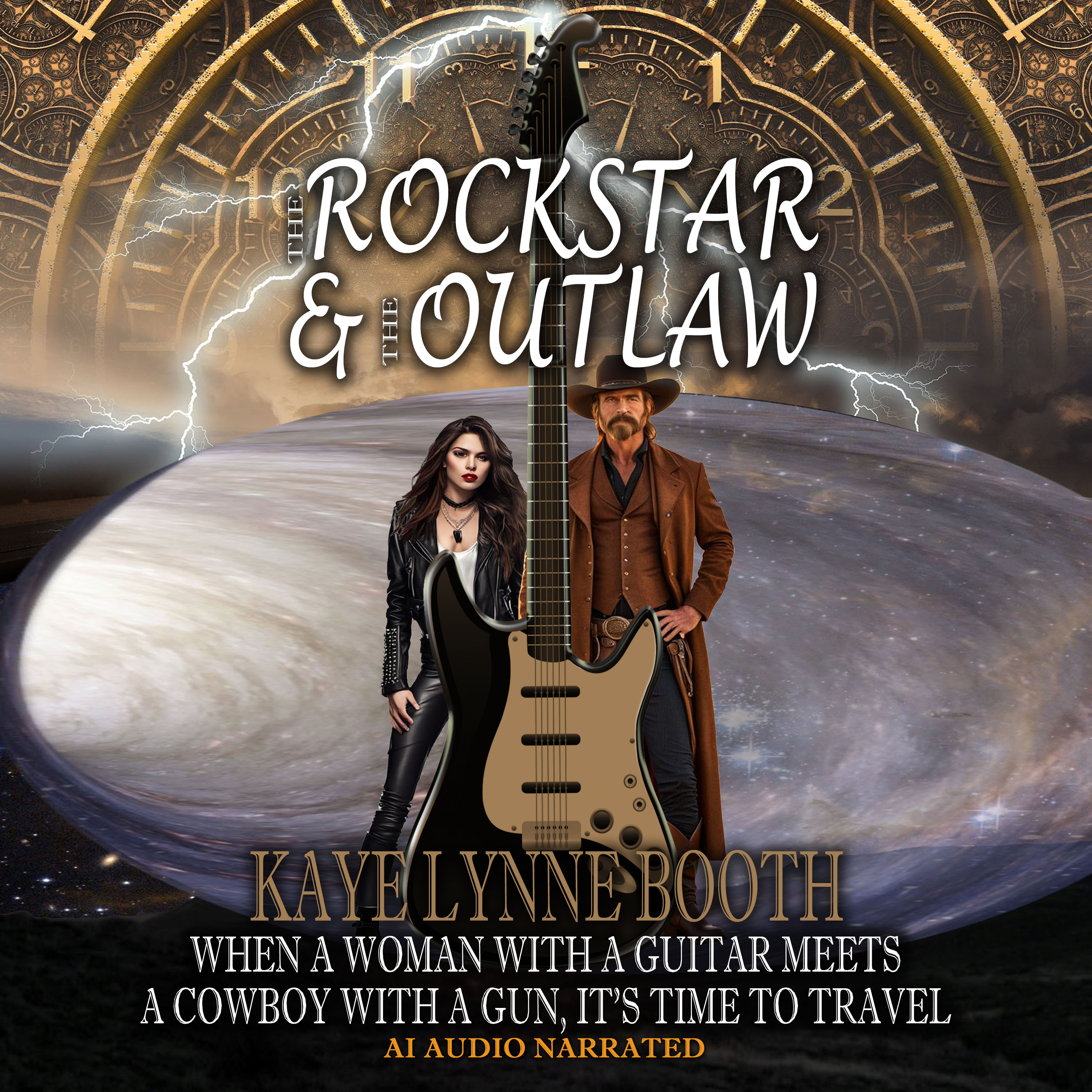



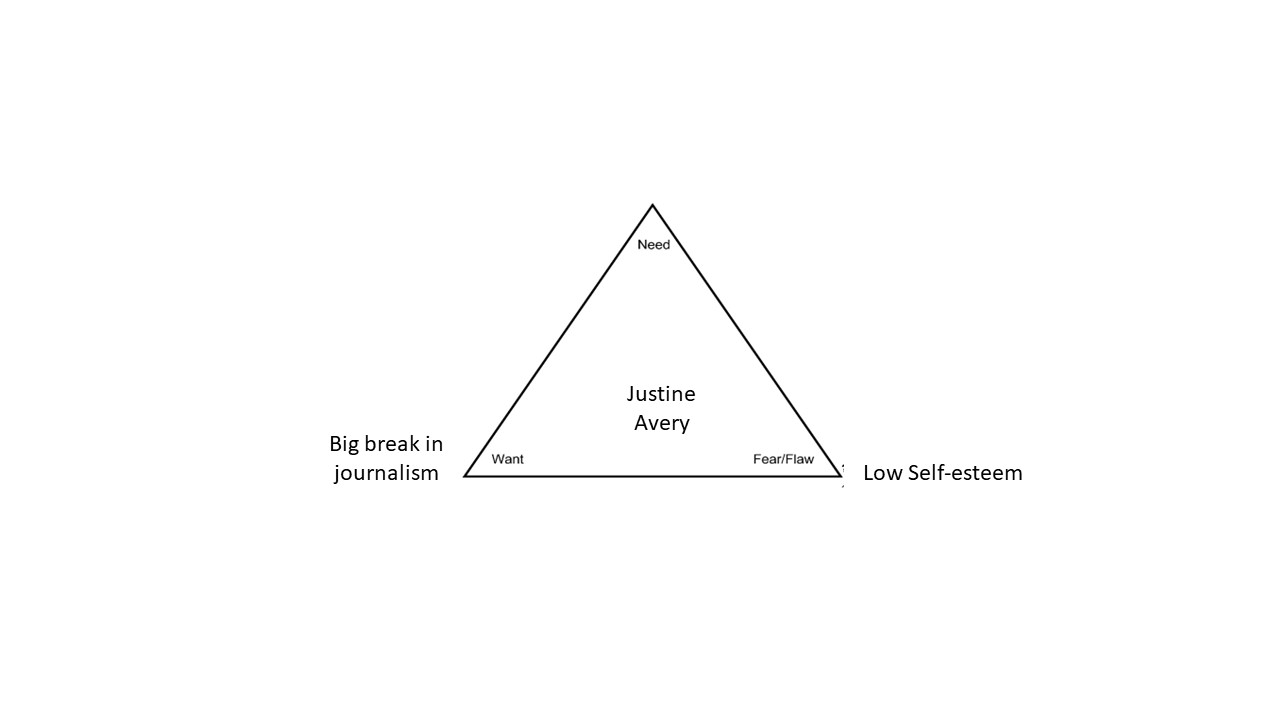










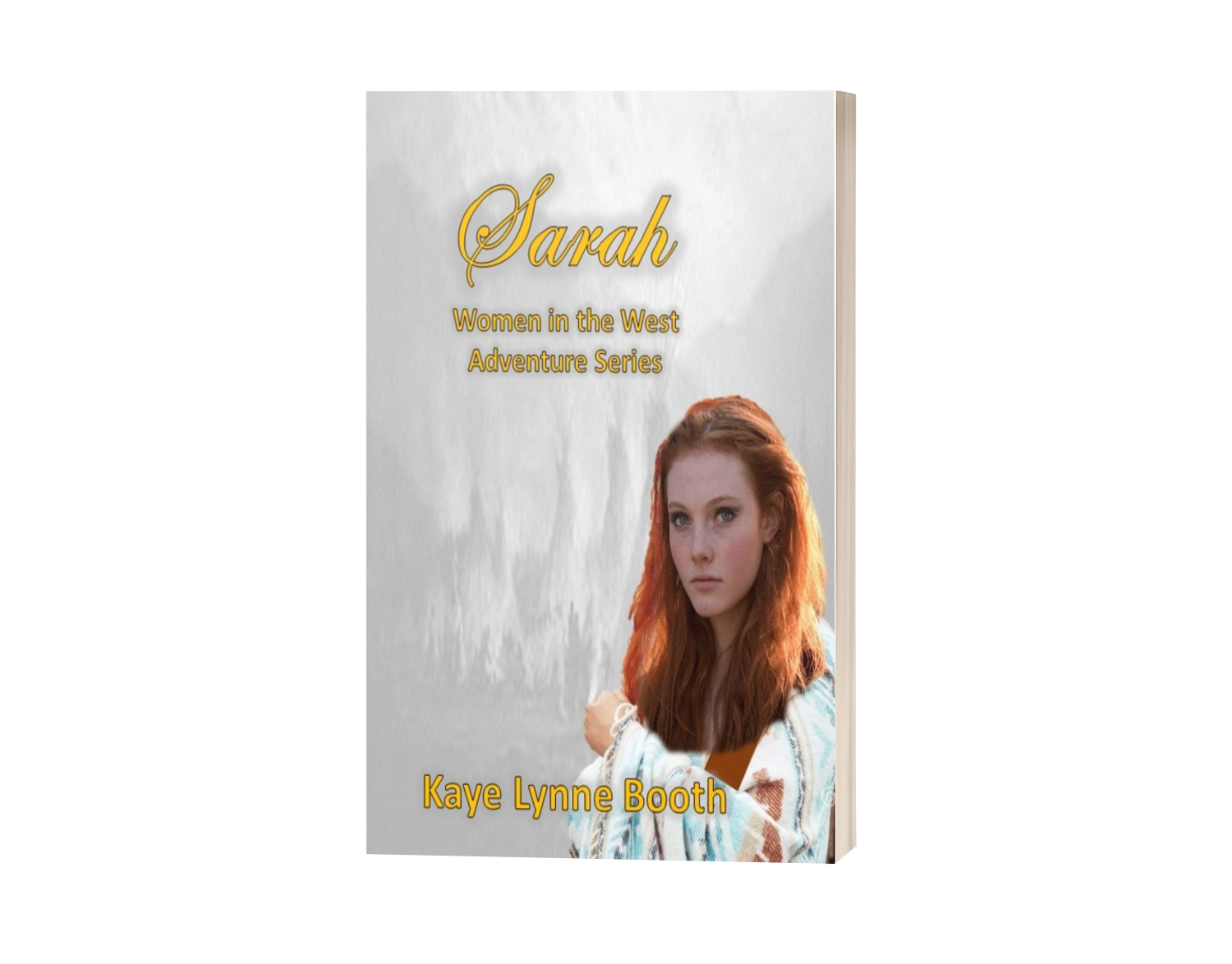

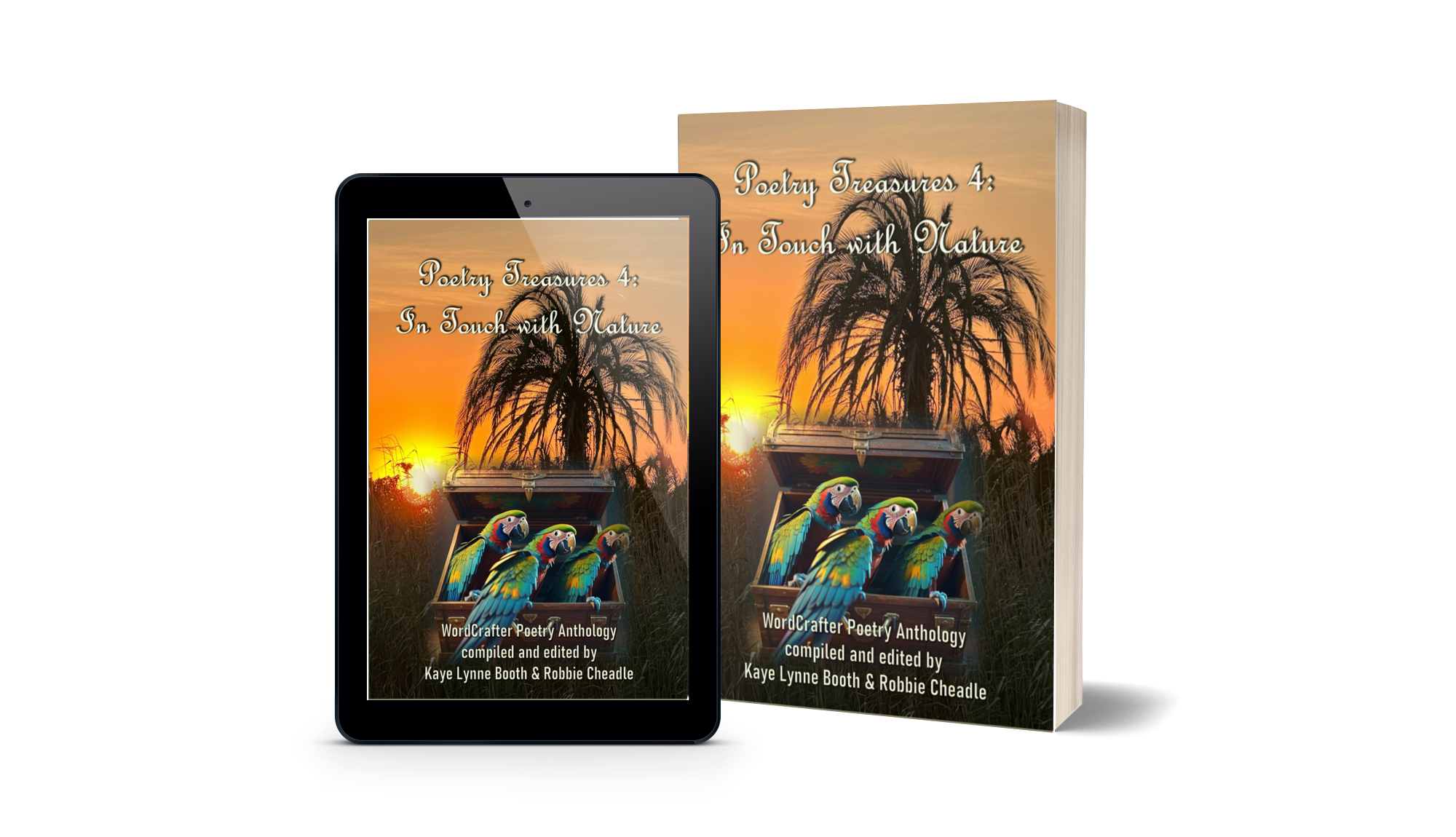
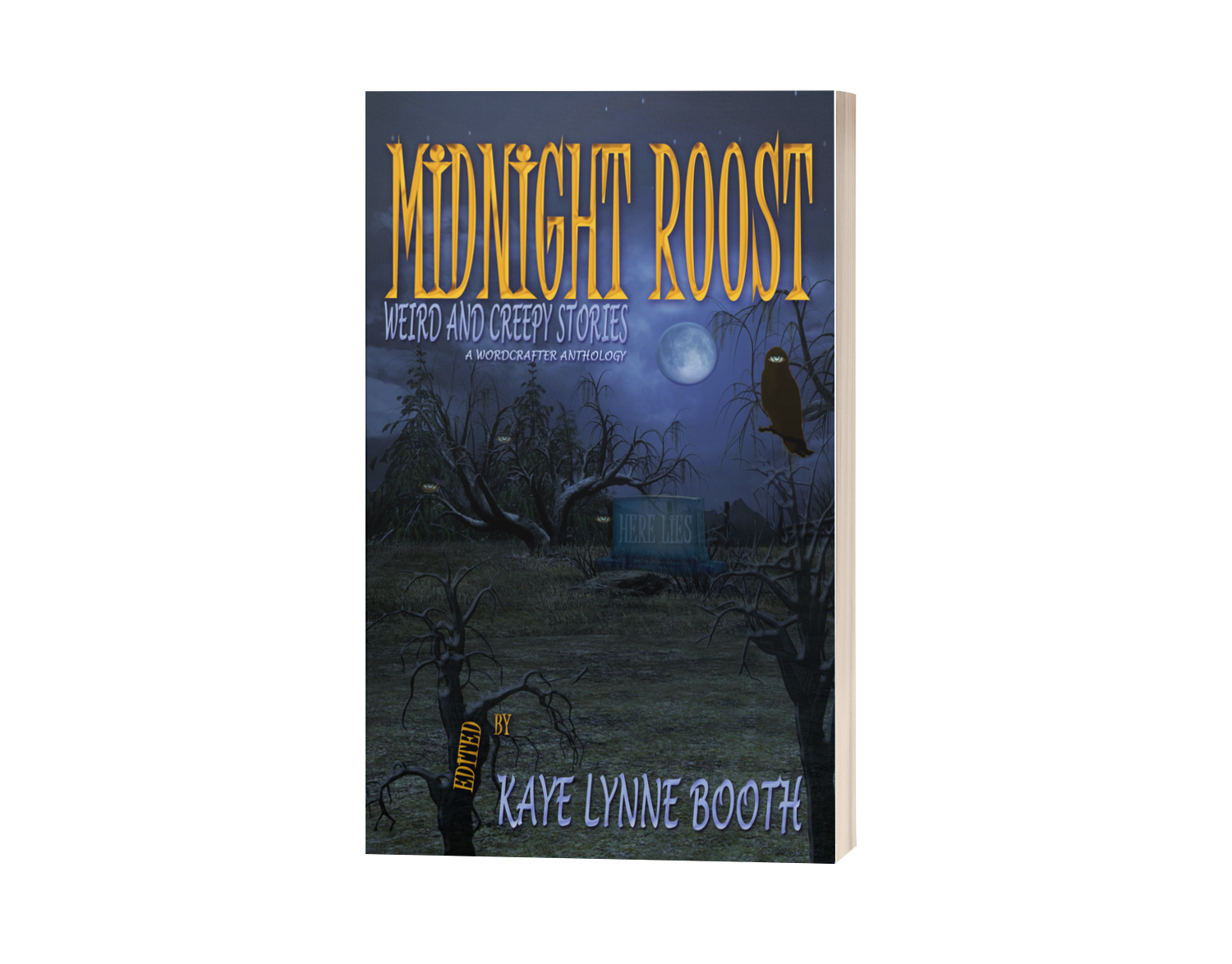
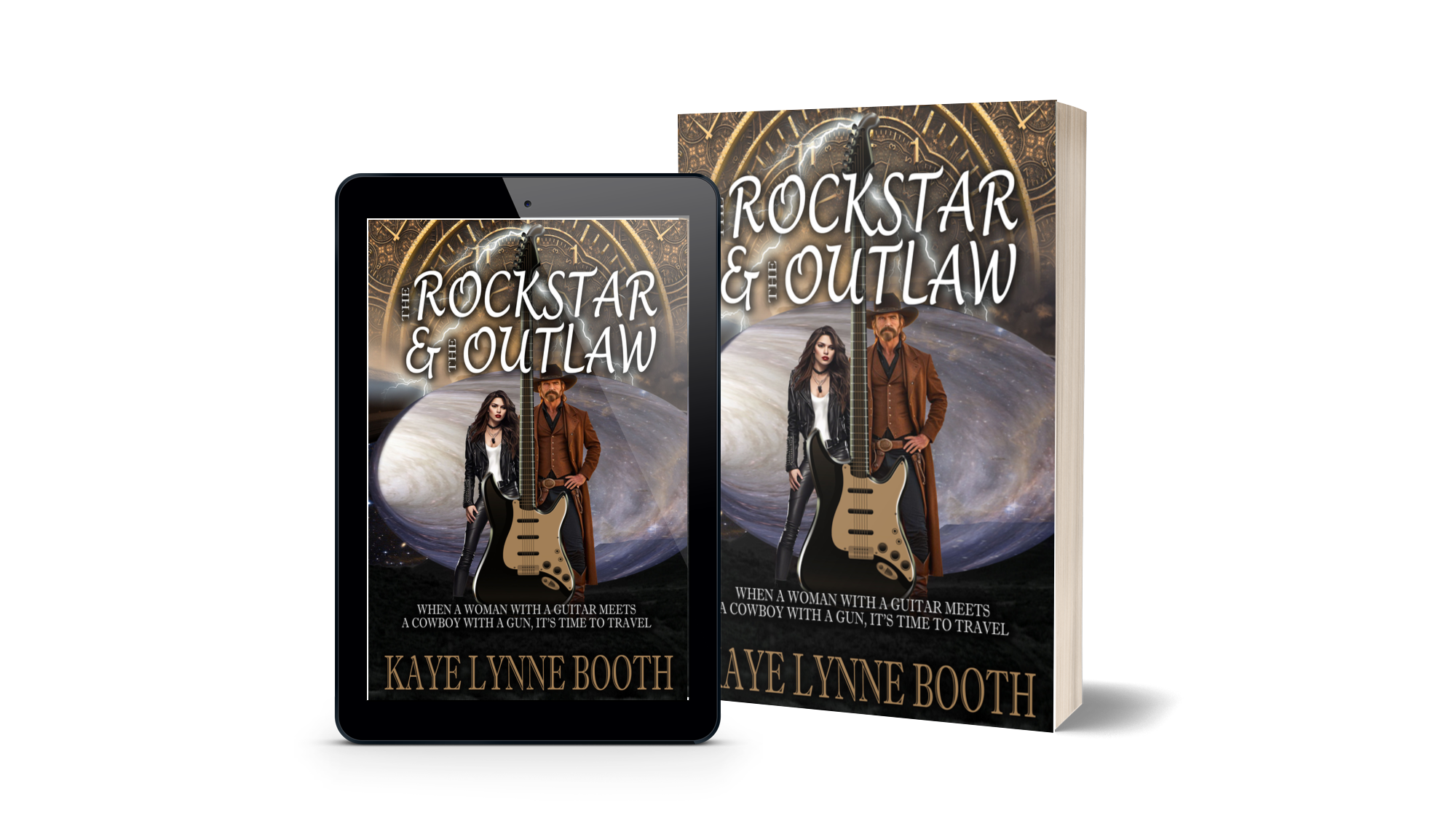

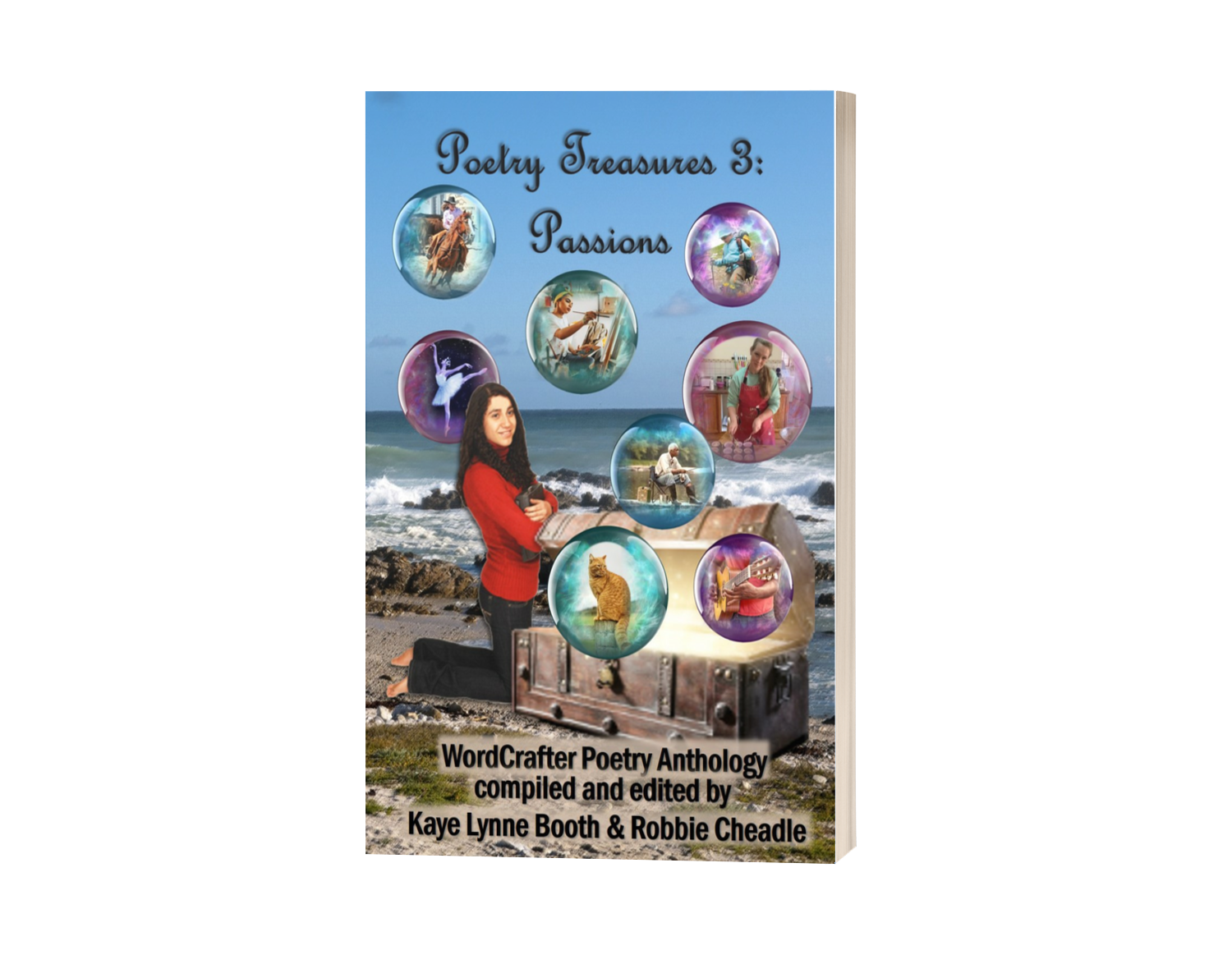
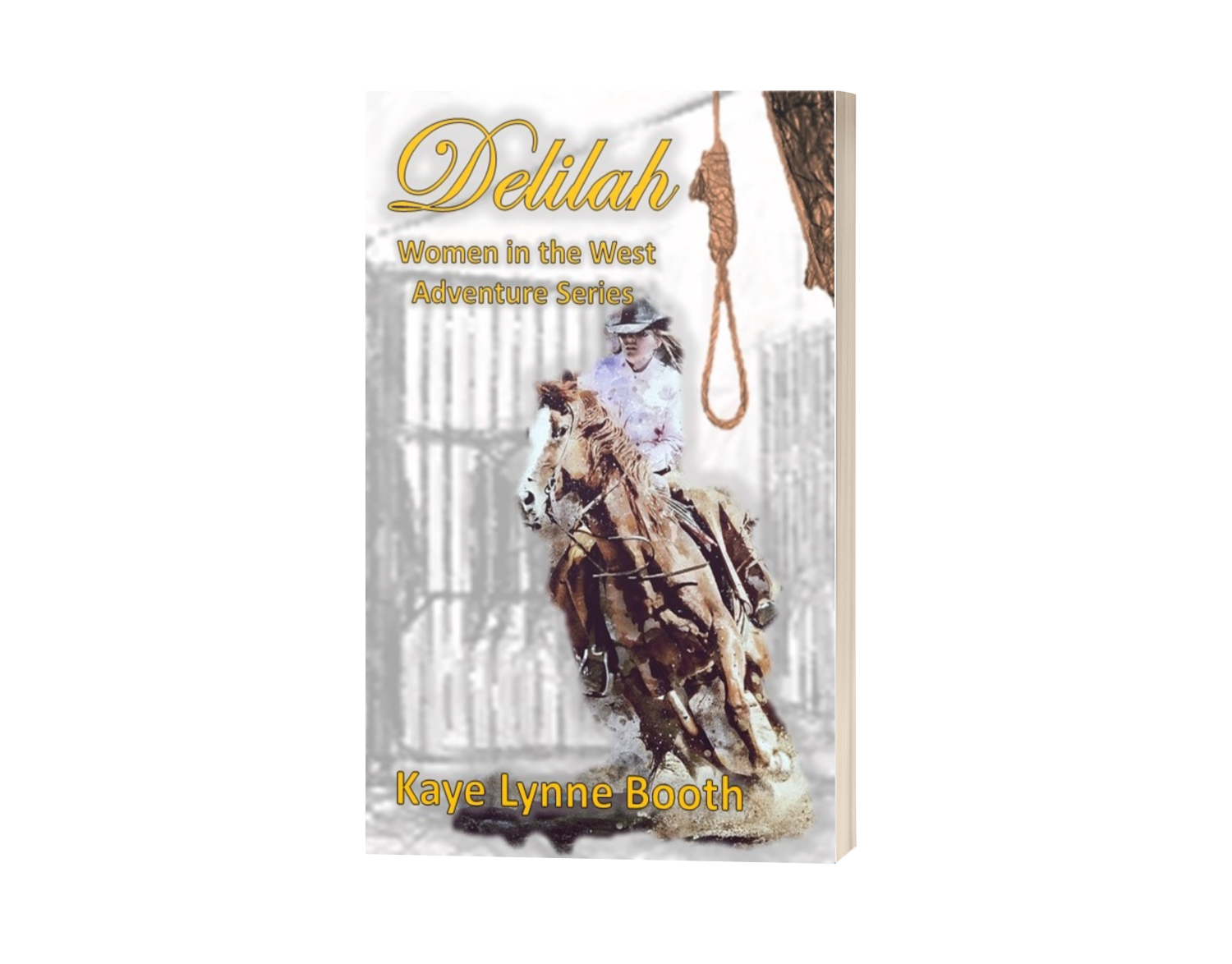

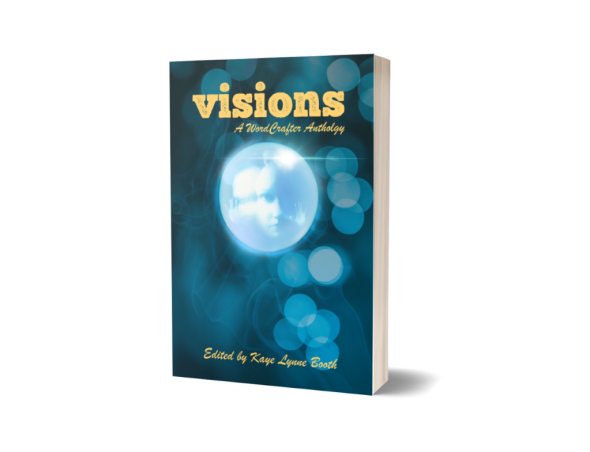



Writer’s Corner: The Value of Going Wide & Books2Read Links
Posted: November 6, 2023 | Author: kayelynnebooth | Filed under: Book Sales, Commentary, Indie Publishing, Publishing, Self-Publishing, Writer's Corner | Tags: Books2Read, Publishing Wide, Writer's Corner, Writing to be Read | 14 CommentsWhy Publish Wide?
We’ve all heard of Amazon. They are the single largest book distributors out there, but they aren’t just a book distributor, but they require exclusivity and they make authors jump through hoops for them to give us a second glance. Now, I admit, I have a problem with going exclusive with Amazon KU, although I know there are may authors out there who do quite well. But Amazon also has a habit of cancelling author accounts for percieved infractions to their Terms of Service. So, just stop and think for a moment what would happen if Amazon were to decide that something you do violates their TOS and cancels your account. You can appeal the decision, and you might even win, but in the meantime, your books are not available anywhere and you’re loosing money, or at least the potential for money.
Most of us have heard of Barnes & Noble, Smashwords, Apple Books, and Rakutan Kobo. These are the larger book distributors, and books are what they do, so authors can get a little loving care when dealing with these guys, but with the exception of Smashwords, you may have to be an author with a bigger name to get noticed. But here’s the thing. Publishing on each of these platforms is possible, (with the exception of KU, which requires exclusivity, but Amazon will let you publish without being in KU), but it would be very time-consuming. Any time that I spend publishing, is time that I’m not writing, so for me, publishing once to D2D and letting them take care of the rest is appealing.
Some distributors are only available in certain countries outside the U.S. Others are subscription services, or like Overdrive, sell only to libraries. My books are available on all of them and I only have to hit publish twice: once for the digital format and once for the print book. To me extending my reach in this way just makes good sense.
Why Use Books2Read Links?
I work with a lot of authors doing WordCrafter anthologies, and I ask them all to use Books2Read links in their promotions. I’ve had several people feeling the need for an Amazon link, because that is what they’ve become accustomed to. I had to explain that the Amazon link shows up under the Books2Read link, along with links for Barnes & Noble, Apple Books, Rakutan Kobo, Scribd, Smashwords, Baker & Taylor, Overdrive, Tolino, Bibliotheca, Odilo, Borrow Box, Palace Marketplace, Gardners, Vivlio, and others. Google Play is the only one I know of that D2D does not work with. If you haven’t heard of some of the above distributors, don’t be surprised. I hadn’t either until I started publishing through Draft2Digital.
Every book I publish through D2D gets a Books2Read link, so with one click readers can find links for all the distributors carrying my book and select their favorite distributor in order to make their purchase. This makes my books available on all devices, not just Kindle. Above is a screenshot of my Books2Read landing page for The Rock Star & The Outlaw. You can see the distributors where my books are available. There may be others where print is available, but print links must be added manually, so I’ve only added the two largest ones. I’ll add others down the road when I find time. There are enough distributor choices here to reach readers on any device in many different countries.
____________________________________________________
For Kaye Lynne Booth, writing is a passion. Kaye Lynne is an author with published short fiction and poetry, both online and in print, including her short story collection, Last Call and Other Short Fiction; and her paranormal mystery novella, Hidden Secrets; Book 1 of her Women in the West adventure series, Delilah, and her Time-Travel Adventure novel, The Rock Star & The Outlaw. Kaye holds a dual M.F.A. degree in Creative Writing with emphasis in genre fiction and screenwriting, and an M.A. in publishing. Kaye Lynne is the founder of WordCrafter Quality Writing & Author Services and WordCrafter Press. She also maintains an authors’ blog and website, Writing to be Read, where she publishes content of interest in the literary world.
____________________________________________________
Want exclusive content? Join Kaye Lynne Booth & WordCrafter Press Readers’ Group for WordCrafter Press book & event news, including the awesome releases of author Kaye Lynne Booth. She won’t flood your inbox, she NEVER sells her list, and you might get a freebie occasionally. Get a free digital copy of her short story collection, Last Call and Other Short Fiction, just for joining.
Share this: