Welcome to the WordCrafter “Once Upon an Ever After” Book Blog Tour
Posted: August 22, 2022 Filed under: Anthology, Blog Tour, Book Release, Books, Collaboration, Fairy Tales, Fantasy, Guest Post, Magical Realism, Mythology and Legend, Short Fiction, Stories, WordCrafter Book Blog Tours, WordCrafter Press | Tags: Anthology, Fairy Tales, Fantasy, Guest Post, Old Roots New Soil, Once Upon an Ever After, Sarah Lyn Eaton, WordCrafter Book Blog Tours 14 Comments
Welcome to the WordCrafter Once Upon an Ever After Book Blog Tour, where we’re launching Once Upon an Ever After: Modern Myths & Folklore with guest posts from contributing authors about their story inspirations, reviews and an interview the anthology and WordCrafter Press with me, Kaye Lynne Booth. So, stick with us by following the schedule below, to learn more about this mystical new anthology and its authors. Check back daily, as I’ll be adding the links as they go live.
Tour Schedule
Monday – August 22 – Opening Day Post – Writing to be Read – Intro. & Guest Post – Sarah Lyn Eaton
Tuesday – August 23 – Patty’s World – Review & Guest Post – Robbie Cheadle
Wednesday – August 24 – The Showers of Blessings – Guest Post – Olivia Merchiston
Thursday – August 25 –Roberta Writes – Interview w/ Kaye Lynne Booth
Friday – August 26 – Zigler’s News – Review & Guest Post – Lyndsay Elizabeth Gilbert
Saturday – August 27 – Closing Post – Writing to be Read – Guest Post – A.E. Lanier
Digital Giveaway
For a chance to win a free digital copy of Once Upon an Ever After, just leave a comment to show you were here. Follow the tour and comment at each stop for more chances to win. Three copies will be given away in a random drawing. (Yep. I literally draw the names out of a hat.)
This anthology was by invitation only, which means I invited the authors because of specific stories, which caught my imagination. The result is a unique collaboration with a wonderful group of authors who have been an absolute pleasure to work with.
Today’s guest post is from contributing author Sarah Lyn Eaton, who wrote the story “Old Roots, New Soil”. Her story grabbed ahold of me and stuck in my head because of the imagery of the spooky old apple orchard her words created for me and because it involves a mysterious curse which is pretty cool. What more could you ask for in a modern day fairy tale?

Finding Roots
I originally wrote the story that appears in this anthology for another submission call, looking for folk tales and modern fairy tales based on some kind of mirror imagery. My brain tends to jump outside of, but stay near to, the box and I began to consider what kind of folk magics my ancestors might have practiced, may have believed. The inspiration for this story was rather close to home.
I grew up in between Lake Ontario and Lake Erie. Generations of my family lived in the area and that’s where my roots are. Our family genealogy is a project my dad worked on when I was a kid, and now we do it together. Over the years I have sought out information on the history of the places our ancestors lived, how they developed and evolved. What were their industries? Their environmental impact?
This is similar to the way I layer a character and where they came from and what circumstances they find themselves in when the story opens, and where they need to get to.
On my father’s side of the family, we have mostly been on this soil since the Mayflower, if not those first 50 years of migration to the new world. And my mother’s side of the family has lines that go back that far. But she also has more recent migrations from Germany and Ireland. And one of the German names caught my eye, that of my great-great-great-great maternal grandmother Wilheminia Wernersbach.
In 1836, George Arth, 35, and Wilheminia Wernersbach, 37, emigrated from Germany with sons Adam, 7, Jacob, 3, and George, 3 months. The emigration card did not list a destination. I believe they were in Antwerp for some time before coming to America. When Wilhemenia brought her sons to America, George Arth was not with them. In 1850, when they are first on record in Pendleton, NY her son Adam, my great-great-great grandfather had his own family plot, right next to her own. In fact, she saved up money to buy a third plot on the other side, so that each son would have his own land, but they would still be together.
I thought about their story and let my brain wander. I wondered what it was like for this woman to bring her children to a new world, and then all the way to the other side of New York that was still being developed. What of this land did she find strange? What of her land might she have brought with her? What customs would have been a comfort to her? What guardians might she have called on to protect her family? How might they have made their living in a new place?
When you do a lot of genealogy and you can get beyond the lists of names and dates and you start to retain details, you start to notice family patterns emerging. Generational patterns that the people toiling every day, trying to get to the next one can’t see. And sometimes you can see how trauma gets passed down, and sometimes even transposed, like in the telephone game of passing messages down a line of people, to see what it becomes at the end.
How can you undo something you can’t understand? How do you combat a family legacy that was kept hidden from you? And what if you found yourself crossing an apple orchard, about to open the door to a dark part of your family’s past?
And that was the seed that formed the first breath of my story.
Sarah Lyn Eaton

Sarah Lyn Eaton is a queer pagan writer and burn survivor. She is a life-long Star Wars geek who spends her free time rock hunting, or venturing into the woods with her camera. Her stories have been published in the anthologies Brave New Worlds, Upon a Twice Time, Unburied: A Collection of Queer Dark Fiction, Of Fae and Fate: Lesser Known Fairy Tales Retold, On Fire, and Dystopia Utopia. In 2021, Sarah Lyn was awarded The Speculative Literature Foundation’s Working Class Writer Grant.
About Once Upon an Ever After
This unique and imaginative collection of eleven thought provoking fantasy stories will delight readers who enjoy stories of wishes gone awry.
What happens when…
A woman desires to carry on her family’s legacy, uncovering a long-buried curse?
A not so perfect witch casts a spell to defy age and preserve her relationship with her handsome shapeshifting familiar?
A time traveler longs to be the savior of knowledge lost?
An incompetent delivery boy becomes an unlikely savior of forgotten artifacts?
A magic mirror yearns for a different question?
A tiny story witch desires to share her stories with the world?
Spells are cast, unlikely alliances made, and wishes granted, sometimes with surprising outcomes. You’ll love this anthology of modern myths, lore, and fairy tales. Once you read these twisted tales, you’ll be sure to be careful what you wish for….
If you liked Gilded Glass, you’ll enjoy Once Upon an Ever After: Modern Myths & Fairy Tales, short stories with thought provoking themes, captivating characters and diverse cultures, from humorous to horrifying, from the legendary past to possible futures and back to the here and now.

Today is the last day of pre-order for this wonderful new anthology. Once Upon an Ever After goes live tomorrow. You can get your copy through your favorite book distributor with the Books2Read UBL here: https://books2read.com/u/mKdWGV
_______________________________________________________________________
Book your WordCrafter Book Blog Tour today!
Share this:

Treasuring Poetry – Welcome poet and author, Patty Fletcher and a review #poetry #bookreview #poetrycommunity
Posted: August 17, 2022 Filed under: Book Review, Interview, Poetry, Review, Treasuring Poetry | Tags: Author Interview, Book Review, Patty L. Fletcher, Poetry, Robbie Cheadle, Treasuring Poetry, Writing to be Read 43 Comments
Today, I am delighted to feature poet, author, and blogger, Patty Fletcher and share her thoughts about poetry and her favourite poems. I really enjoyed the poems included in this post, those written by Patty herself, and those included in A Poetic Apostrophe. I hope you enjoy them as much as I did.
What is your favourite poem?
Hello, Robbie. Before I begin, I’d like to thank you for including me in Treasuring Poetry.
Honestly, poetry isn’t my forte. I do, however dabble some and in fact this poem, Ever Lost in the Moment was eventually published in an issue of The Avocet Nature Magazine.
It is a favorite because writing it allowed me to put words to a fantasy which played out in my head.
What inspired you to write this particular poem?
In the poem, Ever Lost to the Moment you see two lovers who have longed for one another for many years finally come together. This, along with the raw bones of nature roaring around them makes it magical to me and since I’m a huge believer in manifestation I still read this poem with the belief that one day it might come true, and I like the lady in the poem may be reunited with someone I love and we would come together as the lovers in the poem do.
Here it is below for your reading enjoyment.
Ever Lost in the Moment
By Patty L. Fletcher
The scorching wind roared angrily across the jagged peaks above. The thundering waves pounded the steep cliffs below.
Standing, their bare toes clinging to the rocks, naked in the fading day. Faces moist with the ocean spray. The sunset a ball of fiery molten liquid melting into the churning sea.
He, seeing her there, dangerously close to the edge. She, breathing the dank salty air. Her ebony hair streaming long and beautiful round her there.
He, drinking her in, his senses catching fire with want and desire, she, like a deer, sensing danger in the wind, felt him there.
Turning to him her mouth parting in a gorgeous smile, they stood, the only sound the roaring of the wind, pounding of the waves, and song of the gulls. Their hearts beat as one. In perfect time with the rhythmic sea, they knew, they would be, ever lost in the moment.
Ever Lost in the Moment was originally written in 2018 and the rewriting of it was inspired by: http://scvincent.com/2019/02/14/thursday-photo-prompt-new-writephoto/ .
Another of my favorites, I happened upon while putting this interview together is called Ice Cream on the Fly. I wrote it after a visit from my daughter and six grandchildren after eight years of separation.
It tells the tale of our last day together and still makes me laugh until I’m near tears.
I hope you enjoy it too.
“Ice Cream on the Fly”
By Patty L. Fletcher
May 14, 2021
Ice Cream on the fly.
Sun shining bright in the sky.
Laughter on the air.
Happiness everywhere.
Kids got a sugar high.
Go to the park, let them swing, run, and slide.
Ride the merry-go-round round and round.
Oh, jeez if I did that after ice cream, well, I’d be sick on the ground.
Finally, momma says time to go. Must go home to ready ourselves so on the second part of our road trip we may go.
Back in the van rolling home with the setting sun.
WOW! We’ve had a great week of visiting and fun.
Home again, out we all flow.
Into the house we troop. Just one, big happy chattering group.
Eddy, we’re back nearly in unison we call. Eddy, no longer put off by our noise at all.
Meow! Jeez, what’s a cat to do. Nearly starved waiting for you.
“Who needs the bathroom?” I call. But though several said they did no one makes a move.
“OK, you snooze you lose.” I call to the room at large and then into the bathroom I barge.
Just when I think we’re gonna make it through the week with no serious issue. My beliefs are quickly washed away.
I flush and ready myself to leave the room when suddenly, Oh! What from yonder toilet breaks? What the… not to curse in several languages, all of my strength it takes.
Water is flowing across the floor, with every second which passes there is more and more.
Then, as I try to flee with my very life, the door refuses to budge and I fear I’m to be washed away.
“Oh! Oh! Oh! I scream! And yet, the water continues to stream.
“What the…” I demand of the air. This flipping water is everywhere.
“Turn it off! Make it stop!” Polly commands. Yet dumbfounded I continue to stand. “Turn it off! Turn it off!” She continues to insist, but in my brain, I continue to resist.
“I don’t know how.” I hear myself say. All the while knowing it’s not what I mean to state.
Suddenly my brain and fingers, they won’t connect. I’m panicked, what would one expect?
I am shoved aside, and Polly flashes past with a mighty cry.
“Here, in the back, turn it quick!” Still the words in my mind will not stick.
Then I see the water is everywhere. And all we can do is stand and stare.
Finally, with me and the others tucked safely out of the way, my oldest granddaughter begins to wipe the flood waters away.
After a time, all is set to right. We sit having supper in the deepening night.
Sweet Eddy hovers near, in hopes a morsel to his paw will drop near.
All too soon we’re calling good night. For they must rise with the early morning’s light.
Into the van sleepily Polly’s six-pack of kids, my beautiful grands they will fall.
As sure as the sun will warmly rise into the morning’s sky. I already know tears of good-bye I shall cry.
So, my friends I say to you wherever you go or what you do, be sure to hold those nearest and dearest to you.
Because you never know when they will return to you.
What are your plans for your poetry going forward?
Until recently, I never gave it much thought but while rummaging around in folders looking for some pieces, I could use in a Paranormal Romance Science Fiction manuscript I’m working on I ran upon a few more poems I’d written while dreaming of love lost so, I’ve been thinking more about trying to learn how to correctly write poetry.
I can write it but I’m never certain if I’m writing in the correct form. But as with a lot of things I want to learn, I keep putting it onto the back burner to simmer while other works bubble happily on the front of the stove.
Here, is one of the poems which was written after an encounter with someone with whom I used to have a secret relationship with.
I hope it’s OK to share.
If Only a Moment
Patty L. Fletcher
January 22 2018
They stood, their backs to the world, safe.
Even if only for a moment, happy and content.
Their arms round each other, her head on his shoulder.
His body, strong and lien. Muscles at the ready, hands like a cloud of thunder.
His voice, deep and rich.
They move through the house, talking in each room.
Stopping in the hall for a kiss.
Going onward into the study.
There, only a moment.
Moving as one to the bed.
Tumbling together, in a tangle of hands, arms, and legs.
Fire between his fingers, cold, as ice, yet somehow flames on her skin.
As they flow together, their passion runs deep.
Her mouth on his.
Their bodies become one.
They melt together in the molten lava of their sex.
Their hearts fly.
Their passions rise.
Her need peeks.
His fullness she seeks.
Together they explode, the white-hot throbbing, hums low.
After, they stand.
Their backs to the world. safe, if only for a moment, happy and content.
What is your favorite poem?
Robbie, had you asked me this a month ago, I’m not certain I’d have had a great answer. Though several of my clients are poets and some of their poetry does speak to me nothing has spoken to me quite like A Poetic Apostrophe by Joan Myles, Annie Chiappetta and Winslow Parker.
Here it is below for you.
A Poetic Apostrophe
By Joan Myles, Annie Chiappetta and Winslow Parker
Good poetry is the expression of an open heart and a creative spirit. The ability to fashion these qualities into moving and meaningful word images develops with practice of course. Practice rooted in honest self-reflection. And sometimes, the honest mirror of self-reflection resides in another poet.
Several months ago, Annie, Win and Joan started coming together to be that mirror for one another. In weekly sessions they alternate between reading and analyzing famous poetry and creating their own. They use the craft of such notables as Robert Bly, Amy Lowell, and Wallace Stevens as tutor and springboard for experimentation with word choice, rhythm and style. The three are dedicated to the process of learning as they write, grounding their exchanged feedback in honesty– for the sake of the poem only.
When the trio found Edgar Allen Poe’s piece, A Valentine less than pleasing, they used Billy Collins’s poem Workshop as inspiration to devise a suitable response. While each response relates to a specific element in the poem, all of them acknowledge Poe’s use of the apostrophe.
The apostrophe isn’t only a punctuation mark used in writing. It’s also a form or style of poetry. The Poetry Foundation defines an apostrophe poem as An address to a dead or absent person, or personification as if he or she were present. An apostrophe may provide a structure or reason for the poem. It can also provide tonal and figurative effects such as giving the poem an intimate or ironic tone.
The literary apostrophe is a tonal element of Poe’s poem, to be sure. But the essence of the piece feels more like a riddle. You see, “A Valentine is an acrostic wherein the letters of the poet’s love interest are to be discovered.
Now for the Poe poem the trio studied
A Valentine
Edgar Allan Poe – 1809-1849
For her this rhyme is penned, whose luminous eyes,
Brightly expressive as the twins of Loeda,
Shall find her own sweet name, that, nestling lies
Upon the page, enwrapped from every reader.
Search narrowly the lines! —they hold a treasure
Divine—a talisman—an amulet
That must be worn at heart. Search well the measure—
The words—the syllables! Do not forget
The trivialest point, or you may lose your labor!
And yet there is in this no Gordian knot
Which one might not undo without a sabre,
If one could merely comprehend the plot.
Enwritten upon the leaf where now are peering
Eyes scintillating soul, there lie perdus
Three eloquent words oft uttered in the hearing
Of poets, by poets—as the name is a poet’s, too.
Its letters, although naturally lying
Like the knight Pinto—Mendez Ferdinando—
Still form a synonym for Truth—Cease trying!
You will not read the riddle, though you do the best you can do.
This poem is in the public domain.
And below are the individual apostrophe poems written in response:
A Raven’s Dark Valentine
By Ann Chiappetta
There is only one poem I like, the
One with chilled somberness and a raven
This one, though, bores me
Taunts and jabs my intelligence
like the ebon beak
of the more Popular poem.
When I think of you
The sitcom comes to mind, you know
The one, with the altered family
Who lives on Mockingbird Lane.
And I snicker, recalling
the family’s clock that should have
held a black forest cuckoo.
I only wish what was once thought clever
Will never be more.
The Tell Tale Valentine
by Joan Myles
right off the rhythm grabs me line by line
a beating heart of sorts this valentine
but just as quick a mystery you pose
the name of your beloved to disclose
Greek allusions bleak confusions play
as I attempt the task and lose my way
I must confess I find it all a bore
your raven spoke with wisdom” Never More”
Poe’s Poem
By Winslow Parker
So, Mr. Poe,
Acknowledged mournful poet and macabre storyteller,
You wrote a love poem to Miss Frances,
Who died young,
Just like your tragic heroines.
You hid her name,
In the heart of your poem,
A clever way of declaring your love.
But then you spoiled it all with:
“You will not read the riddle, though you do the best you can do,”
Did you think so little of her intellect,
Her knot untying skills,
That you could not resist the impulse to make her feel small
In the presence of your mighty wit?
Is that love?
4/26/22
©2022 Winslow E. Parker All Rights Reserved
Annie, Win, and Joan encourage you to read poems wherever you may find them. Take your time to linger over the poet’s choice of words and images, to delight in shifting rhythms and rhymes, to let your mind and spirit play. And if you should find your thoughts stirred by an unexpected turn of phrase, or bedazzled by a sudden insight, a simple smile will do. For that’s the poet’s gift to you!
Why do you like this poem?
As you can see, not only is this an incredible piece of work by three poets but it’s as if the universe heard me grumbling about what I don’t know concerning the writing of poetry and WHAM! Just like that, a lesson appeared.
As I’m reading over this before sending to you, it occurs to me, I might have a poet somewhere within waiting to emerge.
Before I leave you today, I’d like to ask you indulge me with the privilege of sharing one more poem I wrote. This was written shortly after I returned from The Seeing Eye® with my first guide dog Campbell.
The Puppy Grew Up and Became
Once upon a time long ago,
When you were very small you know.
In the morning’s early dawn you were born,
But all too soon from your mother you were torn.
You were sent to live far away with a family you thought forever you would stay.
You learned the neatest and most awesome tricks.
So much more than chasing sticks.
You learned to sit to rest to lay,
You learned to obey in every way.
You did all these things so very well,
And every day you grew.
All too soon your life changed again,
And you made another new friend.
He was your teacher, your very own guide.
Would you forever walk by his side?
No! This was not to be.
You learned all you could from him,
And then,
You were given to me.
Fast we became best of friends,
And it is with me you will now stay until our work together ends.
In honor of Guide Dogs, puppy raisers, Trainers, and Handlers Everywhere!
Thank you, Robbie for allowing me to share a bit of my poetry with you. Though I’m sure you have more talented poets than I among your guests it’s been a pleasure.
Review of Pathway to Freedom – Book One: Broken and Healed – How a Seeing Eye Dog Retrieved My Life

What Amazon Says
In this, the first book in her memoir trilogy, Pathway to Freedom – Broken and Healed: Book One – How a Seeing Eye Dog Retrieved My Life, Patty shares how her decision to gain complete independence with the help of ‘The Seeing Eye Guide Dog’ school in Morris Town, New Jersey, reveals to her a glimpse into worlds she had never before known existed. Once home from ‘The Seeing Eye’ she soon begins to realize all is not right in her world. Watch your step as you journey down the pathway with Patty and Campbell, for there are many obstacles along the way. There are triumphs and tribulations, tears and fears, but through it all that forever guide by her side, King Campbell works tirelessly to keep her safe from harm.
My review
When I started reading this book I thought it was a memoir of the author’s experiences being trained as a guide dog handler by the Seeing Eye Institution in the USA. I was keen to read about Patty’s experiences and learn more about the process of both training a guide dog and also the handler of the guide dog. I’d realised from conversations and correspondence with a few non-sighted friends that the handler develops a very close relationship with the guide dog and I wanted to learn more.
This book did offer that insight into the training process offered by Seeing Eye and I followed Patty on her informative and wonderful journey of gaining independence through becoming a handler. I was interested in all the detailed including the different types of training the pair undergo including a trip to New York.
Right from the beginning of the book it was obvious that Patty was in a difficult relationship with a man who did not have her best interests at heart. This flawed relationship is also a major theme in the book and the negative impact on Patty of having to walk on eggshells around her partner in many areas of her life was evident and upsetting. Certain details about Donnie were also revealed that make him quite a difficult character to like the least of which was his ill-treatment of his own two dogs.
The last section of the book was a little unfulfilling for me as I didn’t really understand why Patty’s relationship with her trainer from Silent Eye and her daughter broke down completely. I could make a reasonable assumption about it based on the information provided, but I would have like a little more clarity. I would also have liked to have known a little more about Patty’s father and how he recovered from his ill health.
All in all, this is an interesting and compelling story and certainly a worthy read.
Purchase links
About Patty L Fletcher
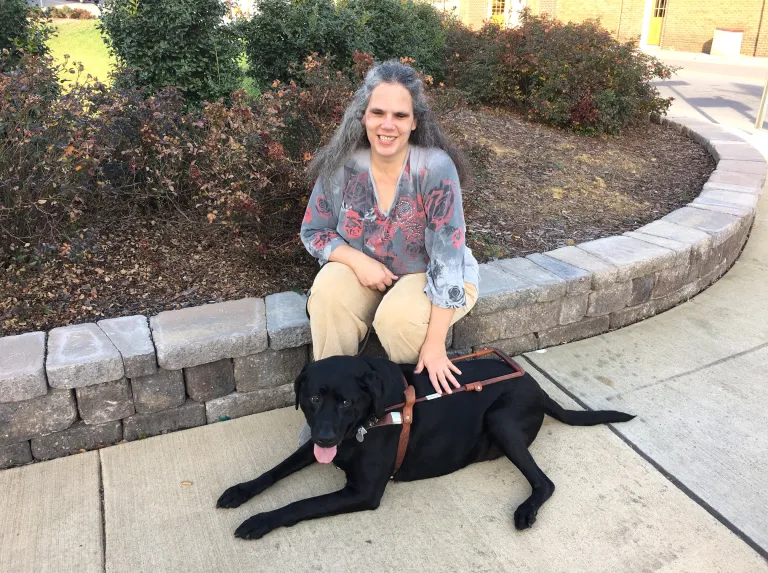
Patty Fletcher is a single mother with a beautiful daughter, of whom she is enormously proud. She has a great son-in-law and six beautiful grandchildren. From April 2011 through September 2020, she owned and handled a black Labrador from The Seeing Eye® named King Campbell Lee Fletcher A.K.A. Bubba. Sadly, after a long battle with illness on September 24, 2020, King Campbell went to the Rainbow Bridge where all is peace and love. In July 2021, she returned to The Seeing Eye® and was paired with a Black Labrador Golden Retriever cross named Blue.
PATTY’S BLINDNESS…
Patty was born one and a half months premature. Her blindness was caused by her being given too much oxygen in the incubator. She was partially sighted until 1991, at which time she lost her sight due to an infection after cataract surgery and high eye pressure. She used a cane for 31 years before making the change to a guide dog.
WHERE SHE LIVES AND WORKS…
Currently, Patty lives and works in Kingsport, Tenn.
She’s the creator and owner of Tell-It-To-The-World Marketing (Author, Blogger, Business Assist), The Writer’s Grapevine Online Magazine and the creator and host of the Talk to Tell-It-To-The-World Marketing Podcast.
WRITING GOAL…
Patty writes with the goal of bridging the great chasm which separates the disabled from the non-disabled.
HOBBIES…
Patty’s hobbies include reading, music, and attending book clubs via Zoom.
FAVORITE TUNES…
Some of her favorite types of tunes are classic rock, rhythm and blues, and classic country.
FAVORITE READS…
Patty enjoys fantasy, science fiction, and books about the supernatural. She loves books by Stephen King, Dean Koontz, Norah Roberts, and many more. Some favorite books include Norah Roberts’ Hide Away, Stephen King’s Dark Tower series, J.K. Rowling’s Harry Potter series, Robert Jordan’s Wheel of Time series, and J.R.R. Tolkien’s Lord of the Rings series.
SPIRITUAL FAITH…
Patty describes herself as a spiritual Walker. She says she knows both Mother Goddess and Father God and embraces all they have to offer.
CONTACT…
Email: patty.volunteer1@gmail.com
Visit: https://pattysworlds.com/
About Robbie Cheadle

Robbie Cheadle is a South African children’s author and poet with 9 children’s books and 2 poetry books.
The 7 Sir Chocolate children’s picture books, co-authored by Robbie and Michael Cheadle, are written in sweet, short rhymes which are easy for young children to follow and are illustrated with pictures of delicious cakes and cake decorations. Each book also includes simple recipes or biscuit art directions which children can make under adult supervision.
Robbie has also published 2 books for older children which incorporate recipes that are relevant to the storylines.
Robbie has 2 adult novels in the paranormal historical and supernatural fantasy genres published under the name Roberta Eaton Cheadle. She also has short stories in the horror and paranormal genre and poems included in several anthologies.
Robbie writes a monthly series for https://writingtoberead.com called Growing Bookworms. This series discusses different topics relating to the benefits of reading to children.
Robbie has a blog, https://robbiesinspiration.wordpress.com/ where she shares book reviews, recipes, author interviews, and poetry.
Find Robbie Cheadle
Blog: https://www.robbiecheadle.co.za/
Blog: robbiesinspiration.wordpress.com
Twitter: BakeandWrite
Instagram: Robbie Cheadle – Instagram
Facebook: Sir Chocolate Books
______________________________________________________________________________________________
Want to be sure not to miss any of Robbie’s “Treasuring Poetry” segments? Subscribe to Writing to be Read for e-mail notifications whenever new content is posted or follow WtbR on WordPress. If you found it interesting or entertaining, please share.
Share this:

Writer’s Corner: Direct Selling on the Kickstarter Platform
Posted: August 15, 2022 Filed under: book marketing, Book Promotion, Kickstarter, Writer's Corner | Tags: book marketing, Direct Sales, Kaye Lynne Booth, Kickstarter, Writer's Corner, Writing to be Read 1 Comment
Kickstarter seems to be the latest platform for direct sales of your books. They aren’t new to the scene, but they have changed considerably since they first made their appearance. (Look here if you’d like to see a 2012 guest post about Kickstarter by author Tim Baker when they were first starting up.) Up until recently, Kickstarter has been looked upon like a platform where you would go ask for money from people, similar to Go Fund Me, but with , the spectacularly successful campaign that Bryan Sanderson did recently, which everyone seems to be talking about, it looks like that impression may be changing.
Platforms like Kickstarter and Patreon form what Joanna Penn refers to as the “creator economy”, which is similar to what artists did during the Renaissance to survive. (You can listen to Joanna’s interview with Bryan Cohen, author of the Sell More Books Show podcast, on the subjects of Kickstarter and multiple streams of income on The Creative Penn, here.) Renaissance patrons would fund artists and support them so that they could survive while creating their art. Likewise, authors today cannot be expected to survive on just their book income. Most of us would truly starve if we tried to do that. According to Joanna, there are readers out there who are not only willing, but eager, to support your work, you just have to find them.
No. Today’s creators must have multiple streams of income, and many have day jobs to support them, only indulging their craft on a part time basis. Kickstarter provides a platform designed for creatives, including authors, where we can sell our creations directly to our reading audience without the middlemen distributors, such as Amazon, and by selling direct, we receive more than our 70%, allowed by Amazon, or whatever percentage we get from other distributors, but there are a few things we need to prepare for a successful Kickstarter campaign.
Make no mistake. Kickstarter is not a platform where you beg for money, as some may believe. It’s method of direct selling, and when you run a Kickstarter campaign, you have to put in the work for your money. I learned this by following the Kickstarter campaign of Kevin J. Anderson from the operations side of things.
As his student, I was allowed an inside look into the workings of a Kickstarter campaign, and a quite successful one, at that. KJA ran a Kickstarter to fund his latest Dan Shamble Zombie Detective novel, Double Booked. He showed us how to set up the project overview, set your overall campaign goal, set up with Stripe and attach to your bank account so you can get paid, create a video to tell people about your project, set up incentives for the different tiers and stretch goals, etc… Let me tell you, there is a lot of work involved.
Kevin also gave the whole Dan Shamble series eye-catching new covers, which are absolutely fabulous. Then, once the Kickstarter campaign had run its course, the author must make good on their promises and provide the deliverables. For Kevin’s campaign, that involved doing print runs and signing each print copy of the book and mailing them out to his supporters at the appropriate level, (he actually ended up hiring someone to mail them all out, there were so many), as well as following up to be sure each supporter fills out and returns their Kickstarter survey.
KJA’s overall goal was $2,000, which he exceeded. He started at the $5 level, which provided a digital copy of Double Booked. This was the lowest tier of support, so anyone who subscribed to the campaign, at any level, received this. The tiers went all the way up to the $10,000 crazy super fan level, where Kevin promises to narrate an audio book, which he did anyway, then offered as a $25 add on during the campaign. I don’t know how likely it would be for him to actually get a $10,000 crazy super fan to jump on the campaign bandwagon, but either way he narrates his own audio book, and either way he makes money. (You can see just how well KJA did with this Kickstarter here.)
Advice from the hosts of the Six Figure Author podcast (https://6figureauthors.com/ Episode 048 – July 23, 2020) was to never do a Kickstarter for something which you can’t fund on your own, in case you don’t meet your goal. Kevin had Double Booked written before he began the Kickstarter. He knew he could deliver all the rewards promised at every tier. Doing this assures that none of your supporters go away disappointed. Satisfied readers are what is important here, because satisfied readers come back for more. They also suggest setting a lower goal at first, as low as $500, so you’ll be more likely to be able to meet the goal, then raising the bar for subsequent campaigns, building gradually.
Kevin’s campaign was not as crazy successful as Bryan Sanderson’s, which ran right around the same time, but both are examples of how an author can use Kickstarter to sell their work directly to their readers and make decent money. (You can see how crazy successful Bryan Sanderson’s Kickstarter really was here.) Granted, not all authors are Kevin J. Anderson or Bryan Sanderson. While some followers come from the Kickstarter community, it does help to have an existing following, people who already love and admire your work. I think it also helps if you are an established author with a decent backlist, otherwise you would have to make all the rewards new works, which would be even more work for the author.
U.S.A. Today bestselling authors Russell P. Nohelty and Monica Leonelle coauthored Get Your Book Selling on Kickstarter, which talks about reasons to sell direct through Kickstarter, how to sell books on Kickstarter, how to budget and market your Kickstarter project, and more. This book takes you step by step through setting up your Kickstarter campaign, and even though I watched KJA do it, I must admit I was intimidated by the sheer number of steps which must be taken and the things which should be included, and of course, it helps to illustrate everything visually, which adds even more to do. It is really a bit overwhelming. This book reinforces the idea that while Kickstarter does have a community of followers who are looking for campaigns of interest to support, your chances of success will be much improved if you already have a flowing to bring with you to to the platform.
From the author side, there’s a lot involved, but from the supporter side, it’s pretty cool because you get all kinds of goodies. For my support, I received a digital copy of Double Booked, plus a new short story in the series, “Bump in the Night”. As well as stretch goal rewards of digital copies of Kevin J. Anderson’s Selected Stories: Fantasy; from his most popular epic space opera series, Saga of the Seven Suns: Two Short Novels; and a government mystery thriller which he coauthored with Doug Beason, PhD, Virtual Destruction. I’ll be posting reviews for all of these down the road, but there were so many that it’s going to take me a while to get through them. (For now, you can read my review of his Selected Stories: Science Fiction here: https://writingtoberead.com/2019/03/01/kevin-j-andersons-selected-stories-science-fiction-volume-2-a-must-read-for-science-fiction-fans/)
______________________________________________________

For Kaye Lynne Booth, writing is a passion. Kaye Lynne is an author with published short fiction and poetry, both online and in print, including her short story collection, Last Call and Other Short Fiction; and her paranormal mystery novella, Hidden Secrets. Kaye holds a dual M.F.A. degree in Creative Writing with emphasis in genre fiction and screenwriting, and an M.A. in publishing. Kaye Lynne is the founder of WordCrafter Quality Writing & Author Services and WordCrafter Press. She also maintains an authors’ blog and website, Writing to be Read, where she publishes content of interest in the literary world.
____________________________________________________________
Join Kaye Lynne Booth & WordCrafter Press Readers’ Group for WordCrafter Press book & event news, including the awesome releases of author Kaye Lynne Booth. Get a free digital copy of her short story collection, Last Call and Other Short Fiction, as a sampling of her works just for joining.
Share this:

At the Movies: Red Riding Hood
Posted: August 12, 2022 Filed under: Movie Review, Movies | Tags: At the Movies, Fairy Tales, Kaye Lynne Booth, Movie Review, Movies, Red Riding Hood, Werewolf, Writing to be Read 3 Comments
I’ve been reading a lot of modern fairy tales lately, what with being on the Gilded Glass editorial team with a slush pile of over 600 submissions, and the two WordCrafter Press by invitation only anthologies to come out later this year which are fairy tale themed and are comprised of many of the stories that didn’t make GG, which I couldn’t quite let go of, Once Upon an Ever After and Refracted Reflections. So many modern fairy tales are simply retellings of age-old stories without adding anything new. So, when I saw the opportunity to watch a film rendition of Red Riding Hood (2011), I admit that I was a bit skeptical.
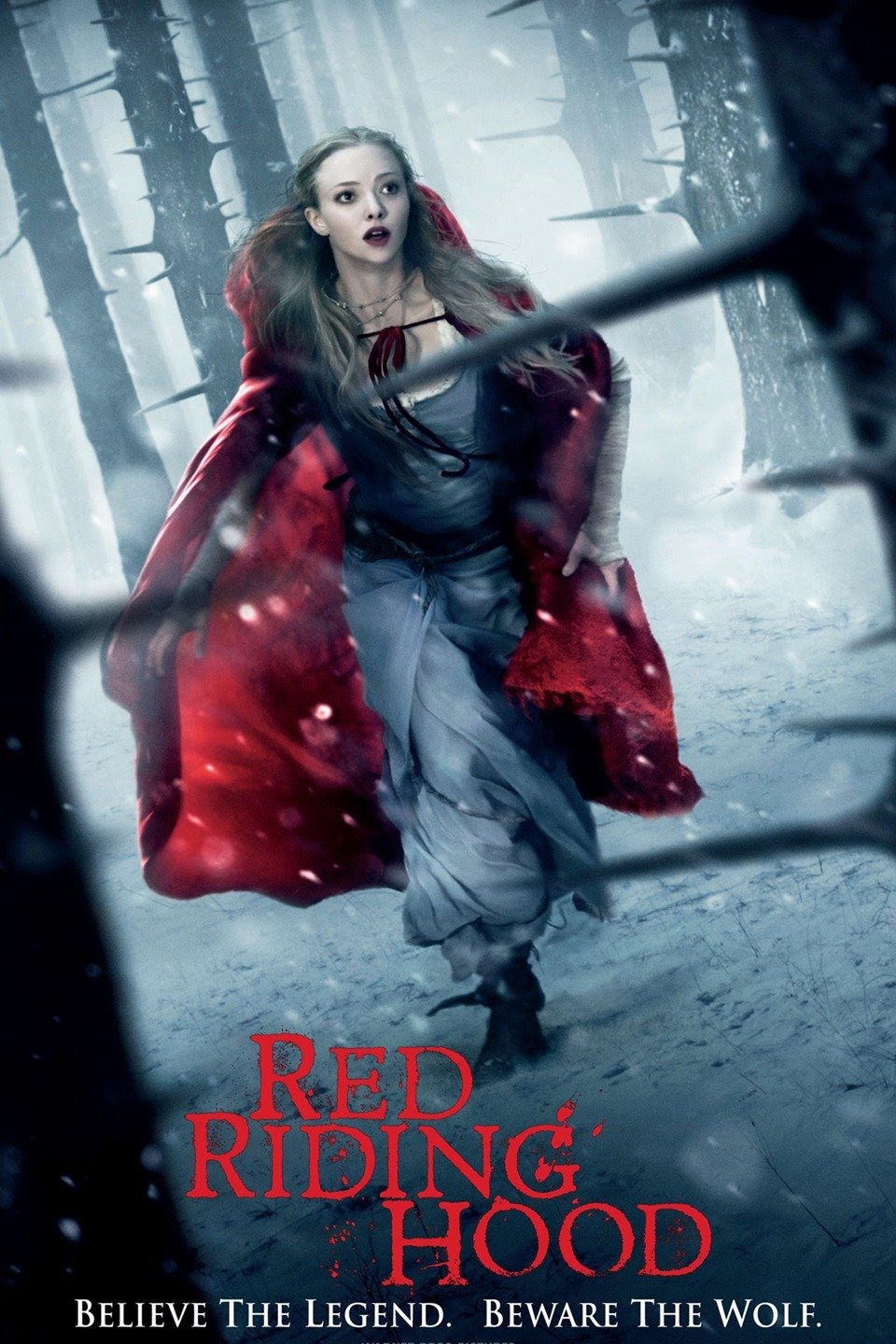
But this was no simple retelling of the classic fairy tale. This was more of a horror story, complete with a big bad werewolf, whose secret human identity allows him or her to hide among the residents of the medieval village and carry on daily activities undetected, killing innocent villagers by guise of night. It could be anyone. Anyone could be its next victim.
Mix in a young woman, Valerie (Amanda Seyfried), forced into a pre-arranged marriage with Henry (Max Irons), and the woodsman whom she truly loves, Peter (Shiloh Fernandez), for a classic love triangle. When a werewolf hunting priest with a personal vendetta shows up on the scene, suspicion is thrown in all directions and no one is safe from accusations. It could be Valerie’s creepy old grandmother (Julie Christie) who lives alone in the woods. It could be the village priest (Lukas Haas). It could be either of the two men vying for Valerie’s heart; each suspicious of the other; both determined to protect her when the werewolf claims her as his own.
Red Riding Hood was well executed, with just the right amount of fairy tale feel to it, and for me, it was a surprise when the werewolf was finally revealed. (No spoilers here.) It kept me engaged throughout. If you like fairy tales with a twist, I recommend that you see this movie.
___________________________________________________________________________

Kaye Lynne Booth lives, works, and plays in the mountains of Colorado. With a dual emphasis M.F.A. in Creative Writing and a M.A. in Publishing, writing is more than a passion. It’s a way of life. She’s a multi-genre author, who finds inspiration from the nature around her, and her love of the old west, and other odd and quirky things which might surprise you.
She has short stories featured in the following anthologies: The Collapsar Directive (“If You’re Happy and You Know It”); Relationship Add Vice (“The Devil Made Her Do It”); Nightmareland (“The Haunting in Carol’s Woods”); Whispers of the Past (“The Woman in the Water”); Spirits of the West (“Don’t Eat the Pickled Eggs”); and Where Spirits Linger (“The People Upstairs”). Her paranormal mystery novella, Hidden Secrets, and her short story collection, Last Call, are both available in both digital and print editions at most of your favorite book distributors.
When not writing, she keeps up her author’s blog, Writing to be Read, where she posts reflections on her own writing, author interviews and book reviews, along with writing tips and inspirational posts from fellow writers. In addition to creating her own very small publishing house in WordCrafter Press, she offers quality author services, such as editing, social media & book promotion, and online writing courses through WordCrafter Quality Writing & Author Services. As well as serving as judge for the Western Writers of America and sitting on the editorial team for Western State Colorado University and WordFire Press for the Gilded Glass anthology and editing Weird Tales: The Best of the Early Years 1926-27, under Kevin J. Anderson & Jonathan Maberry.
In her spare time, she is bird watching, or gardening, or just soaking up some of that Colorado sunshine.
______________________________________________________________________
Join Kaye Lynne Booth & WordCrafter Press Readers’ Group for WordCrafter Press book & event news, including the awesome releases of author Kaye Lynne Booth. Get a free digital copy of her short story collection, Last Call and Other Short Fiction, as a sampling of her works just for joining.
Share this:

Growing bookworms – Interactive books for children Part 1
Posted: August 10, 2022 Filed under: Books, Children's Books, Growing Bookworms | Tags: "Writing to be Read, #Childrensfiction, Childrens Books, Growing Bookworms, Interactive Books, Robbie Cheadle 62 Comments
Interactive books for children are those books that allow for active participation from, and interaction by, the child as part of the reading process. There are two categories of interactive books for children: those that incorporate modern technology and provide for digital participation by children, and those that are not digital.
Today, I’m going to chat about the non-digital interactive books for children. There are a myriad of non-digital interactive books for children, aimed at a variety of different age groups.
Touch and feel books are aimed at very young children. They are wonderful for helping children to associate their sense of touch with a word or words. For example, a picture of a duck could include soft, fluffy feathers and a picture of a tree could have rough bark. Most touch and feel books are very simple and only teach one word at a time. I had a few books like this for my sons when they were babies and very young toddlers and they loved them.
Interactive books for older toddlers and pre-school children include pull-tabs, flaps, pull-downs, and pop-up books. Pop up books work by literally popping up a 3-D picture when the child turns the page. These were hugely successful with my boys but I did have to teach them not to pull on the pop-ups and break them. I also had to teach them not to pull tabs, flaps, and pull-downs too hard, but they learned quickly and my instruction ensured they treated their physical books with respect.
This is a link to a pop-up Alice in Wonderland book on Amazon US. It’s not the same as the one I had for my sons but it looks equally fun: https://www.amazon.com/Alices-Adventures-Wonderland-Pop-up-Adaptation/dp/0689847432

Colouring books speak for themselves and allow children to colour in the pictures that relate to the stories. There are also sticker books that allow the child to dress the characters.
Usborne has an amazing selection of sticker books. You can find out more about them here: Amazon US Usborne sticker books
Hidden object books are those that hide various objects within pictures for the child to discover. These books are available for a variety of age groups, and my boys loved the Where’s Wally books.

This is the blurb of the Where’s Wally Amazing Adventures and Activities 8 Books Bag Collection Set: https://www.amazon.com/Adventures-Activities-Collection-Fntastic-Hollywood/dp/9123888113
Where’s Wally?:
The original book which kick-started the worldwide Wally phenomenon! Search for Wally and his friends as they hike round the world.
Where’s Wally Now?:
Wally and his friends travel through time in this second best-selling classic adventure. Search for them as they visit the Stone Age, Ancient Egypt, the Vikings …
The Fantastic Journey:
Hidden in every intricately-detailed scene are Wally and his friends – so let the hunt begin! Search for them in the land of the unfriendly giants, the watery world of the deep-sea divers.
Where’s Wally? In Hollywood:
Wally visits the land where dreams are made in this classic activity book! He meets directors and actors, walks through the crowds of extras, and sees behind the scenes.
Where’s Wally? In Outer Space:
Play tangle line teasers, find your way out of a space race maze, unscramble muddled up words, crack alien codes, match and spot the differences in busy picture puzzles.
Where’s Wally? At Sea:
Untangle fishing lines; solve a boat race riddle; match seaside silhouettes; track down pirate treasure on a map; join up words in a message in a bottle.
Where’s Wally? Across Lands:
Scale castle walls and ancient Aztec temples as you complete games, crack written riddles, get creative by drawing your own Egyptian city and doodling inside speech bubbles.
Where’s Wally? Takes Flight:
Work your way out of a busy airport runway maze; match up dragons to their race day medals; solve birdy word searches and visual snap; colour in a nighttime dragon scene.
My sons both spent hours pawing through these books.
The last type of interactive book I’m mentioning in this post are game books. These are middle school children’s books where each section ends with a decision. The child makes a choice and is directed to the next section on a specific page. I managed to obtain a big pile of the Choose Your Own Adventure books when I was a girl, and I absolutely loved them.
This is the link to the Choose Your Own Adventure series on Amazon US: https://www.amazon.com/Alices-Adventures-Wonderland-Pop-up-Adaptation/dp/0689847432
What Amazon says: Widely commended for its appeal to reluctant readers, Choose Your Own Adventure is the 4th bestselling book series for children of all time. Written in the second-person, the reader is the hero of the story, and at the bottom of each page, there is a decision point: If you go in search of the yeti, turn to page 11. If you think it is safest to stay put and call for help, turn to page 25. By reading and choosing, kids become more engaged, making the Choose Your Own Adventure series a stealth reading program for reluctant readers.

About Robbie Cheadle
Robbie Cheadle is a South African children’s author and poet with ten children’s books and two poetry books.
The eight Sir Chocolate children’s picture books, co-authored by Robbie and Michael Cheadle, are written in sweet, short rhymes which are easy for young children to follow and are illustrated with pictures of delicious cakes and cake decorations. Each book also includes simple recipes or biscuit art directions which children can make under adult supervision.
Robbie has also published two books for older children which incorporate recipes that are relevant to the storylines.
Robbie has two adult novels in the paranormal historical and supernatural fantasy genres published under the name Roberta Eaton Cheadle. She also has short stories, in the horror and paranormal genre, and poems included in several anthologies.
Robbie Cheadle contributes two monthly posts to https://writingtoberead.com, namely, Growing Bookworms, a series providing advice to caregivers on how to encourage children to read and write, and Treasuring Poetry, a series aimed at introducing poetry lovers to new poets and poetry books.
In addition, Roberta Eaton Cheadle contributes one monthly post to https://writingtoberead.com called Dark Origins: African Myths and Legends which shares information about the cultures, myths and legends of the indigenous people of southern Africa.
Robbie has a blog, https://robbiesinspiration.wordpress.com where she shares book reviews, recipes, author interviews, and poetry.
Find Robbie Cheadle
Blog: https://www.robbiecheadle.co.za/
Blog: robbiesinspiration.wordpress.com
Twitter: BakeandWrite
Instagram: Robbie Cheadle – Instagram
Facebook: Sir Chocolate Books
______________________________________________________________________________________________
Want to be sure not to miss any of Robbie’s “Growing Bookworms” segments? Subscribe to Writing to be Read for e-mail notifications whenever new content is posted or follow WtbR on WordPress. If you found it interesting or entertaining, please share.
Share this:

Graduation
Posted: August 8, 2022 Filed under: Anthology, Book Release, Books, Fiction, Publishing | Tags: Book Event, Gilded Glass: Twisted Myths & Shattered Fairy Tales, Kaye Lynne Booth, Kevin J. Anderson, Mark Leslie Lefebvre, Publishing, Weird Tales: Best of the Early Years 1926-27, Western Colorado University 6 Comments
Yep. That’s me in the picture above with Kevin J. Anderson and Mark Leslie Lefebvre after my graduation ceremony. Obviously, I survived all the craziness of summer residency and graduated with an M.A. in publishing, but there were moments. Western’s summer residencies are always pretty intensive and this one was no exception. The whole week was a bit of a whirlwind. Classes began on Monday at Western State University, and I arrived on campus just in time for the first class at 9 a.m.


We each got publishing cohort tee shirts, which made us all the coolest cohort on campus. On the back it says, “A Rising Publisher Lifts All Books” with the image of a hot air balloon with the Western insignia on it. During the lunch break, I went and checked into my motel, before returning for the afternoon sessions, and it seemed like it was nonstop from there.

Wednesday evening, we held our big in person book launch at the Gunnison Arts Center. It encompassed all of my cohort’s solo projects, plus the launch of the group produced anthology, Gilded Glass: Twisted Myths & Shattered Fairy Tales, which includes stories by big name authors such as Michaelbrent Collins, Jonathan Maberry, Kristine Katheryn Rusch, Allen Dean Foster, and Sherrilynn Kenyon, along with many talented new authors, for an exceptional science fiction and fantasy anthology. It was also announced that the Weird Tales: Best of the Early Years volumes that Justin Craido and I put out with Jonathan Maberry will be republished through Weird Tales and Blackstone Publishing, which makes the volumes featured for the book signing limited editions which will only be available for a short time through WordFire Press. You can still get these books or any of the books of my cohort here: https://wordfirepress.com/gpcw/ . The signing did quite well, and we sold out all of the books we brought to the event, with sales which I consider to be phenomenal, $25,000. The proceeds go to the University to fund future publishing cohorts, which is very cool.


This was exciting for me, as it was my first book signing. I did do a poetry signing once at a all local writing fair, but it was nothing along the scale of this event. I was amazed when people came up to me, wanting my autograph on the books which I created. Wow!
Afterward, we celebrated at the Old Miner Steak House. We had the whole top floor reserved, but their grill broke, so they couldn’t cook any meals. So instead, we had the whole restaurant to ourselves. The staff did a bang up job of putting together a menu of salads and sandwiches for us, and I thoroughly enjoyed a delicious French dip.
I was almost totally brain dead by the time Friday rolled around, it was time for the commencement ceremony and time to say goodbye to my fellow authors and publishers. It was emotional as my instructor and mentor, Kevin J. Anderson, offered each of my cohort a special edition, embossed copy of his Clockwork Angels story collection, which he wrote with Neal Peart of Rush. He describes these stories as steampunk Canterbury Tales, and I can’t wait to read them, although I’m almost scared to open it, because it’s so beautiful.

I managed to make it through the graduation despite the heat sitting in cap and gown and mask. Of course, I was my usual, graceful self, bumbling awkwardly through my commencement. When I was announced by the program director, I started across the stage, but he added in my first M.F.A., which made me hesitate and stop in my tracks. As I was the only one to have such added information delivered, I felt I should allow him to finish before going into motion. That delayed start flustered me, so when I got over to Kevin to be hooded, I forgot to bend down, but he managed to get it over my head anyway. Realizing I had messed up flustered me even more and Kevin had to tell me to come back for a hug. But I made it through to the final photos without any more blunders.


Saturday, I arrived home to find that there were monsoon rains everyday while I was gone, and my yard and garden had exploded with greenery and other bright colors, including one monster cherry tomato plant, which grows in a large pot on my porch and a single gigantic mullein plant that I let grow in the front yard. Oh yes, and while I was gone, the bear which has frequented my neighborhood for as long as I can remember paid me a visit and scattered my garbage across my property. He’s a big brown bear and he pulled my garbage can over my wire fence, demolishing it. So, after unloading everything, I got to drag myself out and pick up trash before finally collapsing, exhausted. It had been a long and exciting week, but it was good to be home.
_______________________________________________________________________
Kaye Lynne Booth lives, works, and plays in the mountains of Colorado. With a dual emphasis M.F.A. in Creative Writing and a M.A. in Publishing, writing is more than a passion. It’s a way of life. She’s a multi-genre author, who finds inspiration from the nature around her, and her love of the old west, and other odd and quirky things which might surprise you.

She has short stories featured in the following anthologies: The Collapsar Directive (“If You’re Happy and You Know It”); Relationship Add Vice (“The Devil Made Her Do It”); Nightmareland (“The Haunting in Carol’s Woods”); Whispers of the Past (“The Woman in the Water”); Spirits of the West (“Don’t Eat the Pickled Eggs”); and Where Spirits Linger (“The People Upstairs”). Her paranormal mystery novella, Hidden Secrets, and her short story collection, Last Call and Other Short Fiction, are both available in both digital and print editions at most of your favorite book distributors.
In addition, she keeps up her authors’ blog, Writing to be Read, where she posts reflections on her own writing, author interviews and book reviews, along with writing tips and inspirational posts from fellow writers. Kaye Lynne has also created her own very small publishing house in WordCrafter Press, and WordCrafter Quality Writing & Author Services, where she offers quality author services, such as publishing, editing, and book blog tours. She has served as a judge for the Western Writers of America and sitting on the editorial team for Western State Colorado University and WordFire Press for the Gilded Glass anthology and editing Weird Tales: The Best of the Early Years 1926-27, under Kevin J. Anderson & Jonathan Maberry.
In her spare time, she is bird watching, or gardening, or just soaking up some of that Colorado sunshine.
______________________________________________________________________________
Join Kaye Lynne Booth & WordCrafter Press Readers’ Group for WordCrafter Press book & event news, including the awesome releases of author Kaye Lynne Booth. Get a free digital copy of her short story collection, Last Call and Other Short Fiction, as a sampling of her works just for joining.
Share this:

Mind Fields: When We Are The Sociopaths
Posted: August 5, 2022 Filed under: Commentary, Opinion, The Human Condition | Tags: Arthur Rosch, Mind Fields, Social Commentary, The Human Condition, Writing to be Read Leave a comment
The Sociopaths
If you vote for a sociopath to serve in public office, you may be acting from your own sociopathic tendencies. Americans have succumbed to a sociopathic culture that is sad and shocking. It isn’t wealth or poverty that counts in the USA. It’s numbness to the suffering of others. It is disturbing that numbness has spread itself wide, that apathy has replaced interest in public discourse. The awful fact is that people are dead inside. How do I know this? I know it from personal experience. I was also dead inside. Now, I have a bit of life within myself. I continue to fight this social and spiritual desolation. I am less dead than in the past. I use every tool I can grasp: therapy, meetings with a group, reading about psychology, learning about Consciousness itself.
Growing up in a typically dysfunctional family has left me reeling with emotional pain and often engaged in struggles with addiction and other debilitating conditions. I didn’t want this! I wanted to live free and happy but that is neither possible nor even desirable. I have learned patience and the ability to frame my narratives of pain in terms that show their creative importance.
As far as I know, I was not “sent here” by anyone other than another faculty of my very core SELF. We need to understand that possession of a Self is a very high privilege, a vital connection between what is human and what is not of this world but of some inner possibility. Selfness is a condition of consciousness, a unique and important faculty of identity. It isn’t random, it doesn’t come from nowhere. It comes from within the mind and the fact that there IS a mind at all is crucial. Why? Why have a mind? Of what evolutionary use is a mind? All creatures have minds and some of them may be highly organized and developed. We have no idea what goes on in the mind of an animal like a whale or an elephant. It seems clear from observation that they are not automatons. Nor are they entirely conditioned by nature. There is something else, something beyond our grasp, about the minds of other species. We are desperately uninformed. At best, we are guessing, by way of zoologists, veterinarians, communicators and empaths.

What if a blue whale knows about the cosmos from an entirely different perspective? What if its brain produces some profound psychedelic that eludes human beings? In its own way it may be swimming among the stars. Is there not an inner life within the life we see? Should not a bear possess an inner life? Does not its memory belong to the universe?
It is essential to respect ALL life forms as conscious and sentient. The concept that MAN is above all other life forms is specious and dangerous. We need to get over ourselves.
_______________________________________________________________________

Arthur Rosch is a novelist, musician, photographer and poet. His works are funny, memorable and often compelling. One reviewer said “He’s wicked and feisty, but when he gets you by the guts, he never lets go.” Listeners to his music have compared him to Frank Zappa, Tom Waits, Randy Newman or Mose Allison. These comparisons are flattering but deceptive. Rosch is a stylist, a complete original. His material ranges from sly wit to gripping political commentary.
Arthur was born in the heart of Illinois and grew up in the western suburbs of St. Louis. In his teens he discovered his creative potential while hoping to please a girl. Though she left the scene, Arthur’s creativity stayed behind. In his early twenties he moved to San Francisco and took part in the thriving arts scene. His first literary sale was to Playboy Magazine. The piece went on to receive Playboy’s “Best Story of the Year” award. Arthur also has writing credits in Exquisite Corpse, Shutterbug, eDigital, and Cat Fancy Magazine. He has written five novels, a memoir and a large collection of poetry. His autobiographical novel, Confessions Of An Honest Man won the Honorable Mention award from Writer’s Digest in 2016.
More of his work can be found at www.artrosch.com
Photos at https://500px.com/p/artsdigiphoto?view=photos
__________________________________________________________________________________
Want to be sure not to miss any of Arthur’s “Mind Fields” segments? Subscribe to Writing to be Read for e-mail notifications whenever new content is posted or follow WtbR on WordPress. If you find it interesting or just entertaining, please share.
Share this:

Bowlesian! – Itsies
Posted: August 3, 2022 Filed under: Bowlesian!, Fiction, Humor, Short Fiction, Speculative Fiction, Stories | Tags: Bowlesian!, Jeff Bowles, Short Fiction, Short Stories, Writing to be Read 6 Comments
Itsies
by Jeff Bowles
*This story and others like it can be found in my collection Brave New Multiverse, available on Amazon now.
I introduced Pamela to my itsy on our first date. Oh I know, most people wait until their second or third, but I really liked Pamela. Straight away I could tell we were going to hit it off.
“I’m glad we decided to do this,” I told her.
She narrowed her eyes, “Why is your itsy dressed like a teddy bear?”
My itsy was dressed like a teddy bear. Head to toe, fluffy ears, fluffy tail, round little tummy. It was his favorite outfit. I wasn’t going to tell him he couldn’t wear it.
Itsies aren’t really people. They look and act like people, and they definitely do have minds of their own, but they’re more like little mini extensions of ourselves, you know what I mean? Like my itsy, I call him Tug. He looks exactly like me. That’s pretty common. Itsies live on the tops of people’s heads and sleep in their hair. They spend most of the day under their hats.
My hat was off just then, sitting there on our table. I supposed Pamela wasn’t quite ready to take her own hat off.
I smiled at her, beamed at her, actually. I said to Tug, “Don’t be rude, Tug. Say hello to Pamela.”
Tug said, “Fuck yourself!”
I sighed. “Now Tug, you know I don’t like that language.”
“Fuck it! You introduce me!” His voice was high, squeaky, a shrill, keening falsetto. “You promised me cookies! Give me my cookies or I’ll eat Pamela alive!”
I sighed again, reached into my pocket to retrieve a miniature box of animal crackers. I set the crackers atop my head. Tug started noshing and gobbling. I felt a sense of calm wash over me as he did.
“Are you sure you want to keep him out like that?” said Pamela.
I glanced around the restaurant. My favorite Vietnamese place. Really good phở and bánh mì sandwiches. Rich, mouthwatering smell of seared beef and pork. Portraits on the walls of Ha Noi and Ho Chi Minh City. The only other customers, an old white man and an old white woman, struggled with chop sticks and rice noodles in a corner booth.
“Do you think anybody minds?” I said.
Pamela shrugged. “I don’t. Only, you know, if he eats too much his stomach is liable to explode. That sort of thing can happen, you know. He might get the wrong idea, surrounded by all this food.”
“More cookies!” said Tug.
I gave him another box of animal crackers.
“So um, Tom,” said Pamela, “how do you like working for my father?”
I met Pamela at her father’s office. High-powered advertising, ads for humans and itsies alike. I was low man on the totem pole. I’d stared at Pamela’s picture on his desk for months before I actually saw her in person. Those deep brown eyes, those full, pouty lips.
I sat there studying her face and caught myself imagining waterfalls, thunderstorms, exploding geysers. Things wet. Things loud and gushing.
“Tom wants to fuck you,” said Tug.
“Tug!”
“It’s true, Tom. You’re not fooling anyone. Hey lady, how many cookies you think I can fit in my mouth?”
“I … I don’t know,” said Pamela.
“A fistful. That’s how many. Watch.”
Then Tug made more noshing, gobbling sounds. I felt another wave of calm wash over me, even though I knew my face must’ve been five shades redder.
“Pamela, listen …”
“It’s okay, Tom,” she said. “If human beings were any good at saying what they really want, God never would have given us itsies to begin with.”
“I guess so.”
“And I’m flattered.”
“You are?”
Pamela sighed. “Well you know, my father being who he is. Most guys just pine for me and never bother to ask me out. Oh, I hope I didn’t sound full of myself just then. They pine. They just do, you know?”
“I do know,” I said.
She shook her head. “So either I don’t get dates at all, or I get to date the really crazy ones who think their tiny little men are God’s gift.”
“I don’t think my tiny little man is God’s gift. I’m nothing special. He isn’t anything special, either. My tiny little man’s only a few inches tall. He’s so tiny–“
“We are still talking about your itsy, right?” said Pamela.
“The point, Pam, is that even though I’ve got a few shortcomings, whatever the cost, whatever it takes, I made the decision to always be brave and to be the kind of man I am meant to be.”
“Hmm. I like that. When did you make that decision?”
“Honestly?”
“Yeah.”
“I decided it the moment I laid eyes on you.”
Pamela smiled. “That’s sweet.”
* * * * *
I didn’t know it at the time, but Pamela was a very unhappy woman. She hadn’t always been. She was sunny when she was younger, the most positive person in the room. Just lately, as the years had begun to mount up, and forty was suddenly closer than thirty, failed relationship after failed relationship had left her feeling damaged, marooned, poisonous and poisoned
She’d gotten into feeding her itsy late night snacks. Our little men and our little women don’t come with instruction manuals. God gave them to us. Or evolution or whatever. We come screaming from the womb. Our itsies come screaming after. If God did it, it was because he understood men and women are masters of self-deception. If it was evolution, then nature randomly selected humans to have a miniature rude version of themselves camped out on the tops of their heads.
Anyway, bad things happen when you feed itsies late night snacks. Pamela knew this. Even so, cold fried chicken, piece for her, piece for her itsy. Double pepperoni, double cheese pizza. Everything double. She was ordering for two, after all.
Thing about feeding an itsy is, it makes you feel better. Makes you calmer, tames the beast. They are the id. The inner child which dwells deep inside, that which is never at peace, always lusting, always wanting more and more and more.
* * * * *
We ate our meals. We talked and joked. At some point Tug said, “It’s half past a baboon’s bright red ass.” And we both knew it was time to go home.
On the sidewalk, we hugged.
“I had a nice time,” I said.
“Yeah, me too,” Pamela replied.
“You mean it?”
She laughed. “I do mean it.”
“Walk you to your car?”
“Sure.”
Brown and yellow leaves crunched beneath our feet as we huddled together and crossed to the sidewalk. A harvest moon shone high above the tops of buildings. It was autumn in the city. A cold breeze blew and Pamela scrunched herself down into her Barbour jacket.
“I’m glad you asked me out, Tom,” she said.
“Yeah, me too. Would you like to do it again?”
“I would.”
“I know this great Greek place over on–Oh my god, that woman is crushing that car!”
“What?”
“Over there! The parking lot! That woman is–“
“Oh, shit.”
“–crushing that car and she’s–“
“That’s no woman, Tom,” said Pamela
“It isn’t?!” I exclaimed.
Tug rustled around under my ball cap. “Let me see!”
“Petunia!” Pamela shrieked. “I told you to stay at home!”
Petunia? Dear Lord. She was eight feet tall and had more muscles than human beings are supposed to have. Only she wasn’t a human being. Thigh muscles, neck muscles, rippling biceps, triceps, sheening and glossy, bare breasts of muscle, even her head seemed like it was one big, veiny, throbbing muscle.
“Oh Tom, what you must think of me.” Pamela said.
“She’s crushing that car.”
“That’s my car.”
“And she is way too big for that pair of underwear.”
“That’s my underwear, too. Oh Tom, I am so embarrassed.”
Petunia looked like Pamela coated in liquid Schwarzenegger. She was lying on her side on top of the car, eating a chicken. Not a piece of chicken. Not a cooked chicken, either. Petunia was stuffing a whole live chicken into her face. It clucked and screamed and fought like a little chicken champ.
Petunia bellowed, “Down the hatch!” And then, the chicken disappeared.
Pamela ran to her.
“Bad girl, Petunia!” she said. “That’s a bad, bad girl!”
Petunia belched and grew a whole foot taller. Pamela’s car crunched and all four tires popped.
Pop! Pop, pop, pop!
Big Petunia made a queasy face. “Was that me? I think that was me.”
“No it wasn’t you!” said Pamela. “If it was you, the shockwave would’ve killed us all!”
My mouth hung open. My eyes were wide like Vietnamese noodle bowls.
I heard Tug say, “Damnit, man, let me see her!”
The ball cap popped off my head. Tug gasped.
“That’s a whole lotta woman!” His tiny hands and feet dug into my scalp.
I stooped, grabbed my hat, and made my way to Pamela and nudged her with an arm.
“I don’t get it,” I said. “Why are you wearing your hat if you left your itsy at home?”
Pamela shook her head. Her eyes glistened in the harsh orange neon light. “Oh Tom, I am just so ashamed. I fed her and fed her, and she just ate and ate, and she hasn’t stopped eating, not in weeks. I just wanted to feel good for a damn change.”
“Weeks?” I said. “You’ve been feeding her for weeks?”
Pamela wiped her eyes. “I know you think I’m this awesome person. I know everybody thinks that. I’m just not.”
“Pamela …” I said. I wrapped her in a hug.
Petunia rose onto her knees, car metal creaking and glass shattering to sparkling pellets. She grimaced at me, pointed one long veiny finger. “Hey you! Lover boy! Hands off the merchandise!”
“Me?” I said.
“Did I fucking stutter? You! You wormy little bedsheet stain! You and your miniscule, worthless, man-doll of an itsy!”
Tug shrieked. “She means me! She knows I exist! How do I look? Is my teddy bear costume on straight?”
“Petunia, stop,” said Pamela. “I’m sorry, Tom. She’s a bit roided-out at the moment.”
“Roided-out!” said Petunia. “You ain’t seen me roided-out. Not yet, sister.”
She hopped to her feet and stepped off Pamela’s car. Thud. She dwarfed us. My eyes were level with her enormous, erect, inch-long nipples. Big Petunia took her head in her hands. She cracked her neck left, cracked it right. She slammed her fist into her palm. Again. Again. It made a loud, solid thocking sound. Thock. Thock. Thock.
I stared at that fist. I was dumbstruck. Couldn’t think of a word to say. Pamela pulled away from me. Her eyes darted from me to Petunia. Nobody said a thing. Just that heavy thock, thock, thock.
“Gah!” said Tug. “I can’t take it anymore! Do it! I need to see you in action!”
“Tug,” I said, “you’re not helping.”
“Not trying to help, you human gutter ball! God, I need to see you in action. Oh, it’s killing me!”
“Killing you?” said Petunia. “Little man, down the hatch you go.”
She plucked Tug off my head, clutched his body between a massive finger and a mighty thumb.
“No, don’t!” screamed Pamela.
But it was too late. Petunia ate Tug. Swallowed him whole. Gulp and then, he was gone.
“Now it’s your turn, lover boy!” she said.
She took hold of my arm and lifted me up by it until we were mouth to mouth and eyelash to eyelash.
I’m not going to lie. Fear took hold and I thought I might cry or scream or piss my pants. But instead, I took a moment and told myself a few choice words. You decided to always be brave. The moment you laid eyes on Pamela, you decided to be the man you were meant to be.
I hocked a wad of phlegm and spat in Petunia’s eye. She wiped it away, glared at me, then grinned.
“Mistake number two, lover boy,” she said.
Pamela beat against her, slamming impotent fists at her itsy’s taut, flexing abdominal muscles. She kept screaming, “You monster! You monster!” But Petunia paid her no attention. Her eyes cooked me like sliced beef in scalding-hot Vietnamese broth. Breath stinking like rotten chicken corpses and little itsy men.
“You listen here,” she said. “No man is good enough for my Pam. No man, not nowhere, not no-how. You don’t think I know what you are, lover boy? You don’t think I know you’ll hurt her like all the rest?”
Pamela was shrieking now. “Stop! I said stop it!”
“She feeds me so she’ll be happy,” said Petunia, cheeks red and quivering with barely suppressed rage. “She feeds me so pukes like you can’t touch her no more. I am going to eat you now. And you are going to let me do it. I like my meat raw. I like it tenderized.”
“Stop making threats,” I said. “If you’re going to eat me, go on and–“
She wrapped her arm around my waist. She wound me up, and then she threw me clear across the parking lot.
I was airborne. A million thoughts occurred at once.
No more id.
No more inner child.
God, he was a rotten little itsy.
God, he was just awful, wasn’t he?
Yeah, but he was my rotten little–
I crashed through the plate glass window of the ticket booth at the end of the parking lot.
I went through up to my waist. My legs caught on the glass. I felt a knifing kind of pain. Lacerations. The feeling of being cut to pieces. I screamed.
Petunia stomped over to the booth. She stuck her head through the window. “Oh, you big baby! It’s just a scratch.”
But I could see blood, and I could feel that knifing, that gouging, those lacerations.
“Big baby! Big baby!” she said. “You want to cry? I’ll give you something to cry about.”
She reached through and clamped a hand down over my head. Bam! She slammed my head against the concrete floor. Blam! She did it again. Boom! One more time.
I saw stars and moons and clucking chickens taking flight, flying like real birds, all around my head. And I saw my itsy, poor little Tug. I saw chicken beaks biting into him. Saw chicken teeth chomping on his little brains.
I mumbled, “Chicken teeth.”
Petunia leaned further into the booth. “Huh?”
“Do … chickens … have teeth?”
“Don’t think so, champ.” And then Petunia broke my arm.
Snap!
I howled and spat and spoke in tongues.
Pamela crept up behind Petunia. She jabbed at her with a tire iron.
“You leave my man alone!” she said.
She used the prying crowbar end like a mafia hitman might use an icepick, sliding it into Petunia’s ear. Seemed like Pamela was trying to scramble her itsy’s brains. Then again, it also seemed like the world was falling away from me and growing browner and browner and more and more like nap time yes into the sticky syrup, captain I soiled myself I apologize most sincerely must be dying, please sew my coffin from clean undies.
The brain scrambling thing didn’t work. Petunia wrenched the tire iron from her ear. It was coated in blood, but the big girl was still on her feet.
“Pamela!” she said. “Oh, so we’re calling him your man now?”
Petunia backhanded her. Pamela flew from view.
“I have had it with you, Pam,” Petunia bellowed. “I have absolutely had it! Shit! Fuck it! Let’s eat!”
She tore off my shoe, my sock, and then she stuck my whole foot in her mouth. She bit down. Took a few toes.
It didn’t hurt like I expected. In fact, I felt kind of good. Yes, suddenly, inexplicably, very comfortable and very calm. The face she made was indecipherable. Maybe it was all the glistening muscles. It was the kind of expression a person wears when they’re concentrating really hard. Or maybe the kind of expression a person wears when they drink too much soda and have surgery, bubbly-pain like diving ocean deep and emerging with the bends. She made that face, then she spat the rest of my foot out.
“Oh,” she said, and then again, “Oh.”
Blood dripped from the corner of her mouth.
She said, “Oh.”
And then her stomach exploded. Blood, guts, muscles, chickens, it all burst out like a cheap New Year’s popper loaded with Halloween gore.
Pop!
And it splattered me like sopping red confetti.
A tiny voice said, “See? You see that? Ate too much. You gotta watch that, sister.”
Petunia slumped against the ticket booth. A little man, my little man, emerged from the carnage-crater that was her stomach.
“Tug?” I said.
Petunia’s dead, twitching eyes stared right at me.
“Yeah, boss?” Tug ate a chunk of something small and pink. He was covered in blood, a few inches taller than when Petunia had swallowed him. His teddy bear suit had ripped and popped its seams.
“Stop eating,” I mumbled.
“Yeesh, boss, you look rough.”
“Stop eating. For God’s sake, stop eating.”
“Huh? Why the hell should I stop? It’s delicious. That girl was well fed, man.”
Every time he took a bite, I felt it, that calmness and warmth. It was nice. Felt better than the pain. Even so, I mumbled, “Tug, you have got to stop eating.”
I was powerless to stop him. Couldn’t move. I was bleeding to death and I knew it.
“Well maybe I don’t want to stop,” said Tug. “Maybe I’m sick to death of taking orders from you. Yeah, you know what? I think we need a regime change. I think I ought to be the one calling the–“
Pamela snatched the chunk of Petunia from his hands and smacked him upside the head.
“Don’t be stupid,” she said.
“Hey, I was eating that!”
She smacked him again.
“And don’t talk back. I’ve had enough of disobedient itsies to last a lifetime.”
Tug shouted, “Who the hell do you think you–“
She smacked him.
“Goddamnit, quit smacking me!”
She raised her hand for another.
“All right! All right!” he said. “Nasty woman! Nasty!”
“Go get in my car. The crushed one. Bring me my cell phone. We need to call an ambulance. Treat you like I should’ve treated her.”
Tug grumbled and swore, but he obeyed nonetheless. Once he was gone, Pamela carefully picked her way over the broken glass, past the ruined, bloody form of her former itsy, and through the window until she was crouching beside me.
“Oh Tom,” she said. “I am so sorry.”
“S’okay,” I said.
“No, it’s not okay. I created a monster. Oh what a mess. Tom, I am so, so sorry.”
“Yer’kay?” I said.
“What? I didn’t hear you.”
“Asked r’you okay?”
“I’m fine.”
“Itser’s dead.”
Pamela sighed. “I know. I feel kind of empty now. No, that’s not right. I feel full. Way, way too full. Like I’ve got all this emotion now and I don’t know where to put it, how to choke it down. You know what I mean?”
“No,” I said.
“Tom? Stay with me, now. Keep your eyes open. Tom, you’ve earned your second date.”
Eyelids were heavy. I tried to smile at her, but it was so hard, so hard.
“S’cond date?”
“That’s right, Tom. Second date. Just survive for me, okay?”
“‘Kay.”
“Okay?”
“‘Kay.”
I survived. Of course I did. How else would I be telling you this story? I underwent months of hospitalization and rehab and all that stuff. Learning to cope with fewer toes and all. All that horrible hospital food really made me slim down. Tug slimmed down, too. He got regular-sized again. We had a nice long talk about why it’s okay to eat animal crackers but not okay to, for instance, eat whole live chickens or people’s internal organs.
I had my second date with Pamela. And my third and fourth. She’s not the same since her itsy died. She’s tense, a bundle of nerves. She goes to this support group now for people whose itsies have died prematurely. Sometimes it seems like it helps. Sometimes not. There’s a whole population of people in this world who no longer have the means to quell and suppress the pain in their lives. You know what she said while we were snuggling on the couch the other night?
“I feel so horrible all the time now. How do I cope without her?”
“How any of us copes,” I said. “You’ve got me now. I’ll be your itsy if you need me to be.”
She smiled at me. “My Dad was right about you. He said that Tom guy, he’s a good one, Pam. You should hang on to that guy.”
“Smart man. Brilliant, actually.”
We leaned in for a deep kiss.
Tug hopped off my head and started kicking at Pamela’s scalp.
“No kissing! Last time you kissed him, you didn’t put out! I will eat you. Do you hear me? I will eat you alive!”
Pamela flicked him across the room. I didn’t do anything about it. Kissing Pam was so much better than feeding the id.
END
Jeff Bowles is a science fiction and horror writer from the mountains of Colorado. The best of his outrageous and imaginative work can be found in God’s Body: Book One – The Fall, Godling and Other Paint Stories, Fear and Loathing in Las Cruces, and Brave New Multiverse. He has published work in magazines and anthologies like PodCastle, Tales from the Canyons of the Damned, the Threepenny Review, and Dark Moon Digest. Jeff earned his Master of Fine Arts degree in creative writing at Western State Colorado University. He currently lives in the high-altitude Pikes Peak region, where he dreams strange dreams and spends far too much time under the stars. Jeff’s new novel, Love/Madness/Demon, is available on Amazon now!
Check out Jeff Bowles Central on YouTube – Movies – Video Games – Music – So Much More!
Share this:

Review in Practice: Newsletters – Bonuses & Reader Magnets, Frequency and Auto-Responders
Posted: August 1, 2022 Filed under: book marketing, Book Promotion, Book Review, marketing, Newsletter, Review in Practice | Tags: Kaye Lynne Booth, newsletters, Reader Magnets, Reader Platform, Review in Practice, Writing to be Read 5 CommentsOne aspect of book marketing I’ve been delving into is newsletters, or reader’s groups, if you prefer. It sounds a lot better to say, “Join my Reader’s Group” than it does to say, Subscribe to my Newsletter”. This is a suggestion that Andrea Pearson of the Six Figure Author Podcast offers, and I like it. Andrea Pearson is like the newsletter queen, marketing her own books through her newsletter successfully and teaching others how to do the same. She offers courses on Newsletter marketing among others through her website, and I’ve been fortunate enough to have taken the basic course, and I also have her Publish Strong box set. You can read my “Review in Practice” for that set here.
Other things that Andrea recommends is emailing frequently, like once a week, and I believe Kevin J. Anderson also follows this practice. To me this sounds like a lot. I feel like I would have to really like an author to not be annoyed to receive emails that frequently from them. After signing up for KJAs newsletter and receiving his auto-sequence, I found that it was kind of cool, and because some of them included newsletter bonuses of free books, I didn’t mind receiving those frequent emails at all.
But, let’s face it. We’re all not as prolific as KJA, or even as prolific as Andrea Pearson. Especially if you’re just starting out, you may be lucky if you can produce a book a year. I realized a while back that I wasn’t prolific and wrote a post about that here. Just as you need a hook for your stories to make readers want to read more, you also need a sales hook in your newsletter to make them want to read other things which you’ve written so you can grow your fanbase and email list. If you don’t write fast enough to produce several books a year, and if you don’t have a big backlist to draw from, don’t overlook the value of a good short story. While it’s true that short fiction is tougher to sell than novels, when it comes to newsletter magnets, short fiction can be an author’s friend.
In order to better understand how to make a newsletter work for me, I’ve subscribed to the newsletters of several big name authors to see how they set up their reader magnets and auto-sequences.

The Case of the Vanishing Boy is a short mystery story by Kristine Kathryn Rush that I received for free for signing up for the WMG Grab a Book and Chill newsletter; what indie authors call a reader magnet, designed to draw in new readers. ‘They’ say short fiction is harder to sell, whether we’re talking single stories, collections or anthologies. As a creator of anthologies, I believe ‘they’ are right. But short fiction can be great to use for newsletter bonuses, and/or reader magnets. This little mystery story was just the right length for me to enjoy and to made me feel as if I’d received a good value in exchange for my email address
Kristine Kathryn Rusch and her husband Dean Wesley Smith are both hybrid authors who have been in this business for many years and are both masters of short fiction, so receiving this story really was a treat. It was a fun mystery that could be read in one sitting. It’s hard not to give away spoilers on short stories, and for mysteries, spoilers could mean death. So instead of giving the whole brief plot away, let me just say that it was a fun mystery that could be read in one sitting. It was well-written and entertaining, stirring up questions throughout and providing a satisfying ending, just as a mystery story should.

A much darker read is He Meant No Harm, by Dean Wesley Smith, which serves as a second reader magnet for the WMG Grab a Book and Chill newsletter. I guess they figure at least one of the two books will appeal to you. Again, I’m not obligated to review, but did enjoy this brief trip down memory lane with the protagonist, although it left me walking away with a very different feeling from the one I had after reading the Rusch story, so perhaps they are onto something by offering two very different stories. This story was very brief, so my complaint here was that I was disappointed that there wasn’t more to it, (but that might just be me). It did have a full story arc, I just would have liked to have a bit more before it ended, so I guess I felt a little cheated.
I can’t say that about the reader magnet for the WMG Newsletter, The Rusch Reader: A Newsletter Exclusive, however. Just the opposite in fact. This collection of short fiction provides a delectable sampling from Kristine Katherine Rusch’s various short fiction series and spans across her genres, of which there are many, written under various pen names, as well as her own. The Rusch Reader is a book length collection of short fiction, all well-written and entertaining, all quite enjoyable to read, some which were downright memorable. And when you read as much short fiction as I do, that’s saying a lot. But the thing that adds the most value for me was the last sample book, which wasn’t a story at all, but a short non-fiction book on how to negotiate, which is invaluable for authors everywhere. Signing up for the newsletter is the only way you can acquire this fantastic collection, a sampling that may turn you into a die-hard Rusch reader, you must subscribe to Kristine Katherine Rusch’s newsletter, which makes it a great reader magnet and well worth giving up my email address.
For signing up for the Kevin J. Anderson reader group, I received a copy of one of his Dan Shamble Novels, Working Stiff, which I had previously read and reviewed in his Zomnibus. (You can read my review here.) His Dan Shamble books are always entertaining and fun to read, so this is an excellent choice for a reader magnate. Although it is not typical of his science fiction or fantasy series, but it is a way to get readers to take a look at what else he has available.
His second email in his auto sequence delivers a link to listen to his Clockwork Lives audiobook for free, which is pretty cool and making me feel even more value delivered.

His second email in his auto sequence delivers a link to listen to an audio reading by KJA of “The Percussor’s Tale” from the Clockwork Lives steampunk novel, written with Rush drummer Neil Peart, for free. This is pretty cool and making me feel even more value delivered.
The fifth email in his auto-responder offers another free book, The Kevin J. Anderson Complete Booklist and Reader’s Guide. What a clever way to make things easy for his readers. I’m impressed.
The sixth offers another free ebook, Blindfold. Which all leads into an offer to join his “KJA Special Forces” street team in the eighth email to be delivered over a month’s time from when I subscribed.
Previously, I had let my newsletter fall to the wayside for more than a year, but this research endeavor has convinced me that my Newsletter is one of my most valuable marketing tools. The subscribers are added to your email list, providing you with a direct way to engage with your readers, and you own that, not some third party middleman.
When I went back into my Mailchimp account, I found that they’d made a lot of changes and I had difficulty finding my way around and locating my past newsletter campaigns. I have since revived my newsletter, but I’m still struggling to figure out the auto-responder and other technological stuff. I’ll get it eventually. For now, I’m emailing monthly and figuring it all out as I go. I’ve managed to change my reader magnet, so when you join, you receive a free copy of my short story collection, Last Call & Other Short Fiction, and set up a Book Funnel link to deliver it, (I think – If you decide to join, I’d appreciate feedback to let me know if it is working properly).
My subscribers are not growing very fast, but I figure that will come in time, too. Different genre books target different reading audiences, so it’s more difficult to market as a multi-genre author, but with time, I’ll figure that one out, too. My newsletter journey is just beginning. If you’d like to join my new reader’s group to receive updates on new releases from WordCrafter Press, myself and others, as well as upcoming writing events, you can join here: https://mailchi.mp/64aa2261e702/klb-wc-newsletter. You’ll receive a copy of my short story collection just for joining. I do hope you’ll all come along for the ride.
_______________________________________________________________
For Kaye Lynne Booth, writing is a passion. Kaye Lynne is an author with published short fiction and poetry, both online and in print, including her short story collection, Last Call and Other Short Fiction; and her paranormal mystery novella, Hidden Secrets. Kaye holds a dual M.F.A. degree in Creative Writing with emphasis in genre fiction and screenwriting, and an M.A. in publishing. Kaye Lynne is the founder of WordCrafter Quality Writing & Author Services and WordCrafter Press. She also maintains an authors’ blog and website, Writing to be Read, where she publishes content of interest in the literary world.
_______________________________________________________________
Join Kaye Lynne Booth & WordCrafter Press Readers’ Group for WordCrafter Press book & event news, including the awesome releases of author Kaye Lynne Booth. Get a free digital copy of her short story collection, Last Call and Other Short Fiction, as a sampling of her works just for joining.



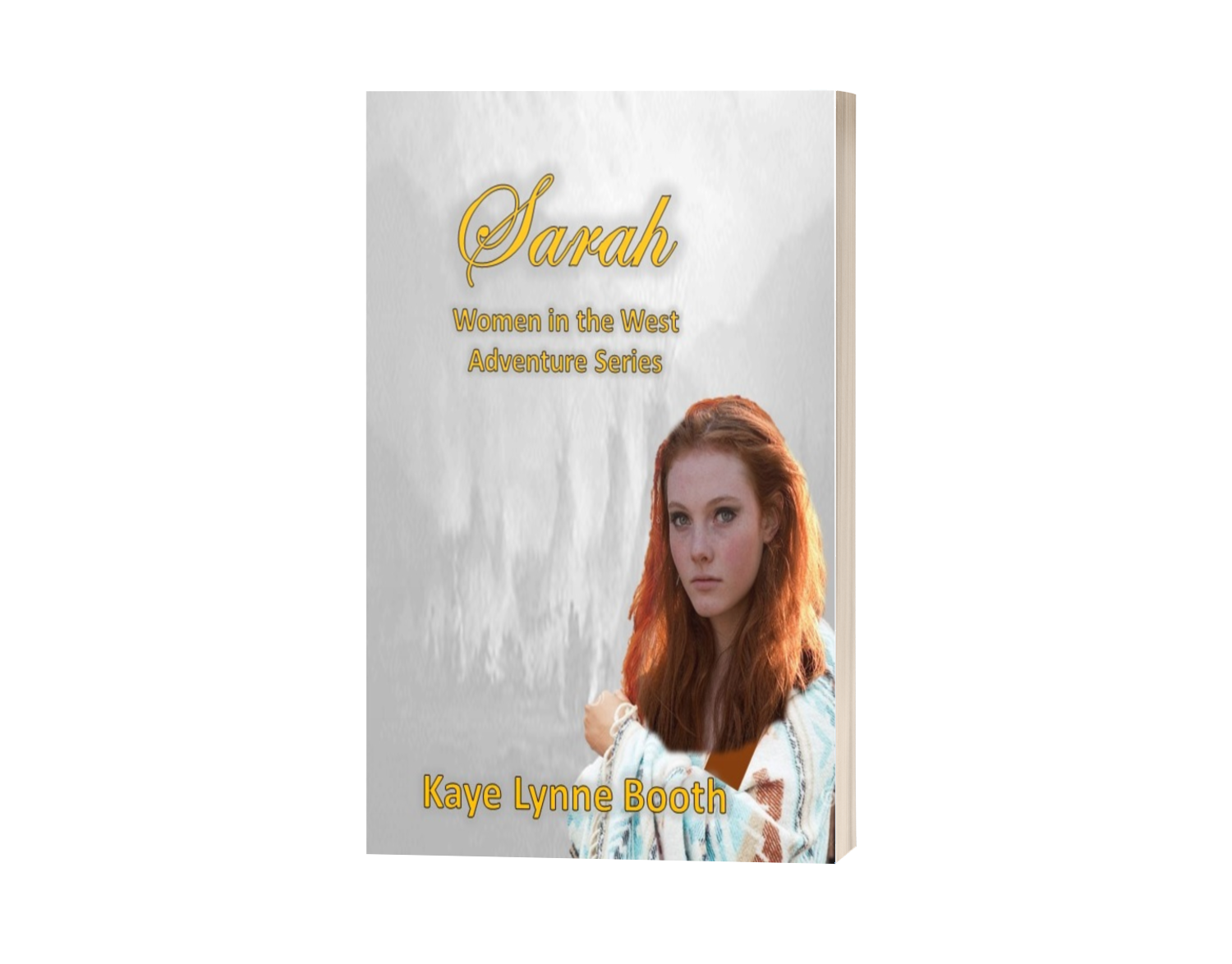


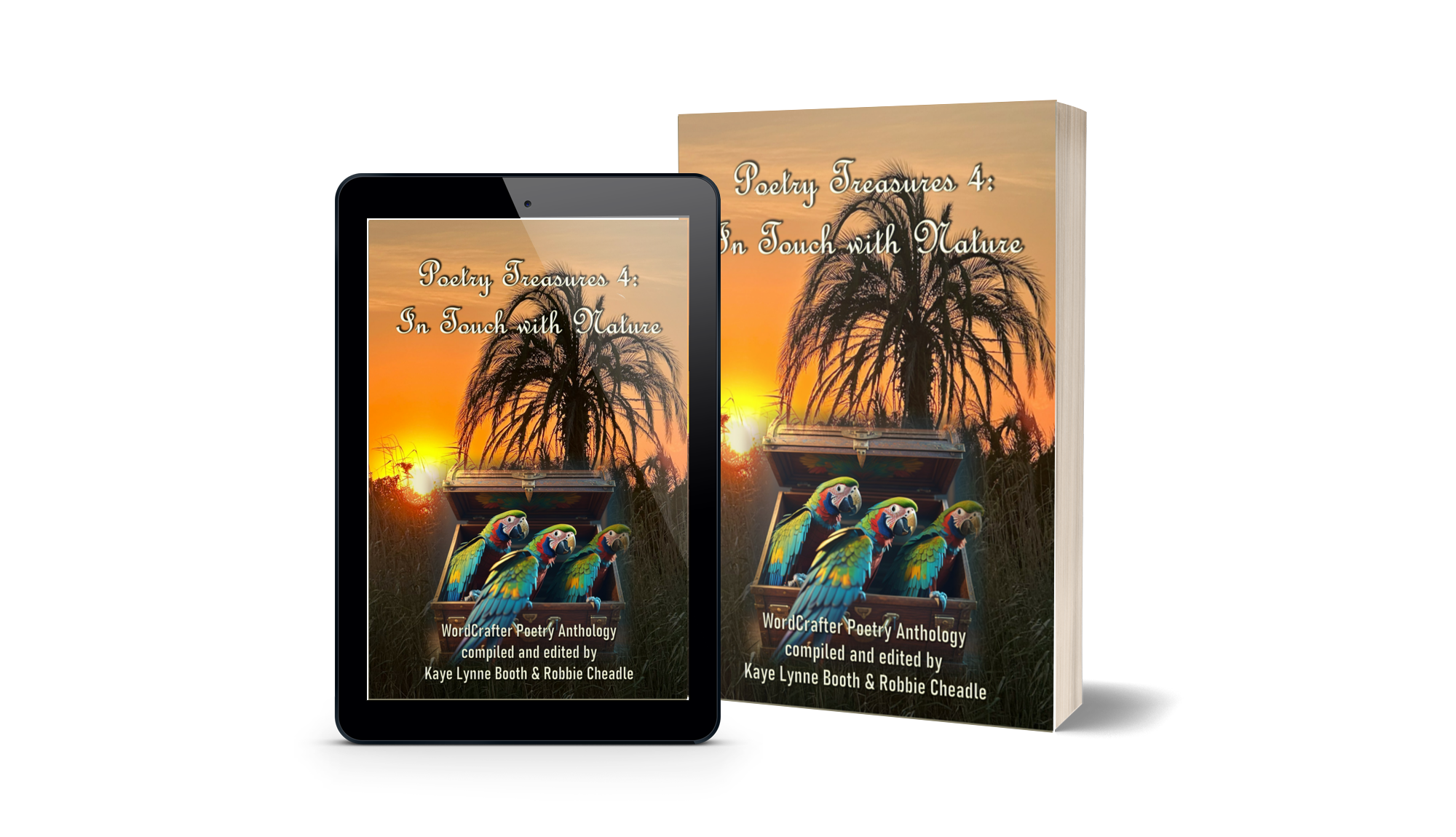
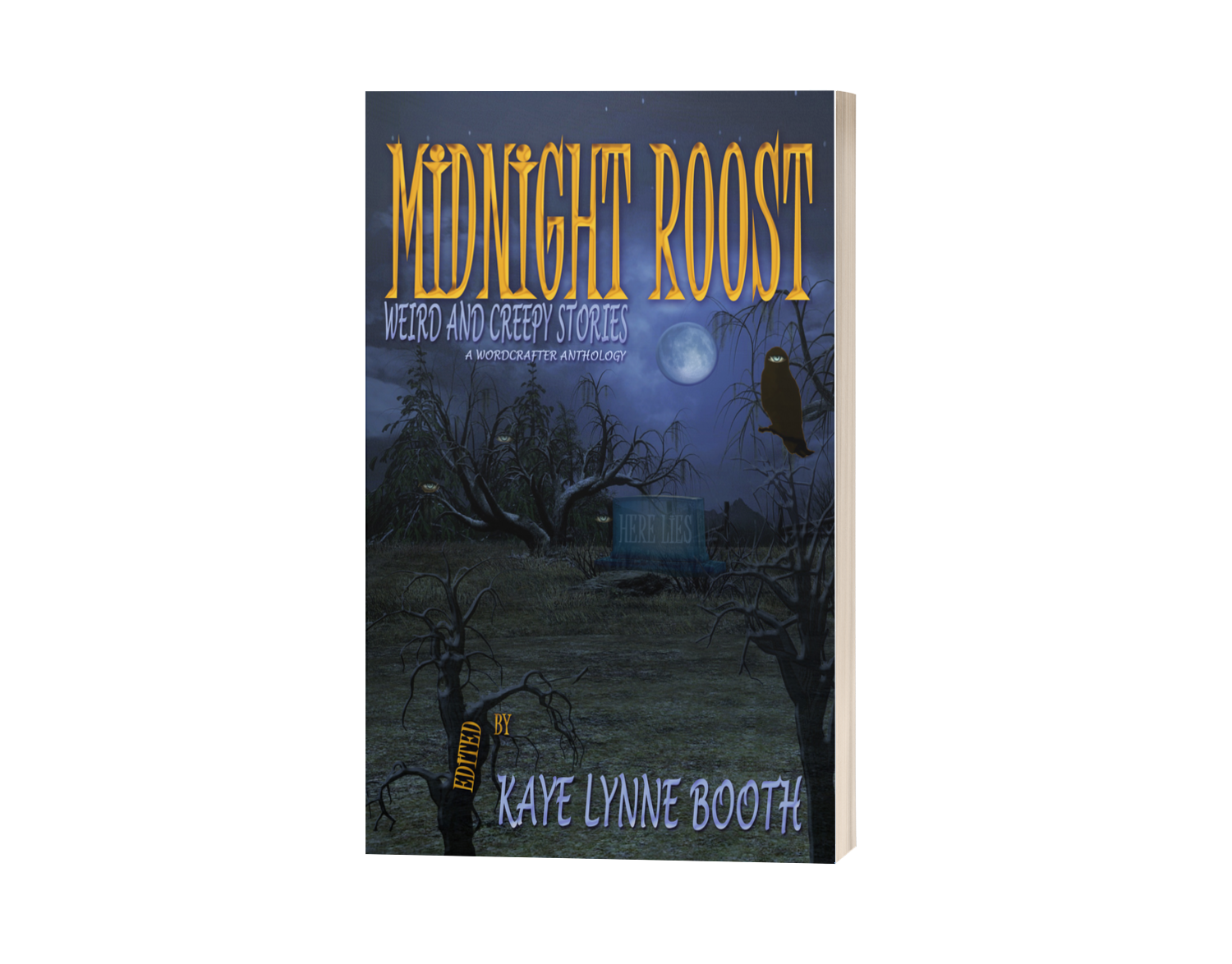





Mind Fields: Don’t Fall Apart
Posted: August 19, 2022 | Author: artrosch | Filed under: Commentary, Fiction, Mind Fields, Opinion, Writing | Tags: Arthur Rosch, Mind Fields, Social Commentary, The Human Condition, Writing to be Read | 1 CommentYou can’t fall apart when things go wrong. And when I say “go wrong” I mean badly wrong, way wrong. The loss of a job, the death of a loved one, a diagnosed illness: that kind of wrong. You can’t fall apart.
It’s difficult, NOT to fall apart. We don’t have rational control of emotions. Grief, despair, depression, are creatures with wills of their own and they seem to take over the daily habits that normally sustain us. How do I NOT fall apart? How do I fight back and regain my dignity after seemingly chucking it into the trash? Where do I find the “fight” in me, after I’ve curled into a fetal position and gone”waaaah!”
The answer is “ANY WAY YOU CAN!” I thought to do some writing, and I ended up writing this. Which will take about five minutes. I wanted to work on my novel in progress and I sat staring at the page feeling waves of terror streaking through my innards. It’s difficult to write through waves of terror. I’ll make it.
I’ll get there.
Last year a man died suddenly. He was the man who provided me with three quarters of my contracting work. Then I had a major health scare. Things began going to pieces, one little piece at a time. Isn’t that always the way it works? No, it isn’t. It’s never just one big thing; more like a lot of little things until it seems that nothing will ever go right again.
That isn’t true! That’s the voice of depression. As a grizzled veteran of the fight against depression I understand the feeling that a low emotional state is permanent. It isn’t. But you can’t fall apart. You have to fight back. Depression is a force of nature with which we contend. It’s here that we find our own heroism. Here, in the battle against the cognitive darkness that threatens to overwhelm us at any time. This is where we ultimately shine.
If you’ve got any energy, go clean something. That often works well to lighten the mood. Or, better, go help someone else who is in trouble. In the process you will forget your own troubles.
Arthur Rosch is a novelist, musician, photographer and poet. His works are funny, memorable and often compelling. One reviewer said “He’s wicked and feisty, but when he gets you by the guts, he never lets go.” Listeners to his music have compared him to Frank Zappa, Tom Waits, Randy Newman or Mose Allison. These comparisons are flattering but deceptive. Rosch is a stylist, a complete original. His material ranges from sly wit to gripping political commentary
Arthur was born in the heart of Illinois and grew up in the western suburbs of St. Louis. In his teens he discovered his creative potential while hoping to please a girl. Though she left the scene, Arthur’s creativity stayed behind. In his early twenties he moved to San Francisco and took part in the thriving arts scene. His first literary sale was to Playboy Magazine. The piece went on to receive Playboy’s “Best Story of the Year” award. Arthur also has writing credits in Exquisite Corpse, Shutterbug, eDigital, and Cat Fancy Magazine. He has written five novels, a memoir and a large collection of poetry. His autobiographical novel, Confessions Of An Honest Man won the Honorable Mention award from Writer’s Digest in 2016.
More of his work can be found at www.artrosch.com
Photos at https://500px.com/p/artsdigiphoto?view=photos
________________________________________________________________________
Want to be sure not to miss any of Arthur’s “Mind Fields” segments? Subscribe to Writing to be Read for e-mail notifications whenever new content is posted or follow WtbR on WordPress. If you find it interesting or just entertaining, please share.
Share this: