Jeff’s Pep Talk: Who Influences the Influencers?
Posted: May 1, 2019 Filed under: Fiction, Inspirational, Pep Talk, Writing | Tags: Inspiration, Jeff's Pep Talk, Motivation, Writing, Writing to be Read 2 Comments
Who Influences the Influencers?
By Jeff Bowles
The first Wednesday of every month, science fiction and horror writer Jeff Bowles offers advice to new and aspiring authors. Nobody ever said this writing thing would be easy. This is your pep talk.
Are you an influencer? You might want to think about it a moment before you answer. In our culture, to influence is to make a big splash, to inform what individuals and groups value, how they think and interact. I’m an influencer because I’ve got a Mom and Dad, a wife, a brother, friends. I’ve had a huge impact on them, and it goes without saying, they’ve impacted me. We all influence each other, right? We can’t help it. If I know you and you know me long enough, we’ll start to get under each other’s skin. Science even suggests we’ll start to look alike, as terrifying as that sounds.
Human beings are the influential type. We’re social creatures, and usually, when one of us has trouble, there’s a whole baying wolf pack of supporters and naysayers coming up behind. One of the things I dislike most about our modern storytelling ecosystem is the fact writers today tend to favor death, tragedy, betrayal, all the nasty things in life. Whereas love, respect, loyalty, they seem to get left in the dust. So you’re a writer. You like to tell stories and communicate complex ideas that might otherwise mystify people. You’re an agent of truth, an avatar of righteous disclosure, and you need a clear mind and a firmly rooted foundation.
Enter the influencers. They come in all shapes and sizes. They can be that grade school teacher who first read you your favorite book. Or the acclaimed author who, after forty years of alcoholism, workoholism, and abject failure, produced that one brilliant novel that sets your soul singing every time you read it. You can be your own influencer, too. Who is it that forces you to sit down at the computer and write? Is it your work ethic? Where’d you pick that up? I’m an all-or-nothing guy, much more comfortable working in bursts and spurts. Also more likely to face periods of intermittent burnout because of it. But even I get uncomfortable when I’ve allowed myself to rest on my laurels too long. Knock me down, I get back up (eventually). Who influenced me to perform this way?
It may sound sappy, but I don’t believe people come into our lives by accident. I learned to work hard from my family. They taught me to laugh as well, which means my stories are par-boiled and strange as hell. I didn’t know I had talent until people close to me told me in no uncertain terms. Even as an adult, there have been those moments a special person has come out of nowhere and made me feel suddenly and delightfully valuable. A little encouragement goes a long way, right? And thank god for that.
But let’s not forget the negative influencers in our lives. The people who tell us we can’t, shouldn’t, mustn’t, that we’d never. Sometimes, especially when we’re just starting out, our naysayers seem more numerous than our supporters. I was an indie singer/songwriter until I turned twenty-three and decided I was a writer. Just about everyone in my life, my family, friends, even my fiancé, were puzzled by the sudden turnaround.
“Don’t you still want to do music on the side?” they asked, oblivious to the fact I might interpret their concern as doubt in my abilities.
I wasn’t born to write, not really, and neither were you. We worked at it, honed our abilities to finely pointed instruments of literary destruction. Sure, people like us have a natural aptitude for this sort of thing. But for crying out loud, my first completed short story was such a godawful mess I haven’t had the strength to look at it in all the years since. No, my family wasn’t super supportive of my choice. I think they wanted to be, but perhaps they didn’t know how. To say they were unequivocally negative about my chances wouldn’t be fair, but I was their golden boy when I had a guitar in my hands, something substantially less than that when I started cranking out sub-par stories. Like you do. Because we all have to crawl before we can crawl just a tiny bit faster.
Here’s the thing. I’m grateful for their doubt. I recognize now that if not for a little healthy adversity, there’s no way I’d be the writer I am today. Do you feel the same? Who influenced you? Who told you you could or couldn’t? You may be surprised to realize you needed both groups in equal measure. We never really know how bad we want something until it’s denied us. Ask any hard-case of unrequited love out there, it’s always so much more romantic when the answer is a resounding “no.”
I’ve got a brief writing exercise for you, a small motivational tool to unearth where you’ve been and help you ponder where you’d like to go. Write down the top ten people who have influenced you on your writing journey. Could be anybody, teachers, authors, loved ones. Now for each one, assign a numerical value from one to ten. Your high school language arts teacher, what was her name? She gets a seven because she’s the first person to compliment your out-of-the-box ideas. Tally up the final score for all ten influencers and answer one very simple question: did you do this alone?
No! Of course you didn’t. There were people ushering your progress the whole time, laughing at you, cheering you, doubting you, praising you. There were ghosts of old writers in all the books you collected, urging you to follow in their footsteps, to find truth in their work, such that it could be found. The sheer joy of the struggle, the artistic and cerebral strains, buoyed by hearts buoying hearts, the ability to sit down and craft a narrative that takes everything you are, were, believe, love, hate, condense it into chalky baby formula, slap it in the food processor, and then ka-blam! Gourmet word smoothies (literally speaking, of course).
It’s no small thing to think about these people from time to time. For so many of us, real support doesn’t manifest until we’ve been working for years and years. Imagine you were raised to go into business. Mom, Dad, I want to be a writer instead. Professors, Dean, sorry I’m leaving your wonderful but boring academic program. I’ve got the bug, you see, and there really is only one cure.
The older I get, the clearer it seems to me our desires don’t come to us by chance. Plenty of people try their hands at penning their first novel and never make it further than a chapter or two. So take for granted the fact that if the urge to create is so strong in you you’ve never been able to lay it down, obviously, much gratitude and respect, you are MEANT (that’s all caps, MEANT) to keep working. Saying nothing about MEANT to be super rich or super successful, MEANT to win awards, MEANT to change the world. No, simply MEANT to write, which is no small MEANT at all, thank you very much.
Do yourself a favor today and give some gratitude to all your many influencers. Without their love, support, disinterest, and bad advice, you wouldn’t be able to influence others in kind. Oh no, you didn’t think you were getting out of it that easy, did you? Of course you’re the biggest influencer of all. We don’t live in bubbled slip-space isolation, present state of geopolitical affairs notwithstanding. You never know who’ll come knocking on your door. That special individual may become the most important author of the millennium. Then again, they might just be a friendly guy or gal who needs a friendly pep talk and a kind word or two.
Don’t make your job harder, and don’t make them feel they should abandon theirs. Writers who make a point of discouraging others give me indigestion. Probably for the best, in the long and short of things. I never really listened to their sort anyway. Until next time, folks. Dream large. After all, if you don’t, who will?
Check out Jeff Bowles Central on YouTube – Movies – Video Games – Music – So Much More!
Want to be sure not to miss any of Jeff’s Pep Talk segments? Subscribe to Writing to be Read for e-mail notifications whenever new content is posted or follow WtbR on WordPress.
Share this:

On “Writing to be Read”: Romance is in the air in April
Posted: April 29, 2019 Filed under: Books, Contemporary Romance, Dark Fantasy, Dystopian, Erotica, Fantasy, Fiction, Historical Romance, LBGT, Paranormal, romance, Romantic Comedy, Science Fantasy, Science Fiction, Steampunk, Thriller, Western, Writing, Young Adult | Tags: Contemporary Romance, Erotic Romance, Historical Romance, Inspirational Romance, Paranormal Romance, romance, Romantic Comedy, Romantic Thriller, Supernatural Romance, Writing to be Read, Y.A. Romance 2 Comments
Romance is one of the most popular genres around, not because everyone is reading them, but because romance readers read a lot. Romance comes in a wide variety of sub-genres: contemporary romance, historical romance, paranormal romance, fantasy romance, western romance, Christian romance, adventure romance, dark romance, and of course, erotic romance, just to name a few. Each type of romance can be very different, because they are after all different types of stories, and there are romantic elements in many types of storiest a romantic subplot has strong emphasis, such as romantic thrillers, romantic mysteries, romantic fantasies, or romantic time travel novels.
So, why is romance so popular? I think it is due in part to the fact that romance is such a vital part of life. Most people have experienced romantic relationships, and if they haven’t, they are searching for such a relationship, because we all need to give love and feel loved. But, romance readers aren’t just love starved singles whose dreams lay just beyond their reach, they also include plenty of happily married people, (mostly women, both married or single), who just like to relive those positive feeling they get from a good love story. Romance is something we all can relate to in one way or another. Romance novels offer a way for us to satisfy our inner longings viscareally or relate and relive our own experiences.
Every romance story or subplot has three things in common: two flawed main characters and a happily ever after, or at least a happily for now. In between, the characters must overcome many obstacles and conflicts. Sometimes these are external, such as others trying to keep them apart, but often they are internal, trying to convince themselves that they should be together, because they won’t admit that this is what they want, even to themselves. In the past the two characters were a boy and a girl, or a man and a woman, but in these changing times it is acceptable, perhaps even desirable, to write or read LBGT romances, where the characters may be of the same sex, or even questionable gender. Today romances may also be rated by the how much and how graphic the sex scenes are, from sweet to steamy to downright hot, and everything in between.
Romance is the genre theme for April, with interviews with “Chatting with the Pros” guest author historical romance author, Maya Rodale, and paranormal romance author Chris Barili (A.K.A. B.T. Clearwater). This month also featured reviews of an historical erotic romance, Ripper, by Amy Cecil, and a science fiction time travel romance, The Christmas Cruise, by Tammy Tate. As a special bonus, Jordan Elizabeth talked about writing her paranormal western romance, Treasure Darkly on her segment of “Writing for a Y.A. Audience“. Two reviews is hardly enough to be examples of all of the wide variety of forms and sub-genres which romance takes, so below you will find links to other past reviews of the romance genre, both good and not so good, to allow you to explore a wider variety of romance. As you can see from the varied selection, even though each contains the basic romance elements, all romances are not alike.
For my reviews of contemporary romance novels: Destiny’s Detour, by Mari Brown; Freedom’s Mercy, by A.K. Lawrence; Leave a Mark, by Stephanie Fournet; Ice on Fire, by Amy Cecil;
For my reviews of inspirational romance: Once – Ask Me Anything, Not Love, by Mian Mohsin Zia; Wrinkles, by Mian Mohsin Zia
For my reviews of an historical romance novel: Blind Fortune, by Joanna Waugh
For my reviews of a science fiction romance novel: Ethereal Lives, by Gem Stone
For my review of a LBGT science fiction romance novel: The Hands We’re GivenThe Hands We’re Given, by O.E. Tearmann
For my reviews of YA romances: Rotham Race, by Jordan Elizabeth (dystopian, apocalyptic); Runners & Riders, by Jordan Elizabeth (steampunk); Bottled, by Carol Riggs (romance fantasy); Treasure Darkly, by Jordan Elizabeth (dark western steampunk fantasy romance)
For my reviews of paranormal romances: Love Me Tender, by Mimi Barbour; Smothered, by B.T. Clearwater; Don’t Wake Me Up, by M.E. Rhines; The Demon is in the Details, by Harris Channing
For my review of a science fantasy romance: Gyre, by Jessica Gunn
For my review of supernatural romances: Bait, by Kasi Blake; Wolves for the Holiday 1.1, by Josette Reuel
For my interview of a comedy crime romance: Bailin’, by Linton Robinson
For my review of a contemporary sports romance: A Slapshot Prequel Box Set (Slapshot Prequel Trilogy Book 4), by Heather C. Myers
For my reviews of contemporary erotic romance: Bullet, by Jade C. Jamison; Everything Undone, by Westeria Wilde; Tangled Web, by Jade C. Jamison
For my review of romantic comedies: Behind Frenemy Lines, by Chelle Pederson Smith; Dream Job: Wacky Adventures of an H.R. Manager, by Janet Garbor
For my review of a romantic thriller: Freedom’s Song, by A.K. Lawrence
I hope you enjoyed our exploration of romance this month, and I hope you will join me in May for a closer look at Westerns. My “Chatting with the Pros” guest will be western author Juliette Douglas, with a supporting interview with Patricia PacJac Carroll, who writes Christian western romances. My book reviews will be on Chance Damnation, by DeAnna Knippling and Not Just Any Man, by Loretta Miles Tollefson. I’m looking forward to it, and I hope you are, too.
In April, we also had a special Saturday bonus interview with Shiju Pallithazheth to celebrate the release of his new book of magical realism stories, Katashi Tales. We also talk about the work he is doing to aknowledge contributors to world literature. We need more stories which spread love and acceptance of one another. I hope you’ll drop by to catch that one, too.
Remember, tomorrow is the deadline for the WordCrafter paranormal story entries. So, submit your paranormal short now, before it’s too late. I’ve already received some good ones, but there’s room for more. Winner gets a spot in the WordCrafter paranormal anthology and a $25 Amazon gift card. Other qualifying entries may get invitations to the anthology, as well. It’s only $5 to enter, so you really can’t go wrong. Full submission details here.) Send me your story while there’s still time. Hurry!
Like this post? Let me know in the comments. You can be sure not to miss any of Writing to be Read’s great content by subscribe to e-mail or following on WordPress.
Share this:

Interview with Shiju Pallithazheth, author of “Katashi Tales”
Posted: April 27, 2019 Filed under: Book Review, Books, Fairy Tales, Fiction, Magical Realism, Stories, Writing | Tags: Katashi Tales, Morality Tales, Shiju Pallithazheth, Short Fiction, Short Stories, Writing to be Read 13 Comments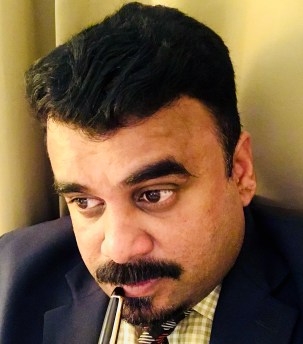
It pleases me to present a special Saturday interview with a man who has made huge contributions to literary communities world wide. He is the author of the recently released magical realism story collection, Katashi Tales, as well as the founder of Motivatinal Strips social media forum, which promotes the unification of authors and people across the globe. I am honored to have him as my author guest today. Please help me welcome Shiju Pallithazheth.
Kaye: You are not only an author, but a scholar, striving to improve yourself and others through the promotion of world literature. Can you share a little about your journey to becoming an author? When did you discover your love of literature? When did you know you wanted to be an author?
Shiju: To this context, I would like to narrate my favourite penned quote..
‘My friends used to play with toys in their childhood, while I was playing with tiny English alphabets made of plastic. We all grew up together. They became engineers, doctors, accountants etc. and I ended up being a writer.
Guess that quote narrates the answer.
Kaye: Is there anything unusual or unique about your writing process?
Shiju: Yes! I write fast lest I forget where I started… lol
Kaye: What do you feel is the single most important element in a story?
Shiju: Characters that fit aptly in a plot.
Kaye: What is the most unusual or unique thing you have done so far?
Shiju: I have unified writers from 105 countries for what they love doing. Guess that’s unique and interesting.
Kaye: You are the founder of Motivational Strips, a social media forum designed to celebrate humanity and world literature. What do you hope to achieve with this very selective group of authors?
Shiju: The readers are going berserk to identify quality reads as well as writers. The whole agenda of Motivational Strips is literary unification. It started as a crawling baby ten months back. It withstood will power and today it has daily visitors crossing 130 thousand. So that sums up to 4 million visitors a month.
Kaye: Why do they visit the forum ?
Shiju: They love the literary works of the writers, and feel it’s a safe and secure place to network. The forum has achieved commendable milestones within a short time. All credit goes to its members as well as administration. Today it has World Nations Writers Union as well as Union Hispanomundial De Escritores (UHE) as its associates. World Nation Writers Union had Late Dr Koffi Annan ( Former UN General Secretary) as its co president in the past. UHE has former Costa Rica President and Nobel Prize laureate Dr Oscar Arias Sanchez as its present Hon. President. The above mentioned merger speaks volumes on the mission of Motivational Strips. It has affiliated six other qualitative groups in Facebook for writers so that worldwide writers have variation and choice. So we are liberal on writers’ interest. In a nutshell, Motivational Strips keeps writers interest over its own. The forum has novice beginners to many literary icons and award winning authors. Many Nobel Prize Nominees interact and coach the writers for literary progress. It has more than 60K poems and articles penned by writers from more than 105 nations. Now, does that sound small?
Kaye: Motivational Strips honors and encourages those who have made a significant contribution to world literature. I received a Certificate of Honor, myself. What do you feel has been your own greatest contribution which you have made?
Shiju: I have been one among them, that’s the greatest contribution!
When you want to steer a mighty unification process in literature or any other creative fields, you have to know how to strengthen its roots. The leaders can’t stand away and ask the members to keep the roots firm. The ideal leader is one, who has a desire to learn and to teach relevance. Just like how an editor takes responsibility to edit a book to relevant material, a leader has to jointly interact to keep the basics right.

Kaye: Your collection of magical realism stories with life lessons, Katashi Tales, is coming out in April. What are some of the life lessons you hope to convey with these tales?
Shiju: Katashi Tales is all about morals. It has a storyline that will take the reader through a journey of magical realism. It ends with realities and values to cherish in life. It has varied forms of narration to keep away monotony, as well as expectations. The expectation level of the reader goes up as the chapters progress. The reason why the expectation level goes up is because of the way the stories have been placed. It gives exposure to the reader in meeting different characters and feeling the ambiance in unknown places. Many new places one has never heard of or read about in life will be revealed in the plot. The book speaks for itself. Each of the fifteen stories teaches a different lesson.
Kaye: The stories in Katashi Tales carry with them lessons or morals, similar to western folklore. Do the lessons just unfold as you write the stories, or do you craft the story to fit the lesson?
Shiju: No, it unfolds in unexpected twists and turns in the plot. The story line was never meant or designed with planned thoughts. The characters revealed themselves in my imagination. I felt as if my presence was in the plot, and witnessed them weaving great stories with tiny outlines. It was fun to write those fables. I experienced the feelings and ambiance of the cute characters in the jungle. They were dying to tell their stories. They are adorable innocent characters, that teach us humans, that they have great stories, principles, ethics and morals, as well.
As Katashi Tales is released worldwide, I’m glad to say that, today being second day of its release, the book is already in the No 2 position among best sellers in KOBO.
Kaye: What is the most challenging part for you of writing magical realism?
Shiju: Magical realism is an art in literature that needs great understanding of the readers’ expectation. I feel bringing reality to a fantasy script is the greatest challenge in writing.
Katashi Tales is a typical attempt of magical realism.
Kaye: You write in many genres. What is your favorite type of writing?
Shiju: I do not limit myself to any favourites. Moods and ambiance decide my choice for the season. But humility and interactions has taught me to be a greater learner. I enjoy writing for writers, as well readers. If you go through my posts in Motivational Strips, you will understand the fact, that my favourite is what the writers/readers desire syncs with.
Kaye: What do you enjoy doing when you are not writing?
Shiju: I love researching people’s behaviour, as well mine. Doing a comparison helps a lot in correction of oneself and adaptation to the public mass behavioural patterns.
Kaye: What do you consider to be your greatest accomplishment to date?
Shiju: I’m still learning, I feel that’s a great accomplishment in my life.
Kaye: What is the best piece of advice that was ever given to you?
Shiju: ‘Learn to see the good side of people rather than digging their faulty holes to bring out the trash.’ That was my late grandpa’s advice. I cherish it close to my heart.
Kaye: What is something most of your readers would never guess about you?
Shiju: I’m a busy corporate executive and do rob myself of sleep to promote writers in Motivational Strips, as well affiliates, because of my love for literature.
Kaye: What advice do you have for aspiring authors?
Shiju: Observe, interact and write. Mistakes are bound to happen as well as success. Take them both in positive spirit. Don’t sell your soul, you can sell your writings though.
I want to thank Shiju for sharing with us today. He’s a man who has done some impressive things for the literary world and the human world, as well, perhaps. Katashi Tales sounds like a wonderful book filled with delightful and meaningful stories. You can learn more about Shiju Pallithazheth or get your copy of Katashi Tales at the following links.
MOTIVATIONAL STRIPS: https://www.facebook.com/groups/252154565336217
AUTHOR PAGE: https://www.amazon.com/MR-Shiju-H.-Pallithazheth/e/B07QQZDS86
AMAZON UNIVERSAL LINK: http://Author.to/Katashitales
KATASHI TALES KINDLE: https://www.amazon.com/dp/B07QPVCNGC
KATASHI TALES PAPERBACK: https://www.amazon.com/gp/product/1094684120
https://www.amazon.co.uk/dp/1094684120
KOBO: https://www.kobo.com/us/en/ebook/katashi-tales
BARNES & NOBLE: https://www.barnesandnoble.com/w/books/1131274084
Like this post? Let me know in the comments. You can be sure not to miss any of Writing to be Read’s great content by subscribe to e-mail or following on WordPress.
Share this:

Interview with romance author Chris Barili (AKA B.T. Clearwater)
Posted: April 22, 2019 Filed under: Books, Contemporary Romance, Fiction, Interview, Paranormal, romance | Tags: Author Interview, B.T. Clearwater, Chris Barili, Paranormal, Paranormal Romance, romance, Smothered, Writing to be Read 4 Comments

Today I have the pleasure of interviewing author Chris Barili, and although he’s written in other genres, and his latest release is the fantasy novel Shadow Blade, which I reviewed last month, he also writes romance under the name B.T. Clearwater. You can read my review of his paranormal romance, Smothered, here.
In January, we talked to women’s fiction author Barbara Chepaitis and western author Loretta Miles Tollefson about the fact that women authors still are encouraged to use sex neutral pen names when writing certain genres, but here we have a male author who uses one when writing romance. We’re going with talk to Chris about writing romance and why there aren’t more male romance authors today. Or are there? Let’s find out what Chris Barili has to say about it.
Kaye: You have fiction published under your own name, but when it came to Smothered, your publisher suggested you publish as B.T. Clearwater. This is the reverse of what many female authors experience when publishing in certain genres, such as western. Did you feel like there is discrimination toward male romance authors?
Chris: My publisher didn’t encourage the pseudonym, actually. That was advice from a mentor and college professor, who recommended different pen names for different genres due to perceptions in the industry that if you write one genre well, you’re limited to that genre. I also publish westerns under a different pen name, T.C. Barlow.
And while I didn’t experience discrimination toward me as a male romance writer, I did get some raised eyebrows and comments like, “You write THAT?” So I had my youngest daughter think up a pen name that used my initials, and that sounded gender neutral. She came up with B.T. Clearwater.
Kaye: Do you think it is harder for male authors to make it in the romance genre than it is for female authors? Why?
Chris: I think it’s harder because not enough men have tried, so there’s no benchmark for it, no evidence to the doubters that men can do it. Men tend to avoid it because of the stigma associated with writing “that” kind of fiction.
Kaye: What is the biggest challenge of writing romance for you?
Chris: Probably making it “juicy” enough for a modern audience. I’m an old-fashioned guy, so I like love stories, and I tend to focus on the emotional relationship rather than the sexual one. Many (not all, but many) romance readers are looking for the steamy stuff, and that just isn’t me.
Kaye: You have a family, and are involved in cycling and martial arts, yet you find time to write and attend conferences and seminars. What are your secrets for juggling writing with your home life?
Chris: Mostly, I neglect my dog. 😊 No, that’s only a little true. As with anything, finding time for writing is a matter of discipline and sacrificing things that are less important. I had to remove a video game from my computer because it was distracting me from writing. Similarly, my DVR is 90% full of programs I fully intended to watch, but can’t get to because of writing. You have to make writing THAT important. My priorities are: my family, my health, the day job, writing. Everything else comes later.
Kaye: What is your favorite genre to write in? Why?
Chris: I’m actually published in every fiction genre: fantasy, science fiction, romance, horror, western, and crime. I don’t know that I have a favorite, but I do most of my writing in the fantasy and romance genres. They’re all fun to write, and one of the things I learned during my MFA studies under Russell Davis at Western is to let the story find its genre. Don’t try to force it into one you’re comfortable writing.
Kaye: If Smothered was made into a film, who would you like to see play male and female leads?
Chris: Interestingly, when I develop a character, I often choose a model, actor, public figure, etc to roughly model their looks. In this case, I used actor James Denton as a rough look-a-like for Mike, and Annie was loosely modeled on Jeanine Garofalo. So yeah, them.
Kaye: What’s is the single most important element in a romance story?
Chris: Damage. The lead female character has to be broken somehow, and the only way she can heal herself is to be with the male lead. It’s corner, and not a great way to base a real relationship, but that’s kind of the trope of romance. She has to realize she cannot live without him.
Kaye: Where did you find the inspiration for Smothered?
Chris: Again, my MFA studies, only this time in a class with Michaela Roessner. She had us write a sex scene that gets interrupted somehow, and I had mine interrupted by the ghost of the woman’s late mother, who appears at the foot of the bed. That interested me so much that it grew into a novel, which was my MFA thesis.
Kaye: What was the most fun part of writing a romance for you?
Chris: Romance is a very formulaic genre, and the fun part, for me anyway, is finding a way to make that formula sound new. They say there are no new stories, only new ways of telling old ones, and I think that’s what I like about romance. Proving to doubters that it CAN be original and unique.
Kaye: Is there a future for B.T. Clearwater? Can readers expect to see more from this author?
Chris: Oh yeah, B.T. has a novella published in Gwyn McNamee’s Last Resort Motel series, called “Room Fifty-Eight.” That came out a few months ago, and will appear in a box set soon. And B.T.’s latest novel, Rise and Fall, needs to go off to the freelance editor soon for a work-over. I decided to take B.T. full indie, to self-publish those stories, because self-pubbed romances can do very well. Gwyn has given me some tips on how to get it right. So when Rise and Fall and the next two in that series are ready, I’ll upload them and see how they do.
Kaye: Chris Barili has a fantasy novel coming out in June, Shadow Blade, which I recently reviewed. Would you like to tell us a little bit about that one?
Chris: Shadow Blade was actually my backup thesis. Yeah, I had a backup. Outlined both, but wrote Smothered and saved Shadow Blade for after graduation due to the world-building it needed. It tells the story of Ashai Larish, an assassin for the feared Denari Lai order. The Denari Lai are a religious order that keeps their killers loyal by addicting them to the very magic that makes them so effective at killing. In Ashai’s case, he is sent to kill a king and his daughter, but falls in love with the princess, and finds himself fighting to keep her alive rather than to kill her.
Shadow Blade is being published by WordFire Press, as a “Kevin J. Anderson Presents” title, where the best-selling author highlights a new author “to watch.” It’s on a review tour now, and should come out in e-book and hard cover in May, and by the time this article airs, it will be out as part of WordFire’s “Epic Fantasy” bundle at StoryBundle.com.
I want to thank Chris for joining us and sharing today. It is interesting to learn about writing romance from a male perspective. You can learn more about Chris and all of his works on his author blog and website, his Amazon Author page, his Goodreads Author page, as well as on Facebook and Twitter. You can learn more about the works of B.T. Clearwater on Amazon, Goodreads, Simon & Schuster, and Smashwords.
Like this post? Subscribe to Writing to be Read for e-mail notifications whenever new content is posted or follow WtbR on WordPress.
Share this:

Jeff’s Movie Reviews – Shazam!
Posted: April 19, 2019 Filed under: Comic Hero, Jeff's Movie Reviews, Movie Review, Movies, Super Hero | Tags: DC Comics, Jeff's Movie Reviews, Marvel, Movie Review, Movies, Shazaam!, Superhero, Writing to be Read Leave a comment
Just say the word.
by Jeff Bowles
(Be sure to check out my video review of Shazam! on YouTube’s Jeff Bowles Central.)
Shazam! is the kind of movie just about anyone can get behind. Film audiences segment into a multitude of groups, but when it comes to comic flicks, you’re either on board for the ridiculousness or you aren’t. Younger audiences tend to take a movie like this more seriously, whereas more mature viewers are often left scratching their heads. When science fiction and fantasy work best, they indulge in a certain real-world approach to emotionality, family, romance, regret, passion, and they do so at high enough levels that any and all nerdy accoutrements go down a little bit smoother, in that for many people out there, they’re extraordinarily hard to swallow.
Shazam! is a big, fun, friendly superhero movie with more heart and humor than just about any other DC Comics offering made in the last twenty years. During a time in which Superman is angst-ridden and Batman is a violent rage-freak, Shazam! understands home is where the heart is. Ask any comic movie fan the difference between the two behemoth companies, Marvel and DC, and you’re likely to hear Marvel is fun and DC is morose. Such is the genius of David F. Sandberg’s new movie. It feels Marvel-fun but engages the kind of deep archetypes and mythic dynamics DC Comics has been famous for since the 1930s.
Billy Batson is an orphan looking for a place to finally call home. He thinks finding his birth mother is the answer, but the truth is, if she’d wanted to be found, he wouldn’t have to break into cop cars and hack suspect ID computers for her deets. Enter the Vazquez family, genuinely supportive parental figures Victor and Rosa, and a full house of five other kids, all of them orphans. The dynamics at play in the Vazquez household expound in wonderful ways when Billy expects disaffection and dysfunction and finds hardcore familial love. And the other kids are all great to watch onscreen, always eager with another funny quip or charming character quirk.
To wit, Billy’s roommate, Freddy (Jack Dylan Grazer), perhaps the best personification of a sympathetic sidekick you’re likely to see all year. He’s disabled, hilarious, and he’s got a keen geek obsession. Superheroes, after all, exist in this world in spades. In fact, one of Batman’s famous baterangs is a star narrative prop, and Freddy’s knowledge of said-comic-isms comes in pretty handy when Billy gets his powers and then has to figure out what the hell to do with them.
Off world or in another realm, or wherever/whenever else you prefer, the ancient god of right-makes-might, Shazam (Djimon Hounsou), searches for a suitable replacement after millennia of tireless service. Unfortunately, the forces of evil are on the hunt for a successor, too. The clock’s seriously ticking, so in a spray of CG pyrotechnics and unexpected altruism on Billy’s part, Shazam summons our would-be hero to his mysterious throne room and endows the kid with strength, speed, flight, and of course, killer lightning powers. All Billy has to do is say his name, and he’ll transform into a musclebound adult version of himself in a red suit and sparkly white cape. Zachary Levi plays the god-like, full-grown superhero with all the adolescent joy, immaturity, and zany recklessness we’d expect from a teenager stuck in a man’s body. This is the where the movie kicks into full Tom Hanks’ Big mode, and Levi is the perfect choice. You get the sense this kind of thing is a walk in the park for him. It’s almost criminal how much fun he appears to be having.
Just as Billy begins to feel confident in his new dual identity, the evil Dr. Sivana (Mark Strong)—similarly endowed with incredible power, but by monstrous avatars of the seven deadly sins—arrives to threaten his heroic dominance, his life, and all the wonderful new people he’s come to love. The real joy of Shazam! is that it takes for granted how crucial it is to have people who care about and support you. So when Mom and Dad and all the other kids are in danger, we really feel the urgency. The filmmakers value them and what they mean to Billy, and we can’t help but do the same.
Billy Batson may not be a groundbreaking addition to the world of comic movies, but he does offer us a glimpse at a different kind of pop superhero psychology. There’s not much tragedy, horrific scarring, or trauma in his makeup, no more or less than in you or me. It’s almost a relief that the film only sparingly engages in world-ending theatrics. An interesting paradigm emerged in March and April, 2019 when Marvel Studios released Captain Marvel, and Warner Bros./DC released Shazam! As any fan will tell you, Shazam was also originally called Captain Marvel, and years ago, the two companies settled the branding dispute out of court. Apparently, Marvel was dead set on maintaining a character that carried their moniker and DC, well, maybe they realized Shazam is a better name for a boy-in-man combo that literally cannot do anything cool unless he, as the advertising declares, says the word.
But whereas Captain Marvel was a movie about finally realizing the power that always dwelt inside, Shazam! is about a sudden overwhelming change of fortune. Sometimes the thing you need most is right there in front of you. It is also admittedly the ultimate adolescent boyhood fantasy to wake up one day and find out you’ve got super powers. Shazam! won’t win any awards for exploring gender, sexuality, or race, but its heart is in the right place, and lest we forget, we could still be watching scowling Superman beating the crap out of growling Batman for no discernible reason other than MUSLCES! ANGER! KA-POW!
Billy Batson is enormously relatable, the perennial loner and outsider who has so much more to offer people than he knows. Who hasn’t felt unloved? Who’s never been lonely? Yet isn’t there always just a bit of hope in all the neglectful crap we have to put up with? Someday an amazing person will recognize me, and I’ll finally come home. It’s the emotional psychology of a movie like this that makes it so effective. Yes, the world is a terrible place sometimes, but when we take off our costumes and put away our utility belts, all we really want to do is laugh and dream.
On the surface, Shazam! is just another silly superhero movie in a sea of nearly identical offerings. But it’s also a fine example of comic book storytelling done right, supremely enjoyable, heartwarming, surprising, in fact more than enough to redeem the brooding misanthropy of other recent DC films. It rivals the very best of Marvel, and what’s more, it recognizes when a cape is just a cape. You don’t need to wipe out half of humanity or destroy the globe to bring out the hero in people. When the chips are down, all you have to do is say the word.
Shazam!
Am I … am I still here? Still just a slightly overweight yet lovable, handsome, and humble author/movie reviewer? I’ll work on that. We’ll get there, folks.
The new Shazam! movie gets 9 sparkling red tights out of 10
Check out Jeff Bowles Central on YouTube – Movies – Video Games – Music – Short Stories – So Much More!
You can keep up on what Jeff’s been watching and catch all of his great movie reviews the third Friday of each month. Subscribe to email or follow on WordPress today!
Share this:

Writing for a YA Audience: Romance Darkly
Posted: April 17, 2019 Filed under: Books, Fiction, romance, Steampunk, Western, Writing, Writing for a YA Audience, Writing Inspiration, Young Adult | Tags: Inspiration, Jordan Elizabeth, Steampunk, Treasure Darkly, Western, Writing for a YA Audience, Writing to be Read, Y.A. Romance, YA, Young Adult, Young Adult Fiction 1 Comment
My mom and uncle are obsessed with Westerns. They grew up watching Westerns and still make time for them every weekend. While watching a Western with my mom, I had the idea of writing a young adult Western…with a steampunk twist. I brainstormed a ranch with a family secret. Along came TREASURE DARKLY.
After the first draft, it was recommended I add in a romantic theme. Thus, Clark and Amethyst fell in love. It worked. I didn’t have to force them together. They were already best friends, and it flowed that they should develop romantic feelings for each other.

Then came the challenging part. My first editor for the story wanted more romance. I wasn’t a romance writer. Sure, my main characters each had a love interest, but I wouldn’t call my early works romances.
I set out to read romance novels to get a feel for the genre. I read some young adult romances, some Harlequins, and then I discovered a love of paranormal romance. I devoured those and wanted more. Eventually, I felt ready to write my own romance.
Young adult romances are tricky. Some people don’t want any sex in YA novels; some people say its okay. I struggled with that fine line before firmly stepping onto the “no sex” side. Yes, the book does get a bit steamy, but there is never explicit sex.
“But teens already know everything about sex,” I’ve been told.
Okay, that might be the case, but it doesn’t mean every young adult book has to contain graphic sex scenes. I want my books to be more about the adventure and setting than erotica.

Photo by Anderson Weiss on Pexels.com
Jordan Elizabeth is a young adult fantasy author who dapples in the steampunk realm. You can connect with Jordan via her website, JordanElizabethBooks.com.
Want to be sure not to miss any of Jordan’s Writing for a YA Audience segments? Subscribe to Writing to be Read for e-mail notifications whenever new content is posted or follow WtbR on WordPress.
Share this:

Chatting with the Pros: Interview with romance author Maya Rodale
Posted: April 15, 2019 Filed under: Author Profile, Books, Chatting with the Pros, Fiction, Historical Romance, Interview, romance, Writing | Tags: Author Interview, Chatting with the Pros, Historical Romance, Maya Rodale, romance, Writing to be Read 3 Comments
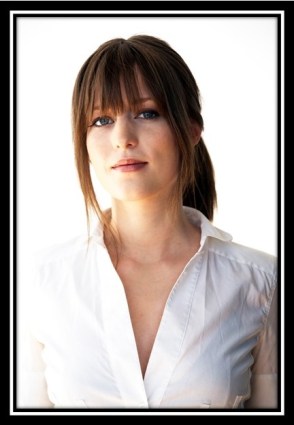
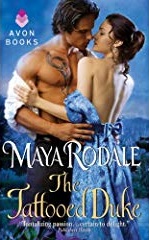
Today on “Chatting with the Pros” my guest author is a historical romance novelist, Maya Rodale. She writes strong female characters who stand up for themselves and still manage to maintain their feminity. Her books have appeared on the USA Today bestselling list and have been published in several languages. Her novel, The Wicked Wallflower won the RT Reviewer’s Choice Award for best historical hero, and What a Wallflower Wants was labeled as a romance novel for the #MeToo movement. I’m pleased to have the opportunity to chat with her today and learn her thoughts on romance, female authors and women’s place in the world.
Kaye: What are some tips for writing strong female characters in a time period when there weren’t many to be found, and making them believable?
Maya: The more I dig deeper in my research of history the more I believe that this is a myth. Women have always gotten out of the house and done great, wonderful, terrible things; but it hasn’t been recorded, or their stories haven’t been told, or (male) historians deemed it unimportant. Women have never been boring, silent bystanders to the world.
I think we’ve been (maybe deliberately) shut out of history books and as a result we don’t know the long and full history of women being active participants in the world. Start with a look at the New York Times Overlooked Obituaries, for example.
The problem isn’t that strong historical female characters aren’t accurate, the problem is that we have been made to believe they are. And in the name of “historical accuracy” we unwittingly perpetuate that in our novels.
My tip for writers: find those stories, write those stories! And then explain your research in the author’s note. And my advice for readers: check your biases and preconceived notions and let yourself get swept up in the story. You may just learn something new about history too.
 Kaye: You wrote a nonfiction book titled Dangerous Books for Girls: The Bad Reputation of Romance Novels Explained. Can you explain briefly why romance has a bad rep and it is justified?
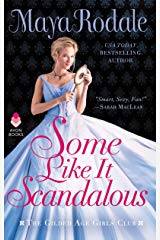 Kaye: You have a new book in your Gilded Age series coming out in June, Some Like it Scandalous. Would you like to tell us about it?
I want to thank Maya for joining me today and sharing her views with my readers. I think some may walk away with a different perspective on the romance genre. You can learn more about Maya on her very creative website: http://www.mayarodale.com/ and on her Amazon Author page, her Goodreads Author page, or on her Fantastic Fiction Author page.
Like this post? Subscribe to Writing to be Read for e-mail notifications whenever new content is posted or follow WtbR on WordPress.
Share this:

“The Christmas Cruise”: A science fiction time travel romance
Posted: April 12, 2019 Filed under: Book Review, Books, Contemporary Romance, Fiction, romance | Tags: Book Review, Contempoary Romance, romance, Science Fiction, Tammy Tate, The Christmas Cruise, Time travel, Writing to be Read Leave a comment
The Christmas Cruise, by Tammy Tate is a really cute romance story which could have been so much more. This story combines romance with science fiction when the two main characters, who are attracted to one another but won’t admit it to themselves, both happen to be swept from their Christmas cruise in the Burmuda Triangle onto a deserted island from the past.
It’s a good plot and it could work if the characters were more developed and didn’t just accept what was happening without a second thought. The story moves from point A to point B in a fairly straight line, at a fairly quick pace, lacking any real twists or surprises. Just the fact that they are the only two to be swept away gave me trouble buying in, and when they return without any logical explaination as to how it happened, it lost me totally.
If the author had taken the time and effort to expand the plot, and portray believable reactions to absurd circumstances, The Christmas Cruise could have been a really entertaining story. As it is, it lacks depth of character and is difficult to swollow. I can only give it three quills.

Kaye Lynne Booth does honest book reviews on Writing to be Read in exchange for ARCs. Have a book you’d like reviewed? Contact Kaye at kayebooth(at)yahoo(dot)com.
Share this:

How reading encourages diverse thinking
Posted: April 10, 2019 Filed under: Books, Children's Books, Diversity, Fiction, Growing Bookworms, Reading | Tags: Children's Books, Diversity, Growing Bookworms, Reading, Robbie Cheadle, Writing to be Read 27 Comments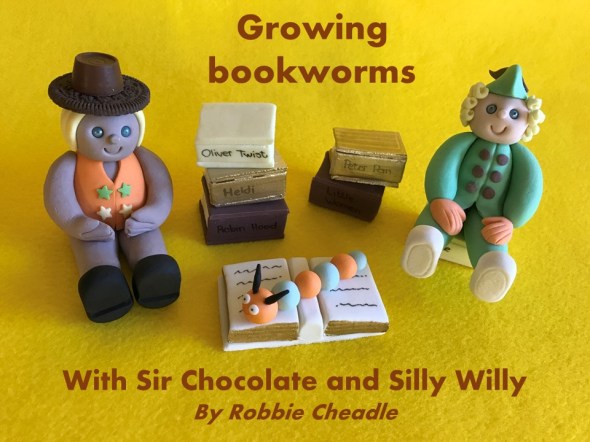
We all want our children to grow up to an environment free from bias and discrimination. We want them to have opportunities to achieve their dreams and to believe they can accomplish anything. We also want our children to feel included and loved in all situations, from school, to home to religious institutions.
The best way to achieve this is to weave diversity into the fabric of our children’s lives. We can do this in many ways, one of which is by providing our children with a selection of multicultural books which allow them to imagine experiencing life in a different way and from a different perspective.
When you read multicultural books you are transported to a different culture and are exposed to new ideas about housing, food, schooling, transport and religion. I always remember when I read the books written by Charlotte, Emily and Anne Brontë as a teenage girl. These books were my first real exposure to the poor treatment of children and women during the Victoria era. I was horrified by the terrible conditions the orphaned girls experienced at Lowood School and the terrible illnesses that ravaged the learners. Later on in my life I read books about the lives of several female Victorian writers and I came to realise just how restricted their lives were. Female’s were not considered to have the intelligence or seriousness necessary to write novels. My own mother experienced discrimination as a young girl when her father refused to buy her a school uniform when she won a scholarship to attend a local grammar school. He didn’t believe in educating girls.
As I have walked my path as a reader, I have read a wide variety of books about life in numerous countries from the great cities of the USA, London and Paris to country towns and rural villages in Africa and Asia. Through reading, I have experienced life in Japan, China and Chile. I have tried to share these experiences with my own children by reading them abridged versions of classic stories like The Story of Doctor Dolittle by Hugh Lofting, a story of an empathetic doctor who travels to Africa and has adventures on this great continent, The Last of the Mohicans by James Fennimore Cooper, set in Upper New York State during the French Indian wars, To Kill a Mockingbird by Harper Lee set in Alabama and Oliver Twist set in Victorian London. They have also read a number of more recent books set in various countries.
Multicultural books teach us about other peoples cultures and religious beliefs and helps to instill positive attitudes about acceptance and tolerance. Some of the books that spring to mind that I read to my pre-teen boys are Fattipuffs & Thinifers by André Maurois which teaches children about segregation in an entertaining and light hearted way, I am David by Anne Holm, the story of a boy who escapes from a Bulgarian communist concentration camp and makes his way to Denmark, and The Diary of a Young Girl written by Anne Frank, that tells of her life as a young Jewish girl growing up in the Netherlands during the Nazi occupation. These sorts of books help teach children that while we all have different religions, celebrations and traditions, we are actually all the same. We all need to eat, drink and sleep. We all aspire to an education, job and happy family life.
While it is good for children to understand history and learn from the mistakes of the past, it is best to select titles that present a variety of points of view so as to prevent stereotyping.
The modern world is becoming more cosmopolitan and diverse due to the ease with which people can travel and communicate. My son plays computer games with friends from all over the world including India, the UK, the USA and Dubai. His school provides a boarding option and caters to boys from all over the world and a variety of different backgrounds, including Chinese, American, British, German, French and a number of African countries. There are Jewish, Muslim, Hindu and Christian boys all attending classes together, doing activities and sports together and enjoying themselves as a group. Diversity is a popular topic with many modern authors and I have recently read three lovely picture books aimed at teaching children about acceptance in a fun and simple way.
Myrtle the Purple Turtle by Cynthia Reyes is about Myrtle, a turtle who is purple and, as a result, she and her family are different from other turtles. You can read my review on Goodreads here: Goodreads review of Myrtle the Purple Turtle.
Kids get it by Sally Huss is a story about self-worth and the equality of all children in the eyes of God. You can read my Goodreads review here: Goodreads review of Kids Get It.
The cover of Who do I see in the Mirror? by Vese Aghoghovbia Aladewolu shares “the important message relayed to children is to love the skin they’re in.”. You can read my Goodreads review here: Goodreads review of Who do I see in the Mirror?
There are also a large selection of non-fiction books for children which describe the cultures and lives of the people of the world.
What do you think about the role of books in promoting diversity? Let me know in the comments.
About Robbie Cheadle

Hello, my name is Robbie, short for Roberta. I am an author with six published children’s picture books in the Sir Chocolate books series for children aged 2 to 9 years old (co-authored with my son, Michael Cheadle), one published middle grade book in the Silly Willy series and one published preteen/young adult fictionalised biography about my mother’s life as a young girl growing up in an English town in Suffolk during World War II called While the Bombs Fell (co-authored with my mother, Elsie Hancy Eaton). All of my children’s book are written under Robbie Cheadle and are published by TSL Publications.
I have recently branched into adult horror and supernatural writing and, in order to clearly differential my children’s books from my adult writing, I plan to publish these books under Roberta Eaton Cheadle. I have two short stories in the horror/supernatural genre included in Dark Visions, a collection of 34 short stories by 27 different authors and edited by award winning author, Dan Alatorre. These short stories are published under Robbie Cheadle.
I have recently published a book of poetry called Open a new door, with fellow South African poet, Kim Blades.
Find Robbie Cheadle
Blog: https://bakeandwrite.co.za/
Blog: robbiesinspiration.wordpress.com
Goodreads: Robbie Cheadle – Goodreads
Twitter: BakeandWrite
Instagram: Robbie Cheadle – Instagram
Facebook: Sir Chocolate Books
Want to be sure not to miss any of Robbie’s Growing Bookworms segments? Subscribe to Writing to be Read for e-mail notifications whenever new content is posted or follow WtbR on WordPress.











The Making of a Memoir: Obstacles and Roadblocks
Posted: April 8, 2019 | Author: kayelynnebooth | Filed under: Commentary, Memoir, Nonfiction, The Making of a Memoir, Writing, Writing Process | Tags: Creative Nonfiction, Losing Michael: Teen Suicide and a Mother's Grief, Memoir, Nonfiction, The Making of a Memoir, Writing Process, Writing to be Read | Leave a commentLosing Michael: Teen Suicide and a Mother’s Grief
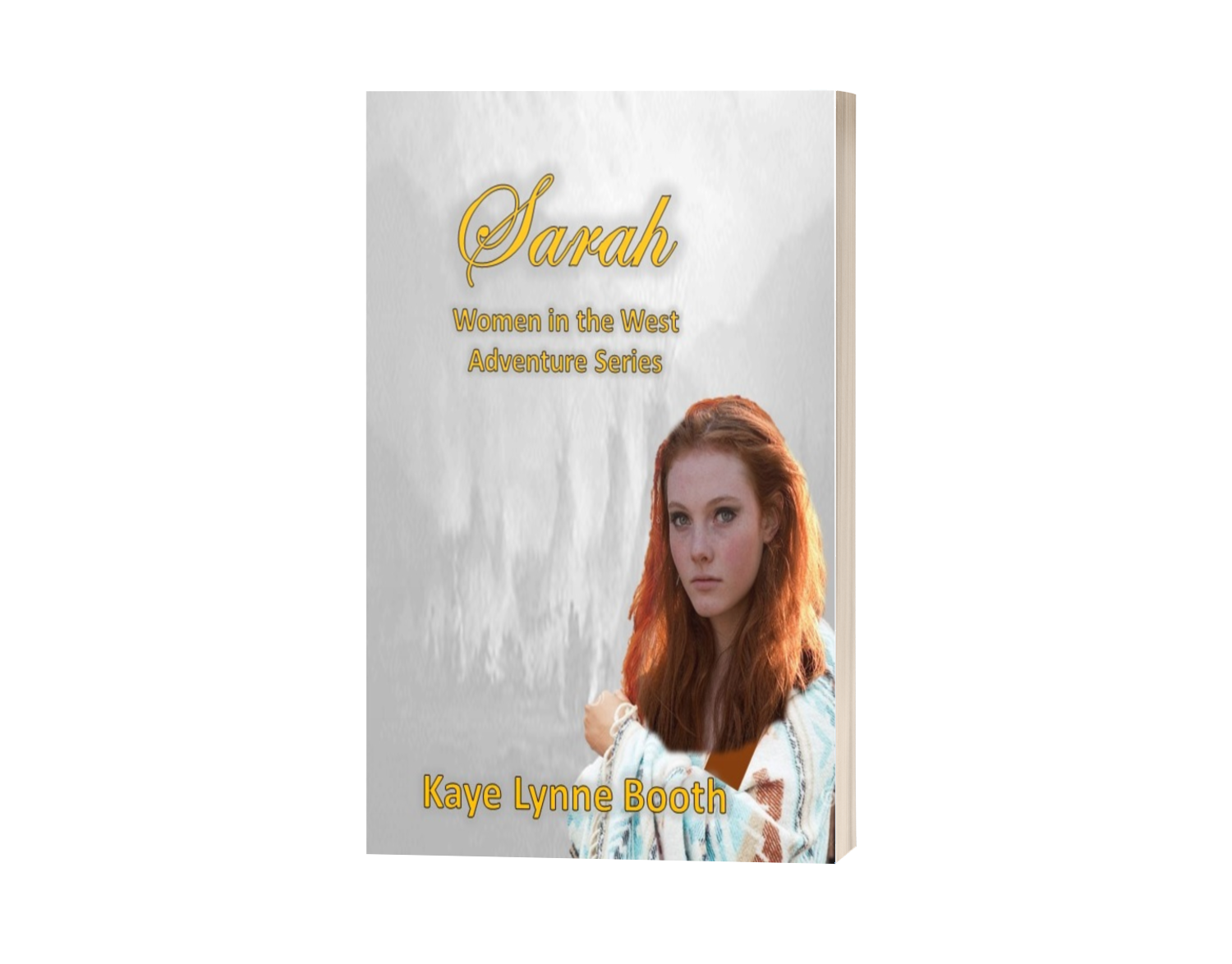
“The Making of a Memoir” is a bi-monthly blog series which explores the stages of writing a memoir as I write the story of losing my nineteen year old son, Michael, to suicide, through his story and the tale of a life without him and the grief I experience every day, even after he’s been gone for a decade. Some progress has been made toward the actual writing of the book since the last segment. I made a final decision on the title above for the book, and work on the cover is in progress with Art Rosch at Starrts Creative. Although there is still a lot of material still to sort through and compile what I want to include, I managed to work through a considerable amount. The going is slow, as I knew it would be, due to the emotional nature of the material and the memories some of it awakens.
In the last segment, “Stage 1: Prewriting Tasks“, I said I expected this book to be the most difficult story I have ever attempted to write, and that has proven to be true. In fact, it has proven to be difficult in more ways than I had imagined. This segment was supposed to be titled “Stage 2: Selling the Story”, but alas, unexpected “Obstacles and Roadblocks” has become a more appropriate title. Over the past two months, I run into several and I’m still trying to find a way around, over or through one huge one in particular – legalities.
Memoir can and should be a work of creative nonfiction. It is a true story told creatively, so as to capture and hold the readers’ attention. What memoir is not, is a work of fiction, with fictitional characters and places. You are telling a true story, something that actually happened, something in which other real people played different roles, and to tell the story, their parts must be told as well, even if the tale doesn’t portray all of them in a positive light. A good memoir must be told with honesty, from the heart.
As I sorted through the plethora of material I have gathered and saved since my son’s death: his poetry, writings and artwork; my poetry and writings; and oh so many photos, I couldn’t help but think about the other people involved, directly or indirectly with the story of the events leading up to Mike’s death and also the events that came after, and I realized that there were more than a few, people associated with Mike, and law enforcement officers, who might not want this story to come out because of the manner in which they might be viewed for their parts in his death.
It normally wouldn’t be a problem at all. I’m writing the story of events as they happened to the best of my knowledge. Many facts surrounding Mike’s death were suspicious, and for a time I believed that Mike might have been murdered. Things didn’t add up, but the proof to back up what I know to be true was withheld from me by local law enforcement. I no longer entertain the idea that Mike’s death was anything other than suicide, without the proof that the events happened the way I claim they did, I could be open to liable in telling this story.
The individuals involved wouldn’t really be a problem. The obvious solution is to change the names. Even in a true story, real people can have fictitious names, without damaging author credibility. Authors do this all the time; you just state that some names have been changed and readers won’t feel cheated.
The law enforcement agency and certain individual agents present a bigger problem. Do I change the names of the law enforcement agents? Do I change the name of the area they represent? How much can be changed before a true story becomes a work of fiction? The proof I lack wouldn’t portray the local law in a positive way and they know it, so they aren’t likely to have a change of heart about sharing it with me for the book. They play major roles in the events leading up to Mike’s death, and the story really can’t be told without their inclusion.
Although this issue has presented a roadblock that appears it might be unsurpassable, I have a couple of ideas on how I might be able to get around it. I need to let it play out and see. If not, I’ll look for a way to go over, or under if I have to. This is a story that must be told, and I’m determined to tell it. By the next segment, in June, I should be moving forward once more. I’ll let you know how it gets resolved. I do hope you’ll join me then.
Join me in my writing journey through “The Making of a Memoir” the second Monday every other month on Writing to be Read: February, April, June, August, October and December. To be sure not to miss one segment, subscribe to email or follow on WordPress for notification of new content.
Share this: