Jeff’s Pep Talk: The Long-Term Effects of Rejection – No is Never the Final Answer
Posted: October 6, 2019 Filed under: Pep Talk, Publishing, Self-Publishing, Writing, Writing Inspiration, Writing Tips | Tags: Jeff's Pep Talk, Rejection, Writing, writing advice, Writing Tips, Writing to be Read Leave a comment
The Long-Term Effects of Rejection – No is Never the Final Answer
By Jeff Bowles
Every month, science fiction and horror writer Jeff Bowles offers advice to new and aspiring authors. Nobody ever said this writing thing would be easy. This is your pep talk.
To begin with, this article is written with the upstart in mind. The midnight worker, the weekend toiler, the writer who’s still slaving away in obscurity, penning story after story, unpublished novel after unpublished novel, and for whom the word ‘rejection’ has become a special kind of poison.
When I seriously started writing almost fifteen years ago–and by “seriously” I mean “cared enough to finish a single story and try to publish it”–I discovered pretty quickly that receiving rejections was almost as common as losing at a rigged carnival game. I couldn’t figure out why my writing wasn’t good enough, in what areas it was deficient, and to tell you the truth, it would be several years until such things were even remotely clear to me. Regardless, the absolute worst part of it all was receiving the rejections themselves, because I’m kind of a sensitive guy, and damn, they really tended to bruise the old ego.
Writers vary pretty wildly in how we respond to rejection. Some of us never seem fazed by it. Regardless of how often, how impersonal, and how heavy a solid “no” is, these guys seem to take it all in stride. I’ve never been able to tell if the impressive shrug of their shoulders is a put-on, but I do know one thing for certain: I cannot count myself amongst them. When I got rejections, I’d mope and whine and pout for hours or even days. Just ask my wife, who was my new girlfriend at the time. I’d turn into a real bear, and it was because it hurt so much. Like I said, sensitive guy. Plus, no one could get through to me about one very crucial thing: this is the way it’s supposed to be.
If you’re like me, and you tend to take rejection hard—or even if you’re not like me, and moving on to the next story submission is the easiest thing in the world—might I recommend a little tried and true advice. Accept your rejection phase as a given, and if you can go just one more country mile with me, learn to welcome it as a friend. Your rejection phase is helping to make you the writer you’ve always wanted to be. Your rejection phase is purifying your desire to write, and in so doing, allowing you to really decide if a writing career is what you want.
Because if it is, no amount of rejection will ever dissuade you. I thought I’d quit a million times. Now I realize there is no quit. No is never the final answer. And anyone who’s been publishing work for years and years will tell you rejection doesn’t end. Sure, you’re likely to receive less and less of it as you progress, but it’s not the kind of thing that disappears entirely. I know it hurts. Trust me, I’m with you on that one. But unless you plan on going all-indie, it really is a necessary part of your growth as a writer. Kind of a raw deal, I suppose. But then again, nobody ever climbs Mount Everest because it’s easy.
Now a brief word on indie publishing. A lot of older writers—and I don’t necessarily mean older in years, but rather older in experience level or maybe in their stance on traditional publishing—tend to believe that self-publishing inherently makes for worse writers. The idea being, of course, that without the resistance provided by steady rejection, a writer can never become all he or she is meant to become. I came up this way. I’d published dozens of times before I ever self-published on Amazon. The thing is, I don’t necessarily find it to be the case.
Sure, there is a lot of disposable material indie-published on the internet. And yes, I also believe adversity makes us better. But a writer can pick up all sorts of lessons and professional techniques in all sorts of different ways. Every time an indie author publishes something online and gets a few bad reviews, it’s not entirely unlike receiving a standard form rejection. In other words, the negative reinforcement can still become a positive.
All of this might lead someone to ask, what are the long-term effects of rejection? Well, this can go one of two ways. The majority of people who try their hand at writing will never even finish a single manuscript. Statistically, that is absolutely the case. Of those who finish, few will ever submit their work for publication. Now, those who do submit their work (or as the case may be, self-publish it) are likely to meet up with a little adversity. I’d say 90% of them will cut and run as soon as rejection gets too much to bear. But that remaining 10% will soldier on, and they’ll likely receive quite a bit more rejection in the months and years ahead. Is there a long-term legacy of rejection? Yes, there is, but it’s seldom a negative one. I think you’ll find one day that you treasure all those formal beat-downs you received.
Here’s what I would say. No matter how you ply your craft, regardless of whether you choose the path of the traditional publisher or the indie upstart, continuous work, practice, blood, sweat, and tears, are the only things that will make you better. Rejection is at times the name of the game, true enough, but it never has to be the final word on anything. Right?
Right.
Until next time, everybody!

Check out Jeff Bowles Central on YouTube – Movies – Video Games – Music – So Much More!
Want to be sure not to miss any of Jeff’s Pep Talk segments? Subscribe to Writing to be Read for e-mail notifications whenever new content is posted or follow WtbR on WordPress.
Share this:

Author Update: The Making of a Memoir On Hold Indefinitely
Posted: June 12, 2019 Filed under: Book Covers, Books, Editing, Fiction, His Name Was Michael, Memoir, Nonfiction, Paranormal, Publishing, Self-Publishing, Speculative Fiction, Stories, Western, WordCrafter, WordCrafter Press, Writing | Tags: Anthologies, Ask the Authors Anthology, Delilah, Delilah: The Homecoming, His Name Was Michael, Losing Michael: Teen Suicide and a Mother's Grief, Whispers of the Past, WordCrafter, WordCrafter Press, Writing to be Read 4 Comments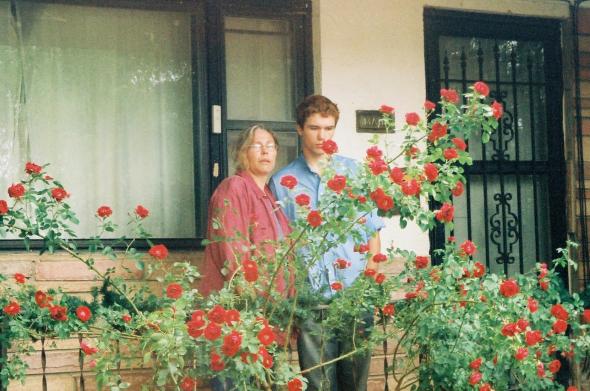
I’m sorry to say that the obstacles and road blocks I mentioned in my April post have brought my memoir writing process to a screeching halt before it had truly begun, and thus, this bi-monthly blog series must come to a halt, as well, until I can find answers to the problems related to writing about real people and organizations which is necessary to telling my son Michael’s story, as well as my own. Losing Michael: Teen Suicide and a Mother’s Grief has been shelved, at least for a while due to legalities. This book project is based from my personal experience and is dear to my heart, and it great saddness that I make this decision, but I’m not ready to face the trials that forging ahead with it would require.

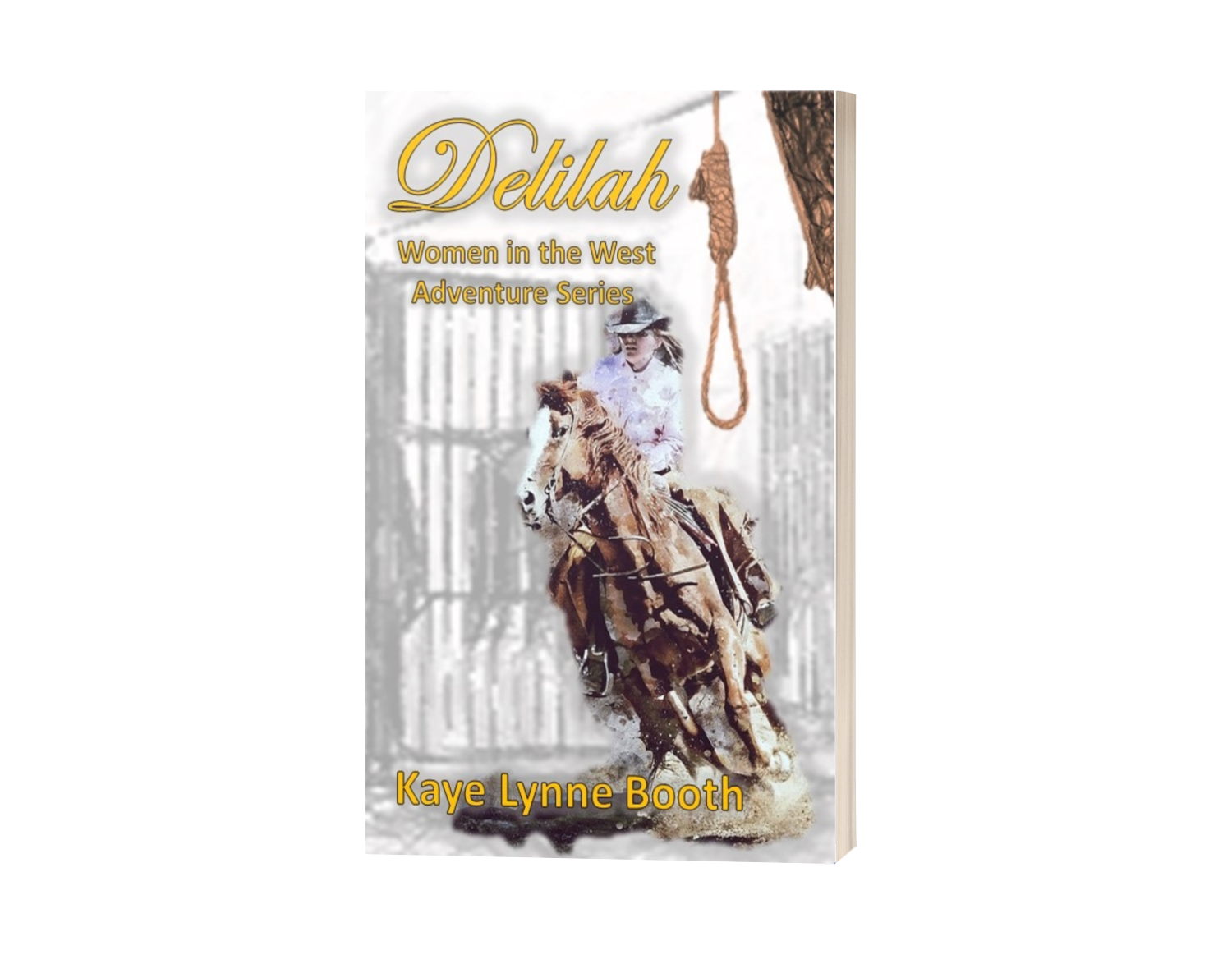
On the other hand, there are exciting things on the horizon. My efforts for the near future will turn to working on the issue of re-issuing Delilah, which Dusty Saddle Publishing has so graciously offered to do. Once this is completed, I plan to pick up where I left off on the drafting of the second book, Delilah: The Homecoming. I just got Delilah back on track in this story with considerable revisions and I’m a little sad to have to delay the completion of this book, but also confident that the story will be better for it.
I will be getting the WordCrafter website up and running and ready for launch. Get ready folks, because WordCrafter Writer & Author Services is coming soon. Services will include Editing and Copywriting services, online courses, and WordCrafter Press.
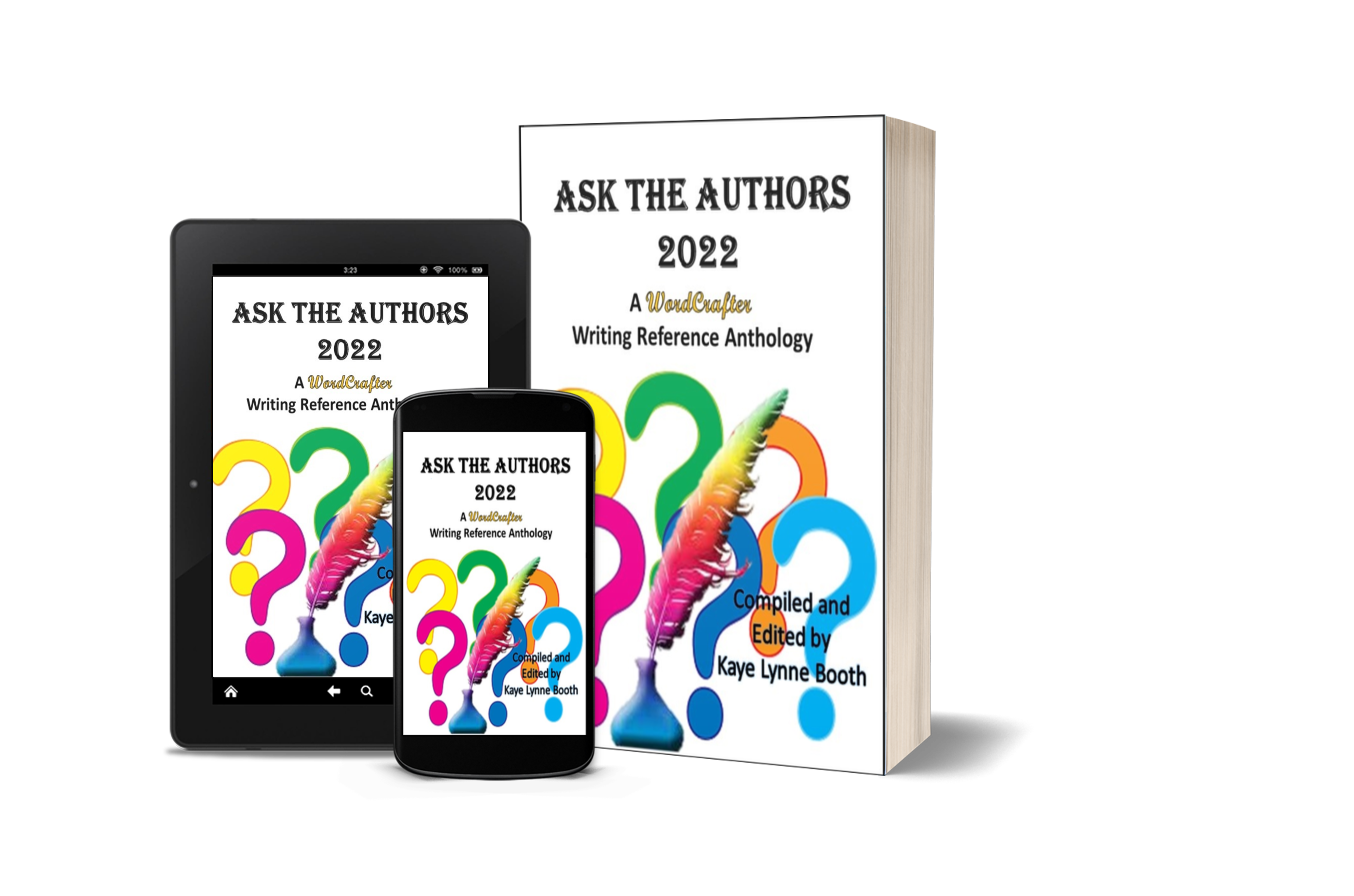
I’ll also be compiling and publishing the two great anthologies to be released by WordCrafter Press. The Ask the Authors anthology will feature the collaborative interviews from the 2018 “Ask the Authors” blog series right here on Writing to be Read. This book will be filled with writing tips and advice from authors who are out there doing it, a valuable writing reference for authors in all stages of the publishing journey.
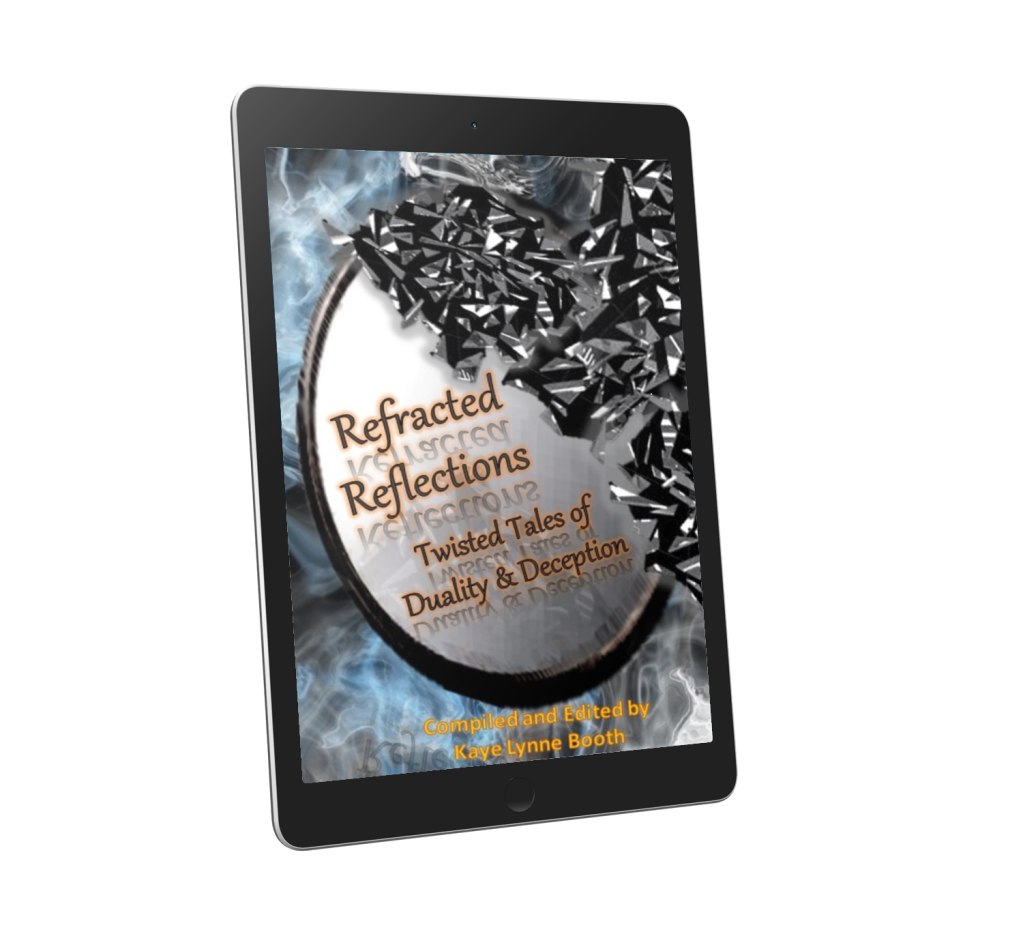
 The other anthology, Whispers in the Dark, will be a short story collection harvested from the WordCrafter Paranormal Short Story Contest held at the beginning of 2019. It will feature several of the submissions from the contest, including the winning entry, “A Peaceful Life I’ve Never Had”, by Jeff Bowles. These anthologies are still in the preliminary stages, but I plan to have them both out by the end of the year. I have cover ideas for each one, but only Whispers has a final version at this time. I plan to release it in October.
To keep up on the latest with my writing endeavors and with Wordcrafter, sign up for my monthly newsletter in the pop-up. When you do, you’ll recieve a free e-copy of my paranormal mystery novella, Hidden Secrets.
Share this:

Writing for a YA Audience: Books in the Library
Posted: May 15, 2019 Filed under: Books, Fiction, Libraries, Self-Publishing, Writing, Writing for a YA Audience, Young Adult | Tags: Books, Jordan Elizabeth, Libraries, Writing for a YA Audience, YA, Young Adult, Young Adult Fiction 1 Comment
“This is available at the library, right?’ I get that question a lot.
You should know that I talk about my books. A lot. I get excited and that passion spills over whether I’m at a book signing or conversing with a coworker. Some people don’t want to buy books. They might not like the book, so they don’t want to invest in the purchase, or they don’t want to have books cluttering their homes. Whatever the reason, libraries are perfect.

Photo by Janko Ferlic on Pexels.com
If I’m asked locally, then I get to say yes, my books are available. Other places…well…not so much. That surprises people.
Here’s the thing about indie books. Libraries don’t normally stock them. They need a reason to purchase a copy. This could be because you’re a local author, because you did an event there, or because someone requested it.
The best way to help out an author is to ask your local library to purchase a copy. This is a sale for the author and exposure. People are going to borrow the book, read it, and talk about. There is no marketing tool as powerful as word of mouth.
Jordan Elizabeth is a young adult fantasy author. She’s often wandering libraries looking for something to spark her interest…or she’s squealing over a treasure discovered in a used book room. You can connect with her via her website.
Want to be sure not to miss any of Jordan’s Writing for a YA Audience segments? Subscribe to Writing to be Read for e-mail notifications whenever new content is posted or follow WtbR on WordPress.
Share this:

“How to Become a Published Author”: Every authors reference to publication
Posted: February 1, 2019 Filed under: Book Review, Books, Nonfiction, Publishing, Self-Publishing, Writing | Tags: Book Proposals, Book Review, How to Become a Published Author, independent publishing, Mark Shaw, Outlines, Publishing, Query letters, Self-Publishing, Writing to be Read 3 Comments
How to Become a Published Author: Idea to Publication by Mark Shaw is filled with information useful to authors in all stages of the publishing process. Although it’s aimed at aspiring authors trying to break into publishing, as a published author with an M.F.A., it gave me ideas and techniques to consider, as well. Shaw deals with the publication of fiction and poetry, as well as nonfiction. He touches on self-publishing as well as getting a foot in the door with traditional publishers, and offers a wealth of good reference materials.
Mark Shaw is a best selling nonfiction author, yet unschooled in the craft. He made his way into the traditional publishing world through the oldest method known to authors: good writing. And he practices what he preaches. Every book I’ve ever read by Mark Shaw has been well written, drawing readers in as his stories unravel in masterfully crafted ways which keep readers entranced to the end and make them think long after putting the book down. How to Become a Published Author is no exception, with the valuable information contained within presented in a clear and concise format that is easy to reference.
In this book Shaw walks us through the process for getting your books published, step-by-step. Sharing from his own experiences in traversing the pathways to publishing, using his own books and books of others as examples to illustrate his message, providing useful reference materials and links. This book covers practicle steps to becoming published from outlining in the pre-writing stage, all the way through to query letters and book proposals for those who aspire to be traditionally published. It offers marketing tips and advice useful to all authors, since promotion is a role which now falls on the shoulders of authors in many cases of both traditionally and independently published authors.
Much of Shaw’s advise could have come straight out of my M.F.A. in Creative Writing program, but he also offered suggestions for nonfiction publishing that wasn’t emphasized, or wasn’t offered through my program. It was helpful in getting me focused as I prepare to write memoir.
In How to Become a Published Author, Mark Shaw speaks from experience, delivering well founded advice on how to get your book published for authors in every stage of their writing careers. I give it five quills.

Kaye Lynne Booth does honest book reviews on Writing to be Read in exchange for ARCs. Have a book you’d like reviewed? Contact Kaye at kayebooth(at)yahoo(dot)com.
Share this:

Interview with western author Loretta Miles Tollefson
Posted: January 7, 2019 Filed under: Author Profile, Book Covers, Books, Cover Art, Fiction, Historical Fiction, Interview, Western, Writing Process | Tags: Author Interview, Author Profile, Delilah, Loretta Miles Tollefson, Not Just Any Man, The Pain and the Sorrow, western fiction, Western genre, Writing to be Read 12 Comments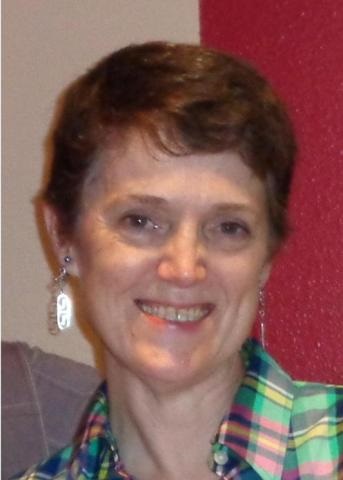
After writing an excerpt of Delilah for an assignment in grad school, I remember thinking, ‘this could be a book’. But I also remember thinking that a western by a female author probably wouldn’t sell. Women weren’t supposed to write westerns. After all, the western frontier was for rugged men. I knew there were women in the west, but I guessed that they weren’t protagonist material. Then, I wrote and published Delilah anyway. It was a story that wanted to be told. My character, Delilah spoke to me and the writing of the tale was too important for me to let the idea that it might not be a best seller stand in the way.
In the meantime, I was happy to learn that there are other female western authors out there. I’m pleased to have one as my guest today. Her books are set in the historical New Mexico landscape based on factual historical people and places. Western fiction author Loretta Miles Tollefson will share her thoughts on the matter of gender in the western genre and other aspects of writing and her books.
Please welcome Loretta Miles Tollefson.
Kaye: Would you share the story of your own publishing journey?
Loretta: When I was fifteen I won a writing contest in a Sunday School paper and that triggered a deep desire to continue to see my words in print. I published a couple more pieces in that same paper, then branched into short stories and poetry in my 20s and 30s. I had a few things published and received a co-publication offer for a novel. Unfortunately, I didn’t have the financial resources to follow up on that. I continued to write and had some poetry published in my 40s and early 50s. I self-published a couple novels in my mid-50s and then The Pain and the Sorrow was published by Sunstone Press in 2017. I was frustrated by the lack of opportunities to advertise a novel that had been traditionally published and went back to the self-pub route with Not Just Any Man.
Kaye: When did you know you wanted to be an author?
Loretta: I was 15 but, because I come from a very practical family, I chose to take the pragmatic approach of going into newspaper and magazine work instead of stepping into the uncertain waters of fiction. Eventually, I became a Special Projects Manager for a regional planning organization here in New Mexico, a job which utilized both my writing and research skills. I didn’t realize my dream of writing full time until I retired about five years ago.
Kaye: What is the most enjoyable part of writing westerns for you?
Loretta: For me, the most enjoyable part of writing is finding ways to bring the historical details, my characters’ personalities, and the storyline itself together. It’s like weaving a tapestry. And then there’s always the sudden inspiration that seems to come out of nowhere, when my characters seem to be telling me what they want to say. Although I, as the author, always have control, I’m sometimes surprised at where the story takes me.
Kaye: What is the biggest challenge of writing western fiction for you?
Loretta: I think my biggest challenge in writing historical fiction set in the West is feeling like I need to double check all the details. Even though I grew up on a small farm and we had horses and cows and chickens and hung the clothes on a line and pretty much all the rest of it, there’s a great deal I don’t remember or took for granted at the time. And, of course, I didn’t actually live in the early 1800s. I have to be careful not to assume certain ways of doing things or specific pieces of equipment were common back then. I’m always concerned that I’ll slip into an anachronism.
Kaye: You follow the old adage “write what you know”, setting your books in areas where you have lived and are familiar with, yet you must envision those settings in another time period. It seems perhaps your own setting acts as inspiration for your stories?
Loretta: It does. Very much so. I’ve lived in New Mexico almost thirty years and was fortunate enough to travel all over the state in connection with my job. Then, after I retired, we moved to Eagle Nest, New Mexico, on the northern end of the Moreno Valley. We lived there five years and that experience really brought together my love of history and my desire to write full time. There’s so much history here in New Mexico that I don’t think I will ever run out of ideas. We recently moved to Santa Fe, New Mexico, and that will continue to inspire me and to provide me with great resources for my research.
Kaye: Your novel, Not Just Any Man, was recently released. Would you like to tell us a little about that book?
 Loretta: Not Just Any Man is about a black mountain man in 1820s New Mexico named Gerald Locke, Jr. It’s an adventure story, as Gerald traps in Northern New Mexico and then joins a fur trapping expedition across the Arizona desert and up the Colorado River. The group includes Enoch Jones, the only mountain man in the West who seems to have an issue with Gerald’s skin color. Jones has a few other issues as well, and the conflict between the two men is a crucial plot element.
But this isn’t just an adventure story. Gerald has met a young woman in Taos who seems far above his station in life and he can’t stop thinking about her. Even if he can survive the Sangre de Cristo mountains, the Mohave Indians, and the arid rim of the Grand Canyon, as well as Enoch Jones, can Gerald prove to himself and the girl he loves that he is, after all, not just any man?
Kaye: Do you think western readers are more receptive to male protagonists?
Loretta: There certainly are a lot of male protagonists in the western genre. I think this is because the traditional Western initially reflected the cultural assumption that only men played an active role in events in the West. As we broaden our understanding of the historical West, both before and after the United States was the primary actor there, we’re realizing just how often women played critical roles on the frontier. Life was harsh. Any family that was going to survive needed everyone in it to be fully engaged. Women had to take on roles they hadn’t necessarily played before. If anything, I believe their experiences on the frontier helped to begin breaking down the barriers that we’re still disassembling today. As we do that, I suspect Western readers will become more and more receptive to all kinds of protagonists.
Kaye: You have wonderful covers with beautiful landscapes that cry out ‘western’! Where do you get your covers?
Loretta: Well, thank you! I’m glad you like them. I worry about my covers. Other than The Pain in the Sorrow, I’ve designed them all myself and created most of them using a combination of Publisher and Gimp. The pundits’ advice is to have someone else do them, but I tend to have very specific ideas about what I want, and I haven’t yet discovered anyone who can quite catch my vision.
Loretta: The Pain and the Sorrow was strongly inspired by New Mexico history. Its characters actually existed and the primary incidents in the story are based on historical artifacts.
The plot of Not Just Any Man is also strongly situated in actual events. While the protagonist and villain are both fictional, most of the mountain men in the novel, are based on actual people—Old Bill Williams, Milton Sublette, Ewing Young, etc.—and much of the story line is based on their first-hand accounts.
Kaye: The Pain and the Sorrow has historical basis, as do all your books as I understand it. And it’s obvious that you strive to make your details as accurate as possible. Do you weave the history into your stories or is it the New Mexico history that inspires the stories?
 Kaye: The Pain and the Sorrow is based in New Mexico history and a historical figure of legend, but the story about your female protagonist. Not all of your novels have female protagonists though. Was the female protagonist easier to write since you have a natural female perspective?
Loretta: The Pain and the Sorrow was a very difficult story to tell because of the abuse my teenage protagonist suffers at the hands (and other body parts) of her husband. I think that writing Gregoria’s story may have been more difficult for me precisely because I am female. My emotions were very raw during the entire process. I might have found it easier to tell Gregoria’s story if I didn’t have a “natural female perspective” and felt less connection with her.
Kaye: Do you think it’s more difficult for a female to make it in the western genre than it is for male authors?
Loretta: I think it’s difficult for any author to break into any genre today, regardless of their gender. However, it seems to me that more women are writing Western-style stories and getting them published than has been true in the past. For example, of the fourteen authors showcased in Five Star Publishing’s recent The Trading Post and other stories, four or five are women. In early December 2018, the twenty top-sellers in Amazon’s Western category included at least two women. There may have been more, publishing under a male pseudonym. We’ll really know that women have made it in western fiction when no one finds it necessary to use a male, or male-sounding, pen name when they do so.
Kaye: My publisher slapped Delilah into the romance category, listing it as a frontier romance. While there is a romantic element to the story, I didn’t make it the major focus of the story. I guess they thought it was more marketable as a romance, and I do think that because my protagonist is female, the book might have a stronger appeal to a female audience. Do you think western readers are more receptive to stories with a male protagonist?
Loretta: That’s hilarious. I really liked Delilah and I enjoyed the romance element in it, but classifying it as a frontier romance seems to me to diminish its marketing potential. I never search for frontier romance. As a result, I would have missed Delilah entirely if that’s the only place it could be found. I feel strongly that the current way the market is being sliced into finer and finer categories does us all — readers and writers alike — a disservice because it makes it more difficult to find the well-written, well-conceived books like Delilah that transcend easy categorization.
Kaye: Do you feel that it is harder for women authors to be taken seriously in the western genre?
Loretta: To a certain extent, this may be true. After all, as I mentioned above, some women authors of Westerns apparently feel that it’s necessary to use pseudonyms to obscure their gender. But I think that as we persist, this will become less and less of an issue.
Kaye: You are also a poet and you have out several poetry books. Would you talk a little about what inspires your poetry?
Loretta: My poetry is very personal, especially But Still My Child, which contains the poems I wrote after a miscarriage over thirty years ago. The poems I wrote during that time and afterwards helped me process that grief and I hope publishing them will support others in that same process.
My other volumes of poetry were the result of an attempt to blend my interest in poetry with my love of story. For historical stories, now that I think of it. The poems in But Then Moses Was There and Mary At The Cross try to get inside the heads of Biblical characters to express what living their experiences might have felt like.
Kaye: You’ve also written other non-western novels. What other genres do you write in?
Loretta: I’ve written an urban fiction about coming of age/homelessness in 1980s Seattle and a chick lit novel about a New Mexico couple who wins the lottery. I’m not working in either of those genres now. I’m focusing my energies exclusively on historical fiction set in Old New Mexico.
That focus on historical fiction has also resulted in two short story collections set in New Mexico: Valley of the Eagles and Old One Eye Pete. Valley is a collection of micro-fiction. The stories are all 500 words or less. Old One Eye Pete contains longer pieces, with stories featuring the mountain man Old One Eye Pete acting as the narrative thread.
Kaye: What is the working title of your next book?
Loretta: It’s called Not My Father’s House. It’s a sequel to Not Just Any Man and (spoiler alert!) focuses on Suzanna’s struggle to adapt to living high in New Mexico’s Sangre de Cristo mountains. I’ve just finished the second draft, so it should be out by the middle of 2019.
Kaye: Besides writing, what are your favorite things to do?
Loretta: I research material for my upcoming books — or at least I tell myself it’s for my upcoming books. Hah! And I read fiction: historical, mystery, suspense, Westerns, and pretty much anything else that looks interesting to me at the moment. I review most of everything that I read, unless it has 100 reviews or more. I would love to review more historical fiction set in 1800s New Mexico and Southern Colorado, since Southern Colorado was part of New Mexico at one time.
Kaye: Would you tell us a little about your blog? What will readers find there if they visit?
Loretta: My blog is at http://www.LorettaMilesTollefson.com. About once a week, I post a short piece about a historical event or a flash fiction story set in Old New Mexico, which I define as anything prior to statehood in 1912. The site also includes news about, and links to, my books.
Kaye: Which author or poet, dead or alive, would you love to have lunch with?
Loretta: I have so many favorites. This is a hard question to answer. I think right now, given the work I’m doing, the person I would most like to have lunch with would be Paulette Jiles. I really enjoyed her News Of The World and the way she brought actual events to life in that book.
Kaye: What do you like to do when you’re not writing?
Loretta: I read and explore the region with my husband. Ultimately, it’s all research.
Kaye: Is there anything unique or unusual about your writing process?
Loretta: My writing process consists of writing the first draft, letting it sit a month, revising, letting it sit a month or so, then revising again until I feel it’s really ready. This process seems to be becoming more unusual in today’s fast-paced writing environment.
Kaye: How much non-writing work, (research, marketing & promotion, illustrations & book covers, etc…), do you do yourself for your books?
Loretta: At the moment, I’m doing all my own research, marketing, promotion, book covers, and so forth. I’m stretching myself pretty thin with all these different activities, but doing it all gives me a lot of control. I may have to start farming some of the non-writing work out as I move along in my journey.
Kaye: If your book was made into a film, who would you like to play the lead?
Loretta: To tell you the truth, I watch so little television and so few movies these days, that I’m not sure who would be the best actor to play Gerald or Susanna in a movie based on Not Just Any Man or Gregoria or Charles Kennedy in The Pain And The Sorrow. I’d love some input from your readers on this question.
Kaye: I can and will reach out to readers for input on who should play your leads were your story made film, but now you have to answer another question: Since many of my readers may not have read your books, can you tell us what characteristics these characters would have so they can better imagine who would be a good fit?
Loretta: Hmmm,
Characteristics:
Gerald: square forehead, gray eyes. Half black/half Irish. Late 20s.
Suzanna: slim, tall for a woman (about Gerald’s height). long black hair, dark brown eyes. Half anglo (WASP), a quarter french, a quarter Navajo. About 16.
Alright readers. Here’s your chance be heard. Who do you think would be good for the roles of Gerald and Suzanna? Please comment with your suggestions. Loretta and I would both love to hear the possibilities.
Kaye: What advice do you have for aspiring authors?
Loretta: In a nutshell: read, revise, revise again.
If you plan to write fiction, read fiction. Especially classic fiction: Hemingway, Steinbeck, Austen, Dickens, and so forth. Also, read contemporary fiction, and not just books in your genre. Some of my favorite authors right now are Louise Penny and Donna Leon. They teach me pacing and character development. I’m especially fascinated by the way their protagonists develop over the course of the series. Everything’s research, even the books you don’t like. And don’t be afraid to express your opinions and trust your instincts. It’s okay to not like a book even if everyone else is saying how wonderful it is.
Most of all, revise! As Anton Chekhov said, “rewrite everything five times.” Well, maybe not that many, but you see what I mean. I would add “but not immediately” to that advice. Take the time to let your work rest, and then go back and look at it again. When you start changing sentences back to the way you had them in a previous version, that’s when you should stop. But not until then.
Revise it, let it rest, then revise it again. There’s a popular saying that “Perfection is the enemy of done.” I am uncomfortable with that statement. While no work is going to be absolutely perfect, rushing to publication is the enemy of quality work. Try to get your story as well-written as possible. Producing quality work is what will keep your readers coming back for more.
I want to thank Loretta for joining us today and sharing a glimpse into the world of western writing from a female author’s perspective. I have admired her work since I reviewed The Pain and the Sorrow last May, and it’s a thrill to have the privelage of interviewing her. It’s a real treat to hear from another female author in the world of western fiction.
Like this post? Subscribe to Writing to be Read for e-mail notifications whenever new content is posted or follow WtbR on WordPress.
Share this:

Interview with Multi-Genre Author R.A. Winter
Posted: September 17, 2018 Filed under: Author Profile, Book Covers, Books, Contemporary Romance, Fantasy, Fiction, Interview, Paranormal, romance, Speculative Fiction, Western, Writing | Tags: Author Interview, Contemporary Romance, Mystic, Native American, Paranormal, Paranormal Romance, R.A. Winter, Spirit Keys series, Twisted, Western 2 Comments
I recently made the acquaintance of the energetic, sassy author, R.A. Winter. She writes in several genres, including fantasy, magical realism, dark fantasy, , time travel romance, contemporary Native American romance, and paranormal Native American western. And it seems she never rests when it comes to writing. Please help me to welcome R.A. Winter to Writing to be Read.
Kaye: Hello and welcome. Would you start by sharing the story of your own publishing journey?
R.A.: I started out writing genealogy nonfiction books under my married name. I love research and old libraries! I also love reading romances. With so many ideas flirting around my head, I thought I’d give creative writing a go.
Kaye: Is there anything unique or unusual about your writing process?
R.A.: I write the raunchiest first draft, the humor is way over the top. Then I cut it down, and my crit circle cuts it down further. My editor slices more. They say that a bit of humor goes a long way.
Kaye: You have sites on both WordPress and Wix. Can you give us the advantages and disadvantages of each? Which site do you prefer? Why?
R.A.: Wix is easier to deal with, super simple to navigate and change. WordPress is a bit of a pickle to deal with, and every time I change something, I mess up the page. I do prefer WordPress because I can easily share review and pages on a whim. Wix doesn’t give you that option.
Kaye: You’re on the review team at The Naked Reviewers, where authors can submit a book and request an honest review. Would you like to tell us a little about that site and what the review process is?
R.A.: We have a group of published author on Scribophile.com who formed the group. Right now, I think there is twelve of us. When someone submits a book, we all read the first chapter, the ‘look inside’ feature on Amazon. Then we rate the writing, the blurb, and the cover. If two of us agree, we review the book. Each Wednesday, two of us leave our review as a feature, if anyone else read it, they leave their thoughts in the ‘comment’ section. It does mean that most books that we review get a 4.0 or higher rating, usually. We wanted to show off the best books.
Kaye: You had bad experience with Amazon regarding reviews. This is something we’re hearing from many authors, although complaints vary. Many reviewers, including myself, have had book reviews pulled by Amazon, with the claim that their terms of use were violated because of an existing relationship which would bias our opinions. I even heard of an reviewer whose reviews were pulled because Amazon saw that they were Facebook friends, which they claimed indicated a prior relationship. (This doesn’t make sense to me. Many authors who I have done reviews for have become virtual online friends because of the review, not the other way around.) Your experience was a bit different because it wasn’t books that you were reviewing. Would you like to tell us a little about your experience?
R.A.: I ordered products from Amazon.com. A coffee grinder, a milk frother, and a small coffee taper, they just happened to be from the same company in China. Now, I review every product I receive, but when I went to upload my reviews, Amazon wouldn’t allow it. After contacting them, they said that I had a ‘relationship’ with the company in China and that I’d violated their terms. Apparently, I ordered too many things from them. I just don’t understand. They ask you to review, you review… then they’re like… you review too much! They banned me for LIFE for writing any reviews.
My point to them was- IF I was screwing reviews, wouldn’t my books have like 300 hundred reviews instead of each of them having less then 10? I mean seriously. THAT’S what would have benefited me!
Kaye: What is one thing that your readers would never guess about you?
R.A.: I have five children… all boys. I’ve lived in 5 different countries too. I don’t know which one was harder to live through. And all my boys look like my husband.
Kaye: What are your secrets for juggling writing with family?
R.A.: My kids are older, so they don’t need me. I like to write at night, when the house is quiet and no one interrupts. My earbuds are essential, and a song list that corresponds to my writing mood.
Kaye: You have some really great covers, some of which you’ve shared here. What do you do for cover art? DIY, or hired out, or cookie cutter prefab? Do you have a great cover designer you’d like to recommend?
R.A.: Some are creations of Kayci Morgan, from KreativeCovers.com. A few I did myself, which you can probably tell. Kayci is wonderful to work with and very reasonable. I am learning Photoshop and I’m doing my own teasers. I’m getting better but I just don’t have the finesse to do covers well.
Kaye: You have a paranormal romance fantasy novella, Twisted, which I’m excited to be reviewing here on Writing to be Read. (So watch for that review on Friday.) What can you tell us about that story?
 R.A.: Twisted is a novella, and one of the hardest things I’ve
written.
It’s a Freaky-Friday, body switching piece… full of adult humor. A witch’s land is cursed. Males are no longer born to the vampires, nor are females born to the wolves. To end the curse, the witch must solve a riddle, and she has to have the cooperation of the vampires and the werewolves.
Kaye: What is the strangest inspiration for a story you’ve ever had?
R.A.: My Spirit Key series was a way to keep my cat alive in my memories. He’d just past away, and Dingle had the oddest personality for a cat. He always reminded me of an old man, you know the one. The spunky old guy in the nursing home who’s constantly bugging the pretty nurses and running behind them with his walker, never able to catch them. Occasionally, he’d pinch their behinds, but act like he didn’t do it. I taught Dingle how to wink, but usually he had this grumpy look on his face. He used to love to jump out and scare me, then give me that ugh, you’re-stupid-to-fall-for-that-again look. He’s now a ten-thousand year old spirit who has a bit of trickster in him.
Kaye: Your Spirit Key series are westerns with a bit of a different twist to them. Would you like to tell us about them?
R.A.: Contemporary Native American’s in a western setting with magical realism is the gist of the Spirit Key Series. In book 1, we follow young Sara, as the ghosts of ancestors haunt her days and try to keep her away from young RedHorse. There’s a new spirit in town, a nefarious one who has his own agenda. The Old One wants the land for the dead and he’ll do anything to have it, including taking away what Sara loves most.


Kaye: There are two books in The Spirit Key series: Painted Girl and Redhorse. What type of research did you do for these books?
R.A.: The first two book are contemporary, set in modern day Kansas on a farm. Books 3 and 4 (which are almost finished) go back to 1950, and we delve into Grandfather’s life, and that of the ten-thousand year old spirit who watches over them. My research centered on the old Indian Schools, and the horrors that the children underwent. It’s all to stop the spirits from invading this world, and to give grandfather his happy ending. The Native American research is from my family.
Kaye: You also write contemporary romance with a Native American twist. What about Little Sparrow, A Kiowa in Love or Red Dress, Two Wives?
R.A.: Those were my early books. I’ve taken the ebooks down, and now I’m writing those into the Spirit Key Series. Everyone is related, so it made sense to do that. I kept the hard copies up because a few people really liked them the way they were. My writing evolved, and I thought those two would be great as part of the Spirit Key Series with some rework.
Kaye: What is the attraction for adding a Native American element to your writing?
R.A.: Two fold. My grandmother was ‘found’. It was assumed that she was Native American. This was in the 1880’s, a time when the tribes had to travel west and were forced onto reservations. Our family farm was near one of the routes and my grandfather brought home a baby girl one day, saying that he’d found her. My cousins are Sioux. I barely remember the eldest two girls but I do remember their beauty. One day, when I was only six years old, they disappeared. Just up and gone. Our family went nuts, as you can imagine. It wasn’t until twelve years later that we learned that they had been taken west to different orphanages and divided up. (This was the early ’70’s when the government still took NA children on a whim.) Anyway, my stories revolve around finding your identity when you don’t know who you are, when you have no memories of your family. My Native American family is rooted by my life stories. You know that you’re different, but you feel the same as everyone else. You just have to find your own special, because it’s there, you don’t have to go looking for it. It just may be hiding in plain sight.
Kaye: I’m also very interested in your time travel romances, As Long As I Have You and Always With You. What can you share with us about them?
 R.A.: These were part of an anthology, and part of a series inside the anthology. The rules are simple, Cupid owns a bar, and his mate has a special tattoo that glows when soul mates are touched. In book 1, Ann Paolo comes to the bar with her dog. Unbeknownst to her, the dog, Han, is the spirit of a long dead Native American, who has been cursed to follow Ann through time, always to love her, and be loved, but never to be with her. Cupid sends them back in time, so Han can erase his curse. In book 2, Ann’s back, because so many lifetimes couldn’t be rewritten. This time, Cupid calls on the fates to bring Han to life in this day and time. The fates have a bit of trouble writing him into time-line, so they turn to Netflix for ideas. Han is now, Dan Winchesty, from the TV show Super-Unnatural Killers and Revealers Suckers for short. You know, Dan Winchesty- the one with the perky nipples? It’s a spoof on Supernatural, and I think it’s hilarious, but that’s just my opinion.
Kaye: What is your favorite genre to write in so far? Why?
R.A.: I love magical realism and fantasy. Creating my own world, and rules, takes a lot of thought and design. You just can’t pop something on paper, it has to make sense, have rules, have life, and you have to bring a reader into your world and make them happy.
Kaye: How much non-writing work, (marketing & promotion, illustrations & book covers, etc…), do you do yourself for your books?
R.A.: I do all my own marketing, which isn’t much. Word of mouth is my best friend, because lets face it, my works are different. I just had a review from a guy, who said that someone at work bullied him into reading it and he loved it, even with the romance in the book. I think that was a compliment.
Kaye: If one of your books was made into a film, which book would you want it to be? And who would you like to play the lead?
R.A.: Hmm, I’d love the Spirit Key to be a series on Netflix, but for a movie, I’d chose Twisted. Sam Witwer and Meaghan Rath. They had great chemistry in Being Human. Now, however, Meaghan would be a vampire, and Sam would be a wolf.
Kaye: What’s next? What does the future look like for R.A, Winter?
R.A.: Oh, I have at least six books in various stages of completion. Twisted will be turned
into a series, readers have asked for that. I’m also writing a series about Death Takers
coming alive and finding love. It’s a dark romance series that takes the reader on a
journey to Tartarus and the bowels of hell. Book 1 is finished, book 2 is halfway. Once
book 2 is ready I’ll publish.
Kaye: If writing suddenly made you rich and famous, what would you do?
R.A.: I’ve done a lot of things on my bucket list. I’ve traveled the world, lived in five different countries and enjoyed most of my life. If I had a lot of money, I’d pay off my family’s student loans. Right now, it’s around 200k, and I’m serious. It would be life changing for them to pay off their debts. BTW, I have one family member, with 100k debt who graduated from Pitt with a bachelor’s in psychology. Anyone have any job prospects for him? E-mail me.
I want to thank R.A. Winter for joining us today and putting up with my interrogation. Seriously though, she was really a good sport about answering all of my questions with open, honest answers. You can find out more about her and her writing on her website, her Spirit Keys site, or her Amazon Author Page.
Like this post? Subscribe to Writing to be Read for e-mail notifications whenever new content is posted or follow WtbR on WordPress.
Share this:

The Impacts of Digital Publishing
Posted: July 9, 2018 Filed under: Books, Promotion, Publishing, Self-Publishing, Writing | Tags: Digital Publishing, promotion, Reader Platform, Writing Leave a comment
Everyone talks about how the rise of digital publishing has impacted the book industry and the effects it may have on authors. Some think these effects are good, while others view them as having a negative impact. It is true that digital publishing opened up opportunities for would be writers, making it so just about anyone can write and publish a book with no need to be discovered by an agent or publisher.
But, it is equally true that many brick and mortar bookstores have had to close their doors due to the competition from eBooks and the rapid growth and expansion of Amazon. And, it’s also true that because it is now so easy to publish a book and authors who publish independently are able to circumvent the traditional publishing gatekeepers, there are no gauruntees that the books we purchase will be of good quality writing. There is nothing in place to be sure the books we put out have been edited. So, it would seem that digital publishing had had both positive and negative effects, depending on which area of the business you work in.
One area of impact that many authors don’t realize or appreciate, is the fantastic promotional opportunities the digital era has supplied for us. Due to social media promotion and email, we are able to access direct communication with fans and followers that via means which weren’t available in the pre-digital era, and this is a great plus for us. We need to take advantage of these great opportunities and listen to our readers, when we’re fortunate enough to get a comment or a review. I try to respond back to every comment readers leave me, and check my reviews for new ones frequently. And yes, these days posted reviews can make or break a book’s success, influencing potential readers, so reviews do matter.
Today’s author doesn’t have a fan base of faceless readers. Today’s authors have the opportunity to make connections with their readers. Some authors have found ways to take advantage of this by gathering their followers together in Facebook groups or put together street teams who actively promote their writing or go out and get reviews for them.
I can see how beneficial these practices are, because I know how much time and energy I have to put into marketing and promotion. But even though I don’t harness my fanbase as a promotional asset, I still appreciate the chance to reach out and chat with my readers to find out what works for them and what doesn’t. And while I don’t have a gazillion reviews on Amazon or Goodreads, the ones I do have are good ones, making Delilah a four and a half star read. It’s all because of you, my readers. So, I can appreciate the impact that digital publishing has had in this area.
The negative impacts, the fading of brick and mortar bookstores, the increase in the number of poor quality books put out. They are still there and likely will be for time to come, although I’ve heard the trend for print books is rising again. Unless digital publishers implement some type of quality control system, or all authors act professionally and create quality writing that’s been edited before publication, a poorly written or unedited book is liable to pop-up here and there, being generally unavoidable.
I don’t have all the answers, and I can’t change trends that I feel are negatives on the industry, but I can appreciate the positives that digital publishing has brought with it. I like getting to know my readers. So, before I sign off on this post, I’d like to urge you to reach out and let me know who you are and what you like, or don’t like, about my writing. It only takes a moment to leave a comment, and I promise to respond to each and every one.
Like this post? Subscribe to Writing to be Read for e-mail notifications whenever new content is posted or follow WtbR on WordPress.
Share this:

Interview with author Tom Johnson
Posted: July 2, 2018 Filed under: Author Profile, Books, Children's Books, Fiction, Interview, Mystery, Nonfiction, Publishing, Self-Publishing, Super Hero, Writing | Tags: Author Interview, Children's Stories, Nofiction, Publishing, Pulp Fiction, Writing 5 Comments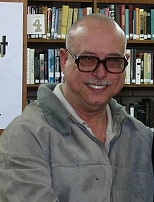
Today I have the pleasure of interviewing an old hand in the writing and publishing business, author Tom Johnson. Tom has written stories from a young age. He has been publishing his writing for more than twenty-two years and has over eighty books in publication. He grew up reading comic books and pulp fiction, becoming a collector in adulthood and his stories reflect the fascination that those books held for him. He has also written numerous nonfiction books and is currently involved in writing children’s stories. Please help me welcome Tom Johnson.
Kaye: Hi Tom. Although in the past, you’ve written and published many different genres, you are currently writing only children’s stories. So, let’s talk about that. Tell me a little about your stories.
Tom: My children stories are about 1k and meant as bedtime tales, and to be read in classroom or library settings. They are short stories with little morals to teach children something about life.
Kaye: Are they a series or stand alone?
Tom: They are a series, and published in anthologies about once a year. There have been four anthologies so far. I was invited to participate beginning in volume #3. The anthology is called Wire Dog Storybook. Here is the background. True story. A young girl, Ellen Walters, asked her father, David Walters, if she could have a dog, and he said, “No.” So she found an old wire hanger and shaped it to resemble a dog, and called it wire dog. David Walters was fascinated by her ingenuity and created the Wire Dog Storybooks. So the stories usually feature Ellen and Wire Dog, but always Wire Dog. Five of my stories have been published so far, and I’ve written three more for the 2018 yearbook when it comes out at the end of the year.
Kaye: What age group are they aimed at?
Tom: I feel that we should begin reading to our children by age one. With that in mind, my stories are aimed at the age group of 1 to 5. However, older children will enjoy the stories, as do adults.
To get a better idea of what Tom’s children’s stories are like, you can get a free copy of one here. They are short and can be read in only a few minutes.: Wire Dog Has An Ugly Mood Day – Or The House of 1000 Mirrors https://wiredogstories.com/2016/01/19/story-40-wire-dog-has-an-ugly-mood-day/
Kaye: What differences do you see between writing for children and writing adult fiction?
Tom: Adult fiction usually means, “no holds barred”, while writing children stories you want to stay away from violence, horror, and adult themes. Keep in mind, young children absorb what they hear quickly, and some themes could have an adverse effect on young minds. When writing for children we must keep this in mind.
Kaye: What appeals to you about writing for children?
Tom: Do you remember the old radio show for kids, Let’s Pretend ? It produced shows for children that acted out fairy tales and light adventures – nothing as harsh as today’s cartoons that are aimed at our youth. Well, I have the chance to import my love for adventure in tales easily understood by young people; children who some day may also experience that same love to pass on to their children. Stories that give our children a moral to live by, not “It’s clobbering time!” Or Pow! Bang! Boom! It’s something my mother did for me when I was little, and now I have the same opportunity, and I’m not going to pass it up.


You can get the Wire Dog books here:
Wire Dog Storybook #3 http://www.lulu.com/shop/david-clyde-walters/wire-dog-storybook-3-in-full-color/paperback/product-22554849.html
Wire Dog Storybook #4 http://www.lulu.com/shop/david-clyde-walters/wire-dog-storybook-4-in-color/paperback/product-23424745.html
Kaye: You have wanted to write for children since you were little and your mother used to read to you.
Tom: Oh, yes. I hope that mothers are still reading to their children. They learn at such a young age, and we’re missing an opportunity if we fail them when they’re young. They will never forget what they learn as children, it’s when their minds are growing and grasping at everything. I think one of the first words they learn is, “Why?”
Kaye: What were your favorite children’s stories?
Tom: Really, I would have to look them up in the book of fairy tales on my shelf. There were so many she read to me. Knights saving young damsels come to mind. I remember one particular fairy tale where the princess was on a glass mountain, and the young knight had to save her. She watched each day as a knight riding brown horse attempts to scale the glass mountain, then a knight on a white horse, and so on, until the final day when a knight riding a great steed scales the mountain, and we find out that he was the knight on the brown horse, the white horse, etc. It wasn’t the color of the horse, but the persistence of the knight that finally achieved the goal.
Kaye: In what ways do the stories you write emulate those favorites from your childhood?
Tom: Like the fairy tale I mentioned above, my stories will also have a similar moral – it’s not the color of the horse, or the knight’s armor, but his persistence that wins the hand of the princess. Do the right thing, for the right reason. Persevere. If you don’t succeed today, try and try again.
Kaye: You have written since you were a young man, for fifty some years, and you had your own small press for many years. Always, your life seems to have writing at the center of it. Looking back on your life, what does writing mean to you?
Tom: I think writing was always an escape to other worlds, other realms, and other dimensions. We could be anyone we wanted, go anywhere we wished, and experience great adventures. We create those worlds and people we want in them, and our heroes and heroines are who we want to be, or the friends we want beside us. We choose those things that mean the most to us. Whether we’re a cowboy or cowgirl, Conan or Xena, we bring the characters to life. That’s what writing means to me, to give life to my characters.
Kaye: How do you see the rise of digital publishing affecting authors of today?
Tom: Publishing has never been easier. When we were publishing the small press magazines, it was hands on. We did every aspect of the business, from reading, approving or rejecting, editing, set up and printing, then mailing to subscribers and bookstores that carried our magazines. Today we have Lulu and Amazon for all that. We just write, they publish. Anyone can be a writer or publisher now.
 Kaye: What is the strangest inspiration for a story you’ve ever had?
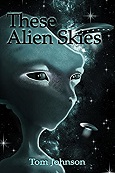
Tom: I had a dream one night. A young boy was in the woods dying when a strange being found him and comforted him as he passed. The strange being was an alien and I saw the saucer-shaped craft behind him. When I woke the dream stayed with me. Did the alien kill the boy? Why was the alien there? What was the boy doing in the woods? It wouldn’t let go of me. I wrote What Goes There from that dream. The boy was dying from snakebite and the alien took his pain from him so he could pass more easily. Then I made a mystery with the plot. The story is part of my book, These Alien Skies.
Kaye: Is there anything unique or unusual about your writing process?
Tom: When I write, I don’t want to be disturbed. No music, no background noise at all. My work computer is in my bedroom. I close my door from all outside communication, telephone, wife, neighbors, etc. I have to be alone when I write.
Kaye: You’ve written over eighty books in many different genres over the course of your career. Which of your books would you say are your favorites? Why?
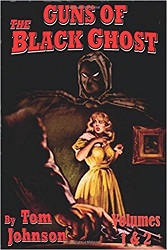 Tom: If we’re speaking of my fiction stories I would probably say my favorite is Guns of The Black Ghost, as it is my homage to Walter Gibson and his character The Shadow (remember him). The Shadow was one of my favorite radio dramas as a kid, and I met the creator of the character, Walter Gibson, in the mid-1970s and we were friends until his passing. I always wanted to write a Shadow novel, but copyright protection kept me from it, thus my own character, The Black Ghost came into being.
However, my non-fiction research books are probably my best sellers. I’ve written over half a dozen of them. A lot of work went into them. A lot of reading and studying, and I think it paid off, as fans have all bought the huge books for the data. These are books that don’t get thrown away, but have a special place on their bookshelves.
Kaye: So, tell us a little about your nofiction books. What is the subject matter and how did you come to write them?
Tom: As a pulp collector it was natural for me to become a historian. I had completed runs in many of the lead characters, thus had the opportunity to study the novels for research, identifying authors, plots, etc. At the time I was writing fiction and Introductions for ALTUS PRESS books, and the publisher wanted my research put into books. Some of those series were Secret Agent X Companion, Operator #5 Companion (History of The Purple Wars), The Phantom Detective Companion, The Black Bat Companion, Dan Fowler’s G-Men Companion, and Echoes 30. Several ran for twenty years, and 171 issues. Some not so long, but just as popular to the fan and collectors today. There may be others, my mind is slipping, but these were the big volumes. They covered the complete pulp series of each title. Echoes 30 covered conventions, pulp books, authors, artists, and publishers. All are in demand and have been good sellers.


Kaye: Are you a plotter or a pantser? Why?
Tom: I’m a pantser. I never could understand why you needed to write a fifty-page plot outline, just write the darn book. Once the words start flowing you don’t want them to stop. And they will, if you’re outlining.
Kaye: What do you think is the single most important element in a story?
Tom: Characterization. Make your characters come alive. You want readers to connect to them, feel for them, and be drawn to them. The plot will work itself out, but if your characters aren’t real I don’t care how much of a plot you have, it will bomb.
Kaye: If writing suddenly made you rich and famous, what would you do?
Tom: I don’t know that I would want to be rich and famous. What would be next? I want to always be reaching, always trying to entertain. If I set my goal for rich and famous I might forget about the entertainment and pleasure we get from writing. If I entertain one person, then I am already rich. Besides, we already have money, and fame is fleeting at best.
Kaye: What’s the best piece of advice you were ever given?
Tom: Write what you know. I’ve read a lot of books where the author is writing about something s/he knows nothing about, and it shows. I know information is at the tip of one’s fingers today, but if you haven’t truly experienced something you will come off as unbelievable if you try to write about the subject.
I want to thank Tom for joining us today on Writing to be Read and offering up some really great answers to my questions. I have really enjoyed having him. If you’d like to learn more about Tom Johnson or his books you can check out his website or his Amazon Author Page.
Like this post? Subscribe to Writing to be Read for e-mail notifications whenever new content is posted or follow WtbR on WordPress.
Share this:

Reviews: Do they really matter?
Posted: June 22, 2018 Filed under: Book Review, Books, Promotion, Self-Publishing, Writing Tips | Tags: Book Reviews, Books, Reviews, Writer's platform, Writing Leave a comment
Normally Fridays bring you book reviews on Writing to be Read, but as often happens, life got in the way last week and I don’t have a review ready today. So, I thought I’d take this opportunity to talk about the importance of reviews for today’s authors. You see a lot of hubbub on social media these days asking for reviews, and it’s one of the top goals for authors, in part because acquiring reviews has become one of the biggest difficulties today’s author faces. First, let’s look at how reviews can help authors, and then we’ll look at why they are so darn hard to get.
So, what’s all the fuss about? Why do author’s even need reviews? What good are they?
In the world of digital publishing, it’s not sales numbers that puts your book at the top of the best seller lists, but the buzz which surrounds it. Reviews drive books to the top, or not. But, even poor reviews are helpful to authors. I know that doesn’t sound right, but it’s true. Author and freelance writer DeAnna Knippling explains it well:
“Amazon’s algorithms are not human, do not have feelings, and don’t actually understand that you’ve just been torn in two by a critical review. What those algorithms see, as far as anyone can tell… is that someone read your book.
“In my opinion, indie writers should treat all stars as good stars. Total stars = success #1.
“Second, indie writers should worry about their average star rating. Higher average = success #2.
“Third, indie writers should worry about their average rating being too universally positive, an indication that reviews were either begged, borrowed or stolen. Variety of star ratings, (obviously heavier on the 4\5 ratings) = success #3.
“Forth, although maybe this should be higher, indie writers should be worried about reviewers going on to buy similar books to yours. If your book is bought and possibly liked by people who normally buy that kind of book, it will be shown more often to people who buy that kind of book. Also bought = success #4. ”
So, reviews not only boost your book up on the best seller lists, but they also direct the audience who views it, which theoretically, can boost your sales. That’s why I post my reviews, or at least a portion of them, on both Amazon and Goodreads. Amazon doesn’t always allow my reviews to stand because I’m not a verified sale. (I do my reviews in exchange for ARC copies.) However, Goodreads even allows me to include a link back to the original review here on Writing to be Read. If an author requests it, I will also post their review on Smashwords, B&N, or any other site that carries their book, if I’m able. After all, the reason I do what I do is to help out my fellow authors. The rules placed by the different sites on who can post a review and what can be posted can be daunting, but they can be worked around.
Something else I have run into is getting people to download my book, even when it’s free. I offer a free ebook of my paranormal mystery, Hidden Secrets, when you sign up for my monthly newsletter. I’m getting people to sign up, but for reasons I don’t understand, not many are claiming their freebie. I’m not sure why this is, but I know other authors who have experienced the same thing. If you can’t get people to read your book for free, how do you expect to get them to pay for it? And then, if you do get them to read the book, how do you get them to take the time to go back and leave a review?

To find out what problems other authors have in acquiring reviews for their books and learning what works, I did an informal poll of authors that I know, and here is what I found out:
Jordan Elizabeth: Getting reviews is hard. I don’t think I’ve only had 1 or 2 people ever leave a review after purchasing. I’ve tried blog tours, but haven’t had good luck. The best way for me is to seek out blogs and send a personal email.
Tom Johnson: It’s hard to get reviews. I sell a lot of books, but few receive reviews. Readers just don’t want to write them. The easiest way is to sign up for a Blog Tour (there are many tours available, but they charge). However, you will get reviews on the Tour. I review books, and would be interested in reading the first Oracle novel.
Amy Cecil: I have my own personal ARC TEAM, that starts the reviews when a book releases, then I have bloggers and the rest trickle in.
Margareth Stewart:
1) ask friends and people you have been in contact with lately and kindly ask them if they would read and review your novel.
2) engage with possible audience in social media and ask them for reviews in exchange for free giveaways.
3) contact students and people who are new in the area and ask if they would be willing to do it.
4) I have been advised and therefore passing it on “never buy reviews” – readers do know it’s fake news lol.
5) last but not least, patiently wait for surprises and if they do not come, keep no worries Shakespeare had no reviews as all the other masters (lol).
There doesn’t seem to be any clear cut answers. I can remember when the only people who wrote reviews were columnist, who wrote for the newspapers and magazines, and that’s the only place that you found them. But the industry is changing and now days customers want to hear from customers who bought before them before they buy, so that’s who writes, or doesn’t write reviews, and they appear on every book distribution site where they are available.
Although it sounds as if Amy Cecil might have something going with her ARC TEAM, many authors struggle as much to get reviews as they do to make sales. I don’t see anything wrong with simply requesting folks to read your book and write a review, but it appears this methods lends only minimal results. There are reviewers such as myself out there, but finding them isn’t always easy,
Something I’ve seen in recent ebooks I’ve read is an appeal to the reader at the end of the book, asking them to write a quick review before putting the book down for another. It seems to me that this reminder is strategically placed to catch the reader’s eye just as they finish the story, requesting the review while the tale is still fresh in their minds. It might just work.
As authors, we should be reading as a part of our pre-writing preparations, saturating our brains with whatever genre we plan to write in, as well as factual research for nonfiction or historical works. As authors, we also know that reviews truly are important, so take the time to write a review for every book you read. It may take me a while to get my reviews posted on sites in addition to my blog, but I do eventually get them there. Reviews don’t have to take long to write. A couple of sentences and a star rating will do. But write the review.
Kaye Lynne Booth does honest book reviews on Writing to be Read in exchange for ARCs at no charge. Have a book you’d like reviewed? Contact Kaye at kayebooth(at)yahoo(dot)com.
Share this:

2018 Writing the Rockies Conference promises something for everyone
Posted: May 21, 2018 Filed under: Fiction, Nonfiction, Poetry, Publishing, Screenwriting, Screenwriting, Self-Publishing, Writing | Tags: Creative Nonfiction, Genre Fiction, Poetry, Publishiing, Screenwriting, Writing, Writing the Rockies Conference Leave a comment
As I mentioned in last week’s post, An Adventure in Book Marketing, I will be sitting as a panelist at Western’s Alumni Roundtable at the Writing the Rockies Conference in July. There I said that was my next experiment in marketing, but to be honest, although copies of Delilah will be available at the book fair, run by Crested Butte’s Townie Books, I’m not expecting my sales to suddenly shoot up off the charts. Writing conferences, as a general rule, are not places where you sell a lot of books, but I’m exciting to be going and representing Westerns M.F.A. in Creative Writing program, (I’m actually representing both of my concentrations, screenwriting and genre fiction), for other reasons. What writing conferences are generally good for is making connections within the writing community, and Writing the Rockies is no exception. It seems Western, or maybe even the Gunnison Valley is especially prolific in this area, because you begin to feel yourself being pulled in to fantastic world of writing and publishing as soon as you step onto the Western campus. And the connections I’ve made at Western and at the conference have been very useful to me in some unexpected and surprising ways. Never have I attended this conference without coming away with some valuable new connections, some of which have turned into long lasting friendships, as well.
This year, it looks like they’ve got a great line-up, including fantastic opera workshop performance of Lottie Silks, with music by Jay Parrotta and libretto by Western Poetry and Genre Fiction student Enid Holden, directed by Ben Makino and Andrew Sellon, to go along with their infamous and very intense poetry symposium. They also have some not to miss Keynote speakers lined –up: Mark Todd, author and founder of Western State’s M.F.A. in Creative Writing Program, for the conference Keynote; award winning poets Ned Balbo and Jane Satterfield for the poetry Keynote; Kevin J. Anderson, author of over 140 novels, publisher at WordFire Press and a member of Western’s M.F.A. program staff for the publishing Keynote; Patrick Pexton, former ombudsman for the Washington Post for the creative nonfiction Keynote; and Emmy Award winning screenwriter, John Bowman for the screenwriting Keynote; and Michaella Roessner, published author and M.F.A. program faculty for the genre fiction Keynote. Other presenters in the publishing track include Darrin Pratt, Editor of the University of Colorado Press and immediate past president of the Association of American University Presses, D.H. Tracy, Editor of Antilever Press, and others.
In addition to their always informative workshops, sessions and panels, pitch sessions and manuscript critiques are available, their annual hike above Crested Butte will take place, three day intensive workshops, and full day seminars. Special presentations of Comedy is Hard, by Mike Reiss, directed by William Spicer; and Multitudes: An Evening with Walt Whitman by Kim Nuzzo and Valerie Haugen Nuzzo. Film screenings including How Murray Saved Christmas, by Mike Reiss and the highlights from the Crested Butte Film Festival with festival co-director, Michael Brody will also be available.
As you can see, Writing the Rockies is a conference promises something for everyone. I’m excited to be a part of it and I hope you will join us. This is the 19th year running for this wonderful conference and it grows with each passing year. This year the conference will run from Wednesday, July 18th through Sunday, July 22nd. The cost is $300 for the entire five day event if you register before July 1, and $350 after that date. The good news is, although the conference is fully open to the public, every student of Western’s M.F.A. Program in Creative Writing goes as a part of the curriculum, and there are scholarships available for alumni, K12 educators, and Gunnison Valley residents, as well as anyone else who wishes to apply. You can sign up for the 2018 Writing the Rockies Conference or apply for scholarship here:
https://www.western.edu/writing-rockies-annual-conference
For more information contact:
David J. Rothman, Conference Director / 970-943-2058 / drothman@western.edu
Mark Todd, Conference Coordinator / 970-943-2016 / mtodd@western.edu
Michelle Wilk, Office Support Coordinator / 970-943-2163 / mwilk@western.edu
On a similar note, Western State Colorado University still has a few spots open for their low-residency M.F.A. in Creative Writing Program, which begins in July. If you have an undergraduate degree and you’re interested in persuing a career in writing genre fiction, poetry or screenplays or a career in publishing, their program may be just what you’re looking for. Low-residency means you must attend physical class on campus for two weeks each summer and the rest of the courses are online. (Remember, if you’re in the program, you get to attend the Writing the Rockies Conference as a part of the curriculum.) Their faculty consists of successful published authors, successful screenwriters, and distinguished poets. Looking at the successes of myself and my fellow alumni, I have to say they offer useful skills and knowledge that can be applied in the writing industry.
For more information: https://www.western.edu/academics/graduate/graduate-programs-western/graduate-program-creative-writing-low-residency-16
Like this post? Subscribe to Writing to be Read for e-mail notifications whenever new content is posted or follow WtbR on WordPress.