Writer’s Corner: My Self-Editing Processes
Posted: February 3, 2025 Filed under: Editing, Writer's Corner, Writing, Writing Tips | Tags: Editing, Kaye Lynne Booth, Writer's Corner, Writing to be Read 6 Comments
Editors can be expensive. WordCrafter offers editing services at low prices, but even then, the words add up and I wouldn’t say it’s cheap. As an independent author, it’s not always easy to come up with the money to hire an editor, but it is imperative to have another set of eyes go over every word of my manuscript, so I can publish a quality product. As The D.I.Y. Author, I’ve come up with a few methods of accomplishing this without straining my pocketbook too much.
Novel Length Works
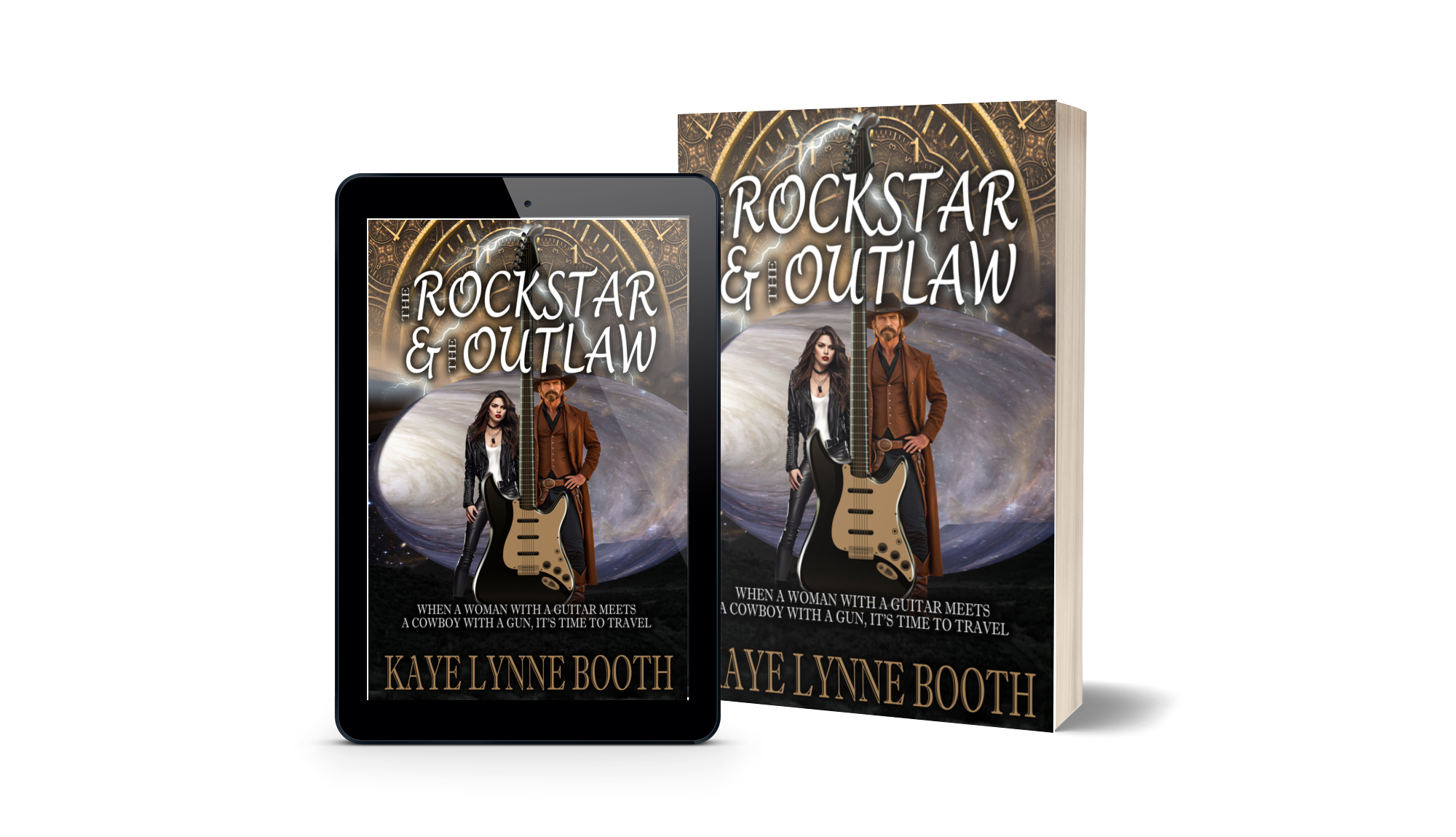
For novel length works, once I finish the first draft, I do one pass over of self-editing when the manuscript has sat for a day or two. I’ve heard that it’s important to let it sit for a while, so I do, but I limit the time it sits, keeping the story fresh in my mind. This is where I find the weak spots which need enhancing, embellishing my descriptions and extending or cutting dialog. In The Rock Star & The Outlaw 2: Seeing Doubles, I also used this opportunity to plant little easter eggs which connect back to the first book, for those who have read it.
When that is done, and the necessary edits have been made, I do another run through, reading it aloud. When you read aloud, you catch errors that a silent reader might skim over. Sometimes I can find a beta-listener to help me with this. This is where I do my developmental edit, looking at things like if the storyline flows smoothly, and if my characters are staying true to who they are. My beta-listener doesn’t have to be versed in the craft of writing, because their job is to offer an opinion from the listener’s, or reader’s, perspective.
Only when this is completed is the manuscript ready for a second set of eyes. Editing is a difficult job, and I think it’s important to send your editor or beta-reader as clean a manuscriptas possible. It saves making major changes at the end, too. If I can’t afford to pay an editor, I seek out a beta-reader to do the job. I have a few other authors who I exchange services with who can be called upon for this task.
To finalize, I do a final proof read before I publish, making sure all the ‘t’s are crossed and ‘i’s dotted. During this part of the process I use the editing tool which come with MS Word and ProWriting Aid Everywhere, which are both free and help me spot places which could be worded better and possible misspellings. Both of editing programs are AI powered, but they don’t always agree on corrections, or agree on things which should be changed. And they don’t have the final say. I still reserve the privilage of acceptance or rejection of all AI suggestions.
This system is not fullproof, and I use a professional editor whenever I can. When writing The Rock Star & The Outlaw 2: Seeing Doubles, I referred back to the first book a lot, and found many errors that all of these processes had missed. I’m now in the process of revising and correcting those errors, so I can republish the first book, before releasing the second.
Short Fiction
For short fiction, I follow the same basic processes as novel length works, but because they are collaborative works, it is much easier to get a second, and sometimes even a third set of eyes on each story. When putting together an anthology, I read story individually and request the desired edits from the authors. For my own stories, I recruit a beta-reader to go over it while I’m editing everyone elses. (This is after I’ve read it through twice; once aloud.)
After I receive the revised stories, I put the manuscript together, and give it yet, another read through, checking for any errors which may have been missed. Once it is formatted and ready to publish, I send the entire manuscript out to each of the authors, requesting that they proof read their story and one or two others, so that each story has at least two or three sets of eyes, other than my own, scrutinizing it. This collaborative form of editing ensures a quality product and it doesn’t cost me or any of the contributors anything but our time and keen eyes.
Author’s Note: You can find these editing tips and more writing tips for writing and publishing yourself in The D.I.Y. Author.
_________________________________

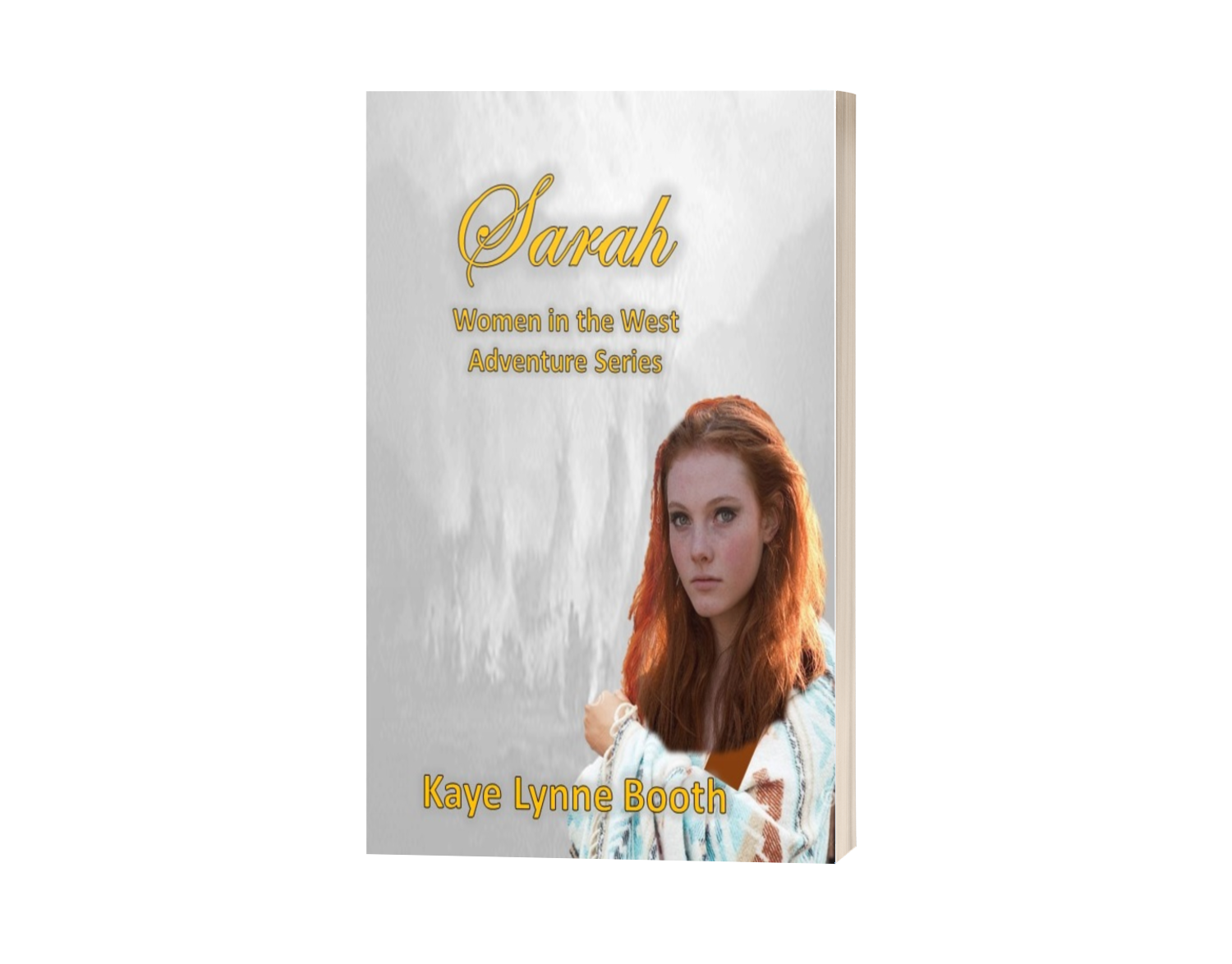
For Kaye Lynne Booth, writing is a passion. Kaye Lynne is an author with published short fiction and poetry, both online and in print, including her short story collection, Last Call and Other Short Fiction; and her paranormal mystery novella, Hidden Secrets; Books 1 & 2 of her Women in the West adventure series, Delilah and Sarah, and her Time-Travel Adventure novel, The Rock Star & The Outlaw, her the first three books in her kid’s book series, My Backyard Friends, her poetry collection, Small Wonders, and her writer’s resource, The D.I.Y. Author. Kaye holds a dual M.F.A. degree in Creative Writing with emphasis in genre fiction and screenwriting, and an M.A. in publishing. Kaye Lynne is the founder of WordCrafter Quality Writing & Author Services and WordCrafter Press. She also maintains an authors’ blog and website, Writing to be Read, where she publishes content of interest in the literary world.
________________________________
Did you know you can sponsor your favorite blog series or even a single post with an advertisement for your book? Stop by the WtbR Sponsor Page and let me advertise your book, or you can make a donation to Writing to be Read for as little as a cup of coffee, If you’d like to show your support for this author and WordCrafter Press.
________________________________
This segment of “Writer’s Corner” is sponsored by The D.I.Y. Author and WordCrafter Press.
Being an author today is more than just writing the book. Authors in this digital age have more opportunities than ever before. Whether you pursue independent or traditional publishing models, or a combination of the two, being an author involves not only writing, but often, the publishing and marketing of the book.
In this writer’s reference guide, multi-genre author and independent publisher, Kaye Lynne Booth shares her knowledge and experiences and the tools, books, references and sites to help you learn the business of being an author.
Topics Include:
Becoming Prolific
Writing Tools
Outlining
Making Quality a Priority
Publishing Models & Trends
Marketing Your Book
Book Covers & Blurbs
Book Events—In Person & Virtual
And more…

Purchase your copy today: https://books2read.com/The-DIY-Author
Share this:

Writer’s Corner: Word Choices
Posted: July 1, 2024 Filed under: AI Technology, Books, Character Development, Dialogue, Fiction, Setting, The Human Condition, Time travel, Voice, Western, WordCrafter Press | Tags: AI Technology, Dialogue, Editing, Speech, Voice, Word Choices, Writer's Corner, Writing to be Read 17 Comments
I don’t need MS Word to tell me that my language might be offensive. That’s me. I use offensive language, usually on purpose, for effect because I want to be offensive, or just because it is what my character would say. Of course, I’m not writing for a YA or younger audience. I would want curse words to be pointed out and questioned, if that were the case.
I cuss. Most of the people I know cuss. Even religious folk have been known to issue a curse or two. If I feel the reaction to a situation would be an issued expletive, then my character will issue it. That doesn’t mean that all my characters are potty mouths, but when a curse is in order, they throw it out there, and I believe it is appropriate in certain situations, and also more realistic.
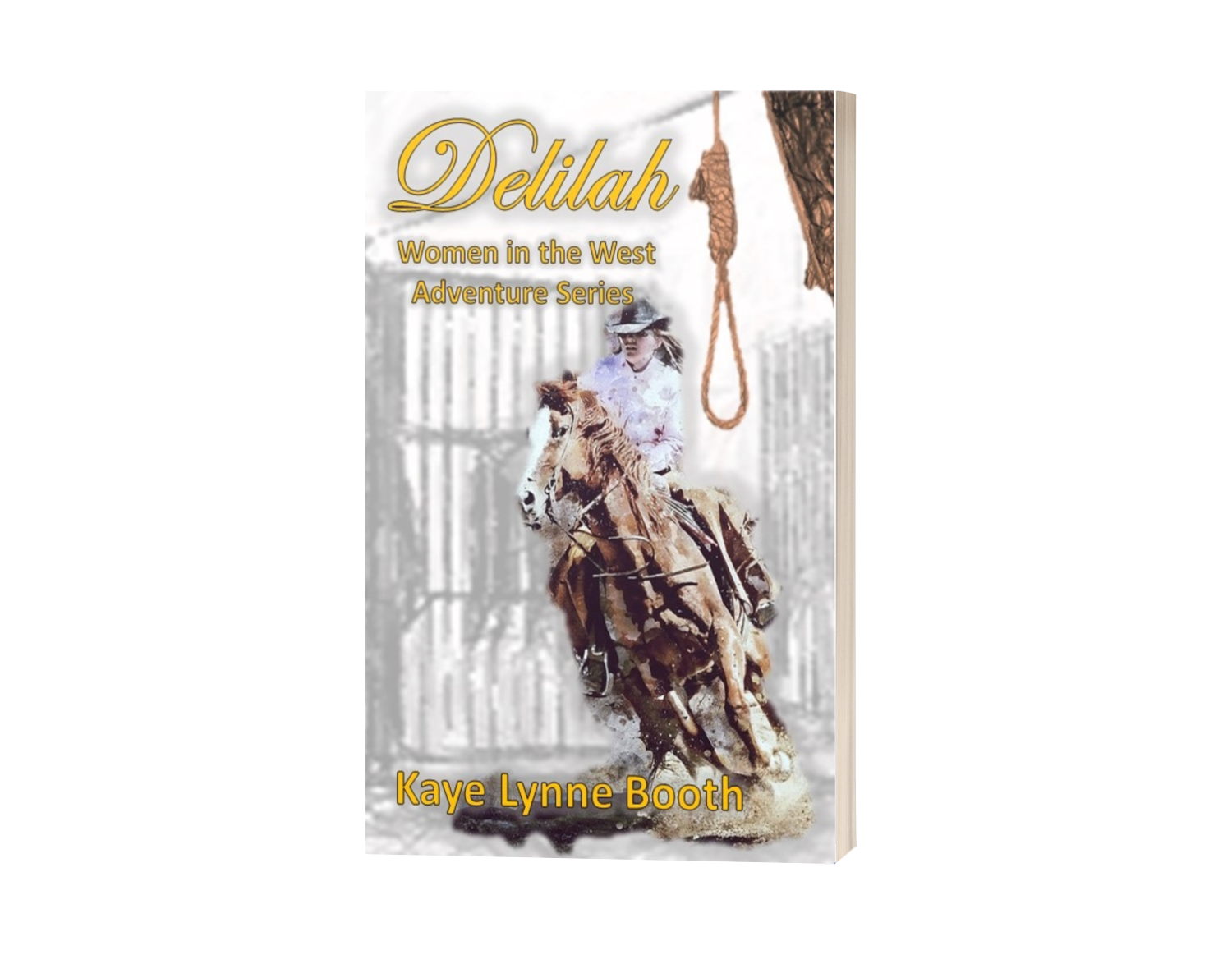
Even if my protagonist isn’t a curser, like Delilah, who uses expletives such as dagnabbit, the people around her do, so my books do contain some cursing. I don’t feel like a story set on the western frontier, would be true to the period or the frontier culture.
Likewise, the modern day Las Vegas culture in the music circles involves drugs, sex, and rock-and-roll, so naturally my character, Amaryllis, in The Rock Star & The Outlaw is involved in all of that and more, and her language often isn’t ladylike. Even so, I try not to let her get carried away with the curse words. And Sarah deals with the issues of prejudice and sexism, and the language in the story reflects the prejudices of the times, whether the AI editor in MS Word likes it or not.
But my villains often have mouths so dirty even their own mothers wouldn’t kiss them. Respect for women or lack thereof is often indicated in the way a man refers to women. If a character lacks respect for women, which many male villians do, then their language when referring to them may be less than flattering. After all, the way a character speaks is one of the things readers use to clue them in to what a character is like, and then decide if they are a character they should like, or not.
Another speech trait which I use often is the improper use of the English language. In the old west, many people were not educated and used words such as ‘ain’t’ or they cut off the ‘g’ in ‘ing’ words. In Delilah, one of things she strived for was to speak more properly after meeting the Mormon woman, Marta, who was a natural born school teacher and corrected Delilah’s speech automatically out of habit. Many of the less savory characters in the Women in the West adventure series, clue readers into their ignorance by the way they speak. I reckon that’s what I do it fer. These are purposeful misspellin’s that drive my AI spell-check crazy.
Many of my western characters are representitive of the many immigrants who made the U.S. into the melting pot that it is known to be. They speak in different dialects to differentiate them from other characters, which gives them colorful speech that is recogizable without adding dialog tags. In Sarah, Lillian Alura Bennett is one such character, who happens to be an Irish madam at a bordello in Glenwood Springs. And in The Rock Star & The Outlaw, the Mexican dialect of Juan Montoya leaves no question when he is speaking.
In Delilah, I had the opposite problem as the character of Dancing Falcon was a young Indian boy, who had been taught to speak English at the Indian agency with a strict teacher, so his speech is almost too proper, which made his speech sound very formal in places. One of the comments from a beta reader was that no one talks like that, so I went back when revising and added in a place where he talks about his time on the reservation and his schooling experience, to explain why he spoke that way to readers. The point being that a characters speech should reveal something about them, as well as making them identifiable.
It was really fun to create the characters in the My Backyard Friends kid’s book series, which is based on the birds and animals which visit my yard in the Colorado mountains. Katy Cat is a bit of a diva, kind of stuck up, and thinks she’s better than everyone else. She’s willing to help out Timothy Turtle as long as it doesn’t inconvenience her too much. I relayed this information in the way she swishes her tail, (body language), and in the way she talks with a bit of attitude. Heather Hummingbird has a lot of energy, so she talks really fast and rarely perches for more than a few seconds at a time. Charlie Chickadee is a young bird on his own for the first time, so I made him a bit niave. The things he says reveals this more than the way that he says it.
Other reasons an author might make the character’s or even the narrator’s voice a bit quirky is because it is the author’s voice coming through. (You know the voice English teachers are telling you to find? Yep. That one.) To an extent, this is true for me. My own speech is usually rather blunt and to the point, and so are my characters’. I don’t use a lot of colorful purple prose, instead calling it like I see it. Many of my protagonists are the same way. Delilah says what’s on her mind and she doesn’t beat around the bush. Sarah, too, tends to speak before she considers the way her words will be taken.
AI editors don’t understand this, and so variants in speech are often marked as needing correction, when in fact, they are purposeful. This is why, just running through your story with an AI editor is never enough. But there are times when human editors don’t get it either. Kevin J. Anderson tells a story about submitting a book to a traditional publisher who turned it over to a novice editor who corrected all the little quirks that revealed his voice and marked his manuscript up until it looked like nothing but red scribbles. That’s when you know that an editor isn’t a good match for you. Kevin politely refused to work with that editor and they assigned him another one. That’s why it’s important to have an editor that gets you and your voice, and understands the nuances of your character’s dialog.
Finding the right editor isn’t always easy, especially if funds are tight. Many editors will offer a free edit of the first ten pages, or even the first chapter so you can fell them out and find out if they are right for you and your story. I wouldn’t go with any editor who doesn’t offer this, and of course, I offer it through Write it Right Quality Editing Services. Any editor worth their salt will understand that they must be able to differentiate between mistakes and purposful word choices.
___________________________________________
About Kaye Lynne Booth

For Kaye Lynne Booth, writing is a passion. Kaye Lynne is an author with published short fiction and poetry, both online and in print, including her short story collection, Last Call and Other Short Fiction; and her paranormal mystery novella, Hidden Secrets; Books 1 & 2 of her Women in the West adventure series, Delilah and Sarah, and her Time-Travel Adventure novel, The Rock Star & The Outlaw. Kaye holds a dual M.F.A. degree in Creative Writing with emphasis in genre fiction and screenwriting, and an M.A. in publishing. Kaye Lynne is the founder of WordCrafter Quality Writing & Author Services and WordCrafter Press. She also maintains an authors’ blog and website, Writing to be Read, where she publishes content of interest in the literary world.
____________________
This segment of “Writer’s Corner” is sponsored by The D.I.Y. Author and WordCrafter Press.
Being an author today is more than just writing the book. Authors in this digital age have more opportunities than ever before. Whether you pursue independent or traditional publishing models, or a combination of the two, being an author involves not only writing, but often, the publishing and marketing of the book.
In this writer’s reference guide, multi-genre author and independent publisher, Kaye Lynne Booth shares her knowledge and experiences and the tools, books, references and sites to help you learn the business of being an author.
Topics Include:
Becoming Prolific
Writing Tools
Outlining
Making Quality a Priority
Publishing Models & Trends
Marketing Your Book
Book Covers & Blurbs
Book Events—In Person & Virtual
And more…

Pre-Order your copy today: https://books2read.com/The-DIY-Author
Share this:

An Excellent Post on the Editing Process
Posted: February 7, 2024 Filed under: Editing, Writing | Tags: DL Finn, Editing, Writing 2 CommentsDL Finn shares her expertise on the editing process on the Story Empire blog site. She has some insights into the author’s process needed to send off a clean draft to your editor and make them love you even more that he/she already does. It’s good advice that will help to make a better book. So check it out. You’ll be glad you did.
Share this:

Writer’s Corner: Who Needs an Editor?
Posted: December 4, 2023 Filed under: Editing, Fiction, Write it Right Editing, Writer's Corner, Writing | Tags: Editing, Editors, Write it Right Quality Editing Services, Writer's Corner, Writing to be Read 2 CommentsEven Stephen King Needs an Editor
In my graduate publishing classes, Kevin J. Anderson talked about how traditional publishers have tried to cut corners by providing minimal editing, and how they won’t even look at a manuscript that will require heavy editing, unless you are a big name author. Then he told the story of how Stephen King submitted something to a publisher who didn’t thinkm his work needed editing because he is a bestselling author, and Stephen King said something like, “What? No, wait. Part of the reason I’m a bestselling author is because I have fantastic editors to make me look good.”
Even bestselling authors need editors to help them make their writing the best that it can be. They don’t whip out stories that are grammatically correct and properly spelled right off the cuff. They work at it, and they have others input to help them improve their writing, and together, they turn out well written novels which then, become bestsellers.
For me, KJA’s story drove home a point. I’m an unknown author, and writing is a learning process which never stops. So, if bestselling author Stephen King believes he needs editors then, what makes me think that I don’t? Of course I do. I don’t claim to write as well as King, not by a long shot, so of course I need to have someone knowledgeable in all things writing to take a look at my works before I share them with the world.
Advantages of Having Your Work Edited
- You’ll produce a better quality work that you can be proud of.
- Readers will appreciate not having to struggle through poorly spelled, or poorly structured sentences and paragraphs, just to follow the plot of the story.
So, What Does an Editor Do That I Can’t?
There are many types of editing, but for the sake of this discussion, we’ll talk about line editing, or copyediting in the world of advertising and content marketing. For our purposes, we’ll use line editing.
A line editor sits down in front of your manuscript and goes through it line by line, marking misspellings, inconsistancies and grammar errors. If you’ve got a good repore with them they may also point out plot holes, but that really falls under the deep dive of developmental editing. And about now, you’re saying, “Well, I can do all of that.” And you can, but the thing is, they are not as close to your work as you are. And because you are so close to it, (if you’re anything like me, your stories are like your babies, so you’re biased toward your own writing), they may see things that you don’t, even though it’s right there in front of your eyes.
A Second, (and Maybe a Third or a Fourth), Set of Eyes
Editors are expensive, because editing takes a lot of time, when it’s done right. And I realize that not all authors can afford to hire an editor, especially when you are just starting out, and sometimes even years down the road, when you’re still trying to gain traction. I know because I’m one. I don’t make enough from my writing yet to give up my day job, as much as I would like to. Of course, I want my work to be its absolute best before publishing, so what is an author to do?
I’m a DIY author, but I believe that you really do need that second set of eyes that are distanced from your writing to get an objective opinion, but you don’t always need to pay a professional editor to get that. I don’t mean have Aunty Em give it a look, but someone who is knowledgeable about grammer and spelling, perhaps another author like yourself. I’ve found in the indie author and blogging worlds that there are many authors willing to trade services, or even pay things forward, if you just reach out and ask. The worst that can happen is they’ll say, “No.” If they do, try someone else.
You can try to find an editor on Fivver, but I would caution that you may get what you pay for there. Editors on Reedsy don’t usually come cheap either. But these are two options that are available to authors where you might find an affordable editor.
I utilize several of my author friends as a second set of eyes to beta read or edit my stories. When I can get them, I employ both. I know authors are busy people, so in turn, I must be willing to do the same for them, and I’ve also done a good share of paying forward. I’ve had some author friends turn me down because they were too busy at the time. I get that. Most of the authors I know have a lot going on. I happily move on, although I may come back to them latter.
Self-Editing Tools for Writers
I came across this great blog site, KD Did It Edits, which offers free editing tools for authors who can’t afford an editor, or those who just like to make their writing their absolute best before sending it to their editor, or second set of eyes. The whole site is filled with editing tips and tools, so drop in and browse around. I use many of the resources and tools that she has listed in my own work, including the Perdue Owl, and several of the style guides.
I also use Pro-Writing Aide in my final proof, before I upload my manuscript for publishing, which is basically an AI editor, similar to the one that catches my mistakes in MS Word. These AI tools catch errors which I may have overlooked on the first passover and point them out, so I can decide if they need correction, and how any corrections should be made. So, the AI tools are not writing for me, but they do assist me in catching as many errors as I can. I use them with my own writing and when I’m editing for others. I know I am human and can make mistakes or miss things, and they help me to make all my work the best that it can be. These tools are not a substitute for another set of human eyes on my own work, and I still use beta readers or my fellow authors to see other things that I might not have noticed. For the work of others, it goes back to the author with my comments and the author decides which corrections will be made, and which will be discarded.
Speaking as an Editor
As I mentioned, I do editing for others in a professional capacity through my Write it Right Quality Editing Services. Of course, I want writer’s to employ my editing services, but like I’ve said, I understand that many can’t afford an editor. I’ve always tried to offer my services at affordable prices, but today, I find my services offered at right around the going rate. I do offer discounted rates and special deals, at times. And of course, if you publish through WordCrafter Press, my line editing comes as a part of the publshing package, which is a 50/50 royalty split.
I do offer developmental editing services, but I don’t advertise it on my site and charge for them on an individual case-by-case basis, depending on how much work is needed. You can reach out to me for a quote on the contact form on my site through the link above, or at KLBWordCrafter@gmail.com.
Conclusion
In my opinion, any author that is human will make mistakes, so every author needs an editor, or someone else knowledgable in writing, to go over their manuscript or story. I hope that authors will find my site and chose to employ my services, but I understand when they don’t. As a reader who enjoys good writing, I hope that they are striving for perfection in their work, and will find someone else to do it, so that whatever they put out into the world will be the absolute best that it can be.
Do you agree? Disagree? Let me know your thoughts in the comments.
_________________________________________________
For Kaye Lynne Booth, writing is a passion. Kaye Lynne is an author with published short fiction and poetry, both online and in print, including her short story collection, Last Call and Other Short Fiction; and her paranormal mystery novella, Hidden Secrets; Book 1 of her Women in the West adventure series, Delilah, and her Time-Travel Adventure novel, The Rock Star & The Outlaw. Kaye holds a dual M.F.A. degree in Creative Writing with emphasis in genre fiction and screenwriting, and an M.A. in publishing. Kaye Lynne is the founder of WordCrafter Quality Writing & Author Services and WordCrafter Press. She also maintains an authors’ blog and website, Writing to be Read, where she publishes content of interest in the literary world.
_______________________________________________
Want exclusive content? Join Kaye Lynne Booth & WordCrafter Press Readers’ Group for WordCrafter Press book & event news, including the awesome releases of author Kaye Lynne Booth. She won’t flood your inbox, she NEVER sells her list, and you might get a freebie occasionally. Get a free digital copy of her short story collection, Last Call and Other Short Fiction, just for joining.
Share this:

WordCrafter News
Posted: August 29, 2022 Filed under: Advertising, Anthology, Ask the Authors, Book Promotion, Book Release, Book Review, Books, essays, Fairy Tales, Fantasy, Fiction, Giveaways, Mythology and Legend, Nonfiction, Science Fiction, Short Fiction, Stories, WordCrafter Book Blog Tours, WordCrafter News, WordCrafter Press, Write it Right Editing, Writing, Writing Reference | Tags: Anthologies, Ask the Authors 2022, Book Promotion, Editing, Giveaway, Once Upon an Ever After, Refracted Reflections, WordCrafter Press, Write it Right Quality Editing Services, Writing Reference 7 Comments
And the Winners Are….

I have an announcement to make.
We finished up the WordCrafter Once Upon an Ever After Book Blog Tour on Saturday, and I do hope you all joined in. It was a great tour and we held a giveaway for three digital copies of Once upon an Ever After, and every comment earned an entry.
Now, I am pleased to announce that the three winners of the anthology giveaway are Liz Gauffreau, Annette Rochel Aben, and Sara W. McBride!
(I need to make contact with each of you to find out which digital format you prefer. If you don’t hear from me, please contact me at Kayebooth@yahoo.com.)
You can get your copy of this wonderful anthology from your favorite book distributor here.
___________________________________________________________________________________________________________
Nice Reviews
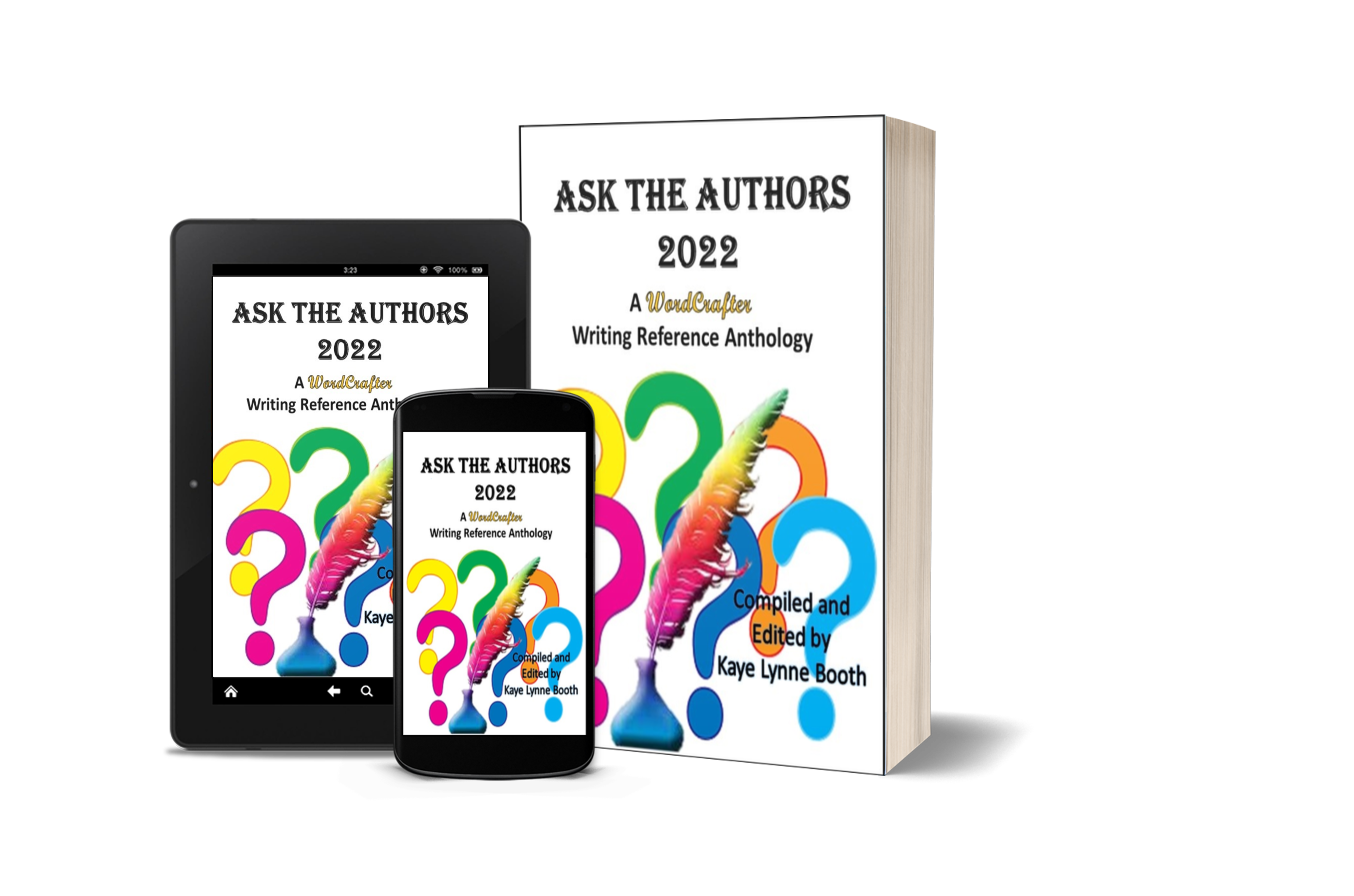
Ask the Authors 2022 has received a lovely review from Alex Norton on the Likely Story blog.
” I found it to be both interesting and useful, answering questions I didn’t even know I had and giving me different perspectives to ponder as I move forward on my own writing journey.”
You can find Alex’s full review here. I hope you will check it out.

Get your copy of this unique writing reference anthology from your favorite book distributor here.
___________________________________________________________________________________________

.The first review is out on Goodreads, from Madelon’s Reviews. Madelon does a nice job of making a brief statement about each story, as well as a review of the overall anthology, which states in part:
“Overall, REFRACTED REFLECTIONS provides a glimpse into the writing styles of authors you may want to read again.”
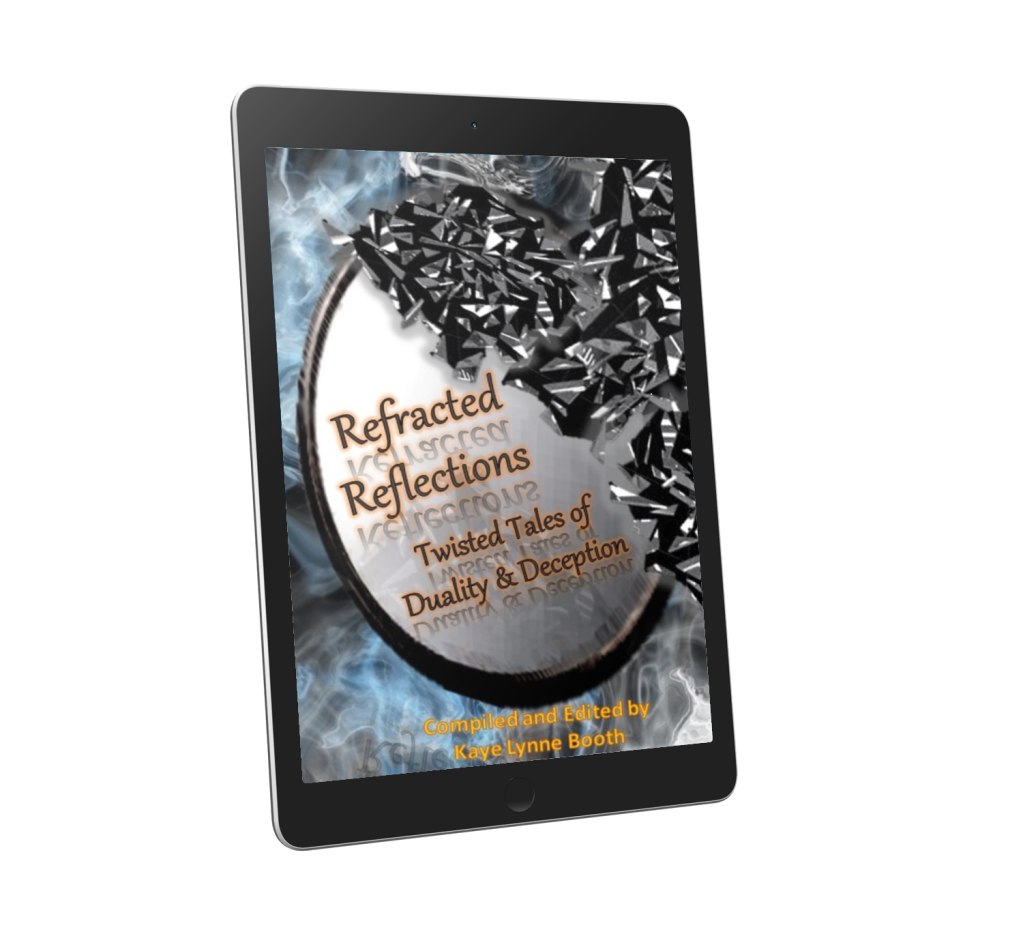
Refracted Reflections: Twisted Tales of Duality & Deceptions
Refractions and Reflections…
A reflection can be revealing or deceptive. What stares back at you when you glance into the mirror?
A prison, designed to trap you and take away all that is dear to you?
A portal to another dimension? Another time?
An evil twin, luring you to the other side?
Your loved ones with a fond farewell?
A distorted version of yourself? A person you no longer even recognize?
A protective savior?
Do you dare to gaze into the looking glass?
Will what you see save you…, or haunt you forever?
If you liked Gilded Glass and Once Upon an Ever After, you’ll like Refracted Reflections: Tales of Duality & Deception.
Scheduled for release September 20, 2022. Now available for pre-order from your favorite book distributor here.
Don’t miss the WordCrafter Refracted Reflections Book Blog Tour September 19 – 23 for a deeper look into this unique anthology.
_____________________________________________________________________________________
Write it Right Quality Editing Services is currently open to new clients

See Write it Right‘s affordable rates and get a quote for your editing needs here.
Share this:

Writer’s Corner: Why you need to have your book edited
Posted: January 17, 2022 Filed under: Books, Editing, Fiction, Nonfiction, Short Fiction, WordCrafter, Write it Right Editing, Writing | Tags: Editing, Independent authors, independent publishing, WordCrafter Quality Writing & Author Services, Write it Right Quality Editing Services 1 Comment
Even traditionally published authors need to have their work edited. In the past, authors who were traditionally published could count on their publishers for certain benefits, including help with marketing, editing, cover art, etc… But with the rise of independently published authors, those benefits can no longer be taken for granted and today, some publishers don’t provide any more, is editing. In their article “Why your publisher won’t edit your manuscript – and what to do about it”, (https://withoutbullshit.com/blog/why-your-publisher-wont-edit-your-manuscript-and-what-to-do-about-it), Writing Without Bullshit claims that publishers in 2021 are looking for ‘publishable as is’ manuscripts. That means that they are expecting your manuscript to be ready to publish, requiring at the most, minimal copy editing before sending it through the publication process.
If traditionally published authors still need to have their work edited, then it goes to figure that it’s just as vital for an indie author. Independently published authors once carried a bad rep, because of a flux of new authors, or want-to-be authors, who flooded the market with poorly written and badly edited, if edited at all, books with the new lack of gatekeepers which came with the rise of independent publishing. While self-publishing became more affordable and accessible to aspiring authors, there were not the quality buffers of traditional publishing, leaving gaps wide enough to allow a plethora of poor-to-horrible quality books out into the market.
Independently published authors have managed to overcome that initial bad rep for the most part, but only by putting on the work and creating books of excellent quality, which are professionally edited, with covers that are professionally designed, at some expense to the author. But of course, we all want are books to be the best that they can be. Right? Right.
So why are some authors tempted to skip the editing step in the writing process? Maybe they think that as writers they know all the rules so they can edit it themselves just as well. But another set of eyes can pick up things that editing with author’s eyes may not. It’s true. And even if you use a critique group, beta readers, or even relatives or friends to look over your story or book draft, chances are, they will pick up mistakes that you have missed.
No matter the reason, what it all comes down to though, is that editing is expensive, and many aspiring authors, who haven’t hit the bestseller lists yet, can’t afford to pay a professional editor. I know I certainly can’t. I do have my fellow authors, who are kind enough to help me out, (authors really are a great group, aren’t they?), give my manuscripts and stories a going over, but authors are busy people and editing takes time; time that could probably be used better writing, so it is not an ideal arrangement.
That’s why when I founded WordCrafter Quality Writing & Author Services, and added Write it Right Editing Services to those available, my motto was “You should not have to mortgage your house to have your book edited.” So, I tried to make Write it Right Editing‘s rates affordable, especially for those who haven’t risen to the top, or made it into the six figure authors club yet.

If you don’t want to spend a fortune to have your book edited, or you just want a quick proofread to be sure your work is ready for publication, maybe it would be worth your time to drop over to the WordCrafter website and give Write it Right Editing a look. I’ve been editing since 2010 and I am currently part of the Mirror, Mirror editorial team for Kevin J. Anderson and the Western State Colorado University‘s publishing cohort, as well as my editing duties for WordCrafter, so I have plenty of experience editing novels, anthologies, poetry and non-fiction. I’ll be taking on new clients in 2022, as I move my writing business into the full-time realm. If you’d like to learn more about Write it Right Editing Services, visit the WordCrafter website here.
________________________________________________________________________________________________________
Kaye Lynne Booth lives, works, and plays in the mountains of Colorado. With a dual emphasis M.F.A. in Creative Writing, writing is more than a passion. It’s a way of life.

She’s a multi-genre author, who finds inspiration from the nature around her, and her love of the old west, and other odd and quirky things which might surprise you. She has short stories featured in the following anthologies: The Collapsar Directive (“If You’re Happy and You Know It”); Relationship Add Vice (“The Devil Made Her Do It”); Nightmareland (“The Haunting in Carol’s Woods”); Whispers of the Past (“The Woman in the Water”); and Spirits of the West (“Don’t Eat the Pickled Eggs”). Her western, Delilah, her paranormal mystery novella and her short story collection, Last Call, are all available in both digital and print editions.
In her spare time, she keeps up her author’s blog, Writing to be Read, where she posts reflections on her own writing, author interviews and book reviews, along with writing tips and inspirational posts from fellow writers. She’s also the founder of WordCrafter. In addition to creating her own imprint in WordCrafter Press, she offers quality author services, such as editing, social media & book promotion, and online writing courses through WordCrafter Quality Writing & Author Services. When not writing or editing, she is bird watching, or hiking, or just soaking up some of that Colorado sunshine.
___________________________________________________________________________________________________________
Like this post? Let me know in the comments. You can be sure not to miss any of Writing to be Read’s great content by subscribing to e-mail or following on WordPress. If you found this content helpful or entertaining, please share.
Share this:

Craft and Practice with Jeff Bowles – The Revision Process
Posted: May 20, 2020 Filed under: Craft and Practice, Editing, Fiction, Revision, Writing | Tags: Craft and Practice, Editing, Jeff Bowels, Revision, Writing, Writing to be Read 4 Comments
The third Wednesday of each month, writer Jeff Bowles offers practical tips for improving, sharpening, and selling your writing. Welcome to your monthly discussion on Craft and Practice.
The Revision Process
So I’m in the middle of a fairly lengthy revision process for my latest novel, and it brings to mind a piece of advice a mentor once gave me. When I began writing short stories, I joined an online critique forum that in retrospect helped shape me in some crucial ways. It was a pretty tough, competitive space when it came down to it, and the other writers there didn’t mind (lovingly) tearing stories to shreds if it meant giving enough feedback to fix what wasn’t working.
There was a guy there called Gary, older than most everyone else who frequented the group, and I tended to see him as an authority, a friend, and a bit of a task master. Gary was fond of quick little rules and guidelines, notepad-like pieces of wisdom that could really set a young writer up for growth.
“Expect the revision process for any given story to last two to three times longer than it took to write in the first place.”
In other words, by Gary’s estimation, if you were to write a quick story in an afternoon, you’d expect to spend an additional two to three afternoons revising and sharpening it to an appropriate level. I’m sure I don’t have to explain to you how in-depth the revision process can be. Sometimes it’s pretty easy-going, but for the most part, if you’re not doing some cutting here, expansion there, general tightening of language on all levels, and if you’re not willing to kill your darlings, as the saying goes, odds are you may be doing it wrong.
So what if we’ve written a whole book? Does Gary’s piece of advice still hold up? In my experience, it does. Due to sudden and unforeseen circumstances in my life, my novel took about a year to write. So does that mean it’ll take me two to three years to finish it? Not precisely. I worked on it for a year, but in fact, I only wrote about 300 words a day for a grand total of maybe fifteen hours of actual writing per month. Fifteen hours times twelve months equals 180 hours, and 180 times two is 360. Bare minimum, that is the equivalent of fifteen full twenty-four hour days of revision. Maybe more like a month and a half if I plan on sleeping, eating, or ever seeing my wife ever again.
Now remember, that’s only the initial revision cycle. More work will likely need to be done in order to bring that book up to production quality. Realistically, once you add in the services of an actual editor, you’re looking at several additional weeks or months of back and forth nitpickery. It’s the nitpicks that save us, by the way. Make sure you get plenty of them at breakfast time. They’re like daily bowls of Wheaties. Nitpicks make writer big and strong!
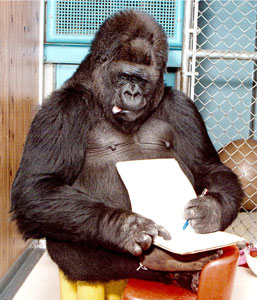
Big and strong writer (due to nitpickery)
It’s part of the overall level of dedication it takes to turn out a good piece of writing, right? And we all expect to have to work a little more after we’ve initially told a story, or at least we should. I’m not big on hard and fast rules. Really, I’m not. I think “rules” in writing can and should be broken now and then. Generally speaking, these kinds of prescriptions are for writers, not for readers. Inside baseball, not meant for actual spectators, you know what I mean?
Even so, there are some commonalities to this process I believe every writer can and should keep an eye on. First of all, get comfortable removing chunks of flesh from your manuscript. Just straight-up cutting large sections that may have had stuff in it you liked. Also, get comfortable rewriting everything you just took out. Only better. Hopefully. If parts of your story slow the narrative down, add unusual or unnecessary complications, or otherwise just don’t fit in with what you’re trying to achieve, that stuff’s dead weight, detritus. It’s got to go. Gird your loins, fellow word-wielder. Things are about to get messy at the slaughterhouse.

A good piece of meat isn’t born precooked, and neither is a good book. You can always resurrect some of that cut material and insert it elsewhere, but the same idea applies: if the words don’t fit, you must acquit.
Man, I’m on a roll today.
Another important thing to consider is if you want to make focused passes or not, keying in on just one element at a time, starting with larger issues like pacing and character development. This is a good idea if you’re new to the process or just like to stay organized, and it’ll probably save you some time in the long run. By making several focused and element-specific passes, you’ve got the opportunity to hone in without distracting yourself with other stuff that may change in the long run. My only suggestion for this type of revision process is to keep notes along the way. Ideas may spring to mind, better concepts for how to handle any given character or scene or larger story element, and you’re going to want to keep track of everything you intend to change for your next pass.
Admittedly so, I’m much too erratic and scatterbrained for this method, which means I tend to just charge in like a bull in a china shop and really tear the place up until its “redecorated” just how I like it. Mine is a messy process in this way, but it’s also just how my mind tends to work. Not everyone has the equivalent of sixteen trained chimpanzees careening around their heads, doing their level best to run the ship. If I don’t feed them at a regular time every day, Bingo—he’s the captain, see—he orders the rest of the chimps on strike, and then I’m in a real chimp ship pickle. Nobody wants that.
Where was I? Ah yes, serious discussion of the revision process.
A lot of what you’re going to be doing is in fact that more minute stuff, especially when you’re really getting down to it and most of your broader strokes have been made. Changing the language of the piece, the flow, tightening your syntax, all of that is important as finishing maneuvers. Just make sure you’re not revising so much you’re only shifting elements around and not necessarily improving anything. That can happen easily, which is why it’s also important during the revision process to take breaks when you need them. And I don’t just mean a break of a few minutes or hours. Sometimes you’ve got to let your manuscript go for days or even weeks just so you can come back at it with fresh eyes. The ability to forget what we’ve written is a great asset, so use it.
The annoyance and pain of all this is temporary. You have to keep that in mind. However, once they’re released to the general public, your words are forever. So now is your opportunity to line them up exactly as you want them. In the end, all you can do as a writer, as a creative individual of any kind, is your honest best. Will all your extra hard work pay off? That’s an eternal question, always in motion, and anyway, what’s your definition of success? I mean really?
I’ll have another Craft and Practice topic for you guys next month. Until then, cut a little, cut a lot, but don’t cut to the quick. The chimps in your brain may not like losing any of the good stuff. See you in June!

Check out Jeff Bowles Central on YouTube – Movies – Video Games – Music – So Much More!
Want to be sure not to miss any of Jeff’s “Craft and Practice” segments? Subscribe to Writing to be Read for e-mail notifications whenever new content is posted or follow WtbR on WordPress. If you found this useful or just entertaining, please share.
Share this:

Busy authors need WordCrafter
Posted: January 22, 2020 Filed under: Advertising, Books, Copywriting, Editing, Promotion, WordCrafter, Writing | Tags: Book promotions, Editing, Social Media Marketing, Social Media Promotion, WordCrafter, WordCrafter Quality Writing & Author Services, Writing to be Read 1 Comment
I started Write it Right Editing Services back in 2010 because I didn’t think an author should have to take out a mortgage just to pay for having their book edited. Book editing can be expensive! We all want our writing to shine and be flawless, but like they say, a patient who diagnoses oneself, or a defendant who represents oneself in a court of law, an author who edits their own work has a fool for a client. Okay, maybe it’s not quite the same. Good writers usually know how to edit, and may be able to do a fine job editing the work of others, because they know the basics of good writing. But, when you edit your own work, many times you see what you know the words are supposed to say, even if that isn’t what you put down on the page, and errors can be easily overlooked. Not only that, but authors don’t always have an unbiased eye when it comes to their own work, or perhaps they just are unable to see how their wonderful words could possibly be made any better.
This is why an author needs to have someone else go over their work. Some authors use critique partners, or writing groups to vette their work and get feedback to make their writing better, and that can work if your critique partner or the members of your writing group are talented writers themselves. But if they are not, or you don’t have any of those people readily available to you, you probably need to hire an editor to polish up your manuscript before publication.
Aspiring authors who have not yet been down the path to publication may need more than just a basic line edit. They may need guidance as to story structure and proper formatting, too. These are the services Write it Right Editing Services still offers under the WordCrafter umbrella, at rates that won’t break the bank or be too terribly hard on your pocketbook. Most of us are starving artists, after all.
I got my M.F.A. in Creative Writing during a transition period, when the education sector hadn’t caught up with the changes that the rapid growth new technologies, specifically the development and rising popularity of the Internet. Hence, the one thing about being an author that they didn’t teach me was how to market and promote my own books once they were published. Gone are the days when a publisher buys your book and not only publishes, but promotes it.
Traditional publishers are still out there, but with the rise of self-publishing, they realized that authors were capable of handling promotion, so the amount they are willing to offer has gone down considerably, and many small independent presses don’t have the resources to throw promotion of your book in with the deal. Besides, the majority of authors out there these days are self-published, so they have to manage their own promotions anyway.
An author today has a few choices to make. Self-promote or outsource by hiring a marketing company, which doesn’t come cheap. If you know a little about marketing, you might be okay handling these things yourself. But, that was the one area of the business of writing that my M.F.A. program didn’t cover, and that’s why I am currently back in school earning a B.A. in Marketing. I’ve got books out there, but it’s up to me to sell them.
Marketing and promotion can be a time consuming activity, especially if you design your own graphics, as well as creating content for your promos. And let’s face it, time spent creating promotional materials is time spent not writing. That’s the trade-off that we authors are faced with.
The solution is to outsource your promotions, but again, this can be expensive. So, I decided to offer WordCrafter Social Media Copywriting & Book Promotions as a way to assist my fellow authors in freeing up their time so they can spend more of it doing what they do best – writing. This service offers inexpensive promotion packages, or you can opt to purchase individual posts to be used on social media.
So, if you are a busy author who would love to have more time to write or you need a little help in making your work shine, pop on over and see what WordCrafter Quality Writing & Author Services has to offer you. You’ll be glad that you did.
Like this post? Let me know in the comments. You can be sure not to miss any of Writing to be Read’s great content by subscribe to e-mail or following on WordPress. If you found this content helpful or entertaining, please share.
Share this:

Start the new year off writing with WordCrafter
Posted: December 30, 2019 Filed under: Copywriting, Editing, Promotion, WordCrafter, WordCrafter Press, Writing, Writing Contest, Writing to be Read | Tags: Book promotions, Editing, Social media promotions, WordCrafter, WordCrafter Press, Write it Right Quality Editing Services, Writing to be Read Leave a comment
Those of you who know me and many of my long time blog followers, know that I am passionate about writing. Not just my own writing, but writing as a craft, to be shaped and honed. That’s why I began Writing to be Read, and why I’ve founded WordCrafter Enterprises to promote quality writing and aide my fellow authors along the way.
I’m excited to announce the launch of this affordable quality writing enterprise. Writing to be Read is celebrating its 10 year anniversary. Based on the same respect for the craft of writing and my own writing background and experience, as you’ve come to respect from this blog, WordCrafter is designed to aide in the author’s journey.
Being an author is more than just writing a book or two. You want the books to sell, so people will read them. That means your books need to be of good quality writing and you have to promote them, too, in order to increase consumer awareness or no one will know that your book exists. But, all of those things take up valuable time which could be better spent doing what you do best – writing. (Online writing courses will also be offered in the future to aide aspiring authors along the way.)

Let WordCrafter Quality Writing & Author Services take over the tasks that take up valuable time which could be spent writing, and make your writing shine. Write it Right Quality Editing Services help make your writing the best that it can be. WordCrafter Social Media Copywriting & Book Promotions promotes your work, so you can spend more time writing. Produce and promote quality writing with WordCrafter.
Writing to be Read falls under the WordCrafter Trademark umbrella, as well as WordCrafter Press, which offers short fiction writing contests each year. (Learn more about the 2020 WordCrafter Short Fiction Contest and submit your story by April 30th.) If you are a longtime follower or a recent fan of Writing to be Read, I hope you will drop in and see what WordCrafter has to offer busy authors. Find out what WordCrafter Quality Writing & Author Services can do for you.
Like this post? Let me know in the comments. You can be sure not to miss any of Writing to be Read’s great content by subscribe to e-mail or following on WordPress. If you found it helpful, please share.
Share this:

Interview with James Price, Founder of The Author Market
Posted: August 7, 2017 Filed under: Books, Cover Art, Editing, Interview, marketing, Promotion, Publishing, Self-Publishing, Writing | Tags: Author Helps, Cover Art, Editing, Personal Assistants, Proofreading, The Author Market Leave a comment
This won’t be the first time I’ve expounded on the many hats an author must wear. With traditional publishing, an author received an advance for turning in a manuscript. Then, the publisher took over, providing editing and cover art to create a finished product. Then, they developed promotional advertising and marketed your book, and with luck and some talent, the author could sit back, write another book, and collect royalty checks down the road. Okay, let’s be honest, the author might have been required to participate in the marketing through tours featuring readings and signings, but it was all set up by the publishers.
Not so today. With the rise of digital publishing, it’s easier than ever to publish your own book, changing the look of the publishing industry. Even traditionally published authors may be responsible for more and more of the promotion and marketing for their books, while advances may be less and less. This only serves to make self-publishing look like a more appealing alternative. Think about it. Why go through the whole submission process time and time again, suffering countless rejections, if your going to have to do all the work of promotion yourself anyway?
Self-publishing is on the rise, and anyone who wants to has the ability to publish a book. As I’ve pointed out before, this leads to a lot of want to be writers, who just throw stuff out there, without the gate keepers of traditional publishing to ensure a quality finished product.
As I’ve also pointed out, this often makes it difficult for authors to get good honest reviews when a book is riddled with typos and grammatical errors, which it goes to follow, also effects sales. That’s why I’ve teamed up to offer my editing services on The Author Market, where authors can go to ensure a quality product, and find assistance with all of those non-writing chores an author has to do these days. The Author Market teams up with service providers to offer authors editing, proofreading, and cover design, or they can publish the book for you, as well. It’s even possible to get assistance with marketing and promotion, through the personal assistants available on the site.
As a freelance editor and proofreader, I offer my services through The Author Market, as well as here on this site. You’ll also find services available from our Monthly Memo writer, Robin Conley and an author I interviewed recently, DeAnna Knippling , who are both talented authors and skilled editors. The Author Market has a cool referral program, too, which we’ll hear more about in just a bit.
Here today to tell us a little bit more about how The Author Market works is the owner and founder, James Price. Please join me in welcoming him to Writing to be Read.
Kaye: Tell me about James Price. What writing and publishing experience do you have under your belt?
James: Well I am a father of 6 with one on the way, yes I do know where they come from ha-ha.
I am an author, however I don’t tell anyone my pen name. I currently work 3 jobs, during the day I work as an aircraft mechanic, and at night I promote author service providers, and I am also a service provider. I have been working in publishing and author services for around three years, I own The Author Market, Aep Book Covers, as well as Nazzaro and Price Publishing. I personally have published and helped publish around 300 different titles, and have made an ungodly amount of covers over the past three years.
Initially it wasn’t me who got me into author services or even writing. It was my wife. She has been my inspiration for everything, and honestly I would have never even tried if it wasn’t for her. We got into this business, mainly because we couldn’t afford author services, mainly cover artist. Since my wife is a technical editor she pretty much handled everything herself, except for art. One day she looked at me designing a program in visual basic, and told me to get Photoshop and try making covers myself for her. Of course past experience of Photoshop made me angry so I fought her on the subject until I got tired of paying for artist. It wasn’t until then that I found what I truly enjoy that was work related.
Kaye: What inspired you to create The Author Market?
James: I created The Author Market because of the hardships that come with being an author, and even more so as an author service provider. It is frowned upon for service providers to post in author groups, or even to try to sell their services anywhere. We are usually ignored, and it is extremely hard for up and coming service providers to get a start. We constantly fight to get in the spotlight, and most of the time we end up giving up long before we are discovered. Personally it took me what felt like a lifetime of trying to get where I personally am, and if my wife didn’t constantly write, or my customers didn’t come back I would have quit a long time ago. So, I created The Author Market. A place where anyone can sell their wares/services, and a place that makes it far to easy to comment go to The Author Market! I wanted a place where an author can find any service they can to be successful! I’ve also created a refer and earn program for anyone to be apart of. That way if a cover artist who isn’t making any sales sees a FB post looking for editors, they can make income off of saying go to The Author Market. I figured why not. We all have our favorites, get them signed up and then every time you refer them (which you’re going to anyways) you make money!
Kaye: What services does The Author Market offer?
James: Personally, I sell my own services there, and I am a cover artist, formatter, web designer and gosh so many other things. The Author Market, however sells anyone’s services, we have Editors, Proofreaders, Trailer Designers, Cover Artist, Personal Assistants, and we are always looking for more new and exciting services to offer.
Kaye: Say an author chooses to have The Author Market publish their book. What platforms do you publish on? What is your accountability to the author?
James: If an author publishes with The Author Market, we will publish on Kobo, Barnes and Nobles, Create space, Amazon, Smash words, IBook’s, and any that the author wants us to.
Our accountability to the author, is as such.: By the tenth of each month we will send out royalties from previous months (whichever comes in for that author) and sales reports from the previous month. We WILL NOT gouge our clients, LIE to our clients, or STEAL from our clients. I wanted a one stop publishing platform for authors, that they can trust. Today there are a lot of publishing companies that force authors into ungodly contracts, with extremely high rates, and with no way out. I wanted a place that an author can go to that will make them happy, without taking advantage of their creativity.
Authors are being taken advantage of by these fly by night companies, and I wanted a place that was different. To publish with us all you do is get it ready for eBook and print. That includes, cover art, formatting, editing if you choose to do so. Send it to us and we will publish it. If you are not satisfied it cost $20.00 and we will remove your books from the platforms. Our price for publishing with us is 10% of royalties on print and eBook. We also will offer the author their book in print at cost plus $1.00 per book plus shipping and handling. We are not like the other companies who sell the author their own book for list price. That is just crazy!
Kaye: Would you like to talk about the Refer and Earn program offered by The Author Market?
James: Well our refer and earn program is simple. We sell other service providers services, at the point of a sale, we retain 15% of that sale. We then take that 15% and determine who it goes to. If someone refers a service provider to The Author Market, they will receive 25% (of The Author Market‘s Commission) of everything that provider sells through us. If they refer a customer to The Author Market they will receive 50% of (of The Author Market’s Commission). If you refer a customer to a service provider that you got to sign up at The Author Market then you will receive 75% (of The Author Market‘s Commission) of that sale. That way you have a reason to continue to promote your service providers, and get them meaningful work!
Kaye: The Author Market also has a cover art contest to show appreciation for your great cover artists. Would like to talk about that a little?
James: Our Cover Artist appreciation month is in September. We are giving away two prizes. One prize goes to the artist of the winning cover, and one to the author of that cover. This time we are giving away $150.00 to the winning artist, and $50.00 to the author of that cover. We want to give back to those who work hard in the background, but still want to give the author incentive to want to get them in the contest. Our service providers need appreciation and The Author Market will continue to do prizes, for all of our service providers! We love them all and want them to continue even when times are tough!
I want to thank James for joining us today. The Author Market makes it easy and convenient for authors to be sure they’re producing the best possible book they can through editing, proofreading and cover design. Their personal assistants offer help in getting the word out, and they will partner in publishing your book, if you like. And for freelance service providers, it offers a place to hang your shingle. They have a great referral program, so after reading this, if you decide to sign up as an author or a service provider, be sure to mention this post on Writing to be Read. Happy writing!
Like this post? Subscribe to Writing to be Read for e-mail notifications whenever new content is posted or follow WtbR on WordPress.