“Terminal Sequence”: A medical thriller conspiracy of truly evil proportions
Posted: October 30, 2020 Filed under: Book Review, Books, Fiction, Medical Thriller, Review | Tags: Book Review, Conspiracy, Dan Alatorre, Medical Thriller, Terminal Sequence, Writing to be Read 3 Comments
I reviewed the first in this series, The Gamma Sequence, when it came out, so when a chance to review the third book, Terminal Sequence, I jumped at the chance. With this series, Dan Alatorre has created a horrifying conspiracy where, Hauser, one maniacle mind, holding genetic power over human life in his hand, tries to play God. Of course, he created a team of protagonists to combat this evil genius.
In Terminal Sequence, our heroes develop a computer virus with the ability to launch a terminal sequence into Hauser’s network and bring his operations to a halt. But injecting the sequence into the network is a challenge, and with Hauser’s operatives knocking off the good guys right and left, we also have to ask if there will be anyone left to do it. And if any of the team members do survive, can they accomplish the task before Hauser has a chance to complete his evil plan? They may succeed with some help from surprising allies, but you’ll have to read the book to find out.
Thrilling action from start to finish, Terminal Sequence, is one that you won’t want to put down. I give it five quills.

Kaye Lynne Booth does honest book reviews on Writing to be Read in exchange for ARCs. Have a book you’d like reviewed? Contact Kaye at kayebooth(at)yahoo(dot)com.
Share this:

Winter Wonderland My Eye!
Posted: October 26, 2020 Filed under: Opinion, Reflections, Writing | Tags: Life Reflections, Writing, Writing to be Read Leave a comment
Yesterday in Colorado an unseasonably cold winter storm hit us. We went from temperatures in the seventies and eighties to near zero temperatures almost overnight, and at 8,500 feet, we got at least eighteen inches of snow to go with it. Not that I didn’t know it was coming. I pay close attention to the weather in these parts, but knowing a storm is coming and the reality of its impact are two different things. Oh, I made all of my winter preparations, making sure all the yard and garden tools were picked up and put away, digging up my Gladiola corms and storing them for winter, taking down all the hummingbird feeders and cleaning them for storage, too.
I told myself that the approaching storm was a good thing. We need the moisture and the snowfall will surely help get all the wildfires that have been raging across the state under control. I envisioned all the writing I would be able to get done now that there was no more yard work to becon to me and no sun to entice me outdoors. I saw myself staring out the window at a pristine wonderland while soaking up the warmth of the pot belly parlor stove, tapping away at the keys on my laptop as the word count on the book I recently started soared.
But this morning, reality hit when I found I couldn’t step off the porch without shoveling a path through a foot and a half of snow. So, I pulled out my winter coat, gloves and snowboots and bundled up and out I went, shoveling paths to all areas to which I need access.
The Juncos were struggling, perching in the rafters of my front porch to get out of the snow, and I swear, I could see them shiver. Although I’m sure birds have some kind of inner sense that tell them when bad weather is headed their way, they could not have predicted these cold temperatures at the end of October, and they seemed to be at a loss as to what to do. So, a path to my shed to get bird seed was in order, and then one was needed so I could get to the bird feeder to fill it, so my little feathered friends wouldn’t have to tough the freezing tempertures on empty stomachs.
I had to be able to get to the coal bin, so I could keep heat in the house, so a path was needed from the house to there, and another to the generator to keep the electricity on. My neighbor offered to plow my driveway, which is a great help, but I needed a path to the gates and an area cleared so I could open them so he could get his ATV in.
Now, here it is, afternoon and I stopped for lunch, but that is a lot of digging. I still have to dig a vehicle out, so I can at least get out in case of emergency and clear off my back deck. I’m working on this blog post, which should have been posted this morning, and I haven’t typed one word on the new book. The yard work may be over, but shoveling has taken its place. Winter wonderland my eye!
Share this:

Meet author and poet Geoff Le Pard and a review
Posted: October 24, 2020 Filed under: Book Review, Interview, Poetry, Treasuring Poetry | Tags: Author Profile, Book Review, Geoff Le Pard, Poetry, Treasuring Poetry, Writing to be Read 55 Comments
Today, I am delighted to welcome author and poet, Geoff Le Pard to Writing to be Read as my “Treasuring Poetry” guest for October.
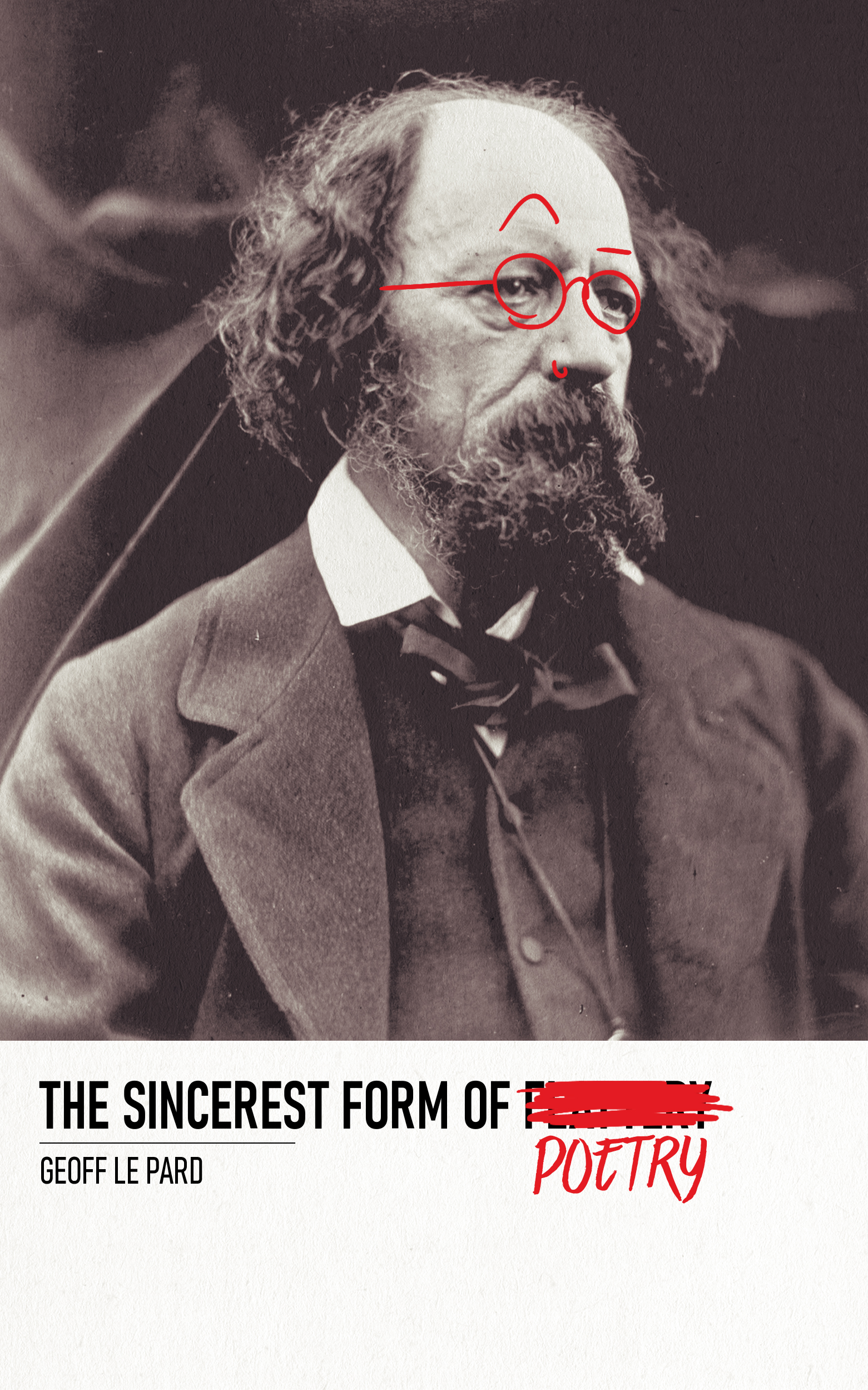
Geoff is sharing some interesting information about his favourite poem and poetry and I am sharing my review of Geoff’s inaugural poetry book, The Sincerest Form of Poetry.
Welcome Geoff
My favourite poem
Of course, everyone will say this is impossible, there are too many and that is true. But put on the spot I will plump for High Flight by John Gillespie Magee. You may not have heard of Magee and that’s probably because he was killed in WW2 in 1941 aged 21. I suppose I am drawn to the poignant and the powerful, having enjoyed the WW1 poets, if that’s the right word – Wilfred Owen, Siegfried Sassoon et al – from when I was introduced to them. There’s something raw about the emotions they carve out of a few lines, often the passion or despair that, because it is coming from someone so young, who is probably experiencing such exhilaration for the first time it is clean and honest and timeless.
High flight
Oh! I have slipped the surly bonds of Earth
And danced the skies on laughter-silvered wings;
Sunward I’ve climbed, and joined the tumbling mirth
Of sun-split clouds, — and done a hundred things
You have not dreamed of — wheeled and soared and swung
High in the sunlit silence. Hov’ring there,
I’ve chased the shouting wind along, and flung
My eager craft through footless halls of air . . .
Up, up the long, delirious burning blue
I’ve topped the wind-swept heights with easy grace
Where never lark, or ever eagle flew —
And, while with silent, lifting mind I’ve trod
The high untrespassed sanctity of space,
Put out my hand, and touched the face of God.
This is a paean to the excitement of flight, of the sense of rapture and wonder that being alone in the cloud-smudged skies gives him. His freedom. Battle of Britain pilots had a very short life expectancy which he would have known. He would have sat waiting for the call, to scramble. He would have taken to the air full of fear and adrenaline, seen his friends and colleagues blasted out of the sky and felt relieved and guilty that he was glad it wasn’t him and desperate that it was them. I can imagine the intensity of the Mess, the quiet voices, the unspoken terrors, the shared desperation that being on the ground forced him to confront. And even though taking to the air meant an almost inevitable appointment with death, it also took him away from the mundane realities of life as a pilot. He could give rein to the child he still was, tumbling, living, on the edge, but to the full. Every sense heightened, every nerve and sinew stretched to the max. Those images would be burned, seared into his imagination. And once again he’d return, be a man, debrief the day, go through the appalling motions of paying his respects and yet, for the sake of his own sanity not really engaging in the awfulness of the loss, of what his friends’ families and loved ones would be going through and knowing that these moments could be his soon enough. So he losses himself in a sonnet that captures those few moments of true freedom when death, like the ME109 behind him is breathing down his neck. I admit I have no faith, a happy committed and convinced atheist, but even I can understand his last sentiment, in those moments, in that bounteous, beautiful firmament when he can feel he is so near his Maker, so enraptured by His creation that he can touch it.
I have never experienced war but my parents did and I can put my poetry-loving father in that plane and imagine him finding the same extraordinary inspiration that Magee found. And it’s a sonnet, too, the perfect format for this love poem, a love of life, a love of the person to whom he is writing, a love of what it is just to be, to be in the moment and breath and take in something of the wonder of being alive and aware.
I have goosebumps every time I read this as I’m there in that plane, not sure if I’m about to be ripped apart by some egregious unnecessary act of slaughter, yet, just then I’m like him, delirious with the gift I’ve been given to be alive.
My favourite poet
Again it is an almost impossible question. There are those, like Magee who wrote the one poem and while that is delightful, I think we must consider a poet with a proper oeuvre and decide across several examples. So who I am drawn to and who uniformly triggers in me the delight response? Some poets have been so prolific that they almost count themselves out by failing to maintain a uniform appeal – I can’t fault their quality. I’d include Wordsworth, Kipling, Thomas and Duffey in that list.
So, I’m going to default to the poet whose poetry collections I’ve amassed more than any other: Roger McGough. I was first aware of McGough in 1975 when I went to University and a friend took me to my first poetry slam, of Liverpool poets. McGough read from his book ‘Sporting Relations’ and I laughed and was hooked. Since then I’ve read so many and been struck by the combination of off-beat humour, much like my own, his quirky punning, again which I do a lot and his oblique view of the human condition. If Douglas Adams or Terry Pratchett, whose novels I absorb like nectar wrote poetry, then McGough might be their inspiration.
This one, from Sporting Relations is a case in point. Read out loud there’s some simple humour but it is when you see it, realise it’s also playing on the absurdities of English spelling that the poet’s visualization becomes clear. And you still have the last line of punning word play with ‘grass’. Simple, effective, accessible and fun. That’s the sort of poetry I aspire to write.
Cousin Angelina owned a yacht
And smoked pacht a lacht.
So when things got haght,
Away sailed Angelina (so regal)
To where the grass was greener (and legal)
Thank you, Geoff, for visiting here today and sharing these thoughts and poems.
Review of The Sincerest Form of Poetry
My review
I know Geoff Le Pard as an author of hilarious books that frequently poke fun, in the tongue-in-cheek way of the British, at many of the situations and achievements we humans hold the most dear during the course of our short lives. I am a big fan of this type of humour and have enjoyed several Geoff’s short stories and pieces of flash fiction. Geoff’s writing has another side to it, a more serious and family orientated side which also comes through in some of his books and writing.
The unusual book of poetry by Geoff Le Pard is his inaugural poetry book and is a mix of these two sides of his writing. The poems forming the first part of this books are a hilariously slapstick take-off of the works of many famous English poets. The poet has reproduced the exact tempo and rhythm of the original poem, replacing the original wording with his own amusing poetic descriptions of topical events and circumstances.
My favourite of these poems was the very first one in the book, which is based on one of my favourite poems, The Listeners by Walter de la Mare. The Listeners tells the story of an unnamed traveler who approaches an abandoned house which seems to be occupied by ghosts. In Le Pard’s version, the public toilet is held up for discussion and probing commentary. Here is an extract from The Relief of Waterloo:
“Is there anybody there, said the traveller
To open up this loo?
It’s surely wrong that one must pay,
For our numbers one and two.
***
It’s not a function of the state
To limit where I go.
My body ain’t so politic
But it has some rights, you know.”
The second part of the book is devoted to sonnets which generally have a more sophisticated and serious flavour. One of my favourite poems in this second part is The Hand That Guides. Here are a few lines to give you a sense of the poet’s sonnets:
“I continually try to do it my way,
To give into weakness of flesh and of soul
But you hold my love tight, I cannot stray
And we remain linked, two parts of one whole.”
If you enjoy poetry, in all its varying shapes and forms, you should not miss out on this collection.
Purchase The Sincerest Form of Poetry
Amazon US: https://www.amazon.com/Sincerest-Form-Poetry-Geoff-Pard-ebook/dp/B08HJRJHWC
Amazon UK: https://www.amazon.co.uk/Sincerest-Form-Poetry-Geoff-Pard/dp/B08KH3QWWB
About Geoff Le Pard
Geoff Le Pard (not Geoffrey, except to his mother) was born in 1956 and is a lawyer who saw the light. He started writing (creatively) in 2006 following a summer school course. Being a course junkie he had spells at Birkbeck College, twice at Arvon and most recently at Sheffield Hallam where he achieved an MA in Creative Writing. And what did he learn? That they are great fun, you meet wonderful people but the best lessons come from the unexpected places. He has a line of books waiting to be published but it has taken until now to find the courage to go live. He blogs at https://geofflepard.com/ on anything and everything. His aim is for each novel to be in a different style and genre. Most people have been nice about his writing (though when his brother’s dog peed on the manuscript he was editing, he did wonder) but he knows the skill is in seeking and accepting criticism. His career in the law has helped prepare him.
About Robbie Cheadle

Hello, my name is Robbie, short for Roberta. I am an author with seven published children’s picture books in the Sir Chocolate books series for children aged 2 to 9 years old (co-authored with my son, Michael Cheadle), one published middle grade book in the Silly Willy series and one published preteen/young adult fictionalised biography about my mother’s life as a young girl growing up in an English town in Suffolk during World War II called While the Bombs Fell (co-authored with my mother, Elsie Hancy Eaton). All of my children’s book are written under Robbie Cheadle and are published by TSL Publications.
I have recently branched into adult and young adult horror and supernatural writing and, in order to clearly differential my children’s books from my adult writing, I plan to publish these books under Roberta Eaton Cheadle. My first supernatural book published in that name, Through the Nethergate, is now available.
I have participated in a number of anthologies:
- Two short stories in Amazon horror anthology, Spellbound, compiled by Dan Alatorre;
- Two short stories in #1 Amazon bestselling horror anthology, Dark Visions, and three short stories in #1 Amazon bestselling horror anthology, Nightmareland, both edited by Dan Alatorre;
- Three short stories in Death Among Us, an anthology of murder mystery stories, edited by Stephen Bentley; and
- Two short stories in Whispers of the Past, an anthology of paranormal stories, edited by Kaye Lynne Booth.
I also have a book of poetry called Open a new door, with fellow South African poet, Kim Blades.
Find Robbie Cheadle
Blog: https://www.robbiecheadle.co.za/
Blog: robbiesinspiration.wordpress.com
Twitter: BakeandWrite
Instagram: Robbie Cheadle – Instagram
Facebook: Sir Chocolate Books
Want to be sure not to miss any of Robbie’s “Treasuring Poetry” segments? Subscribe to Writing to be Read for e-mail notifications whenever new content is posted or follow WtbR on WordPress. If you found it interesting or entertaining, please share.
Share this:

“Fool’s Gold Rush”: Old friends, action, humor – what more could a reader want?
Posted: October 23, 2020 Filed under: Action/Adventure, Book Review, Books, Fiction, Humor, Review | Tags: Action, Book Review, Fool's Gold Rush, Humor, Tim Baker, Writing to be Read 2 Comments
Reading Tim Baker’s Fool’s Gold Rush was like a reunion with old friends. As in all of Baker’s books, Ike is the anti-hero the reader can’t help but like, and Brewski plays the role of the loyal sidekick. Already, the reader is guarenteed a great action adventure. And Fool’s Gold Rush delivers.
With a plot that takes more twists and turns than a winding mountain road, this tale will keep readers turning pages. While trying to help his sister get away from her abusive husband, Lee gets caught up in a scam to raise money for her hospital bills and pay off the gambling debt he owes to Ralph Denobian. When Ike and Brewski come to collect, they decide to lend a hand and end up in the middle of a kidnapping and a plot to steal Ike’s gold from the museum. When the kidnapper finds out about the gold, the deal changes and he wants to exchange the gold for Lee’s sister and her autistic son, Ronny, but when the thieves get away with the gold, making the exchange may not be possible. Ike knows nothing comes easy, and with every setback he bares down and regroups until he finds a way to make things work out in his favor.
Like all of Baker’s books, Fool’s Gold Rush is well-crafted and filled with plot twists, unique characters, and lots of surprises. I give Fool’s Gold Rush five quills.
Other books I’ve reviewed by Tim Baker include: Eyewitness Blues, Unfinished Business, Pump It Up, Living the Dream, Doomed to Repeat, Blood in the Water, 24 Minutes, Full Circle, No Good Deed, Backseat to Justice, and Water Hazard. (Yep, I’m a long time fan.)
Kaye Lynne Booth does honest book reviews on Writing to be Read in exchange for ARCs. Have a book you’d like reviewed? Contact Kaye at kayebooth(at)yahoo(dot)com.
Share this:

Craft and Practice with Jeff Bowles – The Odds and Ends of Worldbuilding
Posted: October 21, 2020 Filed under: Craft and Practice, Fiction, World Building, Writing, Writing Process, Writing Tips | Tags: Craft and Practice, Jeff Bowles, World Building, writing advice, Writing Process, Writing to be Read 1 Comment
Each month, writer Jeff Bowles offers practical tips for improving, sharpening, and selling your writing. Welcome to your monthly discussion on Craft and Practice.
How Well Can You Play Jazz?
In the grand scheme of things, there are some elements of storytelling that make a larger impact than others. Character, point of view, scene, dialogue, these are all textual, the brass nuts and bolts your readers will engage with directly. Then there are elements of craft that are more supportive, behind-the-scenes, the framework and scaffolding that keep your story together.
Worldbuilding falls into this latter category. No matter what you do as a storyteller, regardless of genre or narrative intent, you will have to build worlds for your characters to inhabit. If you’re a genre writer (sci-fi, fantasy, horror, etc.) odds are you’re in need of more of this scaffolding than, say, a writer of contemporary adult fiction, or really, anything set in a non-magical or non-hyper-technological world.
For instance, if I want to write a family drama set in Waco, Texas, I can most likely get away with using my imagination. A gas station in Texas is the same as a gas station here in my home state of Colorado. A bar is a bar, a home is a home, a restaurant is a restaurant. Now, if I I’m a very skilled and enterprising writer, I might actually travel out to Waco, especially if I’ve never been there before. I might walk the streets, soak in the ambience, listen to how the locals talk, how they interact with each other. Nice, right? Conversely, I could do it the lazy way and just use Google Maps. You know, worldbuilding for slugs.
Don’t worry, there’s no judgement here. I’m slug number one. Anything worth doing is worth doing the easy way, or so my habitual procrastination always tells me. Still, you may find it difficult to easily jot off scene details when your story is set on an intergalactic space station, or in a magical realm full of wizards and dragons, or perhaps in a unique and genre-bending setting heretofore unimagined by non-writing mortals. Like dragons tearing ass through awesome space stations. Bestseller material. I’m sure of it.
As with everything, novice writers tend to lean on advice found on the internet or in books on craft published thirty years ago. Take it from your local writing advice guy, there’s nothing wrong with that. We all need instructors, examples, positive influences to look up to, no matter how experienced we become. Worldbuilding advice from certain genre masters includes meticulous research, lots of thinking and planning, note-taking, mapmaking, character family lineage, alien astronomy, mythical world histories, languages built on complete working syntax and sentence structures.
And far be it for me to second-guess the masters. However, it must be noted that even they aren’t huge on taking their own advice. I once had a professor who picked the brain of Fantasy author George R.R. Martin on this very subject. When asked how it was he built such engrossing, immediately present and lush worlds, Martin didn’t rattle off dry advice like, “I draw up detailed maps,” or, “I don’t write a single word until I have the look and feel of every fork and every knife placed on each house dining hall table.”
Nope. It seems the creator of the Game of Thrones series likes to wing it. He said, simply enough, that if he wanted a character to have a fork in her hand, he’d describe it on-the-fly and then move on to the next thing. Dialogue, for instance, which can convey information about a world in subtle yet effective ways. He’d then need to describe a goblet or a roaring fireplace into which his character could spit the unwanted rind of a piece of old cheese. Was there a history behind that fireplace? Yeah, maybe. And in this way, his worlds build themselves automatically. In other words, for him the process is organic, unrehearsed, true to the spirit of conjuring stuff from fairy dust and raw intuition.
Not to suggest Martin eschews preparation in every case, because I’m sure he doesn’t. Never start a book without thinking about it at least a little. You know not to do that, right? Stephen King offers similar advice to Martin’s in his seminal autobiography/writing manual, On Writing.
“Description should begin in the writer’s imagination and finish in the reader’s.”
By which he means an economy of words and ideas is our best friend. After all, we don’t write fiction to glorify our own intellects. At least not all of us do. We write to entertain, edify, enlighten, shock, or otherwise affect our readers. Let them participate. Don’t overburden them with extraneous fluff.
Generally speaking, I don’t do much worldbuilding. Some writers come to see it as a crutch, but I don’t think that’s true. It’s a matter of comfort and personal style. There are many highly skilled authors who do take the time to establish their working narrative milieus in exacting detail before committing them to an initial draft. I can’t fault them for this. I’ll just say that for the majority of us, especially those of us who are just starting out, all that detail can become a liability. What’s to stop us from using it—all of it—to create infodumps of mythic proportions? You know what an infodump is, don’t you? It’s when a writer loses confidence and shoves a pile of overcooked world down my throat.
“Look! There’s story here! Don’t choke on my custom third-age elf lore, please. I made it just for you.”
It’s okay to play jazz a little bit, throw stuff at the wall and see what sticks. You never known what your narrative needs until it asks you directly. Trust me on this. Ever overprepare for a job interview? Caught off guard by unexpected questions, flustered now, rattling off hyperbole and corporate nonsense instead of real knowledge acquired through years of experience. Too much worldbuilding can become a mess precisely because we think we know what to expect yet never seem to.
Sometimes we fall into a rut and overprepare because it’s easier than the actual writing. It’s a different animal, playing with your characters in real terms. Everything you do up to that point is academic and therefor inert. Besides, improvisation as an author’s best friend. You may find over the course of your career it’s your saving grace. You’ve got instincts. I say use them. The best stories ever told have had an organic, unaffected, natural quality, don’t you find? Besides which, I like Jazz. It’s surprising, fresh, sometimes complicated, but never boring. Unless you like Country, and if that’s the case, I need you to stop reading this blog post and go develop a decent sense of music.
Joking. Only joking.
Well, that’s about it for Craft and Practice this month, folks. Drop me a line in the comments section below. Are you a meticulous worldbuilder? Do you find that a more improvisational approach is best? In November, we’ll take a look at a sister topic, character development. See you then!
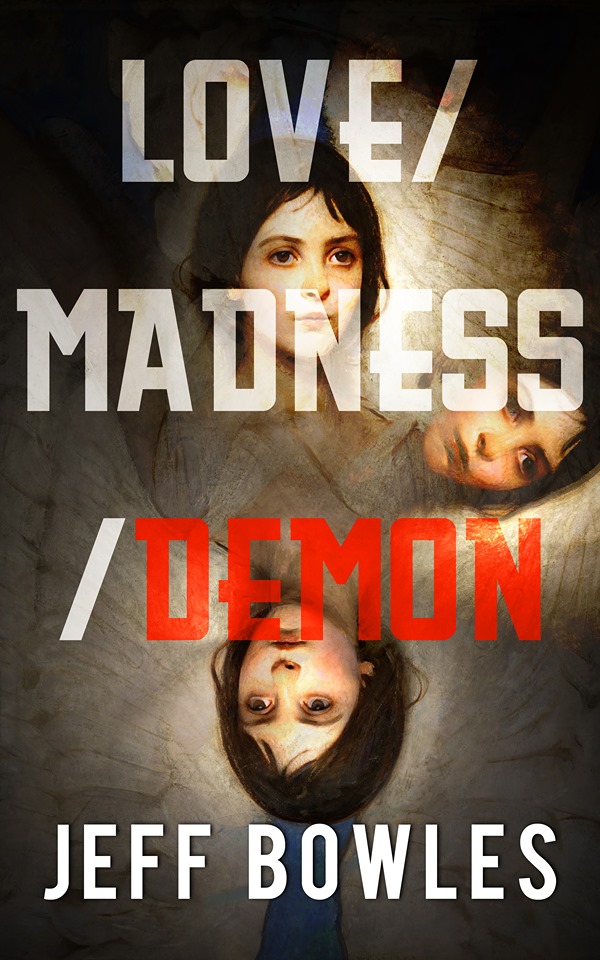
Jeff Bowles is a science fiction and horror writer from the mountains of Colorado. The best of his outrageous and imaginative work can be found in God’s Body: Book One – The Fall, Godling and Other Paint Stories, Fear and Loathing in Las Cruces, and Brave New Multiverse. He has published work in magazines and anthologies like PodCastle, Tales from the Canyons of the Damned, the Threepenny Review, and Dark Moon Digest. Jeff earned his Master of Fine Arts degree in creative writing at Western State Colorado University. He currently lives in the high-altitude Pikes Peak region, where he dreams strange dreams and spends far too much time under the stars. Jeff’s new novel, Love/Madness/Demon, is available on Amazon now!
Check out Jeff Bowles Central on YouTube – Movies – Video Games – Music – So Much More!
Want to be sure not to miss any of Craft and Practice with Jeff Bowles segments? Subscribe to Writing to be Read for e-mail notifications whenever new content is posted or follow WtbR on WordPress
Share this:

Chapter books versus short stories for children
Posted: October 14, 2020 Filed under: Books, Children's Books, Fiction, Growing Bookworms, Reading, Stories | Tags: #Childrensfiction, Growing Bookworms, Reading, Short Stories, Writing to be Read 34 Comments
I was having a conversation with my sister recently. Her younger son has recently been diagnosed with dyslexia and he finds reading difficult. He is an incredibly bright young man and I believe he is frustrated by his reading barrier. I experienced this same frustration with my younger son, Michael, who has an auditory processing learning barrier.
Our conversation led to a discussion about books and the fact that her son avoids reading as much as possible. He becomes difficult and even rude in an attempt to escape the hardship of having to try to read.
I recall similar behaviour by my son, so I am deeply sympathetic. It is incredibly difficult to remain patient and kind when your child is going against you at every turn.
I gave my sister some advice based on my own experience with teaching Michael to read. I advised her to try tandem reading, which I wrote about previously here: https://writingtoberead.com/2019/02/13/alternating-reading-with-your-child/, combined with short stories and not chapter books.
Chapter books are wonderful, but they are longer and more complex, they have more characters and often include sub-plots. When a child is struggling to read due to a reading barrier, it makes their reading slower. They also have to expend a lot of energy and focus on understanding and interpreting each word. The result of this is that it is much more difficult for the child to follow the greater story as they are distracted by the word-by-word struggle. If the child can’t appreciate the story, he or she doesn’t learn to love the written word and enjoy the delights of reading. The storyline disappears in the battle to conquer each sentence.
My advice to Hayley was to chose age appropriate books which encompass a short story within each chapter and to read the story in tandem with her son with the goal of finishing one complete story every night.
I discovered that the child doesn’t have to read a huge amount to benefit. I started off with Michael reading a paragraph but even a few sentence was fine if he struggled. When he’d read a bit, I took over and finished that page and the next one. This helped the story to progress and engaged him in the plot.
He then had another turn. At the end of the story, we had achieved something great together. We had read and enjoyed a whole story. There is a great sense of accomplishment in that and Michael could remember the details of the story because I kept it moving along. He developed a love of reading.
He still likes to be read to, but at 15 years old, I am not always a fan of the books he’s interested in, so I buy him audio books. As a result, Michael enjoys and appreciates reading and books and has a good vocabulary.
Some examples of books with a story per chapter are as follows:
The Humphrey the Hamster book series by Betty G. Birney: https://www.amazon.com/Betty-G-Birney/e/B001ILME1S
The Milly-Molly-Mandy books by Joyce Lankester Brisley: https://www.amazon.com/Milly-Molly-Mandy-Storybook-Joyce-Lankester-Brisley/dp/0753474719
Mary Poppins by P.L. Travers: https://www.amazon.com/P-L-Travers/e/B000APNNWW
![Mary Poppins: The Original Story (Mary Poppins series Book 1) by [P. L. Travers]](https://m.media-amazon.com/images/I/51fn80jRDYL.jpg)
About Robb,ie Cheadle
Hello, my name is Robbie, short for Roberta. I am an author with seven published children’s picture books in the Sir Chocolate books series for children aged 2 to 9 years old (co-authored with my son, Michael Cheadle), one published middle grade book in the Silly Willy series and one published preteen/young adult fictionalised biography about my mother’s life as a young girl growing up in an English town in Suffolk during World War II called While the Bombs Fell (co-authored with my mother, Elsie Hancy Eaton). All of my children’s book are written under Robbie Cheadle and are published by TSL Publications.
I have recently branched into adult and young adult horror and supernatural writing and, in order to clearly differential my children’s books from my adult writing, I plan to publish these books under Roberta Eaton Cheadle. My first supernatural book published in that name, Through the Nethergate, is now available.
I have participated in a number of anthologies:
- Two short stories in Spellbound, a forthcoming collection of horror stories edited by Dan Alatorre;
- Two short stories in the forthcoming Spirits of the West, A Wordcrafter Western Paranormal Anthology edited by Kaye Lynne Booth;
- Two short stories in #1 Amazon bestselling anthology, Dark Visions, a collection of horror stories edited by Dan Alatorre;
- Three short stories in Death Among Us, an anthology of murder mystery stories, edited by Stephen Bentley;
- Three short stories in #1 Amazon bestselling anthology, Nightmareland, a collection of horror stories edited by Dan Alatorre; and
- Two short stories in Whispers of the Past, an anthology of paranormal stories, edited by Kaye Lynne Booth.
I also have a book of poetry called Open a new door, with fellow South African poet, Kim Blades.
Find Robbie Cheadle
Blog: https://bakeandwrite.co.za/
Blog: robbiesinspiration.wordpress.com
Twitter: BakeandWrite
Instagram: Robbie Cheadle – Instagram
Facebook: Sir Chocolate Books
Want to be sure not to miss any of Robbie’s “Growing Bookworms” segments? Subscribe to Writing to be Read for e-mail notifications whenever new content is posted or follow WtbR on WordPress.
Share this:

Anthologies: An alternative path to publication
Posted: October 12, 2020 Filed under: Books, Fiction, Paranormal, Publishing, Stories, Western, Western Paranormal, WordCrafter, Writing, Writing Contest | Tags: Anthologies, Short Fiction, Spirits of the West, WordCrafter Press, WordCrafter Short Fiction Contest, Writing to be Read 4 Comments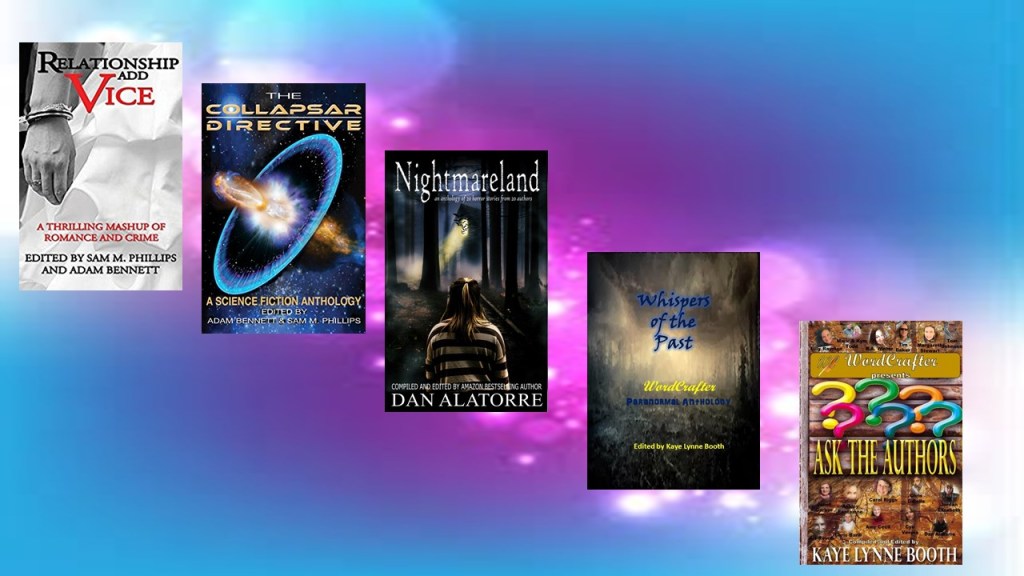
I’m seeing a lot of promotions for anthologies these days. This excites me because short fiction anthologies are a wonderful way for rising authors to gain new readers. If you look for them, there are plenty of opportunities for short fiction submissions and contest entries, and many of those hold the possibility of having your short story featured in a new anthology.
All authors want to see their work published, but full length novels take months or even years to craft and polish before being ready to consider publication. And if an author is considering the traditional route of pitching their work until they find an interested publisher, they could be looking at that manuscript gathering dust on the shelves for a very long time. Short fiction offers a chance for authors to get their names out there on multiple works in a much shorter period of time than it would take to write and publish multiple novels.
Even before I published Delilah, I had two short stories accepted for publication online. Then my story, “If You’re Happy and You Know It”, was accepted by Zombie Pirate Publishing and it appeared in their The Collapsar Directive anthology. I learned very quickly that one difference in having short fiction published in an anthology, as opposed to being published online, was the spirit of comraderie among all the authors featured. The other cool perk of being published in an anthology was the invitation to submit to the next planned anthology. Hence, my story, “The Devil Made Her Do It”, appeared in the next anthology ZPP put out, Relationship Add Vice.
The trick to getting into an anthology is to read the submission guidelines and submit a story that meets them. Most of the time, that may mean writing a story specifically for that submission call or contest. When I was invited to submit a story for Dan Alatorre’s Nightmareland, the guidelines were pretty general, “horror”, and I happened to have a piece of flash fiction that fit into the genre. All it required was a bit of polishing and my story, “The Haunting of Carol’s Woods”, was ready for submission and acceptance. But, many submission calls are more specific.
For the above mentioned submission to ZPP for Relationship Add Vice, submission guidelines required a story that contained elements of romance and crime fiction. Chances are that you don’t have a story sitting in your files with those elements and you would need to create a new story to submit to meet these guidelines. I did have the beginnings of one, as it happened, but that certainly isn’t always the case.
The submission guidelines are important. Read and follow them carefully. Other than the type of story, they may include specific formatting requirements and other submission instructions. Many publishers are strict about their guidelines and will put down a story without finishing it, if the story doesn’t meet even one of the specifications. Of course, that doesn’t apply only to anthologies. Every submission you make should conform to the given submission guidelines, whether we’re talking about short fiction, novel manuscripts, articles or poetry. Why read something if the submitting author can’t even follow directions?
With each of these anthologies, I got that same feeling of comraderie and networking with my fellow authors. I love that feeling. Because anthologies, by definition, have several different authors, they also carry with them the advantage of widening the pool of possible readers. Each author promotes the anthology to their reader audience, so it is possible to extend your own reach beyond your own reader following and gain new readers who read your work in the anthology and want to read more. It’s a win-win for all authors involved.
Naturally, when I started WordCrafter Press in 2019, the first undertaking was to launch a short fiction contest and compile and publish the resulting anthology, Whispers of the Past. The submission guidelines required a paranormal stort story and the contest winner received a $25 Amazon gift card.
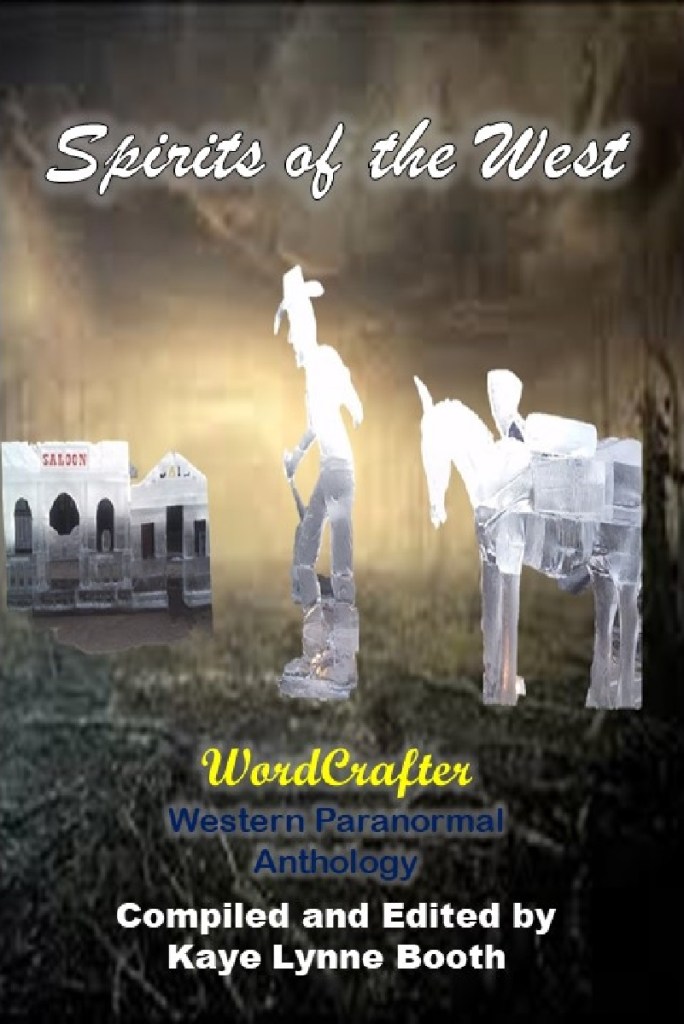
For 2020, the contest submission call requested a piece of short fiction with elements of both the paranormal and western genres. It may have seemed a weird combination to some, but to me, it seemed only natural. The old west is filled with ghosts and spirits, and my first novel was a western. I think it was the western genre that threw potential authors off, but what resulted from this genre combination were some very interesting stories, including two South African ‘westerns’ by WtbR team member Robbie Cheadle, “The Thirstyland Journey” and “The Ghost in the Mound”, and a science fiction ‘western’ by WtbR team member Art Rosch, “Clouds in the West”. This author of this year’s winning story is Enid Holden, and she has two stories included in the anthology: the winning story, “High Desert Rose” and another paranormal western, “The Queen of Spades”. And my contribution is a story I wrote specifically for the occassion, “Don’t Eat the Pickled Eggs”. “Wenekia”, by last year’s contest winner, Jeff Bowles and “Gunsmoke” by author Tom Johnson are also included. This unique collection of paranormal westerns have been compiled into the Spirits of the West anthology and scheduled for an October release.
Authors can find calls for submissions or short fiction contests all over the internet these days. If you just look for them, you’re sure to find one that works for your writing style and preferences, or maybe one that offers a challenge and takes you into writing realms where you’ve never before ventured. In January, I’ll be announcing the theme for the 2021 WordCrafter Short Fiction Contest, so be sure to watch for that, too. If you want to get your name out there, grow your audience and have people read your work, short fiction anthologies are a great start, or they can be a supplement to already published books. Find one that suits you and submit a story today.
Share this:

Words to Live By – The Big Chill
Posted: October 7, 2020 Filed under: Creativity, Words to Live By, Writing, Writing Life, Writing Process, Writing Tips | Tags: COVID 19, Pandemic, Words to Live By, Writing, writing advice, Writing Process, Writing to be Read 3 Comments
The first Wednesday of every month, writer Jeff Bowles muses on life, creativity, and our collective destinies as makers of cool stuff. You’re a writer, but have you ever thought about how or why? Here are some words to live by.
The Big Chill
I’ve always tended to believe there’s a time for action and a time for inaction. For instance, as a writer, I very rarely get away with working the whole year round. I realize it’s something of a controversial position to take, but I don’t like constant effort and much prefer writing in bursts. Perhaps I’ll work on the rough draft of a new book from Christmas to Groundhog’s Day, polish it up till early summer, and if I feel like releasing it myself, do that sometime in July. That’s usually how it goes. This year is bound to be different, though.
I don’t have to tell you, but 2020’s been something of a seminal time, both famously and infamously so. Even if it weren’t for the pandemic, we as a collective have dealt with politics, racism, the inherent corruption, or if you like, the non-corruption of the system designed to protect and serve us, and it’s still only early October. But yes, on top of it all, we do have a global pandemic to worry about. As Bob Dylan once famously sang, the times, they are a’changing. And not too nicely, either.
I’m aware I should be working harder on prepping my next major writing project. I’m aiming for the stars on this one. I’ve got enough details planned out in my head I could start outlining any day. But I haven’t yet. I’m choosing not to. Why is that? Because there are times for action and inaction.
Known by another name, inaction is simply observation. I feel the need as a storyteller to be the witness for a while. We all play the witness. In fact, it could be considered one of the chief characteristics of being alive. We watch the times, the places, the faces that come circulating through our daily experiences. And when something big like 2020 comes along, we are helpless but to stop everything and pay attention.
Maybe you’ve never paid this much attention before. Maybe you’ve never had the time. I’ve got news for you, 2021 isn’t likely to go any smoother. I’d like the opportunity to soak up the lopsided feeling of this year, like a beautiful but flawed piece of Italian bread marinating in extra virgin olive oil and herbs. Sure, leave that bread in its bath too long and it’ll come out a mushy mess. But it does deserve to marinate, doesn’t it? For the sake of fine cuisine?
Okay, maybe that’s an odd image. I’m more of a cheap peperoni pizza guy, anyway. The point is, if the world is changing, I’m no doubt changing right along with it. And if I’m changing—as a person, as a creative individual, a writer, and an entrepreneur—then surely the work I’m capable of producing is changing, too. Which means I can wait to tell that next story. The Germans have a lovely little phrase, one which has always fascinated me: zeitgeist, the spirit of the times. Things aren’t how they were five years ago. Heck, I’m not even sure last year was anything like 2020. And if you think for a minute you know how the world’s going to shake out from all this, I’m here to tell you you’re dead wrong. Maybe that’s why I’m choosing observation right now. I’m waiting for the other shoe to drop.
Of course, there will be some who don’t feel like anything’s changed at all. There will be others still who, in the face of great change, make the choice to dig in, refortify, and to be more or less aggressive versions of the people they’ve always been. No yielding or bending. Go on and write your old-school hardcore science fiction the way you’ve always written it. Financially speaking, who can say what a smart approach looks like anymore? If I knew that … well, let’s just say I don’t know. Still, from a creative standpoint, I know there are some fellow authors out there who must see the clear opportunity for growth.
I’ve watched so many lives change in the last seven months. I’ve seen it all year long in my social media threads, too. This couple is breaking up after twenty years together. This son is finally moving out and this daughter is abandoning a job she never wanted in the first place. Change is all around us, and I’d wager that if you stopped for just a moment, cleared your head, quit thinking for a second or two, you’d feel profound change within yourself as well.
So here’s what I’m advocating for writers this month. Unless you’re already in the middle of a project, don’t even think about starting something new. Give it to till the end of the year, or longer if you’d like. Witness the world for a while, in whatever fashion seems best to you. Yes, you could watch global events on TV every morning. There’s certainly enough of them to go around. By the same token, you could watch ripples of water on a natural pool, the silent fall of red and golden leaves while sitting on a comfy park bench, the smile on your son’s or daughter’s face when he or she discovers just how big and perennially full of opportunity the world is.
As for me, I’ll be plotting that next big book, but only in my head, at least for the time being. It’s a personal story, no heavy-handed global events to speak of. Yet something tells me, the Jeff Bowles who’d start drafting that book in December will be a totally different guy than the Jeff Bowles who’d begin now, next week, or even next month. This is a clear opportunity to, if you don’t mind the aggressive self-talk, shut up and listen for a while, and boy oh boy, gleefully shall I do so.
Stop and smell the roses, fellow writer people. Or maybe I should say, choose to linger a while and watch the roses develop. The world isn’t all that interested in selling you flowers at the moment anyway. Gather ye petals while ye may, know what I mean? And then spend the big fat stack of them in the Spring, when the world is lush, your creative mind is firing on all cylinders, and fingers crossed and knock on wood or whatever other inert mass you’ve got lying around—there will be no such thing as elections and diseases, diseases and elections.
And if you must think about revolution, revolutionize yourself first. Everything decent will flow from there. That’s all for this month. Have a good one, everybody.
Jeff Bowles is a science fiction and horror writer from the mountains of Colorado. The best of his outrageous and imaginative work can be found in God’s Body: Book One – The Fall, Godling and Other Paint Stories, Fear and Loathing in Las Cruces, and Brave New Multiverse. He has published work in magazines and anthologies like PodCastle, Tales from the Canyons of the Damned, the Threepenny Review, and Dark Moon Digest. Jeff earned his Master of Fine Arts degree in creative writing at Western State Colorado University. He currently lives in the high-altitude Pikes Peak region, where he dreams strange dreams and spends far too much time under the stars. Jeff’s new novel, Love/Madness/Demon, is available on Amazon now!
Check out Jeff Bowles Central on YouTube – Movies – Video Games – Music – So Much More!
Want to be sure not to miss any of Jeff’s “Words to Live By” segments? Subscribe to Writing to be Read for e-mail notifications whenever new content is posted or follow WtbR on WordPress. If you found this useful or just entertaining, please share.
Share this:

Butt in Chair, Write the Damn Book
Posted: October 5, 2020 Filed under: Books, Commentary, Fiction, WordCrafter Press, Writing, Writing Life, Writing Process, Writing Tips | Tags: Spirits of the West, The Outlaw and the Rock Star, WordCrafter Press, Writing, Writing Process, Writing Tips, Writing to be Read Leave a comment
Some of the best advice I ever received on writing a novel length work came from one of my M.F.A. instructors, Russell Davis. He said, “Ass in chair, write the damn book”. And you know, he was right. If you don’t sit your butt in that chair and start writing every chance that you get, chances are that novel will end up unfinished, sitting on a shelf, collecting dust rather than on an Amazon bestseller list. No the only way to complete a novel is to just sit down and write.
Lately though, finding time to put my butt in the chair and keep it there has been a real challenge. All the strategies I had used successfully to create productive writing have fallen to the wayside since Covid came along and turned our worlds upside down and inside out. WtbR team member Robbie Cheadle made a good point when she said that lockdowns and quarentines have blurred the lines between work and personal lives. With many people working from home, the boundaries between work and personal time may not be as distinct as they were before. There is no commute on which to transition from work to home life, or vice versa.
That is kind of what happened with me. Although I’m back to the grind of commuting now, when I was staying at home, I threw everything I had into my writing. My personal life and relaxation were laid to the wayside. Then, when I went back to work, I was overwhelmed with work, school and all of the many projects I had started working on while at home.
Although my butt was in the chair, I found it difficult to focus on any one project and to prioritize which project I should be working on. My school work fell behind. Life circumstances changes that required more of my tijme and attention. My regularly scheduled blog posts weren’t getting written; I struggled to finish my short paranormal western story for the Spirits of the West anthology; and the book I had planned to write this year was just plain not happening. It doesn’t do a bit of good to place your butt in the chair, if all you do while there is stare at a blank screen.
So, I pulled back and prioritized all the different things that I needed to get accomplished. I regrouped, so to speak. Even though I am very close to earning a degree in marketing, I decided it would have to wait and I withdrew from my schooling. I went camping to give myself some ‘me’ time, and rediscovered the Colorado mountains that I’ve always loved, and my passion for writing, and found myself once more sitting down in front of my laptop and writing with purpose.
It was amazing, but once I started writing for the right reasons, because I wanted to write, not out of obligation, I was able to focus and the words fell onto the page. It just goes to show you that staying home and away from people doesn’t necessarily mean that you’ll be able to pump out the best writing that you ever have. Beside sitting your butt in the chair, focus is another necessary element.
In addition to getting this blog back on track, and doing a bit of restructuring on it, I finished the story for the Spirits of the West anthology, “Don’t Eat the Pickled Eggs”, and I’m currently working through the kinks in the publishing process, as well as working on my next novel length work, The Outlaw and the Rock Star. It is a time-travel western inspired by the music of The Pretty Reckless, and I have three and a half chapters so far. This is where my priorities lie and these projects are what I intend to focus on. Writing is where my heart is, and I feel like I’m back in the saddle again. Ass in chair, focus, and write the damn book.
______________________________________________________________________________
Like this post? Let me know in the comments. You can be sure not to miss any of Writing to be Read’s great content by subscribe to e-mail or following on WordPress. If you found this content helpful or entertaining, please share.




















For the Love of Halloween
Posted: October 30, 2020 | Author: kayelynnebooth | Filed under: Book Event, Books, Commentary, Editorial, Fiction, Paranormal, Stories, Western, WordCrafter, WordCrafter Press | Tags: Book Event, Halloween, Spirits of the West, WordCrafter, WordCrafter Press, Writing to be Read | 4 CommentsHalloween has always been one of my favorite holidays. We get to dress up and be anyone or anything that we want to be. As adults too big to trick or treat, we find one Halloween party or another to attend, so that we have a legitimate excuse for donning a costume and pretending to be someone or something else for a while. Or we turn our yards into graveyards to scare the kids who come to trick-or-treat, or maybe we channel or Halloween fantasies into the costumes we make for our children. But no matter how well we hide away our inner children, the longing to once again play make believe never really goes away.
But this year, things may be a bit different. The Covid 19 pandemic has turned the world upside-down, and trick-or-treating poses new threats to both us and our children. Social distancing is the new buzz word and large social gatherings are falling out of fashion. Although masks are in style, they aren’t the kind that will go well with our costumes. In fact, in many places trick-or-treating has been cancelled and other types of holiday celebrations are emerging in its place.
It’s sad, really. We may be seeing the destruction of many time-honored traditions which are no longer deemed ‘safe’ activities. Thanksgiving celebrations are being limited to maximum numbers, as well. Apparently, no holiday is safe.
I hope all of you will join us for the 2020 WordCrafter Halloween Book Bash tomorrow evening. For the past two years, WordCrafter has hosted or participated in Halloween book events on Facebook, and this year is no exception. Many of the activities and events being used to replace traditional forms of celebration are of a virtual nature, so our celebration this year is probably trending. It is a short one this year, only three hours, from 6 p.m. MDT to 9 p.m. MDT, but we’ve got some great contests and games, and some fantastic book promotions and new releases. My co-hosts are authors Mark McQuillen, Ellie Raine, Jordan Elizabeth, and Amy Cecil. It’s my way of keeping Halloween traditions alive during tradition crushing times.
I think the thing that I’m most excited about though, is that WordCrafter will be promoting their newly released western paranormal anthology, Spirits of the West. This anthology contains eight unique stories with hints of paranormal and western flare. Contributing authors include myself, Roberta Eaton Cheadle, Jeff Bowles, Art Rosch, Tom Johnson, and the author of the winning story, “High Desert Rose”, Enid Holden. It’s an antholgy like no other and I am so pleased with how well it turned out.
However you choose to celebrate this Halloween, be safe and have fun.
Happy Halloween!
______________________________________________________________________________
Like this post? Let me know in the comments. You can be sure not to miss any of Writing to be Read’s great content by subscribe to e-mail or following on WordPress. If you found this content helpful or entertaining, please share.
Share this: