Each month, writer Jeff Bowles offers practical tips for improving, sharpening, and selling your writing. Welcome to your monthly discussion on Craft and Practice.
Everything old is new again.
Trunk novels. Everyone’s heard of them. Heck, odds are some of you have one or two lying around. Personally, I’ve got three. Three and a half, if you count a couple false starts from back when I was in my late teens and early twenties. I recently dug one out and started reading and editing it a bit, just to see if there’s a viable release opportunity for me in it.
I’m kind of a modernist when it comes to publishing. My background is in lots of short story publications, but when it’s come to book-length work, I’ve always gone the direct route and published things myself. The good news this year is that I’m already ahead of schedule on the next book I’m writing, which means I’ve got more than enough time to try and polish this older book, see if I can turn it into something presentable. It’ll take some time. Let’s face it, there’s not much in writing that can’t be improved or sharpened in some fashion. And it’s a trunk novel, which means I chose to hide it away for a reason.
That term, trunk novel, it’s got a slightly negative connotation, hasn’t it? It would seem to imply that if a book were any good, it would’ve gotten published rather than collected dust in some old trunk, either in reality or in the newfangled digital sense. This book I’m looking at, I wrote it about thirteen years ago. That’s kind if astounding, really. I also happen to have written it at a time my writing gifts were still in the soft-boiled state.
Although I do find the material worthwhile to pursue after a fashion, I just wasn’t a very good writer back then. That’s par for the course, if you ask me. So what are you to do if you’ve got some old book you’d like to resurrect, but the writing isn’t up to your present standards?
Well, I say do the hard work and chip away at it, bit by bit, until it looks a little better. Grab the opinions of a few beta readers, and then chip away at it again. The focus for me has been in shortening and cutting. Lots and lots and lots of cutting. I was a pretty verbose writer, so I expect to cut something like 30,000 to 40,000 words from a manuscript originally in the 120,000 word range. But you might have a very different task. Maybe you’ve got to make additions, or perhaps you’ll have to rewrite whole sections of it.
The truth is, if you really still believe in the story, you should be willing to do just about anything to give it a fair shot. And look, you have so many more publication options in the year 2021 than you had in decades past. The traditional route continues to be the preferred option for just about everybody out there, but it doesn’t necessarily need to be the case. Reviving an old work, hiring an editor, a book designer and cover illustrator, or doing your best with some or all of these duties yourself, it can be a very gratifying way of letting the world see something that likely would have never come up for air otherwise.
I’ve always thought hidden art is the worst kind. An alternative to publishing a more polished version of old material outright, of course, would be cannibalizing it for spare parts. This can be a really effective tool for future story development. Maybe the trunk novel has a second life in it. Is it possible it contains ideas or even entire passages or chapters you could lift out and use somewhere else? Sometimes being a writer under the gun is the same thing as being a Frankenstein-like doctor, assembling narrative monsters from bits here and bobs there.
Or, and let’s be perfectly frank about this possibility, maybe you’ll find the trunk novel needs to stay in the trunk. No problem with this. Perhaps it was meant to be. At least you know for sure now. The time I’ve taken to look at my thirteen-year-old manuscript has been well spent. So far, I haven’t seen anything too objectionable, nothing that can’t be fixed. Is it possible this kind of retreading takes more effort than simply drafting up a new story from scratch? Potentially, but again, it comes down to how much you like the work and how much you think it deserves to be seen.
That’s it for this month’s craft and practice, everyone. Until next month.
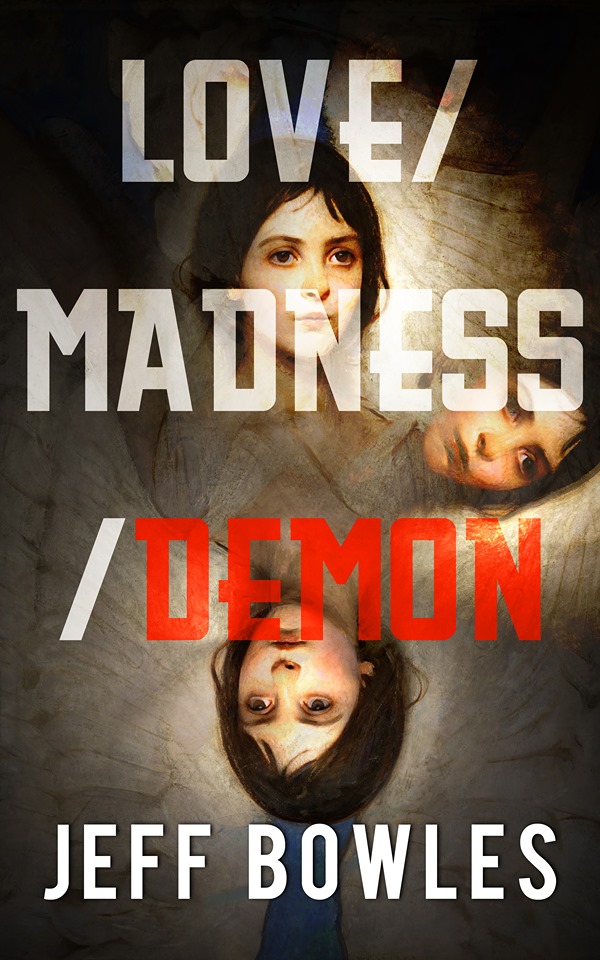
Jeff Bowles is a science fiction and horror writer from the mountains of Colorado. The best of his outrageous and imaginative work can be found in God’s Body: Book One – The Fall, Godling and Other Paint Stories, Fear and Loathing in Las Cruces, and Brave New Multiverse. He has published work in magazines and anthologies like PodCastle, Tales from the Canyons of the Damned, the Threepenny Review, and Dark Moon Digest. Jeff earned his Master of Fine Arts degree in creative writing at Western State Colorado University. He currently lives in the high-altitude Pikes Peak region, where he dreams strange dreams and spends far too much time under the stars. Jeff’s new novel, Love/Madness/Demon, is available on Amazon now!
Check out Jeff Bowles Central on YouTube – Movies – Video Games – Music – So Much More!
Want to be sure not to miss any of Craft and Practice with Jeff Bowles segments? Subscribe to Writing to be Read for e-mail notifications whenever new content is posted or follow WtbR on WordPress
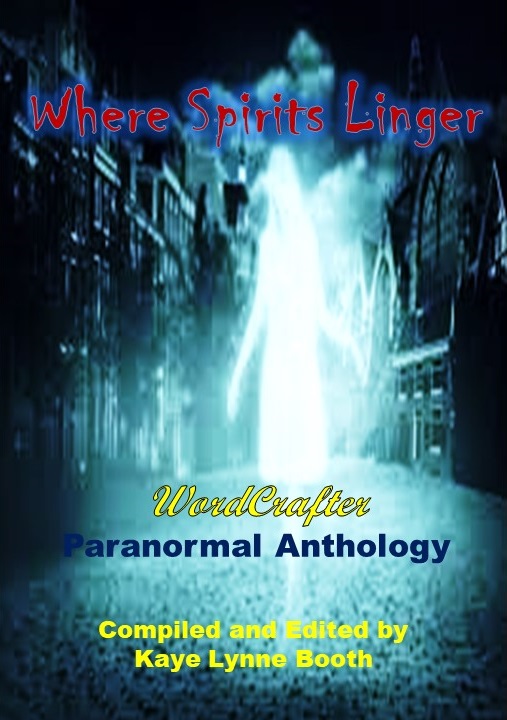
I’m a sucker for a good ghost story. I think most people are. That is why Where Spirits Linger will be the theme for the 2021 WordCrafter Short Fiction Contest. WordCrafter Press is looking for quality paranormal stories in which setting plays a key role, for publication of its 2021 paranormal anthology. Haunted houses, hotels, cemeteries, and other places ‘where spirits linger’ are all fair game.
Guidelines
Submit a paranormal story in which the setting plays a key role. I want to read your ghost story!
Stories should be less than 10,000 words and have paranormal elements.
Flash fiction is accepted as long as it is a complete story, with beginning, middle and end.
Submit only works that are unpublished and for which you hold copyright.
Submit stories in a word doc, double spaced with legible 12 pt font, in standard manuscript format.
Submit stories to kayebooth@yahoo.com with Submission: [Your Title] in the subject line. Submit your $5 entry fee using the ‘Pay with PayPal’ button below.
Submission Deadline: April 30th, 2021
If you receive an invitation for the anthology, you will also be asked to submit a short author bio and photo.
No simultaneous submissions. You should receive a reply 30 – 45 days after submission deadline.
Multiple submissions are accepted with appropriate entry fee for each individual story.
All entries are eligible for publication in the Where Spirits Linger anthology, to be released in October 2021. The winning submission is guaranteed publication, and the author will receive a $25 Amazon gift card.
Contest Submission Fee
All contest entries are eligible for publication in the 2021 WordCrafter paranormal anthology, “Where Spirits Linger”.
Like this post? Let me know in the comments. You can be sure not to miss any of Writing to be Read’s great content by subscribe to e-mail or following on WordPress. If you found this content helpful or entertaining, please share.
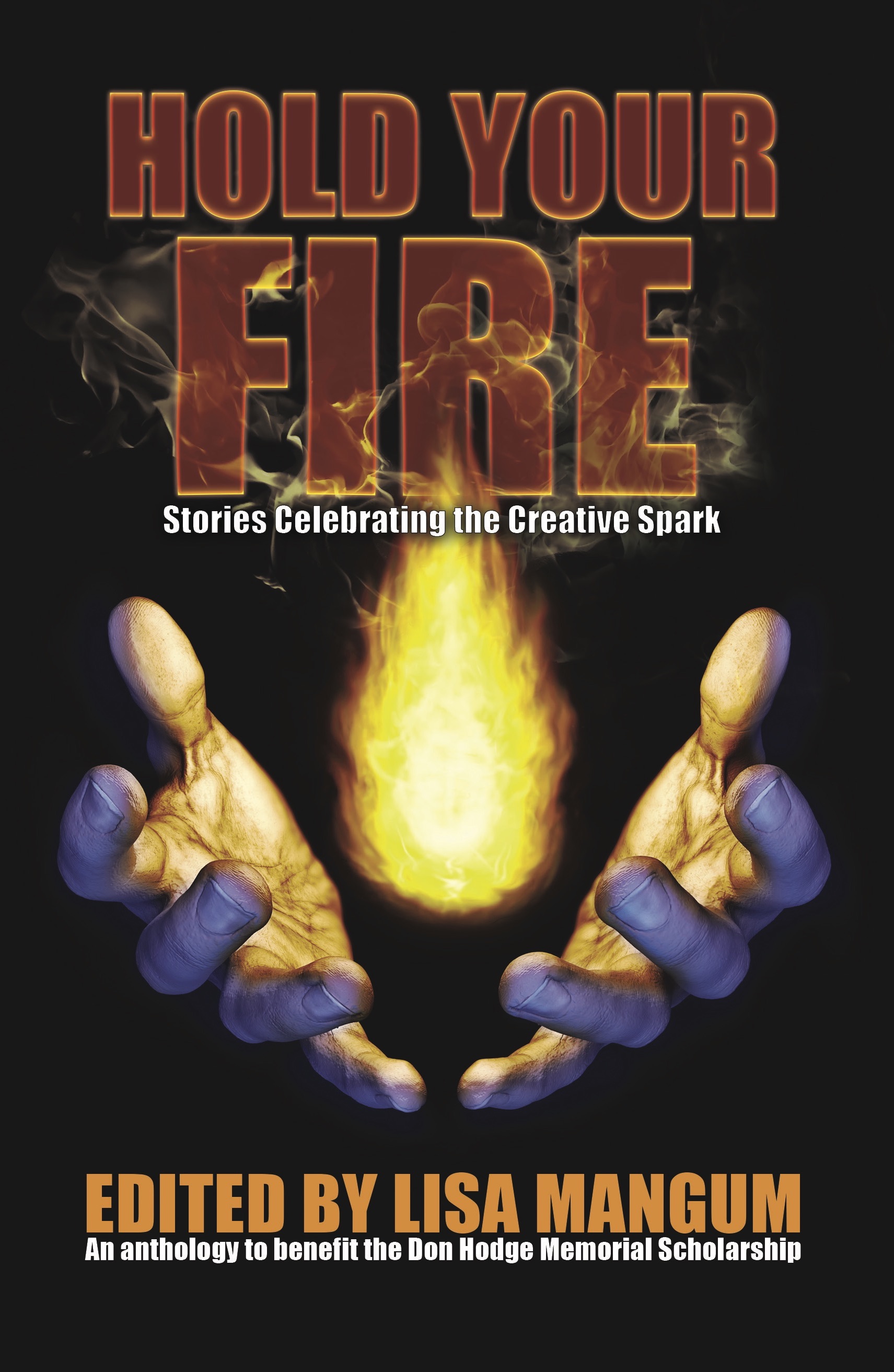
As with other WordFire Press anthologies I’ve read which were edited by Lisa Mangum, Hold Your Fire is an exceptional collection of stories, written by an all star cast of authors, that kept this reader turning pages in anticipation from one story to the next. Each of these stories were so enjoyable that it is difficult to pick favorites to be included in this review. They are all unique and delightful sparks of the creative imagination.
Hold Your Fire includes unique, thought provoking stories which you will find nowhere else. “Splendid Mirage: The Seeker’s Tale”, by Kevin J. Anderson and Neil Peart tells a tale of a never ending quest and the one who carries it’s great burden. “The Fire Sermon”, by Mary Pletsch had me pondering the fine line between a blessing and a curse, when the characters that inhabit this story show their true inner sparks. In “The White Feather”, by Shannon Fox, it takes a touch from beyond the veil to pull Jae from her grief over the death of her friend and re-spark her creativity. Venture into the fairytale land of Kat Kellermeyer “The Last Waking Princess” or endulge in a tale of mentorship and friendship gone awry, with “Bow Drill”, by Jace Killan. Other contributing authors include: Brian Corley, Kristen Bickerstaff, C.J. Erick, Wayland Smith, Alicia Kay, October K. Santerelli, Tanya Hales, Raphyel M. Jordan, Mike Jack Stoumbos, Kitty Sarkozy, Melissa Koons, and M. Elizabeth Ticknor and Rebecca E. Treasure.
Hold Your Fire has stories in a wide variety of themes and genres, so your sure to find something that will spark your fancy. All are well crafted and quite entertaining. I give it five quills.
Five Quills
Kaye Lynne Booth does honest book reviews on Writing to be Read in exchange for ARCs. Have a book you’d like reviewed? Contact Kaye at kayebooth(at)yahoo(dot)com.
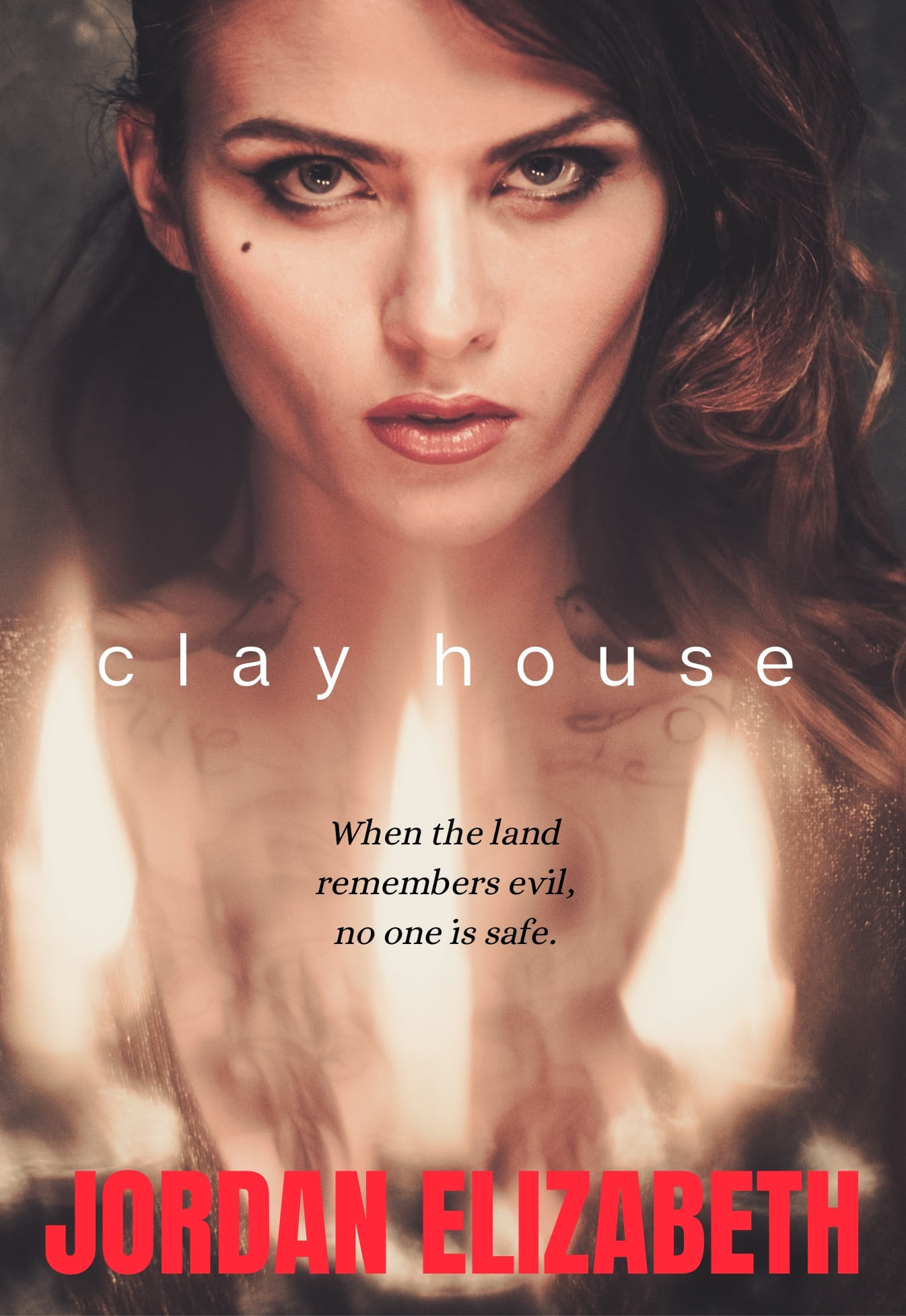
Sometimes evil dwells in the land itself, and it can burrow deep, laying dormant for a long time. But it always awakens eventually.
Moving to a new home is never easy, especially when you have to deal with a not so nice step-father, and the house is old and spooky. The town is quick to fill her in on the mysterious stories about her house, and when she finds a cemetary in her new back yard and her little brother Mark starts behaving oddly, Tatiana begins to get scared. The increasing cruelness of her step-father, leads her to uncover another kind of secret. Now all she has to do is figure out what to do with what she knows.
The bonus story, “Olney”, which is included with Clay House, is equally well-written with a similar theme, providing extra reader value for your book buck.
With two brave young heroines and two spine chilling ghosts, resulting in two well-crafted stories filled with twists and turns to keep readers guessing, I give Clay House five quills.
Five Quills
Kaye Lynne Booth does honest book reviews on Writing to be Read in exchange for ARCs. Have a book you’d like reviewed? Contact Kaye at kayebooth(at)yahoo(dot)com.
Each month, writer Jeff Bowles offers practical tips for improving, sharpening, and selling your writing. Welcome to your monthly discussion on Craft and Practice.
The cure for common burnout?
I’m not a long-haul writer. I’ve tried to live by the adage a writer should write every day, and to be perfectly frank, there are monasteries in the world that live by less draconian standards. My best writing gets done when I work in spurts, crank out a project of one kind or another, take a break of weeks or even months, and then get back at it feeling refreshed.
By traditional standards, this is a pretty lazy and dysfunctional way to go about it. These things were determined long ago by the writing powers that be, and as far as they were ever concerned, it’s a bad idea to rest on your laurels when you could be mass-communicating incredible beauty and truth.
Milage varies on that last point, of course. Because after all, how can we communicate much of anything when we’re dog tired and in need of a rest?
If you’re like me, keeping up with a daily, monthly, yearly word count is hard work. For sure, being a writer is hard work anyway, so if we can make our jobs easier, even just a little bit, I think we owe it to ourselves to do so. But be warned, the advice which follows is not for the faint of heart. If the idea of going long-term without putting any words down sends you into an apoplectic fit, maybe stick to the way you’ve always done things.
I do, however, think you’ll find my method of working allows for much more personal freedom than the long-standing tradition of writing till you drop. Yes, you may get less done in a year. That is a distinct possibility. But do you want to know something funny? When polled, most writers who also work a typical nine-to-five job say they wish they had more time, and that if they did have more time, they’d produce far more writing.
But what if some of those writers are wrong? What if, somewhat counter-intuitively, more free time on our hands doesn’t always equal a higher rate of production? The thing about being an author of any kind is that it requires incredible creative and intellectual energy to pull off on a regular basis. Yes, taking breaks might damage your output. Then again, it may just boost it. You may also find that the quality of your writing improves the more slack you cut yourself.
I’m big on cutting writers slack. I think it’s incredibly important, and in my experience, most of us are simply too hard on ourselves. That’s really why my writing habits have developed this way. By nature, I’m hard on myself, which means if I don’t take breaks every now and then, I’m liable to tear myself down instead of fostering a mental attitude that helps me build myself up.
Now, the first thing to realize is that taking a break from your writing means your skills will not atrophy so much as cool down a little. Writing is not unlike riding a bike. You never forget how to do it. But let’s say you take a five-month hiatus, simply because you’re feeling worn out or you’ve got more important things going on in your life—happens all the time. After that five months, you might return to the craft a bit dismayed at your apparent lack of talent. Whatever you’re working on needs to be rewritten from page one, and it’s all because you took the lazy advice of that awful Bowles guy.
One key thing, of course, is that I never said to quit entirely. If you know you’ll be taking a siesta, if you can schedule that in for yourself, why not also schedule in some light exercises so you don’t feel like a total louse?
For instance, I write for this blog three times a month even when I’m not writing a book. Producing content for the internet is a great way to keep your skills in tip-top shape. You could also work on a short (and I do mean short) story or two, or in the very least, engage in some weekly finger exercises. It doesn’t really matter so long as you don’t miss the point. Rest, recuperation. This is the point.
Conversely, and this is always a good idea, you could increase your reading load. The worst kept secret of the craft is that reading a lot tends to make us better writers. And the good news is it doesn’t really matter what we read. The basic engagement of our minds in this way seems to keep our intellectual and communicative abilities primed. Reading’s good for you. It keeps the stupid at bay (it is to be hoped). Honestly, you should be doing it anyway, and if you’re not…
Another piece of advice I can offer is to decrease your writing load rather than to cut it off altogether. For a little while at least, try transforming your 2,000 word-per-day average into something more like 500 words-per-day. That’s not a bad count-up when averaged out over an entire year. If you could write a scant 500 words per day, you’d end up cranking out about 15,000 words in a month. That’s the equivalent of a novel or two in a year, and the best thing about it is that 500 words per day means you’re only writing for about an hour or so, half an hour if you’re quick. That doesn’t sound too daunting, does it? If you’re feeling burned out, this might be just what the doctor ordered.
And the truth of it is people do get burned out, fed up, exhausted, and all sorts of other tired-sounding descriptors that equal one thing: you’re a human being, not a machine. If you’re struggling with your work right now, if you’re having issues with confidence or anxiety or anything of the sort, try slowing down. Trust me on this, don’t even fret, your desire to write will return in all its power and glory, and then you’ll be ready to crank out another masterpiece.
You’ve got a masterpiece or two lurking inside you, right? That’s what I thought. Happy writing, everyone. Or perhaps I should wish you a happy vacation. I’ll be back with more Craft and Practice next month.
Jeff Bowles is a science fiction and horror writer from the mountains of Colorado. The best of his outrageous and imaginative work can be found in God’s Body: Book One – The Fall, Godling and Other Paint Stories, Fear and Loathing in Las Cruces, and Brave New Multiverse. He has published work in magazines and anthologies like PodCastle, Tales from the Canyons of the Damned, the Threepenny Review, and Dark Moon Digest. Jeff earned his Master of Fine Arts degree in creative writing at Western State Colorado University. He currently lives in the high-altitude Pikes Peak region, where he dreams strange dreams and spends far too much time under the stars. Jeff’s new novel, Love/Madness/Demon, is available on Amazon now!
Check out Jeff Bowles Central on YouTube – Movies – Video Games – Music – So Much More!
Want to be sure not to miss any of Craft and Practice with Jeff Bowles segments? Subscribe to Writing to be Read for e-mail notifications whenever new content is posted or follow WtbR on WordPress
Many of you authors out there are like me. You know what it feels like to feel an idea wiggling its way to the surface of your brain and popping up its head when you’re right in the middle of cooking dinner or in the middle of a project, or you’re two hundred miles from nowhere on a camping trip. You know what it’s like to feel that need to drop everything and run to put words on the page, or screen, as the case may be. You may know what it’s like to be on a roll, in the middle of a vital scene for your book, and have to stop and set it aside, because you have an important engagement to attend and you can’t show up looking like you haven’t slept for days, even if it is true.
Let’s face it. Writers write because they have a innate need to express themselves. We didn’t ask for it, but it is there. We didn’t choose it, although we have chosen not to ignore it in our younger days, when ignoring it was still an option. Writers need to write as much as they need to eat, sleep or breathe. (Probably more than we need to sleep, since writing often takes the place of sleep on many nights.) This needs stems from our creativity deep within us and is as much a part of our inner mental beings as water is to our physical beings.
When I was getting my M.F.A., I had an instructor who was a binge writer. When she was done with the prewriting and was ready to write her story, she would shut herself in her office and not emerge until it was done, be it days, or even weeks before she had the first draft of the story out. She said that her family members all knew better to disturb her when the door was closed, and she wouldn’t come out, except maybe to tend to urgent bodily functions. That was her writing process, and it was effective, because she was publishing and selling her books. But there was a cost. She was on her second marraige because her first husband hadn’t put up with her crazed writing frenzies, and frankly, I was amazed that her current husband and family did.
That’s one of the prices that we pay for following our innate urges and releasing our creativity. Human relationships often suffer. I know there have been times when I have gotten up in the middle of a family get-together, and pulled out my laptop to start typing away because an idea struck me, or I suddenly realized what really happens in a scene I’ve been working on. My family members may have thought I was being extremely rude, and I guess I was, but they didn’t understand about the idea or thought that was nudging away at me to get it down NOW. Those ideas are fleeting, and if I don’t get them down when I have them, they may abandon me and not be there later.
I never go anywhere without my laptop. It goes on camping trips and vacations, even to the laundry mat or out to dinner. I write while traveling in the car, even though I know it makes me car-sick. At a memoir workshop I took a few years back, we were asked to read aloud something that we had written. Everyone else came with sheets of paper in hand, printed out with what they intended to read. When my turn came, I paused to make sure the correct work was on the screen with an explanation that “My life is in my laptop.” That brought a few laughs from my fellow workshoppers, but you know, there is a lot of truth in those words.
Writing is my world. I am passionate about it. And I’ve missed more than a few outings with friends and family, jeopardized my day job by writing late into the night when I had to work the next day, let my grades suffer to get the words just right, and missed out on countless hours of sleep just to empty what’s in my head out onto the page. Writing is a wonderful outlet for creativity and self-expression, but as all good things usually do, it comes with a price. I’ve paid that price time and again, and never thought that it wasn’t worth the cost. So, how much are you willing to pay to be a writer?
Like this post? Let me know in the comments. You can be sure not to miss any of Writing to be Read’s great content by subscribe to e-mail or following on WordPress. If you found this content helpful or entertaining, please share.
“Twinkle, twinkle, little star How I wonder what you are Up above the world so high Like a diamond in the sky Twinkle, twinkle little star How I wonder what you are”
Do you remember the words of this nursery rhyme? It has always been one of my favourites and the first one I remember hearing as a child. There was something about it that captured my imagination. Today, the words of this nursery rhyme are imprinted on my brain and remind me of the Blue Fairy in Pinocchio, one of my favourite childhood books.
When I was 9 years old, Alice in Wonderland was my favourite book [it still is a favourite and I have a number of different copies of it]. The words of Lewis Carroll’s adaption of Twinkle twinkle little star stayed with me and is still the version I think of first.
I had difficult babies. They were both real ‘howlers’. Gregory cried so much I gave all my baby stuff away when he was three months old and the promised reprieve from the endless crying didn’t happen. It turned out he was a ‘six-monther’. Terence had to work hard to convince me to have another baby and then Michael turned out to be a howler too. His health issues were even more challenging and he was in hospital numerous times during his first two years of life.
But, I digress … back to nursery rhymes. I used to recite nursery rhymes to my kids while I carried them around. They howled and I recited. It kept both of us sane.
Both of my sons have good vocabularies and literacy skills and both are musical. Reading up on the useful benefits of nursery rhymes for children, I think all the reciting I did may have helped enhance these skills.
The five major benefits of nursery rhymes are as follows:
They help develop language and literacy skills:
Remember this one – this is how I learned the word contrary. It was applied to me a lot when I was a kid.
The help develop phonemic awareness – children hear the words said and learn to pronounce them. A lot of nursery rhymes include unusual and funny words and phrases.
Nursery rhymes help build word memory and articulation. They are full of rhyming words and include words and groups of sounds you don’t encounter in everyday speech.
Nursery rhymes help develop creativity in children by encouraging them to imagine the scene in their heads. Just think of this one:
The Owl and the Pussy-Cat
BY EDWARD LEAR The Owl and the Pussy-cat went to sea In a beautiful pea-green boat, They took some honey, and plenty of money, Wrapped up in a five-pound note. The Owl looked up to the stars above, And sang to a small guitar, “O lovely Pussy! O Pussy, my love, What a beautiful Pussy you are, You are, You are! What a beautiful Pussy you are!”
II Pussy said to the Owl, “You elegant fowl! How charmingly sweet you sing! O let us be married! too long we have tarried: But what shall we do for a ring?” They sailed away, for a year and a day, To the land where the Bong-Tree grows And there in a wood a Piggy-wig stood With a ring at the end of his nose, His nose, His nose, With a ring at the end of his nose.
III “Dear Pig, are you willing to sell for one shilling Your ring?” Said the Piggy, “I will.” So they took it away, and were married next day By the Turkey who lives on the hill. They dined on mince, and slices of quince, Which they ate with a runcible spoon; And hand in hand, on the edge of the sand, They danced by the light of the moon, The moon, The moon, They danced by the light of the moon.
Source: The Random House Book of Poetry for Children (1983)
Finally, nursery rhymes teach children to listen, a very important life skill.
I am finishing off this post with a video of a recital of the poem Television by Roald Dahl. It is hilarious and epitomizes my thoughts about children and the modern trend of television and video/TV games.
About Robb,ie Cheadle
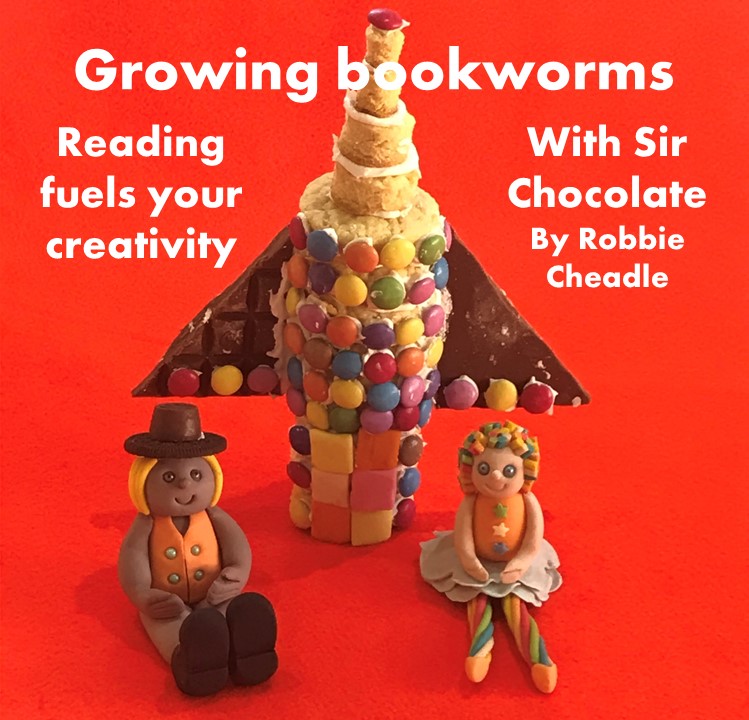
Hello, my name is Robbie, short for Roberta. I am an author with seven published children’s picture books in the Sir Chocolate books series for children aged 2 to 9 years old (co-authored with my son, Michael Cheadle), one published middle grade book in the Silly Willy series and one published preteen/young adult fictionalised biography about my mother’s life as a young girl growing up in an English town in Suffolk during World War II called While the Bombs Fell (co-authored with my mother, Elsie Hancy Eaton). All of my children’s book are written under Robbie Cheadle and are published by TSL Publications.
I have recently branched into adult and young adult horror and supernatural writing and, in order to clearly differential my children’s books from my adult writing, I plan to publish these books under Roberta Eaton Cheadle. My first supernatural book published in that name, Through the Nethergate, is now available.
I have participated in a number of anthologies:
Two short stories in Spellbound, a collection of horror stories edited by Dan Alatorre;
Two short stories in Spirits of the West, A Wordcrafter Western Paranormal Anthology edited by Kaye Lynne Booth;
Two short stories in #1 Amazon bestselling anthology, Dark Visions, a collection of horror stories edited by Dan Alatorre;
Three short stories in Death Among Us, an anthology of murder mystery stories, edited by Stephen Bentley;
Three short stories in #1 Amazon bestselling anthology, Nightmareland, a collection of horror stories edited by Dan Alatorre; and
Two short stories in Whispers of the Past, an anthology of paranormal stories, edited by Kaye Lynne Booth.
I also have a book of poetry called Open a new door, with fellow South African poet, Kim Blades.
Want to be sure not to miss any of Robbie’s “Growing Bookworms” segments? Subscribe to Writing to be Read for e-mail notifications whenever new content is posted or follow WtbR on WordPress.
I’ve discussed genres a lot here on Writing to be Read. I’ve done monthly genre themes, with author interviews and reviews of books included in each one. We’ve covered nonfiction, romance, western, fantasy, science fiction, young adult fiction, children’s fiction, horror, crime fiction, mystery, women’s fiction, Christian fiction, comic books and graphic novels, and the list goes on. Some genres were easy to find authors to interview and books to review. Others were a bit harder. Likewise, some attracted more readers than others.
Fantasy
Recently, there hasn’t been so many author interviews. I hit a bump in the road and was unable to fulfill my interview and review commitments. Now, I’m ready to jump back in the saddle and get things rolling again. As I contemplate what 2021 will look like for Writing to be Read, I’m wondering wether to keep the genre themes, or explore different areas in the craft of writing, and I would like your feedback. Chances are, if you’re a reader of this blog, then you are also a writer. Leave a comment and let me know which genre(s) you like to write in. Which genre(s) do you like to read? Which would you like to learn more about? Or should I trash the genre themes and concentrate on some other aspect? Which one? Let me know your thoughts.
Romance
I suppose there was a time when genres were more cut and dried, but in this day and age, genres don’t always fall into clear categories. Just take a look at the plethora of categories Amazon has for you to list your book under. When Delilah was published, I got a shock. I had written a western with a female protagonist, who was tough and gritty and made her way in the man’s world of the old west. Her character’s flaw was a lack of trust, and in order to get what she truly needed from the story, she had to have a love interest, so there was a thread of romance woven into the tale. It wasn’t the main story line, but my publisher had picked up on it and listed it as a “Frontier Romance”. Is that what I wrote?
Horror & Dark Fiction
Actually, it may have been a smart choice, even though it wasn’t my original intention. When we re-published the third edition with the new cover, I asked that they list it as a straight western, but it hasn’t helped with sales. Genre has as much to do with marketing as it does with craft. Readers of frontier romanace are a different group from those who read classic westerns.
Christian Fiction
The first group are mostly female and the second are mostly male, and they are looking for different things out of their stories. The women want romance, the men want rugged adventure, and it seems that maybe they want it to come from a big, burly mountain man or a rowdy cowboy. Men who read westerns don’t have the buy-in for a tough female character, but women who read romance have no problem with a female who is tough and gritty having the adventure, as long as she lets her gentler, feminine side show enough to fall in love.
Western
When I was working toward my M.F.A. in creative writing, I was told it was imperative to know who you are writing for, to form a mental picture of your ideal reader in your mind. But, I take an eclectic approach to most things, and writing is no different. I’ve tried my hand at many genres, some more successfully than others, and it can be seen from the example above that different genres have different readers. For me, I found I need to write what is in my head, and then figure out who to market to.
Children’s & Yound Adult Fiction
With the first WordCrafter Short Fiction Contest, in 2019, I chose to make the theme paranormal, because most people love a good ghost story. It got a good response and the Whispers of the Past anthology was born. Each entry had paranormal elements, and they were all the type of stories that would make readers think.
Whispers of the Past
For 2020, my thinking was that the old west has a lot of ghosts, and western was a genre I write in, so a western paranormal would be a natural combination, so that was the theme. But, just as not so many people read westerns, not so many authors write in the western genre, and I think I scared many possible entrants away. I had to convince author friends that they could write in the western genre just to get enough entries to create the Spirits of the West anthology, but it contains some very unique stories. Robbie Cheadle contributed two South African western paranormals, playing off South African history, but with western flavor, and Art Rosch contributed a science fiction western paranormal, of the likes you’ll not find anywhere else.
Spirits of the West
As with Writing to be Read, I’m looking toward the future for WordCrafter Press, and it’s time to think about the theme for the 2021 contest and anthology, but I’m at a loss. The paranormal theme worked well, and so did the western paranormal after I coerced some entries out of my author friends. But, one purpose for creating the WordCrafter Press contests and anthologies was to open up avenues to get your work published for new and aspiring authors, and another was to motivate established authors to think outside the box, or work outside their usual genres. It shouldn’t be a struggle to get entries, but it should still offer a challenge for the writer. So, I’m going to ask one more question of all of you. Please leave a comment to let me know, what genres of short fiction you would consider entering, were they the theme for a short fiction contest. i.e. “I would enter a short fiction contest if the theme were…”
Writing to be Read wouldn’t be where it is today if it wasn’t for you, my loyal readers. Some of you have stuck with me since the blog began, while others are new sign ons, but I appreciate you all. Please share your own thoughts on genres and help us carry on and move forward together. I’m looking forward to it. 🙂
Like this post? Let me know in the comments. You can be sure not to miss any of Writing to be Read’s great content by subscribe to e-mail or following on WordPress. If you found this content helpful or entertaining, please share.
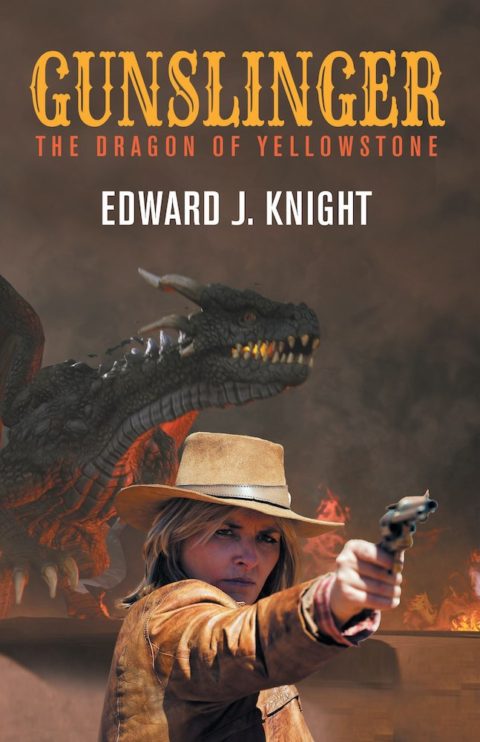
Gunslinger, by Edward J. Knight manages to combine two of my favorite genres, western and fantasy, into an adventure I won’t soon forget. Six guns, swords or sorcery, no weapon is off limits in this fantasy western landscape. And of course, there are a wide variety of villains to fight off, and Beth isn’t your typical female in the story world of Gunslinger created by Knight.
Taught by Wild Bill Hickock, she shoots like Calamity Jane, and sees her ghost. When an Arapohoe Indian spirit leads Beth and her friends on a quest to stop a dragon from wiping out the army outposts, will her gun be enough to stop the beast? Add dwarves being guided by an angry ghost who is out for revenge, hostile Indians and and a ghost guide with a personal agenda and you have a western fantasy adventure of the highest caliber.
Gunslinger is full of surprises and quite entertaining. I give it four quills.
Four Quill Rating
Kaye Lynne Booth does honest book reviews on Writing to be Read in exchange for ARCs. Have a book you’d like reviewed? Contact Kaye at kayebooth(at)yahoo(dot)com.
2020 saw the birth of the book I’m currently working on, and it was all inspired by music. In fact, the female lead character, Amaryllis is based on the music of Taylor Momsen and The Pretty Reckless. So, I had this great idea to set the tone and offer a glimpse into the thoughts of the pov character for each chapter with a snippet of lyrics; lyrics from The Pretty Reckless for Amaryllis, and lyrics from various artists for the male lead, LeRoy. It’s a time-travel story, titled The Outlaw & the Rock Star. The only catch is, an author has to be careful not to infringe on the copyright when using lyrics in her fiction.
Copyright, whether in the literary arena or the music industry, is serious business. Artists and writers protect that which they have created, as they should. As a writer, I can’t imagine the outrage I would feel, were I to learn someone else had infringed on my copyright. My words are my creation. They came from me. No one else on the planet can write them in just the way I wrote them, unless they steal them. And, let’s face it folks, theft is what copyright infringement is. So, I get why writers and artist want to protect their creations. I want my work to be protected, too.
According to Matt Knight on in “Using Lyrics in Fiction” (5 January 2019) on Sidebar Saturdays, obtaining copyright permission for song lyrics involves a ton of research into who actually holds the copyright, and then contacting them to request permission to use specific lyrics in your fiction, and pay the requested fee to obtain copyright permission. It can be both expensive and time consuming.
Knight offers a few ways around obtaining copyright permission, including only using the song title, since titles cannot be copyrighted, or using a small enough portion of the lyrics so that you can claim fair use, or choosing different lyrics from the Public Domain realm. Since this one of my characters is based on the music from one specific band, using Public Domain lyrics doesn’t seem to be an option. Since the lyrics are going to be used to set the tone of the story, using only titles wouldn’t really work. I really feel the story would loose a lot if I don’t include the lyrics, although I might be able to trim some of them a little.
So, I’m left looking at researching each individual song and contacting each copyright holder to gain permission to use their lyrics in my work, which seems like a lot of work. In the case of The Pretty Reckless, I will need copyright permission for multiple songs, so it may be an up hill battle, and it could get very expensive.
I can do the research and strive to obtain all the copyright permissions that are needed. I can’t say I’m looking forward to that part, or that I think it will be easy, but nothing good ever is. I’ve only written about six chapters, but my heart is already invested in these characters and their story. This is going to be more of a project than I realized when I concieved of the idea for this book. Here’s hoping this venture doesn’t cost more than I can afford.