Book Review: Slings & Arrows and Gone
Posted: April 28, 2023 Filed under: Books, Fantasy, Fiction, Memoir, Memoir, Nonfiction, Review | Tags: Book Review, Fantasy, Gone, Julie Elizabeth Powell, Memoir, Slings & Arrows, Writing to be Read Leave a comment
About Slings & Arrows
Nobody expects to lose a child but when it happens what can we do? In the sea of grief that seizes the soul how can we swim against the tide? But when that loss is compounded in each minute of every day, what do we do then?
Slings and Arrows is a story about the consequences of a moment, a moment, which separates a mother and daughter in ways impossible to imagine.
It charts their parallel lives, each suffering, one knowing, one not.
It is brutally honest; an account filled with bewilderment, guilt, anger and pain yet it also holds the key to hope. That whatever happens, the bonds of love can never be broken.
My Review: Slings & Arrows
Having lost a child of my own, it is not surprising that Slings & Arrows, by Julie Elizabeth Powell drew my interest. I have to say that I was not disappointed. The details of the loss of my son are very different from Ms. Powell’s loss of her daughter, but she offers up her story in a straight forward manner, with a brutal honesty which couldn’t help but touch my heart. Tears filled my eyes as I read Powell’s words time and again, as she is torn by conflicting emotions as she awaited her daughter’s body following a spirit which it appeared had departed.
Slings & Arrows is a brutally honest depiction of the stress, confusion, loss and grief which comes with watching a loved one slowly waste away long after their ‘life’ has ended. Kudos to Powell for baring her soul so openly in this tale of a loss that lingered on for years, consuming everything she has to give, and taking all that she has left. A tragic tale which hits close to home for me. I give Slings & Arrows five quills.

About Gone
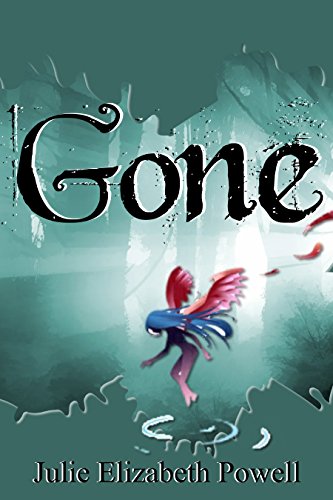
Is Charley crazy, delusional or dead?
Follow her amazing, emotional journey and emerge into the battle with her nemesis – herself.
This inspirational fantasy will take you into realms otherwise unknown, turning your world upside down while you’ll be wondering what is real and what is not. It’s an adventure, a mystery and an imaginative fairytale for adults.
Gone was a story motivated by a true event.
Purchase Link: https://www.amazon.com/Gone-Julie-Elizabeth-Powell-ebook/dp/B005MAAE0Y
My Review: Gone
Gone, by Julie Elizabeth Powell, is a journey searching for answers to the unanswerable question of where we go when we are gone from here. Powell offers one possible scenario in a crazy world where her character, Charley, meets Jenny, the daughter that she lost and hopes she has the answers Charley has been looking for. To learn whether or not Jenny has those answers, you’ll have to tag along and visit this sometimes confusing, often surprising place and find out for yourself.
Having read Powell’s first book, Slings & Arrows, which is a heart-wrenching memoir where she bares her sole over the loss of her daughter and the time leading up to her death, when she was alive and suffering, it is difficult not to relate to the experiences in this fictional tale, as a way to find answers for Powell herself. Where we go when we’re gone from here is an age-old question, one we will all have to face, but Powell goes beyind that, in trying to answer “Why?” I hope Powell found at least some of the answers she was looking for in the writing. I think the answers are different for everyone, but it was fun to take the journey. I give Gone four quills.

___________________________________________________________
Kaye Lynne Booth does honest book reviews on Writing to be Read in exchange for ARCs. Have a book you’d like reviewed? You can request a review here.
Share this:

Dark Origins – The creepy true story behind Alice in Wonderland #DarkOrigins #AliceinWonderland
Posted: April 26, 2023 Filed under: Books, Children's Books, Classics, Dark Origins, Fantasy, Fiction | Tags: Alice in Wonderland, Children's Books, Classic Children's Literature, Dark Origins, Lewis Carroll, Robbie Cheadle, Writing to be Read 76 Comments
Alice in Wonderland is one of my favourite childhood books. I love it so much, I have seven different copies, one of which is vintage.
The book, Alice in Wonderland, starts with a young girl, Alice, sitting on a bank and watching her sister read a boring book with no pictures or conversations. Seeing a white rabbit passing by, she follows it down a rabbit hole. The rabbit walks and talks and has a pocket watch. Alice falls down and down the rabbit hole, all the while having an interesting conversation with herself, and ends up in a large entrance hall. There is a small door beyond which is a beautiful world, but Alice is to big to pass through it. She experiments with eating and drinking various items until she is finally small enough to gain entry to Wonderland.
Wonderland is a strange and mysterious world filled with unusual creatures and people. It is summed up by this quote: “If I had a world of my own, everything would be nonsense. Nothing would be what it is, because everything would be what it isn’t. And contrary wise, what is, it wouldn’t be. And what it wouldn’t be, it would.”
You can obtain a free copy of Alice in Wonderland from Gutenberg here: https://www.gutenberg.org/ebooks/11

About the author
Lewis Carroll was a pseudonym for Charles Lutwidge Dodgson, who was born in England in 1832. At the age of 18, Dodgson left home to attend Oxford University, where he studied and worked for the next 20 years. He was a student and then a professor and a mathematician.
Dodgson created the Lewis Carroll pseudonym while he was at Oxford, in order to write children’s books that would not be connected to his academic career. He was well known for developing close friendships with children but very few relationships with adults. He befriended the children of his colleagues and acquaintances and spent a lot of time with them, even writing them letters.
“Extra thanks and kisses for the lock of hair,” he wrote to a 10-year-old girl. “I have kissed it several times — for want of having you to kiss, you know, even hair is better than nothing.”
When Henry George Liddell became the Dean of Christ Church at Oxford, Dodgson became friends with his three young daughters: Lorina, Edith and Alice.
The story, Alice in Wonderland, came into existence in 1862 when Dodgson and a colleague took the three girls out on a picnic and rowing trip along the Thames. In order to keep the trio entertained, Dodgson started telling the story that would become Alice in Wonderland which was published in 1865.

Dodgson was also a keen photographer and it is known that he took photos of nude and semi-nude children – including a full-frontal nude shot of Alice’s sister Lorina.
Dodgson wrote:
“I confess I do not admire naked boys in pictures. They always seem to me to need clothes: whereas one hardly sees why the lovely forms of girls should ever be coverd [sic] up!”
In 1863, Dodgson’s friendship with the Liddell family came to a sudden end and he never again spent time alone with their daughters.
There’s no record of why Dodgson’s relationship with the family ended, but there is a theory that he proposed marriage to Alice. This wasn’t that unusual in the mid 1800s as the age of consent was 12 years old and some men did marry young girls.
Before even examining the deeper meaning and themes of Alice in Wonderland, its author and the creation of this story are cast in rather a creepy light.
Deeper meaning and themes of Alice in Wonderland
The Tragic and Inevitable Loss of Childhood Innocence
The theme of growing up is central to Alice in Wonderland. The author is credited with enjoying the innocence with which children approach the world. The multitude of physically changes Alice goes through in Wonderland are believed to be symbolic of puberty and the many changes that take place during that period of a person’s life.
Alice finds these changes disturbing and traumatic and she struggles to find a comfortable size, reverting eventually to her original size.
Relevant quotes:
“I wonder if I’ve been changed in the night. Let me think. Was I the same when I got up this morning? I almost think I can remember feeling a little different. But if I’m not the same, the next question is ‘Who in the world am I?’ Ah, that’s the great puzzle!”
“It was much pleasanter at home,” thought poor Alice, “when one wasn’t always growing larger and smaller, and being ordered about by mice and rabbits. I almost wish I hadn’t gone down the rabbit-hole–and yet–and yet–…”
“I knew who I was this morning, but I’ve changed a few times since then.”
Alice is also confused about who she is and her role in the world around her, namely, Wonderland.
“It’ll be no use their putting their heads down and saying “Come up again, dear!” I shall only look up and say “Who am I then? Tell me that first, and then, if I like being that person, I’ll come up: if not, I’ll stay down here till I’m somebody else”–but, oh dear!’ cried Alice, with a sudden burst of tears, ‘I do wish they WOULD put their heads down! I am so VERY tired of being all alone here!”
Life as a Meaningless Puzzle
As Alice travels through Wonderland, she encounters a series of situations and circumstances which she cannot make sense of and which have no clear solutions. This is symbolism for how life throws frustrating curveballs and problems that cannot be solved or unraveled in the expected way. Often, lateral thinking is required to circumvent issues and, sometimes, problems have no solution in life.
Relevant quotes:
“One day Alice came to a fork in the road and saw a Cheshire cat in a tree. ‘Which road do I take?’ she asked. ‘Where do you want to go?’ was his response. ‘I don’t know,’ Alice answered. ‘Then,’ said the cat, ‘it doesn’t matter.”
“Mad Hatter: Would you like a little more tea?
Alice: Well, I haven’t had any yet, so I can’t very well take more.
March Hare: Ah, you mean you can’t very well take less.
Mad Hatter: Yes. You can always take more than nothing.”
“The March Hare took the watch and looked at it gloomily: then he dipped it into his cup of tea, and looked at it again: but he could think of nothing better to say than his first remark, ‘It was the best butter, you know.’ Alice had been looking over his shoulder with some curiosity. ‘What a funny watch!’ she remarked. ‘It tells the day of the month, and doesn’t tell what o’clock it is!’ ‘Why should it?’ muttered the Hatter. ‘Does your watch tell you what year it is?’ ‘Of course not,’ Alice replied very readily: ‘but that’s because it stays the same year for such a long time together.’ ‘Which is just the case with mine,’ said the Hatter. Alice felt dreadfully puzzled. The Hatter’s remark seemed to have no sort of meaning in it, and yet it was certainly English. ‘I don’t quite understand you,’ she said, as politely as she could. ‘The Dormouse is asleep again,’ said the Hatter, and he poured a little hot tea upon its nose. The Dormouse shook its head impatiently, and said, without opening its eyes, ‘Of course, of course; just what I was going to remark myself.’ ‘Have you guessed the riddle yet?’ the Hatter said, turning to Alice again. ‘No, I give it up,’ Alice replied: ‘what’s the answer?’ ‘I haven’t the slightest idea,’ said the Hatter. ‘Nor I,’ said the March Hare. Alice sighed wearily. ‘I think you might do something better with the time,’ she said, ‘than waste it in asking riddles that have no answers.’ ‘If you knew Time as well as I do,’ said the Hatter, ‘you wouldn’t talk about wasting it.”

Death as a Constant and Underlying Menace
Over and over again, Alice finds herself in dangerous situations that suggest that death is lurking just around the corner. Although death never manifests in the book, the reader senses it and so does Alice. At the end of the book she comes to realise that despite the ridiculous circumstances in Wonderland, death could be a very real outcome and that is when she wakes up and the reader comes to understand the entire book is a dream.
Relevant quotes:
“Well!” thought Alice to herself. “After such a fall as this, I shall think nothing of tumbling down-stairs! How brave they’ll all think me at home! Why, I wouldn’t say anything about it, even if I fell off the top of the house!” (Which was very likely true.)”
“The executioner’s argument was that you couldn’t cut of something’s head unless there was a trunk to sever it from. He’d never done anything like that in his time of life, and wasn’t going to start now.
The King’s argument was that anything that had a head, could be beheaded, and you weren’t to talk nonsense.
The Queen’s argument was that if something wasn’t done about it in less than no time, she’d have everyone beheaded all round.
It was this last argument that had everyone looking so nervous and uncomfortable.”
Characterisation
Alice meets a plethora of characters that have become well known. It is believed that many of these characters, including Alice herself, suffer from mental health disorders. This is a list of some of the most famous characters with a description from Spark Notes (https://www.sparknotes.com/lit/alice/characters/)
The White Rabbit – “The frantic, harried Wonderland creature that originally leads Alice to Wonderland. The White Rabbit is figure of some importance, but he is manic, timid, and occasionally aggressive.” The White Rabbit suffers from an anxiety disorder and is in a constant state of panic.
The Queen of Hearts – “The ruler of Wonderland. The Queen is severe and domineering, continually screaming for her subjects to be beheaded.” The Queen of Hearts is completely self absorbed and has a narcissistic personality disorder.
The Cheshire Cat – “A perpetually grinning cat who appears and disappears at will. The Cheshire Cat displays a detached, clearheaded logic and explains Wonderland’s madness to Alice.” The Cheshire Cat is schizophrenic.
The Caterpillar – “A Wonderland creature. The Caterpillar sits on a mushroom, smokes a hookah, and treats Alice with contempt. He directs Alice to the magic mushroom that allows her to shrink and grow.” The Caterpillar is a drug addict who smokes a hookah and gives Alice a mushroom with mind and body-altering capabilities.

The Mad Hatter – “A small, impolite hatter who lives in perpetual tea-time. The Mad Hatter enjoys frustrating Alice.” The hatter is simply mad.
Have you read Alice in Wonderland? Did you spot these underlying themes and meanings?
Share this:

Book Review: Bundle of Fears and Frights
Posted: April 7, 2023 Filed under: Audio Books, Book Review, Books, Fiction, Review, Speculative Fiction, Urban fantasy, Werewolf Fiction | Tags: A Bundle of Fears and Frights, Audio Books, Book Review, Canadian Werewolf, Fear and Longing in Las Angeles, Fright Nights Big City, Mark Leslie, Scott Overton, werewolves, Writing to be Read 9 Comments
About the Book
THERE’S NO ESCAPING THE EVIL THAT RISES WITHIN OUR OWN HEARTS.
On a work trip to Los Angeles, Michael Andrews stumbles upon the rising underground movement of the Proud Fighters for America, a white-supremacist group hell-bent not only on vanquishing any outside their predefined definitions of the one pure race, but also on leveraging long-buried paranormal experiments conducted by Nazi Germany to create an army of super soldiers.

But this group isn’t confined to the west coast. Their numbers have also spread to New York, Michael’s home stomping grounds.
Michael has to determine if a mysterious woman he is falling in love with who has ties to the PFA and a unique paranormal ability of her own can be trusted, and if the two of them, along with another supernatural creature and an occult scholar, are enough to take down the growing legion of evil.
FEARS AND FRIGHTS combines the complete texts of the two-book story arc that unrolls in the novels FEAR AND LONGING IN LOS ANGELES and FRIGHT NIGHTS, BIG CITY into a single digital bundle.
Purchase Links:
Amazon/Audible: https://www.amazon.com/Bundle-Fears-Frights-Canadian-Werewolf/dp/B0B7V2ZY2J
Chirp: https://www.chirpbooks.com/audiobooks/a-bundle-of-fears-and-frights-by-mark-leslie
My Review
I listened to the audio book, Bundle of Fears and Frights, by Mark Leslie, and narrated by Scott Overton. As he has through the whole series, Scott Overton does a smashing job of bringing Leslie’s characters to life.
This is a two book bundle which includes Fear and Longing in Los Angeles and Fright Nights, Big City, which are, I believe, books 2 & 3 in Lefebvre’s Canadian Werewolf series. Together, they make nine hours of audio book entertainment, and characters which you can’t help but invest into.
My first thoughts when learning about book 1, Canadian Werewolf in New York, was that it might be similar to the movie, American Werewolf in London, which I enjoyed enough to watch two or three times. My second thought was that the werewolf thing has been soooo overdone, as have vampires, and zombies. As it turned out, Lefebvre’s werewolf different from that movie in several ways. And his character, Michael Andrews is not like any other werewolf that I’ve heard of. I mean, how can you not like a werewolf superhero? Not a role you’d expect to see a werewolf in, right? No, I find Lefebvre’s werewolf to be fresh and original, and I’ve never regretted picking up that first audio book, which was also narrated by Scott Overton. You can read my review of that book here.
Bundle of Fear and Frights takes Lefebvre’s werewolf to Las Angeles and back to New York, in his human form as Michael Andrews, of course, to battle a white supremacists domestic terrorist group. As a human, Michael is vulnerable like the rest of us, and he’s trying to come to terms with the loss of his true love, Gail, and move on to a new chapter in his life.
In Fear and Longing in Las Angeles, Michael finds a new love interest, Lex, but his supernaturally enhanced wolf senses and strengths offer advantages, and he can never walk away from someone in need. He just can’t seem to help himself. Before he knows it, he also finds himself battling the PFA, a domestic terrorist group involved in the occult, which has supernatural powers to rival his own wolf senses and strength. All, while trying to navigate his love life and his writing career. To make matters worse, strange things are happening with his wolf senses, which he doesn’t fully understand, but he grasps at the chance to once again have a normal life with Lex.
In Fright Nights, Big City, he’s back in New York with Lex, but trouble follows them, or at least, the PFA does. In L.A., Michael had decided to walk away and let the professionals deal with them, but now, in New York, it looks like they have no choice but to try and stop them from carrying out their evil plot to take over the city. Together with Lex, his new girl, and Gail, the girl he can’t seem to get over, they battle occult forces of evil to save the city, and themselves.
Mark Leslie’s Michael Andrews is one of the most likeable werewolves I’ve ever met. I love that he weilds his enhanced powers like a superhero, because of his compassion for others, which is a very human trait. I give a Bundle of Fears and Frights five quills.
________________________________________________________
Kaye Lynne Booth does honest book reviews on Writing to be Read in exchange for ARCs. Have a book you’d like reviewed? You can request a review here.
Share this:

Book Review: Blood Tingling Tales
Posted: March 31, 2023 Filed under: Book Review, Books, Fiction, Horror, Review, Short Fiction, Speculative Fiction, Stories | Tags: Blood Tingling Tales, Book Review, horror, Scary stories, Steve Hudgins, Writing to be Read 2 CommentsThe Book

Over 15 Tales of Terror told in a true story style that will send chills down your spine.
THE ROSWELL INCIDENT – This is what really happened!
STRANDED – He thought breaking down in the desert would be the worst part of his day…then he accepted a ride.
MY HAUNTED HOUSE – He hears someone walking around upstairs…but he’s home alone!
STAY ON THE TRAIL – You’re not supposed to step off of the mysterious trail. But what happens if you do?
SNUFF FILM – A gritty private detective is hired to find the origin of a snuff film. What he discovers is chilling!
SERIAL KILLER – A serial killer makes a shocking discovery at a summer camp!
GRAVE ROBBERS – What would it take for you to be buried alive?
DETOUR – A man is forced to make a detour that takes a terrifying turn.
These and other creepy short stories are waiting for you!
I am here to satisfy your scary short story anthology needs!
Purchase Link: https://www.amazon.com/Blood-Tingling-Tales-Vol-1-ebook/dp/B0BK3S96QT
My Review
Blood Tingling Tales, by Steve Hudgins are anything but blood tingling. Although some of these stories had the potential to be truly creepy, there was way too much telling and not nearly enough showing. These tales remind me of the ones we used to tell around the campfires or on sleepovers as kids, with not enough detail to be truly frightening or freaky.
While entertaining enough, the stories included in Blood Tingling Tales we’re not very scary. I give them three quills.

_____________________________________________________________
Kaye Lynne Booth does honest book reviews on Writing to be Read in exchange for ARCs. Have a book you’d like reviewed? You can request a review here.
Share this:

WordCrafter News
Posted: March 27, 2023 Filed under: Anthology, Book Release, Books, Dark Fantasy, Fiction, Ghost Stories, Giveaways, Horror, Open Submissions, Poetry, Speculative Fiction, Treasuring Poetry, WordCrafter Book Blog Tours, WordCrafter News, WordCrafter Press | Tags: 2023 Short Fiction Contest, Anthology, Deadline, Delilah, Giveaway, Open Submissions, Poetry Treasures 3: Passions, Winners, Women in the West adventure series, WordCrafter Book Blog Tours, WordCrafter News 10 Comments
Open Submissions Deadline Approaching

Submissions are open for the 2023 WordCrafter Short Fiction Contest, but the deadline of April 30th is fast approaching. This year I’m looking for the scariest story. So, send me your monsters, your zombies, your ghosts and your ghouls. Make me sweat. Keep me awake at night. Make me tremble in fear. And most importantly, make me think about your story long after I’ve put it down. The winner gets a $25 Amazon gift card and a guaranteed spot in WordCrafter’s annual anthology. You can find the full submission guidelines here.
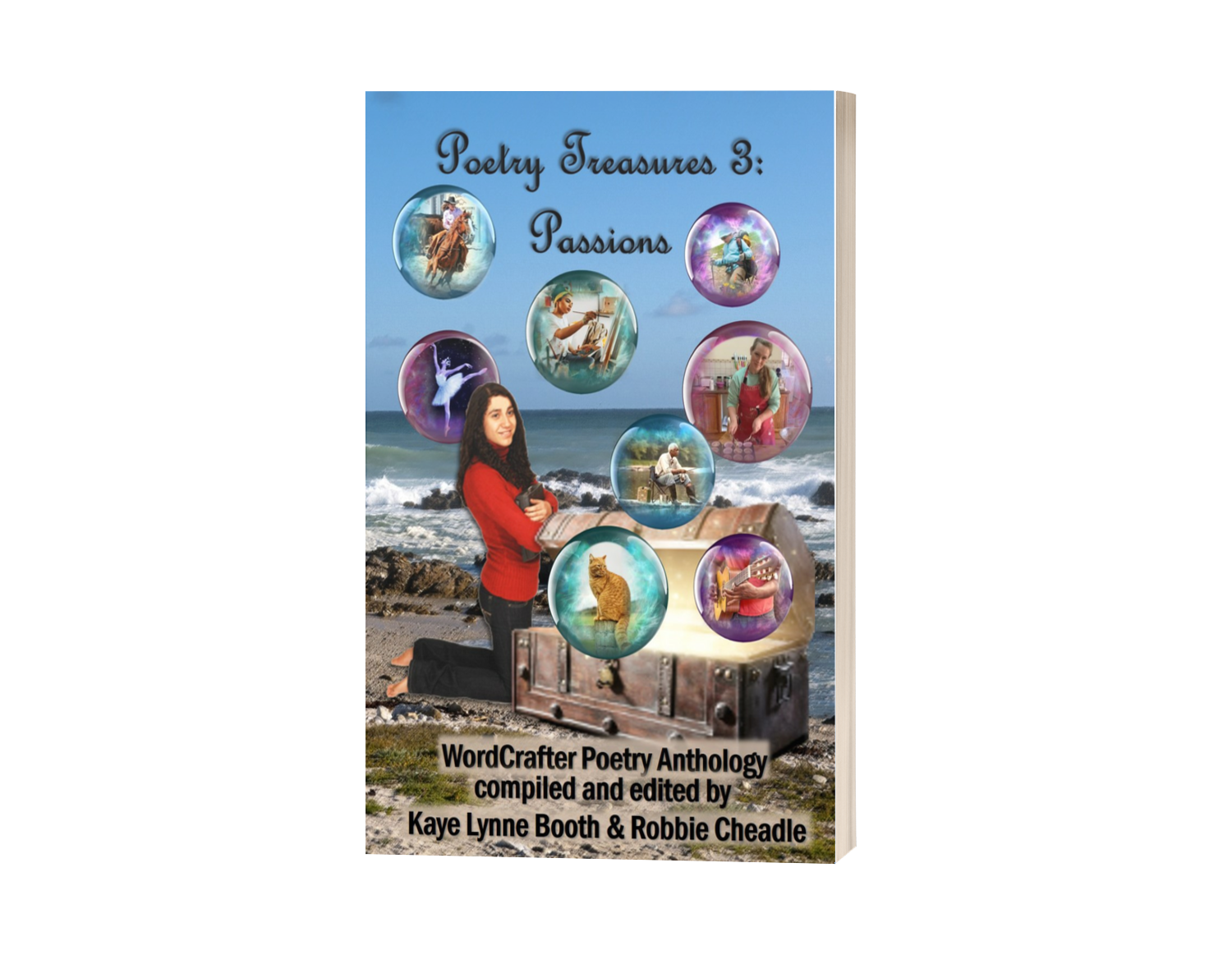
April Release: Poetry Treasures 3: Passions
Each year WordCrafter Press puts out a poetry anthology, featuring the works of the previous year’s “Treasuring Poetry” blog series with Robbie Cheadle, which features poet/author guests from all around the globe. We release the anthology in the Poetry Treasures series in April each year, as a nod to National Poetry Month here in the U.S. This year’s anthology features the poetry of Robbie Cheadle, Smitha Vishwanath, Abbie Taylor, Chris Hall, Yvette M. Calleiro, Willow Willars, Rosemerry Wahtola Trommer, Patty Fletcher, Yvette Prior, Judy Mastrangelo, Penny Wilson, Colleen M. Chesebro and D. Wallace Peach. If you follow the blog series, I know you’ll agree that this line-up of poets comprises an all star cast of contributors.

Poetry Treasures 3: Passions will be released in April, in celebration of National Poetry Month, here in the U.S. Watch for updates on the release here,on Writing to be Read.
Delilah Tour Giveaway Winners

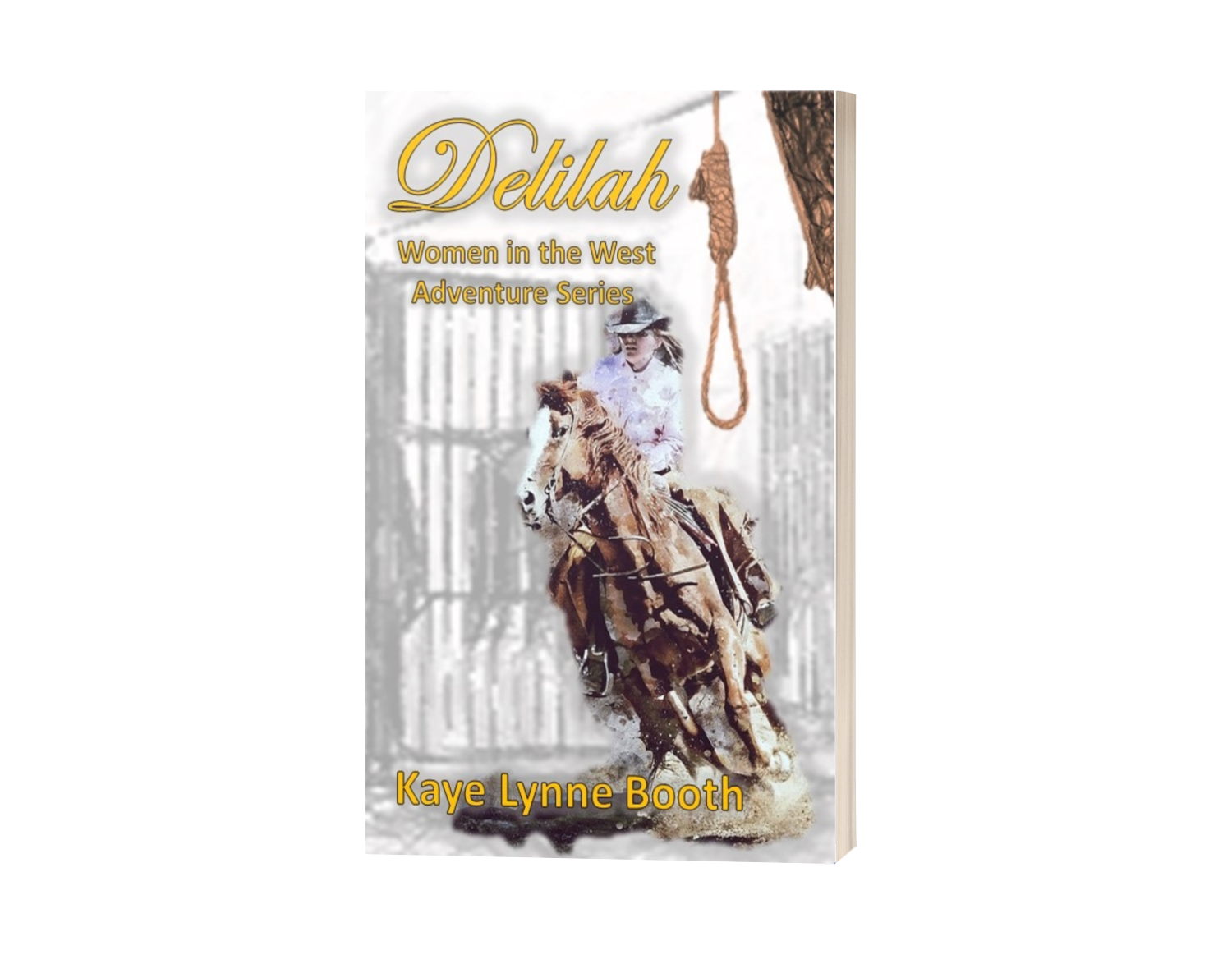
We had a great tour to celebrate the release of Delilah with most of your favorite distributors last week. You all gave it a great send off. I want to give a big round of applause for the hosts on this one; Robbie Cheadle, Miriam Hurdle and our brand new host, Kay Castenada, who did a fabulous debut tour stop. Also thanks so much to all those who participated and followed the tour. And now, the part of the tour where I get to give back a little. For this tour, we are giving away two digital copies and one signed print copy of Delilah.
So, without further ado…
The winners of the WordCrafter Delilah Book Blog Tour Giveaway are
The two digital copies go to Mae Clair and Jennie.
Jacqui Murray will recieve a signed print copy of Delilah.
All winners need to contact me at kayebooth@yahoo.com to claim their prize.
Congratulations to the winners!
_____________________________________________________________________
Want exclusive content? Join Kaye Lynne Booth & WordCrafter Press Readers’ Group for WordCrafter Press book & event news, including the awesome releases of author Kaye Lynne Booth. She won’t flood your inbox, she NEVER sells her list, and you might get a freebie occasionally. Get a free digital copy of her short story collection, Last Call and Other Short Fiction, just for joining.
Share this:

The Final Stop on the WordCrafter “Delilah” Book Blog Tour
Posted: March 24, 2023 Filed under: Adventure, Audio Excerpt, Blog Tour, Book Promotion, Book Release, Books, Fiction, Giveaways, Historical Fiction, Western, Women's Fiction, WordCrafter Book Blog Tours 2 CommentsTo wrap up the WordCrafter Delilah Book Blog Tour, I thought we’d explore the Indian characters featured in Delilah. Baby Doe Tabor isn’t the only historic character featured in the book, although Old Sugar isn’t well known. In fact, most people have probably never heard of her at all. The Ute characters were intended to be representative of the Indian population in Colorado, but somehow, they worked their way into my heart and became an integral part of the story.
The Ute Indians
The Ute Indians once roamed on lands spread over the Great Basin and central and southern mountains of Colorado, but by the 1860s, they had been split up into three amalgamated bands, the Uncompahgre, the Weenuche, and the White River band. In 1881, they began relocation of the White River an Uncompahgre Utes, following the 1879 Meeker masacre at the White River Indian Agency. Delilah’s Ute friends, Eagle Feather, Old Sugar, and Dancing Falcon are from the White River band, which were all relocated to a reservation in eastern Utah by the 1890s. When Delilah meets the Ute family, it is 1882, and they are holdouts, who resisted the relocation and lived independently, near Leadville.
Old Sugar
Old Sugar was a true to life historical person, who inspired the character of the same name, but she never lived in Leadville. Old Sugar would sit outside the general store all day and she would lash out with her knife and cut any white man who got too close to her. It seems the store keeper tried to make her leave once and she came after him, so they had little choice but to let her sit there and give her a wide berth. I had to wonder why. Why was she sitting there? Why did she hate white men enough to lash out that way? Why didn’t she gety up and move to a less populated spot? I found her to be interesting, and I just had to make her a character and move her to Leadville to make the acquaintance of Delilah. She’s not really a supporting character, but her role turned out to be larger than I imagined when I created her character.
Eagle Feather
Eagle Feather, Old Sugar’s son and Dancing Falcon’s father, originally existed only in the background as a washed up brave who had turned to the bottle as he watched everything be taken from his people, but he ends up playing an important role, when Delilah finds she needs his help to save the mine payroll and rescue his son. When I wrote Eagle Feather and Old Sugar into the story, I didn’t realize what a big role either would play. They were both intended to be interesting characaters which represented the Ute presence in Colorado at the time.
Dancing Falcon
I just love the character of Dancing Falcon. I loved writing him and I enjoy going back and reading him, which is why he easily became a supporting character right from the start. Dancing Falcon is a wise old twelve year old, who knows a lot about the goings on in Leadville and about the Ute ways. His purpose in the story is to offer Delilah guidance and fill her in on what she needs to know, but he becomes an integral part of the story. It is because of Dancing Falcon that Delilah becomes Grizzly Woman and is adopted into the Ute tribe.
An Excerpt from Delilah
Final Thoughts
Well, that’s about all for the WordCrafter Delilah Book Blog Tour. Thank you all for joining in the fun. I hope you all have picked up an interesting piece of history or found my writing and researching for this series helpful in some way. I’ve certainly enjoyed writing the posts and discussing the books and the characters with you. Remember, you can enter the giveaway at each stop for more chances to win, and if you missed a stop, you can follow the links below to stop by and check it out. I’ll be closing out the contest tomorrow, 3/24, so there may still be time to get in on it. And I’ll be announcing the winner in my post for Monday 3/27.
Delilah Tour Schedule
Mon. 3/20 – Opening Day Post– Writing to be Read/ Guest post (Baby Doe Tabor/Delilah) – The Showers of Blessings
Tues. 3/21 – Interview with author Kaye Lynne Booth / Review – Robbie’s Inspiration
Wed. 3/22 – Guest post (Big Nose Kate/Sarah) – BookPlaces
Thurs. 3/23 – Guest post (“Aunt” Clara Brown/Marta) – Roberta Writes
Fri. 3/24 – Closing Post (Ute Indians of Colorado in 1880s/Delilah Excerpt) – Writing to be Read
References
Ute History and the Ute Mountain Tribe. Colorado Encyclopedia. Retrieved from https://coloradoencyclopedia.org/article/ute-history-and-ute-mountain-ute-tribe
Meeker Incident. Colorado Encyclopedia. Retrieved from https://coloradoencyclopedia.org/article/meeker-incident
_________________________________________________________________
About the Author
For Kaye Lynne Booth, writing is a passion. Kaye Lynne is an author with published short fiction and poetry, both online and in print, including her short story collection, Last Call and Other Short Fiction; and her paranormal mystery novella, Hidden Secrets. Kaye holds a dual M.F.A. degree in Creative Writing with emphasis in genre fiction and screenwriting, and an M.A. in publishing. Kaye Lynne is the founder of WordCrafter Quality Writing & Author Services and WordCrafter Press. She also maintains an authors’ blog and website, Writing to be Read, where she publishes content of interest in the literary world.
_________________________________________________________________________
Book your WordCrafter Book Blog Tour today!
Share this:

Day 3 of the WordCrafter “Delilah” Book Blog Tour
Posted: March 22, 2023 Filed under: Book Release, Books, Fiction, Historical Fiction, Western, Women's Fiction, WordCrafter Book Blog Tours | Tags: Delilah, Historic Fiction, Western, Women's Fiction, WordCrafter Book Blog Tours Leave a comment
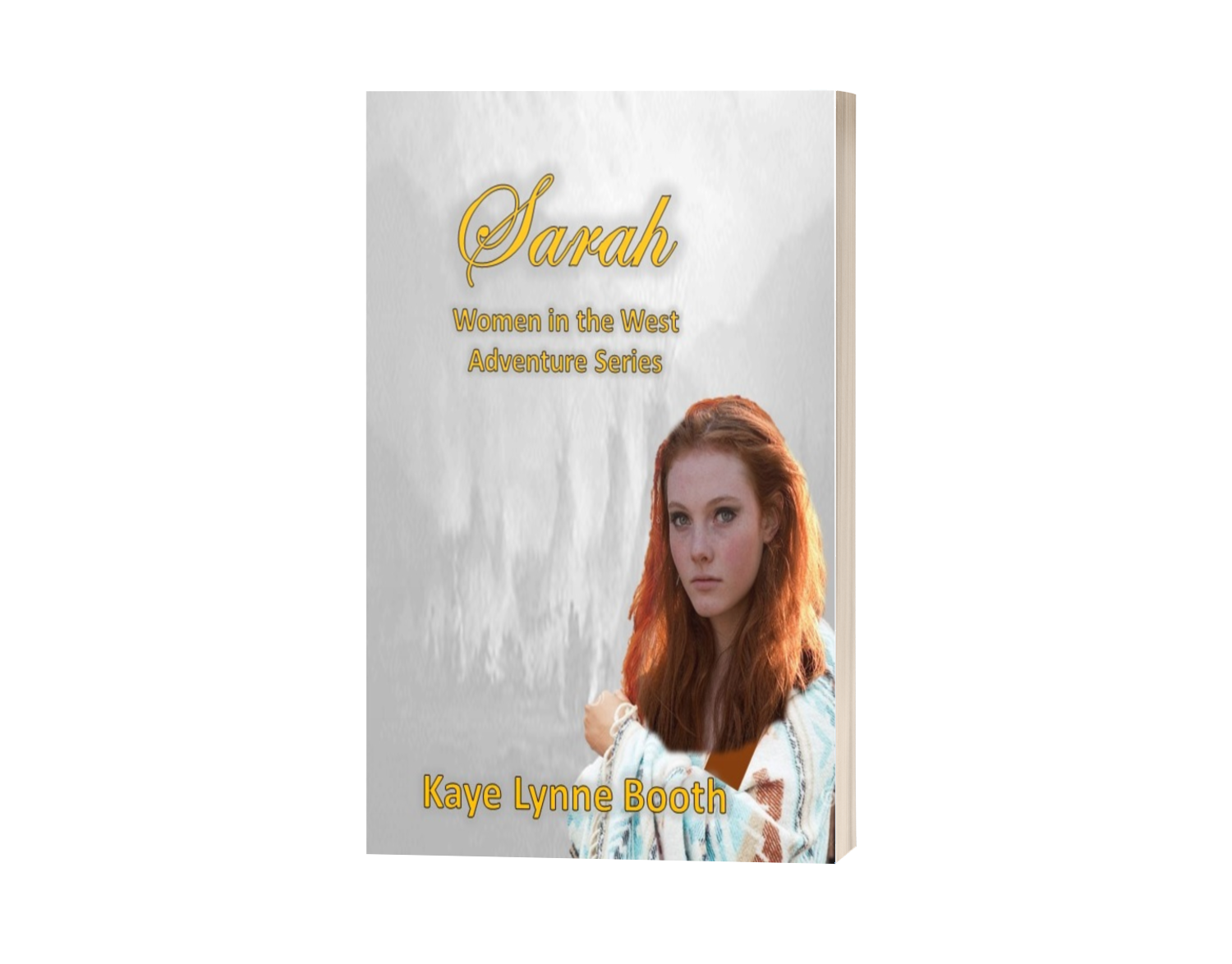
Day 3 of the WordCrafter Delilah Book Blog Tour finds us over at Kay Castenada’s Book Places with a guest post from me about the historic supporting character which will be featured in Sarah: Book 2 of the Women in the West adventure series, “Big Nose” Kate Elder, companion of the infamous Doc Holliday. Join us for the fun, and be sure to leave a comment for a chance to enter the giveaway. See you there!
Share this:

Dark Origins – The Chimes, A Goblin Story: a novella by Charles Dickens
Posted: March 22, 2023 Filed under: Classics, Dark Origins, Fiction, Short Fiction, Stories | Tags: Charles Dickens, Classic Literature, Dark Origins, Robbie Cheadle, The Chimes, Writing to be Read 42 CommentsI have been participating in a Dickens Readathon which is being hosted by by Marsha Ingrao from Always Write blog (this is her latest post for the challenge: https://alwayswrite.blog/2023/02/13/dickenschallenge-novella-4-the-battle-of-life/); Trent McDonald from Trent’s world (https://trentsworld.blog/2023/02/07/the-third-annual-dickens-challenge-a-triple-threat/) and Yvette Prior (https://priorhouse.wordpress.com/2023/02/09/five-novella-descriptions-2023-dickenschallenge-read-one-novella-by-june-9th-post-2/).
I have recently read The Chimes, a Dickens novella which was first published in 1844, one year after the well known A Christmas Carol. It’s social critisism perfectly suited my criteria for Dark Origins posts and I decided to share my thoughts and research on this novella for my March Dark Origins post.
The story involves the disillusionment of Toby “Trotty” Veck, a poor working-class man who works as a casual messenger or ‘ticket-porter’. Dickens goes to great lengths at the beginning of the story to detail Trotty’s poverty as per the following description:
“Making, with his leaky shoes, a crooked line of slushy footprints in the mire; and blowing on his chilly hands and rubbing them against each other, poorly defended from the searching cold by threadbare mufflers of grey worsted, with a private apartment only for the thumb, and a common room or tap for the rest of the fingers; Toby, with his knees bent and his cane beneath his arm, still trotted.“

The story commences on the afternoon before New Year’s Day. Trotty is waiting for work outside the church. Work has been slow for a few weeks despite his willingness to work hard. He is depicted as being a cheerful man despite his lot in life, but on that cold winter’s afternoon he reads a newspaper which includes a number of scathing reports about the poor. He embarks on a train of thought that the working classes are unworthy and their poverty is a result of this unworthiness. Trotty wonders whether the poor are born corrupt and are incapable of redemption.
His lovely daughter, Meg, arrives, bringing him a meal of tripe she has cooked. Meg tells her father that she is going to marry her childhood sweetheart, Richard, despite the fact they are both poor. She makes it clear that she accepts their poverty and does not expect their situation to ever change. These are her words:
“‘He says then, father,’ Meg continued, lifting up her eyes at last, and speaking in a tremble, but quite plainly; ‘another year is nearly gone, and where is the use of waiting on from year to year, when it is so unlikely we shall ever be better off than we are now? He says we are poor now, father, and we shall be poor then, but we are young now, and years will make us old before we know it. He says that if we wait: people in our condition: until we see our way quite clearly, the way will be a narrow one indeed—the common way—the Grave, father.’”
Dickens intention with this depiction is to highlight the terrible plight of the poor who are trapped in a capitalist system where the wealthy always abuse the poorer. He is also demonstrating Meg’s and Richard’s passive acceptance of their situation. Dickens believed this passive acceptance of the status quo by the working classes to be wrong.
Trotty has misgivings about the marriage, but hides it and they are happy until they encounter the proud and wealthy Alderman Cute and two other gentlemen. The gentlemen succeed in making Trotty, his daughter, and her fiancé feel as if they have no right to exist, never mind to marry and have children who with perpetuate the cycle of poverty. Alderman Cute degrades and humiliates Trotty and the working classes in general.
” ‘You see, my friend,’ pursued the Alderman, ‘there’s a great deal of nonsense talked about Want—“hard up,” you know; that’s the phrase, isn’t it? ha! ha! ha!—and I intend to Put it Down. There’s a certain amount of cant in vogue about Starvation, and I mean to Put it Down. That’s all! Lord bless you,’ said the Alderman, turning to his friends again, ‘you may Put Down anything among this sort of people, if you only know the way to set about it.’“
Cute gives Trotty a note to carry to Sir Joseph Bowley MP, who gives charity to the poor but is another arrogant and hypocritical man. Trotty’s encounter with Bowley leave him feeling even more humiliated and disillusioned.
“‘What man can do, I do,’ pursued Sir Joseph. ‘I do my duty as the Poor Man’s Friend and Father; and I endeavour to educate his mind, by inculcating on all occasions the one great moral lesson which that class requires. That is, entire Dependence on myself. They have no business whatever with—with themselves. If wicked and designing persons tell them otherwise, and they become impatient and discontented, and are guilty of insubordinate conduct and black-hearted ingratitude; which is undoubtedly the case; I am their Friend and Father still. It is so Ordained. It is in the nature of things.’“
Later that evening, Toby reads some sad and depressing news in the evening paper. He believes he hears the church bells chiming his name and he sets out to climb the church tower and hear what they have to say to him. This is the beginning of the supernatural part of the story that leads to Trotty realising that the poor are not born bad but that many of them end up in bad situations due to their terrible circumstances.

Passage illustration:
“He saw the tower, whither his charmed footsteps had brought him, swarming with dwarf phantoms, spirits, elfin creatures of the Bells. He saw them leaping, flying, dropping, pouring from the Bells without a pause. He saw them, round him on the ground; above him, in the air; clambering from him, by the ropes below; looking down upon him, from the massive iron-girded beams; peeping in upon him, through the chinks and loopholes in the walls; spreading away and away from him in enlarging circles, as the water ripples give way to a huge stone that suddenly comes plashing in among them. He saw them, of all aspects and all shapes. He saw them ugly, handsome, crippled, exquisitely formed. He saw them young, he saw them old, he saw them kind, he saw them cruel, he saw them merry, he saw them grim; he saw them dance, and heard them sing; he saw them tear their hair, and heard them howl. He saw the air thick with them. He saw them come and go, incessantly. He saw them riding downward, soaring upward, sailing off afar, perching near at hand, all restless and all violently active. Stone, and brick, and slate, and tile, became transparent to him as to them. He saw them in the houses, busy at the sleepers’ beds. He saw them soothing people in their dreams; he saw them beating them with knotted whips; he saw them yelling in their ears; he saw them playing softest music on their pillows; he saw them cheering some with the songs of birds and the perfume of flowers; he saw them flashing awful faces on the troubled rest of others, from enchanted mirrors which they carried in their hands. [“Third Quarter,” pp. 83-85, 1912 edition]“
Dickens uses the goblins in the bells as his instruments for social criticism and to make his points about the unjust treatment of the poor who are often wrongly accused an imprisoned for any reason due to the government’s attitude of ‘to jail with them’. The goblins also expose the social inequality innate in Victorian society and the hypocrisy of the politicians and aristocrats of the time.
Conclusion
Of the four so called Christmas novellas written by Charles Dickens I have read so far (A Christmas Carol, The Chimes, The Battle of Life and The Cricket on the Hearth, a Fairy Tale of Home), this is the one that brought the snobbery, hypocrisy, and arrogance of the Victorian gentry home to me the hardest.
The impact of the social inequality on the psyche of the working classes represented by Trotty and his daughter, Meg, and the injustices of the legal system presented by the treatment of Will Fenn, are truly heartbreaking as is the misguided attitude of the philanthropist represented by Sir Bowley.
How easy it is to judge others from a position of wealth and privilege.
You can read The Chimes for free here: https://www.gutenberg.org/files/653/653-h/653-h.htm
Have you read The Chimes? What did you think of its message?
About Roberta Eaton Cheadle

Award-winning, bestselling author, Roberta Eaton Cheadle, is a South African writer and poet specialising in historical, paranormal, and horror novels and short stories. She is an avid reader in these genres and her writing has been influenced by famous authors including Bram Stoker, Edgar Allan Poe, Amor Towles, Stephen Crane, Enrich Maria Remarque, George Orwell, Stephen King, and Colleen McCullough.
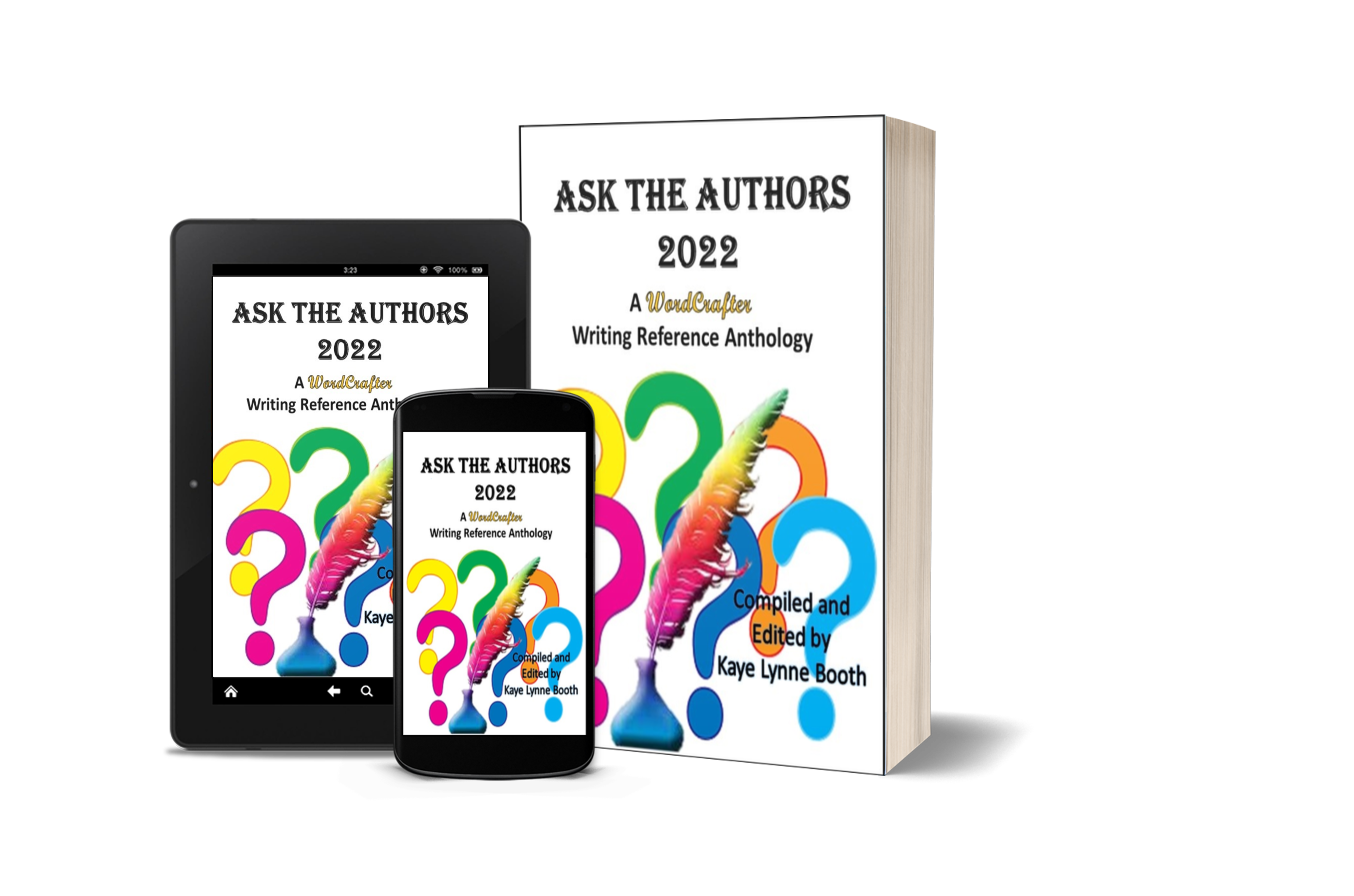
Roberta has two published novels and has horror, paranormal, and fantasy short stories included in several anthologies. She is also a contributor to the Ask the Authors 2022 (WordCrafter Writing Reference series).
Roberta also has thirteen children’s books and two poetry books published under the name of Robbie Cheadle, and has poems and short stories featured in several anthologies under this name.
Roberta’s blog features discussions about classic books, book reviews, poetry, and photography. https://roberta-writes.com/.
Find Roberta Eaton Cheadle
Blog: https://wordpress.com/view/robertawrites235681907.wordpress.com
Twitter: https://twitter.com/RobertaEaton17
Facebook: https://www.facebook.com/robertawrites
Amazon: https://www.amazon.com/Roberta-Eaton-Cheadle/e/B08RSNJQZ5
_____________________________________________________________________________________________
Want to be sure not to miss any of Robbie’s “Dark Origins” segments? Subscribe to Writing to be Read for e-mail notifications whenever new content is posted or follow WtbR on WordPress. If you found it interesting or entertaining, please share.
Share this:

Welcome to the WordCrafter “Delilah” Book Blog Tour
Posted: March 20, 2023 Filed under: Blog Tour, Book Promotion, Book Release, Fiction, Historical Fiction, Western, western romance, Women's Fiction, WordCrafter Book Blog Tours, WordCrafter Press | Tags: Delilah, Historic Fiction, Kaye Lynne Booth, Western, Women in the West adventure series, Women's Fiction, WordCrafter Book Blog Tours 5 CommentsI’m excited to welcome you to the WordCrafter Delilah Book Blog Tour. We’ve got interesting behind the scenes posts from all three books in the Women in the West adventure series at each stop, which introduce you to some of the characters in the series, Robbie Cheadle shares an author interview, a couple of reviews, and I think there’san excerpt from Delilah in there somewhere. Maybe I should just post the schedule here. I’ll post it with links, but they won’t work until each post goes live.
Tour Schedule
Mon. 3/20 – Opening Day Post– Writing to be Read/ Guest post (Baby Doe Tabor/Delilah) – The Showers of Blessings
Tues. 3/21 – Interview/Review – Robbie’s Inspiration
Wed. 3/22 – Guest post (Big Nose Kate/Sarah)/Review – BookPlaces
Thurs. 3/23 – Guest post (“Aunt” Clara Brown/Marta)- Roberta Writes
Fri. 3/24 – Closing Post (Ute Indians of Colorado in 1880s/Delilah Excerpt) – Writing to be Read
Follow the tour and learn more about Delilah and the Women in the West adventure series, with an opportunity to enter the giveaway at every stop.
Delilah Give Away
I’m giving away two digital copies,
and one signed print copy
of
Delilah
Leave a comment to enter.
Multiple entries are allowed,
so leave a comment at each stop for more chances.
The Trailer
On with the tour…
Our first stop on the tour is over at Miriam Hurdle’s The Many Showers of Blessings, with a guest post from me on the historical supporting character in Delilah, Baby Doe Tabor. So, follow the link for a behind the scenes post from Delilah.
__________________________________________________
Book your WordCrafter Book Blog Tour today!
Share this:

Book Review: That Wasn’t in the Script
Posted: March 17, 2023 Filed under: Adventure, Book Review, Books, Fiction, Humor, Review, Young Adult | Tags: Book Review, Sarah Ainslee, Teen Adventure, That Wasn't in the Script, Writing to be Read, Young Adult Fiction 1 CommentAbout the Book
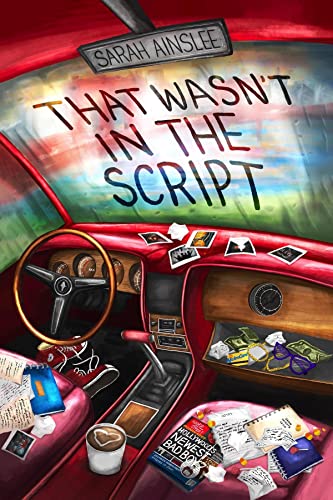
Josie Bradford feels stuck.
After being moved against her will to New York City and losing her father in the span of a year, the aspiring screenwriter dreams of escaping back to small-town Ohio where she can attend college and go back to some version of normal-if only she could afford it.
Enter Hollywood teen heartthrob Rowan Adler, an overnight celebrity thanks to the viral streaming sensation in which he stars. Ever-reckless Rowan is bored, sheltered, and desperate to escape the limelight.
The lives of the two teenagers collide one fateful autumn night when Josie finds an escaped Rowan asleep in the middle of the greasy burger shack where she works, leading her to wonder: How much would this exclusive sell for?
What follows is an absurd, heartfelt, romantic twenty-four-hour descent into chaos. The unlikely pair slowly learn what it means to embrace the plot twists life throws their way and how sometimes, getting lost is the only way to find out what you really want.
Purchase link:
https://www.amazon.com/That-Wasnt-Script-Sarah-Ainslee-ebook/dp/B0BS1544CH
My Review
That Wasn’t in the Script, by Sarah Ainsley is a delightful coming of age romance with enough turns and twists to keep the pages turning at a rapid rate. This story is about being young, and growing up, and self-discovery, and having fun doing it.
Josie is stuck in a rut. She doesn’t realize that her life is about to go off the rails when she decides to help out a boy who she thinks is her classmate. But in a few short hours, her life will change drastically as she follows Rowan, a reckless teenaged heartthrob through New York City on a quest intended to give her the future she longs for. As they go through a night filled with wild new experiences, she finds she doesn’t want to benefit from Rowan’s celebrity, but perhaps she wants something else even more.
A teenaged romance with a big dose of reality and just the right amount of humor. I give That Wasn’t in the Script five quills.
__________________________________________________________
Kaye Lynne Booth does honest book reviews on Writing to be Read in exchange for ARCs. Have a book you’d like reviewed? You can request a review here.