2024 promises to be exciting at WordCrafter Press and I am thrilled to tell you about it.
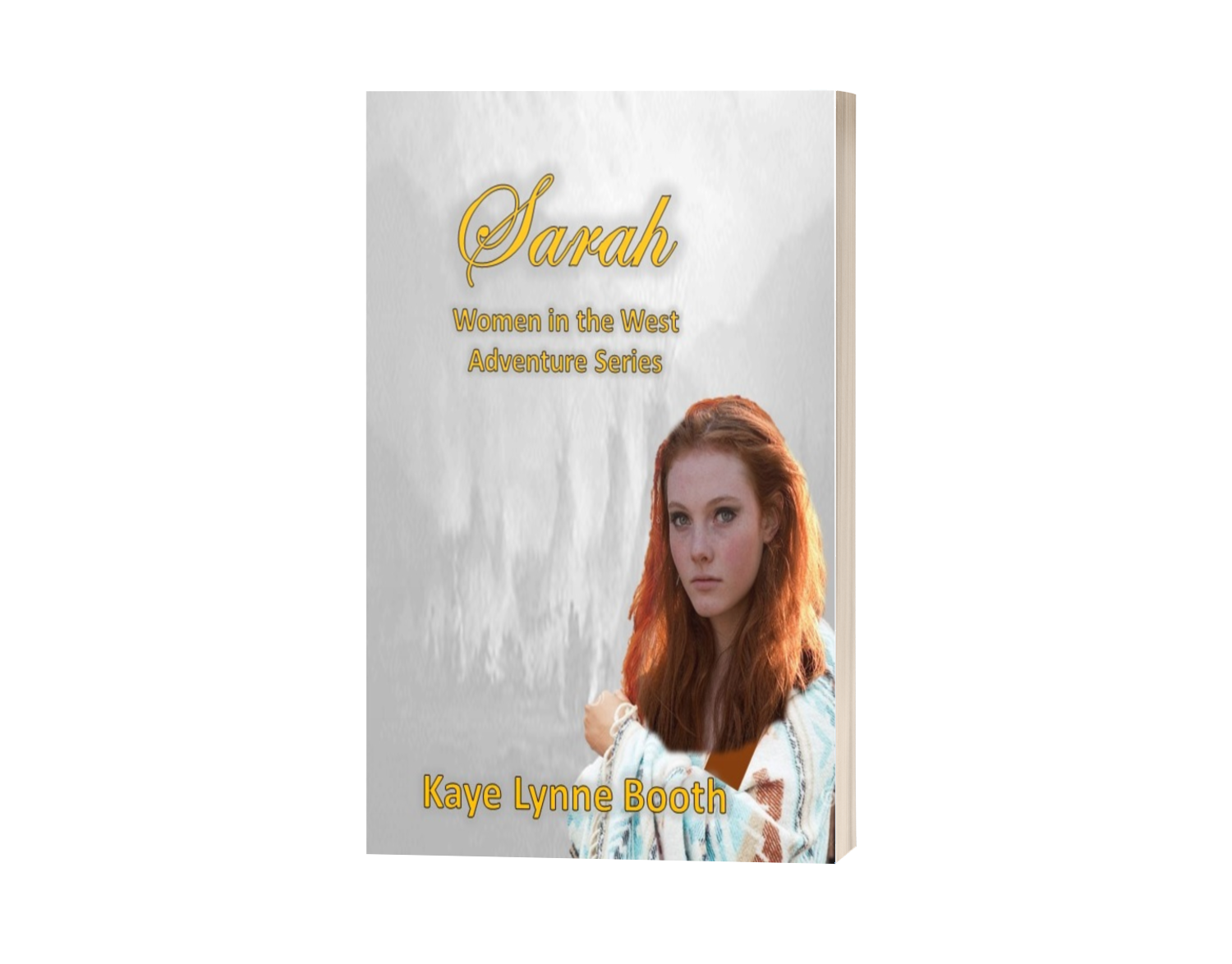
In January, book 2 of the Women in the West series, Sarah launches on Kickstarter and its going to be a good one. Rewards will include not only early digital and signed print copies of Sarah, but Special Edition Illustrated copies of both Sarah and Delilah, never before offered.
In March, Sarah will be released through distributors, and will be available at your favorite online retailers. I’ll be launching with a book blog tour and giveaway, so be sure and watch for that.
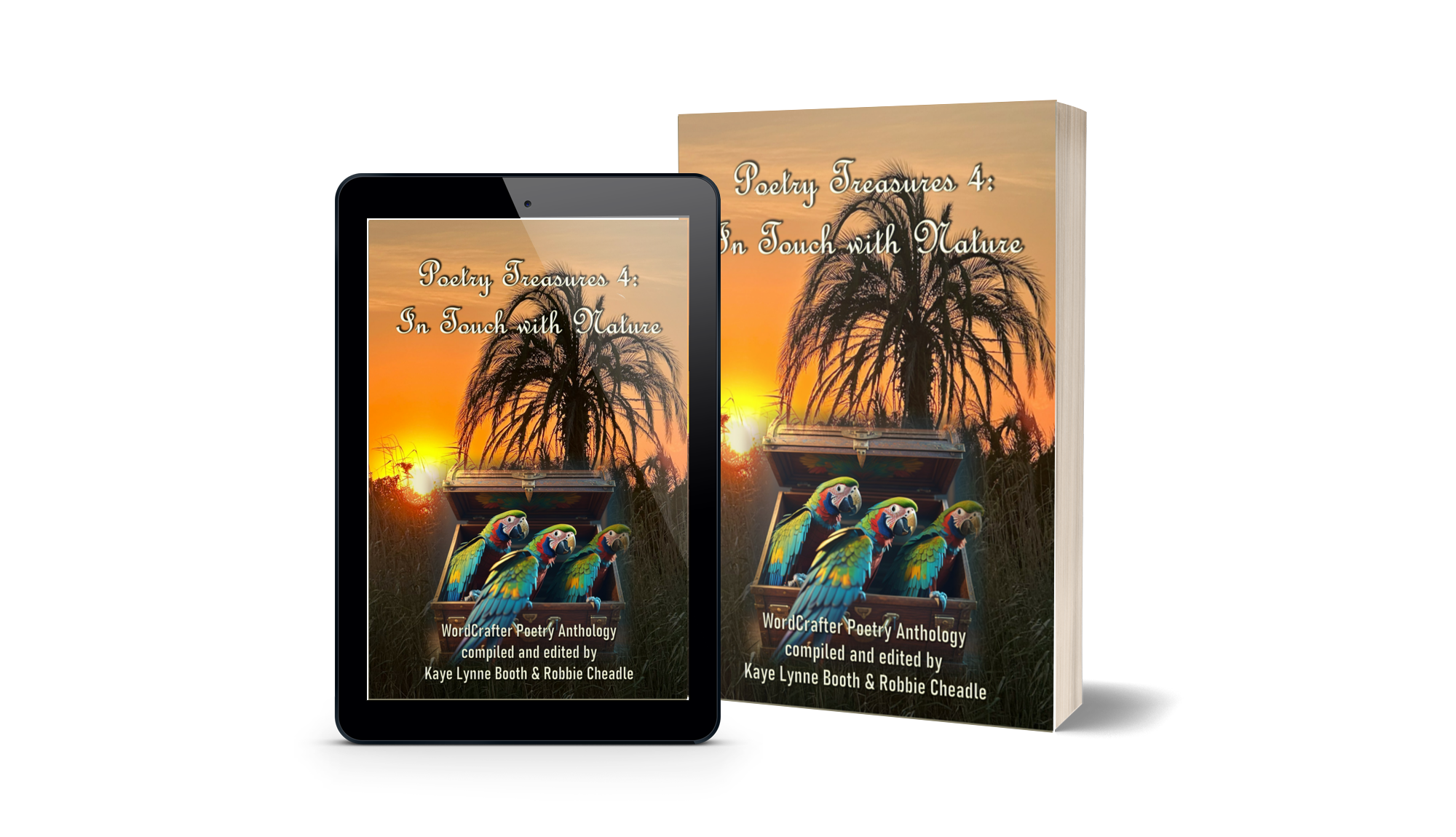
In April, Poetry Treasures 4: Natural World will be released through distributors. (The cover pictured above is just a fill in.) Featuring poetry written by guests of the 2023 “Treasuring Poetry” blog series with Robbie Cheadle. There will be a book blog tour for this book, with audio/video readings by the poets.
In May, my nonfiction writing reference book, D.I.Y. Author will be released through distributors, and will be available at your favorite online retailers. If you’re an author on a shoestring budget determined to find ways to write and sell books, this book is for you. Naturally, a book blog tour and giveaway will accompany this release.
In July, we have a Kickstarter campaign planned for my children’s book series. I’ll be releasing the first three books in the My Backyard Friends series, Heather Hummingbird Makes a New Friend, Timothy Turtle Discovers Jellybeans, and Charlie Chickadee Finds a New Home. After a first illustrator experience which turned sour, these books have been awaiting an illustrator for eight years. But I finally found one, whose illustrations I am proud to have featured in my books, Robbie Cheadle. If you know her, you might be familiar with the wonderful illustrations she’s begun to do recently, and you’ll understand why I am so thrilled to have her as an illustrator. These stories feature animal and bird characters in tales that each teach a social lesson. With Robbie’s beautiful illustrations, they are not to be missed.
In August, the first three books in the My Backyard Friends series will be released through distributors, and will be available at all your favorite distributors. I’ll be launching with a book blog tour and giveaway.
In September, a by invitation only themed anthology, Tales From The Hanging Tree, will be released through distributors and launched with a book blog tour and giveaway, with audio/video readings by the authors.
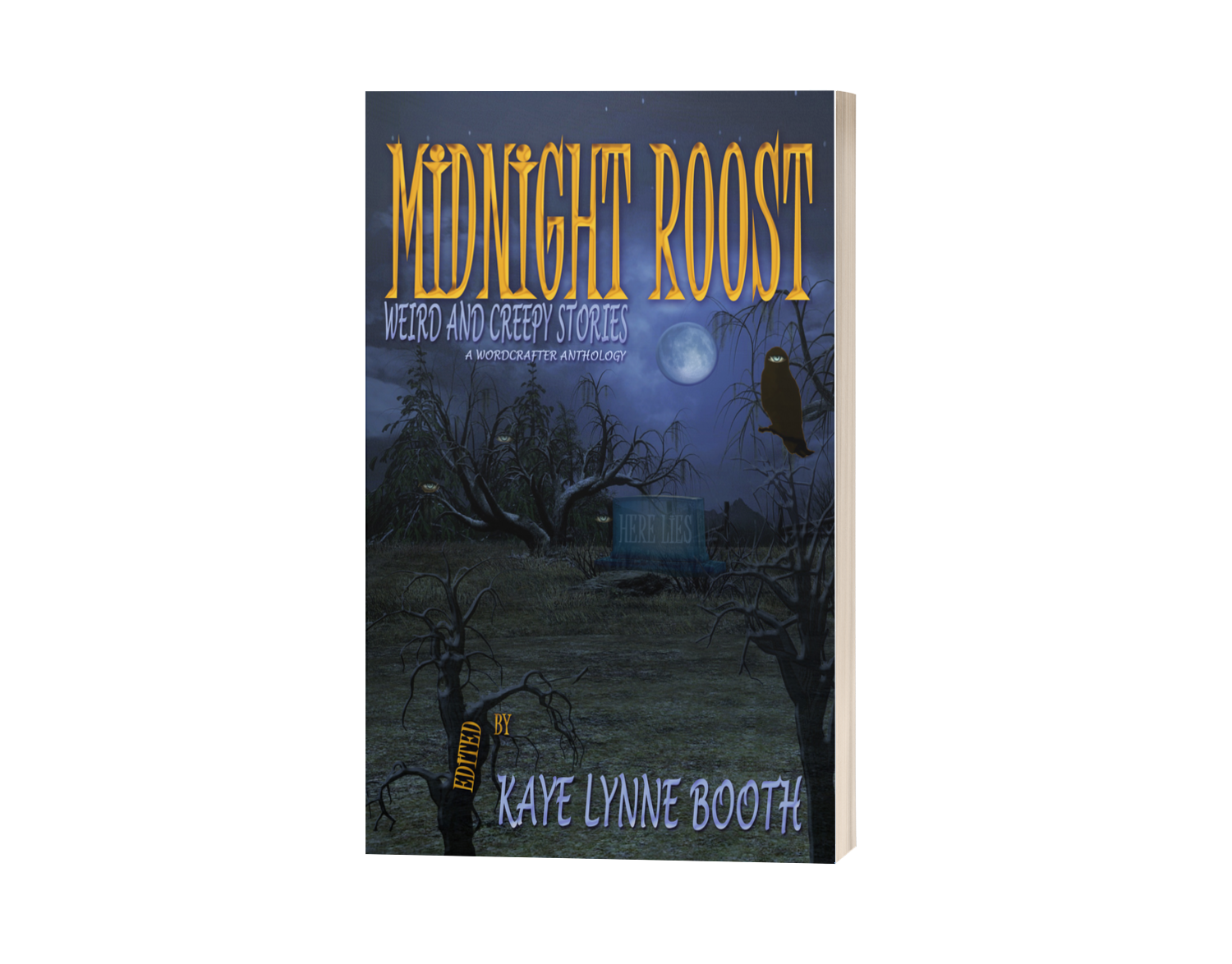
In October, the 2024 WordCrafter anthology will be released. Each year I release the annual anthology in October, which is just a scary month. Halloween is my favorite holiday, and I love scary stories, and other scary stuff, so releasing in October is condusive to dark fiction. In 2023, we had a great line-up of dark and scary stories in Midnight Roost, so we’re going with a dark fiction theme again this year. It will include both by invitation submissions and contest submissions that are worthy, and feature the winning story from the contest. (See Call for Submissions below.)
WordCrafter Quality Writing & Author Services
I’m happy to announce that in 2024, WordCrafter will be adding Book Trailers to our list of quality author services. We will have three different trailer designers available to choose from: myself, Robbie Cheadle and DL Mullan, and they will be offered at affordable prices.
On Writing to be Read, 2024 promises more of the new monthly blog series, “POP with Jeff Bowles”, which has been well recepted. A blog series about all things POP, the first Wednesday of every month.
We also have a new addition to the WtbR team. Starting in January, DL Mullan will be bringing us another new blog series the first Friday of each month, “Undawntech: Technology and the Creative Arts”. Be sure to check it out and give Dawn a big welcome.
Call for Submissions – 2024 WordCrafter Anthology
It’s time for the Call for Submissions for the 2024 WordCrafter Anthology, which we’re calling “Dark Fiction” for now. Dark fiction is the theme: horror, paranormal, dark fantasy, science fiction, speculative fiction. Any genre as long as it is dark or scary will do. I’m leaving it wide in the hopes of bringing in a diverse selection of stories that will keep readers awake at night.
Submission Guidelines
Genres: Paranormal, Dark Fantasy, Horror, Science Fiction, Dark Humor, Speculative Fiction any combination there of.
Length: up to 5000 words
Submission Deadline: April 30, 2023
Submissions open January 1 and close on April 30. Watch for the January 1 post for full submission guidelines and contest entry.
Join Kaye Lynne Booth & WordCrafter Press Readers’ Group for WordCrafter Press book & event news, including the awesome releases of author Kaye Lynne Booth. Get a free digital copy of her short story collection, Last Call and Other Short Fiction, as a sampling of her works just for joining
This year, for NaNoWriMo, I chose to work on the second book in my Women in the West series, Sarah. In 2022, I chose a book that I had already been working on, so even though I completed the 50,000 word goal, I wasn’t truly a winner. So this year, I had to ask myself, “Can I truly meet the NaNoWriMo challenge?” I began with nothing but an outline and a partial opening chapter, just to see if I could do it.
NaNoWriMo isn’t designed to help you write fast, not well. That part is up to you. The idea isn’t to emerge after thirty days with a perfect novel, but with a rough draft, a place to start and build from.
Week One
During the first week, I met my writing goal of 1,667 words every single day and the writing was coming along fine. I stuck to my outline, for the most part. A couple of times I had to push to get those words out, but they were out there on the page.
In 2022, I tried to use methods suggested in Booked to the Gills, by Aisley Oliphant, such as time blocking. This was only one of the tips offered to get in 1,667 words per day to culminate into 50,000 words in 30 days. (You can read my review of Booked to the Gills here.)
Timeblocking is an excellent strategy for getting words to page, if you can stick to it. I couldn’t. I found that, for me, time blocking only worked when events in my life were going smoothly. Too often things came up that prevented me from writing at my scheduled times, including working unscheduled shifts or other emergencies that just can’t wait.
This year my life is not structured enough to make time blocking feasible for me. I’m not working, but that leads to other situations that must be dealt with, things that can’t be scheduled around. But, I knew they would come and so I decided instead to move ahead with my natural stubborn bullheadedness, and endeavor to persevere. I simply sat at my laptop and wrote every chance I had.
Week Two
The second week was filled with those immediate distractions, things which couldn’t be ignored, and I’m sad to say, I had the first day that I didn’t meet my daily goal. On Tuesday of that week, I only got in about 160 words. But the good part is that I exceeded my daily goal enough in the previous week, that it didn’t take much to catch back up, and I finished off the week being right where I should be or maybe even a little better.
Most of my writing sessions were in shorter time blocks, with longer stretches once or twice a day. I was willing to take what I could get, and I seemed to be getting enough time in to meet my daily goal most of the time.
Week Three
I had two days in a row during the third week where I didn’t quite meet my daily goal, but came close. One extra good day with over 2000 words, and a couple where I made it over my daily goal by smaller amounts kept me floating right about where I should be in the overall word count, at over 35000 words. So overall, I was fairly pleased with my results.
I continued with my write every chance you get strategy, and it seemed to be producing the results I needed. I used modified time blocking by taking advantage of extended time blocks of several hours at a time, breaking them into 15, 20, 30, or 45 minute segments as life demanded.
During longer blocks of time, I often found myself stopping to research the details for certain scenes. Since this book is historical western fiction, I needed to be historically correct to the best of my abilities. I had to watch myself, and on few occasions, found myself falling down a research rabbit hole. Research is a necessary part of the writing process, so I didn’t fault myself for these excursions. At first I tried putting disputed facts in brackets, but leaving whole setting descriptions blank wasn’t helping my word count, and my word count wasn’t suffering for it, so I continued in that manner.
Week Four
I got a bad start to week four. My laptop has seen better days, and on Tuesday the 21st, I was unable to back up my work, because it quit registering my USB drive, and then I lost my screen image. Let me tell you you can’t write, or do anything else, on a blank screen with no curser. This was a set back that could, and in fact did, end my chances for a successful NaNoWriMo.
It was quite a disappointment. I had gone into town to shop for Thanksgiving dinner, and on the way back, I had worked out what would happen in the final scenes of Sarah. I was at over 35,000 words, closing in on the end of the challenge goal of 50,000. I knew what needed to happen, so I was ready to pound it out into the page. And suddenly, I was at a dead stop.
Alas, I have a guardian angel, in the flesh. My oldest and dearest friend has always watched out for me. When she heard I needed a computer, she sent me one. It doesn’t have the storage space my old one did, so I’m still trying to figure out how to access all my files, but it will do in a pinch, until I can afford to get a new one. It didn’t arrive in time for me to meet the NaNoWriMo goal, but it is allowing me to finish the book, and that is what is important.
I made the 50,000 word goal on December 10th, ten days after the NaNoWriMo deadline, so I might have made the goal for the challenge had I had a functioning computer. I’m happy to say that Sarah is back pretty much on schedule and should be ready for editing in January, as planned.
What I Learned
Even though I wasn’t able to finish the challenge and declare myself a “winner”, I now have a story with over 50,000 words completed, which is a darn good start, and I still learned a lot about my writing process from the experience.
I used to be a binge writer. I could focus on my story and tap away at the keys, blocking out everything around me. I learned that I don’t write like that anymore. As I’ve gotten older, I find I need those fifteen minute breaks every so often. This helped me to get the other things in life that I needed to tend to done, as well. Daily tasks and obligations are good excuses to put the writing down and take care of business.
Along with that, I learned that grabbing shorter time segments whenever I can works well for me. Even if it’s only 15 minutes, it gets a few words on the page, and those 15 and 30 minute segments add up when you look at the word count.
I also learned, not for the first time, that the best advice for me as an author is, “Butt in chair, write the damn book.” Those short segments did add up. I made the daily word count this way all but one day, prior to my computer quitting on me.
Conclusions
I am using the NaNoWriMo challenge to help me become a more prolific writer. I found the whole month of November to be a learning experience, because writing processes change. I learned that the way I used to write doesn’t work for me anymore, and I developed a few writing strategies that seemed to be more successful for me. Overall, I enjoyed doing the NaNoWriMo challenge, grew as a writer, and would recommend it to anyone who wants to test themselves or improve their writing process through trying out new strategies.
______________________________________
For Kaye Lynne Booth, writing is a passion. Kaye Lynne is an author with published short fiction and poetry, both online and in print, including her short story collection, Last Call and Other Short Fiction; and her paranormal mystery novella, Hidden Secrets; and book 1 of her Women in the West adventure series, Delilah. Kaye holds a dual M.F.A. degree in Creative Writing with emphasis in genre fiction and screenwriting, and an M.A. in publishing. Kaye Lynne is the founder of WordCrafter Quality Writing & Author Services and WordCrafter Press. She also maintains an authors’ blog and website, Writing to be Read, where she publishes content of interest in the literary world.
Want exclusive content? Join Kaye Lynne Booth & WordCrafter Press Readers’ Group for WordCrafter Press book & event news, including the awesome releases of author Kaye Lynne Booth. She won’t flood your inbox, she NEVER sells her list, and you might get a freebie occasionally. Get a free digital copy of her short story collection, Last Call and Other Short Fiction, just for joining.
All through the month of November, I was busily working on Sarah, the second book in my Women in the West adventure series. I have a Kickstarter campaign planned for this book in January, and it will be released through distributors in March. I have to say that I was on a roll during the first three weeks, only missing the daily goal of 1667 words on all but three of those days. On the 21st, I registered over 35,000 words, with nine days left to reach the overall goal of 50,000.
Then, my computer screen gave up the ghost, and I had no image to work with, bringing me to a grinding halt. I couldn’t retrieve or back up my document, let alone write more.
Fortunately, I have a guardian angel and life long friend, who values my writing and may very well be my biggest fan. She made sure I had a new laptop coming as soon as she heard about my dilemma, in the hopes of saving the day. She is my oldest and dearest friend, and I always seem to hear from her just when I need her. This Thanksgiving session I made sure to offer up special thanks for her friendship.
WordCrafter Holiday Book Extravaganza
You won’t want to miss the WordCrafter Book Extravaganza when you’re looking for those perfect holiday gifts. December 1st – 22nd all books on the WordCrafter Press backlist will be available for under $3 each. The perfect prices for the perfect gifts, because we all know that books make wonderful gifts! Or, you can pick up those titles that have been sitting on your tbr list for yourself, so you’ll have plenty of stories to entertain you during the holiday season.
Books included in the Extravaganza:
Doubling Down on Book Reviews
Starting in November, I’ve posted extra Saturday Book Reviews to get in all the reviews I’ve committed to done before the end of the year. But I discovered that I had so many reviews that I was behind on, that one extra review a week wasn’t enough. So, in December I will also be posting Sunday Book Reviews as well. And I may even post some random extras, if I get all the way caught up. That’s right. All through December you can catch at least three book reviews per week, and just in time for the holiday season, because we all know books are the best gifts for friends and loved ones, or even just to treat yourself.
When I’m with my grandkids watching movies from the Marvel Comics universe I have to remind myself not to view this material with an adult mind. It’s better to watch with the mind set of my 13 year old grandson and ten year old grand-daughter.
Last night we watched “Ant Man And The Wasp”. My grandkids loved it. I liked it. Well… I endured it. There’s so much filler in Marvel movies. Every “BOP! POW!” or “WHAM!”, every end-over-end toppling of a character whose booties excavate the pavement or crush an office building: all that stuff is so much dross. Such destruction! Miraculously, no one is annihilated by the falling buses or shattered facades.
It seems to me that great writers are those who go the extra mile. Lazy writers are those who go right up to the mile before the mile before the EXTRA MILE. That’s what’s frustrating about Marvel movies. The producers know that they can inject a liberal amount of fake fighting and harmless destruction into the script. How much? Fifteen minutes? Twenty? Maybe half an hour of combat-without-consequences? IF (and we are) raising children with this stuff it sets a dangerous idea, that is, “THERE ARE NO REAL CONSEQUENCES”. There are just provisional outcomes that can always be changed by using a time machine or some deus ex machina, some easy out. Kids absorb this data hungrily and without critical thinking. They love the bop!bam! stuff and don’t seem to be frustrated by the relative emptiness of the script.
“Ant Man And The Wasp” deals with some heayy concepts, like the world of Quantum Mechanics, the realm of the minute sub-quark particles. I enjoy the psychedelic visuals to depict these mysterious areas. “Someone” I thought (but did not speak aloud) has been smoking some DMT or ingesting psilocybin. I took a few moments to explain Quantum Mechanics to my grandkids. They’re super-bright little people who are far more powerful than I am. They’re still kids. So I have to tell myself to chill; watch the Marvel Universe with an uninformed mind. They understood my explanation of Quantum Mechanics“ as a continuum, from the mighty sizes of galaxies to the infinitesimal sizes of sub atomic particles. BUT..if you live in any of these places then it all looks normal-sized. To you and your friends”. Right? Right.
My grand-daughter just came into my office and asked “Whatcha doing?” I said that I was writing a review of the movie we saw last night. I explained my point of view and she seemed to grasp that a world in which no one REALLY dies is a bit fatuous. I explained that Marvel’s tactics remove the real terror from their productions. We all know that none of the heroes will die. That there’s some last minute rescue. Or the sequel will resuscitate the seemingly annihilated people.
Hasn’t the media world always been like this? The soft-peddle American media archives are full of plots with happy endings. The hero always triumphs; the frustrated couple always get their kiss. I think this is true, but now, in 2023, it’s just more so. There’s more technology, more ways to soften the blows of so called REALITY.
Reality has never been less real.
The sound track of “Ant Man And The Wasp” brings a relentless rhythmic figure, a continuous percussive BAH BUH BUMP BUMP that induces an excited state in the viewer. It was so pernicious that my sleep was disturbed until I got up at around three in the morning and quietly played some Joni Mitchell and Leonard Cohen. THAT was the last thing I heard before returning to bed and snoring away the next four hours. It’s important to understand this level of mind hygiene. The last sounds you hear remain in your head until you hear something else. If you want to sleep, you need to ditch the rough stuff in favor of something soothing. At least it works that way for me.
I explained the thrust of this essay to my ten year old granddaughter: that none of the heroes REALLY die and that makes the movies way less scary. I’m pretty sure she grasped my point. She’s really smart. I don’t know what kind of people god is now manufacturing but they are somethin’ else.
I’m less worried about the future when I see how these kids cope. Quantum Mechanics? They don’t care; its just something people say that means invisibly tiny stuff, like stuff that makes bacteria look HUGE!
They get it. They know that bacteria are too small to see, so why not even smaller stuff?
Why not? In a world where nothing is impossible; everything that’s going to happen has already happened and continues to happen. The future is giving way to this stuff. And it’s happening again.
About the Author
Arthur Rosch is a novelist, musician, photographer and poet. His works are funny, memorable and often compelling. One reviewer said “He’s wicked and feisty, but when he gets you by the guts, he never lets go.” Listeners to his music have compared him to Frank Zappa, Tom Waits, Randy Newman or Mose Allison. These comparisons are flattering but deceptive. Rosch is a stylist, a complete original. His material ranges from sly wit to gripping political commentary.
Arthur was born in the heart of Illinois and grew up in the western suburbs of St. Louis. In his teens he discovered his creative potential while hoping to please a girl. Though she left the scene, Arthur’s creativity stayed behind. In his early twenties he moved to San Francisco and took part in the thriving arts scene. His first literary sale was to Playboy Magazine. The piece went on to receive Playboy’s “Best Story of the Year” award. Arthur also has writing credits in Exquisite Corpse, Shutterbug, eDigital, and Cat Fancy Magazine. He has written five novels, a memoir and a large collection of poetry. His autobiographical novel, Confessions Of An Honest Man won the Honorable Mention award from Writer’s Digest in 2016.
Want to be sure not to miss any of Arthur’s “Mind Fields” segments? Subscribe to Writing to be Read for e-mail notifications whenever new content is posted or follow WtbR on WordPress. If you find it interesting or just entertaining, please share.
This spring and summer have been exceptional for the bird sanctuary, in that I have had a variety large variety of birds, including several which have not visited in years past. I always love spotting new birds, and trying to identify them with the help of my Field Guide to Birds: Western Region, put out by the National Audobon Society. Over the years, I’ve had several editions of this book because it can be very helpful in figuring out who my avian guests are.
What is different about this year is the variety of colorful birds that adorn my yard. I’ve got red-breasted Robins, orange and black Evening Grosbeaks, black and white of Nutall’s Ladderback Woodpeckers with splashes of red, pink-splashed Cassin’s Finches, and Rufus-sided Towhees, and Blue Jays of varying shades.
At the time of this writing, I’m trying to identify a black and white bird with a huge patchof red on it’s chest, which might well be a Painted Redstart, and of course I always get the brilliant luminescent colors of my Rufus and Allen’s Hummingbirds. And, this year, I have an abundance of the brighest, most colorful bird I have ever seen in the wild, the Western Tananger – a bright yellow and black bird with a vividly bright orange head. I have had an onslaught of these birds this spring, when, in previous years, they have been scarce and I was lucky to have maybe one or two sightings.
I found this challenge through a post which Robbie Cheadle made earlier this week, where she posted several lovely photos. You can see Robbie’s response to this challenge on Roberta Writes. I went to Cee’s blog to see what all the fuss was about and it sounded like fun, so I decided to join in with this Saturday post. You can find out more about Cee’s cool challenges here.
The smallest of the bird species comes in a variety of colors with a plethora of different types of Hummingbirds all over the world. Above is a male Rufus Hummingbird drinking from one of my feeders while hovering in mid-air.
Photo by Kaye Lynne Booth
The small blooms of a Geranium flower.
Photo by Kaye Lynne Booth
The Indian Paintbrush flower comes in bright, dazzling orange.
Photo by Kaye Lynne Booth
Dwarf Marigold growing in my garden always brightens things up for me.
Photo by Kaye Lynne Booth
A butterfly lands on the tiny blooms of a purple bell flower.
For Kaye Lynne Booth, writing is a passion. Kaye Lynne is an author with published short fiction and poetry, both online and in print, including her short story collection, Last Call and Other Short Fiction; and her paranormal mystery novella, Hidden Secrets; and book 1 of her Women in the West adventure series, Delilah. Kaye holds a dual M.F.A. degree in Creative Writing with emphasis in genre fiction and screenwriting, and an M.A. in publishing. Kaye Lynne is the founder of WordCrafter Quality Writing & Author Services and WordCrafter Press. She also maintains an authors’ blog and website, Writing to be Read, where she publishes content of interest in the literary world.
Want exclusive content? Join Kaye Lynne Booth & WordCrafter Press Readers’ Group for WordCrafter Press book & event news, including the awesome releases of author Kaye Lynne Booth. She won’t flood your inbox, she NEVER sells her list, and you might get a freebie occasionally. Get a free digital copy of her short story collection, Last Call and Other Short Fiction, just for joining.
Book One of the Wreckleaf Series.The very thing that keeps me alive… could easily kill you. Seventeen-year-old Nerissa John isn’t supposed to exist. Designed as a disposable novelty, her kind were eliminated years ago. But after a fatal act of self-defense exposes her, Nerissa and her outlawed family are captured. Under false identities, they are enslaved in the most exclusive place on Earth—the island of Panacea, the lap of luxury for the world’s elite traveler. In exchange for their unique, but perilous service to the island’s governing authorities, Nerissa and her family are allowed to live.
With the opening of the tourist Season and the launch of another island-made product promising health and vitality, Nerissa makes a disturbing discovery. She and her family have become unwitting accomplices in a deadly experiment of unimaginable magnitude. She vows to redeem her past by exposing the corrupt, power-hungry officials who control both her family and the pure-humans she has somehow grown to love. It is their only hope for true freedom. But what will her blind determination cost? Will she once again do more harm than good? “A real page-turner, Wreckleaf is a fast-paced, emotional rollercoaster that celebrates both our differences and our equality—a hauntingly relatable, beautifully moody YA debut that will leave you calling for FREEDOM!”
As is often the case, the cover is what first drew me to this book. But little did I know about the fantasy journey JD Steiner with Wreckleaf.
Nerissa and her kind are hybrids, who require a special leaf, found only under the ocean on ship wrecks, to survive. When Nerissa unwittingly uncovers a well hidden secret about experiments being done on her own kind, as well as those being performed on unsuspecting tourist, who visit the lavish vacation spot of Panacea, she becomes a target for those who don’t wish their secrets revealed. But the more she learns, the more determined she becomes to expose the truth, before she loses any more of those she loves.
An exciting and fast-paced YA fantasy that keeps readers guessing until the very last page. I give Wreckleaf five quills.
You’ve got better things to do with your Christmas day than to read lengthy blog posts, so I won’t post one.
Wishing you happy holidays from myself, WordCrafter Enterprises and Writing to be Read.
If you leave your holiday wishes in the comments and which of the books published by WordCrafter Press in 2022 is your favorite, I’ll send you a digital copy for free, but only if you respond on Christmas Day. After that, we’re on to New Year’s and 2023.
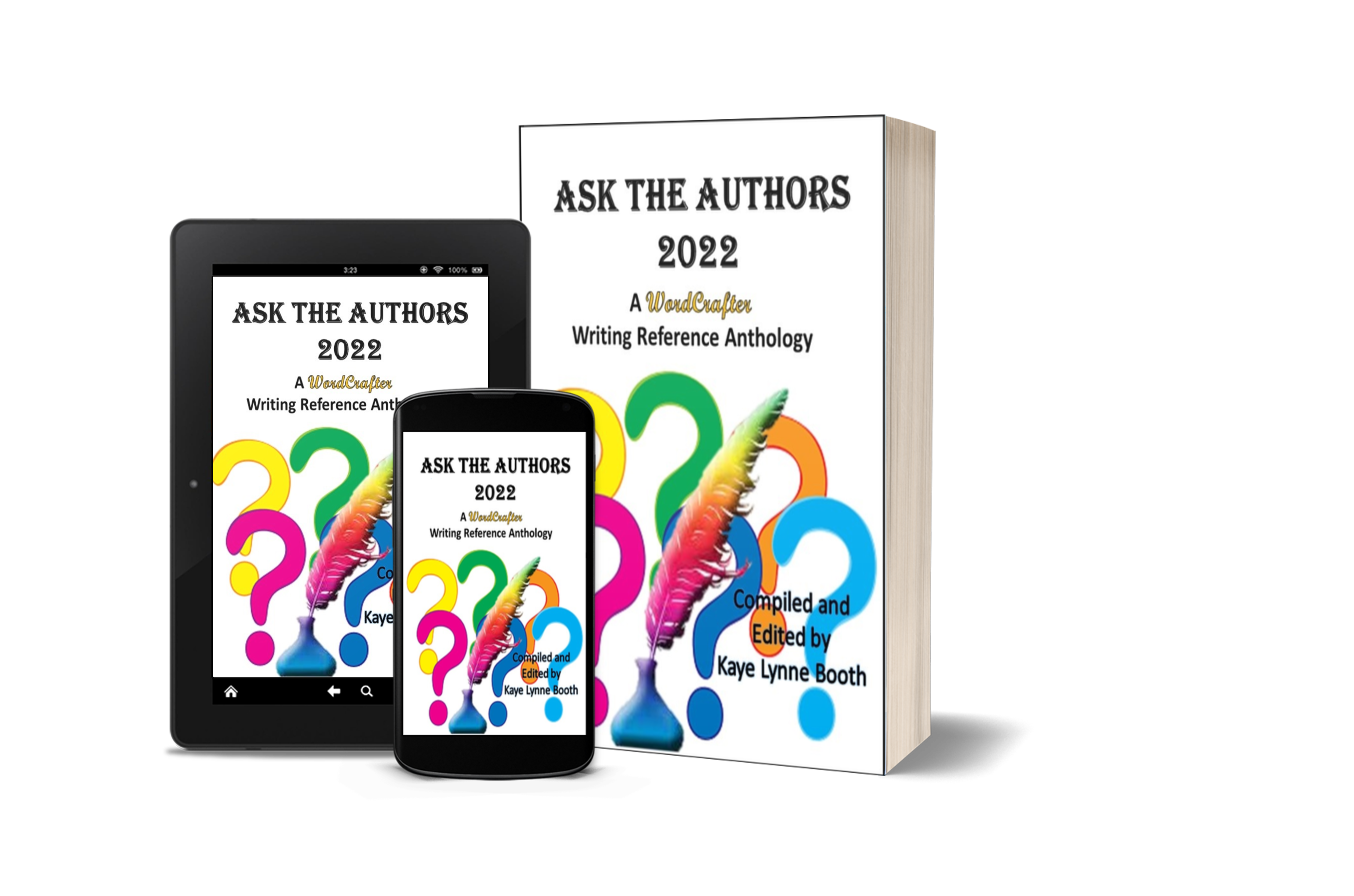
Welcome to Segment 4 of the “Ask the Authors 2022” blog series, where we’re offering up a little taste of what you’ll find in this hot new writing reference of the same name. Ask the Authors 2022 features writing tips and advice on craft, publishing, and book marketing from ten talented authors and industry experts.
In case you missed some of the previous segments:
Segment 1: Introductions for Kaye Lynne Booth & Kevin Killiany – Writing Life Q & A session
Segment 2: Introduction for Bobby Nash – Pre-writing Rituals Q & A session
Segment 3: Introduction for Roberta Eaton Cheadle – Plot/Storyline Q & A session
This week we meet bestselling horror author Paul Kane, who shares his love of the horror genre in his essay, “Writing Monsters”, and bring you a Q & A session on character development.
Meet Paul Kane
Paul Kane is the award-winning, bestselling author and editor of over a hundred books, both fiction and nonfiction. Some consider him to be a master of the macabe. He has been a guest at numerous writing events and conferences, and he was the keynote speaker at the 2021 WordCrafter New Beginnings Virtual Writing Conference.
A former British Fantasy Society Special Publications Editor, he is currently serving as co-chair for the UK chapter of The Horror Writers Association. His work has been optioned and adapted for the big and small screen. His audio work includes full cast drama adaptations, he has also contributed to the Warhammer 40k universe for Games Workshop and writes thrillers for HQ/HarperCollins as PL Kane. Paul lives in Derbyshire, UK, with his wife Marie O’Regan and his family.
Find out more at his site www.shadow-writer.co.uk which has featured Guest Writers such as Stephen King, Neil Gaiman, Charlaine Harris, Robert Kirkman, Dean Koontz and Guillermo del Toro.
And now, on to the Q & A.
Character Development
Nancy Oswald: This whole section was hard for me because I’ve never been good at planning a character. Lists aren’t helpful to me. What is helpful is to put your main character into the middle of their world and write from there. I usually have an ending or a direction in mind before I start writing, but there have been times when the character determines the story and not the other way around.
Do your characters ever surprise you?
Mario Acevedo: I never thought I’d be a writer who said that my characters have taken over the story, but it has happened. Big surprise, it was female characters. I’d have in mind a script for them, which they would rip to pieces and tear off on their own.
Paul Kane: Oh, all the time! If you’ve made them ‘real’ then they’ll suddenly do something that you don’t expect. That is to say, it’ll momentarily surprise you and then you’ll say: ah, of course that’s how they’d react because of… whatever it is you’ve seeded in their past. It’s really your subconscious putting things like that in, things you’ve set up and forgotten about, then when a character does something unexpected it’s only that you’ve forgotten how apt it was in the first place.
Chris Barili: Yes, all the time. If a character is predictable to me, it will be the same to a reader. So, I let them surprise me in whatever way they seem to need. Those surprises don’t always make the story, though.
Bobby Nash: All the time and I love it. In one story, a character let me know that I had the villain wrong. This character was the villain, not the one I had planned to be the villain. The kicker is that the story worked so much better once I realized that this character was indeed the villain.
Robbie Cheadle: No, my characters follow a pre-determined path decided by me upfront.
Kevin Killiany: Not exactly. I’m the only person living in my head—my characters only look like they have free will. That being said, the longer you work with a project, the more time your subconscious has to compost or ferment or percolate the ideas you’re building with—and that can lead to unexpected discoveries that give texture and dimension to the character. Sometimes my characters evolve over the course of writing and rewriting to the point that they person they’ve become wouldn’t do what the story required. Usually that’s an indication there’s something wrong with the story, not the character.
What makes a character interesting?
Paul Kane: I think it goes back to believability once again, which most things do. They have to be well-rounded, living and breathing people. If I get it right, the characters feel real to me. When I talk about them and what they go through, I talk about them as if they exist. You have to think that way in order for other people to believe them and believe in them. A lot of that means knowing your characters inside out, how they’d react to certain situations – in particular the ones you put them in. Would your character run away from a monster or just get stuck in, have a go, even if it meant dying to save others? That kind of thing. A lot of writers think giving characters quirks makes them interesting, but if there’s no reason for that to be there it just stands out. If you give your character gardening as a hobby, unless he’s fighting a giant plant then it’s not really something that should crop up in your story. The character of Alex Webber in Before was a lecturer, so that meant he was interested in making sure the next generation were educated and could make well-informed decisions. So when the future of the world is threatened, of course he’s going to fight against that; it’s just something rooted in his DNA. Those are the kinds of things that make characters interesting, not whether they sleep on the left or the right in bed.
Chris Barili: They have to be flawed. No one wants to read about perfect people with perfect lives and no conflict whatsoever. It is our characters’ flaws that make them realistic, and that set up most of the conflict in the story. After that, it is the act of exaggerating the characters, making them larger than life. Again, no one wants to read about normal people with normal lives. They want heroes and villains who are large and in charge. Would Dirty Harry have worked if he were a normal cop carrying a .38 special? No, because being a six-foot-four rogue cop with a .44 magnum in gleaming silver makes him stand out.
Bobby Nash: I don’t know. Interesting is like art or porn, I can’t describe it, but I know it when I see it. I need to have something to connect to with a character. Once I have that connection, I understand the character.
Robbie Cheadle: My characters all must overcome a lot of adversity in their circumstances. I believe that the growth in the characters as they play the cards which they are dealt by life makes them interesting.
Jeff Bowles: I think I have an answer to that question: idiosyncrasies, idiosyncrasies, idiosyncrasies. The thing about real people is that we all have our strange little quirks that make us who we are. And these are behaviors and beliefs it’s taken us a whole lifetime to accrue. It pays to think of your characters as being a little odd under the surface. The problem with a lot of storytelling out there is that too many authors figure their characters exist to serve the story. They don’t, it’s the other way around completely. Let your characters speak for themselves. Let the breath a little, see where they really want to go next. Don’t push them into situations that don’t serve their full expression. Let them tell you who they really are.
How do you make a character likeable?
Paul Kane: Sometimes you don’t. Sometimes you shouldn’t. I get reviews sometimes that say ‘the characters weren’t very nice’, but then look at some of the things they’ve been through. My psychologist Dr Robyn Adams went through a trauma at the hands of a serial killer, so is addicted to pain killers and drinks too much, leaps straight in with guys too often – because of something else revealed towards the end of Her Husband’s Grave. But you know what, she’s doing the best she can. Her flaws make her human, like all of us, and they make the moments of bravery stand out all the more. I think if you’re always trying to make your characters likable, you’re missing the point of making them believable. Not everyone’s nice all the time, there are grey areas – and that’s totally where your characters should be operating.
Chris Barili: You don’t have to make them likeable, just relatable. Thomas Covenant in White Gold Wielder (Stephan R. Donaldson) is not a likeable character at first, just a relatable one. He almost loses that with a deplorable act early in the book, bit manages to make it through, at least for most readers. I do know some who could not handle it and left the series behind.
Bobby Nash: I start with a likeable person as their base and build the character up from there.
Kevin Killiany: I never consider likeability. I try to make my characters as real as possible—which means complex, with parts some folk will like and parts some folk can’t stand.
How do you make your characters feel real?
Chris Barili: What are their fears and flaws? Read my article, “Character Blueprints” (Ask the Authors 2022) for the tools I use to do this.
Bobby Nash: As I mentioned above, I get to know the characters. Once that happens, they become real people to me. They have their own quirks, foibles, fears, flaws, strengths, and weaknesses. Just like real people.
How do you create a villain readers can love to hate?
Mario Acevedo: Readers must have empathy with all of your characters and understand why they do what they do. Their motivations must be consistent and compelling. One of my best villains was a female mad scientist who at first you cheered until you found out what she was up to.
Paul Kane: I don’t think there’s any magic formula, but the key thing with villains is again that they aren’t just cardboard cutouts. They can’t just be evil for evil’s sake, there needs to be reasons for what they’re doing. My bad guy for the Hooded Man books, De Falaise – essentially my version of the Sheriff of Nottingham – was motivated by the fact that he’d been kept down before the A-B Virus hit. He was a small bad guy in a big pond. The apocalypse gave him the freedom to create a kingdom of his own, so that was his motivation – and Robert, my Robin Hood, stood in his way. You got the impression with some Hood stories in the past that they just hated each other because one was bad, and one was good. In my books, just as Robert has his failings as a leader – for starters, he doesn’t want to be a leader and would much rather hide out in Sherwood waiting to die – so too does De Falaise have his good points, like his loyalty to companions like Tanek, his second in command. I mean, he is evil when you get right down to it, because some of the things he does are reprehensible, but there still needs to be some good in there. Having said all that, the most fun I’ve had writing a bad guy was The Infinity in Before. He’s a version of the Devil, essentially, and likes to meddle in human history. Writing lines for him, simply because he was a stereotypical big bad, was wonderful. It allowed me to put myself in the head of someone who has very few redeeming qualities, if any at all.
Chris Barili: I find that a couple of things can pull a reader into a love-hate relationship. First, a sense of humor. Even if it’s macabre or inappropriate, the ability to make us laugh endears even a harsh villain to us. You can also give that villain a good side by having him or her save a puppy or show some other admirable trait. Intellect combined with arrogance are a nice set of offsetting traits. But most of all, make them flawed like the hero. If they are invincible and pure evil, no one will want to read their stories. Take The Governor on the AMC series The Walking Dead. We find out early on that this otherwise despicable villain lost his whole family to the walkers and thus has them all locked up in his home as he hopes for a cure.
Bobby Nash: Same way as with a likeable character. I get to know them and understand why they do what they do. No villain thinks of themselves as the villain. Most villains believe what they are doing is right or justified. Very rarely is anyone evil just for the sake of being evil. Let the readers see the multiple facets of your heroes and villains.
Robbie Cheadle: Characters that do sadistic and unkind things are easy to make readers dislike. However, my characters all have redeeming features so the reader will end up conflicted, even when the character is behaving at his/her worst.
Do you ever create characters based on people who you’ve actually known?
Paul Kane: I think by necessity characters are mish-mashes of people you’ve known and other characters from books, film or TV shows, plus bits of yourself sometimes. I’ve never based a character wholesale on someone, as that way lies being sued, but I include certain traits from people I’ve known or still know. I was brought up with a lot of strong women around me, so I write a lot of tales with strong female protagonists. RED, my horror reworking of Little Red Riding Hood, is an obvious example of that. Rachael Daniels is someone who fights the wolf rather than running away from it, isn’t frightened to go up against a challenge. Her love-life might be a car crash, but she’s someone you want around when there’s trouble for sure.
Chris Barili: I will plead the fifth on this question, and all writers should, whether they have done this or not. Admitting that you have sets you up for legal action by others.
Bobby Nash: Oh, sure. I have many characters where the basis is a real person that I then built on top of to create a new character.
Robbie Cheadle: Yes, some of my characters are modelled off people I know. Grandfather Baker in Through the Nethergate has a lot of my father’s personality and characteristics. Michelle Cleveland in A Ghost and His Gold has some of my personality and characteristics, but she is more forgiving and generous towards her partner than I would be in the same circumstances.
Some of my characters are model on several people I have come across in a similar situation. For example, Tom Cleveland in A Ghost and His Gold is based on a combination of men in senior positions I have worked with in my own life.
Kevin Killiany: Every character is a composite of people I’ve known. Let’s face it, the only way to research people is to hang out with them a while. I never drop a whole person into a story—it’ll be A’s speech pattern, B’s fascination with baseball, C’s gestures, etc. Of course, those are just the starting points. As I know my character better everything will change, evolve.
Do any of your characters share traits with you?
Paul Kane: You can’t help but put bits of yourself in stories. I’ve talked about Alex Webber from Before being a lecturer, which I was for a while at college, so I could write about him with a degree of confidence and make sure it was authentic. I’ve always been scared of the dark and nighttime, which comes across in a lot of my stories. The little boy at the beginning in Of Darkness and Light – recently reprinted in the collection Darkness and Shadows – is very much based on me as a kid. Staring out into the darkness at bedtime and imagining all kinds of things lurking inside. But I think the writing also helps with tackling your fears, and in that particular story I could make the ‘creature’ in the darkness someone who was actually watching over the character of Lee Masterton, someone who would protect him from harm. He just didn’t know it at the time.
Chris Barili: All of them, of course. We cannot create characters without at least a little dash of ourselves in them.
Bobby Nash: Absolutely. There’s a little something of me in all of them. Some, more than others.
Robbie Cheadle: As mentioned above, Michelle is similar to me in some ways, but very different in others. She is a better me.
Kevin Killiany: Never the main character. But if there’s a plucky sidekick who alternates puns with sardonic commentary, that’ll be me.
What methods do you use to introduce readers to your characters?
Mario Acevedo: One of the techniques that F Scott Fitzgerald used to masterful effect was that he introduced his major characters in terms of their personality rather than merely describing their looks. I keep that in mind as I write my stories.
Paul Kane: I think it helps to show them doing something that defines them, so perhaps through their job. Most detectives are introduced through a crime scene for instance, and then we learn how good they are and what it means to them to be a cop. I introduced my main character Mitch Prescott – who at the start of The Family Lie is a PC – via a riot scene. He’s tried to tell the powers that be that there will be trouble at a demonstration, but they’ve totally ignored him, and of course – surprise, surprise – a riot breaks out in which one of his closest friends is injured. It forces Mitch to question what he’s doing on the Force, which leads to his dismissal when he confronts a senior officer about what happened, which in turn makes it easier for him to just go off and investigate what occurred with his father’s death in his hometown of Green Acres. But just from this one chapter, you realise he’s a man of integrity, a man who’s loyal to his friends, and a man who doesn’t like it when people don’t listen to his warnings – so you set up conflict for later when he reaches Green Acres and he’s being blocked at every turn.
How do you motivate your characters?
Paul Kane: I think that’s the same thing as what motivates us as people. We look after our friends and family, because we love them, and are sometimes motivated to do things we might not otherwise do because they’re in trouble. What motivates characters is the same as what motivates people in real life, because, remember, we’re trying to make those characters real. So, the father of murder Jordan Radcliffe – Jake – is motivated to find out who the killer is, not only because he loved his daughter, but also because he feels like he failed her. Failed her in life as a father, so he doesn’t want to fail her now in death. That’s a powerful motivating factor for any character. In my short novel The Storm, out through PS Publishing, the main protagonist Keegan is all about keeping the woman that he loves safe, even if it means battling giant monsters to do so. Love’s a big motivation for anything, I find, just like in real life. So are things like revenge or jealousy, the usual big ones.
Chris Barili: They are self-motivated by the situation into which I drop them. Usually, it is the will to survive that motivates them, but it can also be love, hate, rage, longing, and more.
Bobby Nash: How do I stop them? I usually have trouble keeping up with them.
Robbie Cheadle: My ghostly characters are motivated by the chance of redemption and moving on from their existence as spirits.
My physical characters are motivated by compassion and empathy for others and a desire to assist the spirits achieve the redemption they seek.
What kind of adversaries and obstacles do you create for your characters and what purpose do they serve?
Paul Kane: It depends very much on what the story is. Creating adversaries tends to go very much hand-in-hand with creating heroes. Myself and my wife Marie O’Regan – a terrific writer herself – do a workshop on this subject, and that’s one of the key elements. The hero or heroes dictate the villain or villains. Both are probably striving for something but pulling in opposite directions. In Arcana our protagonists are just trying to get freedom for magic-users, whereas the M-Forcers are trying to stop them, hunt them down and either kill them or put them in prison. Both have aims, but they’re the exact opposite of each other. The obstacles they face are very much dependent on the story you’re telling. It could be a man vs nature tale, in which your heroes are just trying to stay alive, so the setting would dictate what happens there. If it’s a shark, then you need to be at sea, if it’s snow then you need to be in the Arctic or Ant-Arctic, or you set it at a time of year when it’s snowing… My short story ‘White Shadows’, for example, is about a girl battling living snow in the middle of winter.
Chris Barili: Since most of the opposition to my characters comes from the antagonist, I always try to think, as I close a scene, “what could the villain do that would completely thrown the main character for a loop?”
Bobby Nash: Stories would be boring if there was nothing for the main character to overcome. Whatever the obstacle is, a villain, a test not studied for, a traffic jam, or whatever, gives the character(s) something to overcome or solve. Hopefully, your character comes out stronger on the other side of the obstacle.
What methods do you use to introduce readers to your characters?
Bobby Nash: We meet the characters in story. I let different characters be out POV in different chapters so we can understand them.
How do you give each character a distinctive voice?
Paul Kane: I think that just comes down to their personality really, who they are and what they do. How they respond to things, whether it’s trouble or something nice, will dictate their voice. So it’s all to do with character creation, and that believability factor again. If they respond in an authentic way, that will give them their voice. If you’ve created a strong female character, for example, they’re not likely to take a man bossing them around lightly. Indeed, they might even knock them out, depending on whether they’re a violent sort or not, or whether the provocation was bad. It’s things like that which give your characters a distinctive voice.
Chris Barili: This seems to come naturally for me. And I think that come from listening. I did twenty years in the military and traveled all over the world. So, I have had the chance to listen to many different conversations in many different cultures, and all of that goes into giving a character their own voice.
Bobby Nash: Once I get to know the character, they tell me what their voice is and that’s what I write. It all comes down to creating a fully formed character.
How do you feel about killing off your darlings?
Mario Acevedo: I am ruthless. There’s a vacant lot in my neighborhood where I’ve left my darlings rotting in shallow graves.
Paul Kane: Do you mean editing, like killing off your words? Or killing off characters? I love editing, chopping bits and refining, making scenes better. That’s the part of writing I like most, apart from being finished and having written. Killing off characters you love is hard, but all part and parcel of being a good writer. If it serves the story, no matter how you feel about the character, then you need to just get on with it. I always knew that I’d kill off Jack in The Gemini Factor, even before I started, which was difficult because I really liked him. He became like a friend. It gave the ended weight though, gave it an impact that would not have been there if I hadn’t just bit the bullet.
Chris Barili: When it becomes necessary to the story, I have no problem doing so. Sometimes, they get in the way. Other times their story line needs its own story because it is taking over. Other times, the main character has learned to depend on them too much.
Bobby Nash: I do it all the time, so I guess I’m okay with it. Ha! Ha!
Robbie Cheadle: I was advised to kill off a few of my darlings in Through the Nethergate by my developmental editor. It was a little hard to let those scenes go but it was the right thing to do. Listening to good advice is the best thing a writer can do.
What methods do you use to evoke emotion in your readers?
Mario Acevedo: Writing fiction gives you the wonderful opportunity to present what characters are thinking or feeling, either through internalizations or visceral reactions. I use these inner experiences to ground the reader in what the character is feeling and what is important in the story.
Paul Kane: There are all sorts of ways to do that, from killing off people readers have grown to love – as mentioned before – to putting them through the wringer, or even having them fall in love. If you’ve done your job properly, a reader will feel the emotions characters are going through. So when a character hates or loves something, or someone, a reader will feel that too. I once wrote a story about two ghosts falling in love called ‘Kindred Spirits’. The girl ghost has only just died, so she doesn’t know what she is, and the guy ghost is trying to help her because he’s been dead for some time. Hopefully a reader feels the sadness at the start that he feels, being alone where nobody can see or touch him, then the joy at finding someone else he can talk to and touch, even hug. To be able to cover the range of emotions like that in a short space of time isn’t easy, but it’s incredibly rewarding when it works.
Bobby Nash: It’s all in the characters and setting the mood. The emotion comes out of the performance of the character.
Kevin Killiany: Honesty
Which of your own characters was the most fun for you to write? Why?
Paul Kane: I enjoyed writing the character of Nick Skinner in Lunar, because he’s just your average guy in a bizarre situation, having to think on his feet and react to all these weird things that are happening to him. That was fun. And The Infinity, the bad guy in Before, as I’ve said. It was fun to write someone so evil that he’s verging on pantomime level, but that’s just how he is. There’s a scene where someone tells him to stop stirring, and he replies with: ‘I f**king enjoy stirring!’ Because he does. That’s what he’s all about. It was fun creating and writing him, especially writing his lines. The criticism I got the most about that book was The Infinity wasn’t in it enough, so you know you’ve done something right at that point. I’m toying with bringing him back in a short story or two, because you could go back in time and show him at any point – he’s been there at all the major turning points in history. It might be fun to do that…
Chris Barili: I really enjoy writing Frank Butcher, and most of his posse members. They’re some of the most complete characters I have built, and each has their own voice, their own flaws, and their own motivations. And each has a weird past that helps flesh out their personality, so writing the is easy.
Bobby Nash: That’s like asking me to pick a favorite child or parent. They all have their fun moments for different reasons. I love writing Archer Snow, the surly, but funny grandfather in the Snow series. Tom Myers is also fun to write.
Robbie Cheadle: I have enjoyed all my characters. During the writing process they all become very real and important. Once the book is published, they are quickly replaced by different characters, which is why I haven’t attempted a sequel.
Kevin Killiany: Cadet Fatima Kielani. [I jotted her last name down several years ago when I was watching a news report on Syrian Kurds fighting ISIS—it was on the screen briefly. I assumed it was Kurdish (and have a major supporting character in Life on Dirt identify it as such) but I was wrong. I’ve since learned it’s most common in the United Arab Emirates (with about half as many in Jordan) and is also found in both Austria and Benin, but no one knows its origin.] [It is not the Hawai’ian girls’ name Keilani.] Fatima is a seventeen-year-old Spacer, first generation, born and raised on Tombaugh Station, who volunteers for an experimental program on Earth, even though (or perhaps because) she’s terrified of the place. My background is special education and mental health services, and I gave Fatima a condition that has fascinated me since before it had a name: Social Communication Disorder (Pragmatic Communication Disorder in the UK). In many ways it resembles the Autism Disorder Spectrum, but is in no way related. People with SCD are blind to social norms and nonverbal cues, and must work their way through everyday interactions. I also, because I am cruel and unusual, gave her a rare dissociative disorder: she has trouble recognizing, or feeling, her own emotions. I have attached an entry from Fatima’s journal to illustrate both how she sees the world and how she interacts with others.
Which of your antagonists is your favorite? Why?
Chris Barili: So far, it’s a tie between Annie’s ghost of a mother in Smothered, and John Wesley Hardin in the Hell’s Bucher-based short story “Witch’s Kiss.” The first because I got to make her up and have her interrupt an intimate scene between her daughter and a man. The second because I researched him thoroughly and felt like I knew him well enough to write a story where this very real gunfighter did some very fictional things, and I feel like I did so without compromising his character.
Bobby Nash: The Controller in Suicide Bomb was a lot of fun to write.
Robbie Cheadle: I enjoyed Lucifer in Through the Nethergate. He was a young, good looking man with an interesting plan to manipulate modern trends and technology to invoke a third world war. I also enjoyed the hell he created.
____________________________
That’s all for this week on the “Ask the Authors 2022” blog series . Thanks for joining us. Drop by next Saturday, when the “Ask the Authors 2022” blog series introduces award winning multi-genre author, Mario Acevedo and offers a Q & A on Action, Pacing & Dialog.
Ask the Authors 2022
Don’t forget to get your copy of Ask the Authors 2022 from your favorite book distributor at the special price of 3.99 for the duration of this blog series, through the Books2Read UBL: https://books2read.com/u/3LnK8e
______________________
Join Kaye Lynne Booth & WordCrafter Press Readers’ Group for WordCrafter Press book & event news, including the awesome releases of author Kaye Lynne Booth. Get a free digital copy of her short story collection, Last Call and Other Short Fiction, as a sampling of her works just for joining.
I just finished up the spring semester at Western State Colorado University. We completed our class project, the Gilded Glass anthology, and.my solo project, Weird Tales: The Best of the Early Years 1926-27, which was quite the learning experience, but also a lot of fun. I’m looking forward to the summer residency, where we will finish up our degrees and do a massive book launch party for the Gilded Glass anthology, and for each of our solo projects at the end of July.
Here is the release schedule for our cohort. Some of them are already out there. I’ve included the pre-order links in case you are interested in purchasing new renditions of any of these classic works. I think we all had fun bringing them back to life. And check out those fantastic covers!
Today, I was listening to the last podcast episode of the Six Figure Authors podcast, and they were discussing their future plans now that the podcast is ending, (much to my dismay), and it made me start thinking about where I want to go with my writing career now that we’re wrapping things up and this chapter of my life is coming to an end. At the end of this summer, I will once again be on my own in my writing career. I hadn’t thought about it before, but summer’s end brings with it not only the book release event and graduation, but also the loss of access to my mentors Kevin J. Anderson and Allyson Languierra and the support and advice of my wonderful cohorts, and I have no idea what 2023 will bring. I need a plan.
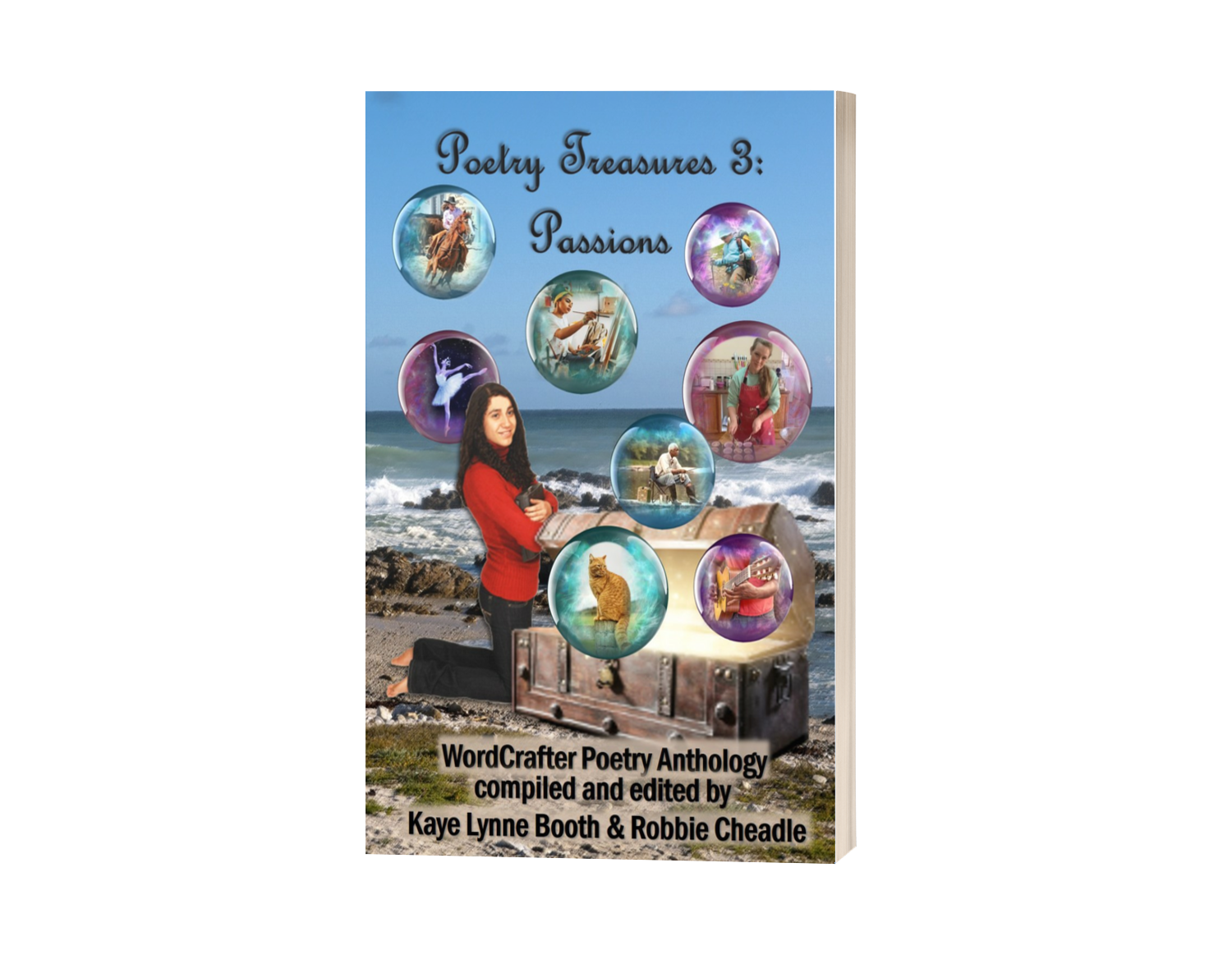
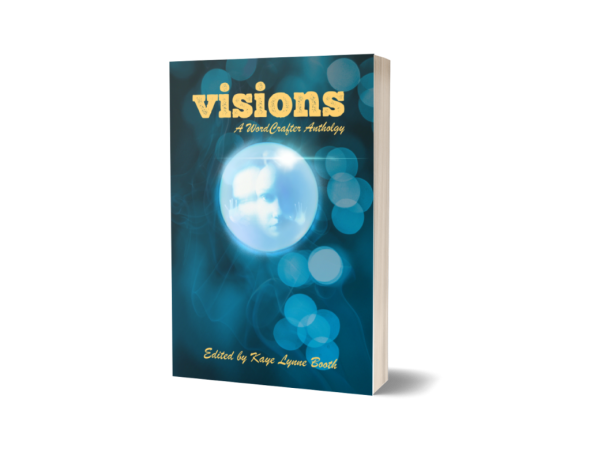
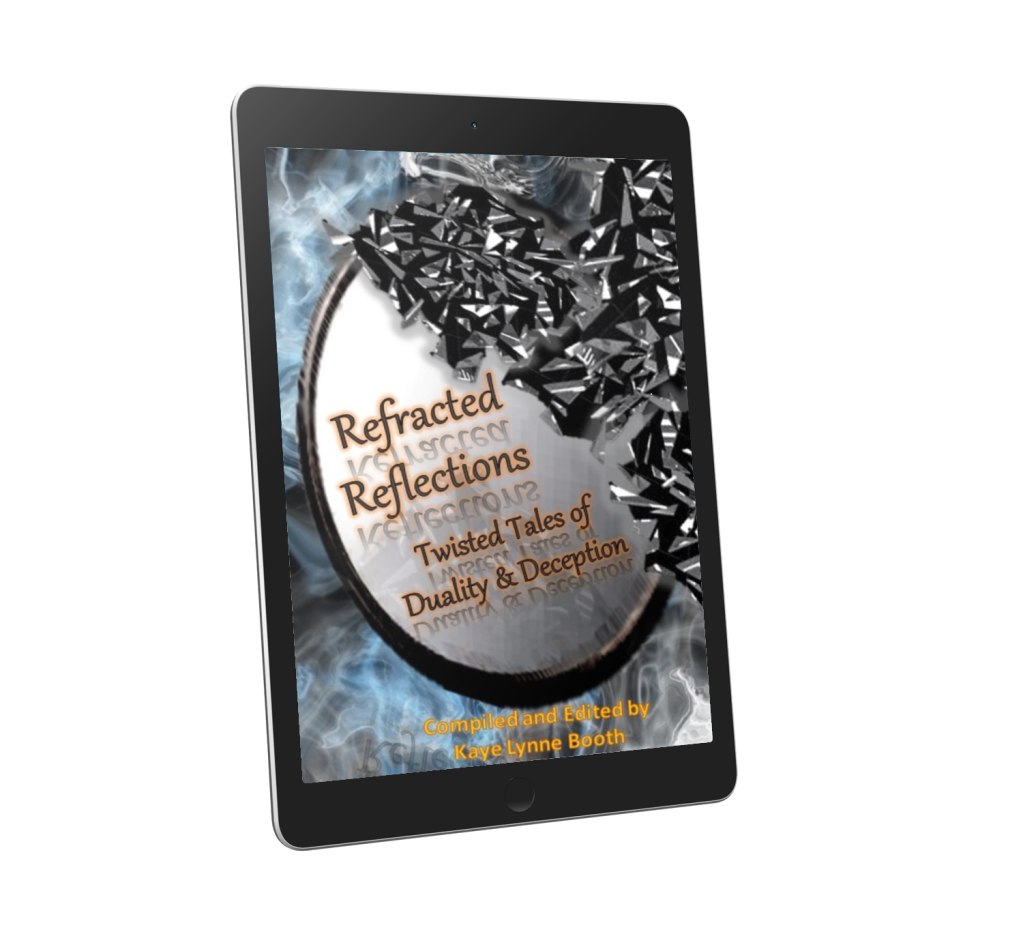
This year, I’m set, with the release of the Poetry Treasures 2: Relationships poetry anthology this last semester, the launch of Ask the Authors 2022 writing reference anthology currently under way, and three short fiction anthologies planned for later in the year: Once Upon an Ever After: Modern Fairy Tales & Folklore an (August); Refracted Reflections: Twisted Tales of Duality & Deception (September); and Visions (October). (Hmmm… It seems this is the year of anthologies for me.) But, I need a plan for what comes after that.
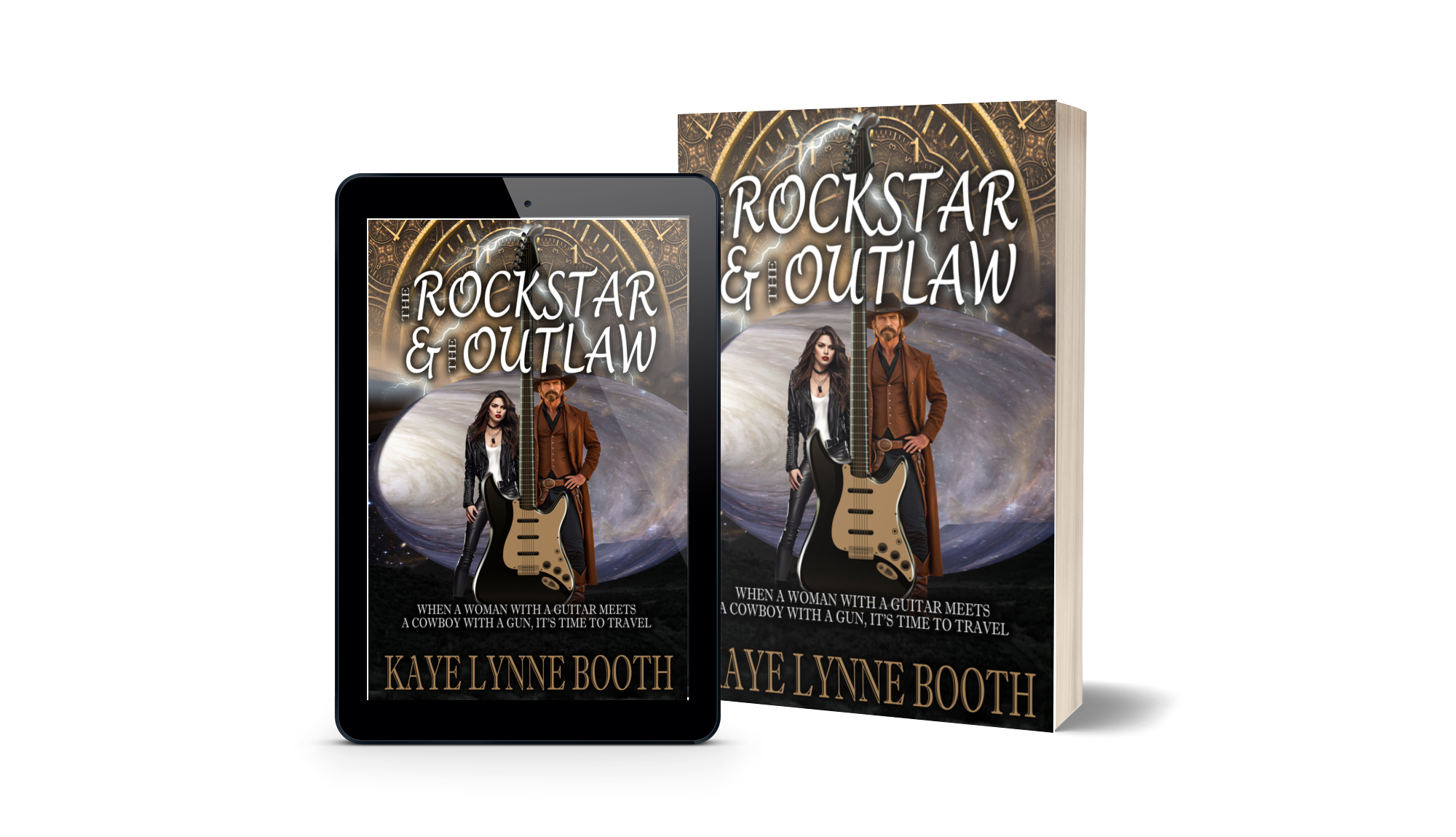
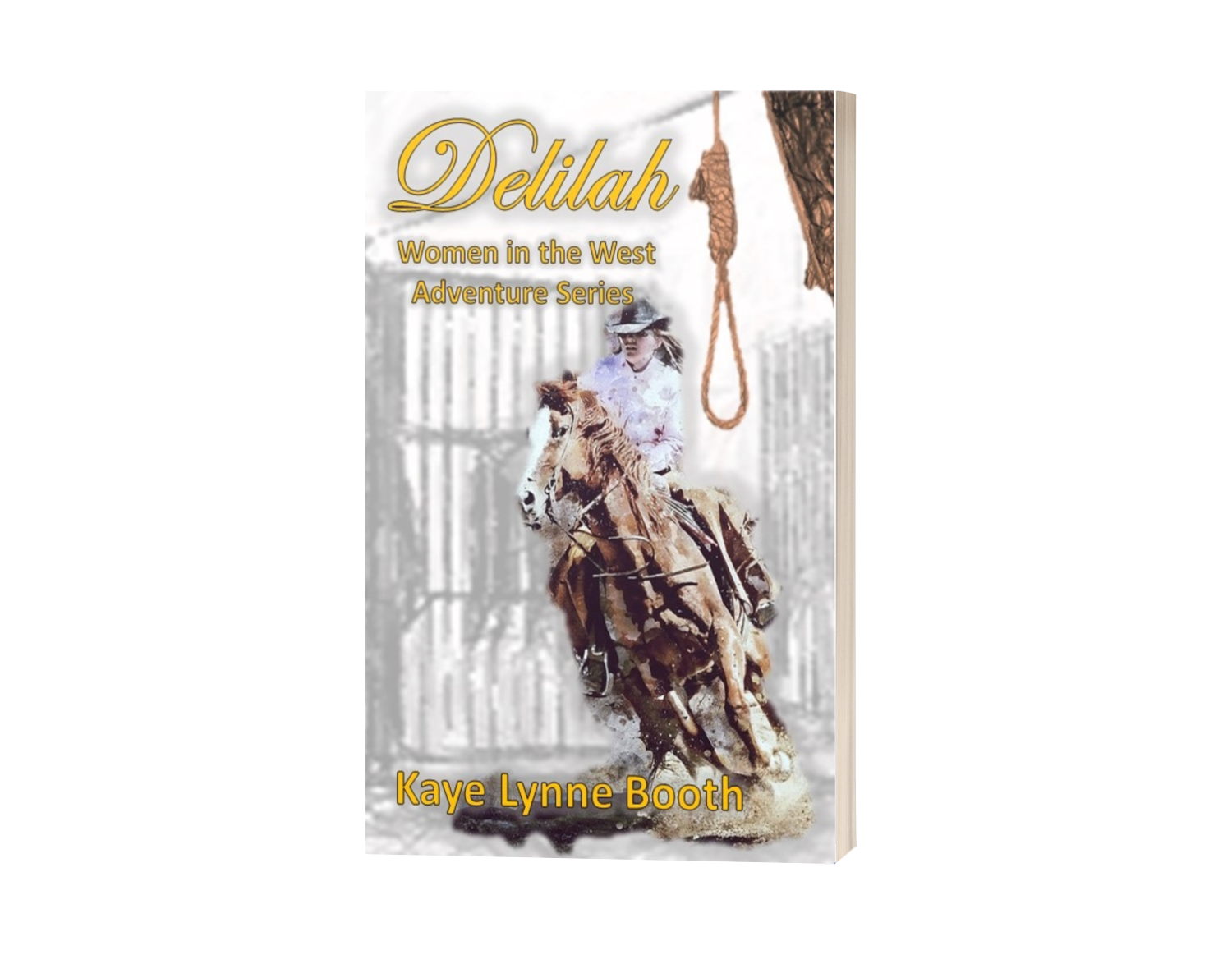
Hmmm… I’m revising Delilah to be a part of the Women in the West series with hopes of getting that out by the end of the year, but I keep adding ideas for the series, so I may wait to release until I have at least one more of the books ready to go, so that might be in the plan for next year, although it was originally a part of the plan for 2022. Also, I’ve been thinking a lot about my Playground of the Gods science fantasy series, and the first book is actually with a beta reader right now. But I’ve also been tossing the idea trying it as a serialization around. If anyone has experience on serialization, I’d love to hear your thoughts. Either way, those stories will be a part of the 2023 plan. In addition, I’ve been thinking on a time-travel romance adventure story that I started in 2021, “The Outlaw & the Rockstar”, and those characters have been teasing my brain, so I’ll probably add that to the 2023 agenda. That will give me between 2 and 5 releases of my own books for the year, which isn’t too bad if I can pull it off. Of course, I’ll also want to do an annual poetry anthology and the annual writing contest and anthology, so I can add two more book projects to the agenda.
I don’t think I will be lacking for projects once I’ve bade academia good-bye. In fact, I’m tired just thinking about the whirlwind schedule I just outlined. But you know, I think it will be worth it, if it can enable me to move my writing career to a full time level. The first thing you need to do if you want to sell books, is to write books, so I’m sitting pretty good on that plane. I’m working to revive my monthly newsletter, which I believe will be one of my most valuable marketing tools, and organizing a multi-genre newsletter swap group to help spread the word on releases. I’ve got good lists for possible reviewers built for all the anthologies planned for 2022, which will work for the annual anthologies, but will have to be created for my own books, and this blog is a book marketing tool, too. It’s a place where readers can come to learn about my latest projects, and my readership is growing, so I think I’m on the right track there.
Well…, would you look at that? Why was I worried? I have a plan…, and I think it’s a good one.
Kaye Lynne Booth lives, works, and plays in the mountains of Colorado. With a dual emphasis M.F.A. in Creative Writing, writing is more than a passion. It’s a way of life. She’s a multi-genre author, who finds inspiration from the nature around her, and her love of the old west, and other odd and quirky things which might surprise you. She has short stories featured in the following anthologies: The Collapsar Directive (“If You’re Happy and You Know It”); Relationship Add Vice (“The Devil Made Her Do It”); Nightmareland (“The Haunting in Carol’s Woods”); Whispers of the Past (“The Woman in the Water”); Spirits of the West (“Don’t Eat the Pickled Eggs”); and Where Spirits Linger (“The People Upstairs”). Her paranormal mystery novella, Hidden Secrets, and her short story collection, Last Call, are both available in both digital and print editions.
In her spare time, she keeps up her author’s blog, Writing to be Read, where she posts reflections on her own writing, author interviews and book reviews, along with writing tips and inspirational posts from fellow writers. In addition to creating her own imprint in WordCrafter Press, she offers quality author services, such as editing, social media & book promotion, and online writing courses through WordCrafter Quality Writing & Author Services. When not writing or editing, she is bird watching, or hiking, or just soaking up some of that Colorado sunshine.
Sign up for the Kaye Lynne Booth & WordCrafter Press Newsletter for and book event news for WordCrafter Press books, including the awesome releases of author Kaye Lynne Booth. Get a free digital copy of Kaye Lynne Booth’s paranormal mystery novella, Hidden Secrets, just for subscribing.
















Mind Fields: I Tear Apart Marvel Comics With My Grandkids
Posted: October 6, 2023 | Author: artrosch | Filed under: Comic Hero, Commentary, Mind Fields, Parenting, Writing to be Read | Tags: Arthur Rosch, Children, Marvel Universe, Mind Fields, Social Commentary, Writing to be Read | 17 CommentsWhen I’m with my grandkids watching movies from the Marvel Comics universe I have to remind myself not to view this material with an adult mind. It’s better to watch with the mind set of my 13 year old grandson and ten year old grand-daughter.
Last night we watched “Ant Man And The Wasp”. My grandkids loved it. I liked it. Well… I endured it. There’s so much filler in Marvel movies. Every “BOP! POW!” or “WHAM!”, every end-over-end toppling of a character whose booties excavate the pavement or crush an office building: all that stuff is so much dross. Such destruction! Miraculously, no one is annihilated by the falling buses or shattered facades.
It seems to me that great writers are those who go the extra mile. Lazy writers are those who go right up to the mile before the mile before the EXTRA MILE. That’s what’s frustrating about Marvel movies. The producers know that they can inject a liberal amount of fake fighting and harmless destruction into the script. How much? Fifteen minutes? Twenty? Maybe half an hour of combat-without-consequences? IF (and we are) raising children with this stuff it sets a dangerous idea, that is, “THERE ARE NO REAL CONSEQUENCES”. There are just provisional outcomes that can always be changed by using a time machine or some deus ex machina, some easy out. Kids absorb this data hungrily and without critical thinking. They love the bop!bam! stuff and don’t seem to be frustrated by the relative emptiness of the script.
“Ant Man And The Wasp” deals with some heayy concepts, like the world of Quantum Mechanics, the realm of the minute sub-quark particles. I enjoy the psychedelic visuals to depict these mysterious areas. “Someone” I thought (but did not speak aloud) has been smoking some DMT or ingesting psilocybin. I took a few moments to explain Quantum Mechanics to my grandkids. They’re super-bright little people who are far more powerful than I am. They’re still kids. So I have to tell myself to chill; watch the Marvel Universe with an uninformed mind. They understood my explanation of Quantum Mechanics“ as a continuum, from the mighty sizes of galaxies to the infinitesimal sizes of sub atomic particles. BUT..if you live in any of these places then it all looks normal-sized. To you and your friends”. Right? Right.
My grand-daughter just came into my office and asked “Whatcha doing?” I said that I was writing a review of the movie we saw last night. I explained my point of view and she seemed to grasp that a world in which no one REALLY dies is a bit fatuous. I explained that Marvel’s tactics remove the real terror from their productions. We all know that none of the heroes will die. That there’s some last minute rescue. Or the sequel will resuscitate the seemingly annihilated people.
Hasn’t the media world always been like this? The soft-peddle American media archives are full of plots with happy endings. The hero always triumphs; the frustrated couple always get their kiss. I think this is true, but now, in 2023, it’s just more so. There’s more technology, more ways to soften the blows of so called REALITY.
Reality has never been less real.
The sound track of “Ant Man And The Wasp” brings a relentless rhythmic figure, a continuous percussive BAH BUH BUMP BUMP that induces an excited state in the viewer. It was so pernicious that my sleep was disturbed until I got up at around three in the morning and quietly played some Joni Mitchell and Leonard Cohen. THAT was the last thing I heard before returning to bed and snoring away the next four hours. It’s important to understand this level of mind hygiene. The last sounds you hear remain in your head until you hear something else. If you want to sleep, you need to ditch the rough stuff in favor of something soothing. At least it works that way for me.
I explained the thrust of this essay to my ten year old granddaughter: that none of the heroes REALLY die and that makes the movies way less scary. I’m pretty sure she grasped my point. She’s really smart. I don’t know what kind of people god is now manufacturing but they are somethin’ else.
I’m less worried about the future when I see how these kids cope. Quantum Mechanics? They don’t care; its just something people say that means invisibly tiny stuff, like stuff that makes bacteria look HUGE!
They get it. They know that bacteria are too small to see, so why not even smaller stuff?
Why not? In a world where nothing is impossible; everything that’s going to happen has already happened and continues to happen. The future is giving way to this stuff. And it’s happening again.
About the Author
Arthur Rosch is a novelist, musician, photographer and poet. His works are funny, memorable and often compelling. One reviewer said “He’s wicked and feisty, but when he gets you by the guts, he never lets go.” Listeners to his music have compared him to Frank Zappa, Tom Waits, Randy Newman or Mose Allison. These comparisons are flattering but deceptive. Rosch is a stylist, a complete original. His material ranges from sly wit to gripping political commentary.
Arthur was born in the heart of Illinois and grew up in the western suburbs of St. Louis. In his teens he discovered his creative potential while hoping to please a girl. Though she left the scene, Arthur’s creativity stayed behind. In his early twenties he moved to San Francisco and took part in the thriving arts scene. His first literary sale was to Playboy Magazine. The piece went on to receive Playboy’s “Best Story of the Year” award. Arthur also has writing credits in Exquisite Corpse, Shutterbug, eDigital, and Cat Fancy Magazine. He has written five novels, a memoir and a large collection of poetry. His autobiographical novel, Confessions Of An Honest Man won the Honorable Mention award from Writer’s Digest in 2016.
More of his work can be found at www.artrosch.com Photos at https://500px.com/p/artsdigiphoto?view=photos
_________________________________________________
Want to be sure not to miss any of Arthur’s “Mind Fields” segments? Subscribe to Writing to be Read for e-mail notifications whenever new content is posted or follow WtbR on WordPress. If you find it interesting or just entertaining, please share.
Share this: