Ask the Authors 2022 Book & Blog Series: Character Development

Ask the Authors 2022

Welcome to Segment 4 of the “Ask the Authors 2022” blog series, where we’re offering up a little taste of what you’ll find in this hot new writing reference of the same name. Ask the Authors 2022 features writing tips and advice on craft, publishing, and book marketing from ten talented authors and industry experts.

In case you missed some of the previous segments:

Segment 1: Introductions for Kaye Lynne Booth & Kevin Killiany – Writing Life Q & A session

Segment 2: Introduction for Bobby Nash – Pre-writing Rituals Q & A session

Segment 3: Introduction for Roberta Eaton Cheadle – Plot/Storyline Q & A session

This week we meet bestselling horror author Paul Kane, who shares his love of the horror genre in his essay, “Writing Monsters”, and bring you a Q & A session on character development.

Meet Paul Kane

Paul Kane is the award-winning, bestselling author and editor of over a hundred books, both fiction and nonfiction. Some consider him to be a master of the macabe. He has been a guest at numerous writing events and conferences, and he was the keynote speaker at the 2021 WordCrafter New Beginnings Virtual Writing Conference.

A former British Fantasy Society Special Publications Editor, he is currently serving as co-chair for the UK chapter of The Horror Writers Association. His work has been optioned and adapted for the big and small screen. His audio work includes full cast drama adaptations, he has also contributed to the Warhammer 40k universe for Games Workshop and writes thrillers for HQ/HarperCollins as PL Kane. Paul lives in Derbyshire, UK, with his wife Marie O’Regan and his family.

Find out more at his site www.shadow-writer.co.uk which has featured Guest Writers such as Stephen King, Neil Gaiman, Charlaine Harris, Robert Kirkman, Dean Koontz and Guillermo del Toro.

And now, on to the Q & A.

Character Development

Nancy Oswald: This whole section was hard for me because I’ve never been good at planning a character. Lists aren’t helpful to me. What is helpful is to put your main character into the middle of their world and write from there. I usually have an ending or a direction in mind before I start writing, but there have been times when the character determines the story and not the other way around.

Do your characters ever surprise you?

Mario Acevedo: I never thought I’d be a writer who said that my characters have taken over the story, but it has happened. Big surprise, it was female characters. I’d have in mind a script for them, which they would rip to pieces and tear off on their own.

Paul Kane: Oh, all the time! If you’ve made them ‘real’ then they’ll suddenly do something that you don’t expect. That is to say, it’ll momentarily surprise you and then you’ll say: ah, of course that’s how they’d react because of… whatever it is you’ve seeded in their past. It’s really your subconscious putting things like that in, things you’ve set up and forgotten about, then when a character does something unexpected it’s only that you’ve forgotten how apt it was in the first place.

Chris Barili: Yes, all the time. If a character is predictable to me, it will be the same to a reader. So, I let them surprise me in whatever way they seem to need. Those surprises don’t always make the story, though.

Bobby Nash: All the time and I love it. In one story, a character let me know that I had the villain wrong. This character was the villain, not the one I had planned to be the villain. The kicker is that the story worked so much better once I realized that this character was indeed the villain.

Robbie Cheadle: No, my characters follow a pre-determined path decided by me upfront.

Kevin Killiany: Not exactly. I’m the only person living in my head—my characters only look like they have free will. That being said, the longer you work with a project, the more time your subconscious has to compost or ferment or percolate the ideas you’re building with—and that can lead to unexpected discoveries that give texture and dimension to the character. Sometimes my characters evolve over the course of writing and rewriting to the point that they person they’ve become wouldn’t do what the story required. Usually that’s an indication there’s something wrong with the story, not the character.

What makes a character interesting?

Paul Kane: I think it goes back to believability once again, which most things do. They have to be well-rounded, living and breathing people. If I get it right, the characters feel real to me. When I talk about them and what they go through, I talk about them as if they exist. You have to think that way in order for other people to believe them and believe in them. A lot of that means knowing your characters inside out, how they’d react to certain situations – in particular the ones you put them in. Would your character run away from a monster or just get stuck in, have a go, even if it meant dying to save others? That kind of thing. A lot of writers think giving characters quirks makes them interesting, but if there’s no reason for that to be there it just stands out. If you give your character gardening as a hobby, unless he’s fighting a giant plant then it’s not really something that should crop up in your story. The character of Alex Webber in Before was a lecturer, so that meant he was interested in making sure the next generation were educated and could make well-informed decisions. So when the future of the world is threatened, of course he’s going to fight against that; it’s just something rooted in his DNA. Those are the kinds of things that make characters interesting, not whether they sleep on the left or the right in bed.

Chris Barili: They have to be flawed. No one wants to read about perfect people with perfect lives and no conflict whatsoever. It is our characters’ flaws that make them realistic, and that set up most of the conflict in the story. After that, it is the act of exaggerating the characters, making them larger than life. Again, no one wants to read about normal people with normal lives. They want heroes and villains who are large and in charge. Would Dirty Harry have worked if he were a normal cop carrying a .38 special? No, because being a six-foot-four rogue cop with a .44 magnum in gleaming silver makes him stand out.

Bobby Nash: I don’t know. Interesting is like art or porn, I can’t describe it, but I know it when I see it. I need to have something to connect to with a character. Once I have that connection, I understand the character.

Robbie Cheadle: My characters all must overcome a lot of adversity in their circumstances. I believe that the growth in the characters as they play the cards which they are dealt by life makes them interesting.

Jeff Bowles: I think I have an answer to that question: idiosyncrasies, idiosyncrasies, idiosyncrasies. The thing about real people is that we all have our strange little quirks that make us who we are. And these are behaviors and beliefs it’s taken us a whole lifetime to accrue. It pays to think of your characters as being a little odd under the surface. The problem with a lot of storytelling out there is that too many authors figure their characters exist to serve the story. They don’t, it’s the other way around completely. Let your characters speak for themselves. Let the breath a little, see where they really want to go next. Don’t push them into situations that don’t serve their full expression. Let them tell you who they really are.

How do you make a character likeable?

Paul Kane: Sometimes you don’t. Sometimes you shouldn’t. I get reviews sometimes that say ‘the characters weren’t very nice’, but then look at some of the things they’ve been through. My psychologist Dr Robyn Adams went through a trauma at the hands of a serial killer, so is addicted to pain killers and drinks too much, leaps straight in with guys too often – because of something else revealed towards the end of Her Husband’s Grave. But you know what, she’s doing the best she can. Her flaws make her human, like all of us, and they make the moments of bravery stand out all the more. I think if you’re always trying to make your characters likable, you’re missing the point of making them believable. Not everyone’s nice all the time, there are grey areas – and that’s totally where your characters should be operating.

Chris Barili: You don’t have to make them likeable, just relatable. Thomas Covenant in White Gold Wielder (Stephan R. Donaldson) is not a likeable character at first, just a relatable one. He almost loses that with a deplorable act early in the book, bit manages to make it through, at least for most readers. I do know some who could not handle it and left the series behind.

Bobby Nash: I start with a likeable person as their base and build the character up from there.

Kevin Killiany: I never consider likeability. I try to make my characters as real as possible—which means complex, with parts some folk will like and parts some folk can’t stand.

How do you make your characters feel real?

Chris Barili: What are their fears and flaws? Read my article, “Character Blueprints” (Ask the Authors 2022) for the tools I use to do this.

Bobby Nash: As I mentioned above, I get to know the characters. Once that happens, they become real people to me. They have their own quirks, foibles, fears, flaws, strengths, and weaknesses. Just like real people.

How do you create a villain readers can love to hate?

Mario Acevedo: Readers must have empathy with all of your characters and understand why they do what they do. Their motivations must be consistent and compelling. One of my best villains was a female mad scientist who at first you cheered until you found out what she was up to.

Paul Kane: I don’t think there’s any magic formula, but the key thing with villains is again that they aren’t just cardboard cutouts. They can’t just be evil for evil’s sake, there needs to be reasons for what they’re doing. My bad guy for the Hooded Man books, De Falaise – essentially my version of the Sheriff of Nottingham – was motivated by the fact that he’d been kept down before the A-B Virus hit. He was a small bad guy in a big pond. The apocalypse gave him the freedom to create a kingdom of his own, so that was his motivation – and Robert, my Robin Hood, stood in his way. You got the impression with some Hood stories in the past that they just hated each other because one was bad, and one was good. In my books, just as Robert has his failings as a leader – for starters, he doesn’t want to be a leader and would much rather hide out in Sherwood waiting to die – so too does De Falaise have his good points, like his loyalty to companions like Tanek, his second in command. I mean, he is evil when you get right down to it, because some of the things he does are reprehensible, but there still needs to be some good in there. Having said all that, the most fun I’ve had writing a bad guy was The Infinity in Before. He’s a version of the Devil, essentially, and likes to meddle in human history. Writing lines for him, simply because he was a stereotypical big bad, was wonderful. It allowed me to put myself in the head of someone who has very few redeeming qualities, if any at all.

Chris Barili: I find that a couple of things can pull a reader into a love-hate relationship. First, a sense of humor. Even if it’s macabre or inappropriate, the ability to make us laugh endears even a harsh villain to us. You can also give that villain a good side by having him or her save a puppy or show some other admirable trait. Intellect combined with arrogance are a nice set of offsetting traits. But most of all, make them flawed like the hero. If they are invincible and pure evil, no one will want to read their stories. Take The Governor on the AMC series The Walking Dead. We find out early on that this otherwise despicable villain lost his whole family to the walkers and thus has them all locked up in his home as he hopes for a cure.

Bobby Nash: Same way as with a likeable character. I get to know them and understand why they do what they do. No villain thinks of themselves as the villain. Most villains believe what they are doing is right or justified. Very rarely is anyone evil just for the sake of being evil. Let the readers see the multiple facets of your heroes and villains.

Robbie Cheadle: Characters that do sadistic and unkind things are easy to make readers dislike. However, my characters all have redeeming features so the reader will end up conflicted, even when the character is behaving at his/her worst.

Do you ever create characters based on people who you’ve actually known?

Paul Kane: I think by necessity characters are mish-mashes of people you’ve known and other characters from books, film or TV shows, plus bits of yourself sometimes. I’ve never based a character wholesale on someone, as that way lies being sued, but I include certain traits from people I’ve known or still know. I was brought up with a lot of strong women around me, so I write a lot of tales with strong female protagonists. RED, my horror reworking of Little Red Riding Hood, is an obvious example of that. Rachael Daniels is someone who fights the wolf rather than running away from it, isn’t frightened to go up against a challenge. Her love-life might be a car crash, but she’s someone you want around when there’s trouble for sure.

Chris Barili: I will plead the fifth on this question, and all writers should, whether they have done this or not. Admitting that you have sets you up for legal action by others.

Bobby Nash: Oh, sure. I have many characters where the basis is a real person that I then built on top of to create a new character.

Robbie Cheadle: Yes, some of my characters are modelled off people I know. Grandfather Baker in Through the Nethergate has a lot of my father’s personality and characteristics. Michelle Cleveland in A Ghost and His Gold has some of my personality and characteristics, but she is more forgiving and generous towards her partner than I would be in the same circumstances.

Some of my characters are model on several people I have come across in a similar situation. For example, Tom Cleveland in A Ghost and His Gold is based on a combination of men in senior positions I have worked with in my own life.

Kevin Killiany: Every character is a composite of people I’ve known. Let’s face it, the only way to research people is to hang out with them a while. I never drop a whole person into a story—it’ll be A’s speech pattern, B’s fascination with baseball, C’s gestures, etc. Of course, those are just the starting points. As I know my character better everything will change, evolve.

Do any of your characters share traits with you?

Paul Kane: You can’t help but put bits of yourself in stories. I’ve talked about Alex Webber from Before being a lecturer, which I was for a while at college, so I could write about him with a degree of confidence and make sure it was authentic. I’ve always been scared of the dark and nighttime, which comes across in a lot of my stories. The little boy at the beginning in Of Darkness and Light – recently reprinted in the collection Darkness and Shadows – is very much based on me as a kid. Staring out into the darkness at bedtime and imagining all kinds of things lurking inside. But I think the writing also helps with tackling your fears, and in that particular story I could make the ‘creature’ in the darkness someone who was actually watching over the character of Lee Masterton, someone who would protect him from harm. He just didn’t know it at the time.

Chris Barili: All of them, of course. We cannot create characters without at least a little dash of ourselves in them.

Bobby Nash: Absolutely. There’s a little something of me in all of them. Some, more than others.

Robbie Cheadle: As mentioned above, Michelle is similar to me in some ways, but very different in others. She is a better me.

Kevin Killiany: Never the main character. But if there’s a plucky sidekick who alternates puns with sardonic commentary, that’ll be me.

What methods do you use to introduce readers to your characters?

Mario Acevedo: One of the techniques that F Scott Fitzgerald used to masterful effect was that he introduced his major characters in terms of their personality rather than merely describing their looks. I keep that in mind as I write my stories.

Paul Kane: I think it helps to show them doing something that defines them, so perhaps through their job. Most detectives are introduced through a crime scene for instance, and then we learn how good they are and what it means to them to be a cop. I introduced my main character Mitch Prescott – who at the start of The Family Lie is a PC – via a riot scene. He’s tried to tell the powers that be that there will be trouble at a demonstration, but they’ve totally ignored him, and of course – surprise, surprise – a riot breaks out in which one of his closest friends is injured. It forces Mitch to question what he’s doing on the Force, which leads to his dismissal when he confronts a senior officer about what happened, which in turn makes it easier for him to just go off and investigate what occurred with his father’s death in his hometown of Green Acres. But just from this one chapter, you realise he’s a man of integrity, a man who’s loyal to his friends, and a man who doesn’t like it when people don’t listen to his warnings – so you set up conflict for later when he reaches Green Acres and he’s being blocked at every turn.

How do you motivate your characters?

Paul Kane: I think that’s the same thing as what motivates us as people. We look after our friends and family, because we love them, and are sometimes motivated to do things we might not otherwise do because they’re in trouble. What motivates characters is the same as what motivates people in real life, because, remember, we’re trying to make those characters real. So, the father of murder Jordan Radcliffe – Jake – is motivated to find out who the killer is, not only because he loved his daughter, but also because he feels like he failed her. Failed her in life as a father, so he doesn’t want to fail her now in death. That’s a powerful motivating factor for any character. In my short novel The Storm, out through PS Publishing, the main protagonist Keegan is all about keeping the woman that he loves safe, even if it means battling giant monsters to do so. Love’s a big motivation for anything, I find, just like in real life. So are things like revenge or jealousy, the usual big ones.

Chris Barili: They are self-motivated by the situation into which I drop them. Usually, it is the will to survive that motivates them, but it can also be love, hate, rage, longing, and more.

Bobby Nash: How do I stop them? I usually have trouble keeping up with them.

Robbie Cheadle: My ghostly characters are motivated by the chance of redemption and moving on from their existence as spirits.

My physical characters are motivated by compassion and empathy for others and a desire to assist the spirits achieve the redemption they seek.

What kind of adversaries and obstacles do you create for your characters and what purpose do they serve?

Paul Kane: It depends very much on what the story is. Creating adversaries tends to go very much hand-in-hand with creating heroes. Myself and my wife Marie O’Regan – a terrific writer herself – do a workshop on this subject, and that’s one of the key elements. The hero or heroes dictate the villain or villains. Both are probably striving for something but pulling in opposite directions. In Arcana our protagonists are just trying to get freedom for magic-users, whereas the M-Forcers are trying to stop them, hunt them down and either kill them or put them in prison. Both have aims, but they’re the exact opposite of each other. The obstacles they face are very much dependent on the story you’re telling. It could be a man vs nature tale, in which your heroes are just trying to stay alive, so the setting would dictate what happens there. If it’s a shark, then you need to be at sea, if it’s snow then you need to be in the Arctic or Ant-Arctic, or you set it at a time of year when it’s snowing… My short story ‘White Shadows’, for example, is about a girl battling living snow in the middle of winter.

Chris Barili: Since most of the opposition to my characters comes from the antagonist, I always try to think, as I close a scene, “what could the villain do that would completely thrown the main character for a loop?”

Bobby Nash: Stories would be boring if there was nothing for the main character to overcome. Whatever the obstacle is, a villain, a test not studied for, a traffic jam, or whatever, gives the character(s) something to overcome or solve. Hopefully, your character comes out stronger on the other side of the obstacle.

What methods do you use to introduce readers to your characters?

Bobby Nash: We meet the characters in story. I let different characters be out POV in different chapters so we can understand them.

How do you give each character a distinctive voice?

Paul Kane: I think that just comes down to their personality really, who they are and what they do. How they respond to things, whether it’s trouble or something nice, will dictate their voice. So it’s all to do with character creation, and that believability factor again. If they respond in an authentic way, that will give them their voice. If you’ve created a strong female character, for example, they’re not likely to take a man bossing them around lightly. Indeed, they might even knock them out, depending on whether they’re a violent sort or not, or whether the provocation was bad. It’s things like that which give your characters a distinctive voice. 

Chris Barili: This seems to come naturally for me. And I think that come from listening. I did twenty years in the military and traveled all over the world. So, I have had the chance to listen to many different conversations in many different cultures, and all of that goes into giving a character their own voice.

Bobby Nash: Once I get to know the character, they tell me what their voice is and that’s what I write. It all comes down to creating a fully formed character.

How do you feel about killing off your darlings?

Mario Acevedo: I am ruthless. There’s a vacant lot in my neighborhood where I’ve left my darlings rotting in shallow graves.

Paul Kane: Do you mean editing, like killing off your words? Or killing off characters? I love editing, chopping bits and refining, making scenes better. That’s the part of writing I like most, apart from being finished and having written. Killing off characters you love is hard, but all part and parcel of being a good writer. If it serves the story, no matter how you feel about the character, then you need to just get on with it. I always knew that I’d kill off Jack in The Gemini Factor, even before I started, which was difficult because I really liked him. He became like a friend. It gave the ended weight though, gave it an impact that would not have been there if I hadn’t just bit the bullet.

Chris Barili: When it becomes necessary to the story, I have no problem doing so. Sometimes, they get in the way. Other times their story line needs its own story because it is taking over. Other times, the main character has learned to depend on them too much.

Bobby Nash: I do it all the time, so I guess I’m okay with it. Ha! Ha!

Robbie Cheadle: I was advised to kill off a few of my darlings in Through the Nethergate by my developmental editor. It was a little hard to let those scenes go but it was the right thing to do. Listening to good advice is the best thing a writer can do.

What methods do you use to evoke emotion in your readers?

Mario Acevedo: Writing fiction gives you the wonderful opportunity to present what characters are thinking or feeling, either through internalizations or visceral reactions.  I use these inner experiences to ground the reader in what the character is feeling and what is important in the story.

Paul Kane: There are all sorts of ways to do that, from killing off people readers have grown to love – as mentioned before – to putting them through the wringer, or even having them fall in love. If you’ve done your job properly, a reader will feel the emotions characters are going through. So when a character hates or loves something, or someone, a reader will feel that too. I once wrote a story about two ghosts falling in love called ‘Kindred Spirits’. The girl ghost has only just died, so she doesn’t know what she is, and the guy ghost is trying to help her because he’s been dead for some time. Hopefully a reader feels the sadness at the start that he feels, being alone where nobody can see or touch him, then the joy at finding someone else he can talk to and touch, even hug. To be able to cover the range of emotions like that in a short space of time isn’t easy, but it’s incredibly rewarding when it works.

Bobby Nash: It’s all in the characters and setting the mood. The emotion comes out of the performance of the character.

Kevin Killiany: Honesty

Which of your own characters was the most fun for you to write? Why?

Paul Kane: I enjoyed writing the character of Nick Skinner in Lunar, because he’s just your average guy in a bizarre situation, having to think on his feet and react to all these weird things that are happening to him. That was fun. And The Infinity, the bad guy in Before, as I’ve said. It was fun to write someone so evil that he’s verging on pantomime level, but that’s just how he is. There’s a scene where someone tells him to stop stirring, and he replies with: ‘I f**king enjoy stirring!’ Because he does. That’s what he’s all about. It was fun creating and writing him, especially writing his lines. The criticism I got the most about that book was The Infinity wasn’t in it enough, so you know you’ve done something right at that point. I’m toying with bringing him back in a short story or two, because you could go back in time and show him at any point – he’s been there at all the major turning points in history. It might be fun to do that…

Chris Barili: I really enjoy writing Frank Butcher, and most of his posse members. They’re some of the most complete characters I have built, and each has their own voice, their own flaws, and their own motivations.  And each has a weird past that helps flesh out their personality, so writing the is easy.

Bobby Nash: That’s like asking me to pick a favorite child or parent. They all have their fun moments for different reasons. I love writing Archer Snow, the surly, but funny grandfather in the Snow series. Tom Myers is also fun to write.

Robbie Cheadle: I have enjoyed all my characters. During the writing process they all become very real and important. Once the book is published, they are quickly replaced by different characters, which is why I haven’t attempted a sequel.

Kevin Killiany: Cadet Fatima Kielani. [I jotted her last name down several years ago when I was watching a news report on Syrian Kurds fighting ISIS—it was on the screen briefly. I assumed it was Kurdish (and have a major supporting character in Life on Dirt identify it as such) but I was wrong. I’ve since learned it’s most common in the United Arab Emirates (with about half as many in Jordan) and is also found in both Austria and Benin, but no one knows its origin.] [It is not the Hawai’ian girls’ name Keilani.] Fatima is a seventeen-year-old Spacer, first generation, born and raised on Tombaugh Station, who volunteers for an experimental program on Earth, even though (or perhaps because) she’s terrified of the place. My background is special education and mental health services, and I gave Fatima a condition that has fascinated me since before it had a name: Social Communication Disorder (Pragmatic Communication Disorder in the UK). In many ways it resembles the Autism Disorder Spectrum, but is in no way related. People with SCD are blind to social norms and nonverbal cues, and must work their way through everyday interactions. I also, because I am cruel and unusual, gave her a rare dissociative disorder: she has trouble recognizing, or feeling, her own emotions.
I have attached an entry from Fatima’s journal to illustrate both how she sees the world and how she interacts with others.

Which of your antagonists is your favorite? Why?

Chris Barili: So far, it’s a tie between Annie’s ghost of a mother in Smothered, and John Wesley Hardin in the Hell’s Bucher-based short story “Witch’s Kiss.” The first because I got to make her up and have her interrupt an intimate scene between her daughter and a man. The second because I researched him thoroughly and felt like I knew him well enough to write a story where this very real gunfighter did some very fictional things, and I feel like I did so without compromising his character.

Bobby Nash: The Controller in Suicide Bomb was a lot of fun to write.

Robbie Cheadle: I enjoyed Lucifer in Through the Nethergate. He was a young, good looking man with an interesting plan to manipulate modern trends and technology to invoke a third world war. I also enjoyed the hell he created.

____________________________

That’s all for this week on the “Ask the Authors 2022” blog series . Thanks for joining us. Drop by next Saturday, when the “Ask the Authors 2022” blog series introduces award winning multi-genre author, Mario Acevedo and offers a Q & A on Action, Pacing & Dialog.

Ask the Authors 2022

Don’t forget to get your copy of Ask the Authors 2022 from your favorite book distributor at the special price of 3.99 for the duration of this blog series, through the Books2Read UBL: https://books2read.com/u/3LnK8e

______________________

Join Kaye Lynne Booth & WordCrafter Press Readers’ Group for WordCrafter Press book & event news, including the awesome releases of author Kaye Lynne Booth. Get a free digital copy of her short story collection, Last Call and Other Short Fiction, as a sampling of her works just for joining.


Writer’s Corner: Where do I go from here?

I just finished up the spring semester at Western State Colorado University. We completed our class project, the Gilded Glass anthology, and.my solo project, Weird Tales: The Best of the Early Years 1926-27, which was quite the learning experience, but also a lot of fun. I’m looking forward to the summer residency, where we will finish up our degrees and do a massive book launch party for the Gilded Glass anthology, and for each of our solo projects at the end of July.

Here is the release schedule for our cohort. Some of them are already out there. I’ve included the pre-order links in case you are interested in purchasing new renditions of any of these classic works. I think we all had fun bringing them back to life. And check out those fantastic covers!

____________________________________________________________

Today, I was listening to the last podcast episode of the Six Figure Authors podcast, and they were discussing their future plans now that the podcast is ending, (much to my dismay), and it made me start thinking about where I want to go with my writing career now that we’re wrapping things up and this chapter of my life is coming to an end. At the end of this summer, I will once again be on my own in my writing career. I hadn’t thought about it before, but summer’s end brings with it not only the book release event and graduation, but also the loss of access to my mentors Kevin J. Anderson and Allyson Languierra and the support and advice of my wonderful cohorts, and I have no idea what 2023 will bring. I need a plan.

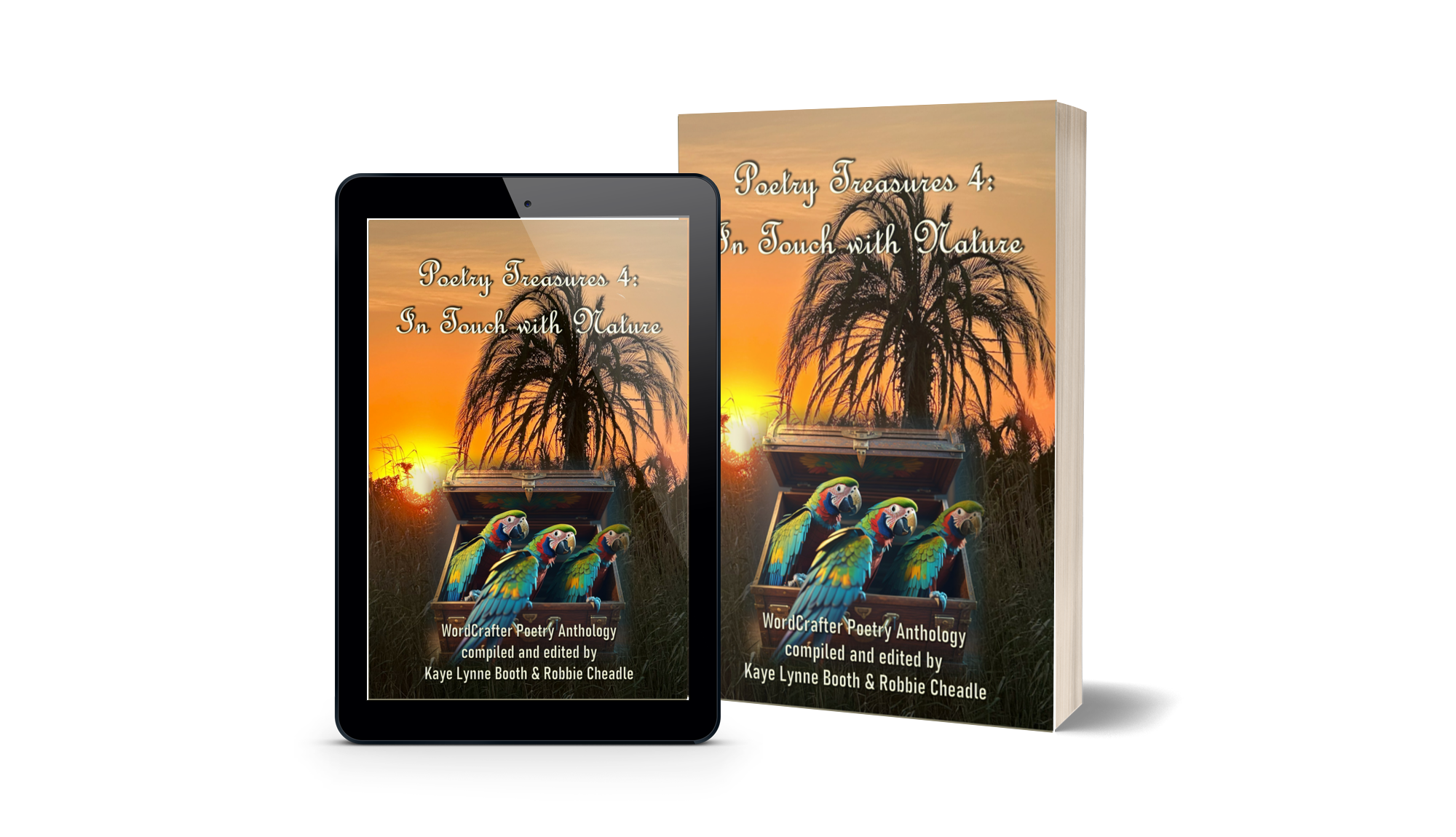
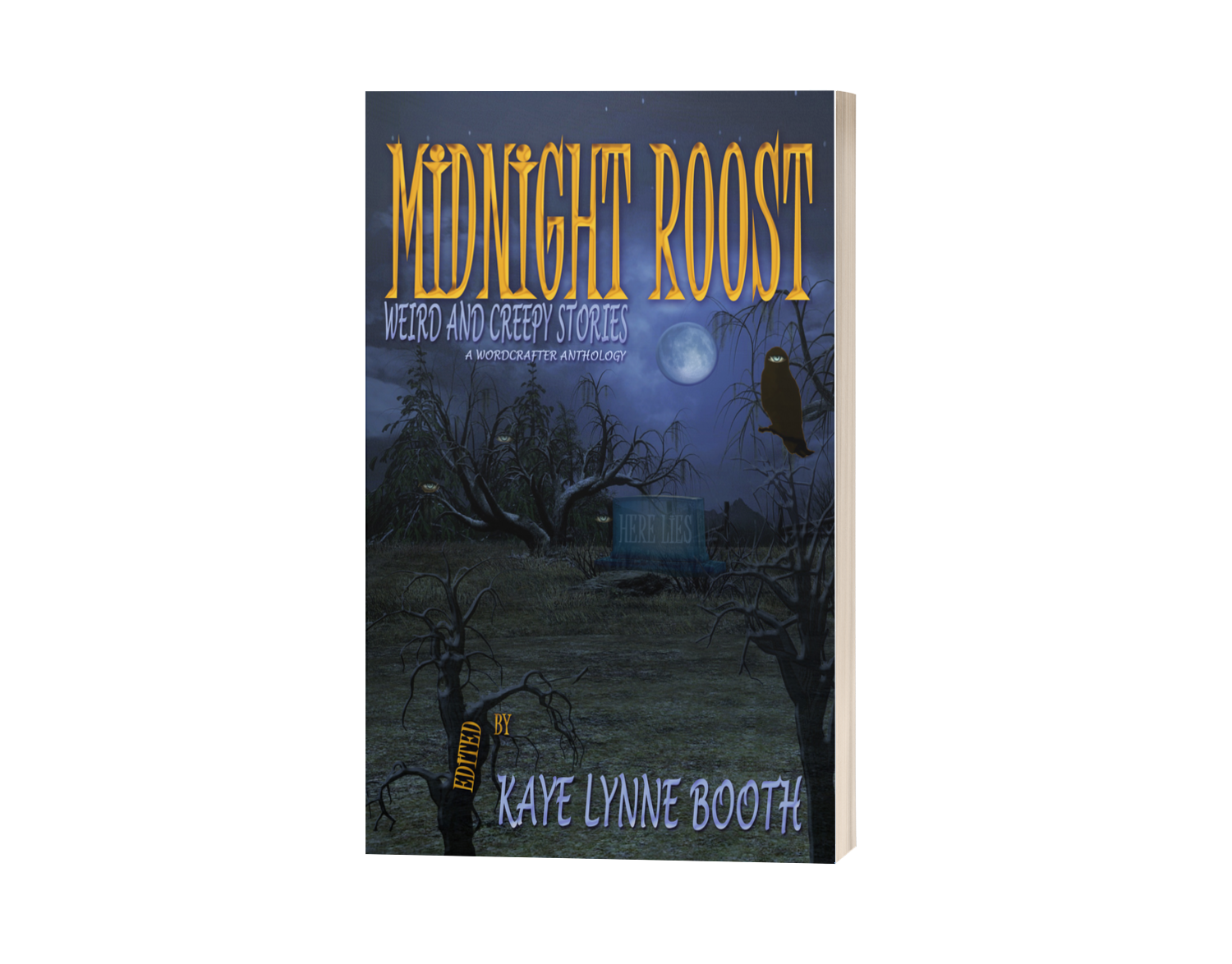
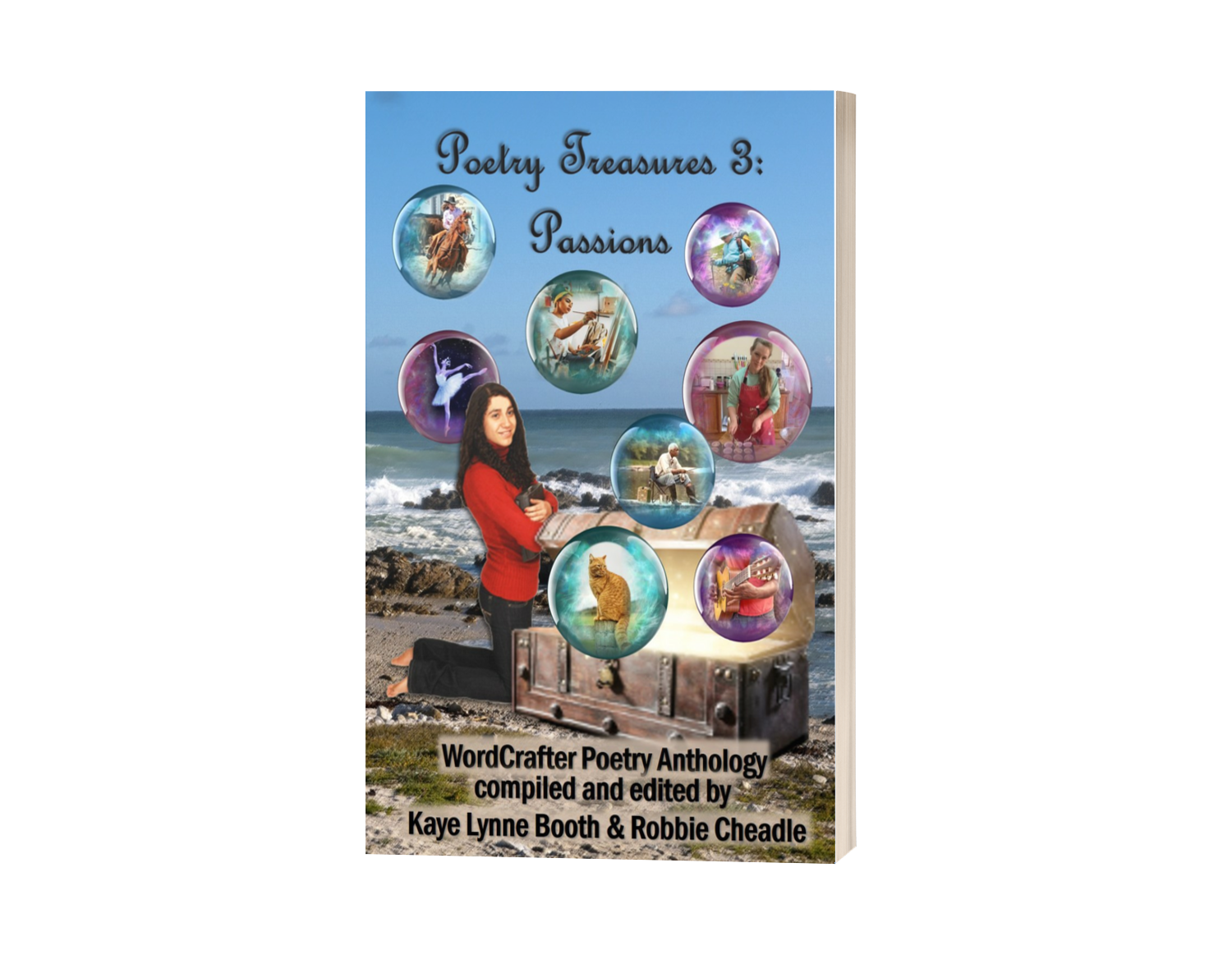
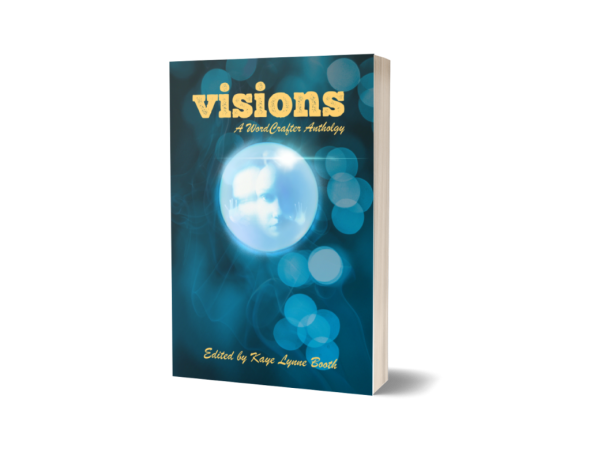
This year, I’m set, with the release of the Poetry Treasures 2: Relationships poetry anthology this last semester, the launch of Ask the Authors 2022 writing reference anthology currently under way, and three short fiction anthologies planned for later in the year: Once Upon an Ever After: Modern Fairy Tales & Folklore an (August); Refracted Reflections: Twisted Tales of Duality & Deception (September); and Visions (October). (Hmmm… It seems this is the year of anthologies for me.) But, I need a plan for what comes after that.

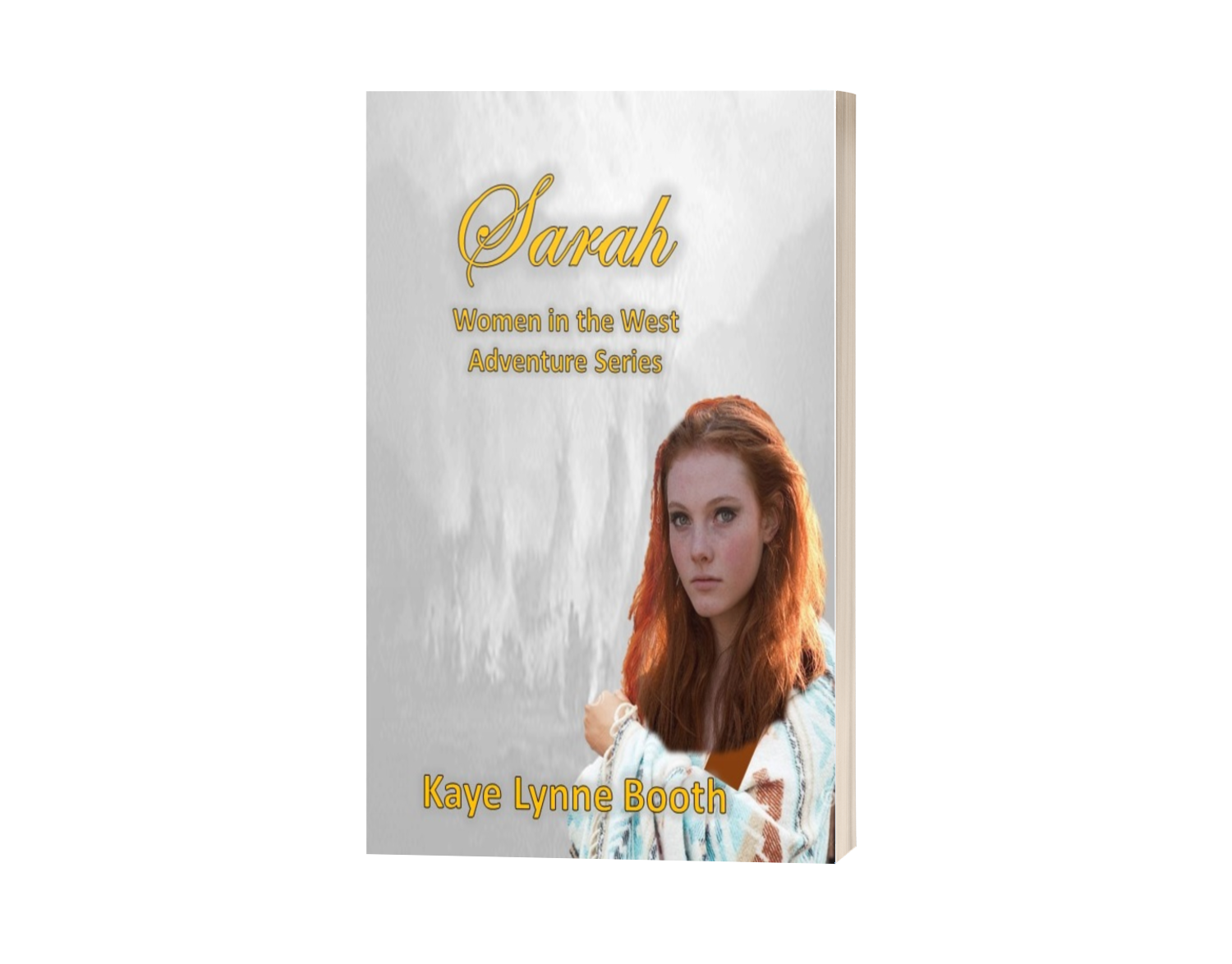
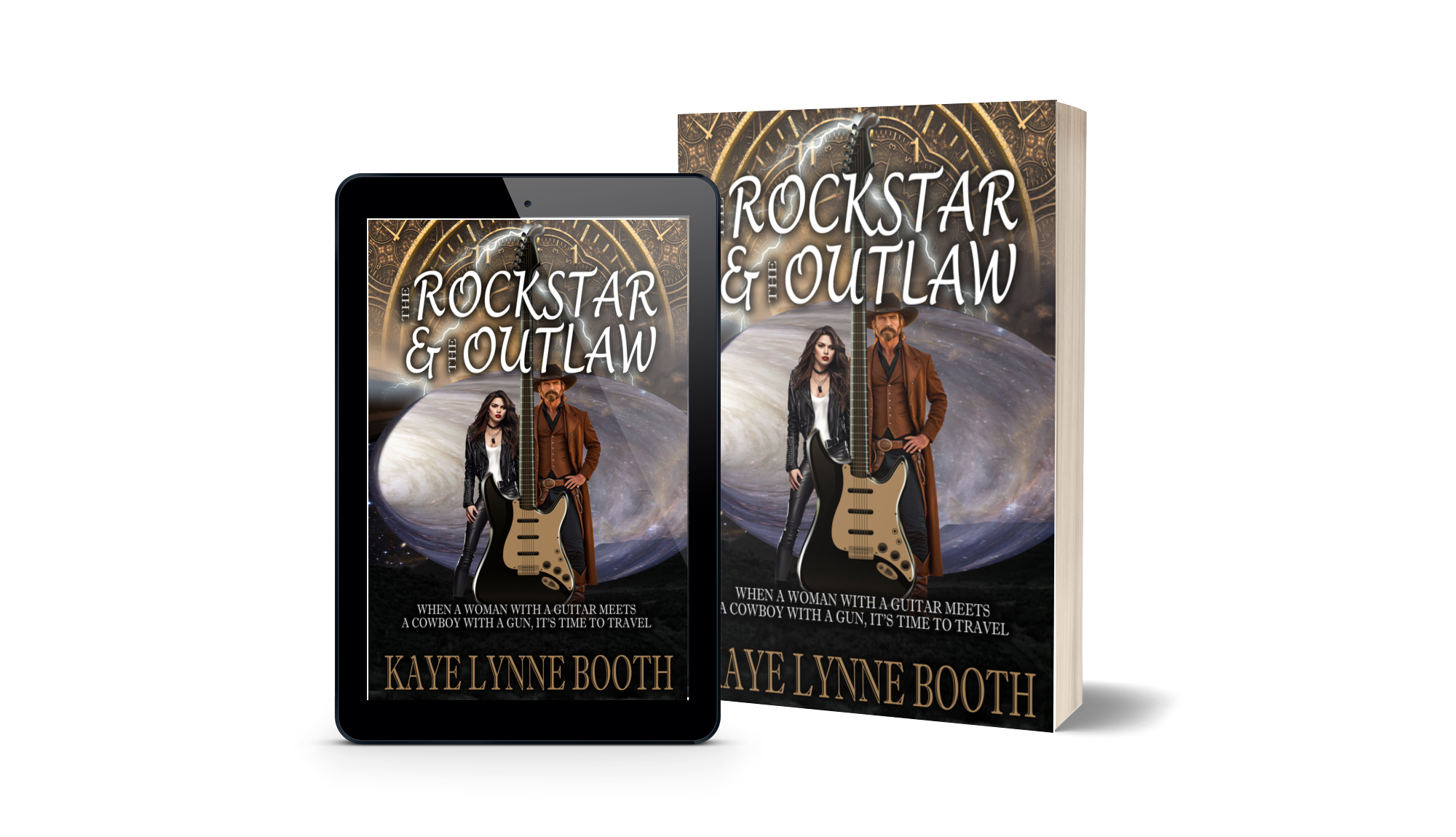
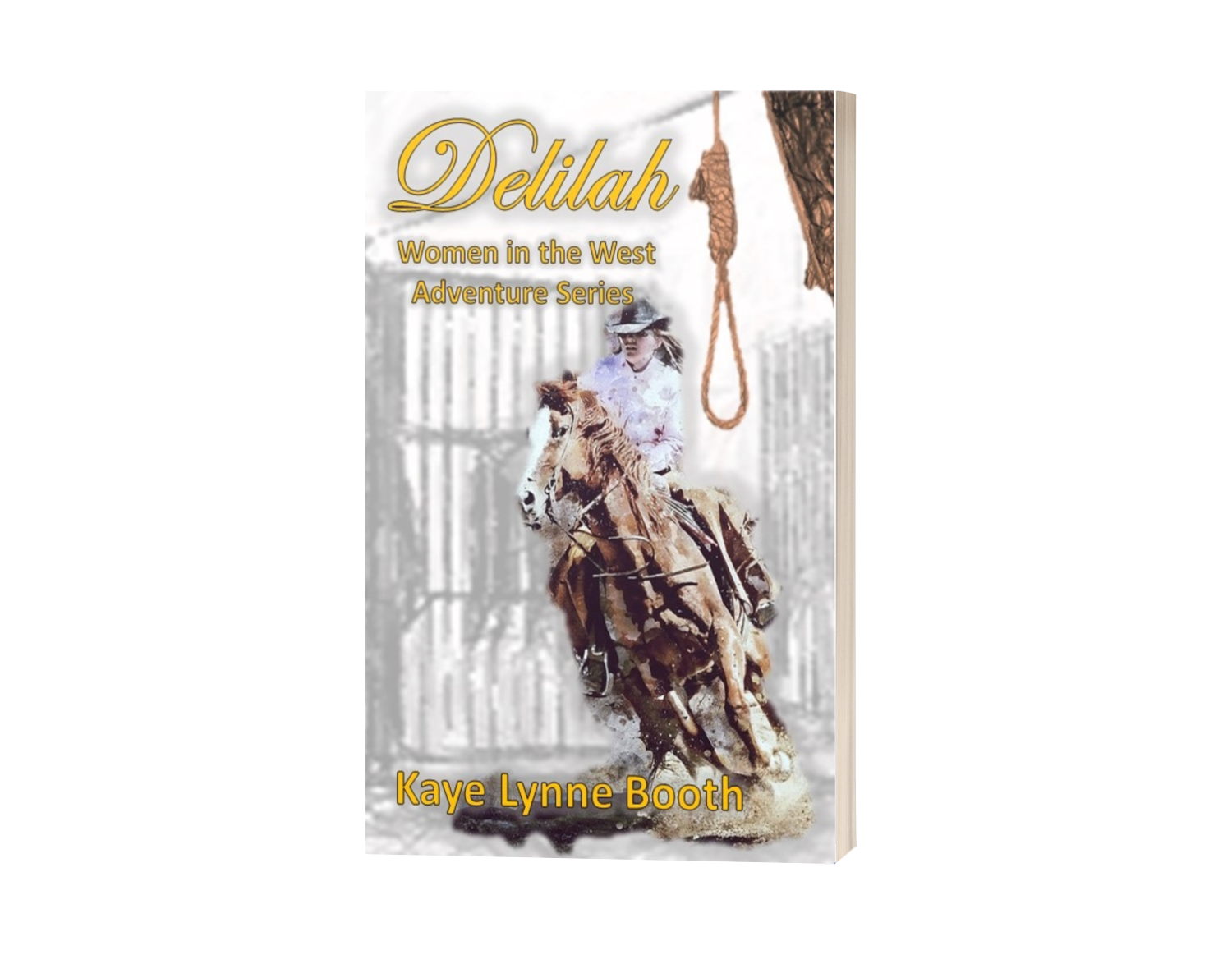
Hmmm… I’m revising Delilah to be a part of the Women in the West series with hopes of getting that out by the end of the year, but I keep adding ideas for the series, so I may wait to release until I have at least one more of the books ready to go, so that might be in the plan for next year, although it was originally a part of the plan for 2022. Also, I’ve been thinking a lot about my Playground of the Gods science fantasy series, and the first book is actually with a beta reader right now. But I’ve also been tossing the idea trying it as a serialization around. If anyone has experience on serialization, I’d love to hear your thoughts. Either way, those stories will be a part of the 2023 plan. In addition, I’ve been thinking on a time-travel romance adventure story that I started in 2021, “The Outlaw & the Rockstar”, and those characters have been teasing my brain, so I’ll probably add that to the 2023 agenda. That will give me between 2 and 5 releases of my own books for the year, which isn’t too bad if I can pull it off. Of course, I’ll also want to do an annual poetry anthology and the annual writing contest and anthology, so I can add two more book projects to the agenda.

I don’t think I will be lacking for projects once I’ve bade academia good-bye. In fact, I’m tired just thinking about the whirlwind schedule I just outlined. But you know, I think it will be worth it, if it can enable me to move my writing career to a full time level. The first thing you need to do if you want to sell books, is to write books, so I’m sitting pretty good on that plane. I’m working to revive my monthly newsletter, which I believe will be one of my most valuable marketing tools, and organizing a multi-genre newsletter swap group to help spread the word on releases. I’ve got good lists for possible reviewers built for all the anthologies planned for 2022, which will work for the annual anthologies, but will have to be created for my own books, and this blog is a book marketing tool, too. It’s a place where readers can come to learn about my latest projects, and my readership is growing, so I think I’m on the right track there.

Well…, would you look at that? Why was I worried? I have a plan…, and I think it’s a good one.

____________________________________________________________

Kaye Lynne Booth lives, works, and plays in the mountains of Colorado. With a dual emphasis M.F.A. in Creative Writing, writing is more than a passion. It’s a way of life. She’s a multi-genre author, who finds inspiration from the nature around her, and her love of the old west, and other odd and quirky things which might surprise you. She has short stories featured in the following anthologies: The Collapsar Directive (“If You’re Happy and You Know It”); Relationship Add Vice (“The Devil Made Her Do It”); Nightmareland (“The Haunting in Carol’s Woods”); Whispers of the Past (“The Woman in the Water”); Spirits of the West (“Don’t Eat the Pickled Eggs”); and Where Spirits Linger (“The People Upstairs”). Her paranormal mystery novella, Hidden Secrets, and her short story collection, Last Call, are both available in both digital and print editions.

In her spare time, she keeps up her author’s blog, Writing to be Read, where she posts reflections on her own writing, author interviews and book reviews, along with writing tips and inspirational posts from fellow writers. In addition to creating her own imprint in WordCrafter Press, she offers quality author services, such as editing, social media & book promotion, and online writing courses through WordCrafter Quality Writing & Author Services. When not writing or editing, she is bird watching, or hiking, or just soaking up some of that Colorado sunshine.

______________________________________________________________________

Sign up for the Kaye Lynne Booth & WordCrafter Press Newsletter for and book event news for WordCrafter Press books, including the awesome releases of author Kaye Lynne Booth. Get a free digital copy of Kaye Lynne Booth’s paranormal mystery novella, Hidden Secrets, just for subscribing.


Deadline approaching for the 2022 WordCrafter Short Fiction Contest & a chance for inclusion in the Visions Anthology

Visions

Just a reminder:

The deadline to enter the 2022 WordCrafter Short Fiction Contest, May 31st. There’s still time to get your submission in for a chance to have your story included in the Visions anthology alongside other esteemed authors, but don’t delay. You can find the full submission guidelines and entry here.

The deadline is fast approaching and will be here before you know it. The winner will receive a $25 Amazon gift card in addition to being featured in the anthology, but you can’t win if you don’t enter. If you write fantasy, science fiction, horror or paranormal short fiction, I want to read your story!


Welcome to the WordCrafter “Poetry Treasures 2: Relationships” Book Blog Tour!

Poetry Treasures 2: Relationships Book Blog Tour

In Celebration of National Poetry Month!

Relationships are golden and each of

 Arthur Rosch, Elizabeth Merry,

D Avery, Robbie Cheadle,

Harmony Kent, Lauren Scott,

JulesPaige, Leon Stevens,

Colleen M. Chesebro, Miriam Hurdle,

M J Mallon, and Lynda McKinney Lambert 

pay poetic tribute to their most intense

personal moments.

This is Day 1 of the WordCrafter Poetry Treasures 2: Relationships Book Blog Tour, and I want to tell you all, you are in for some real poetic treats this week. This wonderfully unique collection of poetry features works by Robbie Cheadle and her poetic guests from the 2021 “Treasuring Poetry” blog series right here on Writing to be Read, and it really is a treasure chest filled with poetic gems. We’ve got a fantastic eight day tour planned for you to learn more about this poetry anthology and I hope you will all join us through each tour stop.

Day 1: Opening Day here on Writing to be Read with a guest post from contributing author Lauren Scott.

Day 2: Finds us at the ShiftNShake blog with a guest post from blog series host, contributing author and editor Robbie Cheadle.

Day 3: The Showers of Blessings will host a guest post from contributing author Lynda McKinney Lambert.

Day 4: Bay Dreamer Writes will host a guest post from contributing author Miriam Hurdle.

Day 5: Zigler’s News will bring us a guest post from contributing author M.J. Mallon and a review by Victoria Zigler.

Day 6: The publisher, (that’s me), will be in the interview spotlight over at This is My Truth Now.

Day 7: Robbie’s Inspiration hosts with a guest post from contributing author Colleen M. Chesebro.

Day 8: Writing to be Read will wrap things up with a guest post from contributing author Leon Stevens.

Follow the tour and leave a comment at each stop to be entered

in a random drawing for a free digital copy of

***Poetry Treasures 2: Relationships***

That all being said, I’m going to turn this post over to a wonderful author and poet, Lauren Scott. Enjoy the tour. Don’t forget to leave your comments for your chance at a free digital copy of this wonderful collection of poetry gems.

___________________________________________________________________________

I am thrilled to announce the release of Poetry Treasures 2: Relationships, an anthology consisting of poetry from twelve authors. It is an honor to be among a group of amazing poets in this lovely collection that was compiled by Kaye Lynne Booth and Robbie Cheadle. Below is a little backstory of how Poetry Treasures 2: Relationships was born:

Kaye’s words:

In January of 2020, Robbie Cheadle introduced a new blog series on Writing to be Read called “Treasuring Poetry”, which quickly rose in popularity. Once a month, Robbie would feature one
author/poet in a formatted Q&A and review their latest book on a blog platform where favorite poems could be shared and discussed. Robbie had some wonderful guests who are both talented poets and authors, and Robbie was attracting quite a bit of blog traffic.


By the end of 2020, we had a list of 12 talented poets who we felt were gems, so in 2021 we created a poetry anthology and invited Robbie’s “Treasuring Poetry” guests from the previous year to add their own contributions. The result was the first volume of Poetry Treasures, which was well received. 2021 had an equally talented line-up of guests, so we decided to do it again.

In Poetry Treasures 2: A Treasure Chest of Relationships, we’ve found some new gems. From the “Treasuring Poetry” guests of 2021, we have contributions from some very talented poets who are treasures in and of themselves: Arthur Rosch, Elizabeth Merry, D. Avery, Harmony Kent, Lauren Scott, Jules Paige, Leon Stevens, Miriam Hurdle, M.J. Mallon, Lynda McKinney Lambert, and of course, Robbie Cheadle. But unlike the pirates of olden days, we won’t bury our treasures. We want to share them with the world. I hope that you will enjoy reading these poems as much I’ve enjoyed helping to put them altogether.

I have contributed four poems, and the first, “The Fine Points” was inspired by my 33-year marriage to my husband. He is literally my best friend. The love we have shared over the years survived tough times when life threw us curveballs out of our control, but that same love thrived in more joyful moments than I can name. From the beginning when we shared our vows, when cell phones and computers were unheard of, we delivered unconditional love to each other that harbored no expectations of us to change in any way. I can’t ask for anything more.

After a couple years of marriage, our daughter was born, then our son completed our family three years later. Fast forward many years and our children are well into their adulting years.

“2020 in Digital” speaks of the chaos that raged in 2020, but how our year was brightened by our daughter and son-in-law’s unconventional yet beautiful wedding. They had been engaged for two years, together for nine, then Covid entered into the equation. A big wedding wasn’t going to happen due to restrictions, and they didn’t want to wait. So, they chose to do the next best thing.

“Something Right” was inspired when my husband and I were close to becoming empty nesters. Our daughter who is mentioned above had been out of the house for three years. Our son was about to venture into the world, paving his own path. Exciting, joyful, yet bittersweet. They both live across the country, pursuing their dreams, and we couldn’t be prouder knowing they’re making it on their own. But there are just too many states in between us, so hopefully, we can minimize that number in the near future.

Lastly, the poem entitled, “The Roses” is about my parents who have left our physical world. They used to love working in the garden, taking special pride in their roses. We miss them so much. It’s very surreal losing both parents, the family’s foundation.

___________________________________________________________________________

Poetry Treasures 2: Relationships

If you’re a fan of poetry, I hope you’ll pick up a copy of this fabulous anthology that Kaye and Robbie worked hard in putting together. I’m sure there are poems within these pages that will resonate with you and touch your heart.

To purchase a copy:

Buy Link: https://books2read.com/u/3kP8aK

Thank you for reading!

Lauren ❤️

________________________________________________________________________________

Lauren Scott resides in California with her husband of over three decades and their lovable lab, Copper. Their adult daughter and son live on the east coast. Lauren began writing poetry as a teen, but life intercepted her university plans, so as an adult she took writing classes at the local community college. Apart from these classes, her studies of poetry originated from reading the works of many great poets. Her strong connections to family and friends provide writing inspiration, as well as her love of nature and the marvelous wild world surrounding her. Backpacking trips with her husband along the California coast and Sierra Nevada mountains have stirred thoughts to pen about love, loss, family, and the many possibilities waiting to materialize.

Lauren was published in the anthology, Indra’s Net (2017). Additionally, she has been published in Woman’s World Magazine and The San Francisco Chronicle. She has authored three books: two collections of poetry – New Day, New Dreams (2013), and Finding a Balance (2015), and her recent memoir, More than Coffee: Memories in Verse and Prose (2021).

Visit/contact Lauren:

Blog: baydreamerwrites.com

Shop: hittps://www.amazon.com/-/e/B08NCRH4MK

Email: baydreamer25@gmail.com

_________________________________________________________________________________

Book your WordCrafter Book Blog Tour today!


Ask the Authors 2022 is here!

Ask the Authors 2022

That’s right. The writing reference you’ve all been waiting for has arrived. Ten talented authors and industry experts have gathered together with me to share their writing tips and advice in essay and Q&A, creating a writing reference anthology like no other.

Where can you find publishing industry experts willing to share their secrets? 

Ask the Authors 2022 is the ultimate writer’s reference, with tips and advice on craft, publishing and marketing. Eleven experienced and successful authors share what works for them and offer their keys to success in traditional publishing, hybrid, and indie. You’ll learn industry wisdom from Mark Leslie Lefebvre, Kevin Killiany, L. Jagi Lamplighter, Bobby Nash, Paul Kane, Nancy Oswald, Chris Barili, Jeff Bowles, Roberta Eaton Cheadle, Mario Acevedo and Kaye Lynne Booth.

This book offers up-to-date and tried-and-true ways to improve your craft, explores current publishing and book marketing worlds. Take a peek inside and find out what works for you.

Praise for Ask the Authors 2022

“Ask the Authors is an up-to-date and broad-based compendium of advice from today’s working writers, to help you with understanding your own writing career. Great information!”
—Kevin J. Anderson, New York Times bestselling author of Spine of the Dragon

Ask the Authors 2022

Ask the Authors 2022 is available in both digital and print. You can get your copy from your favorite book retailer through the Books2Read universal book link (UBL) here: https://books2read.com/u/3LnK8e

______________________________________________________________________________

Sign up for the Kaye Lynne Booth & WordCrafter Press Newsletter for and book event news for WordCrafter Press books, including the awesome releases of author Kaye Lynne Booth. Get a free digital copy of Kaye Lynne Booth’s paranormal mystery novella, Hidden Secrets, just for subscribing.


Invitation: Multi-genre Newsletter Swap Group

I do things the hard way.

Always have. I can’t seem to help it. I follow my heart instead of my head. But, once I chose a path, I am determined and stick to it. And when it comes to authoring, I bypass the easy path and stick to the rougher roads, learning as I go.

For my first novel, I chose the western genre, which isn’t exactly the fast lane to bestseller-dom. I publish poetry and anthologies. Most folks in the publishing industry will tell you these are much harder to sell than novels. And I’m a multi-genre author, who writes one-offs instead of series. Again, harder to sell, harder to build a fan base, because readers of my westerns probably won’t be interested in my paranormal stuff, or my short fiction collection, which has time travel, vampire, satire and origin stories all wrapped up between the covers.

If you have been following this blog and reading my posts, or if you subscribe to my newsletter, you may know that in the coming year my planned releases include the poetry anthology we just released, a nonfiction writing reference anthology, two science fiction/fantasy/horror/paranormal anthologies, and a fantasy fairytale anthology, and the re-release of my original western novel as a series starter. And yeah. That’s a lot. And no, not one of them will be an easy sell.

So why don’t I chose an easier path?

Well, for one thing, I enjoy working with other authors and compiling, editing and publishing poetry and short fiction anthologies allow me to do that. Also, I do it because I love a challenge. I find ways around or create solutions to help me through them, determined to make it all work even though it may be a rougher road. In fact, I’m trying to create a solution to the multi-genre author promotion thing right now.

But I think most of all, I have to write the stories that my heart wants me to tell. I’ve never tried writing to market. I like to write stories which excite me, and I’m not sure that a story written to fit into a certain genre or category would do that. And while some multi-genre authors stick to genres which are similar or sub-genres, I do things the hard way, so my genres span across the literary expanse, making my reader audience more difficult to find.

Let me tell you, it’s not easy for multi-genre authors to find and engage with all of their various audiences for the reason stated above. A reader may love your fantasy novel, but they may not care a bit about reading or learning more about your new steampunk novel. I hear there are super fans out there who fall in love with the author and will read anything they write, but as for me, I haven’t found any yet. And I’m betting that’s true for many multi-genre authors. It can be a real puzzler, figuring out ways to extend your reach in all of the genres that you write in, but I may have come up with one way to make that happen.

Cross-promotion.

More authors add up to extended reach, so I’m proposing that we create a newsletter swap group, comprised of multi-genre authors and all cross-promote each other’s books in our newsletters. We can all share new releases, and since we won’t all be releasing at once. Since all swap group members will be multi-genre authors, our audiences will already expect to hear about a variety of books and genres, so we’ll have a better chance of reaching readers who will buy our books. Every group members reach will be extended by the reach of all participating authors, and we will all have something else to say in our newsletters besides “Buy my book!” And best of all- it’s free promotion

Join us in uniting our promotion efforts for more followers and higher book sales.

I know a couple of authors who are already interested in taking advantage of this cross-promotion opportunity. If you are a multi-genre author who puts out an email newsletter at least monthly and wants to extend your reach for your books, I want to hear from you! Contact me at kayebooth@yahoo.com and put “Newsletter Swap” in the subject line. Tell me you’d like to participate, which genres you write in and tell me about any releases you have scheduled. I look forward to hearing from you.

________________________________________________________________________

Kaye Lynne Booth lives, works, and plays in the mountains of Colorado. With a dual emphasis M.F.A. in Creative Writing, writing is more than a passion. It’s a way of life. She’s a multi-genre author, who finds inspiration from the nature around her, and her love of the old west, and other odd and quirky things which might surprise you.

She has short stories featured in the following anthologies: The Collapsar Directive (“If You’re Happy and You Know It”); Relationship Add Vice (“The Devil Made Her Do It”); Nightmareland (“The Haunting in Carol’s Woods”); Whispers of the Past (“The Woman in the Water”); and Spirits of the West (“Don’t Eat the Pickled Eggs”). Her western, Delilah, her paranormal mystery novella and her short story collection, Last Call, are all available in both digital and print editions.

In her spare time, she keeps up her author’s blog, Writing to be Read, where she posts reflections on her own writing, author interviews and book reviews, along with writing tips and inspirational posts from fellow writers. She’s also the founder of WordCrafter. In addition to creating her own imprint in WordCrafter Press, she offers quality author services, such as editing, social media & book promotion, and online writing courses through WordCrafter Quality Writing & Author Services. When not writing or editing, she is bird watching, or hiking, or just soaking up some of that Colorado sunshine.

_________________________________________________________________________

Sign up for the Kaye Lynne Booth & WordCrafter Press Newsletter for and book event news for WordCrafter Press books, including the awesome releases of author Kaye Lynne Booth. Get a free digital copy of Kaye Lynne Booth’s paranormal mystery novella, Hidden Secrets, just for subscribing.


Poetry Treasures 2: Available now!

Yes! It’s finally here.

If, like me, you thoroughly enjoy Robbie Cheadle’s “Treasuring Poetry” blog series and can’t wait for her posts to come out each month, then you’ll be as excited as I am to learn that Poetry Treasures 2: Relationships is available at your favorite book distributors now!

Relationships are golden and each of

 Arthur Rosch, Elizabeth Merry, D Avery, Robbie Cheadle, Harmony Kent, Lauren Scott, JulesPaige

Leon Stevens, Colleen M. Chesebro, Miriam Hurdle,

M J Mallon, and Lynda McKinney Lambert 

pay poetic tribute to their most intense

personal moments.

That’s right folks. Now you can get this wonderful collection of poetic gems by Robbie and her 2021 “Treasuring Poetry” guests all in one place. We’ll be doing a book blog tour April 25 – May 1 so you can learn more about the amazing treasures contained within, but you don’t have to wait.

Just click on the Books2Read Universal Book Link (ULB) to find your copy at your favorite book distributor now!: https://books2read.com/u/3kP8aK


Book News and Such

Looking for my 100 True Fans

The concept of 1,000 true fans was based on the theory of Wired editor, Kevin Kelly that a creator could make a descent living online with 1,000 truly invested fans, and it’s a concept that has been around for more than a decade. Today’s thinkers have revised that theory, and now it is believed that really, 100 true fans are all you need in this new “passion economy” which appears to be rising from within the new global internet communities, according to Aayushi Rachana, in her article “”100 True Fans” is All You Need in Passion Economy”, on Medium.com (March 11, 2021): https://medium.com/hapramp/all-you-need-to-know-about-100-true-fans-3fd72a35154f True fans are those who believe in you and want to support you in your creative endeavors; those fans who will buy everything that you write, just because you wrote it. And supposedly, we all have them – we just need to find them, or rather, we need to draw them to us.

That’s why I’ve decided to embark on a search for my own 100 true fans as I prepare to take my writing career to the full time level, but they aren’t going to just walk into my life and say, “Hi. I’m here to read everything you write, because I know how wonderful you are.” No, that’s not how it happens. True fans have to be earned; they have to be cultivated and grown from followers into fans, and a few will even mature into super fans, or true fans. But it doesn’t happen overnight, and it won’t happen on its own, and for me, it may be even more of a challenge as a multi-genre author who writes her heart instead of trying to write to market. So, I’ve developed a plan for drawing in followers, and hopefully, seducing them into fans, and then with luck it will turn into a long term relationship of super fans. Do I really have fans out there? We’ll just have to wait and see what happens.

The first step is to offer a way for my followers to become fans by learning more about me and my books through my newsletter. I haven’t been as good as I should have been about my newsletter, I admit. In fact, I let it go to the wayside for two years and only primed it with a revival issue this past month, which gave a brief overview of upcoming releases and current projects, including a reminder of the approaching deadline for the 2022 WordCrafter Short Fiction Contest (see submission guidelines here), and let my readers know that I’m still here. Newsletters also offer a way for followers to engage via email response, an opportunity for a connection to be made, which makes it more likely that they will become fans, or even superfans.

If you are reading this, then chances are good that you are at least a follower of mine. If you’d like to get to know me better or learn more about upcoming releases from myself or WordCrafter Press, you can join my newsletter and get a free digital copy of my paranormal mystery novella, Hidden Secrets, here: https://mailchi.mp/64aa2261e702/klb-wc-newsletter. Go on and subscribe. It’s free and you never know, you may even become a fan of you like what you discover in my newsletter.

Poetry Treasures 2: Relationships – Cover reveal

Above, you see the fantastic cover designed by Teagan Geneveine. I’m pleased to announce that to celebrate National Poetry Month, Poetry Treasures 2: Relationships will be scheduled for release in April. This wonderful poetry anthology features the works of guests from last year’s “Treasuring Poetry” blog series right here on Writing to be Read, hosted by Robbie Cheadle. Contributors include Arthur Rosch, Elizabeth Merry, D. Avery, M.J. Mallon, Miriam Hurdle, Colleen M. Chesebro, Lauren Scott, Harmony Kent, JulesPaige, Lynda McKinney Lambert, and Robbie Cheadle. Keep watching here, because it will be up for preorder soon.

Gilded Glass Up for Pre-order

You’ve all heard me talk about the great new anthology I am helping to put together through my publishing course at Western State Colorado University. In addition to the fabulous stories chosen from a plethora of exceptional submissions, it features stories by Sherrilyn Kenyon, Alan Dean Foster, Jonathan Maberry, Kristine Kathryn Rusch, and Michaelbrent Collings. I’m excited to tell you this amazing anthology is scheduled for release in July, but is now available for preorder and you can find it at your favorite retailer through books2read at the link below.

https://books2read.com/u/bwKZ8Y

______________________________________________________________________________

Sign up for the Kaye Lynne Booth & WordCrafter Press Newsletter for and book event news for WordCrafter Press books, including the awesome releases of author Kaye Lynne Booth. Get a free digital copy of Kaye Lynne Booth’s paranormal mystery novella, Hidden Secrets, just for subscribing.


Writer’s Corner – Five reasons it makes perfect sense to become an independent author

Traditional publishing is fast becoming a dinosaur, being slow to adapt to the rapid technological changes which have arisen along side the rise of digital publishing within the industry. Independent authors and publishers have been flexible, creative and quick to adapt to digital technology which makes it possible for aspiring authors to test the waters without waiting around for years or even decades for traditional publishers to take notice and grace us with their attentions, while traditional publishers have been resistant to change, turning their noses up at self-published authors until their value as professional authors with the ability to produce books that sell by independent industry leaders like Hugh Howey, and been generally inflexible and unbending, continuing to follow publishing and marketing models which are no longer effective. The adaptions that they have made have been forced and have made the traditional publishing model even less appealing for authors.

  • Better Royalties: Royalties on traditional publishing which the author receives are usually around 15% of sales, while independently published authors receive anywhere from 30-70%, depending upon which platforms they choose to publish on. And don’t forget that independently published authors who go wide rather than exclusive can always sell direct from their site and make even more.
  • Negotiations: Traditional publishing contracts are awful and getting worse, according to Kristine Kathryn Rush, (https://kriswrites.com/2022/01/05/business-musings-contracts-traditional-publishing-the-year-in-review-4/). Deals may offer the author an advance, even this is not guaranteed anymore. And the ones that are offered are for lesser amounts than were previously offered in the past. Of course, traditional publishing deals have always been skewed in the publishers’ favor, and the book must earn back the advance before the author ever sees any additional royalties and an author whose book doesn’t sell well may never see any royalties past the initial advance. As Rusch points out, all things are negotiable and the publishing house no longer holds the reins. Smart independent authors manage their own Intellectual Property (IP), and they don’t EVER sign away all of their rights and leverage their writing to the author’s benefit.
  • Decrease in Publisher Responsibilities: While in the past, traditional publishers were willing to invest in the marketing and advertising of books, it seems they have grown more reluctant to do so in today’s book market. Even if you do manage to land a traditional publishing deal today, you may still need to take on a large part, if not all, of the marketing tasks to sell your book. So while it is true that indie authors have to spend a large portion of their time on administrative and promotional tasks, publishing traditionally does not guarantee that this will not be necessary.
  • Improved Product Availability: With the availability of ‘Print on Demand’ publishing, authors no longer need to make large expenditures on big print runs or make space to house vast numbers of book in their garage or basement, as was previously necessary with offset printing. Audiobooks are also becoming more affordable to produce with the rise of AI narration, which is now offered for free on Google Play Books. Lower prices and better availability of services for independent authors on a budget, make independent publishing an even better option than it has been in the past.
  • Control: Independently publishing puts the author in control. Of course, with control comes responsibilities. I won’t deny that indie authors must wear many hats; author, publisher, self-editor, marketer, and maybe even cover designer, as well as “The Boss”. One lesson I’ve been learning recently, is that I can’t do it all, and I am having to wear “The Boss” hat more and delegate some of the other tasks to those better suited to do them, so that I can have time to put into my own writing. Marketing is a matter of trial and error a lot of time, and changing the cover or the blurb can make a big difference in how well a book sells. Independent authors are “The Boss” and when they see their book isn’t selling as well as they think it might, they have the ability to go in and change the cover or the blurb and see if they can’t turn things around, while if with traditional publishers, they may have their work cut out for them convincing their publisher to change something up to see if it sells better.

______________________________________________________________

Kaye Lynne Booth lives, works and plays in the mountains of Colorado. With a dual emphasis M.F.A. in Creative Writing, writing is more than a passion. It’s a way of life. She’s a multi-genre author, who finds inspiration from the nature around her, and her love of the old west, and other odd and quirky things which might surprise you. In her spare time, she keeps up her author’s blog, Writing to be Read, where she posts reflections on her own writing, author interviews and book reviews, along with writing tips and inspirational posts from fellow writers. She is also the founder of WordCrafter Quality Writing & Author Services, providing editing, social media copywriting & book promotion, and online writing courses. When not engaged in writing activities, she is bird watching, or hiking, or just soaking up some of that Colorado sunshine.

Like this post? Let me know in the comments. You can be sure not to miss any of Writing to be Read’s great content by subscribing to e-mail or following on WordPress. If you found this content helpful or entertaining, please share.


Ahead in 2022 on Writing to be Read, WordCrafter and author Kaye Lynne Booth

Well, we’ve all made it through another year and now have a whole new year ahead of us. I’m not into making resolutions that will just be broken, probably before the month of January has come to a close, but it seems like this time of year always brings about changes, so I thought I might share with you the changes planned for 2022, some of which are already in process.

Writing to be Read

On Writing to be Read, we have a few changes to the line-up. Jeff Bowles will only be doing one blog series, “Words to Live By”, on the first Wednesday of every month. Art Rosch will be doing “Mind Fields” and “The Many Faces of Poetry” bi-monthly, alternating every other Friday. Robbie Cheadle will still be offering all three of her monthly blog series. While “Growing Bookworms” and “Dark Origins” will keep their spots on the second and fourth Wednesday of each month, but “Treasuring Poetry” will be moving from it’s Saturday spot to the third Wednesday of each month.

My new series, “Writer’s Corner” will appear once a month on Mondays, as will my reviews, including any “Review in Practice” posts. I was considering making my monthly “Chatting with the Pros” series into a podcast, but I think that will have to wait, since I have so much on my plate already for 2022. So, what I’m wondering now, is does anyone miss this series and would like to see me bring it back on the blog? If you do, or you would, I’d love to hear about it in the comments. It will help me to decide whether or not this series is worth reviving.

Author Kaye Lynne Booth

Back in May, for the 2021 WordCrafter New Beginnings Virtual Writing Conference, Anthony Dobranski, author of Business Class Tarot, did a workshop on the use of the cards he created. We didn’t have a great turn-out in 2021 and there were numerous set-backs, including my loss of internet causing me to miss out on a full day of the conference I was hosting, so when no one showed up for this wonderful workshop, Anthony was kind enough to do a reading for me. It was a lot of fun and I was surprised at how accurate to my own life his reading was. One of the things that was revealed was that I was trying to do too much and I needed to enlist others to take a part of the load on me, because I have always tried to be a one woman show and do all the various tasks involved in being an independent author and publisher. (You can see the video of the full reading here.)

Acting on the revelations from that reading, as I ramp up to transition into a full time writing career, with several releases planned for 2022, I realized I needed beta-readers and reviewers, and others to just help spread the word on social media, and so the Kaye Lynne Booth & WordCrafter Press Street Team group was born. It’s a great group with members who support my writing endeavors and want to be a part of the process. Members have exclusive access to behind the scenes information, opportunities to weigh in on scene and cover creation, and early access to new releases and book events, in exchange for their support as beta-readers and reviewers, or their help in spreading the word through their social media channels.

I’m also reviving my newsletter after letting it fall by the wayside for over a year. Newsletter recipients will receive early notice of new releases and book events, and sometime news of works by other authors bi-monthly. You can sign up for my newsletter here.

My first release for 2022 is scheduled for June, with the re-release of Delilah, in an edition that is the story I originally intended to tell. (You can find out more about the decision for this change here.) The current edition of Delilah will come down from the Amazon shelves sometime in April, and the new edition will be released wide, so it will be found not only on Amazon, but on Kobo, Barnes & Noble, Apple, Baker & Taylor, Bibliotheca, Borrow Box, Overdrive, Scribd, and other selected digital book outlets because WordCrafter Press publishes through D2D. (I’m a member of their affiliate program. Sign up for your own D2D account here.)

In the past, I told you about my science fantasy series, Playground for the Gods. The first book in that series was my thesis project when I was earning my M.F.A. at Western State Colorado University, back in 2016, so the it has been finished since then, yet you’ve never seen the implied promise of publication come to fruition. In 2022, I plan to release not just Book 1: The Great Primordial Battle, but also Book 2: In the Beginning, and Book 3: Inanna’s Song sometime toward the end of the year, but release dates for these haven’t been set yet.

WordCrafter Press & Author Services

WordCrafter Press has some great releases coming in 2022 as well. An updated version of the writing reference, 2022 Ask the Authors, is scheduled to be released in March. The original Ask the Authors, was taken from a Q&A blog series I ran in 2018. While the much of the advice offered from the 17 different authors who participated in that project is still valid today, this edition will address the changes in the publishing industry since the original edition was published and will feature an anthology of essays on craft and publishing in addition to the Q&A advice. This edition will feature advice from 13 authors, including Bobby Nash, Mark Leslie Lefebvre, Roberta Eaton Cheadle, Nancy Oswald, Christopher Barili, Mario Acevedo, L. Jagi Lamplighter Wright, Kevin Killany, Paul Kane, Jeff Bowles, Enid Holden, Christa Planko, and myself, Kaye Lynne Booth.

The call for submissions for the 2022 WordCrafter Short Fiction Contest posted on January 3rd. However, in 2022, WordCrafter Press will be putting out not just this one anthology, but a total of three short fiction anthologies. In addition to the Visions anthology, which contest submissions may be included in, that will be released in August, there will be two by invitation only anthologies: Slivered Reflections, which will be released in September, and Once Upon an Ever After, which will be released in November.

In 2021, we released the first edition of Poetry Treasures poetry anthology, featuring the works of Robbie Cheadle’s 2020 “Treasuring Poetry” poet guests on Writing to be Read, and we’ve decided to do it again. 2022 Poetry Treasures will feature the works of the 2021 “Treasuring Poetry” guests for a spectacularly unique poetry anthology, and will be released April to celebrate National Poetry Month.

WordCrafter Quality Writing & Author Services

Last, but not least, Write It Right Quality Editing Services is open to new editing clients in 2022. If you’re looking for affordable quality editing, Write It Right could be the editing service you’ve been looking for. A part of WordCrafter Quality Writing & Author Services.

I’m looking forward to 2022. I hope you’ll all join me in the coming year, as it promises to be a good one.

____________________________________________

Like this post? Let me know in the comments. You can be sure not to miss any of Writing to be Read’s great content by subscribing to e-mail or following on WordPress. If you found this content helpful or entertaining, please share.