Growing Bookworms – War in Children’s Literature: yes or no? #GrowingBookworms #childrensliterature #warbooks
Posted: November 8, 2023 Filed under: Books, Children's Books, Classics, Fiction, Growing Bookworms, Historical Fiction | Tags: Children's Books, Growing Bookworms, Historical Fiction, Robbie Cheadle, War and children, Writing to be Read 68 Comments
The world is full of conflict currently, and this has been the case throughout the reign of ‘civilized man’ on this beautiful planet of ours.
According to save the children US, a total of 93,236 children have been killed or maimed in conflicts in the last ten years (this figure is from November 19, 2020 before the two recent conflicts centering around Ukraine and Israel), which equates to 25 children (an averaged size school classroom) of children every day.
These children were mainly victims of airstrikes, shelling, landmines, and other explosive weapons used in populated areas.
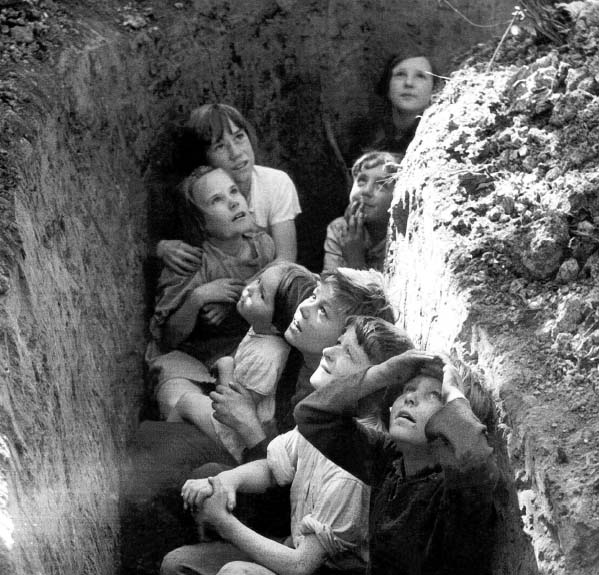
War and conflict is a very real factor of human society. Wars displace people and create refugees; people who are unable to continue living in their homes and carrying on with their daily lives because of violence. Refugees are a huge concern and area of focus in Western society.

With these thoughts and figures in mind, I ask, should children read books about war?
My answer is yes. Books and stories are a way of teaching empathy, understanding, and raising awareness.
Jennifer Armstrong is quoted as saying: “if we don’t encounter war in the safe way, by experiencing it through literature and art, how will we be moved to avoid the real thing? Reading about was doesn’t imply an endorsement of it: it’s a way of acknowledging part of the human experience that has been with us since the days of the Trojan War and long before. If you really want to teach young readers about peace, give them books about war.”
Jennifer Armstrong is the author of over 50 books for children from kindergarten through to high school. She is best known for writing historical fiction. You can read more about Jennifer Armstrong here: https://en.wikipedia.org/wiki/Jennifer_Armstrong
To:You
Mon 2023/11/06 09:29
Isaac Bashevis Singer wrote: “Children think about and ponder such matters as justice, the purpose of life, the why of suffering. They often find it difficult to make peace with the idea that animals are slaughtered so that man can eat them. They are bewildered and frightened by death. They cannot accept the fact that the strong should rule the weak.” You can read more about Isaac Bashevis Singer here: https://www.encyclopedia.com/people/literature-and-arts/hebrew-literature-biographies/isaac-bashevis-singer
I’ve always been fascinated by war and have been reading about children and adults in war situations since I was a young girl. These are a few of the books about war and conflict situations I was given by Sister Agatha when I was a young student (10, 11 and 12 years old) at Holy Cross Convent in George in the Western Cape of South Africa:
The Diary of a Young Girl by Anne Frank
Discovered in the attic where she spnt the last years of her life, Anne Frank’s remarkable diary has become a world classic—a powerful reminder of the horrors of war and an eloquent testament to the human spirit.
In 1942, as Nazis occupied Holland, a thirteen-year-old Jewish girl and her family fled their home in Amsterdam and went into hiding. For the next two years, until their whereabouts were betrayed to the Gestapo, they and another family lived cloistered in the secret upstairs rooms of an old office building. Cut off from the outside world, they faced hunger, boredom, the constant cruelties of living in confined quarters, and the ever-present threat of discovery and death.
In her diary Anne Frank recorded vivid impressions of her experiences during this period. By turns thoughtful, moving, and amusing, Anne’s account offers a fascinating commentary on human courage and frailty and a compelling self-portrait of a sensitive and spirited young woman whose promise was tragically cut short.
I am David by Anne Holm
David escapes from the concentration camp where he has spent his entire life and flees across Europe. He is utterly alone – who can he trust? What will await him? And all the while, how can he be sure that they won’t catch up with him…David learns that his polite manner, his haunted eyes and his thin features are strange to other people. He must learn to fend for himself in this strange new world.
When Hitler Stole Pink Rabbit by Judith Kerr
This semi-autobiographical classic, written by the beloved Judith Kerr, tells the story of a Jewish family escaping Germany in the days before the Second World War.
This beautiful new edition celebrates the fifty year anniversary of an adventure that Michael Morpurgo called “The most life-enhancing book you could ever wish to read.”
Suppose your country began to change. Suppose that without your noticing, it became dangerous for some people to live in it any longer, and you found, to your surprise, that your own father was one of those people. This is what happened to Anna in 1933.
Anna is too busy with her schoolwork and tobogganing to listen to the talk of Hitler. But one day she and her brother Max are rushed out of Germany in alarming secrecy, away from everything they know. Their father is wanted by the Nazis. This is the start of a huge adventure, sometimes frightening, very often funny and always exciting.
Judith Kerr wrote When Hitler Stole Pink Rabbit fifty years ago, based on her own journey, so that her own children would know where she came from and the lengths to which her parents went to keep her and her brother safe. It has gone on to become a beloved classic that is required reading for many children all over the world and is an unforgettable introduction to the real-life impact of the Second World War.
Number the Stars by Lois Lowry
A powerful story set in Nazi occupied Denmark in 1943. Ten-year-old Annemarie Johansen is called upon for a selfless act of bravery to help save her best-friend, Ellen – a Jew.
It is 1943 and for ten-year-old Annemarie Johansen life is still fun – school, family, sharing fairy stories with her little sister. But there are dangers and worries too – the Nazis have occupied Copenhagen and there are food shortages, curfews and the constant threat of being stopped by soldiers. And for Annemarie the dangers become even greater… her best-friend Ellen is a Jew. When Ellen’s parents are taken away to be ‘relocated’ by the Nazis, Ellen is taken in by Annemarie’s parents and suddenly Annemarie’s family are under threat too.
Annemarie has to call upon all her resources for courage and bravery as she helps her friend make a daring escape.
A Newbery Medal winner by an acclaimed author *For readers from 8 to 12 *
I still enjoy reading children’s books about war, and have written one, While the Bombs Fell, myself. These are few I’ve enjoyed.
War Horse by Michael Morpurgo
Michael Morpurgo has a number of children’s books that centre around war and conflict situations. This blurb is for War Horse.
An unforgettable tale of war, redemption, and a hero’s journey. It is 1914, and Joey, a farm horse, is sold to the army and thrust into the midst of World War I on the Western Front. When Joey is dragged away, his heart aches for Albert, the farmer’s son he is forced to leave behind. In the army the beautiful red-bay horse is trained to charge the enemy, drag heavy artillery, and carry wounded soldiers not much older than Albert off the battlefields. Amongst the clamoring of guns, and while plodding through the cold mud, Joey wonders if the war will ever end. And if it does, will he ever find Albert again? War Horse joins the Scholastic Gold line, which features award-winning and beloved novels. Includes exclusive bonus content!
Elizabeth’s War by DL Finn
It’s April of 1917, and World War I has reached Elizabeth’s family on their wheat farm in North Dakota. Although the battles are being fought overseas, the war has affected her in ways she couldn’t have imagined. Elizabeth is thrust into a new role after her brother and father leave the farm to do their part in the war. And she’s only eleven years old! Having almost died as a toddler, Elizabeth has been babied most of her life. Now she must learn to help out around the farm; cooking, cleaning, and tending to the garden and livestock. No longer can she run from her responsibilities, as she did when her horse Rosie was giving birth. There were complications during the delivery, and Elizabeth panicked and froze. The foal didn’t make it. Elizabeth faces her biggest challenge yet as a huge Christmas Eve snowstorm rages outside, cutting her family off from any help; and her mother is about to have a baby! Her brother and sister are laid up with chicken pox. Does Elizabeth face her fears or run from them? Can she help her family, who need her more now than ever? Or will she retreat like she did when Rosie needed her?
You can find out more about DL Finn’s latest book here: https://dlfinnauthor.com/2023/10/30/new-release-the-destination-harbor-pointe-series-book-3-dlfinnauthor-harborpointeseries-storyempire-writingcommunity-whattoread/
My Gentle War: Memoir of an Essex Girl by Joy Lennick
The affection Joy Lennick nee Mansfield felt and feels for Wales is immediately evident in this charming memoir.
Separated in World War 11 from her parents – with her father serving in the Royal Air Force abroad and her mother working in munitions – she finds herself living on a mountain with her two brothers. It is a world away from the cosy environment of her home in Dagenham, Essex.
You can read one of Joy Lennick’s blog posts here: https://joylennick.wordpress.com/2017/12/21/a-labyrinth-of-meanings/
While the Bombs Fell by Robbie Cheadle and Elsie Hancy Eaton
What was it like for children growing up in rural Suffolk during World War 2? Elsie and her family live in a small double-storey cottage in Bungay, Suffolk. Every night she lies awake listening anxiously for the sound of the German bomber planes. Often they come and the air raid siren sounds signalling that the family must leave their beds and venture out to the air raid shelter in the garden. Despite the war raging across the English channel, daily life continues with its highlights, such as Christmas and the traditional Boxing Day fox hunt, and its wary moments when Elsie learns the stories of Jack Frost and the ghostly and terrifying Black Shuck that haunts the coastline and countryside of East Anglia. Includes some authentic World War 2 recipes.
The ebook of While the Bombs Fell is available from Lulu.com here: https://www.lulu.com/shop/robbie-cheadle-and-elsie-hancy-eaton/while-the-bombs-fell/ebook/product-23768958.html?page=1&pageSize=4

You can find out more about the South African concentration camps in my book, A Ghost and His Gold. IT IS NOT FOR CHILDREN. https://tslbooks.uk/product/a-ghost-and-his-gold-roberta-eaton-cheadle/
About Robbie Cheadle
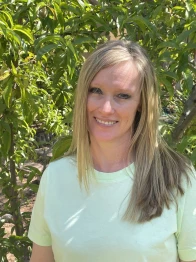
Award-winning, bestselling author, Robbie Cheadle, has published fifteen children’s book and two poetry books. Her work has also appeared in poetry and short story anthologies.
Robbie also has two novels published under the name of Roberta Eaton Cheadle and has horror, paranormal, and fantasy short stories featured in several anthologies under this name.
The eleven Sir Chocolate children’s picture books, co-authored by Robbie and Michael Cheadle, are written in sweet, short rhymes which are easy for young children to follow and are illustrated with pictures of delicious cakes and cake decorations. Each book also includes simple recipes or biscuit art directions which children can make under adult supervision.
Robbie and Michael’s new Southern African Safari Adventures series is aimed at teaching young children about Southern African wildlife in a fun and entertaining way. Each book contains a rhyming verse story about a particular animal, as well as illustrations by Robbie Cheadle, photographs and links to video footage about that animal.
Robbie’s blog includes recipes, fondant and cake artwork, poetry, and book reviews. https://robbiesinspiration.wordpress.com/
Share this:

Book Review: Three Years of Her Life
Posted: November 4, 2023 Filed under: Anthology, Book Review, Books, Fiction, Historical Fiction, Historical Romance, Review | Tags: Book Review, C.E. Robinson, Historical Fiction, Historical Romance, Three Years of Her Life, Writing to be Read 6 Comments
About the Book
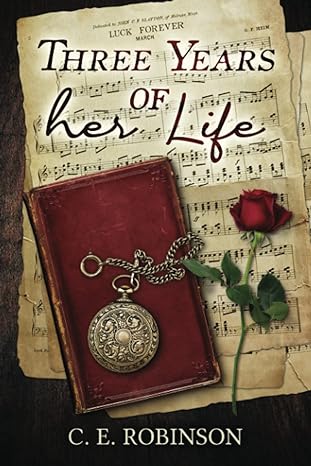
This debut novel is an indelible portrait of family love, trust, commitment, and unrelenting prejudice. A stirring tale that rides the line between historical fiction and romance., inspired by a famous musician’s hidden secret in Germany.
Three Years of Her Life, set in New England and Central Europe, is similar in concern and significant issues to bestselling America epic books of the Great Depression, The Great War and the U.S. South. People and places focused, the novel’s heartwarming and heart wrenching themes mark history in unsettled times.
My Review
The first thing that struck me about Three Years of Her Life, by C.E.Robinson, was the gorgeous cover. I was fortunate to have a print copy gifted to me by the author, which is always a treat. Most of the historical romance I read are westerns, but when well written, I have a taste for it at times. As her debut novel, C.E. Robinson has done a smashing job with this one. This novel was engaging, never losing my interest and I enjoyed every turn of the page. I found myself creating extra opportunities to read this print edition.
A romance set in the 1960s, ventures deeper into the past as Elizabeth and Erik delve into the hidden secrets of Elizabeth’s grandfather, to unravel a mystery dating back to Nazi Germany. What they uncover could unravel her whole family as old predjudices simmer just below the surface, and sometimes boil over into the public eye. Then the past reaches out to touch them both, when Erik is detained in East Germany as they raise the Berlin Wall, and Elizabeth, pregnant with their first child, journeys to West Germany to somehow bring him home. A tale of true love of the purest kind, as Elizabeth does what she must to keep the man she loves.
Mystery, intrigue and danger. Three Years of Her Life has all that and more. This historical romance is thoroughly engaging. I give it five quills.

______________________________________________
Kaye Lynne Booth does honest book reviews on Writing to be Read in exchange for ARCs. Have a book you’d like reviewed? You can request a review here.
Share this:

Dark Origins – A Journal of the Plague Year by Daniel Defoe based on the Great Plague of London, 1665 #DarkOrigins #readingcommunity #history
Posted: October 25, 2023 Filed under: Books, Dark Origins, Fiction, Historical Fiction | Tags: A Journal of the Plague Year, BookReview, Daniel Defoe, Dark Origins, Robbie Cheadle, Writing to be Read 28 Comments
Overview

A Journal of the Plague Year by Daniel Defoe is a most interesting book particularly in light of the recent Covid-19 pandemic that swept the world.
It is written in the first-person as a first hand account of the protagonist’s, identified as H.F. and described as an unmarried saddler, experiences during the great plague that afflicted London in 1665. The story is fiction but it contains detailed statistics of the death bills as the plague started to take hold and over the months of its duration, charts, data and extracts from government documents which make it read like the non-fictional personal diary of someone who was recording the facts and figures of the time.
When the plague first comes to the city, it is contained to certain parishes and is staved off by the colder winter weather, but when late spring and summer arrive, the numbers of the infected and the dead increase significantly. The protagonist is aware that the rich are leaving the city, but he is very religious and believes that God wants him to stay.
He describes how the poor are tricked into purchasing preventative medicines and charms by quack doctors, fortune tellers, and other tricksters. It is interesting that he picks this thread up again later in the book and states that all of these ‘pretenders’ succumb to the plague.
H.F. describes in detail the horror of the plague. How infected people go mad and run naked through the streets until they drop down dead. He describes how the authorities implement a system of the shutting up of houses in terms of which when any member of a household was identified as having being infected, the entire household were locked up in the house and a watchman placed outside the door so they could not escape. The protagonist is not in favour of this system as it results in all the inhabitants of the household becoming infected and dying of the plague. It also results in a lot of desperate bids to escape shut up houses that resulted in the plague spreading further. Interestingly enough, a similar attempt to keep people in their homes during the Covid-19 pandemic also didn’t achieve the expected success and resulted in a huge amount of resistance by people.
H.F. depicts a governing structure in the city that is sympathetic to the situation of the poor and ensures that people have access to bread at a reasonable price throughout the duration of the plague. He goes into a lot of detail about the price of bread versus the weight of the loaves before the plague. The city is kept free of bodies which are collected at night and taken to mass graves.
The protagonist also goes into a lot of detail about the effect of the plague on the people of the city. The grief experienced by survivors who have lost their entire families and who follow their dead loved ones and throw themselves into the mass graves and other ‘infected’ people who effectively kill themselves because of the pain the disease is inflicting on them.
The narrator tells a lengthily story about three brothers who leave the city to escape the plague and meet up with a small band of other people also leaving. The difficulties experienced by Londoners who left the city and attempted to live in the countryside while the plague raged are detailed. The suspicion and lack of welcome by the rural villages and town who do not wish to accept any Londoners into their areas for fear of their carrying the plague, and the lack of shelter, food, and other amenities. The three brothers and their band manage to make a success of it with some help from a local wealthy landowner. They actually outlive a lot of the villagers when the plague does spread out of London and into the surrounding countryside.
Reading this book after the Covid-19 pandemic was fascinating. The parallels between this event more than 350 years ago in London and the experiences and reactions of people during the time of the pandemic are have a dreadful similarity. People turn to religion and to quack remedies, people resist the attempts by authorities to contain the disease by findings ways to escape from their homes, people suffer depression and loss.
This book is certainly not for everyone as it is filled with facts and figures, but I found it very interesting and appreciated the historical information shared.
The Great Plague of 1665 – 1666

The plague that broke out in London in 1665 was the worst outbreak to effect England since the black death of 1348. It is believed at approximately 15% of the population of London died. The recorded deaths were 68,596 but it is believed at least 100,000 people died. The population of the city in 1665 was 460,000.
The plague was carried by fleas on rats and they were attracted to the poorer parts of the city where rubbish and waste filled the streets.
There were three types of plague:
- Bubonic plague that caused swellings (buboes) in the lymph nodes found in the armpits, groin and neck. These sufferers experienced headaches, vomiting and fever. Sufferers had a 30% chance of dying within two weeks.
- Pneumonic plague which attacked the lungs and spread to other people through coughing and sneezing; and
- Septicaemic plague which occurred when the bacteria entered the blood. The chances of survival of this type of plague were very slim.

The treatments and methods of prevention were privative. Patients were bled with leeches. The air was cleansed using smoke and heat as people thought bad air caused the distemper. Children were encouraged to smoke to ward off bad air. Some people sniffed a sponge soaked in vinegar.
When the winter arrived, the plague started to decrease. Scientists believe this was due to people developing a stronger immunity to the disease rather than the great fire of London on 2 September 1666, making any notable impact through the destruction of houses within the walls of the city and on the banks of the River Thames. Many of the plague deaths had occurred in the poorest parishes outside the city walls
On The Plague Year: London, 1665
By DM Lovic
In London Town, the children played, the kittens purred, the flowers bloomed,
The adults laughed, the horses neighed, for no one knew they all were doomed.
Yes, all within the world was right when Death sneaked into town that night.
Beneath a haunted summer moon, upon a flute that whistled flat,
He played a slow, hypnotic tune that summoned every flea and rat
Who came from cellar, slum and glade to march the Devil’s plague parade.
Searching streets from side to side, the weakest souls with sword he struck,
Then left a token on their hide to signify the loss of luck.
For no one touched would e’er be saved, ‘twas six mere hours from spot to grave.
The wealthy fled to distant hills, doors were bolted, shutters locked,
But none could stop the morbid chills when death stood on the stoop and knocked.
Inside, they wept and fought with fate but, patiently, he’d smile and wait.
Sickness turned into despair, howls of terror, dreadful shrieks,
They echoed through the London air for weeks and weeks and weeks.
But panicked cries and wailing tears were only music to his ears.
One ghastly year that madness reigned and when Death fin’ly had withdrawn,
The price was tallied and explained: one hundred thousand souls were gone.
And London Town, in stark reverse, returned to life without the curse.
On city streets, the children played, the kittens purred, the flowers bloomed,
The adults laughed, the horses neighed, for every soul knew he was doomed.
From: The Poetry Nook
About Roberta Eaton Cheadle

Award-winning, bestselling author, Roberta Eaton Cheadle, is a South African writer and poet specialising in historical, paranormal, and horror novels and short stories. She is an avid reader in these genres and her writing has been influenced by famous authors including Bram Stoker, Edgar Allan Poe, Amor Towles, Stephen Crane, Enrich Maria Remarque, George Orwell, Stephen King, and Colleen McCullough.
Roberta has two published novels and has horror, paranormal, and fantasy short stories included in several anthologies. She is also a contributor to the Ask the Authors 2022 (WordCrafter Writing Reference series).
Roberta also has thirteen children’s books and two poetry books published under the name of Robbie Cheadle, and has poems and short stories featured in several anthologies under this name.
Roberta’s blog features discussions about classic books, book reviews, poetry, and photography. https://roberta-writes.com/.
Find Roberta Eaton Cheadle
Blog: https://wordpress.com/view/robertawrites235681907.wordpress.com
Twitter: https://twitter.com/RobertaEaton17
Facebook: https://www.facebook.com/robertawrites
Amazon: https://www.amazon.com/Roberta-Eaton-Cheadle/e/B08RSNJQZ5
_____________________________________________________________________________________________
Want to be sure not to miss any of Robbie’s “Dark Origins” segments? Subscribe to Writing to be Read for e-mail notifications whenever new content is posted or follow WtbR on WordPress. If you found it interesting or entertaining, please share.
Share this:

Dark Origins – The Second Mrs Astor, New York high society and the sinking of the Titanic
Posted: June 28, 2023 Filed under: Books, Dark Origins, Fiction, Historical Fiction, Historical Inspiration, history | Tags: Dark Origins, Historical Fiction, Robbie Cheadle, Shana Abe, The Second Mrs. Astor, Writing to be Read 44 Comments
The Titanic has been in the press again recently and has claimed five more lives. If you are out of the loop about this disaster, you can read about it here: https://www.reuters.com/world/search-intensifies-titanic-sub-with-only-hours-oxygen-left-2023-06-22/.
This disaster prompted me to write about a book I recently read, The Second Mrs Astor, and its dark origins.
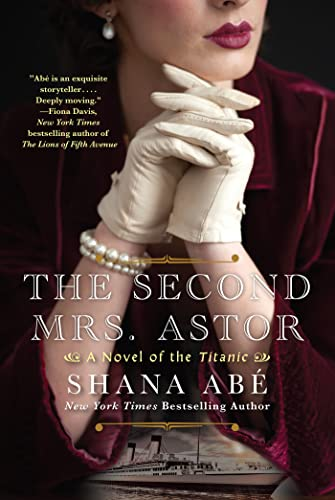
The Second Mrs Astor is a work of historical fiction by Shana Abe. It depicts the romance between the hugely wealthy John Jacob Astor IV and his second and very young wife, Madeleine Force Astor.
There are two aspects to this extraordinarily fine piece of fictionalised history that caught my attention: the snotty and superior attitudes of New York society created by John Astor IV’s mother, Caroline Schermerhorn Astor, and the sinking of the Titanic which claimed the lives of John Astor IV, his valet, and his dog, Kitty. Madeleine Force Astor, who was pregnant at the time, survived the disaster.
A History of New York’s high society in the late 19th century
New York high society started with The Four Hundred, a list of New York’s biggest names which achieved highly-coveted invitations to one of Mrs Caroline Astor’s most lavish parties in her Fifth Avenue mansion. At this time, called the Gilded Age, the Astor family were considered to be Manhattan’s old money – being one of the first Dutch settlers on the island, and they held the prestigious title of a true ‘Knickerbocker’ or a native New Yorker.
Caroline Astor was the ultimate authority of New York society at the time and many high-profile names from America’s 1 percent competed for a seat at her table. Once of these people was Ava Belmont, previously Ava Vanderbilt from the Vanderbilt railroad fortune, who tried to overthrow Caroline Astor thereby creating the most notorious high society rivalry in the late 19th century.
New York high society owned lavish summer homes in Newport, Rhode Island and enormous mansions in the heart of Midtown Manhattan and were known for their extreme extravagance.
Early romance between John Astor IV and Madeleine Force
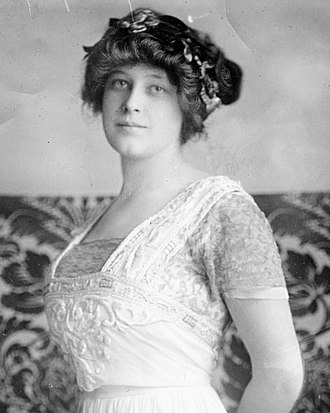
Madeleine Force was 17 years old when she met John Astor IV. She came from a wealthy family who were part of Brooklyn high-society but was several rungs down the social ladder from the Astor’s.
At the time, John Astor IV was 47 years old and a divorcee with two children. At that time, divorce was considered to be scandalous by the clergy and high society.
Madeleine Force accepted John Astor IV’s marriage proposal despite the open disapproval of his societal circle and the malignant scrutiny of the press.
The early part of the couples marriage made for sad and difficult reading as Madeleine struggles to cope with social ostracism. This all happens against a background of outrageous privilege and extravagance. Both aspects made me angry as a reader.
The pair then went on an extended honeymoon to Egypt and elect to return to New York on the Titanic.

The sinking of the Titanic

Madeleine Astor was five months pregnant when she boarded the Titanic with her husband at Cherbourg, France. They were first class passengers. On the night of the 14th of April 1912, John Astor woke his wife and informed her that the Titanic had hit an iceberg. He reassured her that the damage did not seem serious, but he made her put on a life jacket. Madeleine Astor, her nurse and maid managed to board lifeboat 4 by crawling through the first-class promenade window. John Astor asked if he could accompany his wife as she was pregnant but his request was refused.
John Astor and his valet died in the sinking and his body was recovered on the 22nd of April.
The author’s descriptions of life aboard the Titanic before it struck the iceberg, and of the three hours during which the great ship sank are very compelling. I felt as if I was on that ship experiencing the cold, fear, and loss.
Of the estimated 2,200 people aboard the Titanic more than 1,500 died.
A quote from The Second Mrs Astor:
“The best memory I have about Titanic was that she was so large. So epic. I never felt any swaying or bobbing or turbulence to interfere with my meals, my sensitive appetite, or my slumber. I never felt any sort of vulnerability aboard that ocean liner, right up until the very end. I imagine that’s a blessing, don’t you? Whoever wants to know how it’s all going to end before it actually does? Only poets and madmen, I would think.”
Conclusion
Most people know something about the sinking of the Titanic so I haven’t gone into a lot of detail in this post. I was so captivated by this book, I did my own research to determine how much of the Astor love story was fictionalised and how much was based on truth. It does seem that the Astor’s really were in love and it was a great romance. Madeleine Astor never really recovered from the shock and horror of that fateful night and while her death at the age of 46 is recorded as heart failure, it is believed she died of a drug overdose.
One interesting survival story I came across during my research related to the chief baker on board the Titanic called Charles Joughin.

Ahead of the actual sinking of the Titanic, Charles Joughin imbibed significant amounts of alcohol. When the ship started sinking, the baker stepped off the stern of the vessel. As 1,500 screaming and panicked people froze to death around him, he continued to paddle in the water until dawn when he was picked up by a lifeboat. Within a few days, he was back at work.
Rather a remarkable story.
About Roberta Eaton Cheadle
Award-winning, bestselling author, Roberta Eaton Cheadle, is a South African writer and poet specialising in historical, paranormal, and horror novels and short stories. She is an avid reader in these genres and her writing has been influenced by famous authors including Bram Stoker, Edgar Allan Poe, Amor Towles, Stephen Crane, Enrich Maria Remarque, George Orwell, Stephen King, and Colleen McCullough.
Roberta has two published novels and has horror, paranormal, and fantasy short stories included in several anthologies. She is also a contributor to the Ask the Authors 2022 (WordCrafter Writing Reference series).
Roberta also has thirteen children’s books and two poetry books published under the name of Robbie Cheadle, and has poems and short stories featured in several anthologies under this name.
Roberta’s blog features discussions about classic books, book reviews, poetry, and photography. https://roberta-writes.com/.
Find Roberta Eaton Cheadle
Blog: https://wordpress.com/view/robertawrites235681907.wordpress.com
Twitter: https://twitter.com/RobertaEaton17
Facebook: https://www.facebook.com/robertawrites
Amazon: https://www.amazon.com/Roberta-Eaton-Cheadle/e/B08RSNJQZ5
_____________________________________________________________________________________________
Want to be sure not to miss any of Robbie’s “Dark Origins” segments? Subscribe to Writing to be Read for e-mail notifications whenever new content is posted or follow WtbR on WordPress. If you found it interesting or entertaining, please share.
Share this:

WordCrafter News: Book Release, Blog Tour & Independence Day Sale
Posted: June 26, 2023 Filed under: Anthology, Blog Tour, Book Promotion, Book Release, Book Sales, Books, Dark Fantasy, Dystopian, essays, Fairy Tales, Fantasy, Fiction, Ghost Stories, Historical Fiction, Magical Realism, Romantic Comedy, Science Fiction, Short Fiction, Speculative Fiction, Stories, Urban fantasy, WordCrafter Book Blog Tours, WordCrafter News, WordCrafter Press 11 Comments
The Winners of the WordCrafter Small Wonders Book Blog Tour Giveaway
We had a great tour last week for my debut poetry collection, Small Wonders. A full week of guest posts and poetry readings, DL Mullan interviewed me, and even a couple of reviews. Now it’s time to announce the winners of the WordCrafter Small Wonders Book Blog Tour giveaway.
And the winners are….
Drumroll Please
- dg kaye
- Beetly Pete
- Brenda Marie Fluharty
New Release from WordCrafter Press
This is How We Grow: Reflections for Perspective Shaping, compiled and edited by Yvette Prior will be released on July 18, 2023.
About This Is How We Grow

The way we think and behave is impacted by mental filters. Understanding how people experience the world can lead to positive outcomes.
This is How We Grow brings you into the world of diverse authors to help expand outlook, cultivate empathy, and explore components of concious experience and mental filters. The way we see the world is impacted by many variables.
This book aims to increase the reader’s ability to take the perspective of others through essay, story, and poetry. Cognitive empathy is a crucial component of social problem solving and conflict avoidance.
The WordCrafter This is How We Grow Book Blog Tour

The WordCrafter This is How We Grow Book Blog Tour will run July 17-21, 2023. We will have guest posts from contributors, audio excerpts, an author/editor interview, reviews and a great giveaway. It is a wonderful book and it’s going to be a fabulous tour, so I hope you will join us.
_______________________________________________________

Once Upon an Ever After: https://books2read.com/u/mKdWGV
Refracted Reflections: https://books2read.com/u/3kPyxn
Visions: https://books2read.com/u/49Lk28
Share this:

WordCrafter Mother’s Day Sale: Delilah
Posted: May 8, 2023 Filed under: Adventure, Book Promotion, Book Sales, Books, Fiction, Historical Fiction, Historical Inspiration, Western, Women's Fiction, WordCrafter Press 7 Comments
Purchase Link: https://books2read.com/DelilahWIW
Moms love strong female protagonists
Delilah is a woman haunted by her past.
Her homecoming from prison quickly turns into a quest for vengeance when she is brutally raped and left for dead, and her fourteen-year-old ward is abducted. Sheer will and determination take this tough and gritty heroine up against wild beasts of the forest, Indians and outlaws to Leadville, Colorado.
Can the colorful inhabitants of the Colorado mining town work their way into Delilah’s heart, offering a chance for a future she thought she’d lost along with her innocence?
If you like strong and capable female protagonists, you’ll love
Learn more about Deliah and the Women in the West Adventure Series here: https://writingtoberead.com/wordcrafter-quality-writing-author-services/wordcrafter-press/women-in-the-west-adventure-series/
Share this:

The Final Stop on the WordCrafter “Delilah” Book Blog Tour
Posted: March 24, 2023 Filed under: Adventure, Audio Excerpt, Blog Tour, Book Promotion, Book Release, Books, Fiction, Giveaways, Historical Fiction, Western, Women's Fiction, WordCrafter Book Blog Tours 2 Comments
To wrap up the WordCrafter Delilah Book Blog Tour, I thought we’d explore the Indian characters featured in Delilah. Baby Doe Tabor isn’t the only historic character featured in the book, although Old Sugar isn’t well known. In fact, most people have probably never heard of her at all. The Ute characters were intended to be representative of the Indian population in Colorado, but somehow, they worked their way into my heart and became an integral part of the story.
The Ute Indians
The Ute Indians once roamed on lands spread over the Great Basin and central and southern mountains of Colorado, but by the 1860s, they had been split up into three amalgamated bands, the Uncompahgre, the Weenuche, and the White River band. In 1881, they began relocation of the White River an Uncompahgre Utes, following the 1879 Meeker masacre at the White River Indian Agency. Delilah’s Ute friends, Eagle Feather, Old Sugar, and Dancing Falcon are from the White River band, which were all relocated to a reservation in eastern Utah by the 1890s. When Delilah meets the Ute family, it is 1882, and they are holdouts, who resisted the relocation and lived independently, near Leadville.
Old Sugar
Old Sugar was a true to life historical person, who inspired the character of the same name, but she never lived in Leadville. Old Sugar would sit outside the general store all day and she would lash out with her knife and cut any white man who got too close to her. It seems the store keeper tried to make her leave once and she came after him, so they had little choice but to let her sit there and give her a wide berth. I had to wonder why. Why was she sitting there? Why did she hate white men enough to lash out that way? Why didn’t she gety up and move to a less populated spot? I found her to be interesting, and I just had to make her a character and move her to Leadville to make the acquaintance of Delilah. She’s not really a supporting character, but her role turned out to be larger than I imagined when I created her character.
Eagle Feather
Eagle Feather, Old Sugar’s son and Dancing Falcon’s father, originally existed only in the background as a washed up brave who had turned to the bottle as he watched everything be taken from his people, but he ends up playing an important role, when Delilah finds she needs his help to save the mine payroll and rescue his son. When I wrote Eagle Feather and Old Sugar into the story, I didn’t realize what a big role either would play. They were both intended to be interesting characaters which represented the Ute presence in Colorado at the time.
Dancing Falcon
I just love the character of Dancing Falcon. I loved writing him and I enjoy going back and reading him, which is why he easily became a supporting character right from the start. Dancing Falcon is a wise old twelve year old, who knows a lot about the goings on in Leadville and about the Ute ways. His purpose in the story is to offer Delilah guidance and fill her in on what she needs to know, but he becomes an integral part of the story. It is because of Dancing Falcon that Delilah becomes Grizzly Woman and is adopted into the Ute tribe.
An Excerpt from Delilah
Final Thoughts
Well, that’s about all for the WordCrafter Delilah Book Blog Tour. Thank you all for joining in the fun. I hope you all have picked up an interesting piece of history or found my writing and researching for this series helpful in some way. I’ve certainly enjoyed writing the posts and discussing the books and the characters with you. Remember, you can enter the giveaway at each stop for more chances to win, and if you missed a stop, you can follow the links below to stop by and check it out. I’ll be closing out the contest tomorrow, 3/24, so there may still be time to get in on it. And I’ll be announcing the winner in my post for Monday 3/27.
Delilah Tour Schedule
Mon. 3/20 – Opening Day Post– Writing to be Read/ Guest post (Baby Doe Tabor/Delilah) – The Showers of Blessings
Tues. 3/21 – Interview with author Kaye Lynne Booth / Review – Robbie’s Inspiration
Wed. 3/22 – Guest post (Big Nose Kate/Sarah) – BookPlaces
Thurs. 3/23 – Guest post (“Aunt” Clara Brown/Marta) – Roberta Writes
Fri. 3/24 – Closing Post (Ute Indians of Colorado in 1880s/Delilah Excerpt) – Writing to be Read
References
Ute History and the Ute Mountain Tribe. Colorado Encyclopedia. Retrieved from https://coloradoencyclopedia.org/article/ute-history-and-ute-mountain-ute-tribe
Meeker Incident. Colorado Encyclopedia. Retrieved from https://coloradoencyclopedia.org/article/meeker-incident
_________________________________________________________________
About the Author
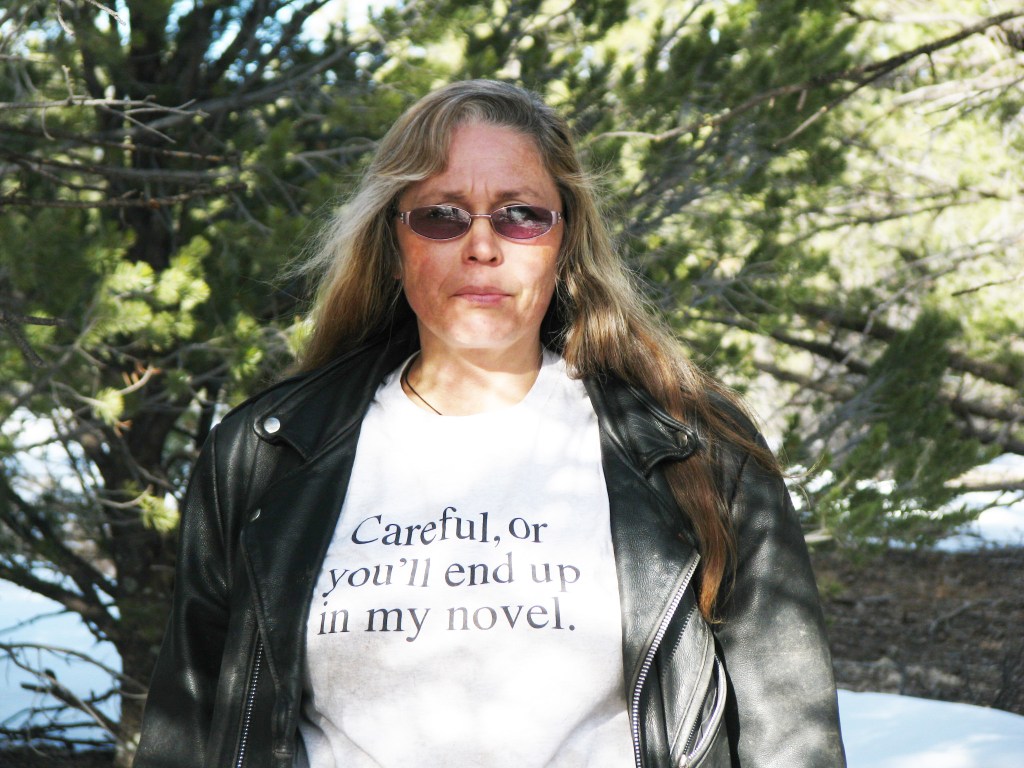
For Kaye Lynne Booth, writing is a passion. Kaye Lynne is an author with published short fiction and poetry, both online and in print, including her short story collection, Last Call and Other Short Fiction; and her paranormal mystery novella, Hidden Secrets. Kaye holds a dual M.F.A. degree in Creative Writing with emphasis in genre fiction and screenwriting, and an M.A. in publishing. Kaye Lynne is the founder of WordCrafter Quality Writing & Author Services and WordCrafter Press. She also maintains an authors’ blog and website, Writing to be Read, where she publishes content of interest in the literary world.
_________________________________________________________________________
Book your WordCrafter Book Blog Tour today!
Share this:

Day 3 of the WordCrafter “Delilah” Book Blog Tour
Posted: March 22, 2023 Filed under: Book Release, Books, Fiction, Historical Fiction, Western, Women's Fiction, WordCrafter Book Blog Tours | Tags: Delilah, Historic Fiction, Western, Women's Fiction, WordCrafter Book Blog Tours Leave a comment
Day 3 of the WordCrafter Delilah Book Blog Tour finds us over at Kay Castenada’s Book Places with a guest post from me about the historic supporting character which will be featured in Sarah: Book 2 of the Women in the West adventure series, “Big Nose” Kate Elder, companion of the infamous Doc Holliday. Join us for the fun, and be sure to leave a comment for a chance to enter the giveaway. See you there!
Share this:

Welcome to the WordCrafter “Delilah” Book Blog Tour
Posted: March 20, 2023 Filed under: Blog Tour, Book Promotion, Book Release, Fiction, Historical Fiction, Western, western romance, Women's Fiction, WordCrafter Book Blog Tours, WordCrafter Press | Tags: Delilah, Historic Fiction, Kaye Lynne Booth, Western, Women in the West adventure series, Women's Fiction, WordCrafter Book Blog Tours 5 CommentsI’m excited to welcome you to the WordCrafter Delilah Book Blog Tour. We’ve got interesting behind the scenes posts from all three books in the Women in the West adventure series at each stop, which introduce you to some of the characters in the series, Robbie Cheadle shares an author interview, a couple of reviews, and I think there’san excerpt from Delilah in there somewhere. Maybe I should just post the schedule here. I’ll post it with links, but they won’t work until each post goes live.
Tour Schedule
Mon. 3/20 – Opening Day Post– Writing to be Read/ Guest post (Baby Doe Tabor/Delilah) – The Showers of Blessings
Tues. 3/21 – Interview/Review – Robbie’s Inspiration
Wed. 3/22 – Guest post (Big Nose Kate/Sarah)/Review – BookPlaces
Thurs. 3/23 – Guest post (“Aunt” Clara Brown/Marta)- Roberta Writes
Fri. 3/24 – Closing Post (Ute Indians of Colorado in 1880s/Delilah Excerpt) – Writing to be Read
Follow the tour and learn more about Delilah and the Women in the West adventure series, with an opportunity to enter the giveaway at every stop.
Delilah Give Away
I’m giving away two digital copies,
and one signed print copy
of
Delilah
Leave a comment to enter.
Multiple entries are allowed,
so leave a comment at each stop for more chances.
The Trailer
On with the tour…
Our first stop on the tour is over at Miriam Hurdle’s The Many Showers of Blessings, with a guest post from me on the historical supporting character in Delilah, Baby Doe Tabor. So, follow the link for a behind the scenes post from Delilah.
__________________________________________________
Book your WordCrafter Book Blog Tour today!
Share this:

Writer’s Corner: My First Kickstarter
Posted: March 6, 2023 Filed under: Book Promotion, Books, Fiction, Historical Fiction, Kickstarter, marketing, Women's Fiction, WordCrafter Press, Writer's Corner | Tags: Delilah, Kaye Lynne Booth, Kickstarter, Women in the West adventure series, Writer's Corner, Writing to be Read 5 Comments
A Kickstarter campaign allows authors to find supporters who believe in thier work and want to support them, and it is a method of direct sales for authors, which allows us to cut out the middle-man distributors and their percentage and make more money from our books. But it is also a platform where readers and fans can get some really cool stuff for their supporting dollars. It’s just a “Give me… Give me… Give me…” platform, but one where it is our job to make sure our fans and readers can get a good value for their buck, providing cool rewards in exchange for monetary support of the project. It is similar to the famous artists of the past, who found patrons to support them and their works, so they would have the time to create their art. A Kickstarter campaign is a similiar type of patronage available to authors. And what’s really cool is, we’re not begging, we’re selling books and other cool stuff without the middle man. No book distributors to take their cut. Of course, Kickstarter gets a cut, but the also provide the platformand tools to run a successful Kickstarter campaign, and the analytics to measure your succcess, which, I think, is well worth it. (More on direct selling with Kickstarter here.)
In Jaunuary, I ran my first Kickstarter for Delilah and the Women in the West adventure series. The goal I set was $500 and I decided on a thirty day campaign.
This series has three books planned so far, each featuring a strong female protagonist and appearances by historic female characters. Delilah is a western, but it is also historic women’s fiction and will appeal to all three audiences. Delilah was my first novel to be published, but the publisher really didn’t get what Delilah is all about, because they billed it as western romance. Although there is a romance thread running through this story, it’s not the main thread. Western romance is not a good way to categorize this book and it did not do well. When my contract ran out, I decided to revise it, making it read closer to my original story. I guess you could say this is the “unimproved” version, that goes back to before I veered from my original plot line. As I did the rewrite, I realized that there were other characters in this story who bear to have their stories told, and the idea for the Women in the West adventure series was born. But, this post is about the Kickstarter campaign experience rather than the books, and I’m veering from the topic.
So without further ado, let’s take a look at my Kickstarter campaign, what I might have done wrong, and what I might have done right.
How a Kickstarter campaign works
Kickstarter was designed with the creative economy in mind, before it was labeled the creative economy. You start with a project. In my case, it is Delilah, which is book one of my Women in the West adventure series. I chose this project because the book is finished, and already scheduled for release on March 21, so I knew for sure that I would be able to deliver the goods.
Once the campaign launches, your readers, fans, and others who would like to support your work can pledge their support at the different reward levels you’ve set up, or pledge for any amount, just because they believe in your project. I set up three levels: $5 with an early digital copy of the book, $25 with a signed print copy, and $50 with an opportunity to name a character in book two.
You can also offer add-ons for each level so they can get even more cool stuff if they choose, because you want to offer your fans as much value as possible, since this is a method for direct sales, not digital pan handling. I offered a PDF copy of my short story, “Don’t Eat the Pickled Eggs”; an audio reading of my flash fiction Western story, “I Had to Do It”; and an interview with Delilah.
You set a goal for the amount you need to raise. You don’t want to set it too high, because Kickstarter is an all or nothing deal. If you don’t reach your goal by the end of the campaign, your backers don’t have to pay anything and you don’t have to deliver anything. However, if you make it and are funded then you get anything over your goal amount, minus Kickstarter’s cut, of course.
I was fortunate to be able to follow Kevin J. Anderson’s Kickstarter campaign for his book, Double Booked and his Dan Shambles Zombie P.I. series, from start to finish and it was amazing. His Kickstarter funded within the first 36 minutes, which I thought was phenomenal. His campaign was one of the things that made me decide to give Kickstarter a try.
My Kickstarter Experience
I sent out media blasts in December announcing the pre-launch page, which received a total of five folks signing up to be notified when the campaign launched, which I did not take to be a good sign, but I figured that it could be because the pre-launch page did not reveal the rewards offered for supporting the campaign.
On launch day, I published a blog post about the campaign, asking for people’s supportand sending out social media blasts on Facebook, Twitter, LinkedIn, and Pintrest. I also sent out a newsletter dedicated to the Kickstarter on opening day to alert my readers to the campaign. And, I know of several individuals who sent out social media blasts on my behalf. I even went out on a limb with some paid advertising aimed at super backers, for a minimal amount, since it was my first time using Kickstarter. Now if my campaign didn’t fund, I’d be in the hole, but I wanted to do everything I could to make this a successful campaign.
That first day, the campaign only funded 13%, but I was thankful that I had even a few backers. I launched on January 3, which was News Year’s Day (observed), so technically, still a holiday, so people may not have been back on social media. It went up to 19% on the second day, and it stayed there through day 4, when it went up to 20%. I sent out more social media blasts to promote the campaign. Then I watched and waited… And waited… And waited… But it stayed at 20%. I really started to worry.
What if it didn’t fund? Then all my hard work would be for naught. And a Kickstarter campaign is work, make no mistake. I know I’m not Brandon Sanderson, or even Kevin J. Anderson. I didn’t expect my campaign to fund within 23 minutes. But this was ridiculous. I couldn’t even get a quarter of the way to my modest goal of $500. I tried to keep a positive outlook, but it was frustrating.
I was driving myself nuts, checking the status of the campaign several times a day, so I vowed to stop, and instead, watch for the morning and evening updates from Kickstarter in my email inbox. My constant checking couldn’t make people want to support this project. They would come on thier own, if they were going to. I had known that the possibility of not being funded existed going into this. All I could do was wait…, and see what would happen.
I sent out more media blasts. I checked my twice daily updates. There’s was still no change by Day 8. I emailed Kevin, because he’s the only author I know of who has actually done a Kickstarter, and even though he is no longer my professor, he is a really nice guy, so he sent out an additional blast and sent me suggestions of things to try.
Day 10, and still no growth. What was I doing wrong? Are the rewards I’ve chosen to offer not appealing? Am I missing the mark with my target audiences? Was I targeting the wrong audiences? Is there really only five people out there who believe in me and my work enough to support me? All these thoughts were going through my head.
Friday the 13th saw the project past the 20% mark, which made me feel a little better, even if it was only up to 23%. And on the 15th, the campaign bumped up to 34%, which was downright heartening. It was a single pledge, at the $50 level – the first pledge I’d had at that top level. That fact was exciting to me, in and of itself.
Then, on the 16th, there was no growth once more, and I bagan to forsee another stall just below the $200.00 mark. I knew I wasn’t going to fund on the first day, like better known authors might, but I had thought that I would be funded by the halfway mark, so I could relax and have fun adding stretch goals and rewards. I wasn’t expecting to still be trying to reach the origianl goal at this point in the game, so I couldn’t help but to be feel a bit disappointed. I had a total of eight backers. Was there really so few people that believe in me and this project? So again, I waited… and waited… and waited some more.
I boosted a post on Facebook, in hopes of pulling in some more backers. Although it showed that people were engaging with the post, it didn’t seem to be bringing me any new backers. Was it because I chose a western for my project? I knew my covers for these books weren’t great, but if funded, some of that money was to go for improving the cover design. The boost ran out on the 26th, with a reach of 86, an engagement of 168, thru plays of the video 162 and one click through. The numbers didn’t seem to say the boost did all that great, even if the one clickthrough decided to back the project.
Heavy Competition
On the 18th, Kevin J. Anderson launched his Kickstarter for Dragon Business & Skeleton in the Closet, and his campaign funded almost immediately. By the time I checked in around noon, he already had double the goal that he’d set. I was definitely doing something wrong. I was still stalled at 34%, which might as well have been 0%, because if mine didn’t fund and reach my $500 goal, I wouldn’t recieve anything. Of course, it could still fund, but there was only 13 days left, and I wasn’t even close to halfway there.
I took a look at KJA’s successful Kickstarter campaign. His covers are very colorful, his story is humorous medievil fantasy, and one must keep in mind that his fan base is huge and he has worked to build it for many years. The campaign Dragon Business & Skeletons in the Closet gained 200 backers in two days. Mine was 20 days in and I had a total of 12 backers.
The one that I followed from behind the scenes for Double-Booked and the Dan Shamble P.I. series also featured colorful covers for humorous tales of fantasy or speculative fiction, and Delilah and the Women in the West covers are almost montone, with a minimal amount of color, and then they are westerns. Perhaps I picked the wrong project for my Kickstarter campaign. At the very least, I wasn’t getting it in front of the correct target audience.
Heading this section “Heavy Competition” is a bit misleading. It would be a joke to compare my Kickstarter campaign to Kevin J. Anderson’s. His has multiple support levels, with a variety of rewards such as personalized messages from the author, and mugs and tee-shirts featuring the very cool artwork connected to the cover art, with a numerous variety of add-ons available. Once his campaign funded on the first day, he began adding stretch goals, which means backers get even more more cool stuff as he reaches each one, if I understand them correctly. And his video attains a level of professionalism which I can’t hope to reach with my very limited skills in this area.
My three support levels and rewards couldn’t compare in any manner. My campaign goal was $500 and I couldn’t hope to launch a campaign the caliber of his, which was earning literally thousands of dollars, well exceeding his $2000 goal. But that didn’t mean I couldn’t learn from it.
Desperate Measures
On the 20th, I sent out an email blast manually to other authors I have worked with, asking for their support. I just came out and said that I was stuck at 34% funded and asked them to help me reach my goal. I had to do something to find backers for this project. It is a good project, (I think), but I needed a little over $300 still to reach my goal. And the next morning, I woke up to find I had 2 new backers from the email of the night before, so maybe it wasn’t such a bad idea. I still wasn’t fully funded, but it brought me over the $200 mark (41%), and got things moving in the right direction once more. Later that day, I gained another backer, pushing it up to 43%. It seems those $5 pledges add up. It wasn’t a lot, but I was quite happy to have made even this much progress. Yet, I also knew I still had a long way to go and the clock was ticking. There were only 10 days left in which to find enough backers.
The email blast brought out at least a few more backers. It was the best results I’d had from everything I had tried so far, so on the 22nd, I sent out another blast to folks on my other email contacts. This email was older, and had people in the contacts who I hadn’t contacted in a while and may not have made the switch to my new WordCrafter email. I knew each one of them, so even though it might be coming out of the blue, they weren’t cold calls. I got a couple of new backers out of that, bringing the project up over the half-way mark, (51%), but with only eight days left, I had my doubts that it would bring enough. It just didn’t look very promising.
I did have one recipient who recieved a message from the second blast, from my older email, who promptly notified me that I’d been hacked. Since I don’t usually send out form letters in email blasts, she was sure someone else must be behind it. She was looking out for my best interests, and I appreciated that. Even though I wasn’t asking something for nothing, and I was offering some appealing rewards, or at least I thought I was, this was beginning to feel like a I was just saying, “Hey, give me money.”
The 24th brought some excitement, with a second $50 pledge, bring the campaign to 63% funded. I was getting closer to my goal. I’d still need to find backers for another 37%, but I was closer. It was a brighter outlook than I’d had recently, as I was thinking I wouldn’t have a chance to make it. Now, it suddenly seemed more of a possibility again. This up and down Kickstarter rollercoaster was crazy. It seemed it might be easier to just send out posts and emails saying, “Buy my book!” Buy my book!”
Waiting for something to happen to raise the bar toward the goal was excruciating, and the days drug out as nothing significant happened. I knew I needed to make something happen, so I sent out one last blast on Facebook to see if I couldn’t muster some more support. I still saw no growth.
In the end, being stalled at 63% wasn’t that much better than being stalled at 34%, because neither of them can make a successful Kickstarter campaign. It’s 100% or nothing, and with only two days left, it was looking more and more like it would be nothing.
On the 30th, I put out a last ditch effort to fund this project by putting out a plea in my WordCrafter News post. And I sent out another small media blast with a ticking clock. There was only one day left in the campaign, but it could fund in that time. It’s not likely that a rush of backers would show up at the last minute and save the campaign, but it could happen, so I put it out there. At this point, things looked bleak.
At the 36 hour mark, I recieved another pledge at the top tier, which brought it up to 80% funded, leaving only $99 to go. With 36 hours left, it was possible, but not probable. But this was really close to the goal. Closer than I thought it would get as I watched of the past couple of weeks. I allowed my hopes to be raised a little, but deep down, I feared that it wasn’t enough.
Final Outcome
It came down to the final day of the campaign and the campaign was still stalled at 80%. It was close, but close doesn’t make a successful campaign. I intentionally did not check my Kickstarter pages again until we were down to the 3 hour mark. When
I finally did check in, I was pleasantly surprised to have moved up to the 90% mark. Now this was exciting.
The last needed $50 pledge came in with 2 hours left to go, and the campaign funded. I think I was in shock, at first. I’d been resigned to it not funding, and now here I was fully funded. I had an additional pledge come in My Kickstarter campaign was successful!
Acknowledgements
A successful Kickstarter doesn’t happen without the people who believe in it enough to back it. These are the external backers, which means they were not generated within the Kickstarter platform, but their support was the result from something I did to promote the campaign. I believe most of these backers were generated from the email campaigns which I sent out. In other words, I know these folks in some capacity, some in person, and others across vast distances over the internet, and that makes it more personal. These are the people which I’m lucky to have in my corner.
A big thank you to:
- Cheryl Boyd – my best friend from junior high
- Kevin J. Anderson – my friend and mentor
- Robbie Cheadle – blog teammate, WordCrafter Press author, and multiple anthology contributor
- Nancy Oswald – author friend
- Christy Burmingham-Reyes – blog follower
- Sara Wesley McBride – an anthology contributor and writing friend
- Kieth Hoskins – an contributor to multiple anthologies
- Ligia deWit – anthology contributor
- Amy Cecil – anthology contributor and author friend
- Mark Leslie Lefebvre – anthology contributor and author friend
- Marie Whitaker – WordFire Press contact and author friend
- James Richards – a WordCrafter Press author
- Avily Jerome – anthology contributor
- Tim & Wanda Ward – friends and neighbors
- Miriam Hurdle – blog tour host and anthology contributor
Also, a big thanks to those who supported the campaign in non-monetary ways, such as spreading the word to garner support for the campaign. In promoting the campaign, I said repeatedly that all support was appreciated, and I meant that, including social media blasts, retweets and sharing on social media. Although I don’t have names for all of you, since these things went on behind scenes and there are probably many who I don’t even know about, but I thank you all so much for your support. I could not have done it without you.
Lessons Learned
Kickstarters are a lot of work. I knew that going into this, after watching behind the scenes for KJA’s campaign, so that was no surprise. Most of the people I know who supported the campaign are not big western fans. But enough people believed in me, and believed in this project, that it was able to fully fund in the end.
There are many things which could have affected negatively on my campaign: choosing to run a Kickstarter at the beginning of January, on the heels of the holiday season; chosing a project in the western genre; not spending more on paid advertising, etc…
But my analysis leads me to believe that I failed to reach my target audience effectively for this cross-genre series, which should appeal to lovers of westerns, and women’s fiction and even those who enjoy historical ficton, but it seems I missed the mark in the promotions. I thought I would reach a wider audience, since this series has strong female protagonists, bringing it into both the women’s fiction and historical fiction realms. Maybe, I don’t know how to find my target audience, but I will keep searching for them. An author friend of mine thinks I may be using the wrong social media channels, and suggested that I launch myself on Tik-Tok to tap into my target audience. Maybe I’ll consider it in the future, but for now, I must continue on my planned path and give things time to work out.
Kickstarter can be a successful way of direct selling. Not all campaigns will be as successful as KJA’s campaigns, but this proves that even the little, unknown, independent authors like me can have a successful campaign. Maybe my audience wasn’t big enough? Maybe I wasn’t reaching the right audience? Perhaps a different project would have done better. Maybe I’ll try again in the future with a different book, different genre and see what happens. Maybe…
____________________________________________________________
The release date for Delilah is March 21, 2023. You can preorder a digital or print copy from your book distributor of choice here: https://books2read.com/DelilahWIW
Delilah is a woman haunted by her past.
Her homecoming from prison quickly turns into a quest for vengeance when she is brutally raped and left for dead, and her fourteen-year-old ward is abducted. Sheer will and determination take this tough and gritty heroine up against wild beasts of the forest, Indians and outlaws to Leadville.
Can the colorful inhabitants of the Colorado mining town work their way into Delilah’s heart, offering a chance for a future she thought she’d lost along with her innocence?
If you like strong and capable female protagonists, you’ll love Delilah.

_________________________________________________________________

For Kaye Lynne Booth, writing is a passion. Kaye Lynne is an author with published short fiction and poetry, both online and in print, including her short story collection, Last Call and Other Short Fiction; and her paranormal mystery novella, Hidden Secrets. Kaye holds a dual M.F.A. degree in Creative Writing with emphasis in genre fiction and screenwriting, and an M.A. in publishing. Kaye Lynne is the founder of WordCrafter Quality Writing & Author Services and WordCrafter Press. She also maintains an authors’ blog and website, Writing to be Read, where she publishes content of interest in the literary world.
_____________________________________________________________________
Want exclusive content? Join Kaye Lynne Booth & WordCrafter Press Readers’ Group for WordCrafter Press book & event news, including the awesome releases of author Kaye Lynne Booth. She won’t flood your inbox, she NEVER will sells her list, and you might get a freebie occasionally. Get a free digital copy of her short story collection, Last Call and Other Short Fiction, just for joining.




















