In my publishing courses at Western State Colorado University, my instructors and mentors, Kevin J. Anderson and Allyson Longuiera have introduced us to several useful podcasts for independent authors and/or publishers and I’d like to share them with you here.
Hosts Dan Wells, Mary Robinette Kowal, Peng Shepard, and Howard Taylor offer up tips and writing advice, mainly on craft. This podcast provides short sessions, they claim 15 minutes, but the session for the link above is closer to 30. It’s an interview with Kevin J. Anderson about paying it forward, and it’s really good, so I tought you all might enjoy it. Kevin started out with traditional publishing way back when, but has now established his own independent press in WordFire Press, so he speaks to both sides of the industry, and this interview is proof that whether published traditionally or independently, authors are a good bunch. I’m proud to be counted amoung this tribe.
But the episodes really are brief, so take a little time and explore the site. They have many interesting topics of value to authors at all stages of their career. Here’s the main page link: https://writingexcuses.com/
With hosts Lindsay Baroker, Joe Lallo and Andrea Pearson, this podcast offers publishing and marketing tips, more than craft advice, but as six figure authors, they are crushing it and they are willing to share their advice with their listeners. I enjoy binging back episodes on my lengthy commute to and from my day job. They have a Facebook group which listeners can join, where they can pose questions to the hosts or their guests to be answered on the podcast. Lots of valuable information for authors here, whether just starting out or if you’ve been at it for a while.
I love this podcast! Host Joanna Penn (with a double N), is an author/enterprenuer and a futurist. Her podcast is filled with interviews and discussion about industry trends and where things might be headed. She’s got a killer accent which makes her fun to listen to, too.
Host Mark Dawson is a best selling independent author provides interviews and master classes on self-publishing. He and his co-host, James Blatch both have accents that are heavier and more difficult for me to understand, but they do offer up some valuable information on the independent publishing world.
This is every writers go-to podcast for all of your grammer questions, with Grammar Girl, Mignon Fogarty, who discusses proper grammar and common grammar mistakes. A quick reference for all grammar questions you are unsure of during writing and editing processes.
Like this post? Let me know in the comments. You can be sure not to miss any of Writing to be Read’s great content by subscribing to e-mail or following on WordPress. If you found this content helpful or entertaining, please share.
Authors make their livings off of the intellectual property they’ve created, but while they pay lip service to copyright, it’s mostly in the context of protecting their work from plagiarism, and many don’t realize what copyright is, how it is acquired or what it truly means. The Magic Bakery, by Dean Wesley Smith is a must read for anyone who is serious about making a career out of writing. Smith draws from decades of experience in the publishing industry to explain what copyright is and how it can be used to leverage intellectual property (IP) and maximize profits from your creative endeavors.
Smith uses the clever metaphor of a magic bakery, where the pies replenish themselves no matter how many pieces you sell, to emphasize the idea of writing as a business and simplify the explanation of how copyright works, so authors may place proper value on their work. As a seasoned author, who has published both traditionally and independently, Dean Wesley Smith offers a fresh and sensible outlook on the publishing industry and the business of writing.
The Magic Bakery offers a sensible approach to managing intellectual property and copyright for authors. Serious authors will benefit from consuming the delectable ingredients that make up this pie, so pull up a chair and savor a piece. I give it five quills.
You can be sure not to miss any of Writing to be Read’s great content by subscribing to e-mail or following on WordPress. If you found this content helpful or entertaining, please share.
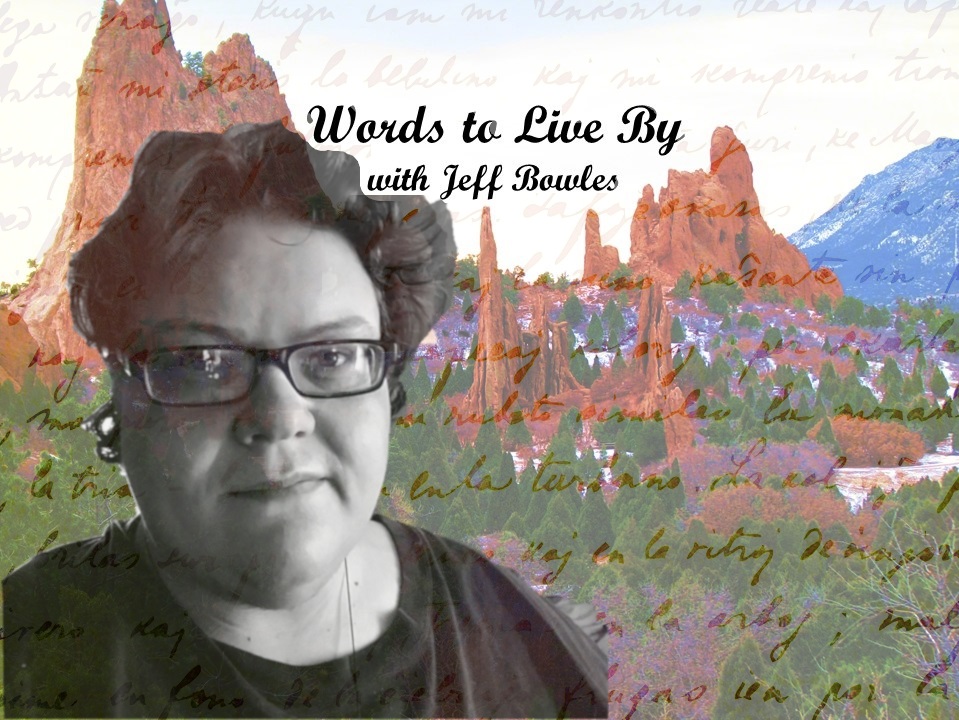
The first Wednesday of the month, writer Jeff Bowles muses on life, creativity, and our collective destinies as makers of cool stuff. You’re a writer, but have you ever thought about how or why? Here are some words to live by.
Green with Envy?
How jealous can you get? It’s an important question, one which may very well help define your ultimate level of happiness. I don’t mean the kind of jealousy that can emerge between romantic partners, or even jealousy that exists in people who constantly feel the need to keep up with the Joneses, though that in part has something to do with it.
I’m talking about professional jealousy, specifically as it occurs in the publishing world (or in any other creative field, really). It’s that sting you feel when a rival snags a big book contract, seemingly leaving you in the dust. It’s also the feeling you get when a good friend becomes successful, and you can’t seem to get anywhere close. This is not a rare experience, nor is it down to animosity or contention alone. It’s everywhere. Don’t try to deny what the world already knows. Human beings get jealous, maddeningly so, and there’s not much any of us can do about it, right?
Wrong. I’m going to go out on a limb here and suggest that some who stumble across this post will have no idea what I’m talking about. Jealousy isn’t much of an issue for them, at least not in this sense. They may be beginners, or in some cases, they might be individuals who are much smarter than the average bear. You see, it takes a certain amount of practiced intelligence to avoid the crushing impact of full-on, green-to-the-gills jealousy.
When I was starting out with short stories, I noticed my own capacity for envy when it came to other writers in my sphere. Some of them were better than me. Much, much better. Some were bypassing shorts altogether and were producing novel-length manuscripts, which made me even more irascible. At that time, I wasn’t too terribly smart about these things. I didn’t realize what this life would come to represent to me, a brilliant and complex tapestry in which no single thread is out of place. We can’t all be huge successes. I’m sure you know that by now. Jealousy is a wholly destructive emotion. A person can use it to jumpstart their inner drive, but mostly it’s just corrosive.
Those who earn the spotlight deserve the spotlight. End of story. And it doesn’t mean you aren’t deserving too. It’s just that either by randomness or divine intervention, you’re in your own little universe with your own feathers for your own cap, and really, that rival or that friend has very little to do with any of it. Don’t let it become a mile marker for all your anxieties and worries. Their successes doesn’t make you inadequate or unskilled. It’s just that you haven’t gotten there yet, may never get there, may decide someday you didn’t really want it as bad as you thought you did.
The only real losers in this game, and I’ve long believed this about creative folks, are the ones who don’t even try, who settle for less than full creative disclosure, who don’t take at least one or two risks in their limited time here on this planet. Don’t get me wrong, I’m not saying it’s everyone’s solemn duty to reach for the stars and try to become something they aren’t likely to become, but look, if you’ve got the drive and ambition, it’d be a real shame to leave all your talents undeveloped and hidden from the rest of the world. Share these things, put them out there, even if you fail. Especially if you fail. Because I guarantee you’ll rarely meet (or perhaps, meet less often) that other beast of an emotion, regret.
And I would suggest you do so for reasons that live up to your lofty station as a maker of cool stuff. Don’t go after your dreams if you think they’ll add something to you that isn’t already there. Similarly, don’t do it if your goal is to crush and outperform all other applicants. Create because you love to create, publish because you’ve got something to say, stories to tell. Do these things for joyous reasons, not simply because you want to teach that vindictive high school English teacher a lesson or prove once and for all to everyone you know that you are worth a damn. Trust me, you are. Don’t even question that. Take it as a given.
Remaining anonymous is not failure. I had to learn this the hard way. Our culture can be shockingly backwards and out of sync with the realities of, well, reality. You have your own path to walk; your work and your passion is a matter of personal pride. Nobody can do things the way you can. Nobody. We are simultaneously small in the grand scheme of things and as massive as the universe itself. You are and always have been precisely all you are and always have been. I do believe that. You’re perfect enough already. Keep that notion close by at all times.
Do your work, create what can create. Do it like no one’s watching, regardless of whether or not anyone is. It’s a wide and generous world if you know what to look out for, and allowing poison into your heart won’t solve anything for anyone. Do I still get jealous of other writers? You bet I do, but if I can, where I’m able, I decline to attach to that particular emotion and just let the old familiar sting pass on by.
Until next time.
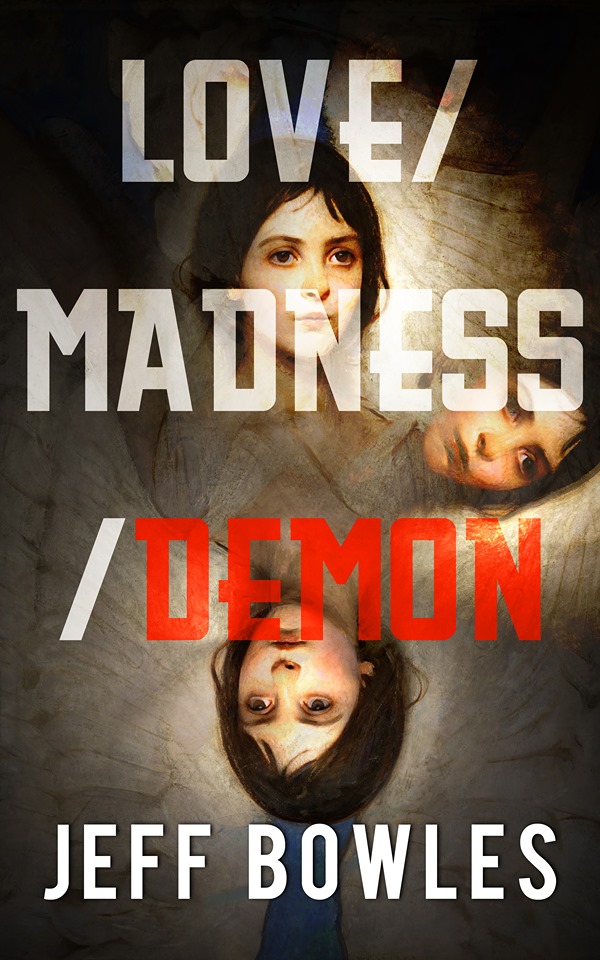
Jeff Bowles is a science fiction and horror writer from the mountains of Colorado. The best of his outrageous and imaginative work can be found in God’s Body: Book One – The Fall, Godling and Other Paint Stories, Fear and Loathing in Las Cruces, and Brave New Multiverse. He has published work in magazines and anthologies like PodCastle, Tales from the Canyons of the Damned, the Threepenny Review, and Dark Moon Digest. Jeff earned his Master of Fine Arts degree in creative writing at Western State Colorado University. He currently lives in the high-altitude Pikes Peak region, where he dreams strange dreams and spends far too much time under the stars. Jeff’s new novel, Love/Madness/Demon, is available on Amazon now!
Check out Jeff Bowles Central on YouTube – Movies – Video Games – Music – So Much More!
Want to be sure not to miss any of “Words To Live By” segments? Subscribe to Writing to be Read for e-mail notifications whenever new content is posted or follow WtbR on WordPress. If you found it useful or entertaining, please share.
Some beginning writers may have delusions of overnight success, but any seasoned writer will tell you that it usually doesn’t happen that way. There are instances where it has, of course, but in most cases, launching a career in writing requires time, money and a lot of hard work to be successful. Writers who have realistic expectations may start out writing part time and get a solid book marketing plan under them, through trial and error and lots of A/B testing to figure out what works and what doesn’t, before trying to take their writing career to a full-time level.
I’ve been working to get my writing career off the ground for over a decade, but I’m a D.I.Y. girl and most things that I try to do, I started out doing things backward. I started my writing career right here, on Writing to be Read in 2009. At the time, I had no idea what I wanted to write, but write I did. In 2012, when I didn’t have the huge following I had hoped for and undertaking a book length work seemed an insermountable hurdle, I decided I needed some help, so I enrolled in the graduate program at Western State Colorado University and by 2016, I had my M.F.A. in Creative Writing with a dual emphasis in genre fiction and screenwriting.
The Six Figure Authors Podcastoffers the general advice for aspiring writers to pick a genre you’ve had some success with and stick with it until you are firmly established. Then if you feel the need to cross genres, you can probably venture into a new territory without risking everything. Because that’s what you’re doing when you cross over to a genre other than the one in which you already have established a fan base.
But here I am. To date, I have published a Western, Delilah; a collection of short stories, Last Call and Other Short Fiction, which is a mish-mash of genres: time-travel, vampire, origins, satire, etc…; and a paranormal mystery novella, Hidden Secrets. I also have published a number of short stories. My flash fiction horror story, “The Haunting of Carol’s Woods”, is featured in Dan Alatorre’s Nightmareland, and my futuristic science fiction story, “If You’re Happy and You Know It”, and my crime fiction love story, “The Devil Made Her Do It”, are each featured in The Collapsar Directive and Relationship Add Vice anthologies respectively, both published by Zombie Pirate Publishing, as well as a paranormal story in each of the three WordCrafter paranormal anthologies, Whispers of the Past, Spirits of the West, and our newest release, Where Spirits Linger. I even have published a nonfiction author’s reference, Ask the Authors, which arose from a blog series I ran right here on Writing to be Read.
I am ecclectic in my tastes, including music and reading, and thus the stories that percolate in my brain are also rather ecclectic. I don’t listen or read in any one genre. Why would I think up stories in only one? I don’t think I could write to market and be successful. And I’ve tried the writer for hire thing, too, but didn’t care for it. No one is saying you can’t be successful as a multi-genre author, but what all of this means is that my books are more difficult to market, because my target audience are splintered into multiple reader groups, so I have to be more creative in reaching an audience who will actually read what I write. And I have to research and know what I’m doing, because book marketing and advertising can get expensive, especially if you do all the A/B testing and stuff that you they say we need to do. Since it’s not feasible for me to stick with only one genre, I think figuring out how to attract readers for each of the genres that I write from a wider audience will be my biggest challenge.
I’m an author who listens to my characters and let’s the story unfold naturally. (I’m not really a pantser, although at one time I thought that I was. Now I find that I need to have a general idea of where my story is going and how it gets there, and a basic outline does that for me.) But the stories don’t all unfold in a single genre, and so I’ve become a multi-genre author, although that probably isn’t the fastest way to build a full-time writing career.
Readers here, followers of this blog, are the fan base that I have built over twelve years of blogging and I appreciate your support, in whatever fashion you choose to demonstrate it. I’m not sure what genre any of you read, or if any of you actually read my books, but you pop over and read my posts, regardless of the subject matter, and occasionally, some of you even comment. I really do appreciate that.
As you can see, I’m the kind of gal who decides what I want to do and plunges ahead, learning as I go. I’ve reached a point in my life where I not only want to write full-time, but I need to be a full-time writer. My love for the written word can be seen in everything I do. In addition to this blog, I’ve reported on local writing communities, attended and participated in writing fairs and conferences, hosted online writing events, created my own small press, and gone into student debt in order to become an expert on my craft. For me, writing truly is a passion and I need to do this as a career for my own mental health and well-being. In order to do that, I need to make some changes.
But, I write for the love of writing. It’s the reason that I put so much energy into this blog. I write to be read, and I’ve not monetized my blog, although I have recently had inquiries for advertising. I’ll need to research more before I make a decision on that front, but I don’t really want to monetize Writing to be Read. I like what I’ve built this site into, with the help of my wonderful Writing to be Read team members: Robbie Cheadle, Art Rosch and Jeff Bowles. I’m afraid if I monetize it, it will become something different, and perhaps unintended. I don’t want that.
That’s why I’m only making one small addition on this site and leaving the rest as is, to develop naturally into what it will become. I’m developing a plan that I can follow to transition into a full-time writer and continue this very slow launch of a writing career. I’ll keep you apprised of other upcoming changes, but for now, the only change here is a new “Buy me a tasty beverage” button in the sites top right-hand corner, where you can make a donation if you should choose to show your support for Writing to be Read in this manner.
If you do make a donation, know that it will be greatly appreciated. I’m glad that you enjoy the content here or find it helpful. Thank you all for being my readers.
Kaye Lynne Booth lives, works, and plays in the mountains of Colorado. With a dual emphasis M.F.A. in Creative Writing, writing is more than a passion. It’s a way of life. She’s a multi-genre author, who finds inspiration from the nature around her, and her love of the old west, and other odd and quirky things which might surprise you. She has short stories featured in the following anthologies: The Collapsar Directive (“If You’re Happy and You Know It”); Relationship Add Vice (“The Devil Made Her Do It”); Nightmareland (“The Haunting in Carol’s Woods”); Whispers of the Past (“The Woman in the Water”); and Spirits of the West (“Don’t Eat the Pickled Eggs”). Her western, Delilah, her paranormal mystery novella and her short story collection, Last Call, are all available in both digital and print editions.
On her authors’ blog, Writing to be Read, she posts reflections on her own writing, author interviews and book reviews, along with writing tips and inspirational posts from fellow writers. She’s also the founder of WordCrafter. In addition to creating her own imprint in WordCrafter Press, she offers quality author services, such as editing, social media & book promotion, and online writing courses through WordCrafter Quality Writing & Author Services. When not writing or editing, she is bird watching, or hiking, or just soaking up some of that Colorado sunshine.
Like this post? Let me know in the comments. You can be sure not to miss any of Writing to be Read’s great content by subscribing to e-mail or following on WordPress. If you found this content helpful or entertaining, please share.
I’ve recently been working on two different anthologies for my classes, as well as planning two, or possibly three different anthologies, that I want to put out through WordCrafter Press next year, so it’s not surprising that I’ve been giving a lot of thought to the writing of short fiction. While writing short fiction presents many of the same challenges as writing book length fiction presents, such as avoiding passive voice, using the correct tense and the right POV, and avoiding repetitive language, it also seems to present challenges for the writer, which are more prominent and more noticable in a short story.
Below is a list of what I see as the top four challenges of writing short fiction. A short story in which these challenges are met and mastered can be a delight to read, but when the writer misses the mark or doesn’t tackle these challenges skillfully, the result can be a story that doesn’t feel complete, leaving readers feeling unsatisfied.
Top 4 Challenges in Short Fiction and How to Handle Them
Abrupt ending: I can’t tell you how many stories I’ve read recently that start out wonderfully, promising a killer story all the way to the end and then drop the ball, leaving me wondering where the story went wrong. I think many times authors are at a loss as to how to wrap things up, and with short fiction, where word counts must be taken into consideration, they try to end too quickly, instead of taking a little more time to tie up the details of the story. – To avoid this, take the time you need to wrap things up in your story in a way that will be satisfying to the reader who has stuck with you this far. If you can’t give your story a satisfying ending within the required word count, perhaps it should become a longer work, because there is nothing more frustrating than to read an engaging story that you are really into, only to be disappointed at the end, so this is a biggie.
Shallow, underdeveloped characters: In short fiction, you have a limited space in which to introduce your characters and make your reader care about what happens to them, so it is important to come out of the gate with a good strong voice that grabs the reader’s attention at the very beginning and continue with that all the way through. Making your characters interesting is something you need to do with fiction of any length, but with short fiction, you need a strong voice to bring character traits to the forefront in a succint way. Passive voice in a short story can result in a lack of interest in the reader, causing them to put the story down without taking time to get to know your characters or get into the story.
Head hopping: This is always a problem when it occurs in any length work of fiction, because it tends to pull readers out of the story when they realize that the viewpoint they thought they were in, is really that of a different character. Short fiction isn’t really long enough to use multiple POVs, so it’s difficult to figure out how this even happens, but it does. The author needs to pay close attention to who the narrator is and be sure to not wander into the view point of a different character.
Excessive wording: It’s important to realize that a short story is just that – short. Don’t waste space with unnecessary wording that isn’t needed. Write succintly. Say what you have to say in as few words as possible. While it’s important to paint a vivid visual image for the reader, don’t include details which are not relevant to the story in some way. World building, character development, and plot must all come together in a short amount of space, so choose your words carefully.
I love a well-written short story, and I read a lot of short fiction. When it’s done right, a short story can be every bit as engaging as a good novel. Don’t you think?
Like this post? Let me know in the comments. You can be sure not to miss any of Writing to be Read’s great content by subscribing to e-mail or following on WordPress. If you found this content helpful or entertaining, please share.
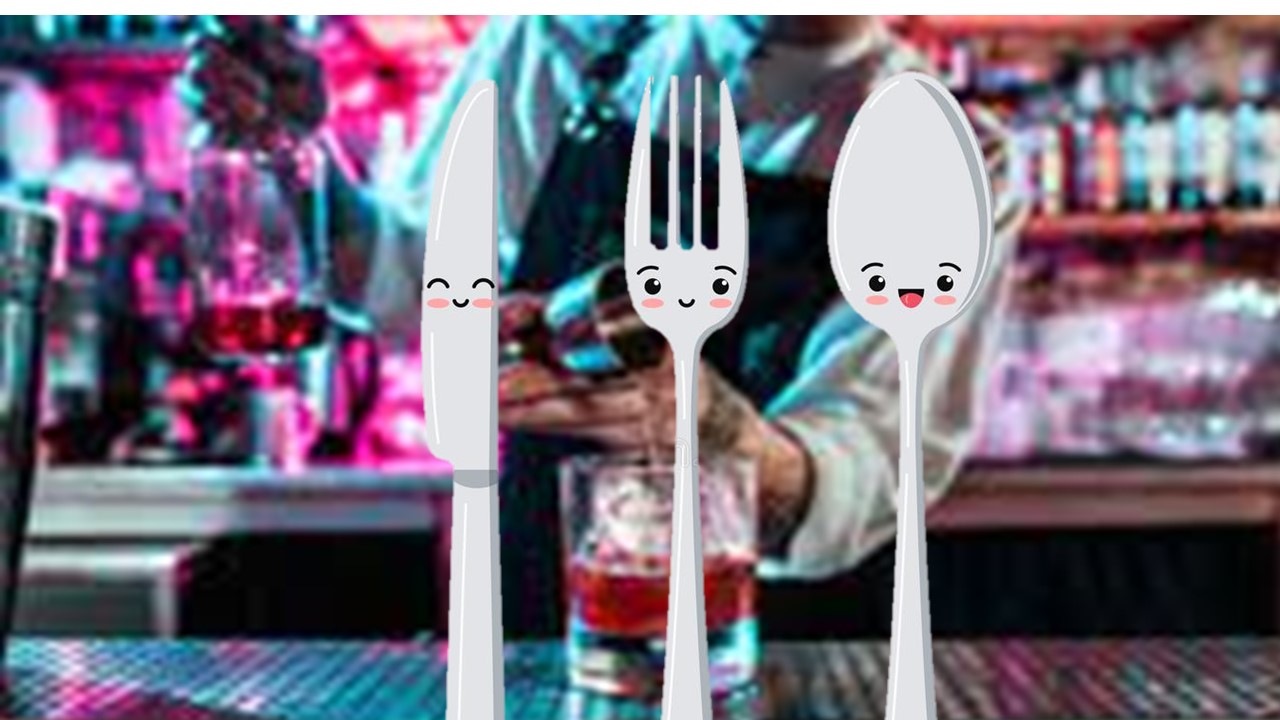
This week I thought it might be fun to throw out a challenge to my readers and author friends. When I was earning my M.F.A. in Creative Writing, we were given various writing exercises, of course. To demonstrate an interesting way to develop a character, one of many, by creating a character from the characteristics of an inanimate object. It might sound strange, but honestly I can remember having a lot of fun with this particular exercise. The object I was assigned was a butter knife.
First, we were ask to do a free write about the object, associating it with characteristics which came to mind. Next, we were asked to create a character who possessed some or all ofthose characteristics, using a Proust questionaire, which is a really good tool, but any means of creating a character profile so that you really know your character would work. As always, the more you know about your character, the easier it is to write them in a scene or a story, or maybe even a series. Lastly, we were asked to write a scene that introduces the character.
You’ll find the scene that resulted from this exercise back in 2013, and I’d love to see the results of any of you who would like to accept my challenge and create their own character and scene. I had a lot of fun with this exercise and I think you will, too. My inanimate object was assigned, but you can pick one from the following list or choose one of your own: butter knife, salad bowl, spoon, fork, spatula, plate, frying pan, wine glass, corkscrew, turkey baster, tea cup, coffee pot, dish towel, broom, feather duster, brillo pad. I chose a bar scene for my introduction, but yours can take place anywhere you like. Explore the possibilities for setting as you work through this exercise in character development.
If you are up to the challenge, pick an object and do a free write about it. Then, create a character and get to know them well. You can even make your own questionaire. What are your character’s favorites: food, color, song, etc…? What do they do for fun? Occupation? You get the idea.
Then write a scene that introduces your character and send it to me at kayebooth@yahoo.com. Don’t forget to tell me what your object was. If I like it, I may ask for permission to share it here. Yours doesn’t have to be as long as mine, just keep it to a single scene that tells us who your character is.
My Introduction to Betty Lou (Butter Knife)
“Come on. Don’t be such a stick in the mud!” Christa said, urging her friend to live it up a little. “One drink is not going to kill you. I swear.”
Betty Lou sat on the bar stool with her legs crossed, hands folded in her lap. Her back was as straight and upright as if she were practicing the principles outlined in Debrett’s Etiquette and Modern Manners, with a book perched atop her head. “Oh, all right,” she said. “But, just one. You’re sure it won’t make me look foolish?”
“I’m sure,” Christa said, waving the bartender over. As he approached them, she said, “Two long island iced teas, please.”
“Iced tea?” Betty Lou asked, with a discernible sigh, thinking anything with iced tea couldn’t be too bad.
The bartender placed two tall glasses of tea colored liquid on the bar in front of them. Christa placed some bills in his hand and picked up her glass. “Come on. Drink up,” she said, talking a long swallow.
Betty Lou picked up her glass, sniffing the pungent aroma of liquor in the glass. “It doesn’t smell like iced tea,” she said, wrinkling her nose.
“You said one drink,” said Christa, placing a hand on top of Betty Lou’s, gently pushing up toward her lips, “Now drink up. Go on.”
Betty Lou took a small sip.
“No…, drink,” urged Christa, tilting her friend’s hand up with her own, gently forcing her to take more of the liquor in her mouth.
Betty Lou choked down a swallow, making her eyes water. “That sure doesn’t taste like iced tea,” she said when she had regained her composure. “Yuck!”
“You get used to it,” said Christa, working on her own drink. “Oh good, the band’s getting ready to start.”
Betty Lou took another small sip, wrinkling her nose once more. She doubted Christa’s statement. How could anyone get used to the taste? She watched attentively as the band members came out onto the stage and began tuning instruments. “Remember,” she said, turning to her friend, who perched a cigarette on her lips and was lighting it, “I’m only staying until ten o’clock.”
“Loosen up,” said Christa, offering her a smoke from her pack. “Tonight could be a whole new beginning for you. Relax and finish your drink.”
“Couldn’t I just have a seven-up?” Betty Lou asked, plucking the offered cigarette from the pack. “I just had a rocky ending. I don’t think I’m ready for another beginning.”
“No way,” Christa said, offering her a light. “You agreed to live it up a little, remember? No taking the straight and narrow tonight. Besides, you know every time one door closes… ”
Betty Lou bent slightly to light her cigarette as Christa flicked her Bic. “Okay. Okay,” Betty Lou said. “But, only until ten. I have to debug a new program tomorrow. I want to be alert. I need a good night’s sleep.”
“Finish that drink and you’ll sleep good, I promise,” Christa said with a wink.
A man stepped onto the stage to introduce the band, as the house lights lowered. He was short and stocky, with shoulder length hair pulled back in a ponytail. The black leather pants and vest that he wore made him look like a throwback from a seventies biker gang.
“Good evening ladies and gentleman,” he said. “Thank you all for coming out.” Whistles drifted up from the audience, as he addressed them from the stage. “We have a great show for you tonight. Please allow me to introduce to you, The Ripe Melons!”
As the band began to play, Christa downed the last of her drink and signaled the bartender for another. She began to sway on her bar stool to the beat of Lynard Skynard’s, Gimme Three Steps, which The Ripe Melons managed to do a fairly good job of cranking out. Wisps of bleach blond hair fell over her eyes and she absently brushed them away.
Betty Lou took another careful sip. Maybe Christa was right. It didn’t seem so bad now. She could feel the vibrations from the music in the floor beneath her. “Do they have to play so loud?” she asked, raising her voice to be heard over the music.
Christa smiled at Betty Lou and shook her head. “Lighten up, girl,” she said. “Let your hair down.” She reached up behind her friend and yanked a pin from the tight bun on top of her head.
“Hey!” said Betty Lou, as her bun unwound and her long black ponytail unrolled and hung straight down her back.
“Come on,” Christa said. “You look so uptight.” She reached up behind her friend and pulled the hair tie out, letting her onyx hair fall loosely, softening her high cheekbones and angular jaw. “There,” she said. “Now you don’t look like you’re waiting for your last rites. You have pretty features when you just ease up a bit. You always pull your hair back tight from your face and it makes you look like your spring is wound a bit tight.”
Betty Lou was stunned by her friend’s boldness. Would she be undressing her next? She took another sip of her drink and smiled just a little, as the image of Christa reaching over and unbuttoning the top buttons of her blouse flitted through her head.
But, Christa’s hands stayed to herself as she downed her second drink and crushed out her cigarette in the ashtray. “Let’s dance,” she said, sliding down from her barstool.
Betty Lou shook her head adamantly. “No, you go ahead,” she said. “I’ll wait here and finish my drink.” She looked down at it, noticing to her own surprise, that it was almost half gone.
“Oh, come on!” said Christa, grabbing ahold of Betty Lou’s hand. “You need to get laid. Let yourself go a little.”
It took effort to stay upright on the barstool with Christa pulling on her like that, but she managed to pull her hand away. “No, really, I’m fine,” said Betty Lou. “I’ll just watch you.” She took a rather large swig from her glass as if that might convince her friend to go without her.
“Suit yourself,” said Christa, heading for the dance floor.
Sipping her drink, Betty Lou watched Christa as she approached a handsome guy with blonde, feathered hair, sitting in the second row of tables. She bent down and said something to him, then he stood and walked out onto the dance floor with her. Betty Lou couldn’t believe how bold Christa was. She could never be that forward. Even when she’d been with Matt, Betty Lou had always let him take the initiative. She had always followed his lead. They had been the perfect pair. That seemed like another life now.
A hand on her shoulder startled her out of her reverie. She turned to find herself face to face with the most gorgeous man she had ever seen. He was tall, maybe even taller than her own 6’3’’, with a muscular build that said he didn’t sit behind a desk all day. His brown hair matched the brown eyes that she found herself staring into.
“Would you like to dance?” he asked, smiling a smile that would melt any girl’s heart.
She straightened her back. Her heel began tapping on the rung of the barstool, making her knees bounce. “Uh—me?” she asked.
“Well, yes,” he replied, glancing to either side of her. “You’re the only pretty girl I see in the immediate vicinity.”
“Um…, I couldn’t,” she stammered, “I mean, um, well…”
“You don’t dance?” he asked.
“No,” she said, feeling her face flush. “At least,… not very well.”
“May I buy you a drink then?” he asked, raising a brow.
“Oh,… thank you, but I have one,” she said, holding out her glass, only to realize that it was empty.
He smiled at her again. “Looks like you need another,” he said. “May I?”
How could she refuse? “Uh,… sure,” she replied. How wishy-washy that sounded. She did her best to save face, adding, “That would be nice.” At least, it didn’t sound quite as lame as her stammering all over herself, like a school girl who’s never talked to a good looking man before.
He flagged the waitress over and ordered them each another round. Betty Lou was surprised at how at ease she felt as she sipped her new drink while they talked. Normally, when talking to members of the opposite sex, especially good looking ones, she could feel the tension build inside of her, materializing on the outside as sweaty palms and stiffened muscles through her back and neck, but she felt none of those things now. It must be the alcohol. Up until tonight, the strongest thing she’d had to drink was a wine cooler. She wasn’t used to the strong effects of hard liquor, even in a mixed drink.
“Are you sure you wouldn’t like to dance?” Kyle, which is what his name had turned out to be, said. “You can step all over my toes, if you like. I walk on them all day anyway.”
Betty Lou started to decline once more, but then his corny joke registered and she burst out laughing instead, the most recent sip of her drink spraying out over his pants. “Oh, fiddlesticks! I’m so sorry,” she said, grabbing her cocktail napkin off the table and dabbing at his pant leg. “This is not a good beginning, is it?”
Kyle chuckled and took it all good naturedly. “It’s okay,” he said, taking her hand in his own and looking into her eyes. “But, now you have to dance with me, even if you have two left feet.”
feltBetty Lou gazed into those big brown eyes of his, noticing a few flecks of gold in them. She’d never seen eyes like that before and now, she never wanted to look away. He offered her his hand, and she took it, letting him lead her out onto the dance floor. He pulled her in close to him and held her there as they began to sway to music. Betty Lou laid her head on his shoulder and closed her eyes, allowing him to lead her. It felt good to be held against him so firm, heat flushing through her body, as she felt his stiffened member pressed against her leg. Maybe this wasn’t such a bad beginning after all.
The first Wednesday of the month, writer Jeff Bowles muses on life, creativity, and our collective destinies as makers of cool stuff. You’re a writer, but have you ever thought about how or why? Here are some words to live by.
Boredom, Star Wars, and the Unavoidable Lull
So I’ve been away from my writing duties here at WtbR for a few months. Heck, I’ve been away from most of my creative obligations, not just blogging, which might be the reason I’ve been so bored sitting at home, knocking my tin cup against prison bars of digital entertainment, paperback novels, and maybe a household chore or two. Read that book you’ve read a half dozen times before? Watch the same old movie series you’ve been watching since you were a kid? Do I even have to ask?
Okay, what are we up to today? Star Wars or Star Trek? Star Wars or Star Trek? Maybe Indiana Jones? Hmm…
The reality is that some lucky beings on planet Earth are built like machines, incredibly industrious, real honest to god workhorses. Boy do I envy the workhorses among us. I’m just not one of them. I can admit that to myself now.
Unfortunately, and it took me far too many years to discover this about myself, I’m more of a work-in-exhausting-spurts-and-then-crash kind of guy. I’ve always been like this, even when I was in school. Sooner or later, mental and emotional exhaustion would get the better of me, and it’d be hell just to turn in assignments on time, keep a steady workflow going.
I’ve previously written about my experiences with schizoaffective disorder, at last diagnosed five years ago, so I won’t bore you with the details again. Suffice it to say, there are reasons—real and concrete medical and psychological reasons—that I can’t compete with so many avid worker bees out there. My mind and personality just don’t keep up; the flesh is willing, but the spirit is weak.
My family lost someone dear to us back in March, my wife’s mom, who was a wonderful person and a key figure in our lives. At that time I’d been running pretty hot as far as creative output went, having kept up with a reasonable workload, more or less, for a year or so on end. But her passing stopped me in my tracks, and I’ve sort of been floundering all summer long.
Didn’t write anything new. Didn’t even edit anything old, and I’ve got a whole unpublished novel sitting on my computer’s hard drive, an odd and hopefully entertaining piece of work I finished up at the tail end of last winter, the COVID winter, the one when we were all locked indoors anyway.
All this incompletion frazzles me. Our society tells us we’re not complete if we’re not working, and at that notion I’ve always thumbed my nose. Not because I’m a rebel or even a lazy slug (I mean, arguments could be made), but because for me, constant work has never been desirable or even possible. It hurts me that I need so much downtime. I’d like to be as dependable as a racehorse, constant as the northern star (God bless Will Shakespeare, had a phrase for everything). It’s just not how I’m built, I’m afraid. I need recuperation time, rest and relaxation that lasts however long it needs to last. There’s no way around it, at least not any I’ve found.
So does that make me an ineffective person? Worse yet, does it make me a failure in the professional sense? I feel like some people might say yes, but honestly, I’ve tried to take the bull by the horns, and well, the bull almost always has its way with me.
Schizoaffective Disorder is no joke, man. Very often I can’t trust my own conscious experience, and that’s lame, because consciousness is all human beings have. It’s the only thing given to us by default, our birthright, our entire universe. Never mind school assignments or projects that never get off the ground. What about the amazing feeling you get when you’ve completed something grand? I love that feeling. Don’t take that feeling away! I’m not done with it yet!
I’m glad to be back at Writing to be Read, but the truth is I don’t feel 100% yet. Yes, I’ve been playing video games and watching old movies and generally feeling bored out of my mind. But that’s what recuperation looks like for me. Read ‘em and weep. Or don’t.
I like to write about my everyday experience. It helps me parse through things that need careful consideration. You can’t fight your own mind. I mean, you can try, but it’s sure to cause literal raging headaches. I’m interested in learning about other long-term work habits people employ out there. Leave a note in the comments section below if you’re so inclined. How do you get your work done? Is it a struggle in the long term, or is it the easiest thing in the world for you?
Look for another Words To Live By next month. Count on it. Just don’t expect me to show up for dinner. I’ve got some more recuperation to get through. Star Wars or Star Trek again? Star Wars or Star Trek? Maybe Battlestar Galactica? Hmm…
Boredom never looked so … unavoidable. Until next time, folks.
Jeff Bowles is a science fiction and horror writer from the mountains of Colorado. The best of his outrageous and imaginative work can be found in God’s Body: Book One – The Fall, Godling and Other Paint Stories, Fear and Loathing in Las Cruces, and Brave New Multiverse. He has published work in magazines and anthologies like PodCastle, Tales from the Canyons of the Damned, the Threepenny Review, and Dark Moon Digest. Jeff earned his Master of Fine Arts degree in creative writing at Western State Colorado University. He currently lives in the high-altitude Pikes Peak region, where he dreams strange dreams and spends far too much time under the stars. Jeff’s new novel, Love/Madness/Demon, is available on Amazon now!
Check out Jeff Bowles Central on YouTube – Movies – Video Games – Music – So Much More!
Want to be sure not to miss any of “Words To Live By” segments? Subscribe to Writing to be Read for e-mail notifications whenever new content is posted or follow WtbR on WordPress. If you found it useful or entertaining, please share.
When Donald Trump ran for election the first time, in 2016, he was heard saying that he got his start when he borrowed a half million dollars from his father to start a business. He went on to say that he created a successful business and paid back that loan in something like six months. He was very proud of this feat and used it as an example of what good business sense he has, which he claimed qualified him to run the country. My response to his claim was to think to myself, ‘Yeah, if someone loaned me a half million dollars, I bet I could create a successful business, too.’
Everything I have ever done in my life, I have done on my own. There has never been anyone who would extend me a loan, or support me in my efforts. I’ve had a lot of failures, like the landscaping business I tried to start and got taken to the cleaners by my very first customer, leaving me in debt on the endeavor, but I picked myself up and tried again. Now, I have created a small independent press and I offer author services through WordCrafter. It’s small and I do it all online, out of my home. To me, that is more of an achivement than former President Trump’s multi-million dollar corporation, because I didn’t have any help in getting where I am today. I struggled to overcome all obstacle that stood in my way, and I built my business a little at a time, without loans or other help from anyone. To me there is no real story in what Trump did, but the road to success for me has been paved with obstacles and setbacks to overcome. He may be a lot richer than I am, but my story is ever so much more interesting.
Several years ago, one of the nurses that I worked with came up to me and told me how happy she was to learn that I had continued writing after my son died. She said that it meant that I was healing. The truth was, after Mike died, I had to write. I had so much grief boiling inside me that my only recourse was to write and let it all flow out. After Mike died, writing was what helped me keep my sanity. I wrote poetry. I wrote stories about Mike. I wrote and delivered his eulogy. More than likely none of it will ever be published, but the stuff I wrote during that time was powerful. If I read it now, it still brings tears to my eyes.
The negative emotions- grief, sadness, hate, anger – are all powerful emotions and to write a story that stirs those emotions is to draw your reader into the story and make them care. The positive emotions like love or triumph are powerful, as well, but they are made more powerful if the character has to struggle to achieve them. If the character is happy when the story begins, and remains happy throughout, then it’s really no big deal when he is happy at the end. But, if the character has longed for happiness, struggled to overcome the obstacles that prevent him from being happy, and the reader has been right there feeling his frustration and sorrow along the way, then the reader will be elated when, at the end, the character accomplishes his goal and achieves the ever sought after happiness. The negative emotions are what makes the positive ones that much stronger. In life, happiness is fleeting, easily forgotten as we move on to the next goal, but the negative emotions are always there, just below the surface, waiting to be called forth. They don’t go away. I miss my son now just as much as I did the day he died, and all I have to do is think about him for the tears to start to flow, even eleven years later. The negative emotions don’t fade away, like the positive seem to.
Adversity creates conflict, and conflict is why we keep reading. We have to see how the character is going to overcome whatever obstacles are placed in his way. We must read on to find out who wins the battle, to learn if our character will be triumphant, or if he will be ruined for life. Adversity, or conflict, is the key to writing a good story. Going through the characters struggles with them makes their revenge sweeter, their triumphs more elating, and their love so much stronger. Adversity is what makes us care about the characters.
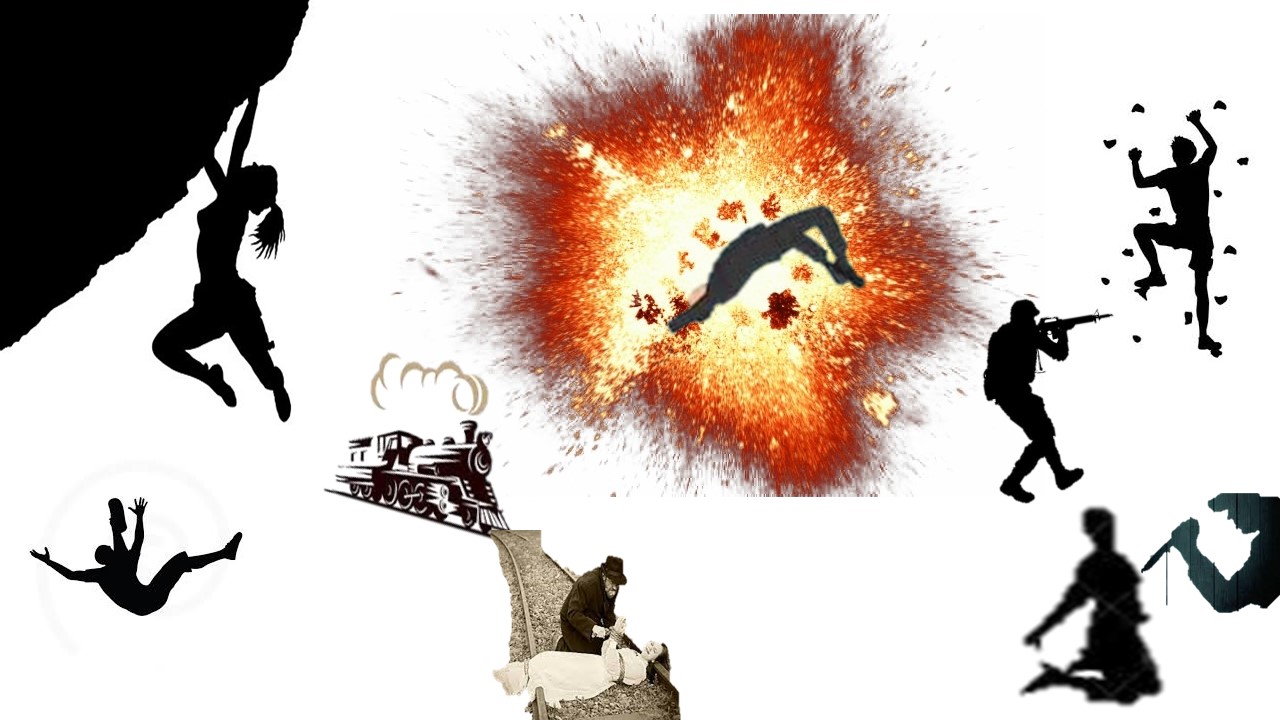
So, make things hard for your characters no matter what genre you write. Beat them up, make them walk over hot coals, climb mountains, jump out of airplanes, or dive to the ocean’s depths to get the girl, find the treasure, win the race, or achieve self-discoveries. And just when they are at the lowest point they have ever been at, and it seems that there is no way to come out ahead, throw a burning building in their path, raise the stakes, throw in a ticking time bomb. Don’t make it easy for them. If a good looking guy walks into the bar and sweeps the girl off her feet without even blinking and there is no one to object, no one will care if they live happily ever after or not. When the reader is aware of the price that has been paid to achieve the goal, then your readers will care so much more. Give your characters conflict and adversity. They’ll thank you for it later, and so will your readers.
Like this post? Let me know in the comments. You can be sure not to miss any of Writing to be Read’s great content by subscribing to e-mail or following on WordPress. If you found this content helpful or entertaining, please share.
Last chance to enter the 2021 WordCrafter Paranormal Short Fiction Contest!
Where Spirits Linger
The deadline to enter the 2021 WordCrafter Paranormal Short Fiction Contest is April 30th, for a chance to have your short paranormal story included in the 2021 paranormal anthology, Where Spirits Linger. The entry fee is $5, and the author of the winning story receives a $25 Amazon gift card and inclusion in the anthology. See full submission guidelines and send me your ghost stories. There’s still time. Hurry!
There’s still time to get tickets for the 2021 WordCrafter New Beginnings Virtual Writing Conference
2021 WordCrafter New Beginnings Writing Conference
Join us for a free Facebook pre-conference promotional and social book event on May 3rd, where you can meet conference presenters and other authors, learn about their latest releases, play games and enter giveaways! You can reserve your spot on the Facebook Event Page to join in on the fun from the comfort of your own livingroom or wherever you happen to be.
Then on May 4th & 5th, the interactive portion of the conference will be held, with interactive workshops & panel discussions will be offered by talented and experienced presenters, including Keynote speaker Paul Kane. Tickets can be purchased for $5 for individual sessions or a full event pass at the discounted rate of $50 for all 13 sessions. Visit the WtbR Event Page, right here on Writing to be Read, to see the full line-up and author bios, and purchase tickets. It’s going to be a lot of fun and we plan to learn a lot, too, so reserve your spot today.
I can’t offer a preview, because the conference will be live, but I can offer a sample from the 2020 WordCrafter Stay in Place Virtual Writing Conference to whet your appetites. Below is a video of the Visceral Story Beginnings interactive workshop with Ellie Raine. Ellie jumped in to present this workshop after the originally scheduled presenter was unable to attend. I think you did a fantastic job of picking up the ball.
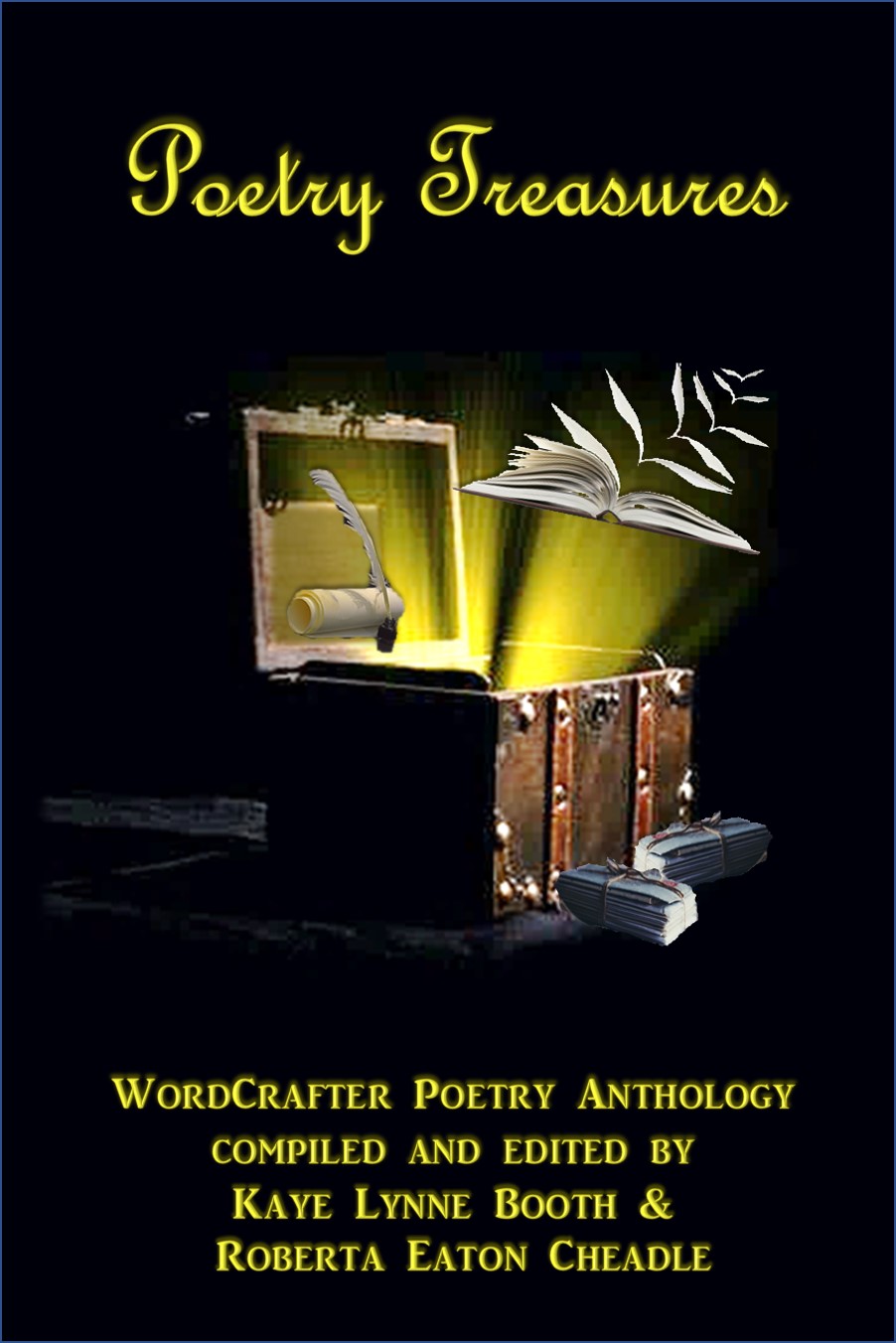
Announcing the release of Poetry Treasures, the WordCrafter poetry anthology featuring poetry by 2020’s author/poet guests on “Treasuring Poetry” blog series with Robbie Cheadle, right here on Writing to be Read.
Nine creative and talented poets have come together to produce this unique poetry collection, each one is truly a poetry treasure.
Poetry Treasures
2020 “Treasuring Poetry” Featured Poet/AuthorLinks:
Like this post? Let me know in the comments. You can be sure not to miss any of Writing to be Read’s great content by subscribing to e-mail or following on WordPress. If you found this content helpful or entertaining, please share.
It’s been tough around the house this month. My mother-in-law passed away after a long battle with liver disease. She’d been having severe problems for months, but as my wife said a few nights ago, we always thought we had more time with her.
I haven’t felt like writing. Even typing up a blog post like this is draining. Writing is a bit of a safe haven for me. Easily tumbling down the rabbit hole, so to speak, laying aside my heartaches and disappointments, entering worlds of my own design, inhabiting people who don’t really exist.
Dora was a writer herself, and a voracious reader, too. I stayed with my wife and her family a lot in the days I was first starting to tinker with short stories. Because Dora was enthusiastic and willing, I often asked her to read my fist drafts. Her comments were always complimentary, because it wasn’t in her nature to poke holes in something her kids had poured their hearts and souls into.
Her kid, that’s what I was. The family has two daughters, and both were married within a year of each other. Dora never differentiated between the four of us, or at least, she tried her best not to. If everyone was gathering in the same place, it was about the kids and whether or not we’d eaten, her kids and how we were getting along in life, the importance of the kids’ enjoyment of holidays, birthdays, work promotions, collegiate successes.
I have no bad memories of her. Truly, anything contentious between us didn’t live long enough to become an issue. She was always patient and friendly with me. I loved reading her yearly Christmas poems, which she sent to the entire extended family. Never missed a year or an opportunity to fret over one or two words. I liked that about her, a certain willingness to own what she’d created. She never tried to publish anything professionally, but the rest of the family agrees she should have.
Marriage, as it turns out, can be one hell of a rollercoaster ride. My wife and I will be celebrating our twelfth anniversary in September. Most of our friends have been married a far shorter time, which means we can dispense wisdom without pretense. Our marriage has been anything but perfect. Thwarted expectations, mental health issues, a lost house, lost job, grad school, which was pretty tough for me, because I do tend to have a sensitive mindset, things can set me off easily.
I have guilt over whether Dora knew how much I appreciated her, because I doubt I ever communicated it properly. I know my wife and father-in-law are suffering, but the truth is they’re both stronger than I am. There’s been so much in the last year to cause us all grief and misery. No shame shaking your fist at the bumpy ride behind and ahead of us. There’s nowhere else for me to be, nothing else I’d rather be doing. Dora was a presence in this house, this family. She was a pillar, holding things up in that matronly way that looks easy but can’t possibly be effortless. Life will be different now. Better or worse, I don’t know, but different for sure.
I can help my wife by making calls, figuring out logistics, being a shoulder to cry on. I’m not perfect, but then neither was Dora. Sometimes I expect her still to be here, watching movies or making dinner, reading, chatting, clipping digital coupons. One of the last things she did for me was to read the first novel I self-published. She loved it, told my wife I was talented and that I was never to give up.
She would’ve said that regardless of whether she enjoyed reading it or not, but I believed her wholeheartedly anyway. That’s what she meant to me. I was proud to be one of her kids. I’m still proud.
I’ll see you next month in Words to Live By. In the meantime, give someone important a hug. If they’re not a hugger, hug them even harder. Tell them you have my permission.
Jeff Bowles is a science fiction and horror writer from the mountains of Colorado. The best of his outrageous and imaginative work can be found in God’s Body: Book One – The Fall, Godling and Other Paint Stories, Fear and Loathing in Las Cruces, and Brave New Multiverse. He has published work in magazines and anthologies like PodCastle, Tales from the Canyons of the Damned, the Threepenny Review, and Dark Moon Digest. Jeff earned his Master of Fine Arts degree in creative writing at Western State Colorado University. He currently lives in the high-altitude Pikes Peak region, where he dreams strange dreams and spends far too much time under the stars. Jeff’s new novel, Love/Madness/Demon, is available on Amazon now!
Check out Jeff Bowles Central on YouTube – Movies – Video Games – Music – So Much More!





























Words To Live By – Boredom, Star Wars, and the Unavoidable Lull
Posted: September 1, 2021 | Author: Jeff Bowles | Filed under: Commentary, Opinion, Words to Live By, Writing, Writing Life | Tags: Jeff Bowles, Words to Live By, Writing, Writing Life, Writing to be Read | 1 CommentThe first Wednesday of the month, writer Jeff Bowles muses on life, creativity, and our collective destinies as makers of cool stuff. You’re a writer, but have you ever thought about how or why? Here are some words to live by.
Boredom, Star Wars, and the Unavoidable Lull
So I’ve been away from my writing duties here at WtbR for a few months. Heck, I’ve been away from most of my creative obligations, not just blogging, which might be the reason I’ve been so bored sitting at home, knocking my tin cup against prison bars of digital entertainment, paperback novels, and maybe a household chore or two. Read that book you’ve read a half dozen times before? Watch the same old movie series you’ve been watching since you were a kid? Do I even have to ask?
Okay, what are we up to today? Star Wars or Star Trek? Star Wars or Star Trek? Maybe Indiana Jones? Hmm…
The reality is that some lucky beings on planet Earth are built like machines, incredibly industrious, real honest to god workhorses. Boy do I envy the workhorses among us. I’m just not one of them. I can admit that to myself now.
Unfortunately, and it took me far too many years to discover this about myself, I’m more of a work-in-exhausting-spurts-and-then-crash kind of guy. I’ve always been like this, even when I was in school. Sooner or later, mental and emotional exhaustion would get the better of me, and it’d be hell just to turn in assignments on time, keep a steady workflow going.
I’ve previously written about my experiences with schizoaffective disorder, at last diagnosed five years ago, so I won’t bore you with the details again. Suffice it to say, there are reasons—real and concrete medical and psychological reasons—that I can’t compete with so many avid worker bees out there. My mind and personality just don’t keep up; the flesh is willing, but the spirit is weak.
My family lost someone dear to us back in March, my wife’s mom, who was a wonderful person and a key figure in our lives. At that time I’d been running pretty hot as far as creative output went, having kept up with a reasonable workload, more or less, for a year or so on end. But her passing stopped me in my tracks, and I’ve sort of been floundering all summer long.
Didn’t write anything new. Didn’t even edit anything old, and I’ve got a whole unpublished novel sitting on my computer’s hard drive, an odd and hopefully entertaining piece of work I finished up at the tail end of last winter, the COVID winter, the one when we were all locked indoors anyway.
All this incompletion frazzles me. Our society tells us we’re not complete if we’re not working, and at that notion I’ve always thumbed my nose. Not because I’m a rebel or even a lazy slug (I mean, arguments could be made), but because for me, constant work has never been desirable or even possible. It hurts me that I need so much downtime. I’d like to be as dependable as a racehorse, constant as the northern star (God bless Will Shakespeare, had a phrase for everything). It’s just not how I’m built, I’m afraid. I need recuperation time, rest and relaxation that lasts however long it needs to last. There’s no way around it, at least not any I’ve found.
So does that make me an ineffective person? Worse yet, does it make me a failure in the professional sense? I feel like some people might say yes, but honestly, I’ve tried to take the bull by the horns, and well, the bull almost always has its way with me.
Schizoaffective Disorder is no joke, man. Very often I can’t trust my own conscious experience, and that’s lame, because consciousness is all human beings have. It’s the only thing given to us by default, our birthright, our entire universe. Never mind school assignments or projects that never get off the ground. What about the amazing feeling you get when you’ve completed something grand? I love that feeling. Don’t take that feeling away! I’m not done with it yet!
I’m glad to be back at Writing to be Read, but the truth is I don’t feel 100% yet. Yes, I’ve been playing video games and watching old movies and generally feeling bored out of my mind. But that’s what recuperation looks like for me. Read ‘em and weep. Or don’t.
I like to write about my everyday experience. It helps me parse through things that need careful consideration. You can’t fight your own mind. I mean, you can try, but it’s sure to cause literal raging headaches. I’m interested in learning about other long-term work habits people employ out there. Leave a note in the comments section below if you’re so inclined. How do you get your work done? Is it a struggle in the long term, or is it the easiest thing in the world for you?
Look for another Words To Live By next month. Count on it. Just don’t expect me to show up for dinner. I’ve got some more recuperation to get through. Star Wars or Star Trek again? Star Wars or Star Trek? Maybe Battlestar Galactica? Hmm…
Boredom never looked so … unavoidable. Until next time, folks.
Jeff Bowles is a science fiction and horror writer from the mountains of Colorado. The best of his outrageous and imaginative work can be found in God’s Body: Book One – The Fall, Godling and Other Paint Stories, Fear and Loathing in Las Cruces, and Brave New Multiverse. He has published work in magazines and anthologies like PodCastle, Tales from the Canyons of the Damned, the Threepenny Review, and Dark Moon Digest. Jeff earned his Master of Fine Arts degree in creative writing at Western State Colorado University. He currently lives in the high-altitude Pikes Peak region, where he dreams strange dreams and spends far too much time under the stars. Jeff’s new novel, Love/Madness/Demon, is available on Amazon now!
Check out Jeff Bowles Central on YouTube – Movies – Video Games – Music – So Much More!
__________________________________________________________________________________________________
Want to be sure not to miss any of “Words To Live By” segments? Subscribe to Writing to be Read for e-mail notifications whenever new content is posted or follow WtbR on WordPress. If you found it useful or entertaining, please share.
Share this: