Jeff’s Game Reviews – PS5 vs. Xbox Series X – Which Should You Buy?
Posted: April 30, 2021 Filed under: Jeff's Game Reviews, Jeff's Game Reviews, Review, Video Games | Tags: Jeff Bowles, Jeff's Game Reviews, PS5, Writing to be Read, Xbox Series X Leave a comment
PS5 vs. Xbox Series X
2020 will likely go down as one of the most challenging years in modern history, not in the least for commerce, business, and technology. Small mom and pop stores and large corporations alike felt the crunch, and one industry in particular suffered unexpected misfires even the incoming Biden administration felt compelled to investigate.
I’m speaking, of course, of the video game business, specifically digital entertainment powerhouses Microsoft and Sony and their brand-new home consoles, the Xbox Series X and PlayStation 5. Both companies came to the market in November 2020, and both probably regret they did. Don’t get me wrong, having used each system extensively, I can attest to the quality of both. Neither has been without launch jitters and bugs, but Microsoft and Sony have, in their own time, gone a long way toward patching and improving problems as they’ve come up.
The real trouble with the Xbox Series X (and its kid brother, the Series S) and the PS5 is that they were both released without a steady supply of fresh product in the pipeline. A lot of excitement built up in the gaming community over the course of 2020, and by the time the launch window finally arrived in November, you would’ve needed to be exceptionally lucky or downright Google-gifted to snag a preorder. Add to that a huge issue with reseller bots buying consoles at unprecedented rates and creating a kind of gaming black market on eBay, and you’ve got a recipe for mass frustration.
But let’s back up a bit. Assuming you can in fact get your hands on a system, which should you choose? The truth is subtler than you might expect. Though graced with different architecture, the PS5 and Series X run third-party titles in a virtually identical manner. Games look great, sharp, clear, detailed. You’ll need a decent 4K television to see this stuff in full next-gen glory, but assuming you don’t mind upgrading, I can guarantee an excellent experience either way. That being said, services, content, and a few hardware points do enough to properly differentiate Series X from PS5. In the end, it all comes down to individual preference, so let’s look at each in turn.

Xbox Series X
Microsoft released two consoles last autumn, but the Series S is meant to be a less powerful and cheaper option designed for gamers who don’t care too much about 4K or enhanced performance or owning the biggest and baddest on the block. It’s a full $200 USD cheaper than Series X, and therefore makes for an appealing option. The Series X is the real star here, however, so let’s zoom in on it.
Consider this article for a full rundown of the Series X’s technical specifications. Needless to say, there’s a lot of power under the hood. The Xbox brand has one major trump card called Gamepass. For a monthly fee, players can gain access to a huge library of old classics and modern stunners. In fact, if you were so inclined, you might not even need to buy games at full retail value again. The Series X is also bolstered by its impressive zeal for backward compatibility. Almost every single title available on the previous generation’s Xbox One, including older Xbox 360 and original Xbox games, is playable here. Most if not all older titles benefit from lighting-fast load times and post-processed HDR (High Dynamic Range color and lighting). In addition, the system has quick resume functionality, which allows players to jump back into their games precisely where they left off, even if the system has been in sleep mode for weeks or even months.
It all goes for $500 USD, the same price as PS5. Happens to be the smaller of the two systems, too, which is admittedly a non sequitur. PS5 is massive, just massive, but Series X is fairly large as well. It is currently a bit easier to find at online retailers,. PlayStation sales are through the roof, but if you want a system right now, you could do worse than Series X.
PlayStation 5
Ask any diehard Sony fan why they keep coming back to PS and you’re likely to hear one answer above all others: the exclusives. See this article for a full list of tech specs for PS5.
Truthfully, Sony has the better history producing first-party games. The list from the last few years alone is impressive, the PS4 having been the exclusive home of some truly great titles like Spider-Man, Final Fantasy VII Remake, God of War, Ghost of Tsushima, Grant Turismo Sport, and many others. Fewer old PlayStation games are backwards compatible, but the ones that are sure pack a punch.
Another great feature is the PS5’s controller, dubbed the Duel Sense. It has impressive haptic feedback sensitivity, including articulate rumbles at multiple contact points and adaptive triggers that adjust tension on the fly. It feels great in your hands, but time will tell how many new games take full advantage. Sony is keenly aware of Microsoft’s desperation to pull into pole position with its myriad services and freebies, so expect the PS landscape to include sudden unannounced benefits as the months and years mount up.
The PlayStation 5 is arguably the buggiest of the two consoles even half a year after release, so take that into account when making your purchase. I fully expect Sony to hunt these known issues down and patch them appropriately, but Microsoft has had a bit more pep in their step on this point.
Conclusion
Not everyone is interested in new gaming consoles right now, and that stands to reason. Those who are have driven the gaming marketplace to dizzying new heights. The PS5 is the fastest selling game system in US history, which is pretty amazing considering the fact it’s almost impossible to find. Big box retailers don’t carry them at physical locations, which means the internet remains your only method of procurement. I can guarantee you’ll have an excellent time playing on either of these two behemoths, but look, if you don’t mind waiting, then go ahead and wait. You won’t have to tear your hair out running the online circuit from Amazon to Best Buy to Target to Walmart … see what I mean? Both companies have produced great pieces of hardware, and that’s the honest truth. Excellent exclusives or tempting membership benefits and services, you decide.
I’ll be back with another Jeff’s Game Reviews here on Writing to be Read. Until then, keep your trigger fingers at the ready, folks. Never know when you’ll have to do a little console hunting. Take care.
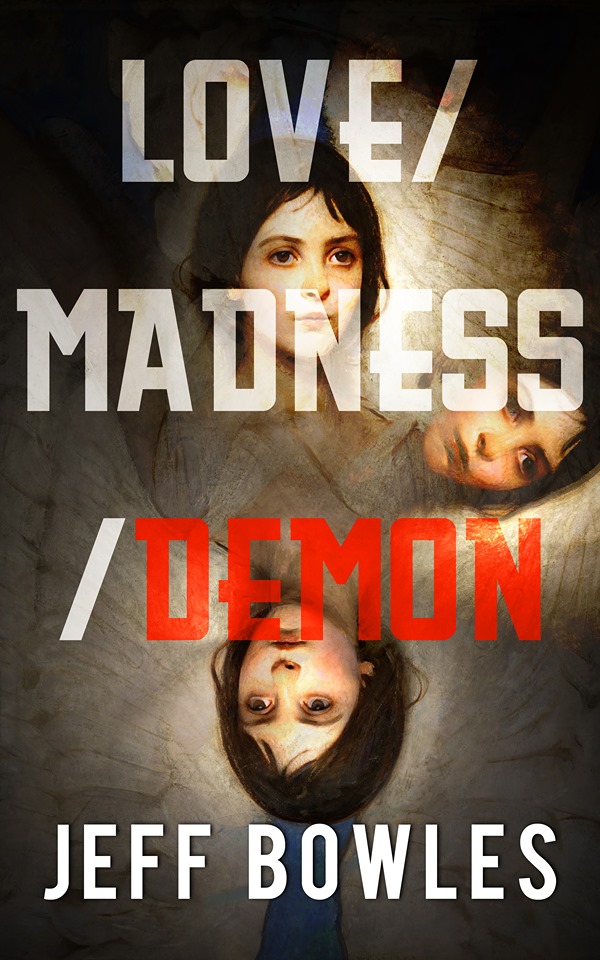
Jeff Bowles is a science fiction and horror writer from the mountains of Colorado. The best of his outrageous and imaginative work can be found in God’s Body: Book One – The Fall, Godling and Other Paint Stories, Fear and Loathing in Las Cruces, and Brave New Multiverse. He has published work in magazines and anthologies like PodCastle, Tales from the Canyons of the Damned, the Threepenny Review, and Dark Moon Digest. Jeff earned his Master of Fine Arts degree in creative writing at Western State Colorado University. He currently lives in the high-altitude Pikes Peak region, where he dreams strange dreams and spends far too much time under the stars. Jeff’s new novel, Love/Madness/Demon, is available on Amazon now!
Check out Jeff Bowles Central on YouTube – Movies – Video Games – Music – So Much More!
__________________________________________________________________________________________________
Want to be sure not to miss any of “Jeff’s Game Reviews” segments? Subscribe to Writing to be Read for e-mail notifications whenever new content is posted or follow WtbR on WordPress. If you found it useful or entertaining, please share.
Share this:

Dark Origins – The Legend of Sleepy Hollow
Posted: April 28, 2021 Filed under: Dark Fantasy, Dark Origins, Fairy Tales, Nursery Rhymes | Tags: Dark Fantasy, Dark Origins, Fairy Tales, Nursery Rhymes, Roberta Eaton Cheadle, Writing to be Read 34 Comments
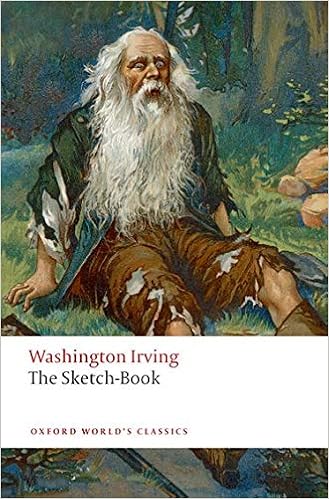
The Legend of Sleepy Hollow is a gothic story by American author, Washington Irving, and is included in a collection of 34 essays and short stories entitled The Sketch Book of Geoffrey Crayon, Gent.
The plot

The story is set in 1790 in the countryside around the Dutch settlement of Tarry Town, New York. Sleepy Hollow is a secluded glen which is famous for its ghosts and haunting atmosphere.
Ichabod Crane moves to Sleepy Hollow to be the schoolmaster of the village. As was customary at the time, Ichabod earns practically no money, but is provided with lodgings and food on a rotational basis by the local farmers who are also the fathers of the boys he teachers. This arrangement, and the singing lessons he gives on the side, keeps him employed and also gives him numerous opportunities to listen to the many tales about ghosts, haunted spots and twilight superstitions shared by the farmers wives.
Ichabod is most fascinated by the story of the ghost of the Headless Horseman who is believed to be a Hessian soldier who lost his head when he was hit by a cannon ball during the Revolutionary War. The ghost has been seen riding near the church where he is believed to have been buried.
Katrina Van Tassel is one of Ichabod’s students and the beautiful daughter of one of the most successful of the farmers in the area. Ichabod comes to believe himself in love with her. He sets out to woo her but crosses swords with one of the other men in the village, Brom Van Brunt or Brom Bones. In order to scare off Ichabod, Brom resorts to trying to prank him.
One evening, Ichabod is travelling home late after a party at Katrina’s home. He is confronted by a rider with no head on his shoulders. The head is sitting on the saddle in front of the shadowy man. Ichabod tries to run away and ends up near the church. Ichabod makes a dash for the bridge where the ghost is said to disappear and not follow, but when he looks back, the Horseman throws his detached head at him. It knocks Ichabod off his horse.
Ichabod disappeared leaving nothing behind but hoof prints and a smashed pumpkin. He is never heard from again in Sleepy Hollow.
Origins of the story
Although one of America’s most famous tales and one the resurfaces every Halloween, Irving did not invent the idea of a headless rider. Tales of headless riders existed in Europe during the Middle Ages, including stories by the Grimm Brothers and the Dutch and Irish legend of the “Dullahan” or “Gan Ceann”, a Grim Reaper-like rider who carries his head.
One theory is that Irving’s headless horseman is derived from Sir Walter Scott’s ballad, The Chase, which is a translation of the German author Burger’s The Wild Huntsman.
Another popular theory is that Irving was inspired by the story of the actual Hessian soldier who was decapitated by a cannon ball during the Battle of White Plains around Halloween 1776.
As a teenager, Irving moved with his family to the Tarry Town area due to an outbreak of yellow fever in New York City. The character of Ichabod Crane may have been inspired by Jesse Merwin, a teacher from upstate New York and who was a mutual friend of Irving and Martin van Burden, America’s eighth president. An alternative theory is that Ichabod was based on Samuel Youngs, a lieutenant from Tarry Town and a friend of the Van Tassel family.

The name Ichabod Crane belonged to a real army officer, Colonel Ichabod B. Crane who served at Fort Pike during the British-American war of 1812. Irving was also stationed at Fort Pike but there is no evidence that he knew Colonel Crane.

Katrina Van Tassel is also believed to be loosely inspired by Eleanor Van Tassel Brush and, possibly, another woman Irving knew.
About Roberta Eaton Cheadle

I am a South African writer specialising in historical, paranormal and horror novels and short stories. I am an avid reader in these genres and my writing has been influenced by famous authors including Bram Stoker, the Bronte sisters, Amor Towles, Stephen Crane, Enrich Maria Remarque, George Orwell, Stephen King, and Colleen McCullough.
I was educated at the University of South Africa where I achieved a Bachelor of Accounting Science in 1996 and a Honours Bachelor of Accounting Science in 1997. I was admitted as a member of The South African Institute of Chartered Accountants in 2000.
I have worked in corporate finance from 2001 until the present date and have written seven publications relating to investing in Africa. I have won several awards over my twenty year career in the category of Transactional Support Services.
I have been published a number of anthologies and have two published YA books, While the Bombs Fell and Through the Nethergate. I have recently published my first adult novel called A Ghost and His Gold which is partly set in South Africa during the Second Anglo Boer War.
Find Roberta Eaton Cheadle
Blog: https://wordpress.com/view/robertawrites235681907.wordpress.com
Twitter: https://twitter.com/RobertaEaton17
Facebook: https://www.facebook.com/robertawrites
Amazon: https://www.amazon.com/Roberta-Eaton-Cheadle/e/B08RSNJQZ5
_____________________________________________________________________________________________
Want to be sure not to miss any of Robbie’s “Dark Origins” segments? Subscribe to Writing to be Read for e-mail notifications whenever new content is posted or follow WtbR on WordPress. If you found it interesting or entertaining, please share.
Share this:

Deadlines, Reminders and Announcements
Posted: April 26, 2021 Filed under: Anthology, Book Promotion, Books, Fiction, Paranormal, Poetry, Stories, WordCrafter, WordCrafter Press, Writing, Writing Contest, Writing Event | Tags: 2021 New Beginnings Virtual Writing Conference, Poetry, Poetry Treasures, Short Fiction, Treasuring Poetry, Where Spirits Linger, WordCrafter Paranormal Short Fiction Contest, WordCrafter Press, Writing, Writing Conference, Writing Contest, Writing to be Read 2 CommentsLast chance to enter the 2021 WordCrafter Paranormal Short Fiction Contest!

The deadline to enter the 2021 WordCrafter Paranormal Short Fiction Contest is April 30th, for a chance to have your short paranormal story included in the 2021 paranormal anthology, Where Spirits Linger. The entry fee is $5, and the author of the winning story receives a $25 Amazon gift card and inclusion in the anthology. See full submission guidelines and send me your ghost stories. There’s still time. Hurry!
____________________________________________________________________________________________________________
There’s still time to get tickets for the 2021 WordCrafter New Beginnings Virtual Writing Conference
Join us for a free Facebook pre-conference promotional and social book event on May 3rd, where you can meet conference presenters and other authors, learn about their latest releases, play games and enter giveaways! You can reserve your spot on the Facebook Event Page to join in on the fun from the comfort of your own livingroom or wherever you happen to be.
Then on May 4th & 5th, the interactive portion of the conference will be held, with interactive workshops & panel discussions will be offered by talented and experienced presenters, including Keynote speaker Paul Kane. Tickets can be purchased for $5 for individual sessions or a full event pass at the discounted rate of $50 for all 13 sessions. Visit the WtbR Event Page, right here on Writing to be Read, to see the full line-up and author bios, and purchase tickets. It’s going to be a lot of fun and we plan to learn a lot, too, so reserve your spot today.
I can’t offer a preview, because the conference will be live, but I can offer a sample from the 2020 WordCrafter Stay in Place Virtual Writing Conference to whet your appetites. Below is a video of the Visceral Story Beginnings interactive workshop with Ellie Raine. Ellie jumped in to present this workshop after the originally scheduled presenter was unable to attend. I think you did a fantastic job of picking up the ball.
____________________________________________________________________________________________________________________________
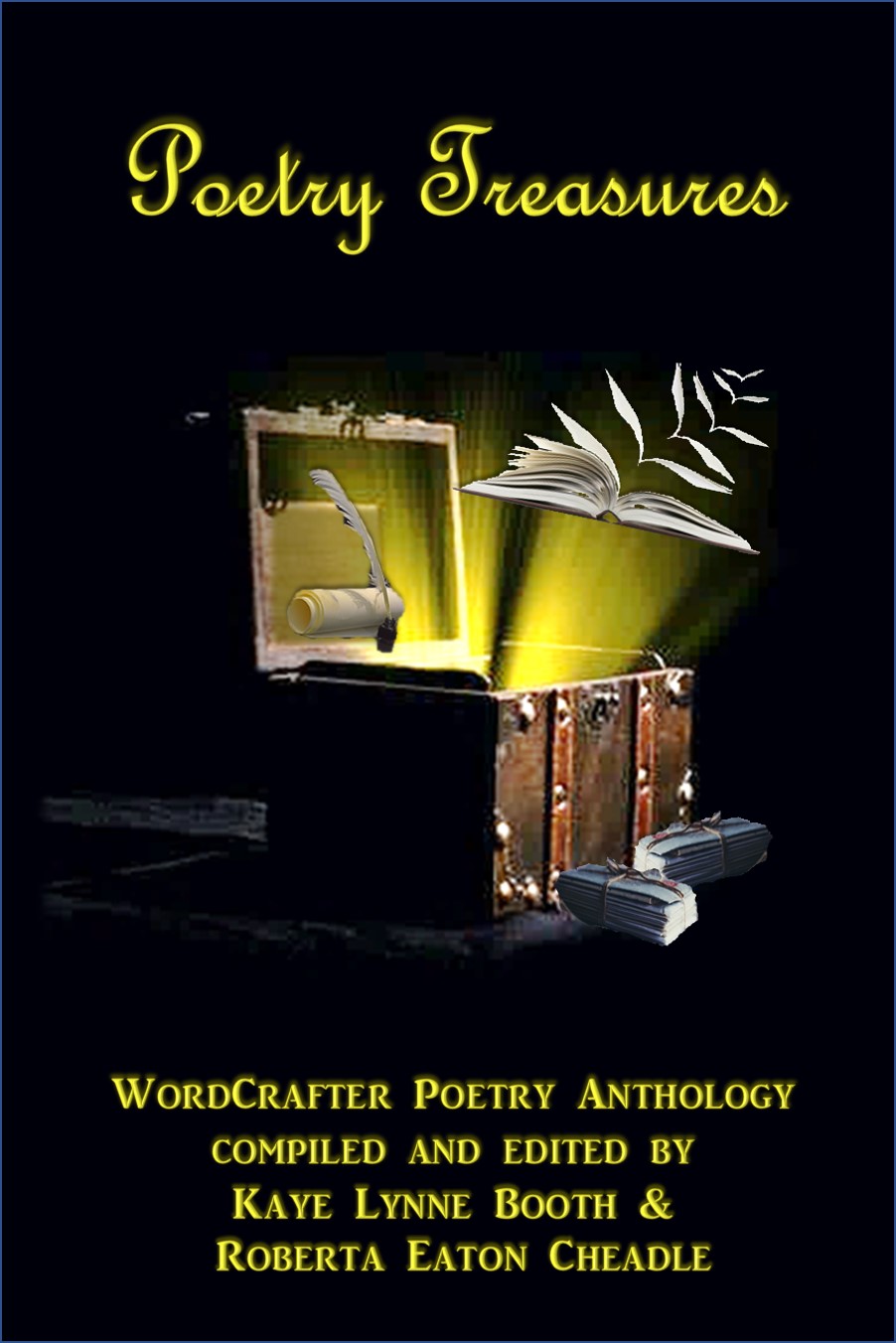
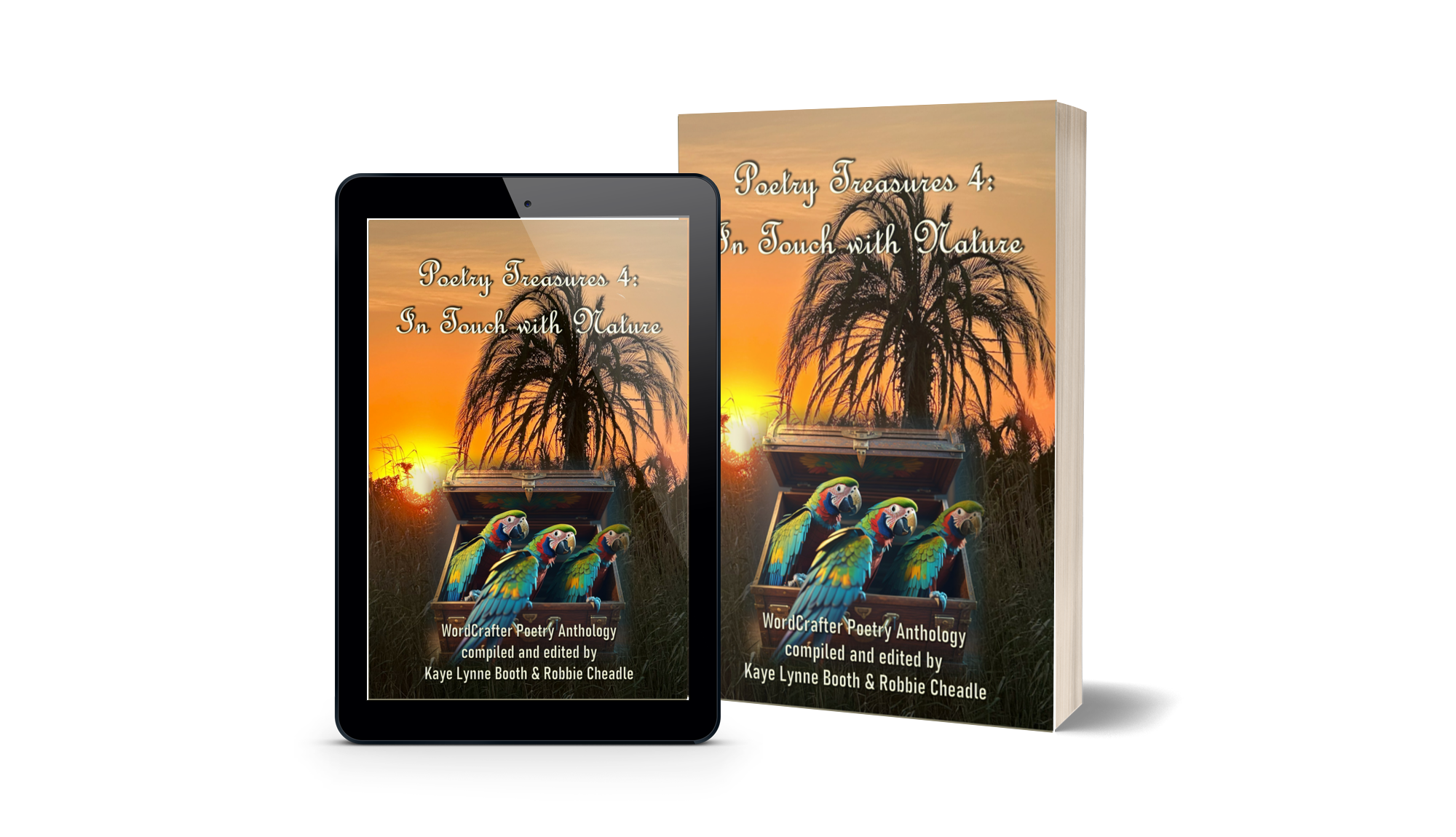
Announcing the release of Poetry Treasures, the WordCrafter poetry anthology featuring poetry by 2020’s author/poet guests on “Treasuring Poetry” blog series with Robbie Cheadle, right here on Writing to be Read.
Nine creative and talented poets have come together to produce this unique poetry collection, each one is truly a poetry treasure.
2020 “Treasuring Poetry” Featured Poet/Author Links:
Sue Vincent (December)
Sue Vincent (April)
Geoff Le Pard (October)
Frank Prem (August)
Victoria Zigler (March)
Colleen M. Chesebro (February)
K. Morris (July)
Annette Rochelle Aben (May)
Jude Kirya Itakali
Roberta Eaton Cheadle (Host)
______________________________________________________________________________________________
Like this post? Let me know in the comments. You can be sure not to miss any of Writing to be Read’s great content by subscribing to e-mail or following on WordPress. If you found this content helpful or entertaining, please share.
Share this:

Mind Fields – Why I Started Smoking Again
Posted: April 16, 2021 Filed under: Commentary, Mind Fields, Photography | Tags: Arthur Rosch, Education, Mind Fields, Smoking, Teaching, Writing to be Read 17 Comments
After seventeen years of tobacco-free life, I started smoking again.
(Long pause)
Goddammit!
I hate it when I do something SO stupid there’s no excuse for it, SO asinine that the only way to absolve myself is to take a spanking by bending over and backing up into a wall really really fast.
In 2001 after huge exertion, I quit a three pack-a-day habit. I am not a cold turkey type of person. I’m more like a warmed over chicken type of person. I have to do things in steps.
To quit smoking I used nicotine gum and the patch. In two months I was down to half a pack a day. I know, you’re not supposed to smoke and wear the patch. Tough. I did. Then I made a big jump. I went to a mere two cigarettes a day. I managed my craving by hiding cigarettes in plastic bags on the side of the road. I smoked them on my way to and from work. On Monday morning I bought a pack and spilled sixteen cigarettes into the trash. As I drove the rural twisting road to work I smoked my first cigarette. Then I paused at my secret stash place, took a baggie from my pocket and deposited the remaining three cigarettes under a bush. On the way back from work I stopped again and smoked the second cigarette.. On the day following, I stopped at the bag in the morning, took out a cigarette, then stopped again in the evening. Every other day I would buy a new pack and start the cycle again. One day a motorist spotted me as I was putting my baggie under the bush. He drove past, pretending not to see me. I drove a bit further in the opposite direction and stopped. I could see the man through the trees. Sure enough, he was looking around for whatever I had put in the baggie. I don’t know what he was expecting. Was he hoping for an ounce of weed or a wad of hundreds wrapped with a rubber band? He found my bag, and I saw his shoulders slump in disappointment. The man was obviously a low character.
He lit the cigarette, tentatively at first, to test it. Maybe there was something “special” about it. Alas, there was not. He finished the smoke, (the nerve of the guy!) crushed it underfoot and returned to his car.
I understood at that moment that I had reached the height of the ridiculous. It was time to end the farce. No more cigarettes. I was done.
It was lovely, being free of tobacco for twenty years.
What drove me back to smoking? What could be so frustrating, so enraging to cause me to undo that effort, the dedication that I had given to ending my addiction?
I taught a class of rich tenth graders about the marvels of digital photography.
I had been hired by a private school to teach one semester. The money was good. I taught three classes per week. The head of the board of directors had read an article about my volunteer work with a low-income high school. I had done four years of mentoring. Working with disadvantaged kids had given me deep satisfaction. They were respectful, hungry and grateful. At the holidays each student made a card for me using a personal photo project. Some of them were lovely. Some of them betrayed an appalling lack of literacy. The students’ basic reading and writing skills hardly existed. I got a photo card from a senior. It had a razor-sharp black and white shot of a street scene. The little girl jumping rope was in mid-air. The old guys loafing in chairs were laughing as clouds of beer-spit hovered before their lips, each globule perfectly stopped like a cluster of stars in space. Some were small white and foamy, some were clear and spherical, some were shaped like flying liquid bullets. This was a real talent in the making. The boy’s scrawled message read like this: “Thang yu m Rosh fore teeshng mu to shit photo”
Then came the offer to teach at “Country Day Academy”. I was thrilled to have a chance to be paid nearly five thousand dollars to teach a semester in a school where every student would have a laptop and a digital camera.
The school was a beautiful facility. It was set in the midst of parklands. There were benches under oak trees, little waterfalls, gentle rolling hills. I saw kids skateboarding along broad walkways, wearing torn jeans and hoodies. Most of the students seemed attached to a cell phone or an Ipod.
I had done my mentoring in a public school built like a prison. It was all fences, high walls and right angles. There was no greenery, no plant life. Trash blew along its paved quadrangles, empty Cheetos bags yawed in the wind. Every year there were a handful of murders among the student body. Memorial posters hung in the corridors:
“Jerry Rodrigues, 2003-2018. We’ll miss you.”
The posters were enlarged class photos of self-conscious teenagers with bad skin and confused expressions.
“Nguyen Van Pham, 2004-2019. So Much Promise.”
I felt no fear. Wherever I walked students greeted me.
“Hey Mr. Rosch, how ya doin?”
“Mistah Rosch, ‘wots happenin? Everything’s cool, it’s all good, you know?”
I carried four thousand dollars worth of gear in my photo bag. I never had any trouble at Naked Gun High School.
Now I was in a different environment, an affluent California suburb. I was confident I could ignite a love of photography in some of these kids at “Country Day Academy”.
On the first day of the semester, I arrived at my classroom half an hour early and set up my tools. I had a laptop and my camera gear. The school provided a digital projector so I could show images and procedures on my computer to the entire class. I would have loved a digital projector back at Flying Bullets High School.
Every student was to have a Mac laptop for my class at “Country Day Academy”. The latest and best photo editing software would be installed on each computer.
There were four rows of long tables with chairs in the classroom. They formed a square that was open at the ends. In the room’s center I had a small table to hold the computer and projector while I spoke. I could stand outside the square and walk around the classroom to reach each student. I could see all twenty four of my students and they could see me.
I had been told that I could use basic forms of verbal discipline. There would be no shouting, no cursing and of course no corporal punishment. To back up my discipline I had the option of sending a student to the principal’s office. This was a feeble deterrent. The principal, Mrs. Forster, was as frightening as a stick of cotton candy. She used “therapy talk”. “What are your feelings, Trish?. Why are you acting out? What can we do to resolve your issues?”
At one o’clock the bell rang to begin fourth-period class. Within five minutes, fifteen of my students had drifted in and taken a seat. They were talking among themselves. They gave me a cursory glance. The boys continued pushing one another and laughing. Several were immersed in portable video games. The girls were listening to their Ipods, talking about boys and squealing at supersonic pitch.
By ten after one, another four students had arrived. They took their seats casually and looked around the room. They were either smirking or looking completely stricken and miserable.
I still had five missing students. I started the class.
“Hi, I’m Mister Rosch, and this is a class in digital photography. Would each of you answer when I call your name? I need a while to remember names, but I’ll know you guys soon enough.”
They looked at me as though a giraffe had suddenly materialized in the room, something completely out of place, exotic and impossible to ignore.
A girl wearing a soft white hoodie sat at the end of the rear table. Her eyes were unfocused. I knew she was listening to music. It was so loud I could hear it. I was amazed that her head didn’t turn to mush.
“Young lady, please take the hood down and turn off the Ipod.”
She didn’t hear me. I met the eyes of the girl next to her and cocked my head to the right. The girl poked her neighbor. The hoodie girl emerged from her trance. Her neighbor spoke with enough volume to be heard over the music.
“Off the hoodie! No Ipod,” she yelled, poking her thumb in my direction to fix the blame where it belonged. The girl’s face emerged from the shadow of the sweat-shirt’s hood. She was lightly freckled, her hair short and black. One of her cheeks was distorted by a huge wad of gum being masticated with large chomps of her teeth. Her mouth opened and closed like that of a lamprey.
“Your name is?” I asked. .
She removed the chunk of gum and put it into a tissue. “Stephanie,” she answered. She placed the gum and tissue in her backpack.
“Stephanie…Stephanie what?”
“Oh..uh.. Stephanie Blarney,” she said, and there was a titter of quiet laughter from the class.
I looked at my roll list and found one Stephanie, last name Hubbard.
I asked the girl in the next seat. “Is she Stephanie Hubbard?”
“Guess so,” the adjacent girl answered. She looked to her left. “Is that your name, Blarney?”
“Yeah,” Stephanie Hubbard grunted. The white ear buttons of her Ipod dangled from her dainty hand like the eye stalks of an insect she had just squashed.
I was about to resume roll call when a thin young gentleman appeared. His skin was conspicuously pimpled, his hair looked like a broom that had served as a target for shotgun practice. His eyelids were at half mast. Marijuana vapor rose from his clothing like mist from a rain forest.
As he took a seat I said, “Sir, you’re twenty minutes late.”
He looked up at me and said, “Huh?”
“Twenty minutes,” I said.
“Twenty minutes what?”
“You’re twenty minutes late,” I repeated. I wasn’t going to get angry. What would be the point?
“Oh well that’s cool,” he responded.
“Just take a seat, please.”
The boy looked around for a place of comfort, for a friend, an acquaintance, a safe spot. He stumbled to and fro until he found a seat that had no neighbor. His spot was padded with two empties on one side, and an empty on the other.
Some of the students were laughing at the boy. Little snorts gusted from their noses.
I continued the roll. Megan Ballantine. Anthony Candoli. Keith Eberhardt.
I had gotten that far when the door opened and a compact black student entered the room. He was the only black student I had seen on the campus. He walked with a combination droop and bounce, very loose in his knees. His hands were held with each index finger pointed out while the other fingers curled into a fist. His limbs moved with the swaying grooves of the hip hop gangsta. His head was thrust forward, his elbows jogged, his arms kept criss-crossing his chest.
He went directly to a seat at the table nearest the door, scooched himself between two friends. There was a little rally of smacked hands, coded fingertwiddles and muttered incantations of “right on right on”.
When this was done the latter student squared himself to face forward and smiled at me with perfectly false sincerity and charm. His eyes twinkled with benevolent mockery.
“S’up man?” he asked rhetorically. “Everything ‘aight?”
I walked to the door and twisted the lock mechanism to the left, and then back to the right. I did it three more times, loudly, conspicuously.
It was 1:25.
“I want everyone to know that from now on this door is closed at three minutes after one. Class begins at one. You’ll have three minutes grace. That’s it. I’m cutting you slack.. Don’t even bother coming through the door after that. Go straight to the principal’s office.”
I repressed my desire to start a “when I was your age” speech. No good, no good, utterly useless and stupid.
I booted up the computer. The screen at the front of the room lit up to display its desktop. I sat in the chair next to the computer and projector. I moused onto the icon of Photoshop, so I could open the program.
“There were supposed to be twenty four computers here,” I said to the class at large. “Does anyone know where those computers might be?”
A hand shot up. It belonged to a young man with a broad forehead and the faint beginnings of a moustache. He wore glasses and was dressed neatly in a short -sleeved shirt and belted khaki pants.
“Your name is?” I began.
“Damian,” he said. “I think the computers are still being checked out by Jeff in the tech lab. He’s supposed to bring them here when he’s done.”
There’s always a kid in class who wants to help the teacher. Sometimes he’s the smart kid, the geek. Sometimes he’s the kid with the worst grades. He becomes a helper out of desperation. I had a feeling that Damian was the-geek. He spoke with a quick enthusiastic tone. He knew everything, had all the answers. I saw several sets of eyes roll upward. This was the familiar Damian known to the student body.
Damian nudged the boy next to him. “Bock,” he said confidently, “Why don’t you go down to tech lab and get those laptops, or find out why Jeff hasn’t brought them up ?”
Bock was a chubby frazzle haired person whose shirt buttons weren’t properly aligned.
The division of labor had already been apportioned. I had one of each, the geek and the helper with the low grade point average.
Without referring to me or looking in my direction, Bock rose from his chair and loped out the door.
“He’ll take care of it, Mr. Rosch,” said Damian with calm familiarity. “Jeff is notoriously slow.” He pantomimed the act of inhaling marijuana. The air hissed through his lips. “He gets the job done but he loses track of time.”
First day problems, I thought. At least the projector was there, and it worked.
“I’d like to finish calling the roll, so at least I can put some names to faces,” I requested. I tried to keep my tone calm.
Then a pert little girl wearing denim overalls and a plaid Pendleton raised her hand and waved it like a semaphore.
“Okay,” I said fatalistically. “What’s your name?”
“Um…I’m Kate…and…um…I need to go to the bathroom.”
“Kate,” I answered, looking conspicuously towards the wall clock. It said 1:30. “This class is over in twenty minutes. Can you possibly wait until then?”
“I …um….well…it’s you know…girl problems, a real emergency.”
What was I going to say? No, you can’t replace the leaky tampon in your snooch? I didn’t entirely believe her but I couldn’t be sure. I made the worst tactical error of the entire semester.
“Kate, just go,” I shook my thumb as if it had a mild burn. “Please come back here immediately. Don’t dawdle in the hall.”
Kate vanished in a whiff of pleasant soapy odor. I didn’t see her until the next class, two days later.
Immediately another girl waved her hand in the air. I held my silence for a couple of minutes. The girl in her seat kept waving. I held the silence until the room acquired an uncomfortable muttering edge. There was a hole where a response should be and no one wanted the hole to continue existing. Words began to spout from students’ mouths, random words, like “Man,” or “Hey”, or “Jeez. Finally the girl said, “Fuck, man, I gotta go too!”
I nodded. Three other girls rose with her, and all of them fled the classroom as if a plague-carrying stink had arisen somewhere in the collective bio-mass. They were fleeing this stinky death as if it would otherwise stalk them the rest of their short lives.
Vizz! The door opened and closed. The class was down to fifteen again.
No sooner had the three girls vanished than a handsome young lad with the look of James Dean entered the room. The students were suddenly quiet. This young man, keeping his back to the wall, slid the entire perimeter of the classroom until he found the seat closest to me, the seat at the very end of the table next to the windows. He stuck out his hand and said, “Woodleigh. Atherton Woodleigh.” I shook his hand.
“Most people call me Lee. They tried calling me Woody but I cut them up a little and put a stop to that real fucking quick.” This was delivered with clear sincerity and humility. It wasn’t a boast. It was a fact.
I found the name of the sociopath on the roll list and marked it with a check and the time: 1:36.
The conversational volume in the room now grew until it was a general melee. Everyone was talking.
I found a phone book under the teacher’s desk near the windows. I raised it and slammed it down on the desk.
“Goddammit!” I shouted. “Will you shut up?”
They shut up. Now they were all watching me.
At that precise moment there was a clatter at the door and it pushed open as if by its own volition. I saw a long double tiered metal cart forcing its way into the room. The one called Bock slid past it and took its front end. He pulled with his back towards the class. Half his shirt tail hung over rumpled brown pants. At the other end of the cart, facing me, was a tall man with a long pony tail. He wore a black leather vest with a Hell’s Angel logo done in elaborate beadwork.
‘Here’s the Macs” Bock said triumphantly. Everyone began to rise from their chairs
“Sit down!” I commanded, and I was obeyed. “Bock, will you hand out the computers, please?”
The Tech Man, Jeff, said, “Sorry about the lateness, man. These lops are a little creaky from last semester. The Essential Theater Arts class used ‘em and those guys don’t care about their gear at all, no way. Had to reformat every one of ‘em. Not the kids, I mean. The computers. You know what a bitch that is?”
Each computer had a number taped to its bottom. The first student to get a computer was a bulky boy with light curly hair. He occupied the seat nearest the door. He looked under the computer and said, “Uh uh, this computer’s bunk, number zero one three six, uh..uh..it crashes every two minutes.”
He thrust the computer back onto the cart and reached for another. Jeff slapped his hands away.
“Ain’t no computer good enough for you, Rick, you do this every time I give you a lop, every fucking time.”
There followed a general rumble as students vied for computers with known reputations. These laptops weren’t the latest, greatest Mac Powerbooks. They had less RAM, smaller hard drives, and for two years they’d been in the hands of careless students. Some had scratches and dings but they still made an impressive pile of laptops.
I had been mentoring on the other side of the bay at Drawn Dagger High School. There was one computer per fifteen students and that computer ran with Windows 95 and might crash every time it tried to digest a large photo file. There were three printers in the photography room, ancient Hewlett Packards that printed only black and white. By dint of my own efforts soliciting photographers I had attracted six good but obsolete digital cameras, four or five monitors and a very old copy of pirated Photoshop. The software wouldn’t install properly on half the computers. I had gotten some refurbished Epson color printers but there wasn’t money for the ink. The teacher and I pooled our own funds and bought some ink.
This wrangling at “Country Day Academy” over Mac Laptops was too much for me. I felt as if someone had opened my chest and tied a square knot in my esophagus, then put it back inside me. Now I was expected to swallow.
I couldn’t swallow this. I couldn’t.
Every day was like the first day. Some were worse. A few were better. Mostly, they were like this: chaos, petty wrangling, disappearances to the bathroom without return, lateness accompanied by staggering indifference. There were rolled eyes, concealed music players, giggling, fights, reading comic books, animal noises and farts.
I tried really hard but I couldn’t help feeling that I’d failed in some obvious way. If I had been a better teacher I could have controlled these kids. I had two students who cared. One was mister geek, Damian. He had it all down. Technically he knew the subject better than I did. He needed counsel in the creative side but at least he cared. There was a girl named Lizzie. She was a big country girl with long straight reddish hair. She worked hard. She didn’t know anything, but she wanted to know. She worked, and she learned. Her photography was dreadful! Her photos looked like very poor snapshots. How could a person who learned what she had learned, worked as she had worked, still be incapable of making good images?
Some people have it, and some don’t.
I had promised that the student who showed the most progress would win a nice digital camera. It was a donation from other photographers. Liz won the camera. Damian didn’t need it. He already had a good digital camera and would probably end up at Harvard in a couple of years.
I projected the material on the screen while the students sneaked around in the dimmed classroom, plotting ways to disrupt their own educations. Their literacy was no better than that at Murder Incorporated High School. There was a difference. The kids at Murder Inc were trying but lacked the opportunity. The kids at “Country Day Academy” had the opportunity but were trying not to.
I assigned essays. I spoke about the work of historic geniuses like Steichen and Halsman. I showed presentations of images on the screen. I assigned homework. I asked the students to read up on Diane Arbus and Henri Cartier-Bresson. The latter was a French photographer who shot witty and profound black and white photos. He used a Leica, a small camera with which he could catch the spontaneity of Paris street scenes. I asked the class to turn in essays on the great Frenchman.
This was the one that sent me to buy a pack of cigarettes. This “essay” was scrawled on half of a torn piece of lined notebook paper in handwriting worthy of a four year old. My student had written the following: “Henry Carter Beast was a great photographer. He was a genius. He took a lot of pictures. They were all in black and white. They had some greys too I think.”
That was three years ago. I haven’t been able to stop smoking. I don’t buy tobacco. I have a friend, a retired lawyer, who has some farm land in North Carolina. He’s a tobacco connoisseur. He loves to play with blends, tweaking this and that, walking through his curing sheds inhaling every fragrance. I’m a member of his research team. He sends me a pound bag every few weeks. I make the cigarettes on a machine. The tobacco is without additives or adulterants. It’s a long way from Marlboros. That doesn’t change the fact that I am, again, a tobacco addict. I don’t smoke nearly as much as I did before. A few cigs a day. I stopped once. I know I can stop again.
Goddammit!
___________________________________________________________________________________________________________________________
Arthur Rosch is a novelist, musician, photographer and poet. His works are funny, memorable and often compelling. One reviewer said “He’s wicked and feisty, but when he gets you by the guts, he never lets go.” Listeners to his music have compared him to Frank Zappa, Tom Waits, Randy Newman or Mose Allison. These comparisons are flattering but deceptive. Rosch is a stylist, a complete original. His material ranges from sly wit to gripping political commentary.
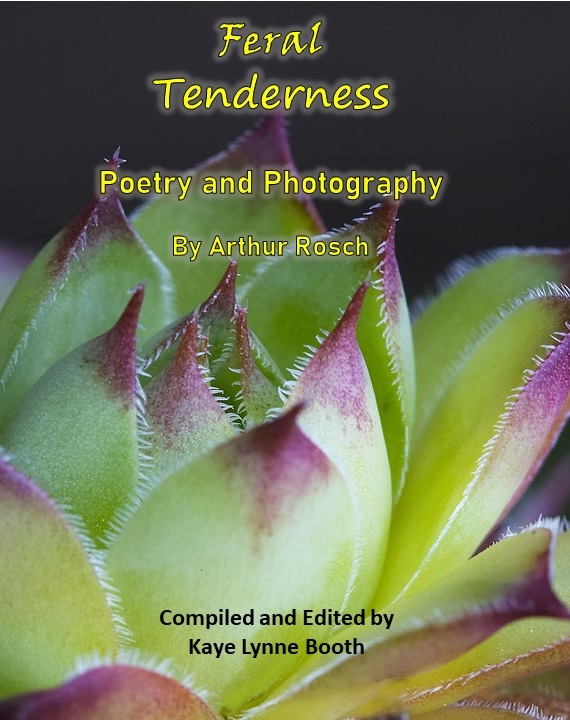
Arthur was born in the heart of Illinois and grew up in the western suburbs of St. Louis. In his teens he discovered his creative potential while hoping to please a girl. Though she left the scene, Arthur’s creativity stayed behind. In his early twenties he moved to San Francisco and took part in the thriving arts scene. His first literary sale was to Playboy Magazine. The piece went on to receive Playboy’s “Best Story of the Year” award. Arthur also has writing credits in Exquisite Corpse, Shutterbug, eDigital, and Cat Fancy Magazine. He has written five novels, a memoir and a large collection of poetry and photography, Feral Tenderness. His autobiographical novel, Confessions Of An Honest Man won the Honorable Mention award from Writer’s Digest in 2016.
Visit Arthur’s blog, Write Out of My Head.
See Arthur’s Photography here: https://500px.com/p/artsdigiphoto?view=photos
_____________________________________________________________________________________________________________________________
Want to be sure not to miss any of Art’s “Mind Fields” segments? Subscribe to Writing to be Read for e-mail notifications whenever new content is posted or follow WtbR on WordPress. If you find it interesting or just entertaining, please share.
Share this:

“Unmasked”: An appropriate short fiction collection for a pandemic era.
Posted: April 12, 2021 Filed under: Book Review, Books, Fiction, Stories | Tags: Book Review, Kevin J. Anderson, Short Fiction, Unmasked: Tales of Risk and Revelation, Writing to be Read 8 Comments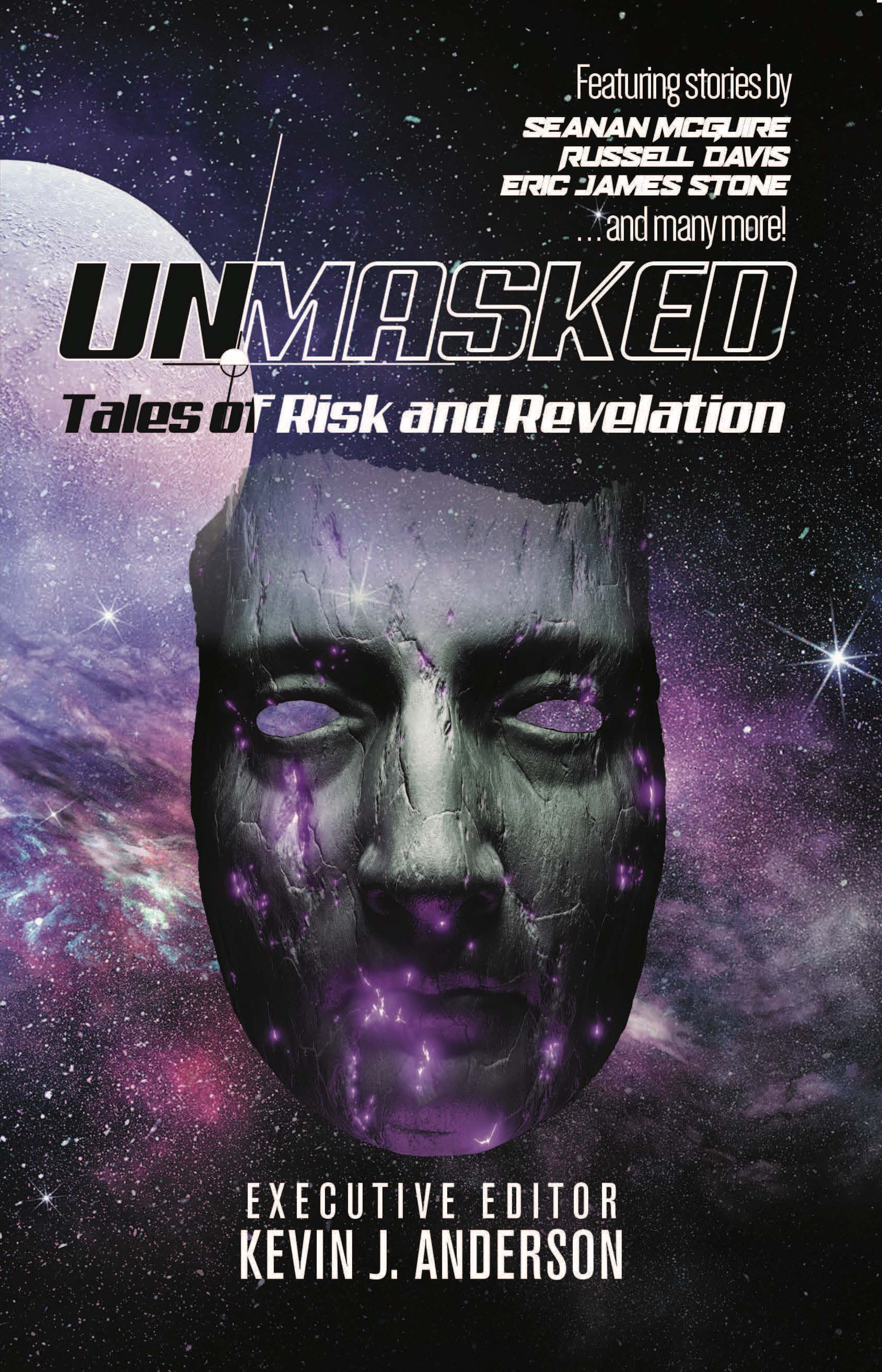
This pandemic has changed a lot of things for everyone, including what we wear and how we interact with others. Who hasn’t walked away from an encounter with someone, who we know, but didn’t recognize under their mask? Who hasn’t struggled to understand a situation properly due to the fact that we are unable to read someone’s facial expressions beneath their mask? (I have often wondered over the past year how the deaf have adapted since they cannot see any lips to read.) The necessity of wearing masks has made simple social interactions more difficult in many ways, and added an element of mystery to everyday interactions, when we are fortunate enough to be able to interact under government restrictions.
Masks may hide a lot of things, but they can also be revealing in some ways, as you’ll see if you read the new WordFire Press short fiction anthology, appropriately titled Unmasked: Stories of Risk and Revelation. Edited by Kevin J. Anderson, this collection of short stories offers many different ways to look at masks and some surprising revelations about what may be hidden beneath the mask. There are many reasons to wear masks. Sometimes they are the key to awakening super powers that we never knew we had, as in the first story by Seanan Maguire, “Pygmalion”, or perhaps the mask grants the ability to hide in plain sight, as is the case in “I Have No Name”, by Andi Christopher, or perhaps a mask holds a savior in disguise, as in “The Green Gas”, by Liam Hogan or “The Fog of War”, by Edward J. Knight. In “The Faces of Death”, by Ed Burkley, masks hold the past, or perhaps predict the future.

Masks are a form of disguise, camoflauge for what truly lies beneath, an illusion which covers what is real, as in “Framing Marta”, James Romag or “Death by Misadventure” by John M. Olsen. A mask may take the form of the shadow of a soul searcher, as in “The Quota”, by Tom Howard, or that of a self-aware sex-bot, as in “Qualia”, by Russell Davis, or a shadow creature, as in “Shot in the Dark”, Brennen Hankins. Masks can hide the true identity, as in “Pagliacci’s Joke”, by Travis Heerman, or perhaps enhance the strengths of the persona underneath, as in “La Marionnette, by Alicia Cay or “A New Purpose”, by Rebecca M. Senese. The parallel post-pandemic world of “Speakeasy”, by Keltie Zubko, hits close to home and removing the mask may not be worth the risk after all.
My favorite story from this collection has to be “Sinner, Baker, Fabulist, Priest; Red Mask, Black Mask, Gentleman, Beast”, by Eugie Foster. A tale which takes place in a world where masks are the norm, with individual personas that are imprinted on the wearer so that they may live a different life each day.
In Unmasked: Tales of Risk and Revelation, each story stays true to theme and they are filled with surprises. I found this anthology quite entertaining and enjoyable. I give it five quills.

____________________________________________________________________________________________________________________________
Kaye Lynne Booth does honest book reviews on Writing to be Read in exchange for ARCs. Have a book you’d like reviewed? Contact Kaye at kayebooth(at)yahoo(dot)com.
Share this:

“Mind Fields”- Suits
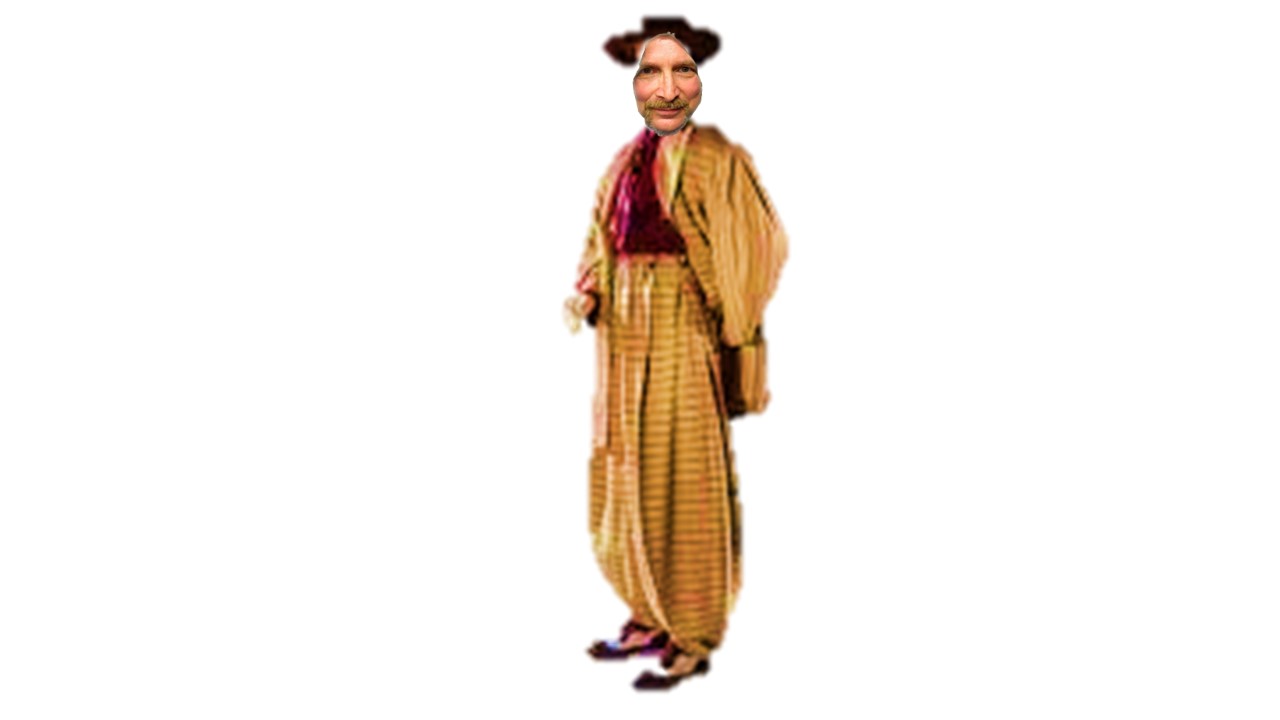
Posted: April 2, 2021 Filed under: Commentary, Mind Fields, Opinion | Tags: Arthur Rosch, Mind Fields, Suits, World of Fashion, Writing to be Read 3 CommentsI hate men’s suits. The only suit I would ever wear would be a Zoot Suit, a satire of a suit, with fifty pockets and a banana hanging out of every one, with four ties, one atop another, each with a picture of a naked woman or a flamboyant bird. I would wear a gigantic brimmed hat with a snakeskin band, and polished, pointed shoes with tassles.
Suits are the uniform of businessmen. They are utilitarian, bland and full of pockets. Suits are the devolution of steel-plated armor, they are about protection and concealment. In these concealed pockets are contained handguns, business cards, appointment books, cell phones, credit cards, cash, condoms and keys.

Suits are the symbol of aggressive competition, but are actually disguises of said competition because their function is to be soothing and conformist.
There’s a lot of hogwash these days about reading ancient Samurai books or other pieces of oriental philosophy and applying them to the modern business world. Sun Tzu’s “The Art of War,” or Miyamoto Musashi’s “The Five Rings.” This equation between the ancient world of the warrior and the modern businessman is a bit of a stretch, spurious indeed. Sun Tzu and Musashi were men of subtlety. Their books are subtle works about archetypal activities, War and Competition. These activities are bred into the human psyche. I have no problem with soldiers and their uniforms, ceremonies, codes of honor and elaborate etiquette. I have a problem with cunning masquerading as subtlety. Subtlety is never destructive. Cunning is frequently destructive. The men who wear suits have mistaken destructive cunning for philosophical depth, and are hoping to imbibe some of this depth by reading ancient books by men of deep intuition, learning and skill.
The utilitarian suit with its meaningless tie and its muted colors is a sad descendant of the flowing sleeves and pantaloons of ancient warriors, the lacy cravat, the jeweled scabbard and its adornments.
Self expression, adornment, wildness and color are innate to the human soul. We’re in deep trouble when such natural outlets are discouraged. The hippies let adornment, eccentricity and flamboyance become a way of life. This trend can never be suppressed: it emerges in contemporary young people as tattooing, body piercing, hair coloring, all time-honored ways of adorning and decorating one’s own body as an expression of individualism.
Share this:

Dark Origins – Little Jack Horner, a nursery rhyme
Posted: March 24, 2021 Filed under: Dark Origins, Nursery Rhymes | Tags: Dark Origins, Little Jack Horner, Nursery Rhymes, Roberta Eaton Cheadle, Writing to be Read 65 Comments
When I was a girl I loved nursery rhymes. I had a beautiful Mother Goose book which I used to read often. Over the years that book disintegrated from frequent use and it was eventually disposed of. When my oldest son was born, I replaced it with a few new nursery rhyme books, all of which are beautifully illustrated.
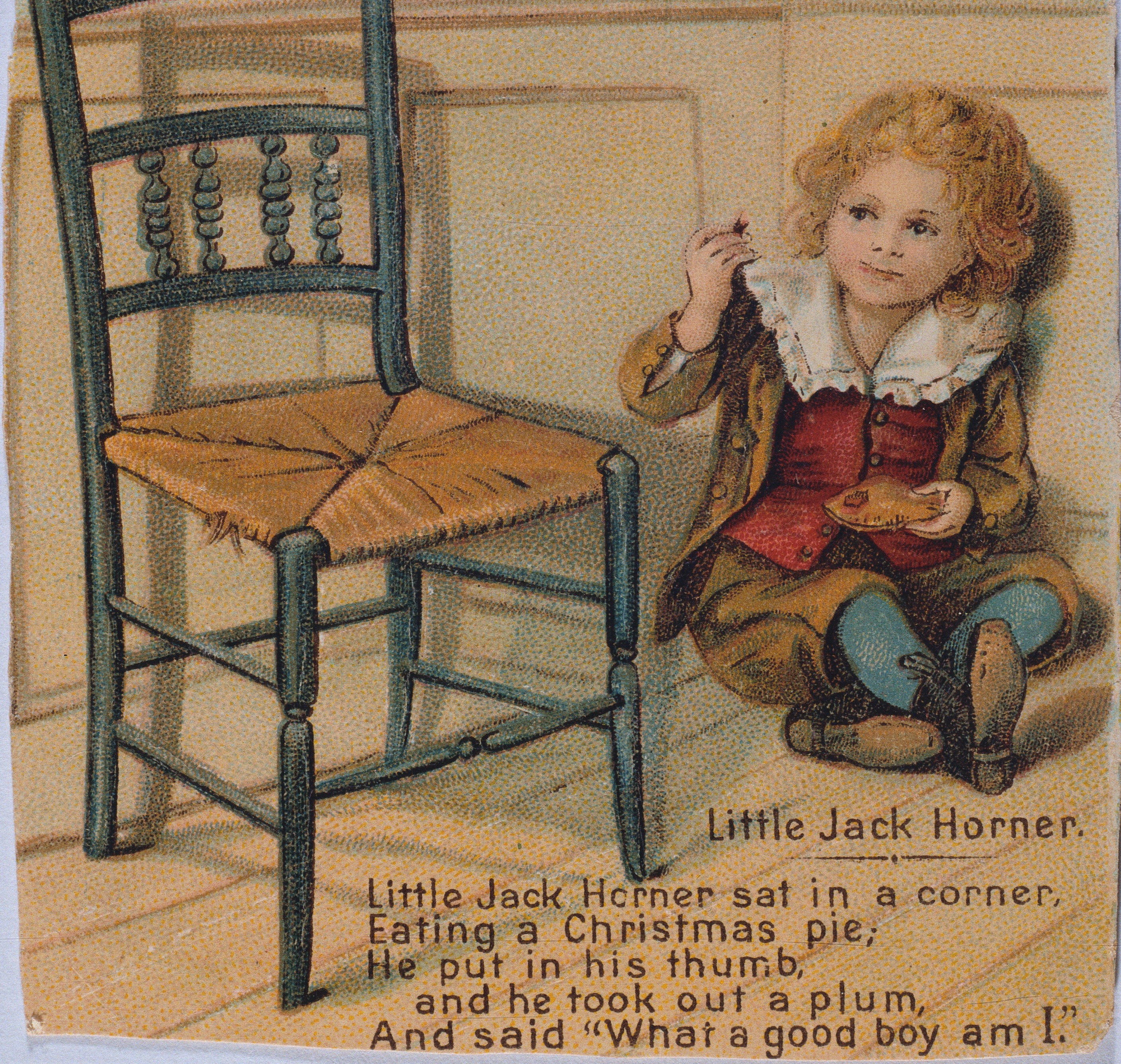
One of my favourite nursery rhymes is Little Jack Horner. The modern version goes like this:
Little Jack Horner.
Sat in the corner,
Eating a Christmas pie;
He put in his thumb,
And pulled out plum,
And said “What a good boy am I.”
The text of the original nursery rhyme is somewhat different and is believed to have originated in 1538 during the English Reformation. During the years 1536 to 1541, King Henry VIII set about an administrative and legal process whereby he disbanded monasteries, priories, convents, and friaries in England, Wales and Ireland. The incomes previously earned by the monasteries were expropriated by the crown and their assets were seized.
It is speculated that the Jack from this nursery rhyme is Thomas Horner who was a steward to the last abbot of Glastonbury, Richard Whiting. According to the story, Horner was sent to London with a Christmas pie for King Henry VIII. Inside the pie the deeds to twelve manor houses were hidden. These were intended to be a gift to the king and a last effort by Richard Whiting to prevent the nationalisation of church lands and the destruction of Glastonbury Abbey.
On the way to London, Horner discovered the deeds hidden in the pie and took for himself the deeds of the manor of Mells in Summerset. Shortly afterward, Horner moved into the manor and his descendants have lived in the manor house for generations. They dispute the claim that the deeds were stolen by Horner.
The origin of this nursery rhyme fascinates me so much I have incorporated it into my writing. In my supernatural novel, Through the Nethergate, it is mentioned by one of the main supporting characters, the Monk.
Extract from Through the Nethergate relating to Little Jack Horner
Here is an short extract from Through the Nethergate that details the original wording of this nursery rhyme and a peek into its history:
“Margaret continued to watch him. She wasn’t sure where this outpouring of information was going.
I’m talking to a ghost, she thought. Someone who says he was born in 1483. Bewilderment and fear fluttered in her stomach.
The monk seemed to pull himself together and continued to speak:
“In 1536, King Henry VIII set about the dissolution of the monasteries. Monasteries, priories, convents and friaries in England, Wales and Ireland were disbanded and their income and assets appropriated by the Crown.”
The monk’s eyes seemed to glisten in the dim light.
“In the run up to Christmas 1538, Richard Whiting sent a gift to the king in a last effort to prevent the nationalisation of church lands and the destruction of the abbey. The gift was a huge Christmas pie with the deeds to a dozen manor houses hidden inside it. The abbot chose two trusted men to deliver the gift; one was his steward, Thomas Horner, and the other was me.”
A smile suddenly lit up the monk’s face.
“Do you know the nursery rhyme, Little Jack Horner?”
Margaret nodded again. A little taken aback at this sudden change of direction to the conversation.
Now he sings of Jackey Horner,
Sitting in the Chimney-Corner,
Eating of a Christmas pye,
Putting in his thumb, Oh fie!
Putting in, Oh fie, his Thumb,
Pulling out, Oh strange! A Plum.
“That nursery rhyme was written about Thomas Horner. During the journey, he opened the pie and took out the deeds of the manor of Mells in Somerset, which he kept for himself.”
“What about you?” Margaret asked. “What happened to you?”
The monk looked at Margaret, his smile slowly fading.
“I was killed, of course. Stabbed through the heart by that treacherous and thieving Thomas Horner.”
The monk’s shoulders slumped dejectedly and his mouth turned downwards.”
The story of the Monk’s death is included as a short story in a murder mystery anthology, Death Among Us.

I was planning to visit the ruins of Glastonbury Abbey last year, but sadly Covid-19 put paid to that trip.
There are two interesting features of Glastonbury Abbey that make it very interesting to me:
- The graves of King Arthur and Queen Guinevere’s tomb are purported to be in Glastonbury; and
- The Abbot’s Kitchen is described as “one of the best preserved medieval kitchens in Europe”

About Roberta Eaton Cheadle
I am a South African writer specialising in historical, paranormal and horror novels and short stories. I am an avid reader in these genres and my writing has been influenced by famous authors including Bram Stoker, the Bronte sisters, Amor Towles, Stephen Crane, Enrich Maria Remarque, George Orwell, Stephen King, and Colleen McCullough.
I was educated at the University of South Africa where I achieved a Bachelor of Accounting Science in 1996 and a Honours Bachelor of Accounting Science in 1997. I was admitted as a member of The South African Institute of Chartered Accountants in 2000.
I have worked in corporate finance from 2001 until the present date and have written seven publications relating to investing in Africa. I have won several awards over my twenty year career in the category of Transactional Support Services.
I have been published a number of anthologies and have two published YA books, While the Bombs Fell and Through the Nethergate. I have recently published my first adult novel called A Ghost and His Gold which is partly set in South Africa during the Second Anglo Boer War.
Find Roberta Eaton Cheadle
Blog: https://wordpress.com/view/robertawrites235681907.wordpress.com
Twitter: https://twitter.com/RobertaEaton17
Facebook: https://www.facebook.com/robertawrites
Amazon: https://www.amazon.com/Roberta-Eaton-Cheadle/e/B08RSNJQZ5
_____________________________________________________________________________________________
Want to be sure not to miss any of Robbie’s “Dark Origins” segments? Subscribe to Writing to be Read for e-mail notifications whenever new content is posted or follow WtbR on WordPress. If you found it interesting or entertaining, please share.
Share this:

“No Secret Too Small”: A historical western novel
Posted: March 22, 2021 Filed under: Book Review, Books, Historical Fiction, Review, Western | Tags: Book Review, Historical Fiction, Loretta Miles Tollefson, No Secret Too Small, Old New Mexico Novels, Western, Writing to be Read 2 Comments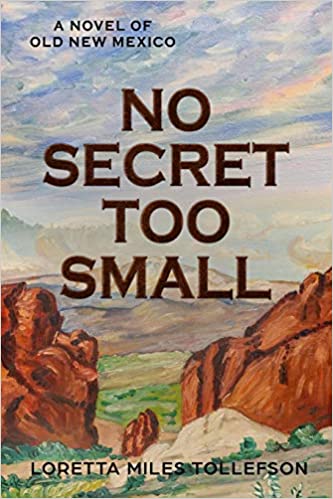
I always love reading the historical western novels of Loretta Miles Tollefson, and No Secret Too Small was no exception. It has all the attention to detail that I’ve come to expect from her Old New Mexico Novels, placing me into a setting and time that no longer exist, yet Tollefson makes it feel oh, so real, even if only for the time it takes to read the story. Loretta Miles Toleffson masterfully paints a visual picture for the mind’s eye, bringing historical times and events to life with brutal clarity.
Miles’ Old New Mexico Novels are skillfully written to feature many of the same characters at various points in time. So, while No Secret Too Small features Alma, who was introduced as a baby in Not My Father’s House, (see my review here), this story is easliy followed when read as a stand alone book. This story is a part of more than just the saga of one family, it is a part of a piece of history, a time when living was a gamble, in a land where survival is no game.
No Secret Too Small speaks to that struggle to survive, but it also speaks to the racism and predjudice of the period. Old New Mexico in the 1800’s is no place for a woman alone with two children. But pride is a funny thing and that is just where Alma and her mother and brother find themselves in a time of civil unrest and rebellions, after her mother discovers the truth about her father’s heritage. We receive Alma’s story through her young eyes, as she watches her mother struggle to survive as she discovers and deals with the predjudices she didn’t even realize that she had. Alma learns much about the world and human nature, much of it too ugly for such young eyes to view. She yearns to return to her valley, and to be a whole family once more, but she has little control over the adult world around her. She can’t make her father come for them any more than she can make her mother decide to return home.
If you like historical novels that paint their periods vividly for readers, and features characters you can care about, then No Secret Too Small is a must read. A well-crafted story that holds the reader’s interest until the last page has turned, Tollefson draws you into the story and takes you back with her characters into times long past with period details that have obviously been well researched. A story that will no doubt touch hearts, I give it five quills.
Buy Link for No Secret Too Small
_______________________________________________________________________________________________________
Kaye Lynne Booth does honest book reviews on Writing to be Read in exchange for ARCs. Have a book you’d like reviewed? Contact Kaye at kayebooth(at)yahoo(dot)com.
Share this:

Treasuring Poetry: Meet poet and author, Ritu Bhathal, and read about her thoughts on poetry
Posted: March 20, 2021 Filed under: Book Review, Books, Interview, Poetry, Review, Treasuring Poetry | Tags: Book Review, Poet Interview, Poetic RITUals, Poetry, Poetry Collection, Ritu Bhathal, Treasuring Poetry, Writing to be Read 61 Comments
Today, I am delighted to feature Ritu Bhathal, talented poet and author, as my Treasuring Poetry guest. Ritu has a lovely poetry book, Poetic RITUals, a romance, Marriage Unarranged, and is a contributor to This is Lockdown, compiled and edited by MJ Mallen.
Which of your own poems is your favourite?
There are a lot of poems I have written, which resonate, but one of my favourites will always be this one:
From Twinkle To Reality
Let me take you down that road,
Much travelled through eternity
The journey to become a mum,
From twinkle to reality.
The plans you make at a young age,
Full of gurgles and laughter,
The horror as you realise,
What really does come after!
The fun of trying,
The monthly wait.
The disappointment,
That feeling, you hate…
The years of trying,
Full of hospitals and checks,
The medication taking you over,
You feel like total wrecks…
Then finally, the day comes
That positive is clear
The goal that you were aiming for,
Has suddenly come near.
The months of fascination,
Your changing body grows
The feeling of satisfaction
That only you can know.
Those pain-filled days, or hours
To reach the prize you sought
The feeling of satisfaction
That this little bundle brought.
I gaze at you in wonder
Are you really here?
I’m overwhelmed with happiness
And a tiny bit of fear.
Will I be able to give to you
All you want and need?
As you look at me, wide eyed
Snuggled close while you feed.
Little blessing, sent from God
My heart is filled with joy
I will do all I can for you,
My darling baby boy.
And so the cycle continues
The waits and checks again
We’re gifted with a gorgeous girl
After a little more pain.
My life is here with me right now
Some twinkles from my eyes.
But I’ll never forget those twinkles
That now, do grace the skies…
A lovely poem, Ritu, that all parents can relate to. I can see why it is your favourite.
What inspired you to write this particular poem?
This poem is dedicated to my wonderful children, recognising the struggles to have them, and remembering my 2 angels lighting the sky at night. The words just came to me, one day, as I was running a bath. The poem formed within ten minutes, and garnered a great interest on my blog when I published it, and on my anthology, Poetic RITUals.
Which genre of poetry do you enjoy writing the most and why?
I have learned a lot about poetry, since I began blogging. I do love simple rhyming couplets and four-line rhyming verses, but I also love the succinct haiku, senryu and tanka forms. It’s amazing how much you can convey in such few syllables.
Which genre of poetry do you enjoy reading the most?
I don’t have a favourite genre of poetry to read. I find that, depending on the subject, all forms can appeal. Sometimes freeform poetry speaks to me, sometimes it is the simple abab rhymes. And who doesn’t love a limerick?
What is your favourite poem?
I have to say I don’t have a strict favourite poem, but I am a huge fan of Pam Ayres.
Here is a great one!
YES I’LL MARRY YOU MY DEAR
Yes, I’ll marry you, my dear.
And here’s the reason why.
So I can push you out of bed,
When the baby starts to cry.
And if we hear a knocking,
And it’s creepy and it’s late,
I hand you the torch, you see,
And you investigate.
Yes I’ll marry you, my dear,
You may not apprehend it,
But when the tumble-drier goes
It’s you that has to mend it.
You have to face the neighbour
Should our labrador attack him,
And if a drunkard fondles me
It’s you that has to whack him.
Yes, I’ll marry you, my dear,
You’re virile and you’re lean,
My house is like a pigsty
You can help to keep it clean.
That little sexy dinner
Which you served by candlelight,
As I just do chipolatas,
You can cook it every night!!!
It’s you who has to work the drill
And put up curtain track,
And when I’ve got PMT, it’s you who gets the flak,
I do see great advantages,
But none of them for you,
And so, before you see the light,
I DO, I DO, I DO!!
Haha, Ritu, you had better hope Hubby Dearest does not read this.
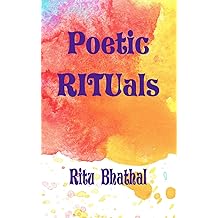
Poetic RITUals
What Amazon says
Delve into a book of verse exploring different topics and different genres, all with a RITUal twist.
A collection of poetry drawing on the experiences of the writer, ranging from matters of the heart, love for the family, situations in life and some verses written with a humorous twist.
My review
This is a delightful book of poetry with a lot of variety in the tone and content of the poems. They are all written from a very human perspective and cover the day-to-day life of a Mother of two, wife and employee with a lovely twist of humour. As all of these things myself, I found the verses to be very relatable. The book is divided into four sections which each deal with different aspects of life, namely, Family RITUals, Life rituals, Rituals of the heart and Rituals to make you smile.
Who could not enjoy such words as the following:
“Snuggled close while you feed.
Little blessing, sent from God
My heart is filled with joy”
This took me right back to those first days as a Mother and the closeness of cuddling your new-born and breastfeeding.
“A cough or sniffle, fever, rash
You wish you could
make them well
but other than love, and Calpol
It’s a parent’s
Form of Hell”
As a Mother of a child with a chronic illness, this verse had me nodding my head in agreement and feeling Ritu’s anguish.
I would recommend this book which is a keeper. A book to delve into for a smile when life gets heavy going.
Purchase Poetic RITUals
Other books
You can read my review of Marriage Unarranged here: https://www.amazon.com/gp/customer-reviews/R1UMFET10EPA4M
You can read my review of This is Lockdown here: https://www.amazon.com/gp/customer-reviews/R10H47WGGWTVWT
About Ritu Bhathal

Ritu Bhathal was born in Birmingham in the mid-1970s to migrant parents, hailing from Kenya but with Indian origin. This colourful background has been a constant source of inspiration to her.
From childhood, she always enjoyed reading. This love of books is credited to her mother. The joy of reading spurred her on to become creative in her writing, from fiction to poetry. Winning little writing competitions at school and locally encouraged her to continue writing.
As a wife, mother, daughter, sister, and teacher, she has drawn on inspiration from many avenues to create the poems that she writes.
A qualified teacher, having studied at Kingston University, she now deals with classes of children as a sideline to her writing!
Ritu also writes a blog, www.butismileanyway.com, a mixture of life and creativity, thoughts and opinions, which was awarded first place in the Best Overall Blog category at the 2017 Annual Bloggers Bash Awards, and Best Book Blog in 2019.
Ritu is happily married and living in Kent, with her Hubby Dearest, and two children, not forgetting the fur baby Sonu Singh.
About Robbie Cheadle

Robbie Cheadle has published nine books for children and one poetry book. She has branched into writing for adults and young adults and, in order to clearly separate her children’s books from her adult books, is writing for older readers under the name Roberta Eaton Cheadle.
Robbie Cheadle’s Sir Chocolate children’s picture books are written in sweet, short rhymes which are easy for young children to follow and are illustrated with pictures of delicious cakes and cake decorations. Each book also includes simple recipes or biscuit art directions which children can make under adult supervision. Her books for older children also incorporate recipes that are relevant to the storylines.
Roberta Eaton Cheadle’s supernatural stories combine fabulous paranormal elements with fascinating historical facts.
Children’s picture books – available as a square book and an A5 book (co-authored with Michael Cheadle):
Sir Chocolate and the strawberry cream story and cookbook
Sir Chocolate and the baby cookie monster story and cookbook
Sir Chocolate and the sugar dough bees story and cookbook
Sir Chocolate and the Condensed Milk River story and cookbook
Sir Chocolate and the Sugar Crystal Caves story and cookbook
Sir Chocolate and the Fondant Five story and cookbook
Sir Chocolate and the Ice Cream Rainbow Fairies story and cookbook
Middle school books:
Silly Willy Goes to Cape Town (includes five fun party cake ideas)
While the Bombs Fell (co-authored with Elsie Hancy Eaton)
Poetry book:
Open a new door (co-authored with Kim Blades)
Supernatural fantasy YA novel:
Through the Nethergate
Horror Anthologies (edited by Dan Alatorre):
Spellbound
Nightmareland
Dark Visions
Paranormal Anthologies (edited by Kaye Lynne Booth):
Spirits of the West
Whispers of the Past
Murder mystery Anthology (edited by Stephen Bentley)
Death Among Us
Find Robbie Cheadle
Blog: https://bakeandwrite.co.za/
Blog: robbiesinspiration.wordpress.com
Twitter: BakeandWrite
Instagram: Robbie Cheadle – Instagram
Facebook: Sir Chocolate Books
Want to be sure not to miss any of Robbie’s “Treasuring Poetry” segments? Subscribe to Writing to be Read for e-mail notifications whenever new content is posted or follow WtbR on WordPress.













Words to Live By – For Dora
Posted: April 21, 2021 | Author: Jeff Bowles | Filed under: Commentary, Editorial, Opinion, Words to Live By, Writing, Writing Life | Tags: Grief, Jeff Bowles, Loss, Mourning, Words to Live By, Writing, Writing to be Read | 2 CommentsFor Dora
It’s been tough around the house this month. My mother-in-law passed away after a long battle with liver disease. She’d been having severe problems for months, but as my wife said a few nights ago, we always thought we had more time with her.
I haven’t felt like writing. Even typing up a blog post like this is draining. Writing is a bit of a safe haven for me. Easily tumbling down the rabbit hole, so to speak, laying aside my heartaches and disappointments, entering worlds of my own design, inhabiting people who don’t really exist.
Dora was a writer herself, and a voracious reader, too. I stayed with my wife and her family a lot in the days I was first starting to tinker with short stories. Because Dora was enthusiastic and willing, I often asked her to read my fist drafts. Her comments were always complimentary, because it wasn’t in her nature to poke holes in something her kids had poured their hearts and souls into.
Her kid, that’s what I was. The family has two daughters, and both were married within a year of each other. Dora never differentiated between the four of us, or at least, she tried her best not to. If everyone was gathering in the same place, it was about the kids and whether or not we’d eaten, her kids and how we were getting along in life, the importance of the kids’ enjoyment of holidays, birthdays, work promotions, collegiate successes.
I have no bad memories of her. Truly, anything contentious between us didn’t live long enough to become an issue. She was always patient and friendly with me. I loved reading her yearly Christmas poems, which she sent to the entire extended family. Never missed a year or an opportunity to fret over one or two words. I liked that about her, a certain willingness to own what she’d created. She never tried to publish anything professionally, but the rest of the family agrees she should have.
Marriage, as it turns out, can be one hell of a rollercoaster ride. My wife and I will be celebrating our twelfth anniversary in September. Most of our friends have been married a far shorter time, which means we can dispense wisdom without pretense. Our marriage has been anything but perfect. Thwarted expectations, mental health issues, a lost house, lost job, grad school, which was pretty tough for me, because I do tend to have a sensitive mindset, things can set me off easily.
I have guilt over whether Dora knew how much I appreciated her, because I doubt I ever communicated it properly. I know my wife and father-in-law are suffering, but the truth is they’re both stronger than I am. There’s been so much in the last year to cause us all grief and misery. No shame shaking your fist at the bumpy ride behind and ahead of us. There’s nowhere else for me to be, nothing else I’d rather be doing. Dora was a presence in this house, this family. She was a pillar, holding things up in that matronly way that looks easy but can’t possibly be effortless. Life will be different now. Better or worse, I don’t know, but different for sure.
I can help my wife by making calls, figuring out logistics, being a shoulder to cry on. I’m not perfect, but then neither was Dora. Sometimes I expect her still to be here, watching movies or making dinner, reading, chatting, clipping digital coupons. One of the last things she did for me was to read the first novel I self-published. She loved it, told my wife I was talented and that I was never to give up.
She would’ve said that regardless of whether she enjoyed reading it or not, but I believed her wholeheartedly anyway. That’s what she meant to me. I was proud to be one of her kids. I’m still proud.
I’ll see you next month in Words to Live By. In the meantime, give someone important a hug. If they’re not a hugger, hug them even harder. Tell them you have my permission.
Jeff Bowles is a science fiction and horror writer from the mountains of Colorado. The best of his outrageous and imaginative work can be found in God’s Body: Book One – The Fall, Godling and Other Paint Stories, Fear and Loathing in Las Cruces, and Brave New Multiverse. He has published work in magazines and anthologies like PodCastle, Tales from the Canyons of the Damned, the Threepenny Review, and Dark Moon Digest. Jeff earned his Master of Fine Arts degree in creative writing at Western State Colorado University. He currently lives in the high-altitude Pikes Peak region, where he dreams strange dreams and spends far too much time under the stars. Jeff’s new novel, Love/Madness/Demon, is available on Amazon now!
Check out Jeff Bowles Central on YouTube – Movies – Video Games – Music – So Much More!
Share this: