Ice on Fire: A Story Worth Reading
Posted: June 23, 2017 Filed under: Book Review, Books, Fiction, romance | Tags: Amy Cecil, Book Review, Fiction, Ice on Fire, Knights of Silence, Motorcycle Clubs, romance 1 Comment
Ice on Fire, by Amy Cecil is the second book in her contemporary romance Knights of Silence MC series. An intricately woven story line, which ties characters to one another and to the other books in the series, takes readers on a journey into the violent, volatile world of motorcycle club mayhem, where broken souls heal and form family.
Book 2 of this series, Ice on Fire, follows the growth and development as three separate romances blossom, as Ice (or Caden), the president of the Knights of Silence, let’s the world believe he’s dead in an effort to protect those he loves from the retaliation of the Satans, after brutally killing one of their members, while he puts a plan into action to bring about a peace between the two rival clubs.
Although this story has the romance elements and some pretty steamy bedroom scenes, the main story line, mentioned above overrides all three budding romances, causing me to question if it can really be classified as the romance genre. For me, it was more a story of loyalty, with a theme of family sticking together, showing a different, softer side to the motorcycle club culture. With three budding romances in progress, the Knights of Silence certainly prove that they can be gentle and romantic.
It’s a good story line, and I will certainly read book 1, Ice, and maybe future books in the series, as well. My one criticism is that there were times when exposition pulled me out of the story, making me feel like a distant observer rather than a participant. I give Ice on Fire four quills.

Kaye Lynne Booth does honest book reviews on Writing to be Read in exchange for ARCs at no charge. Have a book you’d like reviewed? Contact Kaye at kayebooth(at)yahoo(dot)com.
Share this:

A Published Author At Last – Now It’s In My Readers’ Hands
Posted: April 24, 2017 Filed under: Book Review, Books, Fiction, marketing, Promotion, Publishing, Western, Writing | Tags: Books, Colorado, Delilah, Fiction, Kaye Lynne Booth, marketing, Novels, promotion, Review, Reviews, Western, Writing 2 Comments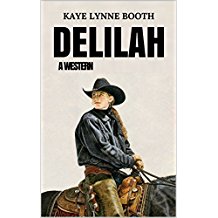
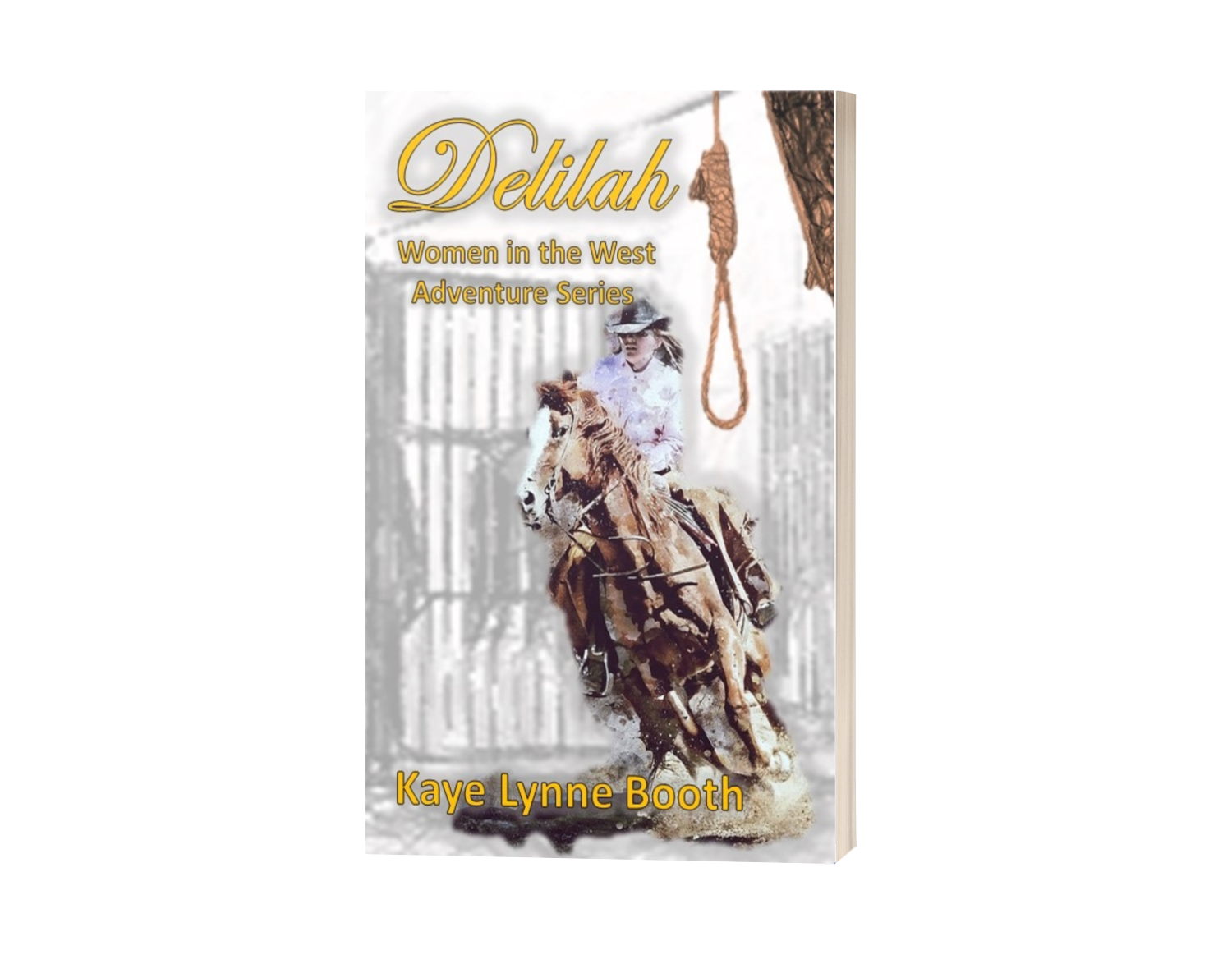
The exciting news this week is, Delilah is now available in digital format! It’s something I’ve been waiting for for quite a while, so of course, I am ecstatic. But, something many aspiring authors may not realize is that publication isn’t the end of the road. No, it’s actually just the beginning of a new chapter in the book of writing, this one titled Sell that Book.
For those of you who aren’t familiar with my road to publication, I started Delilah back in 2012, when I entered the M.F.A. in Creative Writing program at Western State Colorado University. The assignment given by my instructor, Russell Davis, was to write an excerpt in a genre outside our comfort zone. I was assigned to write in western genre, and low and behold, I found not only am I good at it, but I like writing western. Four years later, that small excerpt, grew into a 60,000 word western novel which I’ve been trying to find a publisher for over the past year.
You see, writing the book, while a great accomplishment unto itself, is only half the battle. It doesn’t do any good to write a story, if no one ever reads it. In order for that to happen, the book must be published, and while I could self-publish, (I had considered it), I held out hope of finding a publisher, and in the end my persistence paid off.
So, now that I got Delilah published, with the help of Dusty Saddles Publishing, I must get the word out through marketing and promotion. I must get people to read, and maybe more important, write reviews.
Reviews are where it’s at these days. According to Amazon, reviews are how you get your book promoted, and I just read somewhere that Amazon has recently increased the number of reviews needed for them to promote your book, from thirty-five to fifty or one hundred.
The question is, where do I get reviews from? Although I do honest reviews here, on Writing to be Read, I don’t know many other bloggers who do. So, it comes down to appealing to you, my readers, to buy Delilah, read it and then go onto Amazon and Goodreads, (Delilah will be listed there soon -another thing I still need to do), and leave a review.
If you are willing to go to the trouble of doing all that, I thank you, but I also ask that you leave a review that is honest. While I would love you to leave a review which sings Delilah’s praises, I want it only if it is heartfelt. If you see problems with my story, I need to know what they are, in order to improve my writing of future books, so I am asking for honest criticism, if you are kind enough to leave a review at all.
In the end, it’s up to you, the reader, how successful Delilah, or any book, will be. So, buy the books you want to read, (which I hope includes my debut novel), and be kind. Leave an honest review.
Kaye Lynne Booth does honest book reviews on Writing to be Read in exchange for ARCs at no charge. Have a book you’d like reviewed? Contact Kaye at kayebooth(at)yahoo(dot)com.
Like this post? Subscribe to Writing to be Read for e-mail notifications whenever new content is posted.
Share this:

“Horror 101: The Way Forward” Offers Good Advice for Authors and Screenwriters
Posted: February 3, 2017 Filed under: Book Review, Books, Children's Books, Comic Hero, Dialogue, Fantasy, Fiction, Horror, marketing, Paranormal, Promotion, Publishing, Revision, Science Fiction, Screenwriting, Self-Publishing, Speculative Fiction, Stories, Writing, Writing Tips | Tags: Books, Fiction, horror, marketing, Poetry, promotion, Reviews, Stories, Story, Writing 1 Comment
This is the longest book review I have ever written. This book was so packed full of useful information for rising authors and screenwriters that I felt I needed to cover it all. If you are an upcoming horror author or screenwriter, trying to figure out how to get a foot in the door or where to start in the matter of launching your career, Horror 101: The Way Forward offers “career advice by seasoned professionals”. Different writers will find different essays useful, so I’m giving you a rundown on all the informative essays included.
Compiled by Crystal Lake Publishing, this collection of essays has something for every writer. The anthology features quotes from the masters such as Stephen King, Ray Bradbury, Isaac Asimov, J.R.R. Tolkien, Jack London, Clive Barker, H.P.Lovecraft, Edgar Allen Poe and many others. Advice from professional writers and editors covers all aspects of the horror writing business, and the business of writing, in general. From submitting your work, to marketing and promotion, to self-publishing and building your writing business, to crafting your work and the writing process.
The answers to many questions on the topic of submissions and all other aspects of writing as a business are found within its pages. Not getting positive response from your queries? First read Rejection Letters – How to Write and Respond to Them by award winning author Jason Bark, which offers an attempt to write a rejection letter that doesn’t sting, (at least, not so much). Then, flip to Seven Signs that Make Agents and Editors say “Yes!” to learn what agents and editors look for. Buttoning Up Before Dinner by horror author Gary Fry also offers advice to put you in the good graces of publishers and editors and create well-written stories.
Unsure how to submit your work? Submitting Your Work: Read the F*****g Guidelines by freelance writer and editor John Kenny offers tips for making a professional submission from an editor’s perspective. And What a Short Story Editor Does by horror, fantasy and science fiction editor Ellen Dallow explains the responsibilities of short story editor.
Looking for sound career advice? Be the Writer You Want to Be by television writer and novelist, Steven Savile recycles the best writing advice the author was ever given. The Five Laws of Arzen by award winning dark fiction author Michael A. Arzen offers hints to help you survive a writing career. How to Fail as an Artist in Ten Easy Steps: A Rough List Off the Top of My Head, by Confirmed Failure… by horror author John Palisano provides a reverse list of things you should do to be a successful writer.
Wondering if you need an agent to get your work in front of editors and publishers? Do You Need an Agent? by author Eric S. Brown is a discussion about the need, (or not), for an agent and relates the personal experience of how the author became successful without one. Also included are essays on building your writing business in Balancing Art and Commerce by author and screenwriter Taylor Grant , offering a look at various mediums one can write in and earn a living & advice in the business of writing. There are even essays offered on the lucrative business of ghostwriting, with a personal experience as a ghostwriter shared by dark fiction author Blaze McRob, and Ghostwriting: You Can’t Write it if You Can’t See It by award winning author Thomas Smith instructs on how to step into the author’s shoes and write like them.
If you are hoping to find some help muddling through the vast world of marketing and promotion, The Year After Publication by horror & thriller novelist Rena Mason offers an account of what to expect once you publish your first book and a walk through the exhaustive process of book marketing. How to be Your Own Agent, Whether You Have One or Not by horror writer, editor and publisher Joe Mynhardt offers tips for marketing your stories and yourself. Reviewing by founder of Ginger Nuts of Horror, (one of the most viewed resources in horror fiction), Jim McLeod discusses getting your book in the review pile & what the writer should do while awaiting publication of the review.
If you’ve not attended a conference or convention before, Pitch to Impress: How to Stand Out From the Convention Crowd by editor R.J. Cavender provides a guide to making a pitch that will snag agents’ and publishers’ attention. Tips for networking at conferences are offered by dark fiction author Tim Waggoner in You Better (Net)Work, and Networking at Conventions by Bram Stoker Award winning author Lucy A. Synder offers a look at the benefits conventions have to offer and a breakdown on some of the major ones for horror writers.
There is a plethora of advice offered on publishing, including a comparison of traditional publishing vs. digital publishing in Weighing Up Traditional Publishing and Ebook Publishing by award winning author Robert W. Walker; Publishing by editor and publisher Simon Marshall-Jones compares publishing in the digital arena with the way it was done in the past & how to become an independent publisher; and Glenn Rolle Toes the Line with Samhain Horror Head Hancho, Don D. Auria by Glenn Rolle with Interview that maps Auria’s rise to the top.
The arena of self-publishing is also explored in Make Your Own Dreams by horror and suspense novelist Iain Rob Wright. Besides being a plug for self-publishing’s evening of the playing table. It relates personal experience and advice for self-publishing, walking us through the self-publishing process. Self-Publishing: Thumb on the Button by author Kenneth W. Cain gives a list of things to think about before you choose to self-publish.
Also included are essays on the different mediums for horror: Poetry and Horror by Blaze McRob, and Horror for Kids: Not Child’s Play by novelist Francois Bloemhof offers guidelines for writing horror for youth. Several essays on comics and screenwriting, (one of the biggest outlets of horror today), are also included.
Horror Comics – How to Write Gory Scripts for Gruesome Artists by novelist Jasper Bark discusses the craft of writing horror comics and the relationship between writer and artist. Some Thoughts on My Meandering Within the World of Dark and Horror Art by artist Niall Parkinson offers thoughts on creating dark and horror art. So You Want to Write Comic Books… by novelist C.E.L. Welsh discusses what goes into the making of a comic book.
From Pros to Scripts by author and screenwriter Shane McKenzie talks about the many challenges of screenwriting. Writing about Films and For Film by award winning writer, editor and screenwriter Paul Kane gives the story of the author’s rise to success and tips for learning the lingo of the business. Screamplays! Writing the Horror Film by award winning author and screenwriter Lisa Morton offers the basics of screenwriting, description and dialog, and tips for getting your screenplay made into a movie. Screenplay Writing: The First Cut is the Deepest by author, director and editor Dean M. Dinkel recaps of the author’s experience at the Cannes Film Festival.
Essays on writing a digital world include Running a Webserial, or How to Lose Your Mind, One Week at a Time by Southern author Tonia Brown, providing a brief history of serials and a rundown of what goes into running one on the web; Friendship, Writing, and the Internet by Bram Stoker Award winning novelist Weston Ochse with reflections on online connections with like-minded writers, and Audiobooks: Your Words to Their Ears by horror novelist Chet Williamson discusses what it takes to create and audiobook and what to expect from the effort.
Of course, there is also plenty of advice on crafting a quality story. What is Horror? by author and novelist Graham Masterson offers general writing advice which could be applied to any genre and instructs on how to push your writing to the edge. The Journey of “Rudy Jenkins Buries His Fears” by author Richard Thomas takes us on a walk through of the writing, editing and submissions process of a story. Writing Short Fiction by horror and thriller novelist Joan De La Haye offers tips to tighten your writing and move the story forward, and discusses where to look to sell your story and how to choose where to submit. Ten Short Story Endings to Avoid by Scottish horror novelist William Meikle supplies a valuable list, if you want to avoid having readers feel cheated. From Reader to Writer: Finding Inspiration by publishing and editing consultant Emma Audsley offers advise for attacking the blank page. Writing Exercises by horror writer Ben Eads provides exercises in description and dialogue. Writer’s Block by short fiction writer and novelist Mark West discusses how to keep the creative juices flowing. Editing and revision are covered with Editing and Proofreading by author and editor Diane Parking presents good reasons not to send out a first draft, and How to Dismember Your Darlings – Editing Your Own Work by Jasper Bark gives a brief guide on how to self-edit.
A few essays outline the needs of a writer and suggestions on how to meet them. Filthy Habits – Writing and Routine by Jasper Bark offers a look at the benefits of creating a daily writing routine. A Room of One’s Own – the Lonely Path of a Writer by horror and fantasy writer V. H. Leslie discusses the need for solitude and space to write in. Writing Aloud by screenwriter and author Lawrence Santoro outlines the benefits of reading aloud as a part of the writing process.
Also included are Partners in the Fantastic: The Pros and Cons of Collaborations by novelist Michael McCarty, which looks at the views of various authors on collaborations, and Writing the Series by series author Armand Rosamilia, which explains why Rosamilia writes series.
Several essays offer advice specific to writing in the horror genre. Making Contact by award winning novelist Jack Ketchum discusses how to turn what you know into a horror show. Bitten by the Horror Bug by horror author and screenwriter Edward Lee looks at what motivates us to write horror. Reader Beware by author Siobhan McKinney explores the role fear plays in horror. Bringing the Zombie to Life by author Harry Shannon maps out four components of a good zombie story. The Horror Writers’ Association – The Genres Essential Ingredient by author and President of the Horror Writers’ Association (HWA), Rocky Wood gives a rundown on the HWA.
What’s the Matter With Splatter? by horror writer and Vice-President of the AHWA, Daniel I. Russell discusses the use of blood, gore and splatter in horror fiction or screenwriting, gives tips on how to use it to gain the desired effect, and discusses why some gore doesn’t get a second thought. Avoiding What’s Been Done to Death by British horror writer Ramsay Campbell defines good horror fiction & emphasizes originality. The (Extremely) Short Guide to Writing Horror by dark fiction author Tim Waggoner offers an introduction to writing horror, including techniques and brief definitions, and a list of good resources for horror writers. Growing Ideas by horror writer Gary McMahon offers a look into the author’s writing process. Writing Horror: 12 Tips on Making a Career of It by horror novelist Steve Rasnic Tem instructs on building your own writer’s toolbox and advice for entering the profession of writing horror. The Cheesy Trunk of Horror by international best selling author Scott Nicholson provides a look at both writer and reader perspectives on horror and dark fiction. Class: Vaginas in Horror by science fiction, urban fantasy and horror novelist Theresa Derwin offers an overview of women in the horror industry. And the afterward by Crystal Lake Publishing’s editor, Joe Mynhardt, includes his own advice for writing horror.
Horror 101: The Way Forward is based on the sound advice of seasoned professionals that is useful to horror writers in any stage of their careers. I recommend it with four quills for anyone who wants to write horror in either fiction or screenwriting.

Kaye Lynne Booth does honest book reviews on Writing to be Read in exchange for ARCs at no charge. Have a book you’d like reviewed? Contact Kaye at kayebooth(at)yahoo(dot)com.
Share this:

Looking Back Over 2016
Posted: December 26, 2016 Filed under: Articles, Book Review, Books, Children's Books, Commentary, Fiction, Film Review, Horror, Movies, Nonfiction, Poetry, Promotion, Publishing, Screenwriting, Self-Publishing, Steampunk, Stories, Weekly Writing Memo, Western, Writing, Writing Event, Writing Tips, Young Adult | Tags: 2016, Book Reviews, Books, Fiction, marketing, Movies, Novel, Novels, Poetry, Review, Reviews, Writing, Writing to be Read 4 Comments
This will be the last reflective post of the year. Next Monday’s post will find us in 2017. For my writing career it has been a slow take off, but I’ve seen progress. In July, I completed my Master of Fine Arts degree in creative writing. With emphasis in both genre fiction and screenwriting, and two completed novels, Delilah and Playground for the Gods Book 1: In the Beginning, two full feature film scripts and one comedy series pilot script in hand, I eagerly jumped right in to get my feet wet in either the publishing and/or screenwriting industry. I began submitting my work to agents, publishers, and competitions like crazy. I received mostly rejections, as expected, and although I still haven’t found a home for either novels or scripts, I did manage to find a home for two poems and two short stories. Not too bad. While the poems, Aspen Tree and Yucca! Yucca! Yucca!, appeared in print, (in Colorado Life (Sept.-Oct. 2016) and Manifest West Anthology #5 – Serenity and Severity, respectively), my short story, I Had to Do It was published on Zetetic: A Record of Unusual Inquiry, and my not so short, short story, Hidden Secrets was published on Across the Margin.
2016 has been a pretty good year for Writing to be Read. The revamping of the blog site was completed in March, I’ve managed post things on a fairly regular basis, we were honored with guest posts by my friend Robin Conley, and my visits and page views have risen, with almost 2000 visitors and over 2,500 page views. Looking at this, makes me feel pretty good about the blog, as a whole. Another good change is the addition of screenwriting content, which I believe has drawn a larger audience by widening the scope of the content.
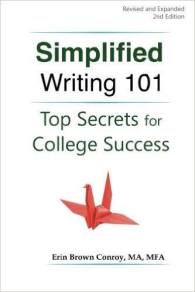 The top post of 2016 was my book review of Simplified Writing 101, by Erin Brown Conroy, which is an excellent tutorial on academic writing, including writing advice that every writing student should know. After that, the reflective post Writing Horror is Scary Business would be second in line. Other popular posts include my four part Making of a Screenplay series,( Part 1, Part 2, Part 3, and Part 4), my Tribute to My Son, and What Amazon’s New Review Policies Mean for Writing to be Read. More recently, my ten part series on publishing, Pros and Cons of Traditional vs. Independent vs. Self-Publishing gave me the opportunity to interview some awesome names in the publishing industry: self-published authors, Jeff Bowels, Tim Baker and Art Rosch; traditionally published authors Stacia Deutsch and Mark Shaw; independently published author Jordan Elizabeth; and children’s author Nancy Oswald, who has published under all three models; as well as Caleb Seeling, owner of Conundrum Press and Curiosity Quills Press – with the final installment summarizing the conclusions made from those interviews.
Many of my posts were reflections of my own writing experience. These included: Why Writing is a Labor of Love; Fear is a Writer’s Best Friend; I’ve Come A Long Way, Baby; Writing the Way That Works For You; Creating Story Equals Problem Solving; What’s A Nice Girl Like Me Doing Writing in a Genre Like This?; Acceptance or Rejection – Which Do You Prefer?; A Writer’s Life is No Bowel of Cherries; Write What You Know; Discouragement or Motivation?; What Ever Happened to Heather Hummingbird?; How You Can Help Build a Writer’s Platform; and Why Fiction is Better Than Fact.
 Sadly, I only attended two events that were reported on, on Writing to be Read in 2016 – the 2016 Ice Festival in Cripple Creek, and the 2016 Writing the Rockies Conference in Gunnison, Colorado. What can I say? I’m a starving writer. This is something I hope to improve on in 2017 by attending more events to report on. One possible addition to the 2017 list that I’m very excited to think about is the Crested Butte Film Festival. The details are not ironed out yet, but I’m keeping my fingers crossed.
Screenwriting content included this past year seemed to be popular. In addition to my Making of a Screenplay series and Writing Horror is Scary Business, Writing to be Read also featured Writing Comedy for Screen is a Risky Proposition, and a book review for Hollywood Game Plan, by Carole Kirshner, which I can’t recommend highly enough for anyone desiring to break into the screenwriting trade. Robin’s Weekly Writing Memo also included several writing tips that could be applied equally to literature or screenwriting.
Another project I’m particularly proud of is my ten part series on publishing, Pros and Cons of Traditional vs. Independent vs. Self-Publishing, which I just finished up last week. In this series I interviewed nine professionals from within the industry to get the low down on the three different publishing models. My interviews included self-published authors Jeff Bowels, Tim Baker and Art Rosch, traditionally published authors Stacia Deutsch (children’s books) and Mark Shaw (nonfiction), and independently published YA author Jordan Elizabeth. To balance things out a bit, I also interviewed children’s author Nancy Oswald, who has published with all three models, Clare Dugmore of Curiosity Quills Press and Caleb Seeling, owner and publisher at Conundrum Press.
 One of the great things about doing book reviews is that you get to read a lot of great books, in with the okay and not so great ones. In addition Simplified Writing 101, my five quill reviews in 2016 included Jordan Elizabeth’s Runners & Riders, Mark Shaw’s The Reporter Who Knew Too Much, Nancy Oswald’s Trouble Returns, Carol Riggs’ Bottled, Jeff Bowles’ Godling and Other Paint Stories, Janet Garber’s Dream Job, Art Rosch’s Confessions of an Honest Man, and Mark Todd and Kim Todd O’Connell’s Wild West Ghosts. I don’t give out five quills lightly and every one of these books are totally worthwhile reads.
 Of course, not all books get a five quill rating. Other books I reviewed that I recommended with three quills or more include three short story anthologies: Chronology, Under a Brass Moon, and Cast No Shadows; two poetry collections: Suicide Hotline Hold Music by Jessy Randall and Walks Along the Ditch by Bill Trembley; Escape From Witchwood Hollow, Cogling, Treasure Darkly, The Goat Children, and Victorian by Jordan Elizabeth; Dark Places by Linda Ladd; Chosen to Die by Lisa Jackson; Wrinkles by Mian Mohsin Zia; Full Circle by Tim Baker; The 5820 Diaries by Chris Tucker; The Road Has Eyes: An RV, a Relationship, and a Wild Ride by Art Rosch; Hollywood Game Plan by Carol Kirschner; Keepers of the Forest by James McNally; 100 Ghost Soup by , and A Shot in the Dark by K.A. Stewart. I also did two movie reviews: Dead Pool and Point Break.
I feel very fortunate to have had Robin Conley join us with her Weekly Writing Memo and her guest movie reviews. The useful writing tips in her Weekly Writing Memos covered a wide range of topics including critiquing, using feedback, ways to increase tension, Relatability or Likeability?, 3 Types of Plot, story research, what to write, making your audience care, world building, handling feedback, writing relationships, establishing tone, editing, word choice, How to Start Writing, endings, queries, Parts of a Scene, making emotional connections, the influence of setting, Building a Story, Inciting Your Story, movement and dialog, Writing Truth, time, Overcoming the Blank Page, Networking, character names, theme, set up, cliches, parentheticals in screenwriting, horror inspiration, and Learning to Write. Robin’s guest post movie reviews included Pride and Prejudice and Zombies, Batman vs. Superman, Miss Perigrin’s Home for Peculiar Children, and The Neon Demon. 
I am thankful for Robin’s valuable content and am glad that she will still be contributing Memos on a monthly, rather than a weekly basis. Although I was sad to lose her weekly content, I am happy for her as she moves forward in her own writing career and I wish her well in her writing endeavors. For those of you who looked forward to her weekly posts, you can catch more of her content on her own blog, Author the World.
2016 was a great year for Writing to be Read, even if it was kind of rough for the author behind the blog. You readers helped to make it a good year and I thank you. Now it’s time to look ahead and see what’s in store for 2017 Writing to be Read. I mentioned some of the things I hope to achieve above: more posts pertaining to the screenwriting industry, and coverage of more events throughout the year are two of the goals I have set for my blog. I also plan to add some author, and hopefully, screenwriter profiles into the mix. I had good luck with author profiles during my Examiner days, and I think they will be well received here, as well.
I also hope to bring in some guests posts by various authors or bloggers, or maybe screenwriters, just to give you all a break from listening to me all the time. I believe Robin plans to continue with Monthly Writing Memos, which will be great, too.
I look forward to all the great books that I know are coming my way in 2017, too. The first reviews you have to look forward to are a short memoir, Banker Without Portfolio by Phillip Gbormittah, a YA paranormal romance, Don’t Wake Me Up by M.E.Rhines, a Rock Star romance, Bullet by Jade C. Jamison and a short story, How Smoke Got out of the Chimneys by DeAnna Knippling.

I hope all of you will join me here in the coming year. Follow me on WordPress, or subscribe to e-mail for notifications of new posts delivered to your inbox. Have a great 2017 and HAPPY WRITING!
Share this:

“100 Ghost Soup”: A Modern Chinese Folk Tale
Posted: December 23, 2016 Filed under: Book Review, Books, Fiction | Tags: 100 Ghost Soup, Book Review, Books, Fiction, Robert Chansky Leave a comment
100 Ghost Soup by Robert Chansky is an unusual story told in the tradition of a Chinese folk tale or legend. Chansky’s style and tone make the reading almost musical at times, and is particularly suited to reading aloud. This delightfully entertaining tale is written as if it could go on forever. Just when you think the story is finished, you find that there is still more – not an unpleasant surprise.
Bei Jimo is an seventeen year old orphan who has always wanted but two things: a name and a family. He sees an opportunity to have both those things in the month before he turns eighteen, when he learns someone wants to adopt him. Jimo tries to seize it, in spite of the fact that it’s only for one month, but he quickly learns that all is not as it seems.
In this tale the line between reality and illusion is a fine one and it is hard to tell which side of it one is on. It is a tale of fox spirits and celestial ministers, which looks at what it is to be family and the differences between truth and deceit, having a job and having meaningful work, the meaning of true wealth, and the role we play in our own fate and that of others. Although confusing at times and full of surprises, as when it is discovered that the cow is Elder Brother, the words to 100 Ghost Soup are loaded with great wisdom.
This book is quite long, but it is a well written, easy read which is very entertaining. The Chinese tone of both words and character, the tricks and puzzles, the obvious that it so well hidden it must be pointed out all work together to make me feel that I’ve just read an ancient Chinese folktale in a modern setting. I give 100 Ghost Soup five quills.

Share this:

Weekly Writing Memo: Horror Inspiration
Posted: November 3, 2016 Filed under: Fiction, Screenwriting, Screenwriting, Stories, Thriller, Uncategorized, Weekly Writing Memo, Writing, Writing Tips, Young Adult | Tags: Books, characters, Fiction, horror, How To, Movies, Novel, Stories, Writing Leave a comment One question I hear asked a lot to writers is, “where do you find your stories?” This question is sort of silly to me because stories are everywhere around you if you look. Every item you come across in your day has a story for how it became what it is, and got where it is. If you ask enough questions, eventually you’ll find some interesting element that you can turn into a compelling story if you try. I could go on for a long time about ways to find a story, so instead I decide, in honor of Halloween, to narrow the focus this week and discuss where to find inspiration for horror stories in particular.
For me, I really think horror stories have to either start with the protagonist or the “monster.” By monster, I mean whatever villain is in your story, be it a literal monster, a ghost, a serial killer, a psychological monster, a location, etc. I say this because the core of most horror stories is the conflict between these two entities — the protagonist and the monster — and I think starting with one of them can be the easiest way to start a horror story. If you start with the monster, you can ask yourself who would it go after and find your protagonist. If you start with the protagonist, you can ask yourself what type of monster would they encounter and go from there. Immediately either one can give you your story, but where do you find the protagonist or the monster?
Protagonists
If you want to start your horror story by coming up with your protagonist and you have no ideas in mind, you can go several directions:
- Pick someone you know and turn them into a character by changing some of their traits to make them slightly different.
- Pick a stranger on the street and create a character from them based on what you can infer from their appearance and behavior.
- Pick a stereotype character and then do a free write or character sheet to turn them into something more and give them depth.
- Pick an occupation and then create a character that fills that job role.
There are a ton of other ways to come up with a character, but these are a few of my favorite simple ones. Once you have a character in mind you can find your monster by asking yourself where would this character go to find trouble? Does it find them, or do they seek it out by going somewhere they shouldn’t? Do they have a friend that takes them to a haunted forest? Do they live near a mental asylum where a killer can escape? Do they work in a hospital where people die every day and ghosts may linger? Do they go swimming or camping in a secluded area where monsters could lurk in the shadows?
Think about all the places your character may go on a daily or weekly basis and think about what kinds of monsters they could encounter there. If none of these places is suitable, then think about what kind of friends your character has, and what kind of trouble those characters could get the protagonist into. Do they have a reckless friend who likes going into abandoned buildings? A crazy friend who sees things? A friend who picks up shady drifters and brings them home? Once you have the monster your character would most likely meet, you can start creating the plot between the monster and the protagonist and find your story.
Monsters
As I said earlier, when I use the term “monster” I don’t necessarily mean a literal monster, but rather I mean any type of antagonist your character will come up against in the story. Monsters can be anywhere, and if you’re prone to writing horror it’s a good idea to keep a list somewhere of various monster ideas whenever you come up with one. A few places that I generally find monster ideas include:
- Reading about urban legends and mythical creatures. Those cheap tabloid papers have some great ones of these, as do those random lists of legends, myths, and creatures that are all over the internet. Pick one and make it your own, give it a setting, and see where it takes you.
- Phobias. These are a great source for monster inspiration because once you pick a phobia you can use it to build your monster. Think of phobia that you like, or look up a list and pick one, and then ask yourself if your character has that fear what kind of monster would trigger it? Do they have a fear of being alone? Then how about you forget them in the middle of the ocean after a deep sea diving expedition (Open Water). Do they have a fear of the dark, well how about a monster that only appears in the darkness and can make the lights go out (Lights Out, Darkness Falls)? Whatever phobia you choose, ask yourself where or how your character can be forced to face it, and what kind of monster could cause them to. Sometimes it’s even the monster that has the fear (Lights Out) and it can be used as part of how the protagonist defeats them, so you can also try to create a monster from that angle as well.
- True unsolved mysteries or famous oddities. These are a great source for horror because they’re true, unexplained, and usually, have just the right amount of creepiness to them that they can be twisted even further for the perfect horror story.
Any of the options above can work for finding a monster to create your horror story around, but they aren’t the only way. At the heart, the monster comes from the twisting of something that is somewhat normal to something threatening. Think about it. Cujo was a dog, a ghost is just a (dead) person, water is just water, etc, but all can be turned and twisted to become a monster. So if you can’t find some kind of monster from the ideas above, then try taking something random and asking how could it be dangerous? How could it be scary?
Once you have the “monster,” then ask yourself what kind of character would they either go after or accidentally encounter? Is the monster in a lake at a teen summer camp? Are they in a house that a nice young family has just moved into? Are they in a school where kids just want to go to prom? Once you know who your monster’s victims are, and where the monster hunts, then you have your story.
Share this:

Pros and Cons of Traditional vs. Independent vs. Self-Publishing (Part 3): Interview with Self-Published Author Arthur Rosch
Posted: October 31, 2016 Filed under: Books, Fiction, Memoir, Opinion, Publishing, Self-Publishing, Writing | Tags: Art Rosch, Book, Books, Fiction, Novel, Novels, Publishing, sci-fi, Self-Publishing, Writing 3 Comments
Your at a dinner party, chatting with other guests when someone asks what you do. You say that you’re an author and everyone is adequately impressed. It’s not every day you meet a bonefide author. Then you mention that you are self-published, and suddenly they all have somewhere better to be.
Self-publishing carries with it a certain stigma. In part, it may be due to a certain number of poor quality self-published books that flooded the market with the rise in popularity of the self-publishing market. With the rise of digital media, almost over night, it was no longer necessary to seek out and captivate a traditional publisher, and anyone, whether they write well or not, could become an author. In the beginning, as it is with most rising trends, self-publishing was a rather expensive proposition, and many authors didn’t have a whole lot to invest, so they skimped by on costs by skipping things like professional editing. Some maybe had their mother or their aunt or their brother give it a once over, but none of them had a trained eye. Others didn’t even do that, believing that their writing was so good, it didn’t need to be edited, or perhaps they were just out to make a buck, and didn’t really care if they put out a quality book. But, for whatever reasons, a lot of less than good quality self-published books made their way out into the market, marring the reputation of the self-publishing industry.
Companies like Amazon and Smashwords put another bump in the industry when they offered authors yet another avenue for publication with the e-book. Digital publishing was cheaper and easier than publishing print copies. In fact, it is virtually free to publish digitally, freeing up funds to be used for things like editing in order to create a quality piece of literature. Of course, there will always be those who are just in it for the money and don’t really care if the book they put out there is good quality, as long as it makes them money. They’re the types that will take advantage of the savings of digital publication to line their own pockets and still won;t bother to pay an editor. They are the authors that wouldn’t survive in the digital publishing world, but hopefullly, there are less of them now.
Despite the stigma attached to self-publishing, there are many talented self-published authors out there, who care about creating and publishing a quality literary product. Today’s interview is with self-published author, Arthur Rosch, who puts whatever time and effort is required into his books, sometimes taking years to complete them. Art is a talented writer. His publishing credits include his travel memoir, The Road has Eyes: A Relationship, An RV, and a Wild Ride through Indian Country, his literary novel, Confessions of an Honest Man, and his epic science fiction novel, The Gods of the Gift. Art shares a positive outlook on self-publishing with previously interviewed self-published authors, Tim Baker and Jeff Bowles. Here, Art shares his thoughts on the publishing industry with his very generous answers, as he candidly relates his own publishing journey.
Kaye: Would you share your own publishing story with us?
Art: I’ve been reading for pleasure since I was five.years old I remember the day I learned to read. It came like a lightning bolt. Aha! So that’s how it works! I made the connection between letters and the sounds they represented. It was my third week in kindergarten. I hated school but I loved to read books. I started by reading historical novels. The other kids were reading “Dick And Jane Go To The Farm”.
When I was fifteen I fell madly in love with a girl. She wanted certain attributes in a boyfriend. One of those requirements was that said boyfriend should be a poet. So, I began to write poetry to please my girlfriend. She turned out to be far less faithful than the process of writing. I gave up on the girl and stuck with the writing. When I was twenty five I was seized by the ambition to write a novel. The project became a science fiction novel called THE GONGS OF SPACE. It was awful. It did, however, attract the interest of literary agent Scott Meredith. I signed a two year contract, and proceeded to write more novels. None of them sold. I had plenty of imagination but lacked some fundamental skills in the craft of writing.. I also needed more life experience.
I’m old enough to remember the “old” model of publishing. I had an entree into that world of agents, editors and publishers. A short story of mine won Playboy Magazine’s Best Story Of The Year Award. I had my fifteen minutes of fame. All the doors were open.
Playboy invited me (with an expense account) to their twenty fifth anniversary party.. I came away with a pocket full of business cards from important people in the publishing industry. Unfortunately, at that time I was dabbling in drugs. That dabble turned into a roaring addiction that derailed me for twenty years. I wrote during those decades. I wrote a lot. But I was like the Hubble Telescope before it was repaired. I couldn’t focus. I had a wonderful opportunity that I wasted by making a very bad choice. This kind of blunder is the stuff of life. I admit, I screwed up. I prefer to regard that interval in my life as “experience”. It was my Dark Night Of The Soul I had lost my family, my home, my possessions and my dignity. But I learned from my suffering.
What can a writer do without insight into the human condition? What decent writer is not also an observer and a psychologist?. My addiction years were loaded with with lessons. I sank to the bottom of the social order. I was on the streets, completely mired in the human experience. I learned from the streets. I learned hard. Then I had to put myself back together.
Addiction is one of the central pillars of my life narrative. I wanted to heal myself, so I went into a long therapy and read everything I could find about family dynamics, addiction and obsession.. Some writers need to spend an apprenticeship in the realm of compulsion, irrationality, bad choices and failure. By the time I was in my mid forties I had a thorough apprenticeship under my belt.
When I surfaced from that underworld, I started looking for an agent. A whole generation of agents had come and gone. The publishing world had changed. I was now (by my own evaluation) a fine writer with a distinctive voice. Agents weren’t interested in me. I wrote hundreds of query letters. I had three novels and a memoir that were ready for editing and representation. I got rejections again and again. How many times did I read the same phrases? “Not quite right for us”, “good luck with your writing career”, “though you write well, I couldn’t quite fall in love with this project.”
It’s likely that you’ve also read these phrases.. In 2001 I wrote to the Scott Meredith Agency in an attempt to re-kindle some kind of relationship. My letter was answered by the head editor. Meredith had passed away and the agency continued under a new owner. My novel, CONFESSIONS OF AN HONEST MAN was well under way. The editor loved the manuscript and offered to work with me. I was not a client of the agency. I was a side-project. The editor, B.N. Malzberg., charged no fee, and worked with me on his own time. The guidance he provided helped to make CONFESSIONS OF AN HONEST MAN into a mature and viable novel.
Still, no agents wanted to represent me. It was an odd situation. Malzberg didn’t have the authority to bring me on board. I don’t know why. I never will. I’m grateful to Mr. Malzberg for the help he gave me in bringing that wonderful novel to fruition.
Kaye: What are your thoughts on the self-publishing industry?
Art: I spend a lot of time writing my novels. Some of my books have been in process for thirty years. THE GODS OF THE GIFT, a sci fi epic, was begun in 1978 and wasn’t completed until 2012. Nowadays the book scene is so competitive that a writer needs to have an extensive body of work. Writers are forced to view their works as Product. The more product you have, the more you can sell. I have to learn to write more quickly. My travel memoir, THE ROAD HAS EYES, was finished in a year. Now I’m writing a crime novel. In a month I’ve racked up 20,000 words. I do all my own cover designs. I hire out the formatting. I mostly self-edit but that’s not really a good idea. It’s better to join a writing group and share your work with your peers. Better still, hire a good editor.
It’s useful to identify one’s “brand” with a genre. It’s also good to write series. The reading audience loves series. My crime novel will be a series based on the characters I’ve invented. I have a fantasy trilogy in the works. Book One is complete. Book Two, the sequel, is under way. I’m not known as a genre writer. With good reason. My portfolio consists of one memoir, one literary novel, three sci fi novels and a crime novel-in-progress. I also have nearly three hundred blog posts in the form of reviews, poems and essays. My “brand recognition” doesn’t stick. Fortunately I have relationships with magazines like Across The Margin and Exquisite Corpse. ATM has published a lot of my work. I’ve also published as a photographer with magazines like
Shutterbug and Popular Photography. I had a centerfold in CAT FANCY. Our beautiful cat, Agate, was shown without her clothes. Agate didn’t care. She never wears clothes. We don’t believe in dressing up animals to look like people.
Kaye: Why did you choose to self-publish your books?
Art: Four years ago I began to explore the self-publishing world. Getting a book published is easy. Marketing the book is another matter. I’m not a good marketer. I plunged into the crazy world of podcasts, webinars and the pitches of various book marketing gurus. I was trying to get a basic grip on marketing strategies. The problem is that the parameters for marketing change so fast that it’s impossible to know how to approach the world of self-promotion.. Also, I was broke. Marketing costs money. I spent $1500 on paid-for reviews and marketing “helpers”. These investments weren’t completely useless, but they didn’t do much to boost my sales.
I would estimate that at least $5000 is required for a marketing budget. That’s just for starters. If you’re lucky, and if you have some talent, your investment will begin to show returns fairly quickly. You’re going to need a knack for business promotion. Marketing a self published book requires patience. Patience. Patience. Just don’t give up. You’re going to encounter a lot of rejection and a lot of discouragement. It goes with the profession of writing.
Kaye: How much non-writing work, (marketing & promotion, illustrations & book covers, etc…), do you do yourself for your books?
Art: The first thing I do every day is drop a Tweet about one of my books. Twitter is free. Facebook is…well, not quite free. As the world’s population increases, so do the number of writers competing for a piece of the audience pie. I’ve learned, to my dismay, that you don’t have to be a good writer to be successful. You just have to be a good story teller. Many popular writers tell the same story over and over again. They hit on a formula that works, and they milk it. I don’t have it in me, to be a lazy writer. I pour my heart and soul into everything I do. My books enjoy modest sales. My platform is almost non–existent. It will take time to develop my platform until it’s something more than a few Popsicle sticks taped together.
Most of my “writing time” is actually study time. When I write, I write. But I spend three or four hours a day studying marketing. And I’ll admit I’m confused. The major advertising venues change their parameters suddenly and arbitrarily. Facebook had an advertising algorithm that was favorable to the writer. Then they changed the algorithm. The amount of pay changed downward. Same with Amazon, same with Google. It’s like writing in an earthquake. The ground shifts under our feet. But that’s life, isn’t it? The ground always shifts under our feet. The one thing you can count on is CHANGE.
Kaye: Would you recommend self-publishing to aspiring authors?
Art: Traditional publishing now resembles self-publishing so much that it’s difficult to pry them apart. If you sign a contract with a big house you’re still going to have to do your own marketing. If you’re a major name, that’s different. Steven King doesn’t do his own marketing. But Arthur Rosch will indeed have to market, whether he’s self published or under contract to Random House. So…why not self publish? Statistics reveal that self publishing is garnering an ever-increasing market share. There’s no longer a stigma attached to self publishing.
Don’t give up. Persist. Stay with what you love, and if you love writing, then, you must write. Right?
You can visit my book website at roschbooks.com. My e-books are $2.99. I signed up for the Amazon KDP promotion but I haven’t seen any benefit. Next step will be to publish real paperback books. I recommend self-publishing for the simple reason that many of us have no choice. It’s so difficult to hook an agent these days that you might as well fish for salmon in the local park’s swimming pool.
I want to thank Art for sharing his story with us. Be sure and check in next week on Writing to be Read, when I’ll talk with traditionally published children’s author, Stacia Deutsch and get her views on the publishing industry.
Did you like this post? Subscribe to email and be notified each time a new post is made here on Writing to be Read.
Share this:

“Dark Places” Makes Your Skin Crawl
Posted: October 28, 2016 Filed under: Book Review, Books, Fiction, Thriller | Tags: Book Review, Books, Dark Places, Fiction, Linda Ladd, Thriller 1 Comment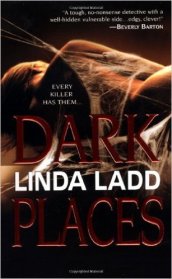
Dark Places, by Linda Ladd may be an older release, (copyright 2007), but it’s definitely worth the read for those who love a good thriller. This well written tale combines the elements of a who-done-it, with those of a police procedural thriller to produce a tale that will make your skin crawl. Ladd masterfully builds suspense as the plot unfolds, alternating between glimpses into the villain’s mind, which are truly disturbing, and the point of view of the lead investigator, Detective Claire Morgan.
There’s a serial killer on the loose who does away with his victims in the most disturbing ways. The things that are found in his favorite dark places will literally give you the creeps. The tension rises as Morgan seems to be closing in on the killer, but the closer she gets to revealing his identity, the more she risks becoming the next victim.
This is not a story for the faint of heart. It may have you checking under the covers before you shut out the lights, and you may even want to call an exterminator before you’re through turning the pages in this creepy, crawly tale that keeps you guessing until the very end.
I give Dark Places four quills. 
Kaye Lynne Booth does honest book reviews on Writing to be Read, and she never charges for them. Have a book you’d like reviewed? Contact Kaye at kayebooth(at)yahoo(dot)com.
Share this:

Only the Killer Knows Who is “Chosen to Die”
Posted: October 21, 2016 Filed under: Book Review, Books, Thriller | Tags: Book Review, Chosen to Die, Fiction, Lisa Jackson, Thriller Leave a comment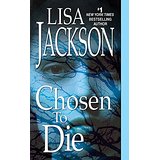
In Chosen to Die, by Lisa Jackson, Detective Regan Pescoli has been following every lead in order to reveal the identity of a serial killer who prays on young women traveling through Montana wilderness, disabling them, gaining their trust, and eventually leaving them to die in the deathly cold of winter. The killer leaves a cryptic message, revealed one letter at a time with each victim. Jackson crafts her tale to masterfully mount the suspense as each new piece to the puzzle falls into place until the killer’s identity is finally revealed.
The stakes are raised and the clock is ticking, when Pescoli discovers she’s been chosen to die and the hunter becomes the hunted. She must find a way to save herself and bring the fiend to justice before he chooses to do away with her. Nick Santana, the man she’s been dating, will stop at nothing to find her. Detective Selena Alverez is also determined to figure out who the killer is and find her partner before it’s too late, but the clock is ticking and no one but the killer knows when Pescoli’s time will be up as the body count rises.
I give Chosen to Die four quills. 
Kaye Lynne Booth does honest book reviews on Writing to be Read, and she never charges for them. Have a book you’d like reviewed? Contact Kaye at kayebooth(at)yahoo(dot)com.










Monthly Writing Memo: The One and Only Writing Rule
Posted: February 1, 2017 | Author: Author the World | Filed under: Commentary, Fiction, Screenwriting, Screenwriting, Speculative Fiction, Stories, Uncategorized, Weekly Writing Memo, Writing, Writing Tips | Tags: Books, Fiction, Novel, Novels, Opinion, research, Tips, Writing | 4 CommentsAs almost every writer knows, anywhere you go to discuss writing will always have someone proclaiming their tried and true rules for writing that you MUST follow. Post on any writing forum whether it be for screenwriting or fiction and you’ll find dozens, if not hundreds, of eager “expert” or “professional” writers ready to tell you exactly which rules matter and which are hogwash. Yes, many of these writers have published novels or sold scripts and are professionals in the industry, but does that mean their rules are THE rules to follow?
Absolutely not.
Let me say that again – Absolutely not. Just because someone has sold a script or published a novel or piece of writing doesn’t mean that they will be able to give you rules to writing that will be guaranteed to work on your story. If you put every writer who ever sold something in a room and asked them to come up with a master list of writing rules it’d be impossible. There’d be factions who think you can never write in present tense and others who think a description of the weather should never start a novel.
There’d be groups who think the epitome of literary or cinematic genius is one specific piece of work, and others who think that same work is a crock of shit. If the people who are actually selling works of writing cannot agree on what makes good writing, and which writing rules are always true, then how on earth can a newbie writer even dream of making it in the industry, let alone be brave enough to even try to put words on the page?
Ultimately, all of this boils down to one single fact about writing: There are hundreds of rules for writing, but one of those rules is that there are no rules. Now before you dip out of this article, because that’s a useless piece of advice in the previous sentence, give me a chance to elaborate.
Writing is a subjective thing. Every story is going to require following a different mix of rules to make it work. That’s why whenever I write a post about the “rules” of writing, I try to explain which situations the rule applies to, and where it might not apply. Also, every writer is going to have different opinions about what makes a good story, and every publisher/studio/audience is going to have a different opinion about what they find marketable and worth buying. If this is true, which based on the evidence presented through comparing a wide range of published and produced pieces of writing it is, then the one and only real rule for writing is that you have to know the “What” and the “Why” of your story.
Essentially, knowing the What’s and Why’s of your story is all about researching the genre or style of writing you want to write by studying the existing works in that genre, and being conscious about your story and your writing choices so that you can answer the following questions on each project you work on:
As you can see, this one and only writing rule really boils down to being conscious about each choice you make in your writing and constantly asking yourself why whenever you are presented with a “rule” that someone thinks is universally true. All of these “rules” people come up with regarding writing are the results of people looking for the magic formula to a guaranteed sale on a piece of work, and they find it by looking for common elements across sold pieces of writing. While it is often true that these elements do exist, there are also just as many pieces of writing out there that break these trends.
Every story is its own thing and has its own identity, and I’m a firm believer that if you focus on serving the story rather than trying to force it to fit pre-existing rules or expectations, then your story will be better for it. I’m not saying you’re guaranteed to sell it, no one can guarantee that, but I am saying if you stay true to your story even if it means breaking the rules, your story will be stronger.
The important thing is to know what “rules” exist and to be able to justify why you broke these preconceived rules that people have and to show that you did so consciously. Ultimately, people aren’t going to focus on whether you broke the “rules” or not with your writing when deciding to buy it, they’re going to focus on whether you’ve put in the work to construct a compelling story that people want to read. If you do that, nothing else matters.
Robin Conley offers great writing advice once a month on Writing to be Read. If you just can’t wait until next month to find out more, you can pop into her blog, Author the World, for more tips, or a weekly writing prompt.
Share this: