Writer’s Corner: Who Are You Writing For?
Posted: February 2, 2026 Filed under: Book Promotion, Writer's Corner, Writing | Tags: BookMarketing, Kaye Lynne Booth, Writer's Corner, Writing, Writing to be Read 2 Comments
Who are you writing for?
This was the first question posed to me in graduate school. And it baffled me. What did my instructor mean? I write because I have something to say, because there are words inside of me that need to come out. At the time, if there was any one person I wrote for it was my deceased son, Michael, who had been my biggest fan when he was alive.
But that wasn’t what he meant. He meant who was my target audience. I wasn’t writing for an audience of teenaged boys, who were on the verge of becoming men, which is the audience my son would fall into. At the time I had written a few short stories, and had not yet tried my hand at a longer, book length work, but nothing that members of such an audience would be drawn to.
He meant that I needed to know about the persons who would want to read my books, so I could write them in a way that would appeal to them and draw readers from that group to them. I needed to know what their reader expectations are, so I can be sure my story meets them. After all, it’s not a romance if there isn’t a HEA (Happily Ever After), or at least a HFN (Happy For Now), in the ending.
That’s a trope of romance, but it is one that every reader of romance will expect to find, and they will be disappointed if your story doesn’t deliver it. So, it’s important to know the tropes for your genre, as well. But the original question of who you are writing for is important for more reasons than that one, because you need this knowledge about your target reader audience not only to write to expectation, but to market your book properly. You need to know who your book is aimed at and then you need to know where to find them, so you can get book promotions in front of them.
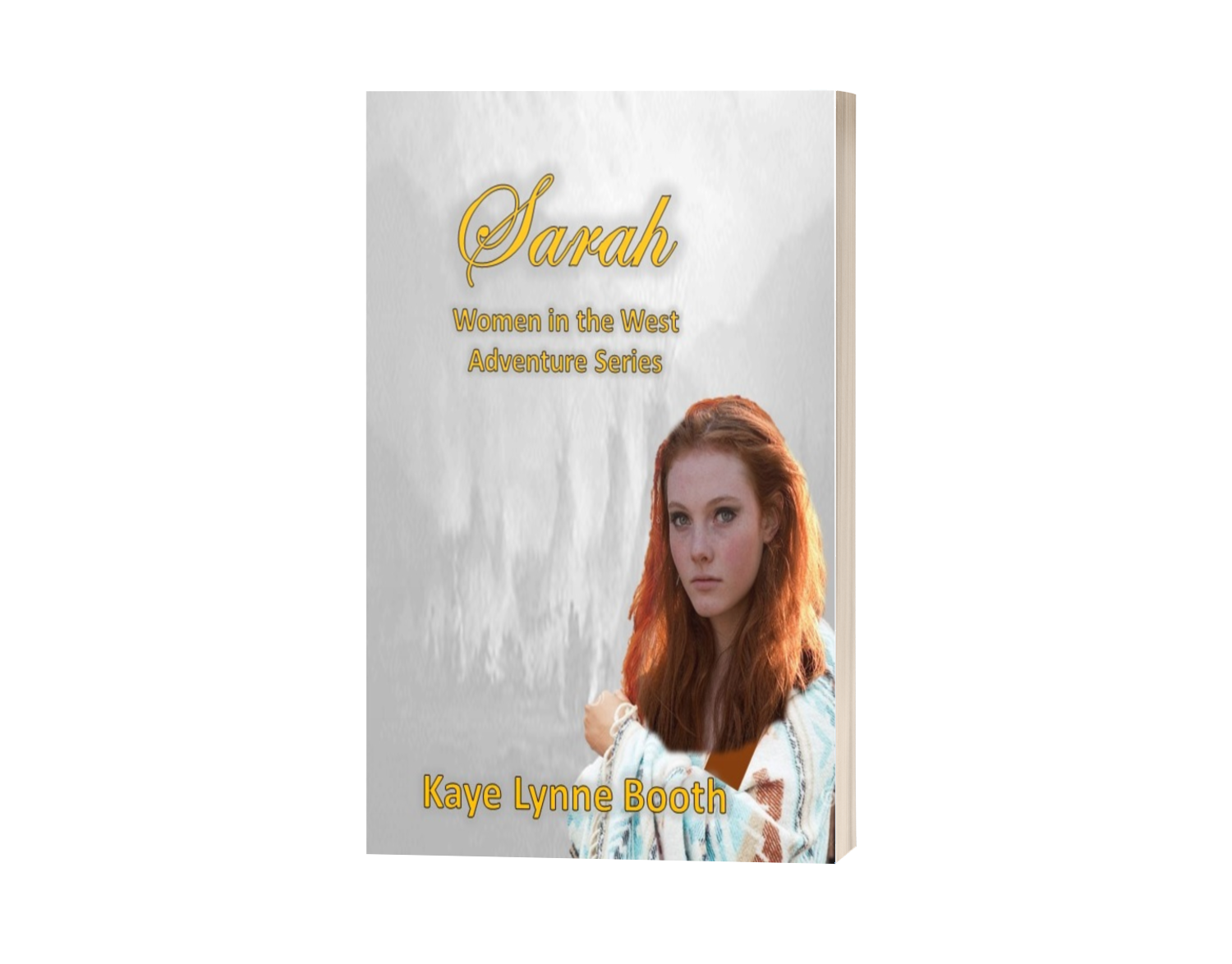
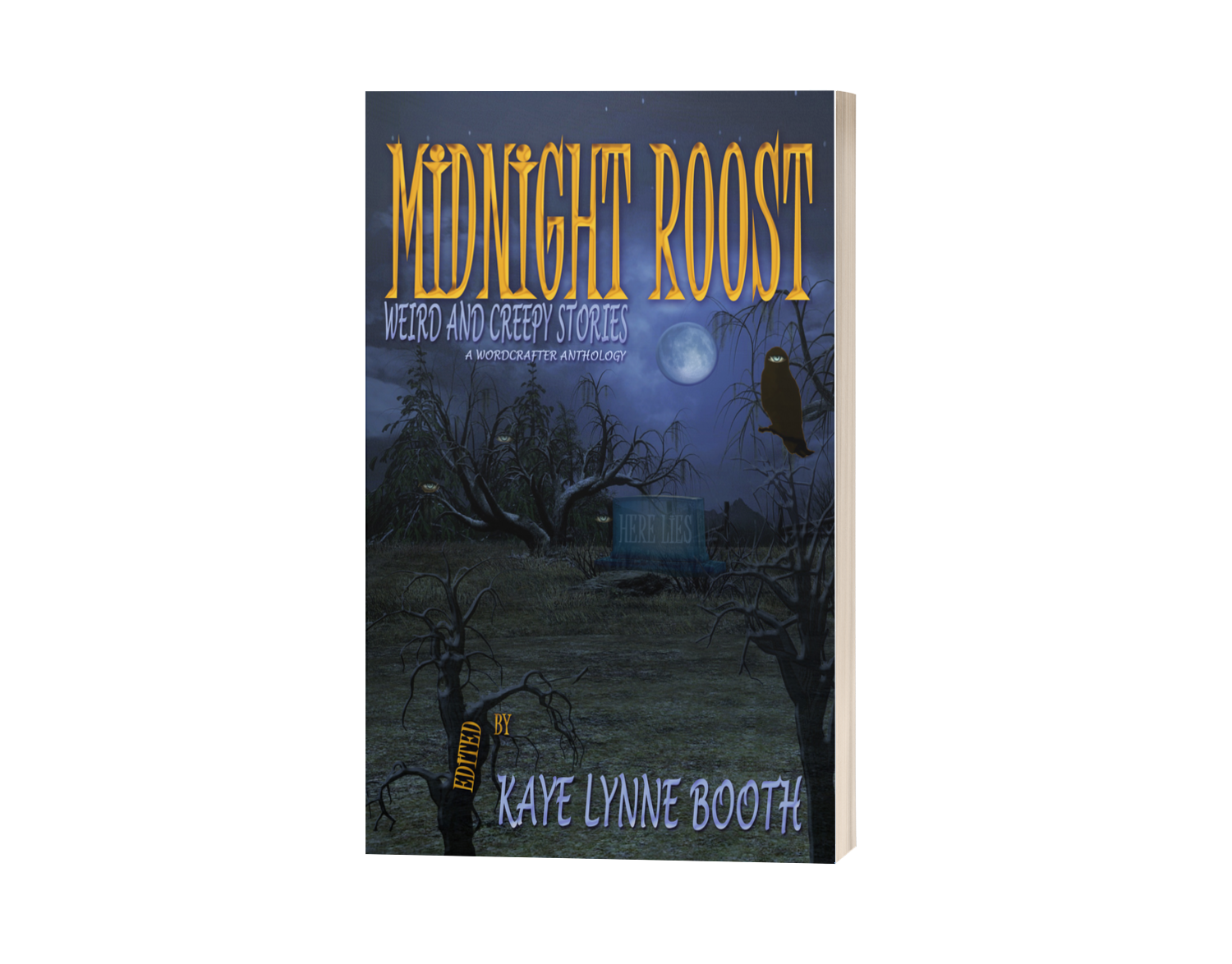
Being a multi-genre author makes it all more difficult. Multi-genre authors need to know tropes for each genre they write in, and they need to know the audience for each genre, as well. I must be sure I’m not marketing my western historical women’s fiction of my Women in the West adventure series someplace where all the gamers hang out, because they won’t give a fig about those books. However, they might be interested in the dark fiction anthologies in the Midnight anthology series, so it might be smart to market those books there. Anthologies have several authors, who all write to a slightly different audience, so in that way, they may widen the scope of audience appeal. But the need to know who you are trying to appeal to is just as great, if not greater than it was when I was creating the books.
Children’s books are tricky, because you’re writing for the kids, but marketing to the parents. Although the books aren’t written for adults, if they don’t appeal to the parents, they aren’t going to sell. When you write for kids, you bury the message within the story framework, so it is delivered subtly, as they are entertained by the story. In my marketing, I point out that each book carries with it a moral lesson, even though the kids wouldn’t give a fig about that. If the wonderful illustrations by Robbie Cheadle draw the child’s attention, the ammunition is there to help convince the parents.
As you can see, who you are writing for is important to know for several reasons. So, what’s your answer?
Who are you writing for?
About Author Kaye Lynne Booth

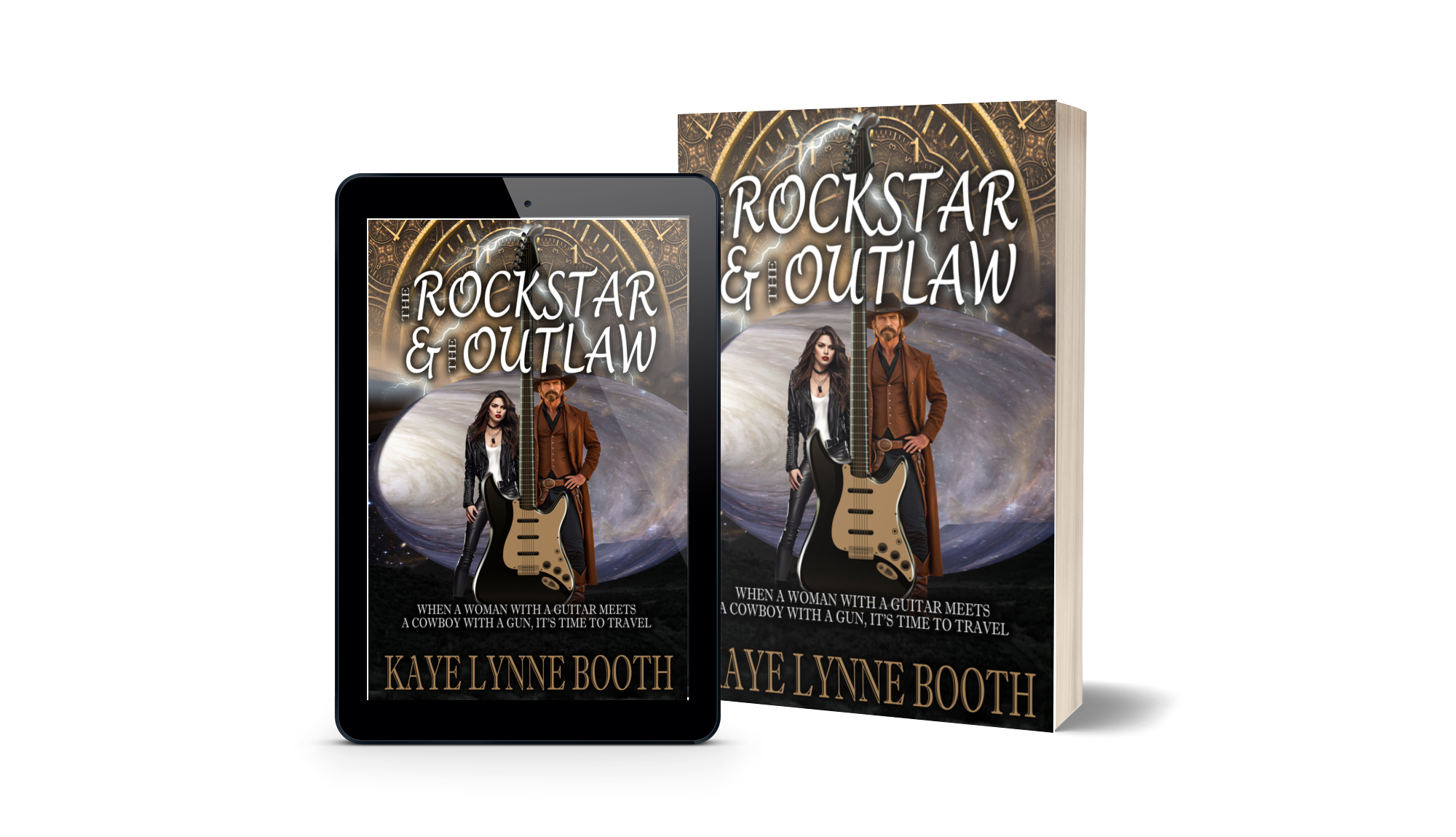
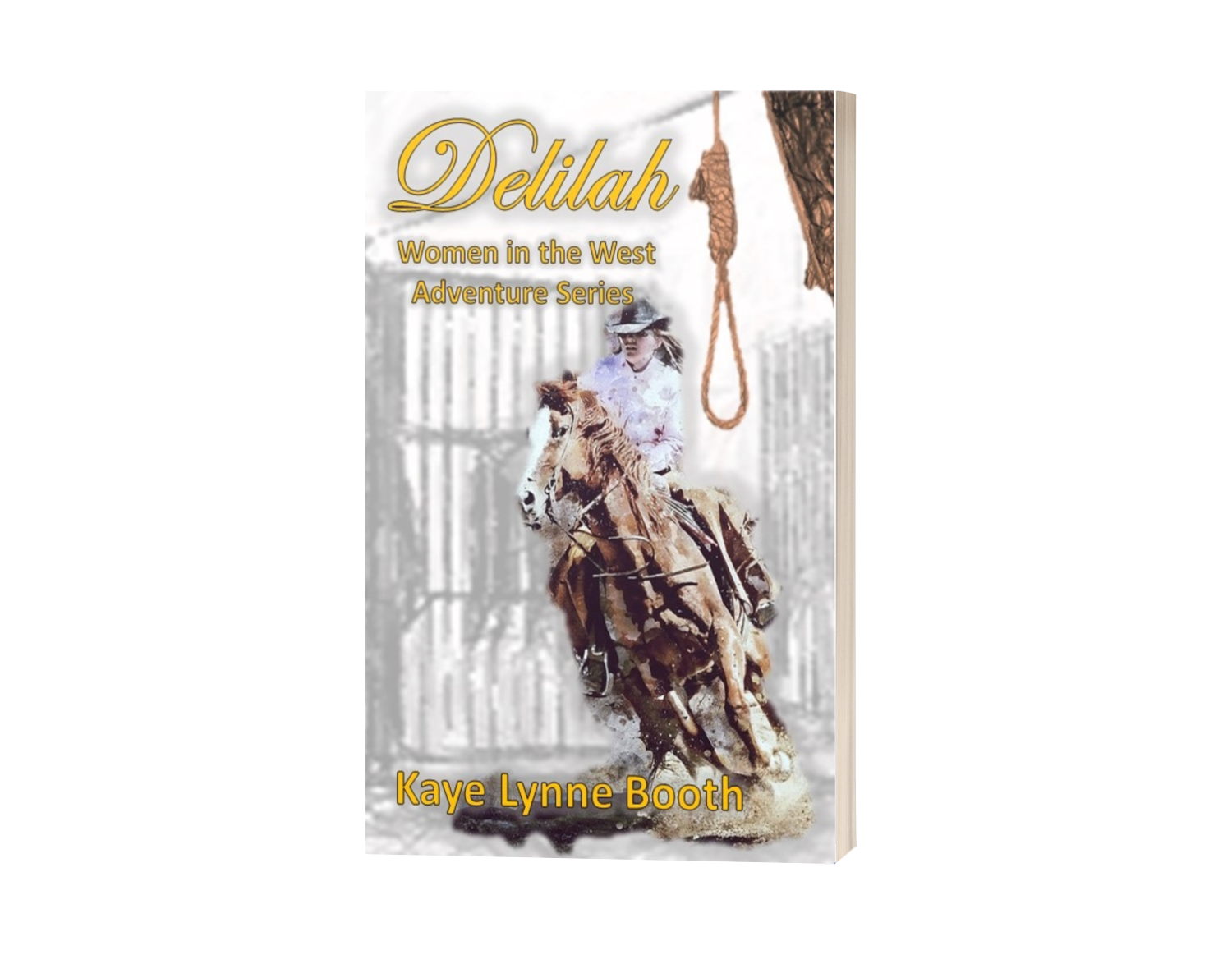
For Kaye Lynne Booth, writing is a passion. Kaye Lynne is an author with published short fiction and poetry, both online and in print, including her short story collection, Last Call and Other Short Fiction; and her paranormal mystery novella, Hidden Secrets; Books 1 & 2 of her Women in the West adventure series, Delilah and Sarah, and book 1 in her Time-Travel Adventure series, The Rock Star & The Outlaw, as well as her poetry collection, Small Wonders and The D.I.Y. Author writing resource.
Kaye holds a dual M.F.A. degree in Creative Writing with emphasis in genre fiction and screenwriting, and an M.A. in publishing. Kaye Lynne is the founder of WordCrafter Quality Writing & Author Services and WordCrafter Press, where she edits and publishes two short fiction anthologies and one poetry anthology every year amidst her many writing projects. She also maintains an authors’ blog and website, Writing to be Read, where she publishes content of interest in the literary world.
_________________________________________
Did you know you can sponsor your favorite blog series or even a single post with an advertisement for your book? Stop by the WtbR Sponsor Page and let me advertise your book, or you can make a donation to Writing to be Read for as little as a cup of coffee, If you’d like to show your support for this author and WordCrafter Press.
_______________________________________
This segment of “Writer’s Corner” is sponsored by the Robbie’s Inspiration blog site, where you can find ideas on writing and baking with hostess, Robbie Cheadle.
Share this:

Writer’s Corner: To use AI, or not to use AI?
Posted: January 5, 2026 Filed under: AI Technology, Writer's Corner, Writing 4 CommentsI’m not a big tech person, but I have found uses for AI tools as they develop, as we all have. Today we use AI search engines, and have an Alexa or Seri or, whatever yours is named in nearly every household, AI creates illustrations, narrate books, and can even write our books for us. (Just because it can, doesn’t mean it should.) I use generative AI tools to work out my descriptions of places I’ve never been, or places I have been but far in the past. I don’t use the AI description given, but rather, pluck little gems from it and make them my own. I use book covers created with AI assistance. So, I definitely see the potential uses for AI.
I was the holdout parent, who would not allow my children internet access when “everybody else does” at school, because I saw the potential for the invasion of privacy. But eventually, I relented. I usually do. I still don’t do my banking online, use credit cards, or share address and phone number online. (To tell the truth, the identity theft who steals my identity would be sorely disappointed, so I don’t know why I worry.)
I don’t have a smart home device, but I do have a Google Assistant on my phone, and it scares the heck out of me when I’m talking to someone else and out of the blue the Assistant responds to something that was said, and I didn’t even say, “Hey, Google.” I have to ask myself, “Is someone listening in on my conversations?” It gives me the creeps. (Maybe there’s a story there.)
Do these things bother anyone else? I mean, don’t you ever wonder?
Now, they are telling us that generative AI has been using authors’ works without the proper permissions to train the AI, resulting in a weird form of plagiarism. I don’t quite understand how that all works, but I do understand that it is a bad thing. Our words are like our brain children and AI has committed a massive kidnapping of our intellectual properties. (My first response upon hearing about this: “Wow! If my stuff is good enough to train AI, I must be smoking! But come to find out, it doesn’t really matter whether you are a good writer. AI doesn’t care and will use anything it can get, regardless of quality.)
I also have to wonder why they name AI devices and apps? Is it to make them seem more human?
They are even making sex-robots now, which can do anything a human partner can do in addition to fulfilling all your sexual pleasures. They are actually doing this, and each one carries the same name, probably with a number designation tacked on the end. They also speak like real humans, (they were probably trained with one of my books). AI narrators, too. You can choose from several, male or female, each with a different name, but they still have little glitches that give them away as AI. You also get to the reading speed for the AI, (at least on Google Play Books you do). I have three AI narrated audiobooks on Google Play Books, but no one has listened to them to ask for opinions on them.
You know the whole NaNoWriMo thing came to a screeching halt last year, after they allowed AI writing to be used during the annual writing challenge. I guess everyone raised a big stink about it, although I didn’t hear anything about it until this year when I went to sign up. As I said, I use generative AI during my writing, but I don’t use its words. I don’t know if they submitted completely AI written manuscripts in last year’s NaNoWriMo, or if they just didn’t disclose that their story was AI assisted. But even as I peruse a manuscript with the assistance of an AI editor, (I use two, Microsoft Word editor and ProWriting Aid), I realize there is something an AI just can’t quite capture, and that is the author’s voice. How silly it is for someone to try and pass off AI written work as human created. (Could it happen? Could an AI written story be passed off as human writing? Maybe… probably. Even if it can’t be done yet, (or maybe it can), I have no doubt that it will be possible, probably in the near future.
To use AI or not to use AI? That is the question. We all have to find our own personal answer that we are comfortable with, or can at least tolerate.
What’s your answer?
About Kaye Lynne Booth
For Kaye Lynne Booth, writing is a passion. Kaye Lynne is an author with published short fiction and poetry, both online and in print, including her short story collection, Last Call and Other Short Fiction; and her paranormal mystery novella, Hidden Secrets; Books 1 & 2 of her Women in the West adventure series, Delilah and Sarah, and book 1 in her Time-Travel Adventure series, The Rock Star & The Outlaw, as well as her poetry collection, Small Wonders and The D.I.Y. Author writing resource.
Kaye holds a dual M.F.A. degree in Creative Writing with emphasis in genre fiction and screenwriting, and an M.A. in publishing. Kaye Lynne is the founder of WordCrafter Quality Writing & Author Services and WordCrafter Press, where she edits and publishes two short fiction anthologies and one poetry anthology every year amidst her many writing projects. She also maintains an authors’ blog and website, Writing to be Read, where she publishes content of interest in the literary world.
___________________________________
Did you know you can sponsor your favorite blog series or even a single post with an advertisement for your book? Stop by the WtbR Sponsor Page and let me advertise your book, or you can make a donation to Writing to be Read for as little as a cup of coffee, If you’d like to show your support for this author and WordCrafter Press.
________________________________
This segment of “Writer’s Corner” is sponsored by the Robbie’s Inspiration blog site, where you can find ideas on writing and baking with hostess, Robbie Cheadle.
Share this:

Writer’s Corner: Love it or Hate it, AI is here to stay
Posted: November 3, 2025 Filed under: AI Technology, book marketing, Book Promotion, Book Sales, Publishing, Writer's Corner, Writing | Tags: AI Technology, book marketing, Genereative AI Search, Kaye Lynne Booth, Publishing, Writer's Corner, Writing, Writing to be Read 4 CommentsI’m not one to trust technology. I’m leery of devices such as Alexa, or Seri, or Google Assistant. Call me paranoid, but in the words of Rockwell, “I always feel like somebody’s watching me.” 👀But, seriously, how do these AI devices hear the trigger word and respond unless they are listening to us all the time. I know my Google Assistant on my phone responds to words spoken in casual conversation with someone, and often it responds to words spoken by the other person. It’s not even my voice and the trigger words were never spoken. Scary, I say.
But like it or not, AI isn’t going anywhere, and in fact, it is infiltrating more and more aspects of authors’ lives, slowly and quietly, or sometimes, not so slowly. We can have whole conversations with generative AI; it can write stories for us, create cover illustrations, and even narrate audiobooks. I’m smart enough to see that AI is here to stay, and so, I’ve done my best to adapt and find ways that AI can be used to my advantage as an author.
I have most of my own books available on Google Play Books as AI Narrated audiobooks. I’ve heard both sides of the argument for and against AI narration, so I’m aware, but I thought I’d give it a try. Those who are against it may not have so much to worry about as far as AI taking jobs from human narrators, since I haven’t sold even one, and they are free!
I’ve also used generative chat, specifically, Chat GPT, to help me visualize scenes I’m trying to write in places where I’ve never visited personally, or places I have visited, but not in the time period I’m writing about. And I’ve used covers that were created with the assistance of AI, (not by me, I’m not that artistic), and I hope to publish a special edition collection of my Women in the West series, with color illustrations created with AI assistance next year, when I’m finally ready to release the third book in the series, Marta. My stand on the issue is that it is fine, as long as I am transparent about it, as the author.
According to Ricardo Fayette, over at Reedsy, the next wave of generative AI technology is about to flow in, or rather, it’s already here. We’re talking about AI search, which is about to upheaval the way searches are conducted, and in specific, the way folks search for books.
It May Not All Be in the Metadata Anymore
By now, we all know how a keyword search works, and publishers, both traditional and independent, try to play to those searches, hoping to choose the right keywords in the metadata that will help readers to find our books. But, Ricardo Fayette claims that with the rise of AI search, that is all about to change. Instead of searching for keywords, AI search looks for a string of words which are related to those you search for, words that the AI search connects based on what’s been entered in your search, combined with what the AI knows about the reader. Already, we have advertisements pop up in our inbox related to earlier searches, (which is kind of scary, in itself), but AI search will combine all the information it has about the searcher, such as previous purchases, and combine it with words from the search box and others connected to those words, and search through all the available books which fit to give us more accurate search results in a fraction of the time it would take to do it manually.
If that’s confusing to you, you aren’t alone. That’s the best way I could describe it, but I’m not technologically inclined at all. Ricardo Fayette did a whole series of newsletters explaining all this. He claims generative AI searches are based on three things and he wrote a newsletter covering each one.
You can bet I’m going to be watching those Reedsy newsletters in the near future to see if he explains how to apply this knowledge to ensure our books have maximum visibility, but the way I’m understanding it, because of the personalization factor, two people could run the exact same search and come up with completely different results because each person has a different history, so I’m not sure where that leaves us. As it stands, it always feels like I’m playing catch-up when trying to get my books out there, so you can be sure I’m going to do everything I can to find out and then, jump on before it takes off without me.
About Kaye Lynne Booth
For Kaye Lynne Booth, writing is a passion. Kaye Lynne is an author with published short fiction and poetry, both online and in print, including her short story collection, Last Call and Other Short Fiction; and her paranormal mystery novella, Hidden Secrets; Books 1 & 2 of her Women in the West adventure series, Delilah and Sarah, and book 1 in her Time-Travel Adventure series, The Rock Star & The Outlaw, as well as her poetry collection, Small Wonders and The D.I.Y. Author writing resource.
Kaye holds a dual M.F.A. degree in Creative Writing with emphasis in genre fiction and screenwriting, and an M.A. in publishing. Kaye Lynne is the founder of WordCrafter Quality Writing & Author Services and WordCrafter Press, where she edits and publishes two short fiction anthologies and one poetry anthology every year amidst her many writing projects. She also maintains an authors’ blog and website, Writing to be Read, where she publishes content of interest in the literary world.
_________________________________
Did you know you can sponsor your favorite blog series or even a single post with an advertisement for your book? Stop by the WtbR Sponsor Page and let me advertise your book, or you can make a donation to Writing to be Read for as little as a cup of coffee, If you’d like to show your support for this author and WordCrafter Press.
__________________________________
This segment of “Writer’s Corner” is sponsored by the Robbie’s Inspiration blog site, where you can find ideas on writing and baking with hostess, Robbie Cheadle.
Share this:

Writer’s Corner: The Evolution of a Story
Posted: October 6, 2025 Filed under: Anthology, Fiction, Short Fiction, Stories, Writer's Corner, Writing | Tags: "Sangoma Zombie Elephants & Tokoloshe Oh My!", Kaye Lynne Booth, Midnight Oil, Story Development, Titles, Writer's Corner, Writing, Writing to be Read 12 Comments
It started with a simple idea, sparked by one of Robbie’s “In Touch with Nature” segments on the South African elephants and their plight due to illegal poaching. Who wouldn’t love to give the elephant a chance to get even? To rise up and slay the cruel poachers? That would require something like a zombie elephant. An elephant that was a zombie, now that would be a formidable foe.
So, taking the idea of a vengeful zombie elephant, I began to research. The story would need to take place in South Africa, where one can find both elephants and poachers. First, I looked at the beliefs held there about how a zombie could be created. Robbie suggested I go with the beliefs of the Zulu people, and steered me toward the legend of the tokoloshe, which are turned into zombie creatures, controlled by the sangoma or shaman who created them.
Tokoloshe are squat, troll-like creatures which are said to be found near bridges. The have small hands, large, hairy feet and long penises, which are often slung over their shoulders. They have small squinty eyes, protruding brows and long, stringy hair. (Now, I know you’re probably asking, what about the females? How do they procreate? But as far as I can tell, all tokoloshe have long penises, so they must all be male. As to the procreating thing, I don’t have a clue. Information on Zulu culture and traditions is not abundant, here in the U.S., and I am thankful for the information sent to me by Robbie about these creatures of legend.)
An idea began to form as to how I could incorporate this Zulu legend into my story, and I began to outline my tale, with a working title of “Zombie Elephant”. This required even more research, and I learned that there are two types of shamans in the Zulu culture, the sangoma, who is in touch with the Zulu ancestors and more likely to be found using dark magic, and the inyanga, which is more of an herbalist or healer, and that they are chosen by the ancestors, and go through rigorous training to fulfill these roles.
My idea involved two Zulu boys, Nelwazi and Nhlanhla, who acquire some of the zombie powder, made from crushed tokoloshe bones, from a powerful sangoma and create a zombie elephant by accident. The sangoma sends the tokoloshe after the two boys. From that, I was able to complete an outline and start writing.
I wrote this story while my computer was down, so it was written in longhand and then digitized after I got my new laptop. Both of my stories for the Curses anthology were written like this, and they changed a lot when I typed them out on the keyboard. Oddly enough, this story changed very little when transferred into digital form. What was amazing about this story was that I had so much fun writing it through all the stages. I even had to chuckle during the final reading on the last edit. I just couldn’t help it.
You see, somehow, the tokoloshe and their long penises stole the show. I found that these little guys were always up to mischief, and they made appearances when I least expected. And who knew the boys would come across an unenchanted tokoloshe, not under a sangoma’s control? But there he was, becoming a character in his own right. The zombie elephant was still there with her own part in the story, but I had imagined a story with her as the star, or at least playing a major part. Actually, she still did play a major role, but the darn tokoloshe were bigger than life. (When I looked back, all of it was there in my outline, but I guess the writing of the story just brought it all to life for me.)
Each posed different problems that Nelwazi needs to solve. He must not only disperse the tokoloshe that are sent after them by the sangoma, but he must find a way to undo the curse he inadvertently placed on the poor elephant, and Ngobizitha, the sangoma he ticked off, is the only one who can help him. These unusual problems required me, the writer, to come up with some creative solutions. When the story was finished, “Zombie Elephant” no longer seemed to be the right title. And while the tokoloshe stole the spotlight on several occasions, it didn’t seem right to switch to “Tokoloshe”, because the story encompasses so much more.
I was shocked to realize that my final word count was over 15,000 words. That’s three times the maximum word count of 5,000 set for the story submissions for the Midnight Oil anthology, which is the intended destination for this story. That’s almost novella length. I wasn’t sure if this story belonged in this anthology anymore. There wasn’t time to write another story, so in the end, I decided to include it, but it is a strong enough story to be a standalone.
And that is the evolution of “Sangomas, Tokoloshe, & Zombie Elephants, Oh My!”, which will be featured in its entirety in Midnight Oil: Stories to Fuel Your Nightmares. Scheduled for release on October 28.
About Kaye Lynne Booth
For Kaye Lynne Booth, writing is a passion. Kaye Lynne is an author with published short fiction and poetry, both online and in print, including her short story collection, Last Call and Other Short Fiction; and her paranormal mystery novella, Hidden Secrets; Books 1 & 2 of her Women in the West adventure series, Delilah and Sarah, and book 1 in her Time-Travel Adventure series, The Rock Star & The Outlaw, as well as her poetry collection, Small Wonders and The D.I.Y. Author writing resource.
Kaye holds a dual M.F.A. degree in Creative Writing with emphasis in genre fiction and screenwriting, and an M.A. in publishing. Kaye Lynne is the founder of WordCrafter Quality Writing & Author Services and WordCrafter Press, where she edits and publishes two short fiction anthologies and one poetry anthology every year amidst her many writing projects. She also maintains an authors’ blog and website, Writing to be Read, where she publishes content of interest in the literary world.
__________________________________
Did you know you can sponsor your favorite blog series or even a single post with an advertisement for your book? Stop by the WtbR Sponsor Page and let me advertise your book, or you can make a donation to Writing to be Read for as little as a cup of coffee, If you’d like to show your support for this author and WordCrafter Press.
___________________________________
This segment of “Writer’s Corner” is sponsored by the Robbie’s Inspiration blog site, where you can find ideas on writing and baking with hostess, Robbie Cheadle.
Share this:

Writer’s Corner: Caution in Using AI Tools in Writing
Posted: September 1, 2025 Filed under: AI Technology, Fiction, Writer's Corner, Writing | Tags: AI Technology, Kaye Lynne Booth, Writer's Corner, Writing to be Read 25 CommentsI’ve made no secret of the fact that I use of AI tools in my writing and editing tasks. I utilized the MS editor and ProWriting Aide to help spot typos and misspellings and passive voice writing, but I don’t always agree with the AI and often dismiss suggestions which don’t fit in with voice and tone.
I have even used a free version of ChatGPT, which is generative AI, to help enhance my descriptions in my own writing. It is useful when describing a scene or area which I haven’t actually visited in real life. When writing Sarah, although I had been to Glenwood Springs, where Sarah ends up, many times, I’d not visited in Sarah’s time. It was quite a different scene, coming into Glenwood Canyon on horseback, just after the railroad had arrived there, with no four-lane highway running through, from what I’ve witnessed in my lifetime. I used ChatGPT to help visualize what Sarah might have seen as she came into town, with no large hot springs pool tourist attraction, but many smaller hot springs sending up steam along the riverbanks. The version of ChatGPT which I used only offered a general description, and didn’t get that detailed, so I had to rely on my memory of photos at the pool, depicting that time to add the details. And please understand, at no time did I take text generated by the AI word for word, but simply used its descriptions and wording to enhance my own writing.
While I always caution writers who use AI to use caution by not using AI generated text word for word, and not accepting AI editing suggestions without considering each one individually, we are now supposed to reveal to Amazon if AI has been used in any part of the writing when we publish, even if you just used it to get some ideas or to polish your manuscript.
Now, let me be clear. I do not condone using any type of AI to write the story for you, then slapping your name on it as author. While I know there are authors who do just that, I don’t consider that writing. I consider it copying, and I consider it dishonest to put your name on something you didn’t actually write yourself. People are now writing entire books using AI and they are making money off of them, but they aren’t authors, they’re imposters. Authors write. That’s what they do. They don’t let AI do it for them because the actual act of writing is too difficult and takes to much time. These folks are just in it for the money, and they don’t care how it comes to them, as long as it comes. A real author cares about the product they put their name on, and they should want it to be their own.
So, when I found an article in Writer’s Weekly that relates the tale of an author who uses no AI, but had her work flagged as plagiarism, claiming it was AI generated, it illustrated the fact for me, even more, that you can’t trust technology and AI is not infallible. You can read that article here: https://writersweekly.com/angela-desk/ai-detectors-are-now-flagging-writing-that-was-not-created-using-ai. It’s some pretty scary stuff.
Today’s technology offers tools that can come in handy and make a writer’s life easier. They can be a good thing, if they are used properly. But AI isn’t always right and anyone who checks each editing suggestion individually will soon find this to be true. AI is only as good as the methods used to train it. My advice: use AI tools when they are helpful to you, but don’t use AI to do the work for you. Be sure that your own ideas and words are in the forefront.
About Kaye Lynne Booth
For Kaye Lynne Booth, writing is a passion. Kaye Lynne is an author with published short fiction and poetry, both online and in print, including her short story collection, Last Call and Other Short Fiction; and her paranormal mystery novella, Hidden Secrets; Books 1 & 2 of her Women in the West adventure series, Delilah and Sarah, and book 1 in her Time-Travel Adventure series, The Rock Star & The Outlaw, as well as her poetry collection, Small Wonders and The D.I.Y. Author writing resource.
Kaye holds a dual M.F.A. degree in Creative Writing with emphasis in genre fiction and screenwriting, and an M.A. in publishing. Kaye Lynne is the founder of WordCrafter Quality Writing & Author Services and WordCrafter Press. She also maintains an authors’ blog and website, Writing to be Read, where she publishes content of interest in the literary world.
_____________________________________
This segment of “Writer’s Corner” is sponsored by the Robbie’s Inspiration blog site, where you can find ideas on writing and baking with hostess, Robbie Cheadle.
Share this:

Writer’s Corner: Independent Author (Key Word – Independent)
Posted: August 4, 2025 Filed under: Book Covers, Indie Publishing, Publishing, Self-Publishing, Writer's Corner, Writing | Tags: Author, Books, independent publishing, Publishing, Self-Publishing, Writer's Corner, Writing, Writing to be Read 6 CommentsAuthor’s Note: This was mistakenly published last Monday, along with the “WordCrafter News” post, so you may have already seen it. I’m re-publishing it on its scheduled day for those who may not have caught it on the earlier date. I’m not sure what happened, but please forgive the misposting.
I studied the craft of writing in the master’s program at Western State Colorado University from 2012-2016. At that time, the term ‘independent author’ left a bad taste in most author’s mouth. Times were rapidly changing in the publishing industry as independent publishing grew in popularity among authors who were tired of waiting to be discovered, which often took many years, and sometimes, not at all. But at that time, the term was associated with poorly written and cheaply manufactured books which were flooding the market by authors who not only wanted to bypass the gatekeepers of traditional publishing but also wanted to use independent publishing as a short cut, skipping over editing, as well, which in most cases, was badly needed.
As I said, things were rapidly changing in the publishing industry, and today, we’ve seen the ‘Big Five’ traditional publishers, dwindle down to the ‘Big Three’, as they struggle to try and keep up with those changes as independent authors take advantage of new technology which make it possible to publish themselves both cheaper and easier. With digital eBooks and aggregates like Draft2Digital, which use P.O.D. (Publish On Demand) for print books, there are no up-front costs to publish your work, and once everything is ready to publish, the whole process can be done in just a few hours. The rise of independent authors has forced traditional publishers to change and adapt, or become extinct.
The key word in ‘Independent Author’ is Independent. Independent authors don’t need to wait for someone to take interest in their work, but we must remember that this also makes us a business and we’re the boss, and we are solely responsible for the quality of the product we put out. Independent publishing should not be used as a short cut to avoid having your book edited, because in most cases, it’s pretty obvious.
That being said, many authors today chose independent publishing because of the control it gives them. Like I said, we are our own bosses. That means we can control the quality of our work, and everything else: title, cover, price, production, and promotion. Certainly, this was one of the main reasons that I chose to become an independent author after gaining a five-year contract for my first novel and finding that having a publisher wasn’t giving me any advantage in selling Delilah. The cover they had given me was not representative of the character or the story, and as far as I could tell, they provided little or no promotion. I began WordCrafter Press and started publishing collaborative projects long before that contract ran out, and when it did, I revised Delilah to be the first in my Women in the West series. I had to learn new skills to provide my own covers, and find people willing to edit my work in an exchange of services due to my limited budget, but when the book was re-released, I sold more copies a month than my publisher had in five years.
With my recent computer issues, I was glad that I had control of my work and the decision-making process. Because I had limited computer time and was writing in longhand and doing most of my publishing and promotional tasks on my phone, I wasn’t able to keep up with my promotion schedule and had to push back the publishing dates on my own work in order to keep my collaborative projects on schedule and as the boss and decision maker, I was able to do that. It was a tough decision. I have the second book in my Time Travel series near ready to publish, and although I’ve outlined the third book in the Women in the West Adventure series, I’ve not yet begun to write it. Both of these books may need to be pushed back so far as to be added to next year’s production schedule, but I’m thankful for the freedom to do so. Had I been working with traditional publishers, my deadlines would have been set in stone, and I would not have been able to make them.
Just as the child who can’t wait to grow up soon learns that growing up means taking responsibility for one’s self, so the independent author is also responsible for creating and presenting their own work to the world. Hopefully, we all want that to be the best work that it can possibly be, and we will take the proper steps to ensure that it is, making the best decisions possible for our work. With freedom, comes responsibility, so use both wisely in your author journey.
Until next month,
Happy Writing!
About Kaye Lynne Booth
For Kaye Lynne Booth, writing is a passion. Kaye Lynne is an author with published short fiction and poetry, both online and in print, including her short story collection, Last Call and Other Short Fiction; and her paranormal mystery novella, Hidden Secrets; Books 1 & 2 of her Women in the West adventure series, Delilah and Sarah, and her Time-Travel Adventure novel, The Rock Star & The Outlaw,as well as her poetry collection, Small Wonders and The D.I.Y. Author writing resource.
Kaye holds a dual M.F.A. degree in Creative Writing with emphasis in genre fiction and screenwriting, and an M.A. in publishing. Kaye Lynne is the founder of WordCrafter Quality Writing & Author Services and WordCrafter Press. She also maintains an authors’ blog and website, Writing to be Read, where she publishes content of interest in the literary world.
_______________________________________
Did you know you can sponsor your favorite blog series or even a single post with an advertisement for your book? Stop by the WtbR Sponsor Page and let me advertise your book, or you can make a donation to Writing to be Read for as little as a cup of coffee, If you’d like to show your support for this author and WordCrafter Press.
_____________________________________
This segment of “Writer’s Corner” is sponsored by the Robbie’s Inspiration blog site, where you can find ideas on writing and baking with hostess, Robbie Cheadle.
Share this:

Writer’s Corner: Creating Characters from Historical Fiction
Posted: July 7, 2025 Filed under: Fiction, Historical Fiction, research, Writer's Corner, Writing | Tags: Historical Fiction, Kaye Lynne Booth, research, Writer's Corner, Writing, Writing to be Read Leave a commentI recently completed the research and outline for Marta, the third book in my Women in the West Adventure series. Or maybe I should say, I completed the outline, because the research will continue as I work through the writing. The research is never finished until the book is finished. In any case, one of the things I love about writing historical fiction is researching different times and learning about the people and their true life adventures.
With the Women in the West, each book features a historical female character which the protagonist meets during the course of the tale. Delilah meets Baby Doe Tabor, saloon girl turned high society mistress, in Leadville, Colorado. Sarah made the acquaintance of Big Nose Kate, Doc Holliday’s gun toting companion, in Glenwood Springs, Colorado. And Marta…, well I originally had a different journey in mind for Marta, until I discovered the very interesting historical figure of actress and Union spy, Pauline Cushman, and I knew that was who Marta would have to meet.
You’d think that writing a historical characters might be easier than creating fictional ones from scratch. After all, you may save time by having a ready-made history to draw from. But, all you really have is the recorded history to draw from, and when dealing with semi-famous or infamous characters, recorded history can be very sketchy. It is the Author’s job to do the research and find as many pieces as possible, and then, try to fit those pieces together to give a clear picture of that ready-made history I mentioned above. And if there are still pieces missing when you’ve finished, you may still have to create character to fill in those missing pieces.
For the character of Pauline Cushman, in Marta, I read the rather biased 1865 biography, reprinted in 2019, written by Ferdinand L. Sarmiento, Life of Pauline Cushman: The Celebrated Union Spy and Scout, which tells the tale, at least in part, of her time working with the Union Army during the American Civil War. Since Marta takes place in 1890, many years after the war ended, I had to search the Internet for any information I could find about Pauline’s later life, as well.
In 1890, Pauline separated from her third husband in Arizona. The next information I could find on her, found her dying in poverty in El Paso, Texas, in 1893. So, Pauline could have been traveling from Arizona to El Paso at the same time as Marta was traveling there from Colorado, and that is how they meet in my story. They share a train ride from Antonito, Colorado to Santa Fe, New Mexico.
From there, the story is fictionalized and the character of Pauline is based in my knowledge of her previous experiences, the actual events which occured in the real Pauline’s life. Likewise, her actions in the story are reflective of her life events, if I write them to be true to character. That’s my goal as I prepare to put my story to the page.
Something else I like to do when researching historical fiction is to go to the locations in the book, or travel the route my characters would have taken to get a feel for the landscape and terrain. This helps me in describing settings, although at times, I’ve found it difficult to imagine the location as it was at the time of the story, which is often quite different from what it is today. While the present day Glenwood Springs, Colorado has many tourist attractions, include the Glenwood Springs Hot Springs Pool, in 1887, when Sarah takes place, there were hot springs scattered all up and down the banks of the Colorado River, and the Ute Indians considered the area to be big medicine. It looked a lot different. I made many visits there, to the many small museums there, and I made the trek up to Doc Holliday’s gravesite to learn as much as I could about the history of the area.
For Marta, I hope to be able to take the historic train from Antonito, Colorado. Although today, it only runs as far as Chaco, New Mexico, it ought to be far enough to get a feel for the landscape along the route and also some ideas about what my characters might experience as they embark on that leg of their journey.
About Kaye Lynne Booth
For Kaye Lynne Booth, writing is a passion. Kaye Lynne is an author with published short fiction and poetry, both online and in print, including her short story collection, Last Call and Other Short Fiction; and her paranormal mystery novella, Hidden Secrets; Books 1 & 2 of her Women in the West adventure series, Delilah and Sarah, and her Time-Travel Adventure novel, The Rock Star & The Outlaw,as well as her poetry collection, Small Wonders and The D.I.Y. Author writing resource.
Kaye holds a dual M.F.A. degree in Creative Writing with emphasis in genre fiction and screenwriting, and an M.A. in publishing. Kaye Lynne is the founder of WordCrafter Quality Writing & Author Services and WordCrafter Press. She also maintains an authors’ blog and website, Writing to be Read, where she publishes content of interest in the literary world.
_______________________________________
Did you know you can sponsor your favorite blog series or even a single post with an advertisement for your book? Stop by the WtbR Sponsor Page and let me advertise your book, or you can make a donation to Writing to be Read for as little as a cup of coffee, If you’d like to show your support for this author and WordCrafter Press.
_____________________________________
This segment of “Writer’s Corner” is sponsored by the Robbie’s Inspiration blog site, where you can find ideas on writing and baking with hostess, Robbie Cheadle.
Share this:

Writer’s Corner: Dark Fiction
Posted: June 2, 2025 Filed under: Anthology, Books, Dark Fantasy, Dark fiction, Fiction, Horror, Paranormal, Short Fiction, Stories, Writer's Corner, Writing | Tags: Anthologies, Dark fiction, Short Stories, Writer's Corner, Writing to be Read 11 CommentsI’ve been drawn to dark fiction from a very young age. In my teens, I read Carrie and The Hobbit at the age of 13, The Shining at 14, and by 16,I was devouring anything I could get my hands on by Stephen King, John Saul, or V.C. Andrews that I could get my hands on, and of course, The Lord of the Rings trilogy. From there, I moved on to Dean Koontz, Peter Straub and Jonathan Kellerman.
One day, while reading a King book, I think it was Salem’s Lot, or maybe Christine, or Cujo, I discovered that what I liked about that type of book was the fact that they often didn’t have a happy ending. But I didn’t tell anyone that fact about myself, because, well… what kind of person doesn’t love a happy ending? So, mum was the word.
But you see, it had been my experience that real life seldom had a happy ending, and I had a hard time buying into the happy-sappy life is so beautiful stories that adults felt were appropriate for my age. To me, dark fiction felt more realistic than romance, or western, or fantasy, even when it dealt with very not-realistic subject matter like vampires, or monsters coming out of the fog, or ghostly presences. Like a young girl who was attracted to bad boys because they made her feel a little naughty, a little sinful. That’s what I liked about reading dark fiction.
So it should come as no surprise that dark fiction is what I like to write, too. However, growing up the adults around me frowned on my reading that sort of thing. I was told at 13, that I was too young to read Bless the Beasts and the Children, by ( ). I had to get my mother to sign a permission slip, before my language arts teacher would allow me to read it, giving me the feeling that it was not nice to read such things, making it feel as if I was doing something a bit naughty. As an almost adult, reading Stephen King and the other dark writers felt kind of like that.
So, it made sense that as I began to explore the craft of writing, my attentions often turn to darker genres, and darker subject matter. I had to work my way into it slowly, starting with a few paranormal short stories, and working my way up to supernatural, dark fantasy, and horror tales. But first, I had to work my way through the stigma of feeling naughty and bad about myself because I wanted to write that kind of thing. I didn’t want to write my heart out and then, let my stories sit unread in a file, but if I put out this dark stuff for people to read, what would they think of me? Would they think me evil or deranged?
I knew people who believed this type of content was sinful and evil. I’d heard of authors who’ve been boycotted because a group of people believed their work inappropriate or distasteful. I’ve never been one to write to market, because I am compelled to write what is in my heart. And one thing Russell Davis told me once kept running through my head. “Know who you are writing for.”
Those people who would disapprove of my subject matter or content are not the people I’m writing for. They are not in my target audience, and because of that, it is highly unlikely that they would even come across my writing to notice it at all.
And, I came to the realization that not everyone will love my writing, and that’s okay. Not everyone is a Stephen King fan, and he has plenty of folks who say he has a sick mind, but he doesn’t let that stop him. Those folks won’t read his work anyway, and there are plenty more who will. Those are the ones he focuses on.
Today, the short fiction that I’ve written is mostly dark. I don’t worry about what people will think because I surround myself with like minded authors in the anthologies I publish through WordCrafter Press each year. And I promote to a dark fiction market, people who are looking for dark tales.
Once this year’s two anthologies are published, I will have over a dozen stories published in WordCrafter anthologies, listed below.
Paranormal Series
- Whispers of the Past – “Woman in the Water”
- Spirits of the West – “Don’t Eat the Pickled Eggs”
- Lingering Spirit Whispers – “The People Upstairs “
Midnight Anthology Series
- Midnight Roost – “Melina”
- Midnight Garden– “The Puppet Men”
- Midnight Oil– “The Tokoloshe and the Zombie Elelphant”
Stand Alone
- Once Upon an Ever After – “The Story Witch”
- Refracted Reflections – “The Not So Perfect Prince” and “The Devil Made Her Do It”
- Visions – “If You’re Happy and You Know It”
- Tales From the Hanging Tree – ” ” and “The One That Got Away”
- Curses – “Death Clock” and “Caverna del Oro (Cave of Gold)”
I’m the type of author who must follow my heart. I write because there are stories inside me crying to get out. I write to be read.
___________________________
About the Author
For Kaye Lynne Booth, writing is a passion. Kaye Lynne is an author with published short fiction and poetry, both online and in print, including her short story collection, Last Call and Other Short Fiction; and her paranormal mystery novella, Hidden Secrets; Books 1 & 2 of her Women in the West adventure series, Delilah and Sarah, and her Time-Travel Adventure novel, The Rock Star & The Outlaw,as well as her poetry collection, Small Wonders and The D.I.Y. Author writing resource.
Kaye holds a dual M.F.A. degree in Creative Writing with emphasis in genre fiction and screenwriting, and an M.A. in publishing. Kaye Lynne is the founder of WordCrafter Quality Writing & Author Services and WordCrafter Press. She also maintains an authors’ blog and website, Writing to be Read, where she publishes content of interest in the literary world.
______________________________
Did you know you can sponsor your favorite blog series or even a single post with an advertisement for your book? Stop by the WtbR Sponsor Page and let me advertise your book, or you can make a donation to Writing to be Read for as little as a cup of coffee, If you’d like to show your support for this author and WordCrafter Press.
_________________________
This segment of “Writer’s Corner” is sponsored by the Robbie’s Inspiration blog site, where you can find ideas on writing and baking with hostess, Robbie Cheadle.
Share this:

Writer’s Corner: Endeavor to Persevere
Posted: April 7, 2025 Filed under: Book Sales, Books, Fiction, Kickstarter, Writer's Corner, Writing, Writing Life | Tags: Women in the West, Writer's Corner, Writing Life, Writing to be Read 1 CommentWhen I was in the creative writing program at Western State Colorado University, bestselling author Kevin J. Anderson gave a talk he called “The Popcorn Theory of Success”, where he shared his journey to become a bestselling author back when traditional publishing was the only door leading to authordom. His theory involved saying, “Yes, I can do that.” to every opportunity that came to him. He’s giving this talk many times, including when he was the Keynote Speaker at the WordCrafter 2020 Stay in Place Virtual Writing Conference, hosted by WordCrafter Press. (You can see Kevin’s “Popcorn Theory of Success” on YouTube at the link above.)
For me, this was inspiring and I’ve tried to follow Kevin’s advice whenever an opportunity presents itself, even when imposter syndrome rears it’s ugly head and tries to tell me that I can’t. The publishing world today is different from when KJA was a rising star, and authors can’t just wait for opportunities to come to us. There are simply too many of us out there, and many of us don’t have time to wait around to be discovered by the movers and shakers of the publishing world. The Big 5 has shrunken down to the Big 3 as the big boys merge to stay alive in a changing publishing landscape that has shifted over to favor the independent publisher, and that’s where a plethora of opportunities are found, and authors must take the initiative to get their works published.
That’s how WordCrafter Press came about. I tried the traditional publishing route, submitting my works wherever I could, like I’d been taught while earning my M.F.A., and I even found a publisher, although not one of the Big 5, for the first edition of Delilah. But my sales weren’t nearly as good as I had hoped. Perhaps the publisher made attempts to market the book, but I never saw them. I believe this is typical for small independent publishers, and even traditional publishers have lightened up on thier marketing efforts, depending more on the author to market the book. I began self-publishing my other works through Draft2Digital and was quite happy with the results, so when my contract ran out, I didn’t renew. Instead, I revised the story and created book 1 of my Women in the West adventure series in 2023, and I did, indeed, through my own efforts, sell more copies than I had through the publisher in my first Kickstarter campaign. Sarah, book 2, was published last year, and this year, I’m working on the third book, Marta.
Today’s author must go beyond saying yes when opportunities present themselves, and find or create those opportunities and make them happen. In the movie, The Outlaw Josey Wales, Chief Dan George’s character, Lone Wadi tells Josey Wales (Clint Eastwood) that the U.S. government told his people to ‘endeavor to persevere’, which basically means, ‘keep on keeping on’. I’ve made that my personal philosophy, to ‘endeavor to persevere’. When I run into obstacles in my path, I try to fix them or find a way around them, and then I carry on. I don’t allow those obstacles to stop me. I’ve been told I am persistent, but I think I’m just determined.
_______________________________
About Kaye Lynne Booth

For Kaye Lynne Booth, writing is a passion. Kaye Lynne is an author with published short fiction and poetry, both online and in print, including her short story collection, Last Call and Other Short Fiction; and her paranormal mystery novella, Hidden Secrets; Books 1 & 2 of her Women in the West adventure series, Delilah and Sarah, and her Time-Travel Adventure novel, The Rock Star & The Outlaw,as well as her poetry collection, Small Wonders and The D.I.Y. Author writing resource. Kaye holds a dual M.F.A. degree in Creative Writing with emphasis in genre fiction and screenwriting, and an M.A. in publishing. Kaye Lynne is the founder of WordCrafter Quality Writing & Author Services and WordCrafter Press. She also maintains an authors’ blog and website, Writing to be Read, where she publishes content of interest in the literary world.
_________________________________
Did you know you can sponsor your favorite blog series or even a single post with an advertisement for your book? Stop by the WtbR Sponsor Page and let me advertise your book, or you can make a donation to Writing to be Read for as little as a cup of coffee, If you’d like to show your support for this author and WordCrafter Press.
__________________________________
This segment of “Writer’s Corner” is sponsored by the Robbie’s Inspiration blog site, where you can find ideas on writing and baking with hostess, Robbie Cheadle.
Share this:

Writer’s Corner: Listening to Your Characters
Posted: March 3, 2025 Filed under: Books, Character Development, Dialogue, Fiction, WordCrafter Press, Writer's Corner, Writing, Writing Process | Tags: characters, Kaye Lynne Booth, Writer's Corner, Writing Process, Writing to be Read 11 CommentsDo your characters talk to you? I’ve met authors who say, “How could they? They aren’t real. They are fictional characters which I made up.” But if you are in touch with the characters which you created, I don’t see how they could not talk to you. I believe these authors who claim to not hear their characters maybe just aren’t listening.
My characters talk to me and help guide my stories. My characters refuse to stay silent. I don’t actually hear or see them, of course, but they do talk to me in my head. I hear the dialog as it goes on the page, and they are sure to tell me if I get it wrong.
I recall when this first happened while writing my first novel, Delilah. There was a scene in the story which I recognized wasn’t working, but I couldn’t figure out why. I sat in front of my computer re-reading the chapter, which was the dialog of a conversation between Delilah and another character. I said to myself, “Something isn’t right here, but what is it?” And a voice in my head replied, “I wouldn’t react that way.” Re-reading it once more, I realized that the voice of Delilah was right. I had my character reacting in a certain way because it was necessary in order for events in the future to occur, but it wasn’t a reaction that would come naturally from the character I had created. I rewrote the conversation, changing Delilah’s reaction to be true to her character, and it changed the direction of the story, completely. It required extensive revisions throughout the story, including total rewrites of the chapters which came after that scene, but it made it a much better tale than the one I had planned to write, so it was better for the story in the long run.
While writing Sarah, my character hijacked a conversation between her, Big Nose Kate, and a high-society woman, and her opinions on corsets set off an unexpected suffrage movement in Glenwood Springs, complete with a protest and corset burning. When I began writing the story, I had no idea that this would happen in the book, but when I placed the words upon the page, it all just clicked, and I said, “Oh, yeah”.
With both books in my Time Travel Adventure series every chapter is paired with a song. All of Amaryllis’ music was done by The Pretty Reckless, which first inspired her character. But for LeRoy and the other characters who were given P.O.V. in the second book, the music from various artists were used. As I perused the radio stations, searching for just the right song for each chapter. I can think of several times when a song I wasn’t familiar with would come on and LeRoy would give my mind a nudge that said, “Listen to this song.” Paying attention to what he had to say, I focused on the music, listening to the lyrics, and found that the song was perfect for a specific chapter, and the song ended up in the book and on LeRoy’s play list.
Of course, I’m aware that my character’s voices are really voices from my own subconscious, because every one of the characters I create are a part of me. But being in touch with them enough to them to hear their voices in my head makes them feel more like old friends and helps me bring the story to life.
We all have the ability to hear our characters if we’ll only listen to what they have to say. I’ve found that their observations are right on the money. My stories turn out better for listening to them. So, tell me. Do you listen to your characters?
About Kaye Lynne Booth
For Kaye Lynne Booth, writing is a passion. Kaye Lynne is an author with published short fiction and poetry, both online and in print, including her short story collection, Last Call and Other Short Fiction; and her paranormal mystery novella, Hidden Secrets; Books 1 & 2 of her Women in the West adventure series, Delilah and Sarah, and her Time-Travel Adventure novel, The Rock Star & The Outlaw,as well as her poetry collection, Small Wonders and The D.I.Y. Author writing resource. Kaye holds a dual M.F.A. degree in Creative Writing with emphasis in genre fiction and screenwriting, and an M.A. in publishing. Kaye Lynne is the founder of WordCrafter Quality Writing & Author Services and WordCrafter Press. She also maintains an authors’ blog and website, Writing to be Read, where she publishes content of interest in the literary world.
___________________________________________
Did you know you can sponsor your favorite blog series or even a single post with an advertisement for your book? Stop by the WtbR Sponsor Page and let me advertise your book, or you can make a donation to Writing to be Read for as little as a cup of coffee, If you’d like to show your support for this author and WordCrafter Press.
______________________________________
This segment of “Writer’s Corner” is sponsored by the My Backyard Friends Kid’s Book Series and WordCrafter Press.

The My Backyard Friends kid’s book series is inspired by the birds and animals that visit the author Kaye Lynne Booth’s mountain home. Beautiful illustrations by children’s author, poet, and illustrator, Robbie Cheadle, bring the unique voices of the animal characters to life.
Get Your Copy Now.
Heather Hummingbird Makes a New Friend (Ages 3-5): https://books2read.com/MBF-HeatherHummingbird
Timothy Turtle Discovers Jellybeans (Ages 3-5): https://books2read.com/MBF-TimothyTurtle
Charlie Chickadee Gets a New Home (Ages 6-8): https://books2read.com/MBF-CharlieChickadee