“A Slapshot Prequel Box Set”: Good Stories, Bad Editing
Posted: June 30, 2017 Filed under: Book Review, Books, Fiction, romance, Stories | Tags: A Slapshot Prequel, Book Review, Books, Heather C. Myers, Hockey, marketing, romance Leave a comment
A Slapshot Prequel Box Set (Slapshot Prequel Trilogy Book 4), by Heather C. Myers is a perfectly good story line, offering the POV of three characters, in three alternate stories, running parallel to one another. Nicely done. If you’re into hockey, A Slapshot Prequel Box Set (A Slapshot Prequel Trilogy Book 4), by Heather C. Myers may be just what you are looking for. The set contains three separate stories, which unfold simultaneously, the first a murder mystery with a romance element, the second and third romances.
In Blood on the Rocks, Serephina must learn to manage the hockey team she just inherited, and figure out who killed her grandfather at the same time. The problem is, she doesn’t know who to trust, and she finds herself strangely attracted to the prime suspect in her grandfather’s murder. In Grace on the Rocks, a romantic relationship is the last thing Emma is looking for. That is, until Kyle Underwood, the handsome young hockey player, skates right into her life. In Charm on the Rocks, Madison is a college student who goes for brainy guys, not athletic ones, until she meets Alec but she can’t let her dad know she’s a Gulls’ Girl, scraping ice for the Newport Beach Seagulls hockey team, or she may lose his love as well as her tuition, and Alec Schumacher provides a means for her to gain her independence, making her finally admit that she is interested in him.
I was glad this set is labeled prequel, because the overall story, doesn’t feel complete. In fact, I can’t be sure what the main story that ties these three together is. So it was good to think there’s more to come. But then, it is also labeled Book 4, so I’m not so sure about the continuation. I hope there is more to come, because the most serious conflict in any of them is the revelation of Serephina’s grandfather’s killer.
The biggest criticism I have of A Slapshot Prequel Boxset was the editing, or lack thereof, distracts and pulls the reader out of the story repeatedly, to the point of annoyance. There are so many spelling errors, typos, and repetitive wording that it pulls the reader out of the story repeatedly. The stories were interesting enough to keep me reading, but the errors were bothersome and annoying at times.
The three stories in A Slapshot Prequel Boxset are nicely overlapped, but definitely feel like only three parts of a whole. Although the story lines are good, they are lacking true conflict and, combined with the poor editing, I give it three quills.

Kaye Lynne Booth does honest book reviews on Writing to be Read in exchange for ARCs at no charge. Have a book you’d like reviewed? Contact Kaye at kayebooth(at)yahoo(dot)com.
Share this:

“Weeping Willows”: A Ghostly Tale
Posted: April 21, 2017 Filed under: Book Review, Fiction, Paranormal, Speculative Fiction, Stories | Tags: B.J. Robinson, Book Review, Ghosts, Paranormal, Short Fiction, Short Story, Weeping Willows Leave a comment
Weeping Willows by B.J. Robinson has the potential to be a good ghostly tale. Unfortunately, Robinson didn’t take it quite far enough. All the elements are there, but they just don’t come together very well.
The story fails to set a tone scary enough to cause any real anticipation. The House of Usher, it is not. The one spirit that actually shows herself, isn’t very threatening, is actually rather helpful, providing all the needed information about the house’s history, so the story may proceed, thus removing any sense of mystery the story might have been carrying.
The plot is classic haunted house to the point of almost being cliché. Two couples enter into a contest where the couple who lasts the longest in the old house, which threatens to crumble and fall into the sea, wins a honeymoon in Hawaii, but of course, the house is haunted and the spirits don’t seem happy about its latest guests.
The circumstances often seem a little too convenient, as if the events occur at the convenience of the author, to get the story out. It feels like the characters do what is necessary for the story to unfold, but perhaps not what would be natural for their personalities, but that could be because the characters lack depth. Character development is always a challenge when writing short fiction due to the short amount of page space, but without it, it’s difficult to care about the characters.
Weeping Willows is a ghost story of fair quality. I give it three quills.

Kaye Lynne Booth does honest book reviews on Writing to be Read in exchange for ARCs at no charge. Have a book you’d like reviewed? Contact Kaye at kayebooth(at)yahoo(dot)com.
Share this:

Monthly Memo: From Outline to the Page
Posted: April 19, 2017 Filed under: Fiction, Monthly Writing Memo, Mystery, Screenwriting, Screenwriting, Stories, Uncategorized, Weekly Writing Memo, Writing, Writing Tips Leave a comment
Sometimes the hardest part of writing a story is taking the outlined idea and turning it into words on the page. It’s great to know that X and Y need to happen, but how do you make them happen in writing? How do you take that character and bring him to life? How do you take that villain and make her fun yet terrifying? How do you unravel those conflicts in words? There are a lot of different methods for bringing a story to life, but here are the few that I find help me the most when moving from the outline, to the page.
Character
Before I begin writing a character I spend some time figuring out at least 3-4 concrete details about his or her personality. I think about their dominant personality trait that people see, their core moral value that guides most of their decisions, and a personality trait that they have that’s a flaw. I also sometimes figure out a minor personality trait that most people may not notice, but it’s a core part of who that character is. Beyond that, I like to find one physical trait I see very clearly to help me visualize the character, and I like to understand at least one solid relationship they have with someone, be it family or friend. The other two things I think you should figure out is what the characters main goal in life is, and perhaps what they’re afraid of.
I think these core details give you enough that you can easily visualize the character and write them well without having to figure out every last ounce of the characters life. These details give you an overall sense of who they are, and as you work out more while writing you can develop the character more clearly. If you need to do more to figure out the character in order to write them, try doing a free-write so you can ease yourself into the character’s voice. If you write 3-5 pages in your character’s voice, you’ll learn a lot about them and find it easier to write the character’s voice for the story.
Setting
To get your setting from outline to page, I think the important thing is to ask yourself what’s important about the setting. What about it is vital to your story? Why does the story need to take place in that specific spot? If you know these details then you know what elements of your setting to emphasize in your story. The more important a detail is, the more you want to describe it unless you’re trying to keep it subtle for some sort of plot reveal. At the very least, when writing a setting I feel you should give enough detail about it to help create a solid visual image in your reader’s head. You want them to be able to visualize where the characters are, how they’re moving throughout the scene, and why we’re in that specific place.
Plot
The hardest part of taking your outline and bringing it to the page in my opinion is how to portray the plot. You have your outline that says “Amy goes to the park. Amy runs into Ryan. They fight. Amy leaves upset.” If you write it that way, that’s an incredibly short story and has no real depth or development. So how do you write that short sequence of events and make it interesting? What parts do you expand on and what do you rush through?
For the first step in your outline “Amy goes to the park,” you want to show Amy’s mindset, give a sense of the setting, and establish some form of a goal for why she’s going to the park. Is she meeting someone? Is she trying to find some privacy? Does she have a kid she’s taking to play? Set the tone of the scene, and choose your tone with the thought of how it will change in the upcoming scenes in mind. Then as you go to the next scene, “Amy runs into Ryan,” start thinking about the implications of that scene. How does meeting Ryan change Amy’s mood? How does their interaction start? How do they meet up? On purpose or accidentally?
As you go into the final scenes, “They fight, and Amy leaves upset,” start to think about how to transition there as well. What upsets Amy? How quickly does she leave? What’s the environment around them look like? The questions can go on forever, but it’s important to focus on things that involve the tone, the setting, the characters, and the sequence of events.
Final Notes
If you’re really struggling to transfer your story from outline to page, remind yourself that a story isn’t just about action and a sequence of events. The details you bring out in the story will help take your story from an outline of X and Y happens, to something that has depth and is fun to read. So explore the layers of your story and try to bring them out. Remember, it’s often easier to remove details if you put too much rather than trying to add more later on. So write and explore, and see what kind of story evolves.
Robin Conley offers great writing advice in her Monthly Memo on Writing to be Read. If you just can’t wait until next month to find out more, you can pop into her blog, Author the World, for more tips, or a weekly writing prompt.
Share this:

“Fear and Loathing in Las Cruces”: A short fiction collection that’s full of surprises
Posted: April 14, 2017 Filed under: Book Review, Books, Fiction, Horror, romance, Speculative Fiction, Stories, Western | Tags: Book Review, Fear and Loathing in Las Cruces, Jeff Bowles, Short Fiction, Short Story Collection Leave a comment
This week I’m pleased to review Fear and Loathing in Las Cruces – the latest collection of short fiction by my friend and colleague, Jeff Bowles. Since I know Jeff personally, I do admit to a certain amount of bias, but only because I truly admire the way this man crafts a story, so I went at this reading with a certain amount of anticipation. With Jeff, I never really know what to expect, but I always expect to be pleasantly surprised.
And, I was not disappointed. The stories found in this collection are original and unique, and the artwork is awesome.
The first story, Will of the West, has a good western flavor with a surprise ending. I truly enjoyed the vivid imagery of the lightning dance is Blue Dancing With Yellow, and Jeff’s story telling voice in Tumbleweeds and Little Girls nails the young girl’s POV. Four Heads, Two Hearts is a unique romance with its own unusual set of obstacles and a very interesting solution. The Fall and Rise of Max Ziggy is a reincarnation story of the feline kind.
Two of the stories deal with the topic of mid-life crisis, a topic that the author seems too young to know a lot about, but when you read these stories, us old foggies may find, or at least I did, that his interpretations are pretty spot on. Mid-Life Crisis: The Video Game defines the age of technology in a way the older generations can relate to, right down to the frustrations of dealing with voice activated responders which never seem to get our answers right. And, Jack Hammer’s Online Identity Crisis provides an online view of the mid-life crisis of a hit man that is sure to make you chuckle.
The collection also offers two ghost stories: Falcon Highway is a good, old fashioned ghost story running along the lines of an urban legend. And, Deadman’s Hand is a ghostly tale of being ‘spirited’ away.
All of the stories contained in Fear and Loathing in Las Cruces are well crafted and quite entertaining, and they all contain unexpected elements that Jeff Bowles makes to work in short story form. Each and every one carries the uniqueness that is Jeff Bowles style, making for an overall enjoyable read. I give it five quills.

Kaye Lynne Booth does honest book reviews on Writing to be Read in exchange for ARCs at no charge. Have a book you’d like reviewed? Contact Kaye at kayebooth(at)yahoo(dot)com.
Share this:

“The Journey” Goes Where No One Has Ever Been
Posted: February 24, 2017 Filed under: Book Review, Books, Fiction, Stories | Tags: Books, Dan O'Brien, Reviews, The Journey Leave a comment
The Journey by Dan O’Brien is a philosophical tale which follows The Lonely on a quest to find purpose. The Lonely is guided on the quest by The Crossroads, and sent in all four directions, where The Lonely learns needed lessons from the entities who reside there, in order to move on.
The tale of The Journey is a uniquely different story that ponders the questions of existence. I give it three quills.
Kaye Lynne Booth does honest book reviews on Writing to be Read in exchange for ARCs at no charge. Have a book you’d like reviewed? Contact Kaye at kayebooth(at)yahoo(dot)com.
Share this:

“Horror 101: The Way Forward” Offers Good Advice for Authors and Screenwriters
Posted: February 3, 2017 Filed under: Book Review, Books, Children's Books, Comic Hero, Dialogue, Fantasy, Fiction, Horror, marketing, Paranormal, Promotion, Publishing, Revision, Science Fiction, Screenwriting, Self-Publishing, Speculative Fiction, Stories, Writing, Writing Tips | Tags: Books, Fiction, horror, marketing, Poetry, promotion, Reviews, Stories, Story, Writing 1 Comment
This is the longest book review I have ever written. This book was so packed full of useful information for rising authors and screenwriters that I felt I needed to cover it all. If you are an upcoming horror author or screenwriter, trying to figure out how to get a foot in the door or where to start in the matter of launching your career, Horror 101: The Way Forward offers “career advice by seasoned professionals”. Different writers will find different essays useful, so I’m giving you a rundown on all the informative essays included.
Compiled by Crystal Lake Publishing, this collection of essays has something for every writer. The anthology features quotes from the masters such as Stephen King, Ray Bradbury, Isaac Asimov, J.R.R. Tolkien, Jack London, Clive Barker, H.P.Lovecraft, Edgar Allen Poe and many others. Advice from professional writers and editors covers all aspects of the horror writing business, and the business of writing, in general. From submitting your work, to marketing and promotion, to self-publishing and building your writing business, to crafting your work and the writing process.
The answers to many questions on the topic of submissions and all other aspects of writing as a business are found within its pages. Not getting positive response from your queries? First read Rejection Letters – How to Write and Respond to Them by award winning author Jason Bark, which offers an attempt to write a rejection letter that doesn’t sting, (at least, not so much). Then, flip to Seven Signs that Make Agents and Editors say “Yes!” to learn what agents and editors look for. Buttoning Up Before Dinner by horror author Gary Fry also offers advice to put you in the good graces of publishers and editors and create well-written stories.
Unsure how to submit your work? Submitting Your Work: Read the F*****g Guidelines by freelance writer and editor John Kenny offers tips for making a professional submission from an editor’s perspective. And What a Short Story Editor Does by horror, fantasy and science fiction editor Ellen Dallow explains the responsibilities of short story editor.
Looking for sound career advice? Be the Writer You Want to Be by television writer and novelist, Steven Savile recycles the best writing advice the author was ever given. The Five Laws of Arzen by award winning dark fiction author Michael A. Arzen offers hints to help you survive a writing career. How to Fail as an Artist in Ten Easy Steps: A Rough List Off the Top of My Head, by Confirmed Failure… by horror author John Palisano provides a reverse list of things you should do to be a successful writer.
Wondering if you need an agent to get your work in front of editors and publishers? Do You Need an Agent? by author Eric S. Brown is a discussion about the need, (or not), for an agent and relates the personal experience of how the author became successful without one. Also included are essays on building your writing business in Balancing Art and Commerce by author and screenwriter Taylor Grant , offering a look at various mediums one can write in and earn a living & advice in the business of writing. There are even essays offered on the lucrative business of ghostwriting, with a personal experience as a ghostwriter shared by dark fiction author Blaze McRob, and Ghostwriting: You Can’t Write it if You Can’t See It by award winning author Thomas Smith instructs on how to step into the author’s shoes and write like them.
If you are hoping to find some help muddling through the vast world of marketing and promotion, The Year After Publication by horror & thriller novelist Rena Mason offers an account of what to expect once you publish your first book and a walk through the exhaustive process of book marketing. How to be Your Own Agent, Whether You Have One or Not by horror writer, editor and publisher Joe Mynhardt offers tips for marketing your stories and yourself. Reviewing by founder of Ginger Nuts of Horror, (one of the most viewed resources in horror fiction), Jim McLeod discusses getting your book in the review pile & what the writer should do while awaiting publication of the review.
If you’ve not attended a conference or convention before, Pitch to Impress: How to Stand Out From the Convention Crowd by editor R.J. Cavender provides a guide to making a pitch that will snag agents’ and publishers’ attention. Tips for networking at conferences are offered by dark fiction author Tim Waggoner in You Better (Net)Work, and Networking at Conventions by Bram Stoker Award winning author Lucy A. Synder offers a look at the benefits conventions have to offer and a breakdown on some of the major ones for horror writers.
There is a plethora of advice offered on publishing, including a comparison of traditional publishing vs. digital publishing in Weighing Up Traditional Publishing and Ebook Publishing by award winning author Robert W. Walker; Publishing by editor and publisher Simon Marshall-Jones compares publishing in the digital arena with the way it was done in the past & how to become an independent publisher; and Glenn Rolle Toes the Line with Samhain Horror Head Hancho, Don D. Auria by Glenn Rolle with Interview that maps Auria’s rise to the top.
The arena of self-publishing is also explored in Make Your Own Dreams by horror and suspense novelist Iain Rob Wright. Besides being a plug for self-publishing’s evening of the playing table. It relates personal experience and advice for self-publishing, walking us through the self-publishing process. Self-Publishing: Thumb on the Button by author Kenneth W. Cain gives a list of things to think about before you choose to self-publish.
Also included are essays on the different mediums for horror: Poetry and Horror by Blaze McRob, and Horror for Kids: Not Child’s Play by novelist Francois Bloemhof offers guidelines for writing horror for youth. Several essays on comics and screenwriting, (one of the biggest outlets of horror today), are also included.
Horror Comics – How to Write Gory Scripts for Gruesome Artists by novelist Jasper Bark discusses the craft of writing horror comics and the relationship between writer and artist. Some Thoughts on My Meandering Within the World of Dark and Horror Art by artist Niall Parkinson offers thoughts on creating dark and horror art. So You Want to Write Comic Books… by novelist C.E.L. Welsh discusses what goes into the making of a comic book.
From Pros to Scripts by author and screenwriter Shane McKenzie talks about the many challenges of screenwriting. Writing about Films and For Film by award winning writer, editor and screenwriter Paul Kane gives the story of the author’s rise to success and tips for learning the lingo of the business. Screamplays! Writing the Horror Film by award winning author and screenwriter Lisa Morton offers the basics of screenwriting, description and dialog, and tips for getting your screenplay made into a movie. Screenplay Writing: The First Cut is the Deepest by author, director and editor Dean M. Dinkel recaps of the author’s experience at the Cannes Film Festival.
Essays on writing a digital world include Running a Webserial, or How to Lose Your Mind, One Week at a Time by Southern author Tonia Brown, providing a brief history of serials and a rundown of what goes into running one on the web; Friendship, Writing, and the Internet by Bram Stoker Award winning novelist Weston Ochse with reflections on online connections with like-minded writers, and Audiobooks: Your Words to Their Ears by horror novelist Chet Williamson discusses what it takes to create and audiobook and what to expect from the effort.
Of course, there is also plenty of advice on crafting a quality story. What is Horror? by author and novelist Graham Masterson offers general writing advice which could be applied to any genre and instructs on how to push your writing to the edge. The Journey of “Rudy Jenkins Buries His Fears” by author Richard Thomas takes us on a walk through of the writing, editing and submissions process of a story. Writing Short Fiction by horror and thriller novelist Joan De La Haye offers tips to tighten your writing and move the story forward, and discusses where to look to sell your story and how to choose where to submit. Ten Short Story Endings to Avoid by Scottish horror novelist William Meikle supplies a valuable list, if you want to avoid having readers feel cheated. From Reader to Writer: Finding Inspiration by publishing and editing consultant Emma Audsley offers advise for attacking the blank page. Writing Exercises by horror writer Ben Eads provides exercises in description and dialogue. Writer’s Block by short fiction writer and novelist Mark West discusses how to keep the creative juices flowing. Editing and revision are covered with Editing and Proofreading by author and editor Diane Parking presents good reasons not to send out a first draft, and How to Dismember Your Darlings – Editing Your Own Work by Jasper Bark gives a brief guide on how to self-edit.
A few essays outline the needs of a writer and suggestions on how to meet them. Filthy Habits – Writing and Routine by Jasper Bark offers a look at the benefits of creating a daily writing routine. A Room of One’s Own – the Lonely Path of a Writer by horror and fantasy writer V. H. Leslie discusses the need for solitude and space to write in. Writing Aloud by screenwriter and author Lawrence Santoro outlines the benefits of reading aloud as a part of the writing process.
Also included are Partners in the Fantastic: The Pros and Cons of Collaborations by novelist Michael McCarty, which looks at the views of various authors on collaborations, and Writing the Series by series author Armand Rosamilia, which explains why Rosamilia writes series.
Several essays offer advice specific to writing in the horror genre. Making Contact by award winning novelist Jack Ketchum discusses how to turn what you know into a horror show. Bitten by the Horror Bug by horror author and screenwriter Edward Lee looks at what motivates us to write horror. Reader Beware by author Siobhan McKinney explores the role fear plays in horror. Bringing the Zombie to Life by author Harry Shannon maps out four components of a good zombie story. The Horror Writers’ Association – The Genres Essential Ingredient by author and President of the Horror Writers’ Association (HWA), Rocky Wood gives a rundown on the HWA.
What’s the Matter With Splatter? by horror writer and Vice-President of the AHWA, Daniel I. Russell discusses the use of blood, gore and splatter in horror fiction or screenwriting, gives tips on how to use it to gain the desired effect, and discusses why some gore doesn’t get a second thought. Avoiding What’s Been Done to Death by British horror writer Ramsay Campbell defines good horror fiction & emphasizes originality. The (Extremely) Short Guide to Writing Horror by dark fiction author Tim Waggoner offers an introduction to writing horror, including techniques and brief definitions, and a list of good resources for horror writers. Growing Ideas by horror writer Gary McMahon offers a look into the author’s writing process. Writing Horror: 12 Tips on Making a Career of It by horror novelist Steve Rasnic Tem instructs on building your own writer’s toolbox and advice for entering the profession of writing horror. The Cheesy Trunk of Horror by international best selling author Scott Nicholson provides a look at both writer and reader perspectives on horror and dark fiction. Class: Vaginas in Horror by science fiction, urban fantasy and horror novelist Theresa Derwin offers an overview of women in the horror industry. And the afterward by Crystal Lake Publishing’s editor, Joe Mynhardt, includes his own advice for writing horror.
Horror 101: The Way Forward is based on the sound advice of seasoned professionals that is useful to horror writers in any stage of their careers. I recommend it with four quills for anyone who wants to write horror in either fiction or screenwriting.

Kaye Lynne Booth does honest book reviews on Writing to be Read in exchange for ARCs at no charge. Have a book you’d like reviewed? Contact Kaye at kayebooth(at)yahoo(dot)com.
Share this:

“How Smoke Got Out of the Chimneys”: An Entertaining Ditty
Posted: January 27, 2017 Filed under: Book Review, Fiction, Stories | Tags: Book Review, DeAnna Knippling, How Smoke Got Out of the Chimneys, Short Fiction Leave a comment
The short story How Smoke Got Out of the Chimneys by Deanna Knippling captures the tone of old England to perfection. Knippling has created a likeable main character in Smoke, a sharp young girl on the street who eeks out her living as a chimney sweep, and as one follows her brief tale, one can’t help but long to see her succeed.
Living as part of a street gang, Smoke is the oldest of the chimney sweeps, who passes for younger than she is due to her small stature, but she knows her days as a sweep are numbered and she must find a new mode of living before the gang retires her in a brothel. Fortune is on her side when an opportunity appears before her, but it’s not without risk. The resulting adventure had me rooting for her every step of the way.
Short, but well crafted and quite entertaining, this tale is everything a short story should be. I give How Smoke Got Out of the Chimneys five quills. 
Share this:

Looking Back Over 2016
Posted: December 26, 2016 Filed under: Articles, Book Review, Books, Children's Books, Commentary, Fiction, Film Review, Horror, Movies, Nonfiction, Poetry, Promotion, Publishing, Screenwriting, Self-Publishing, Steampunk, Stories, Weekly Writing Memo, Western, Writing, Writing Event, Writing Tips, Young Adult | Tags: 2016, Book Reviews, Books, Fiction, marketing, Movies, Novel, Novels, Poetry, Review, Reviews, Writing, Writing to be Read 4 Comments
This will be the last reflective post of the year. Next Monday’s post will find us in 2017. For my writing career it has been a slow take off, but I’ve seen progress. In July, I completed my Master of Fine Arts degree in creative writing. With emphasis in both genre fiction and screenwriting, and two completed novels, Delilah and Playground for the Gods Book 1: In the Beginning, two full feature film scripts and one comedy series pilot script in hand, I eagerly jumped right in to get my feet wet in either the publishing and/or screenwriting industry. I began submitting my work to agents, publishers, and competitions like crazy. I received mostly rejections, as expected, and although I still haven’t found a home for either novels or scripts, I did manage to find a home for two poems and two short stories. Not too bad. While the poems, Aspen Tree and Yucca! Yucca! Yucca!, appeared in print, (in Colorado Life (Sept.-Oct. 2016) and Manifest West Anthology #5 – Serenity and Severity, respectively), my short story, I Had to Do It was published on Zetetic: A Record of Unusual Inquiry, and my not so short, short story, Hidden Secrets was published on Across the Margin.
2016 has been a pretty good year for Writing to be Read. The revamping of the blog site was completed in March, I’ve managed post things on a fairly regular basis, we were honored with guest posts by my friend Robin Conley, and my visits and page views have risen, with almost 2000 visitors and over 2,500 page views. Looking at this, makes me feel pretty good about the blog, as a whole. Another good change is the addition of screenwriting content, which I believe has drawn a larger audience by widening the scope of the content.
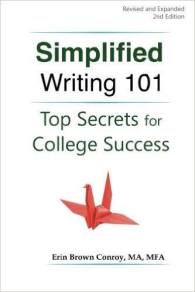 The top post of 2016 was my book review of Simplified Writing 101, by Erin Brown Conroy, which is an excellent tutorial on academic writing, including writing advice that every writing student should know. After that, the reflective post Writing Horror is Scary Business would be second in line. Other popular posts include my four part Making of a Screenplay series,( Part 1, Part 2, Part 3, and Part 4), my Tribute to My Son, and What Amazon’s New Review Policies Mean for Writing to be Read. More recently, my ten part series on publishing, Pros and Cons of Traditional vs. Independent vs. Self-Publishing gave me the opportunity to interview some awesome names in the publishing industry: self-published authors, Jeff Bowels, Tim Baker and Art Rosch; traditionally published authors Stacia Deutsch and Mark Shaw; independently published author Jordan Elizabeth; and children’s author Nancy Oswald, who has published under all three models; as well as Caleb Seeling, owner of Conundrum Press and Curiosity Quills Press – with the final installment summarizing the conclusions made from those interviews.
Many of my posts were reflections of my own writing experience. These included: Why Writing is a Labor of Love; Fear is a Writer’s Best Friend; I’ve Come A Long Way, Baby; Writing the Way That Works For You; Creating Story Equals Problem Solving; What’s A Nice Girl Like Me Doing Writing in a Genre Like This?; Acceptance or Rejection – Which Do You Prefer?; A Writer’s Life is No Bowel of Cherries; Write What You Know; Discouragement or Motivation?; What Ever Happened to Heather Hummingbird?; How You Can Help Build a Writer’s Platform; and Why Fiction is Better Than Fact.
 Sadly, I only attended two events that were reported on, on Writing to be Read in 2016 – the 2016 Ice Festival in Cripple Creek, and the 2016 Writing the Rockies Conference in Gunnison, Colorado. What can I say? I’m a starving writer. This is something I hope to improve on in 2017 by attending more events to report on. One possible addition to the 2017 list that I’m very excited to think about is the Crested Butte Film Festival. The details are not ironed out yet, but I’m keeping my fingers crossed.
Screenwriting content included this past year seemed to be popular. In addition to my Making of a Screenplay series and Writing Horror is Scary Business, Writing to be Read also featured Writing Comedy for Screen is a Risky Proposition, and a book review for Hollywood Game Plan, by Carole Kirshner, which I can’t recommend highly enough for anyone desiring to break into the screenwriting trade. Robin’s Weekly Writing Memo also included several writing tips that could be applied equally to literature or screenwriting.
Another project I’m particularly proud of is my ten part series on publishing, Pros and Cons of Traditional vs. Independent vs. Self-Publishing, which I just finished up last week. In this series I interviewed nine professionals from within the industry to get the low down on the three different publishing models. My interviews included self-published authors Jeff Bowels, Tim Baker and Art Rosch, traditionally published authors Stacia Deutsch (children’s books) and Mark Shaw (nonfiction), and independently published YA author Jordan Elizabeth. To balance things out a bit, I also interviewed children’s author Nancy Oswald, who has published with all three models, Clare Dugmore of Curiosity Quills Press and Caleb Seeling, owner and publisher at Conundrum Press.
 One of the great things about doing book reviews is that you get to read a lot of great books, in with the okay and not so great ones. In addition Simplified Writing 101, my five quill reviews in 2016 included Jordan Elizabeth’s Runners & Riders, Mark Shaw’s The Reporter Who Knew Too Much, Nancy Oswald’s Trouble Returns, Carol Riggs’ Bottled, Jeff Bowles’ Godling and Other Paint Stories, Janet Garber’s Dream Job, Art Rosch’s Confessions of an Honest Man, and Mark Todd and Kim Todd O’Connell’s Wild West Ghosts. I don’t give out five quills lightly and every one of these books are totally worthwhile reads.
 Of course, not all books get a five quill rating. Other books I reviewed that I recommended with three quills or more include three short story anthologies: Chronology, Under a Brass Moon, and Cast No Shadows; two poetry collections: Suicide Hotline Hold Music by Jessy Randall and Walks Along the Ditch by Bill Trembley; Escape From Witchwood Hollow, Cogling, Treasure Darkly, The Goat Children, and Victorian by Jordan Elizabeth; Dark Places by Linda Ladd; Chosen to Die by Lisa Jackson; Wrinkles by Mian Mohsin Zia; Full Circle by Tim Baker; The 5820 Diaries by Chris Tucker; The Road Has Eyes: An RV, a Relationship, and a Wild Ride by Art Rosch; Hollywood Game Plan by Carol Kirschner; Keepers of the Forest by James McNally; 100 Ghost Soup by , and A Shot in the Dark by K.A. Stewart. I also did two movie reviews: Dead Pool and Point Break.
I feel very fortunate to have had Robin Conley join us with her Weekly Writing Memo and her guest movie reviews. The useful writing tips in her Weekly Writing Memos covered a wide range of topics including critiquing, using feedback, ways to increase tension, Relatability or Likeability?, 3 Types of Plot, story research, what to write, making your audience care, world building, handling feedback, writing relationships, establishing tone, editing, word choice, How to Start Writing, endings, queries, Parts of a Scene, making emotional connections, the influence of setting, Building a Story, Inciting Your Story, movement and dialog, Writing Truth, time, Overcoming the Blank Page, Networking, character names, theme, set up, cliches, parentheticals in screenwriting, horror inspiration, and Learning to Write. Robin’s guest post movie reviews included Pride and Prejudice and Zombies, Batman vs. Superman, Miss Perigrin’s Home for Peculiar Children, and The Neon Demon. 
I am thankful for Robin’s valuable content and am glad that she will still be contributing Memos on a monthly, rather than a weekly basis. Although I was sad to lose her weekly content, I am happy for her as she moves forward in her own writing career and I wish her well in her writing endeavors. For those of you who looked forward to her weekly posts, you can catch more of her content on her own blog, Author the World.
2016 was a great year for Writing to be Read, even if it was kind of rough for the author behind the blog. You readers helped to make it a good year and I thank you. Now it’s time to look ahead and see what’s in store for 2017 Writing to be Read. I mentioned some of the things I hope to achieve above: more posts pertaining to the screenwriting industry, and coverage of more events throughout the year are two of the goals I have set for my blog. I also plan to add some author, and hopefully, screenwriter profiles into the mix. I had good luck with author profiles during my Examiner days, and I think they will be well received here, as well.
I also hope to bring in some guests posts by various authors or bloggers, or maybe screenwriters, just to give you all a break from listening to me all the time. I believe Robin plans to continue with Monthly Writing Memos, which will be great, too.
I look forward to all the great books that I know are coming my way in 2017, too. The first reviews you have to look forward to are a short memoir, Banker Without Portfolio by Phillip Gbormittah, a YA paranormal romance, Don’t Wake Me Up by M.E.Rhines, a Rock Star romance, Bullet by Jade C. Jamison and a short story, How Smoke Got out of the Chimneys by DeAnna Knippling.

I hope all of you will join me here in the coming year. Follow me on WordPress, or subscribe to e-mail for notifications of new posts delivered to your inbox. Have a great 2017 and HAPPY WRITING!
Share this:

“Cast No Shadows”: A Collection of Ghostly Tales
Posted: December 16, 2016 Filed under: Book Review, Books, Speculative Fiction, Stories | Tags: Anthology, Book Review, Cast No Shadows, Ghost Stories 1 Comment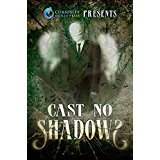
Cast No Shadows is a Curiosity Quills Press anthology of ghost stories for YA readers, but some may not be what you’d expect when you think of ghost stories. Stories such as The Last Act of Keri and Trent by Derek McFadden or Nellie’s Playmate by Lorna McDonald Czarnota use a different POV to tell their tale, and aren’t crafted to bring goosebumps to the flesh, but to unfold a ghost’s story in a creative way.
In other stories seeing and/or talking to ghosts is treated as a common every day occurrence. Stories such as Amity or Tillie in Utica by Jordan Elizabeth, Ghostly Affection by Grace M. DeLeesie, The Sun Valley Bistro by Kae T. Quinn, Ghosts of Holy Cross by Ashley Pasco, Graveyard Dust by Heather Talty, A Minor Matter of Deatb by W. K. Pomeroy, Death of a Necromancer by Misha Murphy, Ghost of Shadmoor Park by Grant Eagar, and Simon and the Ghost by Jeremy Mortis are crafted to entertain and make readers think, rather than to scare.
Still other stories in this collection are intended to surprise readers with the unexpected, as in Attic Secrets by Ashley Pasco, The Regal by Jeremy Mortis, Dark Rider by Amy L. Gale, The Sailor by Lisa Oaks, Sarah by Rachel Pond, The Staircase by Clare Weze, A Trace of Time by Joan O. Scharf, Try Me by Christine Blake, or Yankee Inn by Jordan Elizabeth.
Which is not to say that you’ll find no stories here that contain that eerie scare factor. It’s a large anthology, and stories like Faceless by James McNally, This Ol’ Haunted House by Gloria Slade, Jacked by A. F. Plant, Silent Opera and Swamp by Joan O.Scharf are aimed at stirring up that creepy feeling within readers.
Stories that I feel did this the best were Moving in with the Ghost by A Elizabeth Zumchak, Sweet Hollow Road by C. K. Raggio, House on Hazlenut Lane and The Blood Stained Handkerchief by Jordan Elizabeth. These four would be the five quill stories out of the entire collection, the ones that replay in your mind when you lay down to sleep at night.
Overall, I thought this anthology was a great group of ghost stories for a YA audience. Even the scariest ones achieved the effect without being too gruesome or violent. I give Cast No Shadows four quills. 
Kaye gives honest book reviews and she does not charge for them. If you have a book you would like reviewed contact Kaye at kayebooth[at]yahoo[dot]com.



















Monthly Writing Memo: The One and Only Writing Rule
Posted: February 1, 2017 | Author: Author the World | Filed under: Commentary, Fiction, Screenwriting, Screenwriting, Speculative Fiction, Stories, Uncategorized, Weekly Writing Memo, Writing, Writing Tips | Tags: Books, Fiction, Novel, Novels, Opinion, research, Tips, Writing | 4 CommentsAs almost every writer knows, anywhere you go to discuss writing will always have someone proclaiming their tried and true rules for writing that you MUST follow. Post on any writing forum whether it be for screenwriting or fiction and you’ll find dozens, if not hundreds, of eager “expert” or “professional” writers ready to tell you exactly which rules matter and which are hogwash. Yes, many of these writers have published novels or sold scripts and are professionals in the industry, but does that mean their rules are THE rules to follow?
Absolutely not.
Let me say that again – Absolutely not. Just because someone has sold a script or published a novel or piece of writing doesn’t mean that they will be able to give you rules to writing that will be guaranteed to work on your story. If you put every writer who ever sold something in a room and asked them to come up with a master list of writing rules it’d be impossible. There’d be factions who think you can never write in present tense and others who think a description of the weather should never start a novel.
There’d be groups who think the epitome of literary or cinematic genius is one specific piece of work, and others who think that same work is a crock of shit. If the people who are actually selling works of writing cannot agree on what makes good writing, and which writing rules are always true, then how on earth can a newbie writer even dream of making it in the industry, let alone be brave enough to even try to put words on the page?
Ultimately, all of this boils down to one single fact about writing: There are hundreds of rules for writing, but one of those rules is that there are no rules. Now before you dip out of this article, because that’s a useless piece of advice in the previous sentence, give me a chance to elaborate.
Writing is a subjective thing. Every story is going to require following a different mix of rules to make it work. That’s why whenever I write a post about the “rules” of writing, I try to explain which situations the rule applies to, and where it might not apply. Also, every writer is going to have different opinions about what makes a good story, and every publisher/studio/audience is going to have a different opinion about what they find marketable and worth buying. If this is true, which based on the evidence presented through comparing a wide range of published and produced pieces of writing it is, then the one and only real rule for writing is that you have to know the “What” and the “Why” of your story.
Essentially, knowing the What’s and Why’s of your story is all about researching the genre or style of writing you want to write by studying the existing works in that genre, and being conscious about your story and your writing choices so that you can answer the following questions on each project you work on:
As you can see, this one and only writing rule really boils down to being conscious about each choice you make in your writing and constantly asking yourself why whenever you are presented with a “rule” that someone thinks is universally true. All of these “rules” people come up with regarding writing are the results of people looking for the magic formula to a guaranteed sale on a piece of work, and they find it by looking for common elements across sold pieces of writing. While it is often true that these elements do exist, there are also just as many pieces of writing out there that break these trends.
Every story is its own thing and has its own identity, and I’m a firm believer that if you focus on serving the story rather than trying to force it to fit pre-existing rules or expectations, then your story will be better for it. I’m not saying you’re guaranteed to sell it, no one can guarantee that, but I am saying if you stay true to your story even if it means breaking the rules, your story will be stronger.
The important thing is to know what “rules” exist and to be able to justify why you broke these preconceived rules that people have and to show that you did so consciously. Ultimately, people aren’t going to focus on whether you broke the “rules” or not with your writing when deciding to buy it, they’re going to focus on whether you’ve put in the work to construct a compelling story that people want to read. If you do that, nothing else matters.
Robin Conley offers great writing advice once a month on Writing to be Read. If you just can’t wait until next month to find out more, you can pop into her blog, Author the World, for more tips, or a weekly writing prompt.
Share this: