An Eye on Art: Murals of Victor and Cripple Creek, Colorado
Posted: September 21, 2026 Filed under: An Eye On Art, Art, history, Writing to be Read | Tags: An Eye On Art, Artwork, Cripple Creek, Kaye Lynne Booth, Murals, Victor, Writing to be Read Leave a comment
Go through any town and you can get an idea of what type of people live there by the art that is displayed. The Colorado mining towns of Victor and Cripple Creek are no exception. I’ve not seen any small towns quite like these two, which strive to preserve their heritage. But another thing which sets these two historic mining towns apart in my mind are their unique and colorful murals.
When done well, this type of art can be right up there with what you would find in a gallery. Check it out.
The Murals of Victor, Colorado
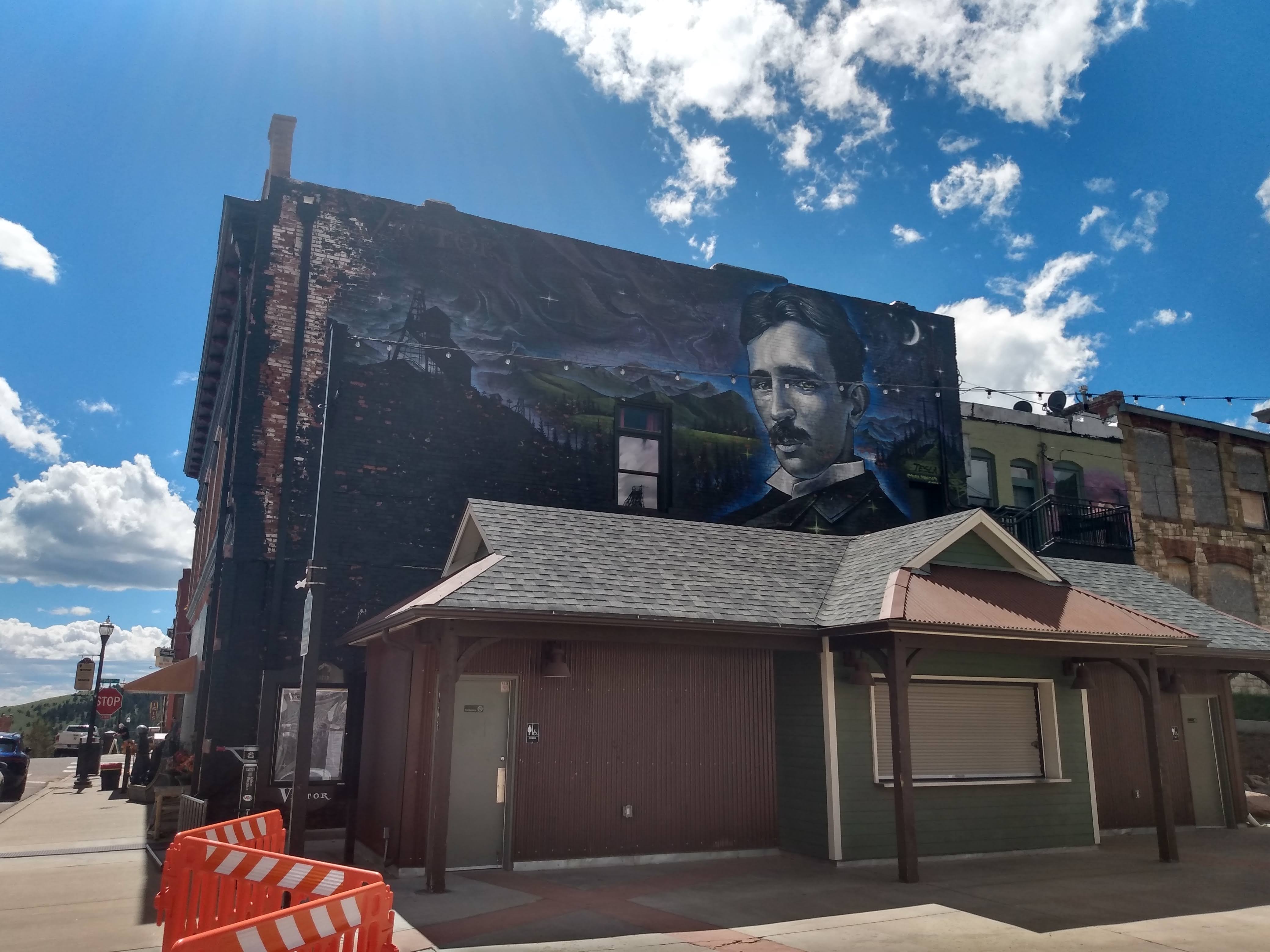
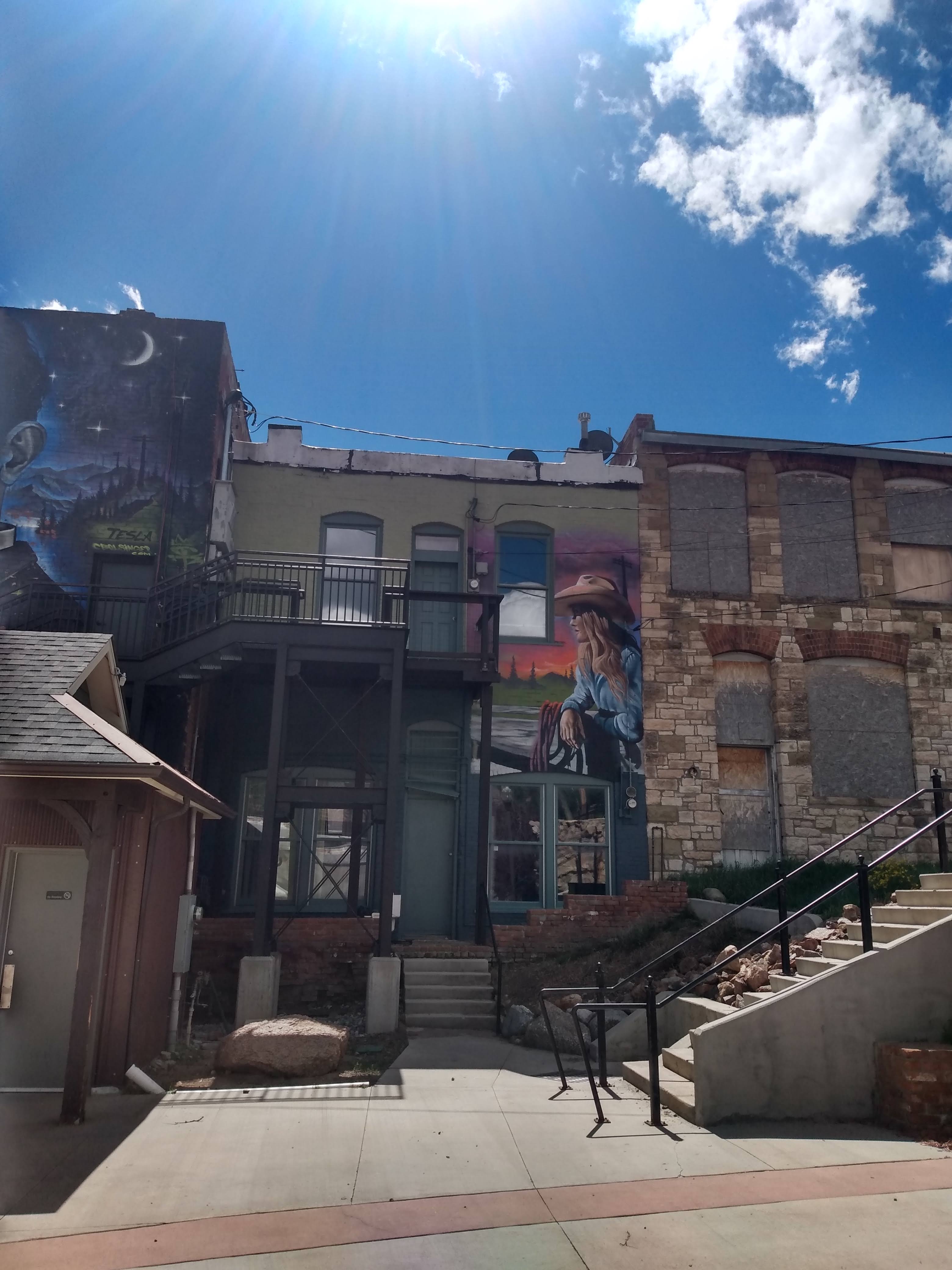
First, is the Black Monarch Boutique Hotel in Victor, Colorado that caters to horror movie fans. Each room is decorated to commemorate a different film. On the back of the building, there are two large murals.
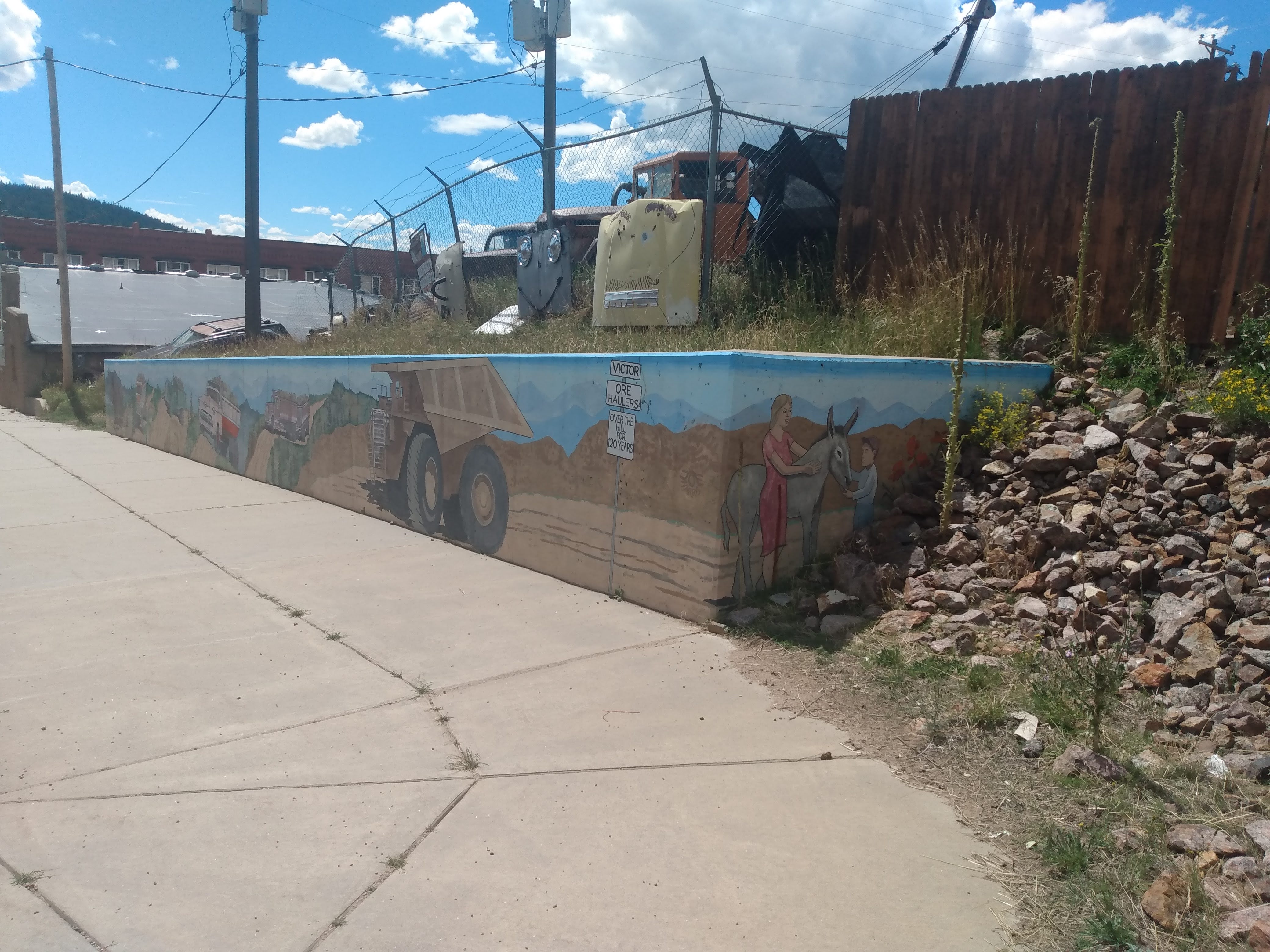
Victor’s mining history is commemorated in a cement retaining wall.
Even Victor’s governing forces get in on the action with murals.
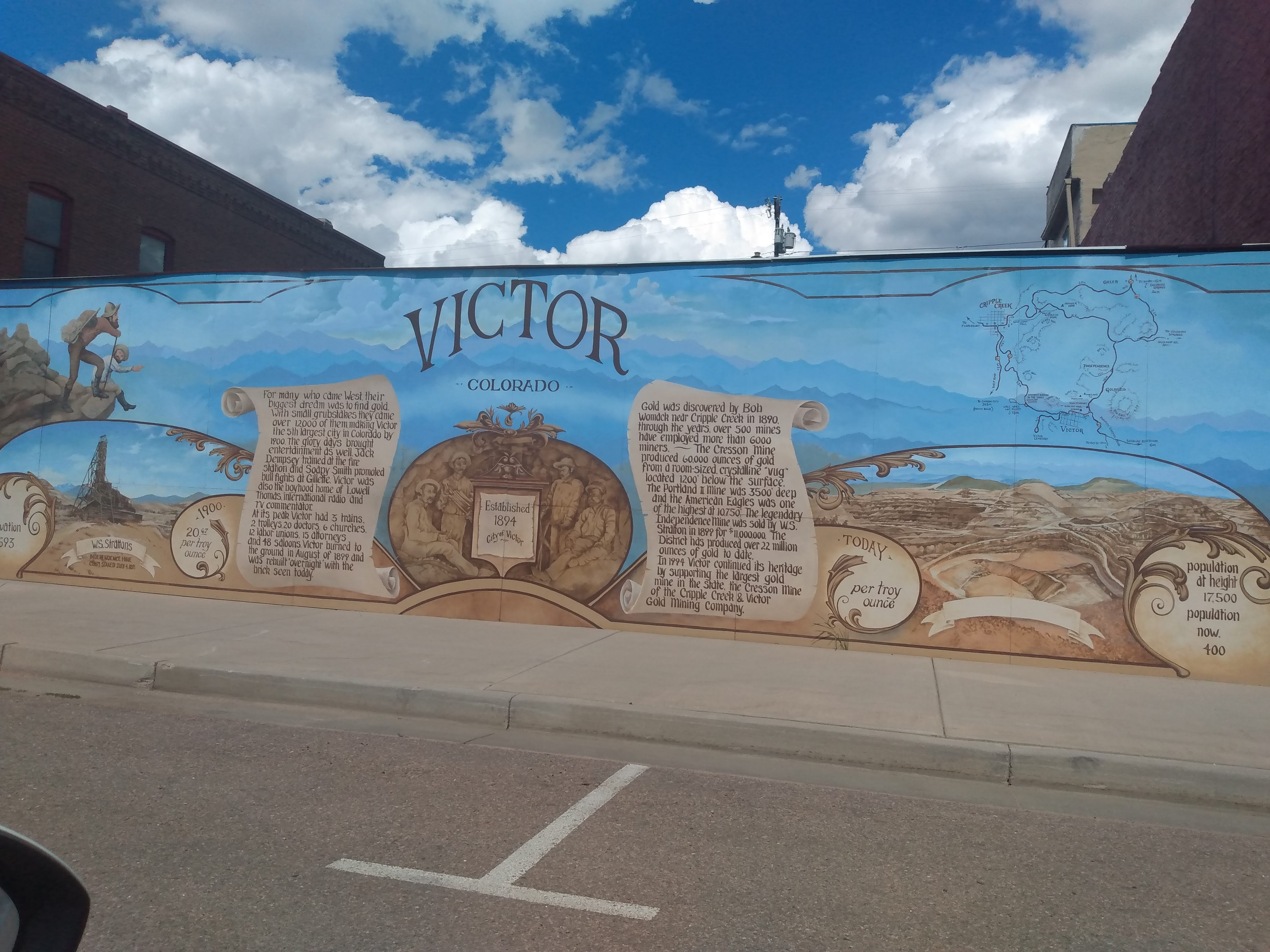
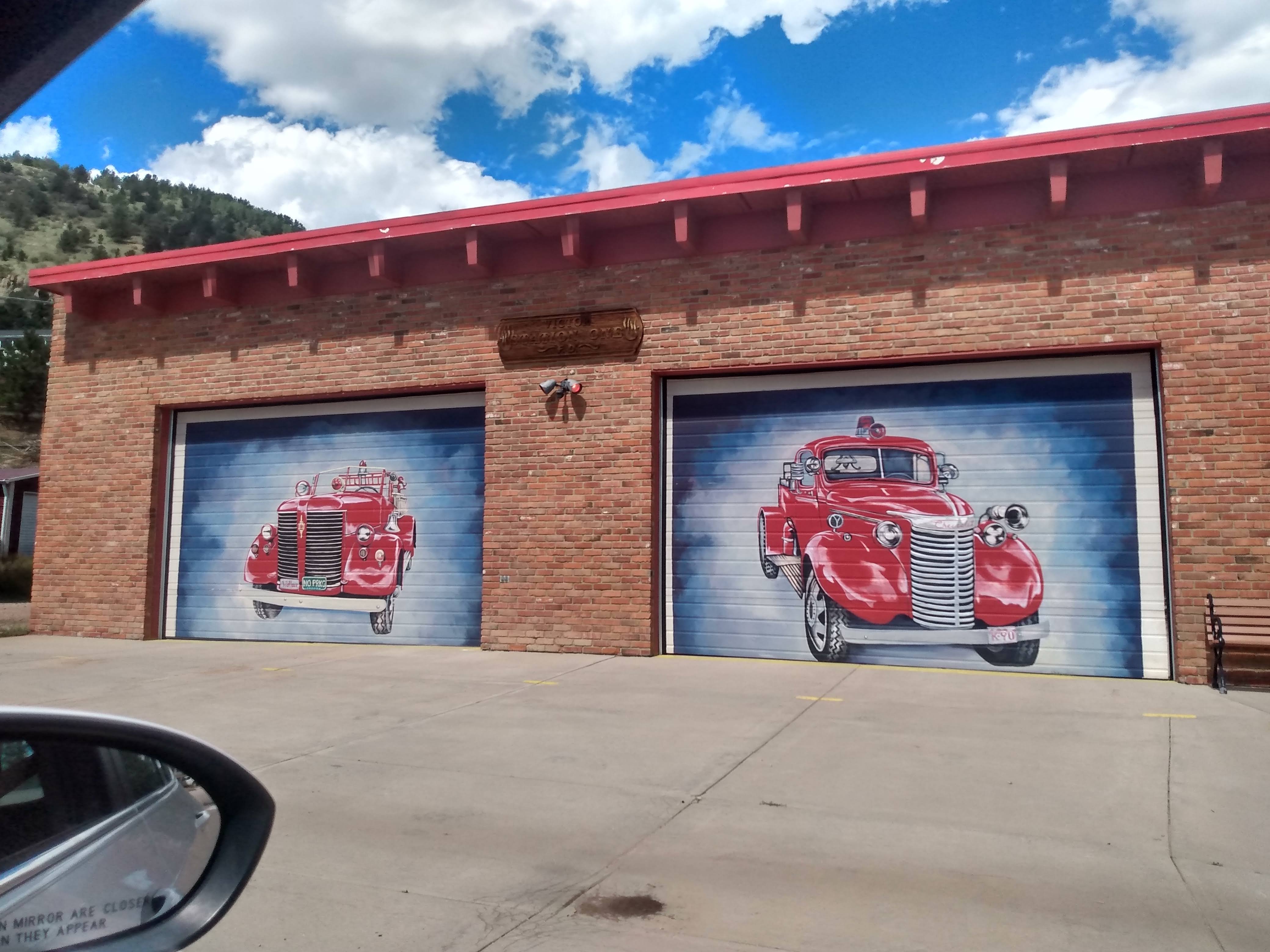
Last, but not least, check out Victor’s fire station.
The Murals of Cripple Creek Colorado
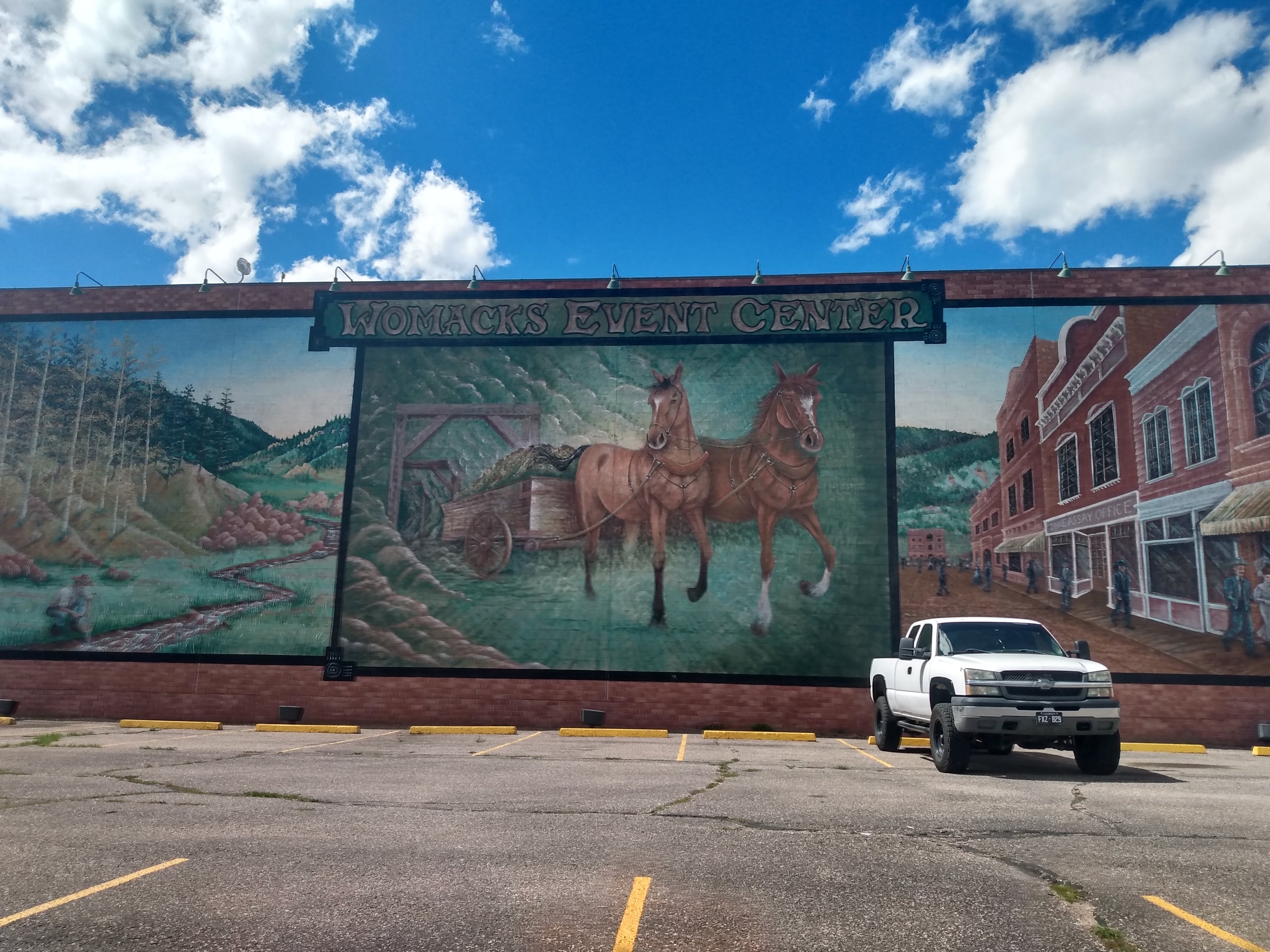
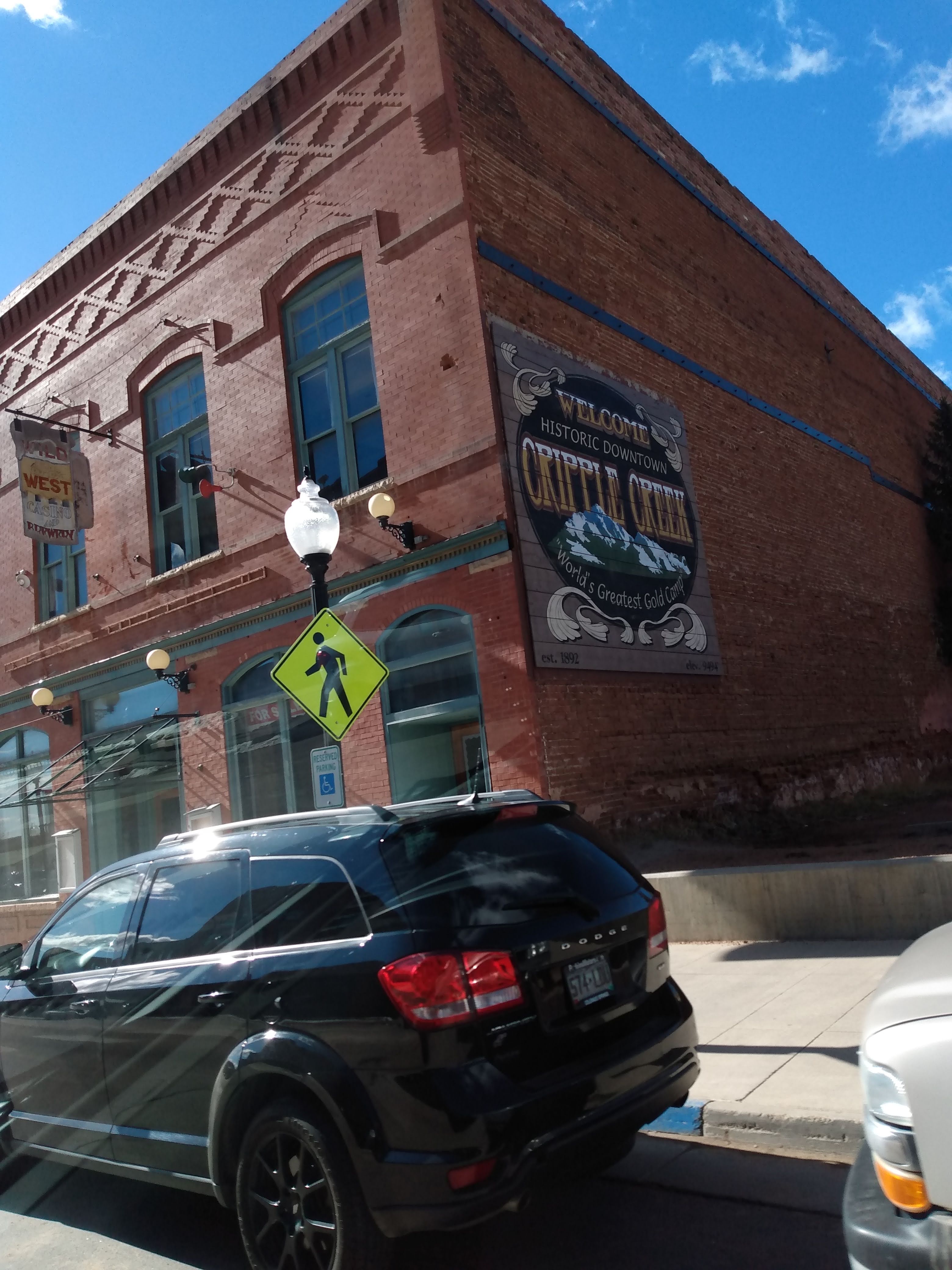
Not to be outdone, Cripple Creek has it’s own distinct artwork commemorating its mining heritage.
About Kaye Lynne Booth
For Kaye Lynne Booth, writing is a passion. Kaye Lynne is an author with published short fiction and poetry, both online and in print, including her short story collection, Last Call and Other Short Fiction; and her paranormal mystery novella, Hidden Secrets; as well as her poetry collection, Small Wonders. Her novels include Books 1 & 2 of her Women in the West adventure series, Delilah and Sarah, and Books 1 & 2 in her Time-Travel Adventure series, The Rock Star & The Outlaw, and Double Visions.
Kaye holds a dual M.F.A. degree in Creative Writing with emphasis in genre fiction and screenwriting, and an M.A. in publishing. Kaye Lynne is the founder of WordCrafter Quality Writing & Author Services and WordCrafter Press, where she edits and publishes two short fiction anthologies and one poetry anthology every year amidst her many writing projects. She also maintains an authors’ blog and website, Writing to be Read, where she publishes content of interest in the literary world.
__________________________________________
Did you know you can sponsor your favorite blog series or even a single post with an advertisement for your book? Stop by the WtbR Sponsor Page and let me advertise your book, or you can make a donation to Writing to be Read for as little as a cup of coffee, If you’d like to show your support for this author and WordCrafter Press.
_______________________________________
This segment of “An Eye on Art” with Kaye Lynne Booth is sponsored by The Women in the West Adventure Series and WordCrafter Press.

Historical Women’s Fiction
Get Your Copy Today!
Delilah: https://books2read.com/DelilahWiW1
Sarah: https://books2read.com/Sarah-Women-in-the-West
Marta: Coming in March, 2027
Share this:

Down the Rabbit Hole: Mining in the Cripple Creek Mining District
Posted: September 16, 2026 Filed under: Down the Rabbit Hole, history, Western, Writing, Writing to be Read | Tags: Cripple Creek, Down the Rabbit Hole, history, Kaye Lynne Booth, Mining towns, Writing to be Read 12 Comments
Research and sometimes, just life, find me delving into all sorts of unlikely, but quite interesting things. And who among us hasn’t found themselves following the information trail down a rabbit hole which leads to all kinds of unexpected factoids. Some of those factoids get used in stories, and some just get filed away for later. And that’s what this blog series is all about. The unexpected factoids which I’ve filed away and now wish to share with you.
I hope you’ll choose to tune in here and join me. You never know what the next segment will be about. But hopefully you will find things that interest and entertain you, even if it is a subject you’ve never given a thought about.
Won’t you join me in my plunge down the rabbit hole once more?
History of Robert Womack & the Origins of Cripple Creek
In the 1880s, the area around what is now Cripple Creek, Colorado was mostly ranch and farmland. It was toward the end of the big gold rush, “Pike’s Peak or Bust”, when most Colorado mining towns had already been established, that Robert Miller “Bob” Womack discovered gold in Poverty Gulch. When word got out, the last major Colorado gold rush was underway, and in 1891-92, the Cripple Creek Mining District was created and the town of Cripple Creek was established.
In 1878, a rancher named Robert Womack found a sizeable chunk of gold in Poverty Gulch, but no one believed his drunken bragging when he boasted of it. He established a claim in 1890 to the El Dorado Load, (which would later become the Gold King Mine).
Eventually, the Gold King Mine became a single shaft, underground mine, reaching a 1,083 feet depth, with veins up to 39 feet long and 6 feet wide, and it produced over five million dollars’ worth of gold. But, Robert Womack sold his claim for a paltry amount, (from $300 -$500, and a bottle of liquor), when he was down on his luck, and he died in poverty, in Colorado Springs in 1908.
His memory was honored in Cripple Creek with Womack’s Casino and a statue of his image in Cripple Creek City Park. No longer in operation, the building still exists and Womack’s Casino is now the Century Casino.
The Last Colorado Gold Rush: Pike’s Peak or Bust
The last Colorado gold rush was started by Womack’s discovery of gold in Poverty Gulch, and was accelerated by the discovery of a rich vein at the Independence Mine by Winfield Scott Stratton, bringing thousands of prospectors and entrepreneurs flocking to Cripple Creek by the droves. Cripple Creek was frequented by at least thirty millionaires, who made their fortunes there. And the famous bordello, run by Madame Pearl DeVere, required a credit check to verify millionaire status before receiving an appointment. (To visit another of my rabbit holes, and learn more about prostitution in Cripple Creek, and the old west in general, see my post on the WordCrafter Sarah Book Blog Tour, “The Soiled Doves of the American West”.)
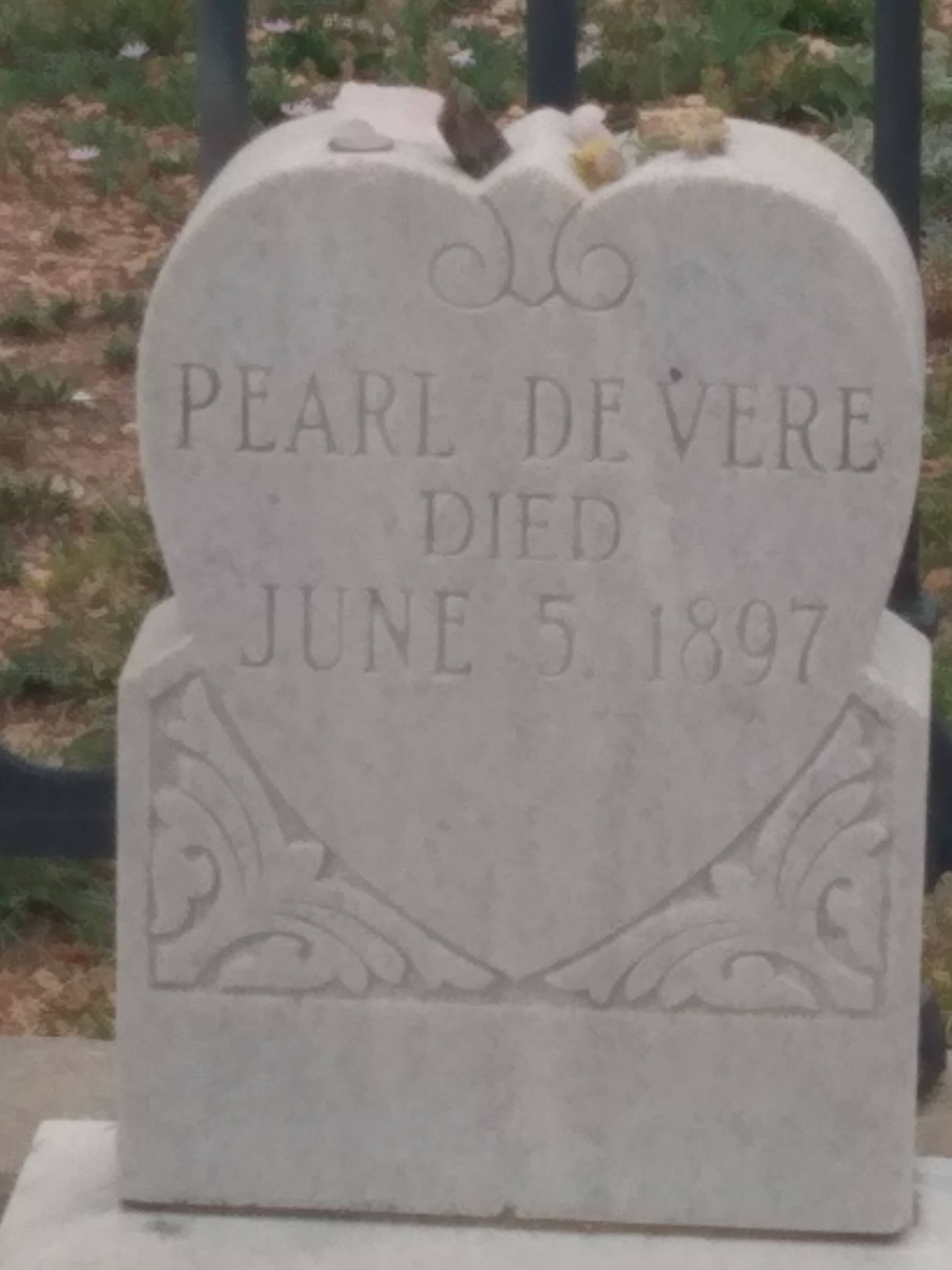
Officially named the Cripple Creek Mining District in 1894, it encompassed the town of Cripple Creek, as well as the surrounding towns of Victor, Goldfield, Anaconda and Independence. By 1910, the district had produced 22 million Troy ounces of gold, worth over $340 million dollars; making it one of the richest gold camps in North America, surpassing the California and Alaska gold rushes combined.
Cripple Creek Mining District Today
Today, modern mining operations continue on Battle Mountain, using specialized extraction methods, such as chlorination and cyanide leaching (heap leaching), and open pit methods at the Cripple Creek and Victor Gold mine, (CC&V), formerly the historical Cresson Mine; the richest gold mine in Colorado history. In 2025, it reported the production of 2.7 million troy ounces in Proven and Probable Reserves, which is a decline from 2019, when the reported Proven and Probable Reserves was 3.4 million ounces. It’s planned to continue production until 2037 with projected average production of 141,000 ounces of gold annually.
The vast open pit operation consumes the entire peak of Battle Mountain, covering over 12,000 acres. But, some of this area is unavailable to mining operations, because it sits in the middle of the Cripple Creek Historic District, and Cripple Creek and Victor take their heritage seriously. Many homes sit empty on mining property around the Victor and Goldfield area with their doors and windows removed to let the elements do as they will. My theory is, that it isn’t legal to tear the houses down so they can mine the land, even though they own it, because of the location in the historic district, so they leave the houses and let the elements destroy them naturally. It takes longer, but eventually, they will be able to legally mine those areas.
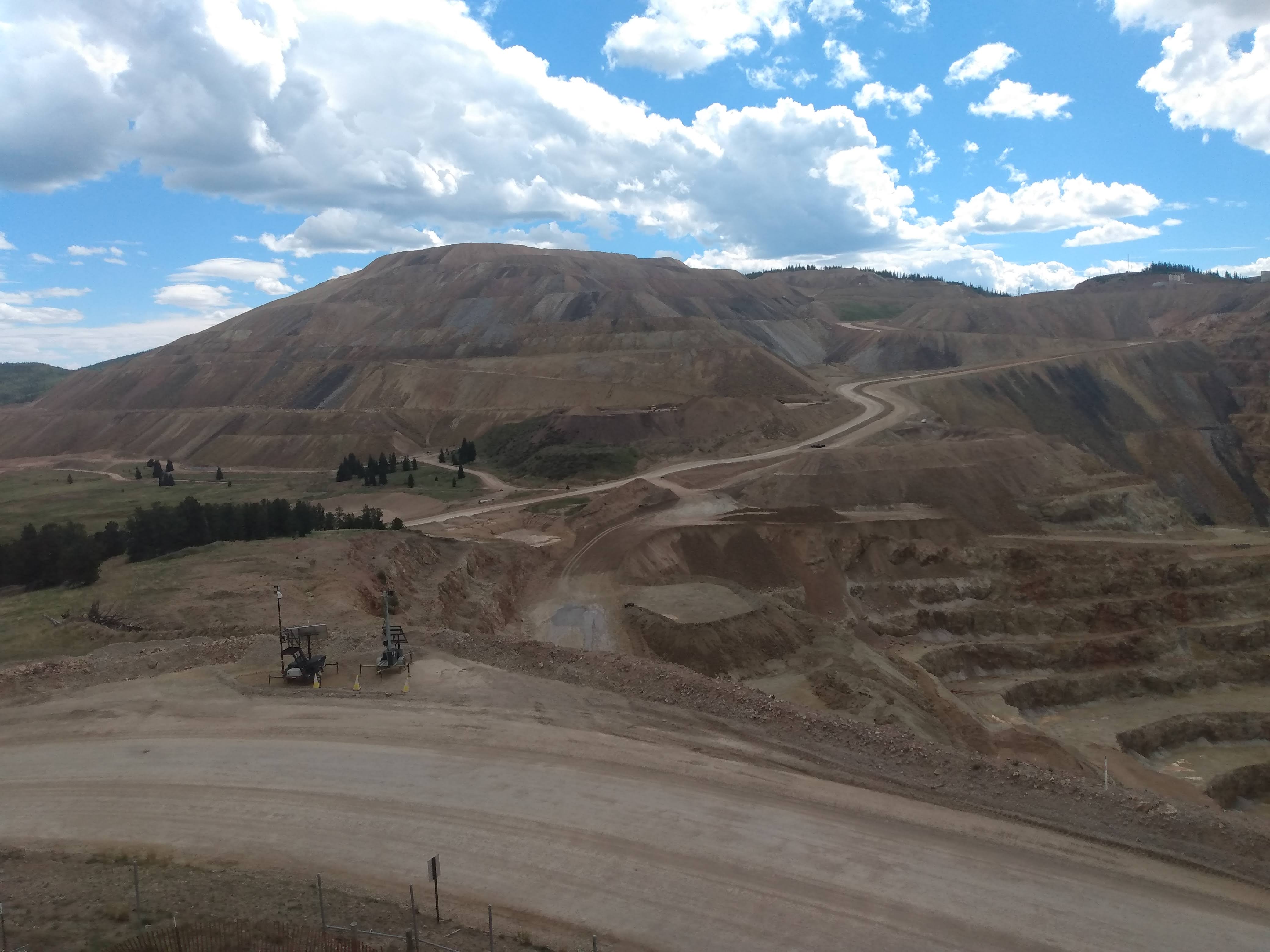
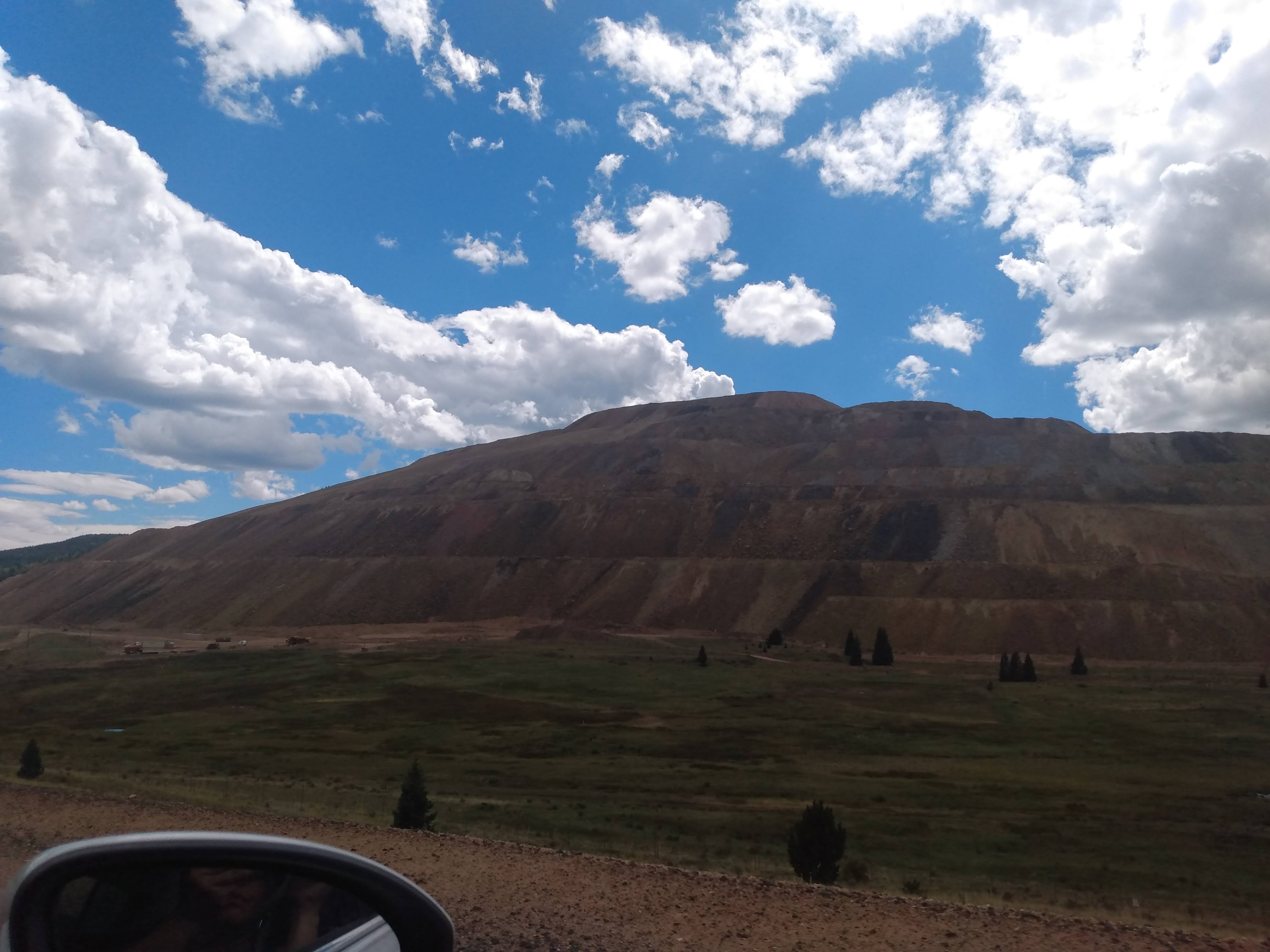
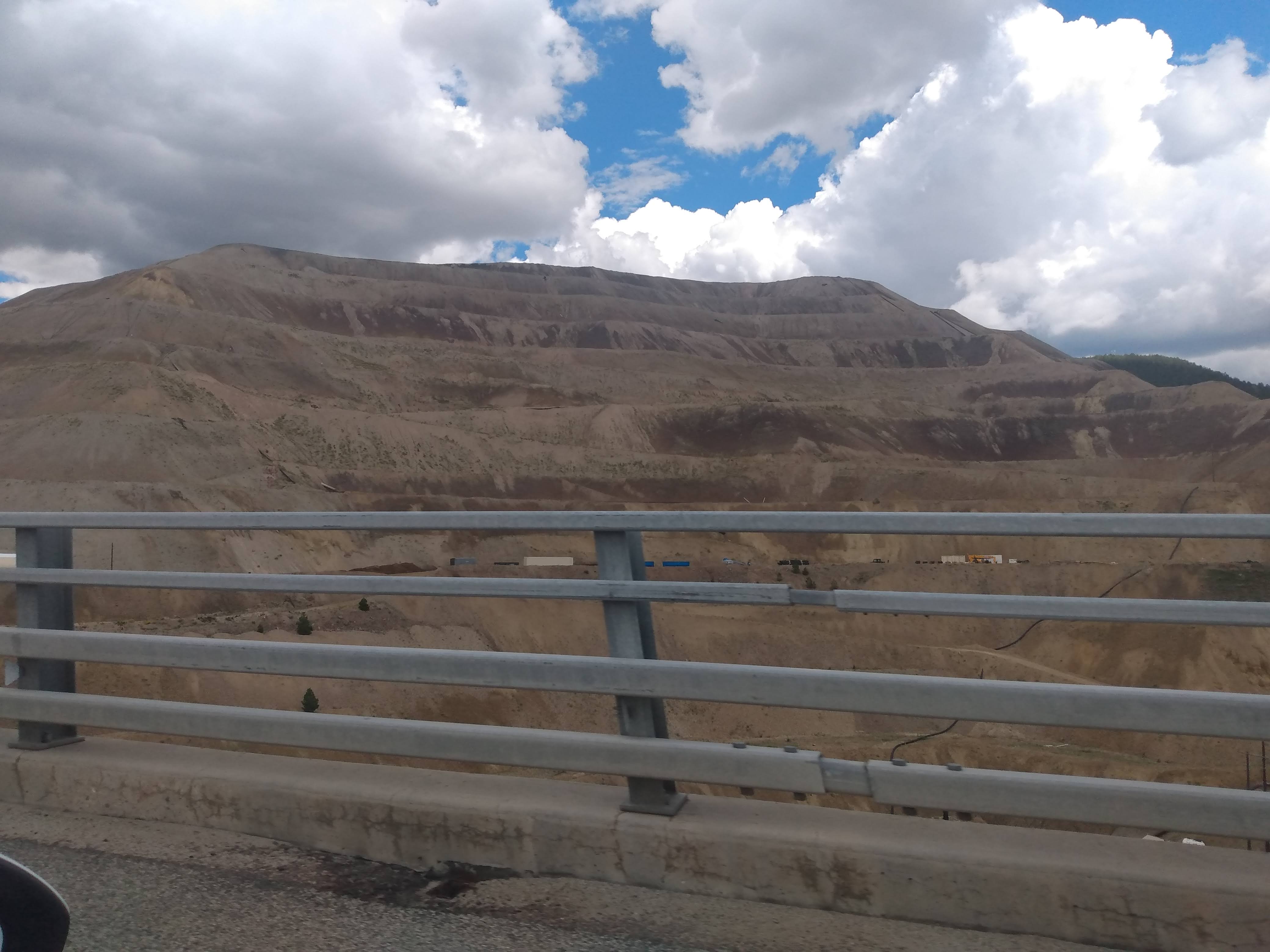
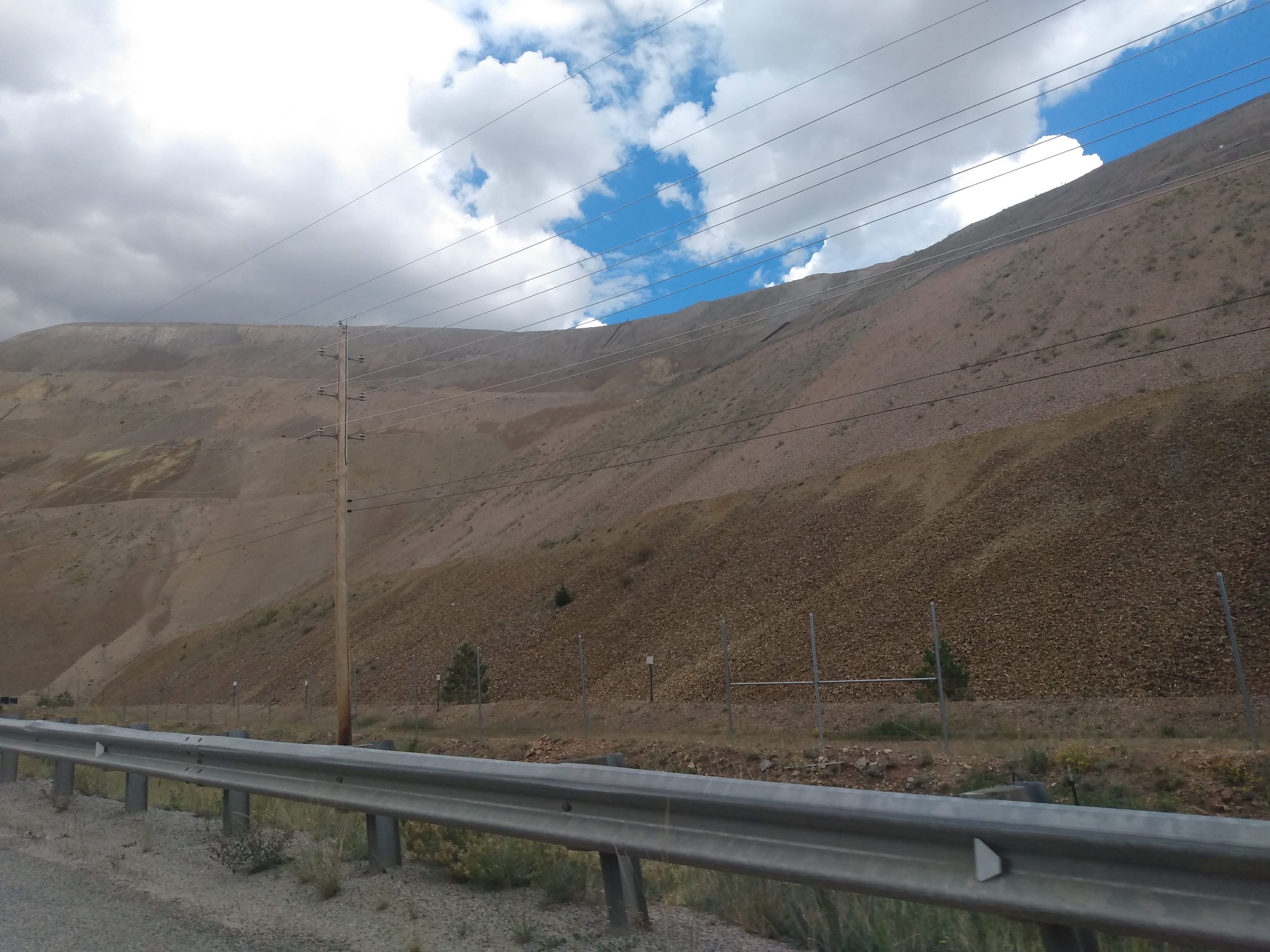
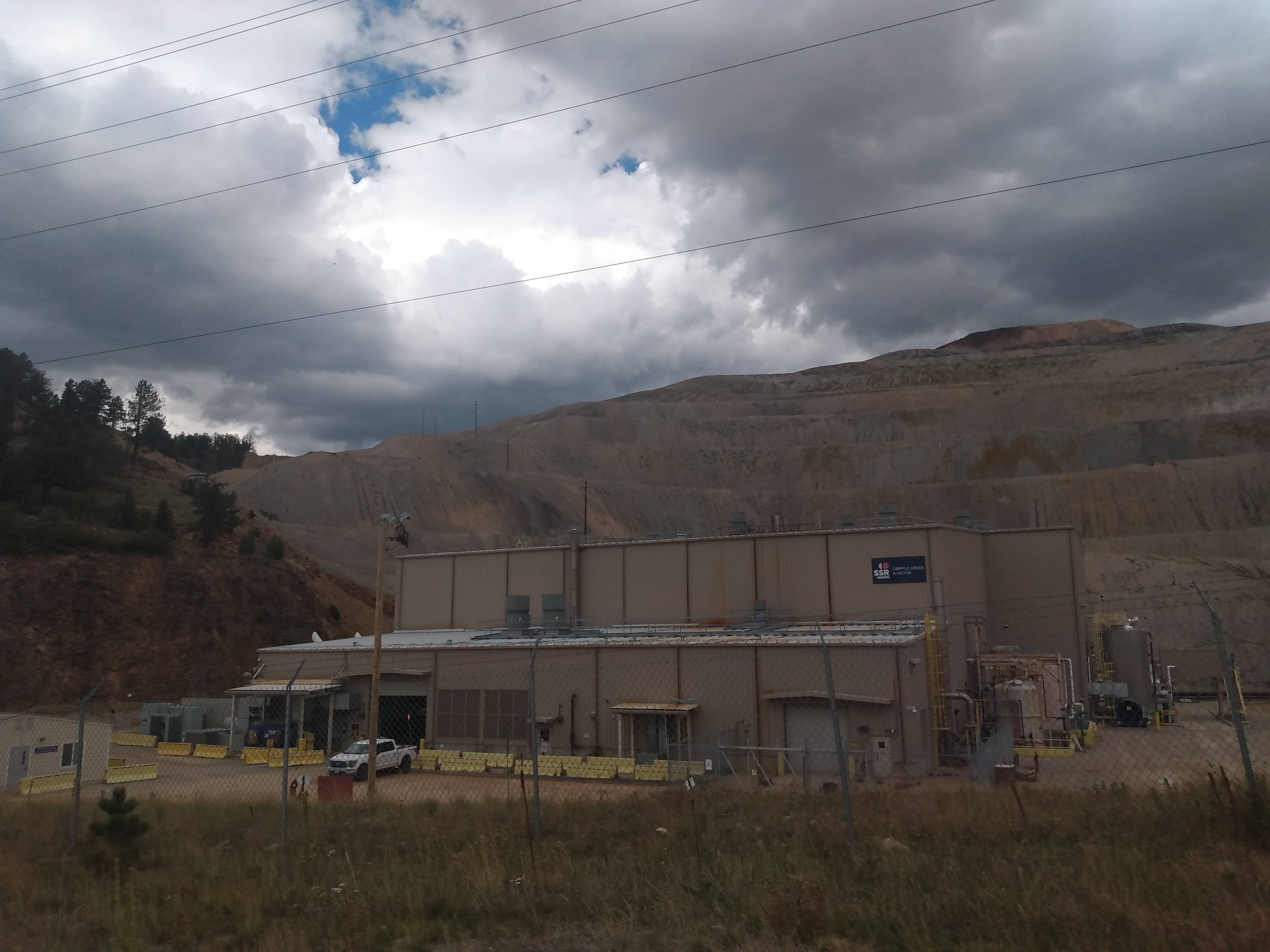
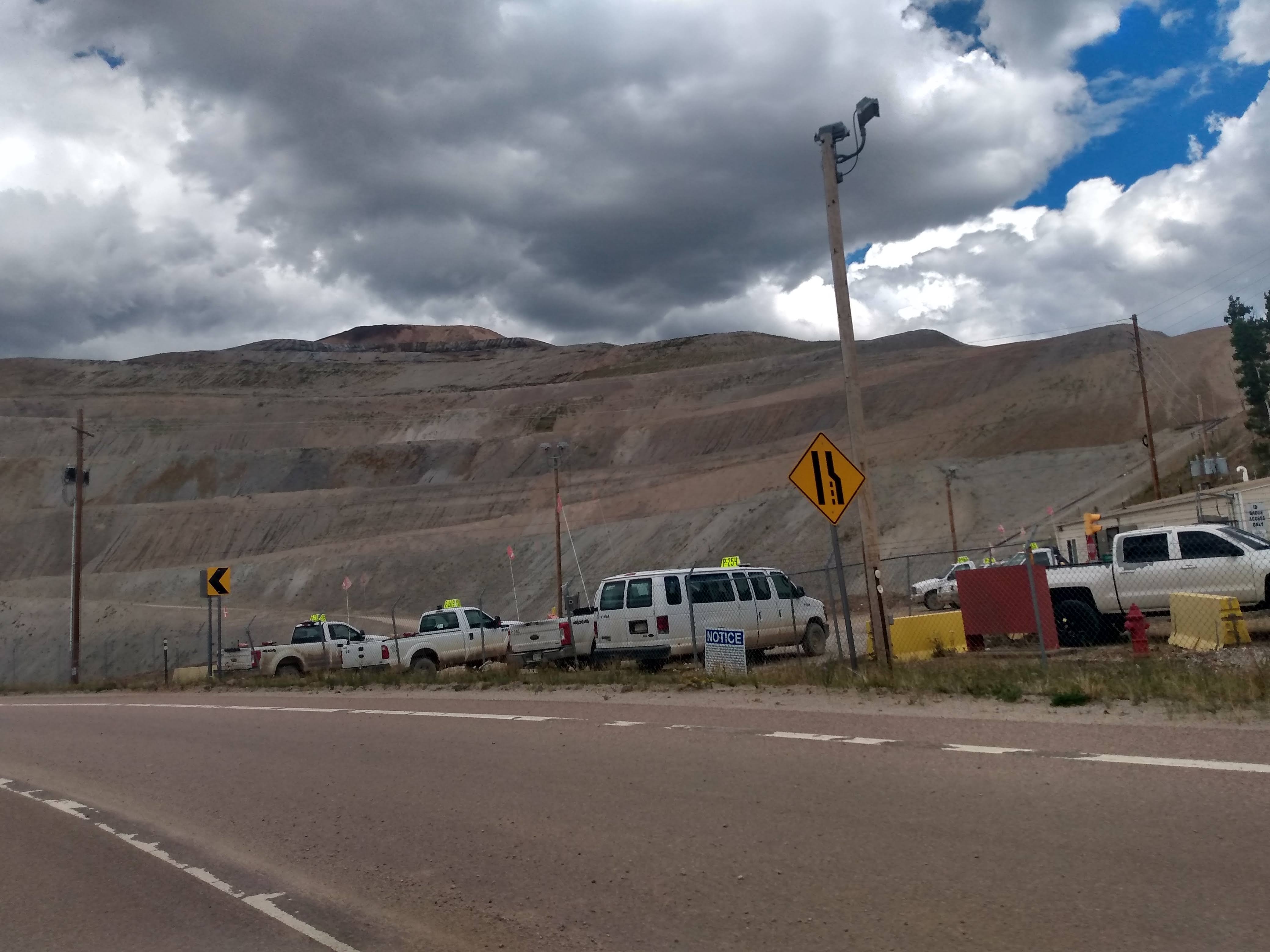
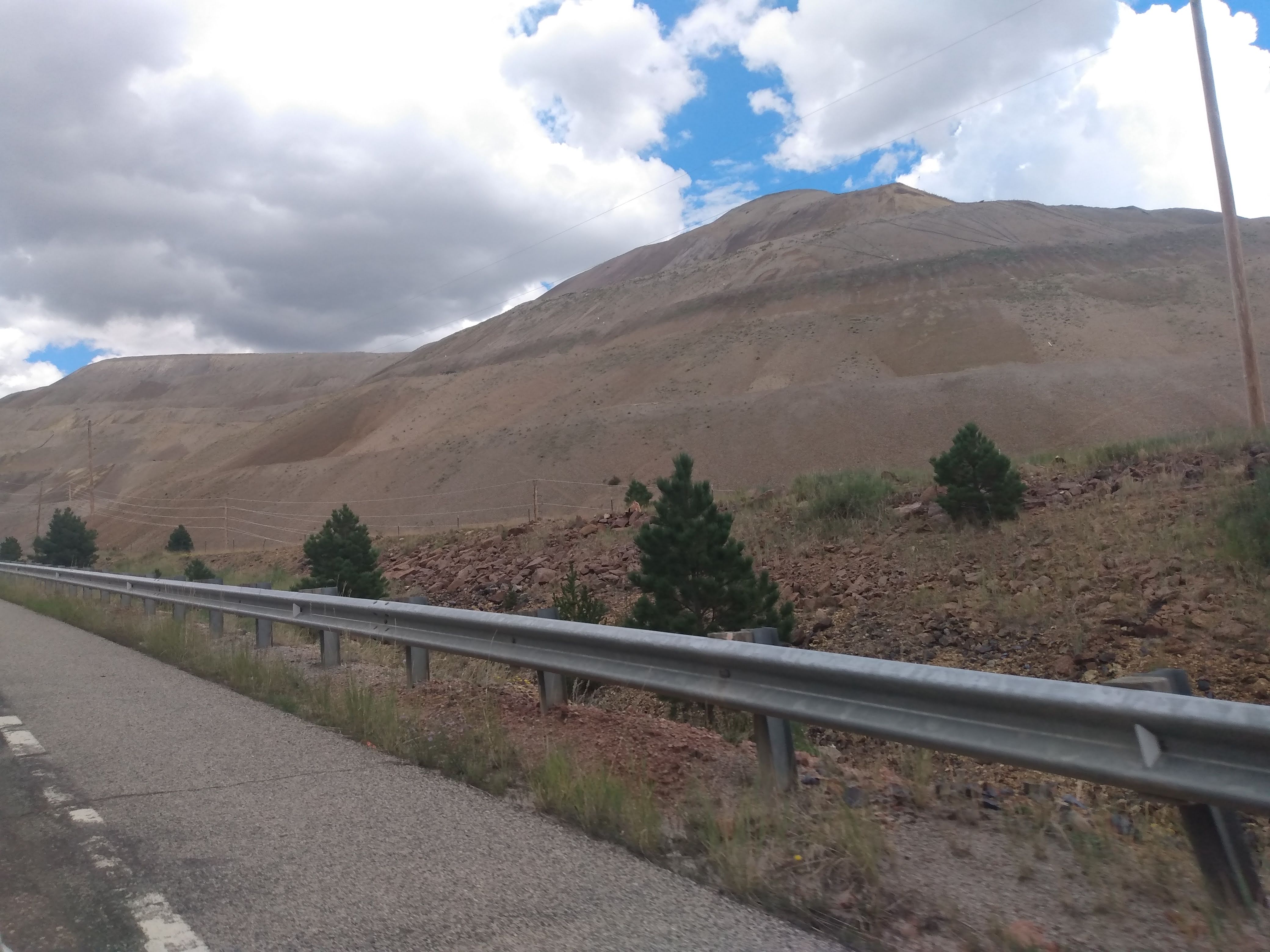
Much of the 2 1/2 miles between Cripple Creek and Victor drives across one big tailings pile, although measures of restoration can be seen. The mine operates 24 hours a day, seven days a week, with trucks making the trip down into the pit to load up and carry it back out in an endless circuit.
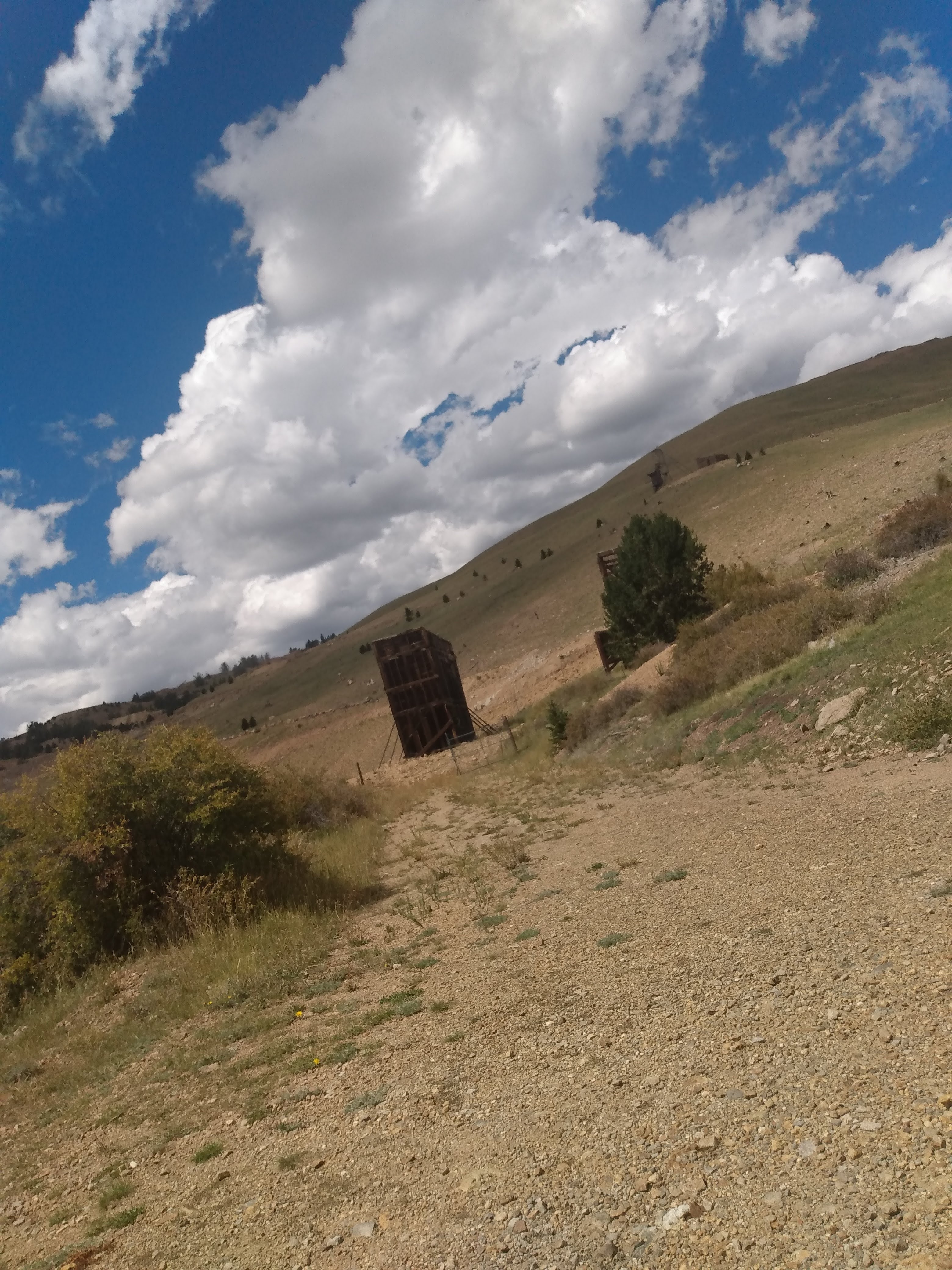
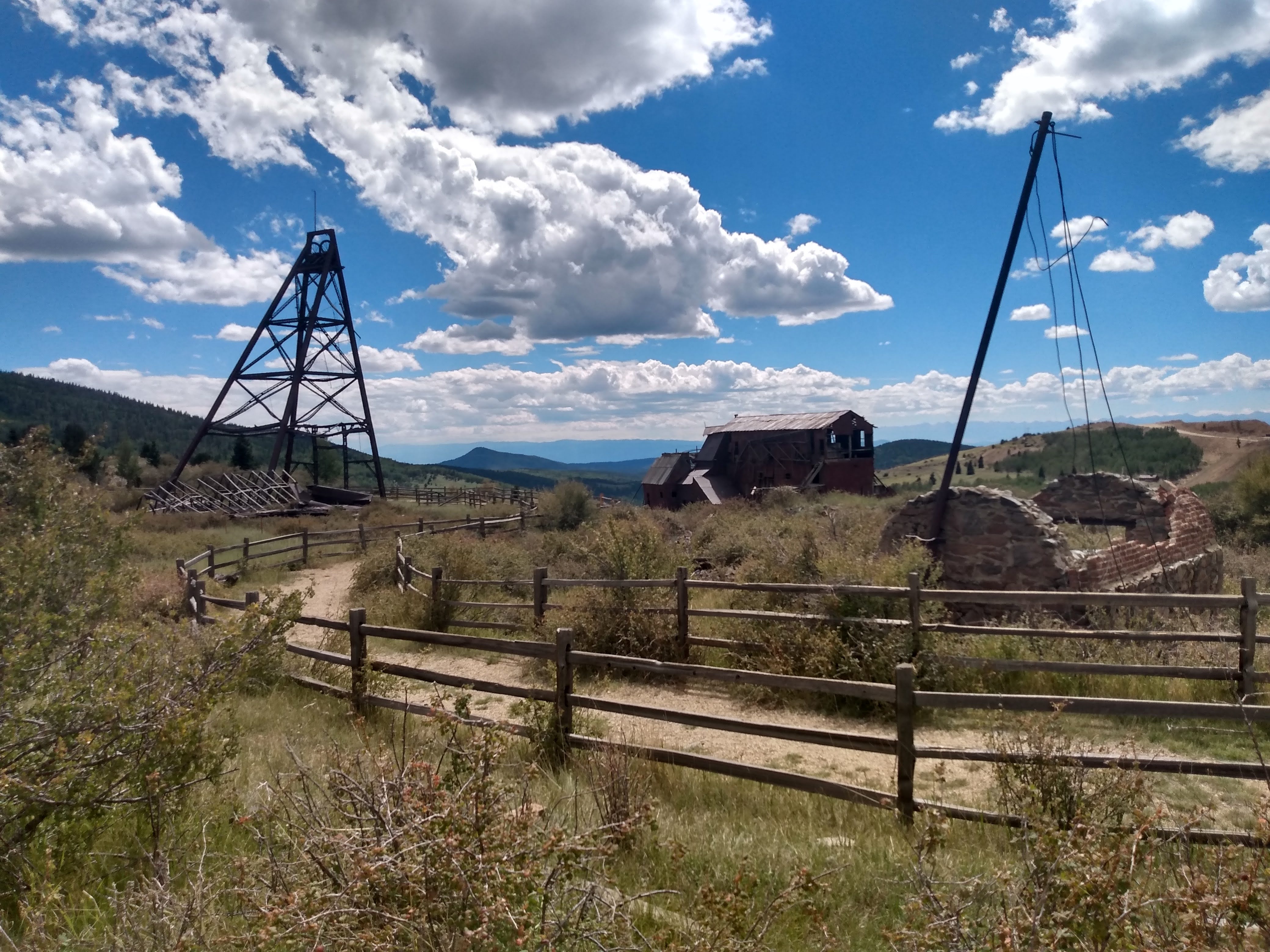
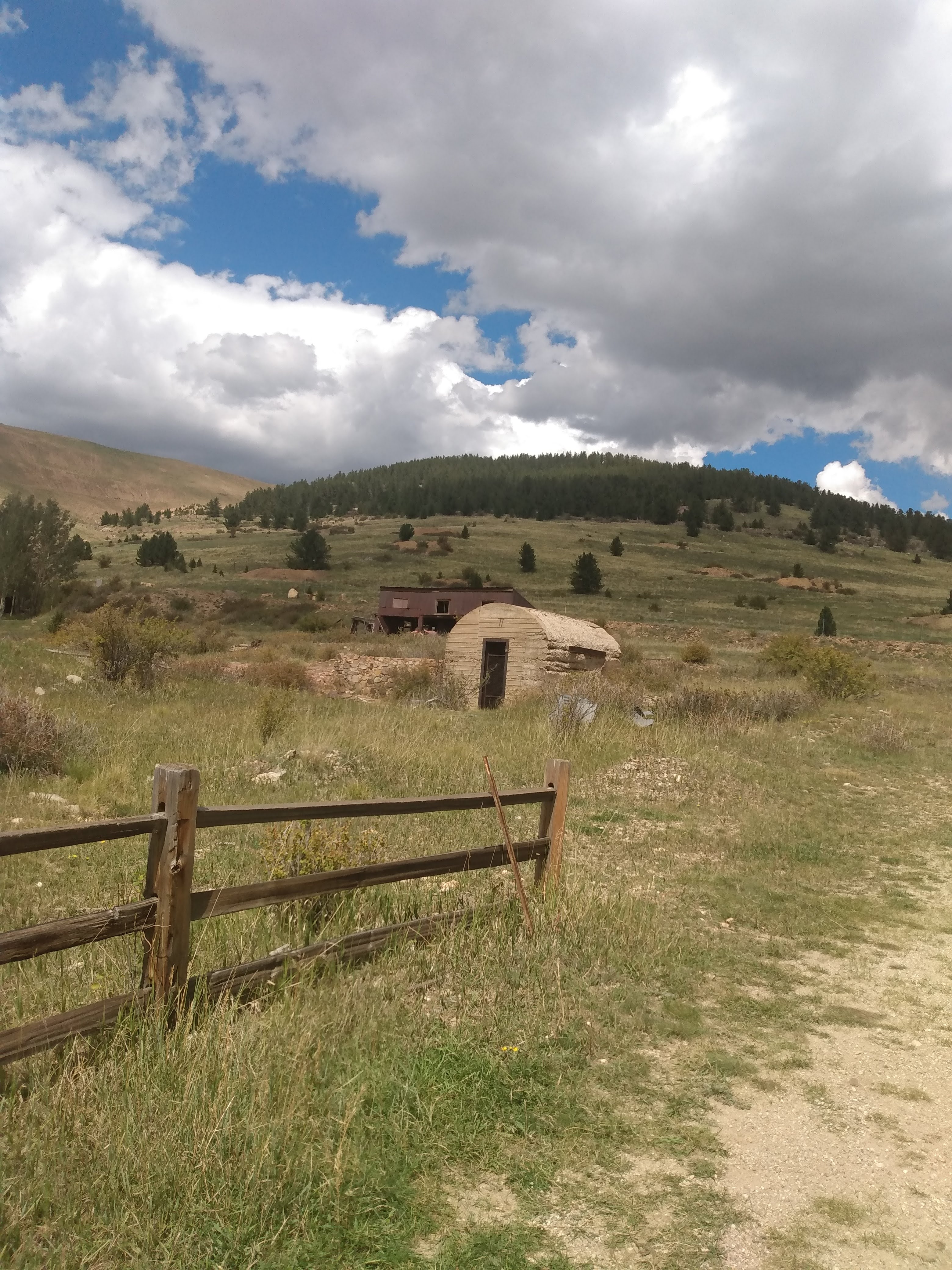
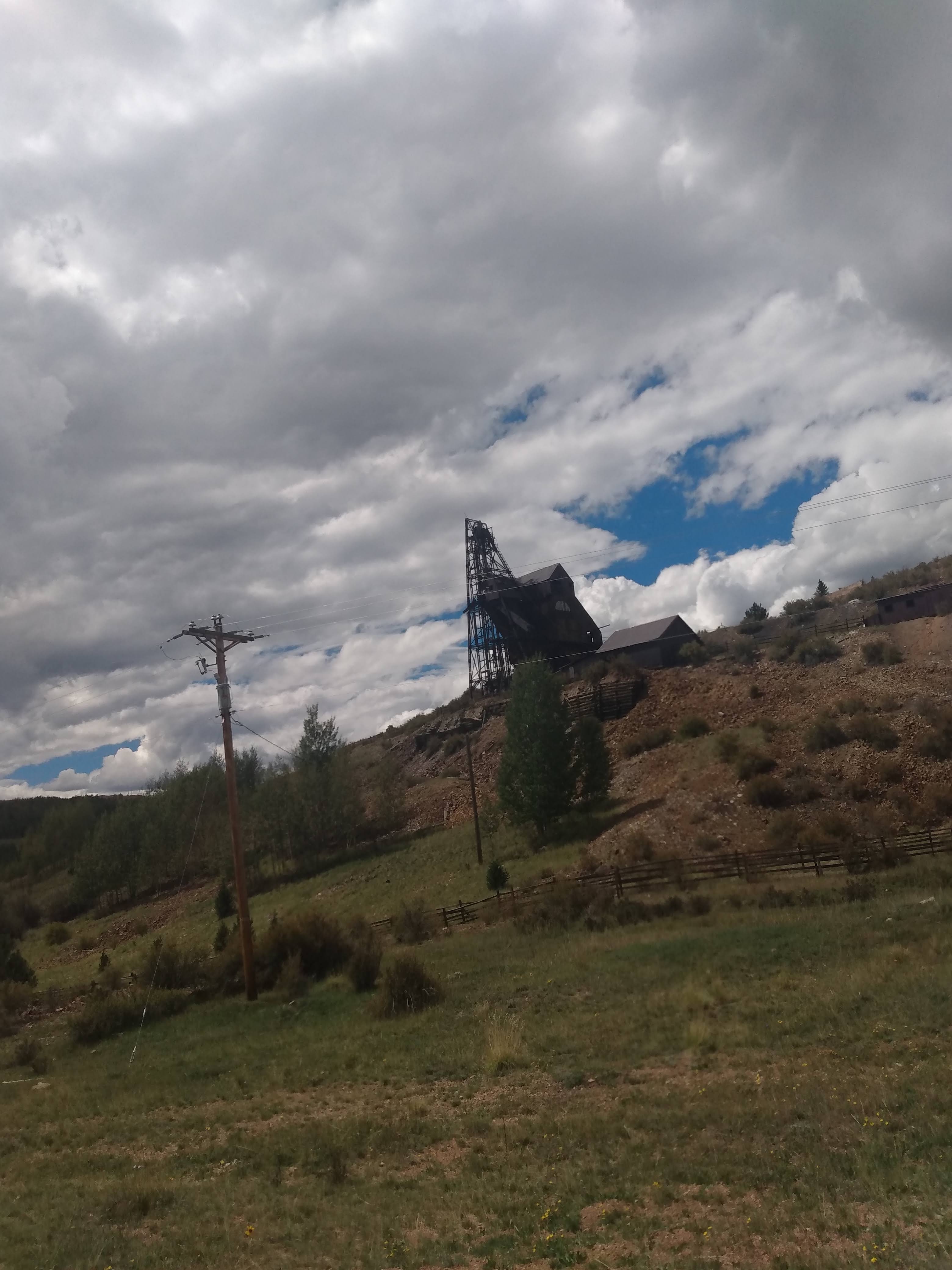
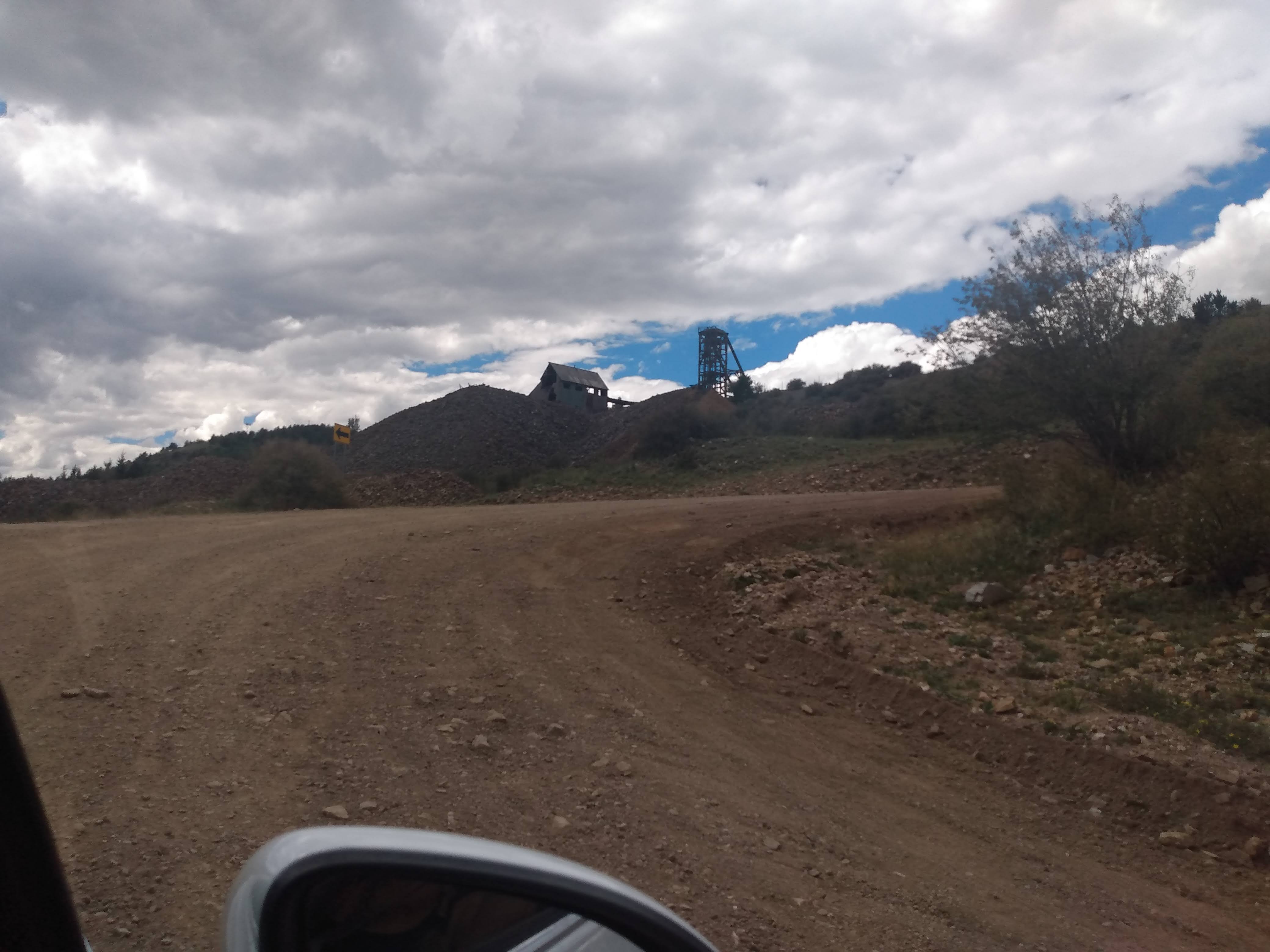
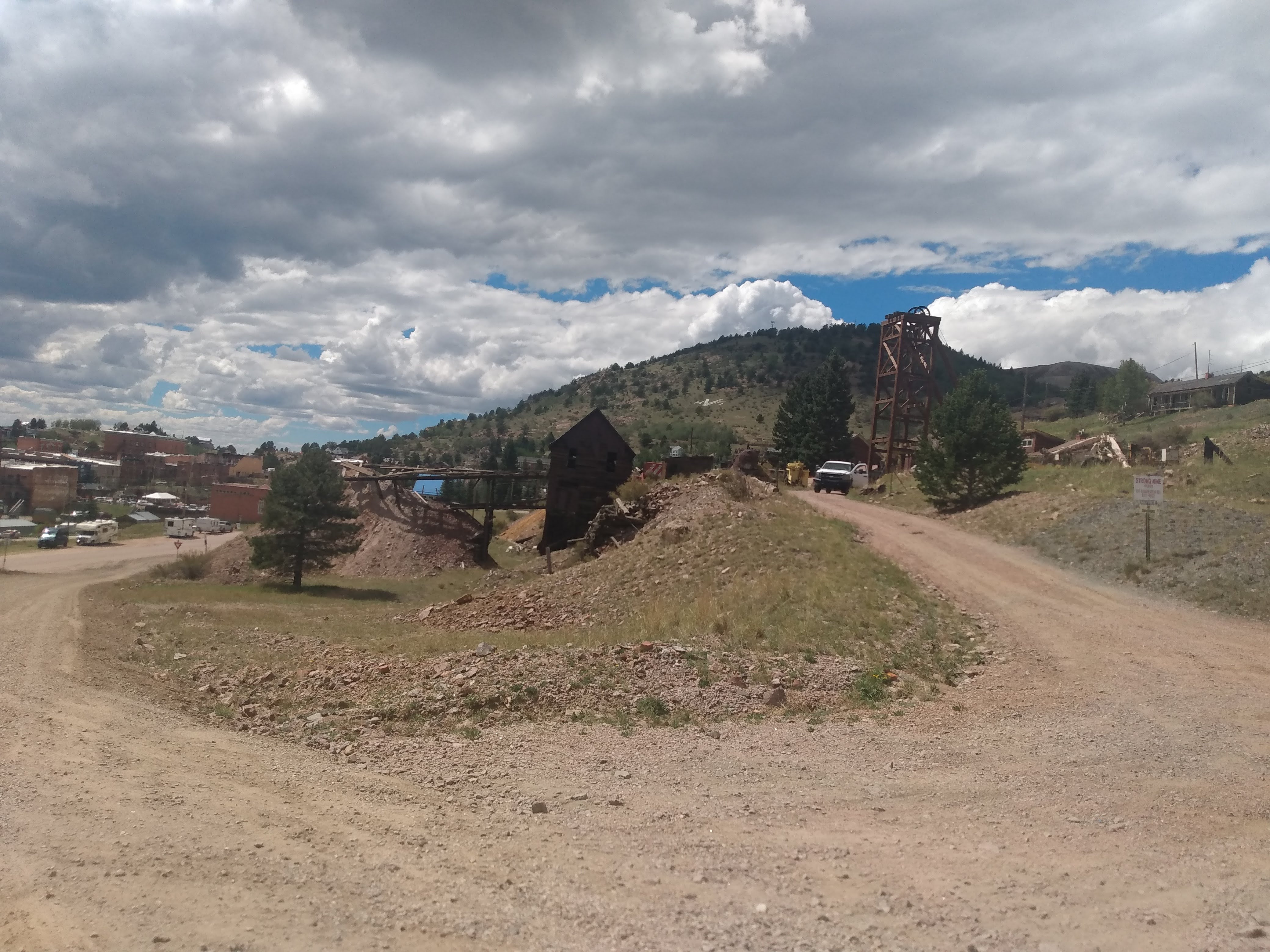
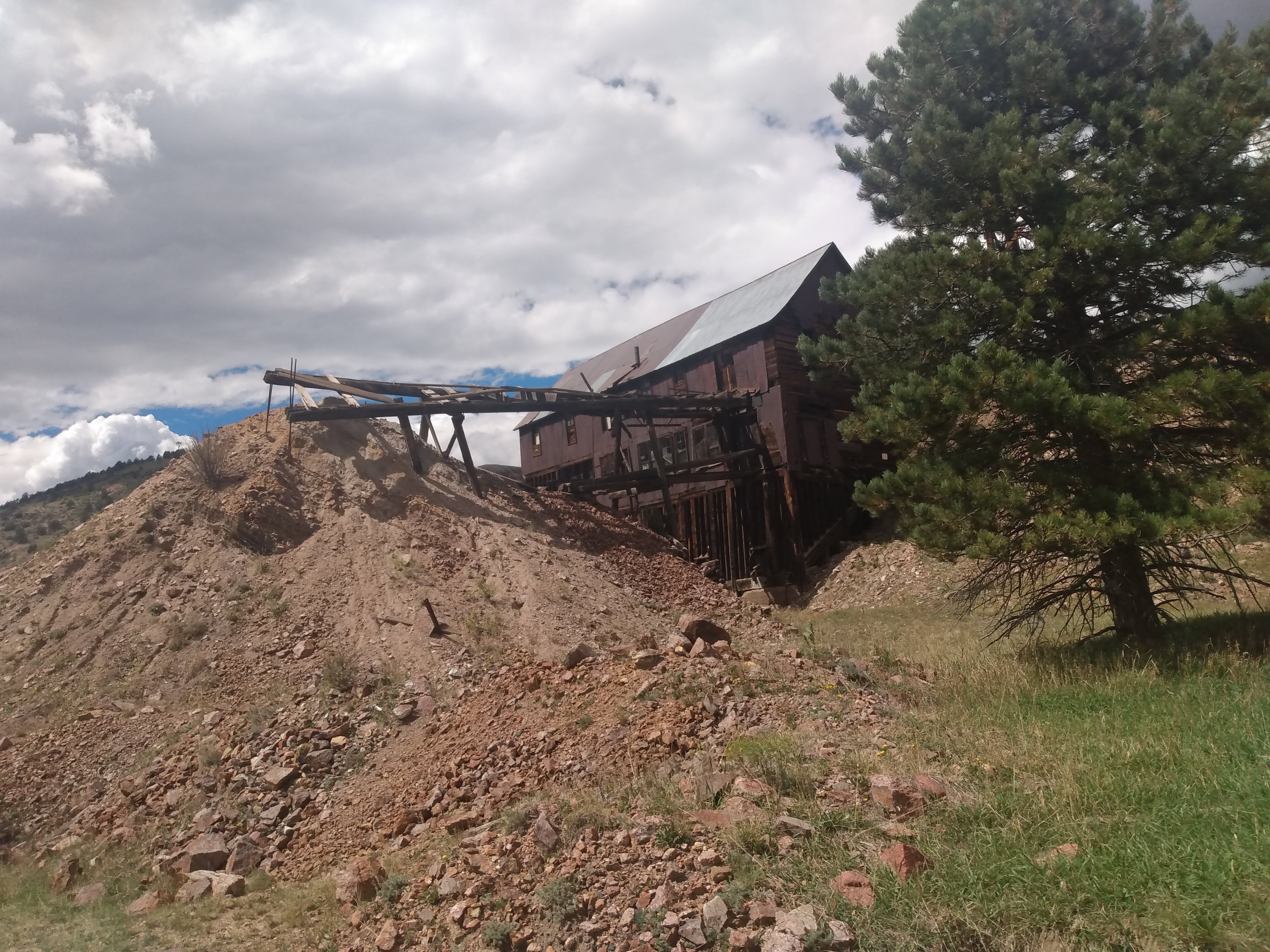
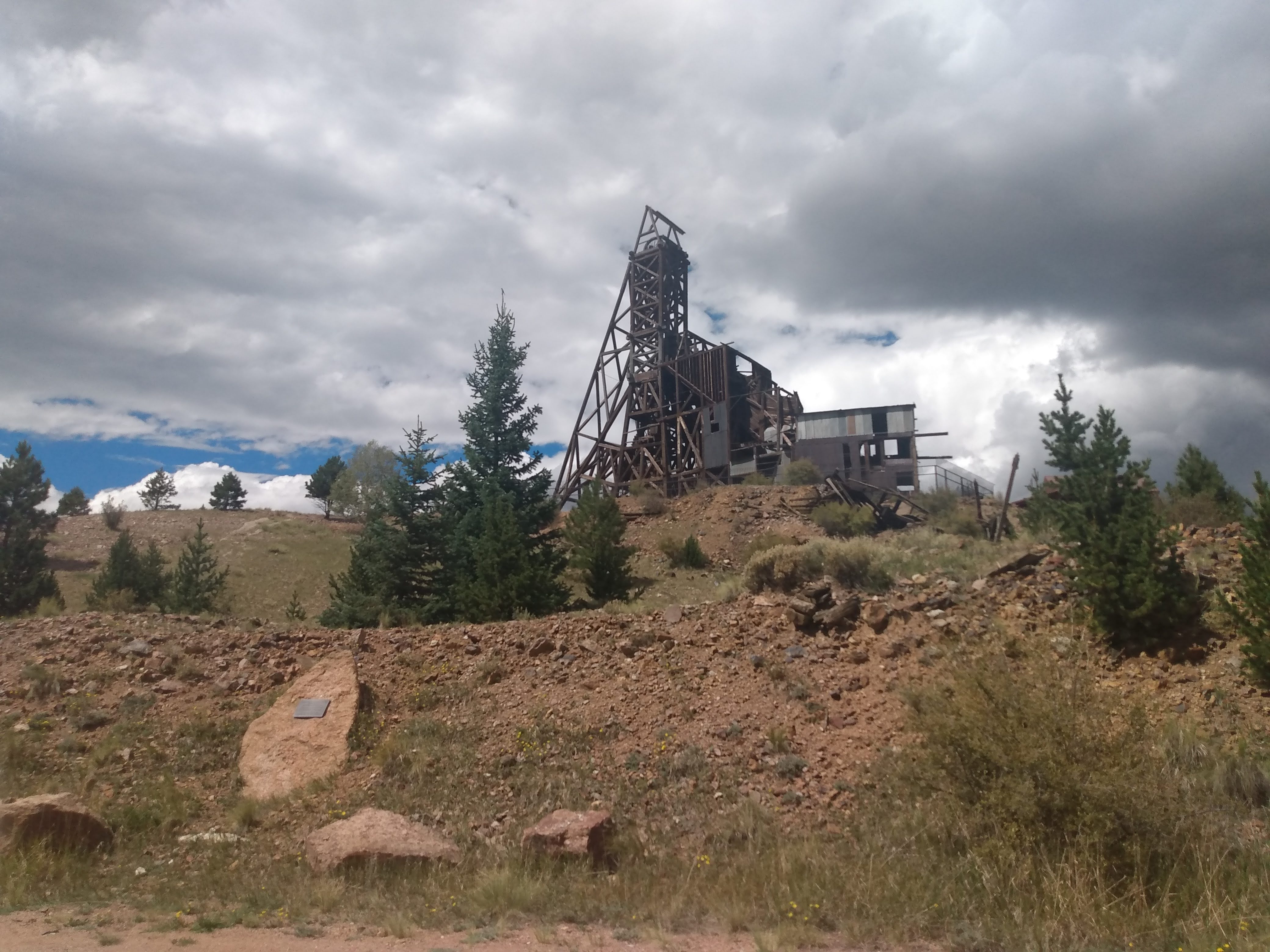
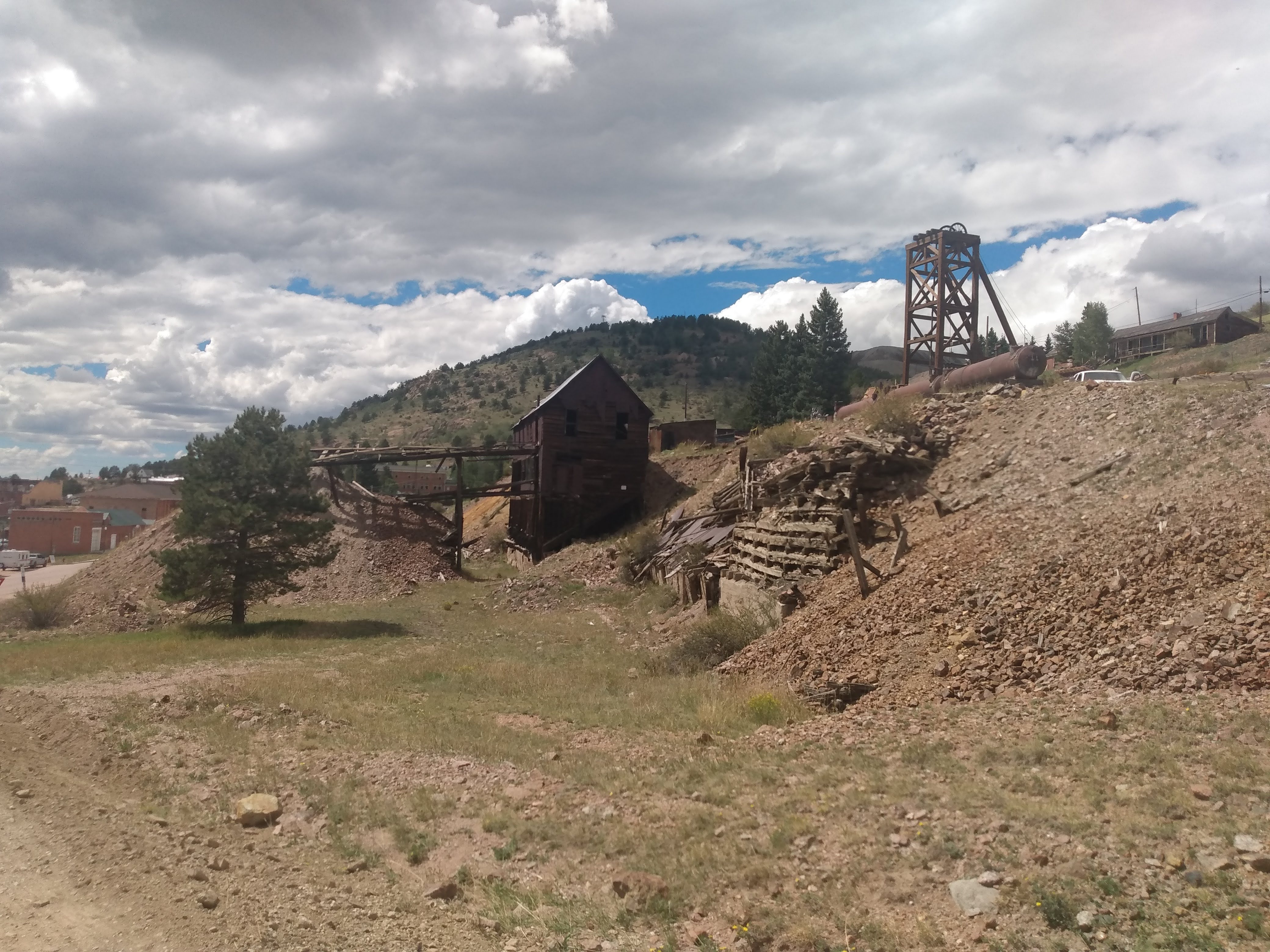
But, the drive also provides plenty of historic mining equipment to be seen along the way. (There’s that historic district stuff again.) And the mining company has provided an area near Victor and Goldfield for public access to walking trails through their historic mining leftovers.
Modern Day Cripple Creek
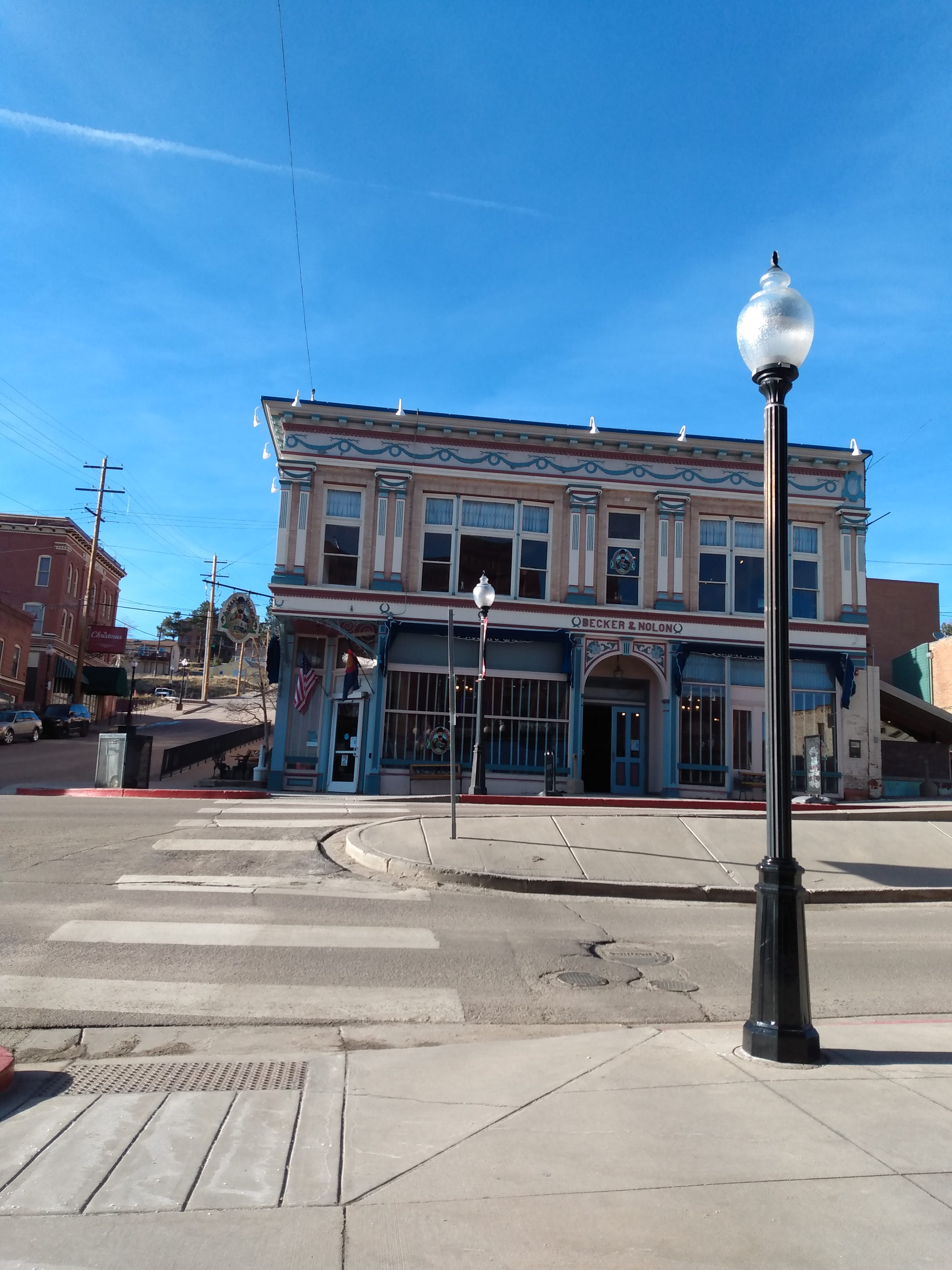
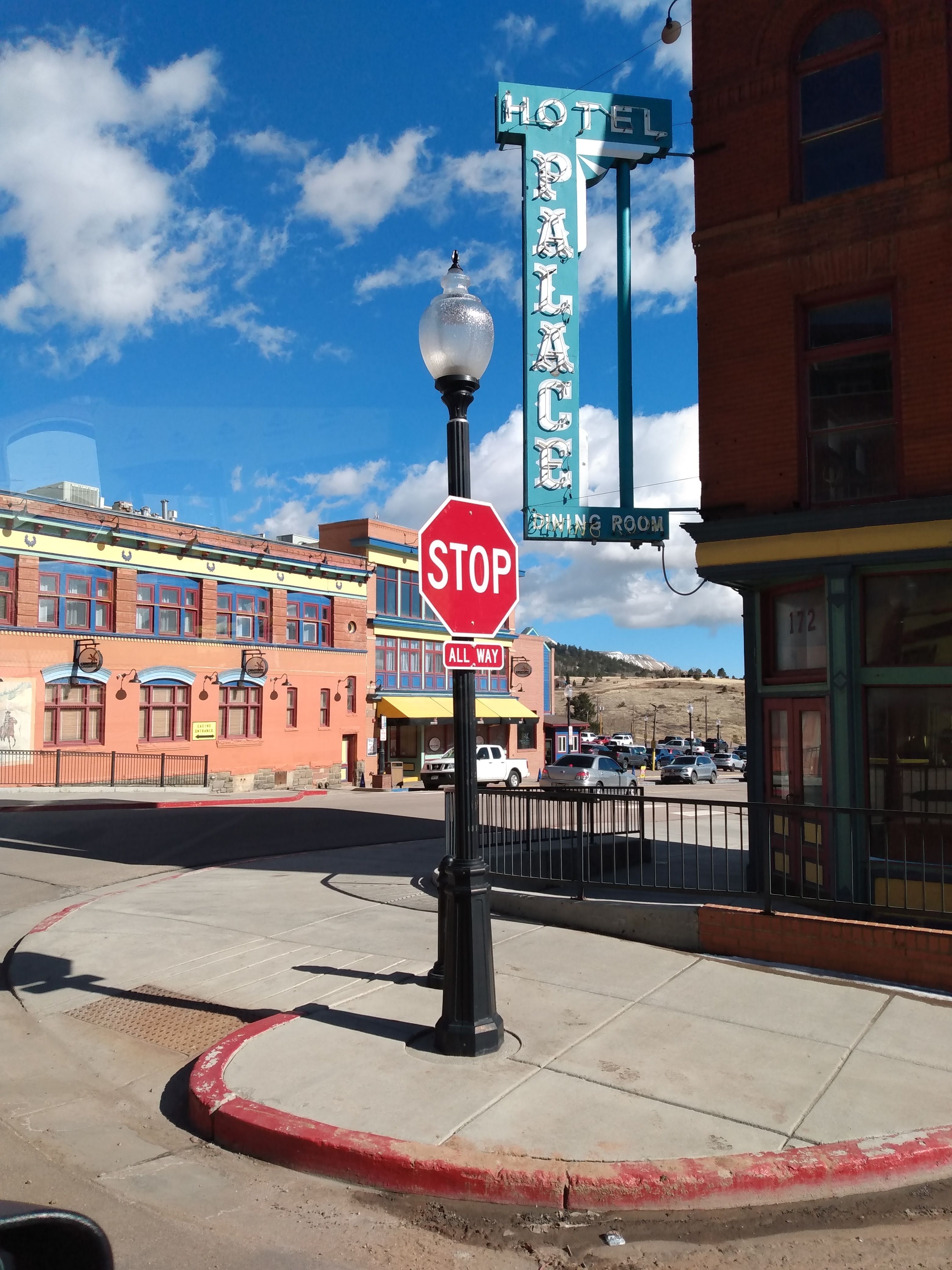
Cripple Creek began as a ranch and farming community and has gone from boom town, to ghost town, to quaint historic tourist town, to historic gambling mecca. Although, legalized gambling came to Cripple Creek in 1991, the Historic Preservation Committee requires the historic buildings be preserved, and the original alleys and brick lined streets still maintain the historic mining atmosphere and Victorian charm. This makes it a very different from the bright lights and gaudy buildings of Las Vegas, or even the closer, Central City/Blackhawk gambling district, which was also built in the two historic mining towns, without the historic preservation.
One of my fondest family memories when I was a little girl of 8 or 9 years old, and my parents took me to Cripple Creek to visit a dinner theater, where we saw a melodrama while we dined. As a nine-year-old, the audience participation was great fun and I booed and hissed with the best of them. Afterwards, we took an evening stroll up Bennett Avenue, which is the main thoroughfare in Cripple Creek, and I can remember walking over the original brick sidewalks.
You see, in 1896, Cripple Creek suffered two devastating fires within a week’s time. The first started in the Central Dance Hall on Meyers Avenue and spread quickly through the central business district, killing two people. Just as they began the cleanup and started rebuilding what was lost, a second fire broke out in the Portland Hotel on Second Street, even more devastating than the first, destroying most of the buildings that hadn’t been destroyed in the first fire. As a result, it was decided that all further construction in the town would be required to be in brick, including roads and sidewalks.
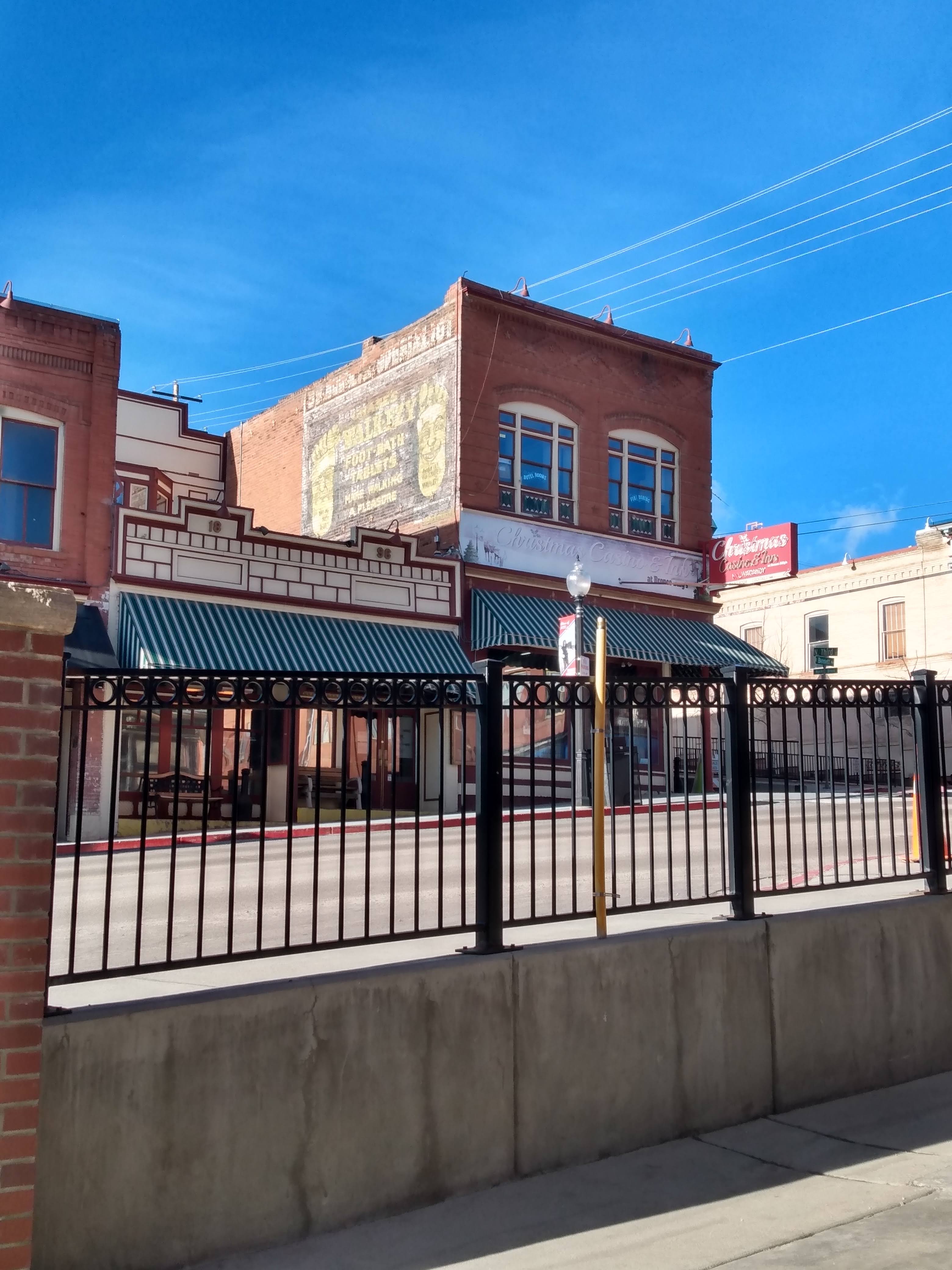
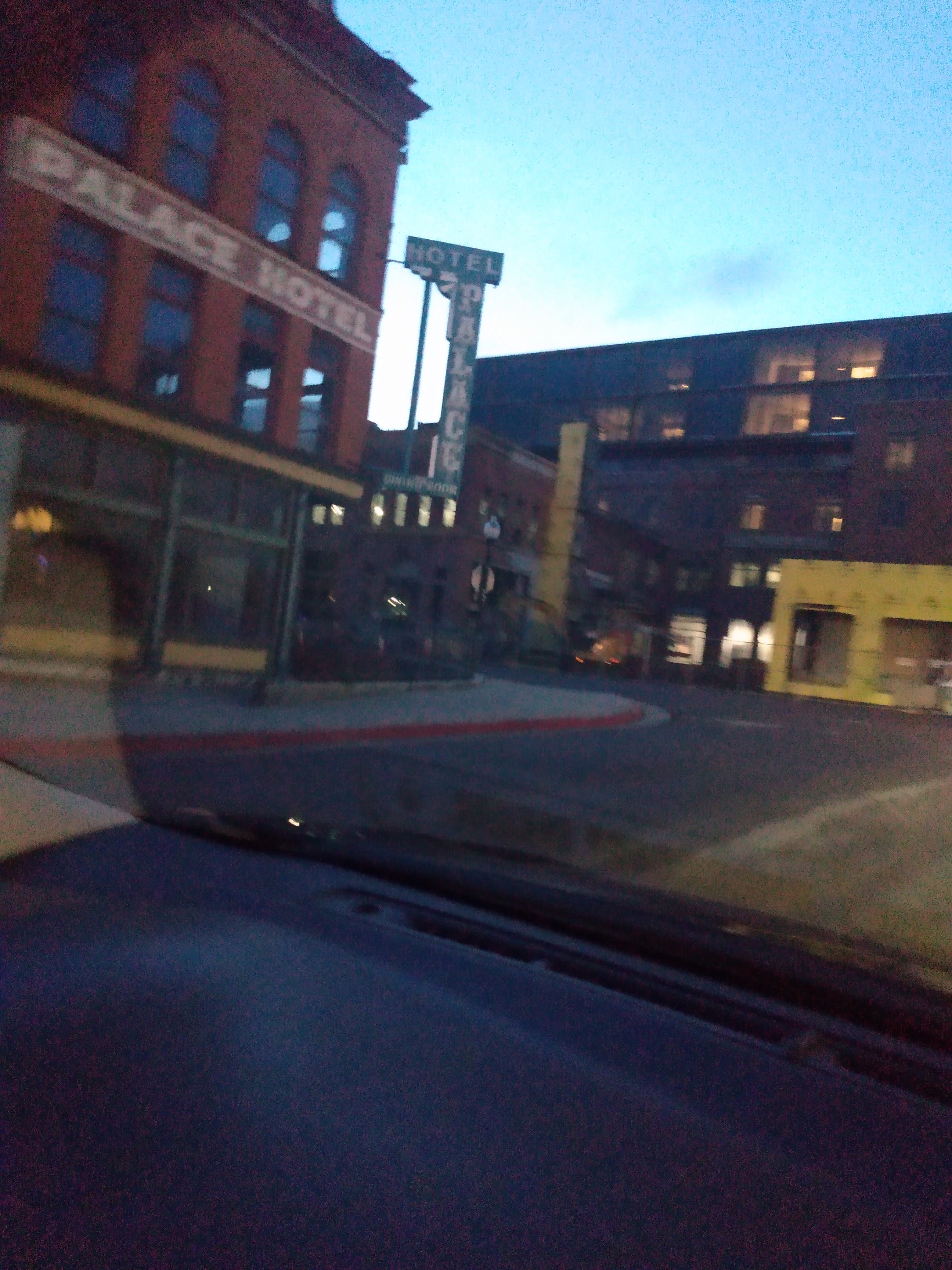
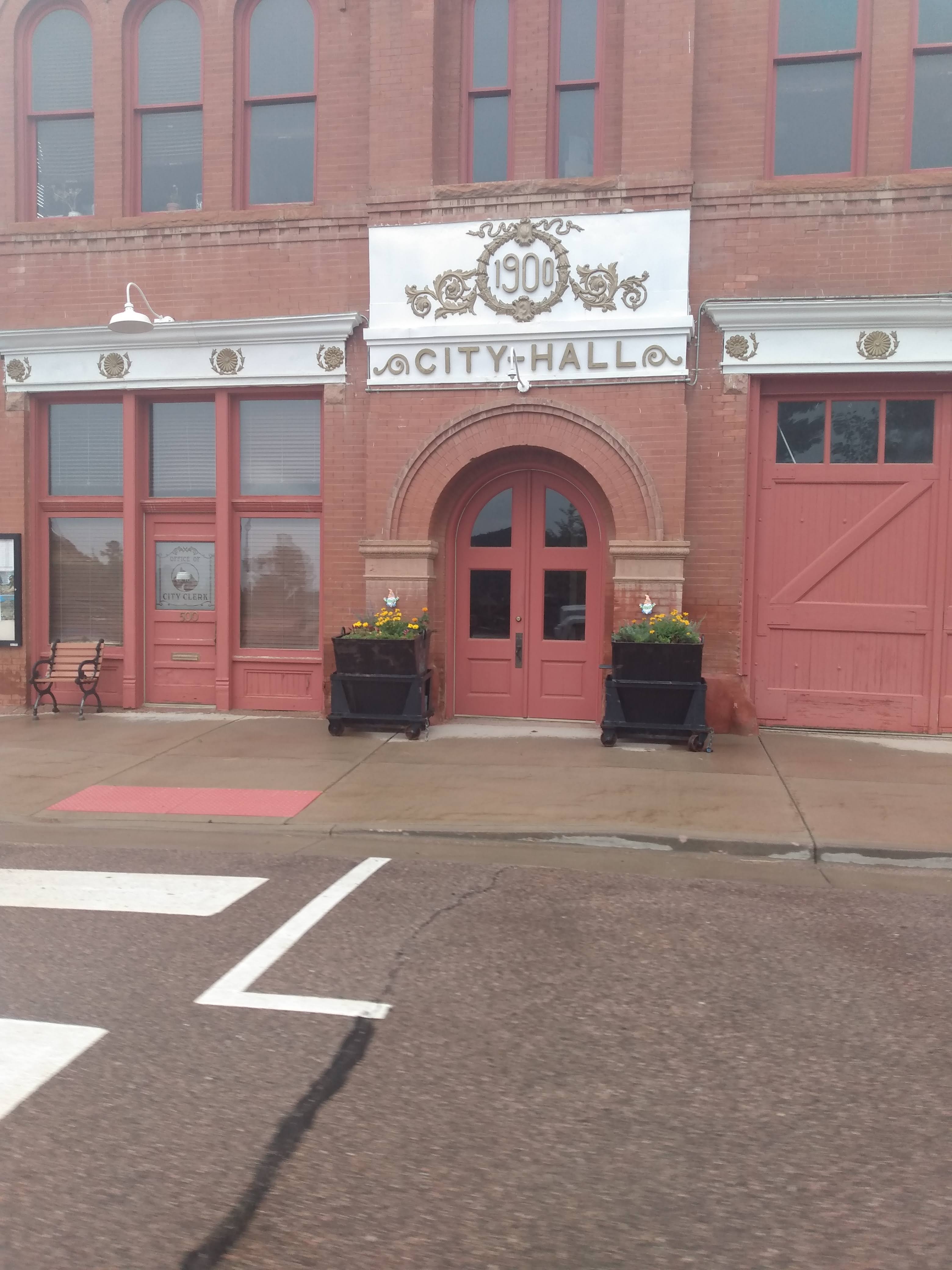
Today, many of the roads and sidewalks have been replaced, but the original facades and upper floors of the historic buildings remain intact and have been preserved. Even the newer structures like the huge hotel, casino and parking garage built onto what used to be Bronco Billy’s, by the Chamonix Casino was required to be designed to blend into the historic atmosphere.

About Kaye Lynne Booth
For Kaye Lynne Booth, writing is a passion. Kaye Lynne is an author with published short fiction and poetry, both online and in print, including her short story collection, Last Call and Other Short Fiction; and her paranormal mystery novella, Hidden Secrets; as well as her poetry collection, Small Wonders. Her novels include Books 1 & 2 of her Women in the West adventure series, Delilah and Sarah, and Books 1 & 2 in her Time-Travel Adventure series, The Rock Star & The Outlaw, and Double Visions.
Kaye holds a dual M.F.A. degree in Creative Writing with emphasis in genre fiction and screenwriting, and an M.A. in publishing. Kaye Lynne is the founder of WordCrafter Quality Writing & Author Services and WordCrafter Press, where she edits and publishes two short fiction anthologies and one poetry anthology every year amidst her many writing projects. She also maintains an authors’ blog and website, Writing to be Read, where she publishes content of interest in the literary world.
______________________________________
Did you know you can sponsor your favorite blog series or even a single post with an advertisement for your book? Stop by the WtbR Sponsor Page and let me advertise your book, or you can make a donation to Writing to be Read for as little as a cup of coffee, If you’d like to show your support for this author and WordCrafter Press.
_________________________________________
This segment of “Down the Rabbit Hole” with Kaye Lynne Booth is sponsored by The Women in the West Adventure Series and WordCrafter Press.

Historical Women’s Fiction
Get Your Copy Today!
Delilah: https://books2read.com/DelilahWiW1
Sarah: https://books2read.com/Sarah-Women-in-the-West
Marta: Coming in March, 2027
Share this:

The Doors of Cripple Creek, Colorado #ThursdayDoors
Posted: June 13, 2024 Filed under: Photography, Thursday Doors | Tags: america, Colorado, Cripple Creek, ghost-town, history, Thursday Doors, Travel, Writing to be Read 14 Comments
I’ve been going through my Cripple Creek photos because I wanted to make my own “Thursday Doors” post. Inspired by all the doors featured on Dan Antion’s No Facilities blog site.
Far from being a ghost town, as many of the mining communities in Colorado have become today, the town of Cripple Creek is teaming with live bodies of both locals and tourists. Cripple Creek is a historic mining town and they’ve kept much of the original buildings and architecture. Today, Cripple Creek is one several places in Colorado where gambling is legal, and new buildings are also required to follow the historic motif.


Fun & Interesting Facts About Cripple Creek, Colorado
- It’s said that Cripple Creek got its name when a miner’s horse was crippled walking through a stream when it was a big cattle ranching community, before gold was discovered in 1890 by a man named Bob Womack.
- It has also been said that Bob Womack and his family named it after Cripple Creek, Virginia, near their hometown in Kentucky, but I think the first explanation is more colorful.
- Cripple Creek was the destination of Colorado’s last big gold rush spurred in 1891.
- In 1894, the small mining town of Cripple Creek boasted a population of 6,000 residents and had over 150 active mines, producing over three million dollars. They had four newspapers, five churches, and more than 300 prostitutes.
- The population of Cripple Creek reached 10,000 in 1896. In April of that year, fire spread through the town built of wooden structures, not once but twice. The first fire ravaged the towns main business district on April 25th, in spite of the town’s heroic efforts to stop the blaze and about a quarter of the homes and businesses of the town were lost. Just as they began to rebuild and try to recover, on April 29th, a second fire swept through the town. With firefighting resources exhausted by the first fire, firefighters resorting to blasting buildings with dynamite in an attempt to halt the spread of the blaze, flattening most of the business district and half of the homes. For this reason, They rebuilt the town, but new businesses were banned from building with wood so brick was used, which wouldn’t burn as easily as wood, even replacing the wooden boardwalks with brick sidewalks which are there to this day.
- At it’s height the Teller County mining district as a whole had a population of between 30,000 and 50,000 residents, and over 500 active mines, which had already produced over $77 million dollars in gold ore.
- The Old Homestead House was a high-end brothel, run by the infamous Madam, Pearl DeVere. Clients went through a rigorous application process, including scrutinization of their finances. If a applicant didn’t have at a million dollars in the bank, they weren’t granted an appointment. Clients were granted entry by appointment only, and the girls were paid well for their services. Prostitution wasn’t a legal occupation, but the law had to look the other way or the town would have forfeited the ample money paid in taxes and fees by the soiled doves and bordello proprieters.
- Cripple Creek is one of the few boomtowns of the 1800s to continue productive mining operations today. The Cripple Creek & Victor Mine is now run by is now run by Newmont and continues to produce generous amounts of over 100,000 of gold and silver each year, employing 500 employees.
- Cripple Creek is in one of three historical districts in Colorado where gambling has been legal since 1989. Today they have over twelve casinos which generate money which provides revenue to preserve important historic buildings.
Share this:

A Visit to the haunted Outlaws & Lawmen Jail Museum
Posted: January 23, 2023 Filed under: Ghost Stories, Paranormal, research, Writing | Tags: Cripple Creek, Ghost Stories, Haunted Places, Kaye Lynne Booth, Outlaws & Lawmen Jail Museum, Writing to be Read 9 Comments
Reported Hauntings
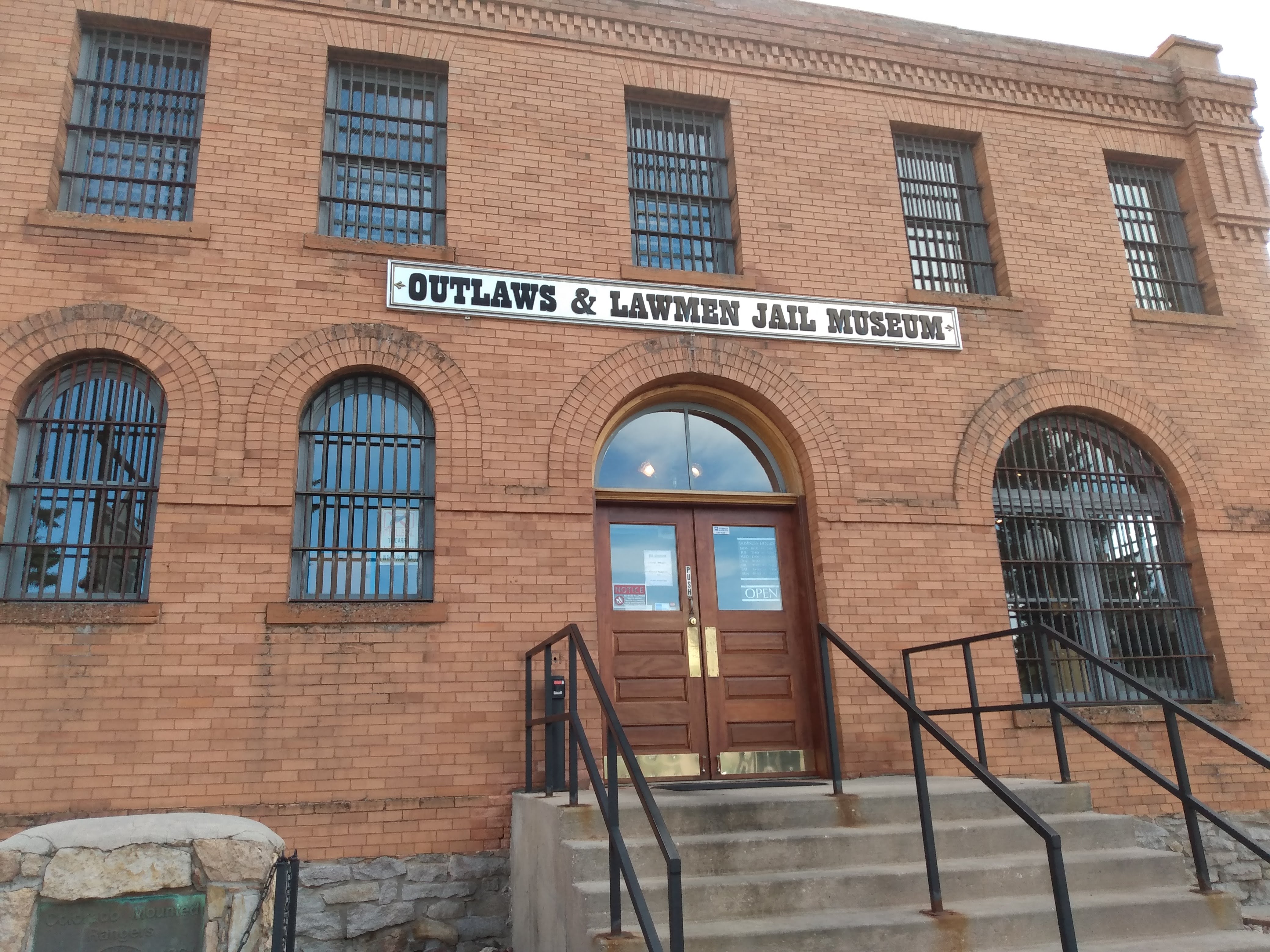
It’s been reported that both jailers and inmates roam the halls of the building that served as the Teller County Jail from 1910 to 1991, and is now The Outlaws & Lawmen Jail Museum in Cripple Creek, Colorado. Guards have been heard walking the halls and staircase of the two-story house of incarceration, folks have experienced cold spots, seen dark masses, and heard heavy breathing, and even a possible sighting of an actual apparition have been reported. Of course, I had to pay a visit to see for myself this historic haunted location.
The History
The building has an interesting history. Originally, the Teller County Jail, used to house to house those awaiting trail in the nearby courthouse, serving also as a hold-over for hardcore felons and murderers waiting to be shipped to the prison in Wyoming to serve out their time, and a stp-over for criminally insane prisoners on their way to the State Hospital in nearby Canon City. In 1991, a new jail was erected in Divide, Colorado and the building was retired, now serving as museum housing a plethora of the history of this Colorado mining town.
The Structure
The women were housed on the second floor of the brick building, with a female jailer who stayed on premises to watch over her charges, who were housed in small rooms furnished with wooden bunks. There have been claims of feeling and seeing the female jailor, Rosie’s, apparition in her room at the top of the stairs. And someone claimed that she ‘communicated’ to them that she was still watching over her charges, although I could find no account of the method of communication from beyond that was used.

The men’s cellblock was seperated from the recieving area in the front of the building by a steel cell block door, and the cellblock itself was fashioned from a ship’s interior; a two story metal framework housing 14 cells, 61/2 feet by 9 feet, 10 on the lower level and four on the upper, which each housed 4 to 6 inmates on hammocks and a single chamber pot, until such treatment of prisoners was deamed inhumane and double bunks were installed. The whole cellblock is situated in the middle of a spacious hall with large windows to allow sunlight into the gigantic steel cage which is cold and dark. Bars on the outer walls allowed observation of inmate activities, and the cell doors open into a corrider that runs through the lower block.
Dark shadowed masses have been reported near the two cells at the far end of the first floor cell block and the steel door seperating the cellblock area from the reception area has been said to fly open of its own accord. Footsteps going up the stairs and back down, as if a guard was still on duty and making his rounds have also been reported. And the apparition of a night jailer has been seen, trying to get in, although he disappeared as soon as the caaretaker opened the door.

The catwalk on the upper level of the cellblock had only a thin iron pipe for a railing, and at least one man fell, or was pushed, to his death. One might expect there to be more such occurances in a cellblock housing the wild and rowdy occupants of the mining town along side hardcore murderers and the criminally insane. It is near that spot, that cold spots and heavy breathing have been reported.
My Experience
The solitary confinement cell is located at the far end of the upper level. This was the only place where I sensed anything strange. I stepped inside the solitary cell, which is four steel walls and a small bench, with only a narrow doorway through which to enter, and unlike the regular cells with barred doors, this one is solid metal, allowing no light to penetrate into the cell when closed. In the photo below we see the light coming in from the open door from the catwalk.
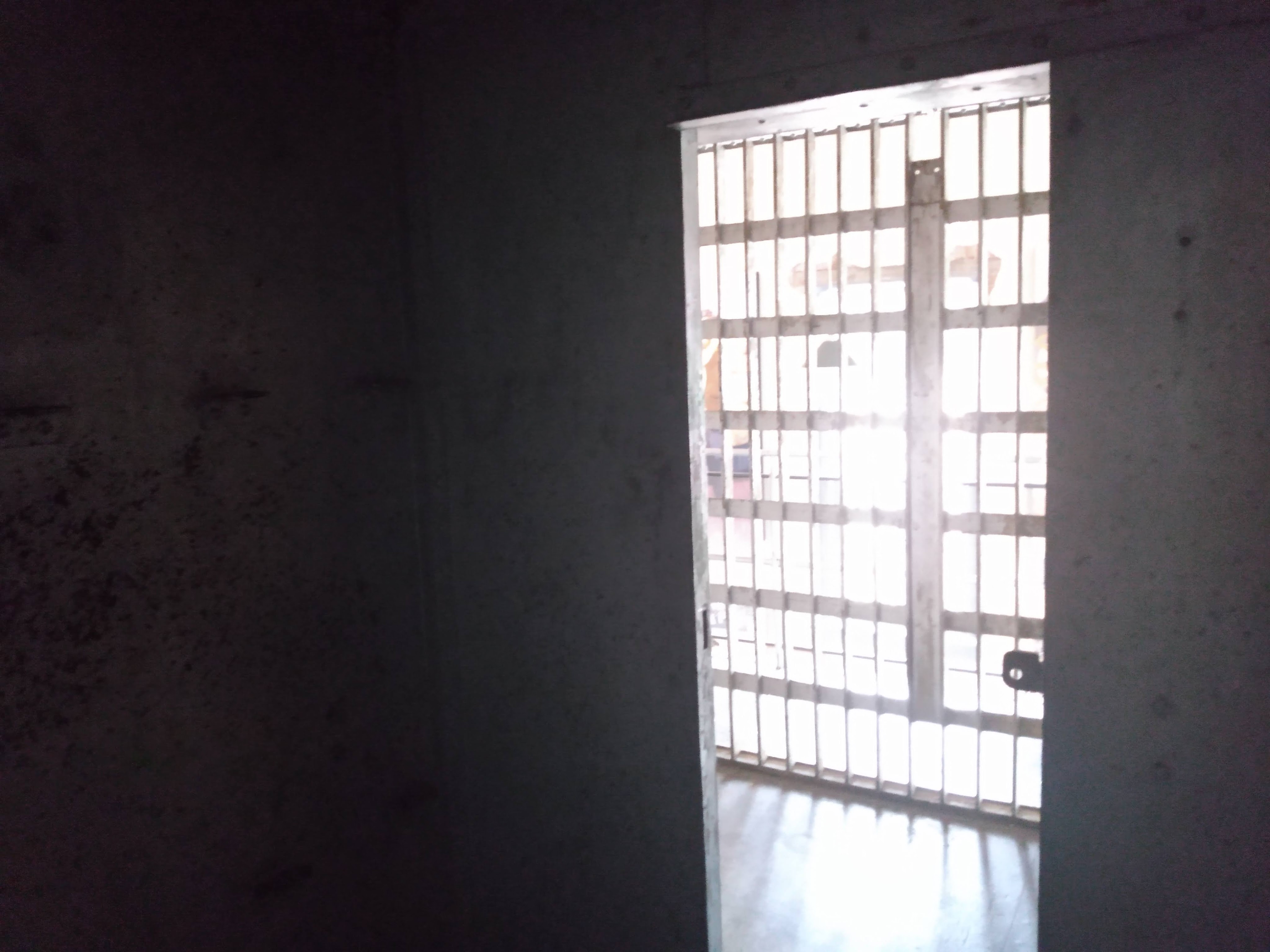
Once inside, I immediately felt an oppressiveness and anxiety and became cold; a feeling that the door would swing closed and an urgent need to get out coming over me with force. Even with the door open, there was very little light in this cell, and I could only imagine how awful it would feel to be locked in utter darkness for hours or perhaps days at a time. But the feeling I had in that cell was more than just the expected claustraphobia. It was a feeling as if someone were there, standing right outside, ready to slam the solid metal door shut.
Sources Cited:
Linda Wommack (12/29/2022) Cripple Creek’s Outlaws and Lawmen Jail Museum Puts Visitors Behind Bars. HistoryNet Retrieved from https://www.historynet.com/cripple-creeks-outlaws-and-lawmen-jail-museum-puts-visitors-behind-bars/.
Amber. Outlaws and Lawmen Jail Museum. Denver Terrors. Retrieved from https://denverterrors.com/outlaws-and-lawmen-jail-museum/
Seth Boster (10/21/2019) Eight Haunted Spots in Cripple Creek, Colorado. Out There Colorado. Retrieved from https://www.outtherecolorado.com/adventures/8-haunted-spots-in-cripple-creek-colorado/article_f0819728-13f3-59b7-a5e2-6506ebaea72a.html
Cripple Creek Jail. HauntedHouses.com Retrieved from http://hauntedhouses.com/colorado/cripple-creek-jail/
_______________________________________________________

For Kaye Lynne Booth, writing is a passion. Kaye Lynne is an author with published short fiction and poetry, both online and in print, including her short story collection, Last Call and Other Short Fiction; and her paranormal mystery novella, Hidden Secrets. Kaye holds a dual M.F.A. degree in Creative Writing with emphasis in genre fiction and screenwriting, and an M.A. in publishing. Kaye Lynne is the founder of WordCrafter Quality Writing & Author Services and WordCrafter Press. She also maintains an authors’ blog and website, Writing to be Read, where she publishes content of interest in the literary world.
________________________________________________________
Join Kaye Lynne Booth & WordCrafter Press Readers’ Group for WordCrafter Press book & event news, including the awesome releases of author Kaye Lynne Booth. Get a free digital copy of her short story collection, Last Call and Other Short Fiction, as a sampling of her works just for joining.
Share this:

Sought out by ghosts at the Hotel St. Nicholas
Posted: June 2, 2021 Filed under: Ghost Stories, Paranormal | Tags: Cripple Creek, Ghost Stories, Ghosts, history, Hotel St. Nicholas, Paranormal, Writing to be Read Leave a comment
Since WordCrafter Press holds a paranormal short fiction contest each year, I’m always on the lookout for a good ghost story, and since this year’s anthology, Where Spirits Linger, revolves around settings, haunted places have been of particular interest to me. According to paranormal investigator, Connor Randall, in his csindy.com inteview (May 12-18, 2021) with Heidi Beedle, “In terms of ghosts, liminal places are key,” he says. “A liminal place being a location that is in between… They’re places that are locations of transition…”, which “seem to attract more haunting energy.” Which is why hotels are common locations of ghost hunts. To my thinking, a hotel which was originally a hospital would be even more likely to be a liminal place.
Said to be one of the most haunted places in an old mining town that is reputed to have its fill of ghosts, my stay at the Hotel St. Nicholas, in Cripple Creek, Colorado featured a few occurances that may have been close encounters of the ghostly kind. There are rumors of hauntings all over Cripple Creek, but when I saw the 120 year old Victorian building perched on a hillside, I was convinced that ghosts roam its halls, just from looking at it. This is the kind of place where ghost stories are born. (You can read a full history of both Cripple Creek and the Hotel St. Nicholas on the Hotel St. Nicholas website.)
I’m not a professional ghost hunter, but I’ve had my share of ghostly encounters in my lifetime. I don’t have a bunch of fancy apps and special ghost finding equipment. Also, I didn’t want my experience to be influenced by the tales that went with the hotel, so I waited to do my research until after I had spent a night in Room 12.

The hotel itself has a quiet, relaxed atmosphere with many authentic Victorian furnishings throughout. I went there during the off-season, so there were only a handful of other guests and I was able to wander through the halls and peek into the unoccupied rooms, as each room is unique in this boutique B&B.
The building was originally a hospital run by The Catholic Sisters of Mercy, a group of nuns who offered medical care to the mining community, so many of the rooms have been converted to accomodate individual bed & bath. (There are actually two rooms that have private baths across the hall.)

On the lower level of this three story Inn, you’ll find The Boiler Room Tavern, which is open on weekends and sporadically during the week. The accompanying parlor area features a bar, a sitting area with table and chairs from the Victorian era, fireplace, piano and billiards table. I didn’t feel or smell or hear anything odd while enjoying this unique boutique atmosphere, but someone or something was helping me with billairds, because I kept winning.
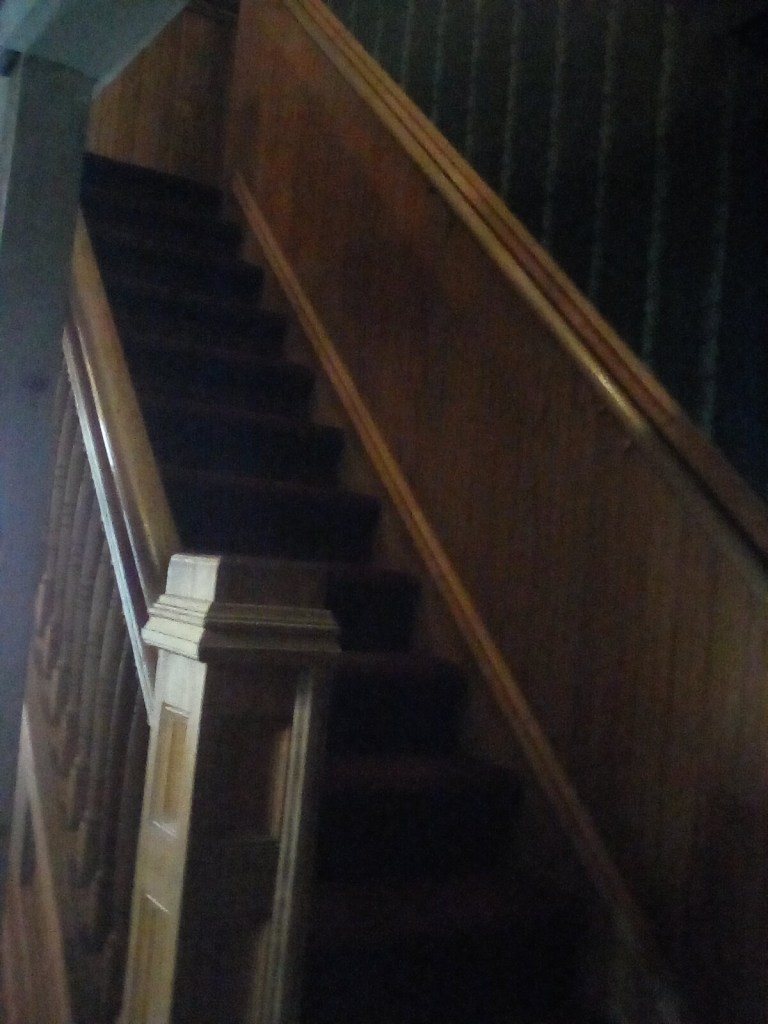
The lights above the bar may have given of a few mysterious flickers that could easily have been written off as faulty wiring, but just looking up the back staircase, raised the hairs on the back of my neck. I later learned that this staircase area is where a ghost called “Stinky”, due to the raw sewage smell that accompanies his manifestation, is reported to be encountered the most. I believe that I met Stinky, although my room was on the third floor, and the back stairs only go to the second floor, as I smelled a rather rank smell several times throughout the night. (On a later date I stayed in Room 1, which is right at the top of the back stairway, on the second floor, but neither Stinky nor any other spirits came out to say, “Hello”, on that visit.) According to Legends of America, Stinky may also be seen as an old miner with no upper body, as well as the ghost of a small boy named Petey, who is often thought responsible for “stealing ciggarettes and moving objects about”. Good thing I quit smoking.

In addition to experiencing unexplainable olefactory encounters with Stinky, while lying in bed whispers were also heard outside the door of Room 12, accompanied by a feeling of shame, as if I’d been caught in a state of undress and told to cover myself, although the actual words could not be made out. When I later learned that the nuns occupied the third level of the building, with patient rooms on the lower floors, this experience seemed to make a lot more sense. In addition to its original use as a hospital, the building has been used as a boarding house or stood vacant until it was opened as the Hotel St. Nicholas.
Both of my visits to the Hotel St. Nicholas were enjoyable experiences, with or without the ghosts. But, keep in mind that I wasn’t really looking for ghosts when I decided to stay there, and I only connected any odd experiences to the ghosts reputed to haunt there after the fact, because I didn’t do any research until the following morning. Maybe that is why they made their presence known to me, because I had no expectations. It’s not surprising that I had no encounters on my second visit either, because my expectations had changed on that visit. I mean, think about it. If you were a ghost, would you want to appear on demand when ghost hunters show up with all their fancy apps and gadgets, like you were some sort of circus sideshow? I know I wouldn’t.
____________________________________________________________________________________________________________
Like this post? Let me know in the comments. You can be sure not to miss any of Writing to be Read’s great content by subscribing to e-mail or following on WordPress. If you found this content helpful or entertaining, please share.
Share this:

Trouble Seems to Follow Ruby and Maude in “Trouble Returns”
Posted: December 2, 2016 Filed under: Action/Adventure, Book Review, Books, Children's Books, Fiction, Stories | Tags: Children's Books, Colorado, Colorado Springs, Cripple Creek, Historical Fiction, Nancy Oswald, Ruby and MAude Adventures, Trouble Returns 3 Comments
Trouble Returns, by Nancy Oswald, is the third book in her Ruby and Maude Adventure children’s series. The series are historically based stories about Ruby, an independent and headstrong young girl, and her ice cream loving donkey, Maude, and their adventures in Cripple Creek in the late 1890s. I had the pleasure of reviewing the first book, Rescue in Poverty Gulch, in which Maude is donkey-napped and Ruby risks her own life to save her beloved friend and companion.
Ruby must face her greatest fears in Trouble Returns, when she must face the villain, Jake Hawker, who’s she’s tangled with twice before, in a court of law, when she testifies against him. But she finds her fears very real when he breaks out of jail and comes after Ruby and her friends and family. Can Ruby triumph over Jake Hawker for a third time?
Trouble Returns is crafted to be a stand alone book as well, making me aware enough of events in the second book, Trouble on the Tracks, that I was able to easily follow the full story line, although I hadn’t read the second book, without giving me a bunch of block exposition. As you might guess from the titles, books two and three feature an additional character, who steals readers’ hearts: Trouble, Ruby’s lovable little cat.
I found this story to be a delightfully entertaining story which was skillfully written. Oswald has crafted another story that readers of all ages won’t want to put down. She’s done her research and the historic details are wonderful. Another plus for me was the fact that it is available in paperback, because I’m an old fashioned type of gal. I give Trouble Returns five quills.

Kaye Lynne Booth does honest book reviews on Writing to be Read, and she never charges for them. Have a book you’d like reviewed? Contact Kaye at kayebooth(at)yahoo(dot)com.