“Crossroads” Moves Across Worlds
Posted: March 10, 2017 Filed under: Book Review, Books, Fantasy, Fiction, Paranormal, Speculative Fiction, Young Adult | Tags: Alternate World, Book Review, Books, Chandler McGraw, Crossroads, Reviews, Young Adult Leave a comment
Crossroads by Chandler McGrew is an alternate world YA story about a young girl, Kira, who finds herself on the run with her friend, Jen, after her parents and her carnival family are massacred. Unsure of where to go, but following her instincts, Kira explores her other-worldly powers which allow her to create, and uncreate, by will, learning about her family’s true origins and discovering that only she can save the last of her people.
It’s a role she didn’t ask for, and she doesn’t want as she realizes that she and Jen are being pursued and everyone she comes into contact with dies. Then she meets Sheila, who has the gift of talking to the dead, and is tied to Kira and the world beyond the mirror, although neither knows it. They go through the mirror and embark on a quest to stand against the evil empty-eyed man, who has overtaken Dream Time, (the world beyond the mirror, and is trying to overtake all worlds.
Crossroads is character-driven with a strong story line, but it is almost a little too convenient that although she does not understand what she is supposed to do, Kira always knows what to do when the time comes to do it. The answers just seem to come to her. I give it four quills.

Share this:

Welcome Jeff Bowles to “Writing to be Read”
Posted: March 6, 2017 Filed under: Author Profile, Fiction, Pep Talk, Speculative Fiction, Writing | Tags: Inspiration, Jeff Bowles, Motivation, Pep Talk, Writing, Writing to be Read 1 Comment
Kaye: When did you know you wanted to be a writer?
Jeff: I’ve kind of only ever had two passions in my life, music and writing. I wrote my first story when I was about ten years old, which also happens to be the age I wrote my first song. When I got older and met my wife, I realized being a musician wouldn’t be conducive to family life, what with touring and recording and the general pressures of the business. So at that time I decided to settle on my writing, and I haven’t looked back since. Good choice. You can write a song any old time you want. Short story tales are forever.
Kaye: What is the one thing in your writing career that is the most unusual or unique thing you’ve done so far?
Jeff: Let’s see … Probably the couple of comic scripts I sold to English comic book press FutureQuake. I’ve written everything from short stories, novelettes and novellas, to full-length novels, screenplays, newspaper articles, nonfiction, a bit of ghost writing, you name it. I found being diverse and far-reaching was way better than narrowing in on one small niche. At this point I could take a stab at anything, any time. Very helpful if you actually want to make a little money, and who doesn’t?
Kaye: You seem to have a bit of a preoccupation with God, which has certainly shown up in a lot of your writing. Can you tell us what that is all about?
Jeff: Ha ha, well I think I just found it to be the largest, most expansive concept in existence, right? I mean, I try to tackle topics and themes that are gargantuan in relation to small, fragile beings like you and I. That sort of thing has always appealed to me, so God was a natural extension, one most people have a strong gut reaction to in one way or another. My newer work–including my latest short story collection, dropping on March 28–has very little to do with God or gods or anything of that nature. I was also on a personal quest for God for many years, I suppose. I was raised agnostic, so my whole life I was searching for a reason to believe and worship, and corny as that might sound. Writing about Him always seemed like a good outlet for my spiritual curiosity.
Kaye: How many of your stories have been based on God to some extent, or featured God?
Jeff: Quite a few, actually. If not the Almighty Himself, I’ve tinkered with super beings, celestials, demigods, and everything in between. Most writers are timid about concepts. I go for the biggest, largest, hugest.
Kaye: Your thesis novel involves God, and Satan, too. Would you like to tell us a little about your novel?
Jeff: Sure. Body of Heaven, Body of Darkness is a contemporary horror fantasy. Harold Math watches in terror as God and Satan, each ten miles tall, beat each other to death in the rural desert of Nevada. Booze and anxiety become his life, until a strange, supernatural boy in a red cape causes a terrible car wreck that kills his fiancé and unborn son. The world slips into chaos as the deaths of the two immense beings herald national disasters and the destruction of the city of Los Angeles. A horrifying hell-beast emerges in the chaos and begins terrorizing the country, even as Harold reunites with an old flame and tries to put back together the shattered pieces of his life. At last, the boy in the cape reveals himself to Harold as the all-knowing Will of the Universe. He’s chosen him and three others to destroy this contamination before it spreads.
Kaye: In addition to being a very talented writer, you are an artist, as well? You did the cover for Godling, right?
Kaye: You’ve had quite a few things published, including a comic book. How did that come about? Did you do the artwork for that? Or was it collaboration? Tell us about the process in either case?
Jeff: No, I didn’t do the artwork. I wrote the script and submitted it to the publisher just like you’d do with any short story. They accepted it and paired me with an artist. I got to see his work evolve over the course of several months, and it was always rewarding to check out what true artistic talent could do with my material. I couldn’t draw like that if you paid me. Writing a comic book script, though, it’s something I urge a lot of science fiction and fantasy authors to try out. Very cool, very challenging medium to work in.
Kaye: What are your favorite genres to read? To write?
Jeff: Science Fiction, Fantasy, and Horror are my bread and butter. I like to read and write nonfiction and more literary work as well, but my home and my love will always be speculative stuff. It’s what I was raised on, so it’s the most natural thing in the world for me. Star Trek, Lord of the Rings, Star Wars, Marvel and DC, all these mega-nerd story types and franchises, I probably dream the stuff at this point.
Kaye: What is the biggest challenge for you when writing short fiction? Or when tackling a novel-length work? How about when writing comic books?
Jeff: For short fiction there’s always a push and pull between expressing myself fully, telling an engrossing story, and making something concise and fully realized with a limited word count. Novels are tricky because they’re a marathon, a long-haul project, though I find the actual writing to be easier than short form on a day-to-day basis. Comic book scripts are another beast altogether. Kind of the ultimate test of a writer’s mettle when it comes to precision and execution. Highly recommend writers try it out at some point. Probably learn a thing or two in the process. Sometimes it pays to be a mad scientist with your writing. Take no prisoners! Hold nothing back!
Kaye: Which is your favorite type of writing? Short fiction? Novels? Comic Books?
Kaye: Any advice for aspiring writers?
Jeff: Absolutely. NEVER GIVE UP!
You’ll probably find people in your life will try to dissuade you, or in the very least, that they’ll lack enthusiasm for your work, your calling, until you’ve been at it long enough you finally start to see results. You can’t let that get to you. Apply ass to seat and type until something’s done. Writers are a funny breed few people understand, and sometimes we become crotchety and bitter. But the truth is if you’re going to do this thing, you’ve got to stay focused and disciplined. Much like writing a novel, this job is a marathon. Many very famous authors had to work their butts off for years, if not decades, before people finally took them seriously. I will say it again. NEVER GIVE UP! PROMISE!
So, now you know a little about Jeff Bowles, which is good, because you should know who is giving you a writing Pep Talk. I hope you’ll join us every first Wednesday to read what morsels of writing wisdom Jeff has to offer. And I hope that now you’re as excited as I am to have him join the Writing to be Read team.
Interested in Jeff’s writing? Check out his latest short story collection, Godling and Other Paint Stories: https://www.amazon.com/Godling-Other-Paint-Stories-Bowles-ebook/dp/B01LDUJYHU
Twitter: @JeffBowlesLives
Facebook: http://www.facebook.com/jeffryanbowles
Tumblr: http://authorjeffbowles.tumblr.com
Amazon Author Page: https://www.amazon.com/JeffBowles/e/B01L7GXCU0/ref=sr_ntt_srch_lnk_1?qid=1479453494
YouTube’s Jeff Bowles Central: https://www.youtube.com/channel/UC6uMxedp3VxxUCS4zn3ulgQ
If you like this post, be sure to ‘Like’ it below. All comments are welcomed. To be sure to never miss a post, subscribe to email for notification of new content right to your inbox. Or follow me on WordPress.
Share this:

“Horror 101: The Way Forward” Offers Good Advice for Authors and Screenwriters
Posted: February 3, 2017 Filed under: Book Review, Books, Children's Books, Comic Hero, Dialogue, Fantasy, Fiction, Horror, marketing, Paranormal, Promotion, Publishing, Revision, Science Fiction, Screenwriting, Self-Publishing, Speculative Fiction, Stories, Writing, Writing Tips | Tags: Books, Fiction, horror, marketing, Poetry, promotion, Reviews, Stories, Story, Writing 1 Comment
This is the longest book review I have ever written. This book was so packed full of useful information for rising authors and screenwriters that I felt I needed to cover it all. If you are an upcoming horror author or screenwriter, trying to figure out how to get a foot in the door or where to start in the matter of launching your career, Horror 101: The Way Forward offers “career advice by seasoned professionals”. Different writers will find different essays useful, so I’m giving you a rundown on all the informative essays included.
Compiled by Crystal Lake Publishing, this collection of essays has something for every writer. The anthology features quotes from the masters such as Stephen King, Ray Bradbury, Isaac Asimov, J.R.R. Tolkien, Jack London, Clive Barker, H.P.Lovecraft, Edgar Allen Poe and many others. Advice from professional writers and editors covers all aspects of the horror writing business, and the business of writing, in general. From submitting your work, to marketing and promotion, to self-publishing and building your writing business, to crafting your work and the writing process.
The answers to many questions on the topic of submissions and all other aspects of writing as a business are found within its pages. Not getting positive response from your queries? First read Rejection Letters – How to Write and Respond to Them by award winning author Jason Bark, which offers an attempt to write a rejection letter that doesn’t sting, (at least, not so much). Then, flip to Seven Signs that Make Agents and Editors say “Yes!” to learn what agents and editors look for. Buttoning Up Before Dinner by horror author Gary Fry also offers advice to put you in the good graces of publishers and editors and create well-written stories.
Unsure how to submit your work? Submitting Your Work: Read the F*****g Guidelines by freelance writer and editor John Kenny offers tips for making a professional submission from an editor’s perspective. And What a Short Story Editor Does by horror, fantasy and science fiction editor Ellen Dallow explains the responsibilities of short story editor.
Looking for sound career advice? Be the Writer You Want to Be by television writer and novelist, Steven Savile recycles the best writing advice the author was ever given. The Five Laws of Arzen by award winning dark fiction author Michael A. Arzen offers hints to help you survive a writing career. How to Fail as an Artist in Ten Easy Steps: A Rough List Off the Top of My Head, by Confirmed Failure… by horror author John Palisano provides a reverse list of things you should do to be a successful writer.
Wondering if you need an agent to get your work in front of editors and publishers? Do You Need an Agent? by author Eric S. Brown is a discussion about the need, (or not), for an agent and relates the personal experience of how the author became successful without one. Also included are essays on building your writing business in Balancing Art and Commerce by author and screenwriter Taylor Grant , offering a look at various mediums one can write in and earn a living & advice in the business of writing. There are even essays offered on the lucrative business of ghostwriting, with a personal experience as a ghostwriter shared by dark fiction author Blaze McRob, and Ghostwriting: You Can’t Write it if You Can’t See It by award winning author Thomas Smith instructs on how to step into the author’s shoes and write like them.
If you are hoping to find some help muddling through the vast world of marketing and promotion, The Year After Publication by horror & thriller novelist Rena Mason offers an account of what to expect once you publish your first book and a walk through the exhaustive process of book marketing. How to be Your Own Agent, Whether You Have One or Not by horror writer, editor and publisher Joe Mynhardt offers tips for marketing your stories and yourself. Reviewing by founder of Ginger Nuts of Horror, (one of the most viewed resources in horror fiction), Jim McLeod discusses getting your book in the review pile & what the writer should do while awaiting publication of the review.
If you’ve not attended a conference or convention before, Pitch to Impress: How to Stand Out From the Convention Crowd by editor R.J. Cavender provides a guide to making a pitch that will snag agents’ and publishers’ attention. Tips for networking at conferences are offered by dark fiction author Tim Waggoner in You Better (Net)Work, and Networking at Conventions by Bram Stoker Award winning author Lucy A. Synder offers a look at the benefits conventions have to offer and a breakdown on some of the major ones for horror writers.
There is a plethora of advice offered on publishing, including a comparison of traditional publishing vs. digital publishing in Weighing Up Traditional Publishing and Ebook Publishing by award winning author Robert W. Walker; Publishing by editor and publisher Simon Marshall-Jones compares publishing in the digital arena with the way it was done in the past & how to become an independent publisher; and Glenn Rolle Toes the Line with Samhain Horror Head Hancho, Don D. Auria by Glenn Rolle with Interview that maps Auria’s rise to the top.
The arena of self-publishing is also explored in Make Your Own Dreams by horror and suspense novelist Iain Rob Wright. Besides being a plug for self-publishing’s evening of the playing table. It relates personal experience and advice for self-publishing, walking us through the self-publishing process. Self-Publishing: Thumb on the Button by author Kenneth W. Cain gives a list of things to think about before you choose to self-publish.
Also included are essays on the different mediums for horror: Poetry and Horror by Blaze McRob, and Horror for Kids: Not Child’s Play by novelist Francois Bloemhof offers guidelines for writing horror for youth. Several essays on comics and screenwriting, (one of the biggest outlets of horror today), are also included.
Horror Comics – How to Write Gory Scripts for Gruesome Artists by novelist Jasper Bark discusses the craft of writing horror comics and the relationship between writer and artist. Some Thoughts on My Meandering Within the World of Dark and Horror Art by artist Niall Parkinson offers thoughts on creating dark and horror art. So You Want to Write Comic Books… by novelist C.E.L. Welsh discusses what goes into the making of a comic book.
From Pros to Scripts by author and screenwriter Shane McKenzie talks about the many challenges of screenwriting. Writing about Films and For Film by award winning writer, editor and screenwriter Paul Kane gives the story of the author’s rise to success and tips for learning the lingo of the business. Screamplays! Writing the Horror Film by award winning author and screenwriter Lisa Morton offers the basics of screenwriting, description and dialog, and tips for getting your screenplay made into a movie. Screenplay Writing: The First Cut is the Deepest by author, director and editor Dean M. Dinkel recaps of the author’s experience at the Cannes Film Festival.
Essays on writing a digital world include Running a Webserial, or How to Lose Your Mind, One Week at a Time by Southern author Tonia Brown, providing a brief history of serials and a rundown of what goes into running one on the web; Friendship, Writing, and the Internet by Bram Stoker Award winning novelist Weston Ochse with reflections on online connections with like-minded writers, and Audiobooks: Your Words to Their Ears by horror novelist Chet Williamson discusses what it takes to create and audiobook and what to expect from the effort.
Of course, there is also plenty of advice on crafting a quality story. What is Horror? by author and novelist Graham Masterson offers general writing advice which could be applied to any genre and instructs on how to push your writing to the edge. The Journey of “Rudy Jenkins Buries His Fears” by author Richard Thomas takes us on a walk through of the writing, editing and submissions process of a story. Writing Short Fiction by horror and thriller novelist Joan De La Haye offers tips to tighten your writing and move the story forward, and discusses where to look to sell your story and how to choose where to submit. Ten Short Story Endings to Avoid by Scottish horror novelist William Meikle supplies a valuable list, if you want to avoid having readers feel cheated. From Reader to Writer: Finding Inspiration by publishing and editing consultant Emma Audsley offers advise for attacking the blank page. Writing Exercises by horror writer Ben Eads provides exercises in description and dialogue. Writer’s Block by short fiction writer and novelist Mark West discusses how to keep the creative juices flowing. Editing and revision are covered with Editing and Proofreading by author and editor Diane Parking presents good reasons not to send out a first draft, and How to Dismember Your Darlings – Editing Your Own Work by Jasper Bark gives a brief guide on how to self-edit.
A few essays outline the needs of a writer and suggestions on how to meet them. Filthy Habits – Writing and Routine by Jasper Bark offers a look at the benefits of creating a daily writing routine. A Room of One’s Own – the Lonely Path of a Writer by horror and fantasy writer V. H. Leslie discusses the need for solitude and space to write in. Writing Aloud by screenwriter and author Lawrence Santoro outlines the benefits of reading aloud as a part of the writing process.
Also included are Partners in the Fantastic: The Pros and Cons of Collaborations by novelist Michael McCarty, which looks at the views of various authors on collaborations, and Writing the Series by series author Armand Rosamilia, which explains why Rosamilia writes series.
Several essays offer advice specific to writing in the horror genre. Making Contact by award winning novelist Jack Ketchum discusses how to turn what you know into a horror show. Bitten by the Horror Bug by horror author and screenwriter Edward Lee looks at what motivates us to write horror. Reader Beware by author Siobhan McKinney explores the role fear plays in horror. Bringing the Zombie to Life by author Harry Shannon maps out four components of a good zombie story. The Horror Writers’ Association – The Genres Essential Ingredient by author and President of the Horror Writers’ Association (HWA), Rocky Wood gives a rundown on the HWA.
What’s the Matter With Splatter? by horror writer and Vice-President of the AHWA, Daniel I. Russell discusses the use of blood, gore and splatter in horror fiction or screenwriting, gives tips on how to use it to gain the desired effect, and discusses why some gore doesn’t get a second thought. Avoiding What’s Been Done to Death by British horror writer Ramsay Campbell defines good horror fiction & emphasizes originality. The (Extremely) Short Guide to Writing Horror by dark fiction author Tim Waggoner offers an introduction to writing horror, including techniques and brief definitions, and a list of good resources for horror writers. Growing Ideas by horror writer Gary McMahon offers a look into the author’s writing process. Writing Horror: 12 Tips on Making a Career of It by horror novelist Steve Rasnic Tem instructs on building your own writer’s toolbox and advice for entering the profession of writing horror. The Cheesy Trunk of Horror by international best selling author Scott Nicholson provides a look at both writer and reader perspectives on horror and dark fiction. Class: Vaginas in Horror by science fiction, urban fantasy and horror novelist Theresa Derwin offers an overview of women in the horror industry. And the afterward by Crystal Lake Publishing’s editor, Joe Mynhardt, includes his own advice for writing horror.
Horror 101: The Way Forward is based on the sound advice of seasoned professionals that is useful to horror writers in any stage of their careers. I recommend it with four quills for anyone who wants to write horror in either fiction or screenwriting.

Kaye Lynne Booth does honest book reviews on Writing to be Read in exchange for ARCs at no charge. Have a book you’d like reviewed? Contact Kaye at kayebooth(at)yahoo(dot)com.
Share this:

“Don’t Wake Me Up”: A Young Girl’s Journey to Find Who She Truly Is
Posted: January 13, 2017 Filed under: Book Review, Books, Fiction, Paranormal, Speculative Fiction | Tags: Books, Don't Wake Me Up, M.E. Rhines, Paranormal, Reviews Leave a comment
Don’t Wake Me Up, by M. E. Rhines, is an intriguing YA paranormal romance dealing with out of body experiences. However this story addresses the issue of teen date violence, and handles it in a very believable way.
When Colleen’s boyfriend, Jimmy, assaults her, her thoughts and emotions become confused. Her mother has him arrested and forbids her to see Jimmy when he’s released, and one BFF warns her away from him while the other acts as if she could excuse his behavior. Jimmy acts as if he owns her and suddenly she is afraid of him, afraid like she never was before. But, he has her undying love, doesn’t he? And she’d do anything to be with him, wouldn’t she? Suddenly Colleen is not so sure how she feels.
She has had the ability to travel in the astral plane ever since her father was killed in a fire five years ago, but she never expected to find romantic love there. The whole idea is ridiculous. After all, the only people she meets there are the spirits she helps to cross over and her spiritual guiding angel, Gina.
Colleen is an active character who is very likable, as are her two BFFs, Lilly and Eva. Jimmy not so much, but then, he is the story’s antagonist, so we really aren’t expected to like him. The secondary characters all could have been more developed, but then again, for the purposes of this story, perhaps they didn’t need to be.
I found Don’t Wake Me Up to have an original plot line, with three basic story arcs, which cross over each other in spots, but are all skillfully drawn together at the end. I give it four quills.

Share this:

“Cast No Shadows”: A Collection of Ghostly Tales
Posted: December 16, 2016 Filed under: Book Review, Books, Speculative Fiction, Stories | Tags: Anthology, Book Review, Cast No Shadows, Ghost Stories 1 Comment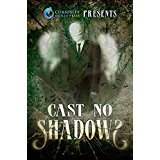
Cast No Shadows is a Curiosity Quills Press anthology of ghost stories for YA readers, but some may not be what you’d expect when you think of ghost stories. Stories such as The Last Act of Keri and Trent by Derek McFadden or Nellie’s Playmate by Lorna McDonald Czarnota use a different POV to tell their tale, and aren’t crafted to bring goosebumps to the flesh, but to unfold a ghost’s story in a creative way.
In other stories seeing and/or talking to ghosts is treated as a common every day occurrence. Stories such as Amity or Tillie in Utica by Jordan Elizabeth, Ghostly Affection by Grace M. DeLeesie, The Sun Valley Bistro by Kae T. Quinn, Ghosts of Holy Cross by Ashley Pasco, Graveyard Dust by Heather Talty, A Minor Matter of Deatb by W. K. Pomeroy, Death of a Necromancer by Misha Murphy, Ghost of Shadmoor Park by Grant Eagar, and Simon and the Ghost by Jeremy Mortis are crafted to entertain and make readers think, rather than to scare.
Still other stories in this collection are intended to surprise readers with the unexpected, as in Attic Secrets by Ashley Pasco, The Regal by Jeremy Mortis, Dark Rider by Amy L. Gale, The Sailor by Lisa Oaks, Sarah by Rachel Pond, The Staircase by Clare Weze, A Trace of Time by Joan O. Scharf, Try Me by Christine Blake, or Yankee Inn by Jordan Elizabeth.
Which is not to say that you’ll find no stories here that contain that eerie scare factor. It’s a large anthology, and stories like Faceless by James McNally, This Ol’ Haunted House by Gloria Slade, Jacked by A. F. Plant, Silent Opera and Swamp by Joan O.Scharf are aimed at stirring up that creepy feeling within readers.
Stories that I feel did this the best were Moving in with the Ghost by A Elizabeth Zumchak, Sweet Hollow Road by C. K. Raggio, House on Hazlenut Lane and The Blood Stained Handkerchief by Jordan Elizabeth. These four would be the five quill stories out of the entire collection, the ones that replay in your mind when you lay down to sleep at night.
Overall, I thought this anthology was a great group of ghost stories for a YA audience. Even the scariest ones achieved the effect without being too gruesome or violent. I give Cast No Shadows four quills. 
Kaye gives honest book reviews and she does not charge for them. If you have a book you would like reviewed contact Kaye at kayebooth[at]yahoo[dot]com.
Share this:

“Under a Brass Moon”: A Cool Collection of Steampunk and Science Fiction Stories
Posted: October 7, 2016 Filed under: Book Review, Fiction, Science Fiction, Speculative Fiction, Steampunk, Stories | Tags: Benjamin Spurduto, Book Review, Fiction, G.Miki Hayden, James Wymore, Jessica Gunn, Jordan Elizabeth, Short Fiction, Under a Brass Moon 1 Comment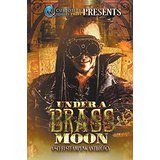
Under A Brass Moon: A Sci-Fi Steampunk Anthology is not quite as big the last anthology by Curiosity Quills Press which I reviewed, Chronology, but it is still pretty big. Unlike Chronology, which was full of pleasant surprises for me, Under a Brass Moon was just what it promised to be in the title: a collection of sci-fi and steampunk stories, and every story had elements of one or both genres.
The biggest contributor is YA author Jordan Elizabeth, who had six stories featured. Included is a Cogling short story, Upon Which Victor Viper Sat, which is a steampunk ghost story. (See my review of Cogling here.) A cursed hotel, where spirits are trapped. When Lady Rachel Waxman’s chest of paper cranes is stolen from Edna, she is determined to get them back, even if it means she must face a cursed hotel with trapped spirits and a desperate boy, willing to do anything, even murder, to regain his family’s fortune. Maiden in the Clock Tower is a stand-alone love story, along the lines of a fairy tale, with a rather sweet Happily Ever After. The other four short stories are companion stories to her Treasure Chronicles series, of which I also had the pleasure of reviewing Treasure Darkly. They Call Her Treasure is a humorous piece, sure to rouse a chuckle or two, but the other three, Treasure in the Field, Run of the Treasure and The Other Face of Treasure fell short for me, as if they weren’t finished and the promise of the premise wasn’t quite fulfilled. It’s a problem I find a lot in writing short fiction.
The second biggest contributor is James Wymore, with four stories: Sherriff Anderson’s Steam Deputies, a steampunk western shootout with steam powered deputies; Gearhead, a story of victory from apparent defeat when a captured gearhead knight tricks the Baron and steals his captured war machine; Vault, a magical steampunk story of witches and wizards and trapped spirits; and The Dark Glass, a tale of Jinda, an orphan girl, and her brother, who dream of escape from the care of the mean old butler who has been assigned with their care, but when Jinda discovers the key that leads to the treasure their father left them and escape is close at hand, the story ends. Like the Treasure Chronicle short stories of Jordan Elizabeth, mentioned above, this short story fails to deliver on the promise of the premise.
One of the problems with short stories is that it is hard to get in a full story arc with so few words. Other stories from this collection which left me feeling there should be more include Talking Metal, by W. K. Pomeroy, Fritz Finkel and the Marvelous Mechanical Thing, by award winning author Lorna Macdonald Czarnota, (We get to see why the two can’t be together, the obstacles their love faces. We get to see the grand measures taken in leiu of courtship, because it is a short story. There is a realization that she feels the same way he does, but steps to achieve the goal are only alluded to. The reader is left feeling cheated and wanting more.), Lucky Escape for Goldilocks Girl, by Irish writer Perry Mcdaid, (This protagonist had the feel of a female steampunk Robin Hood, promising to be an exciting story, but alas, it falls short of delivering on the premise.), and Queen of Cobwebs, by Jeremy Mortis, (A mechanical spider vampire tale. The protagonist is not very proactive and is rescued by outside intervention. This tale had the potential to be really good, but didn’t follow through.) Another story that didn’t quite do the trick for me were Harvester, by poet and author Amberle L. Husbands, a story about sentient plants, which lost me totally.
Under the Brass Moon also features two steampunk time travel stories: A Connecticut Yankee in Queen Victoria’s Court, by G. Miki Hayden, and Hour of Darkness, by Ashley Pasco; and two steampunk spy stories: Kung Pow Chicken for Pygmalion, by fantasy and science fiction author D.J. Butler, and The Poison We Breathe, by Christine Baker. For a steampunk ghost story, check out Calliope, by award winning author Terri Karsten, and for a great not-love story, try Henry the Tailor, by Grant Eagar. Upcoming writer Nick Lofthouse also does a passable science fiction story where the future isn’t so promising in Vacant.
My favorite stories from Under the Brass Moon include The Iron Face of God, by freelance writer and author Benjamin Spurduto, which is a pretty good steampunk mystery. It kept my interest. The story didn’t really let on to the motive for the murders, but maybe that’s okay with this one.
Also on my favorites list is Ethereal Coil, by MG/YA novelist S.A. Larsen, where nothing is as it appears, and The Women of Lastonia, by Lorna Marie Larson, which is a science fiction story that takes readers to outer space and planets far away. A Gulliver’s Travels of outer space, but this starship crew break the first rule of space travel when they rebel against the planet’s distasteful laws, which dictate they give up one of their shipmates or interfere with the evolution of the alien species.
Last but not least, my favorite story from this collection is The Balloon Thief, by New Adult author Jessica Gunn, a steampunk heist story where everyone is after the treasure and no one is who they seem. This story is well written and quite enjoyable.
Overall, the stories in this collection were entertaining, but many of them left me disappointed just due to the fact that I didn’t feel they had a full story arc and there should have ben more. Even the ones which left me wanting more, were entertaining stories, though not all were enchanting. I give Under the Brass Moon three quills.

Kaye Lynne Booth does honest book reviews on Writing to be Read, and she never charges for them. Have a book you’d like reviewed? Contact Kaye at kayebooth(at)yahoo(dot)com.
Share this:

Weekly Writing Memo: All About the Setup
Posted: September 28, 2016 Filed under: Fiction, Screenwriting, Screenwriting, Speculative Fiction, Stories, Thriller, Uncategorized, Weekly Writing Memo, Writing, Writing Tips | Tags: Fiction, Screenwriting, Writing, writing advice, Writing Process Leave a comment One of the most important elements of a story for it to work is for everything to be set up properly. Your plot, your characters, and your resolution all need to be set up in such a way that your audience can believe them. If the audience doesn’t believe it, or “buy in” as it’s often called, then they won’t enjoy your story and may not even continue it. So how do you properly set up everything in your story so it works?
What does your audience need to know?
Think about your plot, your characters, and your world before you start writing. What does your audience need to know about each of these in order for them to understand your story? If needed, make a list. Add to it anything that needs to happen in order for your plot to unfold, and decide in what order those things need to happen.
The things on this list are the things you need to set up in order for your audience to get into your story. Does your character have a mental problem? Then even if you don’t reveal it right away you need to show signs of it, foreshadowing what is to be revealed so when the reveal happens the audience believes it. Does your world involve superhuman mutants? Then again, this is something that needs to be set up in your story so your audience understands the world. Even if you don’t want to reveal the mutants, you need to reveal that there is the possibility of something supernatural going on. Think of all these sorts of elements that will be in your story before you get writing so you have a clear image in mind of what you need to do. You don’t have to make the elements obvious or spell it out blatantly, but do find ways to at least hint at these details so they don’t throw off your audience when they come into play later.
When do they need to know it?
The second part of setting up a story is know WHEN to reveal things. How much do you need to set up right away, and how much can you hold onto and reveal later? You don’t want all these details to come out in a list when you’re writing. They should come out in small doses as necessary. For example, your audience needs to know right away that your character has an enormous scar if it plays into how people react to him/her throughout the story. However, your audience doesn’t need to know right away how your character got the scar. In fact, the audience may never need to know how the character got the scar unless it plays an important part in the story for some reason.
The common mistake I see when people are setting up a story is mainly not mentioning something until it is needed to move the plot forward. For example, if your character needs to know complex mathematics, but your entire story she never once uses math, it’ll seem awfully convenient if the moment she needs it she busts out some calculus. Anything such as this that is key to moving the plot forward, or key to solving a problem, should be established in advance of when the character needs it. If it is something that is constant, then it should be established right from the beginning. If it’s something minor, then it just needs to be established a few scenes or so before it becomes relevant.
How can I show it?
So how do you show these minor things in your story without them coming off as listing or uninteresting? Something like the mathematics example would be boring if the character just said “I’m good at math.” Instead, you could simply have a short moment where your character does some impressive mental math for some reason, or even have something subtle like a math diploma on the wall someplace. These kinds of small details, or small moments, can be a way to establish important elements without taking too much story time.
For anything minor, the quicker you can establish it and move on, usually the better. Anything that is a key element of the story can be established by doing continual small touches throughout the story as it unfolds. For example, if you want to establish someone has anxiety about something, you can have them behave in increasingly anxious ways until their full anxiety is revealed.
Final Notes
Ultimately, there will be three stages of setting up your story. The first is the things you’ll know right off that you need to establish before you even begin writing. The second will be the things you discover as you are writing. When you come across these things in the second stage, it’s important to remember to not just throw them in when they come up. Take a moment to sit back and think about where that detail could naturally fit into the story. If you just put it in where you think of it, will it seem like something that conveniently pops up to solve the story conflict?
The final stage of setting up your story will come after you get feedback. Whoever you use as your beta reader should be able to tell you what doesn’t make sense, and you can use that as a sounding board for what in your story needs more setting up, and what you can do less on. No matter how obvious you think something is, people will always have different viewpoints so if you can find a subtle way to set it up a tad more, it’s probably a good idea to do so.
Robin Conley offers great writing advice most Wednesdays on Writing to be Read. If you just can’t wait until next week to find out more, you can pop into her blog, Author the World, for more tips, or a weekly writing prompt.
Share this:

“Victorian”: A Ghostly Story Packed Full of Secrets
Posted: September 2, 2016 Filed under: Book Review, Books, Speculative Fiction, Young Adult | Tags: Book Review, Books, Fiction, Ghosts, Jordan Elizabeth, Review, Secrets, Victorian, Young Adult 1 Comment
Victorian, by Jordan Elizabeth, is a truly unique YA story featuring not one, but two young girls, Celeste and Weronica, who each have a dark secret hidden in the past that keeps them closed off to others. When they both get jobs at a historical fair in a strange old village which harbors secrets of its own, things turn interesting, as each one learns to trust again with the help of the fair’s colorful cast of characters and the ghosts of the past.
Elizabeth’s characters are realistic and believable. Weronica acts as if she’s self assured, but worries more about what others think of her than she lets on. She shares only enough to keep curiosity at bay, keeping her ghosts close and the secrets they hold even closer. Celeste really just wants to belong, but fear that her secret will be revealed causes her to hold others at bay. Her ghosts are really those of the historic village, but they hold the key to unlocking her secrets, as well as unraveling the mysterious past of the village.
This well-crafted story builds just the right amount of suspense to keep the pages turning, as it alternates between the two co-protagonist’s points of view. The story line is easy to follow, the village setting becoming a character in and of itself. Victorian is well worth the read.
I give Victorian four quills. 
Share this:

Chronology is full of surprises
Posted: June 24, 2016 Filed under: Book Review, Books, Fantasy, Fiction, Horror, Science Fiction, Speculative Fiction, Steampunk, Stories | Tags: Anthology, Book Review, Books, Creative Fiction, Fantasy, Fiction, horror, Review, Speculative Fiction, Steampunk, Writing 3 Comments
I’ve just had the pleasure of reviewing a new anthology of short fiction put out by Curiosity Quills Press. When asked if I’d like to review Chronology, I had the impression that it was a steampunk anthology, which is a genre I’m newly discovering. Some of the stories in this collection do have steampunk elements, such as Wind Up Hearts, the steampunk-ish romance that is sure to break readers’ hearts, by Bram Stoker Award finalist, Stan Swanson, or Flight of the Pegasus by Dr. Darin Kennedy. There’s also That Which is Hidden, a haunted steampunk-ish werewolf romance, by Julie Frost. But, I was pleasantly surprised to find the stories in Chronology to be a diverse mixture of speculative fiction.
Some are futuristic, leaning more toward science fiction, such as the apocalyptic Afterparty by Mark Woodring, Limited Liability, a futuristic outer space story by Matthew Graybosch or Gookie Visits Her Moma by G. Miki Hayden, an alternate universe science fiction story about a space bounty hunter whose current bounty takes her back to her home planet. Many others are more in the fantasy realm, such as Draconic King, by award winning author, James Wymore, or Yours Until the Ink Dries, a true faerie tale, as a young outcast girl discovers her true identity in her drawings, by Y.A. author Jordan Elizabeth. And then there are those stories that fall into the mythical realm, such as Strange Flesh, a well-crafted story of mythical creatures by Katie Young, or Wampus Cat, a tale of Appalachian legends come true by international bestselling author Scott Nicholson.
Still, others have a horror element or two, such as The Lair, a story of a cursed treasure hunt in jungle swamps, by best-selling independent author, Tony Healey, or Lava, a spectral love story by New York Times bestselling author, Piers Anthony, or In the Clutches of the Mummy Prince, by B.C. Johnson, which was not very scary. Also I had trouble relating with the main character in Johnson’s story, who wasn’t very likeable. There is also The Comeback, the weirdest zombie romance I’ve ever heard of, told from the zombie’s POV, by techno-thriller and MG fantasy author, Tara Tyler, and Inmate #85298, a chilling death row tale, by author and screenwriter, Andy Rausch.
Of course, there are also those stories that weren’t so easy to classify, including White Chapel, which sheds new light on the story of Jack the Ripper, by author, editor and podcast co-host, Andrew Buckley, or Signs Unseen, the story of a small town race war, by J.P. Moyahan, or Bait and Witch, a troublesome witch story by speculative fiction author, J.P. Sloan. There is also The Bull, by novelist and short story writer, J.R. Rain, which turns a Minotaur into a superhero, and The Unattended Life, a reminder to stop and smell the roses by J.E. Anckorn, and an intriguing airship romance, Above the Clouds, by Richard Roberts.
Yes, it is a big book, about 530 pages, but it is definitely a good read. In addition to the stories mentioned above there are the three I enjoyed the most, which I saved to tell you about in more detail. The following stories stuck out in my mind the most, but not in any particular order.
The Room Below, by novelist Wilbert Stanton is a horror story worthy of Lovecraft, or King. This story about a stay in a mental institution that puts One Flew Over the Cuckoo’s Nest to shame. It held my attention and kept me on the edge of my seat, and had a surprising, yet satisfying ending.
The Colorado King, by Nathan Yocum is a story in which survival is the name of the game as a father and daughter travel over post-apocalyptic badlands in search of kin and refuge, bringing with it some very hard lessons. This well-crafted tale grabs readers’ attention and doesn’t let go, yet it leaves readers feeling like there should be more, probably due to the fact that it is an excerpt. I’m guessing that it is from Yocum’s novel, The Zona.
And finally, Innocent Deception, by Matthew Cox is a well-crafted story which has a surprising reveal in its final pages. The daughter of a pharmaceutical company’s CEO is kidnapped and held for ransom, but the plan falls apart when the mother doesn’t want the kid back.
Overall, I give Chronology 3 Quills. 
Kaye Lynne Booth does honest book reviews on Writing to be Read, and she never charges for them. Have a book you’d like reviewed? Contact Kaye at kayebooth(at)yahoo(dot)com.




















Monthly Writing Memo: The One and Only Writing Rule
Posted: February 1, 2017 | Author: Author the World | Filed under: Commentary, Fiction, Screenwriting, Screenwriting, Speculative Fiction, Stories, Uncategorized, Weekly Writing Memo, Writing, Writing Tips | Tags: Books, Fiction, Novel, Novels, Opinion, research, Tips, Writing | 4 CommentsAs almost every writer knows, anywhere you go to discuss writing will always have someone proclaiming their tried and true rules for writing that you MUST follow. Post on any writing forum whether it be for screenwriting or fiction and you’ll find dozens, if not hundreds, of eager “expert” or “professional” writers ready to tell you exactly which rules matter and which are hogwash. Yes, many of these writers have published novels or sold scripts and are professionals in the industry, but does that mean their rules are THE rules to follow?
Absolutely not.
Let me say that again – Absolutely not. Just because someone has sold a script or published a novel or piece of writing doesn’t mean that they will be able to give you rules to writing that will be guaranteed to work on your story. If you put every writer who ever sold something in a room and asked them to come up with a master list of writing rules it’d be impossible. There’d be factions who think you can never write in present tense and others who think a description of the weather should never start a novel.
There’d be groups who think the epitome of literary or cinematic genius is one specific piece of work, and others who think that same work is a crock of shit. If the people who are actually selling works of writing cannot agree on what makes good writing, and which writing rules are always true, then how on earth can a newbie writer even dream of making it in the industry, let alone be brave enough to even try to put words on the page?
Ultimately, all of this boils down to one single fact about writing: There are hundreds of rules for writing, but one of those rules is that there are no rules. Now before you dip out of this article, because that’s a useless piece of advice in the previous sentence, give me a chance to elaborate.
Writing is a subjective thing. Every story is going to require following a different mix of rules to make it work. That’s why whenever I write a post about the “rules” of writing, I try to explain which situations the rule applies to, and where it might not apply. Also, every writer is going to have different opinions about what makes a good story, and every publisher/studio/audience is going to have a different opinion about what they find marketable and worth buying. If this is true, which based on the evidence presented through comparing a wide range of published and produced pieces of writing it is, then the one and only real rule for writing is that you have to know the “What” and the “Why” of your story.
Essentially, knowing the What’s and Why’s of your story is all about researching the genre or style of writing you want to write by studying the existing works in that genre, and being conscious about your story and your writing choices so that you can answer the following questions on each project you work on:
As you can see, this one and only writing rule really boils down to being conscious about each choice you make in your writing and constantly asking yourself why whenever you are presented with a “rule” that someone thinks is universally true. All of these “rules” people come up with regarding writing are the results of people looking for the magic formula to a guaranteed sale on a piece of work, and they find it by looking for common elements across sold pieces of writing. While it is often true that these elements do exist, there are also just as many pieces of writing out there that break these trends.
Every story is its own thing and has its own identity, and I’m a firm believer that if you focus on serving the story rather than trying to force it to fit pre-existing rules or expectations, then your story will be better for it. I’m not saying you’re guaranteed to sell it, no one can guarantee that, but I am saying if you stay true to your story even if it means breaking the rules, your story will be stronger.
The important thing is to know what “rules” exist and to be able to justify why you broke these preconceived rules that people have and to show that you did so consciously. Ultimately, people aren’t going to focus on whether you broke the “rules” or not with your writing when deciding to buy it, they’re going to focus on whether you’ve put in the work to construct a compelling story that people want to read. If you do that, nothing else matters.
Robin Conley offers great writing advice once a month on Writing to be Read. If you just can’t wait until next month to find out more, you can pop into her blog, Author the World, for more tips, or a weekly writing prompt.
Share this: