An Adventure in Social Media Marketing
Posted: July 24, 2017 Filed under: Books, Cover Art, Fiction, marketing, Promotion, Western, Writing, Writing Event | Tags: Art, Book Cover Contests, book marketing, Book Promotion, Books, Delilah, Social Media Events 6 Comments
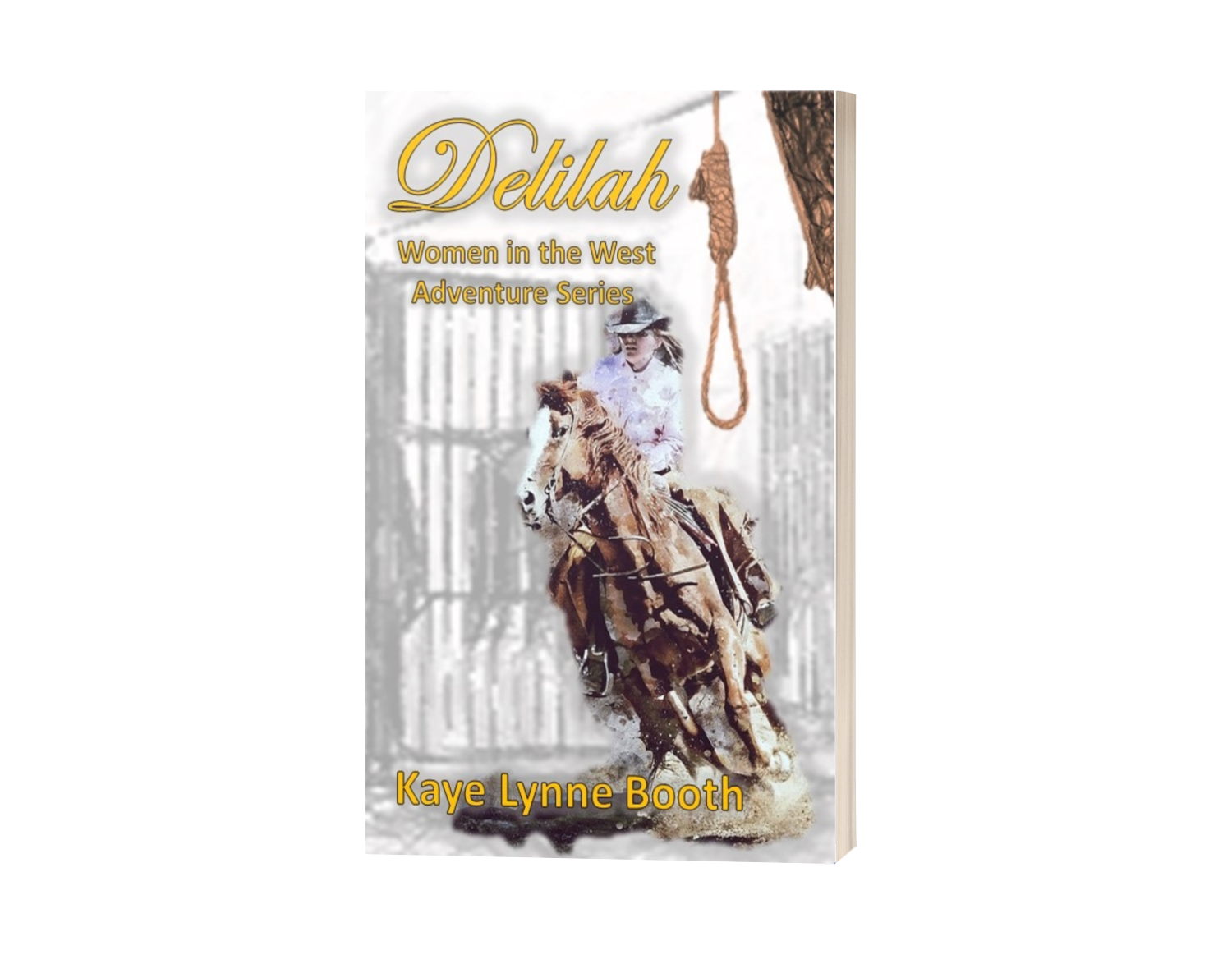
In my post, It’s All in the Packaging, I interview cover designer, Dawn Leslie Mullan and I issued a plea for your help and support as the cover art for Delilah made it to the second round in a book cover contest on Facebook. Unfortunately, we didn’t make it into round three, but I want to thank all those who took the time and went to the effort to vote. Delilah has a great cover that fits her story, and I appreciate everyone who jumped in a tried to help us win. I also want to thank DL Mullan for providing such a great cover and Robin Conley for nominating it.
Although I have participated in release parties, it was my first experience with an event like this on social media, so I learned a lot from the experience. I think there are several reasons why we didn’t make it to round three. The promoters of the event were romance authors, and many of the covers we were up against were romance covers, especially the ones which got the most votes, which leads me to believe romance readers were the majority of the audience attending this event, so I considered it lucky that I was able to get the votes I did. Again, all those that voted, whether from my previous blog post, or from my massive marketing campaign to gain votes, you guys are great, and greatly appreciated.
I also learned what not to do when hosting an event like this. The event promoters laid out a set of rules for voting, which had participants clicking and liking various pages, and although the rules were laid out, it seems several of the participants failed to do so, because in later rounds, new “Rules” posts were put up, saying those who failed to follow each step would not be counted. Also, at the end of round two, they announced that hearts did not count as votes, only ‘likes’, but this was not stated at the beginning, so anyone who had someone who loved their cover enough to give it a heart was disqualified.
I think these events should be made as easy as possible to participate in. Think about it. We’re asking people to take time out to go to a page and vote, or play silly games to win prizes in the case of release parties. The games should be fun, or at least funny. The prizes should be something that will be viewed to have some value. And voting should be quick and easy, only taking a few minutes of their time. And for heavens sake, if someone does accept your invitation and attends, or votes for you, show some appreciation and thank them. I know I do, and it keeps readers coming back for more.
I was happy that the cover for Delilah made it to round two, and disappointed that it didn’t go to round three. Maybe next time. Although, I am wondering how effective these social media events really are. A couple of authors I’ve talked said they’ve participated in release parties, but haven’t seen any real increase in sales from them. That could be partly because they are attended mostly by other authors, so we may be playing to the wrong audience there.
I’d be interested in hearing from other authors who participate in these events. I’d like to know how beneficial they really are. Do they bring in sales of your books? Or are they a waste of time? If you’d like to weigh in, leave a comment here, or contact me at kayebooth(at)yahoo(dot)com.
Like this post? Subscribe to Writing to be Read for e-mail notifications whenever new content is posted or follow WtbR on WordPress.
Share this:

It’s All in the Packaging: Interview with Writer, Poet and Cover Designer, Dawn Leslie Mullan
Posted: July 3, 2017 Filed under: Books, Cover Art, Interview, marketing, Poetry, Promotion, Writing | Tags: Books, Cover Art, Cover Design, DL Mullan, Poetry, Sonoran Dawn Studios, Writing 1 Comment


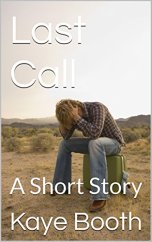
They say you can’t judge a book by it’s cover, but we do all the time. So, when sales for Delilah was faltering, I decided to change it up. Actually, I ran into an awesome cover designer, who came up with a great cover for not only Delilah, but one for Last Call, too. Subsequently, the sales for Delilah went up some. The new cover just came out for Last Call, so it remains to be seen if it will have the same effect, but I’m anticipating some positive results. It all goes to show just how important it is to find the right cover designer for your work. If you don’t believe a book cover can make a difference, take a look at the original cover for Last Call, below and compare with the new one, above:
Today I am fortunate to be able to interview my awesome cover designer, DL Mullen of Sonoran Dawn Studios, so I can share with my readers just what a talented cover designer this lady really is. And she’s so much more. Also a writer and poet, Dawn Leslie Mullan spends a lot of time getting creative.
Kaye: In addition to being an accomplished poet, you have your own design company, Sonoran Dawn Studios. How did you get into cover art design?
Dawn: I got into cover design because I knew that beauty is in the eye of the beholder. People are attracted to book covers as well as read tag lines and brief synopses to make their decisions about purchases. Since I have had my digital art shown across the country in various exhibits and at conventions, the creation of my own cover art was a natural fit. Sonoran Dawn Studios is the intuitive progression from an artist and writer to designer and publisher.
Kaye: You’ve self-published two books of nature poetry, Effloresce, and Rain: Monsoon in the Desert and two books of dark poetry, Memoirs of a Psychotic Painting Elephant, and The Descent. Would you share the story of your own publishing journey?
Dawn: My publishing journey is much like many other writers’ careers. I have been writing since my formative years, but the confidence to write for publication did not happen until higher education. When I was exposed to literature and professors who understood the dynamics in literary context, my world expanded a thousand-fold. I was no longer in this cocoon of sensory deprivation. The experience allowed me to dream.
As I grew older my dreams also grew, but some obstacles were thrown in my way. I became disabled by Environmental Illness, so the future book tour I had envisioned for myself was replaced by severe reactions to an array of chemicals and molds. A collapsed immune system does not a national book tour make. With the help of natural doctors, nutrition, and lots of bed rest, I have been able to balance my disabilities with my goals. I began my website, Undawnted, to feature my writing. Later, I created Sonoran Dawn Studios to publish what I produced with the dream of helping other writers accomplish their goals of publications in the future.
Just because life happened while I was making other plans does not mean I still cannot fulfill my life’s purpose. Creativity is more than a hobby; creativity also brings about choices through true authentic problem-solving. As a testament to my originality and perseverance, my publishing journey has become a triumph over adversity.
Kaye: Would you publish through Lulu again? Why or why not?
Dawn: Yes, I love publishing through Lulu. The ebooks I can disseminate are endless. I am researching beyond Lulu for other Print on Demand services to see what the best modality for my print books may be. I want to make sure my readers are taken care of, while not being intrusive or creating confusion. I do foresee my ebooks finding their way into print sometime in 2019.
Kaye: What is the single most important quality in a poem for you?
Dawn: The most important quality in a poem is based in the five W’s of journalism. What, where, why, when, and how. What image is the reader left with at the end? Where has the poem taken the reader? Why would this poem be important to the reader later on in life? When will the poem reoccur in the memory of the reader long after the poem is read? How does the poem leave an indelible mark in the emotions of its audience?
Anyone can write a poem. The best poems are the ones that linger in the recesses of a reader’s mind. To stir there, be forgotten until an emotion brings up images of the poem that can only be satisfied by reading the poem again. Poetry is more than words and rhymes; poetry is the exercise in conveying emotions through imagery.
So, what do you see when you write?
Kaye: Where do your poetic inspirations come from?
Dawn: Everywhere. That is where my inspiration comes from. I am in awe of this world and our universe. I keep a child’s naïveté and wonderment lurking around every corner of my imagination. I view circumstances with that innocence as if I am seeing lightning, touching a cat, hearing a siren, or feeling the sun for the first time. Every time.
That juxtaposition allows me to combine youthful honesty, integrity, and virtue with the aged heartbreak, candor, and wisdom. No emotion is off limits to experience inside my soul. Every creative dimension is then available to express whether that would be in the forms of poetry or prose.
Inspiration is everywhere… you just have to feel it.
Kaye: What’s your favorite social media site for promotion? Why?
Dawn: None of them really are my favorites for any kind of promotion but I go where my audience travels. Social media is the ghetto harbors of the internet. Our creativity and objectivity are trapped in programmed cages that reverberate and sometimes crescendo our own confirmation bias. Social ghettos like their city namesakes limit opportunities for those individuals seeking advancement and relegate people into an inferior stasis with poor resources and tyrannical mismanagement.
I’d rather own my own website away from social media, but finances impede that dream at this moment. So I am stuck in the ghettos of Facebook, Google plus, and Blogger. I hope someday people realize how confining social media is so we can return to a time of free expression.
Won’t you join me?
Kaye: You are a creative person, writing award winning poetry and designing some pretty awesome cover art, etc… Were you creative as a child?
Dawn: Thank you. I have always had an active imagination. My formative years began in solitude, but after my family moved to the west coast, we ran a daycare, and so there was no shortage of company.
The lack of companionship, however, is a different matter. I knew I was atypical from other children of my age. I observed. I understood far beyond my years. I intellectualized, but I also empathized.
Creative maturity has given me the ability to recognize those evocative reactions and morph the feelings into a seasoned response. Empathy is a strong connection to other people and their plight, the trick is to find a positive way to express myself through art, writing, and problem-solving to avoid the pitfalls of negativity.
That is why so many creative people are depressed and feel rejected by society: improper context of sensory stimuli. Creative people need to step outside of a given situation and see all the moving parts. The ability to walk in another’s shoes is a gift, but when that gift creates blinders to the other parts of life, that is where creativity can destroy instead of uplift.
I had to find that balance. I had to find my own wisdom. Meditation and energy work are beneficial. A balanced perspective is everything. I had to learn that being a creative child did not mean I had to be an explosive, renegade adult… that is what my characters are for!
Let your imagination work for you. Be calm, cool, and collected with your interactions with the world. Allow your creativity be the solution.
Make your characters say and do what society frowns upon. In creativity, you are free. In living imagination, you are the creator.
So design a better reality to inspire change: one person can make a difference.
Kaye: How would you describe yourself in three words?
Dawn: Innovative. Dynamic. Trendsetter.
Kaye: What’s the best piece of advice you were ever given?
Dawn: I really have no idea. Maybe it was: don’t play in traffic? Or, don’t stick your fingers in the light socket? I do not believe I have ever been given a lot of advice.
I have always been a self-starter. I am a person who walks forward in life. There have been some obvious setbacks, but I set short- and long- term goals. Whatever is attainable, I achieve. Whatever does not work for me, I change to fit my new timeline.
So I do not believe my life has been about being advised as much as it has been about who can keep up with me.
Kaye: You’ve had many poems published and won awards for quite a few. What is the biggest challenge in being a poet?
Dawn: The biggest challenge in being a poet, or an artist in general, is discovering new ways to compete with myself. How can I outdo my last creation? Achieve a better response? Create something thought-provoking or truly distinctive?
As a writer, I challenge my own status quo. I am in competition with no other person but myself. So the creative balance I endeavor to maintain has helped me restructure my point of view. I strive for self-betterment to take my writing to the next level.
This fresh perspective allows me to mature as a writer as well as be a cheerleader for other authors. When I removed the ego-driven, quantity over quality focus from my writing career, I discovered how the release from those negative aspects took my creativity to new heights.
I spent more time creating than worry about the industry, agents, publishing houses, and other writers. I could then help others without feeling jealous or anxious or petty. I could be happy for other writer’s successes because those writers were never in direct competition with me. That is an illusion I had to shed.
Once I realized that each person has their own goals and life path to fulfill, then I understood the dynamics with which creativity really springs: inside my own internal genesis.
People on a parallel career path weave branches from the same tree on which my creativity sprouts. Each branch is different from the others and reflects the health of the common root. If we do not tend to our roots, fertilize the soil, and water regularly, then the tree will falter in a coming storm. Angst ruins everyone’s creative efforts. So why bother with it?
That is a summation of the writing craft and our individual responsibility within our community. We must become the best writer we can be and also give a helping hand to another writer regardless of his or her success. Wisdom is in the balance.
Of course that also frees me from the cookie cutter manufactured industry standards I see dominating the writing craft. So watch out world! I don’t have a compass. I don’t have a quota system. I am following my own branch that is reaching for the stars.
And, everyone can change their stars.
Kaye: What advice do you have for aspiring writers and poets?
Dawn: Writers need about ten years to season well, marinate in their own juices. Raw writers tend to give their hearts but when constructively critiqued, lose their minds. So I advise aspiring writers to go in search of criticism, negative criticism. Take courses for a community college certificate or degree in creative writing. Go out and join your local Professional Writer’s Group. Seek out people who will guide and help you without sparing your feelings. Those people are gems.
When you receive constructive advice, use it. Correct your writing and erode your ego. Writing is not about dissecting words and mincing phrases, but about dismantling your hubris.
Once a writer can get out of their own way, their writing takes on a profound quality. Stillness. Wisdom. Maturity.
One should always know and understand their craft through hard work and education. One should also write from the heart. Writing from the ego only speaks to other egos. When a writer writes from the heart, their story resonates at varying degrees within their audience and their writing is called: literature. Then a writer can build a loyal readership and just not simply have hapless followers.
On that same note: never believe your own press. I have had forum critique comments like: that was the best poem I have ever read! Only to look a few comments down and read: I really didn’t think your poem was all that great.
You just have to laugh.
When a writer has been through the crucible of their own development, then a writer can discover their weaknesses and strengths. Until that level of discernment is achieved, a writer is not ready to meet the world. The world is full of wolves ready to take your money and tell you whatever you want to hear.
An educated, informed, and mature writer can espy the wolves, escape the traps, and only do what is right for their needs.
So become the writer you have always wanted to become. No one else can do it but you. What are you waiting for?
Kaye: What time of day do you prefer to do your writing?
Dawn: Any time is fine. I write during the day or night. I do like night though when I really have to concentrate and do not want to be disturbed. No phones. No television. No distractions.
I do write when the muse descends. When I first began writing as a hobby, I would wake up from a dead sleep to jot down notes or a poem. My mind was active during my dream state. Now with my own creative structure, I find myself less inclined to be so impulsive. I write until I am done with that scene and I move on to another activity.
I also rotate from art to poetry to nonfiction, and then fiction writing. It is very noticeable trend on my personal social media status. Those breaks help avoid creative lulls and downright boredom. Writing for me is a metamorphosis of the psyche more than it is a time and place.
Kaye: You’ve had to face some huge obstacles to get to where you are now. Would you like to talk about them?
Dawn: Which obstacles? Chronic illness, abandonment, or near death experiences? My life has run the gambit, but direct participation in life events is what writing is all about. When I go through a challenge, I meet the impediment head on. There is no sense in hiding from life.
Do whatever you have to do short of hurting yourself or others; I do not abide by those types of negative expressions, but if you must throw your shoes or scream out the window, then do it. Then learn from your interaction with the world so you can check your emotions to respond with a healthy regard to life instead of having meltdown reactions to it.
The more you deal with life’s ills; the more those issues become underwhelming. Oh, the car broke down in triple digit heat… that problem interfered with my day but not unexpected given the circumstances. If you structure your life with good planning, sensible organization, and attainable goals, then you can respond to the world from a point of important but not urgent. So when the car breaks down, everything else takes care of itself, and you do not feel overwhelmed… just slightly irked.
With my brain inflammation and neurological issues, I have had some unflattering behavioral repercussions. In a short amount of time, I have learned what my body needs to combat this inflammation so I can deal with life as it comes. For my emotions, I write to express my discontent with research, citations, and good ole-fashioned sarcasm. My awareness blog for my neighborhood news can be incendiary at times, educational and informative at others, but entertaining to thousands of people a month.
So huge obstacles are what you make out of them. I find that I must navigate in a sea of challenges that most people would just give up and let a shark eat them. I am not like most people. I will take your shark, fry him up for dinner, and raise you: writing and publishing careers!
It comes down to simplicity: you can spend your life saying: oh crap, not again. Or, looking at challenges from a different point of view: at least my toaster oven still works.
Well what did you expect? I react to microwaves.
Kaye: Which poet, dead or alive, would you love to have lunch with? Why?
Dawn: Just one? I kind of do this exercise with my poetry. I call my brand of talking with the creative masters as response poetry. I take a poem from Poe, Dickinson, and then write a response. Upon Reading Edgar Allan Poe is a literary take on many of his works. Death Responds to Emily Dickinson is the Grim Reaper’s rebuttal to her I Could Not Stop for Death.
If I had to pick between the two, I would like to sit down with Poe. Not because it’s “Poe,” but because Edgar was a literary critic in his time and quite combative with his contemporaries, which I find entertaining as well as educational.
What were Edgar’s pet peeves in writing? How did his critics respond to his opinions? Did his critics give constructive criticism to Edgar’s work or did they just attack out of ego-driven defensiveness?
As writers and critics, we can learn from the advice, mistakes, and behaviors from our forefathers, and foremothers. If you do not know the past, you are doomed to repeat it. Art and writing, much like society, cannot go forward always repaving the roads of the past. We must create new exits onto the roads less traveled by. The best way is to learn from the master artists, poets, and writers from their works to their own personal views of the craft itself.
On your journey, is your road already built or are you walking in a forest that has no name?
Kaye: What’s something most readers would never guess about you?
Dawn: I am overeducated.
Seriously, I have never met a topic I did not like or want to know more about. I do have six college degrees including a Master of Arts in Teaching and Learning with Technology. I have degrees ranging from general studies, foci in biology and geology, emphasis and focus in history and biology, and organizational management. I was also working on creative writing, marketing, computer science, and publication creation before I became disabled.
I was an active community member. I have lectured and had speaking engagements about technology, art, and the role of girls in our technotronic era. I have paneled at science fiction conventions. I have exhibited and won awards for my digital art. I have ghost hunted as a history major and aspiring medium. I have experience in film and stage. In addition, I have a background in medicine for about a decade as a family member’s caretaker.
My greatest achievements have not been the cords, ribbons, or degrees. Although I am grateful for the honors I have earned in their formation of my character as well as giving me the skills to navigate our ever-changing, technological world, I am interested in more intangible achievements at present. I am on a spiritual path to investigate the human condition. I seek to answer the mysteries of our universe and impart that wisdom onto others.
With that said, I feel my greatest achievement is leaving a creative and educational legacy. My illness precludes me from having offspring, but with management of my health, I have endeavored to become the person I have always wanted to be. I am a work in progress. I can be grumpy and irritable at times, but I am more patient and charitable than anything else.
I guess that comes from living a life less traveled by. I have shrugged off convention for a spiritual road on the superhighway of life. I may be in the slow lane, but I am not obsessed with the destination. The journey is my classroom and I am an enthusiastic student.
Will you like to hitch a ride?
Kaye: What is the one thing that is the most unusual or unique thing you’ve done so far?
Dawn: Strange is what I do. I combine real life scenarios in my creative works to give the contrived a reality check. When a reader experiences my characters and their challenges some of those obstacles may be rooted in my own life. I will not tell which is which, what fun is that?, but I will say that creative writing allows me the indulgence to work out some past issues in a positive and productive manner.
So the most unusual or unique quality to my writing is that I use creative fiction and nonfiction as my camp counselors.
Have a problem? Fantasy about justice? Do not have the energy to bury a body in a remote location? Then you need to become a writer. You have innovative ideas, a spark of madness, and a tinge of laziness that comes with sitting down at a computer to let your fingers do the trash talking.
Shovel, anyone?
Thank you Dawn, for joining us today and sharing your unique take on life, and writing, and shoveling. And thank you for allowing me to use you for the purposes of illustrating the important role cover art is in the sale of your book. You could write a masterpiece, but no one will ever know it if they never crack the cover to read the words inside.
We Need Your Help!
This post came at a good time, because today Dawn and I have some exciting news to share. The cover art for Delilah has made it to round two in the Joandisalovebooks Summer Loving Book Cover EVENT 2017. This is great news because it is a really great cover, but we can’t do it alone. The winner in each genre category will receive a great marketing package, which would be great for the promotion of Delilah.
We need your votes, so we can win first prize in the western genre category. You can find more information on how to place your vote at Sonoran Dawn Studios, where Dawn has been kind enough to lay out step by step instructions for you. So, if you are a follower of Writing to be Read, a fan of Delilah, or someone who has just discovered Kaye Lynne Booth author, please take a few moments to clink on the link and cast your votes for us. It will be greatly appreciated.
Like this post? Subscribe to Writing to be Read for e-mail notifications whenever new content is posted or follow WtbR on WordPress.
Share this:

A Writer’s Eye View of Social Media Promotion
Posted: May 29, 2017 Filed under: Books, marketing, Opinion, Promotion, Publishing, Self-Publishing, Writing | Tags: marketing, promotion, Time, Writing 2 Comments
Social media is great. Or is it? From a writer’s perspective, maybe a little of both. On the one hand, promotion on social media can and often does bring readers to your blog, or book, or article, or whatever you are promoting. Some sites are more helpful than others in this regard. There is no doubt that social media promotion draws attention, but then you have to figure out the other side of the equation.
Promotion on social media takes a lot of time. And I mean a lot of time. Think about it. First you have to share a link on your timeline, or page, or wall, or whatever. That doesn’t take long. But then you have to share it in groups, and for me, there are a lot of groups to share in. Okay, so after you’ve spent between thirty to forty-five minutes or even up to two hours, (depending on how fast your internet connection is operating, how fast the site you’re sharing on is operating, and how many groups you are sharing the post with), and the post is shared everywhere you wish to share it, you’re still not done.
No. Because you see, social media is set up for social networking. You don’t want to drop into each group and post your promotion, then go about your business. No. When you join a group, you are expected to participate, rather than just promote. If you want people to like, comment, or share your posts, you’ve got to do the same for them. That’s how social networking works. And let me tell you, it is easy to get caught up thanking folks for liking or sharing your posts, responding to comments on your posts and liking, commenting on and sharing the posts of others, and before you know it, several hours have elapsed. This part of networking needs to be done each day, even when you don’t have any promotional posts to make.
So, now consider that I spend up to two hours promotion, two or three times a week, which is what I do for Writing to be Read. You need to socialize daily. I try limiting myself to one hour of socializing online on days I’m not promoting, so I can promote my work, but not appear to be a self-absorbed spammer. Just doing that adds up to ten hours a week.
Most recently, I participated in a Book Release Event on Facebook for the promotion of my recently released western, Delilah. I was one of many authors who did either half-hour or hour long takeover slots in a two night event. In a takeover slot, the author makes posts aimed at both promotion of their own book and entertainment in the form of silly, but fun, party games and giveaways. My investment was several hours in planning and preparation, plus one evening and a partial, and another afternoon responding to comments and contest wrap-up, and it’s yet to be seen if there will be a significant rise in sales which might be attributed to the event.
Of course, it isn’t just Delilah I must promote. I also promote my short story that I have on Amazon, Last Call, and writing that I have in online publications such as Across the Margin and Zetetic: A Record of Unusual Inquiry. And of course, I spend a good deal of time promoting this blog, Writing to be Read. It’s not that I don’t like social media promotion. It allows me to interact with my readers others in the business, and I truly do enjoy that, but it takes a lot of time. That’s time that is not spent writing.
Promotion is a necessary evil to me, and it must be done on top of writing queries and cover letters and submitting completed novels to publishers or agents, and articles, stories and poetry to the publications they might appear in, checking and responding to emails, searching the web and applying for freelance jobs, in addition to holding’s down a full-time day job. And then, I have to find time to live some resemblance of a life. Oh yeah, and somewhere in there, I have to actually sit down and write, both for my freelance jobs and my own stuff, for blog and for sale. And I must find time to read the books I review. So, you see than ten hours a week can be tough.
This isn’t the first time I’ve brought this subject up. In Today’s Authors Wear Many Hats, which I posted back in October, I wrote about the different roles an author must play and how they’ve expanded because of the digital age and the rising trends in self-publishing. Promotion and marketing are just two of those hats, but they’re important ones. Most of us are among the starving artists, and can’t afford to hire someone to do it for us, or spend a lot of money boosting posts to reach more people, and social media is an avenue of promotion which is free, or at least fairly inexpensive.
Bottom line – Promotion and marketing do require that we spend at least a minimal amount of time on them, but as writers, it’s a necessary part of the job. Like the artist, who must sell her own paintings, or convince a gallery owner to display her wares, we must peddle our creations, whether we publish them ourselves, or are picked up by a small press or traditional publisher. And social media is a big part of that in today’s market. Social media drives traffic, and we need traffic, because traffic leads to sales, at least theoretically.
Share this:

A Published Author At Last – Now It’s In My Readers’ Hands
Posted: April 24, 2017 Filed under: Book Review, Books, Fiction, marketing, Promotion, Publishing, Western, Writing | Tags: Books, Colorado, Delilah, Fiction, Kaye Lynne Booth, marketing, Novels, promotion, Review, Reviews, Western, Writing 2 Comments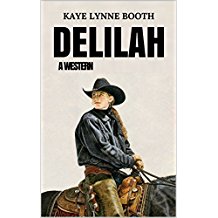
The exciting news this week is, Delilah is now available in digital format! It’s something I’ve been waiting for for quite a while, so of course, I am ecstatic. But, something many aspiring authors may not realize is that publication isn’t the end of the road. No, it’s actually just the beginning of a new chapter in the book of writing, this one titled Sell that Book.
For those of you who aren’t familiar with my road to publication, I started Delilah back in 2012, when I entered the M.F.A. in Creative Writing program at Western State Colorado University. The assignment given by my instructor, Russell Davis, was to write an excerpt in a genre outside our comfort zone. I was assigned to write in western genre, and low and behold, I found not only am I good at it, but I like writing western. Four years later, that small excerpt, grew into a 60,000 word western novel which I’ve been trying to find a publisher for over the past year.
You see, writing the book, while a great accomplishment unto itself, is only half the battle. It doesn’t do any good to write a story, if no one ever reads it. In order for that to happen, the book must be published, and while I could self-publish, (I had considered it), I held out hope of finding a publisher, and in the end my persistence paid off.
So, now that I got Delilah published, with the help of Dusty Saddles Publishing, I must get the word out through marketing and promotion. I must get people to read, and maybe more important, write reviews.
Reviews are where it’s at these days. According to Amazon, reviews are how you get your book promoted, and I just read somewhere that Amazon has recently increased the number of reviews needed for them to promote your book, from thirty-five to fifty or one hundred.
The question is, where do I get reviews from? Although I do honest reviews here, on Writing to be Read, I don’t know many other bloggers who do. So, it comes down to appealing to you, my readers, to buy Delilah, read it and then go onto Amazon and Goodreads, (Delilah will be listed there soon -another thing I still need to do), and leave a review.
If you are willing to go to the trouble of doing all that, I thank you, but I also ask that you leave a review that is honest. While I would love you to leave a review which sings Delilah’s praises, I want it only if it is heartfelt. If you see problems with my story, I need to know what they are, in order to improve my writing of future books, so I am asking for honest criticism, if you are kind enough to leave a review at all.
In the end, it’s up to you, the reader, how successful Delilah, or any book, will be. So, buy the books you want to read, (which I hope includes my debut novel), and be kind. Leave an honest review.
Kaye Lynne Booth does honest book reviews on Writing to be Read in exchange for ARCs at no charge. Have a book you’d like reviewed? Contact Kaye at kayebooth(at)yahoo(dot)com.
Like this post? Subscribe to Writing to be Read for e-mail notifications whenever new content is posted.
Share this:

“Horror 101: The Way Forward” Offers Good Advice for Authors and Screenwriters
Posted: February 3, 2017 Filed under: Book Review, Books, Children's Books, Comic Hero, Dialogue, Fantasy, Fiction, Horror, marketing, Paranormal, Promotion, Publishing, Revision, Science Fiction, Screenwriting, Self-Publishing, Speculative Fiction, Stories, Writing, Writing Tips | Tags: Books, Fiction, horror, marketing, Poetry, promotion, Reviews, Stories, Story, Writing 1 Comment
This is the longest book review I have ever written. This book was so packed full of useful information for rising authors and screenwriters that I felt I needed to cover it all. If you are an upcoming horror author or screenwriter, trying to figure out how to get a foot in the door or where to start in the matter of launching your career, Horror 101: The Way Forward offers “career advice by seasoned professionals”. Different writers will find different essays useful, so I’m giving you a rundown on all the informative essays included.
Compiled by Crystal Lake Publishing, this collection of essays has something for every writer. The anthology features quotes from the masters such as Stephen King, Ray Bradbury, Isaac Asimov, J.R.R. Tolkien, Jack London, Clive Barker, H.P.Lovecraft, Edgar Allen Poe and many others. Advice from professional writers and editors covers all aspects of the horror writing business, and the business of writing, in general. From submitting your work, to marketing and promotion, to self-publishing and building your writing business, to crafting your work and the writing process.
The answers to many questions on the topic of submissions and all other aspects of writing as a business are found within its pages. Not getting positive response from your queries? First read Rejection Letters – How to Write and Respond to Them by award winning author Jason Bark, which offers an attempt to write a rejection letter that doesn’t sting, (at least, not so much). Then, flip to Seven Signs that Make Agents and Editors say “Yes!” to learn what agents and editors look for. Buttoning Up Before Dinner by horror author Gary Fry also offers advice to put you in the good graces of publishers and editors and create well-written stories.
Unsure how to submit your work? Submitting Your Work: Read the F*****g Guidelines by freelance writer and editor John Kenny offers tips for making a professional submission from an editor’s perspective. And What a Short Story Editor Does by horror, fantasy and science fiction editor Ellen Dallow explains the responsibilities of short story editor.
Looking for sound career advice? Be the Writer You Want to Be by television writer and novelist, Steven Savile recycles the best writing advice the author was ever given. The Five Laws of Arzen by award winning dark fiction author Michael A. Arzen offers hints to help you survive a writing career. How to Fail as an Artist in Ten Easy Steps: A Rough List Off the Top of My Head, by Confirmed Failure… by horror author John Palisano provides a reverse list of things you should do to be a successful writer.
Wondering if you need an agent to get your work in front of editors and publishers? Do You Need an Agent? by author Eric S. Brown is a discussion about the need, (or not), for an agent and relates the personal experience of how the author became successful without one. Also included are essays on building your writing business in Balancing Art and Commerce by author and screenwriter Taylor Grant , offering a look at various mediums one can write in and earn a living & advice in the business of writing. There are even essays offered on the lucrative business of ghostwriting, with a personal experience as a ghostwriter shared by dark fiction author Blaze McRob, and Ghostwriting: You Can’t Write it if You Can’t See It by award winning author Thomas Smith instructs on how to step into the author’s shoes and write like them.
If you are hoping to find some help muddling through the vast world of marketing and promotion, The Year After Publication by horror & thriller novelist Rena Mason offers an account of what to expect once you publish your first book and a walk through the exhaustive process of book marketing. How to be Your Own Agent, Whether You Have One or Not by horror writer, editor and publisher Joe Mynhardt offers tips for marketing your stories and yourself. Reviewing by founder of Ginger Nuts of Horror, (one of the most viewed resources in horror fiction), Jim McLeod discusses getting your book in the review pile & what the writer should do while awaiting publication of the review.
If you’ve not attended a conference or convention before, Pitch to Impress: How to Stand Out From the Convention Crowd by editor R.J. Cavender provides a guide to making a pitch that will snag agents’ and publishers’ attention. Tips for networking at conferences are offered by dark fiction author Tim Waggoner in You Better (Net)Work, and Networking at Conventions by Bram Stoker Award winning author Lucy A. Synder offers a look at the benefits conventions have to offer and a breakdown on some of the major ones for horror writers.
There is a plethora of advice offered on publishing, including a comparison of traditional publishing vs. digital publishing in Weighing Up Traditional Publishing and Ebook Publishing by award winning author Robert W. Walker; Publishing by editor and publisher Simon Marshall-Jones compares publishing in the digital arena with the way it was done in the past & how to become an independent publisher; and Glenn Rolle Toes the Line with Samhain Horror Head Hancho, Don D. Auria by Glenn Rolle with Interview that maps Auria’s rise to the top.
The arena of self-publishing is also explored in Make Your Own Dreams by horror and suspense novelist Iain Rob Wright. Besides being a plug for self-publishing’s evening of the playing table. It relates personal experience and advice for self-publishing, walking us through the self-publishing process. Self-Publishing: Thumb on the Button by author Kenneth W. Cain gives a list of things to think about before you choose to self-publish.
Also included are essays on the different mediums for horror: Poetry and Horror by Blaze McRob, and Horror for Kids: Not Child’s Play by novelist Francois Bloemhof offers guidelines for writing horror for youth. Several essays on comics and screenwriting, (one of the biggest outlets of horror today), are also included.
Horror Comics – How to Write Gory Scripts for Gruesome Artists by novelist Jasper Bark discusses the craft of writing horror comics and the relationship between writer and artist. Some Thoughts on My Meandering Within the World of Dark and Horror Art by artist Niall Parkinson offers thoughts on creating dark and horror art. So You Want to Write Comic Books… by novelist C.E.L. Welsh discusses what goes into the making of a comic book.
From Pros to Scripts by author and screenwriter Shane McKenzie talks about the many challenges of screenwriting. Writing about Films and For Film by award winning writer, editor and screenwriter Paul Kane gives the story of the author’s rise to success and tips for learning the lingo of the business. Screamplays! Writing the Horror Film by award winning author and screenwriter Lisa Morton offers the basics of screenwriting, description and dialog, and tips for getting your screenplay made into a movie. Screenplay Writing: The First Cut is the Deepest by author, director and editor Dean M. Dinkel recaps of the author’s experience at the Cannes Film Festival.
Essays on writing a digital world include Running a Webserial, or How to Lose Your Mind, One Week at a Time by Southern author Tonia Brown, providing a brief history of serials and a rundown of what goes into running one on the web; Friendship, Writing, and the Internet by Bram Stoker Award winning novelist Weston Ochse with reflections on online connections with like-minded writers, and Audiobooks: Your Words to Their Ears by horror novelist Chet Williamson discusses what it takes to create and audiobook and what to expect from the effort.
Of course, there is also plenty of advice on crafting a quality story. What is Horror? by author and novelist Graham Masterson offers general writing advice which could be applied to any genre and instructs on how to push your writing to the edge. The Journey of “Rudy Jenkins Buries His Fears” by author Richard Thomas takes us on a walk through of the writing, editing and submissions process of a story. Writing Short Fiction by horror and thriller novelist Joan De La Haye offers tips to tighten your writing and move the story forward, and discusses where to look to sell your story and how to choose where to submit. Ten Short Story Endings to Avoid by Scottish horror novelist William Meikle supplies a valuable list, if you want to avoid having readers feel cheated. From Reader to Writer: Finding Inspiration by publishing and editing consultant Emma Audsley offers advise for attacking the blank page. Writing Exercises by horror writer Ben Eads provides exercises in description and dialogue. Writer’s Block by short fiction writer and novelist Mark West discusses how to keep the creative juices flowing. Editing and revision are covered with Editing and Proofreading by author and editor Diane Parking presents good reasons not to send out a first draft, and How to Dismember Your Darlings – Editing Your Own Work by Jasper Bark gives a brief guide on how to self-edit.
A few essays outline the needs of a writer and suggestions on how to meet them. Filthy Habits – Writing and Routine by Jasper Bark offers a look at the benefits of creating a daily writing routine. A Room of One’s Own – the Lonely Path of a Writer by horror and fantasy writer V. H. Leslie discusses the need for solitude and space to write in. Writing Aloud by screenwriter and author Lawrence Santoro outlines the benefits of reading aloud as a part of the writing process.
Also included are Partners in the Fantastic: The Pros and Cons of Collaborations by novelist Michael McCarty, which looks at the views of various authors on collaborations, and Writing the Series by series author Armand Rosamilia, which explains why Rosamilia writes series.
Several essays offer advice specific to writing in the horror genre. Making Contact by award winning novelist Jack Ketchum discusses how to turn what you know into a horror show. Bitten by the Horror Bug by horror author and screenwriter Edward Lee looks at what motivates us to write horror. Reader Beware by author Siobhan McKinney explores the role fear plays in horror. Bringing the Zombie to Life by author Harry Shannon maps out four components of a good zombie story. The Horror Writers’ Association – The Genres Essential Ingredient by author and President of the Horror Writers’ Association (HWA), Rocky Wood gives a rundown on the HWA.
What’s the Matter With Splatter? by horror writer and Vice-President of the AHWA, Daniel I. Russell discusses the use of blood, gore and splatter in horror fiction or screenwriting, gives tips on how to use it to gain the desired effect, and discusses why some gore doesn’t get a second thought. Avoiding What’s Been Done to Death by British horror writer Ramsay Campbell defines good horror fiction & emphasizes originality. The (Extremely) Short Guide to Writing Horror by dark fiction author Tim Waggoner offers an introduction to writing horror, including techniques and brief definitions, and a list of good resources for horror writers. Growing Ideas by horror writer Gary McMahon offers a look into the author’s writing process. Writing Horror: 12 Tips on Making a Career of It by horror novelist Steve Rasnic Tem instructs on building your own writer’s toolbox and advice for entering the profession of writing horror. The Cheesy Trunk of Horror by international best selling author Scott Nicholson provides a look at both writer and reader perspectives on horror and dark fiction. Class: Vaginas in Horror by science fiction, urban fantasy and horror novelist Theresa Derwin offers an overview of women in the horror industry. And the afterward by Crystal Lake Publishing’s editor, Joe Mynhardt, includes his own advice for writing horror.
Horror 101: The Way Forward is based on the sound advice of seasoned professionals that is useful to horror writers in any stage of their careers. I recommend it with four quills for anyone who wants to write horror in either fiction or screenwriting.

Kaye Lynne Booth does honest book reviews on Writing to be Read in exchange for ARCs at no charge. Have a book you’d like reviewed? Contact Kaye at kayebooth(at)yahoo(dot)com.
Share this:

It’s All in Finding the Right Market
Posted: January 9, 2017 Filed under: Books, Fantasy, Fiction, marketing, Promotion, Science Fiction, Writing, Young Adult | Tags: marketing, Pitching, Playground for the Gods, promotion, Revision, Young Adult Fiction 2 Comments
My friend and cohort, author Jeff Bowles wrote a post Choosing to Become a Better Writer vs. the God Complex, where he offers advice on what to do when your novel hasn’t been picked up by a literary agent as soon as you’d hoped, as is currently the situation with his thesis novel. I had to chuckle when I read this, not because the post was meant to be funny, (it wasn’t), but because of the timeliness of the post, as I find myself in the same situation and I have been pondering what to do with my own thesis novel, Playground for the Gods: Book 1: The Great Primordial Battle.
Jeff’s advice is sound. Revise. Submit. Repeat. And he’s right in saying that to achieve success in writing, as in most things in life, you must persist in your efforts and endeavor to persevere. In fact, I’d decided on the same course of action for my novel, with a slight twist and a lot of determination. So, my first 2017 New Year’s writing resolution is to get my thesis novel published in the coming year.
Since completing my thesis novel, the first novel in my science fantasy Playground for the Gods series, I’ve submitted it to seven publishers and four literary agents. It was rejected by two agents and four publishers, and is still waiting for word on three publishing houses and two agents. I don’t hold out hope of hearing from the agents, many don’t even bother to respond unless they’re interested, but the publisher who has had my submission the longest has had my submission for six months. There may still be hope there, but I have to wonder.
I’ve been feeling a bit discouraged with these results, so I started thinking about why my novel wasn’t catching the interest of publishers or agents. e first thing I looked at were my query letters. So, the first thing I looked at were my query letters. As I said, I’ve sent out multiple queries for the first book and been rejected multiple times. I looked at all my queries to see if the problem might be in my presentation.
The query letter is an author’s introduction and it is very important. It’s the first thing an agent or publisher sees, and it determines whether they chose to get to know you and your work better. A query should look professional, and it should tell the publisher or agent about the work you want them to buy into and about the author. It raises their interests and gets them to ask for more than just the excerpt you sent with it. A request for a complete manuscript is the ultimate goal.
Some of you may know the story behind this novel, but for those who don’t I’ll relate it briefly. The summer I presented the proposal packet for my thesis novel was the worst summer of my college career. I had this great idea for a story about a species from a different planet, who come to Earth and present themselves as deities. It was to be a science fantasy novel with a strong female protagonist, Inanna. I presented my idea to my cohorts and nobody got it, (this was partly because I was trying to cram way too much into one book, but at the time it just felt to me like the idea wasn’t well received and I was crushed). So, maybe publishers and agents weren’t getting it now, the same way my cohorts and instructors didn’t get it then?
This led me to take a hard look at the audience which I thought I was writing for and the types of agents and publishers I’ve been pitching to. I’ve sent out my queries for my science fantasy novel to publishers and agents who handle both science fiction and fantasy. Something I had overlooked was that the biggest audience for science fiction and fantasy are young adult readers.Epiphany! I’ve been pitching to the wrong audience!
Because of the summer from hell, mentioned above, my thesis novel has turned into a four book science fantasy series, Playground for the Gods. Book 1: The Great Primordial Battle shows the destruction of the Atlan home planet, which explains the reason they are searching for a new home and chose Earth, and how it was almost destroyed before they could make it their home. Book 2: In the Beginning tells the story of how the Atlans made Earth their home and cohabited with humans, and how Inanna becomes the goddess of war and love, forcing her to deal with the dualities within herself. The hero’s journey that Inanna takes in my original story will now be the Book 3: Inanna’s Song. In Book 4: Enki’s Folly, Enki, (the sort-of anti-hero), tries to fix his past mistakes by traveling through time.
By the end of my courses, I had Book 1 and it’s complete submission packet, Book 2‘s chapter outline, synopsis and partial first draft, along with the outline, synopsis and a few chapters of Book 3 completed. If I could do that major transformation in less than a year’s time, I’m thinking I should be able to transform my books into a YA series with minimal revision.
Next, I took another look at the story itself, and I realized that aside from a few instances of harsh language, this book almost reads like a YA novel. Most of the characters are teens, although Atlans don’t experience time the way humans do, (what passes for a year for us is comparable to a millennia for them), and still, some are more mature than others. The series has many of the YA tropes already: a young female protagonist who is idealistic, (Inanna); a perfectly perfect Mary sue character in Inanna’s BFF, (Ki); missing, or at least distant parents (Atlan familial units are pretty messed up); plenty of half-human/half-something else characters – mermen and Minotaurs, the characters are diverse; and there’s a rebellion against the existing power structure, (in reverse).
The one thing that might prevent Playground for the Gods from becoming a successful YA science fantasy novel is the degree of sexual content, which is actually vital to the story line. We’re not talking about unnecessary sex here. We are talking about the story doesn’t work without it. Although it could be toned down some, I imagine I would have several parents who were hot, should I try to market this series as YA, even though it has a lot of the expected tropes. So, I had to look once more at audience, where I took an in-depth look at a market called New Adult.
New Adult has protagonists aged 18-24, and is aimed at audiences aged 18-30, but may appeal to readers of 30 or more. Just as some YA may appeal to adult readers, so New Adult may appeal to older readers, as well. It carries steamier sexual content, that you probably wouldn’t want your thirteen year old reading, but is perfectly acceptable for older readers. In a 2014 article on Book List Online, YA or NA?, by Michael Cart, Harliquinn Senior Editor Margo Lipschultz points out that “NA rose to popularity as a subgenre that bridged the gap between contemporary YA and contemporary romance, it’s gradually expanding… ” NA is not just a romance market any more, and I’m thinking that the steamier scenes in the PfG series could find a home there.
Another 2014 Book List feature article, What is New Adult Fiction?, by Gillian Engberg, Donna Seaman and others quotes Neil Hollands, adult services librarian at the Williamsburg (VA) Regional Library as stating,
“…librarians talking about NA are often thinking of books that appeal to “both male and female readers, in their late 20s and 30s. The books we’re looking for try to capture the feel of a generation, including integrating technology’s effects on communication and relationships, new outlooks on a range of political and social issues, and more recognition and blending of the genres that younger readers are most familiar with.”
Now that sounds like my series. While it still has some of the YA tropes and qualities, it also has more mature content and deals with social and relationship issues, the value of technology for better or for worse, and characters in the right age bracket basically, (give or take a few million years), and would appeal to an older audience of new adults.
From my very first M.F.A. class it was drilled into us the important of knowing your audience and doing the research. And I did do my research in the adult market, and now I’ve done my research in the YA market. But, after discovering that it’s a little too steamy for YA, I’ve gone back to research the NA markets, and I’m currently revising The Great Primordial Battle for an NA audience. When I’m done, I plan to promote to the NA markets with high expectations, while I get busy on Books 2 and 3.
Leave a comment to let me know if you think I’m on the right track with PfG: Book 1: The Great Primordial Battle.
You can find updates on the Playground for the Gods series on its Facebook page, here.
Like this post? Subscribe to Writing to be Read for e-mail notifications whenever new content is posted.