Day 3 of the WordCrafter “Sarah” Book Blog Tour
Posted: May 8, 2024 Filed under: Audio Excerpt, Author Interview, Blog Tour, Book Promotion, Book Release, Books, Fiction, Giveaways, Historical Fiction, Historical Inspiration, Interview, Western, Women in History, Women's Fiction, WordCrafter Book Blog Tours, WordCrafter Press | Tags: Audio Reading, Author Interview, Excerpt, Historical Fiction, Kaye Lynne Booth, Sarah, Western, Women in the West, Women's Fiction, WordCrafter Book Blog Tours Leave a comment
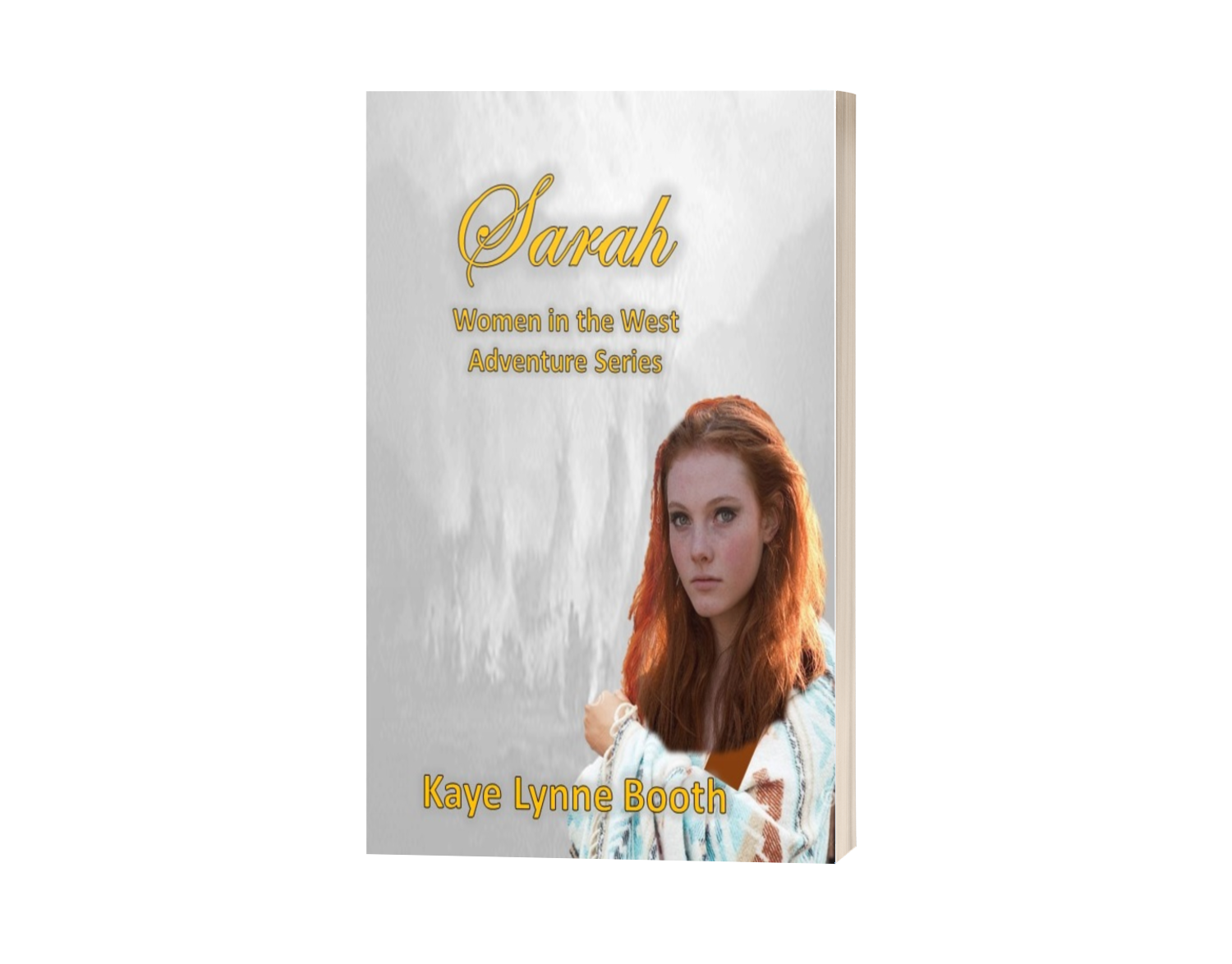
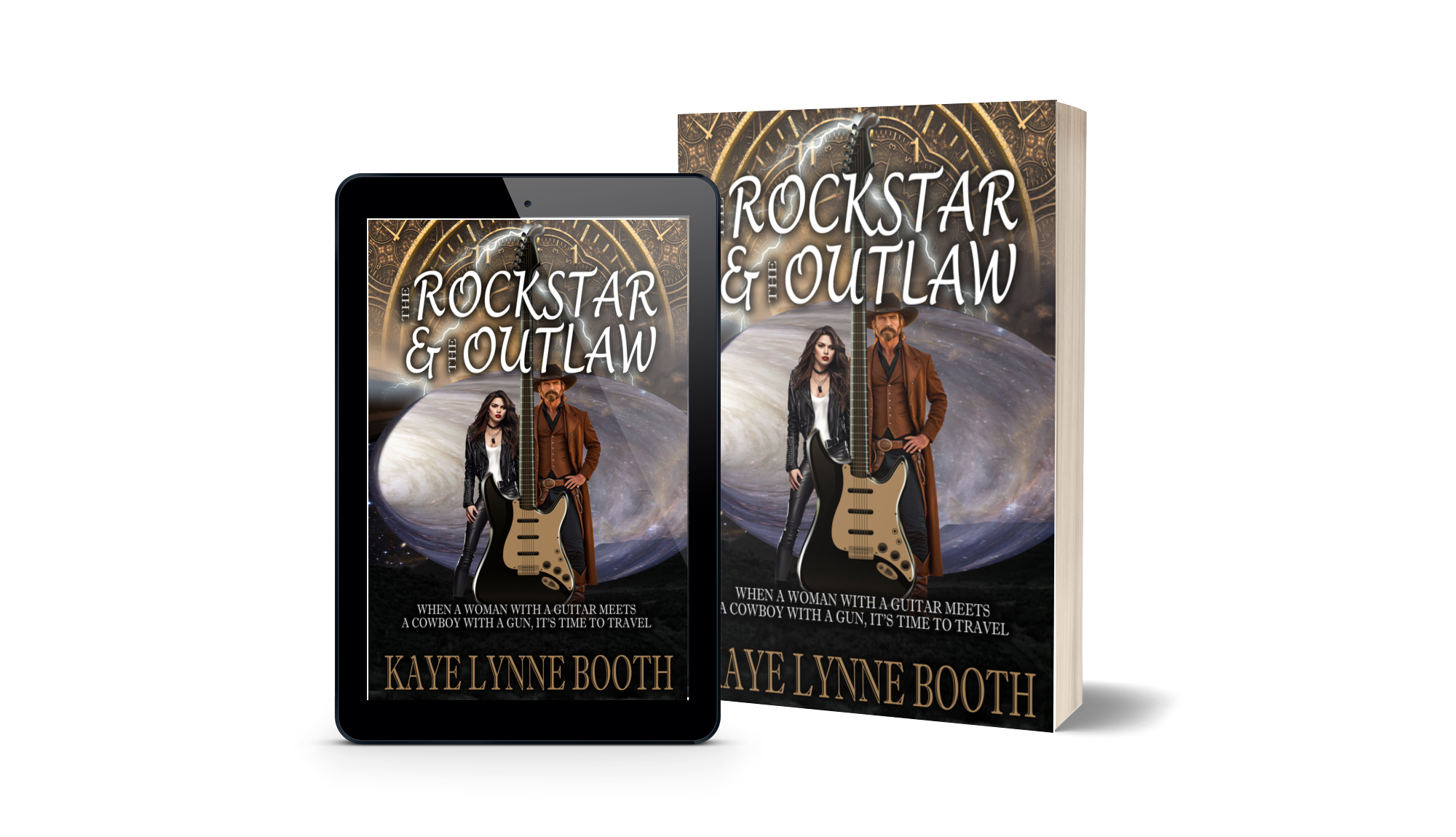
Please join us over at Book Places for Day 3 of the WordCrafter Sarah Book Blog Tour, where host Kay Castenada interviews me, the author, Kaye Lynne Booth, and my reading of an excerpt from the book. Remember to comment for entry in the giveaway and you could get a free digital copy of the book. I hope to see you there.
Share this:

Treasuring Poetry – Meet prolific poet, Ivor Steven, and a review #poetry #poetrycommunity #TreasuringPoetry
Posted: April 17, 2024 Filed under: Book Review, Books, Collection, Interview, Poetry, Review, Treasuring Poetry | Tags: Book Reveiw, Ivor Steven, Poetry, Robbie Cheadle, Treasuring Poetry, Until Eyes Hear Sound, Writing to be Read 59 Comments
My April Treasuring Poetry guest is talented and prolific poet, Ivor Steven. Please enjoy his thoughts about poetry and some of his favourite poems.
What is your favourite style of poetry to read?
Oh, there are so many styles of poetry that I like. In my personal library I have poetry books by Leonard Cohen, William B Yeats, Walt Whitman, Emily Dickinson, John Keats, Henry Lawson, Banjo Paterson, and Rupi Kaur, and of course numerous other local poets. My selections are of a range of styles and very eclectic, however, my favourite poetry style is rhythmical freestyle poems.
What is your favourite poem in your favourite style to read?
Since I was a teenager, I have been an avid follower of Leonard Cohen’s writings, and he has had a huge influence on the way I draft my poems. One of my favourite poems of his is “Avalanche”.
“Avalanche“
Well, I stepped into an avalanche,
it covered up my soul;
when I am not this hunchback that you see,
I sleep beneath the golden hill.
You who wish to conquer pain,
you must learn, learn to serve me well.
You strike my side by accident
as you go down for your gold.
The cripple here that you clothe, and feed
is neither starved nor cold;
he does not ask for your company,
not at the centre, the centre of the world.
When I am on a pedestal,
you did not raise me there.
Your laws do not compel me
to kneel grotesque and bare.
I myself am the pedestal
for this ugly hump at which you stare.
You who wish to conquer pain,
you must learn what makes me kind;
the crumbs of love that you offer me,
they’re the crumbs I’ve left behind.
Your pain is no credential here,
it’s just the shadow, shadow of my wound.
I have begun to long for you,
I who have no greed;
I have begun to ask for you,
I who have no need.
You say you’ve gone away from me,
but I can feel you when you breathe.
Do not dress in those rags for me,
I know you are not poor;
you don’t love me quite so fiercely now
when you know that you are not sure,
it is your turn, beloved,
it is your flesh that I wear.
What is your favourite style of poetry to write? Why?
I must say I like writing Haiku, Tanka, musettes, and other forms of short poems. However, I only started writing poetry after I had suffered a semiserious stroke in 2000. During my rehab, the speech therapist encouraged me to write rhyming words to help regain my cognitive abilities. I developed a knack for rhyming words and from there my writing knowledge gradually expanded. With my restricted thought process, the rhythmical Freestyle Poems were an uncomplicated style for me to follow and I kept improving on my newfound journey into the world of poetry.
What is your favourite of your own poems in your favourite style?
Oh gosh, I have written nearly two thousand poems over the past twenty years, my favourite one is from my first book “Tullawalla”, I wrote the poem in Philadelphia while visiting my cousins in 2019. The trip to America was only two months after my 2nd and 3rd strokes, and the journey was truly a “dream come true”.
Dreams of The Heart
I cannot walk the continents
Like the intrepid Marco Polo
But my feet have felt the sands of time
Pass between my toes
I have not sailed the high seas
Like the courageous Christopher Columbus
But my body has bathed
In an ocean full of kind hearts I am yet to fly in space
Like the brave Neil Armstrong
But I have reached for the stars
And touched my soul’s dreams
How do you promote your poetry and poetry books?
I promote my poetry and books via my WordPress website, and social media sites: Instagram. Facebook. Thread, and a new website Medium. Also, I am an appointed writer for the online Coffee House Writers magazine (America), and they allow me to promote my Books on their members chat-site. I am a member the Geelong Writers Inc, who have Monthly social gatherings where I can sell my books. I frequent several local cafes, at which I am allowed to display and sell my books. I regularly attend local Arts Markets and I have had Book Stalls at nearby book festivals, the most recent being the prestigious Clunes Booktown Festival.
>> Clunes Booktown Festival – For the love of story
You can find out more about Ivor Steven on his blog here: https://ivorplumberpoet.press/about/
My review of Until Eyes Hear Sound

Available from Lulu.com here: https://www.lulu.com/search?contributor=Ivor+Steven&adult_audience_rating=00
and Jaymah Press here: https://www.jaymahpress.com.au/product-page/until-eyes-hear-sound
Until Eyes Hear Sound is a wonderful collection full of impactful poems about numerous important issues humanity faces as a collective, as well as the beauty of our natural world.
The book is divided up into ten chapters as follows: Little Creatures and Birds; Planet Earth, Nature and Existence; The New World? The Same Universe; Observations – “Until Eyes Hear Sound”; War! Without Peace?; Memories and Rhymes; Poetry in Slow Motion; Humour, Fantasy, Faeries, and Weird; and Short Poems, Haiku, Senryu, Tanka, and Others. Each section shares a smaller collection of poems that highlight the best and worst of that category. The poems are written in a mixture of freestyle and rhyming verse and are easy to read and vivid in their description.
The following are a few lines from some of the poems I related to the most in the collection:
“Raw rain is tumbling across town
Mother Nature’s roaring sound
Amplifies her tears slapping the ground
As her dark clouds wrinkle into a frown”
from She Knows
“Behind every mask there is a weathered face
Behind every face old lines survive in place
Behind every place memories live with grace”
from My World, My Thoughts
“arriving
via the cemetery gate
holding her flowers
hands quivering
heart quickens …
“leaving
via the cemetery path
renewing goodbyes
crying silently
breathing slowly”
from Arriving and Leaving, Visiting Her. This was my favourite poem in the collection.
A beautiful collection.
About Robbie Cheadle
Award-winning, bestselling author, Robbie Cheadle, has published fourteen children’s books and three poetry books. Her work also features in several poetry and short story anthologies.
Robbie also has two novels published under the name of Roberta Eaton Cheadle and has horror, paranormal, and fantasy short stories featured in several anthologies under this name.
The eleven Sir Chocolate children’s picture books, co-authored by Robbie and Michael Cheadle, are written in sweet, short rhymes which are easy for young children to follow and are illustrated with pictures of delicious cakes and cake decorations. Each book also includes simple recipes or biscuit art directions which children can make under adult supervision.
Robbie and Michael Cheadle have recently launched a new series of children’s books called Southern African Safari Adventures. The first book, Neema the Misfit Giraffe is now available from Amazon.
Robbie’s blog includes recipes, fondant and cake artwork, poetry, and book reviews. https://robbiesinspiration.wordpress.com/
Share this:

My Interview with Sean Taylor on Bad Girls, Good Guys, and Two-Fisted Action
Posted: March 19, 2024 Filed under: Books, Fiction, Interview, WordCrafter Press, Writing | Tags: Author Interview, Bad Girls Good Guys and Two-Fisted Action, Kaye Lynne Booth, Sean Taylor 1 Comment
I just came across this interview I did back in January with Sean Taylor for Bad Girls, Good Guys, and Two-Fisted Action. I’m proud of this one, so I hope you’ll check it out.
https://seanhtaylor.blogspot.com/2024/01/kaye-lynne-booth-who-almost-wasnt.html
Share this:

Growing Bookworms – Meet prolific children’s book author, Janice Spina, and a review #GrowingBookworms #readingcommunity #childrensfiction
Posted: February 14, 2024 Filed under: Book Review, Books, Children's Books, Growing Bookworms, Interview, Review | Tags: Children's Books, Growing Bookworms, Janice Spina, Robbie Cheadle, The Case of the Sad Mischievous Ghost, Writing to be Read 50 Comments
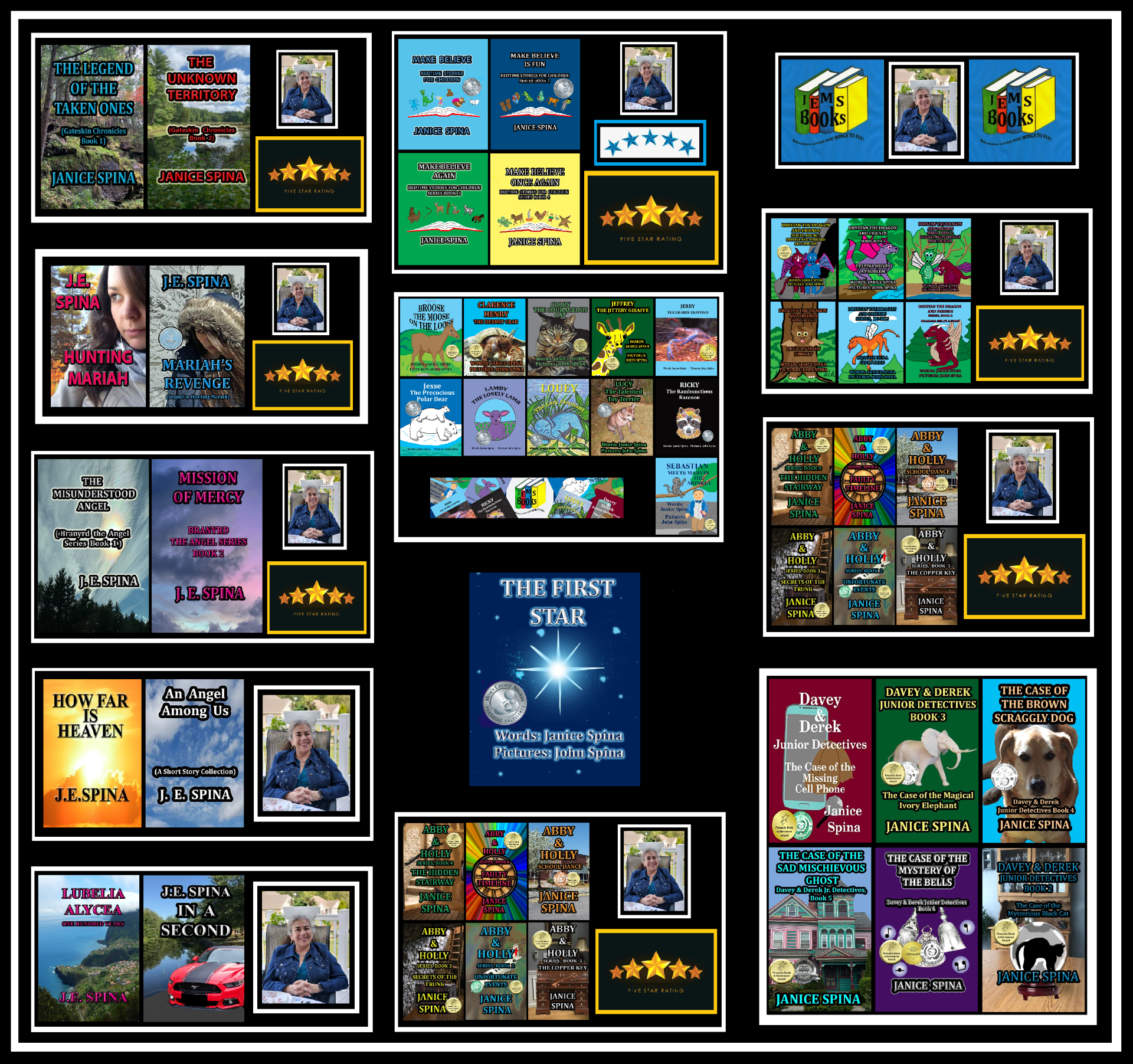
My featured guest for this month’s Growing Bookworms post is prolific children’s book author, Janice Spina. Janice also writes for adults as J.E. Spina. This is an overview of Janice’s books:
Welcome Janice!
Tell us a bit about your books and your history of writing for children
I have always love writing poetry since a young child. When I wrote my first book, Louey the Lazy Elephant,I had to put it into rhyme. I find that children love rhyming; it keeps them interested if there is a cadence to the story.
I have 22 children’s books at present. Most of them are in rhyme and all of them carry important life lessons and family values. I first began writing for children but branched out later on into MG/PT/YA and novels for 18+. I have books about animals, dragons, and even short stories in a series of six stories per book for children ages 5-8 called Bedtime Stories for Children Series. Some of my stories in this series are based on experiences while others are purely from my overwrought imagination.
A number of your children’s books feature animals and creatures. Are these stories based on personal experience with these creatures?
Many of my children’s books are dedicated to individuals or based on imaginary animals or real-life pets that I have had in the past such as: Jerry the Crabby Crayfish – a pet blue crayfish, Lamby the Lonely Lamb – dedicated to my granddaughter and her stuffed lamby, Jesse the Precocious Polar Bear – dedicated to a little boy I met while vacationing in Aruba, Sebastian Meets Marvin the Monkey – dedicated to my youngest grandson and his stuffed monkey, Colby the Courageous Cat – dedicated to my daughter’s cat, Jeffrey the Jittery Giraffe – dedicated to a little boy who was nervous about loud noises, Clarence Henry the Hermit Crab – a pet hermit crab we once had, Lucy the Talented Toy Terrier – my first dog, The First Star – dedicated to my two children when they were young. I hope to continue to create stories to delight and entertain children for uyears to come along with my husband’s help creating the beautiful illustrations and covers.
The illustrations in your picture books are lovely. Your husband helps you with your illustrations. How much input do you put into the illustration process?
My husband, John, does do the illustrations and covers for all of my children’s books. He also creates the covers for all the other books I publish. Thank God for him! I would be lost without him.
I had to convince him to do this many years ago beginning in 2013. He told me that he wasn’t an illustrator but would give it a try after I told him how much it would cost to hire someone who was an illustrator. John has a quirky sense of humor. I do give him plenty of input about each illustration and cover, much to his chagrin. We don’t always agree on each one and therefore there are many revisions. But I am always pleased with what he creates as the finished product and give him an ample number of kudos online when I present his work.
What do you like best about writing for children?
I love writing for children. What I like best is to see children reading and enjoying my books or anyone’s books. The joy in their faces when they read or are read to is priceless. Reading is so important at an early age and not only for children but also for adults.
I love to hear from parents that their children loved one of my books and look forward to reading more. That is why I write. Receiving positive feedback in reviews is another way to make authors happy and give them an early Christmas gift.
Children – preschool to grade 3 are like sponges soaking up all kinds of things. My goal is to create entertaining and good, clean stories that are educational and full of important life lessons and family values that will stay with them for a lifetime. I hope my stories will enhance their reading experience, increase their reading levels, help to encourage them to become lovers of reading, and create readers and thinkers of tomorrow.
I also write for middle-graders, preteens, and young adults. This age group is a difficult group to entice into reading. They are always absorbed into the newest technology such as X-Box and video games, etc. I create stories in series for this age-group that have plenty of magic, mystery, suspense, wizards, ghosts, and time travel. It is a tough job but I will continue to do all I can to encourage this age-group to read.
What is your favourite children’s book or series for children?
Of all my 22 young children’s books my favorite is still, Louey the Lazy Elephant. This was the first book John illustrated. I love the crayon drawings that he created and how sweet and innocent he made Louey look. It is one of my most popular books alongside Jerry the Crabby Crayfish.
My favorite MG/PT book is Davey & Derek Junior Detectives Series Books 1-6. I had such fun creating the twins and their twin-telepathy, adventures, magic, mystery, ghosts and even time travel. Kids enjoy this series but so do adults.
I was requested by a few readers to offer a series for girls after Davey and Derek were so popular. That is why I wrote Abby & Holly Series Books 1-6. These books are enjoyed by both girls and boys.
There are more stories in my head waiting to be written down, so stay tune for many more to come for all ages.
Thank you so much, Robbie, for inviting me as a guest. I thoroughly enjoyed answering your questions and sharing a little bit about myself and my books with you and your readers.
Thank you, Janice, for being a delightful guest.

My review of The Case of the Sad Mischievous Ghost (Davey & Derrick Jr. Detectives Book 5) by Janice Spina

This is the fifth book in the Davey and Derek Junior Detective Series. Davey and Derek, who are warlocks under the tutelage of their aunt, a witch, have already solved four mysterious cases and they have gained a reputation as detectives. Abby and her cousin, Holly, seek them out at school. The two girls believe the house they have recently moved into, called the Sheridan House after its previous owner, is haunted by a ghost. They have experienced some strange happenings. Davey and Derek agree to investigate and see if they can discover the source of the strange happenings and visitations.
With some advice from their Aunt Gigi, the pair set out to determine the cause of the girls’ anxiety. They embark on an intriguing adventure including cold spots, ghostly forms, and secret tunnels.
This book was reminiscent for me of the Secret Seven adventures series by Enid Blyton which I read as a young girl. It is full of the same energy and excitement as Enid Blyton’s books, but the Davey and Derek Junior Detective Series incorporates a taste of magic and the supernatural which appeals to modern children. This series also tackles topical issues faced by 21st century youngsters. The language is appropriate for the target audience and will keep young readers engaged and interested.
I enjoyed the subtle demonstrations of respect and family values incorporated throughout this book, which send an excellent message to young readers. An enjoyable book with an interesting storyline.
You can purchase The Case of the Sad Mischievous Ghost (Davey & Derrick Jr. Detectives Book 5) from Amazon US here: https://www.amazon.com/Mischievous-Ghost-Davey-Junior-Detectives-ebook/product-reviews/B072QBJ7LC
About Janice Spina
Janice Spina is a multi-award-winning author with 45 books of which there are 22 children’s books,12 MG/PT books and two books in a YA series with four more coming over the next few years, seven novels and a short story collection for 18+ written under J.E. Spina. She is also a copy editor, blogger, book reviewer and supporter of fellow authors. Her husband, John, is her illustrator and cover creator. Watch for more books to come over the next few years.
Jance has received the following awards for her books:
10 Mom’s Choice Awards – Silver Medals, 5 Readers’ Favorite Book Awards – Silver Medal, Bronze Medal, Honorable Mention and Finalist, 21 Pinnacle Book Achievement Awards, 1 AUTHORSDB – Cover Contest, 2 Book Excellence Award Finalists, 2 Top Shelf Awards – First Place & Runner up, one Maincrest Media Award
Her logo is Jemsbooks – books for all ages! Her motto is – Reading Gives You Wings to Fly! Come soar with Jemsbooks! Happy reading!
Janice loves to hear from readers and appreciates and happily welcomes reviews.
Find Janice Spina
About Robbie Cheadle
Award-winning, bestselling author, Robbie Cheadle, has published fifteen children’s book and two poetry books. Her work has also appeared in poetry and short story anthologies.
Robbie also has two novels published under the name of Roberta Eaton Cheadle and has horror, paranormal, and fantasy short stories featured in several anthologies under this name.
The eleven Sir Chocolate children’s picture books, co-authored by Robbie and Michael Cheadle, are written in sweet, short rhymes which are easy for young children to follow and are illustrated with pictures of delicious cakes and cake decorations. Each book also includes simple recipes or biscuit art directions which children can make under adult supervision.
Robbie and Michael’s new Southern African Safari Adventures series is aimed at teaching young children about Southern African wildlife in a fun and entertaining way. Each book contains a rhyming verse story about a particular animal, as well as illustrations by Robbie Cheadle, photographs and links to video footage about that animal.
Robbie’s blog includes recipes, fondant and cake artwork, poetry, and book reviews. https://robbiesinspiration.wordpress.com/
Share this:

My Interview on “Write Any Genre”
Posted: December 28, 2023 Filed under: Interview, WordCrafter Press, Writing | Tags: Author Interview, Kaye Lynne Booth 1 CommentMary Deal was kind enough to interview me on Write Any Genre. Drop by and check it out. It’s pretty awesome.
Share this:

Treasuring Poetry Special Remembrance Month Edition: Poet, Frank Prem, discusses his war poetry #poetrycommunity #warpoetry #TreasuringPoetry
Posted: November 15, 2023 Filed under: Book Review, Books, Collection, Interview, Poetry, Review | Tags: Book Review, Frank Prem, From Volyn to Kherson, Interview, Poetry, Poetry Collection, Review, Robbie Cheadle, Treasuring Poetry, War, War Poetry, Writing to be Read 51 CommentsToday, I am delighted to welcome prolific and masterful poet, Frank Prem, back to Treasuring Poetry. Frank writes incredibly relatable poetry that covers a wide variety of topics relevant to modern life including the bush fires that raged in Australia a few years ago, Devil in the Wind, working as a psychiatric nurse in an institution, The New Asylum: A Memoir of Psychiatry, as well as collections about war. I have read Frank’s beautiful and moving collections about World War 1, Sheep on the Somme, and the war in the Ukraine, From Volyn to Kherson: Interpretations of the War in Ukraine. Frank also writes romantic poetry, interpretive modern poetry and verse books for children. In the nicest way, nothing is safe from Frank’s poetic pen.

Tell us a bit about your war poetry collections
I developed an interest in the First World War many years ago and was particularly interested in the stories of Australian soldiers and their seeming need to volunteer to fight half a world away on the basis of loyalty to the British Empire and the Mother Country that was England, but also on the basis of a kind of chivalric principle. A moral fever that swept the nation.
I came across books that were written in the more modern historical style of telling stories to illustrate events – using the example of an identified soldier, from an identified town, with family details and background, then tracing their movements into the war and its various theatres and actions.
I found I was able to understand these individuals a little better and to empathise with them and their loved ones a little more than I otherwise could.
I also found myself interested in using images for my own poetic inspiration and that led me to the images held by Australia’s War Memorial. There was one image in particular that started me looking at pictures taken during the war. The image was of a white cross in a field of muddy and bloody craters. The cross marked the grave of Captain Ivor Margetts, much loved and respected by the men he led in battle. By the following day the cross and the grave were gone. They’d been blown to hell by the shelling.
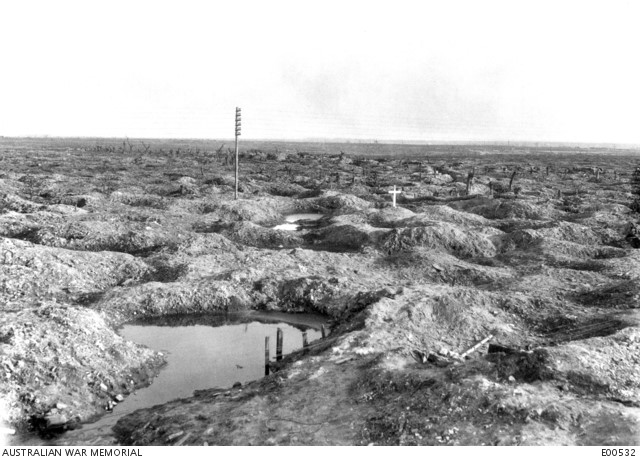
I was tremendously moved by this, and as I searched for a version of that particular image online, I encountered many more, each with a poignant story to tell and many were destined to feature in my book Sheep On The Somme (https://www.amazon.com.au/Sheep-Somme-World-Picture-Poetry/dp/1925963144 ).
More recently, I found myself watching the sabre rattling over the Ukraine that was being perpetrated by Russia and was reminded very clearly of reading I’d done long ago about the beginnings of the Spanish Civil War back in the late 1930s and of the rise of Right-Wing Fascism in Europe during that same period of the 1930s. I was struck by the similarities and the ways in which those events and movements evolved into what became World War II. It was – and remains – quite concerning to see these way events continue to unfold.
As the news and pictures of Russia’s military build-up on the Ukraine border kept emerging, along with the seeming inability on the part of Ukraine to do anything to stop it, I watched events more and more closely.
When Ukraine’s borders were finally breached, there were more photographers and journalists on the spot than has ever been the case previously in a conflict. We were flooded with formal and informal news and masses of un-curated and un-censored images.
During the first nine weeks of the conflict I became engrossed in reading the news and studying the images. And – of course – I began to write.
I produced 3 volumes of poetry interpreting the Ukraine war – two of them will not be released because they used images taken by journalists in the field and I don’t have rights to use those images. The volumes (Bullets Into The Starichi Sky and I Call The Hole The War) sit on my private bookshelf here in my writing studio.
The third volume – From Volyn to Kherson – is a collection of poems in which I have attempted to use such talent for empathy as I possess to interpret the news stories I was reading in a way that enabled any of my own readers to get a sense of what the invasion and the conflict was like as an experience for the everyday people of Ukraine. What if it happened here, in my town? What would it be like to have seventy kilometres of armoured assault vehicles coming to surround and destroy my home town? Or yours?
I like readers to know where the inspiration for these writings has come from and so each individual poem is referenced and has a link to the online sources that I relied on in my writing. After nine weeks I was a little burnt out and had to stop writing, but I follow events over there diligently and worry about what I see happening in the wider world and which still so resembles the events of the 1930s.
What draws you to writing about wars?
I’ve encroached a little on this question with my answer above, I think, but I’ll try to elaborate a little more.
In my professional life I was a psychiatric nurse. Back (so many years ago) when I was a student nurse one of the areas of interaction with patients that was taught and stressed was empathy.
As I understood it, empathy was the ability to walk in another person’s shoes. To see things from the perspective of the other person, but not to necessarily sympathise, or accept, merely to understand in order to be able to reflect that understanding back to the patient.
The patients that came my way in psychiatry were invariably involved in and generally overwhelmed by personal chaos. This might have been due to illness, or it might have been due their life being in a mess they could not resolve. They might have been psychotic, depressed, suicidal, or experiencing any number of out-of-control situations.
That tool of empathy has stayed with me, I think, and now reveals itself in my writing. The experience of chaos by a person finds itself being reflected back in my writings.
I think it is in this way that I am attracted to attempt to unravel what a person may be feeling or experiencing in a war zone. Similarly, I find myself writing a lot about the human toll of natural disasters that come close to me or to my little place in the world.
I have always tried to develop my understanding of these things by writing my way through them. To help myself and any subsequent reader to understand by feeling what is happening through my words.
Tell us a bit about how you use photographs and newspaper articles to assist with writing your war poems
With newspaper articles, I try to extract the meat of the story. That part of the article that is the actual purpose – the reason that it is a story in the first place.
Often enough, there is human interest in the genesis of the article. I then allow the information to assemble itself in a way that I can present it to a reader. For example
What is grandmother doing in the kitchen? Is she cooking Sunday lunch? No. She is cooking Molotov cocktails for others to throw at invading vehicles. And . . . wouldn’t you or I, each do the same if this was happening in our back yard?
With an image, I anticipate that it will have a story to tell. I try not to impose myself and my own current thoughts or fears or desires on it, but to allow the story to be whatever comes.
For example, a golden paper daisy with a bright glow might well have a story to tell that reflects light, and the sun. But equally, it might be a harbinger – a prophet of some kind that draws attention to itself in order to be heard. I don’t know in advance what the story will be, but I try to keep myself out of its road and not to shape the narrative too much.
I have come to know, also, that each image will have a different story to tell to each viewer, so to the extent that I can, I try to facilitate a receptive space for that to occur through what I end up writing. I’ll give an example of how I find a story in a tiny image taken during wartime over a hundred years ago.

The image above is the view from inside a German army dugout in World War I – around 1916. It is from within this space that a small group of individuals fought their war.
When I look at this image, I notice a few things and I feel a few things. In no particular order:
- From pitch darkness up into light. A very small doorway.
- Claustrophobia.
- Fear.
- The smell of habitation. Bodily odours – where would the latrine have been?
- The knowledge of death and destruction and battle rage just outside
- Movement of the ground as shells fall outside. Perhaps close.
- Maybe the sound of enemy troops approaching the bunker to destroy it.
- What of family. Has this soldier (have I) written them a note to say goodbye?
I don’t have a personal experience of war, but I know what fear feels like. I know claustrophobia and the smells of my own body . . . and so on. I can draw on these to understand a little of what the soldier in the dugout might have felt.
The willingness to engage with these elements that come from the image allow me to engage my empathy and to allow a story – which the image itself contains – to be told.
What is your own favourite war poem?
I think that my personal favourite of my own written war poems is one that hasn’t featured in a book to date, but was written to be read for a spoken-word poetry slam 2 years ago. The criteria were that it needed to be 2 minutes reading time or less and to include the term ‘full circle’.
The poem told stories in word pictures and referenced images, without actually including them, if that makes sense. I have since recorded it for my YouTube channel and included there the images that the poem references, spanning both World War I and the current Ukraine war.
The link to the poem on YouTube is here: https://www.youtube.com/watch?v=JI3vRaTg0tI .
The text of the poem is below:
THE TRUTH OF TIME
(AS TOLD BY THE PICTURES)
picture 1
a group
of soldiers
are hanging out
of the doors
and windows
of a moving train
leaving Egypt
heading
to the western front
ready
for a stoush
a bit
of a barney
it’s time
to come to grips
with the enemy
and they’re cherry ripe
for a
blue
picture 2
dimitriy
is holding olga –
tightly –
on the platform
a blue train
is nearly ready to leave
she’ll go
to poland
across the border
dimitriy
will join his friends
in the territorials
a week
to practice
how to hold a rifle
and to learn
first aid
then away
he must forget
to be an accountant
he’s
a front-line fighter
now
picture 3
a heap of rubble –
bricks
and half-bricks
timber and concrete
and dust –
lies as a mound
among mounds
it is
a streetscape
an avenue
of homes
destroyed by artillery
a soldier –
rifle
slung over a shoulder –
picks his way
toward camera
there is nothing left
that might hold
use
or meaning
picture 4
the village near kyiv
is a series
of mounds
rubble
that was homes
and houses
a month or so
ago
a woman
is sifting
searching
for something –
anything –
that might
have a use
it’s all been destroyed
by missiles
and artillery
she hasn’t found
a lot
that will be helpful
~
pictures
pictures
they won’t
let me sleep
in the night
they shout at me
that we have come
full circle
and the ukraine
is in 1916 all over again
Who is your favourite war poet?
I can’t honestly say I have a favourite war poet, but I have read with a deep sense of connection stories such as All Quiet on the Western Front by Erich Maria Remarque with its empathy for the soldiers of the day. Here is the Wikipedia link: https://en.wikipedia.org/wiki/All_Quiet_on_the_Western_Front .
What is your favourite war poem?
I’m aware of many of the great poet writers of the First World War, such as Owen, Sassoon, Brook and Graves, among others, but for my response to this question I have to refer you and readers to a song that I first encountered back when I was a teenager (50 years, who would ever have thought . . .).
The song was performed by a wonderful English Folk ensemble called Steeleye Span, and the song is called Fighting For Strangers. Here is the YouTube link: https://www.youtube.com/watch?v=JI3vRaTg0tI
YouTube Links
In addition to the links given above, I would welcome viewers, new followers (if any so desire) comments and feedback on my YouTube Channel, where there a re a number of video readings from my war poetry collections (and natural disasters and psychiatry and others). Click on the link below to be taken along to the Playlists available on the Channel.
https://www.youtube.com/@frankprempoetandauthor726/playlists
Robbie and readers, thanks so much for having me along to chat for November’s Treasuring Poetry post.
My review of From Volyn to Kherson: Interpretations of the War in Ukraine

This book is a ‘hard’ read. It exposes the realities of war; the filth, the noise, the fear, and the destruction and death. No civilian wants war, it is something that is imposed on individuals because of factors outside of the man on the street’s control. Civilians, however, bear the brunt of war as the women lose their husbands and sons. The entire population generally loses its collectively homes, food stability, economic stability, access to sanitation, food, and healthcare. Many countries and populations never recover from wars and their populations become unwanted refugees. The sympathy of the unaffected world shrinks rapidly when wars and the resultant refugees impacts on their economies, making the slices of the economic pie for their own populations smaller.
The war in Ukraine hit me especially hard when I read about the Russian soldiers who froze to death in their tanks. Although the Russians were the instigators and aggressors in this war, many of those young men are the same ages as my own two sons, and their dreadful fate couldn’t fail to stir compassion. Young men frequently have a glamorous and inaccurate picture of war when they enlist or are called up. The realities of war quickly displace these notions but it is already too late.
A few stirring stanzas from this collection of freestyle poems:
From fallen (quietly weeping)
“here it is safe
safe enough
to shed
a tear”
From the metro (is also home)
“let the fear
fall away
for a moment while
the anthem
sounds”
From vasylkiv (is fighting on)
This footnote made me shiver: “People used to think about new car or iphone, but nobody was thinking about peace. Now, we are dreaming of it. When old people used to wish each other peace, we didn’t understand what they meant. Now we do.”
and finally, from in okhtyrka (the tsentral’ne)
“they are preparing
the cemetery now
in okhtyrka
adriy
and his platoon
are gone
vacuum bombed
air taken
out
of them
and then
they died”
This is a beautiful and emotion book of poems that will change the way you view war forever.
You can find out more about Frank Prem here:

You can find out more about Frank Prem on his website here: https://frankprem.com/
and on his wordpress blog here: https://frankprem.wordpress.com/blog/
On amazon US here: https://www.amazon.com/stores/Frank-Prem/author/B07L61HNZ4
About Robbie Cheadle
Award-winning, bestselling author, Robbie Cheadle, has published fourteen children’s books and two poetry books. Her work also features in several poetry and short story anthologies.
Robbie also has two novels published under the name of Roberta Eaton Cheadle and has horror, paranormal, and fantasy short stories featured in several anthologies under this name.
The eleven Sir Chocolate children’s picture books, co-authored by Robbie and Michael Cheadle, are written in sweet, short rhymes which are easy for young children to follow and are illustrated with pictures of delicious cakes and cake decorations. Each book also includes simple recipes or biscuit art directions which children can make under adult supervision.
Robbie and Michael Cheadle have recently launched a new series of children’s books called Southern African Safari Adventures. The first book, Neema the Misfit Giraffe is now available from Amazon.
Robbie’s blog includes recipes, fondant and cake artwork, poetry, and book reviews. https://robbiesinspiration.wordpress.com/
You can find example of Robbie Cheadle’s artwork in her art gallery here: https://www.robbiecheadle.co.za/art-gallery/
Share this:

Treasuring Poetry – Meet the poet, Merril D Smith, and a book review #poetry #poetrycommunity #bookreview
Posted: October 18, 2023 Filed under: Book Review, Books, Interview, Poetry, Review, Treasuring Poetry | Tags: Book Review, Merril D. Smith, Poet Interview, Poetry, River Ghosts, Robbie Cheadle, Treasuring Poetry, Writing to be Read 65 CommentsToday, I am delighted to welcome talented poet, Merril D Smith as my October Treasuring Poetry guest. Merril has recently launched River Ghosts, a beautiful book of poetry which I have reviewed below.
Tell me a bit about your poetry collection, River Ghosts. What inspired the poetry in this book? Does it have a particular theme?
I had submitted a chapbook to Nightingale & Sparrow Press, which was longlisted, but ultimately not chosen for publication. The editor gave me some positive feedback, and I decided I would submit a full-length manuscript the following year. Of course, I did not expect a pandemic, nor that my mom would die from it in April 2020 during the first wave and lockdown. By that time, she was in a nursing home, and we were not allowed to be with her. I compiled River Ghosts in the months after her death with some already written poems—some published—and some new poems.
I walk by the Delaware River nearly every morning. Sometimes I go to a nearby park, which is also a historic battle site. The battle took place during the American Revolution, and there is an eighteenth-century house there. Recently, they’ve found more remains of soldiers—Hessians who fought for the British. If ghosts exist, I think they are at rivers, which carry so much history, and because of the battle and soldiers killed, I imagine them here.
So, the collection’s title comes from my musings about rivers and ghosts, including the ghosts of memory. However, I don’t think River Ghosts is all about sadness and grief by any means! I also want to mention that my older child, Jay Smith, designed the cover art, and the book is dedicated to my mother’s memory.
Do you do a lot of editing of your poetry or does the poem manifest itself fully formed?
That really depends. I nearly always do some editing, even for poems written for prompts. Sometimes, I go back to poems though, and I revise them. Then again, I’ve had some poems published that I pretty much wrote and sent off.
What do you find to be the most effective way of sharing your poetry with fellow poetry lovers?
I don’t know about effective. I suppose more people read my poetry on my blog, especially in response to a prompt, than anywhere else. I’ve also shared poems on Twitter /X for Top Tweet Tuesday (run by Black Bough Poetry), and I’ve read at some online open mics.
Do you think poetry is still a relevant form of expressing ideas in our modern world? If yes, why?
I think it’s relevant. I think I’ve read there’s been an upsurge in poetry, both reading and writing. Perhaps that’s because of social media and Covid lockdowns. I think most people enjoy poetry, especially if it’s read. For example, so many people were energized by Amanda Gorman’s reading of her poem, “The Hill We Climb,” at the inauguration of President Joe Biden in 2021. She is the youngest poet to have read a poem at a US presidential inauguration, and she is also an activist.
Which of your own poems is your favorite and why?
I don’t have a favorite anything—book, movie, song, or poem– it depends on my mood. But I will share one of my favorites from River Ghosts. “Moon Landing” was originally published by Black Bough Poetry.
Moon Landing
On that warm July night,
my father watched moonstruck
as Neil Armstrong took his giant leap.
I remained firmly earthbound,
watching our new puppies in the TV screen light,
their small black and white bodies tumbling,
stepping hesitantly into their futures.
Now—ensorcelled by moon-glow—
I plummet back, landing my time-rocket
on the rocky surface of memory.
Which poem by any other poet that you’ve read, do you relate to the most and why?
Again, I can’t say there is any poem that I relate to the most. I like many different types of poetry.
I think this is the poem I wish I had written. You will see in a way it’s connected to the poem of mine that I shared. “My God, It’s Full of Stars” is by Tracy K. Smith, who was US Poet Laureate, and who won a Pulitzer Prize for her collection Life on Mars.
My God, It’s Full of Stars by Tracy K. Smith
We like to think of it as parallel to what we know,
Only bigger. One man against the authorities.
Or one man against a city of zombies. One man
Who is not, in fact, a man, sent to understand
The caravan of men now chasing him like red ants
Let loose down the pants of America. Man on the run.
Man with a ship to catch, a payload to drop,
This message going out to all of space. . . . Though
Maybe it’s more like life below the sea: silent,
Buoyant, bizarrely benign. Relics
Of an outmoded design. Some like to imagine
A cosmic mother watching through a spray of stars,
Mouthing yes, yes as we toddle toward the light,
Biting her lip if we teeter at some ledge. Longing
To sweep us to her breast, she hopes for the best
While the father storms through adjacent rooms
Ranting with the force of Kingdom Come,
Not caring anymore what might snap us in its jaw.
Sometimes, what I see is a library in a rural community.
All the tall shelves in the big open room. And the pencils
In a cup at Circulation, gnawed on by the entire population.
The books have lived here all along, belonging
For weeks at a time to one or another in the brief sequence
Of family names, speaking (at night mostly) to a face,
A pair of eyes. The most remarkable lies.
2.
Charlton Heston is waiting to be let in. He asked once politely.
A second time with force from the diaphragm. The third time,
He did it like Moses: arms raised high, face an apocryphal white.
Shirt crisp, suit trim, he stoops a little coming in,
Then grows tall. He scans the room. He stands until I gesture,
Then he sits. Birds commence their evening chatter. Someone fires
Charcoals out below. He’ll take a whiskey if I have it. Water if I don’t.
I ask him to start from the beginning, but he goes only halfway back.
That was the future once, he says. Before the world went upside down.
Hero, survivor, God’s right hand man, I know he sees the blank
Surface of the moon where I see a language built from brick and bone.
He sits straight in his seat, takes a long, slow high-thespian breath,
Then lets it go. For all I know, I was the last true man on this earth. And:
May I smoke? The voices outside soften. Planes jet past heading off or back.
Someone cries that she does not want to go to bed. Footsteps overhead.
A fountain in the neighbor’s yard babbles to itself, and the night air
Lifts the sound indoors. It was another time, he says, picking up again.
We were pioneers. Will you fight to stay alive here, riding the earth
Toward God-knows-where? I think of Atlantis buried under ice, gone
One day from sight, the shore from which it rose now glacial and stark.
Our eyes adjust to the dark.
Continue reading here: https://www.poetryfoundation.org/poems/55519/my-god-its-full-of-stars
Here is the last part of the poem with a reading by Tracy K. Smith:
My review of River Ghosts

River Ghosts is the perfect name for this beautiful collection, which gives the reader glimpses into the poet’s life in the present, shadowed by memories, and coloured by traditions and behaviours passed down by her parents, and the ancestors that came before them. It is, in essence, an insight into the factors that make the poet who she is, and that have shaped her thoughts, ideas, and actions.
I found the ideas of loss contained in this book, interwoven with the concepts of long-lasting memories and loved ones living on through us, their offspring, compelling and delightful. For me, it made the overwhelming thought of the losses that must come, more bearable. Love, and the family traditions and behaviours we continue to honour, and pass down to our own children and grandchildren, bind us strongly to those who came before and to those who will come after. I love that idea.
A few examples of beautiful stanzas and/or lines:
“a tiny glove in the street,
the small hand grows colder
now unclasped from a larger one.”
From Observe, And Again
Above and about, dreams soar –
I pluck one from a thousand –
of red petals crushed beneath rocks
after a storm, like blood drops growing, glowing”
From Almost, and Never
“Once some brilliant star breathed time
in the after-wake of explosion and danced across a universe
exploring eternity”
From And If Always Lives
This poetry collection is a wonderful investment of time and mental energy.
River Ghosts Amazon US purchase link: https://www.amazon.com/gp/product/B09WZ8F9XJ
About Merril D. Smith

Merril D. Smith is a poet living in southern New Jersey. Her work has been published in poetry journals and anthologies, including Black Bough Poetry, Acropolis, Anti-Heroin Chic, The Storms, Fevers of the Mind, Humana Obscura, and Nightingale and Sparrow. She holds a Ph.D. in American history from Temple University in Philadelphia and is the author/editor of numerous books on gender, sexuality, and history. Her full-length poetry collection, River Ghosts (Nightingale & Sparrow Press) was Black Bough Poetry’s December 2022 Book of the Month.
Twitter: @merril_mds
Instagram: mdsmithnj
Blog: merrildsmith.org
US Amazon Link for River Ghosts: https://www.amazon.com/River-Ghosts-Merril-D-Smith/dp/B09WZ8F9XJ
UK Link: https://www.amazon.co.uk/River-Ghosts-Merril-Smith-ebook/dp/B09XKLDG6Q
Share this:

Day 2 of the WordCrafter “Midnight Roost” Book Blog Tour is over at Undawnted
Posted: October 17, 2023 Filed under: Anthology, Audio Excerpt, Author Interview, Blog Tour, Books, Dark Fantasy, Fiction, Ghost Stories, Giveaways, Guest Post, Horror, Interview, Paranormal, Review, Science Fiction, Short Fiction, Speculative Fiction, Stories, WordCrafter Book Blog Tours, WordCrafter Press | Tags: Author Interview, Christa Planko, Giveaway, M J Mallon, Midnight Roost, Reading, Review, WordCrafter Book Blog Tours, WordCrafter Press 7 Comments
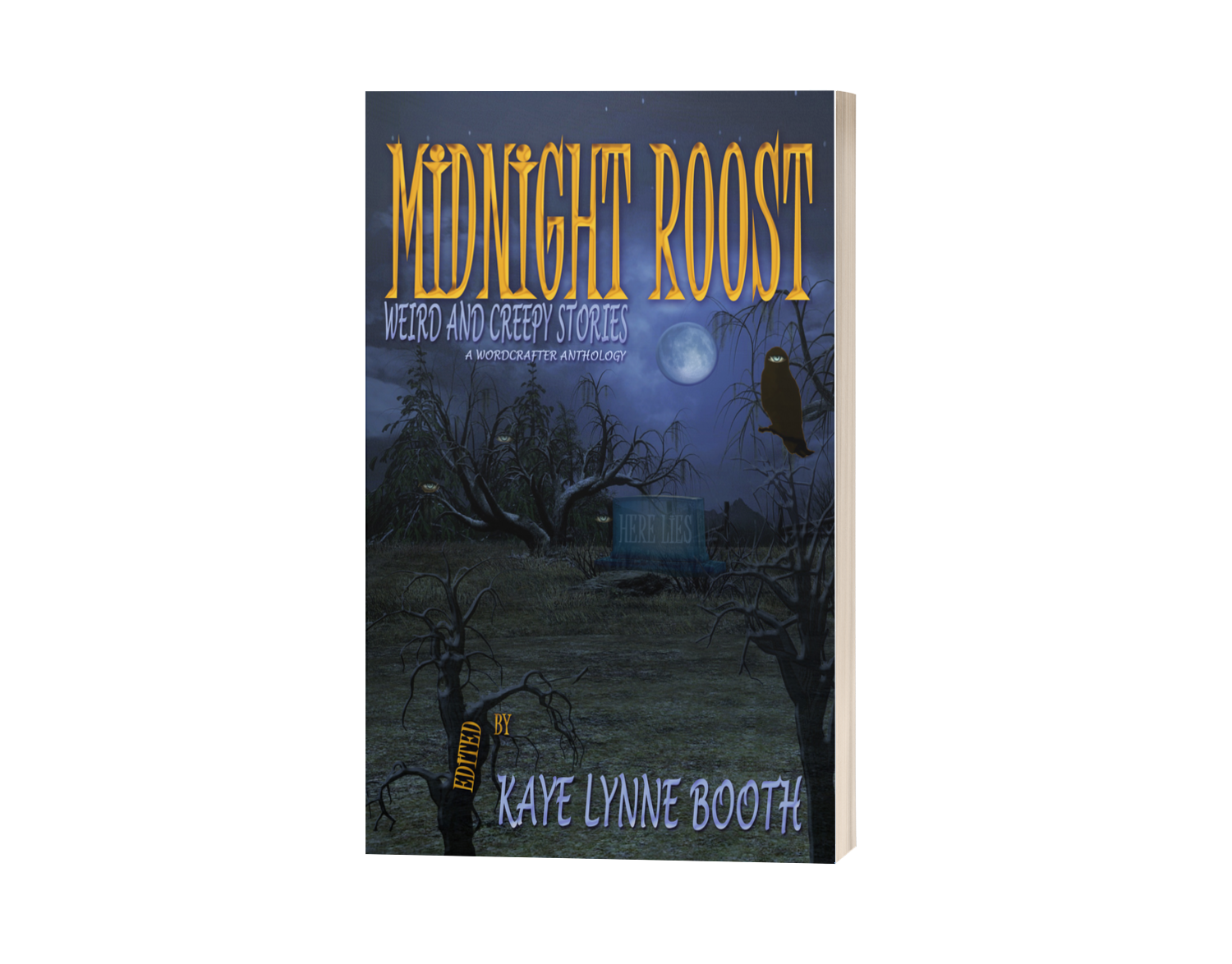
Join us over at Undawnted for Day 2 of the WordCrafter Midnight Roost Book Blog Tour with a guest post and an interview with contributing author Christa Planko and a reading from MJ Mallon. Drop by and join in on the fun while learning more about Midnight Roost: Weird and Creepy Stories. And if you leave a comment
http://www.undawnted.com/2023/10/wordcrafter-blog-tour-for-midnight.html
Share this:

Treasuring Poetry: Meet poet, Selma Martin, and a review of her poetry book, In The Shadow of Rainbows: A Collection of Songs of Presence
Posted: September 20, 2023 Filed under: Book Review, Books, Collection, Interview, Poetry, Review, Treasuring Poetry | Tags: Book Review, Books, In The Shadow of Rainbows, Interview, Poetry, Robbie Cheadle, Selma Martin, Writing to be Read 70 CommentsToday I am delighted to introduce poet, Selma Martin, who has just published a beautiful book of poetry entitled In The Shadow of Rainbows.
Selma has started her interview with a quote and a truly lovely commentary about my book, Lion Scream. I have included it because it is so kind of Selma to have written it, and I appreciate her comments and review a great deal, but please remember that this post is about Selma and her poetry and gorgeous book.
Poems are made by fools like me
But without support, I’ve nowise to be
Robbie, you’ve no idea how much my enthusiasm level has risen just at the thought of being here with you for this interview. I’m truly honored. And I wish to begin by telling you that I respect you all the more after completing your lovely poetry collection, Lion Scream which I read from start to finish several times. What a lovely book you blessed the world with, Robbie. May we all continue to find grace and compassion in books that enlighten our optimistic approach to everything our world is experiencing at the moment. As someone once wrote, the solutions are there when the problems are recognized. I think that collectively we’ve come to recognize that we have a big problem. So it’s my sincere hope that in this lifetime we figure out where we should put our collective efforts. Your book provides a venue to initiate constructive markers of where we need to start. And together work to narrow the gap between our two realities. Yes, there are two realities:
- Objective reality – “the world out there.” The world of your senses
- Subjective reality – “the world in here.” The world of our minds; the world of emotions and feelings–composed of thoughts, opinions and judgments, and emotions.
I stand by what I wrote on Amazon: Your book is a must-read!
Now onto the questions that I’m ever so happy to respond to:
You have recently released your first poetry collection, In the Shadow of Rainbows. What inspired the poetry in this book? Does it have a particular theme?
SELMA: Inspiration waits for us at every corner, and one is always hoping that it will pat us on the shoulder and remain with us for the duration of the journey. For me, it got a nudge after I completed my 60th trip around the sun. Nothing is more inspiring than realizing that I have lived more life than I have left to live. This is the truth. And the only gauge I went by with my collection was to amass sixty poems. Well, I wrote more than sixty, thinking that a few wouldn’t make the cut but my editor, Ingrid Wilson of Experiments in Fiction allowed me a little more than sixty; sixty-four resulted. I am grateful.
As I mentioned in the book, I set sail without a strict theme but kept the faith that one would appear. That of shadows was so strong that at one point I fancied naming the collection Shadows, Whispers, and Echoes. But then, as I mention in the book, an old memory of finding rainbows on my eyelashes acted as my rudder and so there you have it: In The Shadow of Rainbows. I think the title fits the theme so well. Deep bow to my editor. Deep bow to my cover photographer.

Do you do a lot of editing of your poetry or does the poem manifest itself fully formed?
SELMA: Oh my, let me quote from a haiku from Tachibana Genjiro(1665-1718): I write, erase write, erase again, and then a poppy blooms.
It’s a lot of writing, deleting, and rewriting indeed. And even after my poppy blooms I still find incidents where I wish to start over. So, yes, I do lots of editing; and no, so far no poem has ever manifested itself fully formed for me.
What do you find to be the most effective way of sharing your poetry with fellow poetry lovers?
SELMA: Writing and sharing my work here on WordPress is the only way I know and feel comfortable sharing my work with other poetry lovers. I’m fully aware that there are other online magazines where I can share my work, but for some reason, I hold back from going the distance because sometimes I don’t feel deserving enough. Or perhaps it is that I need to feel a connection to my readers like I’ve begun to feel with my readers here on WordPress?
Also, there is the issue of time and timing. I never want to overdo it; I think we need variety, and so I refrain from posting even on my website at times.
At the moment, I’ve created a beautiful respectful relationship with the Editor of Masticadores USA, Barbara Leonhard, and so I sometimes submit my work there. I’m so grateful that Barbara helps me to reach other audiences and I’m working hard to jump on the bandwagon the next time someone calls for submissions to an anthology that fits my writing.
Do you think poetry is still a relevant form of expressing ideas in our modern world? If yes, why?
Poetry is not new–we know this. It’s the oldest, or at least one of the oldest forms of intimate expressions we humans have had. In today’s fast-paced society, the extraordinary value of the word hasn’t diminished. (Take that, emojis) and we humans will never be irreverent to this art form. Poetry will always rank high in relevance as long as there exist people like you and me. Me think so.
Which of your own poems is your favorite and why?
Oh, no no no. I don’t have a favorite; I like them all, really I do! But I will share one and honestly hope you find it to your taste.
Slice of Life
Flanked between two wanings, I live you,
planting the light hours with loving acts,
for you, for us, for our ménage,
and when I meet the dusk, filled,
ready for our mingling at the table,
where we swap slices of lived moments
of the same day, hearts swell replete.
I chose one of the shortest poems in the collection to share with you. It’s strategically placed as the penultimate poem in the book, and I’m happy to elucidate on this poetry form that touched me.
In its true form, it’s a Kwansaba poem, an African-American verse form of praise: a praise poem that celebrates family. The Kwansaba (Swahili kwan -first fruit/saba -principle) was created in 1995 by Eugene B. Redmond, East St. Louis Poet Laureate and professor of English at Southern Illinois University-East St. Louis. The form was developed in honor of the celebration of Kwanzaa. The poetic form adopts the number 7 from Kwanzaa’s Nguzo Saba (7 principles) as well as embraces its roots in the South African tradition of the Praise Poem.
The 7 principles of Kwanzaa are unity, self-determination, collective work and responsibility, cooperative economics, purpose, creativity, and faith. Each day of the celebration focuses on one of the principles. Isn’t this just such a beautiful principle? I think it is, as all the principles take off at unity which starts at the family level.
I wrote it originally for a dVerse prompt in December 2021–then, I abbreviated some words to meet the exact count of sevens but changed it a bit for clarity to include in the book. It’s about family, and I hope you like it.
Which poem by any other poet that you’ve read, do you relate to the most and why?
SELMA: Oh, you got me on this question again, Robbie. There are so many poems to choose from. And I relate to them when I read them. Indeed it’s like asking which is your favorite color today or your favorite sunset… but I will share one of the poems I like. As to why this poem, I dare say it’s because I love it when we enter this season. Also, I adore the poet’s style and the vernacular he uses in this gorgeous poem. I found it on Poetry Foundation to share here with you. Take a look:
When the Frost is on the Punkin
BY JAMES WHITCOMB RILEY (1849–1916) When the frost is on the punkin and the fodder’s in the shock,
And you hear the kyouck and gobble of the struttin’ turkey-cock,
And the clackin’ of the guineys, and the cluckin’ of the hens,
And the rooster’s hallylooyer as he tiptoes on the fence;
O, it’s then’s the times a feller is a-feelin’ at his best,
With the risin’ sun to greet him from a night of peaceful rest,
As he leaves the house, bareheaded, and goes out to feed the stock,
When the frost is on the punkin and the fodder’s in the shock.
They’s something kindo’ harty-like about the atmusfere
When the heat of summer’s over and the coolin’ fall is here—
Of course we miss the flowers, and the blossums on the trees,
And the mumble of the hummin’-birds and buzzin’ of the bees;
But the air’s so appetizin’; and the landscape through the haze
Of a crisp and sunny morning of the airly autumn days
Is a pictur’ that no painter has the colorin’ to mock—
When the frost is on the punkin and the fodder’s in the shock.
The husky, rusty russel of the tossels of the corn,
And the raspin’ of the tangled leaves, as golden as the morn;
The stubble in the furries—kindo’ lonesome-like, but still
A-preachin’ sermuns to us of the barns they growed to fill;
The strawstack in the medder, and the reaper in the shed;
The hosses in theyr stalls below—the clover over-head!—
O, it sets my hart a-clickin’ like the tickin’ of a clock,
When the frost is on the punkin and the fodder’s in the shock!
Then your apples all is gethered, and the ones a feller keeps
Is poured around the celler-floor in red and yeller heaps;
And your cider-makin’ ’s over, and your wimmern-folks is through
With their mince and apple-butter, and theyr souse and saussage, too! …
I don’t know how to tell it—but ef sich a thing could be
As the Angels wantin’ boardin’, and they’d call around on me—
I’d want to ’commodate ’em—all the whole-indurin’ flock—
When the frost is on the punkin and the fodder’s in the shock!
***
I love love love this poem. Golly, Robbie, I hope you liked it too.
My review of In The Shadow of Rainbows by Selma Martin
A most enjoyable collection of poems that seeks to find the upliftment, or silver lining, in the ordinary and everyday experiences of people, including the poet herself. The poems acknowledge human failings and short comings but attempt (successfully I thought) to put them into perspective and find the happiness and joy in life despite the imperfections humans, as a species, tend to exhibit when faced with challenges and dealing with experiences, both good and bad.
A few short quotations from some of my favourite poems in the collection are as follows:
“perfect specimens
of imperfection
you and I” from Give Back
“When death comes
I want to be led into eternity
curious, full of joy” from When Death Comes
“One fine day, I recognized the smell of summer,
the languid air of the somnolent noon,
so I rose and walked away from the wheelchair
hands outstretched, to the hollycocks there.” from Angel August
All of us experience ups and downs in life. Anything that can help us find perspective thereby gaining understanding and solace, is worth embracing. This book does that and is an inspired and inspiring read.
About Selma Martin

Selma Martin is a retired English teacher with 20 years of teaching children ESL. She believes in people’s goodness and in finding balance in simple living. She lives in Japan with her husband of thirty-three years. In 2018, Selma participated in a networking course whose final lesson was to publish a story on Amazon. After many failed attempts, she completed the course and self-published her short story, Wanted: Husband/Handyman, in 2019. Later, collaborating with peers from that course, she published Wanted: Husband/Handyman in an anthology, Once Upon A Story: A Short Fiction Anthology. Selma has published stories on Medium for many years, in MasticadoresUSA, The Poetorium At Starlight, Short Fiction Break, and Spillwords. After her first NaPoWriMo 2021, Selma writes poetry on her website, selmamartin.com, and in July 2023, published a debut poetry collection on Amazon.
You can find Selma, selmawrites, on Twitter, Instagram, and Facebook. But if you wish to engage and create a meaningful interaction with Selma: add value, nurture trust, and share engaging content from the ordinary perspective of someone navigating life in today’s fast-paced culture, you may join her once-a-month pen pal newsletter.
Other ways of contacting Selma
EMAIL: selma@selmamartin . com OR selmagogowrites@gmail .
INSTAGRAM: https://www.instagram.com/selmawrites/
TWITTER/X: https://twitter.com/SelmaWrites
About Robbie Cheadle
Award-winning, bestselling author, Robbie Cheadle, has published thirteen children’s book and three poetry books. Her work has also appeared in poetry and short story anthologies.
Robbie also has two novels published under the name of Roberta Eaton Cheadle and has horror, paranormal, and fantasy short stories featured in several anthologies under this name.
The ten Sir Chocolate children’s picture books, co-authored by Robbie and Michael Cheadle, are written in sweet, short rhymes which are easy for young children to follow and are illustrated with pictures of delicious cakes and cake decorations. Each book also includes simple recipes or biscuit art directions which children can make under adult supervision.
Robbie’s blog includes recipes, fondant and cake artwork, poetry, and book reviews. https://robbiesinspiration.wordpress.com/
Share this:

Treasuring Poetry – Meet poets, bloggers, and writers, Emily Gmitter and Zoe the Fabulous Feline, and a review #TreasuringPoetry #Poetrycommunity #review
Posted: July 19, 2023 Filed under: Book Review, Collection, Interview, Poetry, Review | Tags: Emily Gmitter, Happiness is a Warm Cat, Poetry, Robbie Cheadle, Treasuring Poetry, Writing to be Read, Zoe the Fabulous Feline 56 CommentsToday, I am delighted to welcome Emily Gmitter and her amazing writing cat, Zoe, to Treasuring Poetry. This is the first time I’ve interviewed such an interesting duo for this series and it has been a fabulous experience.
Welcome Emily and Zoe
I’d like to thank Robbie for inviting me and my co-author, Zoe the Fabulous Feline, to be guests on her lovely Treasuring Poetry blog. We’re happy to be here with her and all of you wonderful poets! Zoe says “hello” too—she’s waving her paw at the screen.
Is writing poetry easier for you compared to prose or do you do a lot of editing and revision of your poems?
While my initial writing efforts focused on poetry, and specifically, syllabic poetry, now I more often write short stories. However, poems or snippets of rhyme frequently find their way into my stories. My brain seems wired for rhyme, so if something comes to me, I don’t ignore it. But, to give you the short and direct answer to your question: I edit my prose far more than I do my poetry.
If I may elaborate, there is a distinct difference between the poet I thought I was back in the day, and the writer I hope I am today. Writing prose came much later in my life—that is, if you don’t count my very first short story, written in fourth grade, about a letter that was afraid of the dark. The story starts with a mom asking her daughter to take a letter to the mailbox. Just as the child is pulling the handle of the mailbox down and bringing the letter up to the opening, the letter starts to squirm and squeal in fear. It begs the child to not do it: “Please don’t drop me into the dark!” The child is startled, of course, but before she can say or do anything, the letter grows arms and legs and runs away. And that’s all I remember about that!
Getting back to your question … I’d add that, while I do edit my poetry, it seems most of my poems haven’t required heavy revision. I might tweak a word or two to keep the meter consistent or create an inner rhyme. Sometimes I’ve made an edit to deliberately include an alliterative phrase. But that’s about it. So I think syllabic poetry—unlike free verse—has always come easily to me. And it’s gotten easier as I’ve gotten older, or perhaps my personal bar has gotten lower. With my prose, though, it’s a far different story. The editing seems never-ending, but of course, at some point, you have to call it done.
I alluded to free verse; writing poetry in that style is not my forte, and has never been. Every once in a blue moon, something comes to me in that form, and usually it’s very short. (There is one example of that in my book, called “Soul Buddies.”) Free verse is much harder for me to write. I enjoy it, and I envy those who can create it, but it’s never come naturally to me. When I try to write it, it feels contrived. In one sense of the word, contrived is a positive thing; it’s what all writers do, right? We deliberately create a written piece; we calculate where to place an adjective, we assess whether a near-rhyme works well or at all. And on and on. So, contrived is not a dirty word. But it does have a negative sense, as well. When I find myself digging too deeply for words to convey what I wish to, the result sometimes feels forced and phony. I usually end up balling up the paper and aiming for the wastepaper basket. And that’s happened more times than I care to remember. I’ll leave free verse to those who can actually create it and spend my time enjoying the beauty of their creations.
Today I find that a poem is either there or it’s not. I most enjoy creating poetry when the words flow naturally. That feels like a gift. I write it down, and I leave it alone.
What mode (blog, books, YouTube, podcasts) do you find the most effective for sharing your poems with poetry lovers and readers?
I incorporated my poems into my newly released book and, while I’m not sure of its effectiveness over alternative modes, I really enjoyed using my poetry to mix up the flavor of the book. I also share my poetry (as well as my short stories and artwork) on social media.
Now, Zoe is more clever than I, or perhaps I should say, she’s a bit less technically challenged than I. She’s on Facebook, too, but she also posts on her The Life & Times of Zoe the Fabulous Feline blog. (A bit contrived if you ask me. To which Zoe just said, “Who’s asking you?”) Speaking of the little imp, she would like to say something. And I think I should be afraid.
Hi, Robbie, it’s me, Zoe the Fabulous Feline! I just wanted to point out something Emily neglected to tell you, which is that my poems are also in our book. Sheesh! Well, at least she gave me credit for my blog. My short stories sometimes include poetry, and I share my short stories on my social media pages. I did write one story completely in syllabic rhyme, which is in our book; it’s called “Zoe and Friends’ Strange Adventure.” It’s too long to include here,, so I’ll just summarize it for you:
A magic hat flies me and a couple of friends on a journey to different lands, one ruled by an evil dictator, and another led by a kind and compassionate old soul—the latter a land where a White Mist relays to us a message of hope and love. We return home with a new perspective.
I’m quite proud of that story-poem. (Story-poem might not be the right, or even a valid, term, but Emily would not let me say “epic poem”; she said I would sound terribly “arrogant.” I’m not even sure what that means, but it does not sound good.) About other modes for our writings: I’ve considered a podcast, but when I’d previously tried to teach Emily how to set up her own blog, that did not go well. Still, I took a chance and mentioned to her that I’d like her assistance with doing a “PodCAT” (a podcast for cats only). Well, I had to practically pick her up off the floor. So I took pity on her and did not push the idea. Anyway, I’m busy enough already. I’ll hand the baton back to Emily at this time and will be back if any other question catches my attention. Ciao for now!
Do you think poetry is still a relevant form of expressing ideas in our modern world? If yes, why?
Yes, I do, because poetry is a window into our souls. Poets write from the heart, and because people are multi-faceted creatures, and because there is so much going on around us all the time, there is no end to the food that will feed a poet’s imagination. Relevance abounds!
And then we have that other class of poets who are relevant in our modern world—the songwriter. Songwriters write lyrics that tell their own stories but also often speak to all our lives. Some artists may stick with the typical love song and/or love-gone-wrong song, and others may risk commercial success for at least occasionally penning songs that speak truth to power. In the latter category, the words of Kris Kristofferson come to mind. His diverse catalog includes every kind of song imaginable, from love songs to humor to satire, from the bittersweet of love and loss to the blessings bestowed on us by a higher power. He also writes biting, politically charged, contemporary songs; just one example of Kristofferson’s many topical tunes is an older one, called “In the News.” (A word of caution: Based on real life events, these lyrics are not easy to read.)
In the News
Read about the sorry way he done somebody’s daughter
Chained her to a heavy thing and threw her in the water
And she sank into the darkness with their baby son inside her
A little piece of truth and beauty died
Burning up the atmosphere and cutting down the trees
The billion dollar bombing of a nation on its knees
Anyone not marching to their tune they call it treason
Everyone says God is on his side
See the lightning, hear the cries
Of the wounded in a world in Holy war
Mortal thunder from the skies
Killing everything they say they’re fighting for
Broken babies, broken homes
Broken-hearted people dying everyday
How’d this happen, what went wrong
Don’t blame God, I swear to God I heard him say
Not in my name, not on my ground
I want nothing but the ending of the war
No more killing, or it’s over
And the mystery won’t matter anymore
Broken dreamers, broken rules
Broken-hearted people just like me and you
We are children of the stars
Don’t blame God, I swear to God he’s crying too
Not in my name, not on my ground
I want nothing but the ending of the war
No more killing, or it’s over
And the mystery won’t matter anymore
Read about the sorry way he done somebody’s daughter
Chained her to a heavy thing and threw her in the water
And she sank into the darkness with their baby son inside her
A little piece of truth and beauty died
~ Kris Kristofferson ~ (In the News – YouTube)
It would be hard to be any more relevant in our modern world than that.
Which of your own poems is your favorite and why?
Oh, this is a tough one! I have favorites in different categories. If we’re talking humorous, “The Spider” is my favorite. I understand some will not find the killing of insects to be a humorous topic, but I have a serious bug phobia, so perhaps I will be forgiven.
The Spider
There you were on my wall the other day,
It wasn’t easy for me, but I let you go on your way.
Soon you were out of sight, but not out of mind,
For I need to know where you are at all times.
I needn’t have worried,
Soon enough you were back.
And busily building a translucent track.
Can’t spare you again, you should’ve stayed gone.
But no, you had to come back and build a new home.
And now, Lord have mercy, I feel bad, it’s a sin,
But when it comes down to your home or mine—mine wins.
My favorite poem of poignancy is “Unjust Desserts.” And for a fun read, I would choose “Nashville-Rainbow Style,” because it tells the story of a most memorable vacation with a bunch of my musician friends. And finally I—
Helloooo, this is Zoe again. I mean, I love Emily, but she sure can go on and on sometimes. Here is a little ditty I wrote as the ending to my short story entitled “Zoe the Poet.” The publisher liked it so much, he insisted on including it in our book, and that’s why it’s my favorite.
Zoe the feline just checking in
To bring you a laugh, a tear, or a grin.
The stories I give you, they come from within,
Except when they come from without.
Please note: With that poem, I answered the question of poetry relevance, too … saying in four lines what Emily said in four paragraphs.
Why do you write poetry?
It’s a good question. You could just as well ask why do I write prose? Both art forms paint images with words, and I equate words with power. Power to evoke emotions both positive and negative, power to entertain. And that’s what poetry is all about.
I love words! And I love to have fun with them. So my love of the English language is why I write anything at all. It’s also a way to communicate with others, a way of expressing myself without censoring myself, which I tend to do in oral communications. That’s the short and sweet answer to this question. As Zoe so kindly pointed out, I can go on and on, so if this satisfies, that’s cool. But I will say a few things more for those who like to read on and on.
As previously mentioned, my first writings of so many moons ago consisted entirely of poetry. But the truth is, these days I don’t set out to write poetry. These days, my creative endeavors have centered on prose and painting instead. However, I do still dip my toes in the pools of poetry every so often. Because of my love for language, I make a concerted effort to take advantage of the various forms of writing tools, such as alliteration, which adds interest to a piece, especially when it’s subtle—when it slips easily into the ear the way an old, well-worn glove slides over one’s hand.
Some short stories and all songs are poetry. In the short story category, flash fiction comes to mind, and especially those restricted-word-count story challenges; those can be poetry of the highest order. In word-challenge stories, one must use language in a very efficient yet meaningful way. When every word has to count, the result is often a rhythmic cadence that shouts “I am poetry!” I wrote the following in response to a 79-word challenge story. I may be biased but, to my mind, it is nothing if not poetic.
Letting Go
No shame in letting go. The freedom of the fall was stronger than her sister’s hand. They were having a passionate discussion. A decade separated the sisters. Their differences, strengthened over every day of each of those years, became more apparent as the discussion threatened to explode. The younger sister stood firm against the fire of her older sister’s fears. She knew it came from love, as surely as she knew she would survive the freedom of letting go.
My early poems came from a place of typical teen-age angst, most often fairly short expressions of whatever was on my mind at the time. Looking back at some of those now… well, I won’t say I’m embarrassed, exactly; I never planned for anyone to read them. But I am, at the least, amused at having taken myself so seriously back then. This might be the first poem I ever wrote. Needless to say, Growing Old did not make it into my book!
Growing Old
My brain is numb,
My heart is cold.
I must be dead,
Or am I old?
Was I describing my youthful thoughts on senility, dementia, growing old in general? Most likely the latter—the concept of aging in general—but the former shows that I had no real sense or kind thoughts about what it meant to be old. Clearly, I was not going to age gracefully!
Many of us younger folks had some angst about our elders—you know, those folks over thirty years of age and considered part of the establishment. Everybody expressed it in their own way. One of my earlier poems relays how I envisioned our world if nuclear powers were to lose their senses. It’s too long to include in this interview (it’s in my book), but here’s a stanza that shows the basic theme of the poem:
The Future of the Child
“What shall I be, Dad, when I grow up?”
Looking toward the future, an eager young pup.
“Anything you want, Son,” you say with a smile.
And secretly pray for the future of the child.
So, that was then, when I set out to write poetry. And this is now when I don’t. “Soul Buddies” is one of those short, free-verse poems that gave birth to itself without any help from me.
Soul Buddies
I found you so easily, where I found you,
not because you are predictable,
but because you go where I go.
You are where I am.
Worlds apart in time, bound by soul.
And that is my long answer to your question, Robbie. And to anyone who has read this far, thank you!
Which poem by any other poet that you’ve read, do you relate to the most [please provide the poem or a link to the poem] and why?
So many speak to me that it’s hard to choose the one that speaks the loudest. The volume also seems to change depending on my mood at any given time. But, at the top of my list of poets are Kris Kristofferson and Gibran Khalil Gibran. You might think Kris and Khalil is a strange pairing, but when you read the lyrics written by Kris and the poems written by Khalil, you see that both write poetry that hits you in your heart. Poetry that makes you wonder how they knew your innermost feelings.
Shel Silverstein is another genius I admire. His body of work is relatable, his sense of humor is bound to give the reader a new perspective on this crazy little thing called life. A well-known author of children’s books and poetry collections, his poems appear funny and light-hearted, and they are. But most contain considerable substance, as well. I really love “Put Something In” simply because it’s a great message, and not just for children.
I relate to this one a lot, at least partly because it speaks to the artist I fancy is in there somewhere, and the child I pray is still in there somewhere.
Put Something In
Draw a crazy picture,
Write a nutty poem,
Sing a mumble-grumble song,
Whistle through your comb.
Do a loony-goony dance
‘Cross the kitchen floor,
Put something silly in the world
That ain’t been there before.
~ Shel Silverstein ~
But you asked which one poem I relate to the most. I would choose this one by Gibran Khalil Gibran, called “Do Not Love Half Lovers.” In this poem, Khalil takes two simple idioms we’ve probably all heard all our lives (Live life to the fullest and Do it well or not at all) and presents them in a poetic fashion that is brilliant. This piece is accessible and contains valuable advice, yet is so mundane that it cannot help but be universal. I feel as though he was in my head when he wrote it. Who hasn’t, at one time or another, found themselves exhibiting such negative or self-damaging behaviors? Who hasn’t, at one time or another, felt only half alive?
One might say this poem reminds them that life is too short to live it only halfway. Others might say life is too long.
Do Not Love Half Lovers
Do not love half lovers
Do not entertain half friends
Do not indulge in works of the half talented
Do not live half a life
and do not die a half death
If you choose silence, then be silent
When you speak, do so until you are finished
Do not silence yourself to say something
And do not speak to be silent
If you accept, then express it bluntly
Do not mask it
If you refuse then be clear about it
for an ambiguous refusal is but a weak acceptance
Do not accept half a solution
Do not believe half truths
Do not dream half a dream
Do not fantasize about half hopes
Half a drink will not quench your thirst
Half a meal will not satiate your hunger
Half the way will get you no where
Half an idea will bear you no results
Your other half is not the one you love
It is you in another time yet in the same space
It is you when you are not
Half a life is a life you didn’t live,
A word you have not said
A smile you postponed
A love you have not had
A friendship you did not know
To reach and not arrive
Work and not work
Attend only to be absent
What makes you a stranger to them closest to you
and they strangers to you
The half is a mere moment of inability
but you are able for you are not half a being
You are a whole that exists to live a life
not half a life
~ Gibran Khalil Gibran ~
********
Well, I think I better stop here, Robbie. Zoe and I thank you again for this opportunity to take part in such a fun feature!
Thank you, Emily and Zoe, for being such entertaining guests.
Happiness is a Warm Cat by Emily Gmitter and Zoe the Fabulous Feline

Blurb
In Happiness is a Warm Cat, author Emily Gmitter and her feline friend, Zoe, serve up a mixed genre of short stories and poems brimming with passion, love, and humor. The majority of the stories are told from the perspective of her cat, Zoe—a cool cat of perspicacity if ever there was one. Zoe’s stories will make you laugh, cry, and occasionally scratch your head in wonder, while Emily’s stories of fiction and nonfiction mingle humor with a sharp poignancy that you’ll find both heartwarming and entertaining.
My review
Happiness is a Warm Cat is a wonderfully unique book filled with experiences and adventures told through the eyes of Emily Gmitter’s fabulous cat, Zoe, as well as some beautifully written romantic and other fictional pieces and biographical stories about aspects of Emily’s life. There are also some lovely poems and several pictures of Emily’s artwork. All of the creations in this book are filled with vibrancy, colour, and passion.
The stories about Zoe and her adventures are fun filled and interesting. Zoe is typical of a cat and is filled with self importance and quite sure about her status as ‘top dog’. She does all manner of naughty things to ensure that Emily remembers her place in the family structure. Zoe is also big hearted and curious (aren’t all cats?) and likes to meet other animals, including Bella the dog and Burt the writing cat, Bella and Barre the Siamese twins, as well as spending time with her sister, Jaz. Zoe also gets to experience some pain and loss.
As a reader, I thought that experiencing daily life through the eyes of Zoe, was a wonderful way to make sense of everyday trials and tribulations and find the happiness in small things and moments.
A wonderful book for readers who appreciate experiencing the ordinary contentedness of life from a different perspective.
Purchase Happiness is a Warm Cat by Emily Gmitter and Zoe the Fabulous Feline
About Emily Gmitter
Emily lives on the North Shore of Massachusetts. She loves to spend alone-time at the beach, fun-time singing at local karaoke clubs, and the rest of her time engaged in activities with family and friends … when she’s not reading, writing, or painting.