She was a warrior forged from flame, a slayer of mighty dragons, until one final quest changed everything
Rayna had been hunting dragons since the day one burned her family to ash. Her skills, enhanced by a massive broadsword, made her a legendary dragonslayer. Marred by a mysterious stigmata labeled “the dragon’s curse” she was both revered and feared as she hunted down the dragons across Atharia.
Rayna thought she’d slain them all. But when the royal house sought the slayer they told her of another. One more dragon plagued the land…the very same beast which burned Rayna’s home years before. Fueled by vengeance Rayna takes up the quest to fulfill her life’s purpose and purge the beasts from the world. But as she gets closer to the kill, Rayna learns a bitter truth that will drastically alter her path and turn the hunter into the hunted.
Painful, pivotal memories surface as Rayna races to find the culprit behind the mayhem, recover a lost child, and get to the real target to set things right.
Rayna the Dragonslayer is the first in an exciting dragon fantasy adventure series A Time of Dragons. It’s a symphony of sword & sorcery, high fantasy, and a heroic quest that is like The Mandalorian merging with Game of Thrones.
A tough female protagonist is what drew me to pick up Rayna, by Cynthia Vespia. (Plus, it has a kick butt cover.) I’ve talked a bit about making strong female protagonists believable and relatable, and Ms. Vespia did not disappoint. Rayna is strong, agile and tough enough to slay dragons, which I hear can be rather tricky. She is portrayed as being physically and mentally strong, yet still emotionally vulnerable, which makes her relatable for just about everyone. Though tough and hard, Rayna also reveals a side that is very human, one perhaps even she didn’t know was there. Rayna is one heroine who I look forward to reading more about.
Dragon slaying in a land of castles and Kings, with lots of sword play and a bit of magic thrown in makes this tale a must for high fantasy lovers. I give Rayna five quills.
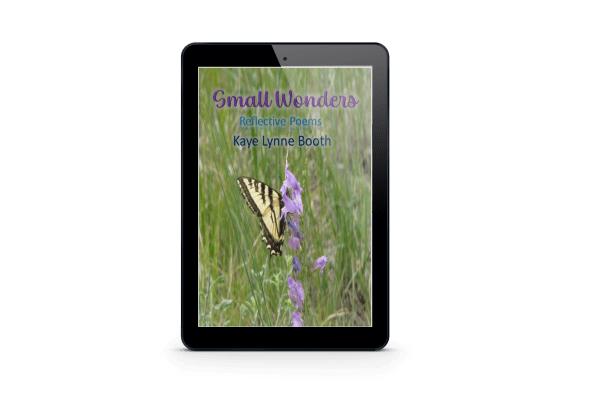
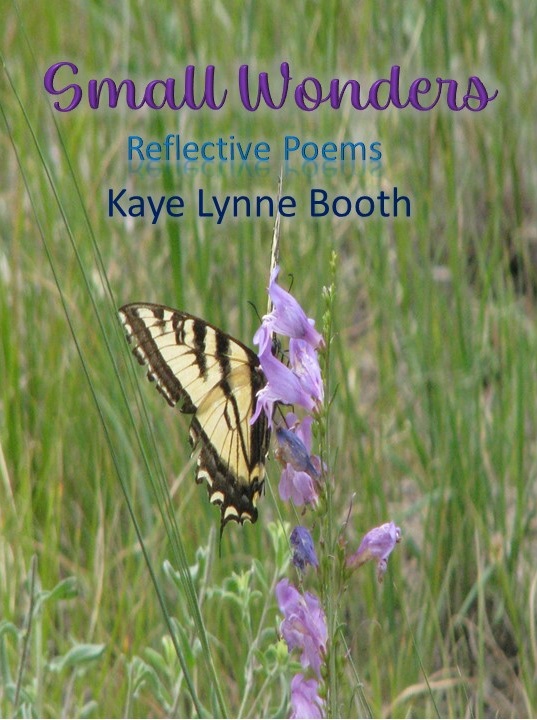
The world is filled with amazing things, if we will just stop a moment and take notice. In this vast universe, we are but tiny individuals, filled with awe and amazement. From reflections on first love, to reflections on growing old. The poems within these pages express a lifetime of unique reflections on Small Wonders.
Did you know that there is a large audience of readers, which many authors are overlooking with their books? It’s true. Visually impaired and those with other disabilities are limited in the availability of reading materials which they can access, and authors are limiting themselves if they exclude this vast potential audience.
As a publisher, I have worked with several print disabled authors, who have helped to educate me on the why making my content accessible is important and how to better reach the members of this very large community of potential readers. Patty Fletcher is a visually impaired author who works hard to make her blog content and books accessible to the visually impaired community of readers, and she advocates to educate her fellow authors on this important subject. She points out that the size of this potential audience is immense, “with millions of impaired or disabled readers, who would read if they could access the content.” (Patty Fletcher, email March 24, 2023).
As an author, I want to get my books in front of as many potential readers as possible. That’s why I publish wide and offer my works in as many different formats that I can. But here, right under my nose, is this huge group of potential readers that I was overlooking. And I know that many of my fellow authors do, too. As authors, it makes good sense to be concious of this large group of potential readers, and do what we can to make our own online content and books accessible to them. What a great way to extend your author reach and grow your reader platform.
In order to reach out to this audience of potential readers, we must have some understanding of what visual impairment and other types of print disabilities are like and how they affect the lives of those who must deal with these issues every day. Ann Chiapetta is visually impaired due to retinal disease, which she acquired later in life. In her article, “The Print Barrier“, she talks about how she has adapted to her visual impairment, and how it has changed the way others percieve her, and the frustration of trying to work with people who just don’t get it. Being visually impaired doesn’t mean no longer “doing”, but it does mean adapting so that “doing” is possible.
My grandmother was blind from diabetes, so her disability also came to her later in life. I’m told that when I was born, she could see me as a shadow, but whether she could see me or not, she helped to raise me. She took care of me during the day when I was little, while my mother, who was a single parent, was at work. When I started school, she was who got me off each day. I wore a side-ponytail long before it came into fashion because my grandmother was who fixed my hair. Some of the kids teased me about it, but I always thought it made me special and unique. I’ve never been one to do what everyone else is doing. My grandfather was a doctor, so my grandmother ran the household. She could move through the house alone, with the aide of a cane; she cooked by feel, and she got her entertainment from television, radio, and talking books. I often wonder what she would think of the internet and modern adaptive technology.
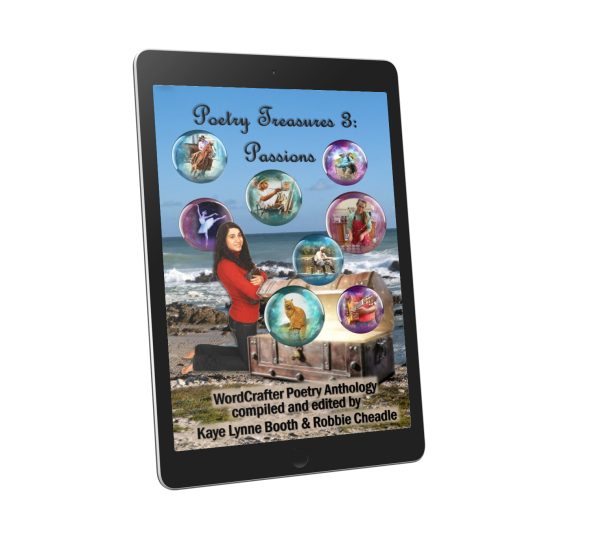
This is not a difficult thing to do, but it does take time. This is a work in progress for me here on Writing to be Read, because the site is very image heavy, but the recent release of Poetry Treasures 3: Passions had alternate text added to all of the images in that book. It was the first WordCrafter Press book to have alt text, and I was pleased to accomplish the feat. I feel strongly that it was worth the time it took, to not exclude those who access content differently from the way that I access it, visually.
While your book and your site should be accessible to all, including those with disabilities, it can’t stop there. We live in a world where much of our communications with the world, including advertising and promoting your brand and your book, is done through social media. If a potential reader can’t access the promotion to receive your message, they won’t be a potential reader for long. Patty Fletcher’s “Life of a Blind Girl: Your A-Z Guide to socail media accessibility“, touches all the important points on accessiblity. This article lays out ways to make content accesible that every author should be thinking about, and areas where we can do this that might be overlooked if you are not aware of readers or potential readers with disabilities. I’ve been focused on creating proper headings and adding alt text to my images. After reading Patty’s article, it seems my next step will be learning how to add captions to videos, so that I can reach hearing impared individuals.
It’s a lot to learn and can’t all be done overnight. My site is a work in progress on this front, but I’ll keep at it, because I believe it is important to make muy content accessible to all. I will also continue to work on making my books and social media content more accessible as I go. If you would like to learn more about making online content accessible to visually impaired and print disabled individuals, beyond the aboove articles, Content for Everyone, by Jeff Adams and Michele Lucchini, is a good book of reference. They discuss not only why accessible content is necessary, but ways that you can make your content more accessible for many types of visual disabilities. You can read my “Review in Practice” for this book here.
It’s a large potential audience, which could turn into readers of your work. How far will you go to make sure they can all access your content?
For Kaye Lynne Booth, writing is a passion. Kaye Lynne is an author with published short fiction and poetry, both online and in print, including her short story collection, Last Call and Other Short Fiction; and her paranormal mystery novella, Hidden Secrets. Kaye holds a dual M.F.A. degree in Creative Writing with emphasis in genre fiction and screenwriting, and an M.A. in publishing. Kaye Lynne is the founder of WordCrafter Quality Writing & Author Services and WordCrafter Press. She also maintains an authors’ blog and website, Writing to be Read, where she publishes content of interest in the literary world.
Want exclusive content? Join Kaye Lynne Booth & WordCrafter Press Readers’ Group for WordCrafter Press book & event news, including the awesome releases of author Kaye Lynne Booth. She won’t flood your inbox, she NEVER sells her list, and you might get a freebie occasionally. Get a free digital copy of her short story collection, Last Call and Other Short Fiction, just for joining.
We’ve just had a great book blog tour to send off Poetry Treasures 3: Passions and this is where we announce the winners for the Giveaway for that tour. I always love doing this post and then notifying the winners individually, because I get to make somone’s day with this announcement. Hopefully three someones.
I want to thank everyone who followed the tour or just dropped in to a stop or two, and of course my wonderful hosts. The hosts for this tour were Patty Fletcher and Patty’s Worlds, Miriam Hurdle and The Showers of Blessings, Carla Johnson-Hicks and Carla Loves to Read, Robbie Cheadle and Robbie’s Inspiration, and of course, Writing to be Read. And before I tell you who will be the recipients of the three digital copies of Poetry Treasures 3: Passions, I also want to give a big shout out to all of the contributing authors for this anthology, who all were great about doing their parts and helping to make the tour as fabulous as it was, with their audio/video poetry readings and guest posts. Every author participated and we couldn’t have had such a great tour without them.
And now, without further ado…
(Drumroll please)
The winners are…
Gwen M. Plano, John W. Howell, and Jacqui Murray!
Congratulations to all of you and thanks so much for following the tour. Please contact me at KLBWordCrafter@gmail.com, so I can send you a link for your digital copies of Poetry Treasures 3: Passions. I look forward to hearing from each of you.
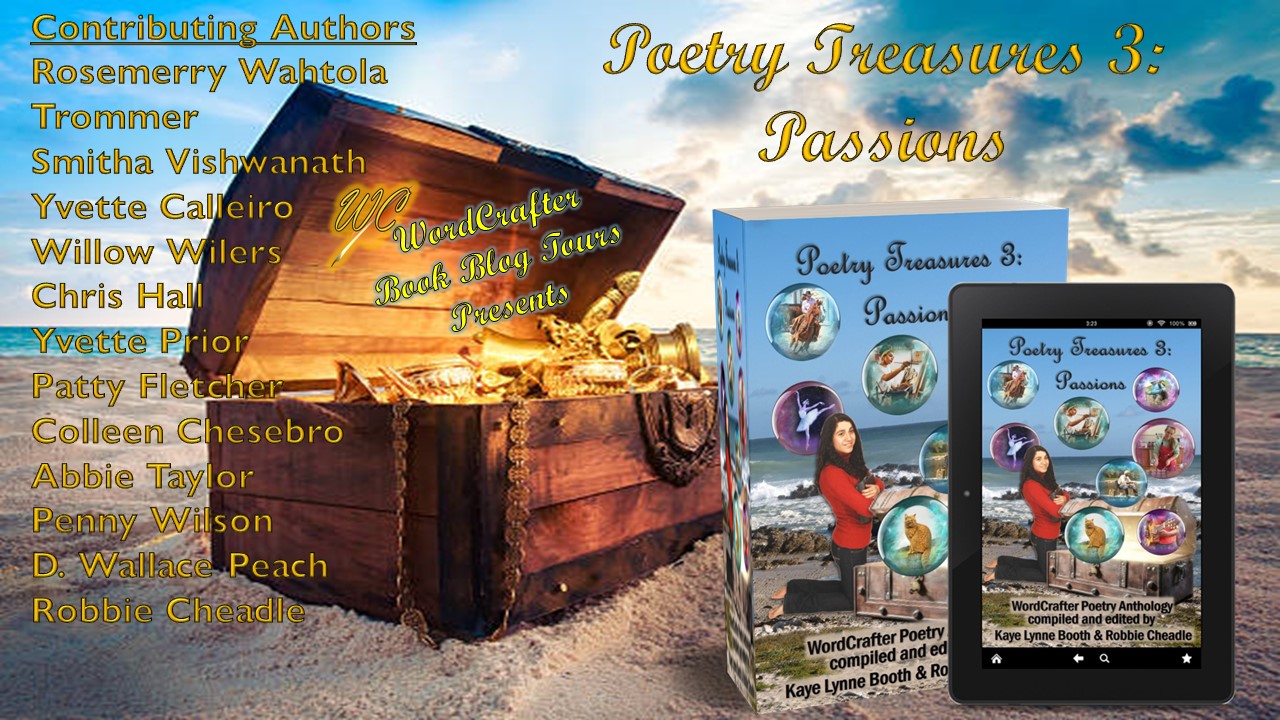
Poetry Treasures 3: Passions
Passions treasures within.
Open the cover
and you will discover
the Poetry Treasures
of guests on
Roberta Eaton Cheadle’s
2022 “Treasuring Poetry” blog series
on Writing to be Read.
Included are treasures from:
Patty Fletcher, D. Wallace Peach, Yvette Prior,
Penny Wilson, Colleen M. Chesebro, Abbie Taylor,
Yvette Calliero, , Smitha Vishwaneth,
Chris Hall, Willow Willers, Rosemerry Wahtola Trommer,
and Roberta Eaton Cheadle
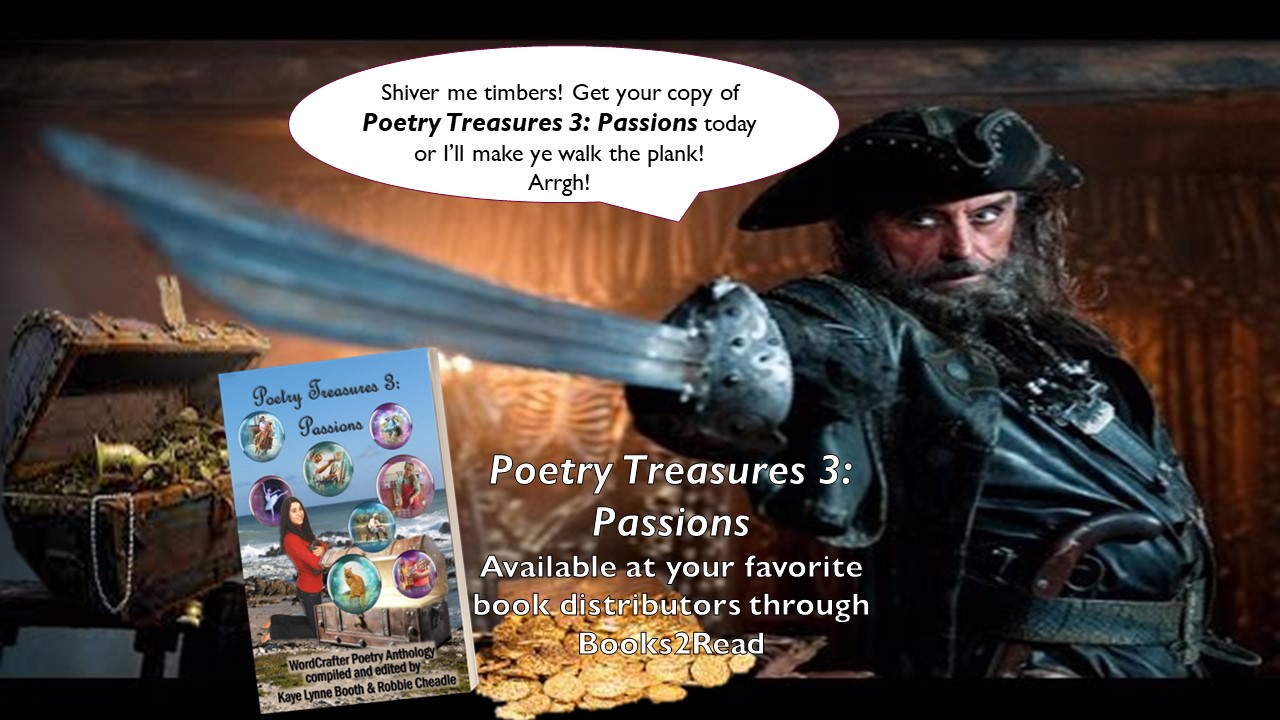
You can get your copy of Poetry Treasures 3: Passions from your favorite book distributor through Books2Read:
Just a quick reminder. The submission deadline for the 2023 WordCrafter Short Fiction Contest is April 30. So, if you haven’t turned in your scary story submission yet, you need to do it soon. Come on. Scare me. I dare you.
You can find full submission giudelines and submission instructions here: https://wp.me/pVw40-6VU
Assembling a Poetry Collection
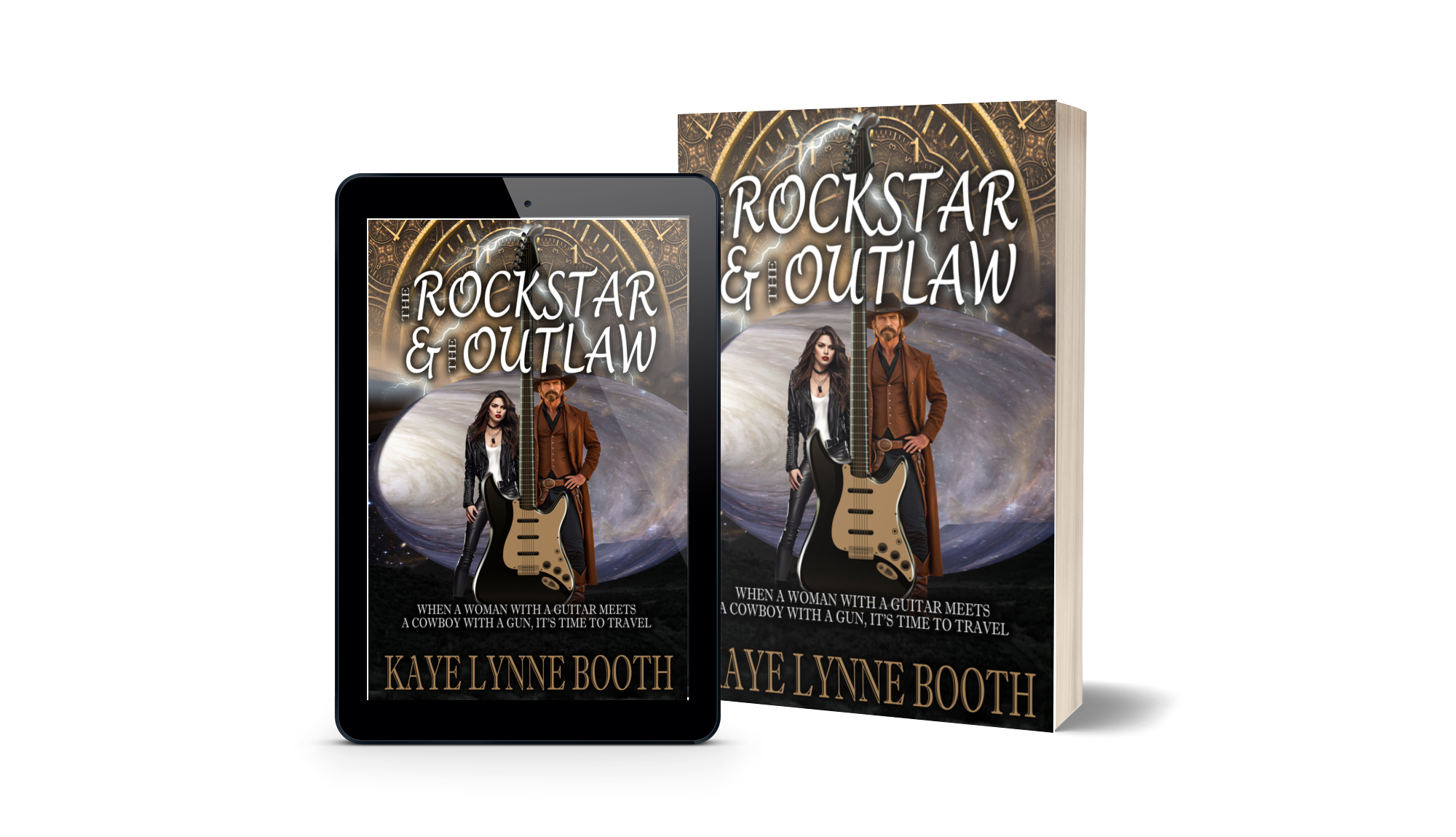
I have been busy compiling my poetry collection, Small Wonders for a June release. I have a lifetime of poetry to go through, so this has been no small task. Never-the-less, I look on it as a bit of a breather from all the heavy promoting I’ve done so far this year for Delilah, and then for Poetry Treasures 3. May is the first month this year that I haven’t been actively promoting a book, so it gives me a chance to shift gears as I make the final preparations for the release of this collection, and move in to the final stretch on the writing of The Rock Star & The Outlaw. But let’s finish up the poetry first before I move back onto fiction.
For Kaye Lynne Booth, writing is a passion. Kaye Lynne is an author with published short fiction and poetry, both online and in print, including her short story collection, Last Call and Other Short Fiction; and her paranormal mystery novella, Hidden Secrets. Kaye holds a dual M.F.A. degree in Creative Writing with emphasis in genre fiction and screenwriting, and an M.A. in publishing. Kaye Lynne is the founder of WordCrafter Quality Writing & Author Services and WordCrafter Press. She also maintains an authors’ blog and website, Writing to be Read, where she publishes content of interest in the literary world.
Want exclusive content? Join Kaye Lynne Booth & WordCrafter Press Readers’ Group for WordCrafter Press book & event news, including the awesome releases of author Kaye Lynne Booth. She won’t flood your inbox, she NEVER sells her list, and you might get a freebie occasionally. Get a free digital copy of her short story collection, Last Call and Other Short Fiction, just for joining.
Welcome to the WordCrafter Poetry Treasures 3: Passions Book Blog Tour! This is a very special tour, because at each stop, you will meet not one, but two of the contributing poets of the anthology. We’ve got a great tour planned with readings and inspiration posts from the authors, and book reviews. (Scroll down for the tour schedule with links, but be aware that the links won’t function until each post goes live.)Plus we have a great giveaway, so follow the tour to meet the contributing authors and additional chances to win a digital copy of Poetry Treasures 3: Passions!
Giveaway
Comment and let us know you were there, and get a chance to win a copy of Poetry Treasures 3: Passions in the digital format of your choice.Follow the tour and leave your comments along the way. One entry per stop.
About Poetry Treasures 3: Passions
Passions treasures within.
Open the cover
and you will discover
the Poetry Treasures
of guests on
Roberta Eaton Cheadle’s
2022 “Treasuring Poetry” blog series
on Writing to be Read.
Included are treasures from:
Patty Fletcher, D. Wallace Peach, Yvette Prior,
Penny Wilson, Colleen M. Chesebro, Abbie Taylor,
Yvette Calliero, Smitha Vishwaneth,
Chris Hall, Willow Willers, Rosemerry Wahtola Trommer,
and Roberta Eaton Cheadle
Purchase Poetry Treasures 3: Passions from your favorite distributor through Books2Read
Today’s Stop
On today’s stop, we have video readings from Rosemerry Wahtola Trommer and Smitha Vishwanath. Rosemerry is sharing a reading of her poem, “Twenty Years Ago, Ten Years Ago, Last Week”, and Smitha is sharing a reading of her poem, ” “. Both of these lovely poems are featured in Poetry Treasures 3: Passions.
Meet Rosemerry Wahtola Trommer
Today’s stop features a peotry reading by contributing Rosemerry Wahtola Trommer, which is a real treat. Rosemerry is a performance poet, and I was privileged to attend one of her live performances back in 2010. She was spectacular. The way she draws you into the poem and makes you feel her words is amazing. Rosemerry is a wonderful, vibrant lady, who embraces the written word as if it were a lover, caressing and shaping it into what she needs it to be. I had the pleasure of featuring an interview with her, right here on Writing to be Read. That’s why I asked Robbie to invite her to be a guest on “Treasuring Poetry”, and why I am so pleased to have her work featured in this WordCrafter anthology. It is a privilege and an honor to work with her. I hope you will enjoy this reading as much as I have.
Rosemerry Wahtola Trommer co-hosts Emerging Form (a podcast on creative process), Secret Agents of Change (a surreptitious kindness cabal) and Soul Writer’s Circle. Her poetry has appeared on A Prairie Home Companion, PBS News Hour,O Magazine, American Life in Poetry, onCarnegie Hall stage, and on river rocks she leaves around town. Her collection Hush won the Halcyon Prize. Naked for Tea was a finalist for the Able Muse Book Award. Her most recent collection is All the Honey. Her daily audio series, The Poetic Path, can be found on the Ritual app, her daily poetry practice can be read on her blog, A Hundred Falling Veils, and her book of mindfulness poetry prompts is Exploring Poetry of Presence II. One-word mantra: Adjust.
If I could go back in time and offer advice to my younger self, I wouldn’t. I would let her fail all over again. I’d let her falter. I’d let her lose. I’d let her stumble and struggle and bomb. But I would lean in close and let her know I am deeply in love with her. It’s so easy now to give her this, this self-compassion in full bloom, this thing she believed was impossible.
Reading of “Twenty Years Ago, Ten Years Ago, Last Week”
“Twenty Years Ago, Ten Years Ago, Last Week”, by Rosemerry Wahtola Trommer
Meet Smitha Vishwanath
I first met Smitha Viswaneth through her interview with Robbie Cheadle on the “Treasuring Poetry” blog series, right here, on Writing to be Read, so I can’t say that I know her well, but I’ve been learning a lot about her. Smitha is an award winning poet of a National Poetry Month Challenge two years in a row, and she’s been nominated poet of the month several times on Spillword. She has poetry published in several online publications, and her debut novel, Coming Home, just came out last month.
Smitha Vishwanath is your quintessential ‘bored banker’ turned writer. After a rewarding career in Banking in the Middle East where she worked for leading banks in senior positions, she quit and moved to India in July 2018 with her husband who had been transferred to the country on an international assignment. Thereon she began her writing journey.
‘Roads’ is the first book she has co-authored. Having lived and studied in different countries and different states within India and worked with different cultures, Smitha understands that ‘change’ and ‘ups and downs’ are very much a part of life. It is this experience that reflects in her poems and her writing which are filled with positivity, acceptance and willingness to change for the better.
A child called, Passion, I met him on my walk, one day and asked him to come home. He replied, ‘On one condition- only if you give me your undivided attention.’
‘How difficult could that be? aloud, I wondered, I raised a family with children- two!’ Smiling impishly, he said ‘Not much, if you surrendered.” I laughed at his presumptuousness Little knowing how true to his words he’d be.
The moment, Passion, walked in through my door He obscured the rest of the world from sight and kept me waking into the night He pranced around all day-tireless, and unbound. It made me loathe the day, him, I found.
Passion was a stubborn child demanding complete allegiance. His appetite was unappeased, his thirst unquenched; he made no allowance!
A ruthless master, a sorcerer He turned me into a willing slave. I fulfilled his every bidding; the years went by, I couldn’t tell and the children flew before I knew.
But, Passion, he stayed behind. I grew old, and he grew kind. Passion, that stubborn child remained wilful until the end and refused to leave,
even though my body was hard to mend. He nourished my body and fed my soul And made me feel as good as whole. Passion, that stubborn child, simply would not let go; no doctor could understand that child’s miraculous cure.
So, if you ever cross paths with a child called, ‘Passion.’ Hold onto him with a firm hand Even if you must endure. Lug around for a while if you must- but don’t ever let go.
For when all the others leave- He will be standing by your side For, Passion, is a stubborn child and loyal as can be Let nobody tell you otherwise.
Reading of “A Child Called ‘Passion'”
Wrap Up
That’s it for the first stop on the WordCrafter Poetry Treasures 3: Passions Book Blog Tour. I hope you’ve enjoyed meeting Rosemerry and Smitha and the samples of their works. As an extra added treat, you can catch an interview with Robbie Cheadle and I on the Word Craft Poetry site with Colleen Chesebro, which happens to coincide with our opening day. So, after you’ve met our two poets, Rosemerry and Smitha, you might click on the link above to pop in and check that interview about the anthology, too.
A raving five-star review of Poetry Treasures 3: Passions on Goodreads.
Raving Revue
“…It’s an eclectic collection and a fabulous way to discover new poets to read. Expect varying interpretations of poetic passions. Not all are amorous! Some are thoughtful, personal to the author, (the author’s interests, experiences and loves,) and many have deep insight into human trials and tribulations…”
Follow the tour to meet other contributing authors and for more chances to enter the giveaway. The links in the schedule below won’t work until each post goes live. Tomorrow we will be over at Patty’s World with Patty Fletcher with a guest post from Contributing author, Colleen Chesebro and a reading by Robbie Cheadle of contributing author, Chris Hall’s poem, ” What Will Become of Us?”, so don’t miss it. I hope to see you there.
Tour schedule 4/17 – 4/21
Monday – Opening Day – Readings by Rosemerry Wahtola Trommer & Smitha Vishwanath – Writing to be Read
Tuesday – Guest Post from Colleen Chesebro & Reading by Robbie Cheadle of poem by Chris Hall – Patty’s Worlds
Content for Everyone is a must-read for creative entrepreneurs looking to improve the usability and accessibility of their website, email and social media content.
With over a billion people living with some form of disability worldwide, it’s more important than ever to make sure your content is accessible. In this easy-to-follow practical guide, you’ll learn techniques to make your content more accessible, without needing any in-depth technical knowledge. From adding meaningful alternative text to images, to choosing colors with enough contrast for easy readability, to adding captions to your videos and more, Content for Everyone has everything you need to reach a wider audience and improve the user experience for everyone.
Don’t miss out on the opportunity to improve your content and reach more people.
We all want to be inclusive, right? Of course, we do.
But how do we, as authors and creatives do that? Many authors don’t have the first clue as to how to do that. I know I didn’t.
Content for Everyone, by Jeff Adams and Michele Luchini is a book which tells you how to make your website content more accessible to a huge audience who many authors overlook or bypass. Adams and Luchini talk about how we can create more accessible content for visual or hearing impaired readers on our websites, in emails and newsletters, in blogposts and in social media posts. They talk about ways in which we can reach a much wider audience by making our content inclusive for readers regardless of whatever adaptive technoloy they’re using, or whatever device is their preference for consuming content.
With the right amount of time and effort, websites and digital communications can be made accessible to those with disabilities or use adaptive technology in accessing digital content. But it requires work and/or money to make that happen, and many authors probably wonder why they should go to the trouble.
I’m here to tell you why. When you make your website or your books accessible to those with disabilities and impairments, you are reaching out to a whole new audience with your writing. It is a large community, “with millions of impaired or disabled readers, who would read if they could access the content” (Patty Fletcher, email March 24, 2023), and it makes good sense to make your content inclusive to these potential readers. Awareness of the large audience of potential readers who are visually impaired was the main reason that I sat up and paid attention when I heard about this book.
Content for Everyone deals with how to make digital content accessible. There are many things we can do to make our content more accessible including providing the right contrast for visually impaired individuals, or even the proper use of headers. It’s no secret that I’m a bit old fashioned and I’m not always aware of the incricate details of the tech I use, although I am always learning. Content for Everyone discusses many ways in which you can make your content accessible to those with disabilities, who must use adaptive technology in order to access online and digital content. Some of these areas wouldn’t seem to be problematic to those of us without disabilities, but they are for individuals who are impaired.
Although all of this is a lot of work, Adams and Lucchini offer up individual steps which can be performed singularly, instead of trying to undertake the enormous task of accessiblility as a whole, which could be daunting. Picking one area of accessibility at a time seems to make the goal more attainable. I found that I hadn’t been using my headings correctly, and this is something that I never dreamed made any difference to anyone. But it does make a difference to those using adaptive technology, such as screen readers. after finishing the book, the first thing I did, was to go and change all the headers on my upcoming blog posts. Then, I went through and fixed them all through my blog site. It’s not anything a sighted person would probably notice, but for someone who uses a screen reader, it can make a difference as they try to navigate my site. Knowing that it makes a difference to some people, and knowing that by making it accessible, I will be widening my potential reader audience considerably, makes my decision to use headings correctly from now on seem a small step to take.
Something else which I’ve been working on since reading this book is adding the alt text for the screen reader crowd. Doing this is not hard, and should be done when you set the image in the post, but it does take extra time. I work with several visually impaired authors who use screen readers, so I know this audience is quite large. This is a simple thing to do, which really doesn’t take much time if you do it as you go. My site is image heavy, with lots of book covers, so it may take some time to add alternate text to the visuals which are already there. Even though it does take time and effort, the increase in portential readers from taking a few simple steps is so great that I have to ask, why would you not want to take this step to ensure that your content is accessible to more potential readers?
I am so pleased to be able to work with the wonderful authors within the visually impaired and print disabled community. It would be a shame to not be able to include their content within the WordCrafter tribe because of inaccessibility. And it would be a shame to have them miss out on WordCrafter content because they can’t access it. As Poetry Treasures 3 comes out this month, I’m pleased to be able to say it is the first book I have ever published with alternate text for each image. It’s just a small step in making Wordcrafter Press books more accessible to all.
You can learn more about these authors and their book, as well as learning a few things you may not know about accessibility in their interviews on the Stark Reflections podcast (episode 294), and on The Creative Penn podcast (March 13, 2023).
National Library Services
My grandmother was blind, and as a little girl, I often listened to her “talking books” with her and didn’t think much about it. I’m not sure, but I am thinking that those little cassette tapes that used to come to her in the mail, were sent by the National Library Services for the Blind and Print Disabled Library of Congress was behind them, even then. Yep. The visually impaired were doing “audio books” before they were even a thing. Today’s audio has caome a long way from those talking books on cassette, and there are now many adaptive technologies available to make books accessible to visually impaired and print disabled readers. And it makes sense for authors to tap into this audience by enrolling their their books in the NLS programs that are available. You can find out more about the National Library Services here.
Author Patty Fletcher encourages authors to enroll their books in the National Library Services to make them accessible to those who are visually impaired or print disabled to widen your audience and make many overlooked readers happy. She recomends that you read “That All May Read: Technological Innovations Extend Reach of National Library” by Wendy Maloney and then, if you are interested in making your books accessible, email nlscollections@loc.gov to find out how.
What is Accessibility and Assistive Devices?
“To know what accessibility is, one must first know what assistive technology is.”
Author Patty Fletcher
You can find out more about accessibility, what it is, and why we need it in our content. Patty Fletcher shares the following articles, which talk about assistive technology, how it works, and why it is important:
The subject is vast, and this book and the above articles are a good place to start.
Patty Fletcher is a visually impaired author and member of the American Council for the Blind, which is a large community of visual and print disabled readers. Patty’s goal is to bridge “the great chasm which separates the disAbled from the non-disAbled.” Toward that end, Patty is organizing a virtual event to help authors understand what adaptive technologies there are and steps we can take to adapt our websites, digital correspondence and books to be inclusive of these potential readers. Please reach out to myself or Patty if you would like to participate in this event.
For Kaye Lynne Booth, writing is a passion. Kaye Lynne is an author with published short fiction and poetry, both online and in print, including her short story collection, Last Call and Other Short Fiction; and her paranormal mystery novella, Hidden Secrets. Kaye holds a dual M.F.A. degree in Creative Writing with emphasis in genre fiction and screenwriting, and an M.A. in publishing. Kaye Lynne is the founder of WordCrafter Quality Writing & Author Services and WordCrafter Press. She also maintains an authors’ blog and website, Writing to be Read, where she publishes content of interest in the literary world.
Want exclusive content? Join Kaye Lynne Booth & WordCrafter Press Readers’ Group for WordCrafter Press book & event news, including the awesome releases of author Kaye Lynne Booth. She won’t flood your inbox, she NEVER sells her list, and you might get a freebie occasionally. Get a free digital copy of her short story collection, Last Call and Other Short Fiction, just for joining.
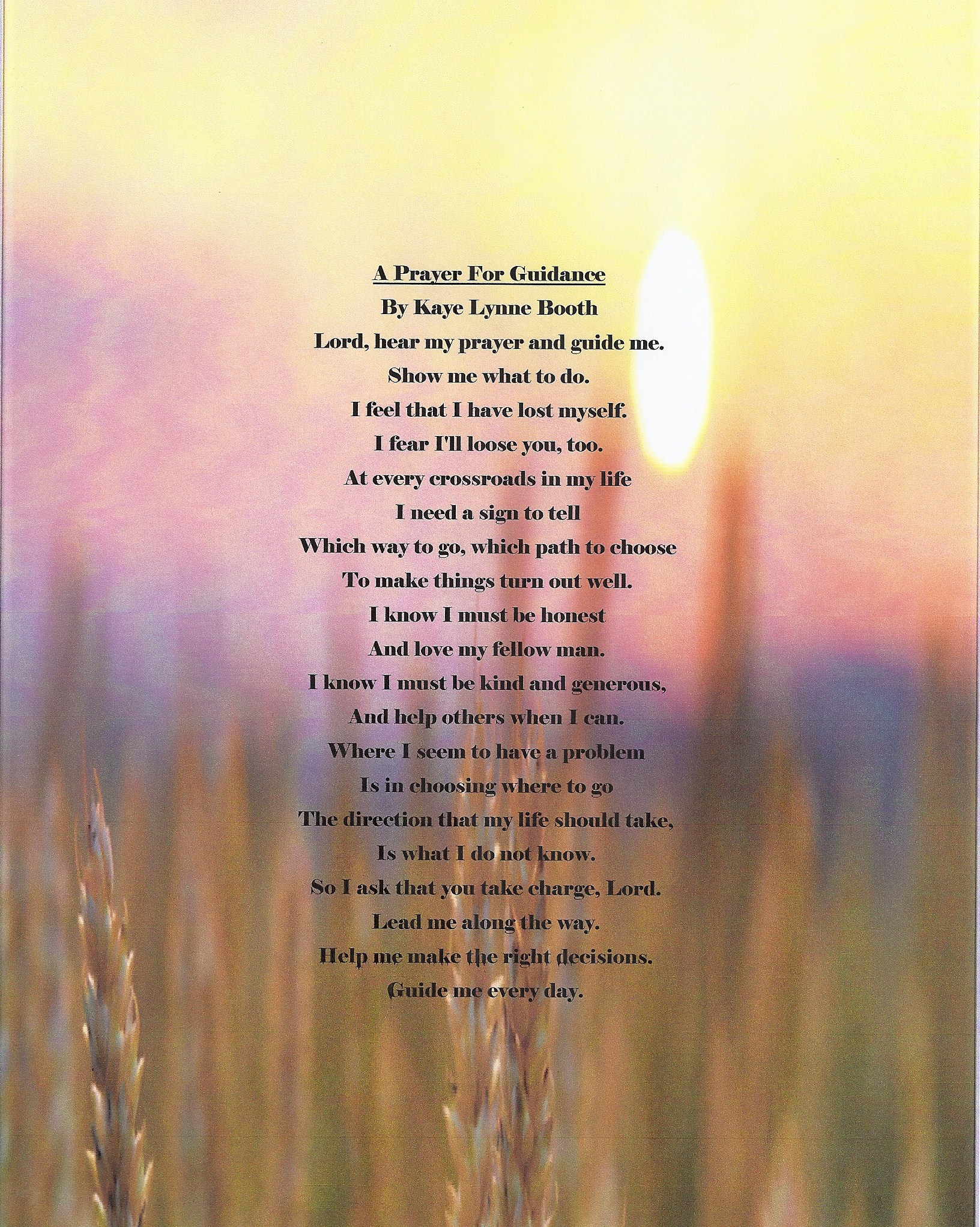
When I first started writing, I wrote poetry. In fact, my first sale of my writing, back in 1996, was for a poem. I wrote on a manual typewriter and submitted via snail mail, (I know. I’m dating myself terribly.). My poem, “A Prayer for Guidance” was published in a small poetry magazine called Dusk & Dawn, which is no longer in publication, and I made a whole $5 from it, but boy, was I ever proud of that sale.
I put my poetry on backgrounds, like the one above for my very first writing event. It was a local event that a friend saw advertised in the paper and said, “You should see if you can get a table. I called and got a table at the event, then realized I had nothing to offer at my table. I hadn’t yet published a book or anything, so I printed up my poetry on backgrounds , which I sold at my table for $5 a piece, and made almost $100.
For that event, I had a poem called “Voices” about the different voices that speak in my head, and as I was searching for backgrounds, I came across a painting of the same title, that I knew was the perfect background for this poem. So I poked around on the internet until I found a way to contact the artist, Mitchell Barret, and sent him an email, requesting to use his painting as my background. I was more than surprised when I recieved a phone call from him all the way from England. You must understand that this was right at the beginning of the internet era, and I still had a land line with long distance charges, so a call from another contentent was a pretty big deal to me, and I absolutely adored his English accent, although I had to ask him to repeat himself a couple of times during the call. He gave me permission to use his painting for the writing fair, and we conversed for a while, sparking up a friendship that was one of my first internet networking experiences.
Poetry & Art
In a later contact, Mitch said he was working on a series of paintings and he would like to include some poetry with them. He sent me the sketches for the paintings, and I wrote a poem for him. “Intimacy and the Harliquin Dance”. To my knowledge only one of those paintings ever came to fruition, but he did use a portion of my poem in his painting, which he titled “Intimacy”. The painting was on display and was sold at the Keliedescope Gallery, in Battle Sea Park, London in 2010.
After Michael
When my son died in 2009, I wrote poetry almost constantly. When I wasn’t physically putting words to page, I was putting my feelings to verse in my head. I wrote enough poetry about Michael and my loss of him to fill a chapbook. It was my way of processing my grief, I think. I don’t know if any of it was really good, but I felt it to be some of the most powerful writing I’d ever done.
Most of my poetry was rhyming, and by this point, I had taking some creative writing courses, where my poetry professor informed me ryhming poetry was no longer in vogue. Because of the rhyming, sing-song style of my poetry, it was evaluated by one critic as childish. And perhaps it is a bit childish. Rhyming poetry is fun to write. I’m a big fan of Sid Shelden and Dr. Suess, after all.
When I enrolled at Western State Colorado Unversity to earn my M.F.A. in Creative Writing, my focus shifted away from poetry and I began writing fiction, which has taken up my energies ever since, but I’ve never lost my love for poetry. I still submitted poetry here and there, even getting a few published in magazines such as Colorado Life Magazine, and anthologies such as Manifest West #5: Serenity and Severity. I just wasn’t writing anything new in the poetry realm.
Renewed Interest
A couple of years ago, I came across a book by Colleen Chesebro, WordCraft Prose & Poetry: The Art of Crafting Syllabic Poetry, which delves into the art of syllabic poetry. I couldn’t read this book without dabbling with the different forms myself, reviving my love for poetry all over again. (See my “Review in Practice” of WordCraft Prose & Poetry here.) And I used my newfound poetry skills to answer a creative challenge posed on the blog of Teagan Riordan Geneviene with a Shadorma poem with an image.
Now that my M.A. in publishing is completed, I find a have more time in which to ponder the words which I place on the page, and play with poetry. For that is what poetry ultimately is – play with words. I don’t mean that it shouldn’t be taken seriously, but that creating with words, no matter the form it takes, should be fun and satisfying for the creator, and poetry offers a wider license for this than do other forms of writing. This is known over at Colleen M. Chesebro’s WordCraft Poetry blog, where every Tuesday brings a #TankaTuesday challenge involving syllabic poetry, introducing readers with all kinds of new poetic forms. And so, I’ve been revisiting poetry once again, playing with sllybic poetry and rhymes. (I still love rhyming poetry, even if it is out of fashion.)
A New Poetry Collection on the Horizon
As I look through the poetry I’ve done in the past, I’m finding a plethora of poetry that needs to be shared. So, in addition to the two novels, and two anthologies which I had planned to publish through WordCrafter Press in 2023, I’m going to publish my first collection of poetry, some old, some new; some rhyming, some syllibic, and maybe even some freestyle to be included. It will take me down an old road to go through the poetry already written, and over a new road to experiment with forms of poetry both new and old, and the process of compiling the collection will be fun. Heck, it may even get me an invitation to be a guest on “Treasuring Poetry” with Robbie Cheadle.
To me, poetry is word play at its finest. What does poetry mean to you?
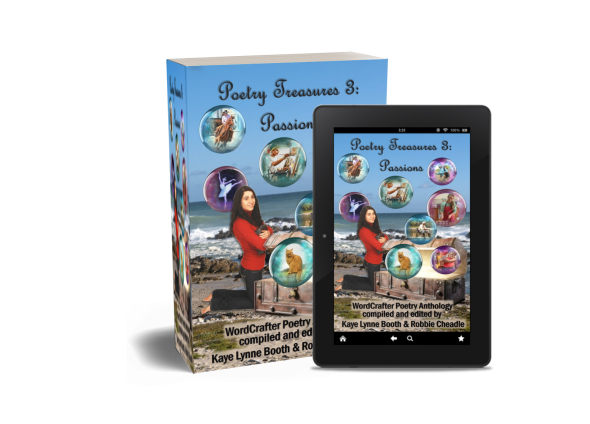
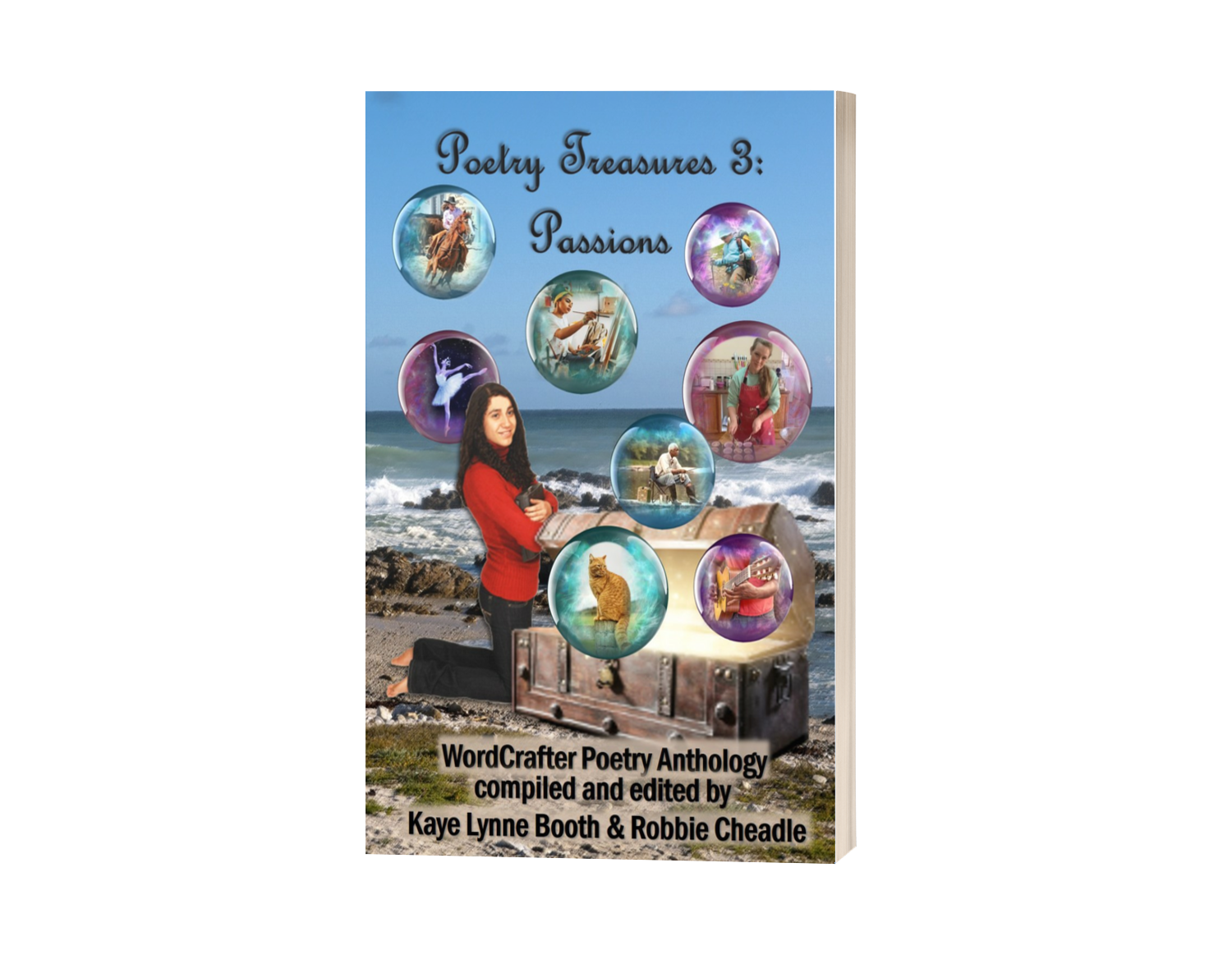
April is National Poetry Month here in the U.S., so it is fitting that the release of the annual Poetry Treasures anthology, from WordCrafter Press comes sometime in April each year. This year’s volume will be Poetry Treasures 3: Passions. It will be released on April 18, 2023, and is available now for preorder.
For Kaye Lynne Booth, writing is a passion. Kaye Lynne is an author with published short fiction and poetry, both online and in print, including her short story collection, Last Call and Other Short Fiction; and her paranormal mystery novella, Hidden Secrets. Kaye holds a dual M.F.A. degree in Creative Writing with emphasis in genre fiction and screenwriting, and an M.A. in publishing. Kaye Lynne is the founder of WordCrafter Quality Writing & Author Services and WordCrafter Press. She also maintains an authors’ blog and website, Writing to be Read, where she publishes content of interest in the literary world.
Want exclusive content? Join Kaye Lynne Booth & WordCrafter Press Readers’ Group for WordCrafter Press book & event news, including the awesome releases of author Kaye Lynne Booth. She won’t flood your inbox, she NEVER will sells her list, and you might get a freebie occasionally. Get a free digital copy of her short story collection, Last Call and Other Short Fiction, just for joining.
Poetry Treasures 3: Passions will release on April 18 and is available for pre-order now. This exceptional collection of poets & poetry includes the works of guests from the 2022 “Treasuring Poetry” blog series, as they share their passions with us. Learn more about this anthology and help WordCrafter Press send this poetry anthology off right with a book blog tour April 17 – 21, starting right here, on Writing to be Read.
About Poetry Treasures 3: Passions
Passions treasures within.
Open the cover
and you will discover
the Poetry Treasures
of guests on
Roberta Eaton Cheadle’s
2022 “Treasuring Poetry” blog series
on Writing to be Read.
Included are treasures from:
Patty Fletcher, D. Wallace Peach, Yvette Prior,
Penny Wilson, Colleen M. Chesebro, Abbie Taylor,
Yvette Calliero, , Smitha Vishwanath,
Chris Hall, Willow Willers, Rosemerry Wahtola Trommer,
and Roberta Eaton Cheadle
Poetry Treasures 3: Passions is available for pre-order now from your favorite book distributors through Books2Read: https://books2read.com/u/b5qnBR
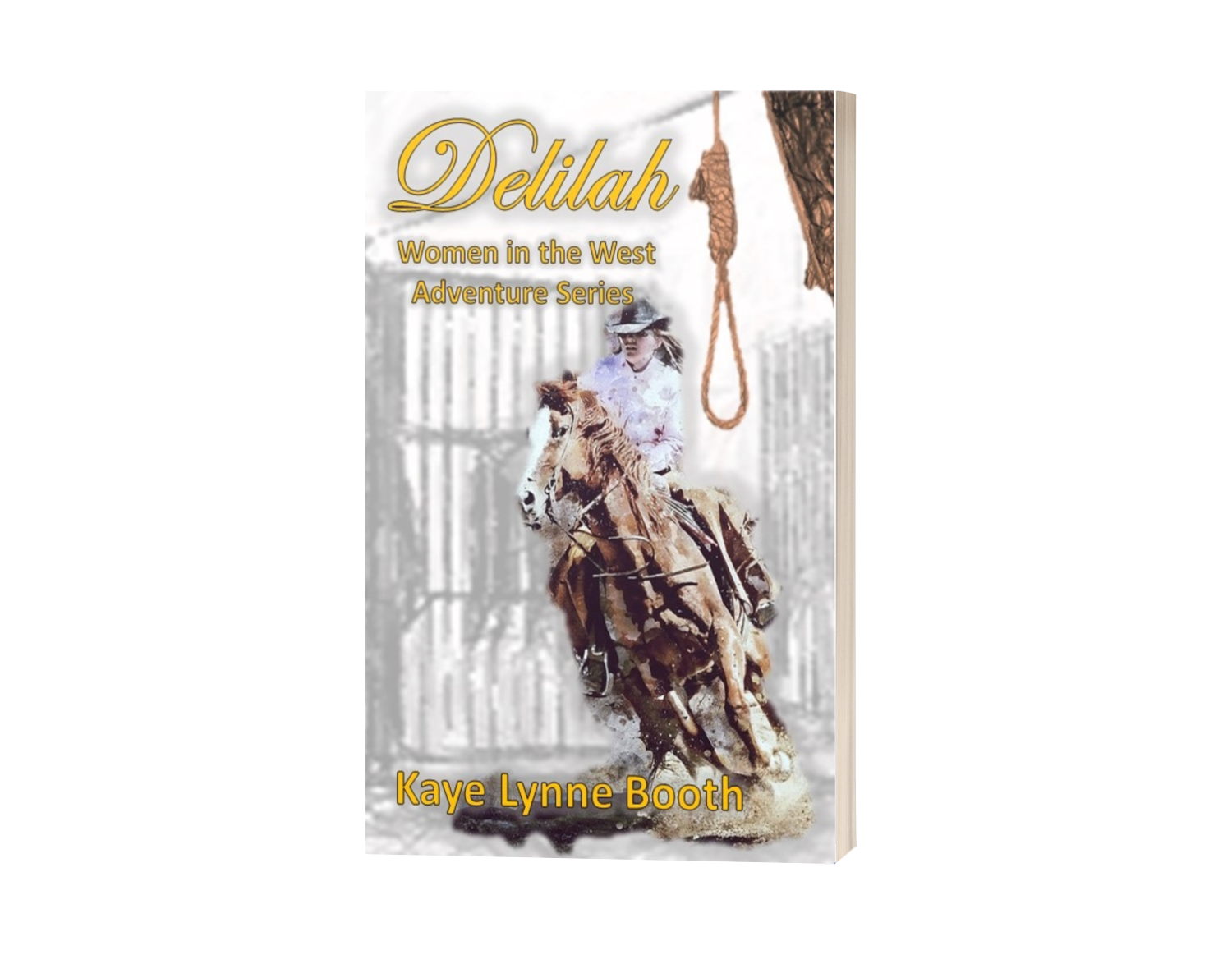
I’m excited to welcome you to the WordCrafter Delilah Book Blog Tour. We’ve got interesting behind the scenes posts from all three books in the Women in the West adventure series at each stop, which introduce you to some of the characters in the series, Robbie Cheadle shares an author interview, a couple of reviews, and I think there’san excerpt from Delilah in there somewhere. Maybe I should just post the schedule here. I’ll post it with links, but they won’t work until each post goes live.
Tour Schedule
Mon. 3/20 – Opening Day Post– Writing to be Read/ Guest post (Baby Doe Tabor/Delilah) – The Showers of Blessings
Wed. 3/22 – Guest post (Big Nose Kate/Sarah)/Review – BookPlaces
Thurs. 3/23 – Guest post (“Aunt” Clara Brown/Marta)- Roberta Writes
Fri. 3/24 – Closing Post (Ute Indians of Colorado in 1880s/Delilah Excerpt) – Writing to be Read
Follow the tour and learn more about Delilah and the Women in the West adventure series, with an opportunity to enter the giveaway at every stop.
Delilah Give Away
I’m giving away two digital copies,
and one signed print copy
of
Delilah
Leave a comment to enter.
Multiple entries are allowed,
so leave a comment at each stop for more chances.
The Trailer
Delilah and the Women in the West
On with the tour…
Our first stop on the tour is over at Miriam Hurdle’s The Many Showers of Blessings, with a guest post from me on the historical supporting character in Delilah, Baby Doe Tabor. So, follow the link for a behind the scenes post from Delilah.























Writer’s Corner: Accessibility = More Readers
Posted: May 1, 2023 | Author: kayelynnebooth | Filed under: Accessibility, Adaptive Technology, Blog Content, Books, Commentary, Reader Platform, Writer's Corner, Writing | Tags: Accessibility, Adaptive Technology, Kaye Lynne Booth, Patty Fletcher, Print Disabilities, Visual Impairment, Writer's Corner, Writing to be Read | 89 CommentsDid you know that there is a large audience of readers, which many authors are overlooking with their books? It’s true. Visually impaired and those with other disabilities are limited in the availability of reading materials which they can access, and authors are limiting themselves if they exclude this vast potential audience.
As a publisher, I have worked with several print disabled authors, who have helped to educate me on the why making my content accessible is important and how to better reach the members of this very large community of potential readers. Patty Fletcher is a visually impaired author who works hard to make her blog content and books accessible to the visually impaired community of readers, and she advocates to educate her fellow authors on this important subject. She points out that the size of this potential audience is immense, “with millions of impaired or disabled readers, who would read if they could access the content.” (Patty Fletcher, email March 24, 2023).
As an author, I want to get my books in front of as many potential readers as possible. That’s why I publish wide and offer my works in as many different formats that I can. But here, right under my nose, is this huge group of potential readers that I was overlooking. And I know that many of my fellow authors do, too. As authors, it makes good sense to be concious of this large group of potential readers, and do what we can to make our own online content and books accessible to them. What a great way to extend your author reach and grow your reader platform.
In order to reach out to this audience of potential readers, we must have some understanding of what visual impairment and other types of print disabilities are like and how they affect the lives of those who must deal with these issues every day. Ann Chiapetta is visually impaired due to retinal disease, which she acquired later in life. In her article, “The Print Barrier“, she talks about how she has adapted to her visual impairment, and how it has changed the way others percieve her, and the frustration of trying to work with people who just don’t get it. Being visually impaired doesn’t mean no longer “doing”, but it does mean adapting so that “doing” is possible.
My grandmother was blind from diabetes, so her disability also came to her later in life. I’m told that when I was born, she could see me as a shadow, but whether she could see me or not, she helped to raise me. She took care of me during the day when I was little, while my mother, who was a single parent, was at work. When I started school, she was who got me off each day. I wore a side-ponytail long before it came into fashion because my grandmother was who fixed my hair. Some of the kids teased me about it, but I always thought it made me special and unique. I’ve never been one to do what everyone else is doing. My grandfather was a doctor, so my grandmother ran the household. She could move through the house alone, with the aide of a cane; she cooked by feel, and she got her entertainment from television, radio, and talking books. I often wonder what she would think of the internet and modern adaptive technology.
Patty Fletcher uses a screen reader, as do many visually impaired and print disabled individuals, as a means to access online content. Technology that wasn’t thought of or needed in my grandmother’s day. Patty recommends “The Importance of Alt Text for Screen Reader Users: A Guide to Best Practices and Accessibility by Virtual Tech Advisor and Research Assistant Casey Mathews” for a good place to go for understanding what the technology is and what it does, and how you can make your content more accessible for people using screen readers by adding alternative text to your images.
This is not a difficult thing to do, but it does take time. This is a work in progress for me here on Writing to be Read, because the site is very image heavy, but the recent release of Poetry Treasures 3: Passions had alternate text added to all of the images in that book. It was the first WordCrafter Press book to have alt text, and I was pleased to accomplish the feat. I feel strongly that it was worth the time it took, to not exclude those who access content differently from the way that I access it, visually.
While your book and your site should be accessible to all, including those with disabilities, it can’t stop there. We live in a world where much of our communications with the world, including advertising and promoting your brand and your book, is done through social media. If a potential reader can’t access the promotion to receive your message, they won’t be a potential reader for long. Patty Fletcher’s “Life of a Blind Girl: Your A-Z Guide to socail media accessibility“, touches all the important points on accessiblity. This article lays out ways to make content accesible that every author should be thinking about, and areas where we can do this that might be overlooked if you are not aware of readers or potential readers with disabilities. I’ve been focused on creating proper headings and adding alt text to my images. After reading Patty’s article, it seems my next step will be learning how to add captions to videos, so that I can reach hearing impared individuals.
It’s a lot to learn and can’t all be done overnight. My site is a work in progress on this front, but I’ll keep at it, because I believe it is important to make muy content accessible to all. I will also continue to work on making my books and social media content more accessible as I go. If you would like to learn more about making online content accessible to visually impaired and print disabled individuals, beyond the aboove articles, Content for Everyone, by Jeff Adams and Michele Lucchini, is a good book of reference. They discuss not only why accessible content is necessary, but ways that you can make your content more accessible for many types of visual disabilities. You can read my “Review in Practice” for this book here.
It’s a large potential audience, which could turn into readers of your work. How far will you go to make sure they can all access your content?
___________________________________________________________________
About Kaye Lynne Booth
For Kaye Lynne Booth, writing is a passion. Kaye Lynne is an author with published short fiction and poetry, both online and in print, including her short story collection, Last Call and Other Short Fiction; and her paranormal mystery novella, Hidden Secrets. Kaye holds a dual M.F.A. degree in Creative Writing with emphasis in genre fiction and screenwriting, and an M.A. in publishing. Kaye Lynne is the founder of WordCrafter Quality Writing & Author Services and WordCrafter Press. She also maintains an authors’ blog and website, Writing to be Read, where she publishes content of interest in the literary world.
______________________________________________________________
Want exclusive content? Join Kaye Lynne Booth & WordCrafter Press Readers’ Group for WordCrafter Press book & event news, including the awesome releases of author Kaye Lynne Booth. She won’t flood your inbox, she NEVER sells her list, and you might get a freebie occasionally. Get a free digital copy of her short story collection, Last Call and Other Short Fiction, just for joining.
Share this: