For the 2021 WordCrafter Short Fiction Contest – You’ll have to wait and see
Where Spirits Linger
One of my biggest pet peeves is being fully immersed in a short story, only to have it end abruptly, like a slap in the face, leaving me scratching my head and saying, “Is that it?”. I am sure you know what I mean if you’re an avid reader, as most authors are. I think this is a problem found mostly in short fiction. Maybe the author cuts it short in order to meet a word count limit, or maybe they just aren’t sure how to wrap things up, so they jump right to ‘THE END’. No matter what the reason, the result is disappointment on the part of the reader, so it is worth the extra effort on the authors’ part, to take the time and effort to come up with the perfect ending for every story they write.
That’s why I’m postponing announcing the winner of the WordCrafter 2021 Short Fiction Contest, which I had planned to do before the end of May. I only had three entries for the contest this year. Each entry offered an excellent paranormal tale meeting the submission guidelines, but at the end of each one I found myself feeling disappointed, as if there should have been more to the story.
So, I’ve requested each author to revisit their endings and resubmit their stories before I make a decision on the winner. I’ve already received one story back with revisions and I’m waiting on the other two. When all three revised stories have been received, I’ll decide and announce the winner. These stories were all well written and I anticipate them being even better with the author revisions, so the decision won’t be easy.
Accepting Submissions: I want your ghost stories!
However, three submissions do not an anthology make, so I’m calling out for more submissions to fill the pages of Where Spirits Linger. Doesn’t every author have a ghost story hidden away somewhere? Contest guidelines asked for a paranormal tale with place being central element in the story. These new submissions won’t be eligible for the contest, so they will no entry fee attached. If you have a story that fits the theme, send it to me at kayebooth@yahoo.com, for a chance to have it included in the WordCrafter Press 2021 anthology, Where Spirits Linger.
For the WordCrafter “Poetry Treasures” Book Blog Contest – That one I can tell you.
Poetry Treasures Book Blog Tour
For the Poetry Treasures Book Blog Tour, which ran May 24 – 30, we did a giveaway and three readers who followed the tour and commented will receive a free digital copy (.mobi, .epub, or .pdf) of Poetry Treasures! The three lucky winners are: Jules, Jill Weatherbolt, and Priscilla Bettis. If you are a winner, please contact me at KLBWordCrafter@gmail.com and tell me which format you prefer to receive your copy. (If you have already purchased a copy of Poetry Treasures, you may choose another WordCrafter Press book instead.)
Poetry Treasures had a great seven day tour with a guest post about the poetic inspiration behind a poem by a different contributing poet at each bIog stop. The anthology and the tour were amazing collaborative efforts among nine poet/authors and myself to create a unique and moving collection of poetry. Also many thanks to Miriam Hurdle, Ritu Bhathal and Teagan Geneviene for hosting tour stops to support the poets and the tour. Without their participation, this tour would not have been possible.
If you missed this wonderful tour or maybe only missed a few of the stops, you can visit them at the links below:
Day 1 – Writing to be Read – Guest post by Jude Kirya Italaki
Like this post? Let me know in the comments. You can be sure not to miss any of Writing to be Read’s great content by subscribing to e-mail or following on WordPress. If you found this content helpful or entertaining, please share.
Each month, writer Jeff Bowles offers practical tips for improving, sharpening, and selling your writing. Welcome to your monthly discussion on Craft and Practice.
There’s an entire school of thought behind the use of standard third-person perspective in narrative fiction. Often enough, beginning writers are encouraged to see it as their go-to, which isn’t horrible advice. Let’s do a quick POV lesson, in case your memory is hazy.
First-person: I walked to the lake.
Second-person: You walked to the lake.
Third-Person: He walked to the lake.
Conventional wisdom says most readers stomach lucky number three best. I think that might be a load of hogwash, but let’s assume it’s 100% correct. What would be the benefit of writing fiction—or creative nonfiction, for that matter—from a quote, unquote “nontraditional” perspective? Your own edification, right? And maybe something else.
Third-person is the norm because it provides helpful breathing room between us and our readers. It’s easy to tell a story this way, natural. We’re used to it, having read it a million times before. By the same token, I have noticed it’s become increasingly more common for storytellers to dabble in other modes. First or second-person, past or present tense, limited omniscience or full-blown mind-of-God territory. First-person present tense, by the way, is notoriously apt to cause chaos.
“I write on the blog post for a bit, and then I check my email. It occurs to me I’ve never met a sultan of Saudi Arabia, so it’s possible these diet pills are phony. Oh well. I chuck them in the trash and head outside to clear my mind. It smells like a forest fire out here. Hey, what gives?”
This is stream of consciousness stuff, easy to write but difficult and unwieldy to beat into proper shape. All the verbiage points to me, me, me, now, now, now. It can get same-same after a while, difficult to chew through. Not always, but often enough.
I’ll give you the benefit of the doubt and assume your new forest fire/phony diet pill story is perfectly well written, thank you very much. You did the job, tale told effectively, end of discussion. In that case, one crucial question comes to mind. Is your narrator any fun to read?
What do you mean, what do I mean? What’s a fun narrator supposed to sound like? Well, I guess they can be any of the following: idiosyncratic, faulty, confident, psychotic, mentally sound, likable, unlikable, funny, unfunny, jaded, naïve, a super focal lens, an individual with something to say, a personality worth delving into.
Maybe you’ve never considered it this way, but in my humble estimation, narration of this kind is a blank check. Most things worth achieving sound unlikely at first. Think of it like speed dating. You known instantly upon sitting across from someone whether or not you’d enjoy their company. Is your speed-dater worth engaging in conversation? Are they fun to listen to?
Gut check time. How well do you write dialogue? I only ask because I’ve realized throughout the years not everyone is as keen on it as I am. Sharp and amusing with zero fat left to trim, that’s my favorite kind. But what’s yours? Informative but not dull? Wacky and a bit irredeemable? More importantly, do you think you could extend a few lines of it to encompass an entire story? I’m willing to bet you can.
The simple truth is most writers create bland characters by default. Not you, of course. Perish the thought. Mentors and teachers might encourage us to pre-fill character sheets or go to public places and write down snatches of conversation we hear. I’m not saying that’s bad advice, but I can confidently tell you it’s more efficient and effective to let characters tell us who they are rather than to impose our sizable wills upon them. Don’t bloat yourself up with too much preparation. On the fly, hit the page and let your creations speak to you. A little honest individuality is enough to distinguish your work from the work of others, and that’s a good thing.
Rule makers have tried to enter this arena, but I don’t think they’ve done a great job setting any concrete prescriptive measures. Is addressing your reader directly breaking the fourth wall? No, not really. If you think about it, first-person narration divorced from context is unnatural anyway. It was much more common in centuries past for authors to speak to their readers through narration. As we discussed earlier, stability is easy to achieve by providing a little breathing room. This is a blank check, remember? Anything and everything is achievable, provided you’ve got the skills to stick the landing. That’s the thing about experts. If they tell you something can be done, they’re most certainly right. If they tell you it can’t, they’re most certainly wrong.
Style remains essential in this domain. My final advice is this: If you’re currently working on something you’ve written in first-person, try playing with your style a little, write it like you’d write some nice extended dialogue, just as far as you’re comfortable, nothing too crazy—unless you like crazy. You might just surprise yourself. Scratch that. Your narrator might surprise you.
Don’t be stiff or formal. Get into the nitty gritty and pour a serious helping of personality gravy on those otherwise boring and bland mashed ‘taters.
On that note…
See you next time, everyone. Have an awesome May, will you?
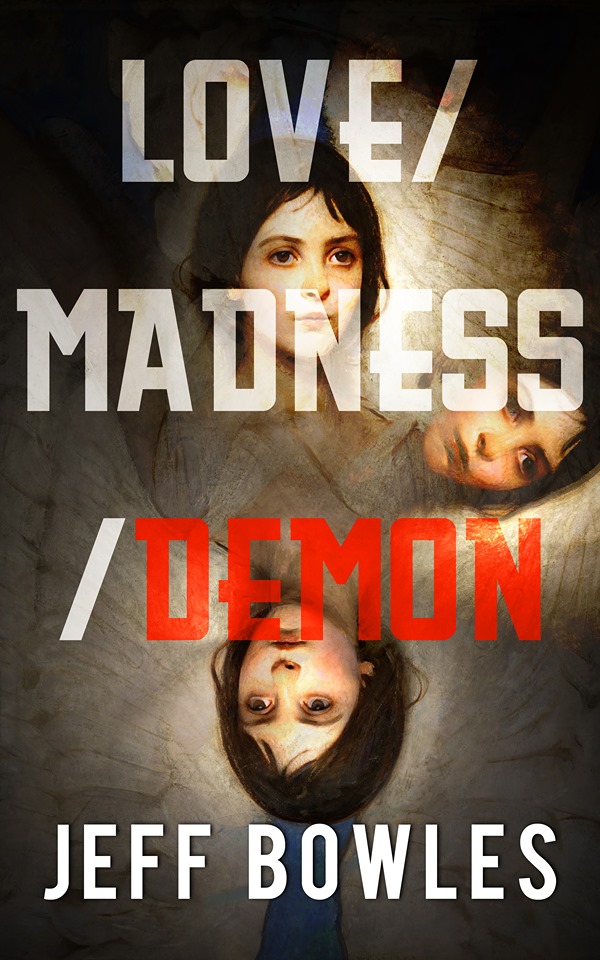
Jeff Bowles is a science fiction and horror writer from the mountains of Colorado. The best of his outrageous and imaginative work can be found in God’s Body: Book One – The Fall, Godling and Other Paint Stories, Fear and Loathing in Las Cruces, and Brave New Multiverse. He has published work in magazines and anthologies like PodCastle, Tales from the Canyons of the Damned, the Threepenny Review, and Dark Moon Digest. Jeff earned his Master of Fine Arts degree in creative writing at Western State Colorado University. He currently lives in the high-altitude Pikes Peak region, where he dreams strange dreams and spends far too much time under the stars. Jeff’s new novel, Love/Madness/Demon, is available on Amazon now!
Check out Jeff Bowles Central on YouTube – Movies – Video Games – Music – So Much More!
Want to be sure not to miss any of Craft and Practice with Jeff Bowles segments? Subscribe to Writing to be Read for e-mail notifications whenever new content is posted or follow WtbR on WordPress
Put Off My Sackcloth Essays, by Annie Dawid provides open and honest glimpses into the life of a single daughter of a Jewish immigrant, who chooses to settle, eventually, in a small mountain community, where she lives off-grid with her mixed lineage son. Dawid’s essays are a brutally honest portrayal of her journey out of a history of suicidal depression and into motherhood.
The fact that the organization is not chronological, may make it more difficult for readers who are used to following a linear storyline, but her essays intermix recountings from her own life experiences with reflections on her research of the 1978 mass suicides in Jonestown, in a mosaic of small pieces that fit together to create a complete story, out of despair and into hope. These powerful essays are at times heart wrenching, at times evoking a smile, but they all reach out and touch the reader from the depths of the author’s soul.
Amazed by Dawid’s inner strength to battle her own demons, these soul revealing essays outline a journey from a life teetering on the edge of death into one filled with life and love. I give Put Off My Sackcloth Essays five quills.
Kaye Lynne Booth does honest book reviews on Writing to be Read in exchange for ARCs. Have a book you’d like reviewed? Contact Kaye at kayebooth(at)yahoo(dot)com.
My Treasuring Poetry guest today is talented author and poet M J Mallon. I am delighted to host Marje here and hope you enjoy her thoughts on poetry and her favourite poem.
Which of your own poems is your favourite?
This was such a difficult decision, I have at least three favourites! I narrowed it down to the robin. The robin and the dragonfly are my spirit animals and trees are also a huge inspiration. I’ve written about all of these and more in Mr. Sagittarius.
A beautiful picture of a robin by M J Mallon
Bench,
A bird,
Red-breasted,
So, tame you rest,
Beside me robin,
Two friends on a park bench,
One human, one of nature,
I appreciate your kind time,
Until you away… exploring far,
Hinting at possibilities you go.
I wonder what you notice in your world.
And why you choose that ground to explore,
When you could have stayed here with me,
In mindful meditation.
Maybe you’ll visit me,
Christmas day, perhaps?
To bring good cheer,
Until then,
Peace to, You.
What inspired you to write this particular poem?
I’d been studying mindfulness at the sixth form college where I work. Mindfulness is the act of observing and using the full array of our senses meditatively to become more at one with ourselves. I’ve discovered that this is a fantastic practice to adhere to. It benefits an author’s creativity by making you more aware of the nuances of your surroundings. I’m fortunate in that I work near the botanical gardens in Cambridge, so I often visit and walk and observe the wonder of nature taking photographs of the trees, flowers, animal and insect visitors. Over time, I collected these photographs and wrote poems about them. These, along with various seasonal and short pieces of fiction feature in Mr. Sagittarius. It is a joyful celebration of siblings, magic, loves, nature, the seasons and the circle of our lives.
Which genre of poetry do you enjoy writing the most and why?
I love writing poetry about life in all its vibrant colours. I am often inspired by photography, (I am a keen amateur photographer – my grandfather and uncle were professional photographers,) or I use images I discover as prompts, often via Colleen Chesebro’s poetry challenge: https://wordcraftpoetry.com/
Specifically, I enjoy writing poems about nature, trees, flowers, love and Halloween! Halloween poems also feature in Mr. Sagittarius. Halloween is an autumnal activity, (and often a childhood one,) so it links well with the seasonal/circle of life, aspect of my poetry writing.
Which genre of poetry do you enjoy reading the most?
I enjoy reading short form poetry. It is so expressive and brilliant. I love how short verses of poetry convey so much detail in so few words. I enjoy haiku, and tanka, as well as poems that form a pattern on the page. I also enjoy longer forms as you will see from my choice of favourite poem.
What is your favourite poem?
I have always loved Ode To Autumn by John Keats. I can almost taste the words. They are magnificent—that first line: Season of mists and mellow fruitfulness —draws you in and makes you long to read more.
Ode To Autumn by John Keats
Season of mists and mellow fruitfulness, Close bosom-friend of the maturing sun; Conspiring with him how to load and bless With fruit the vines that round the thatch-eves run; To bend with apples the moss’d cottage-trees, And fill all fruit with ripeness to the core; To swell the gourd, and plump the hazel shells With a sweet kernel; to set budding more, And still more, later flowers for the bees, Until they think warm days will never cease, For Summer has o’er-brimm’d their clammy cells.
2. Who hath not seen thee oft amid thy store? Sometimes whoever seeks abroad may find Thee sitting careless on a granary floor, Thy hair soft-lifted by the winnowing wind; Or on a half-reap’d furrow sound asleep, Drows’d with the fume of poppies, while thy hook Spares the next swath and all its twined flowers: And sometimes like a gleaner thou dost keep Steady thy laden head across a brook; Or by a cyder-press, with patient look, Thou watchest the last oozings hours by hours.
3. Where are the songs of Spring? Ay, where are they? Think not of them, thou hast thy music too,— While barred clouds bloom the soft-dying day, And touch the stubble-plains with rosy hue; Then in a wailful choir the small gnats mourn Among the river sallows, borne aloft Or sinking as the light wind lives or dies; And full-grown lambs loud bleat from hilly bourn; Hedge-crickets sing; and now with treble soft The red-breast whistles from a garden-croft; And gathering swallows twitter in the skies.
Mr Sagittarius is a beautiful collection of poems and short stories, set in the lovely gardens of Cambridge and linked by the visits and experiences of a family of twin brothers and their younger sister.
The story starts with William visiting the weeping willow tree in the garden, a place that was special to his twin brother, Harold, who has recently passed away. William sees Harold’s spirit in a dragonfly that he chats to and finds solace in their one-sided communication.
This is a few lines from a poem about the dragonfly: “Ancient, sweet fellow Sacred magic bestower, Change tumbling on fragile wings.”
When William returns home, he has an altercation with his sister, Annette. During their spat Annette reveals that she has always felt left out and overlooked by her twin brothers. This revelation leads to William and Annette becoming closer and visiting the garden together. Not long after, William passes on and Annette is left alone. She visits the garden and communicates with the spirits of both her brothers over the course of the rest of her long life.
The visits of the siblings to the garden are captured in lovely verse. This is an example I really enjoyed: “I dream in colour But now everything is dark Where has the light gone? Oh, cruel leafy canopy, No green meadow, just blue thoughts.”
My favourite of the short stories was The Old Man of Snow and The Snow Snake. This is a story about making good choices in life and rejecting greed. I enjoyed the tale and the descriptive writing.
Mr Sagittarius is a gorgeous book full of delightfully depictive poems and short stories and decorated with striking photographs. This is a book that lovers of poetry, mystery, and wonder will love.
I am a diverse author who blogs at: https://mjmallon.com. My interests include writing, poetry, photography, and alternative therapies. My favourite genres to write are: Fantasy YA, Paranormal, Ghost and Horror Stories and I love writing various forms of poetry and micro poetry – haiku and Tanka and flash fiction.
I am proud to be included in the best selling horror anthology Nightmareland which received best seller status with best-selling author Dan Alatorre at the helm.
The Sir Chocolate children’s picture books, co-authored by Robbie and Michael Cheadle, are written in sweet, short rhymes which are easy for young children to follow and are illustrated with pictures of delicious cakes and cake decorations. Each book also includes simple recipes or biscuit art directions which children can make under adult supervision.
Robbie has also published books for older children which incorporate recipes that are relevant to the storylines.
Robbie writes a monthly series for https://writingtoberead.com called Growing Bookworms. This series discusses different topics relating to the benefits of reading to children.
Want to be sure not to miss any of Robbie’s “Treasuring Poetry” segments? Subscribe to Writing to be Read for e-mail notifications whenever new content is posted or follow WtbR on WordPress.
When I was in high school, history was an unpopular subject. It was so unpopular, in fact, that when the time came for the Grade 9’s to chose their subjects for Grade’s 10 to 12, the school paired history with typing, home economics and business economics so that the girls who chose this less academic combination were compelled to take history. This was how I ended up in a history class with mainly girls who hated the subject. I loved history and I took it through choice. My other subjects were maths, accountancy, and science. In South Africa, English and Afrikaans were compulsory subjects at the time.
I never really understood why my peers didn’t like history as it was a subject always loved. I’ve said it here before, however, that I was a very wide reader from a very young age and I read a lot of books set in the past. Among my favourite books by a South African author, were the collections of short stories by Herman Charles Bosman. This is what Wikipedia has to say about Herman Charles Bosman:
Herman Charles Bosman (5 February 1905 – 14 October 1951) is widely regarded as South Africa’s greatest short-story writer. He studied the works of Edgar Allan Poe and Mark Twain and developed a style emphasizing the use of satire. His English-language works utilize primarily Afrikaner characters and highlight the many contradictions in Afrikaner society during the first half of the twentieth century.
On reflection, I realised that I have acquired a love of history because all the books I had read allowed me to include the facts and dates I learned into the fascinating backdrop I had acquired of life at the time. I could visualise the homes, lives, and loves of the Afrikaner people I learned about during the sections on the Great Trek and the Boers wars though my reading of Charles Bosman’s works. I also read books by South African Boer War veteran, Deneys Reitz.
My learning of international history including the French Revolution, the Industrial Revolution (including the Luddite uprisings), and the Tudor period were coloured by my reading of certain books, in particular, A Tale of Two Cities by Charles Dickens, and Shirley and Jane Eyre by Charlotte Bronte. I found it easy to remember my history because I entwined it with my understanding of life at the times as presented by these great novels.
I was delighted when I discovered that history is a popular subject at the college for boys my sons both attend. Gregory chose to take history to matric (along with IT, maths, advanced maths and science which shows that its mixes well with any subject combination) and Michael looks set to follow in his footsteps.
I am bowled over by their history curriculum and the amazing why they learn about the past through source documents, cartoons, and many other interactive and interesting modes compared to my school days of rote learning. My sons are also taught history from the perspective of how historical events have influenced the present which makes this subject a lot more useful. It helps them to see how people’s actions and reactions have set the path for the future and resulted in both the good and bad in society we see today.
I believe it is vital for kids to understand history in an expansive and wide context so that they can value the freedoms and benefits their forefathers fought and die to leave as their legacy. For example, what young girl would not value her vote if she knew about the suffering and hardships of the suffragettes who paved the way for the achievement of this equality for women.
I wonder how many British children know that compulsory education for children aged 5 to 14 years was only introduced in 1918. How many American children know that compulsory education laws were only passed by 1900 and then only in 32 states, with the other states following by 1930. 1930! That’s less than 100 years ago.
Modern children are so fortunate to have an education and the opportunities for self improvement that come with it. It isn’t equal for all yet, but there are lots of people who believe passionately in educating children and who work really hard to implement change and improvements in education.
Understanding and learning about real people in a historical context makes their passions, sufferings and beliefs so much more compelling. It is difficult to hold on to prejudice if you’ve read novels like I am David by Anne Holm, The Diary of a Young Girl by Anne Frank, and Cry the Beloved Country by Alan Patton.
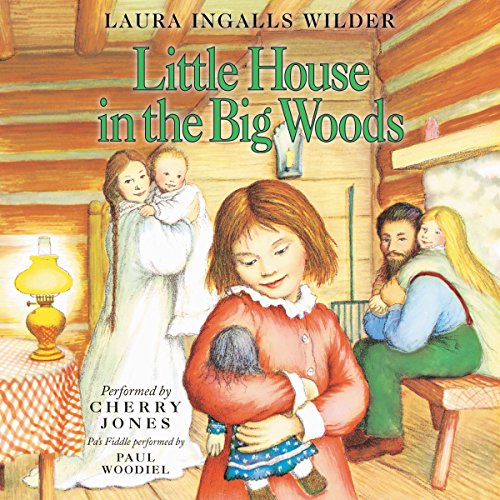
Historical books also teach children interesting information about how people survived in the past. I’ve always remembered the chapter from Little House in the Big Woods by Laura Ingalls Wilder when Pa cleaned his gun and made bullets. There is also a chapter about how Ma made butter and coloured it yellow. Little House on the Prairie has a scene when Ma is helping Pa build their new log cabin and a log falls on her foot. The difficulties and dangers of life on the frontier were illustrated; there was no help to be had for an injury or if the family fell ill.
I learned a lot about the limitations of medical knowledge in the mid to late 1800s through my reading of the What Katy Did series by Susan Coolidge. I will never forget Katy falling out of the swing or Amy contracting, and nearly dying from, Roman fever. Such scenes induce great feelings of empathy and compassion in the reader.
It is for all these compelling reasons that I wrote While the Bombs Fell, a fictionalised biography of my mom’s life as a young girl growing up in a small English town during World War II. I wanted to capture and preserve her memories of life for ordinary people living through this extraordinary time so that others, children in particular, could read it and remember how life was during that time.
What are your thoughts about historical fiction for both children and adults? Do you see value in learning about history in through a good story?
About Robbie Cheadle
Robbie Cheadle is a children’s author and poet.
The Sir Chocolate children’s picture books, co-authored by Robbie and Michael Cheadle, are written in sweet, short rhymes which are easy for young children to follow and are illustrated with pictures of delicious cakes and cake decorations. Each book also includes simple recipes or biscuit art directions which children can make under adult supervision.
Robbie has also published books for older children which incorporate recipes that are relevant to the storylines.
Robbie writes a monthly series for https://writingtoberead.com called Growing Bookworms. This series discusses different topics relating to the benefits of reading to children.
Want to be sure not to miss any of Robbie’s “Growing Bookworms” segments? Subscribe to Writing to be Read for e-mail notifications whenever new content is posted or follow WtbR on WordPress.
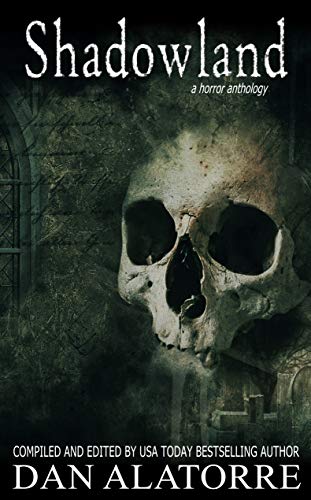
Shadowland is the latest release in the Box Under the Bed horror anthology series, compiled and edited by bestselling author Dan Allatorre. Pick up any of the anthologies in this series and the reader will not be disappointed, but the collection of tales featured in Shadowland may have outdone those which came before. From the creative minds of Dan Alatorre, Betty Valentine, Roberta Eaton Cheadle, Christine Valentor, Jessica Bakkers, MD Walker, and Alison Marushka, each story is creatively crafted to fit into the premise of the anthology as a whole, like the pieces of a jigsaw puzzle fit precisely to do their part in the creation of the picture as a whole. This anthology has the potential to be made into a television series, with each individual story becoming a single, or even multiple episodes.
The mysterious and eccentric Dr. Aumental teaches a very special class, where students are excused from their other classes and sent on all expense paid travels to research dark folklore and legends as subjects for their term papers. The research takes students to the far reaches of the globe, searching for the truth about voodoo magic, demons, spirits of the dead, the cave dwelling Hojimaa, Hookman mythology, the monster under the bed, phantom cannibals, the Jersey Devil, and more. Any legend lurking in the shadows is fair game for the investigative skills of Dr. Aumental’s selected students. Certainly, this class must produce some very unique term papers, but why does the professor go to such lengths and what does he do with the information they contain?
Each of the dark tales in Shadowland easily stands alone on its own merit. Together, they form an anthology collection that goes beyond a common theme to help fulfill an overall premise that leaves itself open to endless possibilities. I give this horror anthology five quills.
Kaye Lynne Booth does honest book reviews on Writing to be Read in exchange for ARCs. Have a book you’d like reviewed? Contact Kaye at kayebooth(at)yahoo(dot)com.
Last chance to enter the 2021 WordCrafter Paranormal Short Fiction Contest!
Where Spirits Linger
The deadline to enter the 2021 WordCrafter Paranormal Short Fiction Contest is April 30th, for a chance to have your short paranormal story included in the 2021 paranormal anthology, Where Spirits Linger. The entry fee is $5, and the author of the winning story receives a $25 Amazon gift card and inclusion in the anthology. See full submission guidelines and send me your ghost stories. There’s still time. Hurry!
There’s still time to get tickets for the 2021 WordCrafter New Beginnings Virtual Writing Conference
2021 WordCrafter New Beginnings Writing Conference
Join us for a free Facebook pre-conference promotional and social book event on May 3rd, where you can meet conference presenters and other authors, learn about their latest releases, play games and enter giveaways! You can reserve your spot on the Facebook Event Page to join in on the fun from the comfort of your own livingroom or wherever you happen to be.
Then on May 4th & 5th, the interactive portion of the conference will be held, with interactive workshops & panel discussions will be offered by talented and experienced presenters, including Keynote speaker Paul Kane. Tickets can be purchased for $5 for individual sessions or a full event pass at the discounted rate of $50 for all 13 sessions. Visit the WtbR Event Page, right here on Writing to be Read, to see the full line-up and author bios, and purchase tickets. It’s going to be a lot of fun and we plan to learn a lot, too, so reserve your spot today.
I can’t offer a preview, because the conference will be live, but I can offer a sample from the 2020 WordCrafter Stay in Place Virtual Writing Conference to whet your appetites. Below is a video of the Visceral Story Beginnings interactive workshop with Ellie Raine. Ellie jumped in to present this workshop after the originally scheduled presenter was unable to attend. I think you did a fantastic job of picking up the ball.
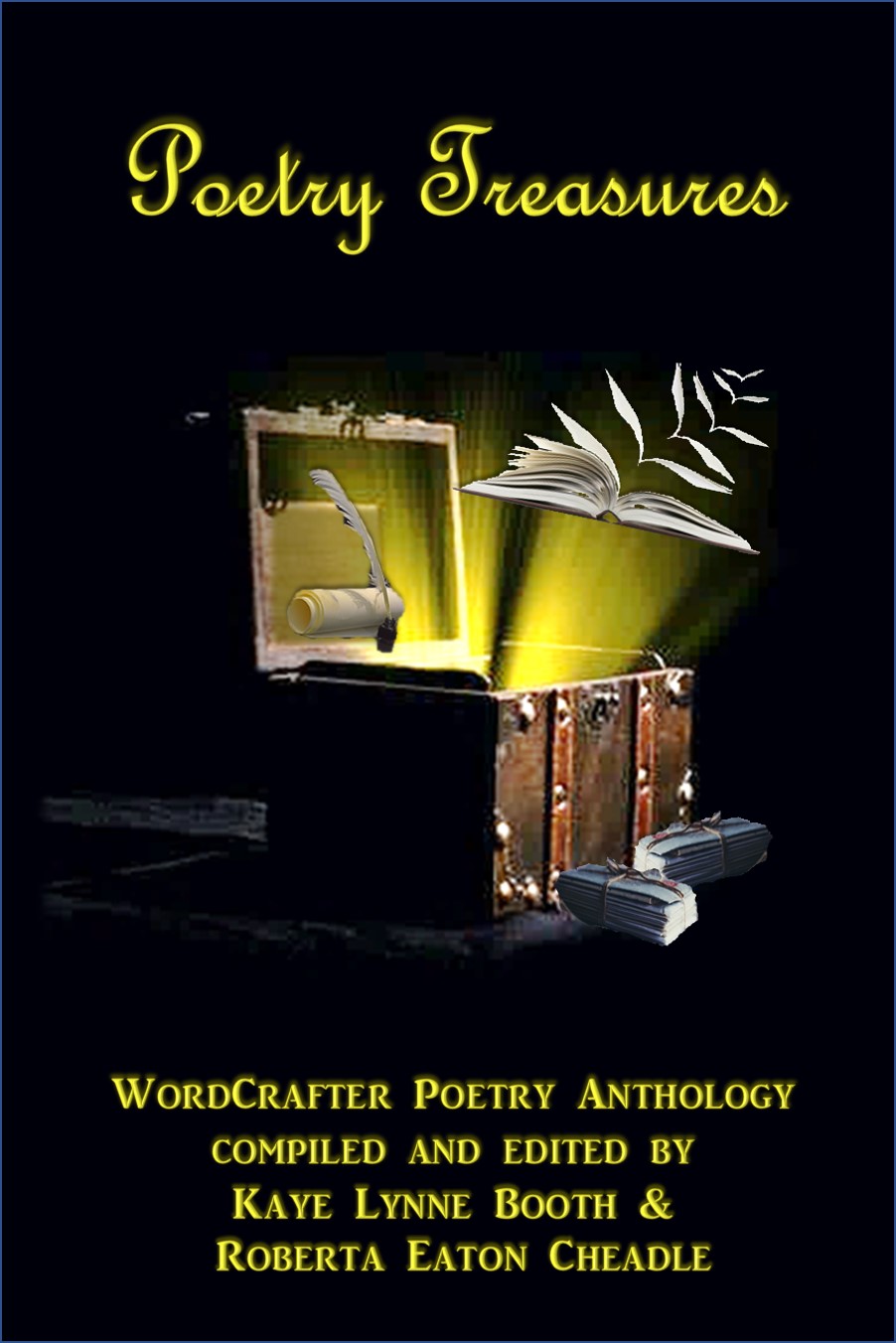
Announcing the release of Poetry Treasures, the WordCrafter poetry anthology featuring poetry by 2020’s author/poet guests on “Treasuring Poetry” blog series with Robbie Cheadle, right here on Writing to be Read.
Nine creative and talented poets have come together to produce this unique poetry collection, each one is truly a poetry treasure.
Poetry Treasures
2020 “Treasuring Poetry” Featured Poet/AuthorLinks:
Like this post? Let me know in the comments. You can be sure not to miss any of Writing to be Read’s great content by subscribing to e-mail or following on WordPress. If you found this content helpful or entertaining, please share.
It’s been tough around the house this month. My mother-in-law passed away after a long battle with liver disease. She’d been having severe problems for months, but as my wife said a few nights ago, we always thought we had more time with her.
I haven’t felt like writing. Even typing up a blog post like this is draining. Writing is a bit of a safe haven for me. Easily tumbling down the rabbit hole, so to speak, laying aside my heartaches and disappointments, entering worlds of my own design, inhabiting people who don’t really exist.
Dora was a writer herself, and a voracious reader, too. I stayed with my wife and her family a lot in the days I was first starting to tinker with short stories. Because Dora was enthusiastic and willing, I often asked her to read my fist drafts. Her comments were always complimentary, because it wasn’t in her nature to poke holes in something her kids had poured their hearts and souls into.
Her kid, that’s what I was. The family has two daughters, and both were married within a year of each other. Dora never differentiated between the four of us, or at least, she tried her best not to. If everyone was gathering in the same place, it was about the kids and whether or not we’d eaten, her kids and how we were getting along in life, the importance of the kids’ enjoyment of holidays, birthdays, work promotions, collegiate successes.
I have no bad memories of her. Truly, anything contentious between us didn’t live long enough to become an issue. She was always patient and friendly with me. I loved reading her yearly Christmas poems, which she sent to the entire extended family. Never missed a year or an opportunity to fret over one or two words. I liked that about her, a certain willingness to own what she’d created. She never tried to publish anything professionally, but the rest of the family agrees she should have.
Marriage, as it turns out, can be one hell of a rollercoaster ride. My wife and I will be celebrating our twelfth anniversary in September. Most of our friends have been married a far shorter time, which means we can dispense wisdom without pretense. Our marriage has been anything but perfect. Thwarted expectations, mental health issues, a lost house, lost job, grad school, which was pretty tough for me, because I do tend to have a sensitive mindset, things can set me off easily.
I have guilt over whether Dora knew how much I appreciated her, because I doubt I ever communicated it properly. I know my wife and father-in-law are suffering, but the truth is they’re both stronger than I am. There’s been so much in the last year to cause us all grief and misery. No shame shaking your fist at the bumpy ride behind and ahead of us. There’s nowhere else for me to be, nothing else I’d rather be doing. Dora was a presence in this house, this family. She was a pillar, holding things up in that matronly way that looks easy but can’t possibly be effortless. Life will be different now. Better or worse, I don’t know, but different for sure.
I can help my wife by making calls, figuring out logistics, being a shoulder to cry on. I’m not perfect, but then neither was Dora. Sometimes I expect her still to be here, watching movies or making dinner, reading, chatting, clipping digital coupons. One of the last things she did for me was to read the first novel I self-published. She loved it, told my wife I was talented and that I was never to give up.
She would’ve said that regardless of whether she enjoyed reading it or not, but I believed her wholeheartedly anyway. That’s what she meant to me. I was proud to be one of her kids. I’m still proud.
I’ll see you next month in Words to Live By. In the meantime, give someone important a hug. If they’re not a hugger, hug them even harder. Tell them you have my permission.
Jeff Bowles is a science fiction and horror writer from the mountains of Colorado. The best of his outrageous and imaginative work can be found in God’s Body: Book One – The Fall, Godling and Other Paint Stories, Fear and Loathing in Las Cruces, and Brave New Multiverse. He has published work in magazines and anthologies like PodCastle, Tales from the Canyons of the Damned, the Threepenny Review, and Dark Moon Digest. Jeff earned his Master of Fine Arts degree in creative writing at Western State Colorado University. He currently lives in the high-altitude Pikes Peak region, where he dreams strange dreams and spends far too much time under the stars. Jeff’s new novel, Love/Madness/Demon, is available on Amazon now!
Check out Jeff Bowles Central on YouTube – Movies – Video Games – Music – So Much More!
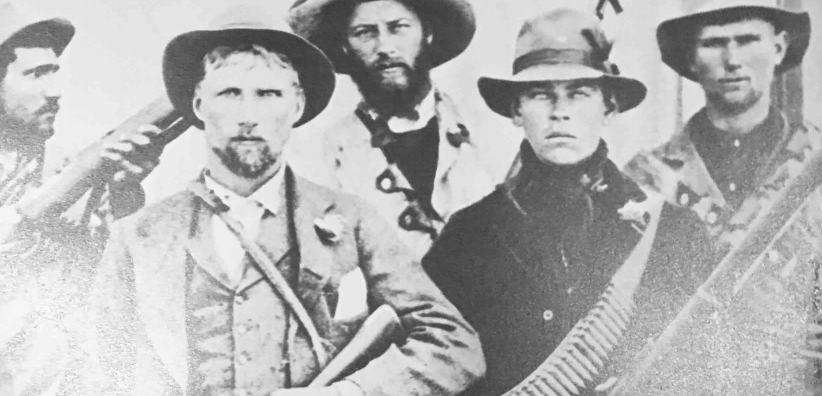
Welcome to Day #2 of the WordCrafter A Ghost and His Gold Book Blog Tour. Yesterday Roberta Eaton Cheadle shared the origins of the story for this historical paranormal novel and I added my review of the book right here on Writing to be Read. Today we get a look at one of Cheadle’s characters, Boer, Pieter Van Zyl. Please join us as we snatch a glimpse into the author’s thoughts as she developed a character who represent one side of the Second Anglo Boer War in South Africa.
A Ghost and His Gold Give Away
Each stop on this five-day book blog tour will offer the opportunity to win a $10 Amazon gift voucher. (*Winners must be able to retrieve Amazon US gift vouchers.) Author Roberta Eaton Cheadle will also give away 2 paperback copies of A Ghost and His Gold. All you have to do to enter is drop by each tour stop and leave a comment!
Guest Post by Roberta Eaton Cheadle: Pieter van Zyl characterisation
Pieter van Zyl is a Boer living on his farm in Irene near Pretoria in the South African Republic when war between the British Empire and the two Boer republics breaks out. Although the historical sections of the book are narrated from the points of view of a British soldier stationed in Mafeking during the siege, Robert, and Pieter’s eldest daughter, Estelle, as well as Pieter, he is central to the backstory and background of the other ghosts as well as the main themes of the book which are human greed, the horror of war, the desire for control and power and, most importantly, the erosion and corruption of the human spirit and individual’s morals, and ethics, under conditions of continuous war, destruction, and death.
Pieter’s late grandmother was English, and he is familiar with the ways of the British and more understanding of their characteristics and motivations that most of his peers.
Pieter is highly intelligent and well read and, although he is ready to play his role in fighting for the independence of his country, he is pessimistic about the eventual outcome of this war in the face of his peers excited optimism for a quick victory. Pieter is an introverted loner who keeps his thoughts to himself having learned his opinions and views on many topics are not popular with his peers. Pieter is a peacemaker and does not like conflict in his life. This is apparent in his relationships with his wife, Marta, and oldest daughter, Estelle. Pieter is incapable of dealing with the conflict between the pair and taking positive action to control his wife’s resentment towards her unusual oldest child.
The suffering and trauma that Pieter experiences during the war, in particular the loss of his farm and the confinement of his family in a concentration camp, wear down his abilities to tolerate and cope with his circumstances and his will to live is destroyed long before he dies.
He believed he would be safer among family and friends, having quickly learned that being obligated to fight for your country did not necessarily translate into an eagerness to do so. The reluctance of some of the Burghers to take up arms surprised him, and he chuckled at some of the conversations he’d overheard.
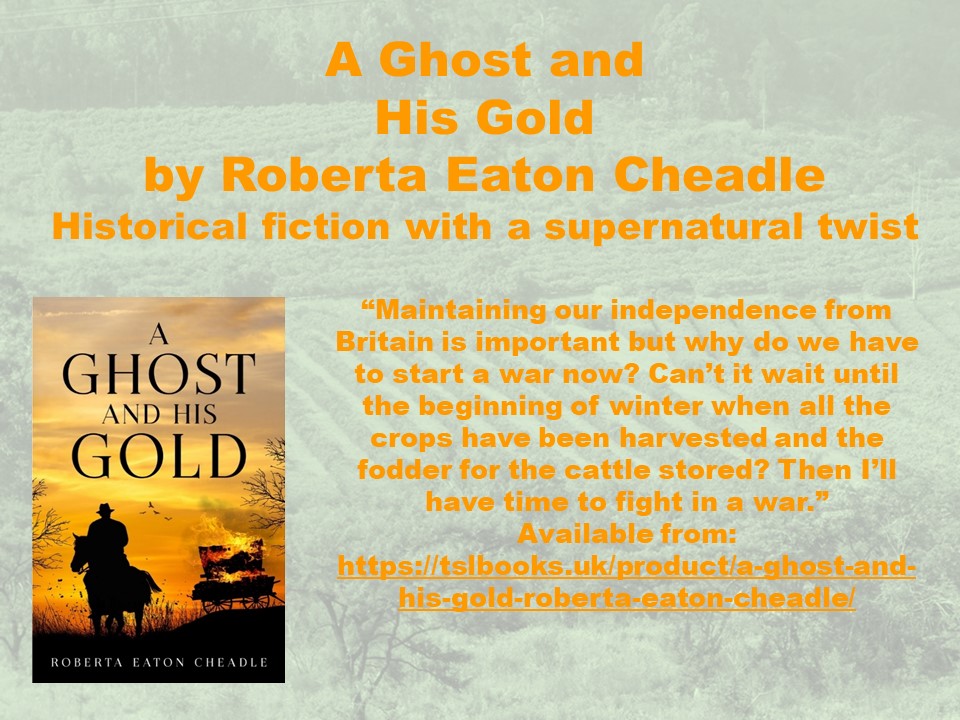
“I don’t want to go to war now,” said François Naude, “it’s spring and I need to be here to oversee the planting.”
Pieter, who was waiting to collect his grocery order from the proprietor of the Irene General Store, hid a smile at this amusing comment.
What does he think our government should do? Ask the British if they mind waiting for a more convenient time before we commence hostilities.
Extract 2
Grabbing his loaded Mauser rifle from its hooks on the wall near the door, he hesitates for a moment to admire its smooth and shiny wooden length. The feel of the gun in his hands gives him confidence; he is an excellent marksman.
This gun brought me a lot of respect.
His ability with a gun had been his saving grace when, as a young man, his peers had been mystified by his interest in books and writing and had liked to share their derogatory thoughts in that regard.
Extract 3
Willem was in high spirits. “This war will soon be over, Pieter. It’ll be the same as the last one. We’ll defend our borders against the invaders, and it will be over in three months. We’ll be home by harvest time.”
Willem shared the sense of excitement and euphoria that many of his fellow countrymen were experiencing, but Pieter did not.
War brings bloodshed, grief and tears. This time the British will probably send 36 many more soldiers. I think this war is going to be a much harder win.
He had not shared his own thoughts with Willem. There was no point and he had learned many years ago to keep his unpopular opinions to himself.
Extract 4
Pieter stops talking and gazes into space. Memories assail his mind in a kaleidoscope of sounds, smells and visions.
“At about midday, we saw a large cloud of dust coming our way. Having no idea how many horsemen there were, ten other Burghers, Willem and I quickly set up an ambush. As they drew closer, we could make out a mass of at least seven thousand horses and men. It was a hopeless situation and we prepared to withdraw, but the Khakis saw us and started shelling our position. My horse took fright at an exploding shell and bolted. I fell and broke two ribs, but luckily my horse is well trained, and he came back to me. Oom Willem hoisted me back onto my horse, and we were able to escape.”
Marta’s pale face and the tension around her mouth and eyes suddenly register with Pieter.
Is she upset because of my injury or because the Burghers ran away?
“It was cowardly of you men to flee, you should have stayed and fought,” said Marta, her lip curled with contempt.
How does she think I could have carried on fighting with broken ribs? She’s being ridiculous; if we’d carried on fighting, we would’ve all been killed. A handful of men couldn’t hold back such a significant force.
Smiling wryly, he took a sip of water. “Maybe you are right, Marta, but I was in too much pain to influence that decision.”
The Blurb
After Tom and Michelle Cleveland move into their recently built, modern townhouse, their housewarming party is disrupted when a drunken game with an Ouija board goes wrong and summonses a sinister poltergeist, Estelle, who died in 1904.
Estelle makes her presence known in a series of terrifying events, culminating in her attacking Tom in his sleep with a knife. But, Estelle isn’t alone. Who are the shadows lurking in the background – one in an old-fashioned slouch hat and the other, a soldier, carrying a rifle?
After discovering their house has been built on the site of one of the original farms in Irene, Michelle becomes convinced that the answer to her horrifying visions lies in the past. She must unravel the stories of the three phantoms’ lives, and the circumstances surrounding their untimely deaths during the Second Anglo Boer War, in order to understand how they are tied together and why they are trapped in the world of ghosts between life and death. As the reasons behind Estelle’s malevolent behaviour towards Tom unfold, Michelle’s marriage comes under severe pressure and both their lives are threatened.
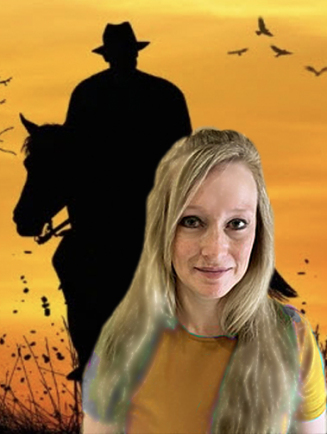
About Roberta Eaton Cheadle
I am a South African writer specialising in historical, paranormal and horror novels and short stories. I am an avid reader in these genres and my writing has been influenced by famous authors including Bram Stoker, the Bronte sisters, Amor Towles, Stephen Crane, Enrich Maria Remarque, George Orwell, Stephen King, and Colleen McCullough.
I was educated at the University of South Africa where I achieved a Bachelor of Accounting Science in 1996 and a Honours Bachelor of Accounting Science in 1997. I was admitted as a member of The South African Institute of Chartered Accountants in 2000.
I have worked in corporate finance from 2001 until the present date and have written seven publications relating to investing in Africa. I have won several awards over my twenty year career in the category of Transactional Support Services.
I have been published a number of anthologies and have two published YA books, While the Bombs Fell and Through the Nethergate. I have recently published my first adult novel called A Ghost and His Gold which is partly set in South Africa during the Second Anglo Boer War.
Other books by Roberta Eaton Cheadle
Through the Nethergate
Margaret, a girl born with second sight, has the unique ability to bring ghosts trapped between Heaven and Hell back to life. When her parents die suddenly, she goes to live with her beloved grandfather, but the cellar of her grandfather’s ancient inn is haunted by an evil spirit of its own.
In the town of Bungay, a black dog wanders the streets, enslaving the ghosts of those who have died unnatural deaths. When Margaret arrives, these phantoms congregate at the inn, hoping she can free them from the clutches of Hugh Bigod, the 12th century ghost who has drawn them away from Heaven’s White Light in his canine guise.
With the help of her grandfather and the spirits she has befriended, Margaret sets out to defeat Hugh Bigod, only to discover he wants to use her for his own ends – to take over Hell itself.
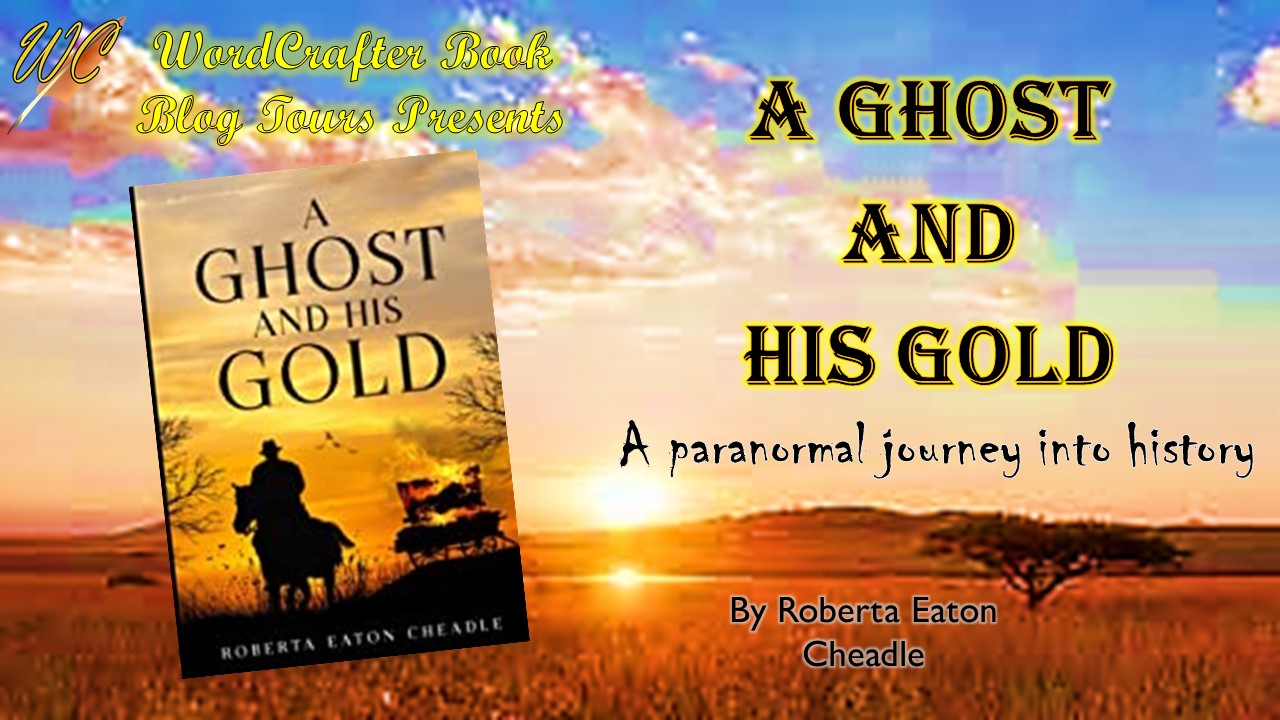
Today is Day #1 of the WordCrafter A Ghost and His Gold Book Blog Tour with an interesting guest post by author Roberta Eaton Cheadle explaining how she came to write this wonderful paranormal historical novel. I hope you will join us at each of the tour stops because this tour has a great giveaway! Each stop on this five-day book blog tour will offer the opportunity to win a $10 Amazon gift voucher. (*Winners must be able to retrieve Amazon US gift vouchers.) Author Roberta Eaton Cheadle will also give away 2 paperback copies of A Ghost and His Gold. All you have to do to enter is drop by each tour stop and leave a comment!
And now, please welcome Roberta Eaton Cheadle as she introduces us to A Ghost and His Gold.
A Ghost and His Gold started as a simple short story idea. I was reading up on Ouma Smuts, the wife of Field Marshal Jan Christian Smuts who served as the Prime Minister of the Union of South Africa from 1919 to 1924 and from 1939 to 1948, when I came across an interesting ghost story involving their house.
Ouma Smuts lived with her husband and their children in a house in Irene near Pretoria, the capital of the previous Boer South African Republic (Transvaal). The house is now a museum which I have visited many times. The original tin roofed house is quite spooky with each room featuring a scene frozen in time. Jars of Ouma Smuts’ home-made preserves and pickles are still on the shelf in the pantry. There is an open book on the table in Jan Smut’s former library, a wonderful room which is lined with books from floor to ceiling.
It was during one of my tours of this museum that I first heard that the second-best bedroom, off the dining room, is purported to be haunted. The idea of a ghost interested me, and I decided to research it further.
The story goes that the farm ‘Doornkloof’ was originally owned by a Boer family. Their house was built on the same spot that Smuts eventually put up his house in 1909. The previous owner had fled one night during the 2nd Anglo Boer War when it became clear that the Bristish forces were marching on Pretoria and his farm was in the way. Not wanting his family to end up in a concentration camp, he buried his valuables including £30 000 worth of gold and left hurriedly, never to return. There is no word on what happened to the farmer, but it is said that his spirit still lingers in the house on his old farm.
The story of the ghostly farmer who is said to haunt the Smuts’ family home was so intriguing, I decided it needed to be told. Of course, any story about South African history is never going to stay short so it grew.
After a few months of research and writing, it was a novella of 30 000 words. At that point I sent it to my developmental editor, Esther Chilton for her review and feedback. Esther loved the story and came back with some wonderful comments that set me off on the road to further developing this story.
The history of South Africa is complex and involves more than one point of view, specifically that of the British, the Boers, and the native Africans. As I researched more about the time when the ghostly farmer lived, I discovered that the Boer and British perspectives on the Second Anglo Boer War conflict and vary. I also discovered that there is little recorded history about the involvement of the native Africans in this war.
To accommodate these different points of view and to provide a reader with a holistic overview of this war, its causes, circumstances, emotions, and the role it played in setting the stage for the future of South Africa, I decided to introduce three ghosts: Robert, the British soldier in Mafeking during the siege, Pieter, the Boer and my depiction of the “ghostly farmer”, and Estelle, Pieter’s daughter from a previous marriage to an Englishwoman.
The lack of recorded history made the inclusion of the native African perspective more difficult, but I introduced a few supporting characters who told their side of this story based on the information I managed to glean from hearsay, a thesis I discovered about the native African concentration camps, and other non-fiction and fictional works set in this period.
I hope I have done all three perspectives justice and achieved my goals of providing insight into the psychology of this terrible war.
The history is wrapped up in a paranormal tale which involves a modern couple and exposes their history and personal career mistakes which are, in many ways, a repeat of the past.
Relevant extracts from A Ghost and His Gold
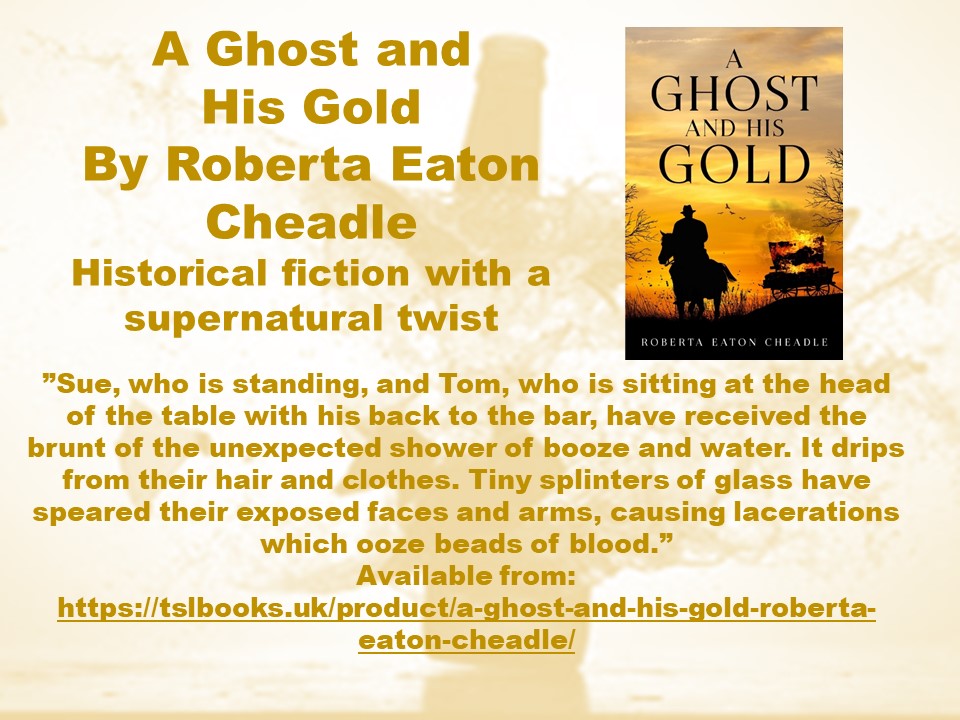
Excerpt from A Ghost and His Gold
The Blurb
After Tom and Michelle Cleveland move into their recently built, modern townhouse, their housewarming party is disrupted when a drunken game with an Ouija board goes wrong and summonses a sinister poltergeist, Estelle, who died in 1904.
Estelle makes her presence known in a series of terrifying events, culminating in her attacking Tom in his sleep with a knife. But, Estelle isn’t alone. Who are the shadows lurking in the background – one in an old-fashioned slouch hat and the other, a soldier, carrying a rifle?
After discovering their house has been built on the site of one of the original farms in Irene, Michelle becomes convinced that the answer to her horrifying visions lies in the past. She must unravel the stories of the three phantoms’ lives, and the circumstances surrounding their untimely deaths during the Second Anglo Boer War, in order to understand how they are tied together and why they are trapped in the world of ghosts between life and death. As the reasons behind Estelle’s malevolent behaviour towards Tom unfold, Michelle’s marriage comes under severe pressure and both their lives are threatened.
I am a South African writer specialising in historical, paranormal and horror novels and short stories. I am an avid reader in these genres and my writing has been influenced by famous authors including Bram Stoker, the Bronte sisters, Amor Towles, Stephen Crane, Enrich Maria Remarque, George Orwell, Stephen King, and Colleen McCullough.
I was educated at the University of South Africa where I achieved a Bachelor of Accounting Science in 1996 and a Honours Bachelor of Accounting Science in 1997. I was admitted as a member of The South African Institute of Chartered Accountants in 2000.
I have worked in corporate finance from 2001 until the present date and have written seven publications relating to investing in Africa. I have won several awards over my twenty year career in the category of Transactional Support Services.
I have been published a number of anthologies and have two published YA books, While the Bombs Fell and Through the Nethergate. I have recently published my first adult novel called A Ghost and His Gold which is partly set in South Africa during the Second Anglo Boer War.
Other books by Roberta Eaton Cheadle
Through the Nethergate
Margaret, a girl born with second sight, has the unique ability to bring ghosts trapped between Heaven and Hell back to life. When her parents die suddenly, she goes to live with her beloved grandfather, but the cellar of her grandfather’s ancient inn is haunted by an evil spirit of its own.
In the town of Bungay, a black dog wanders the streets, enslaving the ghosts of those who have died unnatural deaths. When Margaret arrives, these phantoms congregate at the inn, hoping she can free them from the clutches of Hugh Bigod, the 12th century ghost who has drawn them away from Heaven’s White Light in his canine guise.
With the help of her grandfather and the spirits she has befriended, Margaret sets out to defeat Hugh Bigod, only to discover he wants to use her for his own ends – to take over Hell itself.
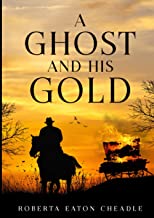
A Ghost and His Gold, by Roberta Eaton Cheadle is a cleverly crafted story that takes three lives from the past and converges their stories within the main story, which takes place in the present. Characters with depth drive this paranormal historical novel.
When Michelle and her husband, Tom, move into a new home, her future seems to be full of promise. But strange occurances soon lead Michelle to believe that her new home is haunted, and what’s more, Tom’s life may be in danger. In her efforts to unravel the mystery of what is going on in her new home, details in the lives of three ghosts, from the time of the second Anglo Boer War, are revealed: A British soldier named Robert, a Boer commando named Peiter, and a young girl named Estelle, who harbors anger and vengence against both Tom and Michelle.
As Michelle struggles to unravel the mystery of these ghosts and how they are connected to each other and to her new home, she uncovers a mystery in her own life, one that threatens to tear her marraige apart. Can she learn the truth and find a way to help them all before the vengeful poltergeist takes Tom’s life?
Cheadle has done her homework, and the South African history related within is quite educational as well as entertaining. Readers will be riveted to their seats as the tale of each ghost is revealed, with each of their stories being equally captivating. I give A Ghost and His Gold five quills.
































Words to Live By – For Dora
Posted: April 21, 2021 | Author: Jeff Bowles | Filed under: Commentary, Editorial, Opinion, Words to Live By, Writing, Writing Life | Tags: Grief, Jeff Bowles, Loss, Mourning, Words to Live By, Writing, Writing to be Read | 2 CommentsFor Dora
It’s been tough around the house this month. My mother-in-law passed away after a long battle with liver disease. She’d been having severe problems for months, but as my wife said a few nights ago, we always thought we had more time with her.
I haven’t felt like writing. Even typing up a blog post like this is draining. Writing is a bit of a safe haven for me. Easily tumbling down the rabbit hole, so to speak, laying aside my heartaches and disappointments, entering worlds of my own design, inhabiting people who don’t really exist.
Dora was a writer herself, and a voracious reader, too. I stayed with my wife and her family a lot in the days I was first starting to tinker with short stories. Because Dora was enthusiastic and willing, I often asked her to read my fist drafts. Her comments were always complimentary, because it wasn’t in her nature to poke holes in something her kids had poured their hearts and souls into.
Her kid, that’s what I was. The family has two daughters, and both were married within a year of each other. Dora never differentiated between the four of us, or at least, she tried her best not to. If everyone was gathering in the same place, it was about the kids and whether or not we’d eaten, her kids and how we were getting along in life, the importance of the kids’ enjoyment of holidays, birthdays, work promotions, collegiate successes.
I have no bad memories of her. Truly, anything contentious between us didn’t live long enough to become an issue. She was always patient and friendly with me. I loved reading her yearly Christmas poems, which she sent to the entire extended family. Never missed a year or an opportunity to fret over one or two words. I liked that about her, a certain willingness to own what she’d created. She never tried to publish anything professionally, but the rest of the family agrees she should have.
Marriage, as it turns out, can be one hell of a rollercoaster ride. My wife and I will be celebrating our twelfth anniversary in September. Most of our friends have been married a far shorter time, which means we can dispense wisdom without pretense. Our marriage has been anything but perfect. Thwarted expectations, mental health issues, a lost house, lost job, grad school, which was pretty tough for me, because I do tend to have a sensitive mindset, things can set me off easily.
I have guilt over whether Dora knew how much I appreciated her, because I doubt I ever communicated it properly. I know my wife and father-in-law are suffering, but the truth is they’re both stronger than I am. There’s been so much in the last year to cause us all grief and misery. No shame shaking your fist at the bumpy ride behind and ahead of us. There’s nowhere else for me to be, nothing else I’d rather be doing. Dora was a presence in this house, this family. She was a pillar, holding things up in that matronly way that looks easy but can’t possibly be effortless. Life will be different now. Better or worse, I don’t know, but different for sure.
I can help my wife by making calls, figuring out logistics, being a shoulder to cry on. I’m not perfect, but then neither was Dora. Sometimes I expect her still to be here, watching movies or making dinner, reading, chatting, clipping digital coupons. One of the last things she did for me was to read the first novel I self-published. She loved it, told my wife I was talented and that I was never to give up.
She would’ve said that regardless of whether she enjoyed reading it or not, but I believed her wholeheartedly anyway. That’s what she meant to me. I was proud to be one of her kids. I’m still proud.
I’ll see you next month in Words to Live By. In the meantime, give someone important a hug. If they’re not a hugger, hug them even harder. Tell them you have my permission.
Jeff Bowles is a science fiction and horror writer from the mountains of Colorado. The best of his outrageous and imaginative work can be found in God’s Body: Book One – The Fall, Godling and Other Paint Stories, Fear and Loathing in Las Cruces, and Brave New Multiverse. He has published work in magazines and anthologies like PodCastle, Tales from the Canyons of the Damned, the Threepenny Review, and Dark Moon Digest. Jeff earned his Master of Fine Arts degree in creative writing at Western State Colorado University. He currently lives in the high-altitude Pikes Peak region, where he dreams strange dreams and spends far too much time under the stars. Jeff’s new novel, Love/Madness/Demon, is available on Amazon now!
Check out Jeff Bowles Central on YouTube – Movies – Video Games – Music – So Much More!
Share this: