Growing Bookworms – Meet children’s fiction and adult fiction and non-fiction author, Toni Pike and a review #growingbookworms #childrensfiction #bookreview
Posted: June 14, 2023 Filed under: Book Promotion, Book Review, Books, Children's Books, Fiction, Mystery, Review, Thriller | Tags: Author Interview, Book Review, Children's Books, Cody Brody and the Step Mother From Outer Space, Growing Bookworms, Robbie Cheadle, The MAgus Covenant, Toni Pike, Writing to be Read 61 Comments
Today, I am delighted to introduce children’s and adult fiction author, Toni Pike. Toni is a prolific writer with at least two non-fiction books, six adult thrillers, one women’s fiction, and two children’s books, all available from Amazon. Today, we are focusing the discussion on Toni’s two children’s books in the Brody Cody series. I’ve read both and they are wonderful for middle school children.
I love your books about Brody Cody as they are filled with excellent, age-appropriate humour without resulting in facetious child characters which is a pitfall with many modern children’s books. Is there any particular children’s book author whom you admire and consider to be a role model for your writing?
Thank you so much for your lovely comments, Robbie – I’m delighted that you liked my characters. That means so much to me, coming from such a wonderful writer.
Roald Dahl is my favourite children’s author – his irreverent stories and characters are so wickedly delightful, and his plots are so beautifully constructed. I find children love this irreverence, and I was horrified to read recently that his stories were to be “sanitised” for the modern world. I think young readers could only benefit from enjoying his classic stories.
One of my other favourite role models is Judy Blume – I love the characters and familiar situations in “Tales of a Fourth Grade Nothing.”
Is Brody Cody entirely fictitious or are some of his characteristics based on real life models?
I always say that they are entirely a figment of my imagination – but quite a few aspects of Brody’s character are drawn from various real-life situations. In particular, I drew on memories of my own children and their friends, and also some snippets and ideas from children I taught at school. Having said that, nothing would be recognisable. I also drew on my own experience of childhood – even though that was a very long time ago! Two examples were Brody’s reluctance to get involved with extra-curricular activities, and also his insecurities, things Brody and I have in common.
How do you go about ensuring the language and flow of ideas in your children’s books are appropriate for the target age group?
Whether it’s for adults or children, I always try to write fast-moving stories that are plot-driven to keep the reader turning the page. That style seems suit me best, and it’s one of the reasons I like writing thrillers. To keep the language age-appropriate, I tried to think of how my children spoke when they were that age. I also made sure I used simple words and sentences, and always attempted to add humour. The setting was Australia, which of course is my home, so I knew the local idioms. I didn’t worry too much about the latest slang expressions – I tried to avoid that.
The theme of your first book, Brody Cody and the Stepmother from Outer Space, is very relevant in our modern age of frequent broken families and remarriages. Was there anything specific that compelled you to write this type of story? What were your aims with this book?
I wanted to write about a little boy who had lost his mother, because that immediately created sympathy for the character. I wanted it to be both scary and funny, but to have a very positive message about children and parents. I know there are a lot of blended families these days, so I hoped it would strike a chord but also be something all children could enjoy.
What are your goals for the Brody Cody series? Can we expect another book in this series soon?
I have a list of ideas for future Brody Cody stories, and want to add to the current two-book series. However, I also love writing books for adults, and I’m currently working on another thriller – which is still at a very early stage. I feel torn between the two, and don’t want to disappoint my grown-up readers who’ve followed me for a few years now. So, for the moment, I think my adult writing is winning.
Books for children are harder to market than books for adults. How do you go about marketing your books and what works best for you?
Attracting readers for the series has been far more difficult than I anticipated – much more so than for adult books. Of course, that’s only my experience and other writers may not find that. I was thrilled with the response from those who did read them, and many of the reviews were wonderful. But I would prefer to find a wider audience.
I use the same techniques for marketing that I used for my other books The first essential is to have some reviews – and I send out advance copies for that. I enrol my books in Kindle Unlimited, and have both the ebooks and paperbacks on Amazon. I find reads on Kindle Unlimited account for a fair proportion of my royalty income. Occasional free days, especially for the first book in the series, helps to boost subsequent sales of all books in the series and also helps to get some reviews. I also use Amazon sponsored ads, targeting similar books and authors. I do, however, keep a tight rein on my budget for that.
The best marketing tool of all, though, is a supportive writing community. I’ve become good friends over the last few years with other writers like yourself from all over the world, and supporting and sharing each other’s writing and blog posts is a great way to spread the word. Your Growing Bookworms series about children’s writing is a great inspiration for children’s writers, and a great learning tool for parents.
My review of Brody Cody and the Stepmother from outer space
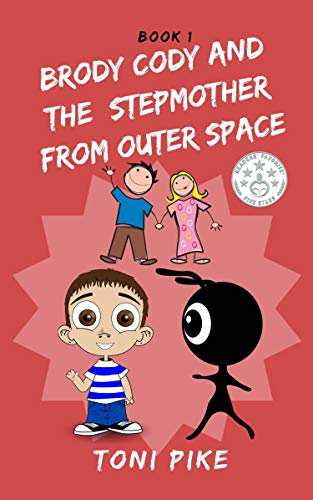
This book is a hilarious and fun read for young readers aged 7 to 13 years old. It is quite reminiscent, with its quirky and slightly dark humour, of Roald Dahl’s books, in particular, it reminded me a bit of James and the Giant Peach where James’ parents are eaten by a rampaging rhinoceros.
Cody, the young hero if this book, is raised by his relaxed and nonchalant father after his mother is mowed down unexpectedly by a runaway bus. Cody is spared because he flies out of his pram and across into the hands of the police constable who catches him like a baseball.
Cody is a happy boy who lives with no rules and little parental intervention. His father works from home in the afternoons, and is not given to checking on Cody’s homework or making sure it is done. They have an interesting diet too that comprises of sweet and sickly cereal in the morning and some fabulously unhealthy father created meals in the evenings.
Cody is happy and doesn’t believe he needs a mother like other children have. He has freedom and he is happy living with his father.
One day, Cody’s father needs to go away to an out-of-town conference. Cody cannot go with him and is sent to his friend’s home for this period. Cody’s friend has a mother and she sets about trying to mend Cody’s lackadaisical ways. Just before Cody is due to go home, he gets a quick call from his father telling him he has met and married a woman he met at the conference.
Cody is horrified and returns home quite determined to reject this new mother, but things don’t go quite according to plan. Cody discovers things about his new mother than lead him to believe she is an alien.
This really is a rollicking good story and young children will love it.
My review of The Magnus Covenant
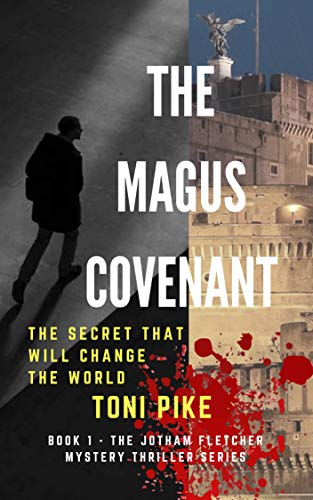
The Magnus Covenant is an exciting thriller that starts of with an unusual and strange murder. From there the excitement and pace just keep increasing, keeping you on the edge of your seat.
Jotham Fletcher and his girlfriend, Antonella Pavoni, a lecturer at the University of Rome, arrive at a famous Catholic Church where Jotham is expecting to deliver a lecture about Simon Magnus just in time to view the body of an elderly man in a black cape who may have committed suicide. As an expert on Simon Magnus, a cult leader from the time of Jesus, who thought he should be the head of the church and who was believed to have been a magician, Jotham mentions to the police the similarities between the deaths of Simon Magnus and this old man. Unfortunately, Jotham’s comments and interventions make him a prime suspect for murder.
Jotham does give his lecture and is the recipient of an extraordinary question from a journalist who subsequently disappears. He is also the recipient of antagonistic comments from a young Catholic brother who is also a member of the audience.
Shortly after the delivery of the lecture, Jotham is kidnapped and becomes embroiled in a complicated intrigue involving the members of the Simon Magnus cult, which has been in existence for 2,000 years, a brotherhood of extreme Catholics and a wealthy individual who may be the cause of all the agitation through the discovery and restoration of an ancient document. Jotham quickly realises that he can’t trust anyone he knows or meets and that his life is in danger.
Jotham is a great character. He has suffered personal loss through the deaths of his wife and child and is struggling with his faith. He’d thrown himself into researching Simon Magnus as a distraction from his loss and emotional turmoil. The deception of many people around him comes as a complete surprise to Jotham and he gets himself into a mess. He is able to pull himself together, discover his survival instincts and set about unravelling the intrigue all around him.
I thought the plot of this book was clever and interesting and the action kept me interested throughout.
About Toni Pike
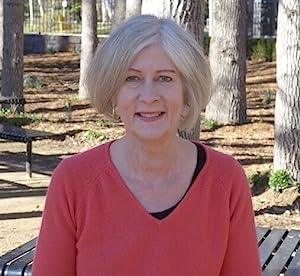
Toni Pike is a multi-genre author who enjoys writing page-turning fiction for adults, hilarious books for children, and non-fiction. She also loves travelling and being with family and friends. She lives in Australia and firmly believes that coffee and long walks are an essential part of any day.
Do you like books that you can’t stop reading? Pike is the author of LINDA’S MIDLIFE CRISIS, DESOLATION BLUFF, DEAD DRY HEART and The Jotham Fletcher Mystery Thriller Series: THE MAGUS COVENANT, THE ROCK OF MAGUS, THE MAGUS EPIPHANY and HOLY SPEAR OF MAGUS.
The Brody Cody Series is for children aged 6-9: BRODY CODY AND THE STEPMOTHER FROM OUTER SPACE and BRODY CODY AND THE HAUNTED VACATION HOUSE.
She’s also the author of two non-fiction books. THE ONE WAY DIET is a no-nonsense guide to losing weight. HAPPY TRAVELS 101 is a short book of travel tips with advice for anyone who wants to travel overseas.
To find out more, her website is tonipike.com.
About Robbie Cheadle
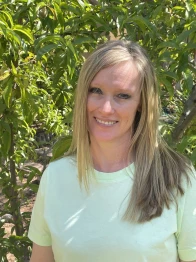
Award-winning, bestselling author, Robbie Cheadle, has published thirteen children’s book and three poetry books. Her work has also appeared in poetry and short story anthologies.
Robbie also has two novels published under the name of Roberta Eaton Cheadle and has horror, paranormal, and fantasy short stories featured in several anthologies under this name.
The ten Sir Chocolate children’s picture books, co-authored by Robbie and Michael Cheadle, are written in sweet, short rhymes which are easy for young children to follow and are illustrated with pictures of delicious cakes and cake decorations. Each book also includes simple recipes or biscuit art directions which children can make under adult supervision.
Robbie’s blog includes recipes, fondant and cake artwork, poetry, and book reviews. https://robbiesinspiration.wordpress.com/
Share this:

Book Review: Undercover on the Calypso
Posted: June 9, 2023 Filed under: Book Review, Books, cozy mystery, Fiction, Mystery, Review | Tags: Book Review, cozy mystery, Lizzie Josephson, Undercover on the Callypso, Writing to be Read 1 Comment
About the Book

Adrianne Chrisander inherited a small cruise line from a great uncle she hadn’t seen since she was two. Exciting, huh? But there were problems..
Somebody was occupying the Owner’s Cabin on The Cosmos Calypso, and the crew seemed to think he was their new boss. Who was he? What was his game?
And was the famous Contessa Cosmetica owner Sylvie Marconi telling the truth about the theft of her fabulous rejuvenating skin cream, or did she stage the incident for publicity?
Adrianne and her friend Carol needed to get to the bottom of it all before the reputation of The Cosmos Cruise Line was severely damaged!
Purchase Link:
https://www.amazon.com/Undercover-Calypso-Book-Cruise-Mysteries-ebook/dp/B0892QDZS2
My Review
Undercover on the Calypso, by Lizzie Josephson is a cozy mystery aboard a luxury cruise ship. There is plenty of light-hearted antics, which move the story along, but there isn’t enough conflict to make me buy into this story. For one thing, the cruise line is inherited in a surprise revelation, and the heroine, Adrianne, seems to take all in stride, when an inheritance such as that would knock most people off their feet, or at least cause them to stop and catch their breath. She immediately decides, for no apparent reason, to check out her new cruise line undercover, before it becomes public knowledge that she is the new owner. In fact, everyone in this story seems to just accept that things are what they are, without expressing any doubt or resistance, and nothing really stands in the way of the mystery being solved.
That being said, it would be a great read for someone looking for a light read with a plot that runs smoothly, for a warm summer day, although it is not the book for me. I give Undercover on the Callypso three quills.

______________________________________________________________________
Kaye Lynne Booth does honest book reviews on Writing to be Read in exchange for ARCs. Have a book you’d like reviewed? You can request a review here.
Share this:

Book Review: The Clock Maker’s Secret
Posted: June 2, 2023 Filed under: Audio Books, Audiobook Review, Book Review, Books, Crime, Fiction, Mystery, Review Leave a commentAbout the Book
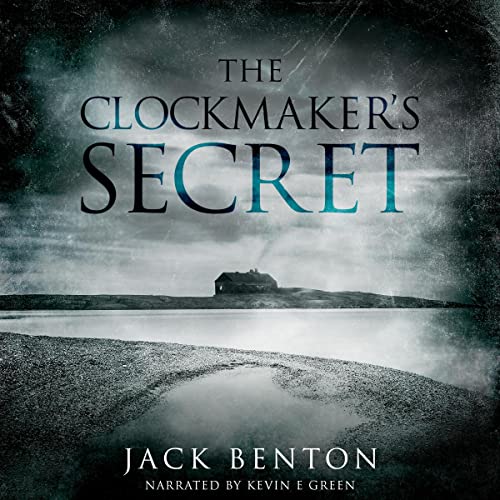
A buried clock holds the key to a decades-old mystery….
On holiday to escape the nightmares of his last case, disgraced soldier turned private detective John “Slim” Hardy comes upon something buried in the peat on Bodmin Moor.
Unfinished, water-damaged, but still ticking, the old clock provides a vital clue to an unsolved missing-persons case.
As Slim begins to ask questions of the tiny Cornish village of Penleven, he is drawn into a world of lies, rumors, and secrets – some of which the residents would prefer to stay buried.
Twenty-three years ago, a reclusive clockmaker left his workshop and walked out onto Bodmin Moor, taking his last, unfinished clock with him. He disappeared.
Slim is determined to find out why.
The Clockmaker’s Secret is the stunning sequel to Jack Benton’s acclaimed debut, The Man by the Sea.
Purchase Links:
Amazon/Audible: https://www.amazon.com/Clockmakers-Secret-Slim-Hardy-Mystery-ebook/dp/B07GSM1LKK
Chirp: https://www.chirpbooks.com/audiobooks/the-clockmaker-s-secret-by-jack-benton
My Review
I listened to the audio book, The Clock Maker’s Secret, by Jack Benton and narrated by Kevin Green. The British voice of Green helps to set you in both time and place, although Benton gives us enough to determine this even if reading a print or digital copy. But I do think Green’s voice adds an extra allure to the story. Benton has skillfully laid out this well-crafted mystery, filled with surprising revelations, as all is not as it seems.
Detective John ‘Slim’ Hardy is on holliday, trying to outrun the demons of his past, but true to his nature, when he finds an old clock buried and hidden, he just can’t resist a good mystery. It’s made by a clockmaker who disappeared many years ago. But there are those in Penleven who perhaps don’t want to see the clock’s secrets revealed. As Slim works to unravel the clock’s mystery, he finds that the clockmaker had a few secrets of his own, and the deeper he gets, the more he wonders if the clockmaker’s secret isn’t best left buried.
A gripping mystery which takes several surprising turns. I give The Clockmaker’s Secret five quills.

_________________________________________________
Important Update
If you have never tried Chirp audiobooks, but would like to, I have great news! Chirp has given me this special link for me to share the above book with new Chirp readers/listeners. So, if you haven’t tried Chirp and you’d like to give The Clockmaker’s Secret a try, click on the link and give it a go: https://www.chirpbooks.com/r/a75333e42889/link
_____________________________
Kaye Lynne Booth does honest book reviews on Writing to be Read in exchange for ARCs. Have a book you’d like reviewed? You can request a review here.
Share this:

Celebrate Memorial Day with WordCrafter Press with a FREE Book
Posted: May 20, 2023 Filed under: Advertising, Book Promotion, Books, Fiction, Mystery, Paranormal | Tags: Free Book, Hidden Secrets, Kaye Lynne Booth, Memorial Day, WordCrafter Press 3 Comments
Purchase Link: https://books2read.com/u/38RZ2O
This year, for Memorial Day, WordCrafter Press is offering up a free digital copy of my paranormal mystery novella, Hidden Secrets. (This book is not available in digital format on Amazon, but the Books2Read link above will allow you to purchase from most of the other digital book distributors.) It’s my gift to you, just because you are my readers. I do hope you will click on the link and get your free digital copy today.
Thank you for being my readers!
About the Book

By Author Kaye Lynne Booth
Cassie is nervous about her return to her ancestral lands with her boyfriend Tony for more reasons than one. She hasn’t been up in these mountains since the unexplained drowning of her parents. And her parents aren’t the only ones who have died or mysteriously disappeared in the area. Cassie doesn’t really believe the old legends passed down from her Native American ancestors, but she harbors no desire to become the keeper of her tribal legacy or the protector of the gold that goes with it. In fact, she plans to tell her Grandmother to pass the legacy to someone else, perhaps her cousin Miranda, who has been searching for the treasure for years. Cassie wants nothing to do with it now that she carries Tony’s baby in her womb.When Cassie forces herself to go out on the lake that took the lives of her parents and she discovers a cave which holds the treasure of her people, she must admit that the legacy is real, which means the curse that guards the treasure and threatens the males of her tribe must also be real. When Miranda’s boyfriend, Jake disappears on the lake, Cassie must find a way to stop the curse, before Tony becomes the next victim.
______________________________________________________
Want exclusive content? Join Kaye Lynne Booth & WordCrafter Press Readers’ Group for WordCrafter Press book & event news, including the awesome releases of author Kaye Lynne Booth. She won’t flood your inbox, she NEVER sells her list, and you might get a freebie occasionally. Get a free digital copy of her short story collection, Last Call and Other Short Fiction, just for joining.
Share this:

Book Review: A Hard Ticket Home
Posted: May 19, 2023 Filed under: Audio Books, Audiobook Review, Book Review, Books, Crime, Fiction, Mystery | Tags: A HArd Ticket Home, Audio Books, Book Review, Brent Hinkley, Crime Fiction, David Housewright, mystery, Writing to be Read 2 CommentsAbout the Book
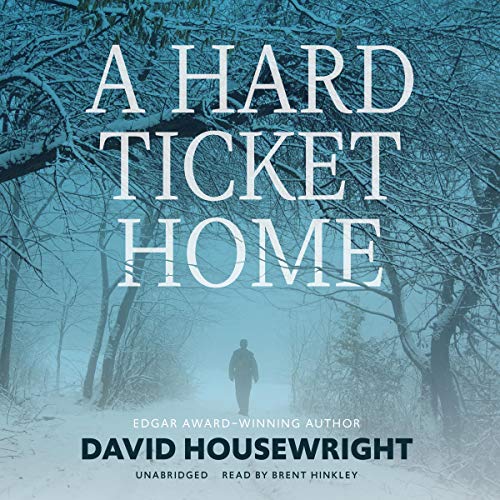
Ex-St. Paul cop Rushmore McKenzie has more time, and more money, than he knows what to do with. In fact, when he’s willing to admit it to himself (and he usually isn’t), Mac is downright bored. Until he decides to do a favor for a friend facing a family tragedy: Nine-year-old Stacy Carlson has been diagnosed with leukemia, and the only one with the matching bone marrow that can save her is her older sister, Jamie. Trouble is, Jamie ran away from home years ago.
Mac begins combing the backstreets of the Twin Cities, tracking down Jamie’s last known associates. He starts with the expected pimps and drug dealers, but the path leads surprisingly to some of the Cities’ most respected businessmen, as well as a few characters far more unsavory than the street hustlers he anticipated. As bullets fly and bodies drop, Mac persists, only to find that what he’s looking for, and why, are not exactly what he’d imagined.
David Housewright’s uncanny ability to turn the Twin Cities into an exotic, brooding backdrop for noir fiction, and his winning, witty hero Rushmore McKenzie, serve as a wicked one-two punch in A Hard Ticket Home, a series debut that reinforces Housewright’s well-earned reputation as one of crime fiction’s stars.
Purchase Links:
Amazon/Audible: https://www.amazon.com/A-Hard-Ticket-Home/dp/B082TLLK5Q/
Chirp: https://www.chirpbooks.com/audiobooks/a-hard-ticket-home-by-david-housewright
My Review
I listened to the audio book A Hard Ticket Home, written by David Housewright and narrated by Brent Hinkley. This book is a cross between your typical detective story and a cozy mystery, with distinctive characters. Hinkley sets the perfect tone, giving it kind of a Mickey Spillane feel, which is perfect for the genre and the story.
Rushmore McKenzie isn’t a cop anymore. He’s a billionaire, but even though he doesn’t need the money, he makes a hobby of playing P.I. When he’s called upon to find the long lost sister, Jamie, of none year old Stacy Carlson, in order to find a possible bone marrow doner and save Stacy’s life, he steps into more than he bargained for. Just as he locates Jamie, she is murdered in hideous fashion, and he finds himself on the middle of a murder mystery as he tries desperately to find Jamie’s missing son, who might be the only one left who could save Stacy’s life. But Mac has drawn attention in his investigation, and now someone is trying to kill him, too.
Filled with twists and turns that keep readers guessing, I give A Hard Ticket Home five quills.
__________________________
Kaye Lynne Booth does honest book reviews on Writing to be Read in exchange for ARCs. Have a book you’d like reviewed? You can request a review here.
Share this:

Book Review: Ghost Walk
Posted: October 28, 2022 Filed under: Book Review, Books, Fiction, Ghost Stories, Mystery, Review | Tags: Book Review, Books, Crime Fiction, Ghost Walk, Melissa Bowersock, Paranormal Mystery, Writing to be Read 4 Comments
Ghost Walk, by Melissa Bowersock is Book 1 in her Lacy Fitzpatrick and Sam Firecloud Mystery series. This paranormal mystery is more of a crime fiction story, than a cozy. An ex-cop turned P.I. and a spirit seeing Indian team up to find the answers, through both paranormal evidence which only Sam can see and forensics and the strong investigative skills of Lacey, to crimes which have eluded the law, bringing justice to both the living and the dead.
This first book in the series covers the story of the developing relationship between the two partners and promises more mysteries to come. They are good. Lacey knows how to track down the clues, and with inside information coming from beyond, she has the pieces to the puzzle that local law enforcement lacks. Sam has learned to keep his gift under wraps, but has an undeniable urge to help the dead who cry out to him, and partnering up with Lacey, might be just what he needs to help him do that.
Purchase Link: https://www.amazon.com/Ghost-Lacey-Fitzpatrick-Firecloud-Mystery-ebook/dp/B01MUCZR5T
This well crafted tale is a quick and entertaining read, which carefully lays out the clues for the detectives and the readers to discover. The two main characters are both down to earth and very relatable. I give Ghost Walk five quills.
______________________________________________________________________
Join Kaye Lynne Booth & WordCrafter Press Readers’ Group for WordCrafter Press book & event news, including the awesome releases of author Kaye Lynne Booth. Get a free digital copy of her short story collection, Last Call and Other Short Fiction, as a sampling of her works just for joining.
Share this:

When I Was You: A thriller that will keep you guessing
Posted: June 7, 2021 Filed under: Book Review, Books, Fiction, Mystery, Suspense, Thriller | Tags: Book Review, Mnka Kent, mystery, Suspense, Thriller, When I Was You, Writing to be Read 1 Comment
When I Was You, is a well-crafted thriller by Minka Kent that will keep readers guessing to the very end. This story has all the twists and turns of a good thriller, and just when you think you know what is going on, the plot doubles back for you to realize how wrong you were. I’m not sure how to review this book without giving away spoilers, because it does keep you guessing.
Brienne Dougray was attacked and robbed, putting a jolt in her self-confidence, making her feel afraid and vulnerable. To make matters worse, all of her friends have turned their backs on her and she has no idea why. It seems the only one she can rely on is Niall, a busy oncologist who is her tennant, whom she is developing feelings for. She begins to feel as if her life is not really her own when she learns there is another woman who is living her identity and Niall may not be the man she thought he was. These odd occurances have her doubting her sanity and she has to wonder if she really knows who she is. To solve the mystery of what is really going, is the only way to figure out who she really is and get her true life back.
Suspense and mystery keeps the pages turning in this well-crafted thriller. I give When I Was You five quills.

Buy Link: https://www.amazon.com/When-Was-You-Minka-Kent-ebook/dp/B07PCR7SYF
_______________________________________________________________________________________________________
Kaye Lynne Booth does honest book reviews on Writing to be Read in exchange for ARCs. Have a book you’d like reviewed? Contact Kaye at kayebooth(at)yahoo(dot)com.
Share this:

“Hold Your Fire”: An anthology of creative sparks
Posted: December 4, 2020 Filed under: Book Review, Books, Fairy Tales, Fantasy, Fiction, Mystery, Review, Science Fiction, Stories | Tags: Anthology, Book Review, Hold Your Fire, Lisa Mangum, Short Fiction, Short Stories, Writing to be Read 3 Comments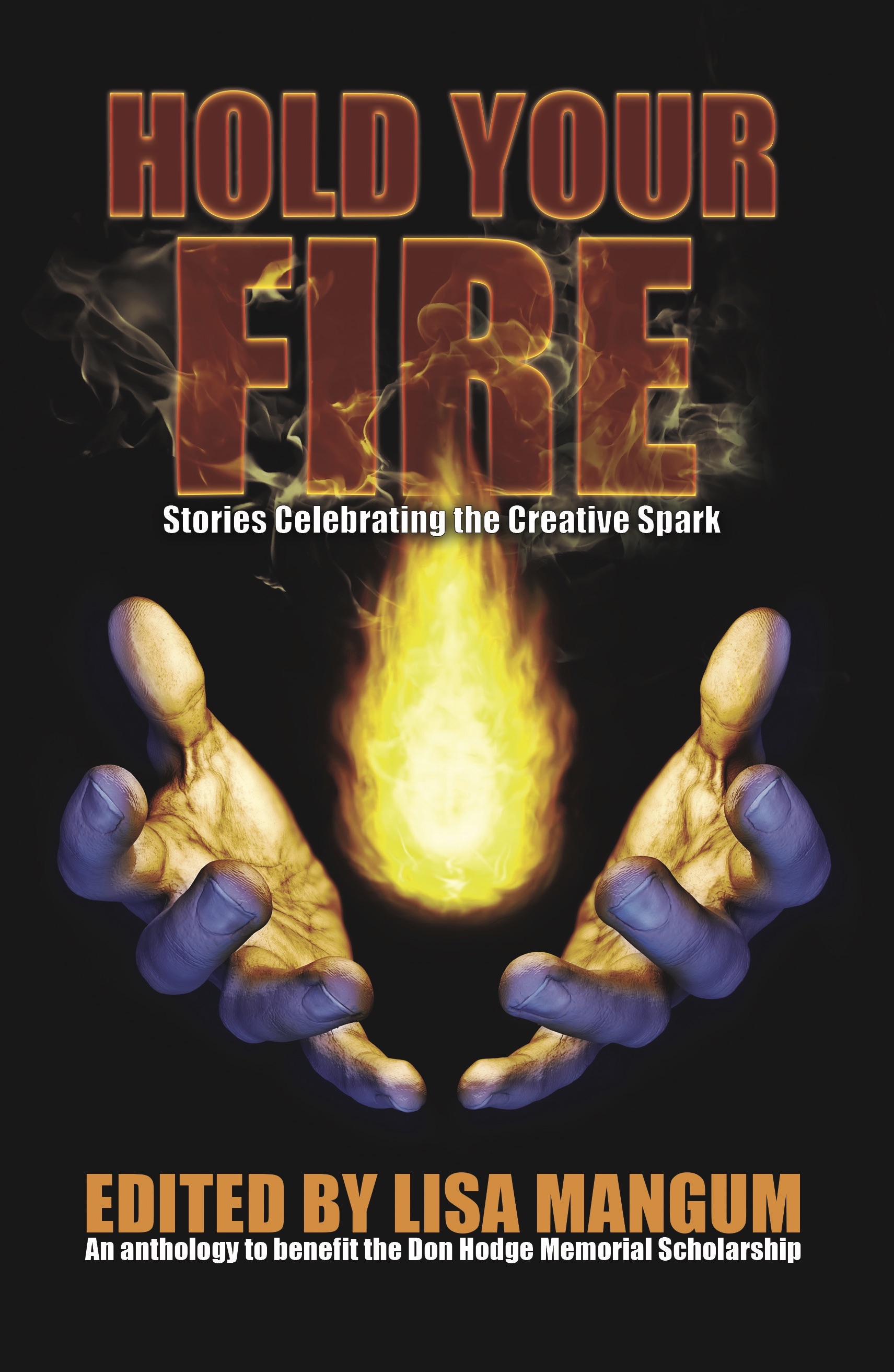
As with other WordFire Press anthologies I’ve read which were edited by Lisa Mangum, Hold Your Fire is an exceptional collection of stories, written by an all star cast of authors, that kept this reader turning pages in anticipation from one story to the next. Each of these stories were so enjoyable that it is difficult to pick favorites to be included in this review. They are all unique and delightful sparks of the creative imagination.
Hold Your Fire includes unique, thought provoking stories which you will find nowhere else. “Splendid Mirage: The Seeker’s Tale”, by Kevin J. Anderson and Neil Peart tells a tale of a never ending quest and the one who carries it’s great burden. “The Fire Sermon”, by Mary Pletsch had me pondering the fine line between a blessing and a curse, when the characters that inhabit this story show their true inner sparks. In “The White Feather”, by Shannon Fox, it takes a touch from beyond the veil to pull Jae from her grief over the death of her friend and re-spark her creativity. Venture into the fairytale land of Kat Kellermeyer “The Last Waking Princess” or endulge in a tale of mentorship and friendship gone awry, with “Bow Drill”, by Jace Killan. Other contributing authors include: Brian Corley, Kristen Bickerstaff, C.J. Erick, Wayland Smith, Alicia Kay, October K. Santerelli, Tanya Hales, Raphyel M. Jordan, Mike Jack Stoumbos, Kitty Sarkozy, Melissa Koons, and M. Elizabeth Ticknor and Rebecca E. Treasure.
Hold Your Fire has stories in a wide variety of themes and genres, so your sure to find something that will spark your fancy. All are well crafted and quite entertaining. I give it five quills.

Kaye Lynne Booth does honest book reviews on Writing to be Read in exchange for ARCs. Have a book you’d like reviewed? Contact Kaye at kayebooth(at)yahoo(dot)com.
Share this:

“Disappeared”: A novel that hits home on multiple levels
Posted: October 2, 2020 Filed under: Book Review, Books, Fiction, Mystery, Thriller, Young Adult | Tags: Book Review, Disappeared, Lucienne Divers, mystery, Thriller, Writing to be Read, Young Adult Fiction Leave a comment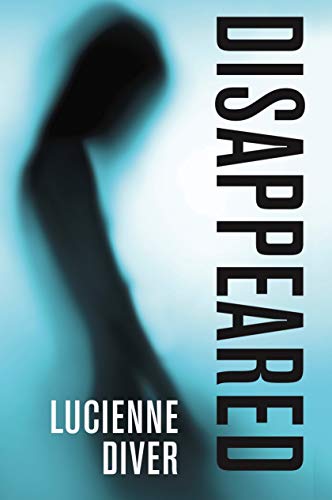
Disappeared, by Lucienne Diver is a Y.A. novel that deals with real life issues. This story was well written, easily attaining the suspension of disbelief in the reader. This book appealed to me because the characters and the situations are relateble for young people on so many levels.
This is the story about what two teenage siblings, Jared and Emily, do when their mother disappears without a trace. People disappear every day, and many of them are never heard from again. This happened with a woman in a community near to me, who disappeared last May. As I’ve watched the story unfold in the local and national media, I’ve often wondered often how the family could deal with the not knowing and all the questions left unanswered.
Disappeared gives a realistic portrayal through the eyes of the two teens of what it would be like, to have that missing person be your mother, to feel the need to uncover the truth, no matter what the cost, and to internalize feelings too painful to deal with on a concious level. This book deals with real life issues which young adults today may find themselves dealing with. Divers jumps into the sensitive issues of families on rocky ground and teen depression with both eyes open, handling them in a kind and caring manner. These are issues that can be only too real for today’s teens, making the subject matter easily relatable within a Y.A. audience.
Filled with surprises, complications and plot twists, this story is crafted to keep the reader guessing. I give Disappeared five quills.

You can purchase your copy of Disappeared here: https://www.amazon.com/Disappeared-Lucienne-Diver-ebook/dp/B0875K2V3J/ref=sr_1_1?crid=2Q75CDGNWKDJD&dchild=1&keywords=disappeared+lucienne+diver&qid=1601589693&s=books&sprefix=Disappeared+Divers%2Cdigital-music%2C279&sr=1-1
Kaye Lynne Booth does honest book reviews on Writing to be Read in exchange for ARCs. Have a book you’d like reviewed? Contact Kaye at kayebooth(at)yahoo(dot)com.














Mind Fields: Crime Thrillers And Mystery Media
Posted: May 20, 2022 | Author: artrosch | Filed under: Books, Commentary, Crime, Fiction, Mind Fields, Mystery, Thriller | Tags: Arthur Rosch, Crime Fiction, Henning Mankell, James Lee Burke, Mind Fields, mystery, Suspense/Thriller, Writing to be Read | 3 CommentsI read everything. I read fiction, non fiction, biography, history, psychology. If libraries were edible there would be few surviving libraries. I would have been a Godzilla-like creature with an insatiable appetite for books, “The Monster That Devoured Libraries”. I’ve been reading voraciously since I was eight years old. I started my reading career with historical fiction, then turned to sci-fi and Fantasy. I detoured into crime fiction and mysteries but I put them down in my twenties and never returned until I saw the film “The Girl With The Dragon Tattoo”. That rekindled my lust for good thrillers and I checked out the late Stieg Larsen’s epic trilogy. Then I turned to the somber depths of Henning Mankell, author of the Wallander mystery series.
Mankell is sixty four years old. I find this fact very much in his favor. I like reading authors who’ve got some worldly experience, who are old enough to recognize the body’s fragility and are beginning to be on speaking terms with death.
Henning Mankell spends half of his year living in Maputo, Mozambique. He is director of a drama troupe called Teatro Del Avenida. What, I wonder, could be better food for a writer’s mind than to open himself to a world so utterly alien to his native experience?
Stockholm/Maputo, Stockholm/Maputo… here is a successful writer who is seriously engaged with the world. He’s not hiding in some comfy Swedish estate, churning out formulaic mystery books. His writing is many layers deep.
Mankell’s best-selling character, Chief Inspector Wallander, is a frustrating man. He’s frustrating to his daughter, he’s frustrating to his colleagues; he’s especially frustrating to himself. Somehow he never seems to get to that vulnerable place that allows his feelings to surface. He looks like a man tormented by an itch that he can never scratch. He walks around with three days’ growth of beard on his face, his shirt tails are hanging out, his eyes are bleary.
Somehow he always catches the killer, by thrashing his way through obscure connections, chasing ancient traumas, exposing religious zealotry and the classic motive to many a murder, old fashioned desire for revenge. Wallander’s like a gloomy Colombo. He always has one more question.
Mankell’s prose is austere and controlled. It evokes the Swedish countryside, from its thousands of Baltic islands to its birch forests and vast yellow fields of mustard and flax. Mankell also takes non-Swedish readers into the Swedish mind-set via references to Swedish history and attitudes.
There is a nostalgia for an “old” Sweden. Just as we in the U.S. have pre and post Nine Eleven mind-sets, the Swedes divide their recent history into periods before and after the assassination of their prime minister Olaf Palme in 1986. The crime was never solved and remains a collective national trauma.
Any sensitive reading of Mankell requires this awareness of the Swedish world-view. Americans are not great in being aware of other cultures and other histories. This is an opportunity to absorb Swedish culture from one of its iconic writers.
James Lee Burke
A quote from the novel Swan Peak:
I flat out love James Lee Burke’s writing. He’s another writer with some miles on his old frame. His best selling series characters, Detective Dave Robicheaux and Clete Purcell are two of the most colorful non-heroes in crime fiction. Most of Burke’s novels move in and around New Orleans and the bayou country. The area’s history is like a character in itself. The ghosts of civil war personalities haunt the landscape. Burke’s stories draw on the family feuds and crimes from the past. His plots involves the great great great grandchildren of plantation owners and slaves. James Lee Burke’s writing is an invocation of living memory.
Certain structures appear in Burke’s narratives. There’s always an aristocratic family whose roots go back to ante-bellum times. This family has entanglements within the black community. The family is also “mobbed up”, albeit quietly, with the Giacano people in New Orleans.
People whose grandparents were slaves still work for this family. Some old blues man who plays the local dives witnessed a killing forty years ago. He won’t talk about it; he never talks about the “doings of white folk”. Dave can pry bits of information from the reluctant guitar man when he promises not to reveal his source. All the same, there’s a possibility that the old blues man’s body will float out of the bayou some time down the road.
Dave is a recovering alcoholic. The longing, the nostalgia for a shot of Johnny Walker in a glass of beer, is so authentic that Burke’s nascent alcoholism is clear as an empty decanter.
Burke knows the landscape of longing, of grief for an addiction that provided so much comfort yet brought so much destruction. This is why James Lee Burke is so good as a writer: he’s honest about who he is and his “real” personality bleeds across into his characters with perfect fidelity.
Here they are, the inhabitants of James Lee Burke’s fictional world. Dave Robicheaux, Vietnam vet and PTSD sufferer. Alcoholic. A cop who resents authority. Habitue of AA meetings when the pressure builds. Lover of his wife and his daughter Alafair and his tame three legged raccoon Tripod and his un-neutered warrior cat, Snuggles. Best friend of Clete Purcell, a de-frocked homicide cop who now does skip tracing for bondsmen Nig Rosewater and Wee Willie Bimstine.
Clete is enormous, powerful, aggressive, self indulgent and frequently teeters on the brink of losing his self control. He is described as “an elephant falling down a stairs”. He still drinks and pushes Dave’s patient loyalty to the boundary. A fellow Vietnam vet, fellow PTSD patient, Clete was Dave’s partner in the homicide division of New Orleans Police Department.
In the old days they were called “The Bobbsey Twins.”
Burke mixes up all these characters to create stories with perfect pacing and addictive tension. He describes the color of light in Bayou Teche, the sound of the rain as it blows in from the Gulf. Someone out there creeping around the roots of the drowned trees is leveling a telescopic site onto Dave’s forehead. That someone may be a psychopathic ex-prison guard from Angola Penitentiary, a “gun bull”, a racist of the old stripe who once prodded prison laborers from the saddle of his horse, carrying a shotgun and ready to use it.
Burke’s villains have a whiff of sulfur about them, they aren’t quite human, they have a Satanic indifference to human suffering and a quick toughness that seems invincible.
These are some of the scariest villains in fiction. These are just a few reasons why you should read James Lee Burke.
His heroes are flawed, his villains terrifying, his victims pathetic and mute, his settings historic and laced with the colors of Spanish moss and the distant growl of alligators.
_______________________________________________________________________________
Arthur Rosch is a novelist, musician, photographer and poet. His works are funny, memorable and often compelling. One reviewer said “He’s wicked and feisty, but when he gets you by the guts, he never lets go.” Listeners to his music have compared him to Frank Zappa, Tom Waits, Randy Newman or Mose Allison. These comparisons are flattering but deceptive. Rosch is a stylist, a complete original. His material ranges from sly wit to gripping political commentary.
Arthur was born in the heart of Illinois and grew up in the western suburbs of St. Louis. In his teens he discovered his creative potential while hoping to please a girl. Though she left the scene, Arthur’s creativity stayed behind. In his early twenties he moved to San Francisco and took part in the thriving arts scene. His first literary sale was to Playboy Magazine. The piece went on to receive Playboy’s “Best Story of the Year” award. Arthur also has writing credits in Exquisite Corpse, Shutterbug, eDigital, and Cat Fancy Magazine. He has written five novels, a memoir and a large collection of poetry. His autobiographical novel, Confessions Of An Honest Man won the Honorable Mention award from Writer’s Digest in 2016.
More of his work can be found at www.artrosch.com
Photos at https://500px.com/p/artsdigiphoto?view=photos
_______________________________________________________________
Want to be sure not to miss any of Arthur’s “Mind Fields” segments? Subscribe to Writing to be Read for e-mail notifications whenever new content is posted or follow WtbR on WordPress. If you find it interesting or just entertaining, please share.
Share this: