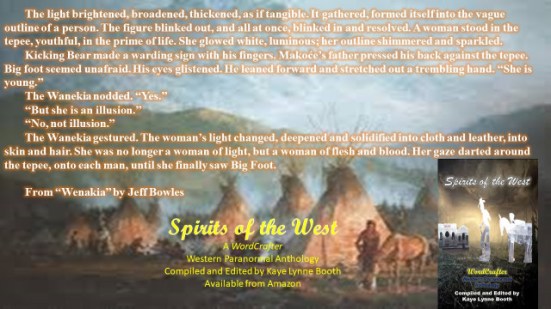
Day #6 of the “Spirits of the West” book blog tour finds us over at Sue Vincent’s Daily Echo, where we get a glimpse into the mind of Jeff Bowles, and the thoughts behind his story, “Wenekia”. Please join us.
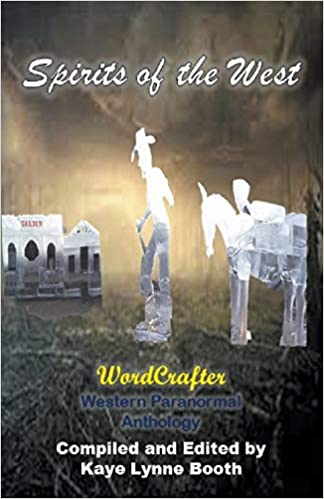
Spirits of the West are often found in unexpected places. They can be found in a saloon in Colorado territory, on a wagon train in the plains of South Africa, or on a distant planet in another galaxy. They can be the bringers of revenge or the protectors of the weak. Indulge yourself in eight paranormal stories with western spirit in Spirits of the West…
Ever since I was little, I had the sense there was another world lurking beyond this one. That if you could just peel back the shaggy off-colored wallpaper of reality, you could glimpse another universe entirely, one that might or might not have your best interests at heart.
I wrote Wanekia about twelve years ago, when I was just starting to get my feet under me as…
Day #5 of the “Spirits of the West” book blog tour brings a look into the setting for Roberta Eaton Cheadle’s story, “The Ghost in the Mound” and her review of the stories from the other contributors on Robbie’s Inspiration. I do hope you’ll join us there.
Day 5 of the Spirits of the West book tour hosted by WordCrafter Press sets out some background to my short story, The Ghost in the Mound. I’ve also included my review of the stories other than mine that feature in Spirits of the West anthology
My second short story in Spirits of the West is The Ghost in the Mound. This story features an enormous termite mound.
Termite mounds are constructed by a specific type of termites found in African, Australia and South America. The mounds can be large, sometimes with a diametre of 30 metres.
In African savanna areas, termite mounds form ‘islands’ with high tree densities. This is attributed to the fact that due to the digging of the termites and their decomposition of plant material; the…
For Day #4 of the “Spirits of the West” book blog tour, we’re over at Jessica Bakker’s blog. Drop by to learn more about my story in the anthology, “Don’t Eat the Pickled Eggs!”. See you there.
I love a good anthology, and when an anthology is about ghosts, the West, and the supernatural, AND has a story in it titled ‘Don’t Eat the Pickled Eggs’…you know I’m going to be grabbing a copy! Please enjoy with me, Kaye Lynne Booth’s blog tour and introduction of her anthology, Spirits of the West.
Do you believe in ghosts? I think there is something inside every one of us that makes us want to believe, but not all of us do. That’s what makes a good ghost story so attractive. I mean, who doesn’t enjoy a good ghost story? I know I do.
I also believe that every story carries a grain of truth. We bury many real-life experiences and dreams in the subconscious, but often, they are not content to stay there, so we allow them to poke their heads up and see the light of day…
On Day #3 of the Spirits of the West Book Blog Tour, we’re over at Patty’s World, with an interview with Enid Holden, author of the winning story in the 2020 WordCrafter Short Fiction Contest, “High Desert Rose”. Drop by and say hello.
Join us for Day 2 of the Spirits of the West book blog tour and learn more about Roberta Eaton Cheadle’s story “The Thirstyland Journey” on the “Roberta Writes” blog site.
Day 2 of the Spirits of the West book tour hosted by WordCrafter Press sets out some background to my short story, The Thirstyland Journey. You can find out more about the tours WordCrafter is offering here: https://writingtoberead.com/wc-book-blog-tours-2/
Background
My story, the Thirstyland Journey, is based on the Dorsland Trek (Thirstyland Trek) which is the collective name for a series of treks by groups of Boer (farmer) settlers from modern day South Africa in search of independence from Britain and better living conditions.
The first group of trekkers under the leadership of Gert Alberts set out on the 27th of May 1874. This initial trek was followed by other groups, all taking different routes. The primary destination of the Dorsland trekkers was the Humpata highlands of south-western Angola. In order to get to Angola, the trekkers had to cross large parts of the Kalahari desert in Bechuanaland (now called…
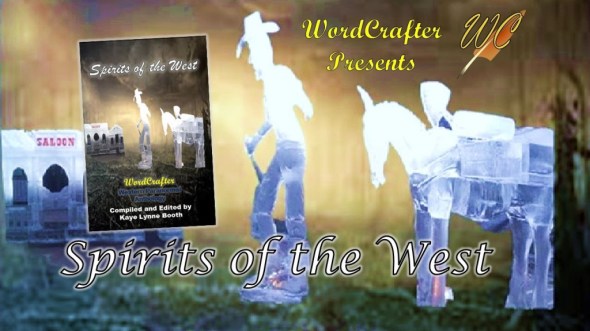
Welcome to the first official WordCrafter Book Blog Tour featuring the WordCrafter western paranormal anthology, Spirits of the West. We’ve got a great tour lined up, so let me tell you a little about this unique anthology and the stories featured within. I hope you’ll all follow along with the tour as the week progresses, to learn more about this colorful story collection.
It’s no secret that I love ghost stories, which is why the theme each year for the WordCrafter Short Fiction Contest always seems to lean toward the paranormal genre, although other genres may be involved. It’s also no secret that my first novel was a western and I enjoy writing and reading this genre, so it shouldn’t be surprising that the 2020 theme was western paranormal. I didn’t get a lot of submissions, but the ones I did get were top notch stories, and the resulting anthology, Spirits of the West, contains eight stories with western and paranormal elements, from six very different author’s worlds. The theme for the contest was not a traditional genre mixture, and there’s not much that’s traditional about the anthology.
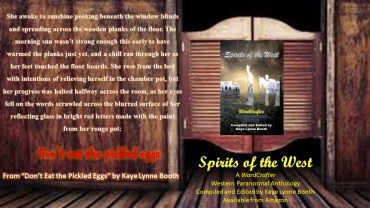
My story, “Don’t Eat the Pickled Eggs”, is a western paranormal mystery, to confuse the genres even more. It’s a colorful story, about the disappearance of a saloon owner, a ghostly nighttime visit to leave a warning, and a young boy named Stinkweed, who holds the key to the mystery. You’ll be able to learn more about the inspiration behind this tale on Jessica Bakkers.
Roberta Eaton Cheadle contributed two South African western paranormal tales, which help to make this anthology very unique. “The Thirstyland Journey” and “The Ghost in the Mound” tell stories of pioneers, traveling across the South African wilderness – a different type of western, but with just as many ghosts. Both are powerful stories of survival, courage and determination and are welcomed additions to Spirits of the West. Robbie will be telling us more about both of these stories on Roberta Writes and Robbie’s Inspiration.
Jeff Bowles, the author of the winning story in 2019, contributed “Wenekia”, an excellent story of Native American folklore and traditions. When two young boys sneak out to eavesdrop on the tribal council gathering, they learn more than they bargained for when they witness the reality of legend. Sue Vincent’s Daily Echo will have a post for us about Jeff’s story on Saturday.
“The Clouds in the West”
Arthur Rosch contributed a science fiction western paranormal story, “The Clouds in the West”, which takes the cowboy to another world, where the rider may not always control of his mount, and leaves the ending open to reader interpretation.
The winning story in Spirits of the West was submitted by Enid Holden. “High Desert Rose” is a more traditional western tale of revenge, but Holden does it with a heroin, rather than a hero, and the spirits are watching. Patty’s world will feature an interview with Enid on Wednesday and wrap up the tour on Sunday for us.
“Gunsmoke”
Also included in the anthology are two stories that were not contest submissions. Tom Johnson’s story, “Gunsmoke” really doesn’t have a paranormal element, and is included as a tribute to Tom as his only western story in a lifetime of science fiction and pulp titles, as the author is no longer with us. And Enid Holden contributed a second story, “Queen of Spades”, which didn’t make the submission deadline, but is every bit as good as her winning story.
“Queen of Spades”
Time constraints did not allow for posts on some stories, but I hope you’ll join us on the tour this week to learn more about this very special collection of stories and their authors.
Like this post? Let me know in the comments. You can be sure not to miss any of Writing to be Read’s great content by subscribe to e-mail or following on WordPress. If you found this content helpful or entertaining, please share.
2021 is off to a great start and today, I wanted to take a minute to update you on the really cool stuff scheduled on Writing to be Read in the coming months. I’ve talked about some of these new additions previously, but one or two have only come together recently and I can’t wait to share them.
Dark Origins
You’ll find Robbie Cheadle’s new series, “Dark Origins”, posted on the fourth Wednesday of each month, and the first post will be this coming Wednesday, January 27th. Robbie will be delving into the origins of nursery rhymes and fairy tales, which can be very dark indeed, so be sure and watch for it.
Jeff’s Game Reviews
Jeff Bowles already shared the first post in his new video game review series, “Jeff’s Game Reviews”, where shared his thoughts on Hitman 3. This series will post the fourth Friday of each month, and each post includes a link to the video version of the review.
WordCrafter Book Blog Tours
Last but not least, February will see the launch of WordCrafter Book Blog Tours. The first tour will be for the Spirits of the West western paranormal anthology. Later in the month, tours are scheduled for Arthur Rosch’s poetry and photography collection, Feral Tenderness, and Barbara Spencer’s first book in the Children of Zues trilogy, A Click of a Pebble. I do hope you’ll all join us in learning about these wonderful books and their authors. Tours include interviews, book reviews and informative posts by the authors. You’ll find the complete tour schedule, as well as instructions for scheduling your own book blog tour on the WordCrafter Book Blog Tours page.
Where Spirits Linger
I’d also like to remind everyone that there is still time to submit your story in the 2021 WordCrafter Paranormal Short Fiction Contest, and to have it included in the resulting anthology, Where Spirits Linger. See the full submission guidelines for details. There is a $5 entry fee, which you can pay with a button right on the contest post, and the winner receives a $25 Amazon Gift Card and guarenteed inclusion in the anthology. But don’t wait too long. The deadline is April 30th.
2020 was a pretty good year for Writing to be Read and WordCrafter, in spite of the unusual circumstances of the pandemic and the “new normal”, which isn’t normal at all. After all the lock downs and mask mandates and social distancing, I think everyone needs a little makeover, and this blog is no exception. Writing to be Read may be getting a facelift with new types of content which will change it’s appearance a little, but the end result is that the blog will be so much better for them. Jeff’s and Robbie’s new series, the WordCrafter Book Blog Tours, and this year’s contest and anthology, are all welcome improvements, and I for one, can’t wait.
Like this post? Let me know in the comments. You can be sure not to miss any of Writing to be Read’s great content by subscribe to e-mail or following on WordPress. If you found this content helpful or entertaining, please share.
I’ve been a Stephen King fan since I was thirteen and read Carrie, but I didn’t realize it until a year later when I read The Shinning one night when I was babysitting. I picked it up after my charges were asleep and I was looking for something to read, and I couldn’t put it down. I called my mom and woke her up at four in the morning, because I was too scared to read more, but I didn’t want to put the book down. I finished it the next day, and after that, I soaked up anything by Stephen King that I could get my hands on. I’ve read The Stand through three times, including the “Special Edition” version with all the cut chapters and scenes. I’ve seen the original mini-series twice, so it was in great anticipation that I awaited the coming of the new mini-series on CBS All Access. I woke up analyzing this s new version of an old favorite, so I knew I had to write this review.
Let me begin by saying that I think they made a huge mistake by starting this mini-series after Captain Tripps has devoured humanity and placed the survivors into the two camps in Boulder and New Vegas, and only allowing us glimpses of the pre-Captain Tripps world, instead of letting us get to know the characters as the story unfolds, as in the book and the original mini-series. By eliminating what was basically the first half of the book and reducing it to flashbacks, we miss out on vital character development, not to mention many of the very intense scenes that occur there.
Now, I know we shouldn’t judge this version by those that have come before, and I’ve tried not to, but in my defense, I know this story inside and out, and it is very difficult not to draw on previous knowledge. But, I’m on episode 5 and I still don’t feel connected to any of the characters. That connection, the feeling of knowing and relating to the characters, is one of the big appeals of this story. Without it, I doubt anyone would keep turning the pages of this massive novel or continue watching, because without that feeling of connection, readers or viewers have no reason to care. And I have to admit, I’m hard-pressed to keep viewing the 20-21 version for this very reason.
But the method of storytelling is only one problem. I have difficulty buying-in to this new cast. There’s already been controversy over the Randall Flagg of the first mini-series and this one, portrayed by Alexander Skarsgard, who doesn’t come off as being evil enough in my opinion, but this could go back to the lack of character developement. Although I could get used to Jovan Adepo as Larry Underwood and Gabreille Rose as Judge Harris, who are opposites of their original counterparts, I feel Whoopi Goldberg misses the mark totally with the character of Mother Abigail.
While I like Whoopi as Guynan on Star Trek Generations, and I loved her as Oda Mea Brown in Ghost, she is not the right actress for this part. Mother Abigail is old and frail and determined to carry out the Lord’s work as long as she is able, and everyone loves her and is devoted to her. Whoopi is none of these things. Goldberg is not old enough, and she’s not frail in any way. In previous versions, Mother Abigail’s strength was established through her determination while she was still alone at Hemmingford Home, (which is now in Boulder instead of Nebraska), which we only see a glimpse of in this version. We don’t see her frailty, or her failing health in the Goldberg character, and it is difficult to buy-in to the character, when I don’t feel as if I know who she is or where she came from in the story.
Overall, I am disappointed in this recent rendition of one of my favorite apocalypse tales. I know Stephen King has writing credits for at least nine episodes, but cutting out half the original story was not a good storytelling decision. Flashbacks don’t offer enough to get to know and connect with the characters. There were also several questionable casting decisions, at least in my mind, which prevent relatabilty of the characters. I honestly don’t know how much more I will watch, because they haven’t made me care about this cast of characters in any meaniful way. I will say that Captain Tripps bears some scary resemblences to the Covid pandemic we’re all living through now, but I don’t know if that is enough to attract viewers, especially without many of the most powerful scenes, such as the journey through the tunnel out of New York, Nick’s time as jailer, and Lloyd’s rat problem, which is alluded to in flashback, but just didn’t carry the same impact. My continued viewing is doubtful. If you don’t already know this apocalyptic story, I recommend the original mini-series, or better yet, get the book.
We’ve all been limited by the pandemic and the resulting restrictions. The restrictions vary for different areas of the globe, but we’ve all been affected to some degree. I was out of work at my day job as a caregiver for a little under a month, so the financial hardships were minimal, but I’ve had to follow mask and social distancing guidelines to protect myself and others. I live in a very rural mountain area, so I’ve tried to combine tasks and order what I can online, in order to limit my trips into town. I carry hand sanitizer and disinfect anything I bring in. I use my card at the pump when available, and I disinfect my credit card or driver’s liscense, if I have to hand them to a clerk or secretary. But honestly, I count myself lucky, because my life hasn’t changed in many ways which I hear others claiming.
It seems I’ve become an introvert in my old age. I’d rather stay home and write, than go shopping or attend a party. I prefer to watch movies in my living room, where I can pause to take a bathroom break when needed, or even pick up where I left off the next day, instead of going to a theater. But overall, for me, adjusting to the ‘new normal’ didn’t involve any major changes, just small ones. I like to look at things from a positive perspective, so I’ve listed the advantages I see as the world changes around me.
Big Savings: The thing I think I miss most is eating out, not because it’s not available, but because it’s an unnecessary chance of exposure that I don’t need. (Truth be told, I have broken down a few times and picked up a carry-out order when I have to be in town anyway). On the positive side, I’ve saved a lot of money and calories by eating in. Less driving also means less gas going into the tank, and for me that adds up to quite a chunk of change.
Don’t Have to Smile: I don’t know about all of you, but I’ve always hated it when I see someone I know in the store when I’m in a hurry, concentrating on what ever I need to get with the look of a woman on a mission, and they say, “Where’s your smile?” or something to that effect. Sometimes I just don’t feel like smiling, and the mask lends me the freedom to not have to. Now, when donning my mask in public, no one can tell what kind of mood I’m in. I can even stick out my tongue without their knowing, but I don’t recommend this, especially with disposable masks.
Stay Home Guilt Free: As mentioned above, I’m an introvert, so this pandemic has given me an excuse to do what I want to do anyway, without anyone telling me that I need to get out more, or that staying couped up isn’t healthy. Now, folks just write it up to being cautious or doing my civic duty by complying with Covid restrictions.
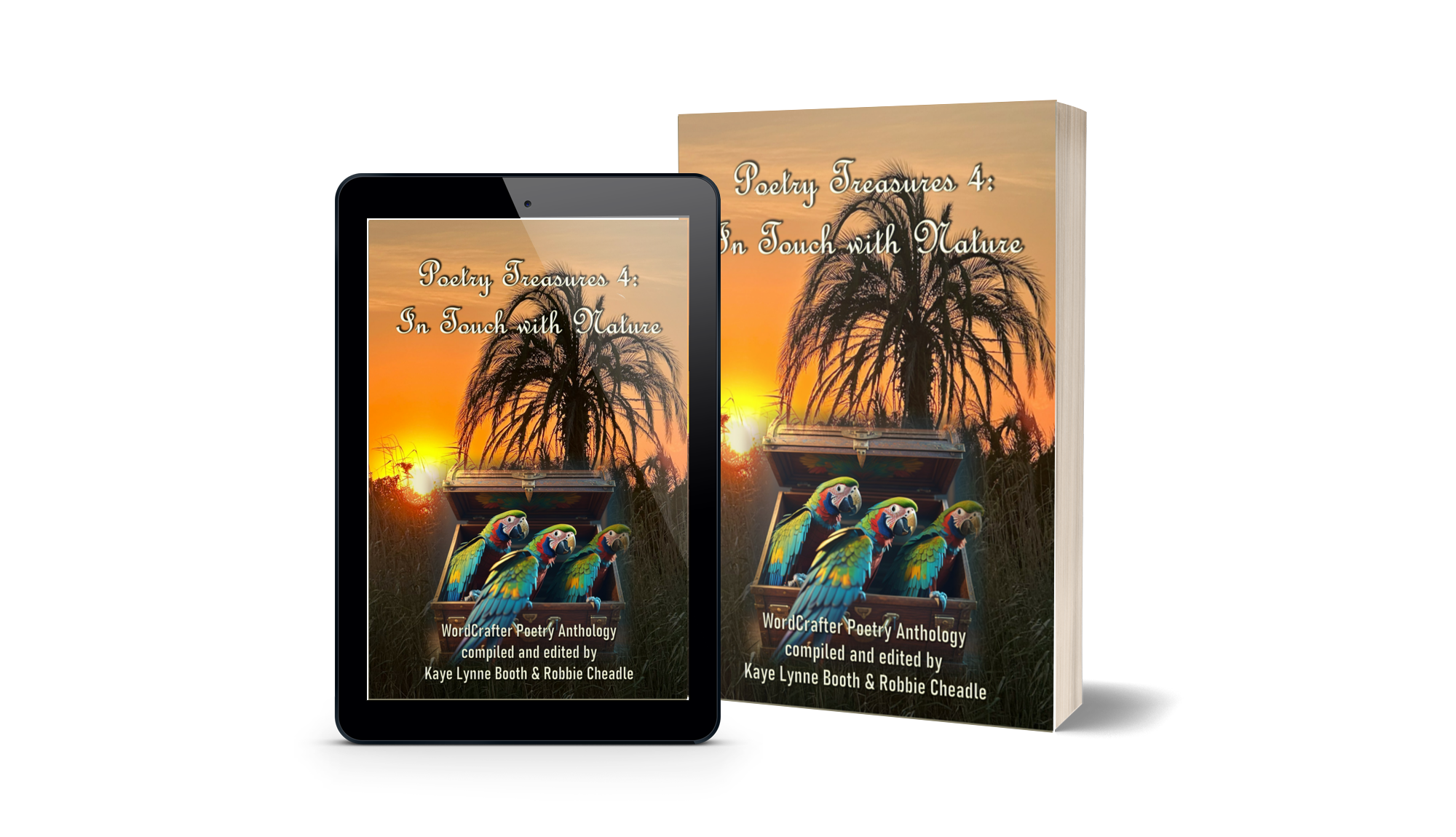
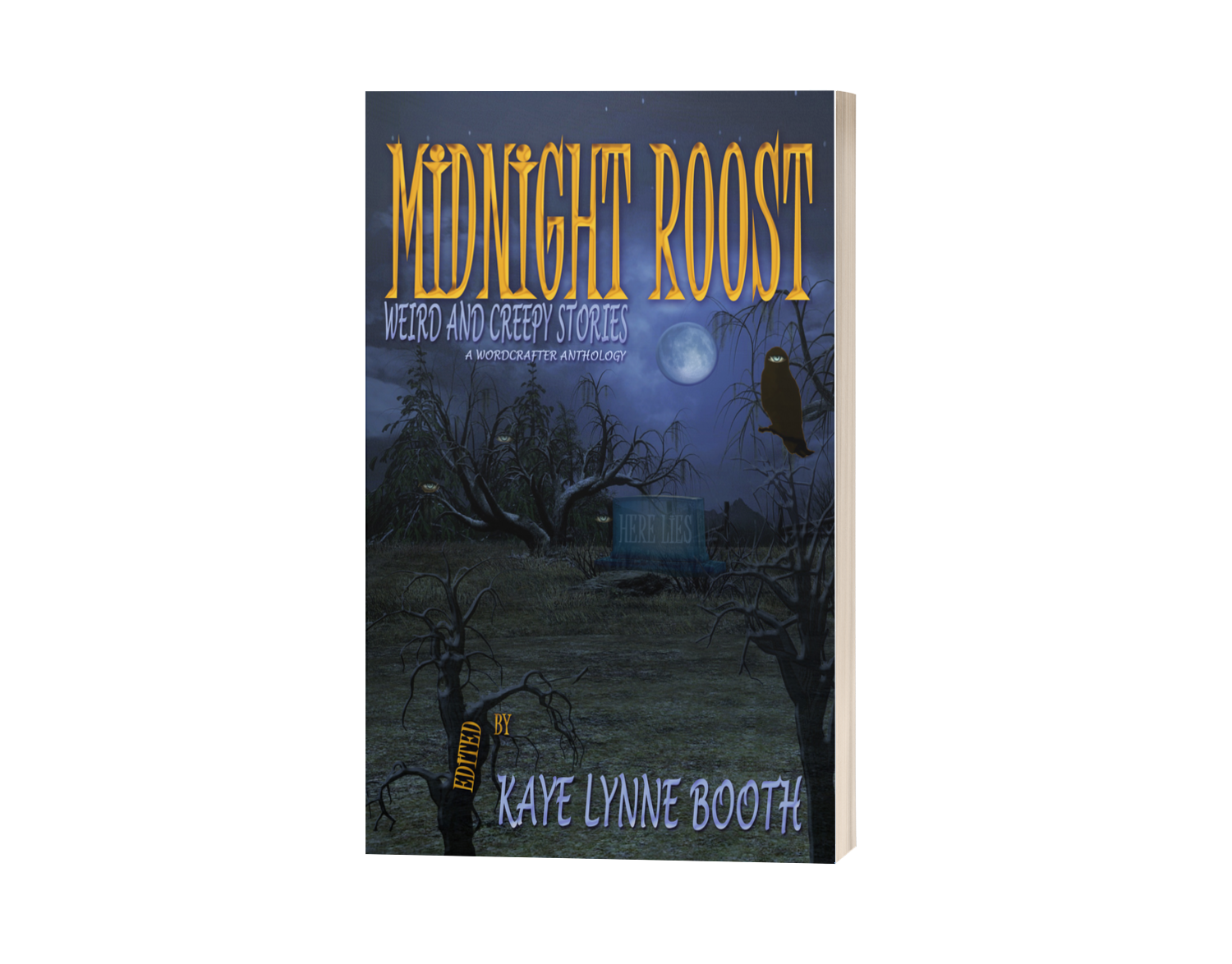
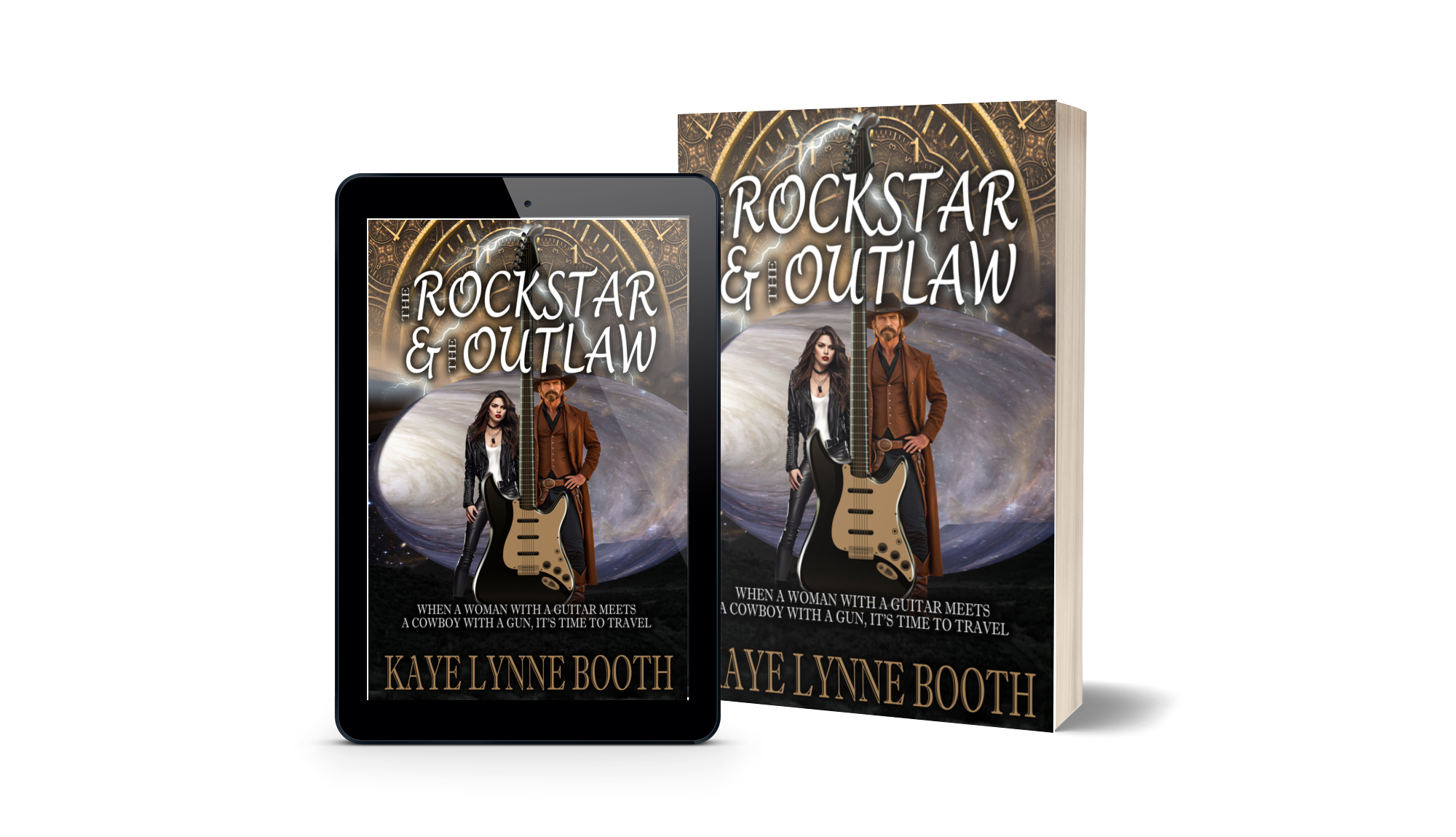
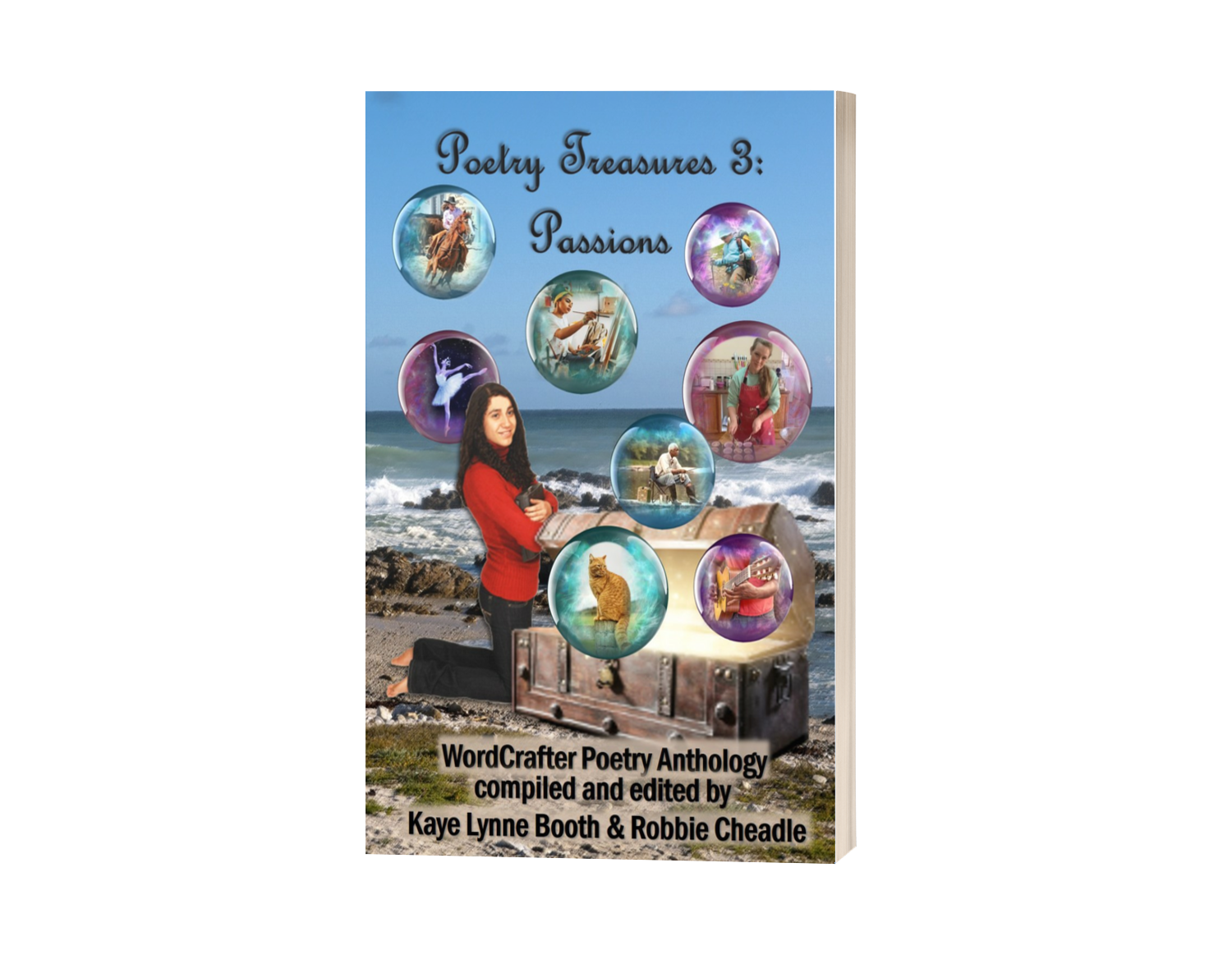
Increased Productivity: All this time at home allows for increased productivity in writing endeavors. Looking back, as we do this time of year 2020 was a very productive year for WordCrafter Press and for myself, with two of my own books republished, along with two anthologies and a devotional book for WordCrafter Press‘ first official client. And, all of these books are now available in print, which is no small accomplishment. Add to that WordCrafter‘s first virtual writing conference coming off with minimal glitches, and you’ll see what I mean.
Families Brought Together: Although this one doesn’t really apply to me, (I’ve gone without seeing my son for months at a time), I believe this may be one of the most important benefit that this blasted pandemic has brought us. Hopefully, keeping us all at home together has renewed and strengthened the nuclear family, reawakening lost family values and appreciation for the many blessings that we have, including our children and other loved ones.
Well, that’s the top five benefits I see from this pandemic, but I’m sure there are others if you look for them. What positive effects do you see?
Like this post? Let me know in the comments. You can be sure not to miss any of Writing to be Read’s great content by subscribe to e-mail or following on WordPress. If you found this content helpful or entertaining, please share.
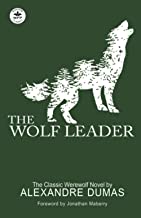
The classics were written in another era and literature was viewed differently than it is in modern times. The language, although often lavish and eloquent, can also be pretentious and difficult to decifer. There are some sixteenth century words that are just plain confuddling to my twentieth century brain. Over the past year, I’ve tried a few times to read the classic authors. After all, their works survive them over centuries, and set the historical standards of contemporary literature. But I couldn’t get through The Call of Cthulhu by H. P. Lovecraft due to all the pretentious purple prose, and although I finished the first story in The Mysteries of Edgar Allen Poe, I had to put it down or risk dying from sheer boredom. While clearly a predecessor to murder mystries which came later, such as Sherlock Holmes, I found Poe’s style too dry to be considered entertaining.
With The Wolf Leader, by Alexandre Dumas, I did not find this to be the case. In spite of a few words which required defining, I had no trouble following the flow of the Dumas’ story. Alfred Allison did a fine job of translating this classic novel and Jonathon Maberry does the literary world a service by bringing it back into print. Dumas’ style is more along the lines of a Don Quixote, silly but entertaining type of story, than the borishness of Poe’s Detective Dupin, or presumptious fluff and verbage of LoveCraft’s ChtulhuMythos.
The Wolf Leader is a Faust meets The Wolfman story. Contempory werewolves have grown well beyond what Dumas envisioned, but in his work, one can see the origins from which they sprang. Thibauld is a peasant shoemaker, angry at the injustices he feels he has suffered under the hands of French burgious land owners, who makes a deal with the devil, or in this case, the black wolf, to have all of his wishes granted, for the price of one hair per wish. Each time he wishes for something, one hair on his head turns fiery red, and his wishes seldom turn out as he intended. Instead of being rich and loved, as he had desired… well, you can see where this is headed.
The reason we can foresee what’s to come in the tale described above is that we are familiar with the story of Faust, so we might read it and think it a bit tropish with the ‘deal with the devil’ thing. There are no silver bullets or full moons in this tale, but Thibauld does eventually take the form of the black wolf and there is a lot of howling, so it may even be the first werewolf story ever penned, as Jonathon Maberry points out in his introduction. As such, it could could be the trope setter for an entire genre.
How many quills do I give to a classic work of literature? I’m not sure I’m qualified to rate this work which has survived the centuries. The very fact that is has survived speaks volumes more than any opinion I could ever give.
Like this post? Let me know in the comments. You can be sure not to miss any of Writing to be Read’s great content by subscribe to e-mail or following on WordPress. If you found this content helpful or entertaining, please share.



















5 Positive Benefits of the Pandemic
Posted: January 11, 2021 | Author: kayelynnebooth | Filed under: Commentary, Writing | Tags: COVID, COVID 19, Pandemic, Writing, Writing to be Read | 2 CommentsWe’ve all been limited by the pandemic and the resulting restrictions. The restrictions vary for different areas of the globe, but we’ve all been affected to some degree. I was out of work at my day job as a caregiver for a little under a month, so the financial hardships were minimal, but I’ve had to follow mask and social distancing guidelines to protect myself and others. I live in a very rural mountain area, so I’ve tried to combine tasks and order what I can online, in order to limit my trips into town. I carry hand sanitizer and disinfect anything I bring in. I use my card at the pump when available, and I disinfect my credit card or driver’s liscense, if I have to hand them to a clerk or secretary. But honestly, I count myself lucky, because my life hasn’t changed in many ways which I hear others claiming.
It seems I’ve become an introvert in my old age. I’d rather stay home and write, than go shopping or attend a party. I prefer to watch movies in my living room, where I can pause to take a bathroom break when needed, or even pick up where I left off the next day, instead of going to a theater. But overall, for me, adjusting to the ‘new normal’ didn’t involve any major changes, just small ones. I like to look at things from a positive perspective, so I’ve listed the advantages I see as the world changes around me.
Well, that’s the top five benefits I see from this pandemic, but I’m sure there are others if you look for them. What positive effects do you see?
___________________________________________________________________________________________
Like this post? Let me know in the comments. You can be sure not to miss any of Writing to be Read’s great content by subscribe to e-mail or following on WordPress. If you found this content helpful or entertaining, please share.
Share this: