I don’t need MS Word to tell me that my language might be offensive. That’s me. I use offensive language, usually on purpose, for effect because I want to be offensive, or just because it is what my character would say. Of course, I’m not writing for a YA or younger audience. I would want curse words to be pointed out and questioned, if that were the case.
I cuss. Most of the people I know cuss. Even religious folk have been known to issue a curse or two. If I feel the reaction to a situation would be an issued expletive, then my character will issue it. That doesn’t mean that all my characters are potty mouths, but when a curse is in order, they throw it out there, and I believe it is appropriate in certain situations, and also more realistic.
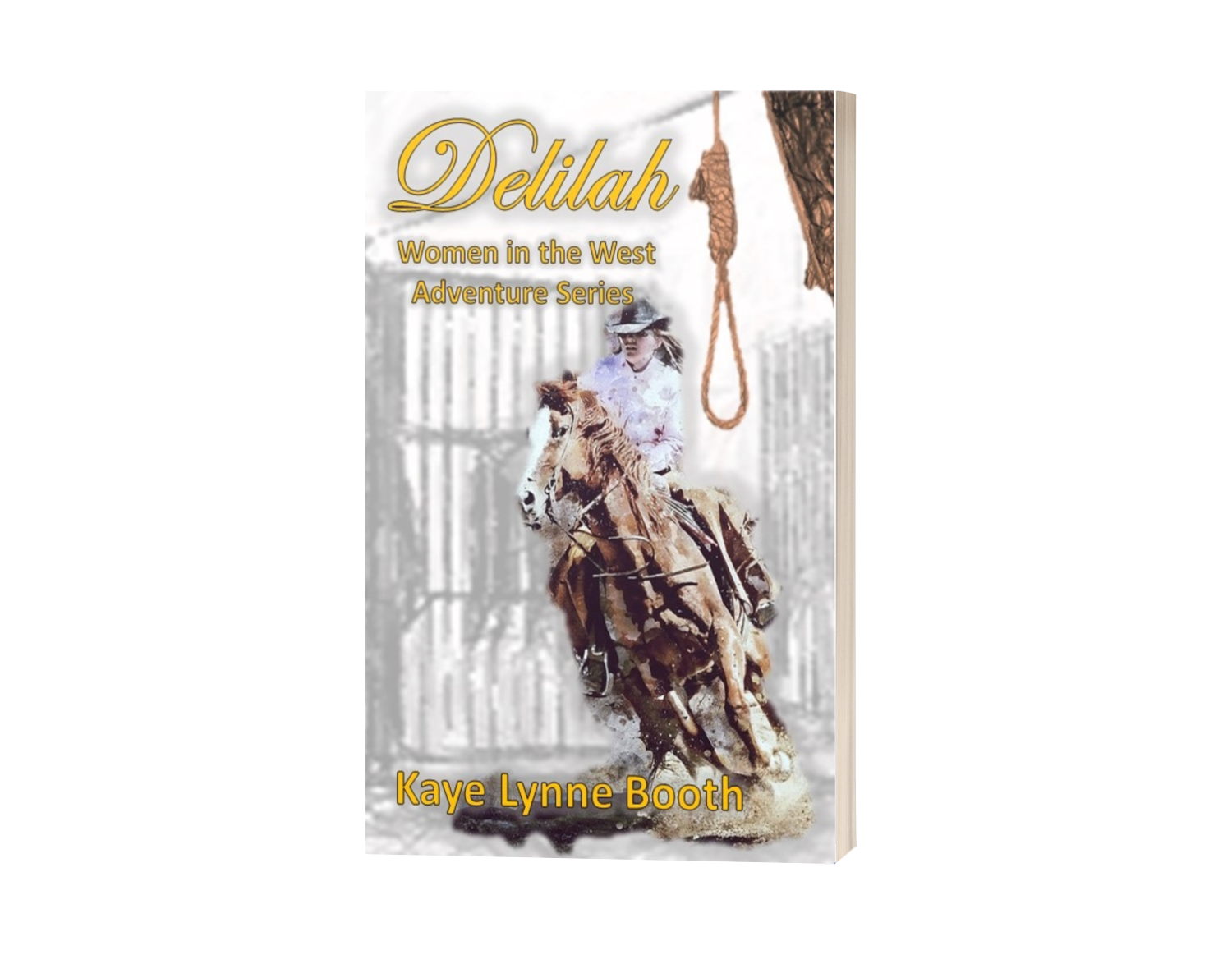
Even if my protagonist isn’t a curser, like Delilah, who uses expletives such as dagnabbit, the people around her do, so my books do contain some cursing. I don’t feel like a story set on the western frontier, would be true to the period or the frontier culture.
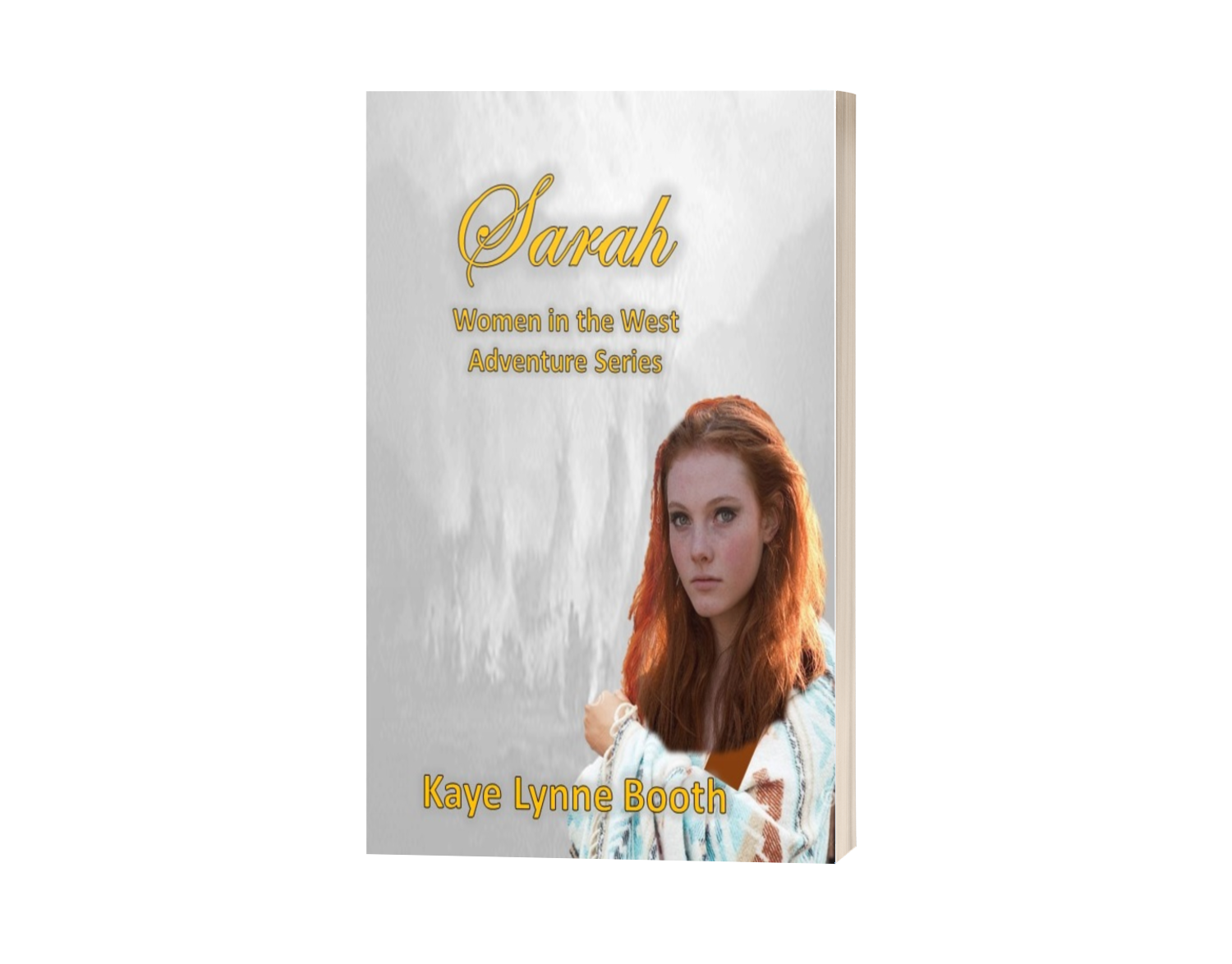
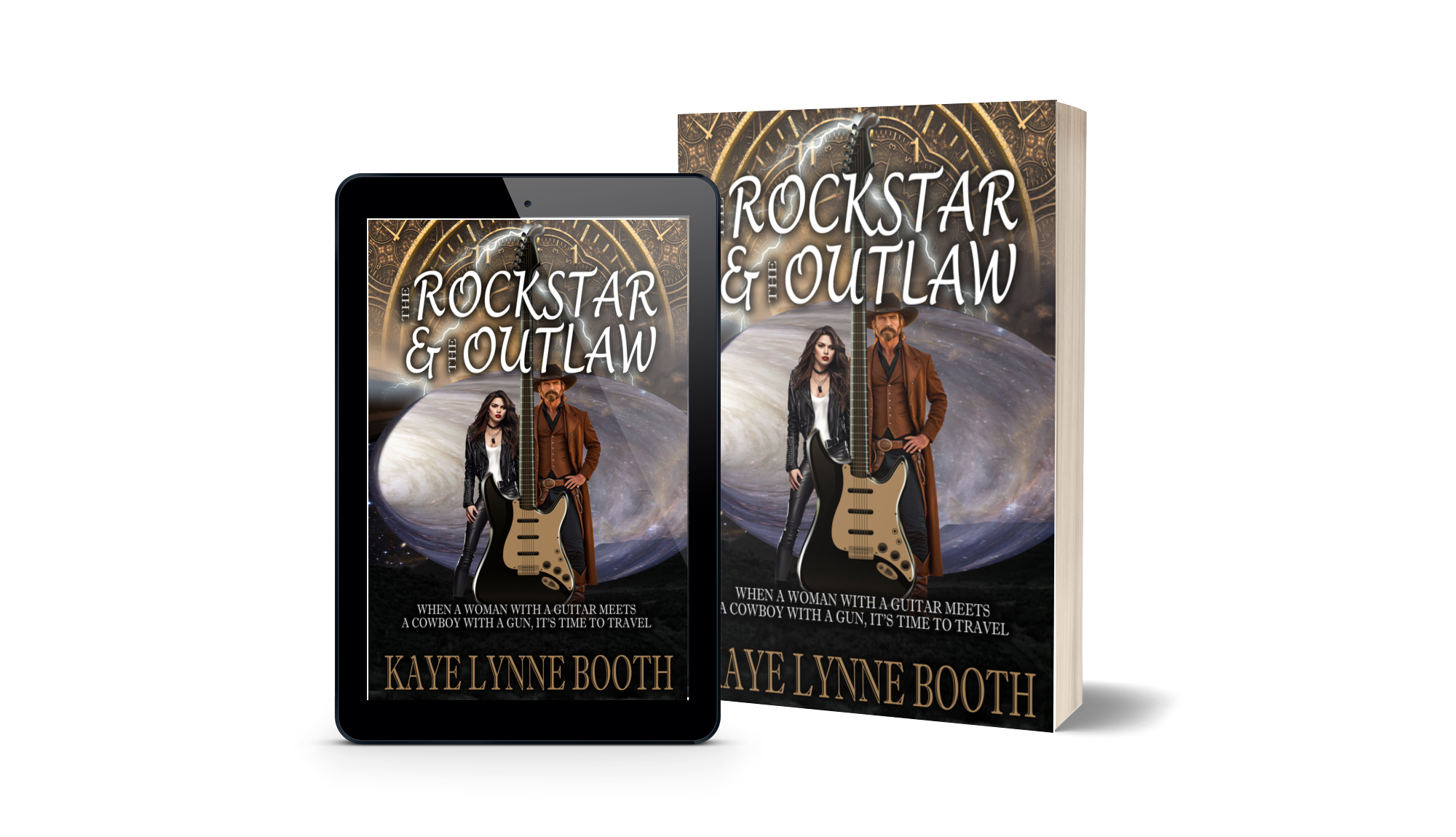
Likewise, the modern day Las Vegas culture in the music circles involves drugs, sex, and rock-and-roll, so naturally my character, Amaryllis, in The Rock Star & The Outlaw is involved in all of that and more, and her language often isn’t ladylike. Even so, I try not to let her get carried away with the curse words. And Sarah deals with the issues of prejudice and sexism, and the language in the story reflects the prejudices of the times, whether the AI editor in MS Word likes it or not.
But my villains often have mouths so dirty even their own mothers wouldn’t kiss them. Respect for women or lack thereof is often indicated in the way a man refers to women. If a character lacks respect for women, which many male villians do, then their language when referring to them may be less than flattering. After all, the way a character speaks is one of the things readers use to clue them in to what a character is like, and then decide if they are a character they should like, or not.
Another speech trait which I use often is the improper use of the English language. In the old west, many people were not educated and used words such as ‘ain’t’ or they cut off the ‘g’ in ‘ing’ words. In Delilah, one of things she strived for was to speak more properly after meeting the Mormon woman, Marta, who was a natural born school teacher and corrected Delilah’s speech automatically out of habit. Many of the less savory characters in the Women in the West adventure series, clue readers into their ignorance by the way they speak. I reckon that’s what I do it fer. These are purposeful misspellin’s that drive my AI spell-check crazy.
Many of my western characters are representitive of the many immigrants who made the U.S. into the melting pot that it is known to be. They speak in different dialects to differentiate them from other characters, which gives them colorful speech that is recogizable without adding dialog tags. In Sarah, Lillian Alura Bennett is one such character, who happens to be an Irish madam at a bordello in Glenwood Springs. And in The Rock Star & The Outlaw, the Mexican dialect of Juan Montoya leaves no question when he is speaking.
In Delilah, I had the opposite problem as the character of Dancing Falcon was a young Indian boy, who had been taught to speak English at the Indian agency with a strict teacher, so his speech is almost too proper, which made his speech sound very formal in places. One of the comments from a beta reader was that no one talks like that, so I went back when revising and added in a place where he talks about his time on the reservation and his schooling experience, to explain why he spoke that way to readers. The point being that a characters speech should reveal something about them, as well as making them identifiable.
It was really fun to create the characters in the My Backyard Friends kid’s book series, which is based on the birds and animals which visit my yard in the Colorado mountains. Katy Cat is a bit of a diva, kind of stuck up, and thinks she’s better than everyone else. She’s willing to help out Timothy Turtle as long as it doesn’t inconvenience her too much. I relayed this information in the way she swishes her tail, (body language), and in the way she talks with a bit of attitude. Heather Hummingbird has a lot of energy, so she talks really fast and rarely perches for more than a few seconds at a time. Charlie Chickadee is a young bird on his own for the first time, so I made him a bit niave. The things he says reveals this more than the way that he says it.
Other reasons an author might make the character’s or even the narrator’s voice a bit quirky is because it is the author’s voice coming through. (You know the voice English teachers are telling you to find? Yep. That one.) To an extent, this is true for me. My own speech is usually rather blunt and to the point, and so are my characters’. I don’t use a lot of colorful purple prose, instead calling it like I see it. Many of my protagonists are the same way. Delilah says what’s on her mind and she doesn’t beat around the bush. Sarah, too, tends to speak before she considers the way her words will be taken.
AI editors don’t understand this, and so variants in speech are often marked as needing correction, when in fact, they are purposeful. This is why, just running through your story with an AI editor is never enough. But there are times when human editors don’t get it either. Kevin J. Anderson tells a story about submitting a book to a traditional publisher who turned it over to a novice editor who corrected all the little quirks that revealed his voice and marked his manuscript up until it looked like nothing but red scribbles. That’s when you know that an editor isn’t a good match for you. Kevin politely refused to work with that editor and they assigned him another one. That’s why it’s important to have an editor that gets you and your voice, and understands the nuances of your character’s dialog.
Finding the right editor isn’t always easy, especially if funds are tight. Many editors will offer a free edit of the first ten pages, or even the first chapter so you can fell them out and find out if they are right for you and your story. I wouldn’t go with any editor who doesn’t offer this, and of course, I offer it through Write it Right Quality Editing Services. Any editor worth their salt will understand that they must be able to differentiate between mistakes and purposful word choices.
___________________________________________
About Kaye Lynne Booth
For Kaye Lynne Booth, writing is a passion. Kaye Lynne is an author with published short fiction and poetry, both online and in print, including her short story collection, Last Call and Other Short Fiction; and her paranormal mystery novella, Hidden Secrets; Books 1 & 2 of her Women in the West adventure series, Delilah and Sarah, and her Time-Travel Adventure novel, The Rock Star & The Outlaw. Kaye holds a dual M.F.A. degree in Creative Writing with emphasis in genre fiction and screenwriting, and an M.A. in publishing. Kaye Lynne is the founder of WordCrafter Quality Writing & Author Services and WordCrafter Press. She also maintains an authors’ blog and website, Writing to be Read, where she publishes content of interest in the literary world.
____________________
This segment of “Writer’s Corner” is sponsored by The D.I.Y. Author and WordCrafter Press.
Being an author today is more than just writing the book. Authors in this digital age have more opportunities than ever before. Whether you pursue independent or traditional publishing models, or a combination of the two, being an author involves not only writing, but often, the publishing and marketing of the book.
In this writer’s reference guide, multi-genre author and independent publisher, Kaye Lynne Booth shares her knowledge and experiences and the tools, books, references and sites to help you learn the business of being an author.
How did this happen? I always have my posts scheduled ahead of time, but today’s post snuck past me. What to do? I guess I’ll have to wing it.
I can start by telling you that I once again have a day job, which is probably why this post got by me. I’ve been training for the past two weeks. You don’t know how relieved I am to know I’ll have steady money coming in once again. It’s rough trying to survive off just my books and my writing. Maybe this is why many authors still hold day jobs. I know trying to manage for the past year without one has been rough. Maybe now I can start putting my writing monies back into the WordCrafter business. So, that’s my big and exciting news.
While not employed elsewhere, I’ve been busy preparing for upcoming releases, including my kid’s book series, which releases the first three books July 16: Heather Hummingbird Makes a New Friend, Timothy Turtle Discovers Jellybeans, and Charlie Chickadee Gets a New Home. We’re launching with a book blog tour to send them off right, and to raise funds to publish each one in color print format, because black & white print won’t do for Robbie’s wonderful illustrations. I hope you’ll all join us for the tour to meet the My Backyard Friends characters and get a glimpse of those beautiful illustrations, and help support the color print publications.
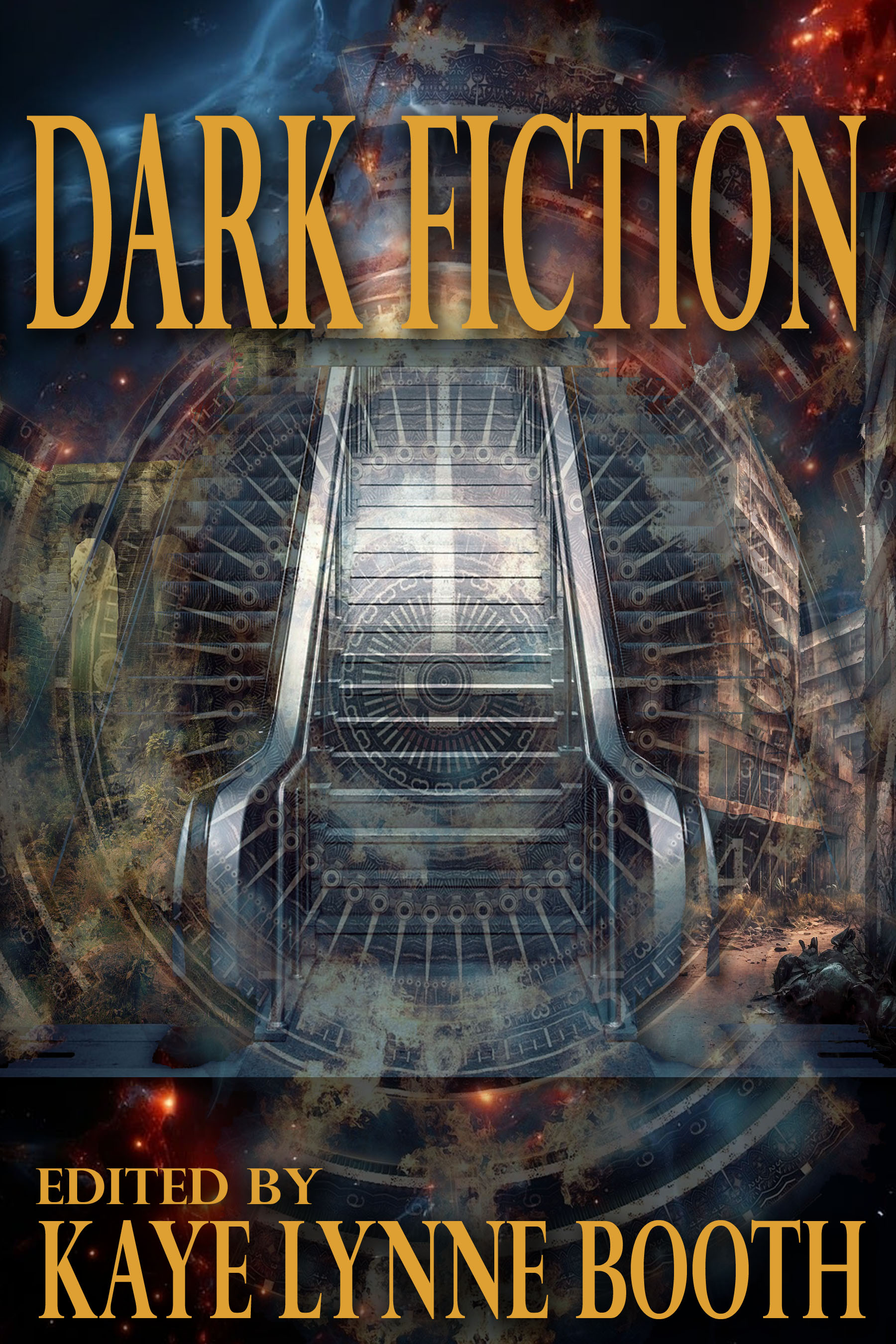
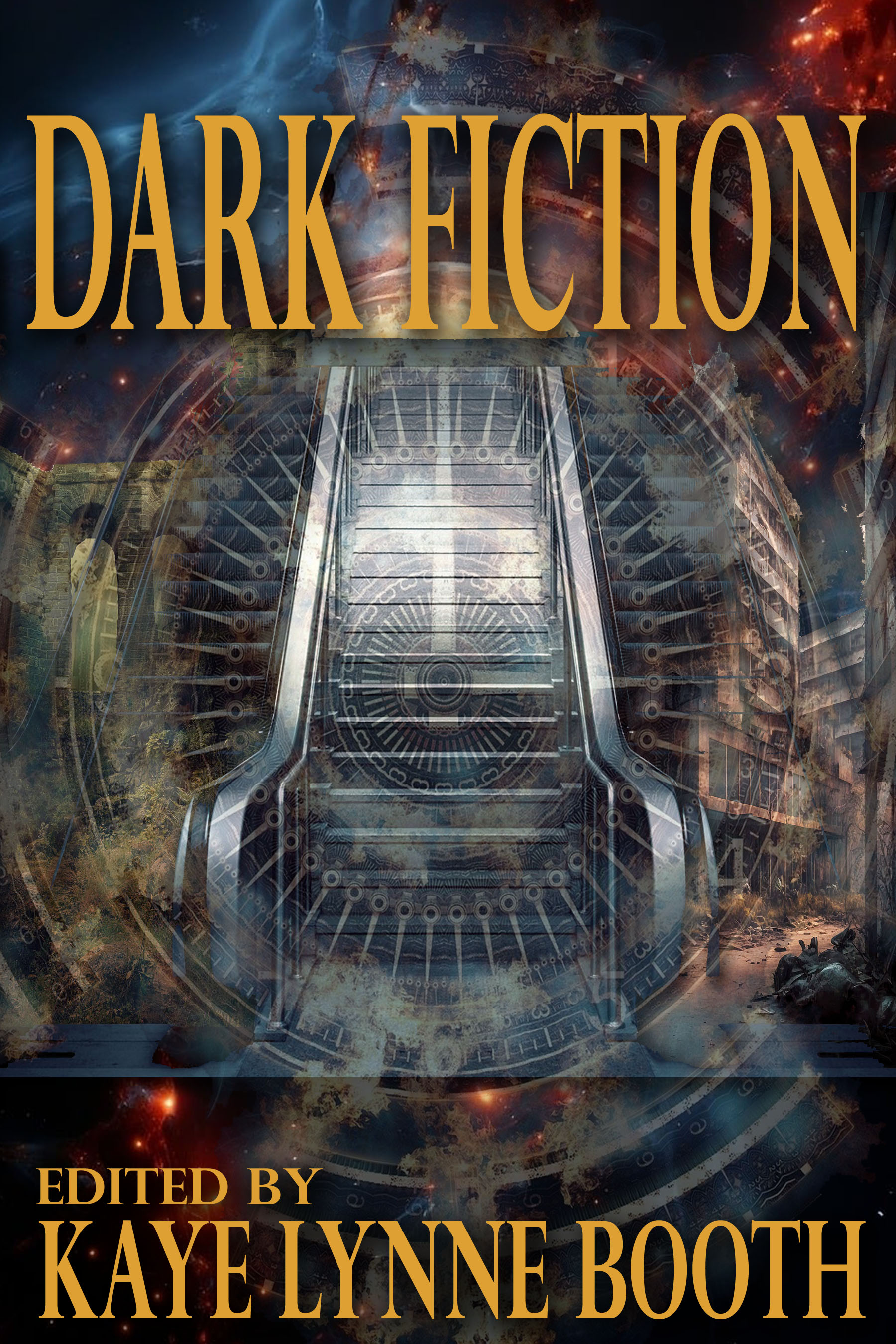
I’ve also been combing through the submissions for two anthologies scheduled for this coming autumn. I announced the winner of the 2024 WordCrafter Short Fiction Contest – M.J. Mallon and her story, “The Seagull Man”, and I’m geting ready to go through the by invitation submissions for the Dark Fiction anthology, that is as yet untitled. Once I’ve read them all and I have a better idea of the shape this short fiction collection, I’ll decide on the title. And I just finished editing the submissions for the Tales From the Hanging Tree anthology and sending them back to the authors for revisions. This is a themed anthology and it didn’t get a lot of submissions, so I’m writing a second story to be included to fill it out a bit.
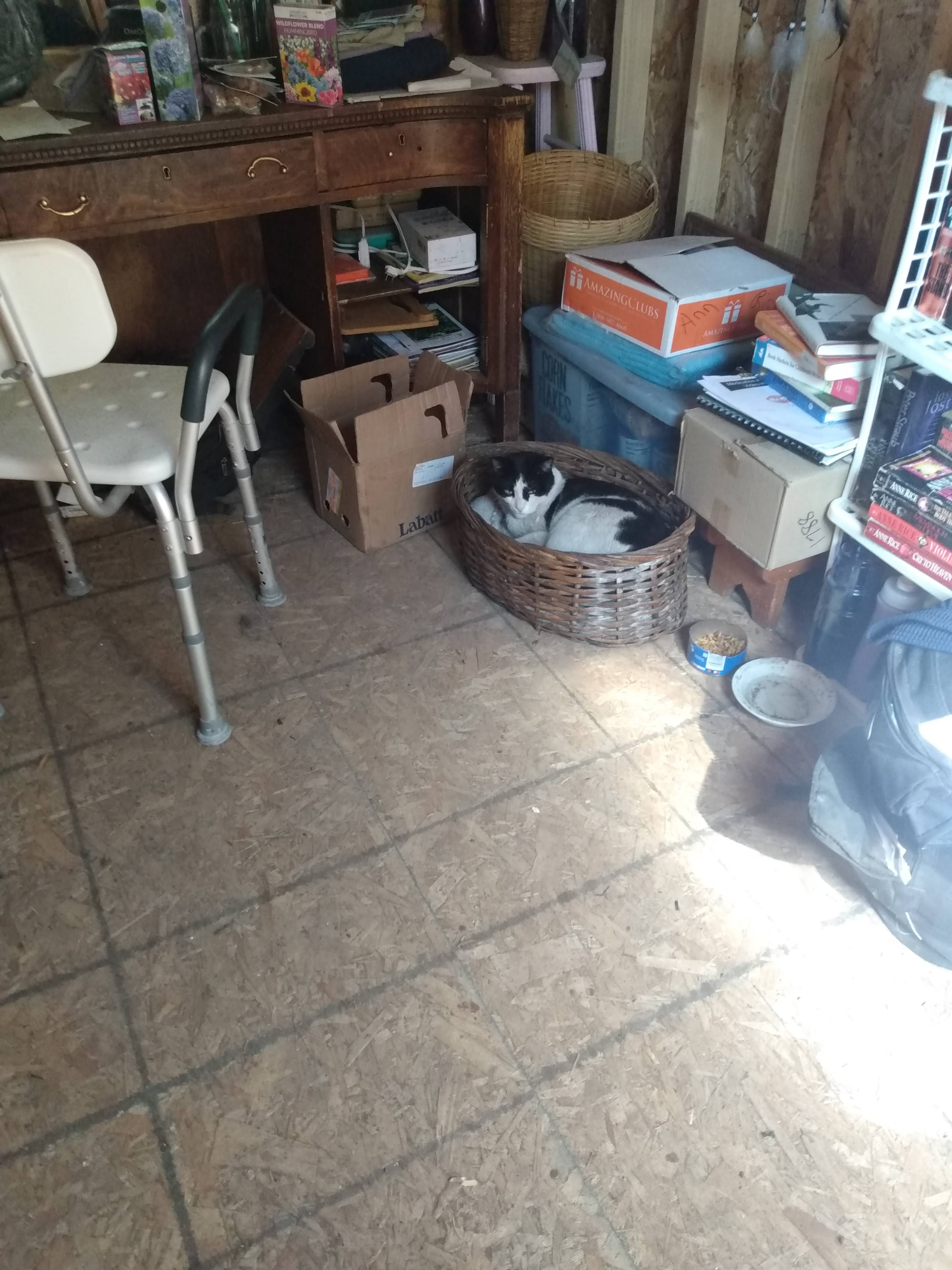
Other than that, I’ve been getting my office set up, as best I can with what I’ve got, hanging out with my cat, Rowdy, taking morning walks and eating a lot of peanut butter, mayonaise and lettuce sandwiches. Maybe now that I’m working outside this little box I call an office, maybe I’ll be able to visit some of my favorite resturaunts and go visit some of my favorite places to camp this summer. There’s a book launch in Gunnison in July that I’d really like to attend and a few ideas floating around in my head for new projects. If I make it, I’ll tell you all about it. 😉
Rowdy the cat in his bed in my office.
_________________________________________
About the Author
For Kaye Lynne Booth, writing is a passion. Kaye Lynne is an author with published short fiction and poetry, both online and in print, including her short story collection, Last Call and Other Short Fiction; and her paranormal mystery novella, Hidden Secrets; Books 1 & 2 of her Women in the West adventure series, Delilah and Sarah, and her Time-Travel Adventure novel, The Rock Star & The Outlaw. Kaye holds a dual M.F.A. degree in Creative Writing with emphasis in genre fiction and screenwriting, and an M.A. in publishing. Kaye Lynne is the founder of WordCrafter Quality Writing & Author Services and WordCrafter Press. She also maintains an authors’ blog and website, Writing to be Read, where she publishes content of interest in the literary world.
________________________________________________
This post sponsored by WordCrafter Quality Writing & Author Services.
Whether it’s editing, publishing, or promotion that you need, WordCrafter Quality Writing & Author Services can help at a price you can afford.
Today I’m chatting with author Julie Jones about her author journey thus far, as she releases her debut novel, Blood Follows Blood: The Legend of Ginny Sutton. I’ve worked with Julie in the past, and she has stories in both the Visions and MidnightRoost anthologies from WordCrafter Press, so I know she is a top notch writer who knows how to craft a good story. She is a promising new author and I welcome her here today.
When she asked if I’d like to review her first novel, I was happy to oblige and to invite her to be the first guest on this new blog series, where I’ll be interviewing new authors and reviewing their books. I’m pleased to have her as my guest for this first segment.
So let’s learn a little more about Julie, and then we’ll get into the interview.
About the Author
Julie Jones is an award-winning writer from northeast Oklahoma and author of the Legend of Ginny Sutton, a weird western series debuting in June 2024 with the first book titled Blood Follows Blood.In May 2020, she won the Best Horror Story award from the Oklahoma Writers Federation for Camelot, a chilling ghost story set in the once-impressive and now demolished Camelot Hotel in Tulsa, OK. Julie’s short stories can be found in anthologies published by WordCrafter Press and WordFire Press, as well as her own collection Chain Reaction available on Amazon.
Interview
Hi Julie. I am thrilled to have you as my guest today. Thank you for agreeing to chat with me.
Please tell us a little bit about yourself and your author journey to this point.
I’ve been fascinated with reading and storytelling as long as I can remember. I wrote poems and stories as a child and loved thinking up my own Weird Al-style parodies of favorite songs. In high school I was an accomplished student journalist and did well in creative writing and English classes throughout my education. Once my kids reached the age they no longer needed me quite as much, I wondered if I still had any chops. I found a short-term creative writing class at my local technology center and loved it so much I attended two more times. The third class resulted in a long-term writing group, and we published three books together. I learned a lot from that talented group and that’s where I met my editor, Aarika Copeland. In 2020 I entered the Oklahoma Writers Federation short story contest and won the horror category. The honor gave me a fresh boost and I decided to pursue writing even more seriously. Since then, I’ve attended the Superstars Writing Seminar in Colorado Springs three times and had several short stories published. Now I’ve got a novel series of my own!
You’ created a strong female protagonist who is believable and relatable. How wàs the character of Ginny developed?
In early 2022 I stumbled across an open anthology call for weird western stories. The description tickled my fancy and some brainstorming birthed Ginny Sutton. The story was ultimately rejected, but Ginny wouldn’t let me alone. She insisted on spinning yarns about her dead brother-in-law and sharing her heartbreaking backstory. I recognized the spark of true inspiration and began writing down all of Ginny’s adventures. Along the way I tried to put not only my best, but also the broken parts of myself into the story. Some readers will identify most with Ginny’s brokenness and flaws, while some will identify with her strength and determination. Both are valid. Ginny is me, and my mother, and my best friends, and every strong, capable woman I’ve ever known. By the way, the original short story is now chapter four of Blood Follows Blood.
You’ve written a kind of genre mash-up. I love that. Did you chose the genre or did the story dictate it? Why weird western?
It makes more sense to me now than it did when I decided to do it, as odd as that sounds. At the time it just struck me as a lot of fun, so I bought popular books in the genre and read them, then read their reviews. The insights were valuable, but the main thing I figured out was that I needed to do it my way. That meant throwing everything I love into the pot, stirring it all together, and hopefully serving a delicious, satisfying story to my reader. Setting it in the old West made perfect sense once I considered that all my favorite stories, books, songs, and movies feature characters who are self-reliant, personally responsible, capable, mostly moral, and believe in justice. The West encapsulates all those ideals, and to me it made sense to take the quintessential American mythos and marry it with everything that has shaped me as a person.
In your bio, you claim that your fiction is on the weird and creepy side. With your stories in two WordCrafter anthologies, I can verify the truth in that. You’re an average Jane, or maybe an average Julie, but you write all these strange stories. Where do your story ideas come from?
On paper I’m more boring than drying paint but I’ve always loved the weird and macabre, the fantastical and futuristic. I grew up in a town of less than 1,500 people before the internet existed, so books were my escape. I don’t know how many of my classmates spent their summers on the Ringworld with Louis Wu and His Motley Crew or fled Emond’s Field with the Dragon Reborn, but I did. I suppose slice-of-life stories or standard fiction doesn’t appeal to me as much because I live in those worlds already. Take me somewhere impossible to ride along with incredible people doing amazing things. That’s what I want to read.
This tale begins with the story already in motion. Instead of giving us background or introducing the character, you just slam us right into an action scene, then fill us in on the rest as the story unfolds with little exposition, works for this story quite well. But I have to ask, how did you decide that that was where your story needed to begin?
I once received the advice, “In late, out early.” Meaning, don’t bore the reader with things like Ginny walking across the high desert lugging her saddlebags and worrying about water. Start with the inciting action and backfill, then end the story when it’s over, not five pages of exposition later. That piece of advice dovetailed nicely with my journalism training where I first learned the importance of snappy introductory sentences and paragraphs that hook the reader. I decided to lean into the classic pulp novel feel with this series and structure each chapter like its own episode. I wasn’t sure if it would work at first, but feedback has been positive. There’s a lot of action and Ginny endures quite a bit, so I wanted to give readers plenty of points along the way where they could break from the story if they wanted or binge if it was just too compelling to stop. But each chapter purposely has my twist on the classic pulp episodic feel.
What was the best part of writing this Blood Follows Blood? Why?
Discovering the story along the way and brainstorming creative ways to connect the events was by far my favorite part. I also crammed so many hidden easter eggs into this book (and its sequels) that I’ve now forgotten them all. Some are obscure and only other fans of that particular thing will recognize it, and some are just for me that nobody knows, but they were all fun to include. I love every weird thing in this book, and figuring out how to connect it all together was one of the most enjoyable things I’ve ever done.
What was the most difficult part of the book to write? Why?
Editing was tough, and I have to give recognition to Aarika here. I tend to write blunt-force style and things like emotional cues and sensory details run sparse. She did a lot to highlight where I needed to add those things and challenged my thinking on some of Ginny’s desires and motivations. At one point I realized time and distances weren’t working out and had to fix that, but because everything in this book is so interconnected, it was a job to make sure I caught all the ripples downstream of every change.
What is the best piece of writing advice you’ve ever been given?
This is tough because I’ve been honored to meet and visit with many incredible authors. I wish I could remember who told me “In late, out early” but I don’t. The very best thing a writer can do is finish the story. All the other advice that’s given to authors can be addressed once the first draft is done, but if someone is new to the craft, just finish the story. And one more thing, why is the most important question you can ask yourself about your story and your characters. Why was Ginny out in the high desert? Why did Jim’s corpse walk into her camp? Why does she hate him so much? Stories are built on this word.
It’s been a pleasure to have you as my guest today. Please tell readers where they can find out more about you and about Blood Follows Blood: The Legend of Ginny Sutton.
Thanks so much for your time! I’d love for everyone to follow me on Facebook and/or Instagram, and over on my website is a signup form for my monthly newsletter. Readers will want to definitely check it out, as subscribers get early news, chances at secret giveaways, and every newsletter ends with a picture of my dog!
How many times does a woman have to kill the same outlaw?
Broken and alone, Ginny Sutton roams the West. After hunting down and killing Jim Puckett—her former brother-in-law and notorious leader of the Mad Dogs gang—Ginny believes justice has finally been served. Until he walks into camp hellbent on claiming her soul.Plunged into a waking nightmare of possessed posses, thirsty vampires, stubborn corpses, and every other manner of supernatural evil her enemies can raise against her, Ginny is forced to embrace one universal truth:
HOPE IS NOT A STRATEGY
All she wants is peace. But the fates have other plans for her, and more than ever her survival depends on grit, wit, and an open heart.Will Ginny survive her bloody path to absolution?
Saddle up for a wild ride into the weird west where the myths are real and body count matters!
My Review
Blood Follows Blood: The Legend of Ginny, by Julie Jones is a captivating weird western that will keep you thinking, “What else could possibly happen?” And, “How much can one girl take?”
This story has so much nonstop action that it makes the reader tired, but Ginny Sutton takes it all in stride. I guess when you live in a world where nothing stays dead, battling supernatural beings wouldn’t make you bat an eye, and deals with the devil would come as no surprise.
For five long years Ginny Sutton had been is a woman haunted by her past and out for revenge, chasing Jim Puckett half-way over the mountains and back. When she finally decided to give it up and go back home to Oklahoma, she caught up with him and chased him some more, hunting him down like the mangey dog he was. But now, Jim won’t stay dead, and the devil’s got a price on her head.
I was impressed with the craftsmanship of this debut novel. Jones has done her research, setting the perfect tone for the tale, with a strong female protagonist I couldn’t help but like.
A delightfully dark, weird western tale that you won’t want to put down. “Bravo!” to Miss Jones. I give BloodFollows Blood five quills.
______________________
If you are an author releasing a debut novel, and you’d like to be a guest on “Chatting with New Blood”, please drop me a line at kayebooth@yahoo.com.
______________________
This segment of “Chatting with New Blood” is sponsored by The D.I.Y. Author and WordCrafter Press.
Being an author involves not only writing, but often, the publishing and marketing of the book.
In this writer’s reference guide, multi-genre author and independent publisher, Kaye Lynne Booth shares her knowledge and experiences and the tools, books, references and sites to help you learn the business of being an author.
note to my readers: I wrote this essay twelve years ago. I just re-discovered it. I should tell you that things have worked out okay.:
What made me decide during my teen years that I was going to devote my life to creating “art”? Music, poetry, prose, photography: if it was “art” I was going to do it and no one could stop me. My parents put me in a psychiatric ward for eight weeks. I emerged no less an artist. The medications I should have been taking had been hidden in my lower lip and spit out the window, drifting down five stories to land in a sodden mess of other spat-out medications at the back entrance to the hospital.
I didn’t see any choice in the matter. I was driven. I wouldn’t listen to my father’s imprecations to “find yourself a profession and do “art” on the side”.
What? Do “art” on the side? Jeez, what did he think I was? Some kind of dilettante? I was going to be immersed in music, writing, etc for my life, every day of my life, 24/7/365/80something.
That’s what I’ve done. I’ve arranged everything in my life to be an “artist”.
I use these quotation marks because at this stage of my life the words Art, Artist, Creative, etc have been so devalued that I feel like a complete fool. I can’t explain what I really am. I’m in late middle age and I’m still doing it. I fit the classic model of the “starving artist”, the impractical beatnik hipster free spirit who lives outside the mainstream and survives as a free lance everything.
I’ve had the perfect job for twenty six years. It’s a part time janitorial contract, about fifteen hours a week. When I combine that income with a couple other cleaning jobs, I’m an independent man with a subsistence income. That frees me to be the artist/musician and writer that I am. I really don’t know how to do anything else.
I create. I do the cleaning job on my own time, no one pressures me, it’s physical work and my mind can wander through my artistic universe while I sweep and scrub.
When the property owner died this perfect job died with him. The new management gave me thirty days notice. I got the letter yesterday. The landlord is hiring a slick professional firm of janitorial shysters who hire Latino workers, put them in blue uniforms, pay them minimum wage and pocket the rest.
You know the kind of sickening gut-storm that happens when you find out your lover’s been cheating? You know that feeling?
I feel like that. A nice chunk of income worth $1100 a month has suddenly vanished. It was my largest contract. I don’t know how I’ll pay my rent, care for my wife, keep the internet broadband connected. I still have some work. Just a bit. I’m 64 years old. My feet are in chronic pain. I’ve never worked for anyone else.
I’ve had enough experiences in my life to understand that one of the most basic structures of existence is this: death and resurrection. Getting fired is a death. I await the new blossoming.
I’ve been going through years of heartbreak. I’ll be honest. No one wants to read about my pain; there’s enough pain. Who needs some obscure writer to dump more pain?
I think I’m a special writer but show me a writer who doesn’t think he or she is special. Writing is a landscape of self delusion, fantasy, hope burning, guttering, rejection gathering, courage failing. This is a tough time for writers. There’s a zillion grandiose twenty five year old English Lit and MFA graduates who want to hit the Great Harry Potter Roulette Wheel.
I’m scared shitless. I’m old, I have a lot of unmarketable skills, my wife is disabled and my dogs are neurotic as Alaskan Armadillos. What am I going to do?
Here’s where the leap of faith enters the picture: It Will Come. I’ve been stuck in the most colossal rut for seven or eight years. I’ve been comfortable.
Comfort can be deadly to an artist. I’m going to have to ride it out. Already, I’ve applied for two writing jobs. Wouldn’t that be cool, actually being employed writing? I don’t need to adhere to my strict regime of “my work my work my work.”
I can do other people’s work. I can do it well. I’ve done it before. I was a ghost writer for six years for a celebrity photographer. My ghost written articles appeared in People Magazine, Teen Beat, National Enquirer, a host of tatty rags. I got paid by the hour. My boss was seventy five years old, and he was a tightwad!
I’m going to get less scared as the days pass. I know this has happened and that it will turn out okay. If it doesn’t turn out okay, that’s going to be a drag.
What’s the worst that can happen? I always ask this question when things are rough. The answer: the worst that can happen is that I can suffer horribly for a long time, intimately observe my mind disintegrating, and then die alone in a ditch.
So, if that’s the worst that can happen, what am I worried about?
______________________________________________
Arthur Rosch is a novelist, musician, photographer and poet. His works are funny, memorable and often compelling. One reviewer said “He’s wicked and feisty, but when he gets you by the guts, he never lets go.” Listeners to his music have compared him to Frank Zappa, Tom Waits, Randy Newman or Mose Allison. These comparisons are flattering but deceptive. Rosch is a stylist, a complete original. His material ranges from sly wit to gripping political commentary.
Arthur was born in the heart of Illinois and grew up in the western suburbs of St. Louis. In his teens he discovered his creative potential while hoping to please a girl. Though she left the scene, Arthur’s creativity stayed behind. In his early twenties he moved to San Francisco and took part in the thriving arts scene. His first literary sale was to Playboy Magazine. The piece went on to receive Playboy’s “Best Story of the Year” award. Arthur also has writing credits in Exquisite Corpse, Shutterbug, eDigital, and Cat Fancy Magazine. He has written five novels, a memoir and a large collection of poetry. His autobiographical novel, Confessions Of An Honest Man won the Honorable Mention award from Writer’s Digest in 2016.
Want to be sure not to miss any of Arthur’s “Mind Fields” segments? Subscribe to Writing to be Read for e-mail notifications whenever new content is posted or follow WtbR on WordPress. If you find it interesting or just entertaining, please share.
_____________________________________________
This segment of “Mind Fields” is sponsored by the Roberta Writes blog site, where you can find the poetry, photos, videos, and book reviews by Robbie Cheadleand so much more.
Today, I am delighted to welcome talented poet and author, Michelle Ayon Navajas, as my June Treasuring Poetry guest. Michelle is also the editor of Hotel by Masticadores. Welcome Michelle!
What is your favourite style of poetry to read i.e. haiku, ballad, epic, freestyle, etc?
I love to read freestyle and ballad.
What is your favourite poem in your favourite style to read?
I love to repeatedly read Annabel Lee. Though technically, it’s not a ballad, but I trust that Edgar Allan Poe referred to it as one, because like a ballad, the poem uses repetition of words and phrases purposely to create its mournful effect.
Annabel Lee by Edgar Allan Poe
It was many and many a year ago,
In a kingdom by the sea,
That a maiden there lived whom you may know
By the name of Annabel Lee;
And this maiden she lived with no other thought
Than to love and be loved by me.
I was a child and she was a child,
In this kingdom by the sea,
But we loved with a love that was more than love—
I and my Annabel Lee—
With a love that the wingèd seraphs of Heaven
Coveted her and me.
And this was the reason that, long ago,
In this kingdom by the sea,
A wind blew out of a cloud, chilling
My beautiful Annabel Lee;
So that her highborn kinsmen came
And bore her away from me,
To shut her up in a sepulchre
In this kingdom by the sea.
The angels, not half so happy in Heaven,
Went envying her and me—
Yes!—that was the reason (as all men know,
In this kingdom by the sea)
That the wind came out of the cloud by night,
Chilling and killing my Annabel Lee.
But our love it was stronger by far than the love
Of those who were older than we—
Of many far wiser than we—
And neither the angels in Heaven above
Nor the demons down under the sea
Can ever dissever my soul from the soul
Of the beautiful Annabel Lee;
For the moon never beams, without bringing me dreams
Of the beautiful Annabel Lee;
And the stars never rise, but I feel the bright eyes
Of the beautiful Annabel Lee;
And so, all the night-tide, I lie down by the side
Of my darling—my darling—my life and my bride,
In her sepulchre there by the sea—
In her tomb by the sounding sea.
What is your favourite style of poetry to write? Why?
I love freestyle and ballad poetry because they offer a unique freedom of expression and emotion. Freestyle allows for spontaneous creativity, while ballads provide a structured yet melodious form to convey deep feelings and stories. Both forms can be deeply personal and evocative, resonating with the human experience in different ways.
What is your favourite of your own poems in your favourite style?
“What If Snowflakes Don’t Fall In Winter?”
What if snowflakes don’t fall in winter? and fresh buds don’t bloom in spring? or summer doesn’t need sunshine?
nor leaves don’t fall in autumn?
Will you remember how we used to be?
the love we shared gently like snowflakes falling smoothly in winter out of thin air unannounced, unnoticed unspoken yet blissful
the dreams we dream, hopes we hope like spring awakening the earth bringing heaps of sunshine after the cold, gloomy winter
the laughter we gave out like sunshine on a summer day rhyming along as the birds singing passionately hot, vibrant, and crisp
the memories we created like leaves falling flawlessly in the autumn breeze, with cooling temperatures and darkening nights
What if snowflakes don’t fall in winter? and fresh buds don’t bloom in spring? or summer doesn’t need sunshine? nor leaves don’t fall in autumn?
Will you still love me tenderly?
How do you promote your poetry and your poetry books?
Promoting my poetry books involved a mix of traditional and modern strategies:
Social Media: I utilized platforms like Instagram, Twitter, and Facebook to share snippets, and behind-the-scenes insights, and engage with my audience.
Book Readings/Events: I join readings at local bookstores, libraries, or cafes. I also join virtual events which can also reach a wider audience.
Collaborations: I partner with other poets, artists, or influencers for cross-promotion.
Press Releases: I send out press releases to local newspapers, literary magazines, and online platforms.
Book Reviews: I solicit reviews from book bloggers, literary magazines, and online reviewers.
Online Presence: I maintain a blog where readers can learn more about me and my work.
Book Signings: I join book signings at bookstores, festivals, or community events.
Book Trailers: I create short videos or trailers featuring excerpts from my book.
Email Marketing: I build an email list and send newsletters with updates, exclusive content, and offers.
But remember, consistency and engagement are key to building a loyal readership.
Hotel by Masticadores
Michelle is the editor of Hotel by Masticadores “Hotel of Broken Hearts”.
Hotel was born from a conversation within the masticadores Editors. Barbara Leonhard (USA), Miriam Costa (Brazil) and j re crivello (Barcelona-Spain), understand that all of us, at some point in life, would like to write a letter to: an ex-love, or a deceased relative, or remember that landscape or house that sheltered us in a stage of our life.
For this reason, we have created Hotel, an ephemeral tool that we put at the service of readers and writers. The only rule is a maximum of 600 words (in Word) and that the texts and images be accepted by the Editorial Board. That being said, Hotel will appear in Spanish and English.
You can send your collaborations to fleminglabwork@gmail.com
Hotel also publishes poetry and book reviews.
My review of Locker by Michelle
Picture caption: Book cover of Locker by Michelle Ayon Navajas featuring a red school locker against a red background.
What Amazon says
We can close our eyes to reality and pretend things didn’t happen the way they happened. Fiction is the closest to escaping what’s true and painful. This collection of over fifty poetic flash fiction stories will push the boundaries of our reality. It will make us discern things for ourselves and will lead us to understand our true nature better.
Each is a stand-alone story you can read anytime, anywhere, without the need to finish the entire book. But, as soon as you flip to the last page, you will realize there is more to these poetic flash fiction stories than simply a collection of poetic tales.
My review of Locker
Locker is a deeply emotional and heartfelt collection of flash fiction. Each piece revolves around the central themes of love and secrecy. The title, Locker, refers to a school locker where students store their personal items. These comprise of a mixture of practical, everyday items and also their personal secrets. Love notes, drawings, and books are all articles that are stored in lockers.
Each piece of flash fiction draws on this concept of opening our own ‘mental’ lockers and looking through the memories stored there. Some are wonderful, bright flashes of happy joy in our lives, and others are sad or traumatic. All mould us into the people we are and are vital components of our life paths.
As with our own memories, some of these stories are wonderfully uplifting: the moment when we fall in love and everything in our world is perfect. Others cover losses of love interests, miscarriages, and even situations where love changes to abuse.
The author is a talented and well known poet and the writing style of her short stories is lyrical and poetic. The language is a treat for lovers of the written word and evokes intense feelings.
I highly recommend this beautiful and intense book to all lovers of character driven stories.
Picture caption: Poet and author photograph of Michelle Ayon Navajas
Michelle Ayon Navajas (born June 23, 1976) is a Filipino poet, writer, and educator. She is a Best-Selling international Poet known for her books reaching the #1 spot within days of their release. Her 8th poetry book, “I Am In Itself Poetry In The Dark,” went straight to the top of both the best-sellers list and new releases on Amazon on short notice. Her 7th poetry book, “It Ain’t Winning If Without You,” went straight to the best-sellers list on Amazon in less than 24 hours of release by pre-orders alone and eventually became the number Poetry Book on Amazon India on its actual release day, soon after the book rose to the best- sellers list as well in all other Amazon Markets worldwide.
Currently, Michelle holds the title of having 4 books published in a row to have made it to Amazon’s Best-Sellers List (“I Will Love You Forever, Too,” “After Rain Skies, 2nd Edition,” “It Ain’t Winning If Without You,” and “I Am In Itself Poetry In The Dark”) and 3 books on Amazon’s #1Hot New Releases/New Releases (“I Will Love You Forever, Too,” “It Ain’t Winning If Without You,” and “I Am In Itself Poetry In The Dark”.)
Her poetry appeared in several international literary magazines and anthologies such as Spillwords NYC, MasticadoresUsa, and MasticadoresIndia. Her poems “Holding Hands” was voted as Spillwords Publication of the Month for November 2021 and “Love Happens” was voted as Spillwords Publication of the Month for December 2022.
She is also part of the award-winning ensemble of authors in two Poetry Anthologies, that are both Amazon Best-Sellers: Hidden In Childhood and Wounds I Healed.
Graduated with a Master of Education majoring in English in the Philippines (University of San Agustin, Iloilo City). Michelle was a former college professor, teaching literature, speech & oral communication, creative writing, drama, and theatre arts. She is also a graduate of Mass Communications major in Journalism (Centro Escolar University, Manila).
Michelle is active in her writing profession and works as a freelance creative writer.
Want to be sure not to miss any of Robbie’s “Treasuring Poetry” segments? Subscribe to Writing to be Read for e-mail notifications whenever new content is posted or follow WtbR on WordPress. If you found it interesting or entertaining, please share.
I always enjoy going places where I can see different birds from those that visit my yard. Recently I visited a lake in Salida, Colorado, where ducks and geese frequent. I spent a pleasant afternoon walking around the lake and I was fortunate to be there at a time when the storks stopped by for a visit. You can see them perched in the photo above. They are quite large, and interesting looking, but oh, so graceful in flight. Unfortunately, I wasn’t able to capture their departure as they lit out for their next stop. But I did get some shots of the cute duckies and geese below.
Going in?Fancy meeting you here.Comeon. Let’s blow this pop stand.Bottoms Up – Must be mealtime
I found a better picture of the majestic stork. Different trip, different lake. This one was spotted on Lake DeWeese, just outside Westcliffe, Colorado.
Stork floating on the lake
_________________________________________
About the Author
For Kaye Lynne Booth, writing is a passion. Kaye Lynne is an author with published short fiction and poetry, both online and in print, including her short story collection, Last Call and Other Short Fiction; and her paranormal mystery novella, Hidden Secrets; Books 1 & 2 of her Women in the West adventure series, Delilah and Sarah, and her Time-Travel Adventure novel, The Rock Star & The Outlaw. Kaye holds a dual M.F.A. degree in Creative Writing with emphasis in genre fiction and screenwriting, and an M.A. in publishing. Kaye Lynne is the founder of WordCrafter Quality Writing & Author Services and WordCrafter Press. She also maintains an authors’ blog and website, Writing to be Read, where she publishes content of interest in the literary world.
_______________________________________
If you’d like to show your support for this author, you can make a donation to Writing to be Read for as little as a cup of coffee, or check out the WtbR Sponsor Page and let me advertise your book.
Lady Laya MoonWalker is a well respected journalist and magazine owner and a high priestess in the magickal community. After a drawn-out battle with the forces of dark magik, she has come into her own. She lives and works on Planet Korponious, where she is the owner and creator of an Interplanetary Magazine called “Blended Lives Chronicles.” Her mission is to blend the lines of race, creed, and disability that separate so many and to elevate the recognition of the training and ability of Service Animals of all kinds to a new level. She has just been accepted into the Blended Lives Federation and now hopes to continue her work in a way like nothing known to her before.
Laya has created a lot of wreckage along the way through her dark journey into the light, and now she wishes to set this to right. She has just received her best break ever. Frank Prince, the CEO of The Blended Lives Learning Center, has invited her to the Celtic New Year Convention and Witches Ball as a reporter to write a story on the progress of The Blended Lives Planetary Federation. She will be their guest speaker at the opening ceremonies.
When Laya arrives at the Celtic Convention, she finds herself face to face with an old and dear friend, Blended Lives Learning Center Instructor and member of the Order of the Night, Derrick Gibbous. As they begin to connect, causing old sparks to reignite, they are tossed into a nasty battle from which not everyone will escape. People are not as they seem, and not everyone supports the side for which they appear to work.
As their love for one another grows, so does the battle. Despite everything, Laya and Derrick are determined to see their work to unite beings of all kinds succeed.
I was blessed with a print copy of this story, which is like Dark Shadows meets V: The Final Battle, where nothing is as it seems – Blended Lives: The Sides of the Order, by Patty L. Fletcher. Fletcher has created a seemingly inclusive world where there is magik for everyone, or so it seems. But there is conflict behind closed doors. Not everyone in this society of secrets wants equality and all is not as it appears.
Magazine owner and high priestess, Laya Moonwalker, begins to uncover the truth and becomes a risk to the order, placing her at risk. There are some members of the order who will stop at nothing to keep their secret from being revealed. But who can she trust? She wants desperately to trust the one she loves, Derrick Gibbeous. She needs to believe that he is not involved with the treachery she finds herself caught up in, and that he will do everything within his considerable powers to keep her safe.
The book does have a few P.O.V. problems which can be confusing and pull the reader out of the story, so I give it four quills.
_______________________________________
Kaye Lynne Booth does honest book reviews on Writing to be Read in exchange for ARCs. Have a book you’d like reviewed? You can request a review on the Book Review tab above.
I’ve been going through my Cripple Creek photos because I wanted to make my own “Thursday Doors” post. Inspired by all the doors featured on Dan Antion’s No Facilities blog site.
Far from being a ghost town, as many of the mining communities in Colorado have become today, the town of Cripple Creek is teaming with live bodies of both locals and tourists. Cripple Creek is a historic mining town and they’ve kept much of the original buildings and architecture. Today, Cripple Creek is one several places in Colorado where gambling is legal, and new buildings are also required to follow the historic motif.
The Doors of Maggie’s Place ResturauntCorner Doors, Palace HotelFront Doors of Outlaws & Lawmen Jail MuseumCellblock door – Outlaws & Lawmen Jail MuseumDoor to solitary cell (right) – when closed the cell is pitch black & very scaryOuthouse on display at Cripple Creek District MuseumOld Phone Booth on display at Cripple Creek District MuseumOffice Door on display at Cripple Creek District Museum
Fun & Interesting Facts About Cripple Creek, Colorado
It’s said that Cripple Creek got its name when a miner’s horse was crippled walking through a stream when it was a big cattle ranching community, before gold was discovered in 1890 by a man named Bob Womack.
It has also been said that Bob Womack and his family named it after Cripple Creek, Virginia, near their hometown in Kentucky, but I think the first explanation is more colorful.
Cripple Creek was the destination of Colorado’s last big gold rush spurred in 1891.
In 1894, the small mining town of Cripple Creek boasted a population of 6,000 residents and had over 150 active mines, producing over three million dollars. They had four newspapers, five churches, and more than 300 prostitutes.
The population of Cripple Creek reached 10,000 in 1896. In April of that year, fire spread through the town built of wooden structures, not once but twice. The first fire ravaged the towns main business district on April 25th, in spite of the town’s heroic efforts to stop the blaze and about a quarter of the homes and businesses of the town were lost. Just as they began to rebuild and try to recover, on April 29th, a second fire swept through the town. With firefighting resources exhausted by the first fire, firefighters resorting to blasting buildings with dynamite in an attempt to halt the spread of the blaze, flattening most of the business district and half of the homes. For this reason, They rebuilt the town, but new businesses were banned from building with wood so brick was used, which wouldn’t burn as easily as wood, even replacing the wooden boardwalks with brick sidewalks which are there to this day.
At it’s height the Teller County mining district as a whole had a population of between 30,000 and 50,000 residents, and over 500 active mines, which had already produced over $77 million dollars in gold ore.
The Old Homestead House was a high-end brothel, run by the infamous Madam, Pearl DeVere. Clients went through a rigorous application process, including scrutinization of their finances. If a applicant didn’t have at a million dollars in the bank, they weren’t granted an appointment. Clients were granted entry by appointment only, and the girls were paid well for their services. Prostitution wasn’t a legal occupation, but the law had to look the other way or the town would have forfeited the ample money paid in taxes and fees by the soiled doves and bordello proprieters.
Cripple Creek is one of the few boomtowns of the 1800s to continue productive mining operations today. The Cripple Creek & Victor Mine is now run by is now run by Newmont and continues to produce generous amounts of over 100,000 of gold and silver each year, employing 500 employees.
Cripple Creek is in one of three historical districts in Colorado where gambling has been legal since 1989. Today they have over twelve casinos which generate money which provides revenue to preserve important historic buildings.
I want to shake things up a bit on this blog. I’d like to stir up more reader engagement. So, I thought it might be fun to run a monthly story challenge and see if I couldn’t entice some of you to play along.
I got the idea from Story Wars, a group of authors who hold live writing events twice a month in Cleveland, Ohio and are doing impromptu writing and story telling a little differently. They will be doing an live event at the Author Nation Conference in Vegas, which is what used to be the 20Booksto50k Conference, under new ownership, now hosted by Author Nation.
What they do sounded like a lot of fun, so I thought I’d try something similar here on the blog. Here’s how it will work. Each month I will provide a story prompt in my post and then you all can take that and sit down to write for 30 minutes to see what you come up with. It can be any genre, just let your voice come through and shine.
Now I know that’s not enough time to write a complete story, of course. But it is enough to give you a good start. Publish the results on your blog and send the link to me by the last day of the month. Be sure to label them with #WtbRStoryChallenge. Or, if you don’t have a blog, you can send the results directly to me, and I will publish them the following month along with the writing prompt for the next month.
Now here’s the fun part. Each reader can vote in the comments for the story beginning they like best in the comments, even if you are a participant in the challenge. You can vote for your own story, or for someone else’s that you honestly feel is best. And each month last month’s winners will be announced. The top three will receive an invitation to finish the story and submit it to WordCrafter Press for inclusion in an anthology.
And of course, if you have a good start, you can always finish the story, even if you don’t get an anthology invitation. And I hope you do.
Winners will be announced the following month, after voting and I will continue to post winners after the challenge ends.
Now this is an experiment, so I’m running the series for six months just to see how it goes. If I’m not receiving any submissions, I may not run it that long, because the idea is to garner engagement from my reader community. But I hoping there will be interest in this fun writing exercise as way to flex writing muscles you may not use in your usual writing processes. If the response is high, and I see that there’s interest, I may decide to continue it longer.
Story Wars is a live event, so its participants really must improvise. There’s no time to outline or plot. Since this challenge is not live, you all will have time to think about what you want to write. I do ask that you don’t resort to formal plotting or outlining, as testing out those improv skills is a big part of the fun. The idea is to let your voice take the reins and run with it. Your story can be silly or serious, scary or romantic, mysterious or fantastical. And remember it is not expected to be a complete story, although hopefully you’ll be able to finish it, if you are voted a top three winner. Are you ready for some word play?
June Writing Prompt
Write a story based on a local or popular legend.
This month’s prompt should bring something to mind easily. We all know local legends or have heard one which is widely known. Pick your legend and write your tale based on it. It can be a retelling using your voice, but if you do this, please write the portion of a story which sets your story apart from previous tellings.
Stick to the rules and after 30 minutes of writing stop. I’ll be writing right along with you. I know the prompt ahead of time, but I won’t begin writing until it has posted. Be sure to have your entry to me by the last day of the month, so I can share them all for readers to vote on.
Another good thing about this not being a live event is you will have the opportunity to edit for grammar, spelling, and punctuation before submitting, and I do want it to be the best you’ve got, of course.
__________________
About Kaye Lynne Booth
For Kaye Lynne Booth, writing is a passion. Kaye Lynne is an author with published short fiction and poetry, both online and in print, including her short story collection, Last Call and Other Short Fiction; and her paranormal mystery novella, Hidden Secrets; Books 1 & 2 of her Women in the West adventure series, Delilah and Sarah, and her Time-Travel Adventure novel, The Rock Star & The Outlaw. Kaye holds a dual M.F.A. degree in Creative Writing with emphasis in genre fiction and screenwriting, and an M.A. in publishing. Kaye Lynne is the founder of WordCrafter Quality Writing & Author Services and WordCrafter Press. She also maintains an authors’ blog and website, Writing to be Read, where she publishes content of interest in the literary world.
Being an author today is more than just writing the book. Authors in this digital age have more opportunities than ever before. Whether you pursue independent or traditional publishing models, or a combination of the two, being an author involves not only writing, but often, the publishing and marketing of the book.
In this writer’s reference guide, multi-genre author and independent publisher, Kaye Lynne Booth shares her knowledge and experiences and the tools, books, references and sites to help you learn the business of being an author.
I’m excited to announce that the winner of the 2024 WordCrafter Short Fiction Contest is M.J. Mallon, with her story, “The Seagull Man” – an exquistly dark short story. Runners-up have also been invited to be included in the anthology and a select few were asked to revise and submit for round two amd may be included, depending on how much room we have after all invitational submissions have been considered.
Runners-up included:
“The Fae Game”, by Danaeka Scrimshaw
“The Peddler”, by Peter McKay
“The Blackest Ink”, by Paul Martz
“Antepenultimate”, by Molly Ertel
We had a good number of submissions to the contest this year, and together with the stories submitted by invitation, we’re going to have a deliciously dark fiction anthology come October. I am going through the invitational submissions now.