Book Review: The Friday Edition
Posted: November 15, 2024 Filed under: Book Review, Books, Crime, Fiction, Mystery | Tags: Betta Ferrendelli, Book Reveiw, Crime Thriller, Kaye Lynne Booth, mystery, The Friday Edition, Writing to be Read 10 Comments
About the Book
Snow isn’t all that’s falling in Denver, Colorado on Christmas Eve.
A beautiful, young district attorney tumbles from her balcony to her death.
Police suspect suicide, but the DA’s sister, newspaper reporter Samantha Church, isn’t buying it.
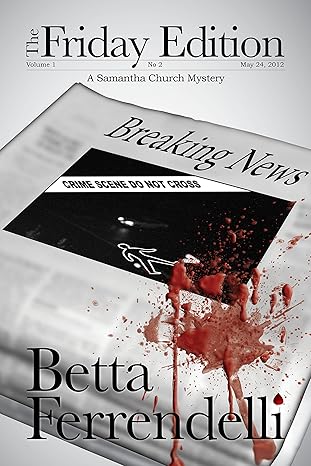
Samantha discovers evidence linking her sister to a drug smuggling case and quickly learns she has stumbled onto a major news story. She must summon the courage to not only face a cartel of criminals, but her own fears and shortcomings when she is confronted by the inescapable specter of a far greater enemy—her addiction to alcohol. Samantha’s dependency has not only cost her job at a major metropolitan daily, but, worse, custody of her daughter, April.
Samantha pursues her sister’s killers, maneuvering through a minefield of intrigue deliberately set out to divert her from the truth. Despite being betrayed, physically beaten and facing the possibility of sharing her sister’s fate, Samantha refuses to stop her investigation.
However, when the killers threaten to harm April, Samantha realizes that, for her daughter’s sake, she can no longer continue the investigation on her own. She knows she must swallow her pride and turn to her ex-husband and police detective, Jonathan Church, for help.
Can Samantha ultimately prevail—find her sister’s killer, write the story of her career, confront her drinking problem, and finally begin to change her life, or will she and April become the killer’s next victims?
Purchase Link: https://www.amazon.com/Friday-Samantha-Church-Mystery-Book-ebook/dp/B008IIFWYK
My Review
I received a digital copy of The Friday Edition, A Samantha Church Mystery, Book 1, by Betta Ferrendelli through Freebooksie. All opinions stated here are my own.
This tale has all the elements of a well-written mystery and crime thriller: a determined reporter plays detective, and she’s a wonderfully flawed character with plenty of room to grow, a suspicious death, and a lot going on behind closed doors to keep you guessing. Ferrendelli takes us to the depths of the main character and protagonist, Samantha Church, where we learn about the the demons which she battles, and expose her all her weaknesses, and come out likeing her all the more for them. She makes us root for Samantha to solve the case and break the story. When it seems she’s sliding backwards down a dark hole, we hold out breath and we cheer the loudest when she manages to pull through.
Samantha is a mess and she knows it, but her heart is always in the right place, even when her mind takes her down a dark path. Her alcoholism has cost her plenty, including the one thing that matters most to her in the world, her daughter April. Now, fueled by suspicions that her sister’s death was not a suicide, as police say, she sets out to learn the truth, but her failed attempts at earning back April’s trust threaten to plummet her into darkness and prevent her from uncovering a conspiracy the will rock the city of Denver. She is a strong, but flawed female protagonist and we want to see her win.
An enthralling mystery which kept me turning pages. I give The Friday Edition five quills.
__________________________________________
Kaye Lynne Booth does honest book reviews on Writing to be Read in exchange for ARCs. Have a book you’d like reviewed? You can request a review on the Book Review tab above.
Share this:

Read and Cook with Robbie Cheadle – To Wake the Giant: A Novel of Pearl Harbor and American Crabcakes #bookreview #cooking #crabcakes
Posted: November 13, 2024 Filed under: Books, cooking, Read and Cook, Recipes, Review | Tags: American Crabcakes, Jeff Shaara, Read and Cook, Robbie Cheadle, To Wake the Giant, Writing to be Read 47 Comments
November 11 is Remembrance Day or Poppy Day, a memorial day observed in Commonwealth member states to honour armed forces members who have died in the line of duty. With this in mind, and to feed my growing interest in USA history, I selected To Wake the Giant: A Novel of Pearl Harbor by Jeff Shaara for this month’s book review. Last month, the month of Halloween, I reviewed Interview with a Vampire by Anne Rice. If you missed that post, you can read it here: https://writingtoberead.com/2024/10/09/read-and-cook-with-robbie-cheadle-interview-with-a-vampire-by-anne-rice-and-new-orleans-gumbo-bookreview-recipe-readandcook/?_gl=1*akw5pe*_gcl_au*MjgyNDk3NjkzLjE3Mjg3OTgxMTQ.
Are you noticing the book choices are themed? They are, to the extent possible, and next month is Christmas. I’ve got a treat in mind for you …
To Wake the Giant: A Novel of Pearl Harbor by Jeff Shaara

I have read a few of Jeff Shaara’s books and they have all be entertaining, informative, and well researched. My historical knowledge of both WW1 and WW2 is much greater as it relates to events in Europe and from a British, Dutch, French, and Polish perspective. I have been making a point of learning more about WW2 from an American perspective and this book did not disappoint. It provided copious detail about the events leading up to the Japanese attack on Pearl Harbour and the USA’s entrance into a war they fought on two fronts, in an interesting and relatable way.
The author tells his story through the eyes of three main characters, two of whom are real historical people and one who appears based on a real person but whose life would have been more fictionalised for purposes of this book. These main characters are as follows:
Cordell Hull is President Franklin D. Roosevelt’s Secretary of State and the real historical figure who tried to negotiate for continued peace with the Japanese through Ambassador Admiral Kichisaburo Nomura and Special Envoy, Saburo Kurusu. He failed and the Japanese launched their attack on Pearl Harbour on Sunday, 7 December 1941, marking the USA’s terrible and spectacular entrance into WW2. Cordell tells the story from the US government’s point of view and perspective.
Admiral Isoroku Yamamoto is the force behind the attack on Pearl Harbour. A real historical figure, he understood that war was inevitable and planned for an early victory and delay tactic for an American response by destroying the United States Pacific Fleet at Pearl Harbour in a preventive strike. Yamamoto believed that aviation was the way forward and opposed the building of the battleships, Yamoto and Mushashi, proposing investment in a strong Japanese arial force instead. Yamamoto tells the story from the Japanese perspective.
Seaman Tommy Biggs is an ordinary nineteen-year-old from a small town in Florida. Having finished school, he is faced with no job opportunities as a result of the Depression. When his best friend decides to join the Navy, Tommy is convinced to sign up too. Tommy has aspirations to work in the military hospital service and, after successfully completing boot camp, manages to get assigned to the USS Arizona as a hospital apprentice.
Seaman Biggs’ role in this book is the one that interested me the most as he represented the ordinary seaman. The reader learns about his life on the USS Arizona and the abuse he suffers at the hands of the military system which allowed senior personnel to bully junior staff. Through his eyes, I experienced daily life aboard the ship which was repetitive and boring, and off short time in the town. Most of the seamen spent their time ashore drinking cheap booze and making use of prostitutes. The boredom of the life on board ship, eroded alertness and interest and, in my opinion, helped set the stage for an attack that was such a complete and utter surprise.
This book is fascinating and shares details of the historical event in a heart rending and personable way. The descriptions of the event of the day were a shock to me, I didn’t know about the terrible fires and the oil the water that burned and horribly maimed many of the seamen. Having read this book, I understood the mindset of the American people and how the events that followed came to unfold the way they did.
If you are interested in books about and like to learn and expand your knowledge in a fascinating and compelling way, this book is for you.
You can purchase To Wake the Giant: A Novel of Pearl Harbor here: https://www.amazon.com/Wake-Giant-Novel-Pearl-Harbor-ebook/dp/B07X8D1B1Y
Quotes from To Wake the Giant: A Novel of Pearl Harbor
“We believed we knew everything they were thinking. Those Magic intercepts made us feel invulnerable. No, a better word is cocky. Their diplomats are chatting back and forth with Tokyo about the weather or color of their new Cadillacs while their military put a plan together to kick us in the teeth. We thought we knew everything. We didn’t.
-President Franklin Delano Roosevelt”
“All I propose is an attack that will paralyze the Americans, for perhaps six months. This attack is not about victory, about winning a war…It is about delaying them, keeping them back, damaging their military might and pride.
-Admiral Isoroku Yamamoto”
“How were we taken so by surprise? Everything we have gone through at the State Department, for most of the past year has pointed unmistakably to Japanese aggression, to their deceitfulness, duplicity, and backdoor actions. We knew exactly what they were doing in Southeast Asia in the Netherlands East Indies in China. We had access to their diplomatic communications we have outstanding people in our intelligence offices, both army and navy. How could this have happened?
-Former US Secretary of State, Cordell Hull”
THIS IS A SMASHING BOOK. IF YOU HAVEN’T READ IT, YOU REALLY MUST!
And now, on to the recipe. I made three dishes for this post and I loved them all. I decided to share the crabcakes recipe today and will keep the others for another post.
Robbie’s version of American Crabcakes

Ingredients
2 large eggs
90 ml mayonnaise
2 Tbspns (30 ml) onions grated
120 ml lemon juice
10 ml dried tarragon
2 teaspoons red pepper flakes
500 grams uncooked crab meat
30 ml melted butter
1 1/2 cups (750 ml) crushed melba toast slices (you can use any plain savoury biscuit)
Method
Mix the eggs, mayonnaise, onions, lemon juice, tarragon and pepper flakes together in a mixing bowl. In a frying pan on a medium heat, cook the crabmeat in the butter. Add the crabmeat to the egg mixture and combine. Add the crushed melba toast and ensure everything is properly mixed together. I always use my hands.
Shape the mixture into cakes and fry in a little olive oil until nicely browned. We enjoyed the crabcakes with rice and Greek lemon roasted vegetables.

About Robbie Cheadle
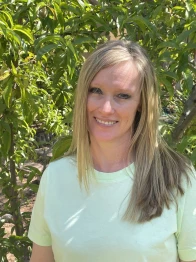
South African author and illustrator, Robbie Cheadle, has written and illustrated seventeen children’s books, illustrated a further three children’s books, and written and illustrated three poetry books. Her work has also appeared in poetry and short story anthologies.
Robbie also has two novels and a collection of short stories published under the name of Roberta Eaton Cheadle and has horror, paranormal, and fantasy short stories featured in several anthologies under this name.
You can find Robbie Cheadle’s artwork, fondant and cake artwork, and all her books on her website here: https://www.robbiecheadle.co.za/
________________________________________
Want to be sure not to miss any of Robbie’s “Read and Cook” segments? Subscribe to Writing to be Read for e-mail notifications whenever new content is posted or follow WtbR on WordPress. If you found it interesting or entertaining, please share.
_________________________________________
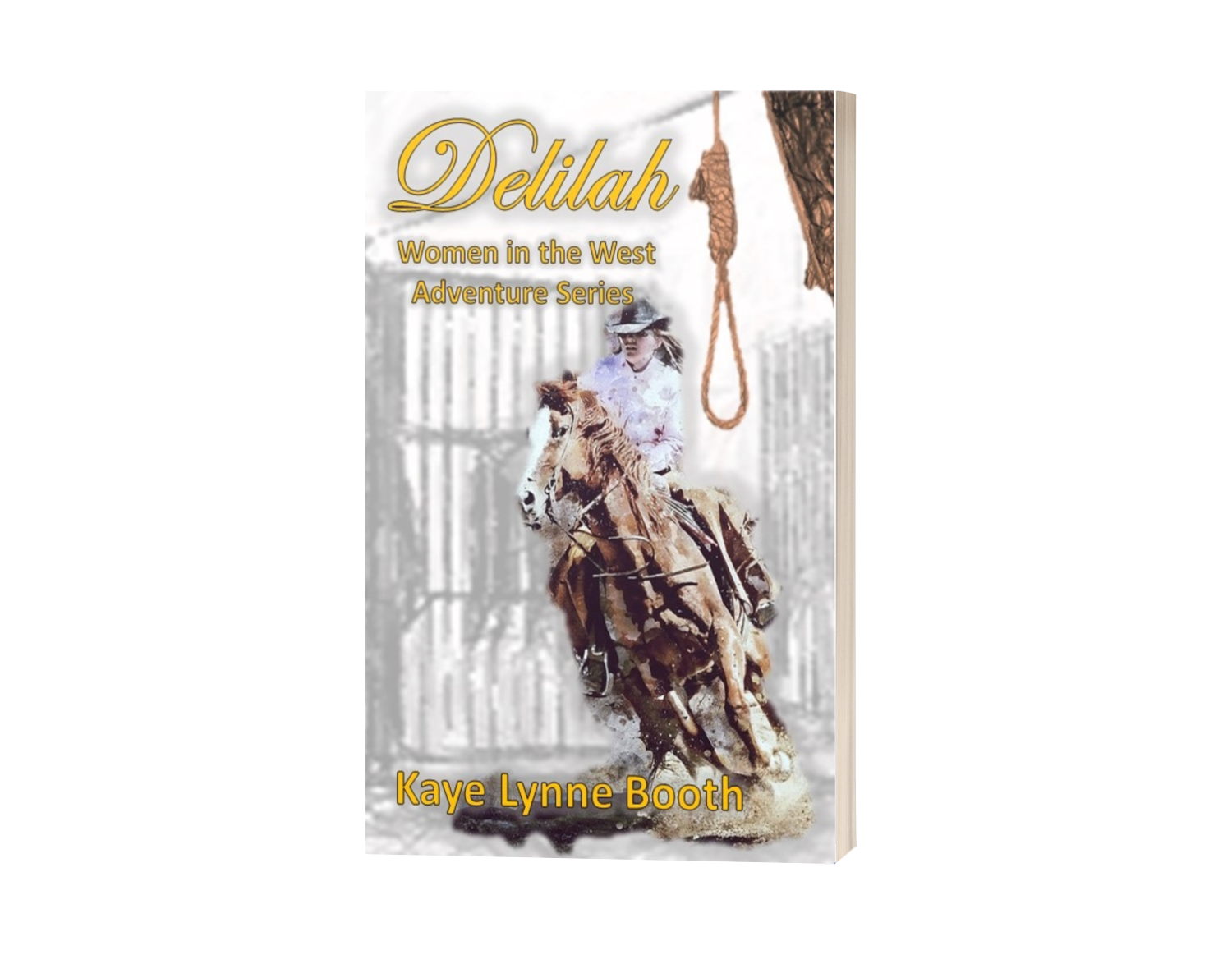
This segment of “Read and Cook” with Robbie Cheadle is sponsored by The Women in the West Adventure Series and WordCrafter Press.

Historical Women’s Fiction
Get Your Copy Today!
Delilah: https://books2read.com/DelilahWiW1
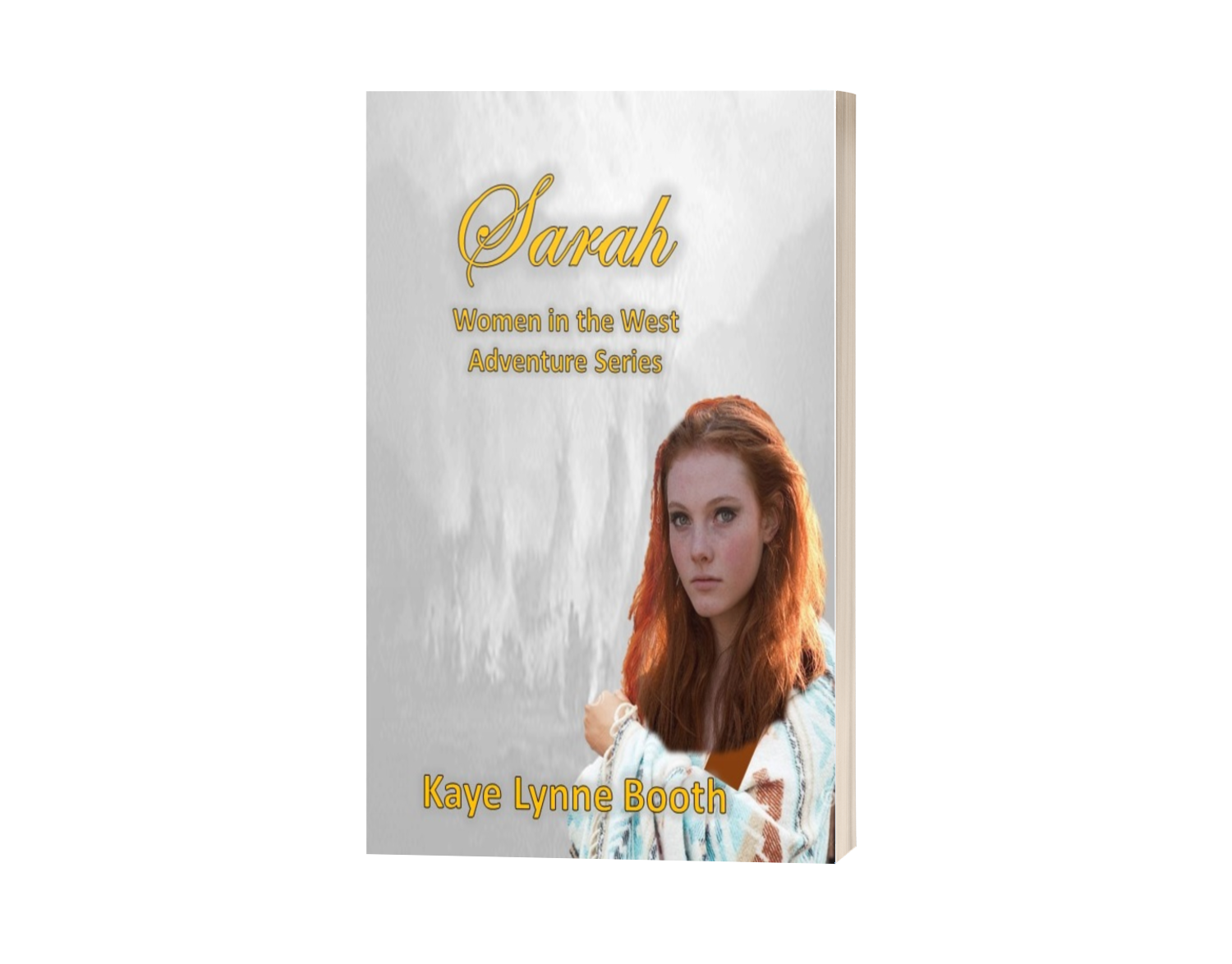
Sarah: https://books2read.com/Sarah-Women-in-the-West
Marta: Coming in 2025
Share this:

Everyone is a Critic: Things To Do In Denver When You’re Dead
Posted: November 11, 2024 Filed under: Crime, Everyone is a Critic, Film Review, Movie Review, Movies | Tags: Everyone is a Critic, Kaye Lynne Booth, Things to Do in Denver When Your Dead, Writing to be Read Leave a comment
The 1995 crime film, Things to do in Denver When You’re Dead. It’s an older movie, but I found it quite enjoyable to sit down and watch this movie.
A cross between a mobster movie and a tragic romance, this film carries both story lines well. Ex-mobster, Jimmy, The Saint, Tosnia, played by Andy Garcia, and his buddies are drawn back into the fold unwillingly by mob boss, “The Man With The Plan”, played by Christopher Walken, after his son, Bernard, played by Michael Nicolosi, is arrested for child molestation. When the plan goes terribly wrong, it becomes a death sentence for Jimmy and his crew. They are all dead and they know it, stalked by Mr. Shhh, played by Steve Buscerni, the hitman who never fails and shows no mercy. Jimmy is allowed a reprieve if he leaves Denver, but there are a few things to take care of before he goes. Jimmy has met a girl, Dagney, played by Gabrielle Anwar, and he’s trying to win her heart, but now he must walk away to protect her.
You’ve got to love the cast of colorful characters, who are made bigger than life by the actors who play them. Jimmy is making a new life for himself, running a faltering business recording the thoughts and messages of those who are terminally ill. Jimmy’s crew are all ex-mobsters, trying to make new lives for themselves: Pieces, played by Christoper Lloyd, who runs a x-rated movie theater and spends his days with porn running in the background; Easy Wind, played by Bill Nunn, runs a boxing ring; Critical Bill, played by Treat Williams, who has some definite rage issues to work out and finds rather unique and gruesome ways to do that; and Big Bear Franchise, played by William Forsythe, has a wife and kids to worry about.

Not surprisingly, this movie was filmed in Denver, where I grew up, and the familiarity of setting definitely added to my enjoyment of this movie, making it all seem more real to me. In the photo above, the crew is at Crown Hill Cemetery, where I have relatives buried, as do many other Denverites.
This is not your typical mobster movie, and there are no happy endings. The fun lies in seeing how it all plays out, with more than a few surprises. I never knew how many things there are to do in Denver when you’re dead.
Share this:

Chatting with the Pros: Joseph Carrabis
Posted: November 9, 2024 Filed under: Book Review, Chatting with the Pros, Interview, Review | Tags: Audiobook Review, Book Reveiw, Interview, Joseph Carrabis, Tag, Writing to be Read 5 Comments
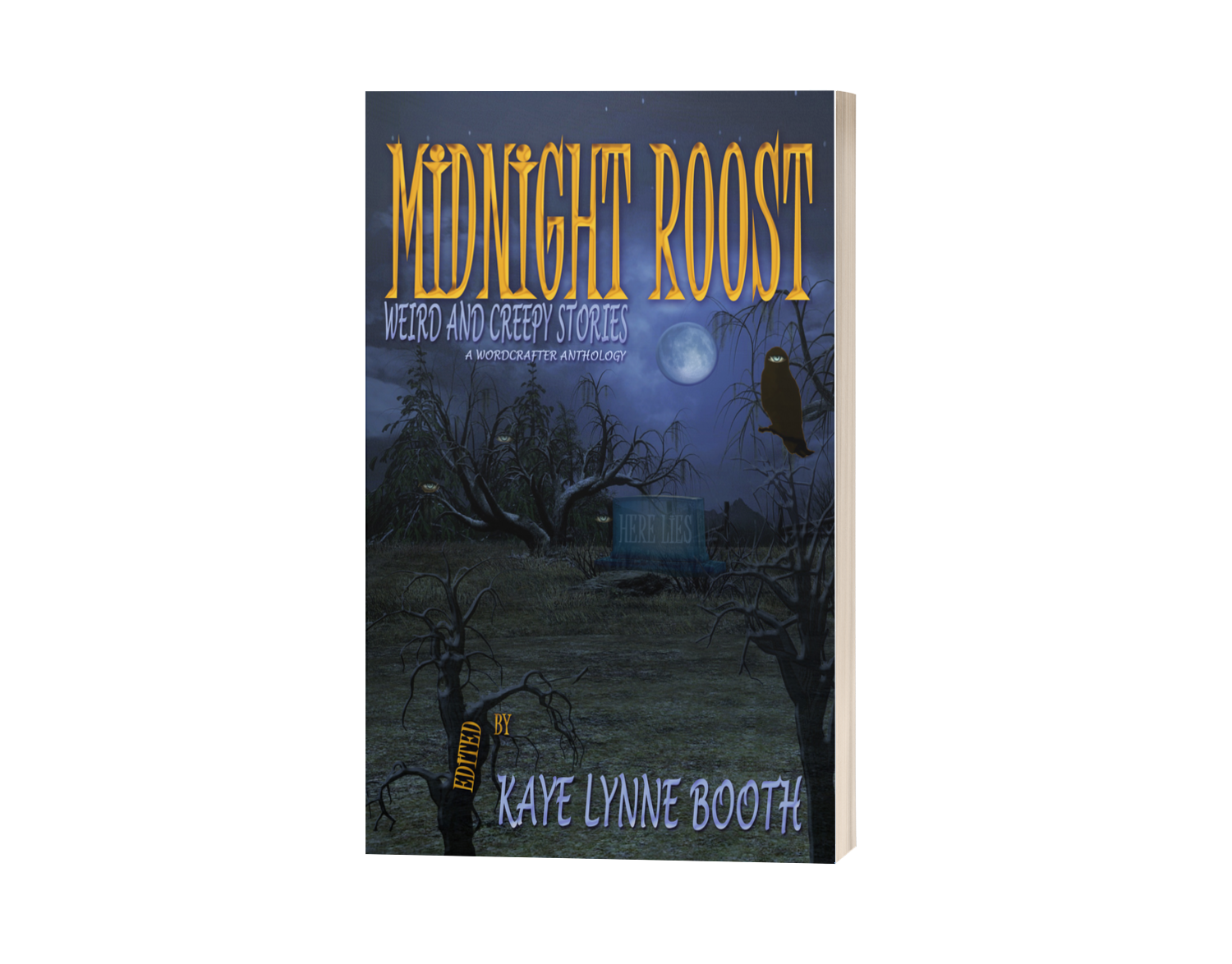
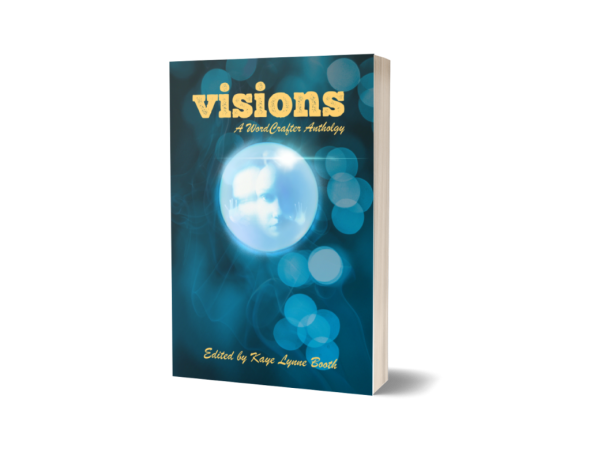
My guest today on “Chatting with the Pros” is a talented author who I discovered quite by accident when I was reading through the slush pile for the Gilded Glass anthology for Western Colorado University and WordFire Press. As I read, I kept a list of stories which I particularly liked and once the selections for the anthology were made, I sent out invitations to the stories on my list which weren’t chosen, offering them to be featured in WordCrafter anthologies. Joseph took me up on my offer, and his story “Marianne” was featured in the Visions anthology in 2022, and a friendship has formed between us since then. I’ve reviewed several of his books, and his story “Blood Magic” was featured in last year’s Midnight Roost anthology, and this year’s Midnight Garden features five of his tales.
Other Books by Joseph which I’ve reviewed: Search, The Shaman, The Inheritors, Tales Told ‘Round the Celestial Campfire, That Th!nk You Do.
About Joseph Carrabis
Joseph Carrabis told stories to anyone who would listen starting in childhood, wrote his first stories in grade school, and started getting paid for his writing in 1978. He’s been everything from a long-haul trucker to a Chief Research Scientist and holds patents covering mathematics, anthropology, neuroscience, and linguistics. After patenting a technology which he created in his basement and creating an international company, he retired from corporate life and now he spends his time writing fiction based on his experiences. His work appears regularly in several anthologies and his own published novels. You can learn more about him at https://josephcarrabis.com.

Interview
Kaye: When did you first start writing and why?
Joseph: My writing career started when I was less than ten years old and is something I document in both My Sister Got Me Started and Mission of the Heart. Basically, my sister Sandra (seven years my senior) had to read a book for an English class assignment. I don’t know if she was required to read a science-fiction book or not, and the book she chose was James Blish’s Mission to the Heart Stars.
The book so captivated her that she told me about it one evening while we washed dishes after dinner. I didn’t prompt her about it, and that’s important. The book owned her at such a deep level of mind, heart, hope, and soul that she had to share it with me.
I remember the look of wonder and awe in her eyes when she told me about the space ship and the individuals on board, of the alien “Angels”, a race so ancient no other life forms knew of their origin, of the council government at the center of the galaxy (hence “Heart Stars”).
Just remembering her excitement, her joy, her need to let me know about the book, I get chills.
And I decided there and then, a wee child listening to his beloved big sister share the fire a book kindled in her, that I wanted to create that fire in others.
Kaye: Tell us a little about your background?
Joseph: Oy. A little…I’ve been everything from a long-haul trucker to a Chief Research Scientist, from an apprentice butcher to a Annenberg Senior Research Fellow, from a night watchman to an original member of the NYAS-UN Scientists Without Borders program.
How “little” would you like?
My most fun job was as night watchman. I mean, how often do you get paid to watch the night?
Unless you’re an astronomer, of course…
Kaye: Where do you look for inspiration for your stories?
Joseph: Wait a minute. People have to go looking for inspiration? Wow. I didn’t know I was suppose to go looking for it.
Kaye: You write both short fiction and novel length works. Which do you like better? And why?
Joseph: Hmm…Interesting question. Structurally they’re not different (does that raise hackles or eyebrows?). Both require all the story elements, both require a story worth telling and the crafting to tell it well – hopefully I have both and readers are better judges of that than I – perhaps the greatest similarity is both require someone wanting to tell them. Happy to discuss this in more detail, if anyone’s interested.
Kaye: How many book length works do you have out there?
Joseph: Non-fiction – 20+
Fiction – 8 at present, probably 9 when this is published (includes an anthology of previously published work)
Kaye: You have a lot of short stories featured in anthologies, including Visions and the Midnight Anthology Series from WordCrafter Press. In fact, in Midnight Garden, you have not one or two, but five short stories. What is your best advice for an author wishing to get their short fiction into anthologies?
Joseph: Best advice? Write. Write write write write write.
And when you think you’ve written enough, write more. More more more more more.
Second best advice is a toss up. Either learn to read as an author or study. If the latter, study study study study study. And not just writing. Poetry, drama, theater, all creative forms as they feed each other.
Studying and learning to read as an author tend to go hand-in-hand. I believe they feed each other.
And again, happy to discuss if anybody wants to know more.
Kaye: What is Northern Lights Publishing?
Joseph: Ah. Sometimes I wonder…okay, the official line: Northern Lights Publishing/Press is an association of five professionals (one graphic artist, a marketing group, one editor/book designer, one copyeditor, one senior editor) and a rotating group of ten published authors and poets all of whom are passionate readers. Financial backing is provided by a small group of investors led by Susan and Joseph Carrabis through the NextStage Evolution corporation. Everyone receives remuneration and owns an equal share of the company with the exception of Susan and Joseph Carrabis (who receive no compensation or remuneration for their time and efforts).
Kaye: How do you promote your books? Which marketing strategies have you found effective?
Joseph: I promote my books by publishing short stories anywhere and everywhere editors are willing to put them. I see bumps in my book sales every time a story of mine is published. I also regularly publish. Readers like seeing a full bookshelf from an author because they know, if they like the author’s work, there’s more to read from that author. Lastly I do book signings and readings, although the venues for that are becoming increasingly few.
Most effective for me is the latter as I enjoy meeting and talking with people. I love learning people’s stories. Most people who approach me at a signing, reading, discussion, presentation, … want to share what’s going on in their lives, they’re not tremendously interested in mine (I’m boring and dull, did you know?) and I’m happy to listen.
Kaye: What is the most difficult obstacle you have faced as an author? And how have you overcome it? Or have you?
Joseph: Hmm…most difficult obstacle…hmm…Probably myself. Sometimes I get in the way of the work. I’ll want the story to go a certain way or I’ll want the characters to do or act certain ways. That’s my ego getting in the way of the story. I don’t have a place in my stories, my characters do, so even though my work is highly autobiographical, I still need to let the characters, the places, the events, et cetera, indigenous to the story do the work.
How have I overcome it? By listening to my characters, to the places, to the situations, so on and on and on, which populate my stories. They let me know when I’ve gone astray. Fortunately, they’re all quite patient and give me time to come back.
Have I overcome it? Not completely, no. I still have an ego and sometimes it does get in the way. I’m getting better at noticing it, though, and once recognized, I have tools to get things going smoothly once again.
Kaye: Which authors do you emulate, if any?
Joseph: The good ones.
Who are the good ones? Laugh if you will, and Burroughs’ Tarzan and John Carter books are gems of action and pacing. Charles Frazier is a genius at voice, tone, atmosphere, and character. Angela Panayotopulos takes you places, Lidia Yuknavitch brings you places, Laura Koerber is the goddess of urban fantasy/magic realism, Bina Shah does voice and gender better than anybody I know, James Tiptree, Jr (Alice Sheldon) creates an atmosphere and characters you breathe and know or die, Zane Gray does setting and scene better than most, Craig Johnson is a master of plot via character and action via dialogue, Katherine Mansfield is the best at character via setting, … How many would you like and how far back would you like me to go? You can get an idea of what I read and what I think of what I read at Great Opening Lines – and Why! and Why It Works for Me.
Kaye: The characters you create are very human. Do you see parts of yourself in your characters?
Joseph: I’ve repeatedly shared that I write autobiography. I’m in all my characters. The nice ones, the not-nice ones, the men and women, the animals and aliens.
Kaye: Of those you have written, book length or short fiction, what is your favorite story? And why?
Joseph: Of those I’ve written? You mean which child is my favorite? No comment.
Kaye: What is the best writing advice you’ve ever received?
Joseph: That’s a tough one because nobody ever gave me the writing advice I give (such as I did above). They may have said the words – for example, “Read, read, read!” and “Write, write, write!” – but nobody ever explained how to read and how/what to write. I read everything I could find (still do) but I only learned how to read as an author in my…oh, I don’t know…mid- to late-forties? Reading as an author radically changed my taste in reading material because I refuse to read poor writing. Somebody asked me what my favorite genre is and I replied, “Well written. Unfortunately not a lot of authors are doing it these days.” I don’t care how many awards something’s got or where it is on bestseller lists (for the record, my work’s received some awards, nominations, recommendations, and been on some bestseller lists). The former are often either political or purchased, the latter are almost always purchased. Nor do I accept market forces. People dying on a desert will eat sand because they don’t know any better, and so long as readers are happy reading what they’re reading, excellent! Wish I could be like them. I’m sure I was, and that’s the price of awareness and enlightenment. You can’t become unaware and unenlightened. A sommalier may be gracious and drink a 6$US bottle of wine with some friends, and they won’t go out and get a 6$US bottle for themselves.
Kaye: Thank you for being my guest today, Joseph. It’s been a pleasure chatting with you. Before we go tell us where readers can go to find out more about you and your books?
Joseph: I’m on Amazon, folks can read my blog, I’m on Facebook, LinkedIn, Twitter, and some other social networks. Google “Joseph Carrabis” and let me know what comes up.
About Tag
A severed witch’s hand changes the face of Eastern Europe forever.
Eric and Julia seek tree grafts on the outskirts of their medieval eastern European village as a summer storm gathers. Sullya, a witch hiding among the trees, grabs Julia. Eric swings his axe and severs Sullya’s hand from her arm. The witch seeks refuge in the deep bole of an old oak. Her hand falls onto the same oak and crawls up the trunk to join her.

Eric wants to flee but Julia, believing they’re safe thanks to the now heavy rain, torments the witch. Sullya curses them, their families, their crops, their livestock, and their village.
Soon crops wilt, livestock die, and much of village falls ill. The village priest, Father Baillot, seems ignorant of church ways and proves ineffective against the curse.
The village elders seek help elsewhere, specifically from a distant priest, Father Patreo, who knows the Old Ways as well as the New. Patreo is out of favor with the Church because he makes no effort to hide his belief that progress comes from exploring all paths, not just those the Church decrees acceptable.
He and Verduan, one of the village elders, investigate and encounter witchcraft, devil worship, murder, a coup d’etat, and the clashing of three great cultures. What they discover changes the face of Eastern Europe forever.
Purchase Link: https://www.amazon.com/Tag-First-Verduan-Patreo-Mystery-ebook/dp/B0D7SRWB81/
My Review of Tag
(This review appeared first in Wilderness House Literary Review: https://www.whlreview.com/no-19.3/review/KayeLynneBooth.pdf)
I received a digital copy of Tag, by Joseph Carrabis in exchange for an honest review. All opinions stated here are my own. The short fiction story which this novel springs from, “Blood Magic” is featured in the WordCrafter dark fiction anthology, Midnight Roost (2023). I loved that story when I compiled the anthology and so, was thrilled to learn there was more to it than just that short tale. But even if I had no prior knowledge of Carrabis’ vast talent, I would have been drawn to this book by the eye-catching cover. ( This review appeared first in Wilderness House Review).
Tag is a medieval mystery filled with more plot twists and turns than a Stephen King tale, with unique and well-developed characters and descriptions that let readers see every detail vividly. Carrabis is a master storyteller and his talent shines brightly with this novel, enlisting all the senses to bring his scenes to life with his detailed descriptions with the skill of Anne Rice.
There are strange happenings in the village of Nant. Unknown strangers lurk in the shadows, no one is who they appear to be, and everybody seems to have secrets and hidden motives. Just when you think you’ve got it all figured out, something happens to make you realize that you’ve got it all wrong. Some say the village is cursed. Missing and murdered maidens, poisoned waters and dying crops, murders and betrayals. And it all began with a witch in a tree and a curse…. Or… did it?
Tag is a captivating story that will enthrall readers from the very first page. I couldn’t put it down. A delightfully dark tale. I give it five quills.
______________________________
Did you know you can sponsor your favorite blog series or even a single post with an advertisement for your book? Stop by the WtbR Sponsor Page and let me advertise your book, or you can make a donation to Writing to be Read for as little as a cup of coffee, If you’d like to show your support for this author and WordCrafter Press.
________________________________________
This post is sponsored by Tales From the Hanging Tree and WordCrafter Press.
There exists a tree that is timeless, spanning across all dimensions, which absorbs every life as those who are hanged as they die… and it remembers every one. The stories within are a select few of the Tales From the Hanging Tree.
Stories by Kaye Lynne Booth, Paul Kane, DL Mullan, C.R. Johannson, Joseph Carrabis, Sylva Fae, and Matt Usher.

Purchase your copy today: https://books2read.com/Hanging-Tree
Share this:

Book Review: “The Rebound Effect”
Posted: November 8, 2024 Filed under: Audio Books, Book Review, Books, Fiction, Review, romance | Tags: Audiobook Review, Book Review, Catherine Hein Carter, Linda Griffin, mystery, romance, The Rebound Effect, Writing to be Read 2 CommentsAbout The Rebound Effect
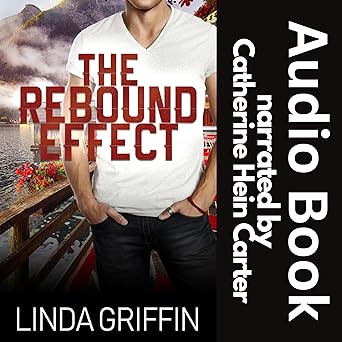
In the small town of Cougar, struggling single mother and veterinary assistant Teresa Lansing is still bruised from a failed relationship when Frank McAllister sweeps her off her feet.
Frank is a big-city SWAT officer who moved to Cougar only four months ago. He’s handsome, charming, forceful, very sexy, and a bit mysterious. He had his eye on Teresa even before they met and is pushing for a serious relationship right away.
Teresa finds his intense courtship flattering, and the sex is fabulous, but she doesn’t want her deaf six-year-old son to be hurt again. Her former fiancé cheated on her when he got drunk after being unjustly fired, but he loves her and her son, and the whirlwind romance is complicated by his efforts to win Teresa back.
And then there’s the matter of the bodies buried at Big Devil Creek…
Purchase Link: https://www.amazon.com/Audible-The-Rebound-Effect/dp/B0DHLWSYRW
My Review
I received a free audiobook of “The Rebound Effect” from author, Linda Griffin, in exchange for an honest review. All opinions stated here are my own.
Narrated by Catherine Hein Carter, I felt the narration was well done, although I could tell she was reading in some places. This story had a female protagonist, so I didn’t have the same reservations about the female narrator as I did in my review of Love, Death, and the Art of Cooking. With The Rebound Effect, I found the narration went much better from the female protagonist, Theresa’s perspective, and Carter was a much better fit in my opinion.
Theresa is a single mom, divorced from her deaf son’s father, and she’s on the rebound from Bret, who wasn’t faithful in the relationship she had with him, which hurt her deeply. She focuses her life on her son, Aiden, and tries to make herself believe that is all she needs. She’s hesitant to enter into yet another relationship with when Frank comes along, intent on sweeping her off her feet.
I found Frank to not be very likeble. I felt that he is pushy and controlling, and I had a hard time rooting for the two characters to get together because he is so arrogant. It made it hard to think that he would be a good match for Theresa. He keeps telling her that they will go as fast or slow as she wants, but then just keeps coming even when she repeatedly tells him to slow down, and ignores when she says his buying an item is too much and buys the item anyway. That doesn’t show the respect for her which he claims he has. Obviously, this really bothered me with this story. But then, I thought I was reading a romance and this turned out to be so much more.
As it turns out, we have more of a love triangle situation, where Theresa is faced with a choice between two men, Frank and her ex-boyfriend, Bret, who won’t give up after his single indescretionary act of infidelity broke Theresa’s heart. I do wish we could have gotten to know Bret a little better. Most of the focus was on Frank, because Theresa has cut Bret out of her life without giving him a chance to redeem himself until well into the story.
This book has a crime fiction subplot, as the bodies of young girls are found in the opening scene and other girls go missing throughout, with these scenarios playing through Theresa’s head throughout the story, adding a sense of mystery to the story. While I thought all along that eventually the mystery would be solved, I didn’t realize what a vital part it would play in the end. (No spoilers.) Even with all the clues we’re given, the real hero was a surprise to me, and in the end, I was quite satisfied as a reader.
Not what I expected, but it held my interest and wrapped things up nicely in the end. I give The Rebound Effect four quills.

_________________________________________________
Kaye Lynne Booth does honest book reviews on Writing to be Read in exchange for ARCs. Have a book you’d like reviewed? You can request a review on the Book Review tab above.
Share this:

Review in Practice: “Word by Word” and “Dollar by Dollar”
Posted: November 6, 2024 Filed under: Books, Nonfiction, Review, Review in Practice, Writing Resource | Tags: 2024 Novel Writing Story Bundle, Dollar by Dollar, Karrie Flanagan, Kaye Lynne Booth, Review in Practice, Word by Word, Writing to be Read 4 CommentsOne of the advantages of being in a Story Bundle, is that you get a free copy of all the books included in the bundle. That means you get to read everyone else’s book. With the 2024 Novel Writing Story Bundle, for me, it, means I get to read a lot of writing reference books and I can discover from them, bits of writing wisdom which I can utilize in my own writing and publishing processes to improve my own work. Word by Word and Dollar by Dollar, by Kerrie Flanagan, are both exclusive to the 2024 Novel Writing Story Bundle, so that means you can’t get them anywhere else.
About Word by Word

Word by Word by award-winning author Kerrie Flanagan, shows you how to unlock your creativity and transform your writing. This is an essential guide for writers that offers inspiration, genre-specific strategies, and practical tips.
My Thoughts on Word by Word
This is the book I wish that I’d had when I was earning my first M.A. in Creative Writing. Flanagan offers a comprehensive overview of writing in each of the various genres, with interviews and advice from various authors in each one.
When I first entered graduate school, I didn’t know what a trope was, and it would be impossible to cover the tropes of every genre, even in the intensive M.F.A. program which I attended, so these overviews were quite valuable to me because they helped me to understand the genres in which I haven’t yet dabbled, but may consider in the future. I’ve been playing with the idea of writing a mystery recently, and I have a couple of romance stories in with my trunk novels which could be worthy of taking another look at.
I found the section on children’s writing particularly helpful, as this is a genre I have recently tried to break into with the My Backyard Friends kid’s book series. I have a couple of other books written for kids that I’d like to put out there, too, so the section on using humor when writing for children was especially interesting to me and gave me some ideas about how I could incorporate humor into my own stories. (If you’d like to hear more of my thoughts inspired by this section, catch my November “Writer’s Corner” on writing for children.)
About Dollar by Dollar

Dollar by Dollar by Kerrie Flanagan is a comprehensive guide packed with proven strategies to help writers boost book sales, increase income from writing, and succeed in both traditional and self-publishing.
My Thoughts on Dollar by Dollar
Dollar by Dollar, by award winning author and journalist, Kerrie Flanagan covers the ins and outs of the publishing world, including both traditional and independent publishing, with a full section of valuable advice about ways to make your writing pay beyond crafting books.
While I have chosen not to take the slow traditional route to publishing in favor of taking control of my own writing career, I found the section on traditional publishing to be spot on with my understanding of the industry. Flanagan covers areas such as writing a book proposal or query letter, landing an agent and what to expect once you do, and how to navigate the world of small presses.
At first glance, I thought that this book would be in competition with my own book, The D.I.Y. Author, but the section on independent publishing covers more information on publishing through Ingram Spark, while mine focuses on using an aggregator such as Draft2Digital, so they really are complimentary to one another. Flanagan covers things to think about when deciding if self-publishing is the right route for you, tips on making your book stand out in the crowd, and the challenges and independently published author may face.
In addition, I found the section on other paid writing venues to be quite valuable. Flanagan covers magazine and freelance writing, blog writing, travel writing, resume writing, and more. These are avanues which all authors may not have considered as means to make a living from their writing and should be explored.
But what I found to be of the most value were the sections on newletters and email lists, and about building your author tribe. If you’ve followed me for a while, you know that my newsletter is one area where I have not been consistant at all, and Flanagan reminded me of what a valuable marketing tool that email list really is. This is an area on which I really need to work on and I’ve added it to my list of things I need to do for 2025. She also offered tips on what to put in a newsletter which I found thought provoking.
Building an author tribe is another area which I know is a valuable asset, and I’ve found being a part of Kevin J. Anderson’s tribe of authors to be of great value.But every author has their own tribe, even if it is a small one. These are the authors you work with in some capacity on a regular basis; those who support and encourage you; those who inspire you. My tribe is almost exclusively online and includes the members of my blog team, my blog tour hosts, and authors that I’ve worked with in various anthologies, as well as fellow authors which I’ve met through Facebook groups who are open to exchanging services such as beta reading or proofing, interviews, or reviews. But compared to tribes like that of KJA, my own tribe is small and I need to work on growing it in the coming year.
The 2024 Novel Writing Story Bundle

Word by Word and Dollar by Dollar, by award winning author, Kerrie Flanagan are both offered in the 2024 Novel Writing Story Bundle, along with my own The D.I.Y. Author and ten other valuable writing references that every author should have at their fingertips. This bundle offers valuable writing advice from successful authors such as Kevin J. Anderson, Mark Leslie Lefabvre, Wulf Moon, Joshua Essoe, Craig Maretlle, Jessica Brawner, Jana S. Brown, Jessica Barber and Tara G. Ericson, Todd Fahnestock, Matty Dalrymple and M.L. Ronn, and a year’s subscription to Indie Author Magazine. A percentage of every bundle sold goes to the Neil Peart Brain Cancer Research Fund from Cedars Sinai. These digital books are DRM-free and compatable with any digital reading device. And you get a lot of books for one great price.
You can get your 2024 Novel Writing Story Bundle here: https://storybundle.com/writing
About Kaye Lynne Booth

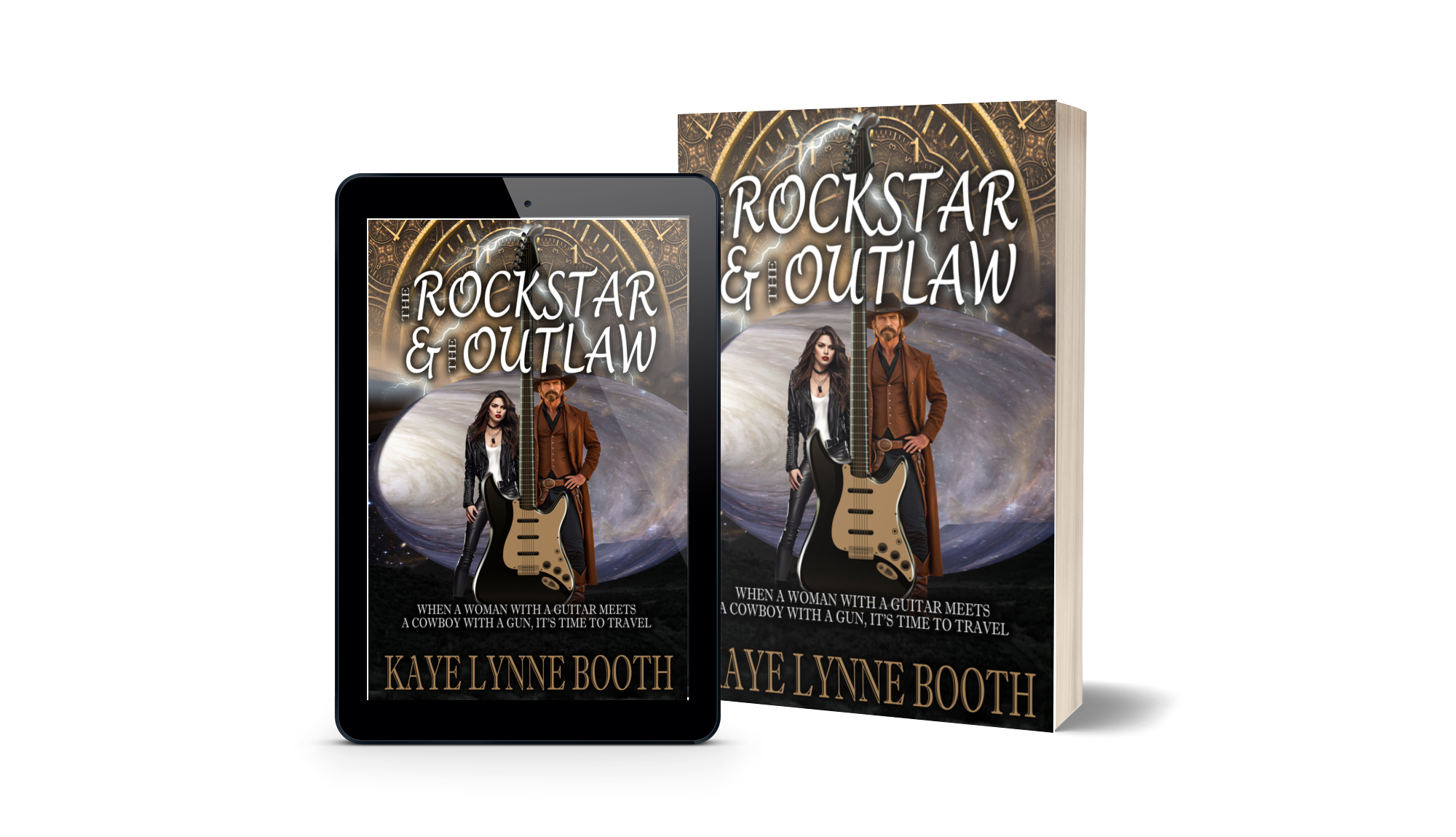
For Kaye Lynne Booth, writing is a passion. Kaye Lynne is an author with published short fiction and poetry, both online and in print, including her short story collection, Last Call and Other Short Fiction; and her paranormal mystery novella, Hidden Secrets; Books 1 & 2 of her Women in the West adventure series, Delilah and Sarah, and her Time-Travel Adventure novel, The Rock Star & The Outlaw, and her kid’s book series, My Backyard Friends. Kaye holds a dual M.F.A. degree in Creative Writing with emphasis in genre fiction and screenwriting, and an M.A. in publishing. Kaye Lynne is the founder of WordCrafter Quality Writing & Author Services and WordCrafter Press. She also maintains an authors’ blog and website, Writing to be Read, where she publishes content of interest in the literary world.
____________________________
Did you know you can sponsor your favorite blog series or even a single post with an advertisement for your book? Stop by the WtbR Sponsor Page and let me advertise your book, or you can make a donation to Writing to be Read for as little as a cup of coffee, If you’d like to show your support for this author and WordCrafter Press.
_________________________________
This post is sponsored by The D.I.Y. Author and WordCrafter Press.
Being an author today is more than just writing the book. Authors in this digital age have more opportunities than ever before. Whether you pursue independent or traditional publishing models, or a combination of the two, being an author involves not only writing, but often, the publishing and marketing of the book.
In this writer’s reference guide, multi-genre author and independent publisher, Kaye Lynne Booth shares her knowledge and experiences and the tools, books, references and sites to help you learn the business of being an author.
Topics Include:
Becoming Prolific
Writing Tools
Outlining
Making Quality a Priority
Publishing Models & Trends
Marketing Your Book
Book Covers & Blurbs
Book Events—In Person & Virtual
And more…
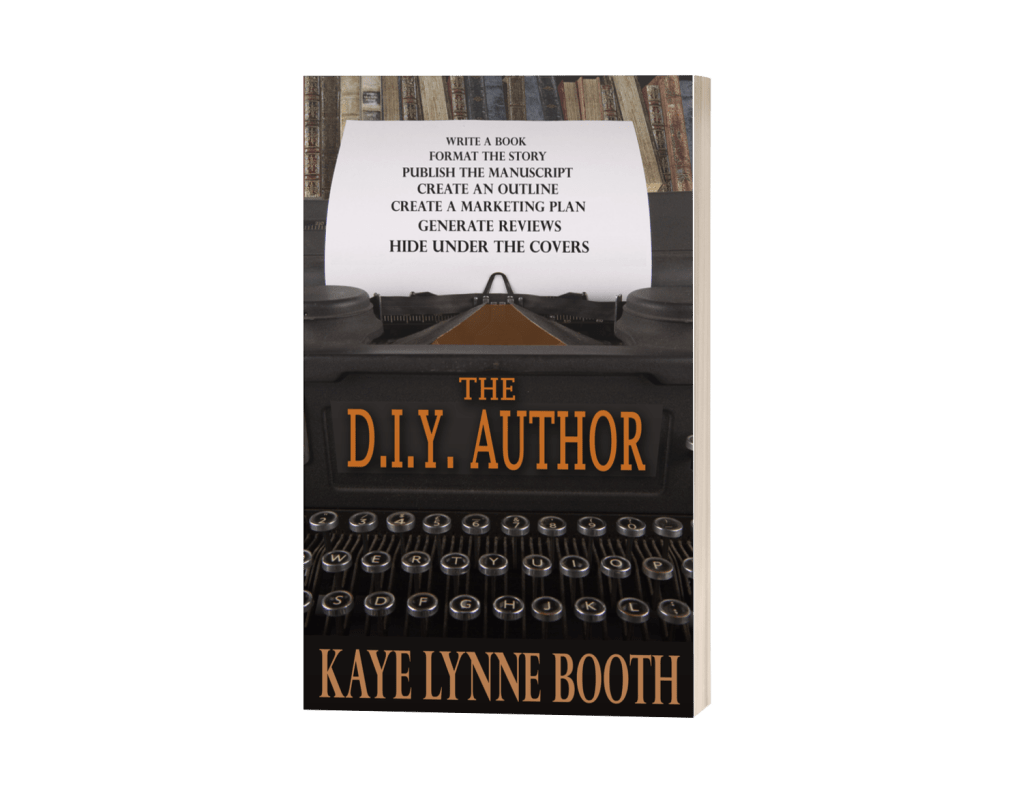
Purchase your copy today: https://books2read.com/The-DIY-Author
Share this:

Writer’s Corner: Writing for Children
Posted: November 4, 2024 Filed under: Book Promotion, Book Sales, Books, Children's Books, My Backyard Friends | Tags: Children's Books, Collaborations, My Backyard Friends series, Writer's Corner, Writing to be Read 10 Comments
Language and content
Don’t write down to children: This is the number one piece of advice I heard about writing for children, and of course, it is true. It doesn’t mean to write about adult subjects filled with sex and cuss words, but they’re trying to get through the idea that kid’s are smart and you don’t have to dumb things down for them.
I think this is one of the biggest differences in writing for children. Children’s minds are like sponges that absorb information. While you probably don’t want to use a lot of scientific jargon to explain the workings of the solar system, plain layman’s terms are usually simple enough for kid’s to digest and understand.
In her writer’s refence book, Word By Word, Kerrie Flanagan offers snippets from interviews with three different teen and young adult authors who tackle sensitive issues in their books and have all taken heat for doing so, about handling real life issues in their writing. Jay Asher, author of the young adult novel Thirteen Reasons, which deals with the issue of suicide says,
“Yes, I shaped the story to reveal the things I wanted to say, but it had to be revealed through the words of my characters, not me. I also knew, out of respect for the seriousness of what needed to be written, that I couldn’t hold back any detail that would make the scenes feel however raw they needed to feel. That caused my book to be challenged, but I know it’s also what made it connect to so many readers.”
And New York Times bestselling adult and young adult author, Ellen Hopkins says,
“Every teen is faced with choices, and without understanding possible outcomes, they often rush headlong in the wrong direction. As authors, we can’t tip-toe around hard truths, because those truths, because those truths are part of the human condition, and fearing a challenge is a sure way to make your writing fall flat.”
When asked for advice to new writers dealing with a sensitive topic, Cheryl Rainfield, author of the award-winning novel, Scars, and other teen novels which deal with the issue of abuse and incest says,
“I think using some of your own emotion and honesty in writing is so important; readers will sense if you’re not being honest or you’re holding back or you’re afraid of the topic….”
I believe this advice is true when writing for younger children, as well. In the My Backyard Friends series, which are aimed at four to eight year olds, I deal with issues such as being lost and alone, and situations where you need the help of others, and the possibilities of self-indulgence, but the message comes through through the words and actions of the characters, and all serves the story, and there’s a lesson in each one. For a small child, being lost can be a scary experience, it can be difficult to ask for someone’s help with a problem when a child is struggling to feel grown up, and children may need help to see the consequences of their actions. My hope is that children can learn through my characters, how to cope in similar situations.
Illustrations
Many children’s books are illustrated, where adult books are usually not. This makes every illustrated children’s book a collaboration, and all parties involoved need to be on the same page about the goal. This is extremely important, and finding the right illustrator, one who understands your vision, can be a daunting process. Finding an illustrator you want to work with who has prices that fit your budget is even more challenging.
Back in 2010, I found an illustrator who met both of these criteria to do Heather Hummingbird Makes a New Friend, and the rest of the My Back Yard Friend series. I was thrilled with her cover design and sample illustrations, and the price she gave me was reasonable, as well. She even matched me up with a small independent publisher who was willing to publish my book. I was ecstatic.
But, like traditional publishing for adult literature, publishing children’s books takes time, five years or more, and during that time, things can and do change. My illustrator ran into health issues which made it impossible for her to continue doing the beautiful illustrations by hand, and I was forced to accept first, digital illustrations, and then, a whole different illuistrator who I knew nothing about. When I requested the money I had paid for my illustrations five years previous, since they had never been completed and I would not be able to use them, the illustrator refused my refund and the publisher dumped me, and I found myself back at square one. It was enough to sour me on traditional publishing, and set aside my dreams of having my children’s books published.
This was a tough decision. I shopped around for another illustrator for a short time, I found that illustrations had become quite expensive, far beyond my budget at the time. So, the books of the My Backyard Friends series were shelved, filed away in the archives of my files for many years. You can imagine how excited I became when I learned that the talented Robbie Cheadle had taken up drawing and painting, and was actually illustrating some of her own books. Having written and illustrated her Sir Chocolate books, Robbie also had experience inside the arena of children’s literature, so it seemed to me to be a perfect fit. I was ecstatic when she agreed to my proposal to illustrate the first three books in the series in 2023, to be published through WordCrafter Press. And what a feeling of satisfaction to see them released this past July.
Robbie may live on a different continent, and her hummingbird is a different breed with different coloring than the hummingbirds in my neighborhood, but her Heather is absolutely gorgeous. Readers are not aware of the differences. All of Robbie’s illustrations are wonderful, bringing my characters to life with vivid imagry and brilliant colors. But this lead me to yet, another tough decision.
WordCrafter Press publishes wide, through D2D, and while I enjoy many of the advantages this offers, their print books are not illustration friendly, and they only publish in black and white. I did not feel that black and white would do Robbie’s beautiful illustrations justice, and thus chose not to offer them in print until I could afford to publish through other channels that of color options. Originally, I planned a Kickstarter, but circumstances in my personal life made the Kickstarter platform not a viable option for me, and I tried to do my own fund raiser during the blog tour, but the funds just weren’t there. And so, as disappointing as it may be, the My Backyard Friends Kid’s Book Series is only available in digital format for now.
Marketing Children’s Books
Marketing is the area where some would say children’s and adult literature differ the most. I’ve heard it said, “I just don’t know how to market to children.” But that’s the thing. Children are not your marketing audience, adults are. Kid’s aren’t going to care that the My Backyard Friends series was inspired by the birds and animals that visit my backyard, but their parents might find it interesting enough to buy a book for their childMarketing children’s books really isn’t all that different from marketing adult literature. You just need to look at the value offered from a parent or educator’s point of view, because that’s who you are marketing to.
I haven’t had a lot of success using the same digital marketing strategies I use with my adult books, which blog tours and social media promotion, with the My Backyard Friends Kid’s Book Series. According to Jason Chen, founder of Story Bundle, “We’ve done a children’s bundle once and it did really poorly. Overall parents aren’t looking for digital ebooks for their kids in my experience (yours may be different!)” But, my experience has been similar. I think children’s books fall into an area where print books are still preferable to digital ones. That’s one of the reasons I am so disappointed to be unable to offer my children’s books in print.
With that in mind, I’m thinking maybe in-person selling, which is a bit more personal, might be more effective in selling children’s books. Speaking at your child’s school, or doing a reading and book signing at your local library might just be the way to go. But that’s just my thoughts on the matter. I’d love to hear about what has worked and what hasn’t to sell your children’s books in the comments below.
About Kaye Lynne Booth
For Kaye Lynne Booth, writing is a passion. Kaye Lynne is an author with published short fiction and poetry, both online and in print, including her short story collection, Last Call and Other Short Fiction; and her paranormal mystery novella, Hidden Secrets; Books 1 & 2 of her Women in the West adventure series, Delilah and Sarah, and her Time-Travel Adventure novel, The Rock Star & The Outlaw, and her kid’s book series, My Backyard Friends. Kaye holds a dual M.F.A. degree in Creative Writing with emphasis in genre fiction and screenwriting, and an M.A. in publishing. Kaye Lynne is the founder of WordCrafter Quality Writing & Author Services and WordCrafter Press. She also maintains an authors’ blog and website, Writing to be Read, where she publishes content of interest in the literary world.

___________________________________________
Did you know you can sponsor your favorite blog series or even a single post with an advertisement for your book? Stop by the WtbR Sponsor Page and let me advertise your book, or you can make a donation to Writing to be Read for as little as a cup of coffee, If you’d like to show your support for this author and WordCrafter Press.
___________________________________________
This post is sponsored by the My Backyard Friends Kid’s Book Series and WordCrafter Press.

The My Backyard Friends kid’s book series is inspired by the birds and animals that visit the author Kaye Lynne Booth’s mountain home. Beautiful illustrations by children’s author, poet, and illustrator, Robbie Cheadle, bring the unique voices of the animal characters to life.
Get Your Copy Now.
Heather Hummingbird Makes a New Friend (Ages 3-5): https://books2read.com/MBF-HeatherHummingbird
Timothy Turtle Discovers Jellybeans (Ages 3-5): https://books2read.com/MBF-TimothyTurtle
Charlie Chickadee Gets a New Home (Ages 6-8): https://books2read.com/MBF-CharlieChickadee
Share this:

Everyone is a Critic: Anacondas
Posted: October 31, 2024 Filed under: Everyone is a Critic, Film Review, Horror, Movies, Review | Tags: Anacondas: The Hunt for the Blood Orchid, Anacondas: Trail of Blood, Everyone is a Critic, horror, Kaye Lynne Booth, Movie Review, Writing to be Read Leave a comment
Anacondas: The Hunt for the Blood Orchid (2004)
Anaconda: The Hunt for the Blood Orchid is predictable, following all the horror tropes, but it’s done well and I found it quite entertaining, with plenty of action. This movie is a stand alone sequel to the original Anaconda (1997) movie.
Bill Johnson is the boat captain, played by Johnny Messner, leading a group of scientists including Sam Rogers, played by KaDee Strickland, Dr. Jack Byron, played by Matthew Marsden, Dr. Ben Douglas, played by Nicholas Gonzalez, Intern Cole Burris, played by Eugene Byrd, and Gail Stern, played by Salli Richardson-Whitfield into the jungles of Borneo. In search the mythical black orchid, which can supposedly grant eternal life, which can only be accessed every seven years.
This film has all the elements you’d expect to find in a horror flick, including the greedy scientist who will go to any length to retrieve the precious flower, which is worth millions, who bribes the captain to take them into dangerous territory to save time. When their boat goes over a waterfall, the scientists land right in the middle of the territory where massive anacondas have been feeding on the legendary orchids for years, proving that the mythical powers of the flower are true, and they quickly find themselves fighting for their lives amoung the monstrous snakes.

I thought that surely the teeth in the enormous snakes’ mouths, were just special effects to make our monster snakes look more fierce, but nope. I looked it up and anacondas actually do have rows of razor sharp hook-like teeth, used to help secure their prey while they wrap around them before the squeeze, and also to guide the prey down the snake’s throat pushing it back. Exposing this fact elevates these snakes, in my mind, from slightly fakey special effects to truly scary monsters which our expedition members will have to be strong and cunning to overcome.
Anacondas: Trail of Blood (2009)

Anacondas: Trail of Blood is the forth movie in this franchise and a sequel to the third. There wasn’t as much money thrown at this msde for television movie as there was thrown into the first two cinematic movies and it shows.
In this movie, a genetically created baby anaconda is experimented on, cut in half and injected with a serum made from the blood orchid, cultivated by a scientist, who is killed by the snake he has created in the opeining scene. The serum not only has properties of longetivity, but also those of regeneration, creating a monster snake which is almost impossible to kill. Much of the action is running through the jungle to escape the monstrous beast.
The snake, itself is more fakey looking than the monster snakes seen in previous movies in the franchise, looking to me, as if it were made of cheap plastic.

Also, I felt this movie had too many players to keep track of. We have a member of a science team, Amanda Hayes, played by Crystal Allen, who is out to stop the dastardly plan of their employer, Murdough, played by John Ryes-Davies, to harvest and create the serum for his own selfish purposes, and she aims to keep him from getting his hands on the research. It is her goal to destroy everything to do with the serum, as she sees the evil purposes the serum could be used for. She initially arrives with two cops, and a lone teen hiker joins their ranks.
Then we have a group of archelogists intent on excavating a recently discovered dig in the area and a group of mercenaries hired by Murdough to retrieve the serum and the research and eliminate Amanda. Quite frankly, the snake didn’t seem to care which group its victims were from, as a side effect of the serum is apparently an insatiable appetite and fierce aggressiveness. There are so many characters that I found it difficult to relate to any single one. Without some type of connection to make me care about these characters, I wasn’t as invested in the outcome as I might have been.
_______________________________
About Kaye Lynne Booth
_______________________________________
This post is sponsored by WordCrafter Quality Writing & Author Services

Whether it’s editing, publishing, or promotion that you need, WordCrafter Quality Writing & Author Services can help at a price you can afford.
Stop by and see what we have to offer today: https://writingtoberead.com/readings-for-writers/wordcrafter-quality-writing-author-services/
Share this:

Everyone is a Critic: The Woman in Black
Posted: October 31, 2024 Filed under: Everyone is a Critic, Film Review, Ghost Stories, Horror, Movies | Tags: Everyone is a Critic, Ghost Stories, Gothic Horror, Kaye Lynne Booth, Movie Review, Writing to be Read Leave a comment
The 2012 film The Woman in Black is the second adaption of a 1983 novel of the same title, by Susan Hill. This gothic supernatural horror is the best recent example I have seen of a good, old-fashioned ghost story.
In 1906, Attorney Arthur Kipps, played by Daniel Radcliffe, is called to the village of Crythin Gifford to collect the papers of the deceased owner of a place called Eel Marsh House, located on the other sid eof the marsh from the village. He recieves a strange reception from the villagers, and the village attorney is downright hostile, but Arthur is deteremined to see his task through.

During his stay at Eel Marsh House, strange things happen: unusual noises, a bolted door, toys that wind up on their own, a rocking chair that rocks by itself, and a woman dressed in black out on the marsh, as he uncovers the truth of local legend of a vengeful spirit which plagues the village, preying on their children for many decades. All who see her lose a child. He finds himself on a new mission, to reunite mother and child, in order to save his own son, who is enroute to join him.
The house has a really spooky feel, set in the foggy marsh which is only accessible during certain times of day due to periodical flooding by the tide. And the lady in black gives off a truly menacing feeling, as we learn how she lures the village children to their deaths.

While formulaic, as most horror films are, this was is very well-executed to make the beats fit together seamlessly as the story unfolds. It has a good plot with just enough special effects to make it believable and draw you into the story, and a surprising ending that isn’t what you’d expect. (No spoilers here.) There are still those scenes where you feel that the character is making the stupidest choice possible, because any sane person would turn tail and run, but if the characters didn’t do dumb things, there would be no story. But they managed to tell this story without all the blood and gore, which I found refreshing. Overall, I truly enjoyed this suspenseful gothic horror story. It’s been a while since I watched a movie which kept me on the edge of my seat.
_________________________________
About Kaye Lynne Booth
For Kaye Lynne Booth, writing is a passion. Kaye Lynne is an author with published short fiction and poetry, both online and in print, including her short story collection, Last Call and Other Short Fiction; and her paranormal mystery novella, Hidden Secrets; Books 1 & 2 of her Women in the West adventure series, Delilah and Sarah, and her Time-Travel Adventure novel, The Rock Star & The Outlaw, her the first three books in her kid’s book series, My Backyard Friends, her poetry collection, Small Wonders, and her writer’s resource, The D.I.Y. Author. Kaye holds a dual M.F.A. degree in Creative Writing with emphasis in genre fiction and screenwriting, and an M.A. in publishing. Kaye Lynne is the founder of WordCrafter Quality Writing & Author Services and WordCrafter Press. She also maintains an authors’ blog and website, Writing to be Read, where she publishes content of interest in the literary world.
______________________________
This post sponsored by WordCrafter Quality Writing & Author Services.
Whether it’s editing, publishing, or promotion that you need, WordCrafter Quality Writing & Author Services can help at a price you can afford.
Stop by and see what we have to offer today: https://writingtoberead.com/readings-for-writers/wordcrafter-quality-writing-author-services/
Share this:

Everyone is a Crtic: The Mummy (2017)
Posted: October 31, 2024 Filed under: Action/Adventure, Everyone is a Critic, Film Review, Horror, Movies, Review | Tags: Action, Everyone is a Critic, horror, Movie Review, The Mummy (2017), Writing to be Read Leave a comment
I’m always leary of remakes, especially of first movies which I really enjoyed. Such was the case with 2017 remake of The Mummy, starring Tom Cruise, Russell Crow and Annabelle Wallace. I loved the original 1999 take on this story, with Brandon Frasier and Rachel Weisz. As with any remake, it is impossible for me to judge the newer version without referring back to the original, especially if they are similar. So, let me just say right now that I didn’t find the humor of the first movie, which I enjoyed, in the 2017 remake, and although the stories are somewhat similar in that they both unearth a mummy and unleash a curse on mankind which must be stopped, the two are really nothing alike.
A cross between Indiana Jones and the Temple of Doom and Mission Impossible, the 2017 movie is pretty much non-stop action. From tomb raiding to underwater adventures, Tom Cruise’s character, Nick Morton, doesn’t get a moments rest and the character of Jenny Hasley, played by Anabelle Wallace, is the classic damsel in distress. There are even parts where you have to question who the good guys really are, and nothing is clear cut.
What is an Egyptian princess doing buried in the middle of the Middle Eastern dessert, entombed for thousands of years? And what happens when her resting place is discovered and her slumber disturbed? The special effects are superb and the mummy, played by Sophia Boutella, is wicked. Imotep has got nothing on Princess Ahmanet as she unleashes her rage on the city of London. Apparently, Egyptian princesses awaken in a really bad mood.

The 2017 version of The Mummy is a great action movie with enough horror blended in to bring a mythological monster to life once more. I really enjoyed watching this film.
______________________________________
About Kaye Lynne Booth
For Kaye Lynne Booth, writing is a passion. Kaye Lynne is an author with published short fiction and poetry, both online and in print, including her short story collection, Last Call and Other Short Fiction; and her paranormal mystery novella, Hidden Secrets; Books 1 & 2 of her Women in the West adventure series, Delilah and Sarah, and her Time-Travel Adventure novel, The Rock Star & The Outlaw. Kaye holds a dual M.F.A. degree in Creative Writing with emphasis in genre fiction and screenwriting, and an M.A. in publishing. Kaye Lynne is the founder of WordCrafter Quality Writing & Author Services and WordCrafter Press. She also maintains an authors’ blog and website, Writing to be Read, where she publishes content of interest in the literary world.

________________________________________
Did you know you can sponsor your favorite blog series or even a single post with an advertisement for your book? Stop by the WtbR Sponsor Page and let me advertise your book, or you can show your support with a small donation to Writing to be Read for as little as a cup of coffee, If you’d like to show your support for this author and WordCrafter Press.
________________________________
This post sponsored by WordCrafter Quality Writing & Author Services.

Whether it’s editing, publishing, or promotion that you need, WordCrafter Quality Writing & Author Services can help at a price you can afford.
Stop by and see what we have to offer today: https://writingtoberead.com/readings-for-writers/wordcrafter-quality-writing-author-services/