Writer’s Corner: Independent Author (Key Word – Independent)
Posted: August 4, 2025 Filed under: Book Covers, Indie Publishing, Publishing, Self-Publishing, Writer's Corner, Writing | Tags: Author, Books, independent publishing, Publishing, Self-Publishing, Writer's Corner, Writing, Writing to be Read 6 Comments
Author’s Note: This was mistakenly published last Monday, along with the “WordCrafter News” post, so you may have already seen it. I’m re-publishing it on its scheduled day for those who may not have caught it on the earlier date. I’m not sure what happened, but please forgive the misposting.
I studied the craft of writing in the master’s program at Western State Colorado University from 2012-2016. At that time, the term ‘independent author’ left a bad taste in most author’s mouth. Times were rapidly changing in the publishing industry as independent publishing grew in popularity among authors who were tired of waiting to be discovered, which often took many years, and sometimes, not at all. But at that time, the term was associated with poorly written and cheaply manufactured books which were flooding the market by authors who not only wanted to bypass the gatekeepers of traditional publishing but also wanted to use independent publishing as a short cut, skipping over editing, as well, which in most cases, was badly needed.
As I said, things were rapidly changing in the publishing industry, and today, we’ve seen the ‘Big Five’ traditional publishers, dwindle down to the ‘Big Three’, as they struggle to try and keep up with those changes as independent authors take advantage of new technology which make it possible to publish themselves both cheaper and easier. With digital eBooks and aggregates like Draft2Digital, which use P.O.D. (Publish On Demand) for print books, there are no up-front costs to publish your work, and once everything is ready to publish, the whole process can be done in just a few hours. The rise of independent authors has forced traditional publishers to change and adapt, or become extinct.
The key word in ‘Independent Author’ is Independent. Independent authors don’t need to wait for someone to take interest in their work, but we must remember that this also makes us a business and we’re the boss, and we are solely responsible for the quality of the product we put out. Independent publishing should not be used as a short cut to avoid having your book edited, because in most cases, it’s pretty obvious.
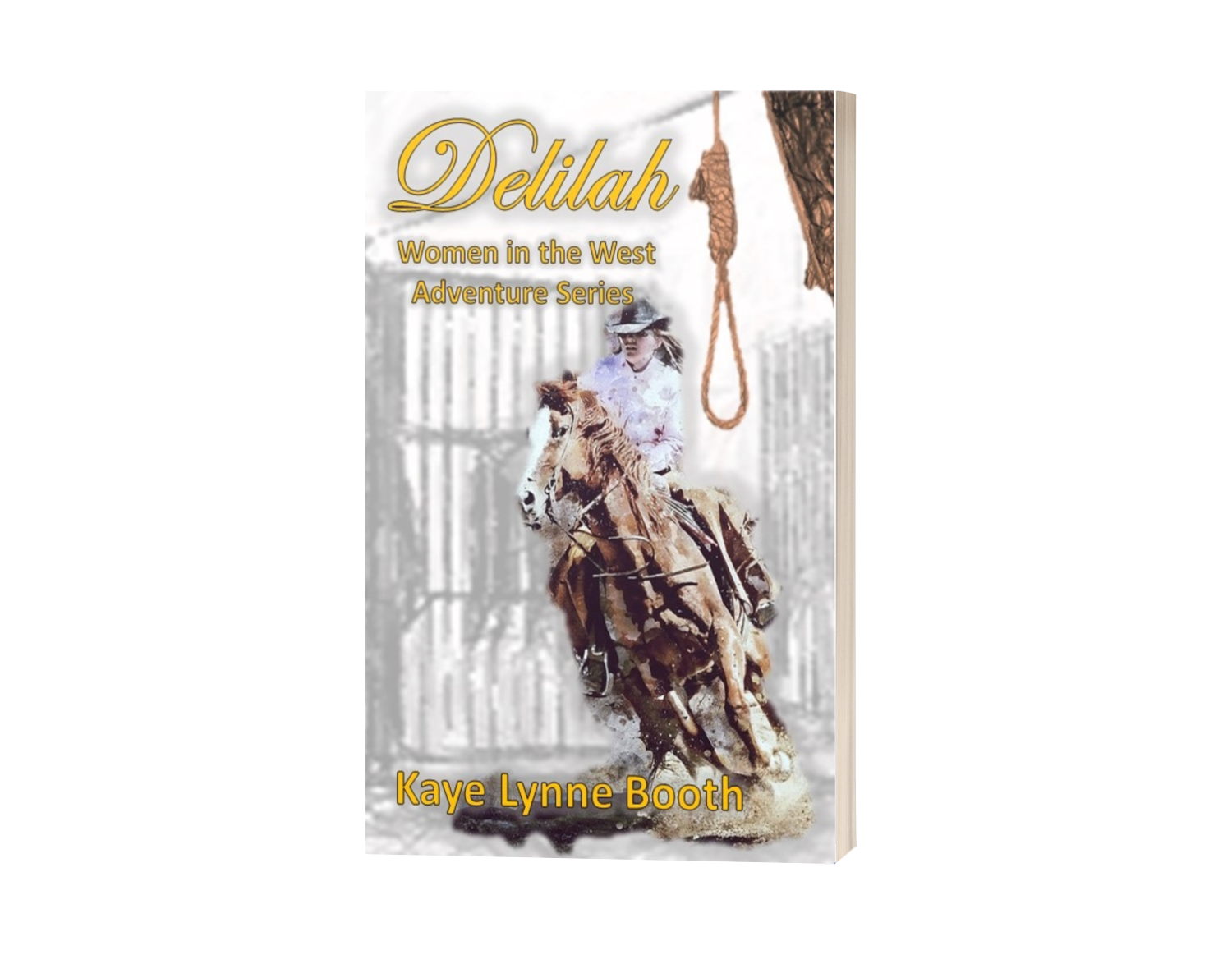
That being said, many authors today chose independent publishing because of the control it gives them. Like I said, we are our own bosses. That means we can control the quality of our work, and everything else: title, cover, price, production, and promotion. Certainly, this was one of the main reasons that I chose to become an independent author after gaining a five-year contract for my first novel and finding that having a publisher wasn’t giving me any advantage in selling Delilah. The cover they had given me was not representative of the character or the story, and as far as I could tell, they provided little or no promotion. I began WordCrafter Press and started publishing collaborative projects long before that contract ran out, and when it did, I revised Delilah to be the first in my Women in the West series. I had to learn new skills to provide my own covers, and find people willing to edit my work in an exchange of services due to my limited budget, but when the book was re-released, I sold more copies a month than my publisher had in five years.
With my recent computer issues, I was glad that I had control of my work and the decision-making process. Because I had limited computer time and was writing in longhand and doing most of my publishing and promotional tasks on my phone, I wasn’t able to keep up with my promotion schedule and had to push back the publishing dates on my own work in order to keep my collaborative projects on schedule and as the boss and decision maker, I was able to do that. It was a tough decision. I have the second book in my Time Travel series near ready to publish, and although I’ve outlined the third book in the Women in the West Adventure series, I’ve not yet begun to write it. Both of these books may need to be pushed back so far as to be added to next year’s production schedule, but I’m thankful for the freedom to do so. Had I been working with traditional publishers, my deadlines would have been set in stone, and I would not have been able to make them.
Just as the child who can’t wait to grow up soon learns that growing up means taking responsibility for one’s self, so the independent author is also responsible for creating and presenting their own work to the world. Hopefully, we all want that to be the best work that it can possibly be, and we will take the proper steps to ensure that it is, making the best decisions possible for our work. With freedom, comes responsibility, so use both wisely in your author journey.
Until next month,
Happy Writing!
About Kaye Lynne Booth

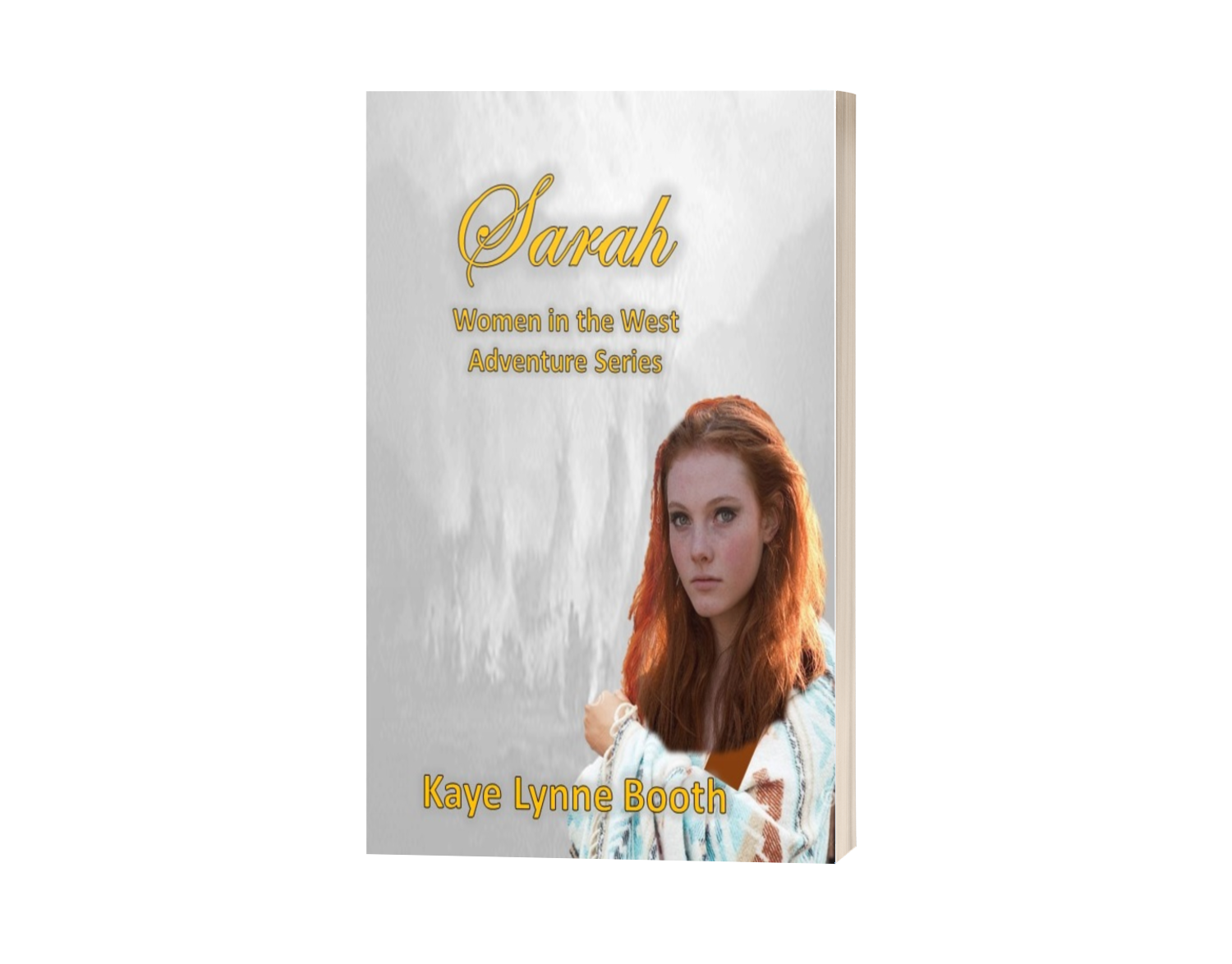
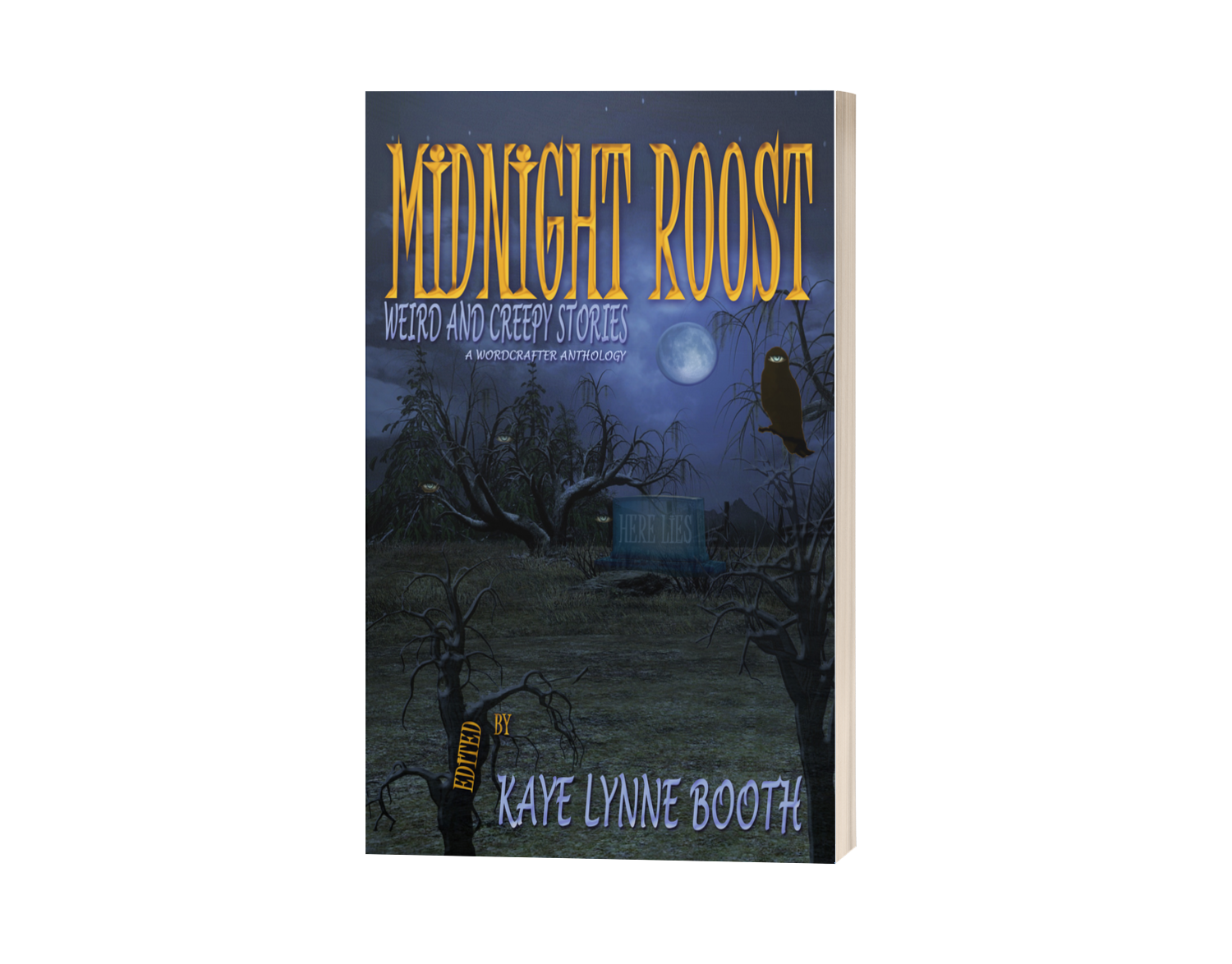
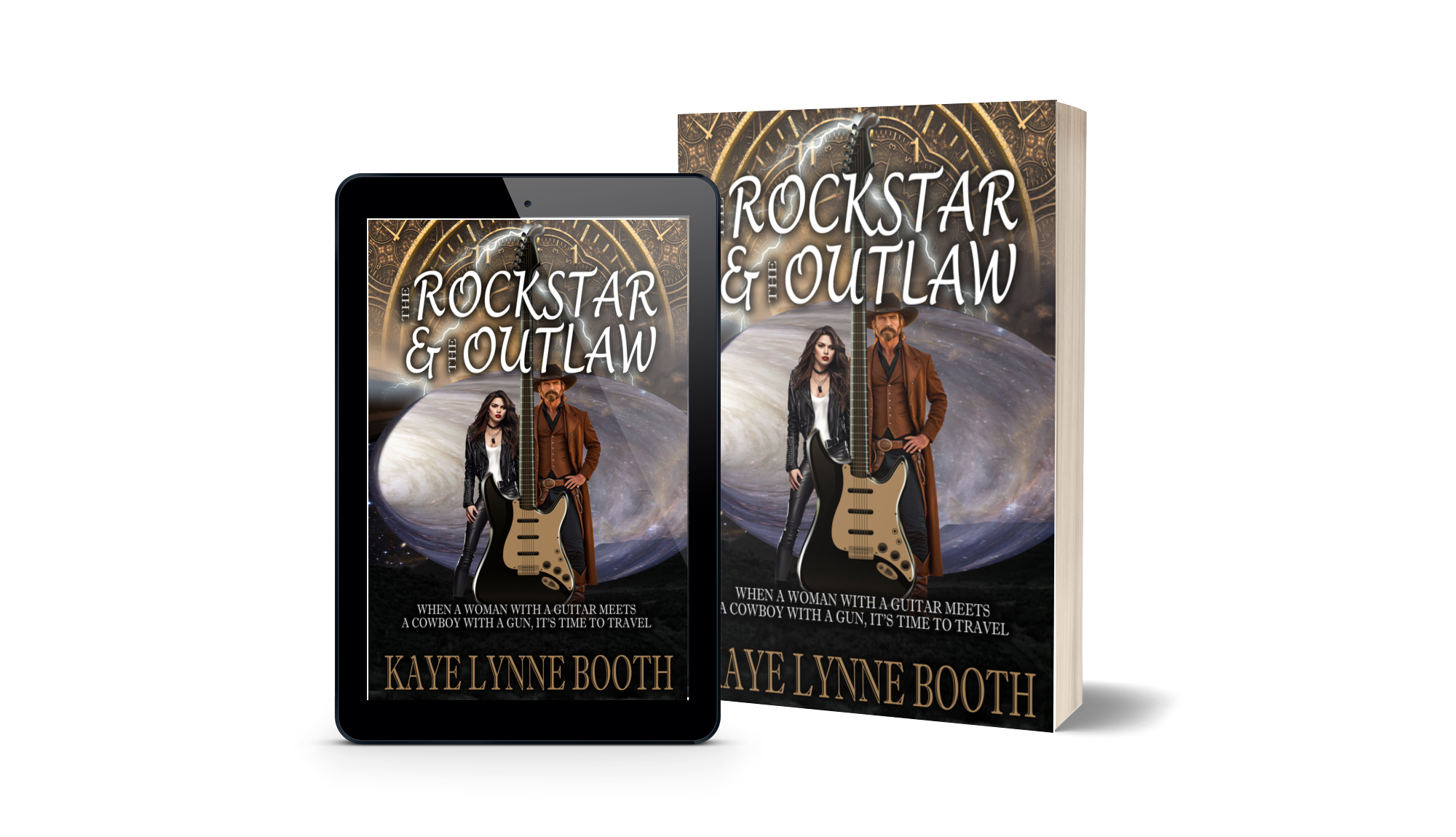
For Kaye Lynne Booth, writing is a passion. Kaye Lynne is an author with published short fiction and poetry, both online and in print, including her short story collection, Last Call and Other Short Fiction; and her paranormal mystery novella, Hidden Secrets; Books 1 & 2 of her Women in the West adventure series, Delilah and Sarah, and her Time-Travel Adventure novel, The Rock Star & The Outlaw,as well as her poetry collection, Small Wonders and The D.I.Y. Author writing resource.
Kaye holds a dual M.F.A. degree in Creative Writing with emphasis in genre fiction and screenwriting, and an M.A. in publishing. Kaye Lynne is the founder of WordCrafter Quality Writing & Author Services and WordCrafter Press. She also maintains an authors’ blog and website, Writing to be Read, where she publishes content of interest in the literary world.
_______________________________________
Did you know you can sponsor your favorite blog series or even a single post with an advertisement for your book? Stop by the WtbR Sponsor Page and let me advertise your book, or you can make a donation to Writing to be Read for as little as a cup of coffee, If you’d like to show your support for this author and WordCrafter Press.
_____________________________________
This segment of “Writer’s Corner” is sponsored by the Robbie’s Inspiration blog site, where you can find ideas on writing and baking with hostess, Robbie Cheadle.
Share this:

Writer’s Corner: Using Story Bundle to Sell Books
Posted: October 21, 2024 Filed under: Book Sales, Nonfiction, Story Bundle, Writer's Corner, Writing, Writing Business, writing craft, Writing Life, Writing Resource | Tags: 2024 Novel Writing Story Bundle, book marketing, Book Sales, Books, Self-Publishing, Story Bundle, The D.I. Y. Author, Writer's Corner, Writing 9 CommentsAs many of you may know, if you follow Writing to be Read, The D.I.Y. Author is included in the Novel Writing Story Bundle, organized by Kevin J. Anderson. But what you may not know is how useful Story Bundle is as a marketing tool. The fact is, it’s a great way to sell books.
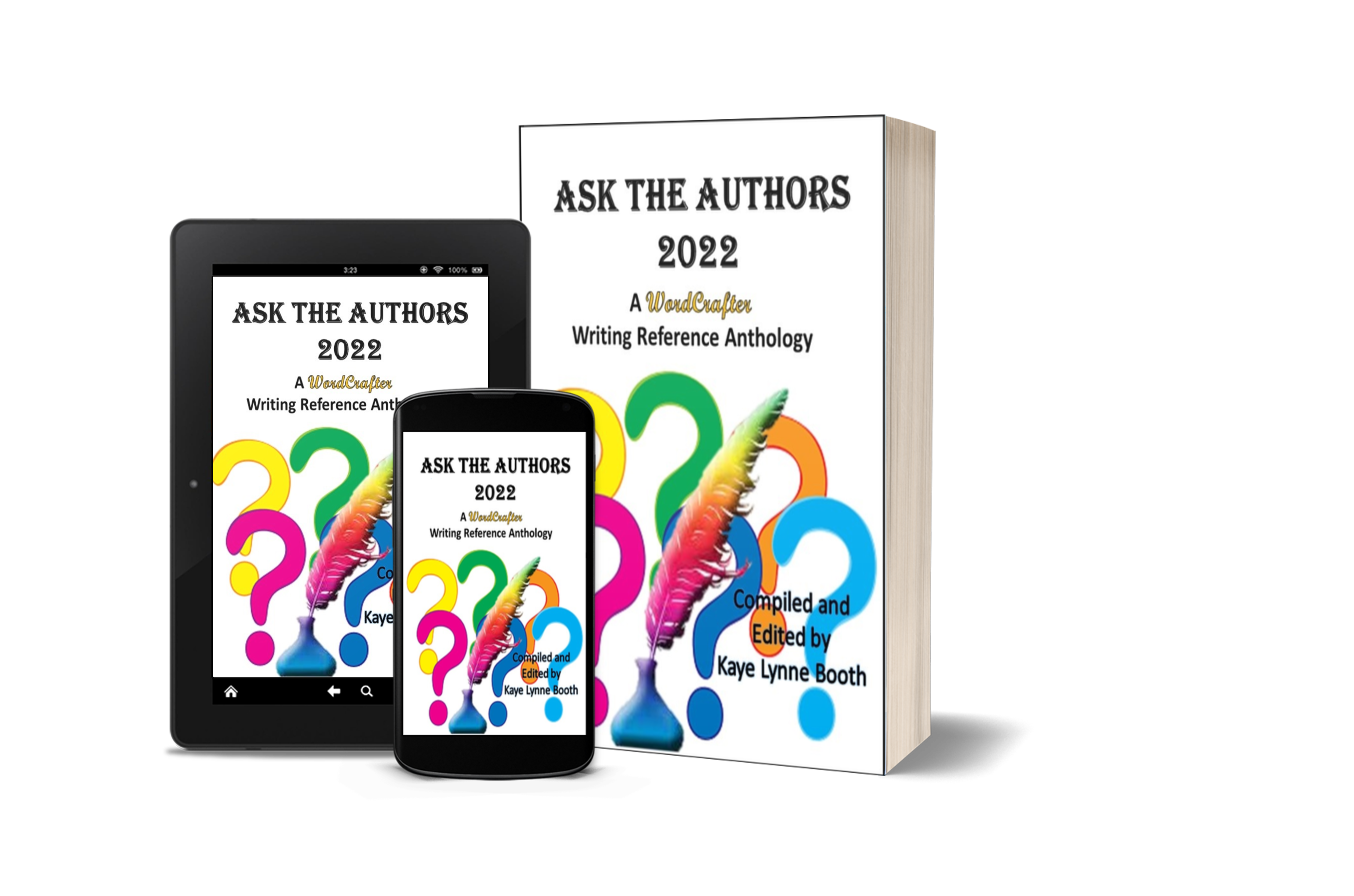
This is the second Story Bundle in which I have had a book included. Back in 2022, Ask the Authors 2022 was included in the Writer’s Toolkit Story Bundle, also organized by KJA. That bundle sold quite well and WordCrafter and the contributing authors made a little bit of money from it. This year, the Novel Writing Story Bundle promises to do just as well, if not better, so I highly recommend it.
What is Story Bundle?
What Story Bundle is, is a platform that gathers together several authors with books in the bundle category, whether it is writing references, such as the two I’ve had books in, fantasy books, science fiction books, or romances, etc…, and they all get together virtually and cooperatively market and promote the whole bundle. This extend’s the reach of single authors immensely, and I can testify to the fact that their efforts are effective. By using the power of the masses, promotions are found on all of the social media sites, not just those of any one single author, and it gets your book in front of the readers of every author in the bundle. But I’m just an author with a couple of books in a couple of Story Bundles, and I’m still learning, too. So to give you all the details, I chatted with Story Bundle founder, Jason Chen, to let him tell you what Story Bundle is, how it works, and what the advantages are.
Interview with Jason Chen
Kaye: What inspired the idea for Story Bundle?
Jason: I started StoryBundle all the way back in 2012 because back then, the concept of bundling similar books in one package hadn’t been done yet! Selfishly, I wanted somebody to make bundles of similar books—if you like this book/author, then you’ll like all THESE—and because nobody had, then I saw the need for it. Also, in 2012, the indie authors were lacking for a place to reach more readers, which made it a perfect fit for letting folks discover authors they would have a hard time finding otherwise.
Kaye: Story Bundle uses the power of numbers, gathering many authors together and offering their books as a group, rather than individually. Could you explain the advantages of having a book included in a Story Bundle?
Jason: Not only does being part of a StoryBundle get you in front of the StoryBundle fans, but the core concept is that it gets you readers from other authors who write in similar genres as you. Because all our bundles are curated, the books in them make sense together, which means that if you like one author in it, you’re more than likely to like another. So getting awareness of your books out to fans who already like the genre is a big plus.
Kaye: What determines whether a book is included in the original bundle for the minimum amount , or as a bonus book for a larger donation?
Jason: There’s no secret to the sauce. The curator and I work together to make sure both the regular bundle and the bonus bundle are balanced for the amount that they cost. Sometimes an author will be in the bonus bundle and if they’re in another bundle, they’ll be in the regular bundle. It depends on what makes sense for that particular bundle.
Kaye: The Novel Writing Story Bundle is the second Story Bundle which I’ve been a part of, mainly because I am fortunate enough to know Kevin J. Anderson, who organizes the ones I’ve participated in. I know other big authors like Dean Wesley Smith and Kristine Katheryn Rusch organize them, too. But how do you get into a Story Bundle if you don’t know someone organizing one? Can you create your own?
Jason: Yes! The only caveat we have is that (99% of the time) the bundles are curated by someone who’s been in a bundle before. Once you’ve been in a bundle, you understand what the bundle is about and what makes for a good bundle and what works for participating in a bundle. This way you know which authors to look for when you’re assembling one. You work with us to figure out a genre that you want, and we refine the idea and can help you get in touch with some other publishers if you need to.
Kaye: Both Story Bundles I’ve had books in are writing resource bundles. Can you make a story bundle of any genre?
Jason: Yes, any genre is fine, but to get a little inside baseball, there are a couple of genres that don’t do well on StoryBundle. The biggest one is romance, which for whatever reason doesn’t appeal to StoryBundle readers. But even more of a surprise is that romance authors’ own fans don’t really enjoy the bundling concept—at least on StoryBundle. We’ve tried all types of romance bundles in all varieties of flavors, but none of them ever have good uptake.
Kaye: Is there a cost to organize your own Story Bundle?
Jason: There’s no cost to curating a bundle!
Kaye: Now I know why as an author, I might want to have my books in a story bundle. But why would readers wnat to buy books through Story Bundle? What are the benefits to readers in purchasing a Story Bundle?
Jason: As a reader, there are a few benefits. First, there’s just the core concept of vetting—we choose our books carefully with our curators, and they have to meet a certain bar of quality to get in. Of course, it’s impossible to guarantee that you’ll like all the books in the bundle, but if you already like one or two of the authors in it, you’re likely to enjoy the rest.
There are other tangible benefits, such as getting DRM-free copies of books that you can load on any ereader, tablet or phone without having to worry about compatibility. You’ll also support indie authors and be able to donate to a worthy cause!
Kaye: Does every Story Bundle donate to charity?
Jason: Every bundle has a charity donation, but it’s up to each person if they want to donate part of their purchase to charity. If they don’t, that’s perfectly fine!
Kaye: What types of charities does Story Bundle support?
Jason: We have a long list of charities that we’ve supported before, from literacy charities, animal charities, science and gaming charities, to health and medicine and worldwide refugee focused charities, so there’s no real limit to what can be a charity target for StoryBundle. If there’s a specific one that a curator would like to have in their bundle, we can make it work!
Would you like your book to be in a Story Bundle?
Now that I know what it takes to currate a Story Bundle, I’m thinking of trying one of my own, because I know that they sell books. Since I’m a multi-genre author, I could do western, women’s fiction, paranormal, science fiction, dark fiction, or children’s books. If you’re interested let me know and tell me what genre(s) you write in. Either let me know in the comments, or email me at KLBWordCrafter@gmail.com. Let’s see if we can get together and sell some books.
About the Novel Writing Story Bundle

The Novel Writing Story Bundle features writing references on writing craft, writing business, and the writing life, which should be on every author’s bookshelf. In addition to my own The D.I. Y. Author, which is a bonus book, there are also featured Dollar by Dollar and Word by Word, by Kerrie Flanagan; Romance Character Tropes, by Jessica Barber and Tara G. Ericson; Booking the Library, by Jessica Brawner; Kevin J. Anderson’s On Being a Dictator; Steps to Self-Editing, by Jana S. Brown; A Writer’s Guide to Branding Success, by Mark Leslie Lefabvre; Mood & Atmosphere, by Joshua Essoe; From Page to Platform, by Matty Dalrymple and M.L. Ronn; Wit & Wisdom, by Craig Martelle; Wulf Moon’s Illustrated Super Secrets of Writing, volume 1; Falling to Fly, by Todd Fahnestock; and a year’s subscription to Indie Author Magazine. That’s 13 writing references plus the magazine subscription. What a deal!
A note on the designated charity for this StoryBundle, the Neil Peart Brain Cancer Research Fund from Cedars Sinai. In 2020 we lost Neil Peart, legendary drummer and lyricist for the rock band Rush, to glioblastoma. He was my mentor, friend, and collaborator on numerous books, and his loss affected me deeply. Neil’s friends and colleagues and fans worldwide have contributed to this glioblastoma research fund in Neil’s name, and we are proud to add our efforts on this Novel Writing StoryBundle as well. – Kevin J. Anderson
You can get in on this great Story Bundle here: https://storybundle.com/writing
About Author Kaye Lynne Booth

For Kaye Lynne Booth, writing is a passion. Kaye Lynne is an author with published short fiction and poetry, both online and in print, including her short story collection, Last Call and Other Short Fiction; and her paranormal mystery novella, Hidden Secrets; Books 1 & 2 of her Women in the West adventure series, Delilah and Sarah, and her Time-Travel Adventure novel, The Rock Star & The Outlaw. Kaye holds a dual M.F.A. degree in Creative Writing with emphasis in genre fiction and screenwriting, and an M.A. in publishing. Kaye Lynne is the founder of WordCrafter Quality Writing & Author Services and WordCrafter Press. She also maintains an authors’ blog and website, Writing to be Read, where she publishes content of interest in the literary world.
______________________________________________
This post is sponsored by The D.I.Y. Author and WordCrafter Press.
Being an author today is more than just writing the book. Authors in this digital age have more opportunities than ever before. Whether you pursue independent or traditional publishing models, or a combination of the two, being an author involves not only writing, but often, the publishing and marketing of the book.
In this writer’s reference guide, multi-genre author and independent publisher, Kaye Lynne Booth shares her knowledge and experiences and the tools, books, references and sites to help you learn the business of being an author.
Topics Include:
Becoming Prolific
Writing Tools
Outlining
Making Quality a Priority
Publishing Models & Trends
Marketing Your Book
Book Covers & Blurbs
Book Events—In Person & Virtual
And more…

Purchase your copy today: https://books2read.com/The-DIY-Author
Share this:

Review in Practice: Fearless Author
Posted: September 5, 2022 Filed under: Book Promotion, Book Review, Books, Nonfiction, Review, Review in Practice, Self-Publishing | Tags: Ashley Emma, Fearless Author, Kaye Lynne Booth, Nonfiction, Review in Practice, Self-Publishing, Writing to be Read 7 Comments
Fearless Author, by Ashley Emma, is a self-publishingbook launch Plan and checklist, which was not as valuable to me as I had hoped, because nowhere did it say that this was an Amazon author exclusively, so I did not realize what I was getting. Don’t get me wrong. This was a free book, so I’ve wasted nothing but my time, and it was not a total waste. For those who don’t understand why the advice of an exclusive author might be of lesser value to a wide author, such as myself, let me paint a word picture of the state of the independent publishing industry currently, as I see it.
In order to be a KDP author and have your books featured in Kindle Unlimited, Amazon requires an author to download directly to thier site, (you can’t use a third party aggregator to publish your book and they demand exclusivity. Kindle Unlimited can be a substatial income stream for authors, because page reads add up to comprable sales, and some authors, in genres with voracious readers, earn more from page reads than they do from actual sales. I can see why some authors might feel that to be a fair trade for exclusivity, but that exclusivity means that you can’t sell your book anywhere else, including on your own website. That’s why I chose to publish wide. I didn’t want to give up that much control over my books. It is up to me where my books will be sold, which allows me more opportunities to reach more potential readers.
And tactics like rapid release, or free or .99 cent first in series, may not be as effective with other distributors as they are on Amazon, because other distributors don’t use the same algorythyms that Amazon does. For example, Ms. Emma recommends utilizing Amazon’s free days, which are only available to KDP exclusive authors. That is why I didn’t find Ashley Emma’s Fearless Author to be of more value. While her advice for launching and taking a book quickly up to bestseller status may be quite valuable to an Amazon author, but many options are only available to exclusive authors.
All of that to say that Fearless Author might have been more helpful by indicating in the description the fact that Ashley Emma is an Amazon author, offering useful tip to be used with KDP and Kindle Unlimited. At least then I would have known what to expect when I downloaded the free book. There were some tactics which could be of value to all authors, even those who publish wide, like myself.
The lesson learned from this experience: the importance of accurate book descriptions which don’t mislead potential readers. Although I may use some of the advice found in Fearless Author, I would probably not download more of Ashley Emma’s books, even though I might find portions of it useful and I found no fault with her writing.
_______________________________________________________________________

For Kaye Lynne Booth, writing is a passion. Kaye Lynne is an author with published short fiction and poetry, both online and in print, including her short story collection, Last Call and Other Short Fiction; and her paranormal mystery novella, Hidden Secrets. Kaye holds a dual M.F.A. degree in Creative Writing with emphasis in genre fiction and screenwriting, and an M.A. in publishing. Kaye Lynne is the founder of WordCrafter Quality Writing & Author Services and WordCrafter Press. She also maintains an authors’ blog and website, Writing to be Read, where she publishes content of interest in the literary world.
________________________________________________________________________
Join Kaye Lynne Booth & WordCrafter Press Readers’ Group for WordCrafter Press book & event news, including the awesome releases of author Kaye Lynne Booth. Get a free digital copy of her short story collection, Last Call and Other Short Fiction, as a sampling of her works just for joining.
Share this:

“How to Become a Published Author”: Every authors reference to publication
Posted: February 1, 2019 Filed under: Book Review, Books, Nonfiction, Publishing, Self-Publishing, Writing | Tags: Book Proposals, Book Review, How to Become a Published Author, independent publishing, Mark Shaw, Outlines, Publishing, Query letters, Self-Publishing, Writing to be Read 3 Comments
How to Become a Published Author: Idea to Publication by Mark Shaw is filled with information useful to authors in all stages of the publishing process. Although it’s aimed at aspiring authors trying to break into publishing, as a published author with an M.F.A., it gave me ideas and techniques to consider, as well. Shaw deals with the publication of fiction and poetry, as well as nonfiction. He touches on self-publishing as well as getting a foot in the door with traditional publishers, and offers a wealth of good reference materials.
Mark Shaw is a best selling nonfiction author, yet unschooled in the craft. He made his way into the traditional publishing world through the oldest method known to authors: good writing. And he practices what he preaches. Every book I’ve ever read by Mark Shaw has been well written, drawing readers in as his stories unravel in masterfully crafted ways which keep readers entranced to the end and make them think long after putting the book down. How to Become a Published Author is no exception, with the valuable information contained within presented in a clear and concise format that is easy to reference.
In this book Shaw walks us through the process for getting your books published, step-by-step. Sharing from his own experiences in traversing the pathways to publishing, using his own books and books of others as examples to illustrate his message, providing useful reference materials and links. This book covers practicle steps to becoming published from outlining in the pre-writing stage, all the way through to query letters and book proposals for those who aspire to be traditionally published. It offers marketing tips and advice useful to all authors, since promotion is a role which now falls on the shoulders of authors in many cases of both traditionally and independently published authors.
Much of Shaw’s advise could have come straight out of my M.F.A. in Creative Writing program, but he also offered suggestions for nonfiction publishing that wasn’t emphasized, or wasn’t offered through my program. It was helpful in getting me focused as I prepare to write memoir.
In How to Become a Published Author, Mark Shaw speaks from experience, delivering well founded advice on how to get your book published for authors in every stage of their writing careers. I give it five quills.

Kaye Lynne Booth does honest book reviews on Writing to be Read in exchange for ARCs. Have a book you’d like reviewed? Contact Kaye at kayebooth(at)yahoo(dot)com.
Share this:

Interview with author DeAnna Knippling
Posted: April 17, 2017 Filed under: Author Profile, Books, Fantasy, Fiction, Horror, Publishing, Science Fiction, Self-Publishing, Speculative Fiction, Writing | Tags: Author, DeAnna Knippling, Interview, Profile, Publishing, Self-Publishing, Writing 1 Comment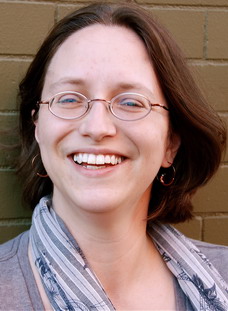
This week, I’m interviewing Colorado freelance writer, editor, author and book designer, DeAnna Knippling. I first met DeAnna through the Pike’s Peak Writers when I was still serving as the Southern Colorado Literature Examiner. What struck me about her was her enthusiasm and willingness to help where ever she can. She treats her writing as a business and goes at it with a high degree of professionalism, yet she is personable and willing to share what she’s learned from her own writing experiences.
DeAnna Knippling writes science fiction, fantasy, horror, crime, and mystery for adults under her own name; adventurous and weird fiction for middle-grade (8-12 year old) kids under the pseudonym De Kenyon; and various thriller and suspense fiction for her ghostwriting clients under various and non-disclosable names. Her latest book, Alice’s Adventures in Underland: The Queen of Stilled Hearts, combines two of her favorite topics–zombies and Lewis Carroll. It’s the story of a tame zombie who told a little girl named Alice a story that got them both in more trouble than they could handle. Her short fiction has appeared in Black Static, Penumbra, Crossed Genres, Three-Lobed Burning Eye, and more.
Kaye: You created Wonderland Press to get your books out there. What all is involved in creating a press for your work and what are the advantages of doing so? I mean, why would an author do this rather than just throwing their book out on Amazon or Smashwords?
DeAnna: This isn’t one of the fun answers. It’s stupid easy to make a “press.” It involves no special equipment. You look online, make sure nobody else has one of that name in your state, register a business name with your state or county (look up, “How to register a business name in [name of state]”), and Bob’s your uncle. You might want to get more complex with an LLC or something–but I recommend leaving that for later, unless you already have experience doing that. I am, of course not a lawyer and can’t give legal advice. When you want to start looking at an LLC or corporation, I believe, is when you start having to worry about taxes and tax brackets.
DeAnna: Just keep working. Everybody’s in a hurry to succeed. Success! Millions! Riches! Fame! But, in the end, it comes back to the basics. Did you read? Did you write? Did you learn something? Did you talk to other people in the writing community?
Like this post? Subscribe to Writing to be Read for e-mail notifications whenever new content is posted.
Share this:

Pros and Cons of Traditional vs. Independent vs.Self-Publishing (Part 10): Conclusions
Posted: December 19, 2016 Filed under: Books, Commentary, Promotion, Publishing, Self-Publishing, Writing | Tags: Books, independent publishing, marketing, Opinion, promotion, Publishing, Self-Publishing, Traditional Publishing, Writing 7 Comments
This series on publishing has been a lot of fun to create, and I hope maybe there are some of you who have read all of parts 1-9. I started it because I found that while those in my academic career seemed to be in favor of traditional publishing, with many instructors providing information about self-publishing as an option only reluctantly, while authors all around me were getting their work out there by self-publishing their books.
As I looked into the topic more, I found that some folks used the terms independently published and self-published as if they were interchangeable, while independent publishers are really smaller independent publishing houses that are not among the “big five” traditional publishers. As stated in Part 2, for the purposes of this series that is how I will refer to and view independent publishers.
One of the reasons I enjoyed writing this publishing series was that I am fortunate to know many authors, from all three publishing models, and I was able to gather many different viewpoints, examining it from all sides. Overall, I was able to obtain a pretty healthy balance between the three models. I interviewed self-published authors Jeff Bowles, Tim Baker and Arthur Rosch. In the traditional publishing arena, I talked with children’s author, Stacia Deutsch and historical and biographical author, Mark Shaw. I was only able to interview one independently published author, YA author Jordan Elizabeth, but to even it out, I also interviewed two independent publishers, Curiosity Quills Press and Caleb Seeling, owner of Conundrum Press. And for a nice rounded point of view, I spoke with my friend and children’s author, Nancy Oswald, who has published under all three models.
Now is the time to look at the series as a whole and see what conclusions can be drawn. While I think all authors secretly long for a traditional publishing deal, because being picked up by a major publishing house is ingrained in us as a symbol of success, I see independent publishing houses as a feasible alternative to holding out for the big boys, which can take a long time and for some of us, may never pay off. In some instances, debut authors have a better chance of being picked up by a smaller independent press. With both these options identifying markets which would be a good fit for your work, preparing submissions, writing cover letters and queries, synopsis and outlines will take up a lot of time which might be better spent on writing stories. Once accepted by either a major or a smaller publishing house, the author may be expected to do a good portion of the marketing and promotion, as well, although services such as editing and illustration may be provided.
The upside to signing with a traditional publisher is that the major publishing houses pay out an advance on projected royalties, so major money can be seen in your near future. Independent houses may also pay out advances, but they won’t be nearly as big, and some do pay out a higher percentage of royalties. Of course, as Tim Baker pointed out in Part 2, the flip side to collecting a sizeable royalty is if your book flops. It would be a drag to have to pay it all back. Independent houses may also pay out advances, but they won’t be nearly as big, and some do pay out a higher percentage of royalties.
For self-published authors, there are no advances, but they keep a higher portion of their royalties than with traditional or independent publishing houses. Still, there is no big money now, and no guarantee that there ever will be. Authors may be waiting a long time for their writing to pay off.
As Stacia Deutsch mentioned in Part 4 of the series, traditional publishers provide professional editing and illustrators, to be sure your final product is of good quality. I believe this is true of independent publishing houses, as well, but you won’t find it available through the self-publishing process; one reason self-publishing carries with it such stigma. Gatekeepers insure the book you put out will be the absolute best it can be.
Despite the stigma surrounding self-published authors, due in part to a few self-publishers who like to take short cuts in lieu of putting out a quality product, there are some very good self-published authors out there. As Jordan Elizabeth pointed out in Part 6, self-publishing has a lot to offer. Self-published authors have a lot more control over their work than traditionally published authors, who do not chose their own cover art, and may not even get to keep their own title.
As Jeff Bowles pointed out in Part 1, another possible advantage to self-publishing is the ease and relative inexpense for today’s authors. You can publish a book with Amazon almost for free, and collect either 35% or 70% of your royalties, depending on the price you place on your book. I can attest to this as it is what I did with my short story, Last Call, and it didn’t cost me one cent. At least that way, if my story doesn’t rise to the top of the best sellers lists, (which it hasn’t), I really haven’t lost anything. The important thing to remember when self-publishing is that you need to put out a quality product. It is worth it to find a good editor, and for all of us starving writers out there, an editor can be employed for a minimal expense. I also suggest utilizing a good critique partner when funds are low, but be sure to have some type of editing done, by someone other than yourself, before publishing your book.
Although Amazon has made publishing extremely easy and inexpensive for authors, they have also monopolized the industry and are making it more difficult for independent publishers, as Caleb Seeling explained in Part 8. Learn more about the negative effects Amazon has had on the publishing industry in the Institute for Local Self Reliance’s report, which emphasizes, from a consumer standpoint, the need to buy local and battle monopolization. If readers heed this warning and buy their books from local independent, or chain, bookstores right down the block, the publishing industry may change yet again.
Amazon’s monopolization affects authors and reviewers as well, as is discussed in What Amazon’s New Review Policies Mean for “Writing to be Read”. As much as Amazon’s review policies effect the reviewer, they also effect the authors who are depending on those reviews to get their books sold.
Author Mark Shaw gave us a heads up about vanity, or subsidy publishers, charging unsuspecting authors exorbitant fees to publish their work as Mark Shaw warns in Part 5. They prey on authors who desire to get their work published so bad that they are willing to empty their coffers to do so. These publishers can get outrageously expensive for authors, so don’t be drawn in. The kicker is that even if you publish on Amazon or Create Space in order to fit your budget, you still may need to spend quite a bit of time and/or money on marketing as Art Rosch tells us in Part 3.
Independent publishing houses, also referred to as small or medium-sized presses, work along the same lines as traditional publishers, but they don’t publish as many books each year as the big five do. In addition, they tend to be more specific in what they are looking for, with most having very specialized niches that your book must fit into to be published. Although all independent publishers may not follow this practice, publisher Caleb Seeling says he actually seeks out authors whose work fits into his niche. In any case, authors should be familiar with submission guidelines of the publishing house they are submitting to, whether large or small. In her article, How to Smartly Evaluate a Small Publisher, Jane Friedman, of The Hot Sheet, (the publishing industry’s news letter for authors), offers some great tips on what to look for.
In Part 7, Nancy Oswald points out one of the big advantages to publishing with a small press is the more personal relationship between author and publisher. Whereas a traditional publishing house may not be able to put a name with a face, independent publishers work closely with their authors because they only have a few at any one time. Independent publishers may also have a shorter wait time for publication than traditional houses, which can be quite lengthy.
And then there are the new kids on the block, like Curiosity Quills Press, which are hybrid publishers, offering various combinations of traditional percs with self-publishing author responsibilities. These small independent presses may charge authors for some services, like subsidy publishing, but they also provide a certain amount of author copies at no cost, provide author support, and the services they do charge for are optional. You can find out more about this new model of publishing in my post, Hybrid Publishers: What are they all about?
After hearing from the experts, it seems no matter which model you choose to publish under, there is still a lot of non-writing activities required of authors, including marketing and promotion, resulting in the need for Today’s Authors to Wear Many Different Hats. Of course, you can also do as author Jeff Lyons suggests in his interview with Arwen Chandler, and hire a third party to handle such tasks, so we, as authors can get down to the business of writing. The only problem I see with this is that you must make money before you can spend money, paying someone else to do the tasks that don’t come as naturally as writing does.
Like this post? Subscribe to email to receive notifications to your inbox each time a new post is published. Or follow Writing to be Read on WordPress.
Share this:

Pros and Cons of Traditional vs. Independent vs. Self-Publishing (Part 7): Interview with Children’s Author, Nancy Oswald
Posted: November 28, 2016 Filed under: Books, Children's Books, Fiction, Publishing, Self-Publishing | Tags: independent publishing, Nancy Oswald, Publishing, Self-Publishing, Traditional Publishing 7 Comments
In this series, we’ve taken a look at the publishing industry, which today, isn’t played by the same rules as it was 30 years ago, when traditional or independent publishing houses were about the only options an aspiring writer had. The rise in digital and self-publishing has opened up new options for aspiring authors and changed some of the rules by which the game is now played. We’ve heard from self-published authors, Jeff Bowles, Tim Baker and Arthur Rosch, and traditionally published authors, Stacia Deutsch and Mark Shaw, as well as independently published author, Jordan Elizabeth.
In this week’s interview, we’ll hear from an author who has published work via all three publishing models, award winning children’s author, Nancy Oswald. She’s published traditionally with Holt, a big New York publisher, and a small independent publisher, Filter Press, LLC. In addition, her first book was published by Scholastic Canada, but she later rewrote it and self-published a Create Space version in 2013. Nancy’s Ruby and Maude Adventure series includes Rescue in Poverty Gulch, Trouble on the Tracks and her latest book, to be released this month, Trouble Returns. (Be sure and catch my review of Trouble Returns this Friday on Writing to be Read.) Her other publishing credits include Hard Face Moon, Edward Wynkoop: Soldier and Indian Agent, Nothing Here But Stones, and Insects in the Infield. And she has a very unusual story about how she broke into the publishing industry.
Kaye: When did you know you wanted to be an author?
Nancy: In my early teens, I thought writing children’s books would be really cool and I enjoyed writing—some poetry—but most of it school related. I didn’t get serious about publication until I was in my late twenties.
Kaye: Would you share your own publishing story with us?
Nancy: I wrote several books that I call my “cardboard cover” books for my stepson who was five when I married my husband. They were hand written and crudely illustrated and as you’ve probably guessed, had cardboard covers that were put together with rings that clipped through the pages and the cardboard and held the whole thing together. I did a couple of cardboard cover books for friends, too. But my stepson outgrew his “picture” books, so I started in on a chapter book. We lived in British Columbia at that time, so I mailed him the first chapter for Christmas and sent one chapter a month to him, finishing the book the next Christmas. This book was typed, yes on a typewriter, but still was a FAT cardboard cover book. After many many rewrites, this book became my first published novel for young readers. It had 35 rejections and was finally picked up by Scholastic Canada and five years later was reprinted by them. To this day, thanks to Scholastic’s book club program, it has outsold any of my other books.
Kaye: What do you see as pros and cons of self-publishing?
Nancy: In 2013, I self-published the above mentioned book. I’ve had the rights back since about 1996, so I rewrote the book, adding about 10,000 words and it ended up as a winner in the CIPA Evvy award competition. My likes: I really enjoyed having full control. I used Create Space and used their interior design service, but did the other parts myself. The Create Space team was accessible and helpful, and I had a really positive experience from beginning to end. A word of caution: you really need to have a clear idea of the design, font size, layout ahead of time. You have to be clear in communicating what you want. Negatives: Reviews were hard to get, ALL of the marketing is up to you, and if you don’t have a well-edited, professional looking copy, it will sink you
Share this:

Pros and Cons of Traditional vs. Independent vs. Self-Publishing (Part 5): Interview with Traditionally Published Author, Mark Shaw
Posted: November 14, 2016 Filed under: Books, Nonfiction, Opinion, Publishing, Self-Publishing, Writing | Tags: Mark Shaw, Publishing, Self-Publishing, Subsidy Publishing, Traditional Publishing 3 Comments

Those who remember traditional publishing prior to the digital age, recall an industry which was not easy to break into, but with persistence, it could pay off with large advances, and a contract from one of the “Big Five” publishing houses. Your publisher took care of the rest: editing and proofreading, cover and/or illustrations, publicity and marketing. In many ways, it is the same today, but one thing self-publishing and independent publishing have changed, is that they showed traditional publishers that authors were capable of doing their own promotion and marketing. Today’s authors, it seems, are now expected to carry the weight for these tasks no matter which model is chosen.
The rise of digital and self-publishing also brought about a rise in publishing scams, designed to take advantage of aspiring authors and empty their pocketbooks. In the 1990s, when I began writing, they called them vanity presses.An author would send in their work and receive a very favorable response, praising their work and offering to publish it for a fee. As the author moves through the publishing process, the fees keep adding up. Today they are called subsidy publishers. As with traditional publishers, subsidy publishers hold the rights to the book, although the author is paying them to publish it.
So far in the series we’ve heard from self-published authors, Jeff Bowles, Tim Baker and Art Rosch, and we’ve heard from traditionally published author Stacia Deutsch. Join me today to get more of the traditionally published POV in my interview with author Mark Shaw. Among his 25 published works are books I’ve had the pleasure of reviewing as The Southern Colorado Literature Examiner: The Mask of Holiness, a biography of Thomas Merton, and Stations Along the Way, a biography of former Hitler youth leader, Ursela Martens. In addition to being a traditionally published author, Mark is a literary consultant and entertainment attorney, so he knows of what he speaks.
Kaye: When did you know you wanted to be an author?
Mark: I’m a former criminal defense lawyer and I never considered being an author until I covered the Mike Tyson rape trial for CNN, ESPN, and USA Today. I believed Tyson was denied justice and so I wrote my first book, Down For the Count.
Kaye: Would you share your own publishing story with us?
Mark: I was able to find a literary agent to represent the Tyson book and he found a traditional publisher. I had enjoyed the writing process and the book sold well so I looked for new subjects to write about and within a few years I had published several traditionally published books. Looking for a theme to weave through new books, I landed on “justice denied” and the last four or five I have written including my latest “The Reporter Who Knew Too Much: The Mysterious Death of What’s My Line TV Star and Media Icon Dorothy Kilgallen,” are symbolic of the type of books I write. Sometimes I have to pinch myself that this book will be my 25th since I never had any formal training as a writer but I’m blessed that people have enjoyed the “stop and think” aspect of the books and continue to praise my body of work.
Kaye: What do you see as pros and cons of self-publishing?
Mark: As noted in my book about the publishing process, “How to Become a Published Author: Idea to Publication,” as long as it’s what we call “traditional self-publishing (no subsidy publisher) then okay, but the career of any writer who uses a subsidy publisher where they pay to have the book published (Dorrance, iUniverse, Trafford, AuthorHouse, XLibris, etc.) is doomed with many who have come to me for consulting telling horror stories of losing their life savings, their homes, etc. Subsidy Publishing is the absolute kiss of death and so many writers fall prey to subsidy publishers that promise the moon and end up with boxes of books in the basement they can never sell since libraries and most bookstores won’t touch them. This is unfortunate since aspiring authors can use a combination of Create Space and Ingram Spark to publish a book with very minimal cost and this traditional self-publishing method is a badge of honor and libraries and bookstores will be interested in purchasing and stocking the book.
Kaye: What do you see as the pros and cons of independent publishing?
Mark: There seems to be confusion as to what this term means but as long as it doesn’t include subsidy publishing, I’m all for it.
Kaye: What do you see as the pros and cons of traditional publishing?
Mark: I encourage writers to try the traditional publishing route by using query letters and book proposals and a good strategy for landing a literary agent or publisher and if that doesn’t work, then use traditional self-publishing. The advantages of traditional publishing include the publisher paying for all aspects of the publishing process, editing, layout, cover, etc. without the writer putting up a cent but most importantly traditional publishing includes distribution (my new book has Simon&Schuster distribution) which traditional self-publishing lacks since the author must do the distribution. One disadvantage these days for a first time author is that unlike ten years ago, many traditional publishers will not do much toward promotion and thus the author is expected to do the major part of the work.
Kaye: How much does the non-writing work, (marketing & promotion, illustrations & book covers, etc…), that you must do yourself vary between the different models?
Mark: You are talking about completely different subjects here. With marketing and promotion, regardless of the method of publishing, an author has to understand that he or she must be the guiding force behind book publicity. With illustrations and book covers, etc. traditional publishers will handle this task while the author of any traditional self-published book is responsible for handling these matters and there are several outstanding consultants who can help with this tasks. Again, writers should stay away from subsidy publishers many of whom produce inferior books that cause problems right away with the authors’ reputation.
Kaye: Do you recommend traditional publishing for today’s aspiring authors, and why or why not?
Mark: Absolutely but writers must proceed with a well-developed strategy such as the “10-Step Method” outlined in “How to Become a Published Author.” There are no shortcuts possible here and most writers don’t want to put in the hard work necessary to secure a literary agent so their chances of securing a publisher are optimized.
I want to thank Mark for sharing his thoughts with us. Also, I’m excited to be reviewing his latest book. Be sure and catch my review of The Reporter Who Knew Too Much on November 25, right here on Writing to be Read. To learn more about Mark Shaw or his books visit his website.
Don’t miss next Monday’s post and my interview with independently published YA author, Jordan Elizabeth, and get her thoughts on today’s publishing industry on Writing to be Read.
If you liked this post, subscribe to email and receive a notification each time a new post is made on Writing to be Read.
Share this:

Pros and Cons of Traditional vs. Independent vs. Self-Publishing (Part 4): Interview with Traditionally Published Children’s Author, Stacia Deutsch
Posted: November 7, 2016 Filed under: Books, Children's Books, Fiction, Opinion, Promotion, Publishing, Self-Publishing, Writing | Tags: independent publishing, Publishing, Self-Publishing, Stacia Deutsch, Traditional Publishing 3 Comments
So far, in this publishing series, we’ve heard from three self-published authors who say self-publishing is the way to go for today’s authors. In Part 1, we heard from my talented friend and cohort, Jeff Bowles. In Part 2, we heard from tale spinner, Tim Baker. And last week, in Part 3, we heard from storyteller and author, Arthur Rosch. This week, we’ll hear from the other side of the writing field, as I interview a traditionally published author.
Join me for today’s interview with Stacia Deutsch, who is the author of more than two hundred children’s books, both original and write for hire. I had the pleasure of first, being a cohort to and then, studying under this amazing children’s author, so vibrant and full of energy, and always smiling. She is the author of the eight book, award winning, chapter book series Blast to the Past. Her resume includes Nancy Drew and the Clue Crew,The Boxcar Children, and Mean Ghouls from Scholastic. Stacia has also written junior movie tie in novels for summer blockbuster films, including BATMAN, THE DARK KNIGHT and the New York Times Best Sellers: CLOUDY WITH A CHANCE OF MEATBALLS JR. and THE SMURFS.
Kaye: When did you know you wanted to be an author?
Kaye: What do you see as the pros and cons of traditional publishing?
Stacia: I love being with traditional houses and finding my books in the big box stores, or at the airport, or at Scholastic book fairs. There is no other way into those places. The issue is that you aren’t making every cent from your own book, but you have little outlay as well. My agent gets 15% of everything I sell.
Kaye: How much non-writing work, (marketing & promotion, illustrations & book covers, etc…), do you do yourself for your books?
Stacia: It’s a big deal for the author to do their own promotion and really necessary. You have to be devoted to your audience, and build a following to be successful. You need a budget. Do you want to travel, do a book tour? website? blog tour? Everything costs. So, regardless of how you get published, play how much money and time you are willing to put into it.
Kaye: Would you recommend your chosen path to publication, to emerging writers? Why or why not?
Stacia: I am an advocate for traditional publishing. I think agents and editors are gate keepers for quality. But if you have a good idea, that doesn’t fit what houses are looking for, go for it. Just be aware of what you’ll need to do to make it work.










Craft and Practice with Jeff Bowles – To Self-Publish or not to Self-Publish
Posted: June 17, 2020 | Author: Jeff Bowles | Filed under: Book Covers, Commentary, Craft and Practice, Opinion, Publishing, Self-Publishing, Writing | Tags: Craft and Practice, Jeff Bowles, Publishing, Self-Publishing, Writing, Writing to be Read | 9 CommentsThe third Wednesday of each month, writer Jeff Bowles offers practical tips for improving, sharpening, and selling your writing. Welcome to your monthly discussion on Craft and Practice.
To Self-Publish or not to Self-Publish
I guess I’m a bit of a dreamer when it comes down to it. Head in the clouds much of the time, projecting myself right out of reality because, well, I take more comfort in worlds inside my mind than the world as it really is. I’ve always been that way, and it’s helped me enormously as a creative individual. Has it helped me much in life? That’s a conversation for another time. Or, you know, maybe never.
For me, the dream was always the most important thing, because I understood dreams become reality with startling frequency. I mean, that’s essentially what storytelling is, right? Making something whole, tangible, expressive, from nothing at all. It’s something I have to believe in order to do what I do. If I didn’t think anything and everything was possible, how could I convince you?
I like self-publishing. It’s a good speed for me. I made great efforts to publish short fiction in the traditional form for more than ten years, and I wouldn’t change anything about that time. But then I went off to earn an MFA in Creative Writing, and it slowly dawned on me that recognition, fans, and even money will only get you so far. If you’re dedicated to your craft, you can do it penniless. In no way does it make or break your enjoyment of the act of writing. In fact, achieving something like the ever-ubiquitous yet disappointing “best-seller” status often throws unsuspecting authors into a rut, one that can be difficult to climb out of. With success so comes stress and an urgent need to produce. I’m not good with stress, suffer from some anxiety and other mental health issues, and I somehow knew about myself that if I wanted to put my books out, I’d have to do it in a manner congruent with my everyday tolerance levels.
So when it came time to publish my first novel, I did it myself. I got the most amazing help from a friend of mine to render a cover and some gorgeous chapter-to-chapter artwork, I set the date, released it through Amazon, and then plugged it as best I could, also knowing I’m not a natural salesman. The truth is I would’ve made far more money if I’d snagged a traditional publisher. The truth also happens to be that I don’t care all that much either way, because I’m still the writer guy doing his writer thing, albeit at a somewhat reduced level.
I like controlling the whole process from beginning to end. The product I end up with, for better or worse, is all on me. The people who’ve read my first novel have enjoyed it immensely. Living the kind of life that’s cool and confident and down for lower-case “success”, simply because I’m not sure the upper-case kind is actually all that much fun, well it works for me right now. Maybe a few years down the line I’ll really push for the traditional publishing route. I’m not sure. What price success?
Given the choice, most writers would opt for more sales over fewer. I don’t think I’ve used the word “duh” since I was thirteen years old, but duh. The point is, you can write as much or as little as you want, and you can shoot for the stars or just keep your work on the down-low, but the real question is what fuels you? What keeps you satisfied? Is it money in the bank or pure creative expression? A happy mix of both? What do you want? What do you want? WHAT DO YOU WANT?!
If you’re working on a book or have recently completed one, first of all, congratulate yourself. You’ve done something most people on the planet want to do but never seem to get around to doing. Secondly, ask yourself the question in capital letters up in that last paragraph there. It’s harder to find sponsorship than to put it out yourself. That’s true no matter what you do, so consider it numero uno. Are you willing to risk rejection aplenty and month after month of waiting for an agent to reach out and tell you your work is magnificent (or abhorrent)? Or do you want to produce your book on the fly and handle all the publicity yourself later on? Know that for the vast majority of self-publishers, a hundred lifetime sales is considered superb. That’s a slow lunchtime minute in February for one of the major houses.
Work the traditional route, you’re likely to feel under-the-gun and underappreciated by your publisher. DIY it, and you’ll probably feel like you’re grinding your gears, working your butt off just to make a few lousy sales. Release your work through an established house, and perhaps struggle to earn out your advance and start bringing in those royalties. Put it out yourself, and claim your dividends immediately, meager though they may be.
See? Plusses and minuses for both. Nice work if you can get it, but look, your best bet is to keep producing and put your work out however you can, whenever you can. That’s the shotgun method, and it works. I know what’s been right for me in the past several years, but I also claim the right to change my mind someday. In the grand scheme of things, it’s all benefit and no loss. Just keep doing your thing, and if you get the opportunity to publish your work in a major way, absolutely go for it. If you can’t, however, or you simply would rather not, don’t sweat it, because magnificent career legacies have been built on less. Just don’t sell yourself short, and whatever you do, remain true to your vision and your goals.
Now for a little practical advice. You knew it had to be buried in here somewhere, right? If you’re in the market for an agent, find yourself a good searchable database like AgentQuery.com, or if you’re so inclined, think about picking up the 2020 edition of the Guide to Literary Agents, which many writers throughout the years have found great success with. Your manuscript must be in tip-top shape before you send it to anyone. I know that seems like common sense, but you’d be surprised how often people mess this up. Tip-top means thoroughly revised, edited, and proofread. If you can make it any better, you’re not done with it. Remember to remain professional and courteous, even when you get shot down. Especially when you get shot down.
On the flip-side of the publishing coin, the final state of your book is just as important in self-release, perhaps more so, because you won’t get an assigned editor to walk you through the process. If you can afford one, hire the services of an independent editor, and if you’re not super artistic, hire someone to do the cover and book layout, too. A lot of people, like yours truly, release their stuff through Amazon and call it good, but this is by no means your only option. Vanity publishing, independent print-on-demand, and independent ebook distributors all exist, though do your homework, because some are more attractive than others. Vanity publishing, by the way, try to eschew it if you can. I like Amazon because it’s one-stop shopping, and their KDP publishing system is easy to use, but your mileage may vary, and you may have bigger plans for your work than I’ve had for mine.
Regardless of how you publish, just remember it’s incredibly important to put out the best work you can. You want words you can feel proud of. In the end, your writing legacy is completely in your hands. That’s it for this post, everybody. I’ve got an overdue book to edit, and you’ve got more awesome Writing to Be Read articles to peruse. See ya next time.
Jeff Bowles is a science fiction and horror writer from the mountains of Colorado. The best of his outrageous and imaginative short stories are collected in Godling and Other Paint Stories, Fear and Loathing in Las Cruces, and Brave New Multiverse. He has published work in magazines and anthologies like PodCastle, Tales from the Canyons of the Damned, the Threepenny Review, Nashville Review, and Dark Moon Digest. Jeff earned his Master of Fine Arts degree in creative writing at Western State Colorado University. He currently lives in the high-altitude Pikes Peak region, where he dreams strange dreams and spends far too much time under the stars. Jeff’s new novel, God’s Body: Book One – The Fall, is available on Amazon now!
Check out Jeff Bowles Central on YouTube – Movies – Video Games – Music – So Much More!
Want to be sure not to miss any of Jeff’s “Craft and Practice” segments? Subscribe to Writing to be Read for e-mail notifications whenever new content is posted or follow WtbR on WordPress. If you found this useful or just entertaining, please share.
Share this: