Pros and Cons of Traditional vs. Independent vs. Self-Publishing (Part 6): Interview with Independently Published YA Author, Jordan Elizabeth
Posted: November 21, 2016 Filed under: Books, Fiction, Opinion, Promotion, Publishing, Steampunk, Writing, Young Adult | Tags: independent publishing, Jordan Elizabeth, Publishing 3 Comments
Share this:

Pros and Cons of Traditional vs. Independent vs. Self-Publishing (Part 4): Interview with Traditionally Published Children’s Author, Stacia Deutsch
Posted: November 7, 2016 Filed under: Books, Children's Books, Fiction, Opinion, Promotion, Publishing, Self-Publishing, Writing | Tags: independent publishing, Publishing, Self-Publishing, Stacia Deutsch, Traditional Publishing 3 Comments
So far, in this publishing series, we’ve heard from three self-published authors who say self-publishing is the way to go for today’s authors. In Part 1, we heard from my talented friend and cohort, Jeff Bowles. In Part 2, we heard from tale spinner, Tim Baker. And last week, in Part 3, we heard from storyteller and author, Arthur Rosch. This week, we’ll hear from the other side of the writing field, as I interview a traditionally published author.
Join me for today’s interview with Stacia Deutsch, who is the author of more than two hundred children’s books, both original and write for hire. I had the pleasure of first, being a cohort to and then, studying under this amazing children’s author, so vibrant and full of energy, and always smiling. She is the author of the eight book, award winning, chapter book series Blast to the Past. Her resume includes Nancy Drew and the Clue Crew,The Boxcar Children, and Mean Ghouls from Scholastic. Stacia has also written junior movie tie in novels for summer blockbuster films, including BATMAN, THE DARK KNIGHT and the New York Times Best Sellers: CLOUDY WITH A CHANCE OF MEATBALLS JR. and THE SMURFS.
Kaye: When did you know you wanted to be an author?
Kaye: What do you see as the pros and cons of traditional publishing?
Stacia: I love being with traditional houses and finding my books in the big box stores, or at the airport, or at Scholastic book fairs. There is no other way into those places. The issue is that you aren’t making every cent from your own book, but you have little outlay as well. My agent gets 15% of everything I sell.
Kaye: How much non-writing work, (marketing & promotion, illustrations & book covers, etc…), do you do yourself for your books?
Stacia: It’s a big deal for the author to do their own promotion and really necessary. You have to be devoted to your audience, and build a following to be successful. You need a budget. Do you want to travel, do a book tour? website? blog tour? Everything costs. So, regardless of how you get published, play how much money and time you are willing to put into it.
Kaye: Would you recommend your chosen path to publication, to emerging writers? Why or why not?
Stacia: I am an advocate for traditional publishing. I think agents and editors are gate keepers for quality. But if you have a good idea, that doesn’t fit what houses are looking for, go for it. Just be aware of what you’ll need to do to make it work.
Share this:

Pros and Cons of Traditional vs. Independent vs. Self-Publishing (Part 2): Interview with Self-Published author, Tim Baker
Posted: October 24, 2016 Filed under: Action/Adventure, Books, Fiction, Opinion, Promotion, Publishing, Writing | Tags: Action, Blindogg Books, Books, independent publishing, marketing, Novels, Opinion, promotion, Publishing, Self-Publishing, Tim Baker, Traditional Publishing, Writing 3 Comments
Today I want to talk a little about definitions, because people often independent publishing as an umbrella term to cover authors who are self-published, as well as those authors who are published through an independent publishing house. I’m guilty of this, too, as the title for this article series does not differentiate, although the series will be looking at all three options. From here on out, I will differentiate between self-published and independently published authors, and refer to smaller presses as independent presses vs, the larger publishing houses, which shall be referred to as traditional publishers.
In Part 1 of this series, I interviewed self-published author Jeff Bowles to get his thoughts on the publishing industry as an emerging author today. Today’s interview is with Tim Baker, the author of nine novels, two novellas, and a collection of short stories, all self-published under his own brand, Blindogg Books. I’ve had the privilege of reviewing many of those books and can tell you he writes a well crafted story. His publishing credits include Living the Dream, Water Hazard, Backseat to Justice, No Good Deed, Unfinished Business, Eyewitness Blues, Pump It Up, Full Circle, Dying Days, with Armand Rosamillia, and Path of a Bullet. You can contact Tim Baker or find out more about his work by visiting his website at blindoggbooks.com.
Kaye: Would you share your own publishing story with us?
Tim: My love for reading came early in life when I discovered Treasure Island and The Adventures of Huckleberry Finn at the age of ten.
A high school journalism class and a creative writing course in college turned my love of reading into a love of writing. In 1988, I began writing a book called Full Circle, which combined my love of writing with my interest in Karma. A chain of events caused the unfinished, handwritten manuscript to be tucked into a box. During the ‘90s, my time was divided between raising my son, owning a home and building a career in engineering, leaving no time for writing. It remained untouched until February of 2015 when I dusted it off and completed it for release in November 2015.
By the time I moved to Florida in 2006, my dream of penning a novel was all but forgotten…until one night when a dream rekindled my passion for writing.
Then, in April 2007, I had a dream about two old friends and a submerged box of gold bars. The next day I found himself trying to figure out the story behind the dream. By the end of that day, the impetus of a story had formed and I had scribbled out two chapters in a spiral notebook.
One year later, my first novel, Living the Dream, was complete and the dam had burst — I soon followed up with my second novel Water Hazard.
Kaye: When did you know you wanted to be an author?
Tim: The funny thing is that I never really wanted to be an author – at least not consciously.
Even though I’ve always enjoyed reading and writing…it wasn’t until after my first book was published that I realized I was an author. All of a sudden I was an author – which was fine, because by then I had come to the realization that I loved writing.
Kaye: What made you decide to self-publish?
Tim: It wasn’t until after I completed the manuscript for my first novel (Living the Dream) that I started thinking about having it published. After a year of research I had learned a great deal about the differences between traditional publishing and indie publishing, and I decided that indie suited me better – primarily because I had read dozens of accounts about the overwhelming odds of landing a traditional publishing contract. I was not thrilled with the prospect of putting the fate of my novel in the hands of somebody who could shoot it down for any reason at all. This just didn’t seem fair.
Kaye: How did Blindogg Books come about?
Tim: Blindogg Books came about because my research taught me that indie authors need a brand for marketing purposes. I also learned that there are at least 3 other published authors named Tim Baker…so I decided to go with something other than my name.
During the 90s I raised and socialized puppies to be guide dogs for the blind…eventually I picked up the nickname “blind dog” which was changed to blindogg for internet identity reasons. When I needed a name for my brand I thought Blindogg Books had a nice ring to it. (for more info on this go to my blog)
Kaye: What do you see as the pros and cons of independent publishing?
Tim: I’ve had this conversation with many people and I like to sum it up this way;
Independent publishing is a “good news/bad news” situation. The good news is that anybody can publish a book – the bad news…anybody can publish a book. The vast majority of indie authors produce quality work, however the fate of their work depends on the book buying public, so when potential readers read one of the few indie works that just wasn’t ready for publication (for whatever reason) they tend to paint all indie authors with the broad brush of low quality. So even though it’s very easy to have your work published, it’s very difficult to convince readers who have had a bad experience that your work is worthy of their money.
Kaye: What do you see as the pros and cons of traditional publishing?
Tim: Not having any experience in the traditional world I can only speculate. I have to think that having the power of a large publishing house behind you for promotion and advertising is a nice relief from self-promotion. I also think it would be nice to get a big advance for a book. On the down side, I wouldn’t want to work under a contract which dictates when I have to finish a book. I’ve also heard that those big advances are only good if you sell enough books to cover the amount advanced. Obviously we all think our work will sell – but if it doesn’t (for whatever reason) I’d hate to have to give money back!
Kaye: What do you see as the pros and cons of independent publishing?
Tim: I’ve had this conversation with many people and I like to sum it up this way;
Independent publishing is a “good news/bad news” situation.
The good news is that anybody can publish a book – the bad news…anybody can publish a book.
The vast majority of indie authors produce quality work, however the fate of their work depends on the book buying public, so when potential readers read one of the few indie works that just wasn’t ready for publication (for whatever reason) they tend to paint all indie authors with the broad brush of low quality. So even though it’s very easy to have your work published, it’s very difficult to convince readers who have had a bad experience that your work is worthy of their money.
Kaye: How much work do you contract out? Book Covers? Editing? Etc…?
Tim: Everything!! I write it – then let others do the things I’m not qualified to do. This includes editing, formatting (for kindle and paperback) and cover design/layout. Many indie authors try to do these things themselves, but I would rather pay somebody to do it because I know they’ll do a much better job than I will and I won’t be wasting my time doing something that somebody else could do in half the time, leaving me more time for writing and marketing.
The most important one of the lot (in my opinion) is editing. Any money spent on a qualified editor is money well spent. Hiring your high school English teacher or a friend/relative who is “really good at English and reads a lot” will not give you a professional quality job.
Nobody knows more than me how difficult it is to fork out hundreds of dollars foran editor, but I want my books to be the best they can be.
Kaye: So, you’re saying self-published books that aren’t of good quality stigmatize the reputation of independently published books in general?
Tim: Yes. Readers, like all consumers, don’t want to waste money on sub-par products, so if they buy an indie book that is poorly written, edited or formatted they are likely to assume that this is the level of quality for all indie books.
Kaye: Do you think one of the major contributing factors to this stigma is authors who don’t want to spend money to have their books professionally edited? Or do you see other causes?
Tim: Absolutely. This is one of my biggest pet peeves. As I said above, many indie authors think editors are like dentists – a necessary evil. I think a qualified editor is more like a good tailor. You can buy a suit off the rack and it might look decent, but a suit that is professionally tailored will make you look outstanding – and people will notice the difference!
This is not to say there aren’t other causes.
People who write a book without trying to learn even the most basic “rules” lower the bar for all of us. I hate using the word rules, let’s say guidelines…whatever you want to call them – they are critical to producing a book that will make people want to read your next one. These days there is no excuse for not learning how to write a good book. There are a gazillion websites and blogs out there devoted to teaching people how to write – use them. Most of them are free.
But – the best way to learn how to write is to read. Learn from the good books as well as the bad…
Kaye: How much non-writing work, (marketing & promotion, illustrations & book covers, etc…), do you do yourself for your books?
Tim: I don’t have an exact number, but my conservative estimate is that for every hour I spend writing – I spend three hours marketing. I tell people all the time – writing the book is the easy part…selling it is where the work starts.
Kaye: Would you recommend your chosen path to publication, to emerging writers? Why or why not?
Tim: I’m not sure how to answer that – mostly because my path wasn’t chosen as much as it was found. I had no idea what I was doing – so I did lots of research – the most valuable of which was learning from other writers. So for any emerging writers who may be reading this I can only say this…there is a ton of information at your fingertips. The internet and especially social media can help you find the path best suited for you. Get out there and tap into it. Ask questions, do your research and learn from those who went before you.
I want to thank Tim for sharing his thoughts on the publishing industry and his advice with us. Be sure to check out next weeks interview with self-published author, Arthur Rosch, on Writing to be Read.
Did you like this post? Subscribe to email for notification each time a new post is made on Writing to be Read.
Share this:

The Pros and Cons of Traditional vs. Independent Publishing: Interview with Jeff Bowles, self-published author
Posted: October 10, 2016 Filed under: Books, Promotion, Publishing | Tags: Godling, independent publishing, Jeff Bowles, Publishing, Traditional Publishing 6 Comments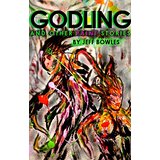
In my post last week, Today’s Authors Wear Many Hats, I talked a little about the roles authors play in the publishing process vary between traditional and independent publishing. It got me thinking about how much the publishing process has changed since the days when I sold my first poem in 1997, before computers, the internet, and the digital revolution hit the scene.
I remember back in 2010, when I first started doing the Southern Colorado Literature Examiner gig, independent publishing, (or self-publishing, was frowned upon, the general feeling being that if you could write, you’d be able to get a traditional publisher. Digital media was still fairly new, but it opened up opportunities that made it so virtually anyone could get a book published. But, self-published authors were generally thought to be author want-to-bes, lacking in the talent and ability, so they had to publish their own book.
Over time, opinion toward self-published authors has changed, but I think it has been a long, hard struggle for self-published authors. Amazon came along and said, “Pssst! Hey! Yeah you. You got a manuscript you want to get published? You can sign on with us and publish your book for free.” Suddenly, anyone could publish a book, and just about anyone did. There were those who just want to get their book out quick and not spend the time or money required to put out a quality piece of literature, who have further tarnished the name of independently-published authors. But there truly are some fine authors out there who have chosen to self-publish in spite of the stigma attached to independent publishing, who have proven that the quality of an independently published book can be every bit as good as those put out by traditional publishers.
It was only within the last five or six years that feelings toward self-publishing have shifted. While earning my M.F.A. I watched the opinions of my professors, who are all successfully published authors change over time, from warning against self-publishing to viewing it in a more acceptable light and actually presenting it as a viable option for today’s emerging authors.
With all this in mind, I’ve asked both authors and publishers to share their thoughts on both self-publishing and traditional publishing, for this, Pros and Cons of Self-Publishing vs. Traditional Publishing article series. I hope you’ll join me as I delve into this discussion with some representative players in the publishing game.
My first interview is with self-published author, Jeff Bowles, who has had numerous short stories published by in reputable publications such as Stupefying Stories Showcase, PodCastle,Nashville Review, The Threepenny Review, Pseudopod, and Spark: a Creative Anthology. He recently self-published his collection of short stories, Godling and Other Paint Stories on Amazon. Jeff was also one of my cohorts in the Creative Writing program at Western State,so he now has his M.F.A. with emphasis in genre fiction. He is a talented writer, with a self-proclaimed god complex, who has written some amazing stories.
Kaye: You’ve had quite a bit of short fiction published. Are there any publishing credits I didn’t mention in my introduction?
Jeff: My first short story appeared in an academic student arts journal called Riverrun, I also recently made a sale to Black Static also.
Kaye: When did you know you wanted to be an author?
Jeff: I knew when I met my wife. I was a musician before, though I’d always wanted to be an author of some sort since I could remember. We wanted to have a family someday so I just decided working from home as a writer would always be better than touring as a singer/songwriter. I began my professional writing career about eight years ago now, I guess. Never looked back, but believe me there have been times I’ve wanted to. The very first story I wrote was in the third grade and it was a nice little piece of Star Wars fan fiction, in which Uncle Owen comes back to life as a dark Jedi assassin with wolf fur. Luke was gonna be in trouble, man!
Kaye: As a rising author, are you in favor of traditional publishing, self-publishing or a combination of both?
Jeff: I think a combination of both is definitely the way to go, though traditional publishing will always be the best as far as I’m concerned. If you’ve got the resources and you can snag reviews and distribute advanced copies of your work to the right people, self-pubbing is a damn fine way to get seen. But as an industry, we’re predicated on the big sales to the big publishers. I’d recommend young writers do their best to place their material with the largest publishers they can, and then if all else fails, get your stuff out there via Amazon or Barnes & Noble or some other online service.
Kaye: What do you see as the pros and cons of independent publishing?
Jeff: The major pro is that it’s easy to do these days. Every sale you make comes to you and if you’re good at self promotion, you can make a major dent in your readership just by being out front and being you. The major con is that the traditional publishing industry will always have more resources to throw around for their big name authors, which means if you can get to that place, you’ll never want for an audience and you may not have to do too much legwork yourself.
Kaye: What do you see as the pros and cons of traditional publishing?
Jeff: As far as pros go, it’s the industry that can get you a spot in the NYT Bestsellers list, though the odds of that happening are always going to be slim. Cons of traditional publishing include the realization that as a new author, you’re going to be sidelined a bit in favor of writers who’ve been around the block a few times. You will still have to do most, if not all of your own promotional work, though distribution and rights management will most likely be on autopilot. Get yourself a good literary agent to negotiate your contracts and make sure you keep working your butt off after that first book hits the market. When it comes to short story sales, traditional publishing is definitely still the name of the game. If you can get your work published under the umbrella of a large publisher, you definitely should.
Kaye: How much non-writing work, (marketing & promotion, illustrations & book covers, etc…), did you have to do yourself to publish your book?
Jeff: There are a ton of resources these days for marketing and promoting a book. Amazon has it’s own internal advertising service which puts your work right in people’s faces over their Kindles, and Facebook and Google also allow for promotions which can be seen by thousands of eyes a day. I painted the cover of my book myself, and the interior design was mine as well. If you haven’t got any artistic ability you can hire craftspeople on the internet to help you put an amazing-looking book together. I was kind of lucky in that it hasn’t cost me much at all to produce Godling and Other Paint Stories, but if I had a bit more money, I know I could very easily be doing more. The sky’s the limit with this stuff. Your marketing potential will be matched by your time and resources.
Kaye: Would you recommend other authors publish independently? Why or why not?
Jeff: I would certainly recommend it. I think in a perfect world you’d want to be doing maybe 70% to 80% of your publishing via the traditional model, but I don’t know that I’d want to give up self-publishing entirely, just because it allows for so much flexibility. I’ve got material in my personal archive that’s never seen the light of day and I know for a fact much of it would be too risky for a traditional publisher. You can kind of stick your experiments and B-sides on Amazon at anytime. I love that about modern publishing. No matter what you do, you’ve got the ability to get your work seen, and that’s the ultimate high for a writer.
I want to thank Jeff Bowles for sharing his thoughts with us here on Writing to be Read, and I hope you will all drop by in the following weeks to hear from more authors, both independently and traditionally published, and publishers, too, to see how opinions vary on traditional vs. independent publishing models.
Like this post? Subscribe to Writing to be Read for e-mail notifications whenever new content is posted.
Share this:

Weekly Writing Memo: Networking
Posted: September 7, 2016 Filed under: Promotion, Screenwriting, Uncategorized, Weekly Writing Memo, Writing, Writing Tips | Tags: Fiction, promotion, Publishing, Screenwriting, Writing, writing advice, Writing Process 3 Comments Sorry I have been missing the last few weeks. As you might have seen on Author the World, I unexpectedly moved to Los Angeles and haven’t had a lot of time to do posts. This week’s post is all about networking. Networking is a major element of having a writing career, and it takes some practice to really learn the right and wrong ways to network.
The most important thing to remember when networking is that you shouldn’t be doing it to use people, and you shouldn’t be doing it to be selfish. Good networking is about being genuine. The best way to network is to approach each networking relationship you make with the attitude of how you can help each other, rather than focusing on how they can help you. The best kinds of networking relationships are mutually beneficial, and maintaining this kind of attitude helps these relationships stay healthy and fulfilling.
Building your Network
You can build your network literally anywhere, it’s all about meeting people and learning about them. If you know who people are, what they do, and what kinds of people they know, you can keep them in mind for later if something comes up they can help with. For writing, often times you can make networking connections in writing groups, classes, at conferences, or even in random places like coffee shops and hair salons. The important thing is to keep your eyes open for people you can help, and for people that may be able to help you. Remember, things need to go both ways, and sometimes the act of offering help to someone can lead to unexpected connections. Ultimately, all networking contacts break down into four different types that can each be beneficial in their own way.
The Introducer
The Introducer may not have any work for you, and may not be someone who is going to offer you advice, but they do know people you want to know and they will help you meet them. These kinds of contacts are always useful to maintain because they help broaden your network, and they can help introduce you to other parts of the writing world you may not be familiar with. One of the best way to meet new people is through a middle-man who can introduce you because it can cut out the awkward process of trying to force a meeting with a stranger. If you’re going to be the Introducer for someone else, remember to make sure you give each person’s name, and then try to share what they have in common or why you think they should talk so you can help jump start the conversation.
The Mentor
The mentor is someone who has been where you are and knows a lot about the business. They are the perfect sort of person who can offer you advice, and give you guidance that will make navigating the writing world easier. Maybe they won’t be able to get you a job, or introduce you to new people, but they will help you find answers to the random questions and issues you run into. Just make sure you don’t burden your mentor by asking too much of them, or wasting their time with easy questions that you could have found out anywhere. They may only have so much free time, so make sure to figure out how much help they are willing to give you and to stick within that range. If you are going to be a mentor, be clear up front what you are willing to do for the person you’re helping, but also try to remember what it was like when you were where they are.
The Helper
The Helper is someone who has an opportunity for you that could potentially help your career, whether it’s a job or an interview doesn’t matter, it’s someone that can put you in line for a job or a writing sale. These kinds of connections are incredibly valuable because they are what give your career a boost. The important thing to remember when meeting people who offer you these types of opportunities is to make the most of them, and to make sure you don’t misrepresent yourself to the person setting it up, because if you waste it or lie it could prevent the person from ever offering you another opportunity again.
The Teammate
In some ways, these are the most valuable networking connections you can make. The Teammate is someone who is going through the same stuff you are at the same time. They are someone you can bounce ideas off of, or trade writing with. They are on your side and you are mutually trying to help each other reach your goals. For writing, having people you can talk writing with is incredibly important, as is having people around who understand what you’re going through. If you are a teammate to someone, make sure the help isn’t going one way. If you find yourself asking too much and not doing anything in return, then try to find a balance.
Final Notes
Ultimately, networking is about broadening the connections you have in your industry, and maintaining those connections by trying to keep things mutually beneficial for all involved. Even if you can’t help someone the moment they help you, always try to keep them in mind and return the favor when you can. One of the most important elements of networking is that the people around you see that you are a part of the cycle of helping, and that you aren’t just a vacuum sucking up all the favors you can get without returning anything. People will quickly notice if you only ever seem to receive help, so the more you can be a part of the cycle the better.
Share this:

Acceptance or Rejection – Which do You Prefer?
Posted: June 27, 2016 Filed under: Commentary, Fiction, Opinion, Promotion, Publishing, Western, Writing | Tags: Acceptance, Creative Fiction, Fiction, Flash Fiction, I Had to Do It, Kaye Lynne Booth, Rejection, Western, Writing 1 Comment
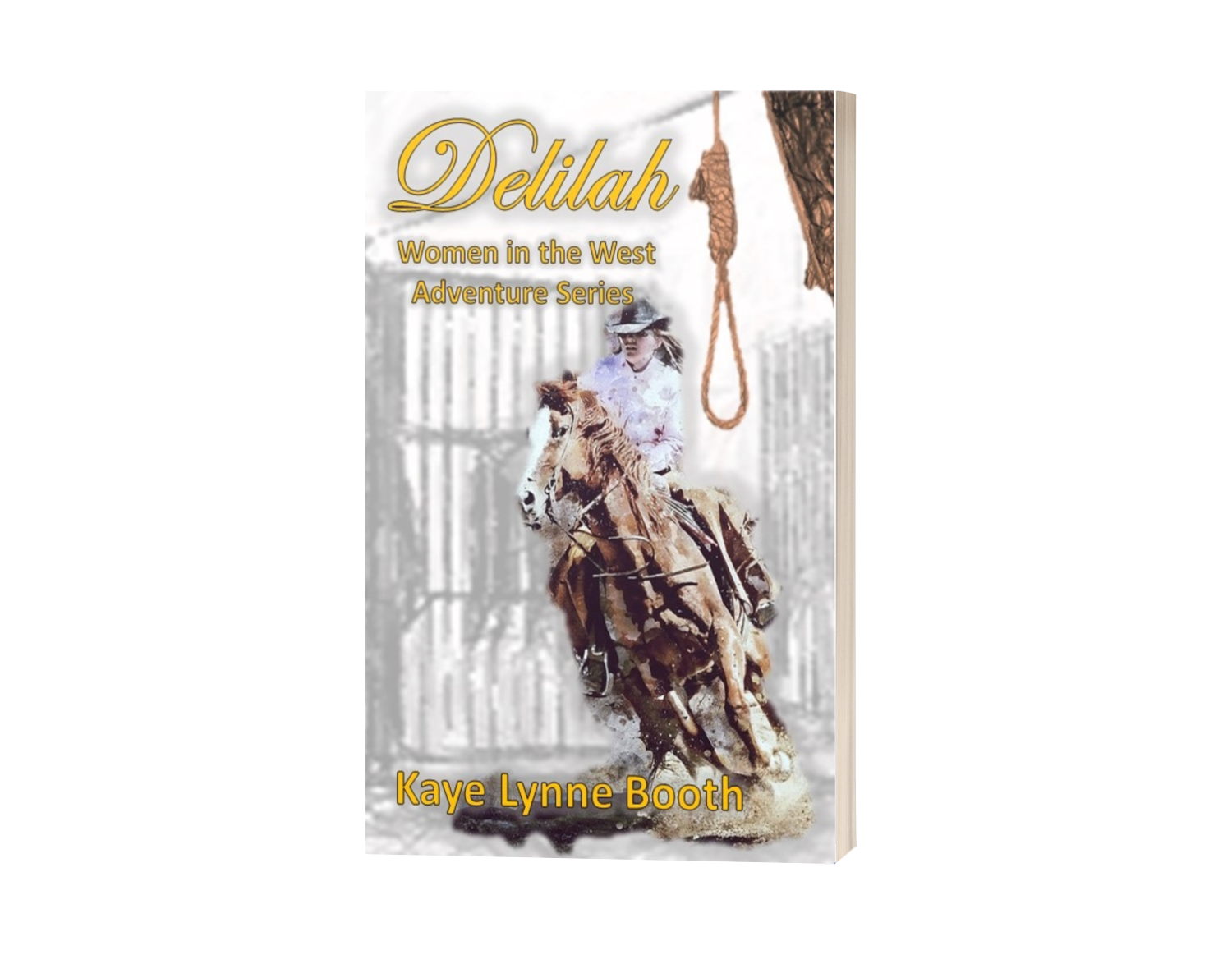
 Back in May, I wrote a post about dealing with the rejection by a publisher of Delilah. My response to the rejection was to submit my novel elsewhere and keep hoping it will get picked up. More recently, I did a post on hybrid publishers, as I explored the concept after I had a hybrid publisher request my full manuscript. Unfortunately, they passed on Delilah, too. It is out to yet another publisher now.
I could go into another post about rejections. Lord knows, I’ve gotten plenty. But I’ve always been one to see the glass half-full side, rather than half-empty, focusing on the positive side to everything, so I think I’d rather talk today about acceptances. I don’t think anyone will disagree when I say acceptances are much better than rejections. You don’t have to be a writer to figure that one out.
You don’t get them as often as rejections, but they’re a lot more satisfying. But there’s a reason I want to write a post on acceptances. If you follow me on Facebook, or Twitter, or Google+, you may have seen my very recent post announcing that my flash fiction western story, I Had to Do It, has been picked up by Zetetic: A Record of Unusual Inquiry.
It’s true this isn’t a big paying publication. I’m certainly not going to get rich from this one little 850 word story. Flash fiction never pays a lot. There’s simply not enough words to make the pennies add up to much, even with higher paying publications. But, I was still elated when I received the acceptance, because my story found a home and people will now read it, and because it is still one more publishing credit for me. I can’t explain the rushing feeling of excitement and pride that small note from the editors brought me. I think most of all, it was thrilling to know that someone else really liked my writing. It was a affirmation of my own belief that my writing really is pretty good.
That probably sounds silly to those who have not yet received an acceptance. (Never fear. It will come.) But we writers are an odd lot, and we are filled with fears and self-doubt. Filled with it. Most of the time we can keep these elements of our inner beings at bay by simply pecking away at the keyboard or filling up sheets of notebook paper, but every once in a while we let our guards down and that’s when they strike. The fear and self-doubt simmer in us, just down below the surface, until they see an opportunity, a weakness, and then they reach up and grab a handful of us and don’t let go.
I think just about every writer worries that the only person in the whole world that really thinks their writing is good is themselves. Friends and family don’t count because they may be saying they like it so as not to hurt your feelings. When you receive an acceptance, any acceptance, it tells you other people do like your writing, and motivates you to get busy writing more.
It’s a good feeling. One I think every writer needs to experience. It can’t happen unless you submit relentlessly and write, write, write. That’s my advice. Write your heart out and then submit like crazy, and never, ever give up. The notes that say, “yes”, make it worth surviving all the ones that said, “no”. So what are you waiting for? Get writing!
Like this post? Subscribe to Writing to be Read for e-mail notifications whenever new content is posted.
Share this:

How You Can Help to Build a Writer’s Platform
Posted: March 3, 2016 Filed under: Commentary, Promotion | Tags: Book Review, Children's Books, Creative Fiction, F, Fiction, promotion, Southern Colorado Literature Examiner, Western State College, Writing, Writing Process 1 Comment
Painting by Mitch Barrett, Poetry by Kaye Lynne Booth
Everything I’ve ever done in life, I’ve done my own way, usually depending on myself and no one else. One thing anyone who knows me can tell you is I’m persistent. When I set out to achieve something, I don’t stop until I do. It has been no different with writing. But I’m discovering that I need a little help with this endeavor.
I had an unpleasant experience with a student teacher in the English department as an undergrad, so just when I was beginning to learn that I liked writing and maybe English should be my major, I was soured on the whole idea by the feeling that the field was too subjective for me, and I chose to major in psychology instead.
But after I’d been out of college for a few years, I discovered not only that I had a love for the written word, but also that I had some talent for it. I started out writing poetry, which I’ve since learned, is not my strong suit, but even there, I don’t do too bad. I sold my first poem to Dusk & Dawn Magazine in 1996 for $5. Problem was, that didn’t even cover all the postage I had spent submitting, and I couldn’t afford to play the starving artist. I had a family to help support. There were others to consider. So, writing went onto a back burner, just simmering for about twelve years.
Then, I discovered the Internet and rediscovered my abilities for writing as new opportunities presented themselves. The rise of the Web actually changed the entire publishing industry over time, opening up all kinds of new opportunities for writers, including, but not limited to, self-publishing, marketing via social media, vanity presses, and content mills. As blogs and websites grew in number, more content was needed than ever before. Problem was, I’m technologically challenged. Slowly, over time, I have learned to use social media to my advantage a little, and I’ve learned to use many of the writing sites and content mills to make minimal amounts of money.
One of the coolest things happened in my writing endeavors didn’t involve any money at all. I had one of my poems featured in a painting by artist Mitch Barrett and displayed and sold at the Kaleidoscope Gallery in Battlesea Park, London. (There’s a lengthy story behind how this came about, which I may relate in a future blog post. Anyone who knows me is surely tired of hearing it.
As a freelancer, I became the Southern Colorado Literature Examiner for Examiner.com, which didn’t really pay, but offered opportunity to meet other writers, get free books for review and obtain credits for my portfolio. I also cranked out articles for other content mills which did pay, at least a little, which added to my skill set, diversifying my writing talents, and I was published in Freeman, which was a bit more profitable.
I thought I was quite fortunate when I was able to obtain a publisher for one of my children’s stories. After seven wasted years, it turned out I was not so fortunate, since my book still wasn’t published. But we learn from experience.
Still struggling to launch my writing career, I discovered the low residency MFA program for Creative Writing offered by Western State and I applied. Maybe I couldn’t do it on my own, but I would learn what I needed to know, one way or another. And I have learned a lot. I’ve learned about my own writing process. When I started at Western, I’d never even thought about it. I’m not even sure I was aware I had a process, but I did and still do. Now I’m just more aware of it. I learned how to craft my words to be pleasing to the ear. I learned how to read aloud in front of an audience, and I’ve learned that I do it well.
Last summer, I completed my emphasis in genre fiction and read from my thesis novel, Playground for the Gods: Book 1: The Great Primordial Battle. I’ve learned how to treat my writing as a business, at least in theory, although I’m still trying to get it off the ground. And I’ve learned how advances and royalties work, and that you have to sell a lot of books before you will ever receive royalties.
And I learned that screenwriting is where the big money is. When I took genre screenwriting for my out of concentration class, I also learned that it was fun, it came pretty easy to me and I was fairly good at it. So, instead of graduating, I stayed in school for another year to get a second emphasis in screenwriting. What I’m learning this year, is that there’s a lot of competition on screenwriting and it’s tough to get a break. You practically have to live in L.A. to get anywhere. Yet, I am determined to make all the money I now owe for my schooling pay off. I haven’t given up yet, and I don’t intend to now.
I’m currently shopping my thesis novel and two of my children’s stories, five short stories, and various poems. I’m also very close to finishing my western novel, Delilah. At Western, thanks to my instructor, Russell Davis drawing us out of our comfort zones, (and maintaining as much discomfort for us as possible), I discovered that I enjoy writing in the western genre, and although it is not one of the bestselling markets, I do it well. And I’m working hard, through this blog and social media, to build a writer’s platform and gain a following to make myself look more appealing to agents and publishers.
Here’s where you, my readers come in, because you can help. Without my readers, my writing just sits there on the page, not doing much of anything. You are my writer’s platform. You are my following.
Many people don’t realize that liking a link on Facebook, while cool, doesn’t really help the author grow their platform unless they actually read the post and subscribe by email. What does help, is if you’ll take the time to read the post here, on my Writing to be Read site, and subscribe to the blog. That’s what shows how large my reader following is, and it does my heart good to watch as it grows.
You can also like the post below it, with all the “share” buttons, but you must have a WordPress account. If you don’t have one, you can sign up for one, but then, of course, you will have a blog to maintain, so be sure you know what you’re getting into. I’m guessing that many people just like the link on Facebook to show their support, but they don’t actually click on the link and read the post. But, if you leave a comment, I’ll be able to tell that you read it, and if you subscribe, it will show you liked what you read. You’ll make my day.
If you’d like to show even more support, you can buy my short science fiction story, Last Call. If you like it, write a review on Amazon. And, you can follow me on Facebook, Twitter, LinkedIn, or Pintrest. Help an old writer get a break.
Your support is always appreciated. Thank you for being a reader of my work. After all, for me, it’s not really about money. It’s about Writing to be Read.
Share this:

Writing to be Read expands its horizons
Posted: September 20, 2012 Filed under: Book Review, Commentary, Promotion, Writing 2 Comments I have exciting news. Writing to be Read is now an official host for Full Moon Bites Blog Book Tours. (You’ll notice the new FMB fan button in the right hand column.) For now I will just be featuring review spots for FMB, but who knows what the future may hold. Full Moon Bites offers a full selection of touring spotlights, including guest posts, giveaways, author or character interviews and spotlights.
To begin, I have accepted three tours, so Writing to be Read fans can look forward to reviews of The Devouring: Kavachis Rise, by Mike Kearby, (September 29), Bone Wires, by Michael Shean, (October 5), Chasing the Trickster, by April Grey, (November 18). I think this new direction for Writing to be Read will be a good fit. What matters most is that my readers like it, so I hope you will all stop by on the tour dates and check it out. Please leave comments to let me know what you think of the FMB format on Writing to be Read.
Share this:

Author Tim Baker tells how to “kickstart” your writing project
Posted: April 15, 2012 Filed under: Promotion, Writing | Tags: fund raisers, independent publishing, Kickstarter, Pump It Up, Tim Baker, Writing 3 CommentsToday, I’d like to let my readers know about a new site, called Kickstarter, that may be very useful to struggling authors, who are looking for ways to fund their publishing costs for their books. So I’ve invited someone who knows about the site and its program to tell you all about it. My friend, author Tim Baker has agreed to do a guest blog for us and tell us about this interesting fund raising program. Many of you may remember Tim from the profile that I did on him earlier this year. He is an independent author who has written and published five wonderfully entertaining books, and is currently looking to fund his most recent one, Pump It Up, through the Kickstarter program. Please welcome Tim as he tells us more about it, and feel free to ask questions or leave comments.
 Kickstarter is a public web site where artists of all kinds can seek private funding for projects. It isn’t limited to writing. Funding has been secured for independent films, CDs, art projects, video game creation and, of course, novels and graphic novels. Just about anything “art” related can be funded. It is one of a number of sites which uses a relatively new concept called “crowd-funding”.
To start, the artist fills out a general information proposal on the site – giving the basic information of his project—what it is, why he needs funding, what he plans to do with the money, etc. The Kickstarter people review this proposal and decide if the project meets their guidelines. Assuming it does, the artist then writes a full blown project outline describing in detail what he/she wants to do. The inclusion of a video is recommended and pictures also help. The artist should also explain to potential supporters why he needs this money, what it will be used for and any other pertinent information. Then the artist must create “rewards” which serve as incentive to entice backers.
Since one of the rules of Kickstarter is that there can be no monetary payback or financial rewards (you can’t promise people a share in your profits or a percentage of sales) it is common to offer unique rewards. In my case I offered a variety of e-book packages, hard copy packages, etc.
A time frame is set by the artist as to how long he/she will leave the project active. Kickstarter recommends 30 days but you can go as long as 90 if you like.
Once the project is posted, it is then the responsibility of the artist to spread the word and solicit backers. This is where the artist must rely on the potential viral power of the internet.
There are a couple of limitations on the types of projects for which one can seek funding. No pornographic material, no “hate” material and no “fund my life while I create” projects.
The only true “rub” in the whole thing is this: Kickstarter is an “all-or-nothing” deal.
If you seek $1000 to fund a project and you select a 30 day time frame… if you do not raise the $1000 by the end of the 30 days, you get nothing – and the people who have pledged support pay nothing.
This seems unfair at first…people instinctually ask “why can’t I keep the money I raise?”
This is done to protect the backers.
If you claim that you will need $1000 and you only secure $750 – it is conceivable that you may not be able to “complete” your project as described. This would mean people donated money to an incomplete project. It would also mean your rewards may never happen.
All In all – Kickstarter is a great idea and really takes supporting independent artists to the next level.
For more information you can read the guidelines on the site and feel free to view (and share) my project to see a typical listing. http://www.kickstarter.com/projects/blindogg/pump-it-up-a-novel-by-tim-baker .
Thank you, Tim for all the great information on Kickstarter. One question that I had, was what if you raise more money for your project than the goal that you have set. Tim’s answer was that the artist gets to keep any money that they raise, as long as the initial goal is met. It sounds like a great way to help fund writing projects, although other types of artists may find it useful, as well. I hope all my readers will click on the link above and check out Tim’s page for his project, and don’t forget to make a pledge to help Tim meet his goal. Pump It Up is a great book, well worth your contributions. You can read my review of Pump It Up here:
https://kayelynnebooth.wordpress.com/2012/03/10/get-wrapped-up-in-tim-bakers-pump-it-up/










Today’s Authors Wear Many Hats
Posted: October 3, 2016 | Author: kayelynnebooth | Filed under: Books, Commentary, Opinion, Promotion, Publishing, Writing | Tags: Books, Opinion, promotion, Writing | 5 CommentsIn days gone by, authors needed only to wear a “Writer’s Hat”, their agent taking care of finding a publisher for their work, the publisher taking care of the actual publication and all of the marketing and promotion. But, today’s author has seen the rise of Amazon and digital publishing, and a surge in the self-publishing industry as a whole. The surge in the self-publishing industry brought about many changes, including what an author’s role is in the publication process. The rise of Amazon and digital publishing changed the way readers consumed the written word and the ways in which a writer’s works reach the general public, and boosted their book’s potential readership to a global scale.
With traditional publishing, an author writes a novel or has an idea for a book, in the case of non-fiction, so they query publishers to if they can find one who is interested in their work. When they finally receive a letter expressing a publisher’s interest in their work, amid all the letters of rejection, they send their complete manuscript o the publisher, or in the case of non-fiction, they finish writing their book and then send it. Then they wait some more while other read and ponder their work, and then pass judgement on it. If they are accepted they may receive an advance, but some publishers only offer royalties. My M.F.A. professor, Russel Davis advised, “Get as big an advance as you possibly can because chances are you’ll never see any royalties.” He advised this because he knows the advance is just that, and it must be paid back before any royalties can be owed you, so that advance may be all you ever get for your book, unless of course it goes viral and hits all the best seller lists. (Hey, stranger things have happened.)
The rise of digital publishing offered more publishing choices than ever before. Now an author can publish their book digitally or in print, or both. The rise of Amazon, with their 70% royalty for authors made it possible for authors to publish their work with very little out of packet expense, and Amazon’s market spans the globe, offering a much broader potential readership than would have been possible before. Amazon does offer any advance, in exchange for a higher percentage of royalties, so you still have to sell a lot of books to make any real money, although small amounts will trickle in from time to time.
Other changes Amazon and digital publishing brought about may not have been quite so positive. Amazon doesn’t charge the author up front to publish a book, so anyone can afford to publish with Amazon, and anyone did. There was a rise in the number of authors who chose to self-publish, but many of them weren’t any good, or were just too lazy to have their book edited and revise it before publication. The result was a lot of poor quality books out there, giving self-published authors a bad reputation in “reader world”. And that’s where it counts. Although many good authors self-publish high quality books, you know the old cliché, all it takes is one bad author the reputation of the whole bunch.
So, which way is better, independent or traditional publishing? I still don’t know, but be on the lookout for a series of articles that look at the pros and cons of each, “Traditional vs. Independent Publishing”, which will delve into this question further. I suspect it will depend on what your individual needs are, and what you’re expectations from publication are. I plan to interview authors and publishers to find out the answers. To be sure you don’t miss them, subscribe by email in the upper right hand corner, and you’ll receive notification every time there is a new post.
For now, it looks like either way an author chooses to go, he or she had better purchase a hat rack, because it doesn’t like we’ll be hanging any of them up for good any time soon. On top of writing, authors today must also know how to market and promote our work, build an author platform, create book trailers, and those of us who are gifted with artistic talent even illustrate their own books and design their own book covers. For now, it looks like that’s what we have to do to publish our books successfully.
Like this post? Subscribe to Writing to be Read for e-mail notifications whenever new content is posted.
Share this: