Review in Practice: That Th!nk You Do
Posted: May 15, 2023 Filed under: Book Review, Books, Nonfiction, Review, Review in Practice | Tags: Human Brain, Joseph Carrabis, Nonfiction, Review in Practice, That Th!nk You Do, The Human Condition, Writing to be Read 8 Comments
If you ever wonder about how to think like an expert, the difference between your inner critic and the actor within, your ability to be heard, the value of being a musician, how to protect yourself from liars or how to overcome fears, you will find answers in this book.
Through each chapter there is a magic wand taking you into an area of life that you may have experienced yourself or it will be something new to consider. There is synthesis between the known and unknown, the seen and unseen, the mental and the physical, the desires of the heart and the aspirations of the spirit; and the overall theme of we are all just trying to make it from one day to the next with joy, peace, and happiness.
Joseph gives his own insights throughout the pages of what he believes are the backbone of our life experiences – both the great and the not so great. He leaves it up to the reader to discern what is true for them. You will find yourself wanting to explore more of each of his analysis of life’s nuggets, many of which we create ourselves through questions, desires for specific outcomes and the need to be heard.
Purchase Link: https://www.amazon.com/That-Th-You-Do-Healthy/dp/0984140379/
It happened that I read this innovative book at just the time in my life when I really needed it. My job of eight years had just come to an abrupt end, and I was trying to figure out how I was going to carry on and where I would go from here. It felt as if my life was over, as if I were balancing precariously on a ledge, on the verge of toppling over, with no where to go but down. Okay. I know that seems a bit melodramatic, but that’s what it felt like.
That Th!nk You Do, by Joseph Carribis takes a look at human thought processes, explanations for why we do what we do, and techniques for dealing with life’s challenges. I have to admit that this book offered several ‘Aha!’ moments for me. Carribis offers unique insight into human behavior, and compassionate advice for handling the curve balls life throws at you. He is not a professional health expert, but an intelligent guy with some good ideas, which may or may not work for you, but probably worth a try.
This book showed me new ways to chase away self-doubt, overcome fear and worry about what the future holds, and set some goals for myself to work towards. Of course, I’ve been working toward taking my writing business full time as means of making my living for many years, but facing the fact that now I was at a point where I needed to make it all work was really scary. If I couldn’t, I didn’t know what I would. If I didn’t find a way to pay my bills and fast, I knew I would topple from that ledge and it would be all down hill from there.
Everybody has those times when they let self-doubt creep in, or allow their own fears to bring about inaction. It happens to all of us. That Th!nk You Do holds some insightful solutions which just might help. If nothin g else, it made me look at the situation a bit differently. Joseph Carribis may not be a professional, but he offers some great insights and suggestions that can benefit us all.
______________________________________________________________

For Kaye Lynne Booth, writing is a passion. Kaye Lynne is an author with published short fiction and poetry, both online and in print, including her short story collection, Last Call and Other Short Fiction; and her paranormal mystery novella, Hidden Secrets. Kaye holds a dual M.F.A. degree in Creative Writing with emphasis in genre fiction and screenwriting, and an M.A. in publishing. Kaye Lynne is the founder of WordCrafter Quality Writing & Author Services and WordCrafter Press. She also maintains an authors’ blog and website, Writing to be Read, where she publishes content of interest in the literary world.
______________________________________________________________________
Want exclusive content? Join Kaye Lynne Booth & WordCrafter Press Readers’ Group for WordCrafter Press book & event news, including the awesome releases of author Kaye Lynne Booth. She won’t flood your inbox, she NEVER sells her list, and you might get a freebie occasionally. Get a free digital copy of her short story collection, Last Call and Other Short Fiction, just for joining.
Share this:

A Mother’s Day Story
Posted: May 13, 2023 Filed under: Audio Stories, Book Promotion, Book Sales, Books, Fiction, Promotion, Short Fiction, Stories, Western, Women's Fiction, WordCrafter Press | Tags: Audio Stories, Delilah, I Had to Do It, Kaye Lynne Booth, Mother's Day Sale, Western, Women in the West, Women's Fiction, WordCrafter Press 3 Comments
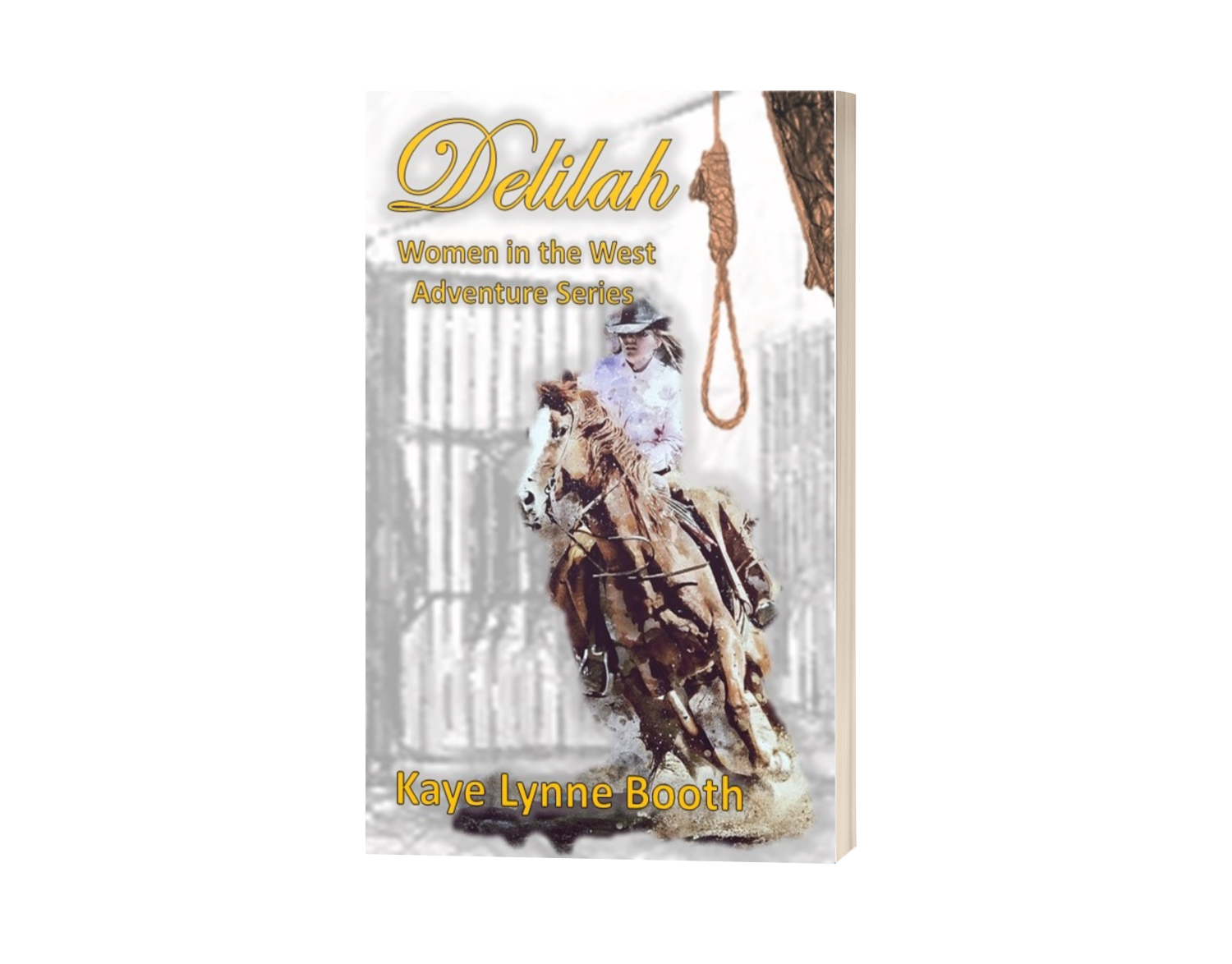
Purchase Link: https://books2read.com/DelilahWIW
The Mother’s Day Sale for Delilah ends tomorrow! So get your copy at a discounted price while you can. Strong female protagonists are great gifts for mothers, daughters, sisters or even as a pamper yourself gift for Mother’s Day.
I wanted to remind you all about the WordCrafter Press Mother’s Day Sale before it ends, of course. But I also wanted to share a story about an attempt to do what’s right gone terribly wrong, in my western flash fiction story, “I Had To Do It”.
“What does that have to with Mother’s Day?” you ask. Well, listen to the story and you’ll see. I’m pretty sure there’s a mom in ther somewhere. Enjoy.
Share this:

Book Review – Rayna: Dragon Slayer
Posted: May 12, 2023 Filed under: Book Review, Books, Dark Fantasy, Fantasy, Fiction, Hifgh Fantasy, High Fantasy, Review | Tags: Book Review, Cynthia Vespia, Dragon slayers, High Fantasy, Kaye Lynne Booth, Rayna, Writing to be Read 10 Comments
About the Book

She was a warrior forged from flame, a slayer of mighty dragons, until one final quest changed everything
Rayna had been hunting dragons since the day one burned her family to ash. Her skills, enhanced by a massive broadsword, made her a legendary dragonslayer. Marred by a mysterious stigmata labeled “the dragon’s curse” she was both revered and feared as she hunted down the dragons across Atharia.
Rayna thought she’d slain them all. But when the royal house sought the slayer they told her of another. One more dragon plagued the land…the very same beast which burned Rayna’s home years before. Fueled by vengeance Rayna takes up the quest to fulfill her life’s purpose and purge the beasts from the world. But as she gets closer to the kill, Rayna learns a bitter truth that will drastically alter her path and turn the hunter into the hunted.
Painful, pivotal memories surface as Rayna races to find the culprit behind the mayhem, recover a lost child, and get to the real target to set things right.
Rayna the Dragonslayer is the first in an exciting dragon fantasy adventure series A Time of Dragons. It’s a symphony of sword & sorcery, high fantasy, and a heroic quest that is like The Mandalorian merging with Game of Thrones.
Purchase Link: https://www.amazon.com/Rayna-Dragonslayer-Time-Dragons-Book-ebook/dp/B0BRWZY8KY
My Review
A tough female protagonist is what drew me to pick up Rayna, by Cynthia Vespia. (Plus, it has a kick butt cover.) I’ve talked a bit about making strong female protagonists believable and relatable, and Ms. Vespia did not disappoint. Rayna is strong, agile and tough enough to slay dragons, which I hear can be rather tricky. She is portrayed as being physically and mentally strong, yet still emotionally vulnerable, which makes her relatable for just about everyone. Though tough and hard, Rayna also reveals a side that is very human, one perhaps even she didn’t know was there. Rayna is one heroine who I look forward to reading more about.
Dragon slaying in a land of castles and Kings, with lots of sword play and a bit of magic thrown in makes this tale a must for high fantasy lovers. I give Rayna five quills.

____________________________________________________________
Kaye Lynne Booth does honest book reviews on Writing to be Read in exchange for ARCs. Have a book you’d like reviewed? You can request a review here.
Share this:

Growing Bookworms – The benefits of cooking and baking with children
Posted: May 10, 2023 Filed under: Children's Books, Growing Bookworms, Literacy, Parenting, Teaching children | Tags: Baking, Children, cooking, Growing Bookworms, Robbie Cheadle, Teaching Life Skills, Writing to be Read 54 Comments
I wrote this post six years ago when I hadn’t been blogging for very long and didn’t have many followers. During my recent attendance at the South African Festival of Children’s Literature where I was asked to speak about cake and fondant art and its benefits to children, I thought again about all these benefits and decided to share it again for Growing Bookworms.
Most children love to spend time in the kitchen either cooking or baking. It is a fabulous bonding experience with Mom or another caregiver and they always enjoying eating the results of their hard work afterwards.
I love to bake and both my sons have travelled the cooking, baking and eating road with me. Michael, particularly, loves to cook. He prefers to make more practical things than I do such as savoury and/or sweet pancakes, French toast and even stews and curries which he sometimes makes with his Dad. I like to cook but I also enjoy making all sorts of fancy sweet treats and cakes.
I remember baking with my small boys. Gregory used to love to measure and pour the ingredients into the bowl. Funnily enough, Greg also loved to wash up. Sadly, this did not continued into his teenage years. I used to strip him down to his nappy and stand him on a few chairs lined up in front of the sink [so that he could not fall off] and set him free in front of a sink of soapy water. He used to splash around happy with a cloth washing up the bowl and wooden spoon. I kept the washing of any sharp implements and breakables for myself.
Michael, on the other hand, has never been a fan of any kind of cleaning up. He likes to measure, pour and, especially, to mix. He also likes to “lick” out the bowl. I have photographs of Michael covered from head to toe in chocolate cake mix with the bowl upside down on his head. What fabulous fun.
Other than the obvious fun and bonding factors, there are a list of other great benefits to baking with your children. I did some research on this and this is what I found:
- Maths skills: Baking helps children to learn maths concepts, in particular, measurement and simple fractions (half a cup, a quarter of a lemon). In addition, multiplication and division are involved if you half or double a recipe. Other kinds of cooking may also involve patterning (for example with salads and kebabs) and simple addition (how many people are you feeding? how many cupcakes do you need for the class?);
- Art skills: Decorating cupcakes, cutting out biscuits and making animals and people out of fondant (sugar dough). All of these activities encourage creativity and develop design abilities. An element of construction can also be involved if you are making a gingerbread house or a marshmallow tower and children learn how to fit pieces together and get a tower to stand up;

Cupcakes decorated for charity by the children of St Columba’s Presbyterian Church Sunday School – Parkview, South Africa
- Comprehension skills: Baking and cooking teaches children how to read and interpret a recipe. They learn to follow a sequence of steps and how to organise the required ingredients. Baking also teaches children techniques and vocabulary such as folding, beating, kneading and blending;
- Science skills: Contrary to popular belief, baking is a science. Children learn the scientific effects of raising agents such as yeast and baking powder. They learn about the interaction between certain substances such as salt and bicarbonate of soda, cream of tartar and milk, yeast and warm water. If they make a mistake and/or leave out an ingredient, disaster often follows which helps enforce these learning points;


Picture credit: Photographs by Robbie Cheadle. Cream of tartar, Bicarb and milk mixed together create a good raising agent for biscuits. It also froths and bubbles and makes a perfect fuel for a biscuit rocket ship to the moon.
- Life skills: Baking and cooking with your children teaches them lifelong skills. In the future, the job of feeding themselves and their future families will become theirs. Baking and cooking skills will stand them in good stead when they leave home; and
- Self-esteem: Baking and cooking helps increase children’s self-esteem as they see and taste the results of their efforts. It also teaches children to work together with someone else in a team and that hard work pays dividends in the end.
I am not an occupational therapist but I found the following additional benefits listed on an OT website for children:
- Bilateral coordination;
- Eye-hand coordination;
- Hand strengthening; and
- Spatial perception and planning skills.
These four benefits make perfect sense to me in the context of baking and cooking with children.
So, what are you waiting for, get cooking. An easy way to start is with mini pizzas. You can buy the bases ready made from most grocery stores and you can also buy the tomato paste source to spread on the bases. Grate some cheese, cut up some mushrooms, pineapple, ham and anything else that you fancy and let the kids have fun assembling their own pizzas.
About Robbie Cheadle
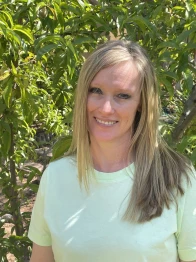
Award-winning, bestselling author, Robbie Cheadle, has published thirteen children’s book and three poetry books. Her work has also appeared in poetry and short story anthologies.
Robbie also has two novels published under the name of Roberta Eaton Cheadle and has horror, paranormal, and fantasy short stories featured in several anthologies under this name.
The ten Sir Chocolate children’s picture books, co-authored by Robbie and Michael Cheadle, are written in sweet, short rhymes which are easy for young children to follow and are illustrated with pictures of delicious cakes and cake decorations. Each book also includes simple recipes or biscuit art directions which children can make under adult supervision.
Robbie’s blog includes recipes, fondant and cake artwork, poetry, and book reviews. https://robbiesinspiration.wordpress.com/
Share this:

WordCrafter Mother’s Day Sale: Delilah
Posted: May 8, 2023 Filed under: Adventure, Book Promotion, Book Sales, Books, Fiction, Historical Fiction, Historical Inspiration, Western, Women's Fiction, WordCrafter Press 7 CommentsPurchase Link: https://books2read.com/DelilahWIW
Moms love strong female protagonists
Delilah is a woman haunted by her past.
Her homecoming from prison quickly turns into a quest for vengeance when she is brutally raped and left for dead, and her fourteen-year-old ward is abducted. Sheer will and determination take this tough and gritty heroine up against wild beasts of the forest, Indians and outlaws to Leadville, Colorado.
Can the colorful inhabitants of the Colorado mining town work their way into Delilah’s heart, offering a chance for a future she thought she’d lost along with her innocence?
If you like strong and capable female protagonists, you’ll love
Learn more about Deliah and the Women in the West Adventure Series here: https://writingtoberead.com/wordcrafter-quality-writing-author-services/wordcrafter-press/women-in-the-west-adventure-series/
Share this:

Book Review: Silver Spells
Posted: May 5, 2023 Filed under: Audio Books, Audiobook Review, Book Review, Books, Fantasy, Fiction, Paranormal, Review, Speculative Fiction, Women's Fiction | Tags: Audio Books, Book Review, Kate Moseman, Paranormal Women's Fiction, Silver Spells, Writing to be Read, Xe Sands Leave a commentAbout the Book
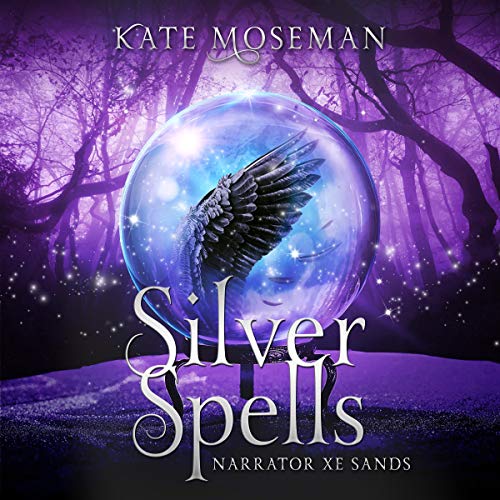
A paranormal women’s fiction (PWF) that’ll have you walking on air!
Luella Campbell is having the weirdest day ever. Getting fired from her job at the sunscreen factory for no good reason is bad enough, but when a mysterious dog brings a tempest into her former workplace, Luella’s life is completely upended by the sudden gift of wild and windy magical powers.
With the help of her ride-or-die best friends, her motorcycle-riding mother, and a romantic blast from the past, Luella must find a way to make ends meet while unlocking the mysteries of her newfound magic…and the secrets hidden in the picturesque town of Sparkle Beach.
Sometimes, an empty nest means it’s your turn to fly.
Purchase Links:
Amazon/Audible: https://www.amazon.com/Silver-Spells-Paranormal-Fiction-Elementals/dp/B08YZ7339C
Chirp: https://www.chirpbooks.com/audiobooks/silver-spells-by-kate-moseman
My Review
I listened to the audio book, Silver Spells, by Kate Moseman and narrated by Xe Sands. The soft, pleasant lilt of Sands’ voice made this story easy listening, and the characters weren’t too varied, but remained distinguishable. Moseman’s tale is well crafted. Although some events may seem to occur a bit too conviently, in the end, everything falls into place nicely.
After many years of loyal service to Sun Tan Queen, Luella Campbell is fired with no reason, she dumps her boyfriend, and her life is changing in some really big ways. Among the normal changes, like a new place to live, new friends and a new boyfriend are some a little less normal, like flying dogs which are invisible to all but a select few, the acquisition of a new pair of wings, and friends who develop mysterious powers… Her world has been turned upside down. Why these things are happening, she doesn’t know, but she’s determined to get to the bottom of it.
A fun and entertaining read. I give Silver Spells five quills.
______________________
Kaye Lynne Booth does honest book reviews on Writing to be Read in exchange for ARCs. Have a book you’d like reviewed? You can request a review here.
Share this:

WordCrafter Press’ Spring Writer’s Sale
Posted: May 3, 2023 Filed under: Ask the Authors, Book Covers, book marketing, Book Promotion, Book Sales, Books, Cover Art, essays, Indie Publishing, Interview, Nonfiction, Promotion, Publishing, Self-Publishing, Writing, Writing Life, Writing Process, Writing Reference, Writing Tips | Tags: Anthology, Ask the Authors 2022, Bobby Nash, Chris Barili, Jeff Bowles, Kaye Lynne Booth, Kevin Killiany, L. Jaagi Lamplighter, Mario Acevedo, Mark Leslie Lebefvre, Nancy Oswald, Paul Kane, Roberta Eaton Cheadle, Spring Writer's Sale, WordCrafter Press, Writing Reference 2 Comments
Purchase Link: https://books2read.com/u/3LnK8e
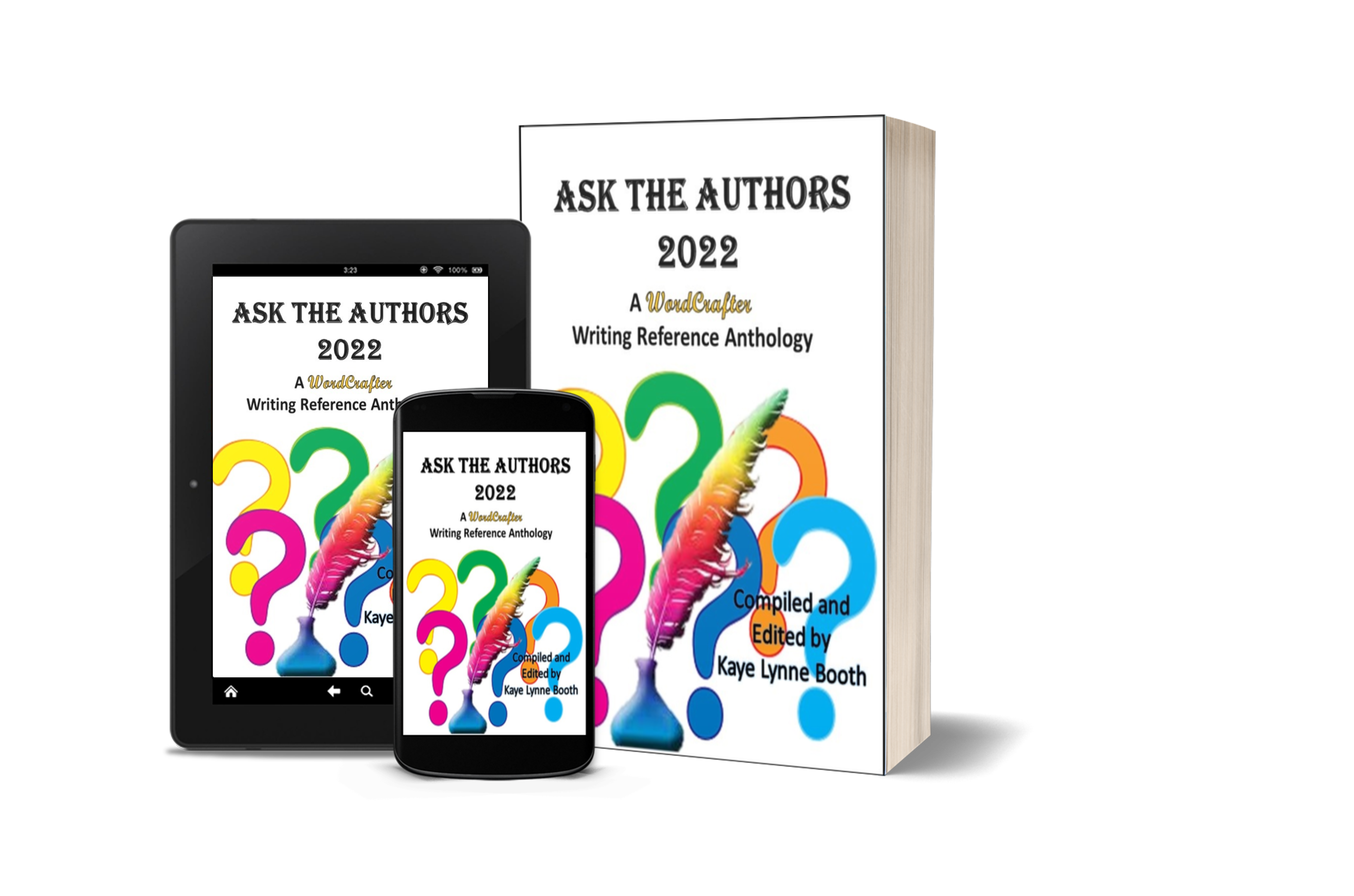
Eleven authors share writing tips and advice on writing, publishing and marketing.
Visit the Ask the Authors 2022 page here to learn more about this ultimate writing reference anthology.
Share this:

Book Review: Slings & Arrows and Gone
Posted: April 28, 2023 Filed under: Books, Fantasy, Fiction, Memoir, Memoir, Nonfiction, Review | Tags: Book Review, Fantasy, Gone, Julie Elizabeth Powell, Memoir, Slings & Arrows, Writing to be Read Leave a commentAbout Slings & Arrows
Nobody expects to lose a child but when it happens what can we do? In the sea of grief that seizes the soul how can we swim against the tide? But when that loss is compounded in each minute of every day, what do we do then?
Slings and Arrows is a story about the consequences of a moment, a moment, which separates a mother and daughter in ways impossible to imagine.
It charts their parallel lives, each suffering, one knowing, one not.
It is brutally honest; an account filled with bewilderment, guilt, anger and pain yet it also holds the key to hope. That whatever happens, the bonds of love can never be broken.
My Review: Slings & Arrows
Having lost a child of my own, it is not surprising that Slings & Arrows, by Julie Elizabeth Powell drew my interest. I have to say that I was not disappointed. The details of the loss of my son are very different from Ms. Powell’s loss of her daughter, but she offers up her story in a straight forward manner, with a brutal honesty which couldn’t help but touch my heart. Tears filled my eyes as I read Powell’s words time and again, as she is torn by conflicting emotions as she awaited her daughter’s body following a spirit which it appeared had departed.
Slings & Arrows is a brutally honest depiction of the stress, confusion, loss and grief which comes with watching a loved one slowly waste away long after their ‘life’ has ended. Kudos to Powell for baring her soul so openly in this tale of a loss that lingered on for years, consuming everything she has to give, and taking all that she has left. A tragic tale which hits close to home for me. I give Slings & Arrows five quills.
About Gone
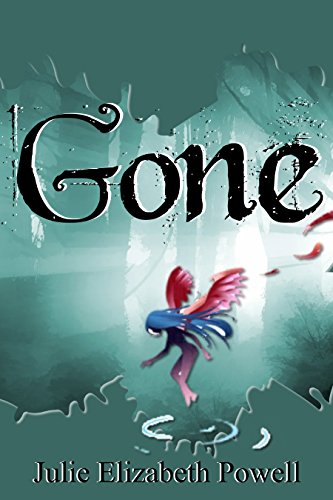
Is Charley crazy, delusional or dead?
Follow her amazing, emotional journey and emerge into the battle with her nemesis – herself.
This inspirational fantasy will take you into realms otherwise unknown, turning your world upside down while you’ll be wondering what is real and what is not. It’s an adventure, a mystery and an imaginative fairytale for adults.
Gone was a story motivated by a true event.
Purchase Link: https://www.amazon.com/Gone-Julie-Elizabeth-Powell-ebook/dp/B005MAAE0Y
My Review: Gone
Gone, by Julie Elizabeth Powell, is a journey searching for answers to the unanswerable question of where we go when we are gone from here. Powell offers one possible scenario in a crazy world where her character, Charley, meets Jenny, the daughter that she lost and hopes she has the answers Charley has been looking for. To learn whether or not Jenny has those answers, you’ll have to tag along and visit this sometimes confusing, often surprising place and find out for yourself.
Having read Powell’s first book, Slings & Arrows, which is a heart-wrenching memoir where she bares her sole over the loss of her daughter and the time leading up to her death, when she was alive and suffering, it is difficult not to relate to the experiences in this fictional tale, as a way to find answers for Powell herself. Where we go when we’re gone from here is an age-old question, one we will all have to face, but Powell goes beyind that, in trying to answer “Why?” I hope Powell found at least some of the answers she was looking for in the writing. I think the answers are different for everyone, but it was fun to take the journey. I give Gone four quills.

___________________________________________________________
Kaye Lynne Booth does honest book reviews on Writing to be Read in exchange for ARCs. Have a book you’d like reviewed? You can request a review here.
Share this:

Dark Origins – The creepy true story behind Alice in Wonderland #DarkOrigins #AliceinWonderland
Posted: April 26, 2023 Filed under: Books, Children's Books, Classics, Dark Origins, Fantasy, Fiction | Tags: Alice in Wonderland, Children's Books, Classic Children's Literature, Dark Origins, Lewis Carroll, Robbie Cheadle, Writing to be Read 76 Comments
Alice in Wonderland is one of my favourite childhood books. I love it so much, I have seven different copies, one of which is vintage.
The book, Alice in Wonderland, starts with a young girl, Alice, sitting on a bank and watching her sister read a boring book with no pictures or conversations. Seeing a white rabbit passing by, she follows it down a rabbit hole. The rabbit walks and talks and has a pocket watch. Alice falls down and down the rabbit hole, all the while having an interesting conversation with herself, and ends up in a large entrance hall. There is a small door beyond which is a beautiful world, but Alice is to big to pass through it. She experiments with eating and drinking various items until she is finally small enough to gain entry to Wonderland.
Wonderland is a strange and mysterious world filled with unusual creatures and people. It is summed up by this quote: “If I had a world of my own, everything would be nonsense. Nothing would be what it is, because everything would be what it isn’t. And contrary wise, what is, it wouldn’t be. And what it wouldn’t be, it would.”
You can obtain a free copy of Alice in Wonderland from Gutenberg here: https://www.gutenberg.org/ebooks/11

About the author
Lewis Carroll was a pseudonym for Charles Lutwidge Dodgson, who was born in England in 1832. At the age of 18, Dodgson left home to attend Oxford University, where he studied and worked for the next 20 years. He was a student and then a professor and a mathematician.
Dodgson created the Lewis Carroll pseudonym while he was at Oxford, in order to write children’s books that would not be connected to his academic career. He was well known for developing close friendships with children but very few relationships with adults. He befriended the children of his colleagues and acquaintances and spent a lot of time with them, even writing them letters.
“Extra thanks and kisses for the lock of hair,” he wrote to a 10-year-old girl. “I have kissed it several times — for want of having you to kiss, you know, even hair is better than nothing.”
When Henry George Liddell became the Dean of Christ Church at Oxford, Dodgson became friends with his three young daughters: Lorina, Edith and Alice.
The story, Alice in Wonderland, came into existence in 1862 when Dodgson and a colleague took the three girls out on a picnic and rowing trip along the Thames. In order to keep the trio entertained, Dodgson started telling the story that would become Alice in Wonderland which was published in 1865.

Dodgson was also a keen photographer and it is known that he took photos of nude and semi-nude children – including a full-frontal nude shot of Alice’s sister Lorina.
Dodgson wrote:
“I confess I do not admire naked boys in pictures. They always seem to me to need clothes: whereas one hardly sees why the lovely forms of girls should ever be coverd [sic] up!”
In 1863, Dodgson’s friendship with the Liddell family came to a sudden end and he never again spent time alone with their daughters.
There’s no record of why Dodgson’s relationship with the family ended, but there is a theory that he proposed marriage to Alice. This wasn’t that unusual in the mid 1800s as the age of consent was 12 years old and some men did marry young girls.
Before even examining the deeper meaning and themes of Alice in Wonderland, its author and the creation of this story are cast in rather a creepy light.
Deeper meaning and themes of Alice in Wonderland
The Tragic and Inevitable Loss of Childhood Innocence
The theme of growing up is central to Alice in Wonderland. The author is credited with enjoying the innocence with which children approach the world. The multitude of physically changes Alice goes through in Wonderland are believed to be symbolic of puberty and the many changes that take place during that period of a person’s life.
Alice finds these changes disturbing and traumatic and she struggles to find a comfortable size, reverting eventually to her original size.
Relevant quotes:
“I wonder if I’ve been changed in the night. Let me think. Was I the same when I got up this morning? I almost think I can remember feeling a little different. But if I’m not the same, the next question is ‘Who in the world am I?’ Ah, that’s the great puzzle!”
“It was much pleasanter at home,” thought poor Alice, “when one wasn’t always growing larger and smaller, and being ordered about by mice and rabbits. I almost wish I hadn’t gone down the rabbit-hole–and yet–and yet–…”
“I knew who I was this morning, but I’ve changed a few times since then.”
Alice is also confused about who she is and her role in the world around her, namely, Wonderland.
“It’ll be no use their putting their heads down and saying “Come up again, dear!” I shall only look up and say “Who am I then? Tell me that first, and then, if I like being that person, I’ll come up: if not, I’ll stay down here till I’m somebody else”–but, oh dear!’ cried Alice, with a sudden burst of tears, ‘I do wish they WOULD put their heads down! I am so VERY tired of being all alone here!”
Life as a Meaningless Puzzle
As Alice travels through Wonderland, she encounters a series of situations and circumstances which she cannot make sense of and which have no clear solutions. This is symbolism for how life throws frustrating curveballs and problems that cannot be solved or unraveled in the expected way. Often, lateral thinking is required to circumvent issues and, sometimes, problems have no solution in life.
Relevant quotes:
“One day Alice came to a fork in the road and saw a Cheshire cat in a tree. ‘Which road do I take?’ she asked. ‘Where do you want to go?’ was his response. ‘I don’t know,’ Alice answered. ‘Then,’ said the cat, ‘it doesn’t matter.”
“Mad Hatter: Would you like a little more tea?
Alice: Well, I haven’t had any yet, so I can’t very well take more.
March Hare: Ah, you mean you can’t very well take less.
Mad Hatter: Yes. You can always take more than nothing.”
“The March Hare took the watch and looked at it gloomily: then he dipped it into his cup of tea, and looked at it again: but he could think of nothing better to say than his first remark, ‘It was the best butter, you know.’ Alice had been looking over his shoulder with some curiosity. ‘What a funny watch!’ she remarked. ‘It tells the day of the month, and doesn’t tell what o’clock it is!’ ‘Why should it?’ muttered the Hatter. ‘Does your watch tell you what year it is?’ ‘Of course not,’ Alice replied very readily: ‘but that’s because it stays the same year for such a long time together.’ ‘Which is just the case with mine,’ said the Hatter. Alice felt dreadfully puzzled. The Hatter’s remark seemed to have no sort of meaning in it, and yet it was certainly English. ‘I don’t quite understand you,’ she said, as politely as she could. ‘The Dormouse is asleep again,’ said the Hatter, and he poured a little hot tea upon its nose. The Dormouse shook its head impatiently, and said, without opening its eyes, ‘Of course, of course; just what I was going to remark myself.’ ‘Have you guessed the riddle yet?’ the Hatter said, turning to Alice again. ‘No, I give it up,’ Alice replied: ‘what’s the answer?’ ‘I haven’t the slightest idea,’ said the Hatter. ‘Nor I,’ said the March Hare. Alice sighed wearily. ‘I think you might do something better with the time,’ she said, ‘than waste it in asking riddles that have no answers.’ ‘If you knew Time as well as I do,’ said the Hatter, ‘you wouldn’t talk about wasting it.”

Death as a Constant and Underlying Menace
Over and over again, Alice finds herself in dangerous situations that suggest that death is lurking just around the corner. Although death never manifests in the book, the reader senses it and so does Alice. At the end of the book she comes to realise that despite the ridiculous circumstances in Wonderland, death could be a very real outcome and that is when she wakes up and the reader comes to understand the entire book is a dream.
Relevant quotes:
“Well!” thought Alice to herself. “After such a fall as this, I shall think nothing of tumbling down-stairs! How brave they’ll all think me at home! Why, I wouldn’t say anything about it, even if I fell off the top of the house!” (Which was very likely true.)”
“The executioner’s argument was that you couldn’t cut of something’s head unless there was a trunk to sever it from. He’d never done anything like that in his time of life, and wasn’t going to start now.
The King’s argument was that anything that had a head, could be beheaded, and you weren’t to talk nonsense.
The Queen’s argument was that if something wasn’t done about it in less than no time, she’d have everyone beheaded all round.
It was this last argument that had everyone looking so nervous and uncomfortable.”
Characterisation
Alice meets a plethora of characters that have become well known. It is believed that many of these characters, including Alice herself, suffer from mental health disorders. This is a list of some of the most famous characters with a description from Spark Notes (https://www.sparknotes.com/lit/alice/characters/)
The White Rabbit – “The frantic, harried Wonderland creature that originally leads Alice to Wonderland. The White Rabbit is figure of some importance, but he is manic, timid, and occasionally aggressive.” The White Rabbit suffers from an anxiety disorder and is in a constant state of panic.
The Queen of Hearts – “The ruler of Wonderland. The Queen is severe and domineering, continually screaming for her subjects to be beheaded.” The Queen of Hearts is completely self absorbed and has a narcissistic personality disorder.
The Cheshire Cat – “A perpetually grinning cat who appears and disappears at will. The Cheshire Cat displays a detached, clearheaded logic and explains Wonderland’s madness to Alice.” The Cheshire Cat is schizophrenic.
The Caterpillar – “A Wonderland creature. The Caterpillar sits on a mushroom, smokes a hookah, and treats Alice with contempt. He directs Alice to the magic mushroom that allows her to shrink and grow.” The Caterpillar is a drug addict who smokes a hookah and gives Alice a mushroom with mind and body-altering capabilities.

The Mad Hatter – “A small, impolite hatter who lives in perpetual tea-time. The Mad Hatter enjoys frustrating Alice.” The hatter is simply mad.
Have you read Alice in Wonderland? Did you spot these underlying themes and meanings?









Writer’s Corner: Accessibility = More Readers
Posted: May 1, 2023 | Author: kayelynnebooth | Filed under: Accessibility, Adaptive Technology, Blog Content, Books, Commentary, Reader Platform, Writer's Corner, Writing | Tags: Accessibility, Adaptive Technology, Kaye Lynne Booth, Patty Fletcher, Print Disabilities, Visual Impairment, Writer's Corner, Writing to be Read | 89 CommentsDid you know that there is a large audience of readers, which many authors are overlooking with their books? It’s true. Visually impaired and those with other disabilities are limited in the availability of reading materials which they can access, and authors are limiting themselves if they exclude this vast potential audience.
As a publisher, I have worked with several print disabled authors, who have helped to educate me on the why making my content accessible is important and how to better reach the members of this very large community of potential readers. Patty Fletcher is a visually impaired author who works hard to make her blog content and books accessible to the visually impaired community of readers, and she advocates to educate her fellow authors on this important subject. She points out that the size of this potential audience is immense, “with millions of impaired or disabled readers, who would read if they could access the content.” (Patty Fletcher, email March 24, 2023).
As an author, I want to get my books in front of as many potential readers as possible. That’s why I publish wide and offer my works in as many different formats that I can. But here, right under my nose, is this huge group of potential readers that I was overlooking. And I know that many of my fellow authors do, too. As authors, it makes good sense to be concious of this large group of potential readers, and do what we can to make our own online content and books accessible to them. What a great way to extend your author reach and grow your reader platform.
In order to reach out to this audience of potential readers, we must have some understanding of what visual impairment and other types of print disabilities are like and how they affect the lives of those who must deal with these issues every day. Ann Chiapetta is visually impaired due to retinal disease, which she acquired later in life. In her article, “The Print Barrier“, she talks about how she has adapted to her visual impairment, and how it has changed the way others percieve her, and the frustration of trying to work with people who just don’t get it. Being visually impaired doesn’t mean no longer “doing”, but it does mean adapting so that “doing” is possible.
My grandmother was blind from diabetes, so her disability also came to her later in life. I’m told that when I was born, she could see me as a shadow, but whether she could see me or not, she helped to raise me. She took care of me during the day when I was little, while my mother, who was a single parent, was at work. When I started school, she was who got me off each day. I wore a side-ponytail long before it came into fashion because my grandmother was who fixed my hair. Some of the kids teased me about it, but I always thought it made me special and unique. I’ve never been one to do what everyone else is doing. My grandfather was a doctor, so my grandmother ran the household. She could move through the house alone, with the aide of a cane; she cooked by feel, and she got her entertainment from television, radio, and talking books. I often wonder what she would think of the internet and modern adaptive technology.
Patty Fletcher uses a screen reader, as do many visually impaired and print disabled individuals, as a means to access online content. Technology that wasn’t thought of or needed in my grandmother’s day. Patty recommends “The Importance of Alt Text for Screen Reader Users: A Guide to Best Practices and Accessibility by Virtual Tech Advisor and Research Assistant Casey Mathews” for a good place to go for understanding what the technology is and what it does, and how you can make your content more accessible for people using screen readers by adding alternative text to your images.
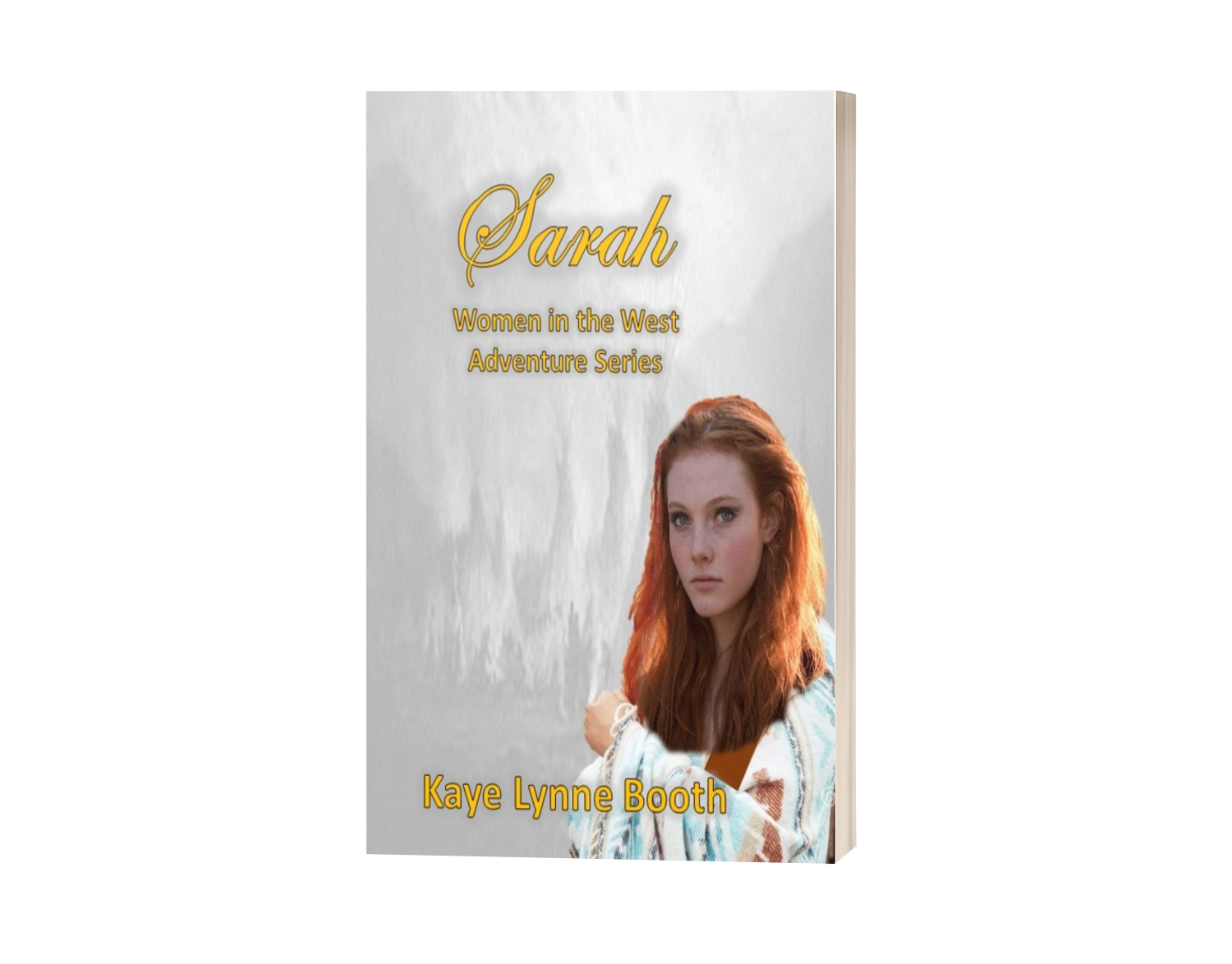
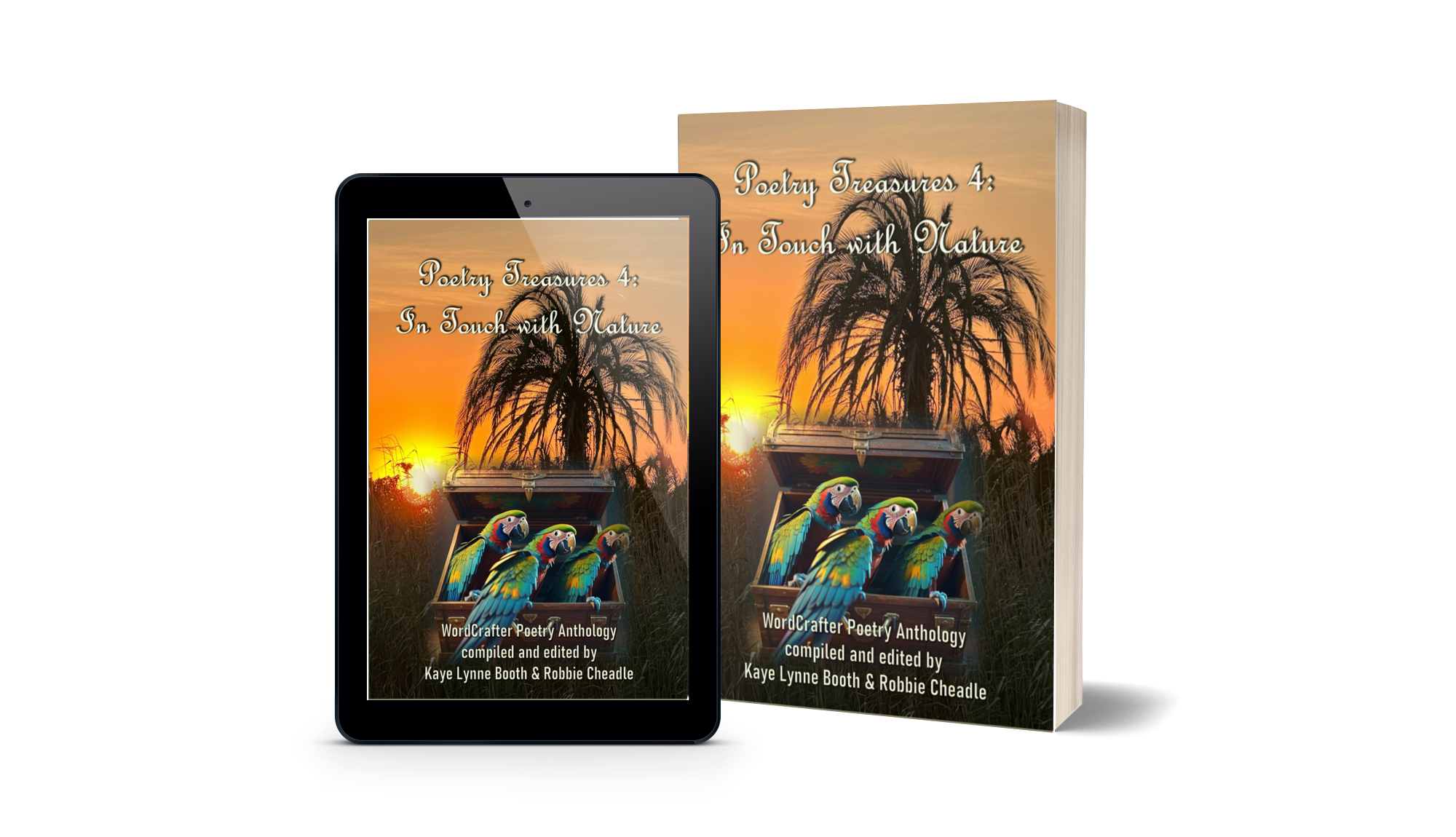
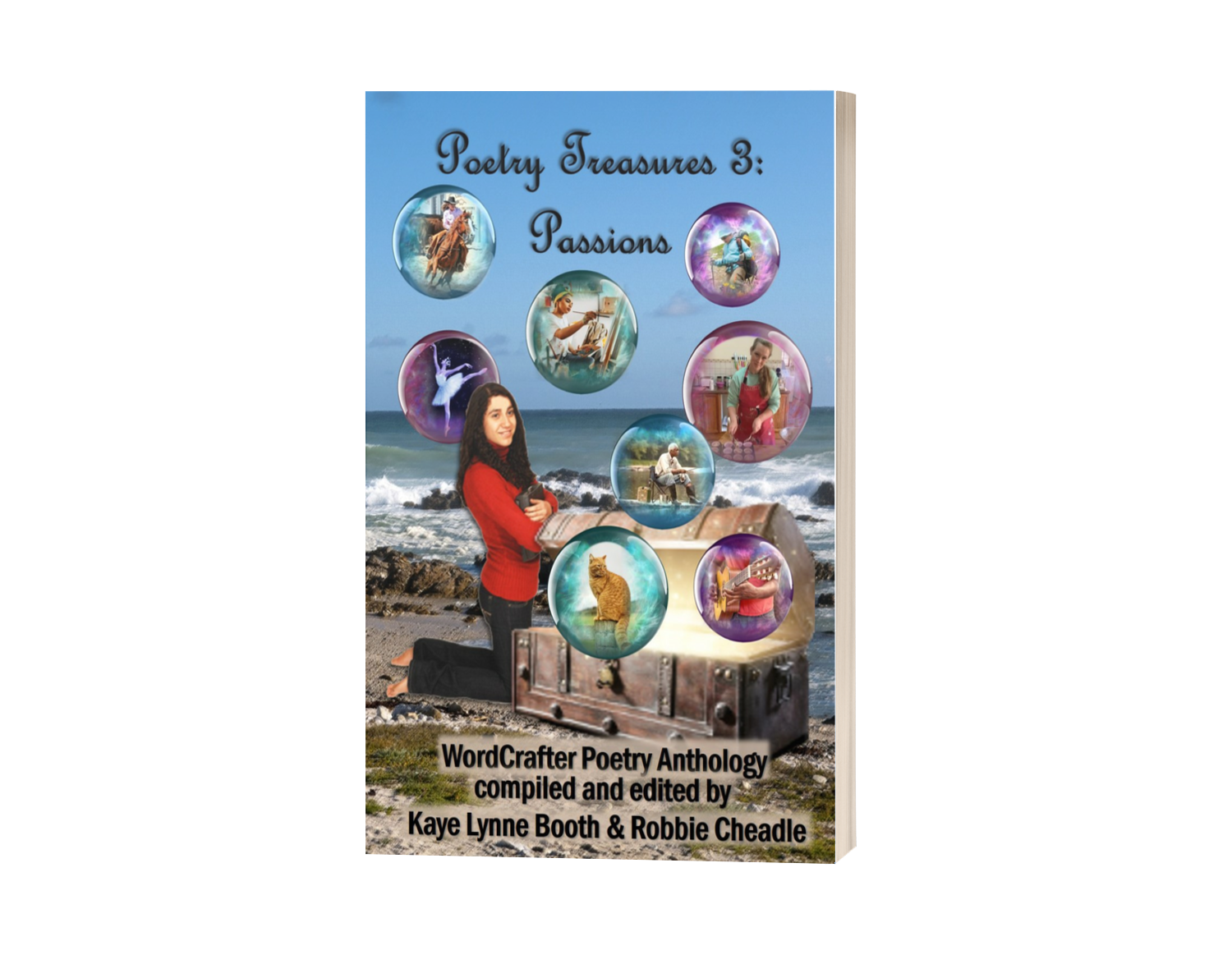
This is not a difficult thing to do, but it does take time. This is a work in progress for me here on Writing to be Read, because the site is very image heavy, but the recent release of Poetry Treasures 3: Passions had alternate text added to all of the images in that book. It was the first WordCrafter Press book to have alt text, and I was pleased to accomplish the feat. I feel strongly that it was worth the time it took, to not exclude those who access content differently from the way that I access it, visually.
While your book and your site should be accessible to all, including those with disabilities, it can’t stop there. We live in a world where much of our communications with the world, including advertising and promoting your brand and your book, is done through social media. If a potential reader can’t access the promotion to receive your message, they won’t be a potential reader for long. Patty Fletcher’s “Life of a Blind Girl: Your A-Z Guide to socail media accessibility“, touches all the important points on accessiblity. This article lays out ways to make content accesible that every author should be thinking about, and areas where we can do this that might be overlooked if you are not aware of readers or potential readers with disabilities. I’ve been focused on creating proper headings and adding alt text to my images. After reading Patty’s article, it seems my next step will be learning how to add captions to videos, so that I can reach hearing impared individuals.
It’s a lot to learn and can’t all be done overnight. My site is a work in progress on this front, but I’ll keep at it, because I believe it is important to make muy content accessible to all. I will also continue to work on making my books and social media content more accessible as I go. If you would like to learn more about making online content accessible to visually impaired and print disabled individuals, beyond the aboove articles, Content for Everyone, by Jeff Adams and Michele Lucchini, is a good book of reference. They discuss not only why accessible content is necessary, but ways that you can make your content more accessible for many types of visual disabilities. You can read my “Review in Practice” for this book here.
It’s a large potential audience, which could turn into readers of your work. How far will you go to make sure they can all access your content?
___________________________________________________________________
About Kaye Lynne Booth
For Kaye Lynne Booth, writing is a passion. Kaye Lynne is an author with published short fiction and poetry, both online and in print, including her short story collection, Last Call and Other Short Fiction; and her paranormal mystery novella, Hidden Secrets. Kaye holds a dual M.F.A. degree in Creative Writing with emphasis in genre fiction and screenwriting, and an M.A. in publishing. Kaye Lynne is the founder of WordCrafter Quality Writing & Author Services and WordCrafter Press. She also maintains an authors’ blog and website, Writing to be Read, where she publishes content of interest in the literary world.
______________________________________________________________
Want exclusive content? Join Kaye Lynne Booth & WordCrafter Press Readers’ Group for WordCrafter Press book & event news, including the awesome releases of author Kaye Lynne Booth. She won’t flood your inbox, she NEVER sells her list, and you might get a freebie occasionally. Get a free digital copy of her short story collection, Last Call and Other Short Fiction, just for joining.
Share this: