Posted: April 17, 2019 | Author: jordanelizabethbooks | Filed under: Books, Fiction, romance, Steampunk, Western, Writing, Writing for a YA Audience, Writing Inspiration, Young Adult | Tags: Inspiration, Jordan Elizabeth, Steampunk, Treasure Darkly, Western, Writing for a YA Audience, Writing to be Read, Y.A. Romance, YA, Young Adult, Young Adult Fiction |

My mom and uncle are obsessed with Westerns. They grew up watching Westerns and still make time for them every weekend. While watching a Western with my mom, I had the idea of writing a young adult Western…with a steampunk twist. I brainstormed a ranch with a family secret. Along came TREASURE DARKLY.
After the first draft, it was recommended I add in a romantic theme. Thus, Clark and Amethyst fell in love. It worked. I didn’t have to force them together. They were already best friends, and it flowed that they should develop romantic feelings for each other.

Then came the challenging part. My first editor for the story wanted more romance. I wasn’t a romance writer. Sure, my main characters each had a love interest, but I wouldn’t call my early works romances.
I set out to read romance novels to get a feel for the genre. I read some young adult romances, some Harlequins, and then I discovered a love of paranormal romance. I devoured those and wanted more. Eventually, I felt ready to write my own romance.
Young adult romances are tricky. Some people don’t want any sex in YA novels; some people say its okay. I struggled with that fine line before firmly stepping onto the “no sex” side. Yes, the book does get a bit steamy, but there is never explicit sex.
“But teens already know everything about sex,” I’ve been told.
Okay, that might be the case, but it doesn’t mean every young adult book has to contain graphic sex scenes. I want my books to be more about the adventure and setting than erotica.
Jordan Elizabeth is a young adult fantasy author who dapples in the steampunk realm. You can connect with Jordan via her website, JordanElizabethBooks.com.
Want to be sure not to miss any of Jordan’s Writing for a YA Audience segments? Subscribe to Writing to be Read for e-mail notifications whenever new content is posted or follow WtbR on WordPress.
Posted: April 15, 2019 | Author: kayelynnebooth | Filed under: Author Profile, Books, Chatting with the Pros, Fiction, Historical Romance, Interview, romance, Writing | Tags: Author Interview, Chatting with the Pros, Historical Romance, Maya Rodale, romance, Writing to be Read |

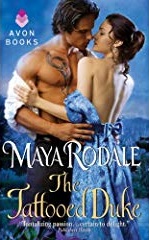
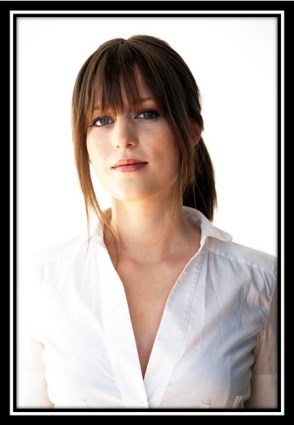
Today on “Chatting with the Pros” my guest author is a historical romance novelist, Maya Rodale. She writes strong female characters who stand up for themselves and still manage to maintain their feminity. Her books have appeared on the USA Today bestselling list and have been published in several languages. Her novel, The Wicked Wallflower won the RT Reviewer’s Choice Award for best historical hero, and What a Wallflower Wants was labeled as a romance novel for the #MeToo movement. I’m pleased to have the opportunity to chat with her today and learn her thoughts on romance, female authors and women’s place in the world.
Kaye: Your stories favor strong heroines for your main characters. Do you think romance is usually a female domain?
Maya: Romance has been traditionally a female domain, though 18% of readers today are men! I would love to see more men openly reading romance, but I also hope it never loses it’s focus on the female experience and the empowerment it brings to so many women in publishing.
Kaye: Perusing your website and checking out your book covers, one gets the impression that your romances are a bit risqué. How steamy can you get before you cross over into the land of erotica? Do your books cross that line?
Maya: Romance Writers of America provides the best succinct definition of erotica: “Romance novels in which strong, often explicit, sexual interaction is an inherent part of the love story, character growth and relationship development and could not be removed without damaging the storyline.”
So it’s not a matter of how much sex is portrayed but how the sex engages with the plot. My historicals definitely have some steamy sexy times on the page, but I wouldn’t classify them as true erotica.
Kaye: How do you decide the titles for your books? Where does the title come in the process for you?
Maya: A title needs agreement from both the publishing team and myself; sometimes the title I pitch is the one we go with. Sometimes the story is nearly done and we’re frantically brainstorming at the last minute to find something that works.
Fun behind the scenes story: I wrote The Tattooed Duke thinking the title would be Brave New Lord which I LOVE but my pub team thought The Tattooed Duke had better sales potential, so that’s the one we went with.
Kaye: Your books feature strong female heroines, who stand up for themselves and what they believe against the men around them and societal beliefs. Why do you think your readers relate to them?
Maya: I think this is the experience for most women: we are constantly having to stand up and assert our humanity. I like to think that my heroines help real women have the courage and confidence to do this. And for those readers who don’t feel it’s necessary, I hope they see that it is.
Kaye: What are some tips for writing strong female characters in a time period when there weren’t many to be found, and making them believable?
Maya: The more I dig deeper in my research of history the more I believe that this is a myth. Women have always gotten out of the house and done great, wonderful, terrible things; but it hasn’t been recorded, or their stories haven’t been told, or (male) historians deemed it unimportant. Women have never been boring, silent bystanders to the world.
I think we’ve been (maybe deliberately) shut out of history books and as a result we don’t know the long and full history of women being active participants in the world. Start with a look at the New York Times Overlooked Obituaries, for example.
The problem isn’t that strong historical female characters aren’t accurate, the problem is that we have been made to believe they are. And in the name of “historical accuracy” we unwittingly perpetuate that in our novels.
My tip for writers: find those stories, write those stories! And then explain your research in the author’s note. And my advice for readers: check your biases and preconceived notions and let yourself get swept up in the story. You may just learn something new about history too.
Kaye: What’s the biggest challenge in writing romance for you?
Maya: Protecting my time! It’s my day job and still there are so many demands on my time and energy that make it hard to focus on my books.
 Kaye: You wrote a nonfiction book titled Dangerous Books for Girls: The Bad Reputation of Romance Novels Explained. Can you explain briefly why romance has a bad rep and it is justified?
Maya: Romance novels have a bad reputation because they’re so powerful—they are the only art that consistently portray women triumphing in a world that doesn’t want women to triumph. Mocking them as “trashy books” or just “mommy porn” or “unrealistic” is a way to diminish their power. If we valued women and women’s work more, we’d value romance novels more!
Kaye: How many different countries and languages are your books sold in?
Kaye: What’s the most fun about writing romance?
Maya: I do love being the all powerful Goddess of fictional worlds. And not having to get dressed up for work 😉
Kaye: What do you think is the single most important element in a romance story?
Maya: The development of the romantic relationship! And the happy ever after, of course.
Kaye: Where does inspiration for your stories come from?
Maya: Story inspiration is everywhere if you open your heart and mind to it! Right now I’m finding the New York Times “overlooked obituaries” of historical women to be a gold mine of story ideas for historical romance. I just need more time to write them…
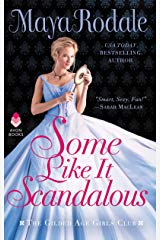 Kaye: You have a new book in your Gilded Age series coming out in June, Some Like it Scandalous. Would you like to tell us about it?
Maya: Longtime enemies embark on a sham engagement and end up falling in love! The only way for society darling Theo Prescott to survive his most recent, unspeakably outrageous scandal is marry someone respectable. Someone sensible. Someone like Daisy Swan. But she has plans that do not include a loveless marriage to anyone. Instead, she aspires to sell cosmetics that she has created. But this brainy scientist needs a smooth talking charmer’s flair for words and eye for beauty to make it a success. Before long, Daisy and Theo are trading kisses. And secrets. And discovering that despite appearances, they might be the perfect couple after all.
Kaye: As a romance writer, what kind of research do you find yourself doing for your stories?
Maya: I do A LOT of research. Everything from reading biographies, non-fiction, histories, other novels to trips to the library or visits to museums. Or just googling. There’s general research to do about the time period—for example, I had to learn all about the Gilded Age (1860-1900) in Manhattan for my new seriesThe Gilded Age Girl’s Club.And then there’s research necessary for each particular book. For the next book in the series, Some Like It Scandalous I had to do a deep dive into the invention and popularization of cosmetics, since the heroine launches a cosmetics company with the hero.
Kaye: What advice do you have for aspiring romance authors?
Maya: My best advice I think comes from Nora Roberts: “Ass in the chair. Words on the page.” Also, my friend once told me “If you’re not getting a rejection once a week you’re not trying hard enough.” Brutal, but effective.
Like this post? Subscribe to Writing to be Read for e-mail notifications whenever new content is posted or follow WtbR on WordPress.
Posted: April 12, 2019 | Author: kayelynnebooth | Filed under: Book Review, Books, Contemporary Romance, Fiction, romance | Tags: Book Review, Contempoary Romance, romance, Science Fiction, Tammy Tate, The Christmas Cruise, Time travel, Writing to be Read |

The Christmas Cruise, by Tammy Tate is a really cute romance story which could have been so much more. This story combines romance with science fiction when the two main characters, who are attracted to one another but won’t admit it to themselves, both happen to be swept from their Christmas cruise in the Burmuda Triangle onto a deserted island from the past.
It’s a good plot and it could work if the characters were more developed and didn’t just accept what was happening without a second thought. The story moves from point A to point B in a fairly straight line, at a fairly quick pace, lacking any real twists or surprises. Just the fact that they are the only two to be swept away gave me trouble buying in, and when they return without any logical explaination as to how it happened, it lost me totally.
If the author had taken the time and effort to expand the plot, and portray believable reactions to absurd circumstances, The Christmas Cruise could have been a really entertaining story. As it is, it lacks depth of character and is difficult to swollow. I can only give it three quills.

Kaye Lynne Booth does honest book reviews on Writing to be Read in exchange for ARCs. Have a book you’d like reviewed? Contact Kaye at kayebooth(at)yahoo(dot)com.
Posted: April 10, 2019 | Author: robbiesinspiration | Filed under: Books, Children's Books, Diversity, Fiction, Growing Bookworms, Reading | Tags: Children's Books, Diversity, Growing Bookworms, Reading, Robbie Cheadle, Writing to be Read |
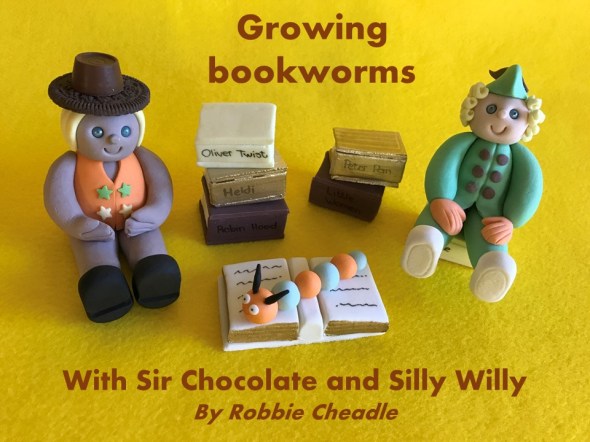
We all want our children to grow up to an environment free from bias and discrimination. We want them to have opportunities to achieve their dreams and to believe they can accomplish anything. We also want our children to feel included and loved in all situations, from school, to home to religious institutions.
The best way to achieve this is to weave diversity into the fabric of our children’s lives. We can do this in many ways, one of which is by providing our children with a selection of multicultural books which allow them to imagine experiencing life in a different way and from a different perspective.
When you read multicultural books you are transported to a different culture and are exposed to new ideas about housing, food, schooling, transport and religion. I always remember when I read the books written by Charlotte, Emily and Anne Brontë as a teenage girl. These books were my first real exposure to the poor treatment of children and women during the Victoria era. I was horrified by the terrible conditions the orphaned girls experienced at Lowood School and the terrible illnesses that ravaged the learners. Later on in my life I read books about the lives of several female Victorian writers and I came to realise just how restricted their lives were. Female’s were not considered to have the intelligence or seriousness necessary to write novels. My own mother experienced discrimination as a young girl when her father refused to buy her a school uniform when she won a scholarship to attend a local grammar school. He didn’t believe in educating girls.
As I have walked my path as a reader, I have read a wide variety of books about life in numerous countries from the great cities of the USA, London and Paris to country towns and rural villages in Africa and Asia. Through reading, I have experienced life in Japan, China and Chile. I have tried to share these experiences with my own children by reading them abridged versions of classic stories like The Story of Doctor Dolittle by Hugh Lofting, a story of an empathetic doctor who travels to Africa and has adventures on this great continent, The Last of the Mohicans by James Fennimore Cooper, set in Upper New York State during the French Indian wars, To Kill a Mockingbird by Harper Lee set in Alabama and Oliver Twist set in Victorian London. They have also read a number of more recent books set in various countries.
Multicultural books teach us about other peoples cultures and religious beliefs and helps to instill positive attitudes about acceptance and tolerance. Some of the books that spring to mind that I read to my pre-teen boys are Fattipuffs & Thinifers by André Maurois which teaches children about segregation in an entertaining and light hearted way, I am David by Anne Holm, the story of a boy who escapes from a Bulgarian communist concentration camp and makes his way to Denmark, and The Diary of a Young Girl written by Anne Frank, that tells of her life as a young Jewish girl growing up in the Netherlands during the Nazi occupation. These sorts of books help teach children that while we all have different religions, celebrations and traditions, we are actually all the same. We all need to eat, drink and sleep. We all aspire to an education, job and happy family life.
While it is good for children to understand history and learn from the mistakes of the past, it is best to select titles that present a variety of points of view so as to prevent stereotyping.
The modern world is becoming more cosmopolitan and diverse due to the ease with which people can travel and communicate. My son plays computer games with friends from all over the world including India, the UK, the USA and Dubai. His school provides a boarding option and caters to boys from all over the world and a variety of different backgrounds, including Chinese, American, British, German, French and a number of African countries. There are Jewish, Muslim, Hindu and Christian boys all attending classes together, doing activities and sports together and enjoying themselves as a group. Diversity is a popular topic with many modern authors and I have recently read three lovely picture books aimed at teaching children about acceptance in a fun and simple way.
Myrtle the Purple Turtle by Cynthia Reyes is about Myrtle, a turtle who is purple and, as a result, she and her family are different from other turtles. You can read my review on Goodreads here: Goodreads review of Myrtle the Purple Turtle.
Kids get it by Sally Huss is a story about self-worth and the equality of all children in the eyes of God. You can read my Goodreads review here: Goodreads review of Kids Get It.
The cover of Who do I see in the Mirror? by Vese Aghoghovbia Aladewolu shares “the important message relayed to children is to love the skin they’re in.”. You can read my Goodreads review here: Goodreads review of Who do I see in the Mirror?
There are also a large selection of non-fiction books for children which describe the cultures and lives of the people of the world.
What do you think about the role of books in promoting diversity? Let me know in the comments.
About Robbie Cheadle

Hello, my name is Robbie, short for Roberta. I am an author with six published children’s picture books in the Sir Chocolate books series for children aged 2 to 9 years old (co-authored with my son, Michael Cheadle), one published middle grade book in the Silly Willy series and one published preteen/young adult fictionalised biography about my mother’s life as a young girl growing up in an English town in Suffolk during World War II called While the Bombs Fell (co-authored with my mother, Elsie Hancy Eaton). All of my children’s book are written under Robbie Cheadle and are published by TSL Publications.
I have recently branched into adult horror and supernatural writing and, in order to clearly differential my children’s books from my adult writing, I plan to publish these books under Roberta Eaton Cheadle. I have two short stories in the horror/supernatural genre included in Dark Visions, a collection of 34 short stories by 27 different authors and edited by award winning author, Dan Alatorre. These short stories are published under Robbie Cheadle.
I have recently published a book of poetry called Open a new door, with fellow South African poet, Kim Blades.
Find Robbie Cheadle
Blog: https://bakeandwrite.co.za/
Blog: robbiesinspiration.wordpress.com
Goodreads: Robbie Cheadle – Goodreads
Twitter: BakeandWrite
Instagram: Robbie Cheadle – Instagram
Facebook: Sir Chocolate Books
Want to be sure not to miss any of Robbie’s Growing Bookworms segments? Subscribe to Writing to be Read for e-mail notifications whenever new content is posted or follow WtbR on WordPress.
Posted: April 5, 2019 | Author: kayelynnebooth | Filed under: Book Review, Books, Fiction, Historical Fiction, Historical Romance, romance | Tags: Amy Cecil, Book Review, Historical Romance, Ripper, romance, Writing to be Read |

Romance author Amy Cecil writes both contemporary and historical romance, but her latest release, Ripper, is like no historical romance I’ve ever read. Set in London, during the times of the Jack the Ripper roamed the streets of White Chapel, this story explores possibilities and throws in more than a few surprising twists.
Life is looking up for Marie, with a new client turned lover, it looks as if she might be able to leave behind her life of poverty. But Jax’s behaviors cause suspicions she can’t ignore, suspicions that, if proven true, might make it impossible to follow this dream life she’s found. What’s a girl to do when she learns the man she loves might be Jack the Ripper?
A cleverly-crafted tale that will keep readers guessing until the last pages. I give Ripper five quills.

Kaye Lynne Booth does honest book reviews on Writing to be Read in exchange for ARCs. Have a book you’d like reviewed? Contact Kaye at kayebooth(at)yahoo(dot)com.
Posted: April 3, 2019 | Author: Jeff Bowles | Filed under: Fiction, Opinion, Pep Talk, Writing | Tags: Editorial, Inspiration, Jeff's Pep Talk, Opnion, Writer's Block, Writing to be Read |

Back in the Saddle
By Jeff Bowles
The first Wednesday of every month, science fiction and horror writer Jeff Bowles offers advice to new and aspiring authors. Nobody ever said this writing thing would be easy. This is your pep talk.
If you’ve been following the Pep Talk, you know I’m big on writers cutting themselves some slack. Burnout kills creativity and breeds writer’s block. So while I’ve always been a fan of the idea that we need to keep working in order to evolve, grow, and succeed, I’m incredibly cognizant of the ever-present reality most writers hit a wall every now and then, and that it’s okay to admit and even embrace that.
Now, a bit of an admission. The past two years or so, I’ve been struggling to rebound from my own slowdown. This decade has been intense for me, particularly on the creative front. I went from earning my MFA in a very hard and fast environment, to publishing short stories at a fairly decent rate, to suffering some unfortunate circumstances in my personal life, to not writing a single word for several years.
Really, this has been the worst burnout phase of my life. I’m in my mid-thirties now, so it stands to reason that ten years of working, practicing, and publishing finally caught up with me. Furthermore, we can’t stop living very human lives under very human circumstances. If I hadn’t experienced such a shake-up on a personal level, I might have been able to keep working. But things being what they were…
So this Pep Talk is not about showing yourself some love when you’re slowing down. It’s about being eager and ready when you’re speeding back up. I recently started a new writing project, a novel, and I’m pleased to report I’m about 9,000 words in. If that doesn’t sound like much of an achievement to you, it’s probably because you’re a hard-nosed writer who puts in your time, come rain or shine. And before my productivity started to drop off, I was right there with you. But the truth is we all need a break sometimes. All of us. Actually, very often life forces us to take breaks, and we can bemoan, resist, and condemn them, but it doesn’t change the fact that a career in the publishing industry is—in its most ideal form—a long-term project. As such, detours are something of an obligation.
For several years on end, my average yearly wordcount was around 120,000. And that was after a few years of maybe 75,000 to 100,000 words. Really, I was ramping up to something big. I’m a short story guy with some long-form publications in the indie realm. Not precisely a best-seller, but not a newbie either. And as I said, grad school was intense. I think a lot of people who go after an MFA have a similar experience, right on down to needing time off after graduation. The sad and torrid fact of the matter is I haven’t attempted a book-length project since I completed my thesis novel four years ago. That’s a huge dry spell for me, so I’ll take that nice 9,000-word head start, thank you very much.
If being kind to yourself in the face of writer’s block is about realizing you’re not a story machine (no matter how much you want to be), booting up your systems after some downtime requires acknowledging any fears or insecurities that might come up. It’s scary getting back in the saddle, or at least it can be. It’s also pretty exciting, isn’t it? Maybe, like me, you started wondering if you’d ever be productive again. Am I finally done with this whole writing thing? Where are my abilities?! Why don’t I feel like telling stories!? WHY, GOD, WHY!?
Got a flair for the dramatic? Well step right up, ‘cause this next one could be a doozy: in almost any case, we need to be able to accept the fact we might be rusty. Now I took a break of a few years, but I’ve known authors who went ten, fifteen, or twenty, and who were startled to encounter really crummy writing on their part. I know, it’s disappointing. Turns out none of us is a miracle worker. So a little piece of advice, maybe start slow, a short story or two. Heck, start writing blog posts or flash fiction or maybe even try your hand at a new genre, like creative nonfiction or poetry. That’s actually a good place to start. Writing truth is, in my experience, almost always easier than writing fiction. The point is you need a jumping on point, something you can sink your teeth into that doesn’t require you to … well, break your damn teeth.
And respect yourself enough to know when it’s time to work and when it’s not. Again, I really do appreciate the workhorse model of writing. That’s how the beast feeds itself. It’s the lifeblood of what we do. I just think it’s a bit self-deluded and unkind to think you can go on like that forever. Maybe some of us can, but for the majority, it does no good to crash and burn. Don’t knock yourself for it, man. And don’t let colleagues or friends and family make you feel bad or lazy or lost.
When it’s time to get back to work, it’s time. You’ll know you’re ready because—hey, here’s a nice big no-brainer for you—you’ll actually feel like it. Don’t push yourself too hard too soon. It’s a pretty organic process when it comes down to it. You can’t get blood from a stone, though I’m sure if you hit yourself in the head enough times with said stone blood would ensue. Never imagine yourself to be something you aren’t, a literary god, born of good fortune and the primal mud from which warriors emerge, Achilles of the word processor, Odysseus of plot structure and acute character psychology. Nah, you’re just a humble guy or gal who likes to crank out some good writing every now and then. Maybe you thought this day would never come. How do you feel now that it has?
I believe that life is almost always a matter of two steps forward, one step back. It’s how we progress as human beings. So two steps forward, one step back, two steps forward: hey look, the math checks out. You’re one step ahead of where you were last time. It’s like a Jacob’s ladder, right? You zig left, zag right, but you’re always climbing higher. Don’t feel like writing today? Consider, if you will, investing in some fun. Watch a few old movies that always manage to inspire you. Read a good book. Listen to some music, or try your hand at painting, sculpting, songwriting, video production, anything that engages your creativity and that doesn’t have all that unbearable weight built up behind it.
This is a fun job. Remember that. It’s fun. We get to tell stories and entertain people with our words. If you’ve been at this a while, and you’ve done silly things before, like attempting to quit but finding it quite impossible, then consider the possibility you’re meant for this life. You shouldn’t shirk being meant for something. Any way you slice a lifelong love affair, it’s fate, my friends. It’s kismet. Maybe you aren’t a literary god, but rest assured, the real gods up on Mount Word-lympus have plans for you that go back eons. One last time, do however much you actually feel you can do, and get excited about the prospects. If, lord forbid, you someday end up in a terrible driving, skying, skydiving, or rogue spelunking accident, you’re going to want a surgeon who can put you back together with slow and steady hands. Do yourself a favor and be that surgeon for your writing.
Until next time, everybody. The straightest line between two points is … wait, you guys are using straight lines?! So that’s why my writing is so crooked.
Jeff Bowles is a science fiction and horror writer from the mountains of Colorado. The best of his outrageous and imaginative short stories are collected in Godling and Other Paint Stories, Fear and Loathing in Las Cruces, and Brave New Multiverse. He has published work in magazines and anthologies like PodCastle, Tales from the Canyons of the Damned, the Threepenny Review, and Dark Moon Digest. Jeff earned his Master of Fine Arts degree in creative writing at Western State Colorado University. He currently lives in the high-altitude Pikes Peak region, where he dreams strange dreams and spends far too much time under the stars.
Check out Jeff Bowles Central on YouTube – Movies – Video Games – Music – So Much More!
Posted: March 29, 2019 | Author: kayelynnebooth | Filed under: Book Review, Books, Dark Fantasy, Fantasy, Fiction | Tags: Book Review, Chris Barili, Dark Fantasy, Fantasy, High Fantasy, Shadow Blade, Writing to be Read |

Spies and assassins, deception, adventure, magic – Shadow Blade, by Chris Barili has it all. With an intriguing story line that keeps readers guessing, with twists and turns around every corner, this story is everything a fantasy adventure should be. In the tradition of high fantasy, Barili has created a rich medieval style world of kings and castles, princesses and assassins, where magic is addictive and nothing is as it seems.
When a Denari Lai assassin falls in love with his target, it’s pretty certain that things are going to get complicated. Throw a second assassin into the mix and it’s near certain that there will be trouble and things may not end well. As you get to know Ashai, the Denari Lai assassin whose heart may be bigger than his training, and Princess Makari, whose kindness has earned the adoration and respect of an entire kingdom, you’ll find that you can’t help but root for them both to triumph against all odds.
Ashai didn’t intend to fall in love with Makari, but when he does it proves to be quite a dilemma. His love for her goes against everything he’s been taught, causing him to question his training. When a Denari Lai is set on a target, he stops at nothing to accomplish the sanction, but in a sudden turn of the tables, Ashai will now stop at nothing to prevent it. In his quest to save the woman who now haunts his dreams, he becomes a target. He doesn’t know who to trust, but he finds allies in some unsuspected places, enemies lurking in the shadows, and a surprise around every corner. He’ll do anything to keep Makari safe, even forfeiting the very magic that he draws his strength from and risking his very existence.
Chris Barili has crafted a delightful fantasy adventure in Shadow Blade. It has a well- developed fantasy world, with unique and memorable characters that will stay with you. You won’t want to put it down. I give it five quills.

Kaye Lynne Booth does honest book reviews on Writing to be Read in exchange for ARCs. Have a book you’d like reviewed? Contact Kaye at kayebooth(at)yahoo(dot)com.
Posted: March 20, 2019 | Author: jordanelizabethbooks | Filed under: Fiction, Mystery, Speculative Fiction, Steampunk, Writing, Writing for a YA Audience, Young Adult | Tags: Clockwork Dollhouse, Jordan Elizabeth, mystery, Steampunk, Writing for a YA Audience |
Dollhouses have always intrigued me. That and steampunk, but we’ll get to that later.
As a child, I had three dollhouses. One was wooden, made by my maternal grandfather. One was metal. I used it for my Little People. The third was plastic and I used it for my Victorian Playmobile set (I still feel bad that I never got the official dollhouse that went with the sets!). I loved setting up the rooms and just looking at them. My dolls didn’t always move around in them. It was more for show. I used my imagination to act out scenes.
There’s another dollhouse that sticks out in my mind, only I didn’t own it. As a child, my mother and I went through an estate sale in the neighborhood. In the basement, there was a dollhouse built to replicate the actual house. I fell in love with it. Unfortunately, it was expensive. It was old and showed the effects of being in a basement. Plus, it didn’t fit through the door! I can still picture that dollhouse to this day. I became obsessed with having an intricate dollhouse just like that one.
My grandmother bought me a wooden dollhouse kit. It came with working windows, shingles, and a drainpipe. It also came with a bit of trouble – none of us were carpentry inclined. The dollhouse sat in its box in my basement for years. Eventually, my then-boyfriend (now husband) attempted to put it together, but didn’t get farther than popping out the pieces. A few years ago, a friend’s husband put it together. It looks just as amazing as I’d always hoped it would.
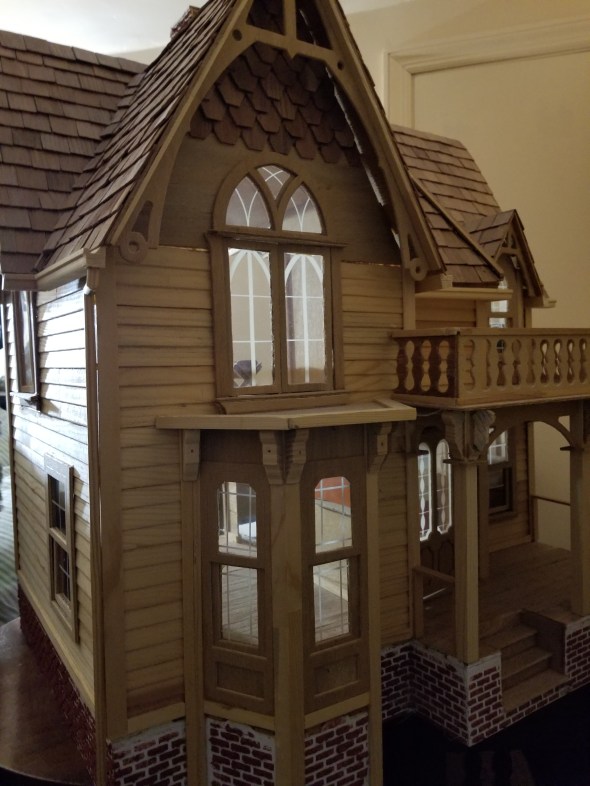
My mother and I bought wallpaper, wainscoting, furniture, dolls… We’re in love with it, but we haven’t done too much decoration-wise. Some of the furniture came in sets and we already know we’re horrible at putting sets together. This dollhouse, sitting on the hall table, with its beautiful dolls keeps pulling at my imagination. I wanted to create a story about a dollhouse, one with secrets. Since I love the steampunk genre, I wanted to add in a taste of that. Thus, along came CLOCKWORK DOLLHOUSE, a short story about dolls and secrets.
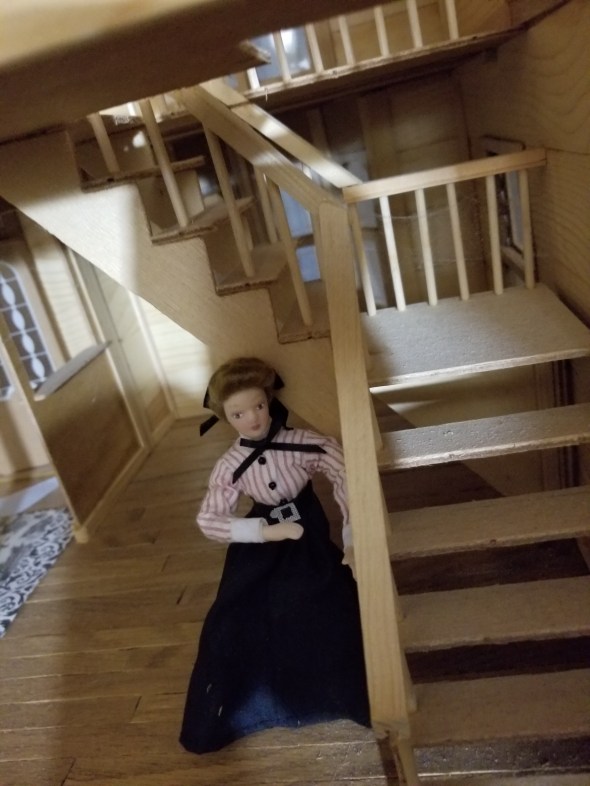
Have you ever seen a dollhouse that beckoned you into its walls?
Jordan Elizabeth is a young adult fantasy author. If you have any spooky dollhouse furniture you want to part with, she would be happy to take it off your hands! You can connect with Jordan via her website, JordanElizabethBooks.com.
Want to be sure not to miss any of Jordan’s Writing for a YA Audience segments? Subscribe to Writing to be Read for e-mail notifications whenever new content is posted or follow WtbR on WordPress.
Posted: March 18, 2019 | Author: kayelynnebooth | Filed under: Books, Chatting with the Pros, Collaboration, Dark Fantasy, Fantasy, Fiction, Interview, Science Fiction, Speculative Fiction, Teaching Writing, World Building, Writing, Writing to be Read | Tags: Chatting with the Pros, Fantasy, Kevin J. Anderson, Writing to be Read |
My guest today on “Chatting with the Pros” is an award winning and best selling author who has written countless novels and over 56 national and international best sellers. A majority of his works fall into the science fiction or fantasy genres, but he writes across many genres. In a recent introduction for “The Big Idea: Kevin J. Anderson“, an article about the latest release in his short fiction collection, Selected Stories, John Scalzi calls him, “one of the most prolific authors working today”, and one look at his immense book list on Amazon would leave no doubt that this is an accurate assessment. (You can find my review of selected stories here). He’s written a lot of books, 56 of which have hit the national and international best seller lists, and he’s been writing for many years, and I’m sure we will find his knowledge and experiences enlightening. Please help me welcome Kevin J. Anderson.
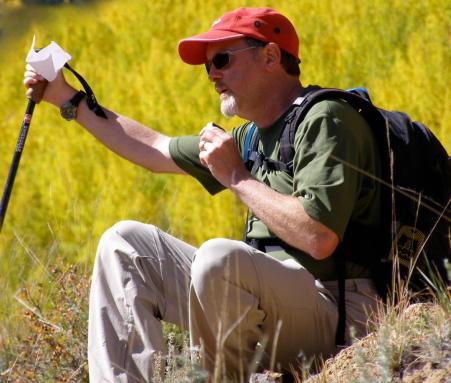
Kaye: You have written at least 56 national or international best sellers. What makes a good story in your mind?
Kevin: People want to read a good story with an exciting/interesting plot, a well-developed setting, and engaging characters. Make it a story you WANT to read, with clear prose and action. I don’t like muddled, glacial-paced stories where the prose is just too precious.
Kaye: Why science fiction and fantasy? Why not western or romance or mystery? What’s the attraction?
Kevin: Well, I’ve also written plenty of mysteries, and some of my work has been set in the old west, and most good stories have a strong romance component (though I don’t write category Romance or Westerns). I like to tell an interesting story, and I move around a lot among genres, even though I am primarily known for science fiction or fantasy. I grew up in a very mundane small town in rural Wisconsin, and I was captivated by SF/F from an early age, because it showed my imagination what was possible. I wanted to go to exotic places, whether they were filled with aliens or dragons. Science fiction took me to a much wider universe. (And as a skinny, nerdy kid with glasses and a bad haircut, “romance” wasn’t much of a possibility, so I stuck with spaceships and swords.)
Kaye: You wrote several Star Wars and X-Files novels. Is it difficult to immerse yourself in someone else’s settings and characters enough to pick up a thread and run with it in the same tone and writing style? How do you go about getting yourself into that mindset?
Kevin: It’s no more difficult than trying to immerse yourself in the old west or ancient Japan for a historical. A writer’s job is to absorb the story, characters, voice, and setting. I was already a big fan of Star Wars, Star Trek, X-Files, and Dune, and I enjoyed going to work in those universes. In each instance, I would completely surround myself with the property — whether that meant watching the Star Wars films over and over again, or the episodes of the X-Files, or repeatedly rereading DUNE and its sequels. You pick up the manner of speaking, the “look and feel” of the world, and you make it into your own story.
Kaye: You’ve done several collaborations, including books of the Dune series, with Brian Herbert and the Clockwork books which you collaborated with Neil Peart, drummer for the band Rush. What is the biggest challenge when collaborating on a book?
Kevin: You both need to have the same vision for the book—which means a LOT of talking and brainstorming ahead of time—and you both need the same work ethic (so each partner puts in the same amount of time and effort…a tortoise and hare collaboration will just cause a lot of friction), and you need to be flexible. There’s never only ONE way to write a sentence or describe a scene. I would never want to collaborate with a diva!
Kaye: Do you belong to any writing organizations? If so, which ones? Do you feel your membership in these writing organizations have been helpful in your writing successes? How so?
Kevin: I belong to the Horror Writers Association (and edited three anthologies for them, the BLOOD LITE series), IAMTW (International Association of Media Tie-In Writers), and SFWA, the Science Fiction and Fantasy Writers of America, although some of their recent decisions have made me so upset that I would not renew my membership if I wasn’t already a lifetime member. The problem with such organizations is that you can become to engrossed in the politics and bickering that you forget your real purpose, which is to WRITE.
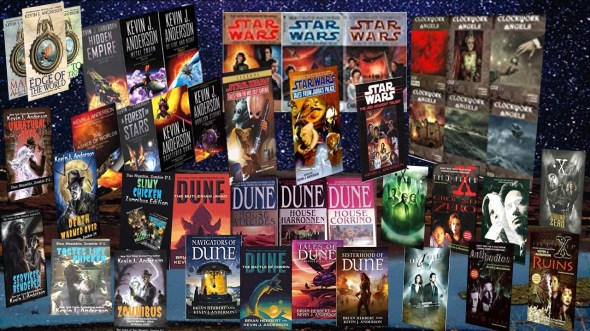
Kaye: You’ve written several series, including Saga of the Seven Suns, Dan Shamble P.I. and the Clockwork books? Are any of your books stand alone? Why do you lean toward series?
Kevin: I’ve written many standalone books. The one I just finished last week, a vampire/serial-killer thriller STAKE, that’s not part of a series. But I like to tell big stories, and once you’ve done all the effort of world building and character building an entire universe, you want to spend some time. To me, a trilogy is perfect — a beginning, middle, and end, with enough room to tell the story and describe the world in all its glory. Pragmatically speaking, it’s a much better decision commercially to build a series, because readers will want more and more, and each new book will help sell copies of previous volumes. Can you imagine if A.C. Doyle had stopped after writing only one Sherlock Holmes story?

Kaye: Science fiction authors create whole worlds from their imaginations, often with new languages created in their own minds, and you have created many. How do you go about creating a new language?
Kevin: Hmm, creating languages? I’m not really a linguist and I don’t know that I’ve developed full languages (though I do use weird words). I just make up the words by making what seem to be the appropriate sounds, linguistic flavors, scary sounds for monsters or villains, softer or ethereal sounds for pleasant things. I can’t really explain it more rigorously than that.
Kaye: Your work has won many prestigious awards. Which award are you most proud of? Why?
Kevin: Awards are awards, and it’s nice to have them, but I really prefer READERS. That’s what makes your writing worthwhile. It’s not terribly prestigious, but the award I value most is one I received very early in my career, when I received a trophy with an engraved brass plate and everything, naming me “The Writer with No Future” because I could produce more rejection slips than any other writer at an entire conference. To me, that didn’t mean I was a failure as a writer or that my work was awful—it proved that I was more persistent, that I kept trying, kept getting better, and never gave up. I still have that trophy.
Kaye: In addition to being an author, you and your wife, Rebecca Moesta, are publishers at Wordfire Press, but originally you were traditionally published. Why the switch to being your own publisher after being traditionally published for so many years?
Kevin: Survival. No choice. The publishing industry has undergone a tremendous upheaval equivalent to the Industrial Revolution, and I could either be a mammal and evolve or stay a dinosaur and go extinct. I am still traditionally published (four books released in 2018, in fact, and a new 3-book contract from Tor Books for an epic fantasy series), but I also have a lot of backlist titles that were out of print and my fans wanted to read them. So I started releasing them myself with all the innovations of new technology. It’s just another alternative.
Kaye: What does Wordfire press offer as a publisher for other authors?
Kevin: We are nimble and flexible, and we can produce books and get them to market far quicker than a traditional publisher can manage. But when you work with an indie publisher, or if you do it yourself, then you have to do all the work, all aspects of it. It’s another income stream and another way to get your book in front of your audience.
Kaye: Is Wordfire taking submissions? What type of fiction is Wordfire looking for?
Kevin: Not really, I’m afraid. When we are open, we’re looking for established writers who don’t need their hands held, writers who already have their own platforms, fanbases, and marketing efforts because we have to rely on them to do the work that a whole department at a traditional publisher would do.
Kaye: You recently signed on as an adjunct professor at Western State Colorado University and you are a finalist candidate for the director of their Certificate in Publishing program. What prompted you to venture into the world of academia?
Kevin: Actually, I’m now a full professor and I run their Masters program in Publishing. I will start the first group of MA students this coming summer. There’s a LOT of paperwork and bureaucracy in academia! I have taught writing and publishing quite often at countless writers’ conferences and conventions, most notably our own Superstars Writing Seminars, which is just hitting its tenth year. Becoming a professor and teaching at a beautiful university in the Colorado mountains is great, offers a little more stability than freelance writing, and (the bane of all freelancers) it gives me health insurance and benefits I wouldn’t otherwise get.
Kaye: Any writing pet peeves?
Kevin: I don’t like artsy-fartsy stuff, dense prose and opaque plots. Tell me a great story with a cool setting and interesting characters!
Kaye: Creating characters, developing plot, world building – what is the most challenging part of writing for you?
Kevin: Those are all fun, but if I had to choose I would say I have most difficulty with building rich, fleshed-out characters. Plotting and worldbuilding—that’s what I excel in.
Thanks to Kevin for sharing with us today. He’s given us food for thought with some really great answers. You can find more about Wordfire Press here: https://wordfirepress.com/. Kevin and his wife, Rebecca Moesta, head up the Superstars Writing Seminars each year in February, in Colorado Springs, Colorado, for those interested in learning the business of writing. If you’d like to become a member of the Superstars Tribe, or would just like more information about Superstars, visit the folowing link: superstarswriting.com. Visit the links below to learn more about Kevin J. Anderson and his works.
Amazon Author page: https://www.amazon.com/Kevin-J-Anderson/e/B000AQ0072/ref=sr_ntt_srch_lnk_1?qid=1545798018&sr=1-1-fkmr1
Wordfire Press: http://www.wordfire.com/
Blog: http://kjablog.com/
Join us next month on “Chatting with the Pros”, when I’ll be chatting with romance author Maya Rodale. You can catch the monthly segment “Chatting with the Pros” on the third Monday of every month in 2019, or you can be sure not to any of the great content on Writing to be Read by signing up by email or following on WordPress.
Posted: March 11, 2019 | Author: kayelynnebooth | Filed under: Blog Content, Dark Fantasy, Fantasy, Fiction, Science Fantasy, Science Fiction, World Building, Writing | Tags: Fantasy, sci-fi, Science Fantasy, Science Fiction, Writing to be Read |
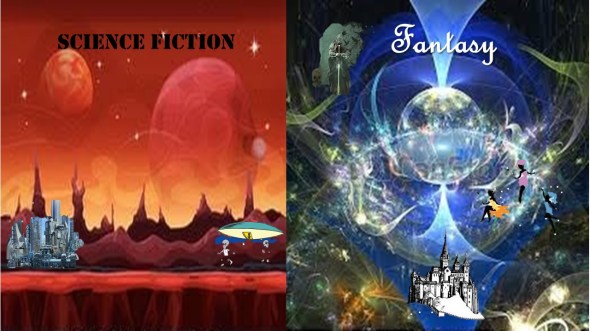
In March, Writing to be Read celebrates science fiction and fantasy, and everything in between. Science fiction springs from imaginings of what ifs, regarding technological advancements and futuristc worlds and universes, while fantasy fiction involves impossible or improbable events usually involving magic, or magical creatures or objects grounded in myths, legends and folklore of old. Both of these genres takes us to fantasical places and awe readers with amazing feats of courage, and good usually overpowers evil. Both entertain us, and are often addicting. In the current book market, there are many books which fall into a genre that is somewhere in between.
There are more subgenres for both of these genres than a person is able to count, including stories which feature elements of both. When I wrote my thesis proposal for what will one day be my science fantasy series, Playground for the Gods, I was told there was no genre for a story with both science fiction and fantasy elements. But in fact, there is such a genre as science fantasy, and there are many books out there today that fall into it. I recently reviewed one featuring alien life forms and a powerful magic object, Rogue Crystal, by Jordan Elizabeth in last Friday’s post.
As mentioned above, Playground for the Gods was originally proposed as my thesis story. It is a tale of aliens, Atlans, who come to pre-historic Earth when their planet is destroyed, and act as gods and godesses, forming human beliefs about devine matters, and creating the fondation for myths and legends of ancient history. The character names were all chosen from ancient summerian names, and many of the subplots parrellel those same myths and legends, adding new twists. In order to maintain the appearance of gods, they use their advanced technologies to appear magical and all powerful, each one wielding the ability to fall into different personas throughout time, providing basis for all world myths and religions around the globe.
It’s a lot of story, and many said it was too big and couldn’t be done, so I broke it down into four novels, which follow the Atlan through earth’s history to present day, and perhaps even beyond Book 1: The Great Primordial Battle tells the tale of the Atlans arrival on Earth. and tells how the heroine, Innana tries to stop the same Atlans who caused the destruction of their home planet from detroying their new home, as well. All whhile working to find a cure for her sister, Ereshkigal’s wasting desiese which is eating her up from the inside out. This story is curently with my beta reader, although I was hoping she’d have it back to me by now, so I could share my excitement, because it is very close to being publication ready.
Among the great science fiction authors we find familiar names: Isaac Asimov, Ray Bradbury, and Edgar Rice Burroughs. More recently, we have Robin Wayne Bailey, Richard Bachman, who we all now know is Stephen King, Dean Koontz, John Scalzi and Kevin J. Anderson. (Don’t forget to catch my interview with Kevin J. Anderson next Monday on “Chatting with the Pros”. You won’t want to miss it.) Fantasy authrs who may come to mind are J.R.R. Tolkien, George R. Martin, J.K. Rowling, R.A. Salvator, Ray Bradbury, Stephen King, and Kevin J. Anderson. As you can see, there is some crossover of authors from one genre to the other; there are authors who write in both.
This month, in additon to my interview with K.J.A. and my review of Rogue Crystal, I also have my review of Kevin J. Anderson’s Selected Stories: Science Fiction Volume 2, and an interview with fantasy author Laurel McHargue. I do hope you’ll drop by.
P.S. Be sure to check out my science fiction time travel short, Last Call, and my dystopian short, “If You’re Happy and You Know It” in the Collapsar Directive science fiction anthology (Zombie Prirates Publishing).
Like this post? Subscribe to Writing to be Read for e-mail notifications whenever new content is posted or follow WtbR on WordPress.