Posted: March 8, 2019 | Author: kayelynnebooth | Filed under: Book Review, Books, Dark Fantasy, Fiction, Science Fantasy, Science Fiction | Tags: Book Review, Jordan Elizabeth, Rogue Crystal, Science Fantasy, Writing to be Read |

Rogue Crystal, by Jordan Elizabeth is a futuristic science fantasy adventure novel featuring magic weilding aliens and an unsuspecting heroine, who may be the key to saving the world, with several surprise twists along the way. Both science fiction and fantasy fans will enjoy this story, as it has elements from both genres.
Avery thought a trip to Scarya, a secret rendevous with her boyfriend diguised as a journey to the country of her ancestral origins for her parents benefit, would be a great time. But when her cousin’s archeology team uncovers a sword which draws her to it and then disappears, things begin to get a little freaky. Suddenly, it seems that everyone is after her and she doesn’t know who to trust. Except for DeClan, her boyfriend and long time sweetheart, whom she trusts explicitely. But something isn’t right. His uncnny ability to show up just when needed and his unconditional acceptance of what Avery tells him, no matter how strange or unusual makes the reader wonder if he might not be what he appears to be, as they uncover a centuries old family history of alien origins and a struggle to save the world. While all this is a little unsettling, it’s nothing compared to Avery’s surprise when she learns that she holds the crystal which holds the power to destroy the world.
This story combines elements of science fiction and fantasy into a well crafted adventure which fans of both genres can enjoy. I give Rogue Crystal four quills.

Kaye Lynne Booth does honest book reviews on Writing to be Read in exchange for ARCs. Have a book you’d like reviewed? Contact Kaye at kayebooth(at)yahoo(dot)com.
Posted: March 6, 2019 | Author: Jeff Bowles | Filed under: Fiction, Humor, Inspirational, Nonfiction, Pep Talk, Writing | Tags: Criticism, Jeff Bowles, Jeff's Pep Talk, Writing, Writing to be Read |

The Big C(riticism)
By Jeff Bowles
The first Wednesday of every month, science fiction and horror writer Jeff Bowles offers advice to new and aspiring authors. Nobody ever said this writing thing would be easy. This is your pep talk.
I don’t think there’s a soul on earth who likes criticism. There’s just something about it that can cut to the bone. Human beings have such fragile egos anyway, those pesky little conscious seats of individuality that get bruised and battered when others make us feel small, less talented, less competent, perhaps even less valid as people. Some more than others, right? I’ve had writers tell me they never feel offended, angry, upset, or in any way discouraged after a round criticism. I don’t think I believe them. I mean, not at all? Even just a little? Really?
And of course, if you’re checking out this blog, odds are you’ve seen your share of creative criticism. It’s essential to the process, right? Every writer can benefit from it, from the newest of newbs to the most seasoned authors. And a change in attitude often occurs once a writer actually gets neck deep in a viable career. At that point, criticism has become just another part of the job, kind of less of a hassle than, say, making deadlines you have no hope of making or enduring long, drawn-out revision cycles.
But there’s another dimension to writers that’s so common it’s a cliché. Many of us suffer from mental illness. I know I do, and lots of my associates and acquaintances are in the same boat. Most of the time their personal stories boil down to a bit of depression here and there, but look, there’s something about a creative profession that requires long periods of solitude that seems to attract folks who are maybe a bit less emotionally equipped than the rest of humanity. Plus, you know, the ubiquitous link between genius and madness. Some of the greatest writers in history should have been in the nut house. Some of them were.
Now there’s a big difference between getting your feelings hurt over some bad comments from a crit group and losing your mind completely. We subject ourselves to the honest (and often brutal) opinions of our colleagues because we understand in the end criticism will make us better. Especially when we’re just starting out. If we can find a few people who really get what we’re all about and who consistently offer good feedback, we’re wise to consider them valuable resources. The fact remains, writers pour ourselves into our work. In many ways, stories and novels, articles and memoirs, they’re like our children. Sometimes it’s hard not to take criticism personally. And I don’t think there’s anything wrong in admitting it.
So as a writer who’s had one or two creative outbursts himself (sorry about that black eye, prof), here’s a few tips to soothe the wounded beast. Number one, and going back to the crit group thing, it really does help to know a few people who are on the same page as you creatively. It’s old advice, but it is enormously beneficial. Also, try not to work with writers who aren’t quite as skilled as you are. Likewise, learn to recognize when you’ve gotten in with folks who have a lot more ability and experience. Writers who punch in above your pay grade aren’t going to be able to help as much as you might expect, and you may even struggle trying to understand and disseminate their feedback.
Next tip: always keep a few pots on the fire. Okay, this new story didn’t work out for me, but at least I have that other one that shows way more potential. Dive into this process head first, if you can. Conceive, draft, and revise in cycles. Nothing blunts criticism like a sense of forward momentum. Keep an idea notebook handy. Never miss an opportunity to dream up something new and play with it a little. We’re still growing here. Got lots and lots of stories to tell in the future. Stagnation sucks. It crushes the life out of creativity. Avoid it if at all possible.
Tip number three: make sure to honor your private life. I mean that. Some people throw themselves into their work at such high velocity their relationships and daily routines suffer. You’ve got friends, right? Hang out with them, have some fun. While we’re at it, don’t neglect your romantic life, either. Seems like kind of a toss-off to some people, but look, you’re human. Biology is a factor, and it’s just a basic fact that people tend to be happier when they consistently engage this part of their personality. Family, hobbies, even other, more practical career goals, these can all serve as a refuge when your creative mind is battered and tired. Conversely, writing itself can act as a pretty powerful refuge from things like, oh, family, hobbies, career goals, romantic life, friends…
Fourth tip: don’t worry about developing a thick skin. Focus more on developing a keen critical mind. Say someone tears your latest to shreds. You can either A) get emotional about it, B) decide this loser doesn’t know what the hell he or she is talking about, or C) penetrate the matter a little more deeply, choose which criticisms are valid, discard everything else, move on to the next thing. Your lizard brain is your lizard brain. It’s a given. But your analytical mind, that you’ve got to hone. So get clinical if you can. Easier said than done? For some it really is. You’re not a robot. At least I don’t think you are. I mean, you haven’t blinked in several minutes. I’m watching you…
Do the best you can to stay neutral during and after a round of feedback. Or if not neutral, at least receptive and pragmatic. This is a process. Repeat it to yourself if it helps. This is a process. This is a process. And don’t forget to ask plenty of questions. Stay engaged. Again, criticism affects people differently. I imagine some will read this blog post and think, “I don’t see what the big deal is. This Jeff Bowles guy must be a total train wreck.”
To which I might reply, “Stop staring at my mangled caboose!”
…Ahem, yes. Anyhoo, there’s no accounting for temperament. Look, it’s always seemed to me writers just aren’t honest when it comes to these things. And why should we be? Nobody likes a hot head. No one’s particularly desperate to work with a soppy, spongy mess. But there’s always the case to be made for blowing off steam when necessary. Never let it jeopardize your work, your reputation, or your sense of professionalism, but don’t bottle it up, either. If you find the situation becomes chronic, do a little soul searching. What’s really bothering you here? Why does criticism seem to affect you so much? Self-analysis, some say, is the path to divinity. Not that divinity has anything to do with the life of a writer.
Speaking of which, and if all else fails, there’s still good old-fashioned counseling and therapy. It might sound dopey and overwrought to even remind you of it, but sometimes in life, it helps to get serious about ourselves and consider our own triggers and shortcomings. No shame in it, and never let people tell you there is. Mental health is extremely important, much more important than the modern world ever seems to recognize. And even simple depression can become dangerous if left unchecked.
And now to spoil the mood completely, some depressed writer jokes!
“Well doc, I guess it all started when they said my steampunk riff on The Notebook was even lousier than my 50 Shades of Grey fan fic written from the whip’s perspective.”
“Really? And how did that make you feel?”
“Like we should have used a safe word.”
Why did the anxiety-riddled writer cross the road? Are you crazy? I’m not going outside. That road is clearly a death trap.
[end of joke digression]
Ready to tackle another round of critiques? Well, in a perfect world, I guess you would be. Do what you need to do to combat discouragement and self-defeatism. One of the healthiest attitudes we can adopt as professional writers is the macro, career-long perspective and an abysmal memory. If the fates allow, you’re in this for the long haul, so just remember this or that little hiccup will mean nothing in the end. It’s a basic fact that we learn more from failure than success. So what are you waiting for? Get out there and fail as hard as you can!
Pep talk concluded. Feel better now, don’t you?
Jeff Bowles is a science fiction and horror writer from the mountains of Colorado. The best of his outrageous and imaginative short stories are collected in Godling and Other Paint Stories, Fear and Loathing in Las Cruces, and Brave New Multiverse. He has published work in magazines and anthologies like PodCastle, Tales from the Canyons of the Damned, the Threepenny Review, and Dark Moon Digest. Jeff earned his Master of Fine Arts degree in creative writing at Western State Colorado University. He currently lives in the high-altitude Pikes Peak region, where he dreams strange dreams and spends far too much time under the stars.
Check out Jeff Bowles Central on YouTube – Video Games – Music – Entertainment – So Much More!
Want to be sure not to miss any of Jeff’s Pep Talk segments? Subscribe to Writing to be Read for e-mail notifications whenever new content is posted or follow WtbR on WordPress.
Posted: March 4, 2019 | Author: kayelynnebooth | Filed under: Books, Dark Fantasy, Fairy Tales, Fantasy, Fiction, Interview, Writing | Tags: Adult Fairytales, Author Interview, Author Profile, Fantasy, Laurel McHargue, Writing to be Read |
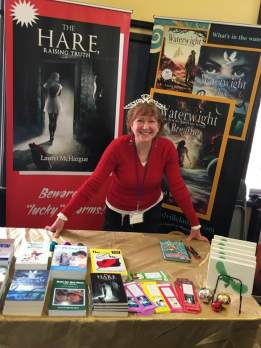
I’m talking today with fantasy author Laurel McHargue, a woman with a lot of energy. She’s written eight books including her Waterwight fantasy series and an adult fairytale, The Hare, Raising Truth, she hosts her own podcast, Alligator Preserves, is a former teacher and active community member, networks and promotes her works online, and finds time attend writing events for face to face interactions with her fans and potential new readers, as well as other authors. Even through email the positive energy radiates from this author. I could give you a lengthy fanfare on how impressed I am with this lady, but I think it’s better to let you see for yourselves. So, without further ado, please welcome Laurel Mchargue.
Kaye: Would you talk about your author’s journey? How did you come to come to be a writer?
Laurel: When I was quite young, I learned I could get attention by telling stories. As the fourth of five girls, I was low on the proverbial totem pole when it came to feeling important, so I had to be creative. I think my wild dreams helped, though eventually, my parents would roll their eyes when I’d come down in the morning with an “unbelievable” dream I’d just have to share. Who knew a dream would launch my first fantasy series? I didn’t then, but hey, I was just a kid!
Fast forward through a lifetime of unique experiences that people were curious about—I was frequently told, “You should really write about that!”—and I finally made the decision to make writing my career. I always did well in classes that required writing, and there were teachers along the way who encouraged me greatly.
I think I always knew I’d write stories someday, but until I made the commitment, it was always a “someday” kind of dream.
Kaye: What can you tell me about your YA fantasy series, Waterwight, and specifically about your Waterwight Breathe which will be released on March 15th?
Laurel: Waterwight started with a dream in which I was running away from bad guys through a dilapidated town, and I came up against a large body of water. The only way across it was to fly, and so I flew. Halfway across, however, I doubted my ability to make it to the other side and started to fall. A flying frog appeared and said, “Grab hold!” and I grasped his leg. He got me to the other side and then died in my arms. The dream had other elements I was able to use in my story as well. Anyway, I shared the dream with my author friend Carol Bellhouse (because I wasn’t living at home anymore!) and she told me I needed to write a story around it.
At the time, I’d never written fantasy, and the thought of turning a dream into a story thrilled and terrified me! Over the course of a year my story unfolded chapter by chapter, and by the time I got to the end, I wasn’t ready to leave my characters. I knew there was more for them to do, and there were questions I needed to answer. So, Waterwight Flux answers questions, develops characters, and sets up more challenges for Celeste, the orphaned protagonist.
I chose to write Waterwight Breathe, the final book, in first person present tense perspective after reading The Hunger Games. I love the immediacy of the thoughts and actions, and having the last book narrated by the protagonist seemed like the perfect way to end the series. I know it’s unconventional to have different points of view in the same series, but my life decisions have frequently been unconventional, and I have no regrets!
 Waterwight Breathe is available on March 15th, and it might be my favorite work yet. I couldn’t wait to get to the ending, the only part of the book I actually planned!
Kaye: You received three CIPA EVVY awards for the first book in the series. That’s quite an accomplishment. What is it about this book that makes it EVVY Award worthy?
Laurel: The CIPA EVVY awards are highly competitive, and each book is evaluated with a rubric—not against other submissions. The judges look at everything from cover design to editing to plot and character development. Waterwight is a fantasy adventure with mythical and mystical elements and a female protagonist; it received praise from Kirkus Reviews and many readers. I’d like to think those readers and the EVVY Awards judges felt compelled to keep reading at the end of each chapter. I had fun ending most of my chapters with cliffhangers!
The first book is also divided into three parts, so readers get to see what’s happening from different perspectives in each part. As a bonus, and because I’m a former English teacher, I added a synonym glossary and questions for discussion in the back of each book in the series. I don’t dumb down my prose for YA readers.
I used 99designs.com for my cover design and couldn’t be happier! The same artist created my covers for all three books in the series. Also, I paid a professional proofreader to ensure there weren’t any annoying typos or misspellings.
Kaye: Your novel Miss? is based on your own experience as a first-year teacher and earned the IndieReader Approved Award. Tell me about this book.
Laurel: I’m incredibly fortunate to have friends who are authors too. In 2012, one of those friends, Stephanie Spong, challenged me to do NaNoWriMo with her. I had never heard of such a beast! Well, being the competitive individual I’ve been told I am, I looked into it, and after thinking the 30-day personal challenge was ludicrous, I signed up on October 31st!
This was about six years after my first year of teaching 7th grade English in a doomed middle school. As a resigned Army Major, I honestly thought teaching 7th grade Language Arts would be a breeze. Oh…Em…Gee! I was very wrong.
Because I couldn’t believe what I was experiencing each day, at the end of the day I’d create a bullet-point list of everything that happened. I walked into NaNoWriMo with a year’s worth of those bullet points and had all the material I needed to write my first novel.
I remember telling my students, “Someday, I’m going to write a book about you all!” I said it as a humorous threat, and every class would be filled with hands going up and exclamations of, “Oh, Miss! Can I be in it?”
Although I couldn’t put all 130 students in “Miss?”, I meshed together many of them and included actual events from that year. I say it’s “loosely fictionalized” because of that, and because I added some romance and a scary situation that didn’t actually happen, but could have.
Kaye: Could you talk about your adult fairytale, The Hare, Raising Truth?
Laurel: The same friend who challenged me to NaNoWriMo challenged me to a 3-Day Novel Writing Contest! Stephanie Spong discovered the contest and really wanted to do it, so what choice did I have? (smiley face).
I sent my husband away for Labor Day Weekend (official contest dates), stocked my house with food and beverages, and set up little workout stations around the house. Stephanie came to my house ready to write for 72 hours and we agreed on rules: She could have the dining room, I had the “Red room” (that may have influenced my writing!), and no talking unless we happened to bump into one another in the kitchen.
We were very good girls!
As I enjoy challenging myself with different genres (and contests with crazy time limits), I decided to try something completely different for this contest. “I’m going to write it in 2nd person perspective,” I told Stephanie, and she warned me about the difficulty. Bonus, I thought. I also thought I’d write something light and funny.
Something happened, however, when I heard Rod Serling’s voice from The Twilight Zone in my head (in the Red room). My story turned darkly comedic quite fast, and there was nothing I could do about it . . . I had to see where it would take me.
I completed The Hare, Raising Truth—a Grimm’s Fairy Tale/Twilight Zone mashup—in about 38 hours. It’s novella length, and it was an absolute blast to write. My husband read it when he returned from his banishment and said it’s the best thing I’ve written so far, and I’ve had many people ask, “How did you get into the head of a horny teenage boy so well?”
Well…it wasn’t that difficult!
Kaye: You have a podcast called Alligator Preserves. What is that about?
Laurel: I started my podcast Alligator Preserves—which is about storytelling and the human condition—for several reasons. I wanted to be able to narrate my own books, so my husband set me up with the equipment I’d need to do that (even after I banished him that Labor Day weekend!). Also, friends had suggested that many of my blog posts should be recorded, since blog posts tend to get buried and lost once they’re posted. I wanted to be able to “tell” stories as well as write them.
When I started recording, I realized I had a great set-up for interviewing other people who’ve “done things” too, so I started asking racers and Reiki practitioners and authors and challenge seekers if they’d like to share their stories. The response was overwhelming, and now I have a hard time figuring out how to fit them all into my own schedule while still having time to do my writing.
Recently, I’ve gone to a pay-for-service model for anyone with a book or product they’d like to promote. Creating a podcast with another person is a lot of work. I value the time I spend reading and researching (prior to the interview) and editing and posting to social media (post recording). I provide all the links to the audio and video I create to my interviewee for use on their social media as well. For authors, it’s another plank to add to their author platform!
Kaye: What is the biggest challenge of writing fantasy?
Laurel: I can visualize scenes in my head so clearly, and most of them are fast-paced. The challenge is in slowing down my writing to help readers see what I’m seeing. Also, sometimes my writing is dream-like, and I have to find ways to convey that not-quite-real feeling.
That’s how multiple drafts help. I may blast through several chapters, totally believing that I’m conveying what my mind is seeing, and then I’ll have someone read them and they’ll say, “Huh? What just happened here? I don’t get it”!
My challenge is usually in adding more to a scene rather than deleting. There’s always more an author can do to make their writing sing more clearly!
Kaye: What’s the most fun part of writing for you?
Laurel: I think many authors might say that writing “The End” upon completing a project is the most fun, and I won’t lie—a happy dance always follows—but really, the fun is in the little surprises that happen along the way. It’s the unexpected character that pops into my head while I’m walking the dog or the funny thing a character will say. I’m more of a “pantser” than a “planner,” so I’m surprised all the time!
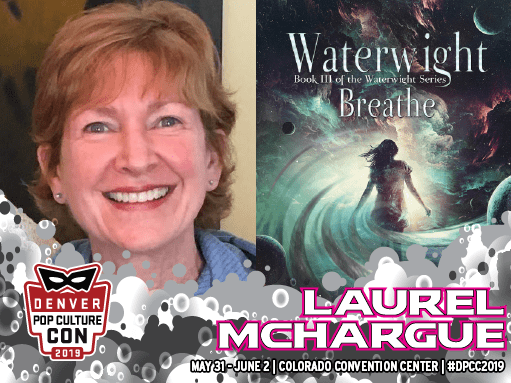
Sharing my work and having a fan say, “Wow! I loved that!” is another obvious fun part, but that’s after the writing is published. I brought my work to the 2018 Denver Comic Con and was blown away by the interaction I experienced with readers. I’ll attend the 2019 Denver Pop Culture Con (new name) this year with my completed trilogy and a new graphic novel! Now, that will be fun!
Kaye: Fantasy isn’t the only genre that you write in, and you hope to explore as many genres as possible throughout your writing career. What is your favorite genre to date?
Laurel: I’m horrible when it comes to “what’s your favorite” questions, but I’d have to say that I’m really enjoying short stories right now. I’ve entered several “flash fiction” contests with very short time limits, and being able to complete a project in a week or less exhilarates me!
I’m putting together a short story collection now. I’ve promised my Patreon patrons a new short story every month (which I narrate on my podcast Alligator Preserves) and when I’ve created enough, I’ll publish them and acknowledge my partons.
That said, many of my fans tell me they love my nonfiction blog posts. Once Waterwight Breathe is launched, my next big project will be a nonfiction piece based on my dad’s WWII letters. I hope to have a draft completed by the end of 2019!
Kaye: Where does your inspiration come from?
As Neil Gaiman said when asked where he got his ideas, “I make them up . . . out of my head.” (http://www.neilgaiman.com/Cool_Stuff/Essays/Essays_By_Neil/Where_do_you_get_your_ideas%253F). But how does inspiration get into my head? It gets there from every sensory experience throughout my days and from the Technicolor dreams I’ve had since I was a child. Someone said dreams are your brain’s way of dealing with all the things bombarding your senses during the day, and when I remember my dreams, I can often link them to something that has happened, or something that’s been “on my mind.”
Real people and creatures inspire my characters as much as imaginary ones (and who says the bizarre creatures in my dreams aren’t “real”?). Old Man Massive, the mountain spirit in my Waterwight trilogy, was inspired by an outcropping of stone on Mt. Massive that looks like an old, bearded man. Names and superpowers were inspired by real people I’ve known or met while writing the series. Zoya, my tragic octopus, was inspired by a paddleboarding experience on Twin Lakes, as was Noor, my fire-breathing dragonfly. The whole series started with a crazy dream I shared with a friend. I see and find inspiration all around me.
People have asked me where I get my imagination from, and all I can say is that it must be a gift from the universe! It’s certainly not a “thing” you can buy, and I’m not even sure it’s a “thing” you can learn. I consider myself quite fortunate that I was born with an imaginative brain.
 Kaye: What do you do when you’re not writing?
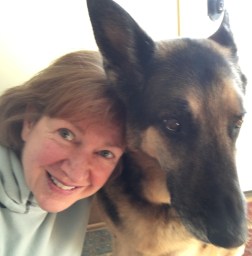
Laurel: When I’m not writing, I’m thinking about writing or I’m marketing my writing (sure wish I could clone myself for that task) or I’m reading or I’m recording a podcast episode or I’m cooking a yummy dinner or I’m brushing a pillow’s worth of hair from my German Shepherd or I’m cleaning out my sock drawer (because, where do all those socks come from?) or I’m swimming (several mornings per week, and not very fast) or I’m chatting with my friends or with one of my four sisters or I’m worrying about my sons (because I’m a mother) or I’m wondering how the day has passed so quickly. And other things, too.
Kaye: Hunting for Red Meat is a collection of memoir-style essays based on your own adventures hunting elk. When did you get the idea to make them a published collection?
Laurel: Several friends have told me how much they enjoy my blog posts, and one of them, Erin Sue Grantham (who also hunts), suggested I put them into a book. When I looked at putting them all in a book, I was overwhelmed by how many stories I had, and realized a book containing them all would be too big. So I thought about segregating them into topic areas.
After three years of hunting (and never filling a tag), I had plenty of hunting blog posts, so I decided to start there. Our oldest son, Nick, suggested it would be a “blook” a blog book, and I had fun coming up with the title.
I really thought I’d have a lot more sales by now with a title starting with “Hunt for Red…,” but alas, no. I honestly think many readers would enjoy it as it’s far more of an appreciation of the majesty of the wild outdoors than it is about hunting. I share my awe and my suffering, my adrenaline and my poetic moments.
My next “Blook” will probably be about our camping adventures.
Kaye: You have also published two books on Haiku. Do you have a special love for that poetry form? What is it that draws you to it?
Laurel: I love Haiku because—like a short story—they finish quickly. You have only seventeen syllables to play with, and it’s like completing a puzzle. Five-seven-five. That’s it.
Teaching grades 7-12 also gave me an appreciation for Haiku. When the word “poetry” comes from a teacher’s mouth, it’s generally followed by groans. Once a student learns how to count out syllables, though, and fit them into a “puzzle,” or a “math challenge,” for those more inclined toward that side of the brain, poetry suddenly becomes fun.
I was always amazed by the final products my students would create, boys as well as girls, and what fun it was to watch them tap on desktops or count on fingers while figuring out the syllabic pattern.
Haikus Can Amuse: 366 Haiku Starters “happened” after I dropped my cell phone into the ocean. Cell phones don’t like salt water. Anyway, I had a few weeks to kill before getting a new phone (I was away on vacation when it happened), and it was Leap Year, so I figured, why not come up with 366 first lines! I put that together as a gift journal for people who like filling in blanks and journaling just a little bit.
Hai CLASS ku is a spinoff of my cell-phone-debacle book, and it’s designed as a classroom workbook with a semester’s worth of haiku first lines (90) and space to draw a sketch and write a bit about inspiration. It’s also a great tool for substitute teachers.
Kaye: Which author or poet, dead or alive, would you love to have lunch with? Why?
Laurel: Dead? Steinbeck. Why? Because I love his writing. Alive? Margaret Atwood. Why? Because I love her writing. So many tremendous authors, so, so, so little life to experience them all.
I want to thank Laurel for joining me and sharing a little about experiences and her work. You can learn more about both at the links below.
SoundCloud (Alligator Preserves podcast): https://soundcloud.com/user-564361489
iTunes link: https://itunes.apple.com/us/podcast/alligator-preserves/id1337322865?mt=2
Stitcher permanent show link: http://www.stitcher.com/s?fid=165314&refid=stpr
(this link is optimized for mobile and Twitter posts)
Amazon Author page: https://www.amazon.com/Laurel-McHargue/e/B00INB9OO6
Blog link: http://leadvillelaurel.com/
Facebook: https://www.facebook.com/LeadvilleLaurel
Twitter: https://twitter.com/LeadvilleLaurel
Instagram: https://www.instagram.com/leadvillelaurel/
LinkedIn: Laurel (Bernier) McHargue
Like this post? Subscribe to Writing to be Read for e-mail notifications whenever new content is posted or follow WtbR on WordPress.
Posted: March 1, 2019 | Author: kayelynnebooth | Filed under: Book Review, Books, Fiction, Science Fiction, Stories | Tags: Book Review, Kevin J. Anderson, Science Fiction, Selected Stories: Science Fiction Volume 2, Short Fiction, Short Stories, Short Story Collection, Writing to be Read |
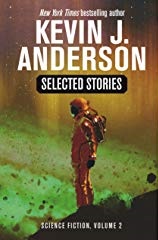
Selected Stories: Science Fiction Volume 2, by Kevin J. Anderson a collection short science fiction stories from a master story teller. This collection is comprised of short fiction created throughout his long and profitable career as an author, and the nice thing about this collection is that Anderson has included a brief introduction to each one, giving a brief glimpse into each story’s inspiration.
Experiments gone awry, time travelers, inescapable planetary prisons, hot, but frightening alien sex tales, giant robots, the ultimate population control; they are all here, in this collection. The stories in this collection are skillfully crafted Anderson twists on the science fiction themes we know and love. Also included is an excerpt from one of Anderson’s early novels, Hopscotch. “Club Masquerade” explores the concept of body switching and takes it in some extreme directions.
Kevin J. Anderson is a master storyteller, and every story in this collection is imaginative and entertaining. I give Selected Stories: Science Fiction Volume 2 five quills.
Kaye Lynne Booth does honest book reviews on Writing to be Read in exchange for ARCs. Have a book you’d like reviewed? Contact Kaye at kayebooth(at)yahoo(dot)com.
t
Posted: February 22, 2019 | Author: kayelynnebooth | Filed under: Blog Content, Book Review, Chatting with the Pros, Fiction, Film Review, Interview, Nonfiction, Paranormal, WordCrafter Press, Writing, Writing Contest | Tags: Book Reviews, Chatting with the Pros, Film Review, Jeff Bowles, WordCrafter, WordCrafter Press, Writing to be Read |

The entries are rolling in for the paranormal fiction contest and each one must be read. Stories good enough to recieve invitations to the anthology will also need to be edited. In order to accomodate a time budget for all this contest judging and anthology compilation activities in addition to my other life responsibilities, you can expect to see a few changes in the Friday Reviews.
One good change is we’ll be seeing more of Jeff Bowles. Last week he stepped in with a movie review of Glass that was brutally honest, but captivating. That review was so well recieved that he’s agreed to share a movie review with us on the third Monday of every month. His review of Glass was knowledgeable of the genre and written well enough to be mistakeing for one of the top critiques. If book reviews are hugs for authors, then Writing to be Read wants to hug the film industry, too. If you want to keep up on many of the latest movies, be sure to catch Jeff’s Movie Review (working title) each month.
I also plan to make two reviews each month instead of four, for books in the genre to go along with the monthly theme set by the genre the “Chatting with the Pros” guest author for the month. In February my guest author was nonfiction author Mark Shaw, so the February theme was nonfiction. My supporting author interview was with nature writer Susan J. Tweit and my supporting post was about my own nonfiction endeavor with the first post in my new bi-monthly series, “The Making of a Memoir“. My reviews were both of nonfiction books of different sub-genres: Mark Shaw’s How to Become a Published Author and a compilation of poetry artwork and writings about mental illness, the Letters of May anthology.

March’s theme will be science fiction and fantasy, and the “Chatting with the Pros” guest author will be national and international best selling author Kevin J. Anderson. He’s written more best sellers than there is room to list here and I’m thrilled to have him on Writing to be Read. My supporting post will be about my science fantasy series, Playground for the Gods. I’m still searching for a author for my supporting interview, but my reviews will be for Kevin J. Anderson’s Selected Stories and Jordan Elizabeth’s Rogue Crystal. If you want to be sure not to miss any of these great science fiction and fantasy segments, be sure to sign up to email or follow on WordPress to get notification of new content.

Before I wrap this up, let me just remind you all that there is still time to submit your short story to the WordCrafter paranormal fiction contest. The deadline is April 1, so don’t drag your feet on this one. The entry fee is $5 and the winner will recive a $25 Amazon gift card and a guaranteed place in the WordCrafter Press paranormal short fiction. Email your submissions to kayebooth (at) yahoo (dot) com and I’ll send you confirmation instructions for submitting your entry fee.
Your submission can be any genre, but your story does have to include a paranormal element, so get those stories in. Other entries may be included in the anthology by special invitation, and all anthology authors will recieve a small royalty share if the book makes any money. You can get the full submission guidelines here: https://kayelynnebooth.wordpress.com/2019/01/28/short-fiction-contest-paranormal-stories-sought/
I do hope you’ll all join me in the exciting changes ahead. I’m always interested in reader feedback, so leave a comment and let me know what you’d like to see on Writing to be Read.
Want to keep up to new content so you never miss a post? Subscribe to Writing to be Read for e-mail notifications whenever new content is posted or follow WtbR on WordPress.
Posted: January 28, 2019 | Author: kayelynnebooth | Filed under: Fiction, Flash Fiction, Horror, Paranormal, Speculative Fiction, Stories, WordCrafter Press, Writing, Writing Contest, Writing to be Read | Tags: Flash Fiction, horror, Paranormal, Short Fiction, Short Stories, Speculative Fiction, WordCrafter Press, Writing Contest, Writing to be Read |

I love a good ghost story or paranormal tale, and that’s just what I’m looking for for the first Wordcrafter short fiction contest. If you write paranormal short fiction, submit your best story for a chance for it to be included in a paranormal anthology. Flash fiction is accepted as long as it is a complete story, with beginning, middle and end. In addition to publication, the winner will recieve a $25 Amazon gift card.
Guidelines:
- Submit paranormal, speculative fiction, or horror. I want to read your story!
- Stories should be less than 10,000 words and have a paranormal element. They don’t have to be scary, but it helps.
- Submit stories in a word doc, double spaced with legible 12 pt font, in standard manuscript format.
- Submit stories to kayebooth@yahoo.com with Submission: [Your Title] in the subject line. You will recieve instructions to submit your $5 entry fee with confirmation of reciept.
- If you recieve an invitation for the anthology, you will also be asked to submit a short author bio and photo.
- No simultaneous submissions. You should recieve a reply within 45 – 60 days.
- Multiple submissions are accepted with appropriate entry fee for each individual story.
I’m excited about this contest and the resulting anthology, and I hope you are, too. I can’t wait to read your stories. I’m hoping to release the anthology around Halloween through WordCrafter Press, so get your submissions in by April 30th. I’m searching for a title for this anthology, so if you have a paranormal title that’s killer, leave a comment below and give me your suggestions.
Like this post? Subscribe to Writing to be Read for e-mail notifications whenever new content is posted or follow WtbR on WordPress.
Posted: January 25, 2019 | Author: kayelynnebooth | Filed under: Book Review, Books, Fairy Tales, Fiction, Stories | Tags: A Twist of Fate, Book Review, Fairy Tales, Short Fiction, Short Stories, Writing to be Read |
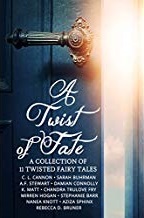
A Twist of Fate: A Collection of 11 Twisted Fairy Tales is a delightful collection of short fiction which plays off of the fairy tales of yore to create a collection of charming fairy tales, in both traditional and contemporary styles, that entertains and enthralls. Filled with works from a plethora of talent, this collection may change the way we look at fairy tales.
All of these stories were quite enjoyable, but I’ll just give you some highlights of my favorites. Did you ever wonder about the role the peas played in The Princess and the Pea? Nanea Knott shares her ideas about this in The Princess Tests. K. Matt claims that Rampage is a twist on Rapunzel, but I’d venture to say she borrowed a bit from Medusa as I read this monstrosly hairy tale. Peter, Peter, by Chandra Truelove Fry presents a very twisted take on Peter, Peter Pumpkin Eater that will deter even the strongest hearts from eating pumpkin ever again. Damian Connolly does a smashing job of taking Sleeping Beauty into the Indian jungles in The Lost City, and you’ll be surprised by what happens when the princess is awakened.
Fiction Atlas Press could have done a better job with proofreading, as I found typos throughout, ingbut overall I found found this collection of twisted tales to be quite engaging. I give A Twist of Fate five quills.
Kaye Lynne Booth does honest book reviews on Writing to be Read in exchange for ARCs. Have a book you’d like reviewed? Contact Kaye at kayebooth(at)yahoo(dot)com.
Posted: January 18, 2019 | Author: kayelynnebooth | Filed under: Book Review, Books, Fiction, LBGT, romance, Science Fiction | Tags: Book Review, Dystopian, LBGT, O.E. Tearmann, romance, Science Fiction, The Hands We're Given, Writing to be Read |
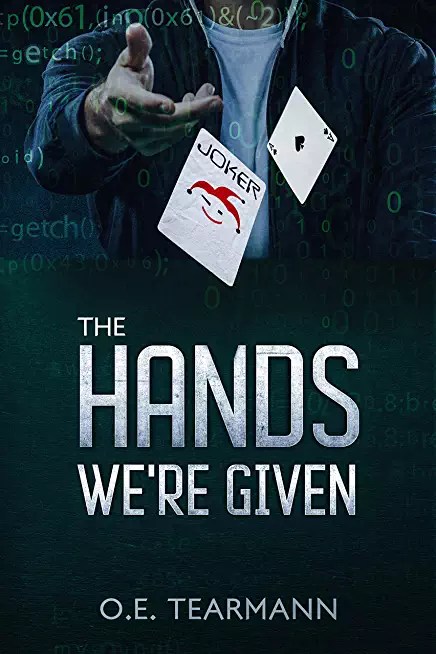
I’m not generally a reader of LBGT literature and I must admit that recognizing that this story had a romantic story thread had me a little apprehensive, but I have to say that The Hands We’re Given by O.E. Tearmann handles this very delicate and sensitive subject matter quite tastefully. In a futuristic world where the corporations have taken control and divided the U.S. into sectors, Aiden and Kevin’s romance is a refreshing change from the day to day stresses of fighting for the resistance forces, but they each have secrets that could stand in the way of their happiness and their very existance.
The Wildcards are resistance team made up of members who refuse to conform to the norm and all of them come with their own emotional baggage, but they are the best there is, or at least they were. Lately their successful operaations have faltered and their disciplinary issues have been on the rise. When Aiden is assigned to take the Wildcards for his first command, but will he be able to pull the group together and get them back up to their potential?
I haven’t read a lot of LBGT stories, so this was a new world for me. Be warned that there are explicit sexual content in this book. But once I got past that, I discovered a dystopian story with well-developed characters who I could invest in and all the elements of a good romance, with the LBGT elements handled with sensitive and good taste. I give The Hands We’re Given four quills.

Kaye Lynne Booth does honest book reviews on Writing to be Read in exchange for ARCs. Have a book you’d like reviewed? Contact Kaye at kayebooth(at)yahoo(dot)com.
Posted: January 11, 2019 | Author: kayelynnebooth | Filed under: Book Review, Books, Fantasy, Fiction, Young Adult | Tags: Aaron Siddall, Book Review, Fantasy, Fanya in the Underworld, Jordan Elizabeth, Writing to be Read, Young Adult Fiction |
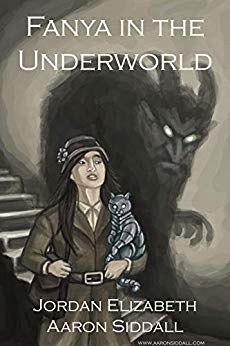
Fanya in the Underworld, by Jordan Elizabeth, is a delightful futuristic steampunkish adventure with spirits instead of steam. Filled with unusual creatures and mechanical devices from beyond the depths of imagination, this story is filled with surprises. Illustrations by Aaron Siddall help bring Elizabeth’s fascinating mechanisms to life, creating a unique journey into the imagination.
Fanya lives in an Alaska with spirits and unusual mechanical companions and servants all around her. She never gives either much thought until her father dies and the Council allows her inheritance to go to her step-mother, leaving she and her sister, Luetkea, to live in poverty. Fanya fights to get back what is rightfully hers and finds that there are things going on in the world around her of which she is unaware, which go beyond the Council to a mytsterious man named Finley. The deeper she digs into the situation, the more she learns about who she really is, and the harder Finley pushes to stop her from learning the truth. When Finley abducts her sister, Fanya will stop at nothing to get her back and take her rightful place in the scheme of things.
Gripping from the first pages, Fanya in the Underworld is a hero’s journey about growing up and discovery. Aimed at Y.A. readers, it’s entertaining for all ages. I give it five quills.

Kaye Lynne Booth does honest book reviews on Writing to be Read in exchange for ARCs. Have a book you’d like reviewed? Contact Kaye at kayebooth(at)yahoo(dot)com.
Posted: January 7, 2019 | Author: kayelynnebooth | Filed under: Author Profile, Book Covers, Books, Cover Art, Fiction, Historical Fiction, Interview, Western, Writing Process | Tags: Author Interview, Author Profile, Delilah, Loretta Miles Tollefson, Not Just Any Man, The Pain and the Sorrow, western fiction, Western genre, Writing to be Read |
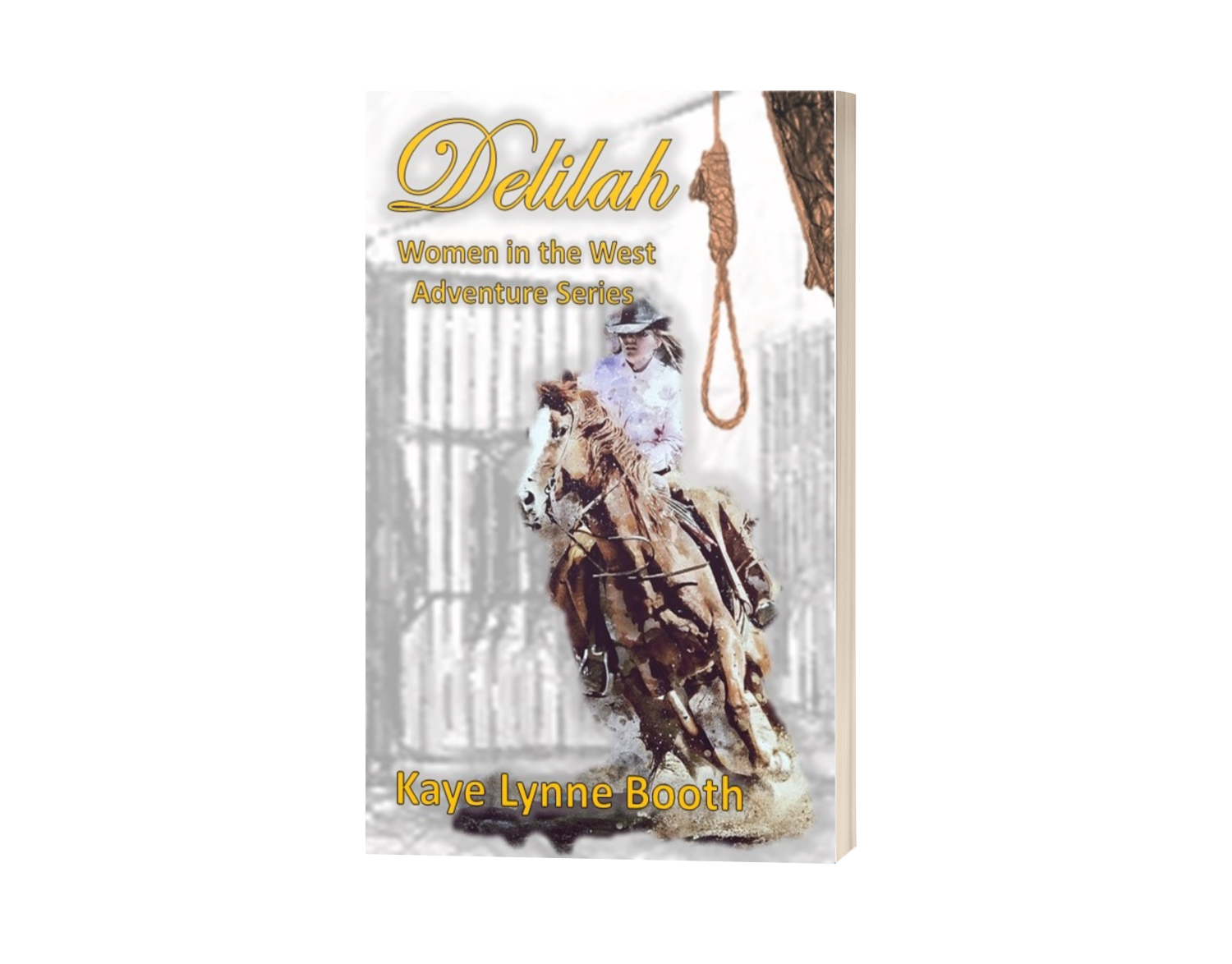
After writing an excerpt of Delilah for an assignment in grad school, I remember thinking, ‘this could be a book’. But I also remember thinking that a western by a female author probably wouldn’t sell. Women weren’t supposed to write westerns. After all, the western frontier was for rugged men. I knew there were women in the west, but I guessed that they weren’t protagonist material. Then, I wrote and published Delilah anyway. It was a story that wanted to be told. My character, Delilah spoke to me and the writing of the tale was too important for me to let the idea that it might not be a best seller stand in the way.
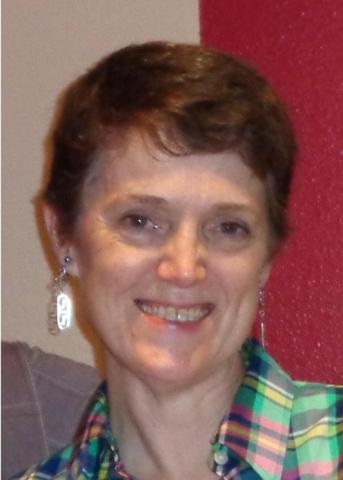
In the meantime, I was happy to learn that there are other female western authors out there. I’m pleased to have one as my guest today. Her books are set in the historical New Mexico landscape based on factual historical people and places. Western fiction author Loretta Miles Tollefson will share her thoughts on the matter of gender in the western genre and other aspects of writing and her books.
Please welcome Loretta Miles Tollefson.
Kaye: Would you share the story of your own publishing journey?
Loretta: When I was fifteen I won a writing contest in a Sunday School paper and that triggered a deep desire to continue to see my words in print. I published a couple more pieces in that same paper, then branched into short stories and poetry in my 20s and 30s. I had a few things published and received a co-publication offer for a novel. Unfortunately, I didn’t have the financial resources to follow up on that. I continued to write and had some poetry published in my 40s and early 50s. I self-published a couple novels in my mid-50s and then The Pain and the Sorrow was published by Sunstone Press in 2017. I was frustrated by the lack of opportunities to advertise a novel that had been traditionally published and went back to the self-pub route with Not Just Any Man.
Kaye: When did you know you wanted to be an author?
Loretta: I was 15 but, because I come from a very practical family, I chose to take the pragmatic approach of going into newspaper and magazine work instead of stepping into the uncertain waters of fiction. Eventually, I became a Special Projects Manager for a regional planning organization here in New Mexico, a job which utilized both my writing and research skills. I didn’t realize my dream of writing full time until I retired about five years ago.
Kaye: What is the most enjoyable part of writing westerns for you?
Loretta: For me, the most enjoyable part of writing is finding ways to bring the historical details, my characters’ personalities, and the storyline itself together. It’s like weaving a tapestry. And then there’s always the sudden inspiration that seems to come out of nowhere, when my characters seem to be telling me what they want to say. Although I, as the author, always have control, I’m sometimes surprised at where the story takes me.
Kaye: What is the biggest challenge of writing western fiction for you?
Loretta: I think my biggest challenge in writing historical fiction set in the West is feeling like I need to double check all the details. Even though I grew up on a small farm and we had horses and cows and chickens and hung the clothes on a line and pretty much all the rest of it, there’s a great deal I don’t remember or took for granted at the time. And, of course, I didn’t actually live in the early 1800s. I have to be careful not to assume certain ways of doing things or specific pieces of equipment were common back then. I’m always concerned that I’ll slip into an anachronism.
Kaye: You follow the old adage “write what you know”, setting your books in areas where you have lived and are familiar with, yet you must envision those settings in another time period. It seems perhaps your own setting acts as inspiration for your stories?
Loretta: It does. Very much so. I’ve lived in New Mexico almost thirty years and was fortunate enough to travel all over the state in connection with my job. Then, after I retired, we moved to Eagle Nest, New Mexico, on the northern end of the Moreno Valley. We lived there five years and that experience really brought together my love of history and my desire to write full time. There’s so much history here in New Mexico that I don’t think I will ever run out of ideas. We recently moved to Santa Fe, New Mexico, and that will continue to inspire me and to provide me with great resources for my research.
Kaye: Your novel, Not Just Any Man, was recently released. Would you like to tell us a little about that book?
 Loretta: Not Just Any Man is about a black mountain man in 1820s New Mexico named Gerald Locke, Jr. It’s an adventure story, as Gerald traps in Northern New Mexico and then joins a fur trapping expedition across the Arizona desert and up the Colorado River. The group includes Enoch Jones, the only mountain man in the West who seems to have an issue with Gerald’s skin color. Jones has a few other issues as well, and the conflict between the two men is a crucial plot element.
But this isn’t just an adventure story. Gerald has met a young woman in Taos who seems far above his station in life and he can’t stop thinking about her. Even if he can survive the Sangre de Cristo mountains, the Mohave Indians, and the arid rim of the Grand Canyon, as well as Enoch Jones, can Gerald prove to himself and the girl he loves that he is, after all, not just any man?
Kaye: Do you think western readers are more receptive to male protagonists?
Loretta: There certainly are a lot of male protagonists in the western genre. I think this is because the traditional Western initially reflected the cultural assumption that only men played an active role in events in the West. As we broaden our understanding of the historical West, both before and after the United States was the primary actor there, we’re realizing just how often women played critical roles on the frontier. Life was harsh. Any family that was going to survive needed everyone in it to be fully engaged. Women had to take on roles they hadn’t necessarily played before. If anything, I believe their experiences on the frontier helped to begin breaking down the barriers that we’re still disassembling today. As we do that, I suspect Western readers will become more and more receptive to all kinds of protagonists.
Kaye: You have wonderful covers with beautiful landscapes that cry out ‘western’! Where do you get your covers?
Loretta: Well, thank you! I’m glad you like them. I worry about my covers. Other than The Pain in the Sorrow, I’ve designed them all myself and created most of them using a combination of Publisher and Gimp. The pundits’ advice is to have someone else do them, but I tend to have very specific ideas about what I want, and I haven’t yet discovered anyone who can quite catch my vision.
Loretta: The Pain and the Sorrow was strongly inspired by New Mexico history. Its characters actually existed and the primary incidents in the story are based on historical artifacts.
The plot of Not Just Any Man is also strongly situated in actual events. While the protagonist and villain are both fictional, most of the mountain men in the novel, are based on actual people—Old Bill Williams, Milton Sublette, Ewing Young, etc.—and much of the story line is based on their first-hand accounts.
Kaye: The Pain and the Sorrow has historical basis, as do all your books as I understand it. And it’s obvious that you strive to make your details as accurate as possible. Do you weave the history into your stories or is it the New Mexico history that inspires the stories?
 Kaye: The Pain and the Sorrow is based in New Mexico history and a historical figure of legend, but the story about your female protagonist. Not all of your novels have female protagonists though. Was the female protagonist easier to write since you have a natural female perspective?
Loretta: The Pain and the Sorrow was a very difficult story to tell because of the abuse my teenage protagonist suffers at the hands (and other body parts) of her husband. I think that writing Gregoria’s story may have been more difficult for me precisely because I am female. My emotions were very raw during the entire process. I might have found it easier to tell Gregoria’s story if I didn’t have a “natural female perspective” and felt less connection with her.
Kaye: Do you think it’s more difficult for a female to make it in the western genre than it is for male authors?
Loretta: I think it’s difficult for any author to break into any genre today, regardless of their gender. However, it seems to me that more women are writing Western-style stories and getting them published than has been true in the past. For example, of the fourteen authors showcased in Five Star Publishing’s recent The Trading Post and other stories, four or five are women. In early December 2018, the twenty top-sellers in Amazon’s Western category included at least two women. There may have been more, publishing under a male pseudonym. We’ll really know that women have made it in western fiction when no one finds it necessary to use a male, or male-sounding, pen name when they do so.
Kaye: My publisher slapped Delilah into the romance category, listing it as a frontier romance. While there is a romantic element to the story, I didn’t make it the major focus of the story. I guess they thought it was more marketable as a romance, and I do think that because my protagonist is female, the book might have a stronger appeal to a female audience. Do you think western readers are more receptive to stories with a male protagonist?
Loretta: That’s hilarious. I really liked Delilah and I enjoyed the romance element in it, but classifying it as a frontier romance seems to me to diminish its marketing potential. I never search for frontier romance. As a result, I would have missed Delilah entirely if that’s the only place it could be found. I feel strongly that the current way the market is being sliced into finer and finer categories does us all — readers and writers alike — a disservice because it makes it more difficult to find the well-written, well-conceived books like Delilah that transcend easy categorization.
Kaye: Do you feel that it is harder for women authors to be taken seriously in the western genre?
Loretta: To a certain extent, this may be true. After all, as I mentioned above, some women authors of Westerns apparently feel that it’s necessary to use pseudonyms to obscure their gender. But I think that as we persist, this will become less and less of an issue.
Kaye: You are also a poet and you have out several poetry books. Would you talk a little about what inspires your poetry?
Loretta: My poetry is very personal, especially But Still My Child, which contains the poems I wrote after a miscarriage over thirty years ago. The poems I wrote during that time and afterwards helped me process that grief and I hope publishing them will support others in that same process.
My other volumes of poetry were the result of an attempt to blend my interest in poetry with my love of story. For historical stories, now that I think of it. The poems in But Then Moses Was There and Mary At The Cross try to get inside the heads of Biblical characters to express what living their experiences might have felt like.
Kaye: You’ve also written other non-western novels. What other genres do you write in?
Loretta: I’ve written an urban fiction about coming of age/homelessness in 1980s Seattle and a chick lit novel about a New Mexico couple who wins the lottery. I’m not working in either of those genres now. I’m focusing my energies exclusively on historical fiction set in Old New Mexico.
That focus on historical fiction has also resulted in two short story collections set in New Mexico: Valley of the Eagles and Old One Eye Pete. Valley is a collection of micro-fiction. The stories are all 500 words or less. Old One Eye Pete contains longer pieces, with stories featuring the mountain man Old One Eye Pete acting as the narrative thread.
Kaye: What is the working title of your next book?
Loretta: It’s called Not My Father’s House. It’s a sequel to Not Just Any Man and (spoiler alert!) focuses on Suzanna’s struggle to adapt to living high in New Mexico’s Sangre de Cristo mountains. I’ve just finished the second draft, so it should be out by the middle of 2019.
Kaye: Besides writing, what are your favorite things to do?
Loretta: I research material for my upcoming books — or at least I tell myself it’s for my upcoming books. Hah! And I read fiction: historical, mystery, suspense, Westerns, and pretty much anything else that looks interesting to me at the moment. I review most of everything that I read, unless it has 100 reviews or more. I would love to review more historical fiction set in 1800s New Mexico and Southern Colorado, since Southern Colorado was part of New Mexico at one time.
Kaye: Would you tell us a little about your blog? What will readers find there if they visit?
Loretta: My blog is at http://www.LorettaMilesTollefson.com. About once a week, I post a short piece about a historical event or a flash fiction story set in Old New Mexico, which I define as anything prior to statehood in 1912. The site also includes news about, and links to, my books.
Kaye: Which author or poet, dead or alive, would you love to have lunch with?
Loretta: I have so many favorites. This is a hard question to answer. I think right now, given the work I’m doing, the person I would most like to have lunch with would be Paulette Jiles. I really enjoyed her News Of The World and the way she brought actual events to life in that book.
Kaye: What do you like to do when you’re not writing?
Loretta: I read and explore the region with my husband. Ultimately, it’s all research.
Kaye: Is there anything unique or unusual about your writing process?
Loretta: My writing process consists of writing the first draft, letting it sit a month, revising, letting it sit a month or so, then revising again until I feel it’s really ready. This process seems to be becoming more unusual in today’s fast-paced writing environment.
Kaye: How much non-writing work, (research, marketing & promotion, illustrations & book covers, etc…), do you do yourself for your books?
Loretta: At the moment, I’m doing all my own research, marketing, promotion, book covers, and so forth. I’m stretching myself pretty thin with all these different activities, but doing it all gives me a lot of control. I may have to start farming some of the non-writing work out as I move along in my journey.
Kaye: If your book was made into a film, who would you like to play the lead?
Loretta: To tell you the truth, I watch so little television and so few movies these days, that I’m not sure who would be the best actor to play Gerald or Susanna in a movie based on Not Just Any Man or Gregoria or Charles Kennedy in The Pain And The Sorrow. I’d love some input from your readers on this question.
Kaye: I can and will reach out to readers for input on who should play your leads were your story made film, but now you have to answer another question: Since many of my readers may not have read your books, can you tell us what characteristics these characters would have so they can better imagine who would be a good fit?
Loretta: Hmmm,
Characteristics:
Gerald: square forehead, gray eyes. Half black/half Irish. Late 20s.
Suzanna: slim, tall for a woman (about Gerald’s height). long black hair, dark brown eyes. Half anglo (WASP), a quarter french, a quarter Navajo. About 16.
Alright readers. Here’s your chance be heard. Who do you think would be good for the roles of Gerald and Suzanna? Please comment with your suggestions. Loretta and I would both love to hear the possibilities.
Kaye: What advice do you have for aspiring authors?
Loretta: In a nutshell: read, revise, revise again.
If you plan to write fiction, read fiction. Especially classic fiction: Hemingway, Steinbeck, Austen, Dickens, and so forth. Also, read contemporary fiction, and not just books in your genre. Some of my favorite authors right now are Louise Penny and Donna Leon. They teach me pacing and character development. I’m especially fascinated by the way their protagonists develop over the course of the series. Everything’s research, even the books you don’t like. And don’t be afraid to express your opinions and trust your instincts. It’s okay to not like a book even if everyone else is saying how wonderful it is.
Most of all, revise! As Anton Chekhov said, “rewrite everything five times.” Well, maybe not that many, but you see what I mean. I would add “but not immediately” to that advice. Take the time to let your work rest, and then go back and look at it again. When you start changing sentences back to the way you had them in a previous version, that’s when you should stop. But not until then.
Revise it, let it rest, then revise it again. There’s a popular saying that “Perfection is the enemy of done.” I am uncomfortable with that statement. While no work is going to be absolutely perfect, rushing to publication is the enemy of quality work. Try to get your story as well-written as possible. Producing quality work is what will keep your readers coming back for more.
I want to thank Loretta for joining us today and sharing a glimpse into the world of western writing from a female author’s perspective. I have admired her work since I reviewed The Pain and the Sorrow last May, and it’s a thrill to have the privelage of interviewing her. It’s a real treat to hear from another female author in the world of western fiction.
Like this post? Subscribe to Writing to be Read for e-mail notifications whenever new content is posted or follow WtbR on WordPress.