Welcome to the revival of “Chatting with the Pros”, where I’ll be interviewing seasoned authors and experts in the publishing industry to learn what works for them and why. Learn from the experts and industry professionals as we explore the ins and outs of the publishing industry and gather tips and tools to add to our writer’s toolboxes to help make us all better writers.
Today I am pleased to introduce my guest for this first segment, international and national best seller, Kevin J. Anderson. I had the privilege of studying under him at Western State Colorado University, and besides being a successful author in the traditional publishing arena, he runs his own independent publishing house, Wordfire Press, and teaches the business of book publishing at Western. I pleased to welcome him here today because of all that, but there another reason which is maybe even more important. Kevin J. Anderson is a genuinely nice guy who enjoys down to earth things like hiking in the Colorado wilderness, as he dictates his next story, and he always makes time for fellow authors. Even with his extremely busy schedule making appearances at conferences and in person events, preparing for the upcoming movie release of Persephone, and teaching graduate courses, he didn’t hesitate to grant me this interview.
His generosity with his time and willingness to share with my readers is much appreciated, and you all are probably excited about it, too. So, I’ll just give you his bio real quick, and then we’ll get on with the interview.
About Author Kevin J. Anderson
I have written more than 175 books, including 59 national or international bestsellers. I have over 24 million books in print worldwide in thirty languages. I’ve been nominated for the Nebula Award, Hugo Award, Bram Stoker Award, Shamus Award, and Silver Falchion Award, and I’ve won the SFX Readers’ Choice Award, Golden Duck Award, Scribe Award, and New York Times Notable Book; in 2012 at San Diego Comic Con I received the Faust Grand Master Award for Lifetime Achievement.I have written numerous bestselling and critically acclaimed novels in the Dune universe with Brian Herbert, as well as Star Wars and X-Files novels. In my original work, I am best known for my Saga of Seven Suns series, the Terra Incognita trilogy, the Dan Shamble, Zombie PI series, and Clockwork Angels and Clockwork Lives with Neil Peart. Along with my wife Rebecca Moesta, I am also the publisher of WordFire Press. Find out more about me at wordfire.com, where you can sign up for my newsletter and get some free fiction.
Interview
You started out as a traditionally published author, back when that was the only way to do it. Now you have your own independent publishing company, Wordfire Press, where you publish your own books as well as the books of others. What prompted you to make the switch to independent publishing?
The publishing world changed in so many ways. As you say, there used to be only one main career path for an author, and many parts of it were out of the author’s control. But remarkable tools and opportunities became available around 2010 or so—an author with skills and persistence could now create their own books (covers, typesetting, interior design) and make ebooks and print books that were comparable to what trad publishers were doing…and that happened at the same time traditional publishing hit some real rough patches, with major houses consolidating down to only five big publishers (where there used to be a dozen or more), advances dropping, Borders book chain going bankrupt.
I had a lot of my own backlist titles that were out of print and readers wanted them, but no trad publisher wanted to reissue them. Many of my author friends were in the same situation. So I decided to do it myself.
You are always willing to help your fellow authors when you can. In fact, you share your expertise with aspiring authors and publishers on a daily basis as the head of the publishing program for Western State Colorado University, where I got my M.A. in publishing. I learned so much from you there, and you can’t share it all in one interview, so tell me, what is the most important piece of advice that you hope every one of your students comes away with?
That there are plenty of possibilities out there for an aspiring author or publisher—more so now than ever before. If you put in the work and learn what you’re doing, you CAN get your book published and available for sale worldwide. Whether or not it’s successful depends on a lot of factors, many of which are out of your control—but a lot of them ARE things you can control. Big publishers are very slow to adapt to changing market circumstances, but you can be nimble and respond to what readers want. Be a speedboat instead of an oil tanker.
You are one of the most prolific writers that I know of. You do things a little differently from many authors, in that you dictate your stories and have a team of folks who work with you to be sure the publication of each book goes smoothly. So, what is your best piece of advice for authors wishing to increase their productivity?
Ha, well I could plug my book Million Dollar Productivity, which distills a lecture/workshop I have given hundreds of times. There are many different tips and techniques to find more time to write and to squeeze more writing out of the time you have. A lot of it is prioritizing your work—consider it your job, and put in a day of work. I am a lot more productive by writing with dictation—I go out on a walk or a hike and I tell my story aloud, which (to me) is a lot faster and more inspirational than sitting in an office and pounding on a keyboard.
And I think the real key is that I truly love to write.
Within the past couple of years, you’ve begun to sell books direct through Kickstarter. Could you tell my readers why you did that and how it is working out for you?
That was a surprise to me, and not something I thought I was interested in doing. I had seen other authors run Kickstarters to raise money for pet projects they wanted to do. Then I had a series I loved—Dan Shamble, Zombie P.I. The first four novels were published by a trad publisher, not very successfully. Humorous horror was not my “brand” of big epic SF, but I just had so much fun writing them. I published a story collection at my own WordFire Press, and eventually got the rights back to the novels and reissued them at WordFire. Finally I wrote the next novel in the series and published it myself. They did OK, but nothing comparable to the big books I was doing with trad publishers, so I had kind of given up on the series.
But fans kept asking for more, and a friend of mine suggest I run a Kickstarter for the next novel in the series. That way the fans could put their own money down and prove they were interested. If not enough people supported it, I wouldn’t do it. Wow, did they want it! The Kickstarter earned three times as much money as the trad publisher was paying. It showed me the real power of a dedicated fan base. I’ve run five total now, all of them very successful, and I save them for very special projects I want to do.
Any advice for someone considering running a Kickstarter campaign?
Know what you’re doing, do something unique—and have as big a platform as you can. Your supporters will come from the pool of people who like your writing, like your subject matter, and believe that you will deliver. And don’t underestimate how much WORK it is, not only to build the campaign, but to run it and promote it successfully, and then the real fun of having to produce the book (and all the goodies) that you promised.
What do you think is the biggest misconception aspiring authors have about publishing that first book?
That they will instantly get rich and famous. Most first novels don’t do very well at all, but the next one maybe does a little better, and then the next one. It’s a long haul.
You write mostly science fiction and fantasy. You’ve written Star Wars books, and X-Files, and of course the Dune books with Brian Herbert. Persephone is coming out as a motion picture soon, or maybe it has already. You’ve written the Dan Shamble, Zombie P.I. books and The Dragon Business books, which are a mixture of dark humor and fantasy or speculative fiction. Your story take place in fantastical imaginary worlds which are always fun to read. Where do your ideas come from?
Mostly from reading a lot, watching a lot of movies and shows, and having a goofy imagination. I’m a big fan of the various genres and I love living in them.
As someone who has been in the business for a while now, what do you see as the future for the publishing industry?
I think it’s very bright and vibrant. I was just at a convention last weekend that had an entire dealers’ room set aside solely for authors who had published their own books and were there to meet new readers and promote their work. The “democratization” of publishing is amazing and writers have a direct line to connecting with their readers, rather than going through a lot of intermediary steps. IF you’re willing to do the work.
A current hot topic in the writing and publishing worlds is the use of generative AI in writing and imagery, and even AI narration for audiobooks. Where do you stand on the use of AI?
I like AI as a *tool* for streamlining some of the more tedious parts of writing. Effectively a really smart spellchecker. And writers are stupid if they refuse to use a spellchecker. I use an AI routine to swiftly and cleanly transcribe my dictation, and it works great. It doesn’t rewrite anything, doesn’t “improve” what I wrote…just alleviates the grunt work.
But I’m not OK with using AI as a crutch to write your book for you. That’s what your brain is for.
Is there one book you have wanted to write, but haven’t written yet. If so, what is it and why not?
In college I minored in Russian History, and I was captivated by Russian/Ukrainian history and folklore. I always wanted to write my Russian equivalent of SHOGUN, and I have the great story in my head, but the sheer amount of work and research it would entail just makes it impossible for me. I don’t know that I’ll ever get around to it.
___________________________________
Thank you so much for sharing with us, Kevin. You’ve been a wondereful guest. I know you are a fountain of writing and publishing information, and we can only cover so much in this brief interview. In addition to being one of the most prolific authors I know of, you are also one of the busiest, but you always answer emails promptly and were gracious enough to join us here today.
Kevin loves readers as much as he does his fellow authors. If you’re a science fiction or fantasy fan, then you are both. You can learn more about Kevin on the WordFire Presswebsite, or better yet, sign up for his Newsletter, where he shares lots of photos of conferences and cats, and there is occasionally a free book.
Join us next month on “Chatting with the Pros”, when my guest will be author and publishing industry expert, Mark Leslie Lefebvre.
________________________________________
This segment of “Chatting with the Pros” is sponsored by The D.I.Y. Author and WordCrafter Press.
n author involves not only writing, but often, the publishing and marketing of the book.
In this writer’s reference guide, multi-genre author and independent publisher, Kaye Lynne Booth shares her knowledge and experiences and the tools, books, references and sites to help you learn the business of being an author.
I’ve been meeting and greeting within author communities for sixteen years. First, as the Southern Colorado Literature Examiner for six years, and then, right here, on Writing to be Read . The payoff for these wasn’t in money, but in the opportunities they offered. I’ve met so many authors and was introduced to the writing world through those two things. And then, while working for my M.F.A., I met even more authors; traditionally published authors who were making a living from their writing, and I learned from them. When I went back to get my masters in publishing, I was privilaged to study under a true master, international and national bestselling author, Kevin J. Anderson and through the masters program and KJA, I met several industry experts, including Jonathan Maberry and Mark Leslie Lefebvre, and I learned from even more who were gracious enough to speak to my cohort, either in person or on Zoom. I’ve also met authors through various WordCrafter projects, such as the two virtual writing conferences which WordCrafter hosted in 2020 and 2021; great people who answered the call when I put it out, and ran workshops and sat on discussion panels and helped me to make those two events happen.
Tribes
And I have to say, there’s something special about authors. They seem to gravitate toward these tightnit communities where you can be a member due to only a shared love of craft. Most call themselves author communities, KJA calls them his tribe. I like that. It has a feeling of kinship to it. By giving me instruction in the publishing industry, he welcomed me into his tribe, and by being a part of my blog team, or collaborating with me on an anthology or other projects, or even by participating in discussions and being a regular visitor and name I recognized, you are welcomed into my tribe.
Authors aren’t the only people who do this kind of thing. It’s human nature for people to gravitate toward others who are like minded. There are Corvette clubs and antique car clubs, bridge clubs, and fan clubs for people who enjoy the same musical artists. But the thing is, none of the people in those clubs really know each other and they aren’t likely to go out of their way to lend a hand to someone else when the only thing they have in common is a love for one particular thing. But authors do. Authors are the most generous group of people, willing to share their knowledge with one antoher, willing to donate their time and energies to projects, willing to lift one antoher up. It is amazing to me.
Networking
In Hollywood, it is said that it is all about who you know, but this is true in a sense, for writing and publishing. Networking with fellow authors can open doors that would otherwise be closed to us. Through other authors we learn of opportunities that we might not be aware of otherwise, and we meet people who are like minded, who may endorse your book, or perhaps review it. We meet folks who are interested in the craft of writing, just like we are, and many are willing to trade off services, which can make outsourcing that would be quite costly, suddenly become something that is in reach.
Collaborations
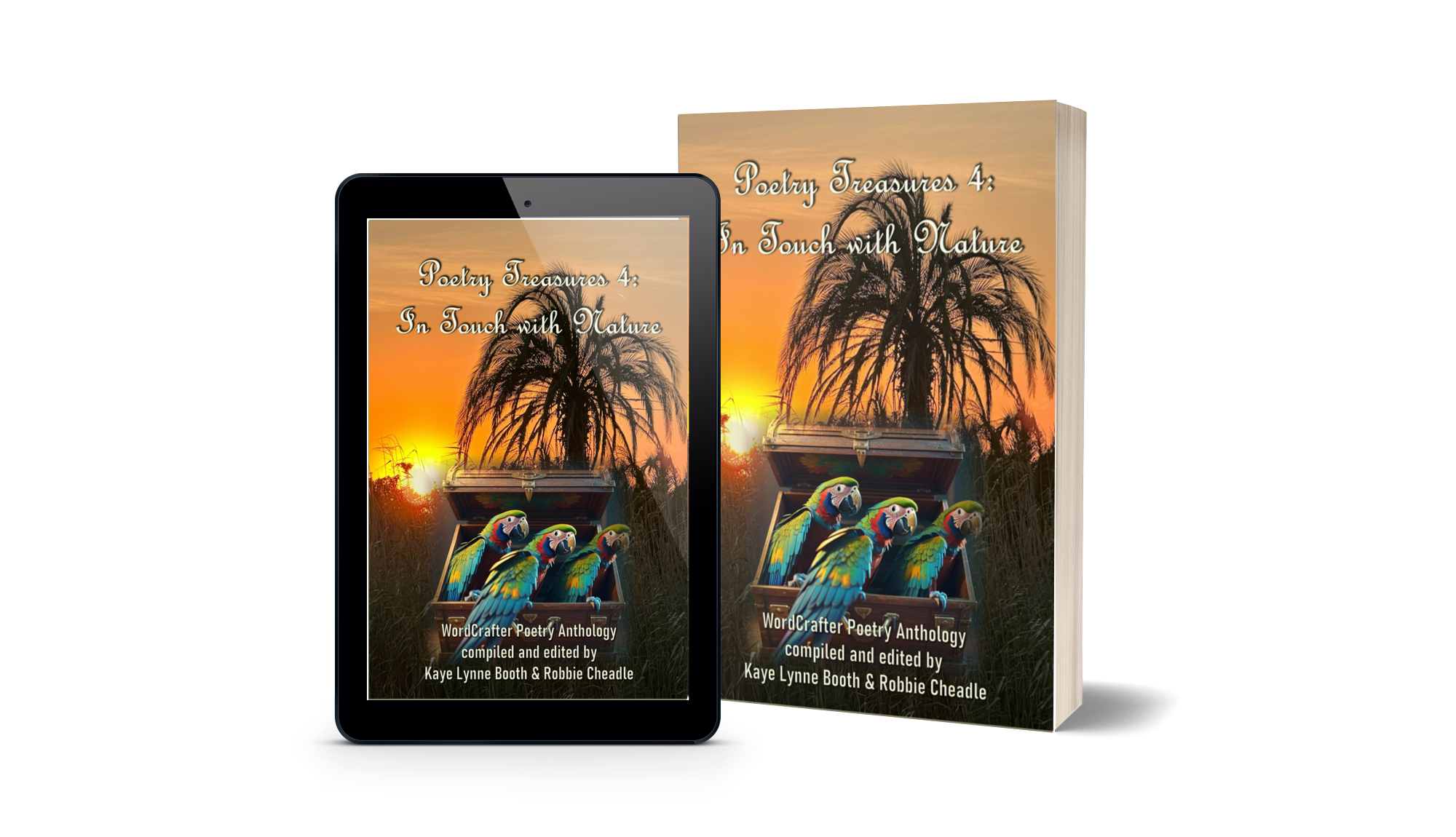
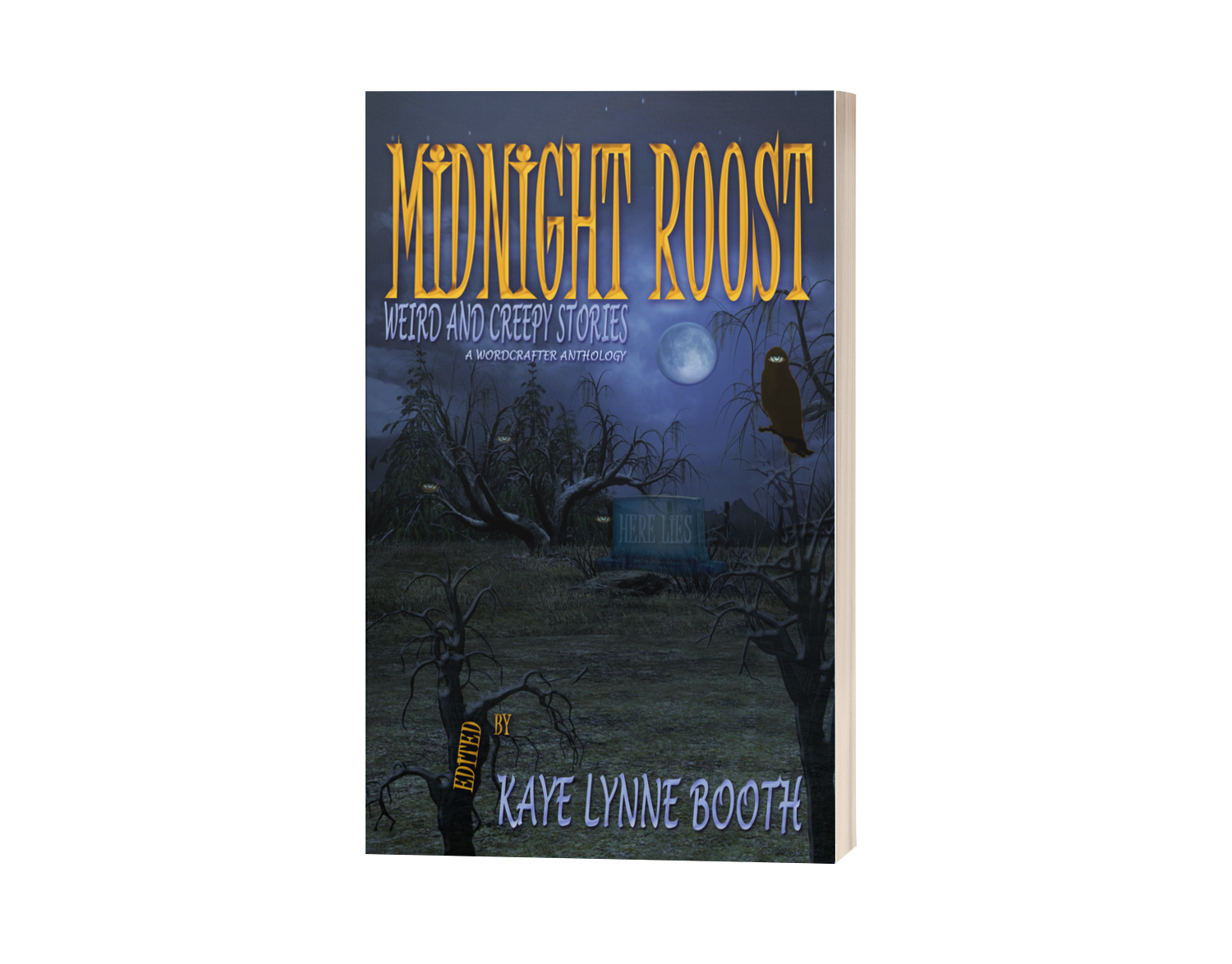
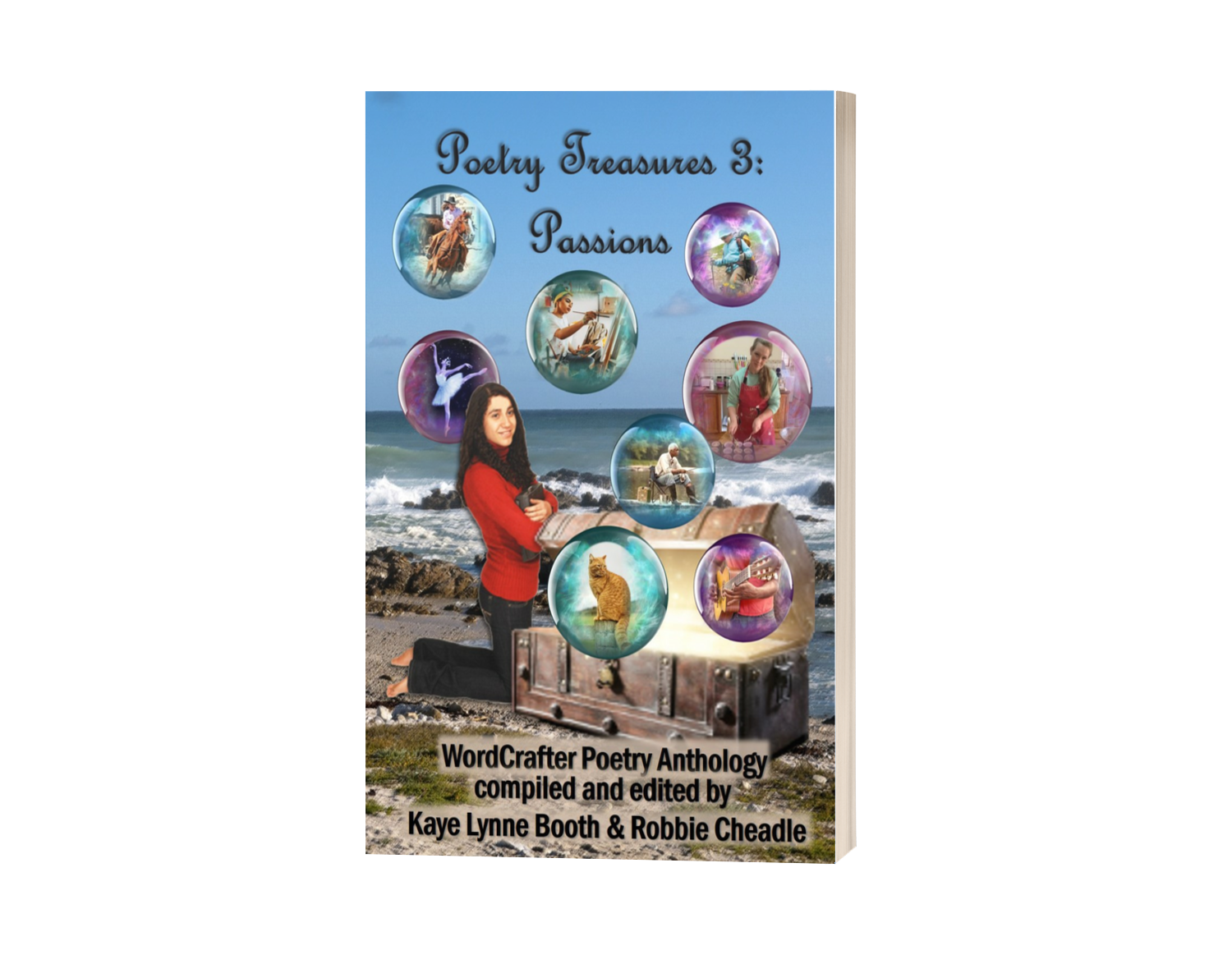
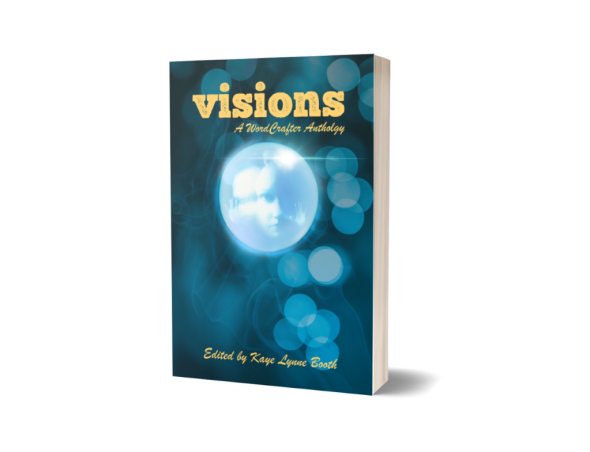
I’ve met many authors through collaborations. The virtual writing conferences mentioned above is only one type of collaboration. There are many others. I also mentioned anthologies. I 💜 anthologies. Wordcrafter Press puts out one poetry anthology, and at least one short fiction anthology per year. These are collaborations of from six to twenty different authors per book.
The great thing about anthologies is, you have a bunch of different authors who each have their own following and the potential to broadcast and promote to that following, allowing you to reach a much wider audience of potential readers, and therefore purchasers of your book. The same works for other collaborative projects, too. I have capitalized on this for the virtual writing conferences which WordCrafter Press hosted, as well.
Paying it Forward
The philosophy of paying it forward is predominate through the author communities that I find myself a part of . KJA is one of the busiest people I know, yet he didn’t balk at all when I invited him to be my first guest as I revive the “Chatting with the Pros” blog series, and he was willing to take the time to do an author interview with me. That segment will be coming up later this month.
This is only one example of the good-heartedness found in memebers of the author community. I’ve been granted review and interview requests, blurbs or endorsements of my books, and booked speakers and workshop presenters with authors willing to donate their time. And all I had to do was ask.
I have done this by doing book reviews for authors I know who haven’t requested it, by editing all anthology submissions whether I invite them to be in the anthology or not, by doing a proofread or beta read at no charge for certain authors who have requested them, by donating my time to judge the Spur awards, and by reblogging or reposting the promos and reviews of my fellow authors.
Authors are generally good people. And just as I am proud to be a member of KJA’s tribe, I’m equally as proud to call each one of you as memebers of mine.
_________________________________
About Kaye Lynne Booth
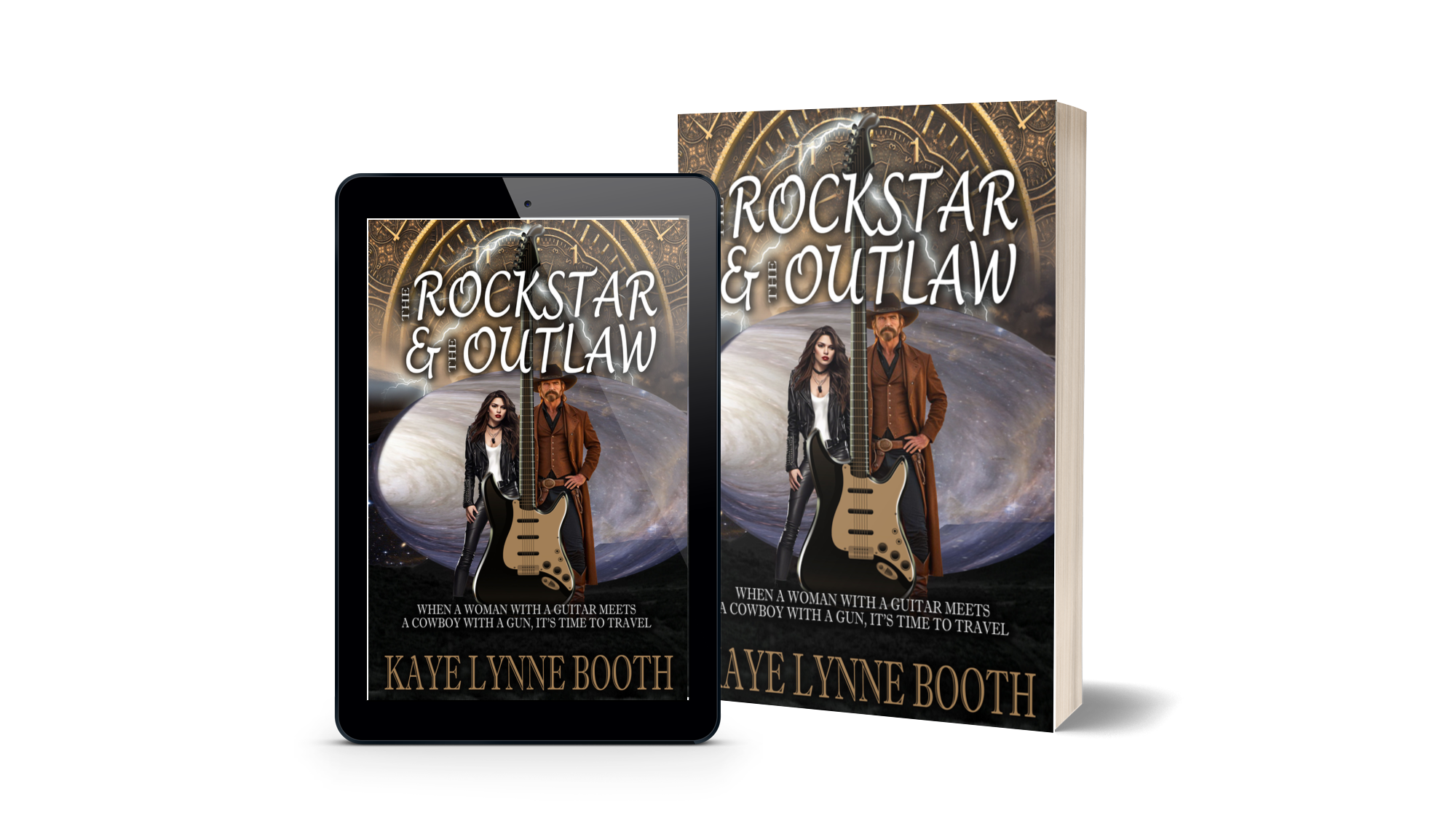
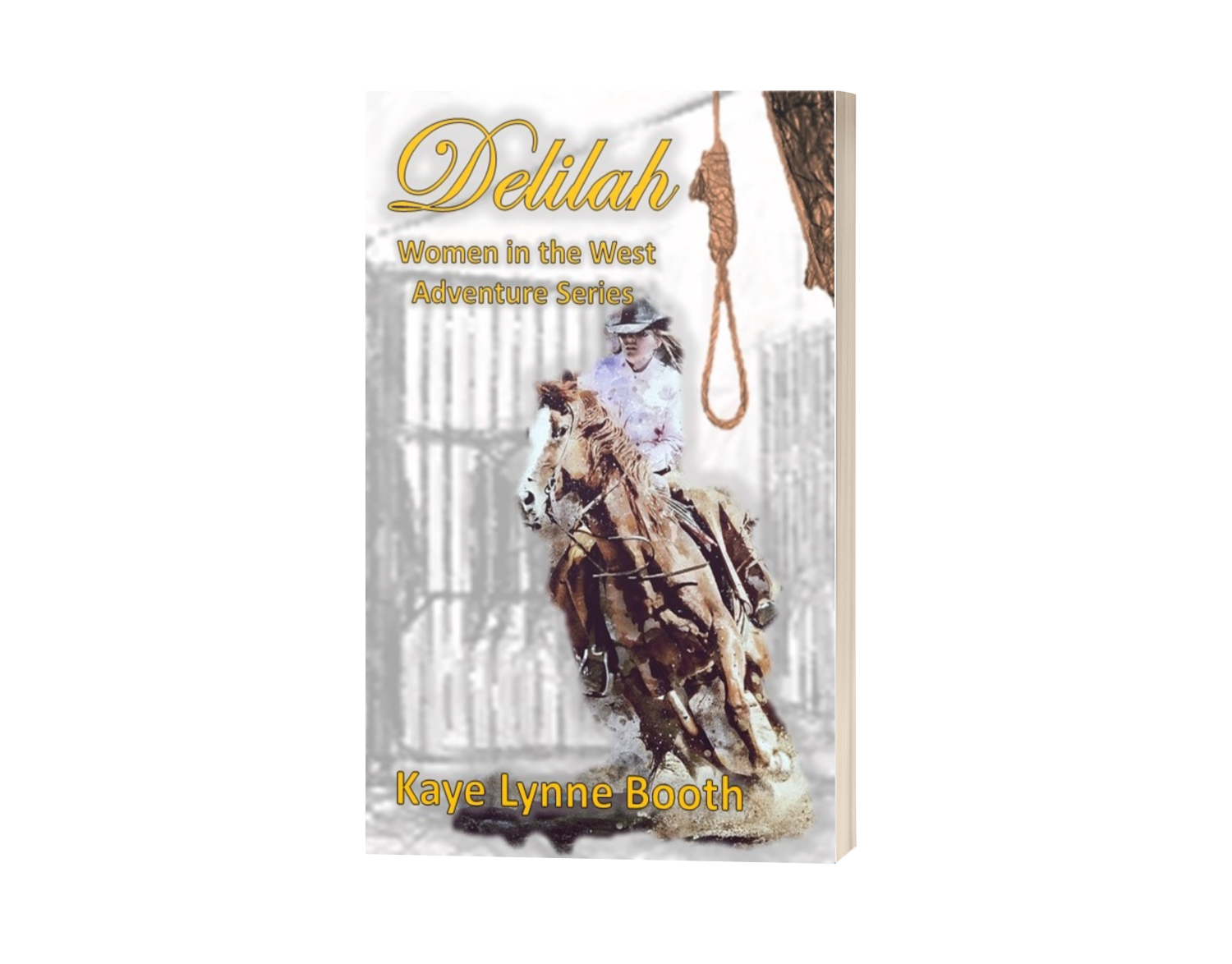
For Kaye Lynne Booth, writing is a passion. Kaye Lynne is an author with published short fiction and poetry, both online and in print, including her short story collection, Last Call and Other Short Fiction; and her paranormal mystery novella, Hidden Secrets; Books 1 & 2 of her Women in the West adventure series, Delilah and Sarah, and her Time-Travel Adventure novel, The Rock Star & The Outlaw. Kaye holds a dual M.F.A. degree in Creative Writing with emphasis in genre fiction and screenwriting, and an M.A. in publishing. Kaye Lynne is the founder of WordCrafter Quality Writing & Author Services and WordCrafter Press. She also maintains an authors’ blog and website, Writing to be Read, where she publishes content of interest in the literary world.
____________________
This post is sponsored by The D.I.Y. Author and WordCrafter Press.
Being an author today is more than just writing the book. Authors in this digital age have more opportunities than ever before. Whether you pursue independent or traditional publishing models, or a combination of the two, being an author involves not only writing, but often, the publishing and marketing of the book.
In this writer’s reference guide, multi-genre author and independent publisher, Kaye Lynne Booth shares her knowledge and experiences and the tools, books, references and sites to help you learn the business of being an author.
HOW DO YOU KEEP AN INNOCENT CHILD SAFE FROM A PREDATOR WHEN YOU HAVE NO CONTROL OVER THE BEAST THAT ASSUMES CONTROL OF YOU?
A train bound for Vermont leaves Manhattan at 11:35 AM. It takes approximately 9 hours to arrive. Sunset at the arrival destination occurs at 8:20 PM. How does Michael Andrews, a man on that train who is afflicted with a werewolf curse, resolve the fact that the math just doesn’t work out in his favor? Or in favor of the young girl who is trapped, and cornered?
Michael’s unequivocal desire to help usually thrusts him into the middle of tight spots. And though he has never been good at math, he is consistently good at compounding the peril in his day. On an urgent and last minute trip to help a dear friend in need, he finds someone else to help along the way.
Can Michael figure out how he’ll be able to protect his young, innocent traveling companion as she tries to make her own cross-country escape from the predator who relentlessly stalks her? And does this curious child hold her own answers that can, in turn, help Michael?
In a tale that has been described as Logan meets Planes, Trains and Automobiles, Mark Leslie has crafted a thrill-ride that explores Michael Andrews, Alpha Wolf and Beta Human as he embarks on a life-altering road trip that sends him hurtling towards his own psyche as it brings him miles away from his familiar home territory.
Anyone who follows my reviews here might know that I’m a big fan of Mark Leslie’s Canadian Werewolf series. Stowe Away is book 1.5 in the series. You can check out my reviews of the other books in this series at the links below.
I received a free audiobook copy of Stowe Away from responding to Mark Leslie’s newsletter. What a sweet deal. Stowe Away is a novella length story in the Canadian Werewolf series. It is narrated by Scott Overton, who narrates the other audiobooks in the series, as well. As per his usual, he does an excellent job with handling the voices of multiple characters, including the character of a thirteen-year-old girl for this one.
Obviously, I am a fan of this series. Stowe Away was no exception. Michael Andrews must get to Gail, to be the loving and supporting friend in her time of need. As luck would have it, the train is the mode of transportation that will get him there the quickest. But it’s the full moon and the train doesn’t arrive at the destination before it rises.
How to deal with this dilemma is on his mind when he comes across a young girl in trouble, stirring the superhero tendencies in him. She’s hiding from a man who is searching for her on the train, and if he finds her, he wants to silence her for good. Now Michael has to figure out how to help the girl and get off the train before the moon rises and he changes into his alter-ego wolf-self.
Stowe Away is a novella length Canadian Werewolf tale with a full story arc and all the hallmarks that make this series fun to read. I give it five quills.
_______________________________________
Kaye Lynne Booth does honest book reviews on Writing to be Read in exchange for ARCs. Have a book you’d like reviewed? You can request a review on the Book Review tab above.
If you like fast paced historical fiction… this hidden gem will have you burning the midnight oil!
She was young, smart and principled.
They were out to get her. She never gave up… and neither did they…
In a story based on fact, you will discover the heart wrenching account of the struggles of a nation under siege unprepared for the sophistication of its invader. Their most effective weapon was a young girl who has mistakenly been portrayed as a cartoon character in modern culture…
The record is now being put straight.
You will cry at her loves and losses, you will smile at her mischief, but you will finally know the truth!
The beautiful cover on this book is what drew me to it on Freebooksie. I thoroughly enjoyed every word of Peacemaker’s Dream: The Story of the True First Lady of America, by Sue Wright. This book tells a the story of the life of Pocahantas, an interesting and often misunderstood period in American history. It made me rethink my ideas about that first Thanksgiving, I can tell you that.
A young Powhaten Indian princess believed to have been prophesied to be the link for peace between her people and the strange white settlers who have invaded their lands. That’s a lot of weight placed on a young girl’s shoulders. But the white settlers began early on in a pattern of greed, trickery, and broken promises, and they do not hesitate to use a young squaw for leverage to get what they want. Taken from her people and abused both mentally and physically, Pocahantas draws strength from the belief in her destined role of peacemaker for her people and tries to make a new life for herself among the white settlement with the constant threat of having it all taken away looming over her.
I always knew Pocahantas played a role in the foundations of America, but I did not realize how great one young Pohowtan girl’s sacrifice for peace was. I give Peacemaker’s Daughter five quills.
____________________________________
Kaye Lynne Booth does honest book reviews on Writing to be Read in exchange for ARCs. Have a book you’d like reviewed? You can request a review on the Book Review tab above.
Oboist Sara Baron agrees to cat sit for a childhood friend but instead of being greeted by a meowing fluff ball, she walks into a ransacked house and stumbles over her friend’s dead body. Frantic, she runs next door and enlists the help of a mysterious stranger who knows more than he admits. His charm, not to mention his deep chestnut eyes, is balanced by his guardedness, unexplained absences, and seemingly nonexistent past. Is he helping her expose the murderer, or covering his tracks? Meanwhile, Sara battles a career threatening affliction, and helps keep the family music business afloat all while looking for instrumental evidence to put the murderer behind bars.
An Ear for Murder, by Diane Weiner, is A Sara Baron Tuned in Mystery, which is to say the protagonist and ametuer slueth is a musician. This is a cute cozy in which the protagonist falls into the middle of a murder mystery and is driven to solve it. This one is slow paced as the clues are uncovered, but it contains plenty of climactic moments.
Sara Baron makes a visit to her hometown when an affliction threatens to end her career as an oboist. But the friend she is staying with is murdered, and Sara sets out to find out who did it, and why, throwing her into the killer’s sites. Who the killer is remains a mystery, and the list of suspects grows, as the tension rises as each strange occurance becomes more dangerous. Then there’s the mysterious next door neighbor guy whose strange behavior makes him suspect, even though she wants to believe he’s one of the good guys. If she’s wrong, it could mean her life.
An Ear for Music contains all the right notes to create a cozy mystery in the tune of murder. I give it four quills.
______________________________________
Kaye Lynne Booth does honest book reviews on Writing to be Read in exchange for ARCs. Have a book you’d like reviewed? You can request a review on the Book Review tab above.
We had a great tour for Sarah: Book 2 of the Women in the West Adventure Series, although I would have liked to see a bigger turnout. I enjoyed sharing about myself and about the research and inspiration behind the book with all of you, and I may have made new friends along the way. Thanks to everyone who participated for helping me launch this wonderful book.
The Winners Are…
Each comment on the tour earned an entry in the tour giveaway and a chance to receive a free digital copy of Sarah. So without futher ado…
Drumroll Please.
The winners of the WordCrafter Sarah Book Blog Tour are…
Author Jan Sikes
Priscilla Bettis
Thomastigwikman
Congratulations to the winners!
Please contact me at kayebooth@yahoo.com to receive your free digital copy of Sarah.
Reminder
Today is the last day for tour participants to get a signed print copy of Sarah: Book 2 of the Women in the West Adventure Series. This is an exclusive offer for the tour – my way of saying thanks for your support. Tomorrow it will no longer be available, so get ’em while you can!
In Fall 1841, a band of roughly 300 men straggled out of the Staked Plains into New Mexico. They had intended to claim everything east of the Rio Grande for Texas. Instead, they were captured and sent south to El Paso del Norte, then on to Mexico City. The largest group of prisoners, which included journalist George Wilkins Kendall, was escorted to El Paso by Captain Damasio Salazar. Five prisoners died on that trek. Kendall would later write a book describing the experience, a book which accused Salazar of food deprivation, mutilation, and murder, and fed the glowing coals that would become the Mexican-American War.
But what really happened on the way to El Paso? The Texian Prisoners tells the story through the eyes of Kendall’s friend George Van Ness, a lawyer burdened with the ability to see his enemy’s point of view, and asks us to consider the possibility that Kendall’s report was not unbiased.
A historically accurate retelling of Larry McMurtry’s Dead Man’s Walk, this fictional memoir will make you question everything you thought you knew about Texas, New Mexico, and the boundary between them.
I received a digital copy of The Texian Prisoners from author Loretta Miles Tollefson in exchange for an honest review. I am a fan of Tollefson’s historical western fiction and have reviewed several of her books:
I always learn much I did not know from Tolleffson’s well researched books, and The Texian Prisoners did not disappoint. I knew very little about this time period in Old New Mexico, which takes place prior to and was a precursor to the Mexican American war. It was a violent time and so many lost their lives in the struggle for independence, this story tells of the men who declared the independence of Texas, demanding recognition of both the United States and Mexico, and were subsequently captured by the Mexican militia and marched across the brutal landscape under harsh conditons to Mexico City to await the judgement of Santa Anna.
This story is well-crafted and well-written, making me feel the discomforts the Texian prisoners were subjected to as if I were marching along the trek with them. Tollefson has an uncanny ability to get into her historical character’s heads and bring it to the page. The story is told from the point-of-view of McCaferty, the only Spanish speaking prisoner, who was used as interpreter, and who was in a position to speak up for his fellow prisoners. Tollefson has done her homework, combing through diaries and documents to bring this true life journey to the page, offering the viewpoints of the prisoners as well as a peek into the the motivation behind the actions of the Mexican leaders. Such a journey would undoubtedly change the lives of those who endured it, prisoners and captors alike.
An enthralling story that will keep you reading to the end and may teach you a thing or two about this country’s history. I give The Texian Prisoners five quills.
____________________________________
Kaye Lynne Booth does honest book reviews on Writing to be Read in exchange for ARCs. Have a book you’d like reviewed? You can request a review on the Book Review tab above.
It’s Day 4 of the WordCrafter Sarah Book Blog Tour and I’m pleased to welcome you all back to Writing to be Read for my post on ‘Modern Medicine’ & Women’s Suffrage in the American West, and how they played a part in the book. But first, I have something special to offer today. A special thank you for dropping in and following the tour, not available anywhere else. The offer is only available through Sunday and then the PayPal button will be gone, so get your copy now.
‘Modern Medicine’ & Women’s Suffrage in the American West
As Hair of Fire, Sarah had been the acolyte of the Ute Medicine Woman. She earns her keep in Glenwood Springs by using these healing skills, which are gladly accepted by the women of the community, who are tired of being but not so well received by most of the men. They rejected her primitive heathen ways in favor of methods of ‘modern medicine’ practiced by the overpriced and overrated doctor. When I looked at what these “modern” practices consisted of, I had to wonder if the primitive methods were much more inferior.
Female Hysteria
Many of the values in the west had been handed down from the Victorian era, and women were expected to don any number of binding and uncomfortable undergarments to appear prim and proper. Respectable women and soiled doves of the higher classes were forced to wear tight-laced corsets, layers of petticoats and bustles – the former, by their husbands, and the later by their employers. It was house rules at the Old Homestead House brothel in Cripple Creek, Colorado, that ladies weren’t allowed into the parlor and entertainment areas of the house without proper corseted attire.
Corsets were binding, especially when crossed-laced and pulled tight to give the women the hourglass figure that was the trend at the time, cutting off breath, and sometimes even fracturing ribs. Most homes and brothels were furnished with at least one fainting couch, as light-headedness and fainting were common experiences for women of the day.
Men of the day attributed fainting spells and any other female behaviors they didn’t deem appropriate to female hysteria, one of the most common diagnosed illnesses for women through the 18th and 19th centuries. Fainting, headaches, backaches, anxiety, depression, infertility, and even a fondness of writing might be attributed to the ‘disorder’ of female hysteria.
There were a variety of treatments which might be prescribed for this malady, which didn’t seem to affect persons of the male gender, but was specific to the fairer sex, including rest and isolation, dietary changes, ‘hysteric hypnosis’, hydrotherapy, pelvic massage, and ‘vibratory massage’.
The ‘rest cures’ often involved lying immobilized for extended periods of time, isolating the afflicted away from societal view indefinitely.
The use of ‘hysteric hypnosis’ involved women being placed under hypnosis in search of past traumas as the root of the affliction.
Cold showers, warm baths, and localized water sprays were utilized in hydrotherapy to reduce nervousness and anxiety, and restore equilibrium.
‘Vibratory Massage’ and Pelvic massage were the most common treatments prescribed for the treatment of hysteria. They involved manual or mechanical manipulation of the female pelvic regions, the goal being to relax the subject and release tension. Treatments were performed by male doctors on female patients, so it is not surprising that these were the most commonly prescribed. Perhaps the women probably weren’t complaining about these treatments. They may have been quite pleasant to undergo. But, when their symptoms didn’t seem to decrease with repeated treatments, you would think the men might have had second thoughts.
The Women’s Suffrage Movement
In 1887, the women’s suffrage movement was a ripple which would eventually become a huge wave across the nation, earning women the right to vote and giving them voices that demanded to be heard over time. Most women in the American West at this time were wives and mothers, or lived in their parents’ or relatives’ homes, although there were some, like my characters Lillian and her girls, or Big Nose Kate, who found themselves alone in the world after husbands or parents passed on, or chose to strike out on their own, independent of a man. With few options to make a living, many of these women were prostitutes or madams.
In the story of Sarah, it doesn’t take long for a young girl used to living among the Utes, where the women wore comfortable clothing to necessitate free movement to carry out the day-to-day tasks of tribal living to put ideas in the heads of the women of Glenwood Springs and stir them into action. To find out what happens though, you’ve got to read the book. 😉
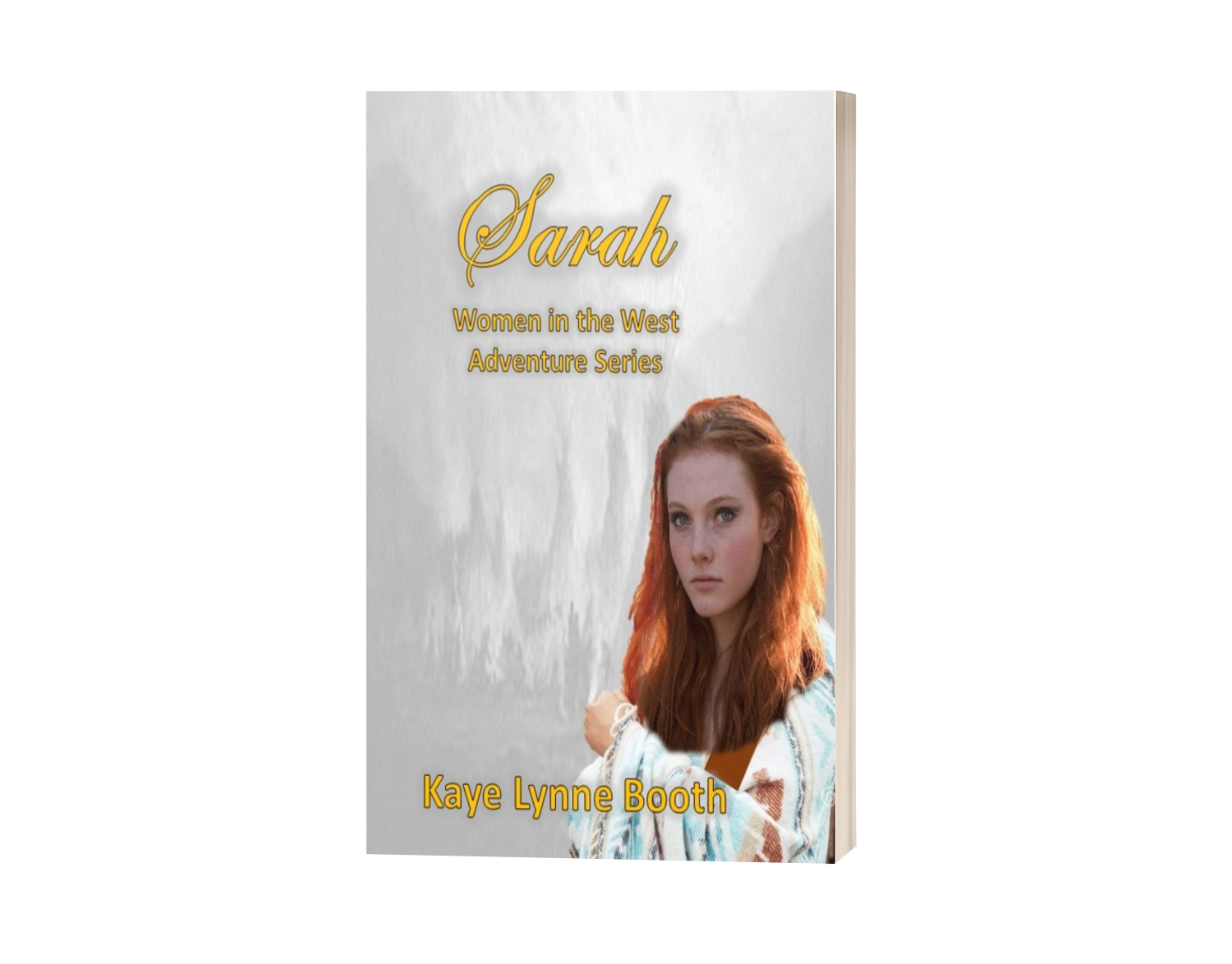
Sarah is a young girl trying to make a place for herself in the world.
Sarah is not the young girl stolen away from Delilah anymore. Now she is Hair of Fire, mate of Three Hawks, even as she blossoms into a young woman and tries to make a place for herself among the Ute tribe.
When she is stolen away from the life she’s made, she struggles to survive in the heart of the Rocky Mountains. A streak of stubbornness and determination take this tough, feisty heroine up against wild beasts of the forest and the rugged mountain landscape to Glenwood Springs, Colorado, where she receives a less than welcoming reception by some.
Will this young woman find her way back to the Ute tribe, which she’s come to think of as family, or will she discover a place among the colorful inhabitants of the Colorado hot springs and mining town?
Follow along on her journey to learn who she truly is and where she belongs in this rough, and often hostile frontier.
If you like strong and capable female protagonists, you’ll love Sarah.
For Kaye Lynne Booth, writing is a passion. Kaye Lynne is an author with published short fiction and poetry, both online and in print, including her short story collection, Last Call and Other Short Fiction; and her paranormal mystery novella, Hidden Secrets; Books 1 & 2 of her Women in the West adventure series, Delilah and Sarah, and her Time-Travel Adventure novel, The Rock Star & The Outlaw. Kaye holds a dual M.F.A. degree in Creative Writing with emphasis in genre fiction and screenwriting, and an M.A. in publishing. Kaye Lynne is the founder of WordCrafter Quality Writing & Author Services and WordCrafter Press. She also maintains an authors’ blog and website, Writing to be Read, where she publishes content of interest in the literary world.
_______________________________________________
That wraps up today’s stop on the WordCrafter Sarah Book Blog Tour. I hope that you enjoyed learning about American frontier life in the 1880s. Join us tomorrow over on Patty’s Worlds, where Patty interviews me and reviews the book.
Don’t forget to leave a comment for an entry in the giveaway and a chance to win a free digital copy of Sarah. You can comment and enter at each stop. If you missed a stop, you can access them all from the links in the Schedule below.
Schedule
Mon. May 6 – “The Soiled Doves of the American West” – Writing to be Read
Tues. May 7 – “Utes in Glenwood Springs & the Legend of Chapita” – Roberta Writes
Please join us over at Book Places for Day 3 of the WordCrafter Sarah Book Blog Tour, where host Kay Castenada interviews me, the author, Kaye Lynne Booth, and my reading of an excerpt from the book. Remember to comment for entry in the giveaway and you could get a free digital copy of the book. I hope to see you there.
Welcome to the WordCrafter Sarah Book Blog Tour, where we’re celebrating the release of Book 2 in my Women in the West adventure series. We’ve got a five day tour planned and at every stop you can learn more about me, the author, and learn interesting historical facts which inspired my settings and characters through an interview, guest posts, and a review or two, and I’ll be giving away three digital copies of Sarah in the giveaway. You can follow the tour through the schedule below, but the links won’t work until each post goes live.
Tour Schedule
Mon. May 6 – “The Soiled Doves of the American West” – Writing to be Read
Tues. May 7 – “Utes in Glenwood Springs & the Legend of Chapita” – Roberta Writes
In Colorado, the mining town of Cripple Creek had over 300 prostitutes in 1894, and it was home to one of the most high-end brothels in the mining towns of Colorado. The clients were taken by appointment only and were put through a thorough screening process where their finances were scrutinized, as well as their references. Appointments started at $200 an hour and the gentlemen had to have at least a million dollars in the bank to get one. The Old Homestead House brothel was run by the infamous Pearl DeVere and housed five women who squeezed into their corsets, petticoats and fancy dresses every evening to offer their ‘services’ for sale. The girls entertained in luxury on the ground floor, with music provided by the girls, gambling and alcohol available for their enjoyment, but the real entertainment occured on the second floor, in the girl’s rooms.
Although their profession was illegal, authorities and town founders chose to look the other way and add fees, fines and taxes and taxes collected to the town coiffers. Permits were required ply their trade for both madams and doves, and each girl had to undergo a weekly or monthly exam by the town doctor to be cleared for the permit, all of course, at a cost. There was a designated shopping day when the ‘respectable’ ladies stayed indoors so as not to be offended by their presence, and a ‘dove’ caught on the streets on a different day would bring a fine not only upon herself, but upon her madam, as well. And donations made to local causes such as church and school by the madam kept the ‘respectable’ ladies from complaining too much about the very existence of the houses of ill repute.
Less fortunate women in the profession, who did not work in such a high-end establishment were found up and down the street They received less for their services, with small make-shift shacks in which to entertain their customers. Independent doves who had no madam to offer a place to offer their services and provide protection from unsavory types, might provide services in the shadows of an alley for as little as a dollar gold piece.
Meet Big Nose Kate
Big Nose Kate Horony is one of the historical characters which the Women in the West adventure series is known for. In real life, she was an independent prostitute and one-time Madam, who made her own way in the west and was companion to the infamous John Henry “Doc” Holliday, and her portrayal in Sarah, as ‘the woman behind the man’ is a true and accurate story. Kate was there, and she really did go into the hills of the surrounding canyon and gather firewood to sell in order to keep a roof over Doc’s head as he lay dying of tuberculosis, too weak to practice his trade as a gambler.
Mary Katherine Horony – Big Nose Kate, Public Domain Image
One of the fascinating things about the Women in the West adventure series is the fact that there is a true-life historical female character in a supporting role, along with the strong female protagonist in each book. In Sarah, the supporting historical character is Mary Katherine Horony, (Big Nose Kate), who was the consort of the infamous dentist, gambler, and gunfighter, John Henry (Doc) Holliday. In this case, our character was the woman behind the man, and is little known for her own merit.
Born Mary Katherine Horoney on November 7, 1850, who lived in Mexico as a child, she was the daughter of a the personal surgeon to the Emporer Maximillian until her family immigrated to Iowa when she was 10. As the daughter of a prominant surgeon, Kate was educated and it is said that she spoke several languages.
At the age of 15, she and her younger siblings were orphaned when both of their parents died within a few months of each other, and the children were split up and placed into foster care. But Kate ran away within a year, and she and her sister traveled to St. Louis and by 1869, in a time when there were few opportunities for females to earn a living. A self-sufficient woman in the rough and tumble of the American west, Kate worked as a dance hall girl, a prostitute, or just about any way she could to make a buck.
In Texas, she crossed paths with John Henry “Doc” Holliday, a dentist turned gambler, who became a notorious gunfighter, and they were traveling companions, on and off, until his dying days. A strong woman with a hot Hungarian temper, she and Doc had their ups and downs as they frequented saloons and gambling houses in Texas, Arizona and New Mexico, living a life of vice and liquor. Even so, Kate was always there to back up Doc’s play, even setting a she on fire to distract his guards and breaking him out of house arrest to avaoid a lynch mob, after he stabbed a man who accused him of cheating at cards. It is said that for a time, Kate even had her own bordello in Tombstone, before she reunited with Doc after one of their many seperations.
When Doc was dying in Glenwood Springs, Colorado, a friend contacted her and she traveled to Glenwood Springs to care for her destitute lifelong companion, gathering firewood in the nearby hills to cover his room and board when he could no longer support himself. And that is where my fictional character of Sarah, or Hair of Fire, meets Kate in my story, after a harrowing ordeal of survival through the mountains of Colorado.
You can learn more about Kate and Doc in my guest post from the tour for Delilah: Book 1 on Kay Castenada’s Book Places blog site.
Sarah is a young girl trying to make a place for herself in the world.
Sarah is not the young girl who was stolen away from Delilah anymore. Now she is Hair of Fire, mate of Three Hawks, even as she blossoms into a young woman and tries to make a place for herself among the Ute tribe.
When she is stolen away from the life she’s made with the Utes, she struggles to survive in the heart of the Rocky Mountains. A streak of stubbornness and determination take this tough, feisty heroine up against wild beasts of the forest and the rugged mountain landscape to Glenwood Springs, Colorado, where she receives a less than welcoming reception by some.
Will this young woman find her way back to the Ute tribe, which she’s come to think of as family, or will she discover a place among the colorful inhabitants of the Colorado hot springs and mining town?
Follow along on her journey to learn who she truly is and where she belongs in this rough, and often hostile frontier.
If you like strong and capable female protagonists, you’ll love Sarah.
The Women in the West adventure series features strong female protagonists in a setting filled with hardship, which many believed did not fit well with the female constitution. Women on the frontier were few, and most of those were included in a family unit. Single and widowed women did exist on the frontier, as did those whose husbands just never came home for whatever reason, went back to the family unit in most cases. Women who chose to go it alone, defying societal expectations were rare. Those who did, chose a hard life and had to have backbone to survive.
While my protagonists are fictional, they are representative of strong women who did make a way for themselves, out of choice or necessity, and each book introduces a fictionalized version of one such historical female character who plays a supporting role in the story. In Delilah, it was Baby Doe Tabor. In Sarah, it is Big Nose Kate. And Marta will feature Clara Brown.
About the Author
For Kaye Lynne Booth, writing is a passion. Kaye Lynne is an author with published short fiction and poetry, both online and in print, including her short story collection, Last Call and Other Short Fiction; and her paranormal mystery novella, Hidden Secrets; Book 1 of her Women in the West adventure series, Delilah, and her Time-Travel Adventure novel, The Rock Star & The Outlaw. Kaye holds a dual M.F.A. degree in Creative Writing with emphasis in genre fiction and screenwriting, and an M.A. in publishing. Kaye Lynne is the founder of WordCrafter Quality Writing & Author Services and WordCrafter Press. She also maintains an authors’ blog and website, Writing to be Read, where she publishes content of interest in the literary world.
That wraps up the first stop on the tour. Thank you all for joining us. Don’t forget to leave a comment for a chance at a free digital copy of the book. Join us tomorrow over at [ ], where I’ll be guest posting on how the history of the Ute Indians helped me choose my settings.