I got an email the other day title, “Use AI to Write Your Book in a Flash”. I think Alexa, and Siri, and Google Assistant are annoying, and only correct a portion of the time. So when I saw this email, my first thought was, “Who would want to read a book written by AI?”
AI applications and tools are improving rapidly, so the idea of AI writing my book for me isn’t that far fetched. But the more I though about it, the more offended I became. I write as a means of expressing myself using my ideas, my words, my voice. I wouldn’t want an AI to write my whole book, no matter how fast it can do it. How could they actually believe an unfeeling, inhuman AI tool could even attempt to write for me?
The fact is, most of us already use AI in our daily lives, and we probably don’t even give it a second thought anymore. Most of us an Alexa, or Siri, or Google Assistant, or an equivilant AI device which we use to gain information, turn on our lights, play music, or even tell us a joke. We’ve come to accept AI as a part of daily life.
But when folks start talking about using AI for writing or narrating a book, concerned voices come out of the dark to express displeasure, siting several reasons why using AI with books and literature is not a desirable thing, but one or two stand out: AI created or narrated books are cheating, and take away human jobs.
We’re going to look at the validity of that argument, but first, let’s talk about the different types of AI and what they can and can’t do. Many of us already use AI in our writing, too, but we may not even realize it. Do you use the automatic spell checker that is built into Microsoft Word? Or maybe you use Grammerly or ProWriting Aid to help polish your words? Not so many because not all authors have audiobooks out, but some, may take advantage of the free AI narration for audio books available on Google Play. And then of course, there is Chat GTP, or [ ] which many authors use to help them in their research or in creating setting or character description.
The Creative Penn Podcast on AI
Joanna Penn is a futurist author and podcaster who is usually at least two or three steps ahead of the trends on The Creative Penn podcast. AI has been a hot topic on her poscast and she has many episodes which cover this topic. Penn is transparent in her use of AI in her writing and in creating illustrations. She has played with AI narration, and even had an AI voice created from her own voice, which she claims has saved her tremendous time in creating her audiobooks, which she previously narrated herself. In a couple of her podcast episodes, Penn plays the AI narrations for one of her audiobooks in a couple of different voices to illustrate the quality of AI narration that could be achieved. And I know that quality has improved even more since she recorded those episodes.
If AI is cheating, then with the narration, Penn is only cheating herself. She places disclaimers, letting readers know if a creative work is made with AI and in what capacity, so no one feels fooled or tricked. Although some people are out there pushing the use of AI to ‘write your book quick’, Penn points out that AI technology are simply tools to be used by the author or artist in the creative process. On The Creative Penn podcast, Joanna talks about how she uses ChatGPT and Mid-Journey to assist her in her research, and how she tells the AI what she is looking for and then can refine her search or tell it to make adjustments to a paragraph or an image until it meets what she has envisioned in her own head.
If you are interested in hearing what Joanna Penn has to say about the use of AI, you might try one or more of the episodes listed below.
Now, I don’t pretend to understand a lot of this because I haven’t used Chat GPT or Mid-Journey myself yet, so I can only go by what I hear, but I think it is something that is definitely worth looking into. As a DIY author, publisher, and book marketer, anything that can save me time and help me improve my writing or help sell more books is worth further exploration.
How I Use AI
As I write, I use the AI generated grammar and spellchecker that is built into MS Word, and I bet you do, too. I also employ the free version of ProWriting Aid as I do the final pass on all manuscripts, for myself and others. The AI generated tools pick up errors that I have missed, because hey, I’m only human. I don’t accept every suggestion offered, but they show me things I need to look at, and then I decide if changes are in order, and what type of changes should be made. But again, the AI tools are helpful in pointing out where there are possible errors, or suggesting a better way to say something, but the AI isn’t always right. Suggested corrections don’t always take voice or tone into account, and I, as the author make the final decisions about what goes on the page.
I have not tried using an AI tool such as Chat GPT, but I can see the potential. If I had a tool that could assist me in thinking through each scene, with suggestions for options at my fingertips, I think it would save me a lot of time. And a tool that could help me, who cannot draw well and is not artistic in that way, to create my own images for book covers, illustration and promotion, is something I want to know more about. I’m creating my own images anyway, but perhaps AI could help me make my images better.
Doing my own audiobooks is something I’ve been looking at for a while, but haven’t yet been able to pull off. The idea of creating an AI voice from my own definitely appeals to me, since audiobook creation requires a lot of time that I don’t seem to have. I don’t know enough about it right now to make any rash decisions, but I certainly want to know more. I have listened to AI generated narration that sounds pretty good, and I’ve heard Mark Leslie Lefabvre’s AI narration created from his own voice, which offers few clues that it isn’t the real Mark. (I can’t find the episode now, but at the end of one recent episode of the Stark Reflections podcast, he plays his final reflections read by his AI voice.)
WordCrafter Press also used an AI generated image and voice in the book trailer for the 2023 anthology, Midnight Roost, created by DL Mullan and Undawnted. And frankly, I think it is an outstanding book trailer and the AI made it really cool. This is an awesome way to showcase the authors and the anthology as a whole. Give it a watch below and see what you think. I can definitely see how a tool such as the one used by Mullan could be a great asset in my advertising tool kit.
Midnight Roost Book Trailer
AI is Just a Tool
You can guess from the above post that AI tools are something I have an interest in using. Many of us already use AI tools, even if we don’t look at it that way. I know I used the AI spell checker on MS Word and ProWriting Aid without thinking twice, because they made my life as a writer easier. But as Joanna Penn repeatedly points out, AI can’t do it alone, it needs your input, your humanity, to do what it is programed to do. Alone AI can’t write a thing.
Let me know what you think about the use of AI tools in the comments.
For Kaye Lynne Booth, writing is a passion. Kaye Lynne is an author with published short fiction and poetry, both online and in print, including her short story collection, Last Call and Other Short Fiction; and her paranormal mystery novella, Hidden Secrets; and book 1 of her Women in the West adventure series, Delilah. Kaye holds a dual M.F.A. degree in Creative Writing with emphasis in genre fiction and screenwriting, and an M.A. in publishing. Kaye Lynne is the founder of WordCrafter Quality Writing & Author Services and WordCrafter Press. She also maintains an authors’ blog and website, Writing to be Read, where she publishes content of interest in the literary world.
Want exclusive content? Join Kaye Lynne Booth & WordCrafter Press Readers’ Group for WordCrafter Press book & event news, including the awesome releases of author Kaye Lynne Booth. She won’t flood your inbox, she NEVER sells her list, and you might get a freebie occasionally. Get a free digital copy of her short story collection, Last Call and Other Short Fiction, just for joining.
In my graduate publishing classes, Kevin J. Anderson talked about how traditional publishers have tried to cut corners by providing minimal editing, and how they won’t even look at a manuscript that will require heavy editing, unless you are a big name author. Then he told the story of how Stephen King submitted something to a publisher who didn’t thinkm his work needed editing because he is a bestselling author, and Stephen King said something like, “What? No, wait. Part of the reason I’m a bestselling author is because I have fantastic editors to make me look good.”
Even bestselling authors need editors to help them make their writing the best that it can be. They don’t whip out stories that are grammatically correct and properly spelled right off the cuff. They work at it, and they have others input to help them improve their writing, and together, they turn out well written novels which then, become bestsellers.
For me, KJA’s story drove home a point. I’m an unknown author, and writing is a learning process which never stops. So, if bestselling author Stephen King believes he needs editors then, what makes me think that I don’t? Of course I do. I don’t claim to write as well as King, not by a long shot, so of course I need to have someone knowledgeable in all things writing to take a look at my works before I share them with the world.
Advantages of Having Your Work Edited
You’ll produce a better quality work that you can be proud of.
Readers will appreciate not having to struggle through poorly spelled, or poorly structured sentences and paragraphs, just to follow the plot of the story.
So, What Does an Editor Do That I Can’t?
There are many types of editing, but for the sake of this discussion, we’ll talk about line editing, or copyediting in the world of advertising and content marketing. For our purposes, we’ll use line editing.
A line editor sits down in front of your manuscript and goes through it line by line, marking misspellings, inconsistancies and grammar errors. If you’ve got a good repore with them they may also point out plot holes, but that really falls under the deep dive of developmental editing. And about now, you’re saying, “Well, I can do all of that.” And you can, but the thing is, they are not as close to your work as you are. And because you are so close to it, (if you’re anything like me, your stories are like your babies, so you’re biased toward your own writing), they may see things that you don’t, even though it’s right there in front of your eyes.
A Second, (and Maybe a Third or a Fourth), Set of Eyes
Editors are expensive, because editing takes a lot of time, when it’s done right. And I realize that not all authors can afford to hire an editor, especially when you are just starting out, and sometimes even years down the road, when you’re still trying to gain traction. I know because I’m one. I don’t make enough from my writing yet to give up my day job, as much as I would like to. Of course, I want my work to be its absolute best before publishing, so what is an author to do?
I’m a DIY author, but I believe that you really do need that second set of eyes that are distanced from your writing to get an objective opinion, but you don’t always need to pay a professional editor to get that. I don’t mean have Aunty Em give it a look, but someone who is knowledgeable about grammer and spelling, perhaps another author like yourself. I’ve found in the indie author and blogging worlds that there are many authors willing to trade services, or even pay things forward, if you just reach out and ask. The worst that can happen is they’ll say, “No.” If they do, try someone else.
You can try to find an editor on Fivver, but I would caution that you may get what you pay for there. Editors on Reedsy don’t usually come cheap either. But these are two options that are available to authors where you might find an affordable editor.
I utilize several of my author friends as a second set of eyes to beta read or edit my stories. When I can get them, I employ both. I know authors are busy people, so in turn, I must be willing to do the same for them, and I’ve also done a good share of paying forward. I’ve had some author friends turn me down because they were too busy at the time. I get that. Most of the authors I know have a lot going on. I happily move on, although I may come back to them latter.
Self-Editing Tools for Writers
I came across this great blog site, KD Did It Edits, which offers free editing tools for authors who can’t afford an editor, or those who just like to make their writing their absolute best before sending it to their editor, or second set of eyes. The whole site is filled with editing tips and tools, so drop in and browse around. I use many of the resources and tools that she has listed in my own work, including the Perdue Owl, and several of the style guides.
I also use Pro-Writing Aide in my final proof, before I upload my manuscript for publishing, which is basically an AI editor, similar to the one that catches my mistakes in MS Word. These AI tools catch errors which I may have overlooked on the first passover and point them out, so I can decide if they need correction, and how any corrections should be made. So, the AI tools are not writing for me, but they do assist me in catching as many errors as I can. I use them with my own writing and when I’m editing for others. I know I am human and can make mistakes or miss things, and they help me to make all my work the best that it can be. These tools are not a substitute for another set of human eyes on my own work, and I still use beta readers or my fellow authors to see other things that I might not have noticed. For the work of others, it goes back to the author with my comments and the author decides which corrections will be made, and which will be discarded.
Speaking as an Editor
As I mentioned, I do editing for others in a professional capacity through my Write it Right Quality Editing Services. Of course, I want writer’s to employ my editing services, but like I’ve said, I understand that many can’t afford an editor. I’ve always tried to offer my services at affordable prices, but today, I find my services offered at right around the going rate. I do offer discounted rates and special deals, at times. And of course, if you publish through WordCrafter Press, my line editing comes as a part of the publshing package, which is a 50/50 royalty split.
I do offer developmental editing services, but I don’t advertise it on my site and charge for them on an individual case-by-case basis, depending on how much work is needed. You can reach out to me for a quote on the contact form on my site through the link above, or at KLBWordCrafter@gmail.com.
Conclusion
In my opinion, any author that is human will make mistakes, so every author needs an editor, or someone else knowledgable in writing, to go over their manuscript or story. I hope that authors will find my site and chose to employ my services, but I understand when they don’t. As a reader who enjoys good writing, I hope that they are striving for perfection in their work, and will find someone else to do it, so that whatever they put out into the world will be the absolute best that it can be.
Do you agree? Disagree? Let me know your thoughts in the comments.
_________________________________________________
For Kaye Lynne Booth, writing is a passion. Kaye Lynne is an author with published short fiction and poetry, both online and in print, including her short story collection, Last Call and Other Short Fiction; and her paranormal mystery novella, Hidden Secrets; Book 1 of her Women in the West adventure series, Delilah, and her Time-Travel Adventure novel, The Rock Star & The Outlaw. Kaye holds a dual M.F.A. degree in Creative Writing with emphasis in genre fiction and screenwriting, and an M.A. in publishing. Kaye Lynne is the founder of WordCrafter Quality Writing & Author Services and WordCrafter Press. She also maintains an authors’ blog and website, Writing to be Read, where she publishes content of interest in the literary world.
_______________________________________________
Want exclusive content? Join Kaye Lynne Booth & WordCrafter Press Readers’ Group for WordCrafter Press book & event news, including the awesome releases of author Kaye Lynne Booth. She won’t flood your inbox, she NEVER sells her list, and you might get a freebie occasionally. Get a free digital copy of her short story collection, Last Call and Other Short Fiction, just for joining.
We’ve all heard of Amazon. They are the single largest book distributors out there, but they aren’t just a book distributor, but they require exclusivity and they make authors jump through hoops for them to give us a second glance. Now, I admit, I have a problem with going exclusive with Amazon KU, although I know there are may authors out there who do quite well. But Amazon also has a habit of cancelling author accounts for percieved infractions to their Terms of Service. So, just stop and think for a moment what would happen if Amazon were to decide that something you do violates their TOS and cancels your account. You can appeal the decision, and you might even win, but in the meantime, your books are not available anywhere and you’re loosing money, or at least the potential for money.
Most of us have heard of Barnes & Noble, Smashwords, Apple Books, and Rakutan Kobo. These are the larger book distributors, and books are what they do, so authors can get a little loving care when dealing with these guys, but with the exception of Smashwords, you may have to be an author with a bigger name to get noticed. But here’s the thing. Publishing on each of these platforms is possible, (with the exception of KU, which requires exclusivity, but Amazon will let you publish without being in KU), but it would be very time-consuming. Any time that I spend publishing, is time that I’m not writing, so for me, publishing once to D2D and letting them take care of the rest is appealing.
Some distributors are only available in certain countries outside the U.S. Others are subscription services, or like Overdrive, sell only to libraries. My books are available on all of them and I only have to hit publish twice: once for the digital format and once for the print book. To me extending my reach in this way just makes good sense.
Why Use Books2Read Links?
I work with a lot of authors doing WordCrafter anthologies, and I ask them all to use Books2Read links in their promotions. I’ve had several people feeling the need for an Amazon link, because that is what they’ve become accustomed to. I had to explain that the Amazon link shows up under the Books2Read link, along with links for Barnes & Noble, Apple Books, Rakutan Kobo, Scribd, Smashwords, Baker & Taylor, Overdrive, Tolino, Bibliotheca, Odilo, Borrow Box, Palace Marketplace, Gardners, Vivlio, and others. Google Play is the only one I know of that D2D does not work with. If you haven’t heard of some of the above distributors, don’t be surprised. I hadn’t either until I started publishing through Draft2Digital.
Every book I publish through D2D gets a Books2Read link, so with one click readers can find links for all the distributors carrying my book and select their favorite distributor in order to make their purchase. This makes my books available on all devices, not just Kindle. Above is a screenshot of my Books2Read landing page for The Rock Star & The Outlaw. You can see the distributors where my books are available. There may be others where print is available, but print links must be added manually, so I’ve only added the two largest ones. I’ll add others down the road when I find time. There are enough distributor choices here to reach readers on any device in many different countries.
For Kaye Lynne Booth, writing is a passion. Kaye Lynne is an author with published short fiction and poetry, both online and in print, including her short story collection, Last Call and Other Short Fiction; and her paranormal mystery novella, Hidden Secrets; Book 1 of her Women in the West adventure series, Delilah, and her Time-Travel Adventure novel, The Rock Star & The Outlaw. Kaye holds a dual M.F.A. degree in Creative Writing with emphasis in genre fiction and screenwriting, and an M.A. in publishing. Kaye Lynne is the founder of WordCrafter Quality Writing & Author Services and WordCrafter Press. She also maintains an authors’ blog and website, Writing to be Read, where she publishes content of interest in the literary world.
Want exclusive content? Join Kaye Lynne Booth & WordCrafter Press Readers’ Group for WordCrafter Press book & event news, including the awesome releases of author Kaye Lynne Booth. She won’t flood your inbox, she NEVER sells her list, and you might get a freebie occasionally. Get a free digital copy of her short story collection, Last Call and Other Short Fiction, just for joining.
Note: “The Viscareal Character Portrayal” segment of “Writer’s Corner” promised last month has been postponed, but will be featured soon.
Why sell direct?
Many of you may be aware of my use of the Kickstarter platform to sell my books direct, before they are released through distributors. My business model utilizes both direct selling and offering my books wife through distributors and libraries. But, ‘why bother?’ you might ask. By my own admission in previous posts, Kickstarter campaigns are a lot of work, create a certain amount of tension as I wait to see if they will fund, since Kickstarter is an all or nothing deal, and since I am not Bryan Sanderson, Kevin J. Anderson, or Joanna Penn, have produced only a small amount of money, just barely funding each time.
But, did you know that authors who sell direct make more money from their books by cutting out the percentage that distributors take, so they get to keep more of their royalties. I would make even more if I sold direct from my site, but I’m not set up to do that yet.
So, by buying direct from an author’s site or through a Kickstarter campaign, you are supporting that author more than you do by purchasing through a distributor. I’m all for anything that makes me more money from my books and gives less to Amazon. While I do have to give a cut of the money I make on each campaign to Kickstarter, it’s only 5%, which is much less than the 30 – 70% that have to give distributors.
Why Kickstarter?
Traditionally, authors would submit their work to publishers, and if they were lucky enough to have their book catch a publishers eye, they would get a contract and an advance on their earnings, and their book would be published eventually. But that advance was basically what most authors would make on their book unless it hit the best seller lists, because you had to earn out the advance before any more royalties would be distributed. With the rise of indie authors, traditional publishing, publishers began offering less and less for advanced, and doing less and less marketing, until I hear now, that in many traditional publishing deals today, authors are lucky to get any kind of advance at all, and they are expected to do most of the marketing, as well.
I look at Kickstarter as the indie authors advance for their books, and the best part is, you don’t have to earn that out before receiving more royalties from distributors. So, while $500 isn’t a lot of money, that’s where I set my funding goals for now, because it’s low enough to offer me a chance to reach it, since I don’t have a big reach… yet. I figure that’s a pretty good advance, and it gives me more funding to keep my writing business operating for a while longer.
Not all crowd funding is equal. I understand that other crowd funding platforms charge a lot more to host, are more general in their uses, and feel a bit like begging. But Kickstarter is set up to accommodate creative projects, and they have formed their own inner eco-system, so you can reach out to a whole new audience. Backers from earlier campaigns are automatically notified when you launch a new campaign, and they have internal messaging set up, so you can engage directly with your backers and develop more of a relationship. And I’m not begging. I’m offering real value to my backers in exchange for their support. The going may be slow, but this is one way to find those 100 true fans that will read everything I ever wrote, just because I’m me.
How Does It Work?
Why you might want to back a Kickstarter?
There are several reasons for backing Kickstarter campaigns. You might know or be familiar with the author and want to show your support. I support Kickstarter campaigns of authors I know, and they, in turn, back my campaigns, as well. That’s one thing I love about most author communities – we support one another.
But, there is another reason which can be even more motivating – the value offered through the Kickstarter system. Of course, the higher pledge levels offer more value through bigger and better rewards.
Plus there are add-ons, which you can get for an additional pledge. Since international shipping is beyond my reach at this time, I offer plenty of digital goodies for my add-ons. I tried offering an interview with the author, but as a still relatively unknown author, I didn’t have any takers on that one. Hopefully, that will change soon.
But there’s more. Once the funding goal is reached, stretch goals can be added, which offer bonus goods if a new goal is reached, as I touched on above. For example, you might receive a bonus book for everyone who backed the project at the $5 level or higher for hitting a certain amount of pledges, or bringing in a certain number of new backers by a given deadline. The more goals reached, the more rewards backers get. And it’s not just books. Kevin J. Anderson offers audiobooks. Dean Wesley Smith and Kristine Kathryn Rush offer workshops valued at $150. Other authors offer artwork, interviews, in-person hang outs or Zoom calls, or consultations. Backing a Kickstarter at the $5 level can return some great value.
My campaigns offer an early digital copy of the book, before its release through distributors at the $5 level, and a signed print copy for U.S. backers at the $25 level. For Rock Star, my highest level offered a goodie bag with all the rewards from the lower levels and more. For Delilah, backers at the highest level got to name a character in the second book. I’ve had a lot of fun developing the characters of Lillian Alura Bennett and Owoz Crebo for Sarah.
Things to be aware of
Kickstarters are a lot of work. Seriously. And you must keep in mind that Kickstarter is an all or nothing deal, so if you don’t reach your funding goal, you get nothing, and neither do your backers.
On the other hand, it’s a great way to engage with readers, as Kickstarter provides internal messaging which allows you to interact directly with your backers. Backers for one campaign are automatically notified when you run the next one, so it helps to build your following. Because it is a form of direct sales, you profit more than you would selling through distributors.
A look at my past Kickstarters
I have done two Kickstarter campaigns, and both successfully funded. The first was in January, for Delilah and the Women in the West adventure series. You can learn more about that campaign here: . I’m planning another series Kickstarter in January 2024 for Sarah, book two of the series.
The second campaign was in July of this past year for The Rock Star and The Outlaw, my new time-travel adventure. Although I am not a big author, with a big reach, this campaign also funded, and it did so a little faster than the first, leaving me three whole days of campaign to offer a stretch goal. Stretch goals are extra added goodies, which can be offered to try and gain more pledges, thus making more money once you’ve reached your goal. I added a stretch goal for reaching an additional $100, but didn’t quite make it. Still it was excited to have the opportunity to offer it to my backers. I like being able to offer cool things to my supporters. It felt good to be able to offer an extra value. Maybe next time, we will make it.
Looking forward
I have two Kickstarter campaigns planned for 2024. The first is the January Kickstarter for Sarah, mentioned above. I’m really looking forward to sending off the second book in this wonderful western series, with its strong female protagonists and historic female characters. Big Nose Kate will make an appearance in the second book, along with young Sarah, the fiery youth who was kidnapped and sold to the Utes in the first book.
The second campaign will be in July, for the first three books in the My Backyard Friends children’s series. I almost had this one published back in 2015, but problems with the illustrator prevented it from coming to fruition. You can learn more about the difficulties encountered here: . This series is inhabited by characters based on birds and wildlife which visit me at my Colorado mountain home. Each book is stand alone, so they need not be read in order, and I will be launching the first three from the Kickstarter platform Heather Hummingbird Makes a New Friend,Timothy Turtle Discovers Jellybeans, and one other story to be determined.
I finally found a wonderful illustrator for these books, and she was right under my nose. I’m happy to announce that this series will be illustrated by our very own, multi-talented Robbie Cheadle! I am thrilled to have Robbie doing the illustrations, and can’t wait to present the first three books on the Kickstarter platform.
In conclusion
I hope this post has given you a better idea of what Kickstarter is all about, and how it might be useful to you, as an author. I also hope it has encouraged you to check out my Kickstarter campaigns, and maybe even throw your support behind me. I’ll keep an eye out for you next January and July.
To learn more about Kickstarters
Here are a few places where you can learn more about Kickstarter and get tips on what to do when launching your own campaign.
For Kaye Lynne Booth, writing is a passion. Kaye Lynne is an author with published short fiction and poetry, both online and in print, including her short story collection, Last Call and Other Short Fiction; and her paranormal mystery novella, Hidden Secrets; and book 1 of her Women in the West adventure series, Delilah. Kaye holds a dual M.F.A. degree in Creative Writing with emphasis in genre fiction and screenwriting, and an M.A. in publishing. Kaye Lynne is the founder of WordCrafter Quality Writing & Author Services and WordCrafter Press. She also maintains an authors’ blog and website, Writing to be Read, where she publishes content of interest in the literary world.
_______________________________________________
Want exclusive content? Join Kaye Lynne Booth & WordCrafter Press Readers’ Group for WordCrafter Press book & event news, including the awesome releases of author Kaye Lynne Booth. She won’t flood your inbox, she NEVER sells her list, and you might get a freebie occasionally. Get a free digital copy of her short story collection, Last Call and Other Short Fiction, just for joining.
Masterclass Articles offers eight tips for character development: establish motivation and goals, choose a voice, do a slow reveal, create conflict, create backstory for important characters, give characters believeable traits, create a visual image of characters, and give supporting characters conflicting traits. While these are all useful tips in character development, and they all kind of mesh in together, although the reveal, the visual image, and the supporting characters have more to do with the presentation of your character to readers once you have a fully developed character. You can read the full article here: https://www.masterclass.com/articles/how-to-develop-fictional-characters#4Zt0GK2DaQjsNILtGsWJYO
There are many ways to grow and discover your characters. We will talk about two methods of character development here. One method I use are character triangles, which give characters motivation and goals. And Shadow Theory is useful in creating a history and backstory for your characters, and are useful in determining what the points on your character triangle are. Determining your characters fears or flaws attributes them with believable and relatable traits.
Character Triangles
It is important that a writer creates unique and interesting characters by giving them a history, and both internal and external conflicts that are similar and relate to the theme. No one wants characters which are flat and two-dimensional. In order to write characters with depth you must know what their motivations are, and for that, characters must have a good idea of their background or where they’ve come from, and where they are going, or what their dreams are, in order to understand who they are in your story.
Let’s take a look at one of my characters from a horror screenplay that I wrote. During the writing, I found that the characters in this piece lacked depth, and I will take you through the process I used to make them more complex and well rounded. The screenplay now sits in a virtual trunk somewhere and will likely never see the light of day, but for the purposes of demonstrating how more depth might be revealed in a character, it serves my purpose well. This is the format we use introduce a character in a screenplay, but I find it helpful to use in my fiction writing, enabling me to see how fleshed out my characters are. The words in parenthesis indicate the function a trait serves (want, need, or fear/flaw) on the character triangle, which I use to determine character motivation.
My protagonist, Justine Avery is a young journalism student who goes to stay at a purported haunted house on a dare.
This was my origianl introduction for the protagonist: JUSTINE AVERY – 24, naive, fresh out of college with a degree in video/cinematography, she thinks the chance to work on Kaylee’s documentary might be her big break (want), so she wants this gig more than anything, bad enough to take it even though she’s scared to death of what might happen (fear). She needs to keep her integrity, so she can look at herself in the mirror every morning.
Now here’s the rewrite I did to try and deepen Justine’s character: JUSTINE AVERY – 24, naive, fresh out of college with a degree in video/cinematography, she thinks the chance to work on Kaylee’s documentary could lead to her big break into the business (want), so she wants this gig more than anything, bad enough to take it even though she’s scared of blowing it (fear), because of her low self-esteem and an inability to believe in herself and her abilities (flaw). She needs to learn to believe in herself and have confidence in her talent and skill.
I think this version is a little better. I changed her fear and I gave her a fatal flaw which could be her downfall unless she can triumph over it. (And the fear is directly connected with her flaw, which ties in with my theme: Self-Reliance. This offers her the potential for the needed transformation in the scene where her boyfriend, Mitch, forbids her to go on the gig and she chooses to walk away.)
It shouldn’t take much to also work in the details of her added backstory, which isn’t in my original bio for her: Raised by controlling, overbearing parents, she learned early in life that it is easier to go with the flow than to risk tipping the boat over with resistance. Currently in a relationship with Mitch, an overbearing, controlling guy who managed to turn their first overnight date into his moving in party so smoothly, Justine still isn’t sure how it happened. Mitch is verbally and emotionally abusive to her, but he derides her so much, she has come to believe the things he says about her and she harbors huge doubts about her own self-worth.
Justine is beginning to seem more like a character with some depth and we can get some idea of what motivates her actions. Allowing her a flaw of low self-esteem not only turned her into an imperfect human, but it offers her the choice of staying in a stagnant relationship and continuing to employ behaviors which are no longer effective, or transforming into the self-reliant woman hinted at in that early scene with Mitch. It is much clearer now what her arc will be, and it’s all tied in with the theme.
The character triangle which I use represents this transformation loosely, depicting the character’s want and need, which are not the same, although the character may believe that they are, and their fear or flaw, which is an obstacle to be overcome in order to achieve the character’s want. The want is the concious desire that motivates the character, while the need may not be so obvious, because their need is subconcious and the character may not realize that their need exists. The need is what the character ends up with, and is often in opposition to what the character desires.
Shadow Theory
Another method that seems to work well in creating in-depth or complex characters is the shadow theory of character building, which is the idea which delves into the hidden or repressed aspects of a character, and these traits usually play a part in the character tranformation which must occur for the character to complete their arc. I’ve been experimenting with incorporating this method into my own character developemnet.
This theory claims that traits that are apparent on the outside, have an exact opposite trait residing on a subconcious level, and the two opposites may be in conflict-kind of like the two little guys sitting on the character’s shoulders, telling him what to do. This type of depth is often revealed through subtext, because the dialog is what the character says, but it may conflict with what they are actually thinking.
K.M. Weiland explains it this way – “I call this trick shadow theory, and it’s simply this: whatever is visible in a person’s external personality is an indication that the exact opposite resides in the shadow.” You can learn more about the shadow theory, which stems from the theories of human behaviors developed by Carl Jung and how to use shadow theory to create deeper and more complex characters here: “How to Create Insanely Complex Characters Using “Shadow Theory”“
Both of these methods can be used to delve into your characters and give them depth and complexity. I have used just the character triangle to shape my characters
In next month’s segment of “Writer’s Corner”, we’ll talk about the visceral portrayal of your characters , which will cover the Matips we didn’t hit on here, so be sure to drop by.
For Kaye Lynne Booth, writing is a passion. Kaye Lynne is an author with published short fiction and poetry, both online and in print, including her short story collection, Last Call and Other Short Fiction; and her paranormal mystery novella, Hidden Secrets; and book 1 of her Women in the West adventure series, Delilah. Kaye holds a dual M.F.A. degree in Creative Writing with emphasis in genre fiction and screenwriting, and an M.A. in publishing. Kaye Lynne is the founder of WordCrafter Quality Writing & Author Services and WordCrafter Press. She also maintains an authors’ blog and website, Writing to be Read, where she publishes content of interest in the literary world.
Want exclusive content? Join Kaye Lynne Booth & WordCrafter Press Readers’ Group for WordCrafter Press book & event news, including the awesome releases of author Kaye Lynne Booth. She won’t flood your inbox, she NEVER sells her list, and you might get a freebie occasionally. Get a free digital copy of her short story collection, Last Call and Other Short Fiction, just for joining.
Jim Neighbors’ character, Gomer Pyle is always quoting the infamous Grandma Pyle, with words of wisdom for every occasion. As writers, we have many ‘Grandma Pyles’ to offer writing advice and advice on life, in general. Below you will find some of my favorites. Feel free to add your own favorites in the comments.
“Tales and adventures are the shadow truths that will endure, when mere facts are dust and ashes, and forgotten.”
Neil Giaman
“Writing is like a whore. First, I did it for my own pleasure. Then, I did it for the pleasure of my friends. And now, I do it for money.”
Ferenc Molnar
This quote has been attributed to author Virginia Wolf, but acording to Quote Investigator, the original author was French playwright Ferenc Molnar.
“Our greatest weakness is in giving up. The most certain way to succeed is always to try just one more time.”
Thomas Edison
Another way of expressing this particular idea:
“Stopping a piece of work just because it’s hard, either emotionally or imaginatively, is a bad idea. Sometimes you have to go on when you don’t feel like it & sometimes you’re doing good work when it feels like all you’re managing to do is shovel shit from the sitting position.”
Stephen King – On Writing
And my personal favorite, which I often use like a motto, was put quite succinctly by the character of Lone Wadi in the movie, The Outlaw Josey Wales:
“Endeavor to persevere.”
Chief Dan George as Lone Wadi in The Outlaw Josey Wales
“Not all those who wander are lost.”
J.R.R. Tolkien – “The Riddle of Strider”
This quote was taken from a poem in The Fellowship of the Ring, so it wasn’t offered up as advice per-se, but I think it is good advice, because isn’t that what we, as authors do? We wander down paths unexplored to see what happens, and how the story comes out. But just because we may not know where we’re going, it doesn’t mean we’re lost. In fact, we usually emerge enlightened, with a killer story to show for it.
“To write something, you have to risk making a fool of yourself.”
Anne Rice
I find this quote to be spot on. Any type of expression involves a certain amount of risk, and writing is no exception. It’s this open and honest type of writing that is received best. Readers know, they can feel when an author has written from their heart, but to do that, the author must open themselves up and allow themselves to reveal their own vulnerabilities.
“It is a happiness to wonder; it is a happiness to dream.”
Edgar Allen Poe
Every writer should be able to relate to this quote. It’s what we do. We wonder. We dream. And stories emerge.
“Life isn’t about waiting for the storm to pass. It’s about learning to dance in the rain.”
Author Annonymous
This quote is my all time favorite. It is not the hardships which life throws at us, but how we handle them. I love it. I’ve had quite a bit thrown at me lately. I need to remind myself of what really matters.
For Kaye Lynne Booth, writing is a passion. Kaye Lynne is an author with published short fiction and poetry, both online and in print, including her short story collection, Last Call and Other Short Fiction; and her paranormal mystery novella, Hidden Secrets. Kaye holds a dual M.F.A. degree in Creative Writing with emphasis in genre fiction and screenwriting, and an M.A. in publishing. Kaye Lynne is the founder of WordCrafter Quality Writing & Author Services and WordCrafter Press. She also maintains an authors’ blog and website, Writing to be Read, where she publishes content of interest in the literary world.
Want exclusive content? Join Kaye Lynne Booth & WordCrafter Press Readers’ Group for WordCrafter Press book & event news, including the awesome releases of author Kaye Lynne Booth. She won’t flood your inbox, she NEVER sells her list, and you might get a freebie occasionally. Get a free digital copy of her short story collection, Last Call and Other Short Fiction, just for joining.
When I was a kid, my mom and my grandmother would pile into the car, and we’d drive to the mall, and we’d spend the afternoon going from one store to the next, carefully making our shopping selections. I remember how my mother would pick up items and carefully examine the packaging to be sure she had the correct item that she wanted or needed, before making the final purchase.
A lot has changed since then. The rise of the internet turned the whole shopping experience upside-down with the birth of online shopping. And then, COVID came along and even those resistant rebels, who enjoyed holding possible purchases in their hands and analyzing the packaging to determine whether or not to buy it were forced to shop online, or go without.
The Cover is the Packaging
As authors, we are faced with similar dilimmas. We write books, and the covers are the packaging. The cover is the first thing a potential reader sees, and if it doesn’t immediately grab their attention, there is a whole slew of other books out there to choose from, and they’re gone. Many readers still enjoy the feel of a physical book in their hands, that will never change, but digital readers judge books by their covers, too, because an image of the cover is the first thing any of us see, whether online or in a brick-and-mortar stores. And just like those in person, physical shoppers who hold and feel the product, read the label, and check out the packaging, readers look over the cover, read the blurb and back cover copy, maybe even take a quick peek inside, before deciding whether or not this book is for them.
When I was listening to the 6 Figure Author podcast with Lindsay Buroker, Joe Lollal, and Andrea Pearson, there was one piece of advice which I heard over and over consistently. If your book isn’t selling look at the cover and the back cover copy first. That is probably where you will find the problem. And they’re right.
We don’t have the space here to talk about the back cover copy. That subject is deserving of a post of its own. In fact, I did last year. If you want to start exploring back cover copy, see my “Review in Practice” here.
What Makes a Good Cover?
More advice given by the 6 Figure Author crew: Go onto Amazon and take a look at the top selling books in your genre. This will give you an idea of what kind of covers are expected in the genre. This is good advice, but what it means, is that a good cover for one genre will not be good for another. As a multi-genre author, this was important to know.
I think a cover should be representative of the story it represents, not only the genre on which the story falls. While a good cover needs to meet genre representation and follow the laws of good cover design, a good cover also contains elements of the story itself in its composition. I’ve developed this belief over time from my own experiences, as I’ve learned to design my own covers. Here is where I add my disclaimer that I am not a professional cover designer. (Of course, when you see my covers, you could probably guess that.) Everything I’ve learned about cover design, I’ve picked up on my own. I’ve had no formal training.
To show you what I mean, let’s take a look at the early covers for Delilah.
Cover 1
This is the cover my publisher wanted to give Delilah. The text is stiff and rigid, but my story is a western adventure with action and movement. I was hoping for something a little more fluid.
Anyone who has read the book would take one look and know that isn’t Delilah. This is a contemporary cowgirl. Note the modern jean jacket and hoop earings.
As covers go, the design isn’t bad, but it does not represent the story inside. As a first time author, I knew I didn’t want to publish my book with this cover, so I hustled to come up with a cover at the last minute.
Cover 2
A friend offered to come up with a cover for me on the fly. What did I want it to look like? I had no idea what I wanted. What should a western cover look like? I gave her some vague instructions. Unsure of what I needed myself. This is the cover she produced for me.
The title is much more fluid and I liked that. It offered a feminine touch that said female protagonist, yet was still bold and active, sort of like my character.
The cover image was vague, possibly due to the vague instructions my friend had been given, and I had several people see it and claim they couldn’t tell what it was. I thought it was obviously a horse, representative of the western genre, and perhaps of Delilah’s horse, which becomes sort of a supporting character in the story.
So, this cover was kind of representative of the story, I liked the text better, and it would do in a pinch. I felt the publisher’s cover to be very misleading, and as a reader I would have been surprised when I found that it didn’t match the story, or more likely, I would never even pick it up because the cover does not represent a historic western, and I don’t read a lot of contemporary.
Cover 3
Eventually, I tried my hand at creating my own cover. This was my first attempt. This cover was representative of the story and it had elements which were actually part of the story. It has both prison gates and a hangman’s noose in the background.
But the text isn’t large enough. Both the title and the author’s name should stand out more. Something I learned from Allyson Langueira of WMG Publishing was that you should be able to read the title and author name in a thumbnail. It’s got to look good small. So my text definitely needed to be bigger.
The sillohuette stood out too much in the black & white version, so I added that putrid yellow, thinking of sunlight, just to give it some color. And my sillohuette isn’t doing much of anything. Better, but not great.
I will say my publisher was pretty gracious about switching covers for me. This was the third cover switch for this book, but it wasn’t selling, and the cover was the only thing I had control over that might help. This cover was better than the covers Delilah had had so far, but I had to admit it was not the ideal cover for the book.
We were coming to the end of my five year contract with the publisher, and Delilah had not done well in the sales department. I decided not to renew my contract, as I felt I could do better with it myself. Although the publisher claimed to have done promos, I never saw them. If Delilah was going to do well, I was going to have to promote it myself.
Final Cover
Almost a year later, a revised Delilah, closer to the original I had intended, was released as a part of the Women in the West adventure series. This is the cover I designed for the re-released edition.
The fluidity of the text and the illusion of a moving horse indicate movement. This Delilah is not stagnant, but on the move. She busting out of those prison gates and moving away from that noose fast. In this way, the cover almost tells a summary of the story for me.
The bars have been faded back in this version, so the cover doesn’t look too busy. The woman looks a little bit like a contemporary cowgirl, but not as much as the publisher’s cover did.
Was it the Cover?
In January, I ran a Kickstarter campaign for Delilah and the Women in the West adventure series, which funded, so apparently, I do have a few die hard fans and/or friends out there. During that thirty-day campaign, I sold more copies of Delilah than my publisher managed to do over the period of my five year contract. That doesn’t count copies that sold after the release through distributors, as a result of the book blog tour and other promotinal efforts. It’s not like Delilah became an overnight bestseller, but I do find it curious that in only a few months, this edition of the book has outsold what all of the others did across a five year period. There are other things that could have been the cause of these results, like the new back cover copy, or my extended promotional efforts. So, was it the cover? What do you think?
Covers for the Series
At the time when the Kickstarter ran, I had been playing with the cover for Sarah a little bit, but I had to throw together a cover for the third book, Marta; a story for which I only had a vague concept for, so I only had a very rough draft of a cover to display for the Kickstarter campaign.
I said that part of the money raised in the Kickstarter, would go to redesign the covers for the series. I had two different cover designers, who both stepped down due to personal issues, but I found a cover designer friend who was willing to offer some pointers, so I ended up redesigning them myself. Here is the final result. I think you’ll agree that these covers are much better and I feel that they feel like they go together, and each seems to represent the series brand.
A Word of Thanks
The timing for this post is syncronistic, for as it posts Delilah has been nominated in the 2023 Connections eMagazine’s Reader’s Choice Awards! It looks like Delilah has finished in the top 10 with 85 votes. Considering the contest began on July 25th, and I didn’t find out Delilah had been nominated until the 29th to try and rally support, I think that’s pretty good. I want to thank all of you who did your part and voted for Delilah, some of you several times, since you clould cast your vote once a day. I also want to thank whoever it was that nominated my book. This was the first time I’d ever been involved in such a contest, and it was very exciting, so my thanks for this are huge. I don’t know who you are, but I love you.
For Kaye Lynne Booth, writing is a passion. Kaye Lynne is an author with published short fiction and poetry, both online and in print, including her short story collection, Last Call and Other Short Fiction; and her paranormal mystery novella, Hidden Secrets; and book 1 of her Women in the West adventure series, Delilah. Kaye holds a dual M.F.A. degree in Creative Writing with emphasis in genre fiction and screenwriting, and an M.A. in publishing. Kaye Lynne is the founder of WordCrafter Quality Writing & Author Services and WordCrafter Press. She also maintains an authors’ blog and website, Writing to be Read, where she publishes content of interest in the literary world.
Want exclusive content? Join Kaye Lynne Booth & WordCrafter Press Readers’ Group for WordCrafter Press book & event news, including the awesome releases of author Kaye Lynne Booth. She won’t flood your inbox, she NEVER sells her list, and you might get a freebie occasionally. Get a free digital copy of her short story collection, Last Call and Other Short Fiction, just for joining.
I usually try to avoid letting loose here when something angers me, but I’ve encountered a situation which I feel deserves a good rant, and so I’m going to tell you what urks me, because I can. You don’t have to listen, or continue reading. If I get too caried away, you can just stop, click out of this blog, and go on to read or view something else, but I’m hoping that you will stick with me. If you are an author on Amazon, it concerns you, and maybe even if you are a reader who makes purchases from Amazon, so that’s just about everyone.
As most of you know, I released Delilah through distributors last month. Now, Amazon always drags their feet when I submit for publication, pre-order and distribution, and they are always the last distributor to accept books for pre-order and sale. The print book comes up early, but the Kindle edition is never accepted until the release day. The same happened with Poetry Treasures 3: Passions, and I had folks chomping at the bit to find the pre-order on Amazon, for their Kindle readers. I’m of the opinion that this is their way to express disapproval of my use of a third party aggregator, instead of publishing direct and exclusive to Amazon, and I expect it. This is obviously detrimental to my pre-orders, but what’s an author to do?
Delilah didn’t show up as available on Amazon until the day of release, but then I noticed that the price they had listed for print was listed as much higher than the price that I had set for the book, and down below, where they show third party vendors, it showed that there were at least four copies that were new or like new, at lower prices, with three supposedly used copies available at the price point I had set. I asked myself, how could there exist all these copies of my book, when it just released and hasn’t even sold that many copies yet? And how can they put a $21.81 price tag, (which is a ridiculous pricing strategy anyway), when the price I set, and the price with all the other distributors, is $16.99? What happened to price matching? I mean, seriously. I put a lot of time in to setting that price. Print books are always overpriced anyway, because of the cost of materials, but I was hoping to find a few readers out there willing to pay $17 for a book by a relatively unknown author, did they really think people would pay almost $23? No wonder I wasn’t selling any books. And if someone did buy a book at that price, I wouldn’t get additional royalties for it, it’s all pure profit for Amazon. How is that fair? Since it is my product, shouldn’t I have control of what price is set?
I directed my questions to Draft2Digital, whose support team is excellent at getting back to you and doing whatever they can to solve any issues their authors and publishers my have. The response I got, was the same reponse that they recieved when they inquired at Amazon – a copy of the Amazon ToS, with the section pertaining to third party vendors highlighted. I signed it, I have to abide by it. D2D support claims this is occuring even with traditionally published authors, whose books are still on pre-order, and third party venders claiming that they have used or like new copies before the first copy has been shipped, and Amazon claims, “We see this practice as a no harm, no foul, just some free (if odd) advertising for the book.”
As consumers, we’ve all seen those little third party vendor boxes, claiming to have copies available for cheaper. I’ve even taken advantage of the lower price for the used copy when I needed the book and my pockets were near empty. I didn’t realize that this might really be false advertising which undermines the authors and publishers of the book. What they are doing is not illegal. The customer does recieve a book for the advertised price. They are saying that these books are being offered by third party venders, but I have my doubts when I know those books aren’t even out there yet. The way I figure it, it has to be Amazon, because there is no way a third party vendor could order a book before it is even released, and get it out to the coustomer in a resonable amount of time, but Amazon can meet the demand and make it appear third party.
As authors, there is only so much much we can do, and the effects of what we can do are very limited. We either sign the Amazon ToC, or we don’t sell on Amazon. As a proponant of going wide, that doesn’t sound so bad, to eliminate Amazon distribution, which you have to jump through extra hoops to get anyway. But I think I need to really evaluate where my book sales are coming from, but I’m guessing that a majority of my book sales come from Amazon, because that’s where most readers go when looking for a book. I know I get some through Barnes & Noble, Apple Books, and Kobo, but I’ll bet the sales from all of those channels don’t equal the sales I get from Amazon, regardless of their slightly shady sales tactics.
So, it looks like Amazon has authors right where they want them. They don’t even have to price match anymore. They can set whatever price they want for your book, claim third party vendors, (who may or may not truly exist), have copies which they couldn’t possibly have, regardless that their shady marketing strategies may be sabotaging our book sales. What they are doing is no accident. No. It is purposeful. They are aware of what they are doing, and they covered their butts by writing it into their ToC. Basically, we are helpless to do anything about it. I really am going to take a close look at my numbers, but I doubt I will find that Amazon isn’t as big a part of my sales as I think they are. It would be nice if I could drop Amazon to show them I won’t put up with dishonesty surrounding my product, but the truth is, authors need them, bacause they have become this big conglomerate monster who is the biggest global book distributor, for better or for worse.
I can shout from my blog site, alerting my readers that they can purchase from other distributors and not pay the extorted Amazon price, and I feel I need to, because what Amazon is doing may be legal, but it still feels dishonest, and they are doing it with my product and misrepresenting my brand. I can encourage readers to purchase from other distributors, but I can’t change the reality that most of them will buy through Amazon. I can cancel my Prime subscription, which I did, but I doubt Amazon will loose much sleep over that.
But there may be some hope in sight. Angela, over at Writer’s Weekly, talks about this same problem for other authors, explaining what Amazon has been doing, but not why, and offers some hope that these practices may change soon. It seems backm in 2011, Amazon purchased Book Depository, and they’ve been making them the main buy button on some books, with a higher price and no free shipping. I think the higher prices would be detrimental to sales, and certainly having to pay for shipping would be, especially to Prime memebers who already payfor that benefit in their monthly subscriptions, but apparently Amazon felt they could make more monhey that way? What happened to their price matching strategy? They can’t even match the price the author set for the book, let alone match a discounted price for a book. The good news is it seems like this problem may be ending, as they are getting rid of Book Depository, but I brace myself to see what Amazon will do next to put the screws to authors.
We are not totally helpless. As a publisher, (and if you self-publish, you are a publisher, too), we can publish wide, and offer readers a choice of book distributors. Many may still choose to purchase through Amazon because of ease, because they pay for Prime, because they read digital books on a Kindle device, or just because that’s what they are used to, but at least this way, they have a choice. And to make it easier still for readers, we can use a linking service, such as Books2Read, which gathers all available distributors into one link and visually shows readers that they have a choice. It’s much easier than posting links for each distributor with each promotion, even if you copy/paste. You get Books2Read links automatically when you publish through D2D, but I think it’s free to create an independent account. I’m not sure on that last point, because I have mine through D2D, but I believe it to be true. Let me show you one of WordCrafter Press‘ Books2Read links. When they click on the purchase link for the book in your promo, this is what potential readers see. Then they can choose the distributor of their choice to make a purchase.
Screenshot: Books2Read landing page for Visions
This works for authors who choose to hybrid publish, too. Say you want to publish to most distributors through D2D, but you wish to publish direct to Amazon, because they get better service that way, and you want to publish your book in hard cover, which D2D doesn’t do. Books2Read allows you add those other distributor links, so everything is found in one place. WordCrafter doesn’t do this, but I’ll show you what Mark Leslie’s Books2Read landing page looks like for his latest release, Hex in the City, because I know that he is a hybrid publisher, meaning he has some books published traditionally, and others that he’s published himself. I don’t see anyway to purchase direct from his site. That may still be down the road a ways. Publishing wide and using Books2Read to give readers a choice of distributors is one small way that authors can encourage readers to use distributors other than Amazon, distributors that won’t deal with your book in a shady manor or try to screw authors just because they can and get away with it. It probably won’t bring about any drastic changes, but it’s something.
Screenshot: Books2Read landing page for Hex in the City
Again, according to Writere’s Weekly, I’m not the only one unhappy with Amazon. Even their own KDP authors appear to be grumbling about the way they treat their own authors by falsely marking books “In Stock”, a determination which apparently effects the costs for shipping authors pay. It’s not exactly the problem which I ran into, but similar. If you think I’m upset, you should check out this story. Some authors are having to fight for their royalties due, it seems, because they spoke out against the big A. Now this is scary. Just think about being an exclusive KDP author and having Amazon decide they don’t like you for whatever reason. If you are exclusive, that’s all of your book sales income. By going wide, you couls at least fall back on the income from other distributors. Even if it isn’t much, it would be better than just loosing everything. You can read more about that here:
It seems like, whether we publish direct through Amazon, or through a third party aggregator, authors are all in the same boat, and Amazon is going to do whatever they want. They aren’t going to change their pricing practices, or their shipping processes, for anyone. They have us over a barrel, because they are the biggest global book distributor. Most book sales come from Amazon, because most consumers chose the ease of shopping and satisfying customer experience which Amazon offers and the other book distributors cannot compete. We could all pull our books and only sell through the other book distributors, but that might be like cutting off our noses to spite opur faces. Let’s face it, for an author, not having your books available on Amazon would be like commiting writing career suicide. Publishing wide and offering readers a choice of distributors sounds like a much better option to me no matter how much Amazon peeves me.
For Kaye Lynne Booth, writing is a passion. Kaye Lynne is an author with published short fiction and poetry, both online and in print, including her short story collection, Last Call and Other Short Fiction; and her paranormal mystery novella, Hidden Secrets. Kaye holds a dual M.F.A. degree in Creative Writing with emphasis in genre fiction and screenwriting, and an M.A. in publishing. Kaye Lynne is the founder of WordCrafter Quality Writing & Author Services and WordCrafter Press. She also maintains an authors’ blog and website, Writing to be Read, where she publishes content of interest in the literary world.
Want exclusive content? Join Kaye Lynne Booth & WordCrafter Press Readers’ Group for WordCrafter Press book & event news, including the awesome releases of author Kaye Lynne Booth. She won’t flood your inbox, she NEVER sells her list, and you might get a freebie occasionally. Get a free digital copy of her short story collection, Last Call and Other Short Fiction, just for joining.
Did you know that there is a large audience of readers, which many authors are overlooking with their books? It’s true. Visually impaired and those with other disabilities are limited in the availability of reading materials which they can access, and authors are limiting themselves if they exclude this vast potential audience.
As a publisher, I have worked with several print disabled authors, who have helped to educate me on the why making my content accessible is important and how to better reach the members of this very large community of potential readers. Patty Fletcher is a visually impaired author who works hard to make her blog content and books accessible to the visually impaired community of readers, and she advocates to educate her fellow authors on this important subject. She points out that the size of this potential audience is immense, “with millions of impaired or disabled readers, who would read if they could access the content.” (Patty Fletcher, email March 24, 2023).
As an author, I want to get my books in front of as many potential readers as possible. That’s why I publish wide and offer my works in as many different formats that I can. But here, right under my nose, is this huge group of potential readers that I was overlooking. And I know that many of my fellow authors do, too. As authors, it makes good sense to be concious of this large group of potential readers, and do what we can to make our own online content and books accessible to them. What a great way to extend your author reach and grow your reader platform.
In order to reach out to this audience of potential readers, we must have some understanding of what visual impairment and other types of print disabilities are like and how they affect the lives of those who must deal with these issues every day. Ann Chiapetta is visually impaired due to retinal disease, which she acquired later in life. In her article, “The Print Barrier“, she talks about how she has adapted to her visual impairment, and how it has changed the way others percieve her, and the frustration of trying to work with people who just don’t get it. Being visually impaired doesn’t mean no longer “doing”, but it does mean adapting so that “doing” is possible.
My grandmother was blind from diabetes, so her disability also came to her later in life. I’m told that when I was born, she could see me as a shadow, but whether she could see me or not, she helped to raise me. She took care of me during the day when I was little, while my mother, who was a single parent, was at work. When I started school, she was who got me off each day. I wore a side-ponytail long before it came into fashion because my grandmother was who fixed my hair. Some of the kids teased me about it, but I always thought it made me special and unique. I’ve never been one to do what everyone else is doing. My grandfather was a doctor, so my grandmother ran the household. She could move through the house alone, with the aide of a cane; she cooked by feel, and she got her entertainment from television, radio, and talking books. I often wonder what she would think of the internet and modern adaptive technology.
This is not a difficult thing to do, but it does take time. This is a work in progress for me here on Writing to be Read, because the site is very image heavy, but the recent release of Poetry Treasures 3: Passions had alternate text added to all of the images in that book. It was the first WordCrafter Press book to have alt text, and I was pleased to accomplish the feat. I feel strongly that it was worth the time it took, to not exclude those who access content differently from the way that I access it, visually.
While your book and your site should be accessible to all, including those with disabilities, it can’t stop there. We live in a world where much of our communications with the world, including advertising and promoting your brand and your book, is done through social media. If a potential reader can’t access the promotion to receive your message, they won’t be a potential reader for long. Patty Fletcher’s “Life of a Blind Girl: Your A-Z Guide to socail media accessibility“, touches all the important points on accessiblity. This article lays out ways to make content accesible that every author should be thinking about, and areas where we can do this that might be overlooked if you are not aware of readers or potential readers with disabilities. I’ve been focused on creating proper headings and adding alt text to my images. After reading Patty’s article, it seems my next step will be learning how to add captions to videos, so that I can reach hearing impared individuals.
It’s a lot to learn and can’t all be done overnight. My site is a work in progress on this front, but I’ll keep at it, because I believe it is important to make muy content accessible to all. I will also continue to work on making my books and social media content more accessible as I go. If you would like to learn more about making online content accessible to visually impaired and print disabled individuals, beyond the aboove articles, Content for Everyone, by Jeff Adams and Michele Lucchini, is a good book of reference. They discuss not only why accessible content is necessary, but ways that you can make your content more accessible for many types of visual disabilities. You can read my “Review in Practice” for this book here.
It’s a large potential audience, which could turn into readers of your work. How far will you go to make sure they can all access your content?
For Kaye Lynne Booth, writing is a passion. Kaye Lynne is an author with published short fiction and poetry, both online and in print, including her short story collection, Last Call and Other Short Fiction; and her paranormal mystery novella, Hidden Secrets. Kaye holds a dual M.F.A. degree in Creative Writing with emphasis in genre fiction and screenwriting, and an M.A. in publishing. Kaye Lynne is the founder of WordCrafter Quality Writing & Author Services and WordCrafter Press. She also maintains an authors’ blog and website, Writing to be Read, where she publishes content of interest in the literary world.
Want exclusive content? Join Kaye Lynne Booth & WordCrafter Press Readers’ Group for WordCrafter Press book & event news, including the awesome releases of author Kaye Lynne Booth. She won’t flood your inbox, she NEVER sells her list, and you might get a freebie occasionally. Get a free digital copy of her short story collection, Last Call and Other Short Fiction, just for joining.
A Kickstarter campaign allows authors to find supporters who believe in thier work and want to support them, and it is a method of direct sales for authors, which allows us to cut out the middle-man distributors and their percentage and make more money from our books. But it is also a platform where readers and fans can get some really cool stuff for their supporting dollars. It’s just a “Give me… Give me… Give me…” platform, but one where it is our job to make sure our fans and readers can get a good value for their buck, providing cool rewards in exchange for monetary support of the project. It is similar to the famous artists of the past, who found patrons to support them and their works, so they would have the time to create their art. A Kickstarter campaign is a similiar type of patronage available to authors. And what’s really cool is, we’re not begging, we’re selling books and other cool stuff without the middle man. No book distributors to take their cut. Of course, Kickstarter gets a cut, but the also provide the platformand tools to run a successful Kickstarter campaign, and the analytics to measure your succcess, which, I think, is well worth it. (More on direct selling with Kickstarter here.)
In Jaunuary, I ran my first Kickstarter for Delilah and the Women in the West adventure series. The goal I set was $500 and I decided on a thirty day campaign.
This series has three books planned so far, each featuring a strong female protagonist and appearances by historic female characters. Delilah is a western, but it is also historic women’s fiction and will appeal to all three audiences. Delilah was my first novel to be published, but the publisher really didn’t get what Delilah is all about, because they billed it as western romance. Although there is a romance thread running through this story, it’s not the main thread. Western romance is not a good way to categorize this book and it did not do well. When my contract ran out, I decided to revise it, making it read closer to my original story. I guess you could say this is the “unimproved” version, that goes back to before I veered from my original plot line. As I did the rewrite, I realized that there were other characters in this story who bear to have their stories told, and the idea for the Women in the West adventure series was born. But, this post is about the Kickstarter campaign experience rather than the books, and I’m veering from the topic.
So without further ado, let’s take a look at my Kickstarter campaign, what I might have done wrong, and what I might have done right.
How a Kickstarter campaign works
Kickstarter was designed with the creative economy in mind, before it was labeled the creative economy. You start with a project. In my case, it is Delilah, which is book one of my Women in the West adventure series. I chose this project because the book is finished, and already scheduled for release on March 21, so I knew for sure that I would be able to deliver the goods.
Once the campaign launches, your readers, fans, and others who would like to support your work can pledge their support at the different reward levels you’ve set up, or pledge for any amount, just because they believe in your project. I set up three levels: $5 with an early digital copy of the book, $25 with a signed print copy, and $50 with an opportunity to name a character in book two.
You can also offer add-ons for each level so they can get even more cool stuff if they choose, because you want to offer your fans as much value as possible, since this is a method for direct sales, not digital pan handling. I offered a PDF copy of my short story, “Don’t Eat the Pickled Eggs”; an audio reading of my flash fiction Western story, “I Had to Do It”; and an interview with Delilah.
You set a goal for the amount you need to raise. You don’t want to set it too high, because Kickstarter is an all or nothing deal. If you don’t reach your goal by the end of the campaign, your backers don’t have to pay anything and you don’t have to deliver anything. However, if you make it and are funded then you get anything over your goal amount, minus Kickstarter’s cut, of course.
I was fortunate to be able to follow Kevin J. Anderson’s Kickstarter campaign for his book, Double Booked and his Dan Shambles Zombie P.I. series, from start to finish and it was amazing. His Kickstarter funded within the first 36 minutes, which I thought was phenomenal. His campaign was one of the things that made me decide to give Kickstarter a try.
My Kickstarter Experience
I sent out media blasts in December announcing the pre-launch page, which received a total of five folks signing up to be notified when the campaign launched, which I did not take to be a good sign, but I figured that it could be because the pre-launch page did not reveal the rewards offered for supporting the campaign.
On launch day, I published a blog post about the campaign, asking for people’s supportand sending out social media blasts on Facebook, Twitter, LinkedIn, and Pintrest. I also sent out a newsletter dedicated to the Kickstarter on opening day to alert my readers to the campaign. And, I know of several individuals who sent out social media blasts on my behalf. I even went out on a limb with some paid advertising aimed at super backers, for a minimal amount, since it was my first time using Kickstarter. Now if my campaign didn’t fund, I’d be in the hole, but I wanted to do everything I could to make this a successful campaign.
That first day, the campaign only funded 13%, but I was thankful that I had even a few backers. I launched on January 3, which was News Year’s Day (observed), so technically, still a holiday, so people may not have been back on social media. It went up to 19% on the second day, and it stayed there through day 4, when it went up to 20%. I sent out more social media blasts to promote the campaign. Then I watched and waited… And waited… And waited… But it stayed at 20%. I really started to worry.
What if it didn’t fund? Then all my hard work would be for naught. And a Kickstarter campaign is work, make no mistake. I know I’m not Brandon Sanderson, or even Kevin J. Anderson. I didn’t expect my campaign to fund within 23 minutes. But this was ridiculous. I couldn’t even get a quarter of the way to my modest goal of $500. I tried to keep a positive outlook, but it was frustrating.
I was driving myself nuts, checking the status of the campaign several times a day, so I vowed to stop, and instead, watch for the morning and evening updates from Kickstarter in my email inbox. My constant checking couldn’t make people want to support this project. They would come on thier own, if they were going to. I had known that the possibility of not being funded existed going into this. All I could do was wait…, and see what would happen.
I sent out more media blasts. I checked my twice daily updates. There’s was still no change by Day 8. I emailed Kevin, because he’s the only author I know of who has actually done a Kickstarter, and even though he is no longer my professor, he is a really nice guy, so he sent out an additional blast and sent me suggestions of things to try.
Day 10, and still no growth. What was I doing wrong? Are the rewards I’ve chosen to offer not appealing? Am I missing the mark with my target audiences? Was I targeting the wrong audiences? Is there really only five people out there who believe in me and my work enough to support me? All these thoughts were going through my head.
Friday the 13th saw the project past the 20% mark, which made me feel a little better, even if it was only up to 23%. And on the 15th, the campaign bumped up to 34%, which was downright heartening. It was a single pledge, at the $50 level – the first pledge I’d had at that top level. That fact was exciting to me, in and of itself.
Then, on the 16th, there was no growth once more, and I bagan to forsee another stall just below the $200.00 mark. I knew I wasn’t going to fund on the first day, like better known authors might, but I had thought that I would be funded by the halfway mark, so I could relax and have fun adding stretch goals and rewards. I wasn’t expecting to still be trying to reach the origianl goal at this point in the game, so I couldn’t help but to be feel a bit disappointed. I had a total of eight backers. Was there really so few people that believe in me and this project? So again, I waited… and waited… and waited some more.
I boosted a post on Facebook, in hopes of pulling in some more backers. Although it showed that people were engaging with the post, it didn’t seem to be bringing me any new backers. Was it because I chose a western for my project? I knew my covers for these books weren’t great, but if funded, some of that money was to go for improving the cover design. The boost ran out on the 26th, with a reach of 86, an engagement of 168, thru plays of the video 162 and one click through. The numbers didn’t seem to say the boost did all that great, even if the one clickthrough decided to back the project.
Heavy Competition
On the 18th, Kevin J. Anderson launched his Kickstarter for Dragon Business & Skeleton in the Closet, and his campaign funded almost immediately. By the time I checked in around noon, he already had double the goal that he’d set. I was definitely doing something wrong. I was still stalled at 34%, which might as well have been 0%, because if mine didn’t fund and reach my $500 goal, I wouldn’t recieve anything. Of course, it could still fund, but there was only 13 days left, and I wasn’t even close to halfway there.
I took a look at KJA’s successful Kickstarter campaign. His covers are very colorful, his story is humorous medievil fantasy, and one must keep in mind that his fan base is huge and he has worked to build it for many years. The campaign Dragon Business & Skeletons in the Closet gained 200 backers in two days. Mine was 20 days in and I had a total of 12 backers.
The one that I followed from behind the scenes for Double-Booked and the Dan Shamble P.I. series also featured colorful covers for humorous tales of fantasy or speculative fiction, and Delilah and the Women in the West covers are almost montone, with a minimal amount of color, and then they are westerns. Perhaps I picked the wrong project for my Kickstarter campaign. At the very least, I wasn’t getting it in front of the correct target audience.
Heading this section “Heavy Competition” is a bit misleading. It would be a joke to compare my Kickstarter campaign to Kevin J. Anderson’s. His has multiple support levels, with a variety of rewards such as personalized messages from the author, and mugs and tee-shirts featuring the very cool artwork connected to the cover art, with a numerous variety of add-ons available. Once his campaign funded on the first day, he began adding stretch goals, which means backers get even more more cool stuff as he reaches each one, if I understand them correctly. And his video attains a level of professionalism which I can’t hope to reach with my very limited skills in this area.
My three support levels and rewards couldn’t compare in any manner. My campaign goal was $500 and I couldn’t hope to launch a campaign the caliber of his, which was earning literally thousands of dollars, well exceeding his $2000 goal. But that didn’t mean I couldn’t learn from it.
Desperate Measures
On the 20th, I sent out an email blast manually to other authors I have worked with, asking for their support. I just came out and said that I was stuck at 34% funded and asked them to help me reach my goal. I had to do something to find backers for this project. It is a good project, (I think), but I needed a little over $300 still to reach my goal. And the next morning, I woke up to find I had 2 new backers from the email of the night before, so maybe it wasn’t such a bad idea. I still wasn’t fully funded, but it brought me over the $200 mark (41%), and got things moving in the right direction once more. Later that day, I gained another backer, pushing it up to 43%. It seems those $5 pledges add up. It wasn’t a lot, but I was quite happy to have made even this much progress. Yet, I also knew I still had a long way to go and the clock was ticking. There were only 10 days left in which to find enough backers.
The email blast brought out at least a few more backers. It was the best results I’d had from everything I had tried so far, so on the 22nd, I sent out another blast to folks on my other email contacts. This email was older, and had people in the contacts who I hadn’t contacted in a while and may not have made the switch to my new WordCrafter email. I knew each one of them, so even though it might be coming out of the blue, they weren’t cold calls. I got a couple of new backers out of that, bringing the project up over the half-way mark, (51%), but with only eight days left, I had my doubts that it would bring enough. It just didn’t look very promising.
I did have one recipient who recieved a message from the second blast, from my older email, who promptly notified me that I’d been hacked. Since I don’t usually send out form letters in email blasts, she was sure someone else must be behind it. She was looking out for my best interests, and I appreciated that. Even though I wasn’t asking something for nothing, and I was offering some appealing rewards, or at least I thought I was, this was beginning to feel like a I was just saying, “Hey, give me money.”
The 24th brought some excitement, with a second $50 pledge, bring the campaign to 63% funded. I was getting closer to my goal. I’d still need to find backers for another 37%, but I was closer. It was a brighter outlook than I’d had recently, as I was thinking I wouldn’t have a chance to make it. Now, it suddenly seemed more of a possibility again. This up and down Kickstarter rollercoaster was crazy. It seemed it might be easier to just send out posts and emails saying, “Buy my book!” Buy my book!”
Waiting for something to happen to raise the bar toward the goal was excruciating, and the days drug out as nothing significant happened. I knew I needed to make something happen, so I sent out one last blast on Facebook to see if I couldn’t muster some more support. I still saw no growth.
In the end, being stalled at 63% wasn’t that much better than being stalled at 34%, because neither of them can make a successful Kickstarter campaign. It’s 100% or nothing, and with only two days left, it was looking more and more like it would be nothing.
On the 30th, I put out a last ditch effort to fund this project by putting out a plea in my WordCrafter News post. And I sent out another small media blast with a ticking clock. There was only one day left in the campaign, but it could fund in that time. It’s not likely that a rush of backers would show up at the last minute and save the campaign, but it could happen, so I put it out there. At this point, things looked bleak.
At the 36 hour mark, I recieved another pledge at the top tier, which brought it up to 80% funded, leaving only $99 to go. With 36 hours left, it was possible, but not probable. But this was really close to the goal. Closer than I thought it would get as I watched of the past couple of weeks. I allowed my hopes to be raised a little, but deep down, I feared that it wasn’t enough.
Final Outcome
It came down to the final day of the campaign and the campaign was still stalled at 80%. It was close, but close doesn’t make a successful campaign. I intentionally did not check my Kickstarter pages again until we were down to the 3 hour mark. When I finally did check in, I was pleasantly surprised to have moved up to the 90% mark. Now this was exciting.
The last needed $50 pledge came in with 2 hours left to go, and the campaign funded. I think I was in shock, at first. I’d been resigned to it not funding, and now here I was fully funded. I had an additional pledge come in My Kickstarter campaign was successful!
Acknowledgements
A successful Kickstarter doesn’t happen without the people who believe in it enough to back it. These are the external backers, which means they were not generated within the Kickstarter platform, but their support was the result from something I did to promote the campaign. I believe most of these backers were generated from the email campaigns which I sent out. In other words, I know these folks in some capacity, some in person, and others across vast distances over the internet, and that makes it more personal. These are the people which I’m lucky to have in my corner.
A big thank you to:
Cheryl Boyd – my best friend from junior high
Kevin J. Anderson – my friend and mentor
Robbie Cheadle – blog teammate, WordCrafter Press author, and multiple anthology contributor
Nancy Oswald – author friend
Christy Burmingham-Reyes – blog follower
Sara Wesley McBride – an anthology contributor and writing friend
Kieth Hoskins – an contributor to multiple anthologies
Ligia deWit – anthology contributor
Amy Cecil – anthology contributor and author friend
Mark Leslie Lefebvre – anthology contributor and author friend
Marie Whitaker – WordFire Press contact and author friend
James Richards – a WordCrafter Press author
Avily Jerome – anthology contributor
Tim & Wanda Ward – friends and neighbors
Miriam Hurdle – blog tour host and anthology contributor
Also, a big thanks to those who supported the campaign in non-monetary ways, such as spreading the word to garner support for the campaign. In promoting the campaign, I said repeatedly that all support was appreciated, and I meant that, including social media blasts, retweets and sharing on social media. Although I don’t have names for all of you, since these things went on behind scenes and there are probably many who I don’t even know about, but I thank you all so much for your support. I could not have done it without you.
Lessons Learned
Kickstarters are a lot of work. I knew that going into this, after watching behind the scenes for KJA’s campaign, so that was no surprise. Most of the people I know who supported the campaign are not big western fans. But enough people believed in me, and believed in this project, that it was able to fully fund in the end.
There are many things which could have affected negatively on my campaign: choosing to run a Kickstarter at the beginning of January, on the heels of the holiday season; chosing a project in the western genre; not spending more on paid advertising, etc…
But my analysis leads me to believe that I failed to reach my target audience effectively for this cross-genre series, which should appeal to lovers of westerns, and women’s fiction and even those who enjoy historical ficton, but it seems I missed the mark in the promotions. I thought I would reach a wider audience, since this series has strong female protagonists, bringing it into both the women’s fiction and historical fiction realms. Maybe, I don’t know how to find my target audience, but I will keep searching for them. An author friend of mine thinks I may be using the wrong social media channels, and suggested that I launch myself on Tik-Tok to tap into my target audience. Maybe I’ll consider it in the future, but for now, I must continue on my planned path and give things time to work out.
Kickstarter can be a successful way of direct selling. Not all campaigns will be as successful as KJA’s campaigns, but this proves that even the little, unknown, independent authors like me can have a successful campaign. Maybe my audience wasn’t big enough? Maybe I wasn’t reaching the right audience? Perhaps a different project would have done better. Maybe I’ll try again in the future with a different book, different genre and see what happens. Maybe…
The release date for Delilah is March 21, 2023. You can preorder a digital or print copy from your book distributor of choice here: https://books2read.com/DelilahWIW
Delilah is a woman haunted by her past.
Her homecoming from prison quickly turns into a quest for vengeance when she is brutally raped and left for dead, and her fourteen-year-old ward is abducted. Sheer will and determination take this tough and gritty heroine up against wild beasts of the forest, Indians and outlaws to Leadville.
Can the colorful inhabitants of the Colorado mining town work their way into Delilah’s heart, offering a chance for a future she thought she’d lost along with her innocence?
If you like strong and capable female protagonists, you’ll love Delilah.
For Kaye Lynne Booth, writing is a passion. Kaye Lynne is an author with published short fiction and poetry, both online and in print, including her short story collection, Last Call and Other Short Fiction; and her paranormal mystery novella, Hidden Secrets. Kaye holds a dual M.F.A. degree in Creative Writing with emphasis in genre fiction and screenwriting, and an M.A. in publishing. Kaye Lynne is the founder of WordCrafter Quality Writing & Author Services and WordCrafter Press. She also maintains an authors’ blog and website, Writing to be Read, where she publishes content of interest in the literary world.
Want exclusive content? Join Kaye Lynne Booth & WordCrafter Press Readers’ Group for WordCrafter Press book & event news, including the awesome releases of author Kaye Lynne Booth. She won’t flood your inbox, she NEVER will sells her list, and you might get a freebie occasionally. Get a free digital copy of her short story collection, Last Call and Other Short Fiction, just for joining.




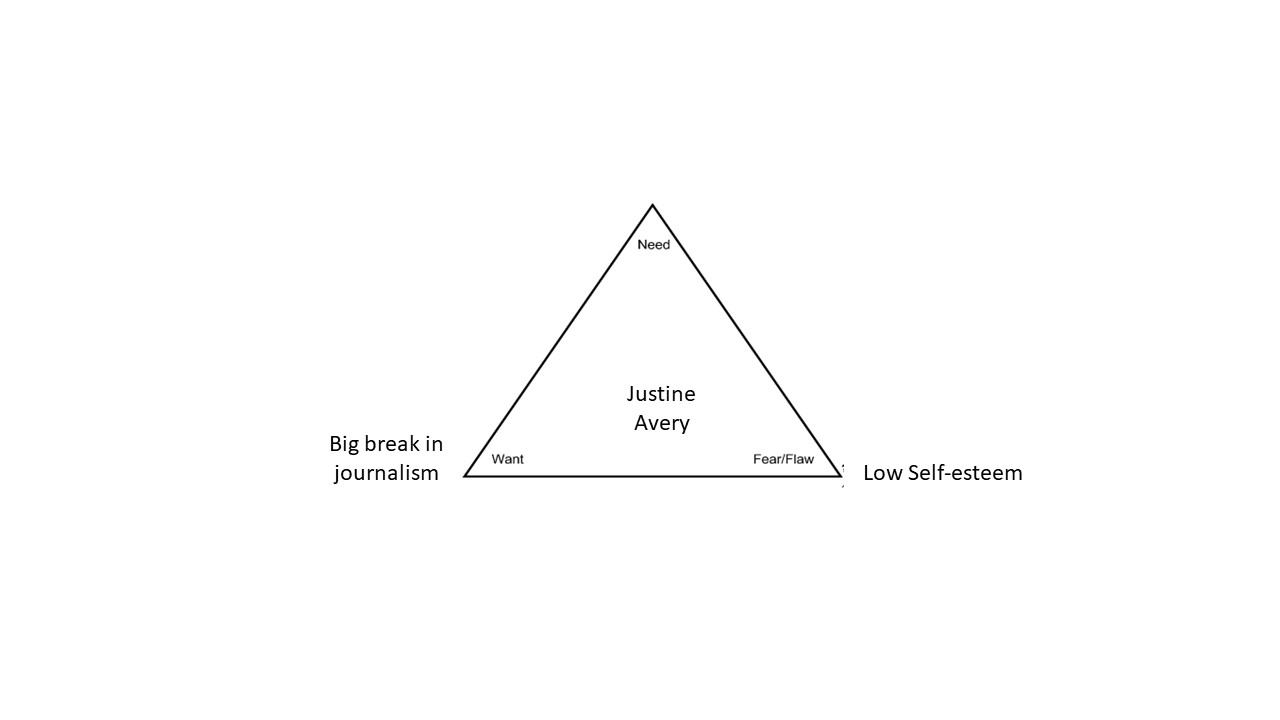
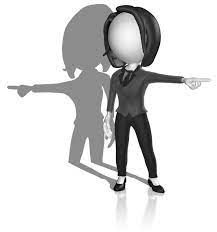


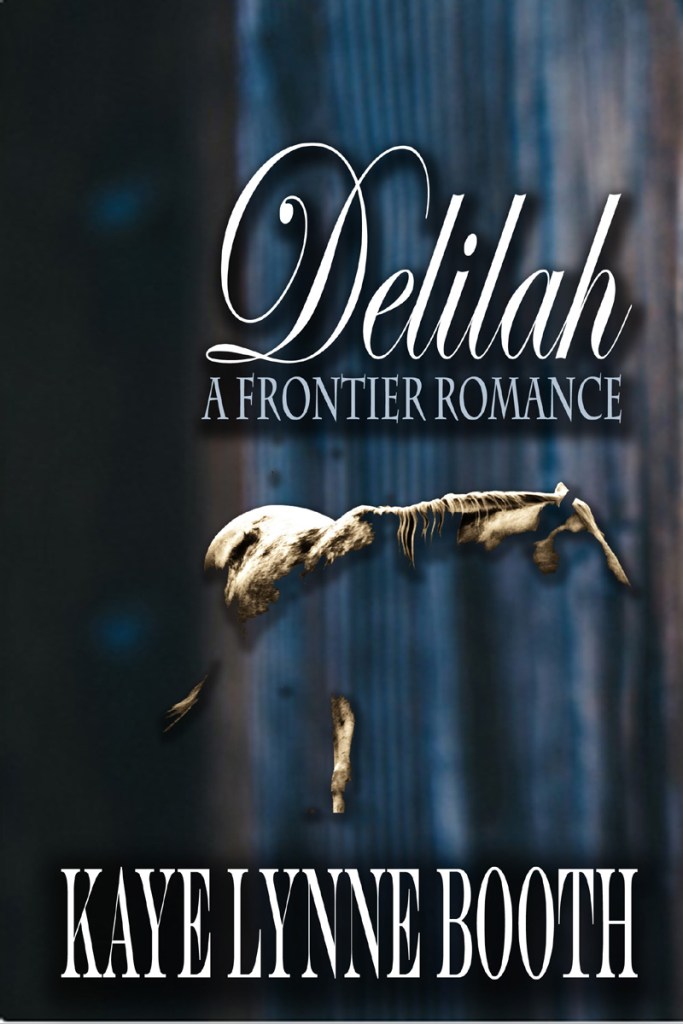


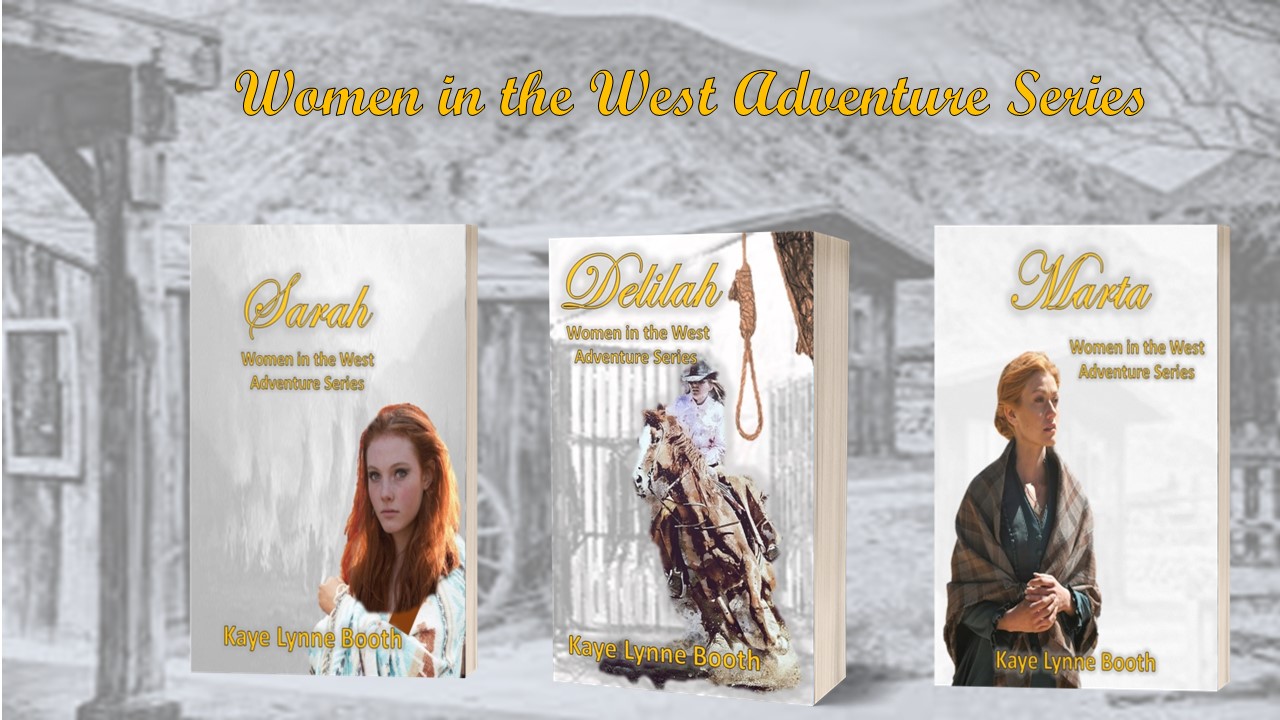






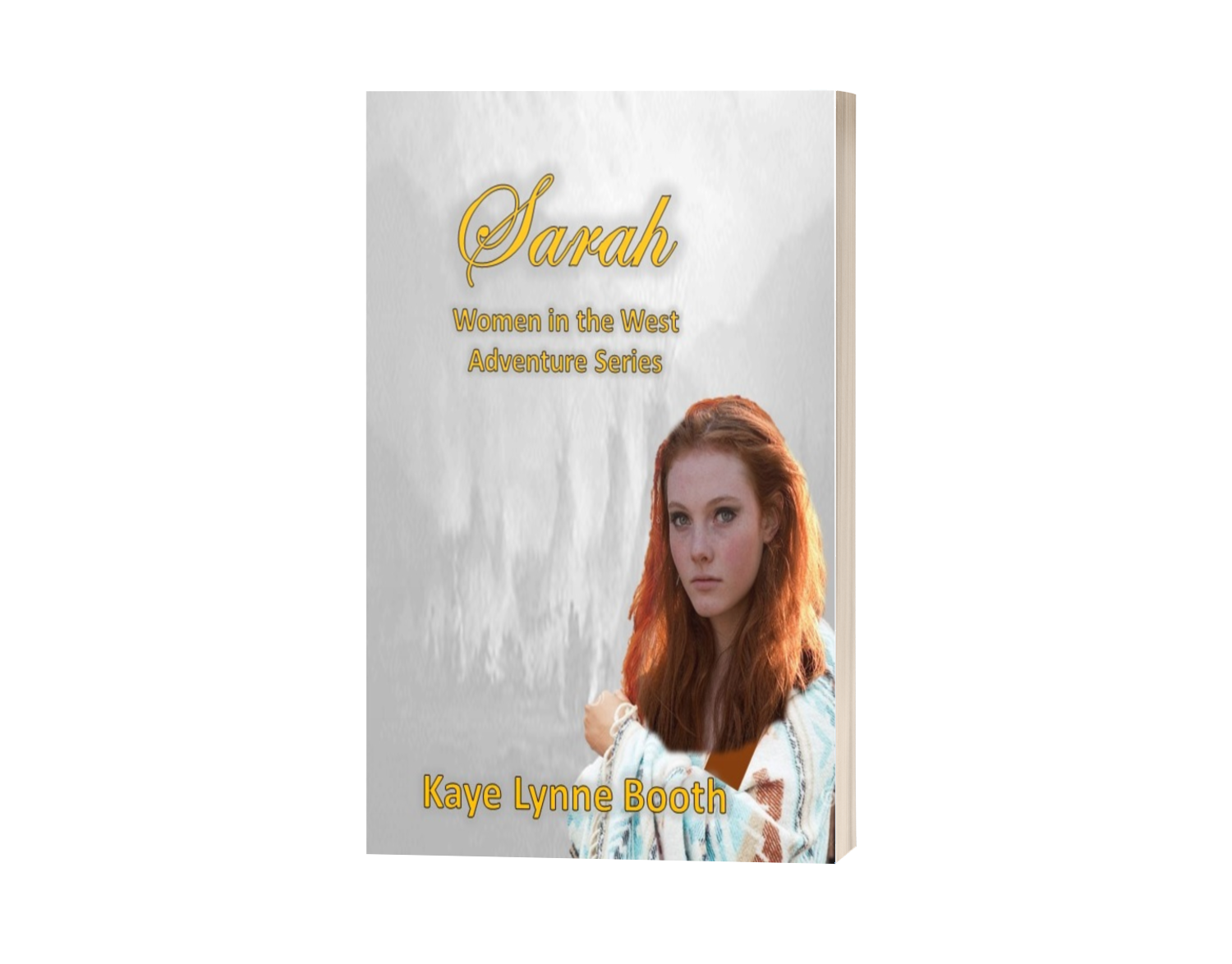


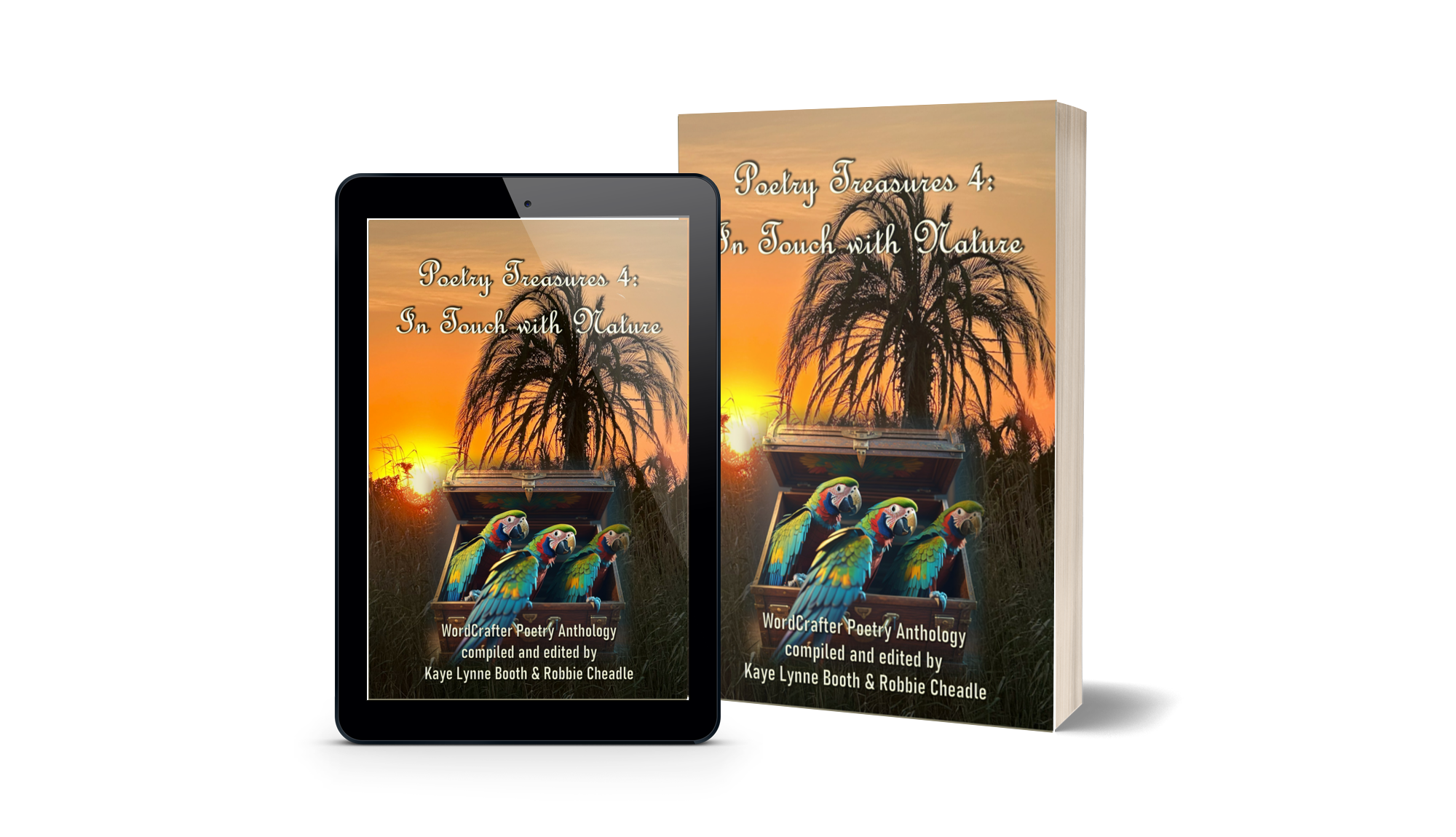
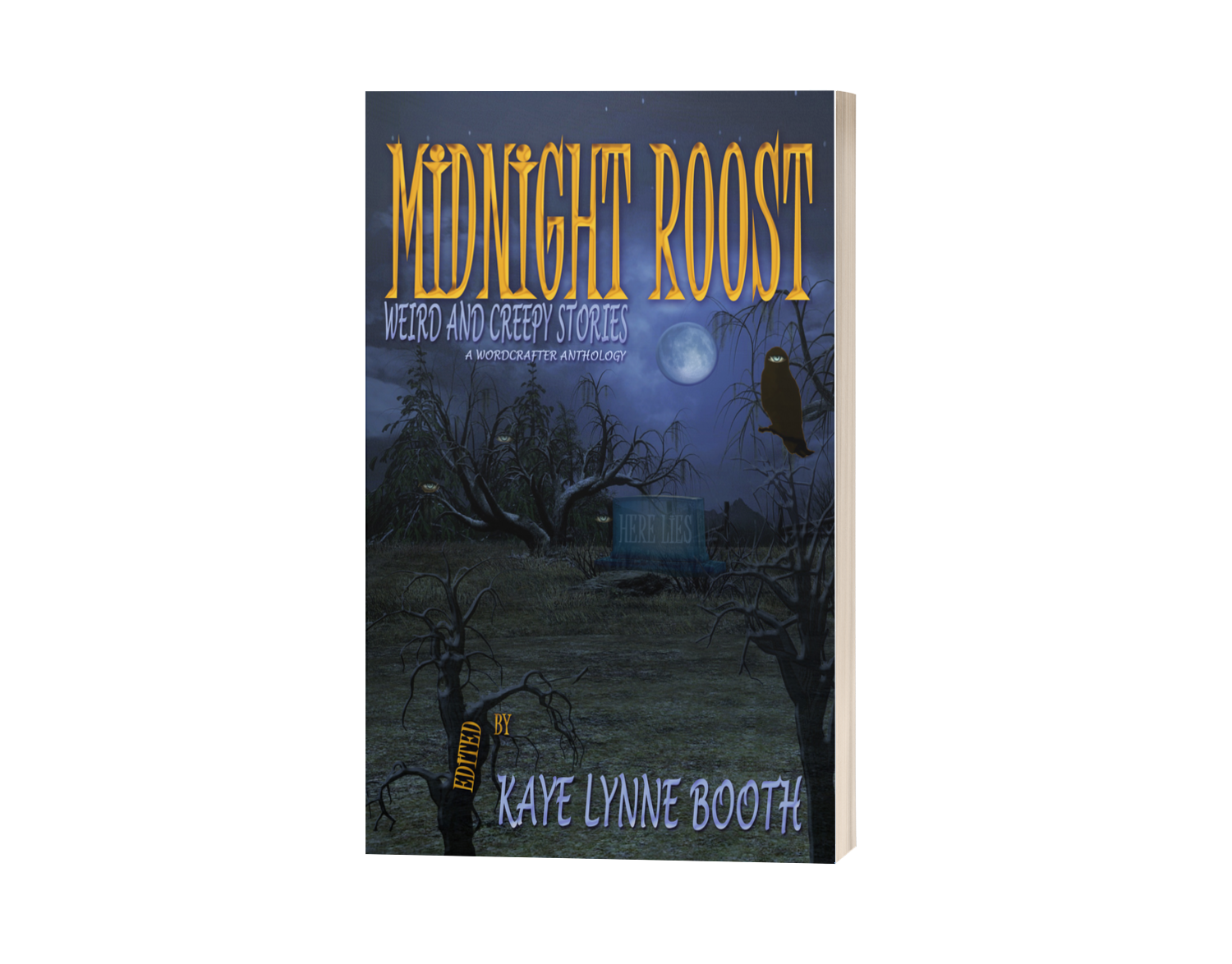
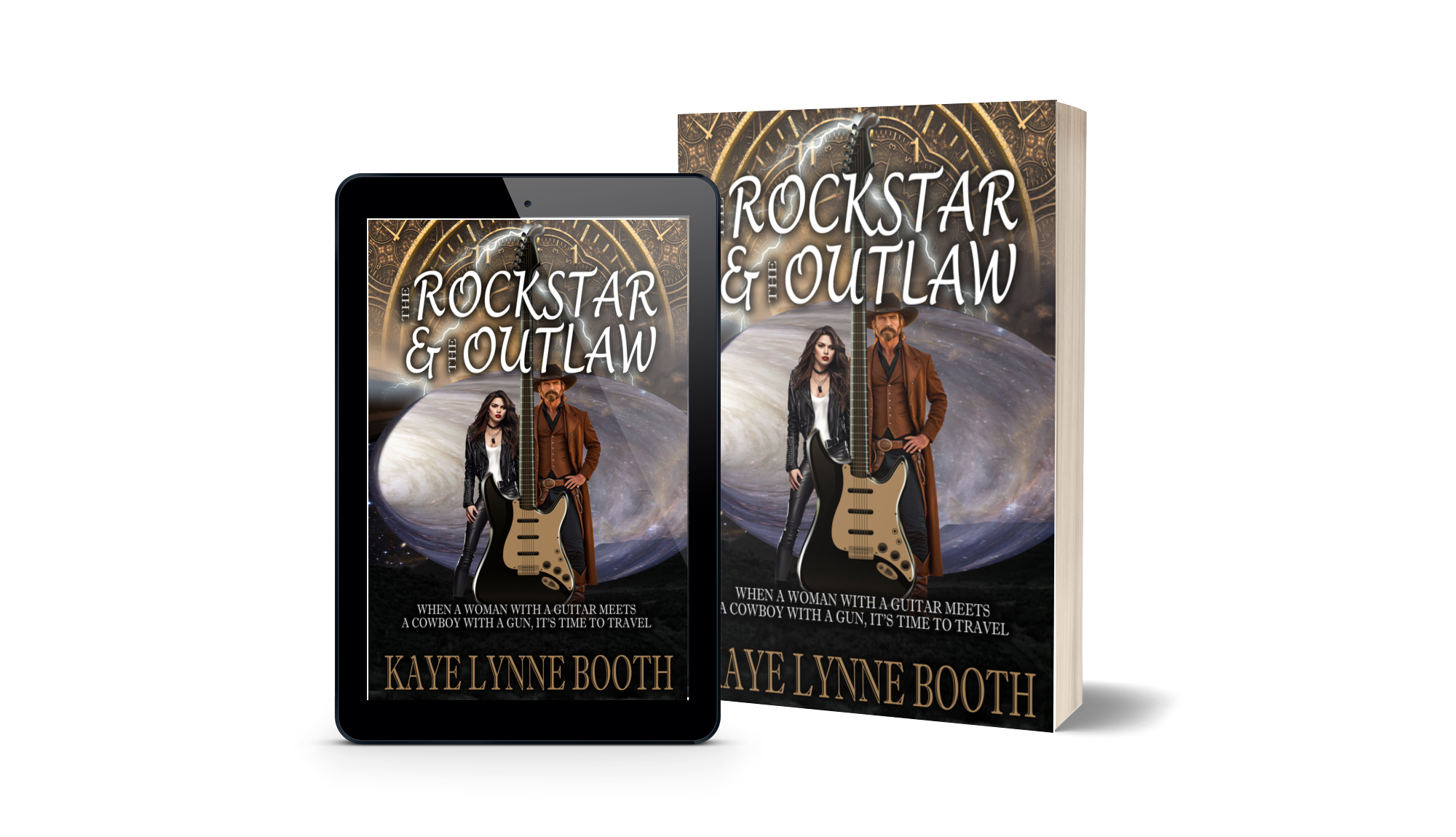

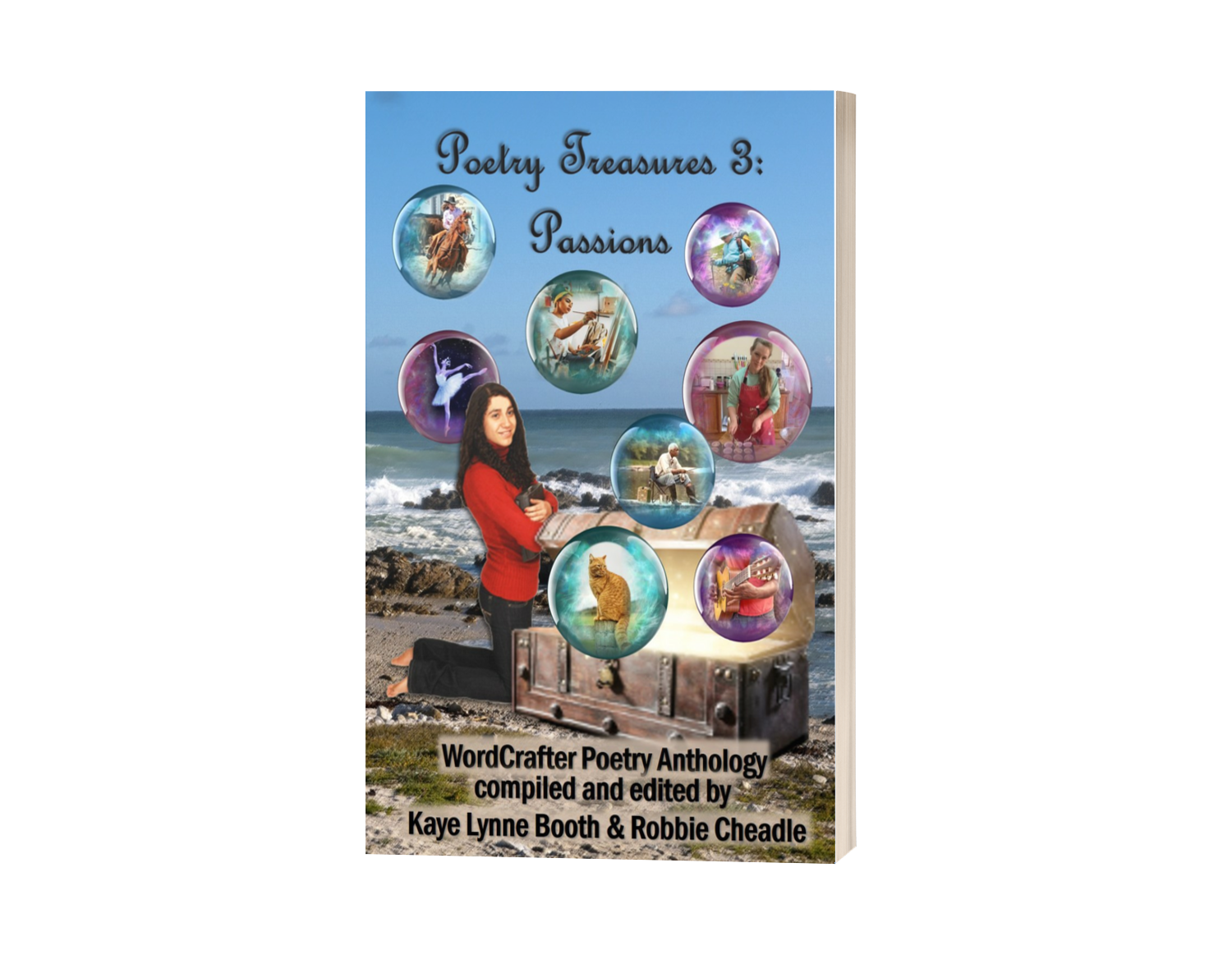
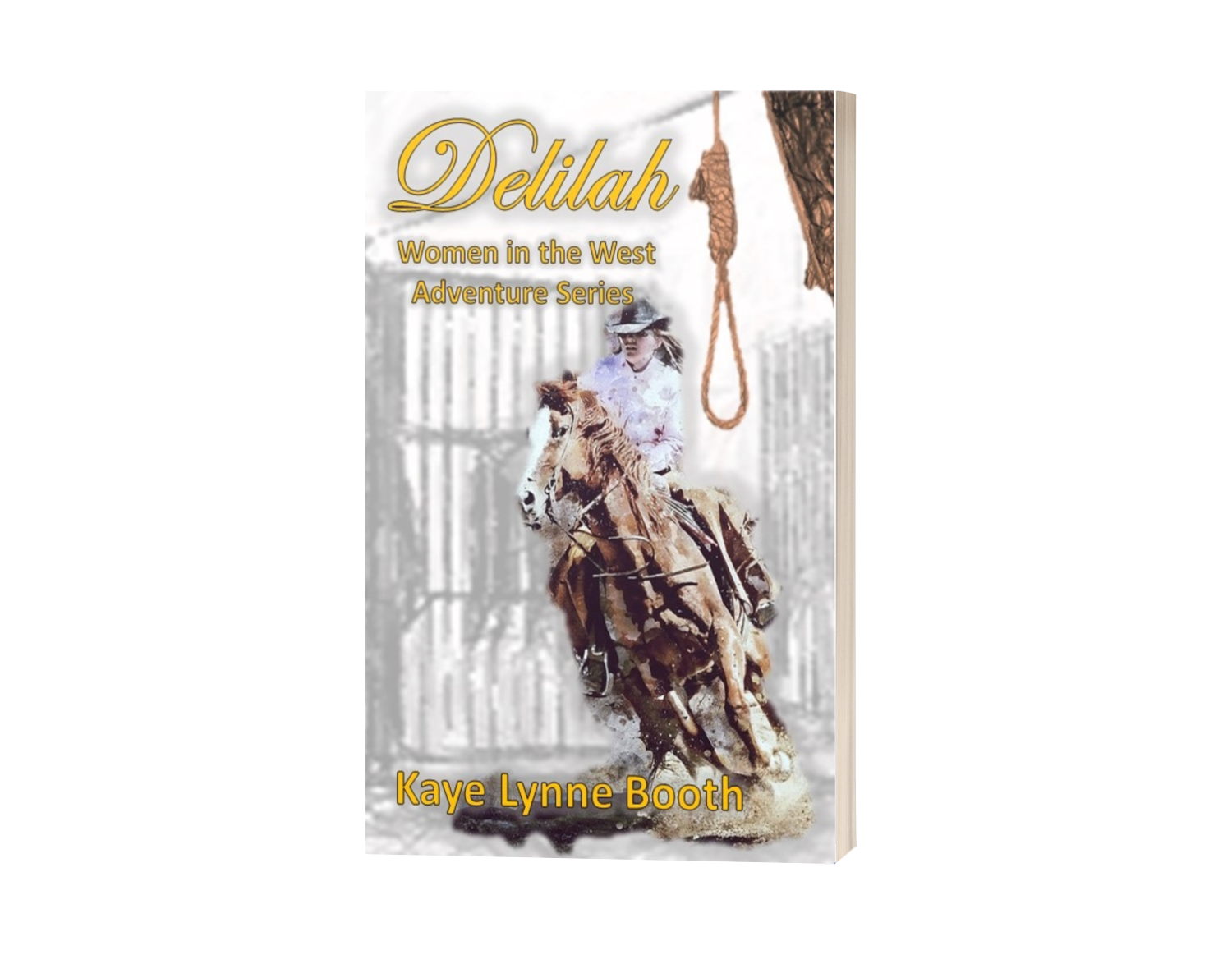

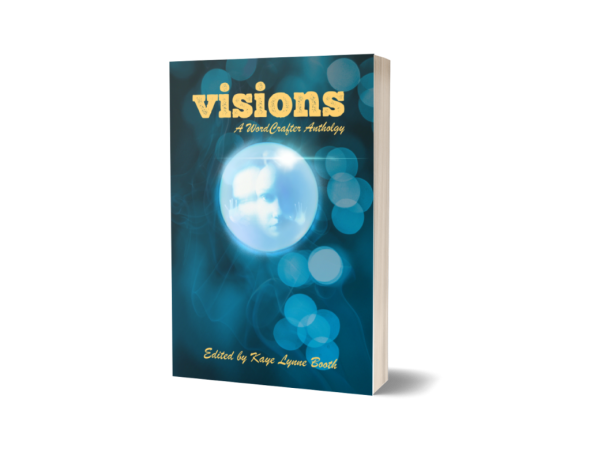



Writer’s Corner: The Value of Going Wide & Books2Read Links
Posted: November 6, 2023 | Author: kayelynnebooth | Filed under: Book Sales, Commentary, Indie Publishing, Publishing, Self-Publishing, Writer's Corner | Tags: Books2Read, Publishing Wide, Writer's Corner, Writing to be Read | 14 CommentsWhy Publish Wide?
We’ve all heard of Amazon. They are the single largest book distributors out there, but they aren’t just a book distributor, but they require exclusivity and they make authors jump through hoops for them to give us a second glance. Now, I admit, I have a problem with going exclusive with Amazon KU, although I know there are may authors out there who do quite well. But Amazon also has a habit of cancelling author accounts for percieved infractions to their Terms of Service. So, just stop and think for a moment what would happen if Amazon were to decide that something you do violates their TOS and cancels your account. You can appeal the decision, and you might even win, but in the meantime, your books are not available anywhere and you’re loosing money, or at least the potential for money.
Most of us have heard of Barnes & Noble, Smashwords, Apple Books, and Rakutan Kobo. These are the larger book distributors, and books are what they do, so authors can get a little loving care when dealing with these guys, but with the exception of Smashwords, you may have to be an author with a bigger name to get noticed. But here’s the thing. Publishing on each of these platforms is possible, (with the exception of KU, which requires exclusivity, but Amazon will let you publish without being in KU), but it would be very time-consuming. Any time that I spend publishing, is time that I’m not writing, so for me, publishing once to D2D and letting them take care of the rest is appealing.
Some distributors are only available in certain countries outside the U.S. Others are subscription services, or like Overdrive, sell only to libraries. My books are available on all of them and I only have to hit publish twice: once for the digital format and once for the print book. To me extending my reach in this way just makes good sense.
Why Use Books2Read Links?
I work with a lot of authors doing WordCrafter anthologies, and I ask them all to use Books2Read links in their promotions. I’ve had several people feeling the need for an Amazon link, because that is what they’ve become accustomed to. I had to explain that the Amazon link shows up under the Books2Read link, along with links for Barnes & Noble, Apple Books, Rakutan Kobo, Scribd, Smashwords, Baker & Taylor, Overdrive, Tolino, Bibliotheca, Odilo, Borrow Box, Palace Marketplace, Gardners, Vivlio, and others. Google Play is the only one I know of that D2D does not work with. If you haven’t heard of some of the above distributors, don’t be surprised. I hadn’t either until I started publishing through Draft2Digital.
Every book I publish through D2D gets a Books2Read link, so with one click readers can find links for all the distributors carrying my book and select their favorite distributor in order to make their purchase. This makes my books available on all devices, not just Kindle. Above is a screenshot of my Books2Read landing page for The Rock Star & The Outlaw. You can see the distributors where my books are available. There may be others where print is available, but print links must be added manually, so I’ve only added the two largest ones. I’ll add others down the road when I find time. There are enough distributor choices here to reach readers on any device in many different countries.
____________________________________________________
For Kaye Lynne Booth, writing is a passion. Kaye Lynne is an author with published short fiction and poetry, both online and in print, including her short story collection, Last Call and Other Short Fiction; and her paranormal mystery novella, Hidden Secrets; Book 1 of her Women in the West adventure series, Delilah, and her Time-Travel Adventure novel, The Rock Star & The Outlaw. Kaye holds a dual M.F.A. degree in Creative Writing with emphasis in genre fiction and screenwriting, and an M.A. in publishing. Kaye Lynne is the founder of WordCrafter Quality Writing & Author Services and WordCrafter Press. She also maintains an authors’ blog and website, Writing to be Read, where she publishes content of interest in the literary world.
____________________________________________________
Want exclusive content? Join Kaye Lynne Booth & WordCrafter Press Readers’ Group for WordCrafter Press book & event news, including the awesome releases of author Kaye Lynne Booth. She won’t flood your inbox, she NEVER sells her list, and you might get a freebie occasionally. Get a free digital copy of her short story collection, Last Call and Other Short Fiction, just for joining.
Share this: