Author’s Note: This was mistakenly published last Monday, along with the “WordCrafter News” post, so you may have already seen it. I’m re-publishing it on its scheduled day for those who may not have caught it on the earlier date. I’m not sure what happened, but please forgive the misposting.
I studied the craft of writing in the master’s program at Western State Colorado University from 2012-2016. At that time, the term ‘independent author’ left a bad taste in most author’s mouth. Times were rapidly changing in the publishing industry as independent publishing grew in popularity among authors who were tired of waiting to be discovered, which often took many years, and sometimes, not at all. But at that time, the term was associated with poorly written and cheaply manufactured books which were flooding the market by authors who not only wanted to bypass the gatekeepers of traditional publishing but also wanted to use independent publishing as a short cut, skipping over editing, as well, which in most cases, was badly needed.
As I said, things were rapidly changing in the publishing industry, and today, we’ve seen the ‘Big Five’ traditional publishers, dwindle down to the ‘Big Three’, as they struggle to try and keep up with those changes as independent authors take advantage of new technology which make it possible to publish themselves both cheaper and easier. With digital eBooks and aggregates like Draft2Digital, which use P.O.D. (Publish On Demand) for print books, there are no up-front costs to publish your work, and once everything is ready to publish, the whole process can be done in just a few hours. The rise of independent authors has forced traditional publishers to change and adapt, or become extinct.
The key word in ‘Independent Author’ is Independent. Independent authors don’t need to wait for someone to take interest in their work, but we must remember that this also makes us a business and we’re the boss, and we are solely responsible for the quality of the product we put out. Independent publishing should not be used as a short cut to avoid having your book edited, because in most cases, it’s pretty obvious.
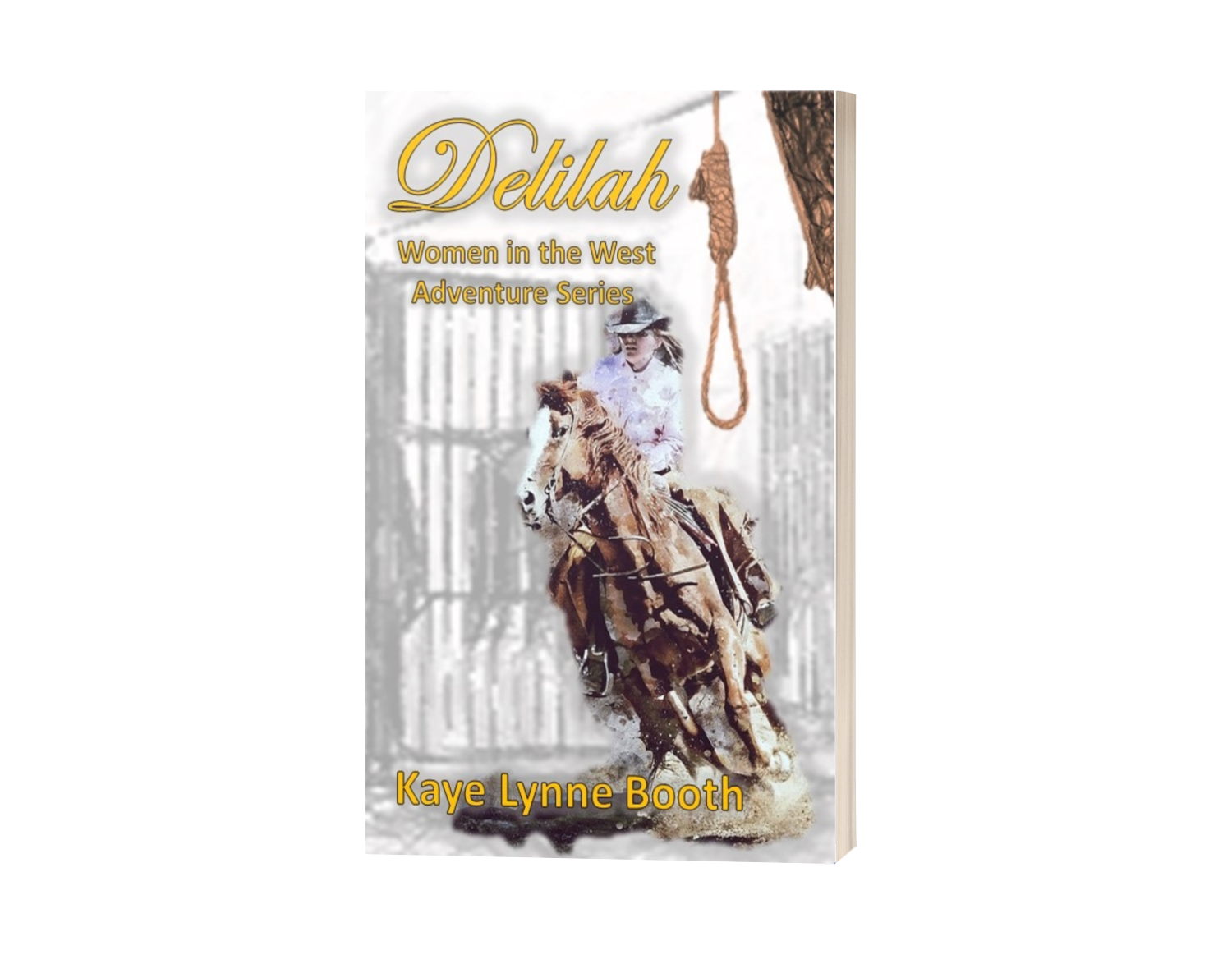
That being said, many authors today chose independent publishing because of the control it gives them. Like I said, we are our own bosses. That means we can control the quality of our work, and everything else: title, cover, price, production, and promotion. Certainly, this was one of the main reasons that I chose to become an independent author after gaining a five-year contract for my first novel and finding that having a publisher wasn’t giving me any advantage in selling Delilah. The cover they had given me was not representative of the character or the story, and as far as I could tell, they provided little or no promotion. I began WordCrafter Press and started publishing collaborative projects long before that contract ran out, and when it did, I revised Delilah to be the first in my Women in the West series. I had to learn new skills to provide my own covers, and find people willing to edit my work in an exchange of services due to my limited budget, but when the book was re-released, I sold more copies a month than my publisher had in five years.
With my recent computer issues, I was glad that I had control of my work and the decision-making process. Because I had limited computer time and was writing in longhand and doing most of my publishing and promotional tasks on my phone, I wasn’t able to keep up with my promotion schedule and had to push back the publishing dates on my own work in order to keep my collaborative projects on schedule and as the boss and decision maker, I was able to do that. It was a tough decision. I have the second book in my Time Travel series near ready to publish, and although I’ve outlined the third book in the Women in the West Adventure series, I’ve not yet begun to write it. Both of these books may need to be pushed back so far as to be added to next year’s production schedule, but I’m thankful for the freedom to do so. Had I been working with traditional publishers, my deadlines would have been set in stone, and I would not have been able to make them.
Just as the child who can’t wait to grow up soon learns that growing up means taking responsibility for one’s self, so the independent author is also responsible for creating and presenting their own work to the world. Hopefully, we all want that to be the best work that it can possibly be, and we will take the proper steps to ensure that it is, making the best decisions possible for our work. With freedom, comes responsibility, so use both wisely in your author journey.
Until next month,
Happy Writing!
About Kaye Lynne Booth
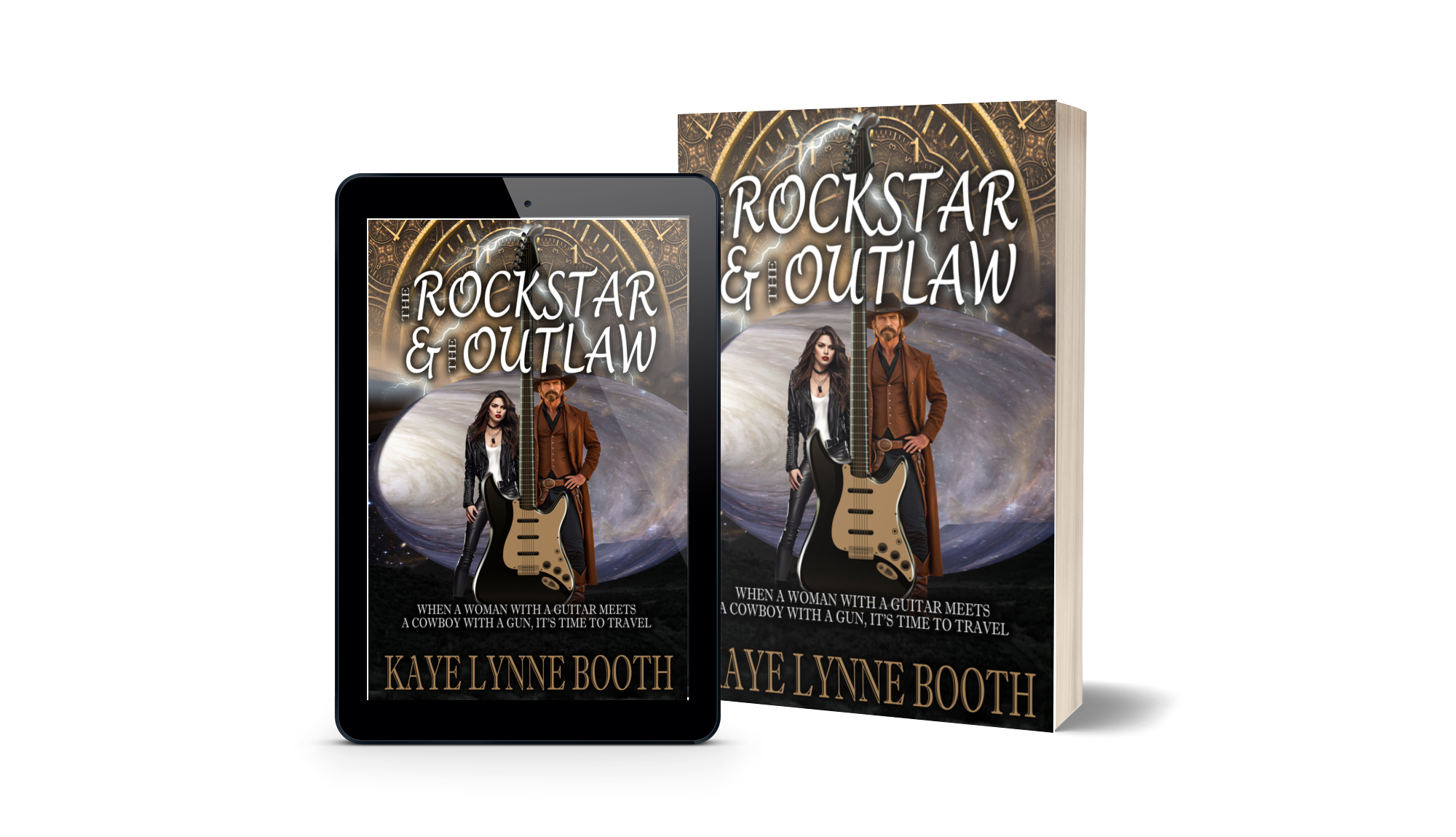
For Kaye Lynne Booth, writing is a passion. Kaye Lynne is an author with published short fiction and poetry, both online and in print, including her short story collection, Last Call and Other Short Fiction; and her paranormal mystery novella, Hidden Secrets; Books 1 & 2 of her Women in the West adventure series, Delilah and Sarah, and her Time-Travel Adventure novel, The Rock Star & The Outlaw,as well as her poetry collection, Small Wonders and The D.I.Y. Author writing resource.
Kaye holds a dual M.F.A. degree in Creative Writing with emphasis in genre fiction and screenwriting, and an M.A. in publishing. Kaye Lynne is the founder of WordCrafter Quality Writing & Author Services and WordCrafter Press. She also maintains an authors’ blog and website, Writing to be Read, where she publishes content of interest in the literary world.
_______________________________________
Did you know you can sponsor your favorite blog series or even a single post with an advertisement for your book? Stop by the WtbR Sponsor Page and let me advertise your book, or you can make a donation to Writing to be Read for as little as a cup of coffee, If you’d like to show your support for this author and WordCrafter Press.
_____________________________________
This segment of “Writer’s Corner” is sponsored by theRobbie’s Inspiration blog site, where you can find ideas on writing and baking with hostess, Robbie Cheadle.
I received a copy of Get Your Book Selling Wide through an offer in author Monica Leonelle’s Newsletter. All opinions stated here are my own. One of the best things about this book though, is the fact that it is always permafree, which means you too can get a free copy at the purchase link above.
You can read my review of
I’ve often mentioned that I am a wide author, which means I publish WordCrafter Press books on as many platforms as possible, and in as many formats as I can. I’m not a fan of exclusivity. It doesn’t make much sense to me to put all my eggs in one basket. So, it will come as no surprise to most of you that this book would be of interest to me.
Monica Leonelle has put together a comprehensive volume that explains what it means to be a wide author, and goes over several of the marketing platforms, and the different formats in which your books can be offered, as well as different types of marketing strategies for the different formats.
I be looking particularly at the pricing and marketing strategies for my print books, which are areas where I feel I have been lacking. The book industry is changing quickly and for an author to survive and be noticed above the competition, the author mindset must adjust to those changes. Digital and print books are two different beasts when it comes to marketing, with different target audiences. It only makes sense that you must reach out to those audiences in different ways.
I was also interested to learn that the pricing strategy for traditionally published books does not work so well for independent authors. Leonelle claims that independently published print books need to be priced slightly higher than traditionally published books in order for authors to make a decent profit.
I found the information on pre-orders and the discussion about their durations to be useful. I’ll be taking Leonelle’s advice under consideration in the future. The timing of pre-orders is an area I have struggled with in the past. My release of Poetry Treasures 5: Simple Pleasures missed the pre-order altogether and was released early. Obviously, an area where I can hone my skills as I continue to try and get it right.
About Kaye Lynne Booth
For Kaye Lynne Booth, writing is a passion. Kaye Lynne is an author with published short fiction and poetry, both online and in print, including her short story collection, Last Call and Other Short Fiction; and her paranormal mystery novella, Hidden Secrets; Books 1 & 2 of her Women in the West adventure series, Delilah and Sarah, and her Time-Travel Adventure novel, The Rock Star & The Outlaw,as well as her poetry collection, Small Wonders and The D.I.Y. Author writing resource. Kaye holds a dual M.F.A. degree in Creative Writing with emphasis in genre fiction and screenwriting, and an M.A. in publishing. Kaye Lynne is the founder of WordCrafter Quality Writing & Author Services and WordCrafter Press. She also maintains an authors’ blog and website, Writing to be Read, where she publishes content of interest in the literary world.
___________________
Did you know you can sponsor your favorite blog series or even a single post with an advertisement for your book? Stop by the WtbR Sponsor Page and let me advertise your book, or you can make a donation to Writing to be Read for as little as a cup of coffee, If you’d like to show your support for this author and WordCrafter Press.
___________________
This segment of “Review in Practice” is sponsored by the Time Travel Adventure Series and WordCrafter Press.
When a Girl with a Guitar Meets a Man with a Gun, It’s Time to Travel
Being an author today is more than just writing the book. Authors in this digital age have more opportunities than ever before. Whether you pursue independent or traditional publishing models, or a combination of the two but being an author involves not only writing, but often, the publishing and marketing of the book.
In this writer’s reference guide, multi-genre author and independent publisher, Kaye Lynne Booth shares her knowledge and experiences and the tools, books, references and sites to help you learn the business of being an author.
Topics Include:
Becoming Prolific
Writing Tools
Outlining
Making Quality a Priority
Publishing Models & Trends
Marketing Your Book
Book Covers & Blurbs
Book Events—In Person & Virtual
And more…
Meet the Author
Greetings! Thank you so much for dropping by to help us celebrate the release of The D.I.Y. Author. You all know me as author Kaye Lynne Booth, but with the release of this book, I hope to be known as the D.I.Y. author. This is the book that only I could write, where I share knowledge and experience as I build my author business. This is not a book on craft, but a reference for authors and aspiring authors who wish to expand and grow their author business on a limited budget. Learn the tips and tricks, sites and tools, which took me over a decade, and three masters degrees to amass.
I’ve always been a do it yourself kind of gal. I’ve built my author business up around this blog, finding ways around obstacles which stood in my way, learning new skill sets because outsourcing was more than I could afford. My first novel was published by a small independent publisher. But as the five-year contract ran out, I felt I could do better through my own small independent publishing house, WordCrafter Press, so I re-published it as the first book in my Women in the West adventure series last year, and I sold more copies than that other publisher had over a five year stretch. I just released the second book in the series this month. When Covid struck, I organized and hosted two virtual writing conferences, because writers are tribal bunch, and we need contact with like minded people. Networking is a huge part of building an author business. I use that networking to build not only my author business, but my own author tribe. I’ve published my own books, and collaborative anthologies, as well as publishing books for others. And I’ve built a winning blog team here on Writing to be Read with Robbie Cheadle, Jeff Bowles, Arthur Rorsch, and DL Mullan.
No one else has shared in these exact same experiences that I have, and that’s why only I could write The D.I.Y. Author, and why I can hold that title. But enough about me. The D.I.Y. Author is a great reference packed full of links to sites and tools and tips for increasing productivity, publishing choices, and marketing your books.
We have a great release party ahead to send this book off right. We’ve got exclusive offers running this week only. After Saturday, the whole D.I.Y. store will disappear, so take advantage of them now. By buying direct, you are supporting this author and her works more than when you purchase from retailers.
My D.I.Y. Video
Author Video Introduction – Author Kaye Lynne Booth
On with the party!
Thanks for dropping by for The D.I.Y. Author virtual release party. We’ve got some great things planned, including a giveaway for all attendees, so be sure to leave a comment, so I’ll know you were here. I’ll be monitoring the comments throughout the day and will answer any questions you might want to post there. While you’re here you can peruse the D.I. Y. store below, for exclusive and discounted offers that you won’t find anywhere else. The store will come down at the end of the week. After that you’ll have to pay full price through retailers, and signed copies will no longer be available.
And if you are already a bestselling author and you don’t need this book or the WordCrafter services offered here, you can still offer your support for the author and this project by using the ‘buy me a soda’ button below.
Buy me a soda
Show your support for author Kaye Lynne Booth and her many endeavors through WordCrafter Press & Writing to be Read.
Thanks for joining me today for The D.I.Y. Author Release Party. I hope you found a few useful tidbits here. For more tips and advice, you’ve got to buy the book. If you miss the window for the D.I.Y. Store, you can still purchase this useful writer’s reference here: https://books2read.com/The-DIY-Author
Many of you know me, but for those who don’t, I’m author Kaye Lynne Booth. Through Writing to be Read and WordCrafter, I’ve been able to do some pretty cool things, WordCrafter Book Blog Tours, the annual short fiction contest, and the annual short fiction and poetry anthologies published by WordCrafter Press. But along with that comes the operational costs and the annual fee for this blog and domain name will be due in July, and I have discovered that I’m not making enough writing full-time to cover everything. So I got to thinking about other ways that this blog could start paying off, as I struggle to make all of this work.
I got an idea from watching what is working for one of my fellow authors, Patty Fletcher. She produces a sponsored newsletter, which seems to get the desired result. You may know that newsletters are not my strong point, especially if you are already a member of my readers group. Sorry about that guys and gals who are signed up. I promise to try to do better in the future.
I’ve decided to take on book related sponsors only for Writing to be Read. Sponsors will have a mention in the post of your choice, or for a little more you can have a full color ad for your book. Prices can be found on the new Sponsorship page which will be up soon.
So if you follow Writing to be Read and you like the content you find here and find it to be of value, or if you have contributed to or enjoyed any of the annual anthologies published by WordCrafter Press, please consider advertising your work here and becoming a sponsor, and contact me at KLBWordCrafter@gmail.com. I will have sponsor page up soon.
The D.I.Y. Author
Being an author today is more than just writing the book. Authors in this digital age have more opportunities than ever before. Whether you pursue independent or traditional publishing models, or a combination of the two but being an author involves not only writing, but often, the publishing and marketing of the book.In this writer’s reference guide, multi-genre author and independent publisher, Kaye Lynne Booth shares her knowledge and experiences and the tools, books, references and sites to help you learn the business of being an author.
This writer’s reference is must have for upcoming authors aspiring to build an author business and sell books. The D.I.Y. Author releases on June 4th, 2024, but it’s available for pre-order now at the purchase link above. It contains tips and advice on building an author business, from learning to be prolific, to publishing, to marketing and promoting your book.
I’m also hosting a virtual release party right here on Writing to be Read to give this book a proper send off into the world, and I hope you will come and join me. There will be exclusive offers available just for the event, where you can purchase them direct from the author: discounted eBooks, signed print copies, and discounted author services from WordCrafter. So, drop by on the 4th and join in the fun as we launch The D.I.Y. Author.
Here’s the link for the release party but it won’t work until the party goes live on Tuesday morning, June 4th: https://writingtoberead.com/?p=33911
_________________
Want exclusive content? Join Kaye Lynne Booth & WordCrafter Press Readers’ Group for WordCrafter Press book & event news, including the awesome releases of author Kaye Lynne Booth. She won’t flood your inbox, she NEVER sells her list, and you might get a freebie occasionally. Get a free digital copy of her short story collection, Last Call and Other Short Fiction, just for joining.
When I was a little girl, I used to love going to the library. Sometimes, my mom would take me for story hour, where one of the kindly librarians would read a story aloud to a group of children. As I grew older and my reading abilities improved, I would visit the library on my own, and carry home stacks of books, because there were soooo many books that I just had to read. I might have to renew my checkout on some, but I was a voracious reader. (Still am.)
As an adult, I relished in taking my own children to the library, and practicing using their ‘library voices’. We would make a day of it, going to the park first, which was right down the street, and stopping at the drug store for a soda on the way home. The kids would each have two or three books which they had chosen, and I got to renew my book stack, as well.
With the rise of the internet and digital books, there were rumors that libraries would fade out of the picture and no longer be necessary when you could buy a book with the click of a button. But not everyone can afford to click that button, especially not with the sheer volume of books that are available today. Thank goodness libraries have learned to shift with the times and seem to still be thriving.
For me, with the feelings I have associated with libraries, it only makes sense that I would want to get my books into libraries. But not all authors feel that way. Many authors look at having their books in libraries as being detrimental to sales or that authors loose money by having their books in libraries.
Myths About Having Your Books In Libraries
Myth 1:If someone can walk into a library and read my book for free, then why would they go buy it?That’s like giving your work away.
Not true. In fact, many readers go to libraries to discover new authors. Once they find one they like, they may buy more books by the same author. I think this may be especially true for genres where whale readers are typical, like romance. When you read a lot of books, it might be smart to be sure you’re going to like their stuff before dropping a lot of coinage on an author.
Myth 2:If a library buys my ebook, it’s a once-and-done type deal. Then they can check it out as many times as they want, so I lose money.
There are two pricing models through library services which list the ebooks available to libraries.
The first, is the One Copy, One User model. This model is the one used most by library services. The library pays a set price for your ebook, higher than the price paid through retailers for each copy of your book . In the other model, they pay a certain price for each checkout made. In this model, you make money from the initial purchase, whether anyone checks out your book or not. With the second, the amount you make is in direct relation to the number of people who are reading your book.
The second model is the Cost Per Checkout model. In this model you get paid a small amount, under a dollar, everytime someone checks out your ebook. With this model, the amount of money you make is in direct relation to how many library patrons are reading your book.
Either method used, having your book in libraries offers exposure which could lead to recommendations by word of mouth, or maybe even a review. And that is gold for authors.
How To Get Your Books Into Libraries
There are two things required to get your books into libraries.
Access
Demand
Access
If you want to get your books into libraries, librarians must first have access to them. Librarians do not purchase books from Amazon or any of the other major retail distributors, but there are outlets which serve libraries specifically,including Overdrive, Bibliotheca, Odilo, Baker & Taylor, Hoopla, Borrow Box, and Palace Marketplace. These services provide lists of books which they have available to libraries, and that’s the main route librarians use to find and order books.
Mark Leslie Lefebvre wrote a book called HowtoGetYourBooksIntoBookstores&Libraries (Purchase link at the end of this article). You can see my review of this book here.
In it, he talks about building relationships with local bookstores and libraries. They can’t support your books if they don’t know that they exist. Librarians are in contact with many readers every day. They are more likely to recommend the book of a local author they know and can put a face with the name. They are also more likely to purchase your book for their library if they know you, so here the underlying motivator is developing a relationship with your local librarian, by getting to know them and making yourself available for readings and/or author talks at their facility.
Library patrons coming in and requesting your books increases the chances phenomenally that they will order and carry your book. With the help of readers, who are also library patrons, it is often as simple as having them ask their acquisitions librarian to carry the book. So, it pays to encourage readers to request your books at their local libraries.
Getting your book listed on Overdrive and the other library services provides the access, and if people are requesting your book it demonstrates demand. But you can tell everyone over and over to walk into their local library and request your books, but there’s no way to assure they will follow through. And if they do, that’s great! Your books may now be carried in local libraries wherever it has been requested. But what about local libraies in your area, or in the area where your book is set?
This is the part that requires work on the author’s part. Just like books don’t sell themselves, they also don’t magically appear in libraries.
The library is a great place to discover local authors, and many folks are really into that. If your book is available in your local library, the folks who are into local authors may just discover your book, and go on to buy other books written by you. And if you write with settings in local areas, those libraries are likely to have folks interested in a book set near their homes. For example, my Women in the West series is set on the Colorado frontier, with stops in towns such as Leadville (Delilah) and Glenwood Springs (Sarah), and since they are historical fiction, they feature events and people from the local histories for those areas, so people who live there could be interested in those stories. The Leadville and Gunnison libraries are likely places where I’d like to see my books carried.
Local libraries are the easiest to build a relationship with, because it’s likely that you are already a patron, and a familiar face there. But you can’t just walk in and say, “Hey, I’m a local author, so you should carry my books.” That would be too much like a cold call, unless your face is very familiar there. But it also takes research to build the right relationships. Chances are, there are several librarians working in your local library, and while it doesn’t hurt to be familiar with all of them, the acquisitions librarian is the the one who offers the most benefit, because they are the person who decides which books to purchase for the library. If you can build a solid relationship with the acquisitions librarian, you might even get them to carry your print books, too.
I know one local author who just walked into the library and asked if they would display and sell her book there. They were quite agreeable to this, and she left a stack of print books, which they kept stacked on a corner of the checkout desk, where library patrons would see them, as they prepared to depart. Her book wasn’t even carried on the library shelves, but library patrons found her book there. She had her foot in the door, but didn’t build on the relationship. It’s too bad she didn’t take that next step and ask the library to purchase a copy, or even offered to donate a book for their shelves.
So, how do you build a relationship with your local librarians? You might start by introducing yourself, and letting them know what it is you have to offer. I’m not just talking about your books. Offer to do readings or to speak on a topic of your expertise. Libraries are always on the lookout for guest speakers, and often host local authors for readings. These are events that will draw patrons into their library, and they like that. Once you’ve done a reading of one of your books, the library is much more likely to carry on their shelves.
_____________________________________
For Kaye Lynne Booth, writing is a passion. Kaye Lynne is an author with published short fiction and poetry, both online and in print, including her short story collection, Last Call and Other Short Fiction; and her paranormal mystery novella, Hidden Secrets; Book 1 of her Women in the West adventure series, Delilah, and her Time-Travel Adventure novel, The Rock Star & The Outlaw. Kaye holds a dual M.F.A. degree in Creative Writing with emphasis in genre fiction and screenwriting, and an M.A. in publishing. Kaye Lynne is the founder of WordCrafter Quality Writing & Author Services and WordCrafter Press. She also maintains an authors’ blog and website, Writing to be Read, where she publishes content of interest in the literary world.
Want exclusive content? Join Kaye Lynne Booth & WordCrafter Press Readers’ Group for WordCrafter Press book & event news, including the awesome releases of author Kaye Lynne Booth. She won’t flood your inbox, she NEVER sells her list, and you might get a freebie occasionally. Get a free digital copy of her short story collection, Last Call and Other Short Fiction, just for joining.
We’ve all heard of Amazon. They are the single largest book distributors out there, but they aren’t just a book distributor, but they require exclusivity and they make authors jump through hoops for them to give us a second glance. Now, I admit, I have a problem with going exclusive with Amazon KU, although I know there are may authors out there who do quite well. But Amazon also has a habit of cancelling author accounts for percieved infractions to their Terms of Service. So, just stop and think for a moment what would happen if Amazon were to decide that something you do violates their TOS and cancels your account. You can appeal the decision, and you might even win, but in the meantime, your books are not available anywhere and you’re loosing money, or at least the potential for money.
Most of us have heard of Barnes & Noble, Smashwords, Apple Books, and Rakutan Kobo. These are the larger book distributors, and books are what they do, so authors can get a little loving care when dealing with these guys, but with the exception of Smashwords, you may have to be an author with a bigger name to get noticed. But here’s the thing. Publishing on each of these platforms is possible, (with the exception of KU, which requires exclusivity, but Amazon will let you publish without being in KU), but it would be very time-consuming. Any time that I spend publishing, is time that I’m not writing, so for me, publishing once to D2D and letting them take care of the rest is appealing.
Some distributors are only available in certain countries outside the U.S. Others are subscription services, or like Overdrive, sell only to libraries. My books are available on all of them and I only have to hit publish twice: once for the digital format and once for the print book. To me extending my reach in this way just makes good sense.
Why Use Books2Read Links?
I work with a lot of authors doing WordCrafter anthologies, and I ask them all to use Books2Read links in their promotions. I’ve had several people feeling the need for an Amazon link, because that is what they’ve become accustomed to. I had to explain that the Amazon link shows up under the Books2Read link, along with links for Barnes & Noble, Apple Books, Rakutan Kobo, Scribd, Smashwords, Baker & Taylor, Overdrive, Tolino, Bibliotheca, Odilo, Borrow Box, Palace Marketplace, Gardners, Vivlio, and others. Google Play is the only one I know of that D2D does not work with. If you haven’t heard of some of the above distributors, don’t be surprised. I hadn’t either until I started publishing through Draft2Digital.
Every book I publish through D2D gets a Books2Read link, so with one click readers can find links for all the distributors carrying my book and select their favorite distributor in order to make their purchase. This makes my books available on all devices, not just Kindle. Above is a screenshot of my Books2Read landing page for The Rock Star & The Outlaw. You can see the distributors where my books are available. There may be others where print is available, but print links must be added manually, so I’ve only added the two largest ones. I’ll add others down the road when I find time. There are enough distributor choices here to reach readers on any device in many different countries.
For Kaye Lynne Booth, writing is a passion. Kaye Lynne is an author with published short fiction and poetry, both online and in print, including her short story collection, Last Call and Other Short Fiction; and her paranormal mystery novella, Hidden Secrets; Book 1 of her Women in the West adventure series, Delilah, and her Time-Travel Adventure novel, The Rock Star & The Outlaw. Kaye holds a dual M.F.A. degree in Creative Writing with emphasis in genre fiction and screenwriting, and an M.A. in publishing. Kaye Lynne is the founder of WordCrafter Quality Writing & Author Services and WordCrafter Press. She also maintains an authors’ blog and website, Writing to be Read, where she publishes content of interest in the literary world.
Want exclusive content? Join Kaye Lynne Booth & WordCrafter Press Readers’ Group for WordCrafter Press book & event news, including the awesome releases of author Kaye Lynne Booth. She won’t flood your inbox, she NEVER sells her list, and you might get a freebie occasionally. Get a free digital copy of her short story collection, Last Call and Other Short Fiction, just for joining.
I usually try to avoid letting loose here when something angers me, but I’ve encountered a situation which I feel deserves a good rant, and so I’m going to tell you what urks me, because I can. You don’t have to listen, or continue reading. If I get too caried away, you can just stop, click out of this blog, and go on to read or view something else, but I’m hoping that you will stick with me. If you are an author on Amazon, it concerns you, and maybe even if you are a reader who makes purchases from Amazon, so that’s just about everyone.
As most of you know, I released Delilah through distributors last month. Now, Amazon always drags their feet when I submit for publication, pre-order and distribution, and they are always the last distributor to accept books for pre-order and sale. The print book comes up early, but the Kindle edition is never accepted until the release day. The same happened with Poetry Treasures 3: Passions, and I had folks chomping at the bit to find the pre-order on Amazon, for their Kindle readers. I’m of the opinion that this is their way to express disapproval of my use of a third party aggregator, instead of publishing direct and exclusive to Amazon, and I expect it. This is obviously detrimental to my pre-orders, but what’s an author to do?
Delilah didn’t show up as available on Amazon until the day of release, but then I noticed that the price they had listed for print was listed as much higher than the price that I had set for the book, and down below, where they show third party vendors, it showed that there were at least four copies that were new or like new, at lower prices, with three supposedly used copies available at the price point I had set. I asked myself, how could there exist all these copies of my book, when it just released and hasn’t even sold that many copies yet? And how can they put a $21.81 price tag, (which is a ridiculous pricing strategy anyway), when the price I set, and the price with all the other distributors, is $16.99? What happened to price matching? I mean, seriously. I put a lot of time in to setting that price. Print books are always overpriced anyway, because of the cost of materials, but I was hoping to find a few readers out there willing to pay $17 for a book by a relatively unknown author, did they really think people would pay almost $23? No wonder I wasn’t selling any books. And if someone did buy a book at that price, I wouldn’t get additional royalties for it, it’s all pure profit for Amazon. How is that fair? Since it is my product, shouldn’t I have control of what price is set?
I directed my questions to Draft2Digital, whose support team is excellent at getting back to you and doing whatever they can to solve any issues their authors and publishers my have. The response I got, was the same reponse that they recieved when they inquired at Amazon – a copy of the Amazon ToS, with the section pertaining to third party vendors highlighted. I signed it, I have to abide by it. D2D support claims this is occuring even with traditionally published authors, whose books are still on pre-order, and third party venders claiming that they have used or like new copies before the first copy has been shipped, and Amazon claims, “We see this practice as a no harm, no foul, just some free (if odd) advertising for the book.”
As consumers, we’ve all seen those little third party vendor boxes, claiming to have copies available for cheaper. I’ve even taken advantage of the lower price for the used copy when I needed the book and my pockets were near empty. I didn’t realize that this might really be false advertising which undermines the authors and publishers of the book. What they are doing is not illegal. The customer does recieve a book for the advertised price. They are saying that these books are being offered by third party venders, but I have my doubts when I know those books aren’t even out there yet. The way I figure it, it has to be Amazon, because there is no way a third party vendor could order a book before it is even released, and get it out to the coustomer in a resonable amount of time, but Amazon can meet the demand and make it appear third party.
As authors, there is only so much much we can do, and the effects of what we can do are very limited. We either sign the Amazon ToC, or we don’t sell on Amazon. As a proponant of going wide, that doesn’t sound so bad, to eliminate Amazon distribution, which you have to jump through extra hoops to get anyway. But I think I need to really evaluate where my book sales are coming from, but I’m guessing that a majority of my book sales come from Amazon, because that’s where most readers go when looking for a book. I know I get some through Barnes & Noble, Apple Books, and Kobo, but I’ll bet the sales from all of those channels don’t equal the sales I get from Amazon, regardless of their slightly shady sales tactics.
So, it looks like Amazon has authors right where they want them. They don’t even have to price match anymore. They can set whatever price they want for your book, claim third party vendors, (who may or may not truly exist), have copies which they couldn’t possibly have, regardless that their shady marketing strategies may be sabotaging our book sales. What they are doing is no accident. No. It is purposeful. They are aware of what they are doing, and they covered their butts by writing it into their ToC. Basically, we are helpless to do anything about it. I really am going to take a close look at my numbers, but I doubt I will find that Amazon isn’t as big a part of my sales as I think they are. It would be nice if I could drop Amazon to show them I won’t put up with dishonesty surrounding my product, but the truth is, authors need them, bacause they have become this big conglomerate monster who is the biggest global book distributor, for better or for worse.
I can shout from my blog site, alerting my readers that they can purchase from other distributors and not pay the extorted Amazon price, and I feel I need to, because what Amazon is doing may be legal, but it still feels dishonest, and they are doing it with my product and misrepresenting my brand. I can encourage readers to purchase from other distributors, but I can’t change the reality that most of them will buy through Amazon. I can cancel my Prime subscription, which I did, but I doubt Amazon will loose much sleep over that.
But there may be some hope in sight. Angela, over at Writer’s Weekly, talks about this same problem for other authors, explaining what Amazon has been doing, but not why, and offers some hope that these practices may change soon. It seems backm in 2011, Amazon purchased Book Depository, and they’ve been making them the main buy button on some books, with a higher price and no free shipping. I think the higher prices would be detrimental to sales, and certainly having to pay for shipping would be, especially to Prime memebers who already payfor that benefit in their monthly subscriptions, but apparently Amazon felt they could make more monhey that way? What happened to their price matching strategy? They can’t even match the price the author set for the book, let alone match a discounted price for a book. The good news is it seems like this problem may be ending, as they are getting rid of Book Depository, but I brace myself to see what Amazon will do next to put the screws to authors.
We are not totally helpless. As a publisher, (and if you self-publish, you are a publisher, too), we can publish wide, and offer readers a choice of book distributors. Many may still choose to purchase through Amazon because of ease, because they pay for Prime, because they read digital books on a Kindle device, or just because that’s what they are used to, but at least this way, they have a choice. And to make it easier still for readers, we can use a linking service, such as Books2Read, which gathers all available distributors into one link and visually shows readers that they have a choice. It’s much easier than posting links for each distributor with each promotion, even if you copy/paste. You get Books2Read links automatically when you publish through D2D, but I think it’s free to create an independent account. I’m not sure on that last point, because I have mine through D2D, but I believe it to be true. Let me show you one of WordCrafter Press‘ Books2Read links. When they click on the purchase link for the book in your promo, this is what potential readers see. Then they can choose the distributor of their choice to make a purchase.
Screenshot: Books2Read landing page for Visions
This works for authors who choose to hybrid publish, too. Say you want to publish to most distributors through D2D, but you wish to publish direct to Amazon, because they get better service that way, and you want to publish your book in hard cover, which D2D doesn’t do. Books2Read allows you add those other distributor links, so everything is found in one place. WordCrafter doesn’t do this, but I’ll show you what Mark Leslie’s Books2Read landing page looks like for his latest release, Hex in the City, because I know that he is a hybrid publisher, meaning he has some books published traditionally, and others that he’s published himself. I don’t see anyway to purchase direct from his site. That may still be down the road a ways. Publishing wide and using Books2Read to give readers a choice of distributors is one small way that authors can encourage readers to use distributors other than Amazon, distributors that won’t deal with your book in a shady manor or try to screw authors just because they can and get away with it. It probably won’t bring about any drastic changes, but it’s something.
Screenshot: Books2Read landing page for Hex in the City
Again, according to Writere’s Weekly, I’m not the only one unhappy with Amazon. Even their own KDP authors appear to be grumbling about the way they treat their own authors by falsely marking books “In Stock”, a determination which apparently effects the costs for shipping authors pay. It’s not exactly the problem which I ran into, but similar. If you think I’m upset, you should check out this story. Some authors are having to fight for their royalties due, it seems, because they spoke out against the big A. Now this is scary. Just think about being an exclusive KDP author and having Amazon decide they don’t like you for whatever reason. If you are exclusive, that’s all of your book sales income. By going wide, you couls at least fall back on the income from other distributors. Even if it isn’t much, it would be better than just loosing everything. You can read more about that here:
It seems like, whether we publish direct through Amazon, or through a third party aggregator, authors are all in the same boat, and Amazon is going to do whatever they want. They aren’t going to change their pricing practices, or their shipping processes, for anyone. They have us over a barrel, because they are the biggest global book distributor. Most book sales come from Amazon, because most consumers chose the ease of shopping and satisfying customer experience which Amazon offers and the other book distributors cannot compete. We could all pull our books and only sell through the other book distributors, but that might be like cutting off our noses to spite opur faces. Let’s face it, for an author, not having your books available on Amazon would be like commiting writing career suicide. Publishing wide and offering readers a choice of distributors sounds like a much better option to me no matter how much Amazon peeves me.
For Kaye Lynne Booth, writing is a passion. Kaye Lynne is an author with published short fiction and poetry, both online and in print, including her short story collection, Last Call and Other Short Fiction; and her paranormal mystery novella, Hidden Secrets. Kaye holds a dual M.F.A. degree in Creative Writing with emphasis in genre fiction and screenwriting, and an M.A. in publishing. Kaye Lynne is the founder of WordCrafter Quality Writing & Author Services and WordCrafter Press. She also maintains an authors’ blog and website, Writing to be Read, where she publishes content of interest in the literary world.
Want exclusive content? Join Kaye Lynne Booth & WordCrafter Press Readers’ Group for WordCrafter Press book & event news, including the awesome releases of author Kaye Lynne Booth. She won’t flood your inbox, she NEVER sells her list, and you might get a freebie occasionally. Get a free digital copy of her short story collection, Last Call and Other Short Fiction, just for joining.
Question: What advantage do traditional publishers have that indie publishers and authors don’t?
Answer: The ability to get their books into libraries and brick and mortar bookstores, where many readers actually go to find books.
No, really. Not everybody buys from Amazon. And while many authors sign on exclusively so their books can be in KU, there are other book distributors out there if you choose to publish wide. (See my post on why I publish wide.) It doesn’t make sense to me to limit yourself to a single sales channel when there are so many out there, and that goes for utilizing libraries and brick and mortar book stores.
There are a few obstacles which indie authors face in getting their books into libraries and bookstores, partially due to Amazon. They don’t like Amazon, and many brick and motar stores, even independent ones, won’t even look at carrying books which can only be ordered through the big book bully. Going wide solves that delimma, but there’s still the age old tradition of selling to bookstores at wholesale and allowing them to be returned.
Many authors may not know this about the publishing industry, but traditional publishers decided a long time ago to allow bookstores to buy at wholesale, which is less royalties for the author, but might be understandable. But they didn’t stop there. They also gave bookstores permission to return any books they don’t sell, if they choose to. Traditional publishers go through enough books, that returns may not put a dent in them, but to assure that it didn’t, they deducted it from the author’s cut. This practice can be devastaing to an indie author who is unprepared, to suddenly get a seven or eight hundred dollar return charge when they are not expecting it. Fortunately, an indie author can now opt to not allow returns, and I think D2D does this for you automatically, so the author won’t be caught by this surprise expense. Unfortunately, as soon as you decide to not take returns, you may be eliminating brick and mortar stores from your distributor list, because most bookstores won’t buy books they can’t return. This is one of those outdated dinosaur practices started by traditional publishing, but bookstores don’t want it to change.
Libraries are the same in many ways. They don’t like Amazon and won’t order books from them. But there are certain lists put out by distributors who work solely with libraries, such as Overdrive, and if your book isn’t on that list, they won’t consider carrying it. Libraries have been smart enough to include digital lending, but the lists are extensive and before they can lend out your book, they have to know that your book exists, and it helps a lot if they know someone wants to read it. So the first task for an indie author who wants their book in libraries is to be sure their book is carried by the library distributors, so that librarians can find it.
But that’s not enough. Librarians have to know that your book exists and that people want to read it.That’s why authors need to get to know and be familiar with their local librarians. When you know them, it’s easier to ask them to carry your book, and sometimes that’s all it takes if you have established a relationship with them. If you can get readers to request your books from their local libraries, all the better.
Now you might ask yourself, why go to all this trouble to get into libraries, where they will only buy one or two print copies at the most. That’s where the digital lending program becomes of interest, because most libraries follow one of two models, which pay authors a set amount per checkout, which can add up if your books are popular. But more than that, libraries are a way to reach out to potential readers, because when a reader finds an author they like, they are likely to want to read more of their work. And library patrons are hardcore readers, especially these days when it is so easy to sit at home and order up your reading material at the click of a button.
I think that’s enough reason to warrent the extra effort required to get my books into libraries. All WordCrafter Press books are available on Overdrive and other library distributors, so they will be easy to find when people request a WP book. I’m working to get my local libraries to carry WP books, and since I live in a rural area, there are at least three libraries which I consider local. But I need to get out the word and have readers and contributors request WP titles and make librarians aware of their existance, and that’s part of what this post is about, even if the titles you want are not published by WordCrafter Press, beacuse this can help all authors – spreading this message:
Go to your local library and ask for the titles that you crave,
For Kaye Lynne Booth, writing is a passion. Kaye Lynne is an author with published short fiction and poetry, both online and in print, including her short story collection, Last Call and Other Short Fiction; and her paranormal mystery novella, Hidden Secrets. Kaye holds a dual M.F.A. degree in Creative Writing with emphasis in genre fiction and screenwriting, and an M.A. in publishing. Kaye Lynne is the founder of WordCrafter Quality Writing & Author Services and WordCrafter Press. She also maintains an authors’ blog and website, Writing to be Read, where she publishes content of interest in the literary world.
Join Kaye Lynne Booth & WordCrafter Press Readers’ Group for WordCrafter Press book & event news, including the awesome releases of author Kaye Lynne Booth. Get a free digital copy of her short story collection, Last Call and Other Short Fiction, as a sampling of her works just for joining.
Often it seems like everybody wants to be an author, and with the rise of digital publishing and print-on-demand, everyone pretty much can. After all, all it takes to write a book is an idea for a story, a general idea of story structure, and a basic knowledge of grammar and punctuation, right? Well… yes and no, but that is a discussion for a different post. For our purposes, we’re talking about writers who have what it takes to become an author.
However, many authors don’t realize how many non-writing tasks are involved in being an author. Because we aren’t just writing books, we want to sell them, too. And as soon as we start doing that, we become a writing business. That’s right. And we have market and sell our books, pay for websites so fans can find us, find reviewers, engage with readers, as well as putting out a newsletter and other types of advertising to sell our books. And we must keep track of expenses and earnings so we can properly pay our taxes. Yep. Authors really are a business.
As soon as you write your first book, (or story, or poem), you’ve created what they call IP (Intellectual Property), and you are faced with deciding how you want to handle it. In the past, an author would pitch their book to an agent or editor in the hopes of landing a traditional publishing deal, and if they were fortunate enough to land one, then they would sign a contract giving some, or all, of their rights in exchange for royalties, possibly with an advance of reasonable size against future royalties.
Traditional publishing is a traditionally slow business, so then, the author would sit back and wait from two to five years for their book to be published and then, wait even longer until their royalties are enough to pay back their advance, before receiving royalty checks, generally about 15% of sales, twice a year. So you see, by traditional publishing methods, most authors really were starving artists. Add to this that many traditional publishers required you to sign away rights that they never had any intention of using, but they just wanted to cover all of their bases, and would only allow their authors to put out one book a year, and you can see why many authors assumed pen names in other genres just to try and make ends meet.
Fortunately, with the rise of independent publishing, all that changed. Now days, authors who are more prolific and can produce more than one book per year, can write and publish as many as they want. And they can also sell or maintain whichever rights they want to. Independent authors are now dealing directly with book distribution platforms, or they can choose to give an additional percentage to an aggregator, who then places their book on the various distribution platforms, but they still receive a bigger percentage of their royalties than traditionally published authors do.
As explained in Dean Wesley Smith’s Magic Bakery, the IP for your creations are your products, which you can give away or sell in any way you wish, as long as you maintain control of your rights and manage them smartly. That is how successful authors today manage to keep their backlists working for them.
The flip side of this, is that independent authors don’t have publishers to edit and hone their books to perfection (editing), provide a cover (cover design), or get reviews (business) and market their books (marketing and promotion) for them. (I wrote a post about the many hats an author must wear today back in October of 2016 here, but I really had no idea at that time.)
So, these are other skill sets today’s authors must have or learn, or hire out and pay someone else to do them. If they chose to hire them out, then these things become additional business expenses. (The bold emphasis is to reiterate that authors are indeed, a business.) While much of the paid advertising works with numbers and data, authors better brush up on their math skills or hire someone to keep their books and figure their taxes, too. And when you chose to become an author, there are no employers to provide health or dental or vision insurance. The author is responsible for providing these things for themselves as a self-employed entity, because they are a business.
I hate to keep driving on that point, but it’s one which keeps slapping me in the face. Just when I think I’ve done my homework well and gained all the necessary skills to be a successful author, there it is again. At first, I thought that all I’d need was English, grammar and storytelling abilities. One I’d earned an M.F.A. in Creative Writing, I found that I needed marketing skills to peddle my wares. With almost a B.A. in marketing, and a M.A. in publishing, it looks as if may need a degree in business, as well. ( Okay, maybe not a full degree, but general business knowledge and a good understanding of the publishing industry are needed, because… yep, you got it, you’re a business.)
As a business, authors need to act as professionals, and do what they can to keep up to date on industry news and changes on social media channels and digital platforms which you use on promotions and advertising.
Another thing that I have learned is that even bestselling authors with a large backlist, need multiple streams of income to make their writing business work. It is just good sense in the rapidly changing world of digital technology, where the owners of digital platforms you use for promotion and distribution can change the rules without notice, to not place all of your literary eggs in one basket. The rapid changes to digital industry also mean that there is an abundance of helpful digital tools out there to help you in your writing business. But then, that just means that I need to learn new skills (tech skills) so I can use them!
And to think, I just wanted to write stories.
_________________________
Kaye Lynne Booth lives, works, and plays in the mountains of Colorado. With a dual emphasis M.F.A. in Creative Writing and a M.A. in Publishing, writing is more than a passion. It’s a way of life. She’s a multi-genre author, who finds inspiration from the nature around her, and her love of the old west, and other odd and quirky things which might surprise you.
Kaye Lynne Booth lives, works, and plays in the mountains of Colorado. With a dual emphasis M.F.A. in Creative Writing and a M.A. in Publishing, writing is more than a passion. It’s a way of life. She’s a multi-genre author, who finds inspiration from the nature around her, and her love of the old west, and other odd and quirky things which might surprise you.
She has short stories featured in the following anthologies: The Collapsar Directive (“If You’re Happy and You Know It”); Relationship Add Vice (“The Devil Made Her Do It”); Nightmareland (“The Haunting in Carol’s Woods”); Whispers of the Past (“The Woman in the Water”); Spirits of the West (“Don’t Eat the Pickled Eggs”); and Where Spirits Linger (“The People Upstairs”). Her paranormal mystery novella, Hidden Secrets, and her short story collection, Last Call and Other Short Fiction, are both available in both digital and print editions at most of your favorite book distributors.
When not writing, she keeps up her author’s blog, Writing to be Read, where she posts reflections on her own writing, author interviews and book reviews, along with writing tips and inspirational posts from fellow writers. In addition to creating her own very small publishing house in WordCrafter Press, she offers quality author services, such as editing, social media & book promotion, and online writing courses through WordCrafter Quality Writing & Author Services. As well as serving as judge for the Western Writers of America and sitting on the editorial team for Western State Colorado University and WordFire Press for the Gilded Glass anthology and editing Weird Tales: The Best of the Early Years 1926-27, under Kevin J. Anderson & Jonathan Maberry.
In her spare time, she is bird watching, or gardening, or just soaking up some of that Colorado sunshine.
Join Kaye Lynne Booth & WordCrafter Press Readers’ Group for WordCrafter Press book & event news, including the awesome releases of author Kaye Lynne Booth. Get a free digital copy of her short story collection, Last Call and Other Short Fiction, as a sampling of her works just for joining.
















Writer’s Corner: The Value of Going Wide & Books2Read Links
Posted: November 6, 2023 | Author: kayelynnebooth | Filed under: Book Sales, Commentary, Indie Publishing, Publishing, Self-Publishing, Writer's Corner | Tags: Books2Read, Publishing Wide, Writer's Corner, Writing to be Read | 14 CommentsWhy Publish Wide?
We’ve all heard of Amazon. They are the single largest book distributors out there, but they aren’t just a book distributor, but they require exclusivity and they make authors jump through hoops for them to give us a second glance. Now, I admit, I have a problem with going exclusive with Amazon KU, although I know there are may authors out there who do quite well. But Amazon also has a habit of cancelling author accounts for percieved infractions to their Terms of Service. So, just stop and think for a moment what would happen if Amazon were to decide that something you do violates their TOS and cancels your account. You can appeal the decision, and you might even win, but in the meantime, your books are not available anywhere and you’re loosing money, or at least the potential for money.
Most of us have heard of Barnes & Noble, Smashwords, Apple Books, and Rakutan Kobo. These are the larger book distributors, and books are what they do, so authors can get a little loving care when dealing with these guys, but with the exception of Smashwords, you may have to be an author with a bigger name to get noticed. But here’s the thing. Publishing on each of these platforms is possible, (with the exception of KU, which requires exclusivity, but Amazon will let you publish without being in KU), but it would be very time-consuming. Any time that I spend publishing, is time that I’m not writing, so for me, publishing once to D2D and letting them take care of the rest is appealing.
Some distributors are only available in certain countries outside the U.S. Others are subscription services, or like Overdrive, sell only to libraries. My books are available on all of them and I only have to hit publish twice: once for the digital format and once for the print book. To me extending my reach in this way just makes good sense.
Why Use Books2Read Links?
I work with a lot of authors doing WordCrafter anthologies, and I ask them all to use Books2Read links in their promotions. I’ve had several people feeling the need for an Amazon link, because that is what they’ve become accustomed to. I had to explain that the Amazon link shows up under the Books2Read link, along with links for Barnes & Noble, Apple Books, Rakutan Kobo, Scribd, Smashwords, Baker & Taylor, Overdrive, Tolino, Bibliotheca, Odilo, Borrow Box, Palace Marketplace, Gardners, Vivlio, and others. Google Play is the only one I know of that D2D does not work with. If you haven’t heard of some of the above distributors, don’t be surprised. I hadn’t either until I started publishing through Draft2Digital.
Every book I publish through D2D gets a Books2Read link, so with one click readers can find links for all the distributors carrying my book and select their favorite distributor in order to make their purchase. This makes my books available on all devices, not just Kindle. Above is a screenshot of my Books2Read landing page for The Rock Star & The Outlaw. You can see the distributors where my books are available. There may be others where print is available, but print links must be added manually, so I’ve only added the two largest ones. I’ll add others down the road when I find time. There are enough distributor choices here to reach readers on any device in many different countries.
____________________________________________________
For Kaye Lynne Booth, writing is a passion. Kaye Lynne is an author with published short fiction and poetry, both online and in print, including her short story collection, Last Call and Other Short Fiction; and her paranormal mystery novella, Hidden Secrets; Book 1 of her Women in the West adventure series, Delilah, and her Time-Travel Adventure novel, The Rock Star & The Outlaw. Kaye holds a dual M.F.A. degree in Creative Writing with emphasis in genre fiction and screenwriting, and an M.A. in publishing. Kaye Lynne is the founder of WordCrafter Quality Writing & Author Services and WordCrafter Press. She also maintains an authors’ blog and website, Writing to be Read, where she publishes content of interest in the literary world.
____________________________________________________
Want exclusive content? Join Kaye Lynne Booth & WordCrafter Press Readers’ Group for WordCrafter Press book & event news, including the awesome releases of author Kaye Lynne Booth. She won’t flood your inbox, she NEVER sells her list, and you might get a freebie occasionally. Get a free digital copy of her short story collection, Last Call and Other Short Fiction, just for joining.
Share this: