Writer’s Corner: What to expect from your Publisher
Posted: November 2, 2026 Filed under: Books, Indie Publishing, Intellectual Property, Publishing, Self-Publishing, Writer's Corner, Writing, Writing Business | Tags: independent publishing, Intellectual Property, Kaye Lynne Booth, Publishing, Publishing Contracts, Publishing Platforms, Traditional Publishing, WordCrafter Press, Writing Business 7 Comments
Traditional vs. Independent Publishing – What you should know
If you follow me, you probably know I don’t have a high opinion of traditional publishing. For decades it was simply the way things were done in the publishing industry. The author would submit their work to different publishers, wait several months to receive a reply, which sometimes never came, but was usually a rejection. Then, on the off-chance that they did receive an acceptance letter, they would be given the option to enter into a contract which was usually stacked in the publisher’s favor and often screwed the author royally. Kevin J. Anderson tells horror stories about authors who got stiffed, literally, because publishers ask for rights they don’t need, and authors sign away rights that they didn’t have to, thus diminishing the authors rights and their ability to manage their own IP, (Intellectual Property).
I can’t produce KJA to explain this all to you, but I did find this YouTube video by a woman calling herself the guerilla publisher. I don’t know anything about her credentials, but I do know that what she says about the publishing industry is true and KJA’s stories were very similar.
As soon as I got a taste of what publishing the traditional way involved, I knew two things: 1- I didn’t have the patience for traditional publishing. I was already in my forties, and I didn’t have the time to sit around waiting for someone to fall in love with my work. I wanted my work to be out there where people could read it. Like this blog, I was writing to be read. And 2- I wanted to keep control over my own assets. Independent publishing seemed like a no-brainer for me. And the move to go back and get the M.A. in publishing so I could learn how to do it right was one of the best moves I ever made.
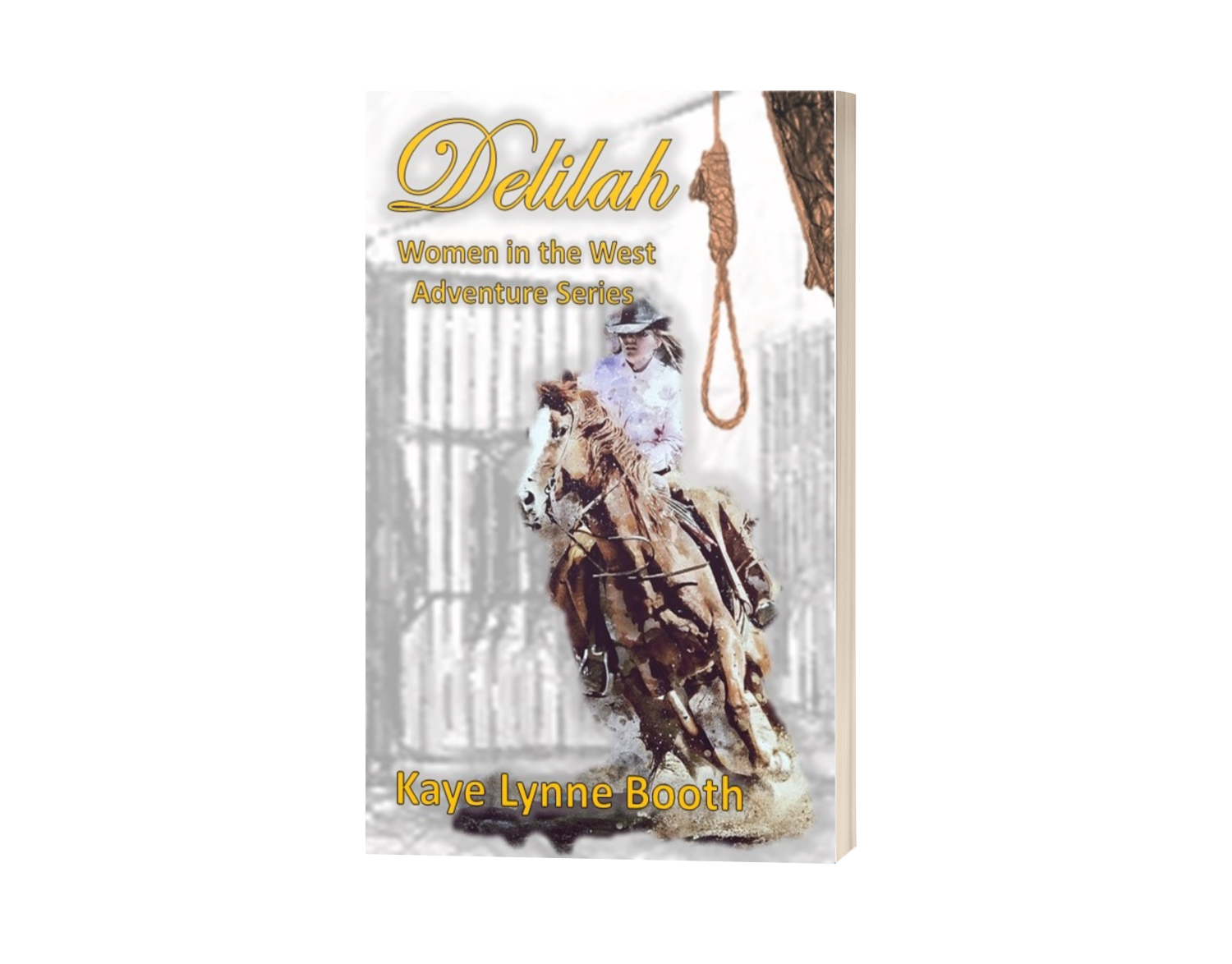
I had actually published the first edition of Delilah through a small independent press. I signed a 5-year contract, which luckily, didn’t have any of the pitfalls mentioned in the video, because I did not know what the hell I was doing. They tried to stick me with a lame cover that wasn’t truly representative of the story within, and although they claimed they were marketing the book, I never saw any of their efforts. At the end of five years, I had earned very little in royalties and most of them came from the books I purchased on Amazon, since the publisher didn’t offer author copies at a discounted price. At this point, I had already published several anthologies, as well as Hidden Secrets and Last Call, on my own through Draft2Digital, and I truly felt I could do a better job of selling Delilah than my publisher had, so I did not renew my contract. I was lucky. Getting out of it was pretty easy.
But, publishing is a lot of work, and isn’t everyone’s cup of tea, and I can see why some authors would want someone else to public their book for them. And today, there are many small independent publishers who will do this, including WordCrafter Press. When I decided to found my own publishing house and publish the works of others, I wanted to do a better job than that small independent press where I published Delilah, so I try to not only publish a quality book through my editing and formatting skills, but I also offer full services of cover design, book trailers and wide availability.
That’s right, wide availability. That means that WordCrafter Press books are available through retailers worldwide, including Amazon, and on subscription services, such as Kobo Plus, and on library lists. And that means, that people can find WordCrafter Press books in all those places, if readers look for them there. I promote WordCrafter Press books through a Universal Book Link (UBL), which takes potential readers to a landing page with links to all the retailers where the book can be distributed, and of course, they can also access retailers directly to find what they are looking for.
Availability vs. Distribution
Follow the link below for a guest post by Tanya Hall on Jane Friedman’s blog, which explains what an author needs to know when publishing through a publisher and how to understand what the data is that they are looking at. It offers a clear explanation of the difference between availability and distribution, which makes a big difference in what the author may or may not expect as far as selling books.
Way to Tell If a Publisher Actually Has Distribution | Friedman
Ms. Hall’s article makes some valid points. Just because your book is available through a specific retailer, or on library and subscription lists, does not mean that it is placed anywhere where readers can find it. Efforts must be made somewhere along the line to give our books visibility, if we expect readers to find and read them. Having your book carried with online retailers may not be enough. That’s where promotional efforts come in. the bigger, the better. Although independent authors can determine to spend as much or as little as they want on these efforts, this is one area, where publishers usually step back and leave it up to the author.
And that’s where, hopefully, WordCrafter Press stands out from the rest, offering book blog tours with every book release, creating trailers and/or shorts for the book and collaborating with authors to create excerpt readings and other promotional materials. The authors can chose to carry it a step further through other avenues of promotion, but I try to at least give each book a good start, and I also promote WordCrafter’s backlist regularly, so they don’t just fall by the wayside.
Publishers and aggregators, (middlemen between authors and retailers, like D2D), may make a book available, but do little or nothing to let readers know that it’s there. Even traditional publishers are doing less and less to gain visibility, leaving it up to the authors to get their books in front of readers, (and advances are becoming smaller, or even non-existent in recent times). But with WordCrafter Press, it is a joint effort. Every book I publish for another author, or anthology that I compile, is a collaboration with the authors involved.
Some authors bring their own covers to the table, while others may prefer to have me provide one, or we might collaborate on that, too. I use book blog tours with every release, and that requires guest posts, or readings, from the authors to provide the tour content. Promotional efforts are a collaboration, too. When you combine two or more author platforms, you are bound to reach more readers. Since WordCrafter Press authors are really partners in the endeavor of publishing and selling the book, instead of offering large advances or paying a set price for individual stories, which I couldn’t afford to do, authors are offered a royalty split for each project.
Many independent publishers don’t have the ability and resources to get books placed in brick & mortar stores and library lists. WordCrafter Press can get them on the lists through D2D, but sadly, actually getting them into libraries and brick & mortar stores is still up to the authors, because it involves engaging people and building relationships. Book store and library lists are long, with hundreds of books available, and librarians and bookstore owners need to be aware that a book exists before they can purchase it, or carry it on their shelves. The best reference I know that explains how this all works, and how to build those relationships, is Mark Leslie Lefebrve’s, An Author’s Guide to Working with Bookstores & Libraries. I’ve talked about getting your books into libraries and bookstores, previously, and reviewed Mark’s book. You can see that post here.
In Conclusion
The landscape of the publishing world is rapidly changing. Today’s authors are not set in the traditional publishing path or not at all. They are faced with many choices as to the methods used to get their books in front of potential readers. While you may still choose to publish through traditional routes, with long wait times between submission and publication, shrinking advances and smaller royalties, contracts which favor the publisher rather than the author, and less promotional efforts on the publisher’s part, I’m finding difficult imagine why anyone would want to.
Success comes for today’s author through hard work and determination. And for those who don’t want to do it all, or don’t have the time due to other life commitments, finding a good independent publisher may be the solution. Whatever you choose, learn to do it properly, and protect your rights and your IP. And if you’re considering publishing with WordCrafter Press… well hey, you know where to find me. (KLBWordCrafter@gmail.com).
About Kaye Lynne Booth
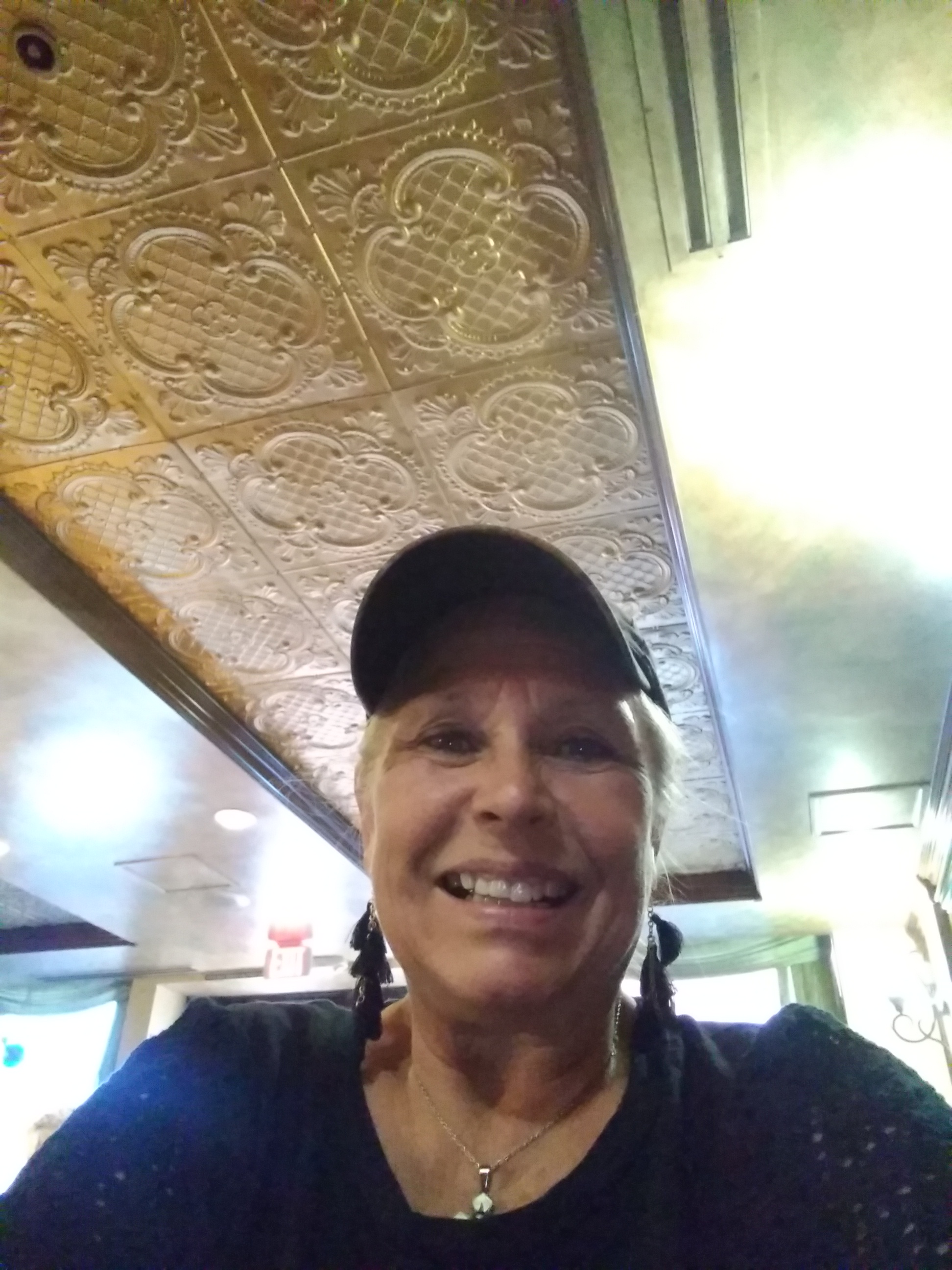
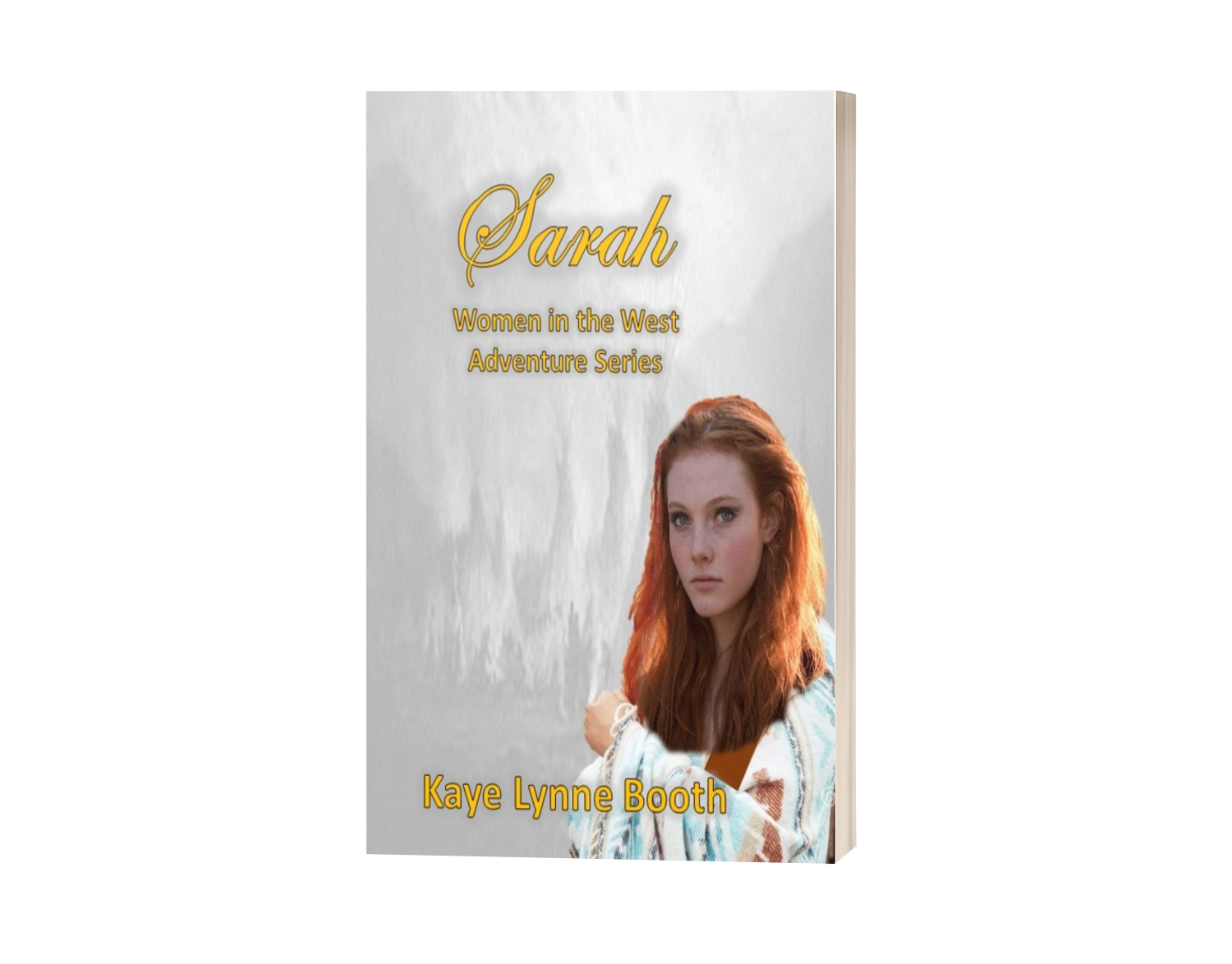
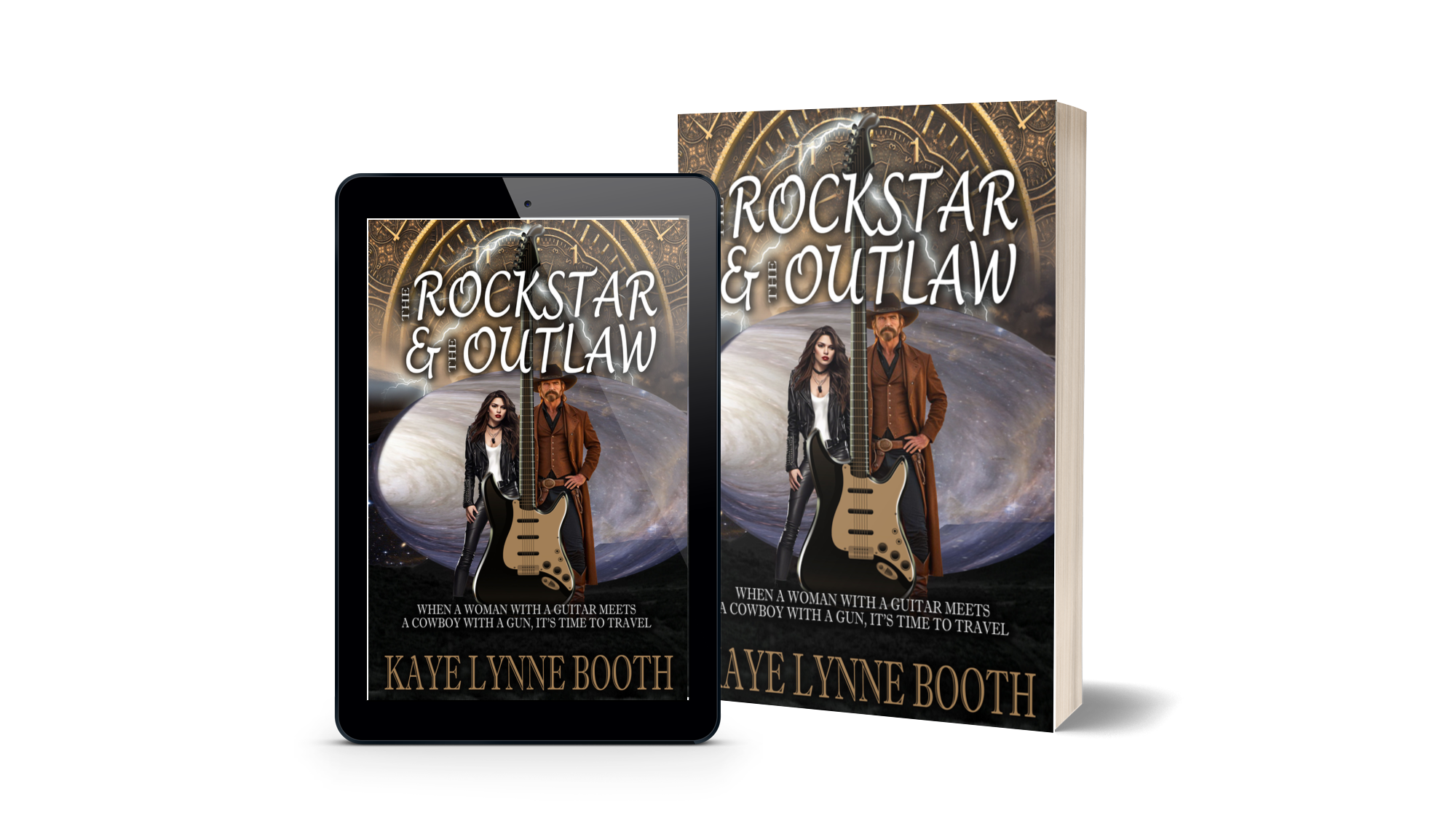
For Kaye Lynne Booth, writing is a passion. Kaye Lynne is an author with published short fiction and poetry, both online and in print, including her short story collection, Last Call and Other Short Fiction; and her paranormal mystery novella, Hidden Secrets; Books 1 & 2 of her Women in the West adventure series, Delilah and Sarah, and Book 1 in her Time-Travel Adventure series, The Rock Star & The Outlaw, as well as her poetry collection, Small Wonders.
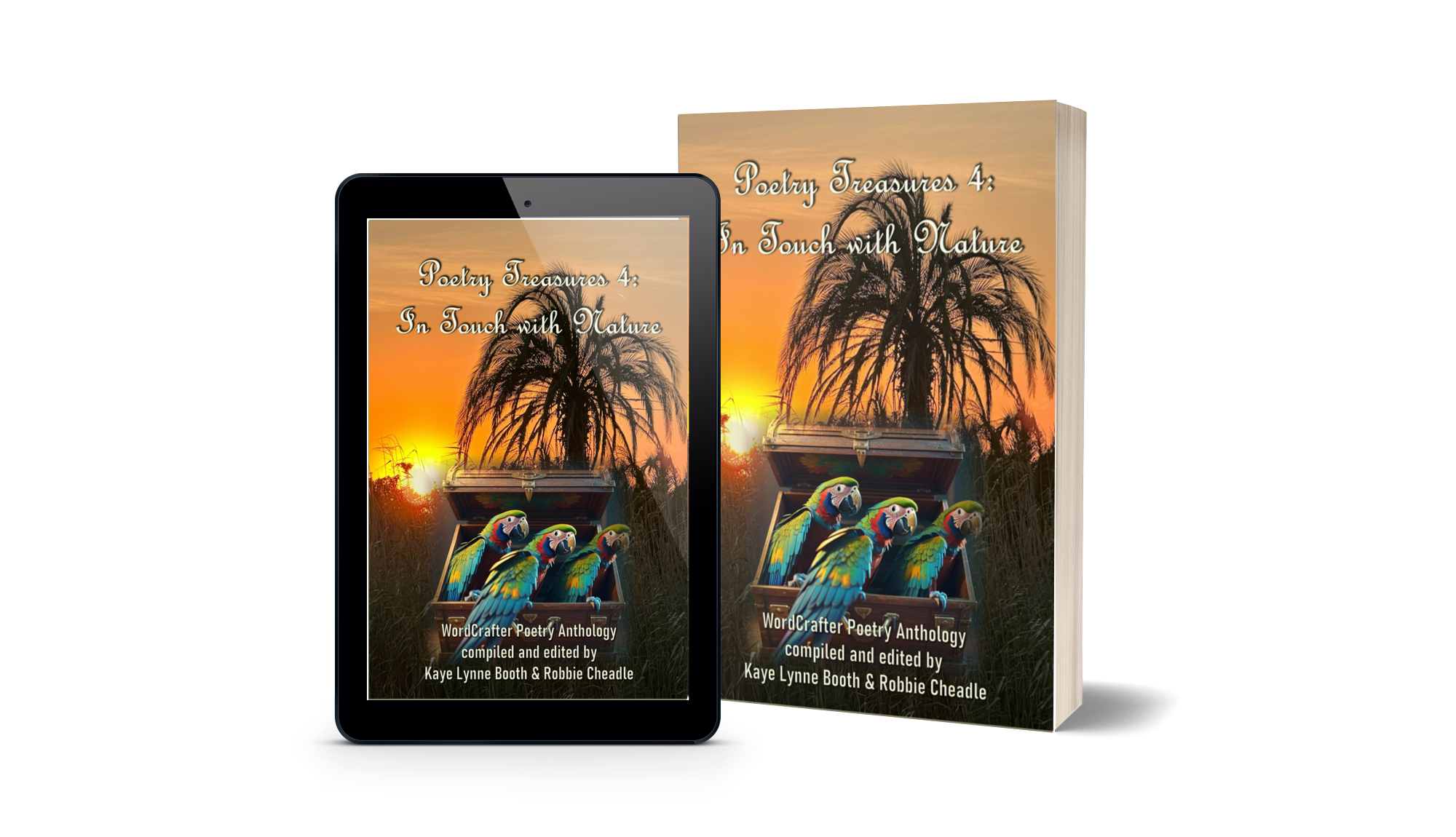
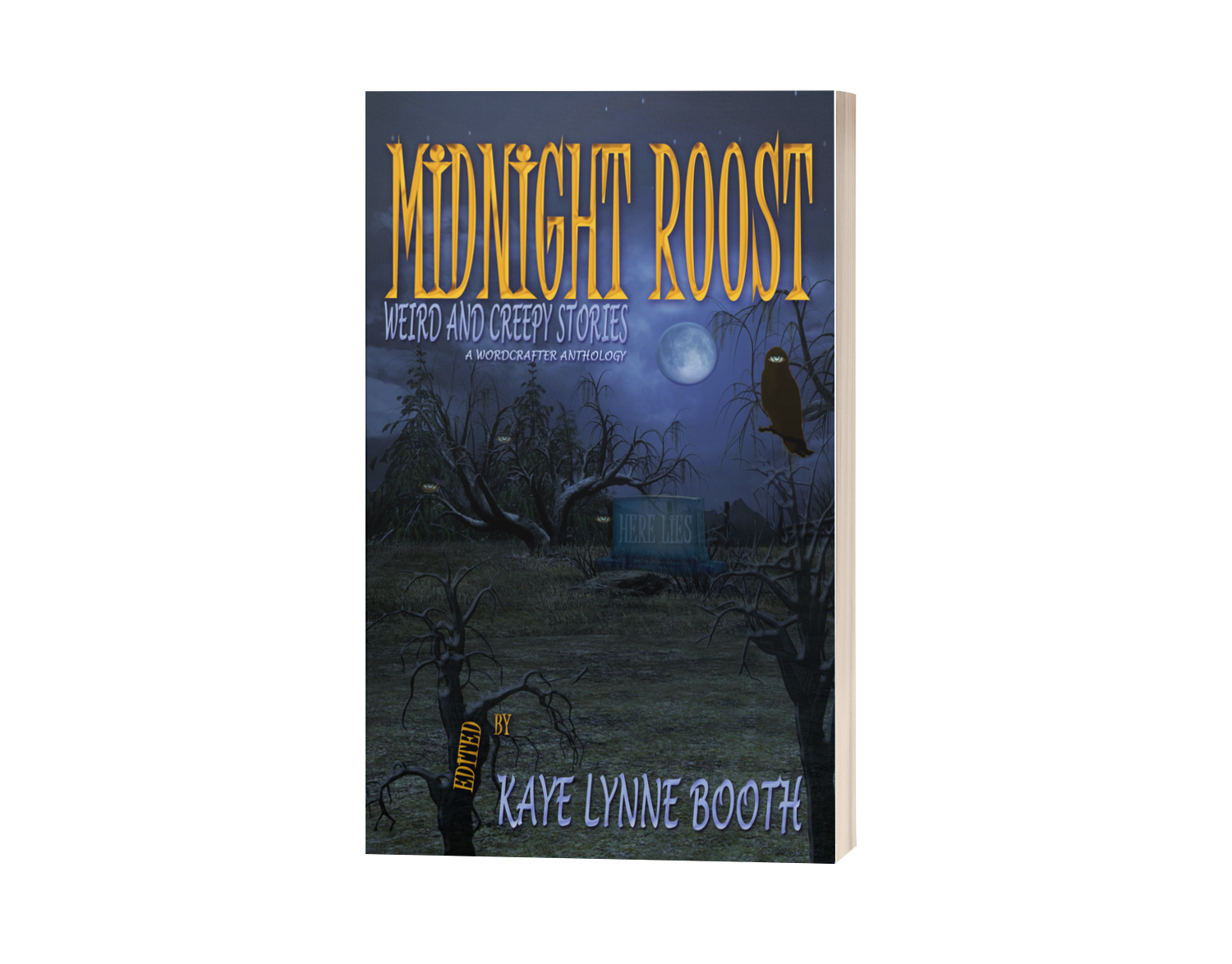
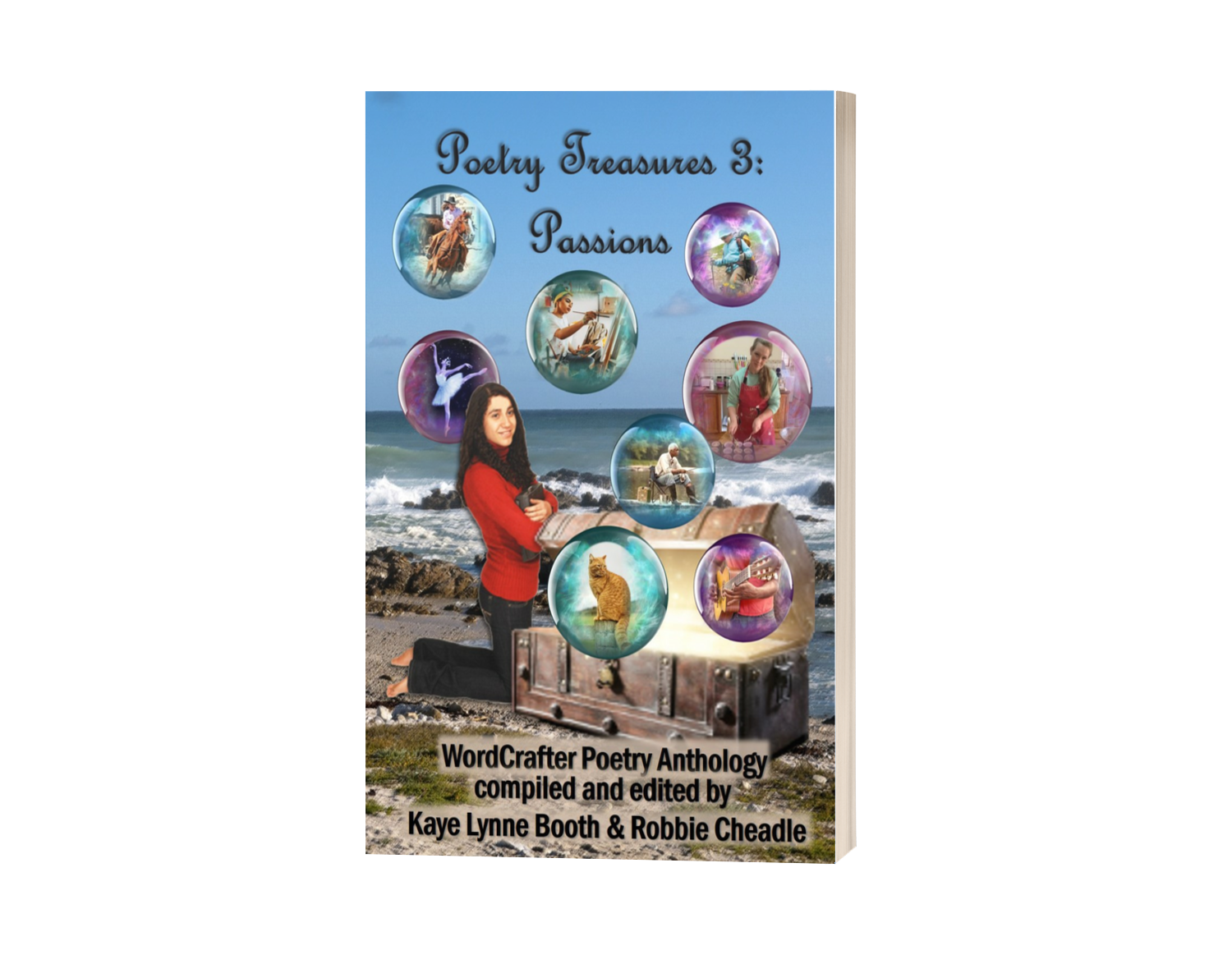
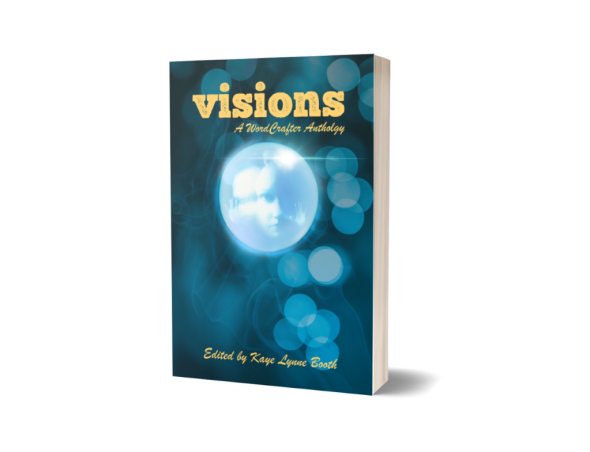
Kaye holds a dual M.F.A. degree in Creative Writing with emphasis in genre fiction and screenwriting, and an M.A. in publishing. Kaye Lynne is the founder of WordCrafter Quality Writing & Author Services and WordCrafter Press, where she edits and publishes two short fiction anthologies and one poetry anthology every year amidst her many writing projects. She also maintains an authors’ blog and website, Writing to be Read, where she publishes content of interest in the literary world.
___________________________________________
Did you know you can sponsor your favorite blog series or even a single post with an advertisement for your book? Stop by the WtbR Sponsor Page and let me advertise your book, or you can make a donation to Writing to be Read for as little as a cup of coffee, If you’d like to show your support for this author and WordCrafter Press.
_____________________________________________
This segment of “Writer’s Corner” is sponsored by Undawnted.
Step Into the Undawnted Universe
Some authors write in one lane. DL Mullan builds worlds — and then dares you to walk into every single one of them.
Welcome to Undawnted, where imagination is fearless. Whether you’re craving a slow-burn paranormal romance, a bone-chilling horror story, a mind-bending sci-fi thriller, or songs/lyrical poetry that lingers long after the last line- there’s a feeling here waiting to pull you in.
Fall for the forbidden. In Nocturnal Redemption trilogy, mythology professor Ryan Blackburn has spent her life studying the legend of humanity’s protectors — never expecting to meet a pack of werewolves and a vampire on his nightly rounds. Her family’s myths weren’t myths at all. As she’s drawn into the vampire’s hidden world, one thing becomes clear: no one is as they appear.
Fear what’s waiting in the woods. Kurst asks a simple, terrifying question: what could go wrong when you inherit a cabin in the woods? The answer involves a sasquatch, skinwalker, and medicine man — and readers have called it a masterclass in horror with “a good dark secret” at its heart. It’s part of the acclaimed Midnight Garden anthology, a dark fiction collection praised for delivering “the printed version of jump scares.”
Chase the multigenerational curse. Fans of atmospheric enigmas will want to dive into the Salt Pines Mystery series, where a family curse spans generations and secrets refuse to stay buried.
Go beyond the ordinary. In the sci-fi novelette The Reality Hackers, reality itself isn’t as constant as you think. And for readers who want an ongoing saga, DL Mullan’s multi-book Legacy Universe — a supernatural superhero series — is currently in the works, promising an expanding mythology for readers who like to get lost in a world for the long haul.
Need something lighter? The Town Santa Forgot brings warmth and holiday charm for readers who want romance with a side of magic, while DL Mullan’s poetry collections — including The Descent, Impetus, Effloresce, and Phantastic — offer a darker, Poe-and-Dickinson-inspired verse for poetry lovers who like their beauty a little haunted.
Why readers keep coming back: DL Mullan isn’t just a writer — she’s a classically trained musician, award-winning digital artist, and lifelong storyteller who designs her own book covers and builds entire creative universes around each release. That range shows: every story carries the fingerprints of someone who thinks in full sensory perception, not just plots.
Your next favorite book is waiting. Whether you want to be swept into romance, spooked by horror, hooked by mystery, or moved by poetry, Undawnted has a story with your name on it. New releases, exclusive updates, and giveaways are just a subscription away.
Error! Filename not specified.Visit www.undawnted.comto explore the growing library, read excerpts, listen to soundtracks, and find your next obsession.
Error! Filename not specified.SIgn up for the Undawntable Newsletter.
Error! Filename not specified.Like/Comment/Subscribe to Undawnted’s YouTube channel.
Undawnted: Read. Feel. Discover.
Share this:

Writer’s Corner: What? I’m a business?
Posted: July 25, 2022 Filed under: Book Promotion, Indie Publishing, Promotion, Publishing, Self-Publishing, Writer's Corner, Writing, Writing Business | Tags: Independent authors, independent publishing, Kaye Lynne Booth, Publishing, Writer's Corner, Writing Business, Writing to be Read 6 Comments
Often it seems like everybody wants to be an author, and with the rise of digital publishing and print-on-demand, everyone pretty much can. After all, all it takes to write a book is an idea for a story, a general idea of story structure, and a basic knowledge of grammar and punctuation, right? Well… yes and no, but that is a discussion for a different post. For our purposes, we’re talking about writers who have what it takes to become an author.
However, many authors don’t realize how many non-writing tasks are involved in being an author. Because we aren’t just writing books, we want to sell them, too. And as soon as we start doing that, we become a writing business. That’s right. And we have market and sell our books, pay for websites so fans can find us, find reviewers, engage with readers, as well as putting out a newsletter and other types of advertising to sell our books. And we must keep track of expenses and earnings so we can properly pay our taxes. Yep. Authors really are a business.
As soon as you write your first book, (or story, or poem), you’ve created what they call IP (Intellectual Property), and you are faced with deciding how you want to handle it. In the past, an author would pitch their book to an agent or editor in the hopes of landing a traditional publishing deal, and if they were fortunate enough to land one, then they would sign a contract giving some, or all, of their rights in exchange for royalties, possibly with an advance of reasonable size against future royalties.
Traditional publishing is a traditionally slow business, so then, the author would sit back and wait from two to five years for their book to be published and then, wait even longer until their royalties are enough to pay back their advance, before receiving royalty checks, generally about 15% of sales, twice a year. So you see, by traditional publishing methods, most authors really were starving artists. Add to this that many traditional publishers required you to sign away rights that they never had any intention of using, but they just wanted to cover all of their bases, and would only allow their authors to put out one book a year, and you can see why many authors assumed pen names in other genres just to try and make ends meet.
Fortunately, with the rise of independent publishing, all that changed. Now days, authors who are more prolific and can produce more than one book per year, can write and publish as many as they want. And they can also sell or maintain whichever rights they want to. Independent authors are now dealing directly with book distribution platforms, or they can choose to give an additional percentage to an aggregator, who then places their book on the various distribution platforms, but they still receive a bigger percentage of their royalties than traditionally published authors do.
As explained in Dean Wesley Smith’s Magic Bakery, the IP for your creations are your products, which you can give away or sell in any way you wish, as long as you maintain control of your rights and manage them smartly. That is how successful authors today manage to keep their backlists working for them.
The flip side of this, is that independent authors don’t have publishers to edit and hone their books to perfection (editing), provide a cover (cover design), or get reviews (business) and market their books (marketing and promotion) for them. (I wrote a post about the many hats an author must wear today back in October of 2016 here, but I really had no idea at that time.)
So, these are other skill sets today’s authors must have or learn, or hire out and pay someone else to do them. If they chose to hire them out, then these things become additional business expenses. (The bold emphasis is to reiterate that authors are indeed, a business.) While much of the paid advertising works with numbers and data, authors better brush up on their math skills or hire someone to keep their books and figure their taxes, too. And when you chose to become an author, there are no employers to provide health or dental or vision insurance. The author is responsible for providing these things for themselves as a self-employed entity, because they are a business.
I hate to keep driving on that point, but it’s one which keeps slapping me in the face. Just when I think I’ve done my homework well and gained all the necessary skills to be a successful author, there it is again. At first, I thought that all I’d need was English, grammar and storytelling abilities. One I’d earned an M.F.A. in Creative Writing, I found that I needed marketing skills to peddle my wares. With almost a B.A. in marketing, and a M.A. in publishing, it looks as if may need a degree in business, as well. ( Okay, maybe not a full degree, but general business knowledge and a good understanding of the publishing industry are needed, because… yep, you got it, you’re a business.)
As a business, authors need to act as professionals, and do what they can to keep up to date on industry news and changes on social media channels and digital platforms which you use on promotions and advertising.
Another thing that I have learned is that even bestselling authors with a large backlist, need multiple streams of income to make their writing business work. It is just good sense in the rapidly changing world of digital technology, where the owners of digital platforms you use for promotion and distribution can change the rules without notice, to not place all of your literary eggs in one basket. The rapid changes to digital industry also mean that there is an abundance of helpful digital tools out there to help you in your writing business. But then, that just means that I need to learn new skills (tech skills) so I can use them!
And to think, I just wanted to write stories.
_________________________

Kaye Lynne Booth lives, works, and plays in the mountains of Colorado. With a dual emphasis M.F.A. in Creative Writing and a M.A. in Publishing, writing is more than a passion. It’s a way of life. She’s a multi-genre author, who finds inspiration from the nature around her, and her love of the old west, and other odd and quirky things which might surprise you.
Kaye Lynne Booth lives, works, and plays in the mountains of Colorado. With a dual emphasis M.F.A. in Creative Writing and a M.A. in Publishing, writing is more than a passion. It’s a way of life. She’s a multi-genre author, who finds inspiration from the nature around her, and her love of the old west, and other odd and quirky things which might surprise you.
She has short stories featured in the following anthologies: The Collapsar Directive (“If You’re Happy and You Know It”); Relationship Add Vice (“The Devil Made Her Do It”); Nightmareland (“The Haunting in Carol’s Woods”); Whispers of the Past (“The Woman in the Water”); Spirits of the West (“Don’t Eat the Pickled Eggs”); and Where Spirits Linger (“The People Upstairs”). Her paranormal mystery novella, Hidden Secrets, and her short story collection, Last Call and Other Short Fiction, are both available in both digital and print editions at most of your favorite book distributors.
When not writing, she keeps up her author’s blog, Writing to be Read, where she posts reflections on her own writing, author interviews and book reviews, along with writing tips and inspirational posts from fellow writers. In addition to creating her own very small publishing house in WordCrafter Press, she offers quality author services, such as editing, social media & book promotion, and online writing courses through WordCrafter Quality Writing & Author Services. As well as serving as judge for the Western Writers of America and sitting on the editorial team for Western State Colorado University and WordFire Press for the Gilded Glass anthology and editing Weird Tales: The Best of the Early Years 1926-27, under Kevin J. Anderson & Jonathan Maberry.
In her spare time, she is bird watching, or gardening, or just soaking up some of that Colorado sunshine.
_______________________________________________________________________
Join Kaye Lynne Booth & WordCrafter Press Readers’ Group for WordCrafter Press book & event news, including the awesome releases of author Kaye Lynne Booth. Get a free digital copy of her short story collection, Last Call and Other Short Fiction, as a sampling of her works just for joining.