I’m not one to trust technology. I’m leery of devices such as Alexa, or Seri, or Google Assistant. Call me paranoid, but in the words of Rockwell, “I always feel like somebody’s watching me.” 👀But, seriously, how do these AI devices hear the trigger word and respond unless they are listening to us all the time. I know my Google Assistant on my phone responds to words spoken in casual conversation with someone, and often it responds to words spoken by the other person. It’s not even my voice and the trigger words were never spoken. Scary, I say.
But like it or not, AI isn’t going anywhere, and in fact, it is infiltrating more and more aspects of authors’ lives, slowly and quietly, or sometimes, not so slowly. We can have whole conversations with generative AI; it can write stories for us, create cover illustrations, and even narrate audiobooks. I’m smart enough to see that AI is here to stay, and so, I’ve done my best to adapt and find ways that AI can be used to my advantage as an author.
I have most of my own books available on Google Play Books as AI Narrated audiobooks. I’ve heard both sides of the argument for and against AI narration, so I’m aware, but I thought I’d give it a try. Those who are against it may not have so much to worry about as far as AI taking jobs from human narrators, since I haven’t sold even one, and they are free!
I’ve also used generative chat, specifically, Chat GPT, to help me visualize scenes I’m trying to write in places where I’ve never visited personally, or places I have visited, but not in the time period I’m writing about. And I’ve used covers that were created with the assistance of AI, (not by me, I’m not that artistic), and I hope to publish a special edition collection of my Women in the West series, with color illustrations created with AI assistance next year, when I’m finally ready to release the third book in the series, Marta. My stand on the issue is that it is fine, as long as I am transparent about it, as the author.
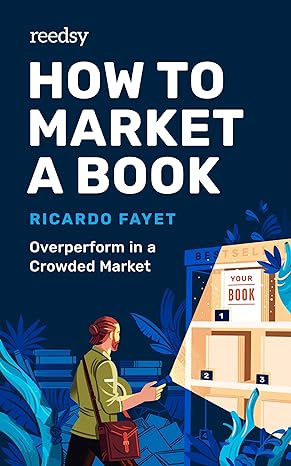
According to Ricardo Fayette, over at Reedsy, the next wave of generative AI technology is about to flow in, or rather, it’s already here. We’re talking about AI search, which is about to upheaval the way searches are conducted, and in specific, the way folks search for books.
It May Not All Be in the Metadata Anymore
By now, we all know how a keyword search works, and publishers, both traditional and independent, try to play to those searches, hoping to choose the right keywords in the metadata that will help readers to find our books. But, Ricardo Fayette claims that with the rise of AI search, that is all about to change. Instead of searching for keywords, AI search looks for a string of words which are related to those you search for, words that the AI search connects based on what’s been entered in your search, combined with what the AI knows about the reader. Already, we have advertisements pop up in our inbox related to earlier searches, (which is kind of scary, in itself), but AI search will combine all the information it has about the searcher, such as previous purchases, and combine it with words from the search box and others connected to those words, and search through all the available books which fit to give us more accurate search results in a fraction of the time it would take to do it manually.
If that’s confusing to you, you aren’t alone. That’s the best way I could describe it, but I’m not technologically inclined at all. Ricardo Fayette did a whole series of newsletters explaining all this. He claims generative AI searches are based on three things and he wrote a newsletter covering each one.
You can bet I’m going to be watching those Reedsy newsletters in the near future to see if he explains how to apply this knowledge to ensure our books have maximum visibility, but the way I’m understanding it, because of the personalization factor, two people could run the exact same search and come up with completely different results because each person has a different history, so I’m not sure where that leaves us. As it stands, it always feels like I’m playing catch-up when trying to get my books out there, so you can be sure I’m going to do everything I can to find out and then, jump on before it takes off without me.
About Kaye Lynne Booth
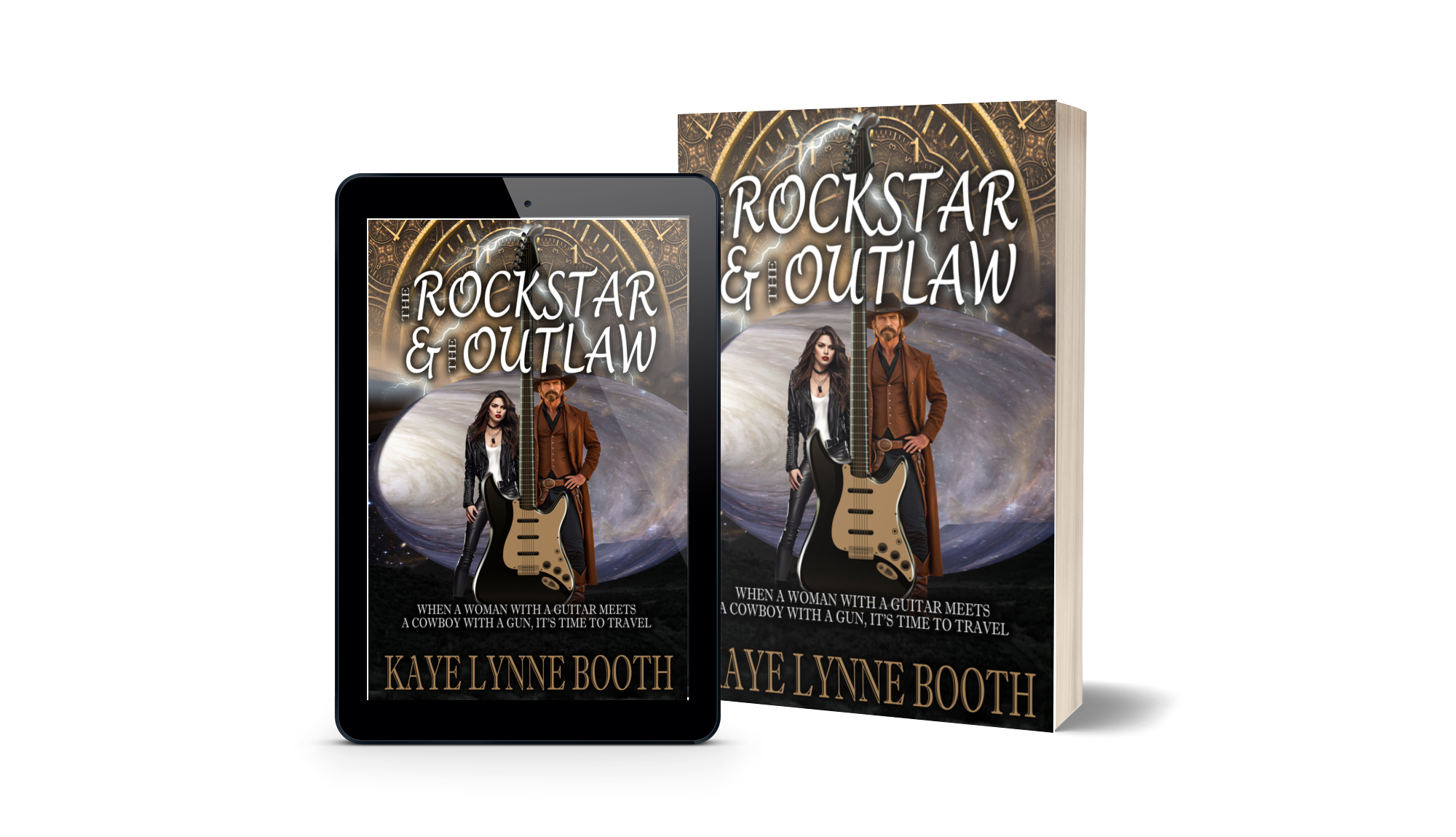
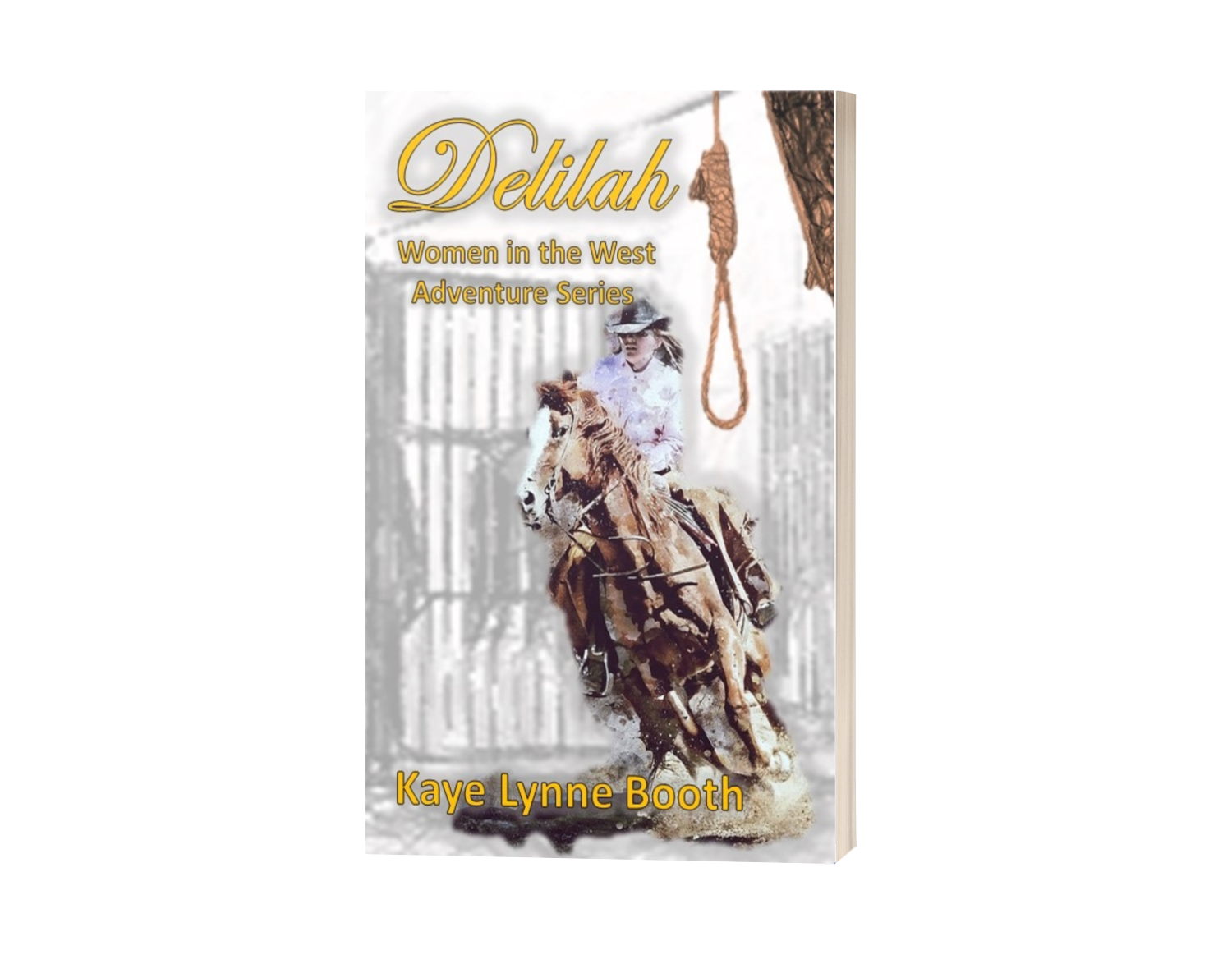
For Kaye Lynne Booth, writing is a passion. Kaye Lynne is an author with published short fiction and poetry, both online and in print, including her short story collection, Last Call and Other Short Fiction; and her paranormal mystery novella, Hidden Secrets; Books 1 & 2 of her Women in the West adventure series, Delilah and Sarah, and book 1 in her Time-Travel Adventure series, The Rock Star & The Outlaw, as well as her poetry collection, Small Wonders and The D.I.Y. Author writing resource.
Kaye holds a dual M.F.A. degree in Creative Writing with emphasis in genre fiction and screenwriting, and an M.A. in publishing. Kaye Lynne is the founder of WordCrafter Quality Writing & Author Services and WordCrafter Press, where she edits and publishes two short fiction anthologies and one poetry anthology every year amidst her many writing projects. She also maintains an authors’ blog and website, Writing to be Read, where she publishes content of interest in the literary world.
_________________________________
Did you know you can sponsor your favorite blog series or even a single post with an advertisement for your book? Stop by the WtbR Sponsor Page and let me advertise your book, or you can make a donation to Writing to be Read for as little as a cup of coffee, If you’d like to show your support for this author and WordCrafter Press.
__________________________________
This segment of “Writer’s Corner” is sponsored by theRobbie’s Inspiration blog site, where you can find ideas on writing and baking with hostess, Robbie Cheadle.
I received a copy of Get Your Book Selling Wide through an offer in author Monica Leonelle’s Newsletter. All opinions stated here are my own. One of the best things about this book though, is the fact that it is always permafree, which means you too can get a free copy at the purchase link above.
You can read my review of
I’ve often mentioned that I am a wide author, which means I publish WordCrafter Press books on as many platforms as possible, and in as many formats as I can. I’m not a fan of exclusivity. It doesn’t make much sense to me to put all my eggs in one basket. So, it will come as no surprise to most of you that this book would be of interest to me.
Monica Leonelle has put together a comprehensive volume that explains what it means to be a wide author, and goes over several of the marketing platforms, and the different formats in which your books can be offered, as well as different types of marketing strategies for the different formats.
I be looking particularly at the pricing and marketing strategies for my print books, which are areas where I feel I have been lacking. The book industry is changing quickly and for an author to survive and be noticed above the competition, the author mindset must adjust to those changes. Digital and print books are two different beasts when it comes to marketing, with different target audiences. It only makes sense that you must reach out to those audiences in different ways.
I was also interested to learn that the pricing strategy for traditionally published books does not work so well for independent authors. Leonelle claims that independently published print books need to be priced slightly higher than traditionally published books in order for authors to make a decent profit.
I found the information on pre-orders and the discussion about their durations to be useful. I’ll be taking Leonelle’s advice under consideration in the future. The timing of pre-orders is an area I have struggled with in the past. My release of Poetry Treasures 5: Simple Pleasures missed the pre-order altogether and was released early. Obviously, an area where I can hone my skills as I continue to try and get it right.
About Kaye Lynne Booth
For Kaye Lynne Booth, writing is a passion. Kaye Lynne is an author with published short fiction and poetry, both online and in print, including her short story collection, Last Call and Other Short Fiction; and her paranormal mystery novella, Hidden Secrets; Books 1 & 2 of her Women in the West adventure series, Delilah and Sarah, and her Time-Travel Adventure novel, The Rock Star & The Outlaw,as well as her poetry collection, Small Wonders and The D.I.Y. Author writing resource. Kaye holds a dual M.F.A. degree in Creative Writing with emphasis in genre fiction and screenwriting, and an M.A. in publishing. Kaye Lynne is the founder of WordCrafter Quality Writing & Author Services and WordCrafter Press. She also maintains an authors’ blog and website, Writing to be Read, where she publishes content of interest in the literary world.
___________________
Did you know you can sponsor your favorite blog series or even a single post with an advertisement for your book? Stop by the WtbR Sponsor Page and let me advertise your book, or you can make a donation to Writing to be Read for as little as a cup of coffee, If you’d like to show your support for this author and WordCrafter Press.
___________________
This segment of “Review in Practice” is sponsored by the Time Travel Adventure Series and WordCrafter Press.
When a Girl with a Guitar Meets a Man with a Gun, It’s Time to Travel
My guest this month on “Chatting with the Pros” is New York Times bestselling author, Jonathan Maberry. Not only is he a five-time Bram Stoker Award winner, and comic book writer, his vampire apocalypse series, V-Wars, became a Netflix original series. Like last month’s guest, Jonathan Maberry is a prolific writer in multiple genres, including horror, science fiction, fantasy, suspense, thriller, and action. He is a board member for the Horror Writer’s Association, and president of the International Association of Media Tie-in Writers, as well as the editor of the rebirth of the iconic Weird Tales Magazine.
I had the pleasure of working with Jonathan briefly when he participated in the 2020 WordCrafter Stay in Place Virtual Writing Conference, where I learned that he is a prettty stand-up guy. Since he is the editor of Weird Tales Magazine, I also had the privelage of working with him on Weird Tales: Best of the Early Years 1926-27and editing his story for the Gilded Glass anthology as an intern at Wordfire Press through Western State Colorado University came with a big case of imposter syndrome on my part. Who was I to be editing the work of this award-winning, bestselling author? But he was great to work with in the capacity of both author and co-editor, and it is a pleasure to have him as my guest today.
Interview with Jonathan Maberry
KAYE BOOTH: You are an award-winning author, including the Bram Stoker Award for horror, the Scribe Award for media tie-ins, the Inkpot Award from the San Diego Comic Con, and numerous accolades for children’s and teen books. In fact, in 2016 you had an award named after you and were the first recipient at the Canyon Crest academy Writer’s Conference, which was the first teen writer’s conference in the U.S. Can you tell us about the Jonathan Maberry Aspiring Teens Award, the conference and why you were chosen for the honor?
JONATHAN MABERRY: That award came as a shock to me. I had been teaching for a few years at the wonderful Canyon Crest Academy Writers Conference and have been a strong supporter of the event. Before that I taught the Experimental Writing for Teens program back in Doylestown, Pennsylvania…and several students from that group went on to make professional sales in novels, short stories, and nonfiction. I’ve always liked working with our younger creatives –it’s my way of selfishly insuring I’ll always have great books to read. When the conference decided to name the award after me because of my work as an author of Young Adult and Middle Grade fiction, my work in comics for Marvel, and other things, I was so surprised. It’s a deep honor to help present the award each year, and there are many, many folks out there who deserve it. We must all work together to help guide and teach the next generation of creatives.
KAYE BOOTH: You also have several comics and graphic novels. How does your writing process differ for these types of books?
JONATHAN MABERRY: I’m primarily a novelist. I think in long, complex stories. However, a different skill set is needed for comics. Novels are solo ventures, however, and comic books are created by a team. The writer pitches the story and presents an outline to the editor. Editors in comics are a lot more hands-on than in other mediums –more like a movie director. Once the editor approves the comic going to script, he then picks the art team. This could be a penciler and inker –two types of artists; or it could be an artist who does both. Then the colorist and letterer are picked. The writer decides how many panels will be on each page and provides art direction. The artist sends back rough pencil sketches to show how the art direction would translate into visual storytelling. The editor, artist, and writer discuss this, make adjustments, and then the artist typically sends pages as they’re completed. There’s multiple pairs of eyes on this every step of the way. The colorist enters the picture around this point, often long before the entire thing is drawn. Colors matter, and I’ve learned from experience that the colorist is much like the lighting person in film –those colors suggest mood and tone. The last player is the letterer, and he has to make sure the dialogue and any narrative have room in each panel. This often requires that the writer do a pass to slim down the dialogue so as not to block the art, just as it’s important for the writer to consider which images best accompany dialogue–mor art can show with little or no dialogue; dialogue-heavy panels should not require complex art. Then there’s multiple passes where everyone tries to find any graphic or textual errors. It’s a fun process, but time-consuming. And it’s key for a writer to keep the ego in check. This is a team, not a solo thing, and every player brings experience, insight, and skill. A wise writer allows them to participate in the process of telling the story in what is predominately a visual medium. Comics are fun, though. And the collaborative process can really be fun and enriching.
KAYE BOOTH: Do you do the illustrations?
JONATHAN MABERRY: Although I am an artist, I don’t do my own comic book art. I’m not on that level of art skill, and besides, the artist choice is complex. The editor often suggests multiple possible artists, and discusses with the writer whether any given style suits the story. Once chosen, it’s useful for the writer to check out that artist’s previous work and then adjust his writing style to be harmonious with it. Being an artist myself helps with this process.
KAYE BOOTH: Some of your work has been turned into film, including V Wars, and Rot & Ruin. How does one break into this arena? Do you have to know somebody who knows somebody, or are the tricks that can help you in breaking into the trade?
JONATHAN MABERRY: When I stepped into the fiction world I knew no one in Hollywood. I’ve made a lot of friends through events like San Diego Comic-Con and other pop culture things where I’m on panels with other writers, comic book people, and folks from Hollywood. Many of my works have been optioned –and an option is when a producer “leases” a work for a specified period of time in the hopes he/she can put together a package (often a showrunner/head writer, maybe a director, maybe an actor, etc) that will be appealing to a studio. Mostly it’s freelance producers who option works.
My first optioned work was Patient Zero, my fourth novel. It was optioned by Michael De Luca for SONY, which took it to ABC, and it nearly made it to TV. At that time, the network exec decided to go instead with a remake of Charlie’s Angels. And that sort of thing happens to all writers. Later, when I wrote the V-Wars books and comics for IDW Publishing, they had created a media division, and it was IDW who shopped the project around and eventually found a home on Netflix. Alas, the show launched at the beginning of Covid, so even though it was a hit (#1 in 120 global markets), they canceled it. And, that’s Hollywood, too. I had nothing to do with that process.
However, because of my increased visibility due to V-Wars, I began getting invitations to send lists of my IPs to producers. IP = Intellectual Property (novel, short story, comic, etc). And sometimes a studio exec will invite me to L.A. for a face-to-face. During those meetings –which are openly fishing expeditions—I would chat about my works and which I feel would make for a good movie or TV show. One example was when Carl Rogers, the Vice-president of Alcon Entertainment invited me up for a sit-down. We chatted for a couple of hours, and afterward they optioned my teen post-apocalyptic zombie novels, Rot & Ruin for film development, and we are currently at the second draft of the script. More recently my Joe Ledger novels have been optioned for television. In both cases I’ll be an executive producer if we go from development into actual production. As an EP, I’ll have extensive creative input.
I also have a book-to-film agent, Dana Spector of CAA, and she is actively pitching my works to producers.
KAYE BOOTH: These days it seems like traditional publishing is faltering, or at least taking a back seat in many authors’ minds as they opt to take control of their own careers and publish independently. As someone who has been in the business for a while now, what do you see as the future for the publishing industry?
JONATHAN MABERRY: I disagree that traditional publishing is faltering. What’s changed is that indie publishing has matured thanks to the many advantages of digital sales (eBooks and downloadable audiobooks) and lower costs because of print-on-demand. Crowdfunding like Kickstarter, BackerKit and other utilities have allowed indie authors to finance well-edited and beautifully-designed books. Social media also gives indie writers a length of reach they never had before. Traditional publishing is actually learning from indie publishing, but the size of their companies makes it a bit harder to pivot in the direction of innovation. It is happening though.
I’ve been publishing for a long time. I began in the pre-Internet typewriter days when I was writing nonfiction magazine feature articles and nonfiction books (college textbooks and mass market). I saw the gradual changes as publishing evolved with the times. Since breaking into fiction in 2006, we had economic downturns that did a lot of damage to publishing corporations, as well as the rise of digital tech. I live quite comfortably off of my income as a traditionally-published author. Part of that is having a smart literary agent –Sara Crowe of Sara Crowe Literary—who has helped guide my career and with whom I’ve sold 60 novels, sixteen short story collections, 26 anthologies (as editor), ten nonfiction books, 28 runs of comics, and a board game in 18 years. So, no, I don’t think traditional publishing is in trouble. What’s key, though, is the writer also changing with the times. When new technology comes along that looks like it’s going to stick around long enough to matter, it’s part of my job to investigate, understand, and implement it in ways that support my career.
KAYE BOOTH: Many of the stories you write are really scary, weird, and creepy stuff. Where do the ideas for these stories come from?
JONATHAN MABERRY: Writing genre fiction does not involve giving a handful of characters a pleasant day. We write about crisis in its many forms. It doesn’t matter if it’s a zombie apocalypse or a fragile romance or Curious George misplacing his keeper’s yellow hat. There is a crisis at the heart of all drama.
For me, I like it darker because it allows me to write about people finding their way through –and hopefully out of—that darkness. I grew up dirt-poor and in a very violent household. My father was a terrible person, an abuser, and a racist. However my grandmother was amazing. She was basically Luna Lovegood as an old lady –she believed in everything that made up what she called ‘the larger world’, including ghosts, ESP, vampires, sprites, angels, faeries, werewolves, crisis apparitions, and all the rest. So, I was exposed to various kinds of ‘darkness’ as a kid. One very negative and one in which I found a great deal of comfort. My grandmother taught me not only about the folklore, myths and beliefs regarding the supernatural, but encouraged me to read anthropology, sociology, philosophy, and science in order to separate what is not part of the larger world and allow for what might be.
Funny, but a lot of folks ask why I write about monsters. I tell them that I don’t –I write about people who fight monsters, and that is a significant difference. In order to tell a story about rising above adversity, where one or more people confronting apparently impossible odds and an overwhelming threat, you have to make that threat real and the challenge steep. That way, the story is really about them finding courage, cultivating optimism, working together, becoming empowered, and taking agency over their own lives and destiny.
KAYE BOOTH: What are some tips you can offer to rising authors for making things scary or suspenseful?
JONATHAN MABERRY: There are a few ways to make a scary story really stand out. First, there’s the research. Folklore, mythology, and cultural beliefs offer thousands of scary elements, including older and much stranger versions of vampires, ghosts, demons, werewolves, etc. So, instead of doing a rinse-and-repeat thing with the standard Hollywood or publishing-world versions of these monsters (which, by the way, are largely extrapolations of story elements created by writers and not from any actual folklore), read deeply and build stories on less well-known and therefore less-predictable monsters. For example, nowhere in folklore is a vampire afraid of a cross or killed by sunlight. Nowhere in folklore is a vampire unable to enter a house unless invited. The sunlight and cross thing comes from Bram Stoker’s Dracula; and the sunlight was introduced as a convenient plot device in the 1922 silent horror film, Nosferatu.
Second, writers should start by taking a close look at what scares them. Them, specifically. When writing from one’s own fears, the connection to the emotions is right there, and if the writer is brave enough, then the confessional elements are truer and not watered down.
Then, write about what the characters in any given scene are feeling, maybe eavesdrop on their thoughts. Let the suspense of a threat not yet fully understood play a larger role than the reveal of the creature itself. Anticipation is so important to good horror storytelling. Once the monster is revealed, the story often morphs from suspenseful horror to terror-action. Not the same thing at all.
KAYE BOOTH: What do you think is the biggest misconception aspiring authors have about publishing that first book?
JONATHAN MABERRY: Oh, they think that first book is going to flip the switch and change their lives. Most people have no idea how small advances are for newbies, especially since the last couple of economic downturns. Also, they forget to put some of that money aside for taxes. They assume that their book will land in every single bookstore, and that doesn’t even happen for the top tier. They assume their published work will be on bookstores indefinitely. They expect the publisher to do the lion’s share of advertising. They believe they’ll be sent on a book tour. And they think that a published book is going to guarantee sell the next one pitched.
There are a lot of misconceptions. Dispelling these, and helping to set more realistic expectations and to learn how to be a more effective player in one’s own career path is one of the reasons I began the Writers Coffeehouse over 20 years ago. These are free 3-hour monthly networking events, typically hosted by indie bookstores, hosted and facilitated by actively published writers. The purpose is to help other writers to make good career decisions, learn the way publishing works, maybe find an agent, write better queries, learn social media strategies, and generally understand both the craft of writing and the business of publishing. I’ve been running the San Diego chapter at Mysterious Galaxy Bookstore in San Diego (https://www.mystgalaxy.com) for the last eleven years. We also have a Facebook page on which writers can ask questions, share information, brag about career milestones, and be part of a mutually-inclusive and supportive community. )www.facebook.com/groups/TheWritersCoffeehouse/). Ours is held from noon to 3pm on the first Sunday of every month. I host it, but when I’m not available it’s hosted by either Peter Clines, Scott Sigler, or Henry Herz –all successful writers.
KAYE BOOTH: Is there one book you have wanted to write, but haven’t written yet. If so, what is it and why not?
JONATHAN MABERRY: Oh, I have a bunch of dream projects, and I hope to get around to them at some point. One is a literary novel, Fruitwood Manor, about a retired soldier who buys an old hotel and turns it into a writers colony.
About Jonathan Maberry
JONATHAN MABERRY is a New York Times bestselling author, 5-time Bram Stoker Award-winner, 4-time Scribe Award winner, Inkpot Award winner, anthology editor, writing teacher, and comic book writer. His vampire apocalypse book series, V-WARS, was a Netflix original series starring Ian Somerhalder. He writes in multiple genres including suspense, thriller, horror, science fiction, epic fantasy, and action; and he writes for adults, teens and middle grade.
His works include the Joe Ledger thrillers, Kagen the Damned, Ink, Glimpse, the Rot & Ruin series, the Dead of Night series, The Wolfman, X-Files Origins: Devil’s Advocate, The Sleepers War (with Weston Ochse), NecroTek, Mars One, and many others. Several of his works are in development for film and TV. He is the editor of high-profile anthologies including Weird Tales: 100 Years of Weird, The X-Files, Aliens: Bug Hunt, Out of Tune, Don’t Turn out the Lights: A Tribute to Scary Stories to Tell in the Dark, Baker Street Irregulars, Nights of the Living Dead, and others. His comics include Black Panther: DoomWar, The Punisher: Naked Kills, Bad Blood and many others. His Rot & Ruin young adult novel was adapted into the #1 horror comic on Webtoon and is being developed for film by Alcon Entertainment. He the president of the International Association of Media Tie-in Writers, and the editor of Weird Tales Magazine. He lives in San Diego, California.
I received an ARC copy of Mystic: The Monk Addison Case Files, by Jonathan Mayberry from Wordfire Press in exchange for an honest review. All opinions are my own.
The unique character of Monk Addison is a literary Dexter, but with more valid motivation and a lot less planning. Monk lives in Pine Deep, a small town where weird occurrances are commonplace and villainous human monsters seem to be in abundance, so those few who know Monk’s story take it in stride. Monk is a bounty hunter who sees the dead murder victims, and avenges them, sealing a bond with each one to him with a blood-ink tattoo of their face on his skin. Once the tattoo and bond are complete, he lives their final moments through the victims eyes, be coming them and reliving their pain, their emotions, in the hope of gleening of glimpse of their killers face or other clues to the identity. Then, he seeks out the one or ones responsible and ends them before they can do the same to someone else.
Mystic is a collection of well-crafted short stories and poetry which relate his experiences with that other kind of case. Not the usual skip-trace, but the ones in which it’s too late for the client, and the goal is to save future would-be victims from suffering the same fate. I have to give kudos on the cover. It is unique, sums up the character and the story premise visually and is one that won’t soon be forgotten.
This short fiction collection is packed full of surprises. I never knew what to expect as I rooted for this antihero character and his friends. I give Mystic five quills.
About Mystic: The Monk Addison Case Files
Gerald “Monk” Addison used to be a soldier. Sometimes he’s a bounty hunter. Mostly, he’s a killer of killers.
His body is covered with the faces of victims of serial killers, human traffickers, and other monsters. Their blood is mixed with holy water and then inked onto his skin, allowing him to relive their deaths. To feel what they felt, and to see what they saw. The faces of the killers.
And then Monk goes hunting.
He is forever haunted by the ghosts who hire him. A madman mystic. A man driven to darkness and acts of shocking violence. Monk is a good man on a dark and dangerous road in search of personal redemption. In search of red justice.
Mystic collects the Monk Addison case files, pitting him against the most dangerous kinds of human monsters. These are stories of a complex and driven hunter of men. They are tales of a mystic hunting the nightmare streets and back alleys.
ic is set for release on December 3rd, 2024. You can purchase many books by Jonathan Maberry from his WordFire Press author page.
_________________
This segment of “Chatting with the Pros” is sponsored by The D.I.Y. Author and WordCrafter Press.
An author involves not only writing, but often, the publishing and marketing of the book.
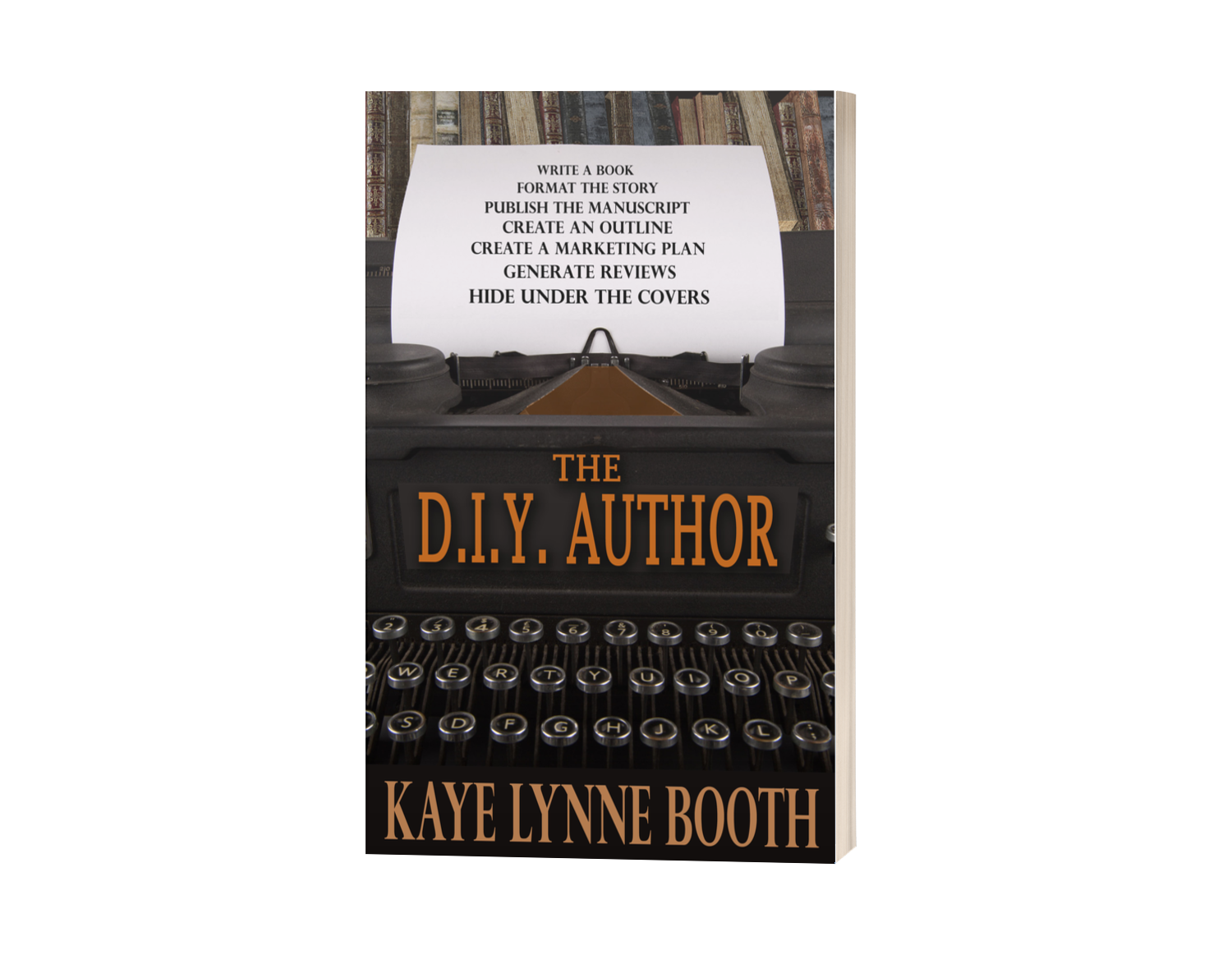
In this writer’s reference guide, multi-genre author and independent publisher, Kaye Lynne Booth shares her knowledge and experiences and the tools, books, references and sites to help you learn the business of being an author.
Being an author today is more than just writing the book. Authors in this digital age have more opportunities than ever before. Whether you pursue independent or traditional publishing models, or a combination of the two but being an author involves not only writing, but often, the publishing and marketing of the book.
In this writer’s reference guide, multi-genre author and independent publisher, Kaye Lynne Booth shares her knowledge and experiences and the tools, books, references and sites to help you learn the business of being an author.
Topics Include:
Becoming Prolific
Writing Tools
Outlining
Making Quality a Priority
Publishing Models & Trends
Marketing Your Book
Book Covers & Blurbs
Book Events—In Person & Virtual
And more…
Meet the Author
Greetings! Thank you so much for dropping by to help us celebrate the release of The D.I.Y. Author. You all know me as author Kaye Lynne Booth, but with the release of this book, I hope to be known as the D.I.Y. author. This is the book that only I could write, where I share knowledge and experience as I build my author business. This is not a book on craft, but a reference for authors and aspiring authors who wish to expand and grow their author business on a limited budget. Learn the tips and tricks, sites and tools, which took me over a decade, and three masters degrees to amass.
I’ve always been a do it yourself kind of gal. I’ve built my author business up around this blog, finding ways around obstacles which stood in my way, learning new skill sets because outsourcing was more than I could afford. My first novel was published by a small independent publisher. But as the five-year contract ran out, I felt I could do better through my own small independent publishing house, WordCrafter Press, so I re-published it as the first book in my Women in the West adventure series last year, and I sold more copies than that other publisher had over a five year stretch. I just released the second book in the series this month. When Covid struck, I organized and hosted two virtual writing conferences, because writers are tribal bunch, and we need contact with like minded people. Networking is a huge part of building an author business. I use that networking to build not only my author business, but my own author tribe. I’ve published my own books, and collaborative anthologies, as well as publishing books for others. And I’ve built a winning blog team here on Writing to be Read with Robbie Cheadle, Jeff Bowles, Arthur Rorsch, and DL Mullan.
No one else has shared in these exact same experiences that I have, and that’s why only I could write The D.I.Y. Author, and why I can hold that title. But enough about me. The D.I.Y. Author is a great reference packed full of links to sites and tools and tips for increasing productivity, publishing choices, and marketing your books.
We have a great release party ahead to send this book off right. We’ve got exclusive offers running this week only. After Saturday, the whole D.I.Y. store will disappear, so take advantage of them now. By buying direct, you are supporting this author and her works more than when you purchase from retailers.
My D.I.Y. Video
Author Video Introduction – Author Kaye Lynne Booth
On with the party!
Thanks for dropping by for The D.I.Y. Author virtual release party. We’ve got some great things planned, including a giveaway for all attendees, so be sure to leave a comment, so I’ll know you were here. I’ll be monitoring the comments throughout the day and will answer any questions you might want to post there. While you’re here you can peruse the D.I. Y. store below, for exclusive and discounted offers that you won’t find anywhere else. The store will come down at the end of the week. After that you’ll have to pay full price through retailers, and signed copies will no longer be available.
And if you are already a bestselling author and you don’t need this book or the WordCrafter services offered here, you can still offer your support for the author and this project by using the ‘buy me a soda’ button below.
Buy me a soda
Show your support for author Kaye Lynne Booth and her many endeavors through WordCrafter Press & Writing to be Read.
Thanks for joining me today for The D.I.Y. Author Release Party. I hope you found a few useful tidbits here. For more tips and advice, you’ve got to buy the book. If you miss the window for the D.I.Y. Store, you can still purchase this useful writer’s reference here: https://books2read.com/The-DIY-Author
Many of you know me, but for those who don’t, I’m author Kaye Lynne Booth. Through Writing to be Read and WordCrafter, I’ve been able to do some pretty cool things, WordCrafter Book Blog Tours, the annual short fiction contest, and the annual short fiction and poetry anthologies published by WordCrafter Press. But along with that comes the operational costs and the annual fee for this blog and domain name will be due in July, and I have discovered that I’m not making enough writing full-time to cover everything. So I got to thinking about other ways that this blog could start paying off, as I struggle to make all of this work.
I got an idea from watching what is working for one of my fellow authors, Patty Fletcher. She produces a sponsored newsletter, which seems to get the desired result. You may know that newsletters are not my strong point, especially if you are already a member of my readers group. Sorry about that guys and gals who are signed up. I promise to try to do better in the future.
I’ve decided to take on book related sponsors only for Writing to be Read. Sponsors will have a mention in the post of your choice, or for a little more you can have a full color ad for your book. Prices can be found on the new Sponsorship page which will be up soon.
So if you follow Writing to be Read and you like the content you find here and find it to be of value, or if you have contributed to or enjoyed any of the annual anthologies published by WordCrafter Press, please consider advertising your work here and becoming a sponsor, and contact me at KLBWordCrafter@gmail.com. I will have sponsor page up soon.
The D.I.Y. Author
Being an author today is more than just writing the book. Authors in this digital age have more opportunities than ever before. Whether you pursue independent or traditional publishing models, or a combination of the two but being an author involves not only writing, but often, the publishing and marketing of the book.In this writer’s reference guide, multi-genre author and independent publisher, Kaye Lynne Booth shares her knowledge and experiences and the tools, books, references and sites to help you learn the business of being an author.
This writer’s reference is must have for upcoming authors aspiring to build an author business and sell books. The D.I.Y. Author releases on June 4th, 2024, but it’s available for pre-order now at the purchase link above. It contains tips and advice on building an author business, from learning to be prolific, to publishing, to marketing and promoting your book.
I’m also hosting a virtual release party right here on Writing to be Read to give this book a proper send off into the world, and I hope you will come and join me. There will be exclusive offers available just for the event, where you can purchase them direct from the author: discounted eBooks, signed print copies, and discounted author services from WordCrafter. So, drop by on the 4th and join in the fun as we launch The D.I.Y. Author.
Here’s the link for the release party but it won’t work until the party goes live on Tuesday morning, June 4th: https://writingtoberead.com/?p=33911
_________________
Want exclusive content? Join Kaye Lynne Booth & WordCrafter Press Readers’ Group for WordCrafter Press book & event news, including the awesome releases of author Kaye Lynne Booth. She won’t flood your inbox, she NEVER sells her list, and you might get a freebie occasionally. Get a free digital copy of her short story collection, Last Call and Other Short Fiction, just for joining.
Writing a book is hard. Marketing it can be even harder.
Marketing a book in 2023 can seem like a full-time job, what with the crazy number of things authors seem to be expected to do: social media, blog tours, advertising, price promotions, mailing lists, giveaways, you name it.
But here’s a little secret: you don’t need to do all those things to successfully set your book on the path to success. What you need is a solid plan to find the one or two tactics that will work, and start to drive sales… in a minimum amount of time. And that’s exactly what you’ll find in this book.
Instead of drowning you in information or inundating you with hundreds of different tactics and strategies that eventually prove fruitless, this book will guide you through a step-by-step framework to find the ones that actually work for you and your book, so that you can start marketing more efficiently.
In particular, you’ll learn:
✔️ How to change your mindset and sell more books with less effort.; ✔️ How to write books that guarantee a lasting, profitable career; ✔️ How to get Amazon’s Kindle Store to market your book for you; ✔️ How to get thousands of readers into your mailing list before you even release the book; ✔️ How to propel your book to the top of the charts at launch; and ✔️ How to automate your marketing so that you can spend less time marketing and more time writing,
After helping over 150,000 authors crack the marketing code through a popular weekly newsletter, Reedsy’s Co-founder Ricardo Fayet is sharing everything he’s learned over the past few years in this beginner-friendly, jargon-free guide to book marketing.
Today’s author needs to be able to do all stages of the publishing process in order to run their author business, but one person cannot do it all. It can be overwhelming, even for the D.I.Y. author. (That’s me. 😉 ). I share my experience and knowledge about doing my marketing and promotions myself in my book, The D.I.Y. Author, which will be released on June 4th, 2024. But learning to run an author business doesn’t end when you publish a book, and although I just wrote a book about building and growing your author business, I still have much to learn on this never ending road to success. That’s why I took advantage of the free ebook by Reedsy‘s Ricardo Fayette, How to Market Your Book: Overperform in a Crowded Market. Fayette knows a lot more than I do on the subject of book marketing, so I refer my readers to his book in my book.
I don’t do paid advertising, and that is what a good portion of this book is about.
“But couldn’t I reach a larger audience with paid advertising?” Absolutely.
Someday, I hope to be able to expand into the paid advertising arena, so I read through those sections, and I must say, Ricardo Fayette explains things in such a way that even someone like me, who gets headaches when thinking analytics, can understand, and he is very thorough. He lays out the differences between Amazon Ads, Facebook Ads, and BookBub Ads, weighing the pros and cons of each. And man, did I learn a lot, particularly about BookBub Ads. He really gave me a lot to think about. Hopefully, I will be able to include what I’ve learned about paid advertising from this book in the revised edition of The D.I.Y. Author by putting it into practice at a future date.
Fayette also talks about the importance of a mailing list and how to set up a newsletter with a reader magnet, reminding me of another area where my efforts have been lacking. He compares several email servers and offers the basics of a good newsletter. I set out two years ago to find a new email server because I wasn’t happy with MailChimp. But things got busy and life happened, and my quest for an email server got laid to the side. I opted to stick with what I knew, not wanting to take the time to learn a new server system, let alone the time it takes to research them first. This book offers a list with some I wasn’t familiar with which are geared more toward authors. This peaked my curiosity, as it sounded like it might be just what I’m looking for. I haven’t sent out a newsletter in over six months, and my readers have probably forgotten me. This might be the motivation that I need to get a newsletter up and running, and keep it running.
He shares tips for working the Amazon system, as well as some of the other retailers, for those who publish wide. He even talks about selling direct from your website, and how to make each of these methods work for you. He covers keywords, backcover copy and book covers.
On the subject of book covers, I have to disagree with him as he insists you must outsource your book cover with an expensive professional cover designer. I do outsource many of my book covers because I’d rather put my time into my writing, but although I am a writer and not a book designer, I posess the design knowledge and most of the skills to create a good book cover. I designed the covers for my Women in the West Adventure Series and I’m quite happy with them. I wasn’t happy with the cover I did for The Rock Star & The Outlaw, so I outsourced it to someone who had more skill than I did, and changed the cover three months after publication. So, while I’m not saying you shouldn’t outsource your book covers, I don’t think that it is an absolute necessity. While Fayette is adament on this point, reminding us of it repeatedly throughout the book, I guess we’ll just have to agree to disagree on this one.
This is one of the most comprehensive books on book marketing that I’ve come across, and one I will be referring back to many times in the future as I grow and expand my author business. A great value from a free book.
_________________________________________________
About Author Kaye Lynne Booth
For Kaye Lynne Booth, writing is a passion. Kaye Lynne is an author with published short fiction and poetry, both online and in print, including her short story collection, Last Call and Other Short Fiction; and her paranormal mystery novella, Hidden Secrets; Books 1 & 2 of her Women in the West adventure series, Delilah and Sarah, and her Time-Travel Adventure novel, The Rock Star & The Outlaw. Kaye holds a dual M.F.A. degree in Creative Writing with emphasis in genre fiction and screenwriting, and an M.A. in publishing. Kaye Lynne is the founder of WordCrafter Quality Writing & Author Services and WordCrafter Press. She also maintains an authors’ blog and website, Writing to be Read, where she publishes content of interest in the literary world.
_______________________________________________
Want exclusive content? Join Kaye Lynne Booth & WordCrafter Press Readers’ Group for WordCrafter Press book & event news, including the awesome releases of author Kaye Lynne Booth. She won’t flood your inbox, she NEVER sells her list, and you might get a freebie occasionally. Get a free digital copy of her short story collection, Last Call and Other Short Fiction, just for joining.
I have to admit I was more than a little disappointed when my last Kickstarter campiagn for Sarah didn’t fund. I only run Kickstarters for books that I’m going to publish anyway, and Sarah is no exception, so the book will still go out to distributors, it just won’t have that extra boost the funding from the campaign would have offered. As an avenue for direct selling, I make more than when my books sell through direct sales, so I like to run the Kickstarter campaign first.
For those who did try to back the campaign and were looking forward to reading Sarah, it will be released in May, instead of March. I was behind on my production schedule, and rushing to have the book finished, so as not to delay reward fulfillment. Since I don’t have any rewards to fulfill, I thought I’d slow down the process and leave ample time for editing, so I bumped the release date back to a May release. I’ll send it off with the usual fanfare and book blog tour, so you’ll be sure not to miss it. I do hope you’ll all join us for that.
I’m not letting the failure to fund discourage me from doing other Kickstarters, but instead, I’m evaluating the campaign in an attempt to figure out what went wrong. There are a number of factors to be looked at to determine where the problem might lie. Here are a few.
Duration
In the past, I’ve run 30 day campaigns which were successful. For Sarah, I only ran a 21 day campaign, which Russel Nohelty recommended as the optimal length for a campaign in an interview on The Creative Penn podcast. 30 day campaigns involve a lot of promotion, and I already feel like a pest as I push to get backing for my campaign and sell books, so the thought of doing a shorter campaign felt like a good one. Could an extra week have made a difference? Possibly. I know of at least one backer who didn’t get a chance to check it out before it ended, so maybe, but I was almost $200 short of my goal, so perhaps not.
Rewards
With my first Kickstarter, for Delilah, I offered a higher reward level, in which backers at that level got to name a character in the second book in the series, Sarah. This was limited reward, meaning only two of these rewards were offered, and both were taken. So, I did that again with Sarah, offering two character naming rights in the third book in the series, Marta, and again had both rewards taken, so I’m guessing that it was a sound decision to offer that again.
The Rock Star & The Outlaw campaign offered merchandise, including a poster and a tote bag, which were popular, but also more difficult to deliver. Merchandise is also a bigger expense for the author, which is why I didn’t do anything like that for my last camapign for Sarah. Merchandise reward levels are higher, due to necessity, but the author must consider their cost into the overall funding goal before offering to be sure it is worthwhile. On a small $500 funding goal, there’s not a lot of room for extras without cutting into the profits.
The campaign for Sarah offered rewards of Special Illustrated Editions of both books, which I thought would be a big hit, but they tanked. To my surprise, not one backer pledged at the Special Edition levels. I offered these as exclusive rewards, only available to Kickstarter backers, planning to put them out through distributors at a later date, probably after the third book was out, so I could offer all three as a set, or bundle. Again, I will still publish these through distributors, because the illustrations, done by DL Mullan of Sonoran Dawn Studios, are really, really cool, as are the Special Edition covers, also done by Mullan. But I really want to figure out why these books didn’t draw more interest as rewards, so I’ll be looking at these closer. I even dropped the price on their reward levels, and added an add-on of digital copies, both books for $5, which is a great deal.
Promotions
With my first Kickstarter campaign, for Delilah, I chanced across a promoter who made some ads for me and ran them on their channels for $15. Did they help? I don’t know, but I can tell you that the campaign was successful. However the campaign for The Rock Star & The Outlaw was just as successful, and it had no paid promotions. In fact it even did a little better than the first, so who is to say.
One thing about running a Kickstarter is, you expect your inbox to fill up with messages from people you don’t know, telling you how impressed they are with your campaign, and how they can help you make it a success. It goes with the territory. When it started to look like my campaign was faltering, I checked out some of these cold call messages, thinking maybe I could pay a little for a boost. Unfortunately, the cheapest one I found was $150. For a campaign with a $500 funding goal, that’s a lot. Especially when I’m not sure the one campaign I did paid promos with really benefited all that much from it.
Conclusions
In conclusion, I think I will go back to running my campaigns a full 30 days, as that seems to be a better fit for me and my books. But I will continue with Kickstarter as a part of my marketing plans. I may also take another look at merchandise for rewards for my next campaign, but I don’t think I’ll be looking seriously at using paid promotions, especially not at such inflated prices. I will continue to promote my own campaigns, just as I do my blog and my books.
Heather Hummingbird Makes a New Friend
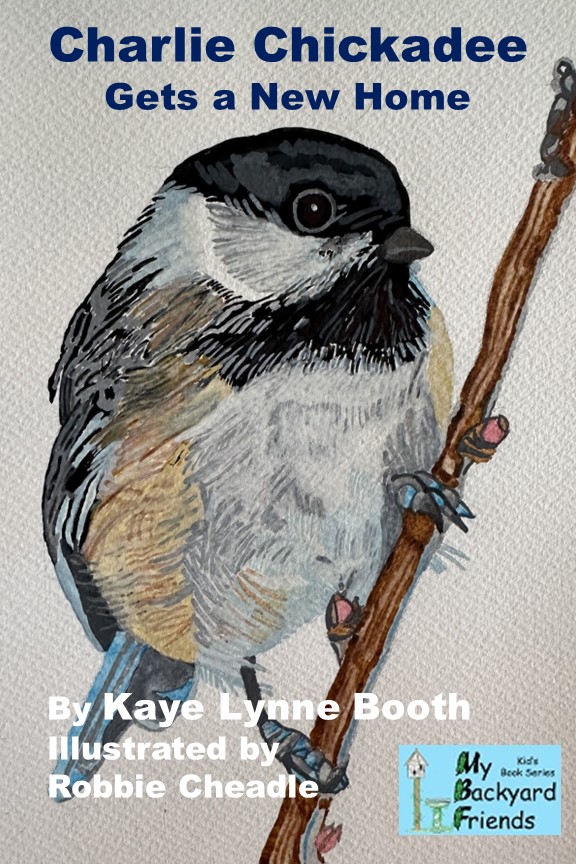
My next campaign is scheduled for July for the first three books in the My Backyard Friends series; a project I’ve been working on for many years, but unable to publish for lack of an illustrator. I’ll be launching these three books; Heather Hummingbird Makes a New Friend, Charlie Chickadee Gets a New Home, and Timothy Turtle Discovers Jellybeans with wonderful illustrations by our own Robbie Cheadle. I’m looking forward to finally getting these books out there, so I hope you will all watch for the July campaign, and back the project or share to help promote it. All support is appreciated, even when the campaign doesn’t fund. I always appreciate my supporters.
About Kaye Lynne Booth
For Kaye Lynne Booth, writing is a passion. Kaye Lynne is an author with published short fiction and poetry, both online and in print, including her short story collection, Last Call and Other Short Fiction; and her paranormal mystery novella, Hidden Secrets; Book 1 of her Women in the West adventure series, Delilah, and her Time-Travel Adventure novel, The Rock Star & The Outlaw. Kaye holds a dual M.F.A. degree in Creative Writing with emphasis in genre fiction and screenwriting, and an M.A. in publishing. Kaye Lynne is the founder of WordCrafter Quality Writing & Author Services and WordCrafter Press. She also maintains an authors’ blog and website, Writing to be Read, where she publishes content of interest in the literary world.
_________________________________________________
Want exclusive content? Join Kaye Lynne Booth & WordCrafter Press Readers’ Group for WordCrafter Press book & event news, including the awesome releases of author Kaye Lynne Booth. She won’t flood your inbox, she NEVER sells her list, and you might get a freebie occasionally. Get a free digital copy of her short story collection, Last Call and Other Short Fiction, just for joining.
The Kickstarter campaign for Sarah is in full swing, but we haven’t fully funded yet. I set a $500 goal and we’re only 25% funded. The thing about Kickstarters is that they are an all or nothing deal. The campaign ends on February 12, and if it hasn’t fully funded by then, the backers pay nothing, and the author gets nothing, and all that is lost is the time and hard work put into the campaign. So, when you make a pledge, its just that and you don’t have to pay anything until the campaign ends on February 12, if it funds, and if it doesn’t, you pay nothing, and must wait until March 19th to get a copy of Sarah through distributors.
The good thing is, once funded, the author receives anything over and above the funding goal to help support the project even further. I’ve been discussing doing the series in audiobook with a talented narrator, and if this campaign funds enough above the funding goal, you will see that happen in the future.
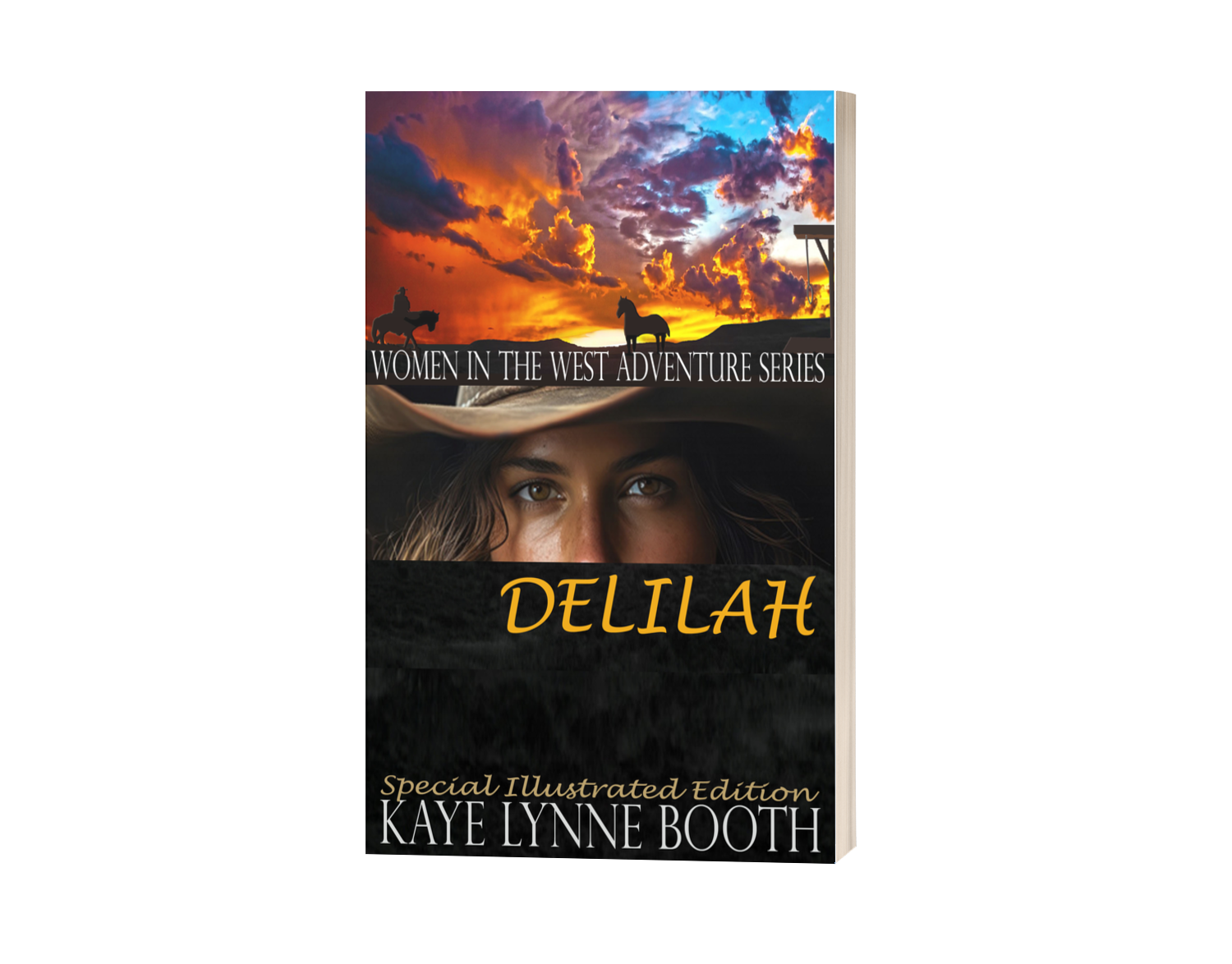
That’s why I really want this campaign to be successful. And there’s no reason that it can’t be. We’ve got some exclusive rewards which can’t be found anywhere else: early digital copies of Sarah, signed print copies of Sarah, and Special Illustrated Editions of both Delilah & Sarah. (Special Edition covers and illustrations by DL Mullan of Sonoran Dawn Studios.) Plus both digital and signed print copies of Delilah are available as add ons.
Delilah: Special Illustrated EditionSarah: Special Illustrated Edition
The best piece of advice I was given when learning about Kickstarters was only do campaigns for projects that you are going to do anyway. So, if it doesn’t fund, it won’t mean the end of the project, but it will be disappointing.
You can help, and get some of those great rewards, by backing the campaign before February 12. Your support of the project could help to reach the funding goal and more. Won’t you consider supporting this project?
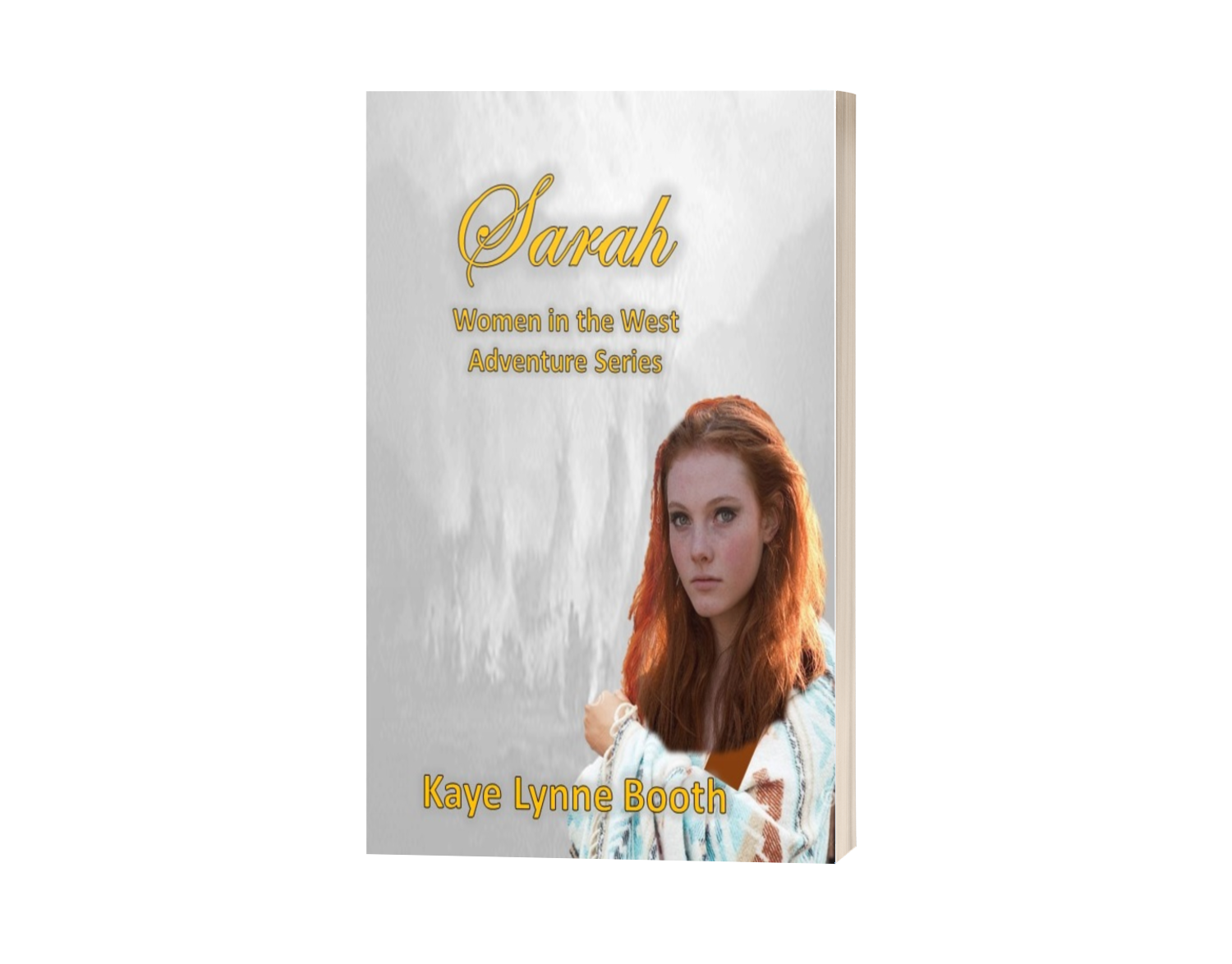
Sarah is Book 2 of the Women in the West Adventure Series. The series is western historical women’s fiction with strong female protagonists and historical figures from the true life turned fictional in each book.
Sarah
Sarah is a young girl trying to make a place for herself in the world.
Sarah is not the young girl who was stolen away from Delilah anymore. Now she is Hair of Fire, mate of Three Hawks, even as she blossoms into a young woman and tries to make a place for herself among the Ute tribe.
When she is stolen away from the life she’s made with the Utes, she struggles to survive in the heart of the Rocky Mountains. A streak of stubbornness and determination take this tough, feisty heroine up against wild beasts of the forest and the rugged mountain landscape to Glenwood Springs, Colorado, where she receives a less than welcoming reception by some.
Will this young woman find her way back to the Ute tribe which she’s come to think of as family, or will she discover a place among the colorful inhabitants of the Colorado hot springs and mining town?
Follow along on her journey to learn who she truly is and where she belongs in this rough, and often hostile frontier.If you like strong and capable female protagonists, you’ll love Sarah.
About Delilah
Delilah is a woman haunted by her past.
Her homecoming from prison quickly turns into a quest for vengeance when she is brutally raped and left for dead, and her fourteen-year-old ward is abducted. Sheer will and determination take this tough and gritty heroine up against wild beasts of the forest, Indians and outlaws to Leadville.
Can the colorful inhabitants of the Colorado mining town work their way into Delilah’s heart, offering a chance for a future she thought she’d lost along with her innocence?
If you like strong and capable female protagonists, you’ll love Delilah.
A New W.I.P.: The D.I.Y. Author
In February, I’ll begin the actual writing of The D.I.Y. Author, my first writing reference book, and I’m excited to tell you about it.
I’ve put together writing reference anthologies in the past, drawing on the expertise of many authors, but The D.I.Y. Author will be the first writing reference book I’ve ever created solo, so I’m very excited, (and a bit nervous), about it. The biggest problem with putting out a reference book such as this one, is imposter syndrome. I mean, reference books are written by experts, aren’t they? So to create a book like this, you must consider yourself to be an expert and be able to convince others that you are so they will read it. I’ve never considered myself to be an expert, in fact I spend a good amount of time learning whatever I can from others whom I consider to be experts. So, looking at myself as the expert is a different point of view for me, a different mindset, but I’m learning. And that is how this book came about.
This book is about a subject that I am an expert about: doing it all yourself on a very limited budget. That’s me. It’s what I do. And in The D.I. Y. Author, I’ll be sharing all the tips and tricks that I’ve picked up along the way. I’ll share with you how I do it, from planning the book, to writing the book, to publishing and marketing the book. And it’s all stuff that you can do, too!
__________________________________________
Want exclusive content? Join Kaye Lynne Booth & WordCrafter Press Readers’ Group for WordCrafter Press book & event news, including the awesome releases of author Kaye Lynne Booth. She won’t flood your inbox, she NEVER sells her list, and you might get a freebie occasionally. Get a free digital copy of her short story collection, Last Call and Other Short Fiction, just for joining.
I got an email the other day title, “Use AI to Write Your Book in a Flash”. I think Alexa, and Siri, and Google Assistant are annoying, and only correct a portion of the time. So when I saw this email, my first thought was, “Who would want to read a book written by AI?”
AI applications and tools are improving rapidly, so the idea of AI writing my book for me isn’t that far fetched. But the more I though about it, the more offended I became. I write as a means of expressing myself using my ideas, my words, my voice. I wouldn’t want an AI to write my whole book, no matter how fast it can do it. How could they actually believe an unfeeling, inhuman AI tool could even attempt to write for me?
The fact is, most of us already use AI in our daily lives, and we probably don’t even give it a second thought anymore. Most of us an Alexa, or Siri, or Google Assistant, or an equivilant AI device which we use to gain information, turn on our lights, play music, or even tell us a joke. We’ve come to accept AI as a part of daily life.
But when folks start talking about using AI for writing or narrating a book, concerned voices come out of the dark to express displeasure, siting several reasons why using AI with books and literature is not a desirable thing, but one or two stand out: AI created or narrated books are cheating, and take away human jobs.
We’re going to look at the validity of that argument, but first, let’s talk about the different types of AI and what they can and can’t do. Many of us already use AI in our writing, too, but we may not even realize it. Do you use the automatic spell checker that is built into Microsoft Word? Or maybe you use Grammerly or ProWriting Aid to help polish your words? Not so many because not all authors have audiobooks out, but some, may take advantage of the free AI narration for audio books available on Google Play. And then of course, there is Chat GTP, or [ ] which many authors use to help them in their research or in creating setting or character description.
The Creative Penn Podcast on AI
Joanna Penn is a futurist author and podcaster who is usually at least two or three steps ahead of the trends on The Creative Penn podcast. AI has been a hot topic on her poscast and she has many episodes which cover this topic. Penn is transparent in her use of AI in her writing and in creating illustrations. She has played with AI narration, and even had an AI voice created from her own voice, which she claims has saved her tremendous time in creating her audiobooks, which she previously narrated herself. In a couple of her podcast episodes, Penn plays the AI narrations for one of her audiobooks in a couple of different voices to illustrate the quality of AI narration that could be achieved. And I know that quality has improved even more since she recorded those episodes.
If AI is cheating, then with the narration, Penn is only cheating herself. She places disclaimers, letting readers know if a creative work is made with AI and in what capacity, so no one feels fooled or tricked. Although some people are out there pushing the use of AI to ‘write your book quick’, Penn points out that AI technology are simply tools to be used by the author or artist in the creative process. On The Creative Penn podcast, Joanna talks about how she uses ChatGPT and Mid-Journey to assist her in her research, and how she tells the AI what she is looking for and then can refine her search or tell it to make adjustments to a paragraph or an image until it meets what she has envisioned in her own head.
If you are interested in hearing what Joanna Penn has to say about the use of AI, you might try one or more of the episodes listed below.
Now, I don’t pretend to understand a lot of this because I haven’t used Chat GPT or Mid-Journey myself yet, so I can only go by what I hear, but I think it is something that is definitely worth looking into. As a DIY author, publisher, and book marketer, anything that can save me time and help me improve my writing or help sell more books is worth further exploration.
How I Use AI
As I write, I use the AI generated grammar and spellchecker that is built into MS Word, and I bet you do, too. I also employ the free version of ProWriting Aid as I do the final pass on all manuscripts, for myself and others. The AI generated tools pick up errors that I have missed, because hey, I’m only human. I don’t accept every suggestion offered, but they show me things I need to look at, and then I decide if changes are in order, and what type of changes should be made. But again, the AI tools are helpful in pointing out where there are possible errors, or suggesting a better way to say something, but the AI isn’t always right. Suggested corrections don’t always take voice or tone into account, and I, as the author make the final decisions about what goes on the page.
I have not tried using an AI tool such as Chat GPT, but I can see the potential. If I had a tool that could assist me in thinking through each scene, with suggestions for options at my fingertips, I think it would save me a lot of time. And a tool that could help me, who cannot draw well and is not artistic in that way, to create my own images for book covers, illustration and promotion, is something I want to know more about. I’m creating my own images anyway, but perhaps AI could help me make my images better.
Doing my own audiobooks is something I’ve been looking at for a while, but haven’t yet been able to pull off. The idea of creating an AI voice from my own definitely appeals to me, since audiobook creation requires a lot of time that I don’t seem to have. I don’t know enough about it right now to make any rash decisions, but I certainly want to know more. I have listened to AI generated narration that sounds pretty good, and I’ve heard Mark Leslie Lefabvre’s AI narration created from his own voice, which offers few clues that it isn’t the real Mark. (I can’t find the episode now, but at the end of one recent episode of the Stark Reflections podcast, he plays his final reflections read by his AI voice.)
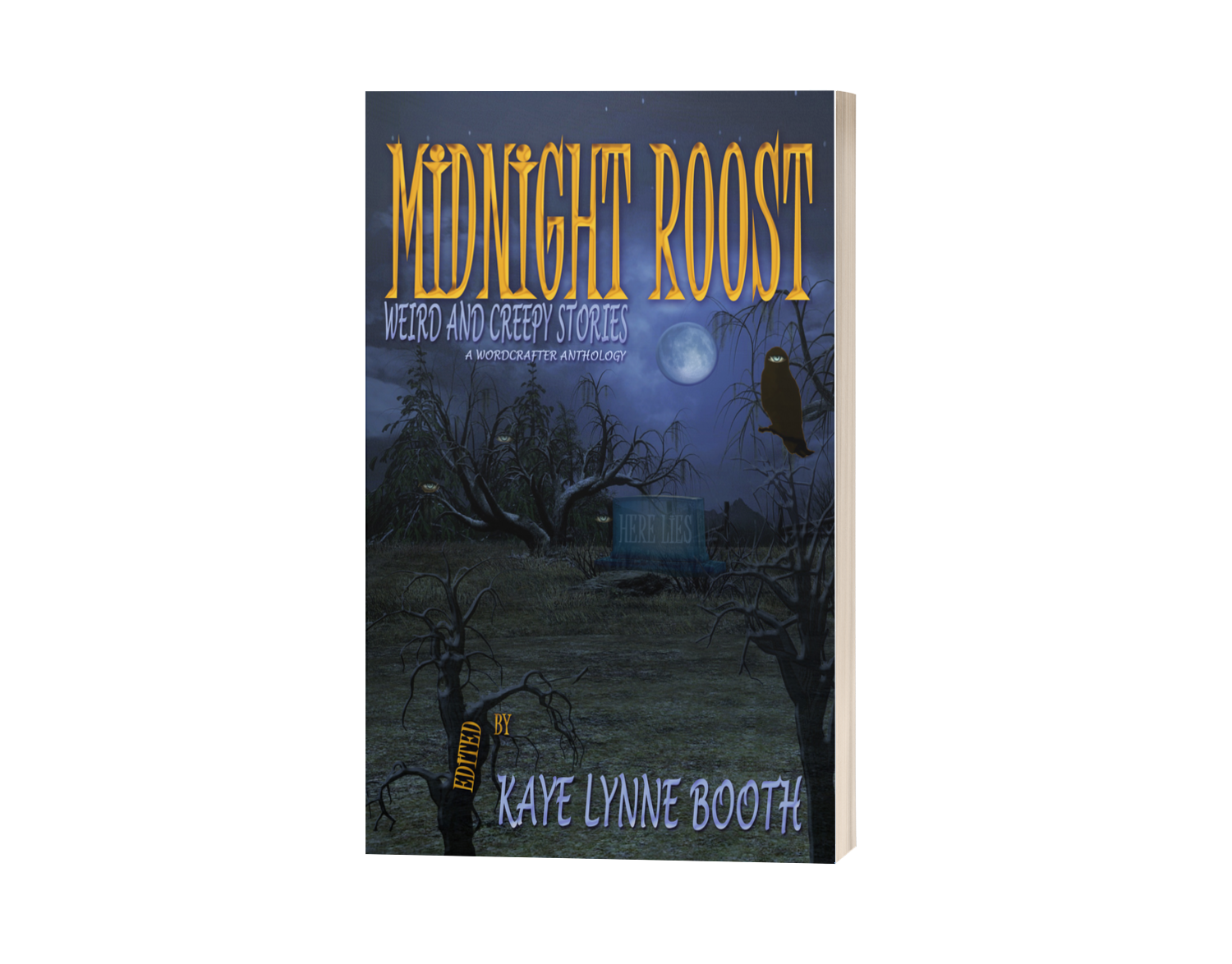
WordCrafter Press also used an AI generated image and voice in the book trailer for the 2023 anthology, Midnight Roost, created by DL Mullan and Undawnted. And frankly, I think it is an outstanding book trailer and the AI made it really cool. This is an awesome way to showcase the authors and the anthology as a whole. Give it a watch below and see what you think. I can definitely see how a tool such as the one used by Mullan could be a great asset in my advertising tool kit.
Midnight Roost Book Trailer
AI is Just a Tool
You can guess from the above post that AI tools are something I have an interest in using. Many of us already use AI tools, even if we don’t look at it that way. I know I used the AI spell checker on MS Word and ProWriting Aid without thinking twice, because they made my life as a writer easier. But as Joanna Penn repeatedly points out, AI can’t do it alone, it needs your input, your humanity, to do what it is programed to do. Alone AI can’t write a thing.
Let me know what you think about the use of AI tools in the comments.
For Kaye Lynne Booth, writing is a passion. Kaye Lynne is an author with published short fiction and poetry, both online and in print, including her short story collection, Last Call and Other Short Fiction; and her paranormal mystery novella, Hidden Secrets; and book 1 of her Women in the West adventure series, Delilah. Kaye holds a dual M.F.A. degree in Creative Writing with emphasis in genre fiction and screenwriting, and an M.A. in publishing. Kaye Lynne is the founder of WordCrafter Quality Writing & Author Services and WordCrafter Press. She also maintains an authors’ blog and website, Writing to be Read, where she publishes content of interest in the literary world.
Want exclusive content? Join Kaye Lynne Booth & WordCrafter Press Readers’ Group for WordCrafter Press book & event news, including the awesome releases of author Kaye Lynne Booth. She won’t flood your inbox, she NEVER sells her list, and you might get a freebie occasionally. Get a free digital copy of her short story collection, Last Call and Other Short Fiction, just for joining.
Note: “The Viscareal Character Portrayal” segment of “Writer’s Corner” promised last month has been postponed, but will be featured soon.
Why sell direct?
Many of you may be aware of my use of the Kickstarter platform to sell my books direct, before they are released through distributors. My business model utilizes both direct selling and offering my books wife through distributors and libraries. But, ‘why bother?’ you might ask. By my own admission in previous posts, Kickstarter campaigns are a lot of work, create a certain amount of tension as I wait to see if they will fund, since Kickstarter is an all or nothing deal, and since I am not Bryan Sanderson, Kevin J. Anderson, or Joanna Penn, have produced only a small amount of money, just barely funding each time.
But, did you know that authors who sell direct make more money from their books by cutting out the percentage that distributors take, so they get to keep more of their royalties. I would make even more if I sold direct from my site, but I’m not set up to do that yet.
So, by buying direct from an author’s site or through a Kickstarter campaign, you are supporting that author more than you do by purchasing through a distributor. I’m all for anything that makes me more money from my books and gives less to Amazon. While I do have to give a cut of the money I make on each campaign to Kickstarter, it’s only 5%, which is much less than the 30 – 70% that have to give distributors.
Why Kickstarter?
Traditionally, authors would submit their work to publishers, and if they were lucky enough to have their book catch a publishers eye, they would get a contract and an advance on their earnings, and their book would be published eventually. But that advance was basically what most authors would make on their book unless it hit the best seller lists, because you had to earn out the advance before any more royalties would be distributed. With the rise of indie authors, traditional publishing, publishers began offering less and less for advanced, and doing less and less marketing, until I hear now, that in many traditional publishing deals today, authors are lucky to get any kind of advance at all, and they are expected to do most of the marketing, as well.
I look at Kickstarter as the indie authors advance for their books, and the best part is, you don’t have to earn that out before receiving more royalties from distributors. So, while $500 isn’t a lot of money, that’s where I set my funding goals for now, because it’s low enough to offer me a chance to reach it, since I don’t have a big reach… yet. I figure that’s a pretty good advance, and it gives me more funding to keep my writing business operating for a while longer.
Not all crowd funding is equal. I understand that other crowd funding platforms charge a lot more to host, are more general in their uses, and feel a bit like begging. But Kickstarter is set up to accommodate creative projects, and they have formed their own inner eco-system, so you can reach out to a whole new audience. Backers from earlier campaigns are automatically notified when you launch a new campaign, and they have internal messaging set up, so you can engage directly with your backers and develop more of a relationship. And I’m not begging. I’m offering real value to my backers in exchange for their support. The going may be slow, but this is one way to find those 100 true fans that will read everything I ever wrote, just because I’m me.
How Does It Work?
Why you might want to back a Kickstarter?
There are several reasons for backing Kickstarter campaigns. You might know or be familiar with the author and want to show your support. I support Kickstarter campaigns of authors I know, and they, in turn, back my campaigns, as well. That’s one thing I love about most author communities – we support one another.
But, there is another reason which can be even more motivating – the value offered through the Kickstarter system. Of course, the higher pledge levels offer more value through bigger and better rewards.
Plus there are add-ons, which you can get for an additional pledge. Since international shipping is beyond my reach at this time, I offer plenty of digital goodies for my add-ons. I tried offering an interview with the author, but as a still relatively unknown author, I didn’t have any takers on that one. Hopefully, that will change soon.
But there’s more. Once the funding goal is reached, stretch goals can be added, which offer bonus goods if a new goal is reached, as I touched on above. For example, you might receive a bonus book for everyone who backed the project at the $5 level or higher for hitting a certain amount of pledges, or bringing in a certain number of new backers by a given deadline. The more goals reached, the more rewards backers get. And it’s not just books. Kevin J. Anderson offers audiobooks. Dean Wesley Smith and Kristine Kathryn Rush offer workshops valued at $150. Other authors offer artwork, interviews, in-person hang outs or Zoom calls, or consultations. Backing a Kickstarter at the $5 level can return some great value.
My campaigns offer an early digital copy of the book, before its release through distributors at the $5 level, and a signed print copy for U.S. backers at the $25 level. For Rock Star, my highest level offered a goodie bag with all the rewards from the lower levels and more. For Delilah, backers at the highest level got to name a character in the second book. I’ve had a lot of fun developing the characters of Lillian Alura Bennett and Owoz Crebo for Sarah.
Things to be aware of
Kickstarters are a lot of work. Seriously. And you must keep in mind that Kickstarter is an all or nothing deal, so if you don’t reach your funding goal, you get nothing, and neither do your backers.
On the other hand, it’s a great way to engage with readers, as Kickstarter provides internal messaging which allows you to interact directly with your backers. Backers for one campaign are automatically notified when you run the next one, so it helps to build your following. Because it is a form of direct sales, you profit more than you would selling through distributors.
A look at my past Kickstarters
I have done two Kickstarter campaigns, and both successfully funded. The first was in January, for Delilah and the Women in the West adventure series. You can learn more about that campaign here: . I’m planning another series Kickstarter in January 2024 for Sarah, book two of the series.
The second campaign was in July of this past year for The Rock Star and The Outlaw, my new time-travel adventure. Although I am not a big author, with a big reach, this campaign also funded, and it did so a little faster than the first, leaving me three whole days of campaign to offer a stretch goal. Stretch goals are extra added goodies, which can be offered to try and gain more pledges, thus making more money once you’ve reached your goal. I added a stretch goal for reaching an additional $100, but didn’t quite make it. Still it was excited to have the opportunity to offer it to my backers. I like being able to offer cool things to my supporters. It felt good to be able to offer an extra value. Maybe next time, we will make it.
Looking forward
I have two Kickstarter campaigns planned for 2024. The first is the January Kickstarter for Sarah, mentioned above. I’m really looking forward to sending off the second book in this wonderful western series, with its strong female protagonists and historic female characters. Big Nose Kate will make an appearance in the second book, along with young Sarah, the fiery youth who was kidnapped and sold to the Utes in the first book.
The second campaign will be in July, for the first three books in the My Backyard Friends children’s series. I almost had this one published back in 2015, but problems with the illustrator prevented it from coming to fruition. You can learn more about the difficulties encountered here: . This series is inhabited by characters based on birds and wildlife which visit me at my Colorado mountain home. Each book is stand alone, so they need not be read in order, and I will be launching the first three from the Kickstarter platform Heather Hummingbird Makes a New Friend,Timothy Turtle Discovers Jellybeans, and one other story to be determined.
I finally found a wonderful illustrator for these books, and she was right under my nose. I’m happy to announce that this series will be illustrated by our very own, multi-talented Robbie Cheadle! I am thrilled to have Robbie doing the illustrations, and can’t wait to present the first three books on the Kickstarter platform.
In conclusion
I hope this post has given you a better idea of what Kickstarter is all about, and how it might be useful to you, as an author. I also hope it has encouraged you to check out my Kickstarter campaigns, and maybe even throw your support behind me. I’ll keep an eye out for you next January and July.
To learn more about Kickstarters
Here are a few places where you can learn more about Kickstarter and get tips on what to do when launching your own campaign.
For Kaye Lynne Booth, writing is a passion. Kaye Lynne is an author with published short fiction and poetry, both online and in print, including her short story collection, Last Call and Other Short Fiction; and her paranormal mystery novella, Hidden Secrets; and book 1 of her Women in the West adventure series, Delilah. Kaye holds a dual M.F.A. degree in Creative Writing with emphasis in genre fiction and screenwriting, and an M.A. in publishing. Kaye Lynne is the founder of WordCrafter Quality Writing & Author Services and WordCrafter Press. She also maintains an authors’ blog and website, Writing to be Read, where she publishes content of interest in the literary world.
_______________________________________________
Want exclusive content? Join Kaye Lynne Booth & WordCrafter Press Readers’ Group for WordCrafter Press book & event news, including the awesome releases of author Kaye Lynne Booth. She won’t flood your inbox, she NEVER sells her list, and you might get a freebie occasionally. Get a free digital copy of her short story collection, Last Call and Other Short Fiction, just for joining.