WordCrafter “Will Write For Wine” & “Stories I Stole From Lord Byron’s Bastard” Book Blog Tour: Giveaway Winners!
Posted: July 5, 2022 Filed under: Blog Tour, Book Promotion, Giveaways, Uncategorized, WordCrafter Book Blog Tours | Tags: Giveaway, Sara W. McBride, Stories I Stole From Lord Byron's Bastard, Will Write for Wine, Winner 4 Comments
We had a fabulous eight day tour for Will Write for Wine & Stories I Stole From Lord Byron’s Bastard last week. Along with an author interview, several beaming reviews and a guest post on the inspiration of each story, the author Sara W. McBride offered a giveaway for this wonderful tour. We had a little hitch because we couldn’t get the Rafflecopter to work right, and some people weren’t able to enter that way, so Sara entered everyone who commented in a random drawing, and I’m pleased to announce three winners for this giveaway, and Sara will be sending them digital copies of both of her delightful books.
And the winners are…
(Drumroll Please)
D.L. Finn
Abbey Johnson Taylor
Debra Guyette
Share this:

Wrapping up the WordCrafter “Will Write For Wine” & “Stories I Stole From Lord Byron’s Bastard” Book Blog Tour
Posted: July 4, 2022 Filed under: Beach Reads, Blog Tour, Book Promotion, Book Review, Giveaways, Guest Post, Romantic Comedy, WordCrafter Book Blog Tours | Tags: Beach Reads, Romantic Comedy, Sara W. McBride, Will Write for Wine, WordCrafter Book Blog Tours 9 Comments
This is the last stop on the WordCrafter Will Write For Wine & Stories I Stole From Lord Byron’s Bastard Book Blog Tour with a guest post by author Sara W. McBride about the inspiration behind the Will Write For Wine, and my review of her debut novel. I want to thank you all for joining us, and if you missed any of the stops along the way, you can catch them at the links below.
Writing to be Read – Opening day post: Guest post by Sara W. McBride – The Inspiration for “The Devil’s Bridge”, and review of Stories I Stole From Lord Byron’s Bastard
The Showers of Blessings – Guest post by Sara W. McBride – The inspiration for “Stealing Georgione’s Mistress”
Carla Loves to Read – Guest post by Sara W. McBride – The inspiration for “The Masked Kiss”, and review of Stories I Stole From Lord Byron’s Bastard
Writing to be Read – Interview with author Sara W. McBride and guest post – The Inspiration for “Lazzaretto Vecchio: A Dowry for Saffron”
Zigler’s News – Guest post by Sara W. McBride – The Inspiration for “A Gentleman’s Portrait by a Pregnant Man”, and a review of Stories I Stole From Lord Byron’s Bastard
Annette Rochelle Aben – Guest post by Sara W. McBride – The Inspiration for “The Haunted Palazzo”
Roberta Writes – Guest post by Sara W. McBride – The Inspiration for “The Secret Vault”
Give-Away
Don’t forget to leave a comment and click on the link below to enter for a chance to win a free digital copy of Will Write For Wine or Stories I Stole From Lord Byron’s Bastard.
http://www.rafflecopter.com/rafl/display/d9280cae1/?

Credit: Laocoön statue, Vatican, Photo by Frank Eiffert on Unsplash
Inspiration for Will Write for Wine
Guest post by author Sara McBride
What inspired the novel Will Write for Wine?
My love affair with Venice began in 2005 on my very first trip to Italy. I had planned a two-week research trip, by myself, that started in Venice and ended in Rome. My husband had shown me an article about an art historian who believed a sketch by Michelangelo, dated 1504, was of the torso of Laocoön, the statue that Pope Julius II paraded through the streets of Rome and subsequently launched the Vatican Museum. But Laocoön wasn’t discovered until 1506, and it’s discovery changed the world of Renaissance art.
How did Michelangelo sketch a statue that was still buried in the earth? The hypothesis was simple: Michelangelo forged the statue and buried it.
I spent 6 months researching Michelangelo’s life, his art commissions, and his war with Pope Julius II—Which is epic!—and came to the conclusion that the hypothesis might be true. I built a 76-page itinerary—fully color-coded, because I’m that anal—and set out across Italy to walk the steps of Michelangelo and those I believed assisted with his subterfuge.
I hunted for evidence in the art world itself. Since I wanted to write a novel, I also sought ambiance from historical locations and wrote down the smells of restoration sites with turpentine and plaster dust hanging in the air, the sounds of echoing footfalls in an empty cavernous church or of a single woman weeping in a side chapel, the taste of rustic breads, the sight of sunset over St. Peter’s Basilica in Rome, and the smoothness of Istrian stone supporting Venetian palazzos.
After that first trip, I could walk into any museum room and at a glance, tell you which paintings were completed before or after 1506, the year of Laocoön’s discovery. That’s how influential the discovery of Laocoon was on the Italian Renaissance art scene. But on the flip side, I couldn’t tell you how the artist felt when he painted or sculpted an art piece.
I wrote a novel. It read like an 800-page art history dissertation. Snore-ville! Even though the entire novel is centered around Michelangelo, Bramante, Rafael, Sansovino, and Pope Julius II, the reader never becomes invested in the characters. I understood the history, the places, the art, but not the men or what motivated them.
Anyone can sing a song, but for it to resonate and draw in a listener, it must be sung with emotion. It is the emotion of the song that tells a story. My novel was missing the emotion.
But seventeen years later, I’m still drawn to the story of Laocoön, which I believe to be Michelangelo’s greatest forgery—Some forgeries were documented—and with every art museum exhibit, every church, every trip to Europe, I see more evidence for the pieces of the story. But now I seek to understand why Michelangelo and Pope Julius II were at such odds with each other. For that, I needed to understand people.
Venice is an amazing city to study not just history, ambiance, food, beauty, and smells, oh so many smells, but to study people. And out of that study, came the novel, Will Write for Wine.

Buy Link: https://www.amazon.com/Will-Write-Wine-Alexis-Novel-ebook/dp/B09XVM6Y38
What they are saying on Amazon:
The mind of Alexis Lynn is as delightful and convoluted as the labyrinth of canals and streets of Venice. Tagging along on the ride with this endearingly flawed character is sometimes rooting for her, sometimes laughing with her, sometimes crying with her, sometimes wanting to smack her, and sometimes wanting to smack the men she entangles herself with. Will Write for Wine is a quick and light beach read – no, scratch that – it’s a quick and light European vacation read. Alexis Lynn puts the “fun” in “dysfunctional” and the “Veni” in “Venice”!
My Review
Alexis Lynn is at a crossroads, starting a new life in Venice and leaving the old one in the America behind, making the choices which will affect her future. At times like this, lots of wine may be required, and there’s no end to what Alexis Lynn will do for good wine- the writing of stories, the breaking of hearts, the solving of age-old mysteries. In Will Write for Wine, by Sara McBride, it’s a fun ride with Alexis, her new found friends and the ghosts of Venice as she writes stories, falls in and out of love, and delves into Venetian history to create a new life for herself with the best from the old, as well as the new.
Pour yourself a glass of wine and settle in for a good read with Will Write for Wine. You don’t need a good wine to enjoy this novel, but I’d highly recommend it. I give it five quills.

________________________________________________________________________________
Book your WordCrafter Book Blog Tour today!
Share this:

Roberta Writes – WordCrafter Book Blog Tours: Will Write For Wine & Stories I Stole From Lord Byron’s Bastard by Sara McBride
Posted: July 3, 2022 Filed under: Uncategorized Leave a commentOn Day 7 of the WordCrafter “Will Write For Wine” & “Stories I Stole From Lord Byron’s Bastard” Book Blog Tour, we’re over at “Roberta Writes”, where we have another inspirations guest post by author Sara W. McBride. Join us to learn about the inspiration behind her story “The Secret Vault” and learn more about her fabulous books!

Stories I Stole from Lord Byron’sBastard is a collection inspired by Venetian history. The fictional character, Alexis Lynn, wrote these stories in the novel Will Write for Wine by Sara W. McBride, but they are fun stand-alone adventures to be enjoyed with an excellent glass of Italian wine.
https://www.puckpublishing.com
Giveaway
In addidtion, to the awesome guests posts, interview, and reviews at each tour stop, Sara is offerin a chance to win a digital copy of each book,Will Write For Wine&Stories I Stole From Lord Byron’s Bastard. Leave a comment and click on the link below to enter for a chance to win:
http://www.rafflecopter.com/rafl/display/d9280cae1/?
Inspiration for the story ‘The Secret Vault’ – Guest post by author Sara W. McBride
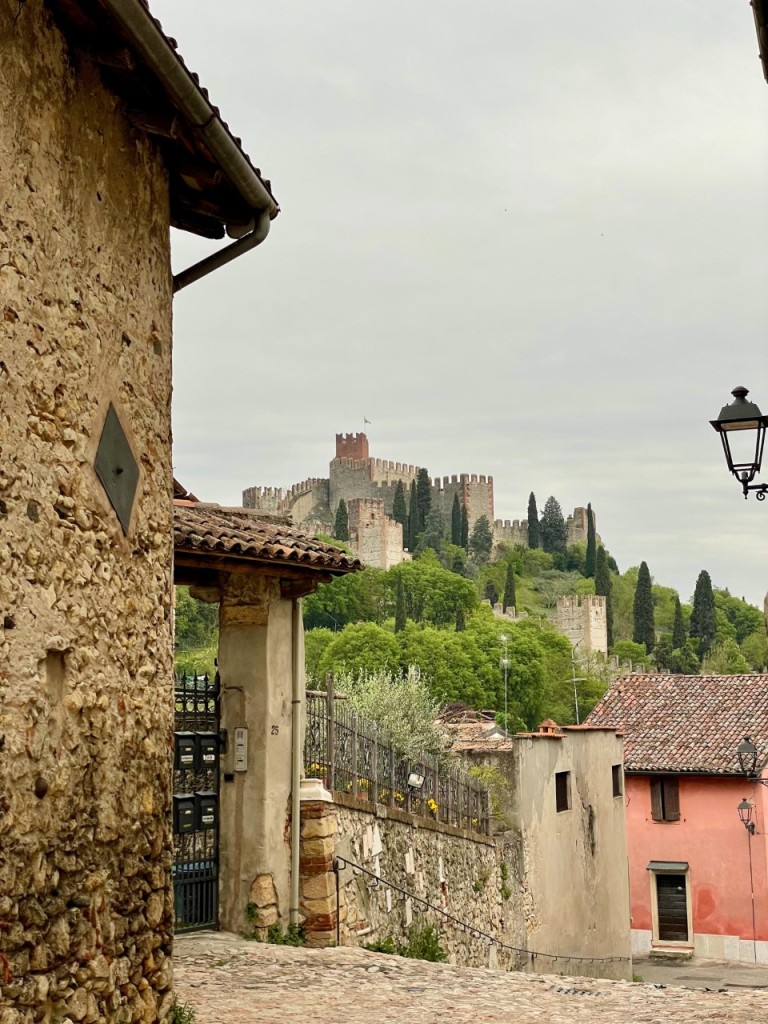
Credit: Photo by Michael Martinelli on Unsplash
What inspired the story, “The Secret Vault?”
The story, “The Secret…
View original post 1,577 more words
Share this:

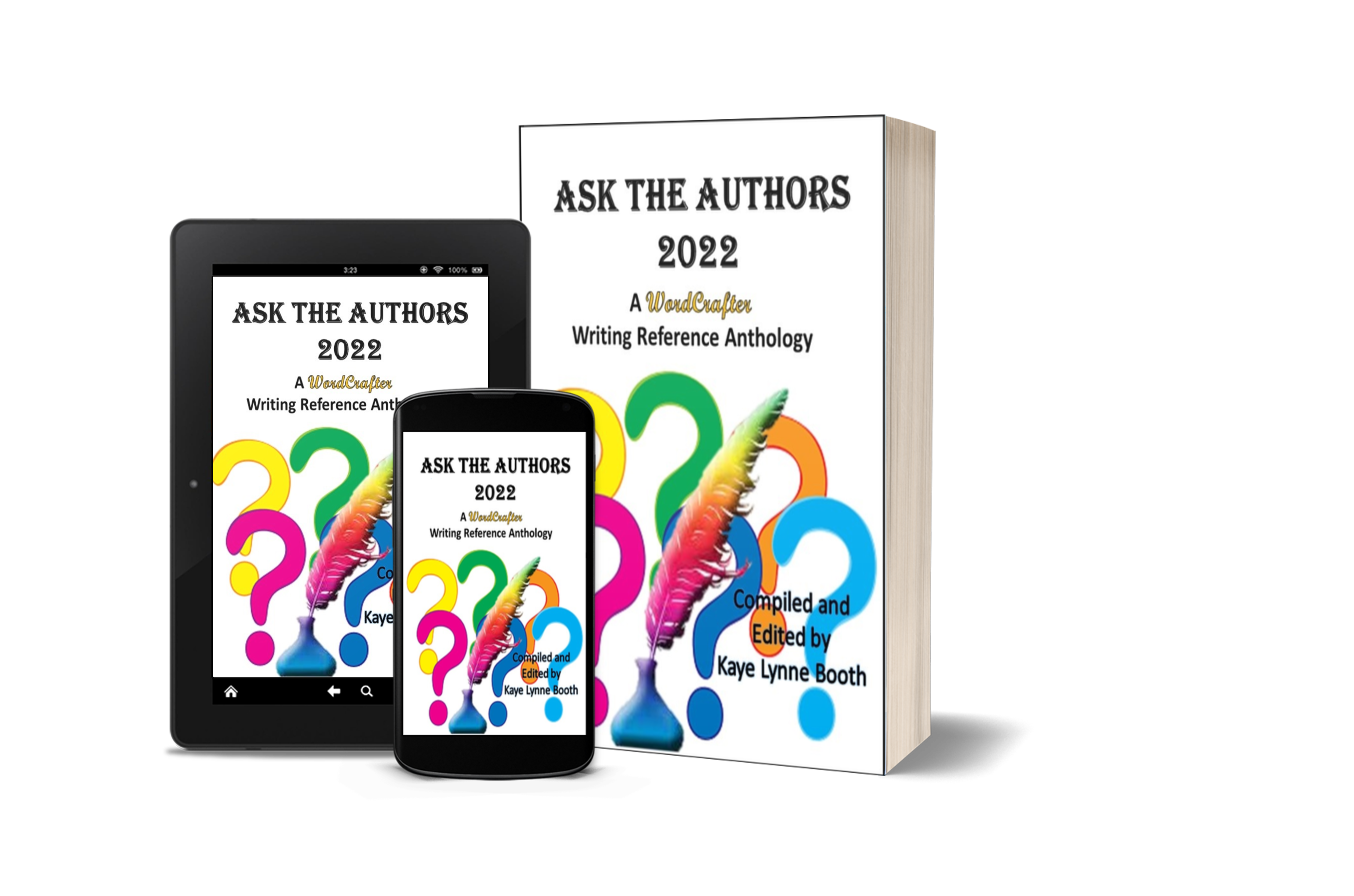
Ask the Authors 2022 Book & Blog Series: Publishing
Posted: July 2, 2022 Filed under: Anthology, Ask the Authors, Book Promotion, Book Release, Books, Fiction, Indie Publishing, Publishing, Self-Publishing, WordCrafter Press, Writing, Writing Reference, Writing Tips | Tags: Anthology, Ask the Authors 2022, Author Interview, Bobby Nash, Chris Barili, Jeff Bowles, Kaye Lynne Booth, Kevin Killiany, L. Jagi LAmplighter, Mario Acevedo, Mark Leslie Lefebrve, Nancy Oswald, Paul Kane, Roberta Eaton Cheadle, WordCrafter Press, Writing, writing advice, Writing Reference, Writing Tips 3 Comments
Welcome back once again to the “Ask the Authors 2022” blog series, where we’re offering glimpses into the content of Ask the Authors 2022 writing reference anthology; a unique reference packed full with the writing tips and advice from ten different authors and myself. The Q & A sessions can run a bit long, with all of the contributors weighing in, but they are only a small taste of the wisdom contained in this book. I want to thank all of you who have joined us for each session and keep coming back for more. If you haven’t purchased a copy of your own yet, there’s a link for the UBL at the end of this post, where you can grab one from your favorite book distributor at the special send-off price of 3.99 for the duration of this blog series.
If you missed any of the previous segments, you can find them here:
Segment 1: Introductions for Kaye Lynne Booth & Kevin Killiany/Writing Life Q & A session
Segment 2: Introduction for Bobby Nash/Pre-writing Rituals Q & A session
Segment 3: Introduction for Roberta Eaton Cheadle/Plot & Storyline Q & A session
Segment 4: Introduction for Paul Kane/Character Development Q & A session
Segment 5: Introduction for Mario Acevedo/Action, Pacing & Dialog Q & A session
Segment 6: Introduction for Nancy Oswald/Tone: Voice, Person, Tense & POV Q & A session
Segment 7: Introduction for Chris Barili/Setting & World Building Q & A session.
Segment 8: Introduction for Jeff Bowles/Editing & Revision Q & A session
Today’s segment brings you an introduction to award winning author and publishing industry expert Mark Leslie Lefebvre, whose contribution to the anthology is “Publishing Trends to Watch” and a Q & A session on Publishing. So let’s get started.
Meet Mark Leslie Lefebvre

A self-confessed book nerd, Mark Leslie Lefebvre, who is a former President of the Canadian Booksellers Association and the former Director of Self-Publishing and Author Relations for Rakuten Kobo (and founder of Kobo Writing Life), thrives on innovation and excellence within all aspects of the publishing and bookselling industry.
With more than a quarter century of experience, Mark has been involved in bookselling as it evolved from strictly bricks and mortar operations and into online and digital venues, and has continually been at the forefront of applying digital solutions to publishing and book selling.
An author who has embraced both traditional and self-publishing opportunities for himself as well as the thousands of authors he has coached, advised and consulted with over the past two decades, Mark not only believes that each author’s journey is individualized and personal, but that each specific project a writer embarks upon can have its own unique goals, elements and desired outcomes.
He can be found online at www.markleslie.ca
And now on to the Q & A.
Publishing
Are you independently published, traditionally published, or a combination of both?
Mario Acevedo: I’m traditionally published by a large and regional/small presses.
Paul Kane: Combination of both. I started out in the small, indie presses, before working with some of the bigger places, so I like to go back there and write fiction for them when I can. Plus, it gives me a bit more freedom to experiment or write something that might not be that commercial; because the indies don’t have the same kind of print runs as bigger publishers there’s a bit less pressure to appeal to huge audiences. The flip side of that is you get read by a lot more people when you’ve done something for a bigger publisher, simply because they have the money to put behind advertising, production, distribution and marketing. Having said that, I still try to do as much of that as I can myself – I never assume it’s all being done for me. I’ve been known to set up blog tours myself, even when working with bigger publishers because sometimes the personal touch is what bloggers and book reviewers respond to.
Bobby Nash: Both. I’m what they call a hybrid author. I work for traditional publishers of all sizes. I also have my own indie small press, BEN Books.
Robbie Cheadle: Most of my books are published by TSL Publishers in the United Kingdom. I love working with Anne Samson and find her fair and helpful. I self-published Open a new door, a collection of poems which I co-wrote with another South African poet, Kim Blades. I did not enjoy the self-publishing experience and prefer to work through a publisher.
I have short stories and poems published in a number of anthologies which have been published by the editor and compiler through their own publishing enterprises.
Nancy Oswald: A combination.
Mark Leslie Lefebvre: I am a combination of both traditionally published books, independently published books, as well as a hybrid mix of selling work to or collaborating with indie publishers in a slightly traditional way.
What factors influenced you to take your chosen publishing route?
Paul Kane: Things just seemed to slot into place for me, rather than choosing a particular route. I went to art college thinking I’d go into some kind of career in the arts, but it turned out I was better at theory than the practical stuff, so I went to university initially to study History of Art, Design and Film. While I was there, I chose an optional module called ‘Professional Writing’ and loved it, which led me into the journalism – and I figured I could at least make a living writing non-fiction that way, with articles and reviews.
Because I was writing for the day job, I thought I’d do some stories for pleasure – and they ended up being published too, in small press magazines. Then the fiction started to overtake the non-fiction, and the rest is history.
I don’t think I consciously chose any of that, it just sort of happened. I definitely didn’t think to myself when I was younger ‘I’m going to be a writer when I grow up.’ That, honestly, never even crossed my mind because I came from a very working class background where you did manual jobs like being a builder or joiner or whatever. My dad was a miner, so his was a hard job – especially compared to mine – but at the same time he never discouraged me going down the creative route. He did, however, instill in me a solid work ethic which I still have today.
Bobby Nash: When I started, doing it yourself was not as accepted as it is today. Working for a publisher was the only way to get a book published at the time. Fast forward and there are more options. This allows me to do some projects the way I want through my own press and still do work for other publishers as well. For me, it truly is the best of both worlds.
Robbie Cheadle: Initially, I submitted my Sir Chocolate story ideas to four or five small publishing houses and TSL Publications responded to say they were interested in publishing them for me. I was fortunate as I didn’t experience a lot of rejection and I benefited from the experience and expertise of a publisher right from the beginning of my journey.
Nancy Oswald: For me it’s been like water finding its way through a channel. My course had often determined by which barriers are encountered, force and velocity, and other influencing factors like an unexpected change in the weather, excessive rain, drought, and human factors.
Please briefly share the story of your own publishing journey.
Paul Kane: A lot of that’s covered in the above, but if I’ll take you through from when I started to get stories accepted in the small presses to today… When I got back into writing fiction again in the ’90s, which had been something I enjoyed tinkering with back in my teens, I wrote a lot of short stories. Some of them worked, some didn’t, but it was all practice. I’d been doing a correspondence course to help with my non-fiction and my fiction, and I sent the tutor a story I’d written that had come to me, fully formed, in a dream: ‘The Cave of Lost Souls.’ She loved it and told me I had to send it off somewhere. I’d been toying with the idea of entering it into a writing competition, but then I saw an advert in a trade magazine for a publication called Terror Tales. I sent the story off to the editor, John B. Ford, and he wanted to use it in an upcoming issue. He also lived locally, so invited me to a gathering of writers. I sat around listening to all these stories about what they were doing and thought to myself, ‘wow!’ But also, if they’ve done it, maybe there’s a chance for me too. They gave me pointers as to which publications to try my work with, where I could find listings and so on. That led to more acceptances, attending more events and eventually getting a couple of collections out. I also found out about something called The British Fantasy Society who were looking for volunteers for positions, one of which was for Special Publications Editor. That enabled me to work with such names as Ramsey Campbell, Neil Gaiman, Muriel Gray and Clive Barker. I was helping out running their convention FantasyCon as well, and indeed years later ended up co-chairing a few. In the meantime, someone I’d met at an event – Jonathan Oliver – was looking for ideas for post-apocalyptic novels set in a universe called ‘The Afterblight Chronicles’, mass market books brought out by the publisher he worked for, Abaddon/Rebellion. I pitched a few and Jon loved the Robin Hood idea. I worked up a chapter breakdown, which got me the first book – there ended up being a trilogy of novels a couple of shorts and novelettes and one novella – and suddenly my longer fiction was getting some attention. I’d also gone into editing professionally, putting books together with Marie for places like Simon & Schuster, PS Publishing and Constable & Robinson. Anthologies like Hellbound Hearts, A Carnivale of Horror and The Mammoth Book of Body Horror… All of this enabled me to try my hand at things like film and TV scripting, comics, audio and theatre scripting, which broadened the scope of what I was doing. And it led me into writing crime thrillers for HQ/HarperCollins, which I’m doing today as PL Kane. In a nutshell, that’s my journey.
Bobby Nash: I started writing comic books. I then wrote a novel, then a second, which was published, Evil Ways. Then, I did a mix of comics, novels, and shorter stories for several years. These days, I’ve added screenplays and audio scripts to the mix. I like to try new things.
Nancy Oswald: Published, two large publishers, one it Canada and one in New York, published small Colorado owned publisher, self-published twice, each time for a different reason.
Mark Leslie Lefebvre: I started off in the mid 1980s when there really was no other choice but to submit short stories to magazines in order to slowly build yourself a name within writing and publishing and hopefully attract the attention of an agent or editor who might take your book proposal seriously because of your proven track record.
After years of rejection my first short story was published in 1992. I earned $5 USD and a contributor’s copy of the digest-sized quarterly magazine with a circulation of perhaps 500 people. And as time went on, I started selling to bigger markets with larger distribution and higher pay. (At the time 5 cents a word was considered a “professional rate” for a short fiction sale).
Over the years I sold dozens of stories to various small press magazines and anthologies, but my work never remained in print for more than maybe six months maximum. So, in 2004, I collected a number of my previously published short stories along with a couple of ones that hadn’t appeared anywhere, and I self-published them in print (using Ingram Lightning Source for making a Print on Demand (POD) book entitled One Hand Screaming.
Back then self-publishing was a dirty word, and most self-respecting authors serious about a writing career would ever consider that path. All of my friends who had publishing deals with big publishers told me that self-publishing was the best way to kill my writing career.
But I did it anyway.
I did so because after all those years of writing, I still didn’t have a book out. In addition, the majority of the stories had not only already graduated from the slush piles of the various magazines they’d first appeared in (thus having an editorial “seal of approval” but they had also been edited.
I secured an ISBN, established a publishing company (Stark Publishing – which I use to this day), had a logo for the company created, and had a book cover designed. (The cost for the logo and book cover was about $24, the price of a case of beer paid to my best friend who was a graphic designer.
In 2009, I used the Stark Publishing imprint to publish an anthology called Campus Chills. I solicited sponsorship for this anthology from three university bookstores (University of Waterloo, University of Alberta, and McMaster University Bookstore) so I could pay contributors pro rates for their original stories. The book was a historic publishing first. It was the first professional anthology to be produced exclusively for the Espresso Book Machines that the three bookstores owned.
My first full length book traditional deal was Haunted Hamilton, which was published in 2012 by Dundurn, Canada’s largest independent publishing house.
Since then, I have continued to work with traditional publishers and also use my Stark Publishing imprint to publish my own books as well as a few selected titles from author friends.
What do you see as the pros and cons of traditional/independent publishing?
Paul Kane: The pros of traditional publishing are, as mentioned, more money behind things like advertising and marketing, distribution and so on. You’ll also likely get paid more as an author. The cons are the restrictions of the marketplace, in that you’ll have to deliver something that’s more of a crowd-pleaser than you would if it was only intended to be a limited book of say 500 copies. That’s where the indies shine, because they’re more likely to take a chance on something experimental. But don’t look for fortunes that way, if that’s your goal. I straddle both traditional and indie and adore both. I’m lucky enough to enjoy writing mass market thrillers, and at the same time put out horror books with huge monsters in. The best of both worlds, frankly. If, by indie, you mean self-published, I’ve never done that, but I know a lot of people who do – some make a very good living at it – so there’s nothing wrong with that either. Do whatever makes you happy as a writer, I say, because that will come across in your writing.
Bobby Nash: Traditional publishing handles the production work, which is nice. They handle the cover, printing, and distribution. If the publisher has good distribution, that’s a big plus. The more places your book is shelved, the better your odds in terms of sales.
Indie publishing offers more freedom to do what you want with a shorter lead time. You handle production, cover, and there’s usually only Amazon and a few on-line retailers carrying your book.
No matter which you choose, you, the writer, are expected to handle almost all of the marketing and promotion.
Robbie Cheadle: Working with a publisher taught me a lot about the publishing process and spared me having to do all the research and experimentation myself. I find it beneficial to have a second set of experienced eyes read and edit my books. My publisher gives me advice about formatting my books and also deals with Lulu.com and Amazon on my behalf. This lifts a lot of the administration from my shoulders. As a full-time working person with a demanding corporate job, I don’t think I would manage the proofing, type-setting, and other administration on my own as well as have time to write and market my books. My publisher also does some marketing of my books which is helpful.
Nancy Oswald: It depends on personal goals, opportunities, and life’s circumstances. Money and control and time are issues that have played into my decision. Marketing is not. You still have to get out and promote yourself.
Mark Leslie Lefebvre: First of all, I embrace both, and I recognize that there are unique pros and cons for each of them. I’ll try to boil them down to a few things.
With self-publishing (or indie publishing), you’re in full control. You are the publisher, which means you control everything. Whether or not it’s published, when it is published, how it’s edited, the cover design, the price, what markets it is released to. That is both a blessing and a curse because there are a lot of moving parts; and many authors don’t like the idea of having to do all that work – or, more specifically, having to hire out the right people for those tasks and project manage the process.
On the plus side, because you’re in control, you don’t need to wait for a gatekeeper to anoint your book from out of a slush pile of millions of manuscripts. If you want to change something you don’t need anyone else’s permission, you can do it.
And, of course, you can earn much higher royalties (up to 70% in many cases) and get paid monthly rather than perhaps once a year or maybe twice a year.
The biggest downside to self-publishing is that while you have easy access to digital sales (eBooks, Audiobooks, and POD print book online sales), you have extremely limited access to “in store” and “on shelf” placement in bookstores. That’s one area where traditional publishing outshines self-publishing significantly.
Traditional Publishers are part of an “old boys” network of a complex and often confusing supply chain requiring warehousing and returns (a business practice instituted during the Great Depression and which remains to this day). But they are the best way to get your books into bookstores.
Dundurn, the largest traditional publisher I work with, not only gets my books onto the shelves of chain and indie bookstores, but has also gotten my books onto the shelves at Costco and Walmart. That’s something I’d never be able to afford to do as an indie author publisher. But with this type of distribution comes setbacks, that I’ll get to shortly.
Another great benefit of working with a traditional publisher is they take care of the majority of the business aspects. They have in house or hire out all of the professionals needed to bring a book to market. From developmental, copy, and line editors to proofreaders, to professional book formatters and cover designers, to in house marketing and sales (to pitch your book to bookstore buyers), they not only project manage all of that, but, more importantly, they pay for all of those services.
The advance an author receives from a traditional publisher is, typically, significantly smaller than it used to be. There was a time when a midlist author could make a full-time living off of their book advances alone. That has not been the case for many years.
Authors also have no idea how their book is selling. They may receive an annual, or perhaps twice-annual statement of their book sales, and are perhaps paid once or twice a year for the previous year’s sales. There is also a 30% withholding on those payments against the aforementioned returns. This means, for every $100 owned to you in royalties, they hold back $30 as protection against the cost of returns.
If I can use two examples of my own books, here’s a bit of a breakdown on earnings.
For one of my traditionally published books that sells for $24.99 in print, I earn 8% on each sale, which is about $2.00. I get paid for that once a year with 30% withheld for a full year. I’m not even going to talk about the eBook sales as that’s a joke and barely adds up to enough sales to even talk about (because most traditional publishers don’t sell a lot of eBooks because they price they high enough to drive people to buy the print version, which is often cheaper, or just a dollar or two more than the eBook price).
For one of my self-published books, which sells for $14.99 in print, I earn $3.20 per sale. But I don’t sell a lot of print on my self-published books. The majority of my sales come from eBook sales. When I sell an eBook for $4.99, I earn $3.49. And I get paid on those sales every month, as opposed to once per year.
One thing most authors misunderstand is that they think working with a traditional publisher means you won’t have to do marketing. That couldn’t be further from the truth.
Authors have to do their own marketing regardless of how a book is published.
One last thing I always consider when thinking about the pros and cons of traditional publishing versus self-publishing: If it’s important for me to earn money and sell a lot of units in a digital manner where I’m in control, then I self-publish. If it’s important for the book to be in print and on bookstore shelves, then I look at traditional publishing. Because each book I write, or plan on writing has its own unique path often depending on my goals and how they relate to those factors.
Which formats are your books available in: ebook? Print? Audio? Hardback? Large print? NFTs?
Mario Acevedo: My books are available in print, ebook, and audio. My few hardbacks are out of print.
Paul Kane: All kinds, it just depends which book it is. Most are ebook and print. Some have had audios made of them, like The Rot from Horrific Tales. Encyclopocalypse have turned a lot of my back catalogue into audios, but also published a recent collection called The Naked Eye as an ebook and print, paperback and hardback. So it really does depend on what book it is and who brought it out. Doing searches for Paul Kane, PB Kane – my YA pseudonym – and PL Kane will come up with a bunch of stuff from me.
Bobby Nash: I have books available in hardcover, paperback, ebook, and audio. For BEN Books, I make an effort to get the books in as many formats as I can so readers can find it. On projects I do for other publishers, I don’t always have a say in format.
Robbie Cheadle: My YA and adult books are available as ebooks from Amazon and Lulu.com and as paperbacks from TSL Publications in the UK, Lulu.com, and Amazon. My children’s books are available as ebooks from Lulu.com and as paperbacks from TSL Publications in the UK, Lulu.com, and Amazon. My two poetry books are available from Amazon as paperbacks and ebooks and Behind Closed Doors is available through a variety of other distributors too.
Nancy Oswald: Ebook, print, both hard back and soft cover. It has varied from book to book. I’d love to have audio versions of my books, but I don’t think there would be a market for the ages I write for.
Mark Leslie Lefebvre: My books are available in eBook, Print (trade paperback, hardcover, large print) and Audiobooks. Not all titles are available in all formats. And, ironically, my self-published titles are available in more formats than my traditionally published books.
I also have a small selection of self-published titles available in an NFT-type model and will likely expand that over time.
If your books are available in audio format, which distribution platforms do you use? Can you tell us about your audio book experiences?
Paul Kane: Usually Audible, though a few have come out as CDs as well. Her Last Secret was a CD release, as well as a download. I tend to just let the publishers get on with that, as they know more about it all than me. Sometimes I get sent audition clips from people who want to do the narration, and indeed I was put in touch with the guy who did the narration for Arcana from Wordfire Press, Robert Power, because he wanted to ask some questions and I spent a very pleasant evening on the phone chatting to him. But generally, I don’t really have anything to do with it, other than I might listen to some actors reading bits of the book and say which one I prefer or who I think suits the story best.
Bobby Nash: Audible is the biggie. We have also experimented with other audio publishers. I love audio books and have been blessed to work with some fantastic narrators. I love audio and will keep putting them out in that format as long as I can.
Mark Leslie Lefebvre: I primarily use Findaway Voices for audiobook distribution to more than 40 retail and library markets.
When it comes to audiobooks, the expense to produce them is quite high and I’m currently in a position where I’m thousands of dollars in the hole on earning that money back. But for me it’s a long-term thing, that I know will earn out over time. For me, it’s a long-term investment.
Are your books available wide or exclusive to Amazon? Or a combination of both? Why?
Paul Kane: Most, if not all, of my books are on Amazon, but also available from the publishers themselves too – as well as from all good bookstores. Again, I don’t really have much to do with all that as bookselling isn’t my field. I leave it to people much more qualified than me to sell my wares, I just write them in the first place!
Bobby Nash: A little of both. For BEN Books titles, the ebooks are exclusive to KDP so they can be enrolled in Kindle Unlimited. This is a way for me to promote the books to those who subscribe to KU to try my books for free and still make a few pennies. Paperbacks are at Amazon, B&N, Books-A-Million, etc. I also have an on-line store where you can buy autographed books from me directly.
Nancy Oswald: Back to marketing—Amazon on all of them, but I have them in as many local venues as possible; Book stores, gift shops, local stores.
Mark Leslie Lefebvre: I am wide beyond the limited perspective of “wide or exclusive to Amazon.” I could go on for hours, days, and weeks explaining it. You’re better off reading my budgie-basher of a book released in 2021 called Wide for the Win: Strategies to Sell Globally via Multiple Platforms and Forge Your Own Path to Success.
What factors help to determining the pricing of your book?
Paul Kane: I have absolutely no idea honestly. My second thriller, Her Husband’s Grave, has been available for about a year now at just £2 in paperback – and I have no idea why. I’m just delighted it is, because it’s been my biggest seller to date. It’s something to do with price matching, but I have no idea how it all works.
Bobby Nash: The base cost is your starting point. From there, you see the cost the bookstore or Amazon will take. Then, I round up a bit. I make about $1.50 profit per book. That’s why sales quantity is important.
Robbie Cheadle: My publisher prices my books and I am not able to run promotions for free or discounted downloads of my ebooks.
Nancy Oswald: I look at similar books and make my best guess about the market. On my two most recent books, I considered inflation.
Mark Leslie Lefebvre: When it’s a self-published title (ie, when I get to determine the price), it’s a combination of understanding the markets (the global markets, and not just the US markets) and the genres. So country, genre, size and format of the book all play a factor in determining the right price.
One thing I like to remind authors is that they should think of price as a verb rather than a noun. It’s fluid, and can and should change over time to match market conditions and other factors.
Which self- publishing platforms have you used? Please tell us about your experiences with them?
Bobby Nash: I mostly use Amazon/KDP. I have used Smashwords for ebooks in the past and Lulu for hardcovers. The experiences are generally good.
Robbie Cheadle: I have only self-published through Amazon, but I had assistance with the typesetting, cover, and administration.
Nancy Oswald: Only KDP (Create Space first, then KDP) Great experience both times. Books look good, hold up, and I like the POD aspect of ordering.
Mark Leslie Lefebvre: Again, for a blow-by-blow of the majority of them, read Wide for the Win. It’ll take dozens of pages to try to go through them in detail.
But in a nutshell, by default, here’s how I self-publish.
- I publish direct to Amazon via KDP (Kindle Direct Publishing) for eBook and Print
- I publish direct to Kobo via KWL (Kobo Writing Life) for eBook (and for selected audio titles)
- I publish direct to Google Play for eBook (and for selected audio titles)
- I use Draft2Digital for distributing to numerous other eBook retail platforms (Apple Books, B&N Nook, a handful of others), and most of the major library platforms (OverDrive, Baker & Taylor, hoopla, Bibliotheca, BorrowBox, etc) as well as for print via D2D Print (which is partnered with Ingram Lighting Source)
- I also do print distribution via a combination of Ingram Spark and Ingram Lighting Source direct. (This is a side effect of being doing it for so long that I have different titles in different systems based on what was and wasn’t available at the time)
When seeking out a traditional publisher, what should an author look for? What should they beware of?
Paul Kane: I think you need to look at the publishers who are releasing books like the one you want to write and sell. You probably wouldn’t approach a religious publisher with a book about demons or zombies, say, but one that’s had some success in this area would definitely be more open to it. As for things to be aware of, run a mile if any agent or publisher asks you for money to look at or publish your book. They should be paying you, not the other way around.
Bobby Nash: What does the traditional publisher offer? If you like what they can do for your book, then go for it. Do they help with promotion? Do they offer an advance? What is their distribution platform like? Where are their books sold? Ask questions and research before signing. Reach out to other authors they publish and ask questions. Never pay to be published though. That’s not traditional publishing.
Robbie Cheadle: I am very careful of the publishing contract. I do not want my characters and ideas becoming the property of the publishing house and my stories continuing to be written by another writer if I die. I retain the rights to my characters in my publishing contracts.
Nancy Oswald: For me, I was lucky to find a small publisher who liked what I wrote. So, I’d say look for a good match. Do your homework in terms of other books the publisher puts out. When I started out, I targeted only big companies with a name, but have since learned that there are lots of small and mid-press companies that can be rewarding to publish with. With that said, trust is a huge issue. I entered into one joint publishing enterprise with my small press publisher, but that is only because we had similar goals and years of trust built up before we agreed to do this. There’s never a crystal ball, and I was lucky. Besides researching the publishers and their lists, you might consider locating and reaching out to some of the authors a certain publisher has worked with and ask them about the publishing experience they’ve had with company X. I have a friend who publishes with X Libris which some experts say you should NEVER do. But she has had a great experience, now has 6-8 books out and is completely happy. Find the publishing match that fits your goals and project.
Mark Leslie Lefebvre: First and foremost, if it’s a proper traditional publisher, the money should always flow TO the author from the publisher, and NEVER, EVER, from the author to the publisher. No exceptions. If there’s any money paid to a publisher, they’re not a real publisher, no matter how much they protest or wave their arms around and explain some asinine and convoluted reasons for it. End of story.
Anyone can hang up a shingle and call themselves a publisher, but if they do not have “old school” traditional publishing supply chain distribution through bookstores where there’s a very likely chance and easy availability for the book to be stocked in a bookstore, they’re typically not offering you any better chance of having a book in stock in a bookstore than you can do on your own. (Yes, they might pay for editing, design, etc, but the “in store” distribution is a MAJOR hurdle).
Also be aware of signing over the rights to formats that the publisher is not actually using. IE, if they want audio rights but don’t publish audiobooks, don’t sign away your audio rights. You can earn more selling them to someone who does.
Any publishing advice for new authors?
Paul Kane: Just to hang in there, and never give up. It can be a hard business with ups and downs, so you need a thick skin and you need staying power. It’ll happen for you eventually if you’re good enough and just keep going. Also, don’t take rejections personally; it’s all subjective and what one editor hates another might love. Just look at some of the big releases that have been rejected so many times before being given a chance.
Bobby Nash: Have fun and enjoy the experience. Yes, writing is my job and there are days it’s a tough job, but t’s still a job I love. That’s what keeps me going.
Nancy Oswald: Just start, and don’t be afraid to make mistakes along the way. Do your homework if traditional publishing is what you want to do. Go to conferences and take advantage of one-on-one interviews with publishers and agents. When a book is returned, even if it’s a form letter without comments, sit down and re-write your book all the way through. You’ll be surprised at how those re-writes will improve your writing.
Mark Leslie Lefebvre: Patience, Practice, and Persistence are three of the main traits needed for a long-term publishing career. Also, you’ll never stop learning and there is no magic bullet for any of the hard work that is required to be successful. So, stop wasting your time looking for one.
Publishing, regardless of whether or not you choose traditional publishing or self-publishing/indie publishing (or, ideally, some combination of both), takes a lot of work, a lot of constant learning and re-learning, and dedication to continuing to work at it even when nothing seems to be working or all the cards are stacked against you.
To get through those times, which will happen to every single writer as the markets continue to shift and change and bend and flow, you need to believe in yourself and never give up on the dream and desire. And, ideally, if you get intrinsic pleasure in the act of actual writing itself, that could be enough to sustain you through the process during those “dry” periods.
What are the advantages of creating your own publishing imprint? Do you recommend it? Why or why not?
Bobby Nash: I started BEN Books to get some of my older, out of print works back into print. Eventually, I realized that I could launch projects there that I might not be able to pitch to a traditional publisher. When I started writing crime novels, I was known for doing comics, sci-fi, horror. It was a hard sell to convince publishers I could write a crime thriller. BEN Books became a way to get those stories told. Now, I’m more known for the crime thrillers. Go figure.
Nancy Oswald: The jury’s out for me on this. I just recently created an imprint and registered it with the state of Colorado. I have no idea what I’m doing, and it’s weird for me to associate with and imprint and not myself as an author which I’ve done most of my years publishing with a small press.
Do you use crowd sourcing or subscription services to fund your publishing endeavors?
Paul Kane: A couple of things I wrote have had Kickstarters, but they’ve been a short film and a comic and the people behind bringing them to life have handled the campaigns. All seemed to go well, though, so I can’t complain.
Bobby Nash: I haven’t crowdsourced any novels yet, but I’m considering it for a box set next year. I’m still working out the logistics. I do have a Patreon page ( www.patreon.com/bobbynash ) that works like a subscription service.
___________________
That’s all for this week’s “Ask the Authors” blog segment. Thank you all for hanging with us. Next Saturday we’ll be wrapping up this Saturday series with an introduction to YA and middle grade author, L. Jagi Lamplighter, whose anthology contribution discusses “The Trouble with Troupes”, and a Q & A session on the most formidable of subjects, book marketing.

This must have writing reference is available through Barnes & Nobel, Rahkatan Kobo, the Apple Store, Amazon, Scribd and many more. As the “Ask the Authors 2022” blog series is drawing to a close, be sure to get your copy of Ask the Authors 2022 at the special send-off price of $3.99 for the digital edition, from your favorite book distributor through the Books2Read UBL: https://books2read.com/u/3LnK8e
____________________
Join Kaye Lynne Booth & WordCrafter Press Readers’ Group for WordCrafter Press book & event news, including the awesome releases of author Kaye Lynne Booth. Get a free digital copy of her short story collection, Last Call and Other Short Fiction, as a sampling of her works just for joining.
Share this:

WordCrafter Book Blog Tours Presents Sara W. McBride and The Haunted Palazzo
Posted: July 2, 2022 Filed under: Uncategorized Leave a commentDay 6 of the WordCrafter “Will Write for Wine” & “Stories I Stole From Lord Byron’s Bastard” Book Blog Tour finds us over at “Annette Rochelle Aben” with a lovely guest post by author Sara W. McBride about her inspiration for her story “The Haunted Palazzo”. Join us to learn more about this author and her wonderful books.
Share this:

At the Movies: Lost City
Posted: July 1, 2022 Filed under: Action/Adventure, At the Movies, Humor, Movie Review, Movies | Tags: Action/Adventure, At the Movies, Brad Pitt, Channing Tatum, Kaye Lynne Booth, Lost City, Romantic Comedy, Sandra Bullock, Writing to be Read Leave a comment
After watching Lost City, starring Sandra Bullock and Channing Tatum, and featuring a cameo appearance by Brad Pitt, all I can say is that it was okay once you get over the fact that the plot was very familiar, imitating the plot from the 1984 movie with Kathleen Turner, Michael Douglass and Dany DeVito, Romancing the Stone. A romance adventure writer gets caught up in a real search for lost treasures and goes on an adventure, which could be the plot for one of her stories.
Sandra needs to come down off the Botox wagon before she is unrecognizable, like so many Hollywood has-beens. This actress whom I used to love to watch, now looks like a puffed up chipmunk, who refuses to age gracefully. Bullock is about to join the ranks of Botox-faces like Joan Rivers, Reba McIntyre, and Sally Fields, and as far as I’m concerned, that is not a good thing.
This movie isn’t bad, but Bullock is no Kathleen Turner; Channing Tatum is no Michael Douglass; and while Brad Pitt is easier on the eyes than Danny DeVito, he’s not in the movie long enough to even be called a comic sidekick. The same, but different is what this movie is, but with maybe too much the same and different that isn’t that great. The humorous scenes weren’t that funny, the exciting scenes just weren’t that exciting and I had a hard time buying in. Face it. A drive through the jungle with feet sticking out of the car, tied to the chair leg, in true life would have resulted in a possible broken ankle or other injury. Couldn’t they have come up with something just a bit more original, and humorous than traipsing through the jungle in an evening gown? It’s been done a thousand times. Really.
Lost City was fun to watch, if slightly unbelievable, and once I set aside the fact that I seen another, better version of this story years ago, it was quite entertaining.
_______________________________________________________________________

Kaye Lynne Booth lives, works, and plays in the mountains of Colorado. With a dual emphasis M.F.A. in Creative Writing and a M.A. in Publishing, writing is more than a passion. It’s a way of life. She’s a multi-genre author, who finds inspiration from the nature around her, and her love of the old west, and other odd and quirky things which might surprise you.
She has short stories featured in the following anthologies: The Collapsar Directive (“If You’re Happy and You Know It”); Relationship Add Vice (“The Devil Made Her Do It”); Nightmareland (“The Haunting in Carol’s Woods”); Whispers of the Past (“The Woman in the Water”); Spirits of the West (“Don’t Eat the Pickled Eggs”); and Where Spirits Linger (“The People Upstairs”). Her paranormal mystery novella, Hidden Secrets, and her short story collection, Last Call and Other Short Fiction, are both available in both digital and print editions at most of your favorite book distributors.
When not writing, she keeps up her author’s blog, Writing to be Read, where she posts reflections on her own writing, author interviews and book reviews, along with writing tips and inspirational posts from fellow writers. In addition to creating her own very small publishing house in WordCrafter Press, she offers quality author services, such as editing, social media & book promotion, and online writing courses through WordCrafter Quality Writing & Author Services. As well as serving as judge for the Western Writers of America and sitting on the editorial team for Western State Colorado University and WordFire Press for the Gilded Glass anthology and editing Weird Tales: The Best of the Early Years 1926-27, under Kevin J. Anderson & Jonathan Maberry.
In her spare time, she is bird watching, or gardening, or just soaking up some of that Colorado sunshine.
____________________________________________________________________
Join Kaye Lynne Booth & WordCrafter Press Readers’ Group for WordCrafter Press book & event news, including the awesome releases of author Kaye Lynne Booth. Get a free digital copy of her short story collection, Last Call and Other Short Fiction, as a sampling of her works just for joining.
Share this:

Day 5 of the WordCrafter “Will Write for Wine” & “Stories I Stole From Lord Byron’s Bastard” Book Blog Tour
Posted: July 1, 2022 Filed under: Beach Reads, Blog Tour, Book Promotion, Book Review, Giveaways, Guest Post, Romantic Comedy, Short Fiction, Stories, WordCrafter Book Blog Tours | Tags: Book Review, Sara W. McBride, Stories I Stole From Lord Byron's Bastard, Will Write for Wine, WordCrafter Book Blog Tours Leave a comment
Day 5 of the WordCrafter Will Write for Wine & Stories I Stole From Lord Byron’s Bastard Book Blog Tour finds us over at Zigler’s News with another wonderful guest post from author Sara W. McBride and a review of her short story collection by Victoria Zigler. Join us to learn more about this author and her delightful books.
https://ziglernews.blogspot.com/2022/07/wordcrafters-book-blog-tour-for-will.html
Share this:

WordCrafter “Will Write For Wine” & “Stories I Stole From Lord Byron’s Bastard” Book Blog Tour Day 4
Posted: June 30, 2022 Filed under: Author Interview, Author Profile, Beach Reads, Blog Tour, Book Promotion, Books, Fiction, Giveaways, Guest Post, Humor, Interview, Romantic Comedy, Short Fiction, Stories, Women's Fiction and Poetry, WordCrafter Book Blog Tours | Tags: Author Interview, Author Profile, Beach Reads, Romantic Comedy, Sara W. McBride, Short Fiction, Short Story Collection, Stories I Stole From Lord Byron's Bastard, Will Write for Wine, WordCrafter Book Blog Tours 23 CommentsStories I Stole from Lord Byron’s Bastard is a collection inspired by Venetian history. The fictional character, Alexis Lynn, wrote these stories in the novel Will Write for Wine by Sara W. McBride, but they are fun stand-alone adventures to be enjoyed with an excellent glass of Italian wine.
https://www.puckpublishing.com
Today’s tour stop comes with a fun interview with author Sara W. McBride in addition to her guest post. So kick back a while and enjoy the tidbits offered here as you learn more about Sara and her wonderful books.
Introduction

Sara W. McBride, like many modern-day biological researchers, invents new swear words to sling at million-dollar machines while locked in a dark hole of a decaying academic hall. This has caused her to witness ghosts and create a romantic fantasy life within her head, which she now puts down on very non-technological paper with her favorite Jane Austen style quill pen.
Her first novel in the Alexis Lynn series, Will Write for Wine, and the companion short story collection, Stories I Stole from Lord Byron’s Bastard, both set in Venice, Italy, were recently released by Puck Publishing. She’s hard at work on the second Alexis Lynn novel, a Regency mystery series, and a haunted play. She strongly feels the world needs more haunted plays.
Give-Away!
Don’t forget the awesome giveaway Sara is running on this tour, with a digital copy of each book up for grabs. You can enter the give-away for a chance to win at the link below:
http://www.rafflecopter.com/rafl/display/d9280cae1/?

Credit: Wikipedia, Lazzaretto Vecchio Island, Plague Hospital
Interview with author Sara W. McBride
Why do you write?
Sara: To be immortal! Just kidding. It’s my fabulous mental escape into worlds and lives that I wish I could live.
Please tell us a bit about your publishing journey?
Sara: In 2014, I organized, edited, and published the first two NaNoWriMo Los Angeles anthologies. Then I helped with the next three. The group is still producing an annual anthology. It was a great way to learn the logistics of self-publishing and how to shape short stories. This year, my husband and I launched Puck Publishing, and we’re hoping to publish something every month.
Over the past twenty years, I’ve written fourteen bad novels that I’m glad I never published. LOL!
What made you decide to self-publish?
Sara: In the late 1990s, I was an assistant to a Hollywood book agent and I learned the ins and outs of traditional publishing and movie book deals. The agents and publishers were so parasitic on the author, it gave me the willies. In those days, traditional publishing paid high advances, but the treatment of the authors still put a bad taste in my mouth.
Today, they rarely pay above a $10,000 advance to a new author, they expect the author to do all the marketing, and then the publisher keeps the copyright and sells it off whenever they like, to whomever they like, and the book goes out of print.
I’ve seen too many friends get screwed by traditional publishing.
Will Write for Wine takes place in the artistic and romantic setting of Venice. Have you explored the physical locations for your books in the flesh, in order to get the details right when writing about these locations? Have you been there? Have you lived there? Why did you choose this setting?
Sara: I’ve had five research trips to Venice, totaling about five weeks. I’ve been in almost every church and museum of Venice, and a few places I probably wasn’t supposed to enter. I apparently don’t understand the meaning of yellow caution tape or closed doors.
Most of the Venice locations in the book are real places, but Manu’s osteria is fictional. However, I stole menu items from many of my favorite osterias in Venice.
I think Venice is one of the most magical and haunted cities in the world. Many people describe it as a floating museum; the entire city is trapped in the Renaissance. But if you simply sit still, sip a glass of wine in a campo or piazza, listen to the opera singers, and watch the people and pigeons, there’s a vibe that sinks into you. Every part of the city is simultaneously dead and alive. It is that barrier, that thin line between life and death that pervades every stone, stench, and serenade of Venice. Delicious!
Stories I Stole From Lord Byron’s Bastard involves Venetian history. What is the fasciation of this area for you?
Sara: I’m a history nerd! Venice is one of those cities that drips with history, but not just through architecture and museums, through the people, the food, the many generations that still live in the same house, the ghosts that are accepted as common place, and the street signs. Ponte del Diavolo, the Devil’s Bridge is bound to inspire a story in anyone. Gheto Novo, or the New Ghetto, caused me to question the history of the Jewish community within Venice.
It’s difficult for me to walk from one piazza to another in Venice without my mind percolating a story based purely on the sights, sounds, and smells. And I love the smells of Venice. Both the good and the bad. Only Venice can induce an entire story purely through its smells. I’ve learned to navigate the labyrinth of Venice by sniffing the air. How is that not a story!
Is there anything unique or unusual about your writing process?
Sara: I don’t know the end until I get there. I just write into a dark void and somehow it all works out. It keeps the process magical and fun. I used to outline, but I always got bored with the book before I finished it. Outlining turned writing into work. Ick! Writing needs to be fun for both the writer and the reader.
Is your writing process plot driven or character driven?
Sara: Character driven! Definitely.
Do you write with music, or do you prefer quiet?
Sara: Quiet! Or the hubbub of a coffee house crowd, hotel lobby, airplane terminal.
Atmosphere is important. What do you do to get into the writing zone?
Sara: There’s a zone? How do I find that? I want a writing zone. I just go about my day and jot down paragraphs, dialogue, and then type them in when I’m next at my computer.
How much of the story do you know before the actual writing begins?
Sara: NONE! Okay, maybe the opening scene. But usually not even that. Just a character in a place, who is feeling something.
Wine plays a big role in your character, Alexis Lynn’s life. What is the attraction?
Sara: I love wine! I also love beer, whisky (Scottish spelling), Compari cocktails, and most dishes cooked with truffles. However, to preserve my liver, I typically only drink once-a-week, so it’s a big event for me. I cherish my weekly glass of wine and how it complements my meal. Alexis drinks way more than I do. Fictional wine can’t damage a fictional liver.
Are you a wine connoisseur? What is your favorite wine?
Sara: I love wine! I once dreamed of becoming a wine sommelier. Isn’t my favorite wine obvious? Soave! Like Alexis Lynn, I also discovered Soave on my first trip to Venice. It’s been a favorite ever since, but difficult to find in America. Hence, more motivation to travel!
What’s something most readers would never guess about you?
Sara: My husband and I got engaged four days after we met. Unlike Alexis Lynn and her marital troubles, my husband and I have had a relatively easy, adventurous, crazy, happy and supportive marriage. This summer, we’re celebrating out twenty-five year anniversary. But I don’t know how we’re celebrating. Any suggestions?
You’ve got a scientific background, like your character. How much of Alexis Lynn is you?
Sara: Um … She’s totally me! Are authors allowed to confess that?
What time of day do you prefer to do your writing? Why?
Sara: Morning, if given a choice. But it happens all day.
What’s the hardest part of the story for you to write: beginning, middle or end?
Sara: I write chapters as if they are short stories, and then I arrange them into a book when I think I’ve developed something that has a beginning, middle or end. Is that weird? I don’t write chronologically. And I have chapters/stories that didn’t make it into this book that will be in the next one.
Alexis Lynn has a conversation and wine tasting with Casanova. Would you like to talk a bit about the inspiration for that scene?
Sara: I was enjoying my weekly glass of wine while reading the memoirs of Casanova and thought, “Man, this guy would give horrible marriage advice!” Then I grabbed my computer.
Besides Casanova, which author, poet or artist, dead or alive, would you love to have lunch with?
Sara: Lord Byron, or course! He’s bloomin’ brilliant, but people only remember him as a seducer. Sure, he seduced a few women, usually married ones, and has some famous bastards; the famous mathematician, Lady Lovelace, is one of his illegitimate children. But he also wrote the first English-Armenian dictionary, and was a very, charming, intelligent debater. His letters are filled with wisdom and humor. In an incredibly elegant manner, almost complimentary, he was able to inform someone of their idiocy. I would love to have lunch with Lord Byron, even if he spent an hour politely insulting me.
Besides writing, what are your favorite things to do?
Sara: Travel! I also love hiking, playing board games, reading every genre, watching cheesy Hallmark Christmas movies in the middle of summer, and learning Italian so I can one day move to Venice.
What is the biggest challenge of being a writer?
Sara: Pulling together a bunch of short stories into a cohesive novel and then figuring out what scenes are missing.
It was funny with Will Write for Wine, my husband included a little gondola and gondolier on the cover, and I suddenly realized that I didn’t have any gondola scenes in the book. Both the gondola scenes were the last scenes I wrote.
If writing suddenly made you rich and famous, what would you do?
Sara: Move to Venice and write more!
What’s the most fun part of writing a novel or short story/screenplay? What’s the least fun part?
Sara: Most fun? Dialogue! I’m originally a playwright, so I love dialogue.
Least fun? Killing a character I like. Killing a nasty character is delightful, but killing a kind character, or a character I’ve spent years with, is heart-wrenching.
How much non-writing work, (research, marketing & promotion, illustrations & book covers, etc…), do you do yourself for your books?
Sara: I do everything myself, but my husband does the cover art and most of the website maintenance. We have fun working together.
If your book was made into a film, who would you like to play Alexis Lynn?
Sara: Oh! Juicy question. Reese Witherspoon. Yep, definitely Reese Witherspoon. Mid-40s, cute, and like Alexis, she exudes positivity even when her world is falling apart.
What goals do you set for yourself in your writing?
Sara: Don’t plan ahead. If I don’t know what’s going to happen, neither does the reader. This is really funny because I’m writing a murder-mystery right now and halfway through the book, my murderer, who I didn’t know was the murderer, just totally confessed to the murder. So, um, geez, I guess that book is going to be a different style of murder mystery. LOL! So, I guess my goal in writing is to always be surprised.

Buy Link: https://www.amazon.com/Stories-Stole-Lord-Byrons-Bastard-ebook/dp/B0B27TS5GL
As you can see, Sara is an author who loves what she does ad is pretty comfortable in her own skin. Now, let’s hear about her inspiration for the fourth story in Stories I Stole From Lord Byron’s Bastard, “Lazzaretto Vecchio: A Dowry for Saffron”.
Guest Post by Author Sara W. McBride
Inspiration for “A Dowry for Saffron”
What inspired the story, “Lazzaretto Veccchio: A Dowry for Saffron?”
“Sia laudato il signor Iddio non ci sono stati morti.”
Bless the Lord, there have been no deaths [today].
December 24, 1630, in Sant’Eufemia, Venice.
* * *
This quote is from the opening of a Nature paper, “A digital reconstruction of the 1630-1631 large plague outbreak in Venice,” by Gianrocco Lazzari, et al. Published Oct. 20, 2020.
* * *
I’ve always been fascinated by the European plagues, but when I read the above Nature paper, the effects of the 1630-31 plague on Venice consumed my mornings for several weeks. This especially seemed relevant while living through a new global pandemic, thankfully with much lower mortality rates.
In 1348-49, bubonic plague killed one-third of the European population, up to 25 million people, and Venice, as a crossroads for international trade, lost half its residents. Imagine living in a bustling city of 100,000 people, and half of them die within 18 months. It would be horrifying and haunting.
In response to the devastating plague of 1348-49, Lazzaretto Vecchio was established in 1423 as the first quarantine island in the Mediterranean region, and was used to separate the healthy from the sick during Venetian plagues. Lazzaretto Nuovo was established shortly afterward as a place where ships suspected to carry sickness among their passengers or crew were anchored for 40 days. English acquired the word “quarantine” from the Italian term for 40 days, quaranta giorni. The lagoon island of Poveglia also became a quarantine outpost sometime in the 15th century. It’s rumored that half the soil of Poveglia is human ash from burned plague corpses. Then it became a mental hospital from 1922-1968. No wonder the place is one of the most haunted locations in Europe.
Considering the 15th century world had no idea how disease was spread, the idea of quarantining the sick or foreigners arriving from plague stricken areas was very innovative.
The story, “Lazzeretto Vecchio: A Dowry for Saffron,” takes place during Venice’s plague of 1630-31, which killed a third of the city’s population. Both plague islands were used to isolate and treat the sick, however, caregivers were needed to work at the island hospitals, mostly because, I assume, workers kept dying of plague.
The Italian city of Ferrara had a long history of successfully avoiding plagues that ravaged other parts of Italy. They closed their city gates and screened all arrivals for any signs of disease. They insisted that Fedi, proofs, identification papers from a plague-free zone must be presented. Ferrara, starting as early as medieval times, engaged in public sanitation campaigns, sweeping away garbage and liberally spreading lime powder on any surface that had come into contact with an infected person.
When an Italian physician, Girolamo Fracastoro, published a text in 1546 describing the “seeds of disease” as something that could stick to clothes and objects, Ferrara increased their sanitation practices during plagues and burned the clothes of any infected people. Removing garbage, spreading lime powder and burning infected clothing probably reduced the flea pestilence that actually carried Yersinia pestis, the bacterium that causes plague.
Many natural remedies were prescribed for protection against the plague, but a medicinal oil designed by a Spanish physician, Pedro Castagno, was written into Ferrara’s, “Reggimento contra la peste,” regimen against the plague. The oil, called Composito, was recommended to be applied to the body.
“Before getting up in the morning, after lighting a fire of scented woods (juniper, laurel and vine shoots), warm the clothes and above all the shirt, rub first the heart region, near the fire to ease balm absorption, then the throat. [Afterwards], wash hands and face with acqua chiara (clean water) mixed with wine or vinegar of roses, with which sometimes all the body should be cleaned, using a sponge.”
Ferrara city’s regimen against the plague
The contents of Composito was never fully disclosed, but researchers examined the records of materials ordered by Castagno and determined that the oil contained venom from scorpions and vipers, and myrrh and Crocus sativus, which is a saffron flower from which the filaments produce the golden spice saffron. Both myrrh and saffron are known to have antibacterial properties, as does scorpion venom with the bonus that it’s also a pain reliever. So basically, Composito was an early antibiotic and pain reliever combo. Pretty nifty!
According to census records, Venice’s population was around 140,000 in 1624. By 1633, that number had fallen to 102,000. More than 43,000 deaths were recorded over just three years, with nearly half of them taking place between September and December 1630. The city of Venice began several public works projects, like the grand Baroque church, Santa Maria della Salute, greeting guests at the entrance to the Grand Canal. The church’s construction began in November 1630 with the goal of keeping citizens employed and maintaining art and labor skills.
The city of Venice also purchased food for the quarantined, both in the city and on the plague islands. It is logical to speculate that in the early months of 1631, Venice might have asked Ferrara, a city with success at conquering the plague, if their convents could be paid in order to encourage volunteers to work at the plague islands. My story is fictitious, but the stage was set for the events I describe in the story. I also talked about pirates in the story. Yes, there were pirates at this time: mercenary pirates and government deployed pirates (particularly from England).
My story focuses on a group of nuns who have been “volunteered” by their convents, and how they sacrifice one nun into a marriage in order to secure their much needed ingredient of saffron for Composito, their only hope for survival on the plague islands. The politics and finances of Venice in 1631 created a world where this story could have happened. There’s a lot of history not recorded in text books, and this is a story that no one would want recorded.
Something fun for readers:
In my research of the plague islands, I was surprised by the lack of ghost ship stories haunting the Venetian lagoon. If you know of any, please write me at sara@puckpublishing.com. If you’ve ever visited the eerie lagoon island, Poveglia, the plague island, turned insane asylum, turned old-folks home, which now stands empty—less the chilling screams on foggy nights—I want to hear about it.
Buy Link: https://www.amazon.com/Will-Write-Wine-Alexis-Novel-ebook/dp/B09XVM6Y38
____________________________________________________________________________________
_________________________________________________________________
Book your WordCrafter Book Blog Tour today!
Share this:

Welcome to the WordCrafter “Stories I Stole From Lord Byron’s Bastard” Book Blog Tour #BookReview #Guestpost #Giveaway
Posted: June 29, 2022 Filed under: Uncategorized Leave a commentFor Day 3 of the WordCrafter “Will Write for Wine” & “Stories I Stole From Lord Byron’s Bastard” Book Blog Tour, we’re over at “Carla Loves to Read”, with a inspirational guest post from author Sara W. McBride and a review of her short story collection. Join us there!

Welcome to my stop on the book blog tour forWill Write for Wine & Stories I Stole From Lord Byron’s Bastard. I want to welcome Sara W. McBride who is sharing her inspiration for the story Masked Kiss, in Stories I Stole From Lord Byron’s Bastard.
Stories I Stole from Lord Byron’sBastard is a collection inspired by Venetian history. The fictional character, Alexis Lynn, wrote these stories in the novelWill Write for Wineby Sara W. McBride, but they are fun stand-alone adventures to be enjoyed with an excellent glass of Italian wine.
View original post 1,091 more words
Share this:

Tales from the Bird Sanctuary: Frantic Hummingbirds
Posted: June 29, 2022 Filed under: Bird Watching, Tales from the Bird Sanctuary | Tags: Bird Watching, Birds, Colorado, Hummingbirds, Kaye Lynne Booth, Spring Storm, Tales from the Bird Sanctuary, Writing to be Read 4 Comments
Colorado weather is always unpredictable. There’s a saying, that is you don’t like the weather in Colorado, just wait twenty minutes, and having lived in Colorado for all of my life, I can say that it is usually true. But this year, we had an unseasonal snow storm on May 21-22, and my area was hit hard. We got at least 24 inches of wet, heavy snow, which left me temporarily snowbound, and confused all the plants in my garden, like my rose, day lilies and lilac bushes, which already had new growth showing. The plants weren’t the only ones confused. After all, the previous week, the temperatures were in the seventies. I was a little confused myself. All the birds who visit the bird sanctuary and the hummingbirds, which have been in the area since April 18th this year, were absolutely frantic.
The snow began falling on the evening of the 20th, and the trees were already drooping low by 10 p.m. As I went to shut my generator off, It sounded like the trees were alive with the little twitts of hummingbirds. They should have been all tucked into their nests by that time of night, but for some reason, they were all perched in the tree branches griping about the weather. I believe that many of these tiny birds were just passing through and the snow stranded them, but for whatever reason, I could tell by the sound that there were a lot of them in those trees.
Hummingbirds are migratory and they fly great distances every year from South America all the way up to the northern regions of the United States. It’s really quite amazing how far these tiny travelers commute. What they don’t do is fly in the dark, at least not usually, but on that night, I must have startled one of them, because I actually got buzzed. At 10 o’clock at night, that is unheard of.
The next morning, I awoke to about a foot of snow and everything was covered in white, and at 5:30 in the morning, the hummingbirds were frantically fighting to get nectar from partially frozen feeders.
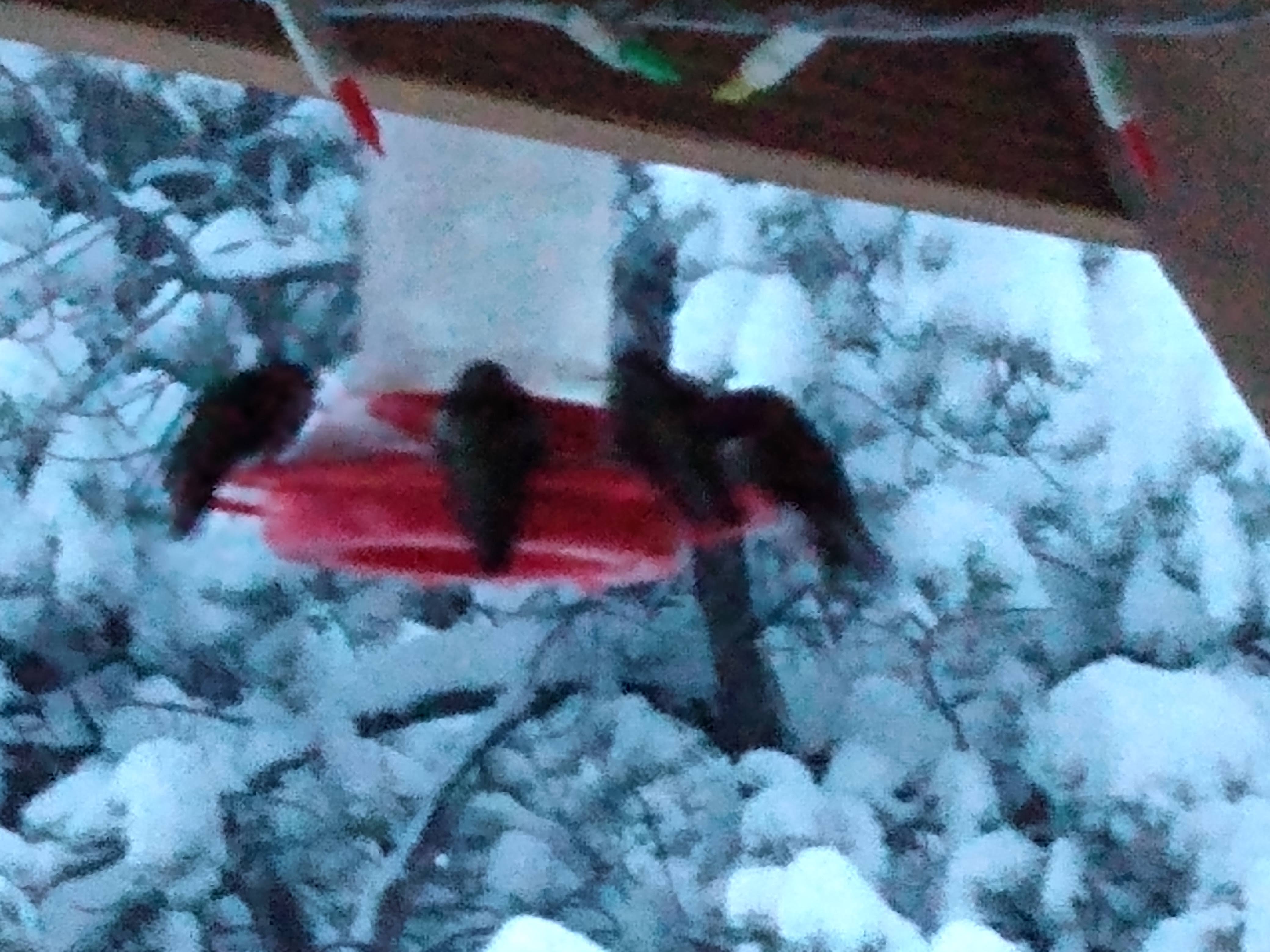


Hummingbirds consume mass amounts of food in order to maintain their high metabolisms. In situations where the food supplies are limited for some reason, like a surprise snow storm, they can find a perch and go into a torpor state to conserve its energy reserves, but for some reason, these hummingbirds remained frantically feeding all day.
I placed a fresh feeder under the porch where it would be sheltered for them, in order to up their food supplies. But, it was so cold that even that feeder was soon partially frozen. That didn’t stop them from feeding from it though. Below is a video I took from inside my cabin. My front porch was busy like this all day long. If nothing else, they provided good entertainment on a day when I was stuck indoors.
__________________________________________________________________

Kaye Lynne Booth lives, works, and plays in the mountains of Colorado. With a dual emphasis M.F.A. in Creative Writing and a M.A. in Publishing, writing is more than a passion. It’s a way of life. She’s a multi-genre author, who finds inspiration from the nature around her, and her love of the old west, and other odd and quirky things which might surprise you.
She has short stories featured in the following anthologies: The Collapsar Directive (“If You’re Happy and You Know It”); Relationship Add Vice (“The Devil Made Her Do It”); Nightmareland (“The Haunting in Carol’s Woods”); Whispers of the Past (“The Woman in the Water”); Spirits of the West (“Don’t Eat the Pickled Eggs”); and Where Spirits Linger (“The People Upstairs”). Her paranormal mystery novella, Hidden Secrets, and her short story collection, Last Call and Other Short Fiction, are both available in both digital and print editions at most of your favorite book distributors.
When not writing, she keeps up her author’s blog, Writing to be Read, where she posts reflections on her own writing, author interviews and book reviews, along with writing tips and inspirational posts from fellow writers. In addition to creating her own very small publishing house in WordCrafter Press, she offers quality author services, such as editing, social media & book promotion, and online writing courses through WordCrafter Quality Writing & Author Services. As well as serving as judge for the Western Writers of America and sitting on the editorial team for Western State Colorado University and WordFire Press for the Gilded Glass anthology and editing Weird Tales: The Best of the Early Years 1926-27, under Kevin J. Anderson & Jonathan Maberry.
In her spare time, she is bird watching, or gardening, or just soaking up some of that Colorado sunshine.
_______________________________________________________________________________
Join Kaye Lynne Booth & WordCrafter Press Readers’ Group for WordCrafter Press book & event news, including the awesome releases of author Kaye Lynne Booth. Get a free digital copy of her short story collection, Last Call and Other Short Fiction, as a sampling of her works just for joining.