Writer’s Corner: Doing the NaNoWriMo Thing
Posted: December 3, 2024 Filed under: Book Promotion, Books, NaNoWriMo, Science Fiction, Time travel, WordCrafter Press, Writing | Tags: Books, Creative Writing, Kaye Lynne Booth, NaNoWriMo, Novel, The Rock Star & the Outlaw, WordCrafter Press, Writer's Corner, Writing, Writing to be Read 12 Comments
This was my third year participating in NaNoWriMo. The first year I gained confidence when I learned that I was more than capable of making the daily word count goal, something I was unsure of when starting out. At that time, 1,667 sounded like an awfully lot of words, but I did it most of the days in November, and when I didn’t do it, I made up for it on the days I wrote two thousand or more, and by the end of the month of November, I had exceeded the overall word count goal of 50,000. (For the sake of transparency, I started with a partial manuscript, so although technically I was successful, I did not write enough new material to make the goal.)
Last year, 2023, I was well on my way to being successful, this time for real, and it was coming down to the last week, when my computer crashed and I was digitally down, making it impossible to complete the challenge. From this, I learned that it isn;t the end of the world to not finish, and I still feel that if my computer hadn’t crashed, I would have successfully met the challenge. I was making or exceeding the daily word counts each day and was on schedule to finish early, before the end of the month.
This year I went into NaNoWriMo with a very positive attitude. I knew I could make the daily word count, so I didn’t stress about it, but I did paln for it. I approached with a plan to implement strategies which had been successful in the past, and a good working plot outline, so I would be clear on where the story was going. Last year, I had abandoned the time blocking strategy which I’d implemented the first year, for an “ass-in-chair, write-the-book” strategy which I’d learned from one of my graduate school professors. (Don’t get me wrong, time blocking is a valid strategy for some people. It just wasn’t effective for me.)
At first, things seemed to go pretty smoothly, until life got in the way during the first week out, when where I live received almost four feet of snow and I was snowbound for four straight days. I didn’t think it would ever stop. It just kept coming. But even with all the shoveling I had to do, and the firewood I had to split to stay warm, I was able to meet my daily word count goal in the evenings. It started snowing on Wednesday, and when I was finally able to get out, on Monday, the 11th, I had to go to work at my day job. I was so tired, that I wasn’t able to make my word count for the first time. I fell asleep in front of my computer at 8:30 p.m. that night with only 634 words for the day.
But, I found that it wasn’t the end of the world that I didn’t get the badge for making the word count goal every day. And I made up the words I’d missed getting down the very next day, with a total word count for the day of 2624. It’s amazing what a decent night’s sleep will do for you. I really do write better if I take care of myself properly, and that proved it. It is also important to take time out for yourself, even though you may be pushing to make a word count goal or a deadline on a writing project. I’ve been looking forward to each new episode of Tulsa King, with Sylvester Stallone, each Sunday, after my shift at work, and I’ve learned that I can watch an hour or two of television and still get my word count done. This is something I had to teach myself. For the first two years I took the challenge, I took every moment I had to write, like a driven person, and now I’m finding that I’m more productive when I block out time for other things, too.
In the end, I didn’t make it. My Internet went down on the last day, so I didn’t get to log my last days totals anyway. (That is also why this Monday blog segment isn’t coming out on Monday. I just got my Internet back up and running this evening.) My total on November 30th was around 43,000 words. Not quite making the goal, but you know what?
It’s okay, because I’m still working on it everyday and I currently have 45,630 words of my story. I started out from a blank page this year. That’s not bad for a month’s time. And it’s a fantastic start toward the completion of the novel.
What I Learned
- I learned that if I just keep at it, the book will take shape
- I learned that my style of edit as you go is okay. It’s a part of my writing process and it works for me and I end up with a much cleaner first draft. It’s necessary for me in order to obtain the proper foreshadowing and also when planting the little easter eggs which helps connect the books for series readers.
- I learned that thinking about time travel sometimes makes my head hurt. It’sa lot to wrap your head around, and it’s easy to get your plot lines twisted when writing about it. Also another reason to edit as I go. With time travel, changing one thing may change several others, jumping from chapter to chapter for revisions became common place for me with this book.
- I learned to use multiple P.O.V.s to make the plot flow smoothly. This was the most P.O.V.s I’ve ever used in a story.
- I learned how to write in multiple subplots – again, the most I have ever tried to use – and multiple time periods.
About the Book
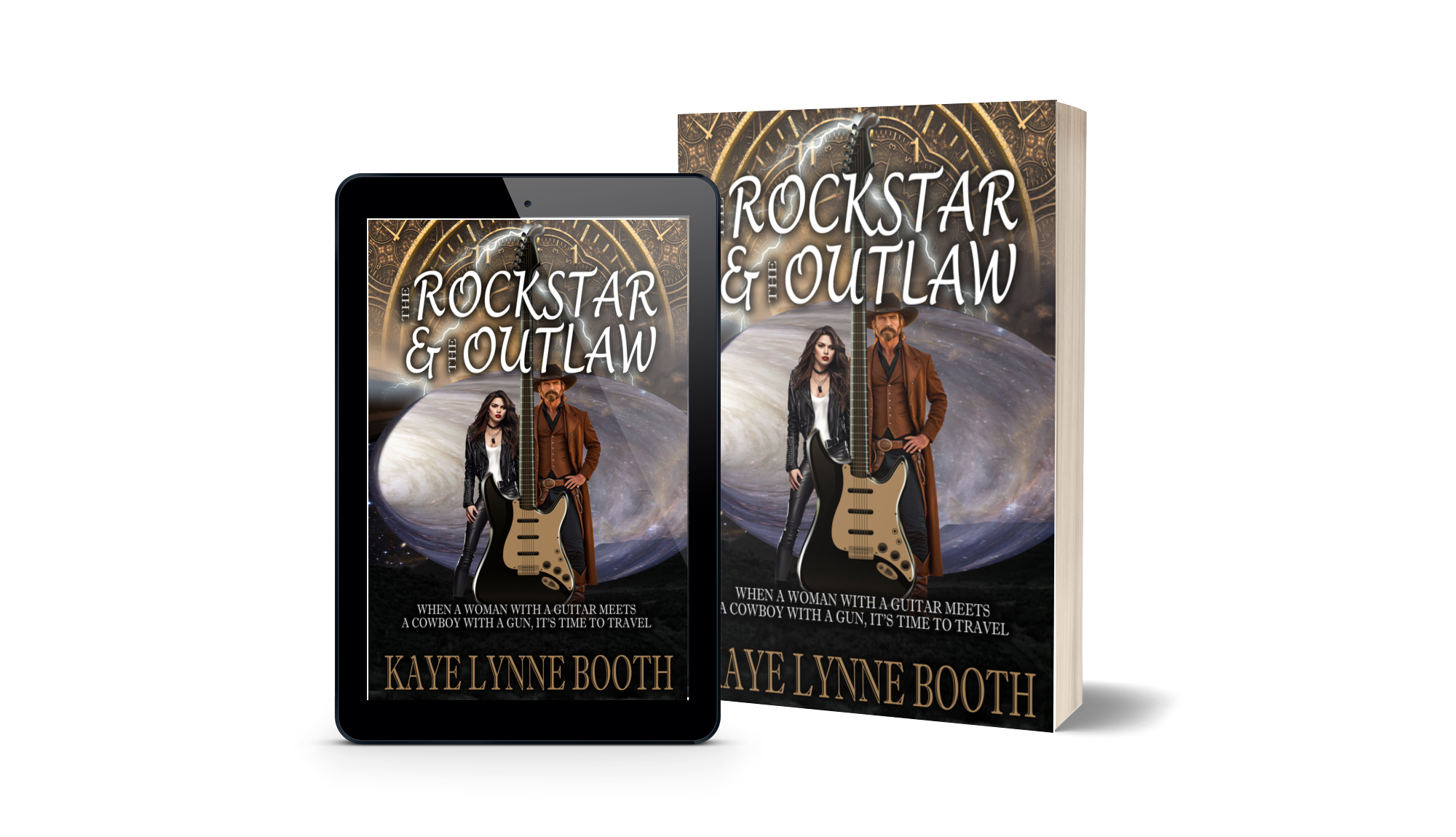
There is not a lot I can tell you about the second Time Travel Adventure Series book without throwing out huge spoilers to those who haven’t read book 1, The Rock Star & The Outlaw. Although each book can be read as a stand alone, book 2 has references to events in the first book and they are complimentary to one another. Book 2 picks up where the first book leaves off, which is why I can’t explain further without giving away the ending of the first book.
I’m having a lot of fun writing this book, maybe even moreso than I did with the first. Like the first, this one has musical inspiration, with song titles for chapter titles and a playlist in the front of the book. By having mutlple P.O.V.s, it opened this one up to even more music artists and songs. And by dealing with temporal loops, it allowed me the opportunity to change events which occured in the first book, creating a whole new story stemming from the same events. It is a crazy, wild ride and you never know where the characters will end up.
I can’t say too much about the new book, but I can share the book trailer for book 1, The Rock Star & The Outlaw, which is also a wild ride through time, for those who haven’t read it yet.
The Rock Star & The Outlaw
_______________________________________
This post is sponsored by WordCrafter Press
Share this:

Time is Running Out to Get the 2024 Novel Writing Story Bundle
Posted: November 24, 2024 Filed under: Book Promotion, Books, Nonfiction, Story Bundle, Writing, Writing Resource | Tags: 2024 Novel Writing Story Bundle, Author, Book Review, Books, Story Bundle, The D.I. Y. Author, WordCrafter Press, Writing, Writing Resorce Leave a comment
If you’re an author who wants to improve your craft, publishing expertise and marketing know how, (and who doesn’t?), this Story Bundle is a must have for you. IT’s only available through the end of November, so don’t wait! Get your 2024 Novel Writing Story Bundle today.
You can get your 2024 Novel Writing Story Bundle here: https://storybundle.com/writing
Why Buy the 2024 Novel Writing Story Bundle?
For StoryBundle, you decide what price you want to pay. For $5 (or more, if you’re feeling generous), you’ll get the basic bundle of four books in .epub format—WORLDWIDE.
- Romance Character Tropes by Tara Grace Ericson and Jessica Barber
- Dollar by Dollar by Kerrie Flanagan (Story Bundle Exclusive)
- Essoe’s Guides to Writing: Mood and Atmosphere by Joshua Essoe
- Booking the Library by Jessica Brawner
If you pay at least the bonus price of just $20, you get all four of the regular books, plus 9 more books, for a total of 13 (with 5 StoryBundle Exclusives), plus a year’s subscription to Indie Author Magazine!
- Super Secrets: Illustrated by Wulf Moon
- Falling to Fly by Todd Fahnestock
- From Page to Platform: How to Succeed as an Author Speaker by Matty Dalrymple and Michael La Ronn
- A Writer’s Guide to Branding for Success by Mark Leslie Lefebvre (StoryBundle Exclusive)
- On Being a Dictator by Kevin J. Anderson (StoryBundle Exclusive)
- Word by Word by Kerrie Flanagan (Story Bundle Exclusive)
- The D.I.Y. Author by Kaye Lynne Booth
- Steps to Self-Editing by Jana S. Brown
- Wit and Wisdom by Craig Martelle (StoryBundle Exclusive)
- Indie Author Magazine: One Year Subscription by Indie Author Magazine
This bundle is available only for a limited time via http://www.storybundle.com. It allows easy reading on computers, smartphones, and tablets as well as Kindle and other ereaders via file transfer, email, and other methods. You get a DRM-free .epub for all books!
More About this great Story Bundle
You can find out more about the books in this Story Bundle at the links below.
Writer’s Corner: Using Story Bundle to Sell Books: https://writingtoberead.com/2024/10/21/writers-corner-using-story-bundle-to-sell-books/
Review in Practice: Dollar by Dollar & Word by Word: https://writingtoberead.com/2024/11/06/review-in-practice-word-by-word-and-dollar-by-dollar/
Review in Practice: Wit & Wisdom, Romance Character Tropes, & Steps to Self-Editing: https://writingtoberead.com/2024/11/18/review-in-practice-wit-wisdom-romance-character-tropes-steps-to-self-editing/
_______________________________________
This post is sponsored by The D.I.Y. Author and WordCrafter Press.
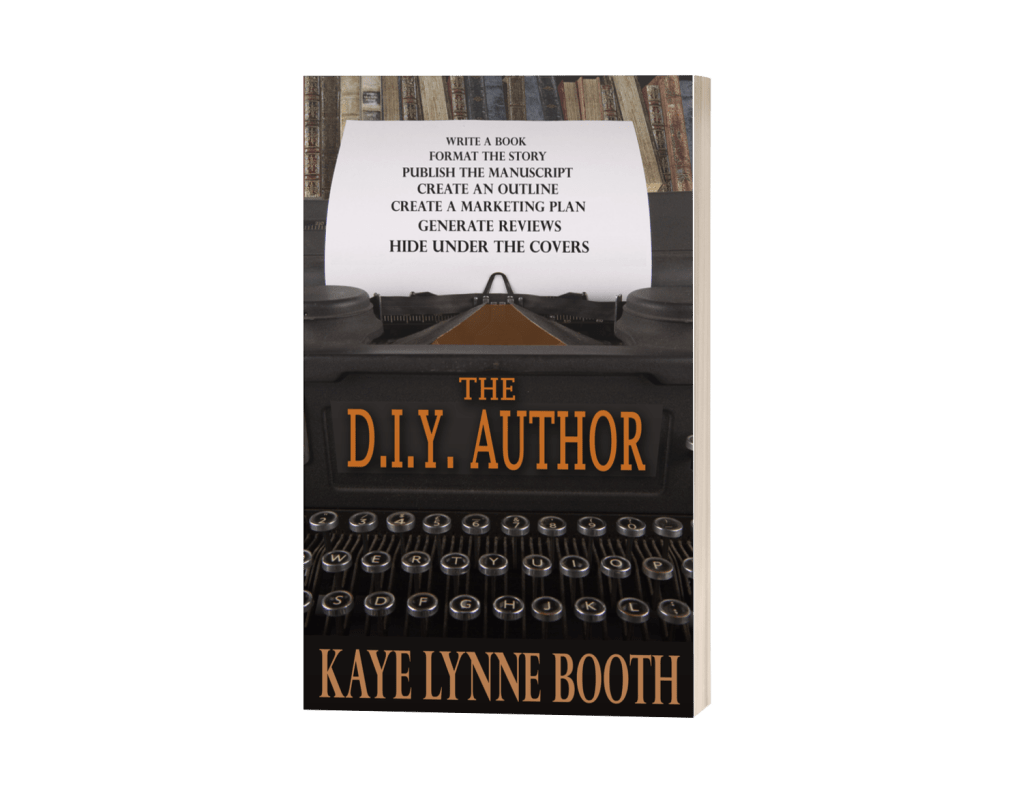
Being an author today is more than just writing the book. Authors in this digital age have more opportunities than ever before. Whether you pursue independent or traditional publishing models, or a combination of the two, being an author involves not only writing, but often, the publishing and marketing of the book.
In this writer’s reference guide, multi-genre author and independent publisher, Kaye Lynne Booth shares her knowledge and experiences and the tools, books, references and sites to help you learn the business of being an author.
Topics Include:
Becoming Prolific
Writing Tools
Outlining
Making Quality a Priority
Publishing Models & Trends
Marketing Your Book
Book Covers & Blurbs
Book Events—In Person & Virtual
And more…
Purchase your copy today: https://books2read.com/The-DIY-Author
Share this:

Writer’s Corner: Using Story Bundle to Sell Books
Posted: October 21, 2024 Filed under: Book Sales, Nonfiction, Story Bundle, Writer's Corner, Writing, Writing Business, writing craft, Writing Life, Writing Resource | Tags: 2024 Novel Writing Story Bundle, book marketing, Book Sales, Books, Self-Publishing, Story Bundle, The D.I. Y. Author, Writer's Corner, Writing 9 Comments
As many of you may know, if you follow Writing to be Read, The D.I.Y. Author is included in the Novel Writing Story Bundle, organized by Kevin J. Anderson. But what you may not know is how useful Story Bundle is as a marketing tool. The fact is, it’s a great way to sell books.
This is the second Story Bundle in which I have had a book included. Back in 2022, Ask the Authors 2022 was included in the Writer’s Toolkit Story Bundle, also organized by KJA. That bundle sold quite well and WordCrafter and the contributing authors made a little bit of money from it. This year, the Novel Writing Story Bundle promises to do just as well, if not better, so I highly recommend it.
What is Story Bundle?
What Story Bundle is, is a platform that gathers together several authors with books in the bundle category, whether it is writing references, such as the two I’ve had books in, fantasy books, science fiction books, or romances, etc…, and they all get together virtually and cooperatively market and promote the whole bundle. This extend’s the reach of single authors immensely, and I can testify to the fact that their efforts are effective. By using the power of the masses, promotions are found on all of the social media sites, not just those of any one single author, and it gets your book in front of the readers of every author in the bundle. But I’m just an author with a couple of books in a couple of Story Bundles, and I’m still learning, too. So to give you all the details, I chatted with Story Bundle founder, Jason Chen, to let him tell you what Story Bundle is, how it works, and what the advantages are.
Interview with Jason Chen
Kaye: What inspired the idea for Story Bundle?
Jason: I started StoryBundle all the way back in 2012 because back then, the concept of bundling similar books in one package hadn’t been done yet! Selfishly, I wanted somebody to make bundles of similar books—if you like this book/author, then you’ll like all THESE—and because nobody had, then I saw the need for it. Also, in 2012, the indie authors were lacking for a place to reach more readers, which made it a perfect fit for letting folks discover authors they would have a hard time finding otherwise.
Kaye: Story Bundle uses the power of numbers, gathering many authors together and offering their books as a group, rather than individually. Could you explain the advantages of having a book included in a Story Bundle?
Jason: Not only does being part of a StoryBundle get you in front of the StoryBundle fans, but the core concept is that it gets you readers from other authors who write in similar genres as you. Because all our bundles are curated, the books in them make sense together, which means that if you like one author in it, you’re more than likely to like another. So getting awareness of your books out to fans who already like the genre is a big plus.
Kaye: What determines whether a book is included in the original bundle for the minimum amount , or as a bonus book for a larger donation?
Jason: There’s no secret to the sauce. The curator and I work together to make sure both the regular bundle and the bonus bundle are balanced for the amount that they cost. Sometimes an author will be in the bonus bundle and if they’re in another bundle, they’ll be in the regular bundle. It depends on what makes sense for that particular bundle.
Kaye: The Novel Writing Story Bundle is the second Story Bundle which I’ve been a part of, mainly because I am fortunate enough to know Kevin J. Anderson, who organizes the ones I’ve participated in. I know other big authors like Dean Wesley Smith and Kristine Katheryn Rusch organize them, too. But how do you get into a Story Bundle if you don’t know someone organizing one? Can you create your own?
Jason: Yes! The only caveat we have is that (99% of the time) the bundles are curated by someone who’s been in a bundle before. Once you’ve been in a bundle, you understand what the bundle is about and what makes for a good bundle and what works for participating in a bundle. This way you know which authors to look for when you’re assembling one. You work with us to figure out a genre that you want, and we refine the idea and can help you get in touch with some other publishers if you need to.
Kaye: Both Story Bundles I’ve had books in are writing resource bundles. Can you make a story bundle of any genre?
Jason: Yes, any genre is fine, but to get a little inside baseball, there are a couple of genres that don’t do well on StoryBundle. The biggest one is romance, which for whatever reason doesn’t appeal to StoryBundle readers. But even more of a surprise is that romance authors’ own fans don’t really enjoy the bundling concept—at least on StoryBundle. We’ve tried all types of romance bundles in all varieties of flavors, but none of them ever have good uptake.
Kaye: Is there a cost to organize your own Story Bundle?
Jason: There’s no cost to curating a bundle!
Kaye: Now I know why as an author, I might want to have my books in a story bundle. But why would readers wnat to buy books through Story Bundle? What are the benefits to readers in purchasing a Story Bundle?
Jason: As a reader, there are a few benefits. First, there’s just the core concept of vetting—we choose our books carefully with our curators, and they have to meet a certain bar of quality to get in. Of course, it’s impossible to guarantee that you’ll like all the books in the bundle, but if you already like one or two of the authors in it, you’re likely to enjoy the rest.
There are other tangible benefits, such as getting DRM-free copies of books that you can load on any ereader, tablet or phone without having to worry about compatibility. You’ll also support indie authors and be able to donate to a worthy cause!
Kaye: Does every Story Bundle donate to charity?
Jason: Every bundle has a charity donation, but it’s up to each person if they want to donate part of their purchase to charity. If they don’t, that’s perfectly fine!
Kaye: What types of charities does Story Bundle support?
Jason: We have a long list of charities that we’ve supported before, from literacy charities, animal charities, science and gaming charities, to health and medicine and worldwide refugee focused charities, so there’s no real limit to what can be a charity target for StoryBundle. If there’s a specific one that a curator would like to have in their bundle, we can make it work!
Would you like your book to be in a Story Bundle?
Now that I know what it takes to currate a Story Bundle, I’m thinking of trying one of my own, because I know that they sell books. Since I’m a multi-genre author, I could do western, women’s fiction, paranormal, science fiction, dark fiction, or children’s books. If you’re interested let me know and tell me what genre(s) you write in. Either let me know in the comments, or email me at KLBWordCrafter@gmail.com. Let’s see if we can get together and sell some books.
About the Novel Writing Story Bundle
The Novel Writing Story Bundle features writing references on writing craft, writing business, and the writing life, which should be on every author’s bookshelf. In addition to my own The D.I. Y. Author, which is a bonus book, there are also featured Dollar by Dollar and Word by Word, by Kerrie Flanagan; Romance Character Tropes, by Jessica Barber and Tara G. Ericson; Booking the Library, by Jessica Brawner; Kevin J. Anderson’s On Being a Dictator; Steps to Self-Editing, by Jana S. Brown; A Writer’s Guide to Branding Success, by Mark Leslie Lefabvre; Mood & Atmosphere, by Joshua Essoe; From Page to Platform, by Matty Dalrymple and M.L. Ronn; Wit & Wisdom, by Craig Martelle; Wulf Moon’s Illustrated Super Secrets of Writing, volume 1; Falling to Fly, by Todd Fahnestock; and a year’s subscription to Indie Author Magazine. That’s 13 writing references plus the magazine subscription. What a deal!
A note on the designated charity for this StoryBundle, the Neil Peart Brain Cancer Research Fund from Cedars Sinai. In 2020 we lost Neil Peart, legendary drummer and lyricist for the rock band Rush, to glioblastoma. He was my mentor, friend, and collaborator on numerous books, and his loss affected me deeply. Neil’s friends and colleagues and fans worldwide have contributed to this glioblastoma research fund in Neil’s name, and we are proud to add our efforts on this Novel Writing StoryBundle as well. – Kevin J. Anderson
You can get in on this great Story Bundle here: https://storybundle.com/writing
About Author Kaye Lynne Booth

For Kaye Lynne Booth, writing is a passion. Kaye Lynne is an author with published short fiction and poetry, both online and in print, including her short story collection, Last Call and Other Short Fiction; and her paranormal mystery novella, Hidden Secrets; Books 1 & 2 of her Women in the West adventure series, Delilah and Sarah, and her Time-Travel Adventure novel, The Rock Star & The Outlaw. Kaye holds a dual M.F.A. degree in Creative Writing with emphasis in genre fiction and screenwriting, and an M.A. in publishing. Kaye Lynne is the founder of WordCrafter Quality Writing & Author Services and WordCrafter Press. She also maintains an authors’ blog and website, Writing to be Read, where she publishes content of interest in the literary world.
______________________________________________
This post is sponsored by The D.I.Y. Author and WordCrafter Press.
Being an author today is more than just writing the book. Authors in this digital age have more opportunities than ever before. Whether you pursue independent or traditional publishing models, or a combination of the two, being an author involves not only writing, but often, the publishing and marketing of the book.
In this writer’s reference guide, multi-genre author and independent publisher, Kaye Lynne Booth shares her knowledge and experiences and the tools, books, references and sites to help you learn the business of being an author.
Topics Include:
Becoming Prolific
Writing Tools
Outlining
Making Quality a Priority
Publishing Models & Trends
Marketing Your Book
Book Covers & Blurbs
Book Events—In Person & Virtual
And more…

Purchase your copy today: https://books2read.com/The-DIY-Author
Share this:

Writer’s Corner: Being Prolific
Posted: July 9, 2024 Filed under: Books, WordCrafter Press, Writer's Corner, Writing, Writing Life, Writing Resource | Tags: Author, Becoming Prolific, Books, Kaye Lynne Booth, Publishing, The D.I.Y. Author, WordCrafter Press, Writing 2 CommentsWhen I hear the word prolific, I think of Kevin J.Anderson, who puts out between 7-9 books per year. He’s one of the most prolific writers that I know of, although veteran bestselling authors, Dean Wesley Smith and Kathryn Christine Rusch, may rival, or even surpass him. But we cannot all be that prolific. But we can learn from authors like these, who have spent their lifetimes writing professionally, and making a decent living at it.
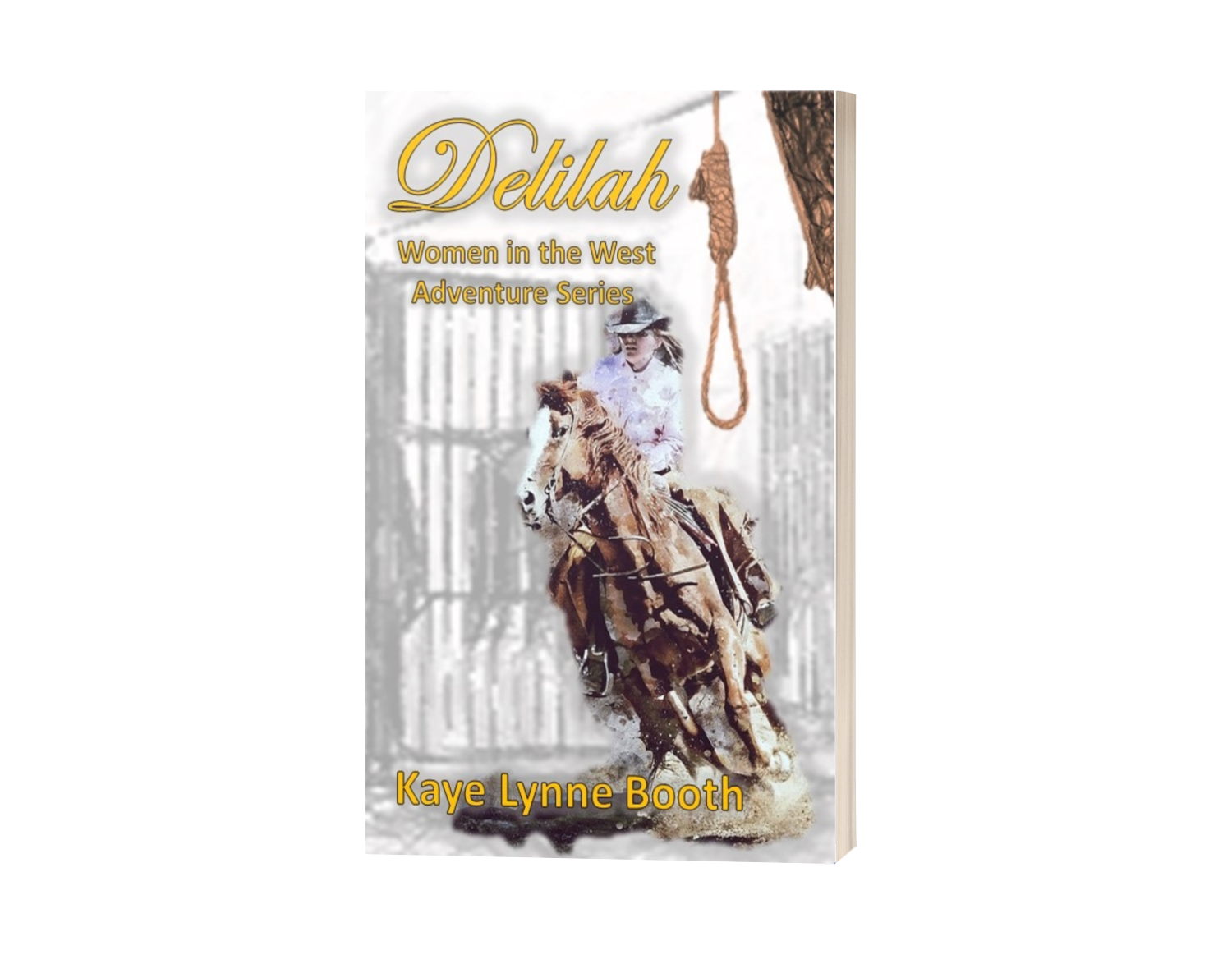
For many years, I did not know how to be prolific. Delilah took me three years to write, and then I worked almost another year revising it to re-release as the first book in the Women in the West Adventure Series. I even wrote a post in about accepting the fact that “We Can’t All be Prolific” because of how not-prolific I was back in 2022. It was something which I didn’t know could be changed or how to go about changing it.
Since then, I’ve learned a few things that have helped me to become more prolific, and I’m now publishing between 5 – 8 books per year. That’s why the first section of The D.I.Y. Author is dedicated to the methods I’ve used to increase my productivity and become a more prolific author; because I wanted to share some of the methods I’ve used to increase my writing productivity. By becoming prolific, I’ve been able to get my name out there where it can be recognized and having more products, in this case, books, to sell. When you publish 5 books per year, that’s 5 different chances to reach new readers, but its also five chances to remind current readers that you’re still around and active.
The following, are tips that I’ve accumulated, from The D.I.Y. Author.
Becoming Prolific
- Outlining: Creating at least a working outline to help guide the direction of your story. If you have an idea of where you are going before you start, you can get words on the page faster.
- Doubling Down on Research and Promotional Materials: Research is something that needs to be done for every book, regardless of genre. If you can find other uses for this same research, you can essentially make it do double duty. For example, during the historic research I did for the Women in the West Adventure Series, I uncovered many interesting facts that may or may not have been used in the story, and could also be used to make interesting blog posts for the tours for their releases, thus becoming a marketing tool, as well as a good story inspiration. Or you can use the same inspiration for a second story in some cases.
- Write the Damned Book: Just sit down and write. It’s a simple piece of advice, but one many authors, or would-be authors, fail to recognize. In The D.I.Y. Author, I offer a couple of methods of achieving the desired results, including Binge Writing, which isn’t always for everyone, and Persistant Determination, which is plugging away at it every chance you get.
- NaNoWriMo: The principle is to set aside the month of November to work exclusively on your novel at every opportunity and setting a daily wordcount which will allow you to reach a goal of 50,000 words within that timeframe. But you don’t need to wait until Novemeber to do this. Just set aside a 30 day period and dedicate to writing your story. I use NANoWriMo to get a start on one of the two novel length works I write and publish each year. In the book, I offer a couple of strategies for making the most of your time, including Time Blocking, and Tracking Your Word Count.
- Dictation: This is a strategy for becoming prolific that isn’t right for everyone, but works well for those who are comfortable with it.
- Networking and Collaborations: It takes longer to write a novel length work than it does to write a short story or two to include in an anthology, and it’s a great way to add more titles to your author pages. Through WordCrafter Press, I publish at least two anthologies per year, and sometimes more.
- Maximizing Your IP: Intellectual Property are the rights to your creative endeavors, or copyright, and an author needs to understand their copyrights, and take care not to sign away more than absolutely necessary when entering into a contract with a publisher. It is also important to understand when your rights will be returned, because when you hold the copyright, you can use that work in any way which you deem fit, allowing your writings to do double, or even triple duty.
- Optimizing Your Backlist: Many authors don’t put a lot into their backlist, but there are things you can do to keep your backlist items in front of readers’ eyes and on their minds, such as creating multiple formats, special editions, and price promotions.
- Taking Care of Mind, Body & Spirit: Keeping yourself healthy is also condusive to being prolific, as we all write better when our minds are sharp and alert, out bodies are well rested and healthy, and we have a place of our own, dedicated to writing.
- Outsourcing: When there is too much for one person to do it all, and believe me there will be, outsourcing certain tasks can be of great advantage, even to the D.I.Y. author.
Why Become Prolific?
To put it simply, the more prolific you are, the more books you have to sell. The bigger your library of books, the more opportunities for readers to discover you and your writing.
I’ve offered a basic list of the methods I’ve used to become more prolific. Some have worked better than others for me and I talk about them in more depth in The D.I.Y. Author. To learn more, you can get your copy from your favorite retailer here: https://books2read.com/The-DIY-Author.
____________________________________
About Kaye Lynne Booth

For Kaye Lynne Booth, writing is a passion. Kaye Lynne is an author with published short fiction and poetry, both online and in print, including her short story collection, Last Call and Other Short Fiction; and her paranormal mystery novella, Hidden Secrets; Books 1 & 2 of her Women in the West adventure series, Delilah and Sarah, and her Time-Travel Adventure novel, The Rock Star & The Outlaw. Kaye holds a dual M.F.A. degree in Creative Writing with emphasis in genre fiction and screenwriting, and an M.A. in publishing. Kaye Lynne is the founder of WordCrafter Quality Writing & Author Services and WordCrafter Press. She also maintains an authors’ blog and website, Writing to be Read, where she publishes content of interest in the literary world.
____________________
This post is sponsored by The D.I.Y. Author and WordCrafter Press.
Being an author today is more than just writing the book. Authors in this digital age have more opportunities than ever before. Whether you pursue independent or traditional publishing models, or a combination of the two, being an author involves not only writing, but often, the publishing and marketing of the book.
In this writer’s reference guide, multi-genre author and independent publisher, Kaye Lynne Booth shares her knowledge and experiences and the tools, books, references and sites to help you learn the business of being an author.

Topics Include:
And more…
Becoming Prolific
Writing Tools
Outlining
Making Quality a Priority
Publishing Models & Trends
Marketing Your Book
Book Covers & Blurbs
Book Events—In Person & Virtual
Purchase your copy today: https://books2read.com/The-DIY-Author
Share this:

Undawntech: The Creative, Ethical, and Legal Considerations of Artificial Intelligence in the Creative Writing Field
Posted: July 5, 2024 Filed under: AI Technology, Technolgy, Undawntech, Writing | Tags: ai, AI Technology, artificial-intelligence, Publishing, Publishing Contracts, technology, Undawntech, Writing, Writing to be Read 1 Comment
There are different types of artificial intelligence. AI, ASI, ANI, AGI- the acronyms continue to be created in order to name the newest innovations in the software industry. According to Merriam-Webster, artificial intelligence (AI) is: the capability of computer systems or algorithms to imitate intelligent human behavior.
https://www.merriam-webster.com/dictionary/artificial%20intelligence
Another illustration is (Artificial) superintelligence (ASI), and it is defined as:an entity that surpasses humans in overall intelligence or in some particular measure of intelligence.
https://www.merriam-webster.com/dictionary/superintelligence
If you would like to read the technical aspects of what artificial narrow intelligence, artificial general intelligence, and artificial superintelligence are, then read this article by IBM: What is artificial superintelligence?
https://www.ibm.com/topics/artificial-superintelligence
For the creative mind, artificial intelligence, or AI, has its pros and cons. Drawbacks: some writing agents, publishers, and even story contests have distanced themselves from the AI revolution. These entities will not accept anything AI assisted or produced, so be sure to read the fine print before submitting your creative works. Advantages: AI can help elevate works for better understanding, assist writers with word and grammar choices, and reformat content for a wider appeal.
On the Authors Guild’s site, it has an article called, AI Best Practices for Authors, the uses, misuses, and abuses of AI are discussed. The site also frames the need for disclosure. As a matter of ethics, if a writer uses AI in their writing process, it is best to disclose this fact to their readers, editors, and publishers.
https://authorsguild.org/resource/ai-best-practices-for-authors
There are other angles to the use of artificial intelligence: the contracts writer’s sign. Are you comfortable that a corporation uses your copyrighted work to train their AI systems? Would you find that using your copyrighted content without compensation is beyond the legal jurisdiction for corporations?
What may be the most important part of the writing process is the contractual nature of AI. In the section, Preventing Your Publisher from Using Your Work in AI or using AI to Produce Aspects of Your Book, the writer gives contractual clause examples for authors to use.
“We have drafted a model clause that authors and agents can use in their negotiations that prohibit the use of an author’s work for training AI technologies without the author’s express permission. Many publishers are agreeing to this restriction, and we hope this will become the industry standard.
Keep in mind, however, that this clause is only intended to apply to the use of an author’s work to train AI, not to prohibit publishers from using AI to perform common tasks such as proofing, editing, or generating marketing copy. As expected, publishers are starting to explore using AI as a tool in the usual course of their operations, including editorial and marketing uses, so they may not agree to contractual language disclaiming AI use generally. Those types of internal, operational uses are very different from using the work to train AI that can create similar works or to license the work to an AI company to develop new AI models. The internal, operational uses of AI don’t raise the same concerns of authors’ works being used to create technologies capable of generating competing works.
We have recommended clauses in which publishers agree not to use AI to translate, produce cover art, or narrate an audiobook without the author’s permission. While we have heard that some publishers are rejecting an outright prohibiting of AI use to create translations, cover art, and audiobooks, publishers are sometimes granting authors a right of approval over the translator, design, and narrator of their book, which effectively gives authors control over rejecting AI translation and narration.”
Here is the model clause link: https://authorsguild.org/news/model-clause-prohibiting-ai-training.
The recommended clauses link: https://authorsguild.org/news/ag-introduces-new-publishing-agreement-clauses-concerning-ai.
How you use either or neither is up to the individual author. Artificial intelligence has skewed the creative writing field’s understanding of fair use, fair play, and fair market value forever. To protect copyrights from the AI revolution, the creative field will need to participate in the legislative process and pass laws. Additions to the already corporate copyright definitions will be difficult, especially in asserting individual and independent rights that counter mutlinationals’ demands for dominance. If creators of copyrighted content became a force within the industry, then changes to the current copyright laws could evolve to protect the weekend warrior writer to the mega publishing houses alike.
As writers, editors, and publishers embrace or reject the use of AI, professionals need to stay ahead of the curve creatively, ethically, and legally.
_____

DL Mullan holds a Master of Arts in Teaching and Learning with Technology.
Her lecture, Spacescapes: Where Photography Ends; Imagination Begins, debuted at the Phoenix Astronomy Society, which then led to her Sally Ride Festival lecture invitations. Her presentation, Bridging the Gap between Technology and Women, won her accolades at a community college’s Student Success Conference. She has been a panelist at speculative fiction, science fiction, and other regional conventions. Her digital exhibition pieces have won awards at convention art shows, as well as garnered her Second Premium at the Arizona State Fair. Currently, Ms. Mullan’s artistic renditions are seen on book covers, blog sites, video presentations, and various merchandise. As an independent publisher, she uses her technical background to innovate the creative arts.
As a writer, DL Mullan loves to stretch her imagination and the elasticity of genres. She writes complex multi-genre stories in digestible and entertaining forms, be it poetry, short fiction, or novels. Her science, history, mythology, and paranormal research backgrounds are woven into her writings, especially in Undawnted’s Legacy Universe. Ms. Mullan’s creative endeavors are available in digital and print collections, from academia to commercial anthologies. She is also an award-winning poet.
Be sure to subscribe to her newsletters and follow her on social media. For further information, visit her at www.undawntech.com and www.undawnted.com.
____________________________________________
This segment of Undawnted is sponsored by The D.I.Y. Author and WordCrafter Press.
Being an author today is more than just writing the book. Authors in this digital age have more opportunities than ever before. Whether you pursue independent or traditional publishing models, or a combination of the two, being an author involves not only writing, but often, the publishing and marketing of the book.
In this writer’s reference guide, multi-genre author and independent publisher, Kaye Lynne Booth shares her knowledge and experiences and the tools, books, references and sites to help you learn the business of being an author.
Topics Include:
- Becoming Prolific
- Writing Tools
- Outlining
- Making Quality a Priority
- Publishing Models & Trends
- Marketing Your Book
- Book Covers & Blurbs
- Book Events—In Person & Virtual
- And more…

Purchase your copy today: https://books2read.com/The-DIY-Author
Share this:

Something New: The WtbR Monthly Story Challenge
Posted: June 10, 2024 Filed under: Beginnings, Stories, Writing, Writing Challenge, WtbR Story Challenge | Tags: Improvisational writing, Writing, Writing to be Read, WtbR Story Challenge Leave a commentI want to shake things up a bit on this blog. I’d like to stir up more reader engagement. So, I thought it might be fun to run a monthly story challenge and see if I couldn’t entice some of you to play along.
I got the idea from Story Wars, a group of authors who hold live writing events twice a month in Cleveland, Ohio and are doing impromptu writing and story telling a little differently. They will be doing an live event at the Author Nation Conference in Vegas, which is what used to be the 20Booksto50k Conference, under new ownership, now hosted by Author Nation.
What they do sounded like a lot of fun, so I thought I’d try something similar here on the blog. Here’s how it will work. Each month I will provide a story prompt in my post and then you all can take that and sit down to write for 30 minutes to see what you come up with. It can be any genre, just let your voice come through and shine.
Now I know that’s not enough time to write a complete story, of course. But it is enough to give you a good start. Publish the results on your blog and send the link to me by the last day of the month. Be sure to label them with #WtbRStoryChallenge. Or, if you don’t have a blog, you can send the results directly to me, and I will publish them the following month along with the writing prompt for the next month.
Now here’s the fun part. Each reader can vote in the comments for the story beginning they like best in the comments, even if you are a participant in the challenge. You can vote for your own story, or for someone else’s that you honestly feel is best. And each month last month’s winners will be announced. The top three will receive an invitation to finish the story and submit it to WordCrafter Press for inclusion in an anthology.
And of course, if you have a good start, you can always finish the story, even if you don’t get an anthology invitation. And I hope you do.
Winners will be announced the following month, after voting and I will continue to post winners after the challenge ends.
Now this is an experiment, so I’m running the series for six months just to see how it goes. If I’m not receiving any submissions, I may not run it that long, because the idea is to garner engagement from my reader community. But I hoping there will be interest in this fun writing exercise as way to flex writing muscles you may not use in your usual writing processes. If the response is high, and I see that there’s interest, I may decide to continue it longer.
Story Wars is a live event, so its participants really must improvise. There’s no time to outline or plot. Since this challenge is not live, you all will have time to think about what you want to write. I do ask that you don’t resort to formal plotting or outlining, as testing out those improv skills is a big part of the fun. The idea is to let your voice take the reins and run with it. Your story can be silly or serious, scary or romantic, mysterious or fantastical. And remember it is not expected to be a complete story, although hopefully you’ll be able to finish it, if you are voted a top three winner. Are you ready for some word play?
June Writing Prompt
Write a story based on a local or popular legend.
This month’s prompt should bring something to mind easily. We all know local legends or have heard one which is widely known. Pick your legend and write your tale based on it. It can be a retelling using your voice, but if you do this, please write the portion of a story which sets your story apart from previous tellings.
Stick to the rules and after 30 minutes of writing stop. I’ll be writing right along with you. I know the prompt ahead of time, but I won’t begin writing until it has posted. Be sure to have your entry to me by the last day of the month, so I can share them all for readers to vote on.
Another good thing about this not being a live event is you will have the opportunity to edit for grammar, spelling, and punctuation before submitting, and I do want it to be the best you’ve got, of course.
__________________
About Kaye Lynne Booth

For Kaye Lynne Booth, writing is a passion. Kaye Lynne is an author with published short fiction and poetry, both online and in print, including her short story collection, Last Call and Other Short Fiction; and her paranormal mystery novella, Hidden Secrets; Books 1 & 2 of her Women in the West adventure series, Delilah and Sarah, and her Time-Travel Adventure novel, The Rock Star & The Outlaw. Kaye holds a dual M.F.A. degree in Creative Writing with emphasis in genre fiction and screenwriting, and an M.A. in publishing. Kaye Lynne is the founder of WordCrafter Quality Writing & Author Services and WordCrafter Press. She also maintains an authors’ blog and website, Writing to be Read, where she publishes content of interest in the literary world.
_________________
This post is sponsored by The D.I.Y. Author and WordCrafter Press.
Being an author today is more than just writing the book. Authors in this digital age have more opportunities than ever before. Whether you pursue independent or traditional publishing models, or a combination of the two, being an author involves not only writing, but often, the publishing and marketing of the book.
In this writer’s reference guide, multi-genre author and independent publisher, Kaye Lynne Booth shares her knowledge and experiences and the tools, books, references and sites to help you learn the business of being an author.
Topics Include:
Becoming Prolific
Writing Tools
Outlining
Making Quality a Priority
Publishing Models & Trends
Marketing Your Book
Book Covers & Blurbs
Book Events—In Person & Virtual
And more…
Get your copy today: https://books2read.com/The-DIY-Author
Share this:

Undawntech: Weaponized Technology for the Growing Mind
Posted: June 7, 2024 Filed under: Technolgy, Undawntech | Tags: ai, artificial-intelligence, chatgpt, reality, technology, Undawntech, Writing, Writing to be Read 3 Comments
What is it about technology that humanity finds so attractive? Is it that our machinations do the hard work for us on assembly lines? Make life easier with central air and heating? Save lives through medicine? Create devices for us to communicate anywhere in the world?
Or has technology become a scourge, instead of the liberator?
Humans are the only apex predators on the planet who use weapons, not tools… but external to ourselves weapons. Science used to postulate that other animals did not use tools, but were surprised when raccoons were observed using rocks to break open shells and apes were observed using sticks to eat ants from tree stumps. Our definition of tool-users should be changed to reflect that humans use “tools” as weapons. Or, when is the last time science studied a knife wielding raccoon or a gun toting ape?
Humans devise technology as offensive and defensive weapons from automobiles, tanks, rockets to the atom bomb. Each can be used to thwart an attack or to attack another. In addition to physical objects created by humans for war, technology can be used to explore, control, and manipulate other humans for the sake of authoritative action.
Several centuries ago, the printing press freed humanity from an elite’s point of view. Humans could rise up against their oppressors and spread new ideas like a virus through whole kingdoms. As time passed, the printing press gave way to the television and eventually to the internet. How times have changed when one person’s opinion on a website can spark a community car wash or boycott of certain goods, services, or stores.
Technology has allowed humans to band together, as well as fall under ruthless guises. For example, student textbooks published to inform, enlighten, and educate our budding workforce have changed over the course of a century. Data, history, and other forms of information have been removed over the decades to create generations devoid of pertinent and important information about the world, their countries, religion, and communities. Children a few decades ago who knew the exact amount of change they would receive from a cashier are unable to do simple subtraction without the use of a calculator.
See the book: The Deliberate Dumbing Down of America, by Charlotte T. Iserbyt Thomson, who worked in President Ronald Reagan’s Department of Education, and she chronicled the conspiracy with government documents.
Instead of facts and figures, younger generations are being taught to revel in their emotions, and disregard their intuition and logic. This manipulation only serves those humans who covet power and control over life, liberty, and pursuit of happiness. How did this happen? When the printing press, television, and internet were weaponized against other humans by an elite few.
Just like the days of old where the priests and priestesses were the only avenues to the gods, today’s zealots are interested in using our advances in technology to create a false reality. Or, haven’t you questioned Building 7 from the World Trade Towers event in 2001 yet? Later, the Smith-Mundt Modernization Act of 2012 would solidify intelligence interference in American society, especially politics. With a new Pearl Harbor and propaganda pointed at Americans emplaced, the war on the average human commenced without much uproar, until internet censorship became another weapon of choice.
See, the white paper: The Project for a New American Century.
Readers asked what all the links and information from previous articles meant for the creative writer. If you are not of your own mind, because a few others have convinced you of their world view, then what has that influence done to your creativity? Are you writing your reality, or one thrust upon you, so that you convince others of how the world works? Believing instead of knowing through our own tactile, auditory, olfactory, emotive, and intuitive experience is one way to separate the human from reality. Hence, technology plays a crucial part in the real-life version of my story, “The Reality Hackers” (Visions, WordCrafter Press, 2022).
As creative writers, it is our responsibility to look beyond the constraints of technology and question what is with: What if? The emotional bonds to a construct are difficult to break with logical arguments and evidence. That is where the creative writer can insert… what if.
To illustrate, Global Warming and Climate Change have nothing to do with the combustion engine or fossil fuels. Humanity is not boiling the Earth. The symptomatology does, however, have a direct lineage to subverting the free market business model (capitalism) into a socialist, communist model, where an elite few own and control the means of production of the people. Sound familiar? It is the United Nations’ own Agenda 21, 2030, and MegaRegions 2050, written and planned by communists, the Soviet Union’s Mikhail Gorbachev and Canada’s Maurice Strong.
If people could step out of their own way and realize that the sun controls our planetary weather, including the jet stream, high/low pressure systems, tornadic activity, ocean currents, hurricane development, and earthquakes, then humanity could have an honest conversation about the Magnetic Pole Reversal that Earth is undergoing at the present moment, like it does every six to twelve thousand years, which culminates in the Earth flipping over and the sun releasing a mega flash that would make the Carrington Event look like a bolt of lightning.
For more information, see on YouTube: Suspicious Observers and the Thunderbolts Project to catch up on real anthropological, geological, meteorological, and astrophysical space science.
These are some scary facts, and humanity is being misled about our future on this planet. The fact is: Earth is always evolving, changing through the creation and destruction of its elements. Therefore, to make the huge assumption about carbon and humans having enough effect on Earth’s climate to cause any issue is juvenile at best, and it is destructive brainwashing at worst. The United Nations IPCC’s politicized white papers about Climate Science is not about pollution. It is about how to control how other humans believe, think, and view the world. It is nothing short of hubris.
So, creative writers… what do you believe?
We’ll know our disinformation program is complete when everything the American public believes is false.”-William J. Casey, CIA Director
In the end, it is not about what you believe; it is what you know that creates the change you are looking for in the world. Humans have enough weaponized technology to make you believe anything, if a lie is repeated enough times by a multitude of talking heads. The one technology that has enslaved humans is the one technology that can free humans from the power and control scheme of an elite few, which is the most powerful one on Earth: our brains. Human brains are a wondrous combination of organic material and circuitry that if controlled by others is a dangerous weapon. When our minds are untethered from destructive belief systems, then the quantum computer inside our heads can set humanity free from the real-life reality hackers.
And you thought that my story was just in my imagination…
The question is: what are you going to do with yours?
_____
My apologies to Kaye Lynne Booth, Robbie Cheadle, and the rest of my audience for April and May’s (non-) articles. I didn’t realize that my illness was working overtime until I easily caught the stomach flu and ended up in the emergency room with a kidney infection. I love educating and informing people, always have. When my disabling illness strikes, it affects many functions and drags me down. With the addition of viral and bacterial infections, I was not my usual charming self. It happens. Sorry.
Have a great and wonderful day,
DL Mullan
_____
DL Mullan holds a Master of Arts in Teaching and Learning with Technology.
Her lecture, Spacescapes: Where Photography Ends; Imagination Begins, debuted at the Phoenix Astronomy Society, which then led to her Sally Ride Festival lecture invitations. Her presentation, Bridging the Gap between Technology and Women, won her accolades at a community college’s Student Success Conference. She has been a panelist at speculative fiction, science fiction, and other regional conventions. Her digital exhibition pieces have won awards at convention art shows, as well as garnered her Second Premium at the Arizona State Fair. Currently, Ms. Mullan’s artistic renditions are seen on book covers, blog sites, video presentations, and various merchandise. As an independent publisher, she uses her technical background to innovate the creative arts.
As a writer, DL Mullan loves to stretch her imagination and the elasticity of genres. She writes complex multi-genre stories in digestible and entertaining forms, be it poetry, short fiction, or novels. Her science, history, mythology, and paranormal research backgrounds are woven into her writings, especially in Undawnted’s Legacy Universe. Ms. Mullan’s creative endeavors are available in digital and print collections, from academia to commercial anthologies. She is also an award-winning poet.
Be sure to subscribe to her newsletters and follow her on social media. For further information, visit her at www.undawntech.com and www.undawnted.com.
___________________________________________
Want to be sure not to miss any of DL Mullan’s “Un dawn tech” segments? Subscribe to Writing to be Read for e-mail notifications whenever new content is posted or follow WtbR on WordPress. If you found it interesting or informative, please share.
________________________________________________
This segment of “Un dawn tech” is sponsored by The D.I.Y. Author and WordCrafter Press.
ever before. Whether you pursue independent or traditional publishing models, or a combination of the two, being an author involves not only writing, but often, the publishing and marketing of the book.
In this writer’s reference guide, multi-genre author and independent publisher, Kaye Lynne Booth shares her knowledge and experiences and the tools, books, references and sites to help you learn the business of being an author.
Topics Include:
Becoming Prolific
Writing Tools
Outlining
Making Quality a Priority
Publishing Models & Trends
Marketing Your Book
Book Covers & Blurbs
Book Events—In Person & Virtual
And more…
Get your copy today: https://books2read.com/The-DIY-Author
Share this:

Writer’s Corner: Visceral Character Portrayal
Posted: April 22, 2024 Filed under: Character Development, Writer's Corner, Writing | Tags: Character Development, Kaye Lynne Booth, Writer's Corner, Writing, Writing to be Read 4 CommentsThis post has been a long time in coming. It was promised back when I posted “Writer’s Corner: Creating Characters with Depth” back in September. I finally got back around to tackling this subject, so let’s delve in.
While our characters need to be deep, they also need to be characters which readers can relate to and feel like they know, so that readers will care about what happens in our story enough to keep reading. A good part of this work is done at the beginning of the story, where we first introduce our characters. There are several methods we can use to make our characters feel more real to readers.
Save the Cat
All characters are flawed, just as all people are flawed, but they must also have redeeming qualities if readers are going to care about what happens to them. This method of redeeming our characters comes from Blake Snyder and his screenwriting book of the same name, Save the Cat. The idea is to reveal the good qualities of your protagonist through a good deed, like saving a cat in an opening scene.
Not all protagonists start out a story as the good guy or hero. In fact, in a story which follows the hero’s journey, the protagonist is usually reluctant to take on the role which he or she has been given. Bilbo Baggins comes to mind from J.R.R. Tolkien’s The Hobbit, where the character has no desire to leave his cozy hobbit hole and go on the adventure he’s been called on to take.
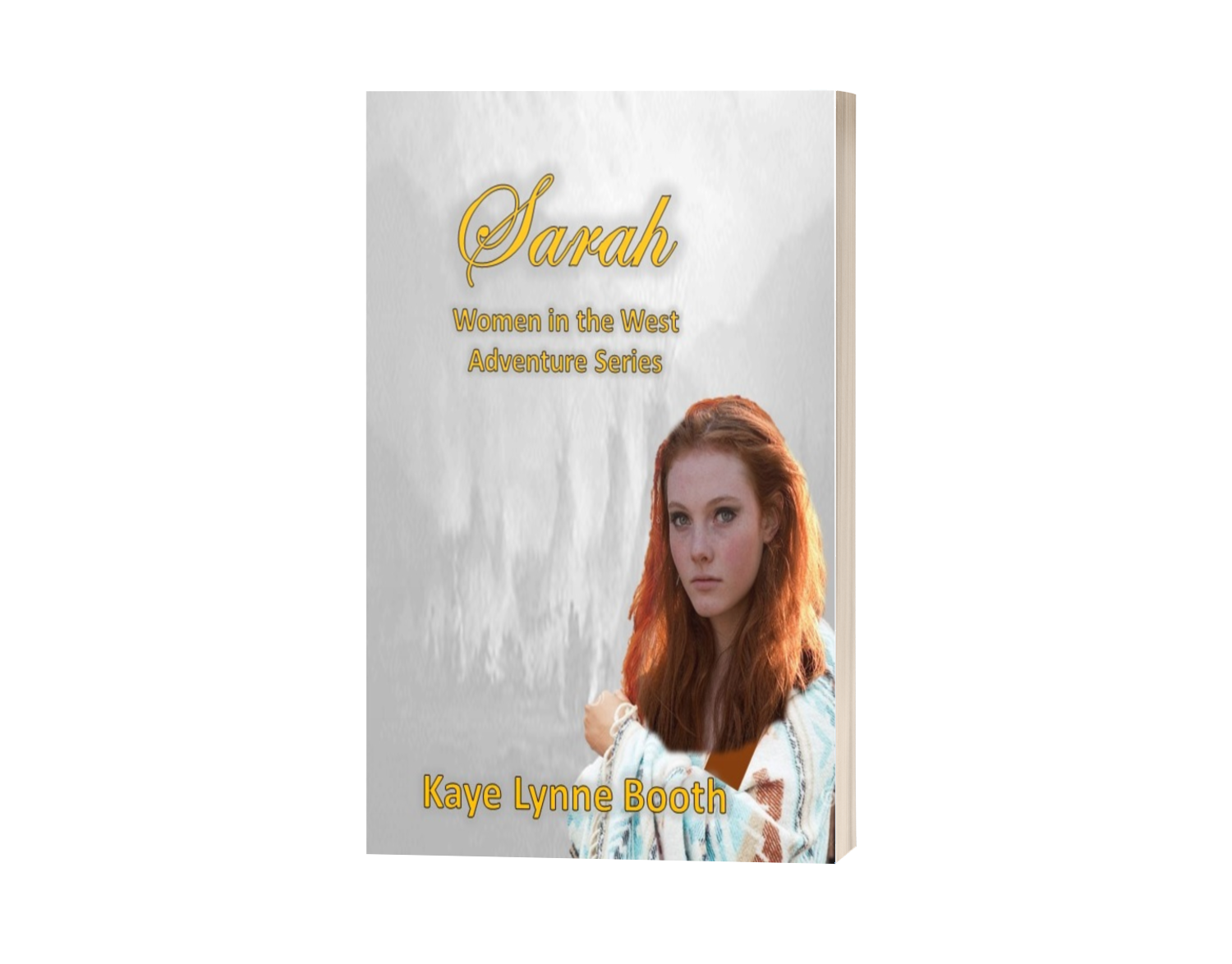
In Sarah, which will be released next month, I have a scene where we see Sarah, who goes by Hair of Fire in her Ute family, sits at the bedside of a sick child, administering healing medicines and showing concern for the child. Sarah is a nice character and this small act is enough to show reveal her caring qualities. Her hero’s journey begins when she is snatched away from her tribe and has no choice but to embark upon her journey.
Often our characters are not nice people to start out with, and developing redeeming qualities may be a part of their character arc, so the changes won’t be seen until fiurther along in the story. But they must have some redeeming qualities or the readers may not like them enough to route for them.
The worse a character is, the bigger the redeeming deed must be. So if you have a character like Dexter, a serial killer who kills serial killers you must try harder to show the softer, caring side, by showing how he supports his sister and can really be a nice guy. I would think it could be really rough getting readers, or viewers, to relate to someone who goes out and brutally kills people, even if they might deserve it. Dexter’s save the cat event comes when he saves the next victim of the serial killers who become his victims, a tricky ploy to pull off for the writers. Redeeming a character like Dexter could be quite a challenge.
Heart’s Desire
I was listening to Wulf Moon on the Stark Reflections podcast, episode 341. Wulf is a writer who found success at a young age and winner of the Writers of the Future contest, who turned his own success into a way to help his fellow writers to learn about the essentials of writing a good story. He claims readers must see & feel what is important to the character, what drives them to action and propels the story forward in order to care about the character and carry them through the story or series. Wulf calls this the “Heart’s Desire” and he claims that he’s found that one of the mistakes beginning writers make often is to not tap into the heart’s desire and let your readers see this aspect of your character.
I discussed this a bit in that previous blog blog post, (linked above), on giving your characters depth using the character triangle to identifying the character’s flaws, their need, and their “want”, but “Heart’s Desire” is stronger and more applicable term for the motivating factor for your character. No matter what you call it, by revealing what matters to your character, and what makes them take action, and their flaws, readers get a glimpse into what makes your character human.
Subtext and Inner Dialog
In The Rock Star & The Outlaw, Amaryllis is an adrenaline junkie who thrives on taking risks with her life through drugs, alcohol, and dangerous behaviors. Not a very savory character to start with at the beginning of the story, she winds up killing her boyfriend in self-defense and running from his cronnies and the law. In order to make readers care about her, I had to reveal things about her past, and show her vulnerablities through her relationship with Monique, her interactions with LeRoy, and her determination to stay by his side when she could have run and saved herself. To be sure my readers didn’t overlook the hints as to her motivations, I revealed them through inner dialog and subtext, putting her thoughts out there so there would be no misunderstandings about her motivations.
Subtext is found in body language and tone of voice. It is the feelings which lie just below the surface and may indicate things are quite different from what they appear. You can check out my archive post from 2017, “Dialog: Talking in Subtext” to get a deeper discussion on how to use subtext to make your characters feel more real.
Inner dialog can be used anywhere it is needed to clarify character motivations and help readers see where the character is coming from or understand the direction in which they are going, helping readers to relate to them. When Dexter’s inner thoughts are revealed, and they use this a lot in that series, viewers come away feeling that his actions are, if not justified, then at least understandable, making Dexter seem like maybe not such a bad guy, if misguided by his background. If readers, or viewers, can see the character’s point of view, they understand the character better, even if they don’t agree with it.
_______________________________________

For Kaye Lynne Booth, writing is a passion. Kaye Lynne is an author with published short fiction and poetry, both online and in print, including her short story collection, Last Call and Other Short Fiction; and her paranormal mystery novella, Hidden Secrets; Book 1 of her Women in the West adventure series, Delilah, and her Time-Travel Adventure novel, The Rock Star & The Outlaw. Kaye holds a dual M.F.A. degree in Creative Writing with emphasis in genre fiction and screenwriting, and an M.A. in publishing. Kaye Lynne is the founder of WordCrafter Quality Writing & Author Services and WordCrafter Press. She also maintains an authors’ blog and website, Writing to be Read, where she publishes content of interest in the literary world.
_____________________________________________
If you’d like to show your support for this author, you can make a donation to Writing to be Read for as little as a cup of coffee. All support is appreciated.
Share this:

Writer’s Corner: Why I changed my Twitter(X) handle
Posted: February 12, 2024 Filed under: Book Promotion, Books, Branding, Nonfiction, Social Media Promotion, Writer's Corner, Writing | Tags: Book Promotion, Kaye Lynne Booth, Nonfiction, Social Media Promotion, The D.I. Y. Author, WordCrafter Press, Writing 7 CommentsBranding is Important
I recently changed my Twitter handle, or X handle, or whatever it is we call it now. I can’t say that I like all the new changes to the platform, but honestly, although I’ve been on Twitter since 2010 as @GodsAngel1, I’ve not used it a lot, so many of the changes may have slipped my notice. Back in 2022, when I graduated, my cohorts pointed out that my Twitter handle was different than all my author social media call names, which either associated me as an author, or as a publisher with WordCrafter Press. I said that I had been @GodsAngel1 for so long that to change, well, no one would be able to find me.
But the thought of changing my Twitter handle never left me, and I knew they were right. @GodsAngel1 was a personal handle used when Twitter first came out, and you were limited to so few characters, that I couldn’t post a tweet with what I wanted to say. It didn’t really fit in with my author and publisher branding. Since 2022, I’ve been using Twitter, now known as X, more, and the idea of changing my handle kept popping into my head when using the platform. I don’t know why I kept dragging my feet on the issue, but I did until recently when a friend of mine wanted to help me out with promotions, and ask me if I could change my handle to something less personal, more professional. I decided that I couldn’t fight it any more, especially when I knew how important consistant branding is, so I gave in and changed it.
Making the Change
First, I had to figure out how to change my Twitter handle, but with some solid guidance from one of my cohorts, I found the proper channel in the app. I erased my previous handle and entered WordCrafterPress, and ws informed it was too long, as was AuthorKayeLynneBooth. So, I tried just putting in WordCrafter, and was informed that name was already in use by someone else. So much for branding.
Then, it occured to me that with the new nonfiction book on the process of becoming an independently published author, and doing it all yourself will add a new deminsion to my branding, and I could use this change to strengthen that connection, as the D.I.Y. Author. That’s what I am, and it’s what the book is about: becoming a D.I.Y. author as inexpensively as possible and still get results. So, you can now reach me on Twitter, or X, using my new handle @DIY_Author.
I hope you’ll look me up, like and follow because I need all the peeps I can get. Or does that have a new name, too? What are followers on X called? And when we post is it still a tweet? I can’t keep up with all the changes, and I’m still learning the ropes, so to speak, so please be patient with me.
Coming in 2024

How to work through the stages of the writing process on your own. The D.I.Y. Author shares the expertise I’ve spent years to acquire in one volume that will save new and aspiring authors both time and money, and inexpensive, but successful strategies for marketing and promotion.
___________________________________
For Kaye Lynne Booth, writing is a passion. Kaye Lynne is an author with published short fiction and poetry, both online and in print, including her short story collection, Last Call and Other Short Fiction; and her paranormal mystery novella, Hidden Secrets; Book 1 of her Women in the West adventure series, Delilah, and her Time-Travel Adventure novel, The Rock Star & The Outlaw. Kaye holds a dual M.F.A. degree in Creative Writing with emphasis in genre fiction and screenwriting, and an M.A. in publishing. Kaye Lynne is the founder of WordCrafter Quality Writing & Author Services and WordCrafter Press. She also maintains an authors’ blog and website, Writing to be Read, where she publishes content of interest in the literary world.
___________________________________________
Want exclusive content? Join Kaye Lynne Booth & WordCrafter Press Readers’ Group for WordCrafter Press book & event news, including the awesome releases of author Kaye Lynne Booth. She won’t flood your inbox, she NEVER sells her list, and you might get a freebie occasionally. Get a free digital copy of her short story collection, Last Call and Other Short Fiction, just for joining.
Share this:

An Excellent Post on the Editing Process
Posted: February 7, 2024 Filed under: Editing, Writing | Tags: DL Finn, Editing, Writing 2 CommentsDL Finn shares her expertise on the editing process on the Story Empire blog site. She has some insights into the author’s process needed to send off a clean draft to your editor and make them love you even more that he/she already does. It’s good advice that will help to make a better book. So check it out. You’ll be glad you did.