Writer’s Corner: Why I changed my Twitter(X) handle
Posted: February 12, 2024 Filed under: Book Promotion, Books, Branding, Nonfiction, Social Media Promotion, Writer's Corner, Writing | Tags: Book Promotion, Kaye Lynne Booth, Nonfiction, Social Media Promotion, The D.I. Y. Author, WordCrafter Press, Writing 7 Comments
Branding is Important
I recently changed my Twitter handle, or X handle, or whatever it is we call it now. I can’t say that I like all the new changes to the platform, but honestly, although I’ve been on Twitter since 2010 as @GodsAngel1, I’ve not used it a lot, so many of the changes may have slipped my notice. Back in 2022, when I graduated, my cohorts pointed out that my Twitter handle was different than all my author social media call names, which either associated me as an author, or as a publisher with WordCrafter Press. I said that I had been @GodsAngel1 for so long that to change, well, no one would be able to find me.
But the thought of changing my Twitter handle never left me, and I knew they were right. @GodsAngel1 was a personal handle used when Twitter first came out, and you were limited to so few characters, that I couldn’t post a tweet with what I wanted to say. It didn’t really fit in with my author and publisher branding. Since 2022, I’ve been using Twitter, now known as X, more, and the idea of changing my handle kept popping into my head when using the platform. I don’t know why I kept dragging my feet on the issue, but I did until recently when a friend of mine wanted to help me out with promotions, and ask me if I could change my handle to something less personal, more professional. I decided that I couldn’t fight it any more, especially when I knew how important consistant branding is, so I gave in and changed it.
Making the Change
First, I had to figure out how to change my Twitter handle, but with some solid guidance from one of my cohorts, I found the proper channel in the app. I erased my previous handle and entered WordCrafterPress, and ws informed it was too long, as was AuthorKayeLynneBooth. So, I tried just putting in WordCrafter, and was informed that name was already in use by someone else. So much for branding.
Then, it occured to me that with the new nonfiction book on the process of becoming an independently published author, and doing it all yourself will add a new deminsion to my branding, and I could use this change to strengthen that connection, as the D.I.Y. Author. That’s what I am, and it’s what the book is about: becoming a D.I.Y. author as inexpensively as possible and still get results. So, you can now reach me on Twitter, or X, using my new handle @DIY_Author.
I hope you’ll look me up, like and follow because I need all the peeps I can get. Or does that have a new name, too? What are followers on X called? And when we post is it still a tweet? I can’t keep up with all the changes, and I’m still learning the ropes, so to speak, so please be patient with me.
Coming in 2024

How to work through the stages of the writing process on your own. The D.I.Y. Author shares the expertise I’ve spent years to acquire in one volume that will save new and aspiring authors both time and money, and inexpensive, but successful strategies for marketing and promotion.
___________________________________
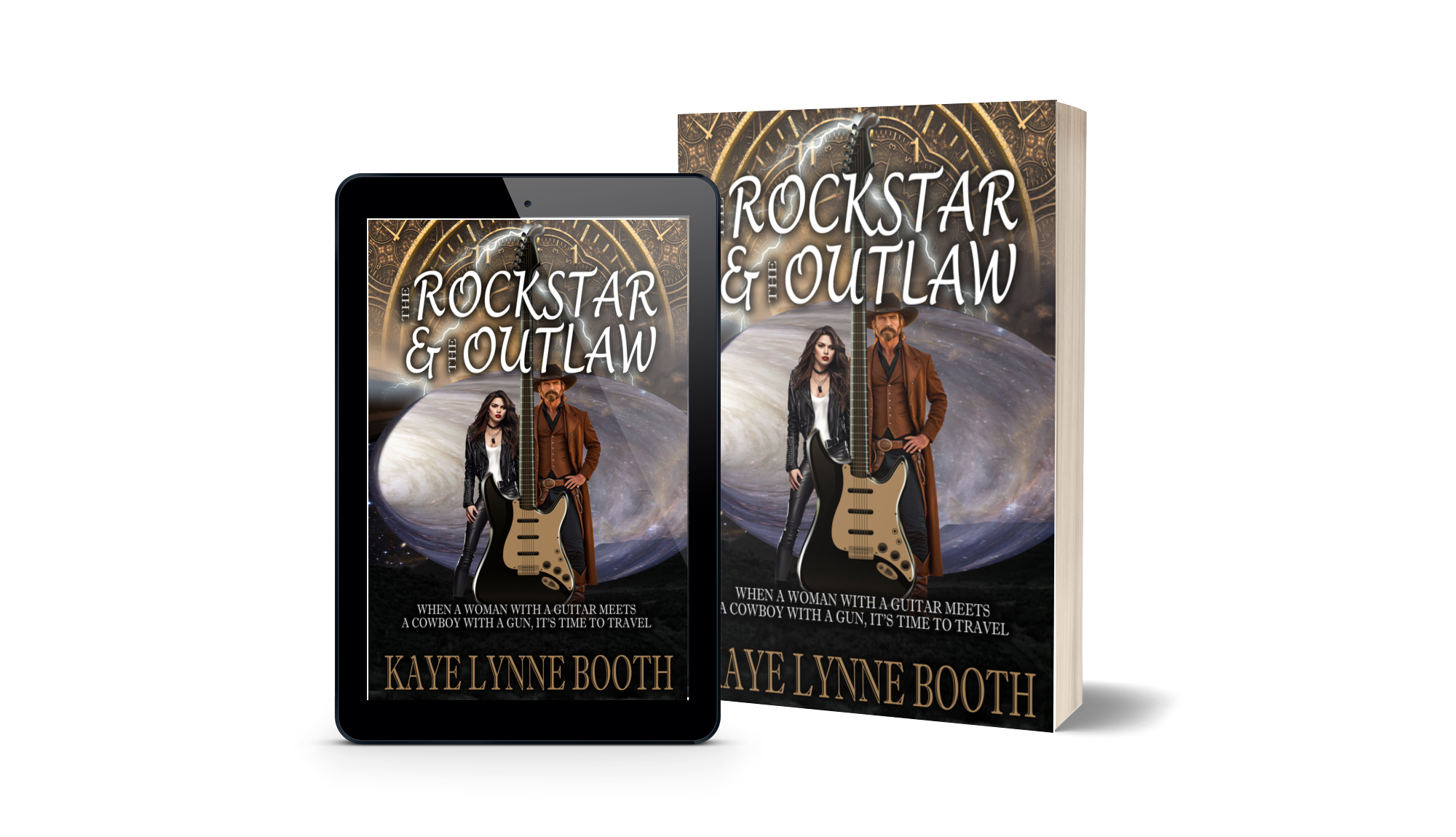
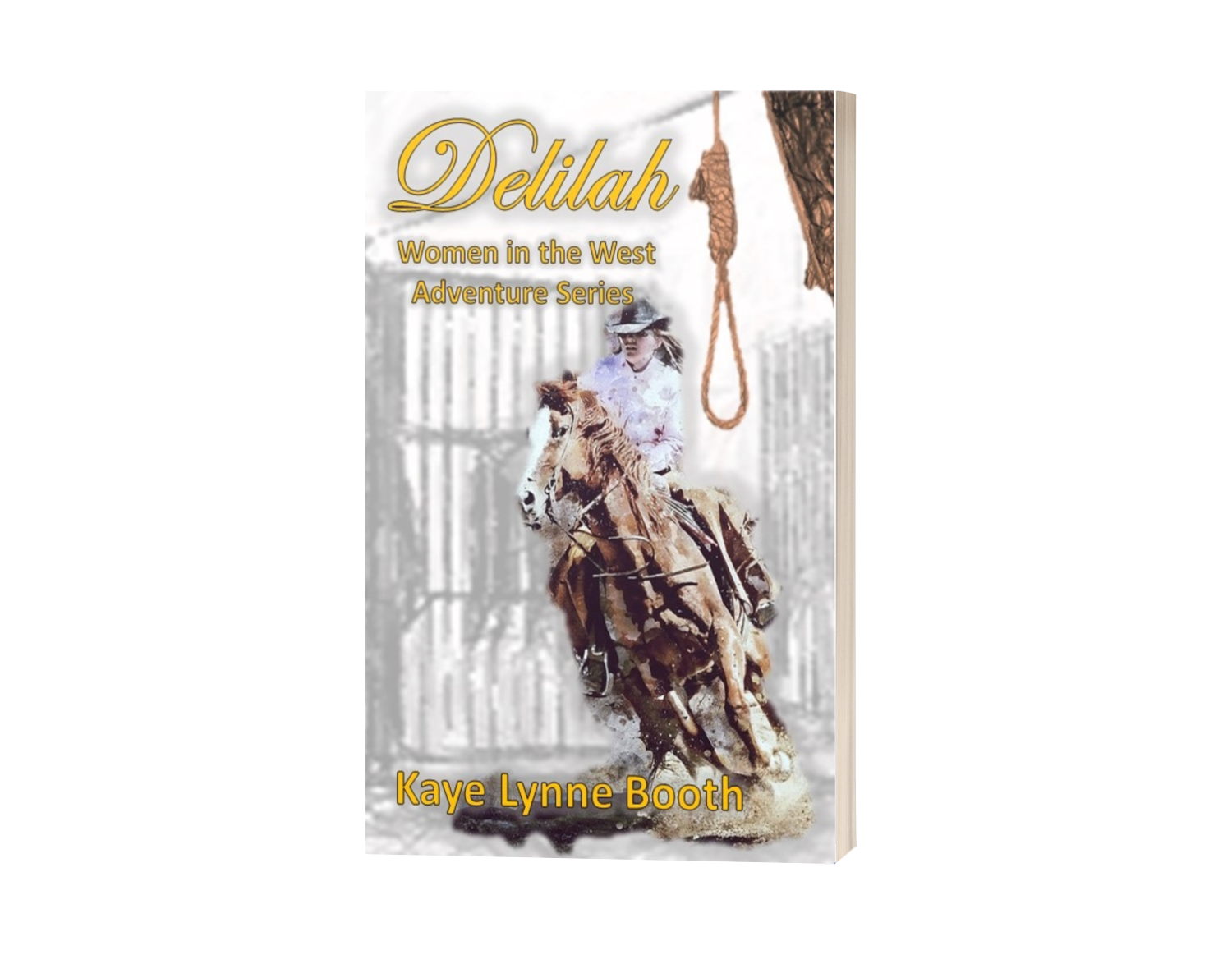
For Kaye Lynne Booth, writing is a passion. Kaye Lynne is an author with published short fiction and poetry, both online and in print, including her short story collection, Last Call and Other Short Fiction; and her paranormal mystery novella, Hidden Secrets; Book 1 of her Women in the West adventure series, Delilah, and her Time-Travel Adventure novel, The Rock Star & The Outlaw. Kaye holds a dual M.F.A. degree in Creative Writing with emphasis in genre fiction and screenwriting, and an M.A. in publishing. Kaye Lynne is the founder of WordCrafter Quality Writing & Author Services and WordCrafter Press. She also maintains an authors’ blog and website, Writing to be Read, where she publishes content of interest in the literary world.
___________________________________________
Want exclusive content? Join Kaye Lynne Booth & WordCrafter Press Readers’ Group for WordCrafter Press book & event news, including the awesome releases of author Kaye Lynne Booth. She won’t flood your inbox, she NEVER sells her list, and you might get a freebie occasionally. Get a free digital copy of her short story collection, Last Call and Other Short Fiction, just for joining.
Share this:

Exciting News! The Rock Star & The Outlaw in Audiobook
Posted: February 11, 2024 Filed under: Action/Adventure, AI Technology, Audio Books, Book Promotion, Books, Fiction, Science Fiction, Time travel, Western, WordCrafter Press | Tags: AI Audiobook, Audiobook, Book Review, Book Reviews, Books, Fiction, Kaye Lynne Booth, Science Fiction, The Rock Star & the Outlaw, Time travel, Western, WordCrafter Press 7 Comments
It’s here! If you’ve been waiting for The Rock Star & The Outlaw to come out in audio, it’s finally here!
I’m so excited! The Rock Star & the Outlaw is now available in AI Narrated Audio through Apple Books for only 7.99.
https://books.apple.com/us/audiobook/the-rock-star-the-outlaw/id1722934411
The audio book is AI narrated, but don’t let that deter you without giving it a chance. The female voiced narration is actually pretty good. And there’s a button where you can listen to a sample on the book’s page at Apple Books, so you can check it out before you buy. Above is the direct link, but it’s also listed on the book’s Books2Read page with all the other distributors where it’s available, so you can get it in digital or print, if you prefer.
https://books2read.com/RockStarOutlaw
If you don’t have your copy yet, what are you waiting for?
Reviews
Still need convincing? Check out these reviews.
Selma: https://selmamartin.com/a-book-review-the-rock-star-and-the-outlaw-by-kaye-lynne-booth/
Book Trailer
Or you can check out the book trailer here:
__________________________________________
Want exclusive content? Join Kaye Lynne Booth & WordCrafter Press Readers’ Group for WordCrafter Press book & event news, including the awesome releases of author Kaye Lynne Booth. She won’t flood your inbox, she NEVER sells her list, and you might get a freebie occasionally. Get a free digital copy of her short story collection, Last Call and Other Short Fiction, just for joining.
Share this:

Book Review: Search
Posted: February 9, 2024 Filed under: Book Review, Books, Fiction, Paranormal, Review | Tags: Book Review, Joseph Carrabis, mystery, Paranormal, Search, Thriller, Writing to be Read 4 Comments
About the Book
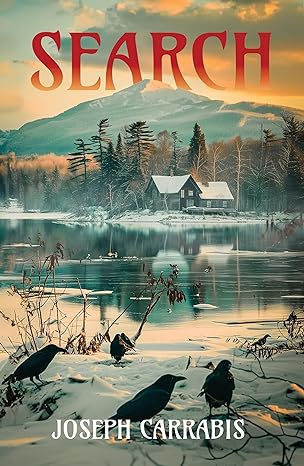
Search details one of the most tumultuous period’s in The Shaman‘s Gio “John Chance” Fortuna’s life. In college and having spent most of his life avoiding his grandfather’s trainings, he finds himself called to remember and practice his grandfather’s ancient ways to save children from human monsters.
But every step into The Old Ways drives a wedge between Gio and Jess, the woman he loves and wants to spend his life with. Originally relishing the idea of her own personal Superman, she grows increasingly fearful each time Gio manifests an ability beyond her comprehension.
And when both he and Jess realize he can use his grandfather’s teachings to force Jess’ to spend her life with him without her knowing he’s done so? Even though doing so violates everything he’s ever been taught?
Gio realizes being able to do anything doesn’t mean he can do everything, and that the strongest bonds on us are those we place on ourselves.
Content Advisory: Search contains graphic scenes of sex and violence.
Purchase Link: https://www.amazon.com/Search-First-John-Chance-Mystery-ebook/dp/B0CRNGXLQY/
My Review
Search, by Joseph Carrabis is a mystery of the most intense kind. There are so many working parts to this story that only ‘a good guesser’, like Gio Fortuna, will be able to figure out what is really going on. We first met the character of Gio in The Shaman. Same character, but very different stories. (You can read my review of The Shaman here: https://wp.me/pVw40-85U)
Some might say that Gio has shamanistic powers, others claim that he’s in league with the devil. But Gio knows things, and now, a young Gio embraces the talents which his grandfather taught him use, to help solve the disappearance of two young boys. But, there’s more going on than meets the naked eye, and Gio knows things, or makes ‘good guesses’. Gio uses his gift to reveal the person(s) behind it all, and the motives of every person involved, as he uncovers one parnormal clue at a time, putting them all together into a complex tapestry of life reflective of a reality I think many of us are able to identify with.
Carrabis is a master of skillfully unfolding a complex story. In Search, he’s outdone himself as he enters into the mystery genre with characters who feel real and an intriguing plot that keeps you guessing. I give it five quills.

_______________________________________
Kaye Lynne Booth does honest book reviews on Writing to be Read in exchange for ARCs. Have a book you’d like reviewed? You can request a review on the Book Review tab above.
Share this:

An Excellent Post on the Editing Process
Posted: February 7, 2024 Filed under: Editing, Writing | Tags: DL Finn, Editing, Writing 2 CommentsDL Finn shares her expertise on the editing process on the Story Empire blog site. She has some insights into the author’s process needed to send off a clean draft to your editor and make them love you even more that he/she already does. It’s good advice that will help to make a better book. So check it out. You’ll be glad you did.
Share this:

A Rave Review for “The Rock Star & The Outlaw”
Posted: February 6, 2024 Filed under: Uncategorized 3 Comments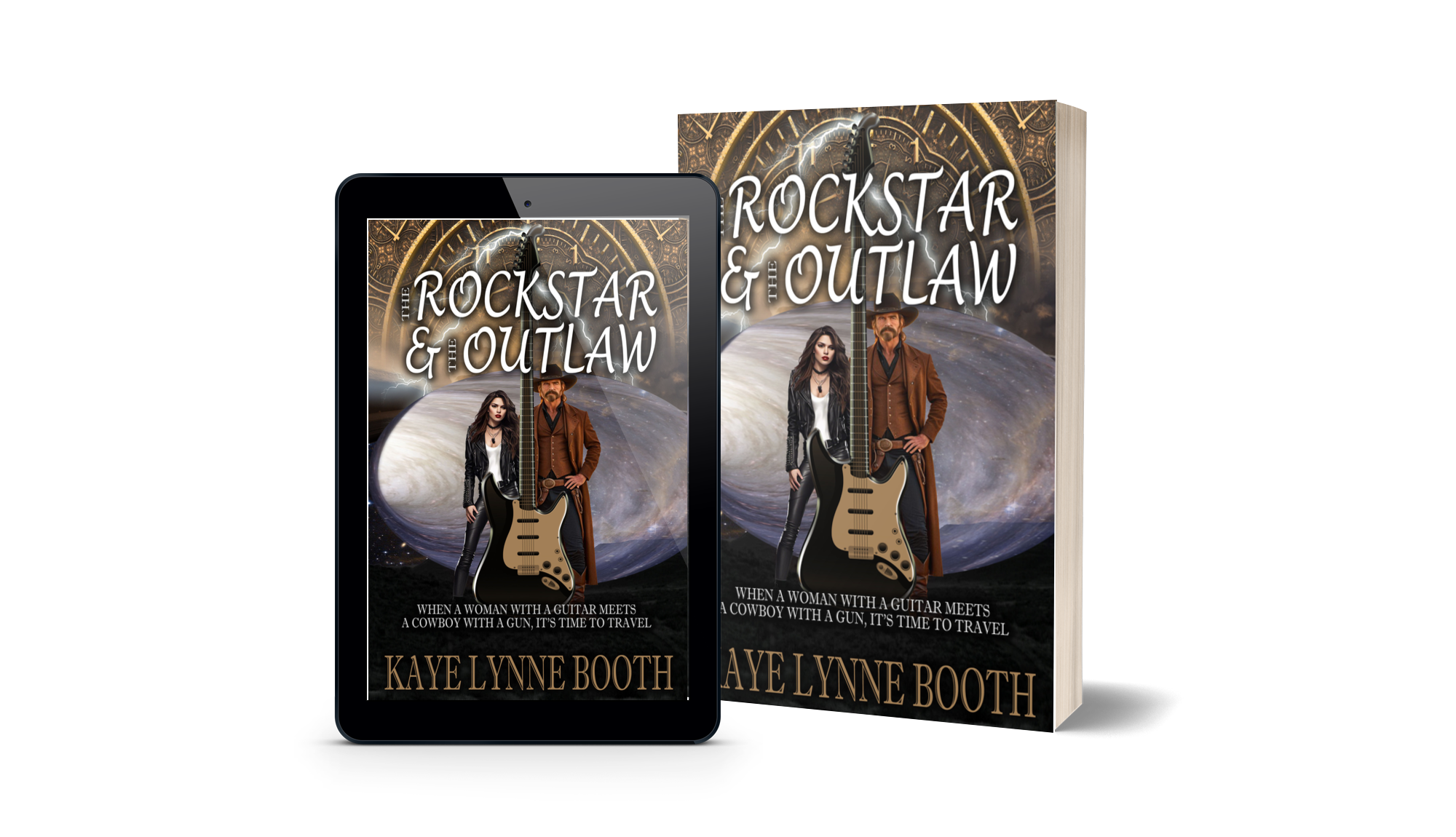
Thanks goes to M J Mallon for this wonderful review of ”The Rock Star & The Outlaw”. Drop by her Kyrosmagica blog site and see for yourself. Coming soon in AI Audio.
Share this:

Had to Share This Wonderful Review of The Rock Star & The Outlaw
Posted: February 6, 2024 Filed under: Action/Adventure, Book Review, Books, Fiction, Review, Time travel, WordCrafter Press | Tags: Book Review, Kaye Lynne Booth, The Rock Str & The Outlaw, Time-travel adventure, WordCrafter Press Leave a commentThanks to M J Mallon. Check it out on her Kyrosmagica blog site.
Share this:

The Final Stretch for Sarah
Posted: February 5, 2024 Filed under: Book Sales, Books, Fiction, Historical Fiction, Kickstarter, Western, Women in History, Women's Fiction, WordCrafter Press | Tags: Kaye Lynne Booth, Kickstarter campaign, Sarah, Women in History, Women in the West, WordCrafter Press 2 CommentsKickstarter Campaign Ending Soon
We’re in the final stretch of the Kickstarter campaign for Sarah as February 12th approaches, and we need your help. Kickstarters are an all or nothing deal, so all the good intentioned pledges we already have won’t mean a thing if we don’t reach the $500 funding goal, and we’re not there yet. There’s still one week to go, still time to reach the goal, but we can’t do it without your support.
I want to thank all of you who have already backed the campaign, even on the lowest tier level of $5. Every little bit helps us get closer to the funding goal and is greatly appreciated. I know times are tight right now for many of you, and for me, too. If you are in a time when you’ve had to tighten your belt and aren’t able to contribute monetarily, you can still support the project by sharing with others to help me reach those who may be better able. And I promise, I’ll appreciate any support you have to offer during this final push to make this campaign a success.
About the Project
Sarah is Book 2 in the Women in the West series of historical western women’s fiction, with strong female protagonists and fictionalized characters pulled right from the history books. At 17, Sarah discovers who she has become as she faces the dangers of the western frontier with courage and persistance when she is stolen away from the Ute tribe she has come to think of as family. When she manages to find her way to 1887 Glenwood Springs, Colorado, with her horse, Beepi and her trusted dog, Blue, she makes the acquaintance of Big Nose Kate Elder and her long time companion, Doc Holiday, as he lives out his final days, and many other colorful characters.
Your Support is Needed
Please use the link below and back this project. Help me to make the Women in the West adventure series the grand vision which I have for them. The Kickstarter campaign offers an opportunity to buy direct through the author via crowdfunding. When you buy books direct, the author makes a larger royalty than when purchased through distributors.
Plus, it offers exclusive rewards which you can’t get anywhere else: early digital copies, signed print copies, and Special Illustrated Editions of Books 1&2, not available through distributors.
Please click on the link below and help support my Kickstarter campaign for Sarah.
https://www.kickstarter.com/projects/kayelynnebooth-wcp/sarah-3
Share this:

Mind Fields: Arkansas Pig Squeezin’ Contest
Posted: January 31, 2024 Filed under: Dark Humor, Fiction, Humor, Mind Fields, Short Fiction, Stories | Tags: Arkansas Pig Squeezin' Contest, Arthur Rosch, Mind Fields, Short Story, Writing to be Read 1 Comment
Addendum: Zoot’s Greatest Story
1968: On the road somewhere near Cairo, Illinois
The Mississippi river appears frequently to the left side of the road, as the Continental digests miles under its Goodyears. The river is like a giant python at the bottom of the bluff, twisting its silty way towards New Orleans. At Cairo it meets the Ohio River in a megalithic “Y”. The different colors of the different rivers make discreet etchings in the basic silver brown in the serpentine body of The Mississippi.
Zoot is snoring lightly, slumped in the front passenger seat with his elbow on the armrest, his head bumping gently against the rolled-up window. The car’s air conditioning is roaring like a distant storm, its wind coming from black plastic vents in the dashboard.
Aaron is in the back seat, trying to read a science fiction novel. The car’s motion is making him sick, so he puts the book down and watches the River as it appears and disappears amongst rows of trees.
Zoot jerks awake suddenly, yawns, rubs his eyes. He inspects Tyrone’s driving, looks at the speedometer. “You’re going a hundred miles an hour, man, and you in the slow lane. There’s a cop that cruises this road by name of Furley Robinson and he will love to jail my ass, so ease it on up.”
Tyrone looks innocent. “I don ‘t know how that happened, Zoot, sorry.” The speedometer drifts in fits and starts back down to seventy.
Zoot cranes his neck to see Aaron, slumped boredly in the back seat.
“I ever tell you the story of my true musical roots, of my Arkansas heritage?”
Aaron perks up and leans forward over the soft leather upholstery.
“Which one? The one about Preacher Scarby and the girls in the choir?”
“No, no, this one even earlier and more rooty than that one.”
“Let’s hear it, Zoot, we all ears,” Tyrone says, lighting up a cigarette.
“This is back when I was five, six years old,” says Zoot. “All the black farmers in Arkansas get together once a year for a musical festival, a Pig Squeezin’. They’d come from evahwhere, they’d come from Dawes County and Little Creek and Big Creek, from Meaty Bottom and Cradle Cave. They’d bring their best musical pigs and their women and children would barbecue up some ribs and haunches and they would contend for the position of Master Pig Squeezer. “
Aaron smiles. Tyrone wrinkles his brow, hoping to concentrate on the road but sneaking glances at Zoot, trying to discern just how far in his cheek is his mentor’s tongue.
“The greatest Pig Squeezer of all is a big fat gentleman by the name of Eufustus Rathbone. Y’ll understand, Pig Squeezin is a subtle art, it combines animal genetics, musical training, weight lifting and other forms of athletics and requires a fine hand at dealing with the hogs. You gotta take em when they’re tiny piglets and get em used to the feel of your armpit, your knees, you get piglets that like bein’ squeezed and handled evah which way. Takes a calm and pliable pig to squeal and bellow on cue. Why, Eufustus Rathbone can get a note out of both ends of a pig just by flexing his bicep, he is that good. He has a pig named Joby that can fart an E flat and squeal a perfect third above it.”
Aaron pats both his thighs hard, then pats them again, more softly.
Zoot pauses to light his three o’clock cheroot.
“You’re putting us on, right?” Tyrone swings his head sideways, then back to the road, then sideways,then back to the road.
“Lord’s Truth,” Zoot swears, solemnly. He winks at Aaron.
“This must have been nineteen ten, nineteen eleven,” Zoot continues. “It was my first Pig Squeezin and I thinks I is in heaven, they is so many people, so much food on big long tables, all kinds of little girls runnin’ round in checkered dresses with pretty hats.”
He exhales his stream of smoke languidly, cracks the window a bit to clear the air inside the car. Tyrone lights yet another in a constant string of Camels.
“You’re smoking too much,” he admonishes Tyrone. “You know that stuff wilts your dick, don’t you?”
Tyrone hastily stuffs out the butt in the ash tray. “Damn,” he says, “one fun thing fucks up another fun thing. Doesn’t seem fair.”
Aaron puts his chin into the crevice between the front seats, as if to prompt Zoot to continue his story.
“Okay, after two solid days of Squeezin’, there’s only three Squeezers left who can get up and withstand the sheer virtuosity of Eufustus Rathbone. This man has been Squeezin’ Master for six years runnin’. He has raised himself a breed of musical hogs that are light of weight but solid in volume and tone. He gets up on the stage that is built right there in the middle of Hanky Parkins’ fresh-mowed soybean field. He’s got Joby in one hand, he’s got two piglets named Squeak and Tweak on rope leashes, and he’s got an old sow named Hester draggin’ her udders on the floor boards. Hester is like his old standby, a reliable bass pig. He can just give her a jiggle and she will go ‘honk’ on the downbeat and the upbeat.”
Zoot’s left hand waves in the air and pictures seem to flow from his fingers, apparitions in the drifting smoke that lazily spiral up from the cheroot held loosely in his right hand.
“Eufustus starts out with The Star Spangled Banner, just to keep things simple, not to raise expectations or nothin’. The pigs squeeze in perfect counterpoint. Eufustus is sitting on the low three-legged Squeezin’ Stool, and he’s got Joby between his legs where he can control the pitch by bringing his thighs together, he’s got Hester under one foot and he’s got Squeak and Tweak in each armpit. After the national anthem he looks around as if to say, ‘can anybody top that? The crowd goes wild, everybody claps, looks like it’s all over. But when the noise dies down, a youngster by the name of Chester Wankus comes up the steps leading just two little piglets. There’s a gasp from the crowd, people saying ‘he can’t do shit with no two piglets, who he think he is?’ But Chester just scoots that Squeezin’ Stool over, sits down and starts squeezin’ these piglets and he gets them fartin’ and squealing and he plays “Battle Hymn of the Republic” real fast and he’s tapping with his feet too. It is amazing. Old Eufustus puffs up his chest like nothin’ happened, takes the stool back and plays the “Overture from The Marriage of Figaro”. The crowd falls silent, they figure that’s it, all over, nothin’ can top that. Chester leaves his piglets on the stage, jumps off the back, picks up a two hundred pound sow like it’s a twig and puts her on the stage, then jumps back up and gets her inside his legs. He takes a deep breath, everybody’s waitin’ for whatever’s gonna come next.”
Zoot leans forward and flicks the ash from his cheroot into the ashtray. He looks out the window. The sun is midway down the afternoon sky and its rays flash back from the river.
“Chester takes a minute to get himself braced, then he starts squeezin and out comes a perfect contrapuntal version of the opening of Beethoven’s Fifth Symphony. The sow is a trifle flat out her behind but Chester compensates skillfully by increasing the pressure from his feet and the rhythm is powerful enough that Eufustus starts turning a darker shade of brown than he already is. Joby just lays down on her side and Chester’s two piglets run over and start nursin’ from her. You’d think that is the end of the story but just then up comes a teenage boy from Smith County, and he’s got four piglets on leather leashes, he’s got a three hundred pound sow and he’s got a hairy wild boar in some kind of crazy harness. The judges take some time debating whether that is legal or not, but they allowed it, I mean a wild boar is a wild boar and they just have to give the kid points for difficulty.”
“What’s your name, kid?” the head judge asks.
“The kid replies, ‘My name is Felix Twitty and I’m from Smith County near the town of Goose’s Crack.”
“Don’t you think that’s a little ostentatious, all them pigs?”
The crowd grumbles its agreement, I mean, if the kid can ‘t come through with something tremendous he’d be seen as a total poseur, a Nouveau Squeezer with a big ego. He just takes the stool nice and calm, positions that boar under his left arm, arranges them other pigs in various ways with one of ‘em under his chin and he starts to play. At first nobody recognizes the music. It sounds good, it sounds mighty good, and finally the crowd realizes that the kid is playing Wagner’s “Finale from Das Rheingold” and he is making the boar sing the part of Thor and making the piglets do the parts of the Rhinemaidens. It is spectacular! Everybody almost passes out from amazement and Felix Twitty sure as hell won the Master Pig Squeazer prize for that year and for the next five years. He’s remembered as one of the greatest squeezers in history, and might have broken Tolly Scoobus’ eight year run, ‘cept he went off to France in World War One and got shot by a farmer who thought he was stealin’ pigs. He was just playin’ scales in the barn! All he wanted was a little practice. Mighty shame, that was. Mighty shame.”
The occupants of the car drive in silence for a while.
“You’re not pullin’ my leg, are you?” Tyrone asks sincerely.
“Lord’s Truth,” Zoot swears.
___________________________________________________________
About the Author

Arthur Rosch is a novelist, musician, photographer and poet. His works are funny, memorable and often compelling. One reviewer said “He’s wicked and feisty, but when he gets you by the guts, he never lets go.” Listeners to his music have compared him to Frank Zappa, Tom Waits, Randy Newman or Mose Allison. These comparisons are flattering but deceptive. Rosch is a stylist, a complete original. His material ranges from sly wit to gripping political commentary.
Arthur was born in the heart of Illinois and grew up in the western suburbs of St. Louis. In his teens he discovered his creative potential while hoping to please a girl. Though she left the scene, Arthur’s creativity stayed behind. In his early twenties he moved to San Francisco and took part in the thriving arts scene. His first literary sale was to Playboy Magazine. The piece went on to receive Playboy’s “Best Story of the Year” award. Arthur also has writing credits in Exquisite Corpse, Shutterbug, eDigital, and Cat Fancy Magazine. He has written five novels, a memoir and a large collection of poetry. His autobiographical novel, Confessions Of An Honest Man won the Honorable Mention award from Writer’s Digest in 2016.
More of his work can be found at www.artrosch.com
Photos at https://500px.com/p/artsdigiphoto?view=photos
___________________________________________________
Want to be sure not to miss any of Arthur’s “Mind Fields” segments? Subscribe to Writing to be Read for e-mail notifications whenever new content is posted or follow WtbR on WordPress. If you find it interesting or just entertaining, please share.
Share this:

WordCrafter News: Kickstarter Update & My Next Project
Posted: January 29, 2024 Filed under: book marketing, Book Promotion, Books, Fiction, Historical Fiction, Kickstarter, Nonfiction, Publishing, Western, Women in History, Women's Fiction, WordCrafter, WordCrafter Press, Writing | Tags: Kaye Lynne Booth, Sarah, Special Illustrated Editions, The D.I. Y. Author, Women in the West, WordCrafter Press, Writing Reference 5 Comments
Update on Kickstarter Campaign
The Kickstarter campaign for Sarah is in full swing, but we haven’t fully funded yet. I set a $500 goal and we’re only 25% funded. The thing about Kickstarters is that they are an all or nothing deal. The campaign ends on February 12, and if it hasn’t fully funded by then, the backers pay nothing, and the author gets nothing, and all that is lost is the time and hard work put into the campaign. So, when you make a pledge, its just that and you don’t have to pay anything until the campaign ends on February 12, if it funds, and if it doesn’t, you pay nothing, and must wait until March 19th to get a copy of Sarah through distributors.
The good thing is, once funded, the author receives anything over and above the funding goal to help support the project even further. I’ve been discussing doing the series in audiobook with a talented narrator, and if this campaign funds enough above the funding goal, you will see that happen in the future.
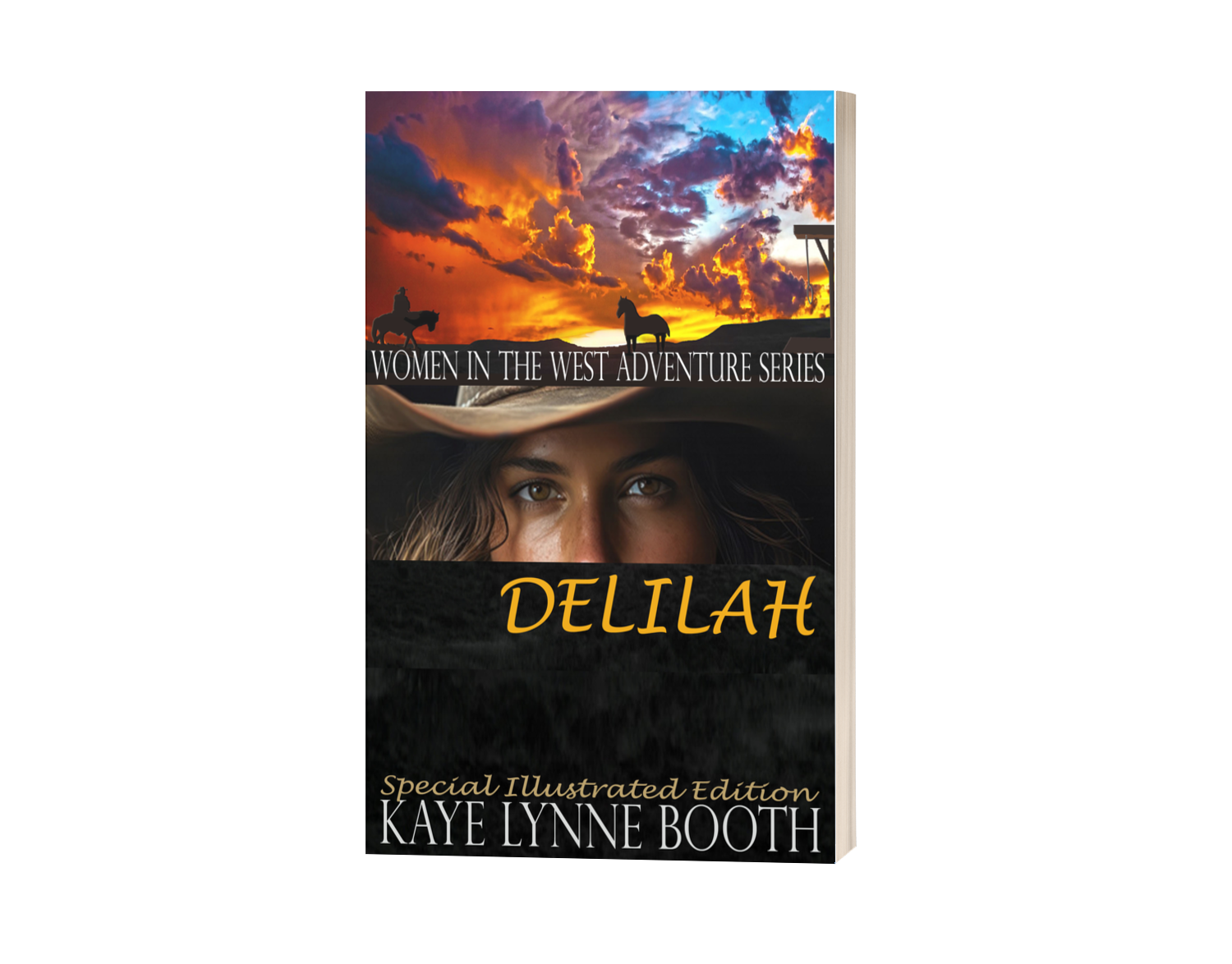
That’s why I really want this campaign to be successful. And there’s no reason that it can’t be. We’ve got some exclusive rewards which can’t be found anywhere else: early digital copies of Sarah, signed print copies of Sarah, and Special Illustrated Editions of both Delilah & Sarah. (Special Edition covers and illustrations by DL Mullan of Sonoran Dawn Studios.) Plus both digital and signed print copies of Delilah are available as add ons.

The best piece of advice I was given when learning about Kickstarters was only do campaigns for projects that you are going to do anyway. So, if it doesn’t fund, it won’t mean the end of the project, but it will be disappointing.
You can help, and get some of those great rewards, by backing the campaign before February 12. Your support of the project could help to reach the funding goal and more. Won’t you consider supporting this project?
You can check out the Kickstarter campaign and back this project here: https://www.kickstarter.com/projects/kayelynnebooth-wcp/sarah-3/
About the Books & the Series

Sarah is Book 2 of the Women in the West Adventure Series. The series is western historical women’s fiction with strong female protagonists and historical figures from the true life turned fictional in each book.
Sarah
Sarah is a young girl trying to make a place for herself in the world.
Sarah is not the young girl who was stolen away from Delilah anymore. Now she is Hair of Fire, mate of Three Hawks, even as she blossoms into a young woman and tries to make a place for herself among the Ute tribe.
When she is stolen away from the life she’s made with the Utes, she struggles to survive in the heart of the Rocky Mountains. A streak of stubbornness and determination take this tough, feisty heroine up against wild beasts of the forest and the rugged mountain landscape to Glenwood Springs, Colorado, where she receives a less than welcoming reception by some.
Will this young woman find her way back to the Ute tribe which she’s come to think of as family, or will she discover a place among the colorful inhabitants of the Colorado hot springs and mining town?
Follow along on her journey to learn who she truly is and where she belongs in this rough, and often hostile frontier.If you like strong and capable female protagonists, you’ll love Sarah.

About Delilah

Delilah is a woman haunted by her past.
Her homecoming from prison quickly turns into a quest for vengeance when she is brutally raped and left for dead, and her fourteen-year-old ward is abducted. Sheer will and determination take this tough and gritty heroine up against wild beasts of the forest, Indians and outlaws to Leadville.
Can the colorful inhabitants of the Colorado mining town work their way into Delilah’s heart, offering a chance for a future she thought she’d lost along with her innocence?
If you like strong and capable female protagonists, you’ll love Delilah.
A New W.I.P.: The D.I.Y. Author
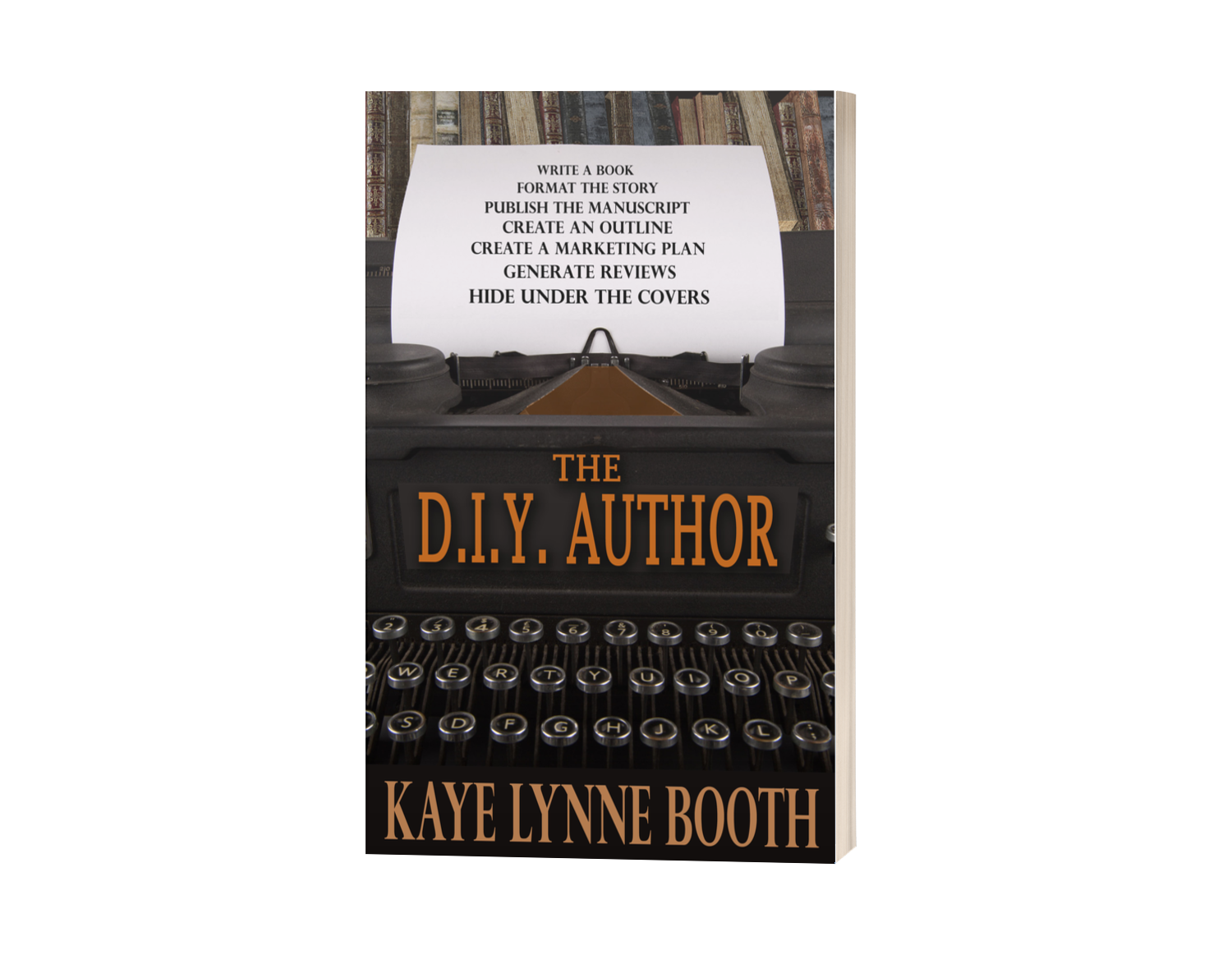
In February, I’ll begin the actual writing of The D.I.Y. Author, my first writing reference book, and I’m excited to tell you about it.
I’ve put together writing reference anthologies in the past, drawing on the expertise of many authors, but The D.I.Y. Author will be the first writing reference book I’ve ever created solo, so I’m very excited, (and a bit nervous), about it. The biggest problem with putting out a reference book such as this one, is imposter syndrome. I mean, reference books are written by experts, aren’t they? So to create a book like this, you must consider yourself to be an expert and be able to convince others that you are so they will read it. I’ve never considered myself to be an expert, in fact I spend a good amount of time learning whatever I can from others whom I consider to be experts. So, looking at myself as the expert is a different point of view for me, a different mindset, but I’m learning. And that is how this book came about.
This book is about a subject that I am an expert about: doing it all yourself on a very limited budget. That’s me. It’s what I do. And in The D.I. Y. Author, I’ll be sharing all the tips and tricks that I’ve picked up along the way. I’ll share with you how I do it, from planning the book, to writing the book, to publishing and marketing the book. And it’s all stuff that you can do, too!
__________________________________________
Want exclusive content? Join Kaye Lynne Booth & WordCrafter Press Readers’ Group for WordCrafter Press book & event news, including the awesome releases of author Kaye Lynne Booth. She won’t flood your inbox, she NEVER sells her list, and you might get a freebie occasionally. Get a free digital copy of her short story collection, Last Call and Other Short Fiction, just for joining.











Undawntech: Emergence of the Engineered Reaction
Posted: February 2, 2024 | Author: DL Mullan/Undawntech | Filed under: Commentary, Technolgy, Undawntech, Writing Technology | Tags: AI Technology, technology, Undawntech, Writing Technology, Writing to be Read | 3 CommentsLike any other right we exercise, technology is no different. Our right to do something is balanced by our innate responsibility. Meaning: just because you can do something, should you do it? What are the ramifications? What is the legal perspective?
In recent weeks, technology has been used in an unscrupulous fashion. From images to videos, prominent figures in society are being defamed for clickbait. Clickbait is emotional advertisements that invoke a strong reaction like anger, hate, surprise, shock, and even curiosity. If you feel impassioned by a headline and its imagery, then it is best to steer clear of that link. This manipulation is milking the public for money without adding anything positive to culture.
Let’s say that you are an actor or musician in the public eye. Your identity is your source of notoriety and income. The public buys your products because they enjoy your style, image, and music or movies. The actor or musician also has contracts with production companies, record labels, agents, and others in their industry that bank on that specific style, image, and product. Many contracts have legal clauses, which prohibit any deviation from the artist’s public persona, as well as morality terms. A public figure has a vested interest in keeping the status quo.
If someone creates an Artificial Intelligence (A.I.) image of an inappropriate nature, then the creator of said image has defamed you. Imagine that you are a young, female popstar with an innocent, wholesome image, but someone creates an A.I. representation of you as a blood-soaked, slut, then the generator of said image has defamed you as an artist. The same goes with male actors, who are purported to say or do something on video that is not them.
The First Amendment protects speech and freedom of expression, but not defamation, be it libel or slander. A public figure owns their appearance and likeness, public image, and other copyright and trademark rights. The First Amendment states:
If you would like to state unfavorable political, religious, social, or other views, then your right to say or write them is protected speech. Hate speech, which this fascistic phrase is not a legal term, is covered by the Bill of Rights. The right to speak, even to be silent (Miranda Rights), are both covered by the First Amendment. Comedy, as well as parody (Spaceballs) and criticism of another’s works (Book & Movie Reviews), are preserved as a right.
Nevertheless, the First Amendment does not cover every facet of speech or expression. For instance, freedom of speech does not grant someone the right to shout fire in a crowded theater, or threaten the health and safety of other people (fighting words). Pornographic materials created with minors is unprotected speech and expression (child pornography). Reckless disregard for facts and truth about a public figure is considered defamation (malice). Other actions unshielded by the First Amendment include: obscenity, perjury, blackmail, incitement (to be lawless), solicitation (to commit a crime), fraud, and plagiarism.
www.britannica.com/topic/First-Amendment/Permissible-restrictions-on-expression
In the age of technology, users must understand and navigate the legal framework of their rights, including speech and expression. What does the creative community do in an ever-changing landscape of expressive and innovative technology? First, read the law. Next, research case law. Both of these legal avenues will help creators create with peace of mind.
Copyright in the United States as a general rule is the death of the artist, actor, musician, et al., plus seventy years. If you would like to delve into the entirety of the law, visit the U.S. Copyright Office: www.copyright.gov/title17.
Besides laws to govern new technology, the best way to balance rights and responsibilities is to ask yourself: would I like someone doing that to me, my works, or my copyright/trademark? If the answer is no, then you have found the legal threshold.
__________
DL Mullan holds a Master of Arts in Teaching and Learning with Technology.
Her lecture, Spacescapes: Where Photography Ends; Imagination Begins, debuted at the Phoenix Astronomy Society, which then led to her Sally Ride Festival lecture invitations. Her presentation, Bridging the Gap between Technology and Women, won her accolades at a community college’s Student Success Conference. She has been a panelist at speculative fiction, science fiction, and other regional conventions. Her digital exhibition pieces have won awards at convention art shows, as well as garnered her Second Premium at the Arizona State Fair. Currently, Ms. Mullan’s artistic renditions are seen on book covers, blog sites, video presentations, and various merchandise. As an independent publisher, she uses her technical background to innovate the creative arts.
As a writer, DL Mullan loves to stretch her imagination and the elasticity of genres. She writes complex multi-genre stories in digestible and entertaining forms, be it poetry, short fiction, or novels. Her science, history, mythology, and paranormal research backgrounds are woven into her writings, especially in Undawnted’s Legacy Universe. Ms. Mullan’s creative endeavors are available in digital and print collections, from academia to commercial anthologies. She is also an award-winning poet.
Be sure to subscribe to her newsletters and follow her on social media. For further information, visit her at www.undawnted.com and www.undawntech.top.
________________________________________________
Want to be sure not to miss any of DL Mullan’s “Undawntech” segments? Subscribe to Writing to be Read for e-mail notifications whenever new content is posted or follow WtbR on WordPress. If you found it interesting or informative, please share.
Share this: